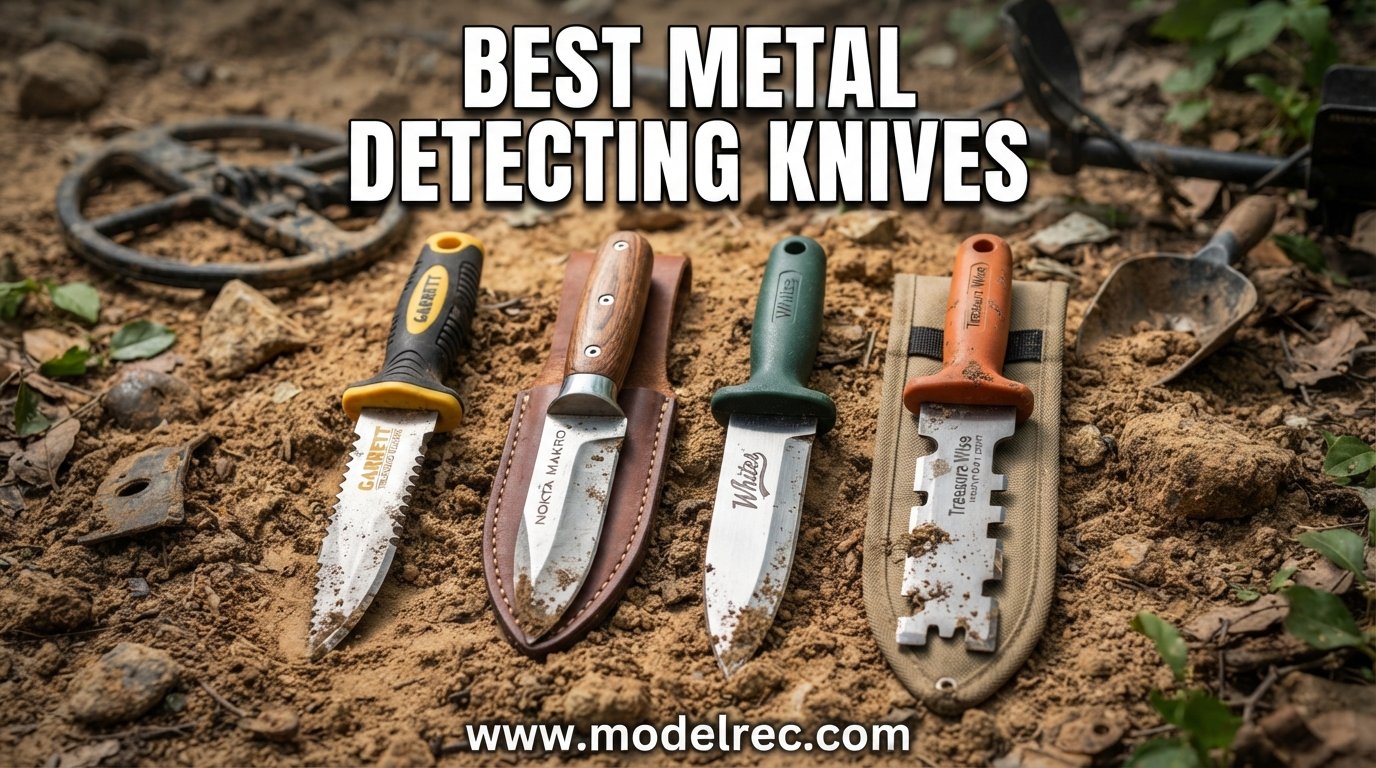
Finding the best metal detecting knives can make the difference between a frustrating hunt and a productive one. I have spent years swinging detectors over parks, fields, and beaches, and the one lesson that keeps showing up is that your recovery tool matters as much as your detector.
A cheap garden trowel will bend, slip, and slow you down within the first hour. A purpose-built metal detecting digging knife slices clean plugs, cuts through roots, and gets you to the target fast without trashing the property. That last part matters more than people realize, because leaving a site looking untouched is how detectorists keep getting permission to come back.
In this guide, our team breaks down 10 of the best metal detecting knives and digging tools available on Amazon right now. We cover hand diggers, full shovels, and the ever-polarizing Hori Hori style, so you can match the tool to your soil, your style, and your budget. If you are also shopping for someone new to the hobby, this kind of metal detecting equipment and accessories makes an excellent gift that actually gets used.
Table of Contents
Top 3 Picks for Metal Detecting Knives
Before we get into the deep reviews, here is a quick snapshot of the three tools our team keeps recommending. These cover the three most common detectorist profiles: the all-rounder, the durability-first buyer, and the budget-conscious beginner.

Garrett Edge Digger with Sheath
- 7.5 inch carbon steel blade
- Serrated edge
- Belt sheath included
- Contoured rubber grip
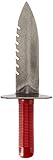
Lesche Digging Tool and Sod Cutter
- Chrome-Moly steel
- Left side serrated
- 7 inch blade
- Belt holder included
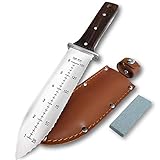
gonicc Hori Hori Garden Knife
- 440 stainless steel
- Straight and serrated edges
- Leather sheath included
- Sharpening stone included
10 Best Metal Detecting Knives in 2026
Here is the full lineup. Each of these 10 tools earned a spot through a mix of customer feedback, build quality, and field reputation. Use this table to compare at a glance, then read the individual reviews below for the details that matter.
| Product | Specifications | Action |
|---|---|---|
| Garrett Edge Digger |
|
Check Latest Price |
| Lesche Digging Tool |
|
Check Latest Price |
| gonicc Hori Hori Knife |
|
Check Latest Price |
 Nokta Premium Digger Nokta Premium Digger |
|
Check Latest Price |
 Root Slayer Mini Digger Root Slayer Mini Digger |
|
Check Latest Price |
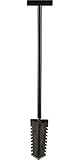 Garrett Razor Relic Shovel Garrett Razor Relic Shovel |
|
Check Latest Price |
 Whites Digging Trowel Whites Digging Trowel |
|
Check Latest Price |
 Lesche T-Handle Shovel Lesche T-Handle Shovel |
|
Check Latest Price |
 Tucson Digging Knife Tucson Digging Knife |
|
Check Latest Price |
 CKG Metal Detecting Shovel CKG Metal Detecting Shovel |
|
Check Latest Price |
1. Garrett Edge Digger – The All-Around Workhorse
Garrett Edge Digger with Sheath, 7.5 inches, Black
Blade: 7.5 inch carbon steel
Total length: 11.6 inches
Weight: 0.45 kg
Grip: Contoured rubber
Pros
- Cuts through roots quickly
- Lightweight yet heavy duty
- Sheath fits easily on belt
- Good build quality
Cons
- Rubber grip may loosen after heavy use
- Looks like a large knife to passersby
The Garrett Edge Digger is the tool I reach for first when I am heading to a park or yard where clean plugs matter. The 7.5-inch carbon steel blade sinks into turf cleanly, and the serrated edge chews through small roots without much effort. At around 0.45 kg, it is light enough that you forget it is on your belt until you need it.
The included sheath is one of the better stock options out there. It clips onto a belt securely, and the digger slides in and out without fighting you. That sounds minor, but after a few hundred recoveries in a day, the small things add up. With 1,415 reviews and a 4.8-star average, this is one of the best metal detecting knives for someone who wants one tool that just works.
Best Use Cases for the Garrett Edge Digger
This digger shines in soft to medium soil with occasional roots. Park detecting, yard hunting, and relic fields with loose soil are all sweet spots. The serrated side handles roots, and the pointed tip pops clean plugs in turf so you can replace them without a trace.
It struggles a bit in bone-dry clay or rocky ground where you need leverage rather than cutting. For those conditions, pair it with a full shovel from this list.
Who Should Skip It
If you hunt primarily in hard-packed ground or deep sand at the beach, a hand digger will frustrate you. The blade is not long enough to reach deep targets efficiently, and you will end up wanting a shovel. Detectorists who prioritize a non-intimidating look may also want something less knife-like, since this tool does draw questions from passersby.
2. Lesche Digging Tool and Sod Cutter – The Premium Blade
Lesche Digging Tool & Sod Cutter & Free Sheath! (Serrated on Left Side)
Blade: 7 inch Chrome-Moly steel
Serrated on left side
Material: Aircraft-grade steel
Includes belt holder
Pros
- Tough and nearly unbreakable
- Cuts roots and compacted soil easily
- Aircraft steel construction
- Comfortable for extended use
Cons
- Handle could be more comfortable
- Sets off metal detectors if too close
The Lesche Digging Tool has a serious following, and after running one through a season of relic hunting, I get why. The Chrome-Moly steel blade holds an edge far longer than the carbon steel on cheaper diggers, and the left-side serration cuts through sod like it was designed for it, because it was.
This is the tool forum users mention over and over when someone asks about durability. The steel is aircraft-grade, the construction feels overbuilt, and 542 reviewers have pushed it to a 4.8-star average. For a hand tool that you will lean on for years, the value is hard to beat.
Blade Sharpness and Edge Retention
The Lesche holds its edge through dozens of hunts before needing attention. That matters because sharpening in the field is a hassle. The serrated side does the heavy cutting, while the plain side slices clean through turf. Keep a file handy at home and you are set for the season.
The one trade-off is that the steel will register on your detector if you set the tool down too close to your search area. Most detectorists learn this once and adjust.
Comfort During Long Hunts
The handle is functional but not luxurious. After a few hours of aggressive digging, some users report minor hand fatigue. If you have larger hands or plan marathon sessions, consider wrapping the grip or wearing gloves. The performance of the blade more than makes up for it.
3. gonicc Professional Hori Hori Knife – The Budget All-Rounder
gonicc Professional Hori Hori Garden Knife with Leather Sheath, Protective Handguard, High polished 440 Stainless Steel Blade, Sharpening Stone Included, for Weeding, Digging, Pruning, and Cultivating
Blade: 7.1 inch 440 stainless steel
Total weight: 15.5 oz
Handle: Wood with full tang
Includes leather sheath and sharpening stone
Pros
- Rust-proof 440 stainless steel
- Straight and serrated edges
- Depth scale on blade
- Includes sheath and sharpening stone
Cons
- Included whetstone is very coarse
- Hand wash only care
The Hori Hori style is the most polarizing tool in metal detecting, and the gonicc version is the one I recommend to anyone curious about the format. For under twenty dollars, you get a 7.1-inch polished 440 stainless steel blade with both a straight edge and a serrated edge, plus a depth scale stamped right into the steel.
The full tang construction with three metal rivets means this knife can take real abuse. The 5-inch hardwood handle is comfortable, and the protective handguard keeps your fingers from sliding down the blade when you hit a root. With 1,463 reviews and a 4.7-star rating, it is one of the most popular digging tools on Amazon for good reason.
Versatility Beyond Metal Detecting
The Hori Hori design started in Japan as a gardening knife, and it shows. Beyond metal detecting, this tool handles weeding, pruning, dividing plants, and measuring planting depth. If you want a single tool that lives in your detecting bag and your garden shed, this is it.
The included leather sheath is a nice bonus at this price, and the sharpening stone works even if it is on the coarse side. The depth scale is genuinely useful for guessing target depth before you dig.
Limitations to Know
The Hori Hori format lacks the leverage of an L-shaped digger like the Garrett or Lesche. In hard-packed clay, you are pushing straight down with your wrist rather than driving the tool with your arm. For soft soil and shallow targets, it is fantastic. For deep targets in tough ground, you will want something with more mechanical advantage.
4. Nokta Premium Digger Tool – Purpose-Built for Detectorists
Nokta Premium Digger Tool with Belt Holster for Metal Detecting, 7.5″ Stainless Steel Blade
Blade: 7.5 inch stainless steel
Total length: 12.8 inches
Weight: 0.88 lbs
Includes belt holster
Pros
- Stainless steel blade resists rust
- Lightweight at under a pound
- Drop point blade shape
- Comes with belt holster
Cons
- Limited availability
- Metal handle can feel cold in winter
Nokta is best known for detectors, but their Premium Digger Tool deserves more attention. The 7.5-inch stainless steel blade has a drop point shape that punches into soil cleanly, and the cutting teeth on the edge handle roots better than you would expect from a tool at this price.
At 0.88 pounds, it is one of the lighter diggers on this list, which makes a real difference on long hunts. The included belt holster keeps it accessible, and the stainless construction means you do not have to baby it when it comes to rust. With 222 reviews and a 4.6-star rating, it has a smaller but loyal following.
Blade Performance in Different Soils
The drop point shape excels at punching holes rather than slicing plugs. That makes it great for coin shooting in lawns where you want a small, surgical hole rather than a full plug. In dense root systems, the serrated teeth help, but the blade is shorter than the Lesche so it takes more effort.
Stainless steel trades a bit of edge retention for corrosion resistance. If you hunt near saltwater, that trade-off is worth it.
Value Compared to Garrett and Lesche
The Nokta sits below the Garrett and Lesche on price while offering very similar dimensions. The main trade-off is brand track record, since Nokta’s digger has fewer reviews and less long-term data. For the price, it is a strong pick for detectorists who want stainless construction without paying premium money.
5. Root Slayer Mini Digger – The Root Destroyer
Root Slayer 22411 Mini Digger Garden Shovel, Serrated Blade, Red
Blade: 9 inch carbon steel
Total length: 29 inches
Weight: 2.9 lbs
Grip: O-Grip with fiberglass shaft
Pros
- Serrated blade with inverted V cutting tip
- Cuts through roots efficiently
- Lifetime warranty
- Powder-coated carbon steel
Cons
- Heavier than hand diggers
- Longer size less portable
The Root Slayer Mini Digger is the tool I lend to friends who keep complaining about roots. The inverted V-shaped cutting tip and dual serrated edges chew through root systems that would stall a standard trowel. At 29 inches with an O-grip handle, it bridges the gap between a hand digger and a full shovel.
With 2,246 reviews and a 4.8-star rating, this is one of the most popular digging tools on Amazon, period. The lifetime warranty from Radius Garden tells you they trust the construction, and the powder-coated carbon steel blade holds up to serious abuse.
When Roots Are Your Main Enemy
If you hunt in wooded areas, old homestead sites, or any place where tree roots crisscross the soil, this is the tool. The V-tip is designed specifically to bisect roots rather than bounce off them. You drive it down with your foot on the blade shoulder, and the serrations do the rest.
The 2.9-pound weight is noticeable but not fatiguing for typical detecting sessions. The O-grip is comfortable and gives you leverage in any direction.
Portability Trade-Offs
At 29 inches, this is not a tool you forget you are carrying. It will not fit in a typical detecting pouch, and it is longer than most people want on a belt. If you hunt from a vehicle and carry your gear to a site, that is fine. If you backpack into remote spots, the length may annoy you.
6. Garrett Razor Relic Shovel – For Deep Targets
Garrett Razor Relic Shovel, 36 in, Black
Total length: 38 inches
Blade: 9 inch alloy steel
Grip: T-handle
Includes carry sheath
Pros
- Serrated edges cut clean plugs
- Lightweight design
- Sturdy welds
- Black powder coating resists rust
Cons
- May bend under extreme prying
- Slightly heavy for some users
The Garrett Razor Relic Shovel is what happens when a detectorist needs more reach than a hand digger but does not want a full-size shovel. At 38 inches with a 9-inch digging blade, it is built for relic hunters who dig a lot of deep targets in fields and wooded sites.
The T-handle gives you two-handed leverage, and the serrated edges cut clean plugs even through root mats. The black powder coating looks sharp and helps with rust resistance. With 235 reviews and a 4.7-star rating, it has earned its place as a serious relic hunting tool.
Digging Efficiency in Relic Fields
In open relic fields where you dig dozens of targets per session, the Razor Relic saves serious time. The 9-inch blade reaches deep targets in one or two strokes, and the T-handle lets you drive the blade with your body weight rather than your arms. You will recover targets faster and with less fatigue.
The serrated edges mean you can cut through root systems without switching tools. That matters in old farm fields where roots hide just below the surface.
Durability Concerns Under Heavy Prying
The most common complaint is that the blade can bend if you use it as a pry bar. This is a digging tool, not a crowbar. If you hit a rock that will not budge, work around it rather than leveraging against it. Treat it as designed and it will last for years.
7. Whites Digging Trowel – The Forum Favorite
Whites Digging Trowel for use when Metal Detecting.
Length: 11 inches
Weight: 9.6 ounces
Brand: White's Electronics
Compact trowel design
Pros
- Compact and manageable size
- Trusted White's brand
- Lightweight at 9.6 ounces
- Solid build quality
Cons
- Limited stock availability
- Fewer specs available
- Smaller than other diggers
The Whites Digging Trowel is the tool that forum users keep bringing up. The classic quote from the metal detecting forum says it all: comfortable handle and your hand will not slip off down the blade. I have used Garrett and Lesche, and Whites beats both, in the opinion of many veteran detectorists.
At 11 inches and under 10 ounces, this is a compact, no-nonsense trowel that gets the job done without extra weight. The 4.6-star rating from 115 reviews reflects a smaller but dedicated user base. Stock is often limited, so if you see it available, grab one.
Handle Comfort and Grip Design
The standout feature here is the handle. Forum users consistently praise the comfortable grip that prevents your hand from sliding down the blade during aggressive digging. That sounds simple, but it is the single biggest complaint about competing trowels. If you have ever blistered your palm on a slipping handle, you understand.
The compact size makes it ideal for park detecting where you want minimal visual footprint and quick recoveries on shallow targets.
Availability and Stock Concerns
White’s Electronics has had a complicated corporate history, and stock on their accessories comes and goes. If you find this trowel in stock, treat it as a limited-time offer. The build quality is genuine, but you may not be able to replace it easily if you lose it.
8. Lesche T-Handle 31 Inch Shovel – The Premium Long Tool
Lesche T- Handle 31″ Heavy Duty Metal Detector Shovel Double Serrated Blade
Length: 31 inches
Blade: 7.3 inch double serrated
Weight: 2 lb 9 oz
Material: Aircraft-quality steel
Made in USA
Pros
- Aircraft-quality steel construction
- Double serrated blade
- Hand-made in the USA
- Five-year warranty
- Perfectly balanced
Cons
- Not Prime eligible
- Small foot pad
- Pricier than alternatives
The Lesche T-Handle Shovel is the tool that serious detectorists graduate to when they are done bending cheap shovels. Hand-made in the USA from aircraft-quality alloy steel, this 31-inch shovel has a double serrated blade and a five-year warranty against breakage under normal use.
At 2 pounds 9 ounces, it is surprisingly light for how tough it is. The double serrated blade cuts on both sides, so it does not matter which way you orient it in a tight hole. With 101 reviews and a 4.7-star rating, it has a smaller review base but an almost fanatical following.
Build Quality and Country of Origin
Hand-made in the USA is not just a marketing line here. The heat-treated aircraft steel has a reputation for surviving conditions that destroy cheaper tools. The five-year warranty backs that up. If you are tired of replacing bent shovels, this is the one-time purchase that ends the cycle.
The double serrated blade is genuinely useful in root-heavy soil. You cut in any direction without thinking about orientation, which speeds up recovery in challenging ground.
Trade-Offs to Consider
The foot pad is small, which means driving the blade with your boot can be uncomfortable on hard ground. The shovel is not Prime eligible, so shipping takes longer. And the price is higher than most competitors on this list. For detectorists who dig every weekend, the investment pays off. For occasional hunters, it may be more tool than you need.
9. Tucson Tools Heavy Duty Digging Knife – The Budget Option
Heavy Duty 13.5″ Digging Knife WITH FREE SHEATH for Metal Detecting, Prospecting with Comfortable Rubber Handle
Length: 13.5 inches
Weight: 0.75 lbs
Blade: Alloy steel with serrated edge
Non-slip rubber handle
Free sheath included
Pros
- Affordable price point
- 13.5 inch heavy duty blade
- Comfortable non-slip rubber handle
- Free sheath included
Cons
- Mixed reviews with 4.1 rating
- Some users report blade bending
- Not Prime eligible
- Limited stock
The Tucson Tools Digging Knife is the cheapest entry on this list, and that is exactly its appeal. For under fifteen dollars, you get a 13.5-inch alloy steel blade with a serrated edge, a non-slip rubber handle, and a free sheath. If you are just testing the hobby, this gets you in the ground without a big investment.
The 4.1-star rating from 205 reviews tells you the story before you read a single review. Most users get solid value for the price, but a meaningful minority report blades bending or breaking under heavy use. Set your expectations accordingly.
What to Expect at This Price
This knife will handle soft soil, shallow targets, and occasional root cutting without complaint. It will not survive being used as a pry bar, and the edge will dull faster than the premium options. For a beginner doing a few hunts per month in forgiving soil, it is a reasonable starting point.
The non-slip rubber handle is genuinely comfortable, and the included sheath is functional. At this price, the accessories alone are worth a chunk of the cost.
When to Upgrade
If you start hunting weekly, hit hard ground regularly, or dig in root-heavy areas, plan to upgrade within the first season. The blade steel on this knife is not in the same league as the Garrett, Lesche, or Nokta options. It is a starter tool, not a lifetime tool.
10. CKG Metal Detecting Shovel – The Heavy-Duty Value
CKG Metal Detecting Shovel Digging Tool with Double Serrated Blade – Heavy Duty Digger Garden Root Cutter T-Handle Spade Professional Metal Detector Accessories
Length: 39.5 inches
Blade: 5.5 inch tempered steel
Weight: 3.8 lbs
Double serrated blade
T-handle grip
Pros
- Heavy duty tempered steel construction
- Double serrated blade
- Heat-treated and sharpened
- T-handle for leverage
- Prime eligible
Cons
- Heavier at 3.8 pounds
- Coating may chip over time
- May need rust maintenance
The CKG Metal Detecting Shovel is the tool for detectorists who want serious digging power without paying Lesche prices. At 39.5 inches with a 5.5-inch tempered steel blade, this is the longest shovel on the list and the one that handles the toughest ground with the least effort.
The double serrated blade is heat-treated and sharpened, and the T-handle gives you full-body leverage. At 3.8 pounds it is the heaviest tool here, but that weight translates to digging power. With 314 reviews and a 4.6-star rating, it has built a solid reputation as a value pick.
Performance in Hard and Rocky Ground
This is where the CKG earns its keep. In hard-packed clay, rocky soil, and ground laced with roots, the weight and rigidity of the tempered steel blade let you power through conditions that would stop a hand digger. The double serrations cut on both push and pull strokes.
The T-handle design means you can use both hands and your body weight together. For deep targets in difficult ground, this shovel saves time and saves your back.
Maintenance and Longevity
The coating on the blade can chip with extended use, exposing the steel underneath. Wipe it down after each hunt and apply light oil if you hunt in wet conditions. The heat-treated blade holds its edge well, but like any carbon-heavy steel, it needs basic care to prevent rust. Treat it right and it will outlast cheaper shovels by years.
How to Choose the Best Metal Detecting Knifes?
Picking from the best metal detecting knives comes down to where you hunt, how often you dig, and what kind of soil you face. Here is the breakdown our team uses when recommending tools.
Blade Material: Carbon Steel vs Stainless Steel
Carbon steel holds a sharper edge longer and is easier to sharpen in the field. The trade-off is that it rusts if you do not maintain it. Stainless steel resists corrosion, which matters if you hunt beaches or wet ground, but it dulls faster and is harder to sharpen. Chrome-Moly steel, used in the Lesche tools, splits the difference and is widely considered the premium choice.
Handle Type: T-Handle, O-Grip, or Straight
T-handles give you the most leverage for deep digging and are standard on shovels. O-grips, like on the Root Slayer, are comfortable and let you push from multiple angles. Straight handles on hand diggers rely on wrist strength, which is fine for shallow targets but fatiguing for deep work. Match the handle to your typical digging depth.
Serrated vs Plain Edge
Serrated edges cut through roots and fibrous material. Plain edges slice clean through turf for neat plugs. Many of the best tools offer both, with one serrated side and one plain side. If you can only have one, choose serrated, because roots are the harder problem to solve.
Length and Weight
Hand diggers and knives run 11 to 14 inches and weigh under a pound. They are ideal for park detecting and shallow targets. Mid-size tools like the Root Slayer run around 29 inches and bridge the gap. Full shovels like the CKG and Lesche run 31 to 39 inches and handle deep targets in tough ground. Longer and heavier means more digging power but less portability.
Sheath and Belt Carry
If you hunt on foot, a belt sheath is non-negotiable. You need the tool accessible without setting it on the ground where it can be lost or register on your detector. Most premium diggers include a sheath, but budget options vary. Check before you buy.
Warranty and Brand Reputation
Lesche offers a five-year warranty. Radius Garden offers a lifetime warranty on the Root Slayer. Garrett and Nokta stand behind their products based on community feedback. Within the metal detecting community, brand reputation carries real weight because these tools get pushed hard. Listen to what forum users say about long-term durability.
FAQs
What is the best digging tool for metal detecting?
The Garrett Edge Digger is the best all-around digging tool for most detectorists. It offers a 7.5-inch carbon steel blade, serrated edge for roots, a comfortable rubber grip, and an included belt sheath. For serious relic hunters, the Lesche T-Handle Shovel provides unmatched durability with aircraft-quality steel and a five-year warranty.
What knife will not set off a metal detector?
All metal detecting knives are made of steel and will trigger a metal detector if placed too close to your search coil. These tools are designed to be used alongside detectors for target recovery, not to avoid detection. Always set your digging tool a few feet away from where you are actively searching to prevent false signals.
What is the best shovel for metal detecting?
The Lesche T-Handle 31-inch Shovel is widely considered the best metal detecting shovel due to its aircraft-quality steel, double serrated blade, and hand-made-in-USA construction. For a more affordable option, the CKG Metal Detecting Shovel at 39.5 inches offers excellent value with tempered steel and a double serrated blade.
Are metal detecting knives worth it?
Yes, a purpose-built metal detecting knife is absolutely worth the investment. Standard garden tools bend in hard soil, lose their edge quickly, and lack the serrations needed to cut through roots. A quality detecting knife like the Garrett Edge Digger or Lesche Digging Tool will last for years and dramatically speed up your target recovery.
How do I choose the right metal detecting knife?
Choose based on your soil type and hunting style. For park detecting in soft soil, a compact hand digger like the Garrett Edge Digger works best. For relic hunting in root-heavy ground, look for serrated blades like the Root Slayer. For deep targets in hard ground, a full shovel like the Lesche T-Handle or CKG provides the leverage you need. Blade material, handle comfort, and included sheath are the key factors.
Final Thoughts on the Best Metal Detecting Knives
The best metal detecting knives turn a slow, frustrating hunt into a smooth one. For most detectorists, the Garrett Edge Digger covers all the bases with its sharp carbon steel blade, serrated edge, and reliable belt sheath. If you want lifetime durability, the Lesche Digging Tool and Lesche T-Handle Shovel are the tools forum veterans swear by.
Beginners on a budget should start with the gonicc Hori Hori or the Tucson Tools Digging Knife to test the hobby without overspending. Whatever you choose, the right digging tool will pay for itself in recovered targets and saved time within the first season.