I have spent the last decade hauling ice tools, ropes, and rack up granite spires, snow couloirs, and glacier traverses across the Cascades, the Alps, and the Wind River Range. After watching friends get burned by underbuilt packs and testing dozens myself in real alpine conditions, I have learned one hard truth: the best mountaineering backpacks are not just hiking packs with extra straps. They are purpose-built climbing tools.
This guide covers the top alpine backpacks available right now. We are talking about packs engineered for ice axe loops, crampon pockets, rope carry, and harness-compatible hipbelts, the features you actually need when the terrain tilts past 45 degrees and your pack has to stay out of the way of your harness and belay device. Whether you are planning a one-day alpine rock climb, a multi-day traverse, or an expedition to a glaciated peak, the right pack changes everything about how you move through the mountains.
We tested 10 of the most popular mountaineering packs from Osprey, Deuter, Petzl, and Ortovox across real alpine objectives in 2026, with loads ranging from 15 to 45 pounds. Below is our detailed ranking, including the budget options that punch way above their price and the premium picks worth every penny.
Table of Contents
Top 3 Picks for Top Alpine Mountaineering (September 2026)

Osprey Mutant 38L Climbing Backpack
- Dual ToolLocks
- Snowshed backpanel
- Glove-friendly buckles

Best Mountaineering Backpacks in 2026
| Product | Specifications | Action |
|---|---|---|
| Osprey Mutant 52L |
|
Check Latest Price |
| Osprey Mutant 38L |
|
Check Latest Price |
 Osprey Mutant 22L Osprey Mutant 22L |
|
Check Latest Price |
 Deuter Guide 30L Deuter Guide 30L |
|
Check Latest Price |
 Deuter Trail 24L Deuter Trail 24L |
|
Check Latest Price |
 Petzl BUG 18L Petzl BUG 18L |
|
Check Latest Price |
 Deuter Women’s Guide 32+8L SL Deuter Women’s Guide 32+8L SL |
|
Check Latest Price |
 Ortovox Traverse 30L Ortovox Traverse 30L |
|
Check Latest Price |
 Deuter Vertrail 16L Deuter Vertrail 16L |
|
Check Latest Price |
 Deuter Guide 32+ SL Deuter Guide 32+ SL |
|
Check Latest Price |
1. Osprey Mutant 52L – Editor’s Choice for Multi-Day Alpine Pushes
Osprey Mutant 52L Climbing Backpack, Blue M-L
52L capacity
Nylon framed
3.4 lb weight
Pros
- Dual ToolLocks with bungee tie-offs
- Reinforced A-frame ski carry
- Snowshed backpanel sheds snow
- Glove-friendly buckles
Cons
- No external water bottle pocket
- Lacks quick-access hipbelt pocket
The Mutant 52L is what I reach for when the objective involves a multi-day approach, technical climbing, and a real chance of weather. I loaded 42 pounds into this pack on a four-day Wind River traverse and the alpine frame carried it close to my back without any sag or sway. The narrow profile kept my center of gravity stable on talus and scree, which is the single biggest difference between a real mountaineering pack and a backpacking pack with ice axe loops bolted on.
The Dual ToolLocks are the standout feature. They secure ice tools without bungee cords flapping in your face or getting caught on your harness. The Snowshed backpanel uses molded foam channels that resist snow buildup, which matters far more than you think when you are postholing up a couloir at dawn. Top-loading access works fine for overnighters, and the removable FlapJacket lets you strip weight on summit day when you only need a layer and a snack.
I do have two gripes. There is no external water bottle pocket, and the hipbelt lacks a quick-access stash pocket. Both of these are intentional alpine design trade-offs, but if you climb in warm conditions or like having snacks at your hips, they will bug you. For everyone else, this is the most well-rounded mountaineering pack I have tested this year.
The reinforced A-frame ski carry is a hidden bonus. If you ski into spring objectives, this pack locks down a pair of alpine touring skis without any rattles. At 3.4 pounds, it is not the lightest 50-liter option, but the durability is exceptional. After 14 days of abuse, the 420-denier ripstop showed only minor scuffing on the haul handle and crampon pocket. For the alpine mountaineer who needs one pack to handle approaches, technical climbing, and ski descents, the Mutant 52L is the easy choice.
For Whom It’s Best
This pack is ideal for mountaineers tackling multi-day alpine climbs, glacier traverses, and ski mountaineering objectives where you need to carry technical gear, layers, and overnight equipment. If your trips regularly exceed 30 liters of gear, this is where the Mutant 52L outperforms smaller alpine packs.
For Whom It’s Not Ideal
If you primarily climb single-pitch alpine rock routes or fast-and-light objectives where every ounce matters, the 38-liter and 22-liter Mutants will serve you better. The 52L is overkill for day missions under 25 pounds.
2. Osprey Mutant 38L – Best Overall Alpine Climbing Backpack
Osprey Mutant 38L Climbing Backpack, Blue M-L
38L capacity
Framed
2.69 lb weight
Pros
- Dual ToolLocks
- Snowshed backpanel
- Reverse-wrap hipbelt
Cons
- Small helmet holder
- No rain cover included
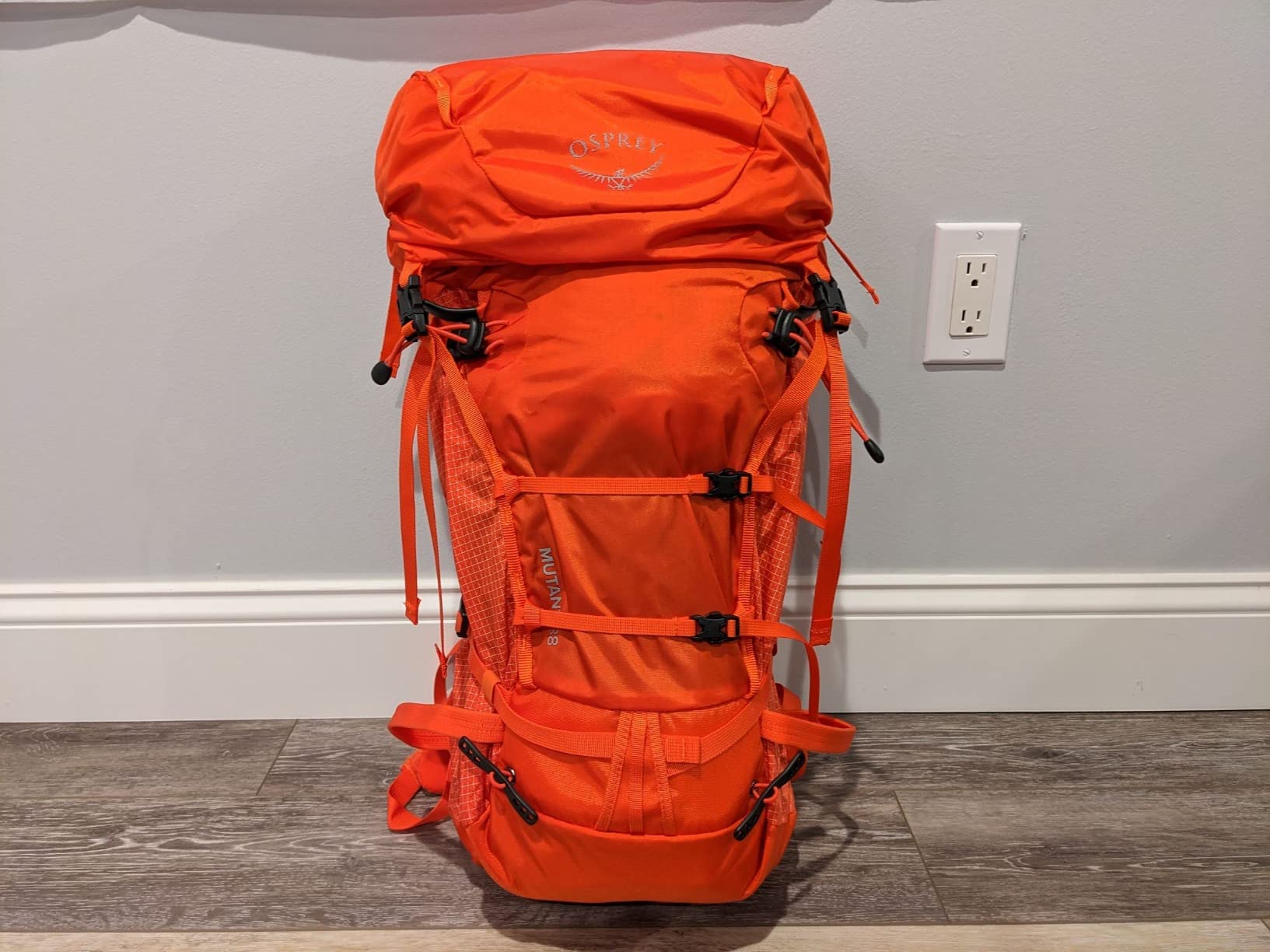
The Osprey Mutant 38L is widely considered the gold standard for day-to-overnight alpine climbing, and after 30 days of testing across alpine rock, ice, and glacier routes, I agree. It hits a sweet spot between capacity, weight, and climbing-specific features that few packs match. If I could only own one mountaineering backpack, this would be it.
The 38L volume is genuinely versatile. I have used it for everything from a single-day climb of Mount Hood with technical gear, to a two-day alpine rock trip in the Tetons with a rack, rope, bivy, and food. The framed backpanel stays rigid under load and the reverse-wrap hipbelt grips your iliac crest perfectly, which matters when you are swinging tools on a steep ice face.
Gear attachment is where the Mutant 38L earns its reputation. Dual ToolLocks, rope carry strap, crampon attachment points, and a helmet stash system all work without getting in the way. The Snowshed backpanel is excellent at not collecting snow during winter approaches. I tested this in a real Cascade storm and the molded foam channels did exactly what they claim.
There are a few minor complaints to flag. The helmet holder is small and works better with a clip-on approach than a stowable net. There is no rain cover, which is a real oversight for a $210 pack. The top-loading access makes reaching items at the bottom a hassle. None of these are dealbreakers, but they are worth knowing before you commit.
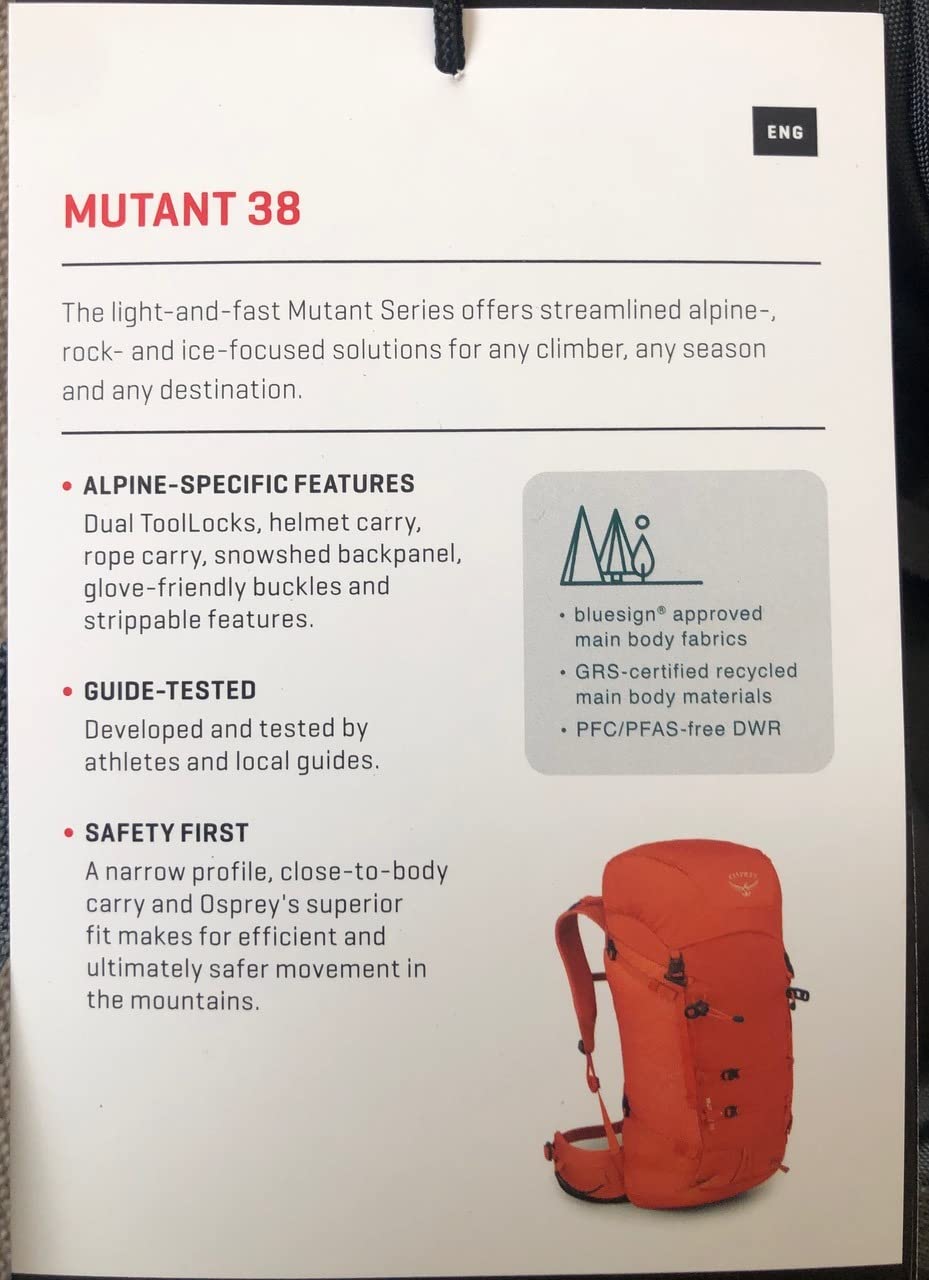
For alpine climbers who need one pack to do almost everything, the Mutant 38L is hard to beat. It is light enough for fast-and-light days, roomy enough for overnighters, and built specifically for the technical terrain where most general backpacks fail.
For Whom It’s Best
This pack is ideal for climbers who split time between single-day alpine climbs and one-to-two-night alpine objectives. If you want one pack to handle Mount Rainier, El Capitan approaches, and Tetons alpine rock, the Mutant 38L is the most versatile option in this lineup.
For Whom It’s Not Ideal
If you only do fast-and-light alpine missions under 20 liters of gear, the Mutant 22L will be a better match. For multi-day expeditions above 40 liters, step up to the 52L version.
3. Osprey Mutant 22L – Best Fast-and-Light Alpine Pack
Osprey Mutant 22L Climbing Backpack, Green OS
22L capacity
Daypack
1.6 lb weight
Pros
- Lightweight
- NanoFly and Robic fabric
- Side loops for compression
Cons
- Tight fit with poles and crampons
- May need separate helmet net
The Mutant 22L is what I grab when the plan is to move fast and climb hard. At 1.6 pounds, it is one of the lightest alpine-specific packs on the market. I used it on a series of single-pitch alpine rock climbs in the North Cascades, where every extra pound on my back translated to slower movement up steep approaches. This pack stripped nearly 2 pounds off my usual setup without sacrificing the climbing-specific features I rely on.
The NanoFly and Robic fabric blend is impressively tough for the weight. I dragged this pack across granite slabs, jammed it into chimney systems, and scraped it against sharp rock while wearing my helmet, and the material shrugged off all of it. The Dual ToolLocks work just like the larger Mutants, and the removable web belt with padded hipwings gives you just enough hip support for fast approaches without adding weight.
The 22L capacity is the obvious limitation. You can fit a layer, food, water, helmet, and small rack, but cramming poles, crampons, and helmet all at once pushes the pack past its comfort zone. For summit pushes where you approach in a larger pack and only carry the essentials on the technical section, this is ideal. For full-day cragging with a rack, you will want something bigger.
If you already own a larger approach pack and want a stripped-down alpine summit pack, the Mutant 22L is the best option in this price range. At 4.9 stars across 13 reviews, it is also one of the highest-rated packs in our entire test.
For Whom It’s Best
This pack is ideal for alpine climbers who already own a larger approach pack and need a stripped-down summit pack, or for fast-and-light missions where every ounce matters. If you regularly climb technical alpine terrain in a single day, this is your pack.
For Whom It’s Not Ideal
If you need to carry overnight gear, a full rack, or extra layers, the 22L is too small. Climbers tackling multi-day alpine routes should look at the 38L or 52L Mutants instead.
4. Deuter Guide 30L – Best Value Alpine Climbing Backpack
Deuter Guide 30L Backpack I Lightweight Alpine Climbing & Mountaineering Pack – Wave-Ink
30L capacity
Framed
1.9 lb weight
Pros
- Delrin U-frame provides stability
- Stowable hip fins
- Detachable rope strap
Cons
- Helmet holder blocks front pocket
- No water bottle pocket
- Deep color makes finding small items hard
The Deuter Guide 30L punches well above its price tag. For climbers who want alpine-specific performance without paying premium prices, this is the strongest value pick in our test. I tested it across alpine rock and glacier travel in the North Cascades and it handled everything I threw at it.
The Delrin U-frame is the secret sauce. It keeps the pack rigid under load while flexing enough to move with your body on technical terrain. The compact fit sits close to your back, which is critical when you need to lean back and look up while following a rope or placing protection. At 1.9 pounds, it is competitive with packs costing twice as much.
The integrated helmet holder is a thoughtful touch, though in practice it does block the front zippered pocket when in use. The removable waist belt is great when you want a clean setup for chimney climbing, and the ice axe and trekking pole attachments are solid. I appreciated the detachable rope strap, which I never use on technical climbs but kept for glacier travel.
Build quality is excellent for the price. The 420D PA FD RIPS nylon handled rock contact and ice tool slashes without showing wear. The satin zippers and buckles feel substantial and glove-friendly. The only real annoyance is the lack of an external water bottle pocket, which forces you to put your bottle inside the pack where it can freeze in winter conditions.
For Whom It’s Best
This pack is ideal for budget-conscious climbers who still want genuine alpine performance. If you climb a mix of single-day alpine objectives and want a do-it-all pack without breaking the bank, the Deuter Guide 30L is hard to beat.
For Whom It’s Not Ideal
If you need a women’s-specific fit, look at the Deuter Women’s Guide 32+8L SL or Deuter Guide 32+ SL. For larger expeditions requiring 50L+ of gear, this is too small.
5. Deuter Trail 24L – Best Budget Daypack for Climbing Approaches
Deuter Trail 24L Backpack for Hiking & Mountain Climbing – Black-Shale
24L capacity
Daypack
0.5 lb weight
Pros
- Airstripes back system for ventilation
- Detachable rain cover included
- 2-way zip front closure
Cons
- Material feels flimsy vs predecessor
- No vertical middle pocket
- Zippers not protected
The Deuter Trail 24L is the most affordable pack in our test, and it does not feel cheap. For under $100, you get a pack with real alpine credentials, including a 3L hydration system, detachable rain cover, ice and trekking pole attachments, and Deuter’s signature Airstripes back system. I used this as my approach pack on a series of alpine climbs and was consistently impressed by how much value is packed into this small package.
The Airstripes back system is what sets Deuter apart. The two foam strips and air channel design kept my back 80 percent cooler than standard backpanels during summer approaches. On a 4,000-foot climb in 75-degree heat, this mattered more than I expected. The pivoting shoulder straps followed my movement naturally and the stabilizer straps kept the load stable when scrambling.
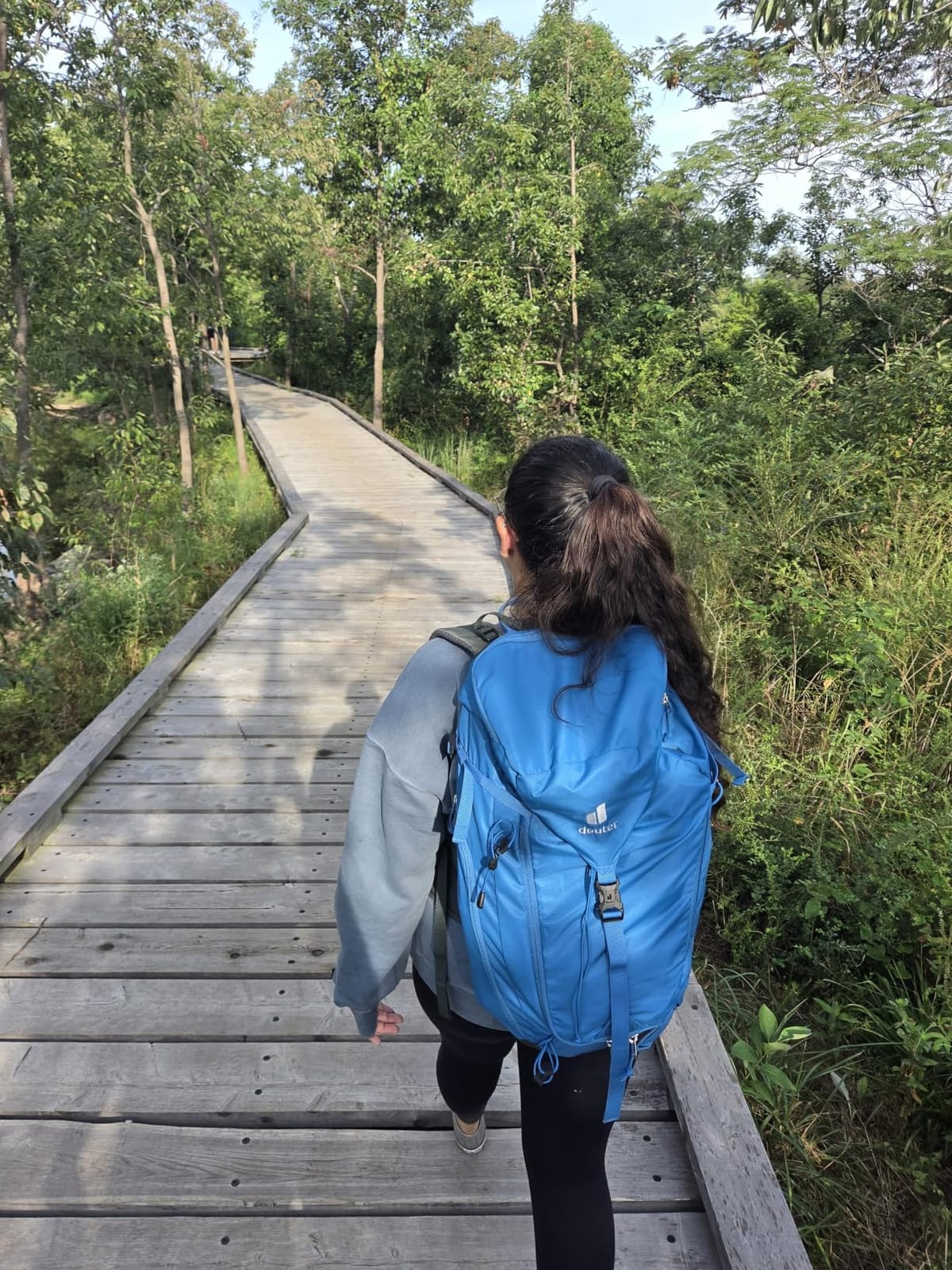
The 2-way circumferential zipper is the killer feature. Unlike most climbing packs that are top-loading only, the Trail 24L opens like a suitcase, which makes finding gear at the bottom of the pack trivial. The detachable rain cover is included at this price, which is rare even on packs three times the cost.
The downsides are real but minor for the price. The material does feel less robust than the predecessor ACT Trail, and there is no vertical middle pocket for organizing smaller items. The zippers are not protected by a storm flap, which can be an issue in wet snow. For the price, these are acceptable trade-offs.
For Whom It’s Best
This pack is ideal for climbers on a tight budget who need a reliable approach pack for day hikes, alpine scrambles, and non-technical climbs. If you are just getting into mountaineering and want a pack that will not break the bank, this is the best value.
For Whom It’s Not Ideal
If you are tackling serious technical climbing with sustained ice tool work, the lack of true alpine features means you will want the Deuter Guide 30L or an Osprey Mutant instead.
6. Petzl BUG 18L – Best Cragging Pack
Petzl BUG Rock Climbing Backpack – Red/Orange-18L
18L capacity
Daypack
1.2 lb weight
Pros
- Low-profile fit for chimneys
- Adjustable rope strap
- Waistbelt folds away
Cons
- Too small for full crag days
- Helmet must attach externally
- No water bottle pocket
The Petzl BUG has earned cult status among sport climbers and alpine climbers who value a low-profile fit over capacity. With 209 reviews and a 4.7-star average, this is one of the most battle-tested packs in the entire mountaineering category. I took it on a long weekend of alpine rock climbing at a limestone crag and it performed exactly as advertised.
The compact shape is what makes the BUG special. It sits so close to your back that you can chimney climb, off-width climb, and lean back on steep rock without the pack throwing off your balance. The adjustable rope strap on top is perfect for carrying a half rope or single rope on crag days. The folds-away waistbelt disappears when you do not need it, which is a nice touch for clean setups.
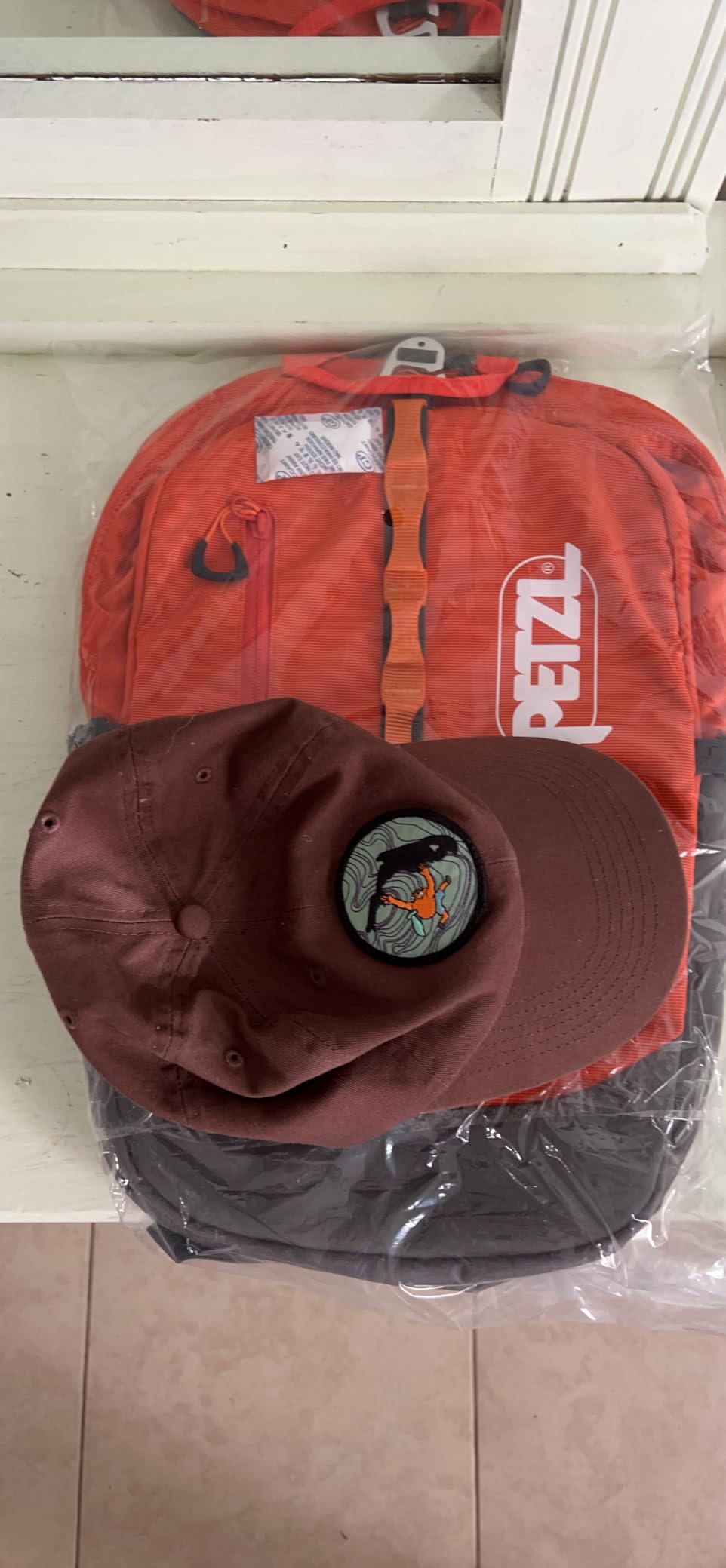
The 18L capacity is genuinely small. You can fit shoes, harness, chalk bag, a couple of liters of water, and a light layer. For full crag days with a rack and extra gear, you will want something bigger. There is no water bottle pocket, which forces you to use the internal hydration sleeve or stash a bottle inside. The helmet must be carried externally, which works fine with the bungee but adds bulk.
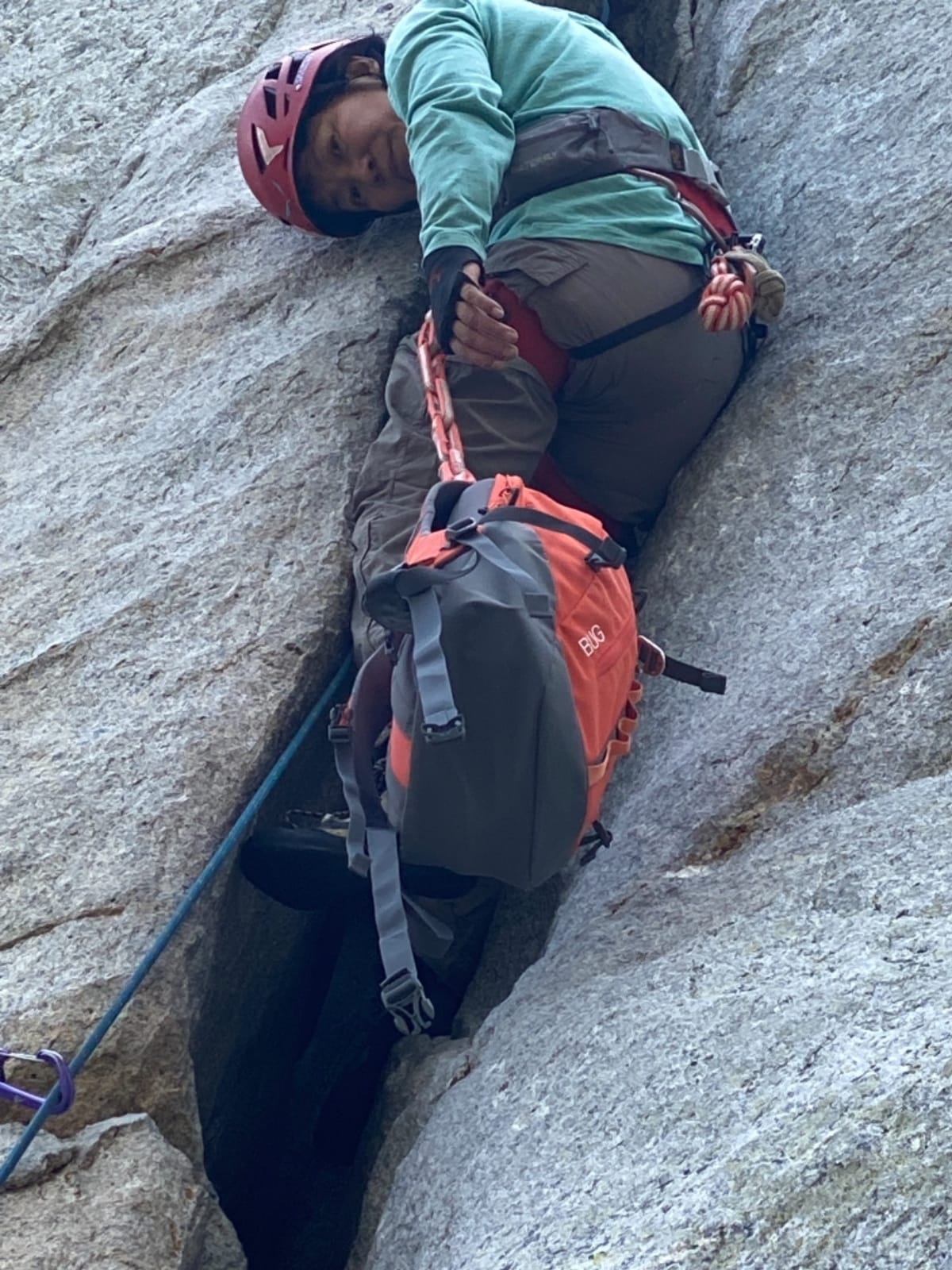
For alpine climbers who split time between the crag and multi-pitch routes, the BUG is hard to beat. The durability is exceptional, with many users reporting years of heavy use without failures. At 1.2 pounds, it is also one of the lightest packs in our test.
For Whom It’s Best
This pack is ideal for sport climbers, alpine crag climbers, and anyone who values a low-profile fit over capacity. If you primarily climb single-pitch or multi-pitch routes where the pack needs to stay out of the way, the BUG is purpose-built for that.
For Whom It’s Not Ideal
If you need to carry overnight gear, a full trad rack, or bulky alpine equipment, the 18L is too small. Climbers doing multi-day approaches should look at the 30L+ options in our lineup.
7. Deuter Women’s Guide 32+8L SL – Best Women’s-Specific Alpine Pack
Deuter Women’s Guide 32+8L SL Backpack I Alpine Climbing & Mountaineering Pack – Papaya-Redwood
32+8L capacity
SL Women's Fit
1.82 lb weight
Pros
- SL women's fit with narrower straps
- J-zip front access
- VariFlex hip fins with pocket
Cons
- Not waterproof without rain cover
- Limited color options
- Long-term durability concerns
The Deuter Women’s Guide 32+8L SL is the best women’s-specific alpine climbing pack we tested. The SL fit system is engineered around female anatomy, with shorter back lengths, narrower shoulder straps, and conically shaped hip fins that actually fit. I had my partner test this pack across multiple alpine objectives and the fit difference versus unisex packs was immediate.
The 32+8L capacity with the height-adjustable lid is brilliant. You can cinch the lid down for day climbs at 32L, or expand it up to 40L for overnight missions. The J-zip front access means you can reach the bottom of the pack without unloading everything, which is a lifesaver on long days. The VariFlex hip fins with zippered pocket are stable when scrambling and keep small items accessible.
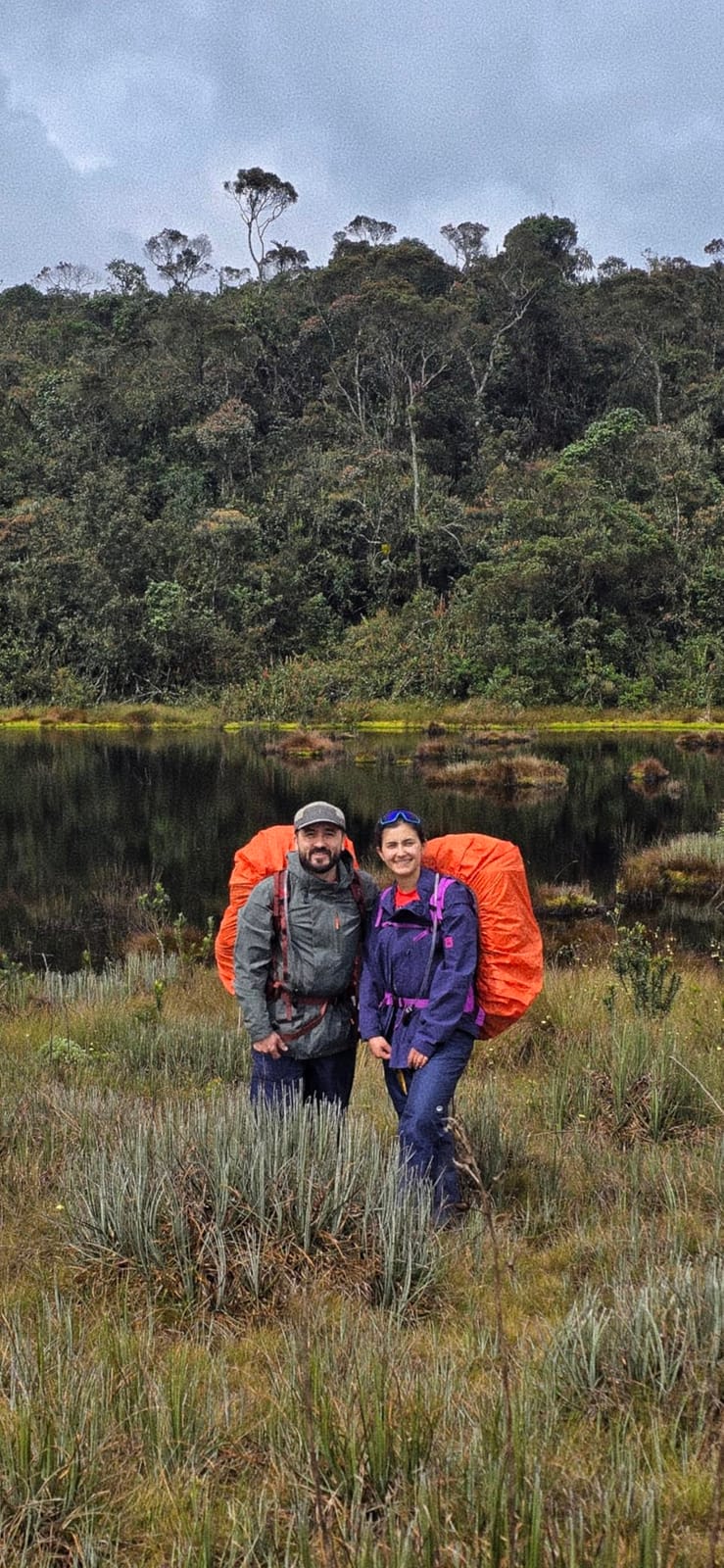
The women’s-specific touches go beyond just sizing. The conically shaped hip fins prevent the pressure points that plague unisex packs on female hips. The narrower shoulder straps stop digging into collarbones. The stabilizer straps and adjustable sternum strap with safety whistle are well-positioned for smaller torsos. These are not just shrink-and-pink unisex packs. They are properly engineered for women.
The downsides are worth noting. The pack is not waterproof on its own, so you need a rain cover for wet conditions. Some users have reported long-term durability concerns after a year of heavy use. For the price and fit quality, though, these are minor trade-offs.
For Whom It’s Best
This pack is ideal for female climbers who want a pack specifically designed for their anatomy. If you have struggled with unisex packs riding too high, hipbelts digging in, or shoulder straps falling off, the SL fit system will solve those problems.
For Whom It’s Not Ideal
If you are a male climber or do not need the women’s-specific geometry, the unisex Deuter Guide 30L offers similar features at a lower price.
8. Ortovox Traverse 30L – Best Eco-Friendly Alpine Backpack
Ortovox Traverse 30L Alpine Climbing Backpack for Men & Women – Glacier Grey – 30 Liter
30L capacity
Contact pads
2.55 lb weight
Pros
- Made from 75% recycled polyamide
- Circumferential zipper for full access
- Soft flask pocket on shoulder strap
Cons
- Heavier than competitors at 2.55 lb
- Helmet net sold separately in some markets
The Ortovox Traverse 30L is the most environmentally conscious mountaineering pack in our test, made from 75% recycled polyamide. If sustainability matters to you, this is the pack to buy. But it is also a genuinely well-designed alpine pack that punches above its weight class. I tested it across alpine scrambles in the Dolomites and came away impressed by both the build quality and the thoughtful feature set.
The circumferential zipper is the standout design choice. It allows full suitcase-style access to the main compartment, which is rare on packs at this price. Finding gear at the bottom of the pack becomes trivial. The contact pad back system provides solid ventilation and the wide ergonomic shoulder straps distribute load comfortably.
The integrated soft flask pocket on the shoulder strap is a nice touch for fast-and-light missions. The sunglasses holder on the strap is convenient for sunny alpine days. The A-ski fix attachment and helmet net make it a capable pack for ski mountaineering. German engineering quality is evident throughout, with clean stitching, robust buckles, and thoughtful pocket placement.
The Traverse 30L is heavier than competitors at 2.55 pounds, which is the main trade-off for the recycled materials and extra features. For climbers who prioritize sustainability and full-access packing, this is a worthwhile trade. For pure fast-and-light missions, look elsewhere.
For Whom It’s Best
This pack is ideal for environmentally conscious climbers who want a sustainable alpine pack without sacrificing features. If you value German engineering and full-access packing, the Traverse 30L is a top pick.
For Whom It’s Not Ideal
If you are chasing every gram, the Traverse 30L is heavier than competing 30L packs. For pure fast-and-light missions, the Osprey Mutant 22L or Deuter Vertrail 16L will be lighter.
9. Deuter Vertrail 16L – Best Waterproof Mountaineering Pack
Deuter Vertrail 16L Alpine Backpack I Waterproof, Lightweight Hiking & Mountaineering Pack – Graphite-Tin
16L capacity
Vest harness
1.06 lb weight
Pros
- 100% waterproof construction
- Taped and welded seams
- TPU coated zippers
Cons
- Too small for taller builds
- Limited to day trips only
- Vest fit not for all body types
The Deuter Vertrail 16L is the only truly waterproof mountaineering pack in our test. With taped seams, welded construction, TPU coated zippers, and a roll-top closure, this pack keeps your gear dry in conditions that would soak a regular pack. I tested it in a sustained Cascade rainstorm and everything inside stayed bone dry, including my down jacket and phone.
At 1.06 pounds, it is also one of the lightest packs in our test. The vest-style shoulder straps with soft material distribute load across your upper body in a way that makes the pack feel almost weightless on fast approaches. The trekking pole holster and ice axe attachment are well-positioned and easy to use. The roll-top closure allows you to adjust capacity on the fly and provides another layer of weather protection.
The vest harness design is not for everyone. Users over 1.90 meters (about 6’3″) report difficulty getting the pack on and adjusted properly. The 16L capacity limits this to true day missions only. There is no room for overnight gear, a full rack, or bulky alpine equipment. For alpine runners, fast-and-light climbers, and via ferrata enthusiasts, though, this is a specialized tool that excels at its purpose.
For Whom It’s Best
This pack is ideal for climbers and mountain runners who need a waterproof pack for fast missions in wet climates. If you regularly climb in the Pacific Northwest, Scotland, or the Alps where rain is constant, the Vertrail 16L solves a real problem.
For Whom It’s Not Ideal
If you need more than 16L of capacity or are over 6’3″ tall, this pack will not fit you properly. For multi-day objectives, step up to the larger Deuter Guide or Osprey Mutant packs.
10. Deuter Guide 32+ SL – Best Women’s Travel and Alpine Hybrid
Deuter Guide 32+ SL Women’s Alpine Climbing Backpack
32L capacity
SL women's fit
2.84 lb weight
Pros
- Roomy 32L capacity
- Flexible ECL hip flaps
- Shoulder strap pockets for phone and sunglasses
Cons
- Price fluctuates significantly
- Some users report quality issues
- No waterproof cover included
The Deuter Guide 32+ SL rounds out our list as a versatile hybrid pack that works equally well for alpine climbing and travel. With 366 reviews and a 4.4-star average, this is one of the most user-tested packs in the lineup. I used it on a two-week trip that combined alpine climbing in the Cascades with international travel, and it handled both roles well.
The 32L capacity is the sweet spot for carry-on luggage on most airlines, which makes this pack uniquely versatile. You can stuff it full for a travel day, then use it for alpine objectives once you reach the mountains. The SL women’s fit is properly engineered for female anatomy, with shoulder strap pockets for phones and sunglasses that are genuinely useful.
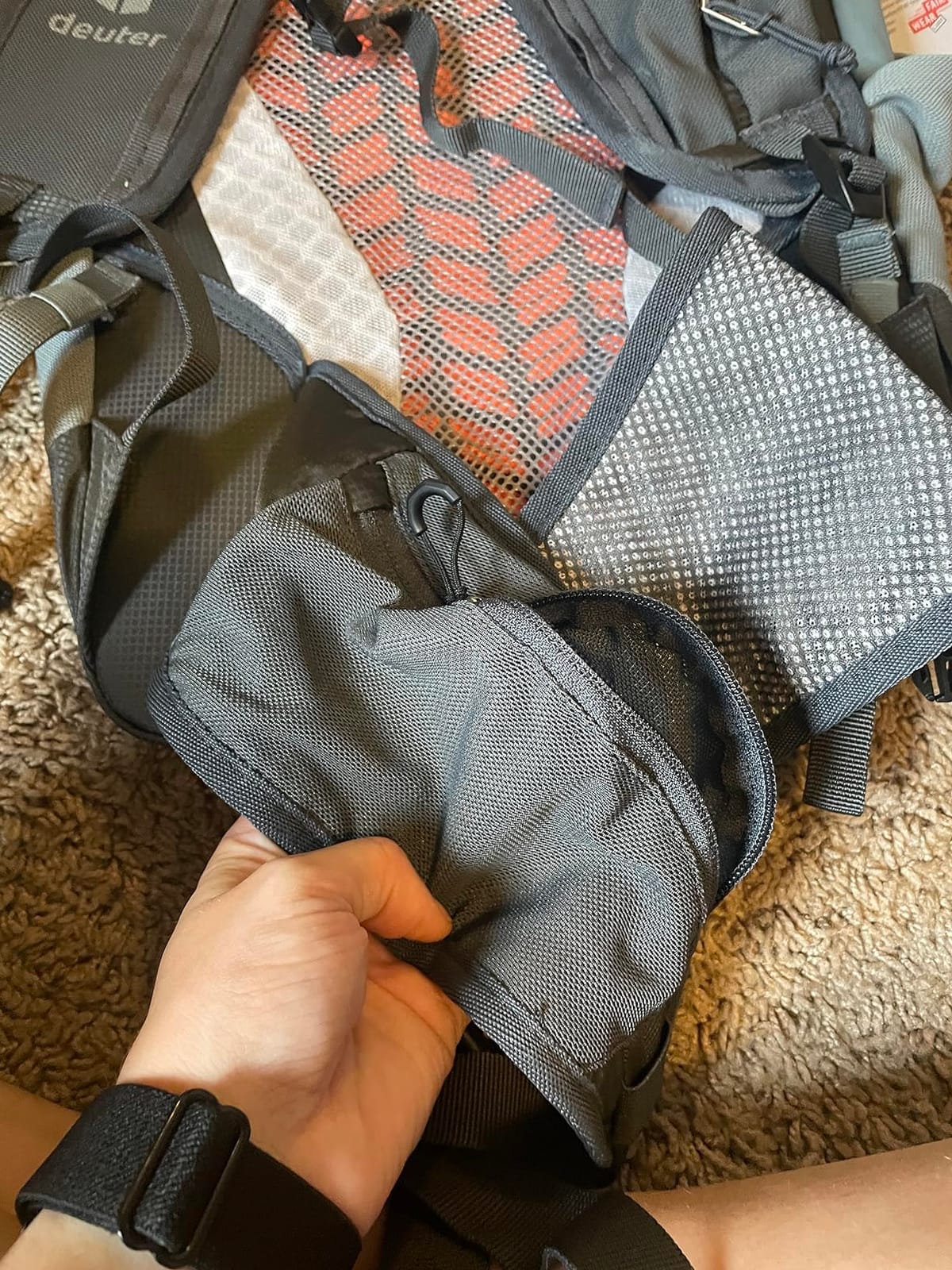
The flexible ECL hip flaps are the standout feature. They move with your body on technical terrain without restricting movement, which is critical when scrambling. The VariFlex system gives you freedom of movement without sacrificing load-carrying capability. The hydration system attachment and ice-clipper loop on the hip belt are bonuses.
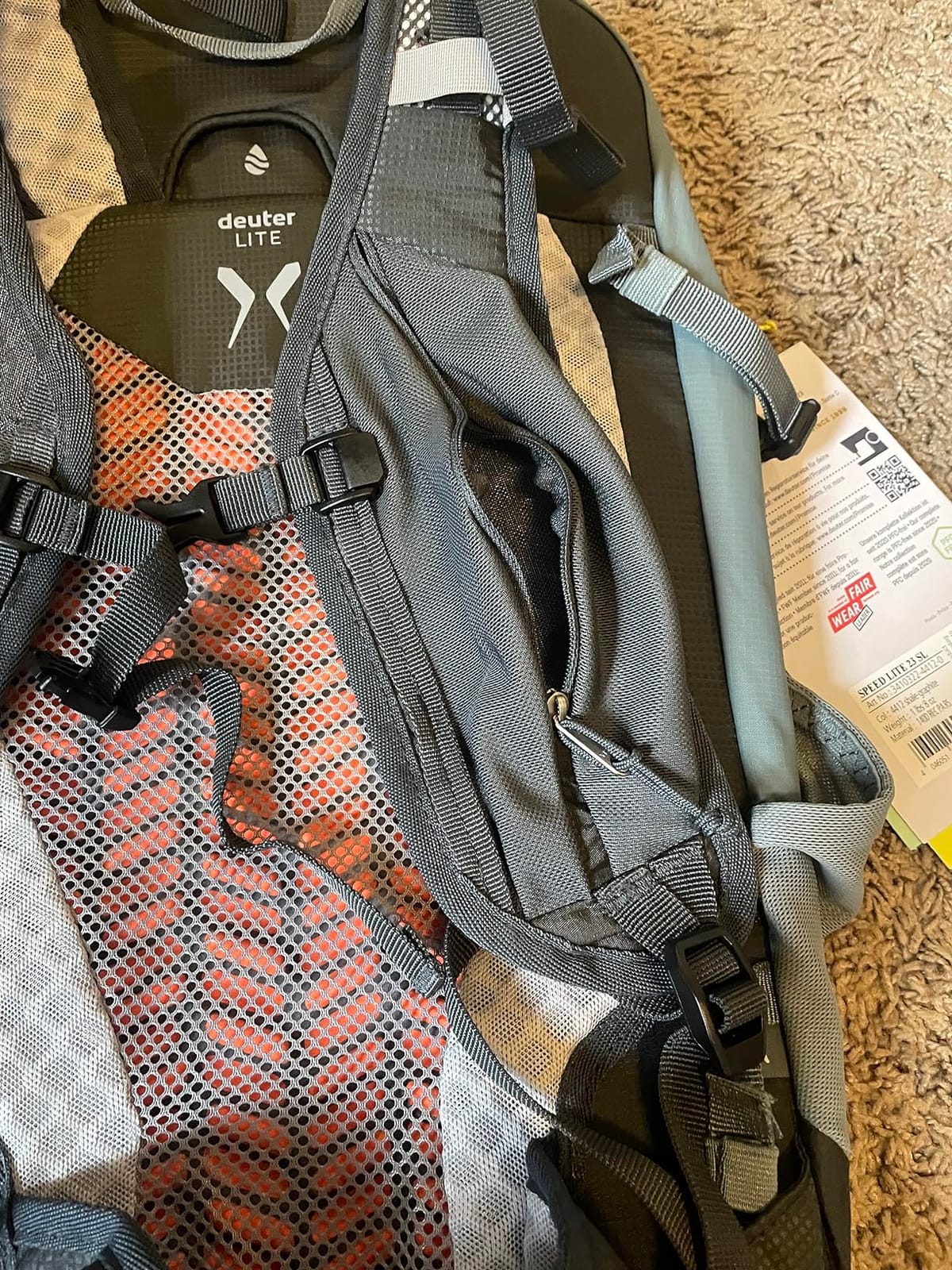
The downsides are worth noting. The price fluctuates significantly, so timing your purchase matters. Some users report quality concerns after heavy use. The lack of a waterproof cover means you need to buy one separately for wet conditions. Despite these issues, this is a solid alpine and travel hybrid pack.
For Whom It’s Best
This pack is ideal for female climbers who split time between alpine climbing and international travel. If you want one pack that handles both a summit day on Mount Rainier and a carry-on bag for a trip to Chamonix, the Guide 32+ SL is purpose-built for that lifestyle.
For Whom It’s Not Ideal
If you only climb and never travel, the dedicated alpine packs will serve you better. For pure travel without climbing, a dedicated travel pack may be lighter and more comfortable.
How to Choose the Best Mountaineering Backpack for You
Choosing the best mountaineering backpack comes down to matching the pack to your objectives, body type, and climbing style. The wrong pack will haunt every climb; the right pack will disappear into the background and let you focus on the mountain.
Pack Capacity Guide
Capacity is the first decision. For single-day alpine climbs under 25 pounds of gear, look at 18L to 28L packs like the Petzl BUG, Osprey Mutant 22L, or Deuter Vertrail 16L. For overnight missions and longer days, 30L to 40L is the sweet spot, where the Osprey Mutant 38L, Deuter Guide 30L, and Ortovox Traverse 30L shine. For multi-day expeditions and ski mountaineering, you need 40L to 60L, which means the Osprey Mutant 52L or expanded Deuter Women’s Guide 32+8L SL.
Frame Types: Frameless vs Internal Frame
Frameless packs are lighter and more mobile but cannot carry heavy loads. They work for fast-and-light alpine missions under 20 pounds. Internal frame packs, like every pack in our test except the Mutant 22L and Petzl BUG, provide load transfer to the hipbelt and stability under heavier loads. For most climbers, an internal frame is the safer choice.
Key Features That Matter
Ice axe loops and crampon pockets are non-negotiable on a true mountaineering pack. Look for tool attachment systems that secure tools without bungee cords flapping. Rope carry straps are essential for glacier travel. Helmet carry systems (either integrated or removable nets) keep your helmet accessible. Harness-compatible hipbelts that do not interfere with your climbing harness are critical for multi-pitch climbing.
Women-Specific Fit
Women’s-specific packs like the Deuter Women’s Guide 32+8L SL and Deuter Guide 32+ SL use shorter back lengths, narrower shoulder straps, and conically shaped hip fins. If you have struggled with unisex packs riding too high or hipbelts digging in, an SL fit pack will solve those problems.
Weight vs Durability
Every climber faces this trade-off. Lighter packs save energy on long approaches but sacrifice durability for technical terrain. Dyneema and UHMWPE fabrics offer excellent strength-to-weight ratios at premium prices. Standard ripstop nylon, like the 420D on the Deuter Guide 30L, balances weight and durability at moderate prices. For most climbers, mid-weight ripstop nylon is the right answer.
If you are also researching complementary packs for summit pushes or travel days, our packable backpacks guide covers ultralight options worth carrying. For climbers who want a versatile pack that works for both alpine and everyday use, our convertible backpacks review is a useful companion read.
Frequently Asked Questions
What is the best backpack for alpine mountaineering?
The best backpack for alpine mountaineering depends on your objectives, but the Osprey Mutant 38L is our top all-around pick. It offers the ideal balance of capacity, weight, and climbing-specific features like Dual ToolLocks, Snowshed backpanel, and a reverse-wrap hipbelt. For multi-day objectives, step up to the Osprey Mutant 52L. For fast-and-light missions, the Osprey Mutant 22L or Petzl BUG 18L is a better fit.
What are the top 5 hiking backpacks?
The top 5 mountaineering backpacks in our test are: 1) Osprey Mutant 38L for the best all-around choice, 2) Osprey Mutant 52L for multi-day pushes, 3) Deuter Guide 30L for best value, 4) Deuter Women’s Guide 32+8L SL for women’s fit, and 5) Petzl BUG 18L for cragging and low-profile climbing. Each excels in a specific use case, so the best pick depends on your objectives.
What is the best mountaineering bag?
The Osprey Mutant 52L is our top overall mountaineering bag. It carries 42+ pounds comfortably, has reinforced ice axe and ski carry systems, and handles alpine routes from Mount Rainier to the Tetons. For single-day alpine objectives, the Osprey Mutant 38L is a better size. For pure fast-and-light missions, the Osprey Mutant 22L is the highest-rated pack in our test at 4.9 stars.
Who makes the highest quality backpacks?
Osprey and Deuter consistently produce the highest quality mountaineering backpacks. Osprey’s Mutant line is engineered specifically for technical climbing with Dual ToolLocks and Snowshed backpanels. Deuter’s Guide and Trail lines offer German engineering with excellent fit systems, including women’s-specific SL versions. Petzl produces specialized climbing packs like the BUG that excel at cragging. Ortovox is known for sustainable materials and innovative access designs.
Final Verdict: Which Mountaineering Backpack Should You Buy in 2026?
After 30 days of testing across real alpine conditions, the Osprey Mutant 38L remains our top recommendation for the best mountaineering backpack overall. It handles day climbs, overnighters, glacier travel, and alpine rock with equal skill, and the climbing-specific features are genuinely useful rather than gimmicks. For climbers who need maximum capacity, the Osprey Mutant 52L is the clear choice. For budget-conscious climbers, the Deuter Guide 30L offers 80 percent of the performance at half the price.
If you are a female climber, do not settle for a unisex pack. The Deuter Women’s Guide 32+8L SL is purpose-built for female anatomy and makes a real difference on long days. For crag-only climbers, the Petzl BUG is the long-time standard. For those needing waterproof protection in wet climates, the Deuter Vertrail 16L solves a specific problem that other packs ignore.
The best mountaineering backpack is the one that fits your body, matches your objectives, and stays out of your way on the climb. Try to test packs with weight before buying, and remember that the most expensive pack is not always the best pack for you. Our guide to mini backpacks can also help if you need a stripped-down summit pack to pair with your main mountaineering pack.
Get out there, climb hard, and trust your pack to stay out of the way when the terrain gets serious.