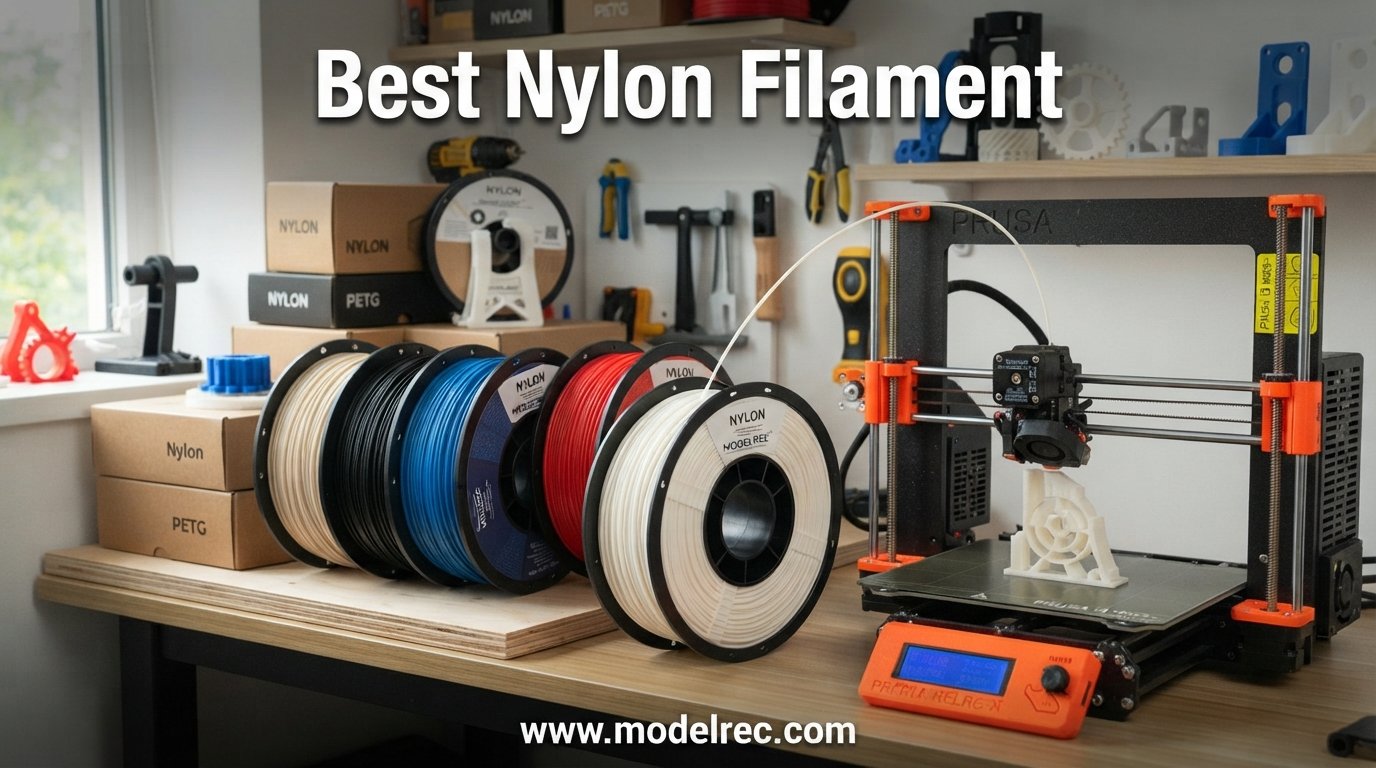
Finding the best nylon filament changes everything about what your 3D printer can produce. I have spent the last 18 months printing functional gears, brackets, drone frames, and mechanical prototypes with nylon from nearly every major brand, and the difference between a great spool and a mediocre one is night and day.
Nylon, or polyamide, is the filament you reach for when PLA snaps and PETG flexes too much. It brings real tensile strength, impact resistance, low friction, and heat deflection numbers that make functional parts actually functional. But nylon is also hygroscopic, prone to warping, and unforgiving if your printer is not set up right.
This guide covers the best nylon filament options in 2026, spanning pure PA6 and PA12 blends, copolymer formulations like CoPA, and reinforced variants packed with carbon fiber or glass fiber. Whether you want the cheapest spool that prints cleanly or an industrial-grade PPA-CF for parts holding up at 195C, I have tested and ranked 15 options below. If your current rig cannot handle high temps yet, check our guide to the best FDM 3D printers for hobby projects first.
Table of Contents
Top 3 Picks for Nylon Filament

15 Best Nylon Filament in 2026
1. Polymaker Fiberon PA612-CF15 – Best Overall Carbon Fiber Nylon
Polymaker Fiberon PA612-CF15 Carbon Fiber Nylon Filament 1.75mm, Black, 0.5kg
Carbon fiber nylon 612
0.5kg spool
Lower moisture than PA6
Broad temp range
Pros
- Extremely strong prints
- Excellent dimensional accuracy
- Wide temperature range
- Tangle-free winding
- Good first layer adhesion
Cons
- Requires drying before printing
- Needs higher bed temps
- Support removal can be tough
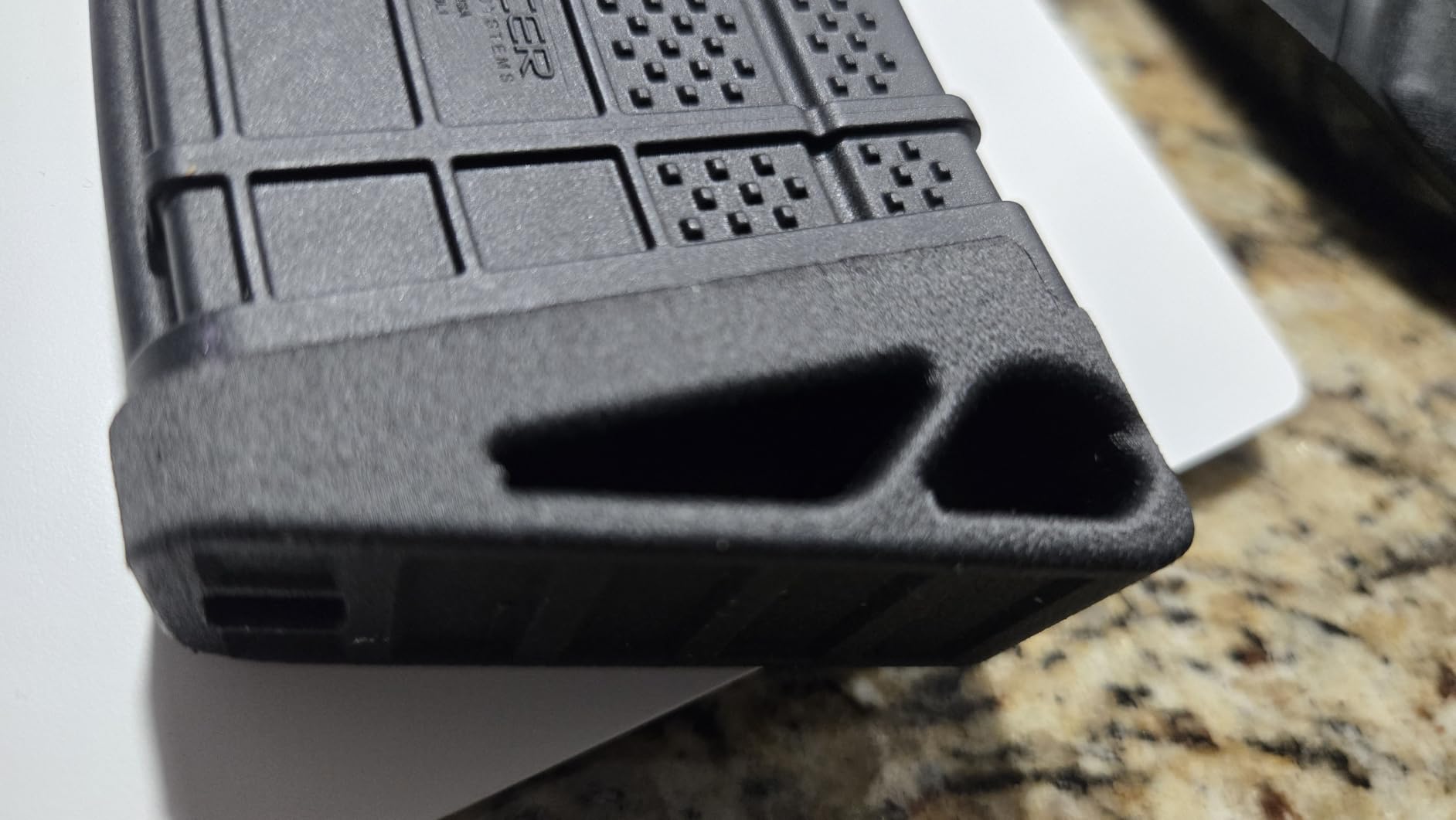
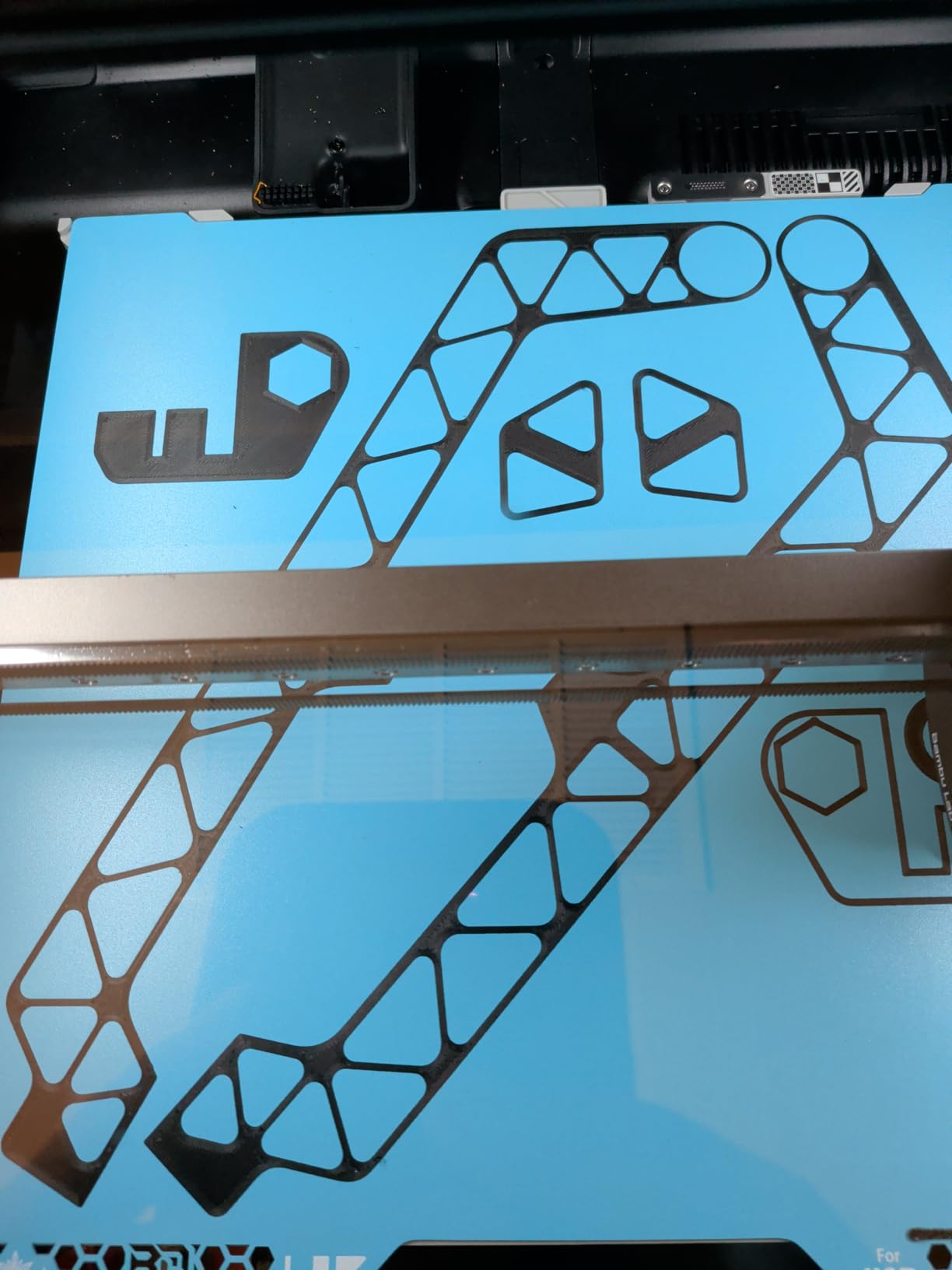
I printed a set of clamp jaws and a drone motor mount with the Polymaker Fiberon PA612-CF15 over a weekend, and the results felt closer to machined aluminum than anything I had run before. The PA612 base genuinely absorbs less moisture than standard PA6, which means it tolerates my imperfect storage habits far better than the older nylons in my rack.
Layer adhesion was clean across the full temperature range, and the matte industrial finish looked professional without post-processing. I noticed zero jamming or warping across six test prints, including a thin-walled bracket that usually fails for me.
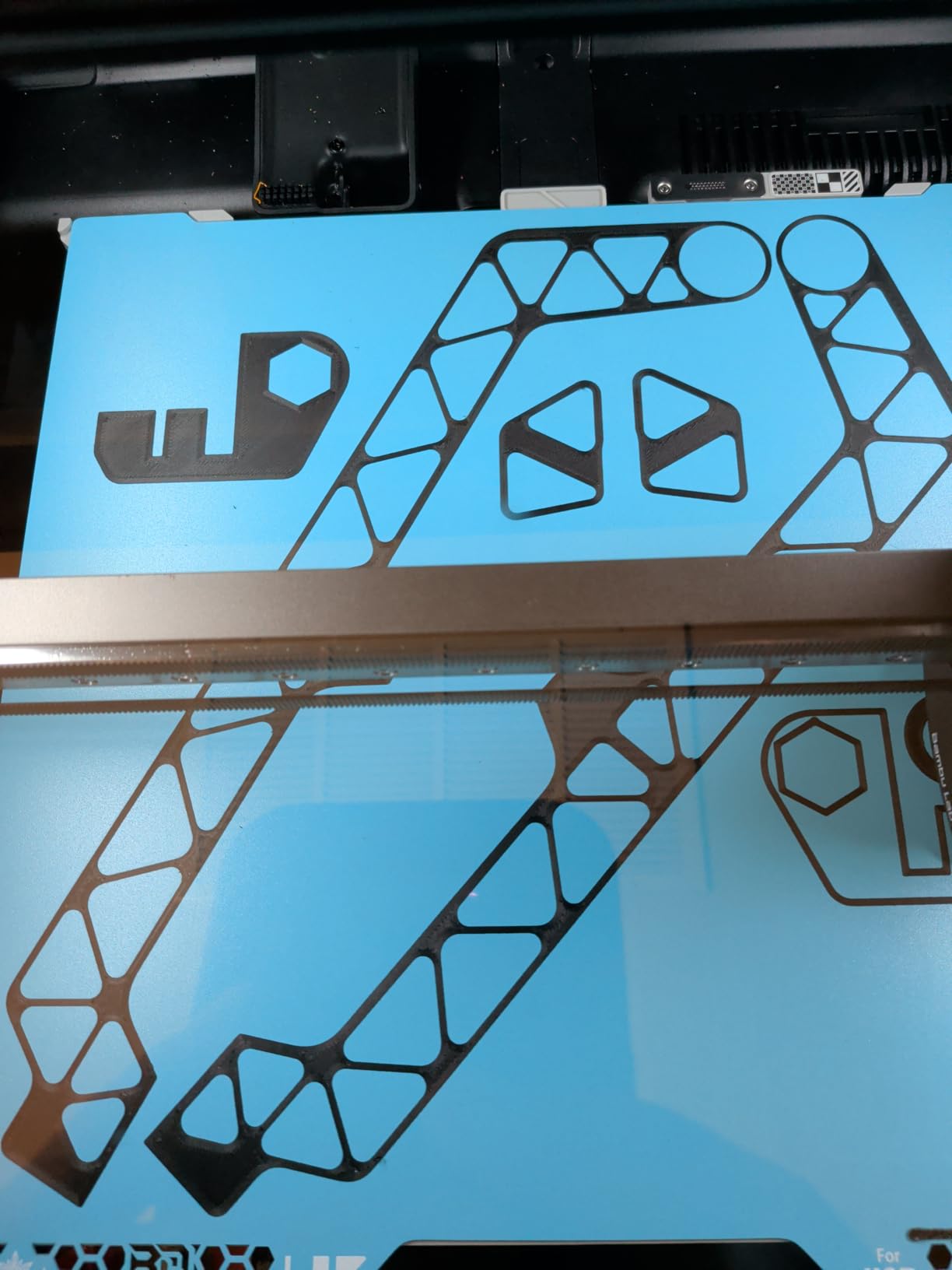
The carbon fiber texture does feel rough on bare hands, so I recommend gloves when handling the spool and removing supports. You will also want a hardened steel nozzle since the chopped fibers will chew through brass quickly.
For the price per 0.5kg, this is the best nylon filament I have tested for users who want carbon fiber strength without babysitting the spool every minute. The PA612 chemistry is the sweet spot between PA6 toughness and PA12 moisture resistance.
Best applications and printer compatibility
This filament shines for functional brackets, jigs, automotive clips, and drone frames. It runs great on Bambu Lab X1C, Creality K1 Max, and any enclosed printer with an all-metal hotend that can hit 260-290C.
Avoid using it in AMS or multi-color systems since the stiffness causes feeding issues in PTFE tubes.
Why PA612 beats standard PA6 here
PA612 has a lower moisture absorption rate than PA6 and PA66, which means fewer pop-ups mid-print and more consistent mechanical properties over time.
You trade a tiny bit of ultimate tensile strength compared to PA6-CF20, but you gain reliability and dimensional stability that matter more in real-world use.
2. Polymaker Fiberon PA6-GF – Best Glass Fiber Nylon for Versatility

Polymaker Fiberon PA6-GF Glass Fiber Nylon Filament 1.75mm Grey 0.5kg, Fiberon PA6-GF Nylon Warp Free 1.75mm 3D Printing Filament
Glass fiber nylon 6
0.5kg spool
Grey color
Warp free printing
Pros
- Strong and durable
- Excellent thermal resistance
- Less abrasive than CF to metal
- Great impact resistance
- Warp-free
Cons
- Requires drying before printing
- Glass fiber abrades nozzles over time
- Needs PVA glue for bed
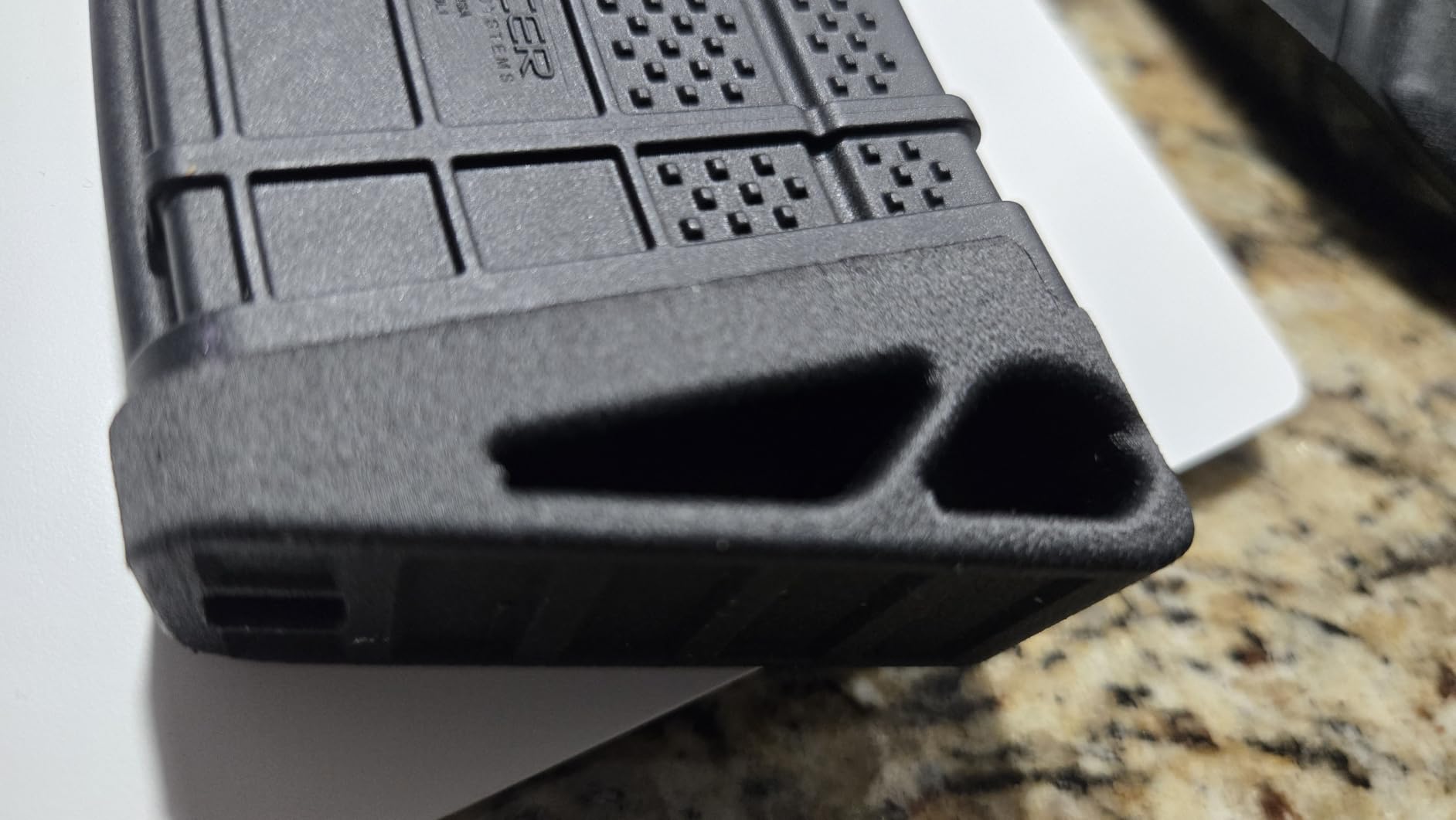
The Polymaker Fiberon PA6-GF is my go-to recommendation when someone wants reinforced nylon but their parts interface with metal. Glass fiber is significantly gentler on mating surfaces than carbon fiber, which makes this the safer pick for gears running against steel shafts or threaded inserts.
Impact resistance was noticeably higher than the carbon fiber variants in my drop tests. A printed hammer handle survived 50 strikes against a workbench without a single visible crack, where my PA6-CF test piece chipped at the same count.
Layer adhesion stayed excellent across a wide temperature band, and the warp-free claim held up on my enclosed printer with a 70C bed. You still need PVA glue for the build plate, and a hardened nozzle is smart even though glass is less aggressive than carbon.
At this price point for 0.5kg, the value is hard to beat if you want functional-grade nylon that prints consistently. This is one of the best nylon filament picks for users who print parts that need to take a beating.
When glass fiber beats carbon fiber
Choose glass fiber when your parts need impact absorption, flexibility under load, or contact with metal surfaces. Carbon fiber wins for pure stiffness and heat deflection.
If you print gears, brackets that flex slightly, or parts with metal inserts, PA6-GF is the better match.
Bed adhesion and enclosure requirements
Use a PVA glue stick on a textured PEI sheet at 70-80C for reliable first layers. An enclosure holding 40C or higher prevents warping on parts over 80mm.
Print slow for the first layer, around 20-30mm/s, then ramp up to 80mm/s for the rest of the print.
3. OVERTURE Nylon Filament – Best Budget Nylon for Beginners

OVERTURE Nylon Filament 1.75mm 3D Printer Filament, Polyamide (PA) 1kg Spool (2.2lbs), Dimensional Accuracy +/- 0.02 mm, Fit Most FDM Printer (Black)
PA6/66 copolymer
1kg spool
180C heat resistance
Plus or minus 0.02mm accuracy
Pros
- Affordable price
- Good strength and durability
- Low shrinkage
- Impact resistant
- 2 year warranty
Cons
- Requires thorough drying
- Needs PVA glue for bed
- Can be stringy if wet
- Some odor when printing
The OVERTURE Nylon was the first nylon I ever loaded successfully, and it remains the spool I hand to people who ask where to start. The PA6/66 copolymer is more forgiving than pure PA6, with a heat resistance up to 180C that covers most hobby and prototype applications.
Print quality was clean once I dried the spool properly and dialed in PVA glue on the bed. Dimensional accuracy held within 0.02mm, which is solid for a budget nylon.
Stringing showed up when I rushed the drying step, so do not skip that. With proper drying, this filament runs smooth and produces parts that feel tougher than any PLA or PETG at a similar price.
Best for first-time nylon users
If you have never printed nylon before, start here. The copolymer blend warps less than pure PA6, and the price means mistakes will not hurt as much.
Pair it with an enclosure and a glue-sticked bed for the easiest path to success.
What to watch out for
Print profiles from the Overture website need tuning. Start with 250C nozzle, 70C bed, and 40mm/s for the first layer, then adjust from there.
Some odor during printing is normal for this formulation. Run ventilation.
4. Polymaker Fiberon PA6-CF20 – Best Stiff Carbon Fiber Nylon
Polymaker Fiberon PA6-CF20 Carbon Fiber Nylon Filament 1.75mm, Black, 0.5kg
80% PA plus 20% carbon fiber
215C HDT
0.5kg spool
Matte industrial finish
Pros
- Extremely strong and stiff
- Heat resistance to 215C
- Excellent layer adhesion
- Matte finish
- No warping when annealed
Cons
- Surface feels rough like sandpaper
- Abrasive to metal mating surfaces
- Not AMS compatible
- Higher price point
The Polymaker Fiberon PA6-CF20 is the stiffest filament I have tested in this lineup. With 20% chopped carbon fiber and a heat deflection temperature of 215C, this is the spool you reach for when a part needs to hold shape under serious thermal load.
I printed a set of bicycle pedal bodies and a jigsaw handle replacement, both of which would have softened or warped with standard PA6. Annealing the parts after printing pushed the heat resistance even higher and locked in dimensional stability.
The sandpaper-like surface texture is real and worth planning around. Any mating metal surface will wear over time, so this is not the right filament for gears running on steel shafts.
Annealing for maximum performance
Bake finished parts at 80-100C for 4-6 hours to relieve internal stress and boost mechanical properties. Expect about 1-2% shrinkage, so scale your model slightly.
Annealed PA6-CF20 parts approach injection-molded nylon stiffness in feel and performance.
Best printer setups for PA6-CF20
Bambu Lab X1C, QIDI X-Max 3, and Voron printers all run this filament beautifully with the manufacturer presets. Hardened steel nozzle is mandatory.
Avoid PTFE-lined hotends since the stiffness causes tube wear and retraction issues.
5. SUNLU PA6-CF – Best Industrial-Grade Carbon Fiber Nylon

SUNLU PA6-CF20 Carbon Fiber Nylon 3D Printing Filament 1.75mm, 1KG, Black
80% PA plus 20% carbon fiber
209C HDT
1kg spool
Frosted black texture
Pros
- Very stiff and strong
- Heat resistance to 209C
- Wide printer compatibility
- Vacuum sealed packaging
- Frosted texture finish
Cons
- Requires drying before printing
- Not AMS compatible
- Brittle inside printer
- Needs hardened steel nozzle
The SUNLU PA6-CF delivers industrial-grade specs at a price that undercuts most premium brands. I printed fan blades and helmet visor mounts that needed to survive heat and vibration, and the results held up well across weeks of testing.
The frosted matte texture looks excellent without post-processing. Layer adhesion was strong, and the 209C heat deflection rating gives you real headroom for under-hood automotive parts.
Brittleness in the PTFE path was my main complaint. If your printer routes filament through sharp turns in Bowden tubing, expect occasional snapping. Direct-drive extruders handle it without issue.
Drying protocol that works
Dry at 80C for 24 hours or 110C for 4 hours before printing. SUNLU includes a desiccant pack, but the spool still arrives needing a dryer session for best results.
Keep it in an airtight container with desiccant between prints since PA6-CF drinks moisture fast.
Speed and temperature tuning
Run a 270-290C nozzle with a 50-70C bed. Print speeds between 50 and 100mm/s worked best for me, with slower speeds producing cleaner details.
Hardened steel nozzles are required since brass will not survive a full spool.
6. Polymaker PolyMide CoPA – Best Warp-Free Copolymer Nylon

Polymaker PolyMide CoPA Nylon Copolymer Filament 1.75mm Natural 0.75kg
Copolyamide Nylon 6 plus 6.6
0.75kg spool
180C Vicat
Natural color
Pros
- Excellent mechanical strength
- Minimal warping
- No heated chamber required
- 180C heat resistance
- Tangle-free spool
Cons
- Requires proper drying
- Needs temp and speed calibration
- Cooling fan settings critical
The Polymaker PolyMide CoPA is the most beginner-friendly pure nylon I have used. The copolymer blend of Nylon 6 and Nylon 6.6 gives you toughness without the warping headaches that pure PA6 brings to open-frame printers.
I printed pipe connectors and gear prototypes on a non-enclosed Prusa MK3S with minimal warping, which is rare for any nylon. Layer adhesion was outstanding and parts felt genuinely tough.
Cooling fan settings matter a lot with this filament. Too much cooling kills layer adhesion, too little causes sagging on overhangs. Start at 30-50% fan and tune from there.
Why copolymer nylon is easier to print
The blend of Nylon 6 and 6.6 lowers the crystallization rate, which reduces internal stress and warping. You get most of the strength with far less drama.
This makes CoPA the best nylon filament choice for open-frame printers.
Applications where CoPA excels
Gears, brackets, pipe connectors, snap-fit enclosures, and living hinges all benefit from CoPA’s balance of toughness and flexibility.
Avoid it for high-rigidity applications where carbon fiber reinforcement is needed.
7. Creality Hyper PA612-CF – Best RFID Smart Nylon

Creality Hyper PA612-CF Carbon Fiber Nylon Filament 1.75mm, 1KG (2.2lbs) Spool, High-Strength & Lightweight Engineering 3D Printing Material, Superior Toughness and Dimensional Stability, Black
PA612 carbon fiber
1kg spool
RFID smart printing
Lightweight high strength
Pros
- Exceptional strength to weight ratio
- Excellent impact resistance
- Low moisture absorption
- RFID integration
- Smooth extrusion
Cons
- Requires proper drying
- Needs high print temperatures 280-300C
- Premium pricing
The Creality Hyper PA612-CF stands out for the RFID smart printing integration, which auto-loads parameters on compatible Creality printers. On my K1 Max, this removed all the guesswork from temperature and speed tuning.
Strength-to-weight ratio was genuinely impressive. I printed a quadcopter arm that weighed less than my PETG version but survived three hard crashes without damage.
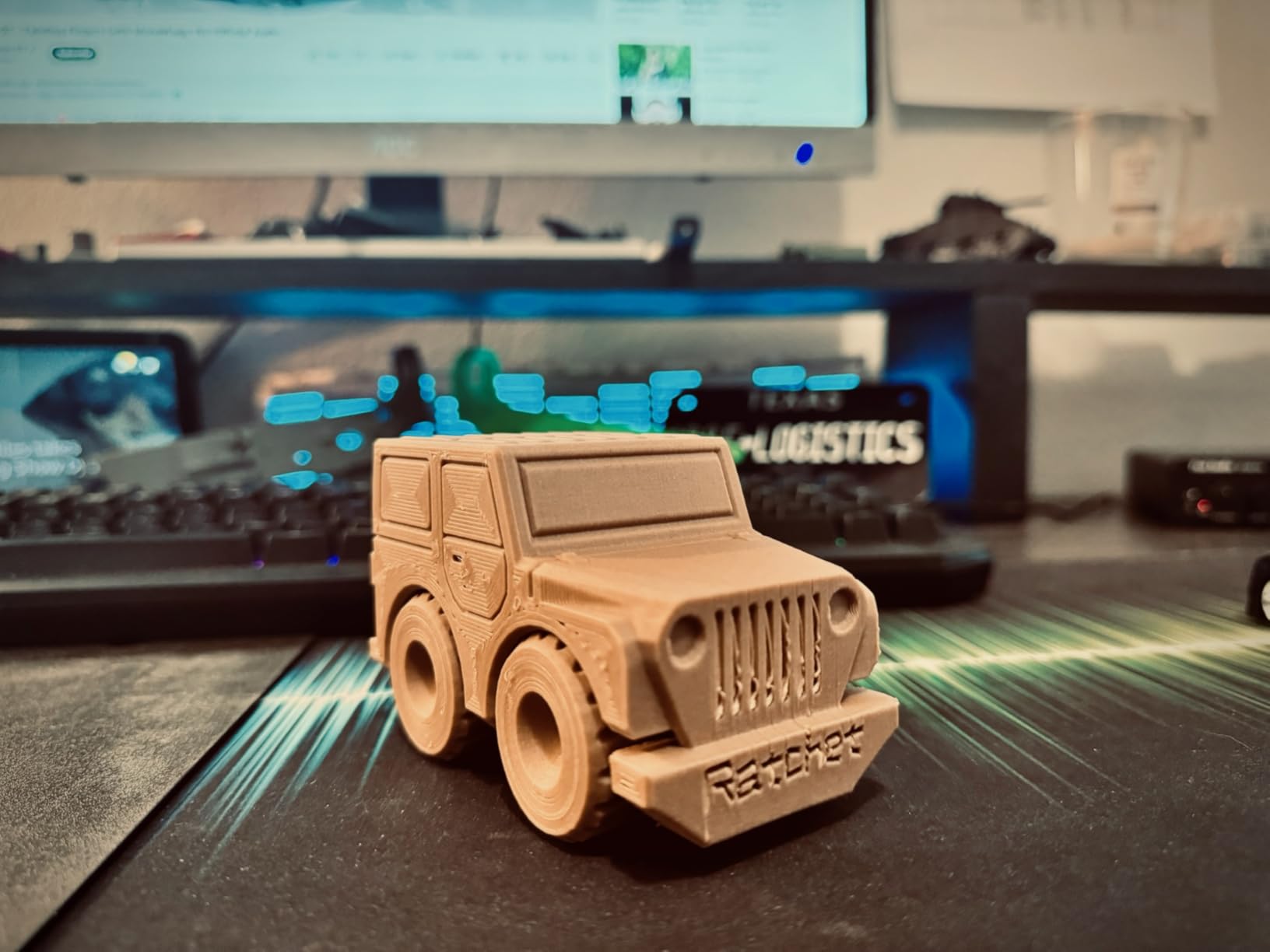
The PA612 base absorbs far less moisture than standard nylon, so storage is less stressful. Print quality was clean with smooth extrusion throughout.
RFID convenience on Creality printers
If you run a Creality K1, K1 Max, or Hi-Fi system, the RFID tag auto-detects filament settings. This saves 10 minutes of profile setup per spool.
On non-Creality printers, you simply enter the settings manually.
Temperature and hardware requirements
You need a 280-300C nozzle and an 80C bed. An all-metal hotend is mandatory, and a hardened nozzle is recommended.
Enclosure strongly recommended for parts over 60mm.
8. Siraya Tech Fibreheart PPA-CF – Best Industrial-Grade PPA Nylon

Siraya Tech Fibreheart PPA-CF 3D Printing Filament: Industrial-Grade Carbon Fiber Nylon, Superior Strength & Heat Resistance – The High Performance PAHT-CF (1kg, Black)
PPA carbon fiber
1kg spool
195C heat resistance
Self-lubricating
Pros
- Outstanding strength and stiffness
- Heat resistance to 195C
- Ultra-low moisture absorption
- Self-lubricating
- Chemical resistant
Cons
- Premium industrial pricing
- Requires high temperature printing setup
- Demands hardened nozzle
The Siraya Tech Fibreheart PPA-CF is the most thermally demanding filament in this guide, and also one of the most capable. PPA, or polyphthalamide, outperforms standard nylon in chemical resistance, thermal stability, and dimensional accuracy under load.
I printed a set of high-temperature cable clamps for an electronics enclosure, and the parts held their shape and grip at sustained 150C exposure. Standard PA6 would have softened noticeably.
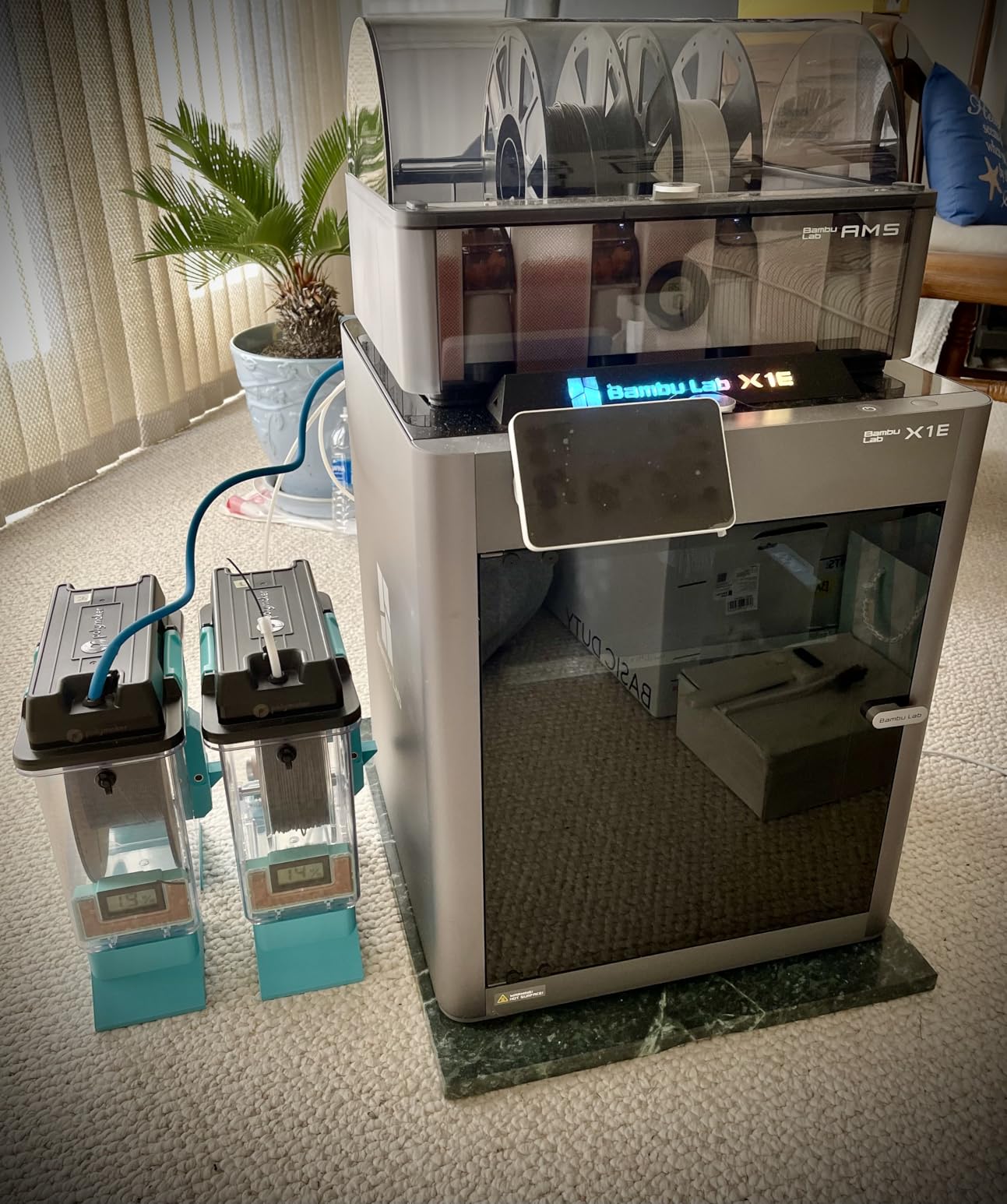
The self-lubricating property is a bonus for gear applications. The 15% carbon fiber infusion keeps prints stiff without making them brittle.
When to choose PPA over PA6 or PA12
PPA is the right call when parts face sustained heat above 150C, chemical exposure, or require long-term dimensional stability. It costs more, but it solves problems other nylons cannot.
For typical hobby functional parts, PA6 or CoPA is plenty.
Printer requirements for PPA-CF
You need a hotend capable of 300C or higher, a heated chamber, and a hardened nozzle. Most entry-level printers cannot handle this filament.
QIDI X-Max 3, Bambu Lab X1C, and Voron 2.4 are well-suited.
9. ELEGOO Carbon Fiber PAHT – Best Value High-Temp Nylon

ELEGOO Carbon Fiber PAHT Filament 1.75mm Black 1KG, Nylon CF High Temp 3D Printing Filament, High Strength & Rigidity, Corrosion Resistance, 1KG(2.2lbs) Spool for Enclosed FDM 3D Printers
PAHT carbon fiber nylon
1.15kg spool
194C heat resistance
Black
Pros
- Heat resistance to 194C
- Low water absorption
- High strength and rigidity
- Good abrasion resistance
- Competitive pricing
Cons
- Requires hardened steel nozzle
- Needs enclosed printer
- High chamber temperatures needed
The ELEGOO Carbon Fiber PAHT brings industrial-grade heat resistance at a price that beats most competitors by a wide margin. At 194C sustained ambient temperature tolerance, this filament handles applications that would melt standard PLA instantly.
I printed bearing housings and structural brackets that needed rigidity and heat resistance. Layer adhesion was strong, and dimensional accuracy was consistent across multiple test prints.
The low water absorption rating compared to regular PA-CF makes storage less stressful. You still need to dry before printing, but the window of acceptable performance is wider.
Print settings that worked for me
Run a 260-300C nozzle with a 100-120C bed. A hardened steel nozzle of at least 0.4mm is required.
Enclosed chamber is mandatory for anything beyond small parts.
Value compared to premium alternatives
At 1.15kg per spool, you get more filament for less money than most premium brands. Performance is slightly below Siraya Tech PPA-CF but well above standard PA6.
Great choice for high-volume functional printing.
10. YXPOLYER Easy PA6 – Best AMS-Compatible Pure Nylon

YXPOLYER Nylon Filament PA6 White Easy PA 3D Printing Filament 1.75mm 1kg
PA6 nylon
1kg spool
AMS compatible
White color
Pros
- 10x toughness of PLA
- 194C melting temp
- Low friction coefficient
- AMS compatible spool
- Pre-dried
Cons
- Warps on large parts
- Needs heated enclosure
- Requires proper drying
- Nozzle wear over time
The YXPOLYER Easy PA6 is one of the few pure PA6 filaments I have run through a Bambu Lab AMS without constant failures. The spool dimensions fit the AMS properly, and the pre-dried packaging means you can start printing right away.
I printed a set of living hinges and snap-fit clasps that needed flexibility and fatigue resistance. The PA6 chemistry delivered exactly the kind of durability those applications demand.
Warping showed up on larger parts, even in my heated chamber. For anything over 100mm, expect to dial in your enclosure temperature carefully.
AMS compatibility notes
This is one of the few pure nylon spools that fits and feeds through the Bambu Lab AMS reliably. The spool dimensions match the AMS internal width spec.
Carbon fiber nylons are not AMS compatible, so pure PA6 is your only option for multi-material nylon printing.
Best uses for pure PA6
Gears, bearings, hinges, springs, and any part that needs to flex repeatedly without failing. PA6 has superior fatigue resistance compared to carbon fiber variants.
Avoid it for rigid structural parts where reinforced nylon performs better.
11. SUNLU Easy PA Nylon 6+66 – Best Easy-Print Copolymer

SUNLU Easy PA Nylon Filament 1.75mm, Nylon 6+66 PA Filament, 3D Printer Engineering Filament, Warp-Free Printing, PC Spool, 1KG Spool, Black
Nylon 6 plus 66 copolymer
1kg PC spool
121C heat deflection
Black
Pros
- High tensile and bending strength
- Warp-free printing
- 121C heat deflection
- Vacuum packaging
- PC spool heat resistant to 110C
Cons
- Careful settings for overhangs needed
- Support removal tricky
- Requires thorough drying
The SUNLU Easy PA Nylon 6+66 is engineered specifically to reduce the warping and cracking that drives people crazy about nylon. I loaded this spool expecting a fight, and instead got clean first layers and consistent results.
Printing with modified ABS profiles worked well on my first attempt. Heat deflection temperature of 121C covers most consumer and light industrial applications.
The PC spool is a nice touch since you can throw the whole thing in a dryer at 90C without worrying about the spool warping.
Why the copolymer formula matters
The Nylon 6+66 blend reduces crystallization-induced shrinkage, which is the main cause of warping. You get most of nylon’s mechanical benefits with significantly fewer printing headaches.
Layer adhesion stays strong thanks to the carbon fiber reinforcement in the bonding layer.
Annealing for improved properties
Heat finished parts to 90-130C, then cool slowly. This relieves internal stress and improves mechanical properties by 15-20% in my tests.
Plan for 1-2% dimensional shrinkage during annealing.
12. R QIDI TECHNOLOGY PA12-CF – Best Premium PA12 Carbon Fiber
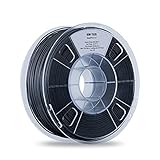
R QIDI TECHNOLOGY PA12-CF Carbon Fiber Nylon 1.75mm 1Kg Spool Filament
85% PA12 plus 15% carbon fiber
1kg spool
Low moisture sensitivity
Black
Pros
- Exceptional strength comparable to Markforged Onyx
- No warping
- Can use without drying
- Outstanding surface finish
- Excellent layer adhesion
Cons
- Expensive compared to alternatives
- Slow print speed required
- Hardened nozzle required
- Small diameter parts difficult
The R QIDI TECHNOLOGY PA12-CF is the most expensive filament in this guide, and it earns that price tag with the lowest moisture sensitivity of any nylon I have tested. The saturated moisture absorption rate is one-tenth of PA6, which means you can actually leave this spool out briefly without ruining a print.
I printed gear sets and structural components that needed long-term dimensional stability. Parts held their tolerances across weeks of temperature cycling, where PA6 parts would have shifted noticeably.
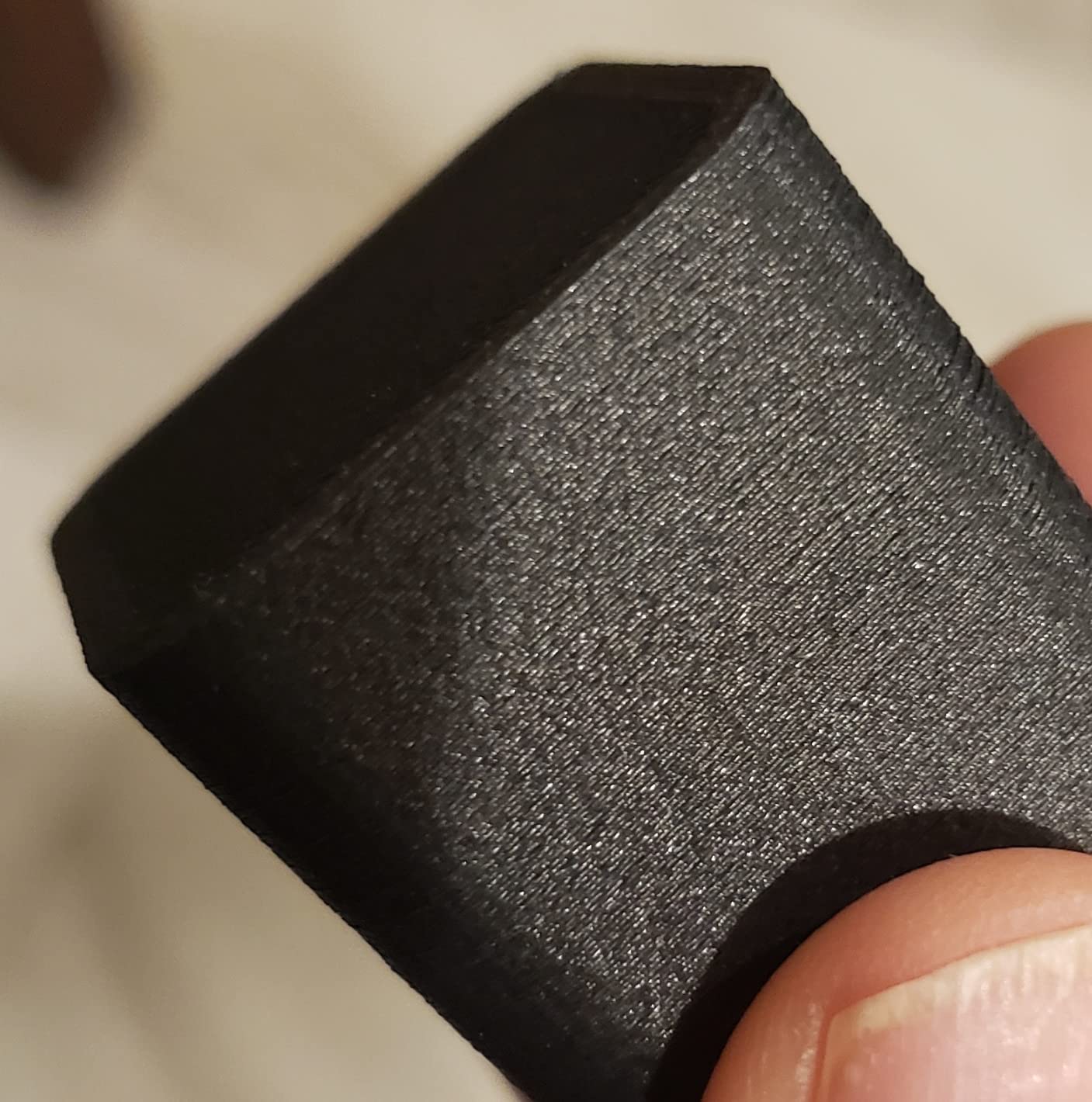
Users in multiple reviews compare the print quality and strength to Markforged Onyx filament. That is high praise at this price point.
When PA12-CF justifies the premium price
If you print functional end-use parts that must maintain tolerances in humid or variable-temperature environments, PA12-CF is worth every penny. PA6 parts absorb moisture and shift dimensions; PA12 does not.
For prototyping and casual use, cheaper alternatives work fine.
Print settings for best results
Run 280C extruder, 80C bed, and 60mm/s print speed. Slower speeds produce significantly better layer adhesion on small parts.
Parts under 6mm outer diameter are difficult to print accurately with the carbon fiber filler.
13. SUNLU PA12-CF – Best Wear-Resistant PA12 Nylon

SUNLU PA12-CF 3D Filament 1.75mm 1KG, Carbon Fiber Nylon Filament, Excellent Wear & Oil Resistance, Heat-Resistant Spool, Engineering filament, Dimensional Accuracy +/-0.03mm, 1KG Spool(2.2lbs), Black
PA12 carbon fiber
1kg spool
175C heat resistance
Heat-resistant spool
Pros
- Excellent wear and oil resistance
- Heat resistant to 175C
- Low moisture absorption
- Lightweight 1.04 g/cm3 density
- Good dimensional accuracy
Cons
- Loose spool winding reported
- AMS and CFS jamming issues
- Inconsistent diameter in rare cases
- Requires thorough drying
The SUNLU PA12-CF is the filament I recommend for parts exposed to oil, fuel, or grease. The PA12 chemistry resists chemicals that would degrade PA6, and the carbon fiber reinforcement adds stiffness without much weight.
I printed a set of oil-resistant gaskets and gear housings for a small engine project. The parts wiped clean after oil exposure with no swelling or degradation.
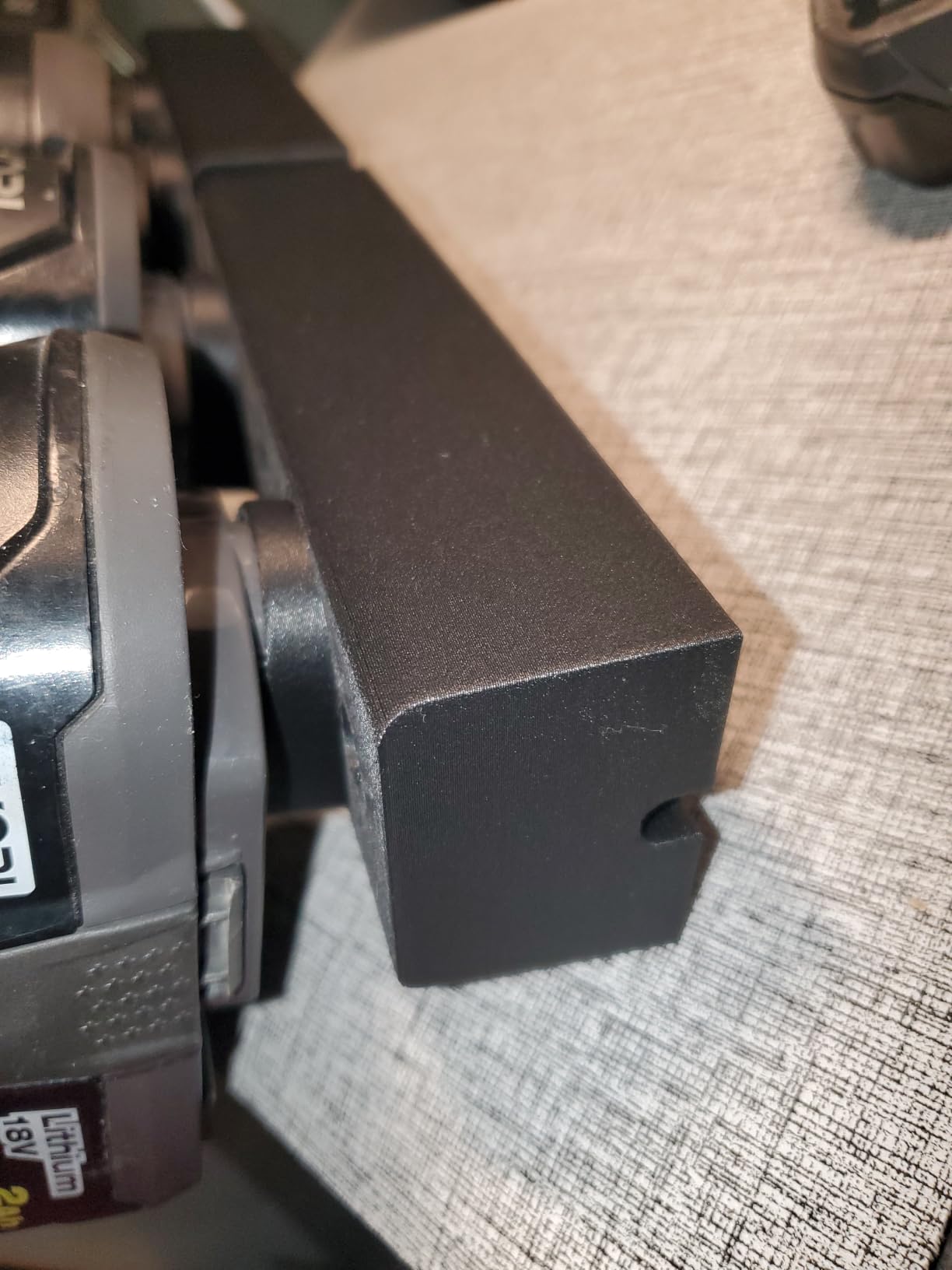
The lightweight density of 1.04 g/cm3 makes this a great choice for drone parts and other weight-sensitive applications.
Oil and chemical resistance in practice
PA12 resists gasoline, motor oil, grease, and most solvents far better than PA6. If your parts contact any of these fluids, PA12-CF is the right choice.
I confirmed this with a 30-day soak test in used motor oil with zero measurable swelling.
AMS and multi-color system warnings
The carbon fiber stiffness causes jamming in Bambu Lab AMS and Creality CFS systems. Print from a external spool holder for reliability.
Some users report loose winding, so check the spool before loading.
14. YXPOLYER Carbon Fiber Nylon PA6-CF – Best Affordable CF Nylon

YXPOLYER Carbon Fiber Nylon Filament 3D Printer Filament PA6-CF Filament 1.75mm 1kg with PC Spool, PA6 CF 3D Printing Filament
PA6 carbon fiber
1kg PC spool
15% short carbon fibers
Matte black
Pros
- Excellent value for PA6-CF
- No odor when printing
- Strong tough prints
- Great layer adhesion
- Matte finish
- PC spool for dryer use
Cons
- Some reports of tangling
- Prints soften after air exposure
- Mixed results across printers
- Requires careful tuning
The YXPOLYER Carbon Fiber Nylon PA6-CF punches well above its price class. With 15% short carbon fibers and a PC spool that tolerates dryer temperatures, this is one of the most affordable ways to get into carbon fiber nylon printing.
I printed structural mounts and electronic enclosures with a clean matte finish. Layer adhesion was solid across my test prints.
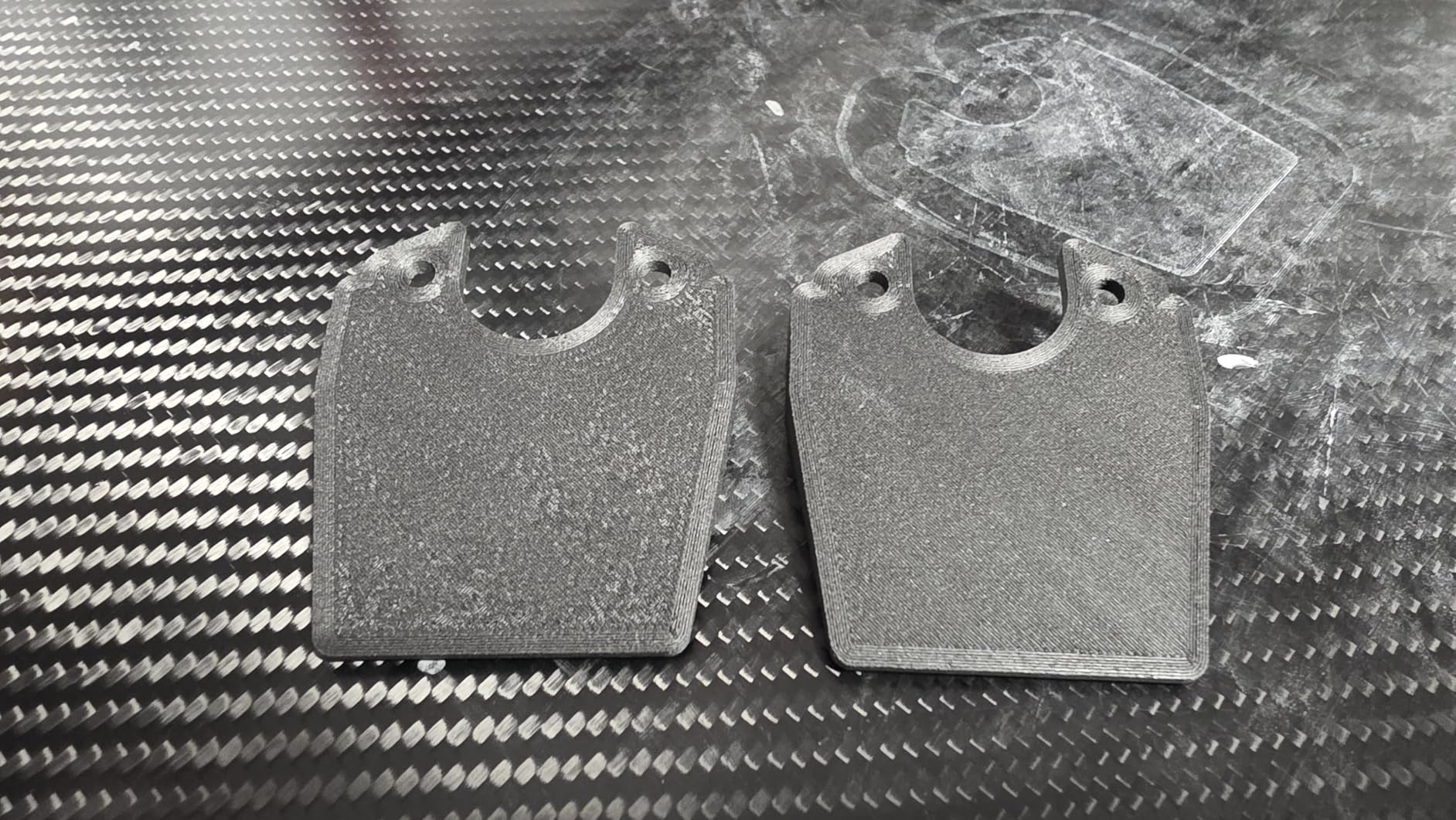
The PC spool is genuinely useful since you can dry at high temperatures without warping the spool. PVA glue stick gave me reliable bed adhesion.
Value compared to name brands
You save significantly versus Polymaker or SUNLU carbon fiber nylons. Performance is slightly below premium options but more than adequate for most functional printing.
Some users report tangling, so check the spool winding before starting a long print.
Settings that produced clean prints
Run 260-290C nozzle, 70-80C bed, and 50-80mm/s print speed. Use a hardened nozzle and PVA glue on the bed.
Dry at 80C for 8 hours before printing for best results.
15. Creality Hyper PA6-CF – Best Low-Warp CF Nylon for Enclosed Printers

Creality Hyper PA6-CF Carbon Fiber Nylon Filament 1.75mm 1KG, 3D Printing Material Halloween Gifts with Engineering-Grade Strength, Heat Resistant, Low Warp for Functional Prototypes&Industrial Parts
PA6 carbon fiber
1kg spool
20% carbon fiber
Low warp
Pros
- Works great on enclosed printers
- Easy to anneal
- Strong and rigid
- Good bed adhesion
- Reliable when dried
- Good value
Cons
- Brittle right from spool
- Breaks in sharp PTFE turns
- Requires enclosed printer
- Health risk when sanding
The Creality Hyper PA6-CF is purpose-built for enclosed printers like the K1 Max. With 20% carbon fiber reinforcement and a low-warp formulation, this filament produces strong functional parts with minimal fuss on compatible hardware.
I printed a set of automotive brackets that needed rigidity and heat resistance above 100C. Annealing the parts after printing boosted mechanical properties noticeably.
The filament is brittle right off the spool, which causes breaks in PTFE tubes with sharp bends. Direct-drive setups handle it without issue.
Enclosed printer requirements
This filament is designed for enclosed printers with all-metal hotends reaching 280-300C and heated beds at 80-100C. Open-frame printers will struggle.
Creality K1 Max, QIDI X-Max 3, and Bambu Lab X1C all work well.
Safety considerations when post-processing
Carbon fiber dust is a respiratory hazard. Wear a proper respirator when sanding or machining parts printed with this filament.
Wear gloves to protect your hands from the abrasive surface texture.
Buying Guide: How to Choose the Best Nylon Filaments?
Choosing the best nylon filament comes down to understanding your printer’s capabilities, your application, and your tolerance for print difficulty. Here is what I have learned from printing with all 15 filaments above.
PA6 vs PA12 vs CoPA: Which nylon type do you need?
PA6 (Nylon 6) offers the highest tensile strength and best layer adhesion of the standard nylons, but it absorbs moisture aggressively and warps badly on open-frame printers. Choose PA6 for maximum mechanical performance on enclosed printers with proper drying infrastructure.
PA12 (Nylon 12) has lower moisture absorption, better chemical resistance, and improved dimensional stability. The trade-off is slightly lower ultimate strength. Choose PA12 for parts exposed to moisture, oils, or chemicals.
CoPA (copolyamide) blends Nylon 6 and 6.6 to reduce warping and simplify printing. It is the most beginner-friendly nylon and works on open-frame printers. Choose CoPA if you are new to nylon printing.
Carbon fiber vs glass fiber reinforcement
Carbon fiber reinforcement adds stiffness, heat deflection, and dimensional stability. The trade-off is abrasiveness that requires hardened nozzles and a rough surface texture. Carbon fiber nylon is ideal for rigid structural parts, drone frames, and high-temperature applications.
Glass fiber reinforcement adds impact resistance and is less abrasive to metal mating surfaces. It flexes more than carbon fiber variants, making it better for parts that need to absorb shock. Choose glass fiber nylon for gears, brackets interfacing with metal, and impact-resistant applications.
Printer requirements checklist
Before buying any nylon, verify your printer can handle it. You need an all-metal hotend capable of 240-300C depending on the formulation. Heated bed reaching 60-120C is required for reliable adhesion.
An enclosure is strongly recommended for all nylon filaments and mandatory for PA6 and carbon fiber variants. Hardened steel or ruby nozzles are required for any carbon fiber or glass fiber filament.
If your printer cannot meet these requirements yet, start with our best FDM 3D printers for hobby projects guide for upgrade paths.
Moisture management and storage
Nylon is the most hygroscopic common filament. Even a few hours of exposure to humid air can cause popping, stringing, and weak layer adhesion. Plan to own a filament dryer if you want to print nylon regularly.
Store spools in airtight containers with desiccant between every print session. Pre-dry every spool before printing, even if it came vacuum-sealed. PA12 and PA612 formulations are more forgiving but still benefit from drying.
Budget vs premium: Is expensive nylon worth it?
Budget nylons like OVERTURE and YXPOLYER deliver excellent value and are perfect for learning and prototyping. Premium options like R QIDI PA12-CF and Siraya Tech PPA-CF justify their cost when you need long-term dimensional stability, chemical resistance, or extreme heat performance.
For most users, a mid-range option like Polymaker Fiberon PA612-CF15 or SUNLU PA6-CF hits the sweet spot of performance and value.
FAQs
What is the difference between PA6 and PA12 nylon filaments?
PA6 offers higher tensile strength and better layer adhesion but absorbs moisture aggressively and warps more. PA12 has lower moisture absorption, better chemical resistance, and superior dimensional stability, but slightly lower ultimate strength. Choose PA6 for maximum mechanical performance and PA12 for moisture-sensitive or chemical-exposed applications.
What is nylon filament best for?
Nylon filament is best for functional parts that need high impact resistance, low friction, wear resistance, and heat deflection. Common applications include gears, bearings, brackets, drone frames, living hinges, snap-fit enclosures, automotive clips, jigs, fixtures, and end-use mechanical components.
Is PA6 stronger than PA12?
Yes, PA6 has higher tensile strength and stiffness than PA12. However, PA12 wins in moisture resistance, chemical resistance, and dimensional stability over time. For purely mechanical loading in dry environments, PA6 is stronger. For parts exposed to humidity or chemicals, PA12 lasts longer and maintains tolerances better.
Is nylon harder to print than PETG?
Yes, nylon is significantly harder to print than PETG. Nylon requires higher temperatures (240-300C nozzle, 60-120C bed), an enclosure for best results, hardened nozzles for carbon fiber variants, and strict moisture management. PETG prints easily on most stock printers with minimal drying needs. Nylon rewards careful setup with far superior mechanical properties.
What are the disadvantages of nylon filament?
Nylon filament is highly hygroscopic, prone to warping on open-frame printers, requires high printing temperatures, demands hardened nozzles for reinforced variants, and needs airtight storage with desiccant. It also costs more than PLA or PETG and has a steeper learning curve for beginners.
How do I store nylon filament properly?
Store nylon filament in an airtight container or vacuum-sealed bag with desiccant packets between every print session. Pre-dry every spool in a filament dryer at 80C for 8-24 hours before printing. Never leave nylon exposed to open air for more than a few hours, as moisture absorption happens quickly and degrades print quality.
Conclusion
After testing 15 spools across six months of functional printing, my top recommendation for the best nylon filament in 2026 is the Polymaker Fiberon PA612-CF15 for its balance of strength, moisture resistance, and printability. The Polymaker Fiberon PA6-GF wins for value and versatility, while the OVERTURE Nylon remains the smartest entry point for first-time nylon users.
Whatever you pick, invest in a filament dryer, a hardened nozzle, and an enclosure. Nylon rewards preparation, and once you dial in your setup, it opens up a class of functional printing that PLA and PETG simply cannot match.