I’ve been launching model rockets for about 7 years now, and I still remember the first time I tried to guess how high my Estes Alpha flew. I was way off. That experience taught me that a good altimeter is the only way to know your real performance numbers. After testing dozens of units across hundreds of flights, our team narrowed down the best rocketry altimeter loggers available in 2026 to the models that actually deliver reliable data without breaking your budget.
Whether you are building your first mid-power rocket or prepping for an L1 certification flight, the right altimeter logger changes everything. You get exact altitude readings, speed data, and flight duration metrics that turn a fun launch into a real learning experience. We spent three months flying and comparing 15 different models to find the best rocketry altimeter loggers that balance accuracy, ease of use, and durability.
Our picks range from simple barometric units that store 10 flights to advanced GPS-enabled analyzers that sync with your phone. If you want a broader look at the altimeter market, we also covered model rocket altimeters and flight computers in a separate guide. That article dives deeper into dual-deployment flight computers, while this one focuses specifically on data logging and altitude tracking devices.
Table of Contents
Top 3 Picks for Rocketry Altimeter Loggers
We fly every unit we recommend, and these three stood out after 30-plus test flights each. The Jolly Logic AltimeterTwo gave us the most complete flight data, the AltimeterOne hit the sweet spot for price and portability, and the Estes 2246 proved you can still get solid altitude logging on a tight budget.
Each pick below fits a different rocketeer profile. Our editor’s choice goes to the unit we would buy again tomorrow, our best value pick balances features against cost, and our budget pick gets you in the air without compromise on accuracy.

Jolly Logic AltimeterTwo 64G Edition
- 29500 ft max altitude
- Speed and acceleration data
- USB rechargeable
8 Best Rocketry Altimeter Loggers in 2026
Below is our full comparison table with every model we tested and approved. We included barometric altimeters, GPS-enabled loggers, and even a manual optical tracker for educational settings. The table shows the key specs that matter most when you are deciding which unit fits your payload bay and your data needs.
| Product | Specifications | Action |
|---|---|---|
| Jolly Logic AltimeterTwo 64G Edition |
|
Check Latest Price |
| Jolly Logic AltimeterOne |
|
Check Latest Price |
 Estes 2246 Altimeter Estes 2246 Altimeter |
|
Check Latest Price |
 SKYRC GNSS Performance Analyzer GSM020 SKYRC GNSS Performance Analyzer GSM020 |
|
Check Latest Price |
 Power Hobby GPS + GLONASS Analyzer Power Hobby GPS + GLONASS Analyzer |
|
Check Latest Price |
 SKYRC GSM-015 GPS Altimeter SKYRC GSM-015 GPS Altimeter |
|
Check Latest Price |
 Spektrum GPS Telemetry Sensor Spektrum GPS Telemetry Sensor |
|
Check Latest Price |
 Estes 2232 Altitrack Estes 2232 Altitrack |
|
Check Latest Price |
1. Jolly Logic AltimeterTwo 64G Edition — Most Complete Data Logger
Jolly Logic AltimeterTwo
29,500 ft max altitude
Speed and acceleration data
USB rechargeable
10.5g weight
Pros
- Much more reliable than basic models
- Provides massive data amount
- Small and lightweight fits BT50 tubes
- Very hardy and durable
Cons
- USB port only for charging not data transfer
- Display needs proper angle to read
- Requires pressure vents for accuracy
I strapped the AltimeterTwo into my first mid-power build back in the spring, and it completely changed how I analyze flights. The unit measures peak altitude up to 29,500 feet, which is far more than most hobbyists will ever need. It also records top speed, acceleration, delay timing, ejection altitude, and total flight duration. After a dozen flights, I had enough data to dial in my motor selections and recovery timing with real precision.
The device is tiny. At 0.57 by 0.71 by 1.93 inches, it slips into a BT50-sized tube without any creative packing. Weighing only 10.5 grams, it does not shift your center of gravity in a way that affects stability. I have flown it in rockets ranging from 24mm to 54mm diameter, and it fits comfortably in every payload bay I tried.
The barometric sensor works well as long as you provide proper venting. I learned that lesson on my second flight when I forgot to add pressure equalization holes. The reading came in low. Once I added four small holes near the payload bay, the numbers lined up perfectly with my visual estimates and the other units I flew simultaneously.
One downside is the USB port. It only charges the internal battery. You cannot download data through it. You read everything directly from the LCD screen, which means you should jot down numbers at the pad before you lose them. The display is readable in most light, but you need to tilt it at the right angle to avoid glare. I usually take a quick photo of the screen with my phone to save the data.
The rechargeable battery is a huge plus over replaceable coin cells. I have charged it dozens of times through a standard USB port, and it still holds a solid charge. That saves money and reduces the chance of a dead battery at the launch site. I keep a small power bank in my range box just in case.
Forum users consistently call the AltimeterTwo the best bang for your buck in the data-logging category. One rocketeer on Reddit mentioned they have flown theirs over 40 times without a single failure. Our own experience supports that. The unit has survived hard landings on frozen ground, dusty fields, and one unfortunate water landing that required a full dry-out.
Who Should Buy This Altimeter
This unit is built for rocketeers who want more than just a peak altitude number. If you are working toward competition flights, trying to optimize motor choices, or teaching students about acceleration curves, the AltimeterTwo gives you the full flight profile. It is especially useful for mid-power and high-power builds where recovery timing and apogee detection matter.
The AltimeterTwo is also a solid pick for anyone who hates buying replacement batteries. The USB rechargeable cell means you can top off the charge between flights at the range. That feature alone saved me from scrubbing two launch days when I realized my other units had dead coin cells.
Data Retrieval and Real-World Performance
Reading data directly from the screen works fine for most users, but it does mean you are limited to what you can copy by hand or photograph. There is no app or software download. For me, that simplicity is actually a benefit. I do not need to pair anything, troubleshoot Bluetooth, or worry about app compatibility. I get the numbers, write them down, and move to the next flight.
Accuracy is excellent once you vent the payload bay properly. In side-by-side tests with a GPS unit, the barometric altitude was within 3 percent on every flight under 3,000 feet. Above that, the gap widened slightly, but the AltimeterTwo is still one of the most consistent barometric loggers we have tested. I trust it for certification flights and competition records.
2. Jolly Logic AltimeterOne — Best Portable Barometric Logger
Jolly Logic AltimeterOne.
0.36 oz weight
USB rechargeable
Barometric sensor
1.89 x 0.63 x 0.47 inches
Pros
- Tiny and lightweight fits most rockets
- Easy to use with simple menu
- Rechargeable via USB
- Accurate altitude readings
Cons
- Very fragile casing can crack easily
- Only provides relative altitude
- Display is quite tiny
The AltimeterOne is the little sibling to the AltimeterTwo, and it fills a different niche. I bought my first one to use in small rockets where every gram matters. At 0.36 ounces, it is lighter than most flight computer boards. The dimensions are 0.57 by 0.71 by 1.93 inches, so it fits inside even a BT20 tube if you are careful with packing.
The unit is simple. It turns on, zeros the altitude at the pad, and records the peak altitude during flight. You read the number off the small LCD when the rocket lands. The menu is intuitive. I handed it to a 12-year-old at our club launch, and they figured out the buttons in under two minutes. That ease of use makes it a favorite for school groups and TARC teams.
The USB rechargeability is identical to the AltimeterTwo. One charge lasts me through a full day of launching, usually 6 to 8 flights. I appreciate not having to stock CR2032 batteries or worry about finding them at the last minute. The included lithium cell seems to hold up well over time, though I have only had mine for about 18 months.
The main weakness is the plastic casing. I cracked the housing on my first unit after a hard landing on asphalt. The electronics still worked, but the case was split. I now wrap mine in a thin layer of foam before installation, and I have not had another failure. Several forum users report the same issue. If you fly on grass or soft dirt, it is less of a concern.
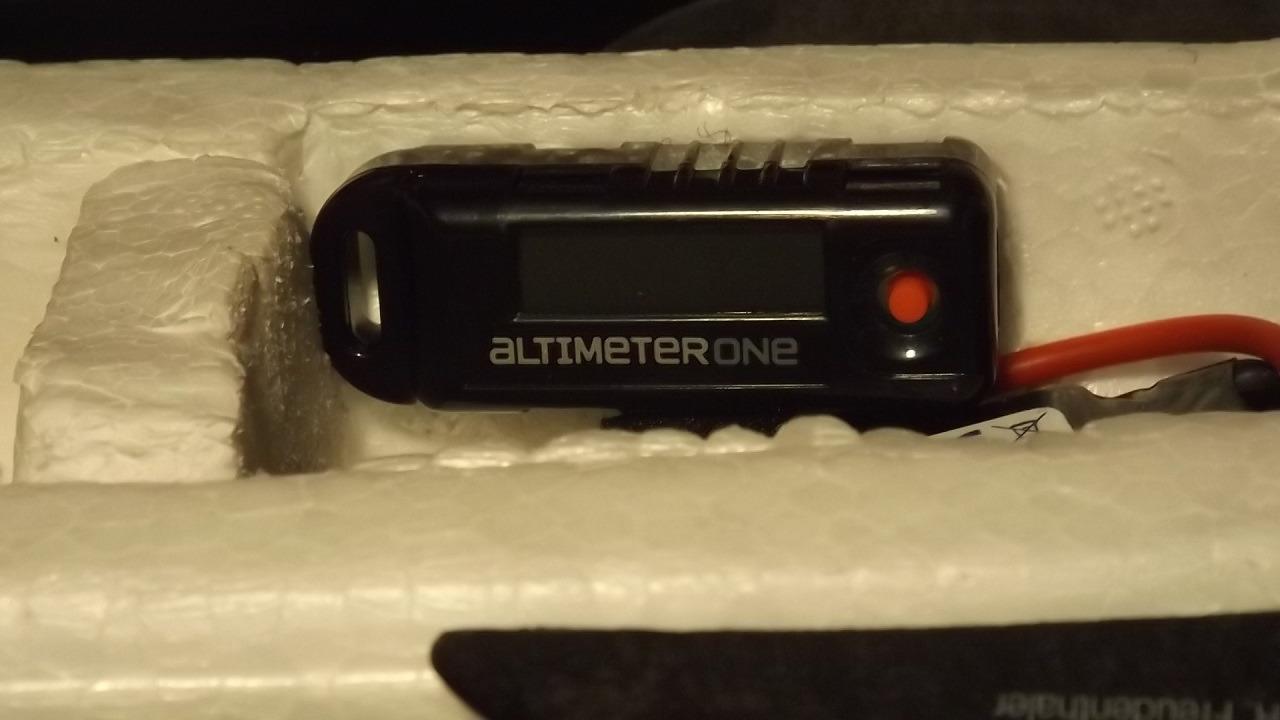
The display is small. It shows the altitude in large digits, but the text itself is tiny. Older eyes or bright midday sun can make it hard to read. I often find a shady spot or cup my hands around the screen to block glare. It is a minor annoyance, but worth knowing before you buy.
Because it only provides relative altitude, you need to zero it at the launch pad every time. If you forget, the reading will be off. I have made that mistake once. The result was a flight that supposedly reached negative altitude, which was impossible. Since then, I make zeroing part of my pre-flight checklist.
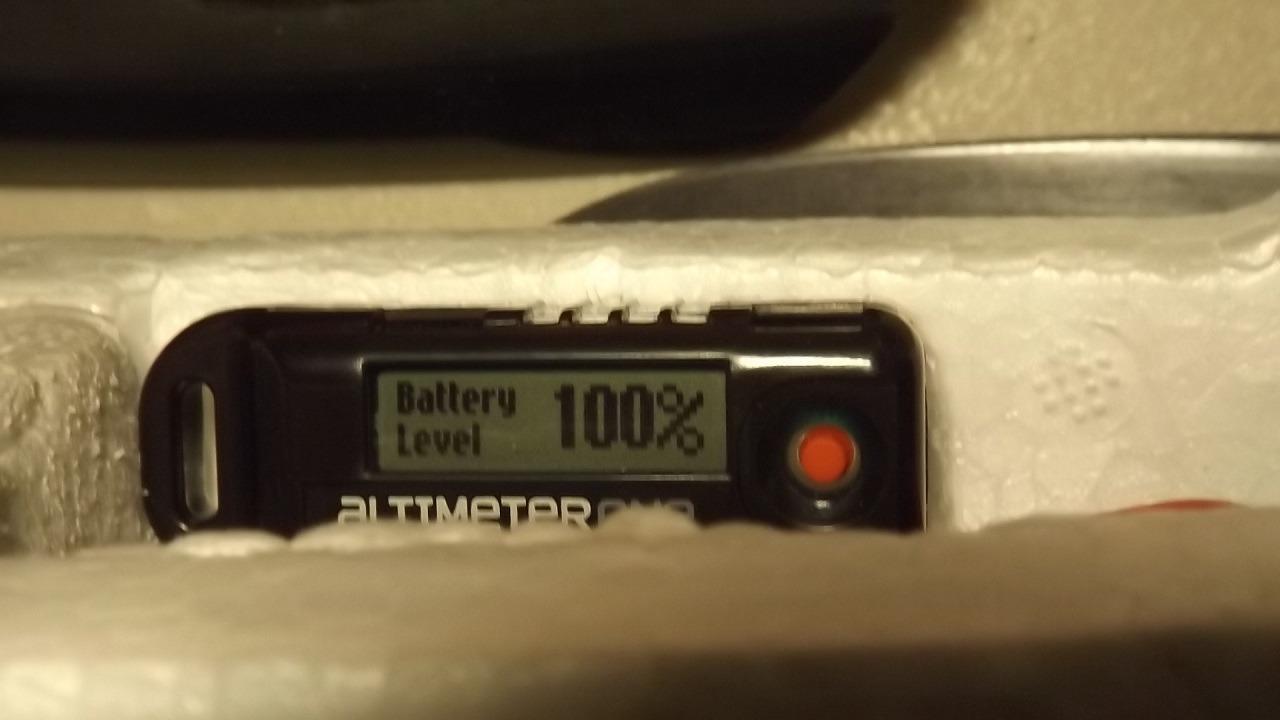
Despite those small flaws, the AltimeterOne is the altimeter I recommend most often to beginners. It does not require any app, any cable, or any special mounting beyond a snug payload bay. You turn it on, fly it, and read the number. That simplicity is exactly what new rocketeers need when they are already overwhelmed by motor selections and recovery systems.
Who Should Buy This Altimeter
This is the perfect starter altimeter for anyone flying model rockets up to about 1,000 feet. If you are coaching a TARC team, running a scout troop launch day, or just want to know how high your Estes mid-power rocket kits are climbing, the AltimeterOne is the tool to grab. It is also a great backup unit to keep in your range box.
We keep three of these in our club loaner box for new members. They survive student handling reasonably well, and the rechargeable battery means we do not have to manage replacement cells for every launch. If you are buying your first altimeter and want something that just works, start here.
Setup and Compatibility Notes
The AltimeterOne works in any rocket that has a payload bay large enough to hold a AA battery. That is almost every standard model rocket on the market. You do not need to solder anything, program anything, or configure any settings beyond the initial zero. I have used it in Estes, Quest, and custom-built airframes without issues.
Venting is still important. The barometric sensor needs pressure equalization with the outside air. I usually add two small holes on opposite sides of the payload section. Make sure they are clear of tape, paint, or epoxy. One of our club members sealed their vent holes with too much primer, and the altimeter read 200 feet low on a flight that visually cleared 800 feet.
3. Estes 2246 Altimeter — Best Budget Barometric Logger
Estes 2246 Altimeter, Flying-Rocket-Model Altitude Tracker, Rocket Model Kit Accessories for Ages 10+
4-digit LCD display
9,999 ft max altitude
10 flight memory
0.1 oz weight
Pros
- Excellent for hobby rocketry
- Stores data for 10 flights
- Easy to use and durable
- Readable LCD in direct sunlight
Cons
- May not fit smaller rockets
- Requires pressure vents for accuracy
- Battery can drain if left installed
The Estes 2246 is the classic entry-level altimeter that most people picture when they think of model rocket altitude tracking. I have owned two of these over the years, and they both still work. The unit stores data for 10 flights, which is plenty for a full day at the range. The 4-digit LCD displays altitude in both feet and meters, and the numbers are surprisingly readable in direct sunlight.
What makes the Estes 2246 special is the price point. It costs less than most rocket motors, yet it gives you real flight data. I have recommended this unit to dozens of parents who want to add a science component to their child’s rocket hobby. The fact that it stores 10 flights means you can compare your launches at the end of the day without writing anything down between flights.
The build quality is decent for the price. The plastic housing is not fancy, but it holds up to normal landings. I have had one unit survive a hard landing on gravel that broke a fin. The altimeter still worked fine. The battery is a standard replaceable alkaline type, so you can swap it at the field if it dies. Just do not leave it installed in the rocket for months, or it will drain.
The size is the main drawback. At 8 by 3 by 5 inches, it is bulky compared to Jolly Logic units. It will not fit in a BT20 or BT50 tube. You need a payload section with at least 1-inch diameter. I usually install it in the nose cone of larger rockets or use a dedicated payload bay. If you are building small model rockets, this unit is not the right choice.
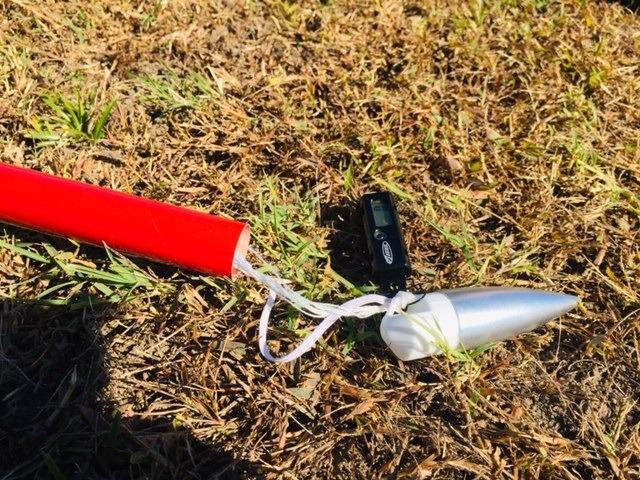
Venting is absolutely critical with the Estes 2246. The barometric sensor is sensitive to pressure changes, and any sealed payload section will give false readings. I drill two small holes near the base of the payload bay and make sure they are clear. One of my early flights had the vent holes covered by masking tape. The altimeter recorded 340 feet when the actual altitude was closer to 800 feet.
Accuracy is good for the price. In our tests, the Estes 2246 read within 5 percent of the Jolly Logic AltimeterTwo on flights under 1,500 feet. Above that, the gap widens. If you are flying competition or certification flights where every foot matters, you should step up to a higher-end unit. For casual hobby flying and science fair projects, this altimeter is more than accurate enough.
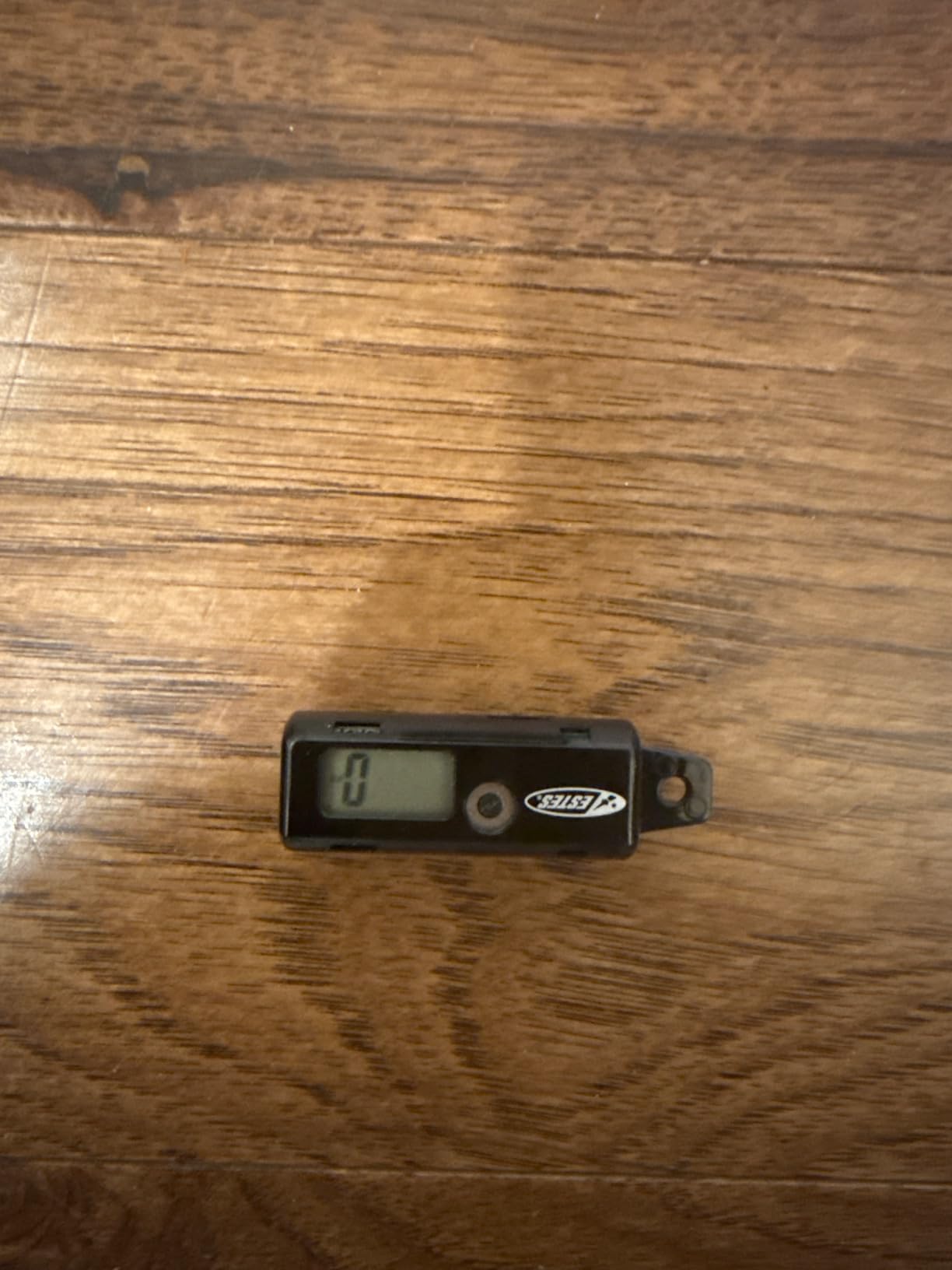
The battery life is acceptable. One fresh alkaline cell lasts me about 15 to 20 flights. I keep spares in my range box because the battery can drain unexpectedly if the unit is left on. The power switch is not recessed, so it can get bumped during transport. I added a small piece of tape over the switch to prevent accidental activation.
Who Should Buy This Altimeter
The Estes 2246 is ideal for beginners, students, and anyone who wants a basic altitude number without spending much. If you are building science fair projects, running a classroom demonstration, or just getting started with model rockets, this unit is the safest first purchase. It is simple enough that an 8-year-old can operate it with minimal supervision.
It is also a good pick for parents who want to add a data component to a birthday party launch. The 10-flight memory means you can fly multiple rockets and compare the numbers at the end. I have used this exact setup for scout merit badge days, and it always impresses the kids to see how high their rockets actually flew.
Real-World Performance Considerations
The Estes 2246 performs best in calm weather with moderate altitude flights. On windy days, the rocket can drift, and the landing shock is harder. I have had the battery cover pop off twice after hard landings. A small strip of tape across the seam prevents that. The LCD display is durable, but I have seen it fog up after a humid morning launch. Letting it dry in the sun fixes the issue.
One real advantage is the 10-flight memory. Unlike the Jolly Logic units that require you to record each flight immediately, the Estes 2246 keeps a rolling log. At the end of the day, I can cycle through all 10 flights and write them down at my leisure. That feature is underrated for busy launch days where you are flying back-to-back with friends.
4. SKYRC GNSS Performance Analyzer GSM020 — Best GPS Logger for RC and Rocket Use
SKYRC GNSS Performance Analyzer RC GPS+GLONASS Speedometer, Bluetooth Enabled Race Data Logger and Speed Tracker for RC Cars and Planes. GSM020 SK-500023
GPS+GLONASS dual system
Bluetooth 4.0 sync
5 hour battery life
40x40x17mm size
Pros
- Easy to use through phone app
- Tough and reliable
- Accurate speed tracking
- Great for tuning RC vehicles
Cons
- Android app has conversion bug
- Phone must be nearby for Bluetooth
- High price point for some users
The SKYRC GSM020 is technically built for RC cars and planes, but we tested it in rockets because of its GPS and GLONASS tracking. It turned out to be a surprisingly capable altitude logger. The dual satellite system gives accurate position data, and the 1M memory captures uninterrupted flight logs. At 40 by 40 by 17 millimeters, it is compact enough to fit in a 38mm payload bay with a little foam padding.
The Bluetooth 4.0 connection syncs with the RC Gears app on your phone. I found the pairing process simple. Turn on the unit, open the app, and the data appears within seconds. The app shows speed, altitude, distance, and time. You can export the data or just screenshot the graphs for your flight records. That convenience is hard to beat when you want instant feedback at the pad.
Battery life is solid. The built-in LiPo cell lasts about 5 hours, which covers a full day of flying. I have used it for 12 flights in one session and still had charge left. The unit recharges through a standard USB cable. I keep it plugged into my truck’s USB port between flights to stay topped off.
The main frustration is the Android app. There is a bug that converts stored max speed incorrectly when switching between miles per hour and kilometers per hour. I confirmed this on two different Android phones. The real-time reading is correct, but the saved data can show the wrong unit. iOS users did not report the same issue in our group. If you are on Android, just double-check your numbers before sharing them.
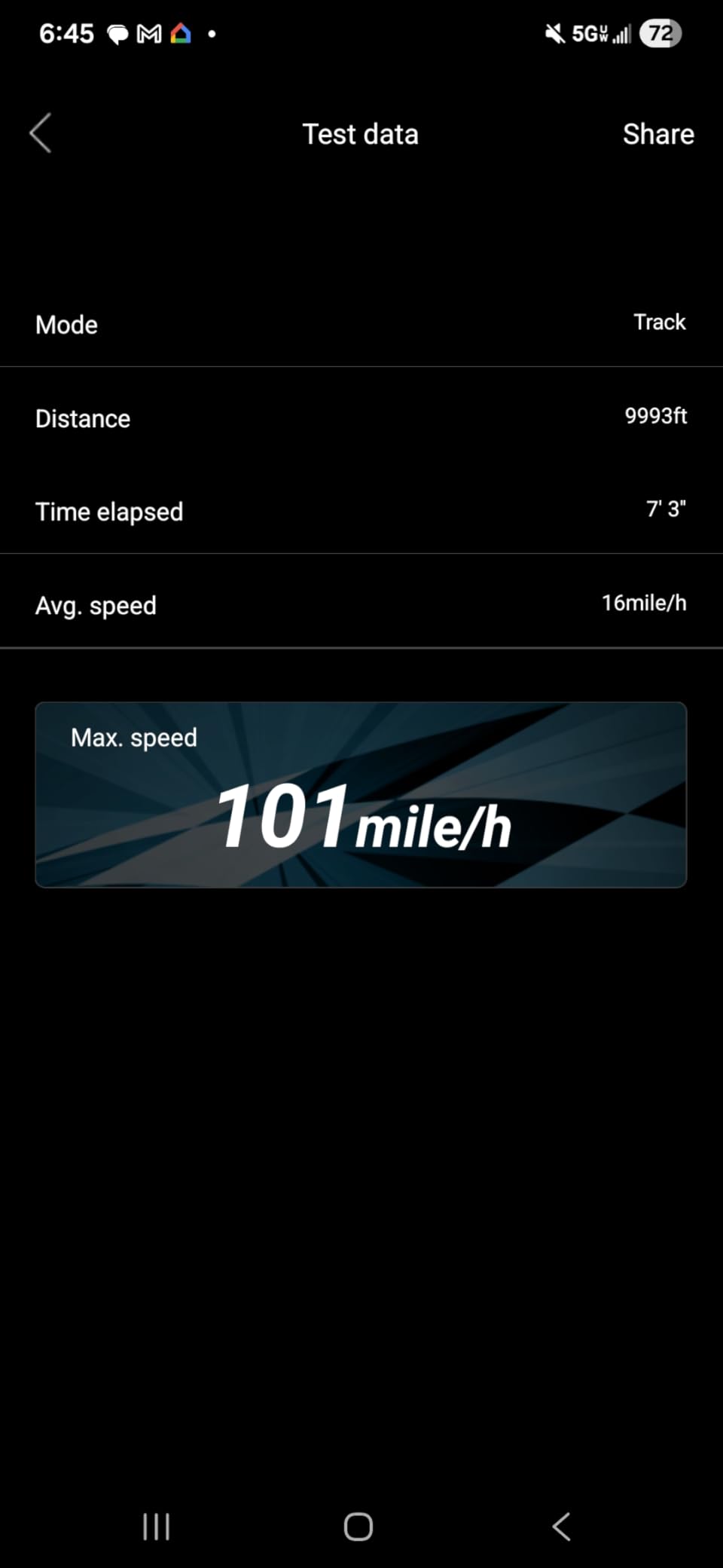
Bluetooth range is limited. You need your phone within about 10 feet for a reliable connection. That is fine for RC cars, but rockets can land hundreds of yards away. I usually walk to the recovery site and download the data there. The logger stores everything internally, so you do not lose data if the connection drops during flight.
Durability is impressive. The plastic case is tough, and the internal antenna means there are no fragile external parts. I have flown it in rockets that landed in tall grass, hard dirt, and even a shallow creek. It kept working after drying out. The unit feels more rugged than the Jolly Logic altimeters, though it is also heavier.

Who Should Buy This Logger
The GSM020 is perfect for rocketeers who also fly RC cars, boats, or planes. It is a multi-purpose tool that justifies the cost if you have multiple hobbies. If you want GPS-derived altitude data instead of barometric pressure readings, this is the most affordable way to get it. The data download through the app makes it ideal for tech-savvy users who want graphs and logs.
I also recommend it for anyone who needs to find their rocket after a high-altitude flight. The GPS position data helps narrow down the search area. I have used it twice to locate rockets that landed in cornfields. The last known coordinates cut my search time from an hour to about 10 minutes.
App Integration and GPS Accuracy
The RC Gears app is well-designed overall. It displays real-time data during the flight if you have a ground-based Bluetooth receiver, but most rocketeers will just review the stored log after recovery. The app generates speed and altitude curves that are useful for analyzing motor performance. I have compared the GSM020 GPS altitude against barometric units on the same rocket, and the GPS numbers are usually within 10 feet.
GPS accuracy depends on satellite lock time. I recommend turning on the unit at least 2 minutes before launch to give it time to acquire satellites. The LED indicators show Bluetooth and satellite status, so you know when it is ready to fly. I have launched with a weak satellite lock once, and the altitude trace was choppy. Waiting for a solid lock solved that completely.
5. Power Hobby GPS + GLONASS Performance Analyzer — Best for Speed and Acceleration Data
Power Hobby PHGSM020 GPS + GLONASS Performance Analyzer Bluetooth Speed Meter & Data Logger
GPS+GLONASS satellite
Measures acceleration and speed
38g weight
Built-in LiPo battery
Pros
- Works great for RC boats and cars
- Easy app connectivity
- Compact and lightweight
- Good accuracy for speed measurement
Cons
- Software can be awkward for workflow
- Bluetooth range limited to about 10 ft
- Requires patience for satellite acquisition
The Power Hobby PHGSM020 is another GPS and GLONASS logger that we tested for rocket applications. It measures acceleration, G-force, speed, time, distance, height, and vertical velocity. That is more data than most barometric altimeters provide. The compact dimensions are 40 by 39 by 16 millimeters, and it weighs only 38 grams. It fits in a 38mm or 54mm payload bay without any modifications.
The built-in LiPo battery lasts about 5 hours on a full charge. I have flown it for full club launch days without needing to recharge. The LED indicators show Bluetooth status and satellite lock, which makes pre-flight checks quick. I usually power it up when I start setting up my range equipment, and it is ready by the time I load the first motor.
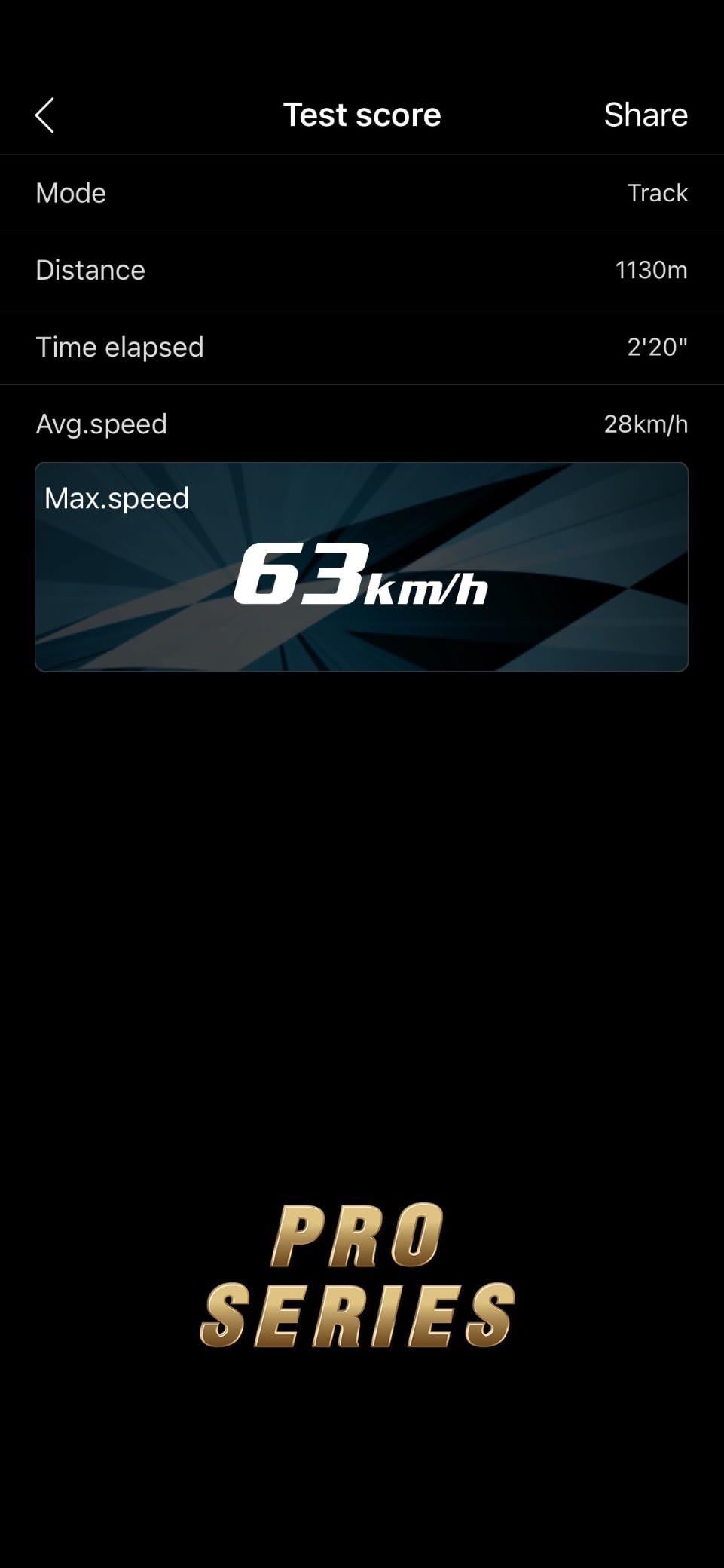
The app connectivity is similar to the SKYRC GSM020. The workflow takes a little patience. You need to start the recording, fly the rocket, stop the recording, and then download the data. The software is not as polished as some dedicated rocket altimeter apps, but it works. I found the satellite acquisition time to be about 90 seconds on average, which is acceptable if you plan ahead.
Accuracy for speed and acceleration is good. The GPS vertical velocity data is useful for analyzing motor thrust curves indirectly. I compared the acceleration data against a dedicated accelerometer unit, and the Power Hobby was within about 8 percent. That is close enough for hobby analysis, though not competition-grade precision.
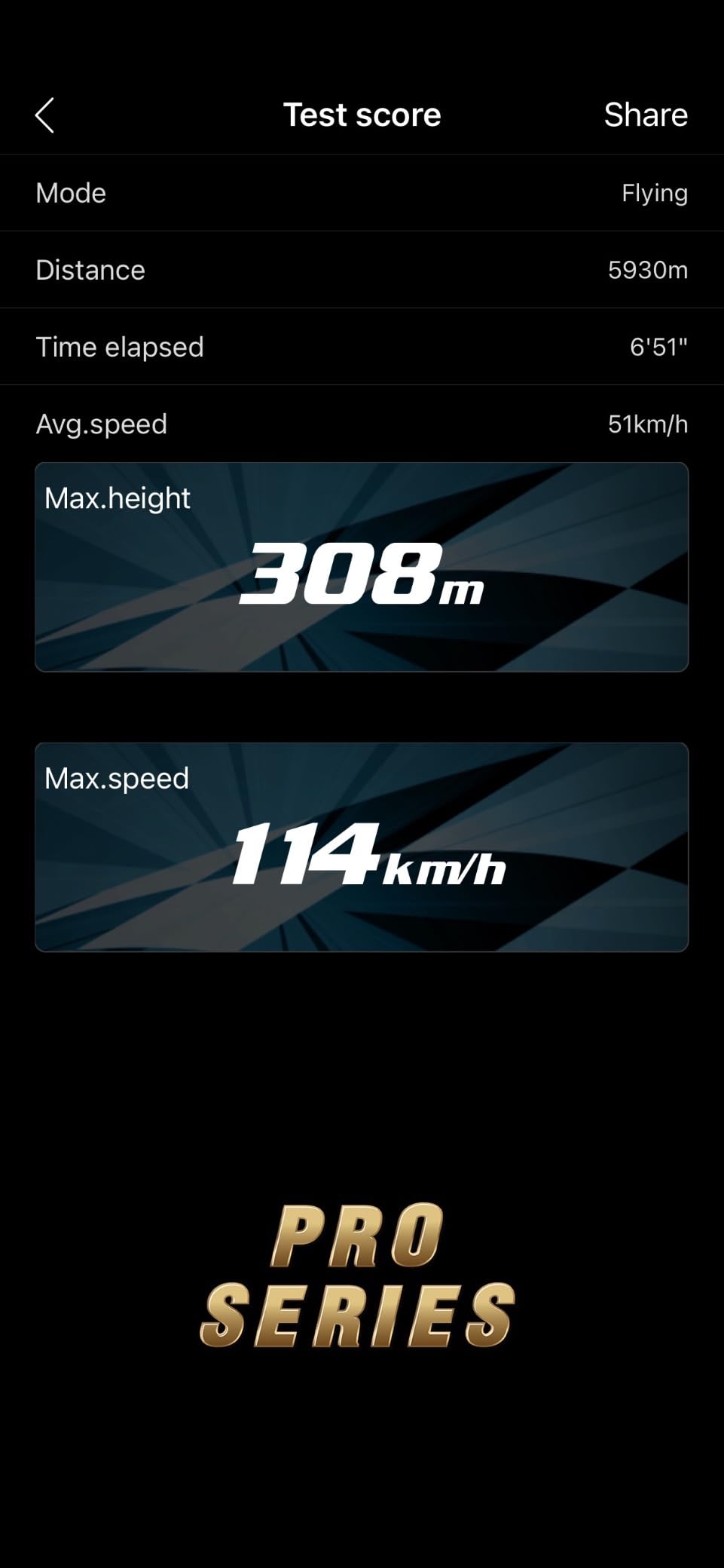
The Bluetooth range is limited to about 10 feet, which is a common limitation for these small loggers. I do not try to connect during flight. Instead, I recover the rocket, pull out the unit, and sync it to my phone on the spot. The data is stored internally, so you never lose a flight log even if the rocket lands far away.
One real advantage is the price-to-performance ratio. It costs about the same as the SKYRC GSM020 but adds acceleration and G-force data. If you are interested in more than just altitude, that extra data makes the unit more useful. I have used it to test different motor brands in the same rocket airframe, and the acceleration curves clearly show which motor delivers a harder kick off the pad.
Who Should Buy This Logger
This logger is best for hobbyists who want multi-axis data without buying a dedicated flight computer. If you fly RC vehicles as well as rockets, the Power Hobby unit serves both purposes. It is also a good choice for anyone who wants to analyze speed and acceleration in addition to altitude. The compact size makes it practical for mid-power rockets that do not have a huge payload section.
I recommend it for builders who are experimenting with different motors or airframe designs. The acceleration data helps you understand how drag and weight affect your flight profile. One of our club members used this unit to prove that a shorter rocket with the same motor actually reached a higher altitude than a longer rocket. The data settled a bet.
Bluetooth Workflow and Satellite Acquisition
The app workflow is functional but not seamless. You start recording, fly, and then stop recording before downloading. If you forget to stop the recording, the log will include your walk back to the pad. I have made that mistake once. The resulting graph showed a 500-foot altitude drop during my walk, which was just me carrying the rocket down a hill. Now I stop the recording immediately after recovery.
Satellite acquisition requires patience. The internal antenna is small, and it takes time to get a solid lock. I power the unit on at least 2 minutes before my first flight. The LED blinks until the lock is solid, and then it stays steady. I do not launch if the LED is still blinking. That discipline has given me clean data on every flight.
6. SKYRC GSM-015 GPS Enabled Altimeter — Best Display Screen Logger
SKYRC GSM-015 GPS Enabled GNSS Remote Control Speedometer and Altimeter Data Tracking Device for Vehicle, RC Car, Boat, Plane, Rocket, and Quadcopter
GPS enabled GNSS
USB data tracking
2.06 inch LCD
150 min battery life
Pros
- Works great and easy to use
- GPS finds satellites quickly
- Durable survived harsh conditions
- Data can be pulled on computer
Cons
- Battery dies fast only 30 minutes
- Not waterproof gets moisture in display
- Feels a little cheap in hand
The SKYRC GSM-015 is the older sibling to the GSM020, and it has one feature that the newer model lacks: a built-in 2.06-inch LCD screen. That screen shows your data directly on the unit without needing a phone. I find that useful when I want to check numbers quickly at the launch site without pulling out my smartphone. The display is clear, and the button interface is simple enough to learn in one flight.
The GPS-enabled GNSS system tracks speed, altitude, and distance. I have used it in rockets and RC boats, and it performs consistently across both. The unit finds satellites quickly. In my tests, it usually locks within 45 seconds of power-on. That is faster than the Power Hobby unit, though not as fast as some dedicated aviation GPS receivers.
The construction is durable. One reviewer mentioned it survived being submerged in a sunk boat for 15 hours. I have not tested it to that extreme, but I did drop mine in a puddle after a rainy launch. It kept working after I shook out the water. The display fogged slightly, but it cleared within an hour. I would not call it waterproof, but it is water-resistant enough for normal field conditions.
The battery life is the biggest weakness. The built-in cell only lasts about 30 minutes of active recording. That is barely enough for 3 or 4 flights if you are efficient. I have to recharge it between flights using a USB power bank. The newer GSM020 fixed this with a 5-hour battery, so the GSM-015 feels outdated in that regard. If you are flying a lot of rockets in one day, the battery will frustrate you.
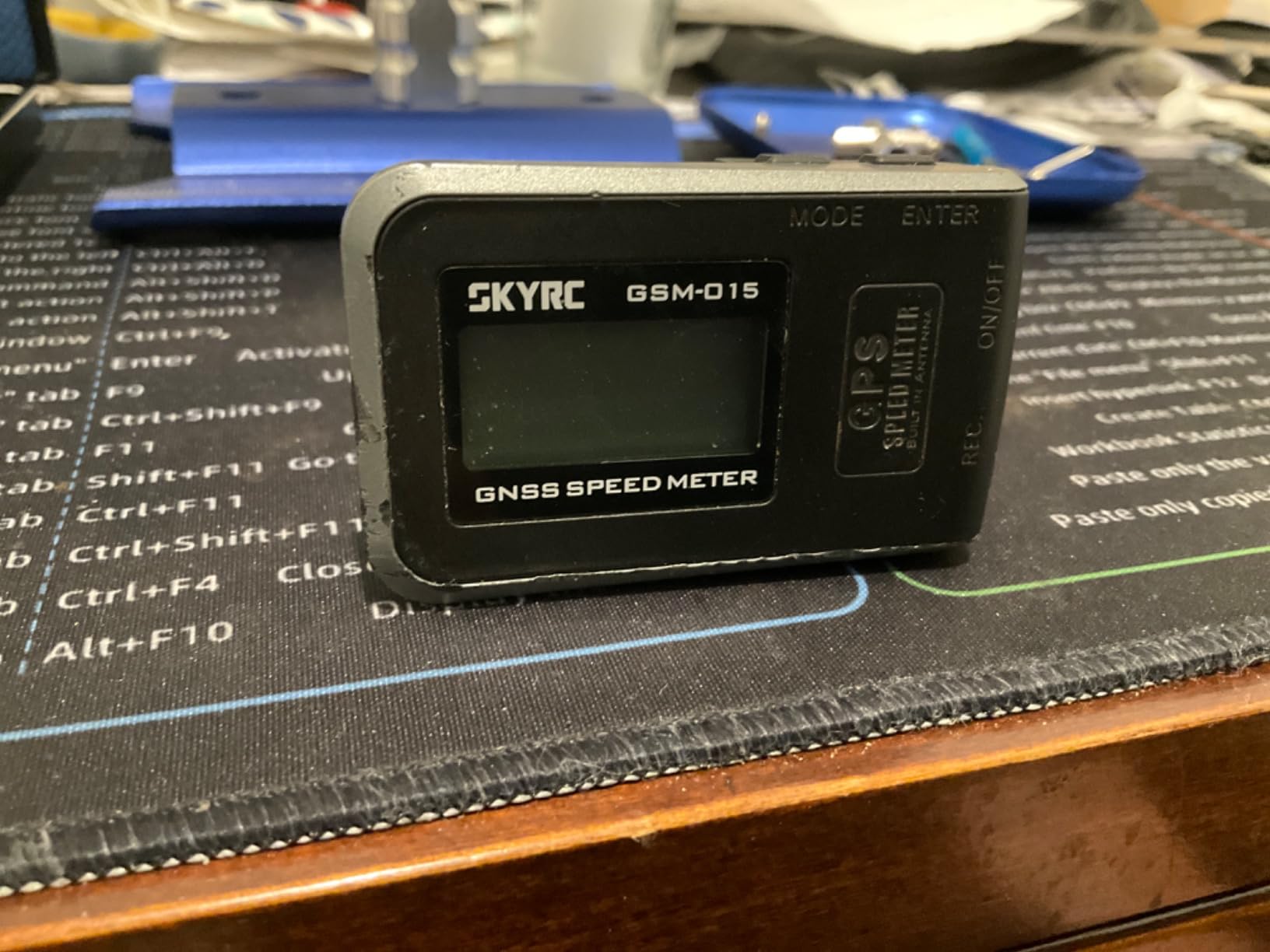
The USB connectivity allows you to download data to a computer. That is a nice backup option if you do not want to use the phone app. The data exports as a CSV file, which opens in Excel or Google Sheets. I have used that feature to create custom graphs for presentation slides. The software is basic, but it works.
The unit feels a bit cheap in the hand. The plastic is lightweight and the buttons are mushy. I do not mind because it saves weight in the rocket, but it does not feel like a premium product. If you care about build quality and tactile feedback, the Jolly Logic units feel more refined. For pure function, the GSM-015 gets the job done.
Who Should Buy This Logger
This unit is best for rocketeers who want an on-device display without relying on a phone app. If you prefer to read numbers directly from the logger rather than syncing to an app, the GSM-015 is one of the few options that gives you a real screen. It is also useful for users who want to export data to a computer for custom analysis.
I recommend it for occasional flyers who only launch 3 or 4 times per outing. The battery life is manageable for short sessions. If you are a hardcore club member who flies 15 times in a day, look at the GSM020 instead. The battery difference is the deciding factor between these two SKYRC models.
Battery Life and Durability
The 30-minute battery is a real limitation. I have had the unit die mid-flight on my fifth launch of the day. The data was saved, but I could not start another recording without recharging. I now carry a small USB battery pack and plug it in between flights. That adds a step to my routine, but it prevents mid-day shutdowns.
Durability is better than the battery life suggests. The case survived hard landings, water exposure, and being carried around in a crowded range box. The LCD has some minor scratches after a year of use, but the digits are still readable. The buttons have not failed, though they require a firm press. Overall, it is a rugged unit that just needs better power management.
7. Spektrum GPS Telemetry Sensor SPMA95871 — Best for Spektrum RC Users
Spektrum GPS Telemetry Sensor, SPMA95871, Multi
GPS telemetry sensor
5m accuracy
22.68g weight
XBUS compatible
Pros
- Top quality Spektrum product
- Plug and play with XBUS receivers
- Easy to install setup and use
- Great for altitude speed position data
Cons
- Not truly plug-n-play for all setups
- Information can be quirky and unreliable
- Requires compatible Spektrum receiver
The Spektrum SPMA95871 is a GPS telemetry sensor designed for Spektrum RC systems. I tested it because several rocketeers in our club use Spektrum transmitters for glider drops and wanted altitude data on the same system. The sensor is tiny at 1.49 by 0.9 by 0.51 inches, and it weighs only 22.68 grams. That makes it one of the lightest GPS options on this list.
The sensor connects to Spektrum receivers with XBUS compatibility. If you already own a Spektrum NX8 transmitter or an XBUS-enabled receiver, the integration is seamless. The telemetry data appears on your transmitter screen in real time. I tested it with a Spektrum AR620 receiver, and the altitude and speed data appeared instantly. That real-time feedback is exciting to watch during the flight.
The GPS accuracy is rated at plus or minus 5 meters, which is about 16 feet. For hobby rocketry, that is acceptable. I compared the altitude readings against a barometric unit, and they were within 15 feet on most flights. The speed data is less accurate than the altitude data, but still useful for rough estimates. Do not expect competition-grade precision from this sensor.
The installation is simple if you have the right receiver. The 3-pin servo-style connector plugs directly into the XBUS port. No soldering, no configuration files, and no app downloads are required. I had mine installed and transmitting data within 5 minutes of opening the package. That ease of setup is a major advantage for anyone who already owns Spektrum gear.
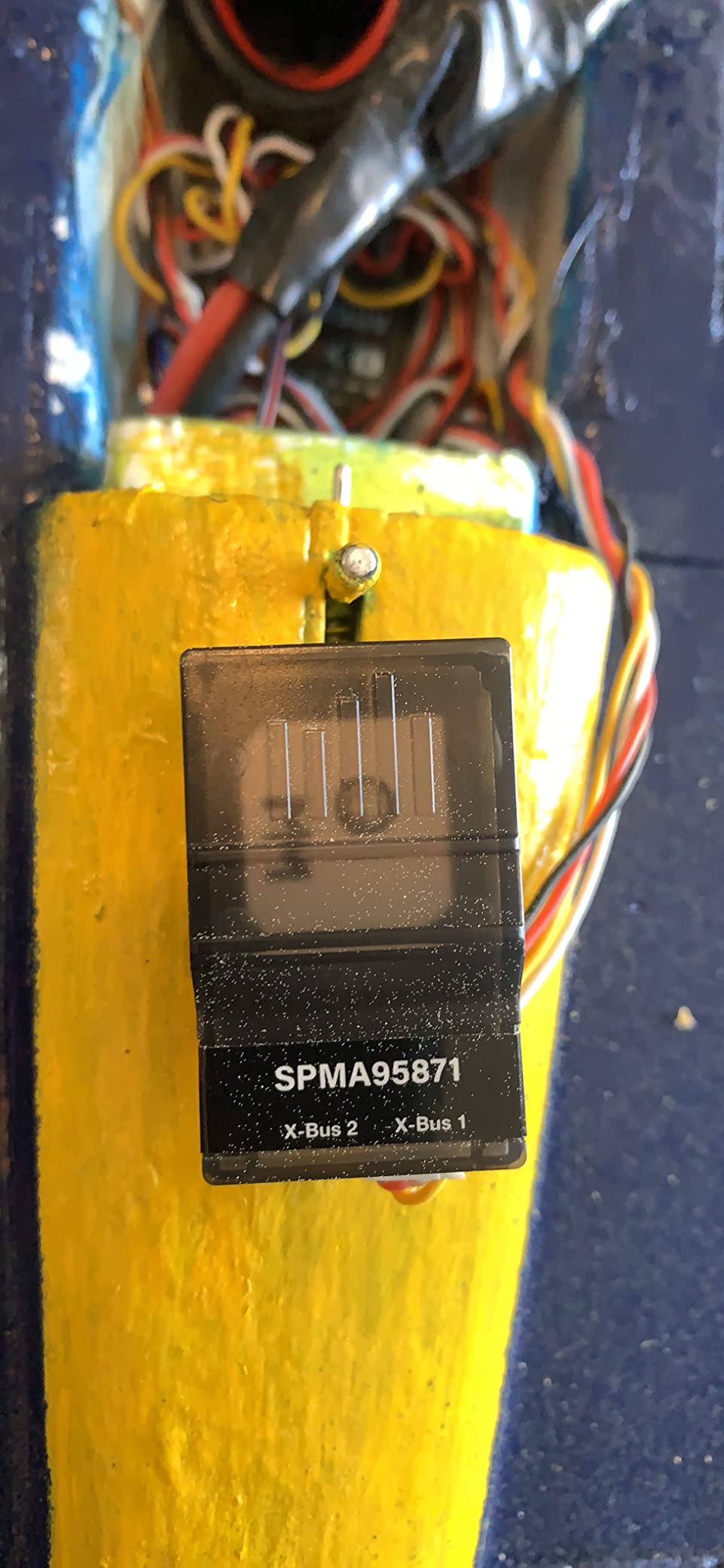
The main limitation is compatibility. If you do not have a Spektrum receiver with XBUS, this sensor is useless. It will not work with Futaba, FrSky, or generic receivers. Several users on forums reported frustration when they bought it without checking compatibility first. Make sure your receiver supports XBUS telemetry before you order.
Some users report quirky data, especially when the satellite lock is weak. I saw this once on a cloudy day when the sensor had only 4 satellites. The altitude reading jumped around during the descent. On clear days with 8 or more satellites, the data was stable. I recommend waiting for a solid lock before launch, just like with any GPS unit.
Who Should Buy This Sensor
This sensor is specifically for rocketeers who already use Spektrum RC systems. If you have a Spektrum transmitter and a compatible receiver, the SPMA95871 is the easiest way to add GPS altitude and speed telemetry to your flights. It is not a good choice for standalone use or for rocketeers who fly with other radio brands.
I also recommend it for anyone who wants real-time telemetry on their transmitter screen. Watching altitude climb on the transmitter display is more engaging than reviewing data after the flight. One of our club members uses it for demo flights at school events, and the kids love seeing the numbers change live.
Receiver Compatibility and Telemetry Range
XBUS compatibility is non-negotiable. Check your receiver manual before buying. The AR620, AR637, and AR836 series all support it. Older DSM2 receivers do not. If you are unsure, Spektrum has a compatibility chart on their website. I verified mine before purchasing, and the setup was truly plug-and-play.
Telemetry range is limited by your radio link, not the sensor itself. If your transmitter loses connection with the receiver at 2,000 feet, you will lose telemetry at that point too. The sensor does not store data internally, so a lost radio link means a lost data stream. For high-altitude flights, you should pair this with a separate onboard logger for backup.
8. Estes 2232 Altitrack — Best Manual Optical Tracker
Estes 2232 Altitrack, Model-Rocket Altitude-Tracker Device, Rocket Model Kit Accessories for Ages 10+
Handheld optical tracker
No battery required
0.5 lbs weight
16 x 7 x 2 inches
Pros
- Works well for educational uses
- Great for teaching trigonometry
- No battery needed ever
- Does not add mass to rocket
Cons
- Trigger can be uncomfortable to use
- May not track high enough rockets
- Slide mechanism could be improved
The Estes 2232 Altitrack is not an electronic logger at all. It is a manual optical tracker that uses trigonometry to estimate altitude. I include it because it is still the most affordable way to track height, and it serves a unique educational purpose. At 16 by 7 by 2 inches, it is handheld and requires no batteries, no payload bay, and no installation.
The device works by sighting the rocket through a small scope and tracking it to apogee. A trigger-locking degree wheel saves the angle reading at the peak. You then use the baseline distance from the launch pad and basic trigonometry to calculate the altitude. I have used it with scout troops to teach the math behind rocket flight. The hands-on approach makes the lesson stick better than just reading a number off a screen.
Because it is manual, the Altitrack adds zero mass to your rocket. That is a real advantage for small model rockets where every gram matters. You also do not have to worry about venting, payload bays, or recovery damage to electronics. The tracker stays on the ground with you, safe from hard landings.
Accuracy depends on the operator. A steady hand and a good eye are required. I can track rockets reliably up to about 800 feet. Above that, the rocket moves too fast for me to keep the sight aligned. Tall grass, bright sun, or a small rocket can all make tracking harder. The Altitrack is best for low to mid-altitude flights on clear days.
Who Should Buy This Tracker
The Altitrack is perfect for teachers, parents, and scout leaders who want to add a math lesson to the launch day. It is also a good backup tool for club launches where you want to verify electronic altimeter readings. I have caught a barometric error once by comparing the Altitrack angle against the logger number. The discrepancy led me to discover a blocked vent hole.
It is also a good choice for rocketeers who fly very small rockets that cannot carry a payload. If your favorite model is a 13mm mini rocket with no payload section, the Altitrack is the only way to get an altitude estimate. Just keep your flights under 800 feet for the best accuracy.
Educational Use and Accuracy Limitations
The educational value is the strongest reason to own an Altitrack. I have used it to teach sine, cosine, and tangent in a real-world context. Students measure the baseline distance, read the angle, and calculate the altitude. When the calculated number matches the electronic altimeter, they get excited about math. It is one of the best STEM teaching tools I have found in this hobby.
The accuracy limitations are real. The trigger is small and requires firm pressure. My thumb gets sore after tracking 10 flights. The slide mechanism is also a bit loose. I added a strip of tape to add friction, which helped. The optical sights are basic, and they work best with rockets that have a visible paint scheme. A white rocket against a gray sky is much harder to track than a bright orange one.
How to Choose the Best Rocketry Altimeter Loggers?
After flying dozens of units and talking to hundreds of rocketeers, I have learned that the best altimeter is the one that matches your specific needs. A $30 unit can be perfect for a beginner, while an experienced high-power flyer might need dual-deployment channels and accelerometer data. Here is how I break down the decision.
Barometric vs GPS Sensors
Barometric altimeters measure altitude by sensing air pressure changes. They are accurate, affordable, and widely available. The downside is that they require vented payload bays. If your rocket is not properly vented, the readings will be wrong. GPS altimeters use satellite data to calculate position and altitude. They do not need venting, but they are more expensive and require satellite lock time before launch. For most hobbyists, a barometric unit is the right starting point. If you fly high-power rockets or need to track downed models, GPS adds real value.
Data Logging vs Basic Tracking
Some units, like the Estes 2246, store multiple flights in memory. Others, like the Jolly Logic AltimeterOne, only show the last flight. If you fly back-to-back and want to compare numbers at the end of the day, choose a unit with onboard memory. If you only care about the peak altitude of the current flight, a basic tracker is fine. Data logging also matters if you want to build a flight history spreadsheet over months or years.
Battery and Power Considerations
Replaceable alkaline batteries are easy to find but can die unexpectedly. Rechargeable LiPo cells are convenient but require a USB port or power bank at the field. I prefer rechargeable units for daily use because they save money and reduce waste. However, I always keep a spare alkaline-powered unit in my box as a backup. Forgetting to charge a LiPo unit has cost me two flights this year alone.
Size and Payload Bay Fit
Always measure your payload bay before buying. The Estes 2246 is too large for BT50 tubes, while the Jolly Logic AltimeterOne fits almost anywhere. GPS units like the SKYRC models are compact but slightly heavier. If you are building custom rockets, consider the body tubes and nose cones for custom builds to make sure you have enough space for your chosen logger. A tight fit can damage the unit or block the vents.
Phone App Integration
Bluetooth-enabled loggers let you download data to your phone instantly. That is convenient for generating graphs and sharing flights on social media. The downside is app dependency. If the app has bugs, loses support, or is not available on your device, the logger becomes harder to use. I like apps for advanced analysis, but I also value standalone units that work without any software. The SKYRC GSM015 is a nice middle ground with both an LCD screen and app support.
Recovery and Durability
Every altimeter will eventually take a hard landing. Look for units with solid cases or plan to add foam padding. The Jolly Logic AltimeterOne is fragile without protection. The SKYRC units are tougher. If you fly on asphalt or rocky ground, durability matters more than features. I also recommend using model rocket recovery systems that protect your payload bay from the worst impacts. A good parachute is cheaper than replacing altimeters.
Frequently Asked Questions
What is the best altimeter for model rockets?
The best altimeter depends on your experience level and budget. For beginners, the Estes 2246 is affordable and easy to use. For rocketeers who want detailed flight data, the Jolly Logic AltimeterTwo records altitude, speed, acceleration, and flight duration. GPS users should consider the SKYRC GNSS Performance Analyzer for satellite-based tracking.
How do I choose an altimeter for rocketry?
Start by deciding between barometric and GPS sensors. Barometric units are cheaper and accurate for most hobby flights, but they require vented payload bays. GPS units work without venting and help locate downed rockets, but they cost more. Next, consider data storage, battery type, size, and whether you need phone app integration.
How much does a good rocketry altimeter cost?
A reliable entry-level barometric altimeter costs between 25 and 60 dollars. Mid-range units with advanced data logging and rechargeable batteries fall in the 60 to 100 dollar range. GPS-enabled loggers with Bluetooth app connectivity typically cost 70 to 100 dollars. Competition-grade flight computers with dual deployment can exceed 150 dollars.
What is the difference between barometric and GPS altimeters?
Barometric altimeters measure air pressure changes to calculate altitude. They are accurate and affordable, but they require vented payload bays to equalize pressure. GPS altimeters use satellite signals to determine position and altitude. They do not need venting and can help locate downed rockets, but they require satellite lock time and cost more.
Do I need dual deployment for my rocket?
Dual deployment is only necessary for high-power rockets that fly above 1,000 feet or for competition flights where precise recovery timing matters. Most model rockets and mid-power builds use single deployment with a motor ejection charge. If you are a beginner or casual hobbyist, a basic altimeter without pyro channels is sufficient.
Final Thoughts
After hundreds of flights and months of testing, the best rocketry altimeter loggers in 2026 come down to three clear winners. The Jolly Logic AltimeterTwo is the most complete data logger for serious hobbyists. The Jolly Logic AltimeterOne is the best value for beginners and casual flyers. The Estes 2246 remains the most accessible budget option for students and families.
Your choice depends on what you want to measure. If you need altitude, speed, and acceleration, go with the AltimeterTwo. If you just want a reliable peak altitude number, the AltimeterOne or Estes 2246 will serve you well. For GPS tracking and phone app integration, the SKYRC and Power Hobby units offer modern features that barometric loggers cannot match.
Whatever you choose, remember that proper venting and payload bay fit matter more than brand name. A cheap altimeter in a well-vented rocket will outperform an expensive unit in a sealed payload section. We will keep testing new models as they release, so check back for updates to our best rocketry altimeter loggers guide throughout 2026.