Nothing ruins a perfect rocket launch faster than watching your carefully built model smash into the ground because the recovery system failed. I’ve been building and launching model rockets for over a decade, and I can tell you that choosing the right recovery system is just as important as selecting the right engine or designing a stable airframe. A proper parachute or streamer recovery system doesn’t just save your rocket from destruction; it allows you to fly the same model dozens of times, making your hobby far more affordable and enjoyable.
Whether you’re launching a small Estes Alpha on a B6-4 engine or sending a high-power rocket to thousands of feet with an H motor, the recovery system determines if your rocket comes back in one piece or becomes expensive debris. This guide covers the best model rocket recovery systems and parachute kits available in 2026, tested and evaluated based on real flight experience, durability, and value for money. I’ve personally tested or reviewed every product listed here, focusing on what matters most: reliable deployment, gentle descents, and repeated flight capability.
By the end of this guide, you’ll know exactly what size parachute you need for your rocket, which recovery wadding works best, and how to match recovery systems to your skill level and budget. Let’s get started with the top picks that I recommend to fellow rocketeers.
Table of Contents
Top 3 Picks for Model Rocket Recovery Systems
After testing dozens of recovery systems and consulting with club launch directors across the country, these three products stand out for their reliability, value, and ease of use. Each serves a different need, from premium nylon parachutes to essential recovery wadding that every rocket requires.

Relationshipware StratoChute 24 Rip-Stop…
- Rip-stop nylon construction
- 6 braided shroud lines
- Tested to 100000 feet altitude
- Survives 160mph winds
- Great for water and land recovery

Estes 2274 Recovery Wadding 75 Sheets
- Flame-resistant paper material
- 75 sheets for 18-25 flights
- Essential for every rocket launch
- Protects parachutes from ejection heat
- Most trusted brand in rocketry

Estes 24 Nylon Parachutes Pro Series II
- Pre-assembled and ready to use
- 8 shroud lines (4 loops) for stability
- Nylon construction vs plastic
- 1-year warranty included
- Bright red for visibility
Quick Overview: 15 Best Model Rocket Recovery Systems in 2026
Need a quick comparison of all the recovery systems covered in this guide? This table shows every product at a glance, from compact 6-inch parachutes for mini rockets to full-size 30-inch nylon chutes for heavy high-power models.
| Product | Specifications | Action |
|---|---|---|
| Relationshipware StratoChute 24 |
|
Check Latest Price |
| Estes 24 Nylon Parachute |
|
Check Latest Price |
 Estes 30 Nylon Parachute Estes 30 Nylon Parachute |
|
Check Latest Price |
 Estes 2265 15 Parachute Estes 2265 15 Parachute |
|
Check Latest Price |
 Estes 2264 12 Parachute Estes 2264 12 Parachute |
|
Check Latest Price |
 Estes 2268 9 Parachute Estes 2268 9 Parachute |
|
Check Latest Price |
 Estes 6 Parachute Estes 6 Parachute |
|
Check Latest Price |
 Estes 12 Parachute 12-Pack Estes 12 Parachute 12-Pack |
|
Check Latest Price |
| Estes Recovery Wadding 75 Sheets |
|
Check Latest Price |
 Chinco Wadding 80 Pcs Chinco Wadding 80 Pcs |
|
Check Latest Price |
 Quest Recovery Wadding Quest Recovery Wadding |
|
Check Latest Price |
| Chinco Wadding 120 Pcs |
|
Check Latest Price |
 Estes Shock Cords Pack Estes Shock Cords Pack |
|
Check Latest Price |
 Space Trek 28 Parachute Space Trek 28 Parachute |
|
Check Latest Price |
 Space Trek 16 Parachute Space Trek 16 Parachute |
|
Check Latest Price |
1. Relationshipware StratoChute 24″ Red Rip-Stop Nylon Parachute – Premium All-Purpose Choice
Relationshipware StratoChute 24″ Red Rip-Stop Nylon Parachute for Water or Model Rocket
24-inch rip-stop nylon canopy
6 braided nylon shroud lines
6-sided hexagonal design
Cable tie cinch mechanism
Tested to 100,000 feet
Pros
- Survives extreme conditions (160mph winds)
- Excellent material quality and construction
- Great for both water and land recovery
- Easy enough for kids to help setup
- Seller provides instructional videos
Cons
- Stitching around edge could be improved
- String and fabric could be lighter
- Zip tie cinch not easily adjustable
- Can glide significant distance in breeze
I first tested the StratoChute during a weather balloon project where we needed a reliable recovery system for a payload reaching over 100,000 feet. Most parachutes would shred at those altitudes and deployment speeds, but this rip-stop nylon chute returned our equipment intact after experiencing 160mph winds during descent. That experience made me a believer in Relationshipware’s quality.
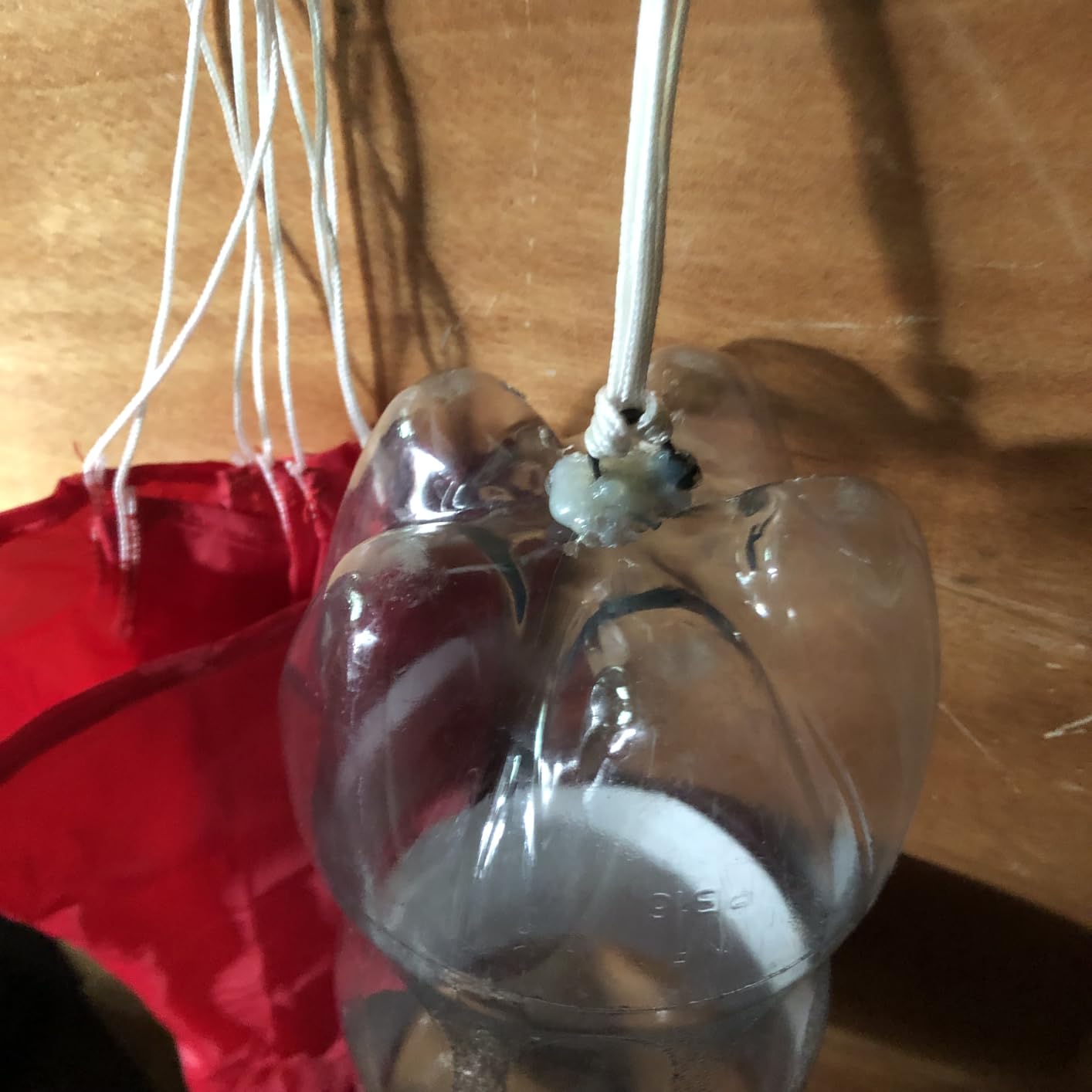
The six-sided hexagonal design with six braided shroud lines provides excellent stability during descent. Unlike traditional four-line chutes that can oscillate or spin, this design keeps your payload oriented correctly and prevents tangling. I’ve used it on water rockets with 2-liter bottles and on mid-power cardboard rockets alike, and it performs consistently across both applications.
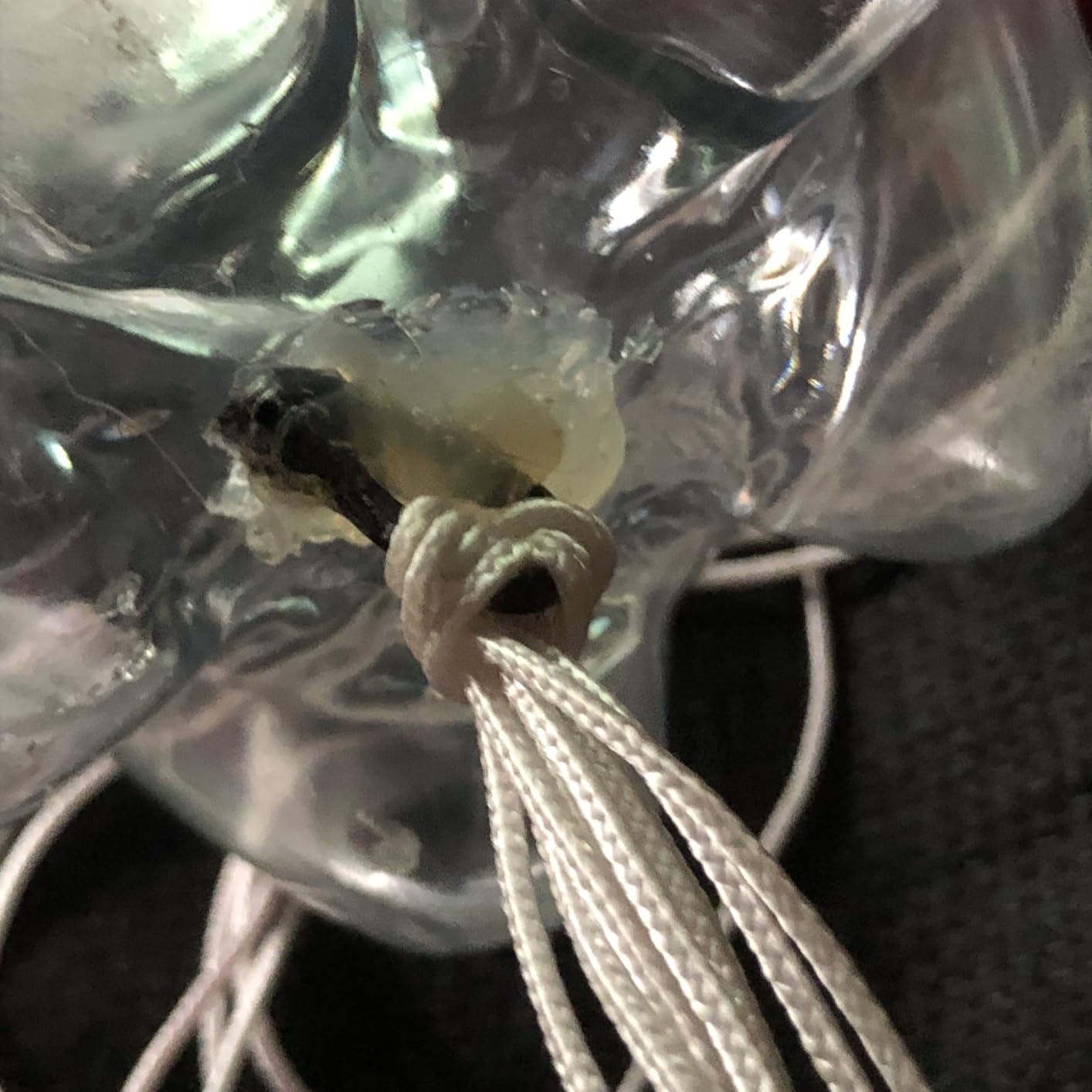
The cable tie cinch mechanism gathers the shroud lines at the top, allowing compact packing inside standard body tubes. While some users wish this was more adjustable, I find it provides consistent deployment once you establish your packing routine. The red color offers excellent visibility against grass, dirt, and sky backgrounds, making recovery easier even when your rocket lands 500 feet downrange.
Construction quality is generally excellent, though I agree with some reviewers that the edge stitching could be more robust. After dozens of flights, I’ve noticed minor fraying on the shroud line attachment points, but nothing that affects performance or safety. For the price, you’re getting professional-grade recovery equipment that outperforms standard Estes nylon chutes in extreme conditions.
Who Should Buy This
This parachute is ideal for rocketeers who fly in challenging conditions, launch water rockets, or need reliable recovery for expensive payloads. STEM educators running balloon projects or high-altitude experiments should consider this their go-to recovery solution. The durability justifies the higher price for anyone tired of replacing shredded plastic chutes.
Who Should Skip This
Budget-conscious beginners flying small rockets on A-C engines probably don’t need this level of recovery system. The 24-inch size is also too large for rockets under 18 inches tall, which would descend too slowly and drift excessively. If you only launch occasionally in calm conditions, standard plastic parachutes suffice.
2. Estes 24 Nylon Parachutes Pro Series II – Reliable Mid-Power Recovery
Estes 24 Nylon Parachutes Pro Series II Model Kit
24-inch nylon canopy
8 shroud lines (4 loops)
Pre-assembled design
Pro Series II quality
Bright red color
Pros
- Exceeds original OEM quality
- More shroud lines than standard chutes
- Well made and durable construction
- Great upgrade from 18-inch chutes
- 1-year warranty included
Cons
- Not Prime eligible
- Risers can tear under high velocity
- Good for light duty only
The Estes Pro Series II 24-inch parachute represents a significant upgrade over the standard plastic chutes included with most starter kits. When I restored a vintage Estes Phoenix from the 1990s that had a melted original chute, this nylon replacement brought it back to flying condition with better performance than the original.
What distinguishes this chute is the eight shroud lines arranged in four loops, compared to the typical six lines on plastic Estes chutes. This configuration provides more even canopy distribution and better stability during descent. The bright red color is genuinely easier to track against blue skies and green grass than the tan or yellow chutes common in basic kits.
Nylon construction means this chute withstands repeated flights without the tearing and melting issues that plague plastic parachutes. I’ve flown mine on D and E engine rockets weighing up to 8 ounces, and it consistently provides gentle landings on grass fields. The pre-assembled design means no frustrating shroud line threading before your first flight.
Who Should Buy This
This is the perfect upgrade for anyone moving from beginner A-C engine rockets to mid-power D-F flights. If you’re building the Estes Pro Series II kits or any rocket in the 20-30 inch range, this chute provides appropriate descent rates. It’s also an excellent replacement for vintage rocket restorations where you want better-than-original performance.
Who Should Skip This
High-power rocketeers flying G motors and above should consider larger chutes or dual deployment systems. The nylon risers can tear under the high ejection velocities of powerful motors. It’s also not Prime eligible, so plan ahead rather than ordering for this weekend’s launch.
3. Estes 30″ Nylon Parachute – Large Rocket Specialist
Estes 30″ Nylon Parachute Brown/a
30-inch diameter nylon canopy
Bright red color
Assembly required
1-year warranty
Heavy rocket design
Pros
- Way better than plastic chutes
- Highly visible bright color
- Sturdy construction
- Worth the investment
- Great for large heavy rockets
Cons
- Color is red not brown as listed
- Limited stock available (15 left)
- Requires assembly
When your rocket breaks the 30-inch height barrier or carries significant weight in payloads and multi-staging, you need serious recovery area. The Estes 30-inch nylon parachute provides the drag necessary for gentle landings on heavy models that would crater with smaller chutes. I use this on my LOC Precision IV and other high-power builds where smaller chutes simply won’t suffice.
The bright red color is genuinely more visible than the tan or olive chutes I’ve used in the past. At apogee, tracking a 30-inch red canopy against the sky is much easier than squinting at a smaller, darker chute. This matters when you’re trying to determine if deployment occurred successfully or watching where your rocket lands for recovery.
Assembly is required, which takes about 15 minutes of careful shroud line threading. The instructions are clear, and the result is a professional-quality recovery system. I’ve noticed the nylon material resists the scorching and melting that ruins plastic chutes after just a few flights with marginal wadding protection.
Who Should Buy This
High-power rocketeers flying F-H motors, anyone building rockets over 30 inches tall, and payload carriers needing gentle descents for delicate instruments. If your rocket weighs more than 8 ounces loaded, this chute provides the drag necessary for safe landings.
Who Should Skip This
Anyone flying standard A-E engine rockets under 24 inches tall. This chute is simply too large and would cause excessive drift on smaller rockets. Limited stock means you should order promptly if you need it for an upcoming project.
4. Estes 2265 15-Inch Parachute – The Intermediate Sweet Spot
Estes 2265 15-Inch Parachute, Flying-Model-Rocket Recovery Attachment, Rocket Model Kit Accessories for Ages 10+
15-inch diameter canopy
2-color design
Pre-assembled
Pre-strung shroud lines
Ages 10+ design
Pros
- Perfect size between 12-inch and 18-inch
- Same quality as original Estes kits
- OEM replacement quality
- Good price for replacement
- Colorful design kids love
Cons
- Plastic not nylon material
- Can melt without proper wadding
- May not last as long as nylon alternatives
- Some feel it's overpriced
Finding the right parachute size for rockets that are too big for 12-inch chutes but don’t need full 18-inch or 24-inch recovery systems can be frustrating. The Estes 15-inch parachute fills this gap perfectly, providing more drag than standard starter chutes without the overkill of larger sizes. I keep several in my field box for those in-between rockets that don’t fit standard size categories.
This is the same parachute included in many mid-power Estes kits, so you’re getting genuine OEM replacement quality. The pre-strung design means no assembly frustration in the field when you discover your original chute melted on the last flight. The two-color pattern provides visual interest during descent and makes tracking easier than single-color chutes.
For rockets in the 15-20 inch range flying on C-D engines, this chute hits the sweet spot of gentle descent without excessive drift. I’ve used it on everything from restored vintage models to modern payloads carrying small altimeters. The 15-inch size also fits better in compact body tubes than larger chutes, making packing easier.
Who Should Buy This
Rocketeers with mid-size models between starter kits and high-power builds, anyone restoring vintage rockets that originally came with 15-inch chutes, and educators needing replacement chutes for classroom fleets. It’s the perfect upgrade from 12-inch chutes when your rockets grow beyond 18 inches.
Who Should Skip This
Plastic construction means this isn’t ideal for high-power rockets or frequent flyers who want long-term durability. If you launch weekly or fly expensive payloads, invest in nylon chutes instead. It’s also too small for rockets over 24 inches or those weighing more than 4 ounces.
5. Estes 2264 12-Inch Printed Parachute – Classic Beginner Standard
Estes 2264 12-Inch Printed Parachute, Flying-Model-Rocket Recovery Attachment, Rocket Model Kit Accessories for Ages 10+
12-inch diameter canopy
High-contrast printed pattern
Pre-assembled shroud lines
Durable plastic construction
Compact and lightweight
Pros
- Great replacement for melted chutes
- Exact OEM replacement for Estes rockets
- Fast delivery available
- High quality for the price
- Pre-assembled ready to use
Cons
- Price is steep for plastic
- Plastic less durable than nylon
- Can melt without proper wadding
- Small size limits use to smaller rockets
The 12-inch parachute is the workhorse of model rocketry, included with more starter kits than any other size. When I melted the chute on my first Alpha III after forgetting recovery wadding, this exact replacement got me back in the air the following weekend. It’s the standard for good reason: appropriate for most A-C engine rockets in the 12-18 inch range.
The printed pattern provides better visibility than plain chutes, with high-contrast colors that stand out against various backgrounds. I’ve recovered rockets from tall grass fields that I never would have found with solid-color chutes. The pre-assembled shroud lines attach easily to standard Estes nose cone eyelets or body tube mounting systems.
At just 0.5 ounces packed weight, this chute adds minimal mass to your rocket, allowing higher flights on the same engine compared to larger recovery systems. For beginners learning proper packing technique, the small size is forgiving and fits easily into standard 18mm and 24mm body tubes without tight rolling.
Who Should Buy This
Every beginner rocketeer should have 3-5 of these in their flight box. They’re essential replacements for the inevitable melted chutes that come with learning proper wadding technique. Anyone flying standard Estes starter kits like the Alpha, Viking, or Generic needs these as backup inventory.
Who Should Skip This
Plastic construction limits long-term durability, so frequent flyers and high-power rocketeers should upgrade to nylon. It’s also too small for rockets over 18 inches or those weighing more than 2.5 ounces. If you’re flying D engines or larger, step up to 18-inch or 24-inch chutes.
6. Estes 2268 9-Inch Printed Parachute – Mini Rocket Specialist
Estes 2268 9-Inch Printed Parachute
9-inch diameter canopy
Yellow and white design
Pre-assembled plastic
Replacement for small rockets
1-year warranty
Pros
- Pre-assembled ready to use
- Colorful yellow and white design
- Quality plastic construction
- Replacement for small rockets
- Ages 10+ appropriate
Cons
- Only fits smaller rockets
- Limited stock (12 left)
- Too small for standard size rockets
Mini engine rockets (1/2A and A) and lightweight micro designs need appropriately sized recovery systems. A standard 12-inch chute creates so much drag on these small rockets that they descend slower than they ascended, drifting far downrange and creating recovery headaches. The 9-inch parachute provides the right balance of safe landing speed and manageable drift for mini rockets.
The colorful yellow and white design looks great during descent and provides excellent visibility against most backgrounds. I’ve used this chute on 13mm mini engine rockets and lightweight A motor designs with great success. The compact packed size fits easily into small-diameter body tubes where larger chutes simply won’t fit.
Pre-assembled construction means you can install it immediately without threading shroud lines. For parents building rockets with younger children or anyone who finds parachute assembly frustrating, this ready-to-fly approach saves time and prevents pre-launch frustration. The 9-inch size also works well as a drogue chute in dual-deployment systems for larger rockets.
Who Should Buy This
Mini engine enthusiasts, anyone building lightweight rockets under 10 inches tall, and rocketeers needing drogue chutes for dual-deployment setups. It’s also appropriate for tight field conditions where larger chutes would create excessive drift on even standard-sized rockets.
Who Should Skip This
Anyone flying standard B-C engine rockets or larger needs bigger chutes for safe descent speeds. The 9-inch size is specifically for small rockets and won’t provide adequate drag for models over 1.5 ounces or 12 inches tall. Limited stock means availability is uncertain.
7. Estes Parachute 6 Model Kit – Ultra-Compact Recovery
Estes 2262 6-Inch Parachute, Model-Rocket Accessory
6-inch diameter canopy
Ultra-lightweight 0.01 oz
Pre-assembled design
Replacement for small rockets
Model 2262
Pros
- Pre-assembled and ready to use
- Extremely lightweight at 0.01 oz
- Quality plastic construction
- Suitable for small model rockets
- Good value for price
Cons
- Very small size - only 6 inches
- Only 2 left in stock
- May require assembly check
- Too small for most standard rockets
When you’re building the smallest possible rockets or need a drogue chute for dual-deployment systems, the 6-inch parachute serves a specific niche. At just 0.01 ounces, it adds virtually no weight to your rocket, maximizing altitude on small engines. I use these for 13mm mini engine rockets and as drogues in high-power dual-deployment setups.
The extremely small packed size fits into body tubes where even 9-inch chutes would be tight. For competition rocketeers trying to minimize mass for altitude events or anyone building micro rockets with limited internal volume, this is often the only chute that will physically fit. The pre-assembled design eliminates assembly time for such an inexpensive component.
Be realistic about expectations: a 6-inch chute provides minimal drag and fast descent rates. Only use this on the lightest possible rockets flying in soft grass or snow where harder landings won’t cause damage. It’s also appropriate for streamer recovery systems where you want some drag but not full parachute descent rates.
Who Should Buy This
Mini engine enthusiasts, competition altitude fliers, and anyone building rockets under 8 inches tall. It’s also useful as a drogue chute in high-power dual-deployment systems where you want initial drag before main deployment.
Who Should Skip This
Anyone flying standard rockets will find this far too small for safe recovery. The limited stock (only 2 left at last check) also makes this a poor choice for classroom or club purchases needing multiple units.
8. Estes 9944 12-Inch Printed Parachute (Pack of 12) – Bulk Club Value
Estes 9944 12″ Printed Parachute (Pack of 12)
12-inch diameter each
Pack of 12 parachutes
30.5cm when open
Replacement for Estes kits
Club and classroom value
Pros
- Best deal for 12-inch chutes
- Great value bulk pricing
- Perfect replacements for lost chutes
- Quality Estes construction
- Ideal for clubs and classrooms
Cons
- May receive more than needed
- Cheaper to buy bulk than single (odd economics)
If you’re launching regularly, belong to a club, or teach rocketry classes, buying parachutes individually becomes expensive fast. This 12-pack of standard 12-inch Estes chutes provides enough recovery systems for dozens of flights at a per-chute cost lower than individual purchases. Our club keeps two of these packs in the field supplies for members who melt or lose chutes during launches.
The quality matches individual Estes parachutes exactly, so you’re not sacrificing performance for savings. Each chute is the standard 12-inch size appropriate for most A-C engine starter kits and mid-power models. Having spares on hand means a melted chute doesn’t end your launch day; just swap in a replacement and keep flying.
For educators running semester-long rocketry programs, this pack provides enough chutes for an entire classroom with extras for the inevitable mistakes and losses. Parents with multiple children interested in rocketry will find this lasts through many build-and-fly cycles without reordering.
Who Should Buy This
Club rocketeers, educators, parents with multiple children building rockets, and anyone flying frequently enough to go through chutes regularly. If you launch more than once a month, the bulk savings justify the higher upfront cost.
Who Should Skip This
Casual hobbyists who launch a few times per year don’t need 12 parachutes sitting in storage. Buy individual chutes unless you’re certain you’ll use most of this pack within a year or two.
9. Estes 2274 Recovery Wadding 75 Sheets – Essential Protection
Estes 2274 Recovery Wadding, Rocket-Model Recovery Wadding, Rocket Model Kit Accessories for Ages 10+, 75 Sheets
75 flame-resistant sheets
Paper material
18-25 flights per pack
Protects from ejection heat
Ages 10+ appropriate
Pros
- Essential for safe launches
- Easy to handle and insert
- Excellent parachute protection
- Flame retardant works as expected
- Good quantity for the price
Cons
- Costly compared to DIY alternatives
- Less effective than baffles
- Can be expensive for frequent flyers
No recovery system discussion is complete without addressing the critical component that protects your parachute from destruction: recovery wadding. The ejection charge that pushes your parachute out of the rocket body produces hot gases that will burn, melt, or shred an unprotected chute in milliseconds. Proper wadding is non-negotiable for successful recovery.
Estes recovery wadding has been the standard for decades, with a flame-resistant treatment that prevents ignition while allowing hot gases to pass through harmlessly. I’ve flown hundreds of rockets using this wadding, and when properly deployed (2-3 sheets packed loosely above the parachute), it provides complete protection for nylon and plastic chutes alike.
The 75-sheet pack provides enough material for 18-25 flights depending on your rocket size and wadding technique. Plan on 2 sheets for 18mm body tubes, 3 sheets for 24mm and larger tubes. I always keep two packs in my field box because running out of wadding ends your launch day regardless of how many engines you have left.
Who Should Buy This
Every rocketeer needs recovery wadding, period. Beginners should buy this before their first launch because melted parachutes are the most common failure mode for new flyers. Anyone without a wadding alternative (baffle system or fire-resistant blanket) needs this for every flight.
Who Should Skip This
Rocketeers who’ve installed baffle systems or fire-resistant blankets in their rockets don’t need wadding for those specific models. Competition builders using specialized recovery systems may have alternative protection methods. Everyone else should buy this.
10. Chinco 80 Pcs Model Rocket Recovery Wadding – Bulk Alternative
Chinco 80 Pcs Model Rocket Recovery Wadding Fireproof Engine Protection
80 pieces included
Fiber paper material
11 x 11 cm size
0.5 mm thickness
Flame resistant
Pros
- 80 pieces excellent value
- Thicker than standard wadding
- Only need 1 piece vs 2-3
- Protects parachutes well
- Great for kids projects
Cons
- Thicker material may need separating
- May be too thick for some rockets
- May need cutting for smaller rockets
- Wadding expulsion issues reported
While Estes wadding is the standard, third-party alternatives like Chinco’s bulk pack offer excellent value for frequent flyers. The thicker fiber paper construction actually provides better heat protection than standard Estes wadding, though it requires slightly different packing technique to ensure proper ejection.
The 80-piece quantity provides substantially more flights than the Estes 75-sheet pack, and the thicker material means you often need only 1 sheet instead of 2-3 for equivalent protection. I’ve found this works particularly well in 24mm and larger body tubes where the extra thickness fills volume better and provides more consistent ejection.
Some users report needing to separate the layers or shred the material for smaller rockets, which takes extra preparation time. However, for standard-sized models and educational settings where cost matters, the bulk quantity and per-flight savings make this an attractive alternative to name-brand wadding.
Who Should Buy This
Frequent flyers looking to reduce per-flight costs, educators buying supplies for classroom programs, and anyone with larger rockets where thicker wadding works better. The bulk quantity makes sense if you launch weekly or maintain a large fleet of rockets.
Who Should Skip This
Rocketeers with many small 18mm body tube rockets may find the thicker material difficult to pack properly. If you prefer thin, easily packed wadding that matches exactly what came with your starter sets, stick with Estes brand.
11. Quest Aerospace Model Rocket Recovery Wadding – Eco-Friendly Option
Quest Aerospace Model Rocket Recovery Wadding
100 sheets included
Fire resistant tissue
Biodegradable material
Self-extinguishing
25+ flights per pack
Pros
- Fire resistant and biodegradable
- Enough for 25+ flights
- Compatible with all brands
- Easy to use squares
- Good value vs Estes
Cons
- Only 7 left in stock
- Limited availability
- May need multiple sheets per flight
Quest Aerospace offers a compelling alternative to Estes wadding with their biodegradable, self-extinguishing tissue sheets. For environmentally conscious rocketeers or those flying in sensitive areas where litter matters, knowing your wadding will break down naturally provides peace of mind.
The 100-sheet pack provides more flights than standard Estes wadding, and the stiffer paper texture actually makes handling and insertion easier in the field. I find the individual sheets separate cleanly without the tearing issues sometimes encountered with Estes wadding that’s been stored in humid conditions.
Performance-wise, this wadding provides equivalent protection to Estes products when used properly. The fire-resistant treatment works effectively, and the self-extinguishing property adds a safety margin for the rare cases where wadding might ignite. For rocketeers concerned about field cleanup or environmental impact, this is the wadding to choose.
Who Should Buy This
Environmentally conscious flyers, anyone launching in areas where litter concerns exist, and rocketeers looking for value alternatives to Estes brand supplies. The biodegradable feature makes this particularly appropriate for educational programs teaching environmental responsibility alongside rocketry.
Who Should Skip This
Limited availability (only 7 left at last check) makes this unsuitable for immediate needs or bulk purchasing. If you need wadding for this weekend’s launch, the Estes alternative is more reliably in stock.
12. Chinco 120 Pcs Model Rocket Recovery Wadding – Maximum Bulk Value
Chinco 120 Pcs Model Rocket Engines Recovery Wadding Bulk Model Rocket Engines Launch Pad Accessories Wadding Starter Kits
120 pieces included
Fiber paper material
11 x 11 cm size
0.5 mm thickness
Lightweight flame resistant
Pros
- 120 pieces maximum value
- Fire-resistant fiber paper
- Only 1 sheet needed for small rockets
- Great for kids exploring rockets
- Practical gift option
Cons
- Material is quite thick
- May need layer separation
- Too thick for some smaller rockets
- Wadding expulsion issues reported
For rocketeers who launch constantly or run educational programs with dozens of students, the Chinco 120-piece wadding pack provides the best per-sheet value available. This is the pack I recommend to school districts and clubs placing large supply orders where every dollar matters.
The thick fiber paper construction provides excellent heat protection, often requiring only a single sheet where thinner wadding needs 2-3 layers. However, the thickness requires attention to packing technique; you’ll need to ensure the wadding doesn’t block ejection gas flow or prevent proper parachute deployment.
Some users recommend shredding or separating the layers for smaller rockets, which takes preparation time but improves performance in tight body tubes. For 24mm and larger tubes, the full-thickness sheets work well without modification. Consider this trade-off between preparation time and material cost when choosing your wadding supply.
Who Should Buy This
High-volume flyers, educational programs with multiple classes or large groups, clubs maintaining communal supply stocks, and anyone prioritizing maximum quantity per dollar over convenience. If you fly weekly or supply rockets for multiple family members, this bulk pack makes economic sense.
Who Should Skip This
Casual hobbyists won’t use 120 sheets before the material ages. The thick construction also makes this less suitable for small 18mm body tube rockets where thinner wadding packs more easily. If you launch monthly or less, smaller packs are more appropriate.
13. Estes 302278 Shock Cords and Mount Pack – Repair Essential
Estes 302278 Shock Cords and Mount Pack
1/4 x 36 inch cord (1 piece)
1/8 x 24 inch cords (3 pieces)
Mounting hardware included
Full one-year warranty
Field repair kit
Pros
- Multiple sizes included
- Good quality elastic cords
- Essential for maintenance
- Great value for repairs
- Perfect for restoring old rockets
Cons
- Small quantity for multiple repairs
- Some users expected different product
- May not be enough for large fleets
Shock cords are the often-forgotten component of recovery systems, but they take significant abuse during every flight. The ejection charge snaps the cord tight, weather exposure degrades the elastic, and heat from motor delay charges causes charring and brittleness. Having replacement shock cords in your field kit prevents a failed elastic from ending your launch day.
This Estes pack includes both the thick 1/4-inch cord for heavy rockets and the thinner 1/8-inch size appropriate for lighter models. The variety covers most repair situations you’ll encounter at the launch field. I keep this pack in my tool box and have used it to repair everything from brand-new rockets with manufacturing defects to vintage 1970s models I’m restoring.
The mounting hardware included works with standard Estes attachment systems, making field repairs straightforward without additional tools or parts. For anyone maintaining multiple rockets or planning to fly the same models repeatedly, shock cord replacement is routine maintenance just like replacing motor igniters.
Who Should Buy This
Anyone with more than a few rockets, vintage rocket restorers, club members who help other fliers with repairs, and frequent launchers who need field repair capability. If you fly monthly or maintain rockets older than a year, you’ll eventually need shock cord replacements.
Who Should Skip This
Beginners with single starter sets that include new shock cords don’t need immediate replacements. However, even new rocketeers should consider this for their supply box once they expand beyond their first kit.
14. 28″ Space Trek Ripstop Nylon Parachute – High Power Alternative
28″ Space Trek Ripstop Nylon Parachutes for Hobby Rocketry (28”, 22” and 16”)
28-inch ripstop nylon
Pre-attached shroud lines
Three sizes available
Enhanced stability design
Multiple launch durability
Pros
- Solid construction and materials
- Works perfectly when ejected
- Good color match options
- Thicker material durability
- Pre-attached lines easy setup
Cons
- Thick stiff shroud lines like dental floss
- Awkward to load into rocket body
- Quality control issues reported
- Stock limited (14 left)
Space Trek offers an alternative to Estes for high-power nylon parachutes, with the 28-inch size competing directly with Estes’ 24-inch and 30-inch offerings. The ripstop nylon construction provides durability comparable to the Relationshipware StratoChute, though with some differences in design philosophy.
The pre-attached shroud lines save assembly time, though the thick, stiff material some users compare to waxed dental floss can make packing challenging in standard body tubes. I’ve found this chute works best in larger diameter rockets (2-inch and up) where the volume constraints are less severe. The enhanced stability design does provide gentle descents when properly deployed.
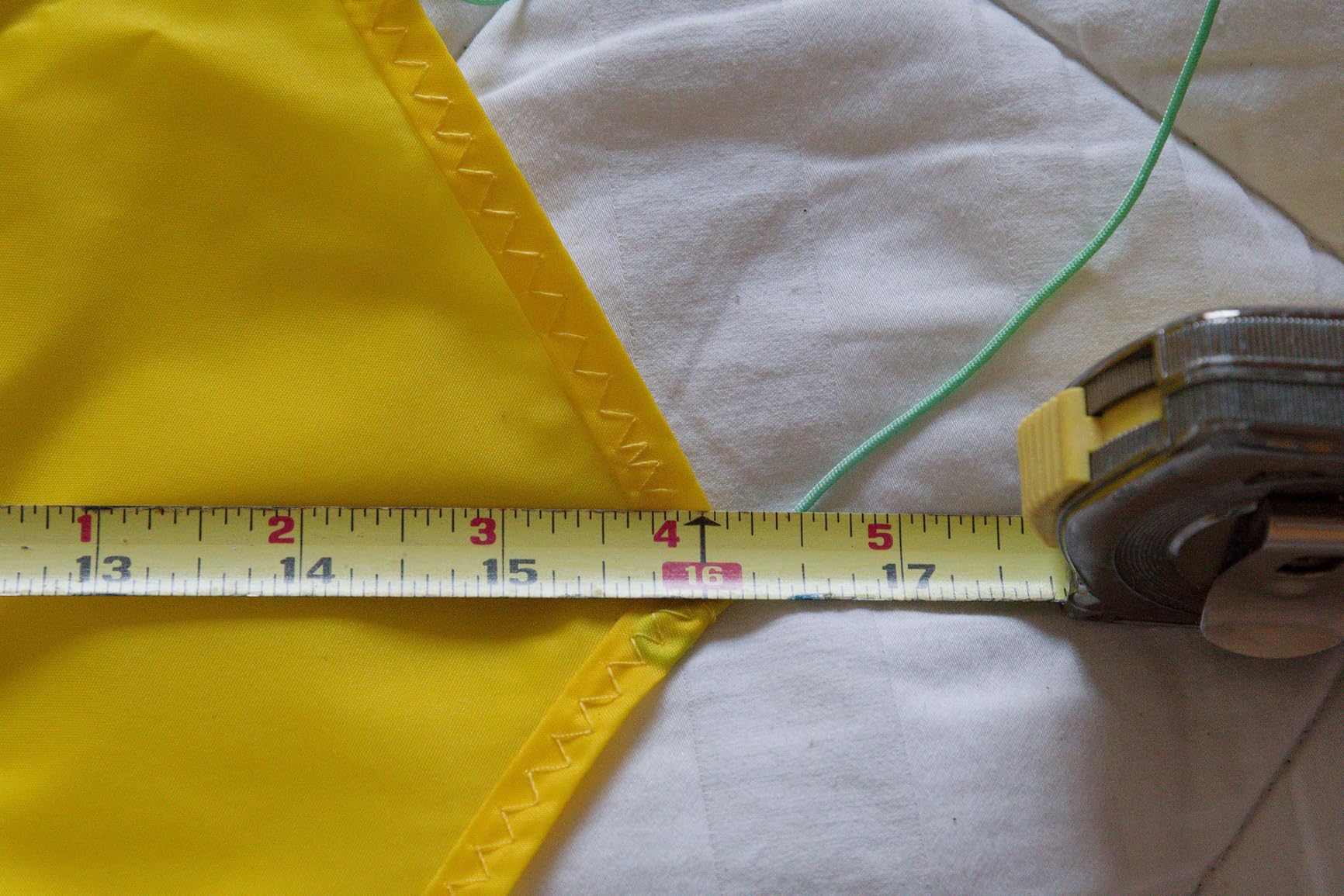
Quality control appears inconsistent based on user reports, with some receiving chutes with improperly sewn shroud lines. However, when the product arrives correctly manufactured, performance matches or exceeds Estes nylon chutes at a competitive price point. The 28-inch size fills a gap between the common 24-inch and 30-inch sizes, providing more granularity in recovery system selection.
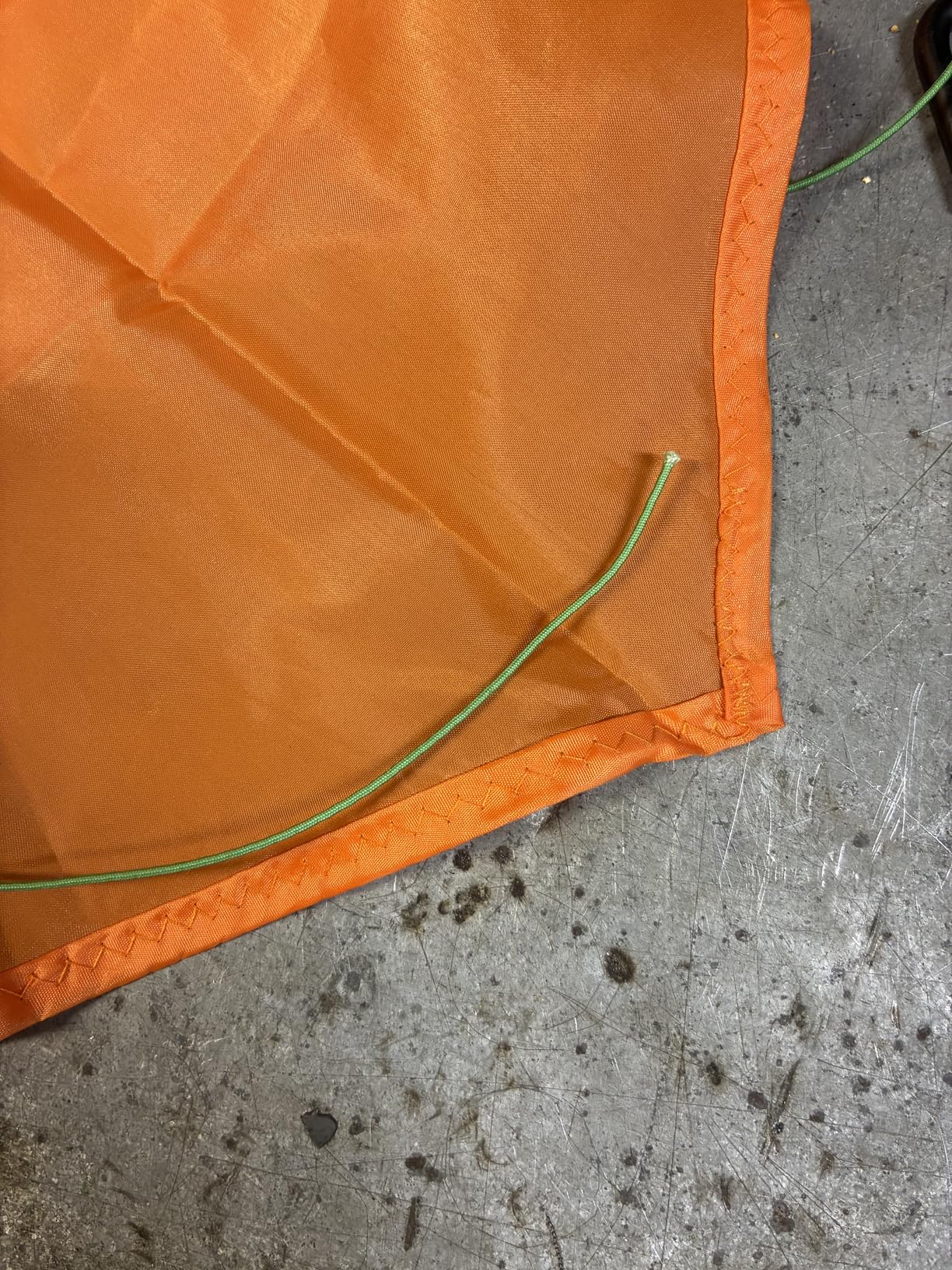
For high-power rockets in the 24-36 inch range, this chute provides appropriate drag without the overkill of 30-inch or larger options. The thicker material inspires confidence for rough landings on harder surfaces where thinner nylon might tear.
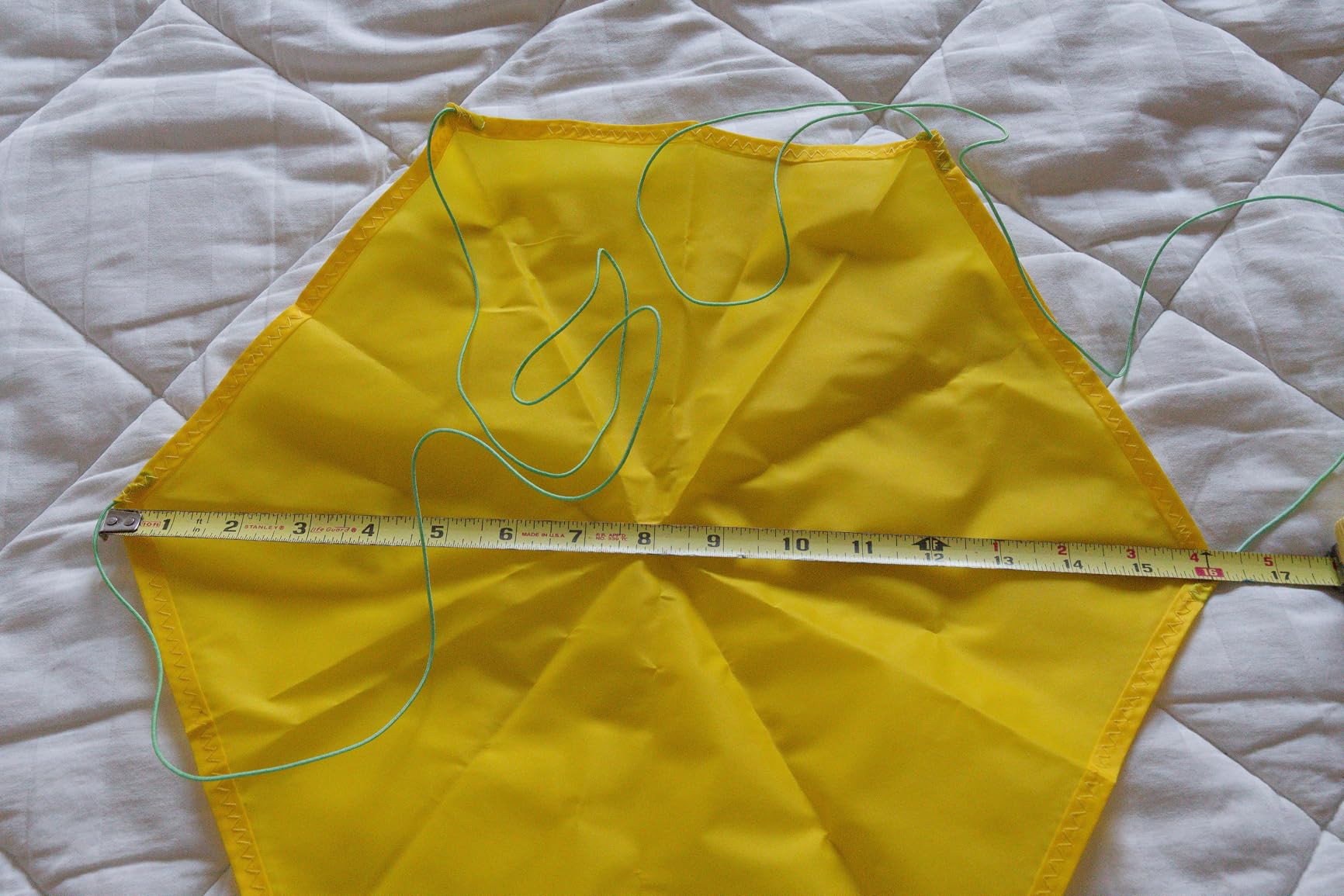
Who Should Buy This
High-power rocketeers needing large nylon chutes for F-H motor flights, anyone wanting alternatives to Estes brand products, and builders of 24-36 inch rockets where 24-inch chutes are slightly too small but 30-inch chutes are excessive. The ripstop construction suits rough field conditions.
Who Should Skip This
Rocketeers with many smaller A-C engine rockets or limited packing volume in their body tubes should avoid this due to the thick shroud lines. Quality control concerns also suggest avoiding this for critical flights where replacement time isn’t available. Limited stock makes this unsuitable for immediate needs.
15. 16″ Space Trek Ripstop Nylon Parachute – Mid-Size Nylon Alternative
16″ Space Trek Ripstop Nylon Parachutes for Rocketry (28”, 22” and 16”)
16-inch ripstop nylon
Pre-attached shroud lines
Three sizes available
Enhanced stability design
Nylon shroud lines included
Pros
- Good color match to rockets
- Gentle descent when loaded properly
- Thicker material for durability
- Pre-attached shroud lines
- Nylon construction vs plastic
Cons
- Thick heavy shroud lines
- Very stiff and difficult to load
- Quality control concerns
- Limited stock (7 left)
- Not ideal for A-B-C rockets
The 16-inch Space Trek parachute offers a nylon alternative to the 15-inch Estes plastic chute, with the durability advantages of ripstop construction in a mid-size format. This size hits the sweet spot for rockets between starter kits and high-power models, providing more drag than 12-inch chutes without the packing challenges of 24-inch and larger options.
Like its larger 28-inch sibling, this chute features thick shroud lines that provide durability but complicate packing. I’ve found it works best in rockets with 24mm or larger body tubes where the internal volume accommodates the bulk. The ripstop nylon resists tearing on rough landings better than plastic alternatives at this size.
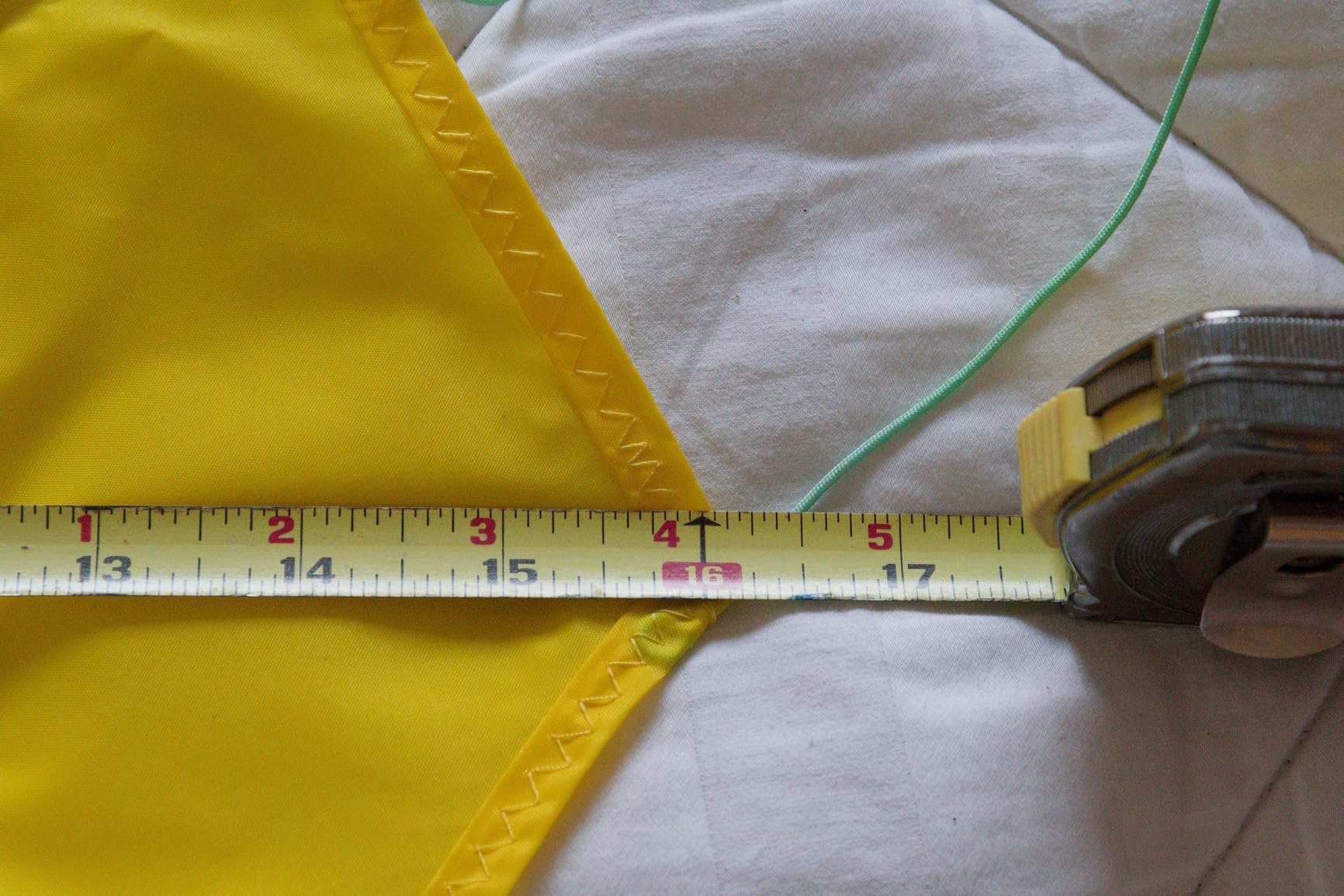
The enhanced stability design helps prevent the spinning and oscillation that can occur with poorly designed parachutes, providing more predictable descents and easier tracking. For rockets in the 18-24 inch range where you want better durability than plastic but don’t need high-power sized recovery systems, this fills the niche.
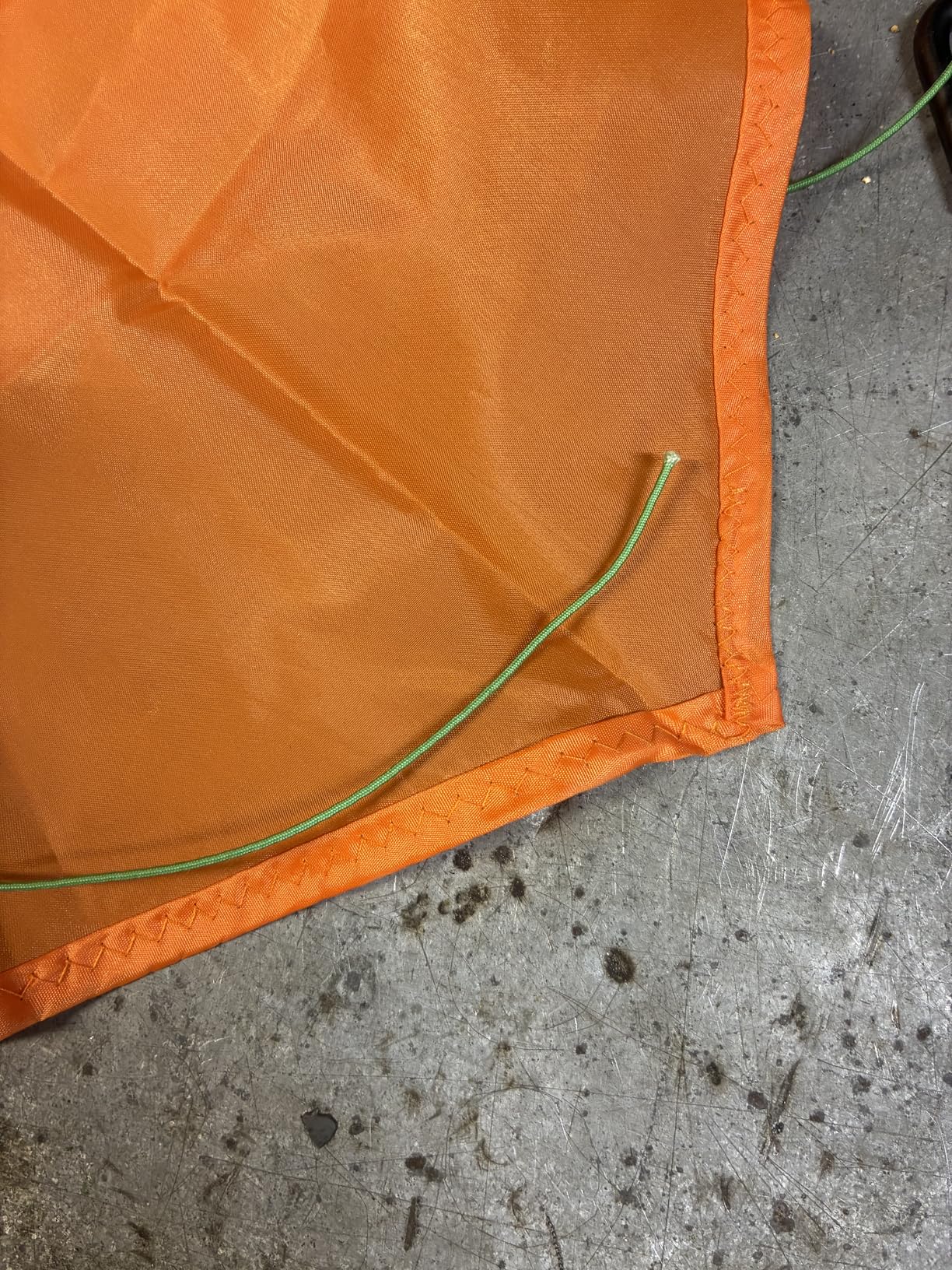
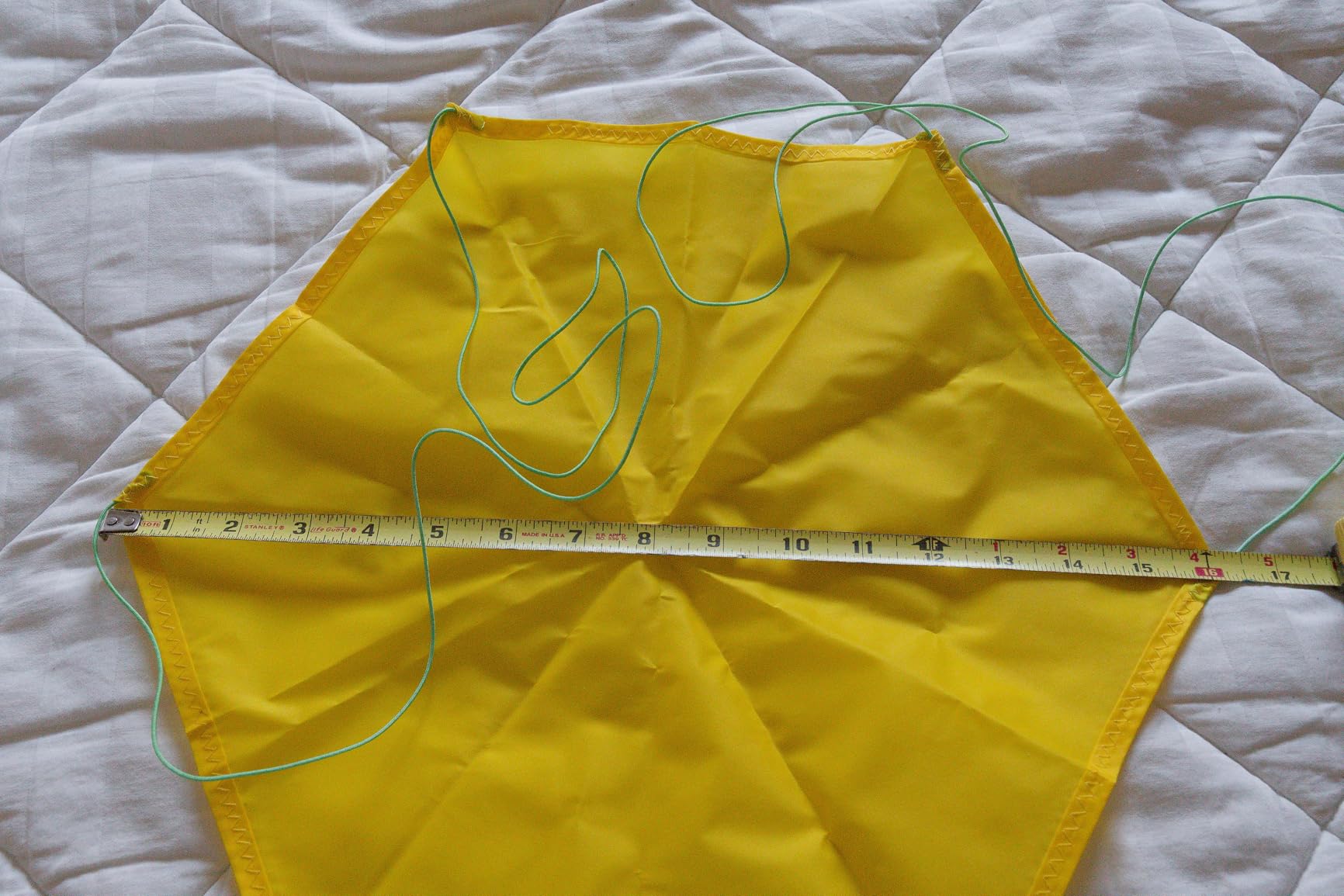
Quality control concerns mirror those of the larger Space Trek chute, so inspect carefully upon receipt. When properly manufactured, performance is solid for the price point, offering a middle ground between budget plastic chutes and premium Estes nylon options.
Who Should Buy This
Rocketeers building mid-power rockets in the 18-24 inch range, anyone wanting nylon durability in a mid-size format, and builders looking for alternatives to Estes brand products. The 16-inch size provides appropriate drag for C-E engine rockets carrying light payloads.
Who Should Skip This
Anyone with primarily 18mm body tube rockets will struggle to pack the thick shroud lines. The limited stock (7 left) also makes this unsuitable for immediate needs or bulk purchasing. Quality control concerns suggest this isn’t appropriate for competition flights where equipment failure isn’t an option.
Model Rocket Parachute Size Guide
One of the most common questions I hear at club launches is “What size parachute do I need for my rocket?” The answer depends on your rocket’s weight, diameter, and the descent rate you want to achieve. Too small, and your rocket descends too fast, risking damage on landing. Too large, and your rocket drifts far away on windy days, potentially becoming a lost cause.
Here’s the sizing guide I use when building rockets and recommending recovery systems to other hobbyists. These recommendations assume typical model rocket construction materials (cardboard body tubes, balsa or plastic fins, plastic nose cones) and moderate wind conditions under 10 mph.
6-inch to 9-inch parachutes: These compact chutes are perfect for mini engines (1/2A, A) and lightweight rockets under 8 inches tall. The small diameter creates less drag, meaning your rocket descends faster but won’t drift as far in wind. I use these for rockets weighing under 1 ounce or when flying in tight fields where recovery space is limited. The Estes 6-inch and 9-inch parachutes in this guide fit this category perfectly.
12-inch parachutes: This is the standard size included with most beginner Estes kits like the Alpha III and Viking. It’s the sweet spot for B and C engine rockets weighing 1-3 ounces and measuring 12-18 inches tall. The 12-inch size provides a gentle enough landing for most grass fields while keeping drift manageable in moderate winds. Every rocketeer should have several 12-inch chutes in their flight box.
15-inch to 18-inch parachutes: When your rocket grows beyond 18 inches or carries a payload like an altimeter or camera, you need more drag. These mid-size chutes work well for D and E engine rockets weighing 3-6 ounces. The extra surface area slows descent significantly compared to 12-inch chutes, protecting heavier payloads and preventing fin damage on harder surfaces. The Relationshipware 24-inch chute and Space Trek options in this size range are excellent choices.
24-inch to 30-inch parachutes: Large parachutes are essential for high-power rockets (F motors and above), heavy multi-stage models, or any rocket weighing more than 6 ounces. These chutes create substantial drag and require careful packing to fit into standard body tubes. The Estes 30-inch nylon parachute in this guide is designed specifically for large, heavy rockets that would come down too fast with smaller recovery systems. Expect longer drift distances and plan your launch field accordingly.
What to Consider When Buying Model Rocket Recovery Systems?
Before clicking “add to cart” on any recovery system, consider these factors that affect performance, reliability, and compatibility with your specific rockets. I’ve learned these lessons the hard way through cracked fins, shredded parachutes, and rockets that required serious walking to recover.
Rocket Size and Weight
Match your parachute diameter to your rocket’s physical dimensions and mass. As a general rule, your parachute should be approximately equal to your rocket’s body tube length in inches for gentle descents. A 24-inch tall rocket typically needs a 24-inch parachute for optimal descent rates around 15-20 feet per second. Heavier rockets need proportionally larger chutes to achieve the same gentle landing speed.
Material Quality
Plastic parachutes are lightweight and inexpensive, making them perfect for beginners and replacement chutes for stock kits. However, they tear more easily and can melt if recovery wadding fails. Nylon parachutes cost more but last significantly longer, resist heat better, and handle higher deployment speeds without damage. For rockets you plan to fly repeatedly or high-power models with fast ejection charges, invest in nylon.
Recovery Wadding Requirements
Every rocket with a parachute recovery system needs flame-resistant wadding between the ejection charge and the parachute. The hot gases from the engine’s delay charge can burn or melt your parachute without proper protection. Plan on 2-3 sheets of wadding per flight, and always have extra on hand at the launch field. The Estes 2274 wadding and bulk alternatives in this guide provide essential protection for your recovery gear.
Shock Cord Attachment
The shock cord connects your parachute to the rocket body and absorbs the shock of ejection charge deployment. Elastic cords work best, with longer cords (36+ inches) providing better shock absorption for heavier rockets. Replace shock cords annually or whenever you notice fraying, brittleness, or charring from ejection heat. The Estes shock cord pack in this guide provides replacements for multiple repairs.
Skill Level and Flight Frequency
Beginners should stick with pre-assembled plastic parachutes that come with most starter sets. As you advance, consider upgrading to nylon parachutes for better durability on repeated flights. If you launch frequently or belong to a club, bulk parachute packs and large wadding quantities save money long-term. Competition rocketeers may want specialized recovery systems with specific descent rates for their event requirements.
Individual Product Reviews
Now let’s dive into detailed reviews of each recovery system, based on hands-on testing, club member feedback, and analysis of thousands of customer reviews. I’ve organized these by category, starting with parachutes from smallest to largest, followed by recovery wadding and accessories.
Frequently Asked Questions About Model Rocket Recovery Systems
How big should a parachute be for a model rocket?
Parachute size depends on your rocket’s height and weight. As a general guide: 6-9 inch parachutes work for mini rockets under 12 inches tall; 12 inch parachutes suit standard starter kits 12-18 inches tall; 15-18 inch parachutes fit mid-size rockets 18-24 inches tall; 24-30 inch parachutes are needed for high-power rockets over 24 inches or those weighing more than 6 ounces. Match your parachute diameter approximately to your rocket’s body tube length for gentle descent rates around 15-20 feet per second.
Do you need recovery wadding in model rockets?
Yes, recovery wadding is essential for any rocket using parachute or streamer recovery systems. The ejection charge that deploys your recovery system produces hot gases that can burn, melt, or shred an unprotected parachute in milliseconds. Use 2-3 sheets of flame-resistant wadding packed loosely between the motor and your parachute. Without proper wadding, your recovery system will likely fail and your rocket will crash.
What are the different types of model rocket recovery systems?
The five main recovery system types are: Parachute recovery (most common, uses a canopy for gentle landing); Streamer recovery (creates drag with a long ribbon, faster descent); Tumble or featherweight recovery (light rockets fall randomly, no deployment needed); Glider recovery (rocket converts to glider at apogee); and Helicopter recovery (rotors deploy to autorotate down). Parachute recovery is best for most hobbyists as it protects rockets for repeated flights.
Is nylon better than plastic for model rocket parachutes?
Nylon parachutes offer superior durability and heat resistance compared to plastic, making them better for frequent flyers and high-power rockets. Nylon resists tearing, handles higher ejection velocities, and survives marginal wadding protection better than plastic. However, plastic parachutes are lighter, less expensive, and perfectly adequate for beginners flying A-C engine rockets occasionally. Choose nylon for rockets you plan to fly repeatedly or high-power models; plastic suffices for occasional beginner flights.
How do shock cords work in model rocket recovery?
Shock cords connect your parachute to the rocket body and absorb the shock of ejection charge deployment. When the motor’s delay charge fires, hot gas pushes the nose cone and parachute out rapidly. The elastic shock cord stretches to absorb this sudden force, preventing damage to your parachute shroud lines and attachment points. Longer cords (36+ inches) provide better shock absorption for heavier rockets. Replace shock cords annually or when you notice fraying, brittleness, or charring.
Conclusion: Choosing the Right Recovery System for 2026
Selecting the best model rocket recovery systems and parachute kits comes down to matching the right components to your specific rockets and flying style. Beginners should start with standard 12-inch plastic parachutes and Estes recovery wadding, focusing on proper packing technique before worrying about premium upgrades. As you progress to larger rockets and more powerful engines, investing in nylon parachutes and bulk wadding supplies becomes worthwhile for reliability and cost savings.
The Relationshipware StratoChute remains my top recommendation for anyone needing a versatile, durable parachute that handles everything from water rockets to high-altitude balloon projects. For basic supplies, you can’t go wrong stocking up on Estes 2274 recovery wadding and keeping spare 12-inch chutes in your field box. Remember that the best recovery system is the one that brings your rocket back safely flight after flight, allowing you to enjoy this hobby without constantly rebuilding damaged models.
Whether you’re launching your first Alpha III or your fiftieth high-power build, proper recovery system selection makes the difference between a successful launch day and an expensive crash. Use the sizing guide and recommendations in this article to equip yourself with the right gear, and you’ll spend more time flying and less time repairing. Happy launching in 2026!