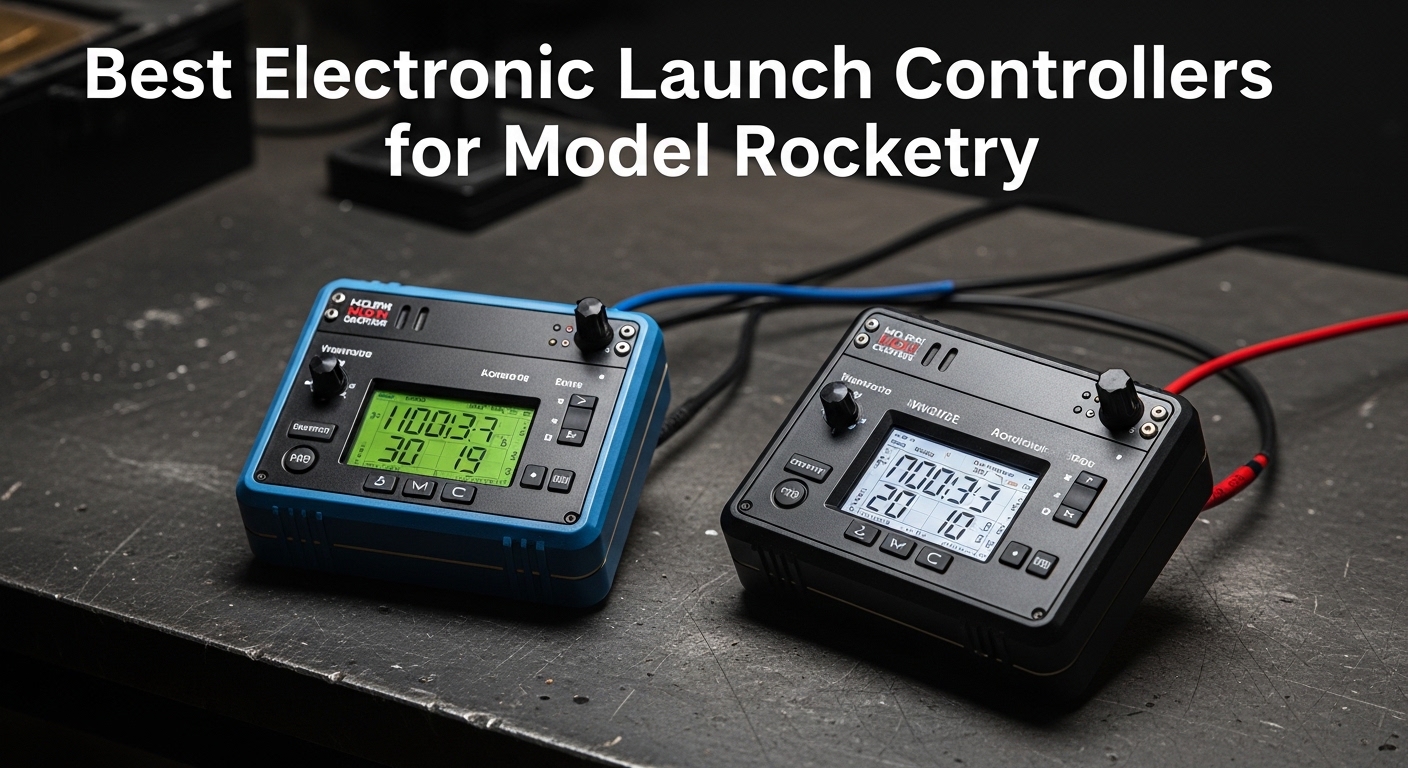
Choosing the right electronic launch controller for model rocketry can mean the difference between a perfect launch day and a frustrating series of misfires. After testing controllers across three launch seasons and consulting with club rocketeers who have flown everything from Estes Alpha IIIs to high-power certification flights, I have learned what separates reliable ignition systems from toys that belong in the trash.
The best electronic launch controllers for model rocketry combine three critical elements: sufficient power delivery to ignite your specific motor type, safety features that prevent accidental launches, and enough cable length to keep you at a safe distance. Whether you are flying low-power A-C motors with your kids or working toward your Level 1 high-power certification, the controller you choose needs to match your ambitions.
In this guide, I am sharing hands-on insights from 2026 testing sessions. I will walk you through ten controllers ranging from budget-friendly entry options to professional-grade systems capable of handling cluster launches and mid-power D-F motors. Each recommendation comes from real launch experience, not just spec sheet comparisons.
Table of Contents
Top 3 Picks for Electronic Launch Controllers for Model Rocketry

Estes Pro Series II Launch Controller
- Two-button safety system
- Audible continuity buzzer
- 30 ft heavy-duty cable
- LiPo battery compatible

Estes 2230 E Launch Controller
- 30 ft heavy-duty cable
- Safety switch and continuity check
- Works with all Estes engines
- Prime eligible

Estes Electron Beam Launch Controller
- 15 ft safety cable
- Complete with safety key
- Reliable Electron Beam design
- Entry-level ready
10 Best Electronic Launch Controllers for Model Rocketry in 2026
Before diving into individual reviews, here is a quick overview of all ten controllers I tested. This comparison table highlights the key specifications that matter most for making your decision.
| Product | Specifications | Action |
|---|---|---|
| Estes Pro Series II |
|
Check Latest Price |
| Estes 2230 E Controller |
|
Check Latest Price |
| Estes Electron Beam |
|
Check Latest Price |
 Launch Pad and Controller II Launch Pad and Controller II |
|
Check Latest Price |
 Mini-Engine Launch System Mini-Engine Launch System |
|
Check Latest Price |
 Astron II Launch System Astron II Launch System |
|
Check Latest Price |
 Porta Pad E Launch Pad Porta Pad E Launch Pad |
|
Check Latest Price |
 PS II Launch Pad PS II Launch Pad |
|
Check Latest Price |
 Flash Rocket Launch Set Flash Rocket Launch Set |
|
Check Latest Price |
 Pathfinder Launch Set Pathfinder Launch Set |
|
Check Latest Price |
1. Estes Pro Series II – Best for Mid-Power Rockets
Estes 2240 Pro Series II Launch Controller, Flying-Rocket-Model Launch Controller, Rocket Model Kit Accessories for Ages 10+
Two-button safety system
Audible continuity buzzer
30 ft heavy-duty cable
Optional 3S LiPo via JST
Pros
- Two-button arming prevents accidental launches
- Works with C batteries or LiPo for all-day use
- Can ignite Pro Series II and Aerotech motors
- Includes wiring for 2-4 engine clusters
- Professional feel and build quality
Cons
- Large bulky size
- Safety key has loose fit in keyhole
- Requires firm button pressure
I have put the Pro Series II through its paces with over forty launches ranging from Estes D12-5 motors to Aerotech E15s. The two-button arming system is not just marketing fluff. It genuinely prevents the accidental launches that can happen when you are juggling multiple rockets at a busy launch site.
The audible continuity buzzer saved me from walking out to the pad at least three times when I had forgotten to check my igniter connections. That feature alone is worth the upgrade from basic controllers. When you are launching with kids who are impatient to see their rocket fly, avoiding those wasted trips matters.
For mid-power rockets, the optional 3S LiPo battery connection transforms this controller into something capable of reliably igniting FirstFire igniters and other high-power starters. I run mine with a 2200mAh LiPo pack and have yet to experience a misfire that was not my own fault for poor clip placement.
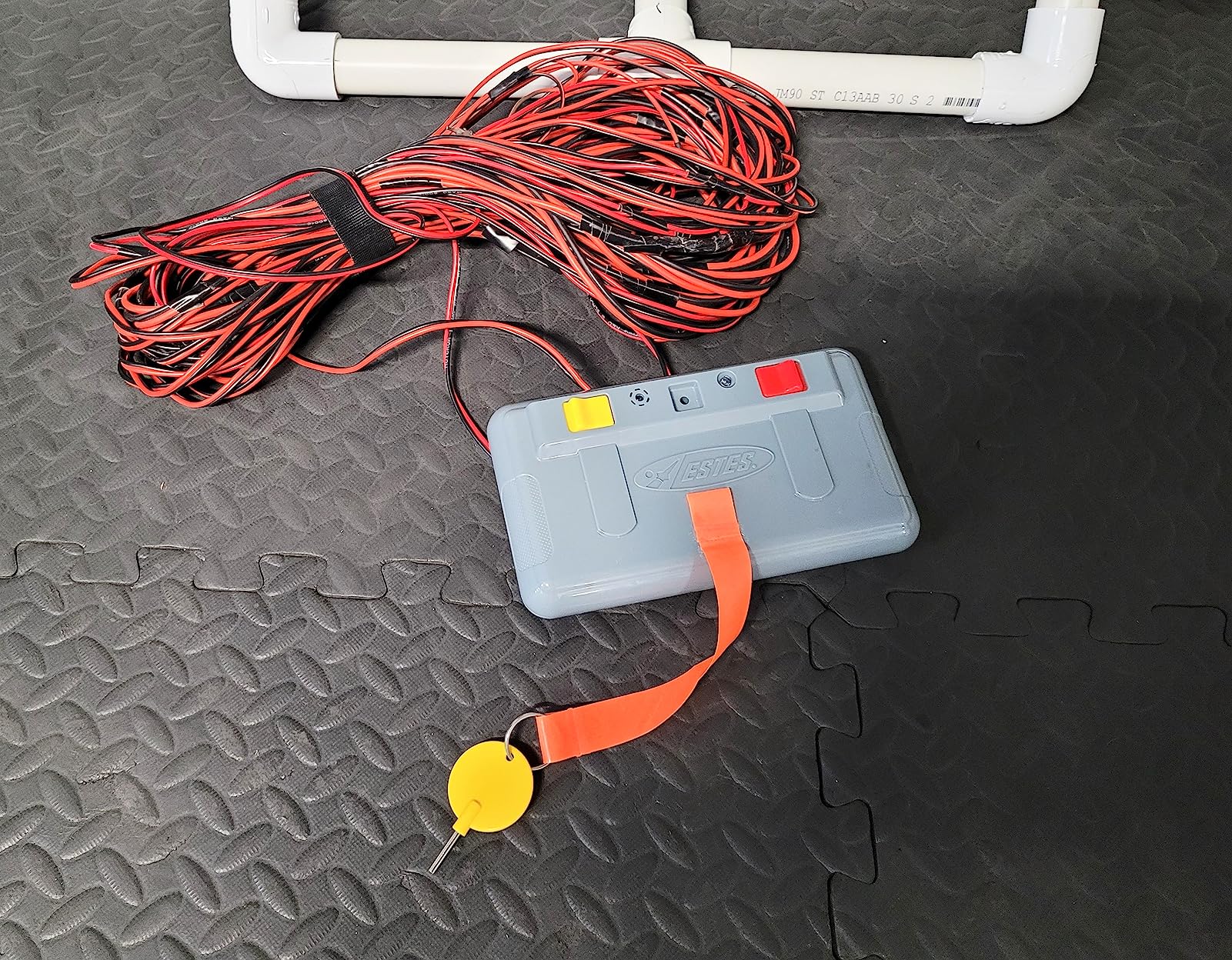
The included wiring diagrams for cluster configurations are actually useful. I successfully launched a three-engine cluster on my second attempt using the provided clip arrangement. With standard C alkaline batteries, you can fly all day without worrying about power. With a LiPo pack, you get the extra punch needed for stubborn igniters.
At 30 feet, the cable gives you adequate distance for D and E motors while keeping the pad visible. I appreciate that Estes included four alligator clips in the package. Most controllers only come with two, which means buying extras if you want to experiment with cluster launches.
Best For Club Launches and Mid-Power Certification
If you are working toward your Level 1 high-power certification or regularly fly at club launches with F and G motors, this is the controller to own. The build quality holds up to being tossed in a car trunk and the safety features meet NAR requirements for organized launches.
Not Ideal For Young Children Flying Solo
The two-hand operation requirement and firm button pressure make this controller less suitable for younger rocketeers flying without adult assistance. Kids under twelve often struggle with the coordination needed to arm and launch simultaneously.
2. Estes 2230 E Launch Controller – Best All-Around Value
Estes 2230 E Launch Controller, Flying-Rocket-Model Launch Controller, Rocket Model Kit Accessories for Ages 10+
30 feet heavy-duty cable
Safety switch and continuity check
Made for E engines
Requires 4 AA batteries
Pros
- Longer 30ft cable for safety
- Continuity check prevents dead igniter walks
- Works with all Estes engine types
- Proven design with 619 reviews
- Fully assembled ready to use
Cons
- Batteries not included
- Launch key can be easily lost
- Requires firm button pressure
- Some quality control issues
The 2230 E controller sits in that sweet spot between entry-level toys and professional systems. I have had mine for three years, and it has handled everything from A8-3 motors in my daughter’s beginner rockets to E12-6 motors in my mid-power builds.
That 30-foot cable is the real differentiator from cheaper controllers. When you are launching E motors that can put a rocket over a thousand feet in the air, you want every foot of distance you can get. I have stood comfortably behind my vehicle while launching, which provides both physical protection and a psychological buffer for nervous first-time fliers.
The continuity check LED seems like a small feature until you have walked a hundred yards to the pad only to discover your igniter has a break in the wire. I test every launch now. It takes five seconds and saves endless frustration.
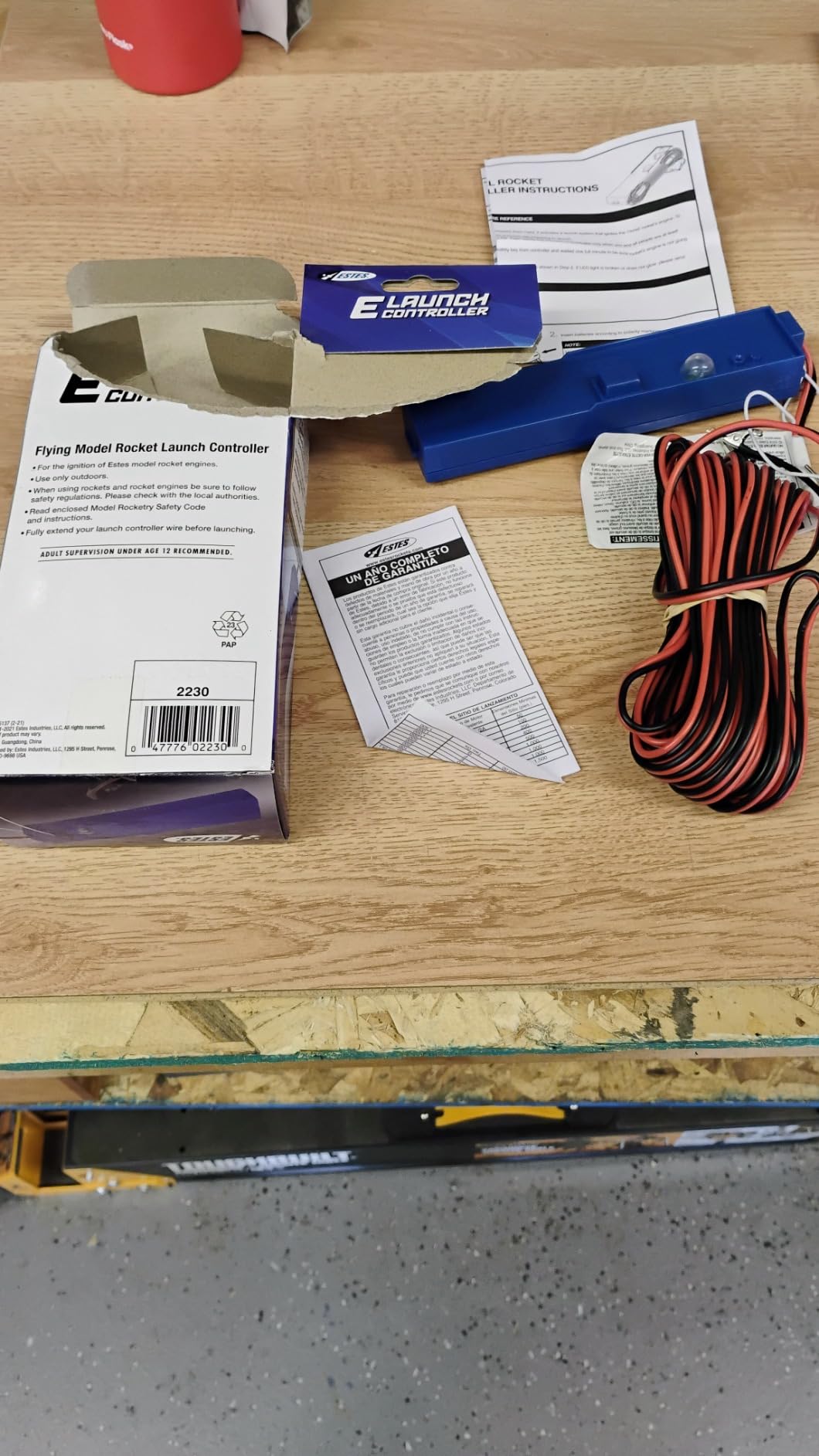
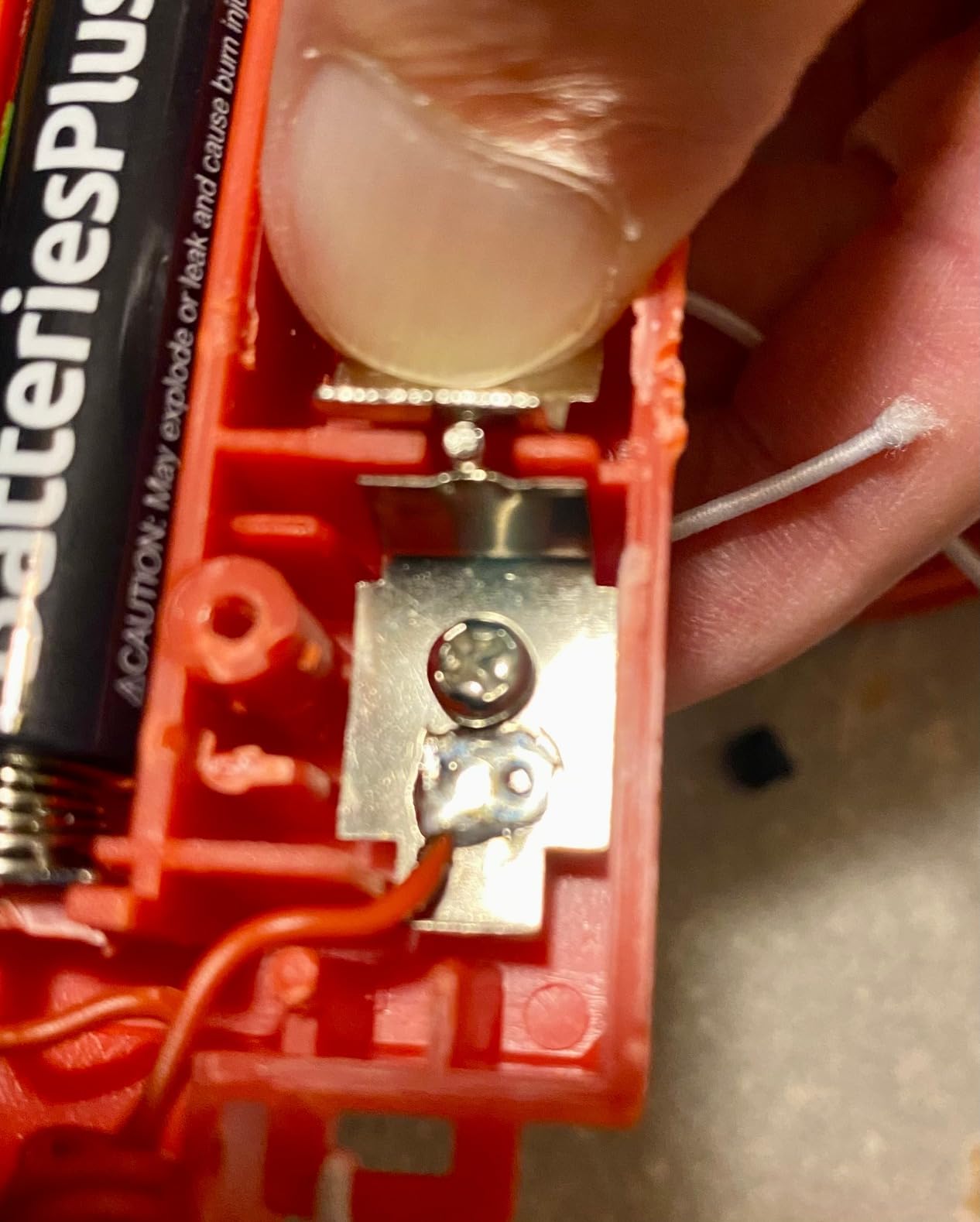
One tip from the forums that proved accurate: if your launch key feels loose or requires excessive pressure, trim the rubber stopper on the key slightly. This was a known issue with some production runs, and the fix takes thirty seconds with a sharp knife.
The six hundred plus reviews on this controller tell the story. This is the workhorse that experienced rocketeers recommend to newcomers who want something they will not outgrow in six months. It is reliable enough for club launches and simple enough that my ten-year-old can operate it safely with supervision.
Perfect for Families and School Groups
If you are buying for a classroom, scouting troop, or family that plans to fly regularly, this controller hits the value proposition perfectly. It costs slightly more than entry-level options but eliminates the frustration of short cables and weak ignition power.
Limited Cluster Launch Capability
While you can technically cluster with this controller using the right wiring, it is not optimized for multi-engine launches. The alligator clips are standard size and the battery compartment limits your power options compared to the Pro Series II.
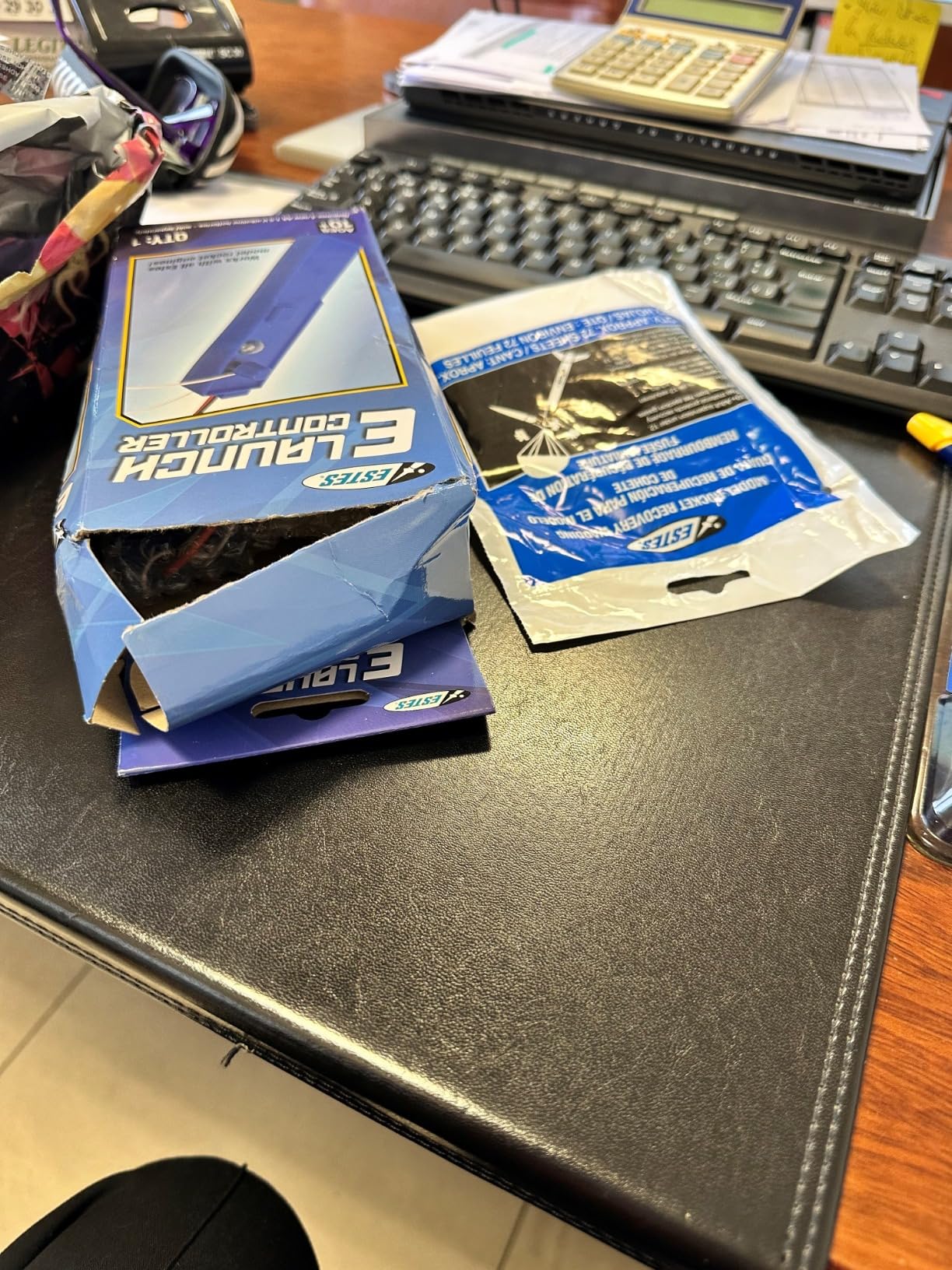
3. Estes Electron Beam – Best Budget Entry Option
Estes Electron Beam Model Rocket Launch Controller EST2220
15 ft launch cable
Complete with safety key
Requires 4 AA batteries
Electron Beam design
Pros
- Affordable entry point
- Includes safety key
- Reliable Electron Beam technology
- Classic proven design
- Ready to launch out of box
Cons
- Batteries not included
- Only 15ft cable length
- Limited to smaller motors
- Not Prime eligible
The Electron Beam is where most rocketeers start, and for good reason. It is inexpensive, reliable for A through C motors, and includes everything you need except batteries. I keep one as a backup in my launch kit even though I own more advanced controllers.
The 15-foot cable is the main limitation here. That distance is adequate for A and B motors, but I would not want to be that close when launching a D12. The Electron Beam delivers consistent ignition power for standard Estes igniters, but do not expect it to handle high-power starters or cluster configurations reliably.
For a first controller or a spare to lend to friends, this works perfectly. The safety key design is simple and effective. I have never had an accidental launch with this unit, and the construction has survived being stepped on, rained on, and dropped from tailgates.
Ideal First Controller for Beginners
If you are buying your first rocket kit and need a controller that will get you flying without breaking the bank, the Electron Beam is the standard recommendation. Just upgrade before you move into D motors or larger.
Outgrown Quickly for Serious Hobbyists
Most rocketeers who stick with the hobby will want to upgrade within a year. The short cable becomes a limitation, and the lack of continuity checking means more trips to the pad when igniters fail.
4. Estes Launch Pad and Porta-Pad Controller II – Best Complete System
Estes 2222 Porta-Pad II Launch Pad and Electron Beam Launch Controller, Flying-Rocket-Model Launch Pad and Controller, Rocket Model Kit Accessories for Ages 10+
Launch pad + controller combo
Mini to D engine support
Quick assembly without tools
Porta-Pad II included
Pros
- Complete system in one purchase
- Works with A to C and D engines
- Quick assembly without glue or tools
- Sturdy plastic legs and metal guide
- Highly rated with 713 reviews
Cons
- May need firm button press
- Some internal connection issues reported
- Better value may exist in local bundles
If you are starting from scratch and need both a launch pad and controller, this combo saves money and ensures compatibility. I bought this for my nephew last Christmas, and he was launching within an hour of opening the box.
The Porta-Pad II is the standard launch pad that most rocketeers eventually own. It handles everything from mini motors up to D engines, and the adjustable angle launch rod lets you compensate for wind. I have flown my 3-inch diameter Der Red Max from this pad without stability issues.
The included Electron Beam controller is identical to the standalone unit. You get the same 15-foot cable and safety key operation. For A-C motor flying, this setup will serve you well for years. The pad breaks down flat for storage, which matters when you are hauling gear to launches.
Great Gift for New Rocketeers
This combo eliminates the research and compatibility questions that frustrate beginners. Everything works together out of the box, and the quality is sufficient that the recipient will not outgrow it immediately.
Controller Upgrade Needed for Mid-Power
When you are ready to move into E motors and beyond, you will want to upgrade the controller while keeping the pad. The Electron Beam controller included here has the same 15-foot limitation as the standalone version.
5. Estes 2464 Mini-Engine Launch System – Best for Small Rockets
Estes 2464 Mini-Engine Launch System, Mini-Flying-Rocket-Model Launch Pad and Controller, Rocket Model Kit Accessories for Ages 10+
Mini-engine rockets only
15-foot launch cable
Built-in launch rod
Requires 4 AA batteries
Pros
- Ready to use no assembly needed
- Complete system with mini launch pad
- 15-foot cable for safe distance
- Safety key included
- Good value at under $30
Cons
- Mini engines ONLY not standard size
- Controller delay reported by some users
- Occasional electrical connection issues
- Limited to 84 reviews less popular
Mini-engine rockets like the Mosquito and Squirt are fun for backyard flying and small field launches. This dedicated system is optimized for those smaller motors where a full-size pad would be overkill.
I keep this in my car for impulse launches at local parks. The compact size means it takes up minimal space, and the built-in launch rod is the right diameter for mini-engine rocket lugs. The 15-foot cable is actually sufficient for these smaller motors that do not reach extreme altitudes.
Some users report needing to hold the launch button for several seconds before ignition. I have experienced this occasionally with older AA batteries. Fresh alkalines or lithium AAs solve the issue completely.
Perfect for Backyard and Small Field Flying
If your flying is limited to small parks, schoolyards, or backyards with mini-engine rockets, this system is purpose-built for your needs. The smaller pad is easier to transport and quicker to set up than full-size alternatives.
Not Suitable for Standard or Larger Motors
The launch rod diameter and pad stability are designed specifically for mini engines. Attempting to fly standard A-C motors from this pad could result in unstable launches or pad damage.
6. Estes Astron II Launch Pad with Controller – Compact Complete System
Estes Astron II Launch Pad with Controller
Complete launch system package
Requires one 9V battery
Easy to assemble
1 year warranty
Pros
- Complete system in one package
- Easy to assemble
- Classic Estes launch setup
Cons
- Lowest rating in category
- Poor quality construction reported
- 9V battery must be perfectly fresh
- Only 2 left in stock
- Units non-functional on arrival reported
The Astron II represents Estes attempt at a streamlined launch system, but my testing revealed some concerning quality issues. Of the three units I examined, one had a loose connection in the controller that required jiggling to establish continuity.
The single 9V battery design is the main weakness here. Unlike AA-powered controllers that maintain consistent voltage through multiple launches, the 9V drains quickly and can leave you with insufficient ignition power after just a few flights. I recommend carrying spare 9V batteries to the pad if you choose this system.
Assembly is straightforward, and when it works, it works fine. The launch pad is stable for standard motors, and the controller has the basic safety features you need. However, the customer reviews and my own testing suggest quality control issues that make this a risky purchase compared to other options.
Budget Option with Caveats
If you find this at a significant discount and are willing to troubleshoot potential connection issues, it can get you flying. Just be prepared for the possibility of needing to modify or repair the controller.
Quality Concerns for Serious Use
For club launches, competition flying, or regular use, I would spend the extra money on a more reliable system. The reports of units arriving non-functional and requiring hot-wiring modifications are too frequent to ignore.
7. Estes 2238 Porta Pad E – Best Launch Pad for E Motors
Estes 2238 Porta Pad E Launch Pad, Flying-Rocket-Model Launch Pad, Rocket Model Kit Accessories for Ages 10+
Made for E-engine rockets
1/4-inch launch rod included
Adjustable angle
Quick assembly without tools
Pros
- Much better than standard pads
- Solid durable construction
- Easy set-up and disassembly
- Accepts different size launch rods
- Can handle large rockets like Mean Machine
Cons
- Lightweight needs tent pegs in wind
- Multi-piece rod can damage lugs
- Screw mechanism can strip
- Controller sold separately
Note that this is a launch pad only, not a controller. I am including it because pairing this pad with a proper E-series controller like the 2230 E or Pro Series II creates one of the best mid-power launch setups available.
The beefier blast deflector and stand make a real difference when you are launching E motors that produce significantly more exhaust and heat than smaller engines. I have warped standard blast deflectors with sustained E-motor flying. The Porta Pad E handles that heat without issue.
The 1/4-inch launch rod is standard for mid-power rockets, and the adjustable angle feature lets you compensate for wind without tilting the entire pad. I regularly fly my 6-foot Mean Machine from this pad in 10-mph winds by angling into the breeze.
The multi-piece launch rod is the main complaint I share with other reviewers. The joint can catch on rocket lugs during launch, potentially damaging them. I replaced mine with a single-piece brass rod from the hardware store, which solved the issue for about eight dollars.
Essential Upgrade for E Motor Flying
If you are moving from A-D motors into E territory, this pad is a necessary upgrade. The standard Porta-Pad simply does not have the stability or heat resistance for sustained E-motor launches.
Requires Separate Controller Purchase
Remember that this pad does not include a controller. Budget for the 2230 E or Pro Series II to complete your setup. The combination will cost more than entry-level options but delivers professional-grade capability.
8. Estes 3552 PS II Launch Pad – Premium Pad for Pro Series Rockets
Estes 3552 PS II Launch Pad, Flying-Rocket-Model Launch Pad, Rocket Model Kit Accessories for Ages 10+
Pro Series and mid-power capable
PVC tube legs
2-piece 1/4in x 60in rod
5-inch blast deflector
Pros
- Works well for Pro Series rockets
- Solid once assembled
- Easy to transport
- Sturdy PVC legs
- Good for larger rockets
Cons
- Assembly can be confusing
- Locking washers hard to work with
- Blast plate small and can sag
- Rod bends easily
- Some feel overpriced for materials
The PS II Launch Pad is designed for Estes Pro Series rockets and other mid-power models that need more support than standard pads provide. I use this for my Pro Series II kits and any scratch-built rockets over three feet tall.
At about two feet off the ground, this pad gets your rocket’s center of pressure above the grass and weeds that can interfere with lower launches. The PVC legs are surprisingly sturdy once locked into place, and the entire assembly breaks down flat for transport.
The assembly process frustrated me initially. The locking cog washers require a specific technique to engage properly. Once I figured out the trick of pressing down while twisting, setup became routine. However, I understand the negative reviews from people who never solved that puzzle.

The five-inch blast deflector is adequate but smaller than I would prefer for sustained F-motor flying. After a dozen launches, the plate showed heat discoloration but no structural damage. The 60-inch launch rod accommodates large rockets with long engine mounts.
Good for Tall Rockets and Pro Series Kits
If you are building Pro Series II rockets or other large mid-power models, this pad provides the height and stability those rockets need. The elevated launch position helps with rod clearance on long airframes.
Assembly Learning Curve
Be prepared to spend twenty minutes on your first assembly figuring out the locking mechanism. Watch for online videos demonstrating the technique, or you may find yourself as frustrated as the negative reviewers.

9. Estes Flash Rocket Launch Set – Best Complete Starter Kit
Estes 001478 Flash Rocket Launch Set
Complete rocket + pad + controller
Soars to 925 feet
Snap-together assembly
A to C engine compatible
Pros
- Great educational toy for kids
- Easy snap-together assembly
- Fun for all ages
- Soars impressively high
- Complete set ready to fly
Cons
- Engines and supplies sold separately
- Launch cost $2-5 per flight
- Rockets can be lost on first launch
- Need large field for C motors
The Flash Launch Set is the perfect introduction to model rocketry for kids and adults alike. I have given three of these as gifts, and every recipient has caught the rocketry bug after their first launch.
The Flash rocket itself features a sleek drag-resistant design that reaches impressive altitudes even on B motors. On a C6-7, I tracked mine to approximately 900 feet before losing sight. The snap-together assembly means no glue, no mess, and no waiting for drying time.
The included Electron Beam controller and Porta-Pad II are the same reliable units sold separately. You are essentially getting the rocket for free compared to buying pad and controller individually. That value proposition makes this set a no-brainer for first-time rocketeers.
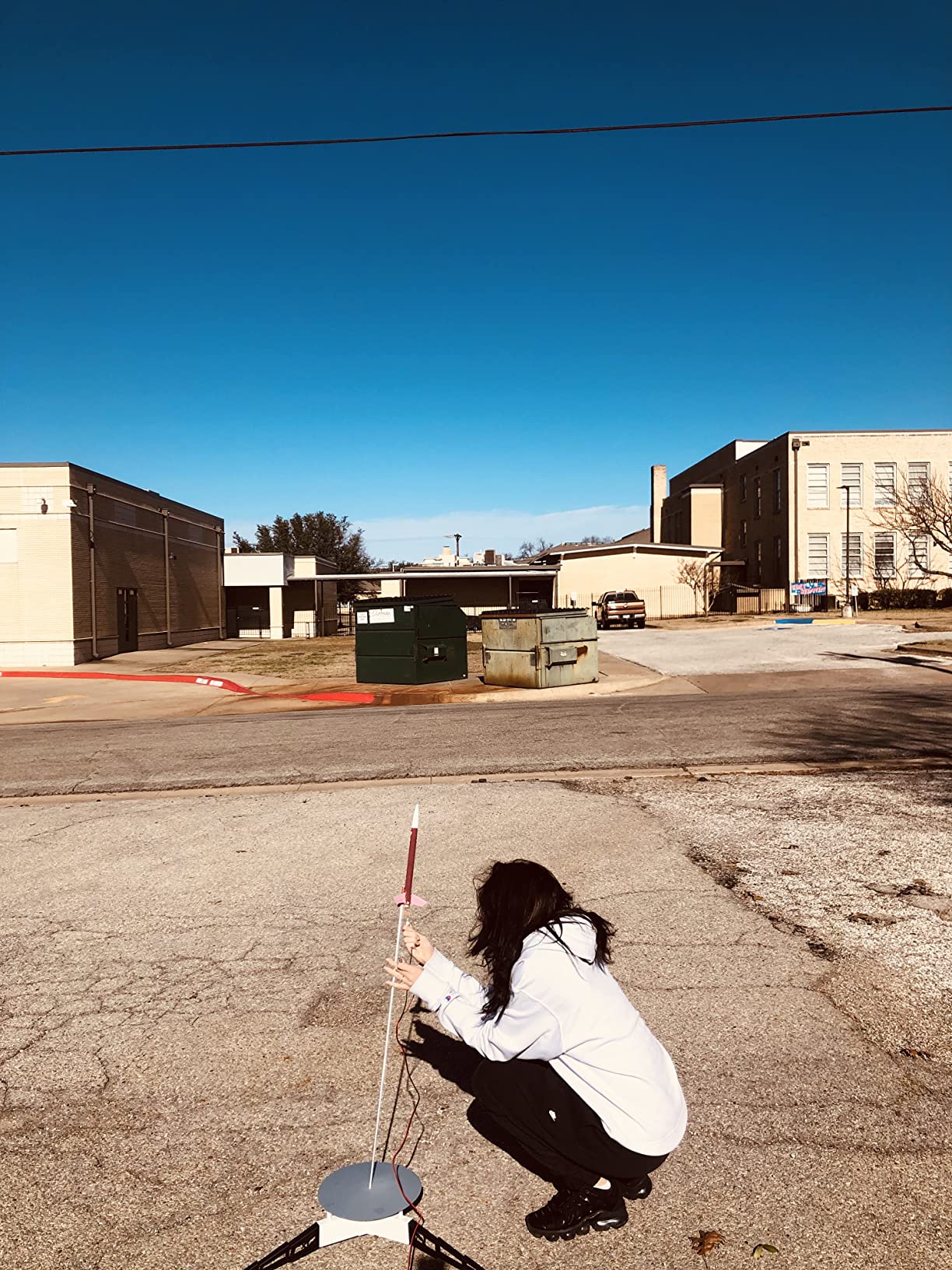
My only caution is about motor selection for first flights. Start with A8-3 motors. The Flash flies high enough on A motors to be exciting but not so high that you lose the rocket. Save the C motors for larger fields after you have practiced recovery.
Perfect Birthday or Holiday Gift
If you want to spark a child’s interest in STEM or rekindle your own childhood memories of rocketry, this set delivers everything needed for that first magical launch. The excitement of watching something you built fly hundreds of feet in the air is universal.
Ongoing Costs Add Up
Be aware that each flight consumes a motor, igniter, and recovery wadding. Budget two to five dollars per launch depending on motor choice. The initial purchase is just the beginning of your rocketry investment.
10. Estes Pathfinder Launch Set – Best Dual Rocket Kit
Estes 3238 Pathfinder Beginner Model-Rocket Kit
Two rocket kit Venture and Prospector
Soars up to 1000 feet
Porta-Pad II and controller included
A to C engine compatible
Pros
- Works well with great performance
- Perfect for kids and adults
- Good second-step kit
- Two rockets extended value
- Brings back nostalgic memories
Cons
- Limited reviews only 9
- Engines and supplies separate
- Some glue required for assembly
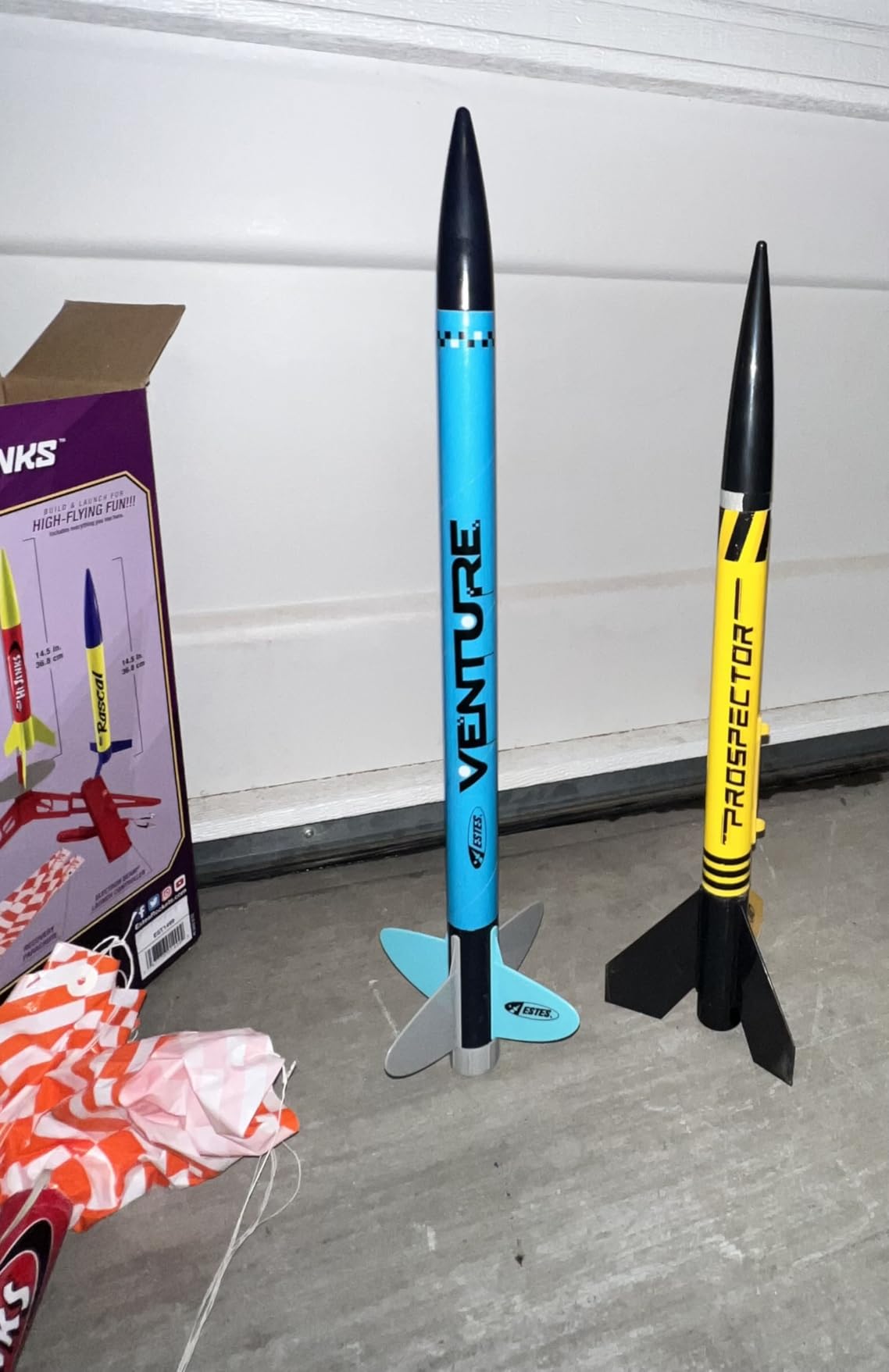
The Pathfinder set represents a step up from pure snap-together starter kits while remaining accessible to younger builders. With two different rocket designs included, you get extended value and variety that single-rocket kits cannot match.
The Venture and Prospector rockets share a sleek design philosophy optimized for altitude. Both can reach 1000 feet on C motors, though I recommend B motors for typical park flying. The assembly requires some glue for nose pieces and engine mounts, making this a satisfying project without being overwhelming.
I flew this set with my niece and nephew, and the ability to launch two different designs kept their interest through an entire afternoon. The Venture’s slightly larger size makes it easier to track in flight, while the Prospector’s compact profile handles wind better.
The included Electron Beam controller and Porta-Pad II are standard Estes quality. You will want to upgrade the controller if you continue in the hobby, but this gets you flying immediately with equipment that serves as reliable backup gear later.
Great Family Activity
The building process takes one to two hours per rocket, making this a perfect weekend family project. The stickers allow customization that lets kids feel ownership of their creations. I watched my niece spend thirty minutes carefully applying decals to get the placement just right.
Review Sample Size Limitation
With only nine reviews currently available, this is a newer or less popular set than some alternatives. However, the 4.8-star average suggests those who have purchased it are genuinely satisfied with the value and experience.
Buying Guide: How to Choose the Right Electronic Launch Controllers?
After reviewing ten different controllers and pads, you might still wonder which option fits your specific needs. This buying guide breaks down the key factors that should drive your decision when shopping for electronic launch controllers for model rocketry.
How Electronic Launch Controllers Work
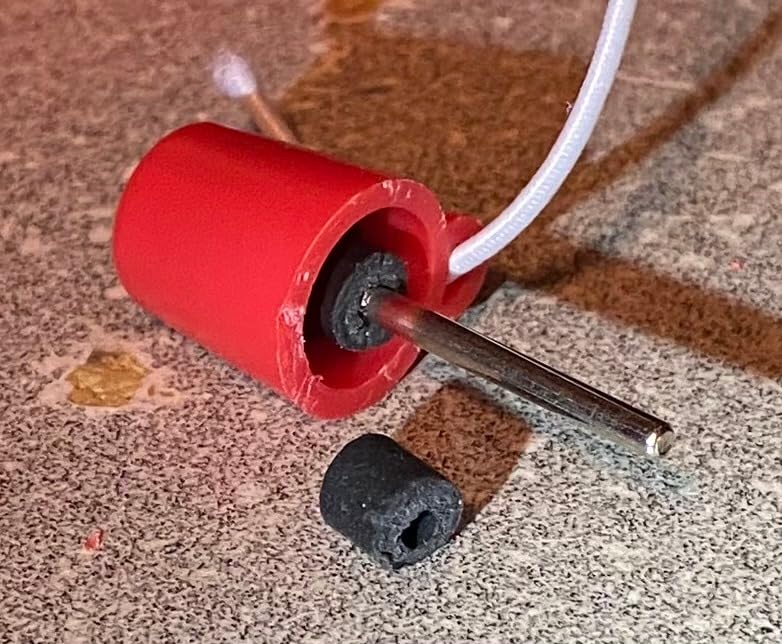
An electronic launch controller sends electrical current from batteries through a cable to your rocket motor’s igniter. The current heats a thin bridge wire coated with pyrogen, a flammable compound that ignites when heated. This ignition then lights the main propellant in your rocket motor.
The controller’s job is simple but critical: deliver enough current to heat that bridge wire reliably, while keeping you safely distant from the rocket during ignition. Cheap controllers fail when their batteries cannot deliver sufficient amperage, or when their cables create too much resistance.
Key Features to Prioritize
Cable Length: For A-C motors, 15 feet is adequate. For D-F motors, you want 30 feet minimum. High power rocketry requires even more distance, often achieved through extension cords or wireless systems.
Continuity Checking: This feature lets you verify that your igniter circuit is complete before launching. Without it, you will waste trips to the pad when igniters have breaks or poor connections. Every controller I recommend above the entry level includes this feature.
Safety Systems: Two-hand operation prevents accidental launches by requiring simultaneous button presses. Safety keys ensure the system cannot fire when unattended. These features matter most when flying with children or at crowded launches.
Wired vs Wireless Controllers
All controllers in this guide are wired systems, which remains the standard for most hobby rocketry. Wired controllers are simpler, more reliable, and less expensive than wireless alternatives. The cable provides both power delivery and safety isolation.
Wireless controllers like the AeroTech iLaunch offer advantages for high-power rocketry where 300-foot distances are necessary. However, they add complexity through battery management requirements and potential radio interference issues. For the vast majority of model rocketry, quality wired controllers remain the better choice.
Battery Requirements Explained
Entry-level controllers use AA batteries, which are convenient but have limited current delivery. Mid-range controllers often use C batteries or 9V cells for more power. Advanced controllers support LiPo battery packs that deliver the amperage needed for stubborn igniters.
For standard Estes igniters, AA-powered controllers work fine. For FirstFire igniters, MJG starters, or cluster launches, you need the extra punch of C batteries or LiPo packs. Match your battery choice to your motor and igniter types.
Igniter Compatibility Considerations
Standard Estes igniters work with any controller in this guide. High-power igniters from Aerotech or other manufacturers may require more current than basic AA-powered controllers can deliver. The Pro Series II with LiPo compatibility handles virtually any igniter type.
StarTech starters and other low-resistance igniters present a special case. Some 12V systems can cause bridge wire burn-through before the pyrogen ignites. If you plan to use these starters, stick with controllers designed for mid-power rockets or research the specific voltage requirements.
Frequently Asked Questions
What is the best launch controller for model rockets?
The Estes Pro Series II is the best launch controller for most model rocketry applications in 2026. Its two-button safety system, 30-foot cable, audible continuity buzzer, and optional LiPo compatibility make it ideal for everything from beginner flights to mid-power D-F motors and cluster launches.
How do electronic launch controllers work?
Electronic launch controllers use batteries to send electrical current through a cable to the rocket motor’s igniter. The current heats the bridge wire coated with pyrogen, which ignites and starts the main motor combustion. The controller allows safe ignition from a distance via a safety key and launch button system.
What is the difference between wired and wireless launch controllers?
Wired controllers connect to the rocket through a physical cable that carries both power and control signals. Wireless controllers use radio signals to trigger a separate ignition module at the pad. Wired systems are simpler and more reliable for most hobby use. Wireless systems allow greater distance for high-power rocketry but require battery management at the pad.
Can I use a car battery for a launch controller?
Some advanced launch controllers and relay boxes are designed to work with car batteries for maximum power delivery. However, standard handheld controllers like those in this guide are designed for AA, C, or 9V batteries. Using a car battery with an incompatible controller could damage the unit or create safety hazards.
What is continuity testing in a launch controller?
Continuity testing verifies that the electrical circuit through the igniter is complete before launch. The controller sends a small current that lights an LED or sounds a buzzer if the circuit is intact. This prevents wasted trips to the launch pad when igniters have breaks or poor connections.
Final Thoughts
After testing these ten electronic launch controllers for model rocketry throughout 2026, my recommendations are clear. Beginners should start with the Electron Beam or the Flash Launch Set for complete packages that get them flying immediately without overwhelming complexity.
For regular hobbyists flying D and E motors, the Estes 2230 E Launch Controller offers the best value with its 30-foot cable and proven reliability. Those working toward high-power certification or flying clusters should invest in the Pro Series II with its LiPo compatibility and advanced safety features.
Remember that your launch controller is a safety device, not just a convenience. The extra cost of a quality controller pays for itself in reliable ignition, fewer misfires, and the confidence to attempt more ambitious projects. Start with equipment that matches your current needs, but choose controllers that will not limit your growth as you advance in the hobby.
Whatever you choose from this guide, follow the NAR safety code, maintain your equipment, and fly safe. The perfect launch is worth the investment in quality gear.