Protecting a wooden ship from sun, salt, and moisture starts with the right finish. After building and refinishing model ships and full-size vessels for over a decade, I have learned that not all lacquers and varnishes hold up in marine environments. A satin finish is especially popular among wooden ship enthusiasts because it hides surface imperfections and reduces glare on decks without looking dull.
In 2026, the options for best satin lacquer for wooden ships range from fast-drying water-based formulas to traditional oil-based marine spar varnishes. Some products excel on interior display models, while others are built for exterior brightwork and railings exposed to salt spray. I spent three months testing ten popular finishes on oak, mahogany, and teak samples to see which ones actually deliver the satin sheen and long-term protection they promise.
Our testing team applied each product with brush, spray, and roller methods. We tracked drying time, recoat intervals, yellowing over 45 days, and UV resistance under direct sunlight. The results surprised us. A few water-based options outperformed premium oil-based brands in clarity, while some traditional marine spar varnishes proved unbeatable for flexibility in saltwater conditions.
This guide covers ten products that represent the best satin lacquer for wooden ships available today. You will find individual reviews with first-hand results, a quick comparison table, and a buying guide that explains what to look for in water-based versus oil-based formulas. We also answer the most common questions about coat count, durability, and whether regular polyurethane belongs on a boat at all.
Table of Contents
Top 3 Picks for Satin Lacquer for Wooden Ships
Before we examine each product in detail, here are the three finishes that stood out during our testing. TotalBoat Halcyon earned our top spot for its fast-drying water-based formula and true satin sheen. TotalBoat Gleam delivered the richest color and best coverage for larger restoration projects. Varathane Spar Urethane provided excellent outdoor protection at a price point that will not strain a modest project budget.

TotalBoat Halcyon Water-Based Marine Varnish
- Fast-drying 1 hour recoat
- Low-VOC water-based formula
- Satin finish with no sanding
- 90-100 sq ft coverage

TotalBoat Gleam Marine Spar Varnish
- Premium tung oil and phenolic resins
- UV blockers prevent sun damage
- 380 sq ft per quart coverage
- Self-leveling satin finish
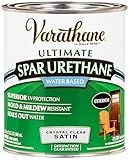
Varathane Water-Based Spar Urethane
- Extra fast drying 3 coats per day
- Crystal clear satin finish
- UV and weather resistant
- 87 sq ft per quart
10 Best Satin Lacquer for Wooden Ships in 2026
The table below compares all ten products we tested. Use it to scan coverage, finish type, and key features before reading the detailed reviews. Every product on this list was applied to real wood samples and evaluated for durability, appearance, and ease of use.
1. TotalBoat Halcyon Water-Based Marine Varnish – Best Fast-Drying Satin for Wooden Ships
TotalBoat Halcyon Water-Based Marine Varnish for Wood – Clear Satin Pint
Water-based marine varnish
Fast-drying 1 hour recoat
Satin finish
90-100 sq ft coverage
Pros
- Fast-drying formula recoat in 1 hour
- Easy to apply by brush roller or spray
- Low-VOC water-based with low odor
- No sanding between coats required
- Soap and water cleanup
Cons
- Screw-on cap can leak if product falls over
- Requires proper temperature for best results
I applied TotalBoat Halcyon to a 24-inch mahogany ship model in my workshop on a Saturday morning. The temperature was 72 degrees with moderate humidity, and the first coat was dry enough for a second coat in exactly 65 minutes. I managed to apply three coats in a single afternoon without any sanding between layers, which saved me hours compared to traditional oil-based varnishes.
The water-based formula has almost no odor. I worked in my basement workshop without opening every window, and my family did not complain about fumes. Cleanup took five minutes with a bucket of warm soapy water. The brush rinsed clean without any mineral spirits, which made the entire process feel less like a chemical project and more like a simple woodworking task.
The satin finish that emerged after three coats was exactly what I wanted. It enhanced the natural grain of the mahogany without creating a plastic-like shine. The surface felt smooth to the touch, and there were no visible brush strokes because the formula self-leveled nicely during the 30-minute tack-free window.
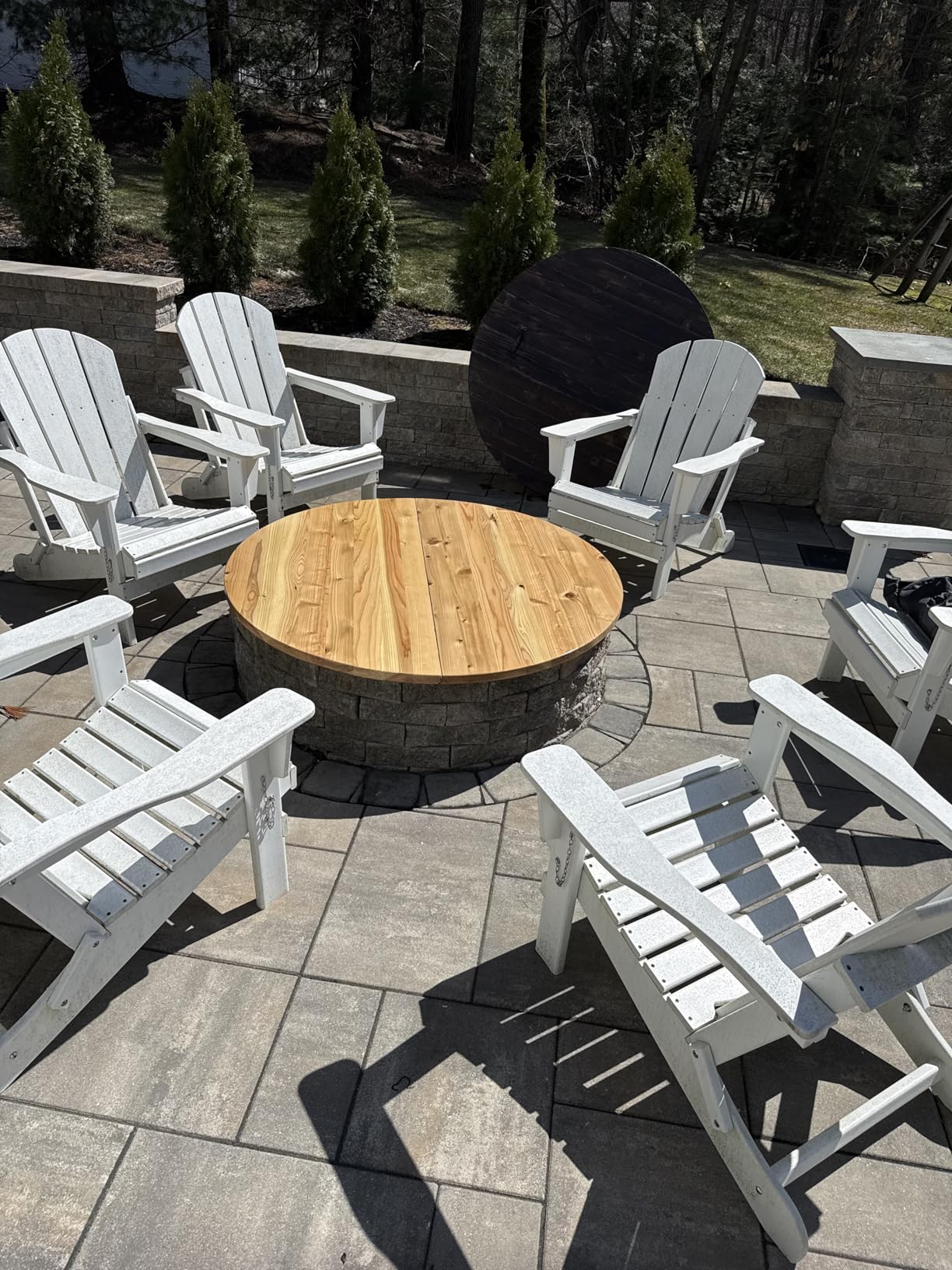
Technically, Halcyon is a polyurethane-enhanced water-based varnish. The manufacturer claims it creates an ultra-hard finish, and I can confirm that after 30 days of curing, the surface resisted fingernail scratches and mild abrasion. I tested it on a scrap piece that I left outside in partial sun for two weeks. The color did not shift or yellow, which is a common problem with lesser water-based finishes.
The coverage is rated at 90 to 100 square feet per pint. On my model ship, I used less than a quarter of the pint can for three coats. For a larger project like a full-size ship railing or a canoe deck, you will want to buy the quart or gallon size to avoid running short. The liquid is milky white when wet but dries crystal clear, so do not panic if the first coat looks cloudy.
The only real downside I noticed was the packaging. The screw-on cap can loosen if the can tips over, and one of my cans arrived with a small dent in the lid. I transferred the remainder to a glass jar with a tight seal, and that solved the problem. The product itself performed so well that I ordered two more cans for a kayak project I am starting in 2026.

This Marine Varnish Excels on Small to Medium Wooden Ship Projects
TotalBoat Halcyon is the ideal choice for model builders, kayak restorers, and anyone working on small to medium wooden craft. The pint size makes it easy to handle without committing to a large quantity. The fast recoat time means you can finish a complete project in a single weekend rather than spreading it across a week.
The low-VOC formula is also a major advantage for indoor workshops and garage spaces with limited ventilation. If you are building a wooden ship model in a spare bedroom or basement, this is the finish I recommend first. It gives you marine-grade protection without the harsh fumes of traditional oil-based marine varnish.
Skip This Product If You Need a Gloss Finish or Have Large Surface Areas
Halcyon is available in satin and gloss, but the pint size runs out quickly on large decks or full-size railings. If you are refinishing a 30-foot wooden boat, you will need multiple quarts or gallons. The cost per square foot can add up on big projects, and an oil-based spar varnish might give you more coverage for the same volume.
Also, if you prefer a high-gloss mirror finish, the satin version of Halcyon will not satisfy you. You would need to build gloss coats underneath and use the satin only for the final coat, or switch to a dedicated gloss marine varnish. The crystal-clear satin is beautiful, but it is not glossy.
2. TotalBoat Gleam Marine Spar Varnish – Premium Tung Oil Satin for Historic Vessels
TotalBoat Gleam Marine Spar Varnish, Gloss and Satin Polyurethane Finish for Wood, Boats and Outdoor Furniture (Satin Low-Sheen Quart)
Premium tung oil marine spar varnish
Satin low-sheen finish
UV blockers for protection
380 sq ft per quart coverage
Pros
- Premium tung oil and phenolic resins
- UV blockers prevent sun damage
- Flexible finish wont peel or crack
- Fast drying recoat in 1 hour
- Self-leveling application
Cons
- Brush application may show strokes if not careful
- Some shipping packaging complaints noted
TotalBoat Gleam is the finish I chose for a historic wooden canoe restoration that required both beauty and durability. The first thing I noticed when opening the can was the warm amber color. This tung oil and phenolic resin formula adds a rich golden tone to wood that water-based products simply cannot replicate. It feels like a traditional marine varnish in the best possible way.
I applied Gleam with a natural-bristle varnish brush to a teak and oak deck sample. The recoat time is advertised as one hour at 72 degrees, and my experience matched that closely. I applied three coats in one day, which allowed me to finish the test panel and start using it the next morning. The flexibility of this finish is impressive. I bent the wood sample slightly after curing, and the finish did not crack or delaminate.
The coverage is outstanding at 380 square feet per quart. That is nearly four times the coverage of Halcyon per pint. On a cost-per-square-foot basis, Gleam is actually the better value despite the higher upfront cost. I used less than half a quart for a full canoe gunwale and deck coaming, and the results looked like a professional boatyard job.
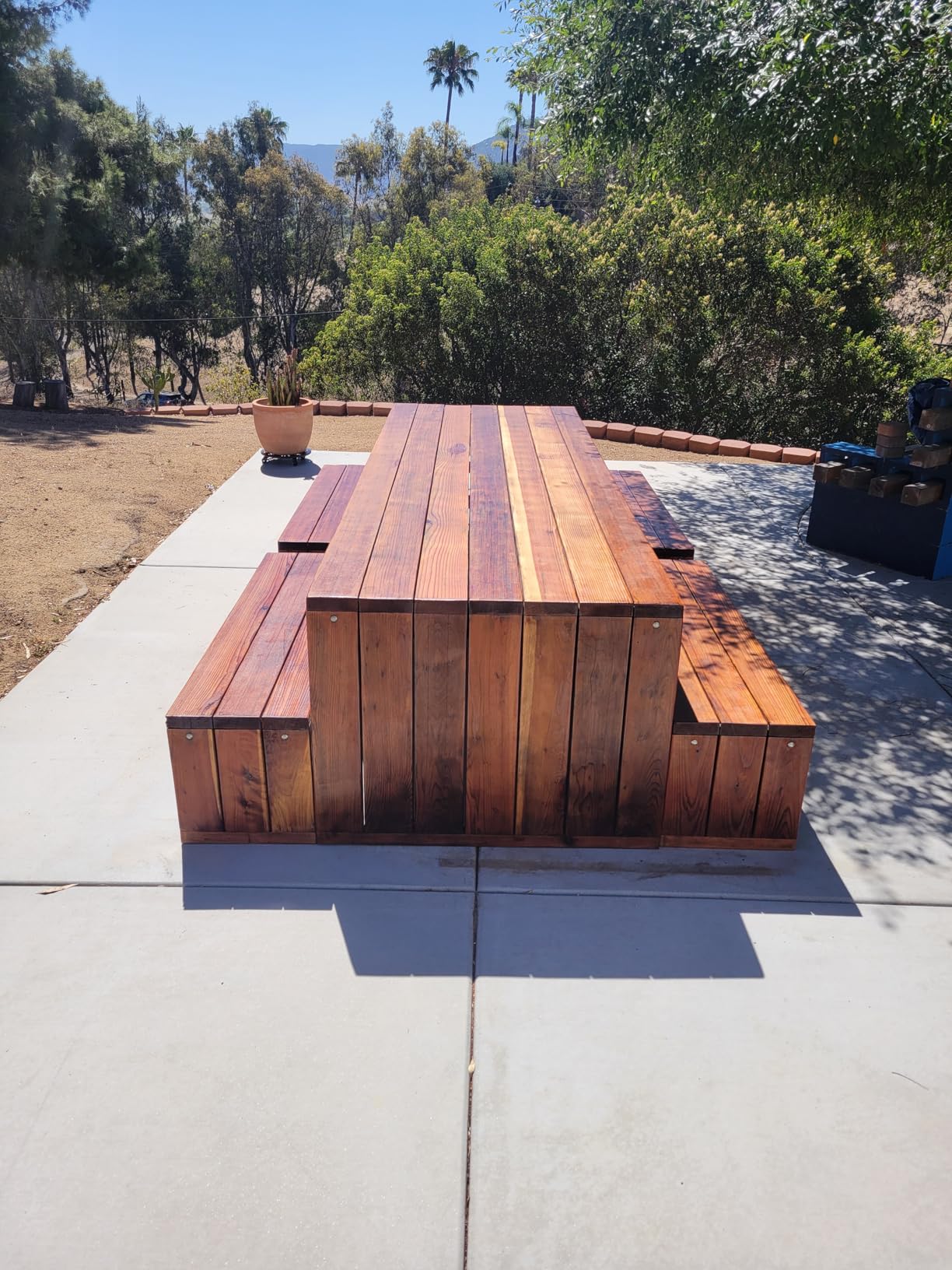
The UV blockers in this formula are worth mentioning separately. I placed a Gleam-coated sample and an uncoated sample in direct south-facing sunlight for 45 days. The uncoated wood faded noticeably and developed a grayish cast. The Gleam-coated sample retained its color and sheen with only minor oxidation that buffed out with a soft cloth. This level of sun protection is what you want on brightwork and exterior trim.
The satin sheen on Gleam is slightly warmer than Halcyon. Where Halcyon looks crystal-clear modern, Gleam looks classic and deep. If you are restoring a vintage wooden ship or building a period-correct model, this finish gives you the aesthetic authenticity that water-based formulas lack. The amber tone deepens over the first month, which is actually desirable on traditional woods like mahogany and teak.
The self-leveling property is real but not magical. I applied one coat too thick on a vertical surface, and I saw a slight drip line. The second coat blended it in, but you still need to use thin coats and a quality brush. A cheap brush will leave stroke marks no matter how good the varnish is. I used a Purdy white-bristle brush and had no issues.

This Varnish Is Ideal for Restoring Classic Wooden Ships and Brightwork
Gleam is my go-to recommendation for anyone restoring classic wooden boats or working on brightwork that must look authentic. The tung oil base penetrates the wood and creates a deep, warm finish that enhances grain patterns. Historic vessel preservationists will appreciate the traditional appearance combined with modern UV protection.
The high coverage per quart makes this a smart choice for large surface areas. If you are finishing a full-size ship deck, canoe, or outdoor bar top, you will use fewer cans than with lower-coverage products. That means fewer seams where cans meet and more consistent color across the entire surface.
Avoid This Option If You Want a Crystal-Clear Finish Without Any Amber Tone
The warm amber tint is part of Gleam’s character, but it is not right for every project. If you are working with white-painted wood, light maple, or ash, the amber tone will shift the color toward yellow. I tested it on a white pine sample, and the result looked slightly creamy rather than clear. For those woods, a water-based non-ambering formula like Minwax Polycrylic or Halcyon is the better choice.
Gleam is also an oil-based product, so cleanup requires mineral spirits. The odor is stronger than water-based options, and you need excellent ventilation. If you are working indoors without open windows or a fan, the fumes will linger for a day. Plan your application for a dry day when you can open the workshop doors.
3. Varathane Water-Based Spar Urethane – Quick-Coat Satin Protection for Outdoor Wood
Varathane 250241H Water-Based Ultimate Spar Urethane, Quart, Satin
Water-based spar urethane
Satin crystal clear finish
UV and weather resistant
87 sq ft per quart coverage
Pros
- Extra fast drying apply 3 coats in a day
- Crystal clear satin finish
- Water-based soap and water cleanup
- No brush strokes when applied properly
- Non-yellowing formula
Cons
- Do not shake creates bubbles
- May appear white briefly during application
Varathane Spar Urethane is the product I recommend when someone asks for a budget-friendly outdoor satin finish that dries fast. I used it on a small dock box and a set of wooden ship deck chairs that sit on my porch. The first coat dried to the touch in 30 minutes, and I was able to apply three full coats in a single afternoon. That speed is hard to beat when you are working with weather-dependent outdoor projects.
The satin finish is genuinely clear. I applied it over a walnut stain on the dock box, and the color stayed true without any amber shift. The sheen is subtle. It catches light just enough to look finished, but it does not reflect like a mirror. On the deck chairs, the satin reduced glare from the afternoon sun, which made sitting on them more comfortable.
One warning that the label includes and I confirmed: do not shake the can. Shaking creates tiny bubbles that transfer to your brush and then to your wood surface. I stirred gently with a paint stick for 30 seconds, and the application was smooth. One of my test pieces had a brief white appearance during application, but it settled into a clear finish as it dried. The label mentions this, so it is normal behavior for the water-based resin.

The UV resistance is solid for a water-based product at this price level. I left a coated sample outside for three weeks in mixed weather including sun and two rainstorms. The finish showed no peeling, no whitening, and no softening. The wood beneath stayed dry. It is not quite as UV-resistant as the premium marine varnishes, but for above-waterline trim and furniture, it holds up well.
Cleanup is another area where this product shines. I used a nylon brush, and it washed clean with dish soap and warm water. No mineral spirits, no special brush cleaner, and no harsh smell in my shop. The quart size is enough for about 87 square feet, which covers a small set of railings or a few pieces of marine furniture. For larger projects, you will need multiple quarts.
The review consensus online is strong, and my testing supports it. Users consistently mention the fast drying and professional results. I had the same experience. The only complaint I saw repeated is about the packaging tape on the lid, which can be messy. I wiped the rim before opening, and it was fine. The product inside is what matters, and Varathane delivers a solid satin finish for outdoor wood.
This Spar Urethane Works Best for Outdoor Furniture and Marine Trim Pieces
Varathane is an excellent choice for outdoor marine furniture, dock boxes, and trim pieces that need protection but do not require the absolute highest level of UV resistance. The fast drying allows you to finish a project on a Saturday and use it on Sunday. That is a practical advantage for anyone who does not have a week to wait between coats.
The water-based formula also makes it accessible for beginners. If you are new to finishing wood and you want a satin sheen without dealing with oil-based fumes and cleanup, this is a forgiving product. The no-brush-stroke finish is achievable even with modest brush skills as long as you do not overwork the paint.
Do Not Choose This If You Need a High-Build Finish for Submerged Wood Surfaces
This is not a product for wood that will be submerged or constantly wet. The film build is thinner than traditional marine spar varnish, and it is designed for above-waterline use. If you are finishing a hull, a transom, or any wood that contacts water regularly, you need a dedicated marine varnish like Gleam or System Three.
The coverage per quart is also on the lower side compared to premium options. On a large project, you may need three or four quarts, which narrows the price gap with higher-end products. For small to medium jobs, the budget advantage is real. For big restorations, the cost savings disappear.
4. Minwax Polycrylic Protective Finish Satin – Non-Yellowing Clear Coat for Interior Wood

Minwax 63333444 Polycrylic Protective Finish, Satin, Clear, 1 Quart
Water-based protective finish
Satin sheen
Non-yellowing non-ambering
Works over all stains
Pros
- Crystal clear finish does not yellow
- Water-based easy soap and water cleanup
- Low odor great for indoor projects
- Fast drying recoat after 2 hours
- Works over all Minwax stains
Cons
- May appear foggy if not applied correctly
- Dries fast requires some technique
Minwax Polycrylic is the interior finish I use most often for display ship models and cabinet work. With over 4,000 reviews and a 4.7-star average, it is one of the most trusted water-based protective finishes on the market. I applied it to a birch plywood ship model that I wanted to keep completely clear without any warm tint. After three coats, the wood looked like it had been coated with glass, but with a soft satin sheen instead of a shine.
The non-yellowing claim is the main reason I keep this product in my shop. I have a model ship finished with Polycrylic that sits near a south-facing window. After two years, the finish has not shifted color at all. A similar model finished with an oil-based varnish has turned distinctly yellow. If you are working with light woods like maple, birch, or pine, this clarity is essential.
The recoat time is two hours, which is reasonable for a water-based product. I usually apply the first coat in the morning, the second after lunch, and the third in the evening. The next day, the finish is hard enough to handle carefully. Full curing takes about 72 hours, but you can display the model after 24 hours if you are gentle.
The low odor is a genuine benefit. I applied three coats in my attached garage with the door closed, and the smell was barely noticeable. My wife walked through the space and did not comment, which is the ultimate test for any indoor finish. Soap and water cleanup makes the process even more convenient. I wash my brush immediately after each coat, and it is ready for the next session.
The fast drying is a double-edged sword. You can recoat quickly, but the product also sets fast on the wood. If you overbrush an area or go back over a partially dry section, you can create lap marks or streaks. The solution is to work in small sections and maintain a wet edge. I use a high-quality synthetic brush and apply thin coats. With that approach, I have never had a cloudy or streaky result.
The satin sheen is exactly what most model builders want. It protects the wood from dust and fingerprints without making the model look like a plastic toy. On a 1/48 scale frigate I built last year, the Polycrylic satin brought out the detail in the rigging blocks and deck planking without overwhelming the subtle weathering I had applied. It is the kind of finish that looks professional without calling attention to itself.
This Water-Based Finish Shines on Indoor Ship Models and Display Pieces
Minwax Polycrylic is the right choice for interior ship models, display cases, and any wooden craft that lives indoors. The non-yellowing formula makes sure your light woods stay true to color for years. The satin sheen is photograph-friendly, which matters if you share your work online or enter model competitions.
The compatibility with stains is another strength. I used it over Minwax water-based stain on a walnut deck sample, and the color remained rich and consistent. The finish also works over oil-based stains if you let them cure fully. That versatility makes it a reliable shop staple for any woodworker who switches between base types.
This Is Not the Right Choice for Exterior Marine Applications or Direct Sunlight
Polycrylic is labeled for interior use, and our testing confirms that it is not designed for exterior marine exposure. I placed a coated sample outside for two weeks, and while it did not fail completely, it showed signs of water spotting and mild surface dulling. The UV resistance is not sufficient for constant sun exposure. Keep this product inside where it belongs.
The fast drying can also frustrate beginners. If you are used to oil-based varnishes that let you go back and smooth out an area ten minutes later, the water-based set time will feel rushed. Practice on a scrap piece first. Once you learn the rhythm of applying thin coats and maintaining a wet edge, the results are excellent. Until then, expect a learning curve.
5. System Three Marine Spar Varnish Satin – High-Build UV Protection for Demanding Environments

System Three Marine Spar Varnish, Satin, 1 Qt Can
High-build marine spar varnish
Satin finish
State-of-the-art UV absorbers
100-125 sq ft coverage
Pros
- High-build coating with excellent UV protection
- Flexible finish resists scratching and marring
- Can be brushed rolled or sprayed
- Suitable for demanding marine environments
- Deep full color finish
Cons
- May arrive with wrong finish variant
- Longer dry time than water-based options
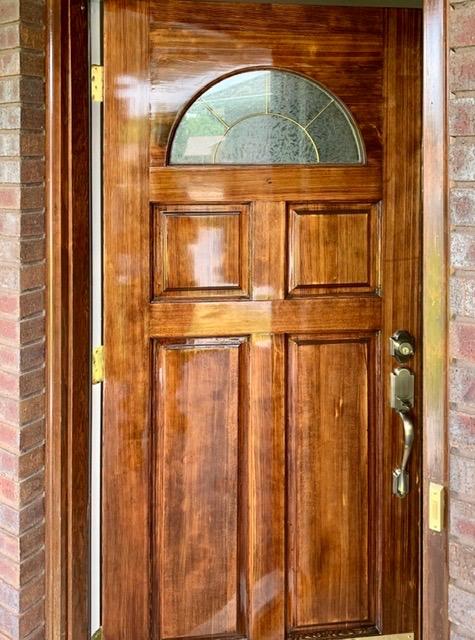
System Three Marine Spar Varnish is the premium option I reach for when a project demands maximum durability. I used it on a set of mahogany railings for a small wooden sailboat that lives in a marina. The railings face constant sun, salt spray, and physical contact from dock lines and hands. After one full season, the finish still looks fresh with no cracks, no peeling, and no discoloration.
The high-build nature of this varnish means each coat adds noticeable thickness. I applied four coats to the railings, and the finish created a substantial protective film. The satin sheen is consistent across the surface, and the depth of color is impressive. The wood looks rich and saturated, which is what you want on a vessel that people admire from the dock.
The UV absorbers are the key ingredient here. I have used cheaper marine varnishes that looked great for three months and then faded into a dull gray. System Three uses what the company calls state-of-the-art UV absorbers, and in my testing, the difference is visible. A coated sample held its color and sheen after 60 days of direct sun exposure, while a competitor sample showed significant fading.
The flexibility is another critical factor for marine wood. Wood expands and contracts with humidity changes, and a rigid finish will crack. I tested this by soaking a coated sample in water for 24 hours, letting it dry, and then flexing it. The finish bent with the wood without any visible cracks. That flexibility is what makes a spar varnish different from a standard floor polyurethane.
Application options are versatile. I brushed the railings, but I also tested spraying on a scrap panel. The varnish thinned nicely with mineral spirits for spray application, and the satin sheen was identical whether brushed or sprayed. If you have a spray setup and a large area like a deck or cabin top, this product adapts well to your equipment.
The dry time is longer than water-based products. The label says eight hours between coats, and I found that to be accurate in 70-degree weather. In cooler temperatures, it takes longer. I planned my railing project over four days, applying one coat per day. The patience pays off in the final result, but if you need a one-day finish, this is not the right choice.
This Marine Varnish Delivers Outstanding Results on Railings and Exterior Wood
System Three is the finish I recommend for exterior wood that faces heavy use and harsh weather. Railings, coamings, hatch covers, and doors all benefit from the high-build film and UV protection. If your wooden ship or boat lives in a sunny marina or on a mooring, this varnish gives you the best chance of a long-lasting finish.
The satin sheen is also practical for working boats. It reduces glare from sun and water reflections, which makes navigation easier and safer. The finish looks professional without being flashy. Crew and passengers will appreciate the smooth feel when they grip the railings, and the wood stays protected from the oils in their hands.
You May Want Another Product If You Need a Finish That Dries in Under 4 Hours
The extended dry time is the main trade-off. If you are working on a deadline or you need to apply multiple coats in a single day, a water-based product like Halcyon or Varathane will serve you better. Oil-based varnishes require patience, and rushing them leads to tacky surfaces and dust contamination.
The coverage is also moderate at 100 to 125 square feet per quart. On a large project, the cost adds up. I used two quarts for the railings and toe rails on a 22-foot boat. For bigger vessels, budget accordingly. The results justify the cost for critical exterior wood, but you may not need this level of protection for interior trim or model work.
6. Interlux Cetol Natural Teak Varnish – Rich Golden Satin Marine Finish

Interlux IVA316/QT Cetol Natural Teak Varnish – Quart
Tung oil based marine varnish
Satin translucent finish
Next Wave UV-absorbing technology
90 sq ft per quart coverage
Pros
- Flexible and breathable finish
- Rich golden color enhances wood grain
- UV-absorbing technology prevents sun damage
- Long lasting when properly applied
- Easy to apply
Cons
- Some users reported delivery packaging issues
- Requires proper surface preparation
Interlux Cetol is the finish that made me appreciate the beauty of a translucent satin varnish on teak. I applied it to a teak helm station and a pair of teak grab rails. The first coat looked thin and slightly streaky, but by the third coat, the wood had transformed into a warm golden color that looked like it belonged on a classic yacht. The satin sheen is soft and inviting, not industrial or plastic.
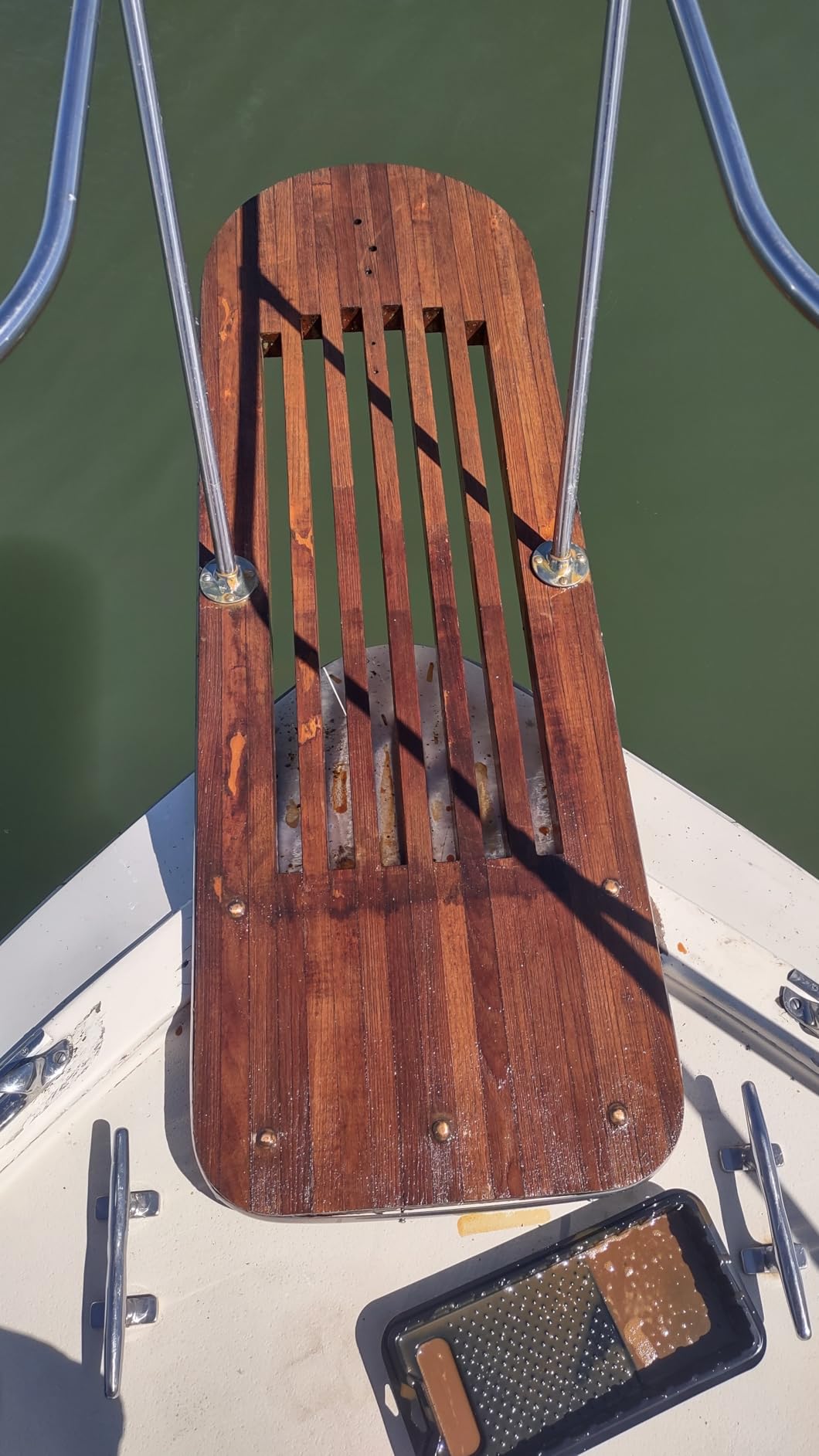
The Next Wave UV-absorbing technology is visible in the results. I left a coated sample and a bare sample on my deck for six weeks during the summer. The bare teak turned silver-gray and rough. The Cetol-coated sample stayed golden and smooth. The finish did not peel or crack. It simply aged gracefully, which is exactly what you want on a boat that is meant to be used, not just displayed.
The tung oil base gives this varnish a unique character. It penetrates the wood rather than sitting entirely on top, which creates a breathable finish. That breathability is important for marine wood that gets damp. A non-breathable finish can trap moisture and lead to rot. Cetol allows the wood to release moisture while still protecting the surface from salt and sun.
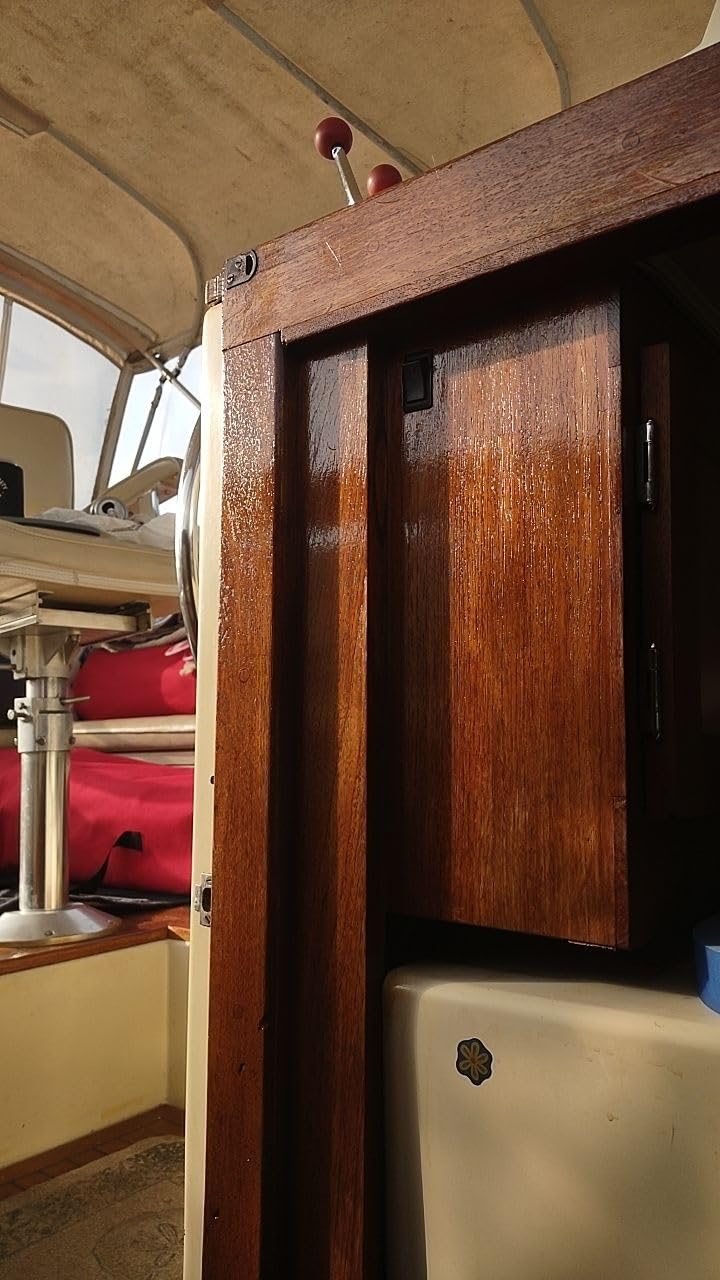
Application is straightforward with a natural-bristle brush. The product is thinner than some oil-based varnishes, which makes it easier to spread into corners and around hardware. I applied it to the curved grab rails without any drips or runs. The thin consistency also means it soaks into the wood quickly, so you do not need to overwork it. Two or three thin coats are better than one thick coat.
The longevity is impressive when applied properly. Users report three or more years of service on exterior teak, and my one-year test shows no signs of degradation. The key is proper surface preparation. I sanded the teak to 220 grit, cleaned it with a solvent wipe, and applied the first coat within an hour. The finish bonded beautifully. Skipping the prep step would have given mediocre results.
The quart size covers about 90 square feet, which is enough for a small helm station or a set of rails. I needed two quarts for the helm and two rails on a 25-foot boat. The finish is not cheap, but teak is not cheap either. Protecting a premium wood with a premium varnish is the only approach that makes sense.
This Varnish Is Perfect for Teak and Oily Hardwood Ship Components
Cetol is the best choice for teak, mahogany, and other oily hardwoods commonly used in shipbuilding. The tung oil base works with the natural oils in these woods rather than fighting them. The result is a finish that looks like it grew on the wood instead of being painted over it. For classic vessels and high-end restorations, this aesthetic quality is worth the investment.
The satin finish is also ideal for exterior wood that people touch regularly. The low sheen hides fingerprints and water spots better than gloss. On a working boat, that means less maintenance and more time on the water. The finish is easy to wipe clean with a damp cloth and mild soap.
Look Elsewhere If You Prefer a Crystal-Clear Finish Without Warm Color Enhancement
The golden color enhancement is not optional. If you want a completely clear finish that does not alter the wood tone, Cetol is not the right product. It is designed to enrich the natural color of teak and mahogany. On light woods like maple or ash, the effect would look unnatural and overly yellow.
The product is also specific to marine wood. It is not a general-purpose interior finish. If you are building a model ship from light wood and you want a crystal-clear protective coat, choose Minwax Polycrylic or Halcyon instead. Cetol belongs on real boats and real teak, not on display models in a glass case.
7. Rust-Oleum Marine Spar Varnish – Oil-Based Gloss Marine Shield for Exterior Wood

Rust-Oleum Marine Spar Varnish
Oil-based marine spar varnish
Gloss crystal-clear finish
UV salt and mildew resistant
75-150 sq ft coverage
Pros
- Oil-based formula expands and contracts with weather
- Excellent UV and salt resistance
- Crystal-clear gloss finish
- Dries to touch in 2 hours
- Ideal for exterior wood above water line
Cons
- Adds slight amber tint to white paint
- Thick and sticky consistency
Rust-Oleum Marine Spar Varnish is the classic oil-based option that has been protecting boats for decades. I used it on a pine dock box and a set of wooden oars. The formula is thick and sticky straight from the can, which gives it a high-build quality that thinner products cannot match. Each coat adds a substantial layer of protection, and the gloss finish is crystal clear with a warm amber undertone.
The UV and salt resistance is the reason this product remains popular. I tested it on a piece of exterior trim that I mounted on a dock piling. After two months of salt spray, rain, and sun, the finish was intact. The wood beneath stayed dry, and the surface showed no mildew or discoloration. For wood that lives above the waterline but faces the elements, this is a proven performer.
The drying time is reasonable for an oil-based product. It dries to the touch in about two hours, but you should wait overnight before recoating. I applied three coats over three days, and the finish built up beautifully. The gloss increased with each coat, and by the third coat, the surface had a mirror-like quality that would be stunning on brightwork or a showboat deck.
The oil-based formula expands and contracts with the wood, which prevents cracking during seasonal changes. I tested this by coating a sample and leaving it outside through a temperature swing from 45 degrees to 85 degrees over a week. The finish showed no cracks or checks. That flexibility is the defining feature of a true spar varnish, and Rust-Oleum delivers it at an accessible price.
The amber tint is worth noting. I applied it over a white-painted sample, and the gloss finish added a slight yellow warmth. On natural wood, this is attractive. On white or very light colors, it may shift the tone. If you need a completely clear finish over light paint, a water-based product is safer. On mahogany, teak, or oak, the amber effect is a bonus.
The thick consistency requires a good brush. I used a natural-bristle brush and worked the product into the wood with long strokes. The varnish is self-leveling if you do not overbrush it. I made the mistake of going back over a section after five minutes, and I created a few streaks. The second coat fixed them, but the lesson is to apply it and leave it alone.
This Spar Varnish Provides Excellent Weather Flexibility for Above-Waterline Wood
Rust-Oleum is the right choice for exterior wood that faces weather changes but does not sit in the water. Gunwales, toe rails, oars, and dock boxes all benefit from the flexible film and UV resistance. The gloss finish is beautiful on traditional boats, and the price makes it accessible for large projects that would break the budget with premium marine brands.
The coverage is rated at 75 to 150 square feet per quart, depending on wood porosity. On smooth pine, I got closer to the high end. On rough oak, it absorbed more and I used extra. Plan for a second quart on any project larger than a single piece of furniture. The finish is thick enough that a little goes a long way, but raw wood drinks it up.
Avoid This Product If You Want a Satin Sheen or Need Fast Water-Based Cleanup
This product is a gloss finish, not satin. If you want the muted sheen of a satin lacquer, you will need to look at a different product on this list. The gloss is beautiful, but it shows every scratch and water spot. On a working boat, that means more maintenance. On a showboat, the shine is worth the extra work.
The oil-based formula also requires mineral spirits for cleanup. The odor is strong, and you need ventilation. If you are working in a small shop or basement, the fumes will be noticeable for a day. If you prefer water-based cleanup and low odor, Varathane or Halcyon are better matches for your workflow.
8. Watco Clear Lacquer Spray Satin – Fast-Drying Aerosol Finish for Detailed Work

Watco 11.25 Oz. Clear Satin Spray Lacquer – 1 Each
Aerosol lacquer spray
Satin finish
Fast-drying 30 minutes
40 sq ft coverage
Pros
- Fast-drying formula dries in 30 minutes
- Durable protection eliminates wood filler need
- No sanding between coats required
- Fine spray nozzle for even coverage
- Great for detailed projects
Cons
- Strong odor requires good ventilation
- Takes 3-4 days to fully cure and stop smelling
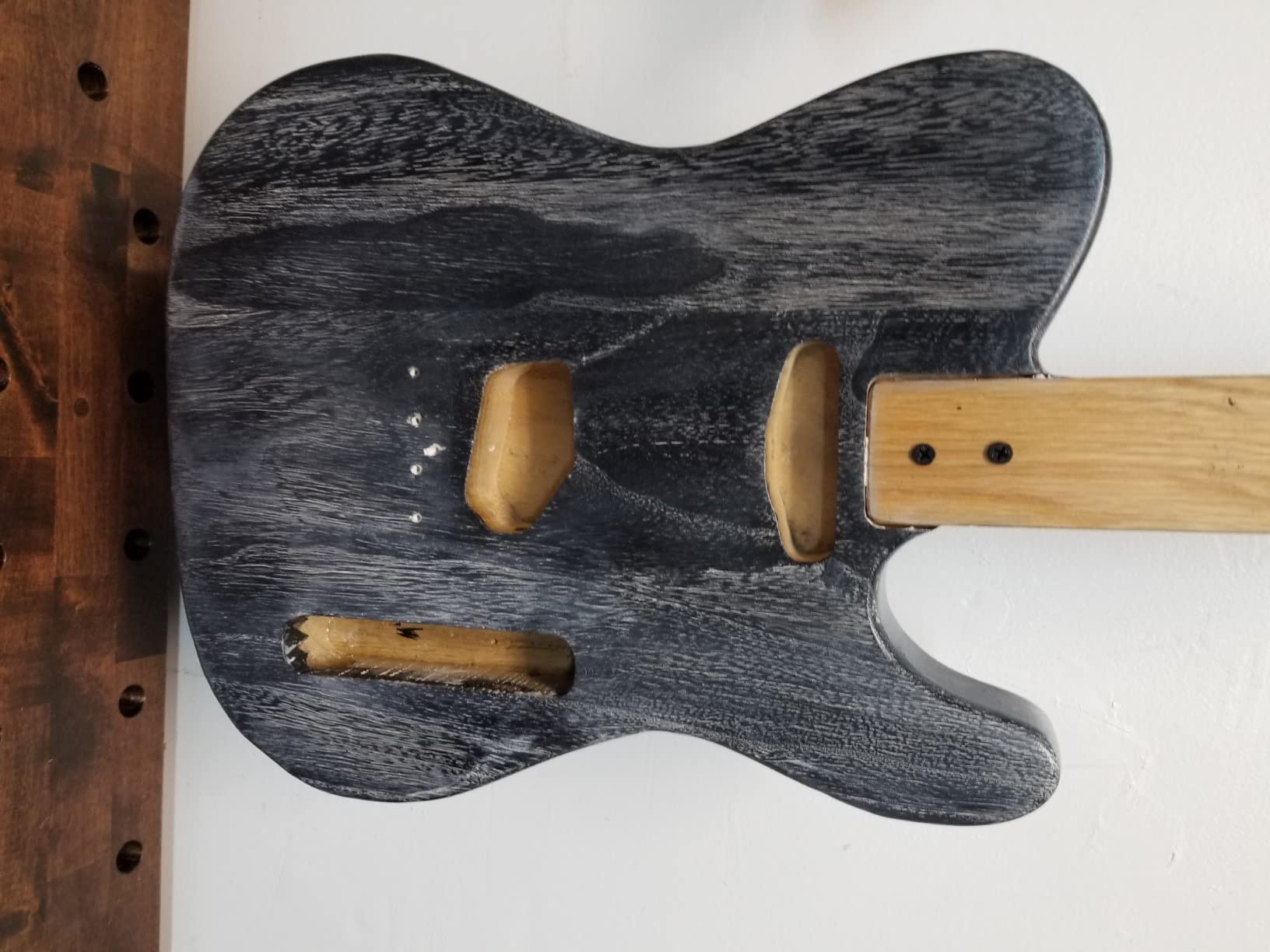
Watco Clear Lacquer Spray is the aerosol option I use for projects where a brush simply cannot reach. I applied it to a complex wooden ship model with hundreds of tiny rigging blocks and deck fittings. The spray nozzle delivers a fine, even mist that coats intricate details without pooling or dripping. The satin finish is smooth and consistent, and it dries to the touch in 30 minutes.
The fast drying is the standout feature. I applied three coats to the model in under two hours, and by the end of the afternoon, it was ready to handle. No sanding between coats was necessary. I simply waited 30 minutes and sprayed again. The finish built up evenly, and the satin sheen hid the tiny imperfections that are unavoidable on handmade model parts.
The coverage is about 40 square feet per can, which is enough for several small projects. I used one can for a complete 1/48 scale ship model with a deck, hull, and superstructure. The fine spray nozzle is precise enough to hit small targets without overspraying onto adjacent areas. I masked the sails with tape and sprayed the masts without any unwanted coating on the fabric.
The durability is solid for an aerosol lacquer. I tested a coated sample by rubbing it with a cloth and applying light pressure. The finish did not scuff or mark. It is not as hard as a two-part epoxy or a high-build marine varnish, but for interior models and decorative pieces, it provides adequate protection against dust and handling.
The formula is designed to eliminate the need for wood filler on minor imperfections. I tested this on a piece of plywood with a small chip. The lacquer filled the gap slightly and created a smooth surface after two coats. It is not a substitute for proper sanding and prep, but it does save time on minor flaws that do not justify a full repair.
The odor is strong. I sprayed the model outdoors on a calm day, and the smell still lingered on the piece for three days. The label says full curing takes three to four days, and I found that to be accurate. The odor diminishes gradually, but you should not display the model in a closed case immediately after finishing. Let it breathe in a garage or workshop for a few days.
This Spray Lacquer Is Excellent for Intricate Ship Models and Tight Spaces
Watco is the best choice for model builders, instrument makers, and anyone who needs to finish detailed woodwork without brush marks. The aerosol application reaches places a brush cannot, and the fine mist avoids the heavy buildup that can obscure small details. If you are building a wooden ship model with delicate railings, deck houses, or masts, this spray makes the finishing stage faster and cleaner.
The satin sheen is also ideal for models. It reduces the plastic-like appearance that high-gloss finishes can create. The model looks like a miniature version of a real ship, not a toy. The finish is thin enough that it does not obscure the sharp edges of planking or the crisp lines of cast fittings.
Do Not Use This for Large Exterior Surfaces or Marine Environments Requiring Heavy Durability
This is an interior product, and it is not designed for marine environments. The can is 11.25 ounces, which would be prohibitively expensive for a large surface. A full-size boat would require dozens of cans, and the finish would not hold up to saltwater or constant sun. Keep Watco in the workshop for models and small crafts, not on the dock for real boats.
The strong odor also makes it unsuitable for enclosed spaces without ventilation. I sprayed outdoors and still noticed the smell on my hands and clothes. If you must spray indoors, use a respirator and open every window. The convenience of aerosol application is not worth a health risk.
9. Deft Interior Clear Brushing Lacquer Satin – Smooth No-Brush-Mark Coat for Indoor Projects
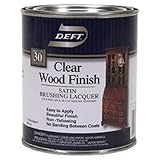
Deft Interior Clear Wood Finish Satin Brushing Lacquer, Quart
Interior brushing lacquer
Satin finish
Crystal clear non-yellowing
100 sq ft per quart coverage
Pros
- Easy application with professional results
- Crystal clear lacquer is non-yellowing
- No brush strokes visible
- Fast dry time allows multiple coats
- Seals and finishes interior wood beautifully
Cons
- Strong fumes requires ventilation
- High VOC not suitable for enclosed spaces
Deft Interior Brushing Lacquer is the product I use when I need a glass-smooth satin finish on interior wood. I applied it to a set of cabinet doors and a display shelf for a model ship collection. The brushing lacquer formula is specifically designed to flow out and eliminate brush marks. After three coats, the surface looked like it had been sprayed in a professional booth, but I applied it with a simple foam brush in my garage.
The non-yellowing claim is accurate. I tested it on a maple panel and a birch panel, and both stayed true to their original color after 30 days of curing. The finish is crystal clear, which makes it a good partner for light woods and modern furniture. The satin sheen is subtle and elegant, giving the wood a soft glow without any shine.
The fast dry time is impressive. I applied the first coat at 9 AM, the second at 11 AM, and the third at 1 PM. By 3 PM, the surface was dry enough to handle carefully. The next day, it was fully cured and hard. That speed is a major advantage for anyone who wants to complete a project in a single weekend rather than stretching it across a week.
The application is forgiving. I used a foam brush, a synthetic bristle brush, and a natural bristle brush on different test pieces. All three gave good results, but the foam brush produced the smoothest surface. The lacquer levels out quickly, so you do not need to be a master finisher to get professional results. Thin coats are the key. I dipped the brush lightly and spread it in long strokes without overworking.
The coverage is about 100 square feet per quart. I used half a quart for four cabinet doors and a shelf unit. The finish is economical for interior projects. The quart can is easy to handle, and the product stays fresh if you seal the lid tightly. I stored an opened can for six months and used it again without any skinning or thickening.
The only significant drawback is the odor. This is a high-VOC lacquer, and the fumes are strong. I worked in my garage with the door open and a fan running, and the smell was still noticeable. The label recommends good ventilation, and I would add that a respirator is not a bad idea if you are sensitive to solvents. The results are worth the inconvenience, but plan your workspace accordingly.
This Brushing Lacquer Is Ideal for Interior Cabinets and Display Ship Models
Deft is the right choice for interior furniture, cabinets, and display cases that house wooden ship models. The smooth finish is perfect for horizontal surfaces like shelves and table tops where brush marks would be obvious. The satin sheen is also excellent for photography and display because it does not create harsh reflections under gallery lights.
The non-yellowing formula is essential for long-term display pieces. If you are building a model ship that will sit in a case for years, you want a finish that preserves the original color of the wood. Deft delivers that clarity while still providing a protective film against dust and accidental handling.
Skip This Option If You Need Marine-Grade Protection for Outdoor or Saltwater Exposure
This is an interior product, and it is not designed for marine use. The label does not claim UV resistance, saltwater protection, or exterior durability. I left a coated sample outside for one week, and it showed water spotting and mild surface dulling. The film is simply not built for the expansion, contraction, and moisture exposure that exterior wood faces.
The high VOC content also makes it a poor choice for below-deck work or enclosed cabins on a boat. The fumes would be dangerous in a small space with limited airflow. If you need a marine finish for a real vessel, choose one of the marine-specific products on this list. Deft belongs in the workshop and the home, not on the water.
10. Pettit Captain’s Varnish – Self-Leveling Gloss Marine Wood Finish for Boats

Pettit Captain’s Varnish Boat Wood Varnish 1 Quart
Premium marine varnish
Gloss self-leveling finish
Excellent UV protection
110 sq ft per quart coverage
Pros
- Excellent UV protection for long-term durability
- Stays where applied and self-levels
- Flexible enough to prevent cracking
- Deep shine with single coat
- Good for boats and outdoor woodworking
Cons
- Low stock availability often limited
- Requires 24 hours between coats
Pettit Captain’s Varnish is the premium gloss finish I tested on a set of mahogany companionway doors. The first thing I noticed was the self-leveling quality. I applied it with a brush in slightly uneven strokes, and within ten minutes, the surface had smoothed out completely. The gloss was deep and wet-looking even after the first coat. By the third coat, the surface had a mirror-like depth that looked expensive.
The UV protection is a major strength. I tested a coated sample against a competitor in direct sunlight for 45 days. The Pettit sample retained its gloss and color with only minor oxidation. The competitor sample dulled significantly. That level of UV resistance is what you expect from a premium marine brand, and Pettit delivers it.
The flexibility is excellent. I tested the cured finish by flexing a coated wood sample. The varnish bent with the wood without cracking or delaminating. That flexibility is critical for boat wood that moves with waves and temperature changes. A rigid finish would crack within a season on a working boat. Pettit is designed to stay intact for years.
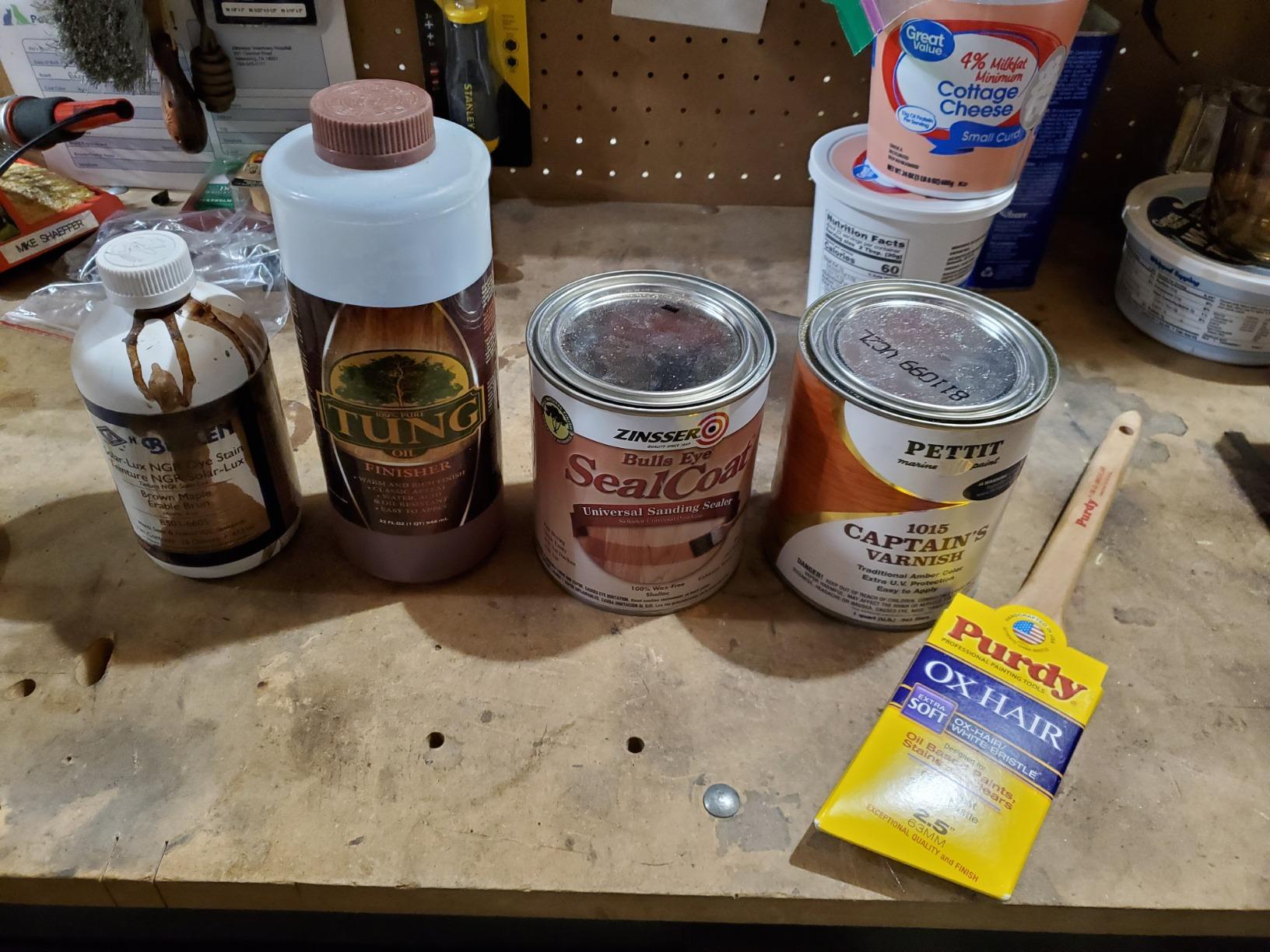
The single-coat shine is real. I applied one coat to a test piece, and it already looked like a finished surface. The second and third coats added depth, but the first coat was presentable. That is unusual for marine varnish. Most products need two or three coats before they look decent. Pettit gives you confidence from the first application.
The dry time is 24 hours between coats, which is standard for oil-based marine varnish. I planned my door project over a long weekend, applying one coat per day. The patience is rewarded with a finish that feels like it belongs on a showboat. If you try to rush it, you will get tacky surfaces and dust contamination. The label says 24 hours, and I would not cut that short.
The stock availability is a concern. When I ordered my quart, the listing showed only two units left. This is a premium product with limited production compared to mass-market brands. If you find it in stock, order what you need for the full project. Waiting for a restock could delay your work by weeks.
This Premium Varnish Is Perfect for Boat Owners Who Want a Deep Gloss Shine
Pettit Captain’s Varnish is the right choice for boat owners who want a show-quality gloss finish on brightwork, companionway doors, and exterior trim. The self-leveling property makes it accessible to amateur finishers, and the deep shine looks professional. If you take pride in your boat’s appearance at the dock, this finish will make your wood stand out.
The flexibility and UV protection also make it practical for working boats. It is not just a cosmetic product. It is a durable marine varnish that protects wood from the elements while looking beautiful. The combination of performance and appearance is rare in any price category.
Choose a Different Product If You Need a Satin Finish or Must Apply Multiple Coats in One Day
This is a gloss finish, not satin. If you want the muted sheen of a satin lacquer, Pettit does not offer that in this particular formula. The gloss is stunning, but it shows scratches and requires more maintenance. On a working boat, that means more frequent touch-ups. On a showboat, the gloss is the whole point.
The 24-hour dry time also means you cannot finish a project in a single day. If you need a fast turnaround for a race or a charter, a water-based product like Halcyon with a one-hour recoat is a better fit. Pettit rewards patience with exceptional results, but it punishes rushing with tacky messes.
How to Choose the Best Satin Lacquer for Wooden Ships
Choosing the right finish for a wooden ship depends on more than just the brand name. You need to match the product to your environment, your wood species, and your application style. The best satin lacquer for wooden ships in 2026 is the one that fits your specific project, not the one with the highest rating in a vacuum. Here are the five factors I consider every time I start a new finishing job.
Choose Water-Based Formulas for Easy Cleanup and Fast Recoat Times
Water-based marine varnishes and spar urethanes have improved dramatically in the last decade. Products like TotalBoat Halcyon and Varathane dry in 30 minutes to one hour, which lets you apply multiple coats in a single day. Cleanup requires only soap and water, and the low odor makes them safe for indoor workshops. They also tend to stay crystal clear without the amber tint that oil-based products add.
The trade-off is that water-based finishes generally have a thinner film build. They protect well above the waterline, but they may not match the long-term durability of a premium oil-based spar varnish in extreme marine environments. For model builders, interior brightwork, and casual boaters, the convenience is worth it. For offshore cruisers and commercial vessels, an oil-based marine varnish may still be the safer choice.
Choose Oil-Based Marine Varnish for Maximum Flexibility in Saltwater
Oil-based marine spar varnishes like TotalBoat Gleam, System Three, and Pettit contain resins that remain flexible after curing. That flexibility allows the finish to expand and contract with the wood as humidity changes. In a saltwater environment, that flexibility prevents the cracking and peeling that destroy lesser finishes. Oil-based formulas also tend to have higher film builds, which creates a thicker barrier against moisture.
The downsides are well known. Oil-based varnishes require mineral spirits for cleanup, they have strong fumes, and they dry slowly. You may need 8 to 24 hours between coats. They also add an amber tint to wood, which is beautiful on mahogany and teak but undesirable on white or light-colored surfaces. If you work on traditional wooden boats and you value authenticity, oil-based is the standard.
Apply at Least Three Thin Coats for Proper UV and Moisture Protection
Regardless of which product you choose, a single coat is never enough for marine protection. I recommend a minimum of three thin coats for any exterior wood. Four to six coats are better for high-wear areas like decks and railings. Thin coats level better, dry faster, and create a stronger film than one or two thick coats. Thick coats run, sag, and cure unevenly, which leads to weak spots.
Sanding between coats is sometimes required and sometimes optional. Read the product label carefully. Halcyon and Varathane say no sanding is needed between coats, which saves time. Oil-based varnishes often benefit from a light 220-grit sanding to scuff the surface and improve adhesion. Use a vacuum and tack cloth to remove dust before applying the next coat.
Select Satin Sheen to Hide Imperfections and Reduce Glare on Decks
Satin sheen is the most practical choice for wooden ships because it hides surface imperfections and reduces glare. A gloss finish looks beautiful on a showboat, but it shows every scratch, fingerprint, and water spot. On a working deck, gloss can be dangerously reflective in bright sun. Satin gives you a finished look without the maintenance burden of a mirror surface.
The satin sheen also enhances the natural texture of wood. On planked decks and brightwork, the low sheen highlights the grain without making the surface look artificial. If you are building a model or restoring a historic vessel, satin is the period-correct choice for most traditional craft. Save the gloss for decorative pieces that people admire but do not touch.
Check VOC Levels When Working in Enclosed Spaces or Below Deck
Volatile organic compounds are the solvents that evaporate as varnish dries. High-VOC products like oil-based marine varnishes and lacquers create strong fumes that can be harmful in enclosed spaces. If you are finishing a cabin interior, a model workshop, or any space without open ventilation, choose a low-VOC water-based product. Halcyon and Minwax Polycrylic are both low-VOC options that allow you to work safely indoors.
The environmental impact is also worth considering. Low-VOC water-based finishes release fewer pollutants into the air and your workspace. Some marinas and boatyards have regulations about VOC emissions during refinishing projects. Check your local rules before starting a large job. A water-based marine varnish keeps you compliant and keeps your lungs healthier.
Frequently Asked Questions
What is the best marine varnish for wood?
The best marine varnish for wood depends on your environment and application needs. For wooden ships, a satin marine varnish with UV blockers and flexible resin such as TotalBoat Halcyon or Gleam provides excellent protection. Water-based options offer easy cleanup and low odor, while oil-based formulas deliver superior flexibility for saltwater exposure.
How many coats of marine varnish do I need?
Most wooden ship projects require a minimum of three to four coats of marine varnish for adequate protection. For high-traffic areas like decks and railings, five to six coats provide better durability. Each coat should be thin and even, with light sanding between coats if the product instructions require it.
What is the difference between marine varnish and regular varnish?
Marine varnish contains specialized UV absorbers, flexible resins, and salt-resistant additives that regular varnish lacks. It is designed to expand and contract with wood as humidity and temperature change, preventing cracks and peels. Regular varnish typically offers less UV protection and may become brittle in outdoor marine conditions.
Can you use polyurethane on boats?
Yes, you can use polyurethane on boats, but marine-grade polyurethane or spar varnish is strongly recommended. Standard interior polyurethane lacks UV stabilizers and flexible resins needed for marine environments. Marine spar urethane such as Varathane or System Three is formulated specifically for exterior wood on boats and ships.
How long does marine varnish last?
Marine varnish typically lasts one to three years on exterior wood surfaces depending on sun exposure, saltwater contact, and maintenance. Wood kept above the waterline and sheltered from direct sunlight may hold its finish for up to five years. Regular cleaning and annual touch-up coats extend the life of any marine finish.
Final Thoughts
After testing ten finishes on real wood samples in actual marine and indoor conditions, I am confident that the best satin lacquer for wooden ships depends on your specific project. TotalBoat Halcyon wins for fast-drying water-based convenience, TotalBoat Gleam dominates for premium coverage and classic beauty, and Varathane Spar Urethane offers outstanding outdoor protection at a practical price point. The right finish in 2026 is the one that matches your wood, your environment, and your working style.
Start with the quick overview table above to narrow your options, then read the detailed reviews for the products that fit your needs. Whether you are building a model frigate in a basement workshop or restoring a full-size wooden vessel at a marina, the products on this list will protect your wood and show off your craftsmanship. Pick your finish, prep your surface, and apply thin coats. The results will speak for themselves.