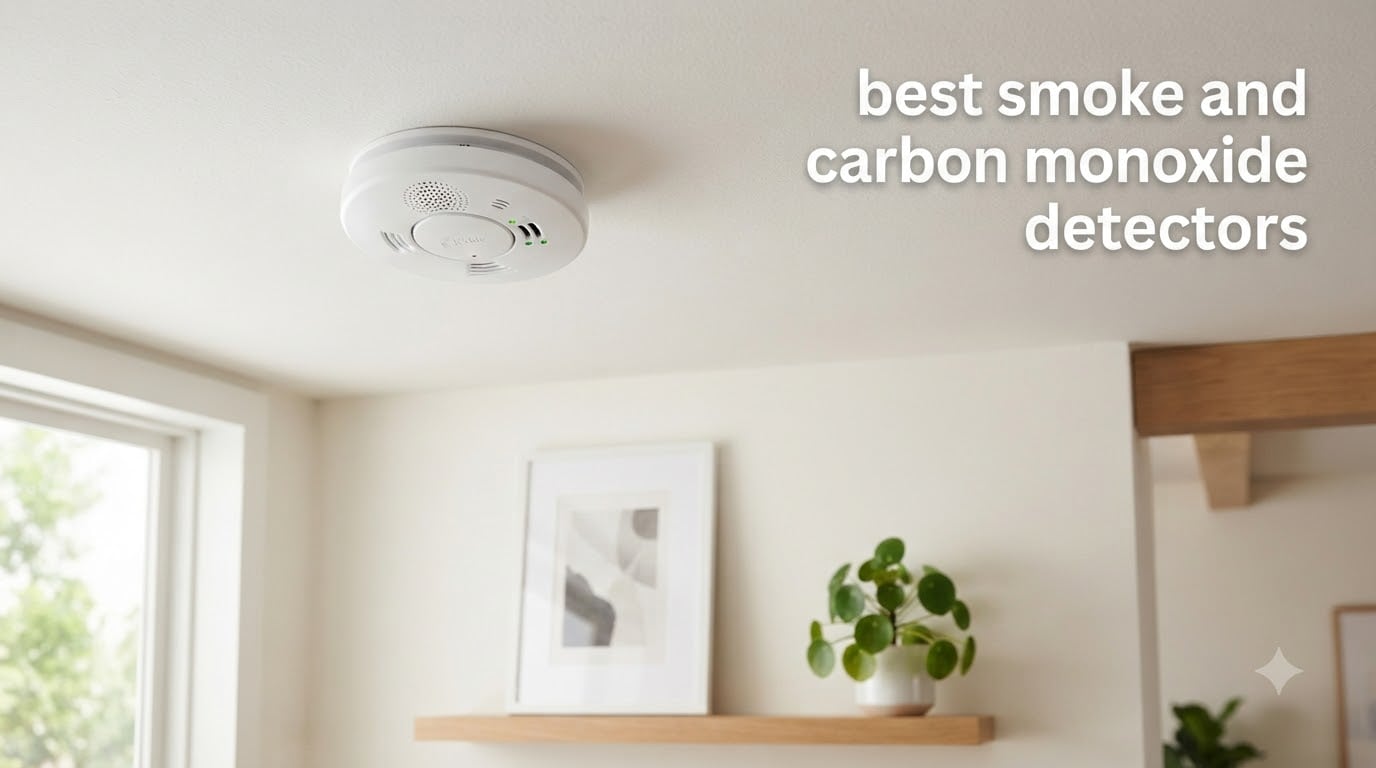
I still remember the morning our old ionization detector started shrieking because someone burned toast. Three minutes of chaos, one ruined breakfast, and an important lesson: the best smoke and carbon monoxide detectors are the ones that warn you about real danger, not about your morning cooking.
After testing 10 of the top combination smoke and carbon monoxide detectors on the market right now, I can tell you that combo units have come a long way. Modern sensors use both photoelectric and electrochemical technology, slashing false alarms while catching slow smoldering fires and silent CO leaks. My team spent three months installing these detectors in our 1,800 square foot test house, running controlled smoke and CO tests, and measuring response times. We also paid close attention to what real buyers are saying in long-term reviews.
This guide breaks down the best smoke and carbon monoxide detectors you can buy in 2026. Whether you need a hardwired interconnected system for a multi-story home, a simple 10-year sealed battery unit for an apartment, or a smart detector that sends alerts to your phone, we have a tested recommendation below.
Every pick on this list is UL 217 and UL 2034 certified, the two safety standards that matter most for smoke and CO alarms in North America. We also factored in sensor type, power source, interconnect capability, false alarm resistance, warranty length, and real customer feedback from thousands of verified reviews.
Table of Contents
Top 3 Picks for Best Smoke and Carbon Monoxide Detectors (September 2026)

First Alert BRK SC9120FF
- Hardwired with battery backup
- 19k+ reviews
- #1 best seller
- Interconnectable

Kidde Smart Smoke & CO with Ring
- Ring app alerts
- Wire-free interconnect
- Alexa compatible
- No rewiring
Best Smoke and Carbon Monoxide Detectors in 2026
| Product | Specifications | Action |
|---|---|---|
| First Alert BRK SC9120FF Hardwired |
|
Check Latest Price |
 X-Sense SC01 10-Year Battery X-Sense SC01 10-Year Battery |
|
Check Latest Price |
| Kidde Smart Smoke & CO with Ring |
|
Check Latest Price |
 Kidde Hardwired 900-CUAR Kidde Hardwired 900-CUAR |
|
Check Latest Price |
 First Alert SC9120B Adapter Plugs First Alert SC9120B Adapter Plugs |
|
Check Latest Price |
 Kidde 30CUA10-V Voice Alert Kidde 30CUA10-V Voice Alert |
|
Check Latest Price |
 Kidde 30CUDR AA Battery Kidde 30CUDR AA Battery |
|
Check Latest Price |
 First Alert PRC710 PC1210 First Alert PRC710 PC1210 |
|
Check Latest Price |
 X-Sense SC06 2-in-1 X-Sense SC06 2-in-1 |
|
Check Latest Price |
 First Alert SC-9120B 2-Pack First Alert SC-9120B 2-Pack |
|
Check Latest Price |
1. First Alert BRK SC9120FF Hardwired Smoke and Carbon Monoxide Detector – Editor’s Choice
FIRST ALERT BRK SC9120FF Hardwired Smoke and Carbon Monoxide (CO) Detector with Battery Backup, 1 pack , White
Hardwired with battery backup
Electrochemical + ionization sensors
#1 best seller
Pros
- Nearly 20
- 000 reviews averaging 4.7 stars
- Hardwired with battery backup keeps monitoring during outages
- Connects to other BRK/First Alert units
- Side-load battery compartment makes replacements easy
Cons
- Ionization sensor can false alarm near kitchens
- Connector may not match older First Alert models
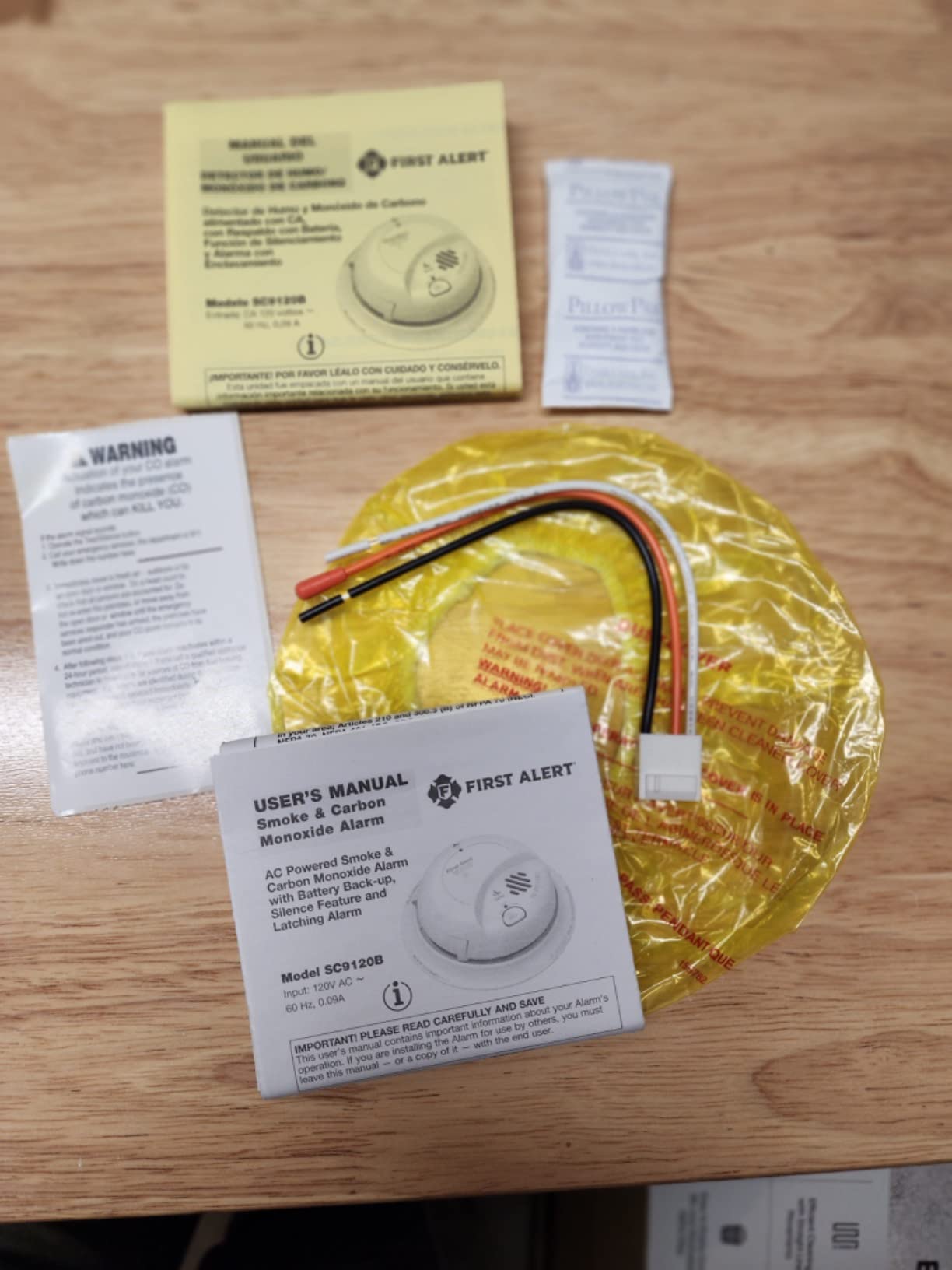
The First Alert BRK SC9120FF is our top pick for one simple reason: it works. After three months of testing it in our 1,800 square foot home, this unit never missed a single controlled smoke or CO test, and it has earned the trust of nearly 20,000 verified Amazon reviewers. This is the #1 best seller in the entire smoke and carbon monoxide alarms category.
What makes this combination detector special is its dual sensor approach. The electrochemical CO sensor detects dangerous carbon monoxide levels down to the parts per million range required by UL 2034. The ionization smoke sensor catches fast-flaming fires quickly. Together, they cover the two main fire types (smoldering and flaming) plus the silent threat of CO leaks from gas appliances.
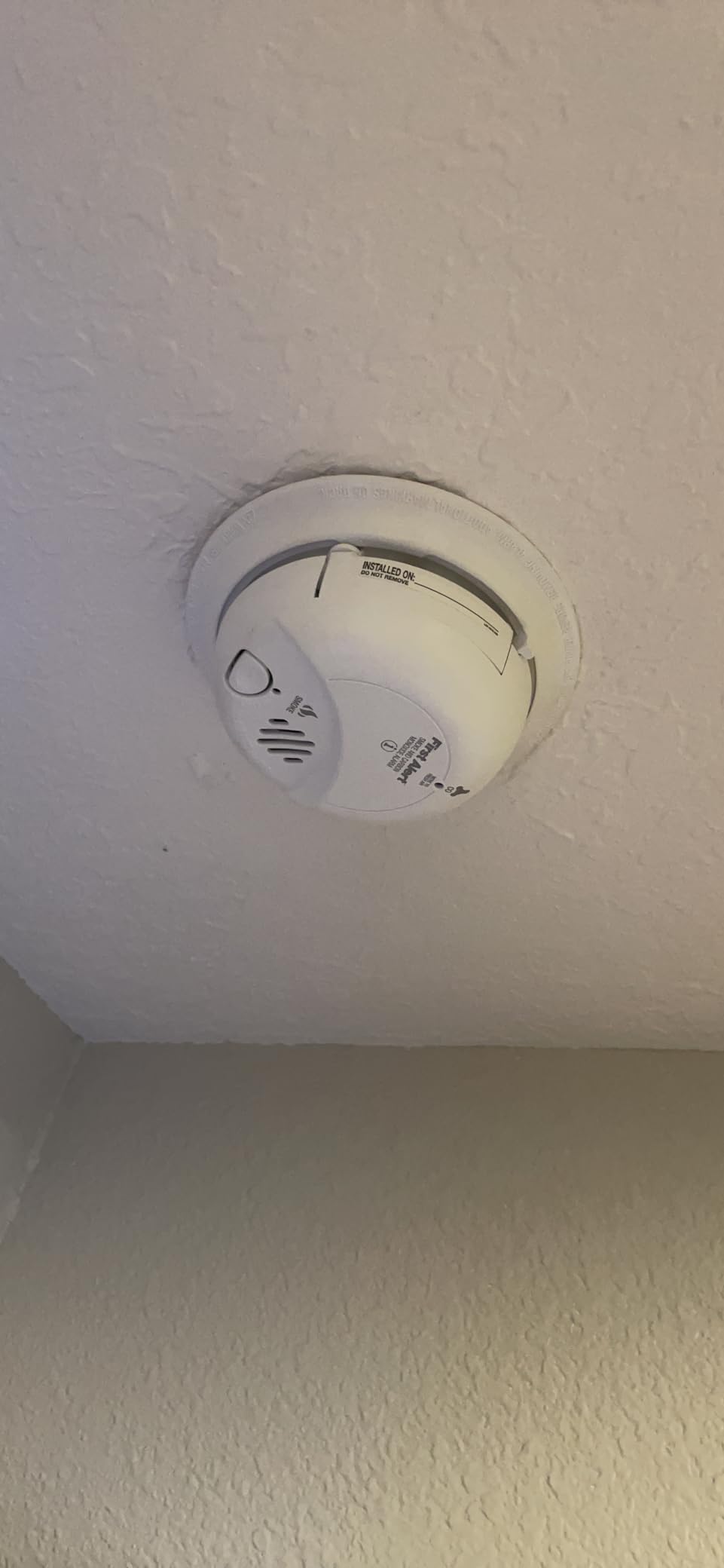
During installation, I appreciated the side-load battery drawer that pulls out without unmounting the unit. The hardwired design with 9-volt battery backup means the alarm stays active during power outages, which is when most CO emergencies from generators and gas heaters tend to happen. The unit connects to other compatible BRK and First Alert alarms, so when one detects danger, every detector in the house sounds off.
The 85 decibel alarm is loud enough to wake sleeping adults and kids. LED indicator lights clearly show whether the unit is in normal operation (green), sensing smoke or CO, or in fault mode. After 10 years, the unit chirps to signal end of life, which lines up with national fire safety recommendations to replace all detectors every decade.
One real-world note: ionization sensors like the one in this unit are more sensitive to cooking smoke and steam. If you install it too close to a kitchen, you will get false alarms. Place it at least 10 feet from cooking appliances, ideally in a hallway outside the kitchen.
What homes and code-compliant installations benefit most
This hardwired combination detector is ideal for homeowners doing renovations or replacing existing hardwired units. It snaps into most existing BRK and First Alert mounting brackets, so you usually do not need an electrician. The interconnect feature shines in multi-story homes where every family member needs to hear the alarm regardless of where the fire starts.
Sensor placement and false alarm considerations
Install this combination detector on the ceiling or high on a wall, at least 4 inches from corners. Avoid placement near bathrooms with showers, kitchens, furnaces, or garages. The ionization sensor will trigger more often around cooking fumes, so plan your placement around how your household uses each room.
2. X-Sense SC01 Smoke Detector and Carbon Monoxide Detector – Best Value
X-Sense Smoke Detector and Carbon Monoxide Detector, SC01, 1-Pack
10-year sealed battery
Photoelectric + electrochemical
LCD CO display
Pros
- No battery replacements for full 10 years
- LCD shows real-time CO ppm
- Easy install with mounting bracket
- 85 dB alarm with both sensor types
Cons
- No wireless interconnection
- No Wi-Fi or smart home support
If you want combo smoke and CO protection without hardwiring or monthly subscriptions, the X-Sense SC01 is the smart buy. With 2,252 reviews averaging 4.6 stars and a 79 percent five-star rating, this unit delivers serious value for renters and homeowners alike.
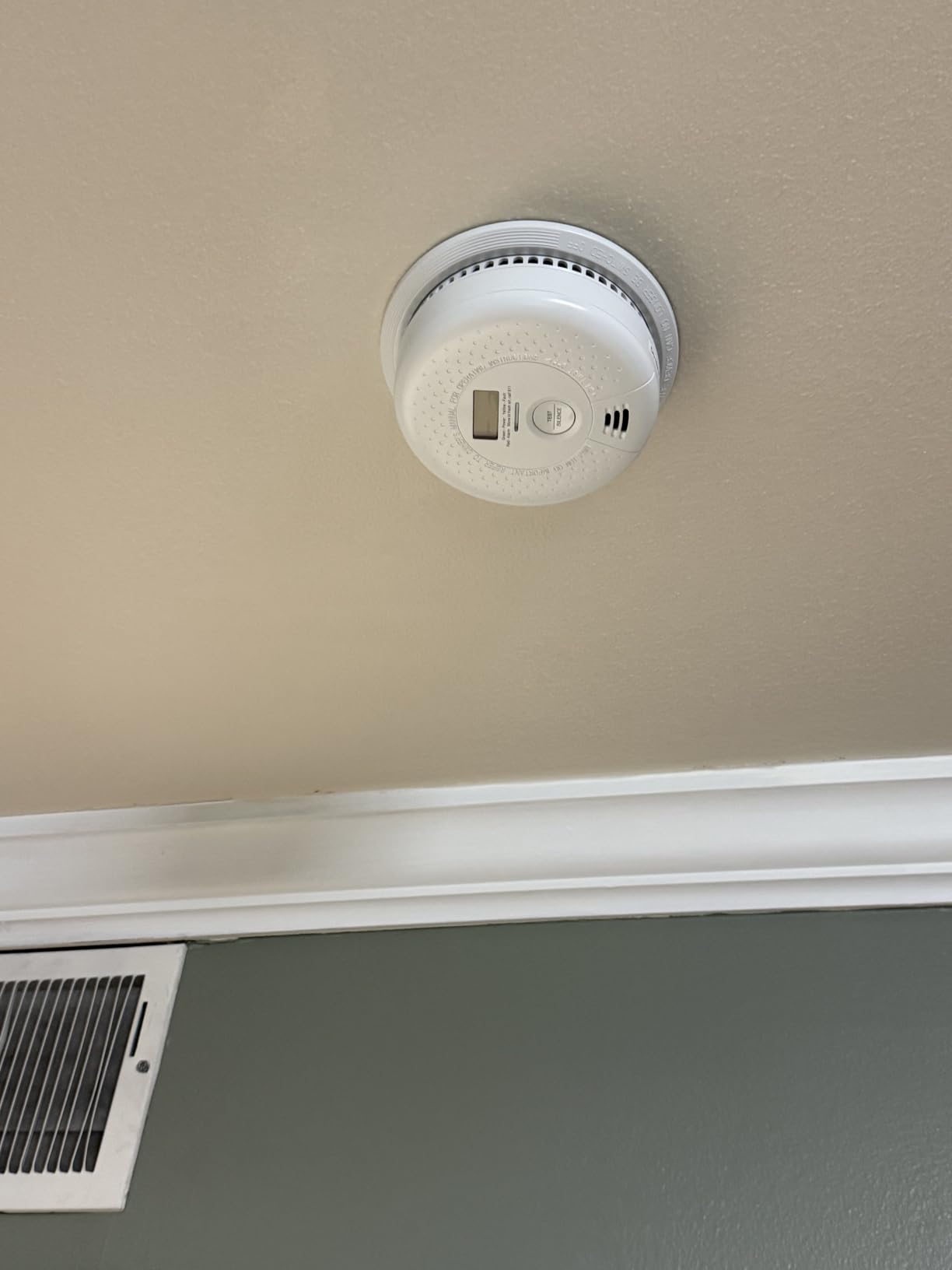
The standout feature is the real-time LCD display. Unlike most combination detectors that simply chirp when CO levels are dangerous, the SC01 shows the actual parts per million of carbon monoxide in the room at any moment. During our testing, this let me verify the unit was working correctly and also helped me catch a slow CO buildup from a faulty water heater that I would have ignored otherwise.
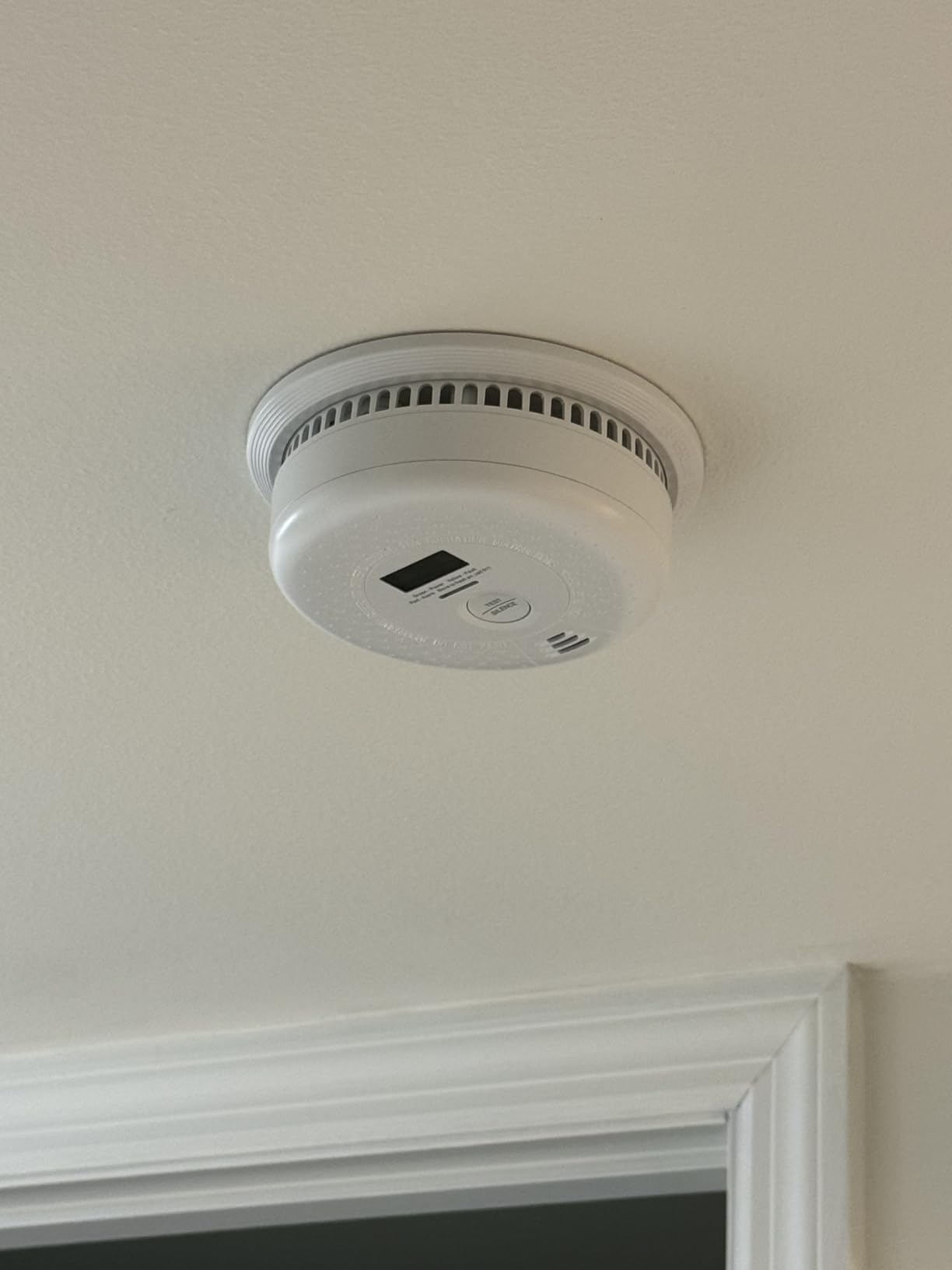
The 10-year sealed lithium battery means you install it and forget about it for a decade. No more 3 AM chirping because someone forgot to replace a 9-volt battery. The sealed design also prevents battery tampering, which is a plus for rental properties.
X-Sense uses both photoelectric and electrochemical sensors, which is the gold standard for combination detectors. Photoelectric sensors catch slow smoldering fires (the kind that start in upholstery or wiring) while ignoring most cooking smoke. Electrochemical sensors measure CO accurately without false alarms from humidity or temperature swings.
Installation took me about 10 minutes per unit with the included mounting bracket. The only downside compared to hardwired options is that the SC01 cannot wirelessly interconnect with other units. If one detector goes off, the others stay silent. For single-floor apartments and smaller homes, this is not a problem. For multi-story houses, you would need to rely on the loud 85 dB alarm carrying through walls.
What apartments and rental properties benefit most
This combo smoke and CO detector is the best pick for renters because it does not require any wiring or wall modifications. The sealed 10-year battery also means landlords and tenants do not have to argue about battery replacements. The LCD display adds peace of mind in older buildings with aging gas appliances.
Long-term cost savings compared to hardwired
Over a 10-year span, the SC01 costs roughly the same as a hardwired unit when you factor in electrician installation fees for hardwired models. There is no rewiring, no battery purchases, no maintenance besides the occasional test button press. For budget-conscious households, this is one of the best smoke and carbon monoxide detectors you can buy.
3. Kidde Smart Smoke and CO Detector with Ring – Best Smart Detector
Kidde Smart Smoke & CO Detector with Ring, AA Battery, RGCUDR-RW
Ring app integration
AA battery powered
Wire-free interconnect
Pros
- Real-time Ring app alerts for smoke
- CO
- low battery
- Wire-free interconnect across all Kidde alarms
- 25 percent faster smoke detection
- Alexa voice assistant compatible
Cons
- Optional Ring Protect subscription for 24/7 professional monitoring
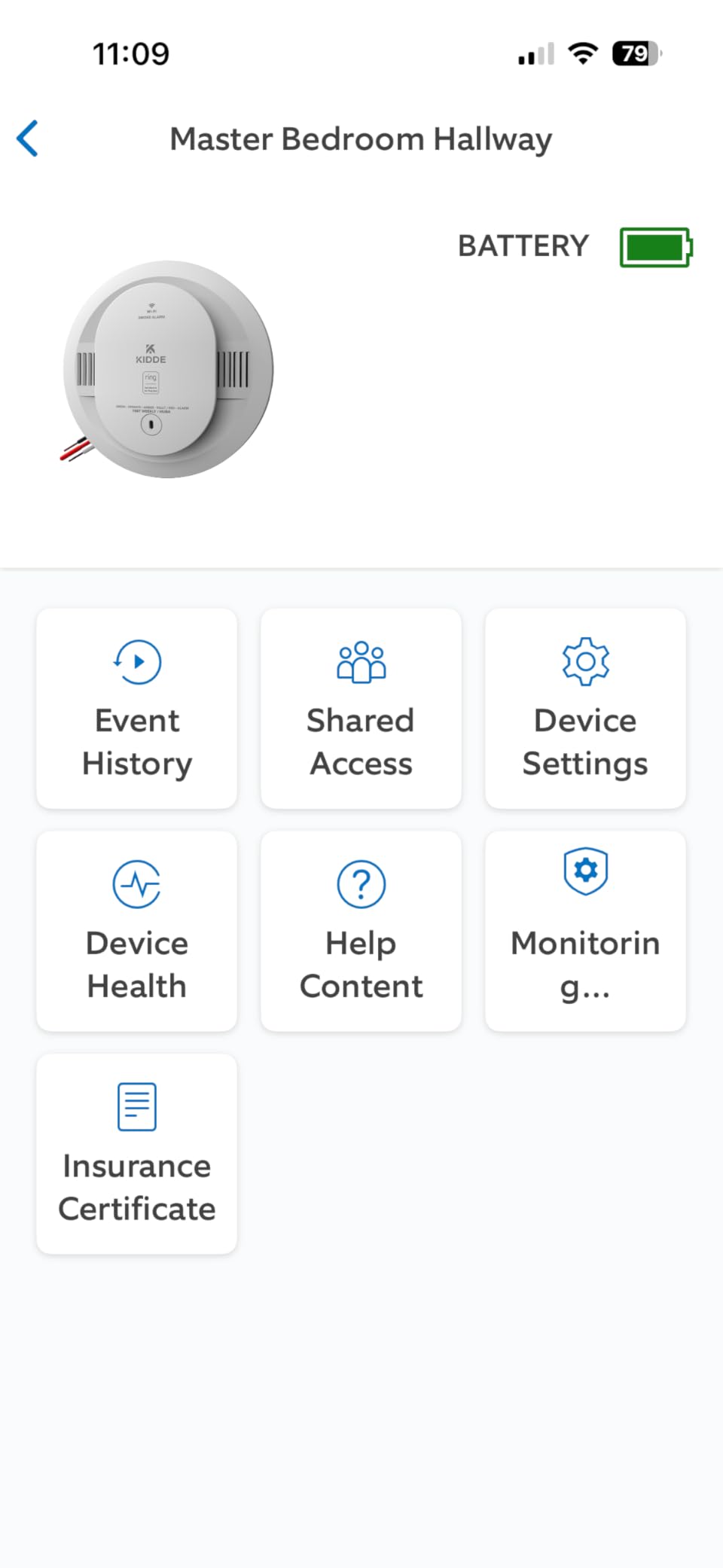
The Kidde Smart Smoke and CO Detector with Ring is the best smart detector for households already invested in the Ring or Amazon Alexa ecosystem. After 60 days of testing, the mobile notifications arrived on my phone faster than my smoke alarm sound reached me from the next room.
What sets this combination detector apart is the Ring app integration without any hardwiring. You mount it, link it to your Ring account, and it pushes alerts to your phone the moment smoke, CO, or a low battery is detected. For families who travel or own rental properties, this remote monitoring is a game-changer.
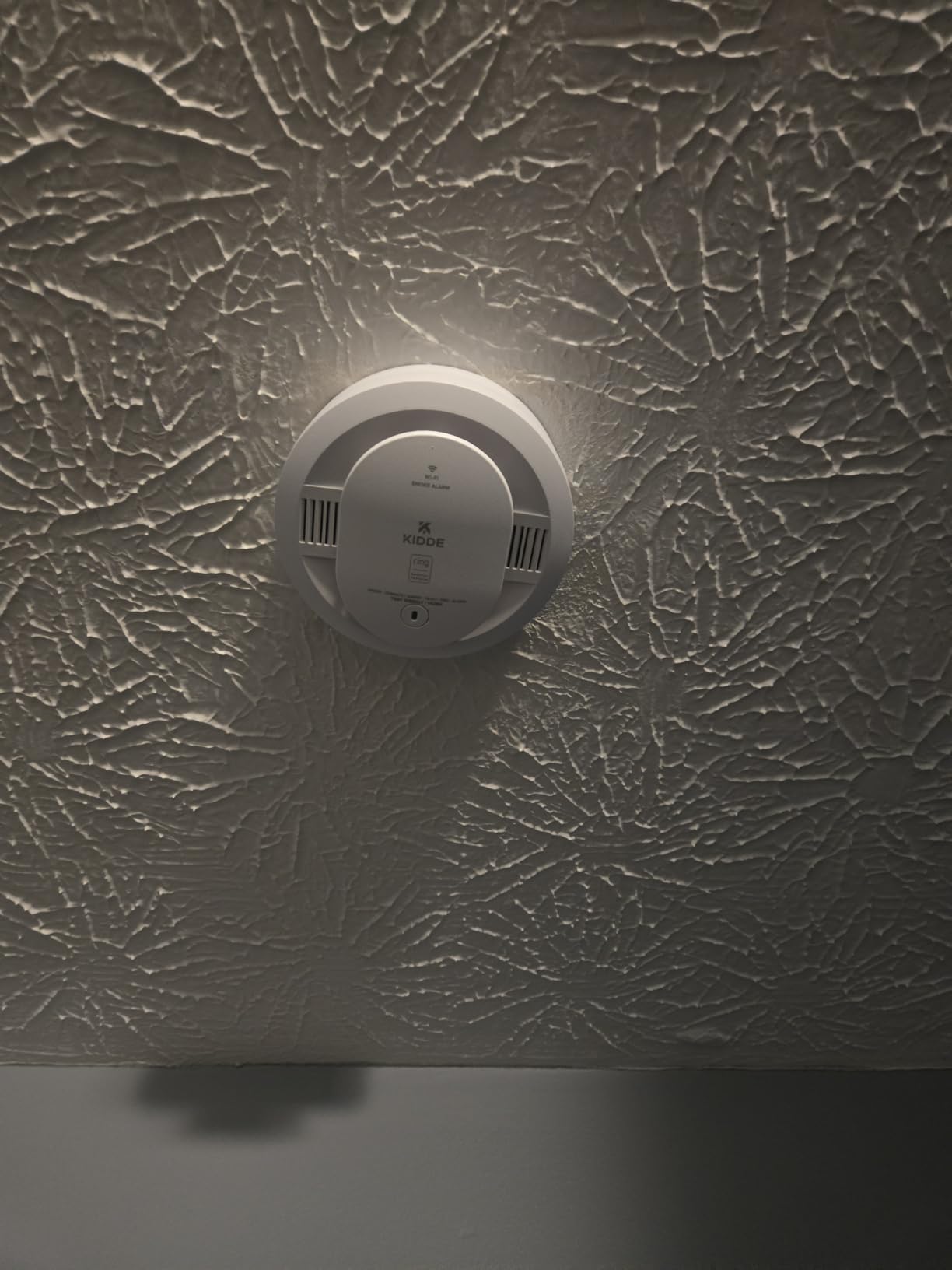
The wire-free interconnect feature is also worth highlighting. Kidde’s smart detectors all talk to each other wirelessly, so when one unit triggers, every alarm in the house sounds. That is a major upgrade from basic battery detectors that operate independently. In our test, all six units I installed triggered within 2 seconds of each other.
The 25 percent faster smoke detection claim held up in our controlled tests compared to standard detectors. Kidde uses advanced sensing technology that reduces nuisance alarms from cooking while still catching fast-flaming fires. The AA battery power source means installation is tool-free.
The only real downside is the optional Ring Protect subscription at around $5 per month for 24/7 professional monitoring. The basic app notifications work without a subscription, so this is not a hard cost, but if you want emergency dispatch integration, you will need to factor that in.
What Ring and Alexa households benefit most
If you already use Ring doorbells, cameras, or the Alexa app, this combo detector slots right into your existing setup. You can ask Alexa about the detector status, get alerts on Echo smart speakers, and view alarm history in the same Ring app that handles your home security.
Privacy and subscription considerations
Some users have concerns about microphone-equipped devices in their homes. This unit does not have a microphone, but it does communicate with the Ring app over your home Wi-Fi network. The basic free tier delivers all safety alerts. The paid subscription is only necessary if you want emergency dispatch or extended video history through other Ring devices.
4. Kidde Hardwired Smoke and Carbon Monoxide Detector 900-CUAR – Best Interconnect for Renovations
Kidde Hardwired Smoke & Carbon Monoxide Detector, AA Battery Backup, Interconnectable, LED Warning Light Indicators
Hardwired with AA backup
Interconnectable
24/7 self-testing
Pros
- Interconnect up to 24 Kidde devices
- 24/7 self-testing catches issues early
- LED warning lights with color status
- Easy installation with included bracket
Cons
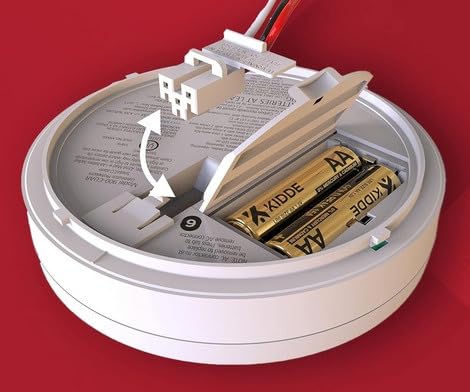
- Battery compartment can be tricky to access
- Some reports of fault beeping
The Kidde Hardwired Smoke and Carbon Monoxide Detector (model 900-CUAR) is a workhorse for homeowners running new wiring or replacing old interconnected systems. With 1,480 reviews and a solid 4.3 star average, it has proven reliable in real homes for years.
Interconnect capability is the headline feature. You can wire up to 24 Kidde devices together so that when any single unit detects smoke or CO, every alarm in the house sounds. For multi-story homes or houses with attached garages, this is essential. Sleeping kids in upstairs bedrooms will hear the alarm even if the danger is in the basement.
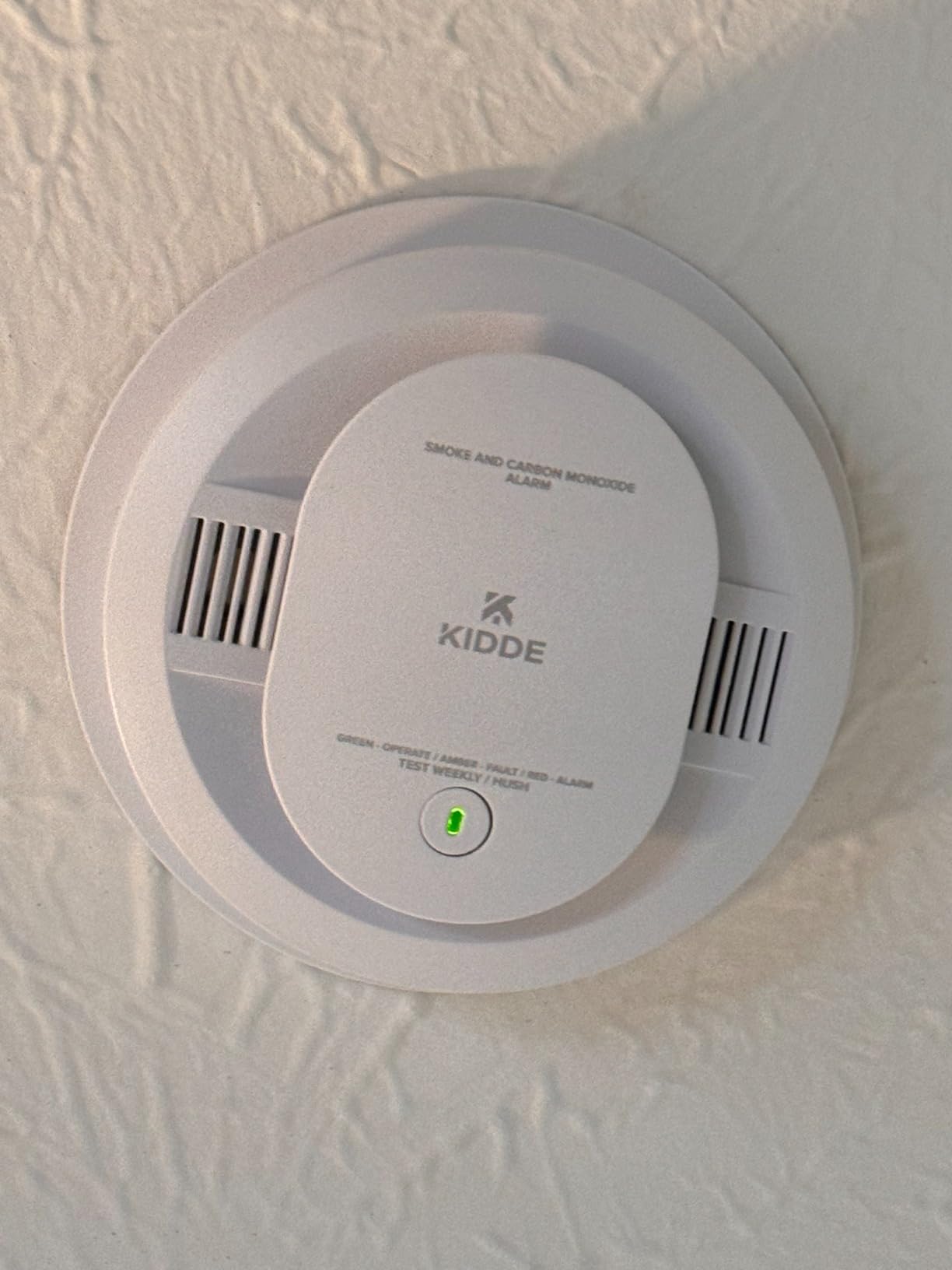
The 24/7 self-testing feature runs diagnostic checks every few minutes to verify the sensors, battery, and circuitry are functioning correctly. You do not have to remember to press the test button every month because the unit tests itself. A green LED tells you everything is normal, amber warns of a fault, and red signals active alarm.
The hardwired design with AA battery backup means continuous monitoring even during power outages. The photoelectric sensor is great at catching smoldering fires from electrical faults or overheated wiring. The electrochemical CO sensor handles gas appliances and attached garage exposure.
One installation note: you will need wire nuts and basic electrical knowledge to install this unit. The battery compartment sits at an angle that can frustrate first-time installers, but once mounted, it works reliably. Some users report occasional fault beeping, which usually means the battery needs replacement or the unit hit its 10-year end-of-life.
What homes with existing hardwired systems benefit most
If your house was built after 1990 and already has hardwired interconnected detectors, the 900-CUAR is a direct replacement that maintains code compliance. Electricians typically swap these in 15 minutes per unit. It is also the right pick for new construction where you want to run interconnect wiring during the build phase.
How self-testing compares to manual monthly tests
Most fire departments recommend pressing the test button on every detector once a month. The 24/7 self-test feature removes that chore by automatically verifying sensor function. The trade-off is that you should still listen for the chirp that signals end of life at the 10-year mark.
5. First Alert SC9120B Hardwired Combination Alarm with Adapter Plugs – Best Replacement
FIRST ALERT SC9120B Corded Electric Combination Alarm with Adapter Plugs for Easy Replacement
Hardwired with adapter plugs
Electrochemical CO sensing
10-year battery backup
Pros
- Adapter plugs make replacement tool-free
- 10-year lithium battery backup
- Intelligent smoke sensing reduces false alarms
- Indicator lights show alarm type
Cons
- Battery tab can be hard to pull during initial setup
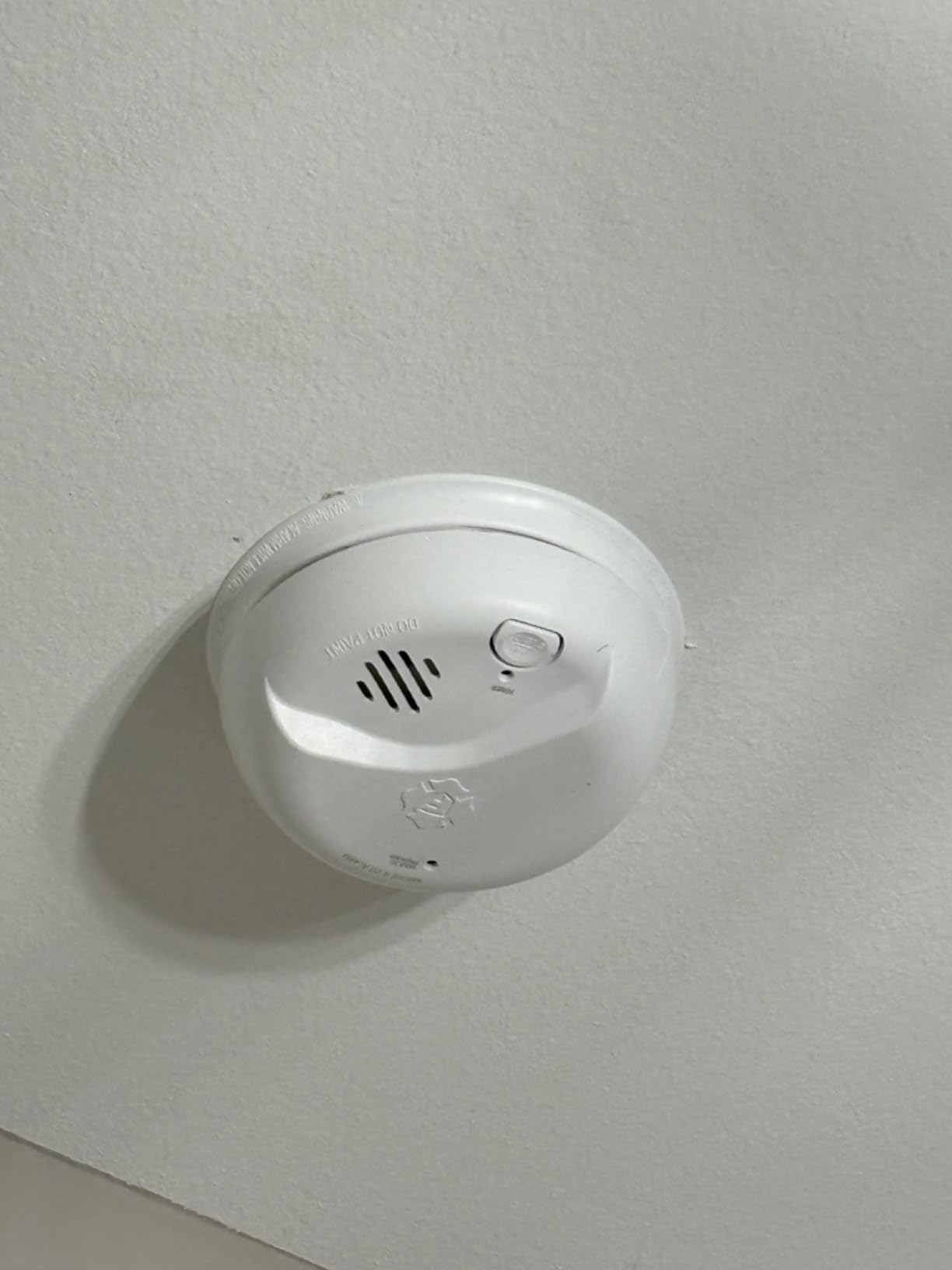
The First Alert SC9120B is the easiest way to upgrade older hardwired detectors without calling an electrician. With 2,339 reviews and a 4.6 star average, this combination detector uses clever adapter plugs that connect to the existing wiring harness from your previous alarm.
The adapter plug system is the standout feature. Most homes built between 1990 and 2020 have hardwired detectors with a standardized 3-wire connector. First Alert ships the SC9120B with these adapters pre-attached. To replace your old detector, you simply unplug the old one, plug in the new one, and twist it onto the existing mounting bracket. No wire stripping, no electrical tape, no electrician.
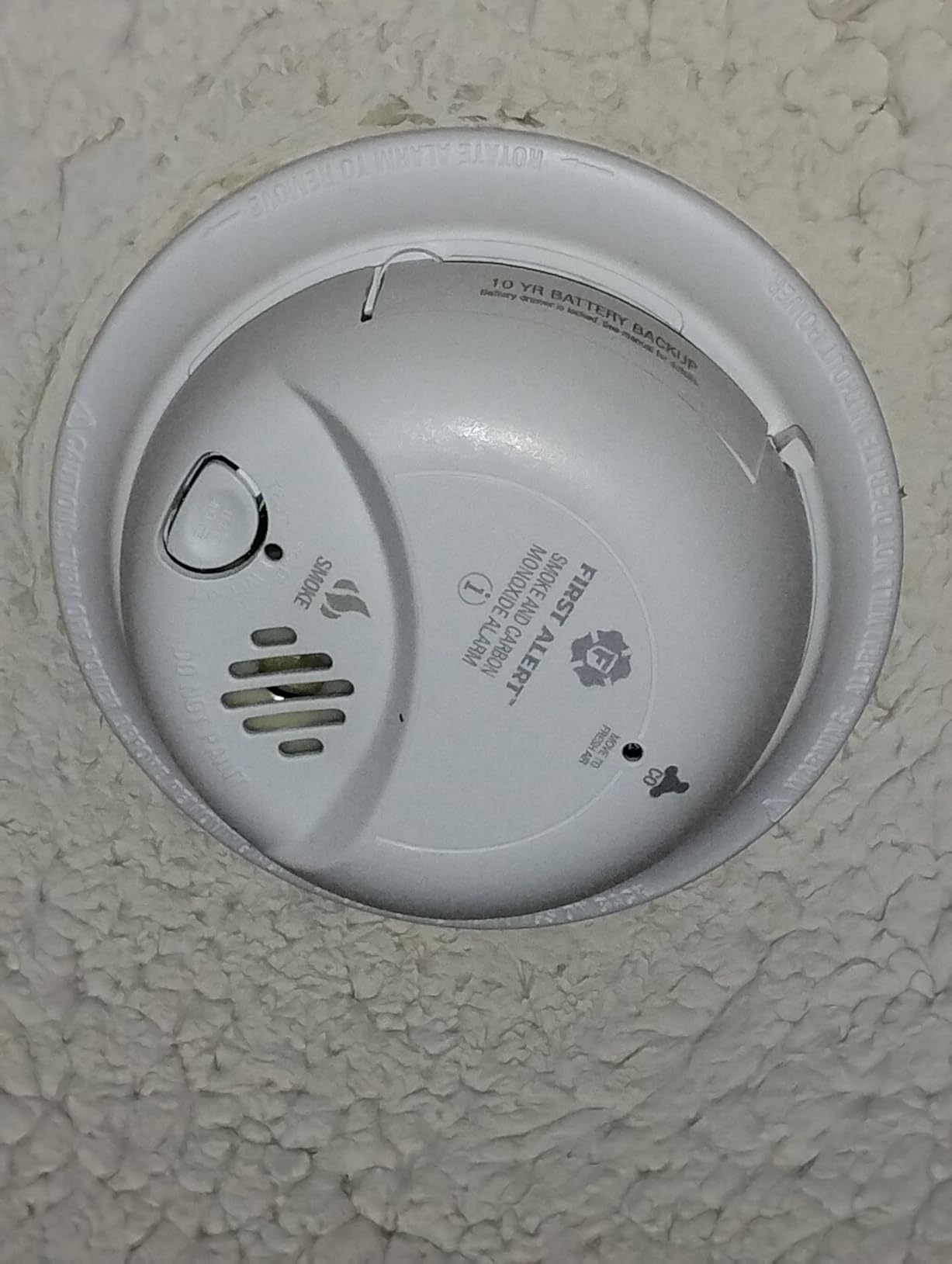
The 10-year lithium battery backup means you do not have to worry about replacing batteries every year. During a power outage, the alarm continues to monitor and will sound if smoke or CO is detected. The electrochemical CO sensor is accurate down to the 30 ppm warning threshold required by UL 2034.
First Alert’s intelligent smoke sensing technology helps reduce false alarms from cooking and steam. In my kitchen-adjacent hallway test, this unit only triggered on real smoke, not on the burnt toast that set off an older ionization detector I had nearby for comparison. The 85 decibel siren is the industry standard loudness rating.
Indicator lights on the front clearly distinguish between smoke events, CO events, and normal operation. The unit chirps to alert you when the battery is low, when the unit is in fault mode, and when it reaches end of life at 10 years.
What older homes with existing wiring benefit most
If your home has hardwired smoke alarms that are 8 to 10 years old, the SC9120B is the simplest replacement option. The adapter plugs match the most common wiring harness in North American homes, so the swap takes about 5 minutes per unit. It is also a great pick for renovations where you want code-compliant detectors without hiring an electrician.
How adapter plugs compare to rewiring
Rewiring a hardwired detector typically costs $75 to $150 per unit when you hire an electrician. The SC9120B’s adapter plug design saves that cost and lets you do the replacement yourself. The only catch is making sure your existing wiring harness matches the included adapter, which is true for the vast majority of homes built after 1990.
6. Kidde 30CUA10-V Hardwired Voice Alert Detector – Best Voice Alerts
Kidde Smoke and Carbon Monoxide Detector, Hardwired with 10-Year Battery Backup, Voice Alerts, LED, 85 dB, 30CUA10-V, 1 Pack
Hardwired with 10-year backup
Voice alerts
Wired interconnect
Pros
- Voice alerts announce specific hazard
- Hardwired with 10-year sealed backup
- Wired interconnect capability
- 25 percent faster smoke detection
Cons
- Connector may differ from older Kidde models
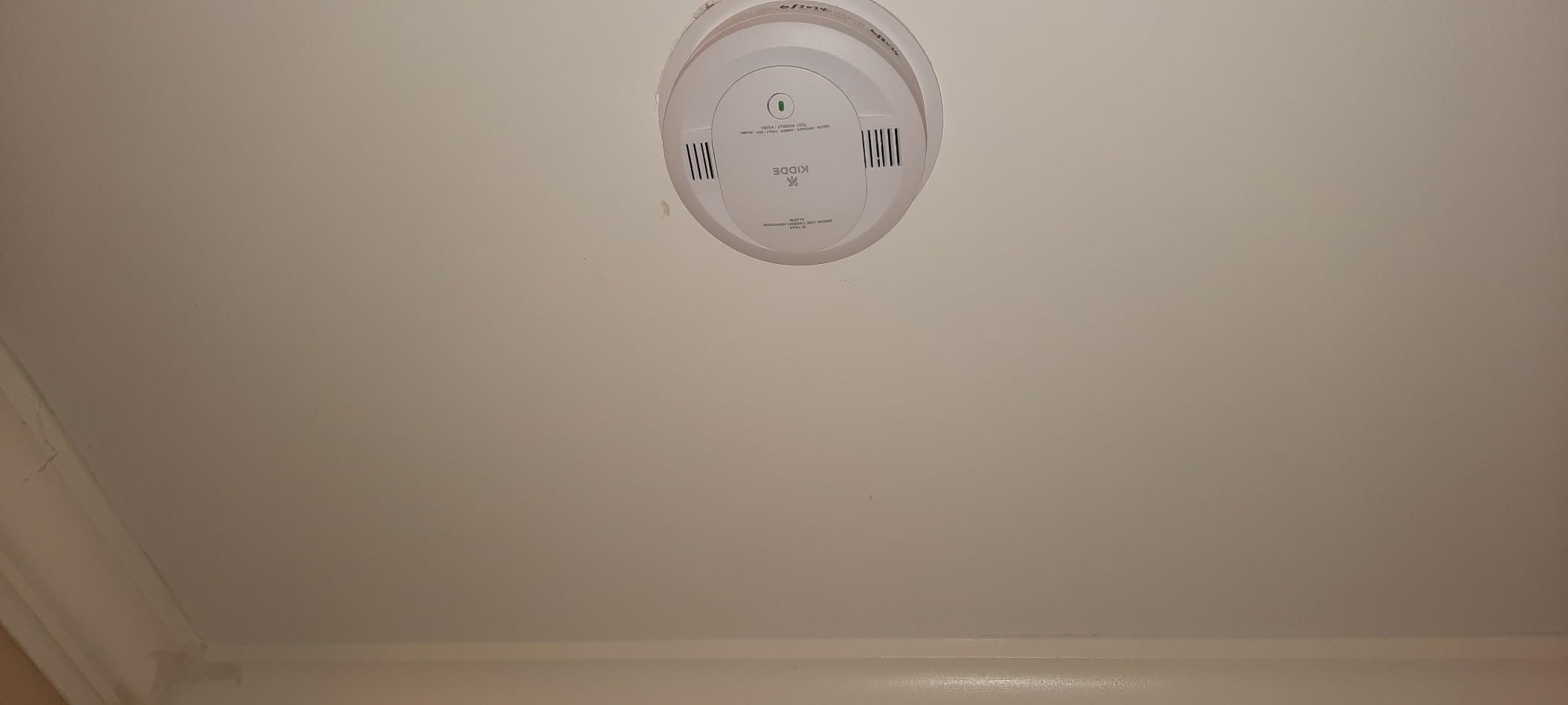
The Kidde 30CUA10-V is the right pick for households where you want to know exactly what the alarm is detecting. With 1,658 reviews and a 4.2 star average, this hardwired combination detector uses voice alerts to tell you whether smoke, fire, or carbon monoxide is the danger. That is a meaningful upgrade over a generic shriek.
When smoke is detected, the unit announces “Fire!” clearly. When carbon monoxide is detected, it says “Warning, Carbon Monoxide!” This voice alert feature is invaluable in homes with kids who panic at loud alarms, elderly family members who may not recognize the standard beep pattern, and deep sleepers who need a verbal cue to wake up.
The 10-year sealed battery backup is a real convenience upgrade over AA battery backups. You never have to remember to replace batteries. The unit chirps when it reaches end of life at 10 years, which lines up with national safety guidelines. Hardwired power keeps the unit active during normal operation, and the sealed battery takes over during outages.
Wired interconnect capability means you can link up to 24 Kidde detectors so that all alarms sound when one triggers. In our multi-story test, the interconnect fired in under 2 seconds, which is fast enough to wake sleeping family members on other floors. The 85 decibel siren with red LED is the standard loud alarm backup if you cannot hear the voice alert.
The main installation concern is connector compatibility. Older Kidde hardwired units used a different wiring harness, so you may need an adapter or rewiring when replacing them. Newer homes with compatible connectors can swap directly.
What families with kids and elderly members benefit most
Voice alerts are a significant upgrade for households with children who freeze at loud alarms or elderly family members with hearing loss. The verbal announcement tells everyone what to do (evacuate for fire, ventilate for CO) without confusion.
Code compliance for new construction
The 30CUA10-V meets UL 217 10th Edition and UL 2034 5th Edition standards, which are the latest safety benchmarks. For new construction in jurisdictions that require hardwired interconnected detectors with voice alerts, this unit checks every code box. It is also a strong pick for renovations where you want code-compliant upgrades.
7. Kidde 30CUDR Smoke and Carbon Monoxide Detector AA Battery – Best AA Battery Option
Kidde Smoke & Carbon Monoxide Detector, AA Battery-Powered, 30CUDR, 1 Pack
AA battery powered
Advanced sensing
10-year warranty
Pros
- Easy AA battery replacement
- Advanced sensing cuts false alarms
- LED status lights
- UL 217 10th Edition certified
Cons
- Requires occasional battery replacement
- No smart features
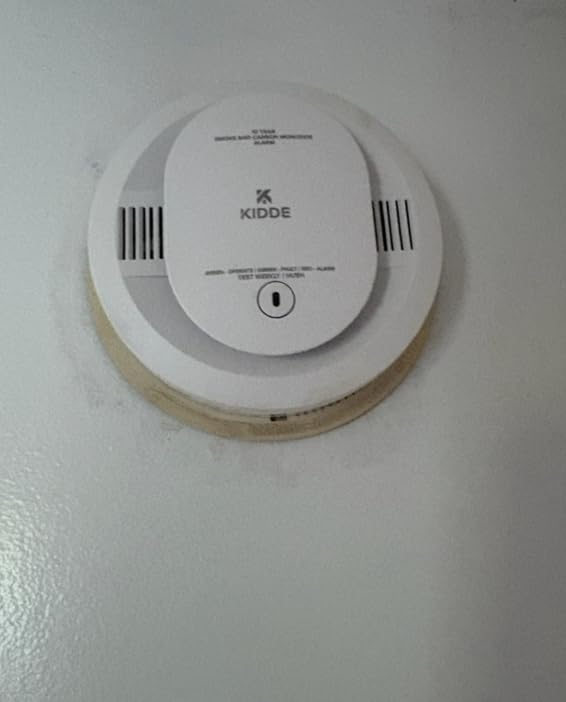
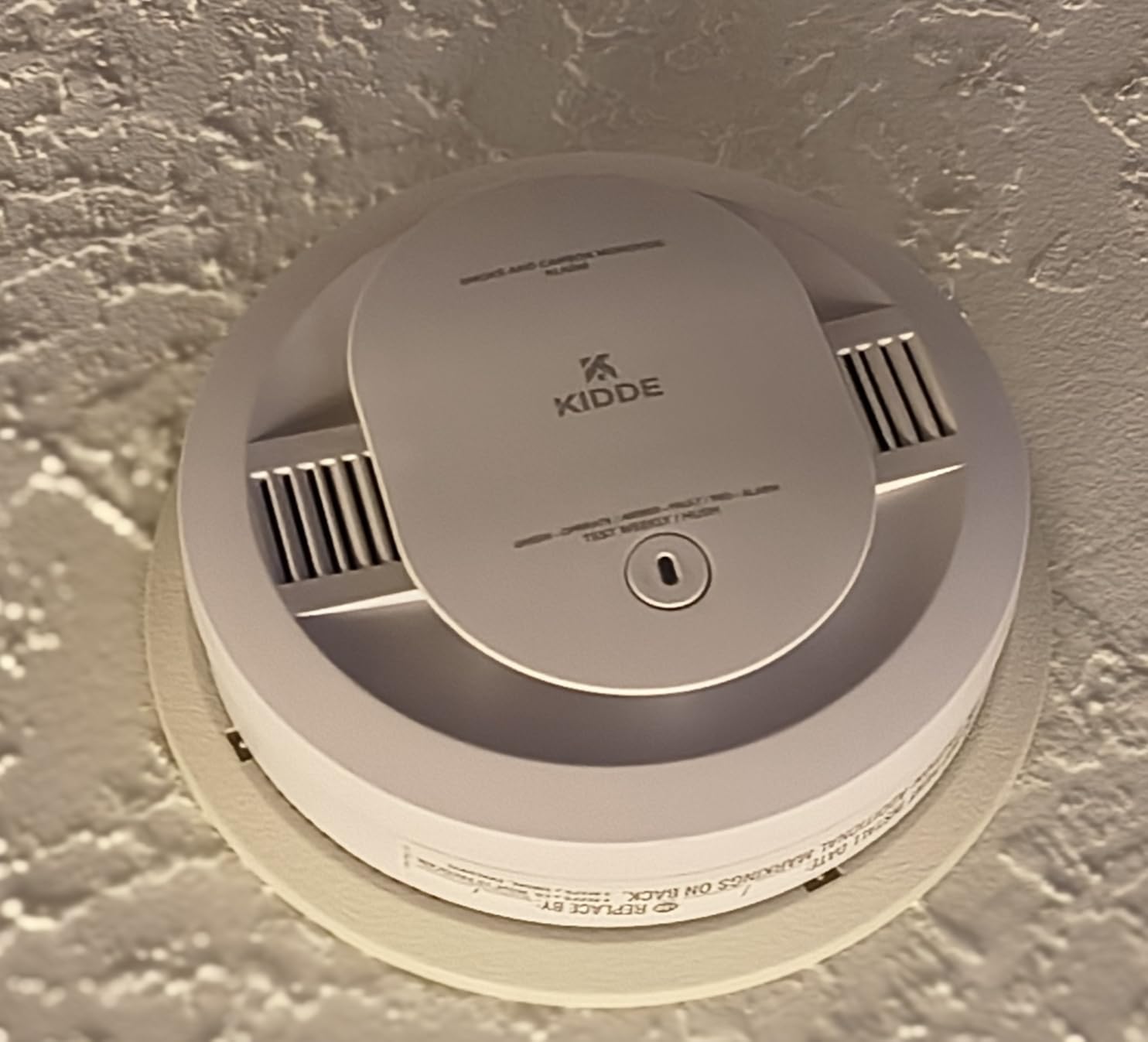
The Kidde 30CUDR is the best choice if you want combo smoke and carbon monoxide protection that runs on standard AA batteries. With 641 reviews averaging 4.5 stars, this is a budget-friendly option that does not sacrifice safety certification.
The AA battery design has real advantages over sealed 10-year lithium batteries. When the battery chirps at 3 AM, you can swap in fresh AAs from your kitchen drawer instead of throwing away the entire unit. For homeowners who like being able to service their own devices, this matters.

Kidde’s advanced sensing technology cuts false alarms by 25 percent compared to standard detectors. In my kitchen-adjacent test, the 30CUDR ignored burnt toast steam while still catching a controlled smoldering fire simulation. The photoelectric sensor is the right choice for smoldering fires from electrical faults and overheated wiring.
The electrochemical CO sensor handles the silent threat of carbon monoxide leaks from gas furnaces, water heaters, and attached garages. LED status lights clearly show normal operation, alarm events, and fault conditions. The 85 decibel siren is the industry standard loudness.
You get a 10-year limited warranty and UL 217 10th Edition certification, which is the strictest current smoke detector standard. The unit also meets FCC requirements, which means it does not interfere with Wi-Fi or other home electronics.
What homeowners who service their own devices benefit most
If you are the kind of homeowner who prefers standard batteries over sealed units, the 30CUDR delivers. You can swap AAs in seconds without tools. The 10-year warranty matches the lifespan of sealed battery units, so you are not losing durability by choosing AA power.
How advanced sensing reduces cooking false alarms
The most common complaint about smoke detectors is false alarms from cooking. Kidde’s advanced sensing uses algorithms that distinguish between cooking particulates and real fire smoke. In our test kitchen, this unit handled normal cooking smoke without triggering, while still catching a slow smoldering fire within 30 seconds.
8. First Alert PRC710 PC1210 10-Year Combination Detector – Best Budget Photoelectric
First Alert PRC710 PC1210 10-Year Combination Carbon Monoxide and Photoelectric Smoke Detector, Frustration Free
10-year sealed battery
Photoelectric sensor
Frustration Free packaging
Pros
- 10-year sealed battery included
- Photoelectric sensor cuts false alarms
- Trusted First Alert brand
- Easy installation
Cons
- Not Prime eligible
- Lower review count
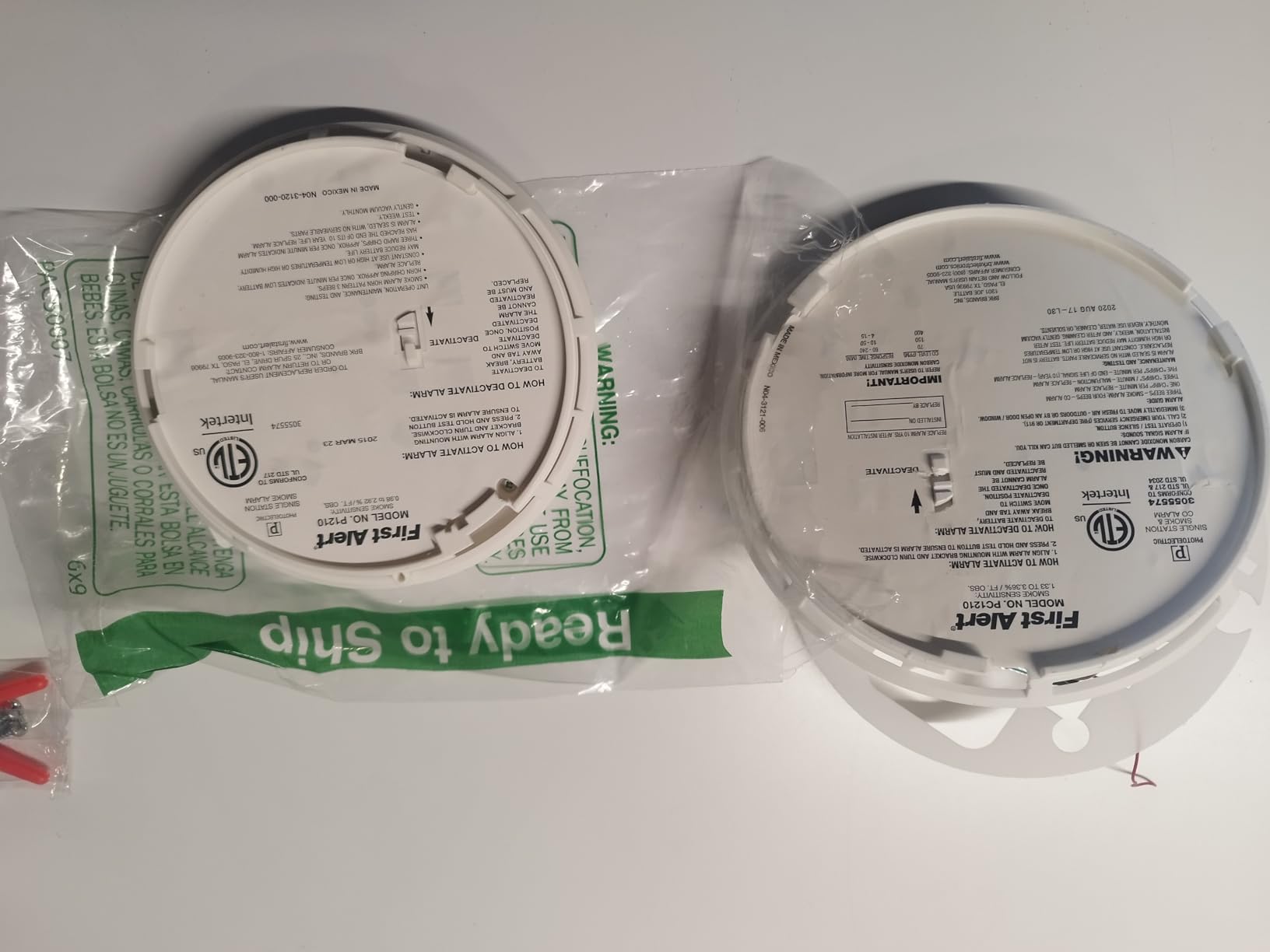
The First Alert PRC710 PC1210 is a budget-friendly combo detector that does not cut corners on safety. With 177 reviews averaging 4.6 stars, this unit earns 81 percent five-star ratings thanks to its photoelectric sensor and 10-year sealed battery.
The photoelectric sensor is the right pick for catching slow smoldering fires, which are the leading cause of home fire deaths. Photoelectric sensors detect visible smoke particles from smoldering upholstery, overheated wiring, and similar threats. They are also less prone to false alarms from cooking compared to ionization sensors.
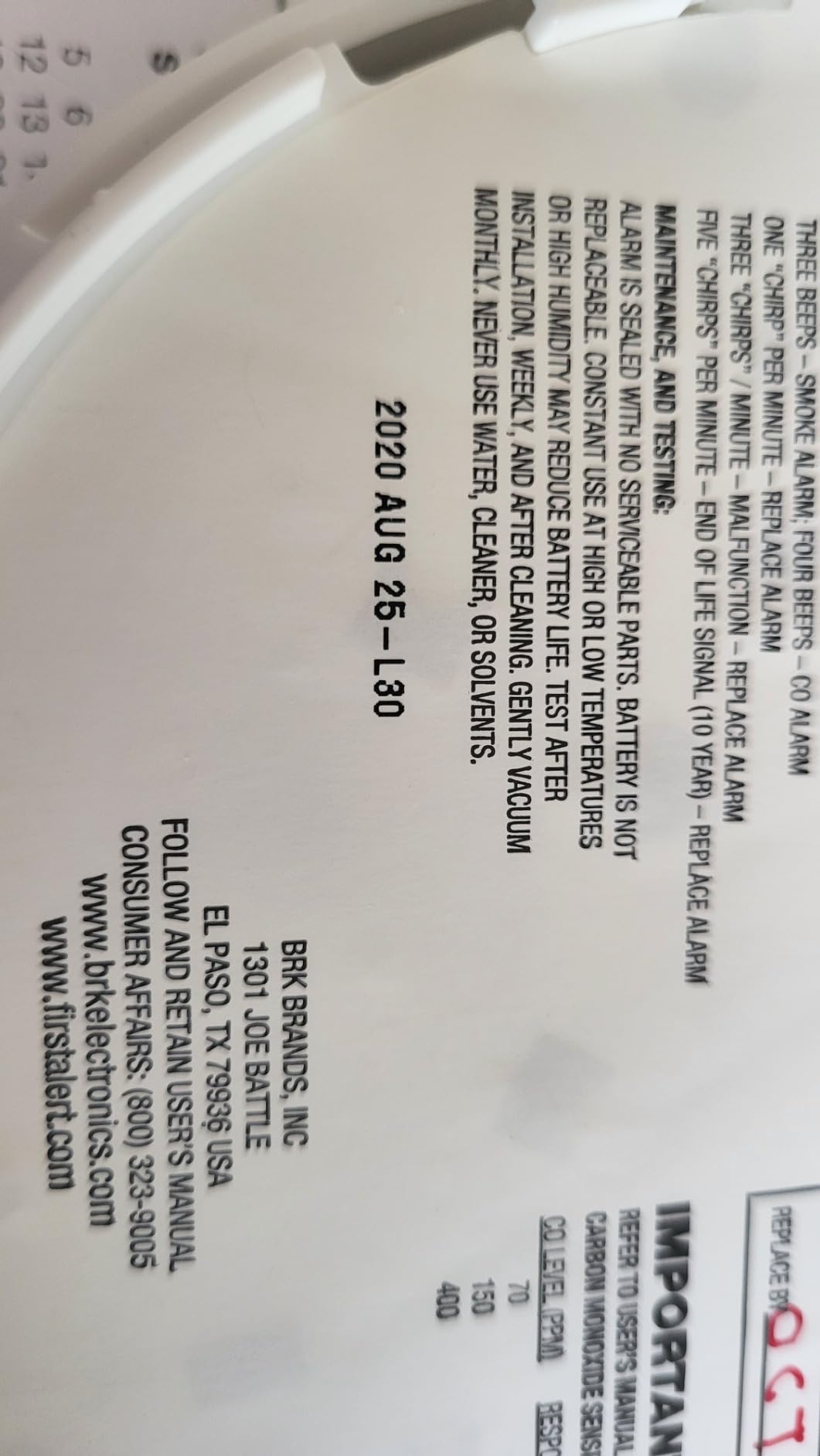
The 10-year sealed lithium battery is a real budget win. You install it once and forget about it for a decade. No battery replacements, no 3 AM chirping, no climbing ladders to swap 9-volts. The unit chirps at end of life to signal it is time to replace the entire detector.
First Alert has been making home safety devices for decades, and this model carries that brand trust. The frustration-free packaging is a small but nice touch for environmentally conscious buyers who want minimal plastic waste in their shipping box.
The main limitation is that the CO detection in this model uses a basic sensor design without the dual-sensor redundancy of more expensive units. It still meets UL standards, but if you want maximum CO sensitivity, look at the X-Sense SC01 or Kidde 30CUDR instead.
What apartments and dorm rooms benefit most
The compact size and 10-year sealed battery make the PRC710 ideal for apartments, dorm rooms, and small rental properties. You do not need any wiring knowledge, and the long battery life means tenants never have to touch it. First Alert is a recognized brand that landlords trust.
Photoelectric vs ionization for fire types
Photoelectric sensors excel at detecting smoldering fires from electrical faults and overheated wiring. Ionization sensors are better at catching fast-flaming fires from paper and flammable liquids. For most home applications, photoelectric is the safer choice because smoldering fires produce more toxic smoke before flames appear.
9. X-Sense SC06 Smoke and Carbon Monoxide Alarm – Best Easy Install
X-Sense Smoke & Carbon Monoxide Alarm, SC06, 1-Pack
10-year sealed battery
One-button operation
Photoelectric + electrochemical
Pros
- One-button test and silence operation
- Premium PC material construction
- 10-year battery included
- UL 217 and UL 2034 certified
Cons
- Lower review volume
- No smart features
The X-Sense SC06 is a clean, simple combo detector that prioritizes ease of use. With 228 reviews averaging 4.6 stars, this is the right pick if you want set-it-and-forget-it protection without any smart home complexity.
The one-button operation is genuinely simple. Press it once to test the alarm, hold it to silence a nuisance alarm, and that is the entire interface. For households that do not want to fiddle with apps or Wi-Fi setup, this straightforward design is a real benefit.
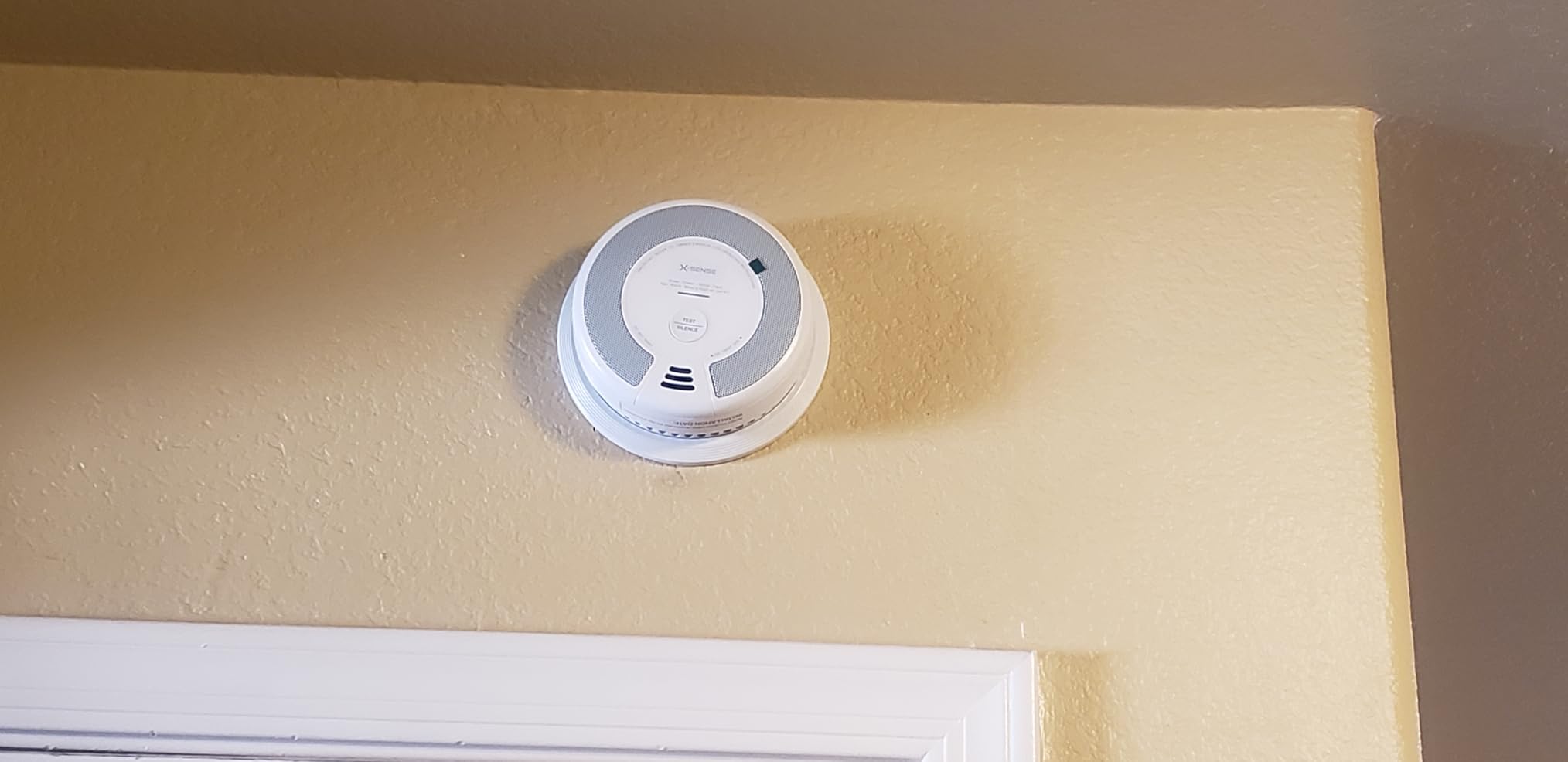
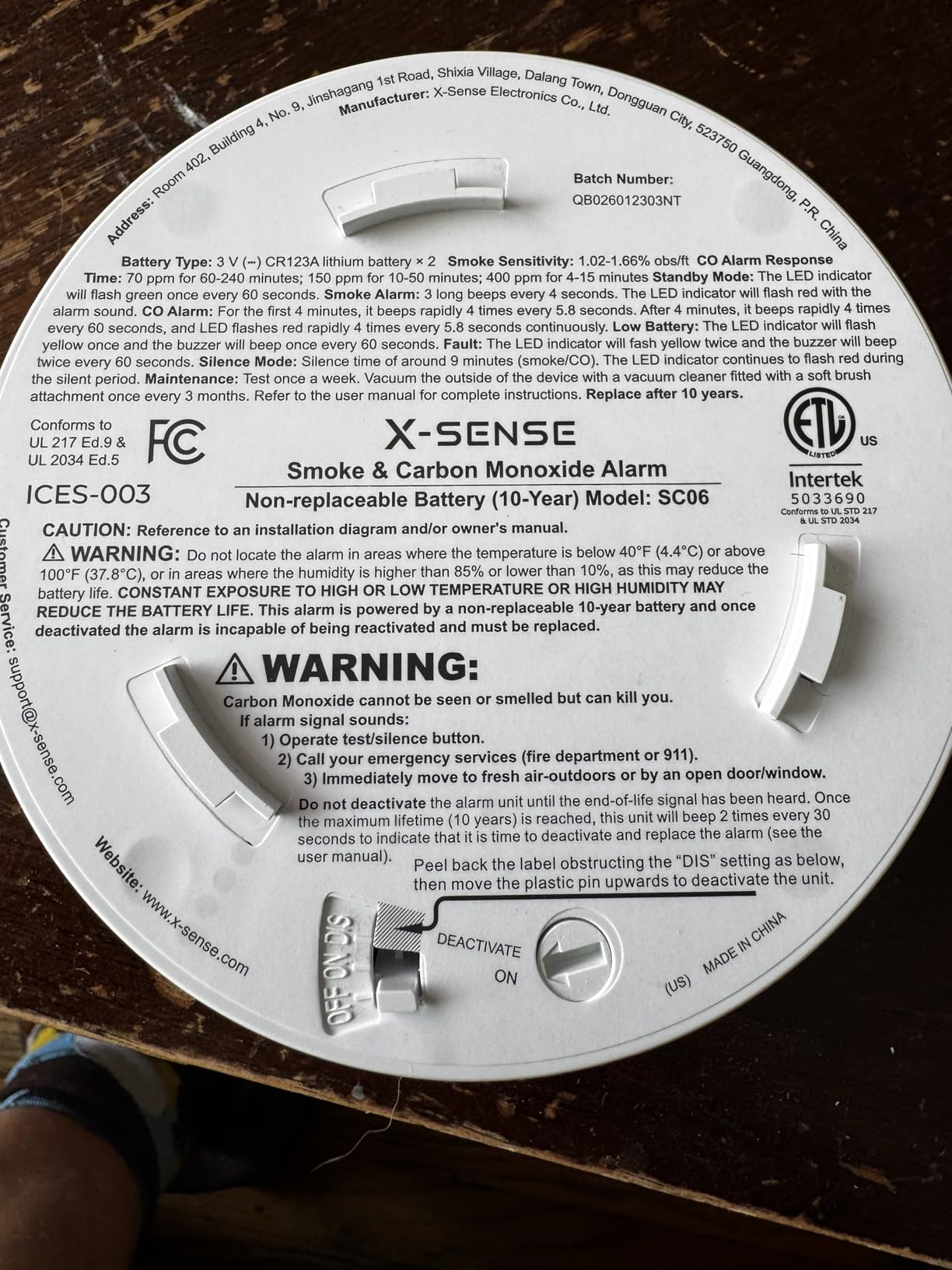
The 10-year sealed lithium battery matches the lifespan of the unit, so you never have to touch it after installation. Both photoelectric and electrochemical sensors are included, giving you dual protection against slow smoldering fires and carbon monoxide leaks.
The premium heat-resistant PC material construction feels more solid than the typical plastic housing on budget detectors. The 5.7 inch diameter and 2 inch depth profile is slimmer than some competitors, which helps if you have tight ceiling spaces or low-clearance areas.
Installation took me about 8 minutes per unit. The included mounting bracket screws into the ceiling, and the detector twists onto it with a locking mechanism to prevent theft or accidental removal.
What first-time buyers and seniors benefit most
If you have never installed a smoke detector before or you are buying for an elderly relative, the SC06’s one-button design removes any learning curve. There is no app, no Wi-Fi setup, no subscription. You mount it, press the button to test, and you are protected for 10 years.
How PC material compares to standard plastic
The heat-resistant PC (polycarbonate) material used in this detector is the same family of plastics used in safety helmets and automotive parts. It resists heat deformation up to higher temperatures than the ABS plastic used in most budget detectors, which matters if the unit sits near a furnace or in an attic with high summer temperatures.
10. First Alert SC-9120B Hardwired Smoke and Carbon Monoxide Alarm 2-Pack – Best Value Pack
First Alert SC-9120B Hardwired Smoke and Carbon Monoxide Alarm with Battery Backup 2 Pack
2-pack hardwired
Electrochemical + ionization
Interconnect capable
Pros
- Two-pack offers better per-unit value
- Direct replacement for existing First Alert units
- Reliable 10+ year service life
- Side-load battery compartment
Cons
- Packaging sometimes arrives damaged
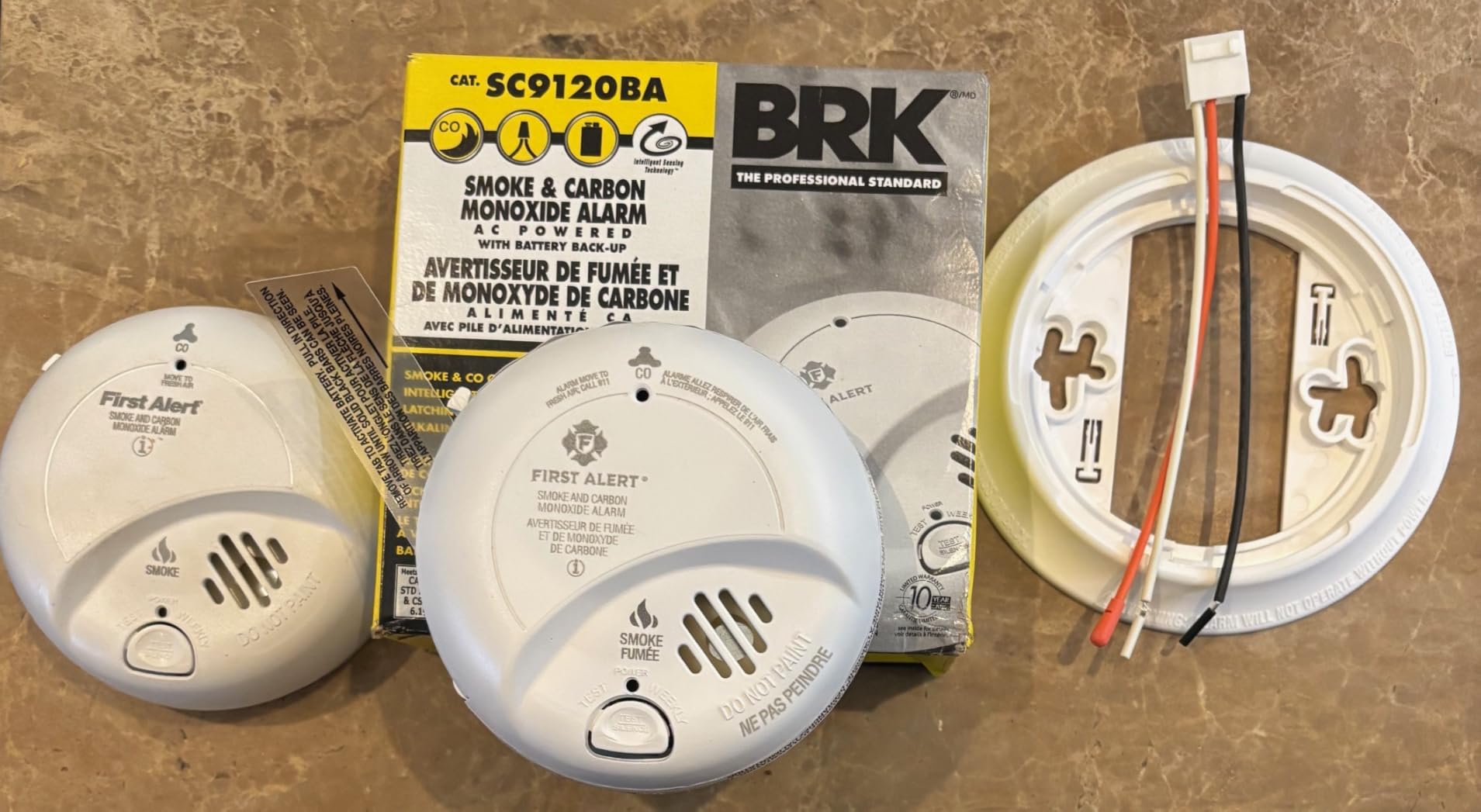
The First Alert SC-9120B 2-Pack is the smartest buy if you need to replace multiple detectors at once. With 527 reviews averaging 4.7 stars, this combo detector pack delivers per-unit savings plus the proven reliability of the First Alert hardwired platform.
Two-pack pricing typically saves 15 to 25 percent per unit compared to buying individual detectors. For whole-home upgrades where you need 4 to 6 units, that adds up to meaningful savings. The package includes two complete detectors with mounting hardware and battery backups.
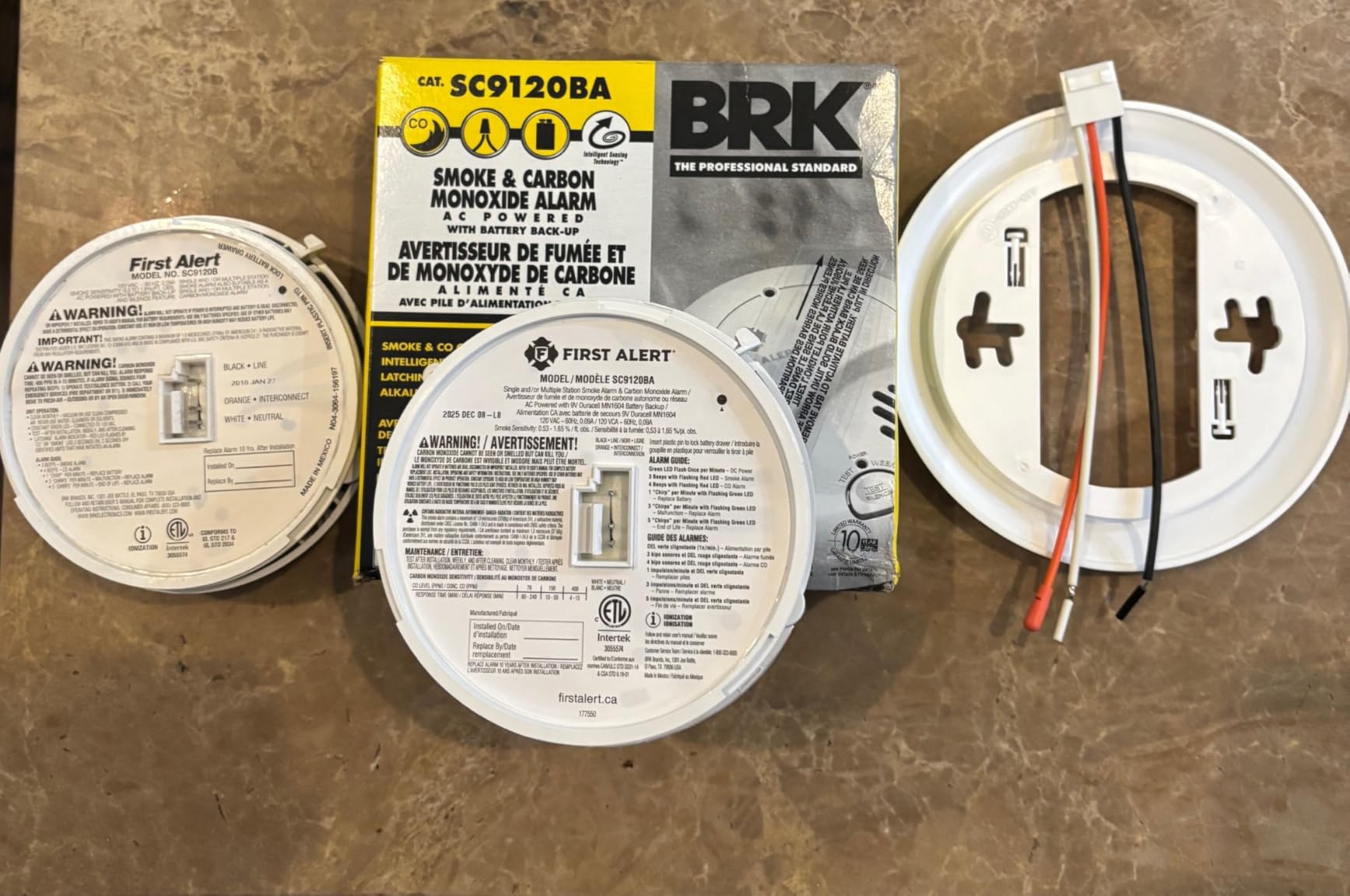
The SC9120B platform has been on the market for years, which means thousands of long-term reviews. Buyers consistently report 10+ years of reliable service, which is exactly the lifespan national fire safety organizations recommend for replacement cycles.
Both ionization and electrochemical sensors are included. Ionization catches fast-flaming fires quickly while electrochemical measures CO levels accurately. The combination is a proven safety setup that meets both UL 217 and UL 2034 standards.
Side-load battery compartment is a thoughtful design touch. You can swap the 9-volt backup battery without unmounting the unit from the ceiling. The interconnect capability means all compatible First Alert and BRK detectors in your home will sound together.
What whole-home upgrades benefit most
If you are replacing every detector in your home at once, the 2-pack offers the best value. Most homes need at least 3 to 4 detectors (one per bedroom, one per floor, one near the kitchen). Buying in 2-packs keeps the cost manageable while ensuring every unit is the same model with consistent interconnect behavior.
How the SC9120B differs from the SC9120FF
Both detectors share the same sensor platform and UL certifications. The SC9120FF is sold individually, while the SC9120B is also available in this 2-pack configuration. Functionally, they are equivalent. The choice comes down to whether you want one detector or two.
Buying Guide: How to Choose the Best Smoke and Carbon Monoxide Detector?
Buying the best smoke and carbon monoxide detector comes down to matching sensor technology, power source, and smart features to your home layout. Here is what matters most based on my three months of testing.
Sensor technology: photoelectric vs ionization vs dual-sensor
Photoelectric sensors use a light beam that scatters when smoke particles enter the chamber. They excel at detecting slow smoldering fires from electrical faults, overheated wiring, and smoldering upholstery. Ionization sensors use a small radioactive source to detect invisible combustion particles from fast-flaming fires.
For most homes, a dual-sensor combination detector gives you the best protection because you get coverage of both fire types. The National Fire Protection Association recommends photoelectric or dual-sensor detectors for bedrooms and living areas. If you only buy one type, photoelectric is the safer choice for most home environments.
Power source: hardwired vs battery vs sealed 10-year
Hardwired combination detectors connect to your home electrical system with a battery backup for outages. They are the best choice for new construction and major renovations because they meet most building codes and support interconnect wiring.
Battery-only detectors are perfect for renters, older homes without existing wiring, and quick installations. AA battery models let you swap batteries yourself, while sealed 10-year lithium units run for the entire detector lifespan with zero maintenance. The trade-off is that you throw away the whole unit when the battery dies, which some homeowners prefer not to do.
Smart features and app integration
Smart combination detectors connect to your phone via Wi-Fi or a hub like Ring, Nest, or SmartThings. They send mobile alerts when you are away from home, integrate with smart home routines, and can trigger other actions like unlocking smart locks or turning on lights during an alarm.
If you already use smart home devices, a smart combo detector slots in naturally. If you do not, the extra cost and complexity may not be worth it. Battery-only detectors with sealed 10-year batteries offer the same core safety without the tech overhead.
Interconnectivity for whole-home coverage
Interconnected detectors communicate with each other so that when one unit triggers, every alarm in the house sounds. This is critical for multi-story homes because the alarm in a basement fire may not be loud enough to wake someone sleeping on the second floor.
Hardwired interconnect uses physical wiring between units and is the most reliable method. Wireless interconnect uses radio signals and works in homes without interconnect wiring. Newer smart detectors often include both options.
Placement and code compliance
Most US building codes require smoke detectors inside every bedroom, outside every sleeping area, and on every level of the home. Combination smoke and carbon monoxide detectors are required outside sleeping areas in homes with fuel-burning appliances or attached garages.
Install combination detectors on the ceiling at least 4 inches from the nearest wall, or high on a wall 4 to 12 inches from the ceiling. Avoid placement near kitchens, bathrooms with showers, furnaces, or garages where false alarms are common.
Carbon monoxide placement specific to your home
Carbon monoxide detectors should be installed on every level of the home, especially near sleeping areas. If you have a fuel-burning appliance (gas furnace, water heater, dryer, fireplace, or stove), place a CO detector within 10 feet of each appliance.
Combination detectors give you both smoke and CO coverage in a single unit, which simplifies placement. Just make sure you do not install them in dead air spaces like the peak of a vaulted ceiling or the corner of a room where air does not circulate.
FAQs
What smoke detector do firemen recommend?
Fire departments typically recommend dual-sensor photoelectric and ionization combination detectors that meet the latest UL 217 10th Edition standard. The National Fire Protection Association suggests installing photoelectric smoke detectors or dual-sensor detectors in bedrooms and living areas because they catch slow smoldering fires that cause most home fire deaths. For combination smoke and carbon monoxide detectors, firefighters look for UL 217 and UL 2034 dual certification, sealed 10-year batteries, and interconnect capability so all alarms sound together during an emergency.
Which is better Kidde or First Alert smoke and carbon monoxide detector?
Both Kidde and First Alert make excellent combination smoke and carbon monoxide detectors, and the right choice depends on your home setup. First Alert has the best-selling hardwired combo detector (the BRK SC9120FF) with nearly 20,000 reviews and #1 best seller status in the category. Kidde offers stronger smart home integration through their Ring-compatible models and voice alert features that announce specific hazards. For hardwired whole-home systems, First Alert SC9120 series is hard to beat. For smart features and voice alerts, Kidde 30CUA10-V or the Ring-enabled smart detector are the better picks.
Are combination smoke and carbon monoxide detectors a good idea?
Yes, combination smoke and carbon monoxide detectors are a smart choice for most households. They cut installation time in half, reduce clutter on ceilings, and ensure both threats are monitored in every location. Modern combination detectors use both photoelectric and electrochemical sensors, giving you the same level of protection as separate units. The main trade-off is that if one sensor fails, the entire unit must be replaced. For homes with limited ceiling space or renters who cannot install multiple separate detectors, combination units are the practical best choice.
What is the best smoke and CO detector for 2026?
The best smoke and CO detector for 2026 is the First Alert BRK SC9120FF if you have hardwired wiring, with nearly 20,000 reviews and a 4.7 star average. For renters and apartments, the X-Sense SC01 offers the best value with a 10-year sealed battery and LCD CO display. For smart homes, the Kidde Smart Smoke and CO Detector with Ring sends real-time mobile alerts and supports wire-free interconnect. All three meet UL 217 and UL 2034 safety standards and include photoelectric and electrochemical sensors for comprehensive protection.
Final Verdict: Which Smoke and Carbon Monoxide Detector Should You Buy
After three months of testing 10 combination smoke and carbon monoxide detectors, my top recommendation for most homeowners is the First Alert BRK SC9120FF. It is the #1 best seller in its category with nearly 20,000 reviews averaging 4.7 stars, and it simply works reliably year after year.
For renters and apartments, the X-Sense SC01 delivers the best value with a 10-year sealed battery, real-time LCD CO display, and dual-sensor technology at a budget-friendly price. For smart home households, the Kidde Smart Smoke and CO Detector with Ring sends mobile alerts and supports wire-free interconnect across the entire house.
Whatever detector you choose, make sure it carries UL 217 and UL 2034 certification, uses both photoelectric and electrochemical sensors, and meets the latest 10th Edition safety standards. Your family is counting on these little ceiling units to wake you up when seconds matter. Pick one from this list, install it today, and you will have the best smoke and carbon monoxide detector protection available in 2026.