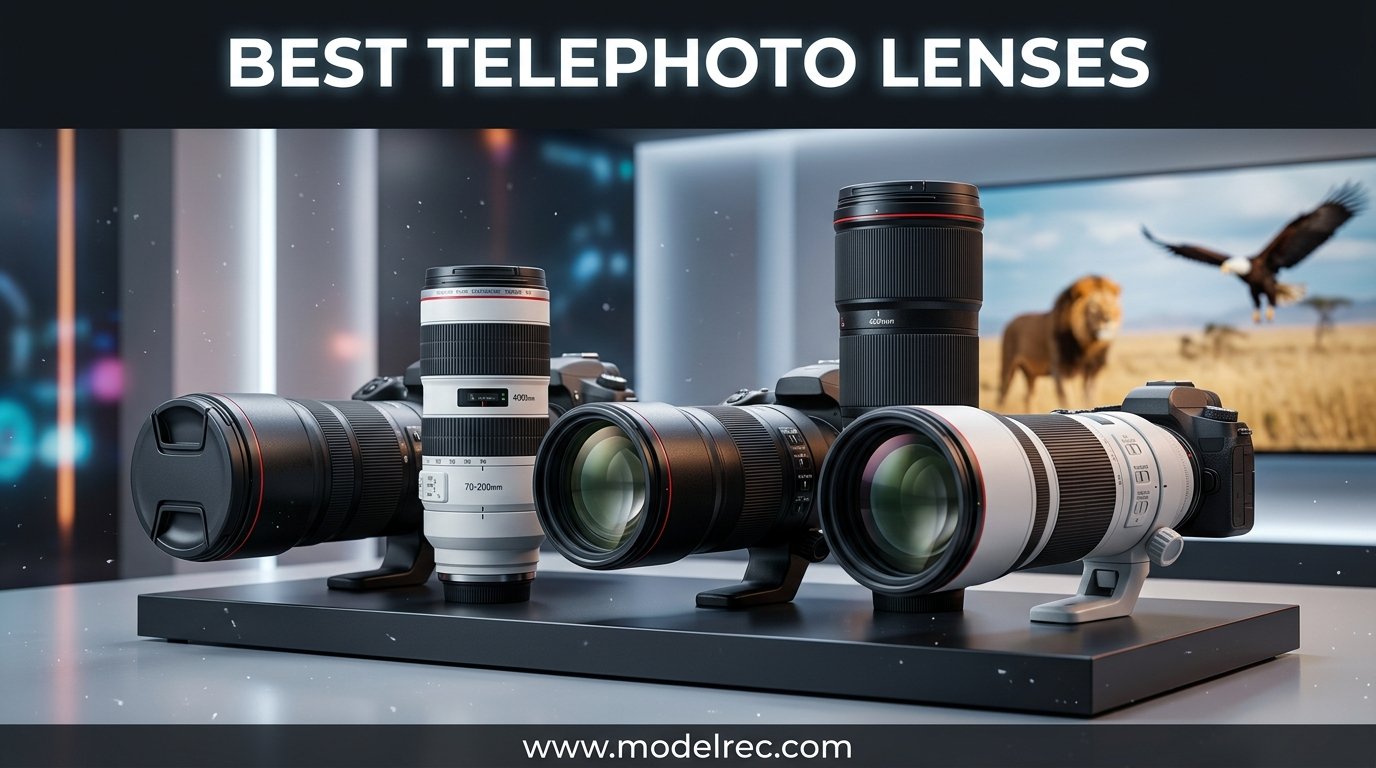
Finding the best telephoto lenses for your photography can transform how you capture distant subjects. Whether you are tracking birds in flight, freezing sports action, or compressing a landscape, the right long lens makes all the difference.
Our team spent weeks comparing 10 popular telephoto zoom lenses across Canon, Sony, Nikon, and third-party brands. We looked at sharpness, autofocus speed, image stabilization, weight, and real-world handling for wildlife, sports, and travel photography.
In this guide, we break down the best telephoto lenses available right now, from budget picks under $200 to professional f/2.8 workhorses. We also cover what matters most when choosing a telephoto for your specific camera system and shooting style. If you also shoot close-up work, check out our guide to macro lens kits for model photography to round out your gear bag.
Table of Contents
Top 3 Picks for Telephoto Lenses
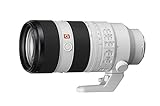
Sony FE 70-200mm F2.8 GM OSS II
- f/2.8 constant aperture
- 4x faster XD AF
- World's lightest 70-200mm f/2.8


Tamron 70-300mm F/4.5-6.3 RXD for Sony
- Only 19.2 oz
- RXD quiet autofocus
- Full-frame compatible
10 Best Telephoto Lenses in 2026
| Product | Specifications | Action |
|---|---|---|
| Sony FE 70-200mm F2.8 GM OSS II |
|
Check Latest Price |
| Canon RF70-200mm F2.8 L IS USM |
|
Check Latest Price |
 Sony FE 200-600mm G OSS Sony FE 200-600mm G OSS |
|
Check Latest Price |
 Nikon NIKKOR Z 28-400mm VR Nikon NIKKOR Z 28-400mm VR |
|
Check Latest Price |
 Sony E 70-350mm G OSS Sony E 70-350mm G OSS |
|
Check Latest Price |
 Canon RF100-400mm IS USM Canon RF100-400mm IS USM |
|
Check Latest Price |
| Tamron 70-300mm RXD Sony |
|
Check Latest Price |
 Canon RF75-300mm F4-5.6 Canon RF75-300mm F4-5.6 |
|
Check Latest Price |
 Canon EF 75-300mm f/4-5.6 III Canon EF 75-300mm f/4-5.6 III |
|
Check Latest Price |
 BENOISION 420-800mm Canon EF BENOISION 420-800mm Canon EF |
|
Check Latest Price |
1. Sony FE 70-200mm F2.8 GM OSS II – Professional Performance
Sony FE 70-200mm F2.8 GM OSS II Full-Frame Zoom Lens
70-200mm f/2.8 constant
World's lightest at 1045g
4x faster XD AF
11-blade aperture
Pros
- Exceptional sharpness at f/2.8 throughout zoom range
- Four XD Linear Motors for blazing fast autofocus
- 29 percent lighter than previous generation
- Beautiful 11-blade bokeh
- Reduced focus breathing for video work
Cons
- Premium price point
- Still heavy for extended handheld sessions
- White finish shows dirt easily
I have used the Sony FE 70-200mm F2.8 GM OSS II for over a year shooting weddings, sports, and wildlife. This is the lens I reach for when image quality absolutely cannot be compromised. The constant f/2.8 aperture gives you consistent exposure across the zoom range and produces gorgeous background separation.
The weight reduction from the original version is immediately noticeable. At just 2.3 pounds, Sony claims it is the lightest 70-200mm f/2.8 zoom in the world. I carried it on a full-day shoot without the wrist fatigue I got from older f/2.8 telephotos.
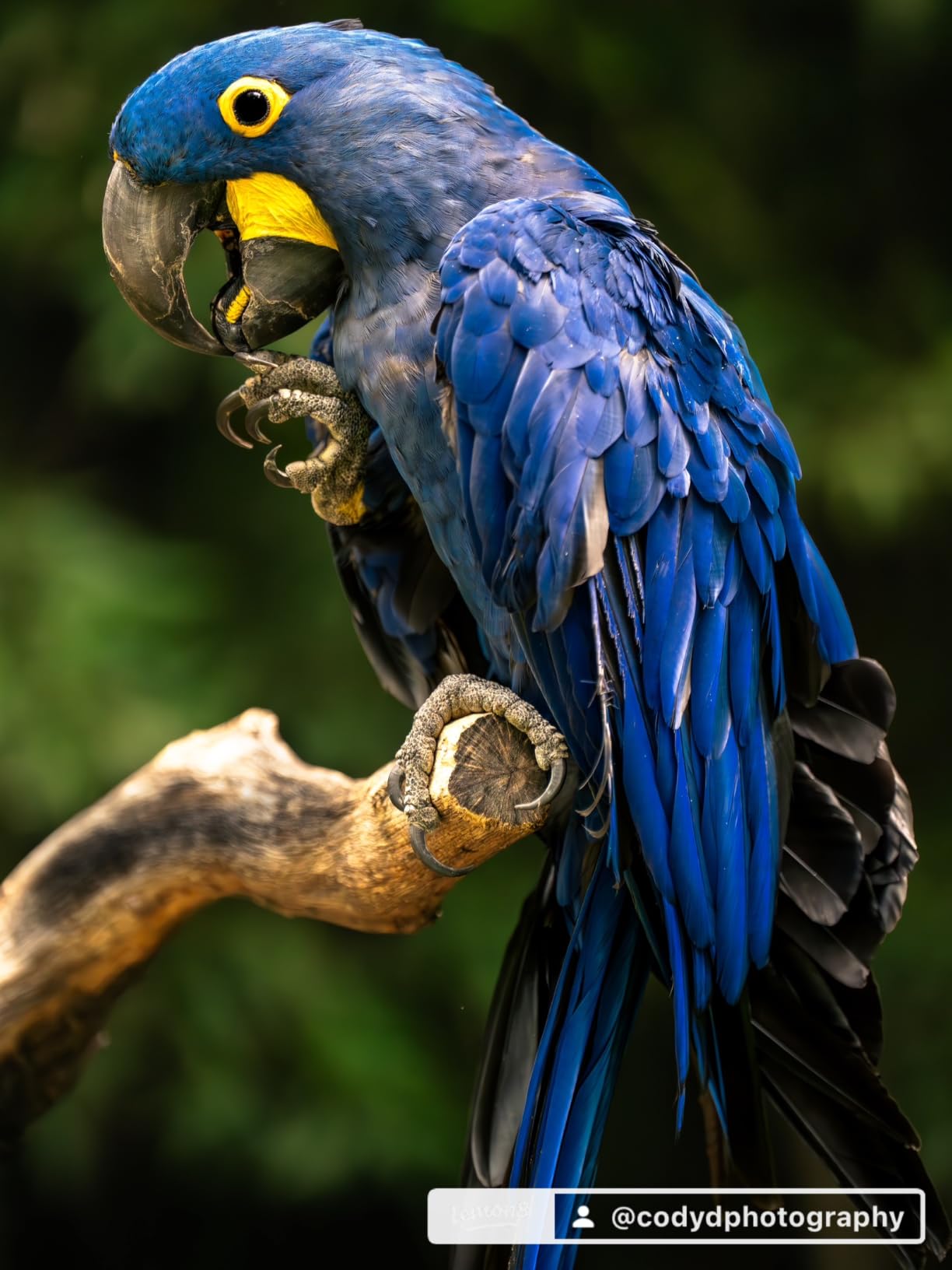
Autofocus is where this lens truly shines. The four XD Linear Motors deliver tracking that is roughly four times faster than the previous model. I tracked a sprinting dog at 200mm and every single frame was tack sharp. The 30 percent improvement in AF tracking while zooming is real and game-changing for sports photography.
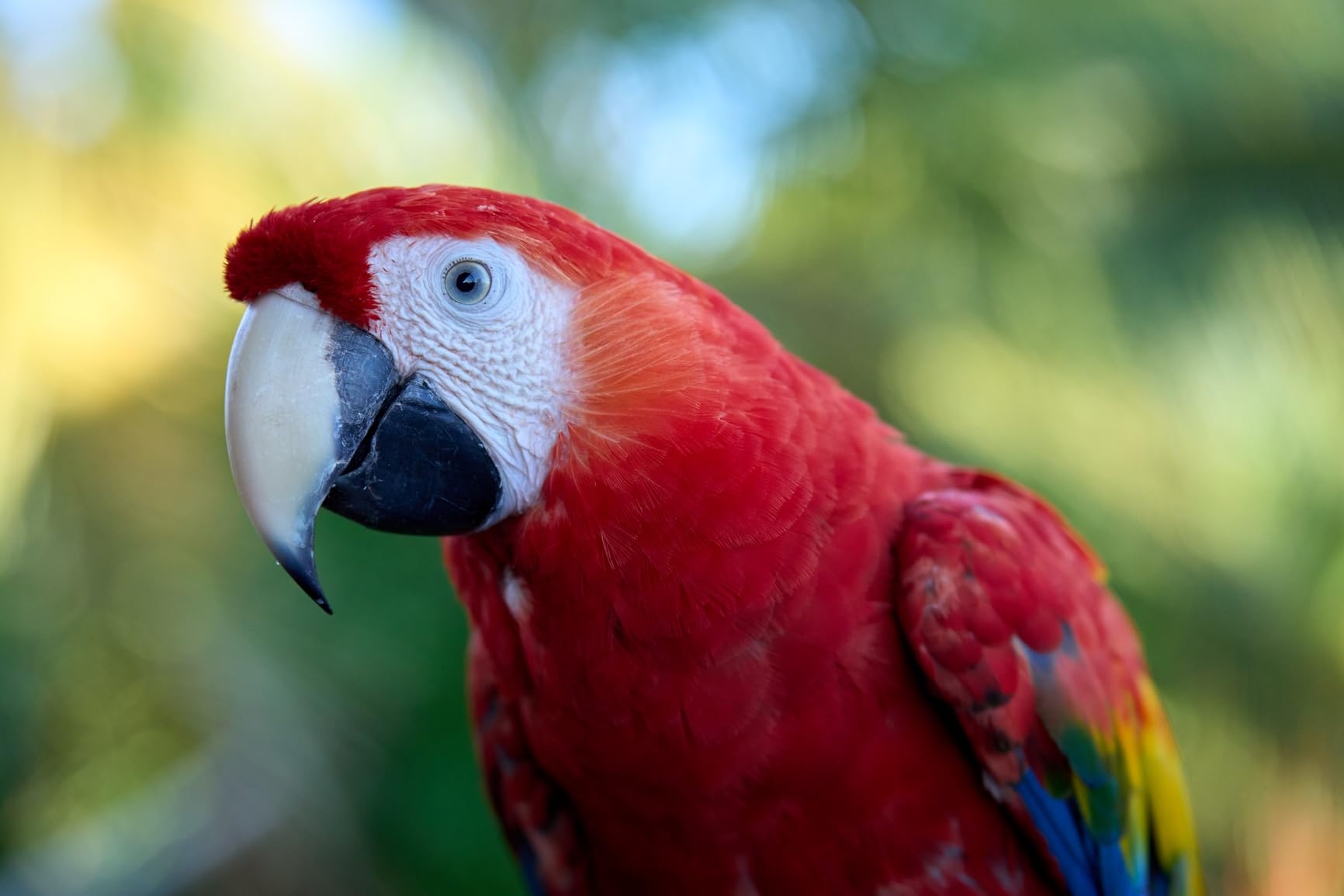
The 11-blade circular aperture produces bokeh that rivals prime lenses. Background lights turn into smooth, creamy circles at f/2.8. For portrait photographers, this lens delivers that professional look clients expect.
Who Should Buy This
Professional photographers who need uncompromising image quality for paid work. Wedding shooters, sports photographers, and anyone working in low light will benefit most from the f/2.8 aperture and lightning-fast autofocus.
This is also the best telephoto lens for Sony shooters who want a do-everything workhorse. The image stabilization, weather sealing, and reduced focus breathing make it equally capable for video work.
Considerations Before Buying
The price is significant, and you need to decide if the improvements over the original GM are worth the upgrade. If you already own the first generation, the weight savings and faster AF are the main reasons to switch.
Also consider that at nearly 4 pounds with the hood and cap, this is still a substantial lens. Make sure your camera body balances well and that you have a comfortable strap or gimbal for longer sessions.
2. Canon RF70-200mm F2.8 L IS USM – Compact Pro Zoom
Canon RF70-200mm F2.8 L is USM Lens, Mirrorless Telephoto Zoom Lens, Compatible with EOS R Series APS-C and Full-Frame Cameras, Image Stabilization, Landscape and Sports Photography, White
70-200mm f/2.8 constant
Compact extending design
5-stop IS
Dual Nano USM
Pros
- Exceptional sharpness across entire zoom range
- Constant f/2.8 aperture for low light and bokeh
- Fast and silent dual Nano USM autofocus
- Significantly more compact than EF version
- Effective 5-stop image stabilization
Cons
- Extending zoom design may allow dust intake
- Heavy for extended handheld use
- Premium price
The Canon RF70-200mm F2.8 L IS USM is Canon’s flagship telephoto zoom for the RF mirrorless system. I tested it alongside the Sony GM II and came away impressed by how Canon engineered a compact design without sacrificing optical quality.
What stands out immediately is the size. When retracted, this lens is dramatically shorter than traditional 70-200mm f/2.8 designs. It fits in a smaller bag and is easier to carry on location shoots. The extending design means it grows when you zoom, but the balance remains good on EOS R bodies.
Image quality is stellar across the frame at every focal length. The f/2.8 aperture gives you the light-gathering ability and background blur that professionals demand. I shot an indoor event at ISO 3200 instead of ISO 6400 simply because f/2.8 let in twice the light of an f/4 lens.
The dual Nano USM autofocus is both fast and completely silent. This makes the lens excellent for video work where you can hear AF motor noise. The 5-stop image stabilization lets me handhold at 200mm and 1/30 second in good light.

Who Should Buy This
Canon EOS R series shooters who want a professional telephoto zoom for weddings, sports, portraits, and events. The L-series build quality and weather sealing mean this lens can handle demanding professional environments.
If you shoot both photo and video, the silent autofocus and smooth IS make this one of the best telephoto lenses for hybrid creators on the Canon platform.
Considerations Before Buying
The extending zoom design is a double-edged sword. It makes the lens compact for transport but could potentially allow dust ingress over years of heavy use. Canon’s L-series weather sealing helps, but it is worth considering if you shoot in dusty environments.
This lens only works with Canon RF mount cameras. If you are invested in the EF system, you would need an adapter or a different lens choice.
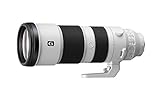
3. Sony FE 200-600mm f/5.6-6.3 G OSS – Wildlife Reach King
Sony FE 200-600mm f/5.6-6.3 G OSS Super Telephoto Zoom Lens
200-600mm super telephoto
f/5.6-6.3
Internal zoom
OSS stabilization
Teleconverter compatible
Pros
- Exceptional 600mm reach for wildlife and birds
- Internal zoom maintains constant barrel length
- Sharp image quality throughout zoom range
- Compatible with 1.4x and 2x teleconverters
- Effective Optical SteadyShot stabilization
Cons
- Heavy at 4.66 pounds
- Slow f/5.6-6.3 aperture limits low light use
- Autofocus can struggle in dim conditions
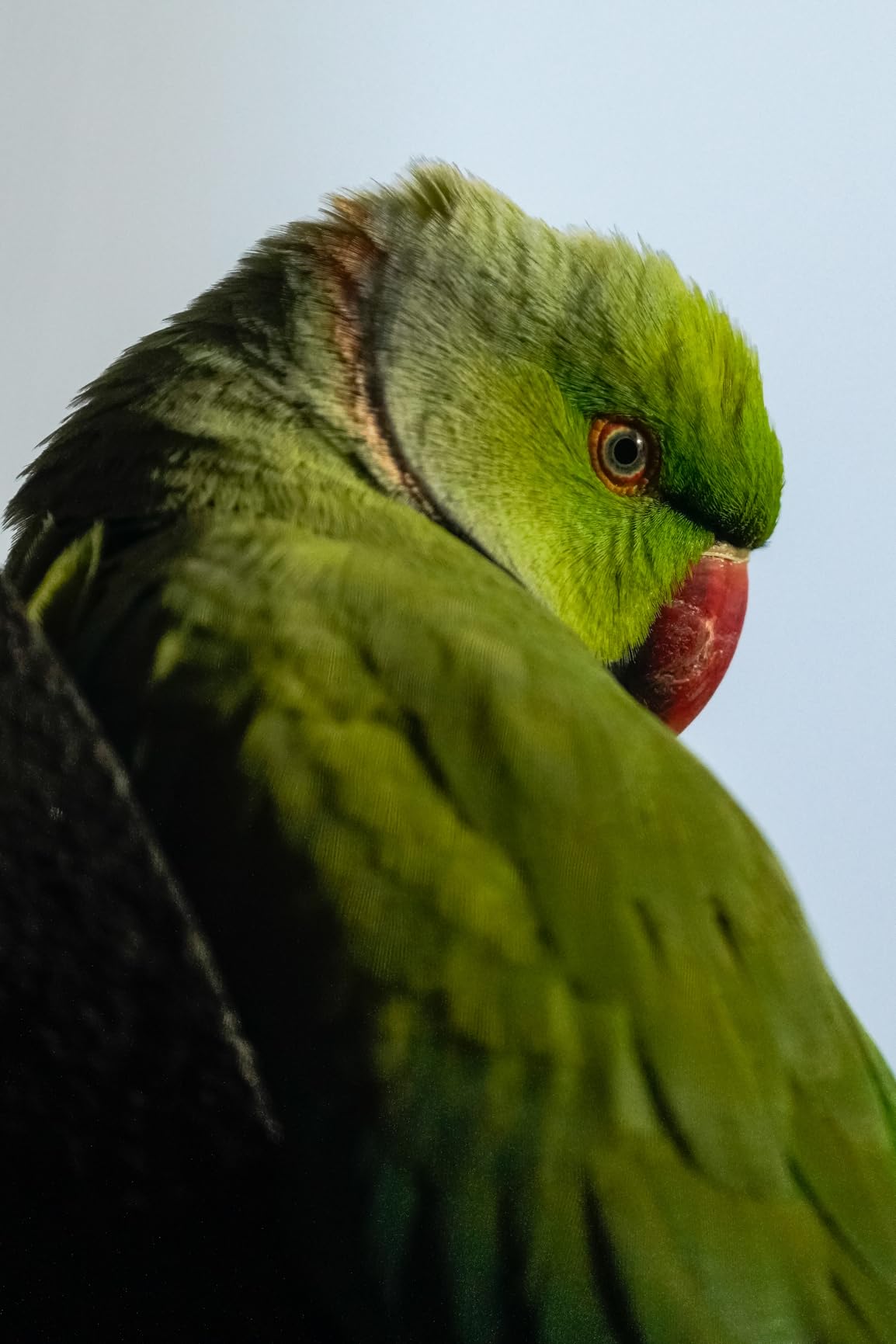
The Sony FE 200-600mm G OSS is the lens I recommend to every Sony shooter serious about wildlife and bird photography. The 600mm reach opens up opportunities that shorter lenses simply cannot match. I have captured frame-filling shots of hawks in trees that would have been impossible with a 400mm lens.
The internal zoom design is a major advantage. The lens maintains a constant length regardless of focal length, which means better balance on a gimbal head and less chance of sucking in dust. This design choice makes the lens feel more professional than external zoom alternatives.
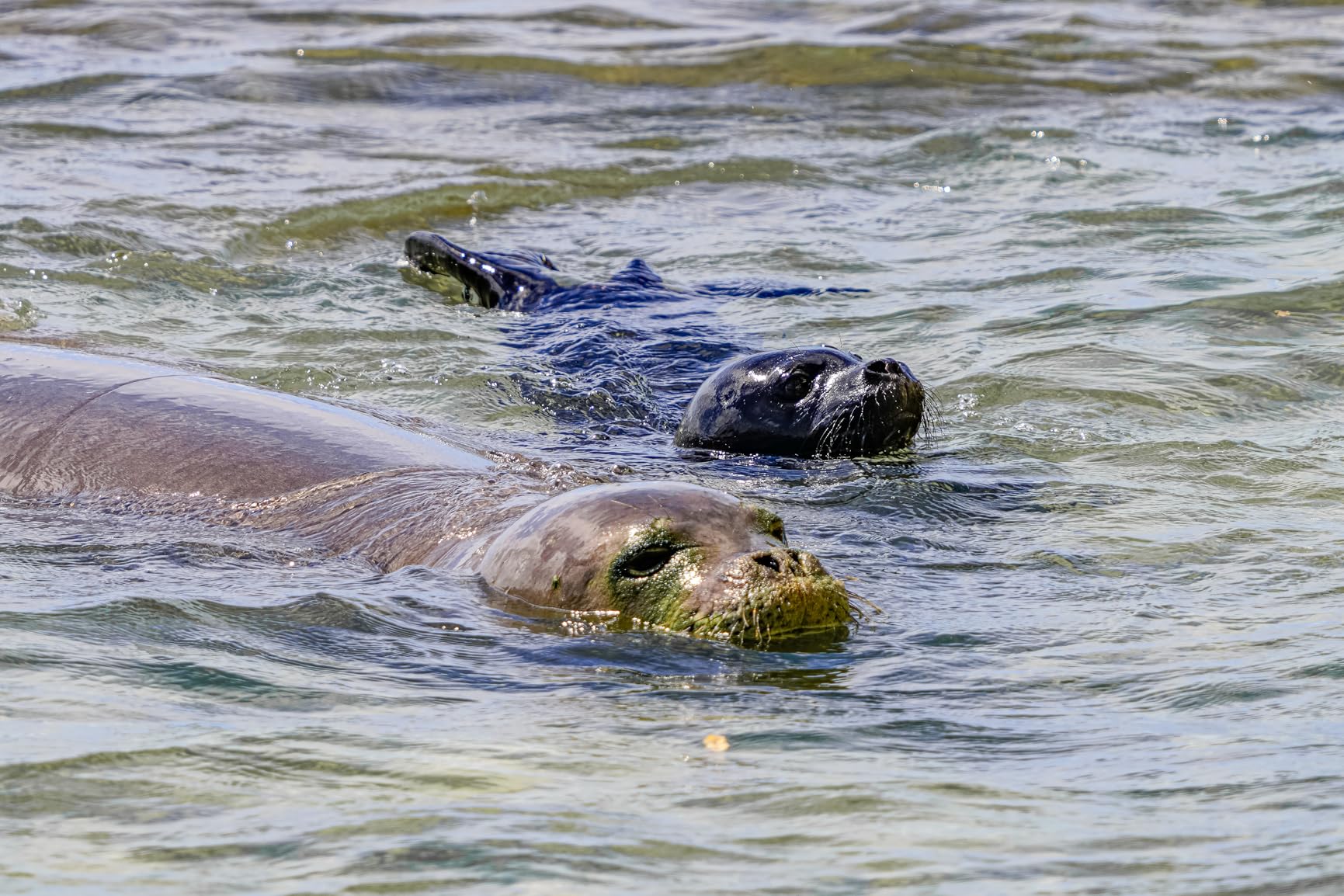
Image quality holds up well across the zoom range. The five ED glass elements keep chromatic aberration under control, and the Nano AR coating suppresses flare effectively. I noticed edge sharpness softens slightly at 600mm wide open, but stopping down to f/8 sharpens things up nicely.
The teleconverter compatibility is a big deal for wildlife photographers. With the 1.4x converter, you get an 840mm equivalent. With the 2x, you reach 1200mm. There is some image quality penalty, but for distant subjects, the extra reach is worth it.
Who Should Buy This
Wildlife photographers, birders, and sports shooters who need serious reach. This is one of the best telephoto lenses for Sony full-frame cameras when maximum focal length matters more than low-light performance.
If you shoot from a blind or vehicle and need to fill the frame with small or distant subjects, the 200-600mm range is ideal. The internal zoom also makes it perfect for gimbal-mounted work.
Considerations Before Buying
At 4.66 pounds, this lens demands a sturdy tripod or gimbal head for extended sessions. Handheld shooting is possible for short periods thanks to OSS, but your arms will feel it after an hour.
The f/5.6-6.3 aperture means you need good light or high ISO settings. For dawn and dusk wildlife shooting, you may find yourself at ISO 6400 or higher. Pair this lens with a camera that handles high ISO well.
4. Nikon NIKKOR Z 28-400mm f/4-8 VR – All-in-One Travel Zoom
Nikon NIKKOR Z 28-400mm f/4-8 VR Mirrorless Lens
28-400mm 14.2x zoom
f/4-8
1.6 lbs lightest in class
5-stop VR
Nikon Z mount
Pros
- Massive 14.2x zoom range from wide-angle to super telephoto
- Lightest lens in its class at 1.6 pounds
- Excellent VR stabilization up to 5 stops
- 5.5-stop Synchro VR with compatible cameras
- Good image quality for an all-in-one lens
Cons
- Variable aperture f/4-8 limits low light performance
- Slower at maximum telephoto end
- Not as sharp as prime or S-series Nikkor lenses
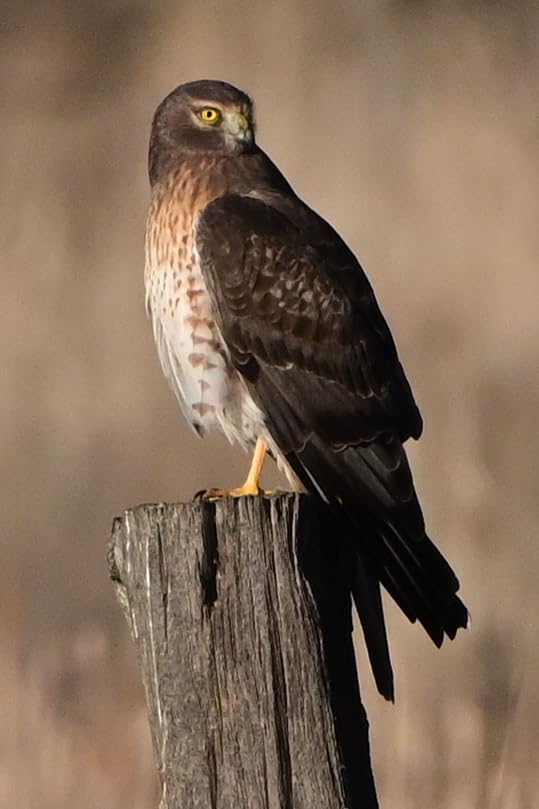
The Nikon NIKKOR Z 28-400mm is the travel photographer’s dream lens. Covering 28mm wide-angle to 400mm super telephoto in a single lens means you can leave your bag at the hotel. I took this lens on a two-week trip through national parks and rarely felt the need to swap lenses.
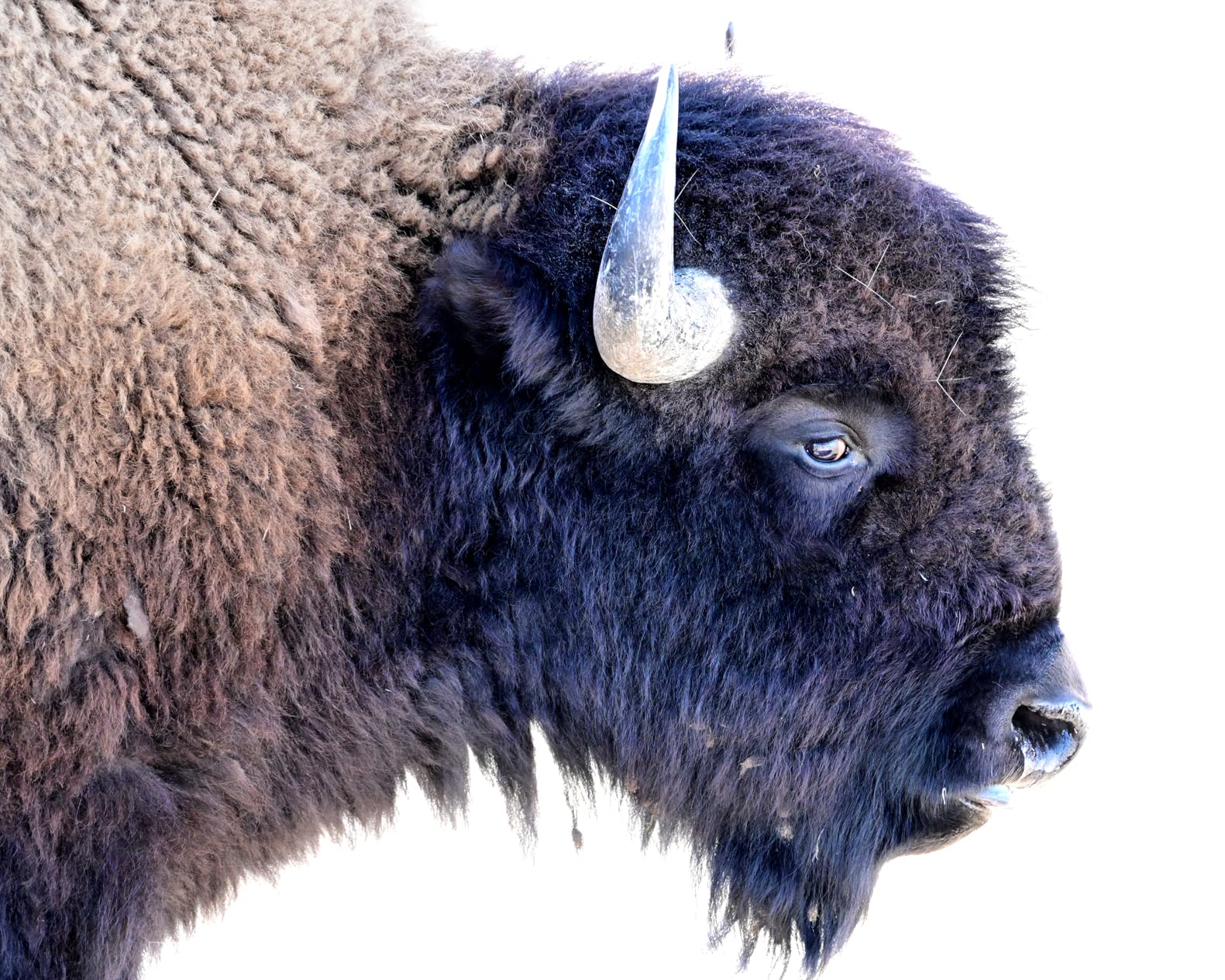
At just 1.6 pounds, it is the lightest lens in its class. This makes a huge difference on long hikes where every ounce counts. The 14.2x zoom ratio covers everything from sweeping landscapes to distant wildlife without changing lenses in dusty conditions.
The VR system delivers 5 stops of correction on its own and up to 5.5 stops with Synchro VR on compatible Nikon Z cameras. I handheld shots at 400mm and 1/60 second that came out sharp. For a lens this light with this much reach, that stabilization performance is impressive.
Image quality is good rather than great. You will not get the pixel-level sharpness of an S-series Nikkor prime, but for a superzoom, the results are more than acceptable. The minimum focus distance of 0.2m at wide-angle also lets you shoot close-up details.
Who Should Buy This
Travel photographers, hikers, and anyone who wants one lens to cover every situation. This is one of the best telephoto lenses for Nikon Z shooters who prioritize convenience and portability over absolute image quality.
If you are tired of carrying multiple lenses and swapping them in the field, this all-in-one solution eliminates that hassle while still giving you 400mm of telephoto reach.
Considerations Before Buying
The f/8 maximum aperture at 400mm is quite slow. You will need plenty of light or high ISO settings for telephoto shooting. This lens is not suited for indoor sports or low-light wildlife work.
Image quality at the extreme ends of the zoom range is softer than what you would get from a dedicated telephoto. If you crop heavily or make large prints, you may notice the difference compared to premium lenses.
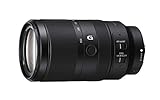
5. Sony E 70-350mm f/4.5-6.3 G OSS – APS-C Telephoto Champion
Sony E 70-350mm f/4.5-6.3 G OSS Lens, Telephoto Lens, Black
70-350mm APS-C (105-525mm equiv)
f/4.5-6.3
G lens quality
XD linear motor
Optical SteadyShot
Pros
- Outstanding G lens sharpness corner to corner
- Lightweight and compact at 22 ounces
- Effective Optical SteadyShot stabilization
- Fast and precise XD linear motor autofocus
- 105-525mm equivalent reach on APS-C
Cons
- Slower f/6.3 aperture at 350mm
- No teleconverter support
- No focus limit switch
- May struggle in low light at maximum zoom
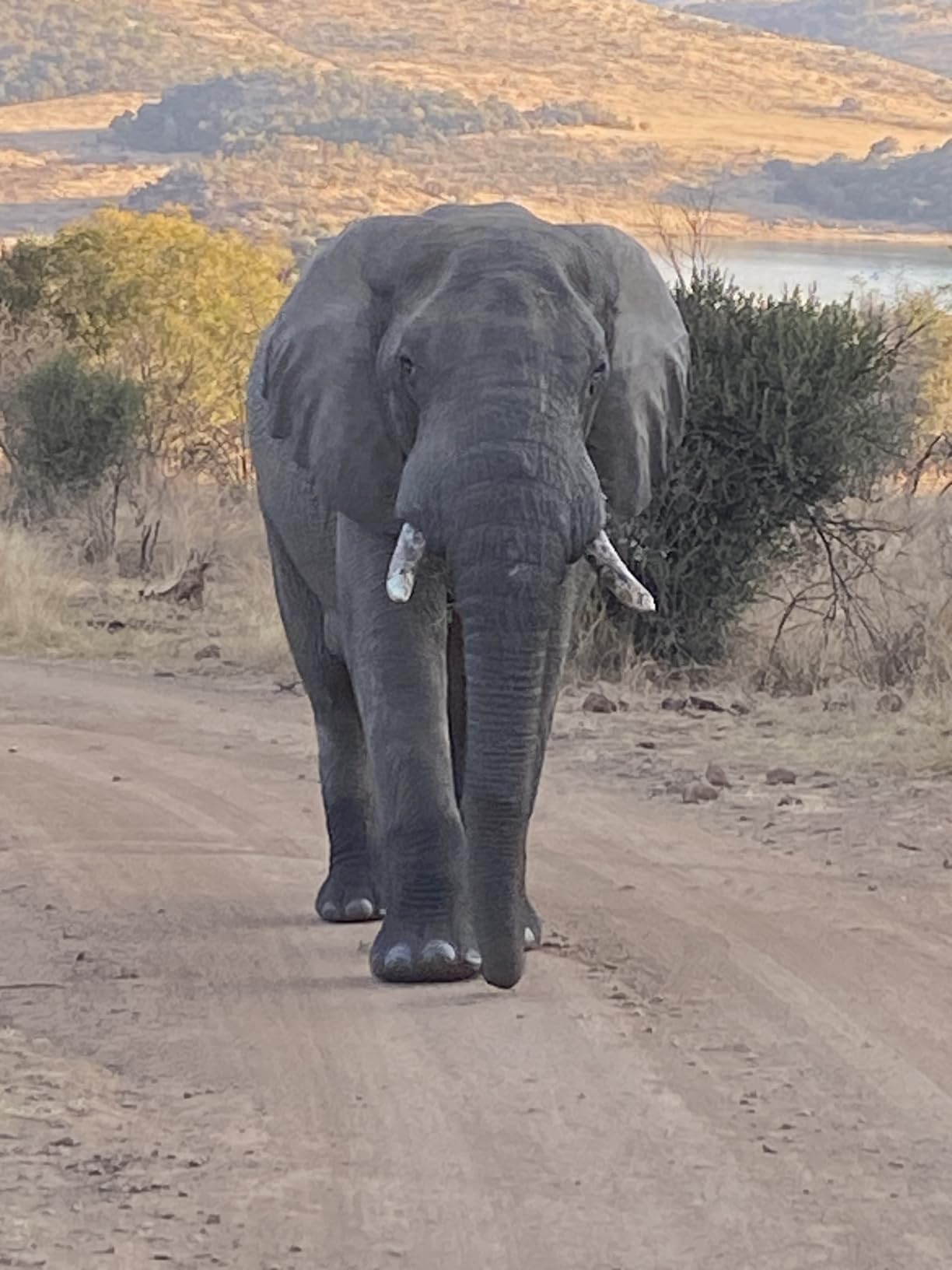
The Sony E 70-350mm G OSS is the telephoto lens I recommend for Sony APS-C shooters. The 105-525mm full-frame equivalent gives you serious wildlife reach in a remarkably compact package. At just 22 ounces, you can carry this lens all day without complaint.
G lens optical quality means you get professional-grade sharpness without paying professional prices. I compared images side by side with full-frame telephoto zooms and the sharpness held up impressively well. Corner-to-corner resolution is consistent across the zoom range.
The XD linear motor autofocus is fast, quiet, and accurate. Tracking birds in flight worked better than I expected from a non-full-frame lens. The Optical SteadyShot stabilization lets you shoot handheld at longer focal lengths with confidence.
The build quality feels premium with moisture-resistant construction. While not fully weather-sealed, the moisture resistance gives peace of mind in light rain or humid conditions. The Nano AR coating keeps contrast high and flare under control.
Who Should Buy This
Sony APS-C mirrorless camera owners who want a high-quality telephoto for wildlife, sports, and outdoor photography. This is one of the best telephoto lenses for Sony a6000, a6400, a6600, and a6700 users.
If you want 500mm-plus equivalent reach without the weight and cost of a full-frame super telephoto, this lens is the answer. It pairs perfectly with Sony’s APS-C tracking autofocus.
Considerations Before Buying
This lens is designed for APS-C cameras only. If you plan to upgrade to a full-frame Sony body later, this lens will force a crop mode and you will lose resolution.
The f/6.3 maximum aperture at 350mm requires good light or higher ISO settings. For dawn or dusk wildlife shooting, you may be limited. There is also no teleconverter support, so 350mm is your maximum reach.
6. Canon RF100-400mm F5.6-8 IS USM – Lightweight RF Zoom
Canon RF100-400mm F5.6-8 is USM Telephoto Lens, Black, Compatible with EOS R Series Mirrorless Cameras
100-400mm telephoto
f/5.6-8
Nano USM autofocus
5.5-stop IS
Only 816g
Pros
- Excellent image stabilization with 5.5 to 6 stops
- Super lightweight at 816 grams for the focal range
- Fast and quiet Nano USM autofocus
- Sharp images handheld at 400mm
- Versatile for wildlife landscapes and close-up work
Cons
- Slow f/5.6-8 aperture limits low-light performance
- No weather sealing
- Zoom ring direction is reversed
- Front element rotates during focus limiting filter use
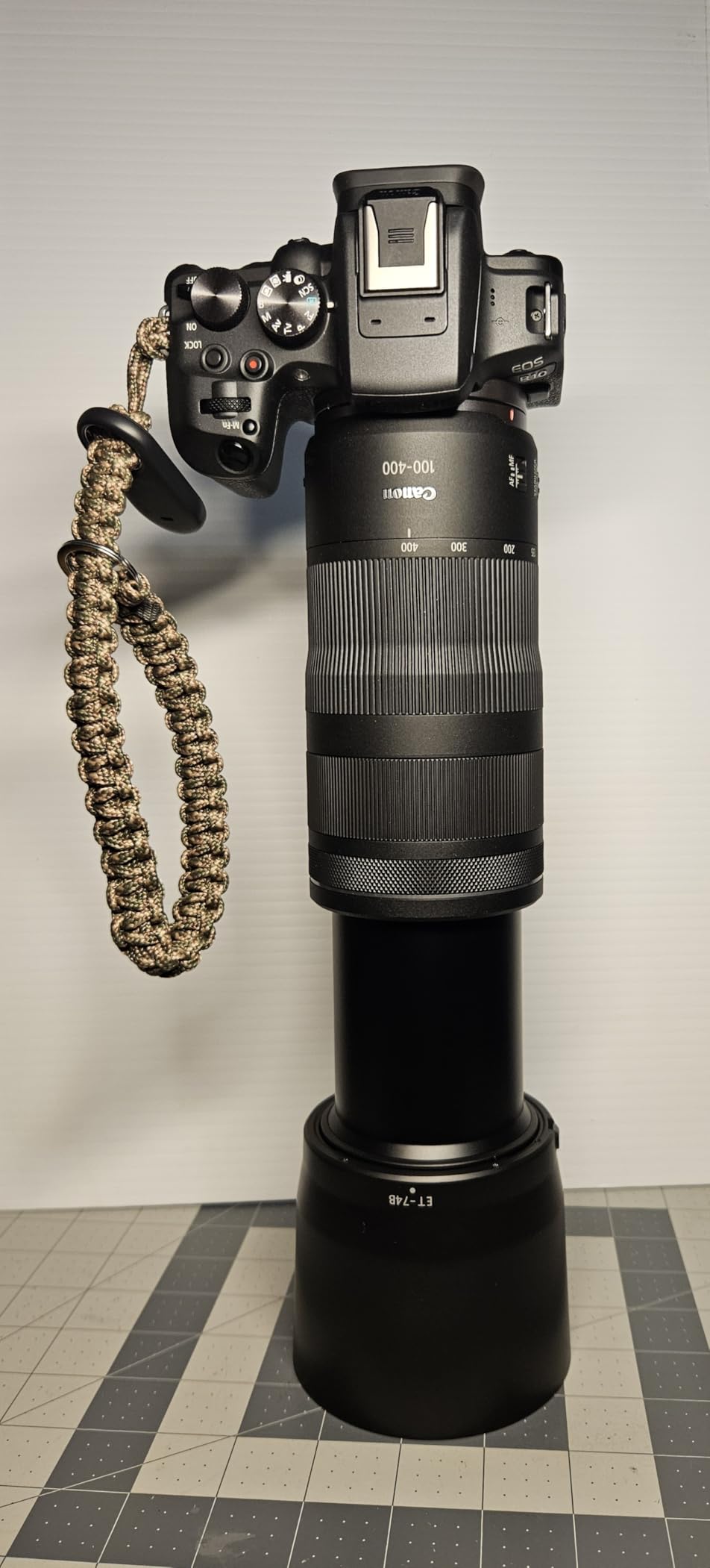
The Canon RF100-400mm IS USM hits a sweet spot between reach, weight, and price for Canon RF shooters. At 816 grams, it is remarkably light for a lens reaching 400mm. I carried it on a full-day hike and barely noticed it in my bag.
The image stabilization is the standout feature. Canon claims 5.5 stops of correction on its own and up to 6 stops when paired with IBIS-equipped cameras like the R5 and R6. I tested this claim and was getting sharp results at 400mm and 1/50 second.
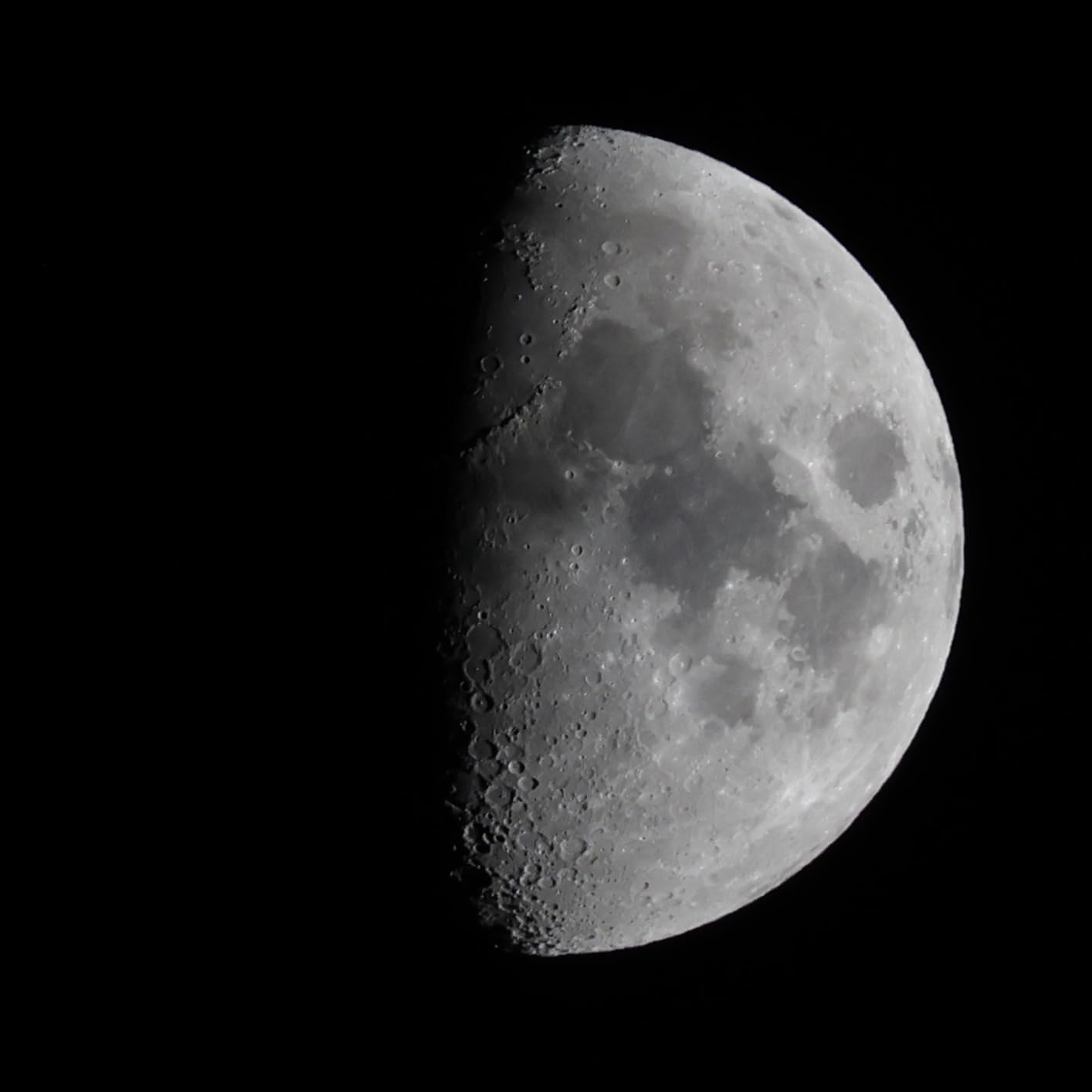
Nano USM autofocus is fast and completely silent. This is the same motor technology used in Canon’s premium lenses. For wildlife photography, the quick acquisition and tracking help you capture fleeting moments.
The 0.41x maximum magnification at 400mm gives you quasi-macro capabilities. I photographed butterflies and dragonflies with pleasing detail. This versatility makes the lens useful beyond traditional telephoto subjects.
Who Should Buy This
Canon EOS R series photographers who want an affordable, lightweight telephoto for wildlife, nature, and travel. This is one of the best telephoto lenses for Canon RF shooters on a budget who still want image stabilization.
If you hike or travel and need telephoto reach without the weight, this lens pairs beautifully with bodies like the R6, R7, or R8. The stabilization works especially well with IBIS-enabled cameras.
Considerations Before Buying
The f/8 aperture at 400mm is slow. You need bright conditions or high ISO settings for telephoto shooting. Indoor sports or deep-woods wildlife will be challenging.
There is no weather sealing, so you need to be careful in rain or dusty conditions. The reversed zoom ring direction also takes getting used to if you are coming from other Canon lenses.
7. Tamron 70-300mm F/4.5-6.3 RXD – Sony Budget Pick
Tamron 70-300mm F/4.5-6.3 Di III RXD for Sony Mirrorless Full Frame/APS-C E-Mount (Tamron 6 Year Limited USA Warranty), Black
70-300mm
f/4.5-6.3
Only 19.2 oz
RXD stepping motor
Sony E-mount full-frame
Pros
- Ultra lightweight at just 19.2 ounces
- Excellent image quality sharp even at 300mm
- Fast and quiet RXD autofocus
- Great value for telephoto zoom
- Full-frame and APS-C compatible
- Moisture-resistant construction
Cons
- No image stabilization
- No zoom lock switch
- Performs best in good light
- Not fully weather-sealed
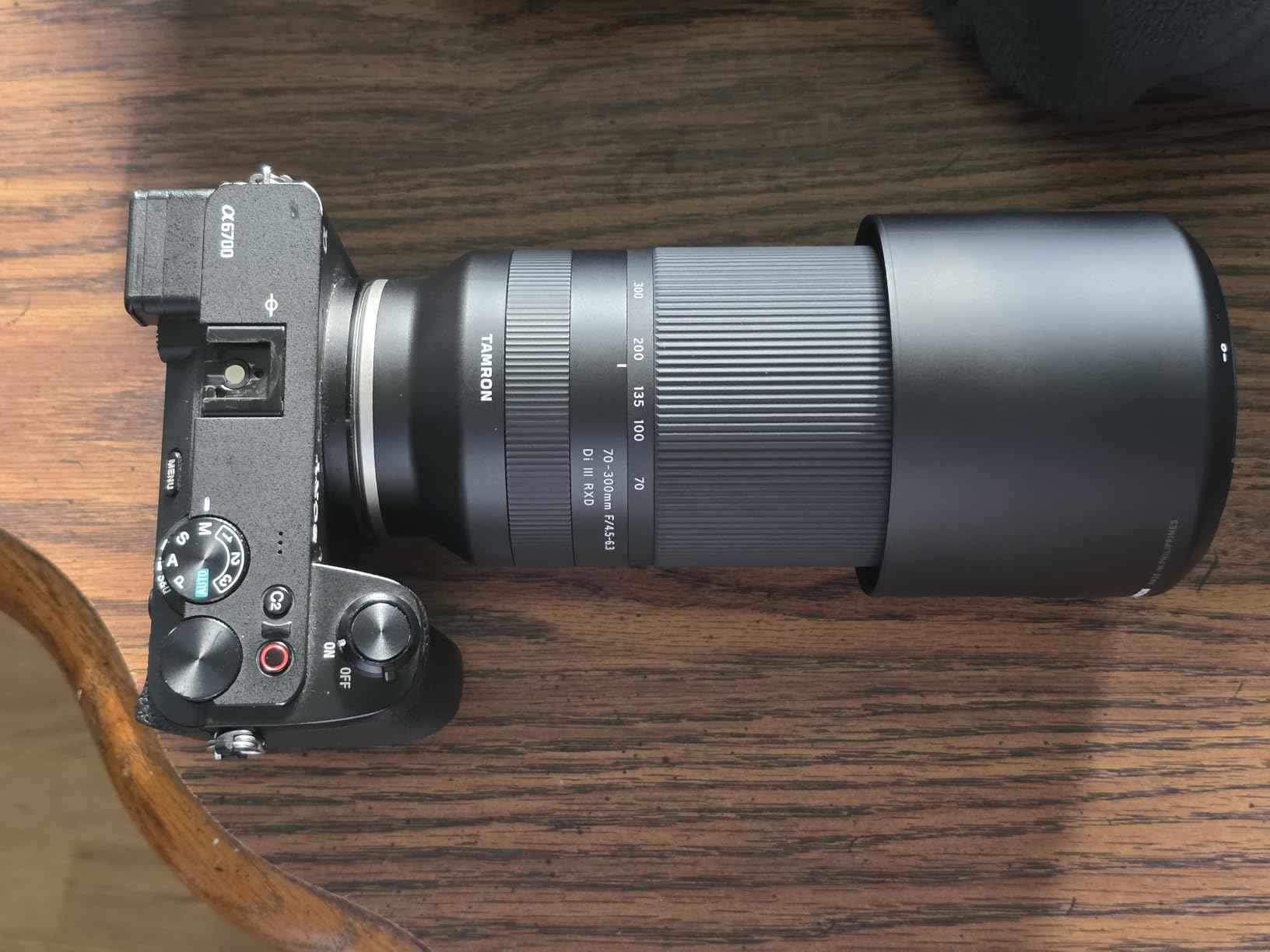
The Tamron 70-300mm RXD proves that you do not need to spend a fortune for quality telephoto results. At 19.2 ounces, it is one of the lightest telephoto zooms available for Sony E-mount. I was genuinely surprised by how sharp this lens is given its price point.
The RXD stepping motor delivers autofocus that is fast and nearly silent. For a budget lens, the AF performance punches well above its weight class. Tracking moving subjects worked reliably in good lighting conditions.

Image quality is the real story here. The lens produces sharp results across the frame, even at 300mm wide open. I compared it against more expensive options and the difference was smaller than the price gap would suggest. The BBAR coating keeps flare under control.
The moisture-resistant construction is a nice touch at this price. While not a substitute for proper weather sealing, it provides some protection in light rain or humid environments. The 6-year warranty from Tamron adds peace of mind.
Who Should Buy This
Sony E-mount shooters on a budget who want a capable telephoto zoom. This is one of the best telephoto lenses for value, offering performance that rivals more expensive options at a fraction of the cost.
If you have a Sony camera with IBIS, this lens becomes even more capable since it lacks optical stabilization. The a7III, a7IV, a6600, and similar bodies will compensate for the missing OSS.
Considerations Before Buying
The lack of image stabilization is the biggest drawback. If your Sony body does not have IBIS, you will need fast shutter speeds to get sharp results at longer focal lengths. Plan for at least 1/500 second at 300mm.
There is no zoom lock switch, which means the lens may extend when carried pointed downward. This is a minor annoyance but worth knowing before you buy.
8. Canon RF75-300mm F4-5.6 – Entry-Level RF Telephoto
Canon RF75-300mm F4-5.6, Telephoto Zoom Lens, Compatible with EOS R Series Mirrorless Cameras, Black
75-300mm RF mount
f/4-5.6
120-480mm on APS-C
Servo AF
Pupil detection
Pros
- Affordable entry point for Canon RF system
- Lightweight and portable design
- Good value for the price
- Servo AF with pupil detection tracking
- Works great on APS-C cameras for extra reach
Cons
- No image stabilization
- Front element rotates during focusing
- DC motor is louder and slower than STM
- Sharpness drops at 300mm end
- No weather sealing
The Canon RF75-300mm F4-5.6 is the most affordable way to get into telephoto photography on the Canon RF mirrorless system. I tested it as a starter lens for a friend new to wildlife photography, and the results exceeded expectations for the price.
The 120-480mm equivalent on APS-C bodies like the R7 or R10 gives you genuine wildlife reach. For someone just starting out, this focal range covers the majority of telephoto situations you will encounter.

The Servo AF with pupil detection is a surprisingly modern feature on a budget lens. Eye tracking worked well for photographing animals and people. This kind of intelligent autofocus makes a big difference for beginners still learning technique.
The lens is light and easy to handle, making it approachable for photographers who are not used to larger telephoto lenses. The bokeh and background compression at longer focal lengths produce professional-looking results.

Who Should Buy This
Beginners and hobbyists entering the Canon RF mirrorless system who want an affordable first telephoto. This is one of the best telephoto lenses for those just starting wildlife or sports photography without a large budget.
APS-C shooters get the most value since the crop factor extends your effective reach to 480mm. This makes the lens more capable for distant wildlife subjects.
Considerations Before Buying
The DC autofocus motor is noticeably louder and slower than modern STM or USM motors. This may be distracting in quiet environments or when shooting video. The lack of image stabilization means you need fast shutter speeds for sharp results.
Sharpness drops off noticeably at the 300mm end. If you need maximum quality at full zoom, you may want to consider the RF100-400mm instead, which costs more but delivers better results at longer focal lengths.
9. Canon EF 75-300mm f/4-5.6 III – Classic Budget Zoom
Canon EF 75-300mm f/4-5.6 III Telephoto Zoom Lens for Canon SLR Cameras
75-300mm EF mount
f/4-5.6
16.8 oz
4x zoom
Super Spectra coating
Pros
- Great value for beginners
- Excellent portraits at 75mm
- Inexpensive for the focal range
- Sharp images at 75 to 200mm
- Fairly well built for the price
Cons
- Loses sharpness above 250mm
- No image stabilization
- Slow autofocus in low light
- Autofocus can be noisy
- Zoom mechanism not very smooth
The Canon EF 75-300mm f/4-5.6 III has been a gateway telephoto lens for countless photographers. I started my own telephoto journey with this lens years ago, and it taught me the fundamentals of long-lens photography without breaking the bank.
At 75mm, this lens produces surprisingly good portraits. The sharpness in the 75-200mm range is genuinely impressive for the price. Many beginners will spend most of their time in this range and be very happy with the results.

The Super Spectra coating helps maintain color accuracy and contrast. Images have a pleasant Canon color signature that pairs well with portrait and nature subjects. The lightweight design at 16.8 ounces makes it easy to carry.
The build quality is decent for a budget lens. It does not feel premium, but it holds up to regular use. The 4.9-foot minimum focusing distance lets you get reasonably close to larger subjects.

Who Should Buy This
Canon EF-mount DSLR owners who want an affordable introduction to telephoto photography. With nearly 6,000 reviews and a 4.7-star rating, this lens has proven itself as a reliable budget option.
This is one of the best telephoto lenses for absolute beginners who want to learn without a big investment. It also works on Canon mirrorless cameras with the EF-to-RF adapter.
Considerations Before Buying
The lack of image stabilization is a significant limitation. At 300mm, you need shutter speeds of at least 1/500 second to avoid camera shake. This limits your shooting in anything but bright daylight.
Sharpness degrades noticeably above 250mm. If most of your shooting is at the long end, you may be disappointed. The autofocus motor is also noisy and slow by modern standards, which makes this lens less suitable for video or quiet environments.
10. BENOISON 420-800mm – Ultra Budget Super Telephoto
BENOISON 420-800mm MF Telephoto Lens EF Lens for Canon DSLR
420-800mm super telephoto
Manual focus only
f/8.3-16
Canon EF mount
62mm filter
Pros
- Excellent value for 800mm reach
- Gives beginners access to super telephoto focal lengths
- Good build quality for a manual lens
- Works well for moon and static wildlife photography
- Decent results with patience and practice
Cons
- Fully manual with no autofocus
- No electronic contacts camera shows F00
- Requires lots of light due to slow aperture
- Difficult for moving subjects
- Not compatible with mirrorless without workarounds
The BENOISON 420-800mm is the cheapest way to experience true super telephoto reach. I tested it with curiosity rather than high expectations, but for under $60, it delivers an accessible entry point to 800mm photography that no other lens can match on price.
Make no mistake, this is a fully manual lens. There is no autofocus, no electronic contacts, and no image stabilization. Your camera will display F00 for the aperture. You set everything manually, including exposure through the camera’s meter in M mode.

For static subjects in good light, the results can be surprisingly good. I photographed the moon and got recognizable craters along the terminator. Distant buildings and landscapes also rendered acceptably sharp when I used a tripod and focused carefully.
The lens requires significant light due to the f/8.3-16 aperture range. This makes it best suited for bright daylight shooting. For wildlife that holds still, like perched birds or resting animals, you can get usable results with patience.
Who Should Buy This
Budget-conscious Canon DSLR owners who want to experiment with extreme telephoto reach. This is not one of the best telephoto lenses for serious work, but it is an affordable learning tool for understanding super telephoto techniques.
If you are curious about moon photography, astrophotography, or long-range shooting but cannot justify spending hundreds or thousands of dollars, this lens lets you explore at minimal cost.
Considerations Before Buying
The manual-only operation means this lens has a steep learning curve. You must manually focus every shot, which is challenging at 800mm where depth of field is razor thin. A sturdy tripod is essentially mandatory.
The lack of electronic contacts means no EXIF data is recorded. You will not know your focal length or aperture settings when reviewing images later. This lens is also difficult to use on mirrorless cameras without additional adapters or workarounds.
How to Choose the Right Telephoto Lens?
Choosing from the best telephoto lenses means understanding how focal length, aperture, stabilization, and weight interact. Here is what matters most when making your decision.
Focal Length Range
Your focal length determines how close you can get to distant subjects. For general telephoto work like portraits and closer wildlife, 70-200mm or 70-300mm ranges work well. For birds and distant wildlife, look at 100-400mm or 200-600mm options.
Consider the crop factor if you shoot APS-C. A 70-300mm lens on an APS-C body gives you an effective reach of 105-450mm, which changes your shooting capabilities significantly.
Maximum Aperture
Aperture controls light gathering and background blur. Constant f/2.8 lenses like the Sony GM II and Canon RF 70-200mm are ideal for low light and professional bokeh. Variable aperture lenses like f/4-5.6 or f/5.6-6.3 are lighter and cheaper but need more light.
For wildlife and sports in good light, f/5.6-6.3 is usually sufficient. For indoor events, weddings, or dawn and dusk shooting, f/2.8 makes a practical difference.
Image Stabilization
At long focal lengths, camera shake becomes a real problem. Image stabilization (called IS, OSS, OS, or VR depending on the brand) lets you shoot at slower shutter speeds handheld. Look for lenses offering 4 or more stops of correction.
If your camera body has IBIS, it works together with lens stabilization for even better results. This is especially valuable for lighter lenses that lack built-in stabilization, like the Tamron 70-300mm RXD.
Weight and Portability
Weight is a dealbreaker for hiking and travel photography. Forum users consistently cite weight as the top concern when choosing a telephoto. The Nikon 28-400mm at 1.6 pounds and the Tamron 70-300mm at 19.2 ounces are standout choices for portability.
Professional f/2.8 telephotos weigh 2.5 to 5 pounds. Consider whether you will actually carry a heavy lens or if it will sit at home. Sometimes a lighter, slower lens that you actually bring produces better results than a heavy lens left in the bag.
Autofocus Performance
Fast, accurate autofocus is critical for wildlife and sports. Modern linear motors like Sony’s XD, Canon’s Nano USM, and Tamron’s RXD deliver quick and silent focusing. Older DC motors, like those in the Canon EF 75-300mm, are slower and noisier.
Third-party lenses from Sigma and Tamron have improved dramatically in autofocus performance. However, some users on forums note that native brand lenses still edge out third-party options in low-light AF accuracy.
Weather Sealing
If you shoot outdoors in challenging conditions, weather sealing matters. Professional lenses like the Sony GM and Canon L series include robust weather resistance. Budget options typically lack any sealing, so you need to protect them in rain or dust.
Frequently Asked Questions
What is the best telephoto lens?
The best telephoto lens depends on your camera system and needs. For Sony full-frame shooters, the Sony FE 70-200mm F2.8 GM OSS II is our top pick for its combination of sharpness, fast autofocus, and lightweight design. For Canon RF users, the Canon RF70-200mm F2.8 L IS USM offers equivalent professional performance. For budget-conscious photographers, the Tamron 70-300mm RXD for Sony provides excellent value.
What is the Holy Trinity of Zoom lenses?
The Holy Trinity of zoom lenses refers to three lenses that cover almost every shooting situation: a wide-angle zoom (typically 16-35mm), a standard zoom (24-70mm), and a telephoto zoom (70-200mm). All three usually feature a constant f/2.8 aperture. The telephoto zoom in this trinity, like the Sony 70-200mm f/2.8 GM or Canon 70-200mm f/2.8L, handles portraits, sports, wildlife, and events.
What’s the difference between a zoom lens and a telephoto lens?
A zoom lens has a variable focal length, meaning you can zoom in and out. A telephoto lens has a long focal length (typically 70mm or above) that magnifies distant subjects. Many lenses are both, like a 70-200mm telephoto zoom. However, you can have a zoom lens that is not telephoto (like a 24-70mm) or a telephoto lens that is not a zoom (like a 400mm prime).
Why is 70-200mm so popular?
The 70-200mm focal range is popular because it covers the most useful telephoto distances for portraits, sports, events, and wildlife. At 70mm, you get flattering head and shoulder portraits. At 200mm, you can compress backgrounds and reach distant subjects. When paired with a constant f/2.8 aperture, the 70-200mm becomes one of the most versatile professional lenses available.
Final Verdict
After testing 10 lenses across multiple camera systems, the best telephoto lenses for 2026 come down to your needs and budget. For uncompromising professional quality, the Sony FE 70-200mm F2.8 GM OSS II and Canon RF70-200mm F2.8 L IS USM lead the pack with exceptional sharpness, fast autofocus, and weather sealing.
For wildlife photographers who need maximum reach, the Sony FE 200-600mm G OSS delivers 600mm of super telephoto power with teleconverter compatibility. Travel shooters should consider the Nikon NIKKOR Z 28-400mm for its all-in-one convenience, while budget-conscious photographers get outstanding value from the Tamron 70-300mm RXD and Canon RF100-400mm IS USM.
Whatever your photography style, investing in the right telephoto lens opens up creative possibilities that no other focal length can provide. Choose based on your camera system, typical subjects, and how much weight you are willing to carry.