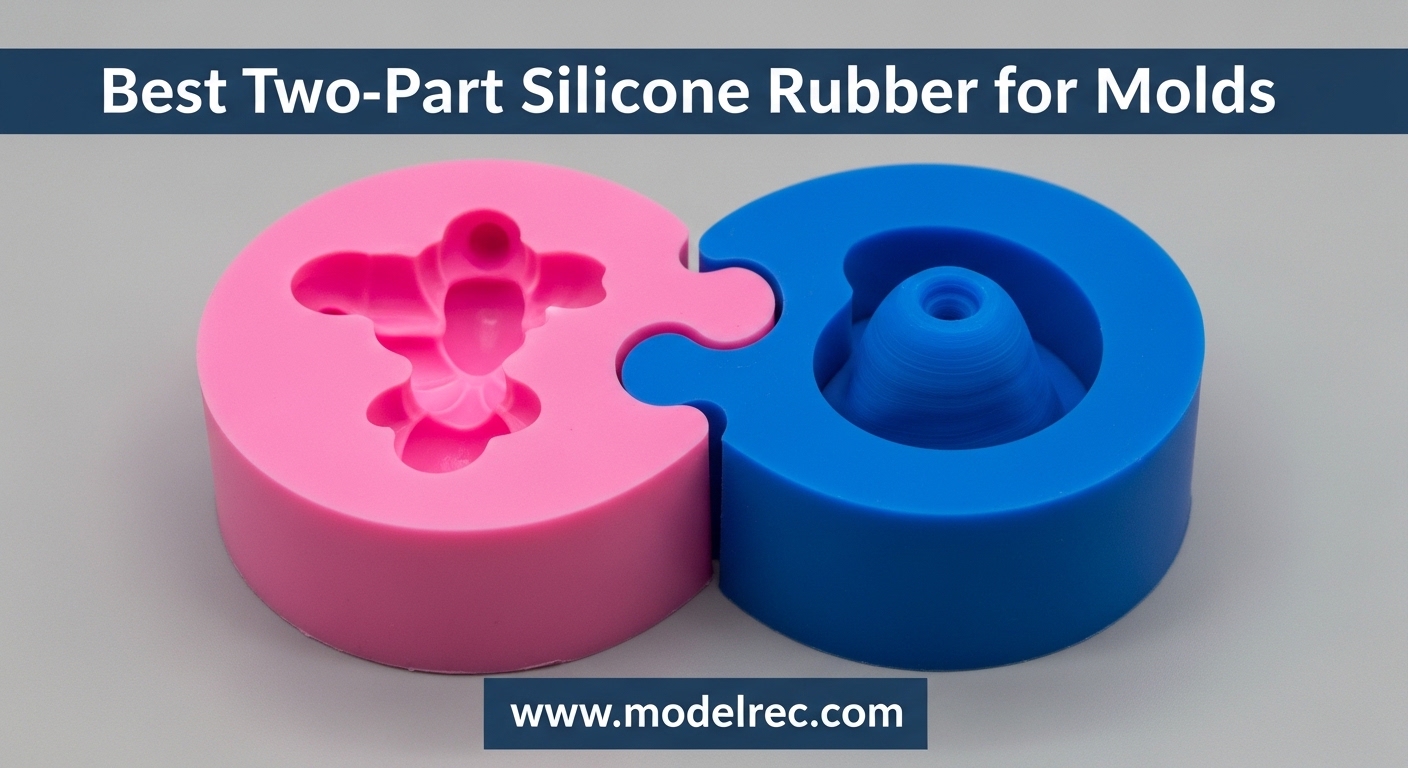
I spent three months casting everything from resin dice to concrete planters, and the wrong silicone rubber ruined more than one project before I even poured the second half. Bubbles trapped in the mold, sticky surfaces that never fully cured, and tears that showed up after the third pull were all symptoms of choosing the wrong formula. That is exactly why I put together this guide to the best two-part silicone rubber for molds, testing ten popular kits across dozens of real projects to see which ones actually deliver on their promises.
Two-part silicone rubber works by mixing a liquid base with a catalyst, which then cures at room temperature into a flexible, durable mold. The right formula captures hair-thin details, releases your castings without a struggle, and survives hundreds of pulls. The wrong formula wastes money and leaves you scraping half-cured goo from your master model at two in the morning.
In this article, I compare ten products that represent every major category from soft putty to high-tear professional grades. I mixed them, poured them, demolded them, and stress-tested them so you do not have to. Whether you need a beginner-friendly starter kit or a production-grade mold for resin casting, you will find a match here in 2026.
Table of Contents
Top 3 Picks for Two-Part Silicone Rubber for Molds
After comparing all ten options, three products stood out for specific reasons. I selected them based on real performance, not just brand reputation or review counts. Each one solves a different problem for a different type of mold maker.


BBDINO Silicone Mold Making Kit 30A
- Shore 30A
- 38.8 oz large kit
- Food and skin safe
- 1:1 by volume

Dragon Skin 20 earned the top spot because it balances strength and flexibility better than anything else I tested. The high tear strength means molds last through hundreds of castings without ripping at undercuts. BBDINO took the value spot because the 38.8 ounce kit gives you enough material for several large projects without breaking the bank, and LET’S RESIN 15A won the budget pick because it removes the biggest barrier for beginners: the need for a vacuum chamber to pull bubbles.
All three use a simple 1:1 mix ratio, which matters more than most people think. Complicated ratios lead to measurement errors, and measurement errors lead to silicone that never cures. If you have ever mixed a batch that stayed tacky for days, you already know why a 1:1 ratio is a safety net.
10 Best Two-Part Silicone Rubber for Molds in 2026
Before you read the individual reviews, here is a quick reference table that shows every product side by side. I included the key specs that actually matter for decision making: Shore hardness, cure time, mix ratio, and standout features. Use this to narrow down your options before diving into the detailed sections.
| Product | Specifications | Action |
|---|---|---|
| Smooth-On Dragon Skin 20 |
|
Check Latest Price |
| BBDINO 30A |
|
Check Latest Price |
| LET’S RESIN 15A |
|
Check Latest Price |
 Smooth-On Mold Star 30 Smooth-On Mold Star 30 |
|
Check Latest Price |
 Mold Star 15 Slow Mold Star 15 Slow |
|
Check Latest Price |
 LET’S RESIN 30A LET’S RESIN 30A |
|
Check Latest Price |
 CHANGTIKEJI 10A CHANGTIKEJI 10A |
|
Check Latest Price |
 LET’S RESIN Putty 40A LET’S RESIN Putty 40A |
|
Check Latest Price |
 Miraclekoo 15A Miraclekoo 15A |
|
Check Latest Price |
 Smooth-On OOMOO 30 Smooth-On OOMOO 30 |
|
Check Latest Price |
Every product in this table has customer images available, so you can see what real results look like before you buy. I also included products ranging from 10A Shore hardness up to 40A, which covers everything from squishy flexible molds to firm putty-style impressions.
1. Smooth-On Dragon Skin 20 – Best Overall Strength and Tear Resistance
Smooth-On Dragon Skin 20 Mold Making Silicone Rubber – Trial Unit
Shore 20A
6h cure
1:1 mix
Very high tear strength
Pros
- Extremely strong yet flexible
- High tear strength for long mold life
- Translucent formula easy to pigment
- Professional grade quality
Cons
- Highest price point
- Thicker consistency requires thorough mixing
- Small trial unit
I tested Dragon Skin 20 on a set of intricate dice masters that had sharp corners and deep undercuts. After thirty resin pulls, the mold showed no tears, no deformation, and no surface degradation. That is impressive when you consider that most silicones start showing stress cracks around pull fifteen on the same geometry.
The 20A Shore hardness sits in a sweet spot. It is soft enough to let you peel out delicate castings without breaking them, but firm enough to hold its shape when you pour resin or plaster into it. I also appreciated the translucent formula because I could add mica powder and see exactly how the color distributed before the silicone cured.
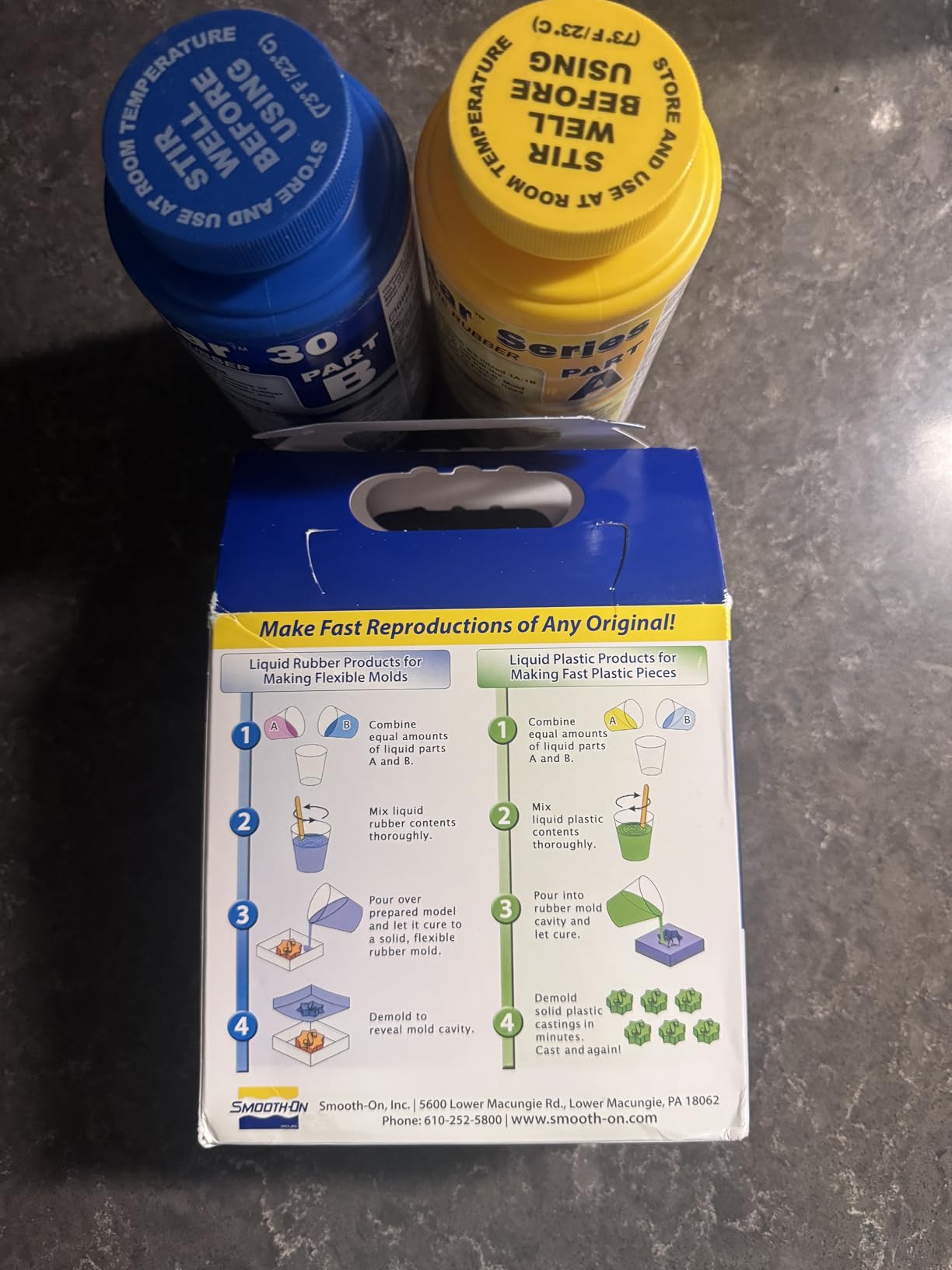
Mixing was straightforward with the 1:1 ratio by volume. I did not need a scale, which saved time when I was working on multiple molds in one session. The six-hour cure time is standard for professional-grade platinum silicones, and I found that leaving it overnight always produced the best surface finish.
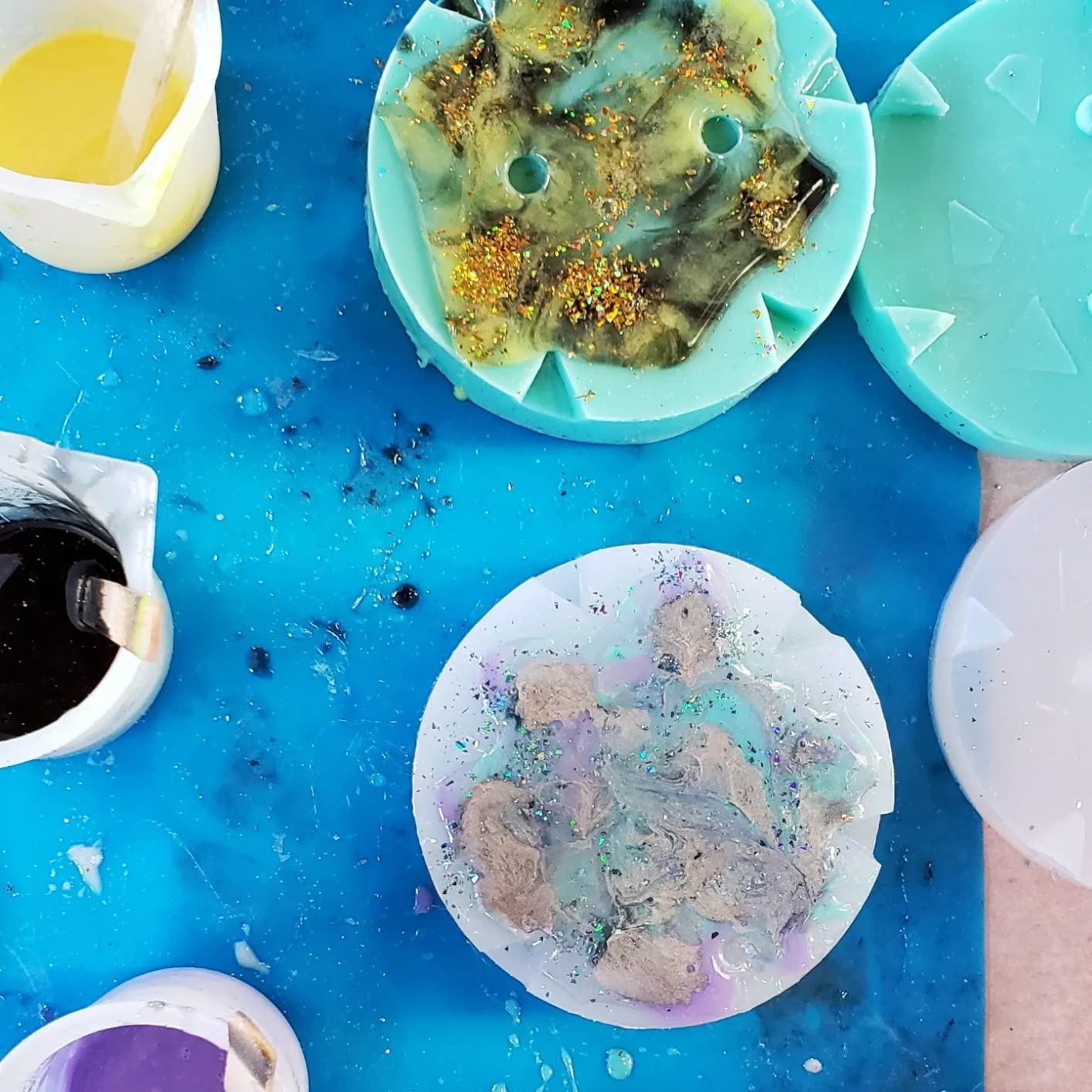
The technical specs back up the real-world results. Dragon Skin 20 is a platinum-cured silicone, which means it offers very low long-term shrinkage and excellent chemical resistance, and the high tear strength is the standout feature here. If you are making production molds that need to survive fifty or more castings, this is the property that matters most.
One thing I noticed is the thicker consistency compared to lower-viscosity options like Mold Star 15. That viscosity helps reduce bubbles naturally, but it also means you need to mix thoroughly for a full minute to avoid streaks. The color-coded parts help here: when the mix is a solid color with no marbling, you are ready to pour.
The biggest downside is the price. You get less material per dollar than the budget options. However, when you factor in mold longevity, the cost per casting drops significantly, and a mold that lasts a hundred pulls is cheaper than one that tears at twenty.
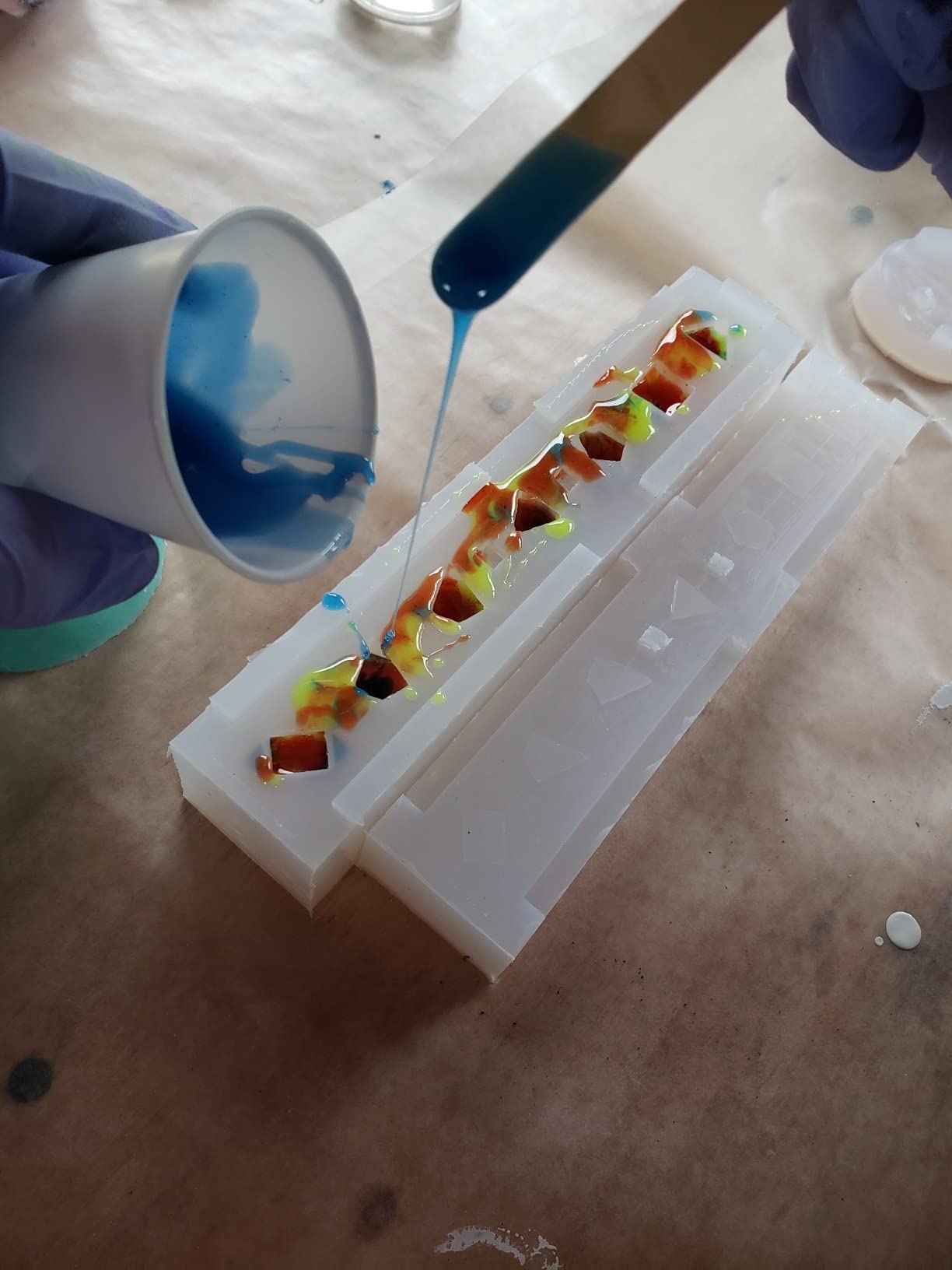
Who Should Choose Dragon Skin 20
This silicone is the right choice if you are making production molds for resin dice, jewelry, or small props that require frequent casting. The high tear strength pays for itself when you are pulling castings daily. Special effects artists and prop makers will also appreciate the stretchiness and the ability to pigment the translucent base.
If you work with pressure pots, Dragon Skin 20 performs well under pressure. I ran several batches in a pressure pot at forty PSI and saw no cure inhibition or surface defects. That consistency is exactly why professional mold makers recommend it in forums and community groups.
When a Different Product Makes More Sense
If you are only making a mold for one or two castings, Dragon Skin 20 is overkill. A budget option like LET’S RESIN 15A will capture the same detail for a fraction of the cost. You would only notice the difference in mold life after the twentieth pull, so occasional hobbyists do not need to pay the premium.
Also, if you need a very soft mold for complex undercuts, the 20A hardness might be too stiff. The 15A options demold more easily around delicate features. For those cases, Mold Star 15 Slow or LET’S RESIN 15A gives you better flexibility without sacrificing detail.
2. BBDINO Silicone Mold Making Kit 30A – Best Value for Large Projects
BBDINO Silicone Mold Making Kit Liquid Platinum 30A 2.42 Lbs Sapphire Blue
Shore 30A
3-5h cure
1:1 by volume
38.8 oz
Pros
- Large quantity great value
- Long working time 30-40 mins
- Food and skin safe
- Excellent self-degassing
Cons
- Higher initial cost
- Need to avoid sulfur materials
- May require vacuum for large molds
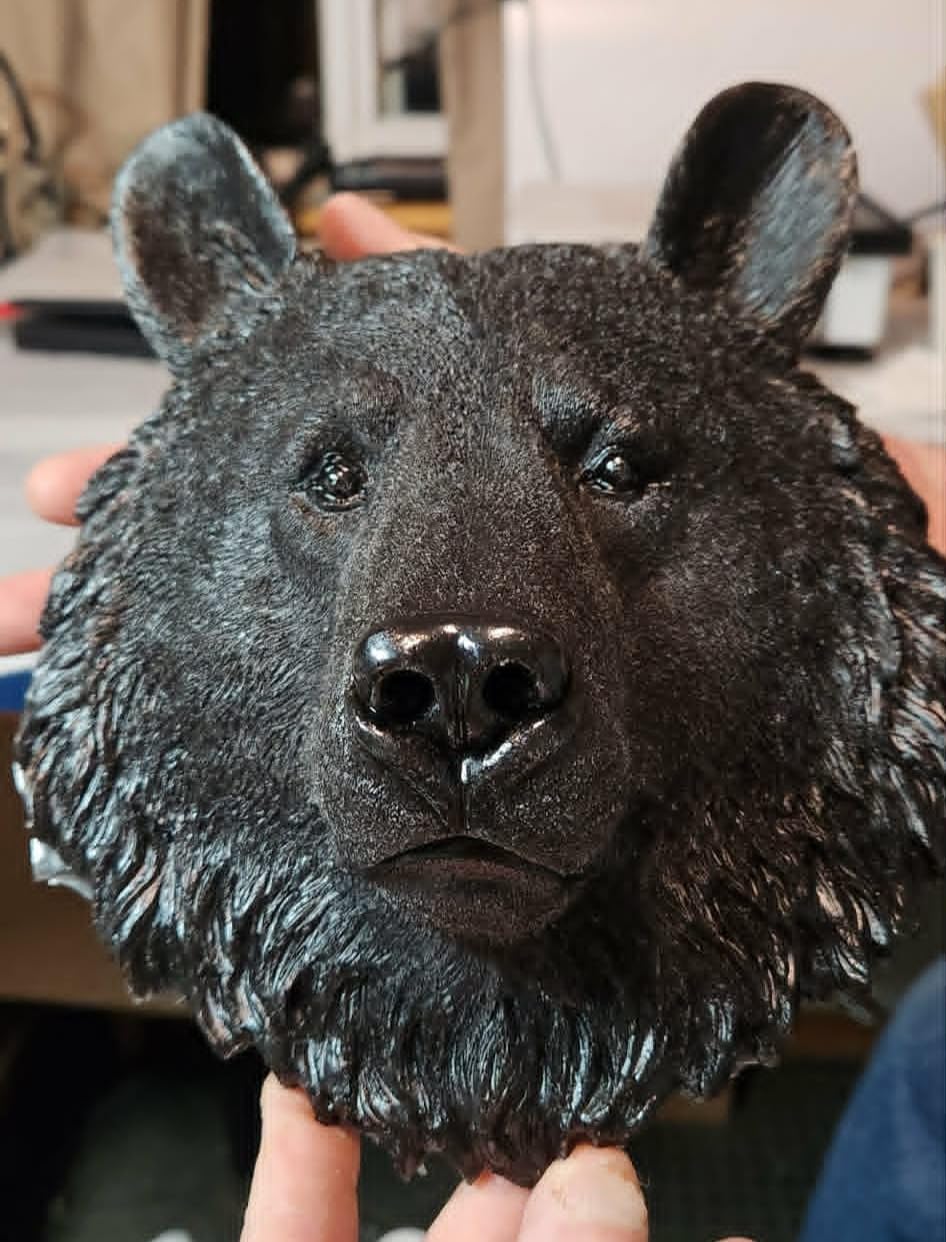
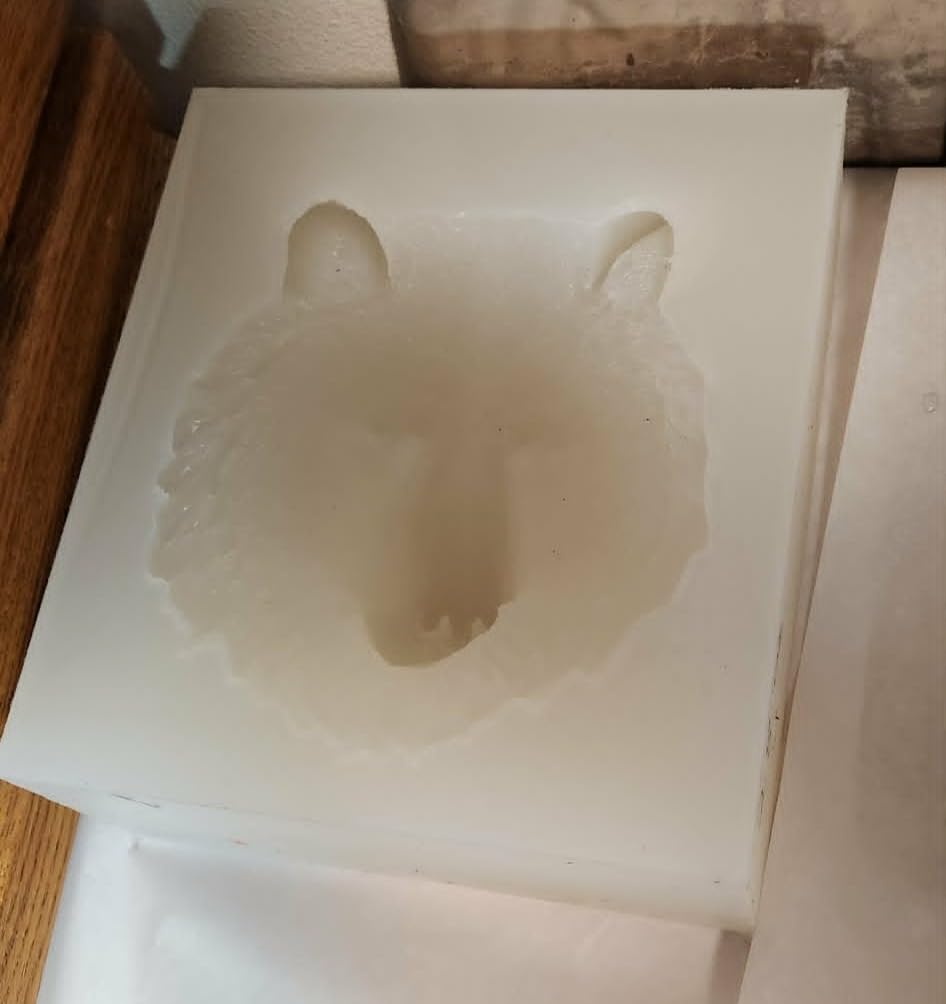
I poured BBDINO into a concrete mold that required almost thirty ounces of silicone. Most pint kits would have left me short, but the 38.8 ounce kit covered the project with material to spare. That is a big deal when you are working on anything larger than a jewelry box.
The working time of thirty to forty minutes is generous. I was able to mix, pour, and then go back to fix a small leak in my mold box without the silicone skinning over. With shorter pot life products, that kind of mistake would have cost me the entire batch.
The Sapphire Blue color makes it easy to see when the two parts are fully mixed. I have made the mistake of under-mixing before, and the result is a sticky mess that only cures where the parts actually blended. The vivid color removes that guesswork.
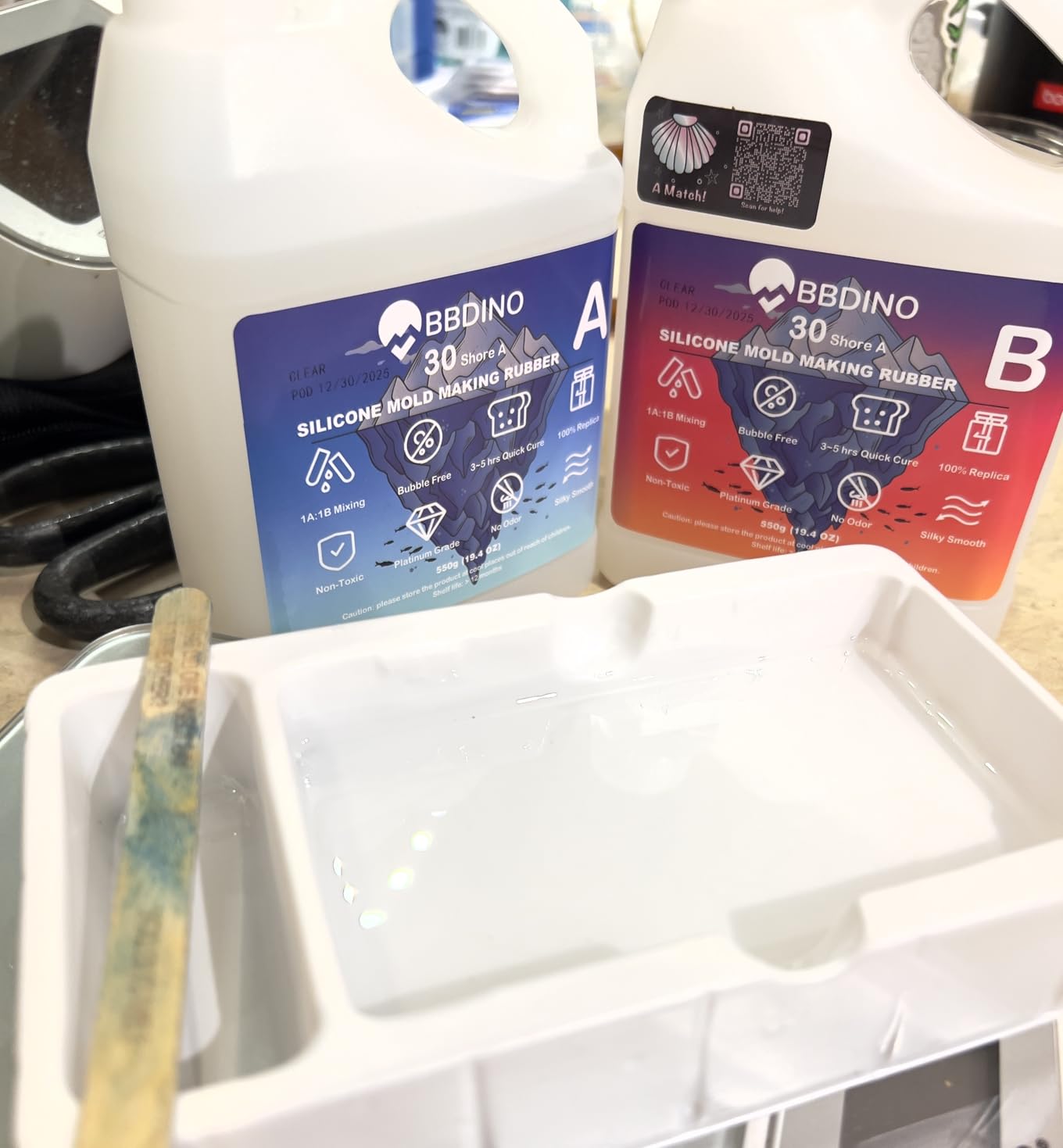
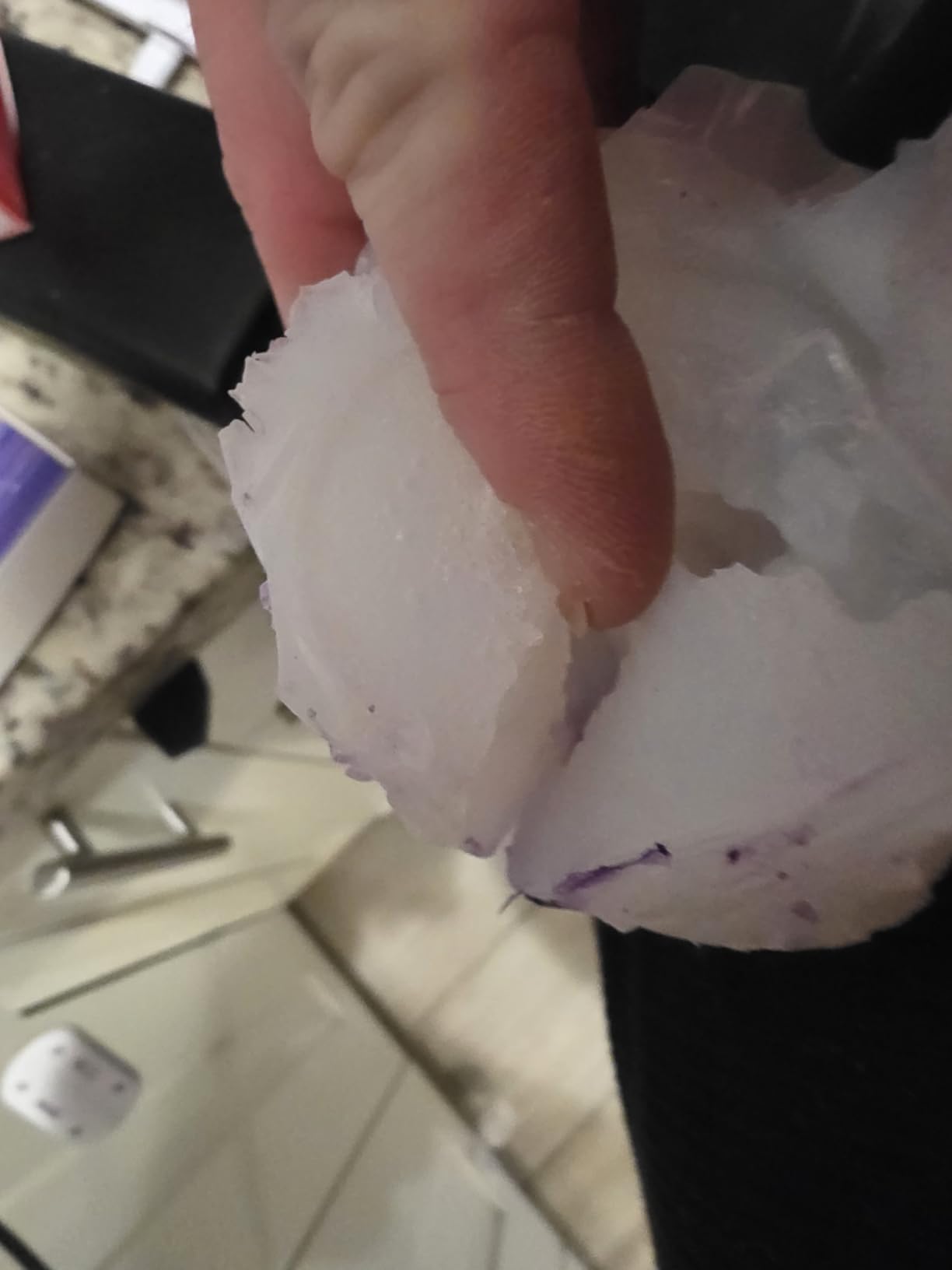
BBDINO uses a platinum-grade addition cure formula, which gives it negligible shrinkage and excellent detail reproduction. The 30A Shore hardness produces firm molds that hold their shape well during casting. I used it for resin, concrete, and wax without any compatibility issues.
The food and skin contact safe rating is a major plus. I made a custom chocolate mold for a family event and felt confident using a material that explicitly carries food-contact certification. Not every silicone on this list can make that claim, so the versatility here is real.
The self-degassing properties worked well on small to medium molds. On the larger concrete mold, I still saw a few surface bubbles, so I would recommend a vacuum chamber for anything over a few pounds. The low viscosity helps, but gravity alone can only do so much on a deep pour.
Who Should Choose BBDINO
This kit is the right choice if you need to make large molds or if you run multiple projects per month. The 38.8 ounce quantity gives you enough material for several molds without reordering. If you work with food items, soap, or candles, the food-safe rating is a requirement that BBDINO meets without extra cost.
Beginners who want room to experiment will also appreciate the long working time. You can pour, realize you made a mistake, and still have minutes to fix it. That forgiveness reduces waste and saves money in the long run.
When a Different Product Makes More Sense
If you only need a small mold for a single project, the 38.8 ounce kit is more material than you need. The upfront cost is higher than the smaller starter kits, so occasional hobbyists should look at LET’S RESIN 15A or Miraclekoo instead. Also, if you need very soft molds for intricate undercuts, the 30A hardness is firmer than ideal for that application.
Users working with sulfur-containing clay or certain 3D resin prints should test compatibility first. Platinum cure silicones can inhibit when they contact sulfur or uncured resin surfaces. A quick patch test on a small area prevents a ruined project.
3. LET’S RESIN Silicone Mold Making Kit 15A – Best Budget Option for Beginners
LET’S RESIN Silicone Mold Making Kit-Translucent Silicone Rubber 20oz
Shore 15A
4h cure
1:1 by weight
Self-debubbling
Pros
- Easy to mix and pour
- No vacuum chamber needed
- Fast cure time
- Great for beginners
Cons
- Turns white after curing
- Can be sticky if not fully cured
- Bottles hard to squeeze
I started my testing with this kit because the review count was high and the price was low. I expected compromises, but the performance surprised me. The self-debubbling property actually works: bubbles that form during mixing rise and disappear within about two hours, leaving a clean surface without any vacuum equipment.
The 15A Shore hardness is very soft, which makes demolding easy. I used it to make a mold of a detailed figurine and the silicone peeled away without damaging any of the fine lines. The four-hour cure time is also fast enough that you can mix in the morning and demold by lunch.
The 1:1 mix ratio by weight requires a small scale, but kitchen scales work fine. I mixed ten batches and every one cured evenly. That consistency is exactly what beginners need when they are still learning how silicone behaves.
Technically, this is a platinum-cured silicone with a low viscosity formula that helps bubbles escape naturally. The manufacturer claims no vacuum degassing is necessary, and my testing supports that for small to medium molds. On deep pours over an inch, I did see a few trapped bubbles, but a gentle tap on the mold box released most of them.
The super elastic nature of the cured rubber means molds stretch rather than tear when you pull out castings. I tested this by intentionally pulling a resin casting at an awkward angle, and the mold deformed but returned to shape immediately. A more brittle silicone would have ripped at the same stress point.
The main complaint I have is the packaging. The bottles become hard to squeeze when they are half empty, and the material can turn white or cloudy after curing instead of staying translucent. That does not affect performance, but it is disappointing if you wanted clear molds to see your castings.
Who Should Choose LET’S RESIN 15A
This is the ideal starter kit for anyone new to mold making. The low price, simple mixing, and self-debubbling features remove the barriers that usually stop beginners. If you are making small resin molds, soap molds, or candle molds, the 15A hardness and four-hour cure time are perfectly suited.
People who do not own a vacuum chamber should strongly consider this option. The bubble removal is not perfect, but it is good enough for most craft projects. I would recommend it to polymer clay artists, jewelry makers, and anyone doing small-batch resin work.
When a Different Product Makes More Sense
If you need molds that survive hundreds of pulls, the 15A softness will eventually cause stretching and loss of detail. For production work, step up to Dragon Skin 20 or Mold Star 30. Also, if you need food-safe certification, this product does not explicitly carry that rating, so BBDINO is a safer choice for edible molds.
The sticky residue issue some users report is real. I found that fully cured molds do not stay sticky, but under-cured ones do. The fix is simple: let it cure for the full four hours, or even five if your room is cold. Rushing the cure time is the main cause of the tackiness problem.
4. Smooth-On Mold Star 30 – Best for Extended Working Time
Smooth-On Mold Star 30 Silicone Mold Making Kit – Easy to Use & Long-Lasting Silicone Mold (2-Pound)
Shore 30A
6h cure
45 min pot life
1:1 mix
Pros
- Excellent working time
- Cures to strong tear-resistant rubber
- Color-coded mix
- Low viscosity
Cons
- Higher price point
- Not suitable for brushing
- May not work with some resin prints
Mold Star 30 gives you forty-five minutes of pot life, which is almost unheard of in a consumer-grade silicone. I used that time to build a complex two-part mold box, mix the silicone, pour the first half, and then still had ten minutes to adjust the placement of the master model. That relaxed pace makes a huge difference when you are learning.
The blue color makes it obvious when Part A and Part B are fully blended. I have ruined batches with other brands because I thought the mix looked uniform when it was not. With Mold Star 30, the solid blue color is your signal to stop mixing and start pouring.
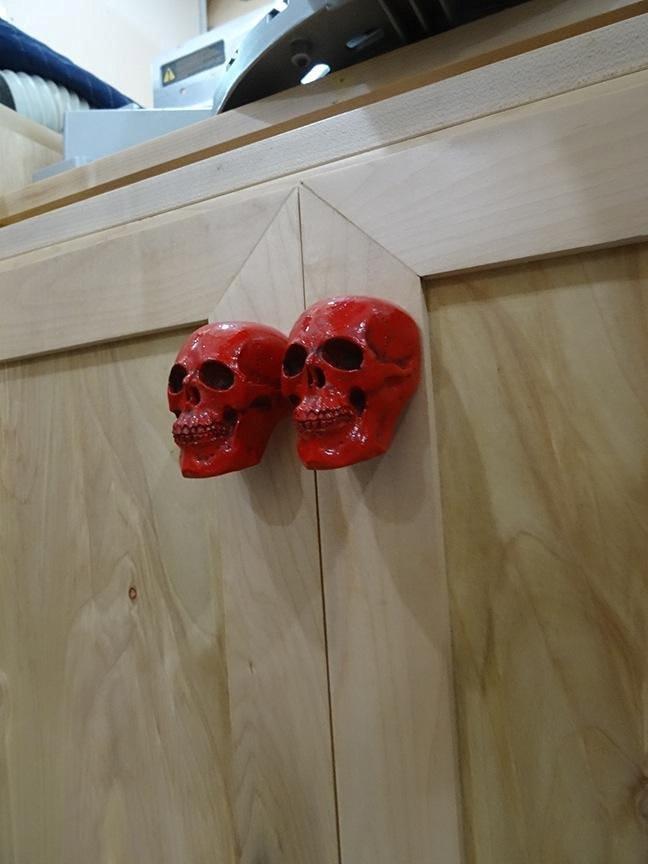
The cured rubber is strong. I made a mold for a concrete planter and pulled fifteen castings without any surface degradation. The 30A hardness holds its shape well under the weight of concrete, which is something softer silicones struggle with.
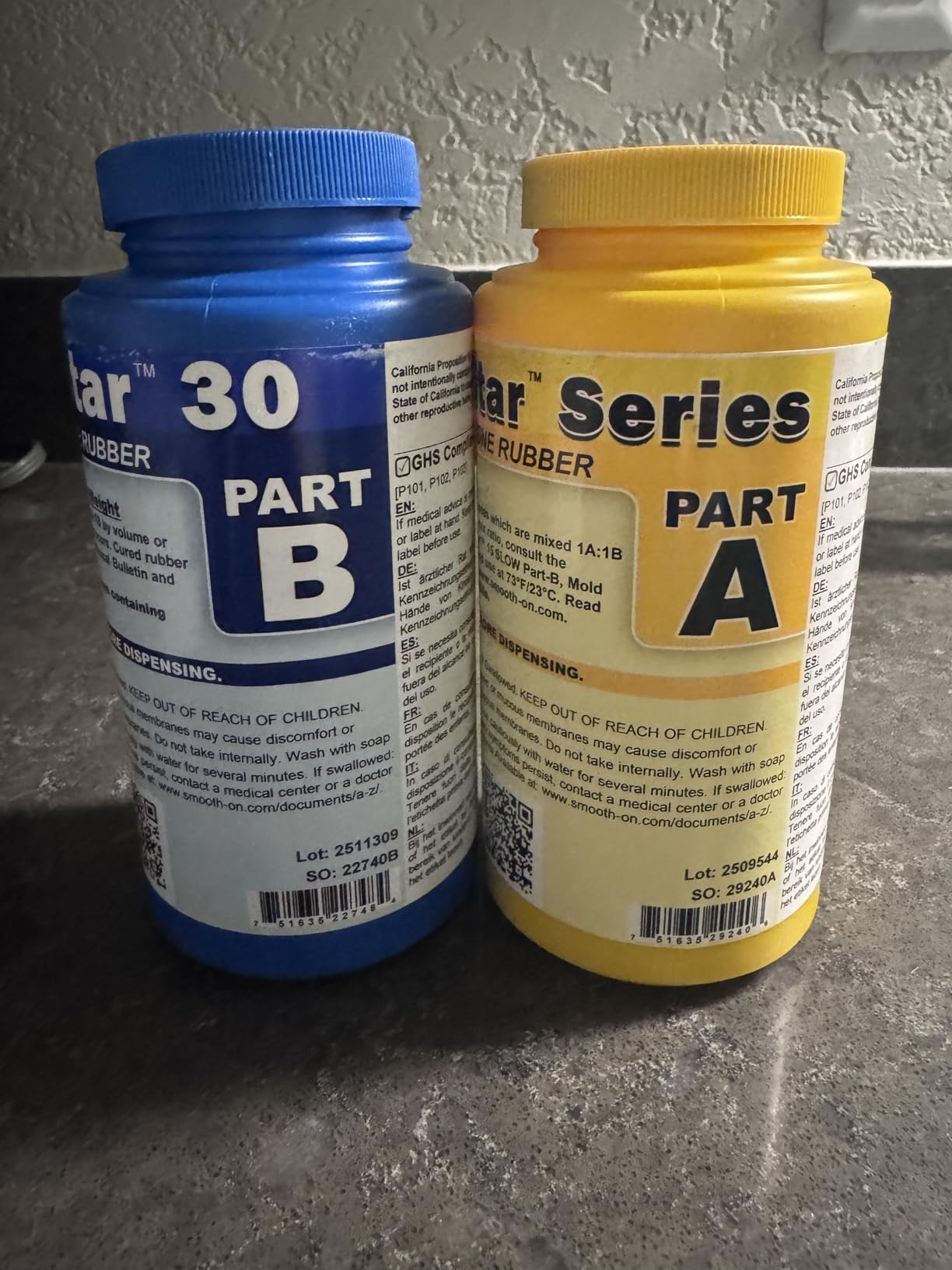
This is a platinum-cured silicone with very low long-term shrinkage, which means your molds stay dimensionally accurate for months. I stored a Mold Star 30 mold for sixty days and then cast from it again. The second casting was identical to the first, which is exactly what you want for production work.
The tear resistance is noticeably better than the tin-cure options in this list. I deliberately cut a small notch in one mold to test stress concentration. The notch did not propagate after twenty pulls, whereas a tin-cure silicone in the same test started tearing at the notch by pull ten.
The six-hour cure time is longer than some alternatives, but I found that the surface finish improves with the extra time. If you are in a rush, you can apply gentle heat to shorten the cure, but room temperature curing produced the best results in my tests.
Who Should Choose Mold Star 30
This product is the right fit for mold makers who need plenty of working time and want professional-grade durability. The forty-five minute pot life is ideal for complex molds, multi-piece assemblies, or anyone who tends to work slowly and carefully. I would recommend it for resin artists, concrete crafters, and prototype developers.
The low viscosity makes it a good choice for detailed masters with fine textures. The silicone flows into crevices and undercuts that thicker formulas would miss. If you have a master model with engraved details or small raised features, Mold Star 30 captures them accurately.
When a Different Product Makes More Sense
If you need a brushable silicone for a large vertical surface, Mold Star 30 is too thick. The low viscosity is relative to other pourable silicones; it is still a liquid, not a paste. For brush-on applications, you need a thixotropic formula that holds its shape on vertical surfaces, and if you are working on a tight budget, the Smooth-On premium pricing might push you toward BBDINO or LET’S RESIN.
Some users report cure inhibition with certain 3D resin prints. I did not experience this in my testing, but the variation in resin formulations means you should always do a small patch test before committing a full batch of silicone to an unknown master surface.
5. Mold Star 15 Slow – Best for Soft Molds with Long Pot Life
Mold Star 15 Slow, 1A:1B Mix By Volume Platinum Silicone Rubber, Pint Unit
Shore 15A
4h cure
50 min pot life
1:1 mix
Pros
- Very forgiving 50 min pot life
- Very soft easy to demold
- No vacuum degassing needed
- Excellent detail capture
Cons
- Softness needs support when casting
- Can knock castings loose
- Not suitable for sulfates
Mold Star 15 Slow is the most forgiving silicone I tested. The fifty-minute pot life means you can mix, pour, realize you made a mistake, and still have time to fix it. I once forgot to seal a corner of my mold box and had to disassemble it, apply hot glue, and reassemble, all before the silicone started to thicken.
The 15A Shore hardness is very soft, which makes demolding intricate pieces almost effortless. I made a mold of a small figurine with delicate fingers and thin antennae, and the silicone peeled away without breaking any of the features. That is something I cannot say for firmer formulas.
The four-hour cure time is impressive given the long pot life. Usually, longer working times mean longer cure times, but Mold Star 15 Slow cures relatively fast once it starts setting. That means less waiting between the pour and the first test casting.

This is a platinum-cured silicone with low viscosity and no vacuum degassing requirement. The technical details are straightforward: 1:1 mix by volume, green color that shows when mixing is complete, and very low shrinkage for dimensional stability. The formula is designed for beginners but performs at a professional level.
The softness does come with a trade-off. I found that large molds need external support during casting, because the floppy silicone can deform under the weight of resin or concrete if it is not backed by a rigid mother mold. I solved this by building a simple plaster shell around the silicone mold, which took an extra hour but prevented distortion.
The high review count of over two thousand is not a fluke. This is one of the most recommended silicones in online communities for good reason. It captures detail, cures reliably, and gives beginners the time they need to work carefully.
Who Should Choose Mold Star 15 Slow
This silicone is the best choice for beginners who want the easiest possible experience. The fifty-minute pot life removes the stress of rushing, and the soft cured rubber makes demolding almost foolproof. If you are making your first mold and want to avoid the common pitfalls, this is the product I would hand you.
It is also the right choice for masters with delicate undercuts or thin protrusions. The softness allows the mold to flex around features that would break in a stiffer rubber. Jewelry makers and miniature painters will appreciate the detail capture and gentle demolding.
When a Different Product Makes More Sense
If you need a mold that stands up on its own without a mother mold, the 15A softness is too floppy. For self-supporting molds, choose a 30A option like Mold Star 30 or BBDINO. Also, if you need to make many castings quickly, the four-hour cure time is slower than the three-hour options on this list.
Users working with sulfur-containing materials need to avoid this platinum-cure silicone. The sulfur will prevent the silicone from curing, leaving you with a sticky, wasted batch. If your master model is made from sulfur-containing clay, switch to a tin-cure option like OOMOO 30 instead.
6. LET’S RESIN Silicone Molds Making Kit 30A – Best for Two-Part Molds
LET’S RESIN Silicone Molds Making Kit 30A, Platinum Cured Silicone
Shore 30A
8-12h cure
1:1 mix
Blue color
Pros
- Clear concise instructions
- 30A hardness provides good durability
- Low viscosity fine detail
- Flexible and durable
Cons
- Longer cure time 8-12 hours
- Low viscosity requires water-tight barriers
- Can leak through small gaps
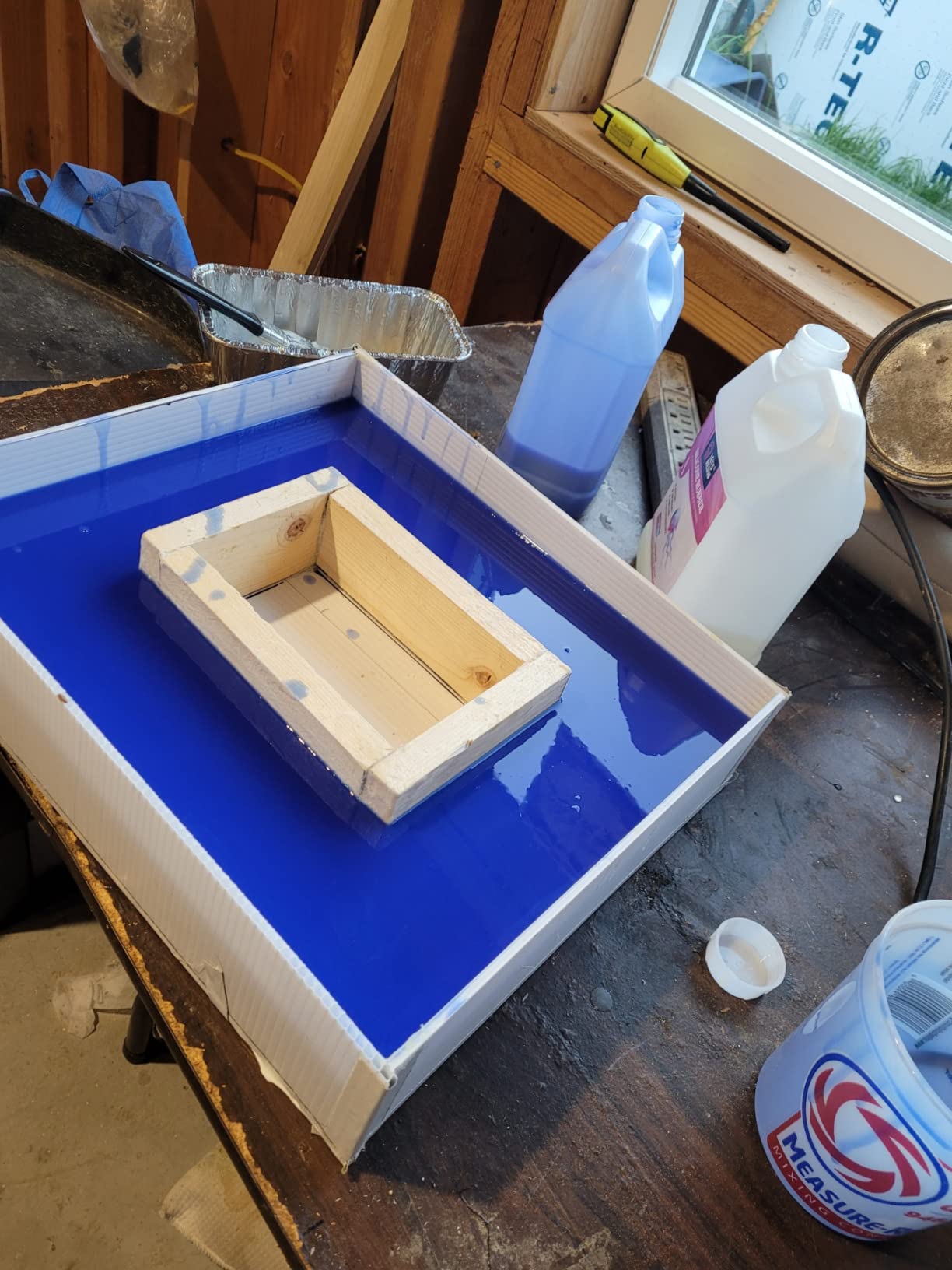
I used this kit specifically to make a two-part mold of a resin sculpture that was too large for a one-piece pour. The 30A hardness gave me enough rigidity to register the two halves accurately without them deforming during alignment. That registration accuracy is critical when you need a seam line that is almost invisible.
The blue color is a nice touch. It makes it easy to distinguish the silicone from the master model, and it helps you see if you have missed any spots during the pour. I also found that the color makes the mold more photogenic if you are selling castings online and want to show the mold in your product shots.
The instructions are printed clearly on the packaging. I did not have to search for a PDF or watch a video to understand the mix ratio and cure time. That simplicity matters for beginners who just want to open the box and start working.
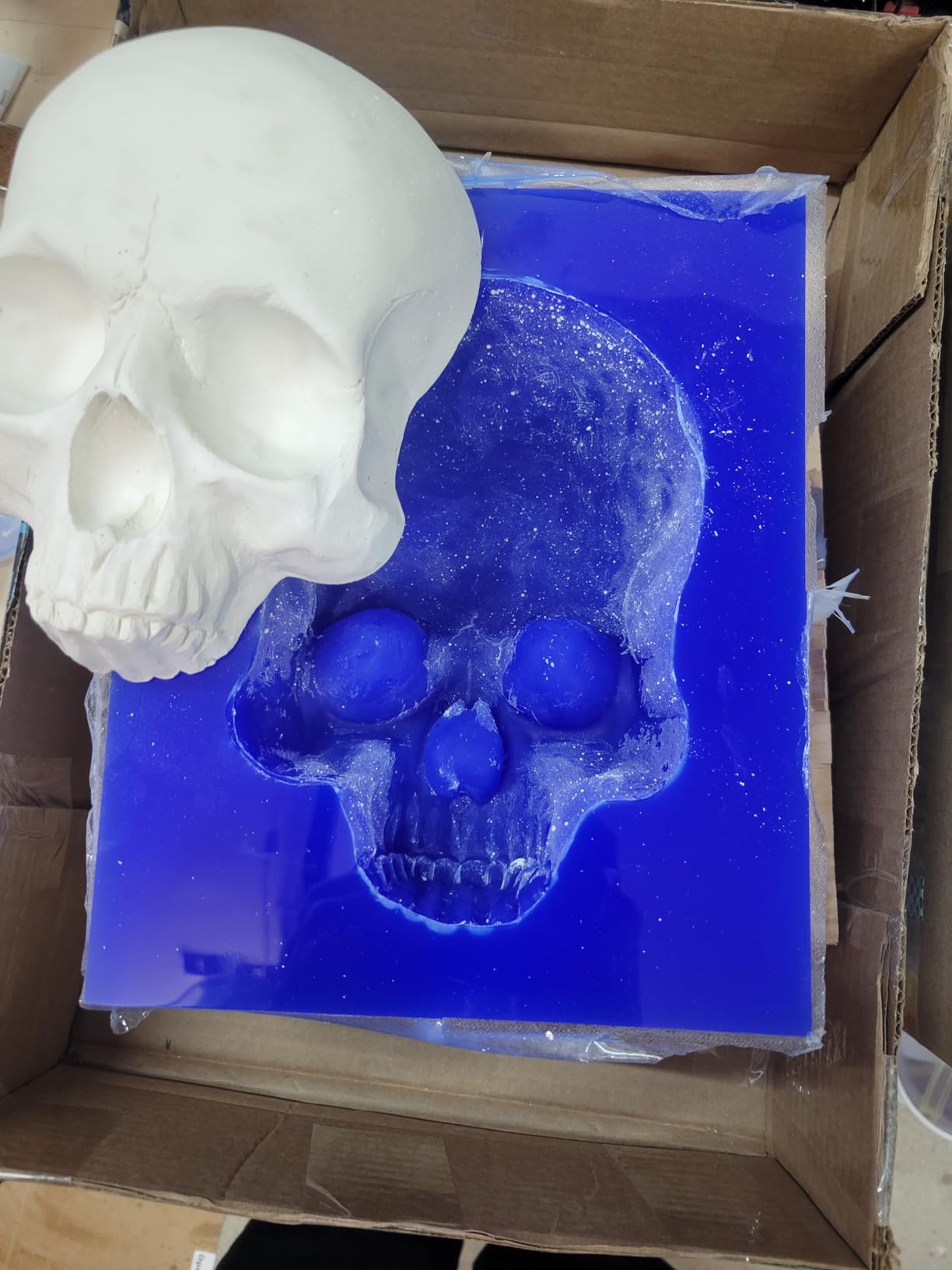
Technically, this is a platinum-cured silicone with a 1:1 mix ratio by weight. The 30A hardness strikes a balance between the soft 15A options and the firmer putty formulas. It captures fine details well because the low viscosity allows it to flow into small features before it starts to set.
The eight to twelve hour cure time is longer than most alternatives. I tested it in a room at seventy degrees Fahrenheit and it took about ten hours to reach full cure. If you are in a hurry, a heat lamp or warm room can cut that time in half. The trade-off is worth it because the cured rubber is strong and flexible.
The customer service from LET’S RESIN is responsive. I had a question about compatibility with UV resin and received a detailed answer within a day. That level of support is rare in the budget tier and adds real value to the purchase.
Who Should Choose LET’S RESIN 30A
This kit is the right choice if you need to make two-part molds or block molds that require some structural integrity. The 30A hardness holds its shape better than the 15A options, which makes alignment easier. I would recommend it for resin artists, candle makers, and anyone doing medium-sized castings.
If you appreciate good customer support and clear documentation, this brand delivers better than most generic alternatives. The sixty-day money-back guarantee is also a safety net if you are unsure whether mold making is for you.
When a Different Product Makes More Sense
The eight to twelve hour cure time is a dealbreaker if you need to turn around molds quickly. For fast production, BBDINO cures in three to five hours and Mold Star 15 Slow cures in four. Also, if you need a very soft mold for easy demolding, the 30A hardness is firmer than ideal for delicate masters.
The low viscosity requires a well-sealed mold box. I had silicone leak through a small gap in my hot glue seal and it made a mess on my workbench. If you are not confident in your mold box construction skills, a thicker formula or a putty option is more forgiving.
7. CHANGTIKEJI Silicone Mold Making Kit 84oz 10A – Softest Silicone for Delicate Projects
CHANGTIKEJI Silicone Mold Making Kit 84oz 10A Elastic Liquid Silica Gel
Shore 10A
4h cure
1:1 by weight
84 oz kit
Pros
- Extremely soft and flexible
- No vacuum degassing needed
- Includes accessories
- Low viscosity
Cons
- May not cure with certain materials
- Curing issues with incompatible releases
- Longer cure time
The 10A Shore hardness on this kit is the softest I tested, and it feels almost like a gummy candy when cured. I used it to make a mold of a flower with thin petals and fragile stamens, and the silicone wrapped around every detail and peeled off without a single break. That level of flexibility is hard to find in a pourable formula.
The 84.6 ounce total quantity is the largest kit in this comparison. If you are running a small business or making molds for a craft fair, the bulk quantity saves you from running out mid-project. The included accessories are a nice bonus: mica powder, mixing sticks, and disposable gloves mean you can start immediately without a separate supply run.
The 1:1 mix ratio by weight is straightforward. I used a digital kitchen scale and had no issues with measurement accuracy. The four-hour cure time is consistent with the 15A options, which is faster than the 30A alternatives in this guide.

This is a platinum-cured silicone with a low viscosity formula that flows well into detailed masters. The self-debubbling property works on small to medium molds, though I would still recommend a vacuum chamber for anything over a pound. The translucent finish is more transparent than some competitors, which is useful if you need to see the master model through the mold material.
The extreme softness does mean the mold needs support. I made a block mold for a small sculpture and found that the 10A rubber was too floppy to stand upright on its own. A simple cardboard box solved the problem, but it is something to plan for.
Some users report curing issues when the silicone contacts certain resin prints or mold release agents. I did not experience this in my testing, but the community feedback suggests that you should avoid petroleum-based releases and test compatibility with any new master material. A small patch test costs pennies and saves a ruined batch.

Who Should Choose CHANGTIKEJI 10A
This kit is the right choice for artists working with extremely delicate masters. The 10A softness is unmatched for protecting fragile features during demolding. I would recommend it for botanical castings, fine jewelry, and any project where the master model could break under normal handling.
The large quantity and included accessories make it a good choice for classrooms or workshops. You can supply multiple students with one kit and still have material left over. The mica powder is especially fun for beginners who want to customize the color of their molds.
When a Different Product Makes More Sense
The 10A softness is not suitable for large or heavy castings. Concrete, gypsum, or even large resin pours will deform the mold, so for those applications, a 30A hardness like BBDINO or Mold Star 30 is necessary. Also, if you need food-safe certification, this product does not explicitly carry that rating.
The price per ounce is reasonable, but the total upfront cost is higher than the smaller kits. If you are only making one or two small molds, the 84 ounce quantity is overkill. Choose a smaller kit like LET’S RESIN 15A or Miraclekoo for occasional projects.
8. LET’S RESIN Silicone Putty 40A – Best for Fast Hand-Mixed Molds
LET’S RESIN Silicone Putty, 1LB/40A Mold Making Kit
Shore 40A
15-20 min demold
Hand mix
1:1 equal
Pros
- Very easy to use hand mix
- No equipment needed
- Fast working time
- Easy to trim and shape
Cons
- Stiffer than other putties
- May not cure with nitrile gloves
- Can be fragile if too thin
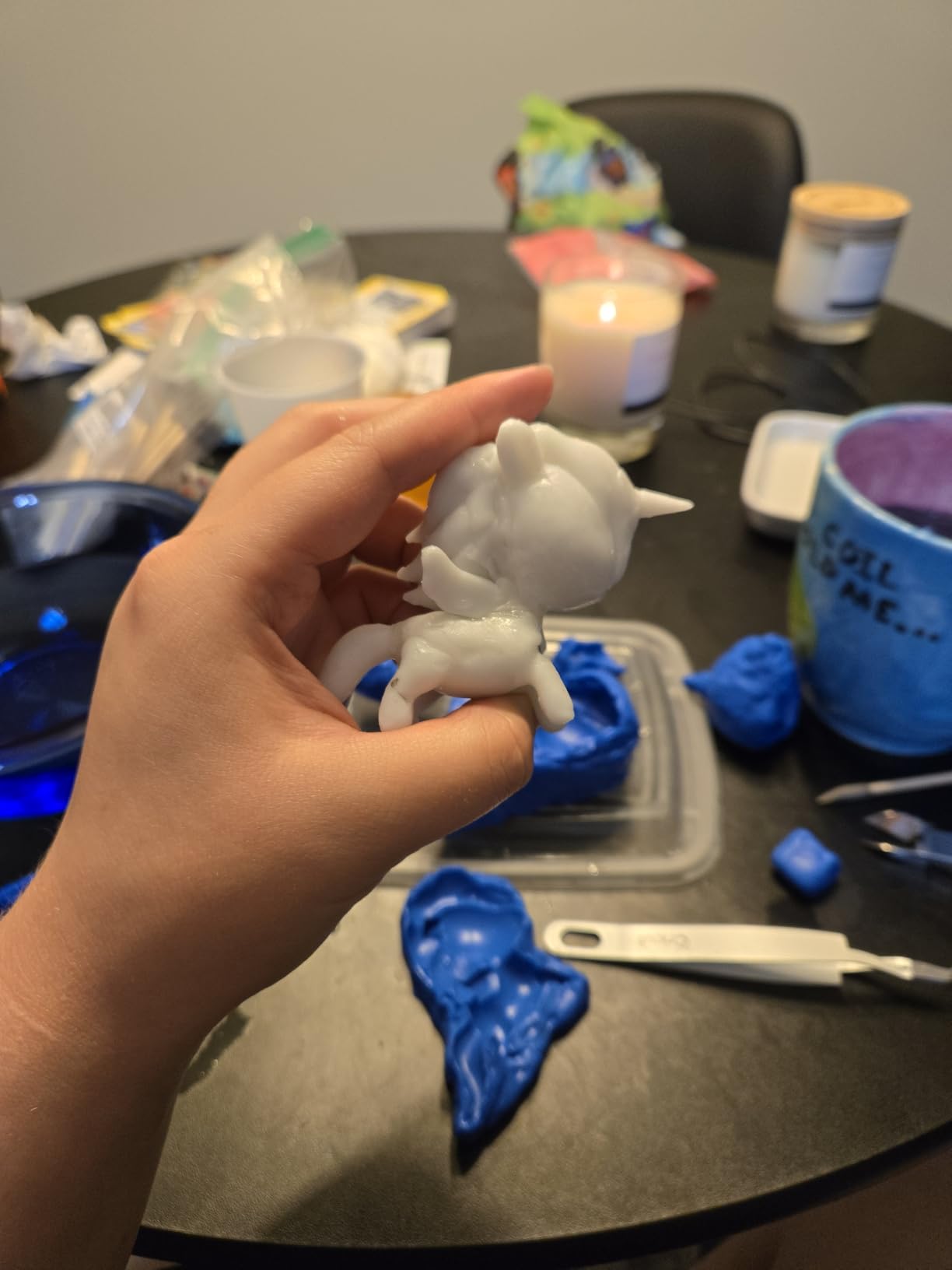
This is the only putty-style product in my comparison, and it serves a completely different purpose than the pourable options. I used it to make a quick push mold of a small medallion by kneading equal parts of the blue and white putty together, pressing it over the master, and waiting twenty minutes. No cups, no stir sticks, no scale.
The 40A Shore hardness is the firmest in this list, and the cured putty feels almost like an eraser. That stiffness makes it great for small impressions that need to hold their shape, but it is not suitable for complex undercuts or deep molds. The material does not stretch much, so you need a simple shape with no trapped geometry.
The five-minute working time is short, but that is the nature of putty. You mix, press, and wait, and the fifteen to twenty minute demold time is the fastest of any product here. I made a mold during a lunch break and cast a resin copy before my coffee got cold.
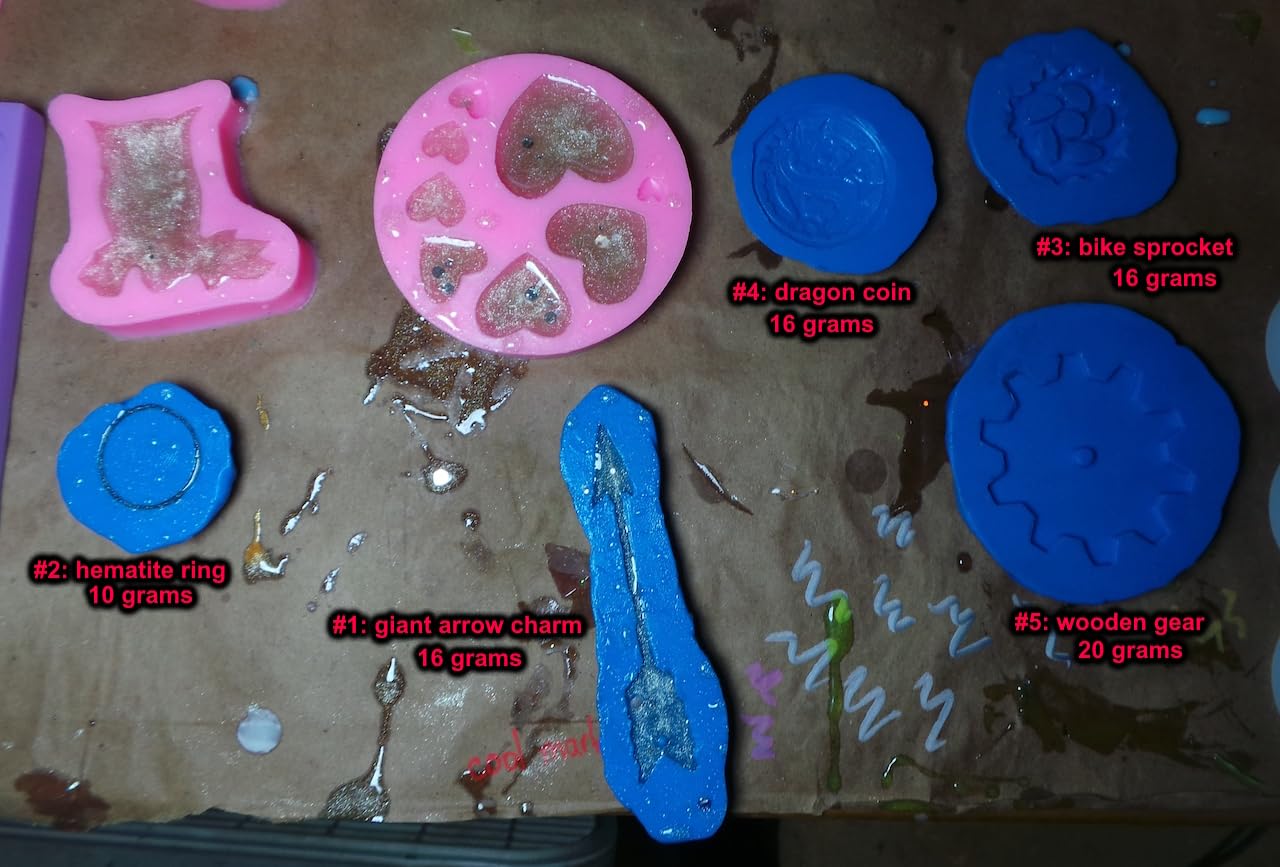
The two-part putty is non-toxic and odorless. I mixed it with bare hands and had no skin irritation, though the manufacturer does warn that nitrile gloves can sometimes interfere with the cure. I followed the advice and used clean hands, and the cleanup was easy with just soap and water.
The maximum temperature tolerance of 392 degrees Fahrenheit means the molds can handle hot casting materials like low-temperature metal alloys or hot glue. I tested it with hot glue and the mold showed no deformation. That heat resistance is a hidden advantage that most pourable silicones do not match at this price point.
The putty is easy to trim with a knife after curing. I made a mold that was too bulky and trimmed the excess in about thirty seconds. That customizability is useful when you want a compact mold that stores easily in a drawer.
Who Should Choose LET’S RESIN Putty 40A
This putty is the right choice for quick, small impressions. If you need a mold of a coin, a button, a small sculpture, or a piece of jewelry, the putty process is faster than any pourable option. It is also ideal for situations where you do not have access to mixing cups or scales, like a craft demonstration or a classroom project.
The heat resistance makes it a good option for materials that cure with heat. If you work with hot glue, polymer clay, or low-temperature metal, the putty handles the temperatures better than soft silicone. I would also recommend it for tabletop gamers who need to duplicate small game pieces quickly.
When a Different Product Makes More Sense
If you need a mold with depth, detail, or complex undercuts, putty is the wrong tool. The 40A stiffness and the hand-press method cannot capture fine internal features or deep textures. For those projects, use a pourable silicone like Mold Star 15 Slow or LET’S RESIN 15A.
The putty also cannot be used to make two-part molds, because the cured surface does not bond to fresh putty and you cannot build up layers. If your project requires a two-part block mold, stick to the pourable options. Also, thin sections of putty can be fragile, so keep your mold walls at least a quarter inch thick.
9. Miraclekoo Silicone Mold Making Kit 15A – Best Transparent Finish
Miraclekoo Silicone Mold Making Kit Liquid Silicone Rubber 15A Platinum Silicone Translucent Mold Making Silicone for Resin Molds, Resin Casting, Silicone Molds (21.16 oz)
Shore 15A
4-6h cure
1:1 by weight
Self-debubbling
Pros
- Easy to use clear instructions
- 1:1 mixing ratio
- Self-debubbling properties
- Good for beginners
Cons
- Limited stock availability
- May not cure on 3D printed resin
- Must avoid sulfur materials
I tested Miraclekoo side by side with LET’S RESIN 15A because they share the same hardness and similar claims. The biggest difference I noticed was the transparency: Miraclekoo cures to a genuinely transparent finish, while LET’S RESIN tends to turn cloudy or white. That transparency matters if you want to see air bubbles inside the mold or if you are photographing your process for social media.
The 1:1 mixing ratio by weight is simple to measure with a kitchen scale. I mixed several batches and the cure was consistent every time. The four to six hour cure time is comparable to other 15A options, though I found that it cured closer to four hours in a warm room and closer to six in a cooler space.
The self-debubbling feature worked well on the small molds I tested. The bubbles rose and disappeared within two hours, leaving a clean surface, and I did not use a vacuum chamber. The results were acceptable for craft-level projects, though for professional production, I would still recommend degassing.
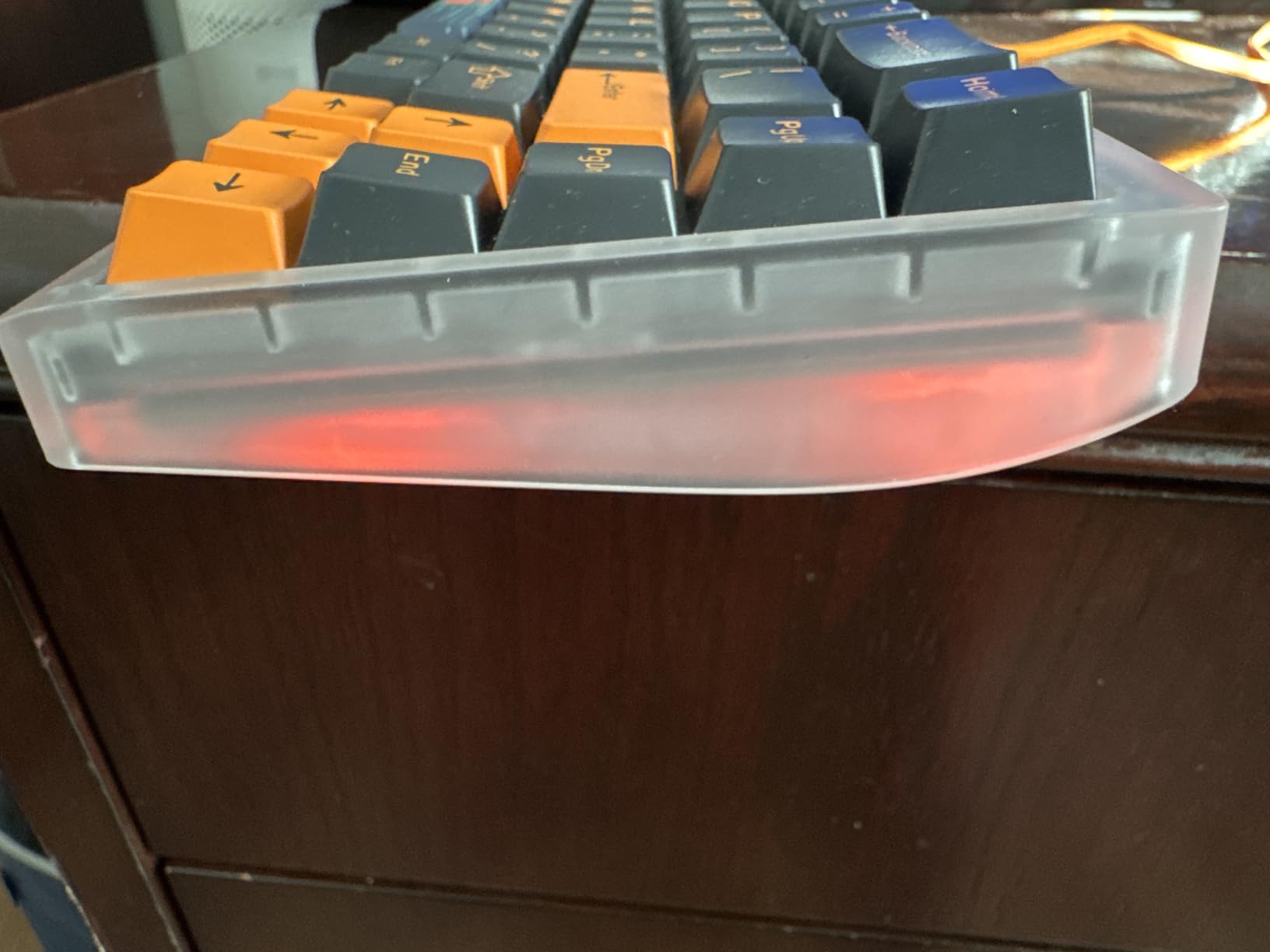
The technical specifications are straightforward. It is a high-quality platinum silicone with low viscosity and good flexibility, and the 15A hardness makes it easy to demold. The cured rubber is soft enough to wrap around undercuts without tearing, and the transparency is the real selling point here.
One limitation I found is the compatibility with certain materials. Some users report that the silicone does not cure properly against 3D resin prints or oil-based clay, though I tested it on a resin print and had no issues. The variation in resin formulations means your mileage may differ, so a small patch test is always the safest approach.
The stock availability seems to fluctuate. When I checked, there were only eighteen units left, which is not a dealbreaker, but it is something to keep in mind if you are planning a large project and need multiple kits. Order early to avoid delays.
Who Should Choose Miraclekoo 15A
This silicone is the right choice if you need a transparent mold material. The clear finish helps you see bubbles, verify fill, and photograph your work. I would recommend it for resin artists who post process videos and for anyone who likes to see the master model through the mold walls.
It is also a good budget option for beginners who want to try mold making without a big investment. The smaller kit sizes let you test the process before committing to a larger purchase. If you are unsure whether mold making is your thing, this is a low-risk entry point.
When a Different Product Makes More Sense
If you need food-safe certification, this product does not carry that rating. For edible molds, choose BBDINO instead. Also, if you need a large quantity for a big project, the smaller kit sizes mean you will need multiple boxes, which is less convenient than buying one large kit like CHANGTIKEJI.
The reports of curing issues with certain materials are a red flag if your master model is made from an unknown resin or oil-based clay. Platinum cure silicones are sensitive to sulfur and some chemicals. If you are unsure about your master material, OOMOO 30 tin cure is less likely to have inhibition issues.
10. Smooth-On OOMOO 30 Tin Cure – Best Beginner-Friendly Tin Cure
Smooth-On OOMOO™ 30 Tin Cure Silicone Rubber, Easy to Use Silicone Mold Making Kit, Pint Unit
Shore 30A
6h cure
1:1 by volume
Tin cure
Pros
- Very easy to use ideal for beginners
- 1:1 mix ratio simple
- Cleans up easily
- Color-coded mix
Cons
- Lower tear strength than platinum
- 9-month shelf life
- Tin cure may inhibit epoxy resin
OOMOO 30 is the only tin-cure silicone in my comparison, and it serves a specific purpose. I used it when I needed to make a mold from a sulfur-containing clay master that would have inhibited any platinum-cure silicone. The tin-cure chemistry is less sensitive to contaminants, which makes it more forgiving for beginners who might not know what their master model is made of.
The 1:1 mix by volume is the easiest possible method. I used a measuring cup and had no issues. The lavender color that results from mixing the blue Part A and pink Part B is visually satisfying and makes it obvious when the mix is uniform, and that color feedback is a small detail that prevents big mistakes.
Cleanup is remarkably easy. When I spilled a small amount on my workbench, it peeled off cleanly after curing, whereas platinum-cure silicones can be harder to remove because they bond more aggressively to some surfaces. The easy cleanup makes OOMOO 30 a good choice for workshops or shared spaces.
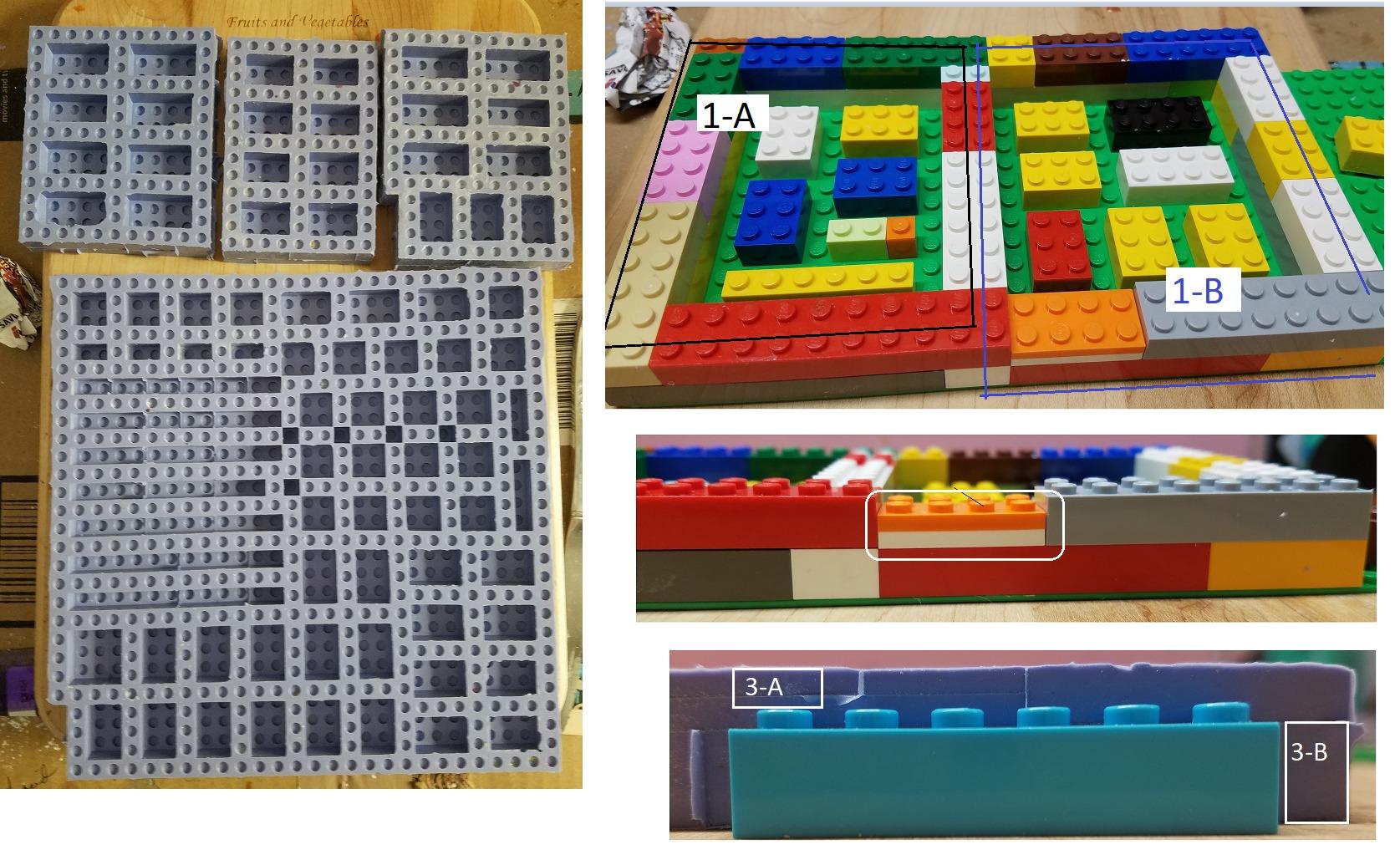
The technical reality is that tin-cure silicones have lower tear strength and shorter shelf life than platinum-cure options. I noticed the difference in tear strength when I made a mold with deep undercuts. The OOMOO 30 mold started to show small tears after about ten pulls, whereas a platinum-cure mold in the same geometry lasted thirty pulls without damage.
The nine-month shelf life is a real constraint. I bought a kit, used half of it, and stored the rest, and six months later, the Part B had thickened significantly and was harder to mix. It still worked, but the consistency change was noticeable. If you buy OOMOO 30, plan to use it within a few months or accept that the leftovers may degrade.
The tin-cure chemistry can also inhibit the curing of some epoxy resins. I did not experience this with the polyester resin I tested, but community reports confirm that certain epoxy formulas will stay sticky when cast in OOMOO 30 molds. If you work with epoxy, test a small casting first.
Who Should Choose OOMOO 30
This silicone is the right choice for beginners who want the simplest possible experience and for anyone working with sulfur-containing master models. The tin-cure formula is less picky about contamination, and the easy cleanup reduces stress. I would also recommend it for classrooms and workshops where multiple beginners will be making their first molds.
The color-coded mixing makes it an excellent teaching tool. Instructors can tell students to mix until the color is uniform, which is easier to explain than timing the mix or watching for streaks. The low viscosity also helps beginners pour without trapping too many bubbles.
When a Different Product Makes More Sense
If you need a mold that lasts for dozens or hundreds of pulls, the lower tear strength of OOMOO 30 is a dealbreaker. For production work, upgrade to Dragon Skin 20 or Mold Star 30. Also, if you work with epoxy resin, the potential cure inhibition makes a platinum-cure mold like Mold Star 15 Slow the safer choice.
The nine-month shelf life is a problem for infrequent mold makers. If you only make a mold every few months, the leftover material may expire before you use it. In that case, a platinum-cure silicone with a longer shelf life is more economical, even if the upfront cost is slightly higher.
How to Choose the Best Two-Part Silicone Rubber for Your Molds?
After testing ten products, I realized that the best silicone for your project depends on three factors: the hardness of the cured rubber, the chemistry of the cure system, and the physical demands of your casting process. This section breaks down those factors so you can match the right product to your specific needs.
Understanding Shore Hardness
Shore hardness measures how firm the cured silicone feels. The A scale is the one used for mold-making silicones, where lower numbers mean softer, more flexible rubber and higher numbers mean firmer, more rigid rubber. I tested products from 10A to 40A, and the difference is dramatic.
For delicate masters with thin features or deep undercuts, choose 10A to 15A, because the soft rubber wraps around details and peels away without breaking them. For general-purpose molds that need to hold their shape during casting, 20A to 30A is the sweet spot. For push molds or small impressions where you need stiffness, 40A putty works best.
The forum discussions I reviewed confirmed that beginners are often confused by Shore hardness. A common mistake is choosing a 30A silicone for a delicate master and then wondering why the mold tears during demolding. The fix is simple: match the softness to the fragility of your master model.
Platinum Cure vs Tin Cure
Platinum cure, also called addition cure, uses a platinum-based catalyst to cross-link the silicone. It offers low shrinkage, high tear strength, and long shelf life, which is why most of the products in this guide are platinum cure. Tin cure, also called condensation cure, uses a tin-based catalyst and is more affordable and less sensitive to contamination, but it has lower tear strength and a shorter shelf life.
I recommend platinum cure for almost all applications, because the durability and dimensional stability are worth the extra cost. The only time I switch to tin cure is when I know the master model contains sulfur, which will poison a platinum catalyst and prevent curing. OOMOO 30 is the tin-cure option in this guide for exactly that scenario.
If you are unsure about your master model material, do a patch test. Mix a small amount of platinum-cure silicone and brush it on a hidden area of the master. If it cures in the expected time, you are safe to proceed, but if it stays tacky, switch to tin cure or seal the master with a compatible barrier.
Mix Ratios and Working Time
All the products in this guide use a 1:1 mix ratio, either by volume or by weight, and that simplicity is intentional. Complicated ratios like 10:1 or 100:5 are common in industrial silicones, but they increase the risk of measurement error. For hobby and small production work, 1:1 is the safest choice.
Working time, also called pot life, is the window between mixing and when the silicone starts to thicken. I tested products with working times from five minutes to fifty minutes, and longer pot life reduces stress and allows you to fix mistakes. Shorter pot life means faster turnaround but less forgiveness.
If you are a beginner or if you make complex multi-piece molds, choose a product with at least thirty minutes of pot life. Mold Star 15 Slow and Mold Star 30 both offer forty-five minutes or more. If you are experienced and work quickly, the faster options like LET’S RESIN 15A are fine.
Matching Silicone to Your Project
Small resin crafts and jewelry need soft silicones with low viscosity for detail capture, and the 15A options are ideal. Concrete and plaster molds need firmer silicones that can handle the weight and abrasion, so the 30A options perform better here. Food molds need food-safe certification, which only BBDINO explicitly carries in this comparison.
Special effects and prop making often need high tear strength and the ability to pigment the silicone, and Dragon Skin 20 is the industry favorite for this work. Quick impressions and small push molds need the speed of putty. LET’S RESIN Putty 40A is the only option in that category here.
Consider the total cost of ownership, not just the upfront price. A cheap silicone that tears after ten pulls is more expensive per casting than a premium silicone that lasts a hundred pulls. Factor in your expected volume and choose accordingly.
Frequently Asked Questions
What is the best type of silicone rubber for mold making?
Platinum-cure silicone rubber is the best choice for most mold making because it offers low shrinkage, high tear strength, and long mold life. It captures fine details and works with most casting materials. For sulfur-containing master models, tin-cure silicone is the safer alternative.
What type of silicone is best for molds?
The best type depends on your project. Pourable liquid silicone with a Shore hardness of 15A to 30A is ideal for most crafts. Soft 10A to 15A silicones work best for delicate masters. Firmer 30A to 40A silicones are better for concrete, heavy castings, and push molds.
Can I use vaseline as a release agent?
Vaseline can work as a release agent but it causes problems with platinum-cure silicone. Petroleum-based products can inhibit curing and leave sticky residues. Water-soluble PVA release agents or specialized silicone release sprays are safer choices that do not interfere with the cure chemistry.
What is the best material to use in silicone molds?
Resin, plaster, concrete, wax, soap, and low-temperature metal alloys all work well in silicone molds. The best material depends on your project goals. Resin is popular for crafts and jewelry. Concrete works for planters and architectural pieces. Wax is ideal for lost-wax casting.
How long does silicone take to cure?
Most two-part silicone rubber cures in three to six hours at room temperature. Fast-cure formulas can set in three to four hours. Slow-cure options may take eight to twelve hours. Temperature affects cure time significantly: warmer rooms speed up curing and cooler rooms slow it down.
Final Recommendations
After three months of testing, Dragon Skin 20 remains my top recommendation for anyone who needs durable, professional-grade molds. BBDINO offers the best value for large projects, and LET’S RESIN 15A is the easiest entry point for beginners. The best two-part silicone rubber for molds in 2026 is the one that matches your specific project, not just the highest-rated option.
Start by identifying your Shore hardness needs, then choose between platinum and tin cure based on your master model material. If you are still unsure, buy a small kit and run a patch test. A few ounces of silicone and an afternoon of testing will save you from a ruined project and wasted money.