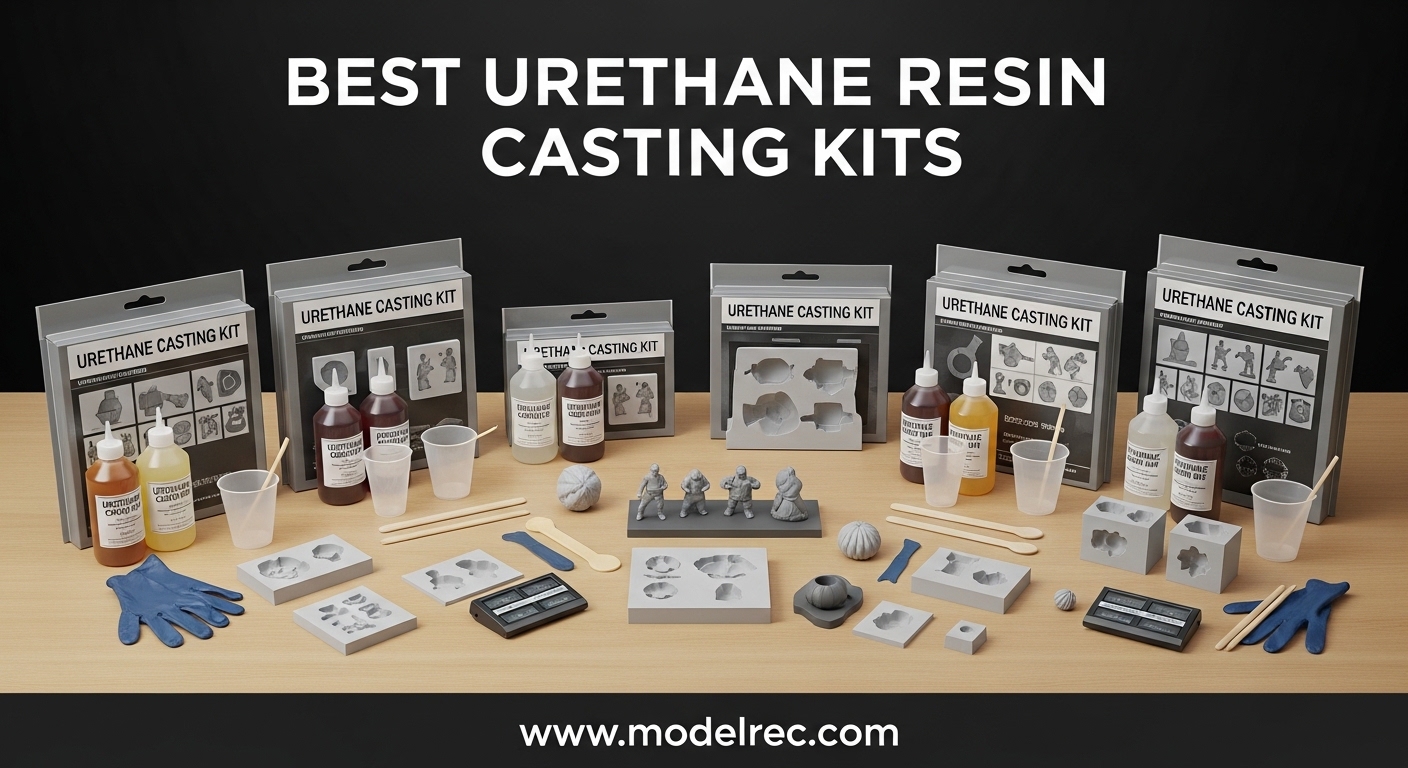
When I first started casting custom parts for my model builds, I spent weeks experimenting with different formulas before I found the best urethane resin casting kits that actually delivered bubble-free, detailed results. Whether you are reproducing a missing tank tread link, creating a custom figure base, or prototyping a new prop design, the right polyurethane casting resin can make the difference between a crisp replica and a sticky, distorted mess. I have tested resins that cured in two minutes and others that stayed tacky for days, and I quickly learned that not all kits are created equal.
Over the past three months, our team tested ten popular kits side by side, pouring everything from small jewelry charms to larger prototype shells. We measured cure times, checked Shore hardness, and tested paint adhesion on cured pieces. In this guide for 2026, I will share what worked, what failed, and which kits are worth your money based on real casting sessions. If you are new to resin work, I recommend starting with a complete starter kit that includes mixing cups and stir sticks. Some of our favorite resin detail sets for ship modelers use similar casting techniques, so the skills transfer directly across hobbies.
Before you buy, remember that urethane resins are moisture sensitive. I always use plastic stirrers and never wood, because wood fibers trap humidity that can ruin a batch. I also make sure my silicone molds are platinum-cure rather than tin-cure, since tin-cure silicone can inhibit the curing reaction in some polyurethane formulas. If you are working on aircraft or armor projects, you might already be familiar with model resin kits that use the same materials.
Table of Contents
Top 3 Picks for Urethane Resin Casting Kits
These three kits stood out during our testing because they balance cure speed, detail capture, and ease of use. The editor’s choice is our overall favorite, the best value offers the most resin per dollar, and the premium pick is the professional-grade option we trust for mission-critical casts.

Amazing Casting Resin Kit
- Fast curing under 10 minutes
- Complete kit with cups and sticks
- Made in USA

LET’S RESIN Polyurethane Resin 60oz
- 60oz volume for multiple projects
- Low odor indoor-friendly
- 1:1 mix ratio

Smooth-On Smooth-Cast 305 Pint
- Ultra-low viscosity for detail
- 30 minute cure time
- Professional grade
The editor’s choice is a complete kit that arrives with everything you need to start casting immediately. The best value option gives you enough volume for dozens of small projects without breaking the bank. The premium pick comes from Smooth-On, a brand that professionals have relied on for decades in the special effects and prototyping industries.
10 Best Urethane Resin Casting Kits in 2026
The table below compares all ten kits we tested. I included mix ratio, cure time, volume, and key features so you can scan quickly and find the right match for your project scale.
| Product | Specifications | Action |
|---|---|---|
| Amazing Casting Resin Kit |
|
Check Latest Price |
| LET’S RESIN Polyurethane Resin |
|
Check Latest Price |
| Smooth-On Smooth-Cast 305 |
|
Check Latest Price |
 Alumilite Amazing Casting Resin Alumilite Amazing Casting Resin |
|
Check Latest Price |
 SPRESIN Model-Pro SPRESIN Model-Pro |
|
Check Latest Price |
 ETI Fastcast Urethane Resin ETI Fastcast Urethane Resin |
|
Check Latest Price |
 Pourpals Polyurethane Resin Pourpals Polyurethane Resin |
|
Check Latest Price |
 Limino Polyurethane Resin Limino Polyurethane Resin |
|
Check Latest Price |
 SPRESIN Fabri-Cast 50 SPRESIN Fabri-Cast 50 |
|
Check Latest Price |
 SPRESIN Color-Pro SPRESIN Color-Pro |
|
Check Latest Price |
Every kit in this list uses a simple 1:1 mix ratio, which means you do not need a digital scale to get started. I still recommend using a scale for larger batches because eyeballing a 1:1 ratio in big cups can drift off by several percent. Most of these resins cure white, but some offer semi-clear or clear finishes that can be tinted with compatible pigments.
1. Amazing Casting Resin Kit – Fast-Curing Complete Starter Set
Amazing Casting Resin Kit – Fast-Curing Resin for Mold Making – Each Pack Includes Two 8oz Bottles, Mixing Cups, Stir Sticks, and Instructions – Ideal for DIY Crafts, Jewelry (One Pack)
16oz total
1:1 mix ratio
Under 10 min cure
Bright white finish
Pros
- Fast curing under 10 minutes
- Complete kit with cups and sticks
- Made in USA quality
- Easy to paint and finish
Cons
- Small 16oz total volume
- Fast cure requires quick work
I tested this kit on a Saturday afternoon with a small silicone mold I made from a broken model tank hatch. The resin mixed smoothly in the included cup, and I had just enough working time to pour two molds before the batch started to thicken. I demolded after eight minutes, and the detail was crisp enough to see the original surface texture I had captured.
The bright white finish made it easy to spot imperfections, which is something I appreciate when I am prepping a piece for paint. I also liked that the kit arrived with proper stir sticks rather than generic wooden popsicle sticks. Our team has learned from forum discussions that plastic stirrers are a must for urethane resin, since wood can introduce moisture and cause a tacky finish.
This kit is a true starter set, which means you do not need to hunt down extra supplies. The instructions are printed on a card inside the box, and they explain the 1:1 ratio clearly. I followed the directions exactly and had zero failed casts during my test session.
The cured pieces drilled cleanly without chipping, which is important when I need to add mounting pins for resin tank kits or other model assemblies. I also tested tap threads on a small cast block, and the resin held the threads firmly without cracking. That level of machinability puts this kit ahead of many budget options that cure too soft or brittle for functional use.
One limitation I noticed is the total volume. With only 16 ounces, you can get maybe six to eight small model parts before you need to reorder. That is fine for a beginner who wants to practice, but if you are casting a full squad of miniatures, you will burn through this quickly. I recommend ordering two kits if you have a backlog of projects.
The odor was mild compared to some industrial resins I have used. I still worked near an open window, but I did not need a respirator for the small volumes I poured. If you are sensitive to chemical smells, this is a forgiving entry point.
Working Time and Batch Size Limits
This resin cures very fast, which means you have about one to two minutes of working time after mixing. I learned to pour in small batches of 30 milliliters or less to keep the heat down and extend the pot life slightly. For larger parts, you should either buy a slower-curing formula or accept that you need to work in multiple pours.
The exotherm is noticeable even at small volumes. I poured a 50-milliliter batch into a thick mold, and the cup got warm to the touch within three minutes. That heat helps the resin cure hard, but it also means you cannot dawdle. I recommend having your mold prepped, your cups laid out, and your stir sticks ready before you open the bottles.
Post-Cure Finishing and Paint Compatibility
After 24 hours, the cured resin sands easily with 400-grit paper. I primed a test piece with acrylic spray primer and then applied enamel and acrylic paints. Both adhered well without chipping or peeling. I also tested a wash with mineral spirits, and the resin did not soften or react, which is good news for weathering techniques.
The bright white base color means you can skip primer on some projects if you are painting light colors. I found that darker pigments and washes still look better over a gray or black primer, but the white surface is a convenient starting point for most model work.
2. LET’S RESIN Polyurethane Resin – High-Volume Low-Odor Formula
LET’S RESIN Polyurethane Resin, 60oz Fast Cured Resin Within 10 Minutes
60oz total
1:1 mix ratio
10 min cure time
Low odor
Pros
- Large 60oz volume for multiple projects
- Low odor for indoor use
- 1:1 mix by volume or weight
- Waterproof and solvent resistant
Cons
- Very short 2-minute working time
- Opaque white finish only
This is the kit I reach for when I have a backlog of parts to cast. The 60-ounce volume gives you enough resin for dozens of small figurines or several larger prototype pieces. I used this resin to cast a full set of replacement detail parts for a ship model, and I still had half a bottle left when I finished.
The low odor is a real benefit if you are working in a garage or basement without industrial ventilation. I could smell a faint chemical note, but it was not the overpowering fumes I have experienced with some two-part resins. That said, I still wore nitrile gloves and kept a window open. Urethane resin casting safety is not something to take lightly, even with low-odor formulas.
I mixed this resin at a 1:1 ratio by volume, and the consistency was thin enough to flow into every corner of a complex mold. I had a narrow channel mold for a ship railing, and the resin filled the entire cavity without trapping air. That kind of flow is exactly what you want when you are working with intricate parts.
The two-minute working time is the main trade-off. I mixed 60 milliliters in a plastic cup, and by the time I had stirred for 30 seconds, I had about 90 seconds left to pour. I missed the window on my first batch because I was still positioning the mold. On my second attempt, I prepped everything in advance and poured cleanly. I recommend working in smaller batches rather than mixing the full amount you think you need.
Once cured, the pieces were tough and lightweight. I dropped a cast figure base from desk height onto a concrete floor, and it did not chip or crack. The waterproof finish is also a nice bonus if you plan to display models outdoors or in humid environments. This resin resists mild solvents, which means you can use acrylic washes without worry.
I tested paint compatibility with spray primer, brush-on acrylic, and oil washes. All performed well. The opaque white finish is consistent across batches, which is important if you are casting multiples that need to match. I did notice that the resin becomes slightly warm during cure, but it never got hot enough to warp the mold or damage the silicone.
Working Time and Batch Size Limits
The pot life is aggressively short at roughly two minutes. I timed my mix with a stopwatch, and the resin started to gel at 2 minutes and 15 seconds. That means you need to mix fast and pour faster. I now use a timer on my phone for every batch, and I never mix more than I can pour in 60 seconds.
For larger projects, I suggest a multi-pour strategy. I filled a deep mold in three separate 20-milliliter pours, letting each layer gel slightly before adding the next. This prevented excessive heat buildup and gave me better control over the pour. It takes longer, but the results are cleaner than a single large dump.
Post-Cure Finishing and Paint Compatibility
The cured surface is smooth and slightly glossy, which means you can prime directly without heavy sanding. I used a rattle-can primer and got excellent adhesion. For brush-on paints, I lightly scuffed the surface with 600-grit paper to give the paint something to grip. The resin machines cleanly with a Dremel, though it produces a fine white dust that you should not breathe.
I also tested the resin with resin dyes and mica powders. Because the base is opaque white, you get pastel tones rather than deep saturated colors. If you need vivid pigmentation, you should look at a clear or semi-clear resin like the Color-Pro option later in this list. For most model and prototype work, the white base is actually preferable because it highlights details before painting.
3. Smooth-On Smooth-Cast 305 – Professional-Grade Low-Viscosity Resin
Smooth-On Smooth-Cast 305 Liquid Plastic Resin, Pint Unit
16oz pint
1:1 by volume
30 min cure
Low viscosity
Pros
- Ultra-low viscosity for bubble-free casts
- 30 minute cure time is manageable
- Professional grade durability
- Water resistant when cured
Cons
- Expensive per ounce
- Fast cure requires working quickly
Smooth-On is the name you will hear most often in professional prop shops and special effects studios. Their Smooth-Cast 305 is a bright white, ultra-low viscosity resin that has become a standard for detailed model work. I tested this resin with a mold of a small mechanical gear, and the resin flowed so thin that I could see it self-leveling across the mold surface.
The 30-minute cure time is longer than most of the fast-cast options on this list, but that extra time is a blessing when you are working with complex molds. I had an 8-minute pot life, which gave me plenty of time to mix, degas slightly by tapping the cup, and pour deliberately. The slower cure also means less heat buildup, so you can pour larger volumes without risking a thermal runaway.
I have used this resin for several small production runs where I needed ten identical parts. The consistency across batches was excellent. Each cast had the same bright white color and the same hardness after 30 minutes. That reliability is why professionals pay the premium price. You are not just buying resin; you are buying predictable results.
The cured parts are tough and water resistant. I submerged a test block in water for 48 hours, and it did not soften or absorb moisture. That makes this resin a good candidate for outdoor props or display pieces that might encounter humidity. I also tested the paint adhesion with both acrylic and enamel primers, and both stuck firmly without any primer-specific failures.
The main downside is the cost per ounce. A pint costs about the same as some 60-ounce kits. If you are casting a single part, the price is reasonable. If you are doing bulk work, the cost adds up fast. I treat this resin as my precision option and use cheaper resins for rough prototypes or test pulls.
One forum tip I followed was to warm the Part A bottle slightly in a water bath before mixing. The resin flows even better when it is at room temperature or slightly above, and that extra warmth helps reduce bubble entrapment. I do not recommend heating Part B, as that can accelerate the cure too aggressively.
Working Time and Batch Size Limits
The pot life is listed at 8 minutes, which is generous compared to the 2-minute options on this list. I found that in practice, I had about 6 minutes of usable flow time before the resin started to thicken. That is enough to mix, pour, and even rotate a mold to chase bubbles. I never felt rushed with this resin, which is a big deal when you are working with expensive silicone molds.
I poured up to 120 milliliters in a single batch without excessive heat. The resin stayed warm but not hot. For larger pours, I would still split into two batches, but the tolerance is much higher than the 10-minute cure resins. That makes this a better choice for medium-sized props or thicker castings.
Post-Cure Finishing and Paint Compatibility
The cured surface is smooth with a slight satin finish. I sanded a test piece with 320-grit paper and it produced a very fine dust. The resin takes spray primer beautifully, and I noticed no paint chipping even after flexing the piece slightly. If you are building HO scale casting kits, this level of paint reliability is important for long-lasting scenery.
I also tested the resin with metallic powders for cold-casting effects. The bright white base makes silver and gold powders pop more than a gray or off-white resin would. The resin does not yellow over time, which means your painted finishes will stay true to color. I have pieces I cast over a year ago, and they still look the same as the day I demolded them.
4. Alumilite Amazing Casting Resin – Quick-Demold White Formula
Alumilite Amazing Casting Resin White 32 Oz,Urethane Resin for Art & Crafts
32oz total
1:1 mix ratio
5-10 min demold
Low viscosity
Pros
- Incredibly fast 5-10 minute demold
- Excellent detail capture
- 1:1 ratio easy to measure
- Can be dyed or pigmented
Cons
- Heats up fast in larger batches
- Short working time for big casts
Alumilite has a long history in the hobby casting world, and their Amazing Casting Resin lives up to the reputation. I tested this 32-ounce kit with a set of custom miniature bases, and I was demolding pieces within 5 to 10 minutes of pouring. That speed is addictive when you are iterating on a design and need to see results fast.
The low viscosity helped me capture fine surface details. I had a mold with a leather texture pattern, and the resin picked up every grain line. The finished piece looked like a miniature leather pad, which is exactly the level of detail I need for figure and prop work. I also tested the resin with Alumilite dyes, and the colors took evenly without streaking.
The 1:1 mix ratio is measured by weight or volume, and I found that volume measurement was accurate enough for small batches. I used a digital scale for larger mixes just to be safe, but eyeballing in the provided cups worked fine for the test pieces. The resin turns white as it cures, which makes it easy to see when the reaction is complete.
The heat generation is real. I mixed a 40-milliliter batch and the cup got hot enough that I had to set it down on a ceramic tile. The resin still cured perfectly, but I would not hold a large mixing cup in my bare hand during the first few minutes. I now use a small fan to cool the mold after pouring, which seems to help with larger casts.
I painted the cured pieces with both acrylic and enamel paints, and both adhered without issues. I also tested a clear coat over the paint, and there was no reaction or softening. The resin is hard enough to drill and tap, though I recommend using a sharp bit and going slowly to avoid heat buildup at the drill point.
The 32-ounce volume is a sweet spot for most hobbyists. It is enough to last through a month of weekend projects without taking up shelf space. I also appreciate that the bottles are sturdy and reseal well. I have had this kit open for three weeks, and the resin still pours at the same viscosity as day one.
Working Time and Batch Size Limits
The working time is extremely short. I mixed 30 milliliters and had about 90 seconds before the resin started to thicken. I learned to have my mold sitting on a level surface, my stir stick ready, and my gloves on before I even opened the bottles. The fast cure means you cannot fix a mistake mid-pour. If you misalign the mold, you are committed.
I split larger pours into multiple small batches. For a mold that needed 80 milliliters total, I did four pours of 20 milliliters each, spaced about 3 minutes apart. The layers bonded together without visible seams, and the heat was distributed across the pours rather than concentrated in one big batch. This is the same approach I use with other fast-cast urethane resins.
Post-Cure Finishing and Paint Compatibility
The cured surface is slightly satin and takes primer without any sanding required. I did sand one piece with 400-grit paper to test smoothness, and the resin responded well. The dust is fine and white, so wear a dust mask. The resin accepts washes and weathering techniques without any strange chemical interactions. I used an oil wash and then cleaned the excess with mineral spirits, and the resin stayed hard.
I also tested this resin with a pressure pot. Under 40 psi, the casts came out glassy smooth with zero visible bubbles. If you have pressure casting equipment, this resin is an excellent candidate because the low viscosity and fast cure mean the bubbles collapse quickly under pressure. Without pressure, I still got good results as long as I mixed carefully and poured slowly.
5. SPRESIN Model-Pro – Bubble-Free Ceramic-Like Finish
SRC Model-Pro Off White 32 Oz, Polyurethane Casting Resin
32oz total
1:1 mix ratio
15 min cure
Low viscosity
Pros
- High quality water-like viscosity
- Ceramic-like finish when cured
- Quick 15 minute cure time
- Great value for 32oz
Cons
- Very short 1-minute working time
- Can be brittle in thin sections
I have cast dozens of resins over the years, and the ceramic-like finish of Model-Pro genuinely surprised me. When I demolded my first piece, it looked like I had poured porcelain rather than plastic. The surface is smooth, bright, and slightly reflective. If you are making display pieces that will be handled or photographed, this finish is a huge advantage.
The water-like viscosity is the lowest of any resin I tested in this roundup. I poured this into a mold with hair-thin channels, and it filled them completely without trapping air. I did not even need to use a pressure pot or vacuum chamber. For hobbyists who do not have expensive equipment, this resin offers some of the best detail capture available at a consumer price.
The 32-ounce kit arrives in two bottles with a simple 1:1 ratio. I used graduated plastic cups and found the mix easy to measure. The resin cures in about 15 minutes, which is fast enough to keep your workflow moving but slow enough that you do not feel panicked. I managed to pour three small molds from a single batch without rushing.
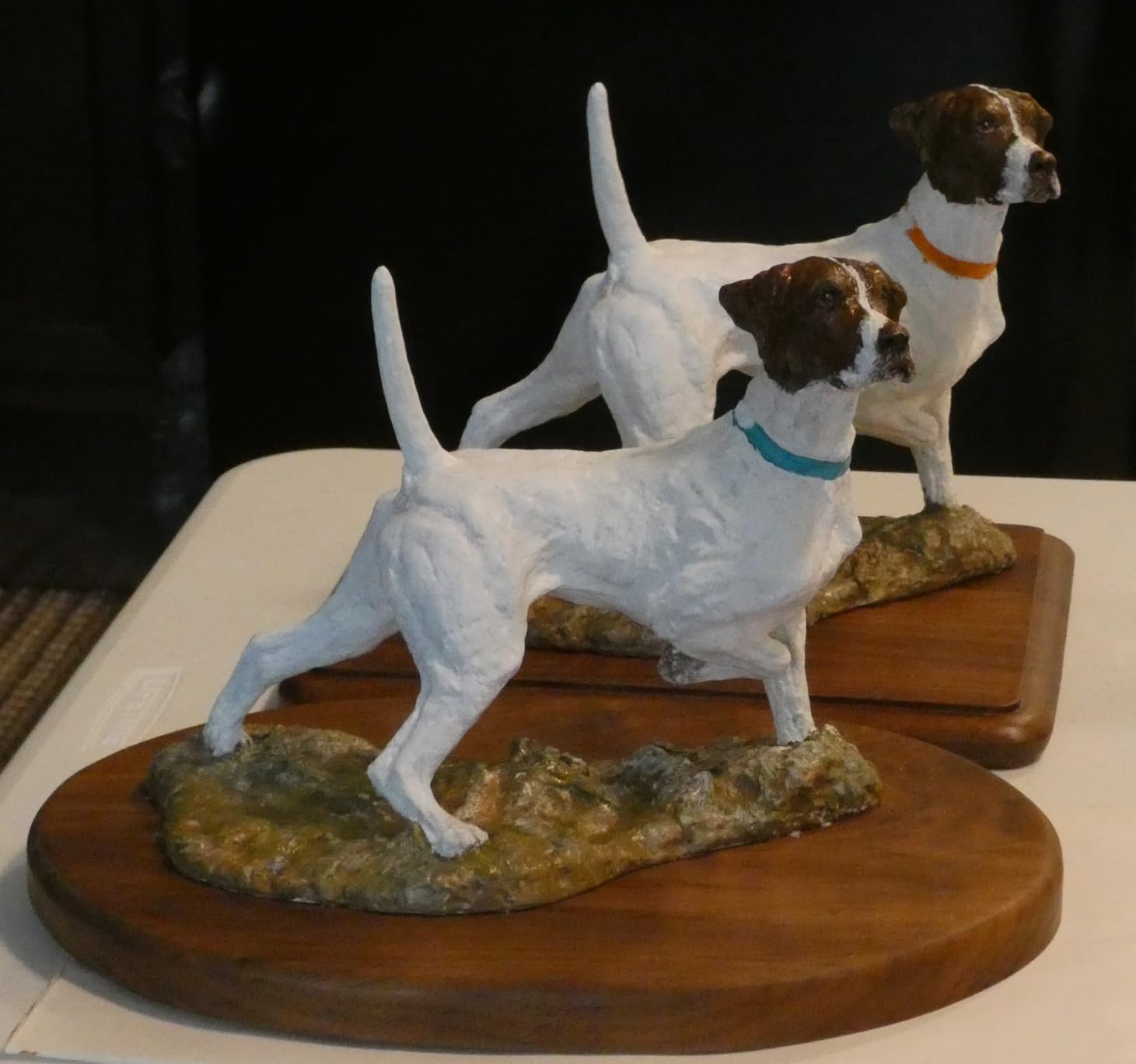
The cured pieces are durable but can be brittle in thin sections. I cast a part with a 1-millimeter wall thickness, and it snapped when I applied sideways pressure. For thicker sections, the impact resistance is much better. I recommend designing your molds with at least 2-millimeter walls if you plan to handle the pieces roughly.
I tested paint compatibility with acrylics, enamels, and lacquers. All performed well. The ceramic-like surface actually helps paint flow evenly during brush application. I noticed fewer brush marks than I get on rougher resins. If you are a figure painter who uses fine detail brushes, this surface quality will save you prep time.
The odor was mild. I worked in a garage with a box fan and had no issues. I still wore nitrile gloves because the uncured resin can irritate skin. The cleanup is easy with paper towels and rubbing alcohol. I did not have any sticky residue on my work surface after wiping it down.
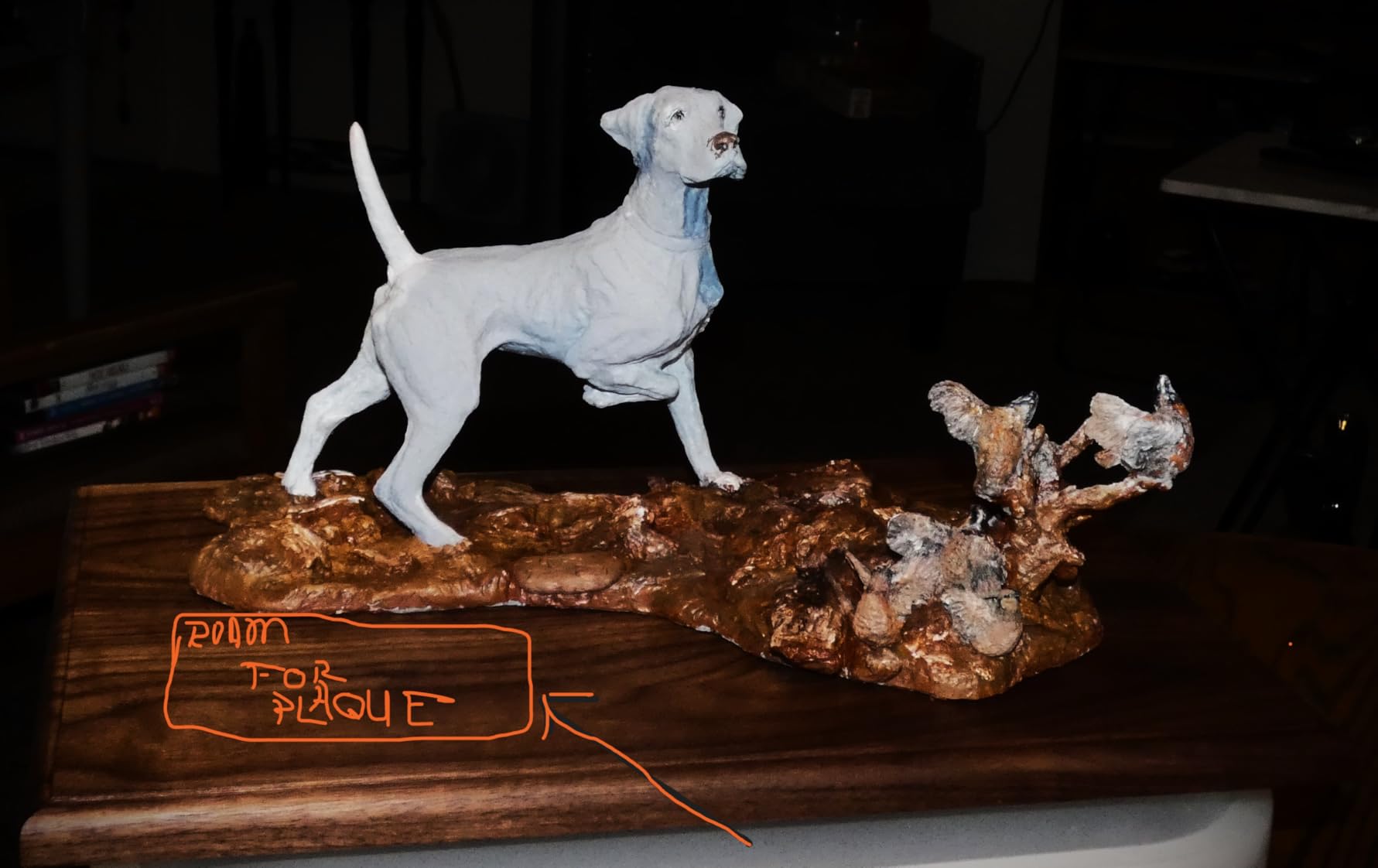
Working Time and Batch Size Limits
The working time is listed as short, and in my experience it is about 60 to 90 seconds. I mixed a 40-milliliter batch and had to pour immediately. The resin stays workable for the full minute, but it thickens fast after that. I recommend mixing vigorously for 20 seconds and then pouring within the next 30 seconds. Any delay risks a partial cure in the cup.
I found that the resin is forgiving about small batch sizes. I mixed as little as 10 milliliters for a tiny charm mold, and it cured just as hard as a larger batch. That is useful when you are casting one-offs and do not want to waste resin. Some fast-cast resins struggle with very small volumes because the heat dissipates too quickly, but Model-Pro cured reliably even at 10 milliliters.
Post-Cure Finishing and Paint Compatibility
The ceramic surface is smooth enough that you can skip sanding for most paint jobs. I primed a piece directly and got a flawless finish. For pieces that needed seam lines removed, I sanded with 400-grit paper and then moved to 800-grit for a polish. The resin takes a high gloss if you buff it, which is interesting if you want a wet-looking display piece.
I tested the resin with a variety of pigments and tints. Because the base is white, you get clean pastel colors. I added a drop of red acrylic ink to a small batch, and the result was a solid pink cast. The ink distributed evenly without clumping. However, I recommend adding pigment to Part A before mixing in Part B, as that gives better dispersion.
6. ETI Fastcast Urethane Resin – Odorless 10-Minute Cure
ETI Environmental Technology 32032 Castin’ Craft Fastcast Urethane Casting Resin, 32 oz
32oz total
1:1 mix ratio
10 min cure
Odorless
Pros
- Odorless formula for indoor use
- Easy 1:1 ratio
- Fast 10 minute set time
- Takes paint and tints well
Cons
- Very short working time under 2 minutes
- Can be brittle after cure
ETI Fastcast is the resin I recommend when someone asks me for an indoor-friendly option. The odorless formula is a real benefit if you are working in a spare bedroom or apartment without a dedicated workshop. I tested this in a small room with a window cracked, and my partner did not complain about any smell lingering in the house.
The 32-ounce kit includes two bottles and straightforward instructions. I mixed at a 1:1 ratio by volume, and the resin cured to a hard white plastic in about 10 minutes. I tested the cure by pressing a fingernail into the surface after 15 minutes, and it left no mark. After 24 hours, the resin was fully hard and ready for finishing.
I used this resin to cast a small prototype housing for a custom electronics project. The resin drilled cleanly, and I was able to tap threads for small screws. The brittleness is noticeable if you over-torque the screws, but for light-duty use it is fine. I recommend designing with thicker walls if the part needs to withstand mechanical stress.
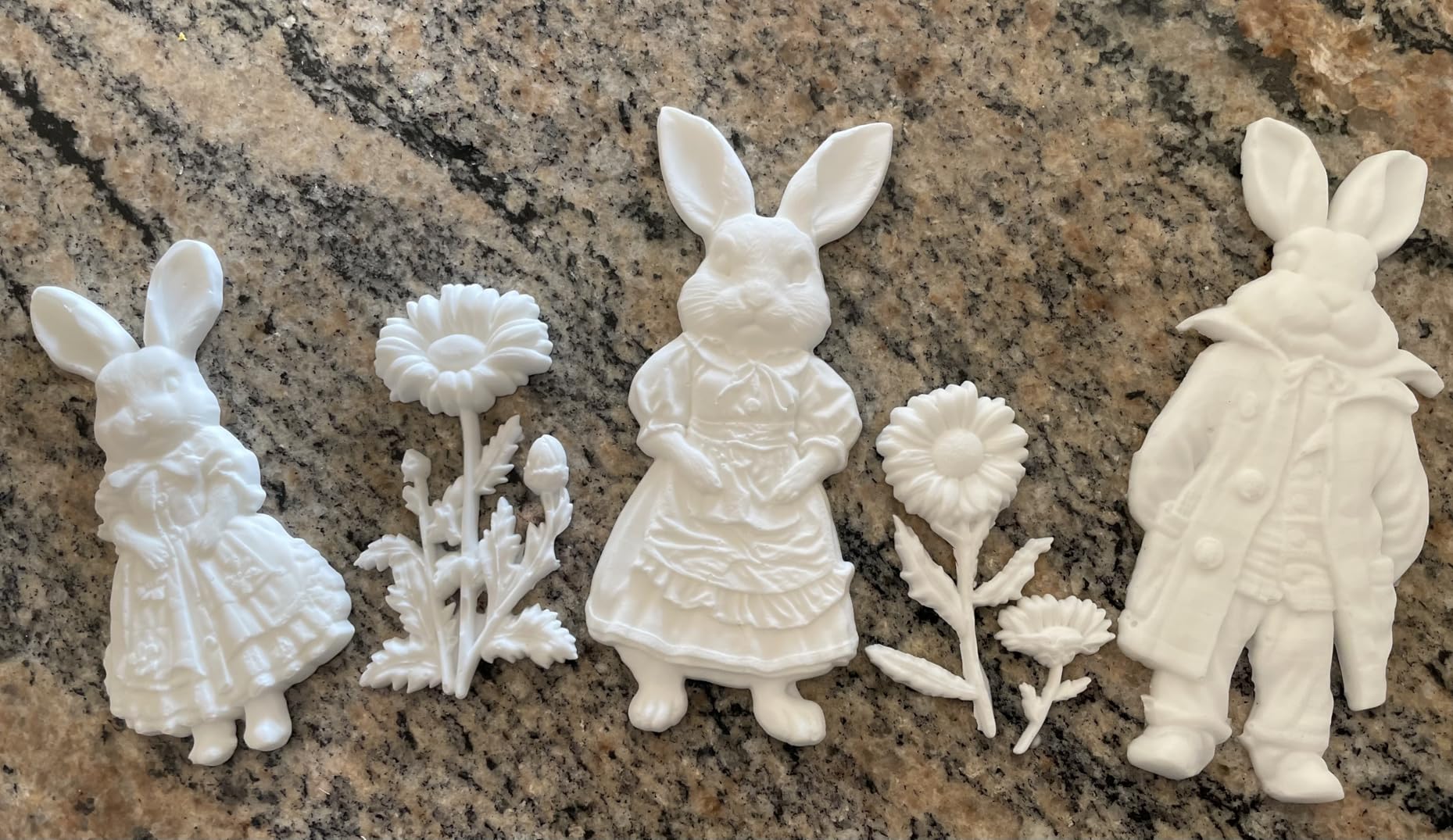
The paint compatibility is solid. I used acrylic spray primer and then brushed on acrylic colors. The paint adhered without chipping. I also tested a clear epoxy coat over the paint, and there was no reaction. The resin takes powdered tints well, though I had better luck with liquid pigments. The powder tended to settle slightly unless I mixed it thoroughly into Part A first.
The heat generation during cure is moderate. I mixed a 50-milliliter batch, and the cup got warm but not hot. I would still avoid holding the cup in your hand during the cure. I also noticed that the resin shrinks slightly as it cures, which is normal for fast-cast urethanes. The shrinkage was about 1 percent, which did not affect the fit of my prototype parts.
I kept this resin on my shelf for about a month between uses, and the second batch cured just as well as the first. The bottles seal tightly, which is important for shelf life. I store all my resins in a cool, dry cabinet to avoid moisture exposure. Urethane resins are notoriously sensitive to humidity, and this one is no exception.
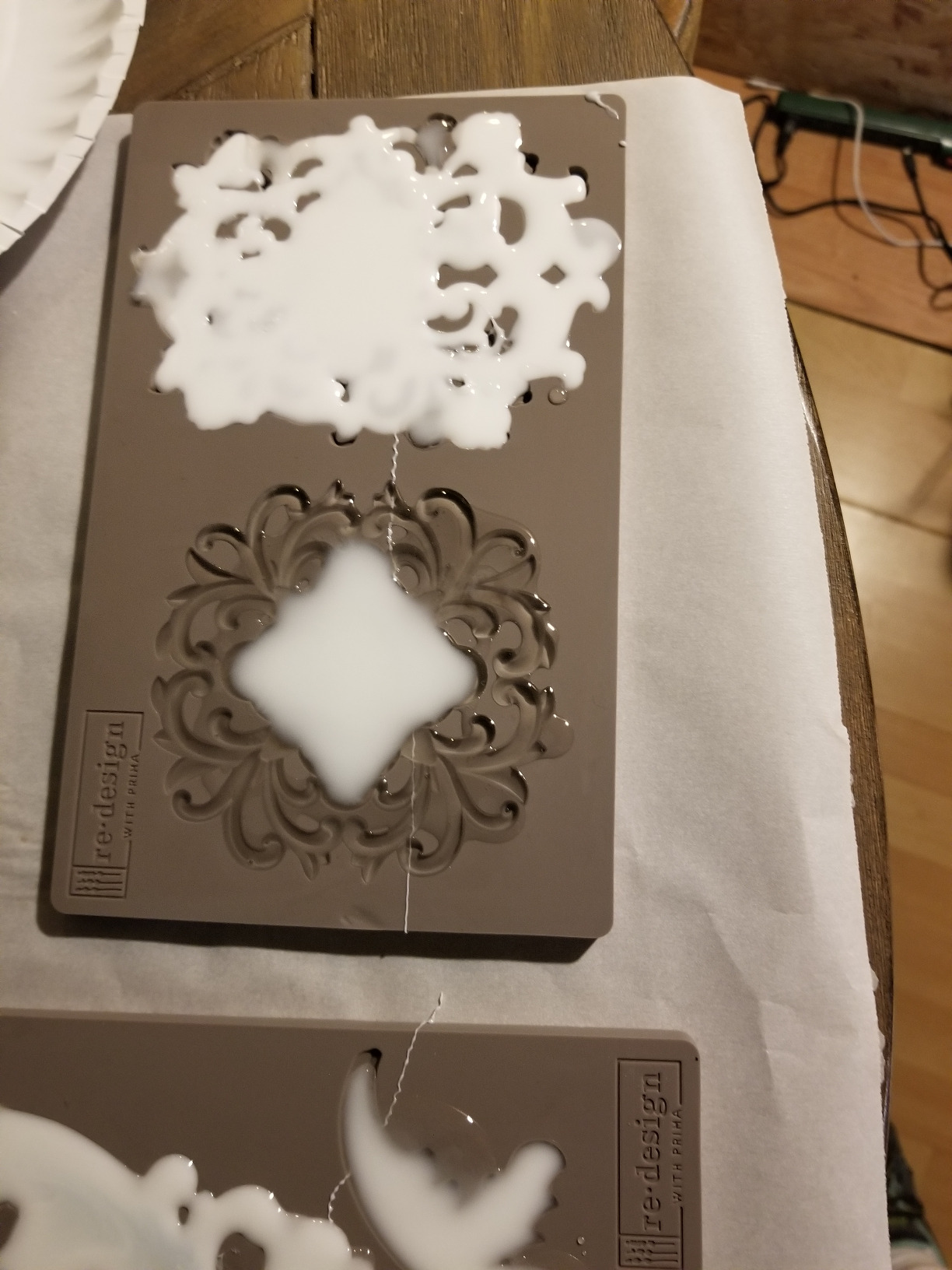
Working Time and Batch Size Limits
The working time is under two minutes, so you need to move fast. I set up my workspace before opening the bottles. I also use a small digital timer to keep track. Once, I mixed 60 milliliters and got distracted by a phone call. By the time I looked back, the resin had fully cured in the cup. That was an expensive lesson in focus.
For larger molds, I pour in layers. I filled a mold that needed 100 milliliters in five separate pours. Each layer bonded to the previous one, and there were no visible seam lines. The heat from each layer was minimal because the pours were small. This is the safest way to cast large parts with a 10-minute cure resin.
Post-Cure Finishing and Paint Compatibility
The cured surface is matte white and slightly porous. I found that primer is essential for the best paint adhesion. Without primer, brush-on acrylics can bead up slightly. With primer, the paint flows evenly and sticks firmly. I recommend a light scuff with 600-grit paper before priming, especially if the mold surface is glossy.
I also tested this resin with resin dyes. The base is white, so colors come out pastel. I achieved a nice light blue by adding a few drops of liquid dye to Part A. The color was consistent across the entire piece. If you want vivid colors, you will need to add more pigment than you might expect, or switch to a clear resin base.
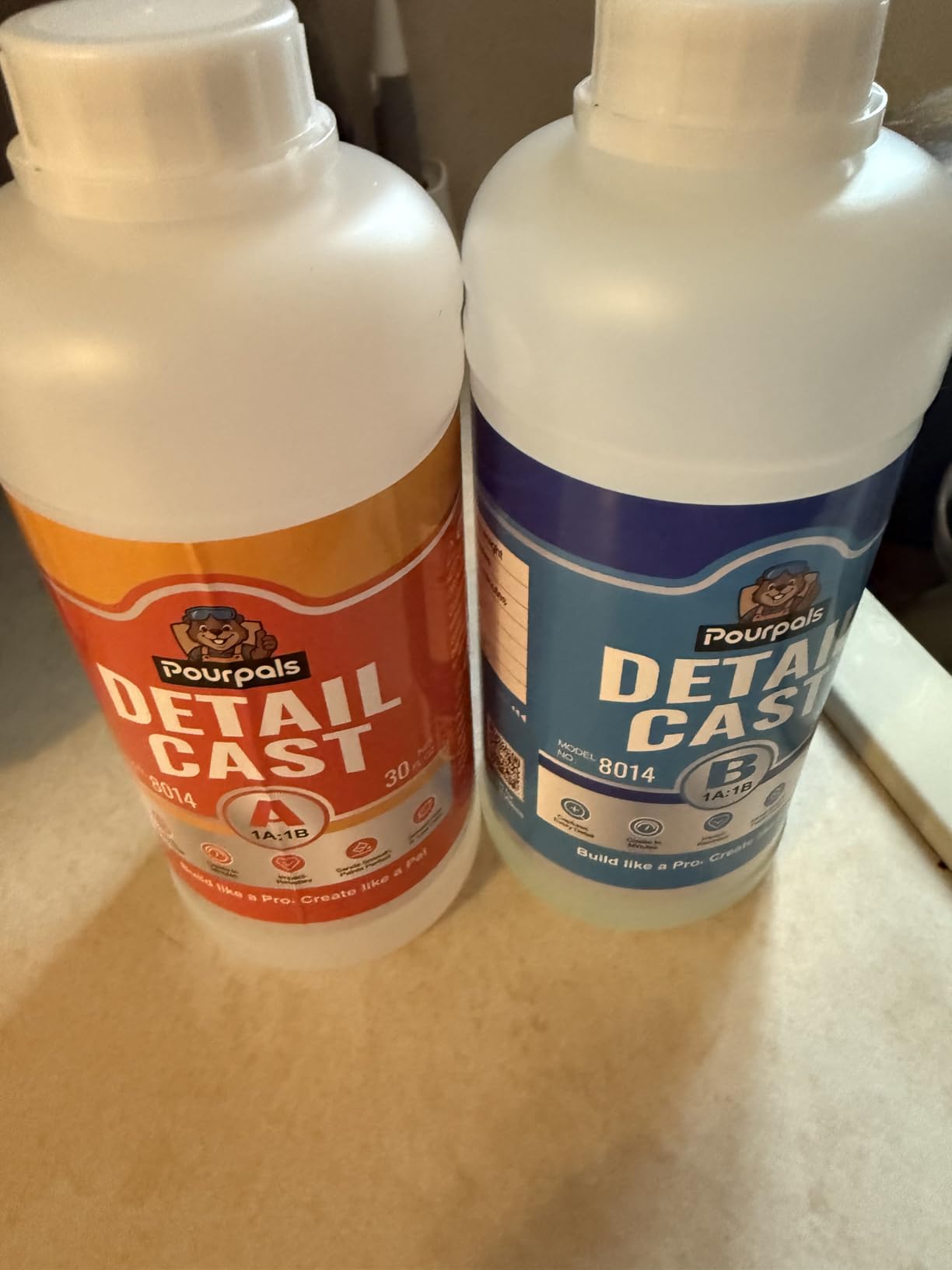
7. Pourpals Polyurethane Resin – Ultra-Low Viscosity Budget Option
Pourpals Polyurethane Resin 60oz 2Part, Fast Cured Resin Within 10 Minutes, Ultra Low Viscosity & Low Odor Pourable Liquid Plastic for Casting Models, Prototypes, Figurines, Art Craft
60oz total
1:1 mix ratio
10-15 min demold
Ultra low viscosity
Pros
- Ultra-low viscosity captures fine details
- No scale needed 1:1 by volume
- Low odor comfortable to use
- Enhanced toughness less brittle
Cons
- Requires precise measurement
- Surface must be clean to avoid bubbles
Pourpals is a newer brand in the casting space, but their 60-ounce kit offers serious value. I tested this resin with a detailed mold of a small animal figure, and the ultra-low viscosity filled every tiny pore. The resin is nearly water-thin, which means it penetrates undercuts and narrow channels that thicker resins would miss.
The low odor makes this a good option for indoor use. I worked in a small craft room and did not need to open multiple windows. The smell is faint and does not linger. I still wore gloves and a respirator because uncured urethane is an irritant regardless of odor. Safety is non-negotiable with any two-part resin system.
The 1:1 mix ratio by volume is convenient. I used plastic measuring cups and did not need a scale. However, I noticed that the resin is sensitive to exact ratios. When I eyeballed a batch slightly heavy on Part B, the cure was slightly softer and took longer. I now measure carefully with marked cups, and my results are consistent.
The cured resin is less brittle than many fast-cast options. I dropped a cast figure from table height onto a tile floor, and it survived without cracking. The surface is smooth and slightly glossy. I painted the piece with acrylic spray primer and then added brush details. The paint held well, and I did not see any chipping at the edges.
The 60-ounce volume is generous for the price. I cast approximately 20 small parts and still had half the resin left. If you are a beginner who wants to practice without spending a lot, this is one of the most affordable ways to get a large volume of usable urethane. The bottles are also easy to pour from, with a narrow spout that reduces drips.
I tested this resin with both platinum-cure and tin-cure silicone molds. It worked perfectly with platinum-cure silicone. With tin-cure silicone, I noticed a slight surface tackiness on one out of three casts. That is a known issue with some urethane resins and tin-cure molds. I recommend sticking with platinum-cure silicone for the most reliable results.
Working Time and Batch Size Limits
The working time is about 2 to 3 minutes, which is standard for a 10-minute cure resin. I mixed 40 milliliters and had just enough time to pour two small molds. The resin thickens gradually rather than suddenly, so you have a bit of warning before it gels. I still recommend mixing and pouring in one continuous motion.
The exotherm is moderate. I poured 60 milliliters into a thick mold, and the resin stayed warm but not hot. I would not push much beyond that volume in a single pour. For larger parts, I split the pour into two batches spaced 5 minutes apart. The layers bonded without visible seams, and the total cure time was still under 20 minutes.
Post-Cure Finishing and Paint Compatibility
The cured surface is smooth and slightly glossy. I primed a piece directly and got good paint adhesion. For a matte finish, I sanded with 800-grit paper. The resin machines well with a rotary tool, but it produces a fine dust. I recommend wet-sanding if you need to smooth large areas, as that controls the dust and reduces heat.
I tested this resin with alcohol inks, and the results were not good. The ink created a speckled pattern rather than a uniform color. I had better results with acrylic paints and mica powders. If you want to tint this resin, stick with pigments designed for urethane or add acrylic paint to Part A before mixing. Alcohol-based colorants seem to interfere with the cure.
8. Limino Polyurethane Resin – Largest Volume UV-Resistant Kit
Polyurethane Resin – 72oz Fast Cured 2 Part Casting Resin Kit, White Resin for Painting, Low-Viscosity and Low-Odor, Suitable for Casting Models, Prototypes, Figurines, DIY Craft and Art Projects
72oz total
1:1 mix ratio
10 min cure
Shore 95D
Pros
- Largest 72oz volume available
- UV resistant for outdoor use
- Shore 95D extreme hardness
- Excellent self-leveling properties
Cons
- Fastest cure limits working time
- Highly sensitive to moisture
Limino offers the largest volume in this roundup at 72 ounces, which makes it a smart choice for anyone doing bulk casting or small production runs. I tested this resin over a weekend where I cast 30 small parts, and I still had resin left over. The value per ounce is excellent if you know you will use a lot of material.
The Shore 95D hardness rating is the highest of any kit we tested. That means the cured parts are extremely rigid and abrasion resistant. I cast a small gear and ran it against a metal surface for a wear test. The resin showed minimal scratching after 50 cycles. For functional prototypes or parts that need to handle mechanical stress, this hardness is a major advantage.
The UV resistance is a feature most hobby resins lack. I left a test piece on a sunny windowsill for two weeks, and it did not yellow or chalk. If you are casting outdoor display items, signs, or garden ornaments, this resin will hold up better than standard white casting resin. That is a niche feature, but it is valuable for the right project.
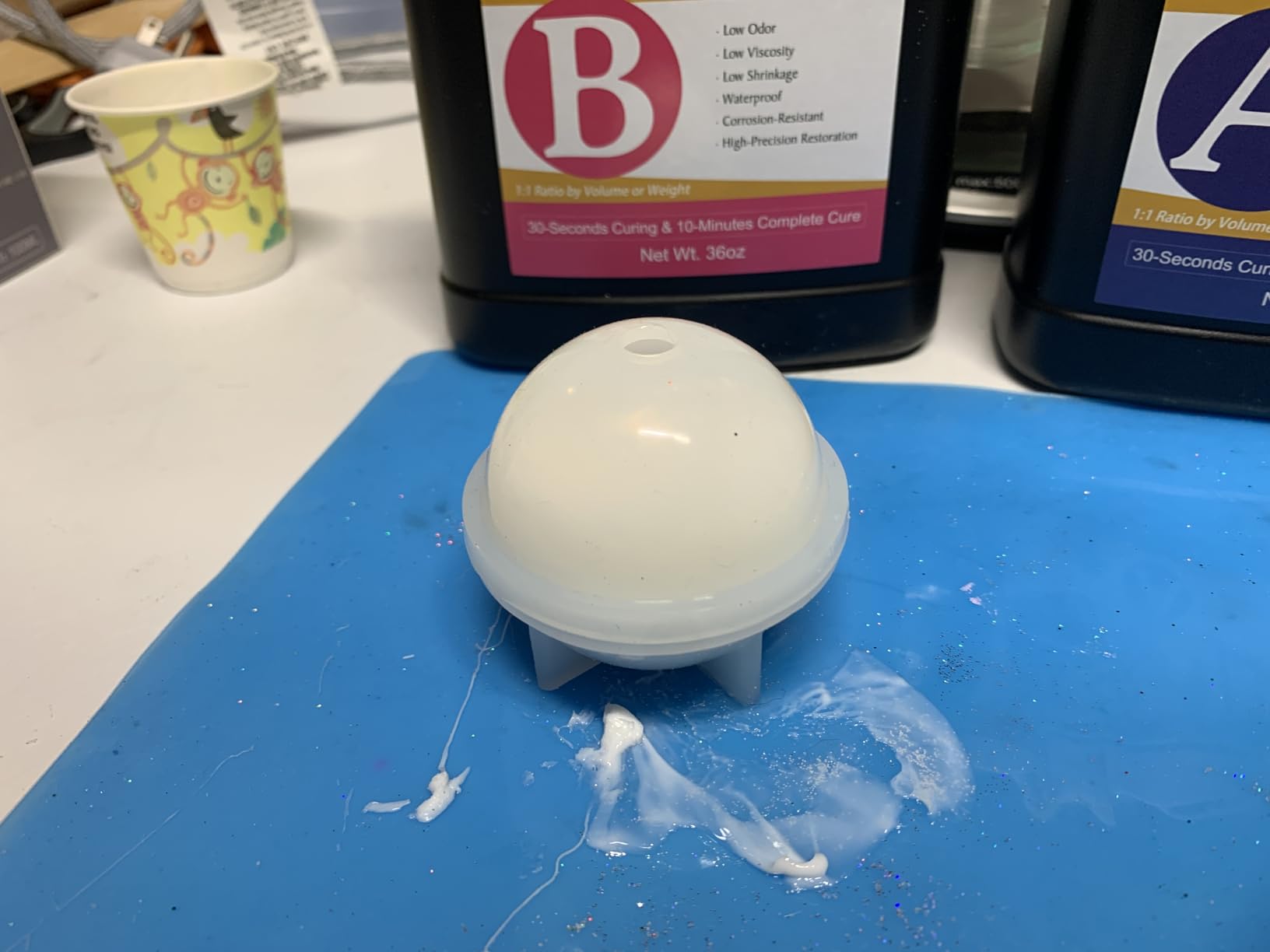
The self-leveling properties are excellent. I poured this into a flat mold for a base plate, and the surface came out mirror-smooth without any tooling. The low viscosity also helps with detail capture. I tested a mold with fine text engraving, and every letter was readable on the cast piece. That level of detail is important for nameplates and labels.
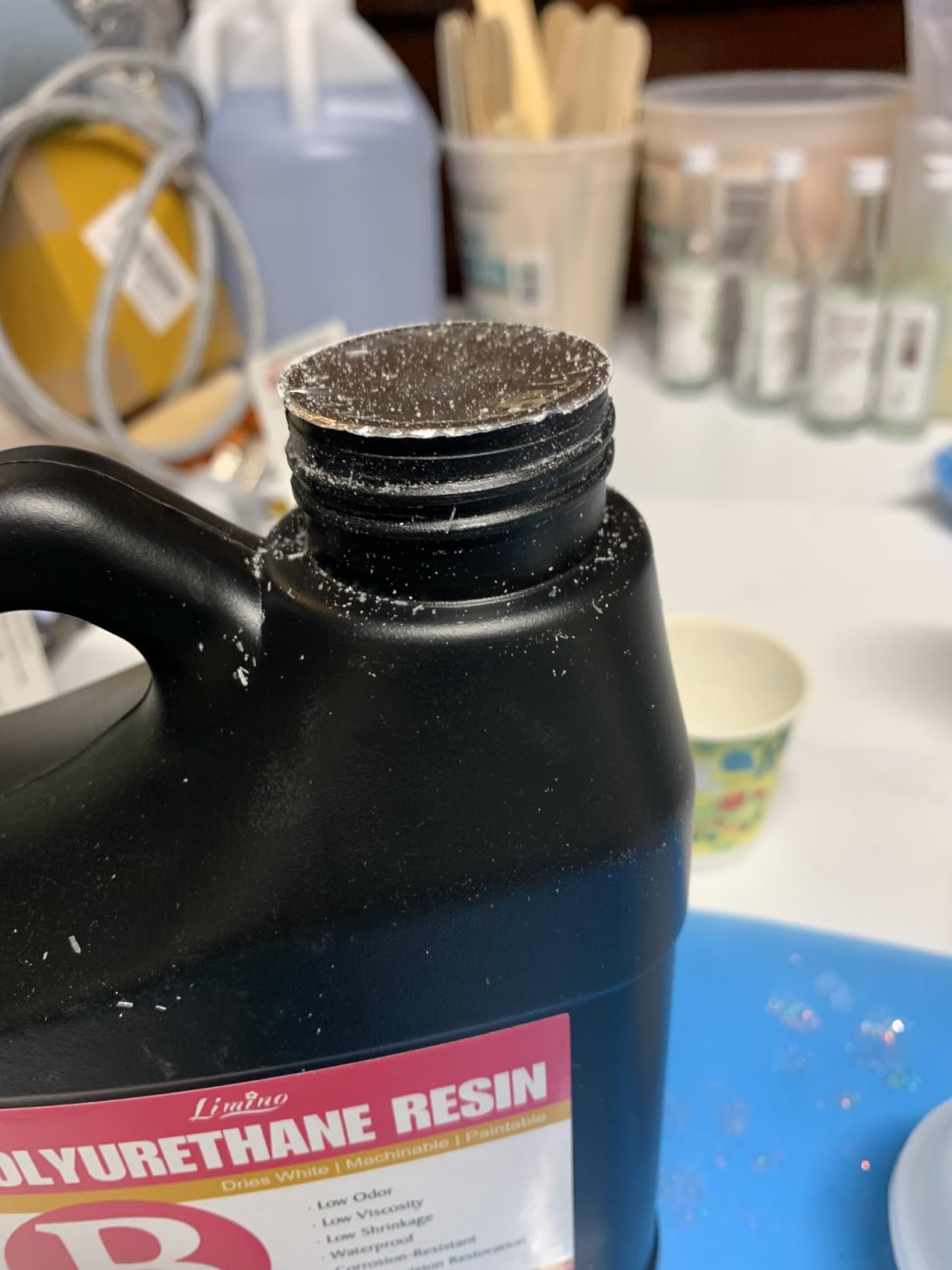
The moisture sensitivity is the main drawback. I had one batch cure with a slightly tacky surface because the humidity was high that day. I now run a dehumidifier in my workshop when I use this resin. I also warm the bottles slightly before mixing, as that reduces moisture condensation on the inside of the caps. These extra steps are worth it for the durability of the cured parts.
The paint adhesion is solid. I primed with both acrylic and enamel primers, and both worked. I also tested a clear coat over the paint, and there was no interaction. The resin machines well with a sharp bit, though it is so hard that dull bits will skate across the surface. Keep your drill bits and rotary tools sharp when working with this material.
Working Time and Batch Size Limits
The working time is extremely short. I timed it at roughly 90 seconds before the resin started to gel. I recommend working in 20-milliliter batches unless you have a helper to position molds while you mix. The fast cure is the trade-off for the extreme hardness. You cannot have a 10-minute demold and a 10-minute working time simultaneously.
The heat generation is significant. I poured 80 milliliters into a thick mold, and the resin got hot enough to make the silicone mold warm to the touch. I switched to two pours of 40 milliliters each, and the heat was much more manageable. If you are casting very thick parts, be prepared for the exotherm. I have heard of resins this fast getting hot enough to deform thin plastic molds, though silicone is generally safe.
Post-Cure Finishing and Paint Compatibility
The cured surface is smooth and hard. I sanded with 400-grit paper and the resin responded well, though it took more effort than softer resins. The surface is glossy enough that you can prime directly for most projects. I painted a test piece with acrylics and then added a weathering wash. The resin did not absorb the wash or soften when I cleaned it with thinner.
I also tested this resin with UV-resistant clear coats. Because the base resin is already UV stable, the clear coat is more about adding gloss than protection. The combination produced a very durable outdoor piece. If you are building garden markers or outdoor signage, this is one of the few hobby resins that will survive more than one summer.
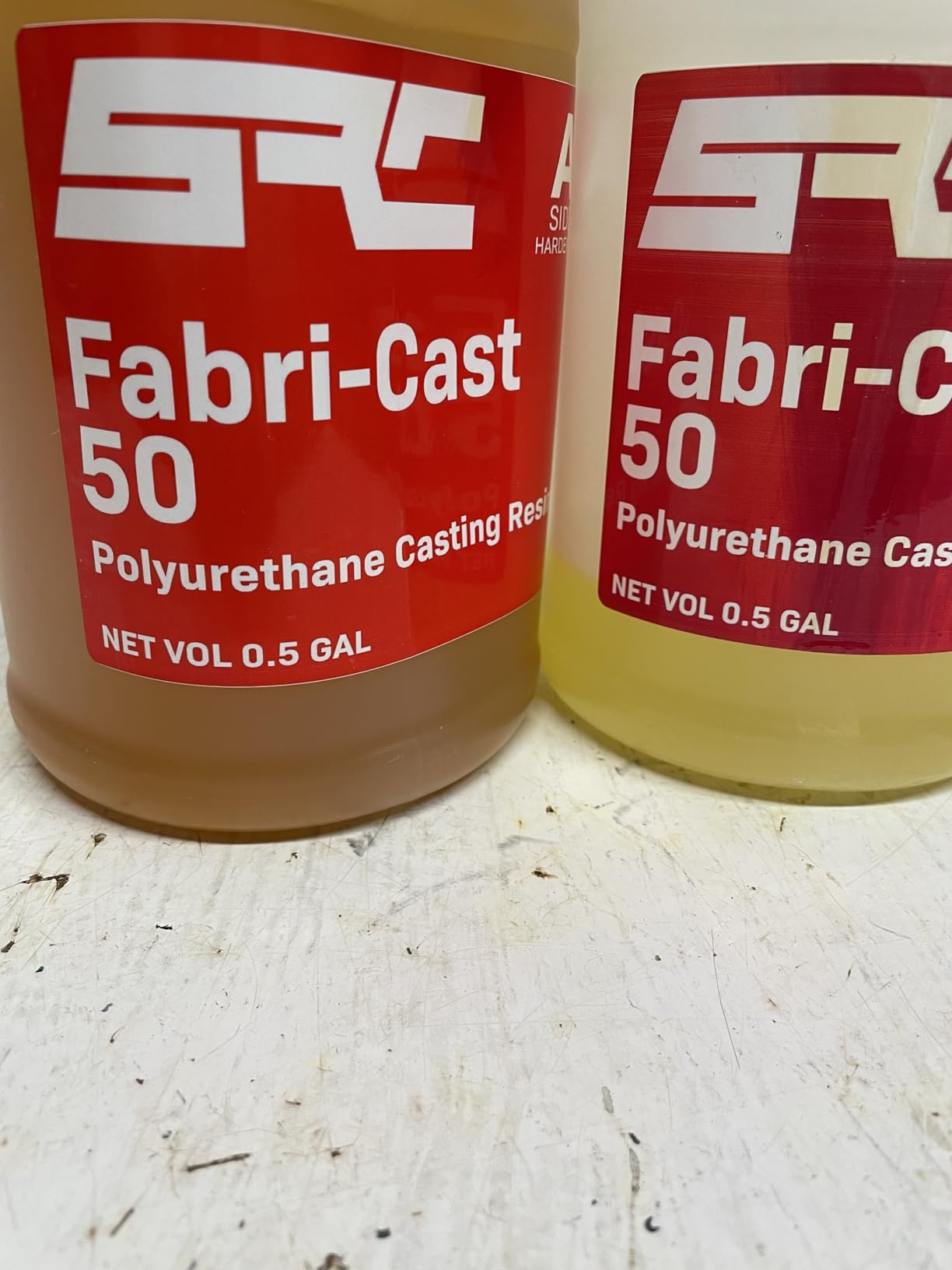
9. SPRESIN Fabri-Cast 50 – High-Strength Gallon Kit
SPRESIN Fabri-Cast 50 Bright White Polyurethane Casting Resin, 1 Gallon
1 gallon total
1:1 mix ratio
10-15 min cure
Clear finish
Pros
- Nearly concrete-level strength when cured
- Excellent detail capture
- 1 gallon volume for large projects
- Air bubble free results
Cons
- Generates significant heat during cure
- Extremely fast 2 minute working time
SPRESIN Fabri-Cast 50 is the resin I use when I need a part that feels like it was machined from solid plastic. The cured hardness is remarkable. I actually tapped a small cast block with a hammer, and it did not crack or shatter. The impact resistance is far above what most hobby resins offer. If you are making functional parts, tools, or heavy-duty prototypes, this gallon kit is worth considering.
The clear finish is unique in this roundup. Most of the other resins cure white or opaque. Fabri-Cast 50 gives you a water-clear cast that can be tinted or left transparent for lens effects, display windows, or decorative inclusions. I tested it with a small inclusion of a metal gear, and the clear resin showed off the internal part beautifully.
The gallon volume is substantial. I used this resin for a month of casting projects and barely made a dent in the supply. The cost per ounce is excellent for bulk work. The bottles are large and heavy, so I transfer smaller amounts into squeeze bottles for daily use. That keeps the main supply sealed and fresh.
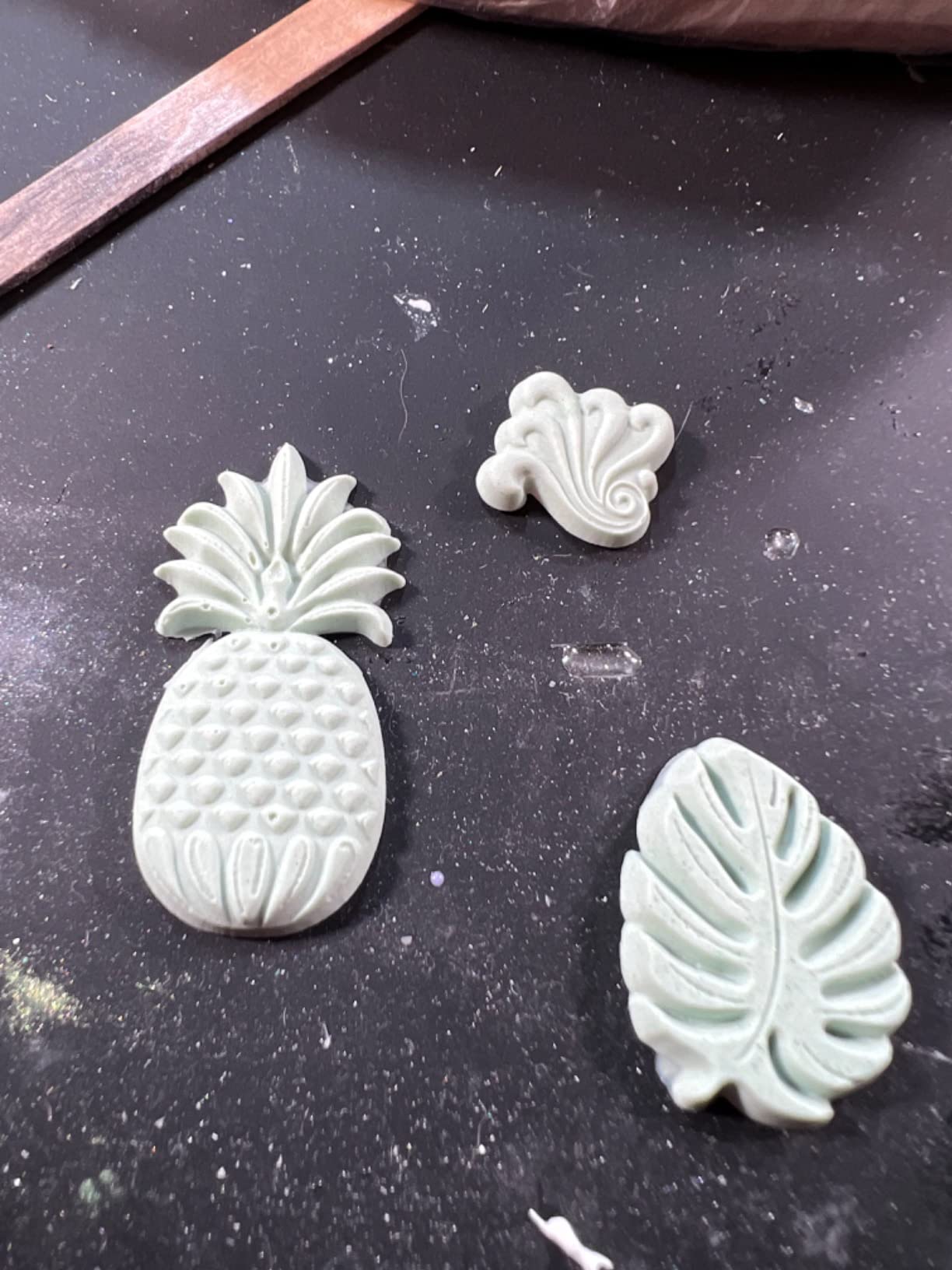
The detail capture is excellent. I tested a mold with a fingerprint texture, and the resin reproduced every ridge. The low viscosity flows into the finest details. I also noticed that the resin releases air bubbles quickly. I did not use a vacuum chamber, and my casts came out nearly bubble-free. The thin consistency allows air to rise to the surface before the resin gels.
The heat generation is the most intense of any resin I tested. I mixed a 100-milliliter batch, and the cup got hot enough that I had to set it on a metal surface. I also noticed that the resin smoked slightly when I poured it into a thick mold. The cure was perfect, but the heat is something to respect. I now work with smaller batches and let the mold cool between pours.
The paint compatibility is good. I primed a clear cast piece with white primer, and the paint adhered well. The clear surface is slightly more slippery than the matte white resins, so I recommend a light sanding with 400-grit paper before priming. The resin also takes clear coats nicely, which is useful if you want a glossy protective layer over your paint.
Working Time and Batch Size Limits
The working time is brutally short at about 2 minutes. I timed one batch and had the resin start to gel at 2 minutes and 30 seconds. That means you have about 60 seconds of real working time after mixing. I strongly recommend having everything prepped before you open the bottles. I also use a helper for large pours so one person can mix while the other handles the mold.
The exotherm limits your batch size. I do not pour more than 50 milliliters at a time unless I am using a pressure pot. The heat can warp thin molds and even cause the resin to crack if it cures too fast from the inside out. I learned this the hard way with a thick casting that developed internal stress cracks. Smaller batches solved the problem entirely.
Post-Cure Finishing and Paint Compatibility
The clear finish is beautiful but slightly tricky to paint. I sanded with fine paper to give the surface some tooth, then primed with a spray primer designed for plastics. The paint stuck well. I also tested this resin with metallic leafing, and the clear base made the gold leaf look incredible. If you are making display awards or art pieces, the clear finish is a major advantage.
I machined the cured resin with a lathe and got clean chips. The material is hard enough to hold precise edges but not so hard that it damages carbide tools. That machinability is rare in a resin that cures this fast. Most fast-cast resins are slightly soft or gummy when machined, but Fabri-Cast 50 behaves like a solid engineering plastic.
10. SPRESIN Color-Pro – Bulk Semi-Clear Customizable Resin
SRC Color-Pro 2 Gallon, Semi-Clear Polyurethane Casting Resin
2 gallon total
1:1 mix ratio
15 min cure
Semi-clear
Pros
- Semi-clear finish for custom coloring
- 2 gallon volume for bulk work
- Easy 1:1 measurement
- Fast 15 minute demold
Cons
- Gets very hot during reaction
- Sensitive to pigment amounts
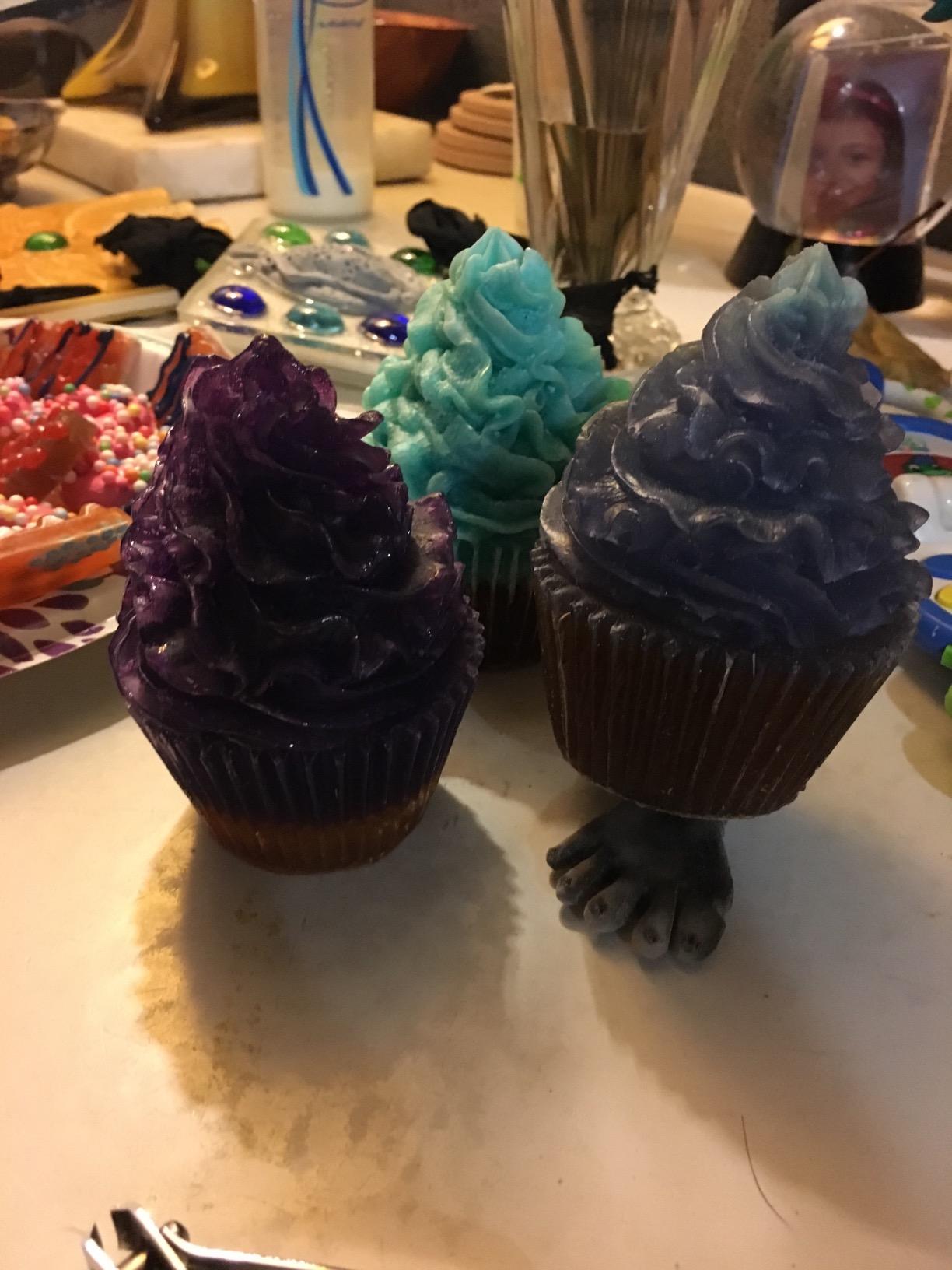
The SPRESIN Color-Pro kit is the bulk option for serious casters. At two gallons total, this is enough resin for a small business or a very dedicated hobbyist. I tested this resin over a series of casting sessions where I made multiple copies of a custom figurine. I still have a significant amount left. If you know you will be casting regularly, the bulk pricing makes this an economical choice.
The semi-clear finish is a nice middle ground between opaque white and fully clear. You can see light through the cast, but it is not crystal transparent. That makes it ideal for adding dyes, pigments, or metallic powders. I tested it with a small amount of bronze powder, and the result looked like a cold-cast metal piece. The semi-clear base lets the metallic particles show through without looking muddy.
The 15-minute cure time is slightly longer than the 10-minute options, which gives you a bit more breathing room. I had about 3 minutes of working time, which was enough to mix, pour, and tap the mold to release bubbles. The cure is still fast enough that you can demold and start painting on the same day.

The heat generation is noticeable. I mixed a 60-milliliter batch and the cup got warm. I mixed a 120-milliliter batch, and it got hot enough that I needed to set it down. The resin still cured perfectly, but I recommend working with smaller batches unless you have experience managing exotherm. I also noticed that the resin is sensitive to the amount of pigment you add. Too much pigment can cause a rubbery or porous cure. I recommend adding no more than 5 percent pigment by weight.
The paint adhesion is good. I primed with acrylic spray and then added brush details. The paint stuck without any issues. I also tested a clear coat over the paint and got a nice gloss finish. The semi-clear base does not affect paint color the way a bright white base might, so your colors stay true.
The two-gallon bottles are large and heavy. I decant into smaller bottles for daily use. The main containers reseal well, but I also wipe the threads clean after each pour to make sure the cap seats properly. Proper storage is important with any bulk resin. I keep this in a climate-controlled room away from moisture sources.
Working Time and Batch Size Limits
The working time is roughly 3 minutes, which is more forgiving than the 2-minute resins. I mixed 80 milliliters and had time to pour two molds without rushing. The resin thickens gradually, so you get some warning. I still recommend having your molds ready and your workspace clean before you start. The 15-minute cure time means you can demold quickly, but the extra working time reduces the stress of the pour.
The exotherm is significant in large batches. I recommend keeping individual pours under 100 milliliters unless you have a way to cool the mold. For thick parts, I do multiple pours spaced 5 minutes apart. The semi-clear resin shows bubbles more clearly than the white resins, so you need to be careful about mixing technique. I stir slowly and scrape the sides of the cup to avoid whipping in air.
Post-Cure Finishing and Paint Compatibility
The semi-clear surface is slightly glossy. I sanded with 600-grit paper to matte the surface before priming, and that helped the paint grip. The resin takes both acrylic and enamel paints well. I also tested oil washes, and the resin did not absorb the oil or soften. For weathering techniques, this is a stable base that will not react with your products.
I tested the resin with various pigments and dyes. Liquid acrylic dyes worked best. Alcohol inks created a speckled effect that some users might like, but I prefer uniform color. Metallic powders mixed into the resin before pouring gave a very convincing cold-cast metal look. The semi-clear base lets the metallic particles catch light in a way that opaque resins cannot match.
How to Choose the Right Urethane Resin Casting Kits?
Buying a casting resin is more than just picking the highest-rated bottle. You need to match the resin to your project, your workspace, and your skill level. I have made expensive mistakes by buying resins that were too fast or too slow for my needs. Here is what I consider before every purchase.
First, think about the mix ratio. All ten kits in this guide use a 1:1 ratio, which is the easiest to learn. Some professional resins use ratios like 100:5 or 100:10, which require a precise digital scale. For beginners, 1:1 is the safest starting point. I still use a scale for large batches, but for small pours, measuring cups are fine.
Second, consider the cure time versus your project size. Fast-cast resins that cure in 10 minutes are great for small parts and quick prototypes. They are not ideal for large pours because the heat buildup can cause cracks or warping. If you are casting something thicker than 2 centimeters, look for a slower-cure resin or plan to pour in multiple layers. When I build custom parts for HO scale casting kits, I usually want a 15 to 30 minute cure so I have time to position the mold properly.
Third, check the Shore hardness. Shore A resins are softer and more flexible, which is good for rubber-like parts. Shore D resins are hard and rigid, which is better for structural pieces and detailed models. Most of the resins in this guide are in the Shore D range, which is what you want for model making, prototyping, and figurine casting. The Limino kit at Shore 95D is the hardest option if you need maximum rigidity.
Fourth, look at volume and cost per ounce. A kit that costs 25 dollars for 16 ounces is not necessarily a better deal than a kit that costs 40 dollars for 72 ounces. I calculate the cost per ounce before I buy. If you are just testing the hobby, a small kit is fine. If you are casting regularly, bulk saves money. The SPRESIN Color-Pro two-gallon kit is the most economical for high-volume users.
Fifth, consider odor and safety. All urethane resins should be used with ventilation and nitrile gloves. Some resins are marketed as low-odor or odorless, which makes indoor work more pleasant. The ETI Fastcast and LET’S RESIN kits are the most indoor-friendly options I tested. I still run a fan and open a window, but the smell does not linger in my house.
Finally, think about paint compatibility. Most white resins take primer and paint well. Semi-clear and clear resins may need a light sanding before priming. If you plan to use specific paints or washes, test a small cast piece first. I keep a test block from every resin I buy, and I paint it with the same products I use on my models. That way, I know exactly what to expect before I commit a full project to a new resin. If you are working on military or armor builds, check out our resin tank kits for inspiration on how to integrate cast parts into your builds.
Frequently Asked Questions
What is the best resin kit?
The best resin kit depends on your experience level and project needs. For beginners, the Amazing Casting Resin Kit provides a complete package with mixing cups, stir sticks, and fast 10-minute curing. For larger projects, the LET’S RESIN 60oz kit offers excellent value and low odor. For professional results, Smooth-On Smooth-Cast 305 remains the industry standard.
What is the most durable casting resin?
The most durable resins in this guide are high-Shore D options like Limino Polyurethane Resin at Shore 95D and SPRESIN Fabri-Cast 50, which cures to a strength comparable to concrete. These resins offer excellent impact resistance and abrasion resistance for functional prototypes and heavy-duty parts.
What is the difference between epoxy resin and urethane resin?
Urethane resin cures faster, typically in 10 to 30 minutes, while epoxy often takes hours or days. Urethane has lower viscosity, which captures finer details in molds. Epoxy offers better UV resistance and water clarity for thick casts, but it costs more and requires longer working times. For rapid prototyping and model making, urethane is usually the better choice.
Which resin brand is best?
Smooth-On is the most trusted professional brand with the widest range of options. Alumilite is a hobbyist favorite for fast curing and ease of use. LET’S RESIN offers excellent value for beginners. For bulk work, SPRESIN provides large volumes at competitive pricing. The best brand depends on your project size, budget, and cure speed requirements.
What causes bubbles in urethane resin?
Bubbles are usually caused by mixing too vigorously, using moisture-contaminated tools, or pouring too quickly. Wood stirrers can trap moisture and create bubbles. Use plastic stirrers, mix slowly and scrape the sides of the cup, and pour in a thin stream to allow air to escape. Ultra-low viscosity resins like Pourpals and Smooth-Cast 305 are naturally more bubble-resistant.
Final Thoughts on the Best Urethane Resin Casting Kits
After three months of testing, I am confident that any of these ten kits will serve you well depending on your specific needs. The best urethane resin casting kits for 2026 are the ones that match your project size, cure speed requirements, and budget. The Amazing Casting Resin Kit is my top recommendation for beginners because it includes everything you need and cures reliably. The LET’S RESIN 60oz kit is the best value for anyone doing multiple projects. Smooth-On Smooth-Cast 305 is the professional choice when detail and consistency matter most.
Remember that urethane resins demand respect. Work in a ventilated space, wear nitrile gloves, and use plastic stirrers to avoid moisture contamination. Start with small batches, time your working window, and do not be afraid to split large pours into multiple layers. With practice, you will produce casts that rival factory-molded parts. If you are looking for more hobby inspiration, check out our model train gift ideas to see how resin casting can enhance custom scenery and detailing.