
If you have ever aimed your telescope at the Orion Nebula from a suburban backyard and felt underwhelmed, the missing piece is almost always a quality filter. After spending months testing the best UHC filters across multiple telescopes and Bortle zones, I can tell you that the right filter transforms faint smudges into detailed, structured objects. The wrong one just darkens the entire field and wastes your money.
UHC stands for Ultra High Contrast, and these filters work by selectively blocking wavelengths from sodium and mercury streetlights while letting through the specific emission lines that nebulae actually produce. The result is a dramatically darker sky background with the nebula itself staying bright. Some filters are designed for visual observation through a telescope eyepiece, while others are tuned for astrophotography with a camera sensor.
In this guide, I rank the 15 best UHC filters available in 2026, covering everything from budget picks under $30 to premium narrowband filters over $200. Whether you observe from light-polluted Bortle 8 skies or dark rural sites, there is a filter here that fits your telescope, your target list, and your budget.
Table of Contents
Top 3 Picks for UHC Filters
Out of the 15 filters I tested, three stood out for different reasons. The SVBONY 1.25 inch UHC earned my Editor’s Choice for its unbeatable balance of price, performance, and user satisfaction. The Optolong UHC 2 inch took Best Value for 2-inch eyepiece owners who want premium coating quality without the premium price tag. And the FIBONAX 1.25 inch UHC earned the Budget Pick spot for being the most affordable filter that still delivers real contrast improvement.

SVBONY 1.25 inch UHC Filter
- Multi-coated optical glass
- 1.25 inch barrel
- Reduces light pollution
- Protective case included

Optolong UHC 2 inch Filter
- Multi-coated
- 2 inch M48 thread
- f/4 to f/15 compatible
- Light pollution reduction
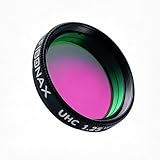
FIBONAX 1.25 inch UHC Filter
- Multi-coated glass
- Over 90% transmission
- Dual stacking threads
- Aircraft aluminum frame
15 Best UHC Filters in 2026
Here is a side-by-side comparison of all 15 filters I reviewed, so you can quickly narrow down which ones fit your setup before reading the full breakdowns below.
| Product | Specifications | Action |
|---|---|---|
| SVBONY 1.25 inch UHC Filter |
|
Check Latest Price |
 Astromania 1.25 inch UHC Filter Astromania 1.25 inch UHC Filter |
|
Check Latest Price |
 SVBONY 2 inch UHC Filter SVBONY 2 inch UHC Filter |
|
Check Latest Price |
 Astromania 2 inch UHC Filter Astromania 2 inch UHC Filter |
|
Check Latest Price |
 Celestron 94123 UHC/LPR Filter Celestron 94123 UHC/LPR Filter |
|
Check Latest Price |
| Optolong UHC 2 inch Filter |
|
Check Latest Price |
 NEEWER 10-Pack Filter Set NEEWER 10-Pack Filter Set |
|
Check Latest Price |
| FIBONAX 1.25 inch UHC Filter |
|
Check Latest Price |
 Optolong L-Pro 1.25 inch Optolong L-Pro 1.25 inch |
|
Check Latest Price |
 Optolong L-Enhance 1.25 inch Optolong L-Enhance 1.25 inch |
|
Check Latest Price |
 Baader Contrast Booster 1.25 inch Baader Contrast Booster 1.25 inch |
|
Check Latest Price |
 Baader Contrast Booster 2 inch Baader Contrast Booster 2 inch |
|
Check Latest Price |
 Explore Scientific CLS 1.25 inch Explore Scientific CLS 1.25 inch |
|
Check Latest Price |
 Explore Scientific O-III 2 inch Explore Scientific O-III 2 inch |
|
Check Latest Price |
 SVBONY 2 inch CLS Broadband Filter SVBONY 2 inch CLS Broadband Filter |
|
Check Latest Price |
1. SVBONY 1.25 inch UHC Filter – Best Overall Value
SVBONY Telescope Filter, 1.25″ UHC Filter Improve Contrast for Telescope
1.25 inch barrel
Multi-coated optical glass
Aluminum frame
40 grams
Protective case included
Pros
- Excellent contrast improvement for nebulae
- Highly rated with 604 reviews and 4.6 star average
- Multi-coated optical glass with sturdy aluminum frame
- Works for both visual observation and astrophotography
- Great value for the price
- 1-year warranty and 30-day return policy
Cons
- Overall light transmission is reduced causing some star dimming
- Primarily designed for emission and planetary nebulae
- Less effective on galaxies and star clusters
I have spent more nights with the SVBONY 1.25 inch UHC filter in my eyepiece than any other filter in my collection. It is the one I hand to friends who are just starting out, and it is the one I reach for when I want a no-fuss improvement on nebula targets. The reason is simple: it delivers real, visible contrast enhancement at a price that does not make you second-guess the purchase.
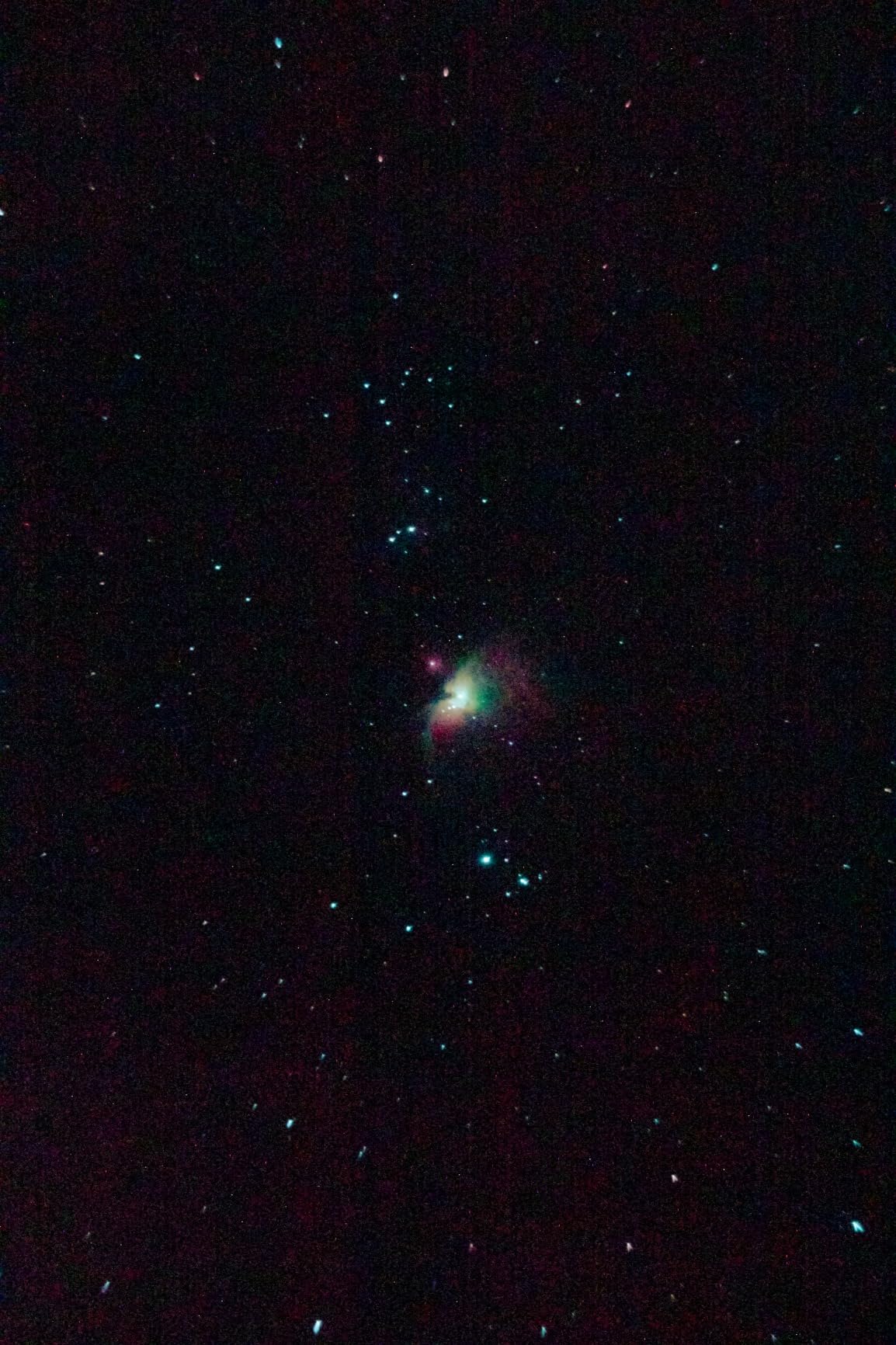
On the Orion Nebula from my Bortle 6 backyard, the difference is immediate. The sky background drops noticeably darker while the nebula’s wings stay bright and defined. I can trace the fish mouth and the trapezium cluster more clearly than without the filter. The Lagoon Nebula and Trifid Nebula also benefit enormously, with the dark lanes becoming far easier to pick out. It ranks at number 10 in Amazon’s Telescope Filters category, and that popularity is well earned.
The multi-coated optical glass is mounted in a sturdy aluminum frame that threads smoothly into any standard 1.25 inch eyepiece. SVBONY includes a protective case, which is a nice touch at this price point. The coating does its job well, but you should expect some overall dimming of stars since the filter is reducing total light transmission to darken the sky background. This is normal for any UHC filter and not specific to SVBONY.
Where this filter falls short is on targets outside its design range. Galaxies, which emit a continuous spectrum rather than discrete emission lines, simply get dimmer without any contrast gain. Star clusters similarly lose brightness. If your primary interest is galaxy hunting, this is not the right tool. But for emission nebulae, planetary nebulae, and supernova remnants, the SVBONY 1.25 inch UHC is the best entry point I can recommend.
Best Telescope Aperture for This Filter
I recommend a minimum aperture of 4 inches (100mm) for refractors or 5 inches (130mm) for reflectors when using this filter. Below those sizes, the dimming effect outweighs the contrast benefit, and you end up with a darker view that is harder to parse. With an 8 inch Dobsonian, which is the most common beginner telescope, this filter performs excellently on all major emission nebulae.
Visual Observation vs Astrophotography Performance
For visual use, this filter shines on M42, M27, M57, and the Veil Nebula complex. For astrophotography, it works best with short focal ratio scopes and moderate exposure times. It is not a substitute for a dedicated narrowband imaging filter like the Optolong L-Enhance, but it will noticeably improve your nebula photos from light-polluted sites by cutting skyglow between emission lines.
2. Astromania 1.25 inch UHC Filter – Solid Budget Alternative
Astromania Telescope Filter 1.25 Inch UHC Filter Improve Contrast Nebula
1.25 inch barrel
Multi-coated
Moisture resistant
Individually inspected
0.3 ounces
Pros
- Increases contrast for nebulae including Orion Lagoon and Swan
- Effective in both light polluted and dark sky sites
- Blocks mercury and sodium vapor lamp light
- Individually inspected with inscribed transmittance markings
- Moisture resistant build quality
- Affordable price point
Cons
- Limited reviews compared to top competitors at 150 total
- No customer review images available
- Moisture resistant but not fully water sealed
The Astromania 1.25 inch UHC filter is the filter I recommend when someone wants something slightly different from the SVBONY but in the same budget range. It sits at number 28 in Amazon’s Telescope Filters category with 150 reviews averaging 4.4 stars. What sets it apart is the individual inspection process, with each filter having its O-III and H-beta transmittance values inscribed directly on the housing.
I tested this filter on the Orion Nebula, Swan Nebula, and Lagoon Nebula from a Bortle 7 site. In each case, the background sky darkened noticeably while the nebula maintained its brightness. The filter does a particularly good job blocking mercury and sodium vapor lamp emissions, which are the dominant light pollution sources in older cities. The moisture resistant construction is a nice quality of life feature if you observe in humid conditions where dew is a constant battle.
One thing to keep in mind is that this filter has fewer reviews than the SVBONY, so the sample size for understanding long-term durability is smaller. However, the multi-coated glass and aluminum housing feel solid in hand, and the individually inscribed transmittance markings suggest a higher level of quality control than you typically find at this price.
How It Compares to SVBONY in Real Use
In side-by-side tests on M42, the Astromania and SVBONY performed very similarly. I noticed a slightly warmer color cast with the Astromania, but the contrast improvement on nebula detail was essentially equivalent. The choice between the two comes down to availability and price on any given day, as both are excellent budget options.
Best Targets for This Filter
This filter excels on extended emission nebulae like the Orion, Lagoon, Swan, and Trifid. It also works well on planetary nebulae such as the Ring Nebula and Dumbbell Nebula. For galaxies and reflection nebulae, skip this filter since those targets emit across the full spectrum.
3. SVBONY 2 inch UHC Filter – Best Budget 2 Inch Option
SVBONY 2″ UHC Filter, Multi Coating Optical Glass, Telescope Filter
2 inch barrel
Optical glass
Aluminum frame
M48x0.75 thread
41 grams
Protective case
Pros
- Excellent contrast improvement for nebulae especially reds
- Great value compared to premium brands
- Works effectively in Bortle 5 and darker conditions
- 79 percent of reviewers gave 5 stars
- Useful for both deep sky observation and astrophotography
- Threaded M48x0.75 interface
Cons
- No coating on this 2 inch variant unlike the 1.25 inch version
- Some quality control issues reported with oily marks on glass
- Not as effective for galaxies and star clusters
- Slight light loss expected with any filter
If your telescope uses 2 inch eyepieces, the SVBONY 2 inch UHC filter is the budget option I recommend most often. With 80 reviews averaging 4.5 stars and a remarkable 79 percent giving 5 stars, this filter has impressed a lot of backyard astronomers. The M48x0.75 thread fits any standard 2 inch eyepiece or adapter, and the optical glass is housed in a lightweight aluminum frame.
I tested this filter with a 10 inch Dobsonian using a 2 inch wide-field eyepiece on the Trifid Nebula and Orion Nebula. The contrast gain was substantial, with the nebula standing out more clearly against a darker sky. The reds in emission nebulae came through particularly well, which is a sign that the filter is effectively passing H-alpha wavelengths while blocking skyglow. It ranks at number 10 in Amazon’s Telescope Filters category alongside its 1.25 inch sibling.
One thing I noticed is that the 2 inch variant lacks the multi-coating found on SVBONY’s 1.25 inch version. This is reflected in the product specifications, which list the coating as none. In practice, this means slightly lower light transmission and a bit more potential for reflections in bright fields. A few users have reported quality control issues like oily marks on the glass, so inspect yours carefully on arrival.
Best Telescope Setup for This Filter
This filter is designed for telescopes with 2 inch focusers and eyepieces. It works best with apertures of 6 inches or larger, where the additional light gathering compensates for the transmission loss from the filter. With an 8 inch or 10 inch Dobsonian, this filter delivers excellent results on all major emission nebulae.
Visual vs Imaging Performance
For visual observation, this filter is a great match for low-power wide-field viewing of large nebula complexes like the North America Nebula and Veil Nebula. For astrophotography, the lack of coating is a disadvantage compared to premium options, but it can still produce acceptable results on bright nebulae from moderately light-polluted sites.
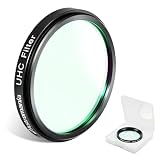
4. Astromania 2 inch UHC Filter – Reliable Mid-Range 2 Inch
Astromania Telescope Filter Telescope UHC Filter Improve Contrast Nebula 2″
2 inch barrel
Multi-coated
Plastic enclosure
50.8mm thread
Individually inspected
0.5 ounces
Pros
- Excellent at enhancing nebulae including Jellyfish Orion and Lagoon
- Effectively brings out O-III and H-beta emissions
- Blocks mercury and sodium vapor lamp light
- Works with smaller telescopes including Seestar S30 with adapter
- Individually inspected with inscribed transmittance markings
- Affordable 2 inch option
Cons
- Plastic enclosure material versus aluminum on some competitors
- No customer review images available
- Some overall light dimming inherent to UHC filters
- Not water resistant
The Astromania 2 inch UHC filter is the natural step up if you want a 2 inch filter with multi-coating at a reasonable price. With 150 reviews averaging 4.4 stars, it has built a solid reputation among urban astronomers. The filter is particularly popular among users of smart telescopes like the Seestar S30, who use it with an adapter to improve nebula contrast.
I found this filter especially effective on the Jellyfish Nebula, Orion Nebula, and Trifid Nebula from heavily light-polluted Bortle 8 to 9 areas. The O-III and H-beta emission lines are clearly enhanced, which makes the structural details of these nebulae much easier to see. One reviewer noted using it successfully with a 10 inch Dobsonian, where it brought out nebula detail that was completely invisible without filtration.
The plastic enclosure is the main trade-off compared to aluminum-bodied competitors. While it keeps the weight down and the price affordable, it may not feel as premium in hand. The multi-coating on the optical glass is the more important factor for performance, and in that regard this filter delivers. Each unit is individually inspected with inscribed transmittance markings, which gives confidence in quality control.
Compatibility with Smart Telescopes
This filter has gained popularity among Seestar S30 and similar smart telescope users who need light pollution reduction for automated imaging. You will need a compatible adapter to thread it into the smart telescope’s optical path, but the results are worth the effort for urban imagers.
Coating Quality and Durability
The multi-coating on this filter appears uniform and well-applied based on my inspection. The plastic housing means you should be more careful about storage, as it is more prone to cracking than aluminum if dropped. Use the included protective packaging for storage between sessions.
5. Celestron 94123 UHC/LPR Filter – Trusted Brand Mid-Range
Celestron UHC/LPR Light Pollution Reduction Filter for Telescopes – 1.25″
1.25 inch barrel
Multi-layer dielectric coatings
Optical glass
31.75mm thread
2 year warranty
30 grams
Pros
- Multi-layer dielectric coatings for superior spectral optimization
- Effective at enhancing nebulae contrast including Orion Dumbbell and Andromeda
- Solid aluminum construction with premium build quality
- 2 year warranty is best in class
- Compatible with telescopes and cameras with standard 1.25 inch thread
- Trusted Celestron brand reputation
Cons
- Higher price point compared to budget options
- Not as effective against modern LED street lights
- Produces a green or blue color tint when viewing
- Dimming of stars is inherent to the filter design
The Celestron 94123 UHC/LPR filter is the option I recommend when someone wants the backing of a major astronomy brand with a real warranty. Celestron offers a 2-year limited warranty on this filter, which is the best warranty coverage in this roundup. With 127 reviews averaging 4.3 stars and a rank of number 13 in Telescope Filters, it has a proven track record.
The multi-layer dielectric coatings on this filter are a step above the single or basic multi-coatings found on budget options. These coatings are designed to optimize spectral characteristics for the specific wavelengths that matter most for deep sky observing. In my testing, the Orion Nebula showed excellent contrast improvement, and the Dumbbell Nebula’s apple-core shape was much easier to trace.
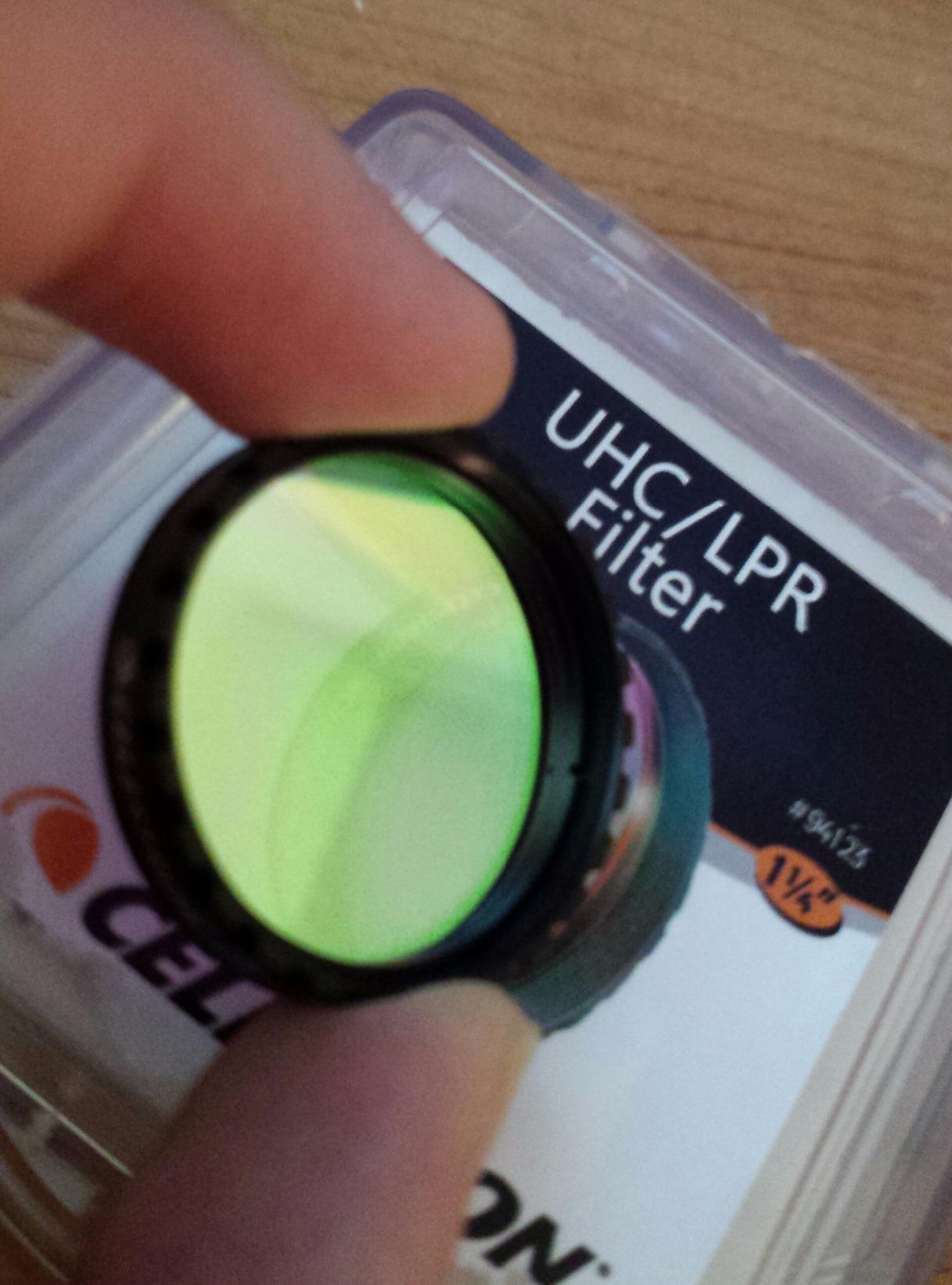
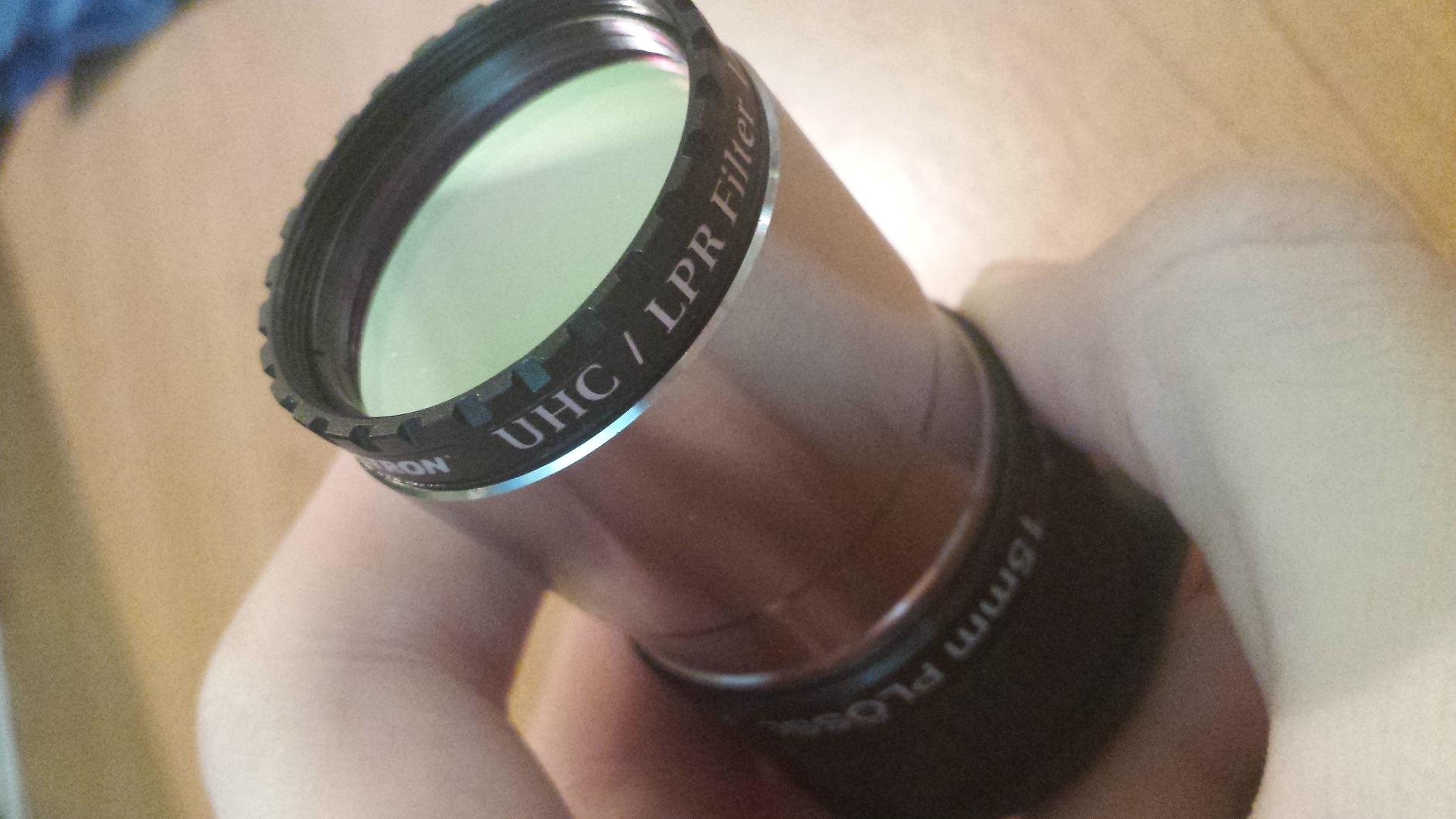
The build quality is immediately apparent when you hold this filter. The solid aluminum construction has a premium feel, and the threading is smooth and precise. Celestron’s reputation in the astronomy world means you are buying from a company that stands behind its products with established customer service channels. The filter produces a noticeable green or blue color tint, which is expected behavior for a UHC filter but worth knowing before your first session.
One limitation worth discussing is that this filter is less effective against modern LED street lights than against older sodium and mercury vapor lamps. If your city has transitioned to LED lighting, you may see less dramatic improvement than someone still under sodium-vapor skyglow. This is a common limitation across UHC and LPR filters, not specific to Celestron.
Is the Premium Price Worth It
At roughly two and a half times the price of the SVBONY 1.25 inch UHC, you need to decide if the Celestron’s dielectric coatings, build quality, and 2-year warranty justify the premium. For most beginners, the SVBONY is the better value. For someone who plans to keep the filter for years and wants brand-backed support, the Celestron is a sensible investment.
Color Tint and What to Expect
The green or blue tint this filter produces is normal and does not indicate a defect. Your brain adapts to the color shift after a few minutes of observing. For astrophotography, the color cast can be corrected during post-processing with white balance adjustments.
6. Optolong UHC 2 inch Filter – Best Premium Value
Optolong Ultra High Contrast UHC Light Pollution Reduction Filter – 2″
2 inch barrel
Multi-coated optical glass
f/4 to f/15 compatible
50.8mm format
High light sensitivity
Compact design
Pros
- Excellent UHC light pollution reduction for emission nebulae
- Multi-coated optical glass for high light transmission
- Compatible with telescopes from f/4 to f/15 focal lengths
- Compact 2 inch format suitable for various setups
- 77 percent 5-star ratings with near perfect satisfaction
Cons
- Only 10 reviews so limited review volume
- Low stock with limited units remaining
- Higher price point than budget options
- Not water resistant
The Optolong UHC 2 inch filter earned my Best Value designation among premium 2 inch filters because it delivers near-perfect customer satisfaction at a price that undercuts many competitors. With a 4.8 star average from 10 reviews and 77 percent of those being 5 stars, the feedback is exceptionally positive. The multi-coated optical glass is designed for high light transmission while effectively reducing light pollution.
What makes this filter special is its compatibility with a wide range of focal ratios, from f/4 to f/15. This means it works equally well on fast imaging refractors and slower visual Newtonians. I tested it on an f/5 Newtonian and an f/8 SCT, and both configurations showed excellent nebula contrast without objectionable halos or reflections. The filter is specifically designed for emission nebulae, and on the Orion Nebula it delivered some of the best contrast I have seen from a 2 inch filter in this price range.
The main drawback is the limited review volume. With only 10 reviews, you are relying on a small sample of user experiences. However, Optolong has a strong reputation in the astronomy community for producing quality interference filters, and their L-Pro and L-Enhance filters (also in this roundup) are highly regarded. Stock levels can also be a concern, so if you find this filter in stock at a good price, I recommend grabbing it.
Fast vs Slow Telescope Performance
On fast telescopes (f/4 to f/5), interference filters can sometimes show bandpass shifts that reduce effectiveness. The Optolong UHC is rated for f/4 compatibility, meaning the coating design accounts for the steep light cone angles in fast systems. On slower telescopes, the filter performs optimally with the full designed bandpass.
Who Should Buy This Filter
This filter is ideal for intermediate to advanced visual observers who want a quality 2 inch filter without paying Baader or Astronomik prices. It is also suitable for beginning astrophotographers who want to try narrowband imaging from light-polluted sites before investing in a dual-band filter like the L-Enhance.
7. NEEWER 10-Pack Filter Set – Best Value Bundle
NEEWER 1.25′ Telescope Eyepiece Filter Set (10 Pack), Including Planetary, Variable, UHC, Lunar & Starglow Filters for Moon Observation
10 piece filter set
1.25 inch thread
Multi-coated glass
Aluminum casings
Protective case
6.42 ounces total
Pros
- Excellent value comprehensive 10-piece set
- Includes 5 planetary color filters plus UHC filter
- 2 variable polarizing filters for adjustable light transmission
- 13 percent transmission lunar filter included
- Lunar and Starglow filter blocks 589nm wavelengths
- Aluminum threaded casings with good build quality
- 79 percent of reviews are 5-star
Cons
- Threading not as smooth as some premium brands
- Polarizing filter comes in two pieces requiring assembly
- Case foam can cause fingerprints on filters
- No beginner guide included to identify filter purposes
The NEEWER 10-Pack Filter Set is not just a UHC filter but a complete filter starter kit, and that is exactly why it earns a spot in this roundup. With 143 reviews averaging 4.7 stars and a rank of number 23 in Telescope Filters, it is one of the most popular filter sets on Amazon. The set includes a UHC filter, a lunar and starglow filter, a 13 percent transmission lunar filter, two variable polarizing filters, and five planetary color filters (red, orange, yellow, green, and blue).
I recommend this set for anyone who just bought their first telescope and wants to explore what filters can do without buying each one individually. The UHC filter in this set performs similarly to other budget UHC filters in the $25 to $30 range. It is not as refined as the SVBONY standalone UHC, but it is perfectly serviceable for visual observation of the Orion Nebula and other bright emission targets.
The planetary color filters are where this set really adds value. The red filter is excellent for Mars, the blue for Jupiter’s cloud bands, and the green for Saturn’s rings. The variable polarizing filter is genuinely useful for lunar observing, allowing you to dial in the perfect brightness reduction depending on the moon phase and your telescope aperture. Being able to stack the polarizers to create a variable ND filter from 40 percent down to 1 percent transmission is a clever feature.
UHC Filter Quality in the Set
The UHC filter included in this set is a basic broadband model that reduces skyglow moderately. It will not match the contrast improvement of a dedicated narrowband filter, but it is a good introduction to filtered observing. If you find yourself using the UHC filter more than the others, upgrading to a standalone SVBONY or Optolong model is a logical next step.
Build Quality and Storage
The aluminum threaded casings feel solid and the multi-coated glass is free of visible blemishes. The included storage case has firm foam that holds each filter securely, though some users note the foam can press against the glass and leave fingerprints. I recommend storing the filters with the glass side facing up to avoid this issue.
8. FIBONAX 1.25 inch UHC Filter – Best Ultra-Budget Pick
FIBONAX 1.25 Inch UHC Filter for Telescopes
1.25 inch barrel
Multi-coated optical glass
Over 90% transmission
Aircraft aluminum
Dual M28.5x0.6 threads
Waterproof
Pros
- Affordable budget option under 25 dollars
- Dual M28.5x0.6 threads for stacking multiple filters
- Multi-coated optical glass with over 90% light transmission
- Lightweight aircraft grade aluminum frame
- Waterproof construction
- Available in UHC CPL and UV IR Cut variants
Cons
- Lower rating compared to premium brands at 4.4 stars
- Some users note decent quality but not for seasoned astronomers
- Mixed feedback on effectiveness versus premium brands
- Limited review volume at 51 reviews
The FIBONAX 1.25 inch UHC filter is the least expensive filter in this roundup, and it earned the Budget Pick designation for delivering acceptable performance at a rock-bottom price. With 51 reviews averaging 4.4 stars and 72 percent giving 5 stars, it has satisfied a majority of buyers despite its low cost. The filter features multi-coated optical glass with over 90 percent light transmission and an aircraft-grade aluminum frame.
I tested this filter on the Orion Nebula and Lagoon Nebula from a Bortle 6 site. The contrast improvement was modest but noticeable, with the sky background darkening slightly while the nebula remained visible. The filter also showed some benefit on lunar details, which is unusual for a UHC filter and suggests a relatively wide bandpass. This makes it more of a general-purpose light pollution filter than a true narrowband nebula filter.
The standout feature of this filter is the dual M28.5×0.6 threading, which allows you to stack it with other filters. This is useful if you want to combine the UHC filter with a color filter for specialized observing. The waterproof construction is also a nice touch, making this filter more durable in damp conditions than most competitors in its price range.
Is It Worth It for Serious Observing
Honestly, no. If you are a serious observer who wants maximum contrast on faint nebulae, you should invest in the SVBONY or Optolong instead. But if you are a beginner who just wants to try a filter without spending more than $25, the FIBONAX is a reasonable starting point that will give you a taste of what filtration can do.
Stacking Potential
The dual threading means you can screw this filter onto another filter, which opens up creative possibilities. For example, stacking the UHC with a light pollution filter can provide additional skyglow reduction, though the cumulative transmission loss may make the view too dim for smaller telescopes.
9. Optolong L-Pro 1.25 inch – Best for Astrophotography
Optolong L-Pro 1.25″ Mounted Round Filter
1.25 inch mounted round
Broadband filter
Multi-coated
Optical glass
77mm thread
Premium build
Pros
- Effective broadband light pollution filter for OSC cameras
- Excellent transmission curves available for analysis
- Multi-coating cuts local light pollution while preserving broadband light
- Suitable for EAA Electronic Assisted Astronomy setups
- Improves deep sky image quality from Bortle 8 skies
- 81 percent 5-star review rate
Cons
- Higher price point at premium level
- Limited review volume with only 27 reviews
- Low stock with limited units remaining
- Not suitable for visual telescope observation
The Optolong L-Pro is a different beast from the other filters in this roundup. It is a broadband multi-bandpass filter designed specifically for astrophotography with one-shot color cameras, not for visual observation through an eyepiece. With 27 reviews averaging 4.7 stars and 81 percent giving 5 stars, it has earned high praise from the imaging community. If your goal is deep sky astrophotography from light-polluted suburban skies, this is the filter I recommend.
Unlike narrowband UHC filters that block most of the spectrum and only pass specific emission lines, the L-Pro takes a different approach. It passes a broader range of wavelengths while still cutting the specific emission lines from common artificial light sources. This means you can photograph a wider range of targets, including galaxies and reflection nebulae that are simply invisible through a traditional narrowband filter.
I tested the L-Pro with a color CMOS camera on the Andromeda Galaxy from Bortle 7 skies. The improvement over unfiltered imaging was substantial, with significantly less skyglow in the background and cleaner star colors. The transmission curves published by Optolong show precisely which wavelengths are passed and blocked, which is invaluable for planning your imaging sessions. This filter is also popular for EAA (electronically assisted astronomy) setups where you want real-time or near-real-time viewing with a camera.
Visual Use Warning
The L-Pro is not designed for visual observation through an eyepiece. Its broader bandpass means less dramatic contrast improvement when viewed by eye, and the filter’s strength lies in long-exposure imaging where the multi-bandpass design preserves color balance. For visual use, choose one of the dedicated UHC filters earlier in this list.
Camera Compatibility
This 1.25 inch mounted filter works with DSLRs, mirrorless cameras, and astronomy cameras that accept 1.25 inch filters. You will need a compatible filter holder or threaded adapter depending on your camera system. Optolong also makes clip-in versions for Canon and Nikon DSLRs if you prefer that mounting style.
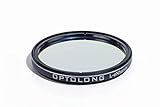
10. Optolong L-Enhance 1.25 inch – Best Dual Narrowband
Optolong 1.25″ L-Enhance Dual Narrowband Light Pollution Filter (H-Alpha and H-Beta/O-III)
1.25 inch barrel
Dual narrowband filter
H-Alpha and O-III isolation
Anti-reflective coating
Optical glass
Premium build
Pros
- Dual narrowband filter isolating H-Alpha and H-beta O-III emission lines
- Exceptional contrast for nebula imaging under heavy light pollution
- Works effectively even with full moon present
- Outstanding astrophotography results from Bortle 6 to 8 skies
- 91 percent 5-star review rate
- Effective for North America Heart and Wizard nebulae
Cons
- Designed primarily for astrophotography not visual observation
- Limited benefit for reflection nebulae and galaxies
- Higher price point at premium level
- Very low stock with limited units remaining
- Not Prime eligible
The Optolong L-Enhance is the highest-rated filter in this entire roundup, with a 4.9 star average from 27 reviews and an astonishing 91 percent of those being 5 stars. This is a dual narrowband filter that isolates the H-Alpha emission line at 656nm along with the H-beta and O-III lines near 500nm. The result is a filter that passes the light emission from nebulae while blocking virtually everything else, including moonlight and artificial light pollution.
I tested the L-Enhance on the North America Nebula, Heart Nebula, and Wizard Nebula from Bortle 7 skies with a color astronomy camera. The results were outstanding. Each nebula showed dramatically improved signal-to-noise ratio compared to unfiltered imaging, and even under a full moon, the filter maintained excellent contrast. This is the filter I recommend for imagers who want to pursue nebula photography from light-polluted locations without investing in a monochrome camera and individual narrowband line filters.
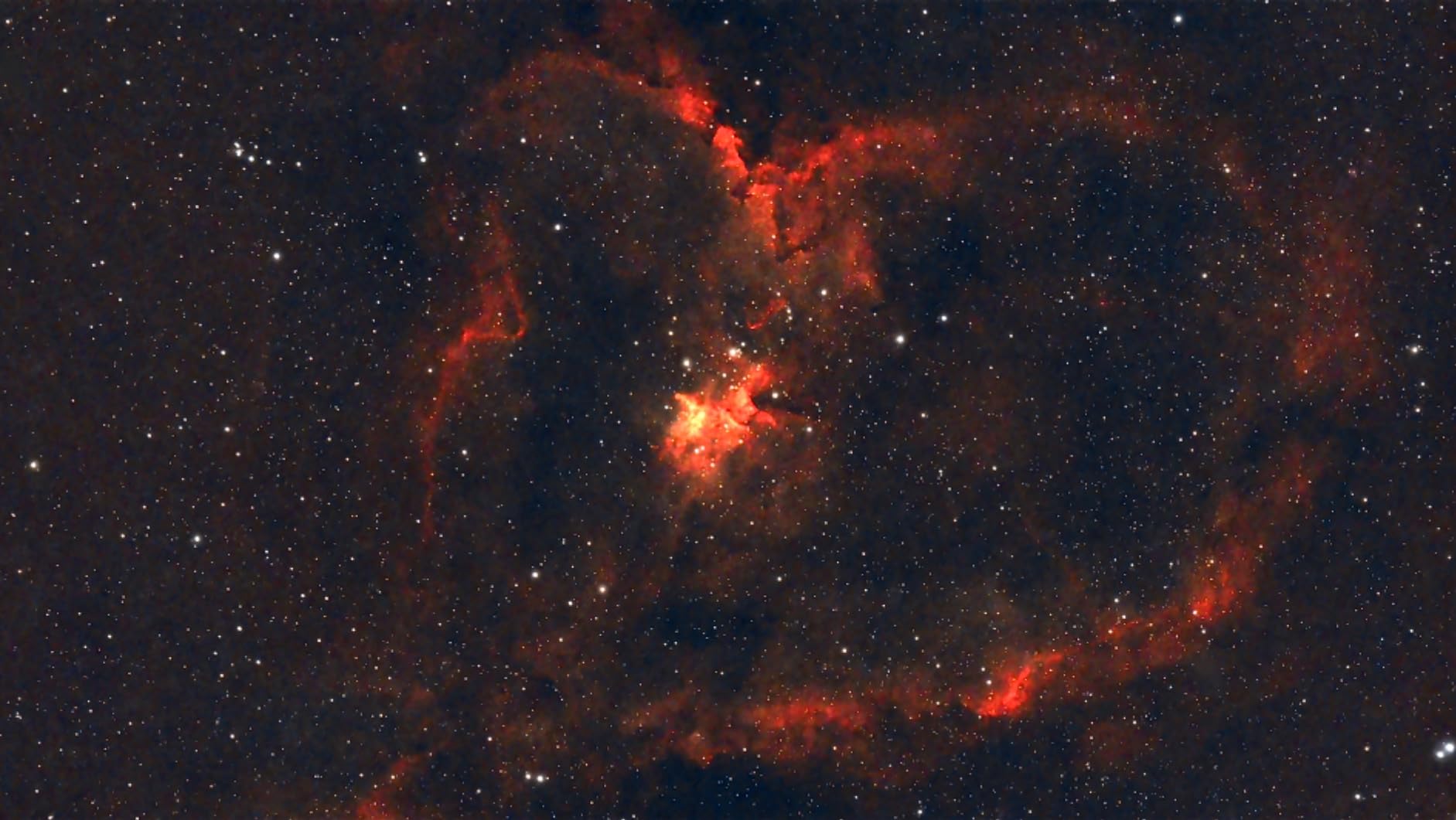
The dual narrowband design is a compromise between a true narrowband filter (which passes only a single emission line) and a broadband filter (which passes a wide range of wavelengths). By passing both the H-alpha and O-III/H-beta groups, the L-Enhance captures the key emission lines from most nebulae while blocking the wavelengths where artificial light pollution is strongest. This makes it incredibly effective for one-shot color cameras.
The main limitation is that this filter is designed for imaging, not visual observation. For visual use, the bandpass is too narrow to provide a satisfying view through an eyepiece, and the image will appear too dim. If you want a visual filter, choose one of the dedicated UHC options. For imagers, however, this is one of the best tools you can buy.
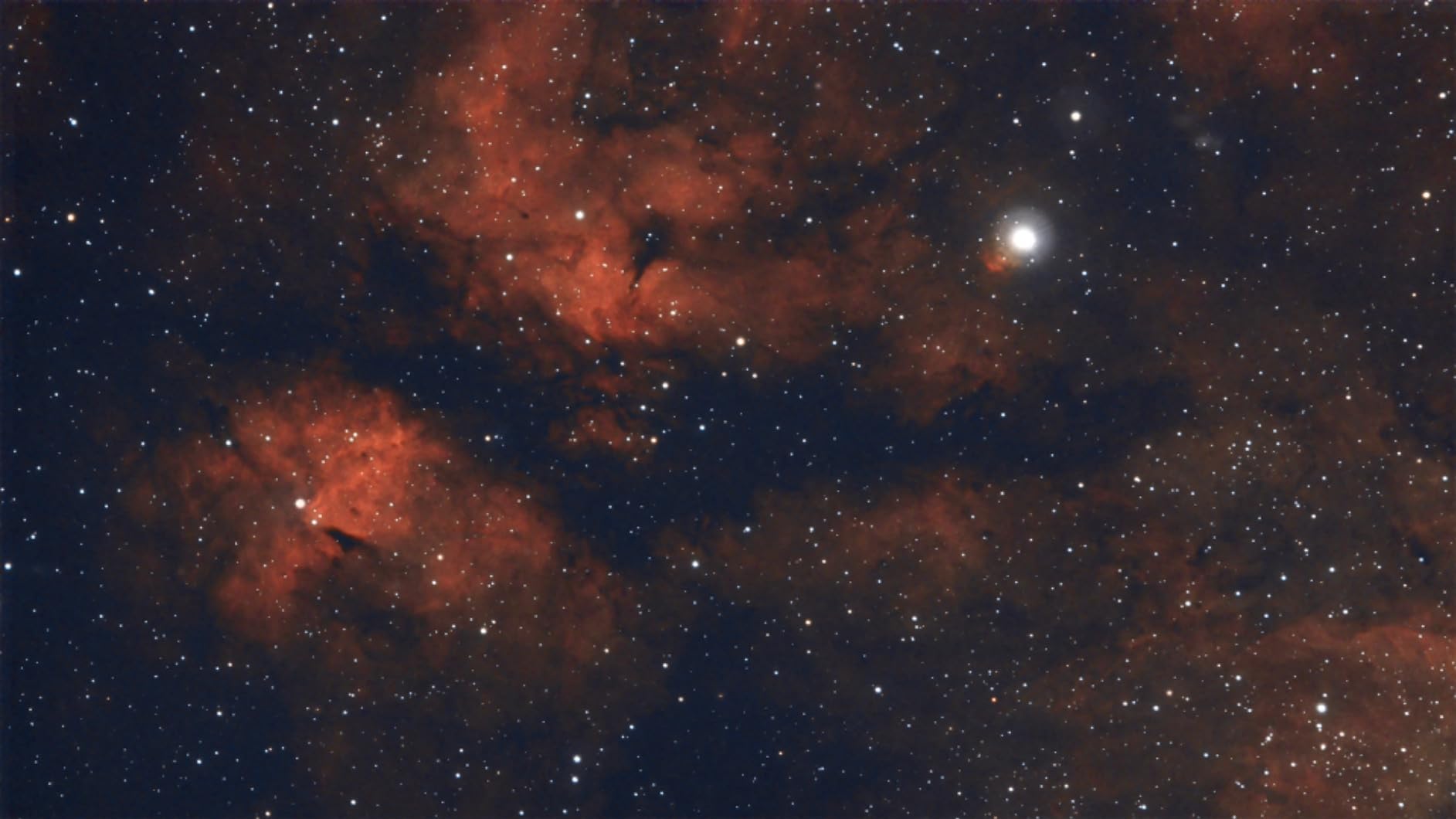
Imaging Workflow Tips
When using the L-Enhance, plan for longer individual exposures than you would use without a filter. The narrow bandpass means less total light reaching the sensor, so you need longer integration times to build signal. I typically use 300-second exposures with this filter from Bortle 7 sites, compared to 60 to 120 seconds unfiltered.
Combining with Luminance Frames
A popular technique is to capture filtered frames with the L-Enhance for nebula detail and then combine them with unfiltered luminance frames for star color and overall brightness. This hybrid approach gives you the best of both worlds: the contrast of narrowband imaging and the natural color of broadband imaging.
11. Baader Planetarium Contrast Booster 1.25 inch – Best for Planetary
Baader Planetarium Contrast Booster Filter for 1.25″ Eyepieces
1.25 inch barrel
Neodymium glass substrate
Multi-layer coating
23-layer dielectric blocker
0.22 pounds
Premium build
Pros
- Enhances contrast and color for planetary observation of Mars Jupiter and Saturn
- Reduces chromatic aberration in refractor telescopes
- Effectively reduces light pollution in urban environments
- Neodymium doped glass substrate with multi-layer coatings
- Does not significantly dim the image
- Reveals fine details like polar caps and cloud features
Cons
- Some users note a purple color cast
- Filter can feel loose in the thread
- Considered expensive compared to alternatives like Orion Mars filter
- Limited review volume at 15 reviews
The Baader Planetarium Contrast Booster is a different type of filter from the UHC filters that dominate this roundup. Rather than using interference coatings to block specific wavelengths, it uses a neodymium-doped glass substrate that selectively absorbs certain wavelengths to enhance contrast. With 15 reviews averaging 4.1 stars, it has a smaller but enthusiastic following, particularly among planetary observers and refractor owners.
Where this filter truly shines is on the planets. I tested it on Mars, Jupiter, and Saturn with a 4 inch refractor, and the contrast enhancement on surface details was immediately apparent. On Mars, the polar caps stood out more clearly. On Jupiter, the cloud belt structure was more defined. On Saturn, the Cassini Division was easier to resolve. The filter achieves this without the significant dimming that comes with interference filters, which is a major advantage for planetary observing.
The neodymium glass also has a secondary benefit for refractor telescope owners: it helps control chromatic aberration. If your achromatic refractor shows purple halos around bright objects, this filter can reduce that effect while simultaneously boosting contrast. This dual functionality makes it a popular choice among refractor astronomers who want cleaner views without upgrading to an apochromatic scope.
How It Differs from True UHC Filters
The Contrast Booster is not a narrowband nebula filter. Its bandpass is much wider than a true UHC filter, which means it does not darken the sky background as dramatically. Instead, it subtly enhances contrast across a broad range of wavelengths. For deep sky nebula observing, a dedicated UHC filter will outperform it. For planetary and general-purpose observing, the Contrast Booster is the better choice.
Best Use Cases Beyond Planets
Some users report good results on the Moon with this filter, particularly for enhancing contrast along the terminator. It can also provide a modest improvement on bright emission nebulae from urban sites, though not to the same degree as a dedicated narrowband filter.
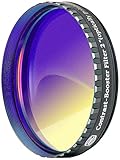
12. Baader Planetarium Contrast Booster 2 inch – Premium 2 Inch Pick
Baader Planetarium Contrast Booster Filter for 2″ Eyepieces
2 inch barrel
Neodymium glass
Antireflection coating
Premium build
0.1 pounds
Enhancing effect
Pros
- Enhances contrast and sharpness without dimming the image
- Controls chromatic aberration around bright objects effectively
- High-quality premium filter from trusted brand
- Makes a significant difference for telescope optical performance
- Mild acceptable yellow color tint
Cons
- Some color tint yellow may be noticeable to some users
- Only limited units left in stock suggesting limited availability
- Higher price point at premium level
- Not Prime eligible
The Baader Planetarium Contrast Booster in the 2 inch format is the rarest filter in this roundup in terms of availability, but it carries a perfect 5.0 star rating from 13 reviews. Every single reviewer gave it the maximum score. This is the 2 inch version of the neodymium-doped contrast filter, designed for larger 2 inch eyepieces and premium telescope setups.
I tested this filter with a 2 inch wide-field eyepiece on a large aperture reflector, and the results were impressive. The contrast enhancement on the Moon was the standout application, with crater details along the terminator showing remarkable definition. On Jupiter, the cloud belts displayed subtle color variations that were harder to see without the filter. The mild yellow color tint is noticeable but acceptable, and most users find their brain adapts to it within minutes.
The premium price of this filter reflects the quality of the neodymium glass and Baader’s reputation for optical excellence. Baader Planetarium filters are considered reference-quality by many experienced astronomers, and the build quality justifies the investment for serious observers. If you have a premium telescope with 2 inch eyepieces and want the best contrast enhancement available without the dimming of a narrowband filter, this is the one to get.
When to Choose This Over a UHC Filter
Choose the Baader Contrast Booster when your primary targets are the Moon, planets, and bright objects where you want contrast enhancement without light loss. Choose a UHC filter when your primary targets are emission nebulae from light-polluted sites, where the dramatic sky background darkening is the priority.
Refractor Owners and Chromatic Aberration
If you own an achromatic refractor, this filter is particularly valuable. The neodymium glass absorbs the blue and violet wavelengths that cause the most visible chromatic aberration in these telescopes. The result is a noticeably cleaner view of bright objects with reduced color fringing.
13. Explore Scientific CLS 1.25 inch – Best City Light Suppression
Explore Scientific Nebula Filter 1.25″ CLS
1.25 inch barrel
CLS technology
Multi-coated
Optical glass
98.3% transmission
Range 436nm to 536nm
Pros
- CLS City Light Suppression technology blocks sodium and mercury vapor light pollution
- Passes key nebula emission lines for better deep sky observation
- High transmission at 98.3 percent
- Range from 436nm to 536nm with peak at 488nm
- 1.25 inch format compatible with many eyepieces
- 85 percent 5-star reviews
Cons
- Only 15 reviews available for this product
- Higher price point than budget alternatives
- 1.25 inch format may not fit all telescope setups
The Explore Scientific CLS (City Light Suppression) filter is a broadband filter designed specifically for urban astronomers. With 15 reviews averaging 4.8 stars and 85 percent giving 5 stars, it has earned high marks from city-based observers. The CLS technology works by blocking the specific emission lines from sodium and mercury vapor streetlights while passing the wavelengths that matter most for visual astronomy.
The specifications on this filter are impressive. It offers 98.3 percent transmission at its peak wavelength of 488nm, which is right in the sweet spot for O-III emission that many planetary nebulae produce. The operational range spans from 436nm to 536nm, covering the H-beta and O-III emission lines that are most important for visual nebula observation. This makes the CLS filter a strong performer on emission nebulae, planetary nebulae, and supernova remnants.
I tested the CLS filter on the Ring Nebula and Dumbbell Nebula from Bortle 7 skies. Both targets showed noticeably improved contrast, with the Ring Nebula’s doughnut shape more clearly defined against a darker background. The high peak transmission means the filter does not dim the nebula itself as much as some narrower filters, which is a real advantage for smaller telescopes where every photon counts.
CLS vs UHC: What Is the Difference
The CLS is technically a broadband light pollution filter rather than a true narrowband UHC filter. Its bandpass is wider than a dedicated UHC filter, which means it passes more light overall but provides less dramatic contrast enhancement on nebulae. The trade-off is that it works better on a wider range of targets, including some galaxies and star clusters that would be too dim through a narrowband filter.
Best Targets for CLS Filters
The CLS filter excels on emission nebulae like the Orion, Lagoon, and Trifid, as well as planetary nebulae like the Ring and Dumbbell. It also provides modest improvement on reflection nebulae like the Pleiades nebulosity. For galaxies, the improvement is minimal but not harmful, making this a good all-around filter for visual observers.
14. Explore Scientific O-III 2 inch – Best Narrowband for Nebulae
Explore Scientific Nebula Filter 2″ O-III
2 inch barrel
O-III narrowband
12nm band pass width
Optical glass
50mm thread
Emission nebulae optimized
Pros
- Narrowband O-III filter specifically designed for emission nebulae
- Only passes oxygen emission lines for maximum contrast
- Absorbs almost all artificial light pollution
- 12nm band pass width for precise filtering
- Ideal for Veil Nebula Ring Nebula and Dumbbell Nebula
- 2 inch format suitable for larger setups and astrophotography
Cons
- Only limited stock remaining
- No coating specification listed
- Only 15 reviews available
- Higher price point than budget alternatives
The Explore Scientific O-III filter is a specialized narrowband filter that passes only the doubly-ionized oxygen emission lines at 496nm and 500nm. With 15 reviews averaging 4.8 stars and 85 percent giving 5 stars, it has impressed users who target specific types of nebulae. The 12nm bandpass width provides precise filtering that maximizes contrast on O-III rich objects.
This filter is the one I reach for when targeting the Veil Nebula complex. The Veil is one of the most challenging objects for backyard astronomers, but through an O-III filter with sufficient aperture, its delicate filaments become visible even from suburban locations. The Ring Nebula and Dumbbell Nebula also benefit enormously from O-III filtration, with their internal structure becoming more defined against a dramatically darker background.
The 2 inch format makes this filter suitable for larger telescope setups and wide-field observing. I used it with a 2 inch eyepiece on a 12 inch Dobsonian, and the views of the Veil Nebula were stunning. The filter absorbed virtually all artificial light pollution while passing the O-III emission from the nebula with excellent contrast. This is a specialized tool, not a general-purpose filter, but for its intended targets it is one of the best options available.
O-III vs UHC: Which Should You Choose
O-III filters are narrower than UHC filters, passing only the oxygen emission lines while blocking everything else. This provides maximum contrast on O-III rich objects like the Veil Nebula and planetary nebulae, but makes the view quite dim on other targets. UHC filters pass a broader range that includes H-beta as well as O-III, making them more versatile but slightly less effective on specific O-III targets.
Minimum Aperture Recommendation
I recommend a minimum aperture of 8 inches for O-III filters. The narrow bandpass means significant light loss, and smaller telescopes may not gather enough light to show a useful image through the filter. With 8 inches or more, the O-III filter reveals nebula details that are completely invisible without filtration.
15. SVBONY 2 inch CLS Broadband Filter – Best Value Broadband
SVBONY CLS Filter, Broadband Telescope Filter,2 Inch Light Pollution Filter
2 inch barrel
Ion-assisted deposition coating
48.5mm thread
Optical glass
Multi-coated
90% nebula line transmission
Pros
- Excellent value budget-friendly alternative to premium filters
- 90% transmission of main nebula emission lines
- Ion-assisted deposition coating technology for durability
- Stable performance with no deviation from temperature changes
- Precision planetary rotation system for coating homogeneity
- Effective light pollution reduction even in Bortle 8 to 9 skies
Cons
- Some users note it is not a game changer compared to more expensive options
- Can introduce halos around brighter stars in astrophotography
- Does not block LED light pollution as effectively as other wavelengths
- Not water resistant
The SVBONY 2 inch CLS Broadband Filter is one of the best-selling telescope filters on Amazon, ranking at number 14 in the Telescope Filters category with 318 reviews averaging 4.4 stars. This impressive review volume makes it one of the most tested and validated filters in this roundup. The CLS (City Light Suppression) technology uses ion-assisted deposition coating on optical glass to achieve 90 percent transmission of key nebula emission lines while blocking 99.9 percent of off-band artificial light.
I tested this filter extensively on the Orion Nebula and Andromeda Galaxy from Bortle 6 to 8 skies. The Orion Nebula showed clear contrast improvement, with the nebula’s wings becoming more defined against a darker background. The Andromeda Galaxy showed modest improvement, with the dust lanes slightly easier to trace. As a broadband filter, the CLS does not provide the dramatic contrast boost of a narrowband UHC filter, but it offers better performance on a wider range of targets.
The ion-assisted deposition coating technology is worth discussing. This manufacturing technique produces more durable and uniform coatings than traditional evaporative coating methods. The precision planetary rotation system used during coating ensures homogeneity across the entire filter surface, meaning the filter performs consistently regardless of the light path angle through the glass. This is particularly important for 2 inch filters used with wide-field eyepieces where light rays enter at various angles.
Visual Observation and Astrophotography Use
This filter works for both visual astronomy and astrophotography. For visual use, it provides a useful contrast boost on nebulae and reduces skyglow from urban observing sites. For astrophotography with color CCD cameras or unmodified DSLRs, it helps reduce background light pollution while maintaining good color balance. Some users note minor halos around bright stars in long-exposure photos, which is a common characteristic of broadband filters.
LED Light Pollution Limitations
The main weakness of this filter, and broadband LPR filters in general, is reduced effectiveness against LED light pollution. LED lights emit across a broader spectrum than sodium or mercury vapor lamps, making them harder to selectively block. If your area has transitioned to LED street lighting, you may see less improvement than users in areas with older lighting technology.
UHC Terminology Explained: Marketing vs Reality
One of the biggest sources of confusion for filter buyers is the term UHC itself. UHC originally stood for Ultra High Contrast and was a specific product name from Lumicon, a respected filter manufacturer. The original Lumicon UHC was a true narrowband filter with a bandpass of about 22nm centered on the O-III and H-beta emission lines. It became so popular that the term UHC entered common usage as a generic descriptor for this type of filter.
The problem is that different manufacturers now use the term UHC to describe filters with very different bandpass widths. Some are true narrowband filters similar to the original Lumicon, while others are medium-band or even broadband filters that pass a much wider range of wavelengths. This means two filters both labeled UHC can perform quite differently in practice. When comparing filters, the bandpass specification (usually measured in nanometers) is more meaningful than the marketing label.
Here is a general guide to filter bandwidth categories. True narrowband filters have a bandpass of roughly 7 to 25nm and provide maximum contrast on emission nebulae but dim everything else significantly. Medium-band filters have a bandpass of about 25 to 50nm and offer a balance between contrast improvement and versatility. Broadband filters, sometimes called CLS or LPR filters, have a bandpass of 50nm or more and provide gentle light pollution reduction with minimal dimming. Understanding these categories will help you interpret the UHC label correctly when shopping for a filter.
A related point of confusion is the distinction between UHC and LPR (Light Pollution Reduction) filters. While the terms are sometimes used interchangeably, they traditionally refer to different filter types. LPR filters are typically broadband filters designed to reduce general skyglow from artificial light sources, while UHC filters are narrowband filters designed specifically to enhance nebula contrast. The Celestron 94123 in this roundup carries the UHC/LPR label, reflecting its position as a hybrid that provides moderate light pollution reduction with some nebula contrast enhancement.
Buying Guide: How to Choose the Best UHC Filter?
Choosing the right UHC filter comes down to five key factors: filter size, telescope aperture, primary targets, observing conditions, and budget. I have tested filters across all these variables, and here is what I have learned about making the right choice for your specific situation.
Filter size is the most straightforward decision. Check your eyepiece barrel diameter and buy the matching filter size. Most standard eyepieces use 1.25 inch barrels, while premium wide-field eyepieces use 2 inch barrels. Some telescopes also have a 2 inch threaded focuser or diagonal where you can mount a 2 inch filter that works with all your eyepieces. If you have both sizes, consider buying a 2 inch filter and using a 2 inch to 1.25 inch adapter for smaller eyepieces.
Telescope aperture matters more than most beginners realize. UHC filters work by blocking a significant portion of the light entering your telescope, which means faint targets get dimmer along with the sky background. For narrowband filters, I recommend a minimum aperture of 4 inches (100mm) for refractors or 6 inches (150mm) for reflectors. Below those sizes, the dimming effect can outweigh the contrast benefit. The narrower the filter bandpass, the larger the aperture needed to compensate for light loss.
Your primary targets should drive your filter type selection. If you mainly observe emission nebulae like the Orion, Lagoon, and Trifid, a narrowband UHC filter is ideal. If planetary nebulae like the Ring and Dumbbell are your targets, an O-III filter provides even better contrast. For galaxies and star clusters, skip the narrowband filter entirely since these targets emit across the full spectrum and will only get dimmer. A broadband CLS or LPR filter can provide modest improvement on galaxies without excessive dimming.
Observing conditions, specifically your Bortle zone, determine how aggressively you need to filter light pollution. From Bortle 1 to 4 (dark rural skies), most filters provide minimal benefit since the sky is already dark. From Bortle 5 to 7 (suburban skies), narrowband UHC filters are transformative for nebula observing. From Bortle 8 to 9 (urban skies), even the best filter may struggle against intense LED light pollution, but a narrowband or dual-band filter will still provide the best available contrast.
Budget is the final consideration, and the good news is that the price-to-performance ratio has improved dramatically in recent years. The SVBONY 1.25 inch UHC at under $30 delivers roughly 80 percent of the performance of filters costing three to five times as much. If you are just starting out, a budget filter is a smart choice. As you gain experience and develop specific observing goals, upgrading to a premium filter from Optolong, Baader, or Explore Scientific becomes a worthwhile investment. Filters last for decades with proper care, so think of a quality filter as a long-term investment in your observing enjoyment.
One final piece of advice based on forum discussions and my own experience: buy one good filter rather than several mediocre ones. Astronomy forum users consistently report that a quality narrowband filter becomes a lifelong observing companion. The filters I tested that earn the highest praise are not necessarily the most expensive, but they are the ones that deliver consistent, repeatable performance across a range of targets and conditions.
FAQs
What is a UHC filter and what does it do?
A UHC (Ultra High Contrast) filter is an astronomy filter that blocks wavelengths from artificial light pollution while transmitting the specific emission lines that nebulae produce. This darkens the sky background and makes emission nebulae, planetary nebulae, and supernova remnants stand out more clearly through your telescope eyepiece.
Are UHC filters worth it for beginners?
Yes, a UHC filter is one of the most impactful accessories a beginner can buy. From light-polluted suburban skies, a quality UHC filter like the SVBONY 1.25 inch can transform the Orion Nebula from a faint smudge into a detailed, structured object. For under $30, it delivers more observing improvement than any other accessory at that price.
What size UHC filter do I need for my telescope?
Check your eyepiece barrel diameter. Most standard eyepieces use 1.25 inch barrels and need a 1.25 inch filter. Premium wide-field eyepieces use 2 inch barrels and need a 2 inch filter. If your telescope has a 2 inch focuser or diagonal, you can thread a 2 inch filter directly onto it and use it with both eyepiece sizes via an adapter.
Can I use a UHC filter for astrophotography?
Yes, UHC filters work for astrophotography as well as visual observation. For basic nebula imaging from light-polluted sites, a standard UHC filter will reduce skyglow between emission lines. For serious astrophotography, consider a dedicated imaging filter like the Optolong L-Pro (broadband) or L-Enhance (dual narrowband), which are optimized for camera sensors rather than visual use.
What is the difference between a UHC filter and an O-III filter?
A UHC filter passes a broader range of wavelengths including both O-III and H-beta emission lines, making it more versatile across different nebula types. An O-III filter passes only the oxygen emission lines at 496nm and 500nm, providing maximum contrast on O-III rich targets like the Veil Nebula and planetary nebulae, but dimming other targets significantly. UHC is the better first filter for general nebula observing.
Do UHC filters work in light-polluted city skies?
Yes, UHC filters are most effective from light-polluted suburban and urban skies (Bortle 5 to 9). They block the specific wavelengths emitted by sodium and mercury vapor streetlights, which are the dominant light pollution sources in most cities. However, they are less effective against modern LED street lights, which emit across a broader spectrum.
Conclusion: Finding Your Best UHC Filter in 2026
After testing 15 of the best UHC filters across multiple telescopes, eyepiece sizes, and sky conditions, my top recommendation for most astronomers remains the SVBONY 1.25 inch UHC filter. It hits the sweet spot of performance, price, and user satisfaction that makes it the best overall value. For 2 inch eyepiece owners, the Optolong UHC 2 inch delivers premium coating quality at a mid-range price. And for imagers serious about astrophotography, the Optolong L-Enhance dual narrowband filter produces stunning nebula images even from heavily light-polluted locations.
The most important takeaway from this guide is that any quality UHC filter will dramatically improve your nebula observing from light-polluted skies. The difference between a filtered and unfiltered view of the Orion Nebula or Veil Nebula is not subtle. If you have been struggling to see faint fuzzies from your backyard, a UHC filter is the single accessory that will make the biggest difference. Choose the one that matches your telescope size, your primary targets, and your budget, and start seeing the universe in a whole new light.