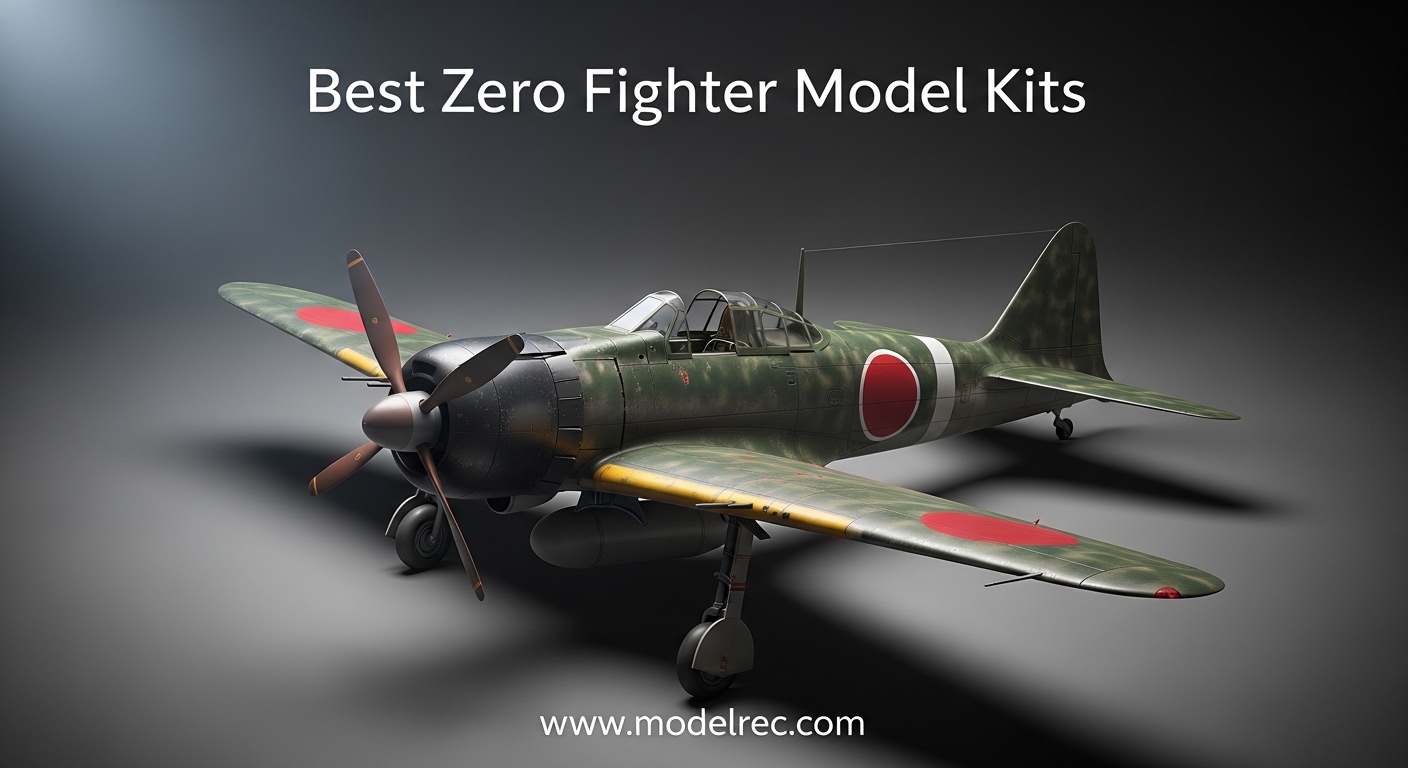
The Mitsubishi A6M Zero remains one of the most iconic aircraft of World War II, and its sleek design continues to captivate modelers decades later. When searching for the best zero fighter model kits, you’ll find Tamiya dominates the market with exceptional quality across multiple scales and variants. I’ve spent countless hours building these kits and want to share my hands-on experience to help you choose the perfect Zero for your next project.
The Zero fighter represented a pinnacle of Japanese aviation engineering, known for its incredible range and maneuverability. Modelers love this aircraft for its elegant lines and historical significance, whether depicting Pearl Harbor attackers or late-war defenders of the home islands. In 2026, Tamiya’s Zero kits offer something for everyone from beginners tackling their first aircraft model to experienced builders seeking competition-quality results.
This guide covers the complete range of Tamiya Zero kits across 1/72, 1/48, and 1/32 scales, helping you understand the differences between A6M2, A6M3, and A6M5 variants. I’ll walk you through build difficulty, detail quality, and which kits offer the best value for your investment. Whether you’re building your first fighter model or adding to a collection of Japanese aircraft, you’ll find the perfect Zero fighter model kit here.
Table of Contents
Top 3 Picks for Zero Fighter Model Kits (October 2026)

Tamiya 1/48 A6M2 Zero Fighter
- 7.4 inch length
- 2 pilot figures
- Low parts count
- Perfect for beginners

Tamiya 1/32 A6M5 Zero Fighter
- Moveable surfaces
- Metal gun barrels
- Detailed Sakae engine
- 15+ inch wingspan

Tamiya 1/72 A6M3 Zero Model 22
- New wing design
- 120 pieces
- Perfect fit
- Most beautiful variant
8 Best Zero Fighter Model Kits in 2026
| Product | Specifications | Action |
|---|---|---|
| Tamiya 1/48 A6M2 Zero Fighter |
|
Check Latest Price |
 Tamiya 1/48 A6M3 Zero Fighter Tamiya 1/48 A6M3 Zero Fighter |
|
Check Latest Price |
 Tamiya 1/48 A6M5c Zero Fighter Tamiya 1/48 A6M5c Zero Fighter |
|
Check Latest Price |
 Tamiya 1/48 A6M5C Type 52 Zero Tamiya 1/48 A6M5C Type 52 Zero |
|
Check Latest Price |
 Tamiya 1/48 A6M3 Type 32 Zero Tamiya 1/48 A6M3 Type 32 Zero |
|
Check Latest Price |
| Tamiya 1/72 A6M3 Zero Model 22 |
|
Check Latest Price |
 Tamiya 1/72 A6M2b Zero Zeke Tamiya 1/72 A6M2b Zero Zeke |
|
Check Latest Price |
| Tamiya 1/32 A6M5 Zero Fighter |
|
Check Latest Price |
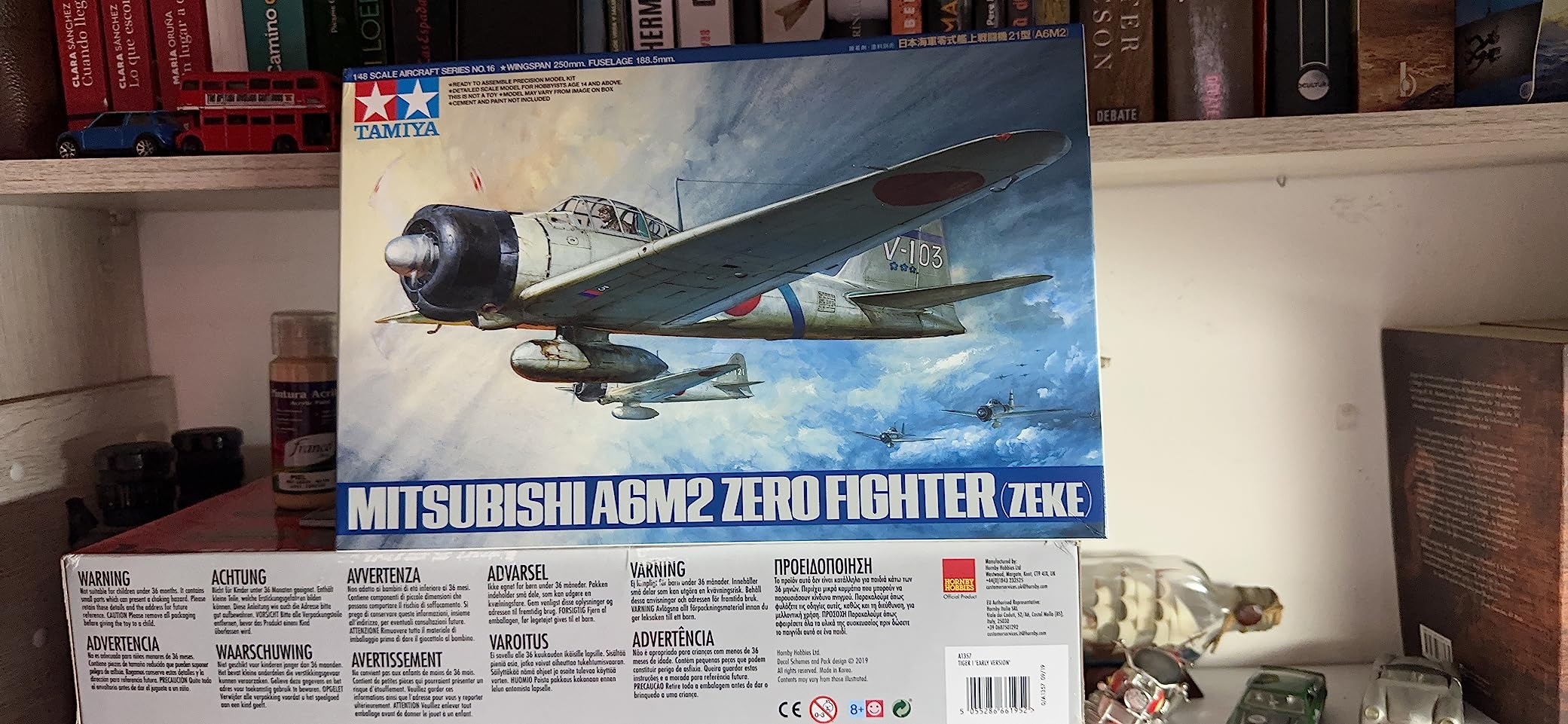
1. Tamiya 1/48 A6M2 Zero Fighter Model Kit – Best Overall Zero Kit
Tamiya Models A6M2 Zero Fighter Model Kit
Scale: 1/48
Length: 7.4 inches
Figures: 2 included
Age: 10+ years
Pros
- Excellent fit with minimal filler needed
- Low parts count great for beginners
- Options for open/closed canopy
- Standing and sitting pilot figures included
Cons
- Some decals can be thick and brittle
- Molded seat belts are very faint
- Mix of raised and recessed panel lines
This kit represents everything I love about Tamiya’s approach to aircraft modeling. The A6M2 Zero Fighter kit delivers exceptional quality that works beautifully for builders of all skill levels. I completed this build over a weekend and was impressed by how precisely the parts fit together, requiring virtually no filler to achieve seamless joints. The 7.4 inch length feels substantial in hand while remaining manageable for display.
The engineering shines in the thoughtful details Tamiya included. You get options to display the canopy open or closed, plus the landing gear can be positioned deployed or retracted. I particularly appreciated the two pilot figures, one standing and one seated, which add life to a desk display or diorama scene. The low parts count makes this an ideal first aircraft model for anyone transitioning from simple armor kits or cars.
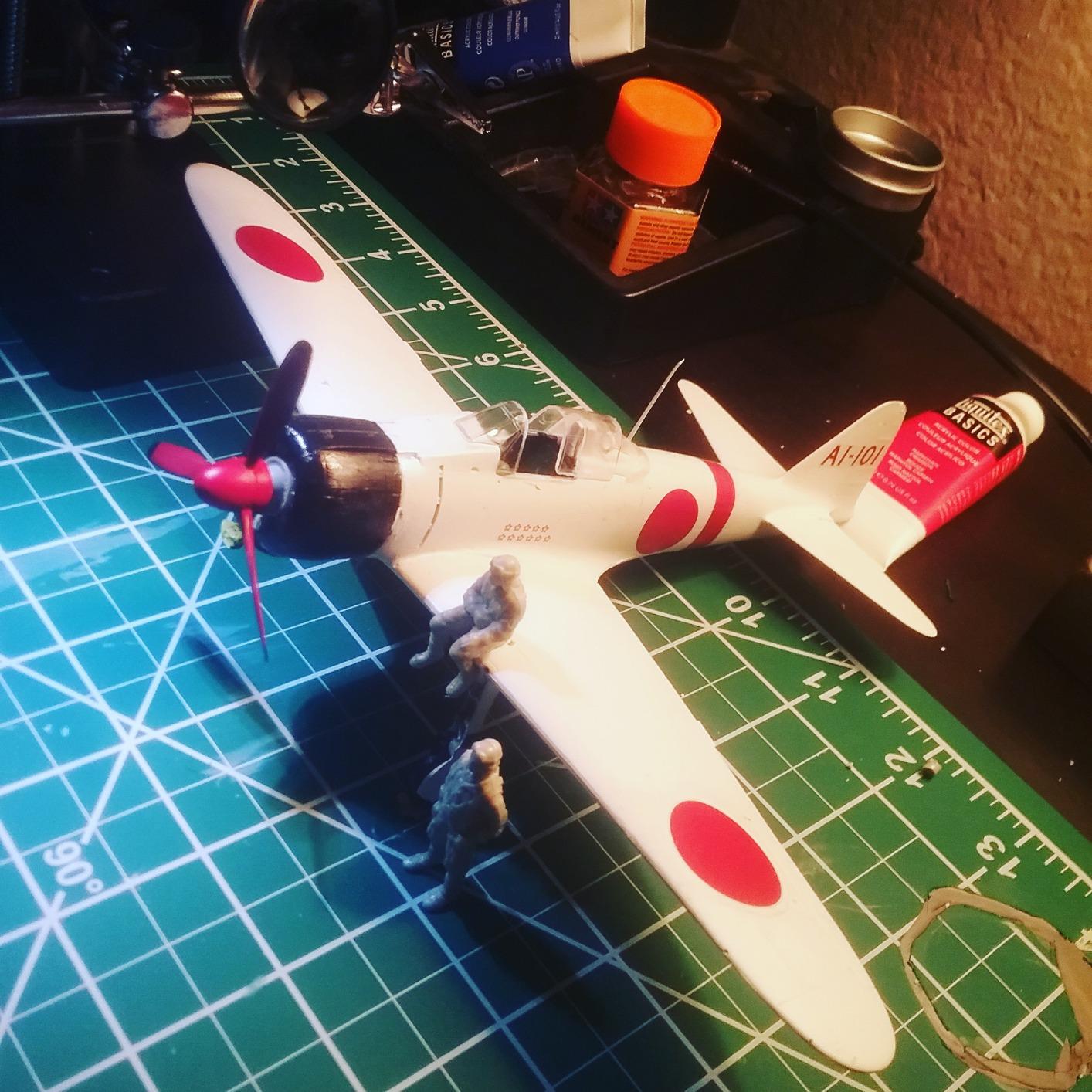
Tamiya’s instructions live up to their reputation with clear diagrams that guide you through each assembly step. I built this kit in about 12 hours spread over two days, making it perfect for modelers who want satisfying results without committing to a month-long project. The plastic takes glue and paint exceptionally well, responding nicely to both enamels and acrylics depending on your preference.
This kit captures the elegant lines of the early Zero fighters that attacked Pearl Harbor. The surface detail combines raised and recessed panel lines, which some purists critique, but I found the mix creates realistic surface texture after painting and weathering. The multiple decal options let you choose from several historically accurate schemes representing different units and time periods.
For modelers interested in beginner RC aircraft who want to try static modeling first, this kit offers the perfect entry point. The parts are robust enough to handle some handling during assembly, and the clear instructions mean you won’t get stuck mid-build wondering what goes where.
Best For
This zero fighter model kit shines for first-time aircraft builders who want rewarding results without the frustration of complex engineering. The low parts count and excellent fit make it ideal for weekend projects or anyone returning to the hobby after a break. Experienced modelers will appreciate the clean canvas for adding aftermarket details while still enjoying a stress-free build.
Build Considerations
Plan for about 10-15 hours of build time depending on your experience level and how much detail you add. The kit requires minimal putty or filler, which saves significant sanding time compared to other brands. Consider picking up photo-etched seatbelts to replace the molded detail, as this single upgrade dramatically improves the cockpit appearance without much effort.
2. Tamiya 1/48 A6M3 Zero Fighter Model Kit – Beginner Friendly Option
Tamiya Models Mitsubishi A6M3 Zero Fighter Model Kit
Scale: 1/48
Variant: A6M3 Type 32
Features: Squared wing tips
Build time: 1-2 days
Pros
- Great for beginners with clear instructions
- Stunning detail including full engine and cockpit
- Easy to assemble takes 1-2 days
- Good quality plastic takes glue well
Cons
- Some panel lines are raised instead of recessed
- Interior detail is spartan may need modification
- Older kit design shows age
- Ground crew figures are same as other kits
The A6M3 variant represents an evolution of the Zero design with squared wing tips and improved power. I found this kit particularly enjoyable to build because Tamiya included a detailed Sakae engine that can be displayed if you choose to open the cowling flaps. The full cockpit interior provides a solid foundation for adding detail if you enjoy super-detailing your builds.
What struck me most during this build was how quickly the kit comes together. Tamiya’s engineering ensures parts fit precisely where they should, eliminating the frustration of misaligned components. I spent about 14 hours from opening the box to applying the final clear coat, making this an achievable project for modelers with limited build time. The squared wing tips characteristic of the A6M3 give this variant a distinct profile that stands out in a collection of Zeros.
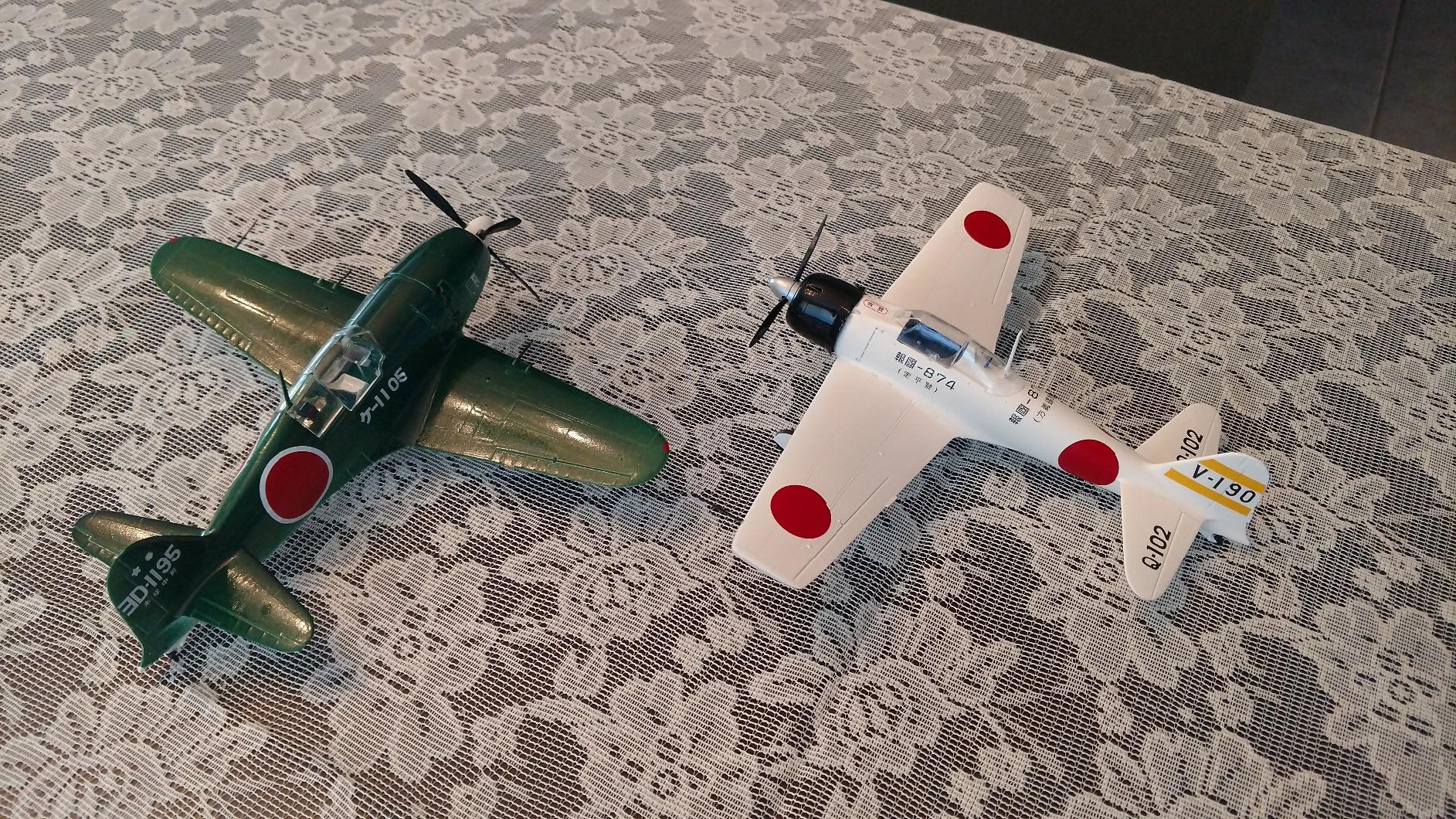
The subtle surface detail combines raised and recessed panel lines throughout the airframe. While some modelers prefer all recessed lines, I found the mix creates realistic surface variation that responds beautifully to washes and weathering techniques. The plastic quality feels consistent throughout, with no flash or mold imperfections that require cleanup before assembly.
This kit includes ground crew figures that match those found in other Tamiya Zero kits. While some reviewers note this as repetition, I appreciate the consistency when building multiple aircraft for a diorama scene. The multiple decal options cover various units and marking schemes, giving you flexibility to choose a historically accurate finish that appeals to your interests.
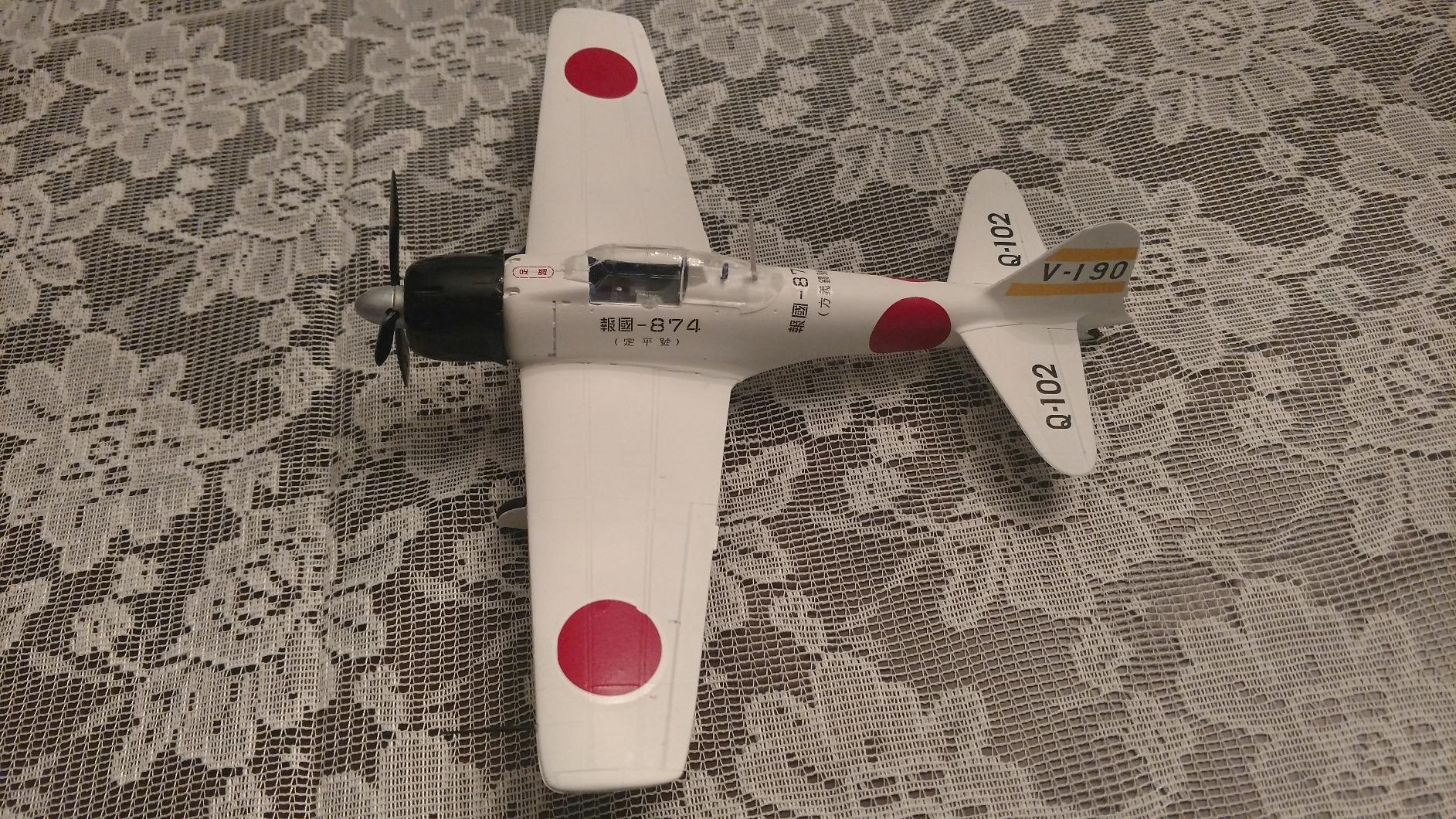
The instruction manual walks you through each assembly step with clear illustrations that minimize confusion. I particularly liked how Tamiya organized the construction sequence, building the cockpit and engine sub-assemblies before closing up the fuselage. This approach makes painting easier since you can access interior areas before final assembly.
Best For
Modelers who want to experience building a mid-war Zero variant with the characteristic squared wing tips. The kit accommodates beginners with its straightforward construction while offering enough detail to keep experienced builders engaged. If you’re interested in displaying engine detail, this kit provides that option without requiring aftermarket purchases.
Build Considerations
Set aside 12-18 hours for construction depending on your pace and detail level. The engine assembly adds some complexity but builds into an impressive component visible through cowling openings. Consider picking up Eduard photo-etch parts to enhance the cockpit and instrument panel, as the out-of-box detail is functional but spartan by modern standards.
3. Tamiya 1/48 A6M5c Zero Fighter Model Kit – Most Marking Options
Tamiya Models Mitsubishi A6M5c Zero Fighter Model Kit
Scale: 1/48
Variant: A6M5c Type 52
Marking options: 7 different
Figures: 7 included
Pros
- Seven different marking options included
- Six ground crew figures plus pilot
- Optional positions for wing and cowl flaps
- Great cockpit detail for the era
Cons
- 1980s era kit with older technology
- Mix of raised and recessed detail
- Instrument panel is just a decal
- Some filler needed but not much
The A6M5c variant represents the final production version of the Zero, and this kit delivers exceptional versatility with seven marking options covering famous units like the 332 Naval Air Group. I was impressed by the variety of schemes included, from late-war home defense fighters to aircraft operating from forward bases. The kit also includes seven figures, providing exceptional value for diorama builders.
Building this kit revealed its 1980s origins in both positive and challenging ways. The engineering is solid with parts that fit well, but the surface detail shows its age with a mix of raised and recessed panel lines. I found the build straightforward and enjoyable, though I did need to use some filler on the wing-to-fuselage joint. The optional positions for wing flaps and cowl flaps give you flexibility to add visual interest to your finished model.
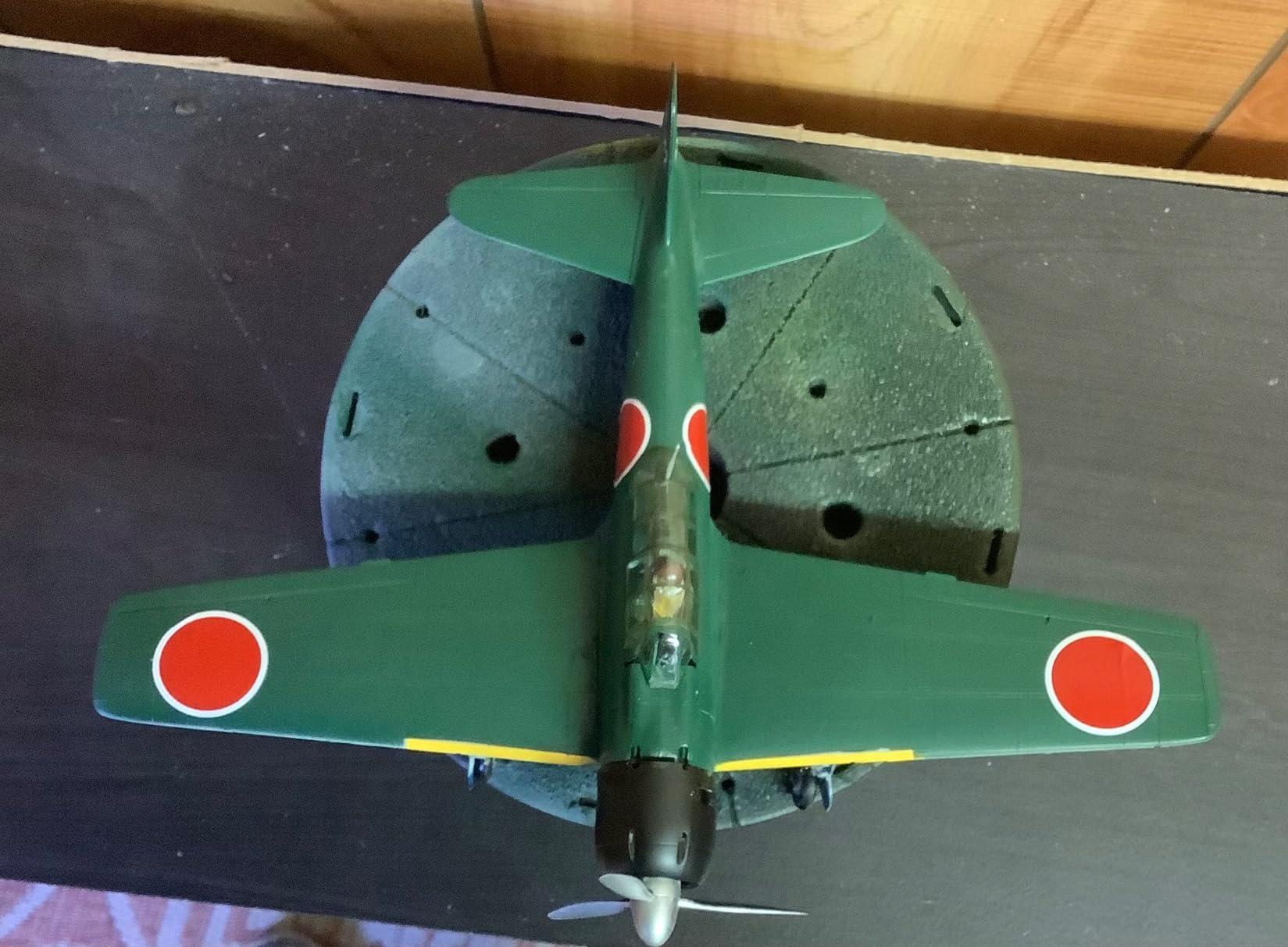
The armament options set this kit apart from earlier Zero variants. You get wing racks for 30kg bombs and rockets, plus the five machine gun and cannon armament characteristic of the A6M5c. These additions provide display options beyond a clean fighter configuration, letting you depict a loaded ground-attack aircraft if you choose that marking option.
I particularly enjoyed building the multiple figures included in this kit. Having six ground crew figures plus a pilot allows you to create an entire ground scene around your aircraft. The figures require minimal cleanup and paint up nicely, adding significant visual interest when displayed alongside the finished model. Tamiya’s attention to the human element sets this kit apart from many competitor offerings.
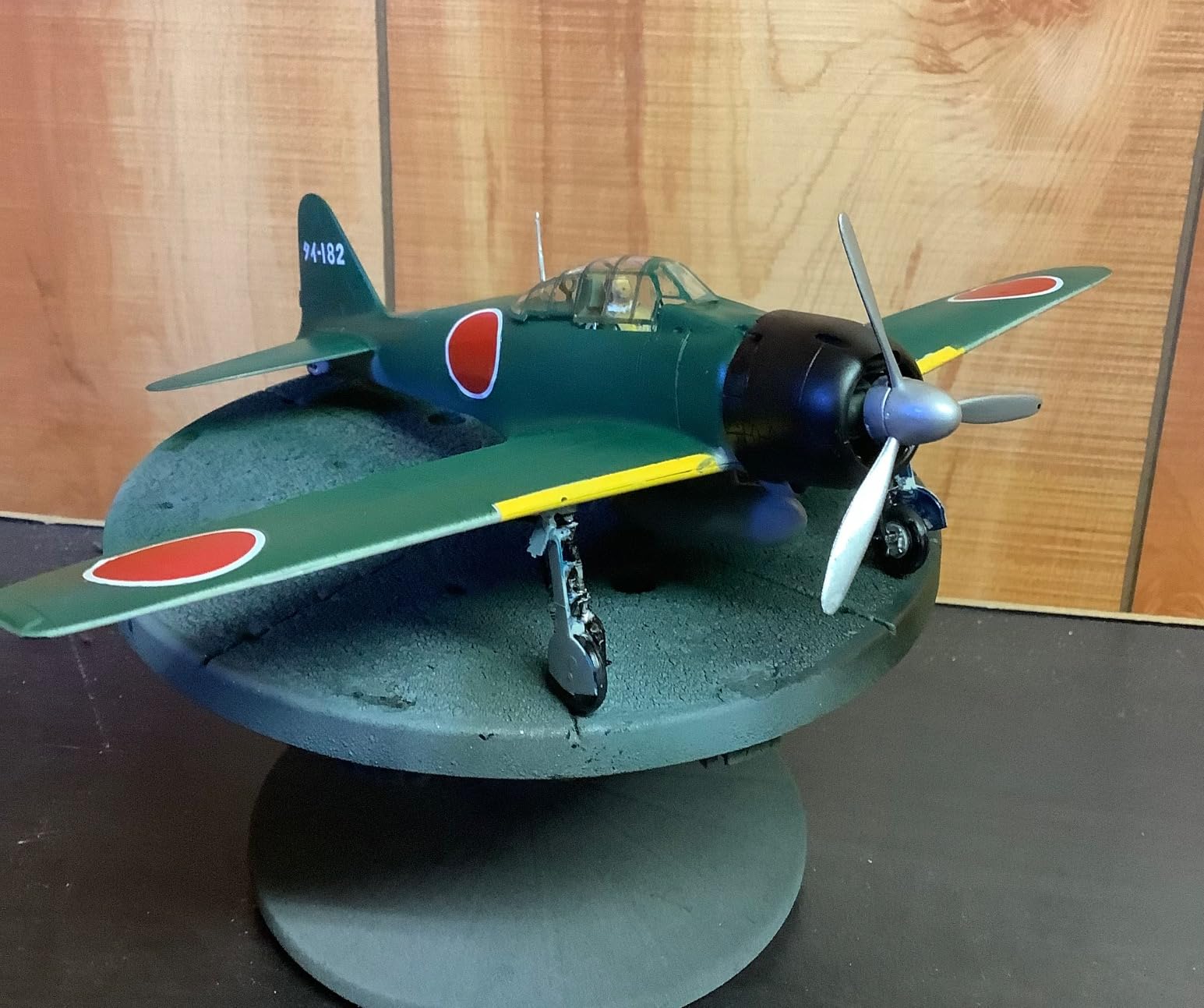
The cockpit builds into a respectable representation out of the box, though the instrument panel consists of a decal rather than molded detail. This approach was standard for kits of this era, and the decal looks quite acceptable under a closed canopy. If you enjoy open-canopy displays, consider adding aftermarket instrument panels and seatbelts to enhance the interior appearance.
Best For
Modelers who value having multiple marking options and figures included in the box. This kit shines if you enjoy creating dioramas or display scenes with personnel around your aircraft. The variety of decal schemes also makes it perfect for builders who want to build multiple kits from different units without purchasing aftermarket decals.
Build Considerations
Expect to spend 15-20 hours on construction depending on how much detail you add to the figures and whether you choose to display the flaps in deployed positions. The wing-to-fuselage joint typically requires some filler and sanding to achieve a seamless appearance. The dark green plastic can be somewhat fragile compared to modern light gray plastic, so take care when removing parts from the sprues.
4. Tamiya 1/48 A6M5C Type 52 Zero Fighter – Superior Fit and Finish
TAMIYA 1/48 A6M5C Type 52 Zero Fighter TAM61027 Plastic Models Airplane 1/48
Scale: 1/48
Variant: A6M5C Type 52
Marking options: 7 different
Fit quality: Exceptional
Pros
- Superior quality compared to other brands
- Excellent fit of parts with minimal gaps
- Great detail and ease of assembly
- Excellent choice of decals and color schemes
Cons
- Old kit design with die over 30 years old
- Fragile plastic texture old style dark green
- Minimal cockpit and engine detail
- Not as detailed as newer Tamiya kits
This kit demonstrates why Tamiya earned its reputation for exceptional engineering despite using molds that are over 30 years old. The parts fit so precisely that I completed this build with virtually no filler, achieving seamless joints that required minimal cleanup. This superior fit quality saves significant time during construction and delivers professional-looking results even for builders with moderate experience levels.
The crisp molding throughout this kit reflects Tamiya’s commitment to quality regardless of a tool’s age. Every panel line, rivet, and surface detail renders sharply and cleanly, with none of the softness or loss of detail that plagues older kits from some manufacturers. I found the assembly process relaxing and satisfying, with each component clicking into place exactly as designed by the engineers.
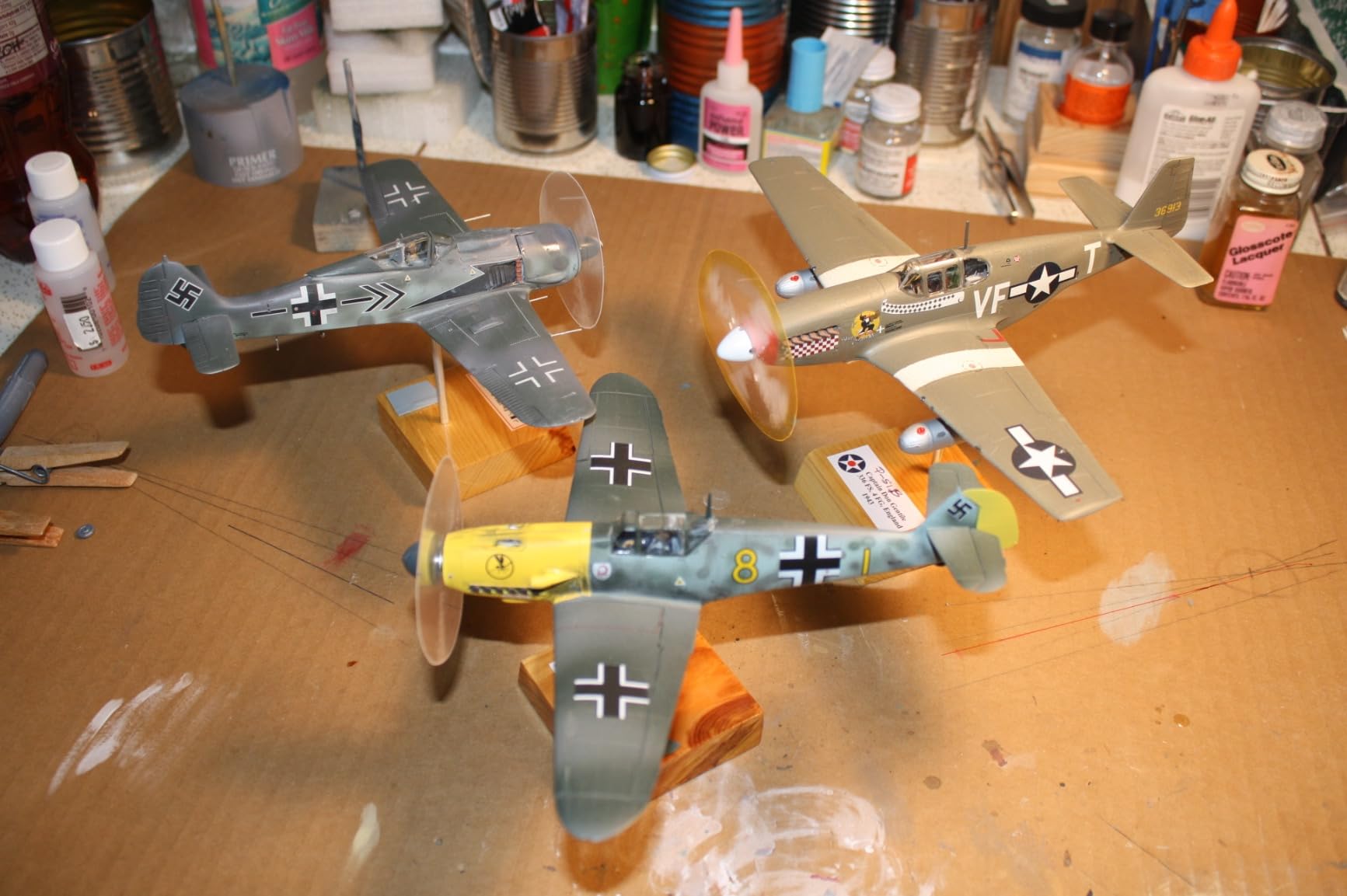
Seven marking options provide exceptional variety, covering different units and camouflage schemes from the A6M5C’s service period. The decal sheet prints cleanly and responds well to setting solutions, allowing the decals to conform perfectly to surface details like panel lines. I used Micro Sol and Micro Set with excellent results, achieving a painted-on appearance with no silvering.
The low parts count combined with high detail represents Tamiya’s philosophy of maximizing efficiency. You get a detailed finished model without wrestling with hundreds of tiny components. This approach makes the kit accessible to less experienced builders while still delivering impressive results that satisfy seasoned modelers. The balance between simplicity and detail makes this one of the most enjoyable Zero kits in my collection.
Best For
Modelers who prioritize perfect fit and assembly ease above all else. This kit rewards builders who want exceptional results without complex construction or endless filling and sanding. The seven marking options also make it ideal for anyone building multiple Zeros from different units or time periods.
Build Considerations
Plan for approximately 12-16 hours of construction time depending on your experience level. The dark green plastic is somewhat more brittle than modern gray plastic, so take care when cutting parts from sprues and test-fitting before gluing. The cockpit and engine detail are minimal by modern standards, making this kit an excellent candidate for aftermarket detailing if you enjoy enhancing interiors.
5. Tamiya 1/48 A6M3 Type 32 Zero Fighter – Classic Build Experience
TAMIYA 1/48 A6M3 Type 32 Zero Fighter Plastic Model TAM61025 Plastic Models Airplane 1/48
Scale: 1/48
Variant: A6M3 Type 32
Build options: 4 versions
Figures: Pilot included
Pros
- Quality kit with little to no flash on sprues
- Good fit and nice model appearance
- 4 different versions to choose from
- Good instructions and parts fit well
Cons
- Decals are delicate and too thin can break easily
- Raised panel lines not all recessed
- Some flash on parts reported by builders
- Short on detail compared to typical Tamiya
This kit offers the flexibility to build four different versions of the A6M3 Type 32, giving you excellent options for depicting different aircraft and units. I appreciated this versatility when planning my build, as it meant I could choose the specific configuration that interested me most rather than being locked into a single option. The squared wing tips characteristic of the Type 32 create a distinctive silhouette that sets this variant apart from earlier and later Zeros.
The construction experience reflects classic Tamiya quality with parts that fit well and require minimal adjustment. I found the sprues remarkably clean with almost no flash, reducing preparation time before assembly. The instruction manual provides clear guidance through each step, though some builders report receiving Japanese-language instructions depending on the production run. Even with Japanese text, the diagrams are sufficiently clear to follow without difficulty.
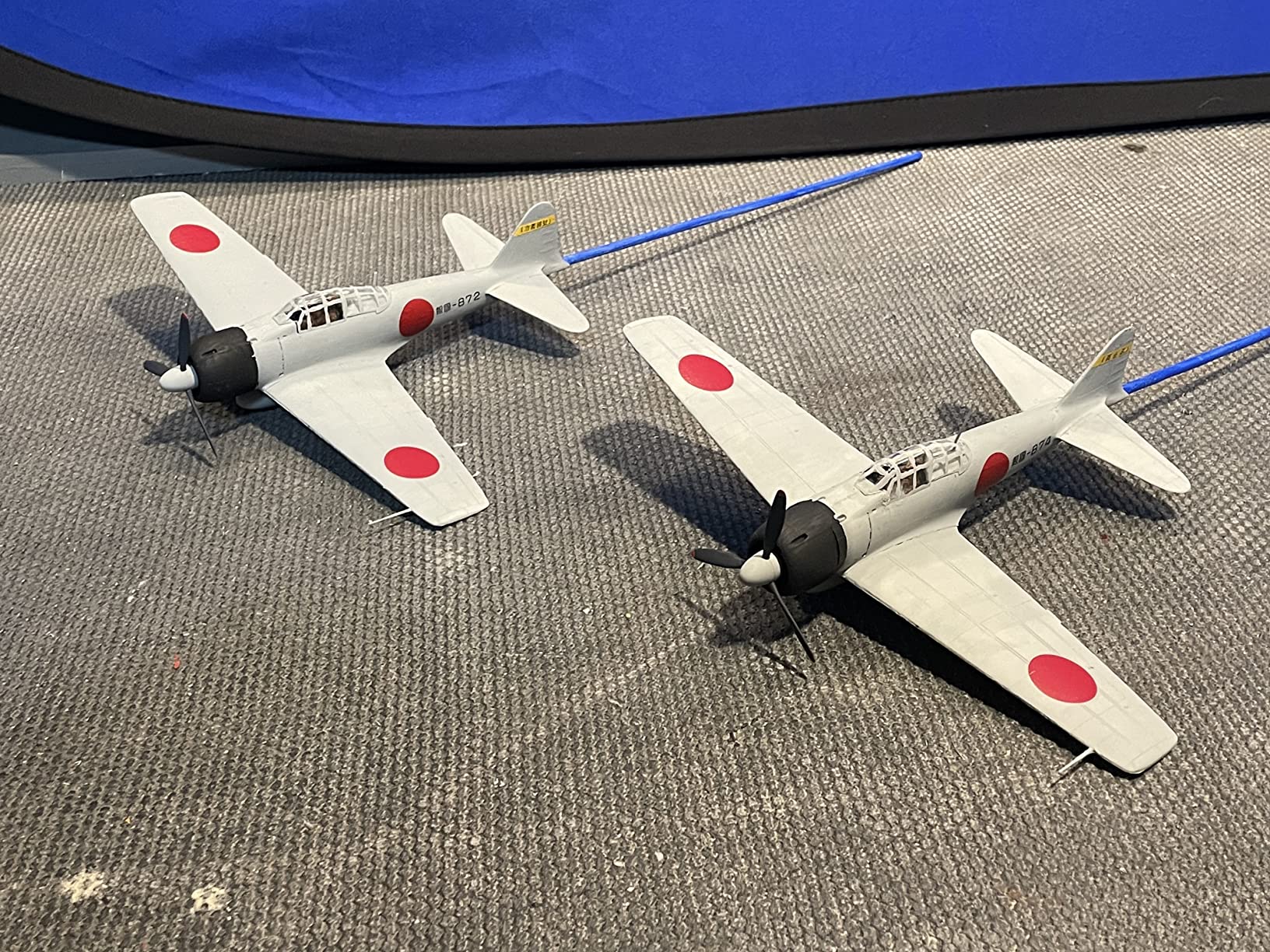
One area where this kit shows its age is the surface detail, which primarily features raised panel lines rather than the recessed lines preferred by many modern modelers. While raised lines can be painted effectively, they don’t respond as well to washes and weathering techniques. However, the raised lines do replicate how many aircraft were actually constructed, so they’re not necessarily inaccurate—just different from modern expectations.
The decals in this kit require careful handling as they’re quite thin and can tear easily if you’re not gentle during application. I recommend using plenty of water and taking your time when positioning each decal. Once applied properly, they settle down nicely and look excellent, especially if you use a setting solution to help them conform to surface details.
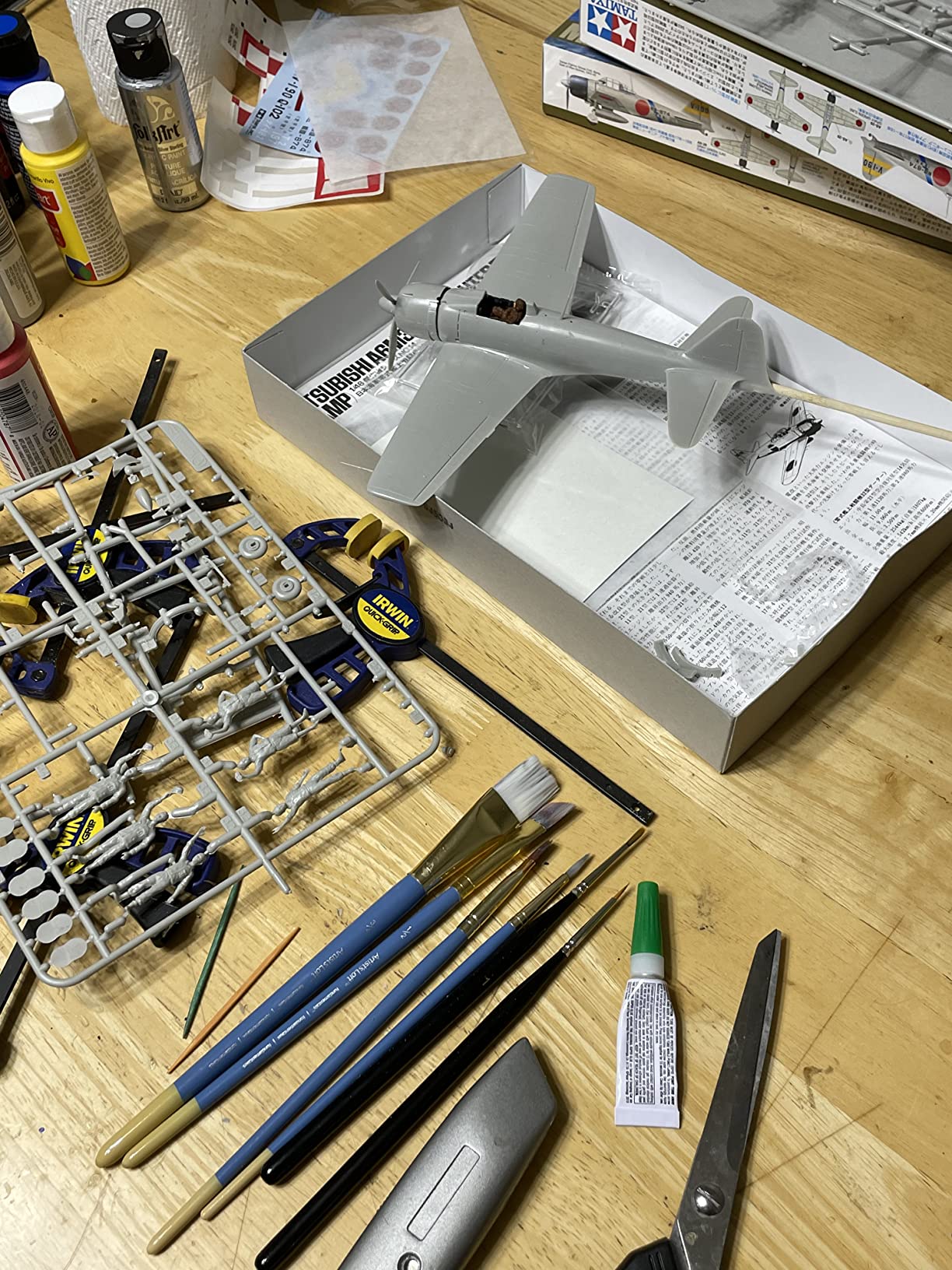
Including a pilot figure adds value and display options, allowing you to place a pilot in the cockpit or position him standing next to the aircraft for a vignette scene. The figure sculpting is typical Tamiya quality—clean with sufficient detail to paint effectively. If you’re interested in RC aircraft models as well as static models, having a pilot figure gives you the option to create pilot-scale comparisons between different aircraft types.
Best For
Modelers who want flexibility in building different versions of the Type 32 Zero. The four build options make this kit ideal for anyone planning to build multiple aircraft from the same box, or for groups wanting to build the same kit with different configurations. The straightforward construction also suits builders who want a relaxing project without complex engineering.
Build Considerations
Set aside 14-18 hours for construction depending on your pace and experience level. The raised panel lines require a different painting approach than recessed lines—consider pre-shading techniques to make them stand out. Handle the decals with extreme care and have plenty of water and setting solution ready to prevent tearing during application.
6. Tamiya 1/72 A6M3/3a Zero Fighter Model 22 – Small Scale Masterpiece
Tamiya Models 60785 Mitsubishi A6M3/3a Zero Fighter Model 22 Building Kit
Scale: 1/72
Variant: A6M3 Model 22
Piece count: 120 parts
Status: Newly-designed wings
Pros
- Great fit and nice quality everything fits to perfection
- No need for putty on this kit at all
- Incredible detail for 1/72 scale
- Considered the most beautiful Zero variant
Cons
- Super thick decals need solvaset or similar
- Small scale means smaller details
- 120 pieces may be challenging for some
The Model 22 variant is widely considered the most aesthetically pleasing of all Zero fighters, and this 1/72 scale kit does it justice. I was amazed by how Tamiya packed incredible detail into this small scale, with newly-designed wing parts that capture the elegant lines perfectly. The 120-piece count might seem high for 1/72, but the engineering ensures that each part contributes meaningful detail rather than just adding complexity.
This kit sets the standard for small-scale fit and finish. I assembled the entire model without using any putty or filler, as every joint aligned perfectly with gaps so tight they’re nearly invisible. The parts virtually click together, making the build process feel like precision engineering rather than struggle. This exceptional fit saves hours of filling and sanding that would normally be required with less refined kits.
Despite being 1/72 scale, the detail level rivals many 1/48 kits. The newly-designed main wings feature finely molded panel lines, rivet detail, and surface texture that responds beautifully to careful painting. I found myself marveling at how Tamiya achieved this level of refinement in such a small scale. The completed model captures the essence of the Zero’s elegant design while remaining small enough to display multiple aircraft in limited space.
The decals represent the only significant weak point in this otherwise exceptional kit. They’re noticeably thick and require strong setting solutions like Solvaset to conform properly to surface details. I applied multiple coats of setting solution and worked carefully with a soft brush to convince the decals to settle into panel lines. With patience and the right products, the decals eventually look acceptable, but they demand more effort than the rest of this excellent kit.
Best For
Modelers who prefer working in 1/72 scale but don’t want to sacrifice detail or fit quality. This kit is perfect for building squadrons of Zeros for display without requiring excessive shelf space. The Model 22 variant also appeals to modelers interested in what many consider the most beautiful version of the Zero fighter.
Build Considerations
Allow 15-20 hours for construction despite the small scale, as the 120 pieces require careful handling and precise assembly. The small size makes painting more challenging—consider using an airbrush for best results. Invest in quality decal setting solutions before starting, as the thick decals require extra attention to look their best.
7. Tamiya 1/72 A6M2b Zero Fighter Zeke – Pearl Harbor Edition
Tamiya Models 60780 Mitsubishi A6M2b Zero Fighter (Zeke)
Scale: 1/72
Variant: A6M2b Zeke
Marking options: 3 Pearl Harbor
Figures: Pilot included
Pros
- Superb amount of detail for 1/72 scale
- More intricate and advanced than competitor kits
- Fantastic molding with absolutely no flash or defects
- Excellent fit and detail quality
Cons
- Decals can fall apart or become brittle
- Some decals ripped immediately or crinkled
- Paint callouts may be simplified
- Instructions may not be in English
This kit specifically commemorates the Pearl Harbor attack aircraft with three decal options representing machines that participated in the December 7, 1941 strike. I found this historical connection particularly meaningful as I built the model, thinking about the significance of these aircraft in naval aviation history. The 1/72 scale makes it possible to build multiple attacking aircraft without requiring massive display space.
The molding quality is absolutely superb, with clean, crisp details throughout and no flash whatsoever. Every part separates cleanly from the sprues with no molding defects, gates, or imperfections requiring cleanup. This exceptional molding quality reflects Tamiya’s commitment to precision manufacturing and saves significant preparation time compared to kits from other manufacturers that require extensive cleaning and filing.
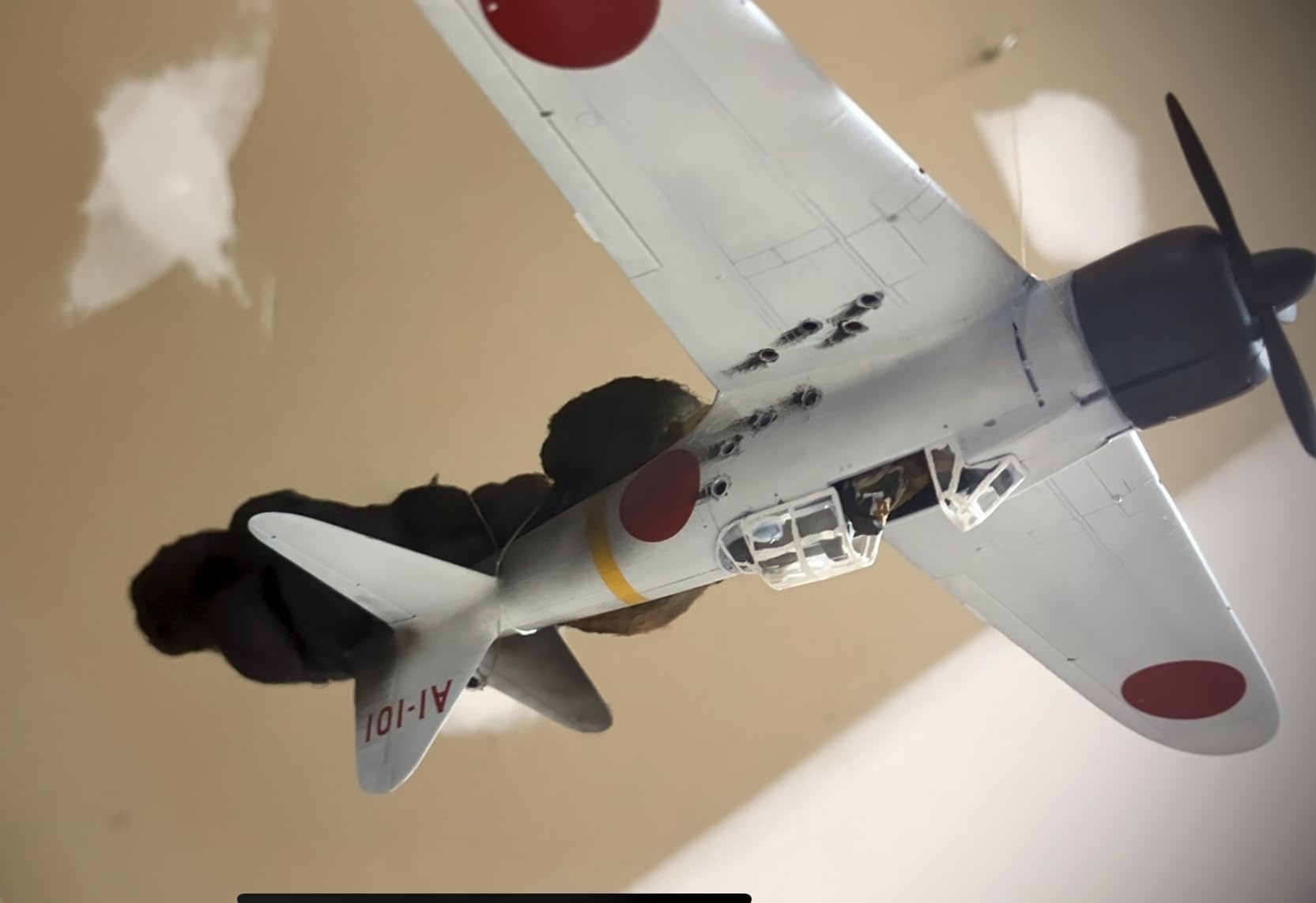
Despite being 1/72 scale, the detail level is impressive and competitive with many 1/48 kits. The cockpit includes enough detail to be visible even at this small scale, and the exterior surface detail captures the Zero’s elegant lines effectively. I particularly appreciated the thin, clear canopy that doesn’t distort the interior view—a common issue with smaller scale kits from other brands.
Unfortunately, the decals are the weak point in this otherwise excellent kit. Many builders report decals that are brittle, crinkled, or prone to falling apart during application. I experienced similar issues with one of my three decal sheets, where the carrier film separated from the printing. If you encounter this problem, consider contacting Tamiya customer service for replacement decals, or use aftermarket options from companies like Eagle Calts or Aero Master.
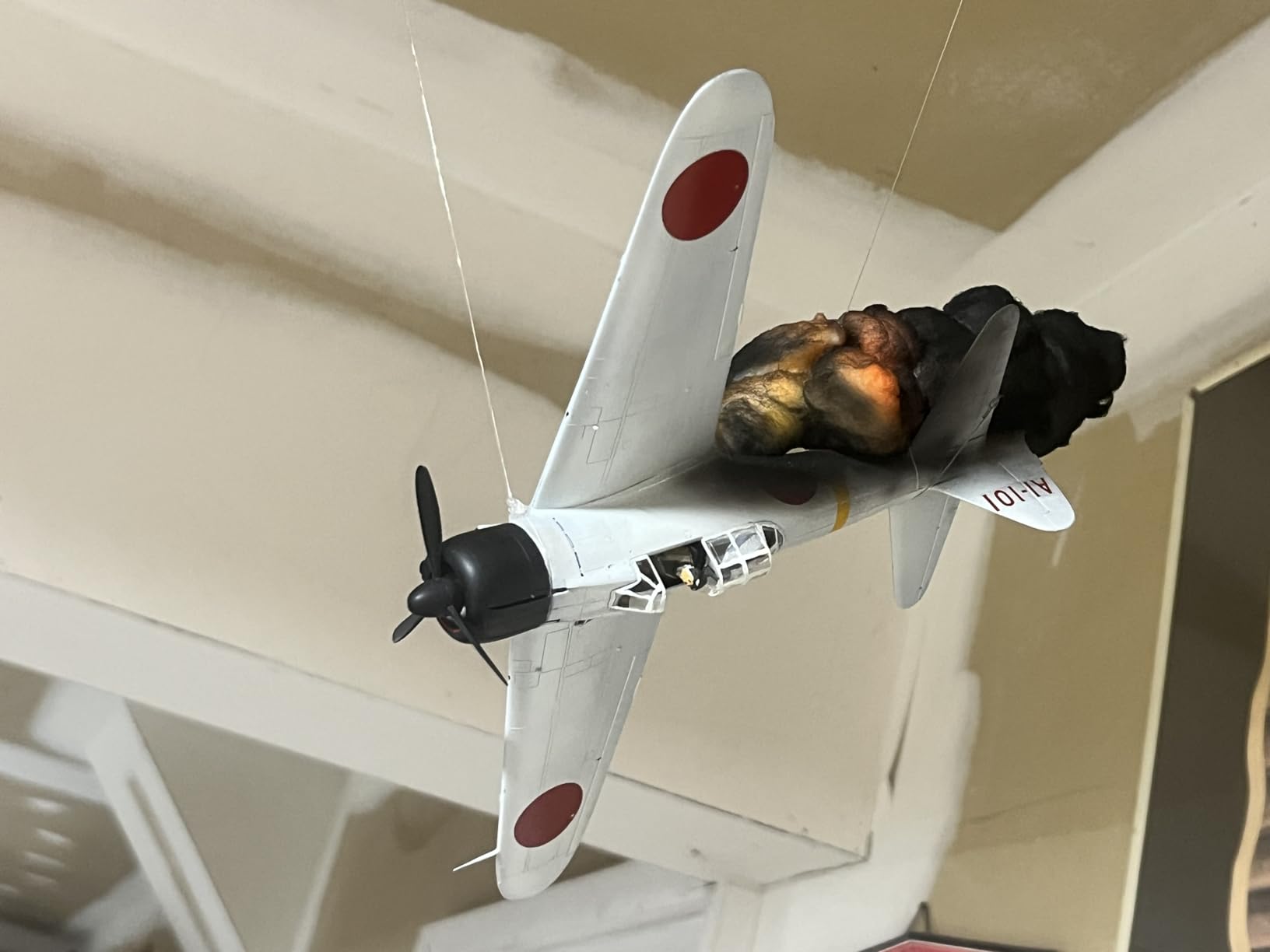
Including a pilot figure is unusual for 1/72 scale and adds significant value. The figure is molded with separate arms and head, allowing some pose adjustment and making it easier to paint effectively. Having a pilot figure also gives you the option to display the aircraft with a pilot climbing in or standing beside it, adding narrative interest to your finished display.
Best For
Modelers interested in building Pearl Harbor-era Zeros with historically accurate markings. The three included decal options all represent aircraft from the initial attack wave, making this kit perfect for historical displays or dioramas commemorating the event. The small scale also makes it ideal for building multiple aircraft from different carriers or units.
Build Considerations
Plan for 12-16 hours of construction time depending on your experience with small-scale models. Test your decals on a scrap surface before applying them to the model, and have aftermarket replacements ready if the kit decals prove problematic. The small scale makes painting more challenging—practice your airbrush technique on scrap plastic before painting the actual model.
8. Tamiya 1/32 A6M5 Zero Fighter – Ultimate Detail Kit
Tamiya 60318 1/32 Mitsubishi A6M5 Zero Fighter Plastic Model Airplane Kit
Scale: 1/32
Wingspan: 15+ inches
Features: Moveable surfaces
Status: Premium kit
Pros
- Beautiful workmanship and detail throughout
- Outstanding attention to detail and features
- Extremely detailed with perfect fit
- Fair price for outstanding detail level
Cons
- Not for beginners extremely detailed and complicated
- Many parts smaller than a match head
- Some injection marks on underside surfaces
- Higher price point at around 80 dollars
This 1/32 scale kit represents Tamiya’s commitment to large-scale modeling with exceptional detail and engineering. The completed model boasts a wingspan exceeding 15 inches, creating an impressive presence that dominates any display space. I spent approximately 40 hours building this kit, and every hour revealed new details and engineering solutions that showcase why Tamiya remains the leader in large-scale aircraft models.
The level of detail in this kit is simply astounding. The Nakajima Sakae Type 21 engine builds into a fully detailed masterpiece that would look incredible displayed separately if you choose not to install it in the aircraft. The cockpit interior includes enough detail to satisfy even the most demanding modelers, with separate instrument panels, sidewall details, and structural elements that create a convincing representation of the real aircraft.
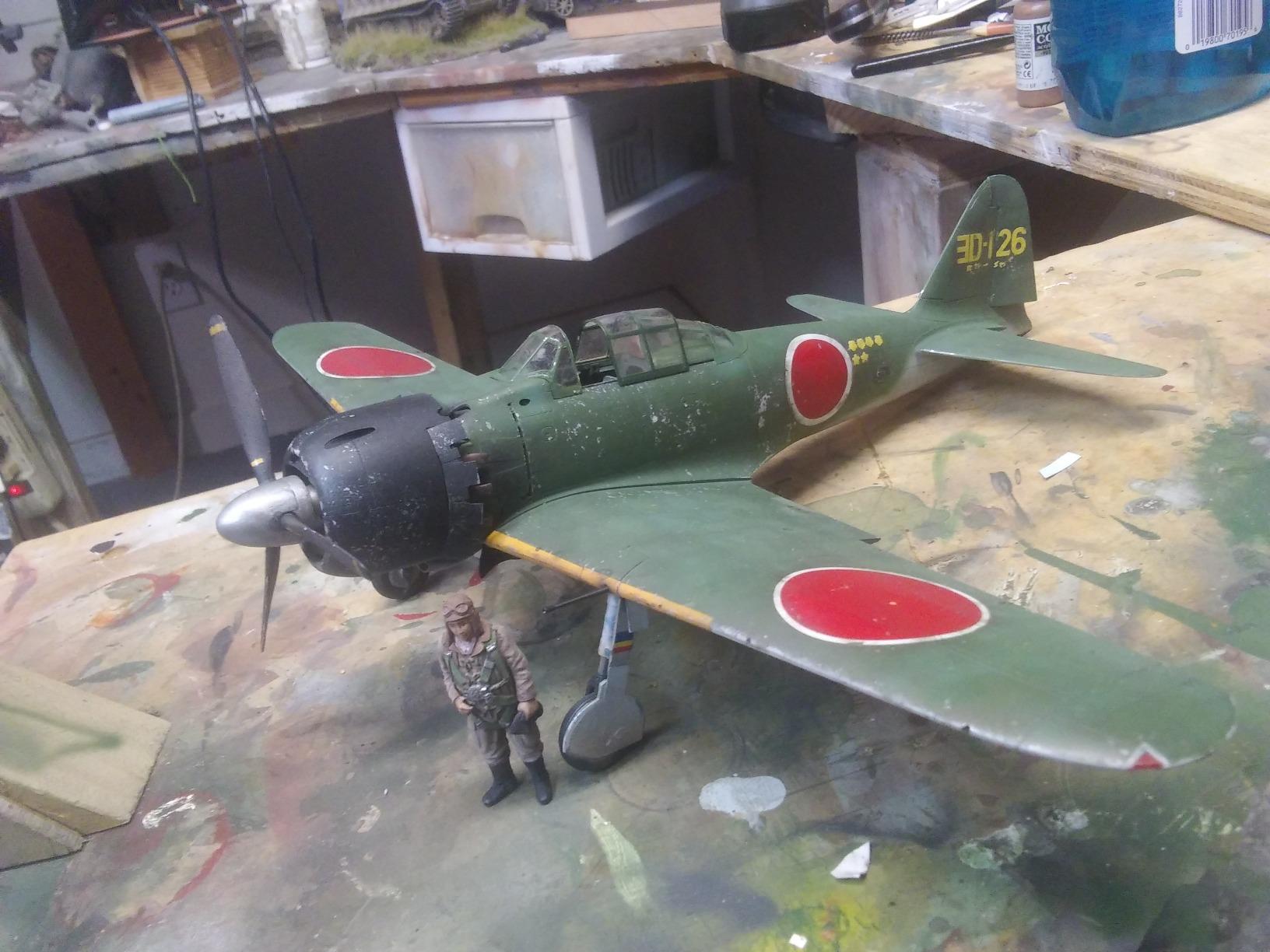
What truly sets this kit apart is the inclusion of moveable surfaces. The rudder, flaps, and lower fuselage parts are all engineered to move, allowing you to display your Zero with control surfaces deflected for added realism. This feature adds display options beyond what’s possible with fixed-surface kits, letting you create dynamic poses that suggest flight or ground operations.
The metal parts included for the 20mm cannons and pitot tube represent another premium touch. These metal components provide sharper detail than plastic could achieve and paint up beautifully with appropriate metallic paints. The machine gun barrels come pre-painted, saving you the challenge of trying to paint such small diameter parts effectively. These thoughtful inclusions demonstrate Tamiya’s understanding of what makes large-scale modeling special.
Best For
Experienced modelers seeking the ultimate Zero modeling experience with exceptional detail and display presence. This kit rewards builders with advanced skills who enjoy spending 40+ hours creating a showpiece model. Not recommended for beginners due to the complexity and small part sizes, but perfect for modelers who have mastered 1/48 scale and want to step up to something more challenging.
Build Considerations
Allocate 40-60 hours for construction depending on your pace and how much additional detail you add. The small parts—some smaller than a match head—require tweezers and careful handling. This large scale reveals every imperfection, so take extra time with filling, sanding, and surface preparation before painting. Consider picking up photo-etch upgrades to complement the already exceptional detail.
Choosing the Right Zero Model Kits
Selecting the best zero fighter model kit requires understanding your skill level, available display space, and modeling goals. Tamiya offers kits across three major scales, each serving different types of modelers and preferences. Consider these factors carefully before making your purchase decision.
Scale Selection: The 1/72 scale works best for modelers with limited display space who want to build multiple aircraft. These smaller kits cost less and require less shelf space, making them perfect for building squadrons of aircraft. The 1/48 scale represents the sweet spot for most modelers, offering excellent detail while remaining manageable in size. Most aftermarket detail parts are produced in 1/48, giving you maximum upgrade options. The 1/32 scale delivers maximum detail and display presence but requires significant time, skill, and display space.
Skill Level: Beginners should start with 1/48 scale kits like the A6M2 Zero Fighter (B000QSBXHK) or A6M3 Zero Fighter (B000QSBXI4). These kits feature low parts counts, excellent fit, and clear instructions that make learning aircraft modeling techniques enjoyable rather than frustrating. Intermediate modelers can tackle any of the 1/48 kits or experiment with 1/72 scale for a different building experience. Advanced modelers will find the 1/32 A6M5 kit (B000NNK0C2) offers the challenge and detail they crave.
Variant Differences: The A6M2 represents the early Zero design that fought at Pearl Harbor, with rounded wing tips and minimal armament. The A6M3 variant introduced squared wing tips and improved power, while the A6M5 added increased armament and structural improvements. Choose the variant that interests you historically or that matches the markings you want to depict. All variants build into beautiful models regardless of historical significance.
Budget vs Premium: Tamiya’s 1/72 and 1/48 kits offer exceptional value between $20-25, providing excellent quality at reasonable prices. The 1/32 kit costs significantly more but delivers detail and presence that justifies the investment for serious modelers. Consider how much you’ll enjoy displaying and showing off the finished model when deciding whether the premium option is worth the extra cost.
Frequently Asked Questions
Which company makes the best Zero fighter model kits?
Tamiya consistently produces the best Zero fighter model kits based on fit, detail, and engineering quality. Their kits offer exceptional parts fit that requires minimal filler, clear instructions suitable for all skill levels, and accurate representations of various Zero variants. Hasegawa also produces quality Zero kits, particularly their newer tooling, but Tamiya’s combination of quality, value, and availability makes them the top choice for most modelers. Eduard offers premium detail kits with photo-etched parts but at a higher price point.
Was the A6M Zero a good aircraft?
The A6M Zero was an exceptional fighter aircraft when introduced in 1940, renowned for its incredible range and maneuverability. It achieved a kill ratio of 12:1 against Allied aircraft early in the war due to superior performance. However, by 1943-44, it was outclassed by newer Allied fighters like the F6F Hellcat and F4U Corsair. The Zero’s lack of armor protection and self-sealing fuel tanks made it vulnerable to heavier Allied firepower. Despite these limitations, it remained in production throughout the war because Japanese industry couldn’t replace it with more advanced designs.
What is the best Tamiya Zero model kit for beginners?
The Tamiya 1/48 A6M2 Zero Fighter (B000QSBXHK) is the best choice for beginners due to its low parts count, excellent fit, and clear instructions. This kit goes together quickly with minimal need for filler or advanced modeling techniques. The options for open or closed canopy and deployed or retracted landing gear give beginners choices without adding complexity. Most first-time aircraft modelers complete this kit successfully with satisfying results that build confidence for more complex projects later.
Are Tamiya Zero model kits worth the money?
Tamiya Zero model kits offer exceptional value, typically priced between $20-25 for 1/48 scale and delivering quality that exceeds many more expensive competitors. The excellent fit means less time filling and sanding, while the engineering ensures a satisfying build experience. These kits hold their value well and consistently deliver excellent results that make them worth every penny. The 1/32 kit at $80+ represents a significant investment but provides detail and presence that justify the cost for serious modelers seeking a showpiece.
What scale Zero model kit should I choose?
Choose 1/72 scale if you have limited display space or want to build multiple aircraft without requiring extensive shelf space. Select 1/48 scale for the best overall experience—it offers excellent detail, manageable size, and the widest range of aftermarket detail options. Go with 1/32 scale if you want maximum detail and display presence, and have the advanced modeling skills and display space for a large model. Most modelers eventually settle on one scale and build their entire collection in that scale for consistency.
Final Recommendations
After building all these best zero fighter model kits, I consistently recommend Tamiya’s 1/48 A6M2 Zero Fighter (B000QSBXHK) as the ideal starting point for most modelers. This kit delivers the perfect balance of detail, fit, and building enjoyment that works for beginners and experienced builders alike. The low parts count and exceptional fit ensure satisfying results without requiring advanced techniques or extensive filling and sanding.
For modelers seeking the ultimate building challenge and display piece, the 1/32 A6M5 Zero Fighter (B000NNK0C2) represents the pinnacle of Zero modeling. This kit rewards your time investment with incredible detail and engineering that creates a showpiece model worthy of prominent display. The moveable surfaces and metal gun parts add special touches that make the finished model truly exceptional.
Small-scale enthusiasts will find the 1/72 A6M3 Model 22 (B00GFEXPB6) offers the best combination of detail, fit, and value in its class. The newly-designed wing parts and exceptional engineering make this kit a pleasure to build despite its small size. You can build multiple aircraft for squadron displays without requiring excessive shelf space or investment.
Whichever kit you choose from Tamiya’s Zero lineup, you’re assured of exceptional quality, accurate detailing, and an enjoyable building experience that results in a beautiful representation of this iconic WWII fighter. Start with the scale that matches your display space and skill level, then expand your Zero collection from there. In 2026, Tamiya continues to set the standard for Zero fighter model kits that modelers of all levels can enjoy.