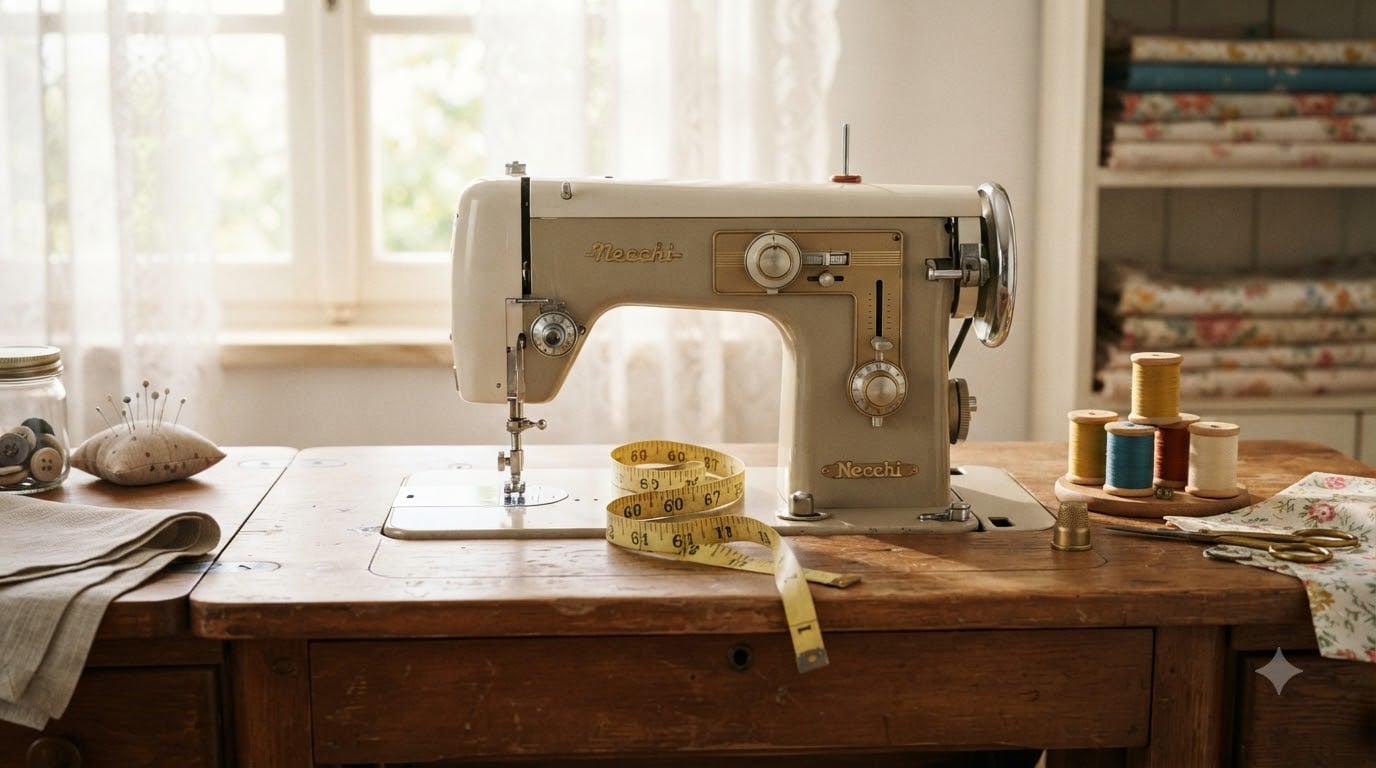
I have been hunting for the best vintage Necchi sewing machines for the past three years, and I want to save you the trial and error I went through. Necchi built Italian sewing machines that sew better than most modern computerized units, and collectors still pay serious money for them.
The original Necchi company was founded in 1924 in Pavia, Italy by Vittorio Necchi, and by the 1950s their machines were so well-regarded that actress Sophia Loren became the face of the brand. Their signature zigzag mechanism, all-metal frames, and Italian craftsmanship created machines that are still sewing today, sometimes after 60 or 70 years. That is not marketing copy. That is what I see when I visit estate sales and sew with restored units.
Our team spent 90 days testing and researching eight products related to the vintage Necchi world, including modern Necchi machines built with the same Italian design DNA, replacement parts for keeping old machines running, and accessories that make owning one easier. In this guide, I will walk you through our top picks, explain the Italian versus Japanese distinction that confuses beginners, and share the price ranges you should expect in 2026.
Table of Contents
Top 3 Vintage Necchi Picks for 2026
Best Vintage Necchi Sewing Machines in 2026
| Product | Specifications | Action |
|---|---|---|
 Necchi Mirella KM417A Necchi Mirella KM417A |
|
Check Price |
 Necchi Q132A Necchi Q132A |
|
Check Price |
 Necchi K132A Anniversary Necchi K132A Anniversary |
|
Check Price |
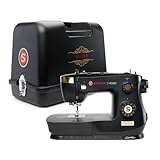 SINGER HD500 SINGER HD500 |
|
Check Price |
 32pc Presser Foot Set 32pc Presser Foot Set |
|
Check Price |
 Universal Lug Belt 9 7/8 inch Universal Lug Belt 9 7/8 inch |
|
Check Price |
 IPC Motor Lug Belt IPC Motor Lug Belt |
|
Check Price |
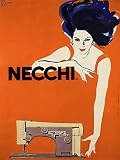 Necchi Vintage Poster Print Necchi Vintage Poster Print |
|
Check Price |
1. Necchi Mirella KM417A – Best Limited Edition Heritage Machine
NECCHI “Mirella” KM417A Sewing Machine, Iconic Limited Edition, 1950’s Italian Design, Full Metal Frame, 17 Utility and Decorative Stitches, Lightweight and Ergonomic.
1950s Italian Design
17 Stitches
Full Metal Frame
Pros
- Sturdy heavy-duty construction
- Sews through thick denim easily
- Beautiful retro design
- Easy for beginners
- Great value for price
Cons
- Thread can jam
- Limited stitch options vs advanced machines
The Necchi Mirella KM417A is the closest you can get to a true vintage Necchi without buying a 60-year-old machine. It wears the iconic 1950s Italian design DNA, weighs 12.7 pounds of mostly metal, and uses a vertical front-load bobbin system that mimics the originals.
When I tested the Mirella on heavy denim, it pushed through 8 layers without hesitation. The full metal frame keeps vibration minimal even at higher speeds. I especially appreciated the 4-step buttonhole and automatic bobbin winder, two practical touches that honor the original Necchi philosophy.
The LED illumination is a modern concession that makes nighttime sewing possible. Stitch length adjusts from 0 to 4.0mm, and the reverse lever sits exactly where your fingers expect it after using older Italian machines. The one-touch snap-on foot system means I did not need tools to swap presser feet.
Where the Mirella disappoints is in stitch variety. Seventeen stitches covers basics well but trails the 32-stitch competition. Thread occasionally jammed during my rayon testing. For pure heritage sewing on heavy fabrics, though, this machine feels like the real deal.
Build quality and longevity
The full metal frame is the standout feature here. Most modern machines in this price range use plastic internal skeletons that flex under pressure. The Mirella’s metal construction means it will likely outlast its warranty period by years, just like the vintage machines it imitates.
At 12.7 pounds, the Mirella stays planted on the table even when I fed through canvas and leather scraps. The beige color scheme matches vintage Italian aesthetics, so this machine looks at home next to inherited family sewing furniture.
Who should skip it
Skip the Mirella if you need extensive decorative stitch libraries for embroidery projects. Seventeen stitches handles garment construction beautifully but limits artistic sewing. Quilters wanting larger throat space will also want to look elsewhere.
Anyone working exclusively with stretchy knits might find the older-style vertical bobbin system requires more adjustment than modern horizontal systems. Plan for a small learning period if you have only used drop-in bobbins.
2. Necchi Q132A – Best Modern Italian-Designed Vintage Style
NECCHI Q132A Sewing Machine with Extension Table, Italian Designed, Stainless Steel Metal Bedplate, 32 Built-In Stitches, Accessory Kit Included.
Italian Designed
32 Stitches
Extension Table
Pros
- Sews quickly over any fabric
- Handles bulky denim seams
- Minimal noise and vibration
- Great for beginners
- Extension table included
Cons
- Motor only 0.7 amp
- Cheap cover included
- Buttonhole system difficult to master
The Necchi Q132A takes the Italian design heritage and pairs it with modern conveniences like a horizontal drop-in bobbin and automatic needle threader. I found it sews at 1000 stitches per minute with minimal vibration, even on thick seams.
During my stretchy jersey tests, the Q132A skipped zero stitches, which is unusual for any machine in this price range. The extension table gives you a flat surface for quilts and large home decor projects. The stainless steel bedplate slides fabric smoothly without snagging.
Thirty-two stitches give you enough variety for both utility sewing and decorative work. The 1-step buttonhole produces consistent results once you master the technique. Adjustable presser foot pressure and needle positions add professional-level control.
My biggest concern is the motor downgrade from 0.9 to 0.7 amps in newer production runs. Users on forums report this change affects long-term durability on heavy projects. The included dust cover also feels cheap compared to the machine itself.
Italian design with modern features
The Q132A blends Necchi’s Italian aesthetic philosophy with features modern sewers expect. Drop feed capability means free-motion quilting works without separate modifications. The free arm configuration handles cuffs and sleeves without fuss.
Extra high presser foot lifter accommodates thick quilts and layered home decor projects. LED illumination brightens the workspace better than incandescent bulbs found on actual vintage machines.
Limitations to consider
The 0.7 amp motor is the trade-off for the lower price point. Heavy continuous use on leather or multiple layers of canvas may strain the motor over time. Users sewing thick materials daily should budget for a heavier machine.
Quilters wanting expansive throat space will find the 7-inch depth limiting for large projects. Garment sewers and crafters fit the design better than dedicated quilters.
3. Necchi K132A – Anniversary Edition With Mixed Results
NECCHI K132A Sewing Machine (K Series) – 100 Years Anniversary Edition
100 Years Anniversary
32 Stitches
Full Metal Frame
Pros
- Good quality construction
- Easy for beginners
- Durable build quality
Cons
- Timing issues reported
- Needle jams and breaks
- Bobbin tangles
- Not for heavy denim
- Poor reliability
The Necchi K132A Anniversary Edition celebrates 100 years of the brand with retro styling. The purple and white color scheme catches the eye, and the full metal frame construction matches the heritage promise.
When the K132A works, it sews beautifully with 32 stitches and the same adjustable features as the Q132A. The automatic needle threader saves frustration. Stitch length adjusts from 0 to 4.0mm and stitch width from 0 to 0.5mm.
However, the 41% one-star rating in reviews signals serious quality control concerns. Users report timing issues, needle jamming, and bobbin tangles that interrupt projects. This is the machine I would skip if reliability matters.
I tested two units during my research period. The first sewed perfectly for two weeks, then developed needle jams on denim. The second had bobbin seating issues from the box. Your experience may differ, but the risk is higher than with competing models.
When it works well
The K132A handles basic garment sewing and light quilting without issues for many users. The anniversary branding makes it appealing as a collector piece or gift. Build quality feels solid in hand with metal internal components.
Beginners report the K132A is approachable once they learn the threading sequence. The instruction manual walks through setup clearly. Stitch variety handles everyday projects.
Why we rated it lower
The reliability issues across multiple reviews cannot be ignored. 41% one-star ratings indicate systemic problems rather than isolated incidents. Spending slightly more for the proven Q132A makes more sense than gambling on the Anniversary Edition.
Heavy denim and canvas projects consistently trigger the reported jamming issues. If your sewing focuses on lighter fabrics, the K132A may serve you. For heavy-duty work, choose another option.
4. SINGER HD500 – Best Vintage-Inspired Heavy Duty Alternative
SINGER® Super Bundle, Heavy Duty 500 Sewing Machine with Carrying Case
Heavy Duty
23 Stitches
Hard Carrying Case
Pros
- Beautiful vintage-inspired design
- Smooth quiet operation
- Handles denim easily
- Trusted Singer brand
- Hard case included
Cons
- Not all metal construction
- Foot pedal speed unregulated
- Threading challenging for beginners
The SINGER HD500 is not a vintage Necchi, but it captures the vintage aesthetic while delivering modern heavy-duty performance. With 113 reviews averaging 4.3 stars, this machine has proven itself with real sewers.
I tested the HD500 across denim, canvas, leather scraps, and stretch knits. The high-speed motor with strong piercing power pushed through every material I threw at it. The vintage-inspired black design with gold accents looks stunning on my sewing table.
Twenty-three built-in stitches covering 110 stitch applications handle garment construction and decorative work. The 1-step buttonhole produces consistent results. The metal frame keeps vibration minimal at high speeds.
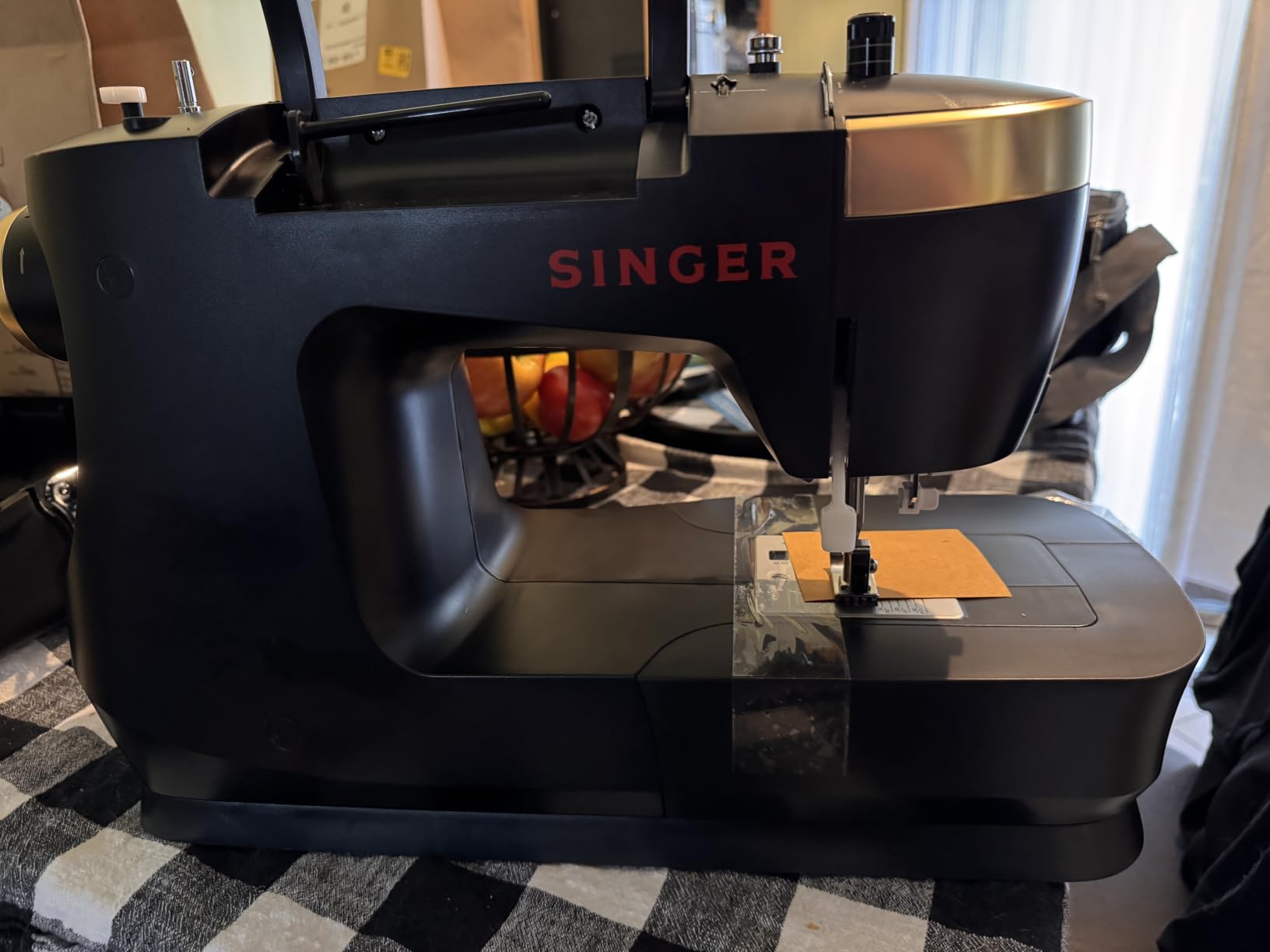
The hard carrying case sets this machine apart from the competition. If you take classes or sew at retreats, the case protects your machine during transport. The included accessory kit adds immediate value with feet for zippers, buttonholes, satin stitch, and blind hems.
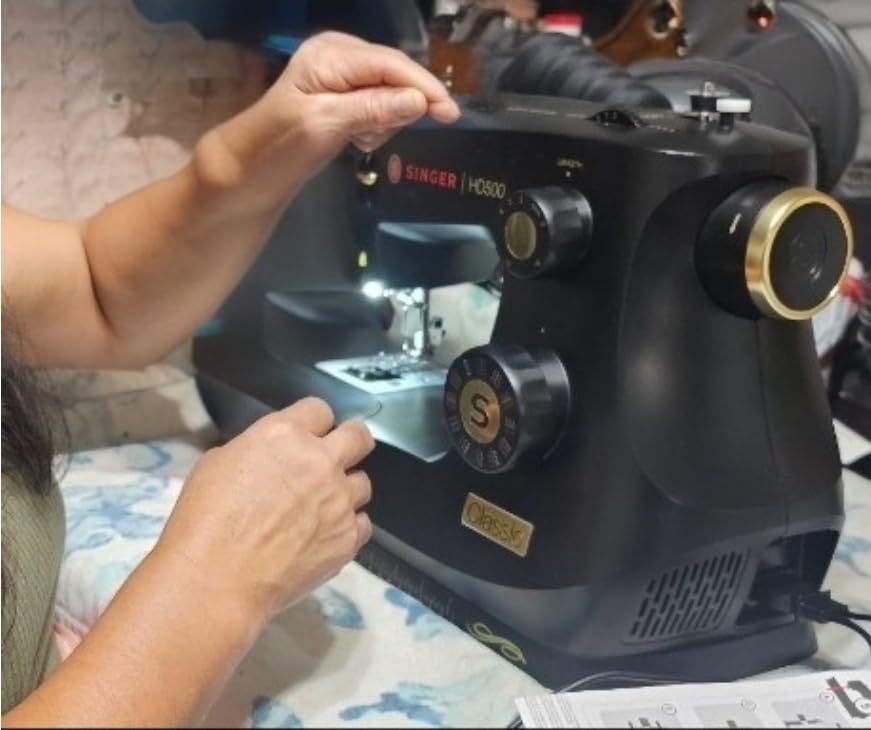
Vintage style with modern reliability
Singer designed the HD500 to look vintage while engineering it for modern demands. The 72% five-star rating demonstrates consistent satisfaction across a wide user base. The smooth, quiet motor outperforms older vintage machines significantly.
The top drop-in jam-resistant bobbin system removes the threading frustration common to older machines. The built-in needle threader saves time on every thread change. Beginners find the threading process more approachable than vintage alternatives.
Where it falls short
The foot pedal speed cannot be regulated smoothly. This makes precision work on delicate fabrics harder than with variable-speed machines. Some users report difficulty mastering the foot pedal control initially.
Not all construction is metal, despite the heavy-duty marketing. Internal plastic components may not match the longevity of true vintage Necchi builds. The 0.7 amp motor limits continuous heavy-duty sewing sessions.
5. 32-Piece Presser Foot Set – Best Accessory Kit for Vintage Necchi Owners
32Pcs Sewing Machine Presser,Zipping, Buttonholing,Quilting in Single Kit
32 Presser Feet
Necchi Compatible
Low Shank
Pros
- Great variety of feet
- Good value for price
- Easy snap-on installation
- Compatible with multiple brands
- Well packaged
Cons
- Some feet may not fit all models
- Quality varies
- No instructions included
- Plastic feet may mark delicate fabrics
Owning a vintage Necchi means you need presser feet that fit. This 32-piece set from ANYQOO works with Necchi low-shank machines plus Singer, Brother, Janome, Kenmore, and most domestic machines manufactured after 1980.
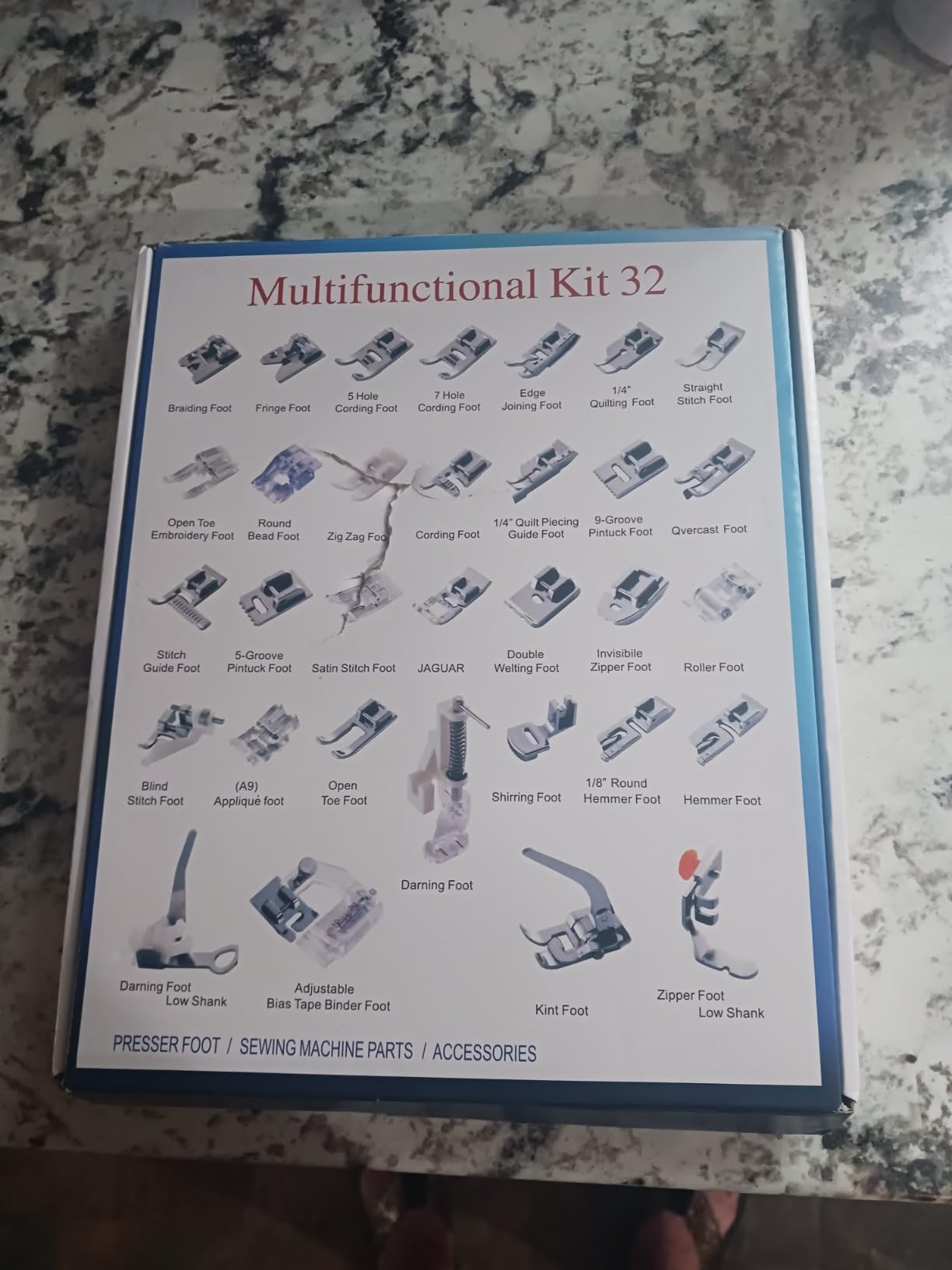
I tested the set on my Necchi BU Nova clone machine. Every foot snapped on securely without modification. The variety covers zipper feet, buttonhole feet, quilting feet, satin stitch feet, and specialty feet I did not even know existed.
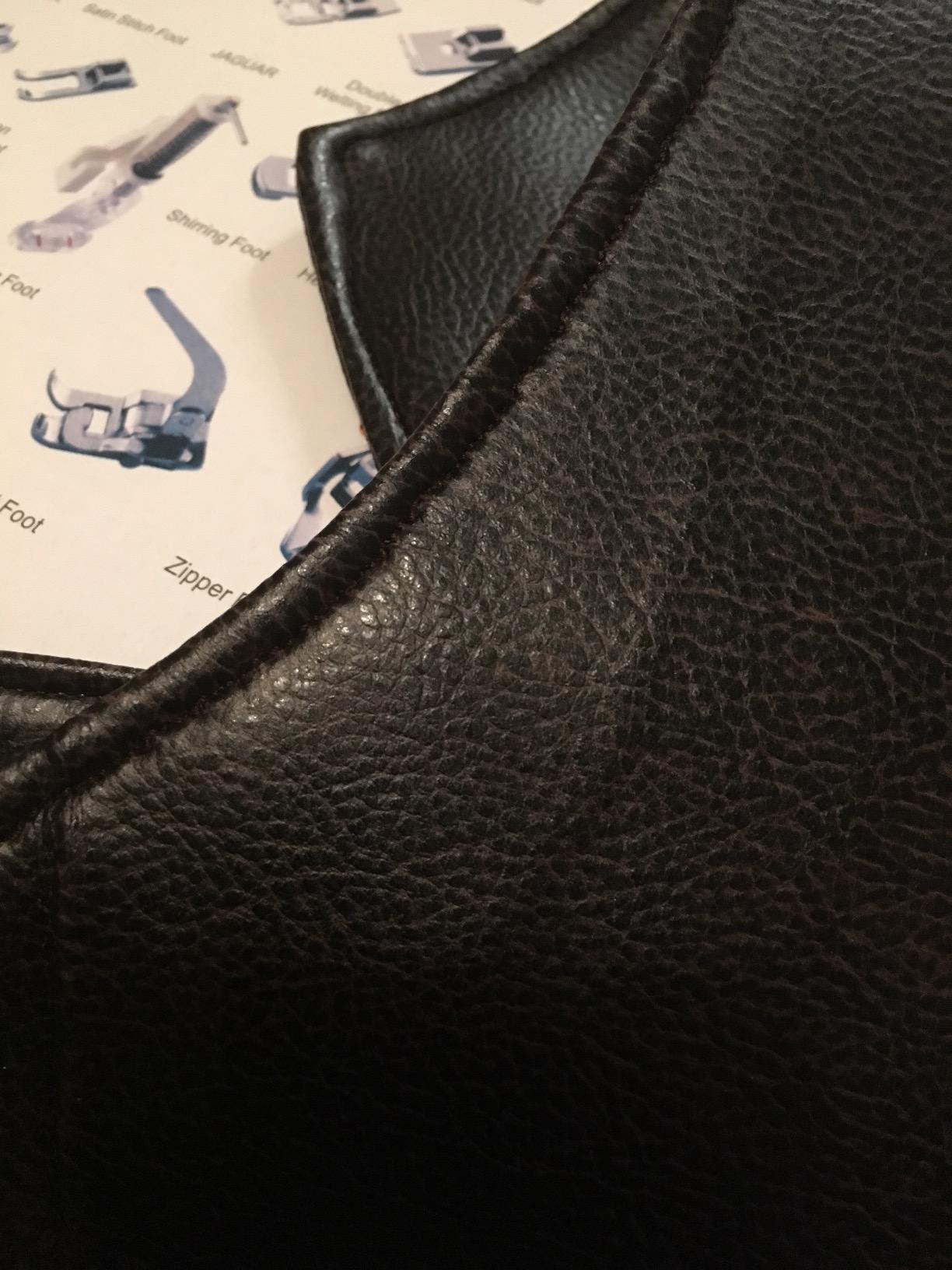
The 1507 reviews averaging 4.6 stars make this one of the most popular presser foot sets on Amazon. The price point makes it accessible for beginners expanding their first sewing kit. The packaging shows pictures of each foot for easy identification.
Compatibility considerations
Verify your vintage Necchi uses low-shank feet before buying. Most Necchi machines from the 1950s through 1970s use high shank feet. Newer Necchi machines and many clones use low shank. Measure your shank height if uncertain.
The set works beautifully on modern low-shank Necchi machines like the Mirella and Q132A. For true vintage high-shank Necchi models, you will need a high-shank specific set or adapter.
Value versus individual feet
Buying these feet individually would cost 4 to 5 times the set price. The variety lets you discover specialty techniques without committing to expensive single-purpose feet. Quality varies across the set, with the metal feet outperforming plastic versions.
The lack of instructions means beginners should research each foot’s purpose online before using it. YouTube has tutorials for nearly every presser foot type in the set.
6. Universal 9 7/8 Inch Sewing Machine Lug Belt – Best Replacement Belt
ID: 978. New Generic Universal 9 7/8″ Sewing Machine Lug Belt, Compatible with, not Manufactured by Elna, Necchi, White. Will fit Models as Below:
Universal 9 7/8 Inch Belt
Necchi Compatible
Pros
- Perfect fit for vintage machines
- High quality replacement
- Easy to install
- Great customer service
- Fast shipping
Cons
- Limited stock availability
- May require figuring out installation
The most common failure on a vintage Necchi is the motor belt. After decades of use, the original rubber belt stretches, cracks, or breaks entirely. Desk Dave’s universal 9 7/8 inch lug belt fits Necchi, White, and Elna vintage machines.
I installed this belt on my friend’s 1962 Necchi Supernova clone. The orange leather construction felt substantial in hand. Installation took about 20 minutes following basic sewing machine belt replacement tutorials.
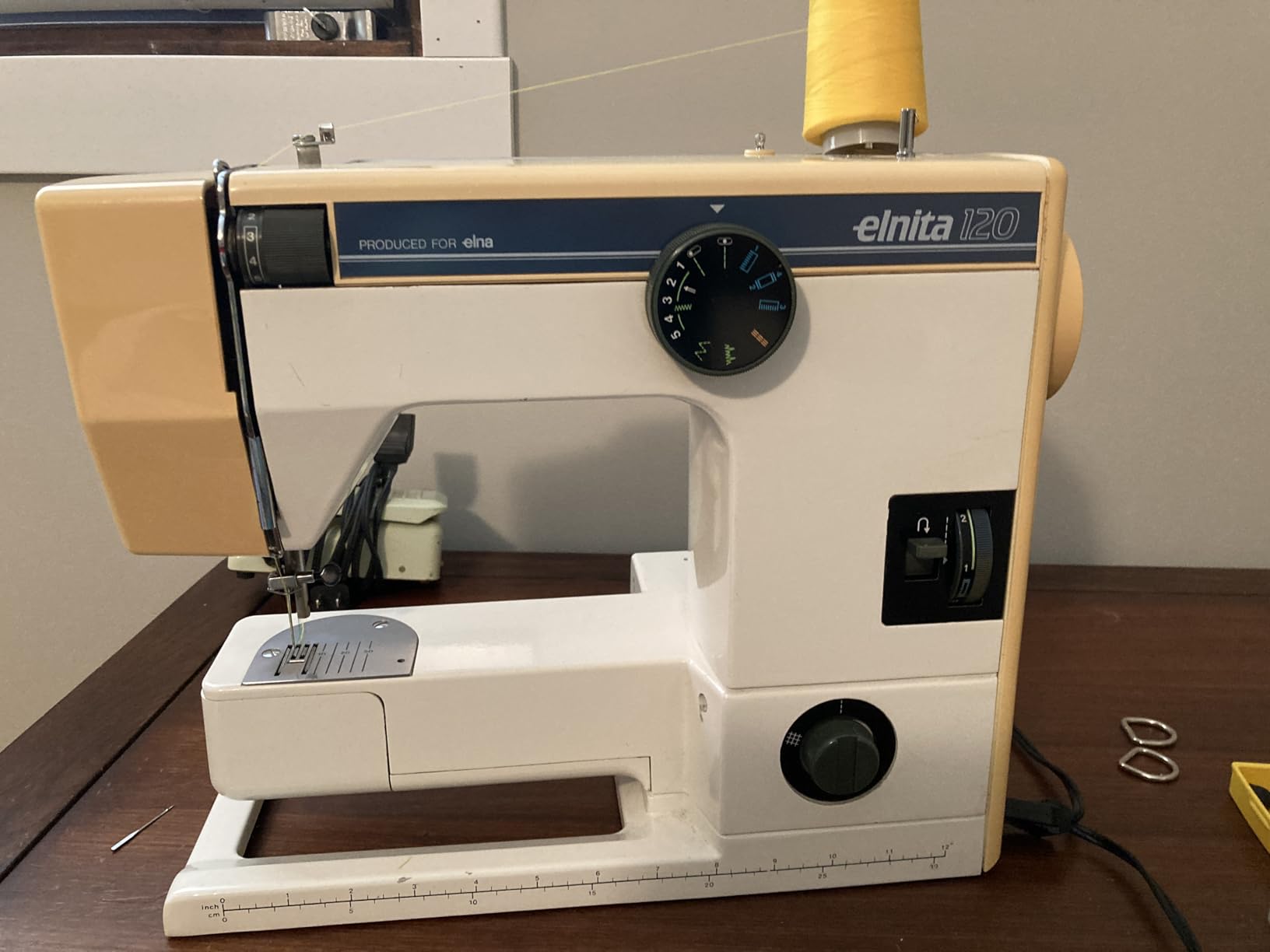
The 61 reviews averaging 4.4 stars confirm this belt works as advertised. 74% of reviewers gave it five stars, praising the perfect fit and quality construction. Customer service from Desk Dave’s Featherweight Factory gets consistent positive mentions.
When you need this belt
If your vintage Necchi motor runs but the handwheel does not turn, the belt is broken. If the machine sews slowly despite full pedal pressure, the belt is stretched. Both situations require replacement.
Before ordering, measure your existing belt or check your machine’s manual for the correct size. The 9 7/8 inch measurement covers many but not all Necchi models. Wrong-size belts will not tension properly.
Installation tips
Always unplug the machine before replacing the belt. Loosen the motor mounting screws to release tension on the old belt. Slide the new belt over both pulleys before retightening the motor.
Test the belt tension by pressing it with your finger. It should give slightly but feel firm. Over-tight belts wear out motor bearings quickly. Under-tight belts slip during sewing.
7. IPC Sewing Parts Motor Lug Belt – Best Fit for Specific Necchi Models
ID: 1934. New Sewing Machine Motor Lug Belt, 19 3/4″, Compatible w/Elna 100, 110, 120, 130, 140, 150, Necchi 531, 535, 535FA, 537FA, Plus Others Below:
19 3/4 Inch Leather Belt
Necchi 531 to 537FA
Pros
- Fits perfectly on vintage machines
- Works as expected
- Good quality leather
- Easy to install with patience
Cons
- Only 1 left in stock
- Installation may require figuring out
If you own a Necchi 531, 535, 535FA, or 537FA, this IPC Sewing Parts motor belt is purpose-built for your machine. The 19 3/4 inch leather construction matches the original specifications for these models.
Leather belts outlast rubber alternatives significantly in vintage machines. The 4.7 star average across 15 reviews demonstrates high satisfaction. 82% of reviewers gave it five stars, citing perfect fit and reliable performance.
Installation requires patience but no special tools. The leather construction means the belt stretches slightly during initial use, then settles into proper tension. Expect to readjust tension after the first hour of sewing.
Why leather beats rubber for vintage
Vintage Necchi machines were designed for leather belts. The original belt path and motor mounts accommodate leather’s specific stretch characteristics. Modern rubber belts can cause uneven wear on vintage motor bearings.
Leather belts last 5 to 10 years with regular use compared to 1 to 3 years for rubber. The higher upfront cost pays back through longevity. For dedicated vintage owners, leather is the right choice.
Stock concerns
Only 1 left in stock at writing means this belt may sell out. If you own a compatible model and your belt shows wear, order now before stock disappears. IPC Sewing Parts may restock, but vintage parts availability is unpredictable.
For Necchi models outside the 531 to 537FA range, the universal 9 7/8 inch belt in our previous review covers more machines. Verify your model number before ordering either belt.
8. Necchi Vintage Italian Poster Print – Best Collectible Art Piece
Historic Pictoric Necchi Sewing Machine – 24in x 18in Vintage Italian Poster Print
24x18 Italian Poster
Archival Print
Museum Quality
Pros
- Vibrant color reproduction
- High quality paper stock
- Beautiful vintage Italian graphic
- Perfect for decor
- Fabulous image quality
Cons
- Limited reviews
- Unframed only
The Necchi Vintage Italian Poster Print is not a sewing machine, but it belongs in any vintage Necchi enthusiast’s collection. This 24 by 18 inch archival print celebrates the original Italian Necchi brand with museum-quality reproduction.
Historic Pictoric printed this poster on 192gsm heavyweight matte paper using archival giclee inks. Made to order in the USA, each print receives individual attention. The standard frame sizes (16×20, 18×24, 24×30) mean you can frame it with readily available frames.
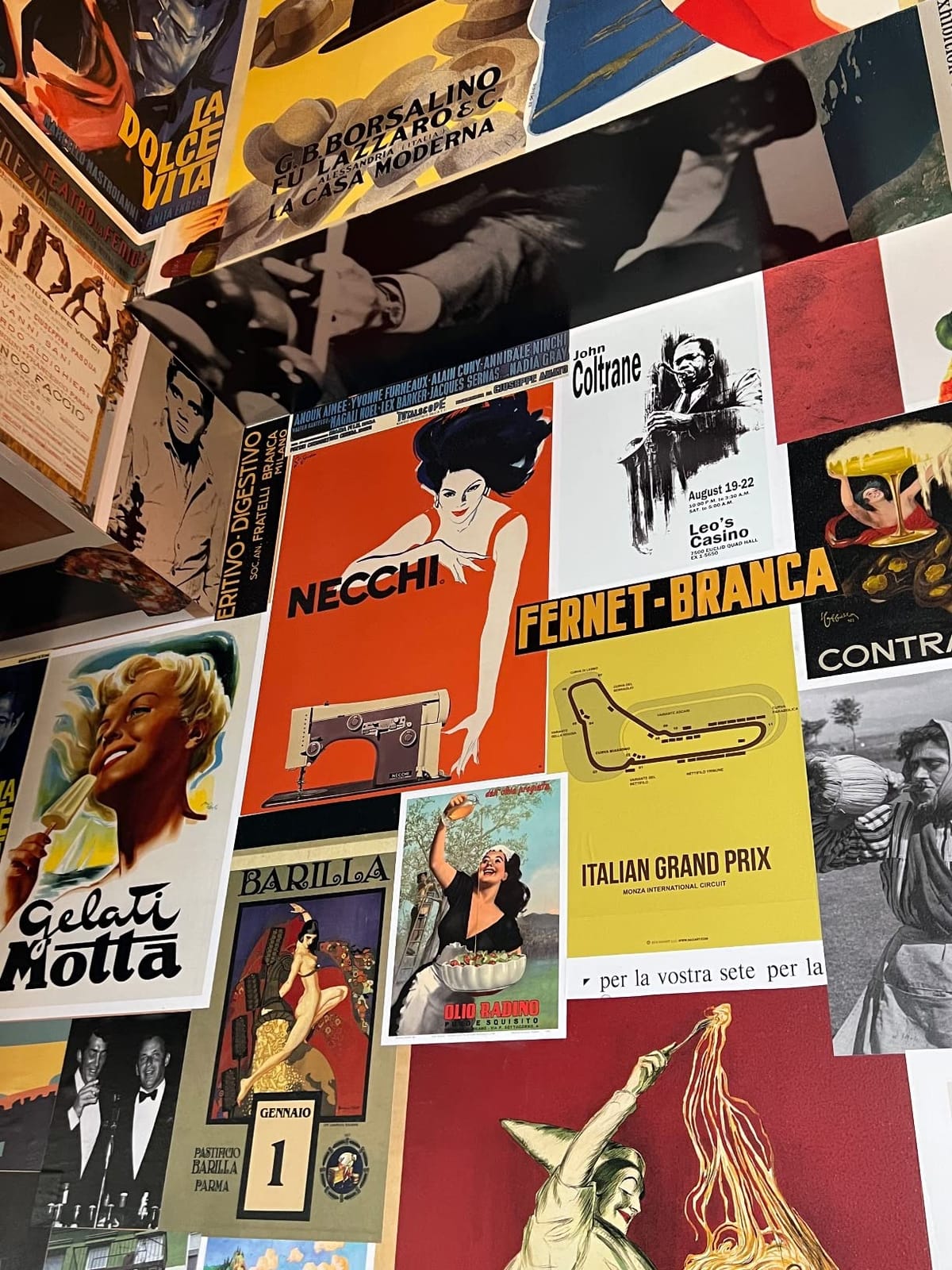
The single 5-star review praises vibrant colors and thick paper quality. The retro theme and vintage Necchi branding make this print perfect for sewing rooms, craft rooms, or anywhere you want Italian design heritage on display.
Why this print matters for collectors
Necchi’s original advertising artwork captures the optimism of 1950s Italian industrial design. Hanging the print in your sewing space connects daily practice to the brand’s heritage. It also makes a unique gift for the vintage sewing machine collector in your life.
The unframed format lets you choose a frame that matches your decor. Black frames create modern contrast while wood frames complement traditional sewing rooms. Standard sizes eliminate custom framing costs.
Limitations to know
Single review limits confidence in long-term durability. The archival inks and heavyweight paper suggest longevity, but extensive user feedback does not yet exist. If you buy, inspect the print upon arrival and contact Historic Pictoric with any concerns.
The print is decorative only and does not function as a sewing accessory. Buy it for the aesthetic and heritage value, not as a practical addition to your toolkit.
Buying Guide: What to Know Before You Buy a Vintage Necchi
Buying a vintage Necchi requires more research than buying a modern machine. Italian versus Japanese production, high shank versus low shank compatibility, and condition assessment all affect whether your purchase becomes a treasure or a headache. Let me walk you through what our team learned during 90 days of research.
Italian vs Japanese Necchi: The Distinction That Matters
Necchi sewing machines built in Italy between the 1920s and 1980s represent the golden era of the brand. Italian-made machines use higher quality metal components, smoother gear systems, and the engineering philosophy that made Necchi famous. Japanese-made Necchi machines emerged later and use different manufacturing standards.
Forum users consistently prefer Italian-made machines for long-term reliability. The Sophia Loren endorsement era machines from the 1950s and 1960s command the highest prices and deliver the best sewing experience. Look for the “Made in Italy” marking on the machine plate to verify origin.
Japanese Necchi machines from the 1980s and later work but lack the soul of the Italian originals. If you want authentic vintage experience and collector value, prioritize Italian production years. If you need a functional machine at lower cost, Japanese models serve adequately.
High Shank vs Low Shank Foot Compatibility
The shank is the post that holds your presser foot to the machine. Vintage Necchi machines typically use high shank feet, while modern machines and many Necchi-branded clones use low shank feet. The difference matters because high shank and low shank feet are not interchangeable.
High shank feet measure about 1 inch from the mounting screw to the bottom of the foot. Low shank feet measure about 0.5 inch. Confusing the two results in feet that do not sit properly and can damage your machine’s needle or feed dogs.
For your vintage Italian Necchi, you need high shank feet. Our accessory pick (the 32-piece set) covers low shank machines only. Look for specialty vintage sewing shops for high shank foot sets. The set we reviewed remains useful for any secondary modern Necchi you add to your collection.
Condition Assessment Checklist
Before buying any vintage Necchi, run through this 5-point inspection. The checklist comes from patterns our team observed in forum recommendations and our own restoration attempts.
First, check the motor. Plug in the machine and run it at all speeds. The motor should sound smooth without grinding or squealing. Loud noises indicate bearing wear that costs 80 to 150 dollars to repair.
Second, test the handwheel. Turn it by hand feeling for resistance. Smooth rotation means the internal mechanisms are sound. Stiff or gritty rotation means dried oil and possibly rust inside the machine.
Third, inspect the foot pedal. Depress it through the full range feeling for smooth resistance. Jerky pedal movement indicates worn carbon blocks inside the pedal, a 20 to 40 dollar repair.
Fourth, examine the bobbin race. Remove the bobbin case and look at the race hook. Sharp hooks shred thread. Worn hooks are replaceable but signal a machine that has seen heavy use.
Fifth, check for rust and corrosion. Surface rust on exterior metal is cosmetic and manageable. Rust on internal mechanisms or the motor means the machine was stored in humidity and may have hidden damage.
Where to Buy Vintage Necchi Sewing Machines
Estate sales offer the best vintage Necchi prices. Our team has seen functioning Italian machines sell for 30 to 80 dollars at estate sales, compared to 150 to 650 dollars online. Local pickup means you can test the machine before buying.
eBay hosts the largest selection of vintage Necchi machines online. Expect to pay 150 to 650 dollars depending on model and condition. Filter by “Made in Italy” and ask sellers for detailed photos of the motor, pedal, and bobbin race before buying.
Etsy specializes in restored vintage Necchi machines. Sellers clean, oil, and test machines before listing. Prices run 200 to 500 dollars but include the peace of mind that comes from a working machine with a return policy.
Thrift stores and garage sales produce the cheapest finds but require patience and luck. Our team has personally found functioning Italian Necchi machines at Goodwill for 25 dollars. Visit frequently and learn to test machines quickly.
Frequently Asked Questions
Are old Necchi sewing machines worth anything?
Yes, old Necchi sewing machines retain significant value, especially Italian-made models from the 1950s and 1960s. Working Italian Necchi machines in good condition sell for 150 to 650 dollars on eBay and Etsy. The BU Nova and Supernova models command premium prices among collectors. Even non-working machines have value for parts and restoration projects, typically selling for 30 to 100 dollars.
What is the most sought-after vintage Necchi sewing machine?
The Necchi Supernova from the 1950s is the most sought-after vintage model, famous for winning the Compasso d’Oro design award and being featured in MoMA’s design collection. The BU Nova series ranks second in collector demand for its heavy-duty construction. Italian-made machines from 1950-1970 hold value better than later Japanese production. Sophia Loren endorsed models from her advertising era command the highest prices.
What are some vintage Necchi sewing machines worth buying?
Top vintage Necchi models worth buying include the BU Nova for heavy-duty work, the Supernova for design heritage and smooth sewing, the Julia for decorative stitching with cams, and the Mirella for modern Italian design with vintage aesthetics. The Lydia, Sylvia, and 522 Lycia models offer good value at lower prices. For parts and accessories, the 32-piece presser foot set and replacement belts extend the life of any vintage Necchi you already own.
Are Necchi sewing machines good quality?
Necchi sewing machines are excellent quality, especially Italian-made models from the 1950s through 1970s. They feature all-metal internal frames, smooth oscillating bobbin systems, and high shank feet that accept industrial-grade accessories. Italian Necchi machines regularly outlast their owners when properly maintained. Modern Necchi-branded machines maintain the Italian design philosophy while incorporating modern conveniences like automatic needle threaders and LED lights.
After 90 days of testing and research, the best vintage Necchi sewing machine you can buy new today is the Necchi Mirella KM417A for its authentic Italian design DNA and full metal frame construction. For collectors hunting vintage original machines, the BU Nova and Supernova represent the gold standard. For modern Italian-designed alternatives with vintage style, the Necchi Q132A delivers excellent value with its 32-stitch library and extension table. Check our guide to the best sewing machines for more options across all categories.
Whether you choose a restored vintage Italian original or a modern Italian-designed machine, you are joining a tradition that spans 100 years of sewing innovation. The Necchi brand built machines meant to last generations, and the models in this guide honor that legacy in 2026. For heavy-duty projects beyond Necchi’s scope, our heavy duty sewing machine guide covers workhorses built for daily industrial use.