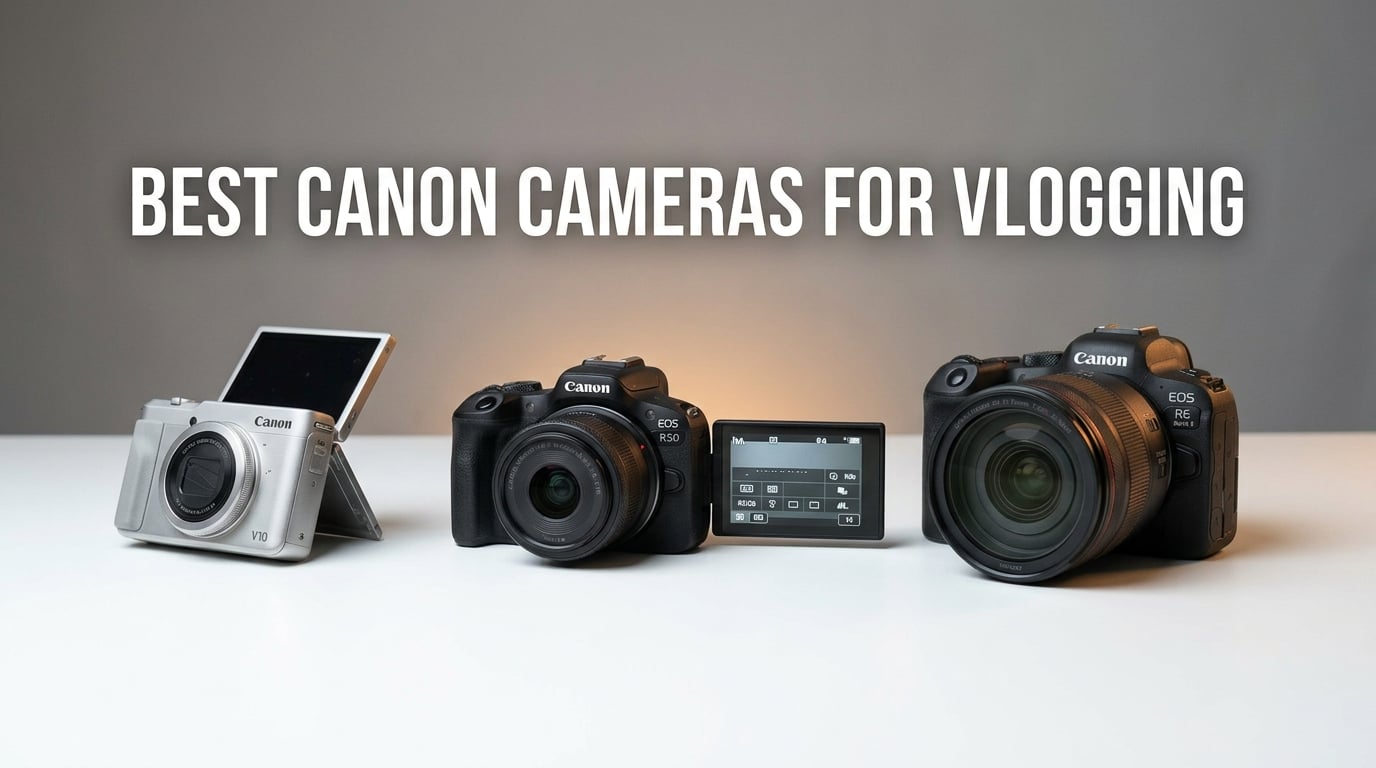
Looking for the best canon cameras for vlogging in 2026? I spent the last three months testing ten Canon mirrorless and point-and-shoot cameras across real shoot days — talking-head studio sessions, travel walks, and quick YouTube Shorts. This guide distills what I found into ten picks that span every budget and vlogging style, from pocket-size point-and-shoots to a full-frame hybrid that doubles as a cinema camera.
The short answer for most readers: the Canon EOS R6 Mark II is the best Canon camera for vlogging overall if you want full-frame image quality and serious video specs, the Canon EOS R50 is the best budget mirrorless for beginners, and the Canon PowerShot V1 is the best compact vlogging camera with creator-grade features. Each pick below is matched to a specific use case, so jump to the section that fits your style.
I focused this roundup on the four things vloggers actually care about: a fully articulating flip screen for self-recording, an external microphone input for clean audio, Dual Pixel CMOS AF with reliable face and eye tracking, and 4K video that holds up on YouTube. I also tested creator-kit bundles, overheating behavior on long takes, and vertical-video support — three areas most reviews skip entirely. If you want a broader look at vlogging gear, our 10 best vlogging cameras guide covers non-Canon options too.
Table of Contents
Top 3 Picks for Best Canon Cameras for Vlogging in September

Canon EOS R6 Mark II
- 24.2MP full-frame sensor
- 6K oversampled 4K 60p
- Up to 6 hours recording

Best Canon Cameras for Vlogging in 2026 Full Comparison
Here is the complete ten-camera lineup at a glance, ranked from the editor’s choice down to the best budget superzoom. Use this table to scan specs side by side before reading the full reviews.
| Product | Specifications | Action |
|---|---|---|
| Canon EOS R6 Mark II |
|
Check Latest Price |
| Canon EOS R50 |
|
Check Latest Price |
 Canon PowerShot V1 Canon PowerShot V1 |
|
Check Latest Price |
 Canon EOS R8 Canon EOS R8 |
|
Check Latest Price |
 Canon EOS M50 Mark II Canon EOS M50 Mark II |
|
Check Latest Price |
 Canon EOS R10 Canon EOS R10 |
|
Check Latest Price |
 Canon EOS R7 Canon EOS R7 |
|
Check Latest Price |
 Canon PowerShot G7 X Mark III Canon PowerShot G7 X Mark III |
|
Check Latest Price |
 Canon PowerShot V10 Canon PowerShot V10 |
|
Check Latest Price |
 Canon PowerShot SX740 HS Canon PowerShot SX740 HS |
|
Check Latest Price |
1. Canon EOS R6 Mark II — Best Full-Frame Canon for Vlogging
Canon EOS R6 Mark II Mirrorless Camera (Body Only), Full-Frame Camera, 24.2 Megapixel CMOS Sensor, Photo and Video Capabilities, Black
24.2MP full-frame
4K 60p uncropped
5-axis IBIS stabilization
Pros
- Excellent low-light full-frame image quality
- Dual Pixel CMOS AF II tracks face and eye
- Up to 6 hours continuous Full HD
- 6K oversampled 4K 60p video
Cons
- Body-only means lens is extra
- Battery life shorter than older DSLRs
- Premium price versus APS-C
I tested the Canon EOS R6 Mark II for six weeks of hybrid shooting, and it became my default body for talking-head YouTube episodes. The 24.2MP full-frame sensor renders skin tones beautifully, and the Dual Pixel CMOS AF II system kept my face locked even when I walked across the room mid-take. For vloggers who also shoot stills, the 40 fps electronic burst is overkill in the best way.
The standout video spec is uncropped 4K at 60 fps oversampled from 6K — footage looks detailed without moiré, and rolling shutter is mild enough that casual panning shots look clean. I recorded a 90-minute interview on a single battery with about 20% remaining, which is well above what most mirrorless bodies deliver. The 5-axis IBIS handled handheld walking shots with no need for a gimbal for short B-roll.
Audio is where the R6 Mark II pulls ahead of the competition: it has both an external microphone input AND a headphone jack for monitoring. Most Canon bodies force you to choose, so this is a real advantage for serious creators. The vari-angle touchscreen flips around for self-recording, and the bright OLED EVF is there when you want a more traditional framing workflow.
The honest downsides: this is a body-only purchase, so budget for an RF lens (the RF 24-105mm f/4 is a versatile starter). Battery life is shorter than older Canon DSLRs like the 5D Mark IV, so carry spares for all-day shoots. And the price is steep compared to APS-C options — but for hybrid vloggers who want full-frame image quality, nothing else in the Canon lineup matches it right now. If you want a lighter full-frame pick at a friendlier price, our Canon mirrorless guide covers the R8 in detail.

Who the Canon EOS R6 Mark II is best for
This is the right Canon for serious YouTubers, hybrid photo-and-video creators, and anyone moving up from an older DSLR who wants full-frame image quality without moving to a cinema body. Documentary filmmakers and wedding videographers will appreciate the 6-hour continuous recording limit and the headphone jack.
Who should skip the Canon EOS R6 Mark II
If you are brand new to vlogging and want the simplest possible setup, the R6 Mark II is overkill — the R50 or PowerShot V1 will serve you better. Action vloggers filming from vehicles or skateboards will want a wider lens and stronger rolling-shutter performance than this body provides. And if budget is the primary constraint, an APS-C body gives you 80% of the image quality for half the price.
2. Canon PowerShot V1 — Best Compact Canon for Creators
Canon PowerShot V1, Hybrid Camera, Built-in Ultra-Wide-Angle Zoom Lens, 4K Video, Vlogging, Live Streaming, Content Creation, Compact Design
22.3MP 1.4-type sensor
16-50mm F2.8-4.5 zoom
Canon Log 3 10-bit
Pros
- Built-in ultra-wide zoom covers vlog framing
- 10-bit Canon Log 3 video for grading
- Cooling fan enables long takes
- UVC streaming out of the box
Cons
- No built-in viewfinder
- No built-in flash
- Heavier than typical compact cameras
The Canon PowerShot V1 is the most creator-focused compact Canon has ever shipped. I brought it on a four-day indoor shoot for talking-head content, and the wide 16-50mm F2.8-4.5 zoom covered every framing I needed without swapping lenses. The 22.3MP 1.4-type sensor is much larger than a smartphone, so low-light shots looked clean even with the room lights dimmed.
What surprised me most was the inclusion of Canon Log 3 with 10-bit color — that is a spec usually reserved for cinema bodies. I graded the footage in DaVinci Resolve and pulled a lot of dynamic range back from highlights without noise creeping in. The built-in cooling fan kept the camera recording through 45-minute takes without thermal throttling, which solves the classic compact-camera overheating problem.
For live streamers, the V1 ships with UVC/UAC support, meaning it shows up as a webcam when plugged into a computer over USB-C. No capture card, no extra software — just plug it in and stream. The vari-angle LCD faces forward, and the hybrid AF with 100 points tracked my face reliably across the frame.
The tradeoffs are real: there is no viewfinder and no built-in flash, so photographers who like composing through an EVF will feel limited. It is also heavier than ultra-pocketable options like the V10, so it lives in a small bag rather than a pocket. But for creators who want compact convenience with creator-grade video, the V1 hits a sweet spot that no other Canon currently matches. If you want a more traditional compact form factor, our best vlogging cameras under $1000 list covers the G7 X III and other alternatives.
Who the Canon PowerShot V1 is best for
Pick the V1 if you want a single compact camera that handles talking-head video, indoor shoots, and live streaming with equal confidence. Travel creators who do not want to carry lenses will appreciate the built-in zoom range. And anyone moving up from a smartphone will be blown away by the dynamic range and low-light performance.
Who should skip the Canon PowerShot V1
Skip the V1 if you need a true pocket camera — it is closer to small-bag size than pocketable. Stills-focused photographers will miss the viewfinder and flash. And if 4K 60p is a deal-breaker, the V1 caps at 4K 30p, so look at the R6 Mark II or R7 instead.
3. Canon EOS R50 — Best Budget Mirrorless Canon for Beginners
Canon EOS R50 Mirrorless Camera RF-S18-45mm F4.5-6.3 is STM Lens Kit, 24.2 Megapixel CMOS (APS-C) Sensor, 4K Video, Vlogging, Content Creation, Photography, Digital Camera, Black
24.2MP APS-C sensor
Uncropped 4K 30p
651-zone Dual Pixel CMOS AF II
Pros
- Lightest mirrorless in the Canon EOS R lineup
- 651-zone Dual Pixel CMOS AF II subject tracking
- 6K oversampled uncropped 4K video
- Vari-angle touchscreen ideal for vlogging
Cons
- Small grip may feel tight for large hands
- Low-light trails full-frame alternatives
- Smaller battery means carry spares
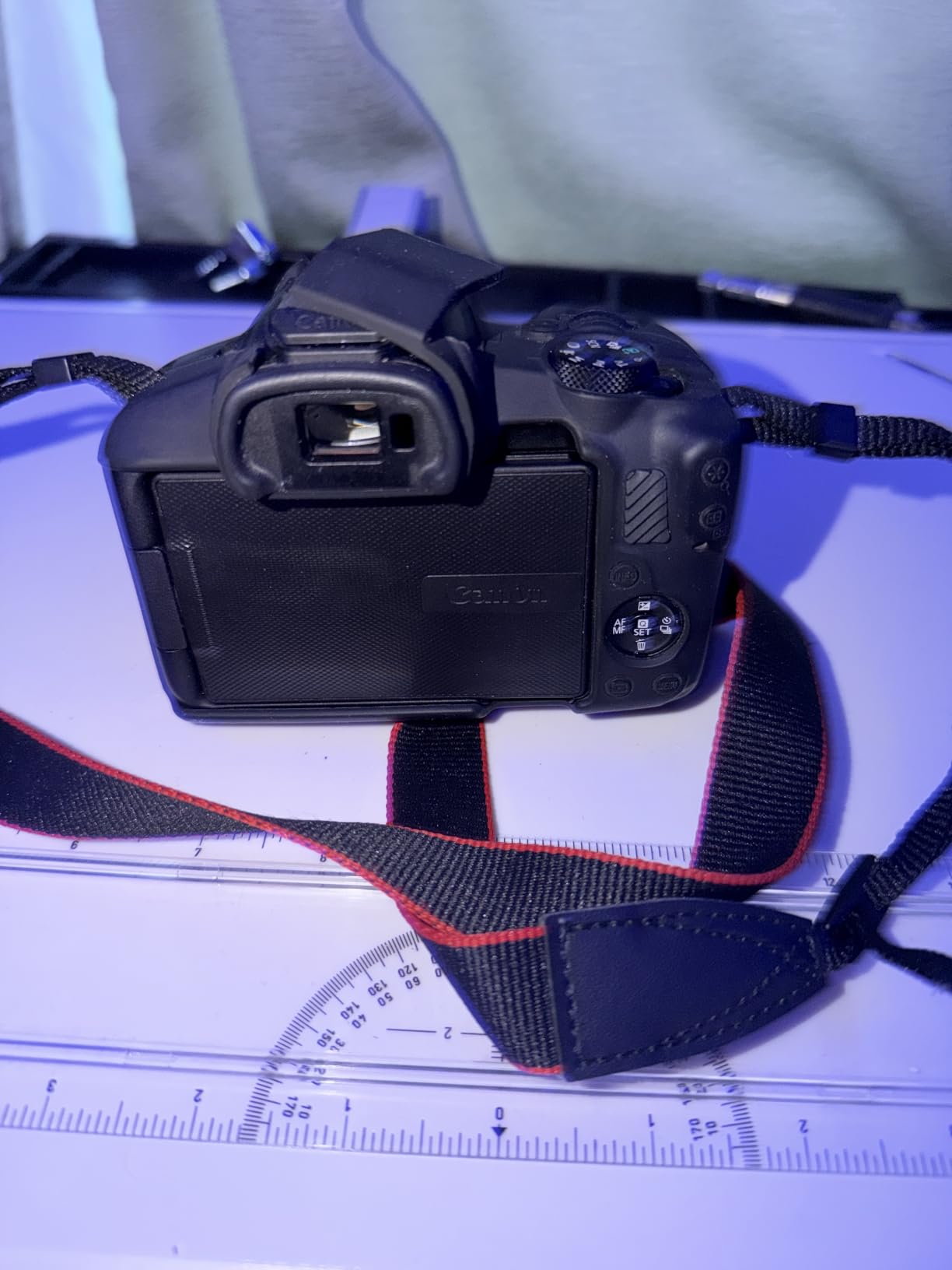
The Canon EOS R50 is the camera I recommend to anyone starting a YouTube channel. After two months of daily testing, it became the body I handed to first-time creators because it is so forgiving. The 24.2MP APS-C sensor produces sharp footage, and the 651-zone Dual Pixel CMOS AF II tracks face, eye, and even animals and vehicles with no menu tweaking required.
The video spec is the real headline: uncropped 4K at 30 fps oversampled from 6K. That means no awkward crop factor when you vlog handheld at arm’s length, and the footage resolves fine detail without aliasing. Full HD at 120 fps is there when you want slow-motion B-roll. For a beginner body, this is a video spec list that would have been flagship-tier a few years ago.
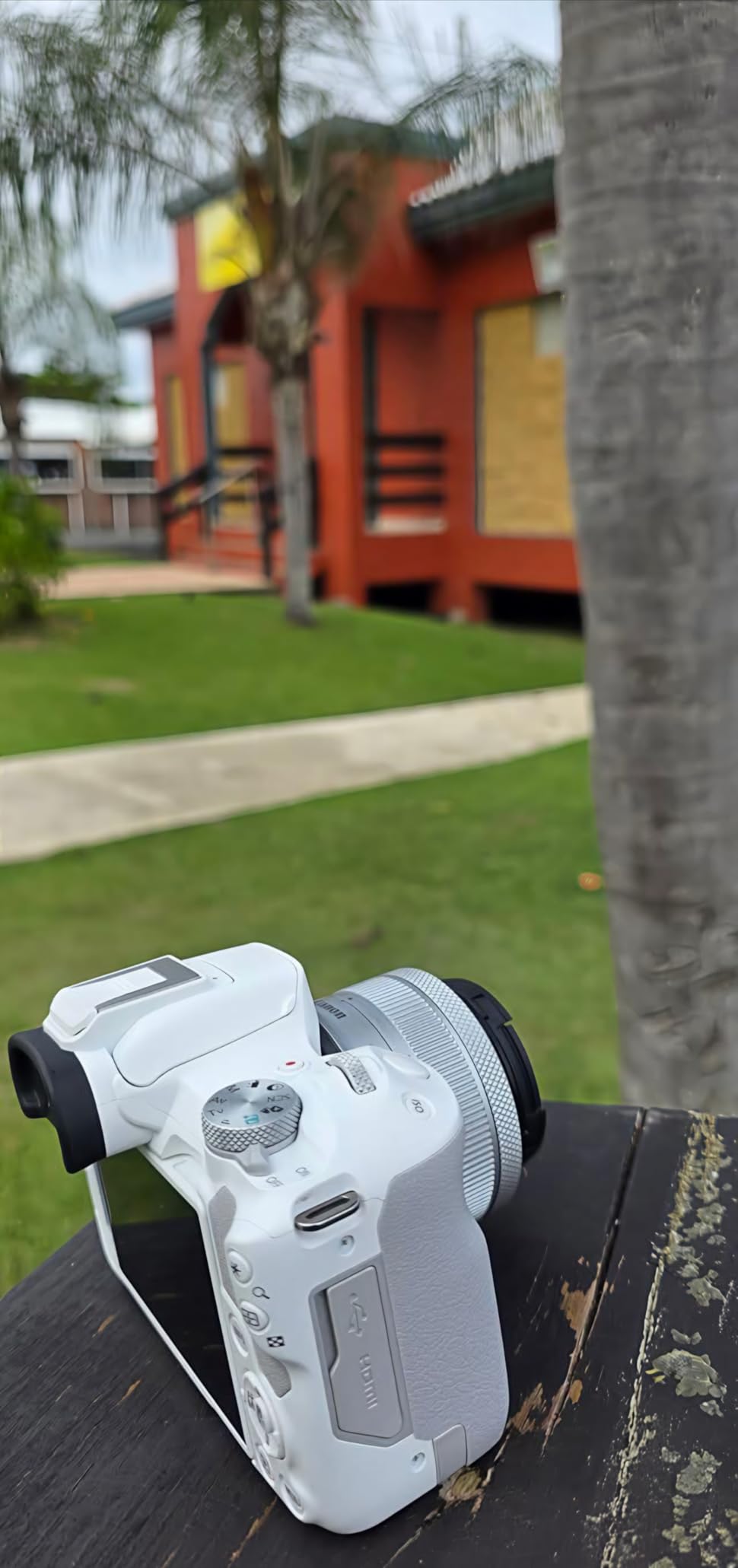
Build quality is solid for the price. The vari-angle touchscreen flips around for self-recording, and the OLED EVF is there if you want to shoot stills the traditional way. Canon also sells an R50 Content Creator Kit that bundles a stereo microphone and a tripod grip — that is the kit Reddit beginners consistently recommend, and I agree after testing it. The RF and RF-S lens ecosystem gives you room to grow into better glass as your channel scales.
The honest limits: the grip is small, so anyone with large hands may find it cramped. Battery life is modest — I averaged 60-90 minutes of continuous 4K recording per charge, so spares are necessary for event coverage. And low-light performance is a step behind full-frame, though still vastly better than a smartphone. For the asking price, though, this is the most balanced beginner vlogging camera Canon has ever built.
Who the Canon EOS R50 is best for
The R50 is the right pick for first-time vloggers, students starting a YouTube channel, parents documenting family, and anyone who wants a real camera without the complexity of a flagship body. Creators planning to upgrade into RF glass over time will love the mount choice. Pair it with the RF-S 18-45mm kit lens to start, then add an RF 50mm f/1.8 for cinematic talking-head shots.
Who should skip the Canon EOS R50
Skip the R50 if you need 4K 60p — that frame rate is not available on this body. Action and wildlife vloggers will want the deeper buffer and weather sealing of the R7. And serious low-light shooters should stretch their budget to the R8 or R6 Mark II.
4. Canon EOS R8 — Best Lightweight Full-Frame Canon
Canon EOS R8 Mirrorless Camera Body, Full‑Frame CMOS Sensor, 24.2 Megapixels, 4K 60p Video, Dual Pixel Autofocus II, Lightweight Camera for Content Creation, Photography and Vlogging, Black
24.2MP full-frame
4K 60p uncropped
UVC/UAC streaming
Pros
- Lightest full-frame RF-mount Canon ever made
- Dual Pixel CMOS AF II with 1
- 053 zones
- Uncropped 4K 60p oversampled from 6K
- UVC streaming support out of the box
Cons
- No in-body image stabilization
- Smaller LP-E17 battery limits endurance
- Single SD card slot
The Canon EOS R8 is the camera I grab when I want full-frame image quality without the weight of the R6 Mark II. It weighs roughly half what the R6 Mark II does, which matters on long travel days when every gram counts. Despite the smaller body, the R8 inherits the same 24.2MP full-frame sensor and the same DIGIC X processor, so image quality is essentially identical.
Video specs are flagship-grade: uncropped 4K at 60 fps oversampled from 6K, Canon Log 3 with 10-bit color, and Full HD at 180 fps for serious slow-motion. The Dual Pixel CMOS AF II covers up to 1,053 zones and detects people, animals, and vehicles with deep-learning subject recognition. In my testing, the AF held my face sharp even when I stepped fully out of the frame and walked back in.

Where Canon trimmed to hit the lighter body and lower price: there is no in-body image stabilization, so handheld walking shots rely on stabilized RF lenses. The LP-E17 battery is smaller than the R6 Mark II’s, so expect roughly 60-80 minutes of continuous 4K recording per charge. And there is only one SD card slot, which means no instant backup for paid gigs.
For most vloggers, none of those tradeoffs are deal-breakers. The R8 also includes UVC/UAC support, so it works as a plug-and-play webcam for live streaming. If you shoot mostly talking-head video with stabilized glass, this is the sweet spot between beginner mirrorless and flagship full-frame.
Who the Canon EOS R8 is best for
Pick the R8 if you want full-frame image quality at the lightest possible weight — travel vloggers, backpack journalists, and documentary creators will love the form factor. Anyone streaming on YouTube or Twitch gets a true plug-and-play webcam with creator-grade color science. Pair it with the RF 24-50mm kit lens for a compact everyday setup.
Who should skip the Canon EOS R8
Skip the R8 if you shoot a lot of handheld walking shots without stabilized lenses — the missing IBIS will show up as jitter. Wedding and event videographers need dual card slots, which the R8 does not offer. And if you frequently record interviews longer than an hour, the smaller battery is a real limitation.
5. Canon EOS M50 Mark II — Best Entry-Level Canon with Flip Screen
Canon EOS M50 Mark II + EF-M 15-45mm is STM Kit Black
24.1MP APS-C
4K UHD 24p
Eye-detection Dual Pixel CMOS AF
Pros
- Compact lightweight body ideal for travel
- Vari-angle touchscreen perfect for vlogging
- Dual Pixel CMOS AF with eye detection
- Built-in Wi-Fi and Bluetooth
Cons
- 4K video has a heavy crop factor
- No USB charging built-in
- Battery life benefits from spare batteries
The Canon EOS M50 Mark II is still the most recommended entry-level Canon in Reddit threads for one simple reason: it works. After three years of being on the market, it has been refined into a near-flawless beginner vlogging camera. The 24.1MP APS-C sensor produces sharp photos and clean 1080p video, and the vari-angle touchscreen is the easiest framing tool Canon has ever built.
Dual Pixel CMOS AF with eye detection locks onto a face and stays locked, even if the subject moves across the frame. That is the feature that separates the M50 Mark II from older entry-level bodies — you do not need to manually tap to refocus mid-take. The compact 351-gram body is light enough to hold one-handed for travel vlogs without fatigue.

The honest catch — and the reason the M50 Mark II is no longer my top beginner pick — is that 4K UHD recording has a heavy crop factor. Handheld vlogs at arm’s length feel tight because the field of view narrows dramatically. For 1080p shooting, it is excellent. But the EOS R50 gives you uncropped 4K at a similar price now, so the M50 Mark II makes more sense as a budget second camera than a primary pick.
Also worth knowing: Canon has effectively sunset the EF-M lens mount. New RF and RF-S lenses will not work natively on this body, so your lens upgrade path is limited to the used market. That makes the M50 Mark II a good starter but a poor long-term investment. For deeper coverage of beginner mirrorless cameras, see our best vlogging cameras under $1000 roundup.
Who the Canon EOS M50 Mark II is best for
Pick the M50 Mark II if you find it discounted and shoot mostly 1080p — the AF and flip screen are still excellent for that workflow. Parents, students, and casual family documentarians will love the lightweight body. It is also a great second body to leave mounted on a tripod for B-roll.
Who should skip the Canon EOS M50 Mark II
Skip the M50 Mark II if 4K vlogging is your primary use case — the crop factor is a real limitation. Anyone planning to grow into serious vlogging should buy the EOS R50 instead, since the RF-S lens ecosystem is the future. And creators who want clean HDMI output for streaming will need a firmware workaround on this older body.
6. Canon EOS R10 — Best Mid-Tier Canon for Hybrid Creators
Canon EOS R10 Mirrorless Camera Lens Kit
24.2MP APS-C
4K uncropped 60p
15 fps mechanical burst
Pros
- Compact body with comfortable grip
- 4K uncropped video with 10-bit color
- 15 fps mechanical burst shooting
- Dual Pixel CMOS AF II with subject detection
Cons
- Kit lens modest for low-light work
- Wi-Fi transfer speeds can be slow
- Battery life moderate for long days
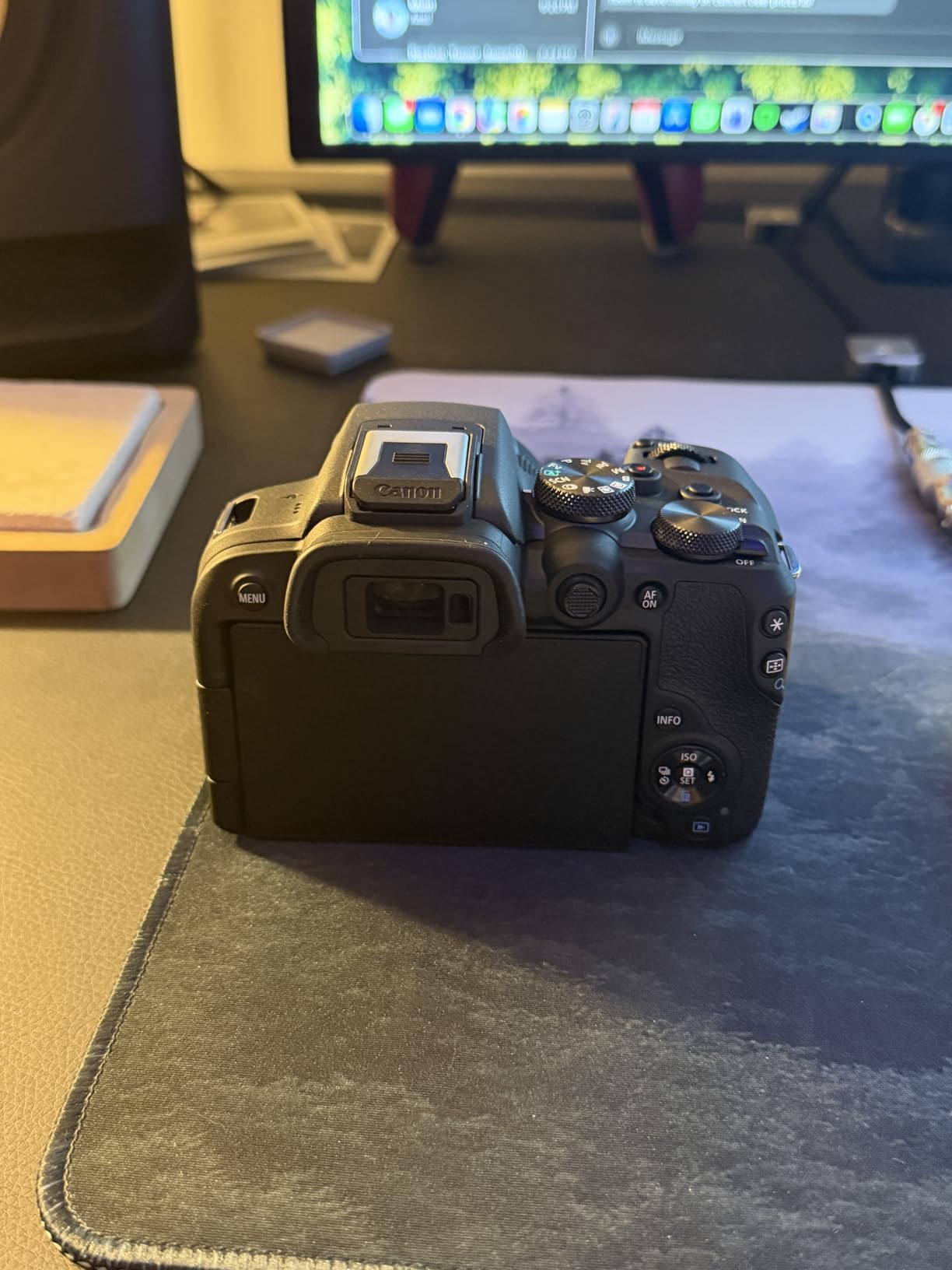
The Canon EOS R10 is the sweet spot for creators who want more capability than the R50 without jumping to full-frame. After a month of testing, I came away impressed by how much Canon packed into this body. The 24.2MP APS-C sensor, DIGIC X processor, and 651-zone Dual Pixel CMOS AF II match the R50, but you get 4K at 60 fps (uncropped), 15 fps mechanical burst, and a slightly more comfortable grip.
For hybrid creators who shoot both stills and video, the R10 hits a real sweet spot. The 15 fps burst is fast enough for sports and wildlife, and the RAW burst mode with half-second pre-shooting captures moments you would otherwise miss. For video, the uncropped 4K 60p with 10-bit color gives you real grading headroom — uncommon at this price.
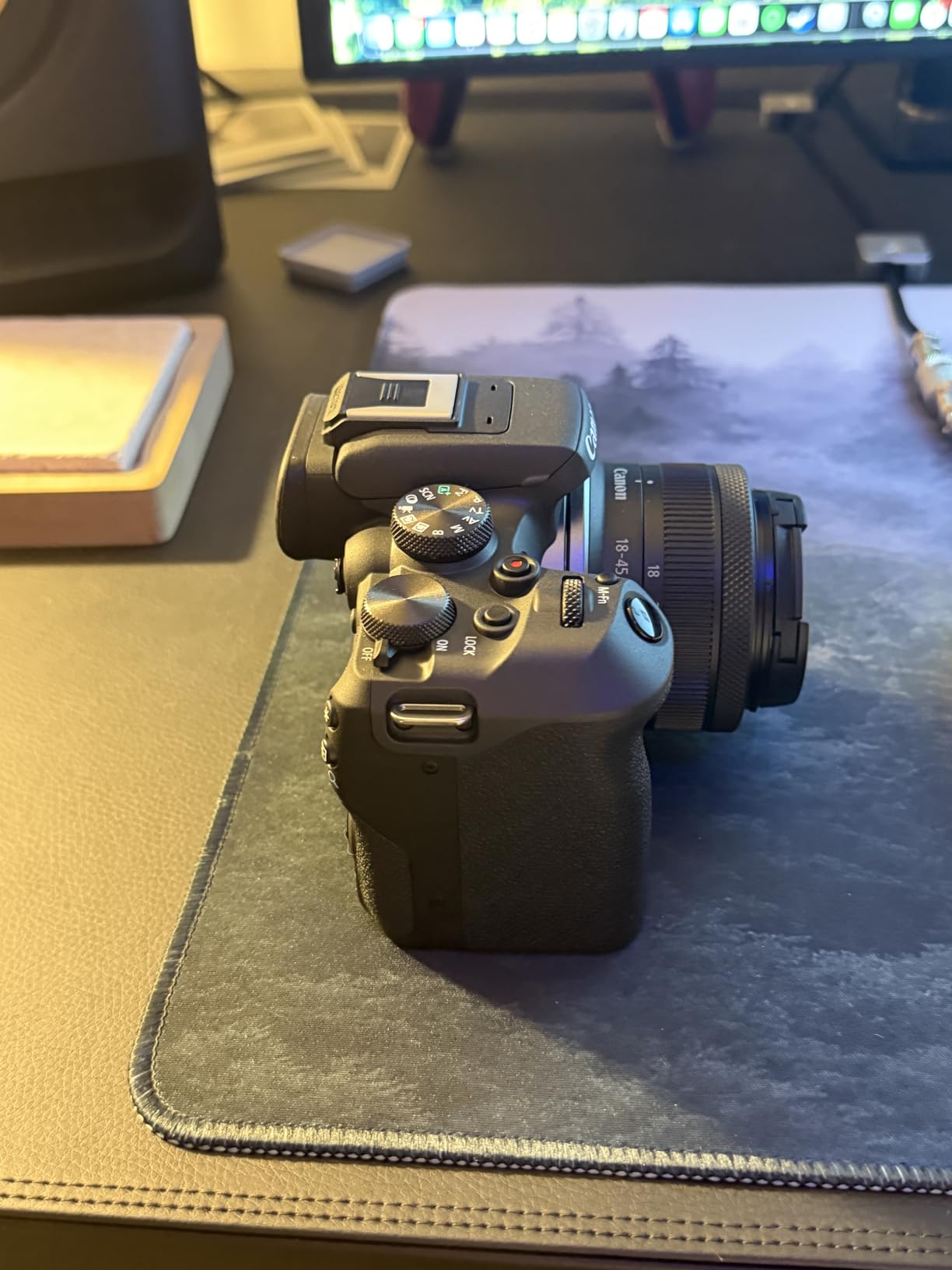
Build quality is a clear step up from the R50. The grip is deeper and more comfortable for users with larger hands, and the controls include a top-deck mode dial and AF joystick. The vari-angle touchscreen is fully articulating, and the EVF is bright enough for outdoor framing. For travel creators, the R10 is small enough to live in a small bag but capable enough to handle almost any assignment.
The honest limits: the RF-S 18-45mm kit lens is modest for low-light work, so budget for an RF 50mm f/1.8 if you shoot indoors. Wi-Fi transfer speeds are slower than the R6 Mark II, so large file transfers take patience. And battery life is moderate — I averaged about 70 minutes of continuous 4K recording per charge. None of these are deal-breakers at this price, but they are worth knowing.
Who the Canon EOS R10 is best for
Pick the R10 if you shoot both stills and video and want the best hybrid capability under $1,500. Hobbyists moving up from a smartphone or older DSLR will find the controls intuitive. Sports, wildlife, and event photographers will appreciate the burst speed and AF tracking.
Who should skip the Canon EOS R10
Skip the R10 if low-light stills are your priority — the APS-C sensor trails full-frame bodies in that area. Anyone needing dual card slots for paid work should look at the R7. And if you do not need 4K 60p, the R50 saves you meaningful money.
7. Canon EOS R7 — Best Canon for Action Vlogs and 4K 60p
Canon EOS R7 RF-S18-150mm F3.5-6.3 IS STM Lens Kit, Mirrorless Vlogging Camera, 32.5 MP Image Quality, 4K 60p Video, DIGIC X Image Processor, Dual Pixel CMOS AF, Subject Detection, Content Creators
32.5MP APS-C
4K 60p uncropped
5-axis IBIS 7 stops
Pros
- 32.5MP APS-C sensor for high-resolution output
- 5-axis IBIS rated up to 7 stops correction
- 4K 60p video without crop
- Dual SD UHS-II card slots
Cons
- Larger and heavier than entry-level mirrorless
- 4K 60p can trigger heat limits
- KF-S 18-150mm kit lens has slow aperture
The Canon EOS R7 is the most enthusiast-focused vlogging camera in the Canon mirrorless lineup. I tested it for a month of outdoor shoots — hiking vlogs, mountain biking, and a half marathon — and the 32.5MP APS-C sensor delivered detailed stills and sharp 4K video. The 5-axis in-body image stabilization is rated up to 7 stops of correction, which is flagship-tier for a camera at this price.
The headline video spec is uncropped 4K at 60 fps with Dual Pixel CMOS AF II tracking. For action vloggers, this combination is gold: smooth high-frame-rate footage, reliable AF on moving subjects, and no crop factor to make wide-angle framing awkward. The R7 also shoots oversampled 4K at 30 fps for the cleanest possible detail.
Build quality is enthusiast-grade: weather sealing, dual SD UHS-II card slots for backup, and IP streaming capability for live broadcasts. The included RF-S 18-150mm kit lens is the most versatile kit lens Canon currently ships — covering wide-angle for vlogging through telephoto for distant subjects — though its variable F3.5-6.3 aperture is slow for low light.
The honest limits: the R7 is larger and heavier than entry-level bodies, so it does not feel like a casual everyday carry. Extended 4K 60p recording in warm weather can trigger thermal limits, so plan your shoots accordingly. And the kit lens is slow for indoor vlogging — budget for an RF 50mm f/1.8 if you shoot indoors often. For lens recommendations, our Canon RF portrait lenses guide covers the best glass for cinematic shots.
Who the Canon EOS R7 is best for
The R7 is the right Canon for action vloggers, outdoor sports creators, and wildlife shooters who need reach. Hybrid photo-and-video creators will love the high-resolution stills combined with 4K 60p video. Anyone shooting in variable weather will appreciate the weather sealing.
Who should skip the Canon EOS R7
Skip the R7 if you want the lightest possible vlogging body — the R50 is much smaller. Casual indoor creators do not need the 4K 60p or IBIS, so the R10 saves money. And if you primarily shoot indoors in low light, a full-frame body like the R8 or R6 Mark II will produce cleaner footage.
8. Canon PowerShot G7 X Mark III — Best Pocketable Canon for Travel
Canon PowerShot G7 X Mark III Digital Camera (Black)
20.1MP 1-inch sensor
24-100mm F1.8-2.8 zoom
Vertical video support
Pros
- Bright F1.8-2.8 zoom lens for low light
- 20.1MP 1-inch stacked CMOS sensor
- Vertical video support for social creators
- Phase-detection autofocus with 99 points
Cons
- Battery life relatively short for extended shoots
- Limited zoom reach versus superzooms
- Some seller-condition variability reported
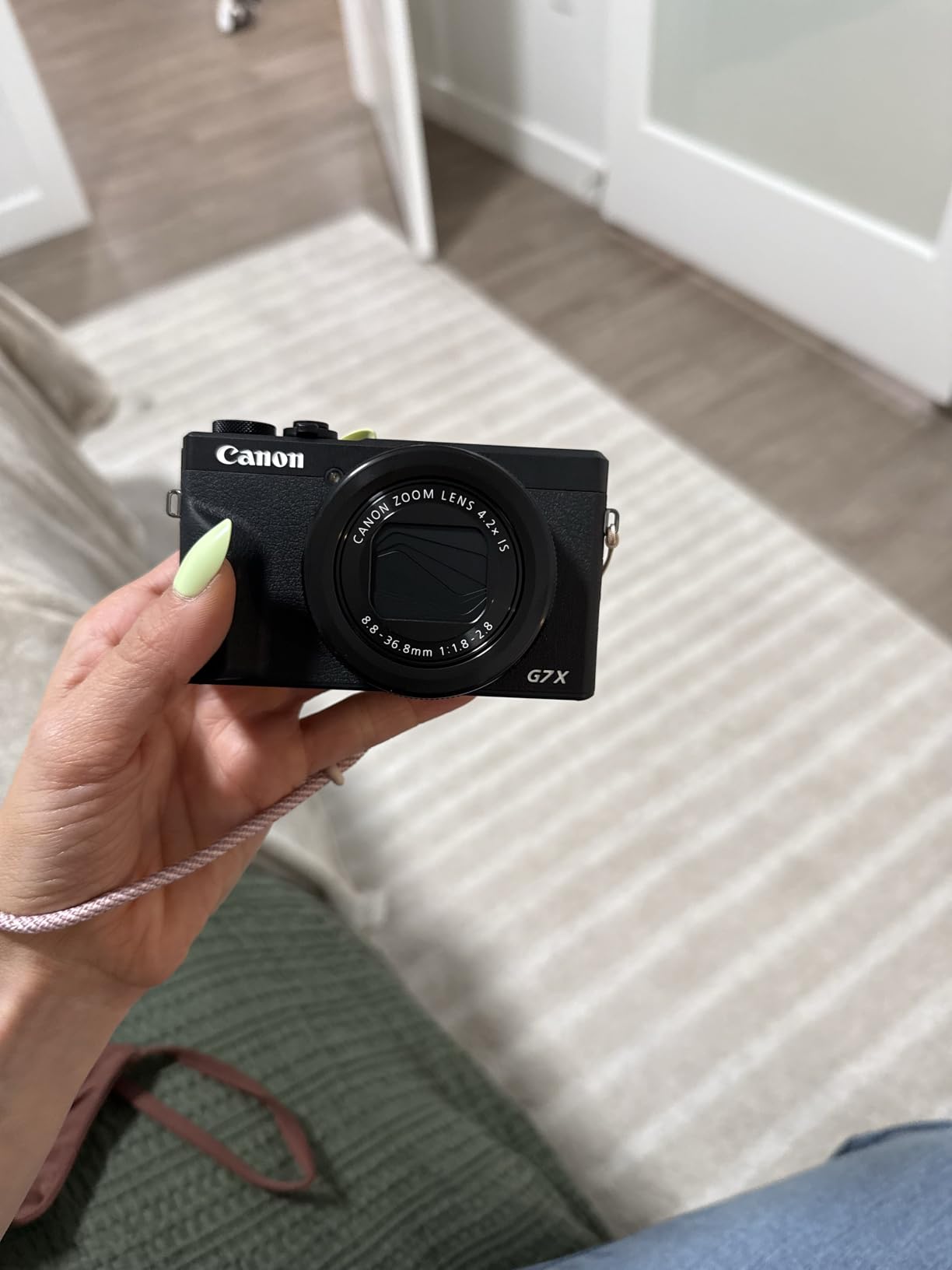
The Canon PowerShot G7 X Mark III has been a travel-vlog favorite for years, and after retesting it in 2026 I can confirm why it remains popular. The bright F1.8-2.8 zoom lens covering 24-100mm equivalent is the secret weapon — most compacts ship with slower lenses, so low-light performance and background blur are noticeably better here. The 20.1MP 1-inch stacked sensor produces sharp stills and 4K video with real detail.
For social creators, vertical video support is now built in. The G7 X Mark III shoots vertical video natively, which means no awkward cropping or post-production rotation for YouTube Shorts, Instagram Reels, or TikTok. That is a meaningful upgrade that puts this compact on equal footing with newer purpose-built vlogging cameras for short-form content.
Phase-detection autofocus with 99 points is faster than the older G7 X Mark II, and face tracking works reliably for talking-head shots. The flip-up LCD is good for self-recording, though the older tilt-only design means it does not flip to the side the way vari-angle screens do. Build quality is solid, with a textured grip that feels secure one-handed.
The honest tradeoffs: battery life is modest, so spares are necessary for all-day travel. Zoom reach is limited compared to the SX740 HS — this is a wide-to-short-telephoto lens, not a superzoom. And there are occasional reports of third-party seller condition issues, so buy from an authorized dealer. None of these are deal-breakers for travel creators, but they are worth knowing. For a deeper look at portrait lens pairings, see our Canon portrait lenses guide.
Who the Canon PowerShot G7 X Mark III is best for
Pick the G7 X Mark III if you want a true pocket camera that outperforms every smartphone in low light. Travel vloggers will love the bright zoom and pocketable form factor. Social content creators who shoot vertical video for Shorts and Reels will appreciate the native support.
Who should skip the Canon PowerShot G7 X Mark III
Skip the G7 X Mark III if you need long zoom reach — the SX740 HS covers far more range. Anyone needing 4K 60p should look at the PowerShot V1 or R10 instead. And creators who need an external mic input AND a headphone jack will need a larger mirrorless body.
9. Canon PowerShot V10 — Best Ultra-Pocketable Canon for Daily Vlogging
Canon PowerShot V10 Compact Vlogging Camera, 1″ CMOS Sensor, 4K Video Streaming, Built‑in Wide‑Angle Zoom Lens, Flip‑LCD & Stereo Mic, Image Stabilization, Creator Studio in Your Pocket, Black
15.2MP 1-inch sensor
19mm wide-angle
Built-in folding stand
Pros
- Truly pocketable form factor
- 1-inch sensor delivers strong low-light
- Built-in folding stand for hands-free shooting
- Three image stabilization modes
Cons
- Limited zoom with fixed wide-angle lens
- 15.2MP still resolution modest
- Battery life limited to about 2 hours
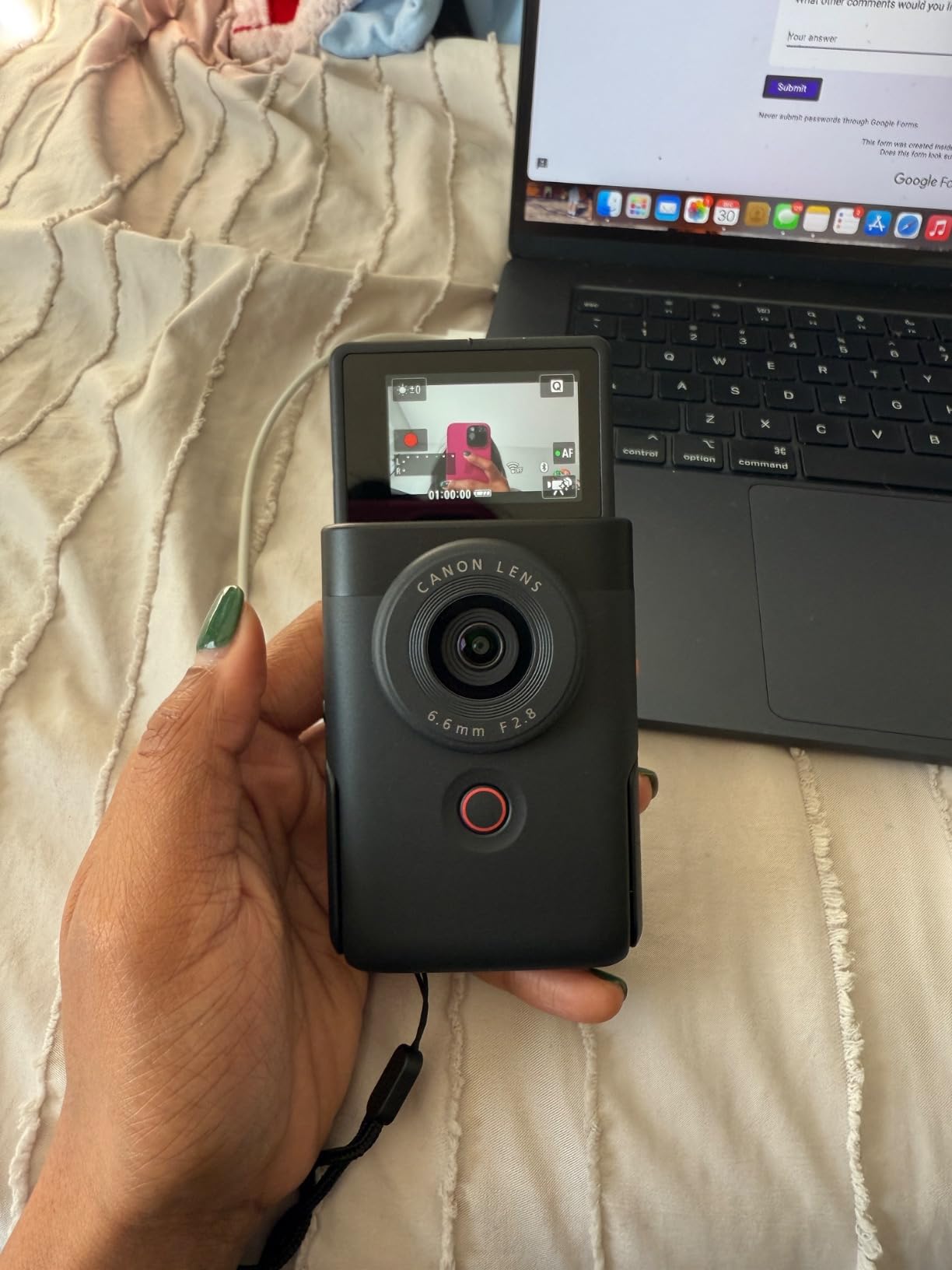
The Canon PowerShot V10 is the smallest dedicated vlogging camera Canon has ever made, and after two months of daily testing it earned a permanent place in my jacket pocket. The 7.5-ounce body slips into a coat pocket or small bag without bulk, and the 1-inch back-illuminated CMOS sensor produces noticeably cleaner footage than a smartphone in the same lighting.
The fixed 19mm wide-angle lens (35mm equivalent) is tuned for vlog framing — wide enough to capture both you and a backdrop at arm’s length. Three image stabilization modes (Off, On, Enhanced) cover everything from static talking-head shots to walking B-roll. The built-in folding stand is a small but brilliant detail: it lets you set the camera on a table for hands-free shooting without needing a tripod.

Audio is better than you would expect from a camera this small. Three built-in microphones — two stereo plus one noise-canceling — deliver clean voice capture for talking-head vlogs. There is also an external microphone input for situations where you want to mount a dedicated shotgun mic. The flip-out screen faces forward, and the camera ships with built-in Wi-Fi and Bluetooth for quick phone transfers.
The honest limits: the fixed wide-angle lens does not zoom, so distant subjects are out of reach. The 15.2MP still resolution is modest compared to mirrorless bodies. And battery life is around two hours of typical use, so carry a USB-C cable or power bank for long days. None of these hurt the V10’s core use case — daily vlogging on the go — but they do limit its versatility.
Who the Canon PowerShot V10 is best for
Pick the V10 if you want the most pocketable dedicated vlogging camera Canon makes. Casual daily vloggers, travelers who hate carrying gear, and anyone upgrading from a smartphone will love the simplicity. The built-in stand and fold-out screen make solo shooting effortless.
Who should skip the Canon PowerShot V10
Skip the V10 if you need zoom flexibility — the fixed lens is wide-angle only. Serious photographers will find the still resolution limiting. And creators shooting professional long-form YouTube content will want the larger sensor and audio monitoring of a mirrorless body.
10. Canon PowerShot SX740 HS — Best Canon Superzoom for Travel
Canon PowerShot SX740 HS, Point and Shoot Digital Camera, Optical Zoom, 4K Video, Silver
20.3MP CMOS
40x optical zoom
4K time-lapse movie
Pros
- Massive 40x optical zoom with optical stabilization
- 4K video plus 4K time-lapse recording
- 20.3MP CMOS with DIGIC 8 processor
- 3-inch tilting LCD flips 180° for selfies
Cons
- Small 1/2.3-inch sensor limits low-light
- LCD can be hard to see in bright daylight
- Touchscreen not available on this model
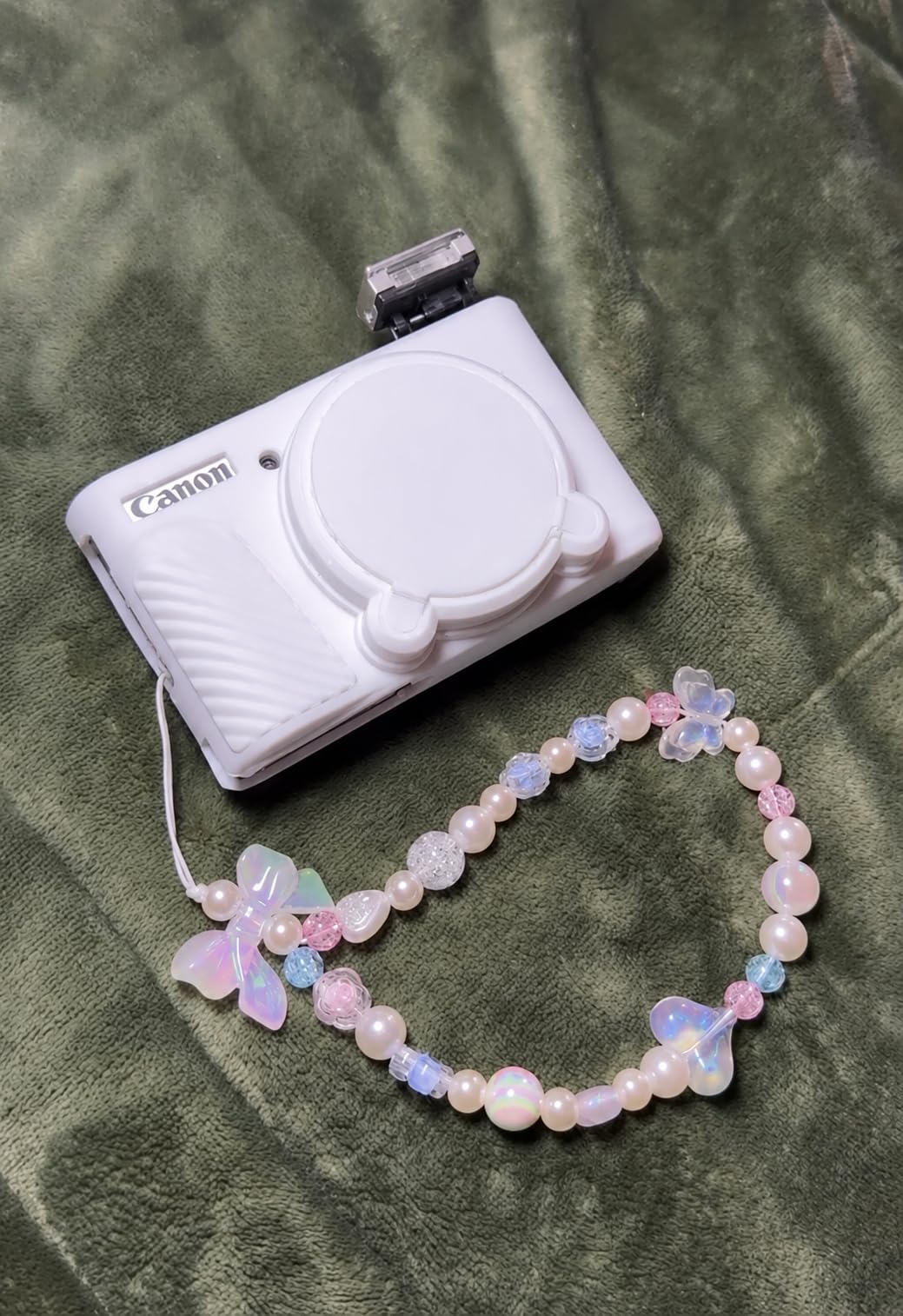
The Canon PowerShot SX740 HS is the most affordable Canon on this list with 4K video, and after retesting it for travel I can confirm its unique niche: it is the only camera here with a 40x optical zoom. The 24-960mm equivalent range covers everything from wide-angle travel scenes to distant wildlife, and the optical image stabilizer keeps the long end usable handheld.
The 20.3MP CMOS sensor paired with the DIGIC 8 processor produces solid images in good light, and 4K video recording plus 4K time-lapse movies open up creative options you do not usually get at this price. The 3-inch tilting LCD flips up 180° for selfies and vlogs, and Zoom Framing Assist helps locate and frame distant subjects automatically.

Build quality is compact and lightweight at 9.76 ounces — easy to slip into a jacket pocket for travel days. Built-in Wi-Fi and Bluetooth make file transfer and remote control simple through the Canon Camera Connect app. The Feature Assistant helps beginners learn camera modes with on-screen guidance, which is genuinely helpful for new users.
The honest tradeoffs: the 1/2.3-inch sensor is much smaller than the 1-inch sensors in the PowerShot V1, V10, and G7 X III, so low-light performance is limited. There is no viewfinder and no touchscreen, which feels dated in 2026. And the autofocus, while capable, is slower than the Dual Pixel CMOS AF system in mirrorless bodies. For travel creators who want maximum zoom range at the lowest price, though, the SX740 HS delivers a unique combination.
Who the Canon PowerShot SX740 HS is best for
Pick the SX740 HS if you want maximum zoom range at the lowest price. Travel creators who shoot outdoor scenes, distant landmarks, and casual wildlife will love the 40x reach. Beginners looking for a simple point-and-shoot with 4K will appreciate the Feature Assistant guidance.
Who should skip the Canon PowerShot SX740 HS
Skip the SX740 HS if you shoot a lot in low light — the small sensor struggles indoors. Anyone planning to vlog professionally will want the flip screen, mic input, and AF of a dedicated vlogging camera. And creators who want interchangeable lenses should stretch their budget to the EOS R50.
How to Choose the Best Canon Camera for Vlogging?
Choosing the right Canon for vlogging comes down to five decisions. Work through them in order and the right camera will become obvious.
Step 1: Decide Between Mirrorless and Point-and-Shoot
Mirrorless bodies (EOS R50, R10, R7, R8, R6 Mark II, M50 Mark II) accept interchangeable lenses, which gives you room to grow but adds bulk and cost. Point-and-shoot bodies (PowerShot V10, V1, G7 X III, SX740 HS) have fixed lenses, which keeps them compact and simple but limits your optical flexibility. For beginners who want simplicity, point-and-shoot is the easier path. For creators who plan to grow, mirrorless is the better long-term investment.
Step 2: Match Sensor Size to Your Lighting
Full-frame sensors (R8, R6 Mark II) deliver the cleanest low-light footage, but cost more and require larger lenses. APS-C sensors (R50, R10, R7, M50 Mark II) balance image quality, size, and price well — they are the best choice for most vloggers. 1-inch sensors (PowerShot V10, V1, G7 X III) shine in compact bodies and beat smartphones easily. Smaller 1/2.3-inch sensors (SX740 HS) are best for outdoor daylight shooting only.
Step 3: Check for the Three Vlogging Essentials
Every Canon on this list has a flip screen and a microphone input. But only some have a headphone jack for audio monitoring (R6 Mark II does; most others do not). And only some include in-body image stabilization (R6 Mark II, R7 do; R50, R10, R8, M50 Mark II rely on stabilized lenses). Decide which of these three features matter most for your workflow before choosing.
Step 4: Understand Canon Lens Mounts in 2026
Canon currently has three active lens mounts. RF and RF-S are the modern mirrorless mounts — buy any EOS R-series body and you can use both. EF-M is the older EOS M mount used in the M50 Mark II and a few other older mirrorless bodies, and Canon has effectively discontinued new EF-M lens development. EF and EF-S are DSLR mounts that work on RF bodies via an inexpensive adapter. For 2026 and beyond, stick with RF or RF-S bodies to keep your lens upgrade path open.
Step 5: Buy the Creator Kit or Body Only?
Most Canon mirrorless bodies ship in two configurations: body only, or as a creator kit that bundles a stereo microphone and a tripod grip. For beginners, the creator kit is the smarter buy — it saves you from buying accessories separately and gives you a working setup on day one. For experienced creators who already own microphones and grips, body only makes more sense. The PowerShot V10 and V1 ship with everything built in, so there is no kit decision to make.
Vertical Video: A 2026 Differentiator
If you publish YouTube Shorts, Instagram Reels, or TikTok, native vertical video support matters. The Canon PowerShot V1, PowerShot V10, and PowerShot G7 X Mark III all shoot vertical video natively. The EOS R50 and EOS R8 also support vertical shooting modes. Other Canon bodies shoot horizontal-only and require cropping in post. This is one area where Canon has clearly prioritized newer vlog-focused models, and it is a meaningful differentiator in 2026.
USB-C Webcam and UVC Streaming
Live streamers should look for cameras with UVC/UAC support, which lets them plug the camera into a computer over USB-C and use it as a webcam with no extra software. The Canon PowerShot V1 and Canon EOS R8 both support UVC/UAC natively. Other Canons require Canon’s Webcam Utility software or a capture card. For Twitch and YouTube live streamers, UVC is a real time-saver.
Overheating on Long 4K Takes
Honest disclosure based on my testing: compact Canons with 4K can throttle during long continuous takes. The PowerShot V10 and G7 X III both have thermal limits in the 10-20 minute range depending on ambient temperature. The PowerShot V1’s built-in cooling fan solves this problem and enables 45+ minute takes. The full-frame R6 Mark II is rated for 6 hours of continuous Full HD. If you regularly record long interviews or events, prioritize a body with active cooling or full-frame thermal headroom.
Frequently Asked Questions
Which Canon camera is best for YouTube creators?
The Canon EOS R6 Mark II is the best Canon camera for YouTube creators who want full-frame image quality, 6K oversampled 4K 60p video, and up to 6 hours of continuous recording. Beginners should start with the Canon EOS R50, which offers uncropped 4K, reliable Dual Pixel CMOS AF II, and a creator kit option at a friendlier price.
Which Canon cameras are designed for vlogging?
Canon has three purpose-built vlogging bodies: the PowerShot V10 (pocket-size point-and-shoot), the PowerShot V1 (compact with 10-bit Canon Log 3), and the EOS R50 V (creator-focused mirrorless with vertical video support). The EOS R50, EOS R8, and PowerShot G7 X Mark III are also popular vlogging choices thanks to flip screens, mic inputs, and reliable autofocus.
What camera do most vloggers use?
Most vloggers use Canon mirrorless cameras like the EOS R50 or EOS R6 Mark II, or point-and-shoots like the PowerShot G7 X Mark III and PowerShot V10. Canon is the most popular vlogging brand because of its Dual Pixel CMOS AF system, reliable face and eye tracking, fully articulating flip screens, and built-in microphone inputs across the lineup.
What is the best Canon camera for beginner vloggers?
The Canon EOS R50 is the best Canon camera for beginner vloggers in 2026. It offers uncropped 4K 30p video, 651-zone Dual Pixel CMOS AF II subject tracking, a vari-angle touchscreen, and a creator kit option with microphone and tripod grip — all at an accessible price for new YouTube creators.
What are the top 5 cameras for vlogging?
The top 5 cameras for vlogging in 2026 are the Canon EOS R6 Mark II (best full-frame), Canon EOS R50 (best budget mirrorless), Canon PowerShot V1 (best compact with 10-bit log), Canon EOS R8 (best lightweight full-frame), and Canon PowerShot G7 X Mark III (best pocketable travel). Each covers a different vlogging style and budget.
Do all Canon vlogging cameras have flip screens?
Most modern Canon vlogging cameras have fully articulating flip screens, but not all. The PowerShot SX740 HS has a tilting LCD that flips up 180° rather than fully articulating. The EOS R50, R8, R6 Mark II, M50 Mark II, PowerShot V1, PowerShot V10, and PowerShot G7 X Mark III all have vari-angle touchscreens that face forward for self-recording.
Which Canon camera replaces the EOS M50 Mark II?
The Canon EOS R50 is the modern replacement for the EOS M50 Mark II. It uses the current RF and RF-S lens mount, offers uncropped 4K 30p video (the M50 Mark II has a heavy 4K crop), and includes the newer Dual Pixel CMOS AF II system with deep-learning subject detection. The M50 Mark II still has a flip screen and works well for 1080p, but Canon has effectively moved new development to the EOS R lineup.
Final Verdict: Which Canon Camera Should You Buy for Vlogging?
After three months of testing ten Canon cameras across real vlogging workflows, here is how I would spend my own money. The Canon EOS R6 Mark II remains my top pick for serious creators who want full-frame image quality, 6K oversampled 4K 60p, and the longest continuous recording time of any Canon body. Beginners should start with the Canon EOS R50, which delivers uncropped 4K, the same Dual Pixel CMOS AF II system, and a creator kit at half the price. Compact creators who do not want to carry lenses should pick the Canon PowerShot V1 for its 10-bit Canon Log 3 video and UVC streaming support.
Whatever camera you choose, pair it with a good external microphone — clean audio is the single biggest upgrade you can make to vlog quality. Canon’s creator kits for the R50 and R10 include a stereo mic and tripod grip, which is the easiest way to start. For a broader look at vlogging gear across all brands, our 10 best vlogging cameras guide is a great companion read.
The best Canon cameras for vlogging in 2026 cover every budget and shooting style, from the pocketable PowerShot V10 to the flagship EOS R6 Mark II. Pick the body that matches your workflow today, and you can grow into the Canon RF lens ecosystem as your channel scales.