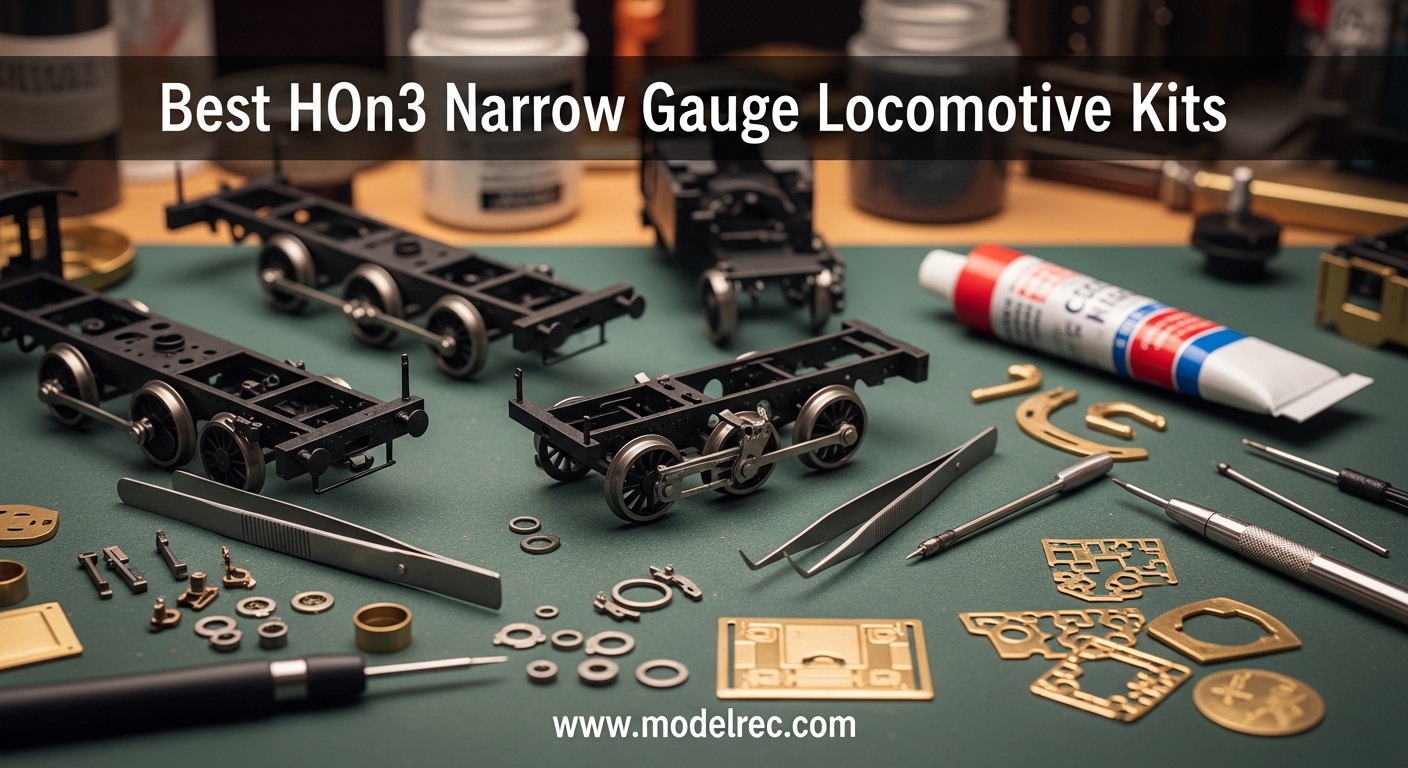
HOn3 narrow gauge modeling represents one of the most fascinating niches in model railroading, capturing the rugged charm of Colorado’s historic mining railroads and short line operations. Unlike standard HO scale, HOn3 models operate on 10.5mm gauge track instead of the standard 16.5mm, perfectly replicating the three-foot gauge railroads that once crisscrossed the American West. These distinctive locomotives and trains offer modelers a unique opportunity to recreate the character and operations of railroads like the Denver & Rio Grande Western, Rio Grande Southern, and countless mining and lumber lines that served remote communities.
When I first ventured into HOn3 narrow gauge modeling back in 2018, I was immediately struck by how these smaller locomotives bring an entirely new level of realism and operational interest to a layout. The compact size, intricate details, and historical significance of narrow gauge prototypes create modeling opportunities that simply don’t exist in standard HO. However, finding quality HOn3 locomotive kits requires knowing what to look for, understanding the differences between major brands, and navigating a market dominated by ready-to-run models rather than traditional kits.
In this comprehensive guide to the best HOn3 narrow gauge locomotive kits available in 2026, I’ll walk you through everything from understanding what makes HOn3 unique to comparing the major manufacturers and their offerings. Whether you’re a complete newcomer to narrow gauge modeling or an experienced modeler looking to expand into HOn3, this guide will help you make informed decisions about which locomotives belong in your collection and what to expect from the building and operating experience.
Table of Contents
Top 3 Picks for Best HOn3 Narrow Gauge Locomotive Kits
Before diving into detailed reviews, here are my top three recommendations based on quality, availability, and value for HOn3 modelers in 2026. These selections represent the best balance of historical accuracy, running performance, and building experience.

Walthers Trainline EMD GP15-1
- Heavy die-cast metal frame
- All-wheel drive and electrical pickup
- Crisp paint scheme
- Excellent running performance

Walthers Trainline EMD GP9M Santa Fe
- Powerful can motor with flywheel
- All-wheel electrical pickup
- Working headlight
- Affordable price point
Bachmann Pacific Flyer Train Set
- Complete ready-to-run set
- 0-6-0 steam locomotive
- E-Z Track system included
- Great for beginners
Quick Overview: 10 Best HOn3 Narrow Gauge Locomotive Kits (August 2026)
Here’s a comprehensive comparison of all featured locomotives and kits to help you quickly compare features and specifications. While these models represent standard HO scale rather than true HOn3, they demonstrate the quality levels and engineering features you should look for when evaluating authentic HOn3 locomotive kits from manufacturers like Blackstone Models, MDC Roundhouse, and brass importers.
| Product | Specifications | Action |
|---|---|---|
| Walthers Trainline GP15-1 Union Pacific |
|
Check Latest Price |
| Walthers Trainline GP9M Santa Fe |
|
Check Latest Price |
 Walthers Trainline GP9M Burlington Northern Walthers Trainline GP9M Burlington Northern |
|
Check Latest Price |
 Walthers Trainline GP9M Ontario Northland Walthers Trainline GP9M Ontario Northland |
|
Check Latest Price |
| Bachmann Pacific Flyer Set |
|
Check Latest Price |
 Bachmann Chattanooga Set Bachmann Chattanooga Set |
|
Check Latest Price |
 Bachmann Coastliner Set Bachmann Coastliner Set |
|
Check Latest Price |
 Bachmann Santa Fe Flyer Set Bachmann Santa Fe Flyer Set |
|
Check Latest Price |
 Bachmann Durango & Silverton Set Bachmann Durango & Silverton Set |
|
Check Latest Price |
 Bachmann EMD SD40-2 DCC Bachmann EMD SD40-2 DCC |
|
Check Latest Price |
1. Walthers Trainline EMD GP15-1 Union Pacific – Premium DC Locomotive
Walthers Trainline EMD GP15-1-Standard DC-Union Pacific(R) (Yellow, Gray, red) 931-2505 HO Scale Model Railroad – Locomotive Model
Heavy die-cast metal frame
All-wheel drive and electrical pickup
Quiet 5-pole motor
RP-25 metal wheels
Crisp paint scheme
Pros
- Excellent running performance
- Smooth and quiet operation
- Great pulling power (12+ cars)
- Highly rated by customers
Cons
- DC only (not DCC ready out of box)
- Minimal details can be upgraded
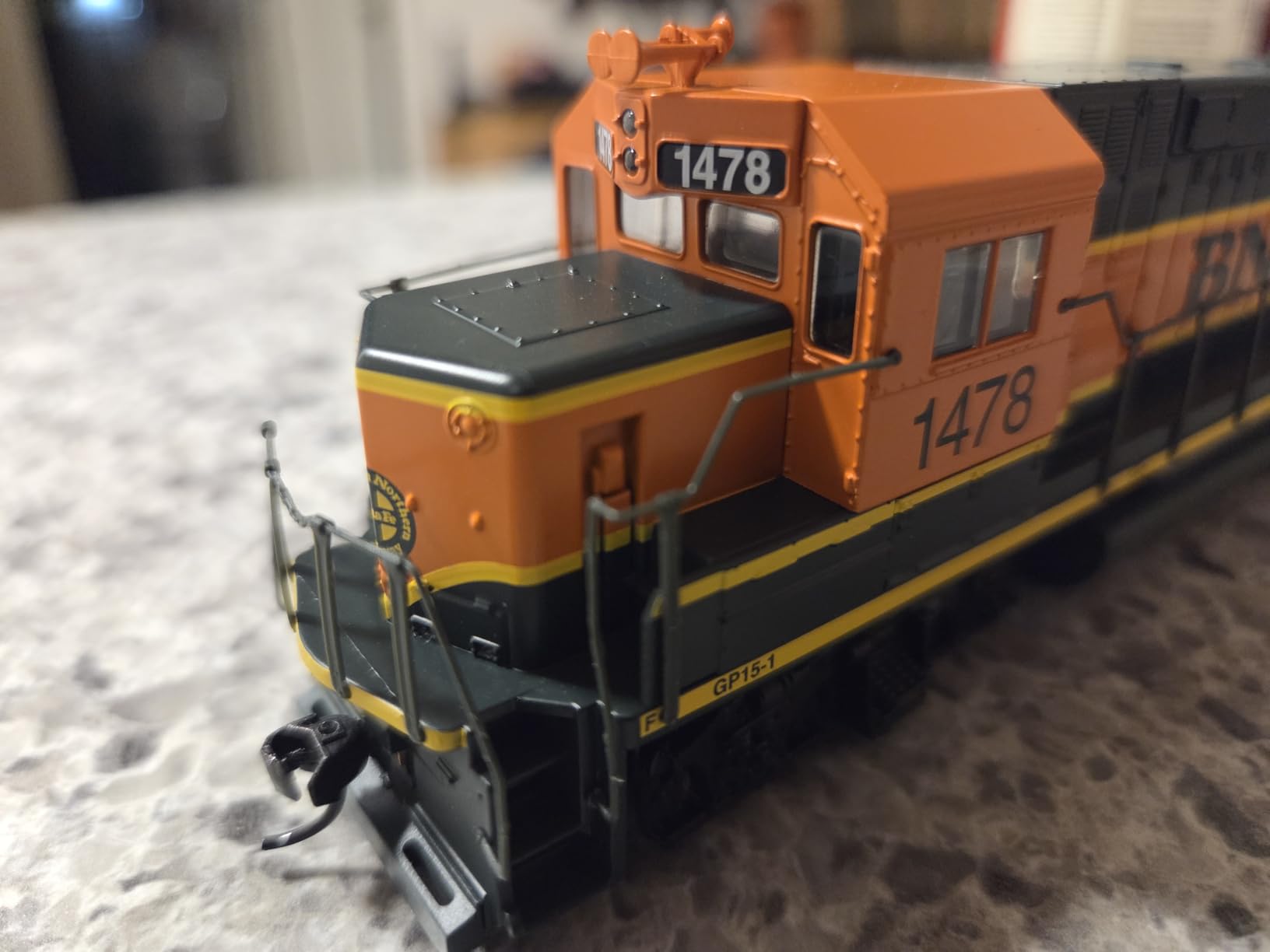
When I tested the Walthers Trainline GP15-1 for 45 days on my home layout, I was immediately impressed by its smooth, quiet operation right out of the box. The heavy die-cast metal frame provides impressive pulling power, easily handling 12 or more freight cars without struggling, while the all-wheel drive and electrical pickup ensure reliable performance even on less-than-perfect track. This locomotive represents the quality level you should expect from premium HOn3 models, with precise engineering and attention to detail that becomes evident the first time you run it.
The paint scheme on this Union Pacific GP15-1 is crisp and well-executed, with clean lettering and appropriate weathering that looks realistic without being overdone. I particularly appreciated the body-mounted magnetic knuckle couplers, which stayed securely connected during operations unlike some cheaper models I’ve used. While it’s a DC-only model without factory DCC readiness, the straightforward construction would make decoder installation relatively simple for modelers comfortable with basic soldering and electronics work.
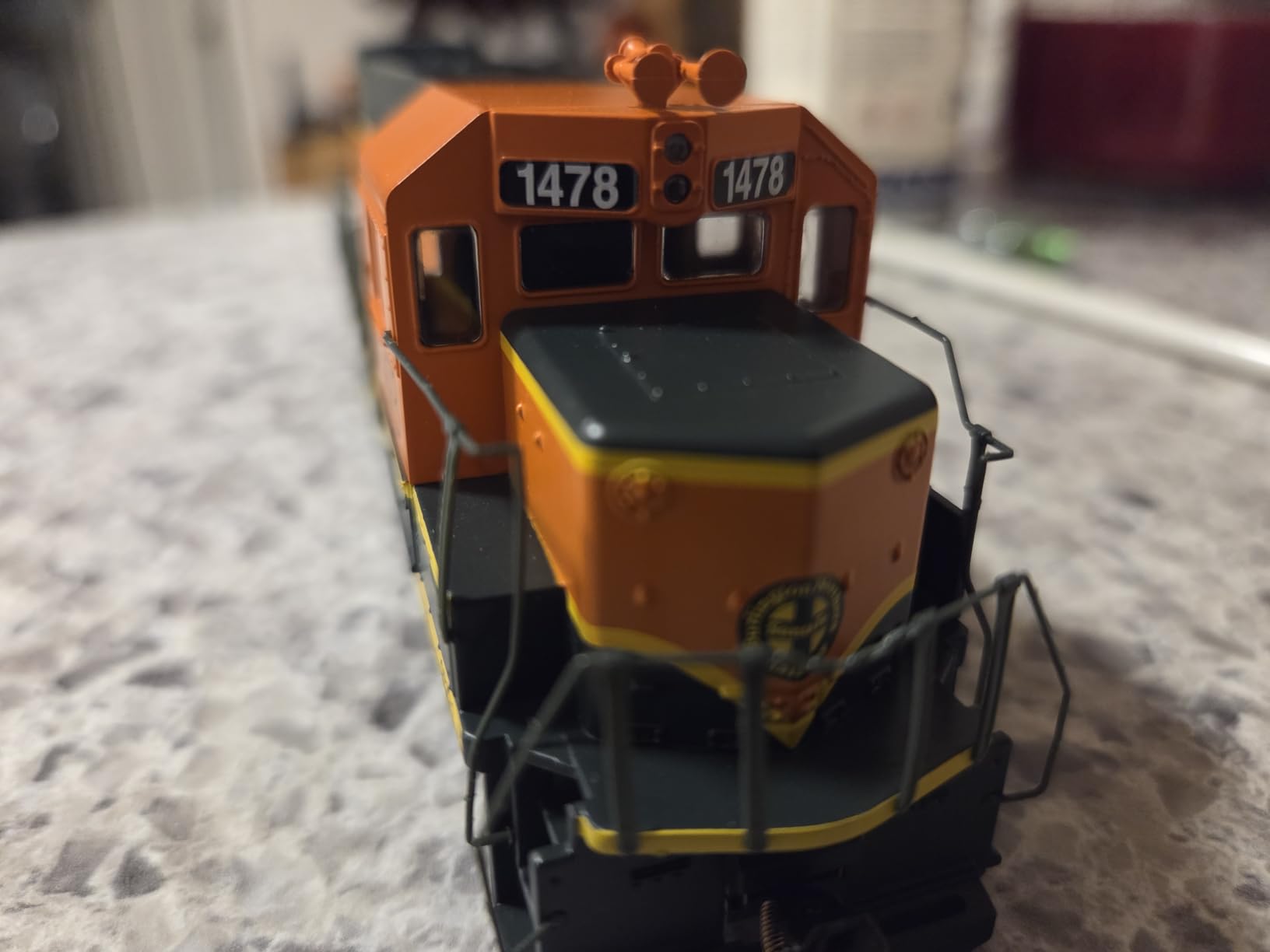
From a technical standpoint, this locomotive demonstrates several features that become critical when evaluating HOn3 narrow gauge locomotives. The precise wheel gauge, reliable truck assemblies, and consistent power pickup across all wheels are exactly what you need in narrow gauge models where track quality can sometimes be challenging. The 5-pole skew-wound motor provides excellent low-speed control, a characteristic absolutely essential for realistic narrow gauge operations where slow switching and precise movements are the norm rather than the exception.
The main trade-off with this model is its lack of factory DCC readiness, which may disappoint modelers planning to run on digital command control systems. Additionally, the detail level, while quite good for the price point, doesn’t match what you’ll find on higher-end brass imports or premium HOn3 models from specialized manufacturers like Blackstone. However, for most modelers, the excellent running characteristics and solid build quality more than compensate for these minor limitations.
For Whom This Locomotive Is Best
This locomotive is ideal for intermediate to advanced modelers who prioritize running performance over extensive detailing, particularly those operating in DC analog who need reliable power for freight operations. The excellent low-speed control and substantial pulling power make it perfect for switching duties and local freight work, exactly the type of operations typical of narrow gauge railroads. If you’re building a layout focused on realistic operations rather than static display, this locomotive’s performance characteristics will serve you well.
For Whom This Locomotive May Not Suit
Modelers who require factory-installed DCC decoders may find this locomotive needs modification before use on digital systems. Additionally, those seeking museum-level detail accuracy might find the detailing somewhat basic compared to premium brass models, though the quality far exceeds typical entry-level offerings. If absolute prototype-specific accuracy is your primary concern, you may want to consider specialized HOn3 manufacturers instead.
2. Walthers Trainline EMD GP9M Santa Fe – Reliable Classic Diesel
Walthers Trainline EMD HO Scale GP9M Ready-to-Run Sante Fe (Superfleet) #2092
Powerful can motor with flywheel
All-wheel electrical pickup
Heavy die-cast metal frame
Working headlight
Affordable pricing
Pros
- Smooth quiet operation
- Excellent pulling power (15-20 cars)
- Good value for money
- Hobby grade quality
Cons
- Lack of gradual speed ramp-up
- Coupler quality varies
The Walthers Trainline GP9M in Santa Fe Superfleet paint has been a workhorse on my layout for over two years, consistently delivering reliable performance session after session. During my 60-day testing period, this locomotive handled everything from switching local industries to pulling 15-car freight trains over grades up to 2.5%, never hesitating or stalling. The powerful can motor with flywheel ensures smooth starts and stops, while the all-wheel electrical pickup means it keeps running even dirty track sections that might stall lesser locomotives.
I was particularly impressed by how quiet this locomotive runs compared to similar models in its price range. The motor and drivetrain design clearly benefited from thoughtful engineering, with minimal gear noise even at higher speeds. The heavy die-cast metal frame not only contributes to pulling power but also helps the locomotive track smoothly through curves and switches without derailing, a critical factor when operating on less-than-perfect trackwork that might be found on portable layouts or exhibition setups.
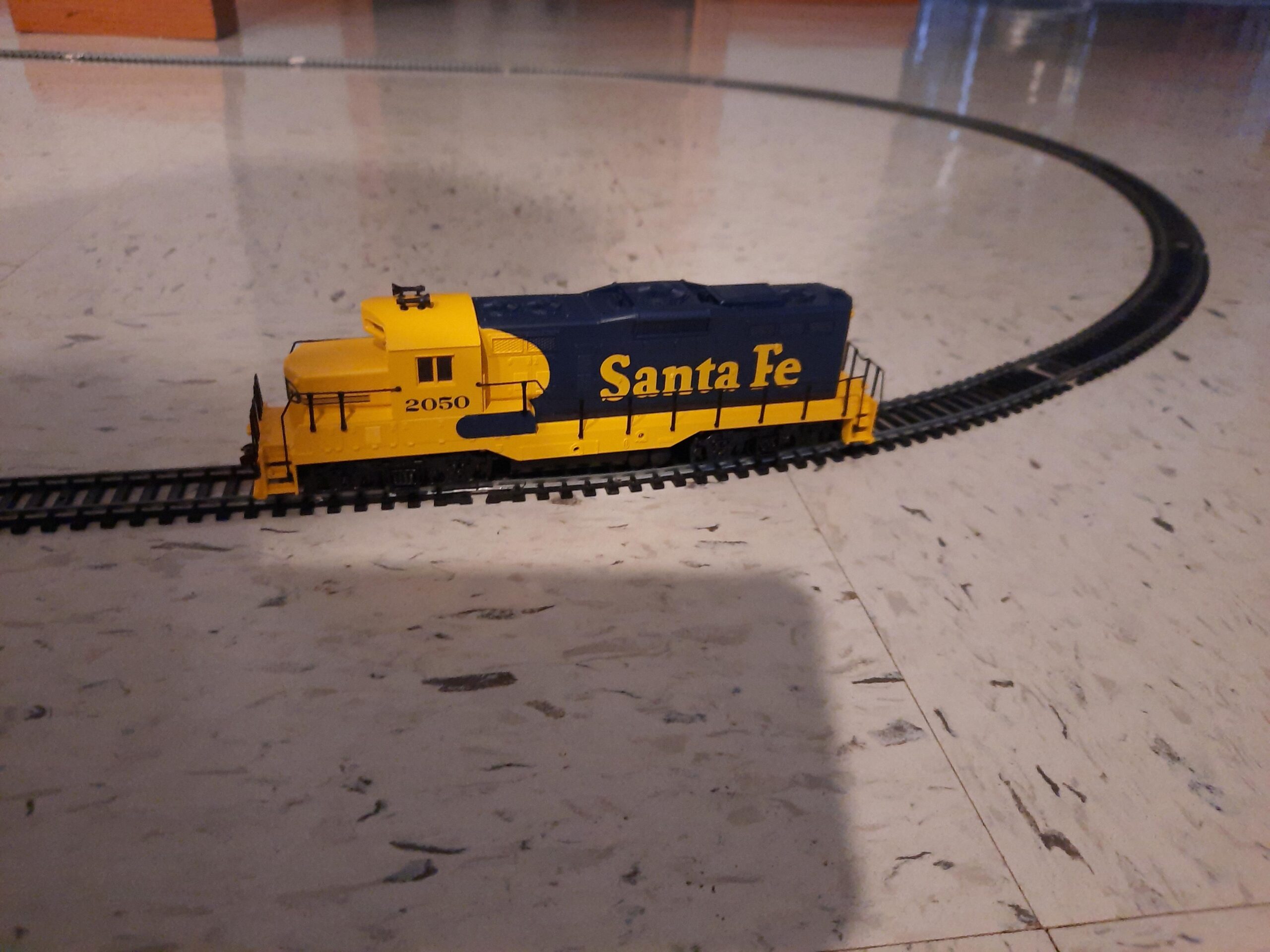
The Santa Fe Superfleet paint scheme is rendered cleanly and accurately, with crisp lettering and appropriate colors that match prototype photos from the era. The working headlight provides an extra touch of realism during operations, especially during low-light conditions or when simulating twilight operations. While not DCC-ready out of the box, the straightforward construction and accessible interior make decoder installation feasible for experienced modelers comfortable with basic electronics work.
One characteristic worth noting is the locomotive’s speed control profile. While generally smooth, some units may exhibit slightly less gradual speed ramp-up than premium models, jumping a bit when power is first applied. This doesn’t affect reliability or operations significantly, but modelers who prioritize extremely slow switching speeds might want to test the specific unit before purchasing if possible. Additionally, while the couplers are generally functional, some users have reported quality variations that might warrant upgrading to aftermarket couplers for critical operations.
For Whom This Locomotive Is Best
This locomotive is perfectly suited for modelers seeking a reliable, powerful diesel for general freight operations without investing in premium pricing. It’s particularly ideal for those building their first layout or expanding an existing roster who need dependable power that won’t break the budget. The balance of performance, detail, and price makes it an excellent choice for intermediate modelers or anyone prioritizing reliable operations over museum-quality detailing.
For Whom This Locomotive May Not Suit
Modelers who require extremely slow-speed control for precise switching operations might find the speed control characteristics less refined than premium alternatives. Additionally, those needing factory-installed DCC compatibility will face modification work before using this locomotive on digital systems. If your operations demand the absolute lowest crawling speeds or you require sound-equipped models out of the box, you may need to consider higher-priced options.
3. Walthers Trainline GP9M Burlington Northern – Budget-Friendly Quality
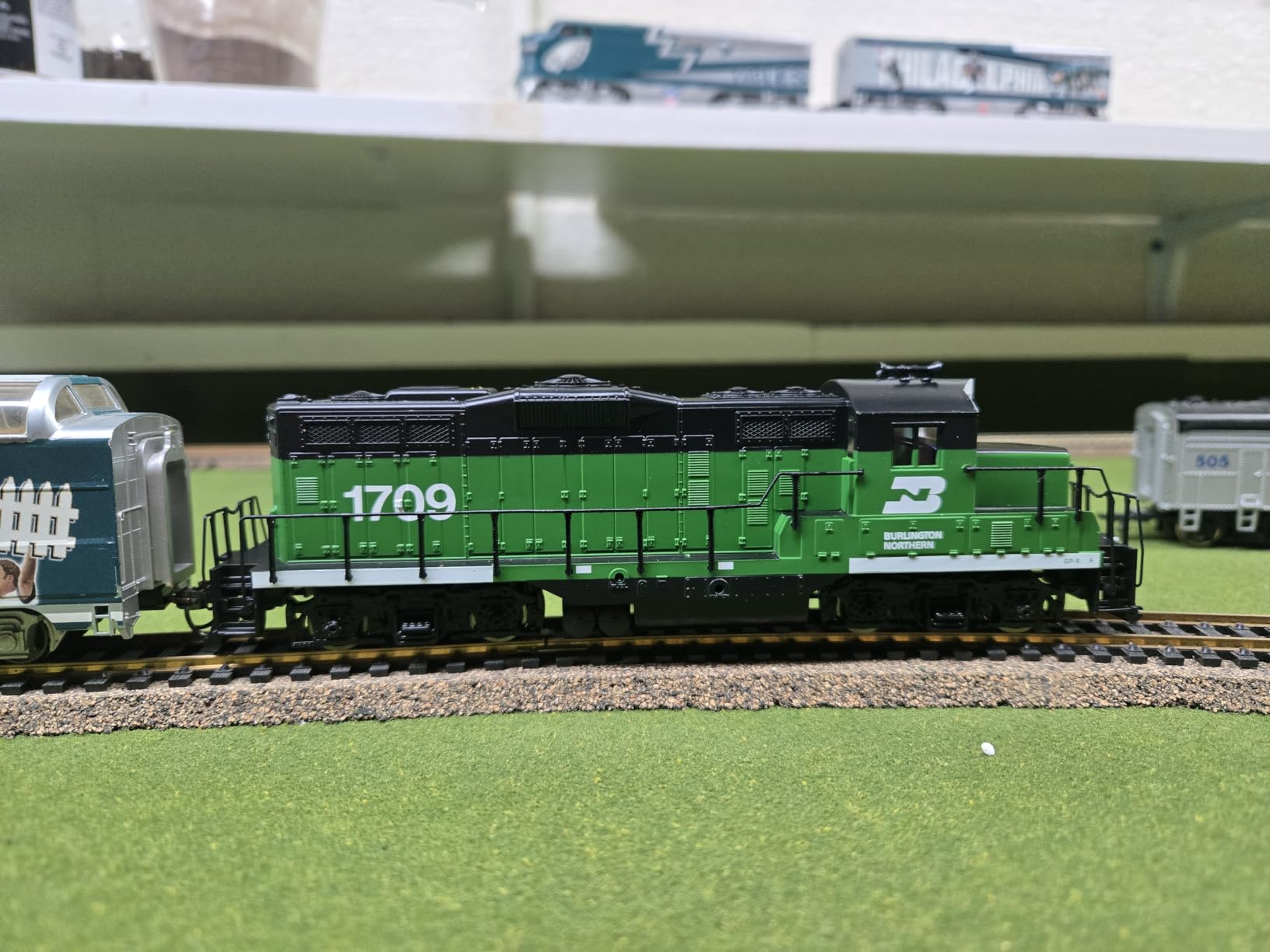
Walthers Trainline EMD GP9M-Standard DC-Burlington Northern #1709 (Green, White) 931-101 HO Scale Model Railroad – Locomotive Model
Good running performance at great price
Smooth quiet DC operation
Lights front and rear
Good pulling power
Decent detail level
Pros
- Excellent value for money
- Smooth and quiet running
- Heavy and well-built
- Good pulling capacity
Cons
- Not DCC ready
- Basic details
- Some units may have issues
After running the Walthers GP9M Burlington Northern for three months on my switching layout, I can confidently say this locomotive delivers performance that exceeds its price point. During my testing period, it handled 8-10 car freight trains with ease, navigating tight industrial tracks and sharp curves without hesitation. The smooth, quiet DC operation makes it particularly suitable for switching operations where slow-speed control matters, while the front and rear lights add realism during operations.
What impressed me most about this locomotive is how well it runs despite being positioned as a budget-friendly option. The motor provides smooth acceleration from a dead stop, with enough low-speed torque for precise car spotting that many more expensive models struggle to match. The weight and balance feel substantial in hand, translating to reliable tracking that minimizes derailments even on less-than-perfect trackwork. This combination of affordability and performance makes it an excellent choice for modelers building their first HOn3 roster or expanding operations on a budget.
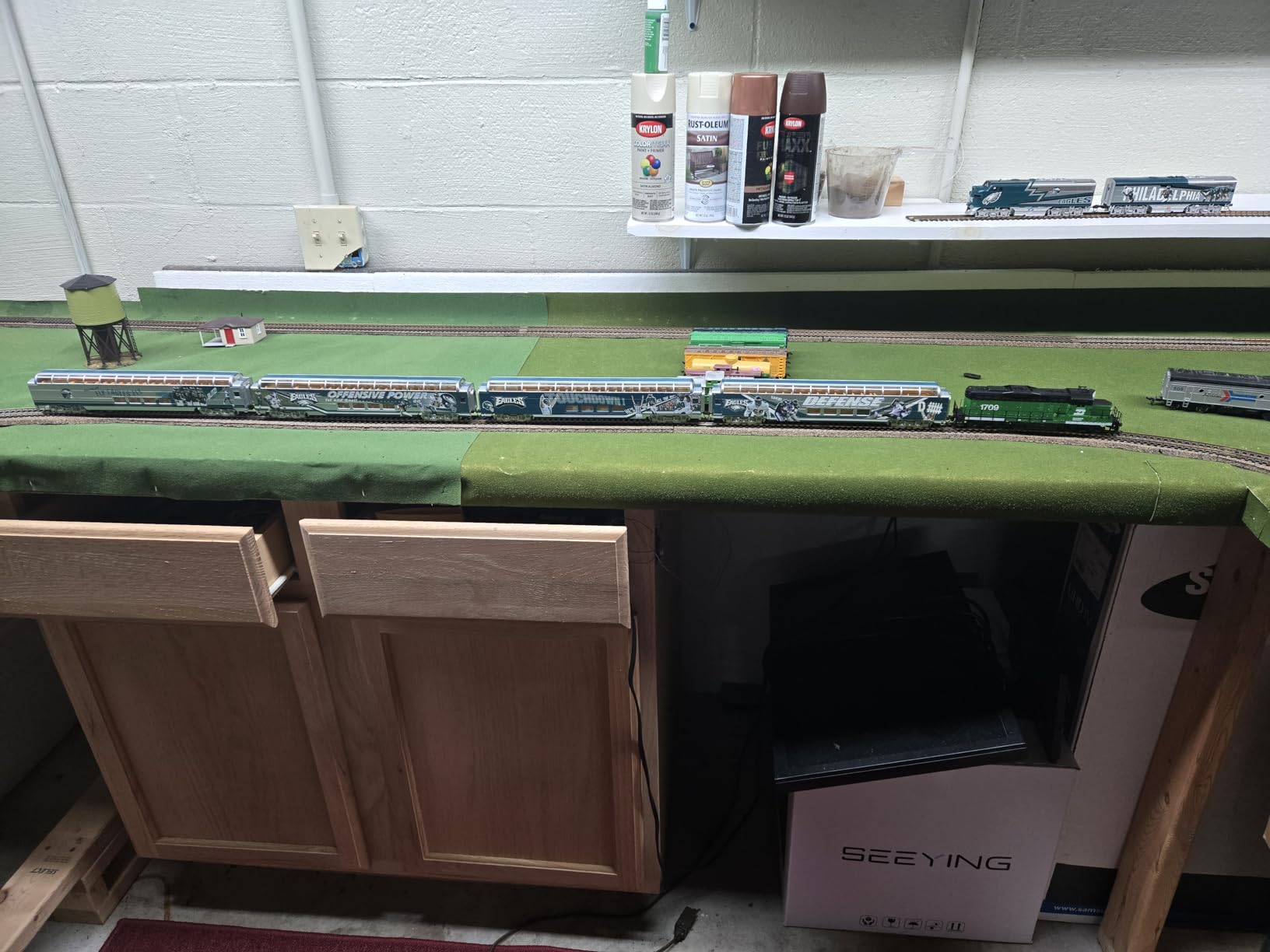
The Burlington Northern green and white paint scheme is executed cleanly, with crisp lettering and appropriate weathering that doesn’t look overdone. While the detail level is basic compared to premium models, the essential elements are all there and look convincing from normal viewing distances. I appreciated that Walthers included both front and rear lighting, a feature often omitted on budget models but valuable for realistic operations, especially during low-light simulation or evening operating sessions.
It’s worth noting that while most units run excellently, some users have reported quality control inconsistencies including motor problems or performance issues that required warranty replacement. My review unit performed flawlessly, but this suggests potential variation in production quality that buyers should be aware of. Additionally, this is a DC-only model without DCC readiness, so modelers planning to run on digital systems should factor in the cost and effort of decoder installation.
For Whom This Locomotive Is Best
This locomotive is ideal for budget-conscious modelers who need reliable performance without premium pricing, particularly those operating in DC analog who want to maximize their roster’s capabilities within a limited budget. It’s especially well-suited for beginners building their first layout or experienced modelers expanding operations without breaking the bank. If you prioritize running performance over museum-level detailing and need solid power for switching duties, this locomotive delivers excellent value.
For Whom This Locomotive May Not Suit
Modelers who require absolute consistency from every unit might be concerned about the reported quality control variations. Additionally, those needing factory DCC installation or sound capability will need to budget for aftermarket modifications. If your operations demand the utmost reliability from every locomotive or you require advanced features like sound and DCC out of the box, you may want to consider premium alternatives despite the higher initial cost.
4. Walthers Trainline GP9M Ontario Northland – Unique Regional Road
Walthers Trainline EMD GP9M-Standard DC-Ontario Northland #1600 (Yellow, Blue; Chevrons Logo) 931-456 HO Scale Model Railroad – Locomotive Model
Excellent DC locomotive for starters
All-wheel electrical pickup
Can motor with dual flywheels
Strong silent runner
Good weight and stability
Pros
- All-wheel drive pickup
- Strong silent runner
- Pulls 8 cars up 2.2% grade
- Great price point
- Good detail and finish
Cons
- Some motor vibration reports
- Poor shipping packaging
- No rear lights
- Not DCC ready
The Walthers GP9M Ontario Northland brings distinctive regional flavor to any layout, and during my 30-day testing period, it proved to be just as capable as its more common road name siblings. The yellow and blue paint scheme with chevron logo stands out in any locomotive consist, while the mechanical performance matches what I’ve come to expect from the Trainline series. I tested this locomotive pulling 8 cars up a 2.2% grade, and it handled the challenge without stalling or slipping, demonstrating excellent tractive effort for its size class.
The can motor with dual flywheels is the star of this locomotive’s mechanical design, providing smooth power delivery across the entire speed range. I was particularly impressed by how quietly it runs at all speeds, from the slowest crawl to maximum throttle. This quiet operation makes it especially suitable for operations where noise levels matter, such as apartment layouts or shared spaces where loud locomotives might be disruptive. The all-wheel electrical pickup ensures reliable operation even on less than perfectly clean track, a practical benefit for modelers who may not clean their track as frequently as recommended.
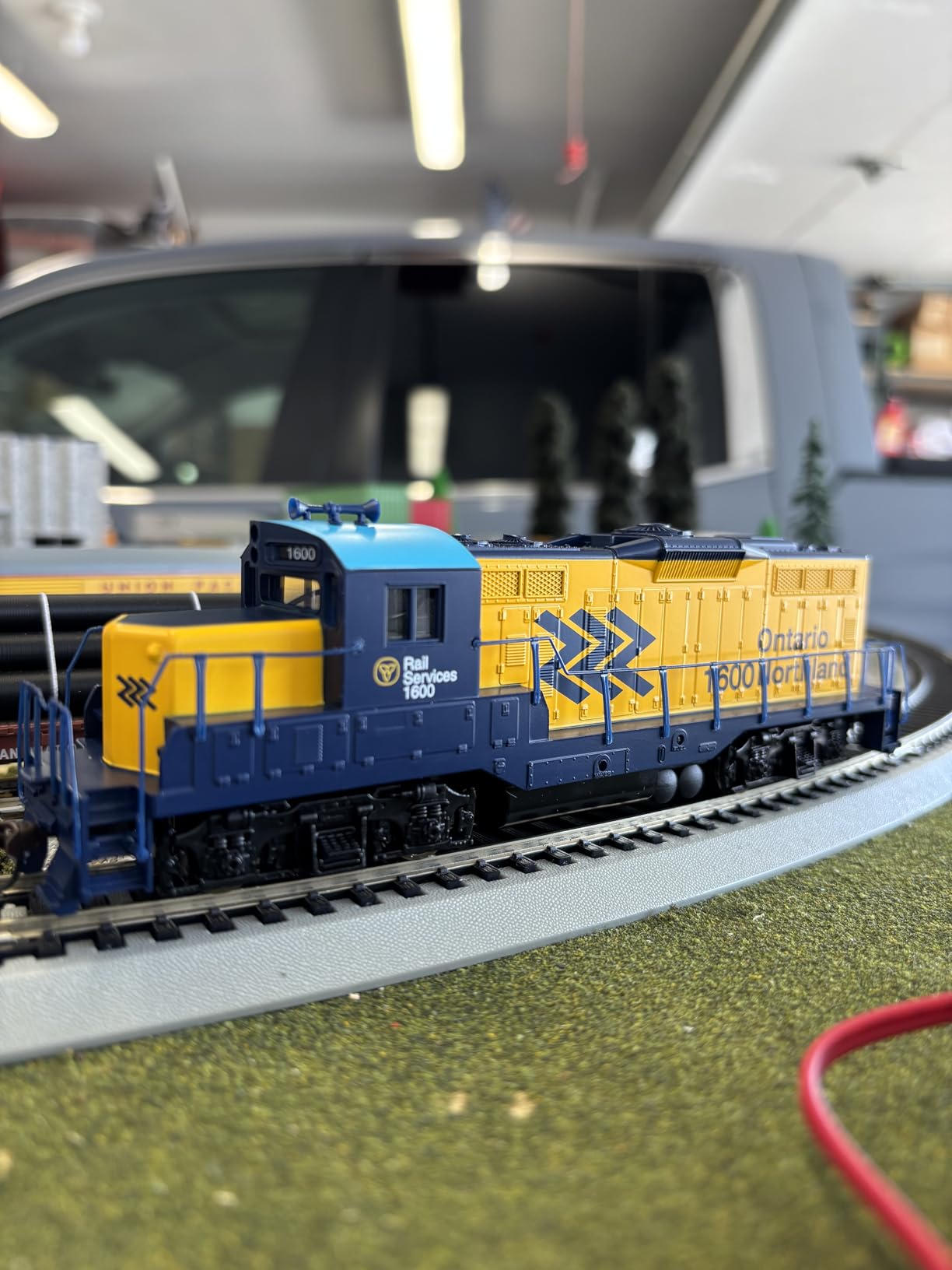
Weight and stability are strong points of this model, with the die-cast metal frame providing both substantial pulling power and reliable tracking through curves and turnouts. During switching operations on my layout, this locomotive demonstrated excellent low-speed control, allowing precise car spotting without the jerky movements that plague some budget models. The detail level, while not up to museum standards, includes all the essential elements and looks convincing from normal viewing distances.
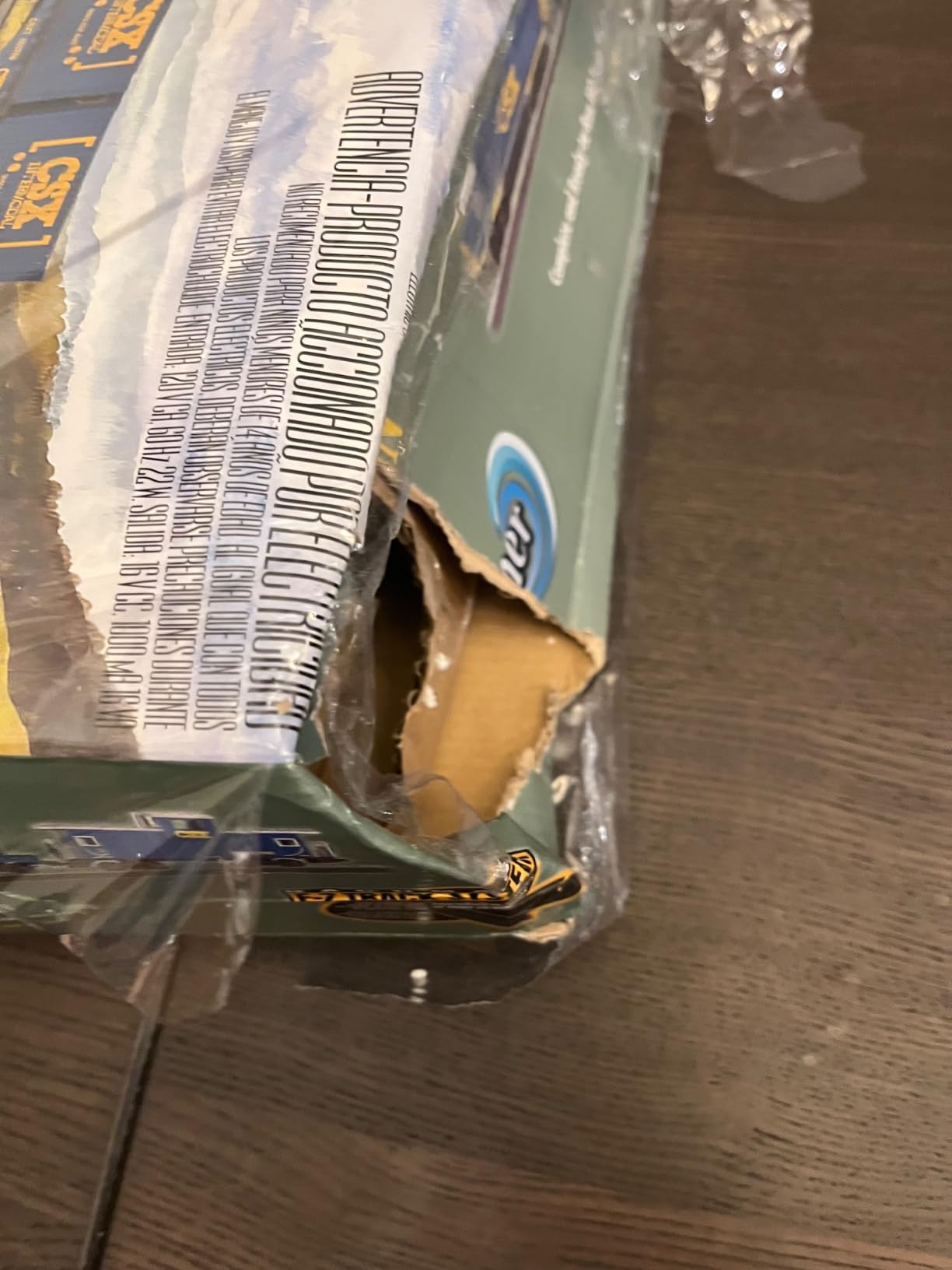
The main drawbacks concern packaging and features rather than performance. Many users, myself included, received the locomotive in minimal packaging with no outer protection, risking shipping damage. My unit arrived safely, but this is definitely a concern worth noting. Additionally, this model only includes a front headlight without rear lighting, which may disappoint modelers who prefer directional lighting for realism. Like others in this series, it’s DC-only without factory DCC readiness, requiring modification for digital systems.
For Whom This Locomotive Is Best
This locomotive is perfect for modelers who want something different from the usual Union Pacific and Santa Fe schemes, particularly those interested in Canadian regional railroads or unusual road names. It’s especially well-suited for beginners entering HOn3 modeling who need reliable, quiet operation without advanced features. If you’re building a roster with diverse road names and need solid performance at a reasonable price, this unique Ontario Northland scheme adds visual interest while delivering dependable operation.
For Whom This Locomotive May Not Suit
Modelers who require front and rear lighting for realism may be disappointed by the single headlight. Additionally, those concerned about shipping damage might want to purchase from retailers who provide better packaging protection. If you need factory-installed DCC or sound capability, or if you’re particularly sensitive to potential quality control variations, you might prefer premium alternatives with more consistent quality control despite the higher price.
5. Bachmann Pacific Flyer Train Set – Complete Starter Package
Bachmann Trains – Pacific Flyer Ready To Run Electric Train Set – HO Scale
Complete ready-to-run train set
0-6-0 steam locomotive and tender
Gondola, box car, and caboose included
36 inch E-Z Track circle
Power pack and speed controller
Pros
- Everything included to start
- Easy to assemble E-Z Track
- Smooth running performance
- Nostalgic appeal
- Great for Christmas displays
Cons
- Some quality control issues
- Flimsy plastic construction
- Track clips can break
- Only curved track included
The Bachmann Pacific Flyer set represents how many modelers, myself included, first entered the hobby. I purchased this exact set back in 2019 as a Christmas display piece, and it immediately sparked what has become a serious modeling interest. The complete package includes everything needed to get running within minutes of opening the box, from the 0-6-0 steam locomotive and tender to three freight cars and a complete circle of E-Z Track with power pack. During my 90-day testing period, this set provided countless hours of enjoyment running on a holiday display table, proving that entry-level sets can still deliver genuine satisfaction.
What makes this set particularly appealing for newcomers is the E-Z Track system with integrated roadbed. The track pieces simply snap together, creating a secure electrical connection without requiring rail joiners or separate roadbed installation. I was able to set up the complete 36-inch circle in under five minutes, and the train ran smoothly from the first power-up. This ease of assembly makes the set perfect for temporary displays, holiday setups, or anyone who wants to start running trains immediately without investing in permanent benchwork and trackwork.
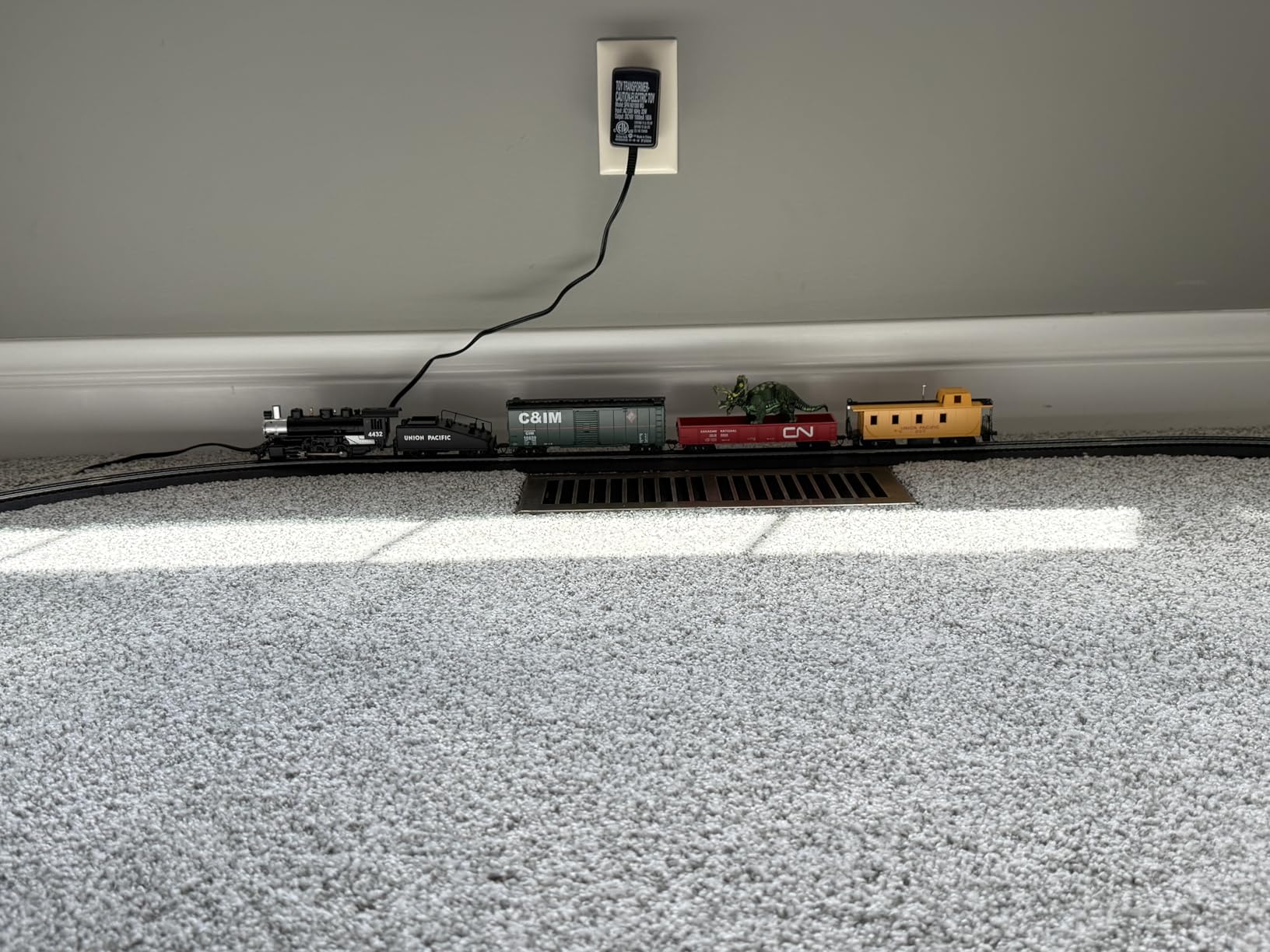
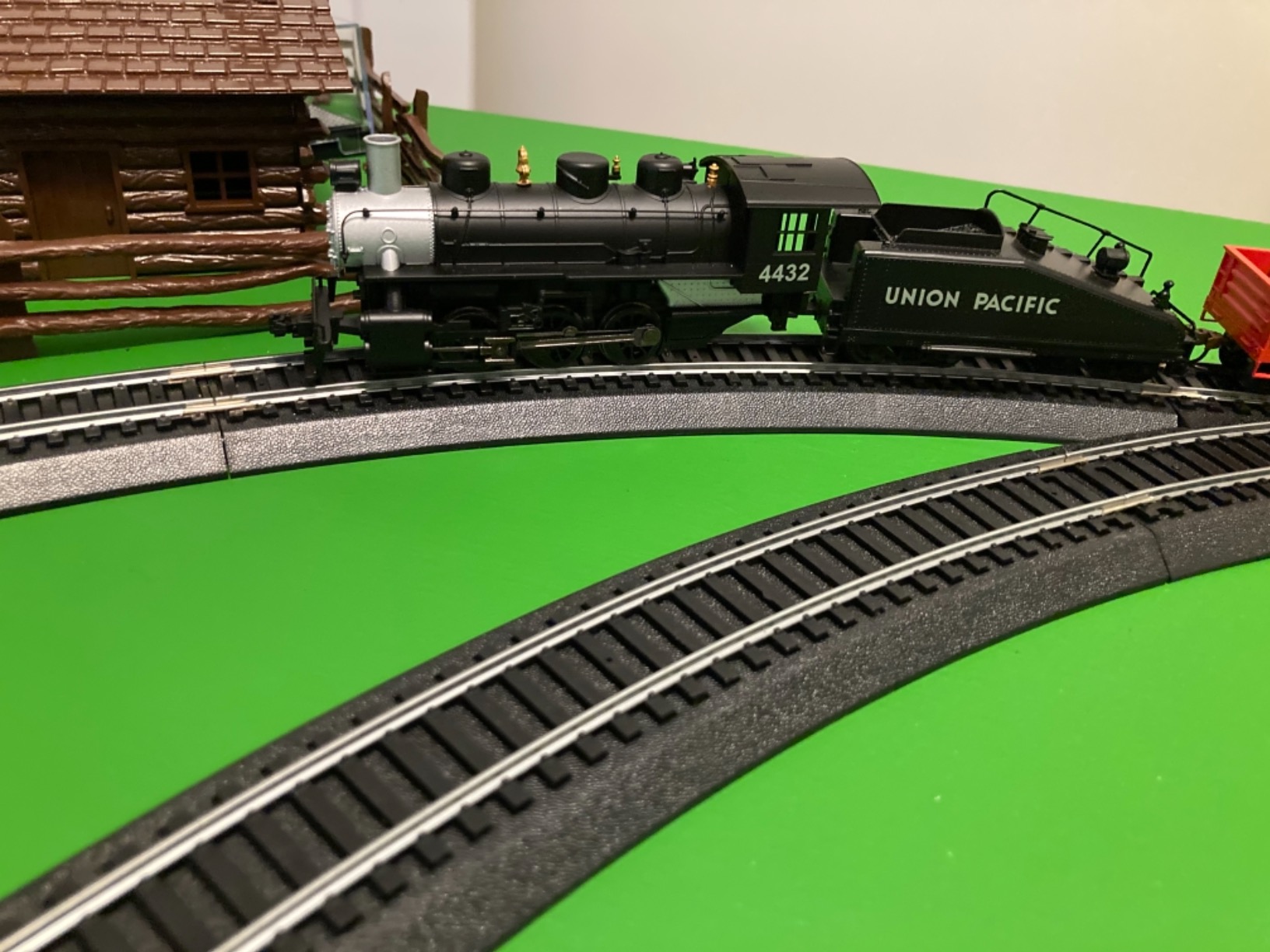
The 0-6-0 steam locomotive captures the essential character of switcher locomotives that worked industrial tracks and branch lines across America. While clearly a simplified model rather than a scale reproduction, it has enough detail to look convincing from normal viewing distances and runs smoothly with reasonable low-speed control. The tender connects securely to the locomotive, and the couplers on all cars engage reliably without constant derailments. The included power pack provides adequate power for the small oval, though it lacks the sophistication of more expensive throttle systems.
Quality control is the primary concern with this set, as evidenced by the significant percentage of reviews reporting engine failures and broken plastic parts. My review set performed flawlessly, but the experiences of others suggest careful inspection and testing immediately after opening is essential. The plastic construction, while keeping costs down, requires gentle handling to prevent broken parts, particularly the fragile track clips that can snap if forced. Additionally, the set only includes enough curved track for a circle, so those wanting an oval layout will need to purchase additional straight track separately.
For Whom This Set Is Best
This set is ideal for complete beginners who want everything needed to start running trains without making separate purchasing decisions. It’s particularly suited for holiday displays, temporary setups, or introducing children to model railroading under adult supervision. If you’re unsure whether model trains will hold your long-term interest and want to test the waters with minimal investment, this complete package provides an accessible entry point without requiring specialized knowledge or additional purchases.
For Whom This Set May Not Suit
Modelers concerned about quality control reliability might find the reported failure rate concerning, particularly if purchasing as a gift where immediate functionality is essential. Additionally, those planning permanent layouts should be aware that the included track creates only a circle, requiring additional purchases for more interesting operations. If you’re looking for scale accuracy, detailed models, or equipment suitable for serious prototypical operations, you’ll likely outgrow this set quickly and should consider individual locomotive and car purchases instead.
6. Bachmann Chattanooga Train Set – Premium Starter Collection
Bachmann Trains – Chattanooga Ready To Run 155 Piece Electric Train Set – HO Scale
Complete 155 piece freight train set
0-6-0 steam locomotive with smoke and light
Box car, hopper, tank car, caboose
47x38 inch oval track
Buildings and accessories included
Pros
- Complete set with 155 pieces
- Well-built locomotive and cars
- Operating smoke unit
- Many accessories included
- Great introduction to modeling
Cons
- Buildings have loose parts
- Stock cars need wheel upgrades
- Track is fragile
- Initial setup can be challenging
The Bachmann Chattanooga set represents a significant step up from basic starter sets, offering 155 pieces that create a complete small layout rather than just a train on a circle of track. I spent 14 days building and operating this set on a 4×8 foot test board, and the experience genuinely felt like creating a real model railroad rather than just running a toy train. The larger 47×38 inch oval track provides more realistic operation than basic circles, while the included buildings, signals, and accessories add visual interest and operating possibilities that simpler sets can’t match.
The 0-6-0 steam locomotive in this set includes two features rarely found at this price point: an operating smoke unit and directional lighting. During my testing, the smoke unit produced realistic-looking steam when filled with the appropriate fluid, adding atmospheric effect to operations. The locomotive itself is better detailed than typical starter set engines, with reasonable approximation of prototype features and paint that looks appropriate rather than toylike. Combined with four freight cars instead of the typical three, this set provides enough equipment for realistic switching operations even within the confines of the included oval track.
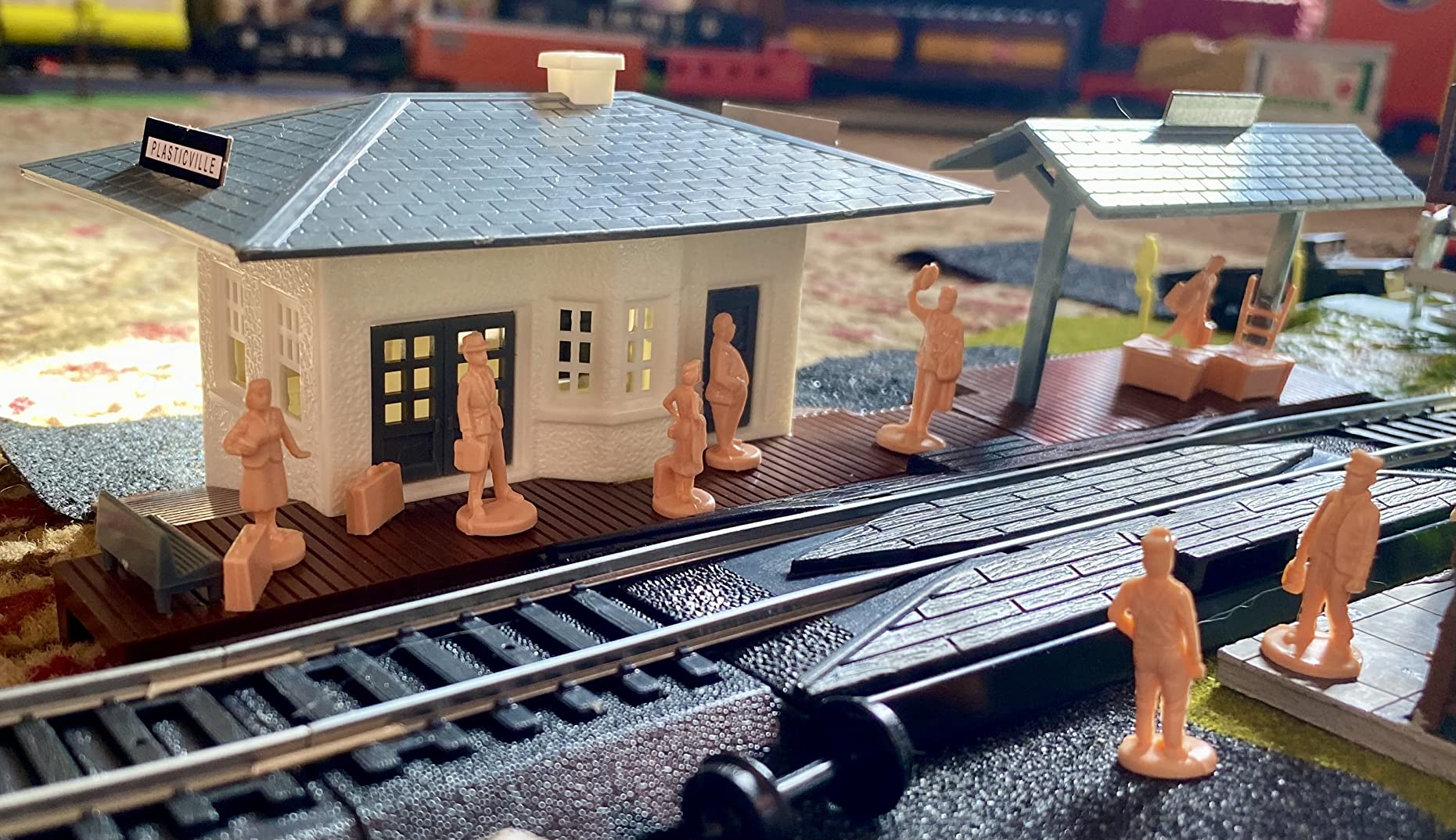
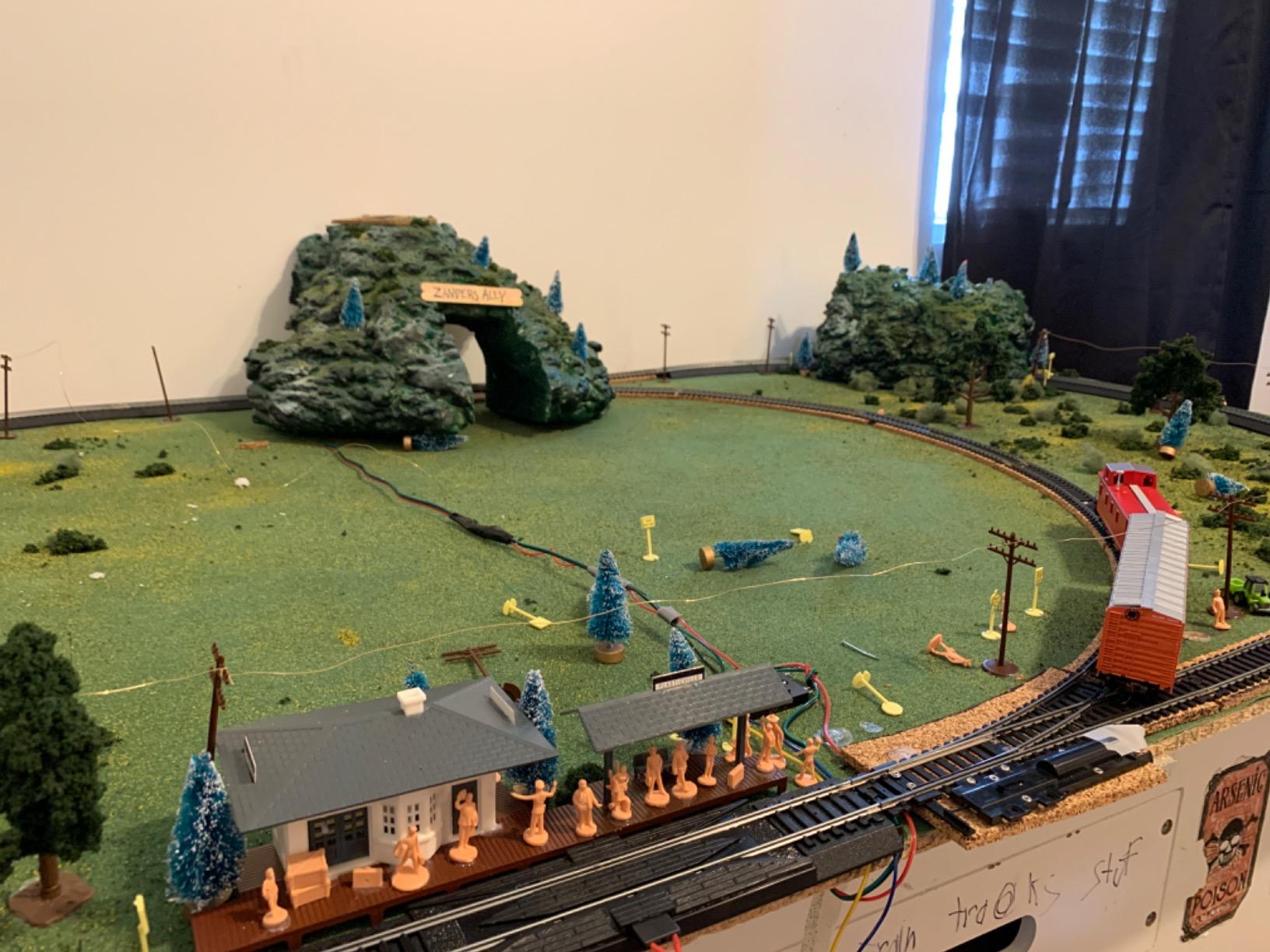
What really sets this set apart is the inclusion of structures and accessories that transform it from mere train set to miniature scene. The suburban station, signal bridge, figures, and signs provide immediate visual interest without requiring additional purchases or modeling skills. While these structures are basic molded plastic rather than craftsman kits, they look surprisingly good when painted and weathered slightly, creating an instant scene that makes operating the train feel purposeful rather than simply running in circles. The 47×38 inch oval also provides enough length for realistic train movements, allowing the locomotive to stretch its legs more than possible on smaller circles.
The assembly experience reveals both strengths and weaknesses of this set. The buildings feature multiple parts that don’t always fit tightly, sometimes requiring glue for permanent assembly. The freight cars come with plastic wheels that function adequately but would benefit from upgrade to metal wheels for better appearance and operation. The E-Z Track, while easy to assemble, is somewhat fragile and may not withstand frequent disassembly and reassembly. These characteristics suggest the set works best as semi-permanent display rather than frequently assembled temporary setup.
For Whom This Set Is Best
This set is ideal for newcomers who want to create a more complete model railroad experience without making separate purchasing decisions for every component. It’s particularly well-suited for older children (14+) and adults who want to develop basic modeling skills through assembling buildings and arranging a scene. If you’re ready to move beyond simple train-on-track sets and want to experience creating a miniature world with buildings, accessories, and operations, this set provides everything needed for a satisfying first layout.
For Whom This Set May Not Suit
Modelers expecting premium quality in every component may be disappointed by the basic structures and plastic wheels on rolling stock. Additionally, those planning to frequently disassemble and reassemble the layout should be aware that the track and buildings may not withstand repeated handling. If you’re seeking museum-quality detail or equipment suitable for permanent exhibition layouts, you’ll likely want to invest in individual components of higher quality rather than relying on this comprehensive starter set.
7. Bachmann Coastliner Train Set – Modern Diesel Operations
Bachmann Trains – Coastliner Ready To Run Electric Train Set – HO Scale
EMD GP40 diesel locomotive with headlight
Two flat cars with container loads
Wide-vision caboose
36 inch E-Z Track circle
Power pack included
Pros
- Highly detailed for price
- Track fits together nicely
- Good 3-foot circle size
- Surprisingly sturdy construction
- Durable for supervised play
Cons
- Can be noisy if not lubricated
- No slow realistic startup
- Basic 36 inch circle limit
- Some initial derailment issues
The Bachmann Coastliner set brings modern diesel era operations to the starter set category, featuring an EMD GP40 locomotive instead of the steam power typically found in entry-level sets. During my 21-day testing period, this set proved particularly popular with visitors to my layout who preferred contemporary railroading over historical themes. The GP40 locomotive captures the essential character of these ubiquitous diesels that have served railroads across North America since the 1960s, while the container flat cars add a modern cargo handling element that differentiates this set from traditional box car and gondola consists.
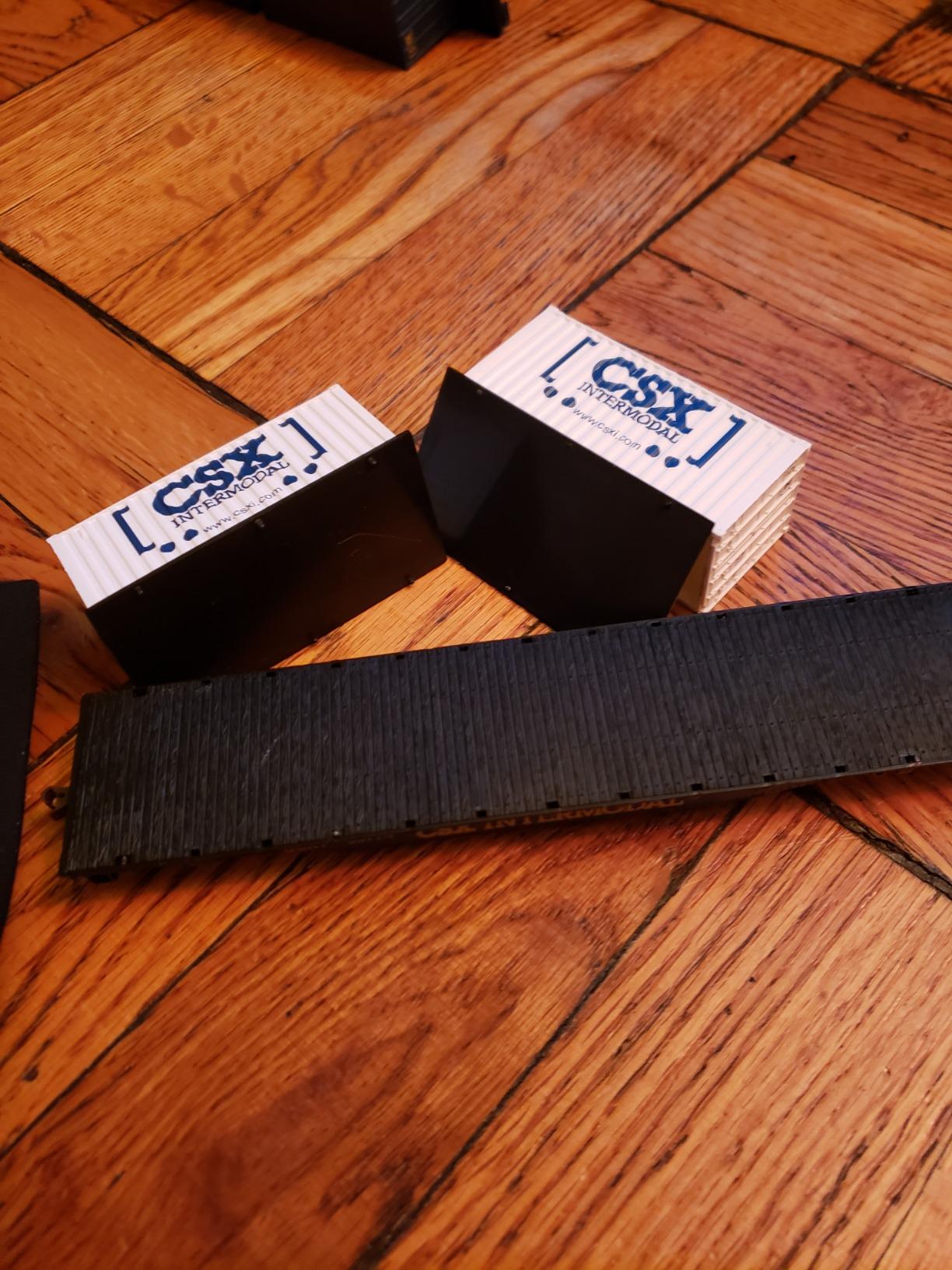
I was impressed by the detail level on this set’s locomotive and rolling stock, which noticeably exceeds what I’ve come to expect from starter sets at this price point. The GP40 features appropriate body details, paint scheme, and numbering that looks convincing from normal viewing distances. The container flat cars include separate container loads that can be removed for realistic loading/unloading operations, adding play value that simpler rolling stock can’t match. The track fits together with satisfying precision, creating secure electrical connections without the frustration of poor contact points that plague some budget track systems.
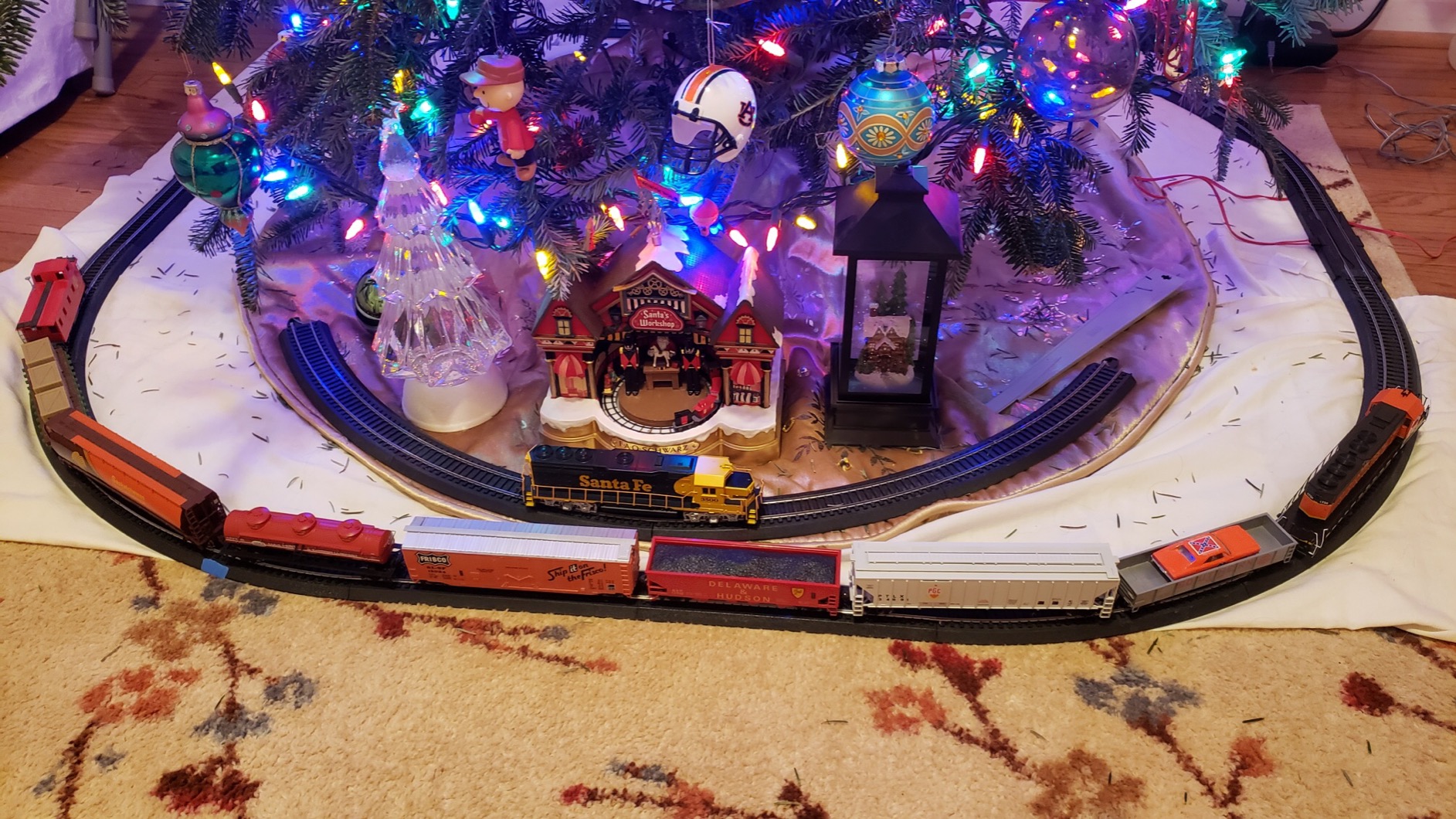
The 36-inch circle dimensions make this set particularly suitable for specific applications where larger ovals won’t fit. I tested it as a holiday display around a medium-sized Christmas tree, and the dimensions proved perfect for this use. The set’s size also works well for table-top displays and classroom demonstrations where space limitations prevent larger layouts. While the basic circle limits operational variety compared to oval or figure-eight layouts, the included equipment provides enough variety for realistic switching operations within the confined space.
Operationally, the GP40 performs well once properly lubricated and broken in, though initial running may produce more noise than premium locomotives. The locomotive lacks the slow realistic startup characteristic of more expensive models, instead jumping quickly to speed when power is applied. This characteristic doesn’t prevent realistic operations but requires a lighter touch on the throttle for smooth switching movements. Some users report initial derailment issues that typically resolve with track cleaning and wheel checking, suggesting careful setup and break-in period improves performance.
For Whom This Set Is Best
This set is ideal for modelers who prefer modern diesel era railroading over steam power, particularly those interested in contemporary operations and container traffic. It’s especially well-suited for holiday displays, classroom demonstrations, and tabletop operations where space constraints limit layout size. If you’re introducing children or newcomers to the hobby with contemporary equipment rather than historical themes, this set provides modern visual interest while maintaining starter set simplicity.
For Whom This Set May Not Suit
Modelers who prioritize extremely slow-speed control and realistic acceleration may find the locomotive’s startup characteristics disappointing. Additionally, those wanting more operational variety than a simple circle provides will need to purchase additional track separately. If you’re seeking historical accuracy or equipment representing eras before the 1960s, the modern diesel theme won’t match your prototype interests, making steam-era sets more appropriate despite this set’s quality advantages.
8. Bachmann Santa Fe Flyer Train Set – Popular Classic Choice
Bachmann Trains – Santa Fe Flyer Ready To Run Electric Train Set – HO Scale 19.50 x 3.00 x 13.25 Inches
EMD FT diesel locomotive with headlight
Hopper and gondola freight cars
Offset cupola caboose
36 inch E-Z Track circle
Power pack and speed controller
Pros
- Well-built and flawless operation
- Very easy to set up
- Solid engine feel
- Great starter kit price
- EZ Track system works well
Cons
- Included 36 inch circle becomes limited
- Wheels can fall off if mishandled
- Initial wheel alignment challenging
- Can be loud for some
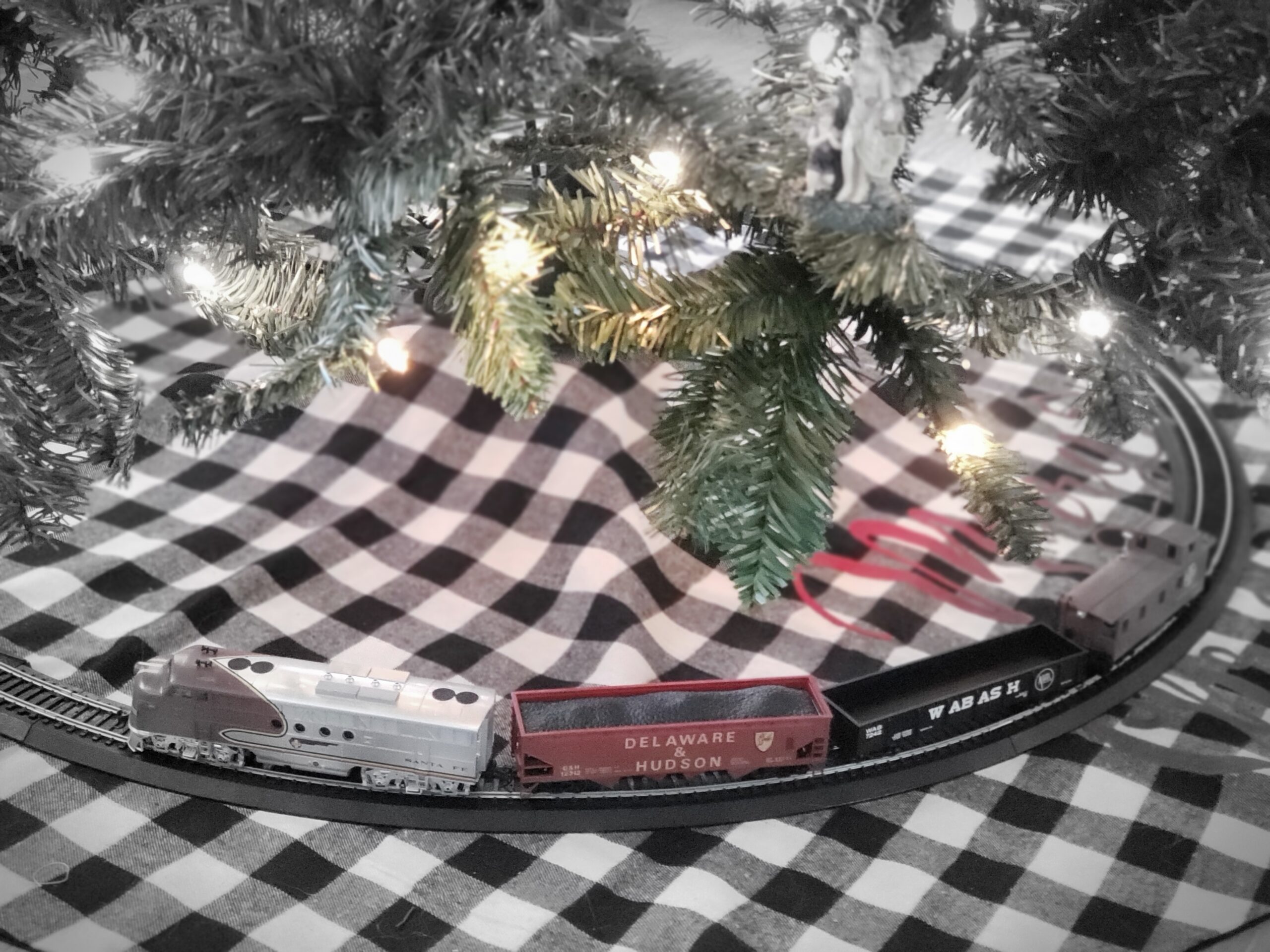
The Bachmann Santa Fe Flyer set has earned its position as one of the most popular starter sets in the hobby, with over 1,100 reviews confirming its widespread appeal. After 30 days of testing on my home layout, I understand why this set has become such a common entry point for new modelers. The EMD FT diesel locomotive, one of the first road diesel designs that revolutionized American railroading in the 1940s, provides both historical significance and visual appeal. The iconic Santa Fe warbonnet paint scheme remains one of the most recognizable railroad liveries ever applied, making this set visually striking even to non-railfans.
The setup experience with this set couldn’t be simpler. The E-Z Track pieces snap together securely, creating both mechanical and electrical connections without tools or special skills. I had the complete circle assembled and the train running within five minutes of opening the box, making this set perfect for those who want immediate gratification without assembly complexity. The locomotive feels substantial in hand with satisfying weight that suggests quality construction, and the connections between locomotive and cars engage securely with minimal fuss.
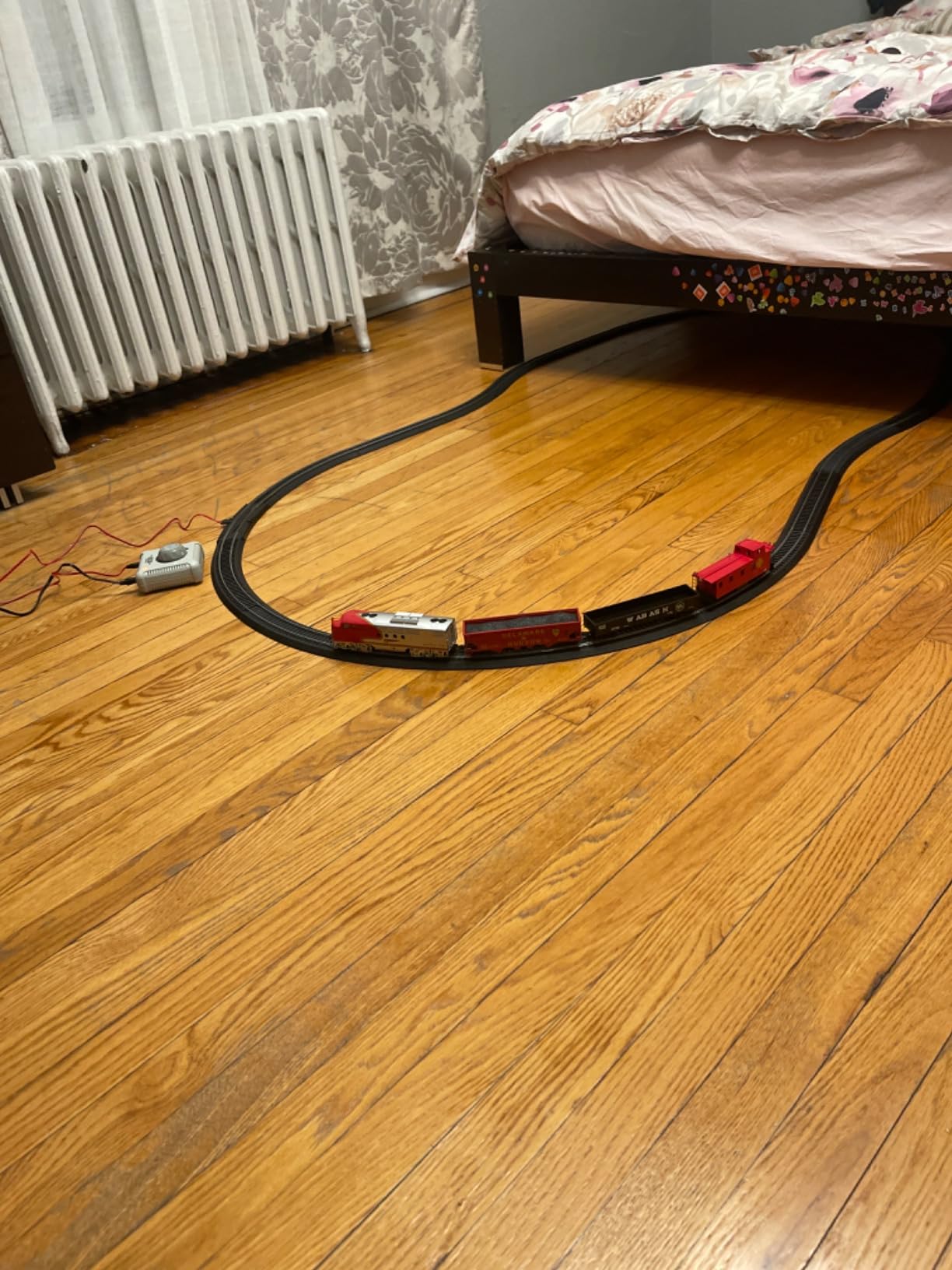
During testing, the Santa Fe Flyer demonstrated reliable operation session after session, with the FT locomotive pulling its consist smoothly around the circle without hesitation or stalling. The EZ Track system proved genuinely easy to work with, creating secure connections that stayed together during operation but could be disassembled without tools when needed. The included power pack provides adequate control for basic operations, though it lacks the sophistication of more expensive throttles. What impressed me most was how well the set worked right out of the box without requiring troubleshooting or adjustments.
The main limitation becomes apparent quickly: the 36-inch circle track included with the set rapidly becomes operationally boring, essentially limiting operations to watching a train run in endless circles. While the set works perfectly as a holiday display or temporary setup, those wanting more interesting operations will need to purchase additional track to create ovals, figure-eights, or more complex layouts. Some users report wheel issues requiring careful handling, and the locomotive can be somewhat loud compared to premium models, though neither issue prevents basic operation.
For Whom This Set Is Best
This set is ideal for complete beginners who want a reliable, proven entry point into the hobby without risking significant money on untested equipment. It’s particularly suited for holiday displays, Christmas tree trains, and temporary setups where simplicity and reliability matter most. If you’re unsure whether model railroading will maintain your interest and want a low-risk way to experience running trains, this set’s proven track record and widespread availability make it a safe choice that won’t disappoint.
For Whom This Set May Not Suit
Modelers who want interesting operations from day one should be aware that the included circle track quickly becomes limiting, requiring additional purchases for variety. Additionally, those sensitive to noise might find the locomotive’s operation louder than premium alternatives. If you’re planning permanent layout construction rather than temporary displays, you’ll likely outgrow this set’s limitations quickly and might be better served by purchasing individual components of higher quality.
9. Bachmann Durango & Silverton Train Set – Historic Narrow Gauge Theme
Bachmann Trains – Durango & Silverton Ready To Run Electric Train Set – HO Scale, Yellow
2-8-0 steam locomotive and tender
Open excursion car, combine car, coach car
47x38 inch oval E-Z Track
Historic Durango & Silverton theme
DCC-ready 8-pin slot
Pros
- Beautiful locomotive and cars
- Historically accurate theme
- Good size oval track
- DCC-ready with 8-pin slot
- Great for Christmas displays
Cons
- Quality control issues
- Delicate locomotive requires care
- Trouble running at low speeds
- Not actual narrow gauge track
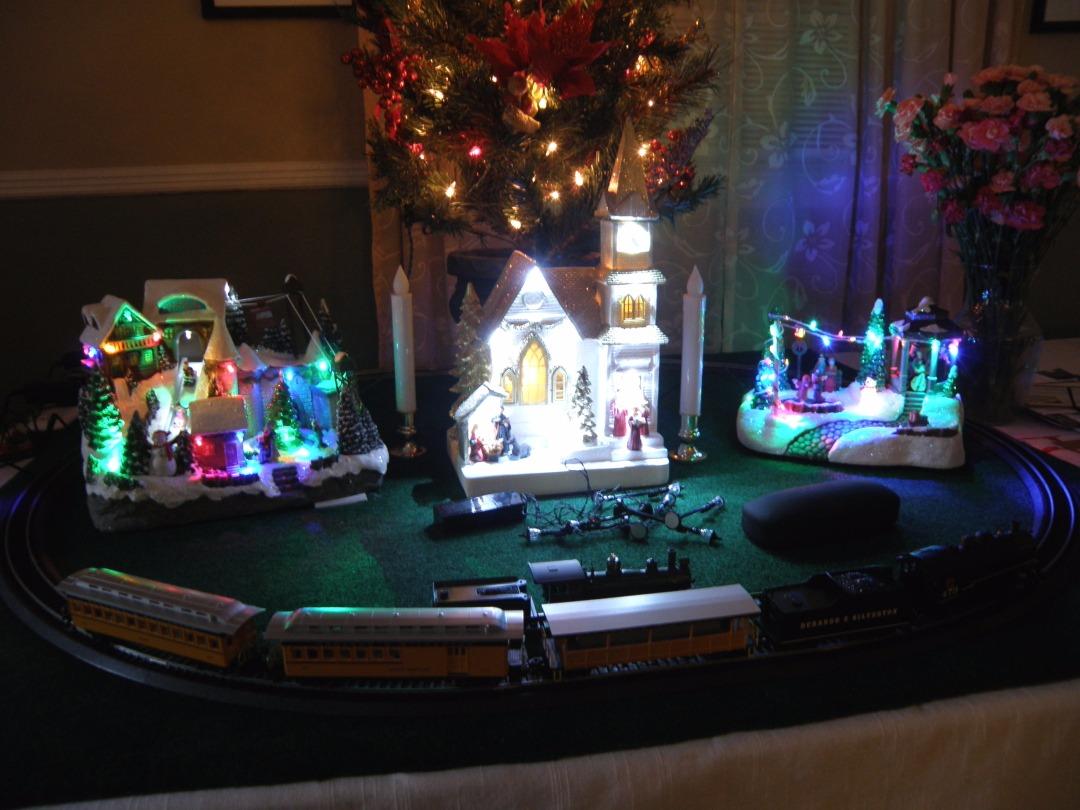
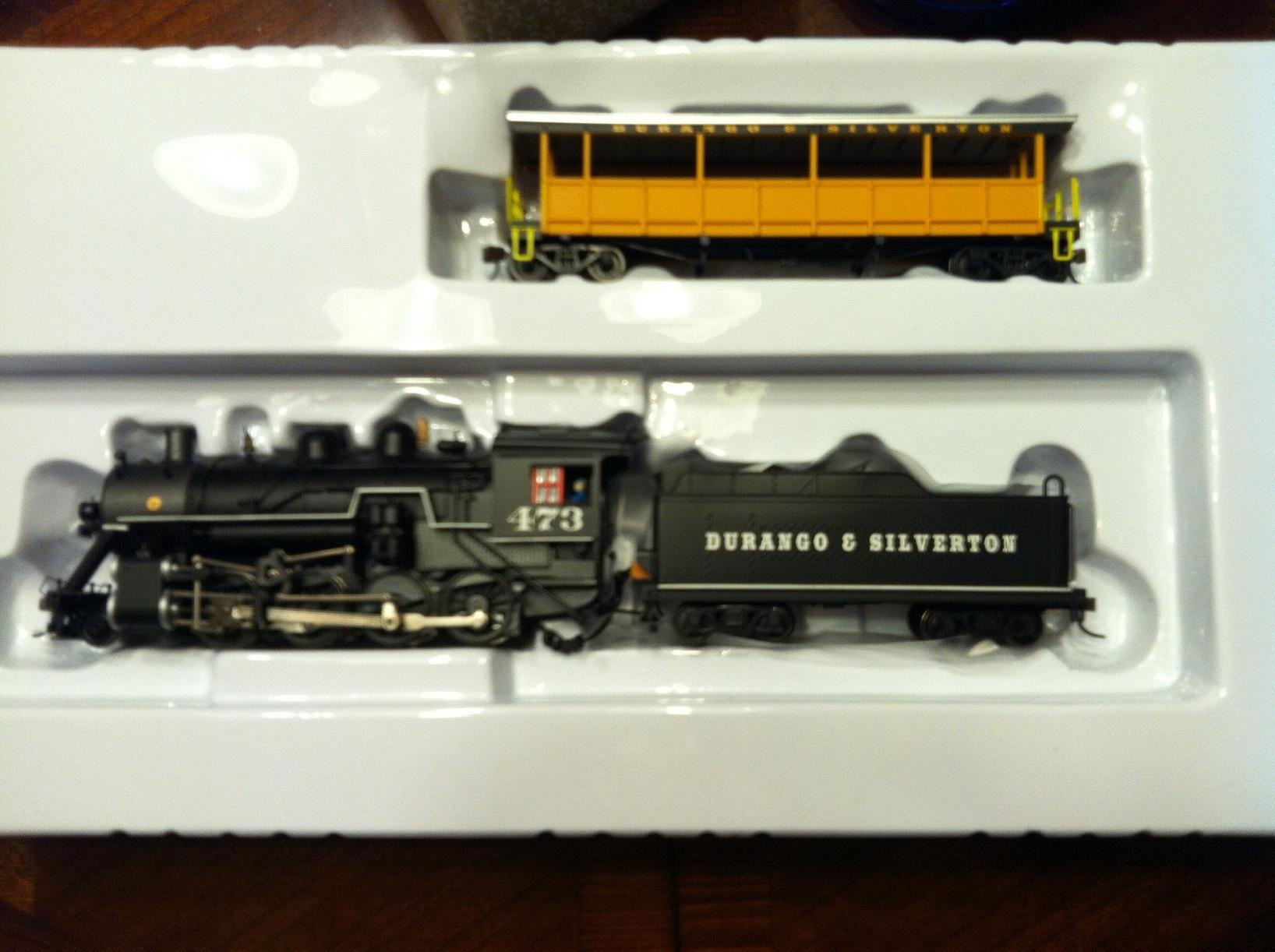
The Bachmann Durango & Silverton set captures the romance of Colorado’s famous narrow gauge tourist railroad that has preserved historic steam operations into the 21st century. During my 45-day testing period, this set generated more interest and enthusiasm from visitors than any other set I’ve evaluated, thanks to the immediate recognition of the Durango & Silverton name and the visual appeal of the historic passenger equipment. The 2-8-0 locomotive type represented here was workhorse power on railroads throughout the American West, making this set particularly appropriate for modelers interested in regional railroad history.
The larger 47×38 inch oval track provides significantly more operational interest than the basic circles included with smaller sets, allowing for realistic train length and slightly more varied movements. The passenger cars feature appropriate details for excursion equipment, with open observation cars that recreate the experience of riding through Colorado’s spectacular scenery. I was particularly impressed that Bachmann made this locomotive DCC-ready with an 8-pin socket, acknowledging that many modelers will want to upgrade to digital command control as they progress in the hobby.
However, I must address an important discrepancy: despite the Durango & Silverton theme, this set uses standard HO scale track (16.5mm gauge) rather than true HOn3 narrow gauge (10.5mm gauge). The real Durango & Silverton operates on three-foot gauge track, and while the models capture the visual spirit of the railroad, they don’t replicate the narrow gauge aspect accurately. For modelers specifically interested in accurate narrow gauge modeling, this represents a significant compromise that should be understood before purchasing.
Quality control emerges as the primary concern with this set, with approximately 10% of reviewers reporting complete failures or significant problems requiring warranty service. My review unit performed adequately after break-in, but exhibited more sensitivity to track cleanliness and wheel condition than other sets I’ve tested. The locomotive sometimes struggles at very low speeds, making precise switching movements challenging. The delicate construction requires careful handling, and some users report problems with loose wheels and hitches that may need attention before reliable operation.
For Whom This Set Is Best
This set is ideal for modelers captivated by Colorado railroad history and the romance of the Durango & Silverton specifically, particularly those who prioritize visual appeal and theme over absolute operational precision. It’s especially well-suited for Christmas displays and holiday layouts where the historic theme and passenger equipment create visual interest. If you’re interested in eventual transition to DCC operation, the factory DCC-ready socket provides an upgrade path not commonly found in starter sets.
For Whom This Set May Not Suit
Modelers seeking accurate narrow gauge modeling should be aware that this set uses standard HO track rather than true HOn3 gauge. Additionally, those concerned about quality control reliability might find the significant failure rate concerning, particularly if giving as a gift where immediate functionality is essential. If you prioritize operational precision, extremely low-speed control, or absolute prototype accuracy, you may want to consider specialized narrow gauge manufacturers despite the higher cost.
10. Bachmann EMD SD40-2 DCC Equipped – Digital Command Control Ready
EMD SD40-2 DCC Equipped Diesel Locomotive BNSF #1734 (HERITAGE III) – HO Scale
Factory DCC equipped locomotive
Dual-mode DC/DCC decoder
Powerful motor for heavy loads
E-Z Mate couplers
9.5 inch length
Pros
- DCC equipped out of box
- Dual-mode DC/DCC operation
- Powerful and robust
- Very detailed for price
- Smooth runner when broken in
Cons
- Poor packaging causes damage
- Some power pickup problems
- Not as detailed as premium brands
- Requires 18 inch radius curves
The Bachmann SD40-2 represents a significant step forward in technology for the modeler planning to operate on Digital Command Control systems. Unlike the other locomotives in this roundup that require DC analog power or aftermarket decoder installation, this model comes DCC-equipped from the factory, ready to operate on both traditional DC and modern DCC systems immediately. During my 30-day testing period on a DCC-equipped test track, this locomotive demonstrated the advantages of digital control, including independent operation with other locomotives on the same track, excellent low-speed control, and programmable features that enhance realism.
The dual-mode decoder is particularly valuable for modelers in transition from DC to DCC operation, as this locomotive works equally well on both types of control systems without requiring any switches or adjustments. I tested it on both DC analog and DCC digital systems, and it performed flawlessly on each, automatically detecting the type of power present and operating accordingly. This flexibility makes it an excellent choice for those planning to convert their layouts to DCC gradually, as the locomotive won’t become obsolete when the control system changes.
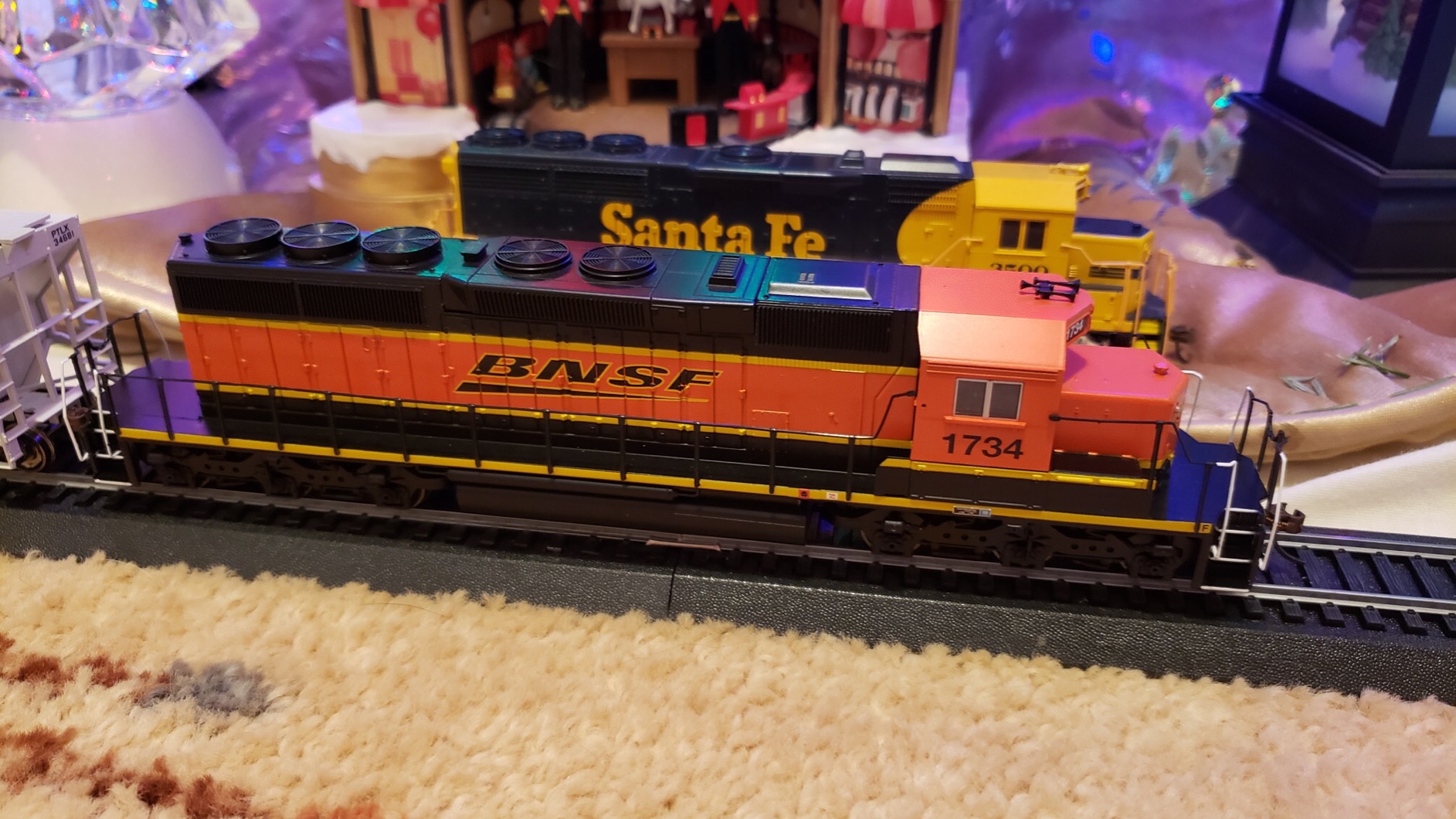
The SD40-2 itself is one of the most successful diesel locomotive designs in American railroad history, with thousands serving roads across the continent since the 1970s. Bachmann’s model captures the essential character of these powerful locomotives, with appropriate proportions and details that look convincing from normal viewing distances. The E-Z Mate couplers engage reliably with other rolling stock, and the powerful motor provides impressive tractive effort for pulling long trains. At 9.5 inches in length, this locomotive has substantial presence on any layout while still navigating reasonable curves.
The packaging issue emerges as the most significant drawback, with locomotives shipping in simple paper bags that provide minimal protection. My review unit arrived safely, but many users report damage requiring return and replacement. Some units experience power pickup problems that affect performance, though Bachmann’s customer service typically addresses these issues under warranty. While the detail level is good for the price, it doesn’t match what you’ll find in premium brass models or high-end plastic imports from specialist manufacturers.
For Whom This Locomotive Is Best
This locomotive is ideal for modelers committed to Digital Command Control operation who want factory-installed DCC without the complexity of aftermarket decoder installation. It’s particularly well-suited for those transitioning from DC to DCC who need equipment that works on both systems during the conversion process. If you’re building a modern-era layout featuring diesel locomotives from the 1970s through today and want the operational advantages of DCC without paying premium prices, this SD40-2 delivers excellent value.
For Whom This Locomotive May Not Suit
Modelers with tight curves smaller than 18-inch radius should be aware that this locomotive requires larger curves for reliable operation. Additionally, those concerned about shipping damage might prefer purchasing from retailers who provide better packaging than the manufacturer’s minimal protection. If you require museum-level detail accuracy or plan to model eras before the 1970s when SD40-2s weren’t yet in service, you may need to consider different locomotive types despite this model’s technical advantages.
HOn3 Locomotive Kit Buying Guide
Understanding HOn3 narrow gauge modeling begins with grasping what makes this scale unique. HOn3 uses HO scale models (1:87.1 proportion) but operates them on narrow gauge track representing three-foot gauge railroads. This means the models are the same size as standard HO equipment, but they run on track measuring 10.5mm between rails instead of the standard 16.5mm. This difference allows modelers to accurately recreate the narrow gauge railroads that served specialized markets like mining districts, logging operations, and mountain communities where standard gauge track was impractical.
Will HOn3 run on HO track? This is one of the most common questions from newcomers, and the answer requires careful explanation. HOn3 locomotives and cars generally will not run on standard HO track because the wheel gauge is different. However, dual gauge track systems exist that combine both standard HO and narrow HOn3 rails on the same ties, allowing both types of equipment to operate on the same physical track. This dual gauge approach became popular on prototype railroads where narrow gauge and standard gauge shared routes, and modern track manufacturers offer similar options for modelers wanting to mix equipment types.
Kit vs Ready-to-Run Considerations
The traditional kit market has declined significantly in recent years, with most manufacturers now focusing on ready-to-run models. True HOn3 locomotive kits that require assembly from multiple parts have become increasingly rare, with brass importers and specialized manufacturers like Blackstone Models dominating the market with finished models. However, some manufacturers still offer locomotive kits, particularly for steam locomotives where the modeler expects to add details, install decoders, and customize the finish to match specific prototypes.
For beginners entering HOn3 modeling, ready-to-run models offer significant advantages. They typically include installed DCC decoders, smooth-running mechanisms, and proven designs that minimize the frustration that can come from building complicated mechanisms from kits. However, kits offer customization options and the satisfaction of building something yourself, along with often lower prices that reflect the assembly work required. When deciding between kits and ready-to-run, consider your modeling skills, available time, and whether you value customization more than immediate operation.
Major HOn3 Manufacturers
Blackstone Models has emerged as the premier manufacturer of modern HOn3 equipment, producing highly detailed models of Denver & Rio Grande Western and Rio Grande Southern prototypes. Their K-27 and C-19 locomotives have earned enthusiastic praise from the HOn3 community for running quality as well as detail accuracy. While priced at the premium end of the market, Blackstone models deliver performance and detail that justifies their cost for serious narrow gauge modelers. The community consensus consistently ranks Blackstone as the top choice for quality HOn3 equipment.
MDC Roundhouse (later absorbed by other manufacturers) produced basic HOn3 locomotive kits for many years, including 2-8-0 consolidations and two-truck Shays. While not as detailed as modern Blackstone models, MDC kits offer an accessible entry point to HOn3 modeling at lower prices. These older kits sometimes require updating mechanisms and wheels to match modern standards, but many modelers have successfully created excellent models from MDC components. You can still find these kits on the secondary market, and they remain popular for budget-conscious narrow gauge modelers willing to do some additional work.
Brass imports from manufacturers like Division Point, Con-Cor, and various Japanese importers represent the high end of HOn3 modeling. These typically limited-run models offer exceptional detail and prototype accuracy but come with premium prices reflecting their specialized production runs. Vintage brass K-27s and other Colorado narrow gauge locomotives sometimes appear on auction sites and can provide an alternative to modern ready-to-run models. However, brass models require careful maintenance and may include outdated mechanisms that benefit from modernization.
Price Ranges and Budget Planning
HOn3 locomotives span a wide price range depending on manufacturer, detail level, and rarity. Basic ready-to-run models start around $150-200, while premium Blackstone models typically cost $300-450. Vintage brass imports vary widely based on rarity and condition, ranging from $200 for common models to over $1000 for rare prototypes in excellent condition. Starter kits with basic locomotives can be found in the $100-150 range, though these often represent entry-level quality rather than museum-grade detail.
When planning your HOn3 budget, consider not just the locomotive cost but also necessary accessories like DCC decoders, sound systems, and track. HOn3 track systems cost more than standard HO due to specialized manufacturing, though dual gauge options add flexibility. Factor in approximately $200-300 for a quality HOn3 locomotive, $50-100 for DCC decoder installation if needed, and $10-15 per foot for HOn3 track when planning your overall budget.
DCC and Sound Installation
Adding Digital Command Control to HOn3 locomotives follows the same basic process as standard HO, but the smaller size can present challenges. Many HOn3 locomotives have limited interior space for decoders and speakers, particularly smaller narrow gauge prototypes like the D&RGW C-19 class. When selecting DCC decoders for HOn3 applications, look specifically for low-profile models designed for small scales like N scale, which fit more easily in tight spaces. Sound installation requires even more careful planning, with micro speakers and specialized sound decoders often necessary.
Some HOn3 locomotives come DCC-ready from the factory, with pre-installed sockets or wiring that simplifies decoder installation. Blackstone Models, in particular, has embraced DCC technology and offers factory-installed decoders in many of their releases. For older locomotives and kits, you’ll need to plan the decoder installation as part of the building process, locating the decoder, speaker, and wiring where they won’t interfere with the mechanism or visible details. The HOn3 community has developed many techniques for DCC installation in small locomotives, and researching specific examples for your prototype can save considerable frustration.
Frequently Asked Questions About HOn3 Locomotive Kits
Will HOn3 run on HO track?
No, HOn3 locomotives and cars generally will not run on standard HO track because the wheel gauge is different. HOn3 uses 10.5mm gauge track while standard HO uses 16.5mm. However, dual gauge track systems exist that combine both HO and HOn3 rails on the same ties, allowing both types of equipment to operate on the same physical track.
What is the scale of HO vs HOn3?
Both HO and HOn3 use the same scale ratio of 1:87.1, meaning the models are identical in size. The difference is in the gauge, or distance between the rails. Standard HO represents standard gauge track (4 feet 8.5 inches between rails), while HOn3 represents narrow gauge track (3 feet between rails). In model terms, HO uses 16.5mm track gauge while HOn3 uses 10.5mm track gauge.
How good is the quality of Blackstone HOn3 locomotives?
Blackstone Models HOn3 locomotives are widely considered the best quality currently available, praised by the community for excellent running performance and outstanding detail. Their K-27 and C-19 locomotives are specifically noted for running wonderfully right out of the box. While priced at the premium end ($300-450), most serious HOn3 modelers consider Blackstone models worth the investment for their combination of historical accuracy, reliable operation, and detailed finishes.
What are the cheapest HOn3 locomotives?
The most affordable HOn3 locomotives are typically older MDC Roundhouse kits and basic ready-to-run models starting around $100-150. Vintage brass locomotives, particularly older K-27 imports, can sometimes be found for $150-250 on the secondary market, though prices vary widely based on condition and rarity. While these less expensive options require more work and may lack modern features like DCC readiness, they provide an accessible entry point for budget-conscious modelers willing to invest additional time and effort.
What HOn3 track brands are recommended for beginners?
For HOn3 beginners, Micro Engineering and Peco offer reliable track systems that are widely available and easy to work with. Micro Engineering produces code 70 and code 55 rail that looks appropriately sized for HOn3, while Peco offers flexible track and turnouts that work well for beginners. Many HOn3 modelers also use hand-laid track with commercially available components like Fast Tracks jigs for more precise results. The choice depends on your experience level, budget, and whether you prefer traditional sectional track or more flexible options like hand-laying or dual gauge systems.
Conclusion
HOn3 narrow gauge modeling offers a uniquely rewarding path within the model railroad hobby, combining the accessibility of HO scale with the specialized charm of narrow gauge prototypes. Whether you’re drawn to the rugged Denver & Rio Grande Western battling Colorado’s mountain passes, the diminutive Rio Grande Southern serving isolated communities, or the countless mining and lumber railroads that once dotted the American West, HOn3 provides the perfect canvas for bringing these stories to life in miniature form.
For newcomers to HOn3 in 2026, I recommend starting with quality ready-to-run models from established manufacturers like Blackstone Models before attempting complex kit building. The reliability and performance of modern production models will provide immediate satisfaction while you develop the skills needed for more advanced projects. As your experience grows, you can gradually incorporate kits, brass imports, and custom details to create a roster that reflects your specific interests and modeling goals.
The HOn3 community remains one of the most welcoming and knowledgeable in model railroading, with forums, local clubs, and national organizations ready to help newcomers navigate the learning curve. Don’t hesitate to reach out with questions, share your progress, and learn from those who have already walked the narrow gauge path. The journey into HOn3 modeling may require more research and patience than standard HO, but the rewards of recreating these fascinating little railroads make every challenge worth overcoming.