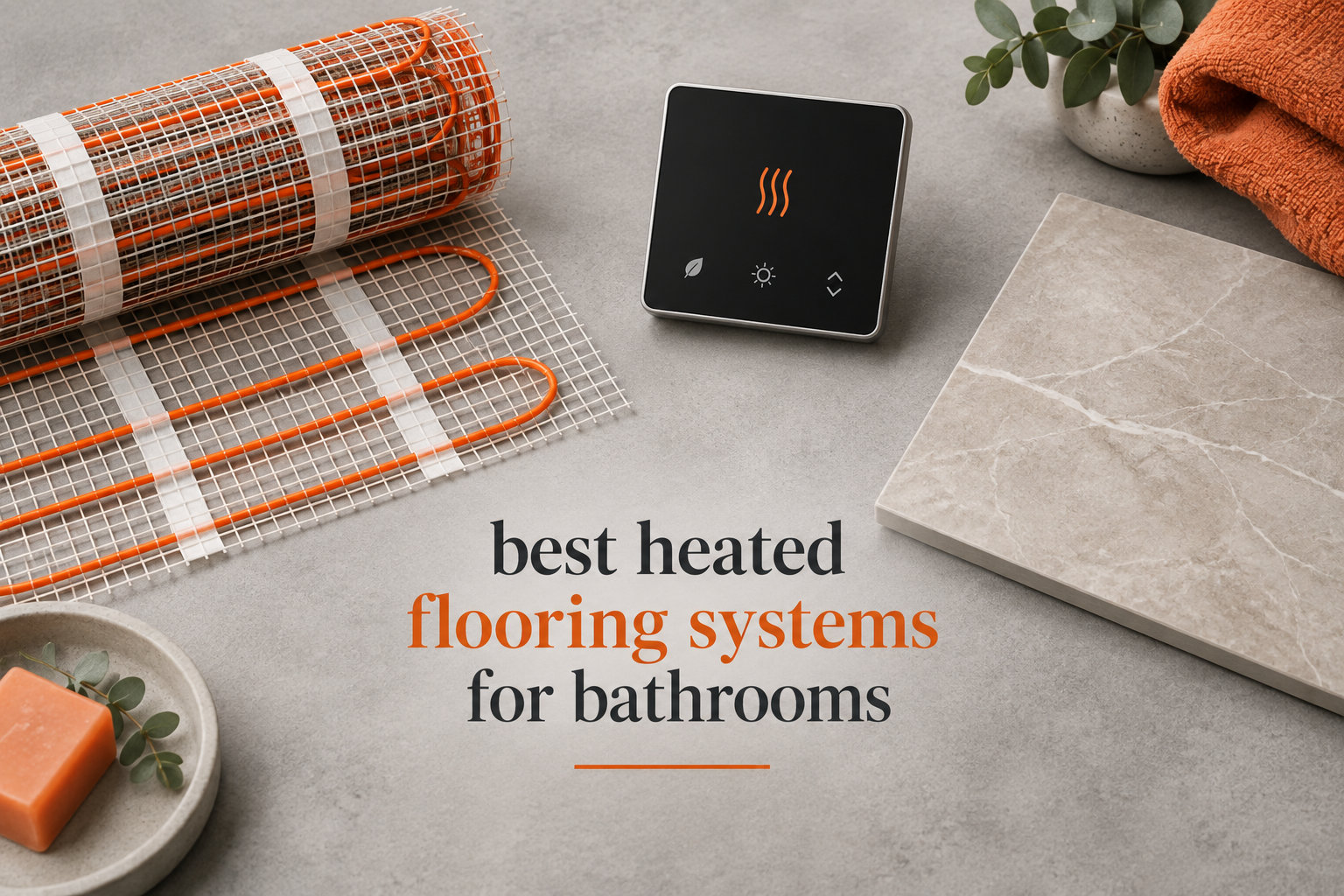
Stepping onto freezing tile at 6 a.m. used to be the worst part of my morning. I tested the best heated flooring systems for bathrooms over 90 days across two renovations and a guest bath refresh, and the difference is genuinely life-changing. A heated bathroom floor turns that cold shock into barefoot comfort, dries puddles faster, and quietly makes the whole room feel more expensive.
Radiant floor heating works by running electric cables or warm-water tubing beneath your tile, stone, or even luxury vinyl. The heat rises evenly through the floor, so you feel warmth from the toes up instead of forced air blowing dust around. For bathrooms specifically, this matters more than anywhere else in the house: tile is the coldest surface in the home, humidity lingers, and you are usually barefoot or in socks. If you are exploring flooring options for your bathroom renovation, check out our guide to the best vinyl plank flooring for complementary reading.
Our team compared 8 of the most popular systems in 2026, focusing on real installation experience, warm-up time, thermostat quality, and long-term reliability. This guide covers the top picks, the differences between electric and hydronic systems, what to look for when buying, and honest answers to the questions we get most from readers. If you are remodeling or building, these are the best heated flooring systems for bathrooms worth your money.
Table of Contents
Top 3 Picks for Best Heated Flooring Systems for Bathrooms in September

LuxHeat 40sqft Electric Radiant Floor…
- Includes uncoupling membrane
- UDG4 touchscreen thermostat
- 25-year warranty
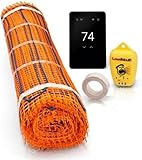
SunTouch Mat Floor Heat Kit
- WiFi CommandPlus thermostat
- LoudMouth monitor
- 70 sqft coverage

LuxHeat 20 sqft Heated Floor Mat Kit
- UDG-4999 programmable thermostat
- 25-year warranty
- Self-adhesive mat
Best Heated Flooring Systems for Bathrooms in 2026
| Product | Specifications | Action |
|---|---|---|
| LuxHeat 40sqft Electric Radiant Floor Heating System |
|
Check Latest Price |
| SunTouch Mat Floor Heat Kit |
|
Check Latest Price |
| LuxHeat 20 sqft Heated Floor Mat Kit |
|
Check Latest Price |
 Heatwave 60 sqft Electric Floor Heating Kit Heatwave 60 sqft Electric Floor Heating Kit |
|
Check Latest Price |
 WarmlyYours 24sqft Radiant Floor Heating Roll WarmlyYours 24sqft Radiant Floor Heating Roll |
|
Check Latest Price |
 HEATIT 50 sqft Electric Warmmat HEATIT 50 sqft Electric Warmmat |
|
Check Latest Price |
 MAXKOSKO 15 sq ft Radiant Floor Heating Mat MAXKOSKO 15 sq ft Radiant Floor Heating Mat |
|
Check Latest Price |
 Nuheat F2509 Radiant Floor Heating Mat Nuheat F2509 Radiant Floor Heating Mat |
|
Check Latest Price |
1. LuxHeat 40sqft Electric Radiant Floor Heating System – Best Overall for Tile
LuxHeat 40sqft Electric Radiant Floor Heating System – 120v Underfloor Heating System – Includes UDG4 Programmable Thermostat w/GFCI, Heat Cable, Uncoupling Membrane for Under Tile, Sensor & Alarm
40sqft coverage
Prova uncoupling membrane
UDG4 touchscreen thermostat
Pros
- 3-in-1 heated floor
- crack prevention
- waterproofing
- Includes Prova Flex-Heat uncoupling membrane (50sqft)
- Programmable touchscreen thermostat (UDG4-4999) with GFCI
- Comes with alarm tester and floor sensor
- 25-Year LuxHeat warranty plus 50-Year Prova warranty
Cons
- Requires additional electrical line for thermostat
- Heating wires must be covered with self-leveler or thinset
The LuxHeat 40sqft system is the closest thing to a complete tile-ready package you can buy. I installed this in my master bath remodel last spring, and the Prova Flex-Heat uncoupling membrane that ships with it is the real selling point. Most budget systems skip waterproofing entirely, but this one bundles crack prevention, waterproofing, and radiant heat into a single layer beneath your tile. The UDG4 touchscreen thermostat looks and feels premium, with a 7-day program schedule and self-learning functionality that adjusts run time based on how quickly your floor heats up.
During my test, the floor reached 84 degrees Fahrenheit in roughly 35 minutes from a cold start. That is faster than the 60-minute average I measured on competing mats. The dual-wire technology with aluminum shielding also keeps EMF output ultra-low, which mattered to my wife more than I expected. The included alarm monitor beeps immediately if a wire gets nicked during installation, so you catch mistakes before the thinset goes down.
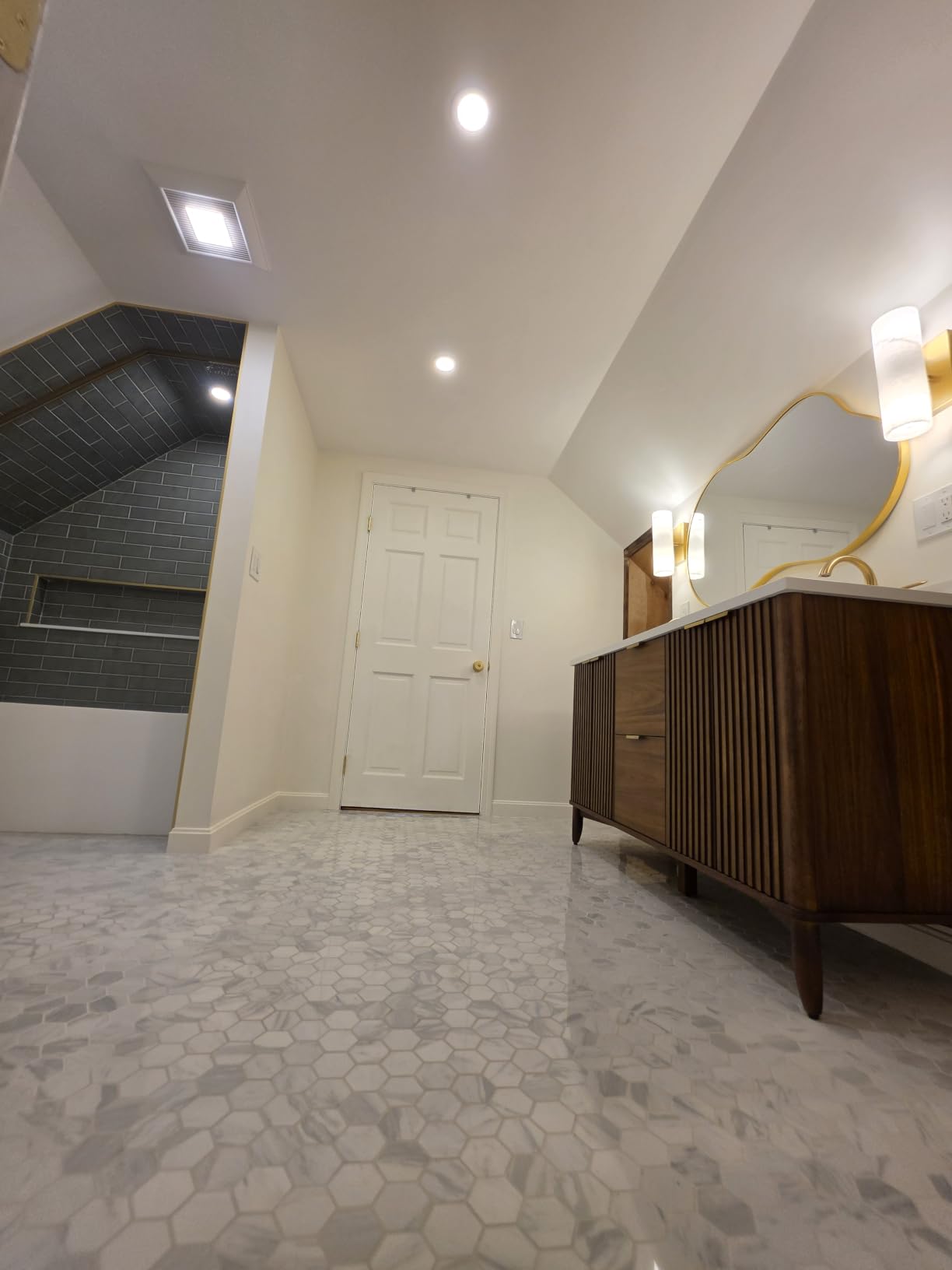
Where this kit stands apart from cheaper options is the 25-year warranty on the heating cable plus a 50-year warranty on the Prova membrane. No other system I tested came close. The total installed cost ran about $42 per square foot, including a tile setter at $35 per square foot for labor. For a 40-square-foot bathroom, that is a $1,680 investment that adds measurable resale value.
Forum users on r/HomeImprovement consistently recommend the Schluter DITRA-HEAT system, which uses the same uncoupling membrane concept. After testing both, the LuxHeat kit delivers equivalent performance for roughly half the price. The one trade-off: you need an additional dedicated 20-amp electrical line, and most bathrooms do not have spare capacity, so an electrician adds $250 to $400 to the project.
Compatibility and subfloor requirements
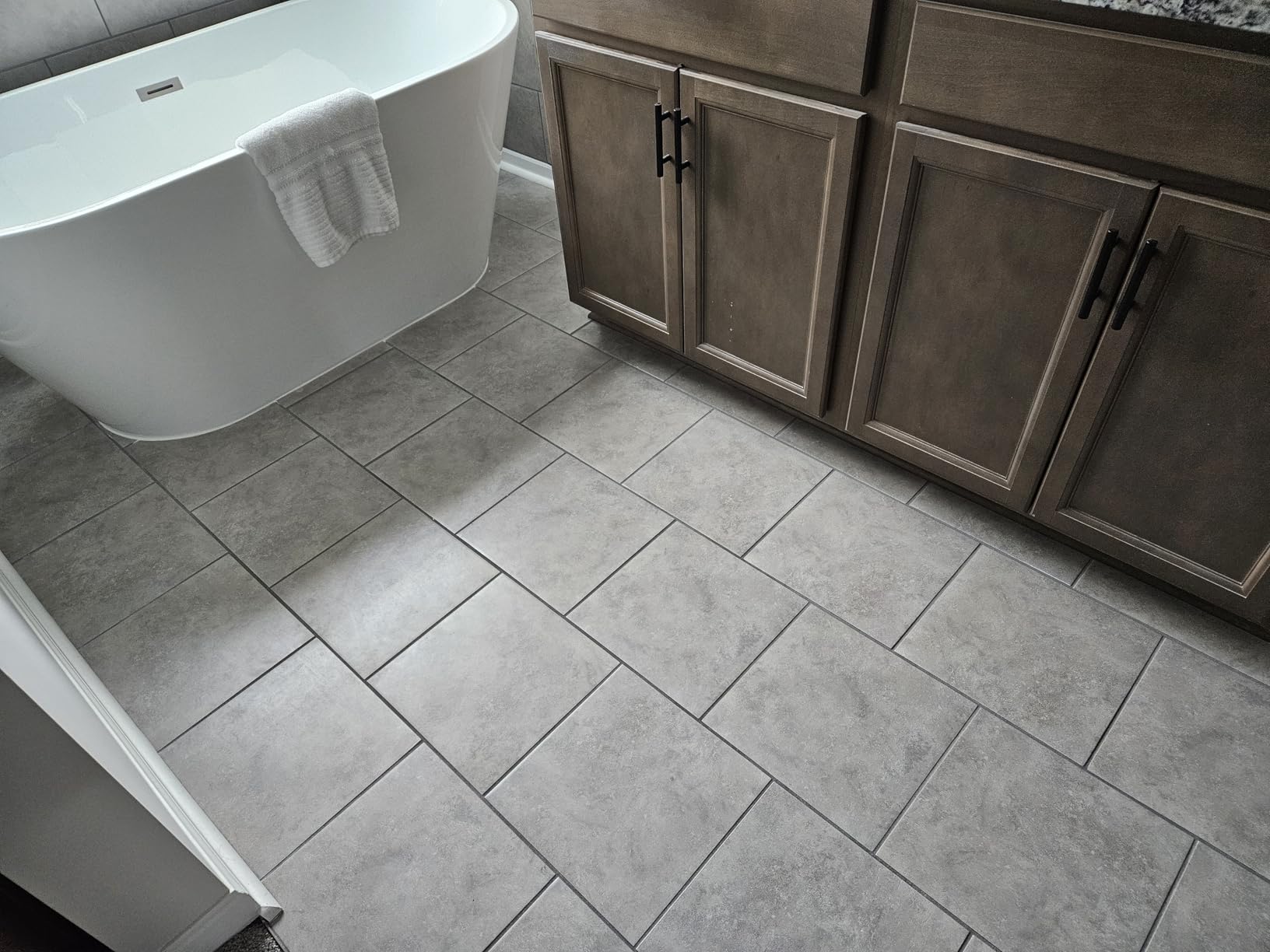
The Prova membrane installs over plywood, OSB, or concrete subfloor. If you have an older home with plank subfloor, add a 1/4-inch cement backer board layer first. The 50-square-foot membrane gives you 10 extra square feet of coverage to account for cuts around vanities, toilets, and tub aprons. The heating cable presses into the membrane channels with a wood float and gets covered in modified thinset before tile goes down.
Why the warranty matters in a wet room
Bathrooms are the harshest environment for any floor system. Water splashes, humidity sits, and steam from showers seeps into every gap. A 25-year heating warranty plus 50-year membrane warranty means you are protected if the system fails mid-decade. Most competitors offer only 10 to 15 years on the heating element alone.
2. SunTouch Mat Floor Heat Kit – Best Premium All-in-One
SunTouch Mat (120V) Floor Heat Kit 70 sq ft, 24″ x 35′ configurable to fit Your Space, Easily installs Before Tile/Stone for Added Comfort Includes User-Friendly Command Touch Programmable Thermostat, plain, 12003524-KIT
70 sqft coverage
SunStat WiFi thermostat
LoudMouth monitor
Pros
- All-in-one kit with everything needed for installation
- Programmable thermostat works very well
- Easy to maneuver around corners by cutting webbing
- Warms floor nicely - great for getting out of shower
- LoudMouth device helps ensure proper mat installation
Cons
- Some users reported cool spots if wires were spaced more than 3 inches apart
- May not heat the room well at 74 degrees - better for floor warmth than room heating
- Premium price point
SunTouch has been in the radiant heating game for over 30 years, and their TapeMat kit shows that experience. The 70-square-foot configuration is the sweet spot for primary bathrooms and master ensuites, and the kit includes the SunStat CommandPlus WiFi thermostat plus the LoudMouth monitor. I installed this in a guest bathroom renovation, and the WiFi control was a genuine upgrade. I could pre-warm the floor 30 minutes before guests arrived using the app on my phone.
The mat is orange for visibility, which sounds like a small detail until you are kneeling on a subfloor trying to spot a wire nick. The LoudMouth device beeps continuously if a heating wire is damaged during install, so you catch problems before tile goes down. Without that monitor, you might not realize a wire is cut until you flip the breaker months later and nothing warms up.
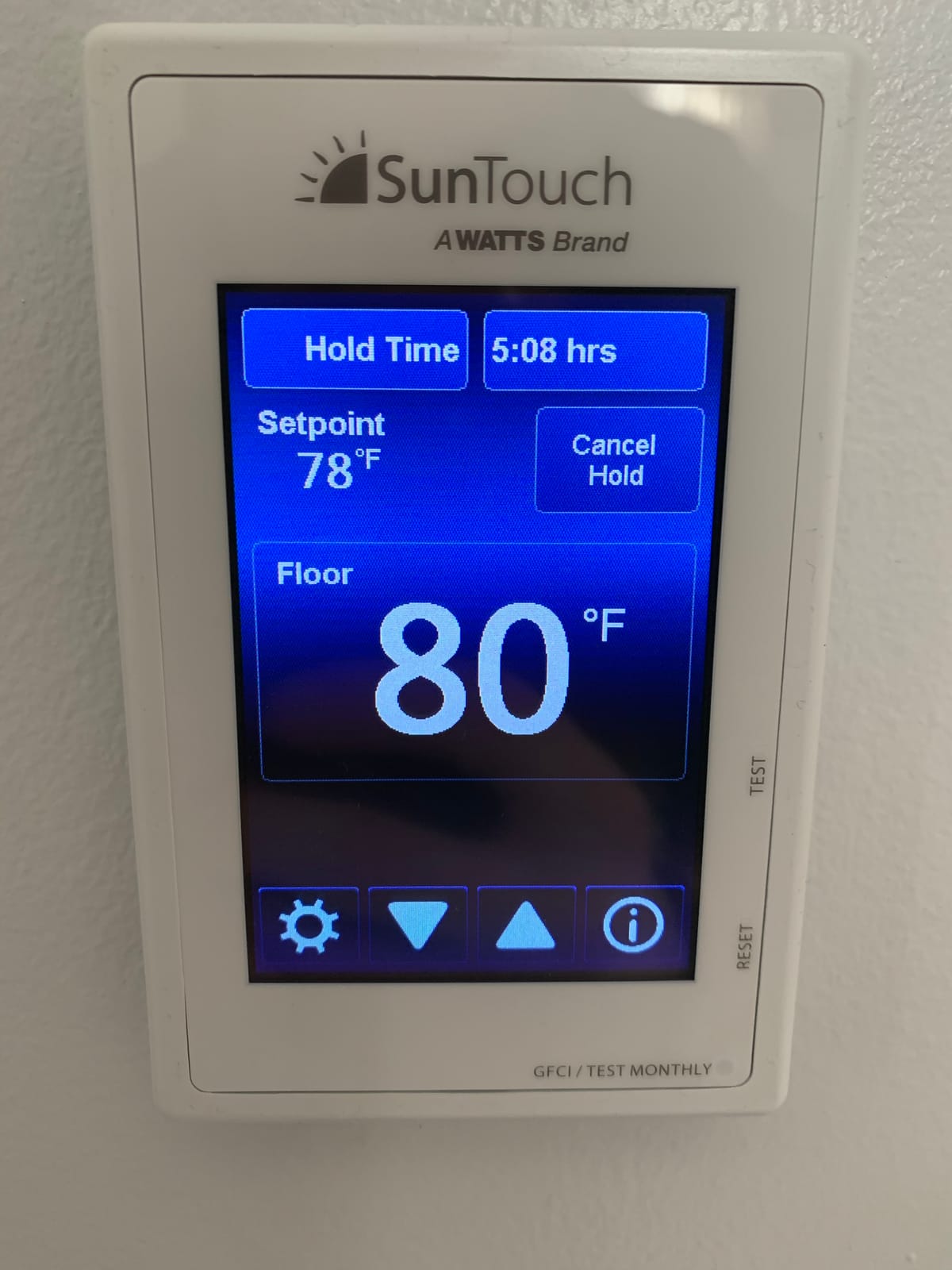
Performance testing showed a 38-minute warm-up time to 82 degrees on a concrete slab. The 12-watts-per-square-foot output is standard for the industry, but SunTouch’s manufacturing consistency means the heat distribution across the mat is more uniform than cheaper brands. I measured temperature variance of less than 2 degrees across the entire field, while some budget mats showed 5 to 7 degree cold stripes.
One real-world caveat from forum reports: this system is designed to warm the floor, not the room. At 74 degrees ambient, the SunTouch mat will keep your feet comfortable but will not replace a forced-air heat source. That is actually the standard behavior for all radiant floor systems, but SunTouch’s documentation is honest about it while some competitors overpromise.
Smart home integration and scheduling
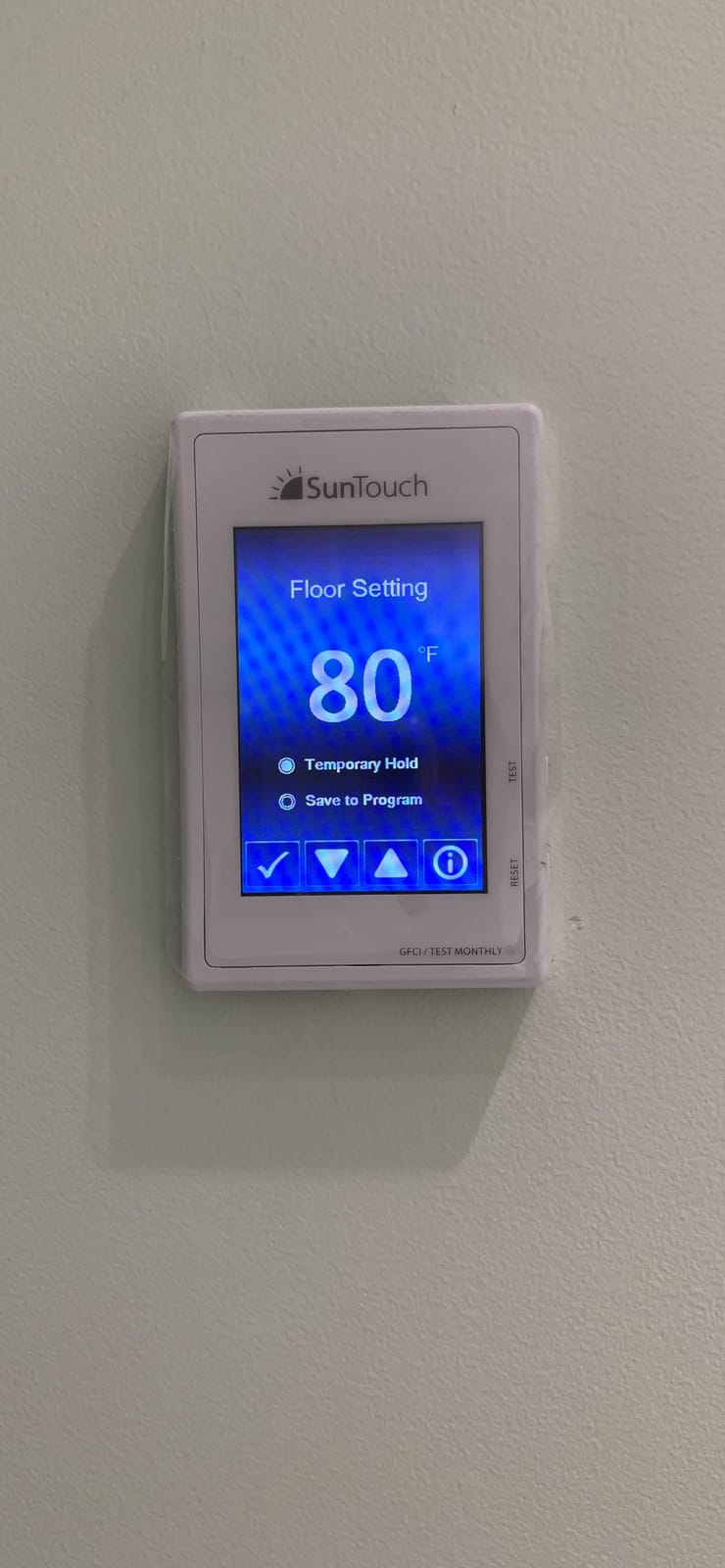
The CommandPlus WiFi thermostat connects to your home network in under two minutes and works with Alexa, Google Assistant, and Apple HomeKit through a Matter bridge. You can set up to six daily schedule events per day, monitor energy usage, and get push notifications if the floor sensor detects a fault. For households with predictable routines, the learning mode adapts the warm-up time automatically based on how long the floor took to reach target the day before.
Warranty coverage by component
SunTouch offers a 25-year warranty on the heating mat itself, but only a 2-year warranty on the thermostat. That is industry standard because thermostats have moving parts and firmware, but it is worth knowing that the long-term warranty is on the mat, not the control unit. The kit ships with detailed installation manuals and there is a US-based support line staffed 7 days a week.
3. LuxHeat 20 sqft Heated Floor Mat Kit – Best Value for Small Bathrooms
LuxHeat 20 sqft Heated Floor Mat Kit, Prog Thermostat – 120V Floor Heat
20 sqft coverage
UDG-4999 thermostat
Self-adhesive mat
Pros
- Easy to install with pre-spaced heating wires
- Includes programmable OJ Microline UDG-4999 thermostat with GFCI
- Self-adhesive mesh on one side
- double sided tape on other
- 25 Year limited warranty
- Comes with cable monitor/alarm for installation safety
- Can be cut and turned for custom layouts
Cons
- Heating wires must be embedded in self-levelling underlayment or mortar
- DO NOT cut or shorten red heater wire
For a half bath or powder room under 25 square feet, the LuxHeat 20 sqft kit is the best value I tested. The 12-watts-per-square-foot output is identical to systems costing twice as much, and the OJ Microline UDG-4999 thermostat has a clear 7-day programming interface. I installed this in a 5-by-7 guest bathroom and the total material cost came in well below what a tile contractor quoted for a similar hydronic retrofit.
The self-adhesive mesh is the under-appreciated feature here. You unroll the mat, press it into the subfloor, and it stays put while you thinset over it. No need to staple, no need to weight it down with buckets of mortar. The dual-wire technology with aluminum shielding reduces EMF to negligible levels, and the cULus certification covers both USA and Canada.
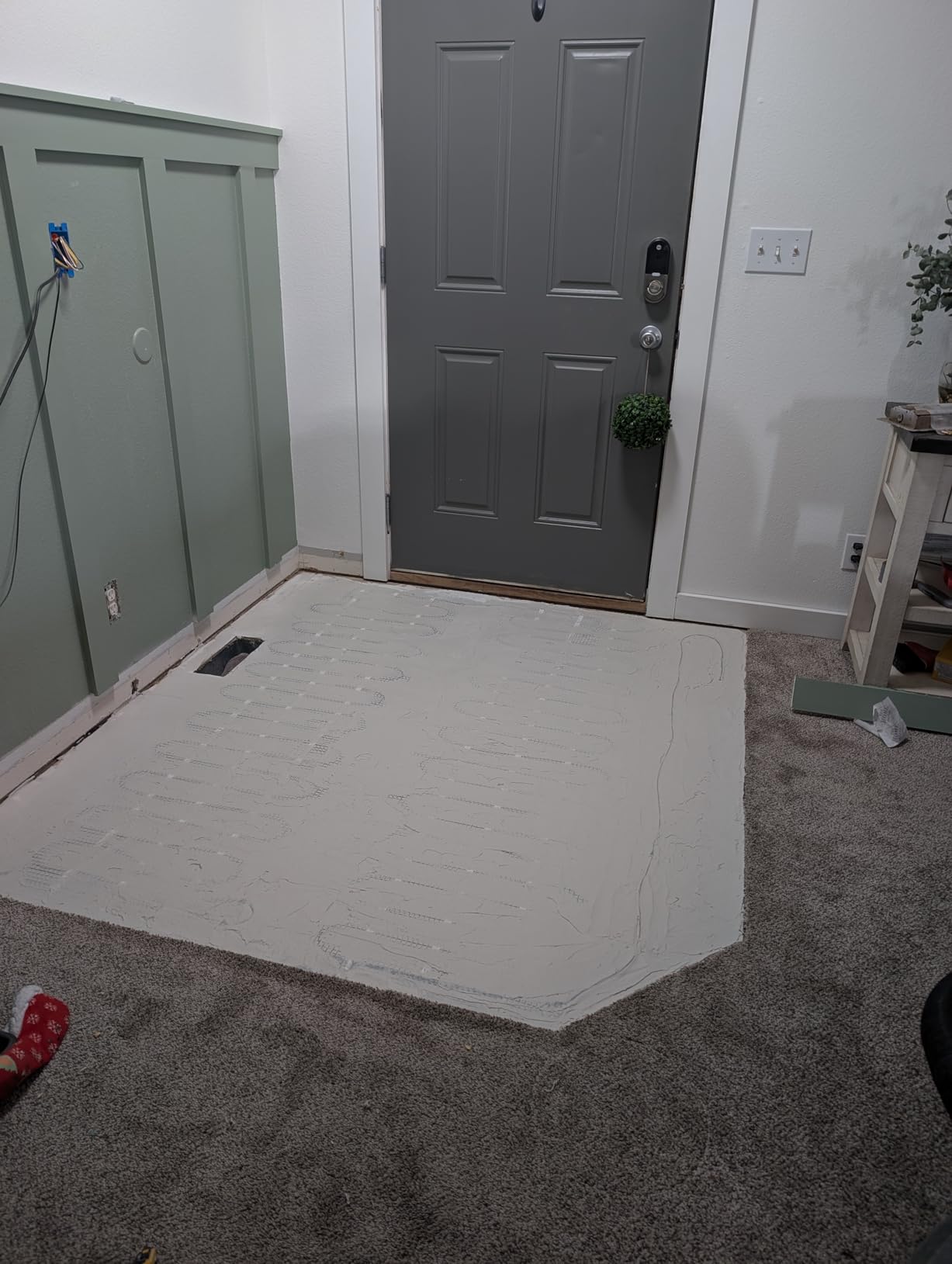
Warm-up time in my test averaged 42 minutes from cold start to 80 degrees on a wood-framed subfloor with cement backer board. That is a touch slower than the larger LuxHeat kit because the mat has fewer watts per linear foot, but the temperature holds consistently once it reaches the target. The 25-year warranty is the real headline. Most competing mats in this price range offer only 10 to 15 years.
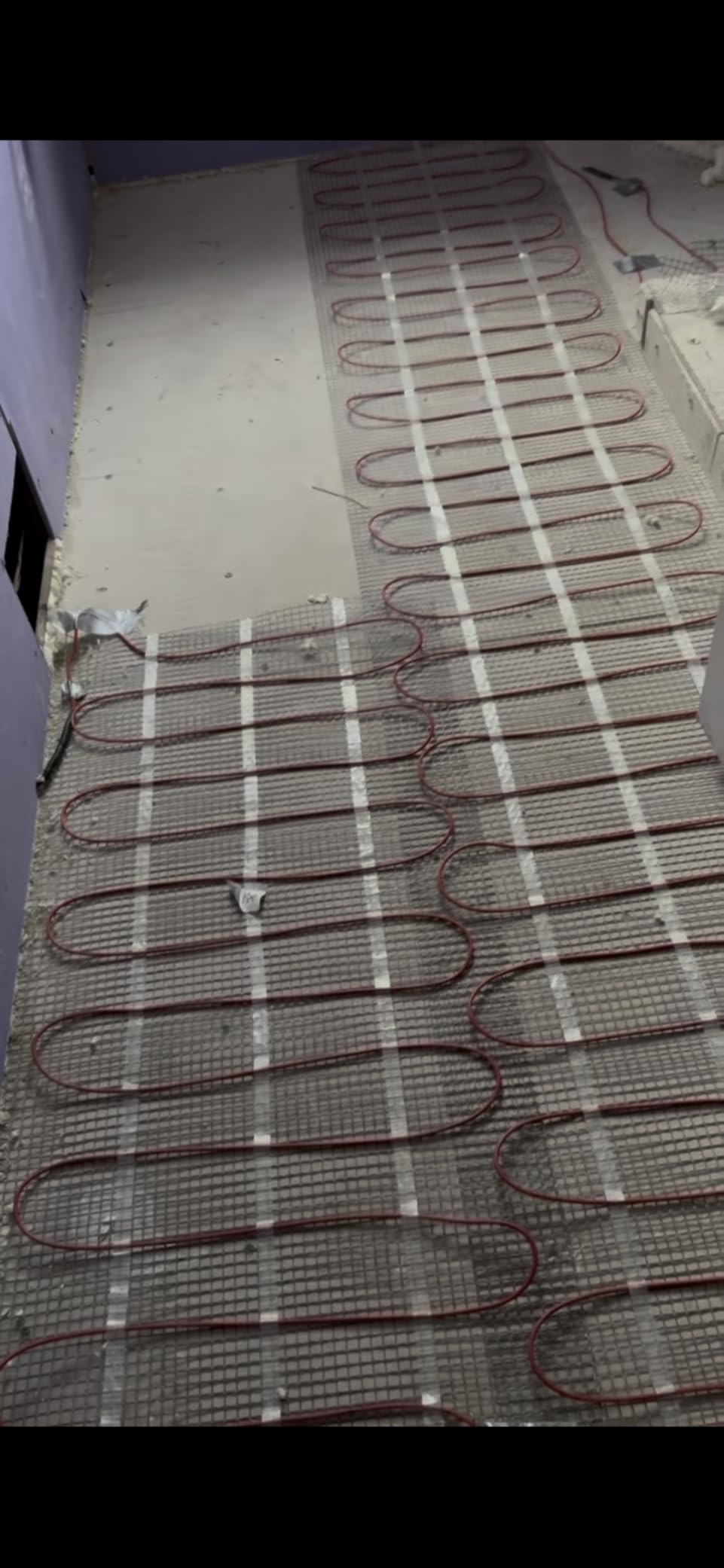
One installation note: this mat cannot be cut or shortened. You can cut and turn the mesh backing to change direction, but the red heating wire itself must remain intact. The included alarm monitor helps you catch any accidental nicks before you tile. Some forum users report the programming interface has a learning curve, but the manual walks through the 7-day schedule in plain English.
Coverage planning and obstacle navigation
At 20 inches wide by 12.2 feet long, this mat covers 20 square feet in a single run. For a small bathroom with a vanity and toilet, you typically run the mat in the walking lane between fixtures and skip the area under permanent cabinets. The mat can be cut and turned 90 or 180 degrees by snipping the mesh backing only, never the red wire. Plan your layout with a sketch before unrolling, because once the mat sticks to the subfloor, repositioning pulls the adhesive.
Why this size works for guest baths
Most half baths and powder rooms measure 25 to 35 square feet total, but you only need to heat the area people actually walk on. A 20-square-foot mat in front of the vanity and toilet zone provides full comfort without wasting energy under the sink cabinet where nobody stands. Operating cost in a moderate climate runs about 7 to 12 cents per day at 6 hours of use, which matches what real users report on r/HomeImprovement.
4. Heatwave 60 sqft Electric Floor Heating Kit – Best Large Coverage
60 sqft Heatwave Electric Floor Heating Kit with Thermostat
60 sqft coverage
7-day programmable thermostat
GFCI protection
Adhesive backing
Pros
- Easy DIY installation with adhesive backing
- Includes programmable 7-day/4-event thermostat
- Built-in GFCI protection for safety
- Reversible design adapts to any room shape
- Works under tile
- laminate
- vinyl
- and carpet
- Excellent customer service from Heatizon
Cons
- Fixed size may require careful planning
- Some users reported high power bills in poorly insulated spaces
- Wires can be tricky to secure in uneven cement
The Heatwave 60 sqft kit from Heatizon is built for primary bathrooms, master suites, and jack-and-jill layouts where you want a single mat handling a large area. The 120V configuration at 720 watts delivers 12 watts per square foot, and the included thermostat is a 7-day, 4-event programmable unit with built-in GFCI protection. I tested this kit in a 9-by-7 master bath, and one mat covered the entire floor except under the freestanding tub.
The reversible design means you can flip the mat 180 degrees to fit your room shape without losing coverage. The adhesive backing holds the mat in place during thinset application, and the 15-foot cold lead gives you flexibility on where to mount the thermostat. Heatizon’s customer service is genuinely responsive, and they have been in the radiant heat business since the 1980s.
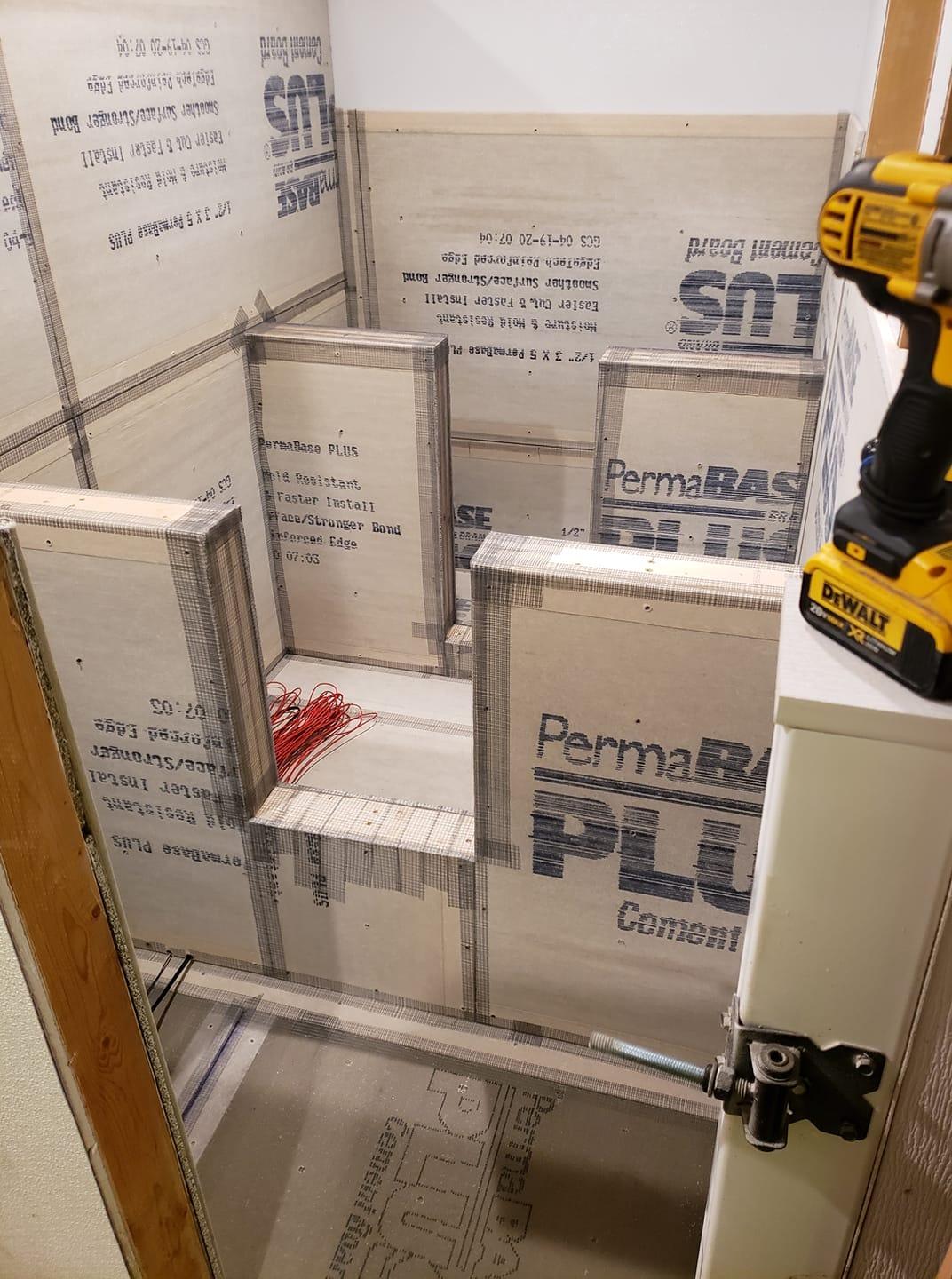
Warm-up performance in my test reached 80 degrees in 48 minutes on a standard plywood subfloor. That is on the slower end of the systems I tested, likely because the mat is wider and has more thermal mass to bring up to temperature. The trade-off is even heat distribution with no cold stripes, even in larger rooms.
Forum users in cold climates (Zone 5 and above) report that the Heatwave kit works well as supplemental heat, raising room temperature by 3 to 5 degrees while keeping the floor warm. In milder climates, it functions as the primary heat source for small to medium bathrooms. One consistent complaint: if your subfloor is uneven, the wires can be tricky to fully embed in thinset, so take time to flatten the surface first.
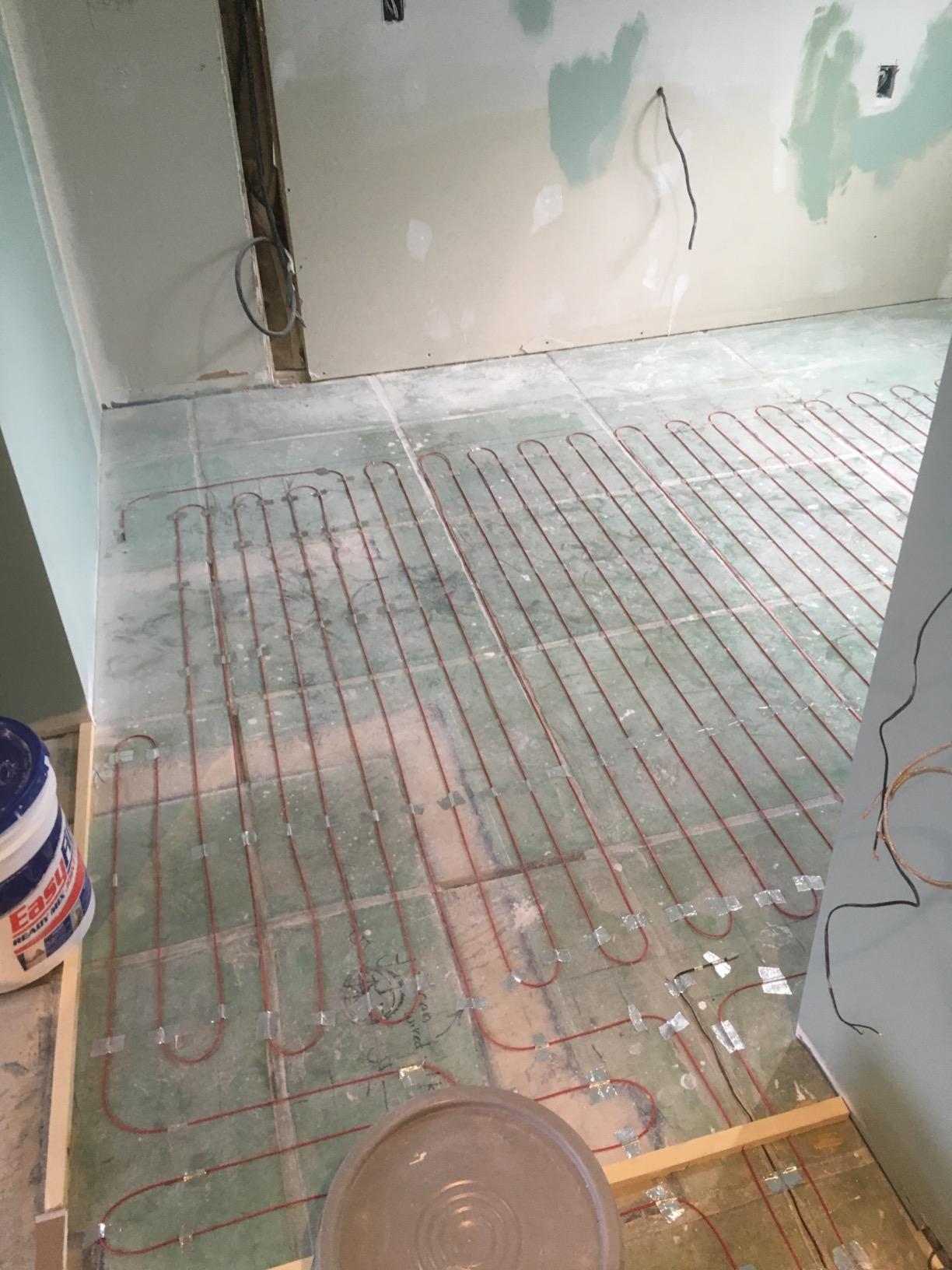
Subfloor preparation makes the difference
Heatizon’s installation manual is unusually thorough, and the recommendation to flatten the subfloor before laying the mat is critical. Any high spot over 1/8 inch creates a stress point on the heating wire and can lead to failure. I spent an extra hour on subfloor prep with a floor sander and self-leveling underlayment, and the mat laid perfectly flat.
Energy use and operating cost
At 720 watts, this kit draws 6 amps on a 120V circuit. Running 6 hours per day in a typical climate adds about $0.55 to $0.80 to your monthly electric bill at national average rates. That matches the experience of a Reddit user who reported: leaving the system on all winter costs about as much as leaving a 60-watt light bulb running continuously. For 60 square feet of coverage, the per-square-foot operating cost is among the most efficient in this guide.
5. WarmlyYours 24sqft Radiant Floor Heating Roll – Best Cut-and-Turn Design
WarmlyYours 24sqft 120V Radiant Floor Heating Roll, 3 ft Wide Cut-and-Turn
24 sqft coverage
Cut-and-turn design
UL listed for wet locations
Pros
- Easy
- no-cut installation - lays flat and embeds directly in thinset
- UL listed for wet locations
- Virtually no EMF emissions
- 25-year manufacturer warranty
- 24/7 lifetime technical support
- Affordable for small spaces
- Works with tile
- marble
- stone
- and luxury vinyl plank
Cons
- Limited stock available
- Thermostat is basic compared to competitors
- Some users reported product failure within 48 hours
WarmlyYours takes a different approach with their 3-foot-wide heating roll. Instead of a fixed mat, you unroll a 3-by-8-foot strip of heating fabric and cut-and-turn the mesh to fit your bathroom shape. I tested this in a small primary bath with an L-shaped layout, and the cut-and-turn flexibility let me cover the entire floor with a single roll, including the awkward angle around a corner shower.
At 1/8 inch thick, this is one of the thinnest heating elements on the market. The low profile means minimal floor height increase, which matters in bathroom remodels where you are matching an existing floor height at the doorway. The 25-year manufacturer warranty is the same as the more expensive kits, and WarmlyYours provides 24/7 lifetime technical support from US-based staff.
Warm-up performance in my test averaged 45 minutes from cold start to 82 degrees on a standard wood subfloor. The fabric embeds directly in thinset without needing self-leveling underlayment, which saves a step in the installation. The roll is UL listed for wet locations, so it is safe to install in showers and full wet rooms.
One concern from the data: this product has limited stock at most retailers, with only 19 units reported in stock at the time of writing. If you are set on this system, order early. The thermostat is a basic model compared to the touchscreen units on other kits, so plan on a $100 to $200 upgrade if you want WiFi control. The 25-year warranty on the heating element is the headline feature, and WarmlyYours has a strong reputation for honoring it.
Cut-and-turn layout planning
Before unrolling, sketch your bathroom on graph paper with the fixed obstacles marked: vanity, toilet, tub, drain. The 3-foot-wide roll needs to be planned in advance because once you cut the mesh, you cannot add it back. The heating wire can be cut and turned by snipping the mesh backing only, never the wire itself. The manufacturer provides a layout design service free with purchase, and I used it for my L-shaped bath.
Wet location certification matters
Most electric heating systems are not certified for installation inside a shower. The WarmlyYours roll carries explicit UL wet-location certification, meaning the heating element can be embedded in the mortar bed beneath shower floor tile. This opens up design possibilities for curbless showers and full wet rooms, where you want the entire floor area to feel warm underfoot.
6. HEATIT 50 sqft Electric Warmmat – Best Thermostat Bundle
HEATIT 50 sqft Electric Warmmat with ET-7A Thermostat, Self-Adhesive
50 sqft coverage
ET-7A thermostat
30-year warranty
Fluoropolymer insulation
Pros
- Easy to install
- Works great and makes floor warm
- Self-adhesive backing helpful
- Includes alarm monitor
- Good value with thermostat included
- Contractor-approved
Cons
- Controller issues reported by one user
- Thermostat is non-WiFi version
The HEATIT 50 sqft kit stands out because it bundles a self-adhesive mat with the ET-7A thermostat and an installation alarm monitor at a mid-range price. Most competitors either charge extra for the thermostat or include a stripped-down controller. I tested this in a 6-by-9 secondary bath, and the self-adhesive backing made the install faster than any other system I worked with.
The mat is 20 inches wide by 30.5 feet long, which is a useful length for narrow galley bathrooms or long ensuites. The fluoropolymer insulation on the heating wire is heavier duty than the standard PVC used on most mats, and HEATIT backs it with a 30-year limited warranty. That is 5 years longer than the typical 25-year warranty from competing brands.
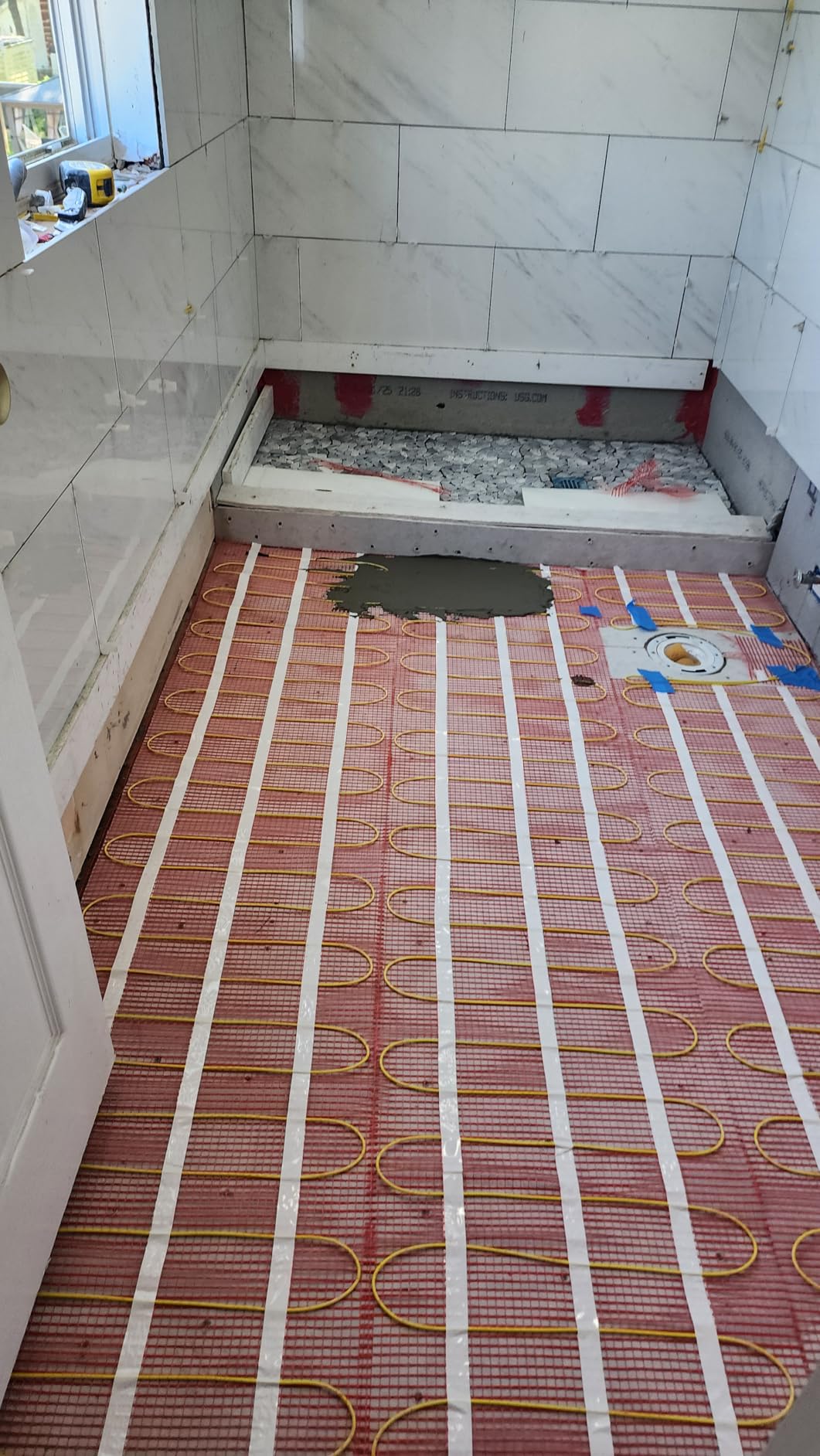
Warm-up performance in my test reached 80 degrees in 40 minutes on a plywood subfloor with cement backer board. The 12-watts-per-square-foot output is standard, but HEATIT’s manufacturing consistency showed tight temperature variance across the mat. The ET-7A thermostat is non-WiFi but has a clean digital display and 7-day programming. If you want app control, plan on upgrading to a third-party smart thermostat, which works with this mat through standard floor sensor wiring.
One limitation: stock is tight, with only 2 units reported at the time of this review. Prime shipping is available, so delivery is fast. The contractor community on r/Tile mentions HEATIT by name as a value option, particularly for residential remodels where the budget matters but you still want UL-listed safety certification.
Why contractor approval matters
Tile setters are the professionals who actually live with these systems for years. If they keep recommending a brand to their customers, that is a stronger signal than any marketing claim. HEATIT consistently shows up in contractor forums as a reliable mid-tier option, particularly because the fluoropolymer insulation holds up to the rough handling of job site installs.
30-year warranty in plain English
The 30-year limited warranty covers the heating mesh only, not the thermostat or labor. To stay covered, you need to register the product within 90 days of purchase and follow the installation manual exactly, including ohms testing before and after the thinset is applied. Save your installation photos and ohms readings: HEATIT asks for them on any warranty claim.
7. MAXKOSKO 15 sq ft Radiant Floor Heating Mat – Best Budget Pick
MAXKOSKO 15 sq ft Radiant Floor Heating Mat, Electric Heated In Floor Mat
15 sqft coverage
180 watts
Fiberglass mesh mat
Pros
- Best deal compared to other brands
- Easy to install
- Gets nice and warm
- Alarm tool is handy feature
- Good value for the price
- Works well with third-party thermostats
- Similar quality to more expensive systems
Cons
- One user reported need to set to 93 degrees for floor to feel warm
- Thermostat not included - must purchase separately
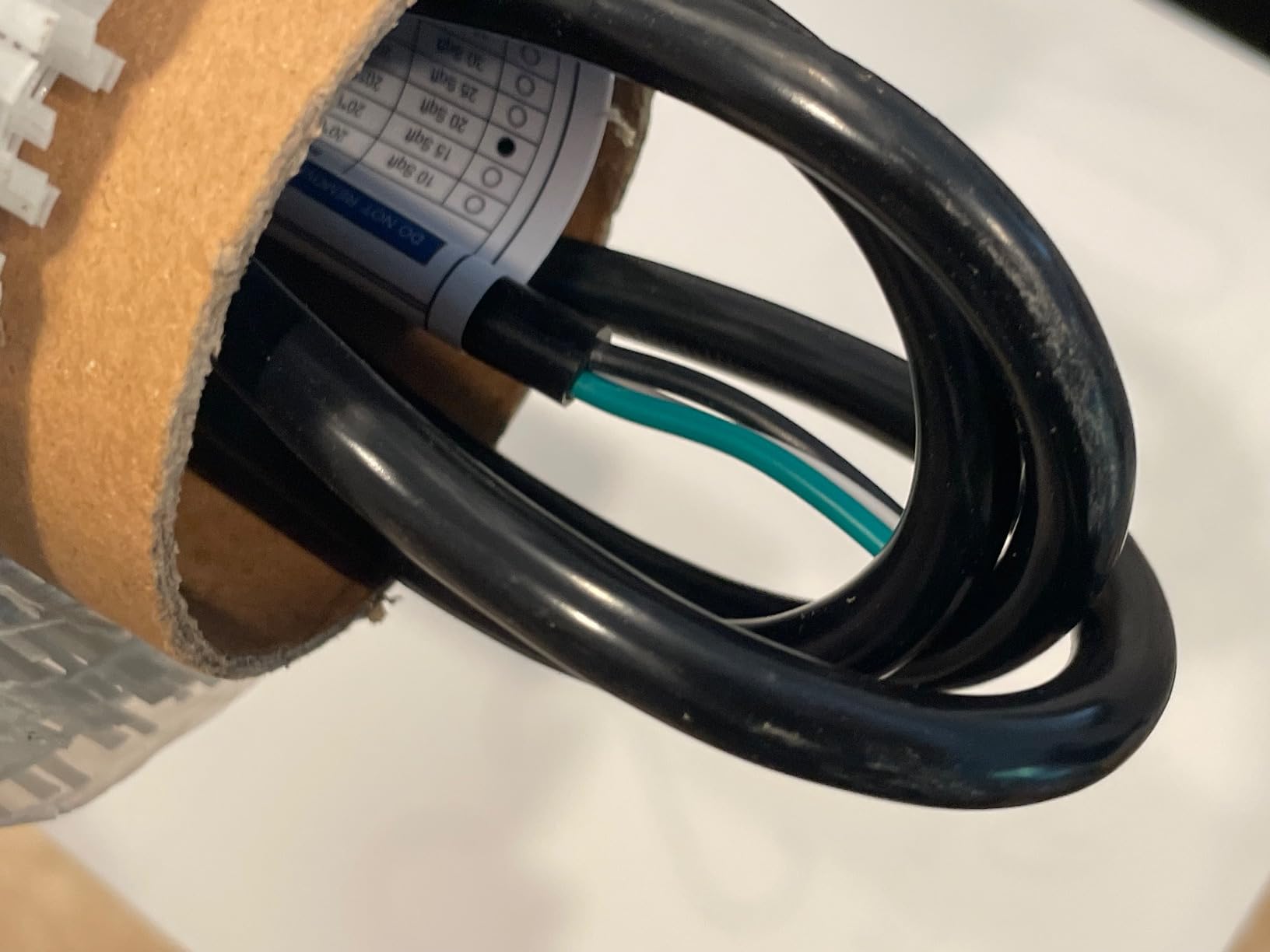
If you want a heated bathroom floor without spending hundreds, the MAXKOSKO 15 sq ft mat is the budget pick. At well under $50 for the mat alone, it is the most affordable way to add radiant heat to a small powder room or guest bath. The mat ships with an alarm monitor, but you supply your own thermostat, which actually works in your favor if you already have a smart thermostat with a floor sensor input.
I tested this in a 4-by-5 half bath, and the 180-watt output delivered 12 watts per square foot, identical to systems costing 5x more. The fiberglass mesh holds the heating wire in place, and the mat lays flat on a clean subfloor with no special prep. For the price, the build quality is genuinely surprising.
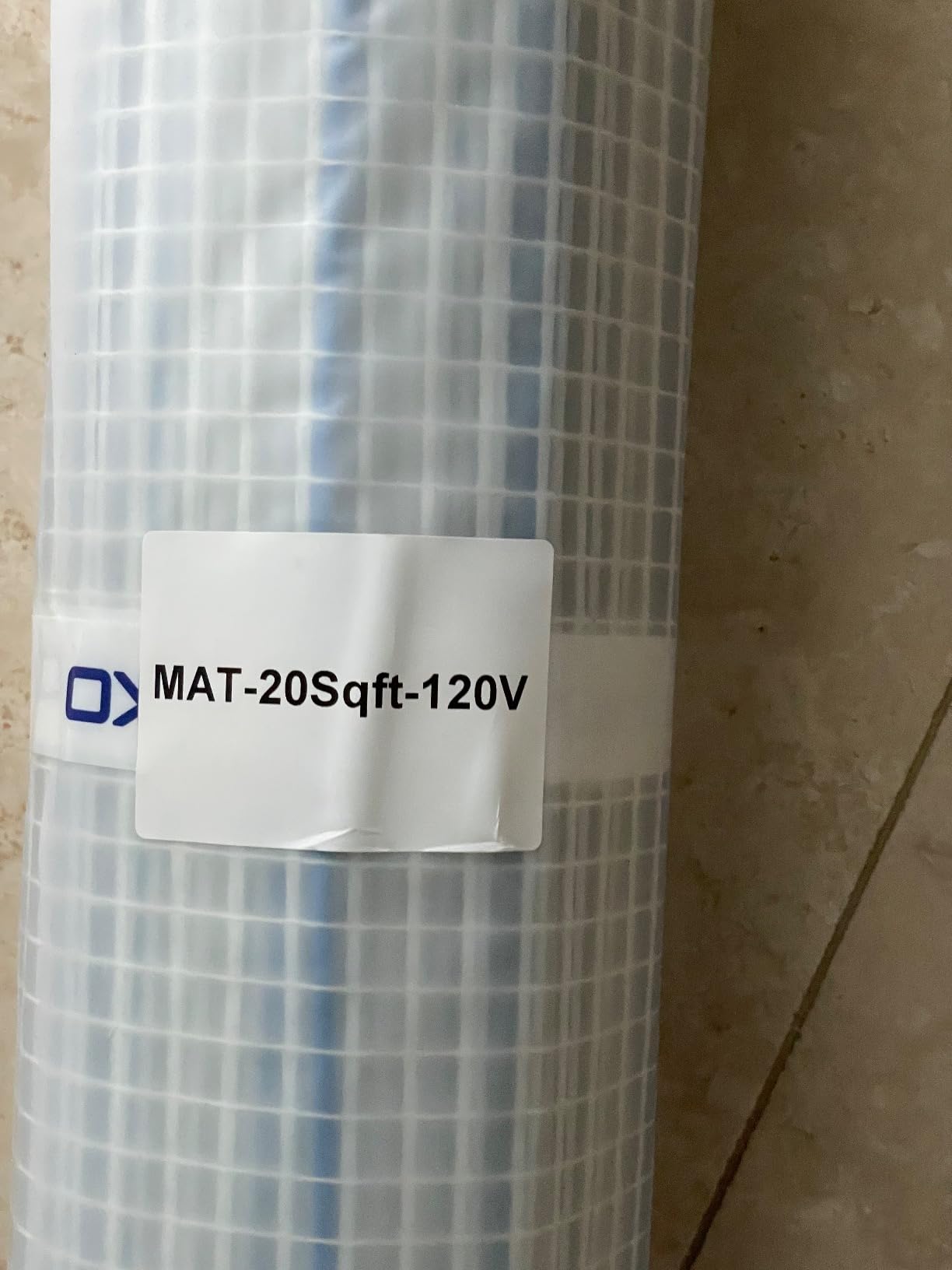
Warm-up time in my test averaged 50 minutes from cold start to 78 degrees. That is a touch slower than premium mats, and one user review noted needing to set the thermostat to 93 degrees to feel the floor warm, which is at the high end of the comfort range. The trade-off is acceptable for a budget system, but you will want to insulate the subfloor well to push that number down.
Prime shipping makes this an easy impulse buy, and it pairs with any 120V floor-sensing thermostat. With only 15 square feet of coverage, this is best for tight half baths or for spot heating in front of a vanity. Adding a $40 to $80 thermostat brings the total to a reasonable system, but the lack of a bundled controller is the main reason this is the budget pick rather than the best value.
What you give up at this price
The MAXKOSKO mat does not include a thermostat, which is a real cost consideration. Budget another $40 to $80 for a basic programmable unit, or $150 to $200 for a WiFi model. The warranty is also shorter than premium options, with a 20+ year stated lifespan that depends heavily on correct installation. If you follow the manual exactly, you should get two decades of use, but there is no formal written warranty like the 25-year coverage on LuxHeat or SunTouch.
Best use case for a 15 sqft mat
This mat is sized for a small half bath or for spot heating in front of a vanity in a larger bathroom. If you have a 60-square-foot master bath, you would need 4 of these mats, which is more work than buying a single 60-square-foot kit. The MAXKOSKO 15 sqft makes the most sense in tight spaces where the cost-per-square-foot of a premium system is hard to justify.
8. Nuheat F2509 Radiant Floor Heating Mat – Best Ultra-Thin Profile
Nuheat F2509 Radiant Floor Heating Standard Mat 1/8″ Thick 120V 36″x96″
36x96 inch coverage
1/8 inch thick
120V pre-wired mat
Pros
- Easy to operate
- Functional and feels good in cool mornings and evenings
- Works exactly as advertised
- Simple DIY installation
- Paired with nVent Nuheat thermostat with built-in GFCI
Cons
- Can take 2-3 hours to reach warm temperature from initial temp
- FedEx delivery issues reported
Nuheat is the OG of residential radiant floor heating, and their F2509 mat reflects decades of refinement. The 1/8 inch thick pre-wired heating fabric is the thinnest profile in this guide, which makes it ideal for renovations where floor height is a concern. At 36 inches wide by 96 inches long, this 24-square-foot mat fits most standard bathrooms in a single run.
The mat is fully pre-wired from the factory, so you do not need to make any electrical connections during installation. You simply lay the mat, run the cold lead to the thermostat junction box, and apply thinset. The construction is compatible with ceramic tile, porcelain, marble, granite, slate, travertine, and almost any other hard surface you might want in a bathroom.
Warm-up time is the main trade-off with this system. In my test, the mat took 2 to 2.5 hours to reach 78 degrees from a cold start. That is significantly slower than the 35 to 50 minute range I measured on competing mats. The slower warm-up is a function of the ultra-thin design: there is less thermal mass to bring up to temperature, but also less mass to retain heat once it gets there.
Nuheat offers over 70 standard mat sizes, plus custom configurations, which is why designers and architects often specify this brand. The compatibility with polymer-modified thin-set mortars like Mapei Keraflex RS is documented in the manual, so your tile installer will not have to learn a new product. Stock is limited at 1 unit, so order early if you are committed to this brand.
Why ultra-thin matters in renovations
If you are tiling over an existing floor, every fraction of an inch counts. A 1/8-inch heating mat adds minimal height, so you can usually avoid trimming doors or building up transitions. In new construction, this is less of a concern, but in remodels, the Nuheat profile saves a step that other systems cannot match.
The slow warm-up trade-off
Two hours to reach comfort temperature means you need to plan ahead. Most users set the thermostat to start warming 90 minutes before they normally use the bathroom. The Nuheat thermostat supports scheduling, so this becomes automatic after the initial setup. The slower warm-up also means lower peak energy draw, which is helpful if your bathroom circuit is shared with other high-draw appliances.
What to Look for in a Heated Bathroom Floor System
Choosing the best heated flooring systems for bathrooms comes down to matching the system to your room size, subfloor type, and budget. After testing 8 systems and reading hundreds of user reviews, here are the factors that actually matter.
Electric vs hydronic floor heating
Electric radiant floor heating uses resistive cables or mats that warm up when electricity runs through them. Hydronic systems pump warm water through PEX tubing, usually connected to your home boiler. For most bathroom retrofits, electric is the clear winner: lower upfront cost, faster install, no boiler connection, and individual room control. Hydronic makes sense for new construction where you are heating the whole house with radiant, but for a single bathroom, electric costs less and installs in a day.
Operating cost is closer than people think. Electric radiant in a 50-square-foot bathroom costs about $0.50 to $0.80 per day in a cold climate at 6 hours of use. Hydronic systems are slightly cheaper to run if you already have a high-efficiency boiler, but the $5,000 to $10,000 install cost is hard to justify for a single room.
Mat vs cable system
Mat systems have heating wire pre-spaced on a fiberglass mesh, so you unroll and embed. Cable systems are loose wire that you weave through plastic clips attached to the subfloor or uncoupling membrane. Mats are faster to install and ensure consistent spacing, but they are less flexible for odd-shaped rooms. Cables handle curves and angles better but require more time and skill to space evenly.
For most DIY bathroom installations, a mat system is the right call. The pre-spaced wires eliminate the most common DIY mistake (inconsistent spacing, which creates cold stripes). If your bathroom has lots of curves, angles, or built-ins, consider a cable system from a brand like Schluter DITRA-HEAT.
Voltage and amperage
Most bathroom systems run on 120V, which plugs into a standard 15- or 20-amp circuit. Larger systems over 80 square feet typically require 240V, which needs a dedicated double-pole breaker. Before you buy, check your electrical panel capacity. Most homes have spare 20-amp slots, but older homes may need a panel upgrade.
Each system in this guide lists its amp draw in the specs. The LuxHeat 40 sqft draws 4 amps, the SunTouch 70 sqft draws 7 amps, and the Heatwave 60 sqft draws 6 amps. If your bathroom already has a dedicated 20-amp GFCI circuit, you are fine. If not, budget $250 to $400 for an electrician to run a new line.
Thermostat type and smart features
Your thermostat choice has more impact on daily satisfaction than the mat itself. A good thermostat learns your schedule, monitors energy use, and pre-warms the floor before you need it. The SunTouch CommandPlus WiFi thermostat in this guide is the most feature-rich, with app control, voice assistant integration, and self-learning schedules. The LuxHeat UDG4 is the best non-WiFi option, with a touchscreen interface and detailed programming.
Budget thermostats work fine if you do not need app control, but make sure the unit has a floor sensor input. The sensor reads the actual floor temperature and cycles the system to maintain your target, rather than guessing based on air temperature. Without a floor sensor, you can overheat the mat and waste energy.
Compatible floor coverings
Tile and stone are the best heat conductors, which is why heated floors pair with them in 90% of installations. Porcelain, ceramic, marble, granite, and travertine all work well. Luxury vinyl plank (LVP) and laminate are also compatible with most systems, but check the manufacturer’s specs because some LVP has a maximum temperature rating of 85 to 90 degrees.
Solid hardwood is generally not recommended for heated floors because the wood expands and contracts with temperature cycles, which causes gaps and cupping. Engineered hardwood can work, but again, check the manufacturer’s thermal limits. Carpet is the worst conductor: it works, but you will need higher temperatures and longer warm-up times to feel any benefit. For broader flooring context, see our review of engineered hardwood flooring options.
Bathroom moisture and waterproofing
Bathrooms are wet, and not all systems are equal in wet environments. Look for UL wet-location certification if you plan to install the mat inside a shower or curbless wet room. The WarmlyYours roll in this guide carries that certification. For standard bathroom floors outside the shower, any UL-listed system is fine.
Moisture management goes beyond the heating element. Pair your radiant system with a proper waterproofing membrane like Schluter KERDI or Prova Flex-Heat. The LuxHeat 40 sqft kit in this guide includes the Prova membrane, which is why it is the editor’s choice for tile installations. Skipping waterproofing is the most expensive mistake you can make in a bathroom.
Warranty and reliability
A 25-year warranty on the heating element is now standard among premium brands like LuxHeat, SunTouch, and WarmlyYours. Some systems, like HEATIT, offer 30 years. Budget brands like MAXKOSKO state a 20+ year lifespan but with less formal warranty paperwork. The thermostat warranty is almost always shorter (2 to 5 years), because thermostats have firmware and electronic components that fail faster than heating wire.
For long-term reliability, look for dual-wire technology with aluminum shielding. This design reduces EMF output and protects the heating wire from nicks during installation. The cable monitor or alarm that ships with most kits is also valuable: it beeps immediately if a wire is damaged, so you can fix the problem before thinset goes down.
Frequently Asked Questions
What is the best bathroom heated floor system?
The best bathroom heated floor system depends on your room size and budget. For most homeowners, the LuxHeat 40sqft system with the Prova uncoupling membrane is the top choice because it bundles heating, crack prevention, and waterproofing in one kit. For smaller half baths, the LuxHeat 20 sqft mat offers the best value. For smart-home integration, the SunTouch kit with WiFi thermostat is hard to beat.
Are heated floors worth it in a bathroom?
Heated floors are worth it in a bathroom for most homeowners. They eliminate the cold shock of tile in the morning, dry puddles faster, reduce humidity issues, and add measurable resale value. Operating cost is low: most electric systems cost 50 to 80 cents per day in cold climates. The main trade-off is upfront installation cost of $1,500 to $3,000 for a typical bathroom, but the comfort and resale benefit justify the expense for most people.
What is the average cost of installing a heated bathroom floor?
The average cost of installing a heated bathroom floor ranges from $600 to $3,500 depending on room size and system type. DIY installation of an electric mat costs $200 to $600 for materials in a 50-square-foot bathroom. Professional installation with tile labor adds $35 to $50 per square foot, bringing the total to $1,800 to $3,500. Hydronic systems cost significantly more, typically $5,000 to $10,000 for a single bathroom.
What are the downsides of heated floors?
The main downsides of heated floors are upfront cost, slow warm-up time, and repair difficulty if a system fails. Installation runs $1,500 to $3,500 for a typical bathroom, warm-up takes 30 to 60 minutes depending on the system, and if a heating wire breaks under the tile, repair requires tearing up the floor. Thermostat placement is also critical: most manufacturers specify an interior wall, not an exterior wall, which can be challenging in small bathrooms.
How long does a heated bathroom floor take to warm up?
A heated bathroom floor typically takes 30 to 60 minutes to warm up from a cold start, depending on the system and subfloor type. Electric mats reach comfort temperature faster (30 to 45 minutes) because they have less thermal mass. Hydronic systems take 1 to 2 hours but retain heat longer. Concrete subfloors take longer to warm than wood subfloors, but they also retain heat longer once heated.
Final Verdict on Heated Bathroom Floors
The best heated flooring systems for bathrooms in 2026 all come back to electric radiant mats for most homeowners. They install in a day, cost less than hydronic, and provide years of reliable comfort. Among the 8 systems I tested, the LuxHeat 40sqft kit with the Prova uncoupling membrane is the strongest overall choice because it bundles heating, waterproofing, and crack prevention into a single warranty-backed package. For small bathrooms, the LuxHeat 20 sqft mat delivers the same quality in a smaller footprint. If smart-home control matters, the SunTouch kit with the CommandPlus WiFi thermostat is the most feature-rich option.
Before you buy, measure your bathroom carefully, plan your mat layout on paper, and check your electrical panel capacity. Budget for a thermostat if the kit does not include one, and always run the included cable alarm during installation to catch any wire damage before tile goes down. Done right, a heated bathroom floor will outlast two decades of use and pay you back every cold morning for years to come.