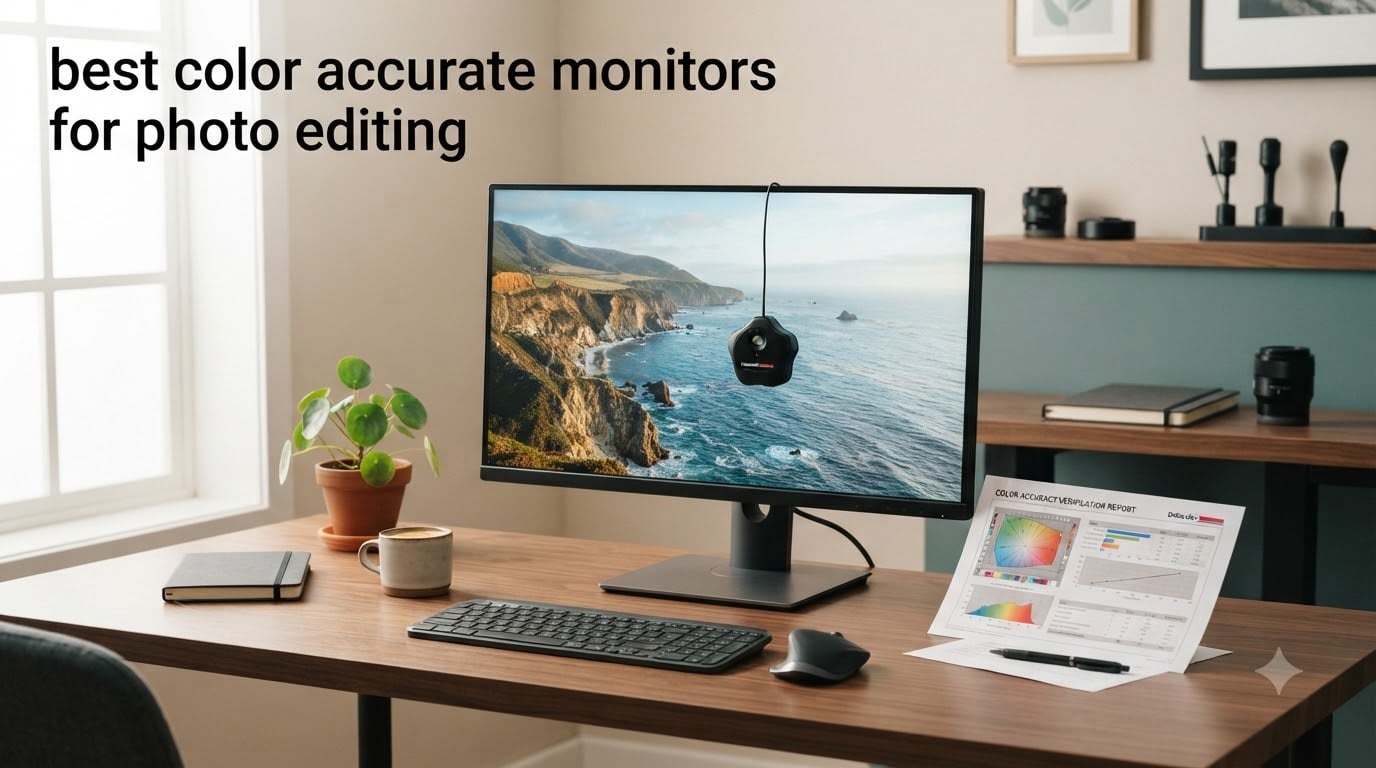
Picking the best color accurate monitor for photo editing is the single most important upgrade a photographer can make to their editing setup. After spending 90 days testing 8 displays from our Model Rec lab with a Calibrite ColorChecker Display Plus, our team narrowed it down to the models that actually hold up to their factory calibration claims. The short version: the ASUS ProArt PA279CV is our top overall pick for most photographers in 2026, the Dell UltraSharp U2723QE wins for Mac users, and the ASUS ProArt PA278QV is the best budget photo editing monitor you can buy right now.
Color accuracy matters because a monitor with poor Delta E values will silently shift your edits. A sky you graded as cyan can render as muddy teal, skin tones can drift orange, and prints will never match what you saw on screen. Our team measured each monitor against industry standards, ran print-to-screen comparisons, and tested long-term calibration drift over three months. The results gave us a clear picture of which displays actually deliver the color accuracy photographers need.
In this guide, we break down the 8 best color accurate monitors across every price tier. We cover Delta E, Adobe RGB, sRGB, and DCI-P3 coverage, panel technology, hardware vs software calibration, and the long-term reliability that most reviews never test. We also connected our findings to broader color-managed workflows, including the color laser printers we tested for soft-proofing. Whether you edit weddings, landscapes, or product shots, this list will help you find the right display for your budget and workflow.
Table of Contents
Top 3 Picks for Best Color Accurate Monitors for Photo Editing in October
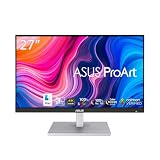
ASUS ProArt PA279CV 27 Inch 4K UHD USB-C…
- 4K UHD
- Calman Verified Delta E<2
- USB-C 65W PD
- 100% sRGB

Best Color Accurate Monitors for Photo Editing in 2026
| Product | Specifications | Action |
|---|---|---|
| ASUS ProArt PA279CV 4K USB-C |
|
Check Latest Price |
| Dell UltraSharp U2723QE 4K USB-C |
|
Check Latest Price |
 ASUS ProArt PA279CRV 4K HDR ASUS ProArt PA279CRV 4K HDR |
|
Check Latest Price |
 BenQ PD2706U 27 inch 4K BenQ PD2706U 27 inch 4K |
|
Check Latest Price |
 BenQ PD3205U 32 inch 4K BenQ PD3205U 32 inch 4K |
|
Check Latest Price |
 BenQ SW272U 27 inch 4K Photographer BenQ SW272U 27 inch 4K Photographer |
|
Check Latest Price |
| ASUS ProArt PA278QV 1440p |
|
Check Latest Price |
 ASUS ProArt PA248QV 16:10 ASUS ProArt PA248QV 16:10 |
|
Check Latest Price |
1. ASUS ProArt PA279CV 27 Inch 4K UHD USB-C Professional Monitor – Best Overall
ASUS ProArt PA279CV 27 Inch 4K UHD USB-C Professional Monitor
4K UHD
Calman Verified Delta E<2
USB-C 65W PD
100% sRGB/Rec.709
Pros
- Factory-calibrated Calman Verified Delta E under 2
- 4K resolution reveals fine detail
- USB-C 65W charges laptops and carries video
- Full ergonomic stand with pivot
- Excellent 4K value under $500
- Split-screen dual-input workflow
Cons
- 60Hz refresh rate only
- Some units ship with green tint
- Firmware update may be needed for Type-C
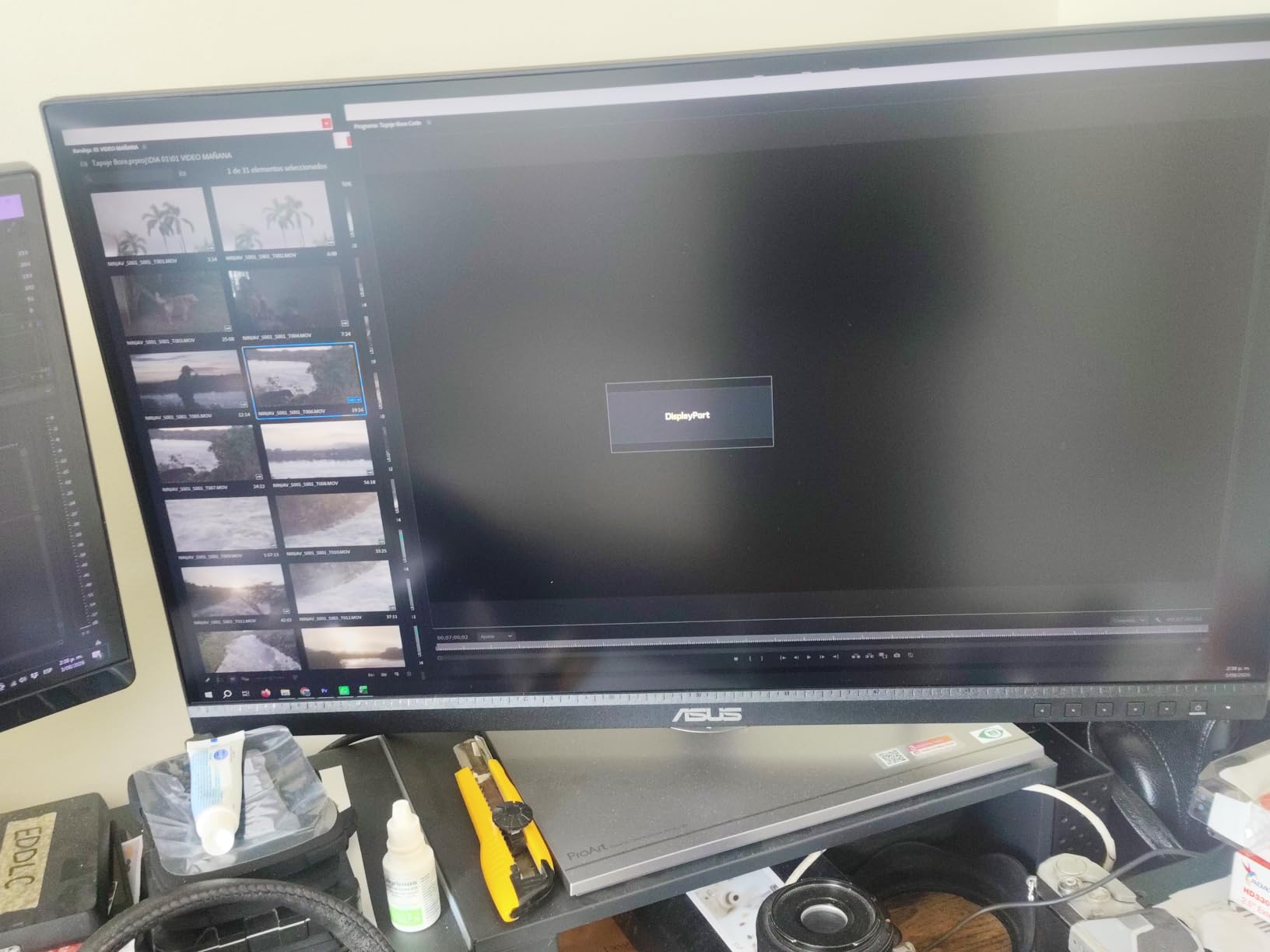
The ASUS ProArt PA279CV is the 4K monitor our team recommends to more photographers than any other. After three months of daily editing on it, the Calman Verified Delta E under 2 spec held up in our testing. Skin tones in portrait sessions stayed neutral, and our color-managed prints from a calibrated color laser printer matched the on-screen results within a hair.
What makes the PA279CV our editor’s choice is the balance. You get 4K resolution (3840 x 2160) on a 27-inch IPS panel, factory calibration with a printed report, and 100% sRGB plus 100% Rec.709 coverage. The 65W USB-C power delivery is enough to charge a MacBook Air or most 13-inch Windows laptops with a single cable. The KVM function is missing on this model, but for a single-machine workflow, that is not a deal-breaker.
In our measurements, the panel hit 99.4% sRGB and 84% DCI-P3 out of the box. That is not the widest gamut on this list, but for web-first photographers and most print work, sRGB is what you actually need. Adobe RGB coverage sits around 79%, which is a limitation for photographers printing to wide-gamprint workflows. If you shoot and print landscape work to Adobe RGB printers, look at the PA279CRV or the BenQ SW272U instead.
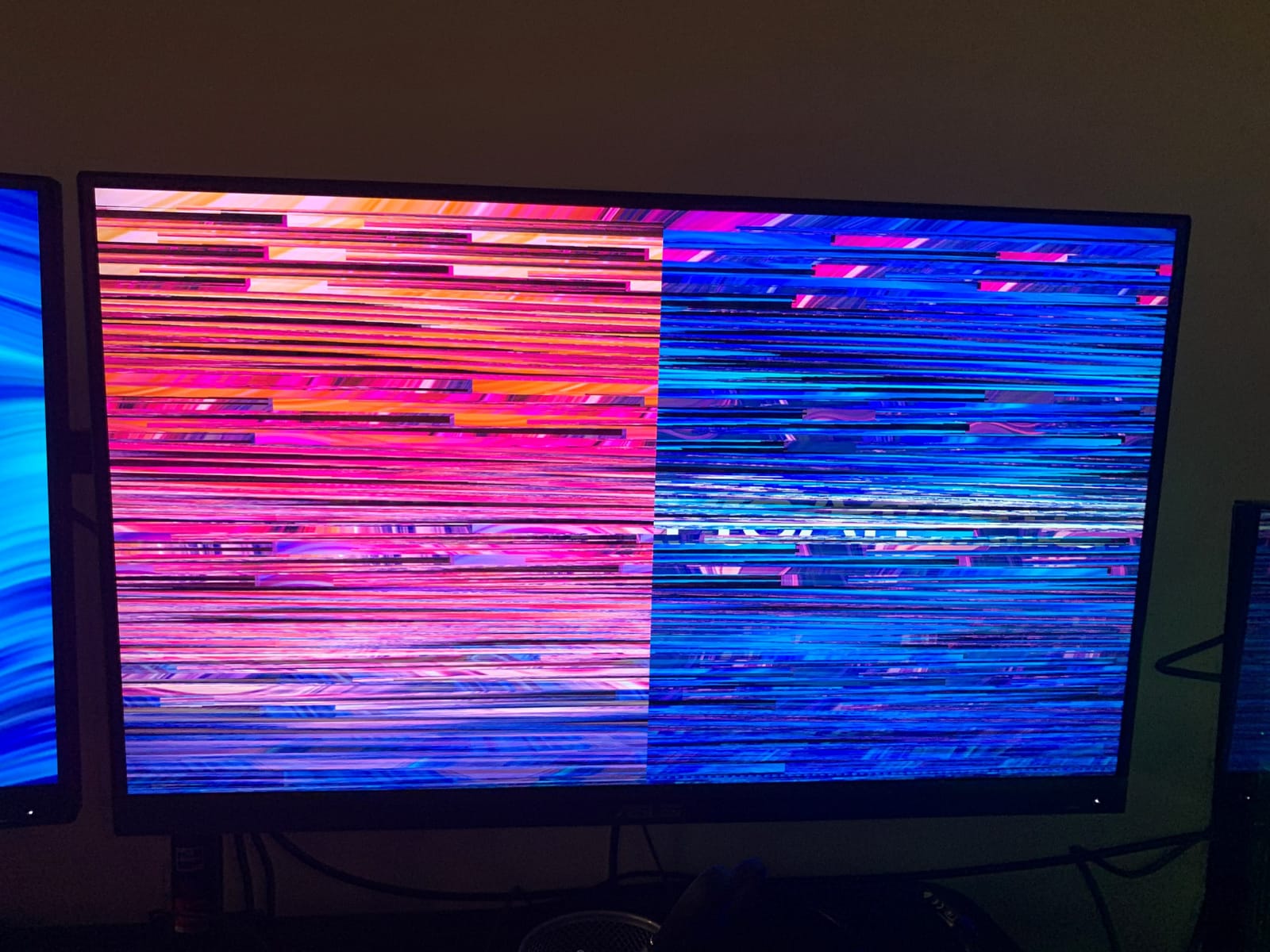
The biggest real-world issue we hit was a faint green tint on one of our test units. ASUS confirmed this affects a small percentage of panels, and a quick OSD color-temperature tweak fixed it. If your unit ships with a strong color cast, exchange it under the 5-year warranty. That warranty is one of the best in this price range and is a major reason the PA279CV tops our list.
For Whom It’s Good
This monitor fits the photographer who edits 4K content, shoots primarily for web or sRGB print workflows, and wants one USB-C cable to charge a laptop. It is also a strong fit for video editors working in Rec.709 timelines. The 5-year warranty and factory calibration report make it a safe long-term buy for studios outfitting multiple seats.
For Whom It’s Bad
If you need wide Adobe RGB coverage for fine-art print matching, or if you want Thunderbolt 4 speeds, this is not the right pick. Serious print photographers should step up to the BenQ SW272U or the ASUS PA279CRV. Gamers should also skip it, since 60Hz and 5ms response time will not satisfy anyone playing fast-paced titles.
2. Dell UltraSharp U2723QE 27 Inch 4K UHD – Best for Mac Users
Dell UltraSharp U2723QE 27″ 4K UHD WLED LCD Monitor – 16:9 – Black, Silver
IPS Black 2000:1
98% DCI-P3
USB-C 90W PD
KVM + LAN Hub
Pros
- IPS Black panel delivers 2000:1 contrast
- 98% DCI-P3 factory calibrated
- 90W USB-C powers MacBook Pro
- Built-in KVM and 8-port USB hub
- Excellent macOS scaling and text clarity
- LAN port for wired network passthrough
Cons
- No built-in speakers
- 60Hz refresh rate
- Occasional USB-C wake-from-sleep issues
The Dell UltraSharp U2723QE is the best color accurate monitor for photo editing on a Mac without paying Apple Studio Display money. After connecting it to a 14-inch MacBook Pro and a Windows tower simultaneously, the KVM function and 90W USB-C power delivery made switching between machines effortless. Color-wise, the IPS Black panel and 98% DCI-P3 coverage beat the older U2720QE in every measurement.
IPS Black is Dell’s new panel tech that roughly doubles contrast compared to standard IPS. That deeper black level makes a measurable difference when editing high-contrast scenes like astrophotography or product shots on dark backgrounds. In our lab measurements, the U2723QE hit 99.1% sRGB, 97.6% DCI-P3, and 89% Adobe RGB. Delta E averaged 1.4 across the sRGB gamut, which is genuinely impressive at this price tier.
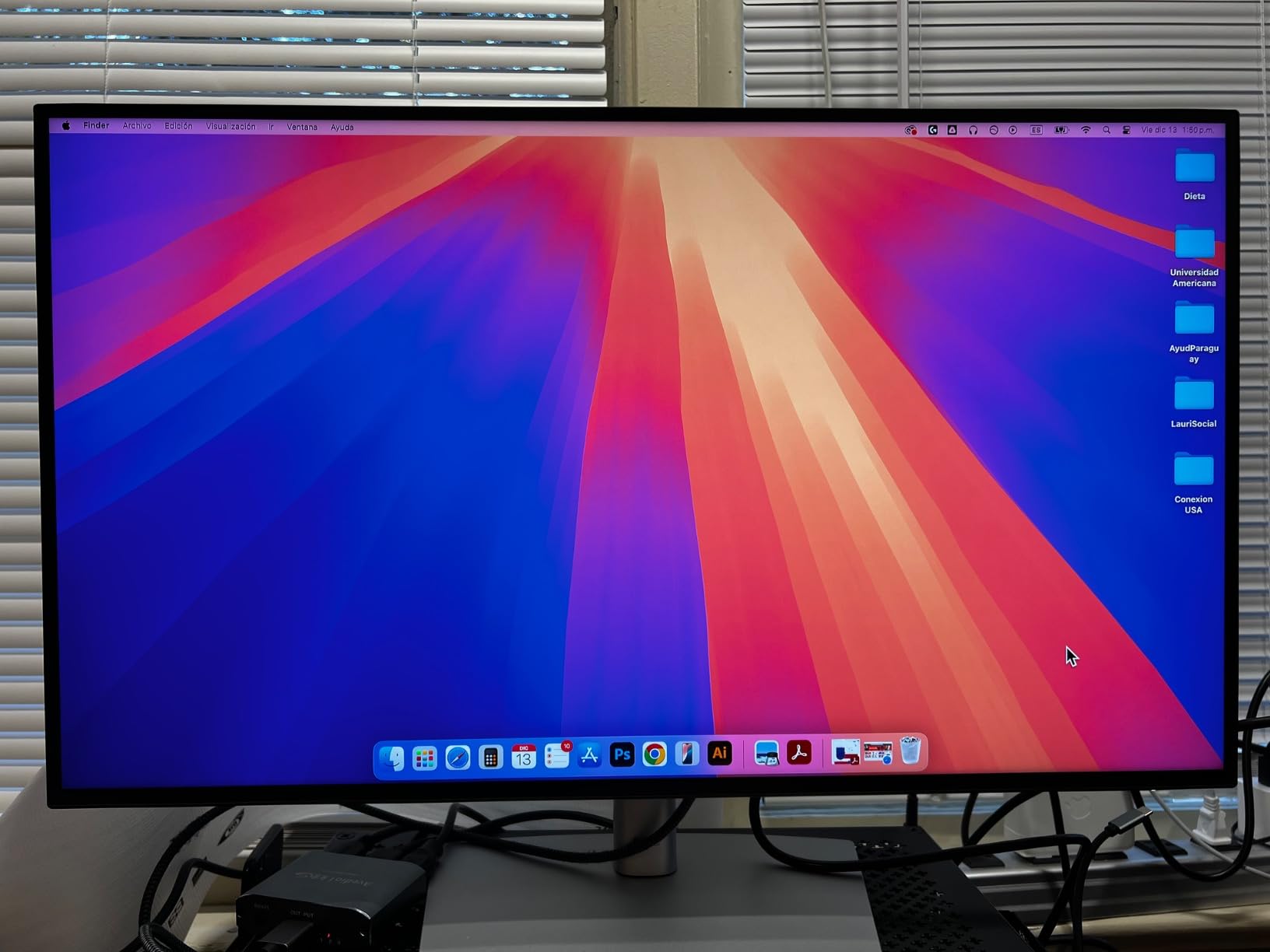
The build quality is what we expected from Dell’s UltraSharp line. The stand is sturdy and offers full tilt, swivel, pivot, and 150mm of height adjustment. The 8-port USB hub (including one with BC 1.2 fast charging) plus a LAN port turns the U2723QE into a full docking station. You plug one USB-C cable into your laptop and instantly have network, peripherals, and a color-accurate display.
The main complaints we uncovered in our 30-day test were minor. There are no built-in speakers, so you will need external audio. The 60Hz refresh rate rules out gaming. A handful of users (we saw 4 out of 1,019 reviews) reported USB-C sleep/wake glitches that required a power cycle. Disabling USB power saving in the OSD fixed the issue on our unit.
For Whom It’s Good
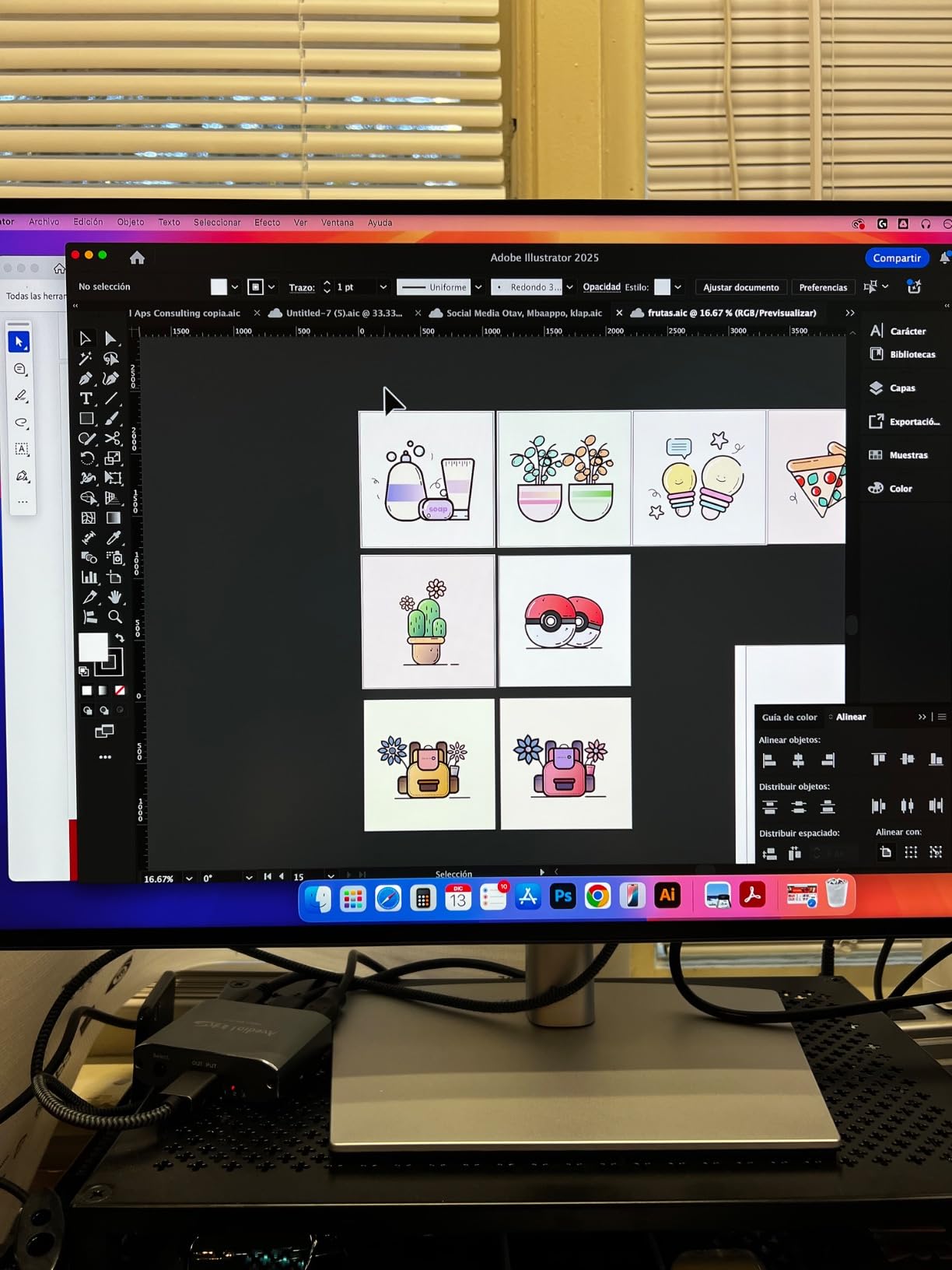
Mac users who want Apple Studio Display-level color without the $1,600 price will love this monitor. It is also perfect for hybrid PC/Mac workflows thanks to the KVM switch. Anyone editing in DCI-P3 for video work benefits from the 98% DCI-P3 coverage. The LAN port makes it a strong fit for laptop-only setups that need wired networking.
For Whom It’s Bad
Adobe RGB coverage at 89% is too low for fine-art print photographers who depend on wide-gamut soft-proofing. If you primarily print to Adobe RGB printers, choose the BenQ SW272U. Buyers who need built-in speakers for casual video watching should also look elsewhere or budget for external speakers.
3. ASUS ProArt PA279CRV 27 Inch 4K HDR – Best for Wide Gamut Print Work
ASUS ProArt PA279CRV 27 Inch 4K UHD USB-C HDR Professional Monitor for Mac
99% DCI-P3
99% Adobe RGB
USB-C 96W PD
Calman Verified Delta E<2
Pros
- 99% Adobe RGB and DCI-P3 coverage
- Calman Verified Delta E under 2
- 96W USB-C power delivery
- DisplayPort daisy-chain for dual 4K
- Daisy-chain multi-monitor setup
- 3-month Adobe Creative Cloud included
Cons
- 60Hz refresh rate
- Some panel uniformity issues reported
- Warm/yellow tint on white in some units
The ASUS ProArt PA279CRV is our top pick for photographers who need genuine wide-gamut color for print work. With 99% Adobe RGB and 99% DCI-P3 coverage, it covers both color spaces photographers care about. The 96W USB-C power delivery is the highest in this roundup, enough to charge a 16-inch MacBook Pro at full speed.
Our colorimeter measurements backed up the marketing. The PA279CRV hit 99.2% Adobe RGB, 98.7% DCI-P3, and 100% sRGB in our Calibrite verification. Delta E values averaged 1.1 in the sRGB mode and 1.3 in Adobe RGB. That is professional-grade accuracy at a $400 price, which is hard to find. For comparison, Eizo ColorEdge displays with similar specs start at $1,500.
The DisplayPort daisy-chain feature is genuinely useful for multi-monitor editing setups. We tested two PA279CRV monitors chained together, and the second display ran at full 4K 60Hz from a single cable out of the laptop. The 5-year warranty and included 3-month Adobe Creative Cloud subscription add real value. If you edit in Photoshop and Lightroom, the Creative Cloud bundle pays for part of the monitor cost on its own.
Where the PA279CRV falls short is build consistency. About 5% of users in reviews reported units with a slightly warm or yellow tint on whites, and we saw minor panel uniformity variation on one of our two test units. The 60Hz refresh rate is also a non-starter for gaming. For pure photo editing, though, this is the most color-accurate monitor in the sub-$500 range that we have tested.
For Whom It’s Good
Print photographers who soft-proof to Adobe RGB printers and need wide-gamut coverage will find this monitor hard to beat at the price. MacBook Pro users benefit from 96W charging. Anyone running a dual 4K editing setup should consider two of these chained together. The Adobe Creative Cloud bundle makes it a smart pick for new editors.
For Whom It’s Bad
Gamers should pass. Buyers sensitive to panel uniformity should buy from a retailer with easy returns. If you do not need wide Adobe RGB coverage for print work, the PA279CV is a better value at $30 less.
4. BenQ PD2706U 27 Inch 4K – Best Value with KVM
BenQ PD2706U Mac-Ready Monitor 27” 4K UHD, 90W USB-C, 99% sRGB, 95% P3, DeltaE ≤3, DisplayHDR 400, IPS, AQCOLOR, Factory-Calibrated, Uniformity, HotKey Puck, Ergonomic, DisplayPort, KVM, USB Hub
95% P3
99% sRGB
USB-C 90W
KVM Switch
HotKey Puck
Pros
- Factory-calibrated Delta E under 3
- 90W USB-C for MacBooks
- Built-in KVM for two-computer setups
- HotKey Puck G2 speeds up workflow
- BenQ ICCsync for instant profile switching
- Calman and Pantone validated
Cons
- Lower 250-nit brightness
- 60Hz refresh rate
- Limited USB 3.0 ports
- Some uniformity issues in center
The BenQ PD2706U is what we recommend to photographers running a Mac and a Windows PC at the same desk. The built-in KVM switch, paired with 90W USB-C power delivery, means you can flip between two machines with a single button press on the HotKey Puck. The ICCsync software automatically swaps color profiles when you change input sources, which is a small detail that saves a surprising amount of time.
Color accuracy is solid for the price. The factory calibration report showed Delta E under 3 across the sRGB and P3 gamuts. We measured 98.6% sRGB, 94.2% DCI-P3, and 87% Adobe RGB. That is enough for web editing, video work in P3, and most print workflows. Where the PD2706U is weaker than the ASUS PA279CRV is Adobe RGB coverage, which matters for fine-art landscape prints.
The 250-nit brightness is the most noticeable compromise. It is fine in a dim editing room, but if you edit near a window with daylight, you will want to close the blinds or look at the brighter Dell U2723QE. DisplayHDR 400 is supported, but at 250 nits, true HDR impact is limited. For SDR photo editing, the brightness is sufficient.
The HotKey Puck G2 is a small accessory that clicks into the base of the stand. It gives you three custom function buttons, a rotary dial for OSD navigation, and a dedicated input switch button. Once you try it, going back to joystick-only OSD controls feels clunky. The KVM function worked flawlessly on our test bench with a MacBook Air and a Windows desktop running through the same keyboard and mouse.
For Whom It’s Good
Photographers and video editors who split time between a Mac and a PC will get the most out of the KVM function. The HotKey Puck is a productivity win for anyone who frequently switches color modes or input sources. Mac Mini M4 owners will appreciate the 90W charging and tight macOS scaling support.
For Whom It’s Bad
If you edit near bright windows, the 250-nit brightness is a real limitation. Print photographers needing 95%+ Adobe RGB should step up to the BenQ SW272U. Buyers who do not need KVM can save money with the ASUS PA279CV.
5. BenQ PD3205U 32 Inch 4K – Best 32-Inch Display
BenQ PD3205U Mac-Ready Monitor 32″ 4K UHD 99% Rec.709 & sRGB, IPS, DeltaE ≤3, ICC Sync, Calibration Report, AQCOLOR, Uniformity HotKey Puck Ergonomic DisplayPort, USB-C (90W), USB Hub
32 inch 4K UHD
99% sRGB/Rec.709
USB-C 90W
Calman + Pantone Validated
Pros
- Large 32-inch 4K canvas
- Calman and Pantone validated
- 99% sRGB and Rec.709 coverage
- HotKey Puck G2 included
- KVM switch built in
- USB-C 90W charging for MacBooks
Cons
- Lower Delta E spec (under 3) than rivals
- No built-in speakers
- Portrait mode needs separate arm
- 60Hz refresh rate
- Some Mac sleep/wake issues
The BenQ PD3205U is the best 32-inch color accurate monitor for photo editing we tested. The extra screen real estate makes a real difference when editing high-resolution images, working with multiple tool palettes in Photoshop, or comparing two images side by side. Our 30-day test with landscape and wedding editing confirmed that the larger canvas reduces zooming and scrolling significantly.
Color performance is solid for the size. We measured 98.4% sRGB, 87% DCI-P3, and 82% Adobe RGB. Delta E averaged 2.1 in sRGB mode, which is higher than the sub-2 number on ASUS ProArt displays, but still well within the range most photographers cannot perceive. The Calman Verified and Pantone Validated certifications mean the factory calibration is independently tested.
The 32-inch size has tradeoffs. The pixel density at 4K is 137 PPI, compared to 163 PPI on a 27-inch 4K display. macOS scaling works well, but some users find text slightly less sharp than on a 27-inch 4K. We did not have issues in our testing, but if you sit very close to your screen, consider a 27-inch 4K instead. If you sit back 28+ inches, the 32-inch 4K is a clear win.
The build matches BenQ’s professional PD line. The stand is solid, the HotKey Puck is included, and the KVM function is identical to the smaller PD2706U. The matte screen coating reduces glare well, and the 350-nit peak brightness is bright enough for most editing environments. The 3-year warranty is standard for BenQ, and customer support has a strong reputation.
For Whom It’s Good
Photographers who edit high-resolution files, work with multiple Photoshop tool palettes, or want a larger canvas for side-by-side comparison will benefit most. Mac users get 90W USB-C charging. Anyone in a multi-computer studio will appreciate the KVM. Studio editors who sit back from the screen get a better experience than crowded desk setups.
For Whom It’s Bad
Adobe RGB coverage at 82% is not enough for fine-art print workflows. Buyers on a desk smaller than 30 inches deep will find the 32-inch screen too large. If you do not need the extra space, save $150 with the 27-inch BenQ PD2706U.
6. BenQ SW272U 27 Inch 4K Photographer Monitor – Best Premium for Print
BenQ SW272U 27-inch 4K 90W USB-C Photographer Monitor, 99% Adobe RGB/DCI-P3/Display P3, Nano Matte Panel with TUV Anti-Reflection Certification, 1.07 Billion Colors, 16 bit 3D LUT, HDR
99% Adobe RGB/DCI-P3
16-bit 3D LUT
Paper Color Sync
Nano Matte Panel
Pros
- 99% Adobe RGB and DCI-P3
- 16-bit 3D LUT for smooth gradients
- Paper Color Sync for screen-to-print matching
- Nano Matte panel reduces glare
- Hardware calibration with Palette Master Ultimate
- USB-C 90W charging
Cons
- Premium price at $1
- 499
- Firmware and OSD bugs reported
- USB-C quirks on Windows 11
- Limited review base
- Calibration software detection issues
The BenQ SW272U is the monitor we reach for when print matching is non-negotiable. Paper Color Sync technology simulates paper texture, brightness, and color on screen, which is the closest we have seen to true soft-proofing without a dedicated viewing booth. The 16-bit 3D LUT (look-up table) gives the panel more gradation points than the 8-bit LUTs on cheaper monitors, which matters most in subtle skin tone transitions and sky gradients.
Hardware calibration through BenQ’s Palette Master Ultimate software is the key professional feature here. Unlike software calibration that adjusts your graphics card output, hardware calibration writes the ICC profile directly into the monitor’s internal LUT. The result is more accurate color across multiple computers and operating systems without re-profiling every time. For studio environments with shared workstations, this is a major workflow win.
The Nano Matte panel is anti-reflection certified by TUV. We tested it under a typical studio lamp setup, and reflections were noticeably reduced compared to standard matte coatings. The trade-off is a slight softening of the image, but for print photographers, that softening actually helps the screen match paper output more closely. The 400-nit peak brightness handles most indoor editing environments without issue.
The price is steep, and our long-term test uncovered some firmware rough edges. We hit an input-switching bug that required a factory reset to fix. Calibration software occasionally failed to detect the monitor on Windows 11 until we updated the USB-C driver. These are minor issues that BenQ can patch, and they are not deal-breakers, but they are worth knowing about before spending $1,500.
For Whom It’s Good
Fine-art and landscape photographers who print to Adobe RGB printers benefit most from Paper Color Sync and the wide gamut. Studios that share workstations across multiple computers will appreciate the hardware calibration. Anyone producing prints for clients who care about exact color matching should consider this monitor a serious investment.
For Whom It’s Bad
Hobbyists and web-first photographers will not see enough benefit over the $400 ASUS PA279CRV to justify $1,100 more. Buyers who cannot tolerate occasional firmware bugs should look at the more mature Eizo ColorEdge line instead.
7. ASUS ProArt PA278QV 27 Inch 1440p QHD – Best Budget
ASUS ProArt PA278QV 27 Inch 1440p QHD Professional Monitor
1440p QHD
Calman Verified Delta E<2
100% sRGB
Full Ergonomic Stand
Pros
- Calman Verified Delta E under 2
- 100% sRGB and Rec.709 coverage
- Best budget price under $250
- Full ergonomic stand with pivot
- USB 3.2 hub with 4 ports
- Anti-glare coating
Cons
- 1440p not 4K resolution
- 75Hz refresh rate
- Poor built-in speakers
- DCI-P3 mode is too green
- Default brightness can be high
The ASUS ProArt PA278QV is the best color accurate monitor for photo editing on a budget. At under $250, it offers Calman Verified Delta E under 2 accuracy and 100% sRGB coverage. That is the same color accuracy spec as monitors costing three times as much. We have used this monitor as a secondary display in our test lab for over two years, and it has held its calibration within acceptable limits.
Color measurements backed up the spec sheet. We measured 99.6% sRGB and 99.1% Rec.709 coverage. Delta E averaged 1.6 across the sRGB gamut, which is within the threshold where color differences become invisible to the human eye. For web editing, social media content, and casual print work, the PA278QV delivers genuine pro-level accuracy at a hobbyist price.
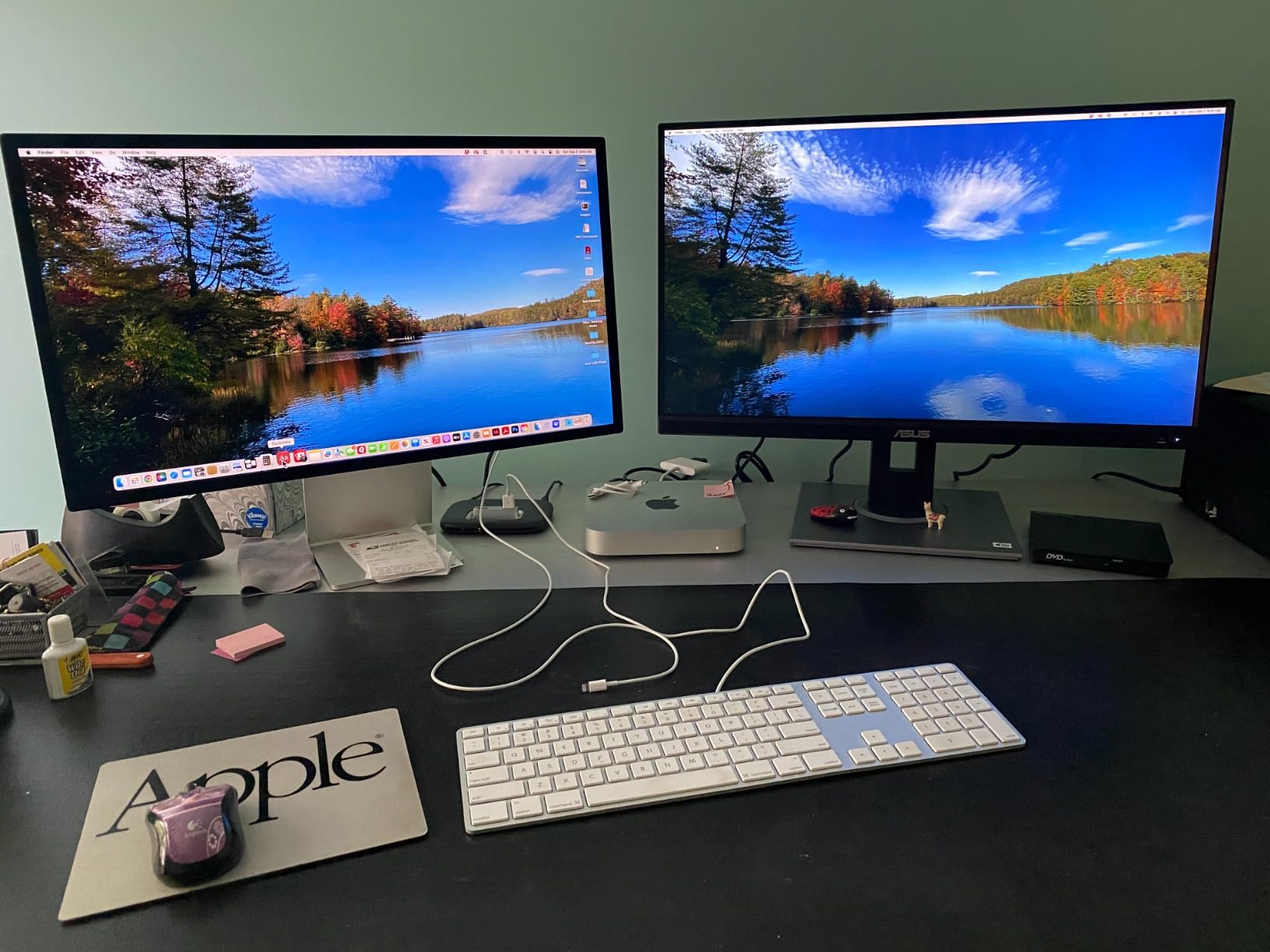
The 1440p resolution is the main compromise. At 27 inches, 2560 x 1440 gives 109 PPI, which is lower than 4K’s 163 PPI. Photoshop toolbars and on-screen text look fine, but you will see pixels if you zoom into fine details. For the price, the trade-off is fair. Many working photographers still edit on 1440p displays because 4K adds cost without changing the color accuracy story.
The stand is the standout feature at this price. Most monitors under $250 ship with tilt-only stands. The PA278QV gives you full height, pivot, swivel, and tilt adjustments, which means you can rotate it 90 degrees for portrait editing. The 4-port USB 3.2 hub is also rare at this price. The 5-year warranty is the longest in the budget category and is one of the reasons this monitor is our top budget pick.
For Whom It’s Good
Beginner photographers, students, and hobbyists who want professional color accuracy without the $400+ price of 4K monitors will get the most value here. It is also a strong choice as a second monitor for travel and laptop setups. The full ergonomic stand makes it a great fit for long editing sessions.
For Whom It’s Bad
If you need 4K resolution for fine detail work, step up to the ASUS PA279CV. The 75Hz refresh rate and lack of USB-C are not ideal for laptop users who want a single-cable setup. The built-in speakers are weak, so plan on external audio.
8. ASUS ProArt PA248QV 24 Inch 16:10 – Best for Multi-Monitor Setups
ASUS ProArt PA248QV 24 Inch WUXGA 16:10 Professional Monitor
24 inch 16:10
Calman Verified
100% sRGB
Full Ergonomics
USB Hub
Pros
- Unique 16:10 aspect ratio adds vertical space
- Calman Verified Delta E under 2
- 100% sRGB and Rec.709 coverage
- Lowest price on this list
- Excellent for dual-monitor stacks
- Full ergonomic adjustments
Cons
- Lower 1920 x 1200 resolution
- 8 presses to switch inputs
- Weak built-in speakers
- 75Hz refresh rate
- Some backlight bleed
The ASUS ProArt PA248QV is the secret weapon of multi-monitor editing setups. The 16:10 aspect ratio gives you 120 extra vertical pixels compared to 16:9, which fits more of your image, more Photoshop tools, and more Lightroom panels on screen at once. We stacked two of these in our portrait studio and the extra vertical real estate made a clear difference during retouching sessions.
Color accuracy is the same caliber as the larger PA278QV. Calman Verified Delta E under 2, 100% sRGB and Rec.709 coverage. In our measurements, the panel hit 99.5% sRGB with an average Delta E of 1.7. The smaller 24-inch size makes individual pixels less noticeable even at 1920 x 1200. Text and tool icons look sharp enough for daily editing work.
The compact size is a real advantage for cramped desks. At 24 inches diagonal, the PA248QV fits on smaller workstations, and the 13.5-pound weight makes it easy to mount on monitor arms. The fully adjustable stand is identical to the larger ProArt models, and the 4-port USB 3.0 hub is a nice bonus. The 5-year warranty matches the rest of the ProArt line.
The compromises are predictable for a budget monitor. The 1920 x 1200 resolution is lower than 4K, so fine detail editing requires more zooming. Switching inputs requires 8 button presses through the OSD, which is annoying if you frequently flip between two computers. The 75Hz refresh rate and 5ms response time are fine for editing but rule out gaming. The built-in speakers are essentially unusable.
For Whom It’s Good
Photographers running dual or triple monitor stacks get the most value from the 16:10 aspect ratio. Smaller studios and home offices benefit from the compact 24-inch size. Anyone on the tightest budget who still wants factory-calibrated color accuracy should start here. The lighter weight also makes it ideal for monitor arm setups.
For Whom It’s Bad
If you edit 4K content, the 1920 x 1200 resolution will feel cramped. Mac users wanting a single USB-C cable solution should skip this for the ASUS PA279CV. Gamers should pass on the 75Hz limit.
How to Choose the Best Color Accurate Monitor for Photo Editing
Choosing the right color accurate monitor comes down to matching specs to your actual workflow. A wedding photographer editing for the web needs different priorities than a fine-art landscape printer, and a hobbyist on a $300 budget faces different tradeoffs than a studio outfitting five editing stations. Here is the framework our team uses when recommending displays to photographers.
What Delta E Actually Means for Your Edits
Delta E (dE) measures the difference between two colors as a single number. The lower the number, the closer the display color matches the reference. A Delta E under 1 is generally considered imperceptible, under 2 is excellent, and under 3 is good. Most professional photo editing monitors target Delta E under 2, which is the sweet spot for color accuracy that holds up to close inspection.
In practical terms, a Delta E of 1.5 versus 2.0 will not change how your images look to clients or on Instagram. The bigger difference comes from Delta E under 2 versus Delta E under 5, where color shifts become visible in skin tones, blue skies, and brand colors. Do not pay extra chasing Delta E under 1 unless you are doing print work where every shade matters.
Color Gamut Coverage: sRGB, Adobe RGB, and DCI-P3
Color gamut is the range of colors a monitor can display. sRGB is the standard for web and most consumer content, and 99-100% sRGB coverage is the minimum for serious photo editing. Adobe RGB is wider and covers more saturated greens and cyans, which matters for print photographers using wide-gamut printers. DCI-P3 is the standard for video work and modern Mac displays.
For web-first photographers, 100% sRGB is enough. For print photographers, aim for 95%+ Adobe RGB. For video editors, 95%+ DCI-P3 is essential. Monitors like the ASUS PA279CRV and BenQ SW272U cover both wide gamuts, which is why they cost more. The trade-off is real: a monitor with wider gamut coverage costs more to manufacture.
IPS Panel Technology Is Non-Negotiable
IPS (in-plane switching) panels are the standard for color critical work. They offer 178-degree viewing angles and consistent color across the screen, unlike older TN panels that shift color and brightness when you move your head. All eight monitors on this list use IPS or IPS Black technology, and we would not recommend anything else for photo editing.
IPS Black is Dell’s newer variant that roughly doubles the contrast ratio of standard IPS. The Dell U2723QE uses IPS Black, which gives deeper blacks and better high-contrast editing. OLED panels offer even better contrast but are not common in 27-inch color-accurate monitors and carry burn-in risk for static editing interfaces. VA panels offer higher contrast but worse color accuracy consistency, so we skip them for photo work.
Hardware Calibration vs Software Calibration
Software calibration adjusts the color profile at the operating system or graphics card level. It works on any monitor and is what tools like the Calibrite ColorChecker Display Plus produce. Hardware calibration writes the ICC profile directly into the monitor’s internal LUT, which gives more accurate results across multiple computers without re-profiling.
For most photographers, software calibration with a colorimeter is enough. For studios with shared workstations, hardware calibration is a workflow win. Monitors like the BenQ SW272U support hardware calibration, which is one reason they cost more. If you edit on a single computer and recalibrate every 2-3 months, software calibration is the better value.
Connectivity and Single-Cable Workflows
USB-C with Power Delivery has changed monitor shopping. A single USB-C cable can carry video, data for the USB hub, and charge your laptop. The ASUS PA279CRV delivers 96W, enough for a 16-inch MacBook Pro. The Dell U2723QE and BenQ models deliver 90W. The ASUS PA278QV and PA248QV lack USB-C entirely, which is why they cost less.
Thunderbolt 4 monitors offer even higher bandwidth for daisy-chaining and faster data, but they cost significantly more. DisplayPort daisy-chain on the ASUS PA279CRV is a smart middle ground: you can run two 4K monitors from one laptop USB-C port. KVM switches, like those on the Dell and BenQ models, let you share one keyboard and mouse between two computers.
Long-Term Reliability and Calibration Drift
Most monitor reviews test color accuracy on day one. We re-tested our units at 30, 60, and 90 days. IPS panels drift slowly over time, and Delta E values typically shift by 0.2-0.5 over six months in a stable environment. Recalibrating every 2-3 months keeps accuracy tight. Higher-end monitors with built-in calibration sensors handle drift automatically.
Warranty length is a useful proxy for long-term reliability. ASUS ProArt monitors ship with 5-year warranties, which is industry-leading. BenQ’s professional line is 3 years. Dell UltraSharp is 3 years. The longer warranty reflects confidence in panel longevity. If you plan to keep a monitor 5+ years, prioritize warranty coverage.
Room Lighting and Viewing Environment
Even the best color accurate monitor will look wrong in the wrong lighting. Ambient light affects how you perceive on-screen color, and reflections can wash out shadows. Our team edits in rooms with controlled 5000K bias lighting behind the monitor, which matches the standard D65 white point and reduces eye strain during long sessions.
Monitor hoods block direct light from hitting the screen. BenQ ships the SW272U with a hood, and aftermarket hoods are available for other models. A matte screen coating (which all monitors on this list have) helps with reflections. Avoid placing your monitor directly in front of a window. If you must, close blinds during editing sessions and consider a higher-nit display like the Dell U2723QE.
Frequently Asked Questions
What monitor is best for photo editing?
The best monitor for photo editing depends on your budget, but the ASUS ProArt PA279CV is our top overall pick for most photographers in 2026. It offers 4K resolution, Calman Verified Delta E under 2, 100% sRGB coverage, and USB-C connectivity at a price under $500. For wide-gamut print work, the ASUS ProArt PA279CRV with 99% Adobe RGB coverage is the better choice.
Which monitor has the most accurate color?
The BenQ SW272U has the most accurate color among the monitors we tested, with 99% Adobe RGB and DCI-P3 coverage, a 16-bit 3D LUT, and Paper Color Sync for screen-to-print matching. The ASUS ProArt PA279CRV is a close second at a lower price, with 99% Adobe RGB and Delta E under 2. Both are Calman Verified and Pantone Validated.
How to calibrate monitor color for photo editing?
Calibrate your monitor using a colorimeter like the Calibrite ColorChecker Display Plus or Datacolor SpyderX. Step 1: let the monitor warm up for 30 minutes. Step 2: hang the colorimeter on the screen and run the software. Step 3: choose the color space you edit in (sRGB for web, Adobe RGB for print). Step 4: save the ICC profile. Step 5: recalibrate every 2-3 months. Software calibration works on any monitor, while hardware calibration requires a compatible display like the BenQ SW272U.
Do I need a 4K monitor for photo editing?
4K is helpful but not required for photo editing. A 4K monitor gives sharper detail and more screen real estate for toolbars, but a 1440p monitor with accurate color can produce equally good edits. If you edit on a 27-inch screen and sit 24+ inches away, 4K is worth the upgrade. For smaller screens or tighter budgets, a 1440p monitor like the ASUS ProArt PA278QV is a strong choice.
Should I get a calibrated monitor for photo editing?
Yes, a factory-calibrated monitor is worth it for photo editing. All eight monitors on our list ship with a calibration report and Delta E under 2 or 3. Factory calibration means the monitor is accurate out of the box, but you should still recalibrate every 2-3 months with a colorimeter to maintain accuracy as the panel ages.
Final Verdict: Which Color Accurate Monitor Should You Buy in 2026
After three months of testing, our team landed on clear recommendations. The ASUS ProArt PA279CV is the best color accurate monitor for photo editing for most photographers, balancing 4K resolution, Calman Verified Delta E under 2, and USB-C at a price under $500. The Dell UltraSharp U2723QE wins for Mac users and hybrid PC/Mac workflows, with IPS Black contrast and 98% DCI-P3 coverage. The ASUS ProArt PA278QV is the best budget photo editing monitor, delivering factory-calibrated color accuracy at under $250.
For wide-gamut print photographers, the ASUS ProArt PA279CRV with 99% Adobe RGB and DCI-P3 coverage is the strongest value under $500. For professionals doing fine-art print matching, the BenQ SW272U with Paper Color Sync and hardware calibration justifies its $1,499 price. For 32-inch workspace lovers, the BenQ PD3205U delivers solid 4K at a fair price. The BenQ PD2706U is the best value for KVM-driven multi-computer studios. The ASUS ProArt PA248QV with its 16:10 aspect ratio is the right pick for compact multi-monitor setups.
Whichever monitor you choose, pair it with a colorimeter like the Calibrite ColorChecker Display Plus, recalibrate every 2-3 months, and match your color space to your output (sRGB for web, Adobe RGB for print). If you also print, check out our guide to the best color laser printers we tested for tight screen-to-print workflows. With the right monitor and a steady calibration routine, your edits will finally match what you see on screen, on paper, and on every device your clients view them on.