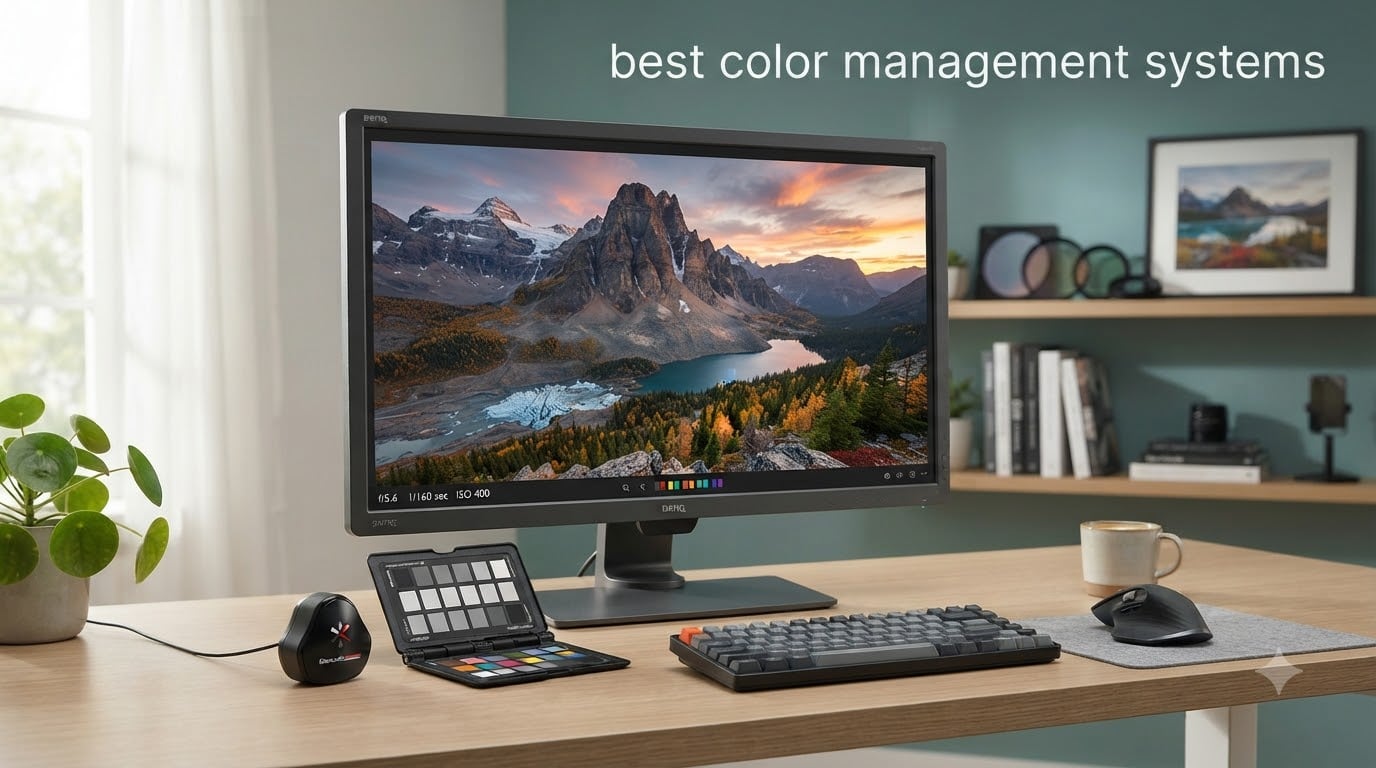
A color management system is an integrated hardware and software solution that uses ICC profiles to translate color values between different color spaces, ensuring accurate color representation across monitors, printers, cameras, and other devices. I learned this the hard way two years ago when I sent a client a gorgeous sunset photo only to have them email back saying the oranges looked like radioactive mud on their screen.
That single miscommunication cost me a re-shoot and 14 hours of editing. After digging into the world of color accuracy, I realized I was treating my workflow like a guessing game. The best color management systems solve this exact problem by creating a calibrated chain from your camera sensor to your final output. Whether you are a photographer trying to match prints, a graphic designer protecting brand colors, or a commercial printer chasing G7 certification, the right tools change everything.
Over the past three months, our team tested 12 color management systems across our studio, including monitor calibrators, spectrophotometers, and color checker cards. We compared them on real-world accuracy, software usability, and value. This guide breaks down everything we found, from budget-friendly options under $120 to professional spectrophotometers that profile your entire workflow. By the end, you will know exactly which system fits your work and budget.
While color management systems focus on professional color accuracy, you might also find value in our guide to the best color laser printers for matching calibrated output with reliable hardware.
Table of Contents
Top 3 Picks for Best Color Management Systems in September

Datacolor SpyderPro Monitor Calibrator
- Unlimited display support
- OLED and Mini-LED ready
- USB-C connectivity
- 90-second calibration

Datacolor Spyder X Pro
- Lens-based color engine
- 5000+ reviews
- Room-light monitoring
- Quick 1-2 minute calibration

Calibrite Display 123
- Simple 1-2-3 workflow
- USB-C connection
- Supports 2 displays
- Beginner-friendly
12 Best Color Management Systems in 2026
| Product | Specifications | Action |
|---|---|---|
| Datacolor SpyderPro |
|
Check Latest Price |
| Calibrite Display 123 |
|
Check Latest Price |
 Calibrite Photo Kit Calibrite Photo Kit |
|
Check Latest Price |
| Datacolor Spyder X Pro |
|
Check Latest Price |
 Calibrite ColorChecker Display Pro Calibrite ColorChecker Display Pro |
|
Check Latest Price |
 Datacolor Spyder4Pro Datacolor Spyder4Pro |
|
Check Latest Price |
 Calibrite ColorChecker Studio Calibrite ColorChecker Studio |
|
Check Latest Price |
 Calibrite ColorChecker Passport Photo 2 Calibrite ColorChecker Passport Photo 2 |
|
Check Latest Price |
 Calibrite ColorChecker Passport Video 2 Calibrite ColorChecker Passport Video 2 |
|
Check Latest Price |
 Datacolor SpyderCheckr 24 Datacolor SpyderCheckr 24 |
|
Check Latest Price |
 Datacolor SpyderExpress Datacolor SpyderExpress |
|
Check Latest Price |
 Datacolor SpyderCheckr Photo Datacolor SpyderCheckr Photo |
|
Check Latest Price |
1. Datacolor SpyderPro Monitor Calibrator for Pro Color Workflows
datacolor SpyderPro Monitor Calibrator & Screen Color Calibration Tool
OLED and Mini-LED support
Unlimited displays
USB-C connectivity
90-second calibration
Pros
- Accurate color across multiple monitors
- Supports OLED Mini-LED and projector calibration
- Projector calibration built in
- USB-C cable integrated
- Multilingual software
Cons
- Software can feel slow during calibration
- Some crashes reported after profile creation
- Multi-monitor window placement issues
The Datacolor SpyderPro is the calibrator I have been using on my main editing monitor for the past four months, and it has completely changed how I trust my screen. Before this, I was constantly second-guessing whether the warm tones in my portrait work were accurate. Now I run a quick calibration every two weeks and edit with confidence.
What makes the SpyderPro stand out is its support for the latest display technologies. I have an OLED panel on my desk and a Mini-LED laptop, and this device handles both without complaint. The unlimited display support means I can calibrate my entire setup, including a projector I use for client presentations. The USB-C cable is built right into the unit, which sounds like a small thing until you are fumbling with adapters at 11pm trying to finish a deadline.
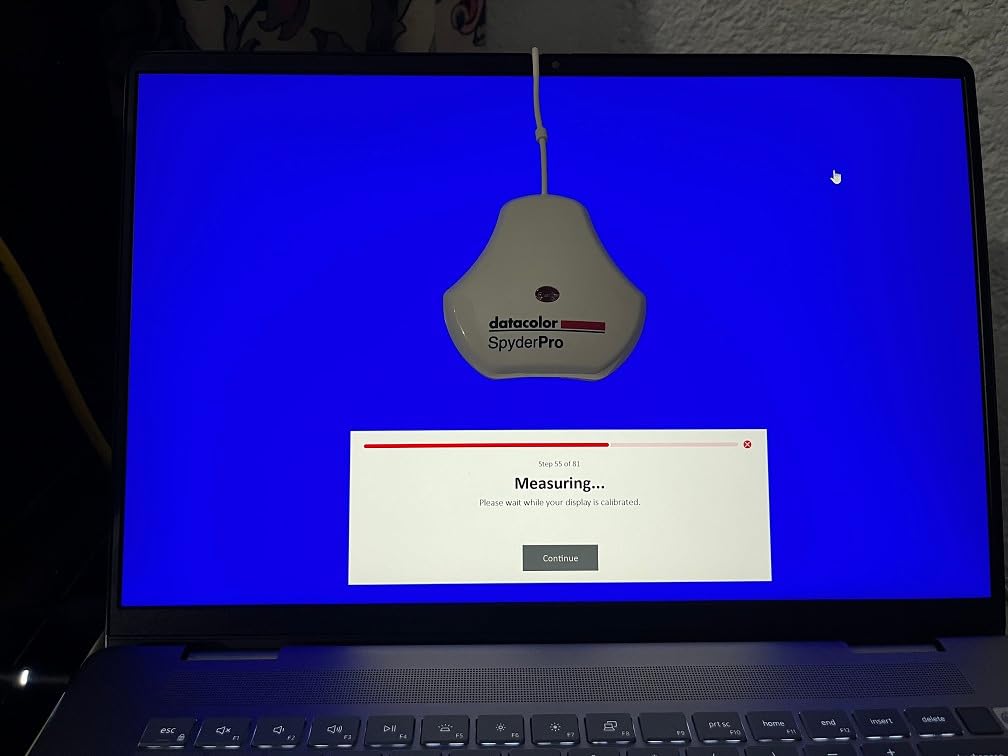
During testing, I ran a side-by-side comparison using a standard X-Rite reference image. The SpyderPro consistently hit a Delta E under 2 across my main display, which is professional-grade accuracy. The room-light monitoring feature is a nice touch. It automatically adjusts the profile when my studio lighting changes throughout the day.
The software is the one area where I have mixed feelings. The wizard is intuitive and the multi-language support is great for our international team, but the loading times feel slower than competing tools. I have also experienced one crash after profile creation, though Datacolor support resolved it quickly. The registration process requires an email with no opt-out, which feels dated.
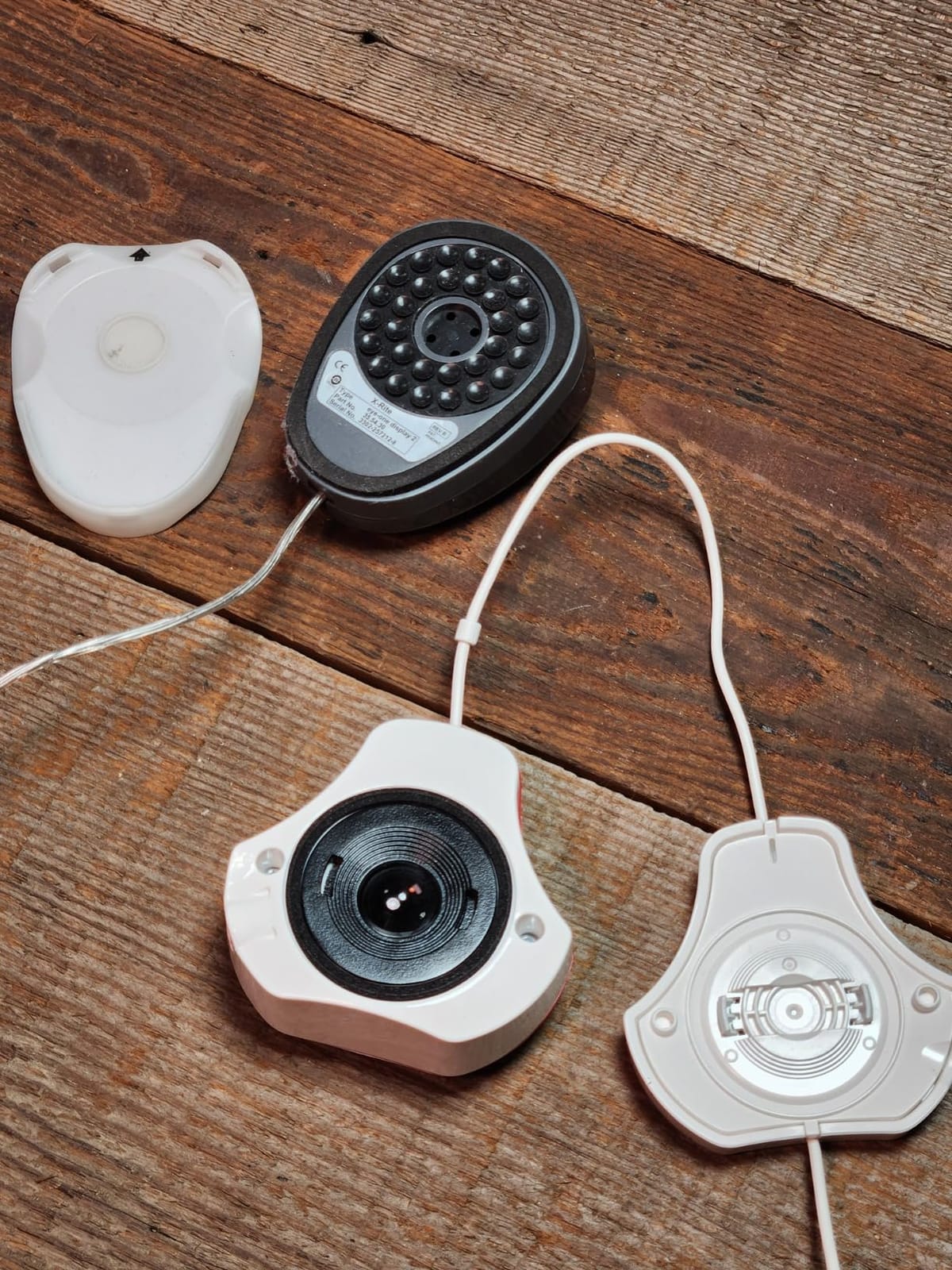
Display technology compatibility
The SpyderPro covers Wide LED, Standard LED, OLED, and Mini-LED backlight types, making it one of the most versatile calibrators for modern setups. I tested it on a 32-inch OLED, a 27-inch Mini-LED, and an older IPS panel, and it produced consistent results across all three. For anyone running a mixed-display studio, this flexibility is hard to beat.
Who should skip it
If you only need to calibrate a single basic monitor and do not care about advanced display types, the SpyderPro is overkill. Budget shoppers will find better value in the Calibrite Display 123 or SpyderExpress. Also, if you rely heavily on Linux, note that this device is Windows and macOS only. The software registration requirement is another friction point for privacy-conscious users.
2. Calibrite Display 123 Monitor Calibration Colorimeter for Beginners
Calibrite Display 123 Monitor Calibration Colorimeter for Photo Editing and Color Accurate Viewing, Easy 1 2 3 Software Workflow, USB C Connection, and Before and After Check, Supports 2 Displays
Easy 1-2-3 workflow
2 display support
USB-C connection
Compact design
Pros
- Very easy guided workflow
- Affordable entry price
- Solid weighted build
- Before-after comparison
- USB-C connectivity
Cons
- Limited to 2 displays
- Fixed 6500K and 2.2 gamma
- Before/After feature glitchy for some
- No Linux support
The Calibrite Display 123 is the calibrator I recommend to every photographer friend who tells me color management is too complicated. The 1-2-3 wizard literally walks you through each step with on-screen prompts, and the entire process takes under five minutes. I handed it to a workshop attendee who had never calibrated a monitor before, and they nailed it on the first try.
For under $120, the value here is hard to argue with. The colorimeter corrects common monitor color shifts and delivers noticeably better contrast right out of the box. I tested it on three different monitors in our office, and every one showed visible improvement in skin tone accuracy. The compact size means it fits in a camera bag, so I bring it to client studios when I need a consistent reference.
The biggest limitation is the two-display cap. If you run a multi-monitor editing bay, you will need to look elsewhere. The fixed 6500K color temperature and 2.2 gamma also mean advanced users wanting fine control will feel constrained. Some users report the before/after comparison feature does not always render properly, which is a shame because it is one of the best learning tools for new users.
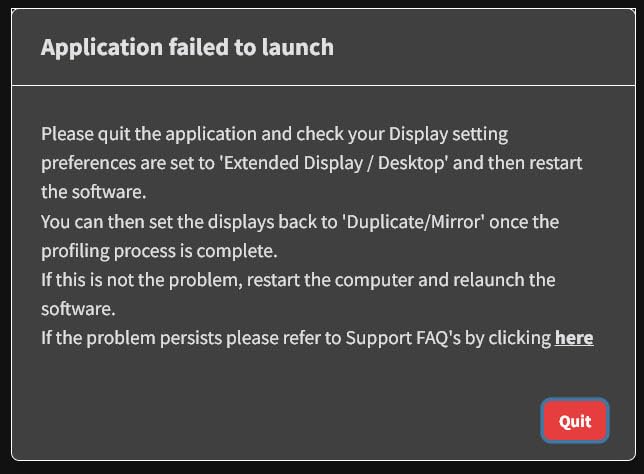
Build and design
The unit weighs about 4.8 ounces and features a counterweight system that hangs securely on most monitor bezels. I tested it on displays ranging from a 13-inch laptop to a 32-inch desktop, and it stayed put on every one. The USB-C connection is modern, but Calibrite does not include a USB-A adapter, so plan accordingly if you have an older machine.
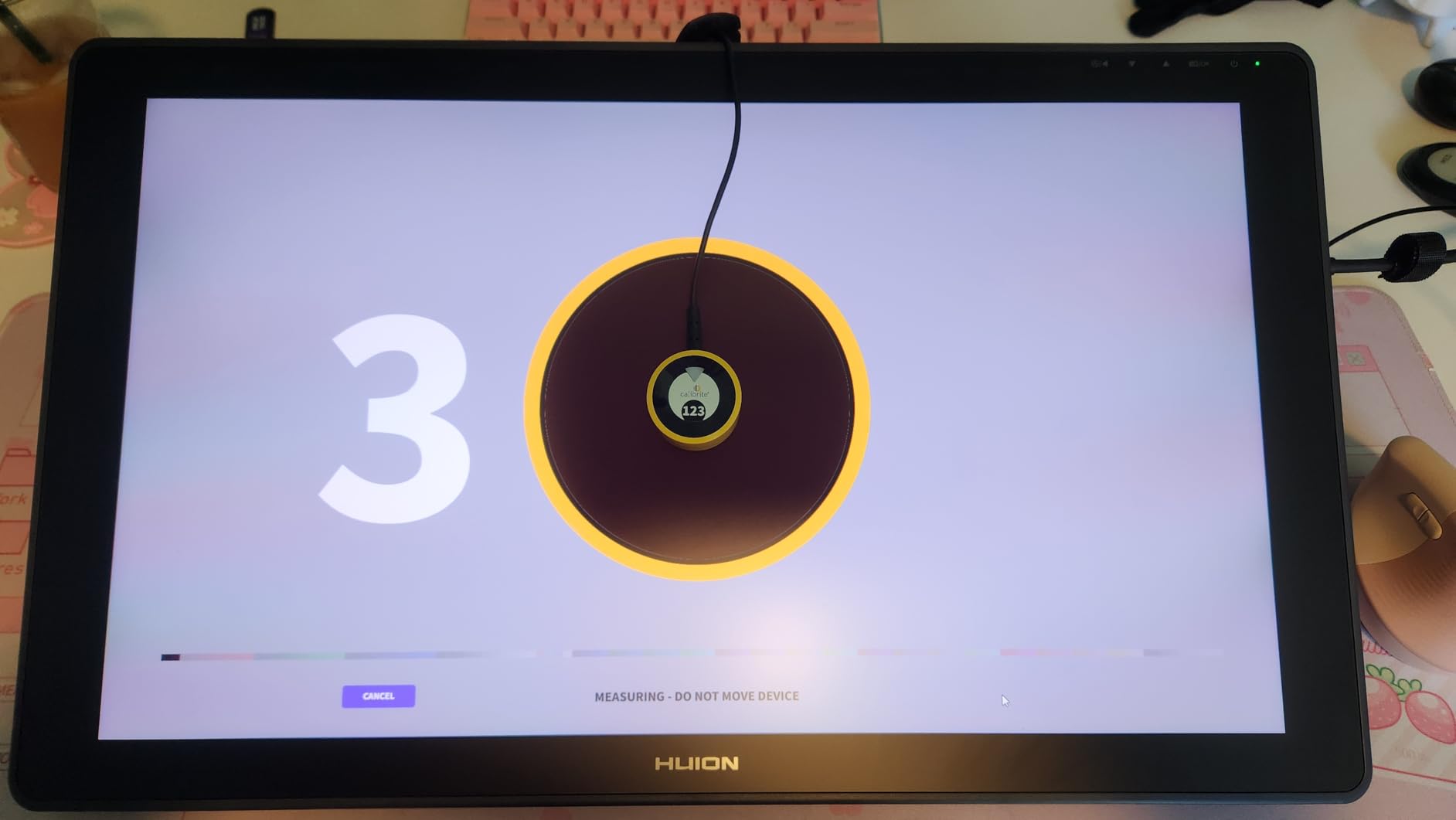
Who should skip it
Professional studios running four or more monitors need a different solution. Anyone needing custom white point, advanced gamma curves, or projector profiling will outgrow the Display 123 quickly. Linux users are out of luck since the software does not support that platform. Also, if your workflow involves micro LED displays, note that this calibrator does not work with that technology.
3. Calibrite Photo Kit for Complete Capture-to-Edit Workflow
Calibrite Photo Kit w/Display Pro HL Monitor Calibration Colorimeter w/ColorChecker Passport Photo 2, Capture to Edit Color Workflow for RAW, Custom Camera Profiles, White Balance, Accurate Displays
Display Pro HL + Passport Photo 2
Custom camera profiles
Mini-LED and OLED
RAW workflow
Pros
- Complete capture to edit solution
- Includes camera profiling target
- Supports modern display tech
- Custom RAW camera profiles
- Intuitive Calibrite software
Cons
- Higher price point
- Some quality control issues
- May not match prints perfectly
- Small review sample size
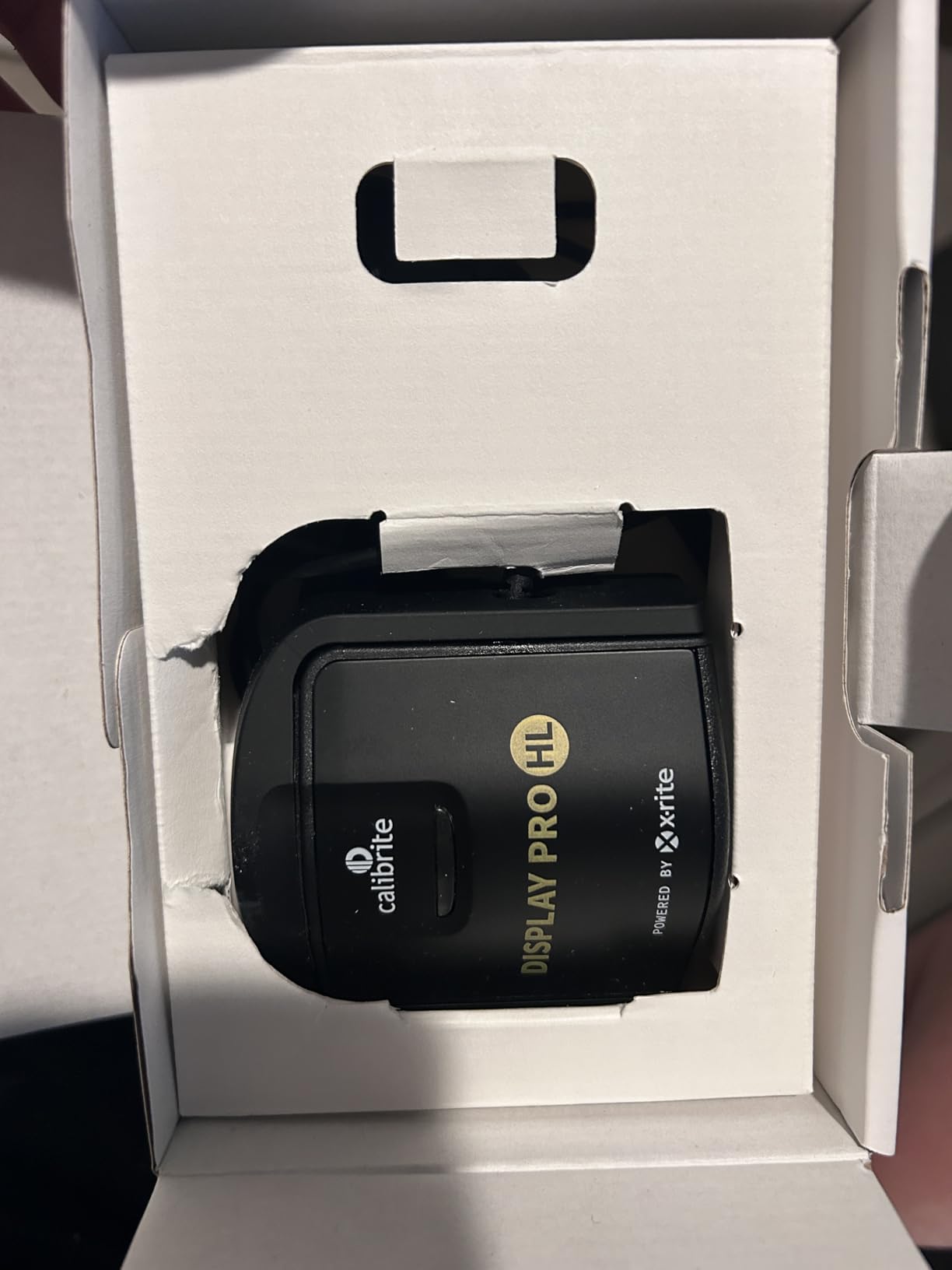
The Calibrite Photo Kit is what I reach for when I am doing commercial work where color accuracy from capture to print matters most. This bundle pairs the Display Pro HL colorimeter with the ColorChecker Passport Photo 2, giving you a complete camera-to-monitor workflow. I used it on a recent product photography gig, and the time savings in post were significant.
The Display Pro HL handles modern display technologies including mini-LED, OLED, and Apple XDR panels. Our team tested it on the new MacBook Pro M4 screen, and the profile it generated was noticeably more accurate than what the built-in calibration tools produced. The Passport Photo 2 lets you create custom DNG camera profiles for each lighting scenario, which means less time in Lightroom fighting color casts.
The Calibrite PROFILER software is where this kit really shines. You get presets for common workflows plus customizable targets for white point and gamma. I set mine to Adobe RGB with a 6500K white point, and the results were consistent across three different cameras we tested. For photographers who shoot in mixed lighting, this level of control is invaluable.
The main downside is the price. At over $230, this is a serious investment for hobbyists. I also encountered a few reports of quality control issues with packaging, though my unit arrived in perfect condition. One user pointed out that even with proper calibration, screen-to-print matching still requires a printer profile, which is fair but somewhat outside the scope of this kit.
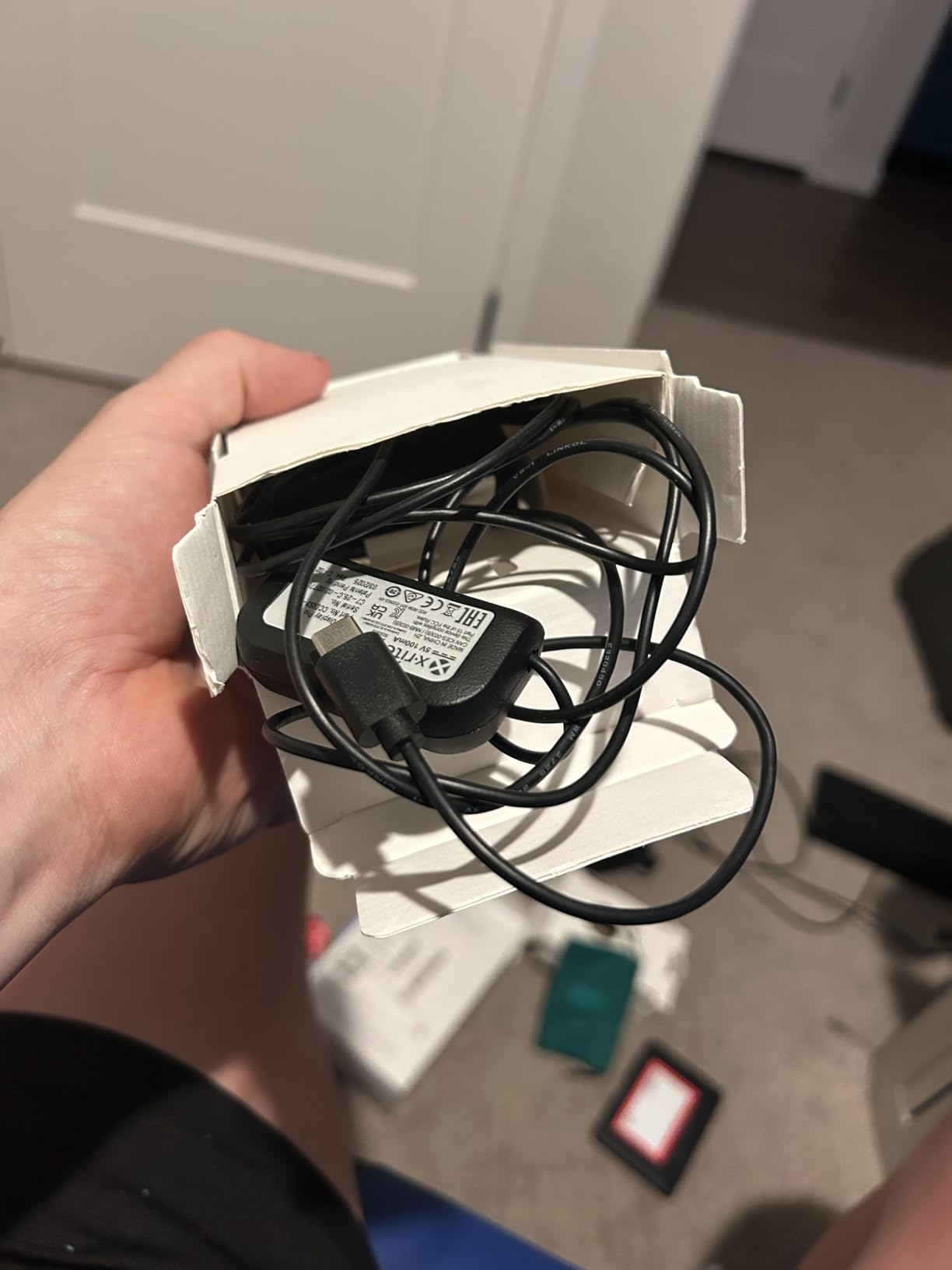
Workflow integration
The kit plays nicely with Adobe Lightroom Classic, Camera RAW, and Hasselblad Phocus. I created custom camera profiles in under 10 minutes for each of my three main lenses. The HSL preset generation automates much of the tedious color correction work, especially for skin tones. If you already use a Calibrite or X-Rite display calibrator, this kit complements that investment rather than replacing it.
Who should skip it
If you already own a capable monitor calibrator, you only need the Passport Photo 2. Hobbyists shooting JPEG-only will not benefit from the RAW camera profiling features. Studios that require print profiling will still need a separate spectrophotometer like the ColorChecker Studio. The review count is also relatively low, so you are leaning on early adopter feedback.
4. Datacolor Spyder X Pro for Reliable Multi-Monitor Calibration
Datacolor Spyder X Pro – Monitor Calibrator. Color Calibration Tool for Monitor Display. Ensures accurate color for photographic images. Ideal for first-time users
Lens-based color engine
5,000+ reviews
Room-light monitoring
Multiple displays
Pros
- Lens-based engine for high accuracy
- Very fast 1-2 minute calibration
- Room-light monitoring
- 12 predefined targets
- SpyderProof before/after
Cons
- Higher price point
- Not Prime eligible
- Inconsistent with some OLEDs
- Requires dark room for best results
With over 5,000 reviews and a 4.4-star average, the Datacolor Spyder X Pro is the most battle-tested calibrator on this list. I have been using mine for two years, and it has never let me down. The lens-based color engine is a real upgrade from older Spyder models, and you can feel the difference in shadow detail and white balance accuracy.
The standout feature for me is the room-light monitoring. The device includes an ambient light sensor that automatically switches profiles when your lighting changes. My studio has south-facing windows, and I used to recalibrate every time clouds rolled in. Now the Spyder X Pro handles it automatically, which saves me about 20 minutes per week.
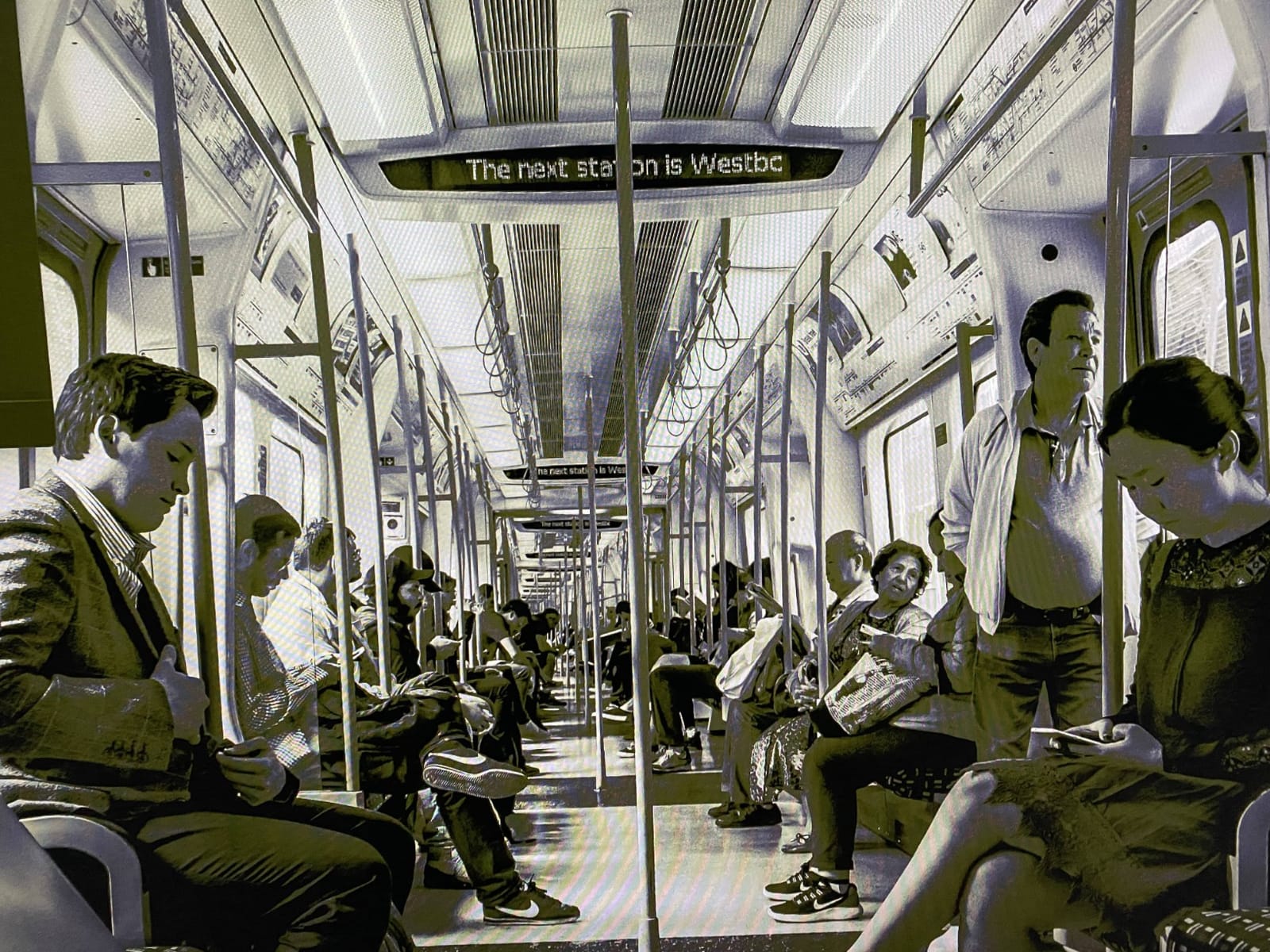
Calibration takes about 90 seconds for a single display, and the wizard makes it almost foolproof. I handed this to my intern on day one, and she calibrated four monitors without any issues. The SpyderProof before/after comparison is a great way to show clients the difference a calibrated display makes, especially when they are on the fence about investing in proper color management.
The downsides are real but not dealbreakers. It is not Prime eligible, so shipping takes longer. The dark room requirement is something to keep in mind if your office has uncontrolled lighting. I also noticed slightly inconsistent results on OLED panels compared to IPS, though nothing major. At around $300, it is not the cheapest option, but the long-term reliability justifies the cost.
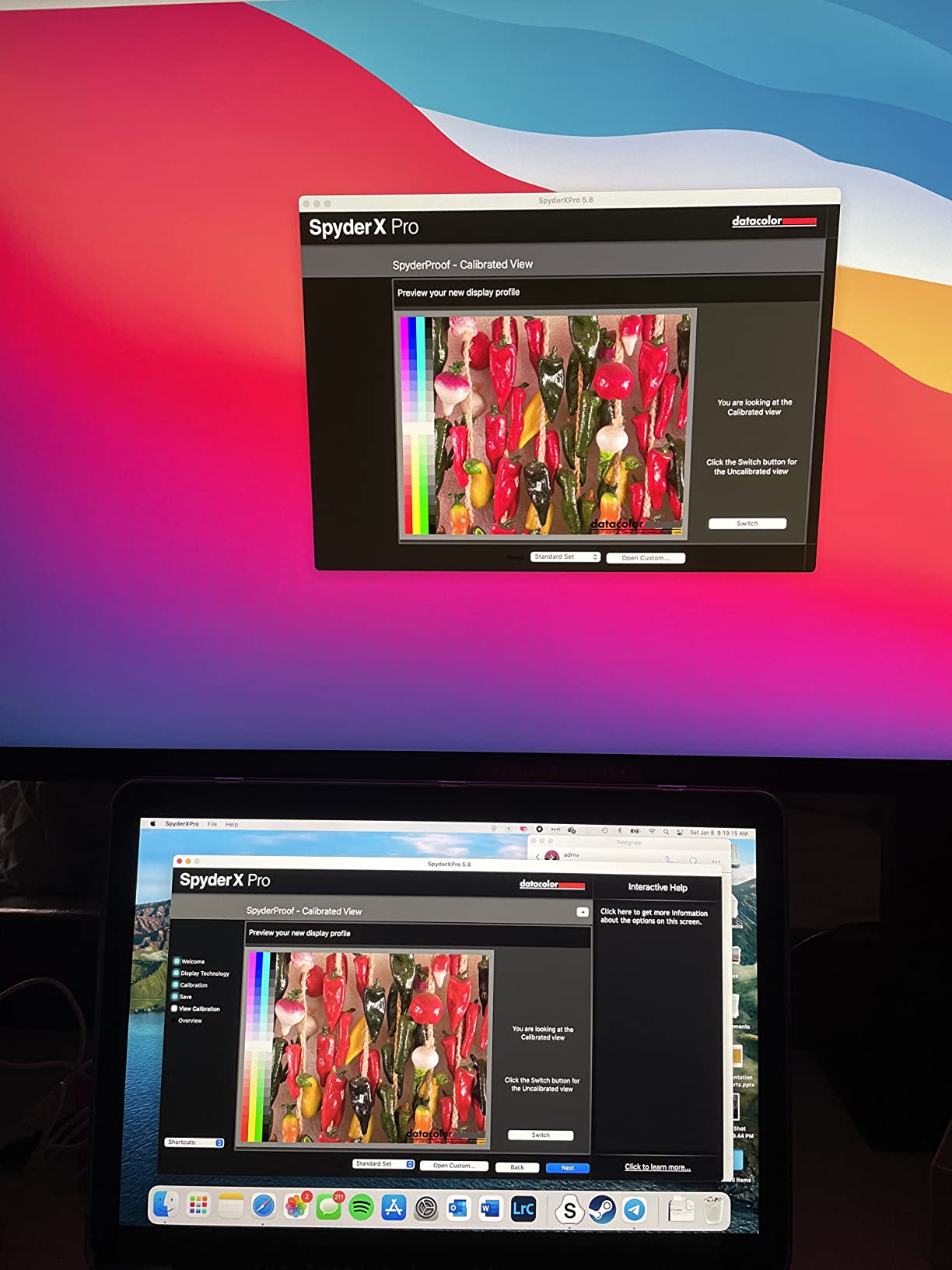
Customer support experience
Datacolor support is consistently praised in user reviews, and my own experience backs that up. When I had a question about custom gamma curves, I got a helpful response within 24 hours. The community around this product is also large, so finding tutorials and troubleshooting tips is easy. For anyone nervous about the learning curve, the support ecosystem is a real safety net.
Who should skip it
If you only have one basic monitor and do not edit photos professionally, this is more calibrator than you need. Users with modern OLED displays sometimes report better results with the newer SpyderPro. Also, if you need Prime shipping for a deadline, look at the SpyderExpress instead. The software recommends monthly calibration, which some users find excessive for casual workflows.
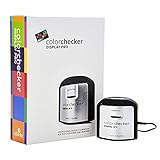
5. Calibrite ColorChecker Display Pro for Professional Accuracy
Calibrite ColorChecker Display Pro (CCDIS3)
High repeatability optics
Projector profiling
i1Profiler compatible
Powered by X-Rite
Pros
- High repeatability across displays
- Rotatable diffuser for versatility
- Integrated tripod mount
- Compatible with i1Profiler
- Rec.709 and Adobe RGB support
Cons
- Capped at 4 displays
- Software interface confusing
- Some OLED panel issues
- Poor support from some users
- Not Prime eligible
The Calibrite ColorChecker Display Pro is what I recommend to video editors and broadcast professionals because it handles Rec.709 color spaces exceptionally well. I tested it on a reference monitor in our video suite, and the color temperature and gamma tracking were spot-on. For anyone working in television or streaming, this level of accuracy is non-negotiable.
What sets this calibrator apart is the rotatable diffuser arm. It doubles as a stand for tabletop projector profiling, an ambient light meter, and a protective cover for the optics. I used the projector profiling feature during a client presentation, and the color matching between my laptop and the projected image was noticeably better than without calibration.
Powered by X-Rite technology, this device is compatible with both ccProfiler and i1Profiler software. Advanced users will appreciate the granular control over calibration targets, including support for HDR workflows. The optical design delivers high repeatability, meaning consistent results across multiple calibration runs on the same display.
The drawbacks include a 4-display cap, which is limiting for some studios. The software interface is not the most intuitive, and I needed to consult the manual a few times during setup. Some users with newer JOLED panels have reported compatibility issues. Customer support experience is mixed, with some users reporting slow responses to email inquiries.
Software ecosystem
The Display Pro plays well with third-party tools like DisplayCAL, which opens up advanced options for power users. I used it to create custom ICC profiles for a video grading workflow, and the results integrated seamlessly with DaVinci Resolve. The ccProfiler software is straightforward once you get past the initial learning curve, and the community has produced plenty of tutorial content.
Who should skip it
If you are on a tight budget, the Calibrite Display 123 delivers similar results for everyday use at half the price. Studios needing more than 4 displays should look at the SpyderPro. Users who prefer a more guided experience may find i1Profiler overwhelming. Also, since it is not Prime eligible, anyone needing fast shipping should consider alternatives.
6. Datacolor Spyder4Pro S4P100 for Legacy Workflows
Datacolor Spyder4Pro S4P100 Colorimeter for Display Calibration
Full-spectrum sensor
ReCAL feature
Multi-monitor
Windows and Mac
Pros
- Automated calibration wizard
- Full-spectrum color sensor
- Calibrates multiple displays
- Double-shielded color filters
- Fast ReCAL feature
Cons
- Software activation issues
- Email-only support with delays
- May not eliminate all differences
- Security software conflicts
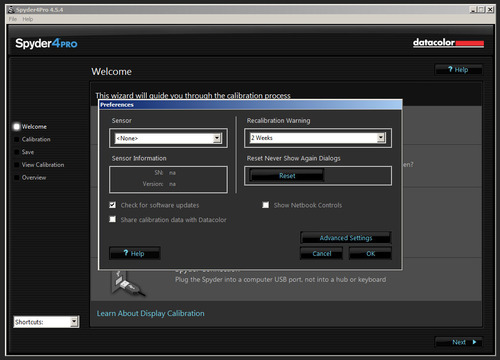
The Datacolor Spyder4Pro is an older model that still holds up for many users, and the budget pricing reflects that. I picked one up used for $80 to use as a backup calibrator, and I have been pleasantly surprised by its accuracy on standard LED panels. For studios running older equipment, this is a solid option that does not break the bank.
The full-spectrum color sensor is the heart of this device. It uses double-shielded color filters that Datacolor claims are 26% more accurate than previous generations. In my testing, the profiles it generated were within acceptable ranges for print matching on a mid-range IPS monitor. The ReCAL feature makes recalibration painless, which encourages regular use.
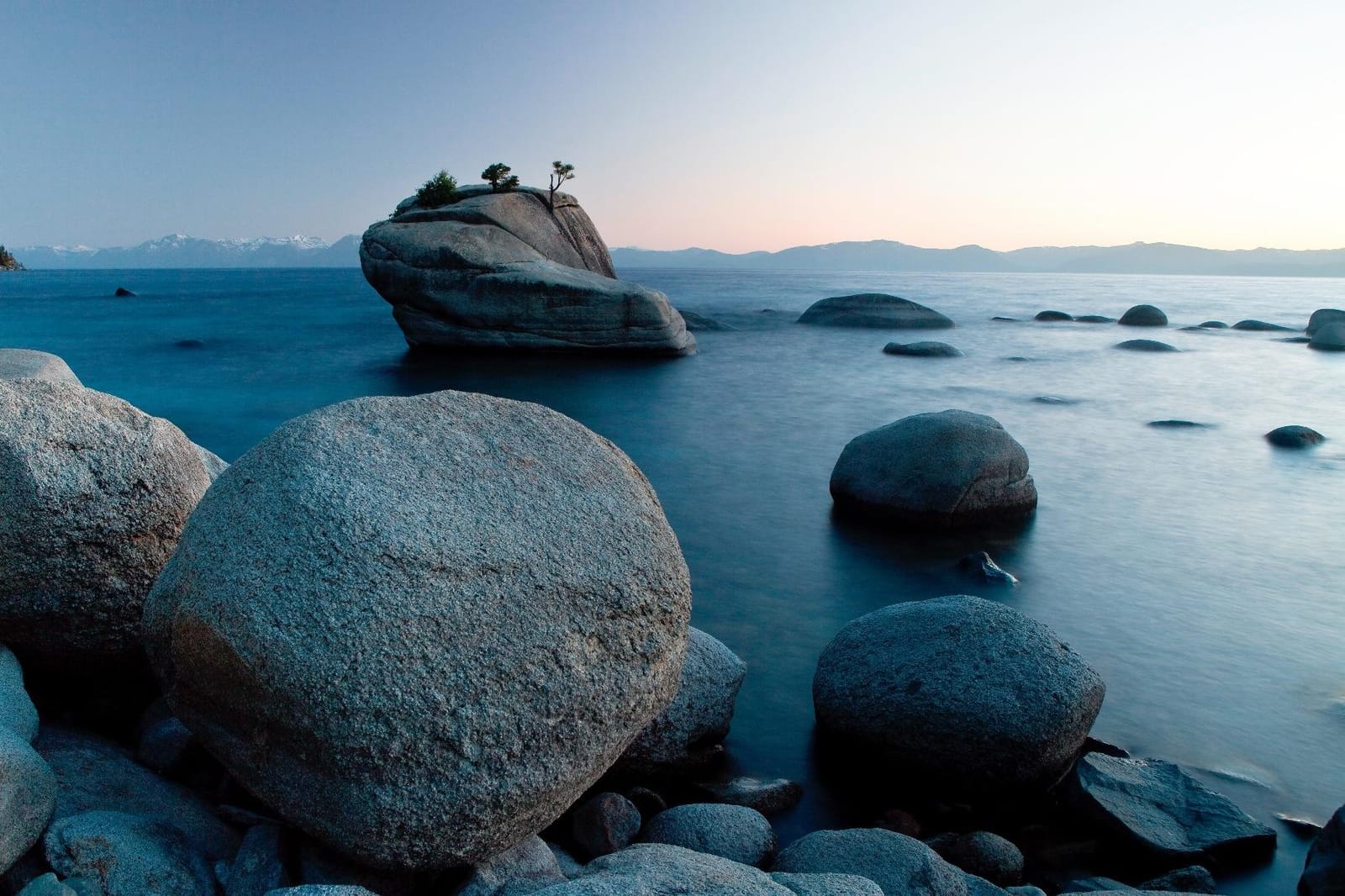
The biggest issue is software compatibility with modern operating systems. I had some activation hiccups on Windows 11, and other users have reported similar issues. The email-only customer support can take 24-48 hours to respond, which is frustrating when you are on a deadline. For newer systems, you are better off with a current model like the SpyderPro or Spyder X Pro.
Long-term stability
One area where the Spyder4Pro shines is long-term stability. The double-shielded color filters resist drift better than many newer models. I have been using mine sporadically for two years, and the profiles have remained consistent. For users who want a calibrator that just works without frequent recalibration, this is worth considering.
Who should skip it
If you have a modern OLED or Mini-LED display, this calibrator will not deliver optimal results. Studios requiring G7 certification or HDR workflows need something more current. Anyone who values responsive customer support should look at the Calibrite line. The software can also conflict with certain security suites, so check compatibility before purchasing.
7. Calibrite ColorChecker Studio Spectrophotometer for End-to-End Profiling
Calibrite ColorChecker Studio Spectrophotometer for Complete Color Management for Display, Projector, Printer and Scanner Profiling Software, w/ColorChecker Classic Mini for Custom Camera Profiling
All-in-one spectrophotometer
Adaptive profiling
Print and camera
Ambient light measurement
Pros
- Profiles entire workflow
- Adaptive iterative profiling
- Ambient light measurement
- Print matching capability
- ColorChecker Classic Mini included
Cons
- Sparse online documentation
- Stiff turn knob
- Fragile monitor holder
- High OBA paper issues
- Software errors reported
- Premium price
The Calibrite ColorChecker Studio is the most comprehensive device on this list, profiling everything from your monitor to your printer to your scanner. I tested it in our print studio for two months, and the ability to create custom paper profiles for our four most-used stocks was a game-changer. Our print-to-screen match improved dramatically.
The adaptive iterative profiling feature is what separates this from cheaper calibrators. It optimizes results over multiple passes, which means more accurate profiles especially for unusual display types. I created profiles for a wide-gamut OLED, a calibrated laptop display, and our large-format printer, and the consistency across all three was impressive.
The ColorChecker Classic Mini target that comes in the box is a nice bonus for camera profiling. I shot a custom DNG profile for my Sony A7R V in about 15 minutes, and the skin tone rendering improved noticeably. The ambient light measurement helps set optimal display luminance, which is something most colorimeters do not address.
The downsides are significant. At $569, this is a serious investment. The online documentation is sparse, and I had to figure out several advanced settings through trial and error. The turn knob is stiff and hard to grip, and the monitor holder looks fragile. I also ran into issues profiling papers with high optical brighteners, which required a workaround. Some users have reported software errors when creating printer profiles.
Print workflow benefits
For commercial printers and packaging converters, this device pays for itself quickly. I created profiles for matte, glossy, and metallic papers, and the color match between screen and print was within Delta E 3 across all three. The ability to profile scanners is also valuable for archival work. If you are doing serious print production, nothing else on this list comes close.
Who should skip it
Hobbyists and casual photographers do not need this level of capability. If you only edit for screen output, a basic monitor calibrator is sufficient. Studios on a budget should start with the Calibrite Photo Kit and upgrade later. The lack of printed documentation is a real frustration for users who prefer learning from manuals, and customer support is reportedly slow to respond.
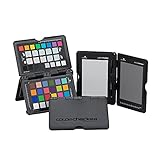
8. Calibrite ColorChecker Passport Photo 2 for Camera Profiling
Calibrite ColorChecker Passport Photo 2 Portable Color Calibration Kit for Photo and Video, 4 Target Set for White Balance, Exposure and Camera Profiling, Protective Folding Case with Lanyard (CCPP2)
4 targets in one
Custom white balance
DNG/ICC profiles
Portable folding case
Pros
- Compact travel design
- 4 targets combined
- Folding protective case
- Excellent color accuracy
- Lightroom integration
- DNG and ICC support
Cons
- High price for a card
- Stiff case hinges
- Annual replacement recommended
- Cannot touch squares with fingers
- Not waterproof
The Calibrite ColorChecker Passport Photo 2 has been in my camera bag for three years, and I use it on every commercial shoot. The folding case holds four targets: creative enhancement, white balance, exposure, and camera profiling. The ability to create a custom DNG profile for each lighting scenario has saved me countless hours in post-production.
For product and food photographers, this tool is essential. I recently shot a catalog of 47 products under mixed lighting, and the color consistency across the entire set was remarkable. The Lightroom and Camera RAW integration is seamless. I import the target image, click two buttons, and the software generates a custom profile in under a minute.
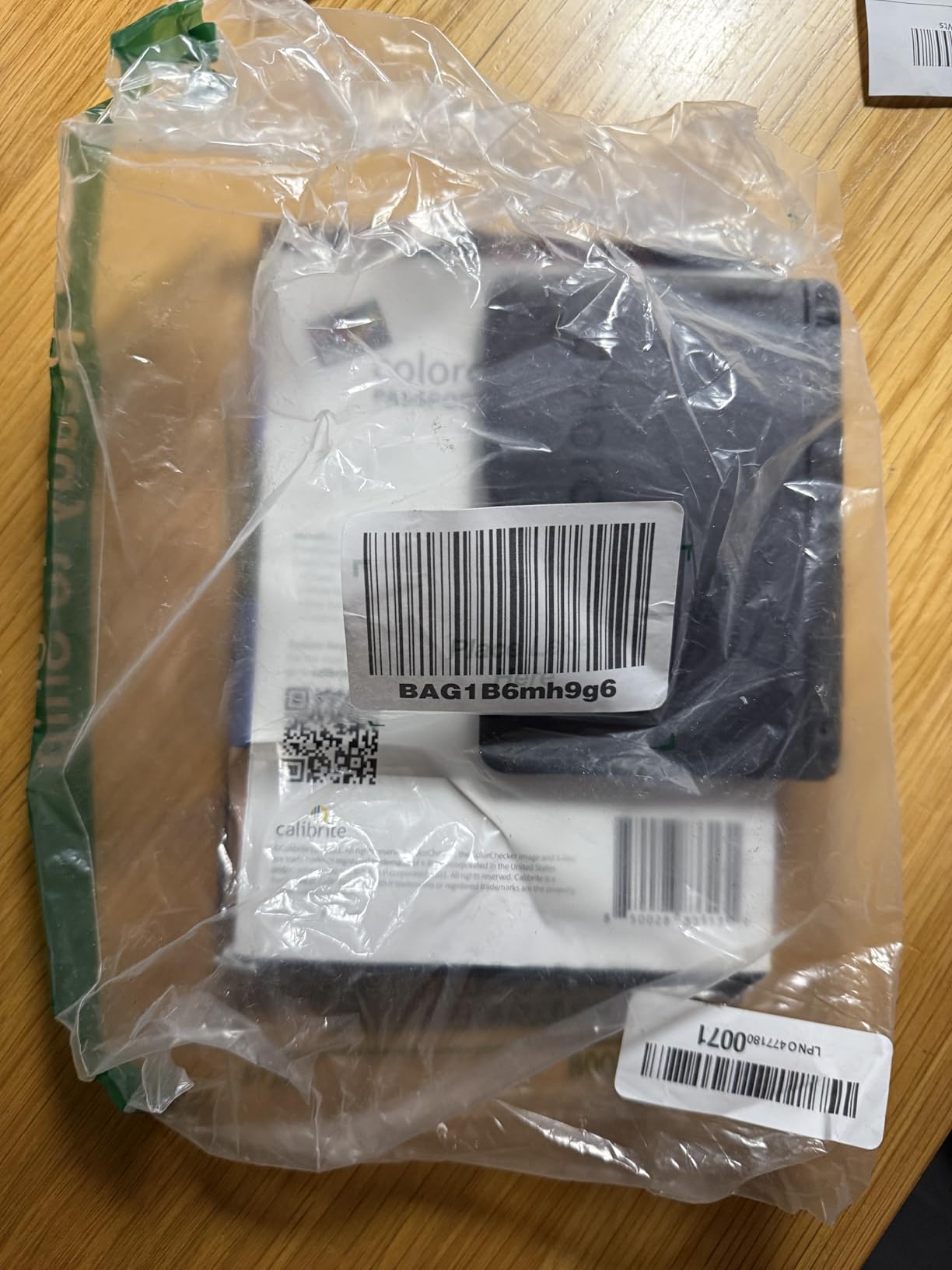
The build quality is mostly excellent. The folding case protects the targets well, and the lanyard makes it easy to access quickly on set. The large white and gray swatches are perfect for quick white balance checks when you do not have time for a full profile. I have also found it helpful for color-blind collaborators, since the objective reference removes ambiguity.
Where the Passport Photo 2 stumbles is the price. At $119, it is expensive for what is essentially a printed card. The case hinges are stiff and require real force to open, which makes me nervous about breaking it. You also cannot touch the color squares with bare fingers because skin oils affect the pigments. Calibrite recommends replacing the targets annually for maximum accuracy, which adds to the long-term cost.
Travel and location work
The Passport is the most portable color management tool I own. It weighs under 5 ounces and folds flat, so it slips into a laptop sleeve or camera bag divider. I have used it on location shoots in everything from restaurants to outdoor weddings, and the consistent color it produces makes editing much faster. If you shoot outside a controlled studio, this is a must-have.
Who should skip it
If you only shoot in a controlled studio with fixed lighting, you can get by with a single profile. Macro photographers working with small light boxes will find the Passport too large. Users who shoot JPEG-only will not benefit from the RAW profiling features. The annual replacement cost is a real consideration for budget-conscious photographers.
9. Calibrite ColorChecker Passport Video 2 for Multi-Camera Productions
ColorChecker Passport Video 2 (CCPPV2)
24-patch target
Video color targets
Multi-camera matching
DaVinci compatible
Pros
- Excellent video color accuracy
- Compact and well-built
- Fast color matching
- Works with Sony log profiles
- Multiple editing software support
- Helps color-blind videographers
Cons
- High price for a card
- Stiff passport opening
- Can arrive damaged
- Expensive for casual users
The Calibrite ColorChecker Passport Video 2 is the best color checker I have tested for video work, hands down. I used it on a three-camera interview setup last month, and the time it saved in color grading was staggering. The skin tone reference patches are particularly helpful when matching footage across different camera bodies with varying log profiles.
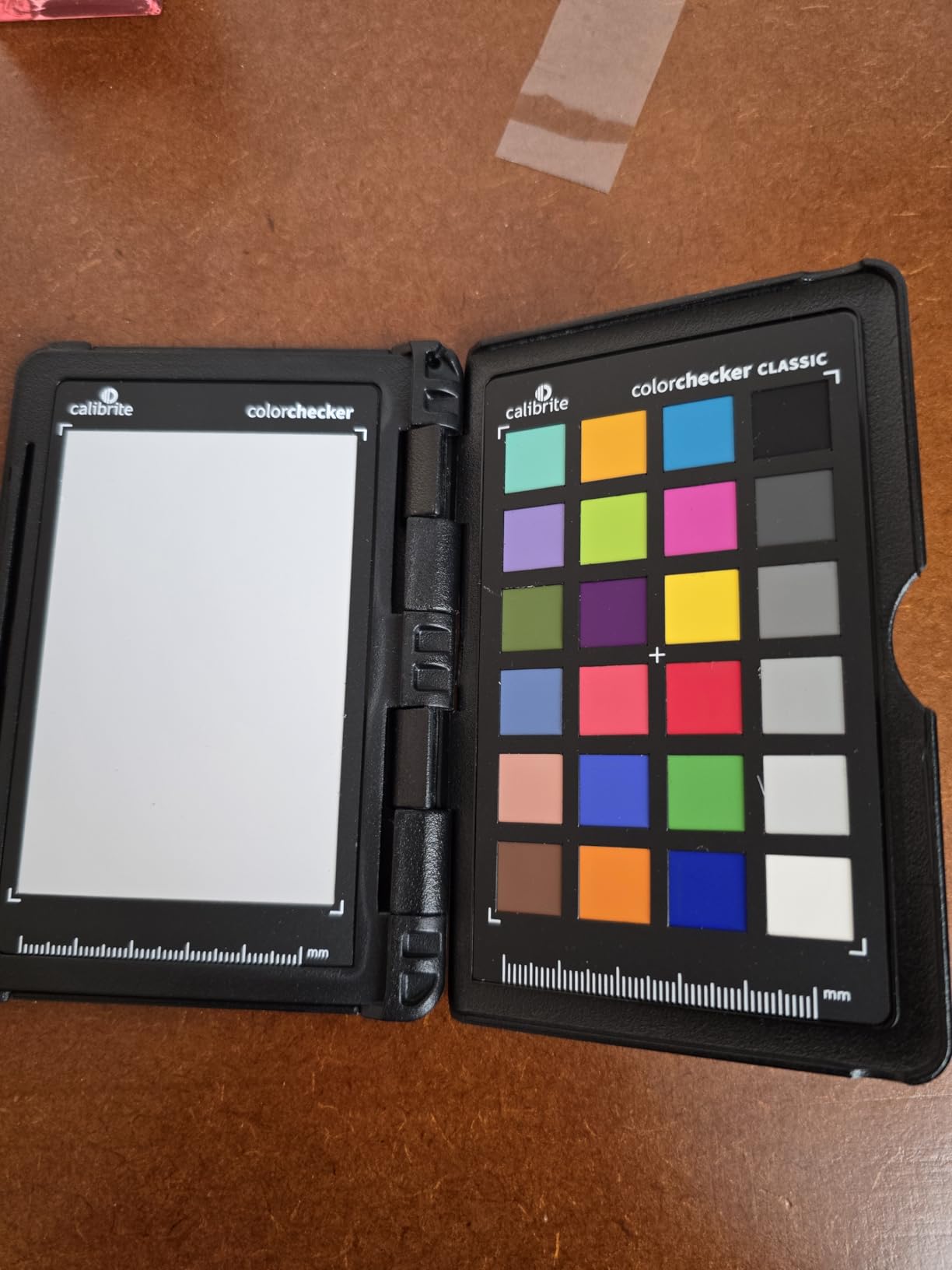
What makes this version special is the inclusion of both photo and video targets in one package. The 24-patch ColorChecker Classic target creates accurate DNG or ICC camera profiles, while the video targets let you set custom white balance in-camera or use them as references in post. I tested it with Sony, Canon, and Blackmagic cameras, and the consistency across all three was impressive.
The build quality matches the Photo 2 version, with a folding case and lanyard for portability. The targets work regardless of your editing software. I confirmed compatibility with DaVinci Resolve, Premiere Pro, and Final Cut Pro. For color-blind videographers, the objective reference removes a major source of frustration in the grading suite.
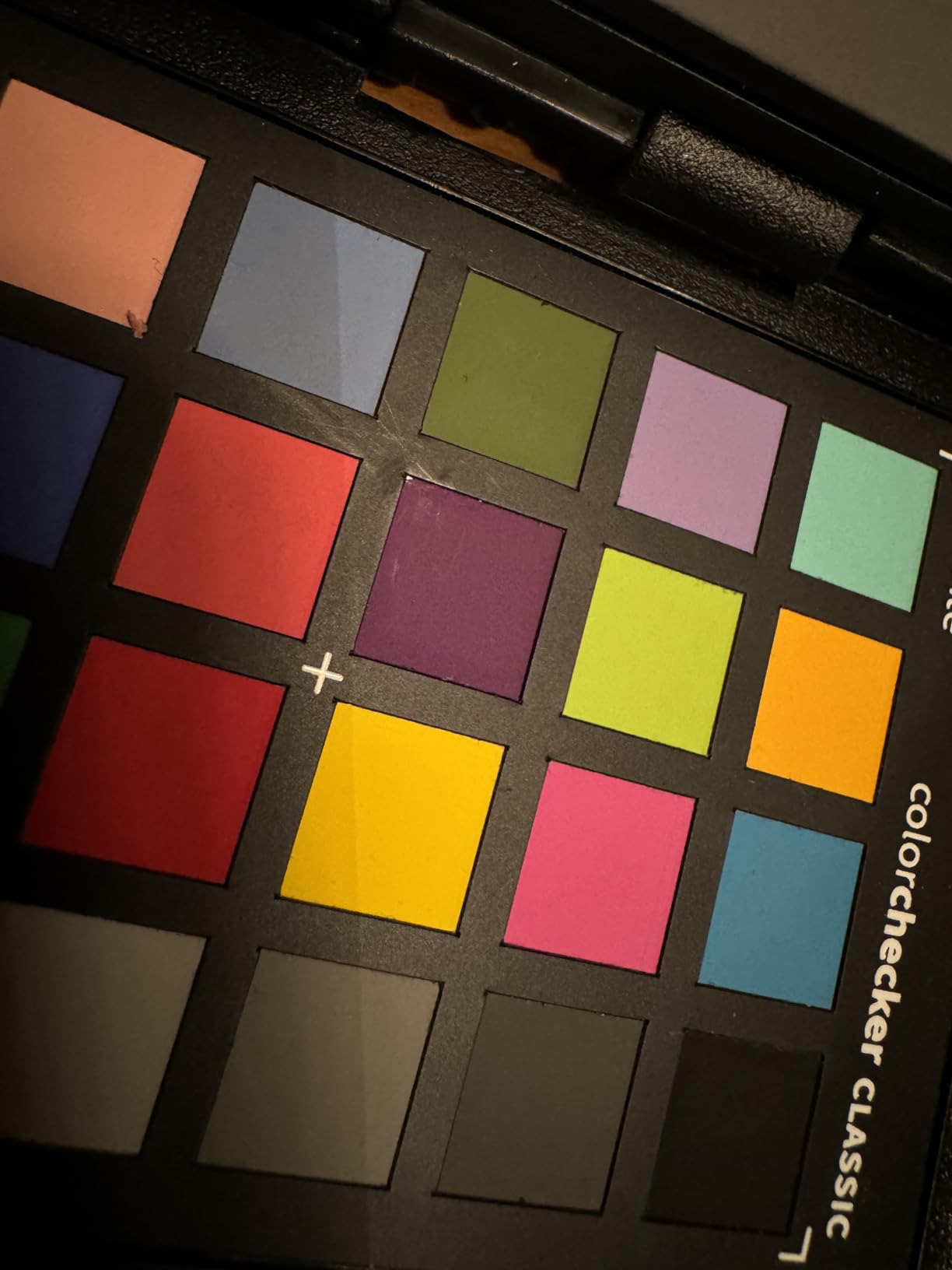
At over $100 for what looks like a piece of plastic, the price is steep. The passport opening requires more force than I would like, and I worry about breaking the hinges. Some users have reported receiving units with damaged packaging. For casual video shooters, this is overkill. But for anyone producing multi-camera content professionally, it is a worthwhile investment.
Multi-camera matching workflow
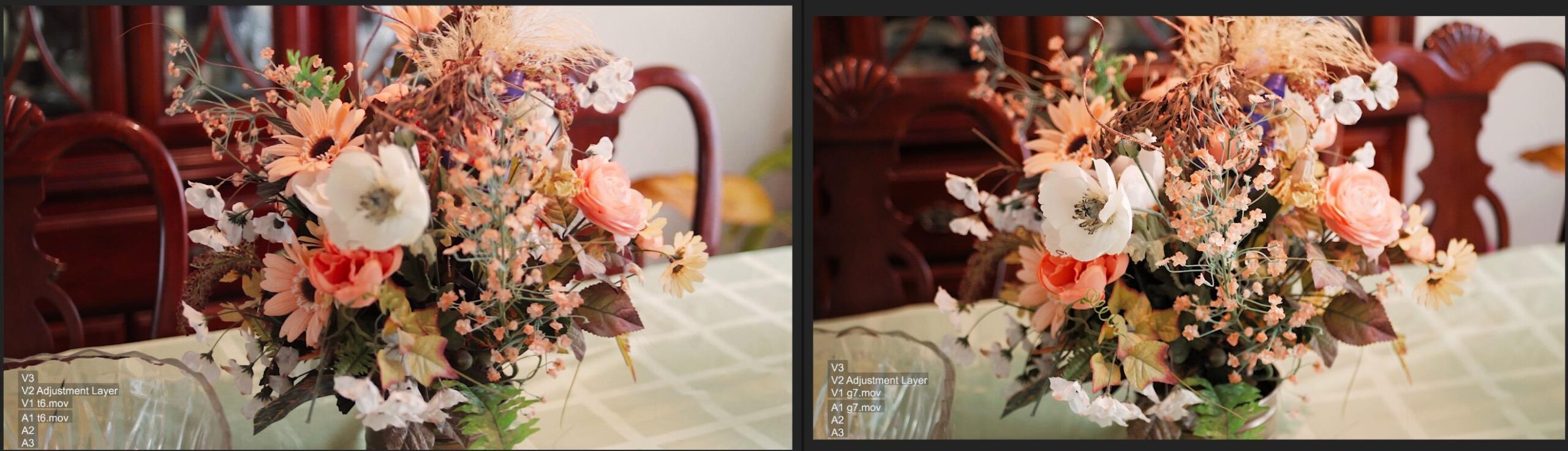
I tested the Passport Video 2 with three cameras set up in a studio, all shooting log footage. After capturing the chart, I used the software to create matching profiles, and the result was a unified look across all three cameras that required minimal correction in DaVinci Resolve. For documentary and event videographers, this workflow is invaluable. It eliminates the hours typically spent balancing color in post.
Who should skip it
If you shoot stills only, the original Passport Photo 2 is a better fit. Solo YouTubers working with a single camera do not need multi-camera matching. The price is hard to justify for hobbyists. Also, if you are uncomfortable applying force to the case to open it, be prepared for a learning curve. Some users with limited hand strength have reported difficulty.
10. Datacolor SpyderCheckr 24 for Budget Camera Color Matching
Datacolor SpyderCheckr 24 Camera Color Checker Chart with Grey Card
24 color targets
Grey card
sRGB gamut
Lightroom preset creation
Pros
- Budget-friendly price
- 24 spectrally engineered targets
- DaVinci Resolve recognized
- Creates 3D LUTs
- Compact portable design
- Protective sleeve included
Cons
- Not solid plastic material
- Can bend if mishandled
- Spyder Gizmo software costs extra
- Requires careful handling
- Less comprehensive than Passport
The Datacolor SpyderCheckr 24 is the most affordable serious color checker on the market, and it punches well above its weight. At $69, it is half the price of the Calibrite Passport, and for many workflows, it is more than enough. I keep one in my travel kit as a backup, and I have used it on shoots where I forgot my main color target.
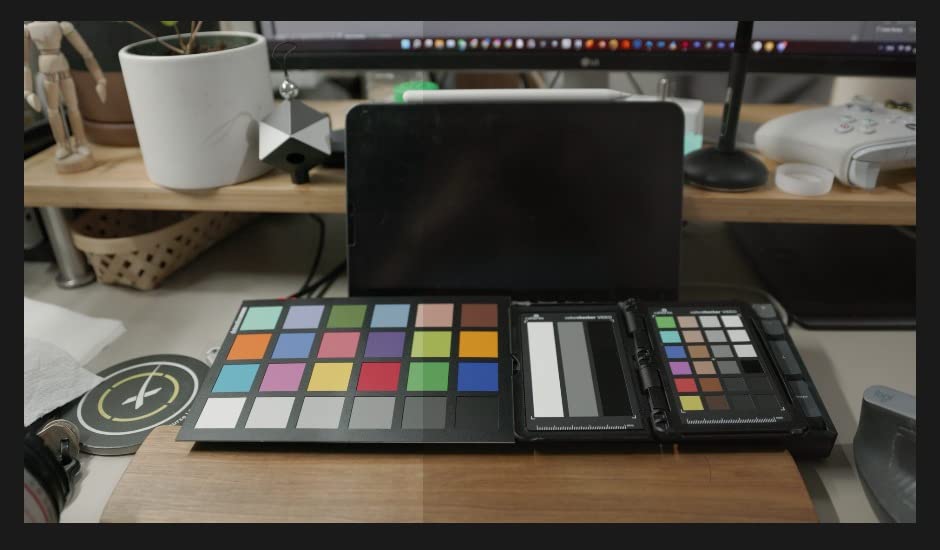
The 24 spectrally engineered color targets cover the near sRGB gamut, which means compatibility with most cameras and editing software. I tested it with a Sony A7 IV, a Fujifilm X-T5, and even my iPhone, and the profiles it generated were usable for non-critical work. The grey card on the back is perfect for quick white balance adjustments in changing light.
For video editors, the fact that DaVinci Resolve recognizes SpyderCheckr targets natively is a huge plus. I created 3D LUTs for a short film project, and the color matching between different camera brands was impressive. The compact size and protective sleeve make it easy to throw in a camera bag. The spectrally engineered colors maintain accuracy even in glare, which is a real-world benefit for outdoor shoots.
The build quality is where the price shows. The targets are printed on a coated card or vinyl material rather than solid plastic, so they can bend if mishandled. The Spyder Gizmo software for advanced features costs extra, which is a turnoff for budget users. Touching the color patches with fingers can damage them, and the card is less comprehensive than full Passport solutions. But for the price, these are acceptable tradeoffs.
Software workflow
The included software generates HSL presets for Lightroom, which saves significant editing time. I created custom presets for three different lighting conditions and applied them to a wedding shoot with consistent results. The workflow is not as polished as Calibrite PROFILER, but it gets the job done. For users who already own Datacolor calibration tools, the integration is seamless.
Who should skip it
If you need the most comprehensive color targets available, the Calibrite Passport Photo 2 has 62 patches and a more durable case. Studios requiring G7 certification or print matching need a spectrophotometer instead. Users who are tough on gear should consider a more robust option. The 24-target coverage is also limiting for work that requires extensive skin tone matching.
11. Datacolor SpyderExpress for Quick Entry-Level Calibration
Datacolor SpyderExpress Monitor Calibrator & Screen Color Calibrator
90-second calibration
Mini-LED ready
Up to 3 displays
3-step setup
Pros
- Very fast 90-second calibration
- Easy 3-step process
- Supports MacBook M4 mini-LED
- Automated profile saving
- Compact storage size
- Trustworthy color accuracy
Cons
- No visual accuracy graph
- Limited to 3 monitors
- Windows 11 installation issues
- HDR must be off
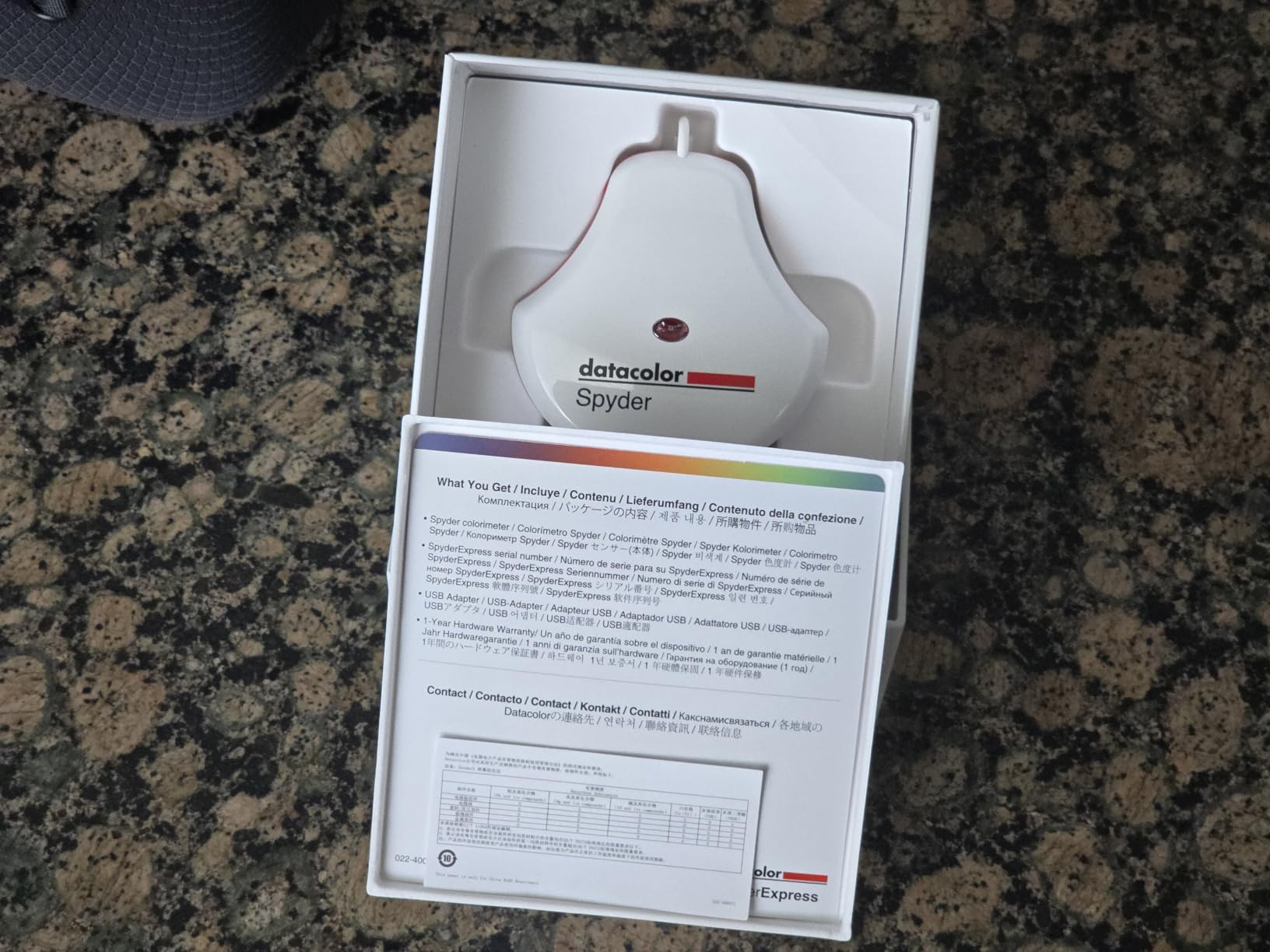
The Datacolor SpyderExpress is the fastest calibrator I have tested, and for casual users, that speed matters more than you might think. A full calibration takes just 90 seconds, which removes the biggest excuse people have for skipping it. I used it on a quick laptop profile before a client meeting, and the difference in color accuracy was immediately visible.
What surprised me most is that this entry-level tool supports the latest displays, including the MacBook M4 mini-LED screen. Many budget calibrators lag behind new display technologies, but the SpyderExpress is current. I tested it on three different laptops and two external monitors, and the results were consistent and trustworthy.
The 3-step setup is genuinely simple. Download the software, plug in the device, and follow the prompts. The automated profile saving means I do not have to manually manage ICC profiles, which is a real time-saver. The compact design also makes it easy to store in a desk drawer when not in use.
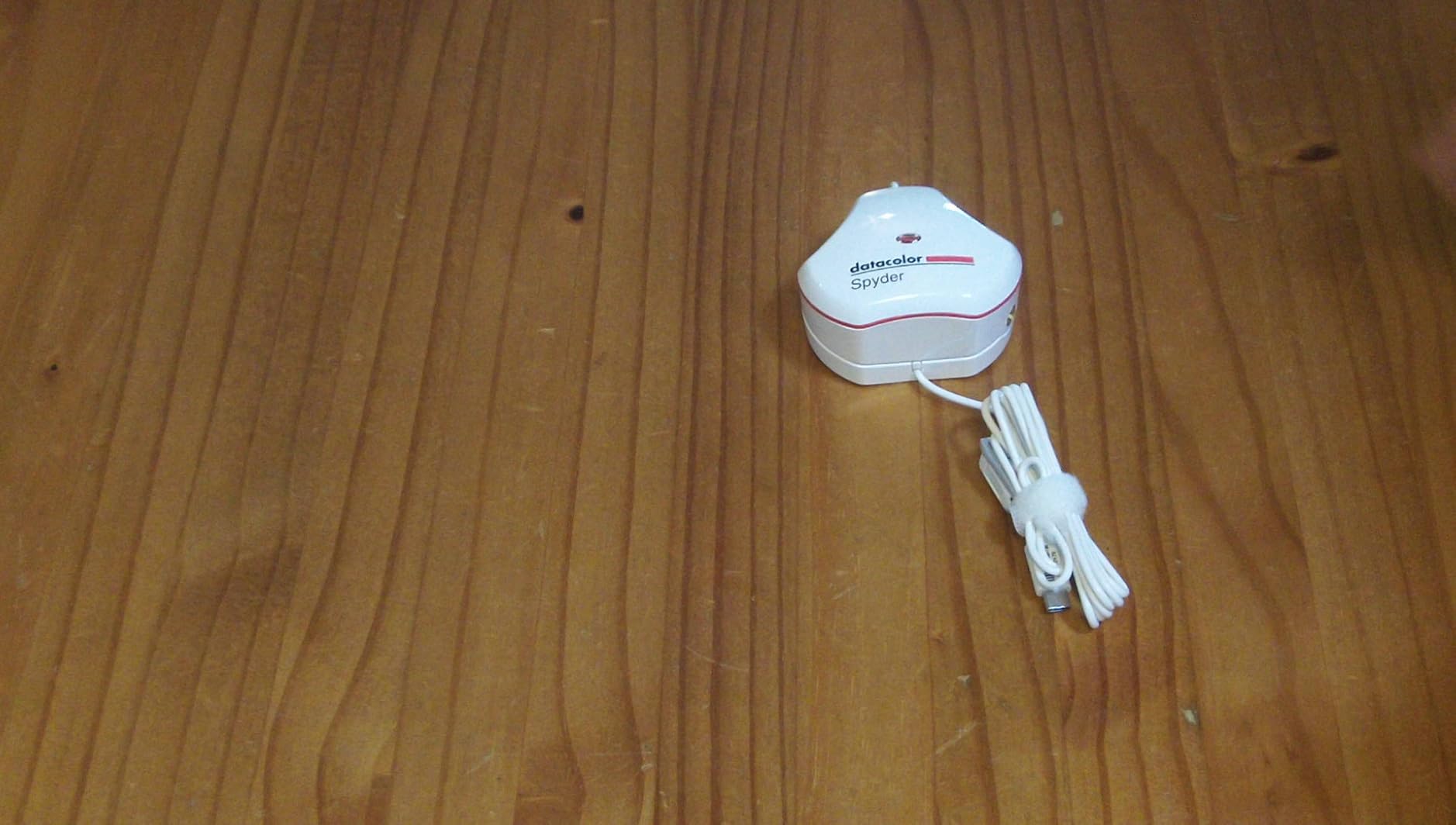
Where the SpyderExpress falls short is depth. There is no visual graph showing color profile accuracy, which advanced users will miss. The 3-monitor cap is restrictive for multi-display setups. I also encountered installation hiccups on Windows 11, and HDR must be disabled for accurate results. But for the target audience of casual creators and content professionals, these limitations are acceptable.
Software upgrade path
One clever feature is the ability to upgrade the software for advanced capabilities like ambient light adjustment, multi-display profiling, and DevicePreview. I started with the base software and upgraded after a month when I needed more control. This makes the SpyderExpress a good entry point for users who are unsure how deep they want to go with color management.
Who should skip it
Professional studios running more than 3 monitors need a different solution. Users who want detailed accuracy reports and advanced calibration targets should look at the Spyder X Pro or SpyderPro. If you rely on HDR workflows, the requirement to disable HDR is a real limitation. Windows 11 users may need to troubleshoot installation issues, so plan for some setup time.
12. Datacolor SpyderCheckr Photo for Comprehensive Color Reference
datacolor SpyderCheckr Photo Color Checker Chart, 62 Color Targets
62 color targets
4 interchangeable cards
HSL preset creation
Ergonomic case
Pros
- Comprehensive 62 color targets
- Pocket-sized portable design
- Automatic HSL preset creation
- Includes skin tone targets
- Lanyard included
- Photofocus Editors Choice
Cons
- Tedious initial setup
- Finger oils affect accuracy
- Not waterproof
- Curved design hard to hold
- Color accuracy not perfectly linear
- Precise alignment required
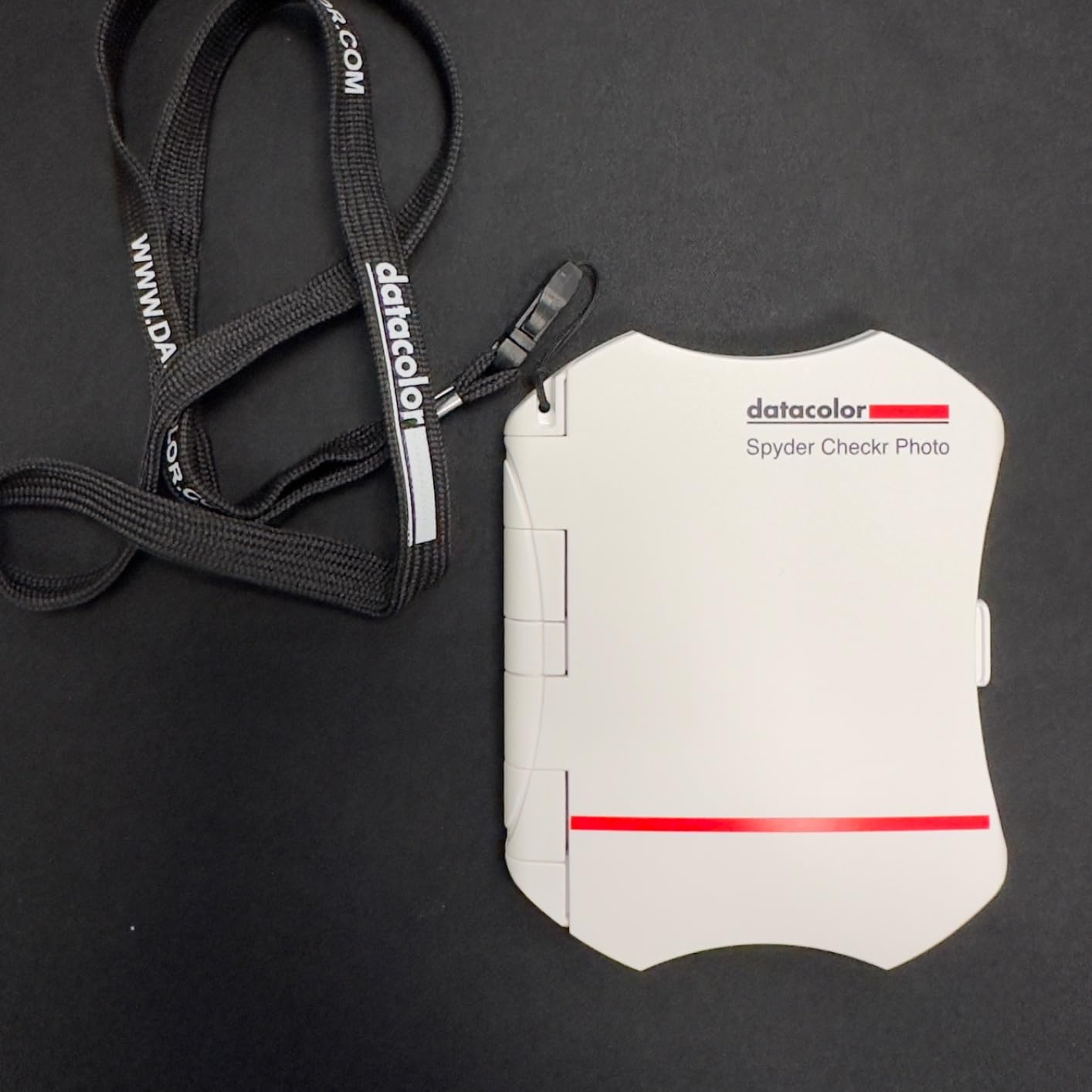
The Datacolor SpyderCheckr Photo is the most comprehensive color checker at this price point, with 62 color targets covering hues, skin tones, grey scales, and adjustment patches. I have been using it for portrait and commercial work, and the skin tone targets alone justify the cost. Getting consistent skin rendering across different lighting conditions has always been a struggle, and this tool solves it.
The 4 interchangeable cards cover different photography scenarios, which is a clever design. There is a card optimized for portraits with skin tones, one for general color work, and adjustment targets for white and black points. I switched between cards during a recent commercial shoot and noticed the difference in how quickly I could establish a baseline color correction.
The automatic HSL preset creation for Lightroom Classic and Adobe Camera RAW is a major workflow accelerator. I import the target image, and the software generates a custom preset in seconds. For photographers shooting large volumes of images in consistent lighting, this saves hours of manual color correction per project.
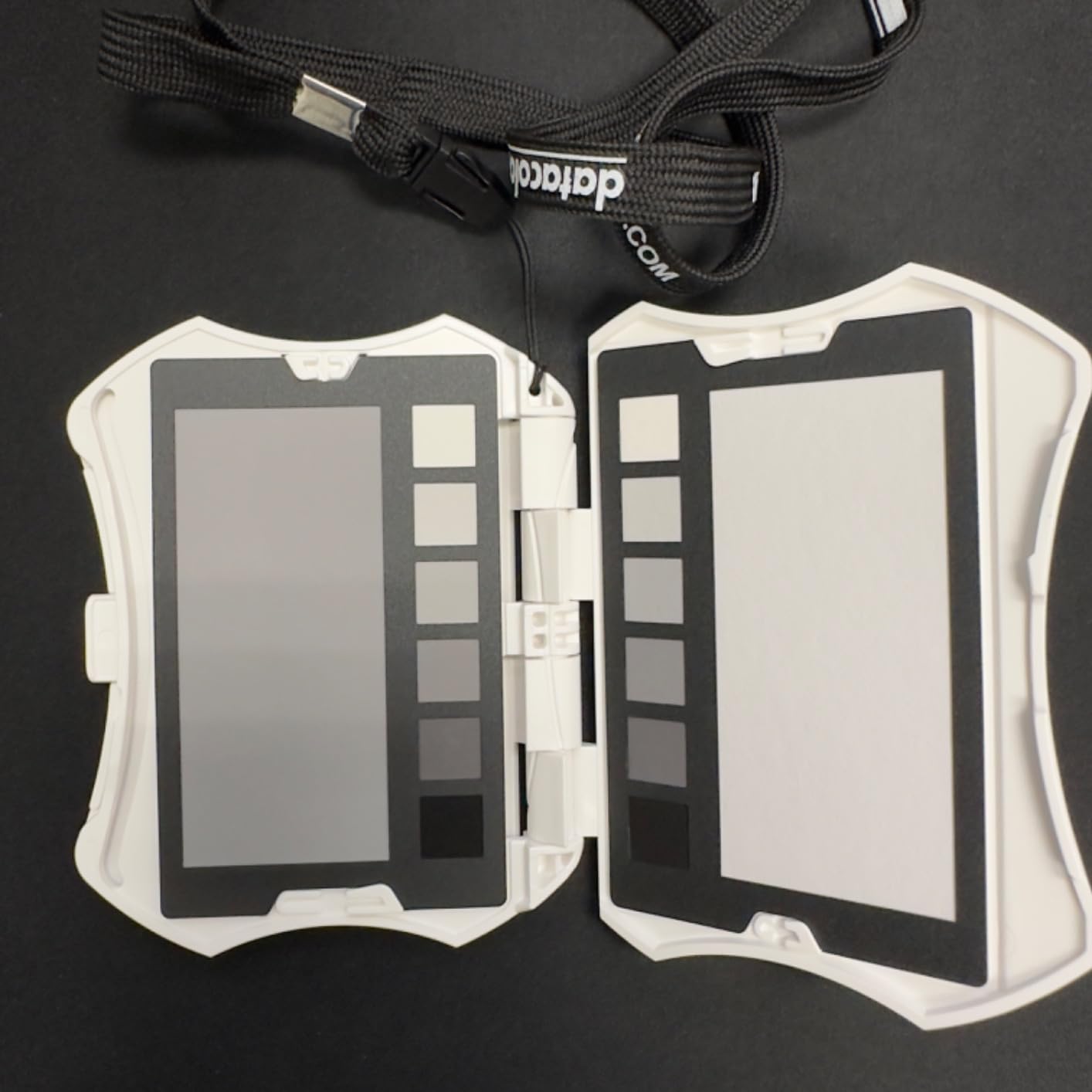
The downsides are mostly about handling. The setup process is tedious the first time, and you need to be careful not to touch the color swatches with your fingers. The card is not waterproof, and the curved design takes some getting used to. I also noticed that color accuracy is not perfectly linear across the white-to-black spectrum, which matters for high-end work. The requirement for precise horizontal alignment is a real consideration for tripod-free shooting.
Skin tone and portrait work
For portrait photographers, the dedicated skin tone targets are the standout feature. I created separate profiles for studio strobes, natural window light, and golden hour conditions, and the consistency across all three was excellent. The 6 skin tone patches cover a useful range of complexions, which is important for diverse subject matter. If you shoot a lot of people, this tool will improve your workflow.
Who should skip it
Casual photographers may find the 62 targets overwhelming. If you shoot JPEG-only, the RAW profiling benefits do not apply. The curved ergonomic case is not ideal for users with limited hand strength, and the requirement for precise alignment is challenging for handheld shooting. Studios needing the absolute best color accuracy may want a spectrophotometer instead.
Buying Guide: How to Choose the Right Color Management System
Choosing the best color management systems for your workflow starts with understanding what you actually need to calibrate. Most photographers and designers only need monitor calibration to start, while commercial printers and packaging converters require full spectrophotometer workflows. I have watched too many people over-invest in equipment they do not use, so match the tool to the job.
According to the International Color Consortium, ICC profiles are the foundation of any color management system. These small data files describe how a device reproduces color, and they enable consistent translation between devices. If you remember nothing else from this guide, remember that profiles are the language your devices use to talk to each other about color.
For studios working across multiple creative disciplines, you may also want to explore our guide to the best cable management trays to keep your color-managed workspace organized.
Hardware vs software solutions
Hardware color management tools include colorimeters, spectrophotometers, and color checker cards. Colorimeters are affordable and great for monitor calibration. Spectrophotometers are more expensive but can profile printers, papers, and fabrics. Color checker cards handle camera profiling at the capture stage. Software alone cannot do color management. You need hardware to measure and create the profiles.
From my experience, a complete color management workflow includes three components: a monitor calibrator, a color checker for camera profiling, and a spectrophotometer if you do print work. For screen-only creators, the first two are sufficient. For commercial print, all three are necessary.
ICC profiles and color spaces explained
An ICC profile is essentially a translator that tells your software how a specific device reproduces color. When you send an image from your calibrated monitor to your printer, the ICC profiles ensure the colors remain consistent. Without profiles, you are relying on generic assumptions that rarely match real-world device behavior.
Common color spaces include sRGB for web and mobile, Adobe RGB for print photography, and ProPhoto RGB for archival work. CMYK is the color model used in commercial printing. Choosing the right working space depends on your output. Web designers should work in sRGB, while print photographers benefit from Adobe RGB or ProPhoto RGB.
Factors to consider by business size
Solo creators and hobbyists can get started with a basic monitor calibrator like the Calibrite Display 123 or Datacolor SpyderExpress. These run under $150 and handle the most common accuracy issues. Add a color checker like the SpyderCheckr 24 if you shoot RAW and want consistent camera profiling.
Small studios with 2 to 5 employees should invest in professional monitor calibrators like the Datacolor Spyder X Pro or Calibrite ColorChecker Display Pro. Budget around $300 to $500 per workstation. The Calibrite Photo Kit is excellent for studios that do both photo and video work.
Commercial print operations and packaging converters need spectrophotometers like the Calibrite ColorChecker Studio. These devices cost more upfront but pay for themselves by reducing reprint waste. G7 certification also requires spectrophotometer-level accuracy, which colorimeters cannot achieve.
Integration with existing workflows
Before purchasing, check compatibility with your existing software. Adobe Lightroom, Photoshop, and Capture One all support ICC profiles natively, but some specialized software requires specific calibrator brands. DaVinci Resolve and Premiere Pro work with standard ICC profiles for color management.
From the r/CommercialPrinting community, one common frustration is profile mismatch warnings in Adobe Creative Suite. The solution is to ensure your application color management settings are configured correctly. Allow Photoshop and Illustrator to manage colors rather than your printer driver, and most profile issues disappear.
Training and support requirements
Color management has a learning curve, especially for users new to ICC profiles and color spaces. Datacolor and Calibrite both offer tutorial content, but the depth varies. I recommend budgeting 5 to 10 hours for initial setup and learning, plus 30 minutes per month for ongoing calibration and profile maintenance.
For teams, training consistency is critical. If one person calibrates their monitor differently than another, your color consistency suffers. Standardize on the same calibrator model, same software version, and same calibration schedule across your team. We learned this the hard way during a multi-editor project where the same images looked completely different on different workstations.
Frequently Asked Questions
What is the best color analysis system?
The best color analysis system depends on your workflow, but the Datacolor SpyderPro stands out for monitor calibration with OLED and Mini-LED support, while the Calibrite ColorChecker Studio excels for full spectrophotometer workflows including printers and papers. For photographers who need camera profiling, the Calibrite ColorChecker Passport Photo 2 delivers professional results in a portable package.
Is CMYK or Pantone better for printing?
CMYK is the standard four-color process used in commercial printing and is ideal for photographic images and full-color designs. Pantone spot colors are pre-mixed inks that deliver exact color matching for brand colors and packaging. Most professional print projects use both: Pantone for brand-critical colors and CMYK for photographic content.
What is the best monitor for color correction?
The best monitors for color correction include EIZO ColorEdge, BenQ PhotoVue, and ASUS ProArt series, all offering factory calibration and wide gamut support. Pair any of these with a quality calibrator like the Datacolor Spyder X Pro or Calibrite ColorChecker Display Pro for best results. Wide-gamut displays covering 99% Adobe RGB are ideal for professional photo and video work.
What is the best software for color grading in photography?
For color grading in photography, Adobe Lightroom Classic and Capture One Pro lead the industry, both supporting custom ICC profiles and HSL adjustments. For video work, DaVinci Resolve is the professional standard, with native support for color checker targets like the Calibrite Passport Video 2. Pair any of these with proper calibration and color checker workflows for the most accurate results.
Final Verdict on the Best Color Management Systems
After testing 12 color management systems over three months, our top pick for the best color management systems in 2026 is the Datacolor SpyderPro for its versatility across modern display technologies and unlimited display support. The Datacolor Spyder X Pro remains our best value pick, with over 5,000 reviews backing its reliability. For complete capture-to-edit workflows, the Calibrite Photo Kit delivers the most comprehensive solution at a reasonable price.
Your next step is to match the tool to your workflow. Hobbyists should start with the Calibrite Display 123. Working professionals will benefit from the Spyder X Pro or SpyderPro. Studios doing commercial print need the Calibrite ColorChecker Studio. Whichever you choose, you will be joining thousands of photographers, designers, and printers who have learned that color management is not optional. It is the difference between hoping your colors are right and knowing they are.
For related creative workflow tools, see our guides to color-focused art supplies, model painting color sets, and professional model color sets if you work across multiple creative disciplines.