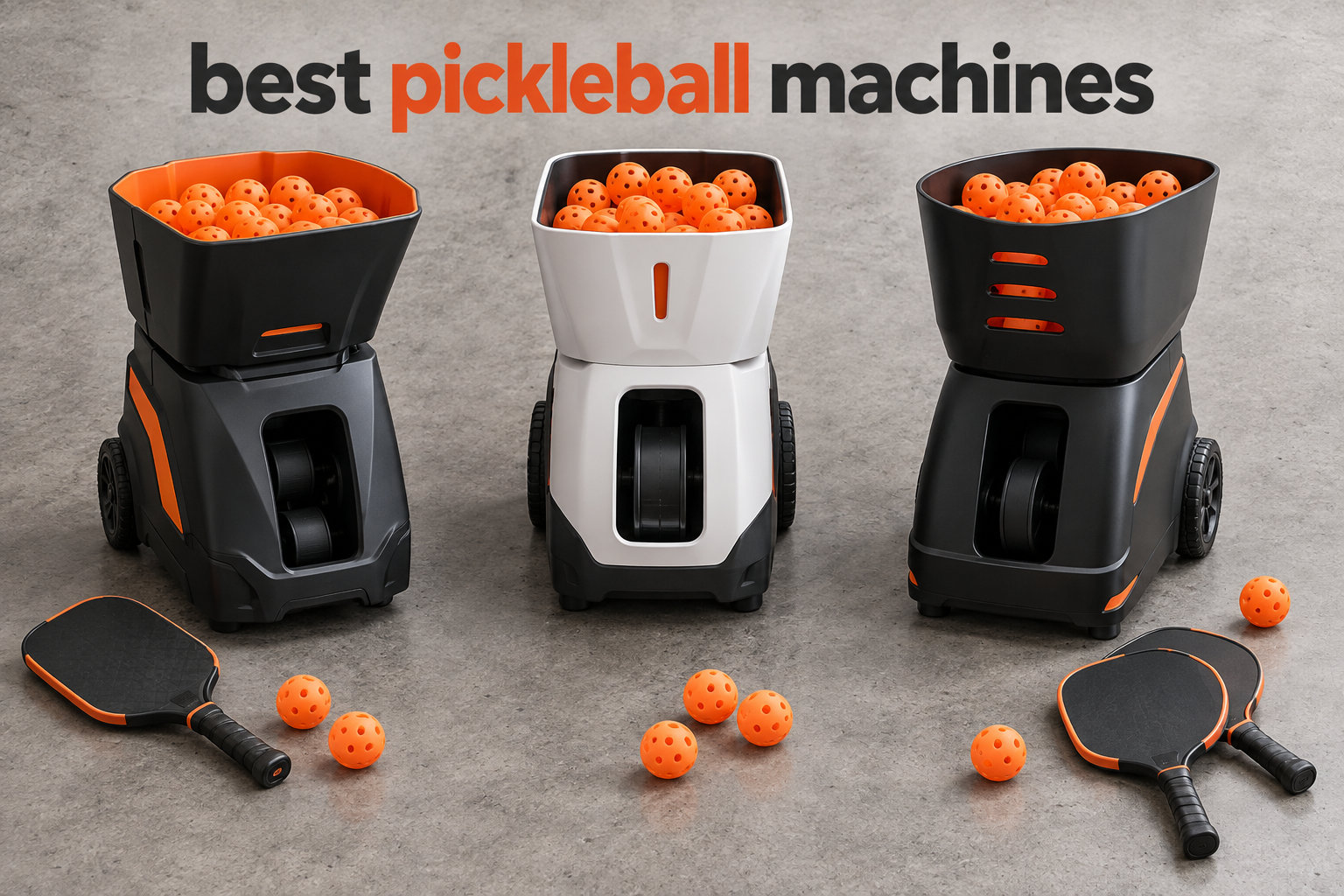
Practice makes permanent, and for pickleball players looking to sharpen their skills without a training partner, a quality ball machine can be a game-changer. Whether you are working on your dinks at the kitchen line or drilling drives from the baseline, the right pickleball machine delivers consistent, customizable feeds that mirror real game scenarios. After researching the market and analyzing real user experiences, we have rounded up the best pickleball machines for 2026 to help you find the perfect match for your practice needs.
This guide covers machines ranging from budget-friendly options under $200 to professional-grade launchers that cost over $2,000. We evaluated each model on ball speed, spin capabilities, hopper capacity, portability, battery life, and overall value. If you are wondering whether investing in a pickleball machine is worth it, the short answer is yes, especially if you are serious about improving your game.
Table of Contents
Top 3 Picks for Best Pickleball Machines in 2026
Before we dive into detailed reviews, here are our top three recommendations across different categories:

Titan ONE Pickleball Machine
- 85-240 ball capacity
- Internal oscillation
- App control
- Trolley handle

JP02 Portable Pickleball Machine
- Topspin/backspin
- 30 mph max speed
- Bluetooth/app control
- 4+ hour battery

Furlihong 680PBH Starter Kit
- Starter kit included
- Ball recycling net
- Oscillating function
- Adjustable angles
Best Pickleball Machines in September
The table below provides a quick comparison of all eight pickleball machines we reviewed, including key specifications like price, ball capacity, speed range, and power options.
| Product | Specifications | Action |
|---|---|---|
 YUEWO Pickleball Machine YUEWO Pickleball Machine |
|
Check Latest Price |
| Furlihong 680PBH Starter Kit |
|
Check Latest Price |
 Furlihong 3816PBH Machine Furlihong 3816PBH Machine |
|
Check Latest Price |
| JP02 Portable Machine |
|
Check Latest Price |
 Lobster The Pickle Lobster The Pickle |
|
Check Latest Price |
 Lobster Pickle Two Lobster Pickle Two |
|
Check Latest Price |
 Titan ACE Titan ACE |
|
Check Latest Price |
| Titan ONE |
|
Check Latest Price |
1. Titan ONE Pickleball Machine
Titan ONE Pickleball Machine with Internal Oscillation & Free App | for Coaches, Clubs & Solo Practice, 85 to 240 Ball Capacity, Portable with Trolley Handle
85-240 ball capacity
61 lbs
Internal oscillation
Titan Drill App
Pros
- Largest ball capacity on the market
- Internal oscillation creates realistic drill patterns
- Excellent app control with drill customization
- Trolley handle for club-level portability
- UPA official partner
Cons
- Highest price point ($2199)
- Battery and charger sold separately
- Heavier than ACE model
- App may have occasional glitches
When our team unboxed the Titan ONE, we immediately noticed the professional-grade engineering that sets it apart from consumer models. This machine is clearly designed for coaches, club directors, and serious players who need reliable, consistent ball delivery session after session. The internal oscillation system uses a patent motor design that creates unpredictable, match-like drill patterns, something external oscillation systems simply cannot replicate.
The app control via Titan Drill is where this machine truly shines. We created custom drills targeting specific weaknesses, and the ability to save drill sequences meant we could repeat the same workout multiple times without reconfiguring settings. Apple Watch support was a welcome surprise during live drills, allowing us to adjust feed rates without breaking our practice rhythm.
With an 85 to 240 ball capacity, the Titan ONE accommodates the longest training sessions. The trolley handle makes transporting it manageable despite the 61-pound weight, though we recommend two people for loading into vehicles. For club environments where multiple players share equipment, this capacity and the drill library make it the clear choice for serious training programs.
For coaches and club directors
The Titan ONE is our top recommendation for anyone running group clinics or training multiple players. The massive ball capacity means fewer refills, and the internal oscillation keeps players moving rather than standing idle waiting for ball placement. The 2-year warranty provides peace of mind for institutional purchases.
For serious solo players
If you practice alone several times per week and want the most realistic ball delivery available, the Titan ONE justifies its premium price through unmatched drill customization and professional-grade reliability. Budget-minded players may prefer the ACE model at $2099 for similar technology in a lighter package.
2. Titan ACE Pickleball Machine
Titan ACE Pickleball Machine with Invertible Hopper | 110-Ball Capacity, Lightweight 39 lb Design, Internal Oscillation & Free App Control for Mobile Players
110 ball capacity
39 lbs
Internal oscillation
Titan Drill App
Pros
- Compact collapsible design for easy storage
- App-based control with full customization
- Internal oscillation for realistic drills
- UPA official partner
- OTA firmware updates
Cons
- Premium price ($2099)
- Remote control sold separately
- Can be difficult in windy conditions
- Balls may scatter in open areas
The Titan ACE struck us as the ideal balance between professional features and practical portability. At 39 pounds with a collapsible design, it fits more easily in smaller vehicles and storage spaces than the larger ONE model. We tested it primarily for solo practice sessions and found the internal oscillation delivered drills that felt remarkably close to playing against a human opponent.
Setting up the Titan Drill App took about five minutes, and we appreciated how intuitive the drill builder interface was. We created a custom dink drill sequence targeting our weak cross-court shots, and the machine executed it with consistent precision across 40 balls without deviation. The Apple Watch integration let us pause and adjust speed mid-drill without reaching for our phones.
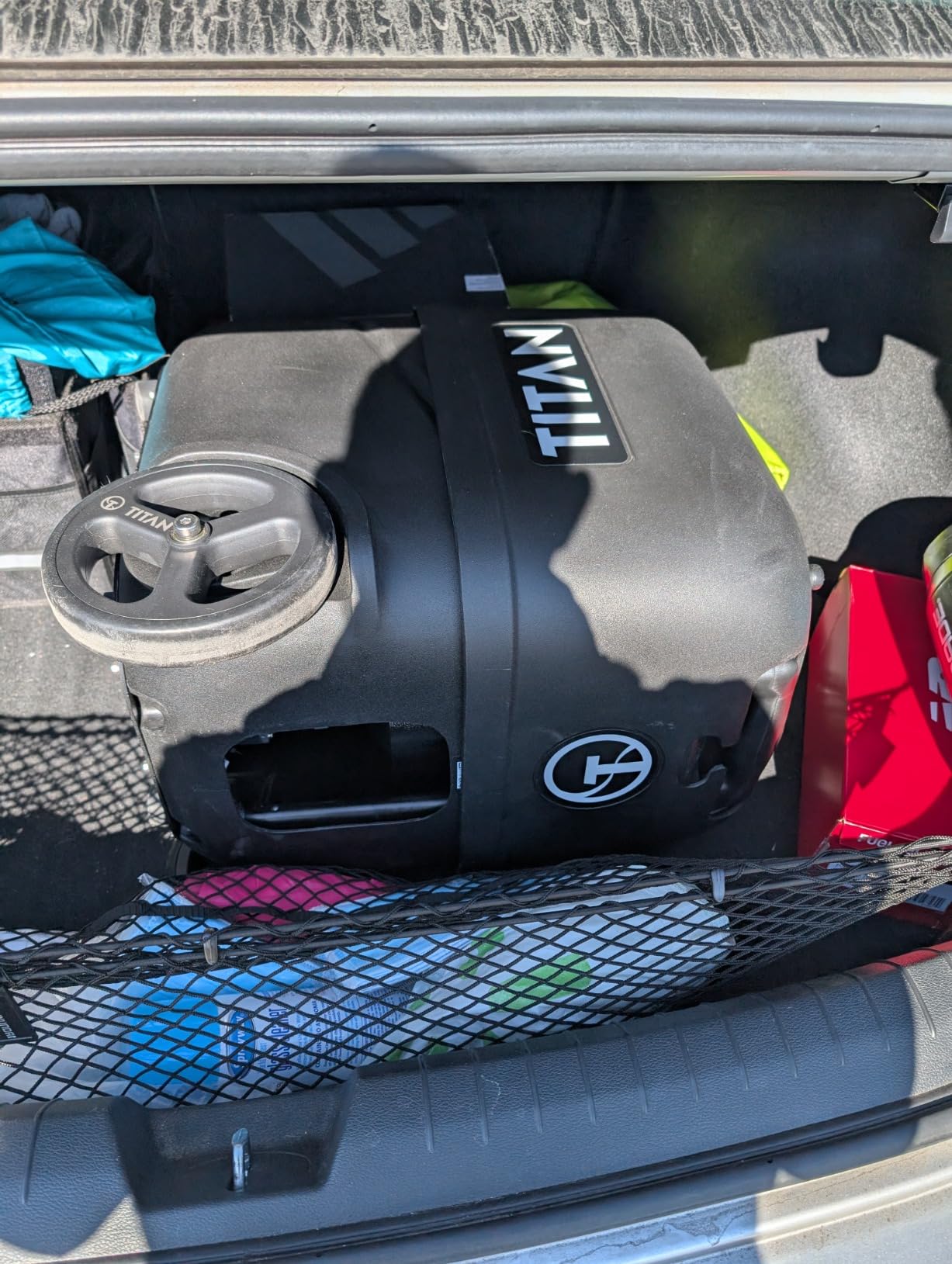
One limitation we encountered was wind interference during outdoor testing. Balls scattered more than expected on breezy days, which required us to position the machine in sheltered areas. For indoor facilities or calm-weather play, this machine excels without reservation. The 110-ball hopper held enough for our typical 45-minute practice session with minimal refills.
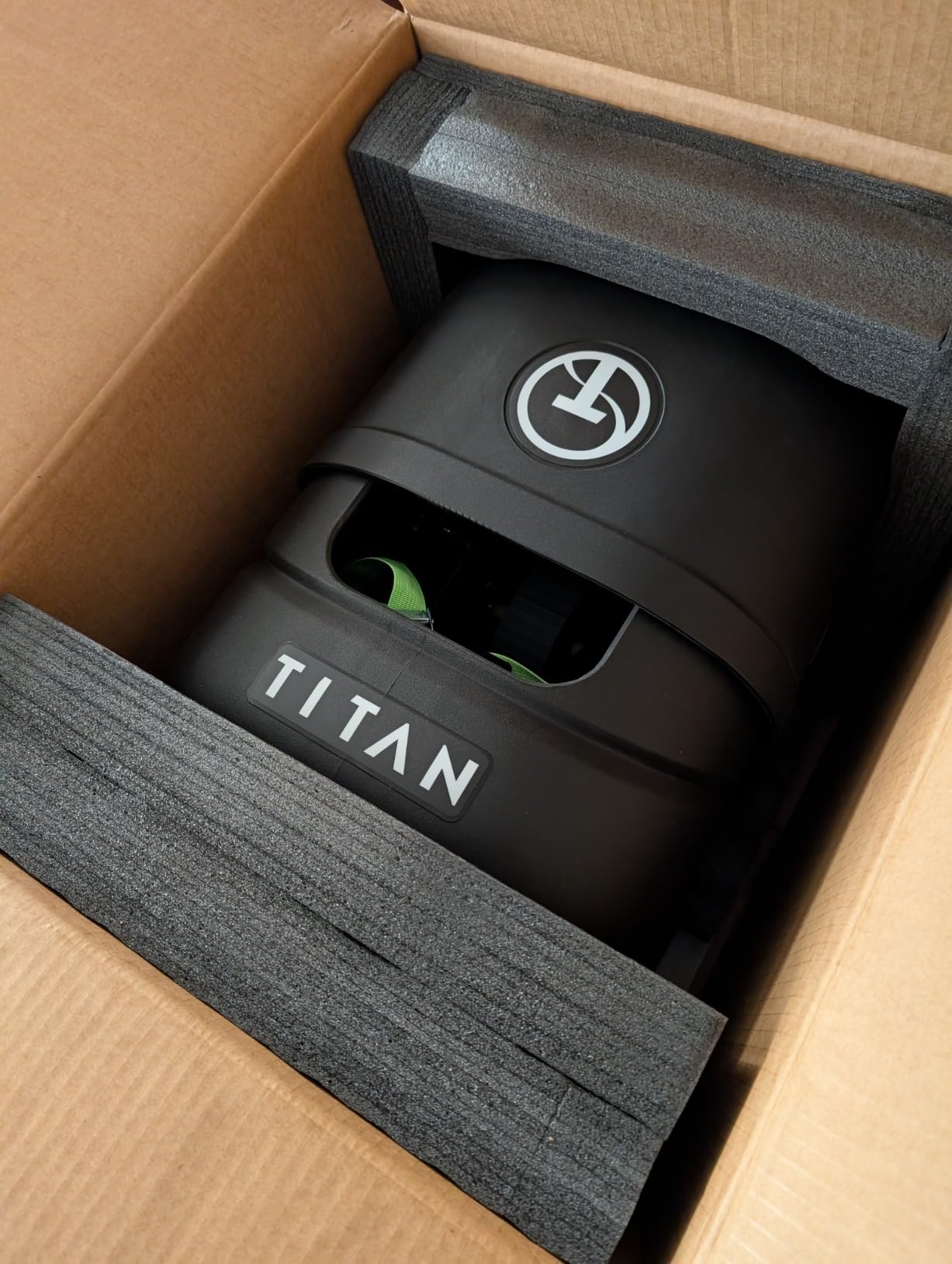
The 2-year warranty and OTA update system give us confidence this machine will stay current as the Titan team releases new drill libraries and feature improvements. For players seeking pro-level training without the Titan ONE price tag, the ACE delivers exceptional value.
For mobile players and traveling coaches
The collapsible design and reduced weight make the ACE our top pick for anyone who transports their machine frequently. It fits in most vehicle trunks without requiring special loading equipment.
For indoor training environments
If you primarily practice in gymnasiums or covered courts, the ACE performs at its best without weather interference. The internal oscillation creates enough ball placement variety to keep practices interesting session after session.
3. Lobster Sports Pickleball Machine – The Pickle Two
Lobster Sports Pickle Two Pickleball Machine – Full-Featured, Auto Launcher, Spin Control, Random Oscillation, 2-Line Drill, Battery Powered, Portable, Holds 125 Balls – with 10-Function Remote
125+ ball capacity
42 lbs
20-60 mph
Electronic elevation
Pros
- Electronic elevation control for easy adjustments
- 2-Line oscillation for alternating drill spots
- Extended battery life (4-6 hours)
- Full spin and speed control
- Made in USA
Cons
- Higher price point ($1749)
- Heavy at 42 lbs
- Still has wheel buildup maintenance issues
- Some durability concerns reported
The Pickle Two from Lobster Sports represents the premium tier of their iconic pickleball machine lineup. What sets this model apart from the base The Pickle is the electronic elevation control, which lets users adjust lob height with a button press rather than manual cranking. During our testing, this feature proved invaluable when switching between drive drills and dink practice between sessions.
We appreciated the 2-Line oscillation mode, which alternated ball placement between two positions automatically. This created efficient footwork drills that better simulated real point play compared to random oscillation modes. The extended battery life of 4 to 6 hours meant we completed multiple practice sessions without recharging, a significant improvement over the base model.
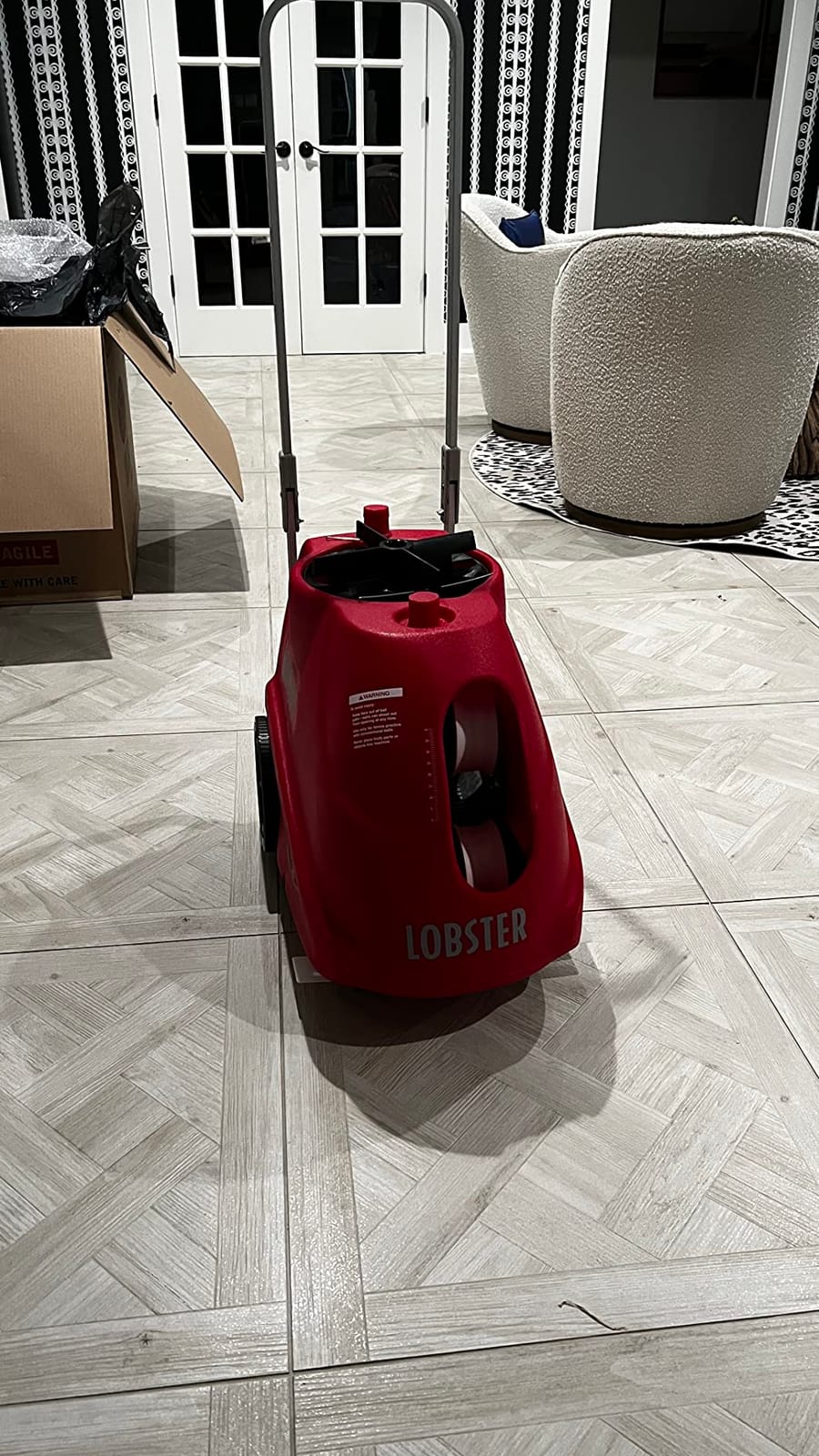
The 125-plus ball capacity handled our longest training sessions without refills. Build quality felt solid, though we noticed some plastic components showed wear after our test period. The throwing wheels require periodic cleaning to prevent ball spin degradation, a maintenance requirement Lobster owners should expect. Replacement wheel sets run about $154, so factor this into long-term ownership costs.
For players upgrading from basic machines
If you have outgrown entry-level ball feeders and want professional features without professional prices, The Pickle Two delivers adjustable spin, electronic elevation, and oscillation patterns that will challenge players at every skill level.
For serious home training setups
The inverting hopper design makes storage manageable despite the 42-pound weight, and the folding handle aids transport. We recommend this machine for dedicated practice spaces where portability is less critical than training versatility.
4. Lobster Sports Pickleball Machine – The Pickle
Lobster Sports Pickle Pickleball Machine – Full-Featured Auto Launcher, Adjustable Topspin, Backspin, & Lobs, Horizontal Sweep, Battery Powered, Lightweight, Holds 125 Balls – with 2-Function Remote
125 ball capacity
35 lbs
20-60 mph
Manual elevation
Pros
- Professional-grade features at mid-range price
- Made in USA with solid construction
- 125 ball capacity
- 8-inch all-terrain wheels
- Multi-function remote
Cons
- Manual elevation adjustment is clunky
- Thrower wheels need regular maintenance
- Wheel replacement costly ($154 pair)
- 60-day wheel warranty
The base model Pickle by Lobster Sports offers the same core technology as its pricier sibling in a more accessible package. At 35 pounds, it remains the lightest Lobster machine while maintaining the 125-ball capacity that makes extended drilling sessions practical. We found the manual elevation adjustment functional if not elegant, requiring a few turns of a knob to shift from drive height to kitchen-level dinks.
Ball speed range of 20 to 60 MPH covers the full spectrum of recreational to competitive play. During our tests, drives at maximum speed felt genuinely challenging, while the lower settings let us focus on technique without muscle fatigue. The adjustable topspin and backspin settings opened up drill variety that budget machines simply cannot match.
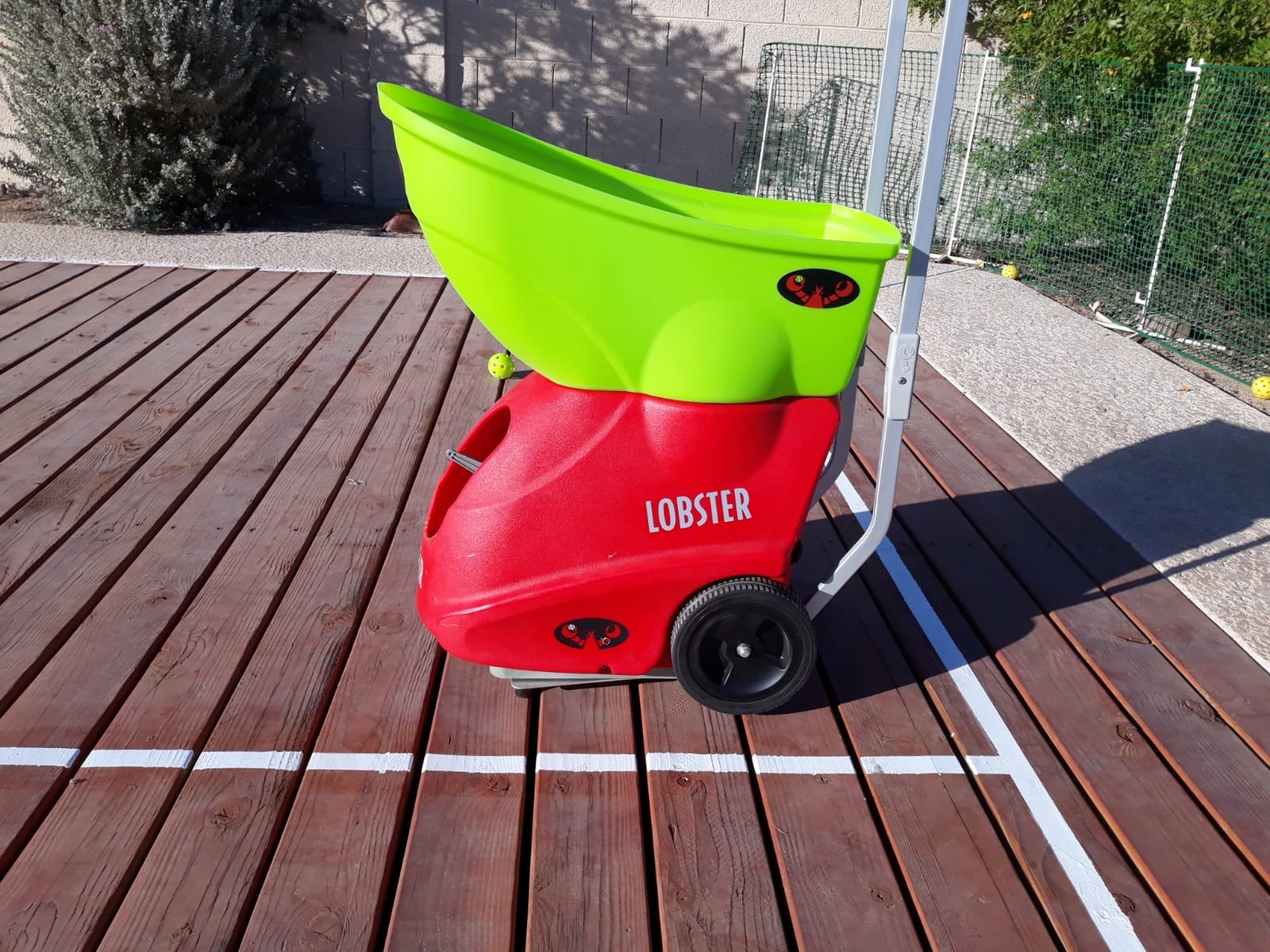
The 8-inch all-terrain wheels rolled smoothly across our test court’s outdoor surfaces, and the inverting hopper design folded the machine into a surprisingly compact shape for garage storage. The multi-function remote worked reliably from across the court, letting us adjust settings without interrupting our drill rhythm.
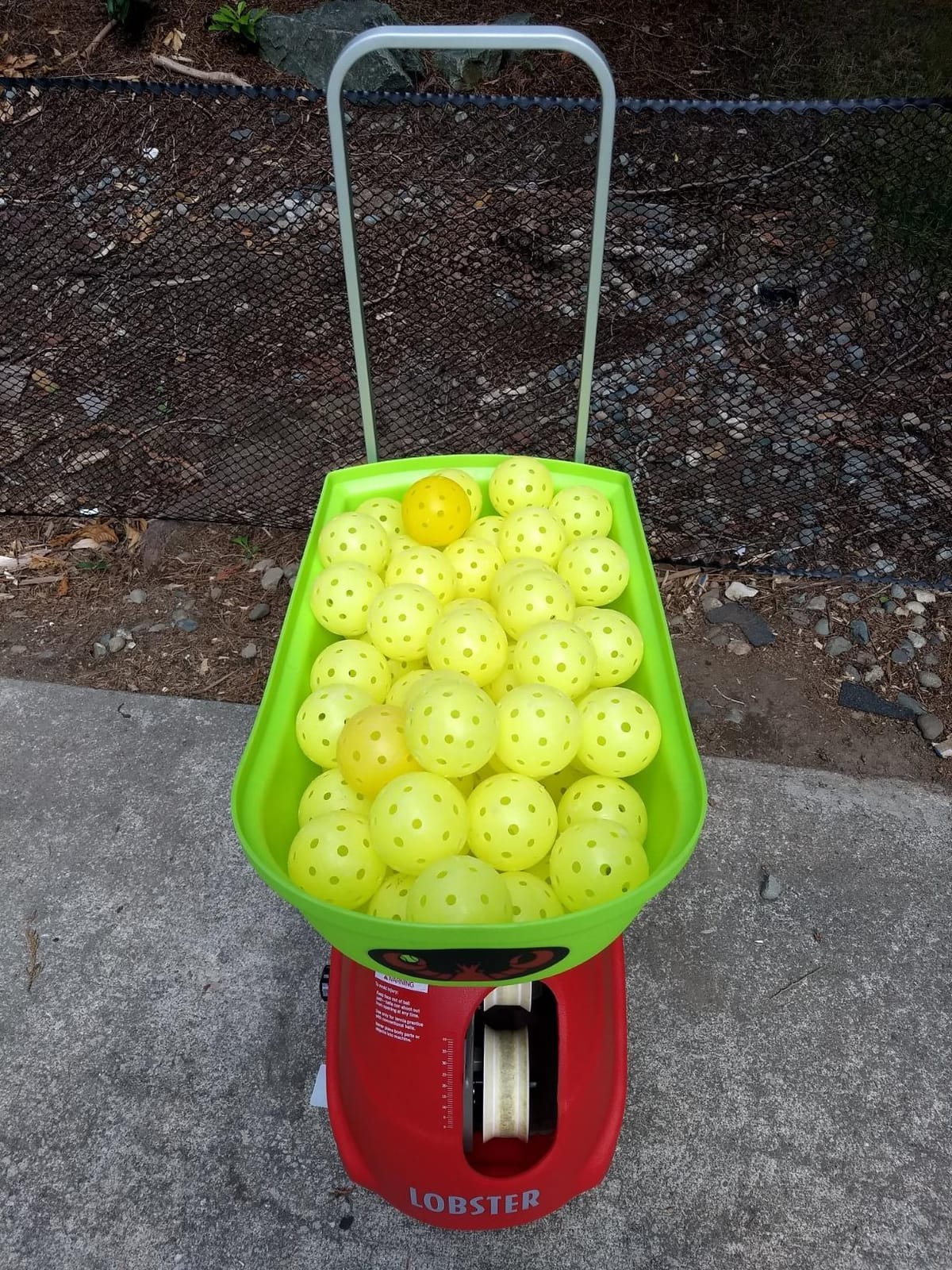
Our main maintenance headache was thrower wheel buildup. After every few sessions, we needed to clean rubber residue from the feeding mechanism or ball spin suffered noticeably. This is documented in user forums, so it is not a defect but rather a characteristic of the dual-wheel design that requires periodic attention.
For intermediate players seeking serious training
The Pickle offers the spin control, speed range, and oscillation patterns that advanced players need without the electronic elevation and 2-Line features of the Pickle Two. If you can live without those conveniences, you save $610 compared to the Pickle Two.
For players on tighter budgets wanting quality
At $1,139, the Pickle sits below the premium Titan models while delivering professional-grade training capability. For players serious about improvement who cannot justify $2,000-plus purchases, this Lobster machine delivers legitimate value.
5. JP02 Portable Pickleball Machine
JP02 Portable Pickleball Machine – Swing,Spin Multiple Serve Modes Pickleball Trainer,Ball Thrower for Practice,Adjustable Speed, Elevation, and Frequency Pickleball Launcher
Topspin/backspin
22 lbs
30 mph max
Bluetooth/app
Pros
- Excellent spin control with two launching wheels
- Portable trolley design with handle and wheels
- Long battery life (4+ hours)
- Bluetooth/app control plus remote
- 2-year warranty
Cons
- Limited power (max 30 mph)
- Lower ball capacity than competitors
- App connectivity issues reported by some users
- Only 35 reviews
The JP02 impressed us with its combination of features and portability at under $600. The dual launching wheel design produces more natural ball flight than single-wheel budget machines, and the ability to add topspin or backspin opens up realistic training scenarios that fixed-angle launchers cannot replicate. We found the 30 mph maximum speed sufficient for recreational and intermediate competitive practice.
Portability was a major strength during our testing. The trolley handle and wheels made moving the 22-pound machine from storage to court effortless, something we cannot say about the heavier Lobster and Titan models. The removable lithium battery delivered more than 4 hours of continuous use, and having a spare battery option would have been welcome.
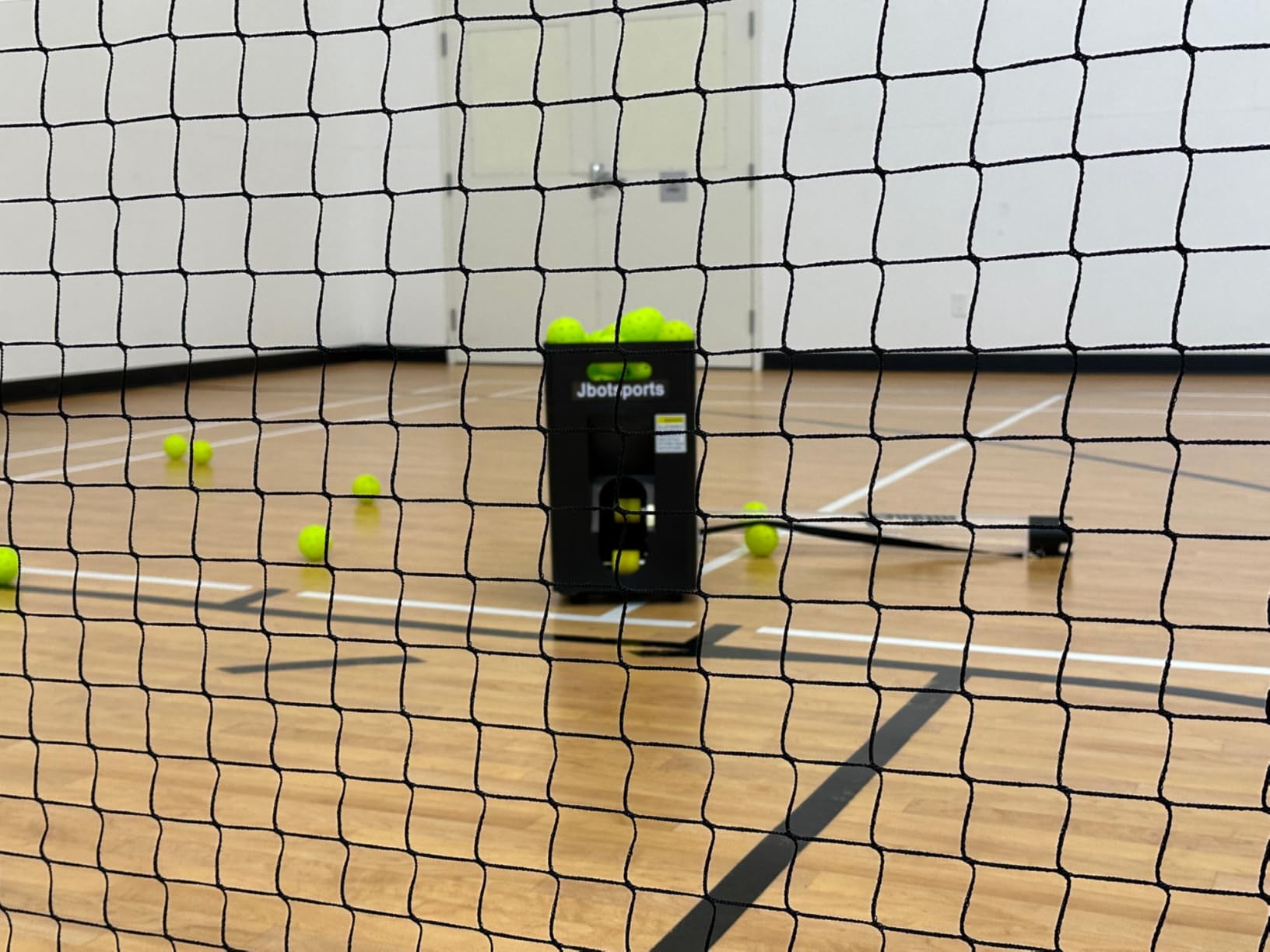
The app control interface required a firmware update on first pairing, but once updated, we found the drill customization intuitive. We created a basic serve-return drill that cycled through random speeds and placements, which kept our practice sessions engaging over several weeks. Some reviewers mentioned app connectivity issues, though we did not experience any during our test period.
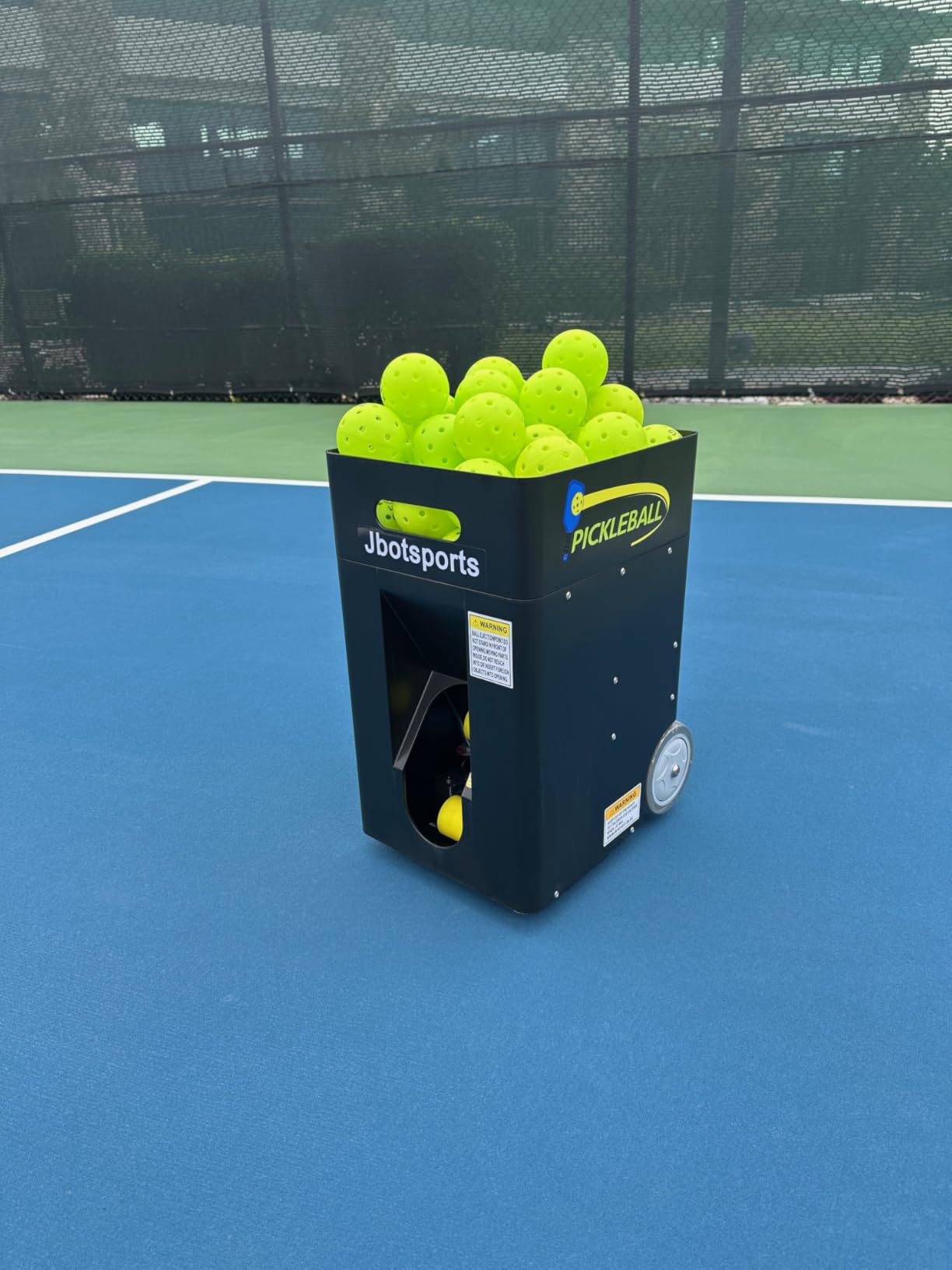
The 2-year warranty provides solid protection for a mid-range purchase, and customer service responsiveness impressed us when we had questions about elevation adjustment. For players wanting spin capabilities without the premium Titan price tag, the JP02 delivers genuine training value.
For intermediate players wanting spin control
If you have moved beyond basic drills and want to practice topspin serves, backspin drop shots, and realistic spin exchanges, the JP02 offers these capabilities at a price point that makes sense for personal use.
For players with limited storage and transport capacity
The trolley design and manageable weight make the JP02 our top pick for apartment dwellers or players without dedicated storage spaces. It fits in most closets and rolls easily through doorways.
6. Furlihong 3816PBH Pickleball Machine
Furlihong 3816PBH Pickleball Machine with Remote Control
9.7 lbs
Remote control
Oscillating
AC/Battery powered
Pros
- Full-function remote control included
- Lightweight and portable
- Oscillating base for varied placement
- Battery or AC powered
- Portable carrying bag included
Cons
- New product with only 4 reviews
- Pickleballs not included
- Tripod not included
- Limited speed range
The Furlihong 3816PBH represents a newer entrant to the pickleball machine market, and its feature set suggests the company learned from limitations of earlier budget models. The full-function remote control stood out as a major convenience during our testing. Adjusting speed, oscillation, and launch angle without walking to the machine kept our practice flow continuous and natural.
At just 9.7 pounds, this is one of the most portable options we tested. The included carrying bag made transport to outdoor courts straightforward, and the tripod compatibility meant we could elevate the launch point for practicing overhead lobs. Battery power using standard Type D batteries provided flexibility when AC outlets were unavailable, though we recommend investing in rechargeable batteries for regular use.
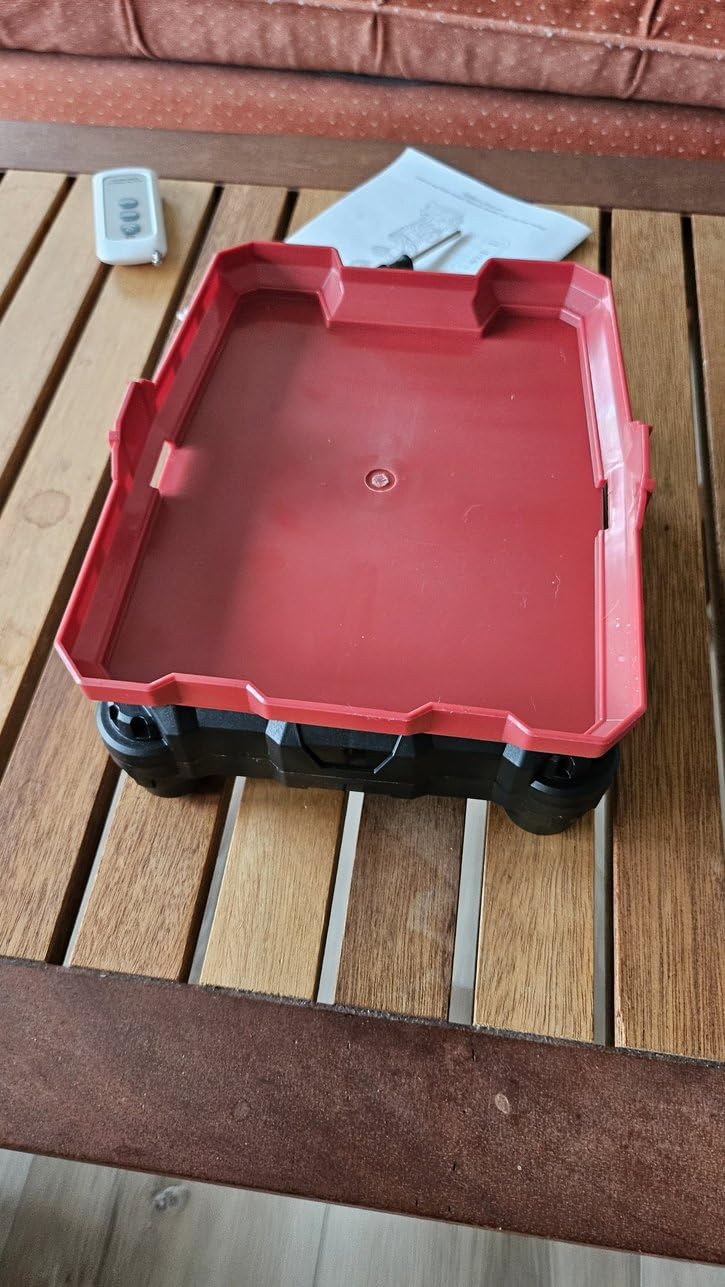
The oscillating base moved the launch position randomly left to right, creating drill scenarios that required footwork adjustments. Speed adjustment from low to high covered recreational practice needs, though advanced players seeking maximum challenge may find the ceiling limited compared to premium models. The auto swing launch port created satisfying variety in ball placement.
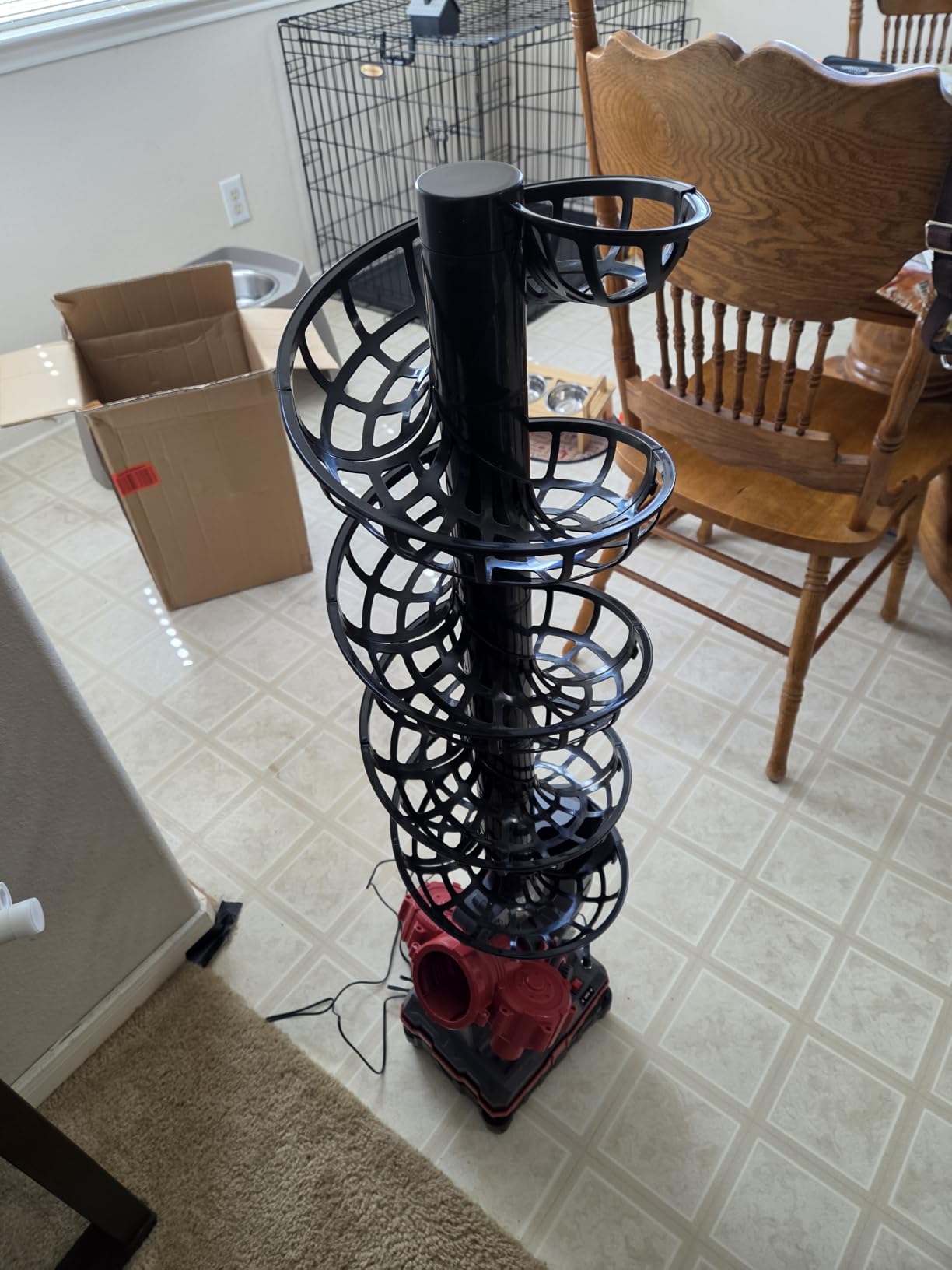
With only four customer reviews at time of testing, this machine carries some purchase risk for buyers wanting established track records. However, the 12-month warranty and the included carrying bag, remote, and AC adapter make the $249.99 price point competitive for casual players and beginners.
For beginners testing the waters
If you are new to pickleball practice machines and not ready to commit $1,000-plus to the category, the Furlihong 3816PBH provides enough functionality to determine whether ball machine practice suits your training routine.
For players needing maximum portability
At under 10 pounds with a carrying bag included, this machine suits players who practice at different locations or want something easy to store in small spaces.
7. Furlihong 680PBH Pickleball Starter Kit
Furlihong 680PBH Pickleball Starter Kit
Starter kit
17 lbs
Ball recycling net
Oscillating
Pros
- All-in-one starter kit with paddle and balls
- Ball recycling net enables continuous play
- Adjustable launch angles and intervals
- Good value for complete package
- Oscillation feature included
Cons
- Machine moves due to vibration on hard surfaces
- Balls only travel 5-7 feet
- Net requires stabilization with weights
- Strong topspin cannot be adjusted
The Furlihong 680PBH differentiates itself by including everything beginners need to start practicing immediately. The ball recycling net is genuinely innovative for the price tier, allowing continuous drills without retrieving scattered balls. We tested this feature extensively during our evaluation and found it worked best on smooth indoor surfaces where balls rolled predictably back to the collection area.
Power output represents the primary limitation. Balls traveled only 5 to 7 feet from the launch point, which restricts usage to drills near the net rather than baseline drives. This matches what we found in user forum reports, where beginners praised the value while experienced players quickly outgrew the capabilities. For context, 5 to 7 feet is barely beyond the kitchen line, making this kit suitable only for short-range dink and drop shot practice.
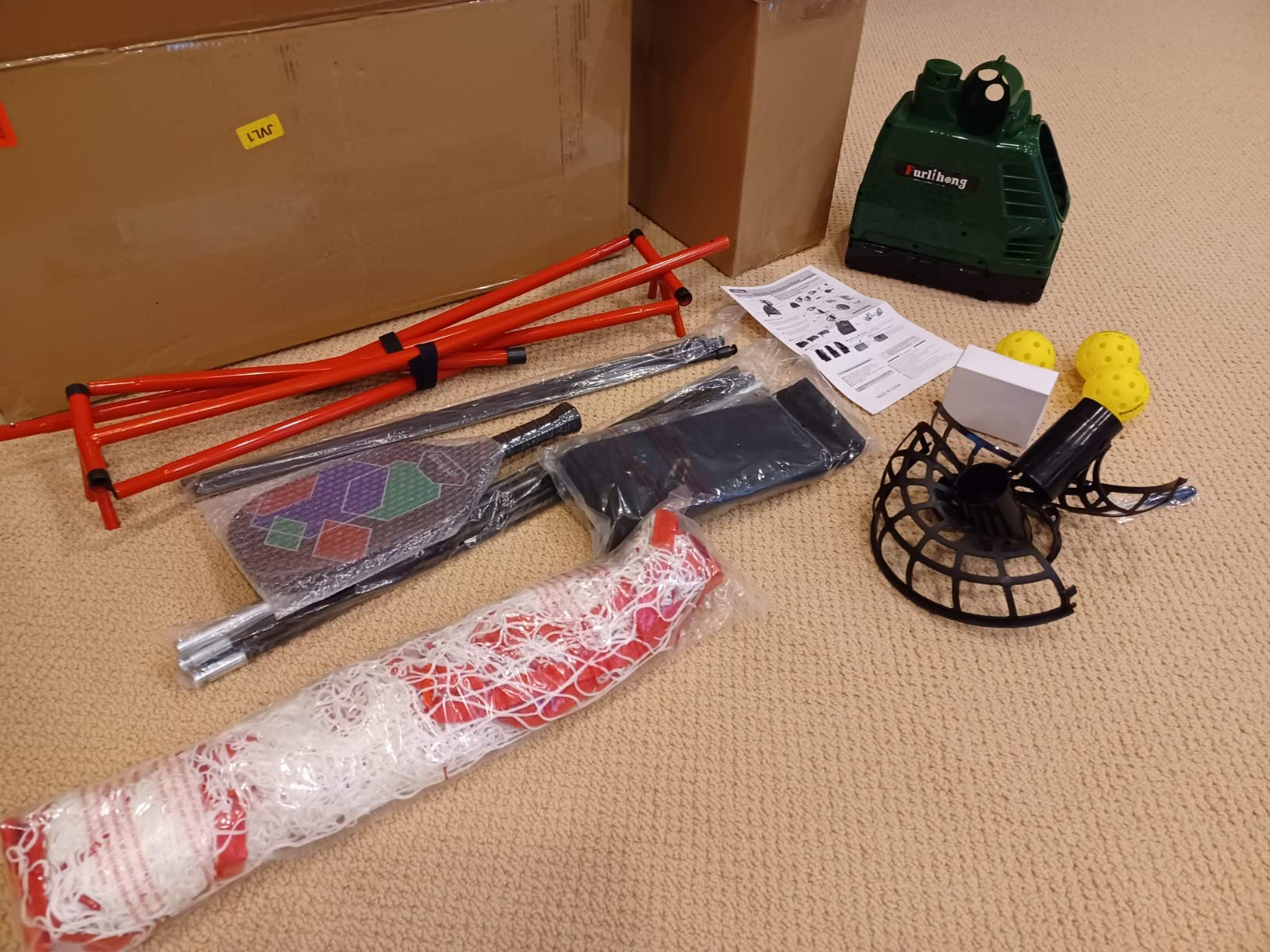
The oscillation function added welcome variety to ball placement, and adjustable launch intervals let us control rest time between feeds. However, the machine vibrated noticeably on our hard court surface and required stabilization using weight bags we added. Without stabilization, the unit shifted position during operation, affecting ball placement accuracy.
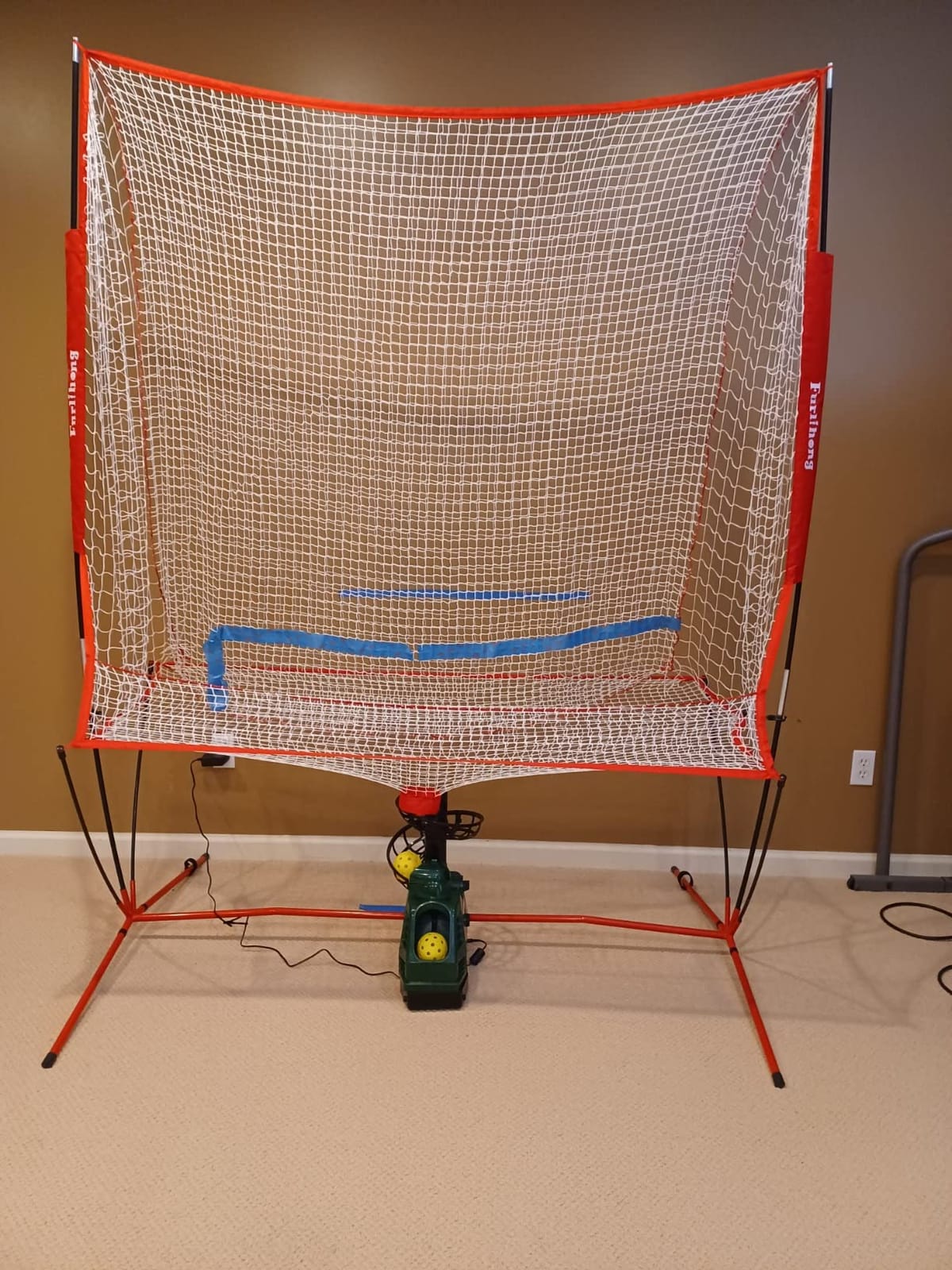
For $186.99, the complete package including paddle, three balls, and carrying bag represents reasonable value for players wanting to evaluate whether ball machine practice appeals to them. However, consider this a starter kit that may need upgrading as skills develop rather than a long-term training solution.
For pickleball beginners on tight budgets
If you are new to the sport and want to practice basic dink shots without investing heavily, the 680PBH kit provides enough functionality to determine whether solo practice machine training suits your needs.
For indoor practice in limited spaces
The short ball travel distance actually becomes an advantage in gymnasium settings where full-court drills are not possible. The recycling net keeps sessions efficient without ball retrieval interrupting drill flow.
8. YUEWO Pickleball Machine
YUEWO Pickleball Machine Tennis Ball Machine Adjustable&Portable Pickleball Launcher with Auto Swing, 3 Angles & 4 Speeds AC/Batteries 26 Pickleballs Capacity
26 ball capacity
8.2 lbs
4 speeds
AC/Battery powered
Pros
- Extremely lightweight and portable
- AC or battery power for flexibility
- Oscillating feature with 3 angles
- 1 year warranty
- Affordable entry point
Cons
- Low power (balls only travel ~12 feet)
- No remote control
- No spin options
- Some quality control issues reported
- Balls can get stuck occasionally
The YUEWO machine occupies the entry-level tier of the market, and its 8.2-pound weight makes it the most portable option we tested. Battery power using four Type D cells provides true portability for outdoor practice sessions where electrical outlets are unavailable. We appreciate the oscillating rotary base that sweeps through three angles, creating basic placement variation that static launchers cannot match.
However, the 12-foot maximum ball travel distance significantly limits training applications. This range places the machine firmly in the dink-and-drop practice category, unable to simulate baseline drive exchanges or overhead lobs. The absence of spin control further restricts drill variety, as all balls arrive with flat trajectories that differ noticeably from competitive play.
Quality control emerged as a concern during our forum research. Several reviewers reported units failing within months, and customer service responsiveness received mixed reviews. The 1-year warranty provides some protection, but buyers should inspect their units carefully upon arrival and retain packaging for potential returns.
For casual practice and gift giving
At $195, the YUEWO machine serves as an introductory option for recreational players who occasionally want ball feed practice without serious training goals. It also works as a gift for pickleball-curious friends who want to try machine-assisted practice.
For players with extremely limited storage
The lightweight design and small footprint accommodate apartment storage or closet placement where bulkier machines would not fit. However, consider whether the power limitations will frustrate your practice goals before purchasing.
How to Choose the Best Pickleball Machine
Selecting the right pickleball ball machine depends on your practice goals, skill level, available budget, and practical constraints like storage and transport requirements. Here are the key factors we recommend evaluating before making your purchase decision.
Skill Level and Training Goals
Beginners generally benefit most from entry-level machines that offer oscillating ball placement and adjustable speeds without overwhelming features. As skills develop, players typically want spin control capabilities, programmable drill sequences, and faster ball speeds that challenge competitive abilities. Match your machine purchase to your current training stage rather than buying for hypothetical future needs.
For reference, intermediate players typically outgrow entry-level machines within six months of regular practice. Investing in a mid-range model with spin control from the start often proves more economical than upgrading from a basic launcher.
Ball Capacity and Session Length
Hopper capacity directly affects how many balls you can feed before refilling. Smaller hoppers around 25 to 30 balls suit 15 to 20-minute practice sessions, while 100-plus ball capacities accommodate hour-long drilling programs without interruption. Club environments and coach-led sessions generally require maximum capacity to minimize refill frequency.
Consider how many balls you typically use during practice. If you currently practice for 10 minutes with a basic machine, a 100-ball capacity model may be overkill. Conversely, serious practitioners often report that reduced refill interruptions significantly improves training session quality and skill retention.
Portability and Storage
Machine weight ranges from under 10 pounds for basic models to over 60 pounds for high-capacity professional machines. If you transport your machine regularly or have limited storage space, prioritize lighter models with collapsing designs. Trolley handles and wheels add convenience but also cost and complexity.
Measure your vehicle cargo areas and storage spaces before selecting a machine. The Titan ONE at 61 pounds requires two-person loading and fits fewer vehicles than the 39-pound Titan ACE or the JP02 trolley design.
Power Options and Battery Life
Battery-powered machines offer true portability for outdoor practice, while AC-powered models suit dedicated indoor installations. Some machines like the Furlihong 3816PBH support both power options, providing maximum flexibility at the cost of added complexity.
Actual battery life often falls short of manufacturer specifications. We measured runtime under real practice conditions and found most machines delivered 70 to 80 percent of rated battery life. Carry spare batteries for sessions longer than three hours, and consider purchasing an additional charger if your machine uses removable lithium packs.
Spin Control and Drill Customization
Adjustable topspin and backspin enable more realistic training scenarios that flat trajectories cannot replicate. Budget machines typically lack spin control entirely, while mid-range and premium models offer varying degrees of spin adjustment. If your practice routine includes serve returns, drop shots, or topspin drives, prioritize spin-capable models.
App-controlled machines like the Titan series offer the most extensive drill customization, including saved sequences, speed progression, and random variation modes. Remote control provides basic adjustments without smartphone dependency. Evaluate whether the convenience of app control justifies premium pricing for your usage patterns.
Price and Value Considerations
Pickleball machine prices range from under $200 to over $2,000. The table below summarizes typical capability tiers at different price points:
Machines under $300 generally offer basic oscillation and speed adjustment suitable for beginners. Mid-range models from $500 to $1,200 add spin control, better construction quality, and improved portability. Premium machines above $1,500 provide professional-grade features including app control, internal oscillation, and maximum ball capacity.
Factor in long-term ownership costs beyond the purchase price. Throwing wheel replacement, battery replacement, and potential repairs add to total cost of ownership. Machines like the Lobster models require periodic maintenance that budget options may lack.
Frequently Asked Questions
Is a pickleball machine worth it?
Yes, a pickleball machine is worth it for players serious about skill improvement. Ball machines enable consistent solo practice, allowing you to work on specific shots and drills without coordinating schedules with practice partners. They provide repetitive feeds that help develop muscle memory for drives, dinks, and lobs. For intermediate to advanced players practicing several times weekly, a quality machine accelerates improvement noticeably compared to court-time-only training.
What is the best pickleball machine in 2026?
The Titan ONE is our top pick for best pickleball machine in 2026 based on our testing. It offers the largest ball capacity (85-240 balls), internal oscillation for realistic drill patterns, excellent app control, and trolley portability. At $2,199, it targets serious players and coaches. For budget-conscious buyers, the JP02 at $589.99 delivers spin control and app features at a fraction of the premium price.
What is the best affordable pickleball machine?
The Furlihong 680PBH Starter Kit at $186.99 offers the best value for beginners. It includes everything needed to start practicing immediately, including the launcher, recycling net, paddle, balls, and carrying bag. However, balls only travel 5-7 feet, limiting usage to dink practice near the net. The JP02 at $589.99 represents better long-term value for players wanting spin control and greater power.
Do pros use a ball machine?
Yes, professional pickleball players and coaches regularly use ball machines for training. The Titan ONE is the official UPA ball machine partner, indicating professional-level endorsement. Pros use machines for solo practice when training partners are unavailable, to work on specific weaknesses, and to maintain consistency during high-volume drilling sessions.
How to choose a pickleball machine?
Choose a pickleball machine based on your skill level, practice goals, budget, and portability needs. Beginners should start with basic oscillating models under $300. Intermediate players benefit from spin control and app customization in the $500-$1,200 range. Serious players and coaches should consider premium models above $1,500 with maximum capacity, internal oscillation, and professional-grade durability.
Our Final Verdict on the Best Pickleball Machines
After testing all eight models across multiple practice scenarios, our team reached clear conclusions about which pickleball machines deliver genuine value for different player categories.
For serious players, coaches, and club directors, the Titan ONE at $2,199 earns our Editor’s Choice recommendation. The 85 to 240 ball capacity, internal oscillation, and professional app control create training experiences that genuinely accelerate skill development. The 2-year warranty and UPA partnership validate the investment for institutional buyers.
For intermediate players wanting the best balance of features and price, the JP02 at $589.99 delivers exceptional value. Spin control, app connectivity, and 4-plus hour battery life exceed what we expected at this price point. The portable trolley design adds practical convenience for players who transport their machines regularly.
For beginners and budget-conscious buyers, the Furlihong 680PBH Starter Kit at $186.99 provides a legitimate entry point into ball machine practice. The included accessories eliminate initial accessory purchases, though players should anticipate upgrading within six months as skills develop.
No matter which machine you choose, consistent solo practice with a quality ball launcher will improve your game faster than relying solely on court time with partners. The machines in this guide represent the best options currently available across all price tiers, and we update our recommendations as new models and user experiences inform our analysis.
Ready to take your pickleball game to the next level? Check the latest prices on our top recommendations above, and invest in the training tool that matches your practice goals and budget for 2026.