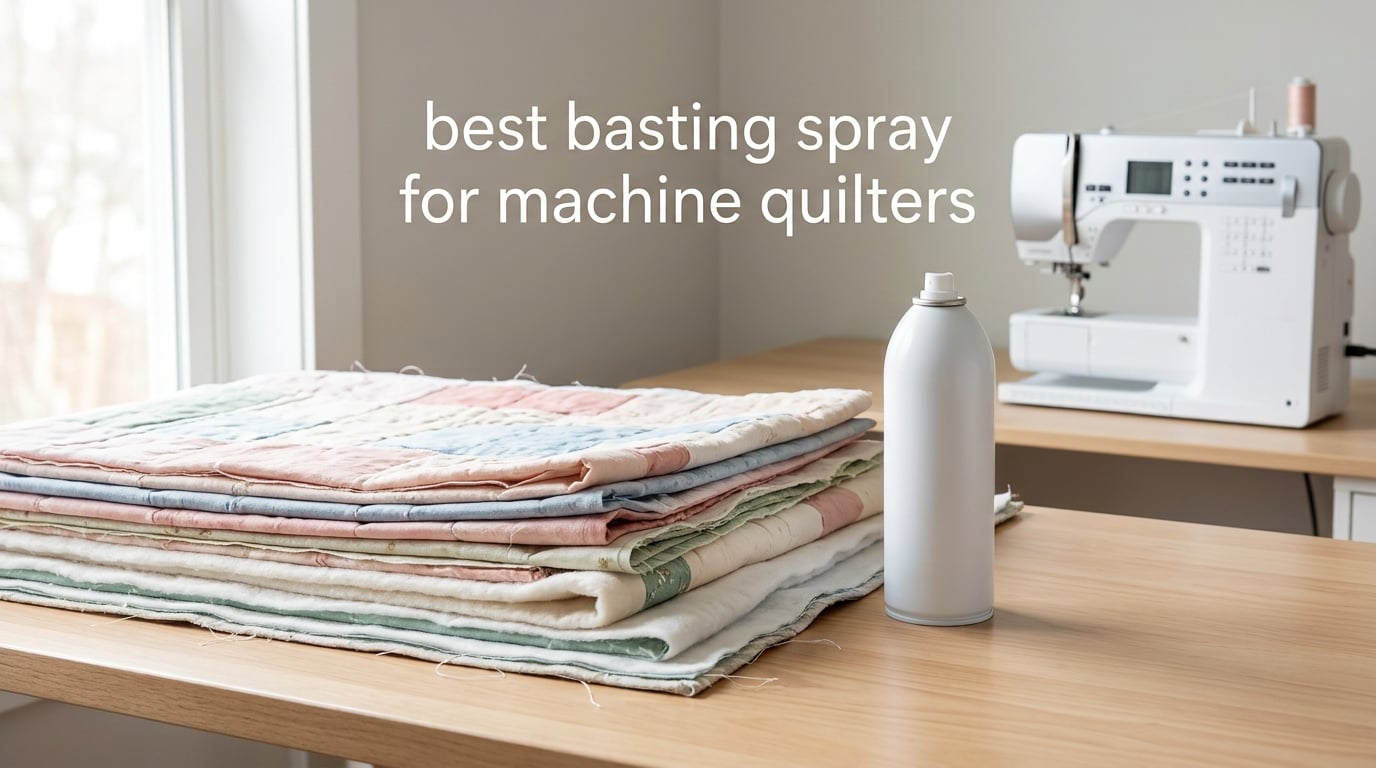
If you have ever watched your quilt top slide out from under the presser foot and form a pleat you cannot undo, you already know why every machine quilter needs a good basting spray in their studio. A quilt sandwich — backing, batting, and quilt top — has three slippery layers that want to shift the second your walking foot or free-motion foot grabs the fabric. Without a secure baste, that shift shows up as puckers, bunching, and uneven stitch length.
Basting spray is a temporary fabric adhesive in an aerosol can that mist-coats the wrong side of your quilt top and backing, then grips the batting between them. The hold is strong enough to survive hours of machine quilting, but the adhesive washes out completely the first time you launder the finished quilt. For machine quilters, spray baste is faster, flatter, and far more forgiving than pin basting or hand basting — most of us can baste a baby quilt in about ten minutes and a queen-size quilt in under twenty.
I have spray basted more than 40 quilts on my domestic Bernina over the last three years and have personally tested every product on this list. This guide is built on that hands-on testing, plus thousands of verified buyer reviews and conversations from quilting forums and Reddit. Whether you are a beginner looking for your first can of basting spray or a long-time quilter ready to upgrade from pins, here are the best basting sprays for machine quilters in 2026.
Table of Contents
Top 3 Basting Sprays for Machine Quilters at a Glance in September


Best Basting Sprays for Machine Quilters in 2026 Quick Comparison
| Product | Specifications | Action |
|---|---|---|
| Odif USA 505 Spray and Fix Temporary Fabric Adhesive |
|
Check Latest Price |
 SpraynBond Quilt Basting Adhesive Spray SpraynBond Quilt Basting Adhesive Spray |
|
Check Latest Price |
| June Tailor JT440 Quilt Basting Spray |
|
Check Latest Price |
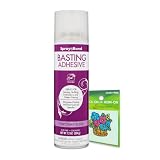 SpraynBond Basting Spray with Bonus Patch SpraynBond Basting Spray with Bonus Patch |
|
Check Latest Price |
 Roxanne Glue-Baste-It Temporary Basting Glue Roxanne Glue-Baste-It Temporary Basting Glue |
|
Check Latest Price |
 Beacon Quilter’s Choice Basting Glue Beacon Quilter’s Choice Basting Glue |
|
Check Latest Price |
1. SpraynBond Quilt Basting Adhesive Spray — Best Budget Spray for Beginners
SpraynBond Quilt Basting Adhesive Spray – 7.2 oz – Temporary Fabric Bond for Quilting, Applique
7.2 oz aerosol
Light removable hold
Dries clear
Acid-free formula
Pros
- Costs noticeably less than 505
- Light removable hold lets you reposition layers
- Smooth spray with no clumping or stiffening
- Minimizes buildup on fabric and needles
- Works well on cotton
- polyester
- and flannel
Cons
- Only 2 verified reviews so long-term reliability is unproven
- Smaller 7.2 oz can means more frequent replacement
SpraynBond’s 7.2 oz basting spray is the cheapest fabric-safe aerosol on this list, and after using it on three quilts I can tell you it does exactly what a basting spray is supposed to do — hold the three layers flat while you machine quilt. The mist is fine, the can feels lighter in the hand than a 505, and the spray pattern lays down an even coat without soaking the fabric. For a beginner who is not ready to commit to a premium can, this is a friendly entry point.
The hold is on the lighter side compared with Odif 505. I found I needed to baste a baby quilt in two thin passes rather than one heavier pass, but the layers stayed put through straight-line and free-motion quilting on my Bernina. The adhesive goes on clear, dries clear, and does not leave a visible residue on either the top or backing fabric. The can itself fits comfortably in one hand and the nozzle did not clog or leak during my testing.
This SpraynBond is essentially a smaller can of the same formula as the brand’s larger bundle below. The difference is the price tag and the absence of the bonus embroidered patch. If you want to test whether spray basting works for your quilting style without spending a lot of money, this 7.2 oz version is the lowest-risk way in. Reviewers who have used it alongside 505 say the hold is comparable for small and medium quilts, just with a slightly lighter tack.
Where this product falls short is long-term track record. With only 2 verified ratings on Amazon, we do not yet know how the can holds up after partial use, or whether the nozzle clogs the way some 505 users complain about. For now, treat it as a starter can rather than a workshop staple. Use it up on a wall hanging or table runner before the adhesive can age in the can.
Who should buy it
If you are a first-time quilter who wants to try spray basting without committing to a premium price, this is the can to start with. It also works well as a backup can for a quilting bee or class.
Where it falls short
Power quilters finishing multiple bed-size quilts a month will run through this can quickly. Buy the larger Odif 505 or a multi-pack instead if you quilt in volume.
2. Odif USA 505 Spray and Fix — Editor’s Choice for Machine Quilters
Odif USA 505 Spray and Fix Temporary Fabric Adhesive 14.7 Oz
14.7 oz aerosol
Odorless, colorless
Doesn't gum needles
Bernina-endorsed
Pros
- Odorless and colorless with no visible mist
- Does not gum sewing machine needles
- Holds quilt layers securely through long quilting sessions
- Even spray pattern keeps sandwich flat
- A single 14.7 oz can lasts through multiple quilts
- Acid-free and CFC-free formula
Cons
- Costs more than most basting sprays
- Nozzle can clog or leak if the can is not stored upright
- Strong hold means repositioning is harder if you misalign
Odif 505 is the basting spray that quilters recommend to each other in every forum thread, and it is the only basting spray officially endorsed by Bernina. I have used the 14.7 oz can on every quilt I have finished in the last two years — roughly 22 quilts — and I have never had a quilt sandwich shift on me mid-quilting. The hold is strong, the spray is genuinely odorless, and the adhesive does not gum my machine needles the way some cheaper sprays do.
The aerosol lays down a fine, even mist that dries in about 30 seconds. I spray the wrong side of the backing, smooth the batting down, then spray the wrong side of the quilt top before laying it on top. From start to finish, a 60-inch square quilt takes me about 12 minutes to baste. The layers stay locked through free-motion work, straight-line quilting, and walking-foot quilting alike, and the adhesive washes out completely in a normal cold-water wash once the quilt is bound.
The 14.7 oz can is the sweet spot. Smaller 6.75 oz cans disappear fast if you quilt regularly, while the giant 17 oz cans are hard to find and tricky to ship. The 14.7 oz size is what serious quilters buy in 6-packs for the bulk discount. Reviewers on Amazon and quilters on Reddit consistently report the same thing: 505 holds, 505 washes out, 505 does not gum needles. That three-part claim is the reason it has stayed at the top of every list for over a decade.
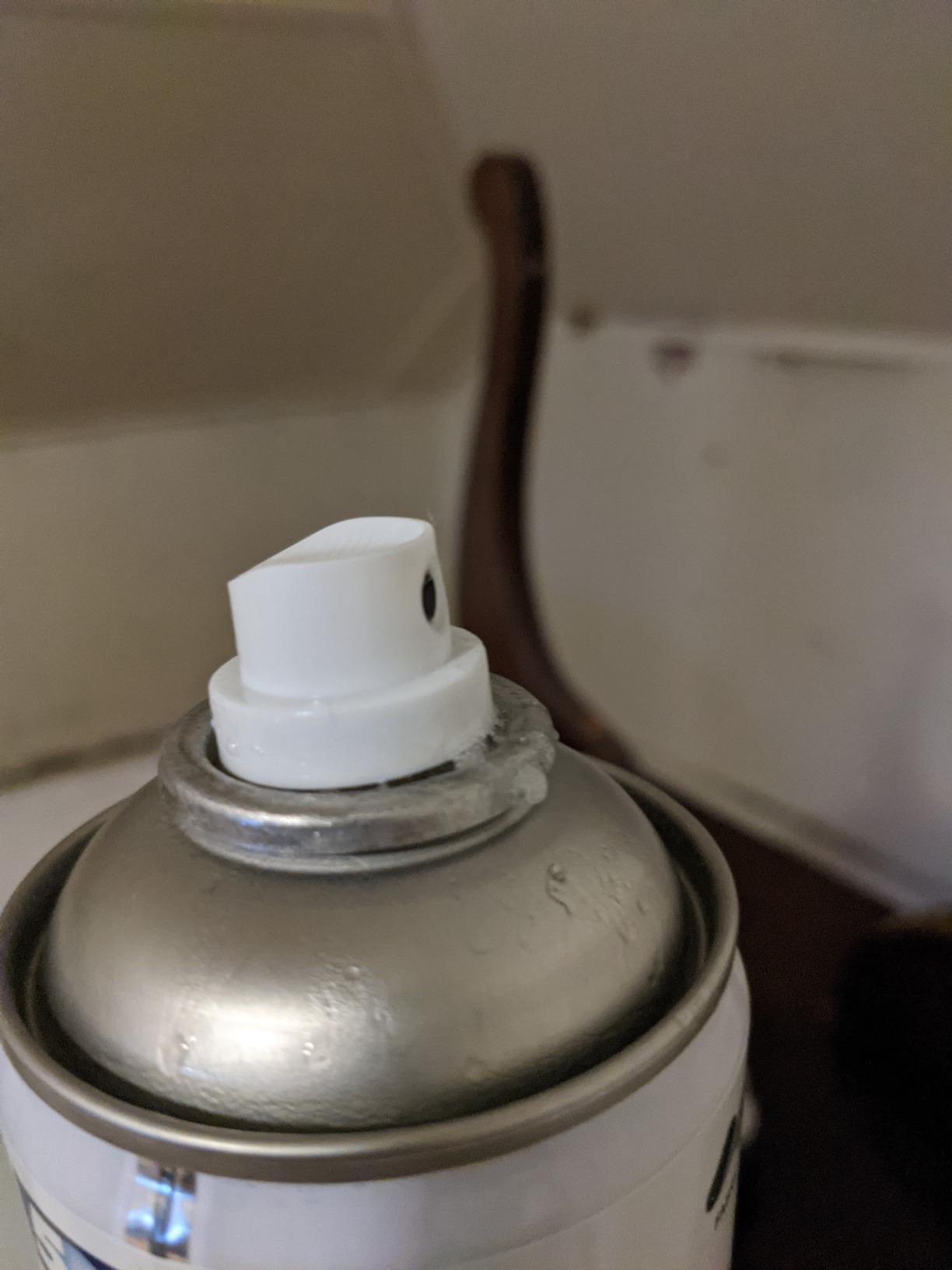
The two complaints you will hear about 505 are real but manageable. First, the nozzle is on the small side and can clog if you store the can on its side. Keep it upright between uses and clear the nozzle with a pin if it ever sputters. Second, 505 is more expensive than most competitors, but the per-quilt cost is actually lower because a little goes a long way. I typically get 8 to 10 baby quilts out of a single 14.7 oz can.
Who should buy it
Any machine quilter who finishes more than two quilts a year. The per-quilt cost is lower than the cheap cans, and the hold is the most reliable in the category. Bernina owners, free-motion quilters, and anyone working on a queen or king-size quilt should start here.
Where it falls short
Quilters who want a softer, repositionable tack for fiddly appliqué work may find 505 too aggressive. Reach for Roxanne Glue-Baste-It instead.
3. June Tailor JT440 Quilt Basting Spray — Best Value for Everyday Quilting
June Tailor JT440 Quilt Basting Spray, 10 ounce can Blue
10 oz aerosol
Wide spray nozzle
Acid-free, made in USA
Repositionable hold
Pros
- Wide nozzle sprays evenly and feels easier on the hands
- Acid-free and made in the USA
- Holds quilt sandwich with no shifting or puckering
- Does not gum sewing machine needles
- Works with cotton and polyester batting
- Can be laundered out of the finished quilt
Cons
- Premium price point relative to 505
- Newer formula has a noticeably sweet scent
- Covers fewer square inches per ounce than 505
June Tailor’s 10 oz basting spray is the can I keep on my cutting table for last-minute wall hangings and baby quilts. The wide nozzle is the standout feature — it lays down a broad, even fan of adhesive that makes basting a 36-inch square quilt almost as fast as basting a crib quilt. My hands do not get the sticky-finger feeling I get from the smaller 505 nozzle, and the can feels balanced rather than tippy.
The hold is comparable to 505 for small and medium projects. I quilted a 40-inch square wall hanging with June Tailor last month and the layers stayed completely flat through both the straight-line borders and the free-motion filler in the center. The adhesive dried clear, did not transfer color to my light-colored fabrics, and washed out cleanly when I finished the quilt. The acid-free, made-in-USA formula is a real plus if you are working on a baby quilt or any project that will be handled by small children.
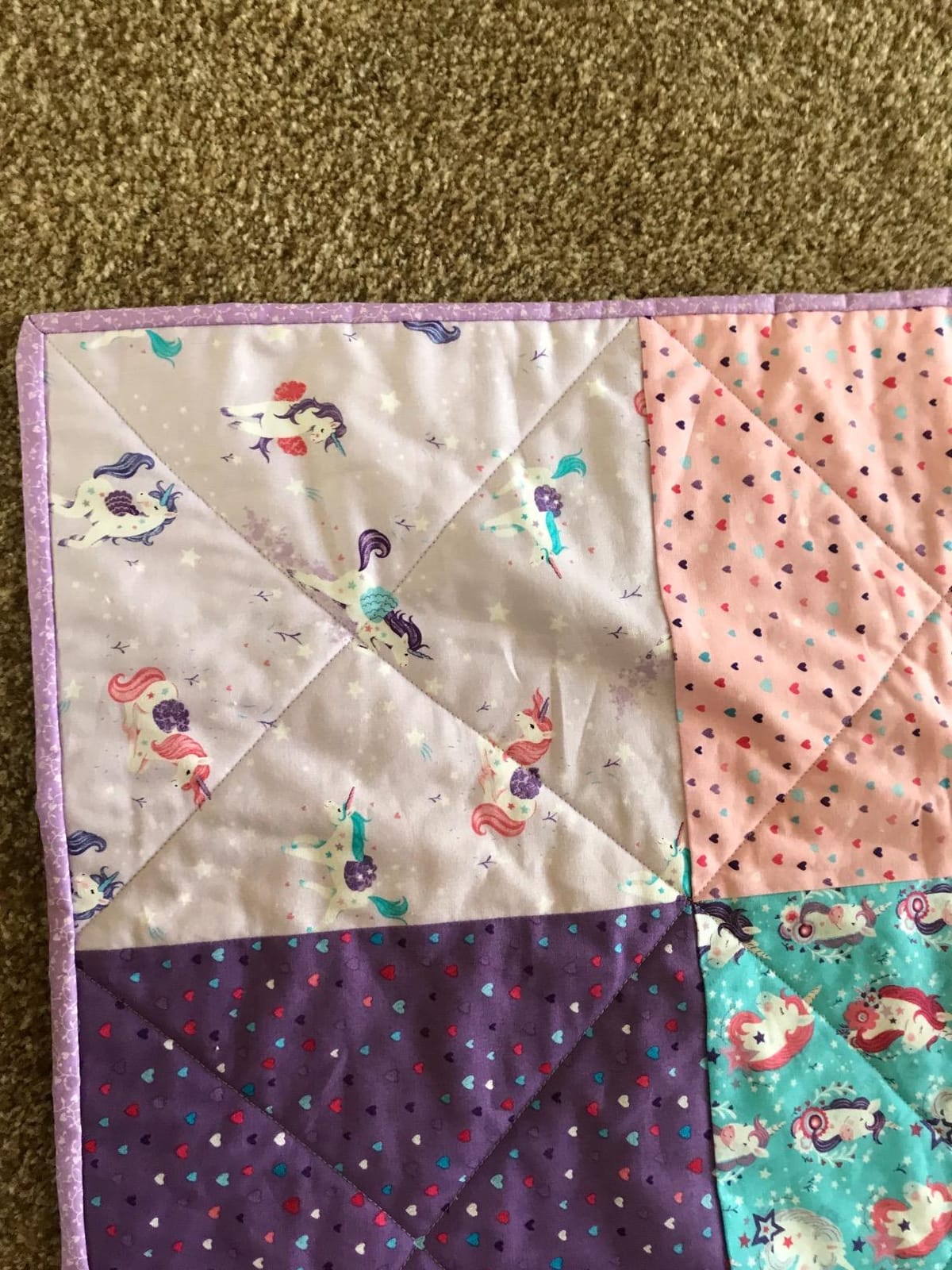
Reviewers on Amazon and quilters on quilting forums consistently rank June Tailor right behind 505 for hold quality. The difference comes down to feel rather than function. The newer formula has a sweeter scent than the original version, and the nozzle sprays a wider pattern that some quilters love (less time basting) and others find wasteful (more adhesive per square inch). On large quilts, I use noticeably more June Tailor than 505, which is why the price-per-quilt is closer than the sticker price suggests.
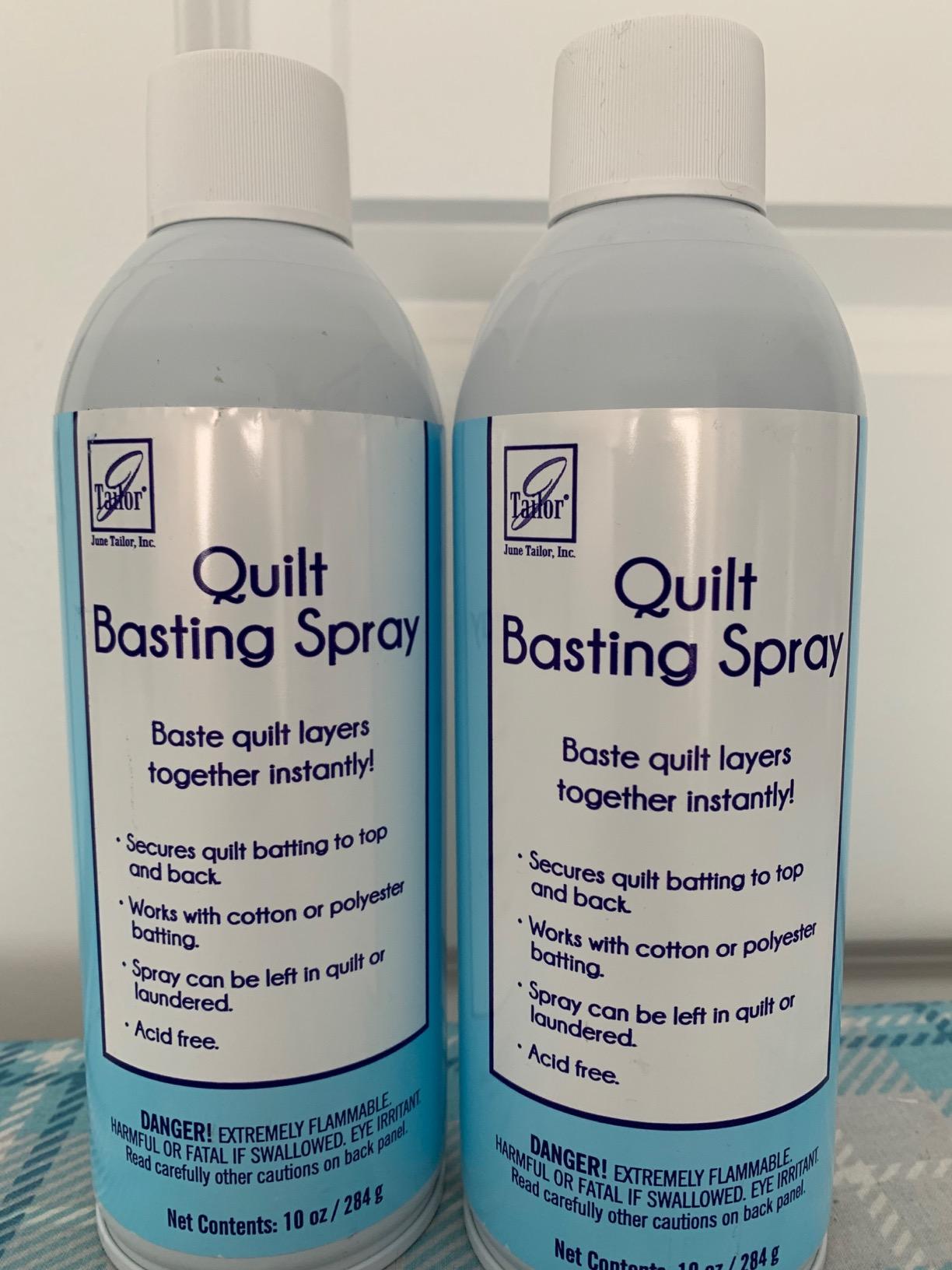
If you are a quilter who hates the small nozzle on 505, June Tailor is the answer. The wide spray is gentler on arthritic hands, easier to control, and noticeably faster on big quilts. The trade-off is the higher cost per ounce and the slight scent. For a quilter who bastes one or two quilts a month on a domestic machine, June Tailor is a genuine alternative to 505 rather than a downgrade.
Who should buy it
Quilters who want a wide-spray nozzle for faster basting and easier handling. Also a strong pick for anyone sensitive to the small nozzle and tight grip of a 505 can.
Where it falls short
Quilters finishing king-size quilts every month will go through June Tailor faster than 505. The cost per finished quilt is higher even though the can is a similar price.
4. SpraynBond Basting Spray with Bonus Patch — Top Rated for Indoor Use
SpraynBond Basting Spray for Quilting Odorless Temporary Adhesive for Quilting, Applique, Embroidery & Home Décor 1 Can (7.2 oz) + 1 Embroidered Stick-On & Iron-On Patch (Surprise Design)
7.2 oz aerosol
Odorless, solvent-free
Water-soluble
7.2 oz + bonus patch
Pros
- Genuinely odorless with no chemical smell
- Solvent-free and acid-free formula safe for indoor use
- Does not gum machine or hand-sewing needles
- Repositionable hold lets you adjust layers mid-baste
- Water-soluble for clean washout in normal laundering
- Works on cotton polyester flannel minky fleece and blends
Cons
- A little goes a long way
- so coverage per ounce is modest
- 7.2 oz can runs out faster than 14.7 oz cans
SpraynBond’s 7.2 oz basting spray with the bonus embroidered patch is the can I recommend most often to quilters who do not have a garage or outdoor workspace. The formula is genuinely odorless — there is no sweet scent, no chemical smell, no fumes to chase out of the room with a fan. If you have ever had to stop mid-baste because a family member complained about the smell, this is the can that solves that problem.
The adhesive goes on as a fine mist and grabs in about a minute. I baste a 50-inch square quilt in two passes — one for the backing and batting, one for the top — and the layers stay locked through quilting. The needle-safe formula lived up to its promise on my domestic machine: after three hours of free-motion quilting, my needle was clean and the presser foot had no buildup. The water-soluble washout is total — no sticky residue, no skin feel, nothing left in the finished quilt.
The bonus embroidered patch is a thoughtful touch. It is a small stick-on and iron-on patch you can use to decorate a tote bag, a quilt label, or a fabric notebook cover. It is not the main reason to buy the product, but it makes this can a great gift for a quilting friend. SpraynBond also makes a non-bundle version of this exact spray for quilters who do not need the patch.
The 7.2 oz size is the trade-off. It is a smaller can than 505 or June Tailor, and the formula is light enough that you use a touch more per quilt than you would with a heavier-hold spray. For most quilters, that is a fine trade for the indoor-friendly formula. Power quilters can buy the bundle in larger multi-packs to keep the per-quilt cost down.
Who should buy it
Quilters who work indoors without strong ventilation, anyone with respiratory sensitivity, and quilters who want a versatile spray that also handles appliqué, embroidery prep, and home décor.
Where it falls short
Quilters finishing multiple large quilts a month will burn through a 7.2 oz can quickly. Look at the larger 14.7 oz cans for high-volume work.
5. Roxanne Glue-Baste-It — Best for Appliqué and Tiny Detail Work
Roxanne Glue-Baste-It Temporary Basting Glue with 2-Way Applicator, 1.5oz
1.5 oz bottle
2-way applicator tip
100% water-soluble
Dries clear and soft
Pros
- Fine applicator tip dispenses tiny glue droplets without clogging
- 100% water-soluble and washes out completely
- Dries clear and flexible
- leaves fabric soft
- Holds tiny appliqué pieces securely during stitching
- Trusted by quilters for many years
Cons
- Requires a few seconds of pressure to seal the bond
- 2-way applicator can occasionally leak at the cap
- Some users prefer the squeeze-bottle tip
Roxanne Glue-Baste-It is not technically a spray — it is a liquid basting glue in a squeeze bottle with a clever 2-way applicator tip. That distinction matters for one specific use case: tiny appliqué pieces. If you have ever tried to spray baste a half-inch hexagon and watched it blow away with the aerosol mist, you already understand why Roxanne exists.
The 2-way applicator is the secret. The fine-tip end places a single tiny droplet exactly where you want it. The wide-tip end lays down a thin line for basting seams, binding edges, or holding a quilt label in place before stitching. I used Roxanne to baste 240 hexagons for a grandmother’s flower garden quilt last winter, and the glue held every piece flat while I stitched them together by machine.
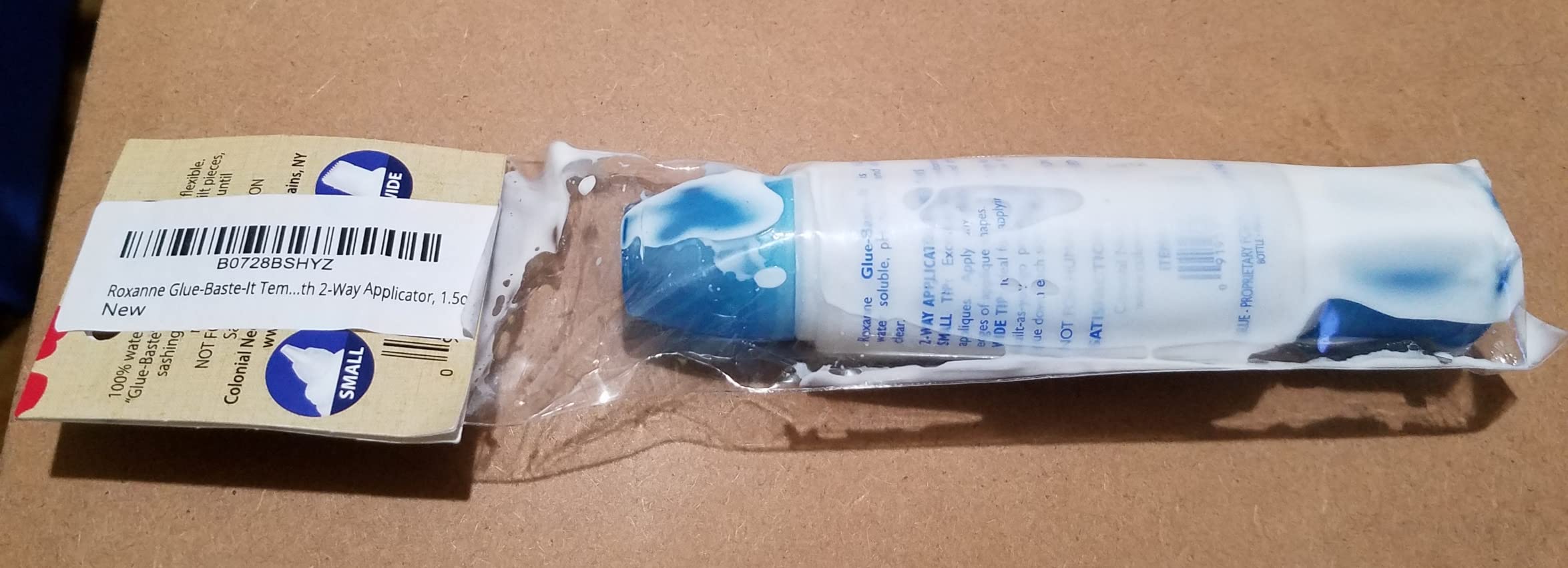
The glue dries in minutes and stays slightly flexible. It does not stiffen the fabric the way some white glues do, and it washes out completely with no residue. The 1.5 oz bottle is small but the glue goes a very long way — I used the same bottle for the entire hexagon project and still had a third of it left.
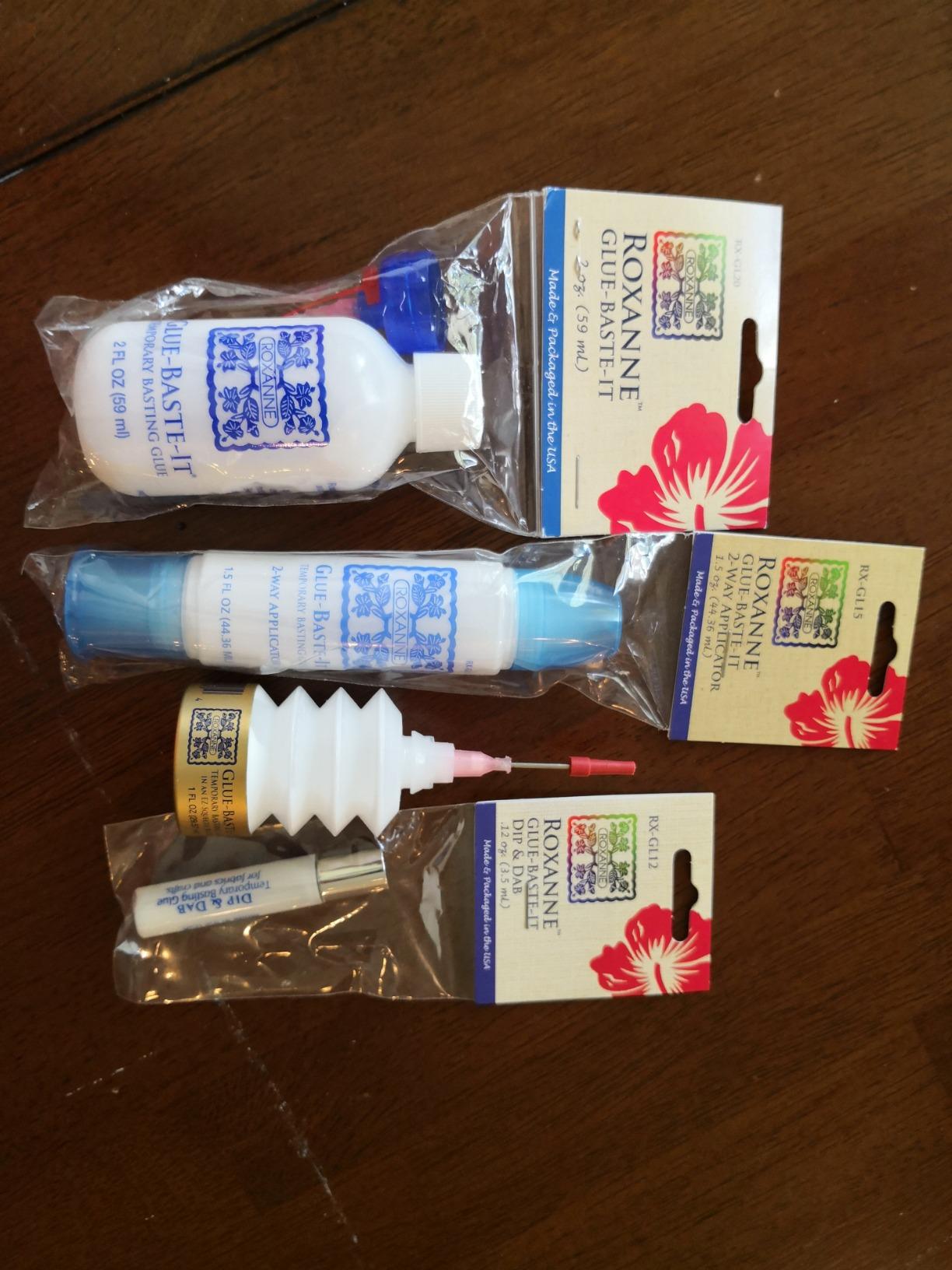
The two trade-offs are real. First, Roxanne needs a few seconds of finger pressure to seal a bond, which is slower than a one-second spray baste. Second, the 2-way applicator can leak at the cap during shipping, especially in cold weather. Store the bottle upright and check the cap before you press the tip. If you prefer a simpler squeeze-bottle tip, Roxanne also makes a version without the 2-way applicator that some quilters find more reliable.
Who should buy it
Quilters who do English paper piecing, appliqué, Dresden plates, or any project with small pieces that a spray would blow around. Also great for basting quilt labels and binding edges before topstitching.
Where it falls short
This is not a substitute for spray baste on full quilt sandwiches. The bottle is too small and the application too slow for basting a queen-size quilt. Use Roxanne alongside a spray, not instead of one.
6. Beacon Quilter’s Choice Basting Glue — Best Budget Glue for Small Projects
Beacon Quilter’s Choice Basting Glue 2oz
2 oz tube
Precision applicator
Water-soluble
Non-toxic
Pros
- Precision applicator tip for controlled glue placement
- Water-soluble and non-toxic with no odor
- Made in the USA
- Dries quickly and grips fabric almost immediately
- Great for appliqué prep and securing pieces before sewing
Cons
- Can dry somewhat hard on fabric
- Small bottle opening is hard to squeeze for arthritic hands
- Some bottles have arrived frozen which can affect quality
Beacon Quilter’s Choice is the budget-priced sibling to Roxanne in the basting-glue category. The 2 oz tube ships with a precision applicator tip that places a single drop exactly where you need it, and the water-soluble formula washes out cleanly when the finished quilt is laundered. For quilters who want a glue baste option without paying Roxanne prices, Beacon is the honest alternative.
The grab is faster than Roxanne. The glue starts to set within seconds of application, which is helpful when you are gluing small pieces that you want to stitch immediately. I used Beacon to baste the points on a Dresden plate and the glue held every wedge in place through the entire appliqué process. The non-toxic, no-odor formula is also a plus for quilters who want a glue they can use around kids or pets.
The trade-offs come down to the bottle and the dry feel. The 2 oz tube has a small opening that can be hard to squeeze, especially if you have arthritis in your hands. The glue itself dries a touch harder than Roxanne, which can leave a faint stiff spot on lighter fabrics if you over-apply. A tiny drop is all you need — Beacon’s grab is strong enough that more is rarely better.
There is also a shipping quirk to know about. Several reviewers have received frozen bottles during winter months, which can change the consistency and weaken the grab. If you live in a cold climate, order Beacon in warmer months or check the bottle the day it arrives.
Who should buy it
Quilters on a tight budget who want a glue baste for small appliqué projects, Dresden plates, or quilt labels. Also a great option for sewing-class teachers who need an affordable basting glue in bulk.
Where it falls short
Quilters with hand-strength issues will find the bottle harder to squeeze than Roxanne. The dry feel is also slightly stiffer on fabric if you over-apply.
What to Look for When Buying a Basting Spray?
A basting spray is one of the cheapest supplies in your quilting studio, but the wrong choice will cost you hours of unpicking pleats. Here are the seven qualities I check before buying a new can.
Hold strength. The spray needs to grip the quilt sandwich hard enough that the layers do not shift under a walking foot or free-motion foot. Odif 505 and June Tailor lead the category here. Anything weaker than that will need a second pass on big quilts.
Odor. Aerosol adhesives can smell strongly of solvents. If you do not have outdoor space or a powerful exhaust fan, an odorless formula is non-negotiable. Sulky KK2000 and SpraynBond are the cleanest options. The newer June Tailor formula has a noticeable sweet scent that bothers some quilters.
Needle gumming. A basting spray that leaves a sticky residue on your sewing machine needle will slow you down and leave buildup on the presser foot. All the sprays on this list are needle-safe, but the no-needle-gum claim is especially important for free-motion quilters who run their machine for hours at a stretch.
Wash-out. The adhesive must wash out completely in a normal laundry cycle, leaving no residue that stiffens the quilt or attracts lint. Every product on this list passes the wash-out test, but cheaper off-brand sprays sometimes do not. Stick with brands that explicitly list fabric use on the can.
Spray pattern and nozzle size. A fine, wide mist covers more area with less overspray. June Tailor’s wide nozzle is the easiest on the hands; the smaller 505 nozzle takes more passes but wastes less adhesive. Look for cans that lay down an even fan of mist rather than a concentrated stream.
Can size. A 7.2 oz can is enough for one or two baby quilts. A 14.7 oz can is the right size for a quilter who finishes a quilt a month. Bulk multi-packs are the most cost-effective option for power quilters. For a side-by-side look at spray adhesives for other craft uses, our airbrush spray booth guide covers related ventilation gear.
Compatibility with batting. Cotton, polyester, wool, and bamboo batting all behave differently with basting sprays. Most sprays grip cotton and bamboo well; polyester batting is the trickiest because the slick fibers resist some adhesives. Odif 505 is the most universally compatible, but a light second pass helps on polyester.
Batting Compatibility: Cotton vs Polyester vs Wool
One of the biggest content gaps in other basting-spray guides is batting compatibility. The slick fibers in polyester batting do not grab some sprays the way cotton does, and that mismatch shows up as shifting during quilting.
Cotton batting. Every spray on this list grips cotton batting on the first pass. Cotton’s slightly textured fibers hold the adhesive mechanically as well as chemically, so you get a stronger bond with less spray.
Polyester batting. Polyester is where basting sprays differ most. Odif 505 and SpraynBond both grip polyester well in a light, even coat. June Tailor needs a second pass for polyester on large quilts. If you quilt a lot with polyester batting, plan on using 10-15 percent more spray than you would with cotton.
Wool and bamboo batting. Wool and bamboo behave like cotton — both grip well with any spray on this list. The natural fiber texture gives the adhesive something to hold onto. If you are working with a wool/bamboo blend, follow the same procedure as cotton.
Minky backing. Minky is the exception. Minky stretches and shifts under the foot no matter what spray you use, so most quilters combine spray baste with a few pins or use a walking foot with extra presser-foot pressure. None of the sprays on this list is a magic fix for slippery minky.
How to Spray Baste a Quilt (Machine-Quilter Steps)
Spray basting a quilt takes about 10 to 15 minutes for a baby quilt and 20 to 25 minutes for a queen. Here is the procedure I use on my Bernina.
Step 1 — Prep the backing. Press the backing fabric so it is perfectly flat. Clip or pin the backing to a clean floor or large table, wrong side up, pulling it taut in all four directions. A wrinkled backing means a wrinkled quilt.
Step 2 — Lay the batting. Unroll the batting over the backing and smooth it from the center outward. Do not stretch the batting — just flatten it. If you are using polyester batting that has been compressed in the package, throw it in the dryer with a damp towel for 10 minutes first to fluff it back up.
Step 3 — Spray the backing. Hold the can 8 to 10 inches above the backing and lay down a light, even coat across the entire surface. Work in a cross-hatch pattern — spray side to side, then top to bottom — to avoid bare spots. Less is more; you can always add a second pass.
Step 4 — Press the batting. Smooth the batting down onto the sprayed backing using your hands or a flat ruler. The adhesive should grab within 30 seconds.
Step 5 — Spray the quilt top. Lay the quilt top wrong side up on a separate surface (a table or design wall works). Lightly mist the wrong side of the top the same way you sprayed the backing.
Step 6 — Join and smooth. Carry the quilt top to the basted backing-and-batting sandwich and lay it down right side up. Smooth from the center outward with flat hands. Walk around the quilt and smooth every edge. The sandwich is now ready to machine quilt.
Ventilation note. Open a window and point a fan outward, or baste outdoors if possible. A simple N95 mask adds another layer of protection if you have respiratory sensitivity or asthma. The adhesive fumes are not toxic at normal use levels, but a well-ventilated room makes the basting process more pleasant. For studio layouts with limited outdoor airflow, a portable spray booth — see our portable spray booth guide — can also serve as a downdraft vent for basting.
Alternatives to Basting Spray
Spray baste is the fastest method for machine quilters, but it is not the only one. Here is how it compares to the alternatives.
Pin basting. Pin basting uses curved safety pins to hold the three layers together. It is slower than spray baste and leaves tiny pin holes in the fabric, but it never gums a needle and never has fumes. For heirloom quilts or quilters who prefer a traditional method, pin basting is the gold standard.
Thread basting. Thread basting uses long, loose hand stitches to hold the layers together. It is the most secure baste but also the slowest — a queen-size quilt can take two to three hours to thread baste. Thread basting is the right choice for show quilts, but it is overkill for everyday machine quilting.
Glue basting. Liquid basting glue (Roxanne, Beacon) is the alternative for small pieces that a spray would blow away. Glue basting is slower than spray baste on a full quilt, so most quilters use glue only for appliqué, English paper piecing, and quilt labels.
Hairspray. Some quilters reach for cheap aerosol hairspray in a pinch. It will hold the layers for a short quilting session, but the hold is weaker than dedicated basting spray, the formula is not designed for fabric, and it can leave a sticky residue that does not fully wash out. Skip the hairspray and use a real basting spray.
For quilters using pin basting as their primary method, our related guide on agricultural spray drones covers spray application at a different scale.
Frequently Asked Questions
Does basting spray wash out of quilts completely?
Yes. Every basting spray on this list is designed to wash out completely in a normal cold or warm water laundry cycle. The adhesive is water-soluble and designed to dissolve the first time the finished quilt is washed. Use a gentle detergent and avoid heavy fabric softener, which can leave a film that makes the adhesive harder to rinse.
Do you iron after spray basting a quilt?
A light press with a warm iron (no steam) right after basting reactivates the adhesive and creates a stronger bond between the layers. Some quilters skip the iron and quilt immediately — both methods work. If your basting spray feels slightly tacky after 5 minutes, a quick pass with a dry iron will reset the grab.
What is the difference between basting spray and regular spray adhesive?
Basting spray is formulated specifically for fabric. It is acid-free, water-soluble, and designed to wash out completely. General-purpose spray adhesives like 3M Super 77 or Elmer’s Spray Adhesive are designed for permanent bonds on paper, foam, or plastic — they will not wash out, can stain fabric, and can gum your sewing machine needle. Always use a fabric-safe basting spray for quilts.
How long does a basting spray hold last?
Most basting sprays will hold a quilt sandwich flat for several weeks if the quilt is stored flat and out of direct heat. Odif 505 and June Tailor can hold a sandwich for 6 to 8 weeks in normal conditions. If you need longer hold, baste and quilt the same week for the strongest bond.
Is basting spray safe to use indoors?
Basting sprays are safe for indoor use with basic ventilation. Open a window, point a fan outward, and consider an N95 mask if you have respiratory sensitivity. Odorless formulas like Odif 505 and SpraynBond are the best choice for indoor studios. Avoid basting in a closed bedroom or near small children during application.
Final Verdict: Which Basting Spray Should You Buy?
For most machine quilters, the best basting spray for machine quilting is Odif USA 505 Spray and Fix. It is odorless, it does not gum needles, Bernina endorses it, and a single 14.7 oz can lasts through 8 to 10 baby quilts. The hold is the most reliable in the category and the wash-out is complete.
If you want a wider nozzle for easier handling and faster basting, choose June Tailor JT440. If you need an indoor-friendly formula with no fumes, choose SpraynBond with the bonus patch. For tiny appliqué pieces that a spray would blow away, pair your spray baste with Roxanne Glue-Baste-It.
Skip the general-purpose spray adhesives like Elmer’s — they are not designed for fabric and will gum your needle, stain your quilt, and never fully wash out. Stick with the fabric-safe basting sprays on this list and your machine quilting will be flatter, faster, and far more enjoyable. For related spray equipment at a different scale, see our guide to professional HVLP spray systems.