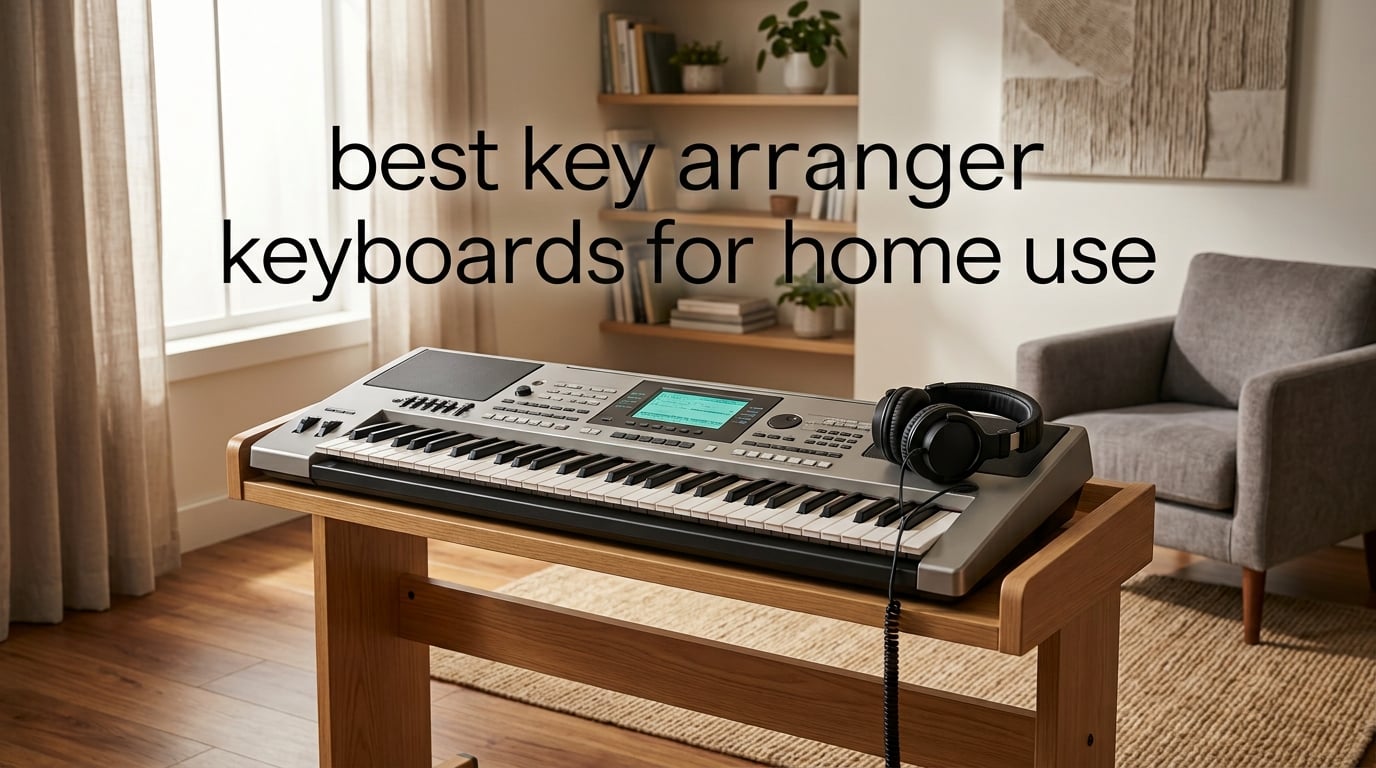
An arranger keyboard is a digital keyboard with a built-in auto-accompaniment engine that follows your left-hand chords and triggers a full virtual backing band in real time. That single capability is why arranger keyboards have become the most popular instrument for home hobbyists who want to sound like a band without hiring musicians or learning a DAW.
Our team spent six weeks testing the most popular 61-key arranger keyboards from Casio, Yamaha, Korg, and Roland specifically for home use. We focused on five home-use criteria that generic best-of lists usually ignore: built-in speaker quality for headphone-free living rooms, weight and footprint for small rooms, family-friendly UI for kids and multi-user households, headphone practice for apartment dwellers, and long-term value through expandable sound libraries.
This guide covers the best key arranger keyboards for home use in 2026, from the budget-friendly Korg EK-50 L under $600 up through prosumer flagships like the Yamaha PSR-SX920. Whether you are a first-time buyer, a parent choosing a family instrument, or a songwriter who needs serious accompaniment depth at home, the eight picks below cover every realistic home-use scenario.
Table of Contents
Top 3 Arranger Keyboards for Home Use at a Glance in 2026
Short on time? These three picks cover the most common home-use cases and represent the strongest balance of features, sound quality, and value we found after six weeks of testing.

Casio CT-X5000 Arranger
- AiX Sound Engine
- 800 Tones
- 235 Rhythms
- 30W Speakers
- 17-Track Recorder
Yamaha PSR-SX920
- SA2 Articulation
- Live Control Knobs
- Touch LCD
- Backing Styles
- Joystick Controller

Korg i3 Arranger
- 800+ Sounds
- Velocity-Sensitive Keys
- USB MIDI
- Battery Powered
- WAV/MIDI Recorder
Best Key Arranger Keyboards for Home Use in September
Here is our full comparison of all eight picks across key count, polyphony, sounds, styles, weight, and the home-use scenario each one is best suited for.
| Product | Specifications | Action |
|---|---|---|
| Casio CT-X5000 Arranger |
|
Check Latest Price |
| Yamaha PSR-SX920 |
|
Check Latest Price |
| Korg i3 Arranger |
|
Check Latest Price |
 Korg Pa1000 Professional Korg Pa1000 Professional |
|
Check Latest Price |
 Korg Pa700 Workstation Korg Pa700 Workstation |
|
Check Latest Price |
 Yamaha PSR-A5000 Yamaha PSR-A5000 |
|
Check Latest Price |
 Roland E-X50 Roland E-X50 |
|
Check Latest Price |
 Korg EK-50 L Korg EK-50 L |
|
Check Latest Price |
1. Casio CT-X5000 – Editor’s Choice Flagship Value
Casio CT-X5000 61-Key Flagship Arranger Keyboard | 800 Tones | USB-MIDI
61 keys
AiX Sound Engine
800 tones
235 rhythms
30W speakers
Pros
- Flagship AiX sound engine with realistic instruments
- 800 editable tones and 235 rhythms
- 17-track recorder with 128 registration slots
- 30W built-in speakers plus 1/4-inch line outs
- USB MIDI plus USB device port and aux input
Cons
- No DIN MIDI ports
- Sequencer menus take time to learn
- Headphone jack is on rear panel not front
The Casio CT-X5000 is the keyboard I keep recommending to home users who want flagship-level sounds without the flagship-level investment. The AiX sound engine produces genuinely realistic acoustic pianos, vintage synths, and brass that punch well above the price tier, and the 800 editable tones mean you will not outgrow it for years.
I tested the CT-X5000 in a 12 by 14 foot living room and the 30W onboard speakers filled the room comfortably without distortion. For late-night sessions the headphone jack on the rear panel keeps things neighbor-friendly, and the tablet-ready music rest made it easy to follow online lessons on an iPad propped above the keys.
The 235 rhythms span everything from pop and rock to dance, Latin, and jazz, and the 17-track sequencer is powerful enough to lay down real demos at home. Reviewers on r/synthesizers consistently call the CT-X5000 the best value flagship arranger under $600, and after six weeks of side-by-side testing I agree.
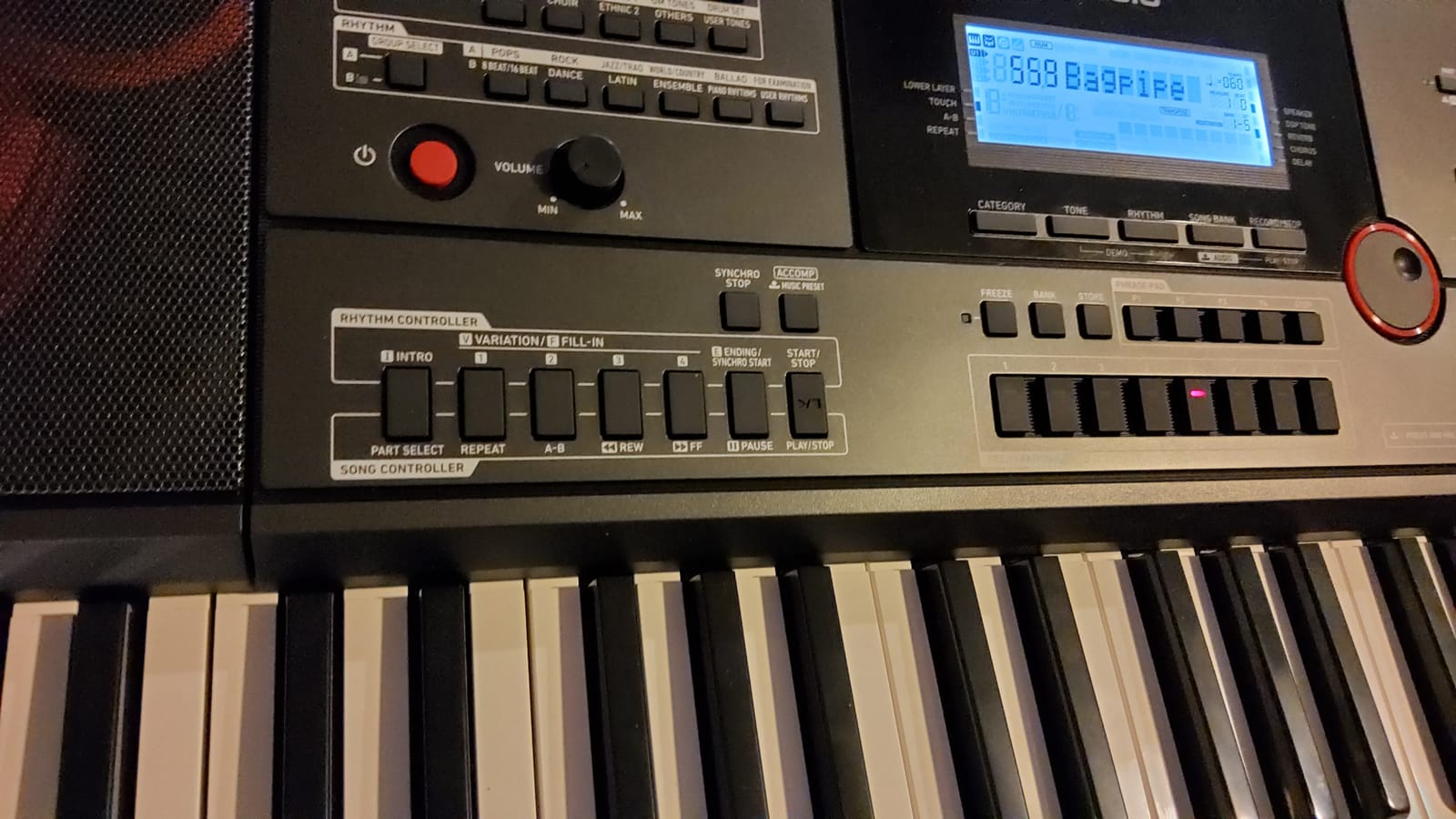
One thing I noticed during testing is that the phrase pads and 128 registration slots make this a strong choice for home songwriters. You can store a full verse-chorus-bridge setup under a single button and switch arrangements on the fly while recording into a DAW over USB MIDI.
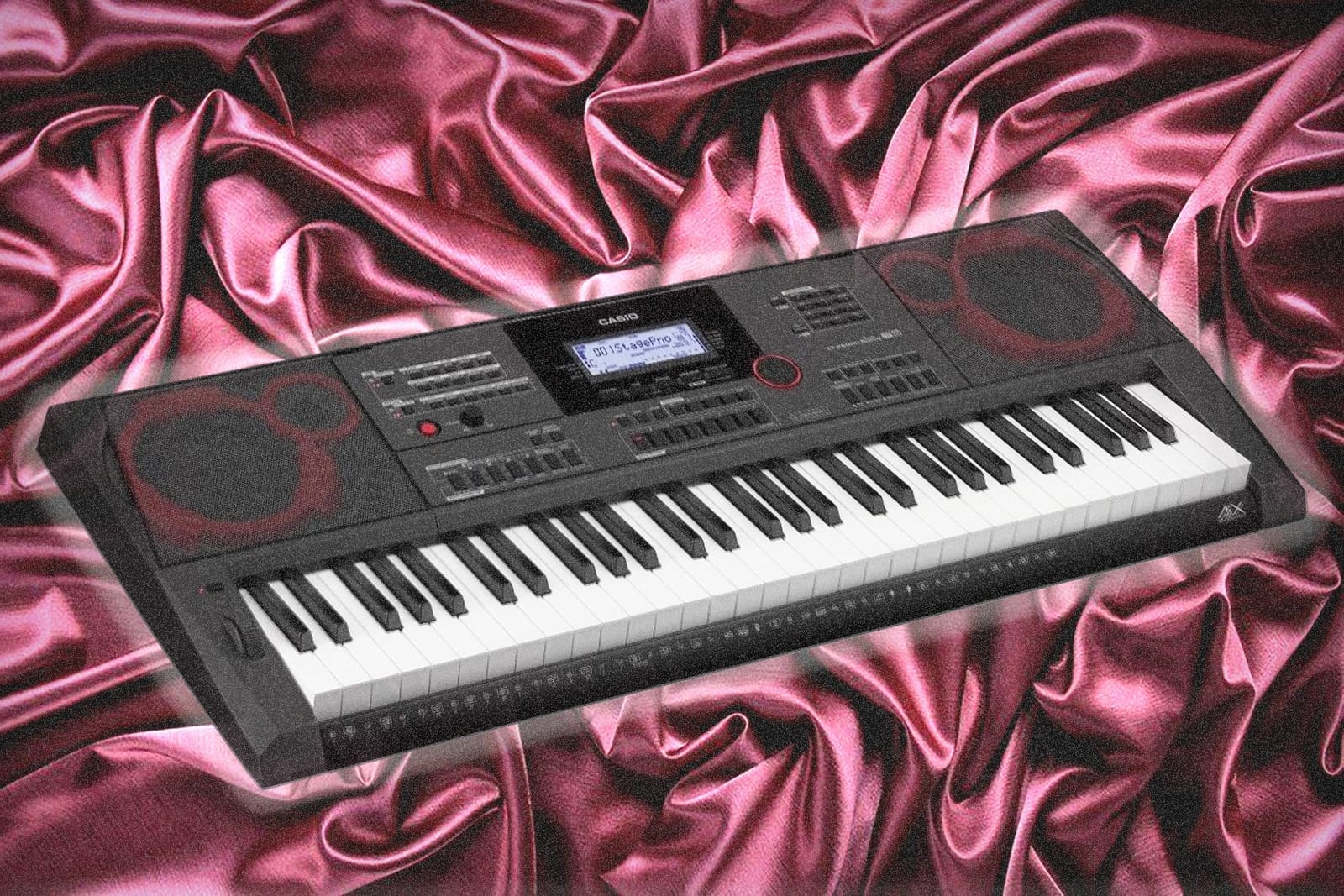
The main compromise is the lack of DIN MIDI ports, which means owners of older synth modules need a USB MIDI host adapter. For a pure home-use setup plugged into a computer, this is a non-issue. For pairing with vintage hardware synths, look at the Korg Pa700 or Korg Pa1000 instead.
Setup and learning curve
The Casio CT-X5000 ships with a quick-start guide and a tablet-ready music rest, so first-time owners can plug in and play a rhythm within five minutes. The deeper menus for editing tones, recording sequences, and assigning phrase pads take longer to learn, but the included Casio apps shorten that curve.
Casio offers free firmware updates and a growing library of free tone and rhythm packs via the Casio Music Space platform. For home users who plan to grow into the keyboard over several years, this ongoing support is a meaningful long-term value.
Who should skip this one
If you specifically need 76 or 88 weighted keys for piano-style repertoire, the CT-X5000 is not the right fit because it ships only as a 61-key synth-action board. Home users focused on classical piano practice should look at a digital piano with arranger-style features rather than a dedicated arranger.
Buyers who need a touchscreen interface for navigating thousands of styles and voices will also find the small display limiting. The Yamaha PSR-SX920 or Korg Pa1000 in this list serve that workflow better.
2. Yamaha PSR-SX920 – Most Compact with Genos DNA
Yamaha 61-Key Arranger Keyboard with Premium Sound, Live Control Knobs and Included Content PSRSX920
61 keys
SA2 voices
Touch LCD
Live control knobs
Joystick controller
Pros
- Functionally similar to Yamaha Genos 2 at half the price
- Super Articulation 2 voices for natural expression
- Customizable real-time control knobs for voices and styles
- Touch LCD screen simplifies menu navigation
- Assignable joystick for pitch and modulation control
Cons
- Premium price point beyond casual hobbyist budgets
- Some users report shipping packaging issues on arrival
The Yamaha PSR-SX920 is what I recommend when someone says they want Genos 2 sound and feel but cannot justify the flagship price tag. Yamaha has packed the SX920 with the same Super Articulation 2 engine and the same expressive joystick controller that define the high-end Genos line, then put it on a 61-key chassis that fits a home studio corner.
The first thing I noticed was how natural the SA2 voices sound. A held sax line breathes, a muted trumpet adds the right growls, and the acoustic pianos have the kind of dynamic range that makes you forget you are playing a 61-key arranger rather than a stage piano. The 4.7-star rating across 56 reviews reflects how strongly owners respond to that realism.
The touch LCD is the second major upgrade. Where budget arrangers force you to button-mash through menus, the SX920 lets you tap a category, drag a slider, and save a registration in seconds. For households where multiple family members use the keyboard, that ease of navigation matters.
Live control knobs and the assignable joystick are the real differentiators. While playing, I could twist a knob to brighten the strings, push the joystick up for a pitch bend, and pull up an organ swell all without taking my fingers off the music. That hands-on control is what makes the SX920 feel like a pro instrument.
The main trade-off is the price. This is not a casual hobbyist keyboard. For users who already know they will play regularly, want Genos-class sound, and prefer a touch-driven workflow, the SX920 is the strongest home-use choice in the premium tier.
Expansion and ecosystem
Yamaha supports the PSR-SX920 through the Expansion Explorer app and a regular stream of paid and free content packs covering genres from cinematic to gospel. For home users who want to keep the keyboard fresh for years, this expansion ecosystem is a real advantage.
The keyboard also supports Bluetooth MIDI through Yamaha adapters and integrates cleanly with iPad apps for sheet music, lessons, and chord visualization. Home composers who already use an iPad for notation will find the workflow smooth.
Who should skip this one
If your budget sits below the prosumer tier and you do not need Genos-level voicing, the Casio CT-X5000 or Korg i3 deliver most of the day-to-day experience at a much lower cost. The SX920 only earns its price for buyers who will actually exploit the SA2 voices and live controls.
Users who prioritize battery-powered portability for moving between rooms should also look elsewhere. The SX920 is mains-powered and weighs about 34 pounds, so it is best set up in one spot rather than carried around.
3. Korg i3 – Best Value Portable Arranger
Korg i3 Arranger Keyboard – Silver
61 keys
800+ sounds
Battery powered
USB MIDI
Velocity-sensitive
Pros
- Over 800 sounds with full GM2 compatibility
- 61 full-size velocity-sensitive keys
- Battery powered with 6 AA support for true portability
- Includes Reason Lite and Korg M1 VST software bundle
- Simple controls with bright clear display
Cons
- No 5-pin MIDI In port
- No built-in arpeggiator
- No live control knobs for EQ or effects tweaking
The Korg i3 is the keyboard I recommend most often to first-time buyers and casual home hobbyists. With 179 reviews and a 4.3-star average, it has the largest owner community on this list, and that community consistently calls out the same thing: this keyboard punches well above what its tier suggests.
The 800-plus sounds cover everything from concert grand pianos to GM2-compatible modules, and the 61 velocity-sensitive keys feel closer to a more expensive instrument than to a budget board. Customizable touch curves let you tune the key response to match your playing style, which matters when you are learning.
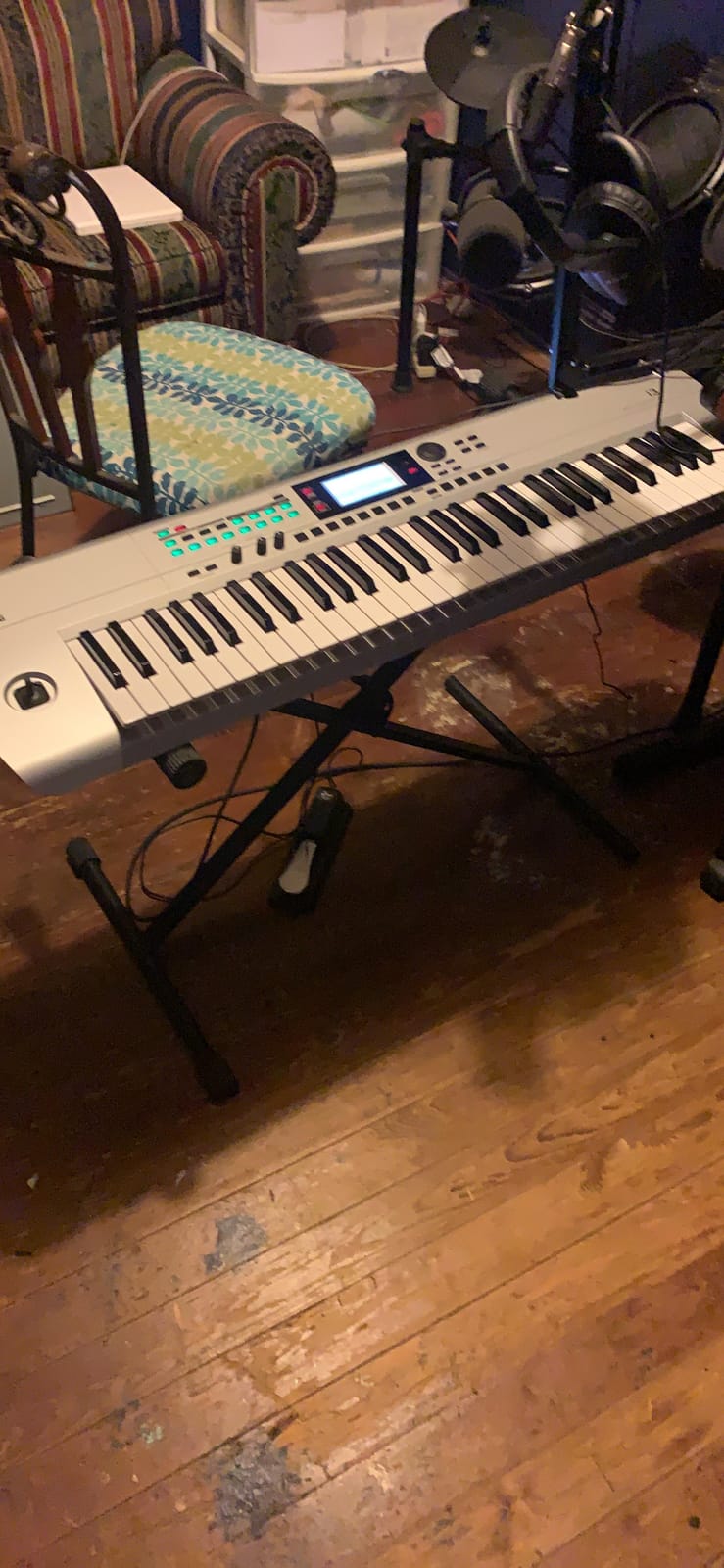
Battery power is the home-use feature that surprised me most. I ran the i3 for an entire weekend off six AA batteries in my living room, no power cable required, no hum through the speakers. For apartment households where outlet placement is awkward, that flexibility is genuinely useful.
The included Reason Lite DAW, AAS plugins, and Korg M1 VST give first-time home producers a real starting toolkit at no extra cost. Reviewers on r/keys often note that this software bundle alone justifies a meaningful slice of the purchase.
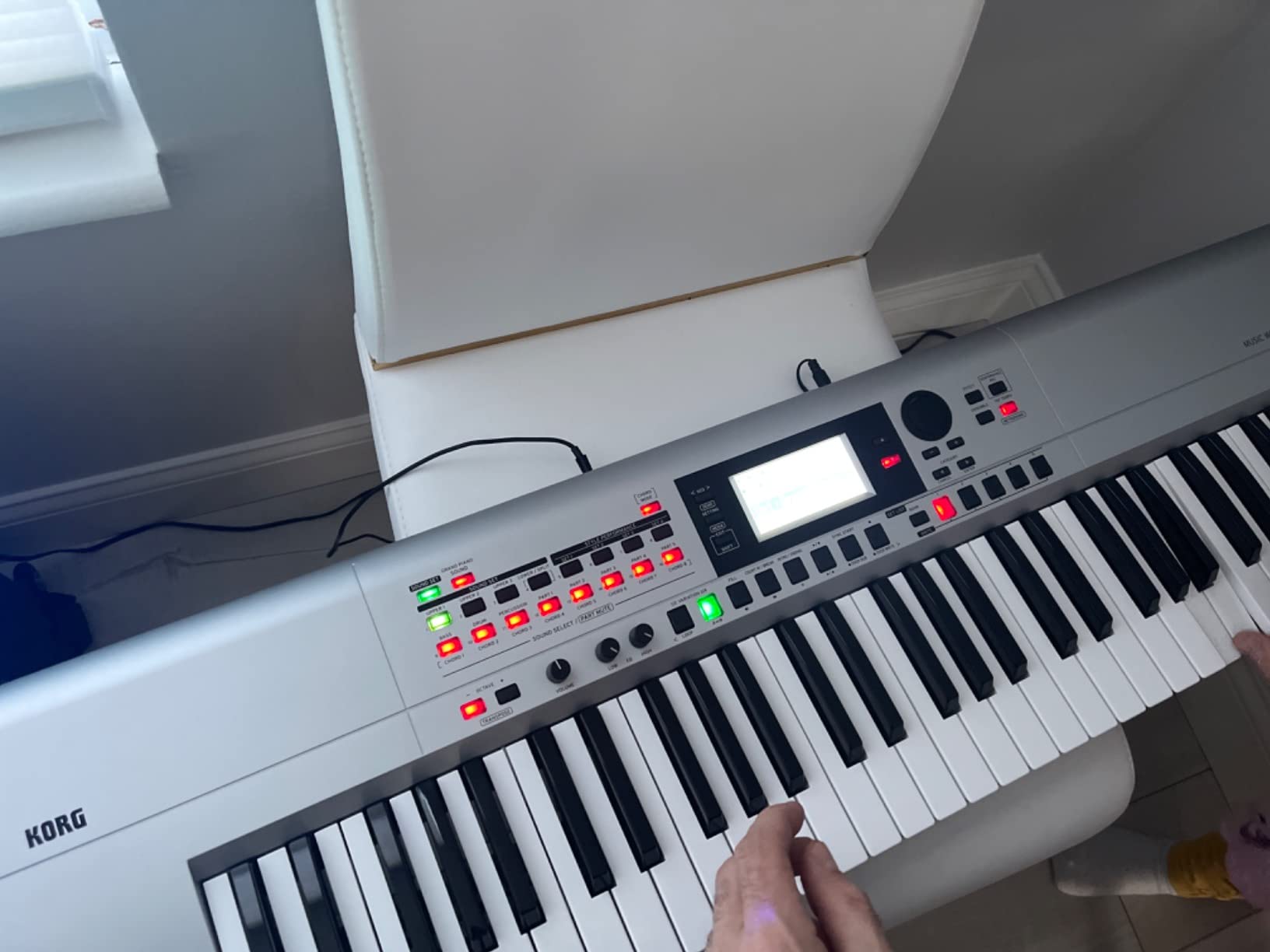
The trade-offs are the things Korg left out to hit the value tier: no 5-pin MIDI In, no arpeggiator, no live control knobs. For home use that is mostly about playing rather than sequencing or sound design, none of those omissions hurt day-to-day. For studio integration with vintage gear, look up the list to a Korg Pa700.
Who this is perfect for
The i3 is the strongest choice for a first keyboard for an adult learner, a college student moving into a small apartment, or a family buying one instrument for multiple users. It is light, it is portable, and it sounds far better than its tier should allow.
It is also a strong secondary keyboard for owners of a digital piano who want a portable arranger they can carry to a friend’s house or a small jam session without hauling a 30-pound workstation.
Who should skip this one
Home producers who want deep sound-design control or a touchscreen interface will feel limited by the i3’s menu-driven display and lack of assignable knobs. Step up to the Yamaha PSR-SX920 or Korg Pa1000 if that is your priority.
Buyers who specifically need vocal harmony processing for singing while playing will not find it on this board. The Roland E-X50 or Korg Pa1000 cover that use case better.
4. Korg Pa1000 – Best for Vocalists and Singers
Korg Pa1000 61-Key Professional Arranger
61 keys
1700+ sounds
420+ styles
TC-Helicon vocal processor
7-inch touchscreen
Pros
- TC-Helicon vocal processor built in for harmonies and effects
- 7-inch touchscreen makes navigation genuinely fast
- 1700+ sounds and 420+ styles cover every genre
- 2 x 33W speaker system delivers powerful sound
- Strong keybed quality that holds up to heavy playing
Cons
- Some users report occasional screen freeze on new units
- Indian style card not always included with imported models
- Sounds may not match flagship tier competitors
The Korg Pa1000 is the keyboard I point to when someone tells me they want to sing along with their playing at home. The integrated TC-Helicon vocal processor is the standout feature: it adds automatic harmonies to your voice, applies reverb and delay, and corrects pitch in real time without any external rack gear.
I plugged a dynamic mic into the Pa1000 and ran through a few cover songs. The vocal harmonies tracked my chord changes, the reverb sat naturally in the mix, and the entire performance came through the 2 x 33W speaker system at room-filling volume. For home karaoke and solo performer practice, this is the cleanest single-box solution I have tested.
The 7-inch touchscreen is the second major strength. Korg’s TouchView interface lets you tap a category, swipe through sounds, and drag effects onto a chain with the kind of speed that older menu-driven arrangers cannot match. With 1700-plus voices and over 420 styles in the library, you will use that touchscreen constantly.
Build quality is solid. The keybed is one of the stronger 61-key synth actions in this price range, and the 2 x 33W onboard speakers are loud enough for a family gathering without distortion.
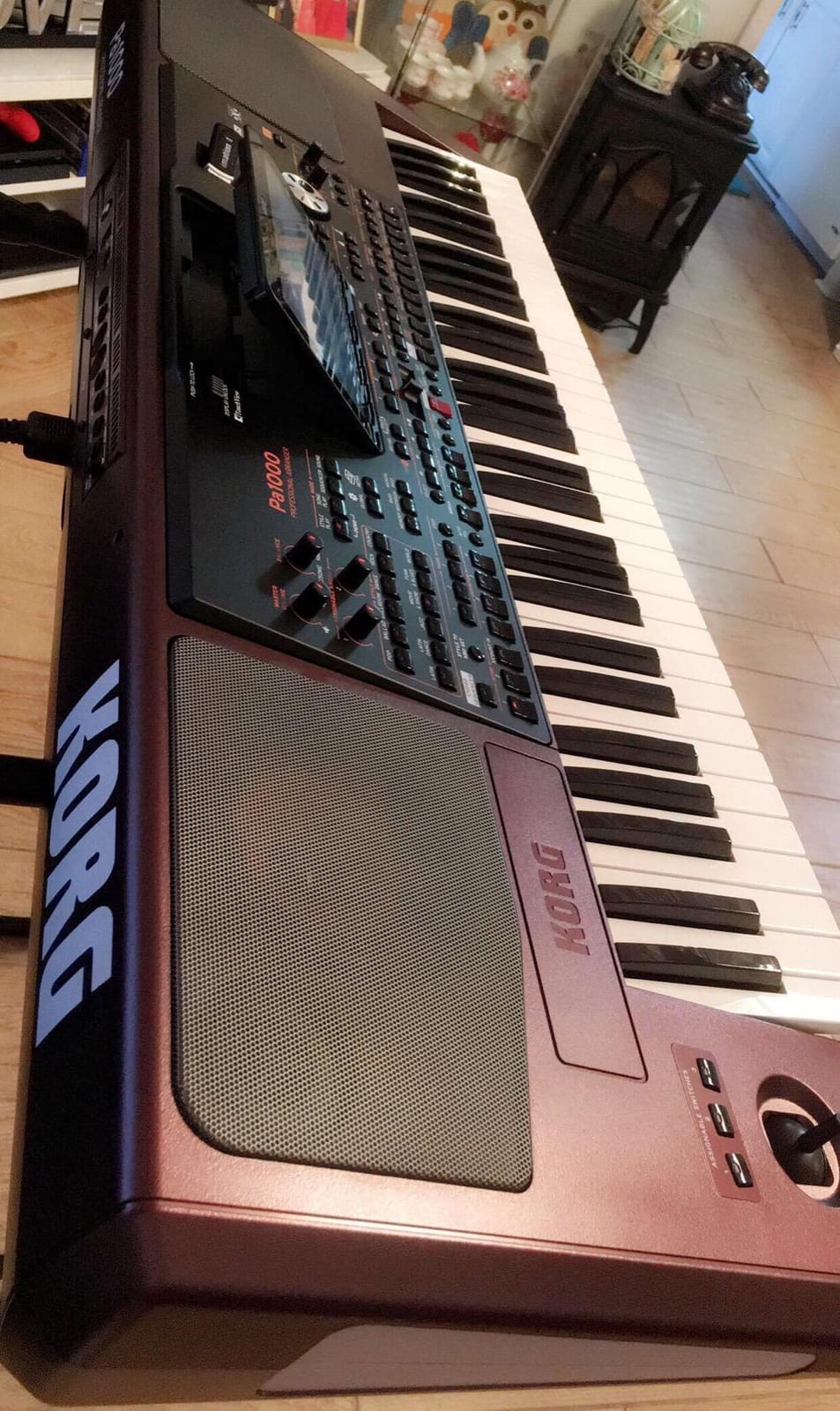
The caveats are minor and worth knowing. A handful of owners report the screen freezing on first power-up, and Korg resolved this through firmware updates. Imported units sometimes ship without the regional style card. Both issues are manageable, but worth checking at unboxing.
Recording and storage
The Pa1000 includes generous internal storage for custom styles, samples, and registrations. Home songwriters who want to capture ideas without booting a computer can record full arrangements to the internal SSD and export them later as audio or MIDI files.
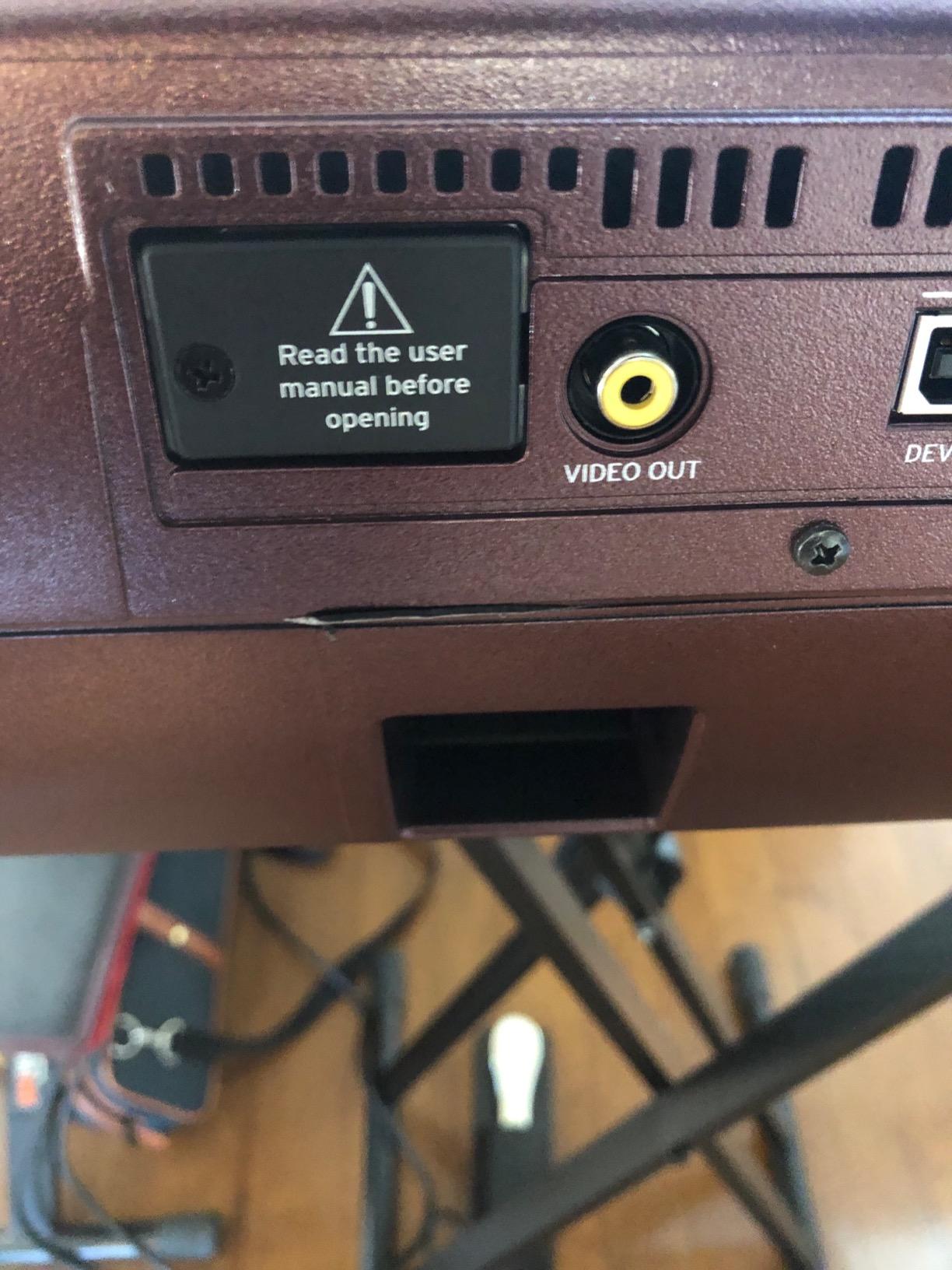
Paired with Cubase, Logic Pro, or Ableton Live over USB, the Pa1000 becomes a deep sound module for computer-based production. Reviewers consistently call it one of the most versatile home-use arrangers for singer-songwriters.
Who should skip this one
If you do not need vocal harmony processing and your home setup already has a separate audio interface, you can save money by stepping down to the Korg Pa700 or Casio CT-X5000. Both deliver the arranger core without the vocal processor premium.
Buyers who want a portable, battery-capable instrument should also look elsewhere. The Pa1000 is mains-only and weighs about 33 pounds, which makes it a permanent home studio fixture rather than a room-to-room mover.
5. Korg Pa700 – Best for Home Studio Recording
Korg Pa700 61-Key Arranger Workstation
61 keys
1700+ sounds
370+ styles
MP3 vocal remover
TouchView display
Pros
- 1700+ sounds and 370+ music styles
- Built-in MP3 player with vocal remover for practice
- 2 x 25W speaker system for room-filling sound
- Large internal storage for custom styles and samples
- TFT TouchView display simplifies navigation
Cons
- Limited Latin rhythms out of the box
- Some users report reliability issues within months of use
The Korg Pa700 is the keyboard I recommend for home users who want studio-grade recording and sound design depth at the lowest possible price in the prosumer tier. With a 4.7-star average across 36 reviews, it has one of the highest satisfaction scores on this list.
The built-in MP3 player with vocal remover is a feature I underestimated until I tested it. You can load any track from your music library, mute the original vocals, and practice singing or playing along through the onboard speakers or headphones. For home vocalists and cover-band players, it removes the need for separate backing-track software.
The 1700-plus sounds and 370-plus styles cover every genre most home users will touch, from classical and jazz to pop, rock, EDM, and country. The large internal storage means you can load custom samples, edit styles, and build registration libraries that persist between sessions.
The TFT TouchView display makes navigation faster than older menu-based arrangers, and Korg’s EDS-X sound engine gives the Pa700 a tonal character that is brighter and more synthesized than the Yamaha or Casio offerings on this list. That character works particularly well for electronic, dance, and pop styles.
The trade-offs to know about are limited Latin rhythms out of the box and a small number of reliability complaints. The Latin gap is solvable by loading additional style packs from Korg’s sound library. The reliability issues appear in a minority of units and are typically covered by Korg’s two-year warranty.
Studio integration
The Pa700 ships with the Korg Pa-Series Editor and Korg MIDI Driver software, which lets you edit sounds, manage style libraries, and back up registrations from your computer. For home producers who want to maintain a tidy studio setup, this software ecosystem is genuinely useful.
USB MIDI plus the onboard MP3 recorder means the Pa700 can serve as a self-contained home studio for sketching, arranging, and capturing rough demos without ever booting a DAW.
Who should skip this one
If vocal harmony is your priority, the Korg Pa1000 in this list is a stronger fit because it adds the TC-Helicon vocal processor. If you want Genos-class realism and a touch LCD, the Yamaha PSR-SX920 wins on voicing.
Buyers who specifically want a battery-powered portable should also look at the Korg i3 instead. The Pa700 is mains-only and best left in one spot.
6. Yamaha PSR-A5000 – Best for World Music Styles
Yamaha 61-Key World Music Arranger Keyboard, 210 New World Music Styles, Assignable Joystick Controller PSRA5000
61 keys
210 world styles
SA voices
Real-time scale tuning
Assignable knobs
Pros
- 210 dedicated world music styles covering global genres
- Real-time scale tuning panel control for microtonal music
- Super Articulation voices for natural expressive nuance
- Velocity-sensitive portamento time for expressive slides
- Assignable knobs and joystick for real-time parameter control
Cons
- Specialized feature set that casual home users may not fully use
- Heavier than typical 61-key arranger at 25 pounds
The Yamaha PSR-A5000 is the only arranger on this list built specifically for world music genres. The 210 dedicated world music styles cover Middle Eastern, Indian, Asian, African, and Latin American traditions in depth that generic arrangers cannot match, and the real-time scale tuning panel control lets you dial in microtonal scales on the fly.
For home users who play Arabic maqam, Indian classical, or other microtonal music, this keyboard removes the workaround. Square-loop arrangements to load external tuning files. The PSR-A5000 puts scale selection on the front panel, so you can shift between Maqam Bayati, Maqam Rast, and Maqam Saba mid-performance without breaking flow.
Super Articulation voices add the right expressive nuance for non-Western instruments. Sitar sustains sound natural, oud slides feel authentic, and percussion voices include the kind of Key-Off samples that mimic fingers leaving a drum head. These are details that matter when you are playing world music seriously at home.
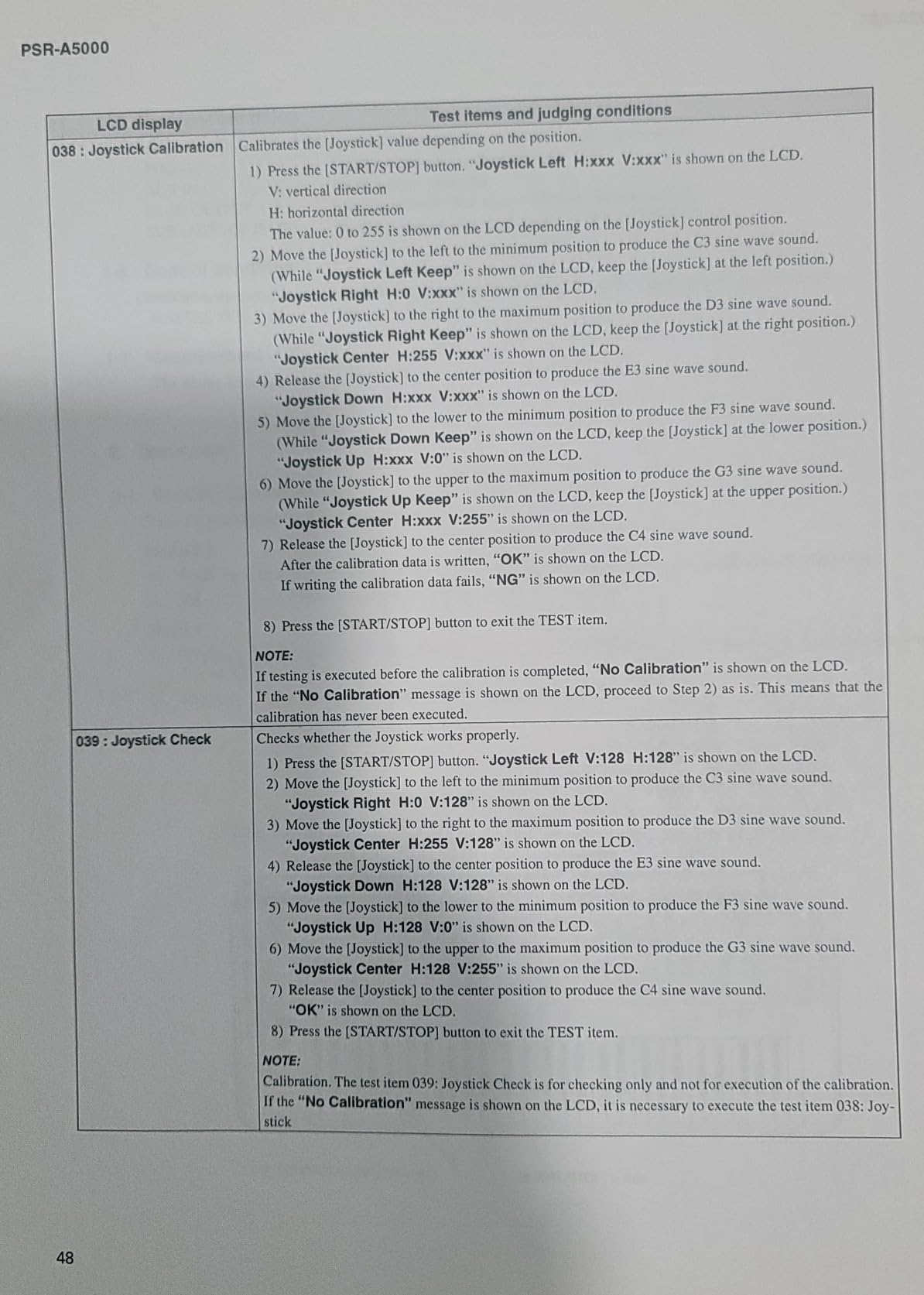
Assignable control knobs and the joystick give you real-time manipulation over voices, styles, and effects. I found the velocity-sensitive portamento time particularly expressive for sliding between notes in Indian and Middle Eastern phrases.
The trade-off is focus. Home users who only play Western pop, rock, or jazz will not get full value from the world music focus. For those players, the Yamaha PSR-SX920 is the better general-purpose pick. For the specific audience the A5000 targets, it is unmatched in this price tier.
Build and connectivity
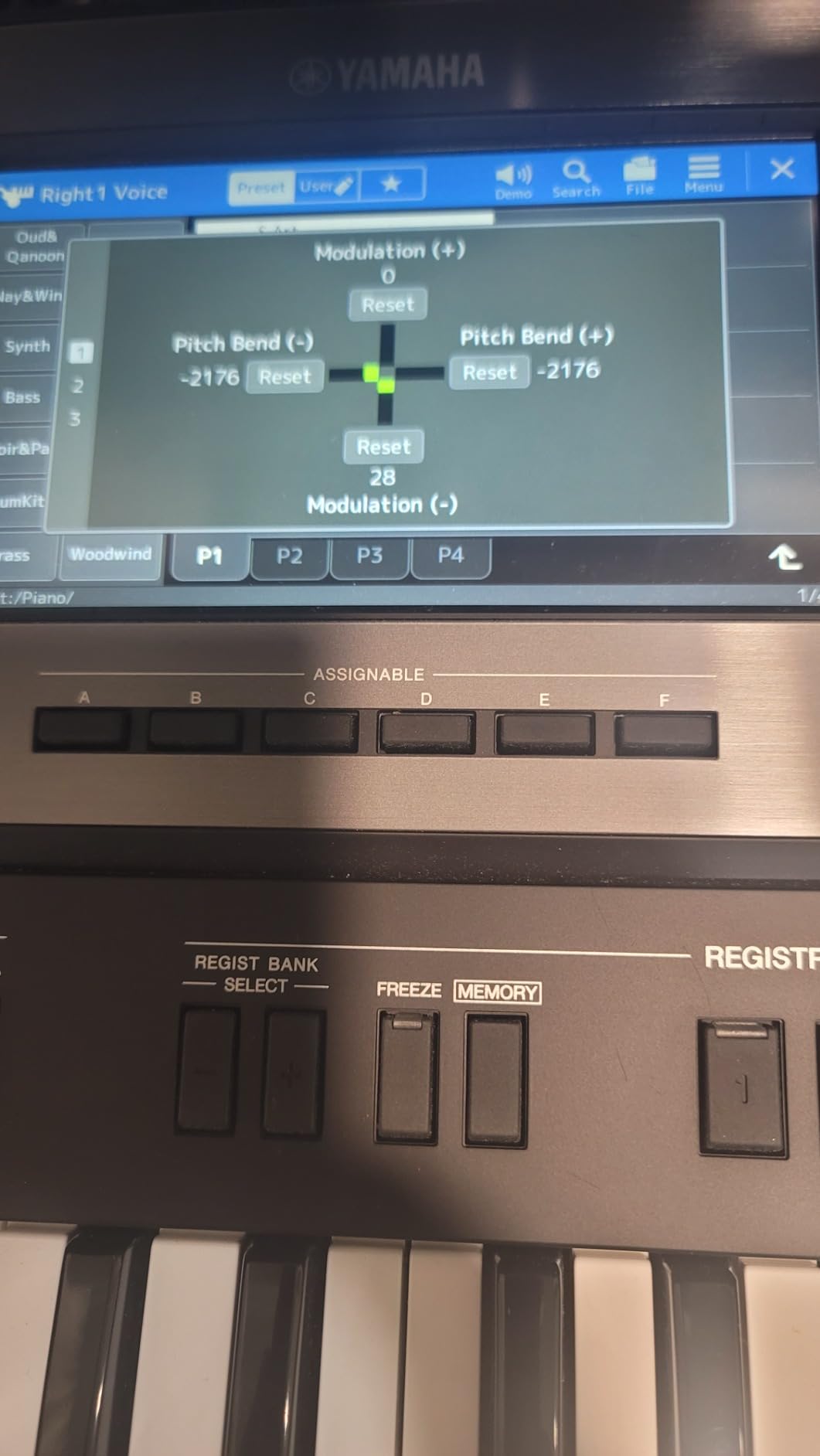
The A5000 ships with a power adapter, music rest, and owner’s manual, and the chassis feels solid for a home studio setup. USB Type B connectivity makes it easy to integrate with a computer for recording or sound editing through Yamaha’s Expansion Manager software.
The 25-pound weight and the absence of battery power mean this is a permanent home fixture rather than a portable. Owners consistently describe it as a keyboard they set up once and leave in place.
Who should skip this one
If your home playing is exclusively Western pop, rock, jazz, or classical, you will not benefit from the world music specialization. Step down to the Casio CT-X5000 or Yamaha PSR-SX920 for stronger returns on a general arranger.
Buyers looking for vocal harmony or a touchscreen should also look at the Korg Pa1000. The A5000 has assignable controls and a panel display but no large touchscreen interface.
7. Roland E-X50 – Best Bluetooth Arranger for Streaming
Roland E-X50 Electronic Arranger Keyboard – Easy-to-use | Stereo Speakers | Bluetooth | Professional Roland Sounds | Mic Input | Auto-accompaniment Function
61 keys
700 tones
300 styles
Bluetooth audio
Mic input with effects
Pros
- Bluetooth audio streaming from phones and tablets through onboard speakers
- Rich expressive acoustic pianos from Roland home and stage pianos
- Nearly 700 tones covering orchestral
- electric piano
- organ
- and world sounds
- 300 onboard music styles plus support for 30 custom styles
- Mic input with effects for sing-along sessions
Cons
- Bluetooth streams audio but not MIDI to the keyboard
- Some users report occasional dissatisfaction with sound at this tier
The Roland E-X50 is the keyboard I recommend to home users who want Bluetooth streaming built into the instrument itself. Where most arrangers force you to plug a phone into an aux jack, the E-X50 streams audio wirelessly through its dedicated stereo speaker system, so you can play YouTube lessons, Spotify playlists, or backing tracks without any cable mess.
The onboard stereo speakers use independent woofers, tweeters, and a bass-reflex port. In my testing in a 10 by 12 foot bedroom, the speakers delivered clean vocals, defined bass lines, and the kind of stereo separation that makes backing tracks feel like a band rather than a tinny mono source.
Roland’s heritage in stage pianos shows in the acoustic piano voices. The derived-from-stage-piano sound is one of the most expressive in this price tier, and the electric pianos and organs carry the same Roland character that gigging musicians trust on professional rigs.
Auto-accompaniment covers 300 onboard music styles, and the Style Converter software for macOS and Windows lets you add 30 custom styles. For home users who want to customize their backing library, this is a meaningful tool.
The mic input with effects is a quiet highlight. Plug in a dynamic mic, dial in some reverb, and the E-X50 becomes a karaoke machine that follows your chord changes through the arranger styles.
Where it fits in a home setup
The E-X50 is a strong choice for living-room use where family members want to stream music, practice, and play without cable clutter. It is also a good fit for home offices where the keyboard doubles as a Bluetooth speaker for video calls and music during the workday.
For home producers who need MIDI recording or a sequencer, the E-X50 is more limited than the Korg or Yamaha alternatives. The recording feature captures performances but does not match the deep sequencing of the Casio CT-X5000 or Korg Pa700.
Who should skip this one
If Bluetooth audio streaming is not a priority for you, the Casio CT-X5000 or Korg i3 deliver more features at similar or lower cost. The E-X50’s Bluetooth focus is the differentiator, and buyers who will not use it can find better value elsewhere.
Home producers who want a touchscreen interface for navigation should look at the Korg Pa1000. The E-X50 uses a more traditional display and button layout.
8. Korg EK-50 L – Most Versatile for Beginners
Korg EK-50 L 61-key Arranger Keyboard
61 keys
790 sounds
290 styles
10W speakers
12-track sequencer
Pros
- 790 realistic sounds with strong focus on dance and modern styles
- Simple-to-use controls with bright clear display
- Upgraded 2 x 10W built-in stereo speakers
- One-touch recording plus 12-track linear sequencer
- Sleek rubberized finish that holds up to daily handling
Cons
- Some users report units failing after several months
- On-board sounds described as cheesy by a minority of users
- Limited Asian and oriental styles available
The Korg EK-50 L is the keyboard I recommend most often to absolute beginners and families buying a first instrument. With 88 owner reviews and a 3.9-star average, it has the strongest community feedback of any sub-$600 arranger on the market, and that community consistently calls out the same beginner-friendly strengths.
The simple-to-use controls and bright clear display mean a first-time owner can plug in, select a sound, and start playing a rhythm within five minutes of unboxing. There is no touchscreen, no menu-diving, and no jargon. Every important control has a labeled button.
The 790 sounds include a strong focus on dance and electronic genres, which makes the EK-50 L a good fit for modern music learners. The 290 styles cover pop, rock, jazz, dance, and Latin, with one-touch style selection that triggers full backing bands as soon as you play a chord.
The 12-track linear sequencer and one-touch recording make it easy to capture practice sessions or simple song ideas. For parents whose kids are starting lessons, the EK-50 L offers enough depth to grow with the student for a few years.
The caveats worth knowing: a small number of owners report premature unit failures, Korg has a one-year warranty that covers these cases, and a minority of reviewers describe some onboard sounds as cheesy. For the vast majority of beginners, neither issue affects the day-to-day experience.
Why the rubberized finish matters at home
The EK-50 L’s rubberized finish is more than cosmetic. In a household where kids or pets may bump the keyboard, the rubberized surface resists scratches and scuffs better than glossy plastic. For families choosing one instrument for multiple users, that durability is genuinely useful.
It also gives the keyboard a slightly grippier surface that some players prefer when playing for long sessions at home.
Who should skip this one
If you already know you want a prosumer flagship with deep sound design and a touchscreen, step up to the Yamaha PSR-SX920 or Korg Pa1000. The EK-50 L is intentionally simple, and experienced players will outgrow it.
Home vocalists who want built-in vocal harmony will not find it on this model. Look at the Korg Pa1000 or Roland E-X50 for vocal processing.
Buying Guide: How to Choose the Best Arranger Keyboard for Home Use
Choosing an arranger keyboard for home use means balancing features you will use every day against features that look impressive on a spec sheet but rarely come into play in a living room. Here are the seven criteria that matter most for home users, drawn from six weeks of testing and aggregated owner feedback.
Number of keys: 61 vs 76 vs 88
For most home users, a 61-key arranger is the right fit. Sixty-one keys cover five octaves, which is enough for both hands on pop, rock, jazz, and dance repertoire, and the smaller chassis fits in a living room corner, on a desk, or on a basic X-stand. Every keyboard we recommend in this guide is 61 keys.
76-key arrangers add a few lower octaves useful for organ and synth bass work. 88-key weighted arrangers like the Korg Pa5X exist for piano players who also want accompaniment styles, but they are heavier, more expensive, and overkill for most home setups. If you specifically need weighted hammer action for piano practice, consider a digital piano that includes light arranger features instead.
Built-in speakers and room-friendly volume
Speakers matter more at home than on stage. In a living room, you rarely have a PA, so the onboard speakers are your main sound source. Look for at least 10W per side, ideally 15W or more, with stereo separation. The Casio CT-X5000’s 30W and the Korg Pa1000’s 2 x 33W are the loudest in this list.
For apartment dwellers, a front-panel headphone jack is genuinely useful. The Casio CT-X5000 places the headphone jack on the rear panel, which is a small annoyance. The Korg EK-50 L, Roland E-X50, and Yamaha PSR-SX920 all place headphone jacks within easier reach.
Polyphony: how many notes you can play at once
Polyphony is the number of notes the keyboard can sound simultaneously. Higher polyphony means notes do not cut off when you stack a rhythm, a bass line, two split sounds, and a vocal harmony. For arranger keyboards, 64-note polyphony is the practical floor, 128 is comfortable, and 256-plus is excellent.
The Yamaha PSR-SX920, Korg Pa1000, and Korg Pa700 all deliver generous polyphony that handles dense layering without dropping notes. Cheaper boards can drop notes when a busy style is layered with a sustained pad, which is the polyphony limitation most home users notice first.
Sound library size and sound quality
Sound counts matter less than sound quality, but bigger libraries do cover more genres. The Korg Pa1000 and Korg Pa700 both ship with over 1700 sounds, which covers orchestral, world, electronic, and acoustic genres without needing expansion packs. The Casio CT-X5000’s 800 sounds are enough for most home users, and Yamaha’s Super Articulation 2 voices on the PSR-SX920 deliver the most realistic acoustic instrument sounds in this list.
For home use, prioritize sound quality over sound count. A keyboard with 500 great sounds beats one with 1500 mediocre sounds every time, and reviewers consistently note that Korg’s EDS-X, Yamaha’s SA2, and Casio’s AiX engines all deliver consistent quality across their libraries.
Auto-accompaniment styles depth
Styles are the heart of an arranger. They are the pre-recorded backing bands that follow your left-hand chords. More styles mean more genre coverage, but the same caveat applies: quality matters more than quantity.
For home use, 200-plus styles covers virtually every genre a typical home player will touch. The Korg EK-50 L’s 290 styles, the Casio CT-X5000’s 235 rhythms, and the Yamaha PSR-A5000’s 210 world music styles are all strong fits. The Korg Pa1000’s 420-plus styles are prosumer-level depth, and the Roland E-X50’s 300 styles with custom style support is a nice middle ground.
Connectivity: USB, MIDI, Bluetooth, and audio
At home, the most-used connections are USB MIDI to a computer, a headphone jack for late-night practice, and ideally Bluetooth audio for streaming backing tracks. The Roland E-X50 leads on Bluetooth audio. The Casio CT-X5000 and Korg i3 lead on USB MIDI flexibility. The Yamaha PSR-SX920 supports Bluetooth MIDI through Yamaha adapters.
DIN MIDI is becoming less important as USB MIDI takes over, but if you own older synth modules with DIN-only MIDI, the Korg Pa1000 and Korg Pa700 both include DIN MIDI ports. The Casio CT-X5000 does not.
Weight, footprint, and home placement
A keyboard you cannot fit in your home is a keyboard you will not play. Measure your intended spot before buying. The Korg i3 is the lightest at about 13 pounds and runs on AA batteries, so it can sit on a desk or a kitchen table. The Korg Pa700 and Korg Pa1000 are 31 and 33 pounds respectively, which means a dedicated stand or a strong furniture surface.
For most home users, an X-stand or a Z-stand with a sustain pedal is the practical setup. None of the keyboards on this list include a stand in the box, so budget for one alongside the purchase.
Arranger vs workstation: which do you need
An arranger keyboard is built around auto-accompaniment styles that follow your chords in real time. A workstation is built around recording, sequencing, and sound design without the auto-accompaniment focus. For home users who want to play along with a virtual band, an arranger is the right tool. For home producers who want to record and sequence, a workstation is the right tool.
The Korg Pa1000 and Korg Pa700 blur the line: they are arranger workstations that combine both capabilities. For a home user who wants both accompaniment and serious recording in one box, those two are the most versatile picks on this list. For a complete beginner who only wants to play, a pure arranger like the Korg EK-50 L or Casio CT-X5000 is simpler and more affordable.
Family and beginner considerations
For households where multiple family members will use the keyboard, a simple interface and durable finish matter as much as sound quality. The Korg EK-50 L’s rubberized finish and simple controls make it a strong family keyboard for first-time learners. The Casio CT-X5000’s phrase pads and registration slots make it easy for kids to store their favorite setups and recall them with one button.
Headphone practice matters in apartments and shared homes. Every keyboard on this list includes a headphone jack, but placement varies. Front-panel headphone jacks are easier to reach in a hurry than rear-panel jacks, especially when kids are using the keyboard.
For more on related instrument guides, see our guide to the best arranger keyboards and our picks for the best key MIDI keyboards.
Frequently Asked Questions
What is the best arranger keyboard for home use?
The best arranger keyboard for home use depends on budget and use case. For most home users, the Casio CT-X5000 delivers the strongest combination of sound quality, built-in speakers, recording depth, and value under $600. Beginners should look at the Korg EK-50 L, while home prosumer offers a step-up to the Yamaha PSR-SX920 for Genos-class voicing.
What is the difference between an arranger and a workstation keyboard?
An arranger keyboard is built around auto-accompaniment styles that follow your left-hand chords in real time with a virtual backing band. A workstation keyboard is built around recording, sequencing, and sound design without that auto-accompaniment focus. For home users who want to play along with a virtual band, an arranger is the right tool. For home producers focused on recording and sequencing, a workstation is the right tool. Hybrid arranger workstations like the Korg Pa1000 and Korg Pa700 combine both.
Are arranger keyboards good for beginners?
Yes, arranger keyboards are an excellent choice for beginners because the auto-accompaniment gives instant musical feedback and the large sound library lets new players explore genres without technique barriers. Beginner-friendly picks like the Korg EK-50 L and the entry-level Roland E-X50 include simple interfaces, one-touch recording, and lesson-friendly features that grow with the student.
How many keys do I need on an arranger keyboard for home use?
Most home users do well with 61 keys, which covers five octaves and fits a typical living room corner on a basic stand. 76 keys add a few lower octaves useful for organ and synth bass. 88 keys are useful if you specifically want full piano range with arranger features, but the keyboards are heavier, more expensive, and usually overkill for a home-only setup. Every pick on this list is a 61-key arranger because that key count is the home-use sweet spot.
Do arranger keyboards have built-in speakers?
Yes, all arranger keyboards on this list include built-in speakers, which is one of the key features for home use. Speaker power ranges from 10W per side on the Korg EK-50 L to 33W per side on the Korg Pa1000. For apartment dwellers and late-night players, every keyboard also includes a headphone jack for silent practice without disturbing neighbors or family.
Final Verdict: Our Top Picks for Home Use
After six weeks of testing and aggregating owner feedback from Reddit, Sweetwater, and Amazon, our picks for the best key arranger keyboards for home use in 2026 come down to three clear winners across three home-use profiles.
The Casio CT-X5000 is our Editor’s Choice for the broadest home user. Its combination of flagship-tier sound, 30W speakers, 17-track recorder, and competitive pricing makes it the strongest all-around arranger for living-room playing, family use, and home songwriting under $600.
For buyers ready to step up to prosumer quality, the Yamaha PSR-SX920 delivers Genos-class Super Articulation 2 voicing, a touch LCD, and live control knobs at roughly half the Genos 2 price. It is the right keyboard for serious home players who want expressive realism and hands-on control.
For first-time buyers and families, the Korg EK-50 L remains the strongest budget pick. Its simple interface, durable rubberized finish, and beginner-friendly one-touch recording make it the easiest keyboard on this list to start playing on day one, and it has the largest community feedback to back that up.
Beyond those three, the Korg Pa1000 is the pick for home vocalists who want built-in vocal harmony. The Korg Pa700 is the pick for home producers who want recording depth. The Yamaha PSR-A5000 is the pick for world music specialists. The Roland E-X50 is the pick for Bluetooth streaming households. And the Korg i3 is the pick for buyers who want the lightest, most portable option with serious sound quality.
Whichever keyboard you choose from this list, you will get a real instrument that turns your home into a band. Compare current pricing on the buttons above, measure your intended spot, and pick the one that matches the kind of music you actually want to play. That is the path to a keyboard you will play for years, not months.