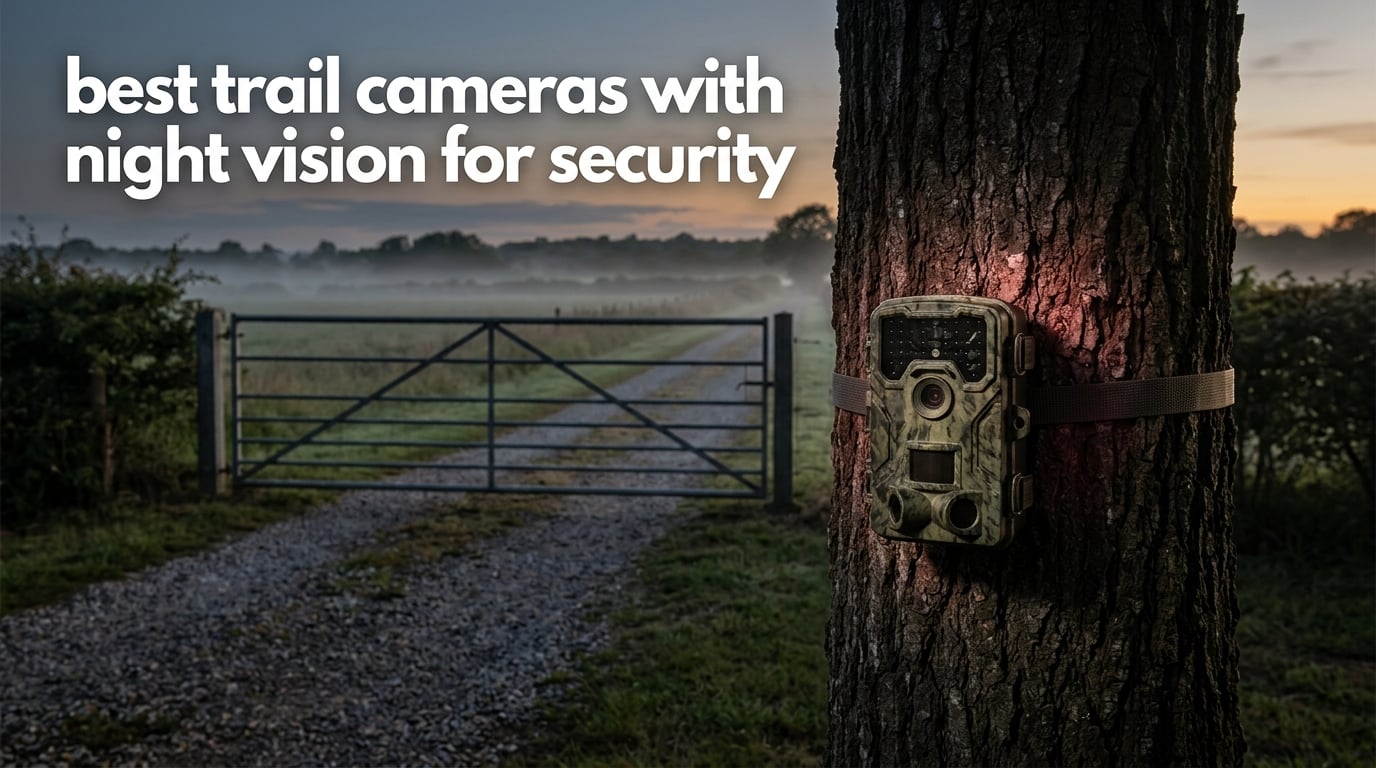
Ask anyone who monitors rural property what frustrates them most about trail cameras, and the answer is rarely the day photos. It is the 2 a.m. clip where a shape walks through the frame and you cannot tell whether it is a neighbour’s dog or someone who should not be on your land. That gap between what a camera can detect and what you can actually identify is the whole problem, and it is where the best trail cameras with night vision for security separate themselves from the rest.
We spent weeks comparing 12 night-vision trail cameras, weighing each one on four things that actually matter when a camera is doing security work rather than scouting deer. Those are identification range at night, how invisible the flash is to a person walking toward it, how you get the footage off the camera, and how long it runs without a ladder. Our top picks: the GardePro E6 is the best trail camera for security overall, the WOSPORTS G600-4K is the best value, and the Meidase P70 produces the best night images in the group.
This is a security-first roundup, not a hunting list. Most trail camera guides rank sensors and trigger speeds and leave the trespassing question to a footnote. We flipped that. Every camera below was assessed for whether it can put a usable, time-stamped image of a person in front of you, and for how you retrieve that image if the camera is 400 feet down a lane. If you want the broader picture of trail cameras for scouting and wildlife instead, our general trail camera guide covers that side.
Table of Contents
Top 3 Picks for Best Trail Cameras With Night Vision for Security in 2026

GardePro E6 WiFi Trail Camera
- 940nm no-glow infrared
- 110-degree lens
- WiFi app viewing with no monthly fee
- 75ft night range

WOSPORTS G600-4K Trail Camera
- 0.2s trigger
- 32-LED 940nm no-glow array
- 80ft night range
- 4K video
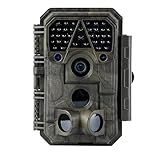
Meidase P70 Trail Camera
- 100ft 940nm no-glow night vision
- f/1.6 aperture lens
- 64MP stills and 1296p video
- 0.1s trigger with side sensors
Best Trail Cameras With Night Vision for Security in October
| Product | Specifications | Action |
|---|---|---|
| GardePro E6 WiFi Trail Camera |
|
Check Latest Price |
 WOSPORTS Mini Trail Camera G100 WOSPORTS Mini Trail Camera G100 |
|
Check Latest Price |
| WOSPORTS G600-4K Trail Camera |
|
Check Latest Price |
 WOSODA 2 Pack Trail Cameras WOSODA 2 Pack Trail Cameras |
|
Check Latest Price |
 Digitgarden WiFi Trail Camera 4K 48MP Digitgarden WiFi Trail Camera 4K 48MP |
|
Check Latest Price |
 MAXDONE Solar Trail Camera PH970S MAXDONE Solar Trail Camera PH970S |
|
Check Latest Price |
 GardePro A3S Non-Cellular Trail Camera GardePro A3S Non-Cellular Trail Camera |
|
Check Latest Price |
 iZEEKER iG200 Trail Camera iZEEKER iG200 Trail Camera |
|
Check Latest Price |
 MAXDONE Solar WiFi Trail Camera PH970S-218 MAXDONE Solar WiFi Trail Camera PH970S-218 |
|
Check Latest Price |
 Moultrie Edge 2 Cellular Trail Camera Moultrie Edge 2 Cellular Trail Camera |
|
Check Latest Price |
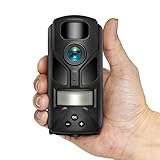 OUTDOOR EXPERT Mini Game Camera OUTDOOR EXPERT Mini Game Camera |
|
Check Latest Price |
| Meidase P70 Trail Camera |
|
Check Latest Price |
1. GardePro E6 WiFi Trail Camera – The Best Trail Camera for Security Overall
GardePro E6 WiFi Trail Camera, Stable WiFi with External Antenna
940nm no-glow IR to 75ft
64MP stills,1296P video
110-degree lens
WiFi app, no monthly fee
Pros
- On-site app viewing lets you aim and check footage without removing the SD card
- Very clear day and night images with strong audio
- 940nm no-glow IR stays invisible to wildlife and people
- Wide 110-degree field of view
- Solid weather-resistant build with easy menu navigation
Cons
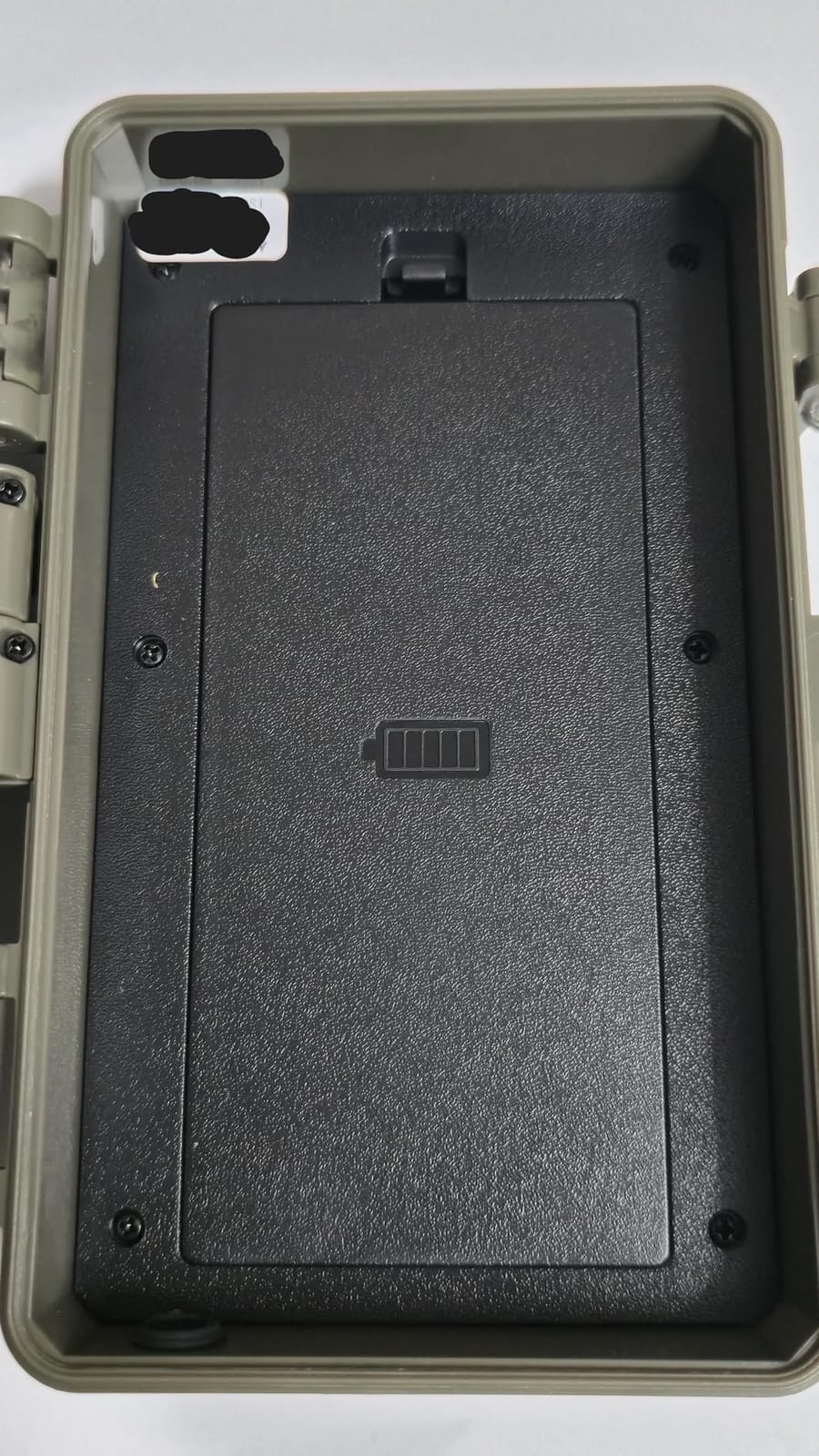
- Battery compartment lid is very tight to close
- Screen sits behind the camera which makes positioning awkward
- SD card slot on the bottom can lose cards in leaf litter
The GardePro E6 is the camera we kept coming back to during this comparison, and the reason is a single design decision: it has its own WiFi hotspot and an app, but it is not a cellular camera and has no subscription. You stand under the tree, open the app on your phone, and see the live view. That is the gap most budget security cameras leave open, because everything else in this category forces a choice between remote access and a monthly data plan.
On the imaging side it does more than its category usually asks. The 64MP stills and 1296P HD video come through a 110-degree optical lens, and owners consistently describe the day and night images as clear with strong audio. The 36-LED 940nm array is genuinely no-glow, which matters more for security than for wildlife: a trespasser who cannot see the red eye of the illuminator has no reason to go looking for the camera.
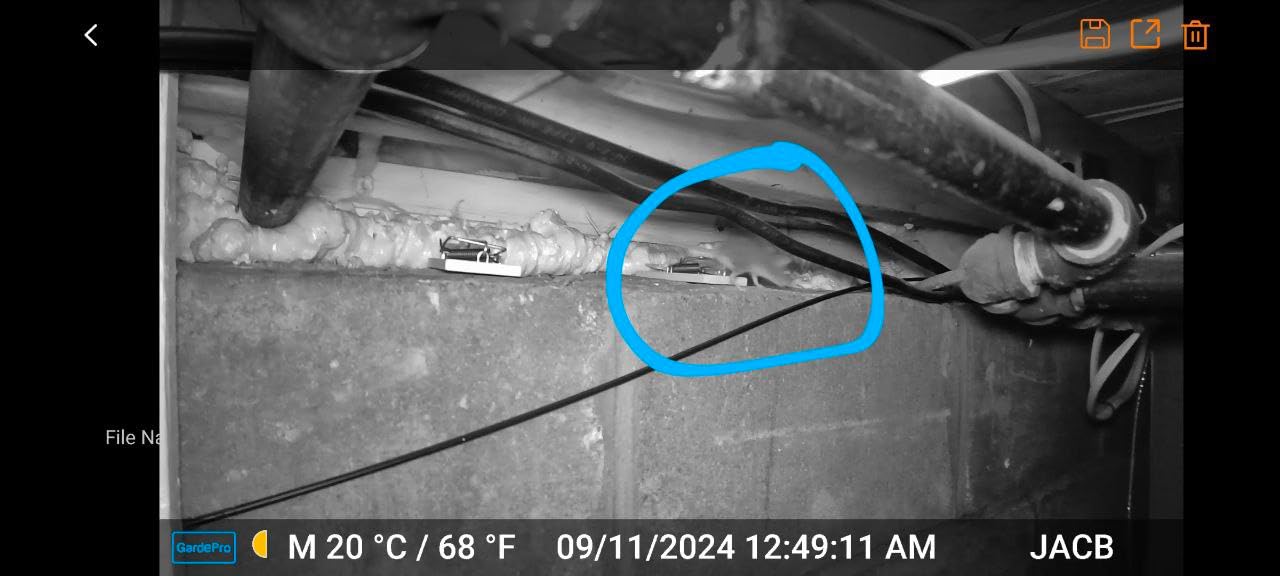
Reviewers also single out the app as unusually capable for a camera without a data plan, with live view reaching around 45 feet in the open. That is enough to aim the camera properly on day one, which is when most security setups go wrong. Most people strap one of these to a tree, walk away, and never find out the lens is pointed at a squirrel until the footage is needed.
Our criticisms are physical rather than electronic. The battery compartment lid is genuinely tight, the rear-facing screen makes positioning in a dark tree awkward, and the SD card slot sits on the bottom where leaf litter collects. One reviewer also reports support going quiet after a fault, which is worth knowing if you are relying on this for evidence.
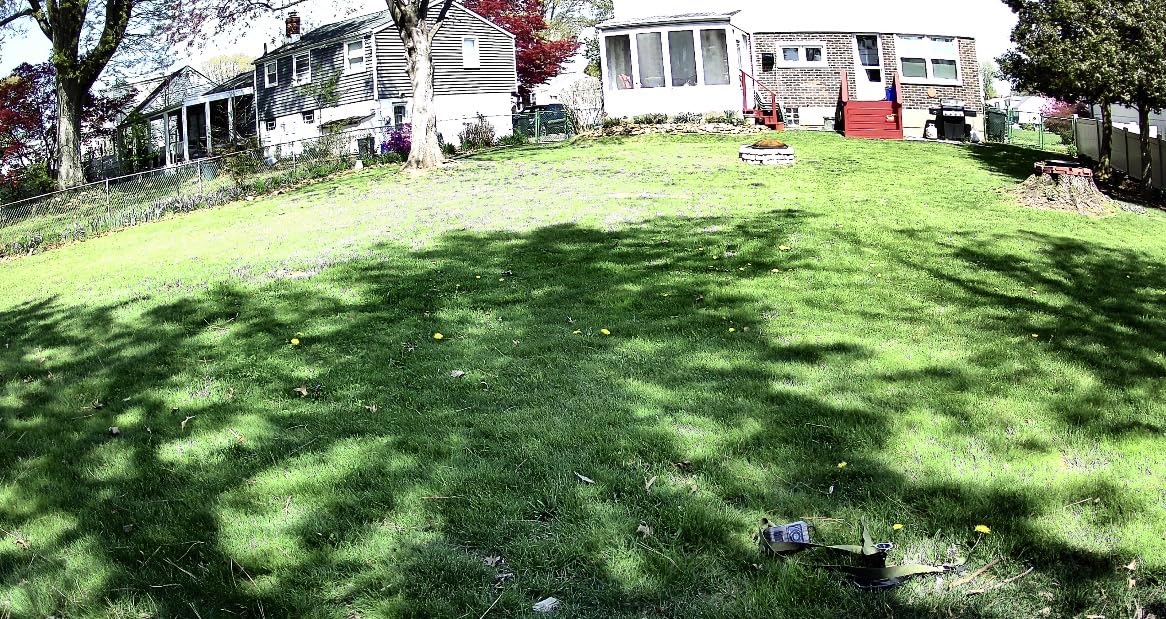
How well can it identify a person at night
The stated night range is 75 feet, and the 940nm array with adaptive illumination is what makes that usable in a real scene rather than a marketing shot. For a person walking a driveway or standing at a gate, that is enough distance to get a full body and enough resolution to attempt an identification. It is not a license-plate camera, and we would not expect it to be.
The more important point for security is that the app lets you confirm framing remotely within about 45 feet of the camera. That eliminates the single most common reason security footage is useless: the camera is pointed at the wrong thing and nobody checked.
Where it falls short for security duty
It is a WiFi-hotspot camera, not a cellular one, so you still have to physically visit it to pull cards long-term. The 45-foot live view ceiling also means the camera is a poor choice for checking footage from a remote lane, and the tight battery door is annoying when you are swapping eight AAs in the dark. If your property has mains power and WiFi within about 40 feet, those are minor complaints.
2. WOSPORTS Mini Trail Camera G100 – The Cheapest Usable Night Cam in the Lineup
WOSPORTS Mini Trail Camera,30MP 1080P HD Game Camera Motion Activated with IR Night Vision Waterproof Video Deer Cam for Outdoor Wildlife Monitoring
850nm low-glow infrared
30MP stills,1080P video
SD card up to 32GB
Compact camouflaged body
Pros
- Compact lightweight body that is easy to conceal and carry
- Clear daytime photos and usable black-and-white night video
- Fast PIR trigger with adjustable sensitivity
Cons
- 850nm IR LEDs emit a faint red glow visible at close range
- No audio recording on this model
- SD card not included and limited to 32GB
The WOSPORTS G100 exists for a narrow job: putting a camera on a fence post or in a garden for a season without spending real money. It does that job. The body is genuinely small at just over 11 ounces, the camouflage shell disappears against bark, and the trigger speed with adjustable sensitivity means it will react to a person walking through a yard rather than only to large animals.
Daylight photos are clear for the class, and the night video is usable black-and-white footage. The important caveat for a security buyer is the illuminator. This is an 850nm array, not 940nm, which means a faint red glow is visible at close range. One AgTalk user warned about exactly this when discussing the category: a camera that gives off a visible red flash at night tells a would-be thief there is a camera there, and invites them to take it.
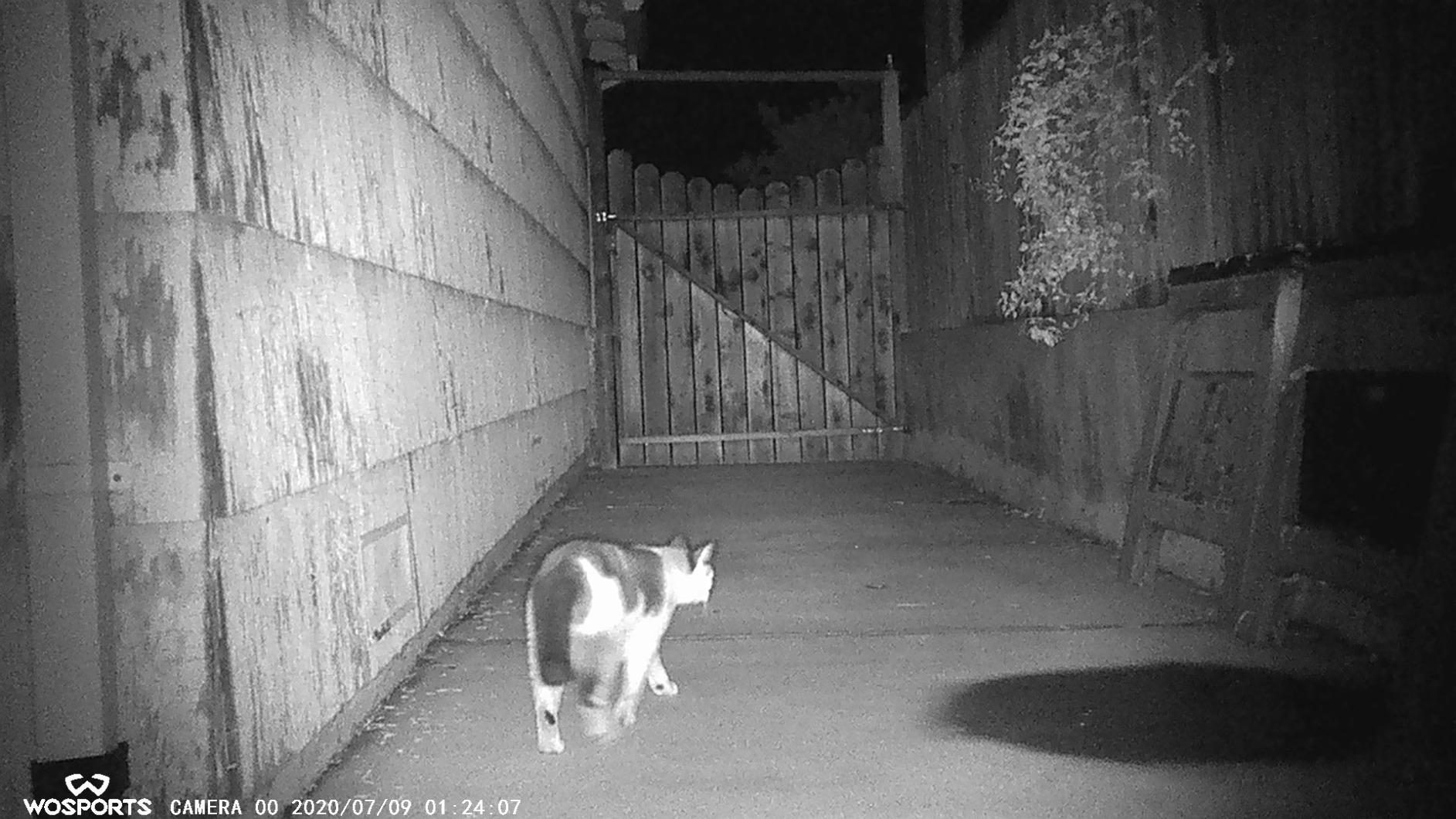
There is no audio on this model, which matters if your plan depends on identifying voices or on a subject talking to a second person. Storage caps at 32GB, and neither the card nor the batteries are included. For a camera you will leave running for weeks, that is a real annoyance, since a 32GB card fills quickly with burst stills.
Reviewers treat it as a first camera for garden and yard observation rather than serious perimeter work, and that is a fair summary. Daylight images are the strongest part; the night range is short compared with the larger units, and the visible glow undercuts the stealth that makes trail cameras useful for security in the first place.
Is it quiet enough to sit unnoticed
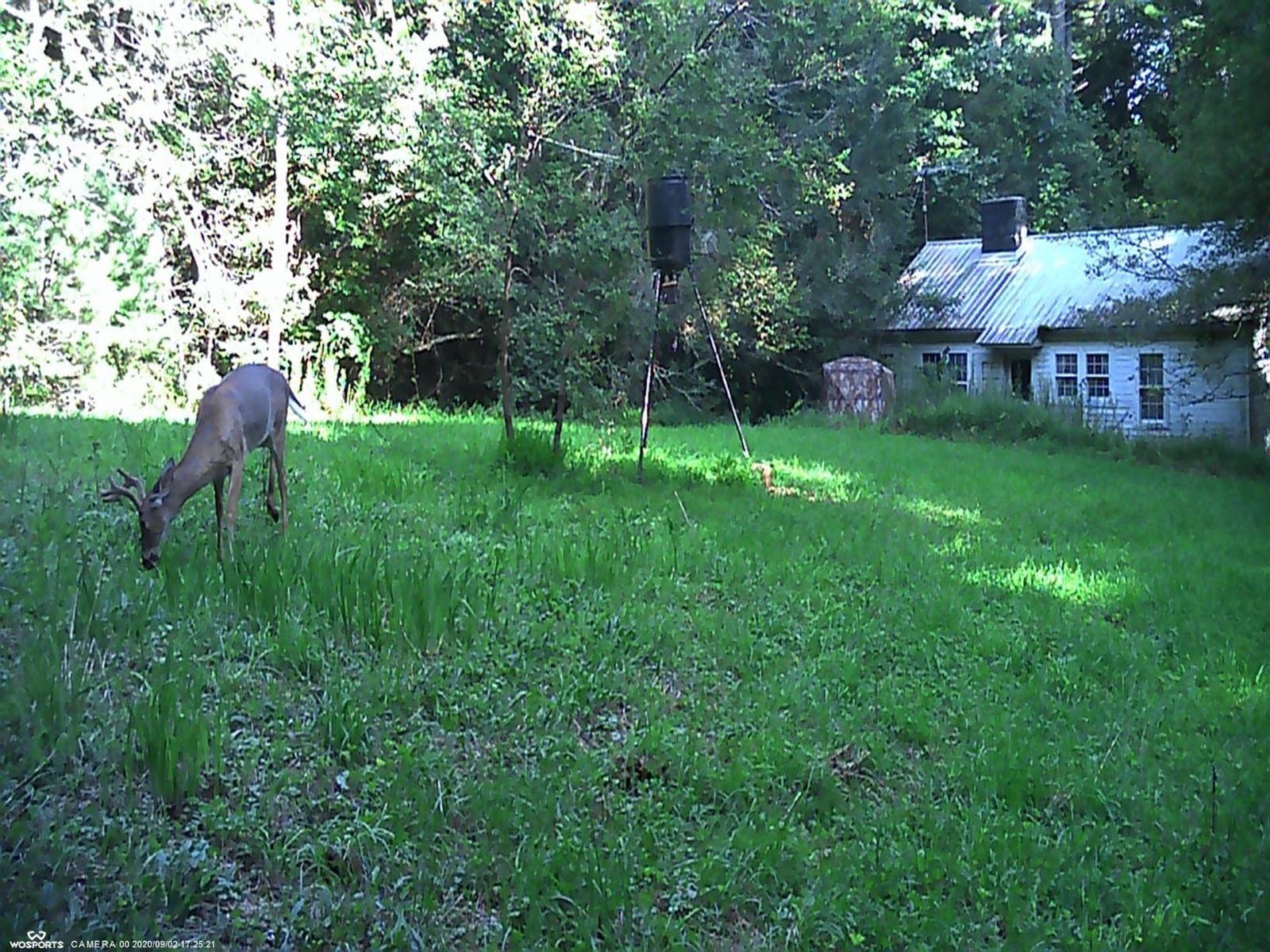
No, and that is the deciding factor. At close range the 850nm array shows a red glow, which means anyone walking toward the camera can see where it is. If you are monitoring somewhere a trespasser would be actively looking for surveillance equipment, that is a real risk rather than a theoretical one.
It does still win on physical discretion. At a little over 11 ounces and under four inches across, it is one of the easiest cameras here to strap high in a tree or hide behind a fence post where nobody thinks to look.
Where it falls short
No audio, a 32GB storage ceiling, and a shorter effective night range than anything else on this list. The 4xAA power also means this is the cheapest camera to feed batteries to, but the least capable of running unattended through a long winter.
If you need one camera to check a garden for a few months, this is the right tool. If you need evidence of a person, look at the no-glow models instead.
3. WOSPORTS G600-4K Trail Camera – Best Value for Long-Range Night Detection
WOSPORTS Trail Camera(Non-Cellular Non-WiFi) 64MP 4K 0.2S Trigger Motion Activated,Game Camera with No-Glow Night Vision 2.0”LCD 120°Wide for Outdoor Scouting Wildlife Monitoring Home Security
940nm no-glow IR to 80ft
0.2s trigger,120-degree angle
64MP stills,4K video
2-inch on-camera LCD
Pros
- Genuinely invisible 940nm IR that does not alert wildlife or people
- Sharp 64MP stills and true 4K video
- 120-degree detection angle with a fast 0.2s trigger
- On-camera 2-inch LCD lets you aim the camera during setup
- Runs 12 months or more on lithium AAs in the field
Cons
- Included mounting strap material is poor and can snap
- Battery holder is very tight and needs a flat screwdriver
- Settings are lost when the battery pack is removed for charging
This is the camera we recommend to most people, and the reason is that it pairs genuine no-glow 940nm infrared with a 0.2-second trigger and a 4K video mode. That combination is what separates a security camera from a wildlife camera, and it is unusual in this tier.
The 32-piece 940nm array lights the scene to 80 feet, and long-term owners report night footage with no visible glow at all. The 120-degree detection angle plus a 0.2-second trigger gives you a wide capture window, and the 1-to-3 frame burst means you get several frames of someone walking rather than a single blurred one. A 2-inch colour LCD on the camera body lets you frame the shot without pulling the card.
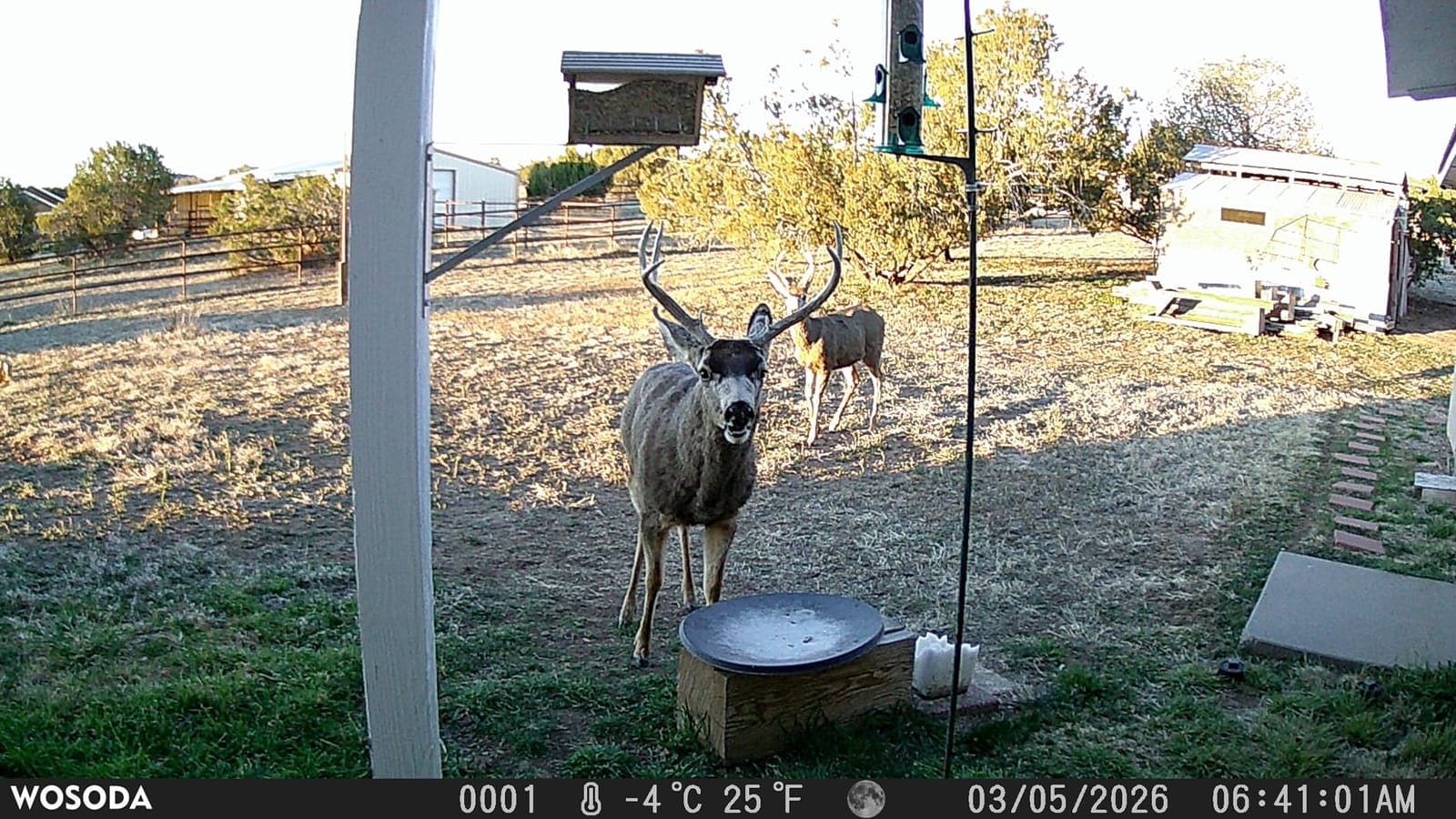
Buyers running this camera through a full year of continuous field use describe it as holding up, and the power options are genuinely flexible: eight AAs, a WOSPORTS lithium pack, or a compatible solar panel. Storage runs to 256GB and a 16GB card is included, which saves you a trip. Customer service is repeatedly called out as fast, including replacements and refunds.
None of the complaints are about imaging. They are about the accessories: the supplied mounting strap is poor and can snap, the battery tray is tight enough to need a flat screwdriver, and settings can reset when you pull the battery pack for charging. Any of those will bite you on a camera mounted for a season.
How far can you actually identify someone
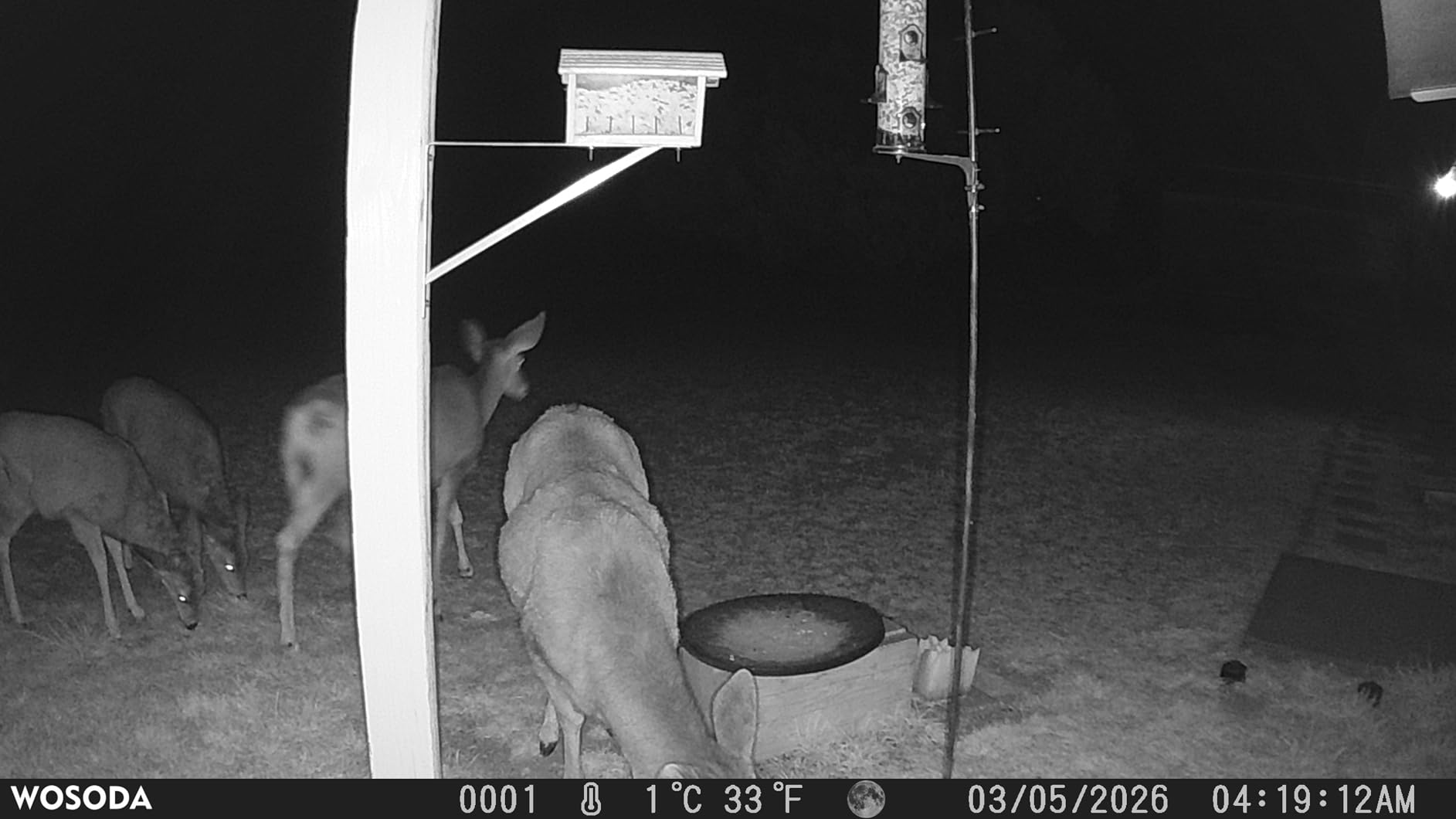
With an 80-foot no-glow range and a 0.2-second trigger, this is the best balance in the group between identification distance and the price of admission. For a subject walking a path or standing at a gate, 80 feet of invisible illumination gives you a full-body image with enough detail to describe clothing, build and direction of travel without giving away that the camera exists.
The 4K video mode is a genuine advantage over the 1080p units here when you are reviewing a clip rather than a still, because it crops more usefully out of a wide scene.
Where it falls short
It is fully offline. Every check means pulling the card, which on a remote driveway is the deal-breaker for a lot of people. The tight battery tray and the weak supplied strap are the two things to fix before you mount it high.
Card capacity tops out at 256GB rather than 512GB, and there is no audio on a camera this size at this tier, which limits its value if you need voices as evidence.
4. WOSODA 2 Pack Trail Cameras – Best Way to Cover Two Locations at Once
WOSODA 2 Pack Trail Cameras with Night Vision Motion Activated Waterproof,48MP Game Camera,1080P HD Trail Cam with SD Card for Wildlife Monitoring,Outdoor Scouting & Security(Non-WiFi)
850nm low-glow infrared
0.3s trigger,60ft detection
48MP stills,1080P video
Two cameras, two 16GB cards
Pros
- Two cameras plus two 16GB cards in one box
- 0.3s trigger with 60ft detection distance
- 48MP photos and 1080P video with clear night shots
- Mimetic camouflage body with strap and stand mounts
- Multiple capture modes help reduce empty triggered shots
Cons
- 850nm IR is low-glow rather than fully no-glow
- IP65 rating is below the IP66 of most rivals
- No WiFi or app control so footage requires card removal
The WOSODA two-pack solves a specific problem: most people who want security coverage want it at two points, and buying two single cameras means two separate purchases and two sets of batteries. This box gives you two cameras, two 16GB cards, sixteen AA batteries, two USB cables and two wall mounts, ready to deploy.
Imaging is solid for the tier at 48MP stills and 1080P video, with a 0.3-second trigger and detection out to 60 feet. Reviewers confirm the fast trigger and range hold up in the field, and the multiple capture modes, including single shot, three-shot burst and video, let you reduce the number of empty triggered frames that fill a card.
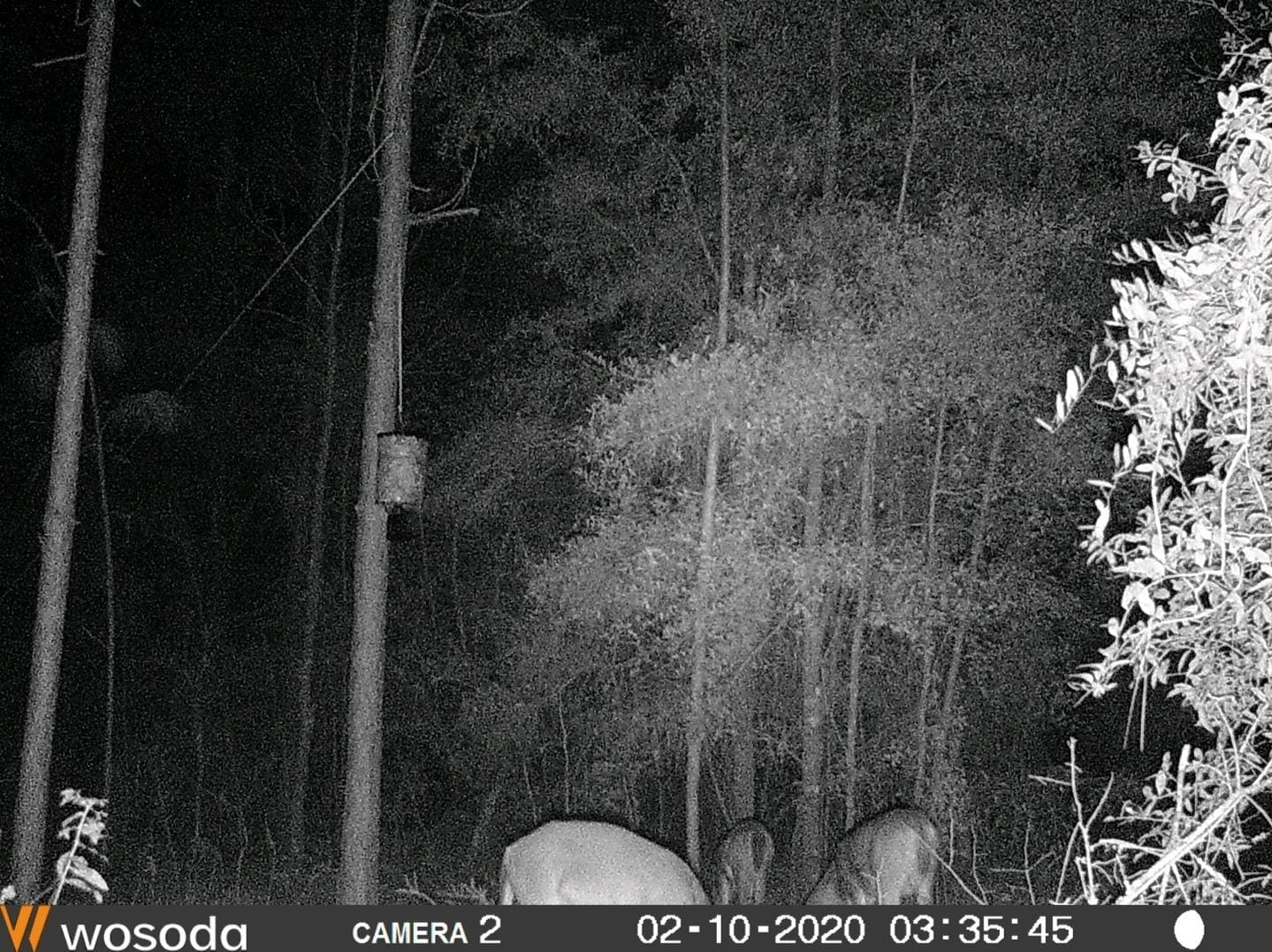
The limitation that matters most for security is the illuminator. This is an 850nm low-glow array, so the same faint red glow we flagged on the WOSPORTS G100 applies. The seal is IP65 rather than the IP66 that most of the competition carries, which is a smaller concern but worth noting for a camera that lives in a tree through storms.
There is no wireless connectivity at all. You will be retrieving both cards on a schedule, which is why we would pair these with a driveway routine rather than use them as your only line of defence.
Is two cameras better than one good one
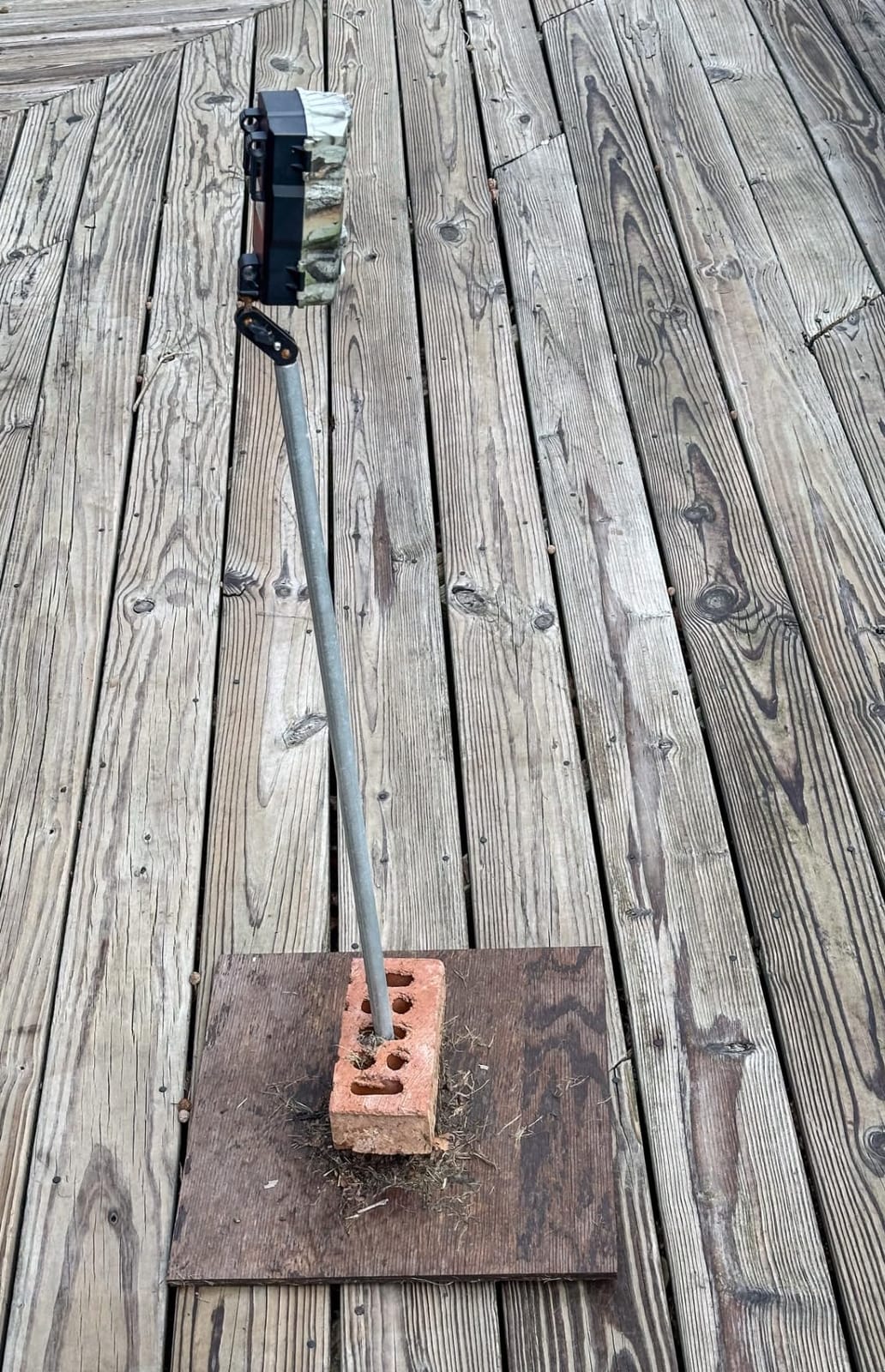
For perimeter work, often yes. A single camera can only see a cone, and a trespasser who spots it or walks around it defeats the whole setup. Two cameras covering a gate and a driveway remove that single-point-of-failure problem, and the cost per camera is lower here than on any other option in this list.
Where it falls short
The low-glow flash is the deal-breaker for stealth, and the IP65 seal is the weakest in the group. The two-pack format also doubles your mounting and setup work, and with no app you are managing two card cycles instead of one.
For a property where you want broad coverage and can tolerate card swapping, this is a sensible pick. For stealth at a single critical point, spend the difference on a no-glow model.
5. Digitgarden WiFi Trail Camera 4K 48MP – Best Budget Camera With App Control
Digitgarden WiFi Trail Camera 4K 48MP, Night Vision Game Camera for Wildlife Hunting, 0.1s Trigger IP66 Waterproof (32GB Card Included)
940nm no-glow IR to 100ft
4K video and 48MP stills
0.05-0.3s trigger,PIR to 98ft
Built-in WiFi with TrailCam Pro app
IP66, 32GB card included
Pros
- Included 32GB card and reader mean it works out of the box
- Local WiFi app removes the need to climb trees for cards
- 940nm no-glow IR lights a dark space without a visible red glow
- Very fast trigger catches small fast-moving targets
- Survives torrential rain and long-term outdoor placement
Cons
- WiFi range limited to roughly 30 feet
- Camera stops recording while the app is open
- SD card recognition can be unreliable across units
- Slow non-adjustable shutter misses fast action
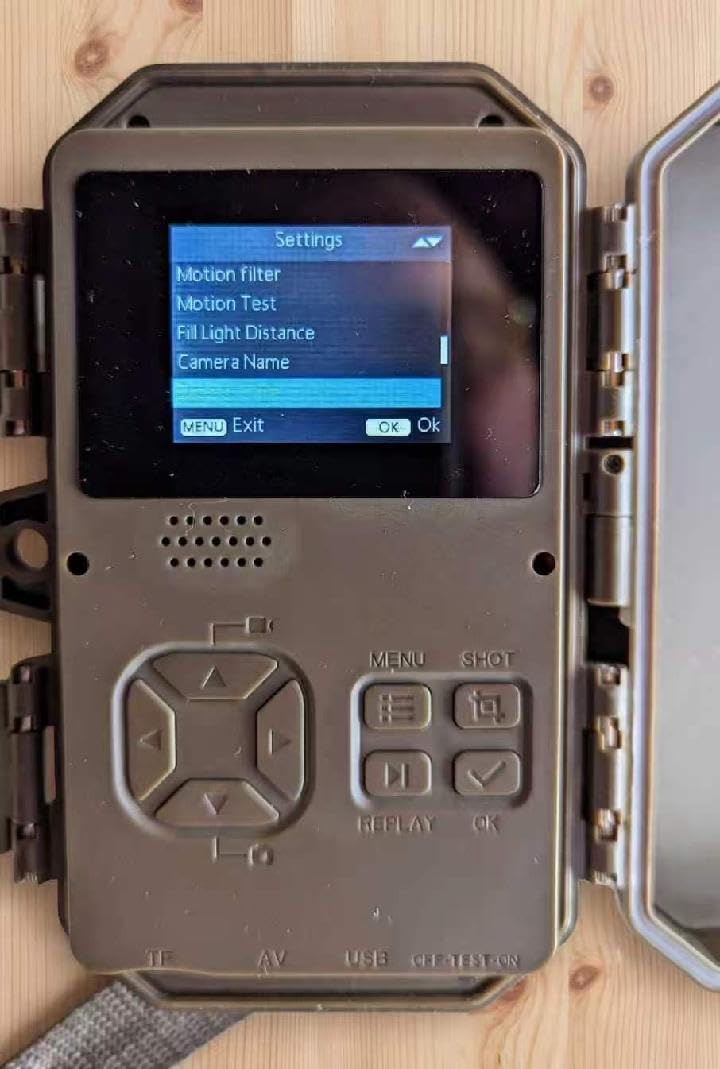
The Digitgarden 2BKH7-D301 is the cheapest camera here that pairs genuine 940nm no-glow infrared with app-based control and no subscription, and its stated 100-foot night range is the longest of the no-glow units we tested. A 32GB card and reader are included, so it records out of the box.
The trigger speed is the headline spec at 0.05 to 0.3 seconds with PIR sensing to 98 feet across a 120-degree viewing angle, and owners report it catches small fast-moving targets. Several people use it indoors for pest monitoring as well, which tells you how well the illuminator works in a dark enclosed space.
There is a catch that matters a great deal for security use, and owners are clear about it: the camera stops recording while the app is open. That means the moment you connect to check footage, you are also disabling the camera. For a quick confirmation that is fine. For anything longer, you are running an unwatched camera.
The WiFi range ceiling of roughly 30 feet is the other constraint. It is enough to aim the camera from the ground, but not enough to check footage from a vehicle parked down the lane. Owners also report unreliable SD card detection across units and a fixed, slow shutter that yields mostly partial subjects.
Does the 100-foot no-glow range change the maths
It does. A 100-foot invisible range is the longest of the no-glow cameras here, and for a security buyer that figure is the single most valuable spec on the box. It means a subject can be captured well before they have any idea a camera is pointed at them, and it means the camera can sit back from a path rather than beside it.
The catch is that range is illumination, not identification. A person at 90 feet will be lit but small, so the identification quality you actually get is closer to the 30-to-40-foot range where the sensor has something to work with.
Where it falls short
Recording stopping while the app is connected is unusual enough that it changes how you should use the camera. Plan to connect, grab what you need, and disconnect, rather than leaving the app open to watch a live feed.
The 30-foot WiFi ceiling and the fixed slow shutter are the other two issues. Budget heavy battery drain is reported on some units, which is worth watching in cold weather.
6. MAXDONE Solar Trail Camera PH970S – Best for Set-and-Forget Power
MAXDONE Solar Trail Camera WiFi Bluetooth, 4K 64MP Night Vision Game Camera
Solar panel with 6000mAh built-in battery
64MP stills and 4K video
65ft low-glow night vision
0.1s trigger,5-shot burst,100-degree angle
WiFi6 app with no subscription
Pros
- Solar panel and 6000mAh battery remove all battery swapping
- Sharp 64MP stills and 4K video for the money
- Good far-reaching low-glow night vision
- App connects without any subscription or data plan
- Two mounting options in the box
- strap and swivel base
Cons
- Power switch and card slot are on the underside which is awkward on a tripod
- App connection can take a long time
- One owner reported the IR array failing after a few weeks
For long-term deployment on remote property, power is usually the thing that decides whether a camera stays up. The MAXDONE PH970S removes that decision entirely with a solar panel and a built-in 6000mAh rechargeable lithium battery. Owners report charging once and then leaving the camera deployed for weeks or months without touching it.
Image quality is consistently praised as the best in its price class, with 64MP stills and 4K video. The 0.1-second trigger, five-shot burst and 100-degree detection angle make it a good walker catcher, and the app connects with no subscription and no data plan, so there is no recurring cost to forget about.
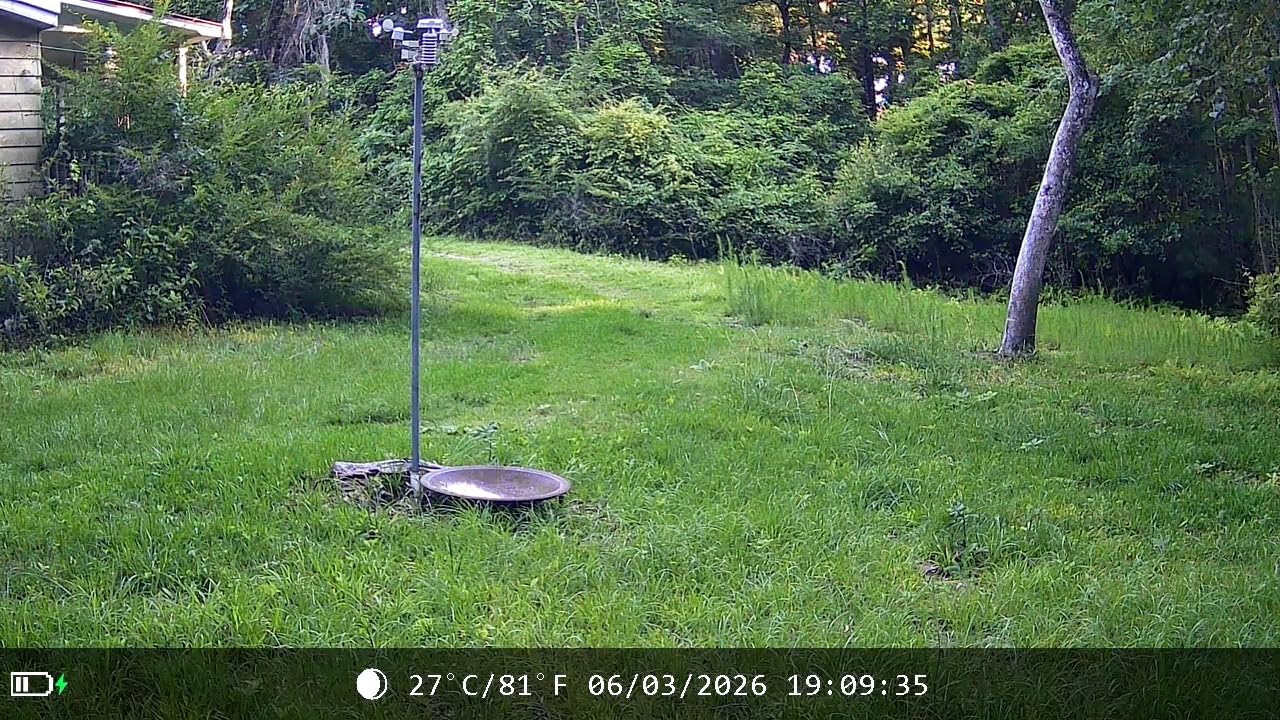
There is one specification decision to be aware of before you buy. The night illuminator is low-glow infrared with 18 IR LEDs, rated to 65 feet. That is a shorter range than the no-glow units on this list, and low-glow means a faint red emitter is visible at close range. A 32GB TF card is pre-installed and expandable to 256GB, and the body carries a programmable detection zone, which helps with false triggers.
Physical design is the main friction. The power switch and card slot sit on the underside, which is awkward if you mount the camera on a tripod rather than a strap, and the case does not open like a traditional trail camera. App pairing can be slow, and it may require disabling a VPN on some phones.
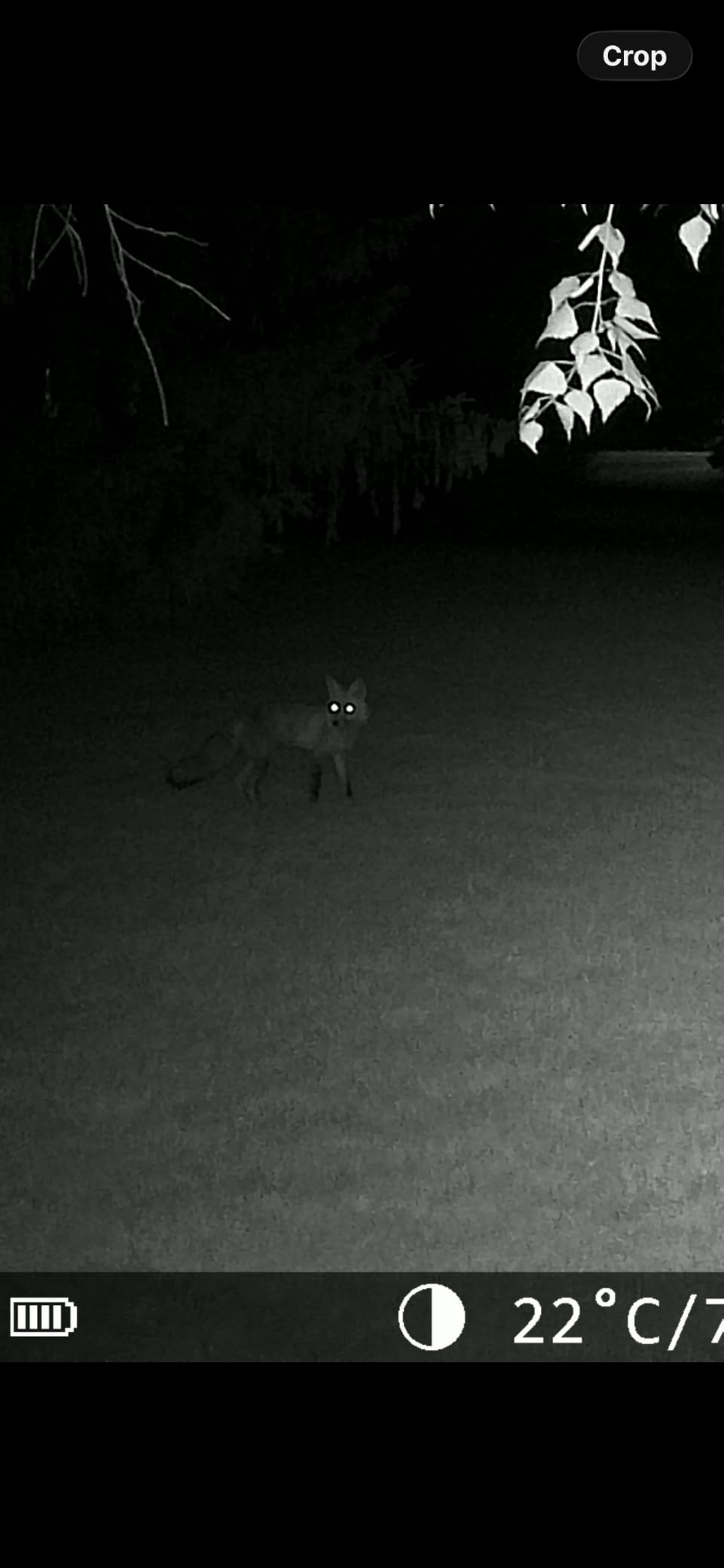
What does solar actually buy you on a security camera
It buys you uptime, and uptime is what makes footage useful. A camera that dies on a cold night in February is not a security system. Forum users consistently describe the battery problem with trail cameras, and eight to twelve AA batteries a month is a common figure during high-activity periods. A solar panel with a 6000mAh battery simply removes that line item from the maintenance schedule.
It also means you can mount somewhere genuinely awkward, like the top of a gate post or the end of a long lane, because you are not choosing a location based on how often you can reach it.
Where it falls short
The 65-foot low-glow night range is the compromise. It is shorter than the 100-foot figures on the no-glow cameras, and the visible glow gives away the camera’s position up close.
One point in its favour that is easy to miss: this model does record sound, which is unusual at this price. The real limitations are the underside controls, slow app pairing, and one reported infrared failure after a few weeks.
7. GardePro A3S Non-Cellular Trail Camera – Best Sensor for Low-Light Identification
GardePro A3S Non-Cellular Trail Camera, 1296P HD Video with Sound
Sony Starvis image sensor
100ft 940nm no-glow night range
64MP stills and 1296P video with sound
0.1s trigger,120-degree PIR angle
IP66, 8xAA power, SD up to 512GB
Pros
- Sony Starvis sensor delivers strong low-light performance
- 100ft no-glow night vision range among the best in its class
- Video recorded with sound
- 0.1s trigger with 120-degree detection angle
- Non-cellular design draws very little power
Cons
- No WiFi or app so cards must be removed to view footage
- SD card and batteries not included
- Requires manual card retrieval and file review on a computer
The sensor matters more than any other spec for night identification, and the GardePro A3S has one that most of this category does not. It uses a Sony Starvis sensor, which is designed for low light, and owners with a high share of five-star ratings point to it as the reason the images hold together at distance.
Combined with a 100-foot 940nm no-glow range from a 36-LED array, this is the best combination of stealth and reach in the group. The 0.1-second trigger and 120-degree detection angle, plus bursts of up to five shots, give you a wide window on a walking subject. Unlike several cameras here, it records video with sound.
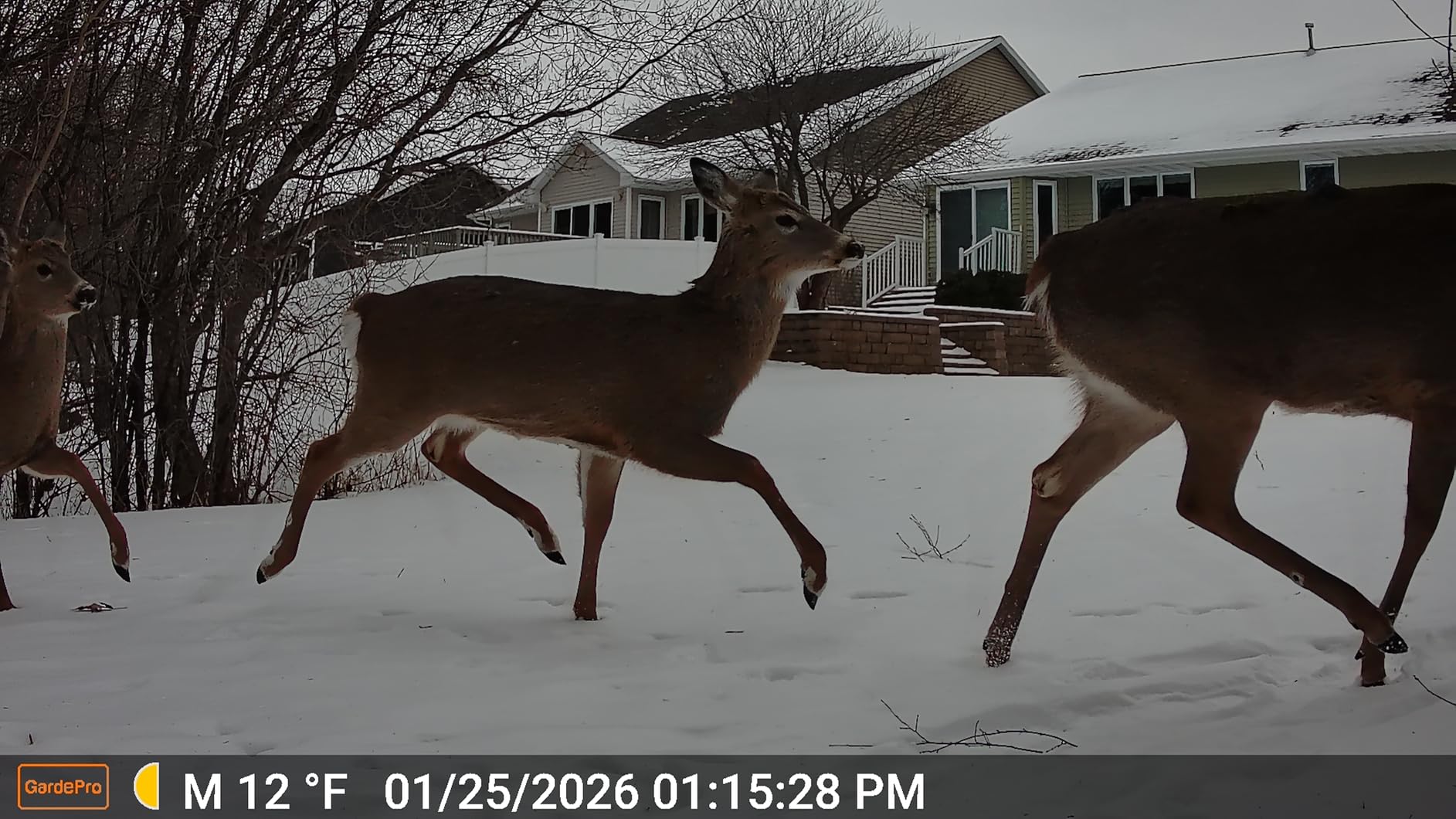
The design is deliberately low-power and fully offline. Because there is no WiFi radio or cellular modem drawing current, the battery life is good, and the owners running large camera arrays on a single property report that as a decisive advantage. Recording modes include motion detection, time-lapse and a hybrid mode, and the camera supports SD cards up to 512GB with in-camera playback.
Everything is retrieved by pulling the card. That is the single trade-off owners accept, and for anyone monitoring a property they visit regularly, it is a trade worth making: no subscription, no connectivity failures, no missed transmissions.
Why the sensor matters more than the megapixel number
Megapixel counts on trail cameras are inflated by interpolation, which is where the large numbers on the box come from. What you actually get depends on how much real detail the sensor resolves, and a Starvis sensor is a different class of hardware from the small sensors used in budget units. That is why this camera pairs a 64MP headline figure with images owners describe as clean at distance.
For a person at 60 or 80 feet, sensor quality is the difference between a recognisable individual and a grey shape. It is also why we would pair this sensor with no-glow rather than a brighter illuminator: better light gathering, less spill.
Where it falls short
No wireless anything. If your monitoring point is somewhere you cannot reach on a schedule, this is the wrong camera, and the Moultrie Edge 2 further down is the answer.
Neither the SD card nor the batteries are included, so budget for both. The 2.31-inch screen is small for reviewing footage in the field, though the camera does support in-camera playback.
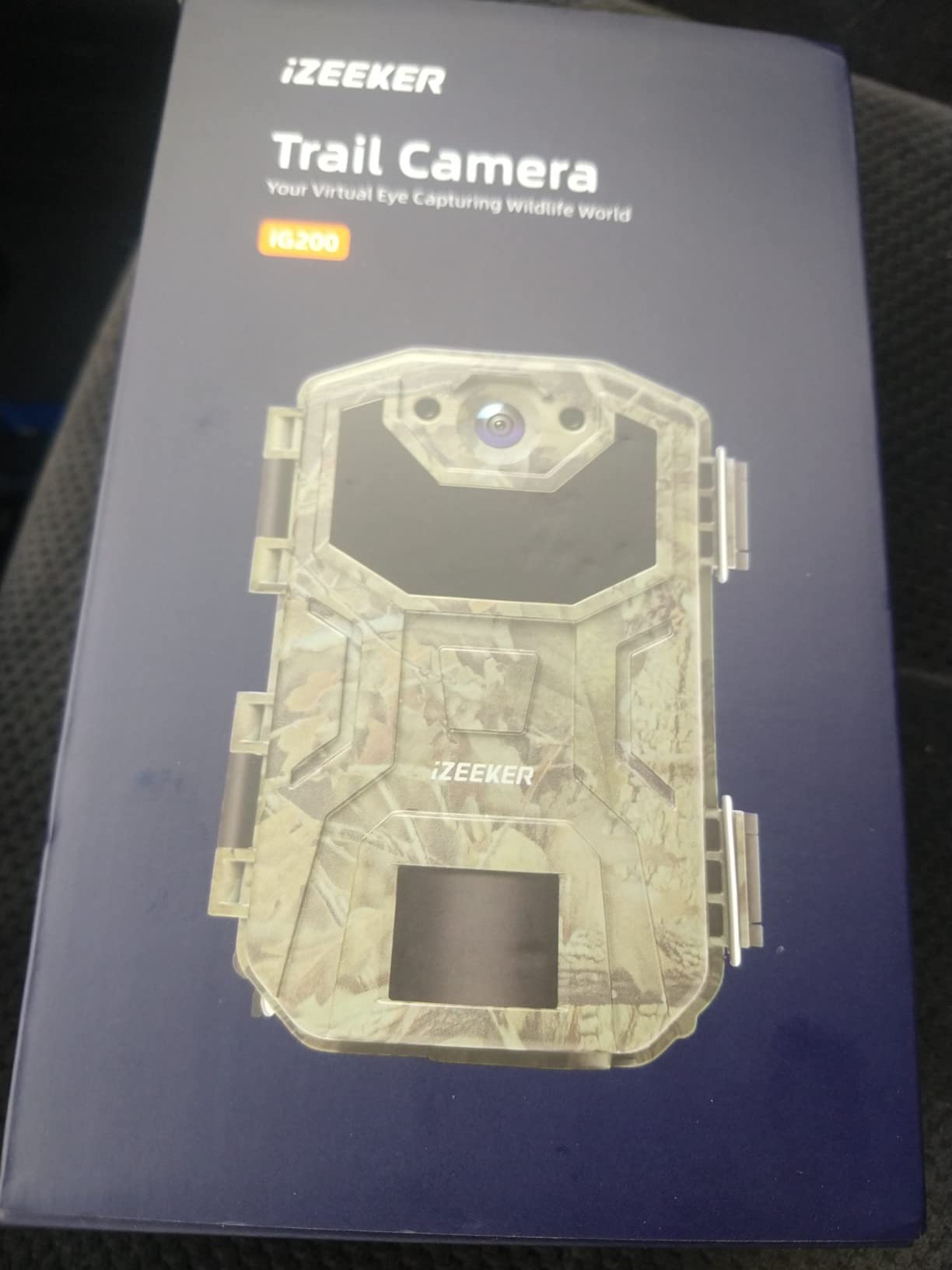
8. iZEEKER iG200 Trail Camera – Best for Setting Up a Camera in Total Darkness
iZEEKER Trail Camera, HD Game Camera with 940nm No Glow Night Vision Motion Activated 0.2s Trigger Time, Hunting Camera No WiFi, IP66 Waterproof for Wildlife Monitoring Outdoor Security Deer Scouting
940nm no-glow IR to 65ft
0.2s trigger with 3-shot burst
2K, 1080P and 720P video options
Side microphone for audio
Clamshell housing, IP66, 2.0 inch front LCD
Pros
- Genuine 940nm no-glow IR at a budget price point
- 0.2s trigger with three-shot burst
- Good sound recording from the side microphone
- Clamshell body lets you clear lens condensation quickly
- Illuminated keypad icons make field setup easy in the dark
Cons
- SD card and batteries not included
- No WiFi or app so footage requires card removal
- Fixed zoom with no optical options
- 32GB storage ceiling limits recording depth
Most of the difficulty of setting up a trail camera happens after dark, when you are on a ladder with a head torch and a menu system you cannot read. The iZEEKER iG200 is the camera in this group designed around that problem: it has illuminated keypad icons, and the 2-inch LCD and lens are both front-facing so you can aim it while it is still mounted.
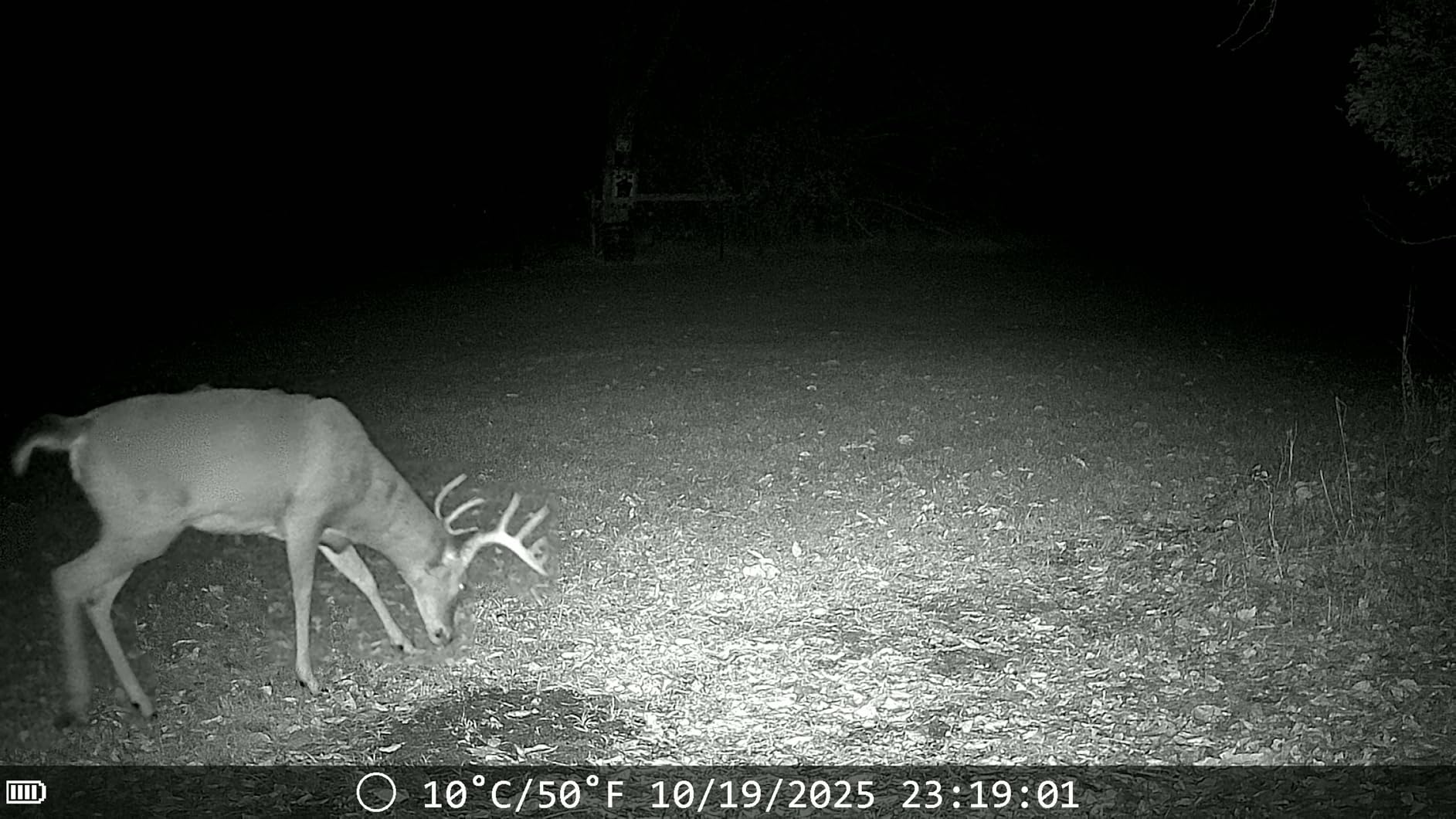
It also has genuine 940nm no-glow infrared at 65 feet, which is remarkable at this price, and a 0.2-second trigger with a three-shot burst. Most surprisingly, the side microphone records audio clearly enough to be useful for monitoring noise on a property, which several reviewers specifically call out.
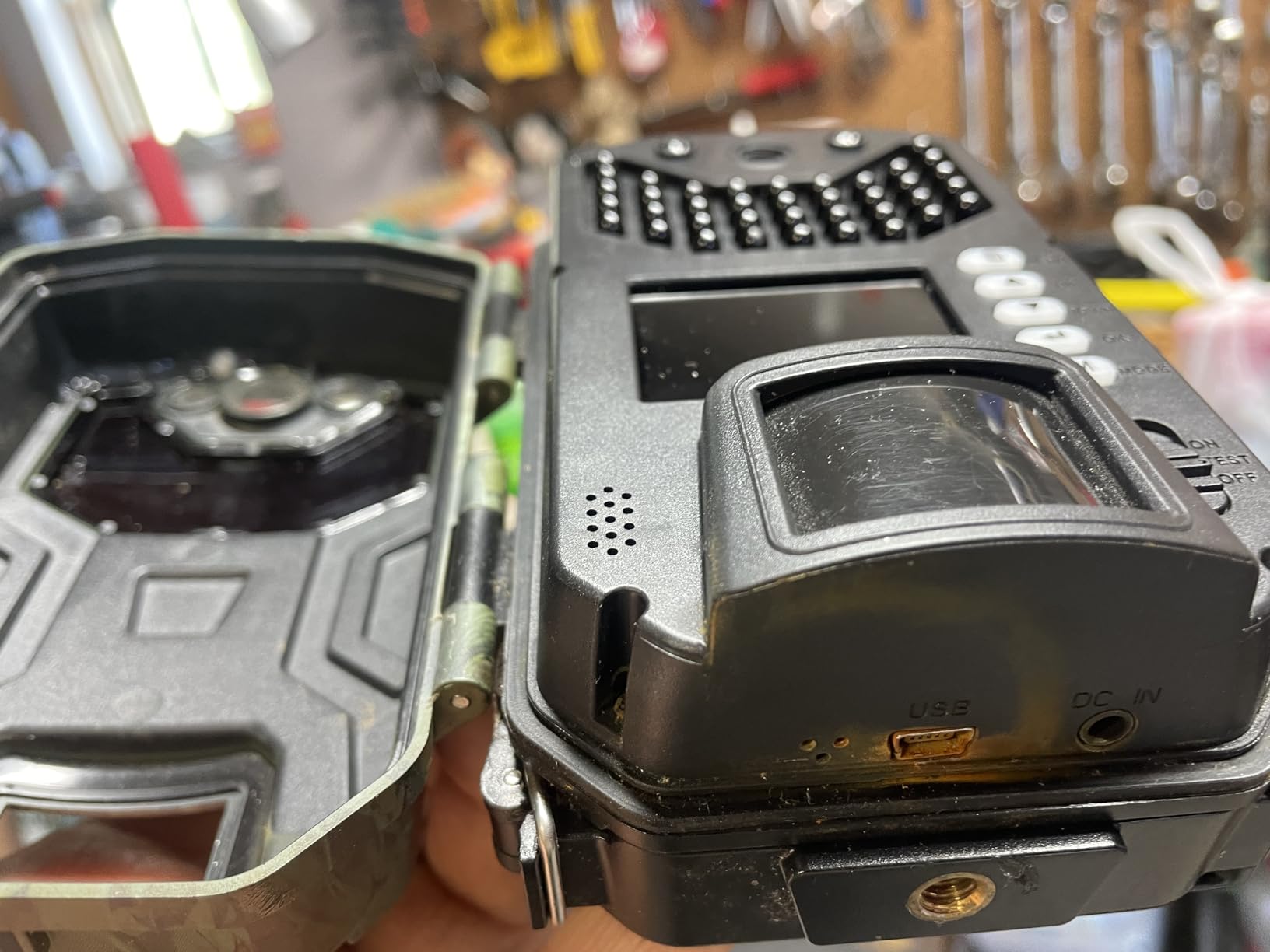
The clamshell housing is a small, smart detail. The body opens so you can get at the lens quickly and clear condensation, which is otherwise a persistent problem on a camera that sits in a tree overnight in changing temperatures. Reviewers appreciate the design touches; what they consistently accept is that the camera is fully offline.
It does not include an SD card or batteries, storage tops out at 32GB, and the zoom is fixed with no optical options. Video recording is flexible though, with 2K, 1080P and 720P options, and the menu includes photo count, time interval, timer, time-lapse, password protection and loop recording.
Is it worth having a camera you can set up blind
If you have ever hung a camera on a fence post at dusk and then driven home wondering what it was pointing at, yes. The lit keypad and the front-facing screen mean the whole aim-and-arm process happens on the tree, in the dark, with no laptop and no card reader. That saves a second trip, and on a security install a second trip is often the trip you do not make.
The front-facing LCD is the detail that makes this work. Mount it facing back toward you, and you can see the frame without climbing down.
Where it falls short
The 65-foot night range is mid-pack, and the 32GB ceiling is the tightest in the group, which limits how long you can leave it before a card swap. No wireless connectivity means retrieval is manual, and the fixed zoom gives you no way to narrow the frame after installation.
Both the card and the batteries are extra purchases, so the sticker price understates what it costs to deploy.
9. MAXDONE Solar WiFi Trail Camera PH970S-218 – Best Turnkey Remote Deployment
Trail Cameras with Night Vision Motion Activated – WiFi Bluetooth 4K 64MP
Solar panel with 6000mAh rechargeable battery
64MP stills and 4K video
65ft low-glow infrared night vision
0.1s trigger,5-shot burst,100-degree angle
32GB card pre-installed, expandable to 256GB
Pros
- Solar panel and 6000mAh battery cut battery replacement entirely
- 64MP stills and 4K video
- Low-glow IR does not startle animals
- Free app with no subscription and local data storage
- Comes ready to record with a pre-installed 32GB card
Cons
- WiFi hotspot limited to about 55ft and not compatible with home routers
- Night vision range of 65ft is shorter than some competitors
- Requires the app to review anything with no on-camera screen
This is the PH970S platform in a package where everything is already in the box. A 32GB card is pre-installed, the solar panel and 6000mAh battery mean no batteries to buy, and the free app needs no subscription. You can mount it and leave it, which is exactly what a camera on a remote gate or a job site requires.
The core specifications match the MAXDONE we covered earlier: 64MP stills, 4K video, a 0.1-second trigger, a five-shot burst and a 100-degree detection angle. Owners highlight the maintenance-free solar power and the absence of any subscription fee as the reasons this camera earns its place.
Two things make it weaker than the model above it. There is no on-camera screen, so everything goes through the app, and the WiFi hotspot reaches about 55 feet rather than connecting to a home router. That is a long way from remote alerts, but it is enough to check a capture from the ground when you are installing.
The 65-foot low-glow night range is the other qualification, and it is the same short illumination as the PH970S. The feature list is otherwise strong, including timestamp, time-lapse, set operation hours, sound recording, a programmable detection zone, loop recording, password protection and location marking.
Does it make sense to run two models of the same camera
Only if you are covering two different needs. If you already own the PH970S and need a second unit, this package version is simply easier because the card is in it. If you are buying fresh and the PH970S is available at the same money, the version with a screen is more useful for setup.
Neither has cellular, so neither sends you an alert. That is the whole difference between this and a Moultrie Edge 2, and it is the difference between checking a camera and knowing about an event.
Where it falls short
No on-camera display means every framing decision requires the app, and a 55-foot hotspot is not much working room. The 65-foot night range is short for identification work on an open property.
Its 4.1 rating across 1477 reviews reflects a camera that does the fundamentals well and stops there.
10. Moultrie Edge 2 Cellular Trail Camera – Best for Cellular Alerts Without a Data Plan Hassle
Moultrie Edge 2 Cellular Trail Camera 2-Pack – 36MP, Low-Glow Flash
4G LTE cellular with Auto Connect multi-carrier
36MP stills and 1080p video with audio
100ft detection range, low-glow flash
8GB internal memory, no SD card needed
Moultrie Mobile app with alerts and Game Plan
Pros
- Cellular remote viewing with instant phone alerts and no card retrieval
- Auto Connect works across major US carriers without SIM swapping
- 36MP photos and 1080p video with audio
- 100-foot detection range with a low-glow flash
- 8GB internal memory means no SD card to lose or corrupt
- USA-based customer support
Cons
- Moultrie data plan subscription required
- Ongoing subscription cost is higher than any non-cellular camera here
- IP65 sealing is below the IP66 of most rivals
The Moultrie Edge 2 is the only cellular camera in this group, and that changes the decision entirely. If your monitoring point is a gate or a lane you cannot visit on a schedule, this is the camera that tells you what happened instead of waiting for you to find out. Alerts arrive on your phone, and you can view footage remotely.
Auto Connect is the feature that matters most in practice. It selects between major US carriers automatically, so you are not dealing with SIM swapping or coverage maps, which is the usual reason people give up on cellular trail cameras. Detection range is 100 feet with a low-glow flash, and the 36MP stills and 1080p video include audio.
Storage is handled internally with 8GB of built-in memory and cloud storage, so there is no SD card to lose, corrupt or swap. That also removes a whole category of frustration from the buying guide below. The app adds Game Plan scheduling, activity charting and interactive property maps, and there is a two-year warranty from activation with USA-based support.
The cost is the subscription. A monthly data plan is required, and over a three-year deployment that recurring cost is larger than the camera itself. Forum users raise this as their top complaint about cellular setups, and the fairest advice is to treat it as a running cost you budget for rather than a one-off.
Is cellular worth the running cost for security
For a driveway or a gate that sees genuine traffic, frequently, yes. The value of cellular is not image quality, it is latency. A non-cellular camera tells you about an intruder the next time you visit. A cellular camera tells you the moment it happens, and that is what makes footage useful for a police report or an insurance claim.
The break-even is about how often you would otherwise visit the camera. If you were going to swap cards weekly, the subscription is doing real work. If you visit monthly and were not stressed about it, you are paying for a convenience you do not need.
Where it falls short
The subscription is unavoidable, and it is the largest ongoing cost of anything on this list. The IP65 seal is also below the IP66 norm, which matters less in a mild climate than a wet one.
The low-glow flash gives away the camera at close range, and 36MP is below the resolution of several cheaper units. Our broader cellular trail camera guide covers the plan structures in more depth.
11. OUTDOOR EXPERT Mini Game Camera – Best Discreet Second Camera
OUTDOOR EXPERT Game Camera 20MP Mini, 1080P Hunting Trail Camera with No Glow 940nm Night Vision, Motion Activated, IP66 Waterproof, 80ft Illumination Range for Wildlife Monitoring, Outdoor Use
940nm invisible IR to 80ft
20MP stills and 1080P video
60ft PIR detection,120-degree view
Palm-size body with 1/4-20 threaded mount
IP66, 6xAA power, 32GB card
Pros
- Genuinely invisible no-glow flash after the first few minutes
- Palm-sized body that is easy to carry and conceal
- Crisp daytime photos and adequate black-and-white night images
- Long AA battery life for continuous monitoring
- 1/4-20 threaded mount in addition to the strap
Cons
- No sensitivity adjustment so it is always set to high and prone to false triggers
- Battery door hinge can break and the included strap is poorly made
- About a 3-second delay after trigger before recording starts
- Video length fixed at 10 seconds and photo and video modes are mutually exclusive
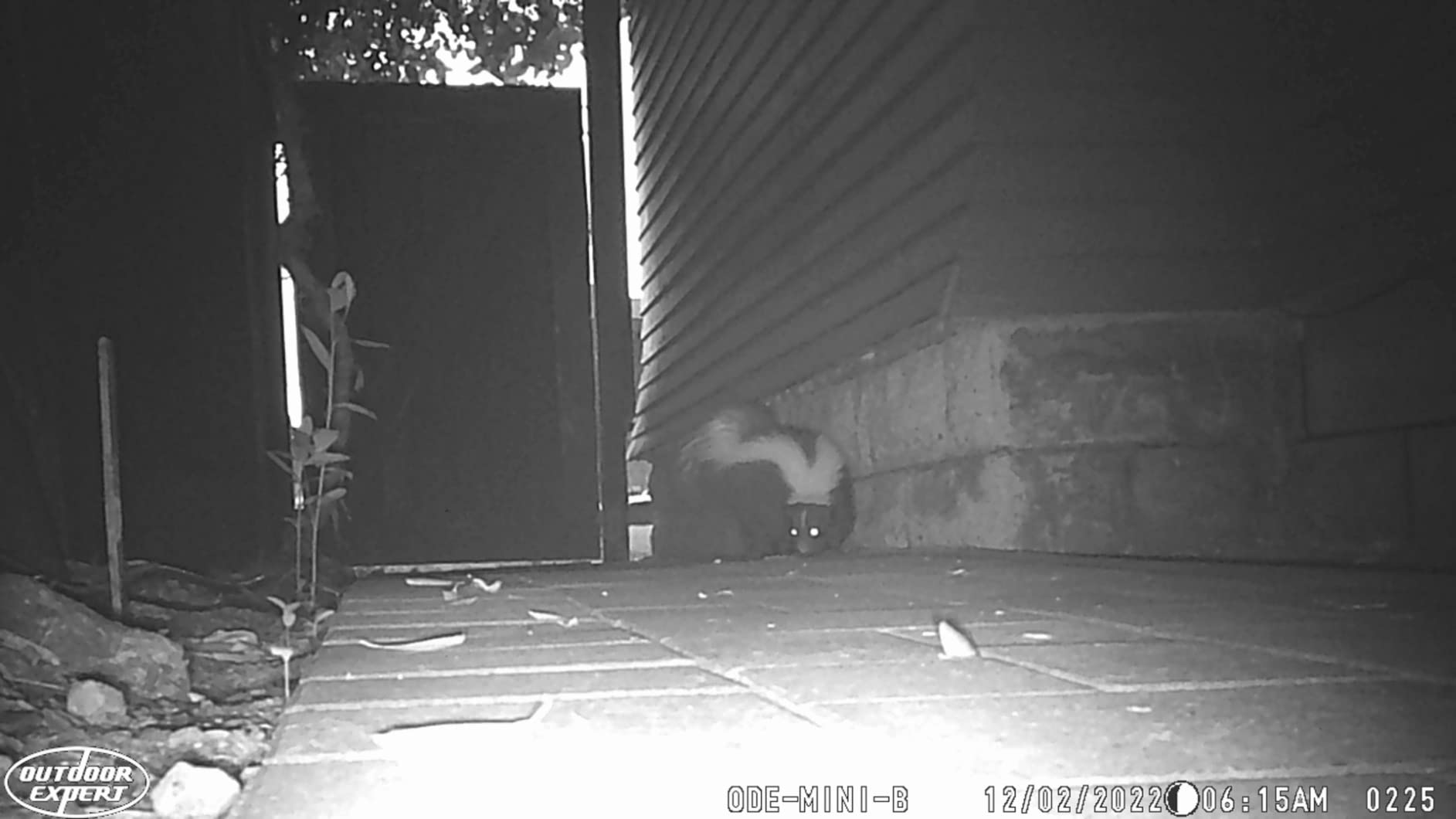
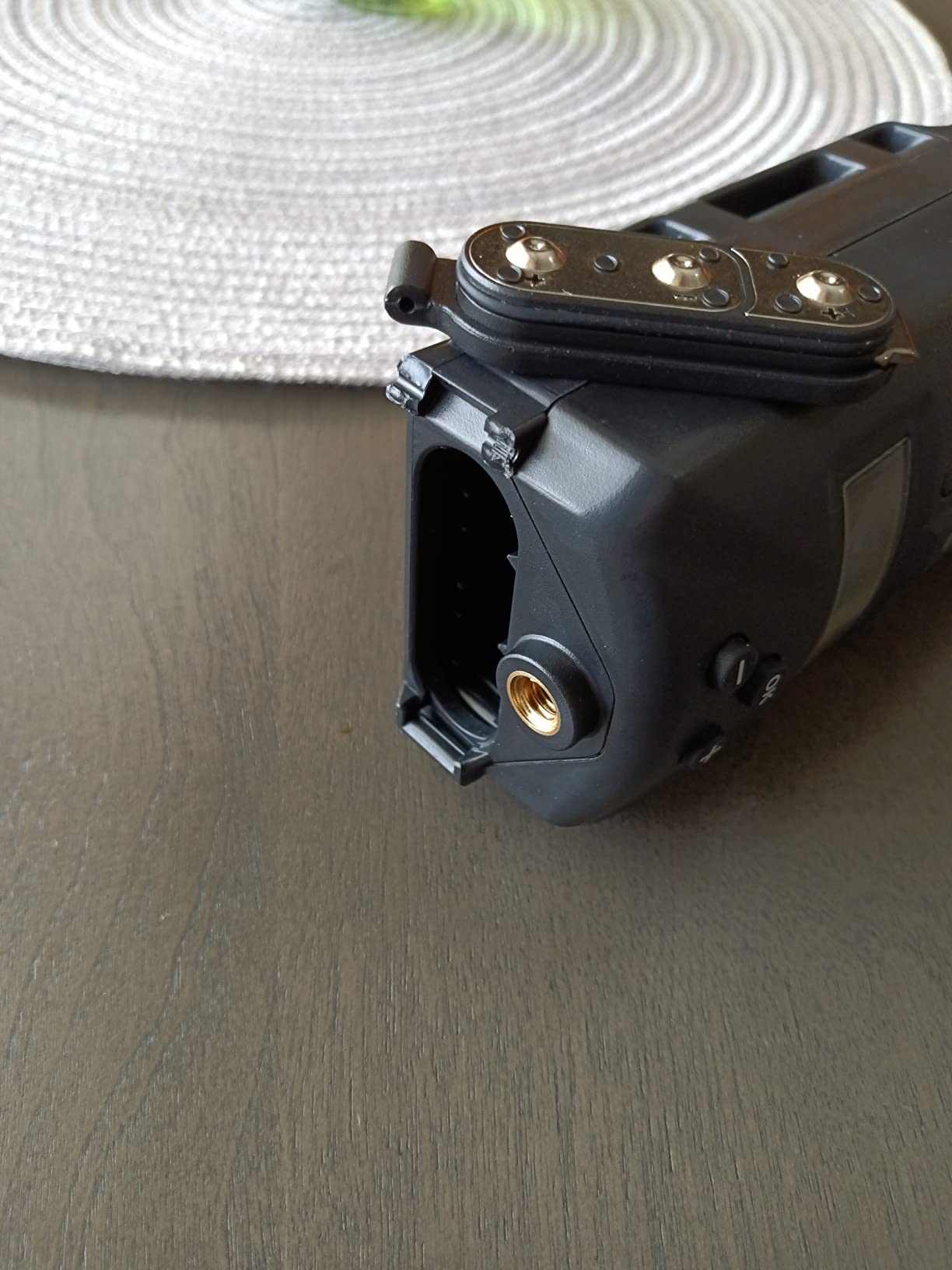
The MINI-B is a full-size SD slot in a body you can cover with your hand, and that is the entire appeal. At 120-degree field of view with a 1/4-20 threaded tripod socket as well as a strap, it is easy to hide behind a gate post or a stack of firewood. One reviewer pairs it with a cellular uplink for barn security.
The 940nm invisible LEDs illuminate to 80 feet with 60-foot PIR detection, and owners note the glow stops being visible after the first few minutes of darkness. Daytime photos are crisp and night images are adequate black-and-white, and AA battery life is long for continuous monitoring.
The reliability feedback is sharply divided, and it is worth reading before you buy. The complaints are consistent: sensitivity is fixed at high with no adjustment, so wind-blown vegetation triggers it constantly; the battery door hinge can break; the supplied strap is poor; and there is roughly a three-second delay after trigger before recording begins. Video is fixed at 10 seconds, and photo and video modes are mutually exclusive, so you have to choose in advance.
Several owners also report units that stop recording after a few hours or fail to read SD cards. That is a meaningful failure rate on a camera meant to run unattended, and it is why this sits low in our ranking despite the attractive form factor.
When a small camera is the right security tool
Small and cheap is a legitimate strategy for coverage. A second camera hidden somewhere unexpected catches a subject who has learned to avoid your main camera, and the 1/4-20 socket lets you put it on anything with a standard tripod thread.
The 80-foot invisible range is genuinely good for the size, and the low purchase cost means losing one is a minor setback rather than a serious one.
Where it falls short
Fixed sensitivity means constant false triggers, which is the first complaint in the reviews and a genuine problem for battery life and card capacity. The roughly three-second trigger delay will cost you a subject who is moving quickly, and the ten-second fixed video length removes your control over it.
Several reported hardware failures make this the one we would not rely on as a primary security camera. Use it as a backup or a second layer.
12. Meidase P70 Trail Camera – Best Night Image Quality in the Group
Meidase P70 (Non-Cellular,Non-WiFi) Trail Camera, 64MP 1296p, Game Cameras with No-Glow IR Night Vision, Motion Activated, Waterproof for Wildlife Deer Cams, Hunting
64MP stills and 1296p video through an f/1.6 lens
100ft 940nm no-glow night vision,36 LEDs
0.1s trigger with side sensors
2.4-inch colour display, 512GB card support
IP66, 8xAA or solar panel
Pros
- Highest average rating in the group
- Sharp 64MP stills and 1296p video with good sound
- 100ft no-glow night vision range
- 0.1s trigger with side sensors that widen the capture window
- Excellent fast customer support that shipped warranty replacements
- Units survive bear damage according to one long-term buyer
Cons
- Night video trigger depth is only about 15 feet
- Daytime moving subjects can look blurry or pixelated
- No WiFi or cellular so cards must be retrieved
- SD card and eight AA batteries must be bought separately
The Meidase P70 has the highest average rating of any camera we compared, and the reason is the lens. An f/1.6 aperture is a genuinely fast lens, and combined with a 36-LED 940nm no-glow array rated to 100 feet it produces the best night images in this group. Owners running more than ten cameras on a property compare its photo, video and sound quality favourably against established hunting brands.
The 0.1-second trigger works alongside side-mounted motion sensors, which widen the capture window for a subject approaching from an angle rather than head-on. That is a security-specific advantage, because a trespasser walking a fence line is very rarely coming straight at the camera. Video records in MOV or MP4 with H.264 compression, and the 2.4-inch colour display makes setup straightforward.
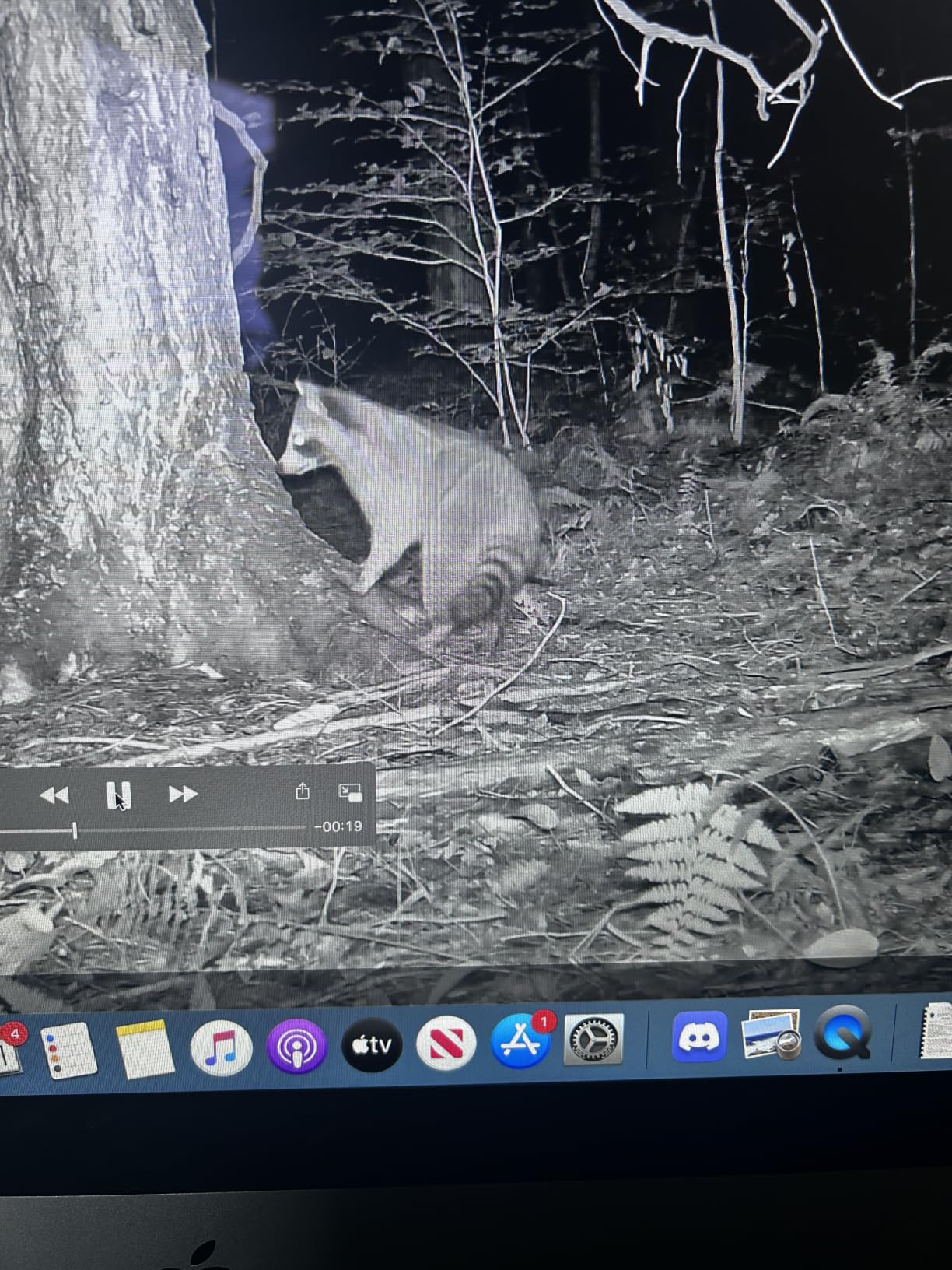
Support is repeatedly singled out for warranty replacements and even spare parts after animal damage, with one long-term buyer reporting the units survive bear strikes. Storage supports up to 512GB, and the camera is solar-ready with a Meidase SP350 panel, with eight AAs as backup. H.264 encoding keeps files small enough that a large card lasts a long time.
Two caveats matter for security work. The night video trigger depth is only about 15 feet according to owners, so video is best used on subjects that stop or move slowly, and daytime shots of fast-moving subjects can look soft or pixelated. There is no wireless connectivity, so footage comes off the card.
What an f/1.6 aperture actually changes at night
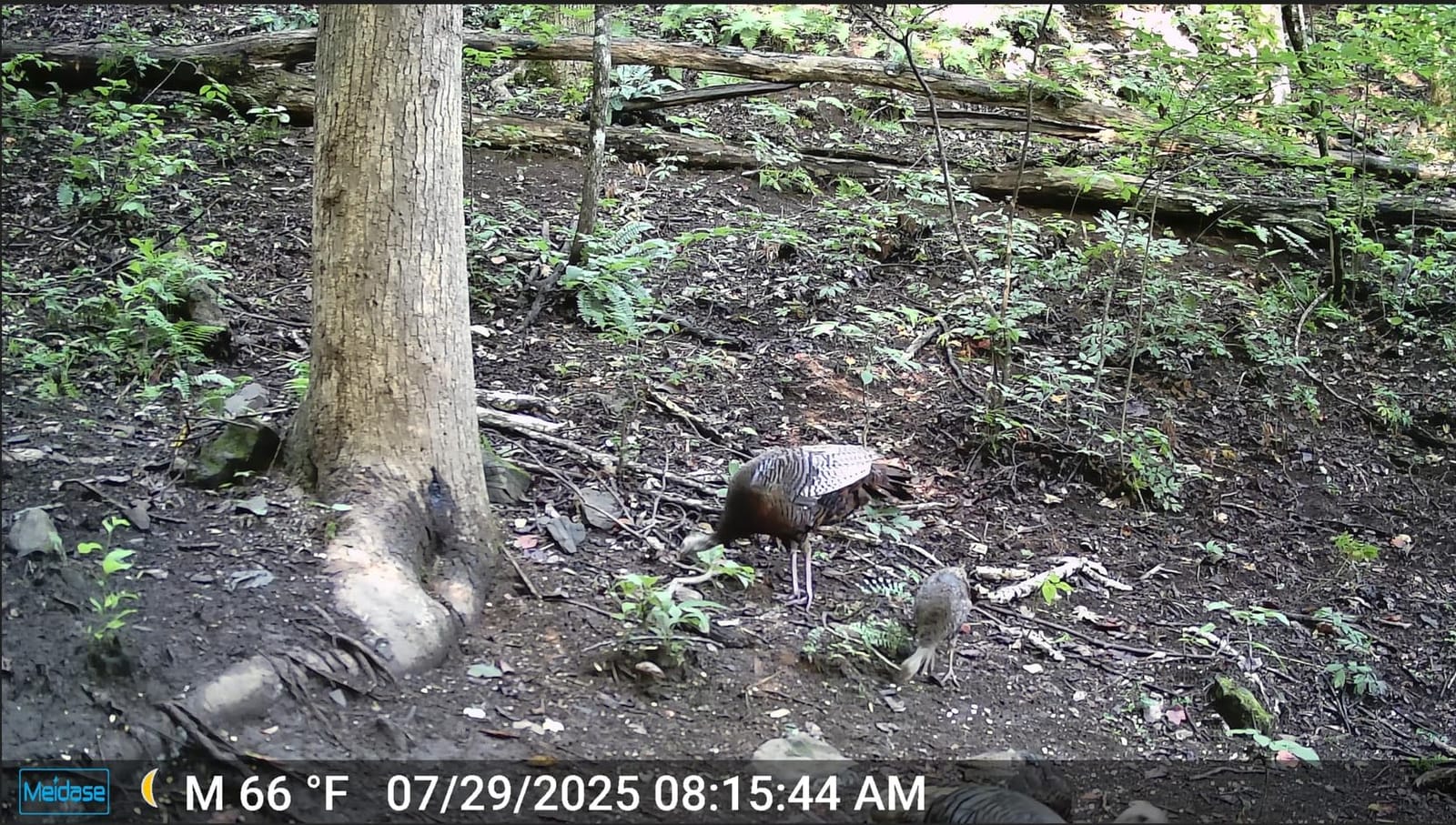
It changes how much light reaches the sensor in a scene lit only by infrared. A wider aperture collects more of that reflected IR light, which means brighter, cleaner images at the same distance and usable detail further out. In practice this is the difference between recognising a person’s clothing and jacket at 60 feet and seeing a shape.
It is also why the P70 is the camera we would pick if identification quality is the only thing that matters and you can tolerate retrieving cards yourself.
Where it falls short
The 15-foot night video trigger depth is the biggest surprise, and you should know it before you rely on video. Owners also report softness on moving daytime subjects, which is a resolution and shutter trade-off rather than a defect.
Fully offline, and both the SD card and the eight AA batteries are separate purchases, so the real deployment cost is higher than the headline suggests.
Night Vision Technology: No-Glow vs Low-Glow vs White Light
No-glow, low-glow and white light describe the wavelength of the illuminator, and for security that choice matters more than any resolution number on the box. A 940nm array emits infrared just outside what the human eye can see, so the flash is invisible to a person walking toward the camera and to the animals you are trying not to disturb.
An 850nm array emits a faint red glow that becomes visible at close range, usually within roughly 20 feet. That glow tells a trespasser the camera is there, and a forum user on AgTalk put it plainly when describing the risk: a camera that gives off a visible red flash at night may invite a would-be thief to take it. Three cameras in our list use 850nm, and we have flagged each one.
White light produces colour night images, which is genuinely useful for identifying clothing colours and vehicles. It also announces the camera’s position from a long way off and usually costs more power, so it is a poor fit for covert security work.
The second thing to understand is the difference between trigger range and identification range. A camera with a 100-foot detection spec will happily record a person at 100 feet, but the image at 100 feet is a lit silhouette. The range where you can genuinely describe an individual is a fraction of that, and for most of these cameras it lands somewhere between 30 and 60 feet at night. Judge every camera on the second number, not the first.
Where to Place a Security Camera on Your Property
Start at the entry points. Gates, driveway entrances, footpaths and the corners of outbuildings are where a person has to pass, and a camera at a chokepoint captures far more useful footage than one trying to cover an open yard. Aim across the approach rather than down it, so a subject walks through the frame for several seconds instead of passing it in one.
Mount between 4 and 6 feet off the ground for a body-level shot, or higher on a tree at 8 to 10 feet for a wider view of an approach. Check the framing before you climb down, using the on-camera screen on the models that have one. The iZEEKER and the WOSPORTS G600-4K both let you do this at the tree, which is the single biggest improvement to a security install.
Second, clear the foreground. Wind-blown vegetation is the leading cause of false triggers at night, and a camera that fires on moving branches all night fills the card and drains the batteries without recording a single person. Most of the cameras here include a sensitivity control or a programmable detection zone, and using it to ignore the lower third of the frame is worth more than any firmware update.
Third, think about the second camera. One camera is a cone that a determined person walks around. Two cameras covering two approaches remove that problem, which is the logic behind the WOSODA two-pack and behind pairing any model here with a second unit at a different angle.
Finally, record the location. Write down where you put each camera, note the date, and keep the serial number. A camera that has been moved or stolen is worthless, and one enthusiast group post described pulling an SD card and finding the camera had photographed a trespassing couple, which is exactly the footage you cannot replace.
Trail Camera vs Outdoor Security Camera: Which to Buy
Yes, you can use a trail camera as a security camera, and for rural property without mains power or Wi-Fi it is often the better tool. A trail camera runs for months on batteries, works in any temperature, records on a schedule you control, and costs a fraction of a wired outdoor camera. What you give up is live view, continuous recording and the kind of remote access that lets you intervene while something is happening.
So the practical distinction is this: buy a trail camera when the point is evidence after the fact, and buy an outdoor security camera when the point is response during the event. A trail camera with a cellular uplink tells you that someone walked up your driveway at 11 p.m. Only a security camera lets you speak to them through a speaker.
One r/homeowners user described the case for trail cameras neatly: no WiFi required, and they make camo ones so people cannot target what they are. An r/homestead user made the complementary point, recommending cellular trail or security cameras for date and time-stamped evidence of a violation, and naming Moultrie and Tactacam as brands they have used. That is the honest split between the two categories.
If you are within Wi-Fi range of a mains outlet, a purpose-built outdoor security camera will give you better night video and a real app. If you are covering a gate at the end of a mile of lane, nothing else works as well.
How to Choose a Night-Vision Trail Camera for Security
Choose on identification range, not detection range. As above, detection range is how far the camera will fire, and identification range is how far you can tell who you are looking at. For most of these cameras that is a 30-to-60-foot window at night. Work backwards from how far away your subject will be, and pick a camera whose illumination comfortably exceeds that.
Choose flash type by threat level. If the camera is pointed somewhere a trespasser might actively look for surveillance equipment, no-glow 940nm is not a preference, it is a requirement. The visible red glow of an 850nm array, and the visible white of a white-light illuminator, both announce the camera’s position. Our picks for that scenario are the GardePro E6, the WOSPORTS G600-4K, the GardePro A3S and the Meidase P70.
Choose connectivity by how often you will visit. Three patterns cover almost everyone. If you drive past the camera regularly, a non-cellular camera with a large card is the cheapest and most reliable option, and nothing will ever transmit a file. If you want to check footage from a driveway without climbing, a camera with a built-in WiFi hotspot and a free app works, though the range is only 30 to 55 feet. If you want a phone alert, you need cellular, and you need to budget for the plan for as long as you own the camera. Our wildlife trail camera guide covers the non-security use of these cameras in more depth.
Choose power by season and access. Eight AAs is the standard and lithium cells roughly double the cold-weather life, which is the number most owners cite. If the camera is more than a short walk from a vehicle, or you want it up for a full year, solar or a built-in rechargeable battery removes the maintenance cycle entirely.
Look at trigger speed and recovery, and treat the marketing carefully. Forum users are skeptical for a reason, and a Tactacam executive has publicly called trigger speed an overstated spec. What actually determines whether you catch a subject is the combination of trigger speed, burst count and how wide the detection angle is. The Meidase P70, with side sensors that widen the capture window for angled approaches, is the clearest example in this group.
Look at storage and the memory ceiling. A camera limited to 32GB will fill quickly with bursts, and every card you pull is a chance to lose one in the leaf litter, which is the specific complaint on the GardePro E6. 256GB is a sensible floor; 512GB is better. Cameras with internal memory, like the Moultrie Edge 2, remove the failure mode entirely.
Consider theft seriously, because on rural property it is a real outcome. A cable lock through the tree strap loop, a written record of each camera’s location, and a housing that does not look like a camera are the basics. If you also want to see something yourself at night, our night vision optics guide covers that side of nighttime awareness.
Frequently Asked Questions
What is the best trail camera for security surveillance?
The GardePro E6 is our best trail camera for security overall, because it pairs genuine 940nm no-glow infrared to 75 feet with a built-in WiFi app and no monthly subscription. You can aim it and check the live view from the ground at about 45 feet, which solves the single most common security failure of a camera pointed at the wrong thing. It records 64MP stills and 1296P video with audio onto an SD card up to 512GB.
What is the best trail camera for catching trespassers?
For catching trespassers, the priority is stealth and identification distance rather than resolution. A no-glow 940nm camera will not announce itself, and a 100-foot range gives you a usable image long before a subject knows they are being watched. Our picks are the GardePro A3S and the Meidase P70 at 100 feet of no-glow range, and the WOSPORTS G600-4K at 80 feet if you want the trigger speed and burst count as well.
Can I use a trail camera as a security camera?
Yes, and on rural property without mains power or Wi-Fi a trail camera is often the better security tool. It runs for months on batteries, survives any temperature, and costs far less than a wired outdoor camera. The trade is response rather than evidence: a trail camera tells you what happened after the fact, while a security camera lets you watch and intervene while it is happening.
How far can a trail camera see and identify a person at night?
Detection range and identification range are not the same number. A camera rated to detect motion at 100 feet will record a person at 100 feet, but the image there is a lit silhouette. In practice, the range where you can describe an individual is a fraction of the detection figure, usually landing between 30 and 60 feet at night depending on the sensor. Judge every camera on the second number.
Why are some states restricting trail cameras?
Restrictions on trail cameras in the US are driven by hunting and privacy concerns rather than by security use. Some states have limited or banned their use for hunting and scouting, and others debate limits on cameras pointed at neighbouring land. Recording activity on your own property is a different situation, but it is worth checking your state rules and avoiding any camera aimed at a neighbour’s property.
The Verdict: Which Trail Camera to Buy for Night Security
After comparing all twelve, the GardePro E6 is the best trail camera for security in 2026 for one reason no spec captures: it is the only camera in this group that gives you real no-glow night vision and an app to check it with, without a subscription attached. Add a 110-degree lens, audio, and the largest review base here, and it is the pick we would install first on almost any property.
Buy the WOSPORTS G600-4K if you want the same stealth for less money and can swap cards yourself. Buy the Meidase P70 if image quality is the only thing that matters, and the GardePro A3S if you want the best night sensor in a low-power offline body. Buy the Moultrie Edge 2 if you need a phone alert and accept the monthly data plan. Whatever you choose, choose a 940nm no-glow illuminator, aim it across the approach rather than down it, and write down where you put it.