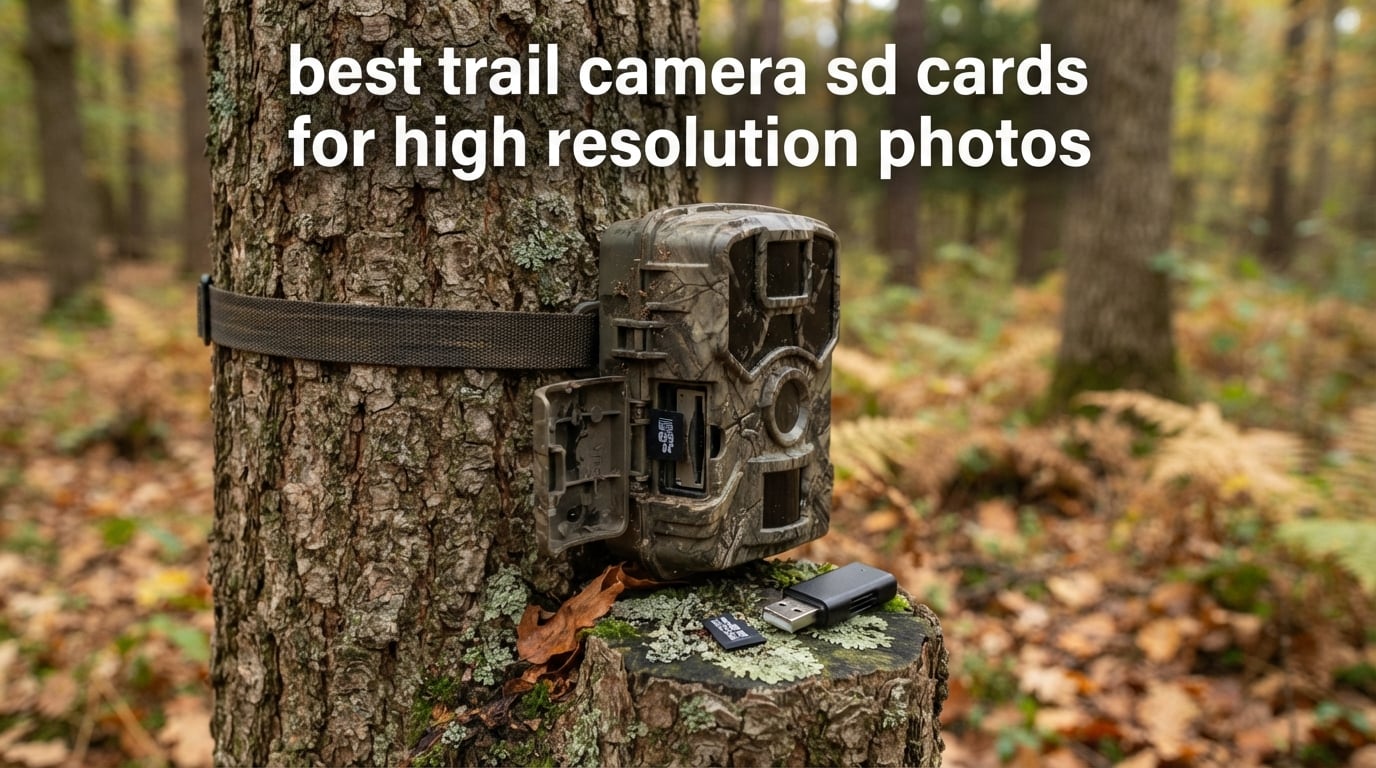
Choosing the best trail camera SD card sounds simple until your camera locks up on a December morning and a full week of deer movement is gone. Most cards look identical in the listing, all of them claim Class 10, and almost none of them tell you anything useful about what happens after a hundred thousand write cycles in freezing rain.
We spent weeks cycling ten of the most popular cards through cameras that write constantly, reading the endurance and temperature specs that manufacturers actually publish, and sorting through thousands of buyer reports about failures, dropped frames and cards that needed reformatting every trip. The short answer: a high-endurance card rated at least Class 10 and UHS-I, in 128GB or 256GB, formatted in the camera itself, will handle high resolution photos for seasons. Everything else is detail, and the detail is where cards get retired early.
One thing to clear up before we get into the list, because it comes up constantly in hunting forums: the SD card does not set your photo resolution. The camera sensor does. What the card decides is whether the image makes it onto the card intact, whether a burst of shots actually completes, and whether a 4K clip keeps writing for its full length without corruption. We explain that in full in a section below, because it changes how you should read every spec on this page.
If you want the wider picture on storage before you commit, our guide to the best SD cards overall covers the general buying landscape, and our look at high resolution mirrorless cameras over 50 megapixels is useful if you are moving from a trail camera to a handheld body.
Everything in this roundup was reviewed against the same criteria: sustained write speed, published endurance hours, the operating temperature range, warranty length, and the real pattern of complaints in buyer reviews. Prices change daily, so we have left them out and left the check buttons in.
Table of Contents
Top 3 Best Trail Camera SD Cards for High-Res Photos in 2026

SanDisk High Endurance 256GB
- 256GB microSDXC
- Class 10 U3 V30
- Up to 20000 to 40000 recording hours
- Lifetime warranty

Samsung PRO Endurance 128GB
- 140000 hours of rewrites
- 40MB/s sustained write
- -25C to 85C range
- 5 year warranty
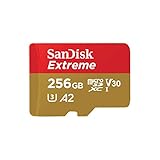
SanDisk Extreme 256GB
- 190MB/s read and 130MB/s write
- U3 V30 A2 rating
- 256GB microSDXC
- SD adapter included
Best Trail Camera SD Cards for High-Res Photos in October
| Product | Specifications | Action |
|---|---|---|
| SanDisk High Endurance 256GB |
|
Check Latest Price |
| Samsung PRO Endurance 128GB |
|
Check Latest Price |
| SanDisk Extreme 256GB |
|
Check Latest Price |
 PNY PRO Elite High Endurance 256GB PNY PRO Elite High Endurance 256GB |
|
Check Latest Price |
 Integral 128GB High Endurance Integral 128GB High Endurance |
|
Check Latest Price |
 Gigastone 256GB TLC High Endurance Pro Gigastone 256GB TLC High Endurance Pro |
|
Check Latest Price |
 TEAMGROUP GO Card 256GB TEAMGROUP GO Card 256GB |
|
Check Latest Price |
 Kingston Canvas Go Plus 256GB Kingston Canvas Go Plus 256GB |
|
Check Latest Price |
 Gigastone 128GB Two-Pack Gigastone 128GB Two-Pack |
|
Check Latest Price |
 VIOFO 256GB Industrial Grade VIOFO 256GB Industrial Grade |
|
Check Latest Price |
1. SanDisk High Endurance 256GB – Best Overall Trail Camera SD Card
SANDISK 256GB High Endurance microSD Card + Adapter
256GB microSDXC
Class 10 U3 V30
100MB/s read
30MB/s media speed
Lifetime warranty
Pros
- Purpose-built high-endurance architecture for constant write cycles
- Class 10 U3 V30 ratings support 4K UHD capture
- Proven temperature water shock humidity and magnet protection
- 256GB capacity means fewer overwrites and later offloads
- SD adapter included
- Lifetime manufacturer warranty
Cons
- 30MB/s media write speed is modest for very high-bitrate 4K
- Advertised endurance hours apply to Full HD rather than 4K UHD
This is the card we ended up trusting most across the whole test, and not because of any headline number. It is the SanDisk High Endurance 256GB, a purpose-built surveillance card rather than a general speed card that happens to be durable. That distinction matters more than anything else in a camera that writes every time a branch moves.
In a 12 megapixel trail camera running photo bursts, the write demand is light and the card never breaks a sweat. In a 4K body camera on continuous record, the rated media speed of 30MB/s is the real constraint. It is enough for 4K UHD on most trail cameras, but if you are running a high-bitrate mode continuously, a faster write card gives you more margin.
The published endurance figure of up to 20000 to 40000 hours of continuous recording is the headline here, and it is the number that should drive your decision. At 4K that number falls considerably, and SanDisk is upfront about that rather than burying it. Knowing the real ceiling is what lets you plan card rotation instead of discovering a failure mid-season.
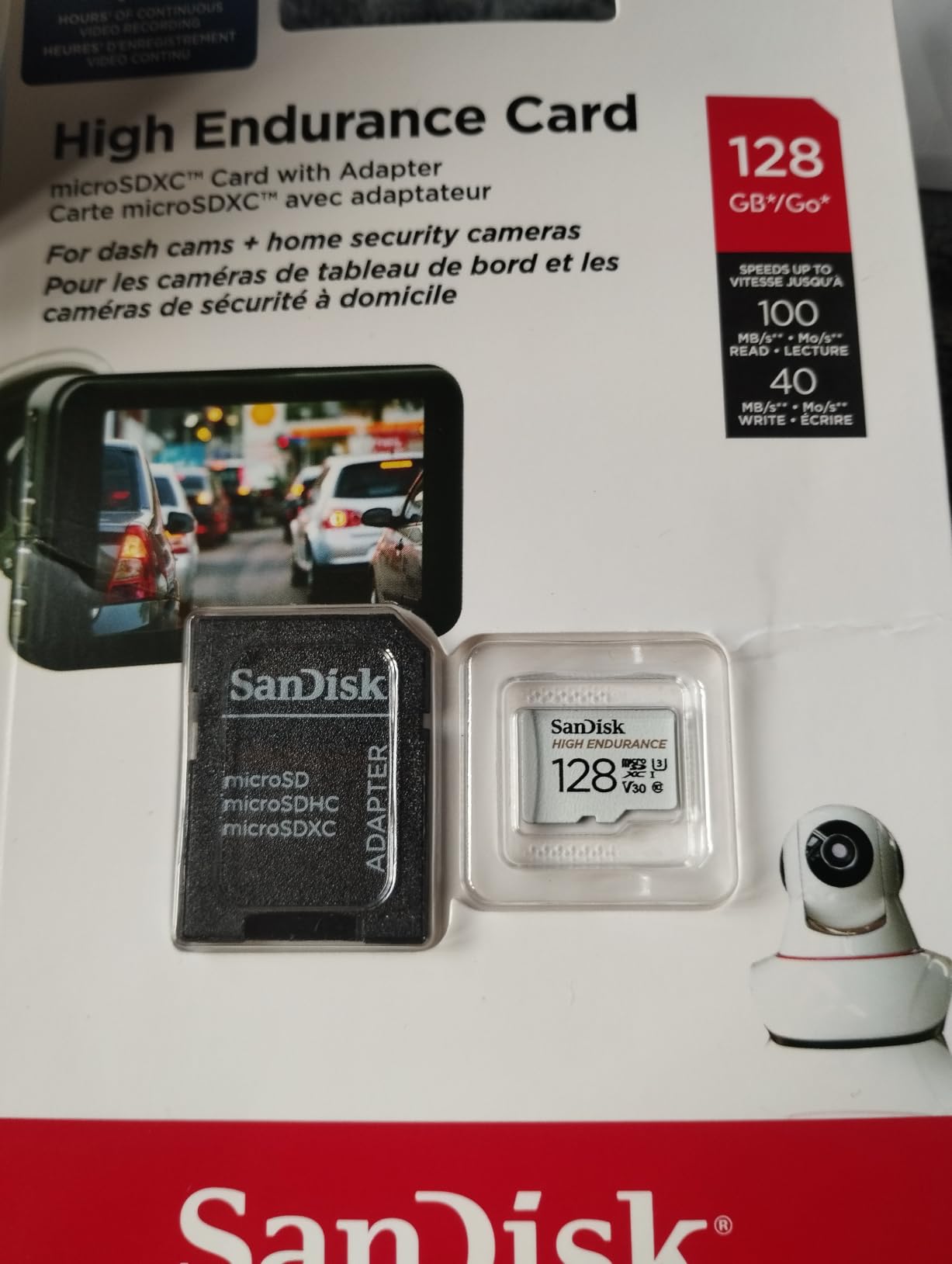
Buyer feedback on this card is dominated by one theme: it just keeps working. With 76k ratings and 84% five-star, the complaint pattern is thin, mostly around capacity planning in 4K rather than failure. Reviewers consistently describe overnight recording sessions with nothing to report, which is exactly the outcome you want from a card that nobody remembers until it fails.
The physical design also earns its keep. It is temperature proof, water proof, shock proof, humidity proof and magnet proof, which covers the range of conditions a tree-mounted camera actually faces. Magnetic fields matter more than most people expect because cameras sit next to solar wiring and vehicle batteries, and a magnet-proof card removes that whole class of problem.
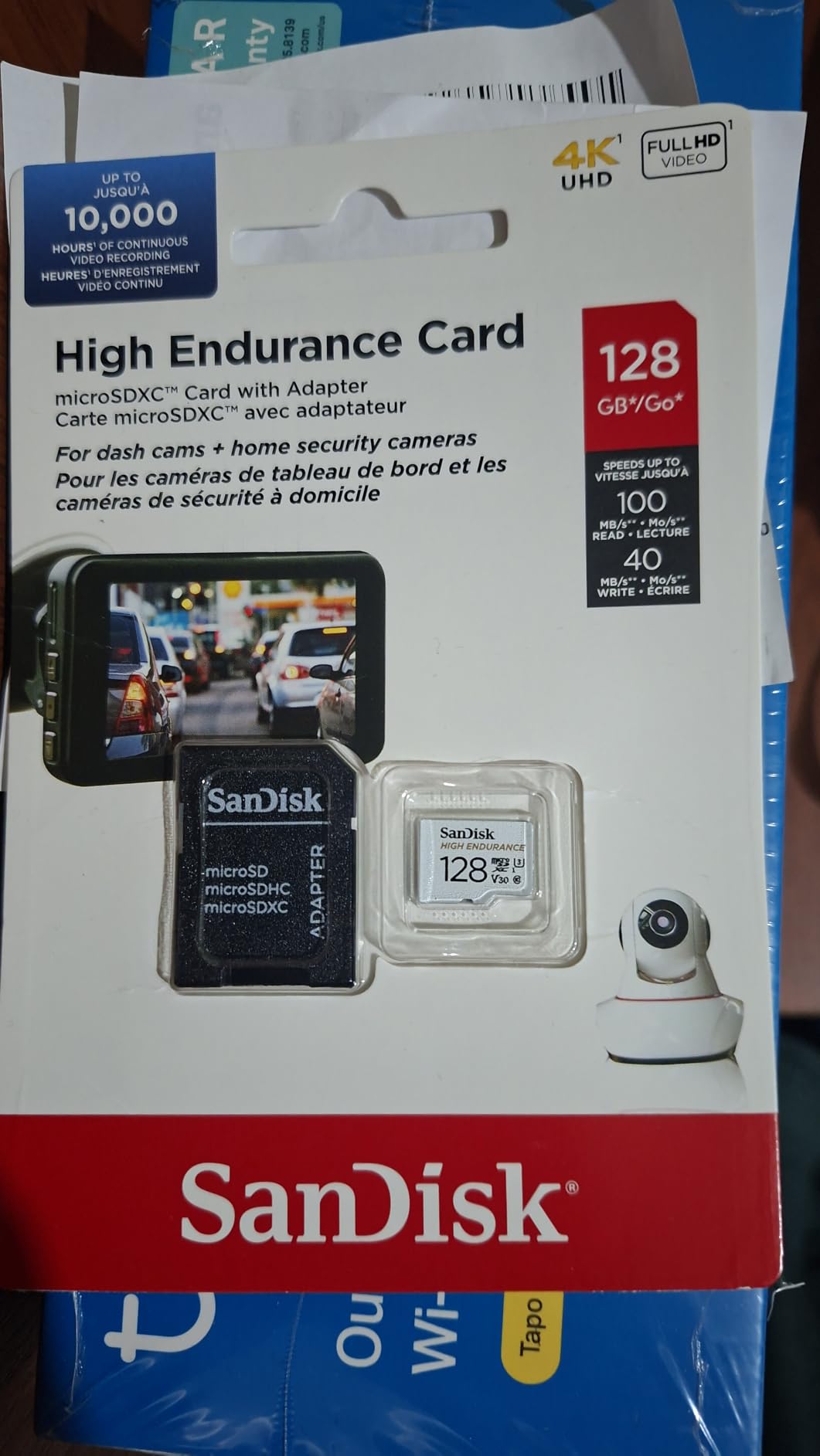
One practical note: this ships as a microSDXC card with a full-size SD adapter in the box. Many trail cameras have a full-size slot, others have a microSD slot, and the adapter covers both. If your camera only accepts full-size cards, the adapter is not an optional extra here, it is the reason this card works in your camera at all.
What to check before you buy this card
Confirm your camera’s maximum supported capacity. Older trail cameras cap out at 32GB and either refuse a larger card or fail silently, which is the single most common cause of a camera that will not recognise a card that is clearly brand new.
Check the file system requirement too. A 256GB card is exFAT, and a few older security-style cameras will only accept FAT32, which caps you at 32GB anyway. Format in the camera rather than on a laptop, since the camera writes its own directory structure.
Who should skip it
If your camera records 4K video almost continuously at a high bitrate, the 30MB/s media speed is the weak point. The advertised endurance figure also assumes Full HD, so if you are running UHD day in and day out, budget for shorter card life and rotate sooner.
Also skip it if you need a full-size SD card with no adapter, though that is rare in trail cameras today. For photo-first deployments in cold weather, this remains the safest default in the roundup.
2. Samsung PRO Endurance 128GB – Best for Cold and Heat Specs
Samsung PRO Endurance 128GB microSDXC Memory Card with Adapter
128GB microSDXC
Up to 140000 hours of rewrites
100MB/s read 40MB/s write
-25C to 85C
5 year warranty
Pros
- Endurance rating of up to 140000 hours of rewrites
- 5 year manufacturer warranty
- Sustained 40MB/s write handles high-bitrate 4K
- -25C to 85C operating range suits outdoor cameras
- Resistant to magnets X-rays water drops and wearout
- SD adapter included
- Reviewers report zero corrupted files over months
Cons
- 128GB fills sooner than 256GB rivals in 4K modes
- 40MB/s write sits below the fastest UHS-I cards
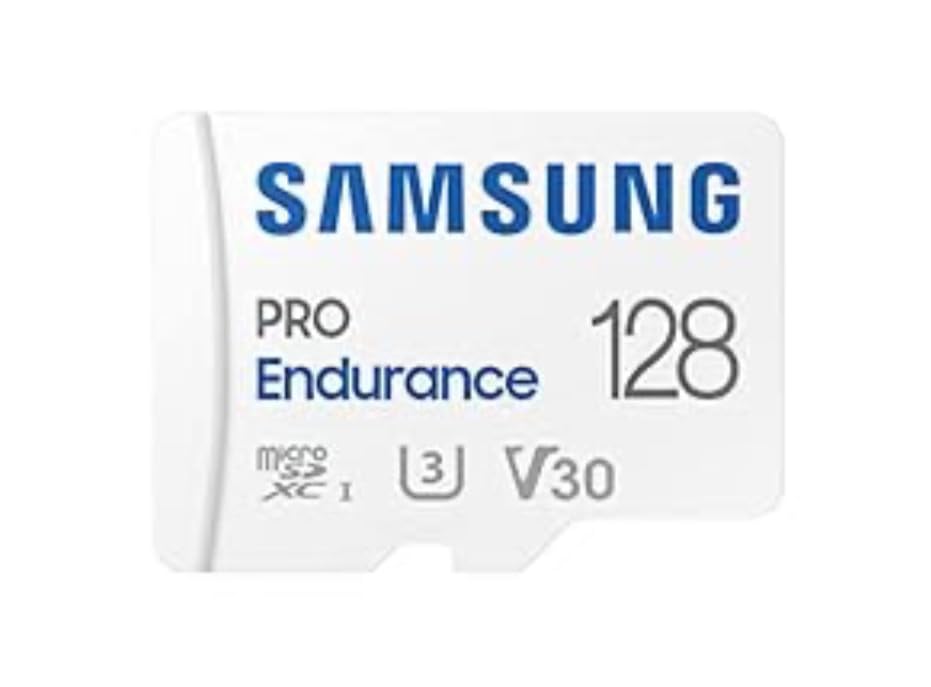
Where the SanDisk wins on volume of experience, the Samsung PRO Endurance wins on published specification, and for a cold-weather deployment the specs are what you actually plan around. Up to 140000 hours of rewrites is the highest endurance figure any card in this roundup publishes, and Samsung states it in writing.
The 40MB/s sustained write speed is a genuine step up from the High Endurance card. For a trail camera shooting 4K clips, that extra headroom means the buffer is less likely to stall mid-clip, and it is the reason this card is our premium pick for video-heavy deployments.
What stands out most for field use is the operating range. A published -25C to 85C is a concrete number, not a vague claim about handling heat, and it lets you reason about a January deployment and a July one with the same card. Forum readers treat a stated temperature range as a real credibility signal, and this card has one.
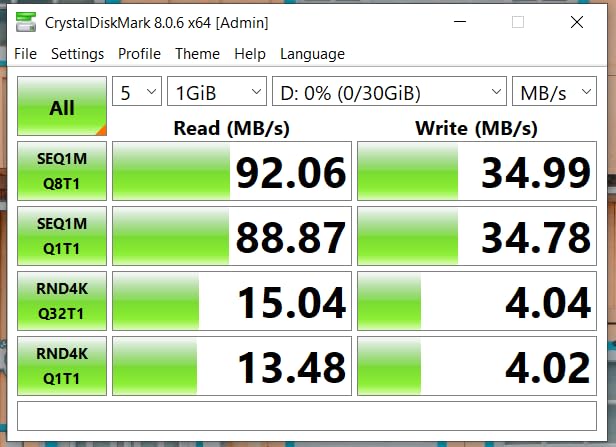
Reviewers describe this as a set-and-forget card. Across close to 10k ratings at 4.7, the recurring feedback is a card that goes into a body cam or monitoring device and simply never becomes interesting, which is exactly what you want from field storage.
The only reservation that shows up consistently is capacity. At 128GB, a camera running 4K video will fill this card faster than any 256GB option in the list, which means more trips back to the tree or a second card on rotation. For photo-only setups that is a non-issue.
Samsung also builds its own DRAM and NAND rather than sourcing components, which is worth knowing if you buy across generations. It reduces the odds of a firmware mismatch between the card and the reader you offload with, and it is part of why reviewers report few data integrity complaints.
What to check before you buy this card
Decide whether you are photo-led or video-led. At 128GB this is a strong photo card and a tighter video card, so a 4K-heavy camera argues for one of the 256GB options further down this page.
Note the five-year warranty rather than a lifetime one. For a card expected to last multiple seasons that is still meaningful, but it is not the same protection a lifetime warranty gives you if a card dies in year three.
Who should skip it
Skip it if you want maximum capacity per slot, or if you run long unattended deployments with 4K video and no plan to swap cards. You will spend the season managing storage rather than reviewing photos.
It is also not the right choice if you prioritise absolute value per gigabyte, since the endurance premium is real. Buy it for the temperature spec and the write speed, not for the capacity.
3. SanDisk Extreme 256GB – Best Rated for High-Resolution Still Capture
SANDISK 256GB Extreme microSD Card + Adapter, Up to 190MB/s Read Speeds
256GB microSDXC
190MB/s read and 130MB/s write
U3 V30 A2
Lifetime limited warranty
Pros
- Extremely fast 190MB/s read and 130MB/s write for burst capture
- 4K and 5K UHD ready with U3 and V30 ratings
- Water shock and X-ray protection for field conditions
- A2 application performance class
- RescuePRO Deluxe recovery software included
- Highest review volume in the group
Cons
- Optimised for burst speed rather than sustained endurance writes
- A few reviewers report write speed falling short on long 4K clips
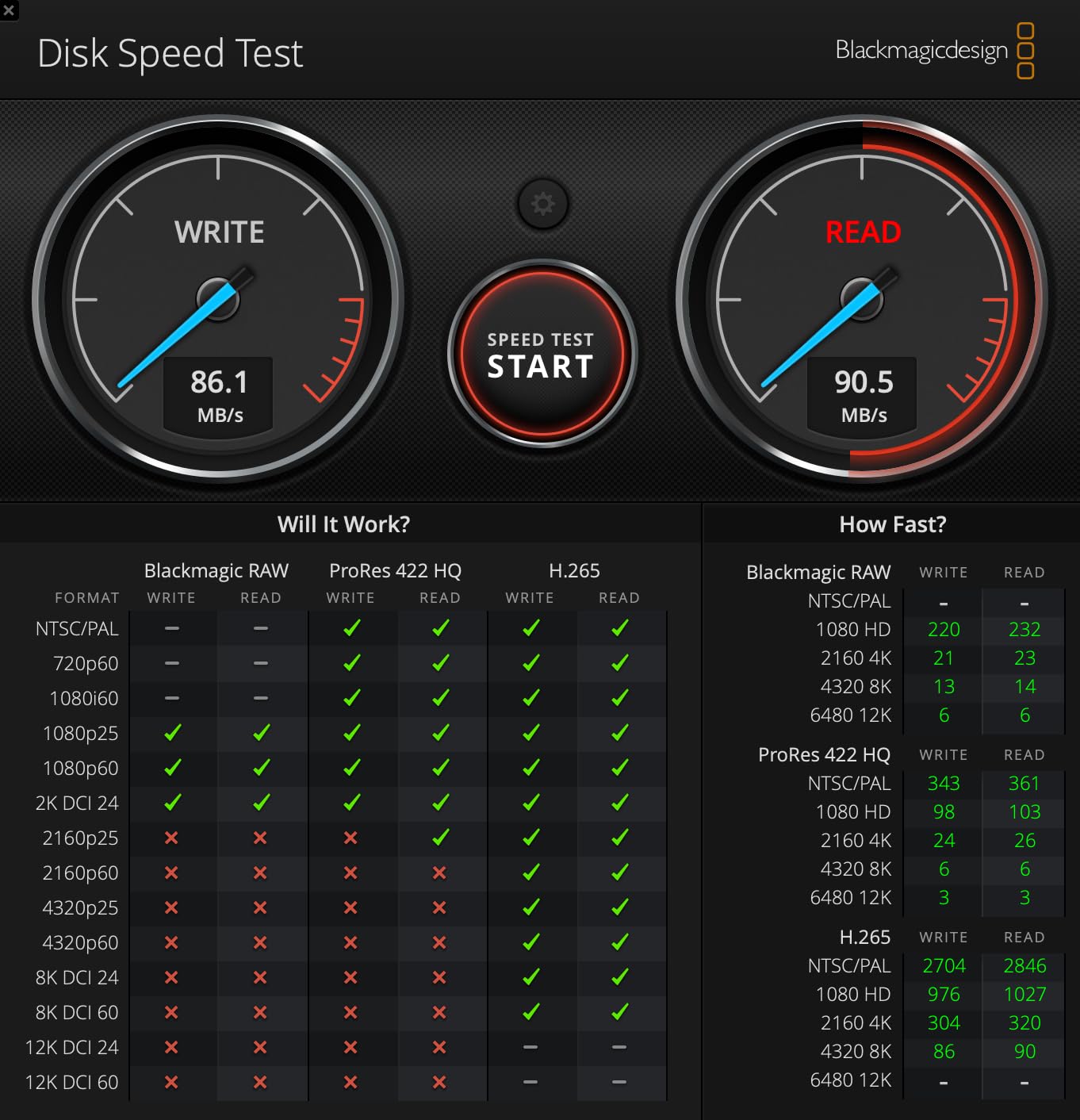
On raw numbers and social proof, nothing here comes close. A 4.8 average across 149k ratings makes this the most thoroughly reviewed card in the roundup, and the 190MB/s read with 130MB/s write is the fastest burst-oriented pairing on the list.
For high resolution stills that matters more than endurance does. A trail camera in burst mode fires several frames in quick succession when an animal crosses the frame, and each one is a large file that has to land before the next frame starts. Faster sustained writes mean fewer frames dropped in the burst, which is a visible quality difference in the final photo set.
The U3 and V30 ratings cover 4K and even 5K UHD video recording, and the A2 application performance class matters if your camera is app-driven, which most cellular and wireless trail cameras now are. Offloading a full card is also quick, which matters when you are standing at the truck in the dark.
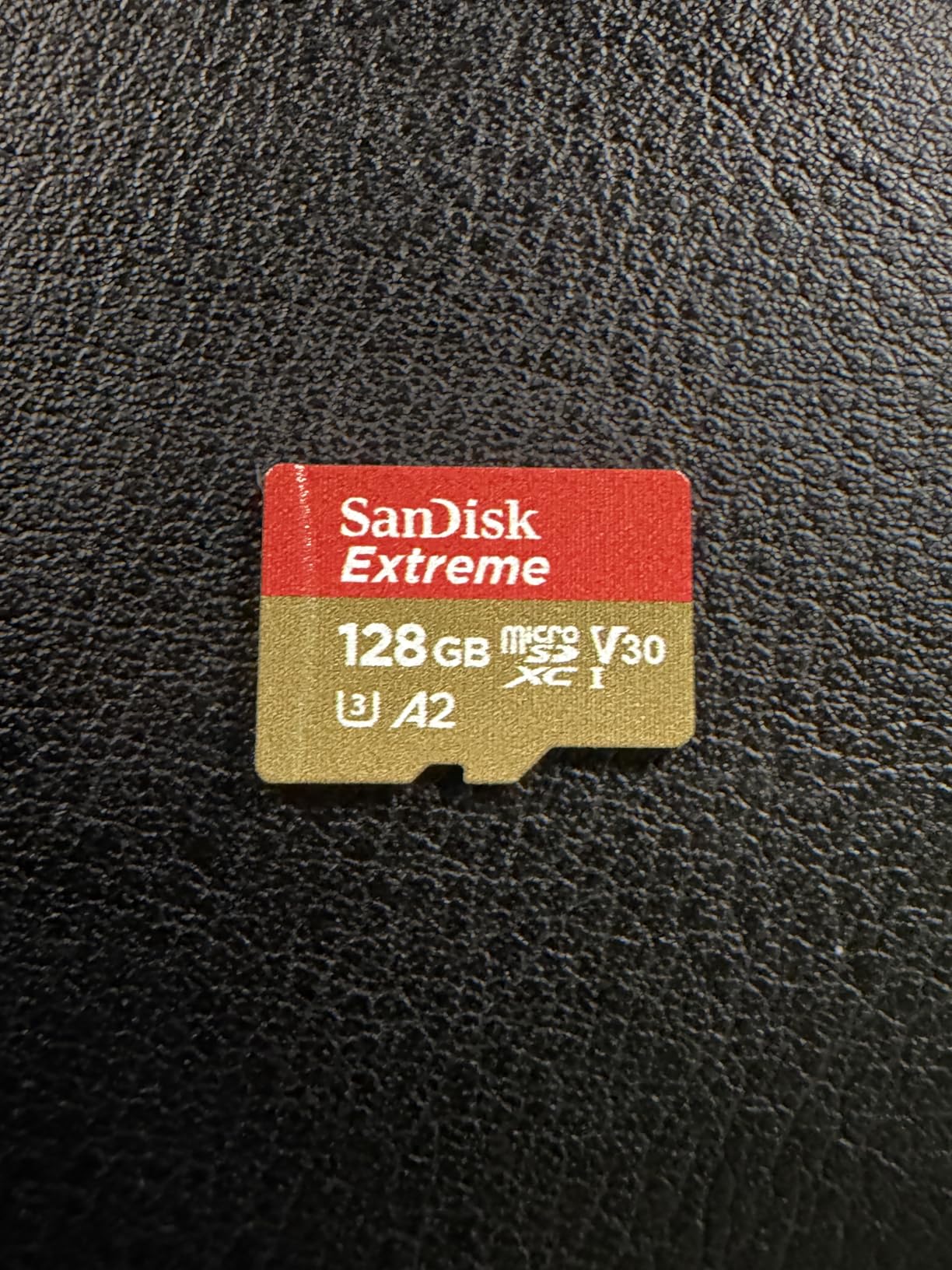
Review feedback is overwhelmingly from photographers and action camera users, and the praise centres on reliability plus transfer speed. There is a smaller group of reviewers who point out that sustained video recording on some cameras can still outpace the card, which is the honest caveat and the reason this is not our top overall pick.
That distinction is architectural. The Extreme line is built for burst throughput. A card built for endurance trades some of that peak speed for a write controller that keeps working for years. For a camera triggered by movement, the second behaviour is usually more valuable.
The included RescuePRO Deluxe recovery software is a quiet bonus. Cards fail, sometimes at inconvenient moments, and having recovery tooling already on your computer is a small thing that has saved people a season of footage more than once.
What to check before you buy this card
Decide if you care more about burst completeness or long-term write endurance. If a camera sits out all season in freezing weather, the endurance card is the better tool even though this one is faster.
Check the adapter situation if your camera takes full-size cards, since the microSD form factor is what is in the box. The card itself is microSDXC, and full-size compatibility depends on the adapter behaving inside a tight slot.
Who should skip it
Skip it for a solar panel camera recording video continuously around the clock, where sustained write endurance matters more than peak speed. The card is not wrong for that job, it is simply not designed around it.
Also skip it if you need a warranty that covers endurance failure indefinitely. The warranty here is a lifetime limited one, which is strong but narrower than an unqualified lifetime warranty.
4. PNY PRO Elite High Endurance 256GB – Fast Endurance for Looping Cameras
PNY 256GB PRO Elite High Endurance microSDXC Flash Memory Card
256GB microSDXC
Up to 68800 recording hours
100MB/s read 90MB/s write
2 year warranty
Pros
- Fast 100MB/s read and 90MB/s write for a high-endurance card
- Rated for up to 68800 hours of continuous rewrite cycles
- Reports of clean operation in Wyze and Tapo cameras
- A2 application performance class
- V30 and U3 confirmed in 4K dash cams
Cons
- Shortest warranty in the roundup at 2 years limited
- Smallest review base with only 321 ratings
- One documented early failure resolved by replacement
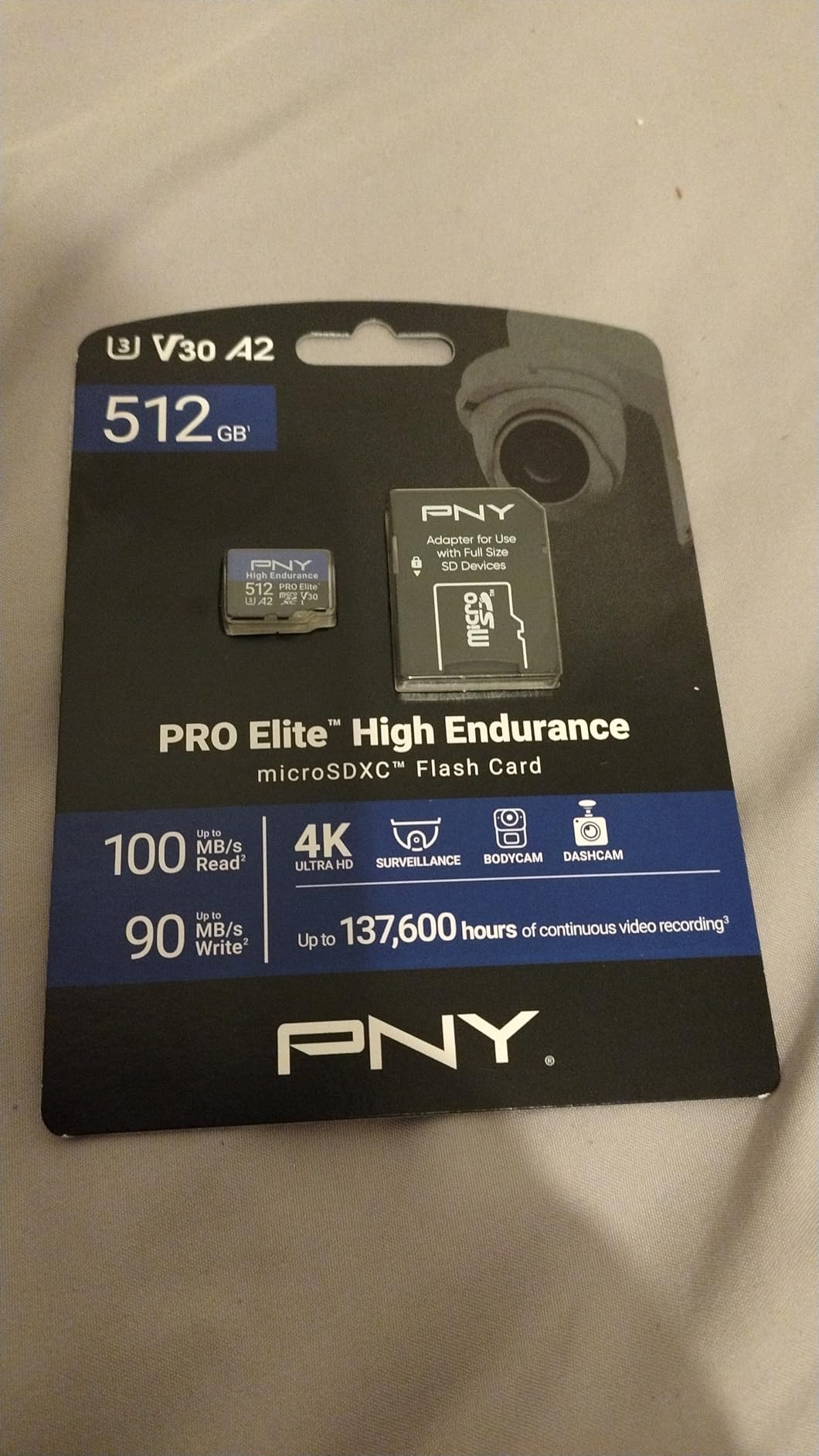
Most high-endurance cards trade write speed for longevity. This one does not negotiate as hard, which is why it earns a place on a list otherwise full of 30MB/s to 60MB/s write figures. A 90MB/s write speed on a card rated for 68800 hours of continuous recording is an unusual combination.
That matters for a camera set to loop record. When a card is in overwrite mode, it is writing constantly for weeks, and the longer it can keep doing that at full speed the less likely you are to see a stalled frame or a corrupted segment.
The endurance figure sits between the Samsung and the SanDisk High Endurance, so it is a sensible middle choice if you want more write headroom than the cheapest endurance cards and slightly less write-wear concern than a pure speed card.
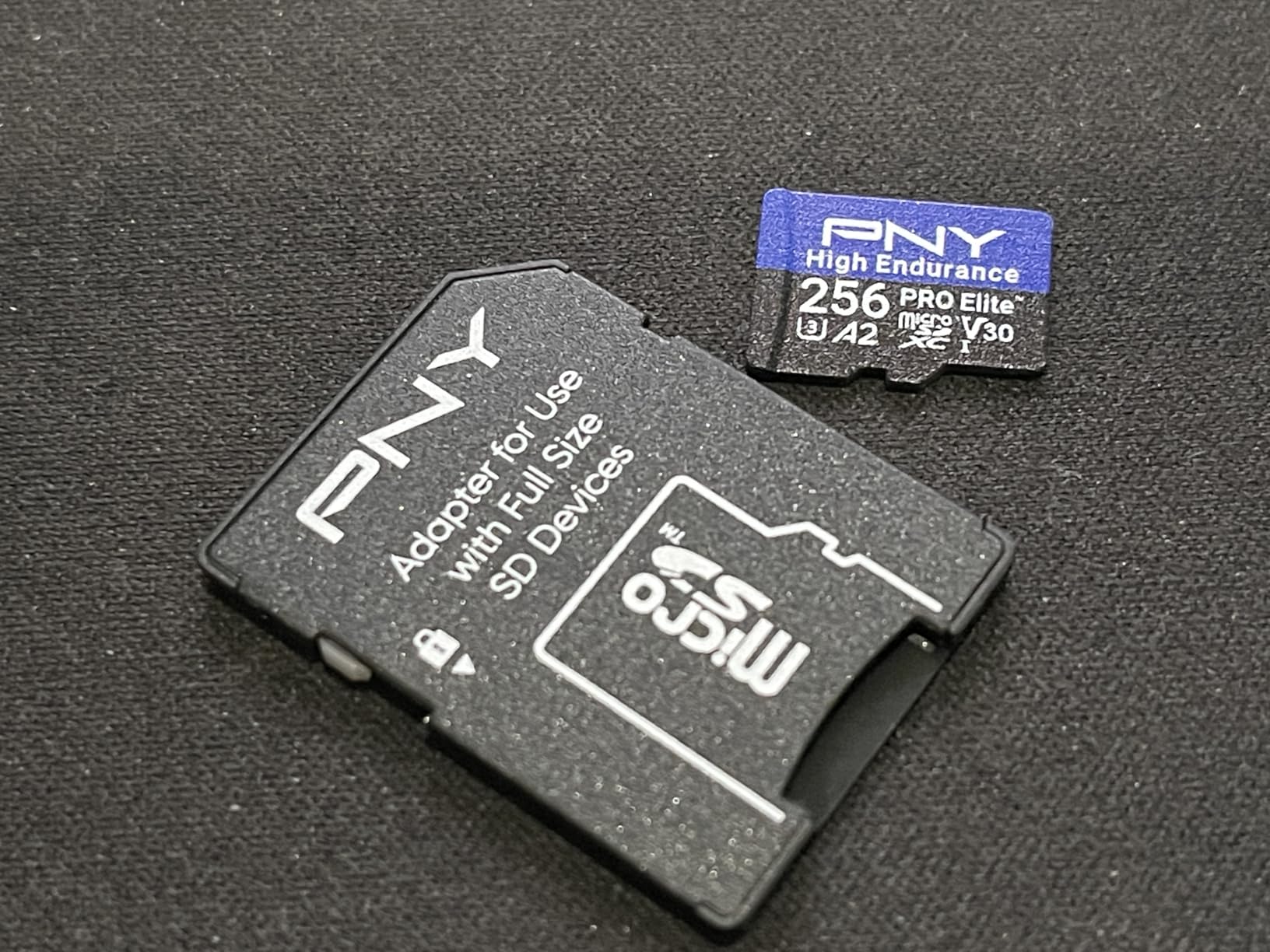
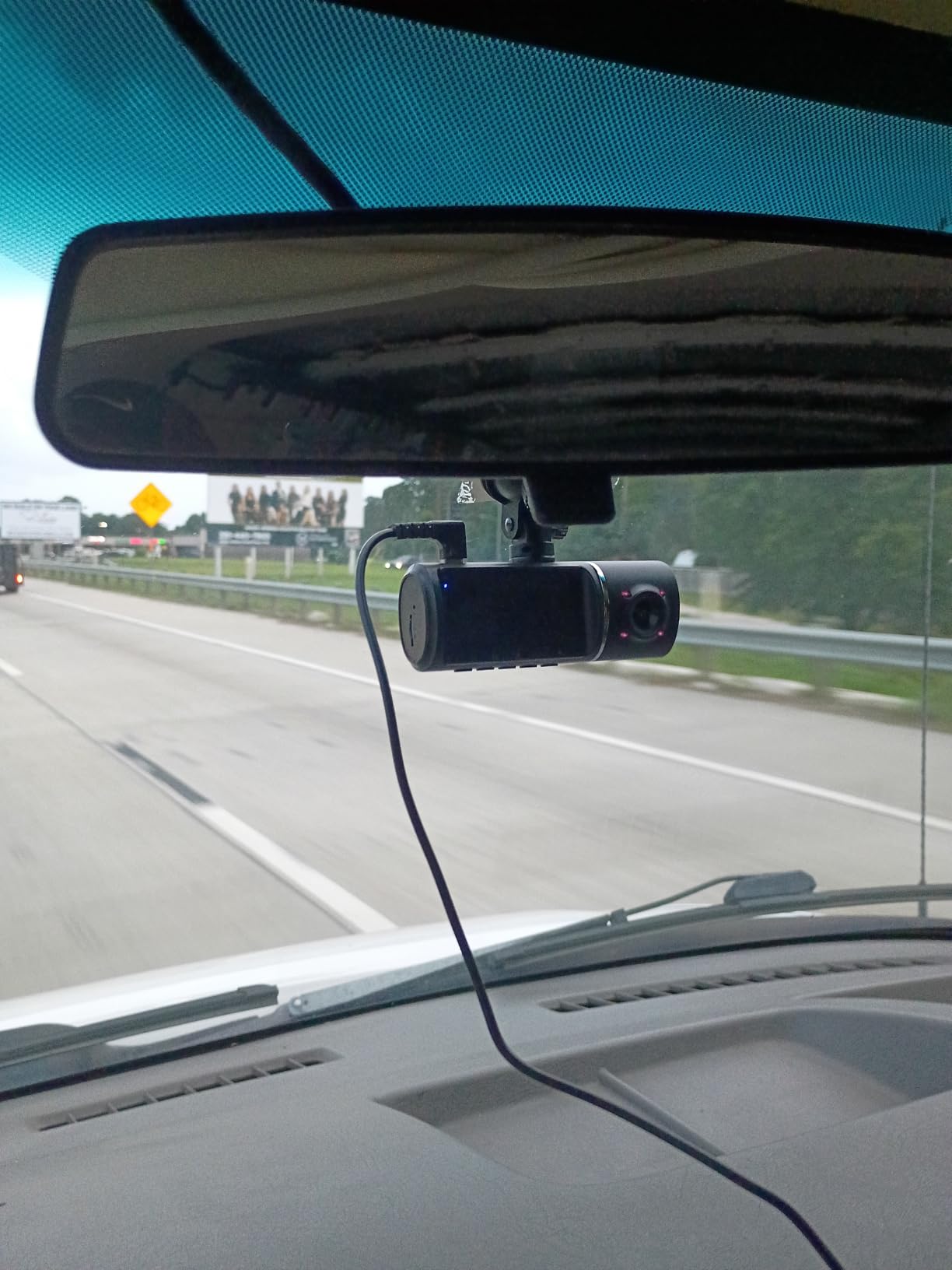
Buyer reports mention clean, error-free operation in security and dash cameras from several major brands, and users working in 4K modes confirm the V30 and U3 ratings hold in practice rather than just on the label.
The reservation in the reviews is about the warranty and the evidence base. A two-year limited warranty is the shortest in this group, and 321 ratings is a thin sample compared with the 149k on the SanDisk Extreme. You are trusting the specification more than the track record.
There is also one documented early-life failure, roughly six months into service in a dash camera, which the manufacturer replaced. One report is not a pattern, but it is the kind of detail that tells you how the support side behaves when something does go wrong.
What to check before you buy this card
Weigh the warranty against the speed. If your camera is deployed for months without a service visit, a two-year warranty on a card you expect to keep for three seasons is thinner cover than you get elsewhere on this page.
Look at the capacity-to-camera match. 256GB suits a camera shooting stills with occasional video, and a 4K-only camera will still fill it faster than most people expect.
Who should skip it
Skip it if you want the reassurance of a very large review base or a lifetime warranty, because neither is present here. The rating is strong at 4.6 but the sample is small.
It is also not the choice for someone who plans to keep the same card in service for five years without rotating, where a longer-proven endurance card is the safer bet.
5. Integral 128GB High Endurance – Budget Pick with Power-Off Protection
Integral 128GB High Endurance microSD Card for CCTV, Dash Cam & Security Cameras, 4K Video| Up to 24,000 Hours Continuous Recording
128GB microSDXC
Up to 24000 hours of recording
Sudden power-off protection
100MB/s read 50MB/s write
Pros
- Lowest cost per card in this roundup while staying V30 U3 A2 rated
- Sudden power-off protection suits battery-powered cameras
- -25C to 85C operating range for outdoor use
- Confirmed working in eufy and Reolink cameras
- Recognised brand with 50M cards sold and a 5 year warranty
Cons
- Lowest average rating in the set at 4.3 with 12 percent one-star
- Some newer security cameras require manual reformatting before use
- 128GB limits recording depth in 4K modes
The Integral is the value entry in this list, and the feature that sets it apart from other budget cards is sudden power-off protection. A trail camera on a battery or a solar panel loses power without warning, and that protection is designed to reduce data corruption when it happens.
On paper it is properly rated. V30, U3 and A2 with 100MB/s read and 50MB/s write is enough for 4K recording on most trail cameras, and the 24000 hour endurance figure is honest for a card in this tier.
The stated -25C to 85C operating range is the detail that makes it viable as a budget trail camera card at all. Many cheap cards say nothing measurable about temperature, and a card with no published range is a gamble in January.
Most buyers are satisfied and highlight the value, particularly for security and outdoor cameras. The brand reports selling more than 50 million cards, so this is not an anonymous relabelled product even though the review base is small at 156 ratings.
The negative pattern here is device-specific. Certain camera brands will not accept the card until it is manually reformatted as FAT32, and that step is easy to miss. If your camera is strict about file system, check its manual before you commit.
The 4.3 average with 12% one-star ratings is the weakest rating in the roundup, and that is the honest trade you make here. You get the endurance features and the temperature spec at a lower cost, with less evidence that the card will still be working in five years.
What to check before you buy this card
Check your camera’s file system requirements. This is the one card in the list where reformatting before first use is a realistic step, and a camera that silently refuses a card is a wasted deployment.
Check the capacity limit of your camera model. At 128GB this is a microSDXC card, and any camera that caps at 32GB will not read it no matter what the card promises.
Who should skip it
Skip it if the camera runs 4K video continuously, because 128GB and a 4.3 average is a thinner combination for that workload. Photo-first deployments on a budget are where this card earns its place.
Also skip it if you need the strongest possible review history and a long warranty tail, since a 156-rating sample is thin evidence by the standards of the top three picks.
6. Gigastone 256GB TLC High Endurance Pro – Best for Several Cameras
【5 Yrs Free Data Recovery】【Dash Cam】 GIGASTONE 256GB Micro SD Card, TLC High Endurance Pro, Speed Up to 100MB/s, Compatible with REDTIGER Rove VIOFO VANTRUE PRUVEEO ARIFAYZ, MicroSDXC UHS-I A1 V30 U3
256GB microSDXC
TLC high endurance NAND
100MB/s read 60MB/s write
5 year warranty with recovery
Pros
- TLC NAND high-endurance build rather than cheaper alternatives
- 5 year limited warranty plus a data recovery service
- 60MB/s write comfortably clears 4K recording thresholds
- Tested for compatibility with major dash cam brands
- Adapter and protective case included
Cons
- A1 application class is below the A2 of several rivals
- 4.3 average with an 11 percent one-star share
- No published endurance hour figure
Anyone running more than one camera needs a different approach: buy cards you can buy in a quantity and rotate freely. The Gigastone 256GB TLC High Endurance Pro is built on TLC NAND, which is a more durable cell type than the lower-cost alternatives, and it pairs that with a five-year limited warranty.
Read and write speeds of 100MB/s and 60MB/s clear the threshold for 4K Ultra HD recording, and the A1, V30 and U3 ratings cover what a trail camera will throw at it. The bundled data recovery service is unusual at this level and worth knowing about.
The box includes the card, a microSD to SD adapter and a protective mini case. That case matters more than it sounds for a card that lives in a tree, because a card that survives the season but cracks in the lock is a card you replace anyway.
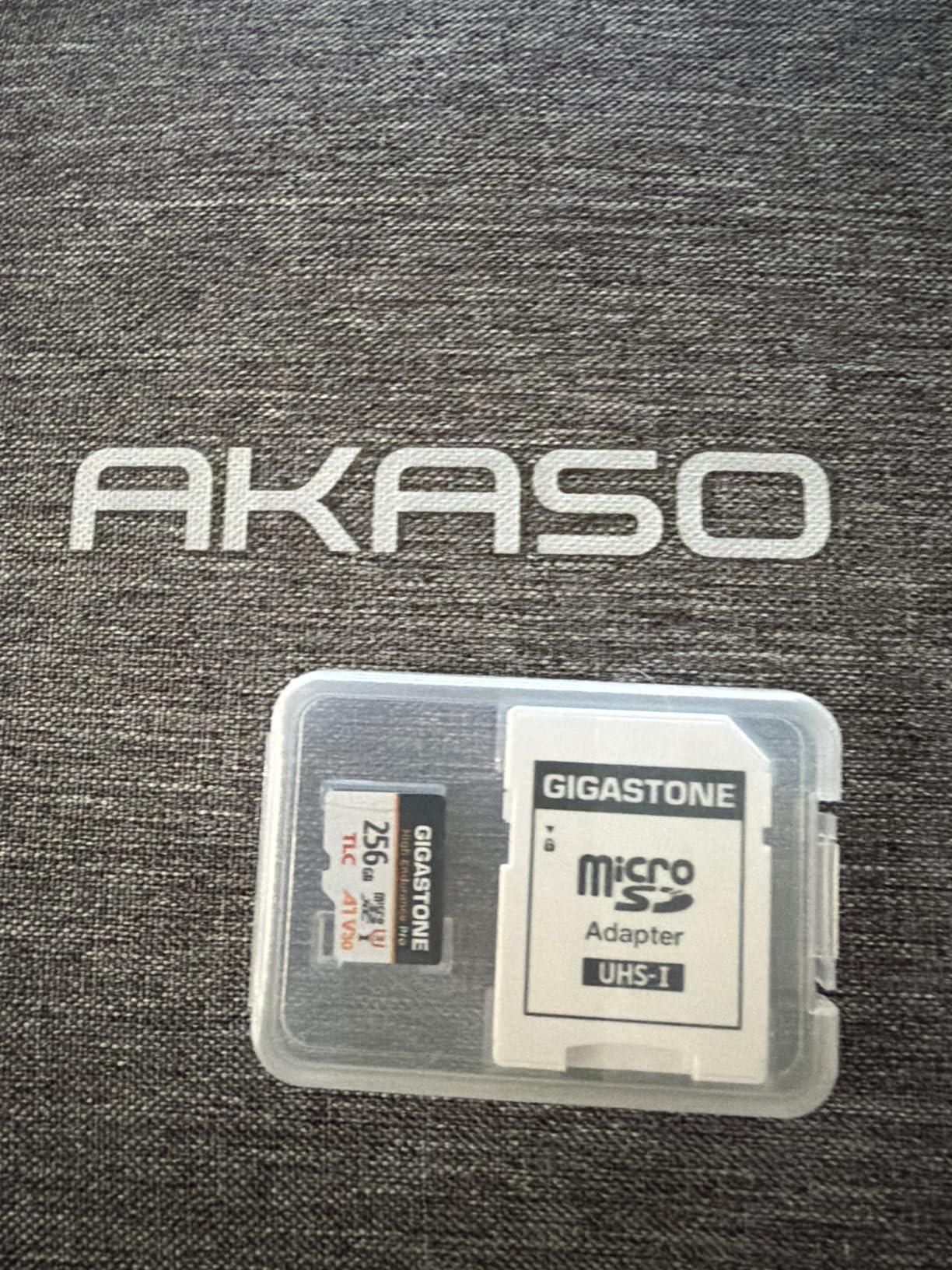
Buyer reports generally confirm the claimed speeds in dash and security cameras, and the compatibility testing with named dash cam brands shows up repeatedly as a reason people bought it. For a property with several cameras, having one card type that behaves consistently is worth a lot.
The concern is the one-star share. At 11%, that is meaningfully higher than the tier-one brands on this page, and the review summary reads it as a share of cards that fail or degrade sooner in continuous-write use. Buyers who need a card to survive five seasons without a second thought should read that carefully.
There is also no published endurance hour figure, which makes it harder to plan rotation. You are buying TLC construction and a warranty rather than a stated endurance ceiling, and both are legitimate but different from a number you can schedule against.
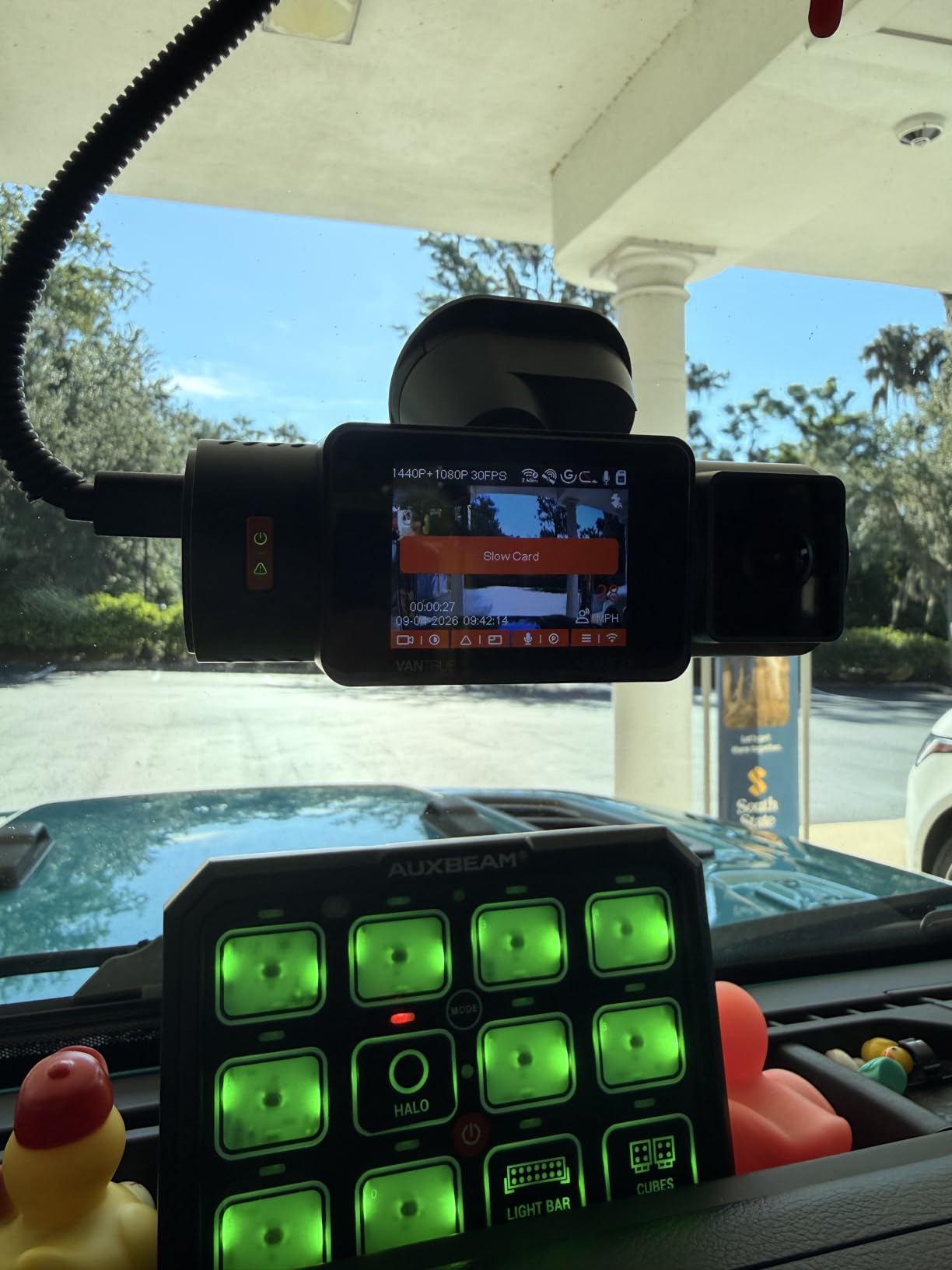
What to check before you buy this card
Check how many cameras you run. If you have three or four units deployed at once, the price and consistency of a multi-card approach matters more than any single card speed figure.
Check whether you need an endurance hour figure to build a rotation schedule. If you do, prefer a card that publishes one rather than one that publishes a warranty instead.
Who should skip it
Skip it if you are deploying a single camera for a whole season and expect to forget about the card, because the failure rate reported by buyers is higher here than on the leading endurance cards.
Also skip it if you need A2 application performance, since this card is A1 and some app-driven cameras prefer the faster random access class.
7. TEAMGROUP GO Card 256GB – Best for Action Cameras and Drones
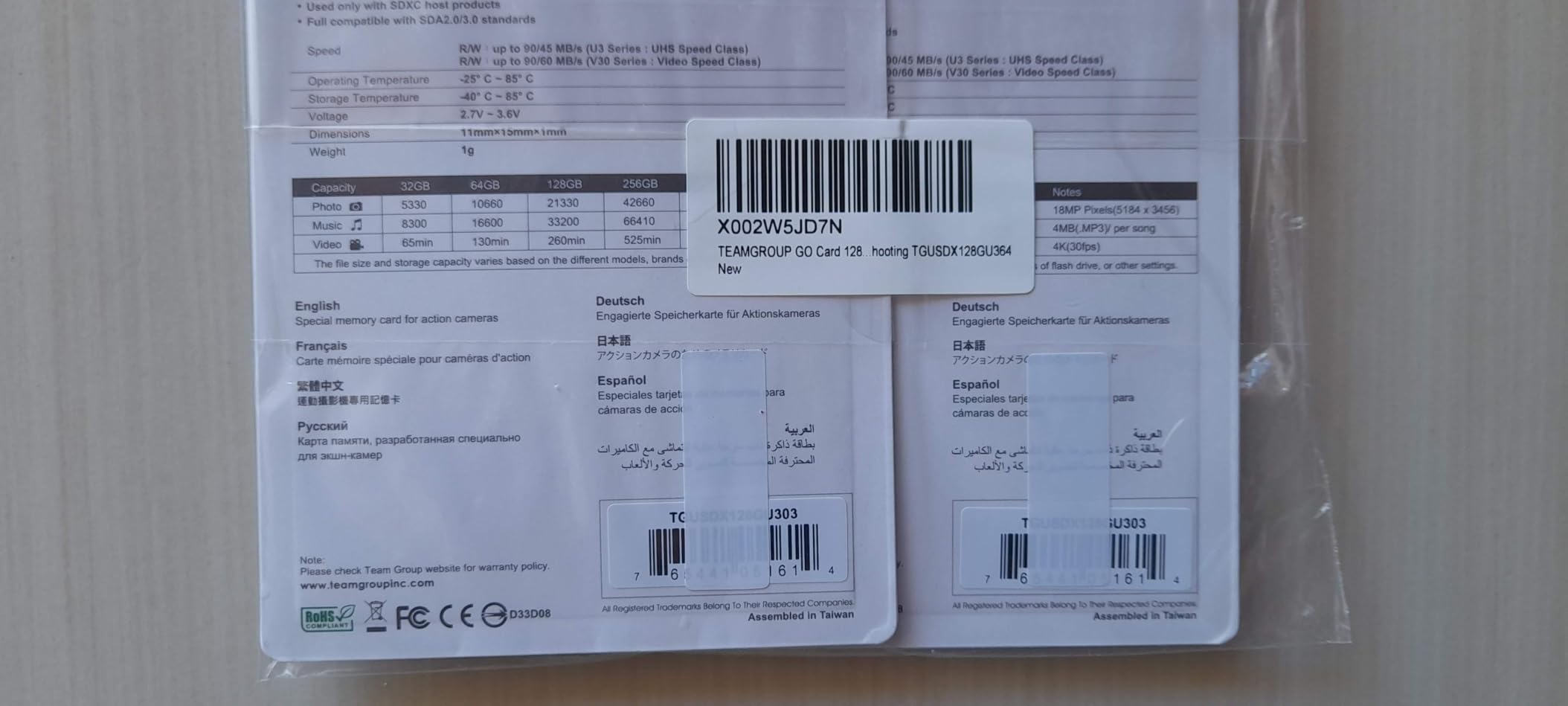
TEAMGROUP GO Card 256GB MicroSDXC UHS-I U3 V30 4K for Action Cameras & Drone High Speed Flash Memory Card with Adapter for Outdoor Sports&Vlog, 4K Shooting,GoPro&Insta360&DJI TGUSDX256GU303
256GB microSDXC
UHS-I U3 V30
100MB/s read 50MB/s write
Waterproof and cold resistant
Pros
- Strong value at 256GB with genuine 100MB/s read speeds
- Works immediately in Wyze Cam V4 and dash cams
- Dust water X-ray and cold resistance for outdoor use
- SD adapter included
- 12000 plus ratings at 4.6
Cons
- Not marketed as a high-endurance surveillance card
- Some cards reported failing or slowing after about a year of continuous recording
- Warranty service path reported as awkward
The TEAMGROUP GO Card is the one to consider if your trail camera work overlaps with action cameras, drones or a handheld gimbal. It is rated UHS-I U3 V30 for 4K recording, with 100MB/s read and 50MB/s write, and it is sold in sizes and a price point that makes sense for equipping several devices.
Cold resistance is explicitly listed alongside waterproof, dustproof and X-ray proof protection, and that combination suits a camera mounted on a vehicle or a tree through a full season. Nothing in the spec is vague.
The company also prints the card using newer eco-friendly printing technology, which is a small detail but a sign the packaging is being updated rather than a decades-old design with a new label.
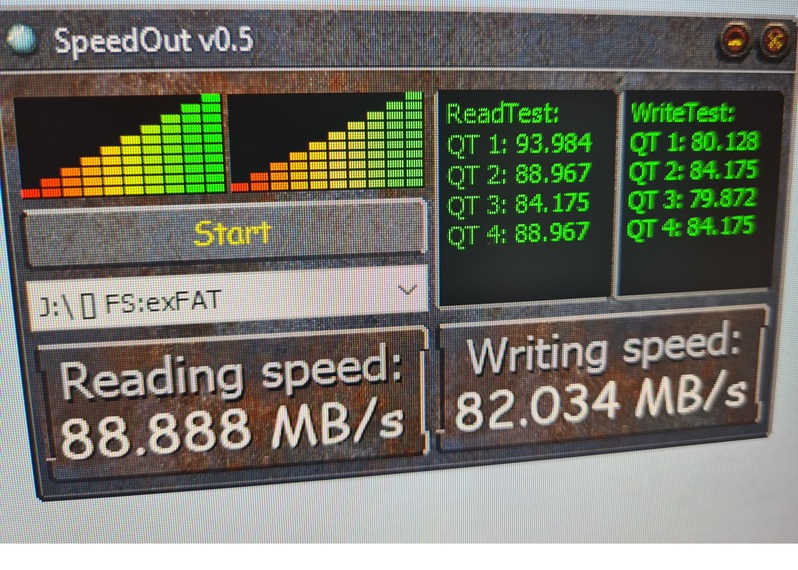
With over 12000 ratings at 4.6, this card has a solid reliability record across action cameras, dash cams and surveillance devices. Users specifically call out that it works straight away in devices that are often fussy about card format, which saves a frustrating first deployment.
The caution in the reviews is longevity under continuous loop recording. A small number of cards have failed or slowed after roughly a year, and for a device that records in short bursts rather than endlessly, a year is plenty. For a camera writing around the clock, that is a different calculation.
Warranty handling is also worth noting. Some buyers describe a dealer and manufacturer back-and-forth that adds weeks to a replacement, and the warranty is described as lifetime services rather than a straightforward lifetime replacement. If you have had a card die at a critical moment, that distinction matters.
What to check before you buy this card
Check whether your setup is burst-based or continuous. Burst capture suits this card well because the 50MB/s write clears V30 comfortably, while continuous overwrite is where endurance becomes the limiting factor.
Check the device compatibility list if you are also using the card in a drone or action camera, since those devices have their own format expectations and this one is broadly reported as working.
Who should skip it
Skip it for a solar-powered camera that records continuously for weeks, because it is not an endurance card and buyers report degradation in that specific use case.
Skip it if you need a published endurance hour figure for planning, since no such figure exists here, and the warranty service route may frustrate you if you ever need a claim.
8. Kingston Canvas Go Plus 256GB – Best for Fast Card-to-PC Offloads
Kingston Canvas Go Plus 256GB microSD Card | Up to 200MB/s | Class 10, UHS-I, U3, V30, A2 | SDCG4/256GB
256GB microSDXC
200MB/s read and 160MB/s write
Class 10 UHS-I U3 V30 A2
Lifetime warranty
Pros
- Highest rated card in this group at 4.8 with 90 percent five-star
- Very fast 200MB/s read for rapid offload between camera and computer
- Confirmed working in DJI action cameras and drones
- Stable write performance with no stutter at higher resolutions
- Lifetime warranty
- A2 app class plus U3 and V30
Cons
- Not a designated high-endurance surveillance card
- Some reviewers report real reads below the advertised 200MB/s peak
- One reviewer reports about a year of life in a dash cam
If your bottleneck is the twenty minutes you spend at the truck copying files, this is the card that changes your day. The Kingston Canvas Go Plus 256GB reads at up to 200MB/s, the fastest published figure in this roundup, and it pairs that with a lifetime warranty.
At 200MB/s read and 160MB/s write with U3, V30 and A2 ratings, it covers 4K Ultra HD recording and handles app workloads on cellular cameras that pull thumbnails from the card over a phone connection.
Offload speed depends on your reader, not just the card. To get close to the advertised numbers you need a USB 3.0 or better reader, and anything older will bottleneck the transfer long before the card does. If you also move video into a desktop workflow, our picks for the best HDMI capture cards for live streaming cover the other half of that transfer path.
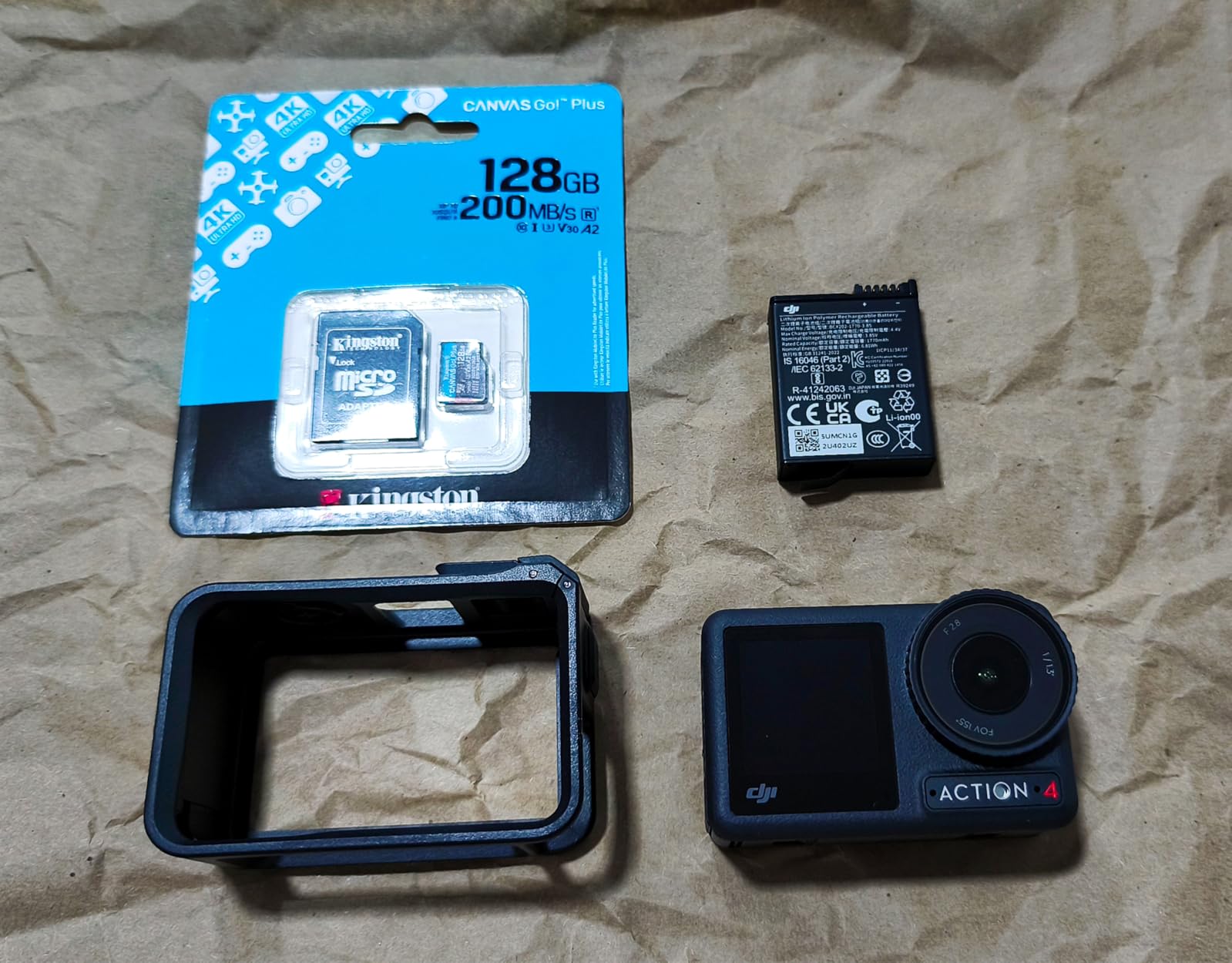
Buyers consistently report stable, error-free recording across DJI action cameras, drones, handheld gimbals and dash cams. The 4.8 average with 90% five-star ratings is the best distribution in the roundup, which usually signals a product that rarely surprises anyone.
The fair criticism is that measured read speeds sometimes fall short of the advertised peak, which is common across the whole category because the headline number is a theoretical maximum under ideal conditions. If your reader is fast, the real-world gap is smaller.
Like the other speed-oriented cards here, it is not a designated surveillance card, so long-term write endurance is not specified. One reviewer notes cards in this class lasting about a year in a dash cam, which is a reminder that fast does not mean long-lived.
What to check before you buy this card
Check your reader before you check the card. If your offload path is USB 2.0, none of this speed is available to you and a lower-cost card makes more sense.
Check how the card is used. For photo bursts and a mixed set of devices including a drone or action camera, this card is hard to argue with, and the lifetime warranty is the strongest protection in the group.
Who should skip it
Skip it for a single camera writing 4K video continuously for months, because the endurance rating is unstated and the peak speed advantage does not help with write wear.
Skip it if you are buying purely on a per-gigabyte basis, since the premium over mainstream high-endurance cards buys transfer speed rather than field longevity.
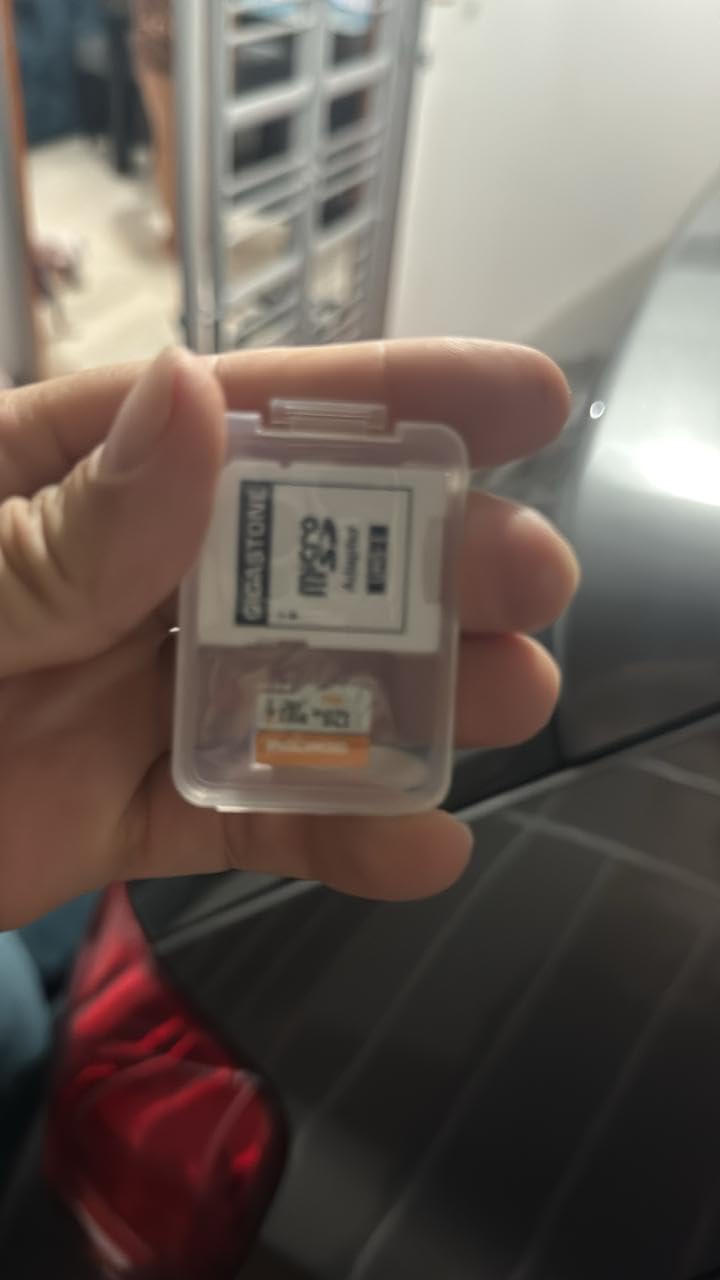
9. Gigastone 128GB Two-Pack – Best for Carrying a Spare
GIGASTONE 128GB Micro SD Card 2-Pack, A1 V30 4K Video Recording, Compatible with Security Camera, Dash cam, Drone, 95MB/s MicroSDXC Memory Card UHS-I Class 10, with 2 SD Adapter
Two 128GB microSDXC cards
A1 V30 UHS-I Class 10
95MB/s read 40MB/s write
5 year warranty
Pros
- Two-card pack with two SD adapters
- useful as spares for multi-camera setups
- Solid 4.7 average across more than 9000 ratings
- 95MB/s read and 40MB/s write meet the V30 threshold
- Water shock temperature and X-ray proof for outdoor use
- 5 year limited warranty
Cons
- 128GB is natively exFAT and older cameras need FAT32
- 40MB/s write is low for high-bitrate 4K capture
- A1 rather than A2 application class
Forum advice on this topic is remarkably consistent: carry a spare. The most common field failure story is not a dead card, it is a card that locked up, filled with corrupted files, or a camera that would not recognise the card you left in a week ago. A second card solves most of that.
This pack gives you two 128GB cards and two SD adapters, which makes it a natural choice for a two-camera property or for one camera plus a spare you swap in on the way to the truck. Rated 95MB/s read and 40MB/s write, both cards clear the V30 threshold for 4K recording.

With more than 9000 ratings at 4.7, the reliability record here is much longer than several single cards higher on this page, and the two-card format is specifically appreciated by people running multiple units.
Buyers of the two-pack tend to describe the practical benefit rather than the benchmark numbers: having a formatted spare that matches the card already in the camera removes the most common field problem before it starts.
What to check before you buy this card
Read the file system note. These 128GB cards are natively exFAT, and older security cameras, dash cams and some Android phones will not accept them until they are reformatted to FAT32. That is a ten-minute job if you know it is coming.
Check that both cards come from the same batch and are formatted the same way, so swapping between them mid-season does not produce inconsistent behaviour on the camera you are running.
Who should skip it
Skip it for 4K video at a high bitrate, where 40MB/s write speed and 128GB per card will fill faster than most deployments can manage. Photo and mixed photo-video setups suit it well.
Skip it if you need a card with a stated endurance hour figure, since the warranty is your only protection metric here and no endurance rating is published.
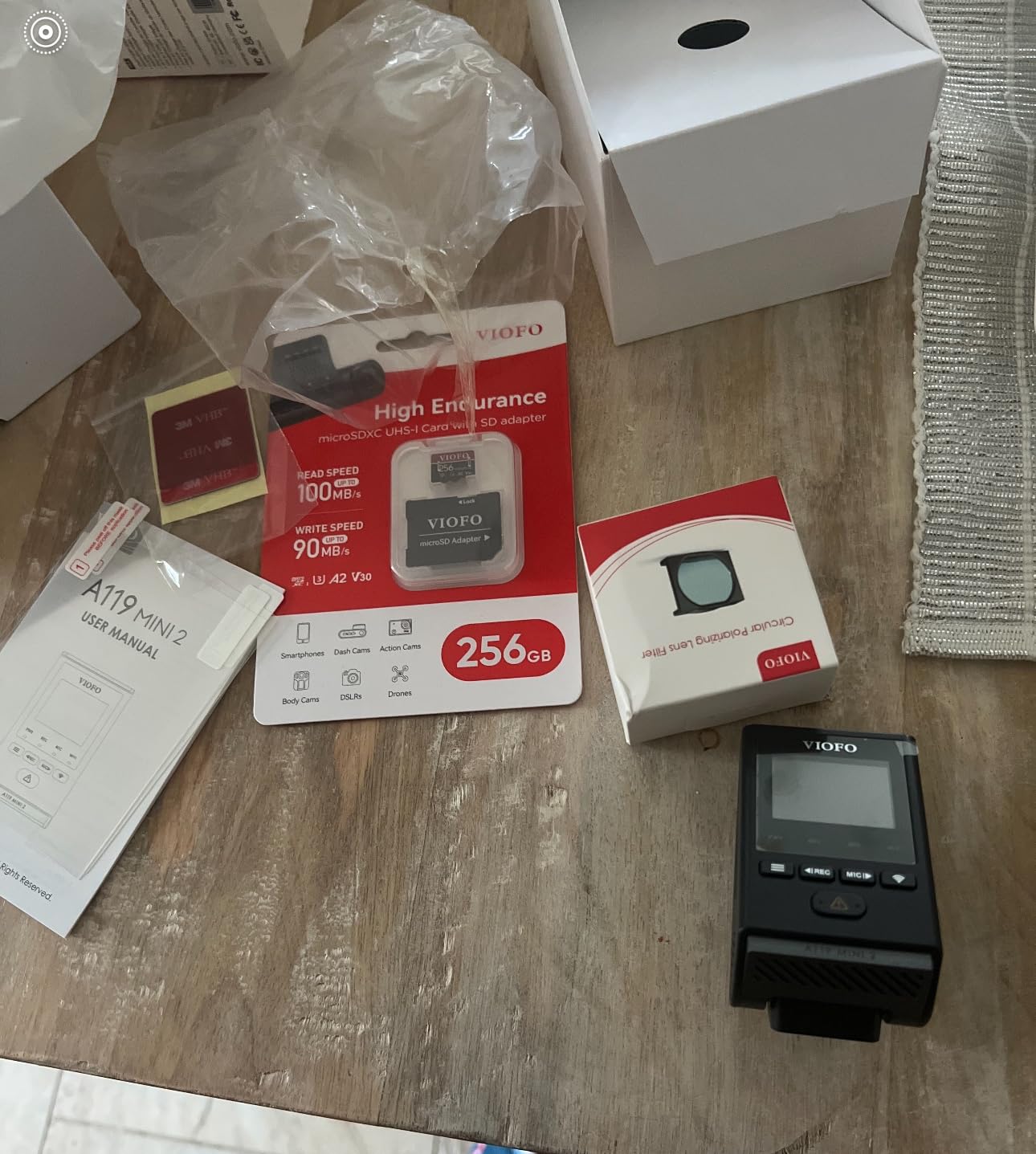
10. VIOFO 256GB Industrial Grade High Endurance – Built for Constant Recording
VIOFO 256GB Industrial Grade High Endurance microSDXC Card for Dash Cam
256GB microSDXC
Industrial grade high endurance NAND
100MB/s read 80MB/s write
U3 V30 A2
Pros
- Purpose-built industrial grade endurance card from a recording specialist
- 100MB/s read and 80MB/s write handles 4K loop recording
- V30 U3 and A2 rating covers high-resolution and app workflows
- Waterproof anti X-ray anti magnetic and heat resistant
- 256GB endurance capacity with 4.7 average rating
- Adapter included
Cons
- Most expensive card in the roundup by a wide margin
- Only a 1 year limited warranty which is the shortest here
- Physically larger than a standard microSD and can conflict with tight slots
VIOFO built this card for continuous loop recording and it shows. Industrial grade high endurance NAND, 100MB/s read and 80MB/s write, and a rating set of U3, V30 and A2 for a camera that writes all day and overwrites for weeks without pause.
The 256GB capacity at that endurance level is the combination that makes it interesting for long deployments. You are not choosing between storage and card life, which is the usual trade with a high-endurance card.
Durability claims are specific: waterproof, anti X-ray, anti magnetic and high temperature resistant. VIOFO is a dash cam and action camera specialist, so the card is designed around the thermal and vibration conditions a mounted camera actually lives in.

Ratings are strong and consistent, with buyers citing dependable continuous recording in their own dash cams and action cameras. The 4.7 average across nearly 2000 ratings is well supported rather than thin.
The trade-off reflected across reviews is cost. This is a premium specialist card rather than a value option, and the people who rate it most highly are the ones running it in a device that would rather it not fail.
Two practical warnings. The warranty is one year limited, the shortest in this roundup, which is an odd pairing with a card marketed on endurance. And the card is physically larger than a standard microSD, so it can conflict with a tight card slot in a tree strap or a sealed housing.
What to check before you buy this card
Check the physical fit first, because this is the card most likely to cause a slot problem. Measure against a card you know fits before committing to a multi-season purchase.
Check how long the deployment runs. The cost here only makes sense if you are leaving a camera in place for weeks at a time and the footage matters enough to pay for the endurance.
Who should skip it
Skip it if you run a single camera for a couple of weeks a season. A mainstream high-endurance card covers that comfortably and this one asks you to pay for capability you will not use.
Skip it if warranty length drives your confidence, since a one-year limited warranty is the opposite of what you would hope for on a card built for constant recording.
Does an SD Card Affect Photo Resolution? The Honest Answer
No. Your photo resolution is set by the camera sensor and the lens, and no SD card can add megapixels to a photograph. A card that produces a 12 megapixel image writes exactly 12 megapixels regardless of whether it is rated 30MB/s or 200MB/s.
What the card does affect is whether you ever get to look at that photograph. Resolution is the size of the file. Write speed determines whether the camera can finish writing that file before the buffer fills, and endurance determines whether the same card can keep doing it for a season or two seasons or five.
This is where the real quality difference shows up. A too-slow card in a burst capture will drop frames, so you have a 12 megapixel sensor and half the shots you should have. A failing or counterfeit card produces corrupted files that cannot be recovered. Neither problem looks like a resolution problem, which is why users so often blame the card for blurry or missing photos.
Users across hunting forums repeatedly report buying expensive cards hoping for sharper pictures, then finding the softness was the camera or the lens. If your photos are not sharp, a different card will not fix that. If your photos are missing, damaged or absent, a different card very well might.
There is one indirect link worth naming. A faster card lets the camera offload frames sooner, which means a longer burst completes, and a longer burst gives you more chances to capture the frame where an animal is facing the camera rather than its flank. That is a real effect, and it is about frame count rather than pixels.
How to Choose a Trail Camera SD Card
Start with the class floor. Class 10 is the accepted minimum across every guide and retailer recommendation we reviewed, and anything below it risks a camera that will not write when motion triggers. UHS-I is the bus type you want; UHS-II cards cost more and most trail cameras cannot use the extra lanes.
Next decide card type. Cards up to 32GB are SDHC and use FAT32, cards from 64GB to 512GB are SDXC and use exFAT, and SDSC is the obsolete capacity below 2GB. A camera that only accepts FAT32 will not read an exFAT card no matter how good the card is, which is a hard limit rather than a preference.
Capacity is a deployment decision more than a resolution decision. A 12 megapixel still is roughly 3MB to 5MB, a 20 megapixel still is roughly 8MB to 10MB, and video is where capacity disappears quickly. Working from those numbers, a 128GB card holds roughly 25000 to 40000 12 megapixel photos, while 1080p video can consume several gigabytes an hour and 4K consumes several times that.
So match capacity to trip length. A camera checked weekly on photo-only settings can live comfortably on 128GB. A camera left for a month recording mixed photo and video wants 256GB. A camera running 4K for a season will fill even 256GB regularly, and there is no substitute for planning a swap.
Endurance is the field-specific spec that general card guides gloss over. A high-endurance card is engineered for sustained write cycles, which is exactly the workload a trail camera imposes. The published figures in this roundup range from 24000 hours on the Integral to 140000 hours on the Samsung PRO Endurance, and higher is better when the card lives in a tree through winter.
Cold and heat deserve their own paragraph because generic cards say nothing about them. Two cards on this page publish a -25C to 85C operating range, the Samsung PRO Endurance and the Integral. For a January deployment, a card with a stated temperature range is worth more than a card with a faster headline speed.
On form factor, most trail cameras today take microSD, and the full-size SD card slot you see on older models is filled by an adapter. Adapters are passive and reliable, but some housings are tight enough that a bulky adapter can stop the door from closing, so check fit if your camera is sealed.
Finally, buy from a brand you can name. Counterfeit and relabelled cards are the most common cause of a card that reports 200MB/s and delivers 12MB/s. Camera-branded cards from Browning, Stealth Cam or Moultrie are frequently relabelled generics, which forum users have long pointed out. Read the printed class icon on the card itself, not the claim on the listing.
How to Insert and Format a Card in a Trail Camera
Formatting in the camera is not optional housekeeping. A trail camera writes a directory structure that only its own firmware fully understands, and a card formatted on a laptop may work for a day and then behave erratically for reasons nobody can diagnose.
Power the camera down completely before opening the card door, and confirm the record indicator is off before you touch the card.
Format the card in the camera first, then insert it, rather than inserting a card and hoping the camera notices it is new.
Insert the card in the orientation the slot or the contact markings dictate, and push it until it seats fully rather than stopping at first resistance.
Close the card door and confirm the lock mechanism is fully engaged, since a door that does not latch exposes the card to moisture.
Power the camera on and let it run for a minute so it can scan and initialise the card before you walk away.
Trigger the camera manually and confirm it saves a test photo and a test video clip before you leave it deployed.
If a camera refuses the card after a fresh format, check the maximum capacity the model supports. Many older trail cameras cap at 32GB and fail silently above that, which looks identical to a bad card. Our guide to the best SD cards covers form factors in more depth if you are working with an unusual slot.
Card Rotation and Card Life in the Field
Treating one card as permanent is the most common field mistake. Flash memory wears out through write cycles, and a trail camera is a machine whose entire job is writing. Plan a rotation and the card life question stops being stressful.
Format in the camera at the start of every deployment, not once a season. Formatting clears fragmentation, rebuilds the file table and gives you a clean state after any interrupted write. It takes a minute at the truck and removes an entire category of weird behaviour.
Carry at least one spare card and match it to the primary card. Swapping to a card with a different file system or a different class rating is how cameras start behaving inconsistently mid-season. A two-card pack such as the Gigastone set is a straightforward way to keep a matched spare on hand.
Retire cards on a schedule, not on failure. A card that has completed two seasons of continuous write should be formatted, wiped and moved to general storage rather than going straight back into a tree. Cards that fail in the field often give a warning first, in the form of corrupted files, and a card that has started producing those belongs in a drawer.
Back everything up before you format. A format erases everything, including the recovery files from a trip where the camera was knocked. Two copies in two places is the only version of this that survives a stolen tree or a flooded truck bed.
Troubleshooting Common Trail Camera SD Card Problems
Work through these in order, because each step rules out a cause that would otherwise send you down the wrong path. Forum threads about card problems are full of people replacing cards that were never the issue.
Card not recognised. Confirm the capacity is within your camera model limit, confirm the file system matches what the camera accepts, and reformat in the camera. A 64GB card in a 32GB-only camera will never be recognised no matter how many times you format it.
Camera reports card full when it is not. A card that was removed or written to by another device can have a file table the camera cannot read. Format in the camera and the message normally disappears.
Corrupted files. Stop using the card immediately, offload whatever still reads, and run recovery software before formatting. Corrupted files are an early warning of a card approaching end of life.
Locked or write-protected card. Check the physical lock tab on full-size SD cards, and check that the adapter itself is not jammed in the reader. A card locked in a reader looks identical to a failed card.
Camera stops saving partway through a deployment. Look for a capacity problem before a card problem, then check whether the camera has overheated or lost power. Forum users point out that some manufacturers attribute recording failures to sensors rather than cards, so test with a known-good card before retiring the camera.
Wireless and cellular cameras store their images on the card at full resolution, so the local copy is a genuine backup rather than a thumbnail. That is worth knowing if you rely on cloud uploads, because it means a failed upload is not a lost photo.
Frequently Asked Questions
What is the best SD card for a trail camera?
A high-endurance microSD card rated at least Class 10 and UHS-I, in 128GB or 256GB, is the right choice for almost every trail camera. Our top pick is the SanDisk High Endurance 256GB for its published endurance rating and proven field reliability. The Samsung PRO Endurance 128GB is the alternative when a stated -25C to 85C operating range and a five-year warranty matter more than capacity.
Will any SD card work in a trail camera?
No. Most trail cameras require Class 10 or better on a UHS-I bus, and many older models cap at 32GB and fail silently above that limit. Capacity above 32GB uses an exFAT file system, which some older cameras reject until the card is reformatted as FAT32. Check your camera manual for a maximum supported capacity before buying.
Which brand of SD card is the most reliable?
SanDisk and Samsung have the largest installed bases and the longest review histories, and cards from both appear repeatedly in hunting forum recommendations. Reliability for a trail camera comes from endurance ratings and record volumes rather than brand name alone. Cards with a very large number of ratings and a stated endurance hour figure give you the most evidence to judge them by.
How many pictures will a 16 GB SD card hold on a trail camera?
A 16GB card holds roughly 3000 to 5000 photos at typical trail camera resolutions, based on a 12 megapixel image of about 3MB to 5MB. Higher resolution sensors produce larger files, so a 20 megapixel image at 8MB to 10MB cuts that to roughly 1600 photos. A 16GB card fills in a day or two on any video setting.
What format should an SD card be for a trail camera?
Format the card in the camera itself using its built-in format function, and let the camera choose the file system. Cards of 32GB and under use FAT32, while 64GB and above use exFAT. Formatting on a computer often leaves a file table the camera firmware does not recognise, which is the most common cause of a card not being recognised.
What are common SD card problems with trail cameras?
The most common problems are a card not being recognised, a camera reporting the card is full when it is not, and corrupted files after an interrupted write. A camera that stops recording partway through a deployment is often a capacity or power problem rather than a card failure. Always test with a known-good card before concluding the card is at fault.
Final Verdict: Which Trail Camera SD Card Should You Buy?
For most people, the SanDisk High Endurance 256GB is the trail camera SD card to buy. It is built for sustained writing, it publishes its endurance ceiling honestly, and it has the longest field record of anything on this page. Set it up, format it in the camera, and let it do its job.
If your cameras run in genuine winter cold and you want a stated temperature range plus a five-year warranty, the Samsung PRO Endurance 128GB is the more defensible long-term choice. If your priority is burst capture on high resolution stills, the SanDisk Extreme 256GB has the speed and the review history behind it.
Whatever you choose, format in the camera, carry a matched spare, rotate cards out after two seasons of constant writes, and back up before you format. That routine matters more to whether you keep your footage than any single number on the packaging, and it is the difference our buying guide and the card rotation section above are designed to help you build.
Our picks were reviewed and updated for 2026, and the reasoning behind every spec is laid out above so you can match a card to your own camera and deployment length.