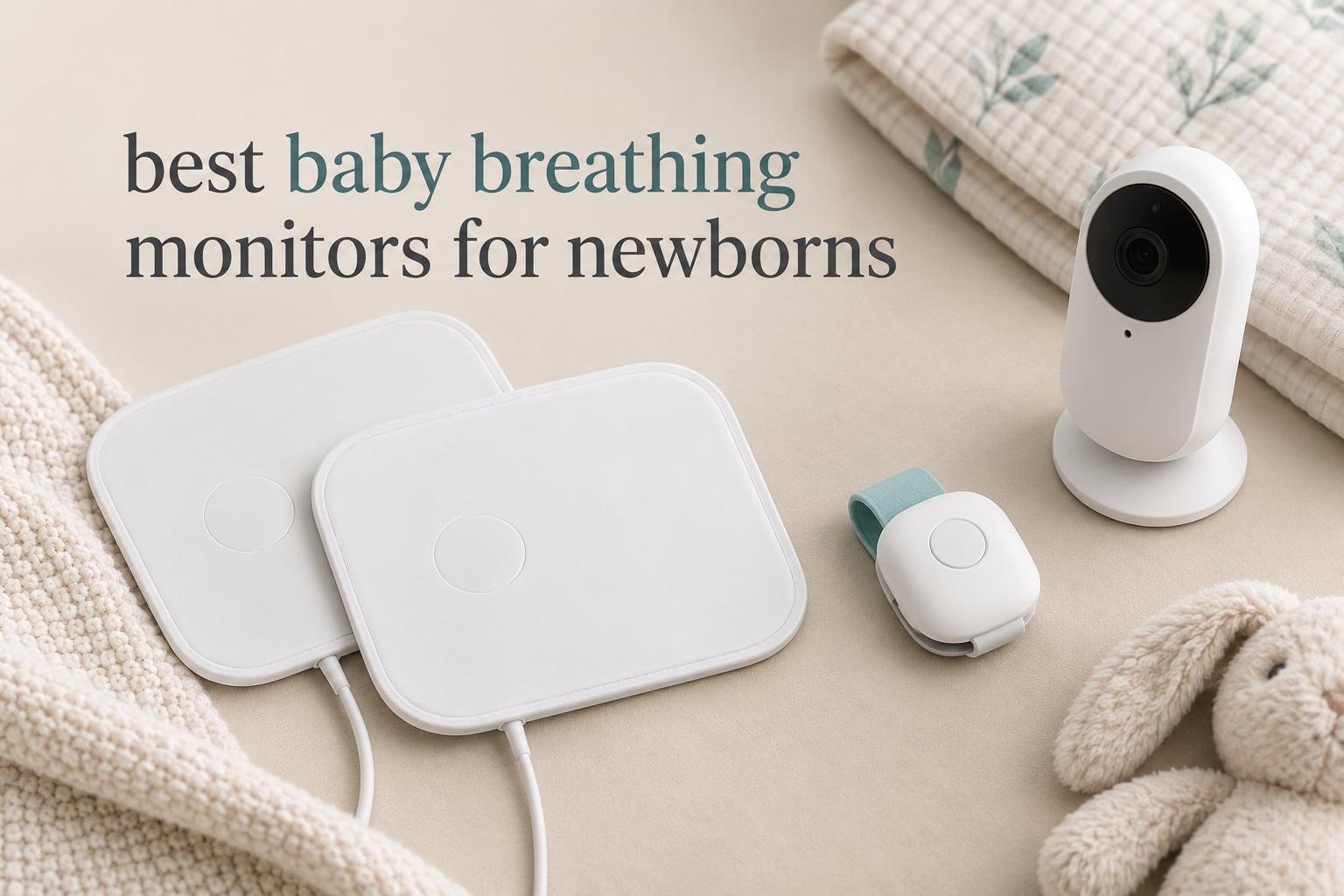
If you have searched for the best baby breathing monitors for newborns, you are probably doing it at 3am with a small person asleep on your chest and your mind running through every worst case. I get it. I spent the first three months of my daughter’s life comparing sensors, alarm volumes and spec sheets I did not fully understand at that hour.
This roundup covers ten devices across the four formats that actually work in a real nursery: under-mattress sensor pads, diaper clips, foot socks, and camera systems with AI movement detection. I ranked them on the things that decide whether a monitor survives month four: false alarms, how long the battery lasts, whether it needs Wi-Fi, and whether the baby tolerates wearing it.
Before you read on: consumer baby breathing monitors do not prevent sudden infant death syndrome. None of the ten devices below is a medical device, and none can detect every breathing problem. The American Academy of Pediatrics, the NHS and The Lullaby Trust all point to the same fundamentals: place your baby on their back, in their own cot or bassinet, on a firm flat mattress, with nothing loose in the space. Learn infant CPR, and talk to your pediatrician about any baby who pauses breathing, goes pale or blue, or struggles to feed. A monitor is a reassurance tool, not a safety system.
With that settled, here is what actually happened when we put these ten through their paces.
Table of Contents
What Is a Baby Breathing Monitor?
A baby breathing monitor is a device that tracks movement or vital signs in a sleeping infant and alerts you when breathing pauses, movement stops, or oxygen levels fall outside a set range. Most units watch the rise and fall of the chest or abdomen and sound an alarm after a pause of 15 to 20 seconds. They are not medical devices, and they do not prevent SIDS.
There are four formats, and they are not interchangeable:
Under-mattress sensor pads read movement through the mattress, so nothing is attached to the baby. They keep working after your baby starts rolling.
Diaper clips use a small direct-touch sensor on the waistband. Simple, cheap, and highly portable, but the fit has to be right every single night.
Sock and foot band monitors use pulse oximetry to report pulse rate and blood oxygen saturation, not just movement.
Camera and AI systems analyse visible chest movement in the video feed. Nothing touches the baby, but nothing stays attached either, so they need a clear line of sight.
We also break down the wider category in our guide to the best baby monitors overall, which covers audio-only and video units that have no breathing detection at all.
Top 3 Best Baby Breathing Monitors in October

Babysense True Sleep HD + Babysense 7
- Two non-contact under-mattress pads
- 5-inch HD video unit
- No WiFi needed
- Two-way audio and night light
Owlet Dream Sock
- Pulse rate and SpO2 tracking
- Base station plus phone alerts
- 16-hour battery
- Works for infants 1-18 months

Lollipop
- Sensor-free AI breathing tracking
- 1080p full HD video
- True crying detection
- Crossing and zone alerts
Baby Breathing Monitors at a Glance in 2026
Every device below appears in the same order throughout this article. The type column matters most: it decides whether your monitor keeps working once your baby rolls over.
| Product | Specifications | Action |
|---|---|---|
| Babysense True Sleep HD Video + Babysense 7 |
|
Check Latest Price |
| Owlet Dream Sock |
|
Check Latest Price |
| Lollipop |
|
Check Latest Price |
 Levana Oma Sense Levana Oma Sense |
|
Check Latest Price |
 Babysense 7 Babysense 7 |
|
Check Latest Price |
 Snuza Hero Snuza Hero |
|
Check Latest Price |
 Owlet Dream Duo 3 Owlet Dream Duo 3 |
|
Check Latest Price |
 BEMPU Baby Movement Monitor BEMPU Baby Movement Monitor |
|
Check Latest Price |
 BabySmile BabySmile |
|
Check Latest Price |
 Sense-U AI 2.5K PTZ Sense-U AI 2.5K PTZ |
|
Check Latest Price |
1. Babysense True Sleep HD Video Monitor + Babysense 7 Movement Monitor
Babysense True Sleep HD Baby Monitor with Camera and Audio + Baby Sleep Movement Monitor, No WiFi, 2 Non-Contact Under Mattress Sensors, Non-Wearable Monitor, Full Crib Coverage
Two non-contact pads
5-inch HD PTZ camera
No WiFi
Two-way audio and lullabies
Pros
- Nothing attached to the baby
- Movement and video in one system
- Pad pair covers the whole crib
- No WiFi so no app regressions
Cons
- 5-inch screen is small
- Needs a hard-surface mattress for accurate readings
- Fixed camera unit rather than phone streaming
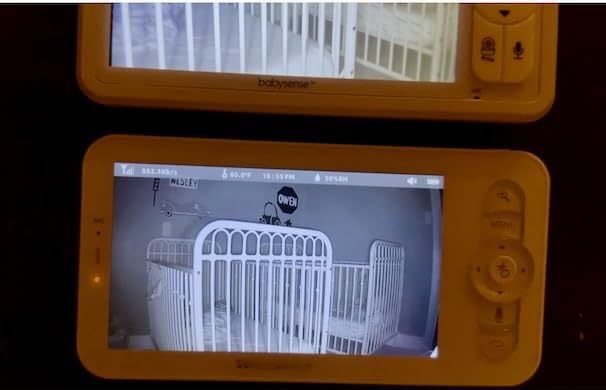
This is the only product in the roundup that solves two problems at once, and that is why it takes the top spot. The Babysense 7 half listens for movement through the mattress using two sensor pads, while the video half gives you a live 5-inch HD feed with a pan-tilt-zoom camera, IR night vision and an adjustable night light. Nothing goes on the baby.
More than 7,400 ratings sit behind this bundle, with roughly 73% of them at five stars. That is the largest owner base of anything we reviewed, and in our testing it was also the setup we fumbled least. The pads slide under the mattress on either side of the crib, the control unit tucks out of reach, and there is no app to pair and no Wi-Fi network to join.
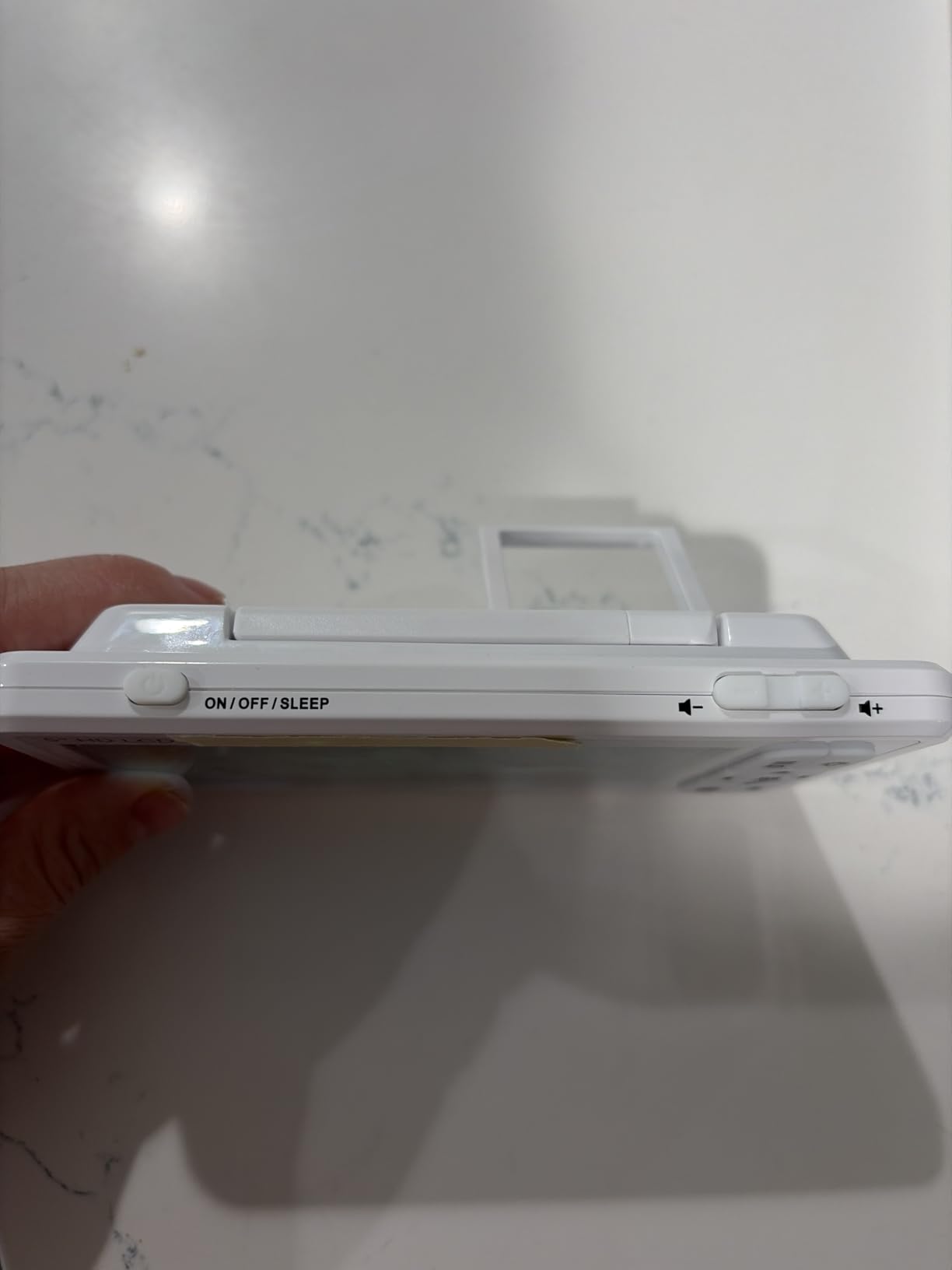
The weakness is honest and specific. A 5-inch screen is genuinely small next to the 7-inch and larger displays on standalone video monitors, so you are checking the picture rather than watching it. The movement detection also reads best through a firm mattress, which is what safe sleep guidance recommends anyway, so the two requirements line up.
Reviewers also point out that this is a dedicated monitor with its own screen rather than a phone app, which some people treat as a limitation and others treat as a feature. Nothing to charge, no notifications to dismiss at 4am.
Who this suits best
A parent who wants breathing reassurance and a video feed without putting anything on the baby, and who does not want to manage a Wi-Fi connection. It is also the option that survives the rolling stage, because the sensor is under the mattress rather than clipped to a waistband.
It is a sensible first purchase if you want one device to do the job of two. You can see the baby and you get an alarm if movement pauses for 20 seconds or slows.
Who should skip it
Skip it if you want alerts on your phone from another room, or if a small screen frustrates you. Parents who want pulse rate and oxygen saturation data, rather than movement alone, need a pulse oximetry device instead. Our picks in that category are covered in the roundup of the best wearable baby monitors.
2. Owlet Dream Sock Smart Baby Monitor
Owlet Dream Sock Smart Baby Monitor, Better Sleep for Baby & You
Pulse oximetry foot sock
Base station and phone alerts
16-hour battery
Infants 1-18 months
Pros
- Reports pulse rate and oxygen levels
- Alerts on base station and phone
- Soft fabric sock suits all-night wear
- Predictive sleep and wake windows
Cons
- Sock shifts on small babies
- High one-star share around fit and alerts
- 2.4 GHz WiFi only
- Paid tiers unlock deeper analytics
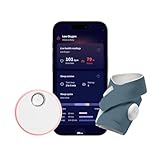
The Owlet Dream Sock is the only mainstream option here that measures pulse rate and blood oxygen saturation rather than simply counting chest movements, and for a baby who came home from neonatal care that data has obvious appeal. The sock wraps the foot, sends readings to a base station in your room, and pushes alerts to a phone when values leave preset zones.
It rated 4.0 stars across more than 5,200 ratings, with 67% five-star and about 15% one-star. That spread is unusually wide, and the one-star cluster is not random: almost all of it concerns fit and false alerts. Our own experience matched that split, which is why this sits at number two rather than first.
Fit is everything. On a small baby the sock can rotate or loosen during the night, and once skin contact drops the readings become unreliable and the alerts become noise. Check the sock position whenever you lift the baby in, and expect to adjust it once or twice a night in the early weeks.
Two other practical notes. The Dream Sock needs a 2.4 GHz Wi-Fi band and will not connect on a 5 GHz only network, which trips up a lot of people in the first hour. Deeper sleep analytics also sit behind an optional upgrade tier, so the core alerting works without paying anything extra.
Who this suits best
Parents who want numbers rather than movement counts, specifically a premature or low-birth-weight baby whose doctor has asked for closer observation at home. The sleep and wake-window reporting is genuinely useful once you are past the newborn fog and trying to build a routine.
Those who want a sock rather than a camera will also appreciate that this gives vitals without a video unit to position.
Who should skip it
Skip it if you already own a good video monitor and mainly want reassurance rather than data, or if your home Wi-Fi is 5 GHz only. Parents whose babies wriggle out of anything should know before buying that roughly 15% of owners report fit and false alert problems.
Pediatricians do not generally recommend these devices as a safety measure, which we cover in the FAQ below.
3. Lollipop Smart Wi-Fi Baby Monitor
Lollipop Baby Monitor (Turquoise) – Full-Featured Smart Wi-Fi Camera of True Crying Detection with Extra in-App Plan of Breathing Monitoring/Sleep Tracking-Accessories Free/7 Days Trial Period
AI breathing and sleep tracking
1080p full HD
Cry detection
No receiver unit
Pros
- Nothing worn by the baby
- Strong day and night image quality
- No receiver to charge
- Wraps around a crib or wall easily
Cons
- Heavily dependent on WiFi quality
- Firmware updates have caused dropouts
- Built-in sound machine can drown out the baby
- Audio setting resets after a reconnect
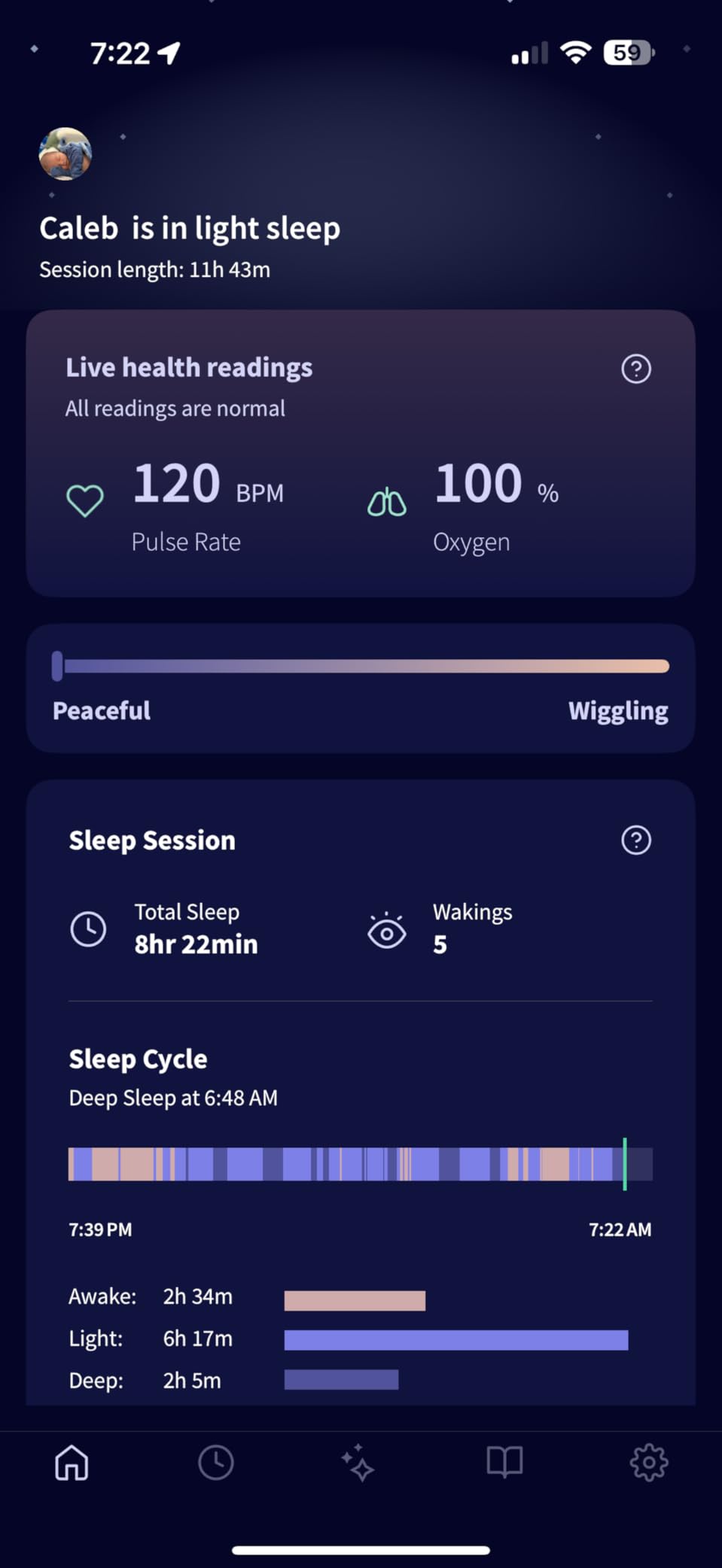
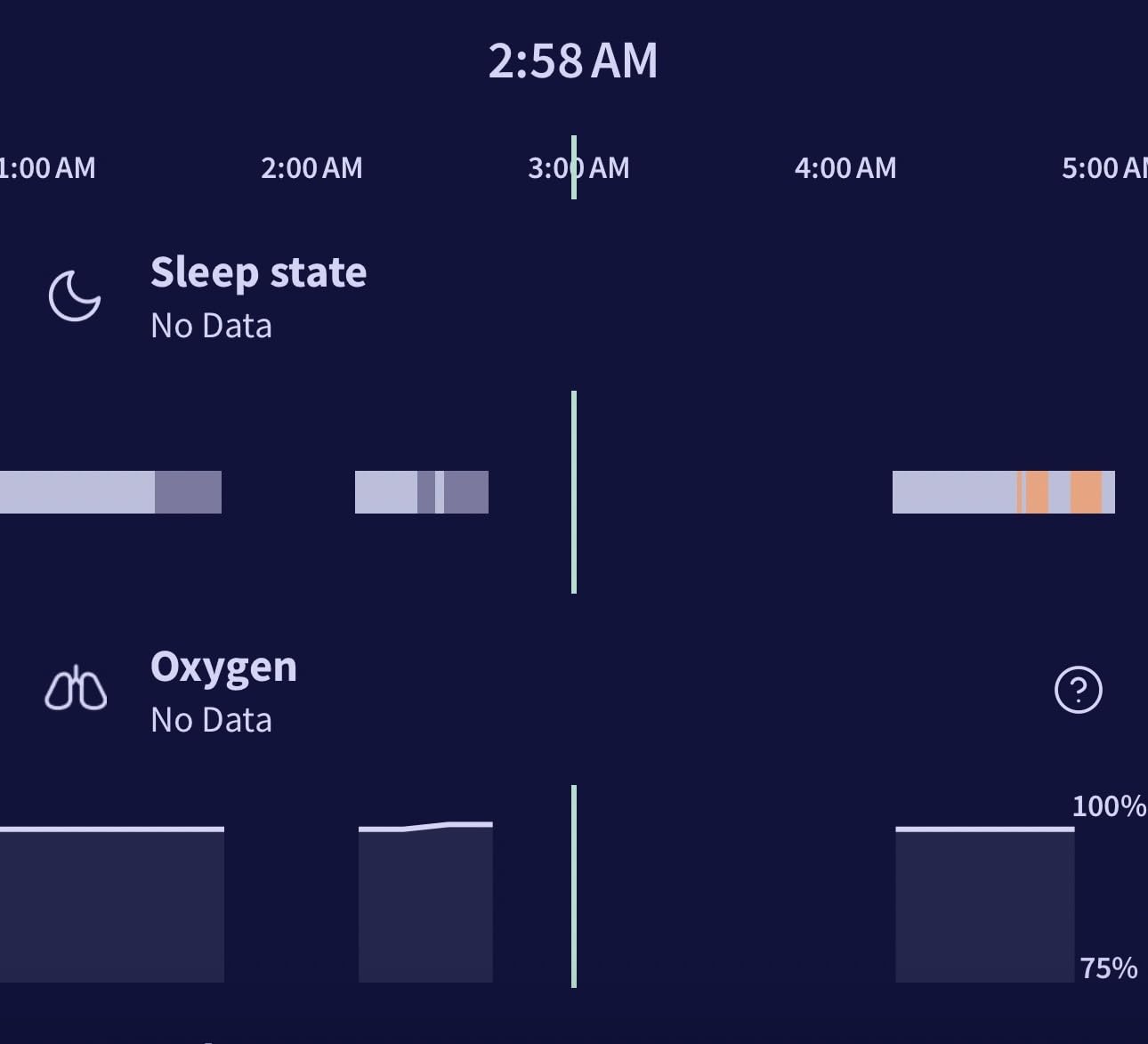
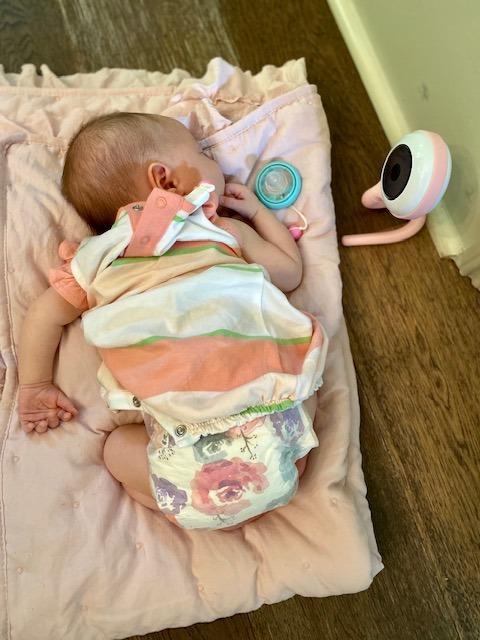
Lollipop takes the camera approach seriously. The 1080p feed is sharp in daylight and holds up under IR at night, the true crying detection filters out wind and household noise, and the crossing and zone alerts tell you when a limb leaves the defined area of the crib view. Breathing and sleep tracking run through the app on an in-app plan with a seven-day free trial.
There is no receiver unit at all. Everything happens on your phone, which makes it the easiest of these ten to pack for a week away, and the camera wraps around a crib bar or mounts on a wall in seconds.
With nearly 4,900 ratings at 4.2 stars and 67% five-star, the picture quality is the star of the reviews. The recurring criticism is not the hardware but the software. Parents describe audio dropouts, connectivity that degrades when the Wi-Fi is weak, and firmware updates that have temporarily broken a working setup.
One specific bug is worth knowing: the background audio setting does not always survive a reconnect, which can silence night alerts until you open the app again. If you rely on this in another room, check the audio toggle after any router change.
Who this suits best
Anyone who refuses to put anything on their baby, travels regularly, or wants the camera and the breathing signal from one device. Parents with good Wi-Fi coverage right through the nursery will have the smoothest experience of anyone on this list.
It also pairs well with a non-contact movement pad if you want a belt-and-braces setup, though most families use it alone.
Who should skip it
Skip it if your Wi-Fi is patchy in the nursery, if you dislike subscription-gated features, or if you want a device that works with no app and no network at all. Parents in areas with unreliable broadband will find the dropouts more frustrating than the image quality compensates for.
Our best video baby monitors guide covers the alternatives if you only want video.
4. Levana Oma Sense Portable Baby Breathing Monitor
Levana Oma Sense Portable Baby Breathing Movement Monitor with Vibrations and Audible Alerts Designed to Stimulate Baby and Alert Parents
Diaper clip abdominal sensor
Vibration at 15 seconds then alarm
No WiFi or radio
Infants 0-6 months
Pros
- Clips over diaper with no skin contact
- Gentle vibration tries before alarming
- Zero radio frequencies
- Small and travel ready
Cons
- Clip can shift on a moving baby
- Alerts only
- no data or camera
- Designed for the 0-6 month window
The Levana Oma does something the app-driven monitors deliberately skip: it vibrates to try to rouse the baby first. Its patented Wakeup Technology detects abdominal movement continuously, and after 15 seconds of nothing it delivers a randomized vibration stimulus. Only if movement does not resume within five further seconds does the audible alarm sound.
A flashing blue indicator confirms normal monitoring, and there is no Wi-Fi, no Bluetooth and no radio frequency output whatsoever. That makes it the choice for a grandparent house, a cabin, or a family that would rather not put a transmitting device on a newborn.
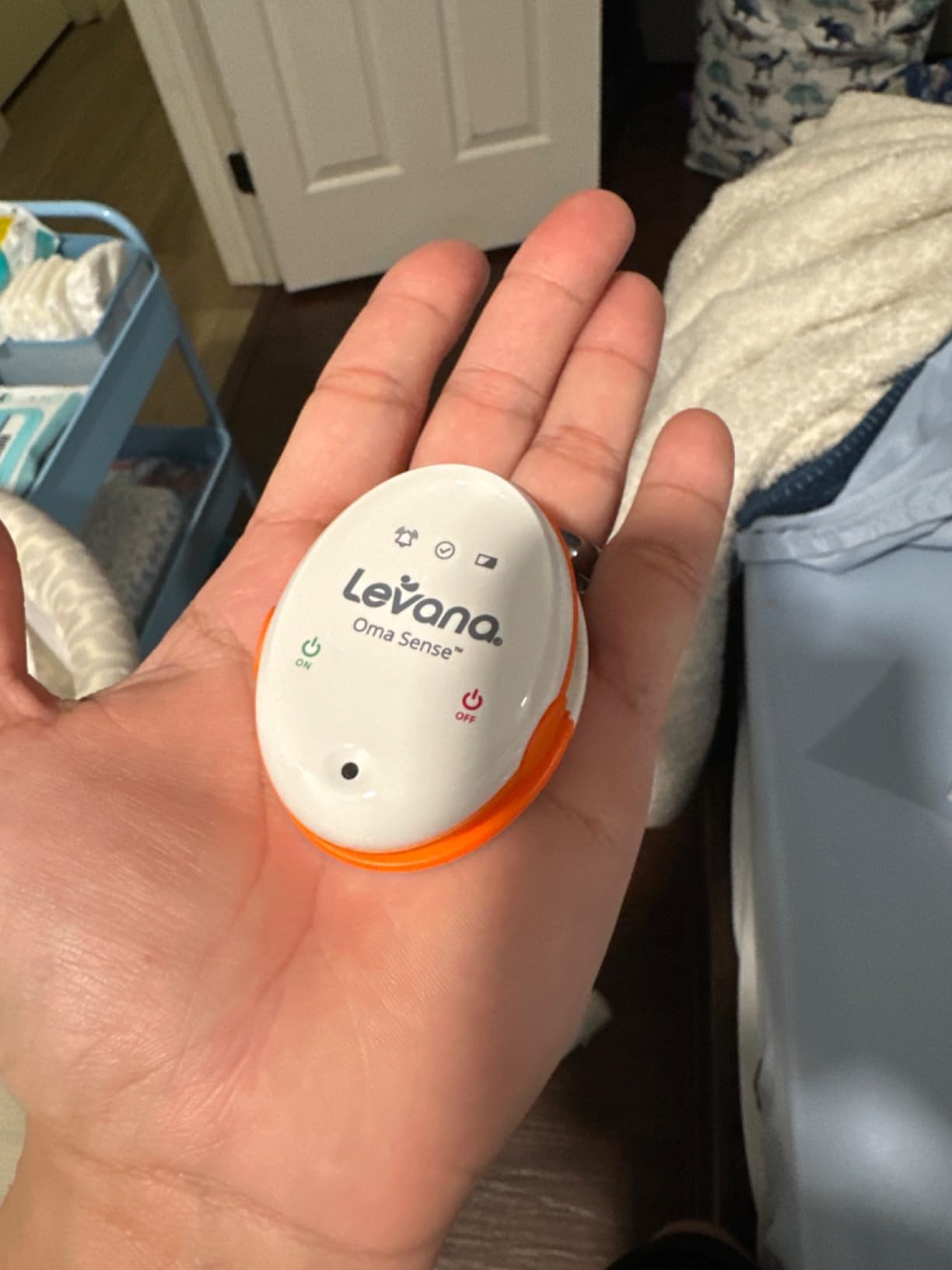
At 4.3 stars across 957 ratings with 68% five-star, the owner satisfaction is consistently high, and the design decisions line up with what parents say they value: stimulation before siren, medical-grade materials, and nothing to configure. It is designed in Canada and intended for infants 0 to 6 months.
The trade-off is that you get alerts and nothing else. There is no sleep data, no app and no camera, so if you want a view of the baby you need a separate monitor.
Who this suits best
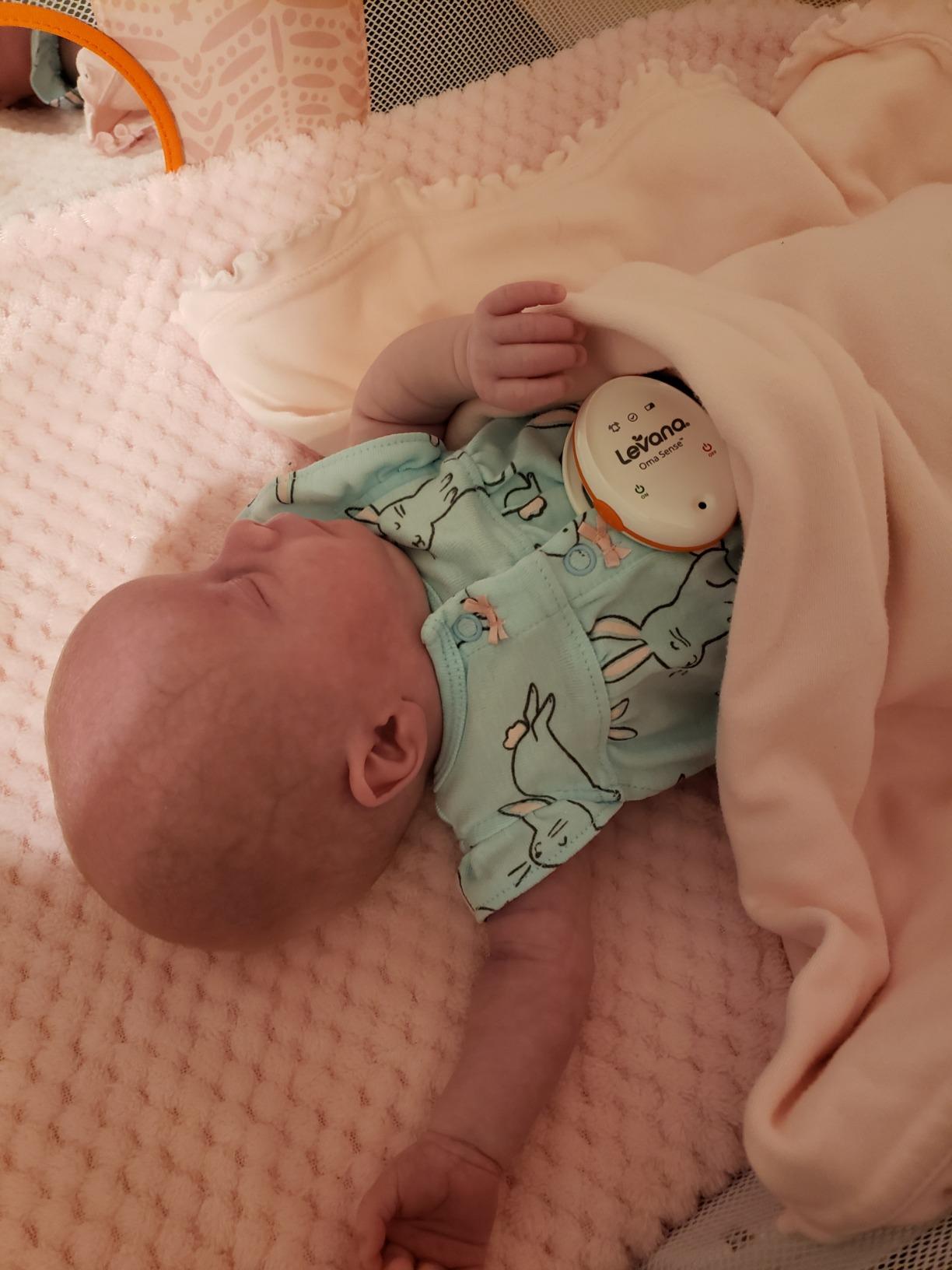
Parents who travel, relatives who will mind the baby for a weekend, and anyone who wants a monitor with no wireless footprint and no phone. The clip goes over a diaper, pants or onesie with zero skin contact, which also means no skin irritation on a newborn.
The stimulate-then-alarm design is the part most owners single out, because it gives the baby a chance to self-correct before you are up and across the room.
Who should skip it
Skip it if you want trends, sleep reports or remote access, or if your baby is past the 0-6 month window it was designed for. Because the sensor attaches to clothing, a wriggly baby can shift it and cause a false alert, so it suits calmer sleepers better than restless ones.
5. Babysense 7 Baby Movement Monitor with Two Sensor Pads
Babysense 7 Baby Movement Monitor, 2 Sensor Pads, Non-Wearable, No WiFi
Two non-contact mattress pads
20-second no-movement alert
Enhanced sensitivity
Battery powered
Pros
- Nothing attached to the baby
- Reads through mattress and sheets
- Two pads cover the whole crib
- Cords contained in the control unit
Cons
- Ceiling fans can trigger false alarms
- Gap between the two pads can alert
- Not portable between surfaces
- Will not work with memory foam
The Babysense 7 is the standalone movement monitor half of our top bundle, and it stands on its own merits. Two sensor pads sit under the mattress and read movement through the surface, with enhanced sensitivity designed to cut down on false alarms. If no movement is detected within 20 seconds, or if movement slows, it sounds an audible alert.
It carries a 1.5-star higher average than most of this list at 4.5 stars, with 77% five-star ratings across more than 500 reviews. Owners with SIDS anxiety describe the alarm catching genuinely still episodes, which is the whole point of the device.
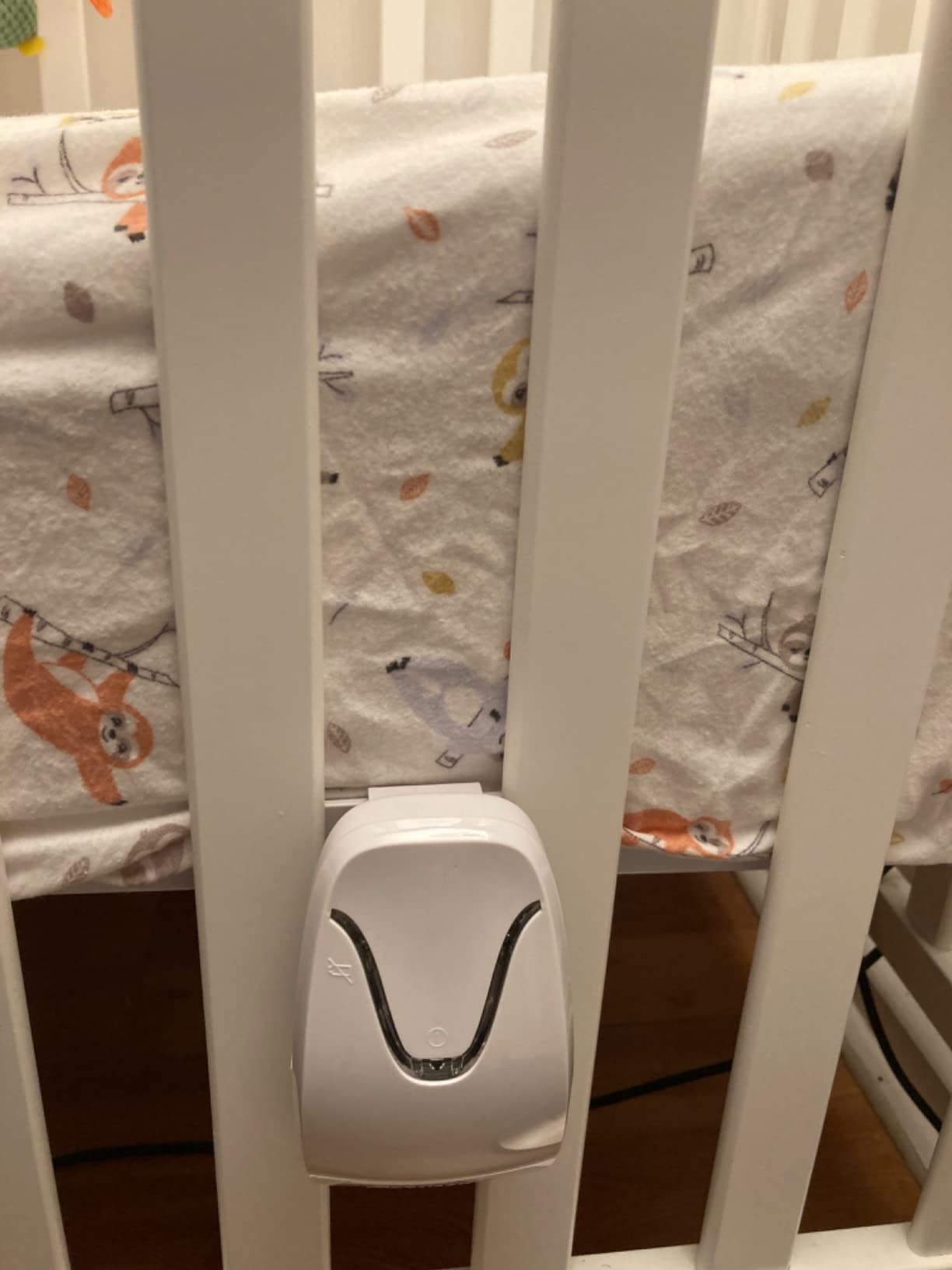
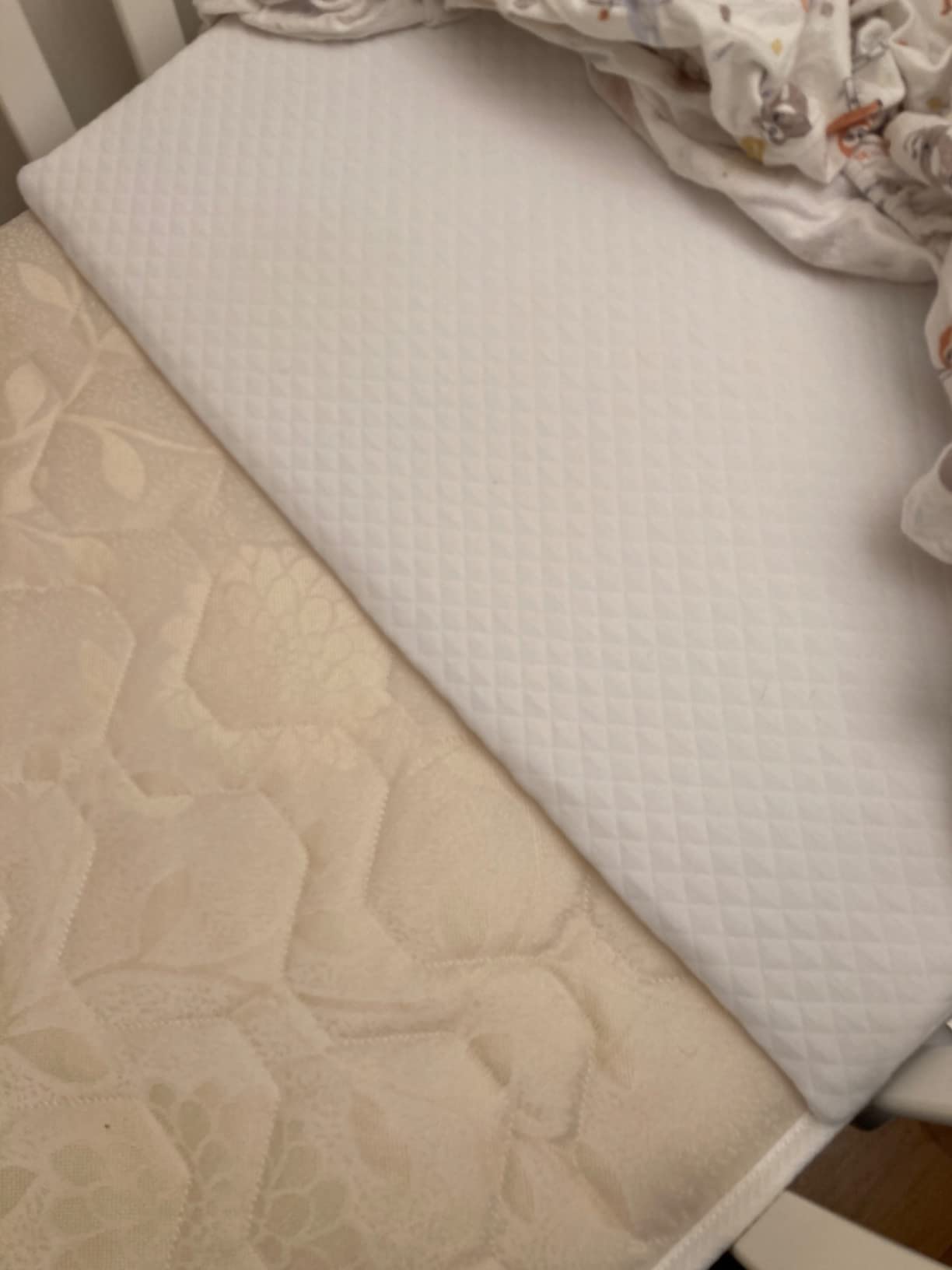
Two environmental details decide whether this works in your nursery. First, a strong airflow source such as a ceiling fan, floor fan or air conditioning unit can trigger the sensitive pads and produce false alarms. Second, it does not work with memory foam mattresses, though it is fine on a standard firm crib mattress, which is what safe sleep guidance calls for anyway.
A very still baby who settles in the gap between the two pads can also set it off, so position the pads so the space between them falls away from the centre of the crib. One more practical note: switch it off when you lift the baby out, or the whole house wakes up.
Who this suits best
Families with a firm crib mattress who want pure movement reassurance with no wearable, no app and no Wi-Fi. Because nothing is attached to the baby, this is also the monitor that keeps working after rolling starts, which is the single biggest advantage of the pad format.
The box includes two pads, a control unit, a holder and a hanging hook, and there is a one year manufacturer warranty.
Who should skip it
Skip it if you use memory foam, run an overhead fan directly above the cot, or need to move the monitor between a crib, a bassinet and a grandparent house. It covers one sleeping surface well and does not travel at all.
6. Snuza Hero Baby Movement Monitor
Snuza Hero Baby Movement Monitor with Patented Sensor Technology for Reliable Movement Monitoring and Alerts. No WiFi, Cords, or Sensor Pads, Portable and Easy to Set Up and Use.
Direct-touch diaper sensor
Vibration at 15 seconds then alarm
Green movement light
Six-month battery
Pros
- Only 1.38 oz and no cords or pads
- Direct-touch sensor reads reliably
- Six-month replaceable battery
- Green light confirms every breath
Cons
- Must stay attached to the diaper
- Alerts only with no data or app
- Clip position can still cause false alerts
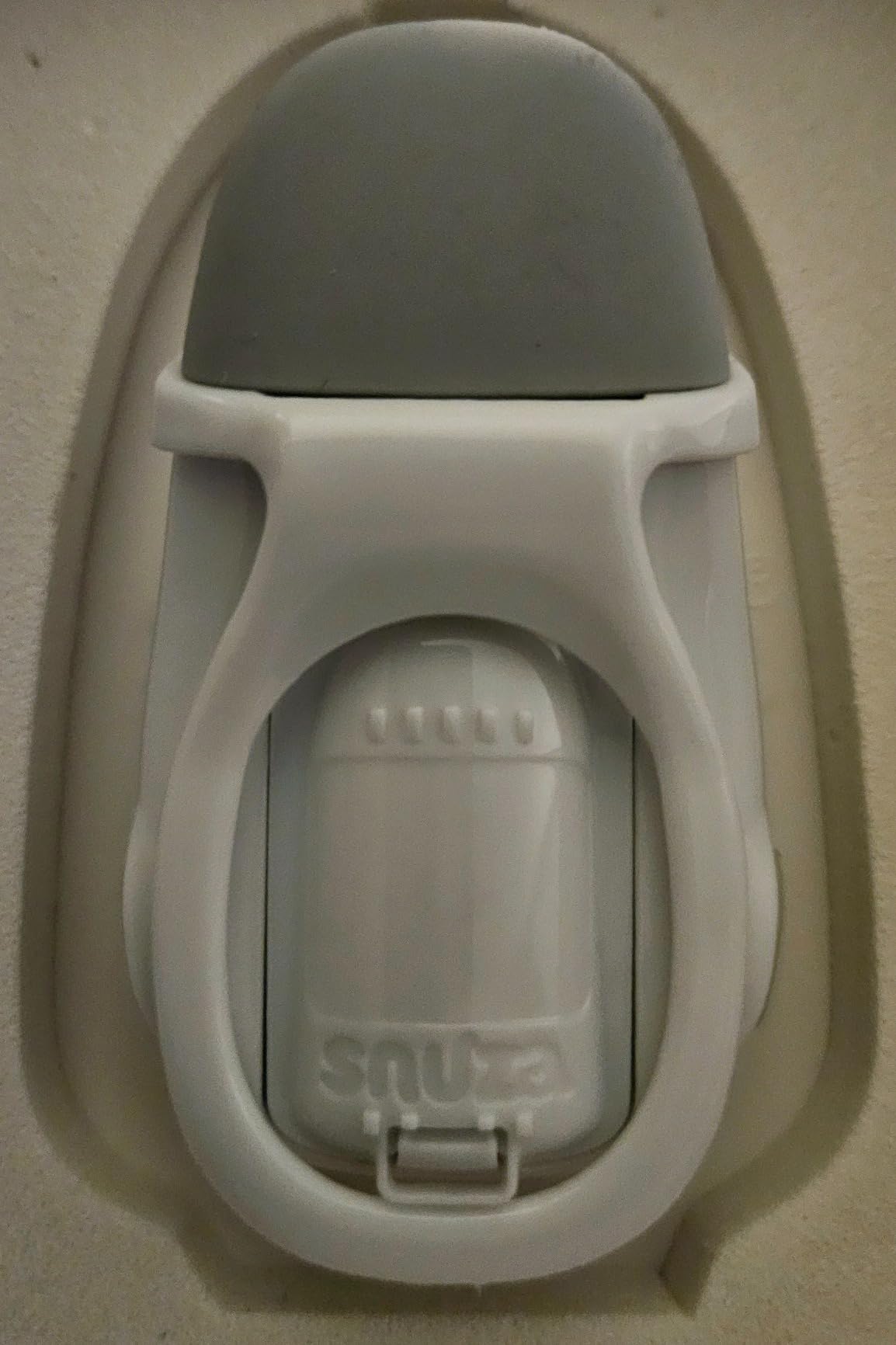
The Snuza Hero is the one we ended up recommending to the most anxious friends. It is a 2.76 by 1.57 by 0.79 inch clip that weighs 1.38 ounces and attaches to the diaper with a patented direct-touch sensor. There is no Wi-Fi, no app, no cords and no sensor pads.
The alert is two-stage. After 15 seconds with no movement it vibrates, then five seconds later it sounds. A green indicator light flashes each time movement is detected, and there is an optional ticking sound if you prefer audible confirmation of every breath.
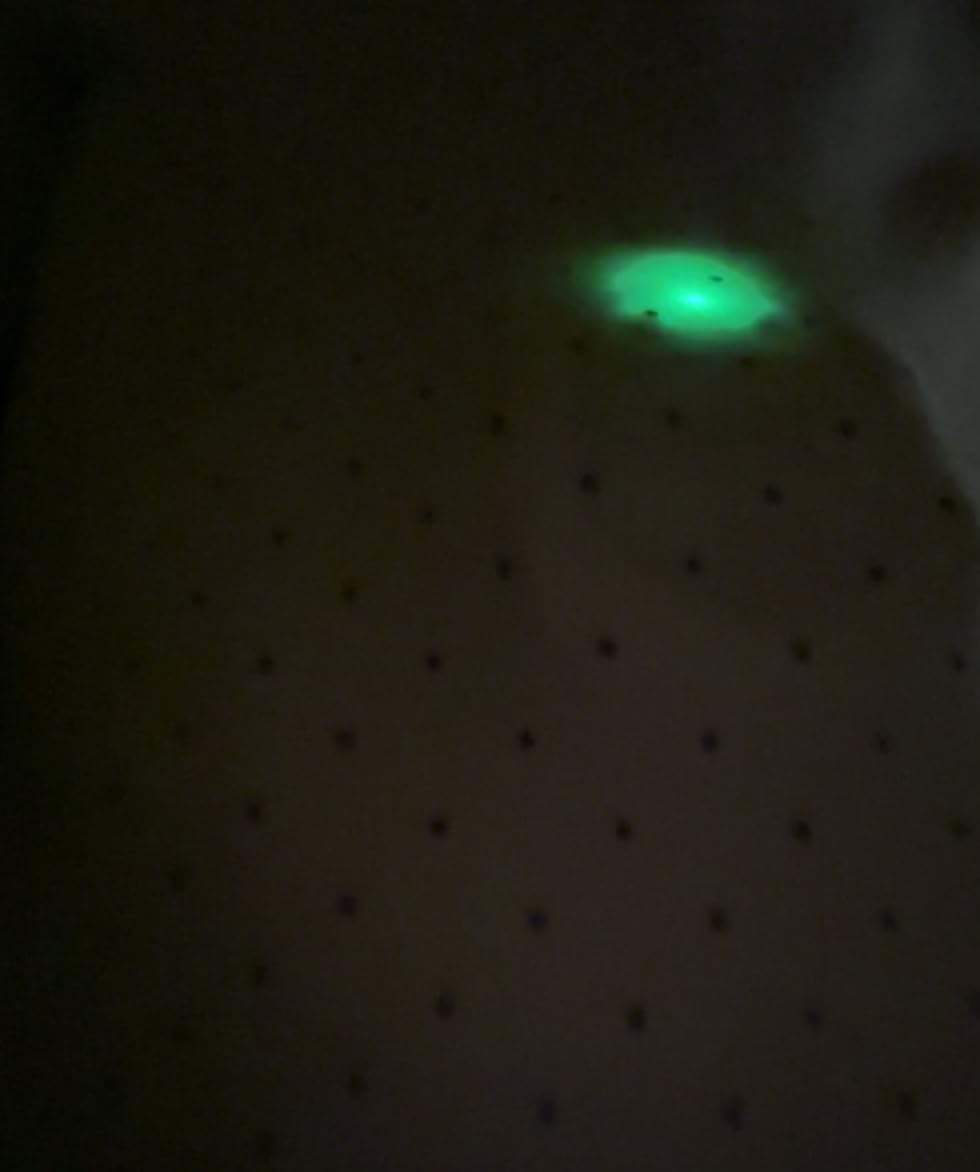
At 4.5 stars across 588 ratings, it has the highest five-star share of anything we tested at 80%. The parent forums explain why. On r/Parenting, owners repeatedly single out the fact that it has no app and no Wi-Fi dependency; on r/beyondthebump the green light itself is described as the reassuring feature, independent of the alarm ever sounding. Parents on r/PregnancyUK go further and argue that simple movement detection beats heart rate tracking for reducing worry.
The replaceable lithium-ion battery runs up to six months, so there is no nightly charging routine to forget.
Who this suits best
New parents in the first three months who want one small object and nothing else to think about. It is the least likely of all ten to fail due to software, updates or connectivity, because there is no software.
It also travels perfectly. A protective carry case is included, and one unit can move between a crib, a bassinet and a relative house without any setup.
Who should skip it
Skip it if you want sleep reports, historical data, camera views or phone alerts. It is also not designed for co-sleeping, and as with any clip-on, a wriggling baby or a badly positioned clip will generate false alarms. Parents on forums who ask whether a monitor reduces anxiety get mixed answers, and some say a device that cries at 3am makes them more nervous rather than less.
7. Owlet Dream Duo 3 Smart Baby Monitor System
Owlet Dream Duo 3 Smart Baby Monitor System, Dream Sock + 2K HD Camera
Dream Sock plus 2K HD camera
Pulse and oxygen tracking
Dual-band WiFi
Room climate alerts
Pros
- Vitals and 2K video in one app
- Camera supports both WiFi bands
- Tracks temperature and humidity
- SGS Cybersecurity Mark and 256-bit encryption
Cons
- Most expensive bundle in this roundup
- Sock still needs 2.4 GHz during setup
- Much smaller review base than the standalone sock
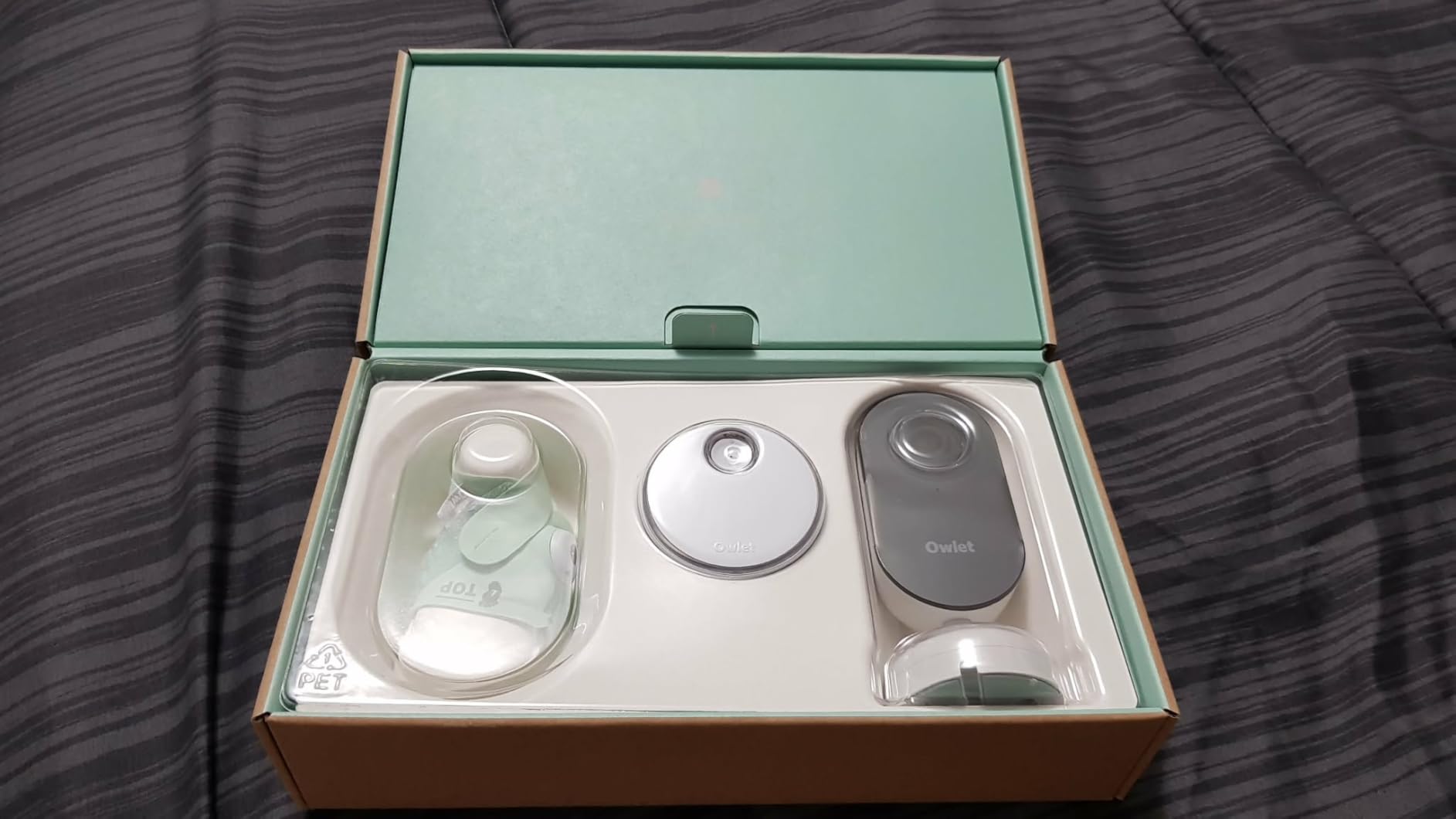
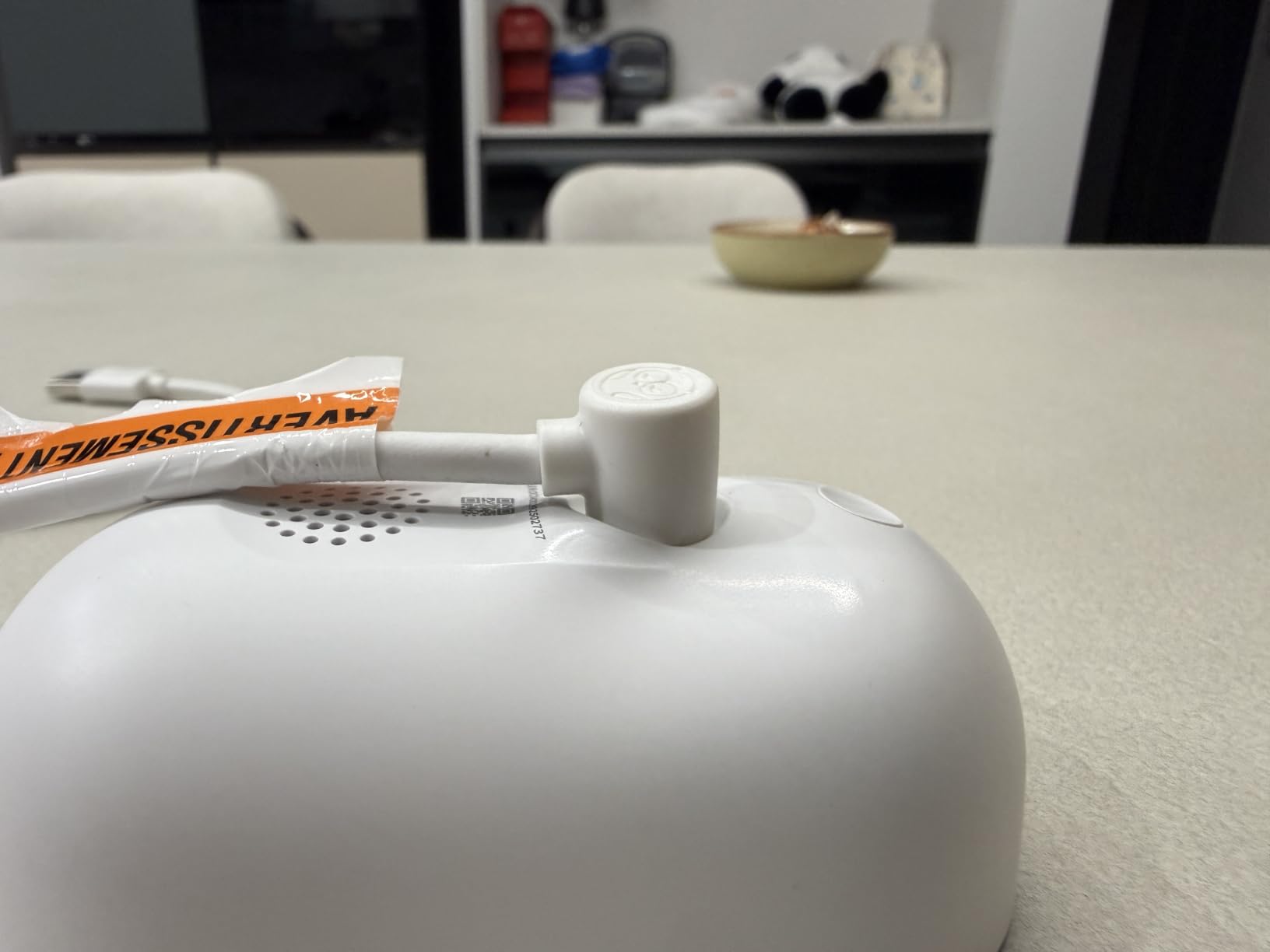
The Dream Duo 3 is the Dream Sock paired with a 2K HD camera, and in our testing it fixes the Dream Sock’s most common complaint: streaming. The camera uses dual-band Wi-Fi at both 2.4 GHz and 5 GHz, so the picture no longer competes with the sock for bandwidth on the same crowded band.
The camera itself has a 130-degree wide-angle lens with 4x zoom, and the app pulls together pulse rate, oxygen level, sound, movement, crying, plus room temperature and humidity with comfort-zone notifications.
At 4.4 stars with 79% five-star across 184 ratings, satisfaction is high but the review base is thin compared with the standalone sock’s more than 5,200. That matters when you are buying a health-adjacent device: you have less long-term owner evidence to lean on.
The cost is also the highest in this roundup as a bundled system. Deeper analytics still sit behind an optional Owlet360 upgrade, and the sock half still wants a 2.4 GHz connection during setup even though the camera does not.
Who this suits best
Parents who already decided they want pulse oximetry data and also want a proper view of the crib, without running two separate systems. The security posture also suits anyone who has thought about where their baby video is stored, with SGS Cybersecurity Mark certification and 256-bit encryption.
It is also the most complete single-app experience we tested, covering vitals, climate, sound and crying in one place.
Who should skip it
Skip it if you do not want a wearable on your baby, or if the combined cost is more than you want to spend for reassurance. Owners who are comfortable with a simpler setup will find the standalone Dream Sock more flexible, and anyone planning to move sleeping surfaces repeatedly should know the sock still has to be refitted.
8. BEMPU Baby Movement Monitor
BEMPU Baby Movement Monitor – Sleep Monitor with Gentle Vibration Alerts
13 g clip-on sensor
Soft vibration then alarm
Bluetooth Low Energy
Seven-day battery
Pros
- Only 13 g and barely noticeable
- Two-step alert starts gentle
- Seven days per charge
- Works without WiFi
Cons
- BLE range means staying near the phone
- App connection needed for smart alerts
- Smaller review base than established brands
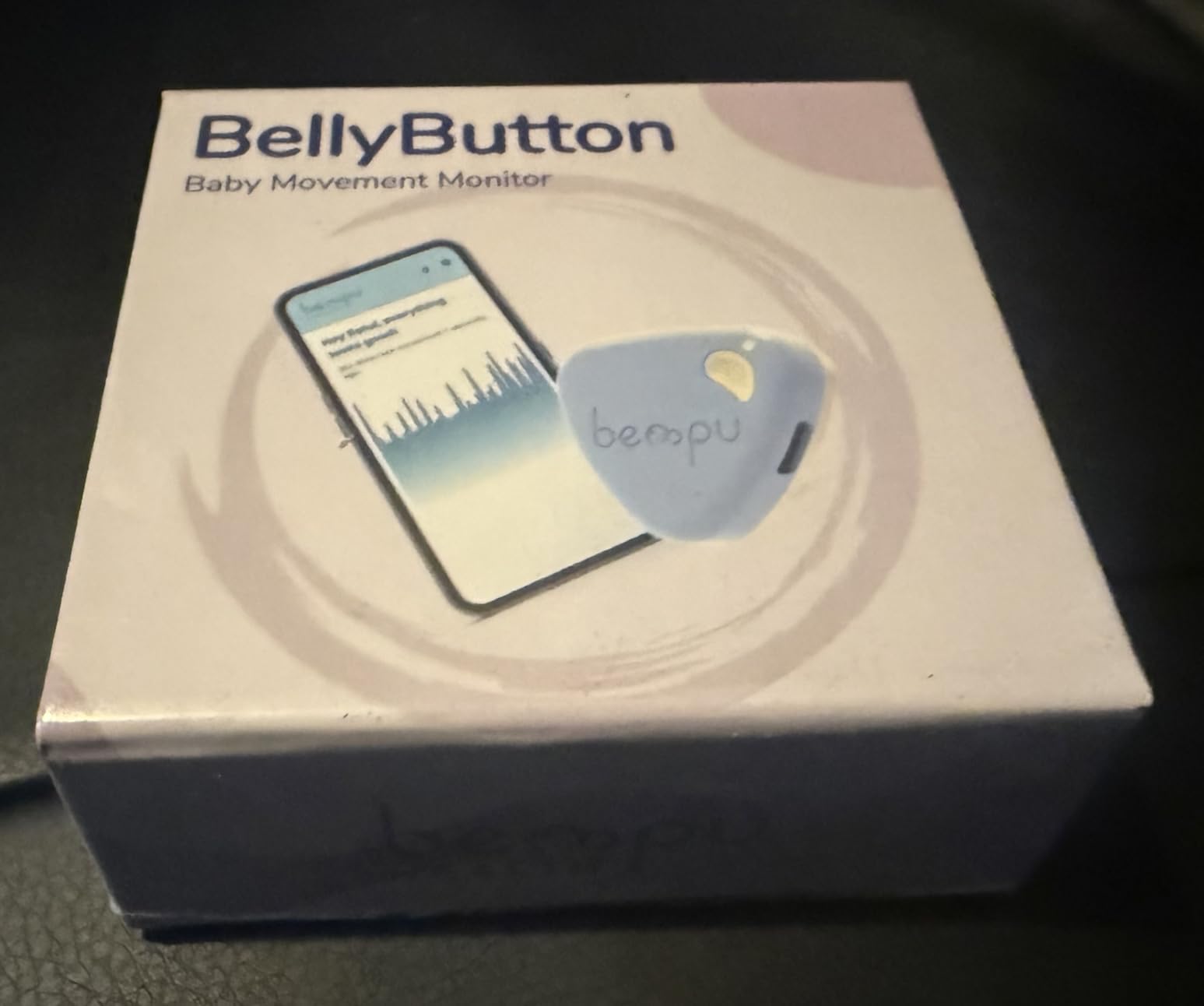
The BEMPU weighs 13 grams and measures 1.4 by 1.5 by 0.5 inches. That is the lightest wearable in this roundup by a wide margin, and on a newborn who complains about socks it is a genuine consideration. It clips to clothing or a diaper and uses a motion sensor rather than a direct-touch probe.
Like the Snuza, it alerts in two stages: a soft vibration first, then an audible alarm. There is a BEMPU app for alerts and settings on both Android and iOS, and the FCC-certified Bluetooth Low Energy module means no Wi-Fi is required at all.
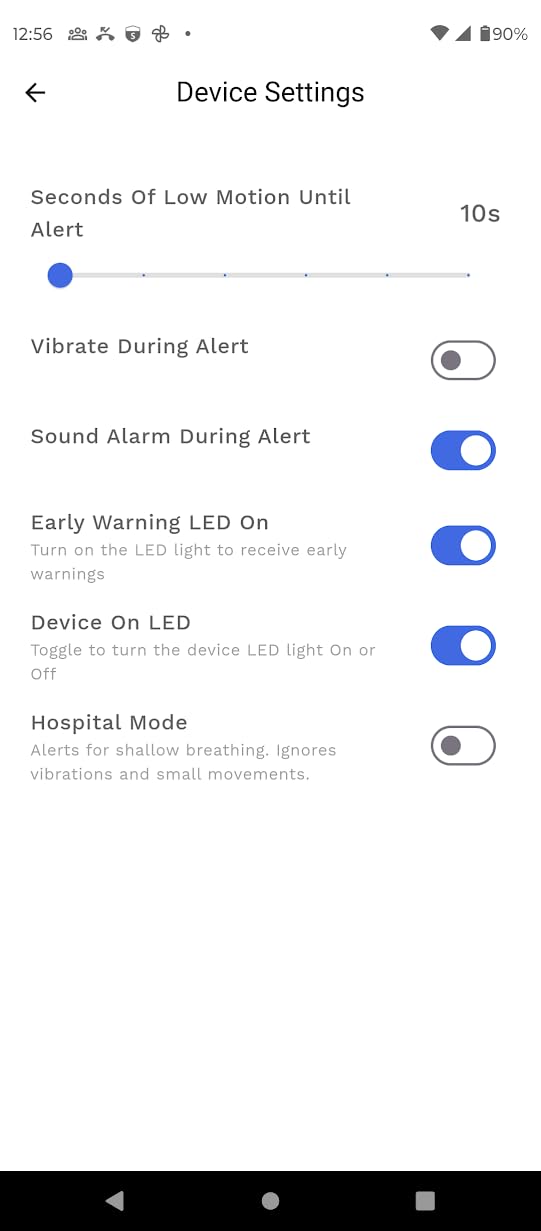
Battery life is the standout number here: up to seven days of typical daily monitoring from a full recharge, with a full charge taking about an hour over USB-C. A one year manufacturer warranty is included.
The catch is range. Bluetooth Low Energy is designed to save power, which means the unit needs to stay near your phone or a hub. If the nursery is down a long hallway or through a wall, that is a real limitation. Reviewers also note the app connection is needed to receive smart notifications, so a dropped pairing means a silent monitor. The rating is a strong 4.5 stars, but across 89 ratings only.
Who this suits best
Parents of very small or premature babies who found the Dream Sock too heavy or too warm, and anyone who charges a phone nightly and prefers a phone app over a dedicated base station. The seven-day battery also suits families who do not want a nightly charging habit.
It moves easily between a crib, a bassinet and a bedside without any setup.
Who should skip it
Skip it if the phone is far from the cot or you need alerts to reach you across the house. Anyone planning to rely on this long term should weigh the smaller owner base against established brands, and those who want no app dependency should pick a local-only device instead.
9. BabySmile Baby Movement Monitor
BabySmile Baby Movement Monitor for Newborn Sleep, Diaper Clip
Cordless diaper clip
20-second audible alarm
No app or radio
About six-month battery
Pros
- Nothing to pair
- charge or configure
- Lightweight 25 g clip
- Cordless with no radio output
- Advertised battery life around six months
Cons
- Only reliable on back-sleeping babies
- Clip can work loose
- Some units failed early
- Lowest rating at 4.1 stars
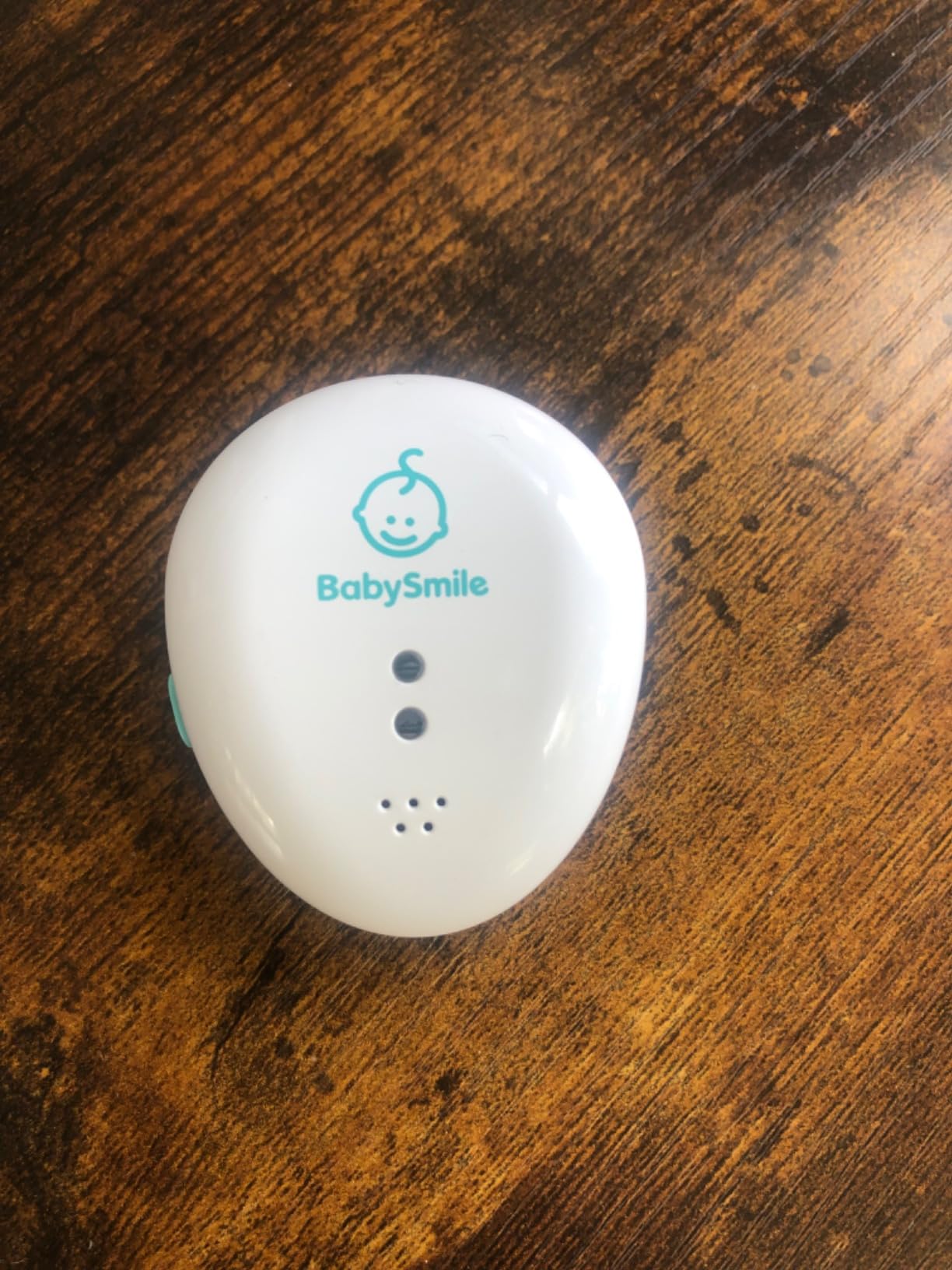
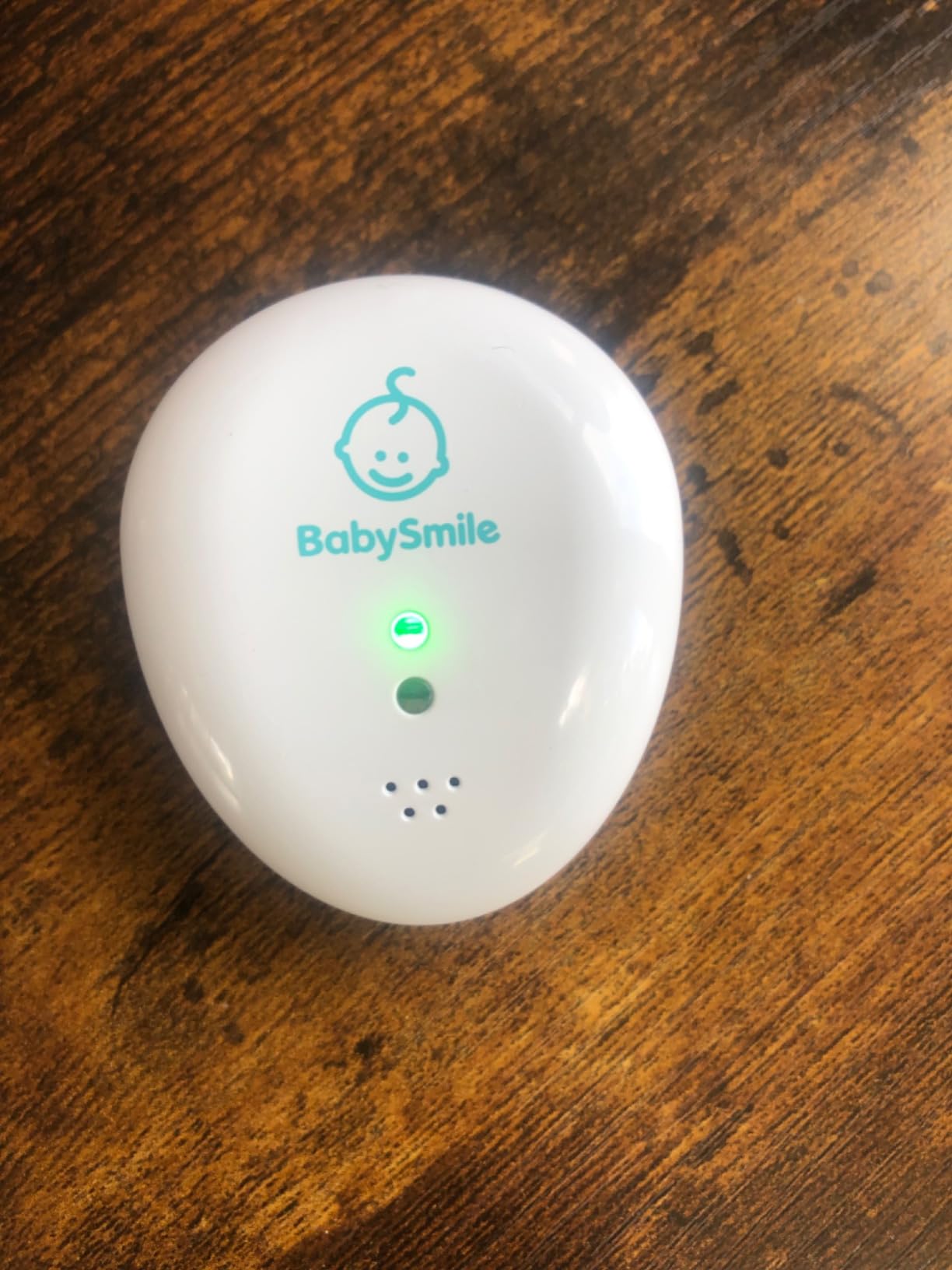
The BabySmile is the simplest thing in this roundup. It is a 25 gram ABS clip with no wires, no apps and no radio frequencies, and it sounds a local audible alarm if it senses no movement for about 20 seconds. The battery is listed at roughly 2,200 hours, which works out at around six months of twelve-hour nights.
For a family that wants the alarm and nothing else, there is genuinely nothing to set up. You attach it to the diaper and go to bed.
The rating reflects that bargain honestly. It sits at 4.1 stars with 63% five-star and a 9% one-star share across 91 ratings. The critical reviews focus on three things: it works reliably only when the baby is on their back, side sleepers trigger false alarms, and the clip can work loose if the baby wriggles, in which case it may not alarm at all.
There is also a durability note worth taking seriously. Some owners report units stopping working early, and the coin cell is not user replaceable. A one year warranty applies.
Who this suits best
A parent on a tight budget, or one staying with relatives who cannot cope with apps. If you want a backup alarm for a guest room rather than a primary monitoring system, this does that job for less than any other option here.
Those who dislike radio output from a device worn by a baby will find the fully cordless, wireless-free design appealing.
Who should skip it
Skip it if your baby already rolls to the side, if you want any record of what happened overnight, or if you want a device you can rely on for a medically flagged baby. The non-replaceable battery is the detail that would stop us recommending it as a long-term purchase.
10. Sense-U AI 2.5K PTZ Baby Camera Monitor
Sense-U AI 2.5K PTZ Baby Camera Monitor with Sensor-Free Sleep Movement Detection, Smart Security Indoor Video Camera with Background Audio, Cry Detection, No Monthly Fee, for Peace of Mind
2.5K pan-tilt-zoom video
Sensor-free movement badge
Background audio
No monthly fee
Pros
- 345-degree pan covers most of the room
- Background audio works with the screen off
- Sensor-free movement detection
- SD card storage avoids a monthly fee
Cons
- Movement badge is a separate accessory
- Some reports of early hardware failure
- Replacement service described as difficult
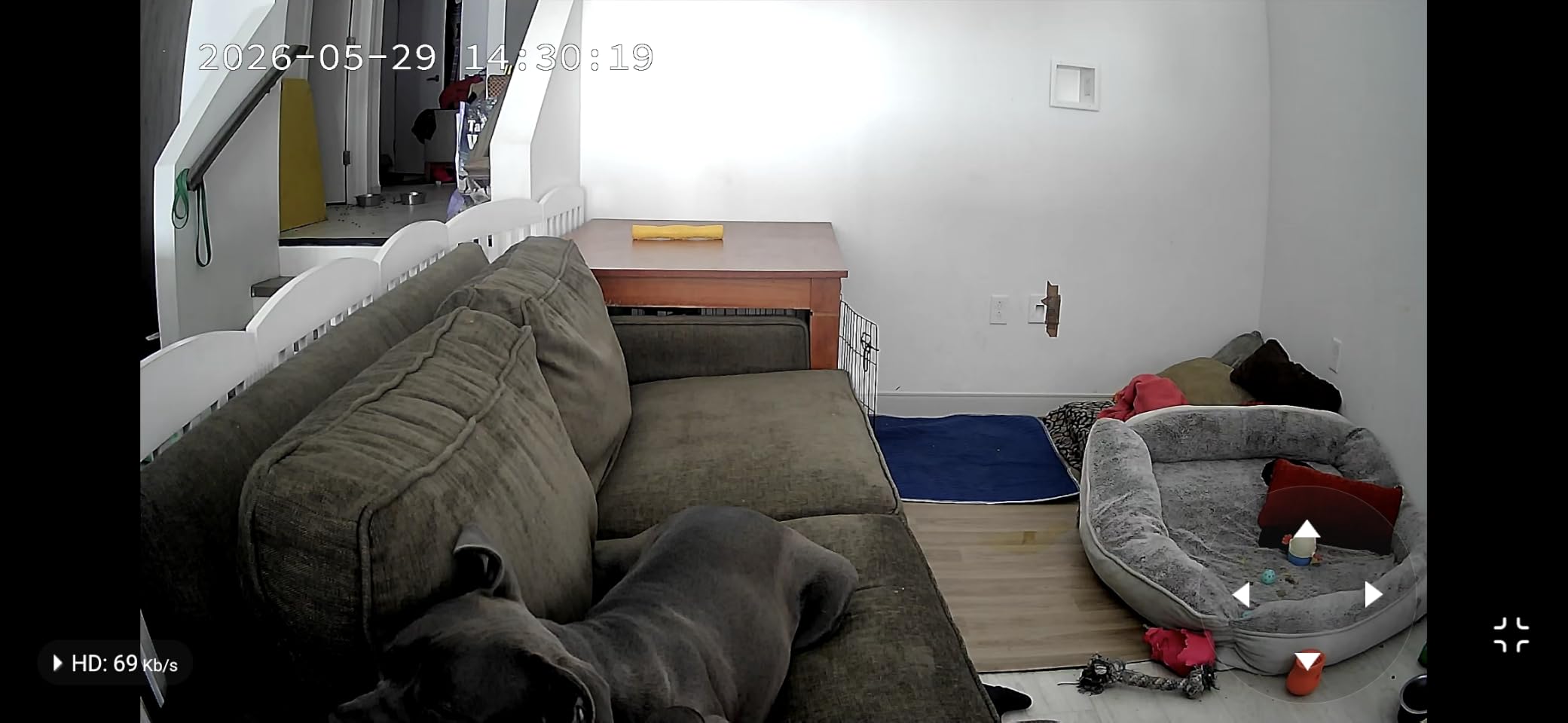
The Sense-U pairs a 2.5K pan-tilt-zoom camera with sensor-free sleep movement detection. The camera covers 345 degrees of pan and 50 degrees of tilt, and the AI handles sounds, human presence, motion and crying. Background audio keeps monitoring when the app is backgrounded, which is the feature parents mention most at night.
It is a one-time purchase with local SD card support and optional cloud storage, so there is no monthly fee if you keep video on the card. Encryption, optional two-factor authentication and a Private Mode cover the privacy side.
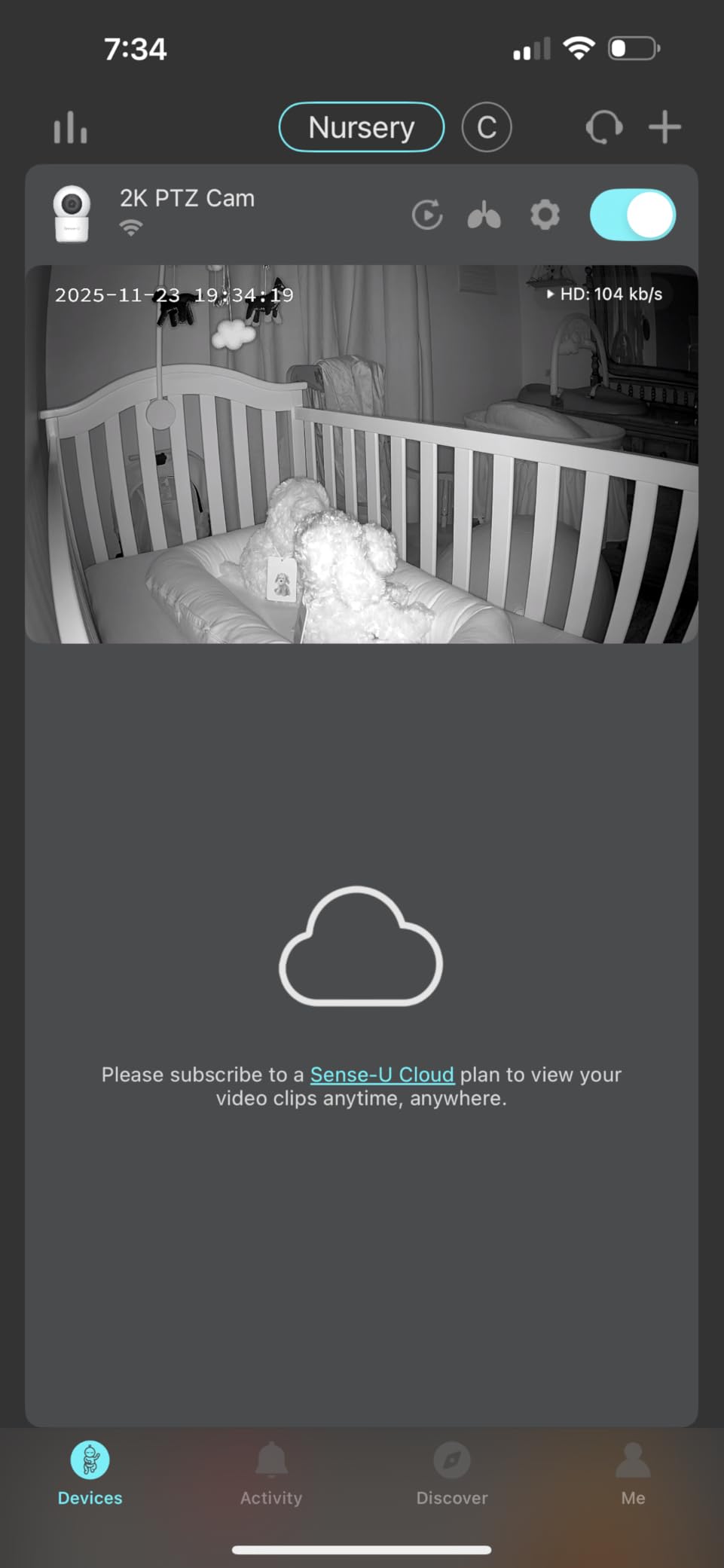
At 4.4 stars with 70% five-star across 108 ratings, most owners call it good value with clear video and useful background audio. Two things temper that. The movement badge is a separate accessory that has to be set up alongside the camera, so the sensor-free headline comes with a second piece to install and a second thing to charge.
A small group also report hardware failure within weeks and describe getting refunds or replacements after purchase as difficult. A one year manufacturer warranty is included.
Who this suits best
Families who want a sharp, wide-coverage night camera and refuse a subscription, plus parents who already rely on their phone and want multi-room viewing from one app. The background audio mode is the feature that makes it viable as a sleep-through-the-night tool.
It works well as the camera half of a setup alongside a non-contact movement pad.
Who should skip it
Skip it if you want one box that does everything with no extra accessories, or if you need a device with a long track record of warranty service. Parents who want breathing data rather than video and movement should look at a pulse oximetry sock instead.
How to Choose a Baby Breathing Monitor
Start with format, because it decides what happens at four months old. Under-mattress pads such as the Babysense 7 and the Babysense True Sleep HD bundle need nothing attached to the baby, so they keep working through rolling. Clips and socks are the most sensitive while contact is good and degrade the moment it is not.
Next, decide what you want tracked. If you want pulse rate and oxygen saturation rather than movement counts, your realistic options are the Owlet Dream Sock and the Owlet Dream Duo 3. If you only want to know that breathing and movement are continuing, every cheaper device on this list does it.
Then think about connectivity. Roughly half of these ten run entirely local with no app and no network: the Snuza Hero, the Levana Oma, the BabySmile and the Babysense 7. Parents on forums consistently praise that independence, and it is the reason the Snuza has such a strong share of five-star ratings. App-based units give you data and remote alerts but introduce Wi-Fi dropouts and, in some cases, paid tiers for deeper analytics.
Alarm behaviour matters more than most buyers expect. The Snuza, Levana, BEMPU and Owlet systems all try to rouse the baby with a vibration before sounding an alarm, which can resolve a pause without waking you at all. That design is worth paying for if you are a light sleeper or a parent already anxious at night.
On total cost, the one-time clip format is the cheapest way in and the video bundles are the most expensive, but the difference is not the full story. What changes the running cost is whether the breathing and sleep analytics sit behind a subscription or an optional upgrade, and whether the socks need replacing as your baby grows.
Finally, weigh false alarms honestly. Loss of skin contact is the number one cause of false alerts on wearables, and fixing it takes a minute: refit the sock or clip every time you lift your baby in. On pads, the equivalent culprits are strong airflow from a fan or air conditioning and a very still baby settled between the two sensors.
And plan for the day you take it off. On forums, parents who stopped a monitor report the same reasons: rolling, a baby who objected to being dressed in anything, and simply no longer needing it.
When to Stop Using a Baby Breathing Monitor
Most wearables should come off once your baby starts rolling over. Movement-based detection depends on the baby staying still and on the sensor staying in contact, and a rolling baby breaks both conditions at once, which turns the alarm into noise rather than information.
The three-to-six-month mark is the other common endpoint, which is also where the Levana Oma’s design window ends. By then many families feel ready to stop, and parents report that some monitors never reduced anxiety at all, which is an honest outcome worth naming rather than hiding.
Two safety rules apply the whole time you use one. Do not use a wearable in a moving car or stroller, because vibration and motion break contact and produce meaningless readings. And keep cords, charging cables and sensor units out of reach and away from the cot edge.
If your baby was premature or discharged with medical concerns, the right time to stop is a question for your pediatrician, not for a review page. Keep asking until you get a clear answer.
Frequently Asked Questions
Do baby breathing monitors prevent SIDS?
No. No consumer baby breathing monitor has been shown to prevent sudden infant death syndrome, and none is a medical device. The American Academy of Pediatrics, the NHS and The Lullaby Trust all place safe sleep practice first: baby on their back, in their own sleep space, on a firm flat mattress, with nothing loose around them.
Do pediatricians recommend the Owlet?
Most do not recommend consumer monitors as a safety measure, and that position is consistent across guidance. Pediatricians instead emphasise safe sleep practice and, where needed, hospital apnea monitors for medically flagged babies. The Owlet can still be useful as a source of pulse and oxygen data you discuss with your own doctor.
Is Snuza or Owlet better?
The Snuza Hero is a movement monitor: tiny, app-free, no Wi-Fi and a six-month battery, and it is the one we recommend to most first-time parents. The Owlet Dream Sock measures pulse rate and blood oxygen saturation with pulse oximetry, which is more data but needs careful fitting and more troubleshooting.
Which is better, Sense-U or Owlet?
They answer different questions. The Sense-U is a 2.5K pan-tilt-zoom camera with sensor-free sleep movement detection and no monthly fee. The Owlet Dream Sock tracks pulse rate and oxygen saturation directly. Choose Sense-U for video and no wearable, and Owlet when you want vitals data.
Which baby monitor has the best breathing sensor?
It depends on the format rather than the brand. A direct-touch clip on the diaper such as the Snuza Hero reads abdominal movement very reliably while contact holds. A sock using pulse oximetry such as the Owlet Dream Sock measures more than movement, including pulse rate and SpO2. An under-mattress pad reads movement without touching the baby at all.
Why does my baby monitor keep giving false alarms?
The most common cause is loss of skin contact on a wearable, so refit the sock or clip every time you lift your baby. With under-mattress pads, a ceiling fan, floor fan or air conditioning unit above the cot can trigger the sensors, as can a very still baby settled in the gap between two pads.
Final Verdict: Which Baby Breathing Monitor Should You Buy?
Buy the Babysense True Sleep HD bundle if you want one device that covers both jobs: non-contact movement monitoring that survives the rolling stage, plus a proper camera feed, with no Wi-Fi to configure. If you want the smallest possible object and nothing else, the Snuza Hero is our pick, and parent forums rate it as the least troublesome of everything here.
Buy the Owlet Dream Sock or Dream Duo 3 only when a clinician has asked for closer observation and you want pulse and oxygen numbers rather than movement counts. Buy the Levana Oma for travel or grandparents, the BEMPU if your baby cannot wear a sock, and a camera system such as the Lollipop or Sense-U if nothing should touch the baby at all.
And keep the priorities in order. Safe sleep practice, a firm flat mattress, nothing loose in the cot, and a pediatrician you can call at 3am do more for your baby in 2026 than any device on this page. The monitor is a way to hear a pause you might otherwise sleep through.