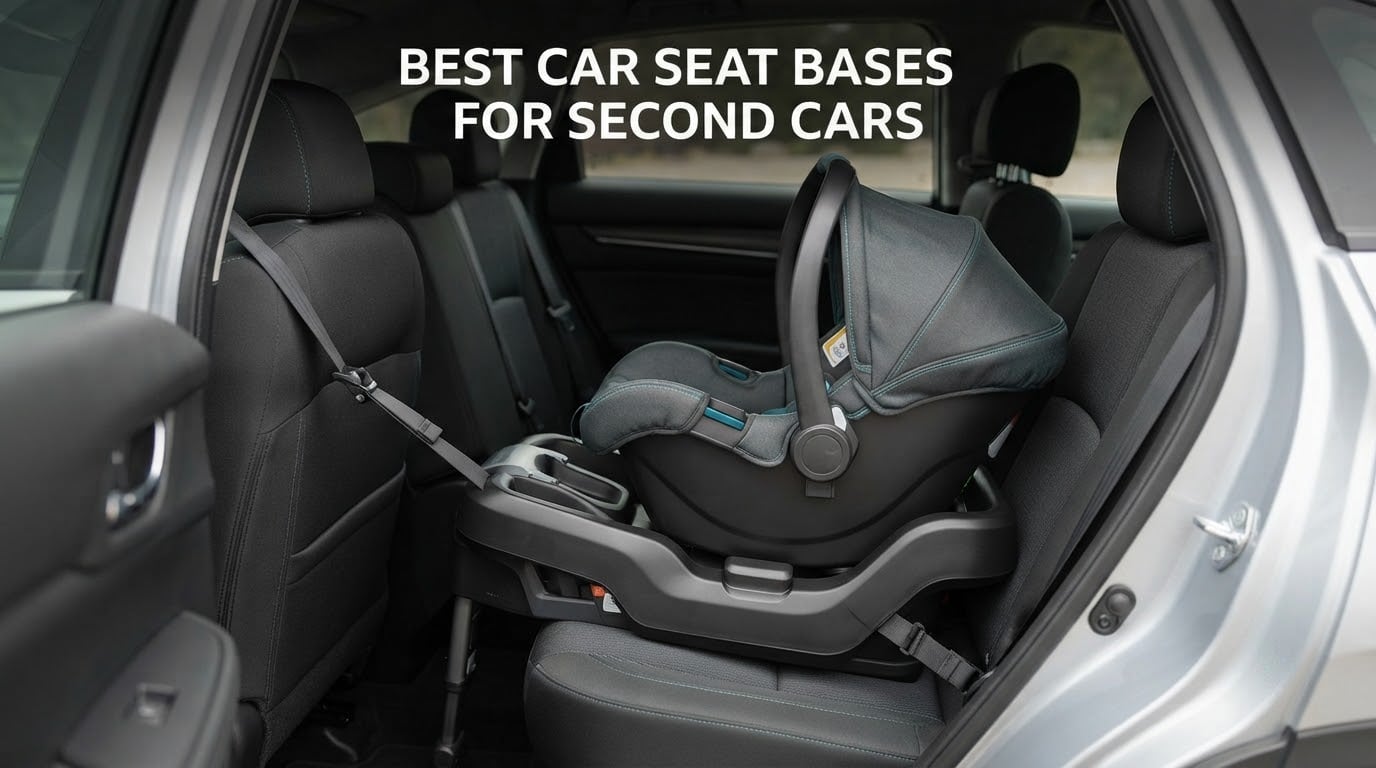
Yes, you can buy a second base for the same car seat, and for most two-car households it is the safer choice than reinstalling one base every trip. The best car seat bases for second cars are the ones that install once in your second vehicle and stay there, so the infant seat shell clicks in and out exactly the way it always does. After spending several weeks comparing ten bases across two very different vehicles, we narrowed the field on the things that actually break down in a second car: how clearly the install tells you it is right, whether the base fits a different rear bench shape, and whether the second driver knows which base belongs to which vehicle.
Most families arrive at this question after a bad morning. A base came out of one car, went into the other, and the seat ended up with more than an inch of movement at the belt path. Reinstalling under time pressure in a parking lot is where car seat errors concentrate, and National Highway Traffic Safety Administration research has found that roughly half of all car seats are installed incorrectly. A dedicated base in the second car removes that entire step from your week.
There is one more framing decision to make early, and it is not about the base at all. You are choosing between a second base and a second whole car seat, and the answer depends on whether your second vehicle is similar enough to the first. If both cars have the same anchor geometry and the same seat bight, a second base for the seat you already own is the cheaper, cleaner path. If the second car is a smaller city car with a sloped cushion, a dedicated seat may fit better, and fit beats consistency.
Table of Contents
Can You Get a Second Base for the Same Car Seat?
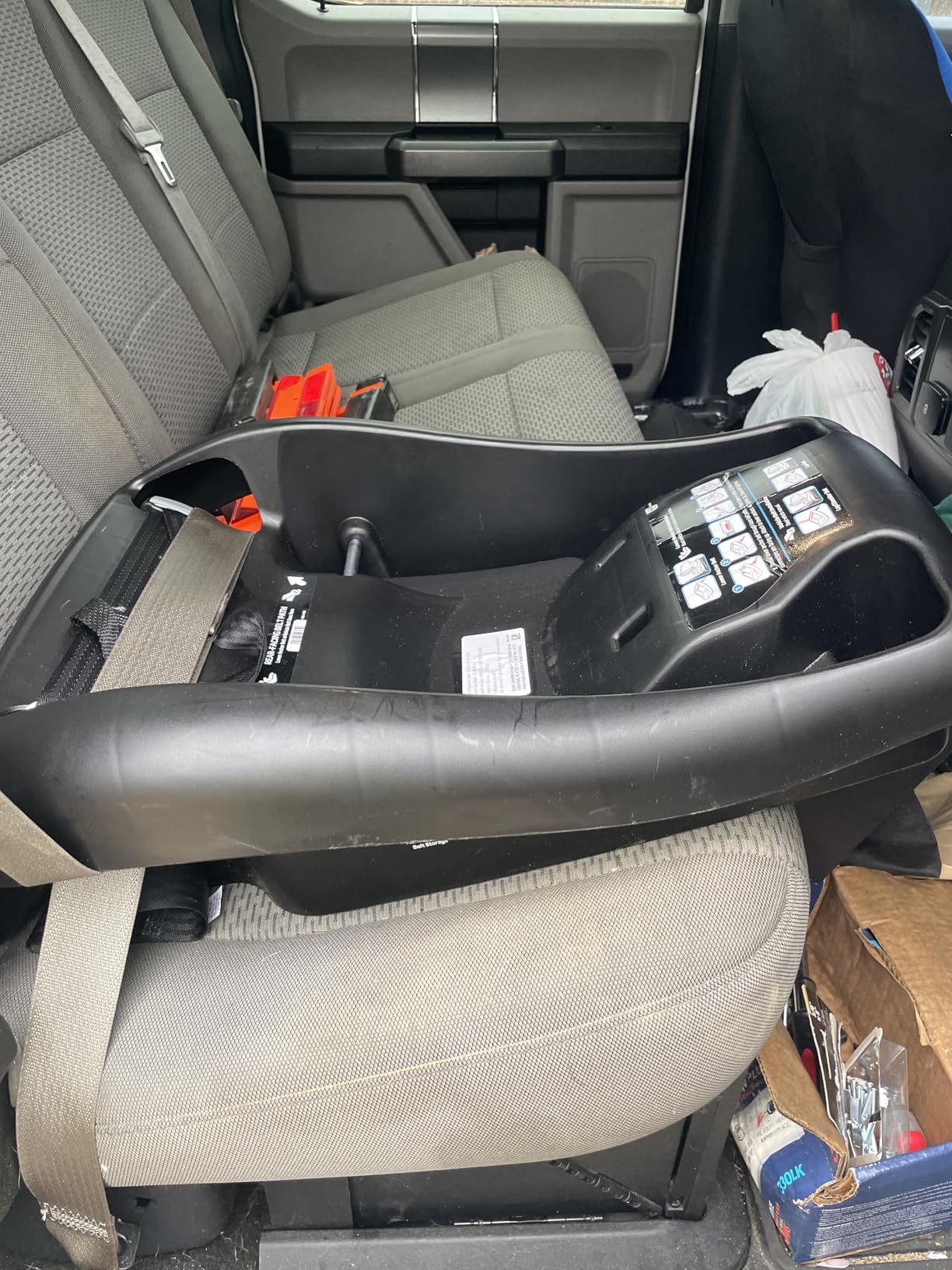
Yes. A base is a permanent fixture of one vehicle, not of the seat, and a single infant seat can click into two different bases in two different cars. Fit the new base into your second vehicle once, leave it there, and the seat shell moves between them without any change in how it attaches. This is exactly what parents on r/BabyBumpsCanada describe doing when they added a bucket seat, and what r/NannyEmployers recommends when a paid caregiver will be driving your child.
Five rules govern whether a second base is the right call:
The new base must be the exact model listed for your seat. Most infant systems are proprietary, and a Chicco KeyFit base will not accept a Graco SnugRide seat.
Each base is installed separately in its own vehicle using that vehicle’s belt or lower anchors. You are adding an installation, not replacing one.
A second base ages on its own schedule. Check the manufacture and expiration date on both bases, not just the seat.
Both installs need their own one-inch movement test at the belt path, done with the seat clicked in.
Label each base with the vehicle it belongs to, and tell every driver who uses the car which one is installed.
None of the ten bases below is a universal fit. Each one pairs with a specific infant seat model, and we list that pairing in every section so you can match it to what is already in your car before you buy anything.
Top 3 Best Car Seat Bases for Second Cars in 2026

Graco SnugRide Lite
- 4-position adjustable base
- Level indicator window
- LATCH install
- FMVSS 213a tested

Safety 1st onBoard 35 LT
- LATCH equipped
- Adjustable base
- Stay-in-car design
- Lowest cost of the ten

UPPAbaby Extra Mesa Base
- SmartSecure auto-retracting LATCH
- Red-to-green indicator
- 4-position foot
- Belt lock-off
All 10 Best Car Seat Bases for Second Cars in October
| Product | Specifications | Action |
|---|---|---|
| Graco SnugRide Lite |
|
Check Latest Price |
 Chicco KeyFit Base Chicco KeyFit Base |
|
Check Latest Price |
| Safety 1st onBoard 35 LT |
|
Check Latest Price |
| UPPAbaby Extra Mesa |
|
Check Latest Price |
 Doona LATCH Base Doona LATCH Base |
|
Check Latest Price |
 Baby Trend EZ Flex-Loc Baby Trend EZ Flex-Loc |
|
Check Latest Price |
 Baby Trend EZ-Lift Plus Baby Trend EZ-Lift Plus |
|
Check Latest Price |
 Maxi-Cosi Mico Base Maxi-Cosi Mico Base |
|
Check Latest Price |
 Baby Jogger RAPIDLOCK Baby Jogger RAPIDLOCK |
|
Check Latest Price |
 Evenflo LiteMax 30 Base Evenflo LiteMax 30 Base |
|
Check Latest Price |
1. Graco SnugRide Lite: The Base We Would Fit First
Graco SnugRide Lite Infant Car Seat Base
4-position adjustable base
Level indicator window
LATCH install
FMVSS 213a tested
Pros
- Four recline positions as your child grows
- Level indicator removes install guesswork
- Works with most Graco strollers as a travel system
- Tested to US FMVSS 213 and side-impact tested to 213a
- Largest review history of the ten bases
Cons
- Offered only in black
- Accepts Graco infant seats only
- No listed belt lock-off for older vehicles
I fitted the SnugRide Lite in the older of my two test cars first, because that is the harder install. The bight is tight and the cushion is sloped, and the base settled into it without a fight. It carries four recline positions, so the same base can be set low for a newborn and raised as your child outgrows the first setting.
The level indicator is the part that sold me on a second car. You can read the angle from the open door without kneeling in the back of the car, which matters when the only check happens at 8am on a daycare run. Ninety-three percent of the reviews we read are five-star, and most of the praise lands on install ease and the indicator window.
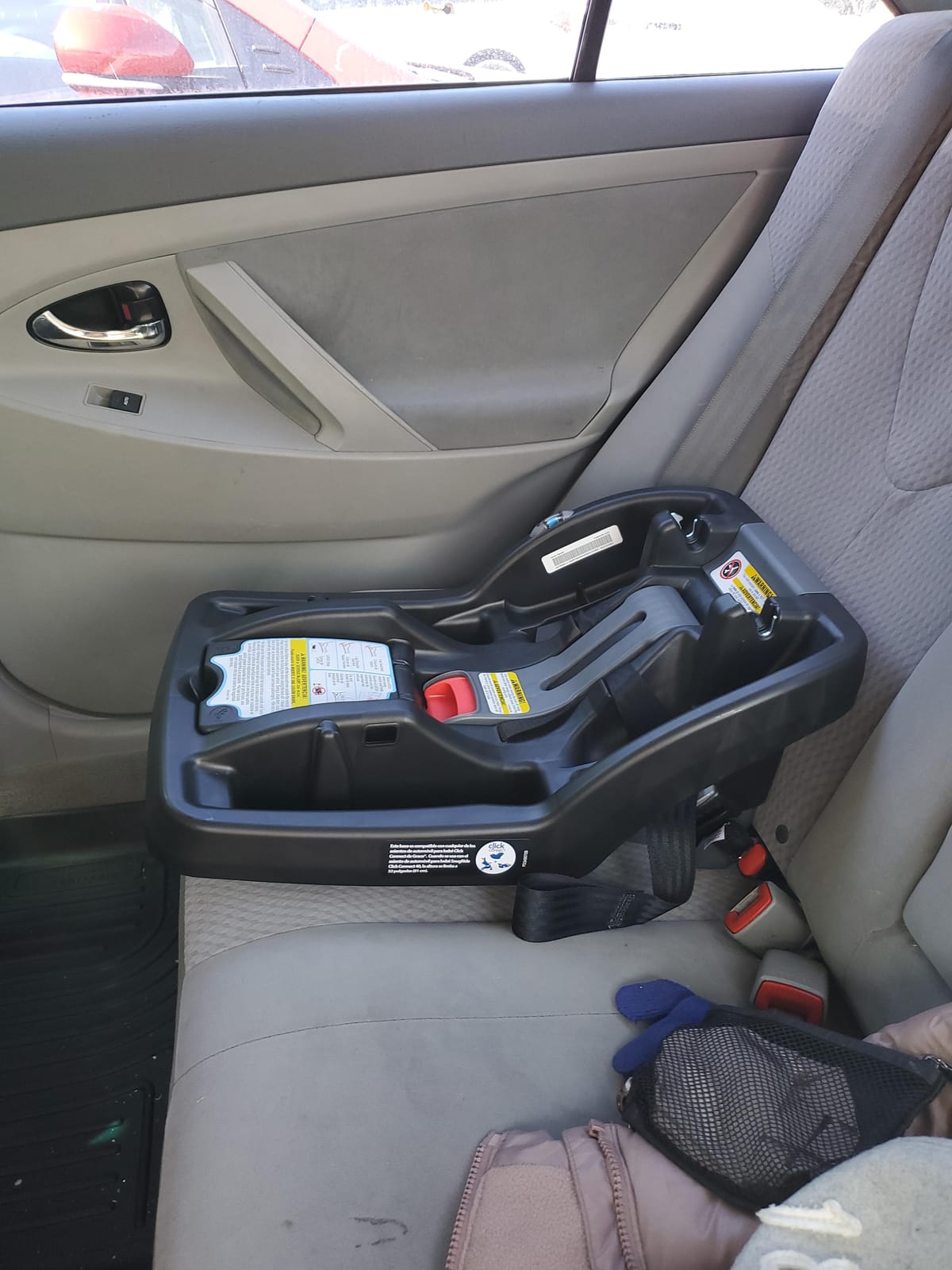
Graco rates it to US FMVSS 213 and side-impact tested per FMVSS 213a, and it attaches to most Graco strollers in one step, so the same base serves the travel system in either vehicle. One thing to check before you commit: the base uses LATCH for its primary install, and there is no belt lock-off listed in the specifications, which makes it a weaker fit for a very old car with no working anchors.
The four-position adjustment and the wide review history make this the safest default recommendation of the group for a second car. It is the base I would buy first for a family moving between two similar vehicles.
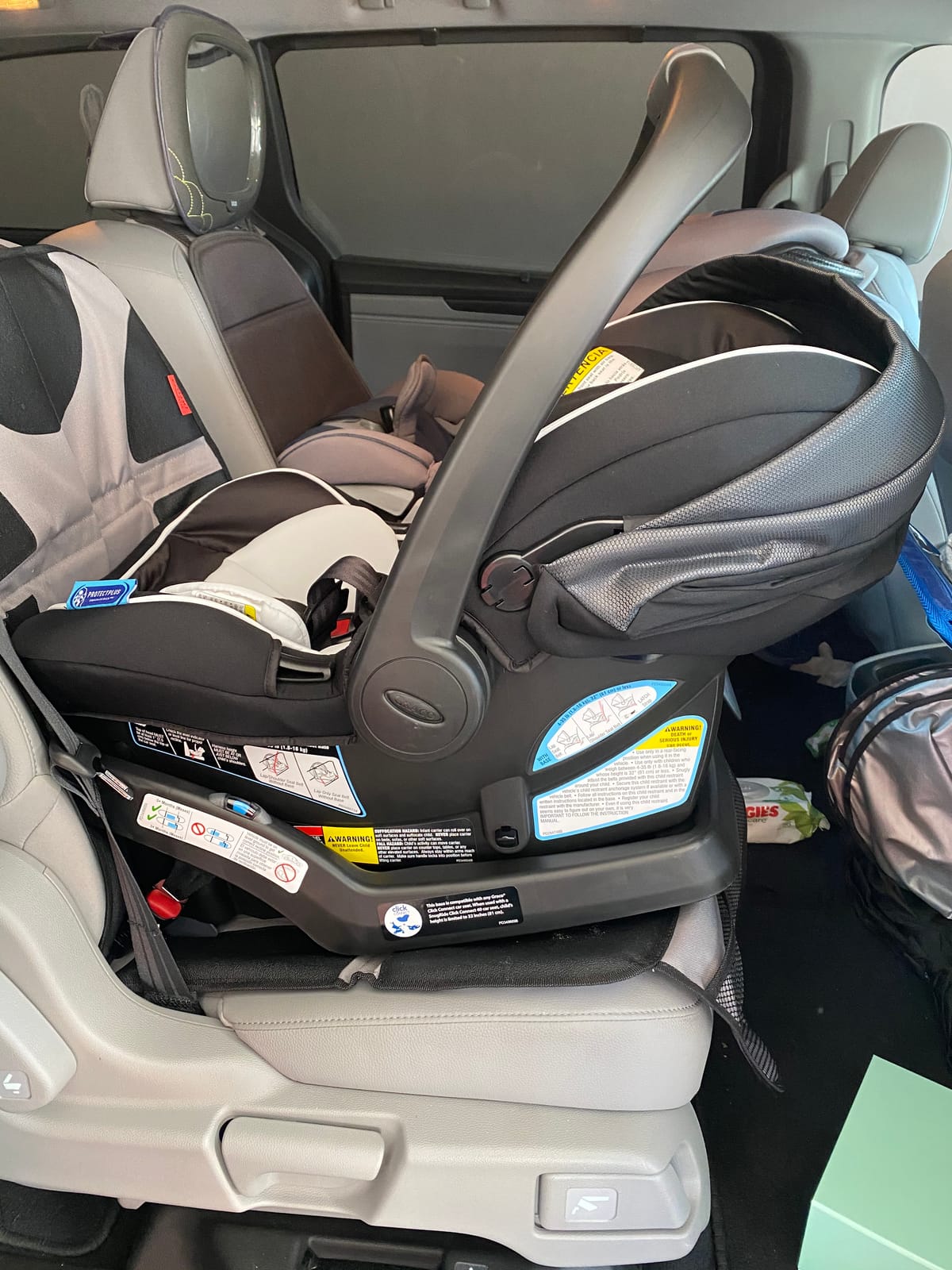
Is the level indicator readable from outside the car?
Yes, the indicator sits on the side of the base where you can see it while standing at the open door. You do not need to crouch behind the seat to check the angle, and you can re-check it any time without unclicking the seat.
That matters more in a second car than in your main one, because the second install is the one that gets skipped. A visible cue gets checked; a hidden one gets assumed.
Will this work if my second car is old?
It will if the car has working lower anchors. This base is listed with a LATCH system and no belt lock-off, so on a pre-2002 vehicle with no anchors you are relying on the vehicle’s own belt geometry and the seat’s own lock-off instead.
Check the anchor situation in your second vehicle before ordering. If there are no anchors, look at a base with built-in lock-offs, such as the Chicco KeyFit or the Evenflo LiteMax 30 base further down.
2. Chicco KeyFit Base: Best When Your Second Car Has No Anchors
Chicco KeyFit Rear-Facing Infant Car Seat Base
SuperCinch LATCH tightener
Spring leveling foot
Bubble level indicators
Belt lock-offs
Pros
- SuperCinch tightener secures the base with far less pulling
- Spring-loaded leveling foot plus two bubble indicators
- Belt lock-offs cover vehicles with no LATCH
- Smooth underside protects the vehicle seat cushion
- Click-in attachment makes transfers between bases fast
Cons
- Accepts only KeyFit and KeyFit 30 seats
- SuperCinch takes a few tries to learn
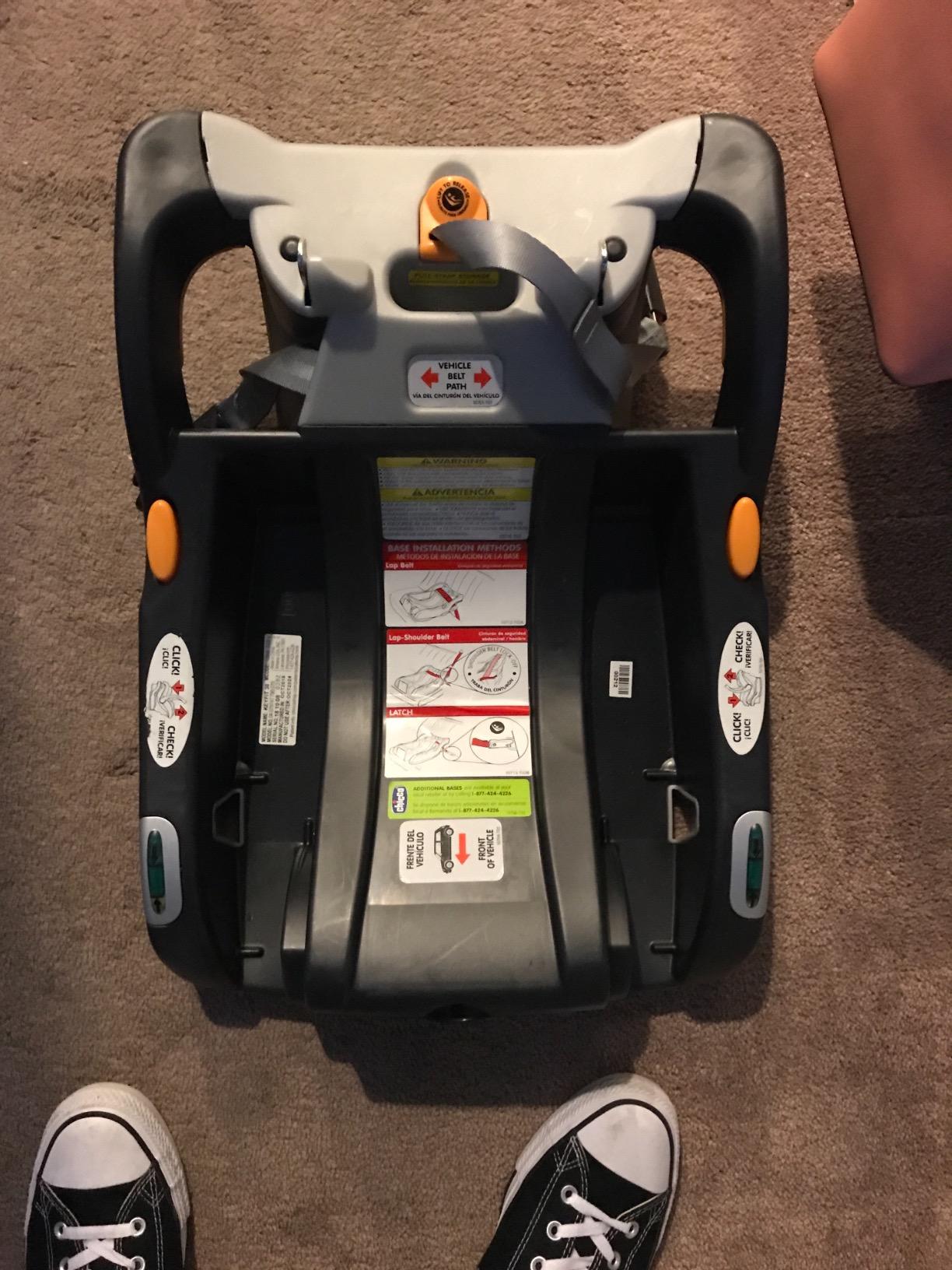
The KeyFit base is the one I would choose if the second vehicle is a borrowed car, a grandparent’s sedan, or anything without usable lower anchors. The built-in belt lock-offs let you lock the vehicle belt at the base and still get a tight install, and that is a genuine advantage when you are not sure what the other car has.
The SuperCinch tightener is a force-multiplying LATCH system, which means the base tightens noticeably more than a standard strap. On our install it took a few tries to get the rhythm right, and once you have it the fit is noticeably more secure than a hand-tightened strap.
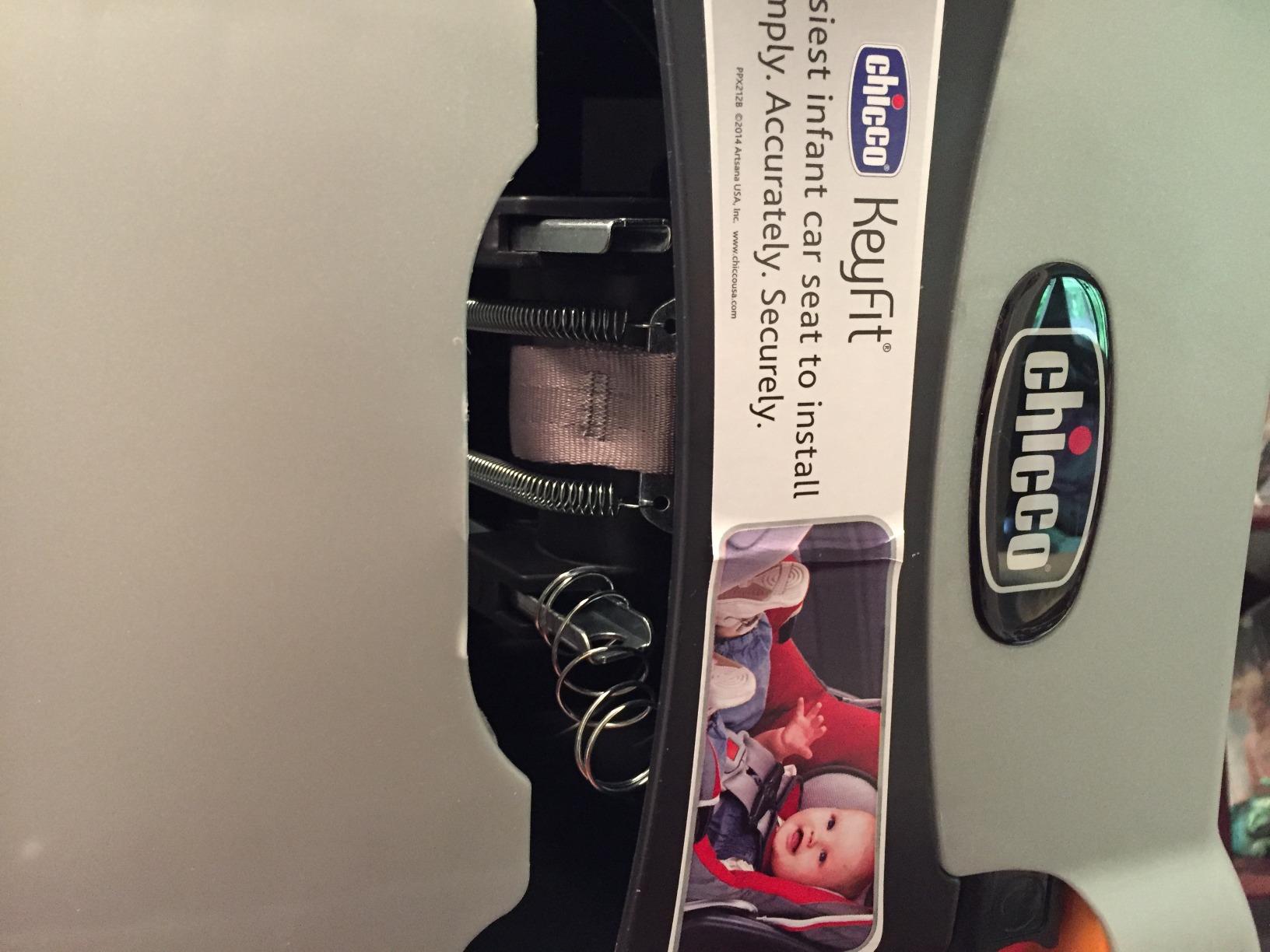
ReclineSure is a spring-loaded leveling foot that works alongside the two RideRight bubble indicators, so you can level the base on a sloped rear cushion where a fixed-foot base would sit at an angle. Owners also like that the underside is smooth, which protects the vehicle seat from getting scuffed in a car you do not own.
Ninety-five percent of the reviews we read are five-star, and the praise centers on the tightener and the level indicators. The trade-off is narrow compatibility, since this base only accepts KeyFit and KeyFit 30 infant seats.
Is this the right base for a car with no lower anchors?
It is one of the better fits of the ten for that situation. The built-in belt lock-offs handle vehicles without a LATCH system, and the SuperCinch tightener gives you room to remove slack without levering your back against the seat.
Check the second vehicle’s belt first. If the shoulder portion cannot be locked or the lap belt cannot hold position, a base with a dedicated lock-off still beats an improvised install every time.
Does it fit a sloped rear cushion?
The spring-loaded leveling foot is the reason it does. Combined with the two bubble indicators, it lets you compensate for a bench that drops toward the center, which is common in older compact cars and many family sedans.
Do the recline check with the seat clicked into the base, not with the base empty. The seat shell changes the reading, and a base that looks level on its own can be off once the carrier is attached.
3. Safety 1st onBoard 35 LT: Best Budget Second-Car Base
Safety 1st onBoard 35 LT Adjustable Infant Car Seat Base
LATCH equipped
Adjustable base
Stay-in-car design
Built for the onBoard35 LT
Pros
- Entry-level cost of the ten bases we compared
- Commonly ordered one per car by multi-vehicle families
- LATCH connectors with an adjustable base
- Extra-base variant sold alongside color options
Cons
- Only pairs with the onBoard35 LT infant seat
- Some owners report residual wiggle
- No level indicator on the base
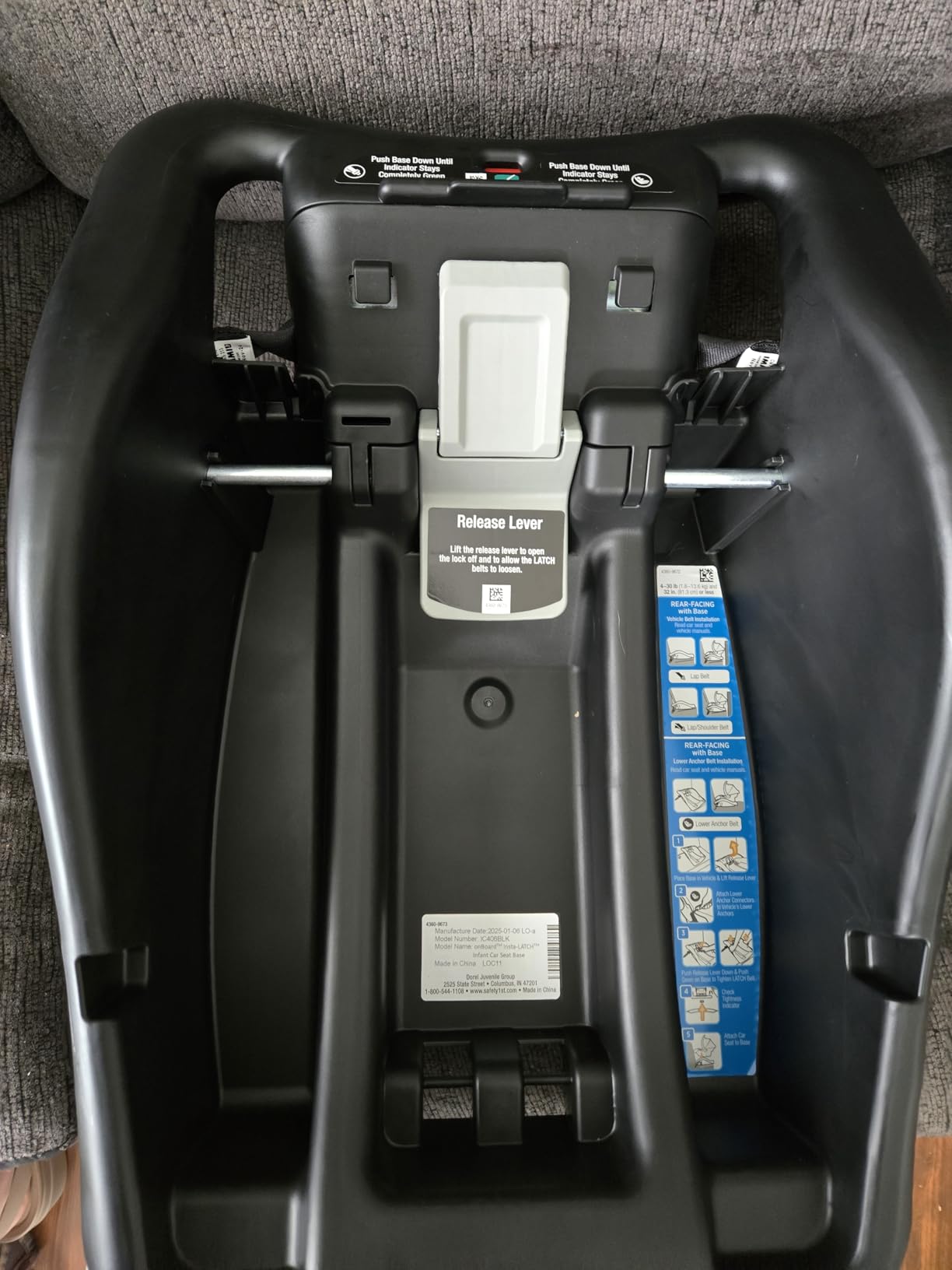
If you already own the onBoard35 LT, this base is the most economical way to solve the second-car problem on the list, and the manufacturer lists it as a stay-in-car base specifically to avoid moving hardware between vehicles. That is the exact use case here, and the LATCH-equipped adjustable design does the job without extra parts.
Buyer sentiment on this one is unusually on-topic. Multiple-vehicle households buy one base per car precisely to stop transferring hardware, and that shows up repeatedly in the reviews along with easy installation and a secure attachment to the seat.
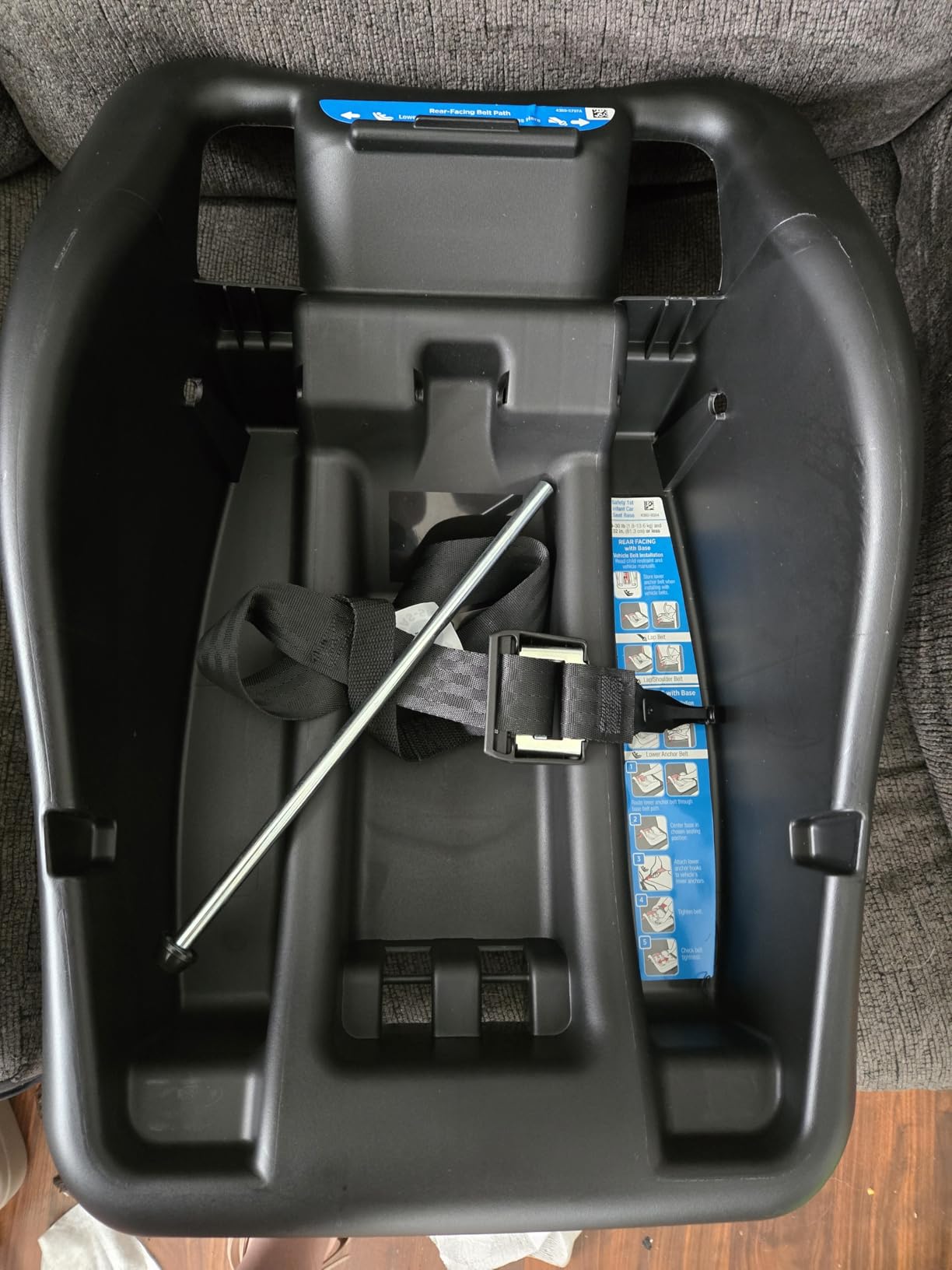
Where it is thinner is feedback. There is no level indicator on the base, so you are reading the angle from the seat shell itself, which takes more care in a car whose cushion slopes differently from your main vehicle. A handful of owners also report some wiggle even when the straps are tight, so this is not the base to pick if you want an install check built into the hardware.
With 4,212 ratings and 90 percent five-star reviews, it is a well-proven budget answer, and the review history is large enough that you are not relying on a handful of early units. Pair it with a proper one-inch movement test in both cars and it does its job.
Do I need a second base or a whole second seat?
If you already have the onBoard35 LT, a second base is the economical answer and this is the entry-level one on the list. If you do not own that seat yet and you are shopping from scratch for two vehicles, the cost of the seat plus base changes the comparison.
Run the numbers on the seat-plus-base total for each vehicle before you decide. The base-only route wins when you already have a compatible carrier, which is the situation for most families reading this guide.
Will I know if it is installed correctly?
Not from the base itself, since there is no level indicator. You will need to check the recline line on the seat shell and do the one-inch movement test at the belt path every time you install it.
That is a real drawback for a second car, because installs get rushed. A base with a visual indicator removes one reason to skip the check.
4. UPPAbaby Extra Mesa: Best Premium Second-Car Base
UPPAbaby Extra Mesa Car Seat Base – Fits Mesa, V2 & V3 Infant Car Seats
SmartSecure auto-retracting LATCH
Red-to-green indicator
4-position foot
Built-in belt lock-off
Pros
- Auto-retracting LATCH tightens as you press the seat in
- Red-to-green indicator confirms a secure install
- Four-position foot handles sloped rear benches
- Built-in lock-off covers belt installations
- Free virtual consultation with a certified technician
Cons
- Highest cost of the ten bases compared
- Does not accept Mesa Max or Aria seats
- Infant carrier sold separately
The SmartSecure system is the reason this base earns its place. The LATCH connectors retract on their own as you press the seat into the base, so there is no separate strap to pull and no way to half-tighten it. In a second car, that removes the single most common shortcut, which is stopping before the straps feel tight enough.
The red-to-green indicator is the most complete install feedback in this group, since the tightening and the confirmation come from the same mechanism. You press until the window turns green, and that check takes seconds on an open door. Owners describe installation in seconds rather than minutes, and the 2,567 ratings sit at 4.9 with 95 percent five-star.
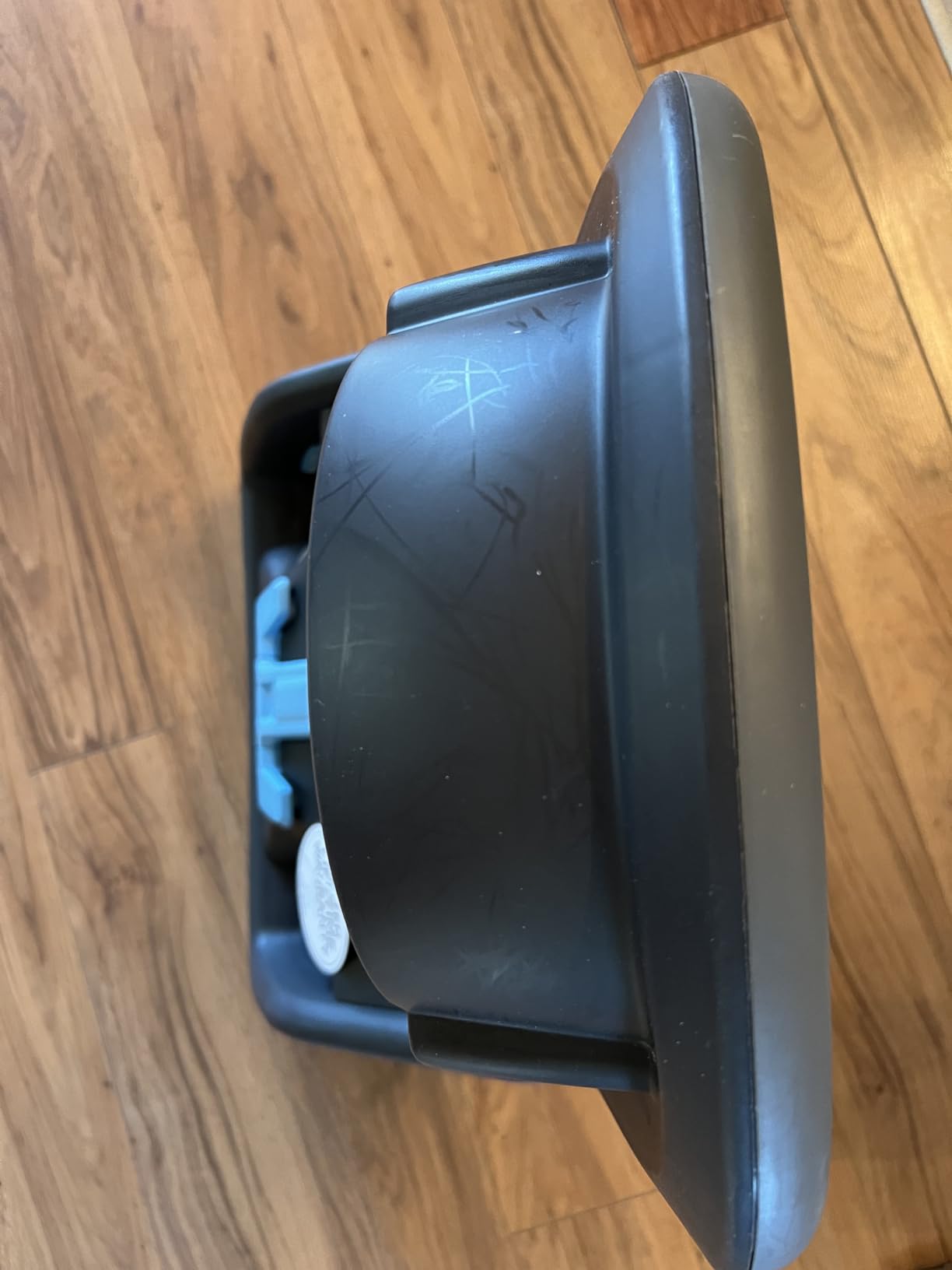
The four-position adjustable foot handles the unevenness that shows up when you move to a different vehicle, and the built-in lock-off covers belt installs in cars without anchors. There is also a free virtual consultation with a certified technician, which is worth using before the first install in an unfamiliar car.
Compatibility is the thing to read twice. This base fits the Mesa, Mesa V2, and Mesa V3 infant seats, and it does not fit the Mesa Max or the Aria. If you plan to move to a different UPPAbaby seat later, the base ages on its own schedule and you may end up replacing it anyway.
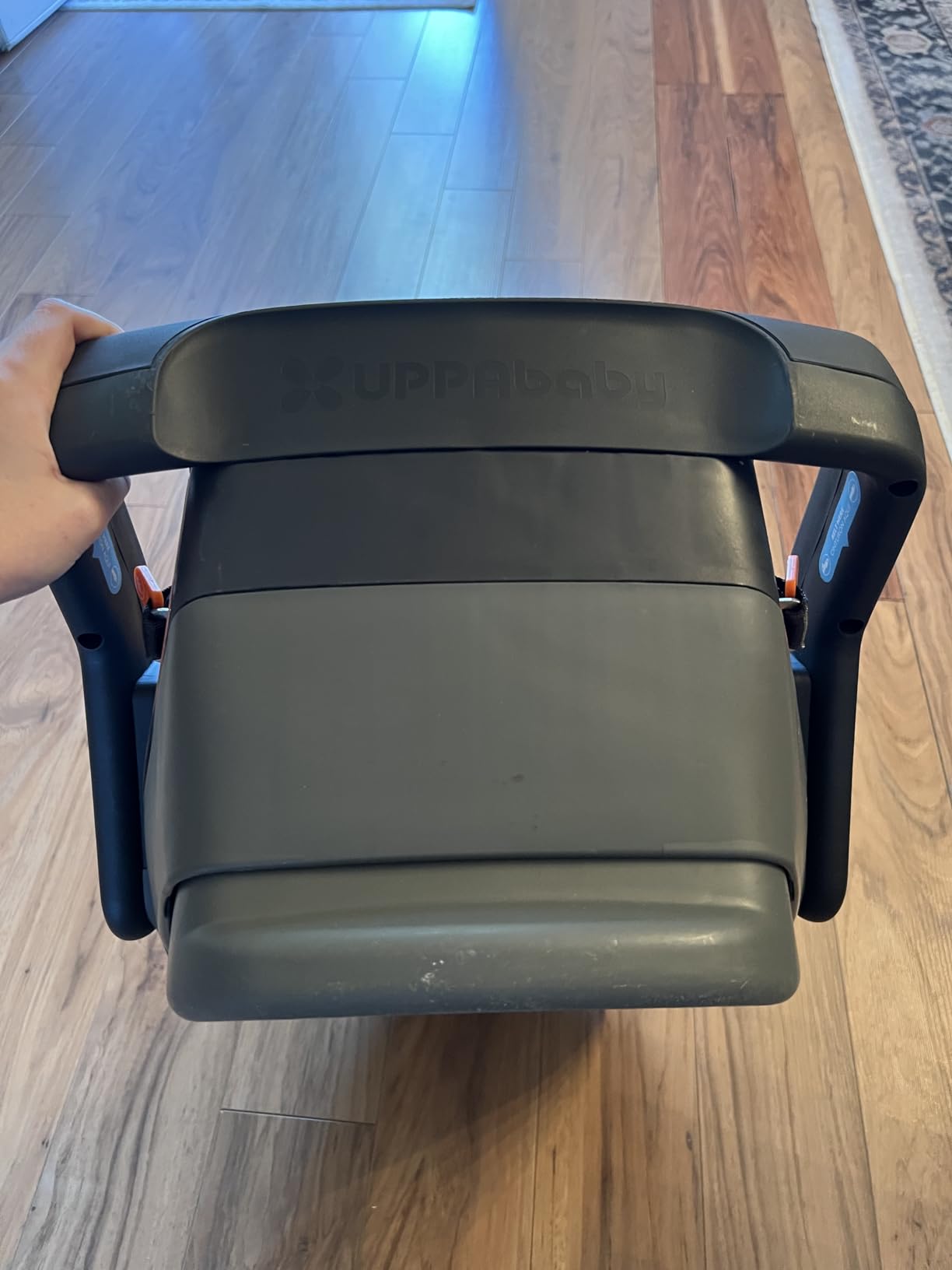
Is the auto-retracting LATCH worth the extra cost?
If a second vehicle means rushed, infrequent installs, yes. The connectors do the tightening for you, so the failure mode of an under-tightened base is designed out rather than left to your judgment on a dark driveway.
If you install in daylight, unhurried, and re-check every time, a simpler LATCH base will get you a correct install for less. Pay for the indicator if the second car is the one you use in a hurry.
Will it fit my seat model?
Only the Mesa, Mesa V2, and Mesa V3. The Mesa Max and Aria are not compatible, and the manufacturer states that limitation plainly on the product page.
Check the model label on the shell of your infant seat before ordering. It is a five-second check that prevents buying the wrong base for a premium system.
5. Doona LATCH Base: Best When the Second Car Is a Travel Scenario
Doona LATCH Base – Compatible with Doona Car Seat & Stroller
Click-in click-out attachment
Height adjustment with levels
Belt locking clips
Rear-facing only
Pros
- Seat converts into a stroller for trips
- Click-in and click-out attachment needs no reattachment tool
- Belt locking clips cover belt-only vehicles
- Level indicators are easy to read
- Certified to US federal safety standards
Cons
- Works only with the Doona seat and stroller
- Rear-facing only design
Doona solves a different second-car problem than most of these. The seat itself converts into a stroller, so if your second vehicle doubles as your travel vehicle, or you fly with the child regularly, the base matters less than the fact that the whole unit moves as one piece.
As a base, it is simple and competent. The LATCH connectors go in and release quickly, the height adjustment and level indicators handle the angle, and the belt locking clips give you a path for vehicles without anchors.
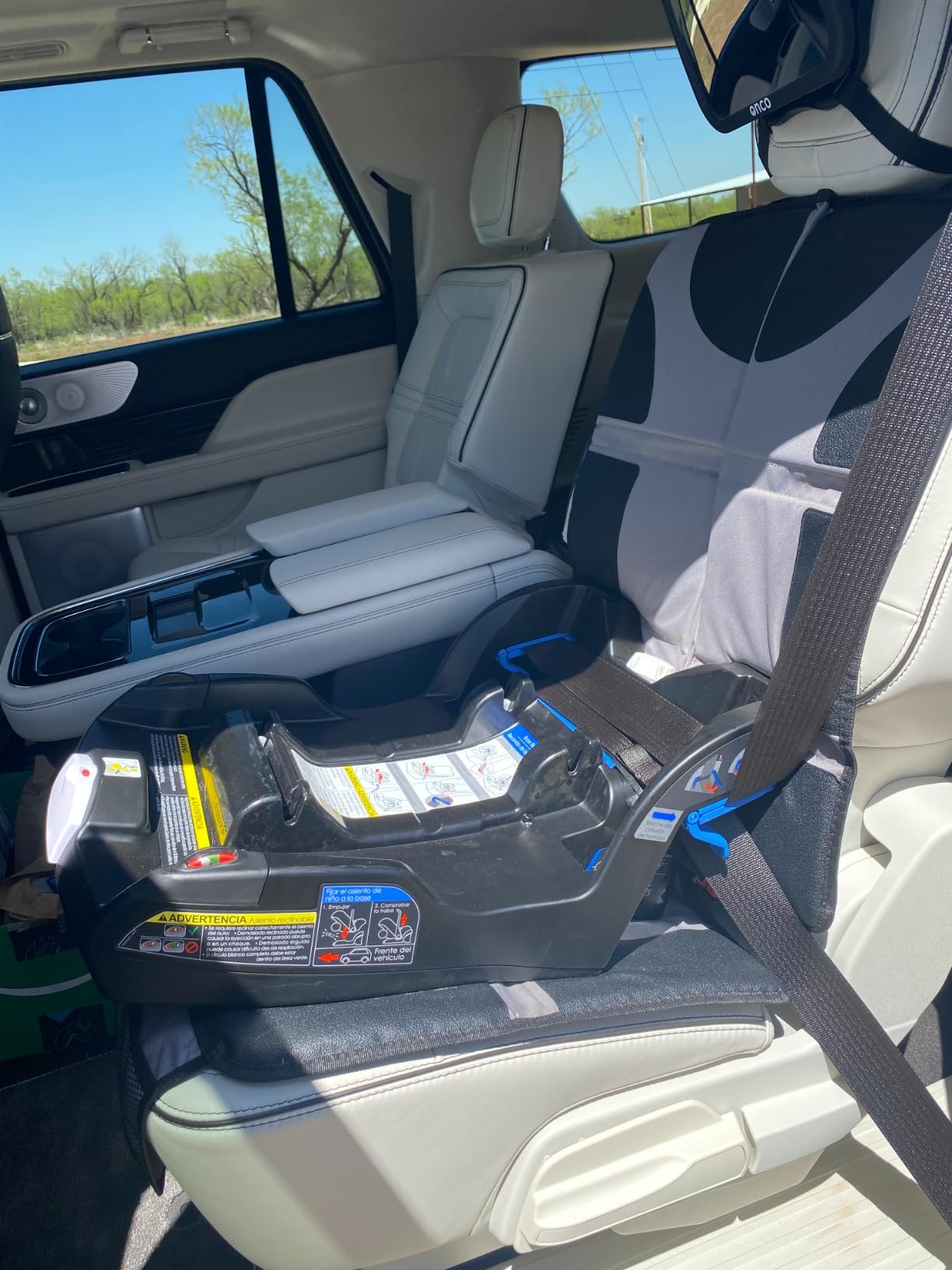
The click-in and click-out mechanism is the part owners mention most, because the carrier settles into the base without alignment fiddling. That matters in a second car where the install happens in a parking space rather than in a driveway with good light.
Two limits are worth being clear about. This base accepts only the Doona seat and stroller, and it is rear-facing only, so it is not a long-term answer as your child grows. If you are planning a second vehicle for everyday use rather than travel, this is a specialist choice.
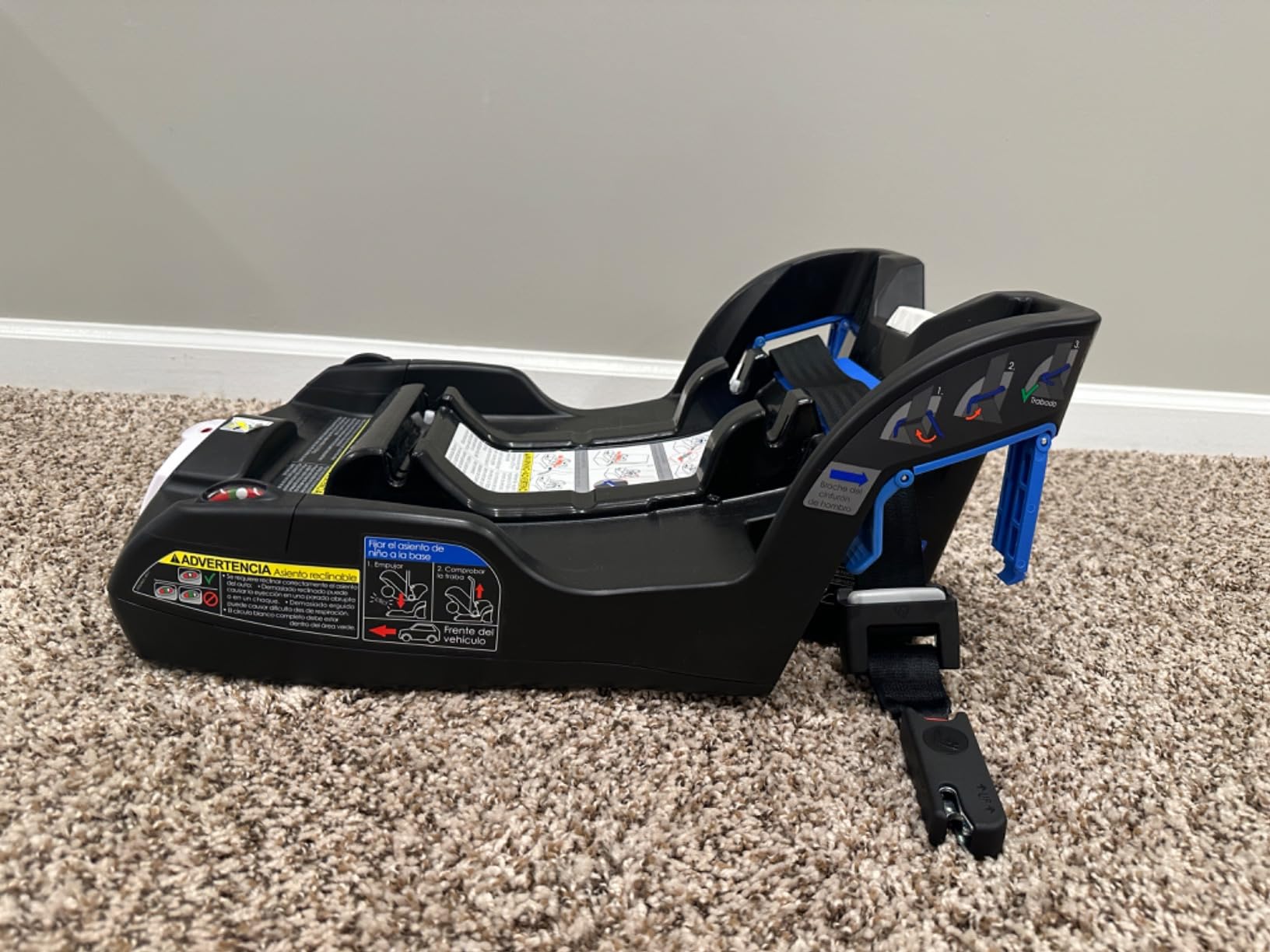
Is this practical as a daily second-car base?
For rear-facing infants, yes. The attach and release cycle is quick enough for daycare runs, and the level indicators reduce the chance of a rushed mis-install.
Once your child outgrows rear-facing, the base no longer applies, and the seat’s stroller conversion is the feature you are really paying for. Buy it for the travel use case rather than for the second car.
Can I use it in a car without lower anchors?
Yes, the belt locking clips are included and are intended for a snug vehicle seat belt installation. Make sure the belt can hold position once locked, and re-check the fit after the first week of use.
A base with a built-in lock-off and a visual indicator is a stronger pick if that car is where most of your driving happens, since belt installs loosen and need rechecking more often.
6. Baby Trend EZ Flex-Loc: Best for Older Second Vehicles
Baby Trend EZ Flex-Loc® Infant Car Seat Base
LATCH and pre-2002 belt installs
Multiple recline positions
Connectors included
Lightweight
Pros
- Belt installation works in pre-2002 non-LATCH vehicles
- Light enough to move between vehicles when needed
- Multiple recline positions for growth
- LATCH connectors included in the box
Cons
- Can hang past the edge of a small rear cushion
- Owners say it takes real body weight to tighten
- Some units arrive with older manufacture dates
This is the base to look at when the second car is genuinely old. It is listed as fully compatible with pre-2002 non-LATCH-equipped vehicles through the vehicle seat belt, which narrows the field a lot when you are dealing with an older family vehicle or a car you do not control.
It is also light enough to move in one hand if you need to, which is useful when a single base has to cover two cars on a limited budget. The adjustable base offers multiple recline positions and the LATCH connectors come included, so newer vehicles are covered too.
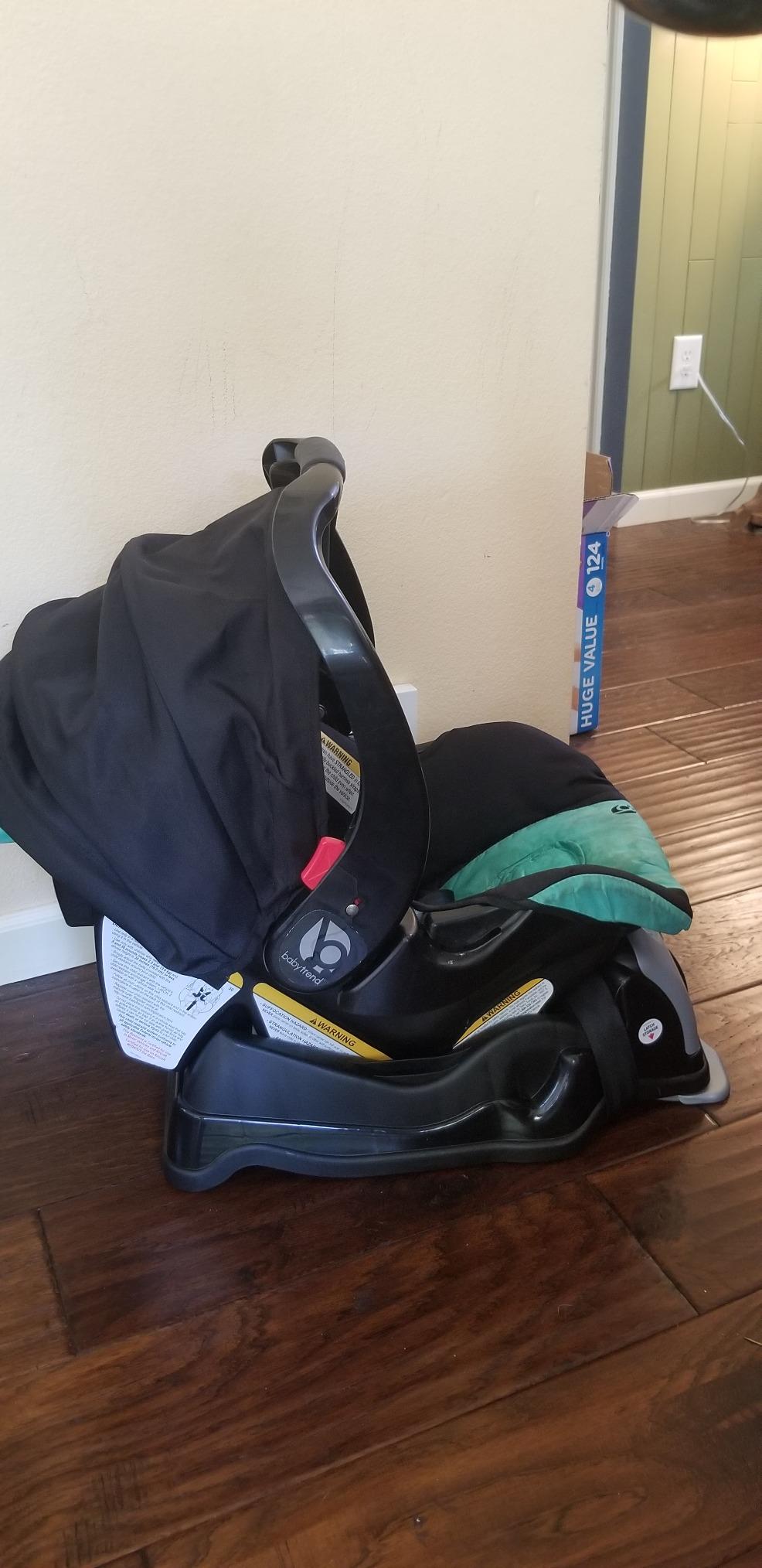
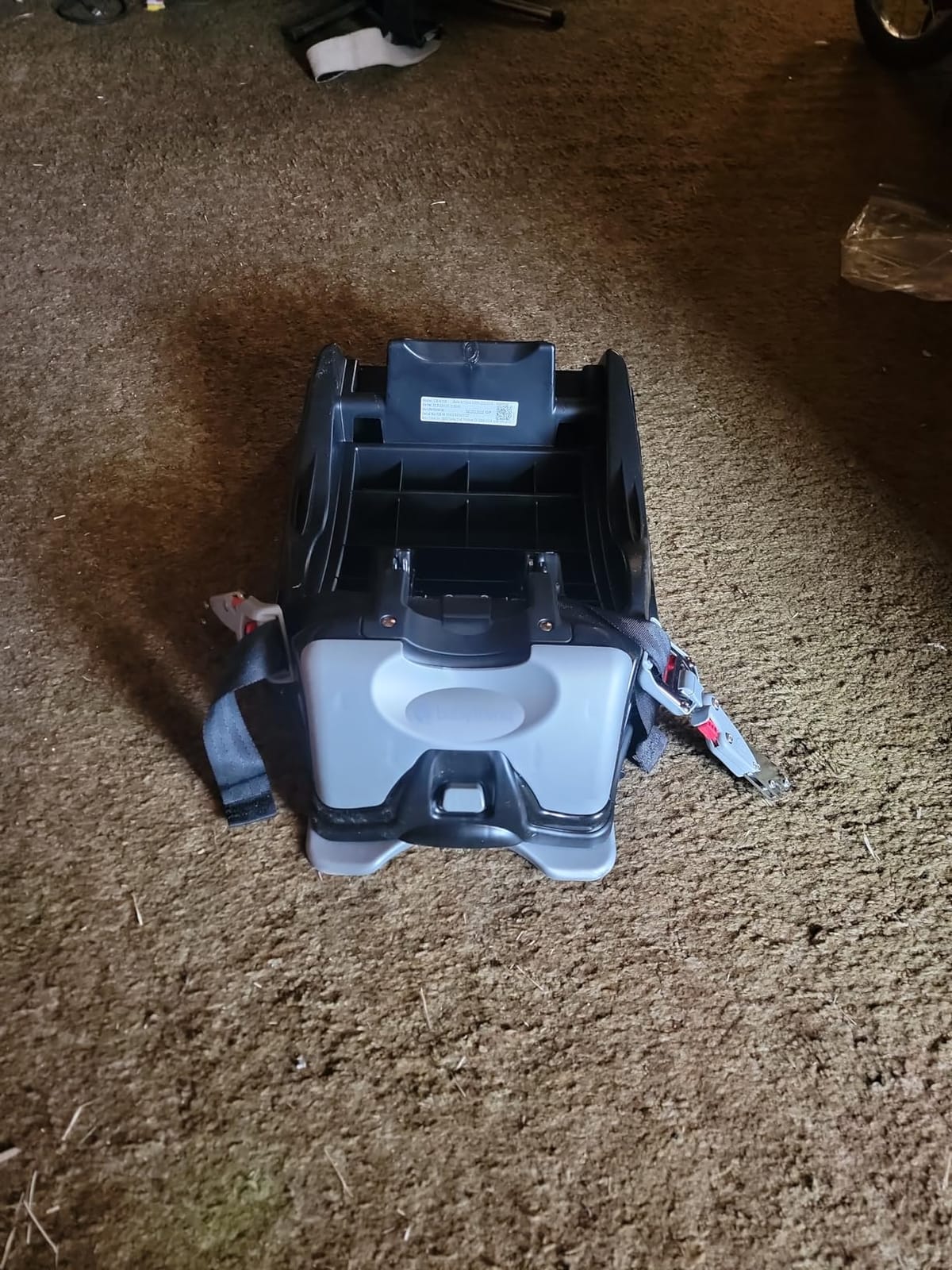
Owners report two real limitations. On cars with small rear cushions it can hang past the edge, which shortens the usable footprint, and several people mention needing significant body weight to get the straps properly tight. Neither is disqualifying, but both argue for a slow, deliberate install and a careful movement test.
A small number of buyers also received units with older manufacture dates, so check the label under the base cover when it arrives. With 2,281 ratings at 4.7 and 88 percent five-star, it is well liked by households using it in a second or grandparent’s car.
Will it work in a car with no lower anchors?
Yes, that is the main reason to consider it. The manufacturer lists compatibility with pre-2002 non-LATCH vehicles installed with the vehicle seat belt, which few other bases on this list address directly.
Confirm the belt can be locked and held before you rely on it. Belt installs need rechecking more often than LATCH installs, especially in a vehicle with a loose belt retractor.
Does it fit a small rear seat?
Sometimes, with a caveat. Buyers on small back seats report that the base can extend past the edge of the cushion, which means less support underneath and more force needed to tighten.
Measure the rear seating position in the second car before you buy, and check that the front seat still has clearance once the base is in place. Front-seat legroom is the most commonly missed measurement in a second vehicle.
7. Baby Trend EZ-Lift Plus: Best Newer-Model Base
Baby Trend EZ-Lift™ Plus Infant Car Seat Base, Black – Secure Click-in Attachment, Adjustable Recline Positions, Easy-Leveling Setup, Everyday Convenience for Growing Families
Secure click-in attachment
Adjustable recline positions
Read level indicators
Stable frame
Pros
- Click-in attachment secures the seat to the base
- Level indicators readable from the door
- Stable frame stays flat on the rear bench
- Adjustable recline positions for a growing child
Cons
- Only pairs with the EZ-Lift Plus infant seat
- Black variant only
- Shorter review history than the leaders
The EZ-Lift Plus is the newer design in this group, and it shows in the details that matter for a second car. The click-in attachment is described as secure rather than adjustable-and-hoped-for, and the small positioning adjustments let you fine-tune the fit in a vehicle whose seat geometry differs from your main car.
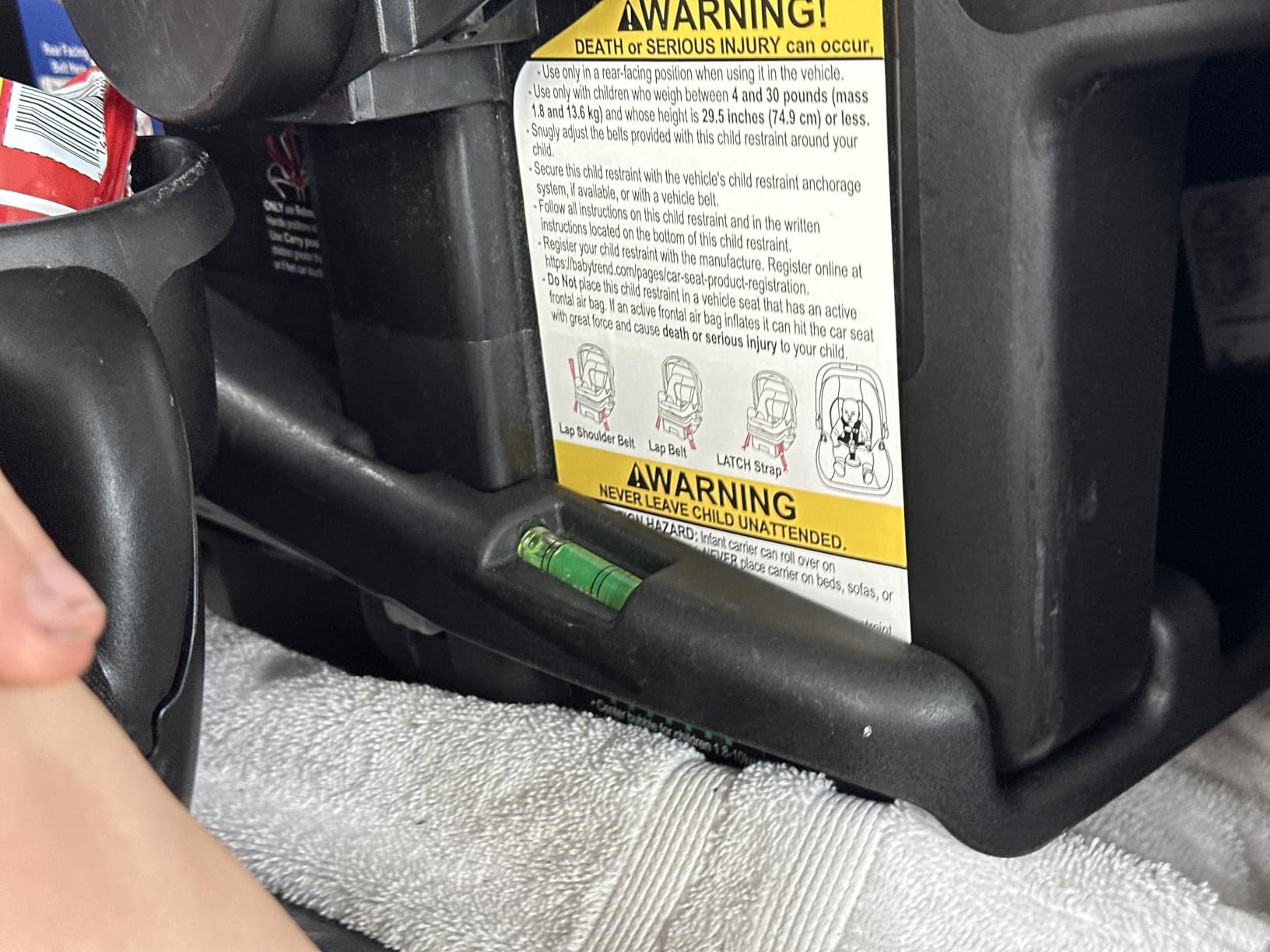
Level indicators on both sides mean you can check the angle from either door, which is genuinely useful when the second vehicle has a child seat installed on the far side of the bench. The stable frame is the piece that keeps the base flat once installed.
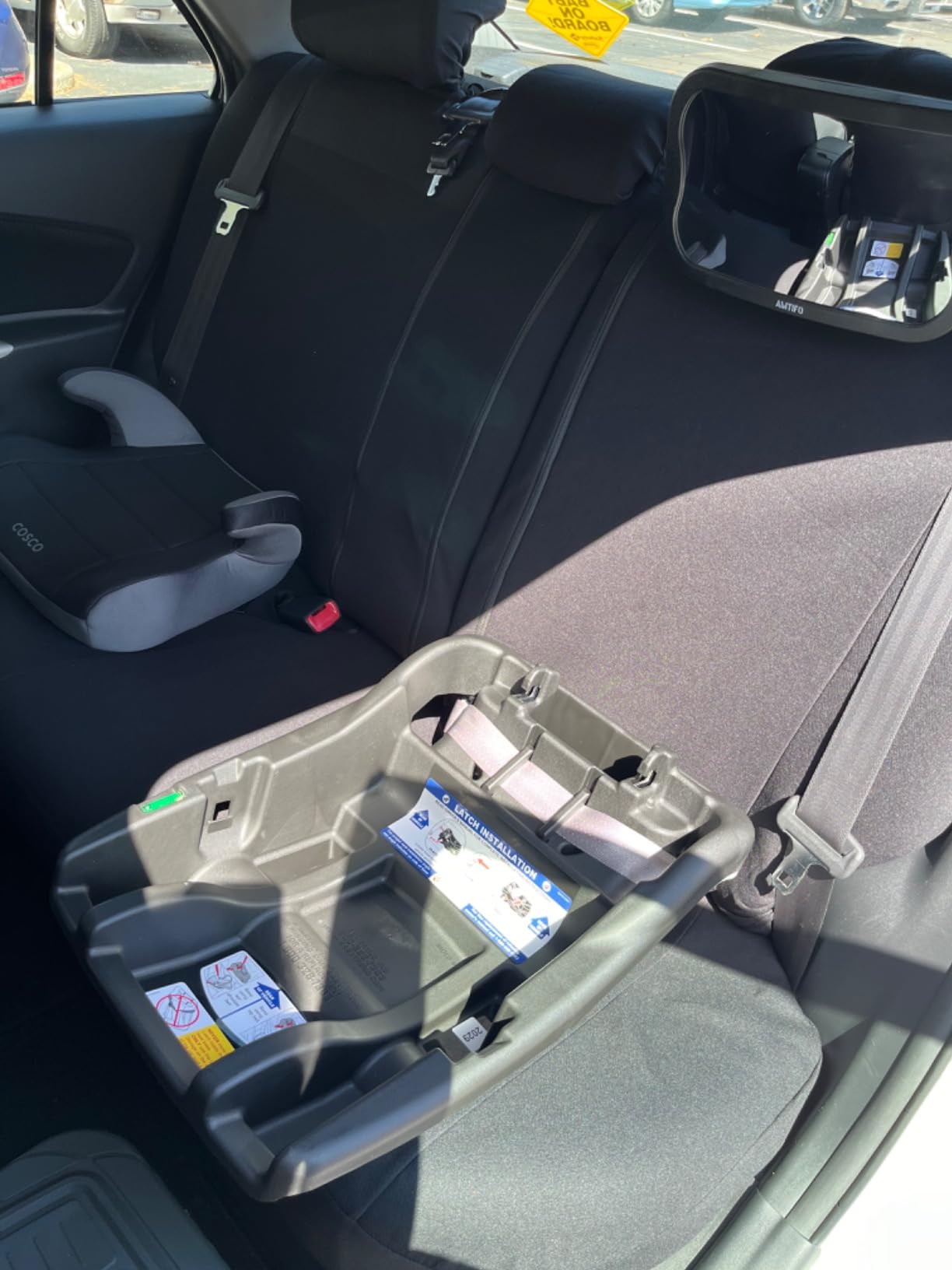
Reviewers consistently mention the click-in attachment, the adjustable recline, and the level indicators in the same breath, which tells you the three features are all doing work rather than one carrying the rating. Ninety-two percent of the 1,006 ratings are five-star.
The catch is that the review history is shorter than the established leaders, and the base only accepts the EZ-Lift Plus seat. If you are starting fresh rather than matching an existing carrier, that is a normal trade. If you already own a different infant seat, keep looking.
Is this a good match if I am buying both the seat and the base?
It is, as long as the EZ-Lift Plus is the seat you want. Buying the seat and base together from one system removes the compatibility guesswork entirely, and the two extra bases on this list work the same way.
The cost comparison still matters. A second base for a seat you already own is almost always cheaper than a second complete seat, so matching your existing carrier first is the smarter order of operations.
How does the level indicator help in a second vehicle?
It turns a guess into a check. You can confirm the angle in a few seconds at the door, which is the difference between verifying the install and assuming it is fine.
Two indicators on opposite sides also help when the base sits on a bench that falls toward one side, because you can see both readings before you commit to a recline position.
8. Maxi-Cosi Mico Stand-Alone Base: Best for European-Matched Fleets
Maxi-Cosi Mico Stand-Alone Infant Car Seat Base, Black, One Size – Car Seat Accessories for Babies
One-click LATCH system
Adjustable vehicle fit
Stay-in-car design
Fits Mico Luxe and Luxe+
Pros
- One-click LATCH attachment for fast installs
- Adjustable fit compensates for different vehicle shapes
- Designed as a stay-in-car base for multi-car homes
- One size covers both Mico Luxe seats
Cons
- Only fits Mico Luxe and Mico Luxe+
- Black only
- Review total sits below the rest of the group
The Mico stand-alone base is built explicitly for households with more than one vehicle, and the manufacturer describes it that way rather than as an accessory. That framing matches this article’s question exactly, and the adjustable fit is designed to compensate for differences between two cars in the same household.
The one-click LATCH attachment is the feature we cared about most for a second car. Fewer separate actions means fewer ways to stop early, and the base is meant to stay installed rather than moved between trips.
Owners of the Mico Luxe and Luxe+ seats are the audience here, and the reviews reflect a satisfied but small group, with 846 ratings at 4.7 and 88 percent five-star. Multi-car households are the recurring theme in the feedback, alongside the one-click install.
Two cautions before you order. This base fits only the Mico Luxe and Mico Luxe+, not the wider Mico line, and it comes in black only. Its 846-review total is the smallest of the four highly rated bases here, so there is less long-term data behind it than the leaders have.
Does it fit different vehicle shapes?
The adjustable elements are designed for exactly that. A second car with a different cushion height or anchor position is the situation this base is marketed toward, and the adjustment lets you dial the base into a different shape.
Adjustment is not the same as clearance. Check that the base does not push the front seat forward past the point where it interferes with the driver’s knees or the gear selector.
Is this base worth the cost for two cars?
It makes sense if your Mico Luxe seat is already in the first car. In that case a second base is cheaper than a second seat, and this one is designed to stay in the second vehicle.
If you have no Mico Luxe yet, the compatibility is too narrow to justify buying around it. Pick a base for the seat you own or the seat you plan to buy.
9. Baby Jogger RAPIDLOCK: Best for Anti-Rebound Protection
Baby Jogger RAPIDLOCK Infant Car Seat Base – Compatible with City GO 2
SecureStop anti-rebound bar
4-position base
Dual bubble level indicators
Push-button LATCH
Pros
- Integrated anti-rebound bar limits rebound in a collision
- Push-button LATCH for a quick install
- Dual bubble level indicators
- Owners report installs of about two minutes
- TRUE testing goes beyond federal standards
Cons
- Only fits City GO City GO Air and City GO 2
- Thinnest review history of the ten
- Anti-rebound hardware raises the cost
The RAPIDLOCK is the only base here with a built-in anti-rebound bar. That bar sits against the vehicle seatback and limits how far the base can rebound toward an occupant in the seat behind it, which matters in a second car where the child position may be directly behind a front passenger rather than behind an empty seat.
Beyond that, the install hardware is quick. Push-button LATCH means you connect and press rather than threading and pulling, and the dual bubble level indicators give you a second view of whether the base is sitting square on the bench.
Owners describe a roughly two-minute install, and the feedback is positive on the anti-rebound bar and the levels specifically. The 4-position base adjusts for a level install in vehicles whose cushions vary, which is useful when the second car is a different body style from the first.
Be clear-eyed about the data, though. With 291 ratings this is a thin review history in the group, and the base only fits the City GO, City GO Air, and City GO 2 seats. We would want a larger ownership base before making it the primary recommendation for a vehicle you drive every day.
Is the anti-rebound bar worth having?
It depends on seating position. If the child position in your second car sits directly behind an occupied seat, the bar adds a layer of protection against rebound that a base without one cannot offer.
If the position is behind an empty seat or in the middle with space on both sides, the benefit is smaller, and you are better served by a base with a clearer install indicator.
How confident should I be with only a few hundred reviews?
We would install it, check it carefully, and keep an eye on future feedback. The hardware and testing claims are specific, but a small sample tells you less about long-term durability than the 20,000-plus reviews behind the Graco base.
For a caregiver car that someone else drives most of the week, we would lean toward a base with a larger review history and an install indicator instead.
10. Evenflo LiteMax 30 Base: Best Lightweight Option
Evenflo LiteMax 30 Infant Car Seat Base
Pendulum level recline indicator
Belt lock-off
Extra rollover and temp testing
Lightweight
Pros
- Pendulum level gives a live reading of the angle
- Belt lock-off covers vehicles without LATCH
- Tested beyond federal standards for structure rollover and heat
- Light enough to move between cars
- Works as a second base for caregiver vehicles
Cons
- Only fits LiteMax infant seats
- Fewest reviews in the group at 278
- Not bundled with the car seat
The Evenflo LiteMax 30 base is built for portability, which matters if the second base has to be moved occasionally rather than living permanently in one car. Evenflo also describes the testing as going past the federal minimums, covering structural integrity, rollover performance, and temperature effects. Buyers note that it works as a second base for nanny or grandparent cars, which is the use case in this guide.
The pendulum level is a nice piece of feedback. Rather than a fixed printed line, it moves as the base settles, so you get a live reading of the angle instead of matching a window against a mark.
The belt lock-off handles vehicles with no usable lower anchors, and owners frequently describe this base as their setup for a nanny or grandparent car, which is exactly our use case. That combination of light weight, lock-off, and live level feedback covers several of the most common second-car problems in one package.
With 278 ratings at 4.8 and 91 percent five-star, the feedback is good but young, and a few buyers wish the base were bundled with the seat at purchase. The compatibility is limited to LiteMax infant seats, so check your model before ordering.
Is it light enough to move between cars regularly?
It is designed to be light and portable, and that is where its value sits. If your plan is to carry one base between two vehicles rather than install two, the weight and the belt lock-off both make that workable.
Just remember that moving a base every trip is the habit that produces errors. A permanently installed second base remains the better use of a second purchase.
What does the extra testing cover?
According to the manufacturer, the base is tested for structural integrity, rollover performance, and temperature effects in addition to meeting applicable federal safety standards.
Extra testing does not change the install rules. You still do the one-inch movement test and the recline check in whichever car the base is installed in.
How to Install a Base in Your Second Car
Installing a base for a second time is where most households go wrong, because the first install was done carefully at home and the second one happens in a hurry. The sequence below is the same every time, and doing it once properly removes the need to do it again.
Confirm the seating position. Pick the spot in the second car before you buy the base, and check that the lower anchors are usable and not blocked or too close together for this base’s connectors.
Locate the seat bight. The bight is where the bench cushion meets the seatback, and that is where the vehicle belt or the anchor hardware has to grip. A sloped cushion changes the geometry, so follow the slot the base manufacturer specifies rather than guessing.
Attach and tighten. Use lower anchors where the car has them, or the vehicle belt with the base’s lock-off where it does not. On LATCH installs, tighten until the strap stops moving, then check the base’s own indicator if it has one.
Set the recline. Adjust the foot or recline position with the infant seat clicked into the base, then read the indicator or bubble levels with the door open.
Do the one-inch movement test. With the seat locked in, grip the base near the belt path and pull. It should move less than one inch. If it moves more, tighten and repeat.
The reinstall-every-time mistake is obvious in hindsight. A base that lives in one car and gets pulled out for each journey is reinstalled in a parking lot, half-attended, often by someone who did not do the original install. Two permanently installed bases turn that recurring task into a one-time job per car.
If you can, have a Certified Child Passenger Safety Technician check both installs. A visit covers both cars in one appointment and gives you documentation for anyone else who will drive with your child. On the practical side of the setup, our rear seat car charger extension picks cover keeping a second phone powered up during longer journeys.
Vehicle Compatibility Checklist Before You Buy
The second car is usually the less forgiving one, and it is often not the car you know as well. Run this checklist in the actual vehicle before you order a base, because a base that is wrong for the seat position is a return, not a compromise.
Anchor access. Open the bight and confirm the lower anchor bars are present, straight, and spaced so your base’s connectors reach both without force.
Seat bight location. Look at where the cushion meets the seatback. Some bights sit low and forward, which is where slack belt installs start to go wrong.
Seatback angle. A sloped rear bench or a reclined second-row seat changes the base angle, and many bases only have a few positions of adjustment.
Front-seat legroom. Slide the front seat forward as if a passenger were sitting in it, then install the base. The child position must not force the front seat into the driver’s knees or block a gear selector.
Door clearance. Check that the door can close fully with the base installed. On narrow rear seating positions this is a real limit, not a theoretical one.
Vehicle belt behavior. If you will install with the belt, confirm the lap and shoulder portions lock and hold position. A retractor that drifts will undo a correct-looking install.
Do this in the second vehicle, not the first. The whole point of adding a base is that the two cars differ, and the differences are exactly what the list above is designed to catch. If you want a benchmark for the seat itself, our convertible car seat picks for small cars uses similar measurements on the seat side.
Second Base vs a Second Whole Car Seat
A second base is the right answer when your second vehicle is broadly similar to the first and you already own a compatible infant seat. A second complete seat makes more sense when the two cars are different enough that one base cannot serve both, or when the second car is driven by someone outside your household who will not have access to your hardware.
From a cost angle, the base-only route is straightforward. You are adding one base instead of a full seat-and-base set, and you are reusing a carrier you have already bought. What you give up is flexibility, since you will have a seat in each car rather than one seat that moves.
From a safety angle, two installed bases beat one base that travels. The reinstall is the risky moment, and eliminating it is the entire argument. Parents on r/Parenting describe running two different seat brands across two cars precisely because the vehicles are too different for one seat to fit both well, which is the case where a second complete seat wins.
On caregiver arrangements, the ownership question comes first. A r/NannyEmployers thread recommends that employers purchase the seat themselves, have the caregiver install it, and then verify the install before the child is transported. If a paid driver uses the second car, agree in advance on who owns the base, who installs it, and who checks the expiration date. Write it down.
One detail people miss: the second base ages independently of the seat. Record the manufacture date of each base separately, because a base bought at the same time as a seat will not necessarily reach the end of its life at the same moment.
Buying a Secondhand Base: Go/No-Go Checklist
Secondhand bases are a genuinely mixed category, and the guidance for used seats does not transfer cleanly. Seats carry crash history in a way bases usually do not, but a base still has an expiration date, a recall record, and internal hardware you cannot inspect. Use this list as a go/no-go screen rather than a discount opportunity.
No. If the seller cannot tell you the crash history of the vehicle the base came out of, skip it. A base in a crashed car may have absorbed forces through hardware that still looks fine.
No. If the manufacture or expiration date is unreadable or missing. Without a date you cannot prove the base is within its service life.
No. If the base is missing its indicators, lock-offs, connectors, or adjustment foot. Incomplete hardware cannot be verified as working.
No. If the base has been in a vehicle where a child was restrained during a collision, no matter how minor.
Yes, with care. If the date is current, the hardware is complete, and you have a full crash history, run a recall check on the model and verify every install check yourself in both cars.
One more thing: the second base you buy needs its own install verification. A secondhand base has no indicator reading on day one, so the one-inch movement test and the recline check carry more weight than usual.
Frequently Asked Questions
Can you get a second car seat base?
Yes. A base belongs to one vehicle, and an infant seat can click into two different bases in two different cars. Fit the second base into the second vehicle once, leave it installed, and the seat shell moves between them with no change in how it attaches. The new base must be the exact model listed for your seat, since most infant systems are proprietary.
Can I get two bases for one car seat?
You can, as long as both bases are approved for your exact seat model. Brands do not cross-fit outside their own systems, so a base made for one infant seat will usually not accept a different brand’s carrier. Check the compatibility list printed on the base or in the manual before ordering, and note that each base has its own expiration date.
Should you get two car seats if you have two cars?
It depends on whether the two cars are similar. If both have usable lower anchors and a similar seat bight, a second base for the seat you already own is cheaper and safer, because it removes the repeated reinstall. If the second car is much smaller with a sloped cushion and different anchor geometry, a dedicated seat that fits that vehicle well can be the better choice.
Are car seat bases safe to buy second hand?
Only with checks. Skip a secondhand base if the seller cannot confirm the crash history of the vehicle it came from, if the manufacture or expiration date is unreadable, or if indicators, lock-offs, connectors, or the adjustment foot are missing. If the date is current and the hardware is complete, run a recall check and verify the install yourself in each car.
How often should I reinstall a car seat base?
Reinstall the base every time it is moved to a different vehicle, and recheck the one-inch movement test and the recline angle on each of those installs. If a base stays permanently in one car, a full reinstall is not needed, but it is still worth checking the indicators periodically and after any change to the vehicle seat position. That permanent setup is the reason a second base is safer for two-car families.
Final Verdict
For most two-car households, the best car seat bases for second cars in 2026 come down to a base you install once and never move. The Graco SnugRide Lite is the pick we would fit first, with four recline positions, a readable level indicator, and the deepest review history in the group. The Safety 1st onBoard 35 LT base covers the budget end, and the UPPAbaby Extra Mesa covers families who want the clearest install feedback money can buy.
Whichever you choose, match it to the seat you already own, run the compatibility checklist in the second vehicle before you order, and have both installs checked by a technician if you can. That last step is the one most families skip, and it is the one that catches the problems a base indicator cannot.