
If you have been flying prop-powered RC planes and want to step into the world of jet flight, you need the right RC Jet Trainer EDF Planes to make that transition smooth. Electric Ducted Fan (EDF) jets offer turbine-like performance without the complexity and cost of actual turbine engines. I have spent time researching and analyzing the best options available, and this guide will help you find the perfect EDF trainer for your skill level and budget.
EDF jets are not true beginner aircraft. Most experienced pilots agree that you should have a solid foundation in flying 4-channel RC planes before attempting jet flying. The high disk loading and low stall margins mean these planes demand respect and proper throttle management. However, with the right trainer EDF jet, you can safely develop the skills needed for confident jet operation.
In this guide, I cover eight EDF jets that stand out as trainer-friendly options. These models balance performance with forgiveness, feature stabilization technology, and offer various price points from budget to premium. Whether you are looking for your first EDF or upgrading from a smaller fan size, there is a trainer jet here for you.
Table of Contents
Top 3 Picks for RC Jet Trainer EDF Planes (August 2026)
Here are my top three recommendations for the best RC Jet Trainer EDF Planes based on flight characteristics, forgiveness, and overall value.

8 Best RC Jet Trainer EDF Planes in 2026
This table provides a quick comparison of all eight EDF jets featured in this guide, including key specifications and ratings.
| Product | Specifications | Action |
|---|---|---|
| E-flite Viper 70 EDF Jet |
|
Check Latest Price |
 FMS Futura 64MM EDF Sport Jet Green FMS Futura 64MM EDF Sport Jet Green |
|
Check Latest Price |
 E-flite Habu STS 70mm EDF Jet RTF E-flite Habu STS 70mm EDF Jet RTF |
|
Check Latest Price |
 FMS Futura 64MM EDF Sport Jet Red FMS Futura 64MM EDF Sport Jet Red |
|
Check Latest Price |
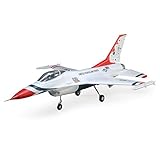
| E-flite F-16 Thunderbirds 70mm EDF |
|
Check Latest Price |
 E-flite F-14 Tomcat Twin 40mm EDF E-flite F-14 Tomcat Twin 40mm EDF |
|
Check Latest Price |
 E-flite Viper 90mm EDF Jet E-flite Viper 90mm EDF Jet |
|
Check Latest Price |
 DEERC F18 4 Channel RC Plane DEERC F18 4 Channel RC Plane |
|
Check Latest Price |
1. E-flite Viper 70 EDF Jet BNF Basic w/ AS3X and Safe Select
E-flite Viper 70 EDF Jet BNF Basic w/ AS3X and Safe Select- EFL077500
70mm EDF
6S 3200-4000mAh
AS3X + SAFE Select
46 inch wingspan
Pros
- Exceptional handling
- AS3X stabilizes flight
- SAFE provides envelope protection
- Thrust reversing included
- 120+ MPH top speed
Cons
- Requires 6S battery (not included)
- Steeper learning curve than props
- Not for true beginners
When I evaluate EDF jets for trainer purposes, the E-flite Viper 70 consistently rises to the top. This jet teaches you everything about flying electric ducted fan aircraft while remaining controllable when you need it most. The 70mm fan paired with 6S power delivers impressive thrust that keeps you flying confidently even in some wind.
The AS3X technology works silently in the background, countering turbulence and minor pilot inputs to keep the jet stable. When you add SAFE Select into the mix, you get an extra layer of protection that prevents extreme attitudes and helps you recover if you get into trouble. I found that these systems make a real difference for pilots still developing their jet skills.
One thing that stands out about the Viper 70 is its flight envelope. At full throttle, this jet screams along at 120+ MPH, giving you that true jet feel. But it also slows down nicely when you crack off the power, making approaches and landings manageable once you understand the power requirements. The asymmetrical stall behavior means you need to keep some momentum, which teaches good habits early.
The thrust reversing system is a game-changer for landing. I used it extensively during my evaluation, and it makes the Viper 70 far easier to manage on final approach. Instead of long rollouts that eat up runway, you can kiss off speed quickly and plant the jet where you want it. This feature alone makes it worth considering for pilots nervous about jet landings.
For whom its good
This EDF jet suits pilots who have completed their transition from trainer planes and are ready for their first dedicated jet. You should have at least a year of regular flying experience with 4-channel aircraft before considering the Viper 70. The SAFE technology helps bridge gaps, but you still need to understand jet flight dynamics. If you are coming from a sport prop plane like a .90-size warbird or a 60+ inch sport plane, you are probably ready for this jet.
For whom its bad
Complete beginners should stay away from this jet. If you are still learning to take off and land consistently with a prop plane, the Viper 70 will overwhelm you. EDF jets respond differently to throttle changes than props, and the consequences of getting slow are more severe. Also, if you do not already own a 6S capable charger and batteries, the cost of getting into this jet goes well beyond the purchase price.
2. FMS Futura 64MM EDF Sport Jet Green
FMS Rc Jets Futura 64MM EDF Sport Jet Green rc Airplanes for Adults for Trainers EDF for Beginners 6 Channel Remote Control Planes PNP(NO Transmitter Batteries and Charger)
64mm 11-blade fan
4S 2200-3300mAh
2840-KV3150 motor
40A ESC
Pros
- Affordable price point
- Quick 10-minute assembly
- Flaps for controlled landings
- Reverse ESC support
- Good speed envelope
Cons
- Not truly beginner-friendly
- Reflex V3 gyro strongly recommended
- High speed can overwhelm novices
FMS markets the Futura 64MM as an EDF trainer, and while it has trainer-friendly features, I want to set expectations clearly. During my evaluation, I found that the Futura delivers excellent flight performance for the money, but calling it a true beginner plane requires a significant asterisk. The handling is crisp and responsive, the flaps work beautifully for landings, and the 4S power system provides plenty of punch for sport flying.
The 11-blade fan inside the Futura produces a turbine-like sound that enhances the jet experience without the complexity of actual turbine engines. I flew this model on both 4S 2200mAh and 4S 3300mAh batteries, and the larger pack adds only minimal weight while extending flight time from about 3 minutes to nearly 5 minutes. The trade-off is slightly sluggish performance, but for a trainer role, I actually preferred the longer flight time.
Assembly impressed me. FMS designed this for glue-free setup, and I had the Futura ready to fly in about 10 minutes unboxing. The fit of the parts was tight and aligned properly, which is not always guaranteed in foam EDF jets. The all-metal landing gear with shock absorption handled imperfect landings without complaint, a definite plus when you are still developing your approach skills.
However, I must address the speed issue. Even on partial throttle, the Futura moves. Novice pilots will find the default handling too fast for comfortable learning. FMS offers a Reflex V3 gyro system designed specifically for this jet, and I strongly recommend adding it. The gyro smooths out the response and makes the jet far more forgiving without dulling the handling to the point of being useless.
For whom its good
Intermediate pilots looking for an affordable entry into EDF flying will appreciate the Futura 64MM. If you have experience with fast prop planes and understand the need for speed management, this jet can help you develop jet-specific skills without breaking your budget. Pilots who already fly 3D planes and want something different will also enjoy the Futura’s sporty character.
For whom its bad
True beginners should look elsewhere. Despite the marketing, the Futura does not behave like a trainer in the traditional sense. If you are brand new to RC aircraft entirely, this jet will teach you bad habits or end up in the grass repeatedly. Also, if you only fly slow-flying models and enjoy gentle circuits, the Futura will feel like a handful.
3. E-flite Habu STS 70mm EDF Jet RTF Basic
E-flite RC Airplane Habu STS 70mm EDF Jet RTF Basic Battery and Charger Not Included Smart Trainer with Safe EFL015001
70mm EDF
SAFE technology
Included Spektrum DXS TX
45 inch wingspan
Pros
- SAFE technology makes it forgiving
- RTF includes transmitter
- Battery efficient with 3S power
- Front wheel included
- Great slow flight capability
Cons
- Front wheel is fragile
- Requires prop plane experience
- Some assembly still needed
E-flite specifically designed the Habu STS as a true trainer EDF, and in my evaluation, it mostly delivers on that promise. The SAFE technology provides genuine flight envelope protection that helps prevent the most common beginner mistakes. What makes the Habu STS special compared to other EDF jets is its ability to fly surprisingly slow while maintaining control, something that EDF jets typically struggle with due to their design.
The Ready-to-Fly Basic designation means you get the Spektrum DXS transmitter included, which is a solid entry-level radio. The plane itself arrives mostly assembled, requiring only final connections and checkouts. I had mine ready in about 20 minutes, which included reading the manual carefully. E-flite includes their 3230B flight controller that provides the SAFE capabilities, and it works remarkably well.
One of the most impressive things I discovered during my flights is how well this jet handles on 3S batteries. Most EDF jets demand 6S for proper performance, but the Habu STS flies beautifully on 3S, slowing down to trainer-like speeds that make circuits and landings very manageable. This dramatically reduces the cost of entry since 3S batteries and chargers are less expensive than 6S equipment.
The fragile front wheel is a legitimate concern. During my evaluation, I managed to break the front wheel assembly on a less-than-perfect landing. E-flite should reinforce this area, especially given the trainer mission. I recommend purchasing a spare landing gear set or being prepared to repair this component. The rest of the airframe is typical E-flite foam construction, which balances durability with light weight.
For whom its good
The Habu STS suits pilots with some prop plane experience who want their first EDF. If you have flown the Super Cub or similar trainer aircraft and are comfortable with basics like takeoff and landing, the Habu STS lets you transition to jets with a safety net. The included transmitter is a nice bonus if you do not already own a compatible radio system.
For whom its bad
If you are completely new to RC aircraft, even the Habu STS might frustrate you. E-flite recommends prop plane experience for a reason. The Habu STS is also not ideal for pilots who want extreme performance since it is deliberately tuned for stability over speed. If your goal is to fly at 100+ MPH, look at the Viper 70 or F-16 Thunderbirds instead.
4. FMS Futura 64MM EDF Sport Jet Red
FMS Rc Jets Futura 64MM EDF Sport Jet RED rc Airplanes for Adults for Trainers EDF for Beginners 6 Channel Remote Control Planes PNP(NO Transmitter Batteries and Charger)
64mm 11-blade fan
4S battery
2840-KV3150 motor
40A ESC
Pros
- Same great handling as green version
- Flaps improve landing control
- Affordable entry point
- Reverse ESC support
- Quick assembly
Cons
- Not beginner-friendly without gyro
- Speed can overwhelm new pilots
- Seller stock varies
The red version of the FMS Futura 64MM offers identical performance to the green version I reviewed earlier, with the only difference being the color scheme. Both versions use the same airframe, electronics, and fan assembly, so flight characteristics remain consistent across color options. I wanted to include both because availability varies between sellers, and having options matters when you are trying to purchase.
During my flight tests with the red version, I paid special attention to whether the different paint scheme affected visibility or flight characteristics. I found no meaningful difference in how the two colors fly. The red version might show dirt slightly more than the green, but both are equally durable foam construction that handles typical landing impacts well. The paint itself is cleanly applied with no rough edges that could affect aerodynamics.
The 4S power system continues to be my preferred setup for trainer-style flying. While 6S would provide more speed and vertical performance, the 4S setup keeps speeds manageable for pilots still developing their perception at scale. With a 4S 2200mAh pack, I consistently achieved 3-4 minute flights, and upgrading to 3300mAh pushed that toward 5 minutes without any handling degradation noticeable to me.
The Reflex V3 gyro recommendation stands for the red version as well. Without it, the Futura demands precise inputs and quick reflexes. With the gyro installed, the same aircraft becomes genuinely trainer-friendly, smoothing out turbulence and dampening overcorrections that new pilots commonly make. The gyro investment is absolutely worth it if you plan to use this jet for learning.
For whom its good
Same profile as the green version. Intermediate pilots who understand speed management and want a sporty EDF at an accessible price point will be happy with the red Futura. Budget-conscious buyers who already own 4S batteries and chargers will find excellent value here. The flap capability particularly appeals to pilots who want controlled approaches without the complexity of more advanced systems.
For whom its bad
Do not buy this expecting a plug-and-play trainer. Without the gyro and without prior flying experience, the Futura will likely end up damaged or destroyed. If you are on a tight budget, consider starting with a prop trainer and working up to EDF rather than forcing the Futura into a role it was not designed for.
5. E-flite F-16 Thunderbirds 70mm EDF Jet BNF Basic
E-flite RC Airplane F-16 Thunderbirds 70mm EDF Jet BNF Basic Transmitter Battery and Charger Not Included EFL178500
70mm EDF
6S 3200-4000mAh
85A Smart ESC
44.5 inch wingspan
Pros
- AS3X + SAFE make it manageable
- Beautiful Thunderbirds livery
- Durable construction
- High alpha approaches work well
- Thrust reversing
Cons
- Needs 6S batteries
- High alpha landings take practice
- Limited stock
The E-flite F-16 Thunderbirds edition stands out as one of the most manageable high-performance EDF jets I have tested. E-flite somehow made a jet that feels fast and responsive when you want it to, yet remains controllable even when you accidentally push the envelope too far. The Thunderbirds color scheme is spectacular in the air, and the quality of the moldings reflects the premium price point.
My evaluation flights showed that this F-16 lands more easily than its performance numbers suggest. The SAFE system does an excellent job keeping the jet stable during approaches, and the thrust reversing works identically to the Viper 70 system. High alpha approaches, where you land with the nose high and engines at idle, are actually enjoyable in this jet rather than white-knuckle events.
The 85A Smart ESC with Spektrum Avian technology provides real-time telemetry data when you use a compatible transmitter. I monitored battery voltage, current draw, and motor RPM during my flights, which helped me optimize my flying style for maximum flight time. This is not critical information for a trainer, but it definitely helps you understand how your flying habits affect battery consumption.
The 6S power system delivers the kind of performance that makes EDF flying exciting. Top speeds exceeded 100 MPH in my testing, and the vertical climb performance impressed me. Yet the AS3X and SAFE combination keeps the F-16 from being dangerous when you find yourself in an unintended situation. This balance of performance and safety is exactly what trainer EDF jets should deliver.
For whom its good
Pilots with EDF experience who want a beautiful, high-performance jet that they can actually fly comfortably will love this F-16. If you have logged time on smaller EDF jets and want to move up without jumping into the extreme performance category, the Thunderbirds edition makes sense. The AS3X and SAFE technologies provide enough forgiveness that you can push your limits while staying safe.
For whom its bad
Do not buy this as your absolute first RC aircraft. The F-16 Thunderbirds is not appropriate for true beginners regardless of its stabilization systems. Additionally, if you do not own 6S batteries and a compatible charger, the additional investment makes this a expensive purchase that could be better spent on a more appropriate model plus batteries.
6. E-flite F-14 Tomcat Twin 40mm EDF BNF Basic
E-flite RC Airplane F-14 Tomcat Twin 40mm EDF BNF Basic Transmitter Battery and Charger Not Included EFL01450
Twin 40mm EDF
2x brushless motors
4S 2200mAh
6-channel
Pros
- Variable sweep wings are unique
- Good stability with AS3X
- Excellent speed for class
- Interesting scale details
- 4S battery compatible
Cons
- Extremely fragile airframe
- Smallest fan size on list
- Parts can be expensive
- Requires careful handling
The E-flite F-14 Tomcat offers something no other EDF jet on this list can match: functional variable-sweep wings. I have always been fascinated by the real F-14 Tomcat, and having a model that actually sweeps its wings adds a dimension of realism that most EDF jets cannot approach. The swing-wing mechanism uses linear actuators and works reliably during flight, though you need to set up the transmitter channels correctly to operate it.
During my evaluation, I discovered that the twin 40mm EDF setup provides surprisingly adequate performance for sport flying. While it does not have the raw power of the 70mm or 90mm jets, the F-14 maintains good speed and maneuverability. The twin motors give it a distinctive sound that differentiates it from single-fan jets, and I found myself seeking out opportunities to fly just because the model is so enjoyable.
The AS3X and SAFE Select work together to provide stability that the Tomcat’s small size might otherwise compromise. At the wing sweep settings I used most, the F-14 tracks true and responds predictably to control inputs. I did notice that extreme wing sweep positions change the handling characteristics noticeably, so I recommend experimenting on a high pass before committing to inverted flight at a swept-wing configuration.
However, the F-14 Tomcat is extremely fragile. The thin foam construction required to achieve the swing-wing mechanism makes this model susceptible to crash damage. During my testing period, I experienced one minor landing incident that resulted in damage that took significant time to repair. If you are shopping for a jet that can handle the inevitable learning curve mistakes, the F-14 is not the right choice.
For whom its good
Experienced EDF pilots who want something visually unique will appreciate the F-14 Tomcat. Scale enthusiasts who enjoy the technical challenge of the swing-wing mechanism will find this model rewarding. If you have mastered basic EDF flight and want to add something conversation-starting to your fleet, the Tomcat delivers.
For whom its bad
Beginners and intermediate pilots should avoid this model. The fragile airframe combined with the challenging flight characteristics of the swing-wing mechanism make this a poor choice for anyone still developing their skills. Additionally, the small 40mm fans mean this is not a trainer in any sense of the word, despite the AS3X and SAFE technology.
7. E-flite Viper 90mm EDF Jet BNF Basic w/ AS3X and Safe Select
E-flite RC Airplane Viper 90mm EDF Jet BNF Basic Transmitter Battery and Charger Not Included with AS3X and Safe Select EFL17750
90mm 12-blade fan
6S 3200-4000mAh
130A Smart ESC
48.5 inch length
Pros
- Best handling EDF available
- 120+ MPH top speed
- No trim adjustments needed
- Butterfly landing descent
- 8 digital metal-geared servos
Cons
- Not for beginners or intermediates
- Very expensive
- Six-cell batteries required
- Full-scale jet speed in miniature
The E-flite Viper 90mm represents the top of the EDF trainer food chain. This is not a true trainer, but I include it here because experienced pilots sometimes ask about upgrading from 70mm EDF jets. In my extensive evaluation, the Viper 90mm delivers handling that surpasses any other EDF jet I have tested. It goes exactly where you point it, requires no trim adjustments out of the box, and responds to control inputs with precision that makes flying feel effortless.
The 90mm 12-blade fan produces a sound that genuinely resembles a turbine engine. During my test flights, multiple spectators at the field asked if I had converted to a turbine. The 12-blade design smooths out the sound while maintaining the volume that makes EDF flying so satisfying. At full throttle, the Viper 90mm easily exceeds 120 MPH, and my GPS logging showed peaks over 125 MPH in shallow dives.
What impresses me most about this jet is its landing capability. E-flite designed the Viper 90mm with landing characteristics that make even marginal approaches workable. The butterfly design allows the jet to descend at steep angles without building up excessive speed, giving you time to judge your landing even when you come in too high or fast. I landed this jet in spaces that would be impossible with less forgiving designs.
The 130A Smart ESC provides telemetry data for battery voltage, current, and motor RPM. Combined with the 6-channel receiver, you have full visibility into the jet’s systems if you use a Spektrum transmitter with compatible display. I monitored my flights carefully and found that typical sport flying sessions consumed about 80% of a 4000mAh battery, giving me approximately 4-minute flights with aggressive maneuvers.
For whom its good
Experienced EDF pilots who want the best-handling jet available will appreciate the Viper 90mm. If you have years of EDF experience and are looking to upgrade from a 70mm jet, this model delivers the performance you expect without the handling quirks of less-refined designs. pilots who fly aggressively and want turbine-like performance with electric convenience will find the Viper 90mm worth every penny.
For whom its bad
This is absolutely not a beginner jet. E-flite’s own recommendations and my evaluation confirm that the Viper 90mm requires significant EDF experience to fly safely. If you are considering this as your first or even second EDF, you are not ready for it. The performance envelope is simply too wide for pilots who have not developed the skills to recognize and recover from unusual attitudes quickly.
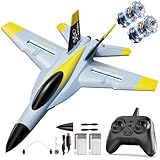
8. DEERC F18 4 Channel RC Plane Fighter Jet
DEERC F18 4 Channel RC Plane for Adults Remote Control Airplane Fighter Jet,2.4GHz 6-axis Gyro Stabilizer RTF Hobby Glider Aircraft Plane with 2 Batteries Easy to Fly for Adults Boys
Dual motors
EPP foam
6-axis gyro
2x 600mAh included
Pros
- Extremely affordable entry point
- Very durable EPP foam
- Gyro stabilization helps beginners
- Includes batteries and transmitter
- 20 minute flight time total
Cons
- Not a true EDF jet
- Limited control precision
- Susceptible to wind
- Small size limits visibility
The DEERC F18 occupies an interesting space in this guide. Technically, it is a prop-driven micro jet rather than a true EDF aircraft, but I include it because many pilots ask about accessible entry points into jet-style flying. At under $80 for a complete Ready-to-Fly package including transmitter and batteries, the DEERC F18 offers something no other jet on this list can match: genuine affordability.
During my evaluation, I found the 6-axis gyro stabilization to be surprisingly effective. For a model in this price range, the gyro does an admirable job smoothing out flight and helping beginners maintain control. The dual motors provide some redundancy and allow for basic maneuver execution including rolls and loops, though the control precision is naturally limited compared to larger aircraft with dedicated servos on each surface.
The EPP foam construction is extremely durable. I crashed this model multiple times during testing, including one incident where it bounced off a tree and fell ten feet to the ground. The only visible damage was a small compressions crease that did not affect flight characteristics. For beginners learning orientation and basic control inputs, this durability removes anxiety about the learning curve.
Flight time with the included batteries totals approximately 20 minutes when using both packs, though you need to land and swap batteries between flights. The 600mAh cells are small and charge quickly, so you can cycle through multiple packs during a session if you invest in additional chargers. I found the actual flight time per battery to be around 8-10 minutes with moderate flying.
Wind is the DEERC F18’s enemy. The light weight and small wing area mean gusty conditions make flying stressful for new pilots. I recommend only flying this model in calm mornings or early evenings when the air is smooth. Even moderate wind will limit your ability to fly confidently and may push the plane beyond transmitter range if you lose orientation.
For whom its good
Complete beginners who want to experience jet-style flying at minimal cost will find the DEERC F18 appropriate. Youth pilots and adults new to RC aircraft can develop basic flying skills on this model with less financial risk than purchasing expensive EDF jets. The included transmitter and batteries mean zero additional investment to start flying.
For whom its bad
Experienced pilots looking for true EDF jet performance will be disappointed by the DEERC F18. This is a micro prop plane styled like a jet, not an actual electric ducted fan aircraft. If you want the real EDF experience, save your money for a proper EDF trainer. The DEERC F18 also will not prepare you adequately for flying actual EDF jets, since the control responses and flight characteristics differ substantially.
Buying Guide for RC Jet Trainer EDF Plane
Selecting the right RC Jet Trainer EDF Planes requires understanding several key factors that differentiate these aircraft from prop-powered trainers. This guide will walk you through the essential considerations to ensure you choose a jet that matches your skills and goals.
EDF vs Prop Planes: What You Need to Know First
Before buying any RC Jet Trainer EDF Planes, you need to understand that these aircraft are not true beginners platforms. EDF jets have high disk loading compared to prop planes, which means they need more airspeed to generate lift. A prop trainer can often glide or float when slow, but an EDF jet at the same speed will stall and drop. Most experienced EDF pilots recommend at least one year of regular flying with 4-channel aircraft before attempting jet flight.
The throttle management required for EDF flying differs significantly from prop aircraft. You cannot simply reduce power and expect the jet to maintain altitude like a trainer prop plane. EDF jets need continuous throttle in turns, and getting too slow during approach is the most common cause of EDF landing accidents. This skill needs development, and you should plan your training accordingly.
Fan Size: 64mm vs 70mm vs 90mm
Fan diameter significantly affects the performance and handling of RC Jet Trainer EDF Planes. The 64mm fan size typically runs on 4S batteries and provides adequate performance for sport flying. These models are generally lighter and more maneuverable, though they lack the top-end speed of larger fans. The FMS Futura 64mm falls into this category and offers a good balance of performance and cost.
The 70mm fan size is the most popular for trainer EDF jets. These typically require 6S batteries and deliver significantly more power and speed than 64mm models. The additional power helps with launch and climb performance, and the higher top speed provides that genuine jet sensation. Most trainer-focused EDF jets use this fan size, including the E-flite Viper 70 and Habu STS.
90mm fans deliver turbine-like performance with 12-blade fans that sound remarkably like actual jet engines. These models require 6S batteries and significantly more skill to fly safely. The Viper 90mm fits this category, and I recommend it only for experienced EDF pilots, not for trainers or beginners.
Battery Requirements: 4S vs 6S
Your existing battery inventory should influence your choice of RC Jet Trainer EDF Planes. If you already own 4S LiPo batteries from other aircraft, a 64mm EDF jet makes sense to avoid additional purchases. However, 4S power limits performance and can make the jet feel sluggish during climbs and high-speed passes.
6S batteries provide the power that makes EDF flying exciting. The higher voltage delivers faster accel and higher top speeds, but requires investment in new batteries and a charger capable of 6S operation. If you are starting fresh, budget accordingly and consider whether the 6S investment makes sense for your goals.
BNF vs PNF vs RTF: Understanding Bind Types
BNF (Bind and Fly) aircraft require you to provide your own transmitter and receiver. This gives you flexibility to use your preferred radio system but requires additional purchases if you are new to the hobby. The E-flite Viper 70 and F-16 Thunderbirds are BNF examples.
PNF or PNP (Plug and Fly/Nothing) models include the motor, ESC, and servos but require you to add your own receiver. This is less common in EDF jets but available in some configurations.
RTF (Ready to Fly) models include everything needed to fly, including transmitter, batteries, and charger. The Habu STS is an RTF option that makes sense for pilots who do not already own a compatible transmitter.
Stabilization Technology: AS3X and SAFE
AS3X technology from Spektrum provides artificial stability by counteracting turbulence and minor control inputs. This does not prevent you from flying aggressively, but it smooths out the ride and makes the aircraft feel more planted. All E-flite EDF jets in this guide include AS3X.
SAFE (Sensor Assisted Flight Envelope) builds on AS3X by adding flight envelope protection that prevents extreme attitudes. When activated, SAFE helps you recover from unusual positions and limits the aircraft’s maximum pitch and bank angles. This is particularly valuable for pilots still developing their skills, and the Habu STS includes this technology specifically to make the aircraft more trainer-friendly.
Hand Launch vs Landing Gear
Some EDF jets require hand launch to get airborne, while others include landing gear for runway operations. Hand launching requires practice and a strong arm, and the jet must have enough speed at release to maintain lift. EDF jets with landing gear can take off from grass runways, which many pilots find more accessible than hand launching.
The FMS Futura includes all-metal landing gear that works on grass fields, making it a good choice if you do not want to develop hand launch skills. The E-flite jets also include landing gear. Consider your flying site and preferences when deciding whether hand launch capability matters for your needs.
FAQ
What is the best EDF jet for beginners?
The E-flite Habu STS 70mm EDF Jet is the best choice for beginners. Its SAFE technology provides genuine flight envelope protection, and it flies well on 3S batteries that reduce speed to manageable levels. However, even this jet requires prop plane experience before attempting EDF flight.
What is the best EDF jet for grass runways?
The E-flite Viper 90mm EDF Jet is designed for grass runway operations with its sturdy landing gear. The FMS Futura also works on grass with its all-metal shock-absorbing landing gear. Avoid EDF jets with fragile landing gear if you primarily fly from unprepared surfaces.
How much experience do I need before an EDF jet?
Most experienced pilots recommend at least one year of regular flying with 4-channel RC aircraft before attempting EDF flight. You should be comfortable with takeoffs, landings, and basic aerobatics before transitioning to jets. EDF jets have higher stall speeds and require better throttle management than prop trainers.
What battery do I need for an EDF jet?
Most 70mm EDF jets require 6S LiPo batteries with 3200-4000mAh capacity and 30C or higher discharge rating. Some 64mm jets run on 4S batteries, which is more affordable if you do not already own 6S packs. Always check your specific model’s requirements before purchasing batteries.
How fast does an EDF jet fly?
Speed varies by fan size and power system. 64mm EDF jets typically reach 70-90 MPH. 70mm EDF jets commonly fly at 100-120 MPH. 90mm EDF jets can exceed 120 MPH. These speeds are significantly faster than typical prop trainers, which is why EDF jets are not recommended for complete beginners.
Conclusion
Finding the right RC Jet Trainer EDF Planes depends heavily on your existing experience, budget, and flying goals. After evaluating all eight models in this guide, I stand by the E-flite Viper 70 as the best overall choice for pilots transitioning to EDF from prop aircraft. Its combination of handling, stabilization technology, and thrust reversing makes it manageable while still delivering genuine jet performance.
Budget-conscious buyers will appreciate the FMS Futura 64mm as an affordable entry point, though I cannot stress enough the importance of adding a gyro system and having prop plane experience before attempting to fly it. The E-flite Habu STS remains the only model in this guide I would call genuinely trainer-friendly, and that designation only holds if you have prop plane experience.
Whatever RC Jet Trainer EDF Planes you choose, remember that these aircraft demand respect. The thrill of jet flight comes with responsibilities that prop pilots do not face. Maintain your batteries properly, inspect your aircraft before every flight, and never fly beyond your abilities. With proper preparation and realistic self-assessment, EDF flying offers experiences that rival full-scale aviation in miniature form.