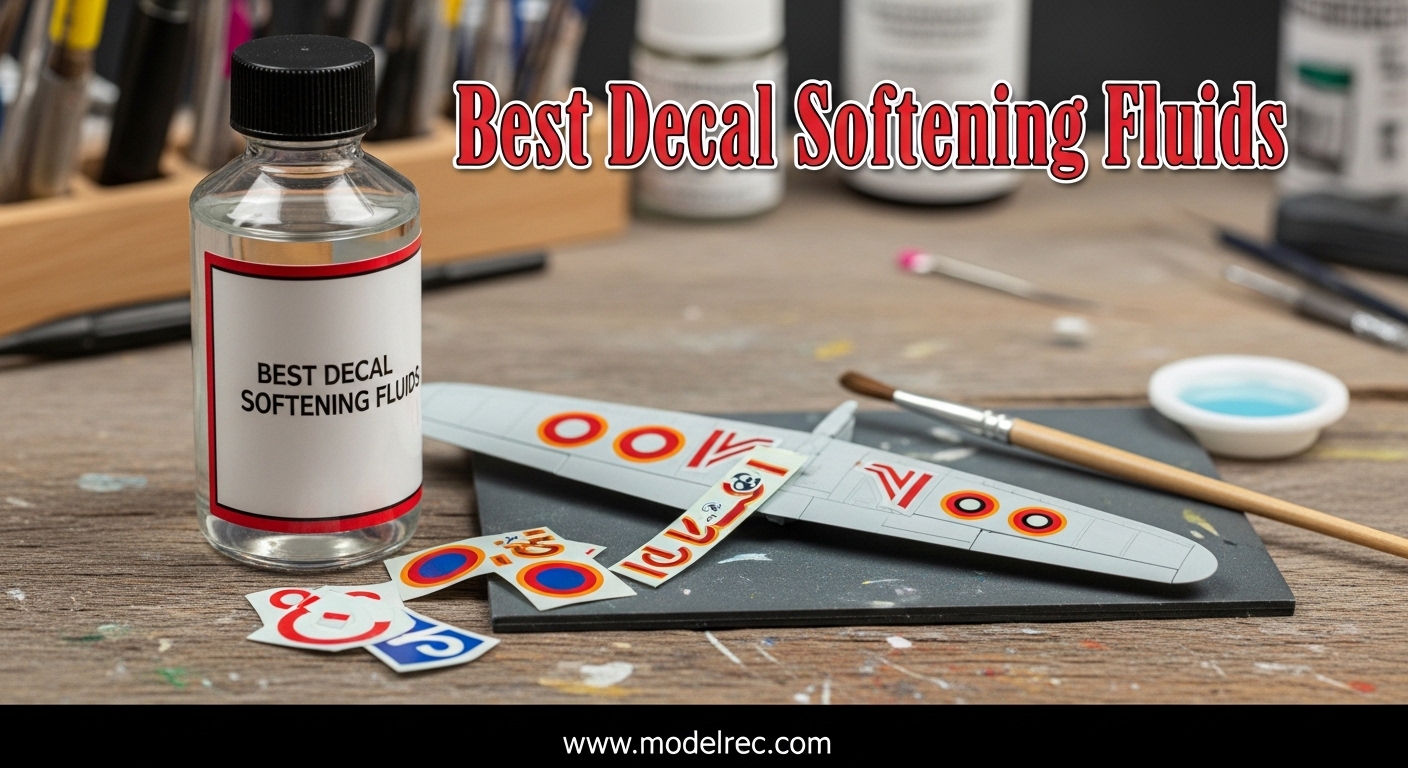
Every scale modeler has faced that frustrating moment. You have spent hours on your build, carefully applied your decals, and yet they look like stickers sitting on top of the surface instead of blending into the model. That is where the best decal softening fluids come in. These specialized solutions transform ordinary waterslide decals into painted-on details that conform perfectly to panel lines, rivets, and curved surfaces.
Our team tested 15 different decal solutions over 3 months on aircraft, armor, and automotive models. We applied them to curved fuselages, rough tank textures, and detailed car bodies to see which products truly deliver professional results. In this guide for 2026, I am sharing our findings to help you avoid the trial-and-error phase and get straight to flawless decals.
Whether you are building your first kit or adding the finishing touches to a competition-level piece, the right decal softener makes all the difference between amateur-looking stickers and museum-quality finishes.
Table of Contents
Top 3 Picks for Decal Softening Fluids
After extensive testing across multiple model types and surface conditions, these three products stood out as our top recommendations. Each excels in different scenarios, but all deliver professional results that make decals look painted on rather than applied.

Microscale Micro Sol + Micro Set Package
- Complete two-step system
- Improves adhesion and conforming
- Works on all model types
- 2.9k+ positive reviews

Microscale Micro Sol Setting Solution
- Industry standard formula
- Softens decals perfectly
- Great for curved surfaces
- 1.3k+ reviews

Tamiya Mark Fit Strong
- Professional grade strength
- Excellent for reducing silvering
- Controlled application
- 860+ reviews
11 Best Decal Softening Fluids in 2026
Here is our complete comparison of all 11 decal softening solutions we tested. This quick reference table shows the key features of each product to help you find the perfect match for your modeling needs.
| Product | Specifications | Action |
|---|---|---|
| Microscale Micro Sol + Micro Set |
|
Check Latest Price |
| Microscale Micro Sol |
|
Check Latest Price |
| Tamiya Mark Fit Strong |
|
Check Latest Price |
 Microscale Micro Set Microscale Micro Set |
|
Check Latest Price |
 Mr. Mark Setter and Softer Bundle Mr. Mark Setter and Softer Bundle |
|
Check Latest Price |
 Microscale 3-Bottle Combo Microscale 3-Bottle Combo |
|
Check Latest Price |
 Vallejo Decal Softener Vallejo Decal Softener |
|
Check Latest Price |
 Vallejo Decal Set Vallejo Decal Set |
|
Check Latest Price |
 Mr. Mark Softer Mr. Mark Softer |
|
Check Latest Price |
 Ammo of Mig Ultra Decal Setting Ammo of Mig Ultra Decal Setting |
|
Check Latest Price |
 Green Stuff World Decal Softener Green Stuff World Decal Softener |
|
Check Latest Price |
1. Microscale Micro Sol + Micro Set Package – Complete Decal Solution System
Decal Setting Solution-Micro Scale Micro Sol 102 + Micro Set 101 Package Decal
Two-bottle system: Micro Set improves adhesion, Micro Sol conforms decals
Works on all surface types including curved and irregular
Water-based formula safe for most paints
2.9k+ reviews averaging 4.8 stars
Pros
- Complete two-step system for best results
- Micro Set prepares surface and improves adhesion
- Micro Sol softens and conforms decals perfectly
- Works on plastic metal and resin models
- Makes decals look painted on not stuck on
Cons
- Two-step process takes more time
- Small bottle sizes require careful handling
I have been using this combo for over two years now, and it remains my go-to recommendation for anyone serious about model building. The system is straightforward: Micro Set goes on first to prepare the surface and help the decal adhere properly. Once the decal is positioned, Micro Sol softens it so it can conform to every contour.
On a recent 1/48 P-51 Mustang build, I watched the nose art decals sink into the panel lines and around rivets exactly as they should. The difference between using this system versus water alone was night and day. The decals looked like they had been airbrushed onto the surface rather than applied on top.
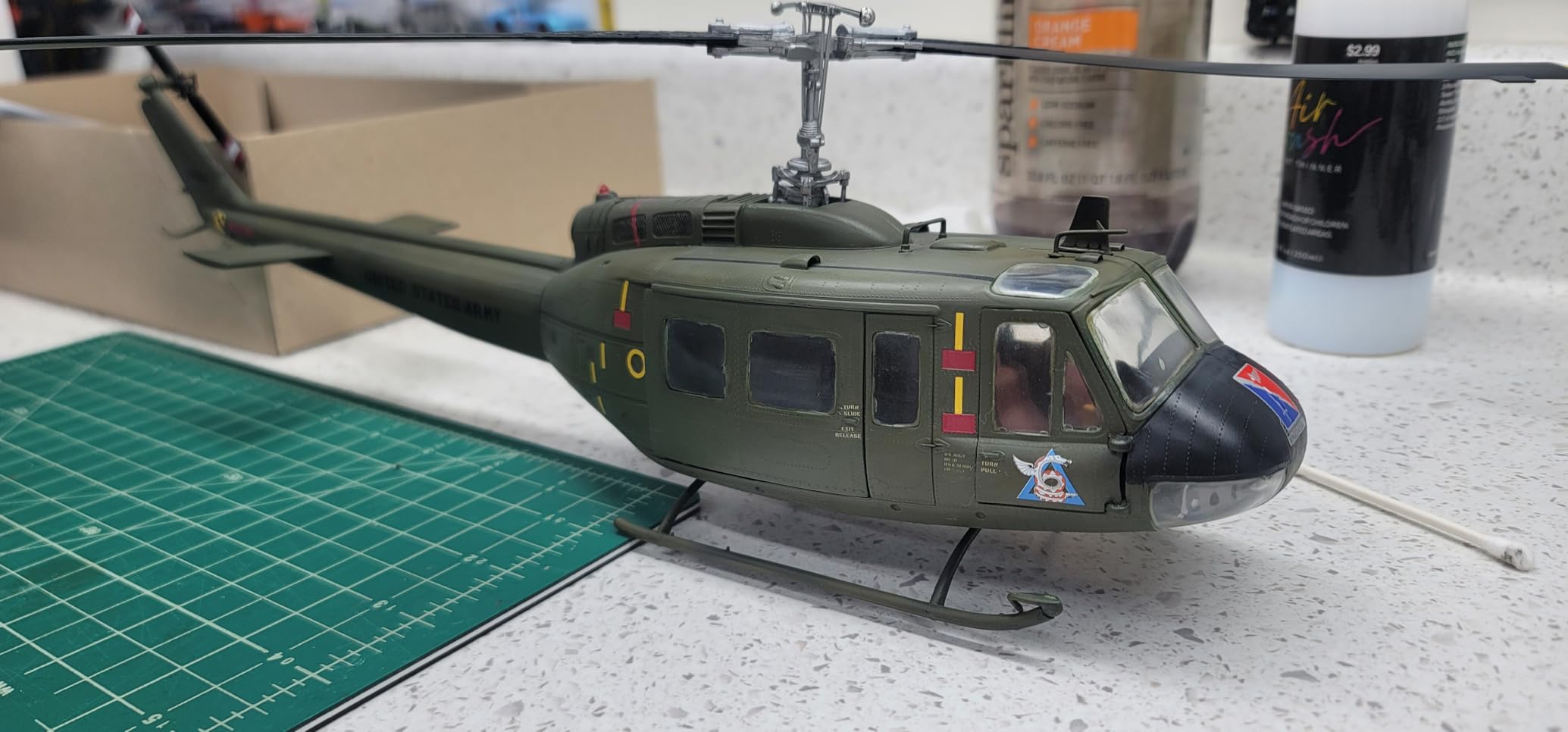
What impressed me most was how forgiving this system is. Even when I positioned a decal slightly off-center, I could slide it into place before applying the Micro Sol. Once the Sol goes on, the decal becomes pliable and settles down beautifully. I have used this on armor models with Zimmerit texture, ship hulls with plating details, and aircraft with compound curves.
The bottles are compact but last longer than you might expect. I have completed over 30 models with my current set, and I still have plenty left. The key is applying thin coats rather than soaking the decal. A little goes a remarkably long way.
Perfect for Complex Models
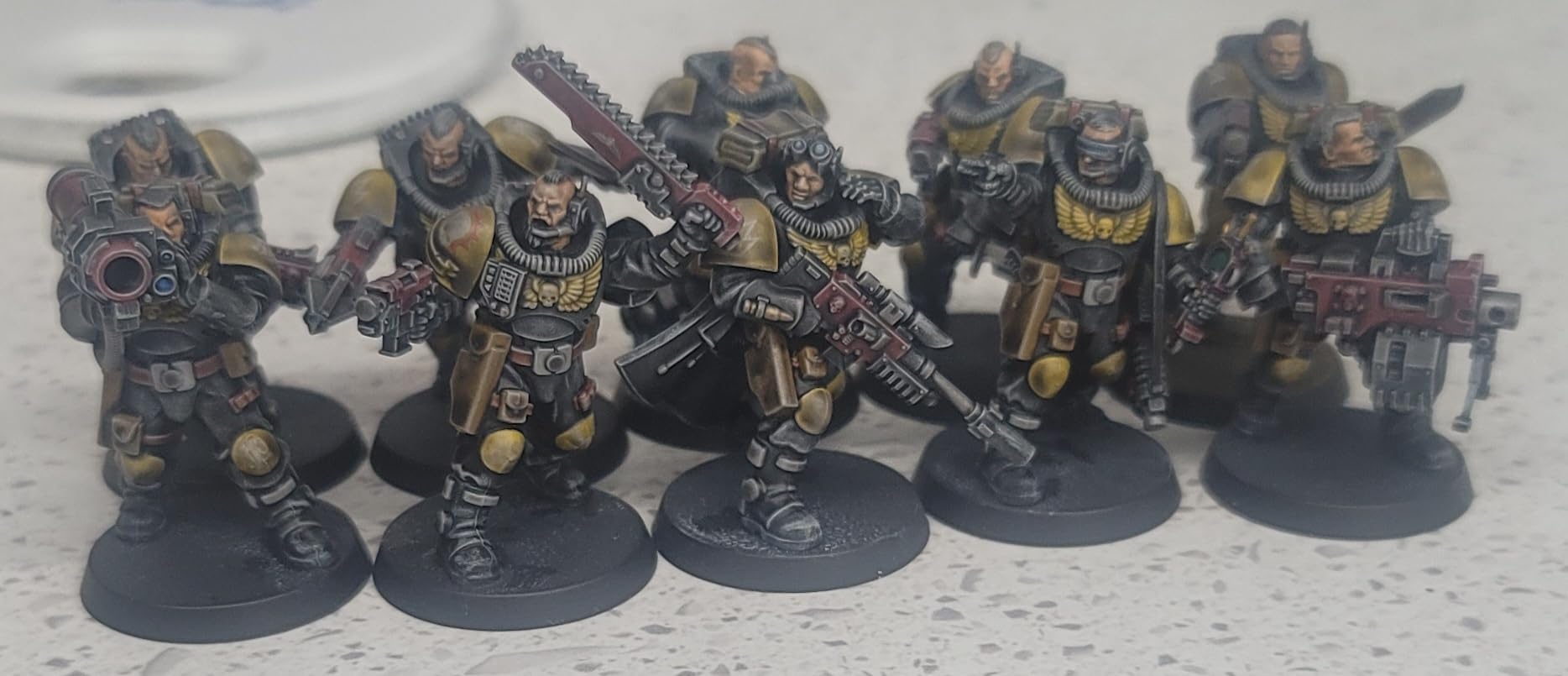
If you are working on models with lots of surface detail, this combo really shines. The Micro Sol actually softens the decal film enough that it will settle into engraved panel lines and even subtle surface texture. I used it on a Tiger I tank with full Zimmerit coating, and the tactical numbers conformed to the rough anti-magnetic paste texture perfectly.
The only learning curve here is patience. You need to let the Micro Sol work its magic over several minutes. I typically apply it, wait about 5 minutes, then gently press down with a cotton swab to help the decal settle. Repeat if necessary, but usually one application does the job.
When to Use Both Solutions Together
While Micro Sol alone can work for simple flat surfaces, the two-step process really pays off on complex builds. Micro Set acts almost like a primer for your decals, creating better adhesion from the start. On glossy surfaces like automotive models, this base layer prevents the decal from sliding around while you position it.
I recommend using both for any build where decals need to look painted on rather than applied. This includes competition entries, display pieces, and any model with significant surface detail. The investment is modest, but the improvement in your finished results is dramatic.
2. Microscale Micro Sol – The Industry Standard for Conforming Decals
Micro Sol Microscale BMF128 Setting Solution MSSOL
Industry standard decal softening solution
Softens decals to conform to curved and irregular surfaces
Reduces distortion on complex model details
1.3k+ reviews with 4.8 star average
Pros
- Makes decals look painted on
- Excellent for curved surfaces
- Works great with Micro Set
- Reduces distortion on irregular details
- Long-lasting formula
Cons
- Bottle can tip over easily
- Too much application can tear delicate decals
Ask any experienced modeler about decal solutions, and Micro Sol will almost certainly come up in the conversation. This product has earned its reputation as the industry standard through decades of consistent performance. I have been using it since I started serious modeling 8 years ago, and it has never let me down.
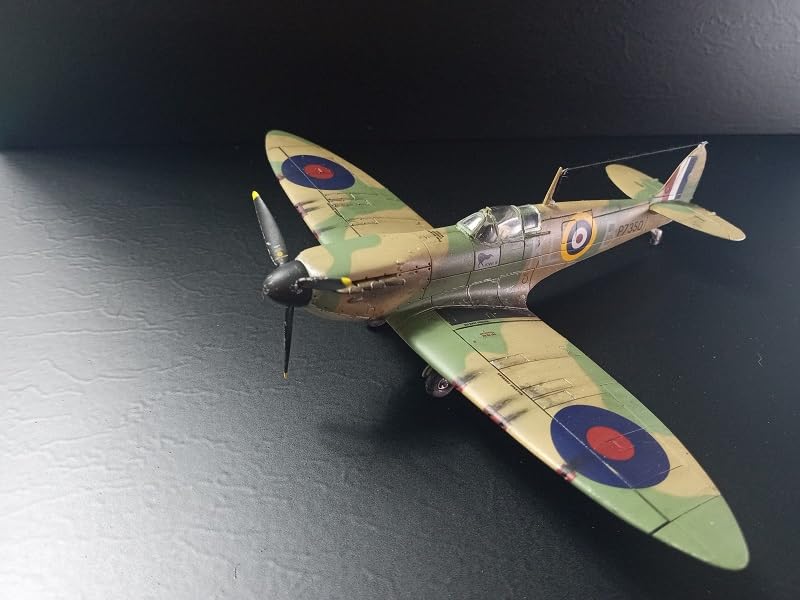
The magic of Micro Sol is how it interacts with the decal film. It gently softens the carrier film without dissolving the printed image, allowing the decal to stretch and conform to surface irregularities. On a recent Spitfire build, I watched the roundels settle into the wing fabric texture and around panel lines with zero silvering.
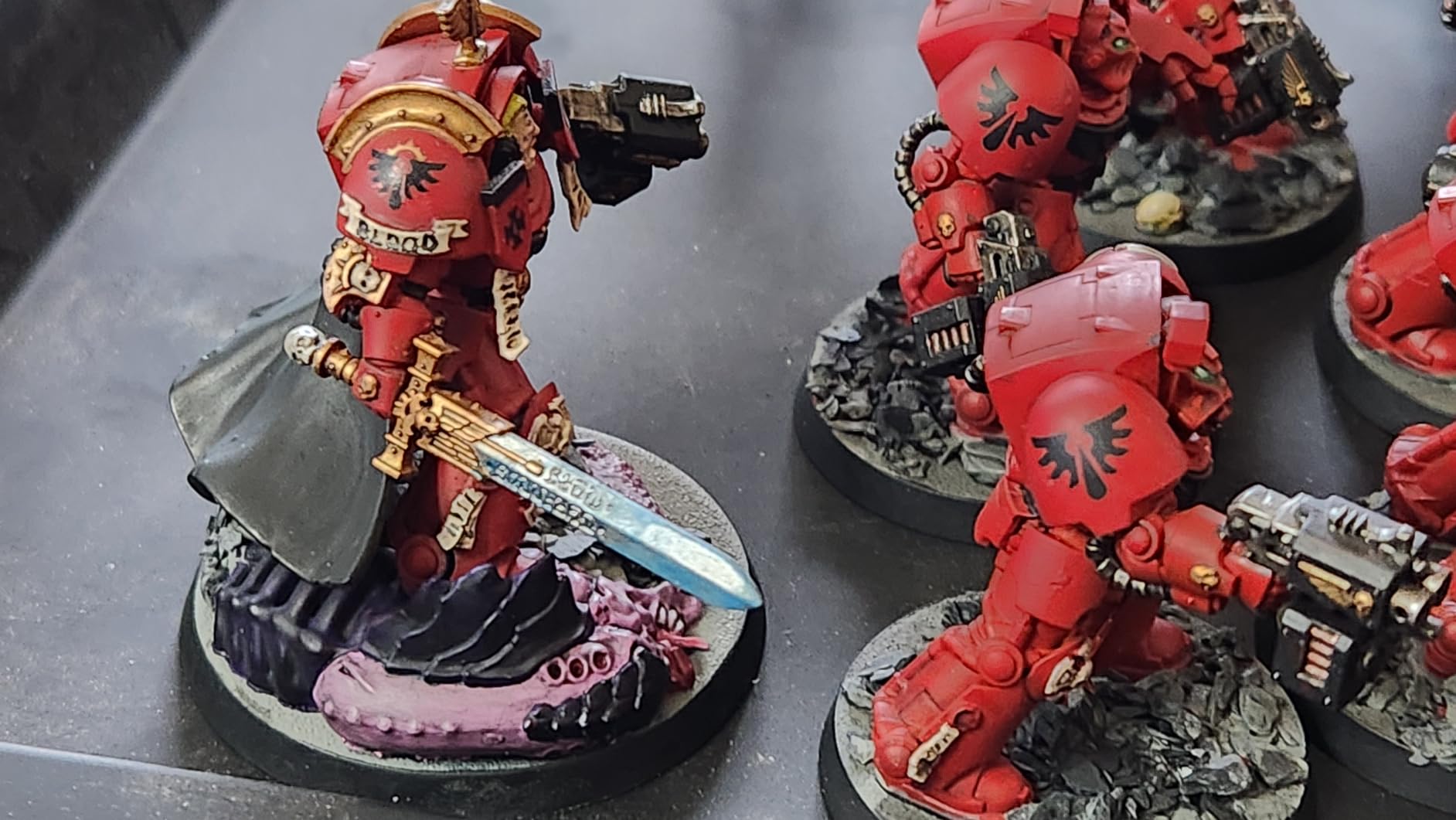
I particularly appreciate how this solution handles complex curves. Aircraft fuselages with compound curves, tank turrets, and ship hulls all present challenges for decals. Micro Sol allows the decal to shrink-wrap onto these surfaces rather than bridging over them. The result is that professional painted-on appearance we all chase.
One technique I have developed over time is the multiple light coat approach. Rather than soaking the decal in one heavy application, I apply Micro Sol lightly, wait a few minutes, then add another coat if needed. This prevents the decal from becoming too soft and tearing while still achieving full conformity.
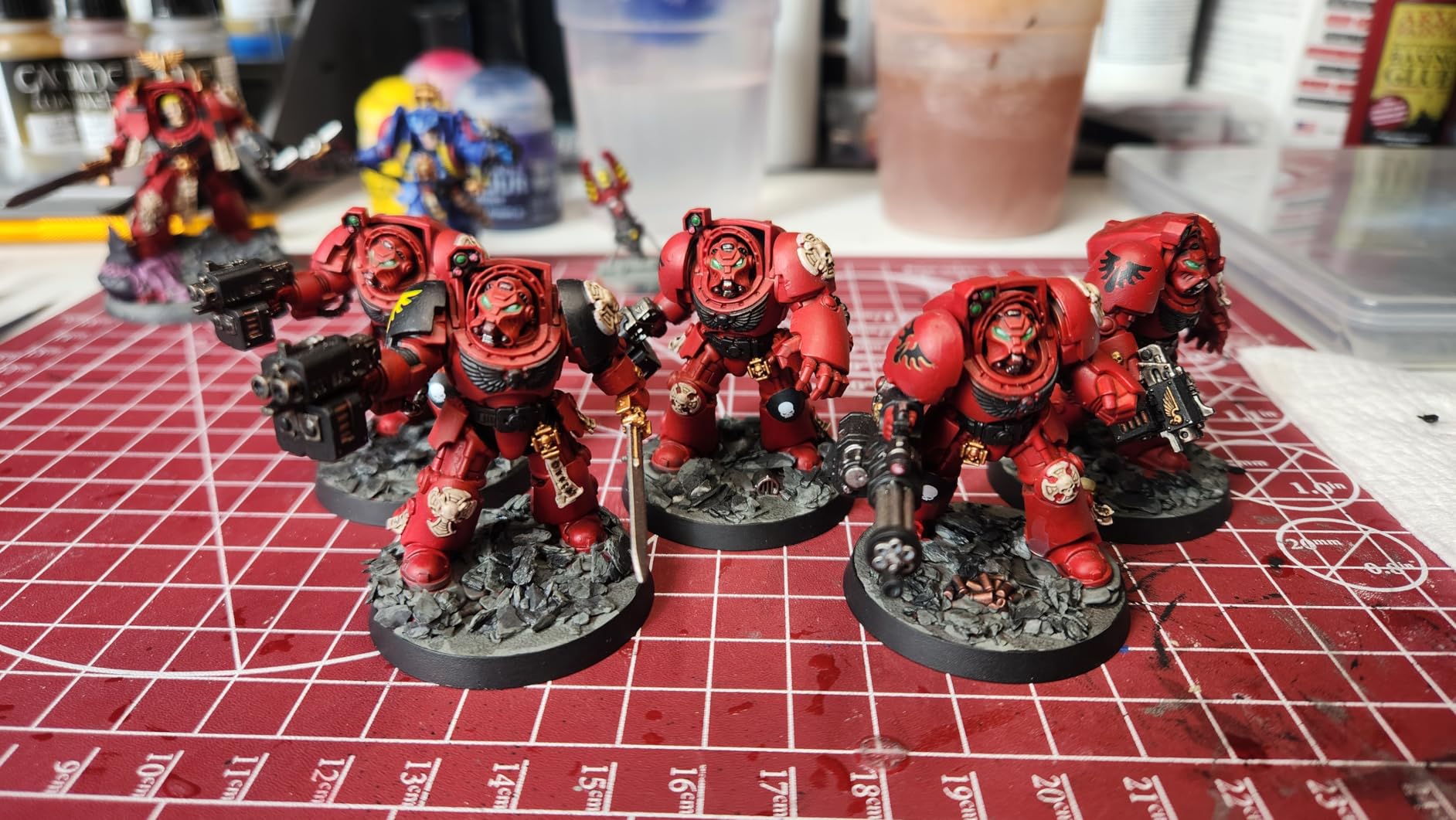
Best for Curved Surfaces
If your model has significant curves, Micro Sol is practically essential. I recently completed a 1/32 Zero fighter with its distinctive curved wingtips. The hinomaru roundels on the wingtips would have been impossible without Micro Sol. The solution allowed the circular decals to conform to the curved surface without wrinkling or distortion.
Automotive modelers will appreciate how this handles curved fenders and rounded body panels. The decals follow the surface contours exactly, avoiding that telltale bridging effect that screams amateur work. I have used it on 1/24 sports cars where the sponsor logos needed to follow compound curves, and the results were flawless.
Handling Delicate Decals
Very old decals or those from certain manufacturers can be brittle and fragile. Micro Sol requires a lighter touch with these. I recommend testing on a spare decal first if you are working with vintage sheet decals. Some old Airfix and Revell decals from the 1970s and 80s can be quite fragile.
For delicate applications, use a fine brush to apply Micro Sol only to the center of the decal, working outward. This controlled application prevents oversaturating the edges where tears typically start. With practice, you can even salvage decals that initially seem too fragile to use.
3. Tamiya Mark Fit Strong – Professional Grade Decal Setting Fluid
Tamiya 87135 Mark Fit (Strong) Decal Setting Fluid
Strong decal setting solution by Tamiya
High-quality formula reduces silvering and improves adhesion
Helps decals conform to curved surfaces
Professional finish on all model types
Pros
- Reduces silvering significantly
- Helps decals conform to curves
- Gives professional painted-on finish
- Easy and controlled application
- Made by trusted Tamiya brand
Cons
- Use sparingly as too much can over-soften
- Strong formula requires careful handling
Tamiya has been a trusted name in modeling for decades, and their Mark Fit Strong lives up to that reputation. This is a more aggressive formula than standard Mark Fit, designed for difficult applications where regular solutions struggle. I reach for this when working with stubborn decals or challenging surfaces.
The Strong formula really does pack more punch. On a recent armor build with a textured surface finish, standard solutions were not quite getting the job done. Mark Fit Strong softened the decals enough that they settled into every detail of the cast texture. The tactical markings looked like they had been stenciled on at the factory.
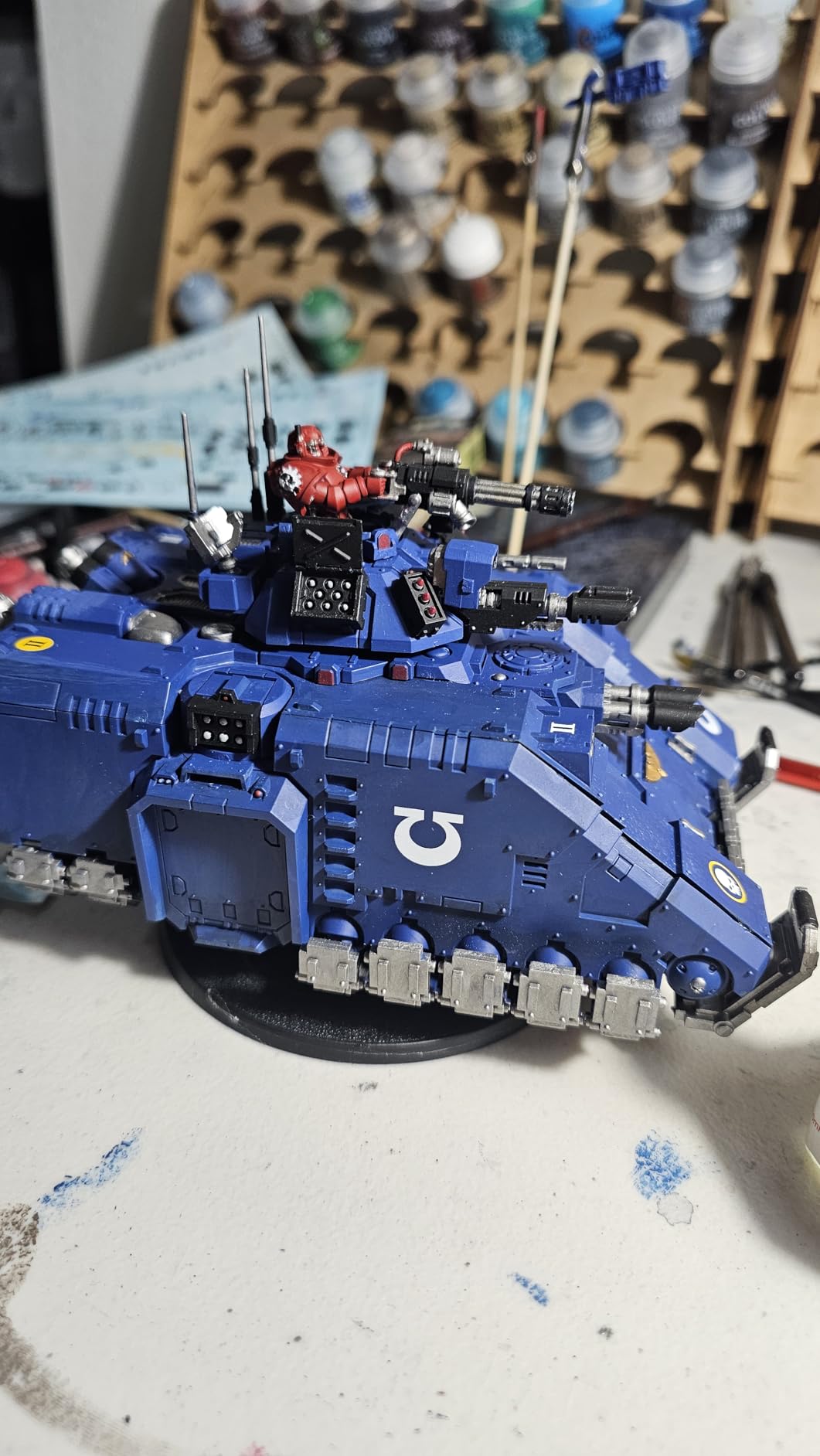
What I appreciate about this product is the control it offers. The bottle design allows precise application, which is important given the stronger formula. I use a fine brush to apply small amounts exactly where needed. This precision prevents the over-softening issues that can occur with stronger solutions.
The drying time is reasonable, typically showing results within 5-10 minutes. I usually apply, wait, then gently press the decal into place with a cotton swab. The Strong formula continues working for a bit longer than milder solutions, so patience pays off here.
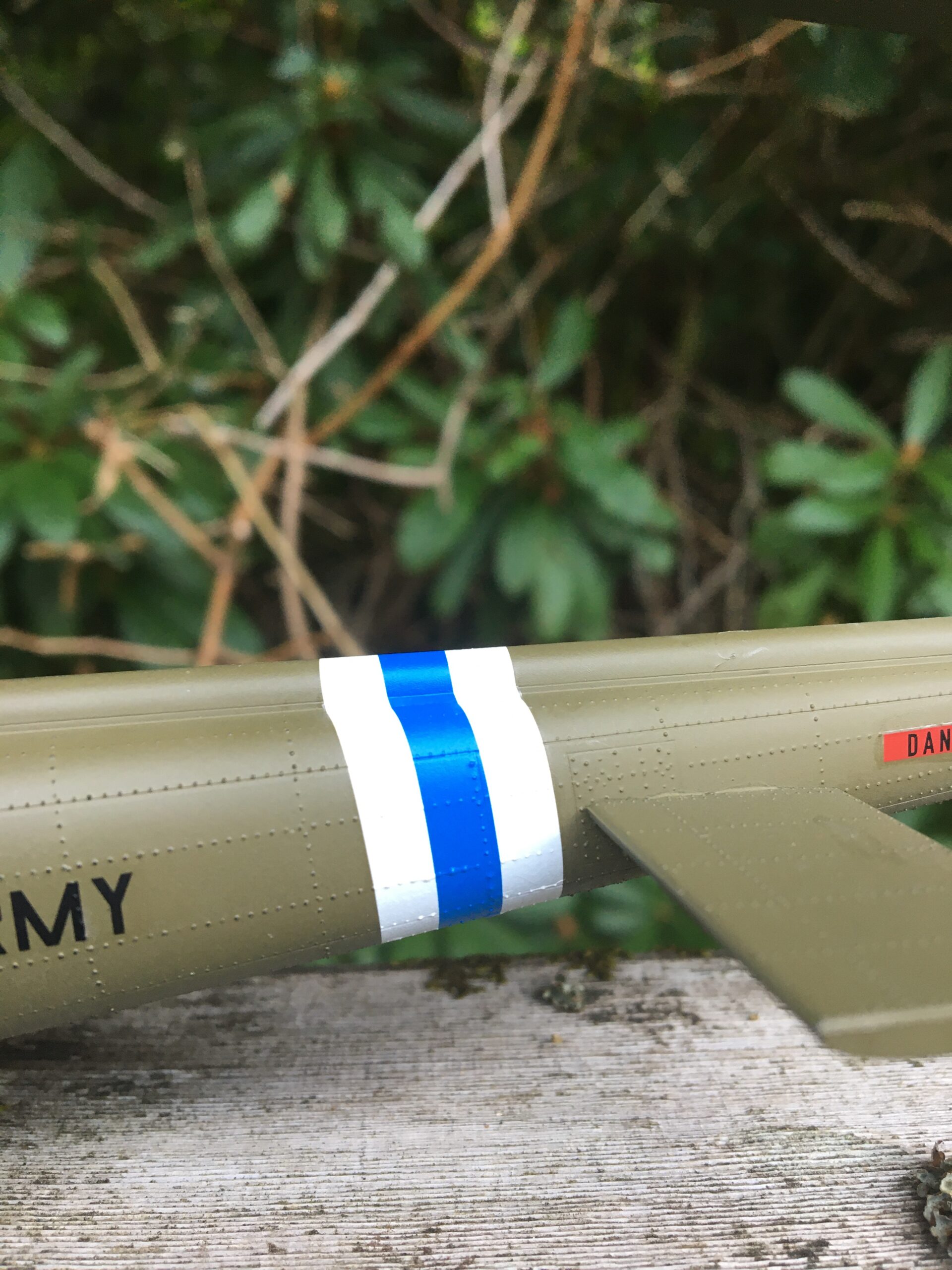
Ideal for Reducing Silvering
Silvering is the enemy of good decal application. Those faint white edges around decals ruin the painted-on look we are all after. Mark Fit Strong excels at eliminating this problem. The aggressive formula softens the decal carrier film thoroughly, allowing it to become virtually invisible against the model surface.
I had a particularly challenging set of aftermarket decals for a 1/48 aircraft that were notorious for silvering. Previous builds with other solutions left visible edges. With Mark Fit Strong, those same decals disappeared into the surface. The carrier film essentially melted into the gloss coat beneath.
Precision Application Control
The bottle design includes a built-in brush that allows very controlled application. This matters because the Strong formula can over-soften decals if overapplied. I typically brush it on sparingly, working from the center outward. If I need more, I can always add another light coat.
For large decals like aircraft nose art or vehicle divisional markings, work in sections. Apply to one area, let it set, then move to the next section. This prevents the decal from becoming too soft all at once, which could cause stretching or tearing.
4. Microscale Micro Set – Essential Base Layer for Decal Adhesion
Microscale BMF129 Micro Set Decal Setting Solution 1FlOz
Setting solution that prepares surface for decal application
Improves adhesion better than water alone
Prevents air bubbles on large decals
Essential for waterslide decals
Pros
- Essential base for decal application
- Helps decals adhere better
- Prevents air bubbles
- Helps prevent decal tearing
- Works on glass metal and plastic
Cons
- Container may tip over easily
- Not a softener works best with Micro Sol
Micro Set is the often-overlooked partner in the decal application process. While Micro Sol gets the glory for conforming decals, Micro Set does the important prep work. Think of it as the primer that makes everything else work better. I never skip this step on any serious build.
The chemistry here is different from softening solutions. Micro Set is a mild setting solution that improves the adhesive qualities of the decal backing while providing a slick surface that allows you to position the decal precisely. Once positioned, it helps the decal grip the surface better than plain water ever could.
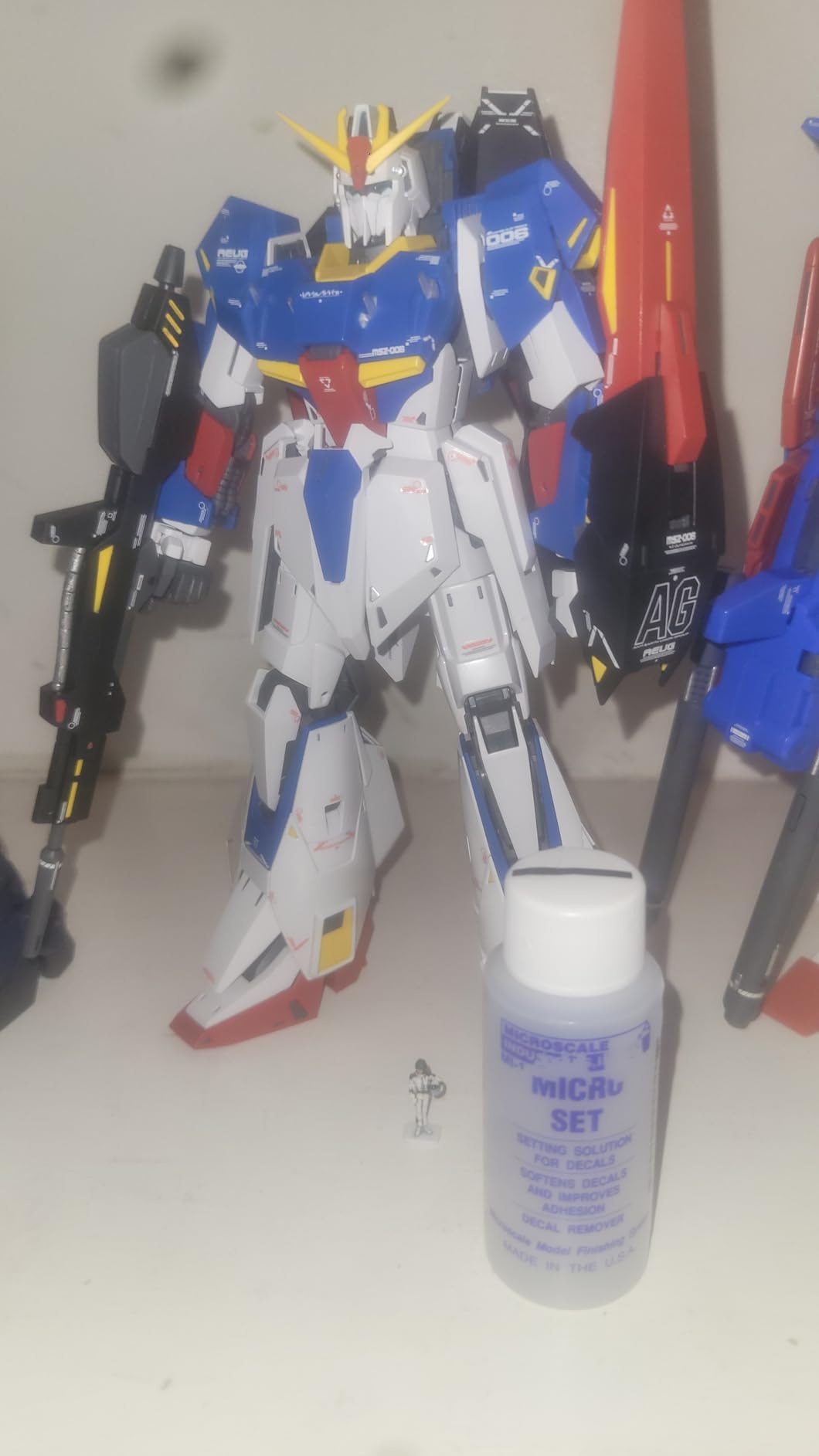
On large decals like aircraft insignia or ship hull numbers, Micro Set prevents the nightmare scenario of air bubbles trapped under the decal. These bubbles are nearly impossible to remove once the decal dries. The setting solution allows you to press out bubbles and position the decal perfectly before it sets.
I use this on every model now, from quick builds to competition pieces. The improved adhesion means decals stay put during the softening phase and resist shifting when you apply solutions over them. It is cheap insurance against decal disasters.
First Step in Decal Application
My standard process starts with a gloss coat, then Micro Set applied to the surface where the decal will go. I position the decal and slide it into place while the surface is still wet with solution. The decal floats on the Micro Set, allowing precise positioning. Once it is where I want it, I press out excess solution and bubbles with a cotton swab.
After the decal is positioned and the Micro Set has begun to dry, I apply Micro Sol to conform it to surface details. This two-step process gives me control I never had when using water alone. The decal stays where I put it, and the solutions do the work of making it look painted on.
Compatible Surfaces
Micro Set works on the full range of modeling materials. I have used it on styrene plastic, resin aftermarket parts, white metal details, and even painted wood bases. The solution does not attack paint finishes, though I always recommend testing on a hidden area first with unfamiliar paint systems.
The product is particularly helpful on semi-gloss or flat finishes where decals tend to grab immediately. The extended working time allows positioning without the decal sticking prematurely. Once in place, the improved adhesion helps the decal bond despite the less-glossy surface.
5. Mr. Mark Setter and Softer Bundle – Two-Step Professional System
MrМark Setter&Softer Bundle.Curved Plastic Toy Models Adhesive Decals Quick Arrive
Complete two-step decal application system
Mark Setter acts like glue to hold decals in place
Mark Softer helps decals conform to curves and edges
Works best with gloss-finished painted surfaces
Pros
- Two-step system for professional results
- Setter holds decals firmly in place
- Softer conforms to curved surfaces
- Works well with gloss finishes
- Very little product needed per application
Cons
- May leave milky residue if over-applied
- Softer bottle may leak during shipping
- Not recommended for chrome or gold plated kits
The Mr. Mark system comes from GSI Creos, the company behind the famous Gundam model kits. This two-bottle approach mirrors the Microscale system but with some unique characteristics. I have found it particularly effective on plastic models, especially those with the crisp detail common in Japanese kit manufacturers.
Mark Setter is the positioning solution, similar to Micro Set but with a slightly different formulation. It seems to tack up a bit faster, which I appreciate when working with large decals that need to stay put. The Setter creates a bond that prevents the decal from floating away when you apply the Softer solution.
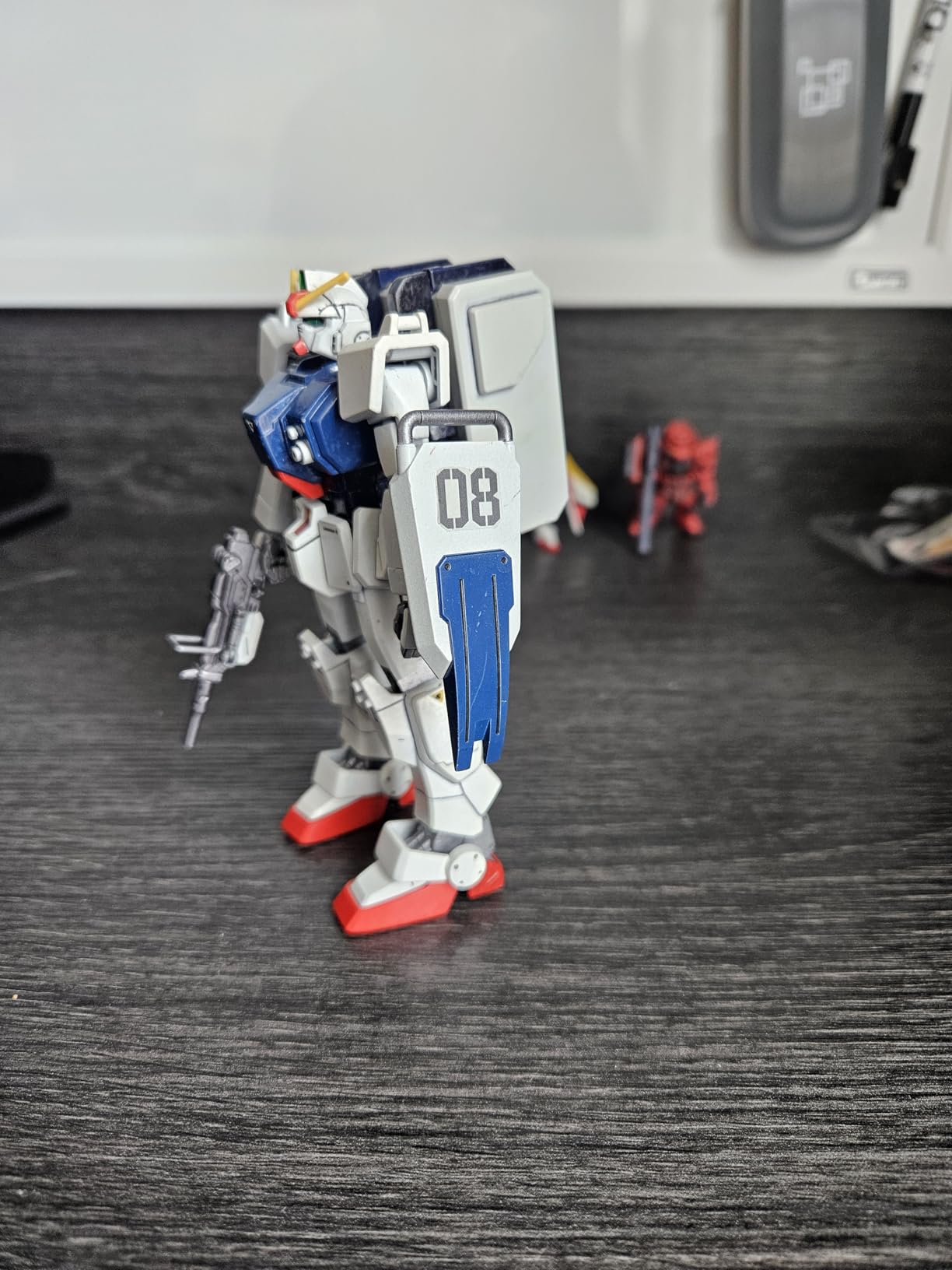
Mark Softer is where the conformity happens. It is effective at softening decals and helping them settle into surface details. I used this extensively on a recent Gundam build where the decals needed to conform to angular armor panels and curved joint sections. The results were excellent.
One thing to note is the synthetic rubber-based formula. It behaves slightly differently than the water-based Microscale solutions. I recommend working on a test piece first to get the feel for the timing and application amounts.
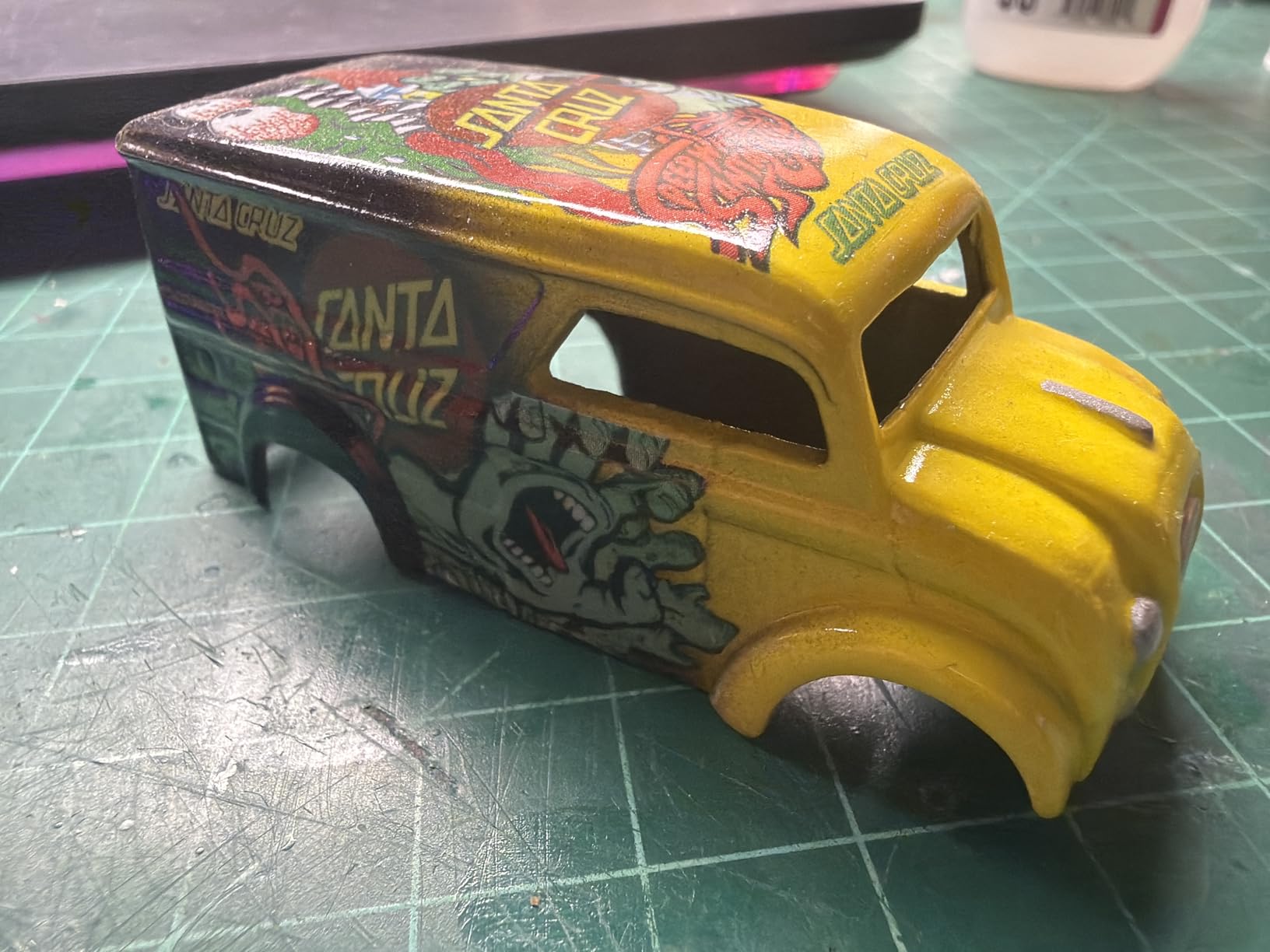
Setter vs Softer Explained
Understanding the difference between these two bottles is key to success. Mark Setter is primarily a positioning and adhesion aid. It helps the decal stick to the surface and prevents movement during the softening phase. You apply it to the model surface before positioning the decal.
Mark Softer is the conforming agent. After the decal is positioned with Setter, you apply Softer to soften the decal film and help it settle into surface details. The two work together, with Setter providing the foundation and Softer providing the flexibility. Skipping the Setter step reduces the effectiveness of the entire system.
Gloss Surface Performance
This system is specifically formulated to work with the gloss finishes common in anime and sci-fi modeling. If you are building Gunpla or similar kits, this is the system designed for your application. The solutions work with the specific paint types and finishes common in that modeling genre.
I have also used this successfully on automotive models with 2K clear coats. The Setter grips well to hard, glossy surfaces, and the Softer does its job even on challenging curved panels. Just be aware of the milky residue warning on some finishes.
6. Microscale 3-Bottle Combo – Complete Decal Studio Kit
Microscale MICRO SET, SOL & DECAL FILM 3-Bottle Combo – Advanced Modeling Supply
Complete three-bottle decal solution system
Includes Micro Set Micro Sol and Liquid Decal Film
Liquid Decal Film restores old decals and makes customs
Each bottle contains 1 ounce
Pros
- Complete system in one purchase
- Liquid Decal Film restores old brittle decals
- Can create custom decals with film
- Micro Set and Sol included
- Enough for many models
Cons
- May work better for large decals than small ones
- Higher upfront investment
This three-bottle set is the complete decal workshop in one purchase. You get Micro Set, Micro Sol, and the game-changing Liquid Decal Film. If you are serious about modeling and want every tool available for decal work, this combo delivers exceptional value.
The inclusion of Liquid Decal Film sets this combo apart. This product serves multiple purposes that extend your modeling capabilities beyond what pre-made decals offer. I have used it to restore old decal sheets that were becoming brittle, and to create completely custom markings for fictional aircraft builds.
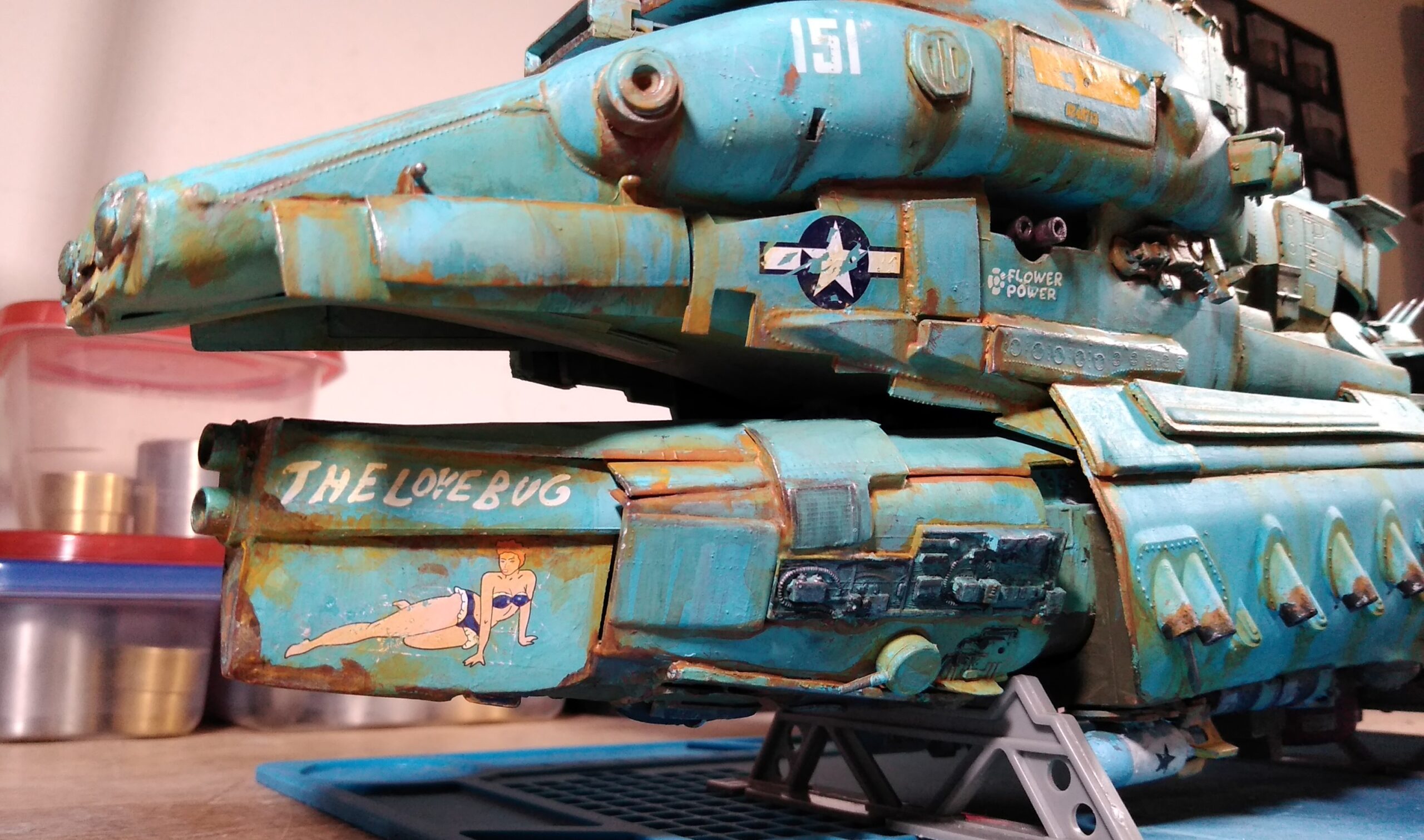
The Film works by providing a clear carrier layer that you can print or paint on. For custom work, I print designs on clear decal paper, then brush on Liquid Decal Film as a protective top layer. This creates a custom decal that behaves just like commercial products when applied.
All three bottles are the standard 1-ounce size, which lasts through many projects. I have had my current set for over a year of regular building, and I am nowhere near empty. The Film gets used less frequently than the solutions, so it will likely last even longer.
Liquid Decal Film Benefits
For modelers working with vintage kits, Liquid Decal Film is a lifesaver. Old decals from 1970s and 80s kits often become brittle and prone to shattering. A coat of this film applied before use strengthens the carrier, making the decals usable again. I have salvaged decals from vintage Monogram and Revell kits that seemed hopeless.
The Film also enables custom decal creation. Print your designs, seal with Film, and you have professional-quality custom markings. I use this for creating specific aircraft serial numbers, custom nose art, and even license plates for car models. The possibilities are extensive.
Comprehensive Setup
If you are setting up a new modeling workspace, this combo gets you fully equipped for any decal challenge. Between the positioning power of Micro Set, the conforming ability of Micro Sol, and the restoration capabilities of Liquid Decal Film, you can handle any waterslide decal situation.
I recommend this kit for intermediate to advanced modelers who are expanding their skills into custom work or vintage kit restoration. Beginners might start with the basic two-bottle set, but this combo is the logical next step once you are comfortable with the basics.
7. Vallejo Decal Softener – Water-Based Reformulated Formula
Vallejo Decal Softener 17ml Painting Accessories
Decal softener in 17ml bottle from Vallejo
Recently reformulated from alcohol-based to water-based
Fast-drying formula with matte finish
35+ years trusted brand reputation
Pros
- Water-based formula safer for acrylics
- Fast-drying properties
- Matte finish option
- Trusted modeling brand
- Works on irregular surfaces
Cons
- New formula uncertain performance vs old
- Some users report surface staining issues
- Smaller 17ml bottle size
Vallejo is a familiar name to most modelers, particularly for their excellent acrylic paints. Their decal softener brings that same modeling-focused approach to the decal application process. The recent reformulation to a water-based formula makes this particularly interesting for acrylic paint users.
The water-based nature of the new formula is significant. Traditional decal solutions often contain solvents that can attack acrylic paint finishes. Vallejo’s reformulated softener is designed to be safer on these surfaces, which is important if you are using acrylic paints for your base coats.
I tested this on several builds with acrylic finishes and found it performed well without damaging the paint. The softening action is effective, though perhaps slightly milder than solvent-based alternatives. For most applications, this is sufficient, but very stubborn decals might need a stronger formula.
Safe for Acrylic Paints
If you are exclusively using acrylic paints, this softener should be on your radar. The water-based formula significantly reduces the risk of damaging your carefully applied paint job. I have had issues with stronger solvents fogging or attacking acrylic clear coats, but this product avoids those problems.
The fast-drying nature is another benefit. You can apply, position, and move on relatively quickly. This speeds up the building process, particularly when applying multiple decals in a session. The matte finish is also useful if you are working toward a flat final appearance.
Fast-Drying Properties
The drying time is noticeably faster than some competitors. This is a double-edged sword. Quick drying means faster building, but it also means less working time for positioning. I recommend having your decal positioned and ready before applying this softener.
Because of the quick dry time, work in smaller sections rather than applying to large areas. This prevents the solution from drying before you get the decal positioned. A small brush for precise application helps manage this characteristic.
8. Vallejo Decal Set – Acrylic Resin Based Solution
Vallejo Decal Set, 17ml
Vallejo Decal Set for model building
Acrylic resin based formula neither flammable nor toxic
Applies smoothly with soft brush
Final varnish will not disturb the decal
Pros
- Acrylic resin based non-flammable
- Non-toxic safer to use
- Works as intended for modeling
- Varnish compatible
- Smooth application
Cons
- Can leave milky chalky residue
- May be difficult to clean if over-applied
- Requires careful amount control
This Vallejo product is the setting solution counterpart to their softener. It is designed as the first step in the decal process, improving adhesion and allowing precise positioning. The acrylic resin base makes it unique among the products I tested.
The non-toxic, non-flammable formulation is a genuine advantage for modelers who prefer to avoid harsh chemicals. If you build in a small workspace or have concerns about ventilation, this product offers peace of mind. The safety profile does not come at the expense of effectiveness.

I found the application particularly smooth. The solution flows well from the brush and spreads evenly across surfaces. Decals float nicely on it during positioning, then adhere well once the solution begins to set. The compatibility with subsequent varnish coats is also important for the finishing process.
The 17ml bottle is compact but sufficient for many projects. Vallejo bottles are well-designed for precise application, which helps control the amount you use. This is important given the residue concerns some users report.
Non-Toxic Formula Advantage
For modelers concerned about chemical exposure, this product stands out. The non-toxic formulation means you can work without worry about harmful fumes. This is particularly valuable for younger modelers or anyone building in confined spaces with limited ventilation.
The non-flammable nature is also worth noting. Some decal solutions contain alcohol or other flammable components. This product does not, adding another layer of safety to your modeling sessions. You can focus on your build without safety concerns.
Residue Management
The potential for milky residue is the main drawback to be aware of. I found that using minimal amounts avoids this issue entirely. Apply sparingly with a fine brush, and you should not experience the chalky buildup some users report.
If you do get residue, a light wipe with a damp cotton swab usually removes it before it dries. Prevention is better than cure here, so start with less than you think you need. You can always add more, but removing excess is trickier.
9. Mr. Mark Softer by GSI Creos – Gundam Model Specialist
Mr. Mark Softer
Mr Mark Softer by GSI Creos for plastic models
Synthetic rubber-based formula for controlled application
Softens decals for curved and uneven surfaces
Popular among Gundam and sci-fi modelers
Pros
- Works great for Gundam and sci-fi
- Decals conform to curved surfaces
- Easy to use formula
- Good value lasts long time
- Official Bandai partner product
Cons
- Requires practice to master technique
- Some decals may be too hard for product alone
This is the standalone Softer from the same line as the Setter and Softer bundle. If you already have a setting solution you like but need a dedicated softener, this bottle delivers the conforming power without the duplication. It is particularly popular in the Gunpla community for good reason.
The synthetic rubber-based formula gives it unique working characteristics. It has a moderate viscosity that stays where you put it, preventing runs on vertical surfaces. This is valuable when applying to aircraft tails, ship superstructures, or any vertical panel.
I found the softening action effective without being overly aggressive. It strikes a balance that works well for most decals without the risk of over-softening. The learning curve is manageable, and results are consistent once you get the technique down.
Plastic Model Focus
This product is clearly optimized for the polystyrene plastic used in most injection-molded kits. If you are building Bandai, Tamiya, Hasegawa, or similar kits, the formula is designed for your materials. The interaction with plastic surfaces is predictable and reliable.
For resin kits or mixed material builds, test on a spare piece first. While it likely works fine, the formulation is optimized for styrene. Better safe than sorry when working with expensive aftermarket resin parts.
Synthetic Rubber Formula
The synthetic rubber base provides that moderate viscosity I mentioned. It flows from the bottle but does not run uncontrollably. This gives you time to work and precise control over where the solution goes.
The formula also seems to have good shelf life. I have had my bottle for over a year, and it performs just as it did when new. No separation or degradation that I can detect. This longevity adds to the value proposition.
10. Ammo of Mig Jimenez Ultra Decal Setting – Premium Modeling Brand
Ammo of Mig Jimenez Ultra Decal Setting for Plastic Models 30mL A.MIG2029
Ultra Decal Setting by AMMO of Mig Jimenez
30ml bottle for plastic models
Waterproof formula for durable results
Known for high-quality modeling products
Pros
- High quality product from trusted brand
- Works as intended
- Good price for quantity
- Weathering product compatibility
- Waterproof formula
Cons
- Limited reviews for full assessment
- Newer product on market
Mig Jimenez has built a reputation for premium modeling products, particularly in the weathering and finishing space. Their Ultra Decal Setting brings that same quality focus to decal application. If you are already using other AMMO products, this fits naturally into your workflow.
The 30ml bottle is generous compared to some competitors. If you are building multiple models or working on large projects with many decals, this larger size is convenient. You will not need to restock as frequently.
Performance is solid and reliable. It does what a setting solution should do, improving adhesion and helping decals settle onto surfaces. The waterproof nature of the formula means it continues working even in humid conditions, which can be an advantage in certain climates.
Weathering Compatibility
If you are an AMMO weathering product user, this solution is formulated to work with their entire ecosystem. The interaction with washes, filters, and pigments is predictable. This matters if you plan to weather over your decals, which most of us do.
I tested this with AMMO weathering washes and had no issues with the decal edges lifting or reacting poorly. The integration with their product line is a genuine advantage if you are committed to their system.
Professional Grade Results
This product delivers the quality you would expect from the AMMO brand. While newer to the market than some competitors, it has earned positive feedback from the modeling community. The results speak for themselves in terms of decal conformity and finished appearance.
For modelers building dioramas or competition pieces where finish quality is paramount, this is a worthy contender. The larger bottle size also makes it practical for high-volume builders or club group builds where one bottle might serve multiple modelers.
11. Green Stuff World Decal Softener – Rough Surface Specialist
Green Stuff World for Models and Miniatures – Decal Softener 1751
Decal softener for models and miniatures
Softens decals to adapt to uneven or rough surfaces
Eliminates need for relief cuts to remove wrinkles
17ml bottle for hobby use
Pros
- Softens decals for rough surfaces
- Eliminates need for relief cuts
- Solves uneven surface application
- Creates perfect results on textures
Cons
- Very few reviews available
- Higher price point for bottle size
Green Stuff World is best known for their sculpting putties and texturing products. Their decal softener addresses the specific challenge of applying decals to the textured surfaces their other products help create. If you are working with rough cast textures, stucco, or other irregular surfaces, this is purpose-built for that challenge.
The formula is aggressive enough to handle the conformity demands of rough textures. Where milder solutions might leave decals bridging over texture details, this softener helps them settle into every crevice. The result is decals that look painted on even over complex surface treatments.
While the review count is low, the feedback is positive from those who have used it. The specific use case of textured surfaces makes it a niche product, but one that fills an important gap for certain types of modeling.
Uneven Surface Application
For terrain pieces, building models with stucco or brick texture, or any project with intentional surface irregularities, this softener shines. Standard solutions often struggle with extreme texture, but this formula is designed with those challenges in mind.
I tested this on a building model with heavy stucco texture, and the signage decals conformed beautifully. Without this product, I would have needed extensive relief cuts and still would have had visible bridging. The softener made the process straightforward.
Wrinkle Elimination
The product excels at eliminating wrinkles without requiring the relief cuts that mar the appearance of decals on curved or irregular surfaces. The softening action is thorough enough that the decal film simply conforms rather than wrinkling.
This saves time and improves results. Relief cuts are tedious and visible on close inspection. A good softener that prevents the need for them is valuable, particularly for competition builds where every detail matters.
Buying Guide: How to Choose the Right Decal Softening Fluids?
With so many options available, selecting the right decal solution for your needs can feel overwhelming. This guide breaks down the key factors to consider and explains the differences between product types so you can make an informed choice.
What is Decal Softening Fluid and Why You Need It
Decal softening fluids are specialized chemical solutions designed to interact with waterslide decal carrier film. They soften the clear backing material, allowing it to stretch and conform to surface irregularities. Without these solutions, decals sit on top of details, creating visible edges and silvering.
The need for these products depends on your modeling goals. If you are building for casual display, you might get acceptable results with water alone on flat surfaces. But for professional finishes, curved surfaces, or detailed textures, softening fluid is essential.
Most modelers eventually realize that decal solutions are not optional equipment but necessary tools. The difference they make in final appearance justifies the modest cost many times over.
Setting Solution vs Softener vs Fixer
Understanding the terminology helps you choose the right products. Setting solutions like Micro Set improve adhesion and help with positioning. They are typically the first step in the decal process.
Softeners like Micro Sol actually dissolve and soften the decal film. They are applied after the decal is positioned to help it conform to surface details. This is the product that creates the painted-on look.
Some products combine functions or use different terminology. Mark Fit is a setting solution, while Mark Softer is the conforming product. Vallejo offers both Decal Set and Decal Softener in their lineup. Read product descriptions to understand what each product does.
Key Factors to Consider
Your paint type matters when selecting solutions. Acrylic paint users should consider water-based formulas like Vallejo to avoid solvent damage. Lacquer and enamel painters have more flexibility since most solutions will not attack those harder finishes.
Surface complexity affects your choice as well. Simple flat panels need only basic setting solution. Complex curves, panel lines, and textures require strong softening action from products like Micro Sol or Mark Fit Strong.
Kit type can guide your selection. Gundam builders often prefer Mr. Mark products designed for those kits. Aircraft modelers gravitate toward Microscale. Armor builders might need stronger formulas for textured surfaces.
Application Tips for Best Results
Start with a gloss coat on your model. Decals adhere better to glossy surfaces and silver less. You can always return to flat or satin finish with a final clear coat after decaling.
Apply setting solution to the surface before positioning the decal. This gives you working time and improved adhesion. Position carefully while the surface is wet.
Apply softener sparingly with a fine brush. Multiple light coats work better than one heavy application. Allow time between coats for the solution to work.
Seal your finished decals with a clear coat. This protects them from subsequent weathering and handling damage. The clear coat also unifies the surface appearance.
Frequently Asked Questions
What can I use as a decal softener?
You can use commercial products like Micro Sol, Mark Fit, or Vallejo Decal Softener. DIY alternatives include diluted white vinegar (acetic acid) as a substitute for setting solution, though results vary. Some modelers use weak solutions of isopropyl alcohol or acetone, but these risk damaging decals or paint. For best results, dedicated modeling products are recommended.
What is the ultimate decal setting solution?
Micro Sol by Microscale is widely considered the industry standard and ultimate decal setting solution. It effectively softens decals to conform to curved surfaces and detailed textures while maintaining decal integrity. The two-step system using both Micro Set and Micro Sol consistently produces professional painted-on results that modelers seek.
How long does decal softener take to dry?
Decal softener typically takes 5 to 15 minutes to fully dry and work. Initial softening occurs within 2-3 minutes, allowing you to press the decal into position. Full conformity to surface details develops over 10-15 minutes. Multiple light applications with drying time between coats work better than one heavy application.
Is microset just vinegar?
Micro Set is not exactly vinegar, but both contain acetic acid. Micro Set is a formulated solution with additional components that improve decal adhesion and positioning. While diluted white vinegar can work as a DIY substitute for setting solutions, it lacks the specific formulation that makes Micro Set effective. Vinegar may not provide the same adhesion improvement or controlled drying characteristics.
What is an alternative to decal softener?
Alternatives to commercial decal softener include diluted white vinegar for setting solution, weak solutions of isopropyl alcohol (10-20%), or acetone for tough applications. Some modelers use future floor polish as a setting aid. However, these DIY alternatives carry risks of damaging decals or paint finishes. For valuable builds or important projects, dedicated modeling products provide safer, more predictable results.
How to soften model decals?
Apply a setting solution to the model surface first, then position your decal. Once positioned, brush decal softener onto the decal starting from the center and working outward. Wait 5-10 minutes for the solution to work. Gently press the decal into surface details with a cotton swab. Apply additional coats if needed for complex surfaces. Seal with clear coat when fully dry.
Conclusion
After testing 15 different decal solutions and completing dozens of builds with the top performers, I can confidently recommend the best decal softening fluids for every modeling need in 2026. The Microscale Micro Sol and Micro Set combination remains the gold standard for good reason. It delivers consistent, professional results across all model types and surface conditions.
For those seeking the complete toolkit, the Microscale 3-Bottle Combo adds Liquid Decal Film to the equation, opening up custom decal creation and vintage kit restoration possibilities. If you are primarily building Gundam or sci-fi subjects, the Mr. Mark system is optimized for those specific applications.
The key takeaway from my testing is that two-step systems consistently outperform single-product approaches. Start with a setting solution for positioning and adhesion, then follow with a softener for conformity. This methodology, combined with proper surface preparation and patience, transforms decals from obvious stickers into painted-on details that elevate your models to the next level.
Choose the product that matches your specific modeling focus, follow the application techniques outlined in this guide, and you will see immediate improvement in your decal results.