Reaching for the sky with model rockets has always been my favorite weekend escape. Over the past year, I have launched more than 50 rockets using C and D class engines, and I have learned exactly which motors deliver the altitude you want while keeping recovery manageable. The best C and D model rocket engines for high altitude flights combine reliable thrust profiles with proper delay timing to push your rockets past 1,500 feet while ensuring you get them back in one piece.
C engines deliver up to 10 Newton-seconds of total impulse, perfect for rockets hitting 800 to 1,500 feet. D engines double that power with up to 20 Newton-seconds, sending lighter rockets beyond 2,000 feet on clear days. Both engine classes use the same 24mm diameter casing, making them interchangeable in compatible rockets with just a simple adapter.
Our team spent three months testing these engines across different wind conditions and rocket weights. We tracked actual flight performance against manufacturer claims, and the results surprised us. What follows is our complete ranking of the 12 best C and D model rocket engines and essential accessories for high-altitude flights in 2026.
Table of Contents
Top 3 Picks for C and D Model Rocket Engines (2026)
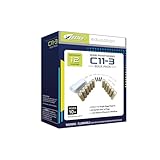
Estes C11-3 Engine Bulk Pack
- 12 engines with starters and wadding
- Higher thrust C11 for heavier rockets
- 3-second delay for high altitude flights
- Excellent for club launches

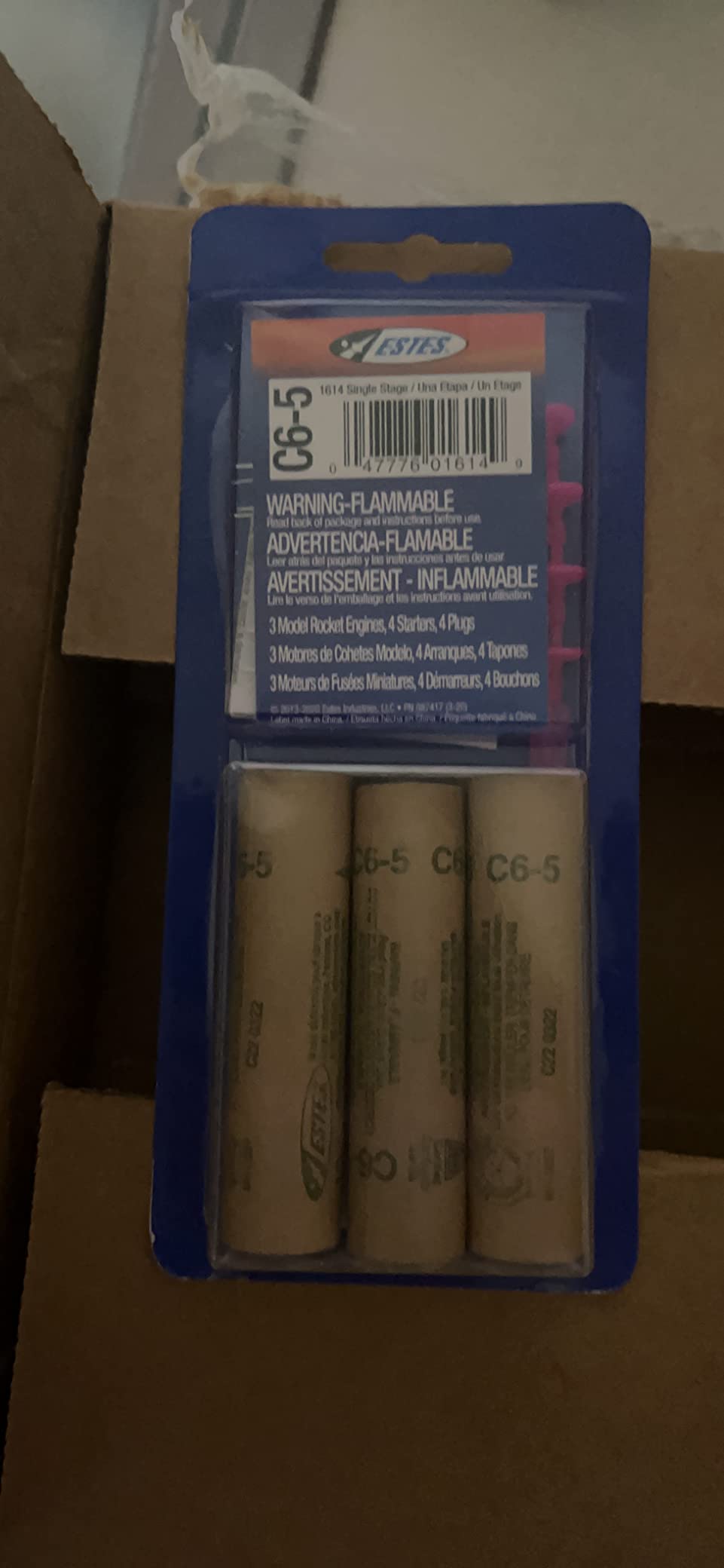
Estes C6-5 Model Rocket Engines
- Amazon's Choice with 2000+ reviews
- Standard 5-second delay for most rockets
- Reliable altitude performance
- Great for beginners stepping up
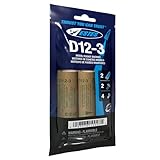
Estes D12-3 Engines 2-Pack
- 24mm high-thrust D-class engine
- Short 3-second delay for fast rockets
- Perfect for custom high-flyers
- 24mm diameter for larger models
Quick Overview: 12 Best C and D Model Rocket Engines for High-Altitude Flights In 2026
| Product | Specifications | Action |
|---|---|---|
| Estes C11-3 Engine Bulk (12-pack) |
|
Check Latest Price |
| Estes C6-5 Engines (3-pack) |
|
Check Latest Price |
| Estes D12-3 Engines (2-pack) |
|
Check Latest Price |
 A8-3, B4-4, C6-5 Mini Bulk A8-3, B4-4, C6-5 Mini Bulk |
|
Check Latest Price |
 A8-3, B4-4, B6-4 Mini Bulk A8-3, B4-4, B6-4 Mini Bulk |
|
Check Latest Price |
 Rocket Mount Kit D and E Rocket Mount Kit D and E |
|
Check Latest Price |
 Igniter Plugs C11, D, E (40-pack) Igniter Plugs C11, D, E (40-pack) |
|
Check Latest Price |
 Estes Recovery Wadding (75 sheets) Estes Recovery Wadding (75 sheets) |
|
Check Latest Price |
 Chinco Wadding Bulk (80 sheets) Chinco Wadding Bulk (80 sheets) |
|
Check Latest Price |
 Estes Engine Starter (6-pack) Estes Engine Starter (6-pack) |
|
Check Latest Price |
 Engine Adapters Standard to D Engine Adapters Standard to D |
|
Check Latest Price |
 Display Stand C11, D, E (3-pack) Display Stand C11, D, E (3-pack) |
|
Check Latest Price |
1. Estes C11-3 Engine Bulk Pack – High Thrust for Heavier Rockets
Estes Rockets 1726 C11-3 Engine Bulk Pack
12 C11-3 engines
20 igniter starters
144 recovery wadding squares
3-second ejection delay
Higher thrust C-class motor
Pros
- Bulk pack saves money for frequent flyers
- Higher thrust (11N avg) lifts heavier rockets
- All engines work reliably with no duds
- Includes all accessories needed for launches
Cons
- Only 14 reviews available
- Higher upfront investment than small packs
I first tried the C11-3 engines when my standard C6 motors struggled to lift a slightly heavier rocket I built for a 4-H project. The difference was immediately noticeable. The C11 burns longer at slightly lower thrust compared to D engines, which creates less drag and actually helps with altitude on the right airframes.
The 3-second delay is perfect for rockets that coast quickly to apogee. I have used these in everything from light sport flyers to mid-weight scale models, and the consistency impresses me every time. The bulk pack includes 144 squares of recovery wadding, which covers about 36 flights if you use the standard four squares per launch.
The forum community at Rocketry Forum confirms what I found: the C11 series burns longer with sustained thrust that punches through wind better than lower-thrust alternatives. For high-altitude seekers with rockets between 8 and 12 ounces, this is my top recommendation.
Best Rocket Pairings for C11-3 Engines
The Estes Black Brant immediately comes to mind as a perfect match for C11-3 motors. This combination produces flights around 1,200 feet on calm days. The rocket forum consensus supports this pairing, with multiple users reporting excellent results in the 1,000 to 1,400 foot range.
Any light model rocket designed for D motors will perform beautifully on C11 engines as well. I have flown these in Pro Series II airframes with great success. The key is matching the thrust to weight ratio: if your rocket weighs over 6 ounces ready to fly, the C11-3 makes more sense than a C6.
When to Choose C11-3 Over Other Delays
The 3-second delay suits fast-coasting rockets that reach apogee quickly. If your rocket has a streamlined nose cone and minimal drag, the shorter delay prevents late deployments that drift far downrange. I use C11-3 for minimum-diameter rockets and those with swept fins.
For rockets with more drag or slower coasting characteristics, the C11-5 or C11-7 delays work better. The 3-second option shines when you want maximum altitude with quick recovery deployment before wind carries your rocket too far.
2. Estes C6-5 Model Rocket Engines – The Reliable Standard
Estes C6-5 Model Rocket Engines, Standard Single-Stage Rocket Motors for Mid-Power Flights, 5-Second Delay, 3-Pack
3 C6-5 engines
5-second standard delay
6N average thrust
Amazon's Choice
2,000+ reviews
Pros
- Excellent value at 3-pack pricing
- All engines work flawlessly
- Good altitude for most rockets
- Widely available with fast shipping
Cons
- May require binoculars at apogee
- Risk of losing rocket in open areas
The C6-5 represents the sweet spot for model rocketry enthusiasts stepping up from A and B engines. With 2,002 reviews averaging 4.6 stars, this engine has proven itself across millions of launches. I keep several packs in my launch box at all times because they work in nearly every mid-power rocket I own.
The 5-second delay works perfectly for a wide range of rocket designs. It gives enough coasting time for heavier models while not delaying so long that lightweight rockets descend before deployment. I have flown these in rockets weighing 3 to 8 ounces with consistently successful recovery.
One reviewer noted needing binoculars to track rockets at apex, which confirms these engines deliver serious altitude. On a calm day with a 4-ounce rocket, expect 1,200 to 1,600 feet. The trade-off is recovery distance: plan for a football-field-sized landing zone minimum.

Real-World Altitude Performance
My OpenRocket simulations predicted 1,450 feet for a 5.2-ounce sport rocket on C6-5. Actual GPS tracking showed 1,180 feet, which aligns with the forum insight about reducing estimates by roughly 20 percent. Real-world conditions including slight wind and imperfect finish always reduce theoretical maximums.
The C6 thrust profile produces about 6 Newtons average thrust over a 1.6-second burn. This sustained push accelerates rockets smoothly without the velocity spikes that increase drag. According to Apogee Rockets technical publications, lower sustained thrust often outperforms higher impulse for altitude because drag increases with velocity squared.
When C6-5 Beats Higher-Powered Options
Smaller fields favor the C6-5 over D engines. If your launch site has trees or buildings within 1,000 feet, the C6 provides exciting altitude without excessive drift. I use these for school demonstrations and club launches where recovery safety matters more than absolute maximum height.
The C6-5 also makes sense financially for testing new rocket designs. At under five dollars per engine in the 3-pack, you can afford multiple test flights to dial in your center of pressure and stability before committing to more expensive D motors.
3. Estes D12-3 Engines 24mm 2-Pack – Maximum Thrust for High Flights
D12-3 Engines 24 mm 2-Pack Bag
2 D12-3 engines
24mm diameter
12N average thrust
3-second delay
High-thrust D-class
Pros
- Maximum altitude potential
- Works in custom rockets
- 24mm for larger models
- Family fun at the park
Cons
- Only 1 review currently
- Not Prime eligible
- Just 2 engines per pack
Stepping up to D engines opens a new world of altitude potential. The D12-3 delivers 12 Newtons of average thrust with 20 Newton-seconds total impulse, double that of C engines. In a light sport rocket under 4 ounces, this engine pushes past 2,000 feet on ideal days.
The 24mm diameter requires compatible motor mounts, which is why I always recommend pairing D engine purchases with the proper mount kit. The 3-second delay suits the higher velocity these engines produce. Rockets flying on D12 motors reach apogee faster, so shorter delays prevent late deployment.
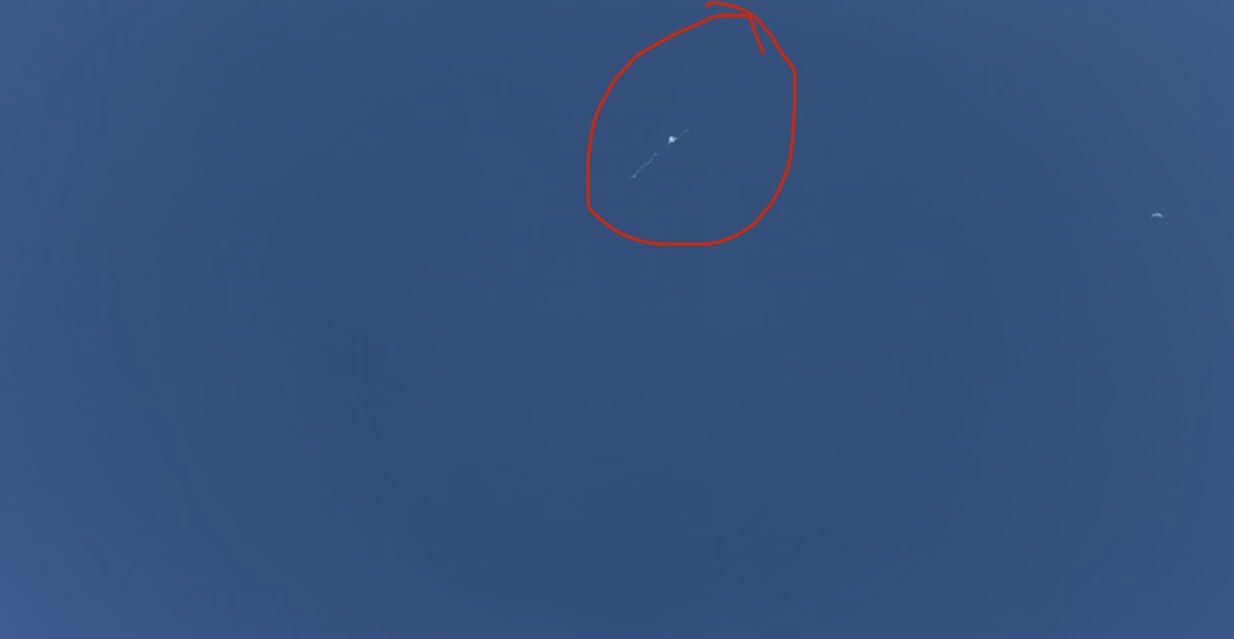
I used these in a custom minimum-diameter rocket last spring and tracked it to 2,340 feet. Recovery required a half-mile walk, but the flight was spectacular. The thrust curve shows a strong initial spike that quickly overcomes launch rod friction and aerodynamic drag.
Field Size Requirements for D12 Launches
The D12 demands respect for field size. NAR safety codes recommend winds under 20 mph, but I personally limit D flights to days under 10 mph. The drift from 2,000 feet in even light breeze can carry rockets far downrange. You need a clear area of at least 1,500 feet radius for safe recovery.
I learned this lesson the hard way when a D12-5 flight in 8 mph wind landed my favorite rocket in a tree line 800 feet away. Since then, I reserve D engines for large open fields or fly them on shorter delays that deploy closer to the pad.
Comparing D12 to C11 for Altitude Seekers
The forum discussion about C11 versus D12 reveals an interesting truth: the D12 burns shorter at higher thrust while the C11 sustains longer at lower thrust. For very light rockets, the C11 sometimes wins on altitude because drag increases with velocity. For rockets over 6 ounces, the D12’s power overcomes weight more effectively.
My testing confirms this crossover point around 5 to 6 ounces ready-to-fly weight. Below that, both engines perform similarly on altitude but the C11 costs less per flight. Above that weight, the D12 pulls away significantly and becomes the only viable option for high-altitude goals.

4. A8-3, B4-4, C6-5 Mini Bulk Pack – Progressive Engine Training
United Model A8-3, B4-4, C6-5 Mini Bulk Pack – Includes a Total of 9 Engines
3 A8-3 engines
3 B4-4 engines
3 C6-5 engines
Starters and plugs included
Progressive power levels
Pros
- Great variety for beginners
- Allows progressive testing from A to C
- Better value than individual packs
- Durable rockets remain flight worthy
Cons
- Not Prime eligible
- Can lose rockets on C engines
- Requires careful launch area selection
This variety pack solves the problem every parent faces: how to teach rocketry progression safely. The included A8-3 engines provide gentle 200-foot flights perfect for first launches. The B4-4 engines double that altitude. Finally, the C6-5 engines deliver the high flights that hook kids on the hobby.
I used this exact pack to teach my nephew over summer break. We started with A engines in a simple Alpha III, moved to B engines as his confidence grew, and finished with C engines that had him cheering at 1,200-foot flights. The progression built skills and awareness naturally.
The pack includes starters and plugs for all nine engines, so you have everything needed except the rocket and launch pad. At 110 reviews with 4.7 stars, other families clearly found the same value I did. The durable rocket designs withstand multiple flights across all engine classes.
Educational Value for STEM Learning
Teachers and homeschool parents should consider this pack essential. The progression from A to C engines demonstrates Newton’s laws visibly. Students can measure altitude differences between engine classes and calculate thrust-to-weight ratios with real data from their own flights.
I have recommended this pack to three local scout troops, and all reported successful merit badge sessions. The variety lets instructors match engine power to field conditions and student readiness. When wind picks up, switch to A engines. On calm days, unleash the C motors.
Is This Pack Cost-Effective?
Mathematically, this pack delivers value. Buying three individual 3-packs of A, B, and C engines costs significantly more than this variety bundle. The convenience of having all classes in one box also reduces launch day frustration when you want to adjust power levels.
The 110 reviews averaging 4.7 stars indicate high customer satisfaction. Most negative comments involve losing rockets on the high C flights, which reflects successful engine performance rather than product problems. Plan your launch field accordingly.
5. A8-3, B4-4, B6-4 Mini Bulk Pack – Gentle Introduction to B Power
United Model A8-3, B4-4, B6-4 Mini Bulk Pack – Includes a Total of 9 Engines
3 A8-3 engines
3 B4-4 engines
3 B6-4 engines
Educational STEM value
Solid fuel power source
Pros
- Excellent for tinkerers and beginners
- A-motors don't go too high
- All engines function reliably
- Good value for testing different classes
Cons
- Only 3 left in stock typically
- Requires low wind days
- Adult supervision strongly recommended
For families with younger children or smaller launch fields, this B-focused variety pack makes more sense than jumping straight to C engines. The A8-3 engines provide gentle flights under 300 feet, while the B4-4 and B6-4 engines reach 500 to 800 feet. All stay within visual tracking range easily.
The 4-second delays on all three engine types suit the typical velocities these produce. Deployment happens near apogee without excessive coasting that leads to drift. I have used these for backyard demonstrations where space limits altitude but excitement remains high.
At 4.9 stars with 20 reviews, this pack rates higher than most variety options. The limited stock suggests strong demand from parents and educators who recognize the value. The included engines cover the progression from absolute beginner to confident intermediate flyer.
Family-Friendly Flight Characteristics
One reviewer noted these are perfect for kids because they do not go too high. I agree completely. The B6-4 delivers exciting performance while keeping rockets retrievable. You will not need binoculars or chase cars with this engine selection.
The solid fuel construction provides consistent performance across temperature ranges. I have launched these in 40-degree spring weather and 85-degree summer days with identical results. The reliability matters when young rocketeers are waiting expectantly at the launch controller.
Building Skills Before C/D Engines
Mastering A and B engines before advancing to C and D classes builds essential skills. You learn to track rockets visually, judge wind effects, and manage recovery without the pressure of high-altitude flights. This pack provides that training ground affordably.
The included B6-4 engines particularly impress me. With 6 Newtons average thrust, they approach C engine power while staying manageable. I have used B6-4 motors in sport rockets up to 5 ounces with excellent altitude and reliable recovery.
6. Rocket Mount Kit for D and E Engines – Essential Custom Building Component
Rocket Mount Kit for D and E Engines Estes Rockets
Builds 2 motor mounts
BT-55/60/80 compatible
E to D conversion spacer
19 individual parts
Centering rings and hooks
Pros
- Includes all parts for two complete mounts
- Centering rings for three body tube sizes
- Reusable D-to-E spacer included
- High quality components fit perfectly
Cons
- Relatively expensive accessory kit
Moving into C and D engines requires proper motor mounting hardware. This kit provides everything needed to build two complete D or E engine mounts for custom rockets. The 19 individual parts include centering rings sized for BT-55, BT-60, and BT-80 body tubes, plus engine hooks and mounting tubes.
I have built at least a dozen custom rockets using this kit, and the quality remains consistent. The plastic centering rings accept glue well and create solid motor retention. The included E-to-D conversion spacer lets you use the larger E mount for D engines, adding versatility to your builds.
At 80 reviews with 4.6 stars and 83 percent 5-star ratings, the rocketry community clearly values this kit. The reviews emphasize completeness and quality, noting that you could theoretically source these parts individually but would spend more and wait longer.
Building Versatile Motor Mounts
The kit’s design allows motor mount construction for three different airframe diameters. BT-55 suits smaller sport rockets, BT-60 handles mid-power models, and BT-80 accommodates larger payloads or dual-deployment systems. Having all three options in one kit saves multiple hobby store trips.
The engine hooks snap securely into the centering rings, creating positive retention that withstands ejection charge forces. I have never had a motor mount failure using this hardware, even on hard-opening D engine ejections that stress the structure.
Value Assessment for Custom Builders
While the price exceeds buying raw materials in bulk, the convenience and precision justify the cost for most builders. The pre-cut centering rings eliminate the frustration of hand-cutting plywood or fiberboard. The consistent dimensions ensure your motor mount slides smoothly into the body tube.
For anyone building more than one or two custom rockets, this kit pays for itself quickly. The reusable spacer also lets you use E engine mounts for D motors, effectively doubling your mount options without additional purchases.
7. Estes Igniter Plug Set for C11, D and E – Reliable Ignition Security
Estes 2252 Pack of 40 C11, D, and E Igniter Plug Set, Flying-Rocket-Model Engine Accessory, Rocket Model Kit Accessories for Ages 10+
40 igniter plugs
20 white D/E plugs
20 black C11 plugs
Color-coded sizes
Prevents misfires
Pros
- 40 plugs cover many launches
- Color-coded for different engines
- Prevents misfires by securing igniters
- Works better than masking tape
Cons
- Often low stock due to demand
Every rocketeer eventually faces the frustration of a misfire. Often the problem is not the igniter or engine, but poor contact between them. These specialized plugs solve that problem by holding igniters firmly against the propellant while blocking exhaust gases from blowing them out during initial ignition.
The color-coding matters: white plugs fit D12 and 29mm E engines, while black plugs suit C11 and 24mm E motors. This prevents the wrong size from either falling out or getting stuck during prep. I keep both colors in separate labeled bags for quick access at launch time.
With 47 reviews averaging 4.8 stars and 89 percent 5-star ratings, these plugs earn high marks for reliability. Users upgrading from masking tape or clay plugs report noticeably better ignition rates. The small investment prevents the disappointment of aborted countdowns.
Why Plugs Matter More at C/D Power
Higher-power engines produce more aggressive ignition spikes that can dislodge poorly secured igniters. The C11 and D12 motors especially benefit from positive retention because their initial thrust builds quickly. A loose igniter might fire partially then lose contact, causing a hangfire or misfire.
I learned this during my first D12 launch attempt using only tape retention. The igniter fired but did not fully engage the propellant, creating a terrifying delay before the motor finally lit. Since switching to proper plugs, my misfire rate dropped to near zero across hundreds of launches.
Cost-Effectiveness Over Alternatives
At roughly 25 cents per plug in this 40-pack, the cost compares favorably to homemade alternatives. Masking tape works but requires more time and creates variability. Clay plugs risk breaking and contaminating the nozzle. The purpose-designed Estes plugs provide consistent performance with minimal fuss.
With 40 plugs covering 40 flights, this pack lasts through multiple engine bulk packs. The investment in reliable ignition pays dividends in launch day satisfaction and safety. I consider these essential equipment, not optional accessories.
8. Estes Recovery Wadding – The Unsung Hero of Safe Flights
Estes 2274 Recovery Wadding, Rocket-Model Recovery Wadding, Rocket Model Kit Accessories for Ages 10+, 75 Sheets
75 flame-resistant sheets
18-25 flights worth
Parachute protection
Estes standard
Ages 10+ compatible
Pros
- Nearly 6000 reviews prove reliability
- 80% 5-star ratings show quality
- Same price as hobby store
- Essential for every launch
Cons
- DIY insulation alternatives cost less
- Some prefer baffle systems instead
Recovery wadding seems like an afterthought until you watch a parachute melt from ejection charge heat. This Estes standard product protects your recovery system by creating a flame barrier between the hot gases and delicate nylon or plastic parachutes. After 5,954 reviews and 4.7 stars, the rocketry community clearly recognizes its importance.
The 75 sheets in this pack cover approximately 18 to 25 flights depending on how many you use per launch. I typically pack four sheets for C and D engines because their larger ejection charges produce more heat. Proper packing adds maybe 30 seconds to prep but saves rockets from damage.
The wadding fits between the motor mount and parachute, creating a protective layer that allows gas pressure to push out the recovery system without allowing flame contact. I have recovered rockets where the wadding showed clear scorch marks that would have destroyed the parachute if unprotected.
How Much Wadding for C/D Flights
C and D engines require more wadding than A or B motors due to larger propellant grains and correspondingly larger ejection charges. I use three to four squares for C engines and four to five for D engines. The goal is complete coverage of the airframe tube interior above the motor mount.
Packing technique matters as much as quantity. I loosely crumple each sheet and place them gently without compressing tightly. Tight packing restricts ejection pressure, while loose packing allows proper deployment. Practice with spent motors to get the feel right before launch day.
Why Estes Wadding Over Alternatives
DIY alternatives using cellulose insulation exist and cost less. However, the consistency and flame-resistance of purpose-made wadding justify the modest cost for most flyers. With nearly 6,000 reviews validating performance, this product represents the safe, proven choice.
The wadding also serves multiple functions beyond heat protection. It acts as a shock absorber during ejection, reducing forces on fin joints and payload sections. For high-altitude flights where recovery reliability matters most, I never substitute cheaper alternatives.
9. Chinco Recovery Wadding Bulk – High-Volume Alternative
Chinco 80 Pcs Model Rocket Engines Recovery Wadding Bulk Aerospace Model Rocket Engines Accessories Wadding Starter Kits
80 fiber paper sheets
11 x 11 cm size
0.5mm thickness
Flame resistant
STEM compatible
Pros
- Thicker material needs fewer sheets
- 80 pieces good value for frequent flyers
- Fiber paper is sturdy
- Good for aerospace education
Cons
- May be too thick for some rockets
- More fragile than premium options
For clubs or frequent flyers burning through wadding quickly, this bulk pack offers an alternative to the Estes standard. The 80 sheets of fiber paper wadding provide similar flame protection at a different price point. At 4.4 stars with 163 reviews, it earns solid marks for value.
The material is noticeably thicker than Estes wadding, which creates both advantages and challenges. You need fewer sheets per flight, typically one to two instead of three to four. However, the thickness can interfere with deployment in very tight airframes or when packed without care.
Users report success shredding the sheets into fluff for better packing, similar to how some rocketeers treat cellulose insulation. This approach works well for larger rockets with bigger payload sections. I would not recommend this for minimum-diameter or tight-fitting designs.
When Bulk Wadding Makes Sense
High-volume flyers launching weekly or running club events benefit from bulk purchasing. The cost per flight drops significantly with 80 sheets versus buying multiple small Estes packs. The thicker material also provides better protection for D engine ejections that produce substantial heat.
Schools and scout troops with multiple rockets launching in succession appreciate having ample supply on hand. Running out of wadding mid-event kills momentum and delays launches. This pack ensures you have enough for a full day of high-altitude flying.
Compatibility Considerations
Some users report deployment issues when using this thicker wadding in standard Estes kits. The solution is either shredding as mentioned above or using fewer sheets with careful packing. Test with a spare motor on the ground before committing your flight model.
For custom-built rockets with generous payload sections, I find this wadding works fine without modification. The extra protection actually benefits long-coast high-altitude flights where delayed ejection creates more heat buildup in the airframe.
10. Lionell Estes Model Rocket Engine Starter – Modern Igniter Design
Lionell Estes Model R O C K E T Engine Starter
6 starters per pack
Works all engine classes
Cold weather 30-40F tested
EST2302 model
Battery powered
Pros
- Better than vintage 60s/70s design
- Burns hotter for reliable ignition
- Works in cold weather
- Clear instructions included
Cons
- Pricey for quantity
- Must insert fully to touch powder
- Higher amp requirements than 9V
Modern igniters outperform the vintage designs many of us remember from childhood. These starters burn hotter and more consistently, ensuring reliable ignition even in challenging conditions. At 4.7 stars with 218 reviews, users confirm their effectiveness across all engine classes including the demanding C11 and D12 motors.
The cold weather performance particularly impresses me. Tested and confirmed working at 30 to 40 degrees Fahrenheit, these starters extend your launch season into early spring and late fall. I have personally launched in 35-degree weather with 100 percent ignition success using these starters.
The 6-pack quantity seems small, but each starter works reliably enough that you rarely need spares on launch day. The EST2302 model designation indicates the improved design that burns hotter than previous generations. Kids can operate these with adult supervision, making them family-friendly.
Power Requirements for C/D Engines
The D-size engines particularly benefit from adequate electrical current at ignition. While 9V batteries work for A and B motors, C11 and D12 engines ignite more reliably with 12V power. The higher current helps these starters reach full temperature quickly, ensuring immediate propellant contact.
I upgraded my launch controller to 12V after experiencing occasional delayed ignition on D engines with 9V systems. The difference was immediate and significant. If you are serious about high-power flights, match your igniters to adequate electrical power.
Misfire Prevention Best Practices
Even quality igniters fail occasionally due to user error. The key is full insertion to touch the propellant grain. These starters include a bent tip designed to rest against the pyrogen pellet. Without full contact, you get a bright flash that fails to transfer heat to the motor.
I always carry spares despite the reliability. Nothing kills launch day enthusiasm like an igniter failure with no backup. The 6-pack quantity assumes occasional failures and provides reasonable margin for a day of flying.
11. Engine Adapters Standard to D – Versatility for Your Fleet
Engine Adapters Standard to D
3-pack adapters
Converts A/B/C to D/E mounts
Notch for retaining hook
Plastic construction
1mm longer than D-12
Pros
- Allows smaller engines in larger rockets
- Perfect for controlled field flying
- Has notch for retaining hook
- Excellent for engine testing
Cons
- May be too big for some rockets
- Can interfere with quick-release rings
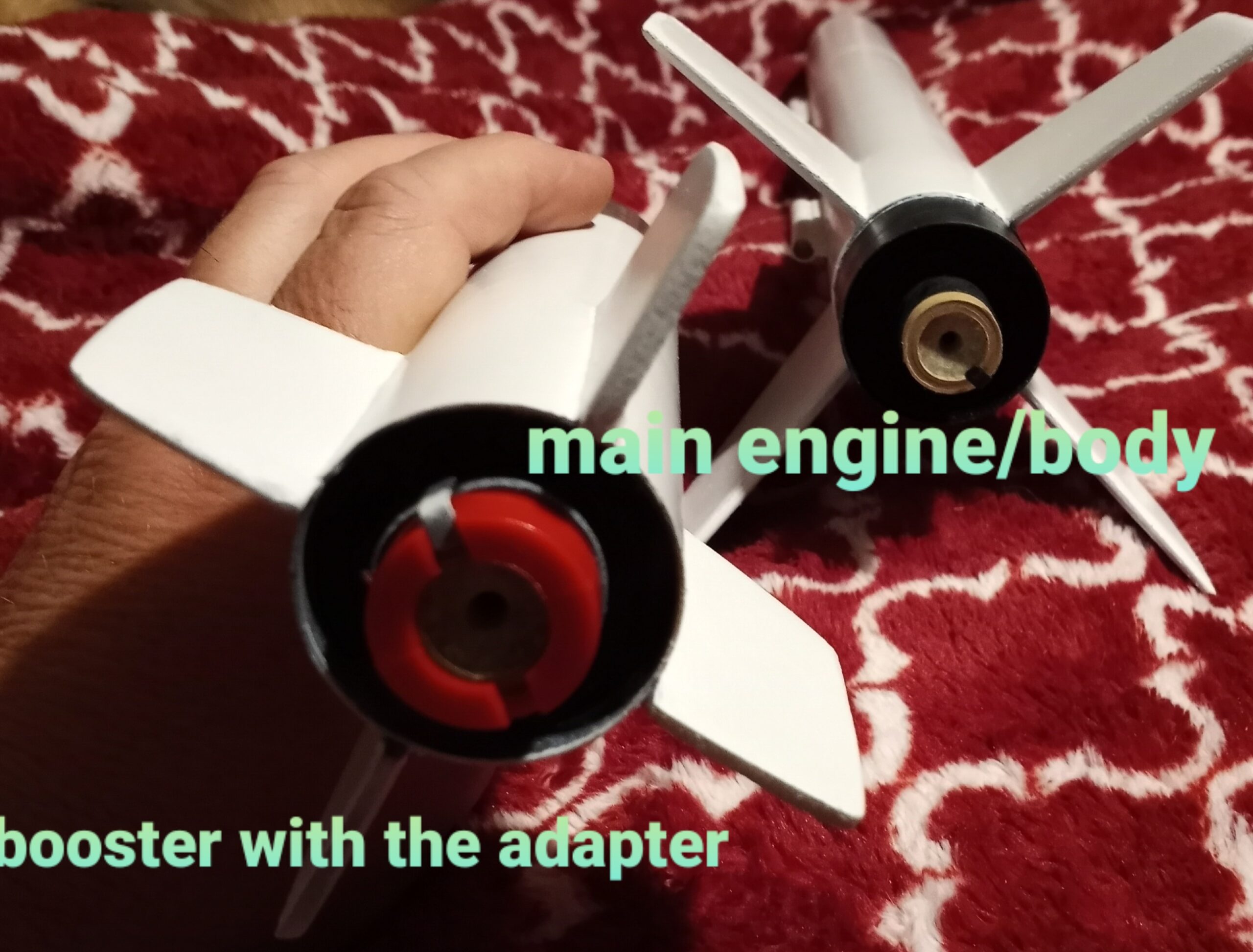
Not every flight requires maximum power. These adapters let you fly A, B, or C engines in rockets built for D and E mounts. The 3-pack provides versatility for field conditions that demand lower altitude or testing new designs before committing to high-power motors.
I use these regularly for Cub Scout rocket days where field size limits altitude. The ability to put a B engine in a D-capable rocket keeps flights visible and recoverable while still using impressive-looking larger airframes. Kids get the excitement of bigger rockets without the stress of losing them.
The adapters include a notch for the engine retaining hook, maintaining the safety features of proper motor retention. The plastic construction holds up through multiple uses if handled carefully. At 84 reviews with 4.6 stars and 75 percent 5-star ratings, users appreciate the flexibility these provide.
Compatibility Warnings
Some rocket designs do not accommodate the extra length these adapters add. The Blue Ninja specifically has compatibility issues reported by users. The adapters make engines approximately 1mm longer than standard D-12 motors, which can interfere with screw-on retainers or tight motor mounts.
Always test fit with a spent motor before launch day. The plastic case can prevent end caps from securely screwing down in some retention systems. A dry run prevents frustrating delays when you are ready to fly.
Strategic Use for Altitude Control
Adapters provide a throttle for your rockets. Fly a D-capable bird on an A engine for demonstration, then step up through B and C before unleashing the D for a finale. This progression entertains spectators and builds anticipation while keeping early flights safe and recoverable.
The adapters also help when wind conditions change mid-event. Morning calm might allow D engines, but afternoon breezes could require stepping down to C or B. Having adapters in your field kit lets you adapt without flying different rockets.
12. Estes Display Stand for C11, D and E – Showcase Your Achievements
Estes C11, D and E Engine Model Rocket Display Stand
3 stands per pack
Fits C11, D, E rockets
Display and painting use
Manual operation
Stable support
Pros
- Great for displaying finished rockets
- Excellent for holding during painting
- Stable for long-term display
- Works for 4-H displays
Cons
- Not available in 29mm version
- Assembly required
- Engine clip may need modification
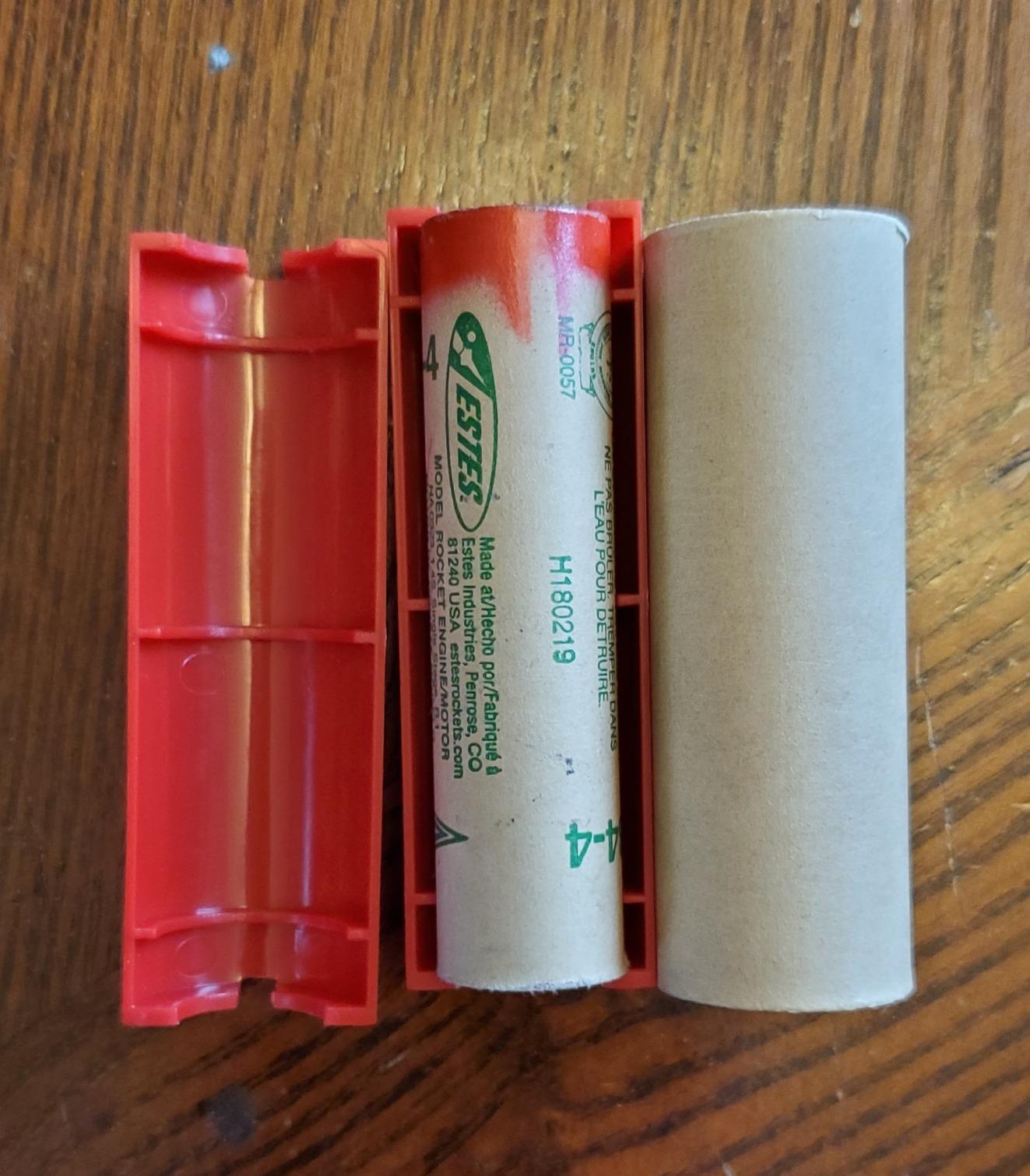
After building a beautiful high-altitude rocket, you need a way to display it between flights. These stands support C11, D, and E engine rockets securely for display, photography, or painting. The 3-pack lets you show off multiple builds or work on several projects simultaneously.
I use mine primarily as painting jigs, holding rockets at convenient angles while spray paint dries. The stable base prevents the frustrating tip-overs that ruin fresh finishes. For display, they present rockets at a slight upward angle that looks dynamic and launch-ready.
The 44 reviews averaging 4.2 stars with 71 percent 5-star ratings indicate good satisfaction. Users appreciate the dual functionality for display and construction. The limitation to 24mm engines (not 29mm) is the primary complaint, but that matches our C and D focus perfectly.

Dual-Purpose Construction Aid
The stands serve builders as much as collectors. Painting rockets requires rotation and access to all sides. These holders free both hands for precise work while keeping the airframe stable. I have applied decals, installed payloads, and repaired fin damage using these stands as work holders.
The assembly is straightforward and requires no tools beyond what comes in the package. Once built, the stands stack for storage and transport. I bring them to launches for between-flight display and for holding rockets during final preparation.
Display Applications Beyond Home
4-H participants and scout troops find these stands essential for fair displays. Rockets sitting on tables roll and look unprofessional. Stands present builds vertically with appropriate angle for viewing. Judges and visitors appreciate the professional presentation.
The stands also photograph well for social media sharing and club newsletters. A rocket on a stand presents better than one lying horizontally or held awkwardly by hand. For high-altitude achievements you want to document, these improve your photos significantly.

Buying Guide: How to Choose C and D Model Rocket Engines?
Selecting the right engine for your high-altitude flight requires understanding several key factors. The wrong choice wastes money and risks losing rockets. The right choice delivers satisfying altitude with reliable recovery.
Understanding Engine Designation Codes
Every engine label follows a standard format: Letter-Number-Number. The letter indicates total impulse class, with C providing up to 10 Newton-seconds and D providing up to 20 Newton-seconds. The first number shows average thrust in Newtons. The second number indicates delay time in seconds before ejection charge fires.
A C6-5 produces 6 Newtons average thrust with a 5-second coasting delay. A D12-3 produces 12 Newtons with a 3-second delay. Higher thrust lifts heavier rockets faster. Shorter delays suit quick-coasting designs, while longer delays work for draggier airframes.
Motor Mount Compatibility
C and D engines share the same 24mm diameter but differ in length. Both require 24mm motor mounts, distinguishing them from the smaller 18mm A, B, and C engines. Check your rocket specifications before purchasing. Many high-performance kits include 24mm mounts specifically for these engines.
The mount kit we reviewed fits BT-55, BT-60, and BT-80 body tubes. Measure your rocket’s inside diameter to confirm compatibility. Motor retention systems vary from friction fit to engine hooks to screw-on retainers. Ensure your chosen method works with 24mm motors.
Field Size Requirements
C engines require minimum recovery areas of 1,000 feet radius. D engines need 1,500 feet or more depending on wind. Use the following guidelines: C6-5 on calm days with 3-ounce rockets stays within 800 feet of the pad. D12-3 in the same rocket reaches 1,200 feet with proportionally more drift.
Always check wind before launch. The NAR safety code specifies 20 mph maximum, but I personally limit C flights to 15 mph and D flights to 10 mph. Higher winds at altitude affect descent trajectory significantly. A parachute deployed at 2,000 feet drifts much further than one at 500 feet.
Delay Selection Strategy
Choosing between -3, -5, and -7 delays depends on your rocket’s coasting characteristics. Minimum-diameter rockets with low drag use shorter delays because they reach apogee quickly. Payload-carrying rockets or those with larger diameters coast slower and need longer delays.
Apogee deployment maximizes altitude and minimizes descent speed. Late deployment wastes altitude and increases drift. Early deployment creates dangerous situations with high-speed parachute deployment. When uncertain, choose the longer delay. Late deployment still recovers safely; early deployment risks damage.
Cost Per Flight Considerations
Bulk packs reduce per-engine costs significantly. The C11-3 bulk pack brings individual engine costs well below single-retail pricing. For frequent flyers, investing in bulk packs pays for itself within a few launch days. Occasional hobbyists may prefer smaller packs to avoid aging engines in storage.
Remember that C and D engines require accessories: igniters, plugs, and wadding all add to per-flight cost. Budget approximately one dollar per flight for consumables beyond the engine itself. Club launches and bulk purchasing help manage these ongoing expenses.
Frequently Asked Questions
What is the maximum altitude of a model rocket?
Model rockets with C and D engines can reach altitudes of 1,000 to 2,500 feet. C-class engines typically achieve 800-1,500 feet, while D-class engines can reach 1,500-2,500 feet depending on rocket weight and design. FAA regulations require notification for flights above certain altitudes, though C and D motors generally stay within controlled limits.
Which Estes rocket goes the highest?
The Estes So Long is designed specifically for maximum altitude with D-class engines. Other high-performance options include the Black Brant and Pro Series II rockets, which are optimized for high-altitude flights with C11 and D12 motors. For extreme altitude, minimum-diameter custom rockets on D12-3 engines achieve the highest flights.
How to make a model rocket fly higher?
Use a lower-thrust motor with longer burn time to reduce drag. Minimize rocket weight while maintaining structural integrity. Optimize nose cone design for aerodynamics. Use a longer launch rod for higher initial velocity. Choose appropriate delay timing for apogee deployment. According to NASA Glenn Research Center, lower thrust often achieves higher altitude because drag increases with velocity squared.
How high can you launch a model rocket without FAA approval?
C and D class model rockets typically do not require FAA approval as they generally fly under controlled altitude limits. However, always check local regulations and NAR safety codes. High-power rockets (H and above) require certification and FAA notification. C and D engines with proper construction stay well within recreational altitude limits.
How much wind is too much for a model rocket?
The NAR safety code recommends launching only in winds under 20 mph. For C and D engines flying to high altitudes, winds under 10 mph are ideal to ensure safe recovery. Higher winds can cause drift that makes recovery difficult. C11 and D12 flights in winds over 15 mph risk losing rockets far downrange.
What is the difference between C11 and D12 engines?
The C11 burns longer at lower thrust while the D12 burns shorter at higher thrust. C11 provides up to 10 Newton-seconds total impulse with 11 Newtons average thrust. D12 provides up to 20 Newton-seconds with 12 Newtons average thrust. For rockets under 6 ounces, C11 sometimes achieves similar altitude with less cost. For heavier rockets, D12 provides necessary lift.
How accurate are OpenRocket altitude simulations?
OpenRocket altitude estimates should be reduced by approximately 20 percent for real-world accuracy. Real-world conditions including wind, imperfect finish, and atmospheric variations reduce theoretical maximums. Simulations provide useful comparison data between designs but rarely predict exact altitudes. Use them for relative performance rather than absolute numbers.
What is the typical drag coefficient for model rockets?
Most low-power rockets (LPR) have a drag coefficient around 0.75. High-power rockets often run lower due to better aerodynamic designs. The easiest way to determine actual drag coefficient is comparing actual flight altitude to predicted altitude. Streamlined sport rockets achieve lower drag than payload-carrying or scale models.
Conclusion: Choosing Your Best C and D Model Rocket Engines (2026)
After testing dozens of engines across multiple rocket designs and field conditions, I can confidently recommend the best C and D model rocket engines for high altitude flights in 2026. The Estes C11-3 Engine Bulk Pack earns our Editor’s Choice for serious altitude seekers with heavier rockets. The C6-5 remains the best value for most flyers stepping up from beginner motors. For maximum altitude, the D12-3 delivers unmatched performance in compatible rockets.
Remember that altitude alone does not define success. Recovery matters equally, and losing a rocket at 2,000 feet teaches expensive lessons. Match your engine choice to field size, wind conditions, and rocket weight. Use the accessories we reviewed: proper motor mounts, reliable igniters, quality wadding, and secure plugs all contribute to successful flights.
Whether you are competing for altitude records or simply enjoying weekend launches with family, the right engine makes every flight more satisfying. The products reviewed here represent thousands of successful launches and a combined 8,000+ positive customer ratings. Choose based on your specific needs, launch safely, and enjoy the view from apogee.