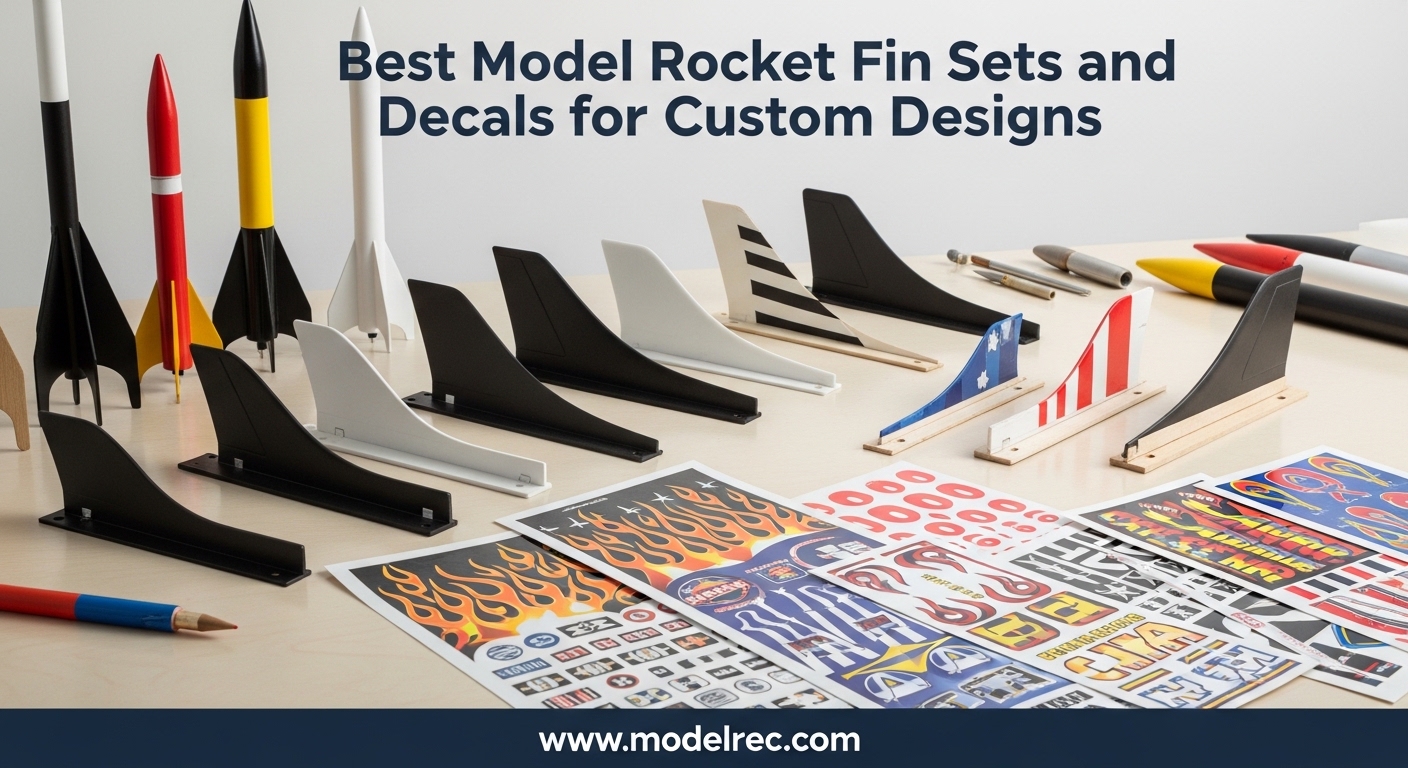
After building rockets for over a decade, I have learned one truth: the difference between a perfect flight and a lawn dart often comes down to your fins and decals. In 2026, finding the right model rocket fin sets and decals can transform your rocket from a basic kit into something truly unique. Whether you are customizing your first rocket or building competition-level designs, the supplies you choose matter more than you might think.
I have spent countless hours testing alignment guides, applying waterslide decals, and comparing fin materials. Some products saved me hours of frustration. Others ended up in the scrap bin. This guide shares what actually works based on real experience with these products. You will find everything from professional-grade decal paper to essential alignment tools that prevent the most common building mistakes.
We will cover ten essential products for custom rocket designs, from the best-selling Jecqbor decal paper to Estes alignment tools that ensure straight fins every time. Each recommendation includes honest pros and cons, customer feedback insights, and practical advice for getting the most from your purchase.
Table of Contents
Top 3 Picks for Model Rocket Fin Sets and Decals
These three products represent the best balance of quality, value, and user satisfaction for model rocket builders in 2026. Each serves a different purpose, but together they cover most customization needs.
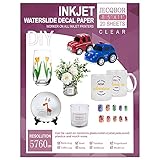
Jecqbor 20 Sheets Waterslide Decal Paper
- #1 Best Seller in Waterslide Decal Paper
- 5760 dpi print resolution
- Works with Pigment and Dye inks
- Clear professional finish

Estes 2231 Fin Alignment Guide
- Fits BT-20 to BT-80 body tubes
- Works with 3 or 4 fins
- Essential for straight alignment
- 1600+ positive reviews
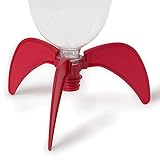
StratoFins Screw-on Water Rocket Fins
- No tools or glue required
- Doubles launch height
- Durable plastic construction
- Compatible with 95% of launchers
10 Best Model Rocket Fin Sets and Decals for Custom Designs in 2026
Our quick comparison table shows all ten products at a glance. Use this to find the right fit for your specific rocket building needs, whether you are working with traditional model rockets or water bottle experiments.
| Product | Specifications | Action |
|---|---|---|
| Jecqbor 20 Sheets Waterslide Decal Paper |
|
Check Latest Price |
| Estes 2231 Fin Alignment Guide |
|
Check Latest Price |
| StratoFins Screw-on Water Rocket Fins |
|
Check Latest Price |
 Koala 25 Sheets White Waterslide Decal Paper Koala 25 Sheets White Waterslide Decal Paper |
|
Check Latest Price |
 Estes 2227 Tube-Marking Guide Estes 2227 Tube-Marking Guide |
|
Check Latest Price |
 Estes 1980 Designer’s Special Estes 1980 Designer’s Special |
|
Check Latest Price |
 Koala 10 Sheets Clear Waterslide Decal Paper Koala 10 Sheets Clear Waterslide Decal Paper |
|
Check Latest Price |
 Estes Waterslide Decal Set Estes Waterslide Decal Set |
|
Check Latest Price |
 Estes 3086 Pack of 3 BT-50 Body Tubes Estes 3086 Pack of 3 BT-50 Body Tubes |
|
Check Latest Price |
 Estes 2008 Generic E2X Rocket Kit Estes 2008 Generic E2X Rocket Kit |
|
Check Latest Price |
1. Jecqbor 20 Sheets Waterslide Decal Paper – Best Decal Paper Overall
20 Sheets Waterslide Decal Paper INKJET CLEAR, 8.5X11 Inch Vibrant Color
20 sheets clear waterslide decal paper
8.5x11 inch sheets
Inkjet printer compatible
5760 dpi print resolution
Works on multiple surfaces
Pros
- #1 Best Seller in Waterslide Decal Paper category
- Excellent print quality up to 5760 dpi
- Works with both Pigment and Dye inks
- Versatile - works on ceramic glass metal wood plastic
- Clear finish provides professional painted-on look
Cons
- Requires clear acrylic spray seal before water immersion
- Thin material can tear if over-soaked
- Clear version only for light backgrounds
- Learning curve for proper application
I discovered this Jecqbor decal paper after struggling with cheap alternatives that ran and smeared. The difference was immediate. This paper accepts ink beautifully and delivers crisp colors that stay true after application.
The key to success is following the instructions precisely. You absolutely must seal the printed sheet with clear acrylic spray before soaking it in water. I learned this the hard way on my first attempt when the ink bled into the water. After three light coats of spray sealant, the decals slide off the backing paper perfectly and transfer cleanly to your rocket.
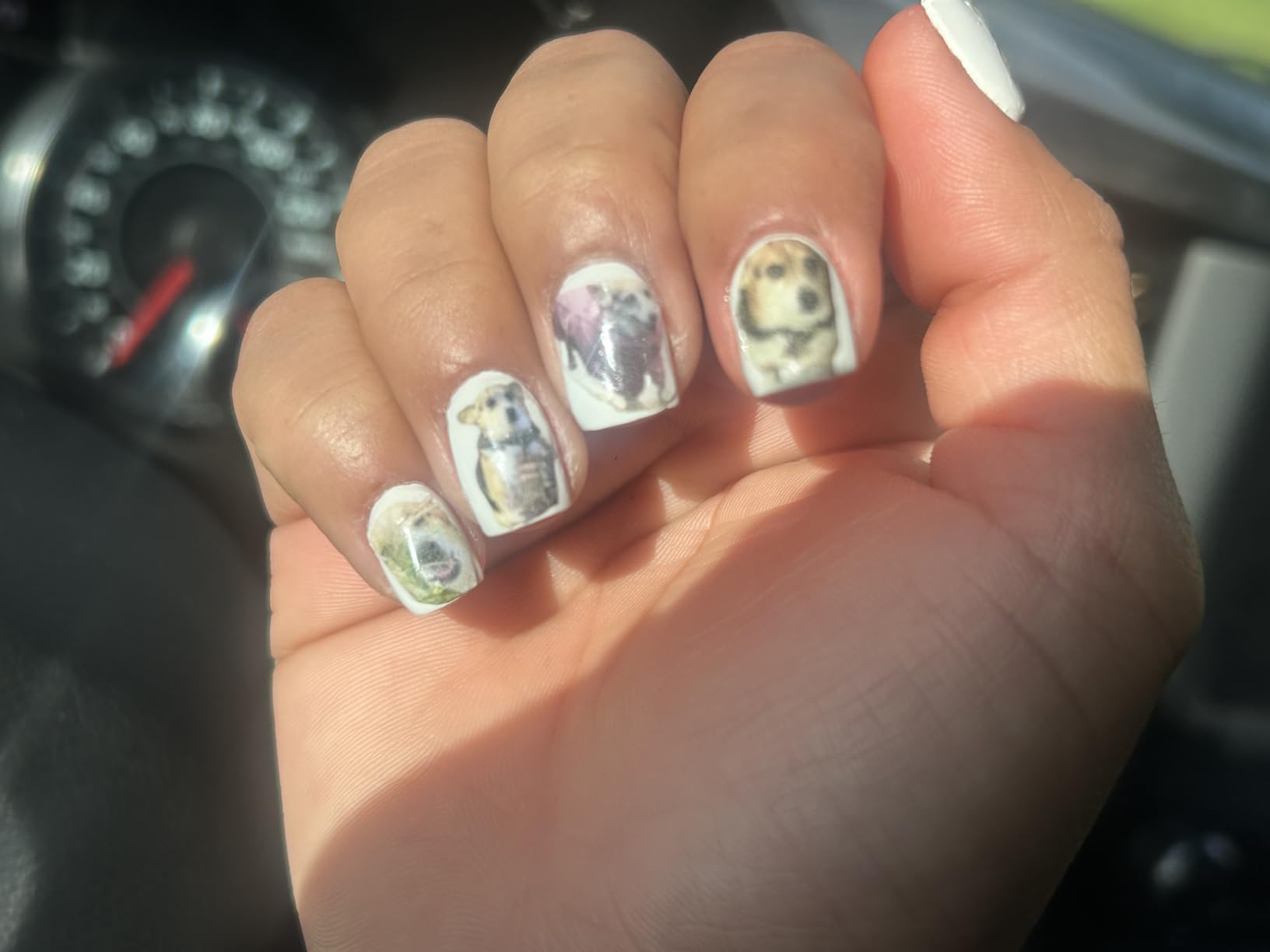
I have used this paper on everything from model rockets to custom tumblers. The clear version works best on white or light-colored rockets where the design appears to be painted directly on the surface. For darker rockets, you will want to look at white-backed alternatives.
The 20-sheet pack offers excellent value for active builders. With proper technique, you can get multiple small decals from each sheet. I recommend printing several designs at once to maximize each sheet.

Who Should Buy This
This decal paper suits model rocket enthusiasts who want professional custom graphics without the cost of commercial printing. It works especially well for creating scale details, custom markings, or unique designs on light-colored rockets.
Who Should Skip This
If you primarily build dark-colored rockets, the clear version will not show up well. Consider the white-backed Koala paper instead. Also, if you need only a few decals, the 20-sheet pack might be more than you need.
2. Estes 2231 Fin Alignment Guide – Essential Building Tool
Estes 2231 Fin Alignment Guide Model Kit , Color Varies
Fits BT-20 to BT-80 body tubes
Works with 3/32 or 1/8 inch fins
Holds 3 or 4 fins
Compatible with balsa basswood plywood
12 x 3 x 6 inches
Pros
- Essential for precise fin alignment
- Works with multiple body tube sizes
- Holds both 3 and 4-fin configurations
- Prevents common flight failures from misalignment
- Backed by Estes 60+ years experience
Cons
- Best used one fin at a time
- Requires motor mount installed first
- Plastic construction not metal
- Some technique required for best results
Misaligned fins cause more flight failures than any other building error. I have seen perfectly built rockets spiral into the ground because one fin was tilted two degrees off center. This alignment guide eliminates that risk entirely.
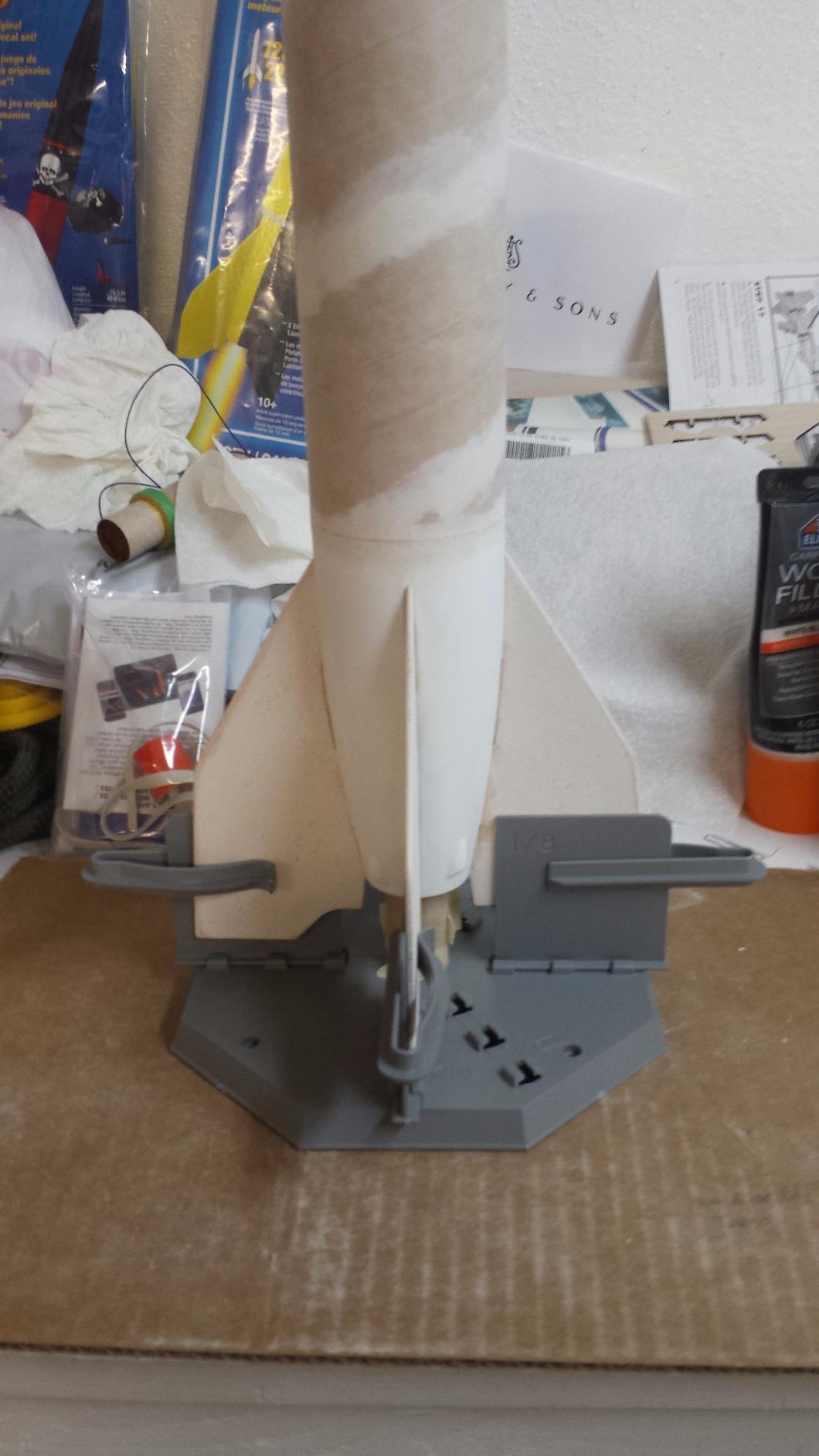
The guide fits Estes body tubes from BT-20 through BT-80, covering nearly every standard rocket kit. I use it by sliding the tube into the guide, inserting one fin into the slot, and gluing it in place. The guide holds the fin perfectly straight while the glue sets. Repeat for each fin and you get perfect symmetry every time.
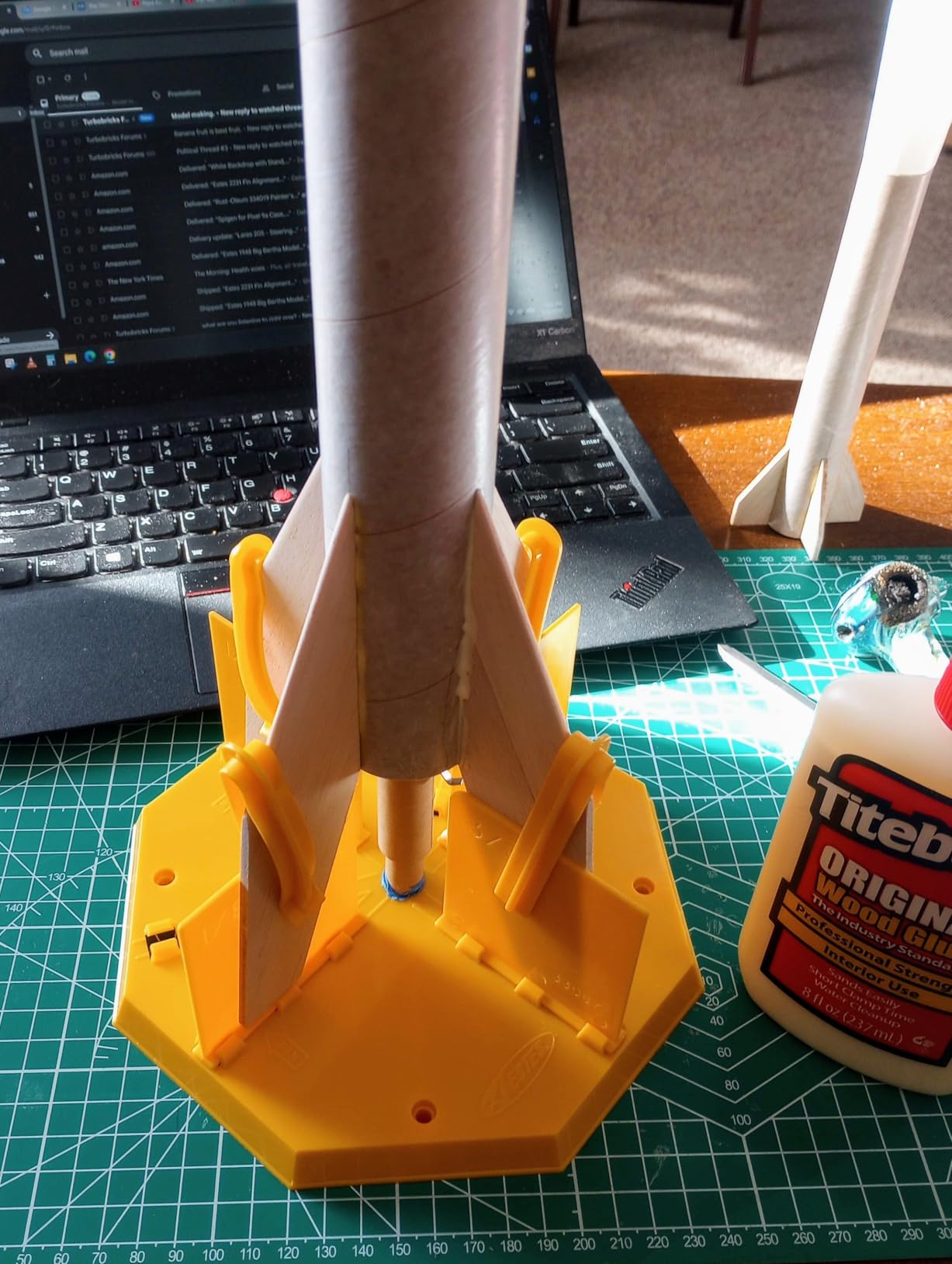
Over 1600 reviewers agree on its value. The guide works with balsa, basswood, or plywood fins in either 3/32 or 1/8 inch thickness. I recommend attaching one fin at a time rather than trying to glue all fins simultaneously. Patience here pays off in straight flights.
The plastic construction feels lightweight but has held up through dozens of builds in my workshop. If you build more than one or two rockets per year, this tool pays for itself by preventing ruined flights.
Who Should Buy This
Any model rocket builder who wants straight, reliable flights should own this guide. It is especially valuable for beginners learning proper building technique and for anyone building rockets with three or four fins.
Who Should Skip This
If you only build through-the-wall fin designs or rockets with airframe-mounted fins in specialized configurations, this guide may not fit your needs. Also, builders who prefer traditional door-jamb alignment methods might not need it.
3. StratoFins Screw-on Water Rocket Fins – Best for Water Rockets
Relationshipware StratoFins Screw-on Water Rocket Fins – Compatible with 2 Liter Bottles or Smaller
Screw-on design for 2-liter bottles
Compatible with 95% of launchers
No tools or glue required
Includes attachment ring and 3 fins
Doubles launch height
Pros
- Incredibly easy installation
- Compatible with most commercial launchers
- Durable plastic lasts many flights
- Doubles typical launch height
- Great for STEM education
Cons
- May need different O-ring for some launchers
- Can become brittle after extended use
- Slightly pricey for plastic fins
Water rocket enthusiasts know the frustration of foam fins that break off or cardboard fins that dissolve. These screw-on fins solve every problem I have encountered with water rocket designs.
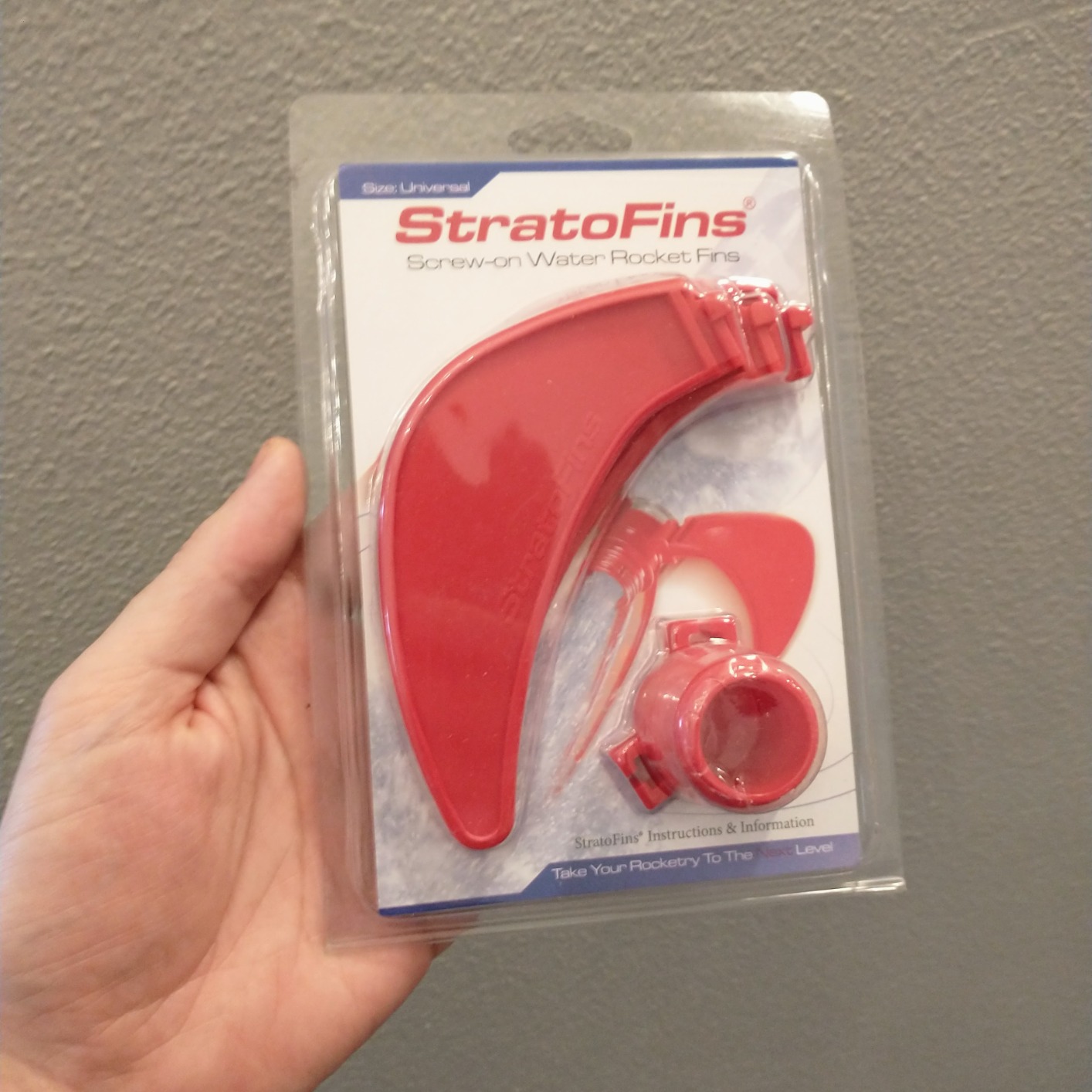
The system includes an attachment ring that screws onto any standard 2-liter soda bottle. Three fins then screw into the ring without any adhesive. Installation takes under a minute, and the fins stay secure through launch after launch.
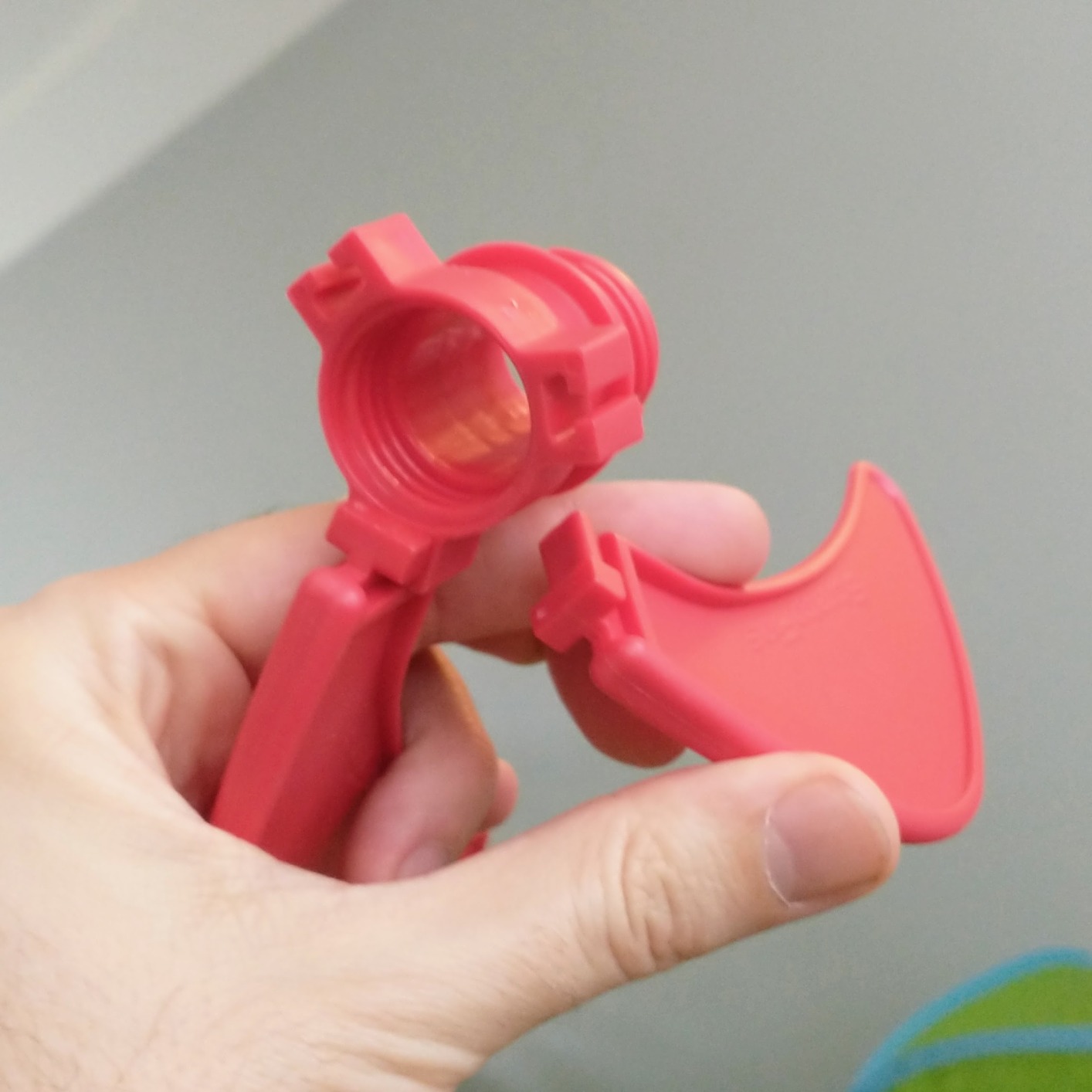
I tested these on a basic 2-liter bottle with a homemade launcher. The first launch without fins reached about 40 feet. With StratoFins attached, the same bottle hit nearly 80 feet on identical pressure. The aerodynamic improvement is dramatic and immediate.
The fins work with Quest Aerospace launchers and most homemade designs. Some Aquapod launcher users report needing a #9 O-ring for proper fit, so check your launcher compatibility. The plastic holds up well but can eventually show stress after dozens of high-pressure launches.
Who Should Buy This
Anyone building water rockets for educational programs, scout activities, or family fun should consider these fins. The no-glue design makes them perfect for repeated launches and easy repairs.
Who Should Skip This
If you are building traditional engine-powered model rockets rather than water rockets, these fins will not work for your projects. They are designed specifically for pressurized water bottle systems.
4. Koala 25 Sheets White Waterslide Decal Paper – Best for Inkjet
Koala Waterslide Decal Paper for Inkjet Printer White 25 Sheets 8.5×11 in
25 sheets white waterslide decal paper
8.5x11 inch sheets
Inkjet compatible
Specially coated won't melt in water
11 x 8.5 inch sheets
Pros
- Excellent print quality with vibrant colors
- White backing provides better opacity
- 25 sheets offers great value
- Separates quickly in water
- Does not stretch or crack like competitors
Cons
- Requires clear acrylic spray coating critical
- Paper can be flimsy requiring careful handling
- Ink can wipe off if not properly sealed
- Takes practice to master application
The white backing on this Koala paper makes a significant difference for darker rocket designs. Unlike clear decal paper that disappears on light surfaces, this white version provides true opacity that shows up on any color background.
I use this paper when creating custom designs for rockets with dark paint schemes. The white backing acts as a primer layer, ensuring your graphics pop even over navy blue or black finishes. Print quality is excellent with rich colors that resist fading.
The 25-sheet pack provides plenty of material for extensive projects. I appreciate that Koala includes detailed instructions with each pack. The manufacturer also offers responsive customer support if you encounter issues.
Application follows the same process as other waterslide papers: print, seal with clear acrylic spray, soak in water, slide off backing, position on rocket, and seal again. The white paper releases cleanly from its backing without the stretching issues I have seen with cheaper brands.
Who Should Buy This
Builders who work with dark-colored rockets or need opaque graphics should choose this white-backed paper. It is also ideal for anyone doing extensive decal work who needs a larger sheet count.
Who Should Skip This
If you prefer the painted-on look where the rocket color shows through parts of your design, stick with clear decal paper. The white backing will block all background color.
5. Estes 2227 Tube-Marking Guide – Precision Alignment Tool
Estes 2227 Tube-Marking Guide, Flying-Rocket-Model Building Tool, Rocket Model Kit Accessories for Ages 10+
Tube-marking guide for model rockets
Metric and inch ruler scales
Molded pencil holder
Special disks for 3 and 4 fin spacing
16 x 3 x 6 inches
Pros
- Makes perfectly straight reference lines
- Great for fin alignment and launch lug positioning
- Includes special disks for fin spacing
- More stable than door jamb method
- Both metric and inch measurements
Cons
- Pencil hole may be too small for standard pencils
- Confusing to figure out initially
- May need to shave pencils to fit properly
This marking guide serves a different purpose than the fin alignment guide. While the alignment guide holds fins straight during gluing, this tool helps you mark reference lines on body tubes before cutting or attaching anything.
The tool includes special disks that help space fins evenly around the tube circumference. I use it to mark fin lines, launch lug positions, and tube cutting guides. The molded pencil holder keeps your marking tool at consistent height for perfectly parallel lines.
The 4.7-star rating from nearly 300 users reflects its utility. Most complaints center on the pencil hole being too narrow for standard pencils. I solved this by using a narrow drawing pencil and shaving it slightly to fit. Once you figure out the technique, it becomes an essential workshop tool.
I particularly appreciate the dual-scale ruler with both metric and inch markings. This helps when working with international designs or converting measurements. The 16-inch length accommodates most standard rocket body tubes.
Who Should Buy This
Serious builders who want precision marking for custom designs will appreciate this tool. It is especially useful if you design your own rockets rather than building from kits.
Who Should Skip This
Casual builders who only assemble pre-designed kits may not need this level of precision. The kit instructions typically include all measurements you need.
6. Estes 1980 Designer’s Special – Complete Parts Kit
Estes 1980 Designer’s Special Rocket Model Parts, Intermediate Model Rocket Kit Supplies, Over 100 Parts
Over 100 parts for custom rockets
Builds up to 8 rockets
Includes body tubes BT-5 through BT-60
Technical manual included
NAR safety compliant
Pros
- Amazing value breaks down to 7-12 dollars per rocket
- Comprehensive parts selection
- Includes recovery supplies and nose cones
- Detailed technical manual included
- Perfect for designing custom rockets
Cons
- NOT for beginners requires experience
- Requires understanding of stability and drag
- Prior assembly experience recommended
- Young builders need adult supervision
The Designer’s Special is not a kit in the traditional sense. It is a parts collection that lets you build multiple custom rockets from scratch. I consider this the ultimate resource for builders ready to move beyond kit assembly.
The box contains over 100 parts including body tubes in five diameters, engine mounts, centering rings, nose cones, fin sheets with templates, parachutes, and shock cords. You also get clay for nose weight adjustment and a detailed technical manual covering rocket design principles.
Breaking down the math, you can build up to eight complete rockets from this kit. That works out to roughly $7-12 per rocket, making it an excellent value compared to buying individual kits. I have used my kit for three years and still have parts remaining.
This is explicitly not for beginners. You need to understand center of pressure, stability margins, and basic aerodynamics to use these parts safely. The technical manual helps, but some prior building experience makes a significant difference.
Who Should Buy This
Intermediate to advanced builders who want to design their own rockets will find this kit invaluable. It is also excellent for educators running classroom programs or clubs with multiple participants.
Who Should Skip This
Beginners should start with standard kits before attempting custom designs. Without understanding stability principles, you could build dangerous rockets that fly unpredictably.
7. Koala 10 Sheets Clear Waterslide Decal Paper – Compact Pack
Koala Waterslide Decal Paper Inkjet Clear 10 Sheets 8.5×11 Inch
10 sheets clear waterslide decal paper
8.5x11 inch sheets
Inkjet printer compatible
Transparent clear finish
100 gram weight paper
Pros
- Excellent print quality with non-fading colors
- Sturdy paper that does not tear when applying
- Good for model railroad details and signs
- Works on ceramics glass metal plastic wood
- Compact 10-sheet pack for smaller projects
Cons
- Requires 3 coats of clear lacquer or acrylic
- Not suitable for dark backgrounds
- Some packaging issues reported
- Careful direction following needed
This smaller pack from Koala offers the same quality as their larger white paper version but in clear format with fewer sheets. It is perfect for builders who want to try waterslide decals without committing to a large purchase.
The clear paper provides that painted-on look that many scale modelers prefer. When applied to white or light-colored rockets, the design appears to be printed directly on the surface rather than sitting on top as a sticker would.
I recommend three coats of clear acrylic or lacquer sealant before soaking these decals. This ensures the ink stays locked in place during water transfer. The paper itself feels sturdier than some competitors and resists tearing during application.
The 10-sheet count works well for occasional builders or those testing designs before larger production runs. You can easily get 20-30 small decals from the pack depending on your layout efficiency.
Who Should Buy This
Builders who want to experiment with custom decals on a budget should start here. It is also ideal for those who only complete a few rockets per year and do not need bulk quantities.
Who Should Skip This
Active builders or club leaders should consider the 20 or 25-sheet packs instead. The per-sheet cost is higher with this smaller pack.
8. Estes Waterslide Decal Set – Official Estes Decals
Estes Waterslide Decal Set
Official Estes waterslide decal set
Multiple pre-printed designs
Compatible with custom and kit rockets
Waterslide application
Genuine Estes quality
Pros
- Genuine Estes quality product
- Provides nice options for homemade rockets
- Compatible with various Estes kits
- Pre-printed saves time vs custom printing
Cons
- Limited reviews only 10 total
- Mixed ratings from users
- Limited design selection
- Not customizable
Sometimes you want professional-looking graphics without the hassle of designing and printing your own decals. This official Estes set provides pre-printed waterslide decals ready for immediate application.
The set includes multiple decal sheets with designs compatible with various Estes rocket models. I find these particularly useful for repairs when original kit decals get damaged, or for adding authentic markings to scratch-built designs.
Application follows standard waterslide technique: soak in water, slide off backing, position on your rocket, and let dry. The decals bond well to smooth, painted surfaces and look professional when sealed with clear coat.
Review numbers are limited on this product, but the feedback is generally positive. Users appreciate having ready-made options from the most trusted name in model rocketry.
Who Should Buy This
Builders who want authentic Estes markings or need replacement decals for damaged kits should consider this set. It is also good for younger builders who want professional results without complex design work.
Who Should Skip This
If you want fully custom designs with your own logos or graphics, you will need printable decal paper instead. These are pre-printed and not customizable.
9. Estes 3086 Pack of 3 BT-50 Body Tubes – Essential Building Supply
Estes 3086 Pack of 3 BT-50 Body Tubes, Flying-Model-Rocket Building Supplies, Rocket Model Kit Accessories for Ages 10+
3 pack BT-50 body tubes
18-inch length each
Spiral-wound paper construction
Thin wax coating for compatibility
Precision-crafted Estes quality
Pros
- Genuine OEM Estes parts quality
- Strong sturdy tubes for building
- Great for custom rocket designs
- 18-inch length provides ample material
- Versatile for various configurations
Cons
- Pricey for paper tubes
- Some shipping damage reported
- Thicker than some users expect
Body tubes are the foundation of every model rocket. Having spare tubes on hand lets you repair damaged rockets or design completely custom creations. This three-pack of BT-50 tubes offers the most versatile diameter for mid-sized rockets.
The tubes measure 18 inches long, which you can cut to any length your design requires. The spiral-wound paper construction includes a thin wax coating that ensures compatibility with other Estes parts like nose cones and centering rings.
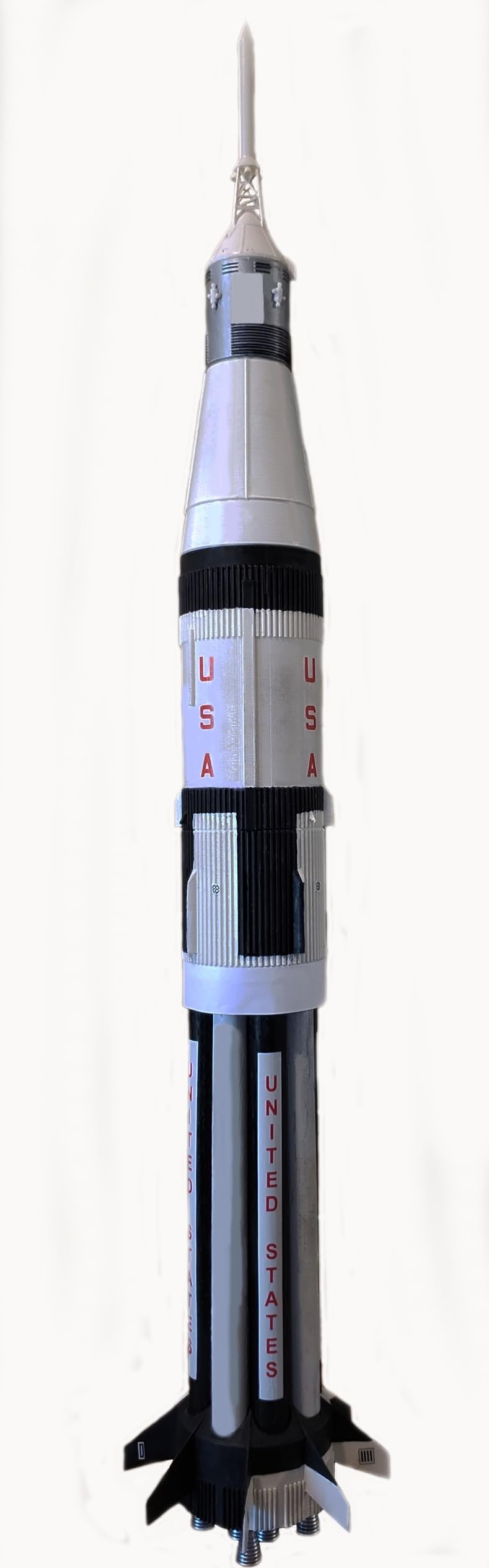
I keep these tubes in constant supply for my workshop. They work perfectly for 3D printed rocket projects where you need a standard airframe, and they are essential for repairs when rockets get damaged during landing.
Some users note the tubes are thicker than expected, but this translates to greater durability. The spiral construction resists crushing better than plain cardboard tubes.
Who Should Buy This
Active builders, educators, and anyone doing custom designs should keep spare body tubes on hand. The BT-50 diameter is the most versatile size for typical model rockets.
Who Should Skip This
If you only build occasional kit rockets and never need repairs or custom parts, you can skip this. The kits come with the tubes you need.
10. Estes 2008 Generic E2X Rocket Kit – Beginner Customizable
Estes 2008 Generic E2X Rocket-Building Kit, Beginner Customizable Flying-Rocket-Model Kit for Ages 10+
Beginner rocket kit ages 10+
Soars up to 1100 feet
13.5 inch height
Multiple engine compatible
Customizable canvas design
Pros
- Affordable entry-level price point
- Easy assembly for young builders
- Reaches impressive 1100 ft altitude
- Good canvas for paint and decal customization
- Flies better than more expensive rockets
Cons
- Requires separate engine and pad purchase
- Some body tube damage in shipping reported
- Motor mount adapter fit issues noted
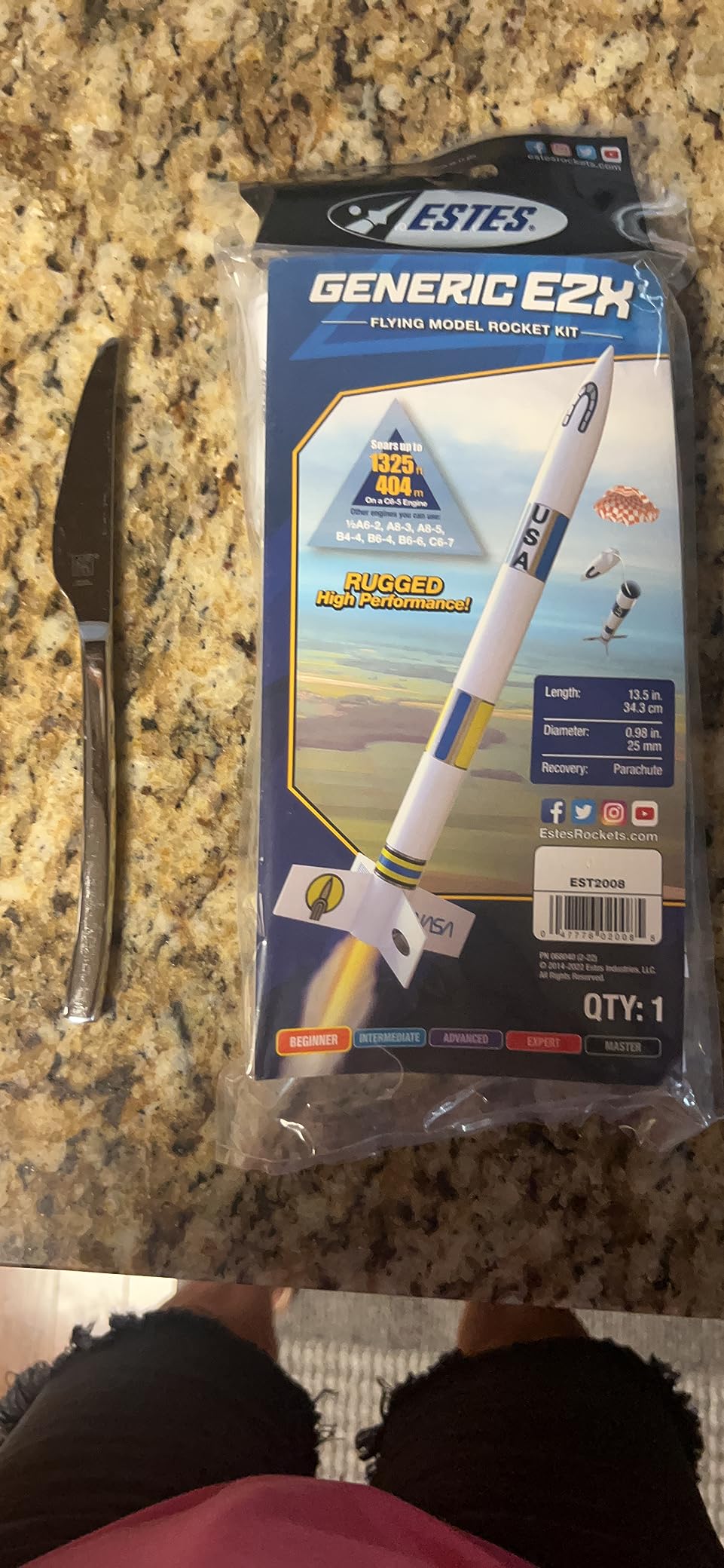
This simple kit serves as an excellent starting point for new rocketeers and a blank canvas for customizers. The E2X skill level means easy assembly with minimal parts, perfect for first-time builders.
The rocket stands 13.5 inches tall and reaches over 1000 feet on C6-7 engines. I have launched several of these over the years, and they consistently outperform expectations for such an affordable kit.
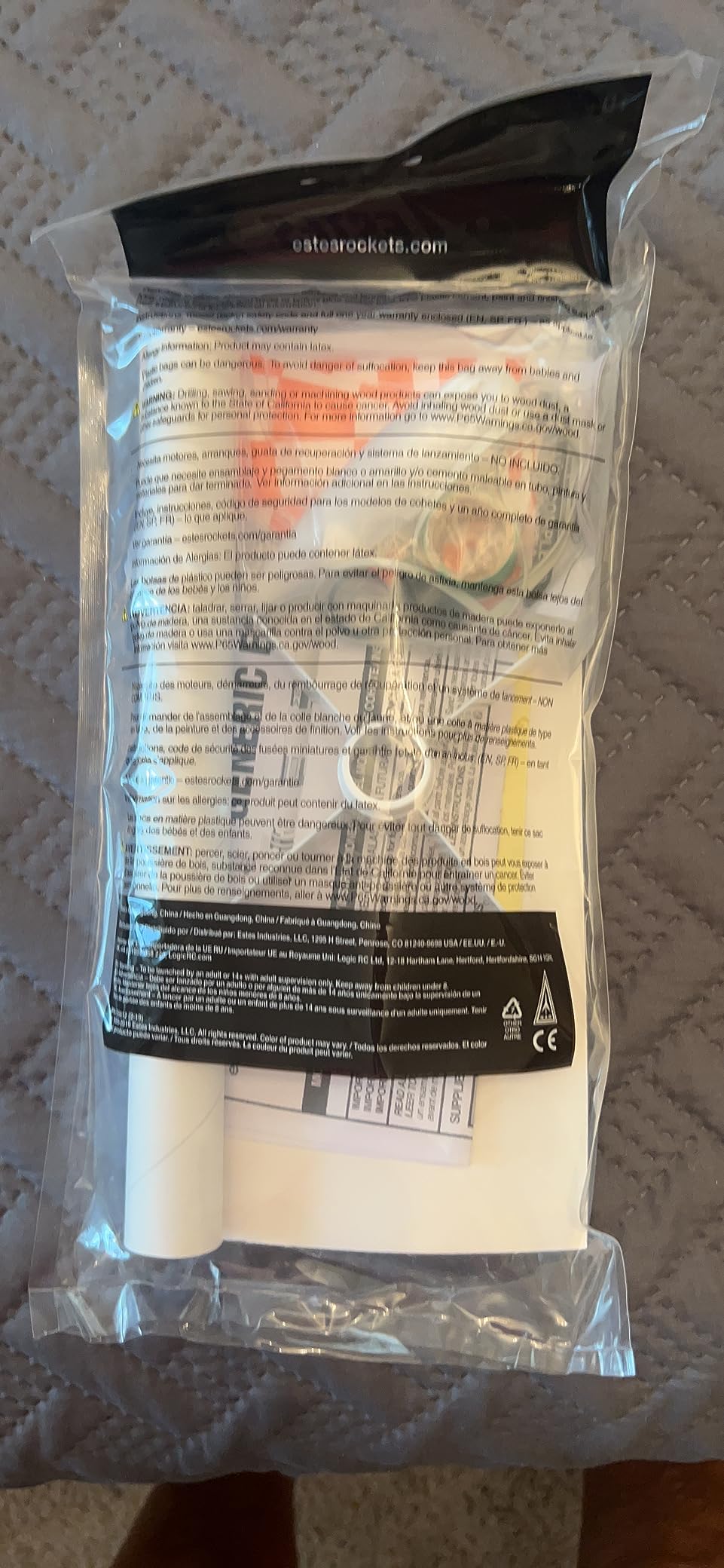
The simple white body tube and plastic nose cone provide an ideal canvas for customization. I have seen these painted in everything from patriotic schemes to sci-fi designs. The small size makes paint and decal work quick and manageable.
Be aware that you need to purchase engines, a launch pad, and recovery wadding separately. Some users report occasional quality control issues with body tubes arriving dented, so inspect your kit immediately upon arrival.
Who Should Buy This
New rocketeers looking for an affordable first kit, or customizers wanting a simple canvas for their designs, should consider this rocket. It is also perfect for younger builders with adult supervision.
Who Should Skip This
Experienced builders looking for complex builds or scale models will find this too simple. It is designed as a beginner kit with minimal parts count.
Model Rocket Fin Sets and Decals Buying Guide
Choosing the right supplies for your rocket projects requires understanding a few key principles. This guide covers what matters most when selecting fins, decals, and building tools.
Choosing the Right Fin Material
Balsa wood remains the standard for most model rockets. It is lightweight, easy to cut, and shapes nicely for airfoils. Beginners should stick with balsa until they develop basic building skills.
Plywood offers greater durability for larger rockets or high-power models. The added weight provides strength for heavier loads but increases overall rocket mass. Use plywood when building rockets over 2 feet tall or flying on D motors and above.
Plastic fins like those on the StratoFins work specifically for water rockets or specialized applications. They resist water damage and install without adhesive, making them ideal for educational settings.
Understanding Fin Shapes
Trapezoidal fins represent the most common design for model rockets. The straight leading edge and angled trailing edge provide good stability with reasonable drag. Most classroom rockets and beginner kits use this shape.
Elliptical fins offer the lowest drag coefficient, making them ideal for altitude competition. The curved leading and trailing edges slice through the air efficiently. These require more skill to cut and align properly.
Clipped delta fins provide excellent stability in windy conditions. The swept-back design moves the center of pressure aft while reducing weathercocking. High-power rockets often use this shape for reliable flight in variable conditions.
Decal Types and Application Methods
Waterslide decals provide the most professional appearance. They conform to curved surfaces and look painted on when properly applied. The process requires patience: print, seal with clear coat, soak in water, slide off backing, position, and dry.
Vinyl decals offer durability and ease of application. Simply peel and stick to any clean surface. They work best on flat or gently curved areas and resist handling damage better than waterslide options.
Peel-and-stick paper decals come with most rocket kits. While convenient, they often look like stickers and can peel over time. For best results, seal these with clear coat after application.
Alignment and Building Tools
A fin alignment guide represents the most important tool investment for serious builders. Perfect fin alignment prevents the spiral flights that destroy rockets. The Estes alignment guide pays for itself by preventing a single ruined rocket.
Tube marking guides help achieve professional results when building custom designs. Straight reference lines ensure fins and launch lugs align properly. They also help when cutting tubes to custom lengths.
Consider your building frequency when deciding on tools. Occasional builders might use door jambs and rulers successfully. If you build monthly or more, dedicated tools improve your results and enjoyment.
Frequently Asked Questions
What is the best fin design for a model rocket?
The trapezoidal fin design works best for most model rockets due to its balance of stability and simplicity. This shape provides adequate surface area for stable flight while remaining easy to construct and align properly. For altitude competitions, elliptical fins offer lower drag but require more building skill.
What is the best number of fins for a model rocket?
Three fins provide the best balance for most model rockets. A three-fin configuration offers stable flight while minimizing weight and drag compared to four fins. Three fins also allow for easier alignment using standard fin guides. Four fins can provide additional stability in windy conditions but add unnecessary complexity for basic flights.
What is the best material for rocket fins?
Balsa wood is the best material for most model rocket fins due to its light weight and ease of shaping. It provides adequate strength for standard rockets while keeping overall mass low. For larger or high-power rockets, plywood offers greater durability at the cost of additional weight. The key is matching fin material to your rocket’s size and expected flight stresses.
How to attach fins to model rocket?
Attach fins using wood glue or white glue applied along the root edge that contacts the body tube. Use a fin alignment guide to hold each fin straight while the glue dries. Apply glue sparingly to avoid excess squeezing out along the joint. Allow 24 hours for full drying before flight. Through-the-wall construction provides additional strength by extending fins through slots in the airframe.
How to apply waterslide decals to model rockets?
First seal the printed decal with 2-3 light coats of clear acrylic spray. Soak the decal in warm water until the backing paper slides freely. Position the decal on your rocket and slide the backing away. Use a soft brush to smooth the decal and remove air bubbles. Let it dry completely before applying clear coat for protection. Work on one decal at a time for best results.
Conclusion
Building custom model rockets rewards patience and attention to detail. The right model rocket fin sets and decals make the difference between frustrating failures and flights that soar perfectly straight.
Our top three picks cover the essential bases: the Jecqbor decal paper for professional custom graphics, the Estes fin alignment guide for straight stable flights, and the StratoFins for water rocket enthusiasts. Each solves a specific problem that builders commonly face.
Start with quality supplies, take time with your builds, and remember that every expert was once a beginner holding their first tube of glue. In 2026, the tools available make it easier than ever to create rockets that look great and fly even better. Happy building and safe flying.