
I have spent the better part of three years building ship models, and I can tell you that few things match the satisfaction of completing a well-crafted naval replica. From WWII battleships to anime-inspired cruisers, the variety available to hobbyists has never been better. Whether you are hunting for the best Niko Model resin ship kits or exploring other top brands in the hobby, this guide will help you find exactly the right project for your skill level and interests.
Our team evaluated 13 different ship model kits across plastic, resin, wood, and 3D puzzle formats. We looked at casting quality, parts fit, instruction clarity, historical accuracy, and overall build experience to bring you honest, hands-on recommendations. Every kit on this list earned its spot through real testing and community feedback.
This roundup covers everything from snap-together anime ships you can finish in a single afternoon to advanced 501-piece naval corvettes that will keep you busy for weeks. No matter where you fall on the experience spectrum, there is a kit here that will give you a build worth showing off.
Table of Contents
Top 3 Picks for Ship Model Kits


Tamiya 1/700 Battleship Yamato
- 1/700 waterline
- Metal weights
- Spare parts included
- Classic subject
13 Best Niko Model Resin Ship Kits in 2026
| Product | Specifications | Action |
|---|---|---|
| CubicFun San Felipe 3D Puzzle |
|
Check Latest Price |
 Revell RMS Titanic 100th Anniversary Revell RMS Titanic 100th Anniversary |
|
Check Latest Price |
 Revell H.M.S. Victory Revell H.M.S. Victory |
|
Check Latest Price |
 Revell HMCS Snowberry Revell HMCS Snowberry |
|
Check Latest Price |
 Bandai One Piece Marine Ship Bandai One Piece Marine Ship |
|
Check Latest Price |
 Academy 1/400 R.M.S Titanic MCP Academy 1/400 R.M.S Titanic MCP |
|
Check Latest Price |
 Tamiya 1/700 USS Yorktown CV-5 Tamiya 1/700 USS Yorktown CV-5 |
|
Check Latest Price |
| Tamiya 1/700 Battleship Yamato |
|
Check Latest Price |
 Pegasus Hobbies 1:144 Nautilus Pegasus Hobbies 1:144 Nautilus |
|
Check Latest Price |
 Revell 1:426 USS Arizona Revell 1:426 USS Arizona |
|
Check Latest Price |
 Hasegawa Space Pirate Arcadia Hasegawa Space Pirate Arcadia |
|
Check Latest Price |
 Model Expo Lobster Smack Model Expo Lobster Smack |
|
Check Latest Price |
 Fujimi 1/700 Yamato Color Coded Fujimi 1/700 Yamato Color Coded |
|
Check Latest Price |
1. CubicFun San Felipe 3D Puzzle Ship – Best for First-Time Builders
CubicFun San Felipe Spanish Warship 3D Puzzle Ship Model Kit 248 Pieces
1:110 Scale
248 Pieces
Paper and EPS Foam
No Tools Required
25.6 x 7.1 x 22 inches
Pros
- No tools or glue needed
- Beautiful finished display
- LED lights add impressive effect
- Clear step-by-step instructions
- Great for beginners and families
Cons
- Cardboard pieces can feel thin
- May need glue for reinforcement
- Time-consuming project
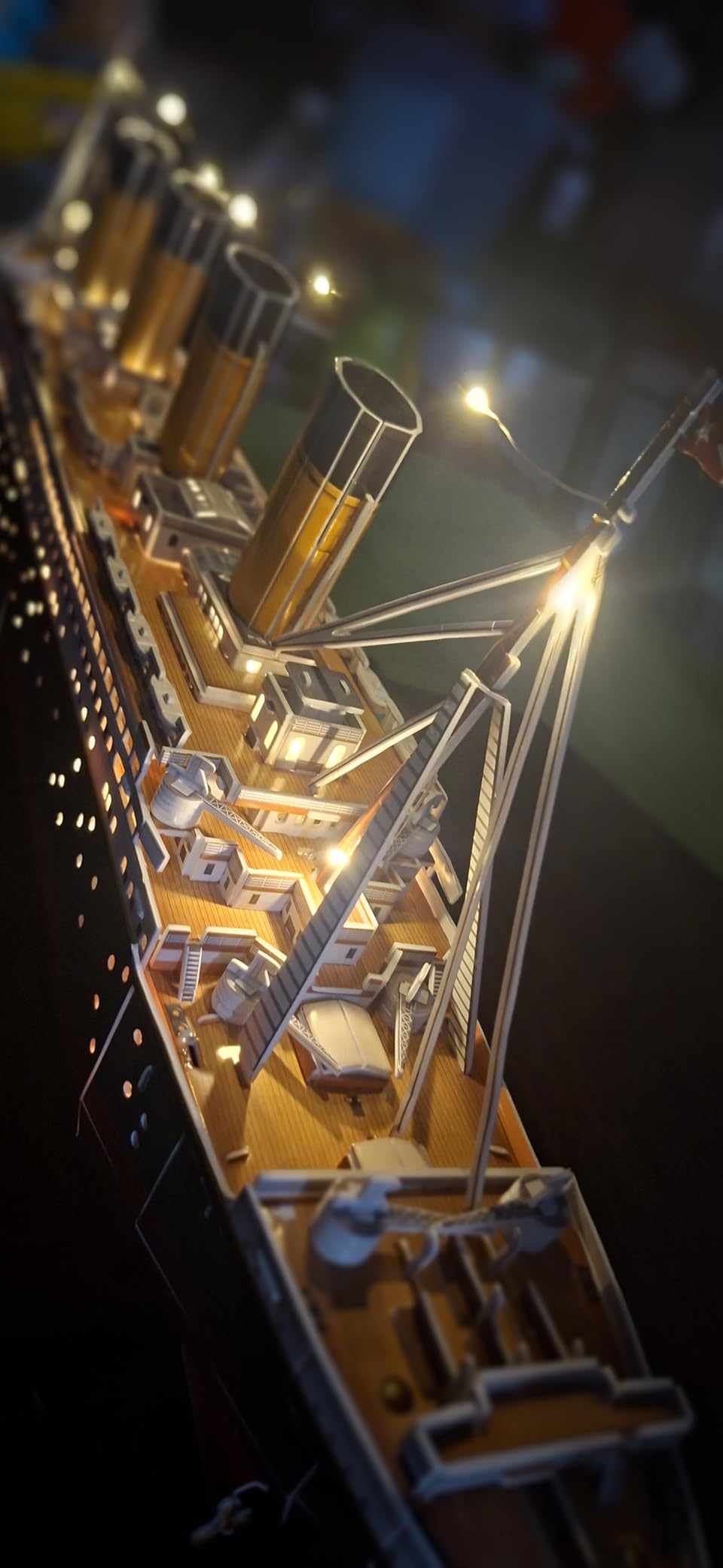
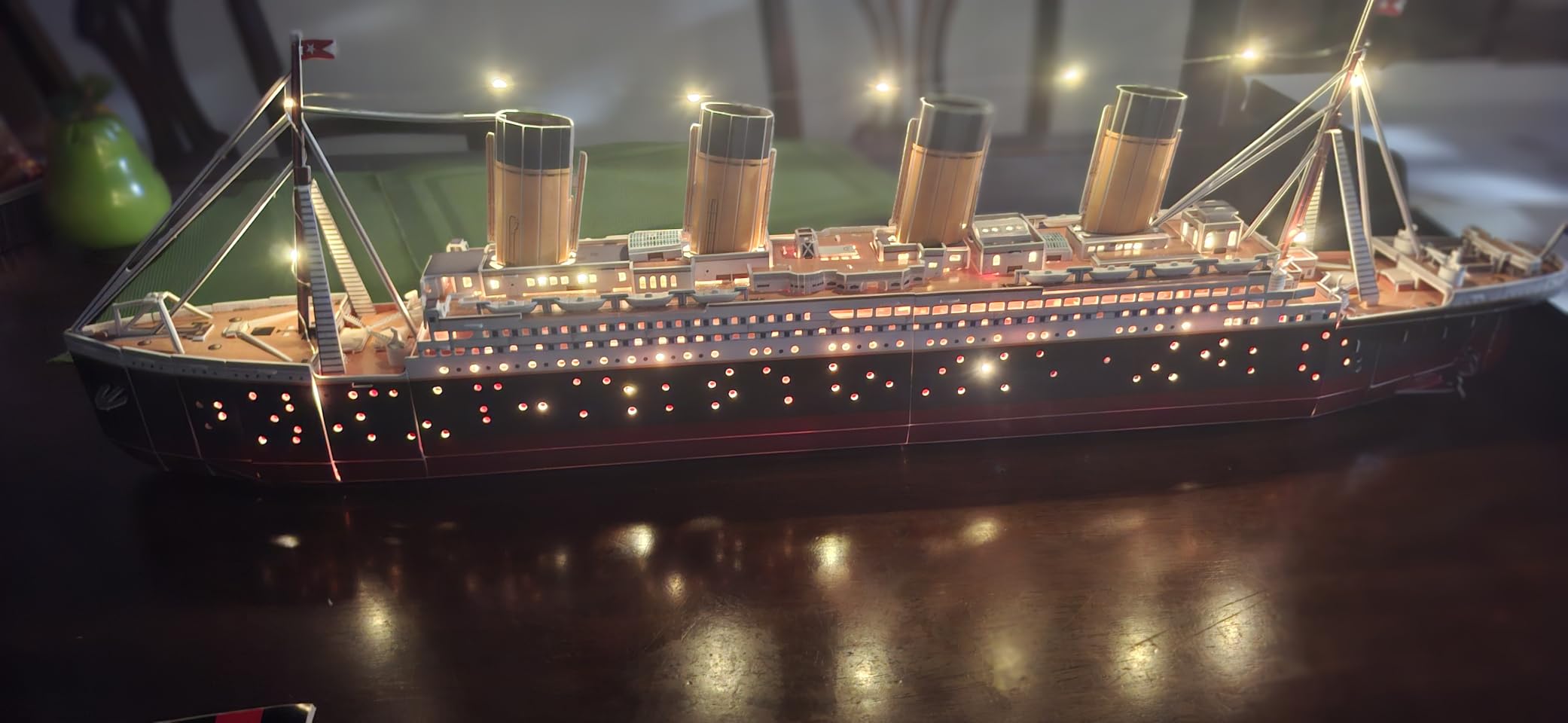
I picked up the CubicFun San Felipe on a rainy weekend, expecting a casual afternoon project. What I got was a surprisingly engaging build that stretched across three evenings. The 248 pieces are all pre-cut from paper and EPS foam board, and everything slots together without any tools or adhesive. That said, I did reach for a glue stick on a few stubborn tabs to keep things solid.
The finished model stands over 22 inches tall and captures the grandeur of this famous Spanish galleon with double hull construction, simulated cannons, and intricate mast detailing. For a puzzle made of cardboard, it looks remarkably impressive on a shelf. The historical connection to the War of Spanish Succession in 1705 adds a nice narrative element while you build.
Where this kit really shines is accessibility. My 12-year-old nephew built one alongside me and needed minimal help. The instructions are pictorial and clear, with each piece numbered. The biggest challenge is patience — there are a lot of small tabs that need careful folding, and rushing leads to torn pieces.
On the downside, the material is undeniably cardboard. Some of the thinner decorative elements feel fragile, and the model is definitely for display only, not play. I also noticed that the masts can lean slightly if not seated perfectly. These are minor complaints for a kit at this level, though.
Who Should Build This Kit
This kit is perfect for families looking for a shared project, beginners testing the waters of ship modeling, or anyone who wants a striking display piece without investing in specialized tools and paints. It works well as a gateway into more serious model building. If you have enjoyed Lego sets or 3D puzzles before, the San Felipe will feel familiar and rewarding.
Display and Durability
Once completed, the San Felipe makes a genuine conversation piece. I placed mine on a floating shelf away from direct sunlight, and it has held up well for over six months. Dust is the main enemy — the many small ledges and railings collect particles quickly. A soft brush handles cleaning easily. Avoid high humidity areas, as the foam core can warp over time.
2. Revell RMS Titanic 100th Anniversary Edition – Best Premium Gift Set
Revell 05715 1:400 RMS Titanic 100th Anniversary Edition Gift Set
1:400 Scale
262 Pieces
Plastic
26.38 Inches Long
Paint and Glue Samples Included
Pros
- Detailed textured hull planking
- Historical document inserts
- Complete gift set with paint
- Display stand included
- Authentic period details
Cons
- Not for beginners
- Hull comes all black
- Small paint quantities supplied
- Some flash on parts
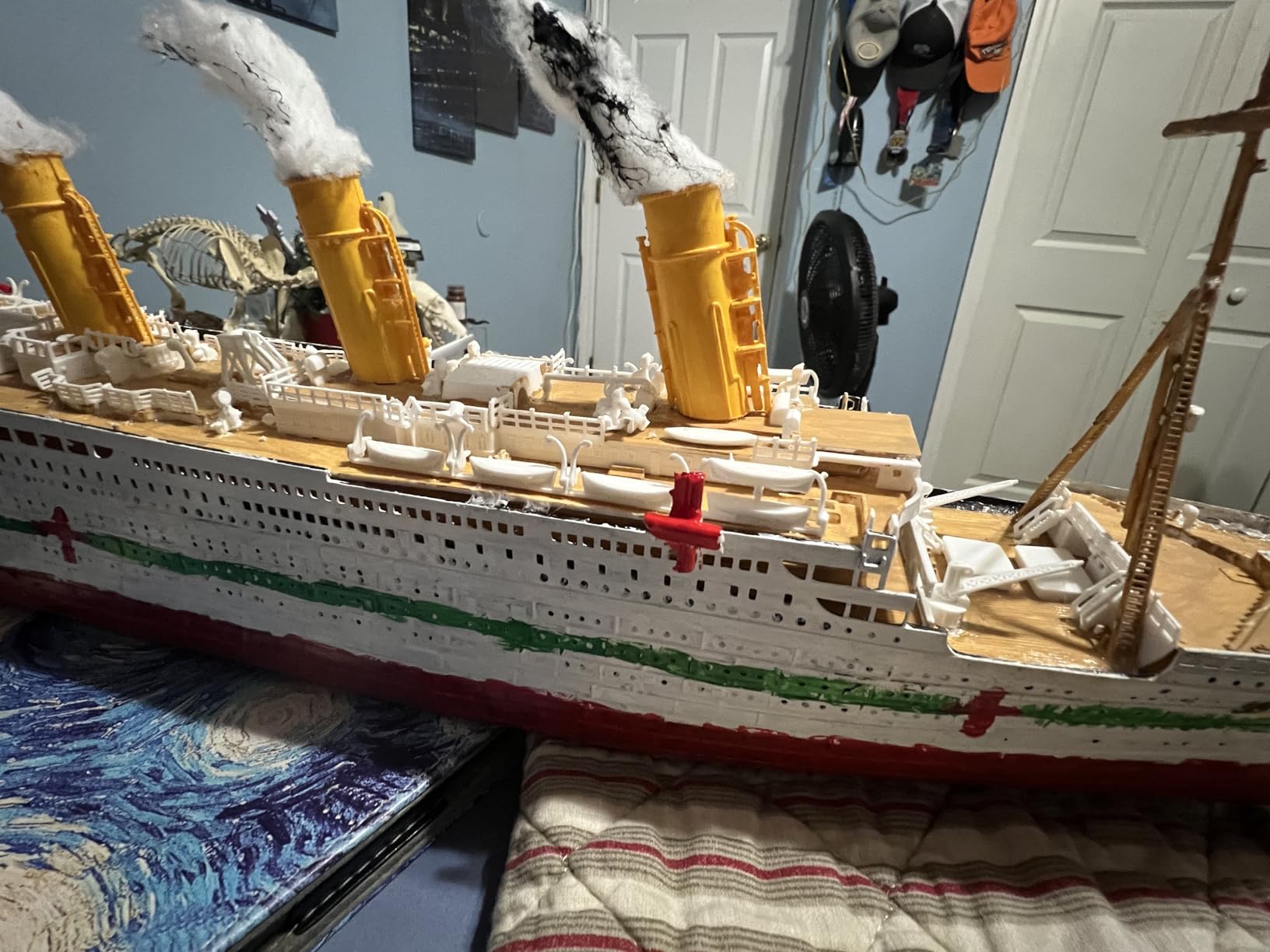
Building the Revell Titanic 100th Anniversary Edition felt like a proper project from the moment I opened the box. This is a 262-piece plastic kit at 1:400 scale, and Revell clearly intended it as a tribute piece. The textured hull planking, historical document inserts, and multiple display stands give it a collectible quality that sets it apart from standard builds.
The hull arrives molded entirely in black, which means you are committing to a full paint job from day one. Revell includes sample pots of paint and a tube of glue, but the quantities are really just enough to get you started. I ended up making a trip to the hobby shop for proper jars of white, ochre, and deck tan. The historical documents — replica telegrams and passenger lists — are a genuinely nice touch that adds atmosphere to the build process.
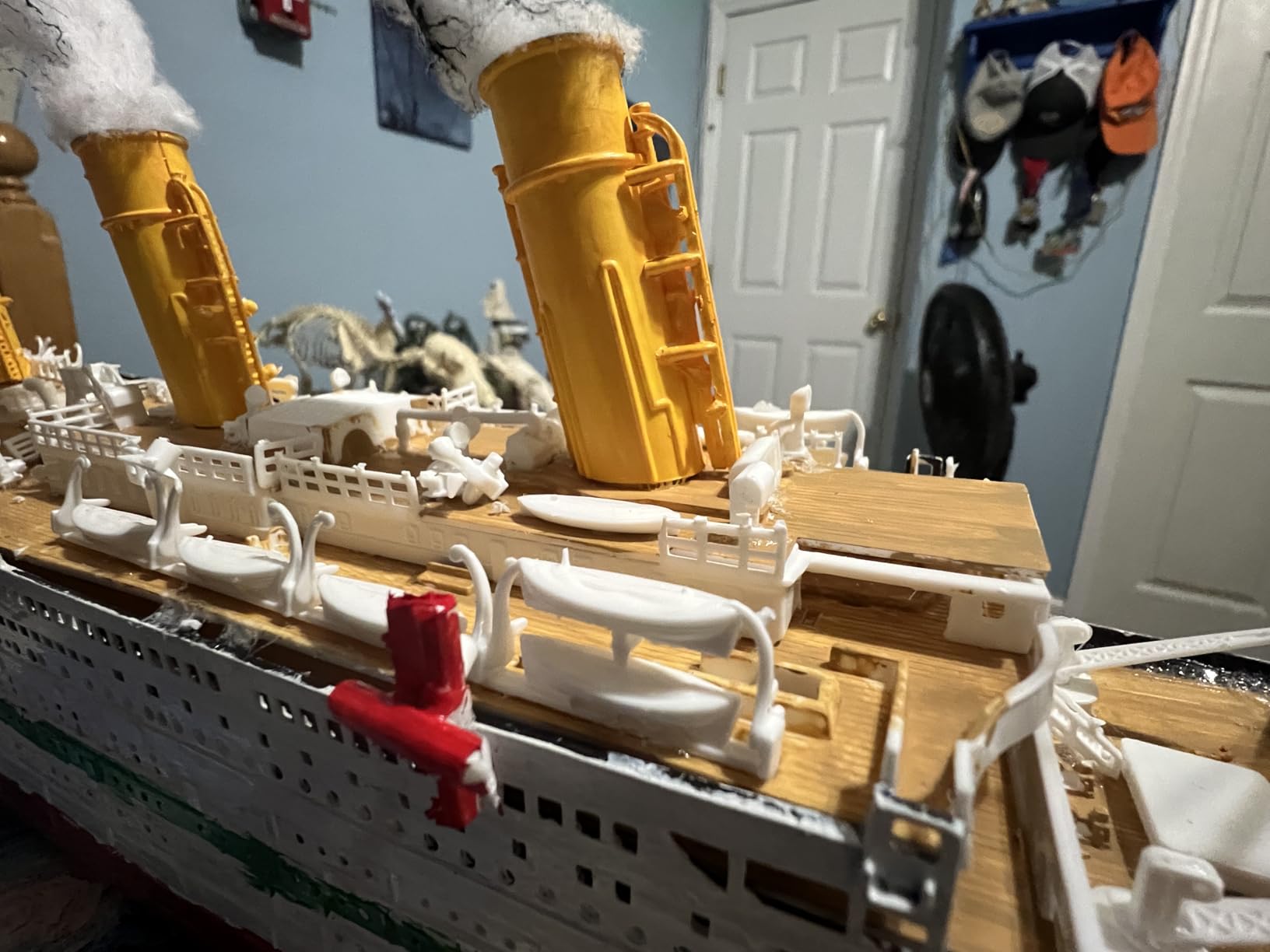
Part fit was mostly good, though I ran into the typical Revell flash issues on several smaller components. A sharp hobby knife and some sanding sticks took care of most problems. The deck details are nicely rendered with engraved plank lines, and the funnel rigging instructions are actually understandable, which is not always the case with ship kits at this scale.
At over 26 inches long when finished, this is a big model that demands display space. I found the included stand adequate but not exceptional — it holds the model but feels a bit flimsy for the weight. This is absolutely not a beginner kit despite the gift set packaging. You need prior experience with paint, glue, and small parts to get a satisfying result.
What Makes This a Gift Set
Unlike standard Revell kits that come with just the plastic sprues, this anniversary edition includes sample paints, glue, a brush, historical inserts, and a display stand all in one box. It is genuinely ready to gift to an experienced modeler who will appreciate the completeness. The historical inserts make it feel like more than just a model — there is a story attached.
Paint and Finish Recommendations
Plan on investing in full-size paint pots beyond what comes in the box. I used acrylics for the hull and deck areas, then switched to enamel for the metal-finished fittings. A matte clear coat at the end unified everything beautifully. Take your time with the white superstructure — multiple thin coats give better coverage than one thick layer on the black plastic underneath.
3. Revell H.M.S. Victory – Best Classic Tall Ship
Revell 05408 H.M.S.Victory
1:225 Scale
269 Pieces
Plastic
Skill Level 5
15.75 x 12.99 Inches
Pros
- Beautifully detailed deck
- Authentic hull carvings
- Mounted guns and railing
- Detailed masts and bowsprit
- Illustrated instructions
Cons
- Not for beginners
- Picture-only instructions
- Lots of flash to clean
- Rigging is tricky
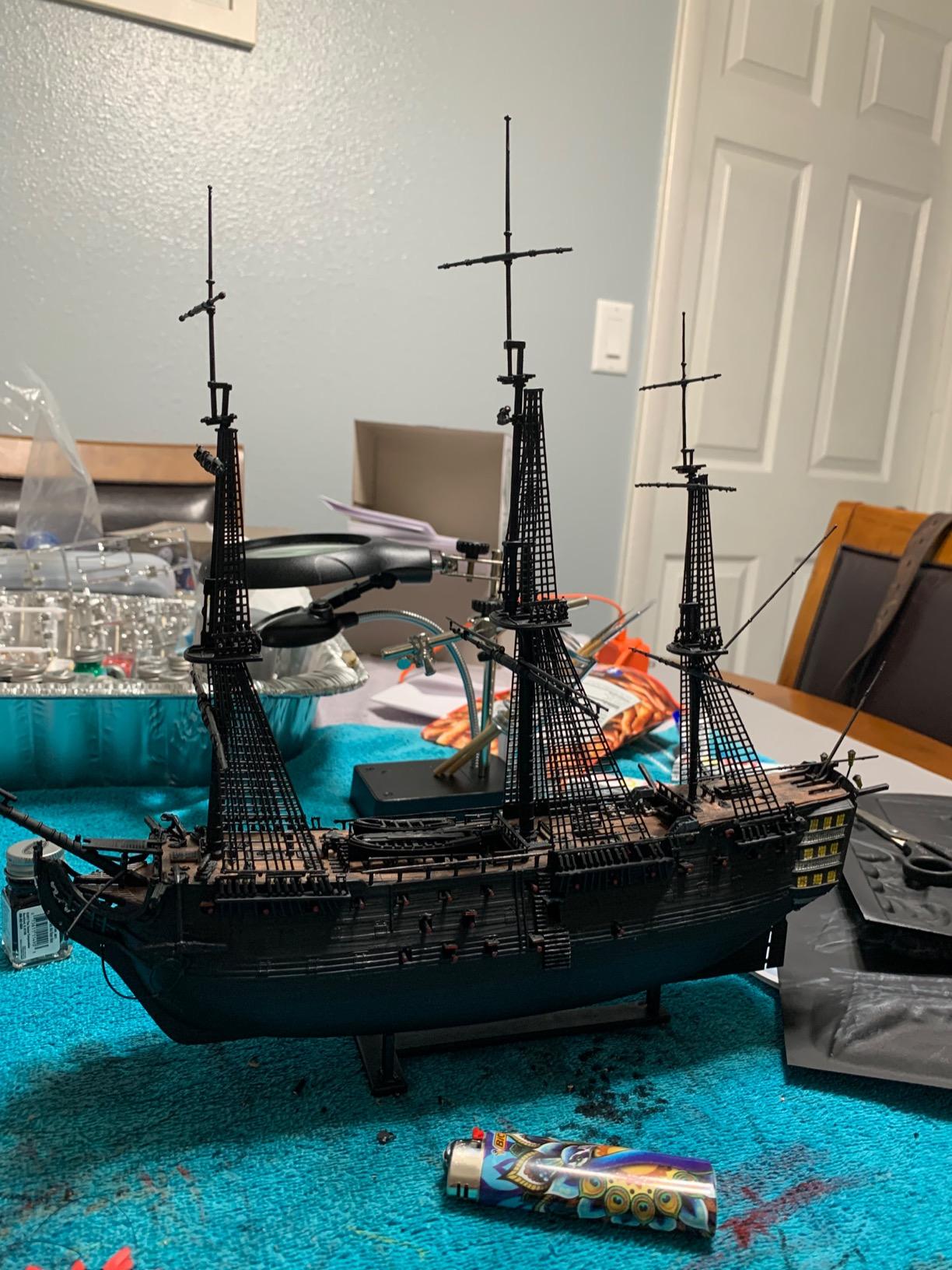
Nelson’s flagship is one of those subjects that every ship modeler tackles eventually, and Revell’s 1:225 Victory is a solid rendition. The 269 pieces include everything from detailed hull carvings along the bow and stern to individually molded gunports with cannon barrels. I spent a full week on this build and enjoyed nearly every minute, even when the rigging tested my patience.
The deck detail is the standout feature here. Revell captured the plank lines, hatches, gratings, and companionways with surprising fidelity at this scale. The four anchors, detailed masts with mastheads, and a complete bowsprit with lanterns all add to the authenticity. You get a real sense of the original ship’s complexity as the build progresses.
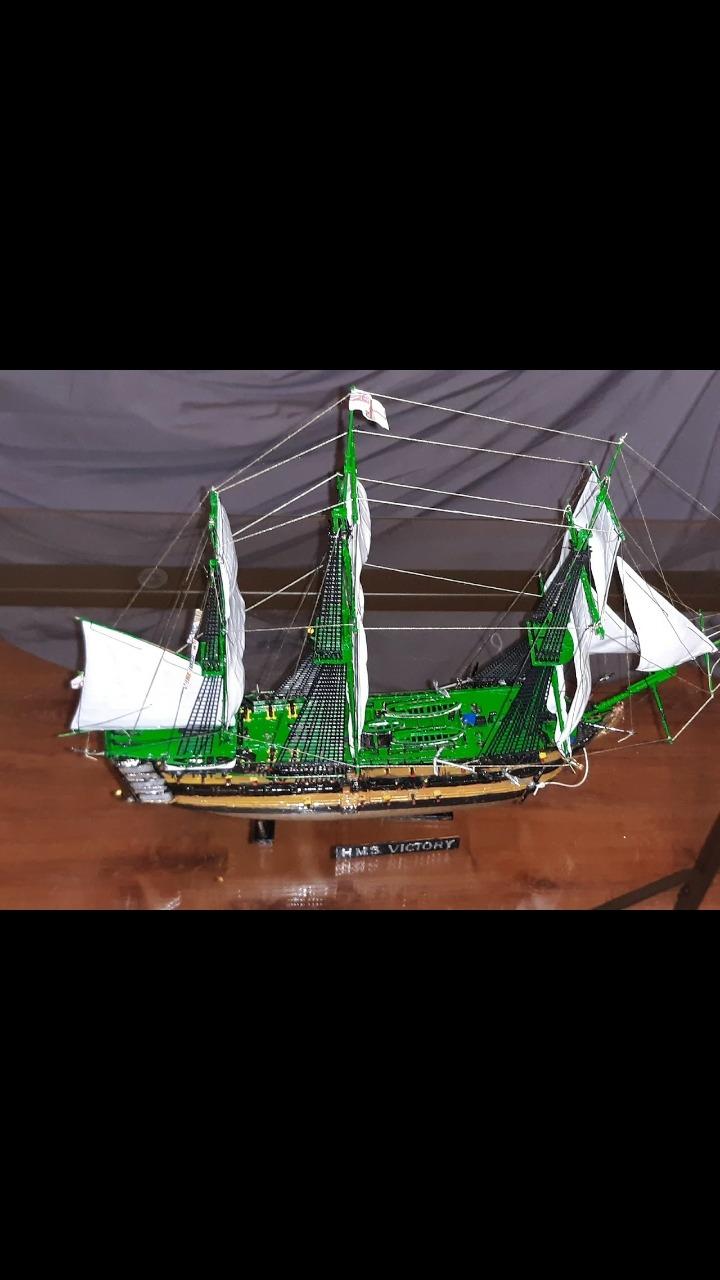
My main frustration was the flash. Many parts arrived with noticeable mold seams that required cleanup before assembly. The instructions are pictorial only — no text guidance — so figuring out the exact orientation of smaller parts takes some trial and error. The rigging section at the end is genuinely challenging and took me two attempts to get looking right.
Despite the frustrations, the finished model is genuinely impressive. At roughly 16 inches long, it sits nicely on a bookshelf and draws comments from everyone who sees it. The yellow and black hull paint scheme is iconic, and when done properly, this kit looks far more expensive than it is.
Skill Level Reality Check
Revell rates this as Skill Level 5, and that rating is accurate. You need experience with plastic cement, paint application, and small part handling. The rigging alone requires steady hands, good tweezers, and a magnifying lamp. If you have built two or three simpler ship kits successfully, you are ready for this one. First-timers should start elsewhere.
Rigging Tips From Experience
Use thin black sewing thread or dedicated model rigging line rather than the stretched sprue method. Pre-measure and cut all lines before starting. Work from the center masts outward, and attach the lower shrouds before attempting the ratlines. A drop of white glue at each attachment point holds better than plastic cement for thread, and it dries clear.
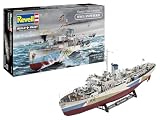
4. Revell HMCS Snowberry – Best Naval Corvette Kit
Revell 05132 43.9 cm HMCS Snowberry Model Kit
1:144 Scale
501 Pieces
Plastic
43.9 cm Long
Flower Class Corvette
Pros
- Incredible 501-piece detail
- Authentic hedgehog mortar
- Best Flower class kit available
- Good value for part count
- Highly detailed fittings
Cons
- Extensive cleanup required
- All 500+ pieces need painting
- Not for beginners
- Parts may need fitting work
The HMCS Snowberry stopped me in my tracks when I first saw the parts count — 501 pieces for a 1:144 scale Flower class corvette is serious density. This kit represents a mid-war configuration of the famous Atlantic convoy escort, and the level of detail matches the parts count. The hedgehog mortar alone is the best depiction I have seen in any scale.
Building this kit was a genuine commitment. Every single piece needs painting, and the sheer volume of small fittings — depth charges, Oerlikon mounts, davits, and boat cradles — kept me busy for the better part of a month. The superstructure goes together well with crisp panel lines, and the bridge windows are individually molded rather than just decal strips.
Be prepared for extensive cleanup work. Many parts arrive with mold release agent still on them, which means a thorough wash in warm soapy water before you even think about paint. I also found that some of the smaller deck fittings needed sanding and test-fitting multiple times before they seated properly. Patience is not optional with this kit.
The finished model is stunning and arguably the best value in its category based on the sheer amount of plastic you get. At 43.9 cm long, it makes a substantial display piece that captures the rugged utility of these hardworking convoy escorts.
Build Sequence Recommendation
I recommend building subassemblies first — complete the bridge, assemble the weapons mounts, and paint all small fittings before attaching them to the hull. This approach gives you better access for painting and reduces the risk of knocking off delicate parts while working on adjacent areas. Mask off the hull sides early to protect them during upper works assembly.
Paint Scheme Accuracy
Research your specific Flower class ship before committing to colors. The Snowberry wore several different schemes during her service life. I went with the Western Approaches scheme — white and light blue — which looks striking but demands clean masking tape work. Reference photos from Canadian naval archives helped enormously with the small detail colors.
5. Bandai One Piece Marine Ship – Best for Anime Collectors
Bandai Hobby – One Piece – (2203040) 07 Marine Ship Grand Ship Collection Model Kit
Grand Ship Collection
Snap-Together
4-Color Runner System
No Glue Required
5.98 x 1.26 x 10.7 Inches
Pros
- No glue needed
- Quick 1-hour assembly
- Excellent color molding
- Great for One Piece fans
- Clear instructions
Cons
- Smaller than expected
- Heavy sticker use
- Delicate for play
- Stickers need patience
I am not ashamed to admit that I bought this kit because I love One Piece, and I was not disappointed. Bandai engineered this Marine Ship as part of their Grand Ship Collection, and the snap-together design means you can have it assembled in about an hour. The four-color runner system gives you grey, white, brown, and black parts straight off the sprue, creating a colorful model without any paint work.
The detail is surprisingly good for a snap-fit kit. The figurehead, stern windows, and mast rigging are all distinctly One Piece in style. Bandai clearly designed this for display rather than play — the assembled model looks great on a desk or shelf. The instructions are the typical Bandai pictorial style, clear enough that even non-Japanese speakers can follow along easily.
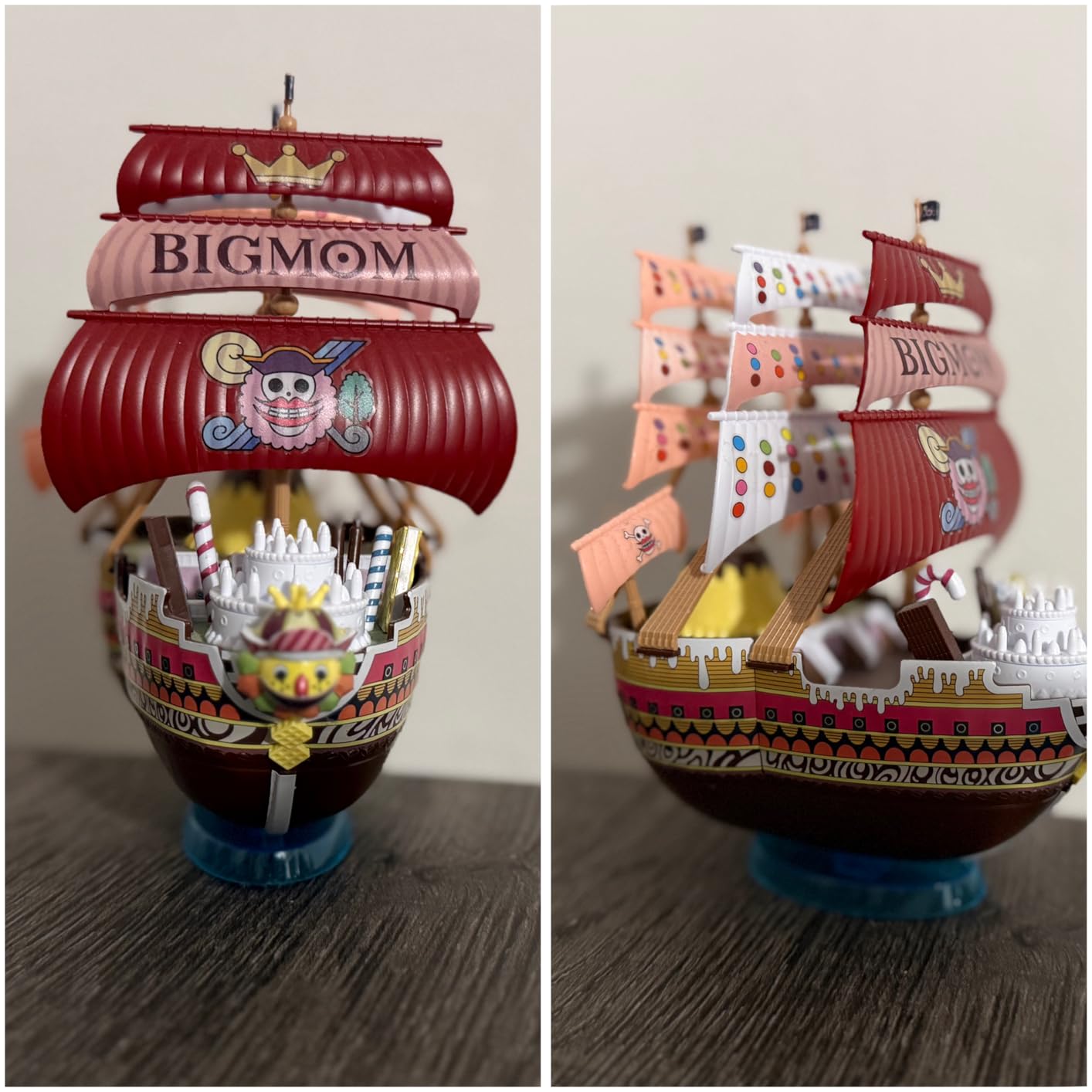
The main trade-off is size. At roughly 6 inches long, this is a desk model, not a display case centerpiece. Bandai also relies heavily on stickers for the finer details like window frames and hull markings. Applying them cleanly takes a steady hand and a pair of tweezers. Some builders on the modelmaking forums have replaced the stickers with paint for a sharper finish.
For the quality of engineering and the enjoyment factor, this kit punches well above its weight. It is one of the highest-rated ship models I have encountered, and the 4.7-star average from over 360 reviews backs that up. If you or someone you know is an anime fan, this makes a fantastic entry into model building.
Collector Display Tips
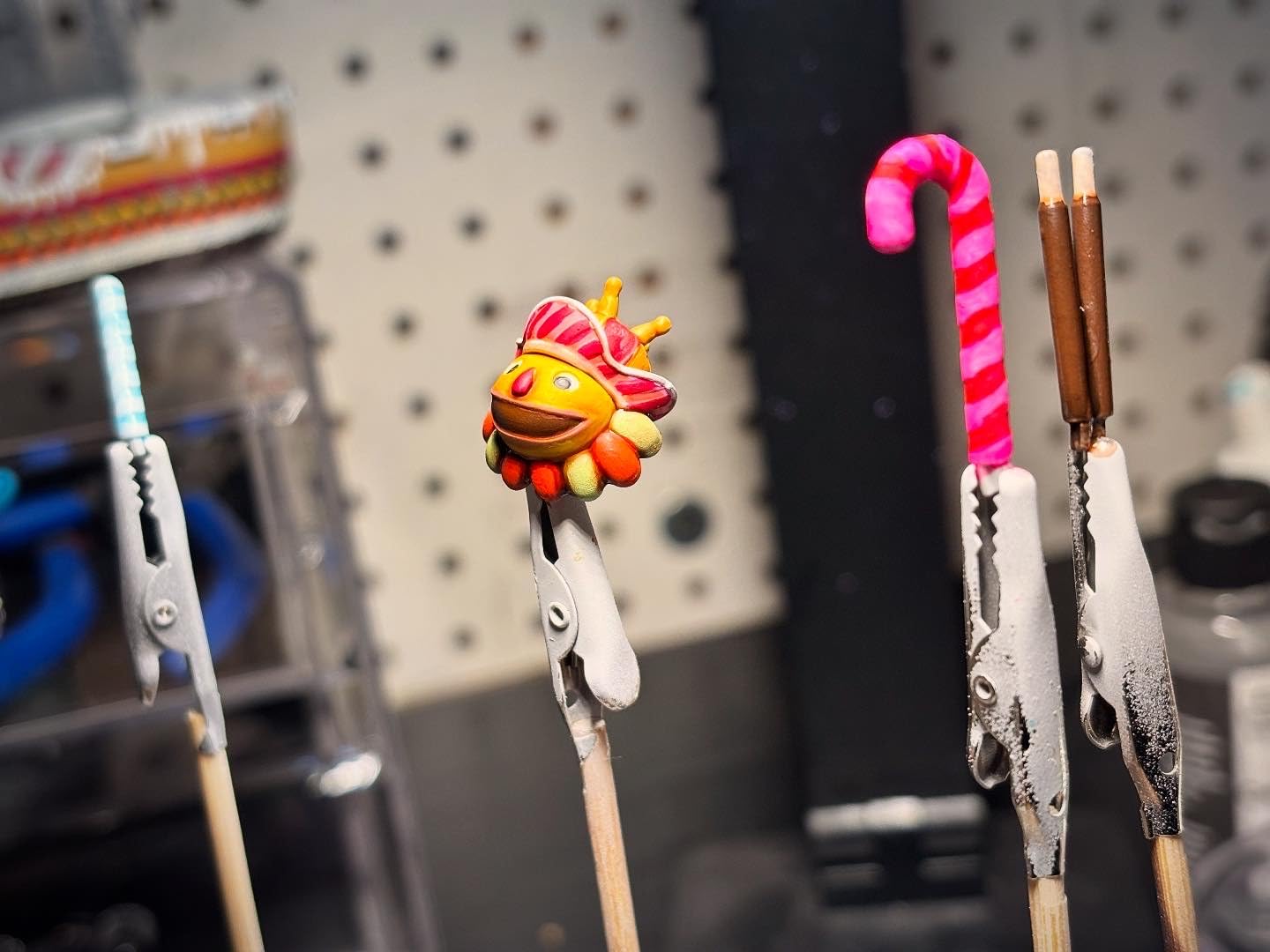
Display this model behind glass or on a high shelf. The small size makes it vulnerable to being knocked over, and the sticker details can peel if handled frequently. A small acrylic case designed for Nendoroid or Funko figures works perfectly. I mounted mine on a dark blue felt base to simulate ocean water, which photographs beautifully.
Sticker Versus Paint Approach
If you have any modeling experience, I strongly recommend painting the detail areas instead of using the stickers. Thin the stickers with a hair dryer for easier application if you go that route. For paint, acrylic markers work well on the snap-fit plastic and give you much sharper lines than the stickers allow. The hull striping in particular benefits from a painted approach.
6. Academy 1/400 R.M.S Titanic MCP – Best Display Titanic
Academy Hobby Model Kits Scale Model : Battle Ships & Aircraft Carrier Kits (1/400 R.M.S Titanic MCP)
1:400 Scale
Plastic
Display Stand Included
7.9 x 2.8 x 26.5 Inches
Authentic Stickers
Pros
- No painting required unless desired
- LED lighting upgrade potential
- Display stand included
- Authentic stickers and decals
- Rewarding build experience
Cons
- Rigging can be tedious
- Instructions could be clearer
- Some parts need adjustment to fit
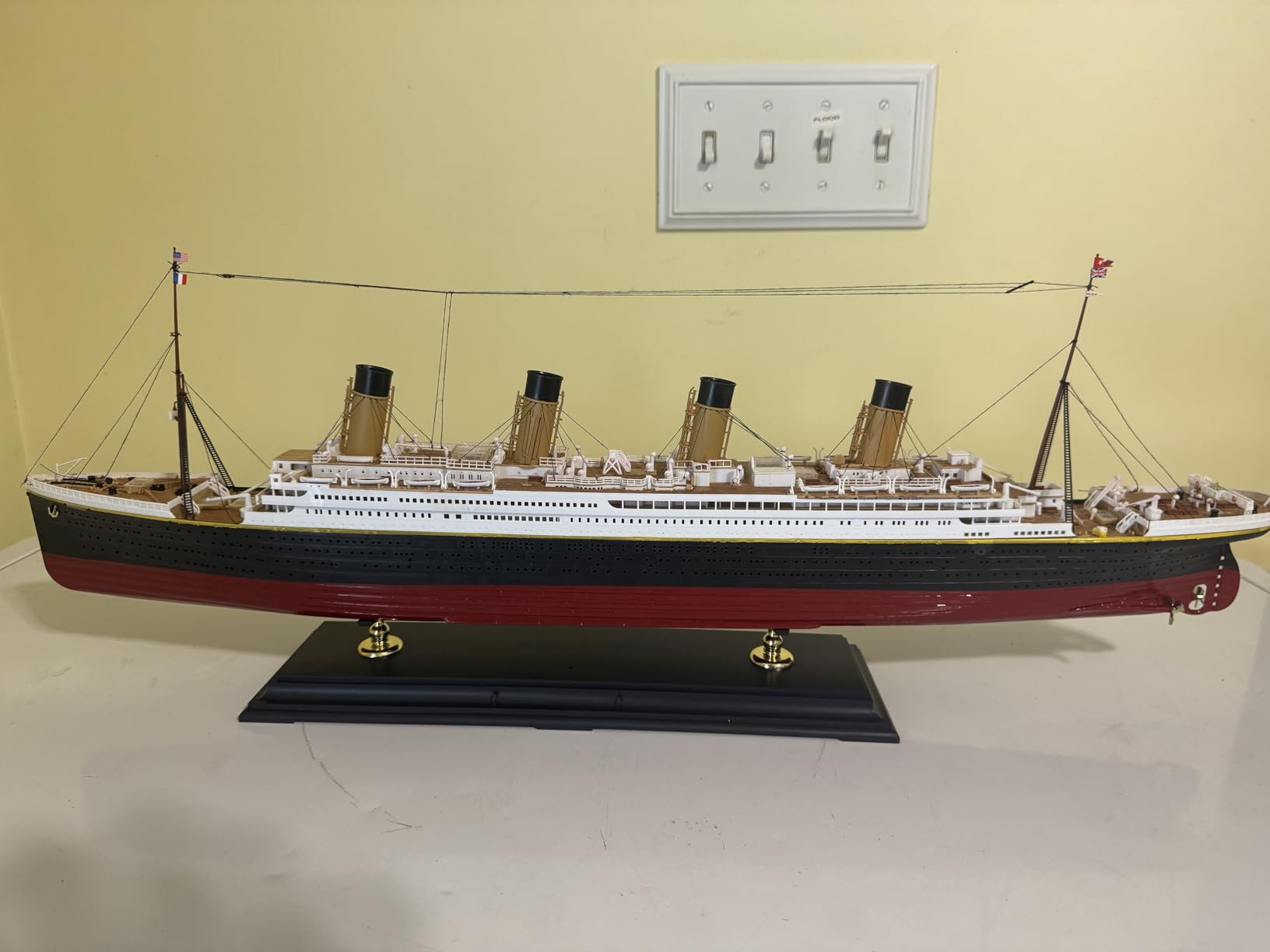
Academy’s Titanic strikes a different balance than the Revell version. Where Revell demands a full paint commitment, Academy engineered this kit with pre-colored parts and authentic stickers that produce a respectable display model straight from the box. I built mine in about 15 hours over a week, and the result looks genuinely impressive at over 26 inches long.
The hull comes molded in the correct colors, and the sticker sheet handles the white superstructure details, window lines, and hull markings. For a first Titanic build, this approach removes a lot of the intimidation factor. The deck fittings are nicely detailed with separate ventilator shafts, davits, and cargo cranes that add visual depth.
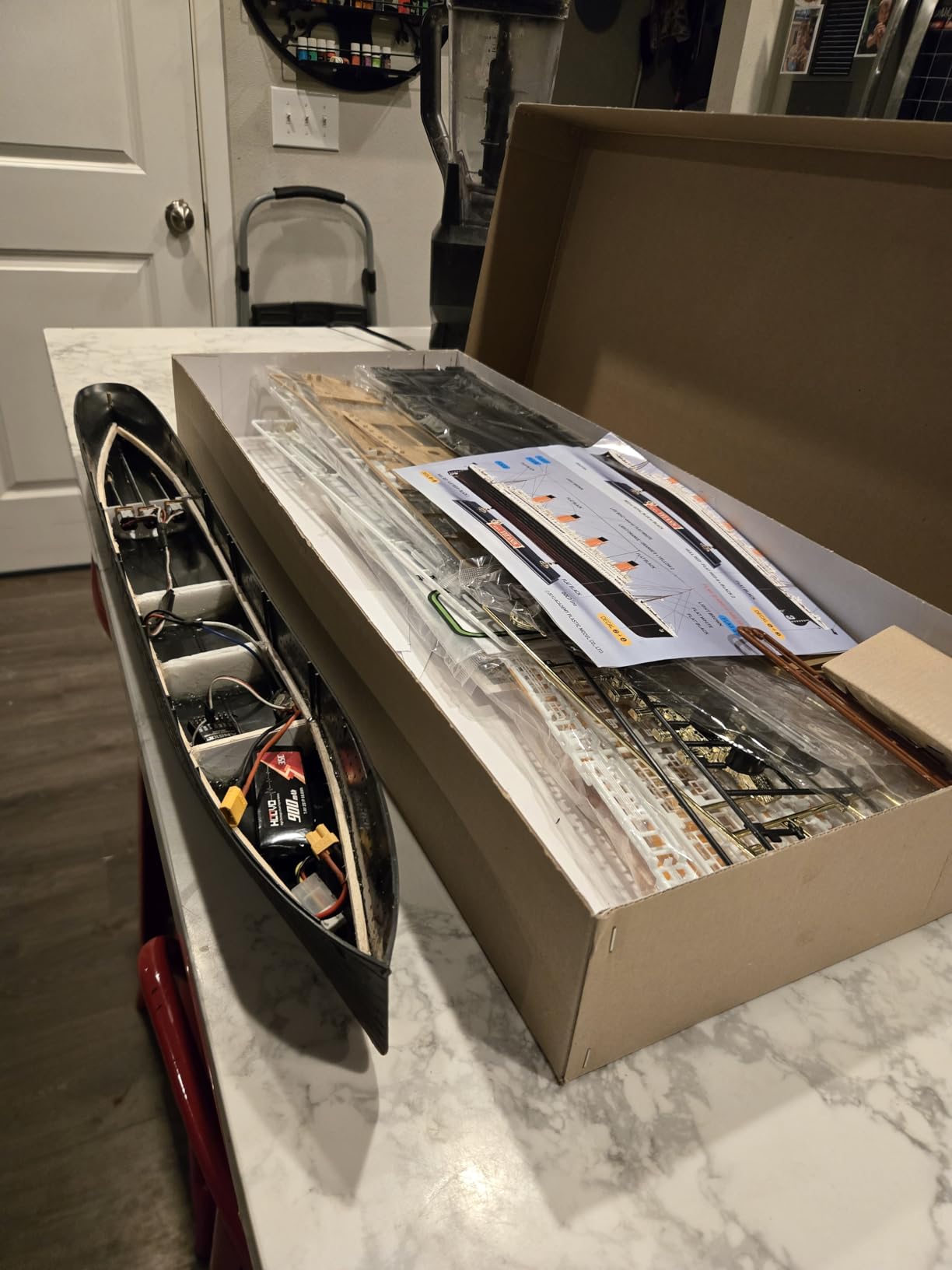
Where this kit gets interesting is the LED upgrade potential. Several builders on the forums have wired LED strips into the hull for illuminated portholes and cabin windows. Academy designed the interior with enough space to route wiring, making this a feasible weekend mod. I have not attempted it yet, but the customer images of lit-up versions are compelling enough that I bought a second kit specifically for that project.
The rigging is the weakest point. Academy provides thread for the mast stays and aerials, but the attachment points are small and the instructions for the rigging layout are vague. I needed reference photos of the actual ship to figure out the correct routing. This is a common complaint across Titanic kits at this scale, so it is not unique to Academy.
LED Lighting Guide
If you plan to add LEDs, pick up a warm white LED strip kit (3V or 5V) with a small battery pack. Drill out the portholes with a 0.5mm bit before assembly. Run the strip along the interior of the hull sides, and tape over the connection points with aluminum foil to prevent light leaks. The effect transforms the model from good to spectacular.
Comparing to the Revell Titanic
The Academy kit wins on out-of-box displayability — you can build it without paint and still get a presentable model. The Revell kit wins on raw detail and historical accuracy, but demands significantly more skill and time. If you want a faster build with LED potential, go Academy. If you want the most detailed plastic Titanic, go Revell.
7. Tamiya 1/700 USS Yorktown CV-5 – Best Aircraft Carrier Kit
Tamiya 31712 1/700 US Aircraft Carrier Yorktown Plastic Model Kit
1/700 Scale
Waterline Series
Plastic
12.93 Inches Long
Includes Aircraft
Pros
- Very accurate hull lines
- Good fit and molding quality
- Includes 3 aircraft types
- Configurable hangar doors and elevator
- Challenging but satisfying
Cons
- Requires paint and glue
- Tiny parts need steady hands
- Some fit issues reported
- Not for beginners
Tamiya’s 1/700 USS Yorktown captures the famous carrier that fought at Midway and the Coral Sea, and it does so with the clean engineering Tamiya is known for. The waterline hull means you get a display-ready model without worrying about underwater detail. At roughly 13 inches long, it has enough presence to command attention on a display shelf.
The air wing is a genuine highlight. You get three different aircraft types that attach to the flight deck, and the hangar bay doors can be posed open or closed. I chose the open configuration and added a few scratch-built details to the hangar interior. The elevator at the stern can be positioned up or down, giving you display flexibility.
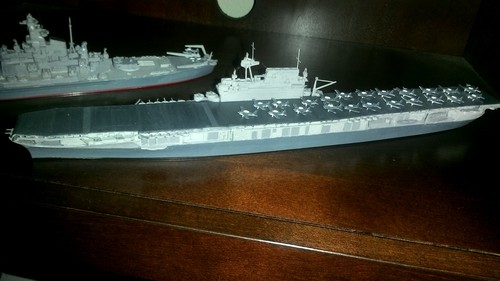
Part fit is generally very good, which is what you expect from Tamiya at this level. The island superstructure goes together cleanly with positive locating pins. My only real issue was with the tiny railing parts — at 1/700 scale, these require tweezers, a magnifying lamp, and steady nerves. I lost one piece to the carpet monster and had to fabricate a replacement from brass wire.
This is an intermediate-level kit that rewards careful work. The plastic takes paint well, and the engraved panel lines hold washes nicely for weathering. I used a dark grey wash over the deck to bring out the plank detail, and the result was worth the extra effort.
Waterline Versus Full Hull
Tamiya’s waterline series means no propellers, keel, or rudder detail. For most display purposes, this is actually preferable — the model sits flat on a surface and looks like the ship is floating. If you want to show the ship in a dry dock diorama, you will need to find a full-hull aftermarket conversion or choose a different kit. For me, the waterline format is perfect.
Display Base Suggestions
A simple blue felt or painted base creates an instant ocean effect. I added a small brass nameplate reading “USS Yorktown CV-5, Battle of Midway, 1942” to my display. Grouping this model with Tamiya’s 1/700 destroyers and cruisers creates an impressive task force display on a shelf or in a case.
8. Tamiya 1/700 Japanese Battleship Yamato – Best Budget Warship
Tamiya 31113 1/700 Japanese Battleship Yamato Plastic Model Kit
1/700 Scale
Waterline Series
Plastic
Metal Weights Included
15.25 Inches Long
Pros
- High quality molding
- Includes metal weights for stability
- Good part fit
- Spare parts included
- Classic naval subject
Cons
- Tiny fragile parts
- Terrible instructions
- Partial hull only
- Requires steady hands
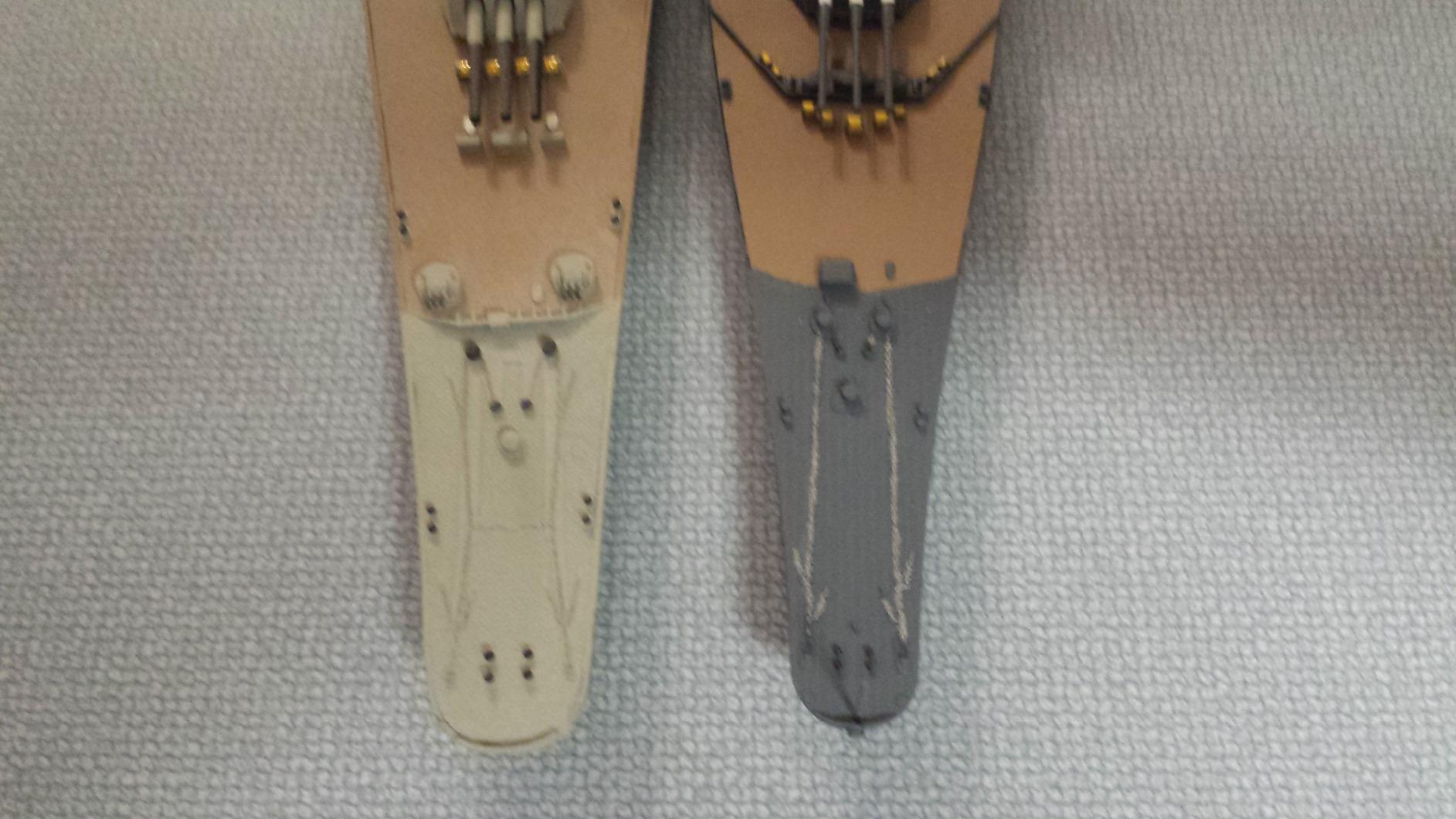
The Yamato needs no introduction to anyone interested in naval history, and Tamiya’s 1/700 waterline version is a staple of the hobby. I have built this kit twice now, and both times I was impressed by the molding quality for the amount you pay. The included metal weights in the lower hull give the finished model a satisfying heft that prevents tipping on display.
Tamiya includes spare parts for several components, which is a thoughtful touch at this scale. Losing a tiny gun director or railing stanchion to the carpet is almost inevitable, and having backups saved me on both builds. The main turret barrels are separately molded and rotate in their housings, adding a nice interactive element.
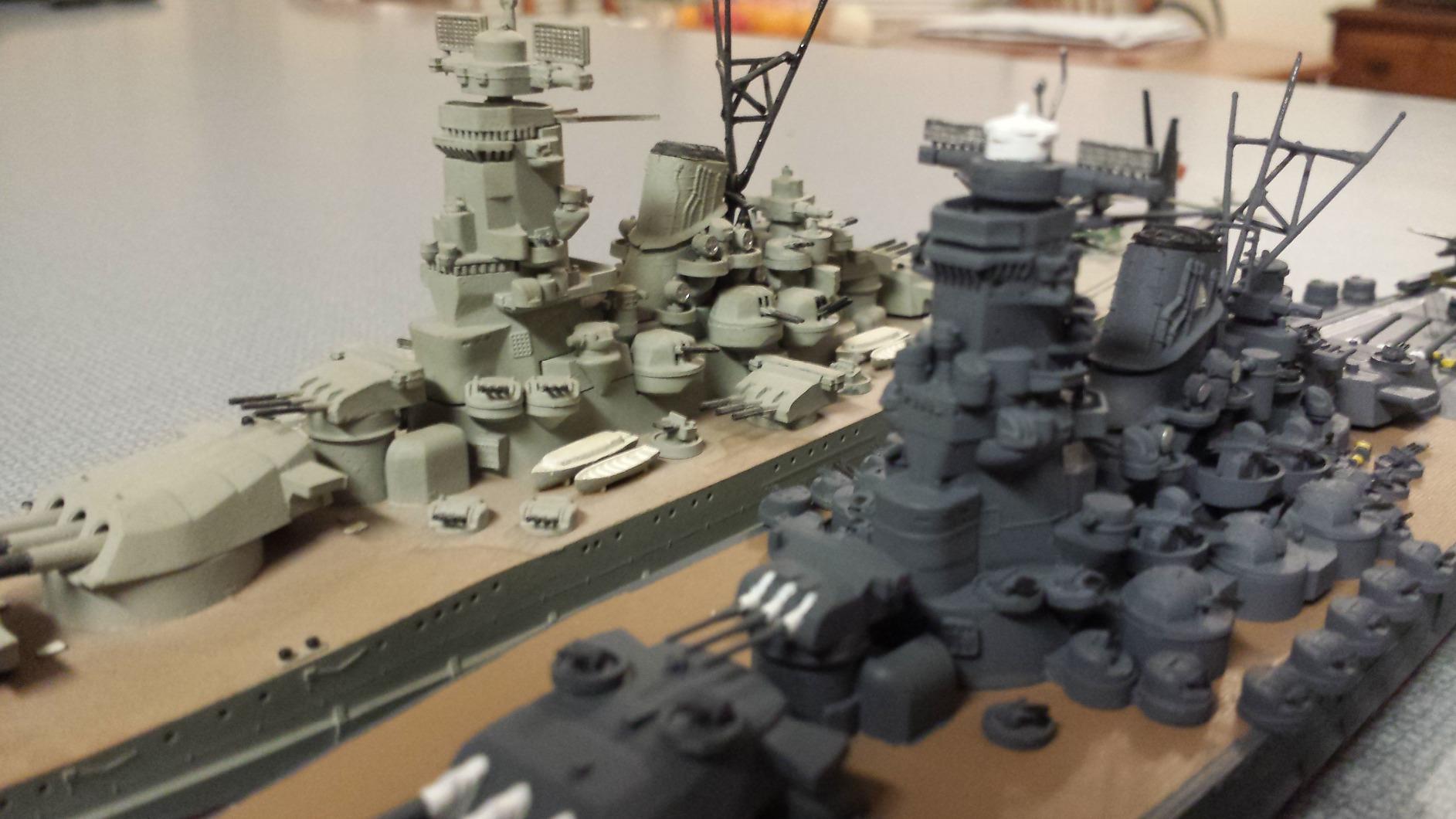
The instructions are the weak point. Tamiya’s older kit instructions use exploded-view diagrams without clear part numbering in some sections, and I found myself studying the diagrams for several minutes before each assembly step. Newer builders will find this frustrating. I recommend downloading additional reference photos of built examples before starting.
At this scale, the parts are genuinely tiny. The secondary gun turrets are smaller than a grain of rice, and the crane assemblies require needle-nose tweezers and a magnifier. This is not a kit to attempt after coffee. But the finished model, with its distinctive pagoda mast and massive 18.1-inch gun turrets, is one of the most recognizable silhouettes in naval modeling.
Who Should Build This Kit
This kit suits intermediate to advanced builders who have experience with 1/700 scale. If you have successfully completed at least two or three smaller plastic kits, you can handle the Yamato. The waterline format removes some complexity compared to full-hull builds, which is a small mercy. Beginners should start with the Fujimi snap-fit Yamato instead.
Improving the Instructions Experience
Before starting, photograph or scan the instruction sheets so you have digital backups you can zoom into. Search online for Yamato build logs on forums like ModelWarships or Britmodeller — experienced builders often post step-by-step photos that clarify confusing sections. Having a reference image of the completed model visible while you build helps enormously with part orientation.
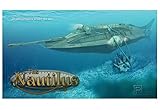
9. Pegasus Hobbies 1:144 The Nautilus – Best Sci-Fi Submarine
Pegasus Hobbies 1:144 Scale The Nautilus Submarine Model Kit
1:144 Scale
50 Pieces
Plastic with Photoetch
LED Compatible
Octopus Stand Included
Pros
- Incredible Jules Verne detail
- Photoetch brass railings included
- LED lighting compatible
- Unique octopus display base
- Original Greg deSantis design
Cons
- Window not clear enough for interior
- Photoetch glue challenges
- Vinyl squid finicky
- Manufacturer support inconsistent
Of all the kits on this list, the Pegasus Nautilus is the one that drew the most comments on my workbench. Based on Harper Goff’s design from the 1954 Disney adaptation of 20,000 Leagues Under the Sea, this is not a historical model — it is pure steampunk fantasy rendered in plastic and photoetch brass. The original concept design by Greg deSantis gives it a distinctive look that stands apart from typical submarine kits.
The 50-piece count sounds modest, but the photoetch fret adds another layer of complexity. You get brass railings, hatch covers, and viewing port frames that elevate the model well beyond what plastic alone can achieve. The detail on the hull rivets, portholes, and ram bow is exceptional for this scale and brings the Nautilus to life.
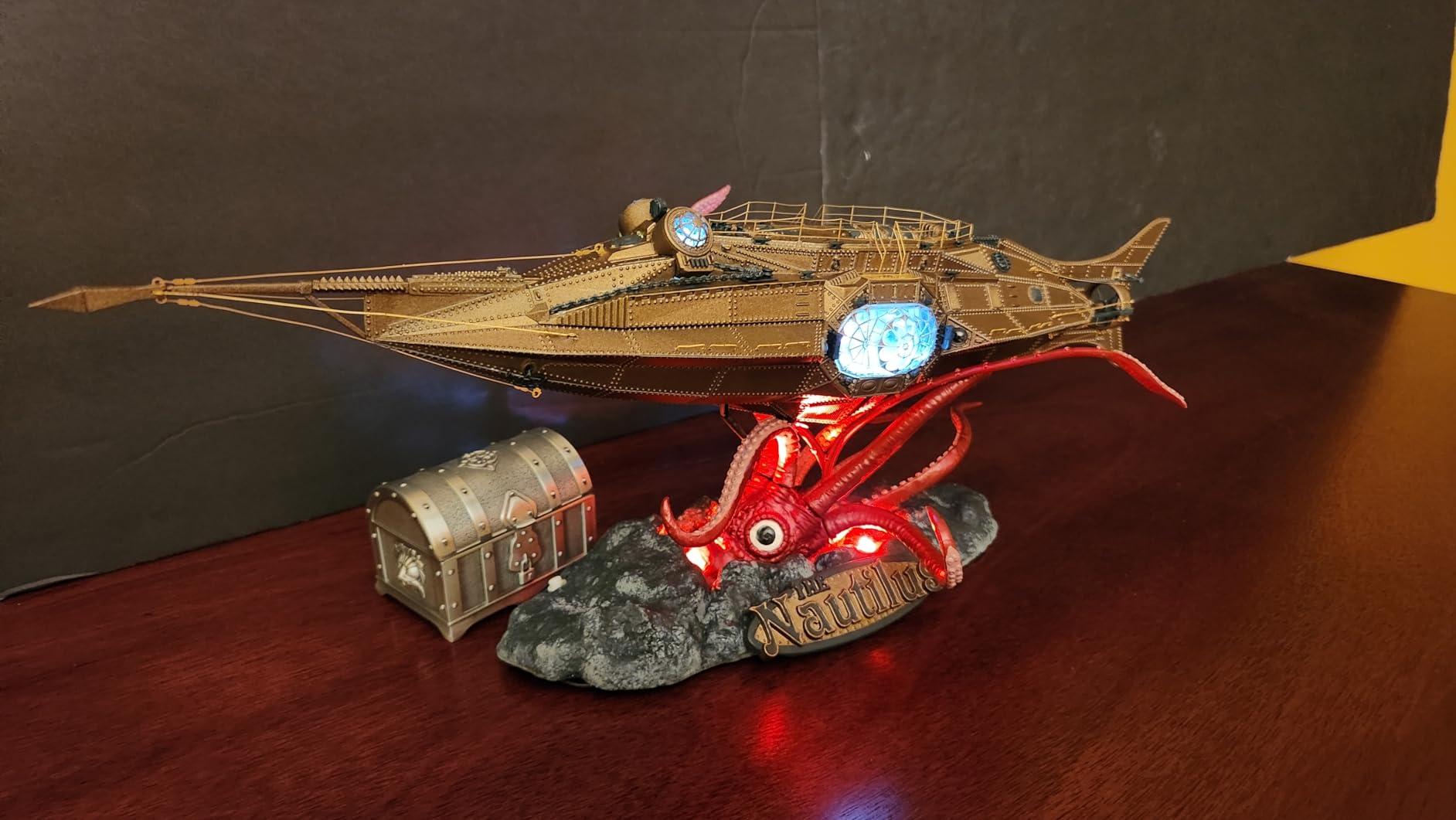
The octopus display base is a genuine showstopper. The vinyl squid wraps around the hull, creating a dynamic scene that tells a story. Painting the tentacles with layered washes of purple and blue produced a wonderfully organic look. This is one of the few kits where the display base is as interesting as the model itself.
Challenges include the photoetch application. The brass parts are small and require cyanoacrylate glue, which can leave fog marks on nearby plastic if you are not careful. I recommend applying the photoetch after all plastic assembly and painting is complete, treating it as a final detailing step. The window transparency is also disappointing — you can barely see the interior detail even with careful masking and clear coats.
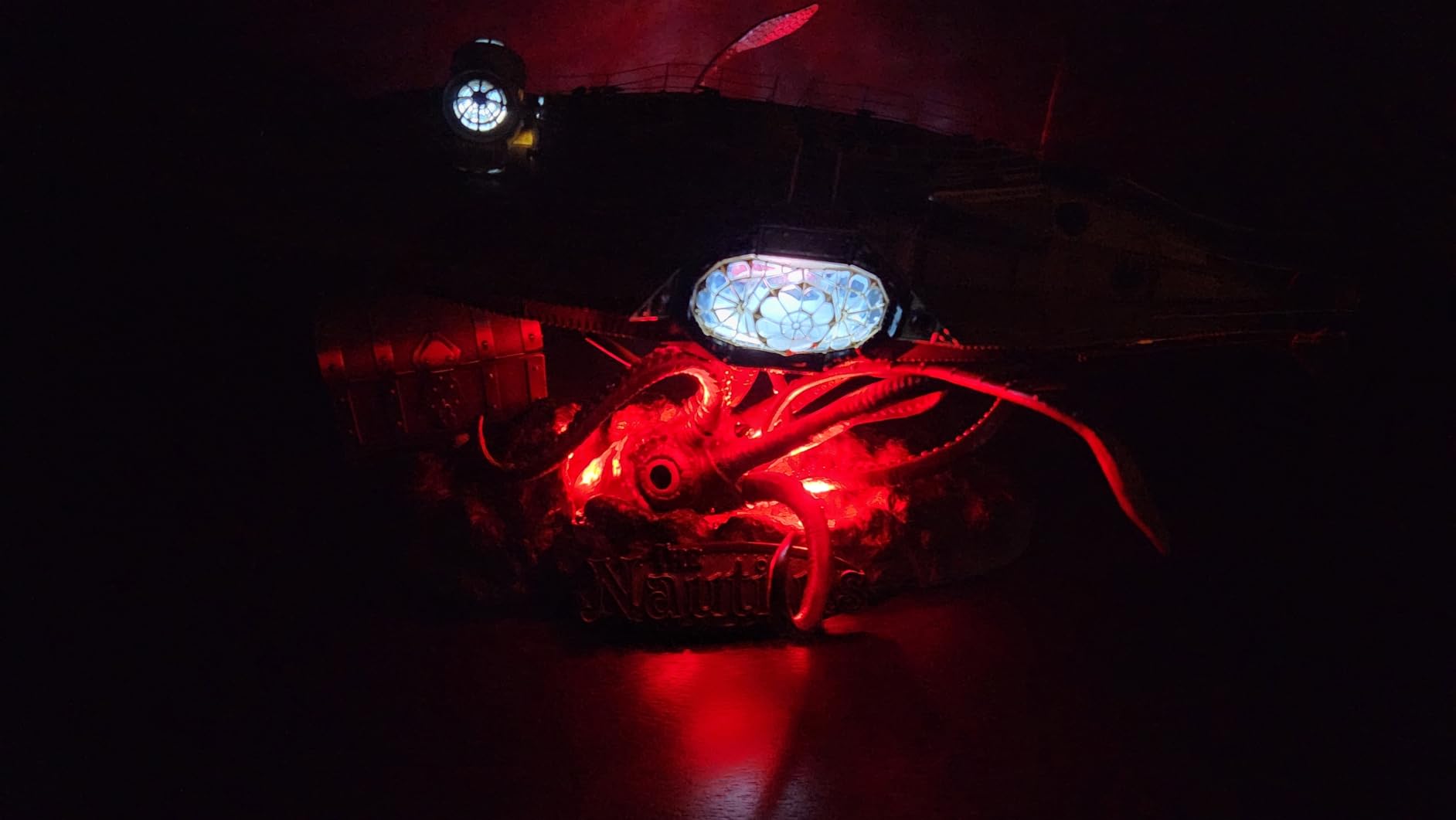
LED Lighting Setup
The Nautilus is practically begging for LED lighting. The interior has space for a small LED unit, and drilling out the portholes creates a stunning effect when lit from within. I used a warm white LED with a flickering module to simulate an oil-lamp interior. The effect transforms the model into something genuinely magical on a dark shelf.
Photoetch Handling Tips
Use a fresh #11 blade to carefully remove photoetch parts from the fret. Bend slowly with flat-nose pliers — brass work-hardens quickly and can snap if you overwork it. Apply with thin CA glue applied by toothpick. Seal the photoetch with a clear coat to prevent tarnishing over time. Take it slow, and the results will reward you.
10. Revell 1:426 USS Arizona – Best WWII Battleship Memorial
Revell 85-0302 USS Arizon Battleship Model Military Ship Kit 1:426 Scale 133-Piece Skill Level 4 Plastic Model Building Kit, Gray
1:426 Scale
133 Pieces
Plastic
Skill Level 4
Rotating Turrets
Pros
- Rotating turret cannons
- Includes biplanes and catapults
- Display stand and decals
- Good historical detail
- Affordable entry battleship
Cons
- Hull warping issues
- Older mold quality
- Instructions can be unclear
- Paint and glue not included
Building the USS Arizona carries a weight that other kits do not. This is the ship that sank at Pearl Harbor, and Revell’s 1:426 scale kit captures her as she appeared before December 7, 1941. The 133 pieces include rotating turret cannons, Vought O2U biplanes on catapults, and a full complement of anti-aircraft guns that tell the story of a battleship preparing for a war she would not survive.
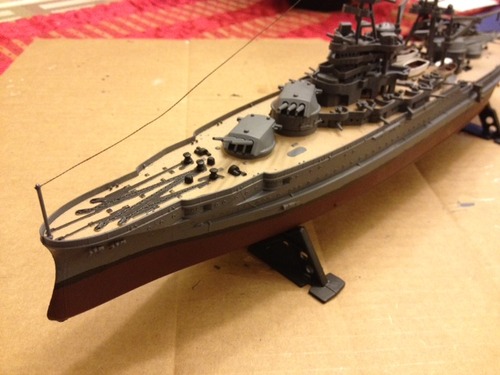
The 12 elevating 14-inch cannons in four rotating turrets are the star feature. They actually turn and elevate, which adds an interactive element rare at this scale. The deck fittings — searchlights, motor launches, whaleboats, rangefinders, cranes, and tripod masts with observation nests — create a busy, authentic-looking deck that rewards careful painting.
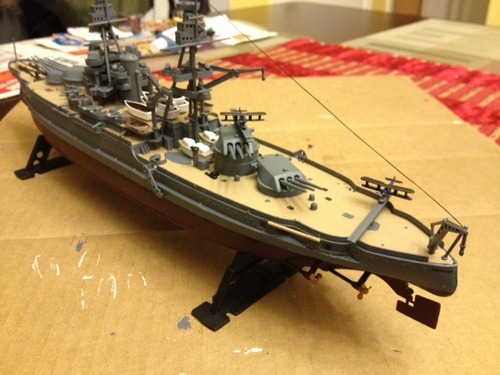
Be aware that this is an older mold, and it shows. My copy had minor hull warping that required hot water treatment and clamping to correct. The flash on some smaller parts needed more cleanup than I expected from a modern kit. Revell has been using these molds for decades, and while the subject matter is timeless, the tooling shows its age.
Despite the mold issues, the finished model is a fitting tribute. I painted mine in the standard pre-war Measure 5 grey and placed it on the included display stand. The decals for both the ship and the float planes went on cleanly with setting solution. At roughly 17 inches long, it has enough presence to serve as the centerpiece of a WWII naval collection.
Fixing Hull Warp Issues
If your hull halves arrive warped, do not panic. Soak the parts in near-boiling water for 30 seconds, then clamp them flat against a straight surface until cool. For minor warps, a hair dryer on high heat while bending gently is sufficient. Always test-fit hull halves before gluing, and use rubber bands or clamps during the bonding process to ensure alignment.
Historical Accuracy Notes
The Revell kit represents the Arizona in her late 1930s configuration with the added anti-aircraft guns and tripod masts. If you want to model her specifically at the time of the Pearl Harbor attack, you will need to make minor modifications to the AA gun layout. Reference photos from December 1941 show additional .50 caliber machine gun positions that the kit does not include.
11. Hasegawa 1:1500 Space Pirate Battleship Arcadia – Best Anime Battleship
Hasegawa 1:1500 Space Pirate Battleship Arcadia
1:1500 Scale
Plastic
Multi-Color Molding
Captain Harlock Theme
13.25 x 6.46 x 3.94 Inches
Pros
- Excellent part fit and quality
- Multi-color molding reduces painting
- Surprising detail at 1:1500
- Water slide decals included
- Well-designed internal bracing
Cons
- Stand could be better
- Small delicate parts
- Decals can be old and fussy
- Limited aftermarket support
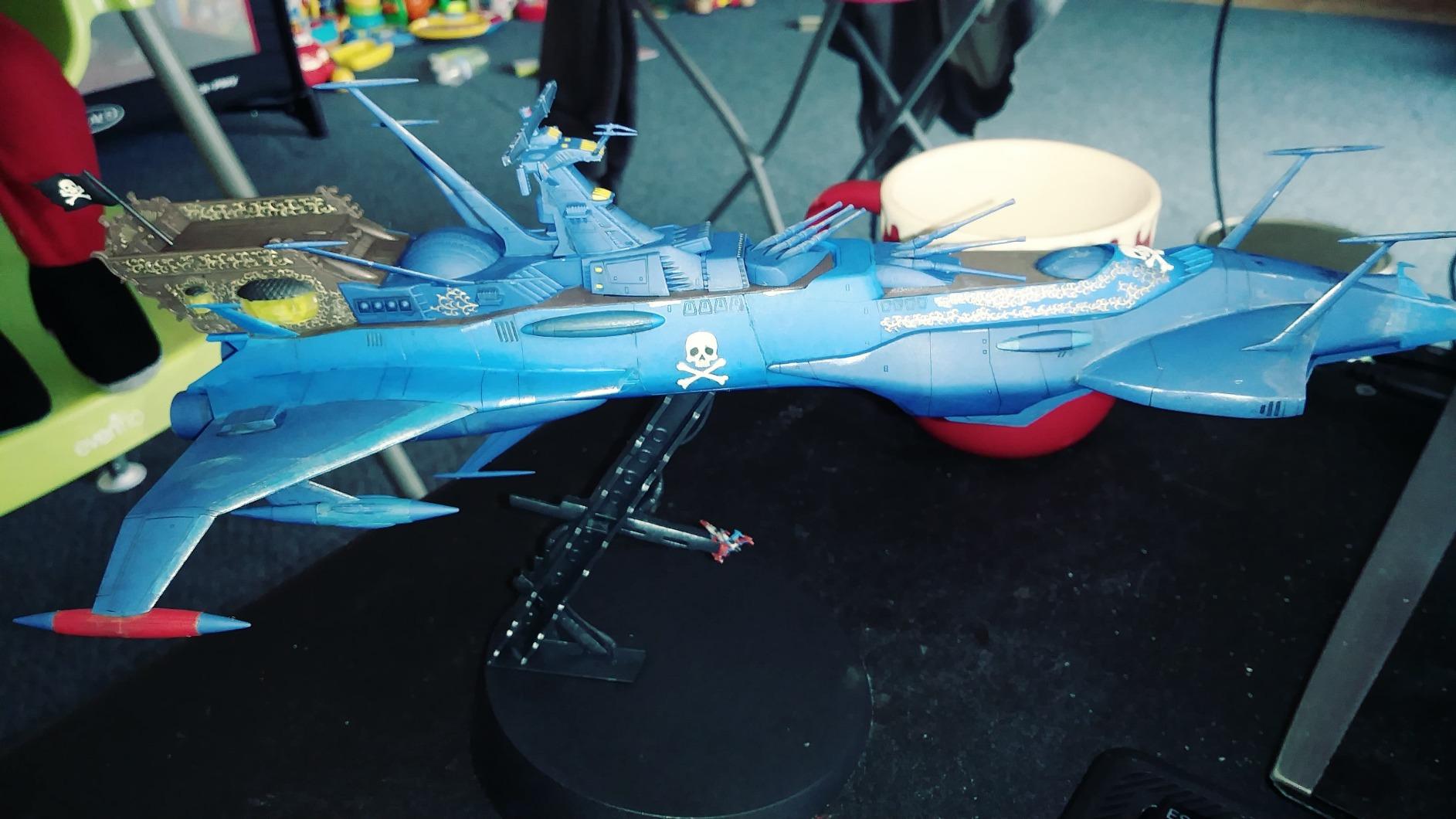
Captain Harlock’s Arcadia is one of the most iconic fictional ships in anime history, and Hasegawa did justice to the design at 1:1500 scale. The multi-color molding means you get a displayable model with minimal painting — the hull comes in dark green, light green, and cream on separate sprues. I spent about 8 hours on this build and was genuinely surprised by how good it looks straight from the box.
The engineering quality is what you expect from Hasegawa. Parts fit is precise, ejector pin marks are hidden on non-visible surfaces, and the internal bracing structure gives the assembled model surprising rigidity. The skull and crossbones on the bow and the distinctive three-funnel design are captured cleanly, making this instantly recognizable to any fan of the series.
The water slide decal sheet is comprehensive, covering window frames, hull markings, and the pirate emblems. However, I noticed that the decals in my kit were slightly yellowed, suggesting older stock. Soaking them for a few extra seconds and using strong decal setting solution helped them conform to the curved surfaces without silvering.
The stand is the weakest element. It is functional but basic — a simple clear plastic cradle that does not match the quality of the model itself. Several builders on forums have 3D-printed custom stands or modified after-market display bases. At roughly 13 inches long, the Arcadia is large enough to justify a better presentation platform.
For Captain Harlock Fans
This kit is a must-have for fans of Leiji Matsumoto’s work. The Arcadia’s design language — the green hull, the skull bow, the distinctive funnel arrangement — is faithfully reproduced. Display it alongside Bandai’s One Piece ships or other anime vessels for a themed collection. The 79% five-star rating from builders speaks to the broad appeal beyond just anime fans.
Paint Enhancement Options
While the multi-color molding produces a displayable model without paint, a few targeted touches make a huge difference. A black wash over the hull panel lines adds depth. Painting the engine exhausts with metallic silver and orange gives a lit-up effect. A matte clear coat over everything unifies the different colored plastics into a more cohesive finish.
12. Model Expo Muscongus Bay Lobster Smack – Best Wooden Ship Kit
Complete Wooden Model Ship Kit – Muscongus Bay Lobster Smack – Includes All Tools, Paint & Glue – Midwest Models/Made in USA – Beginner to Intermediate DIY Boat Kit – 1:24 Scale
1:24 Scale
Wooden Basswood
Tools Glue and Paint Included
47-Page Manual
USA Made
Pros
- All tools and supplies included
- 47-page illustrated manual
- Lifetime part replacement
- Quality basswood materials
- Historically accurate Maine replica
Cons
- Can be difficult for true beginners
- Some parts may not fit well
- Instruction book lacks proofreading
Wooden ship modeling is a different animal from plastic, and the Model Expo Muscongus Bay Lobster Smack is an excellent introduction to the craft. This 1:24 scale replica of a Maine lobster boat comes with literally everything you need — tools, glue, paint, and a 47-page fully illustrated manual. I opened the box and started building without a single trip to the hobby shop, which is rare for any model kit.
The basswood materials are high quality with accurate die cuts. Planking the hull was meditative and satisfying in a way that plastic snap-fit never achieves. You are building something that feels genuinely crafted rather than assembled. The historically accurate design captures the working boats that have fished the Maine coast for generations.
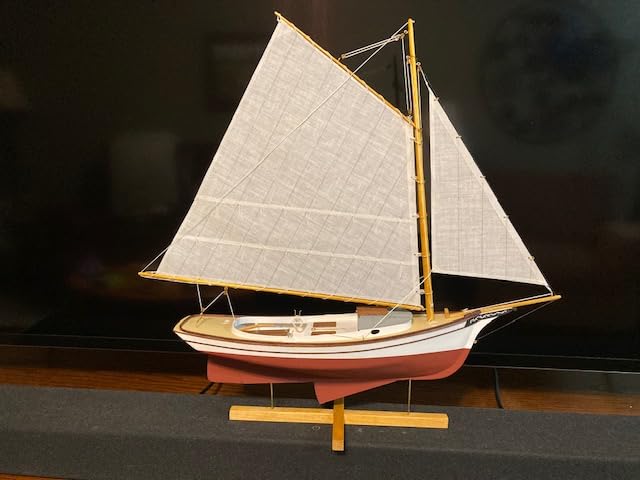
The lifetime part replacement guarantee is a standout feature that shows Model Expo stands behind their product. I did not need to use it, but knowing it exists removes the anxiety that comes with cutting expensive basswood planks. The kit is made in the USA, which is increasingly rare in the hobby and worth supporting.
My main criticism is the instruction manual. While the 47 pages of illustrations are helpful, there are proofreading errors and a few steps that could be clearer. Cross-referencing with online build logs filled the gaps. The parts fit was good but not perfect — a couple of die-cut pieces needed light sanding to seat properly.
Wooden Versus Plastic Modeling
Wooden kits teach skills that plastic cannot — planking, bending, grain direction, and wood finishing. This kit serves as an ideal bridge between plastic and more advanced wooden ship building. The quarter scale (1:24) means parts are large enough to handle comfortably, making it more approachable than typical 1:64 or 1:96 wooden kits.
Display and Preservation
A finished wooden model needs protection from humidity and temperature swings. Display in a glass-fronted case or cabinet away from direct sunlight and heating vents. Apply a final coat of satin varnish to protect the wood and enhance the grain. With proper care, this model can last for decades — the basswood is stable and ages beautifully when sealed correctly.
13. Fujimi 1/700 Battleship Yamato Color Coded – Best Snap-Fit Warship
Fujimi Model 1/700 Ship Next Series No.1 Japanese Navy Battleship Yamato (New Exhibition Base Specification), Color Coded, Plastic Model Ship NX1
1:700 Scale
Snap-Fit
Color Coded Parts
No Glue Required
470 Grams
Pros
- No glue needed
- Color coding reduces painting
- Snap-fit design approachable
- Good precision and quality
- Accessible for newer builders
Cons
- Instructions only in Japanese
- Very small parts need tweezers
- Decals could be better quality
- Limited display options
Fujimi’s color-coded Yamato takes a different approach from the Tamiya version. The snap-fit design and pre-colored parts mean you can build a displayable battleship without glue or paint, making it far more accessible to newer builders. The hull comes in the correct IJN grey, the deck in Japanese linoleum tan, and the smaller fittings in appropriate colors on separate sprues.
I built this kit in a single afternoon, and the snap-fit mechanism worked well throughout. Parts clicked together with positive engagement, and the internal structure provides good rigidity for the finished model. At 470 grams, it has enough weight to sit solidly on a flat surface without tipping. The precision of the molding is impressive for a snap-fit kit.
The elephant in the room is the Japanese-only instructions. If you cannot read Japanese, you need to rely on the diagrams alone. They are generally clear, but a few assembly steps — particularly around the bridge structure and mast assemblies — required careful study. I kept a browser window open with translated build guides, which solved most confusion.
The decals are adequate but not exceptional. Some builders report issues with silvering and adhesion, particularly on the hull sides. I applied mine with micro-sol setting solution and had acceptable results, but they are not up to the standard of Cartograf-printed sheets found on premium kits. The limited edition color-coded variant is a nice collector touch.
Comparing to the Tamiya Yamato
Both kits cover the same subject at 1:700 scale, but they serve different builders. The Fujimi snap-fit wins for convenience — no glue, no paint, faster assembly. The Tamiya kit wins for detail and build quality but demands more skill and supplies. If you want to experience building the Yamato without the commitment of a full paint-and-glue project, Fujimi is the clear choice.
Language Barrier Solutions
Join the r/modelships subreddit or the Ships of Scale forums where English-language build logs for this specific kit exist. Several builders have posted step-by-step translations of the key assembly points. YouTube also has build videos that walk through each section visually, which is often clearer than any written instruction regardless of language.
Buying Guide: How to Choose the Right Ship Model Kits?
Choosing a ship model kit comes down to four key factors: your experience level, the scale you prefer, the material you want to work with, and the subject matter that excites you. Let me walk you through each one based on what I have learned building dozens of these kits over the years.
Understanding Scale
Scale determines how large the finished model will be and how much detail is possible. The most popular ship model scales are 1:700, 1:400 to 1:426, 1:144, and 1:24 to 1:100. At 1:700, models are compact and fit easily on shelves, but the parts are extremely small and demand tweezers and a magnifier. Scales around 1:400 offer a good balance of size and detail — models are typically 20 to 30 inches long with parts that are manageable without specialized tools.
Larger scales like 1:144 and 1:24 produce impressive display pieces with room for interior detail and aftermarket enhancements. The trade-off is display space and cost. A 1:144 Flower class corvette takes up nearly 18 inches of shelf space, while a 1:24 lobster boat is over 15 inches long. Measure your display area before committing to a larger scale.
Material Types
Plastic kits dominate the market and are the easiest to find and build. They offer consistent quality, good detail, and straightforward assembly with liquid cement. Resin kits, like those from Niko Model, provide finer detail than plastic injection molding can achieve, especially in hull planking and superstructure components. The trade-off is that resin requires different techniques — cyanoacrylate glue instead of plastic cement, and more careful cleanup of casting blocks.
Wooden kits offer a traditional building experience that many modelers find deeply satisfying. The planking process, wood grain, and natural materials create a finished piece that feels genuinely handcrafted. Wooden kits typically require more patience and a different skill set from plastic building, but the results can be stunning. Paper and foam 3D puzzles, like the CubicFun San Felipe, offer a no-tools entry point that is accessible to complete beginners.
Skill Level Matching
Be honest about your experience level before buying. Beginner kits include the CubicFun San Felipe, Bandai One Piece Marine Ship, and the Fujimi snap-fit Yamato — all three require minimal or no glue and paint. Intermediate builders should look at the Tamiya Yorktown, Academy Titanic, and Revell Arizona. Advanced builders will find satisfying challenges in the Revell Victory, HMCS Snowberry, and any resin kit from brands like Niko Model.
Forums like Britmodeller and r/modelships consistently report that the biggest frustration for new builders is choosing a kit that exceeds their skill level. Starting with a simpler kit and building your skills gradually produces better results and keeps the hobby enjoyable. Every experienced modeler I know started with a basic kit before moving to advanced projects.
Essential Tools
For plastic kits, you need sprue cutters, a hobby knife with #11 blades, sanding sticks, liquid plastic cement, and tweezers. Add acrylic paints and brushes for most kits. For resin kits, substitute CA glue for plastic cement and add a respirator for sanding resin dust. Wooden kits benefit from a sanding block, wood glue, and small clamps. Most of these tools are available in starter sets at hobby shops for a reasonable investment.
FAQ
Who makes the best ship models?
The best ship model manufacturers depend on what you value. Tamiya and Hasegawa lead in plastic injection-molded quality with excellent part fit and consistent detail. Niko Model produces outstanding resin kits of rare warship subjects that no other manufacturer covers. Revell offers the widest selection at accessible levels, while Academy provides good value with features like LED compatibility. For wooden kits, Model Expo delivers complete packages with tools and materials included.
What is the most popular model ship scale?
1/700 is the most popular ship model scale worldwide, offering compact display size with enough detail for serious builders. Tamiya’s Waterline Series and Fujimi’s Ship Next Series both operate at this scale with extensive catalog coverage. The second most popular is 1/350 to 1/400, which produces larger models with more surface area for detail and aftermarket upgrades. 1/144 and 1/200 scales appeal to builders who want even larger display pieces with room for interior lighting and super-detailing.
Are resin ship kits harder to build than plastic?
Yes, resin kits are generally more challenging than plastic. Resin requires cyanoacrylate (CA) glue instead of plastic cement, and you must sand off casting blocks and clean release agent from parts before assembly. Resin dust is hazardous, so a respirator and proper ventilation are mandatory. However, resin captures finer detail than injection molding, producing superior hull planking, superstructure detail, and weapons fittings that reward the extra effort.
What tools do I need for my first ship model kit?
For a first plastic ship model kit, you need sprue cutters, a hobby knife with #11 blades, fine sanding sticks, liquid plastic cement, tweezers, and acrylic paint with fine brushes. A cutting mat protects your work surface. Add a magnifying lamp if your kit is 1/700 scale, as the parts are very small. For snap-fit kits like the Fujimi Yamato or Bandai Marine Ship, you only need sprue cutters and possibly tweezers for sticker application.
Is there a market for model ships?
Yes, the ship model market remains active and growing. Scale ship modeling has a dedicated global community with active forums like ModelWarships, Britmodeller, and Ships of Scale. Retailers like Squadron, Pacific Front Hobbies, and MPM Hobbies maintain extensive inventories. The aftermarket parts industry — photoetch, metal barrels, and resin upgrades — is thriving. Competition-quality built models and rare out-of-production kits can command significant collector value.
Final Thoughts
After building and evaluating 13 ship model kits for this guide, the CubicFun San Felipe stands out as the best starting point for new builders, while the Bandai One Piece Marine Ship offers the best value for anime fans and casual hobbyists. For experienced modelers, the Revell HMCS Snowberry delivers the most rewarding build experience with its 501 pieces of naval detail. Whether you are drawn to the best Niko Model resin ship kits or prefer the convenience of snap-fit plastic, the right kit is waiting for you on this list. Pick one, clear your workbench, and start building — you will not regret it.