If you build scale models, you know that the difference between a good build and a jaw-dropping one comes down to the aftermarket parts you choose. I have spent years working with resin upgrades, photo-etched details, and aftermarket accessories from dozens of manufacturers, and L’Arsenal has always stood out as a benchmark for casting quality in our hobby.
The challenge is finding the right parts for your specific project. Whether you are upgrading a 1/350 warship, adding cockpit detail to a 1/48 aircraft, or building a diorama that needs realistic figures and accessories, the aftermarket world can feel overwhelming. Our team put together this guide to the best resin parts and model upgrades you can find right now, covering everything from wooden deck decals to 3D-printed naval figures.
In this roundup, we review 15 products that represent the top choices across multiple scales and categories. Each one was evaluated based on casting quality, detail fidelity, ease of use, and overall value for scale modelers looking for that extra level of realism in 2026.
Table of Contents
Top 3 Picks for Resin Parts and Model Upgrades

stedi Hobby Model Polishing Tools 4 PCS
- 10000 grit glass files
- Washable and reusable
- Multiple shapes for all parts
- 4.7 stars with 1.4k+ reviews

Tamiya 1:350 Battle Model Set 144 Figurines
- 144 figurines included
- 1:350 scale compatible
- Eliminates ghost ship effect
- 4.4 stars with 191 reviews

Tamiya Allied Vehicle Accessories 1:35
- 58 piece accessory set
- 4.7 stars with 1k+ reviews
- Perfect for dioramas
- Excellent detail quality
15 Best Resin Parts and Model Upgrades in 2026
1. Tamiya 1:350 WWII Yamato Wooden Deck Decoration

Tamiya, 1:350 WWII Yamato Wooden Deck Decoration, Modeling Accessories, 300012645
Scale: 1:350
Material: Plastic
Subject: WWII Yamato
Pieces: 1
Pros
- Realistic wooden deck appearance
- Easy to assemble
- Great for 1:350 scale models
- Well made product
Cons
- Some compatibility issues with kit versions
I used this wooden deck decoration on my Yamato build last year and it genuinely transformed the overall look of the model. The surface texture mimics real wood planking so well that under proper lighting, you would swear it was actual timber laid across the deck. Installation took about an hour and a half with careful alignment.
The adhesive backing held firm once positioned, but I recommend doing a dry fit first. I made the mistake of rushing on one section and had to carefully peel it back, which slightly stretched the material. Take your time and the result is absolutely worth the effort.
One thing to watch for is compatibility with your specific Yamato kit version. Some modelers have reported slight sizing discrepancies depending on whether they are using the older or newer Tamiya Yamato mold. Measure your deck before committing to placement.
Who should pick this up
This deck set is ideal for modelers building the Tamiya 1/350 Yamato who want to skip the tedious process of painting individual deck planks. If you are entering your build in a competition, this addition alone can push your model into a higher scoring bracket for realism.
Who might want to skip it
If you enjoy hand-painting deck details or are working with a non-Tamiya Yamato kit, this may not be your best option. The compatibility issues are real, and forcing a fit on a different manufacturer’s hull will only lead to frustration.
2. Tamiya Handrail Set A Photo-Etched Detail Set 1:350
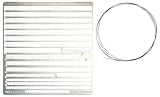
Handrail Set A Photo-Etched Detail Set 1/350 Tamiya
Scale: 1:350
Material: Stainless Steel
Pieces: 8 handrail posts
Color: Silver
Pros
- Stainless steel quality
- Adds great detail
- Does not warp easily
- Realistic appearance
Cons
- Challenging to assemble
- Requires precision work
- Fine wire can be difficult
Stainless steel photo-etched handrails are one of those upgrades that most people will not notice consciously, but they immediately make a model look more professional. I installed these on a 1/350 destroyer build and the difference between these and the kit’s plastic railings was night and day. The steel catches light in a way plastic simply cannot replicate.
The set includes eight handrail posts and fine wire for the rails. Working with the wire requires steady hands and a good pair of tweezers. I recommend using a bending tool or jig to get consistent angles across all your railings before committing to glue.
Ideal builder profile
Intermediate to advanced modelers who have experience working with photo-etched parts will get the most from this set. The stainless steel is forgiving compared to brass PE, which makes it a solid entry point into metal railing work.
What to consider before buying
Beginners should be aware that this is not a snap-fit product. You will need CA glue, fine tweezers, and patience. If you have never worked with PE parts before, practice on a less visible area of your model before tackling the main deck railings.
3. Tamiya 1:350 Gun Barrel and Projectile Set 46cm

Tamiya 300012643-1:350 Gun Barrel and Projectile Set, 46 cm, Model Making Accessories
Scale: 1:350
Material: Metal
Includes: 20 projectiles, 9 gun barrels
For: Yamato
Pros
- Great quality machining
- Good improvement over plastic
- Highly detailed
- Perfect for Yamato kit
Cons
- Some accuracy concerns with barrel shape
- No instructions included
Metal gun barrels are one of the simplest yet most impactful upgrades you can make to a battleship model. I replaced the plastic barrels on my Yamato with this set and the weight and precision of the aluminum immediately elevated the look. The machined grooves and tips are far sharper than anything molded in plastic.
The set includes nine gun barrels and twenty individual projectiles. Each barrel is turned from aluminum with a clean, consistent profile. The projectiles are tiny but add a remarkable level of detail when displayed alongside the turret assemblies.
Best use cases
This set is specifically designed for the Tamiya 1/350 Yamato. If you are building that kit and want to improve the main battery without sourcing generic aftermarket barrels, this is your most straightforward option. The direct fit eliminates guesswork.
Potential drawbacks
The lack of instructions is a real nuisance. If this is your first time replacing gun barrels, look up a tutorial online before starting. A few modelers have also noted minor accuracy concerns with the barrel taper, though this is only noticeable to the most dedicated rivet counters.
4. Tamiya 1:350 Battle Model Set 144 Figurines
Tamiya 300012622 1:350 Battle Model Set 144
Scale: 1:350
Material: Plastic
Pieces: 144 figurines
Subject: Battle Ship crew
Pros
- Great quality for tiny pieces
- Excellent value for the count
- Easy to paint
- Adds life to models
Cons
- Figures are very small
- Some wish they were 3D rather than flat
There is nothing sadder than a beautifully built ship model with an empty deck. I started using this 144-piece figure set on my naval builds and it completely eliminates what modelers call the “ghost ship” effect. Having crew figures scattered across the deck, on gun platforms, and along railings gives your model a sense of scale and life that bare plastic never will.
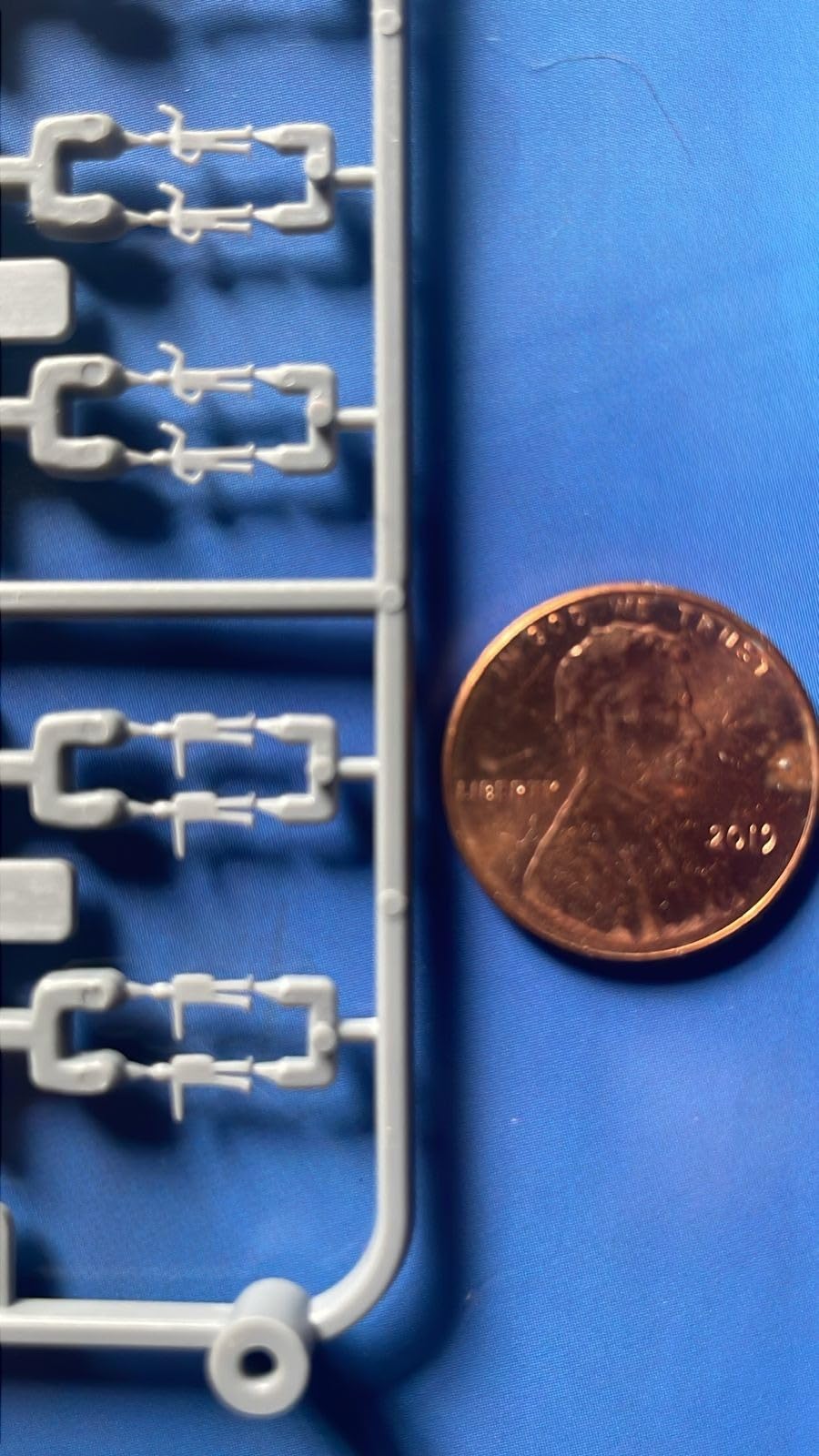
The figures come on sprues and require cleanup before painting. At 1/350 scale, these are extremely small, roughly the size of a grain of rice each. I found that a fine detail brush and a steady hand are essential. Painting them in batches with a consistent color scheme keeps the process manageable.
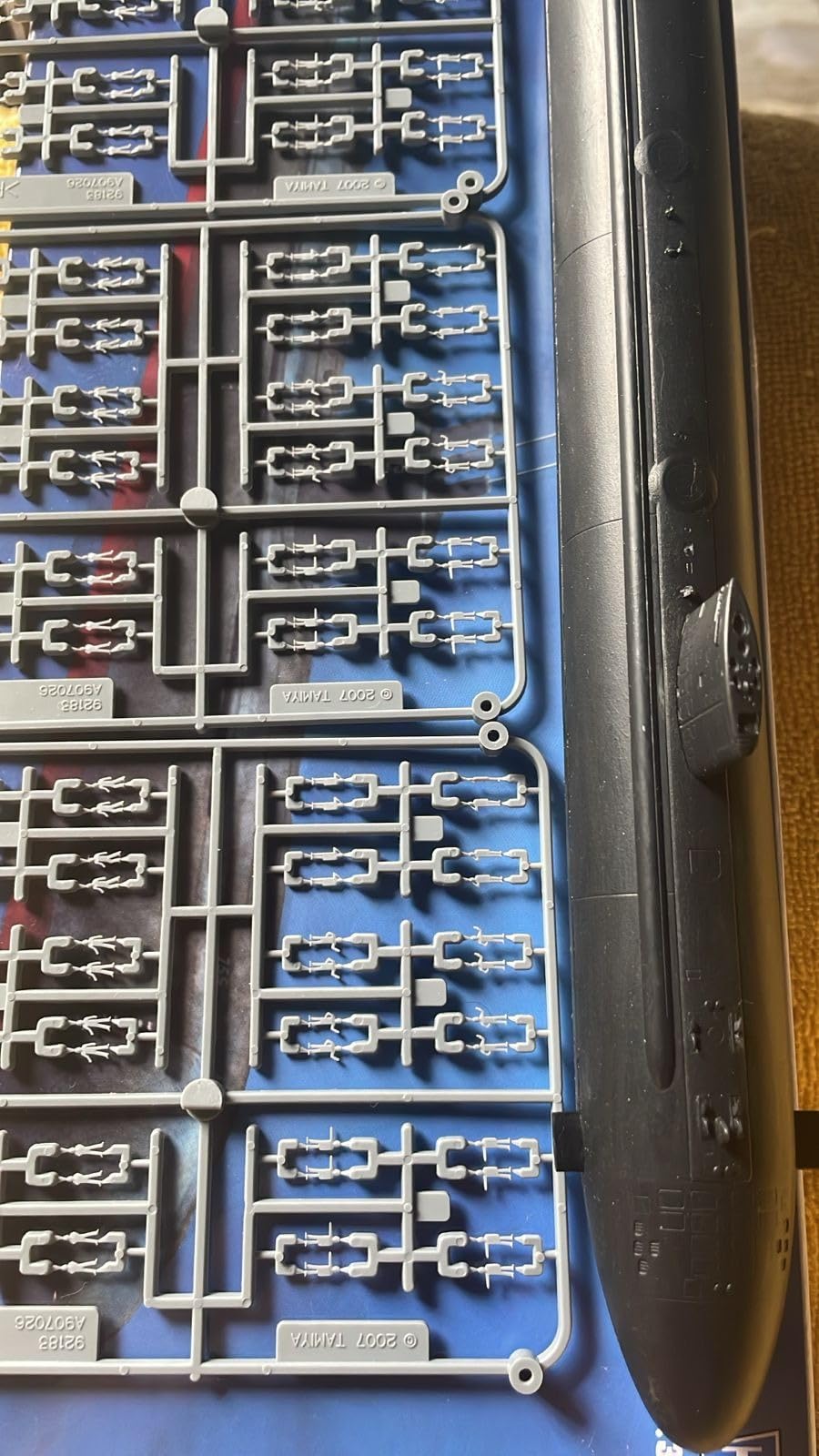
For the price, you get 144 figures, which is enough to populate several models. I have used this same set across three different builds and still have figures left over. The poses are varied enough to create natural-looking groupings around turrets, bridges, and open deck areas.
Where these figures shine
These figures are best suited for modelers building 1/350 scale warships who want an affordable way to add crew presence. They are especially effective on larger models like battleships and carriers where the vast empty deck space really needs breaking up with human elements.
Limitations to keep in mind
The biggest complaint is that these are flat figures rather than fully three-dimensional sculpts. At arm’s length, this is not noticeable, but up-close photography will reveal the lack of depth. If you need museum-quality figures, consider 3D-printed alternatives instead.
5. Tamiya Allied Vehicle Accessories 1:35
Tamiya Models Allied Vehicle Accessories
Scale: 1:35
Material: Plastic
Pieces: 58
Theme: WWII Allied vehicles
Pros
- Excellent quality
- Great detail
- Good price point
- Perfect for dioramas
- Over 1000 reviews
Cons
- Some pieces hollow on back side
This accessory set has been in my diorama supply box for years, and I keep coming back to it. With 58 pieces including fuel cans, barrels, bedrolls, canvas covers, and stowage gear, it gives you everything needed to dress up a 1/35 Allied vehicle build. The molding quality is clean with minimal flash to clean up.
Over 1,000 modelers have reviewed this set and the consensus is clear: it delivers consistent quality at a fair price. I have used these accessories on Sherman tanks, Jeeps, and supply truck builds. Each time, the added stowage brings the scene to life in a way that a bare vehicle simply cannot achieve.
Best applications
Diorama builders working in 1/35 scale will get the most mileage from this set. The variety of pieces means you can create unique stowage patterns on each vehicle, making your builds look distinct even when using the same base kit multiple times.
What could be better
Some of the larger pieces like the canvas rolls are hollow on the back side, which means you need to position them against a surface to hide the open area. This is a common shortcut in injection-molded accessories, but resin aftermarket parts do not typically have this issue.
6. Honoson 5 Pcs Miniature Sculpting Tools Set
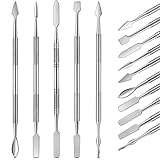
Honoson 5 Pcs Miniature Sculpting Tools, Double-Ended Steel Modeling
Length: 17-18 cm
Material: Stainless Steel
Pieces: 5 tools
Design: Double-headed
Pros
- Stainless steel construction
- Versatile double-headed design
- Proper size for miniature work
- Comfortable textured handle
Cons
- None significant noted
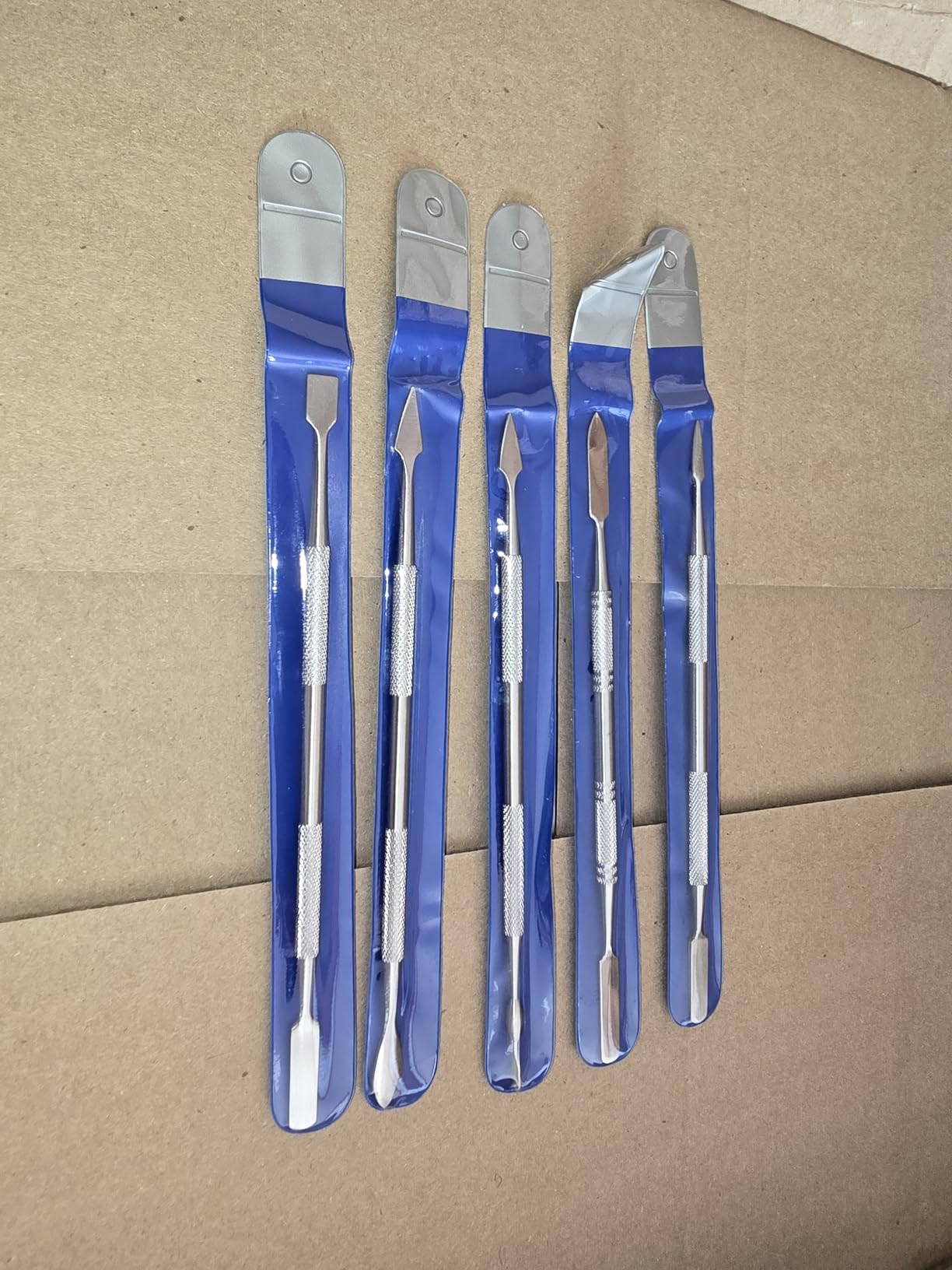
Every resin modeler needs a good set of sculpting tools, and the Honoson 5-piece set has become my go-to for working with epoxy putty, gap filling, and custom conversions on resin parts. The stainless steel construction means they hold up to repeated use without bending or corroding. At 17 to 18 centimeters long, they sit comfortably in hand during long work sessions.
The double-headed design effectively gives you ten different tool tips in five pieces. I use the flat chisel tips for smoothing seam lines on resin castings and the pointed tips for adding fine details to figures. The textured handles provide solid grip even when your hands are slick with putty or adhesive.
Why these deserve a spot in your toolkit
If you work with resin parts regularly, whether from L’Arsenal or any other manufacturer, these tools handle everything from initial cleanup to final detail work. They work well with epoxy clay, modeling clay, silicone, and liquid latex, making them versatile across many modeling tasks.
Any downsides
The only consideration is that the tips are not interchangeable. Each tool has two fixed ends, so if you damage one tip, you lose that shape. Store them in the included protective cases and they should last years without issue.
7. Vallejo Plastic Putty 18ml

Vallejo – Plastic Putty 18 ml (0.6 fl.oz.) | White, Opaque, Consistent Finish
Volume: 18ml
Type: Acrylic paste
Color: White
Finish: Opaque
Pros
- Water-based easy cleanup
- Dries to hard opaque surface
- Easy to sand
- No strong smell
- Good for small gap filling
Cons
- Shrinks when drying
- Can be gummy to sand
- May require second application for larger gaps
Vallejo Plastic Putty is one of those products that lives on my workbench permanently. With over 8,500 reviews at 4.5 stars, it is clearly a staple in the modeling community, and for good reason. This water-based acrylic paste fills gaps, smooths seams, and restores surface detail on both plastic and resin parts with minimal fuss.
I use it primarily for filling seam lines on resin parts where two halves join. The application is straightforward: squeeze a small amount onto the surface, spread with a sculpting tool, and let it dry. Cleanup is as simple as wiping with a damp cloth before it sets, which is a huge advantage over solvent-based fillers.
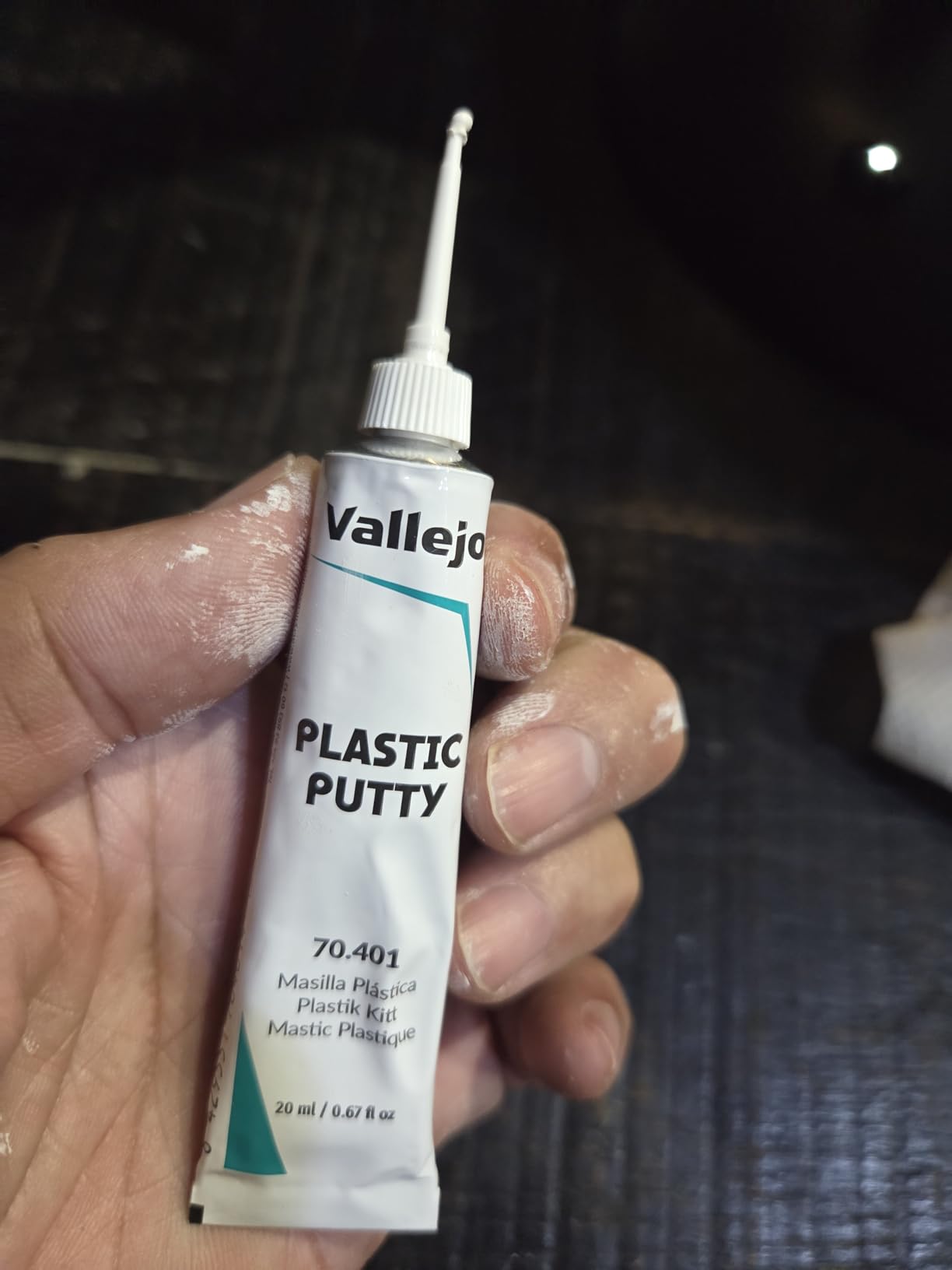
The main trade-off is shrinkage. On larger gaps, you will likely need a second application after the first layer dries and contracts. I have also found that sanding requires ultra-fine paper and a gentle touch, as the dried putty has a slightly rubbery consistency rather than the stone-hard finish some modelers expect.
When Vallejo putty works best
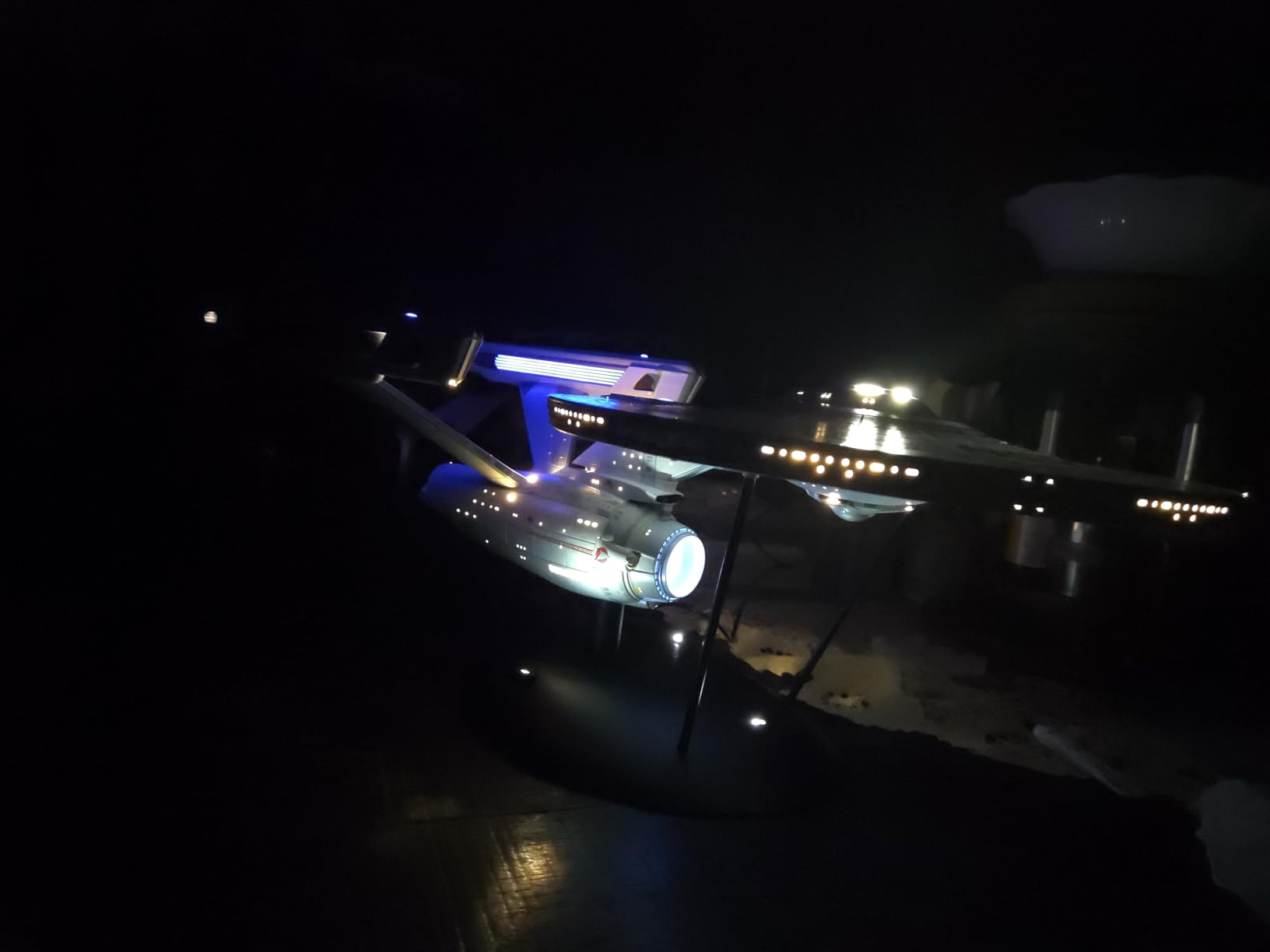
This product shines on small to medium gap filling, seam line cleanup, and surface texturing. It is my first choice for work on resin castings from brands like L’Arsenal where the joint lines between poured resin sections need blending. The water cleanup alone makes it worth keeping in your supplies.
When to look elsewhere
If you are filling structural gaps larger than a few millimeters or need something that sands to a completely hard, paint-ready surface in one pass, a two-part epoxy putty might serve you better. Vallejo putty is designed for fine surface work rather than heavy-duty reconstruction.
8. Eduard Photoetch 1:48 Seatbelts USAF and USN WWII

Eduard Photoetch 1:48 – Seatbelts USAF & USN WWII
Scale: 1:48
Material: Photo etch and resin
Theme: USAF and USN WWII
Assembly: Required
Pros
- Essential cockpit detail
- Highly detailed PE parts
- Accurately accessorizes pilot seat
- Well worth the effort
Cons
- Assembly required with skill needed
Cockpit seatbelts are one of the most overlooked upgrades in aircraft modeling, yet they add an immediate layer of realism that catches the eye the moment someone looks inside your cockpit. This Eduard set provides photo-etched harnesses for both USAAF and US Navy WWII aircraft in 1/48 scale, covering a wide range of builds.
I installed these on a 1/48 P-51 Mustang build and the result was immediately noticeable. The PE belts drape naturally over the seat, with buckles and hardware that look far more convincing than decals or painted-on alternatives. The resin components add depth to the harness attachment points.
Best builds for this set
Any 1/48 WWII American aircraft with an open or visible cockpit benefits from these seatbelts. They are particularly effective on fighters where the cockpit is a focal point of the model, such as P-47s, F4U Corsairs, and P-38s.
Skill level required
You need experience working with photo-etched metal to get good results here. The belts require careful bending to achieve natural draping, and the resin attachment points need precise placement with CA glue. This is not a beginner-friendly product.
9. Trumpeter 1:350 F14B/D Super Tomcat Aircraft Set

Trumpeter 1/350 F14B/D Super Tomcat Aircraft Set for USN Carriers (6-Box)
Scale: 1:350
Pieces: 108
Aircraft per box: 6
Assembly: 8 hours
Pros
- Very solid detail for 1:350
- Clear canopies are excellent
- Accurate F14 representation
- Great for carrier dioramas
Cons
- Delicate parts especially landing gear
- Requires careful handling
- Glue and paint not included
Building a 1/350 aircraft carrier without aircraft on the deck is like building a garage without a car. I picked up this Trumpeter F-14 Tomcat set for my USS Nimitz build and was impressed by the level of detail packed into models smaller than my thumb. The clear canopy parts are a particular highlight, offering a convincing transparency that brings each aircraft to life.
The set gives you six Tomcats, each requiring assembly from 18 pieces. That is 108 parts total, which translates to roughly eight hours of careful assembly work. The landing gear struts are extremely delicate, so I recommend building these over a tray to catch any pieces that slip from your tweezers.
Ideal for these projects
Any 1/350 US Navy carrier diorama benefits from these aircraft. They are scaled correctly for Trumpeter and Tamiya carrier decks and add visual interest to what would otherwise be a flat, empty flight deck. Pair them with deck tractors and weapon carts for a complete airwing scene.
Things to watch out for
The fine parts demand careful handling. I lost one landing gear strut to the carpet monster during my build and had to fabricate a replacement from stretched sprue. Also, the kit is molded in clear plastic, so you will need to prime and paint each aircraft in your chosen squadron colors.
10. Trumpeter 1:350 F/A-18F Super Hornet Aircraft Set

Trumpeter 1/350 F/A18F Super Hornet Aircraft Set for USN Carriers (6-Box)
Scale: 1:350
Aircraft per box: 6
Assembly: 3 hours
Color: Clear
Pros
- Nice detail for 1:350 scale
- Great for carrier airwings
- Good value
- Detailed kit
Cons
- Molded in clear plastic
- Tedious to assemble
- Glue and paint not included
The F/A-18F Super Hornet is the backbone of modern US Navy carrier airwings, and this Trumpeter set lets you populate your 1/350 carrier deck with current-generation strike fighters. I paired these with the F-14 set on my Enterprise build to create a mixed airwing spanning different eras of naval aviation.
Assembly is faster than the Tomcat set at roughly three hours for all six aircraft. The parts count per aircraft is lower, which makes the build more approachable for intermediate modelers. The trade-off is slightly less detail in the smaller components like wing stores and exhaust nozzles.
Best pairing opportunities
Combine this set with the Trumpeter F-14s for a USS Enterprise airwing, or use them alongside deck accessories and tow tractors for a full carrier diorama scene. They also work well in groups of six to represent a single squadron on the flight deck.
Limitations to note
Like the Tomcat set, these are molded in clear plastic rather than gray. This means every aircraft needs priming before you can apply squadron colors. Some modelers prefer pre-colored kits, but the clear molding does allow for realistic canopy transparency without additional work.
11. Tamiya Japanese Naval Aircraft Model Kit

Tamiya Models Japanese Naval Aircraft Model Kit
Scale: 1/700
Aircraft: 32 planes of 5 types
Includes: Decals
Theme: Japanese WWII
Pros
- Detailed miniature planes
- Includes 32 planes
- Decals for markings
- Great for 1/700 ship dioramas
Cons
- Very small size
- Decals can be problematic
- Not suitable for beginners
For modelers working in 1/700 scale, finding quality aircraft to populate carrier decks can be surprisingly difficult. This Tamiya set solves that problem with 32 aircraft across five different types, covering the mainstay planes of the Imperial Japanese Navy during WWII. Each plane is smaller than a dime, which tells you everything about the scale challenge involved.
I used these on a 1/700 Akagi build and they brought the flight deck to life. The molding is clean with recognizable silhouettes for Zero fighters, Val dive bombers, and Kate torpedo planes. The included decals for national markings are a nice touch, though I found them tricky to apply at this tiny scale.
Where this set excels
Waterline ship modelers and wargamers working in 1/700 scale will find this set indispensable. Thirty-two aircraft is enough to populate several carrier decks, making it a great value for anyone building a Pacific fleet. The variety of aircraft types also allows for historically accurate airwing compositions.
Challenges to expect
The sheer size of these aircraft means you need sharp tweezers, good lighting, and steady hands. The red hinomaru decals are essentially tiny dots printed on paper, and some modelers have reported quality control issues with them. Consider painting the markings by hand if you have the skill.
12. Tamiya F-14A Tomcat Detail Up Parts 1/48 Scale

Tamiya 12693 F-14A Tomcat Detail Up Parts 1/48 Scale
Scale: 1:48
Includes: PE parts, pitot tube, seatbelts
Material: Metal and stainless steel
For: F-14A and F-14D
Pros
- High quality metal PE parts
- Includes both F-14A and F-14D belts
- Stainless steel pitot tube
- Significantly improves model appearance
Cons
- Etching parts difficult to handle
- Requires advanced skills
- Not for beginners
If you are building the Tamiya 1/48 F-14 Tomcat, this detail-up set is almost mandatory. I added it to my F-14A build and the stainless steel pitot tube alone justified the purchase. The metal probe is perfectly straight with a needle-sharp tip that no plastic part could ever replicate. It transforms the nose profile of the model.
The photo-etched fret includes cockpit details, antenna plates, and air intake screens. You also get seatbelts for both the F-14A and F-14D variants, which means this single set covers either version of the Tomcat you might be building. The etching quality is crisp with clean, burr-free edges.
Who this is built for
Advanced modelers who are comfortable working with photo-etched metal will love this set. It addresses the key areas where the base kit falls short: cockpit detail, nose probe accuracy, and vent grilles. The inclusion of both variant seatbelts is a smart touch from Tamiya.
Beginner warning
Several reviewers specifically mention that this is not a beginner product. The PE parts require bending, folding, and precise gluing with CA adhesive. If you have never worked with photo-etch before, practice on cheaper sets before committing to this one on a Tomcat build.
13. stedi Hobby Model Polishing Tools 4 PCS
stedi Hobby Model Polishing Tools 4 PCS, Ultimate Precision Files
Material: Tempered glass
Grit: 10000
Pieces: 4 files
Features: Washable and reusable
Pros
- Achieves mirror finish
- Washable and reusable
- Great price for quality
- Multiple shapes
- Durable and long-lasting
Cons
- Grit sides hard to distinguish
- Can cause scratches if not cleaned
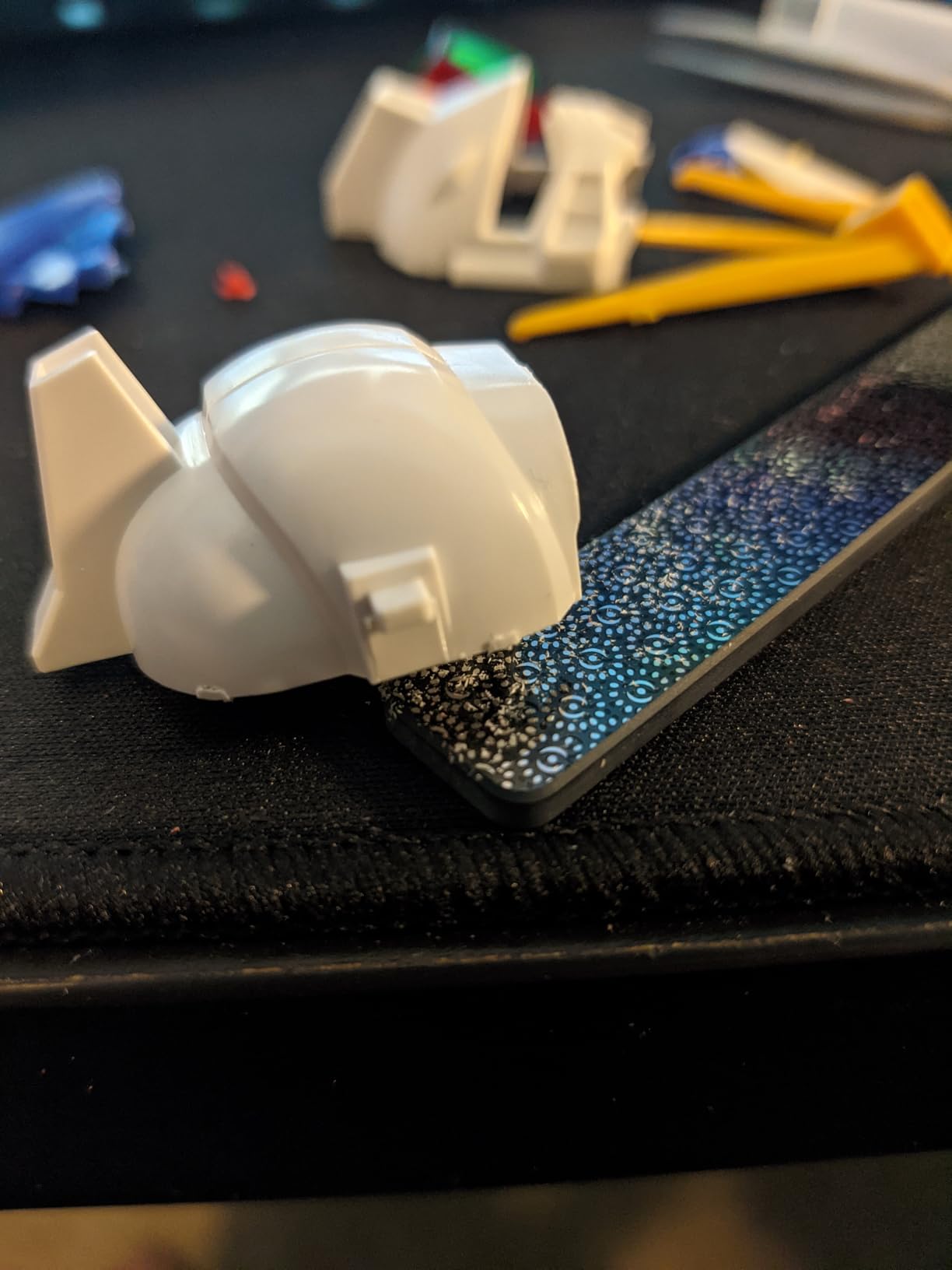
Resin parts from manufacturers like L’Arsenal often need surface finishing before paint application, and these stedi glass polishing files have become my absolute favorite tool for that job. The 10,000 grit tempered glass surface achieves a near-mirror finish on plastic, resin, and even 3D-printed parts. With over 1,400 reviews at 4.7 stars, I am clearly not the only one who considers these essential.
The set includes four files in different shapes: flat, half-round, round, and triangular. This variety covers virtually every contour you will encounter on resin parts, from flat deck surfaces to curved gun barrels and recessed detail areas. Each file comes in its own protective case, which is a thoughtful touch that keeps the working surfaces clean between uses.
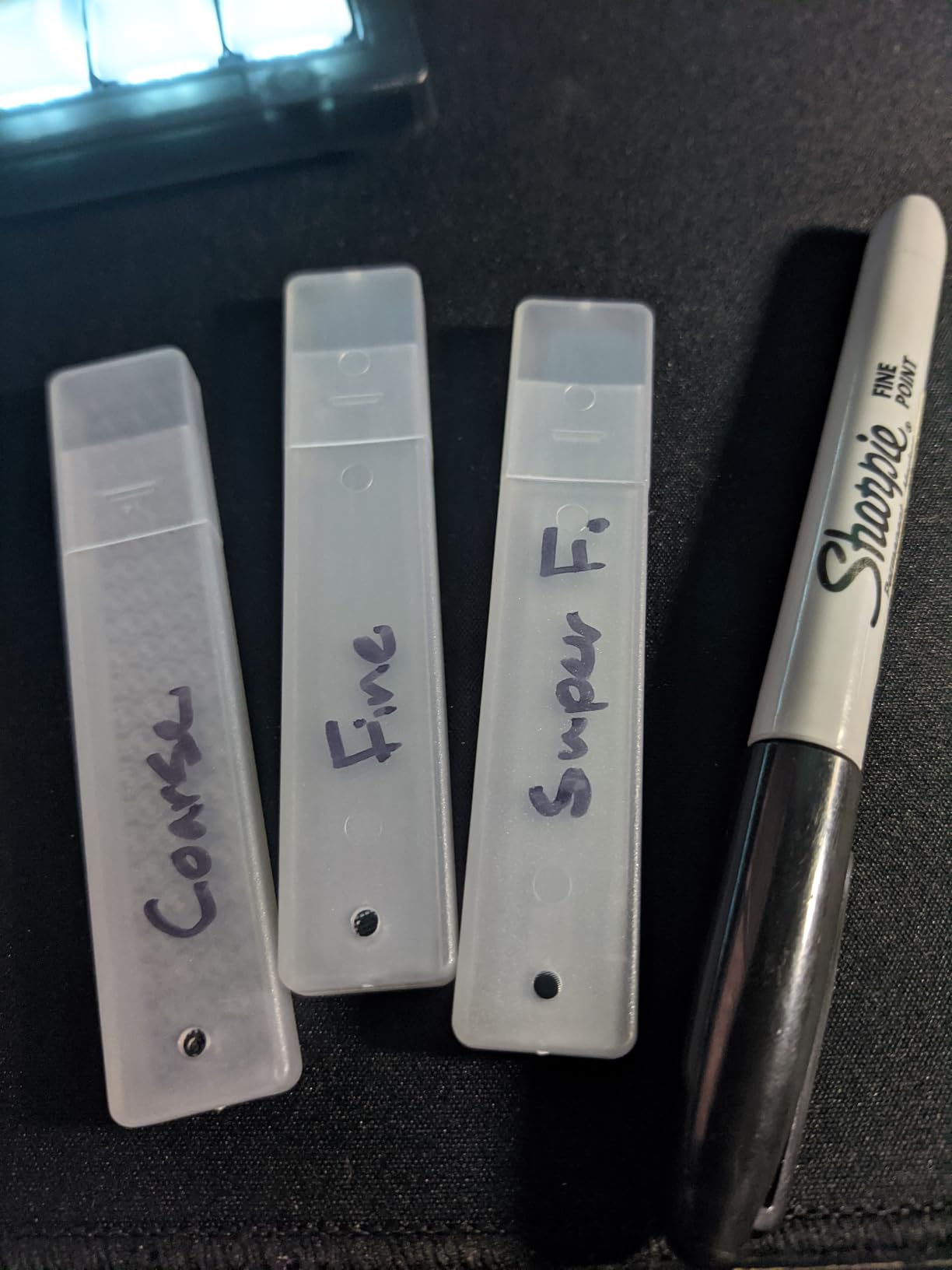
What sets these apart from traditional sandpaper is longevity. I have been using the same set for over six months on multiple builds, and they perform just as well after a simple wash. The glass surface does not wear down like abrasive paper, and the fine grit level means you can polish resin surfaces smooth without losing detail definition on raised features.
Why these earned our top pick
Every resin modeler needs finishing tools, and these deliver professional results at a fraction of what you would spend replacing sandpaper over time. They work wet or dry, clean up with water, and the 10,000 grit is fine enough to prepare surfaces for paint without any visible scratching. For anyone working with aftermarket resin parts, this is a must-have addition to your bench.
Care and maintenance tips
Keep the files clean by washing them after each session. Resin dust can build up on the glass surface and cause unexpected scratches if left unchecked. I use an old soft-bristled toothbrush to clean the working surface under running water. Also, take time to mark which side is which grit, as they can be hard to distinguish by touch alone.
14. Tamiya Models Oil Drums, Jerry Cans and Buckets

Tamiya Models Oil Drums/Jerry Cans/Buckets
Scale: 1:35
Includes: 6 drums, jerry cans, 4 buckets
Material: Plastic
Theme: Military
Pros
- Great for dioramas
- Excellent detail
- Includes Allied and German versions
- Some battered drums add realism
Cons
- Bucket handles snap easily
- Fragile parts during removal
No military diorama is complete without the everyday equipment that surrounds soldiers and vehicles. This Tamiya set delivers exactly that with six oil drums, German and US jerry cans, and four buckets. I have used this set on at least five different 1/35 diorama builds, and it remains one of the most versatile accessory packs available.
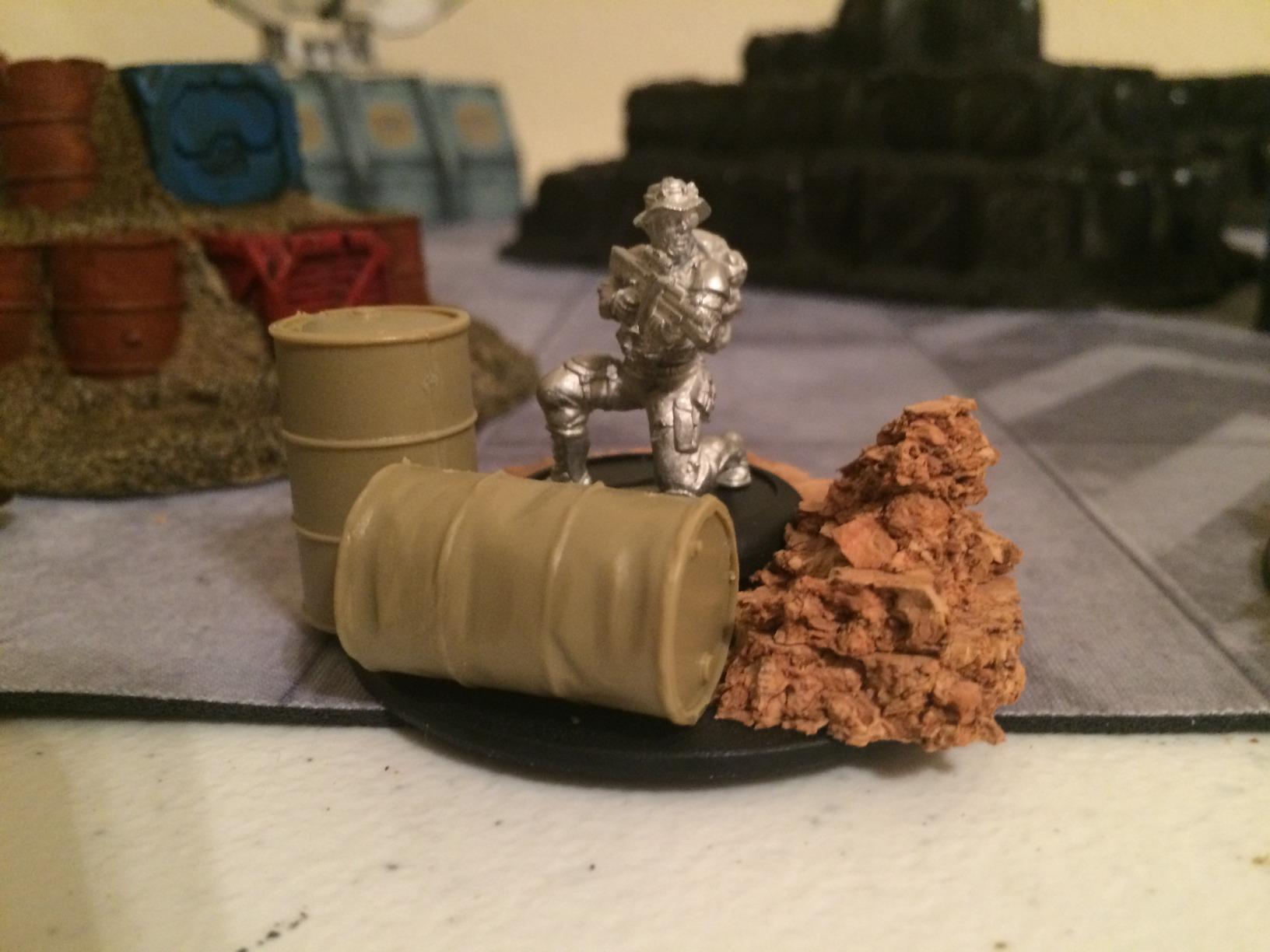
The attention to detail is what you expect from Tamiya. Three of the oil drums come in pristine condition while three show dents and wear, giving you the option to create a battle-worn scene or a fresh supply depot. The jerry cans include both the German-style flat-sided and US-style corrugated versions, expanding your historical accuracy options.
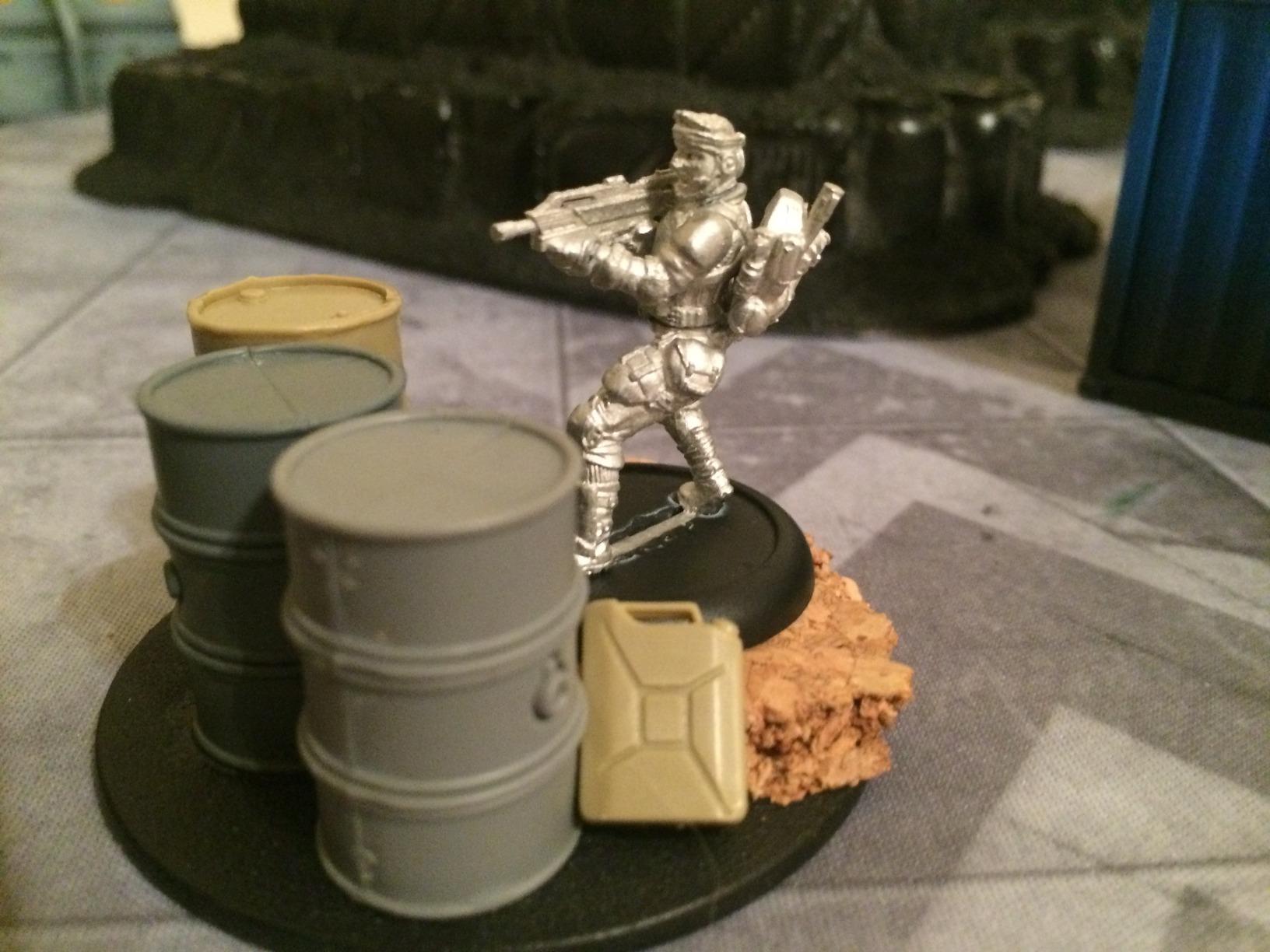
With 952 reviews at 4.4 stars, this set has proven itself across the modeling community. The combination of Allied and German equipment in one box means you can dress up vehicles from either side of the conflict without buying separate accessory sets.
Best diorama applications
Stack the oil drums near vehicle repair scenes, scatter jerry cans around fuel depot setups, or place buckets near field kitchens. The variety in this single set lets you create diverse scenes without buying multiple accessory packs. They also paint up quickly with washes and drybrushing techniques.
Handling precautions
The bucket handles are notoriously fragile when removing parts from the sprue. I recommend using a sharp side cutter rather than twisting parts off the runner. Some modelers also opt to replace the plastic handles with thin wire for added durability and a more realistic appearance.
15. SPALAH 1/350 German Kriegsmarine Sailors 48 pcs

SPALAH 00153 1/350 Set of Figures German Kriegsmarine Sailors 48 pcs 3D Printed kit Scale Model/Replica
Scale: 1/350
Material: 3D printed resin
Pieces: 48
Theme: German Kriegsmarine
Pros
- 100 percent 5-star rating
- Adds detail to 1/350 ships
- Good alternative to expensive figure sets
Cons
- Only 1 review available
- Limited feedback so far
The world of 3D-printed resin figures for ship models has grown rapidly, and SPALAH is one of the newer players bringing affordable figures to market. This set of 48 German Kriegsmarine sailors is designed for 1/350 scale ship models and represents a fresh alternative to traditional injection-molded figures. Being 3D printed, the figures have genuine three-dimensional depth that flat plastic figures lack.
At this point, the product only has one review, but it is a perfect 5-star rating. The figures are produced in Ukraine, which has become a hub for high-quality 3D-printed model accessories. Based on similar products from the region, the level of detail should be competitive with resin aftermarket figures at a more accessible price point.
Who should consider this set
Modelers building Kriegsmarine vessels like the Bismarck, Tirpitz, or Scharnhorst in 1/350 scale will find these figures particularly appealing. The 48-piece count provides enough sailors to populate even a large battleship model with crew figures at various duty stations across the deck and superstructure.
Caveats for early adopters
With only one review available, this is still an unproven product in terms of long-term community feedback. I would recommend checking the latest reviews before purchasing to see if more modelers have weighed in on casting quality, pose variety, and scale accuracy. The brand is listed as “Generic” on some listings, so search carefully to find the correct product.
Buying Guide: Choosing the Right Resin and Aftermarket Parts
Choosing the right aftermarket parts for your scale model project comes down to a few key factors: scale compatibility, material type, skill level, and the specific look you want to achieve. Here is what I consider before buying any resin or aftermarket upgrade.
Scale compatibility is everything
The most important factor is matching the scale of your aftermarket parts to your base kit. A 1/350 figure set will look absurdly tiny on a 1/35 vehicle, and vice versa. Before ordering, confirm the scale of your base model and only purchase parts that match. The common scales in this guide are 1/350, 1/700, 1/48, and 1/35, each serving different segments of the modeling hobby.
Within the same nominal scale, there can also be slight variations between manufacturers. L’Arsenal parts designed for Tamiya 1/350 kits may need minor adjustments to fit Trumpeter or Hasegawa hulls. Always check product descriptions for compatibility notes from other builders.
Material types and what to expect
Resin parts offer the highest level of detail but require careful handling. They are brittle compared to plastic and can chip or break if dropped. Always wear a mask when sanding resin to avoid inhaling fine dust particles, and work in a well-ventilated area.
Photo-etched metal parts, typically brass or stainless steel, provide ultra-fine details like railings, grilles, and seatbelt harnesses. Stainless steel PE is more forgiving than brass because it springs back into shape after bending. Both types require CA glue and fine tweezers for assembly.
3D-printed resin is the newest material in the aftermarket space. These parts combine the detail of traditional resin casting with the flexibility of digital design, allowing manufacturers to create figures and parts that would be impossible with injection molding or traditional casting methods.
Skill level considerations
Be honest about your experience level when selecting aftermarket parts. Photo-etched sets require advanced skills with tiny metal components. Resin parts need careful cleanup, washing to remove mold release agents, and epoxy or CA glue for assembly. If you are new to aftermarket upgrades, start with simpler additions like wooden deck sheets or pre-painted figure sets before tackling complex PE frets.
Essential tools for resin work
Working with aftermarket resin parts requires a few dedicated tools. A set of fine glass polishing files like the stedi tools we reviewed will handle surface finishing. Sculpting tools are needed for gap filling with products like Vallejo Plastic Putty. Sharp side cutters, a hobby knife with fresh blades, fine-tip tweezers, and CA glue in both thin and gel viscosities round out the basic toolkit. Investing in quality tools makes working with resin parts significantly more enjoyable and produces better results.
Frequently Asked Questions
What is L’Arsenal known for in the modeling community?
L’Arsenal is a French manufacturer recognized for producing some of the finest resin aftermarket parts in the scale modeling world. They specialize in ship, aircraft, and naval figure accessories, particularly in 1/350, 1/400, and 1/700 scales. Hobbyists consistently praise L’Arsenal for rich fine details, crisp resin castings with minimal flash, and photo-etched components that complement their resin products.
Are L’Arsenal resin parts worth the price?
Yes, L’Arsenal resin parts are widely considered worth the investment by experienced modelers. The casting quality is consistently rated among the best in the world, with crisp details, minimal flash, and no voids. While they carry premium pricing compared to basic alternatives, the level of detail they add to ship and aircraft models justifies the cost for serious hobbyists who want competition-level results.
What scales do L’Arsenal parts come in?
L’Arsenal produces aftermarket parts primarily in 1/350, 1/400, 1/700, and 1/800 scales. Their 1/350 scale line is the most extensive, covering ship upgrade sets, anti-aircraft gun mounts, ship’s boats, naval figures, and conversion sets. They also produce 1/400 and 1/700 scale accessories for modelers working with smaller ship kits and naval dioramas.
How do I work with resin aftermarket parts safely?
Always wear a dust mask or respirator when sanding or cutting resin parts to avoid inhaling fine particles. Work in a well-ventilated area and clean up dust frequently. Use a wet sanding technique when possible to keep dust down. Resin parts should be washed with warm soapy water before painting to remove mold release agents, and they require CA glue or epoxy rather than standard plastic cement for assembly.
What tools do I need for resin model parts?
Essential tools for working with resin parts include a sharp hobby knife, fine-tooth saw or razor saw, glass polishing files (10,000 grit), fine-tip tweezers, CA glue in thin and gel viscosities, sculpting tools for gap filling, putty like Vallejo Plastic Putty, a dust mask, and side cutters. A pin vise with small drill bits is also useful for creating alignment holes when joining resin components.
Final Thoughts
Finding the best resin parts and aftermarket upgrades for your scale model projects does not have to be a guessing game. Our top pick, the stedi glass polishing tools, is an essential finishing companion for any resin work. The Tamiya 1:350 Battle Model Set delivers outstanding value with 144 crew figures, and the Tamiya Allied Vehicle Accessories set earns its top-rated status with consistent quality across 58 diorama pieces.
Whether you are upgrading a 1/350 warship with metal barrels and photo-etched railings, populating a carrier deck with aircraft, or building a detailed 1/35 military diorama, the right aftermarket parts transform an ordinary build into something special. Invest in quality tools alongside your parts, and your results in 2026 will reflect the effort you put into every detail.