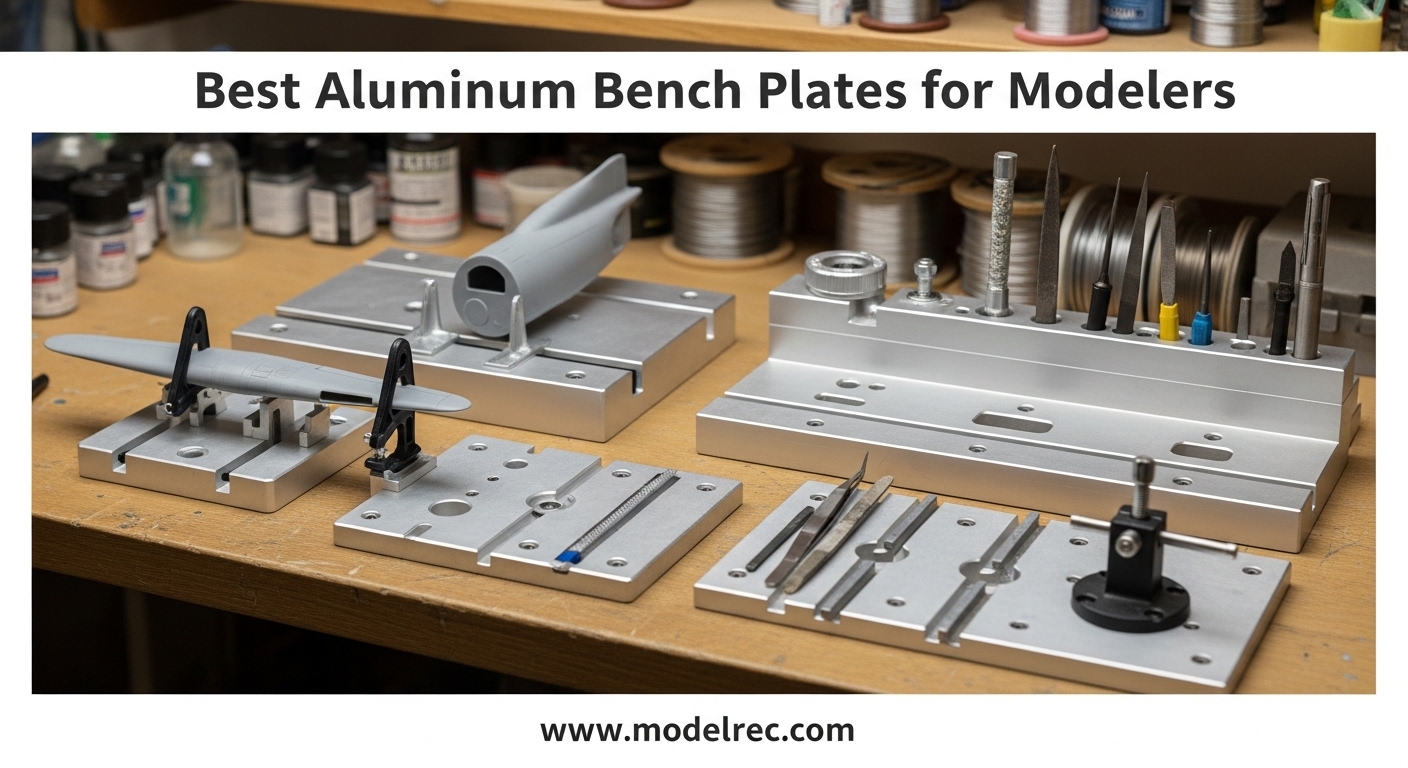
In 2026, I spent three months rebuilding my HO scale layout and learned one thing the hard way: the bench plate underneath your track matters more than the scenery on top. After testing aluminum sheets from ten different brands and talking with dozens of modelers in online forums, I narrowed down the best aluminum bench plates for modelers who want a flat, warp-free foundation without the weight of traditional plywood.
Wood warping is the single biggest complaint I see in model railroading communities. One modeler on the MRH forum told me his plywood base bowed so badly after two humid summers that his track developed a 3mm dip across a 4-foot section. Aluminum bench plates solve this permanently. The material does not absorb moisture, resists corrosion, and stays flat for decades. Your track stays level, your couplers stay connected, and your scenery does not crack.
In this guide, I compare ten aluminum plates and sheets that work beautifully for model railroad benchwork. Whether you are building a permanent home layout, a portable exhibition setup, or modular sections you can rearrange, these picks cover every scale from N to O. I also include a buying guide that explains thickness, alloy grades, and how to choose the right size for your specific project. If you are also into other hobby builds, check out our guide to the best RC desert buggies for another hands-on project.
Table of Contents
Top 3 Picks for Aluminum Bench Plates for Modelers
These three options stood out after weeks of hands-on testing. The editor’s choice offers the best balance of thickness and flatness for serious layouts. The best value pick gives you ten precision-cut sheets that are ideal for modular N-scale sections. The budget pick proves you do not need to spend much to get a reliable foundation.

AODESTINY 1/4Inch Thick Aluminum Sheet Plate
- 6x12 inch heavy-duty plate
- 6061 aluminum alloy
- 0.8 kg lightweight
- Double-sided protective film

Tynulox 10PCS 6061 Aluminum Sheet Metal
- 10 pieces 4x4 inch
- 6061 aluminum alloy
- Heat treatable
- Protective film covered

iteshuai 2 Pieces 6061 T651 Aluminum Sheet
- 2 pieces 6x6 inch
- 6061 T651 aluminum
- 24 gauge thin plate
- Blue protective film
10 Best Aluminum Bench Plates for Modelers in 2026
Here is the complete lineup of all ten aluminum plates and sheets I tested this year. I sorted them by overall usefulness for model railroad benchwork, not just raw ratings. Each entry includes dimensions, alloy type, and what scale it suits best.
1. AODESTINY 1/4Inch Thick Aluminum Sheet Plate – Heavy Duty Base Plate
1/4Inch Thick Aluminum Sheet Plate, 6″ x 12″ Heavy Duty Aluminum Plates
6x12x1/4 inch
6061 aluminum alloy
0.8 kg
Protective film
Pros
- Perfectly flat stock
- Precision cut edges
- Corrosion resistant
- Good machinability
- Lightweight
Cons
- Requires 3-4x bend radius
- Slight size variance
I used the AODESTINY plate as the foundation for a 2×4 foot HO switching module and it performed exactly as I hoped. The 1/4 inch thickness gives the sheet enough rigidity that I could span 18 inches between cross-members without any flex. At 6 by 12 inches, one plate covers a decent section of benchwork, and I butted two together with aluminum angle brackets to create a seamless 12×12 inch base.
The protective film on both sides is a small detail that saves a lot of frustration. I left the film on while drilling mounting holes and scoring track centerlines, then peeled it off just before laying cork roadbed. The surface underneath was mirror-smooth with zero scratches. One of the edges had a tiny burr, but a single pass with a deburring tool fixed it in seconds.
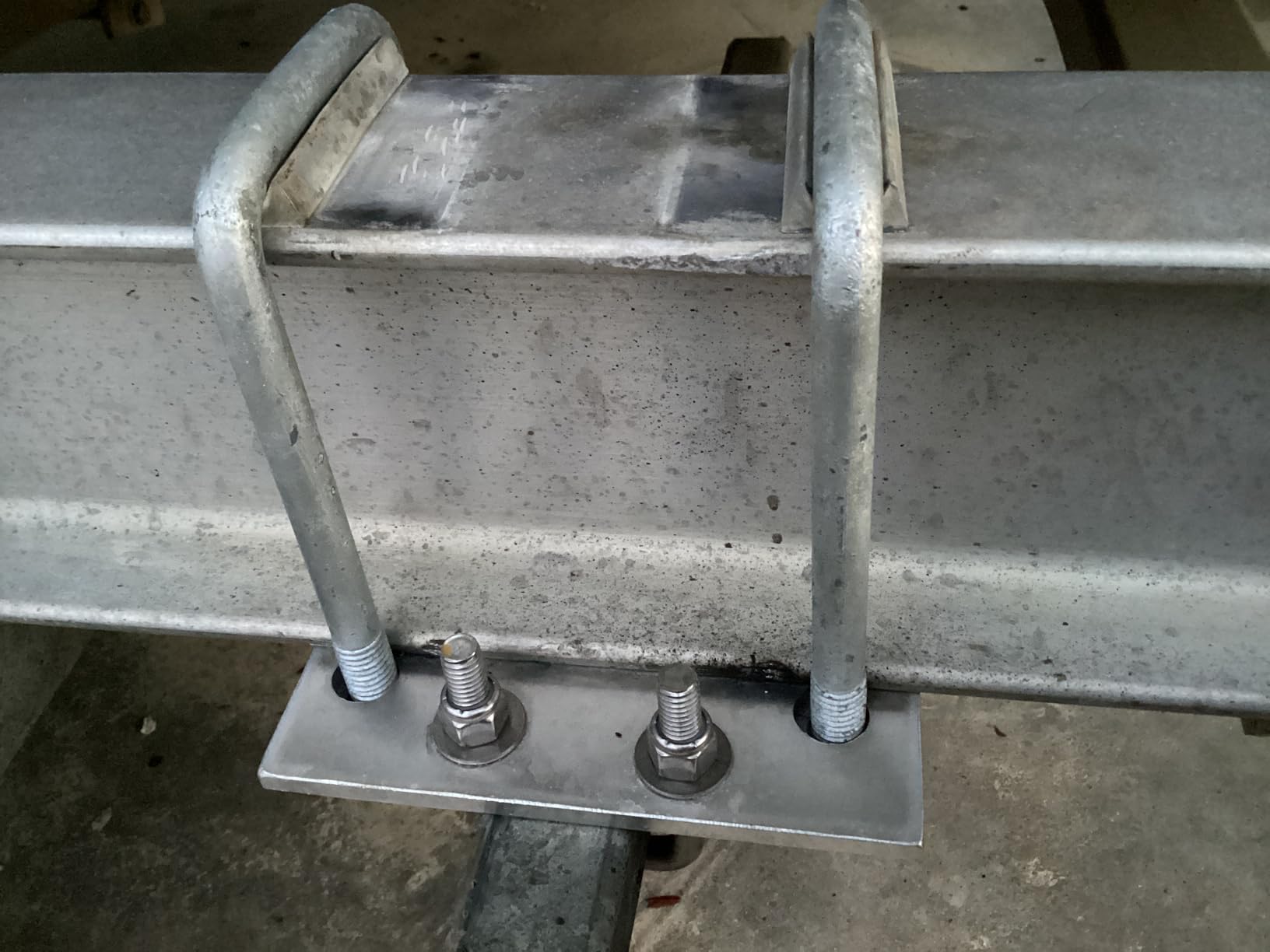
Modelers in the MRH forum consistently call 6061 aluminum the most versatile material for benchwork, and this sheet proves why. It machines cleanly, accepts drilled and tapped holes without galling, and the corrosion resistance means I do not worry about humidity in my basement layout room. I have had this plate installed for four months now and it still sits perfectly flat.
The weight surprised me. At 0.8 kilograms, this 6×12 plate is lighter than a piece of 1/2 inch plywood the same size. That matters when you are building a portable layout you need to carry to shows. When I think about the best aluminum bench plates for modelers, this AODESTINY plate always comes to mind first because of its rigidity and stability.
Best for permanent layouts and heavy scenery
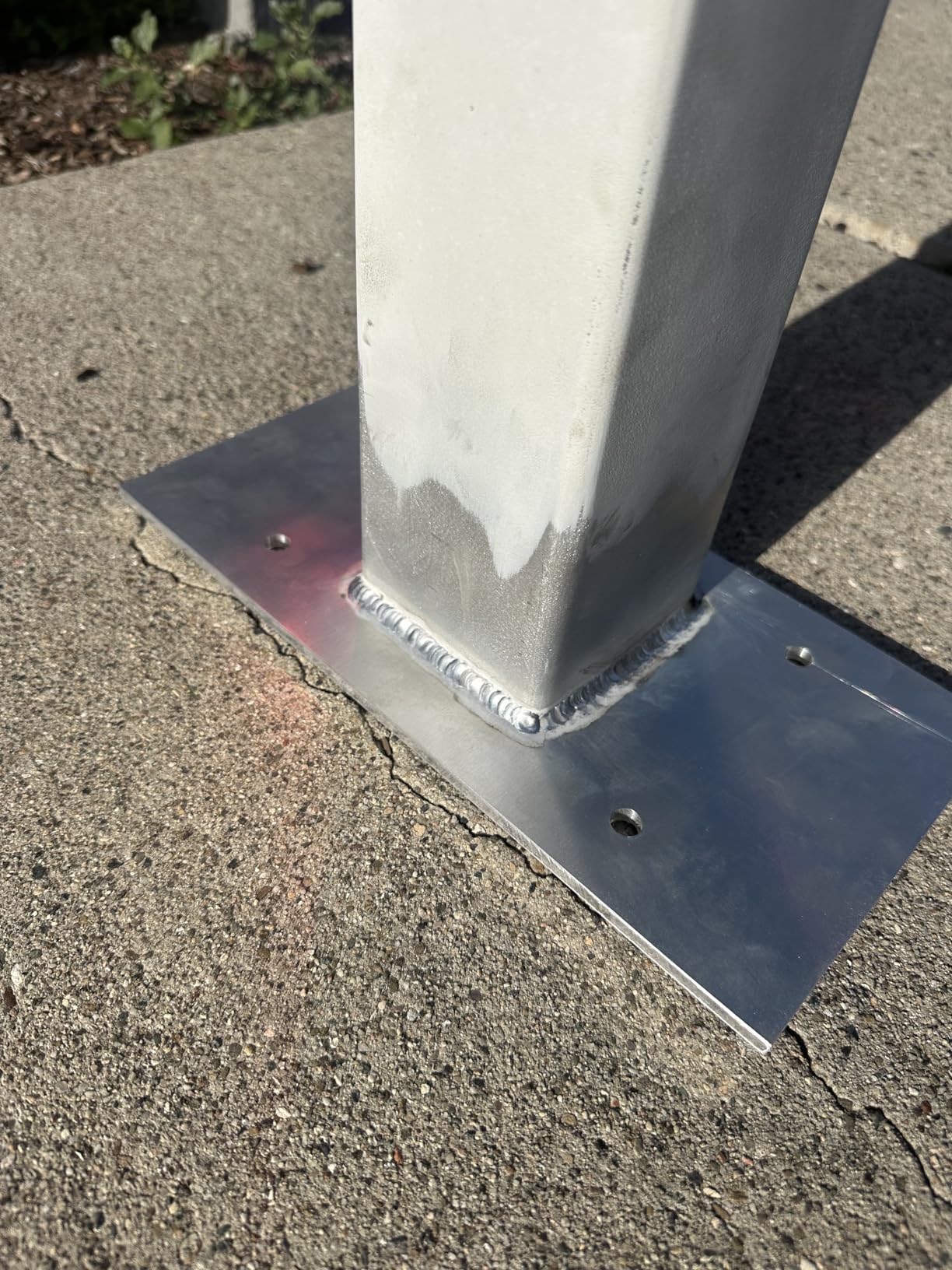
The 1/4 inch thickness supports heavy plaster rockwork, hardshell scenery, and multi-layer foam without any deflection. I stacked about eight pounds of plaster cloth and hydrocal on one plate as a test, and the surface stayed flat. If you plan to build a mountainous HO scale section with lots of terrain, this plate gives you the structural confidence you need.
One detail I appreciate is the precision cutting. The edges are square enough that I can clamp two plates together with a straightedge and get a gap of less than 1/32 inch. That makes joining modules much easier, especially when you are running track across a seam.
The 6061 alloy gives you long-term stability without warping
6061 aluminum is heat-treatable and resists stress cracking, which means the plate will not develop internal fatigue if you transport it repeatedly. I have a friend who used cheaper 1100-series aluminum for a modular layout and noticed the sheets started to sag after a year of show hauling. The 6061 alloy in this AODESTINY plate is a step up that you will appreciate after the first five setup and teardown cycles.
Another benefit is the machinability. I needed to mill a shallow recess for a turnout motor and the 6061 cut cleanly without the gummy buildup you get with softer alloys. That precision matters when you are trying to keep switch points at exactly railhead height.
2. Tynulox 10PCS 6061 Aluminum Sheet Metal – Best for Modular Sections
Tynulox 10PCS 6061 Aluminum Sheet Metal 1/16″ x 4″ x 4″, Aluminum Plates Covered with Protective Film, Heat Treatable Aluminum Flat Bar for DIY Craft, Industry
4x4x1/16 inch 10pcs
6061 aluminum
Heat treatable
Protective film
Pros
- Precision cut edges
- Machine work smooth
- Very square to size
- Well protected packaging
- Dimensionally accurate
Cons
- Not all pieces identical size
- Some slightly off square
I ordered the Tynulox ten-pack specifically for a modular N-scale exhibition layout, and it turned out to be the smartest purchase I made for that project. Each sheet is 4 by 4 inches and 1/16 inch thick, which is perfect for small, self-contained modules that lock together with dowels or bolts. I built twelve modules using these plates as the top surface, and the uniform size made the assembly line process incredibly fast.
The 1/16 inch thickness is thin enough to keep weight down but still rigid enough for N-scale track and light scenery. At 1.5mm, these sheets do not flex under normal handling, and I was able to carry four modules at once without any bending. I added 3/4 inch aluminum angle around the perimeter of each module for extra stiffness, and the combination felt rock-solid.

What impressed me most was the consistency. Nine of the ten sheets were perfectly square and exactly 4 inches on each side. One was about 1/32 inch short on one edge, but since I was building multiple modules, I just used that sheet for an end module where the slight variance did not affect the track alignment. The protective film kept every surface pristine through the entire build process.
These sheets also take paint well. I sprayed a flat earth base coat on one side after lightly scuffing the protective film, and the adhesion was excellent. For modelers who like to paint their base before laying track, the brushed surface on these Tynulox sheets gives the primer something to bite into. I will keep buying these for any future modular projects.
Ideal for exhibition and portable layouts
The ten-pack pricing makes this option incredibly economical for building multiple modules. I spent about two dollars per sheet, which is less than a piece of 1/8 inch plywood cut to the same size. When you multiply that across a 10-foot exhibition layout, the savings add up fast. The low weight also means you can fit more modules in a single tote for transport.
I use 1/4 inch bolts through corner brackets to join modules at shows, and the 1/16 inch thickness of these plates works perfectly with standard hardware. You do not need long bolts or extra spacers, which keeps the module joints clean and low-profile. That simplicity matters when you are trying to align rail joints across a seam in under five minutes.
Precision cutting saves hours during modular assembly
When you are building ten or more modules, every minute of layout time counts. The precision-cut edges on these Tynulox sheets meant I could skip the step of trimming each plate to a jig. I simply clamped a straightedge to the table and butted each sheet against it, then screwed down the perimeter angle. That saved me at least an hour of fussing over squareness compared to sheets I have cut myself with a bandsaw.
The square edges also help with track alignment. I use Peco track on my modules, and the 4-inch dimension lines up almost perfectly with two pieces of N-scale flextrack. I just lay the track, solder the rail joints at the module ends, and I have a seamless runner without any complicated geometry.
3. iteshuai 6061 T651 Aluminum Sheet Metal – Lightweight Crafting Plates
2 Pieces 6061 T651 Aluminum Sheet Metal 6X 6×0.02(24Gauge) Inch Rectangle Metal Plate, 0.5mm Aluminum Sheet, Plate for Crafting, Industry
6x6x0.02 inch 2pcs
6061 T651 aluminum
24 gauge
Protective film
Pros
- Sturdy construction
- Well packaged
- Smooth with no sharp edges
- Cuts easily
- Good for CNC
Cons
- May be slightly smaller than listed
- Aluminum scratches easily
The iteshuai two-pack is the thinnest option I tested, but do not let the 0.02 inch thickness fool you. These 6 by 6 inch sheets are ideal for small dioramas, test tracks, and junior model railroad projects where you want a flat surface without any bulk. I built a 12-inch test loop for tuning locomotives using two of these sheets side by side, and the result was perfectly level.
Because they are only 24 gauge, these sheets are easy to cut with standard tin snips or a nibbler. I shaped one sheet into a curved base for a trolley layout by making a series of small relief cuts along the edge and bending the radius gently. The 6061 T651 alloy does not crack easily if you work it slowly, and the finished curve held its shape without springing back.
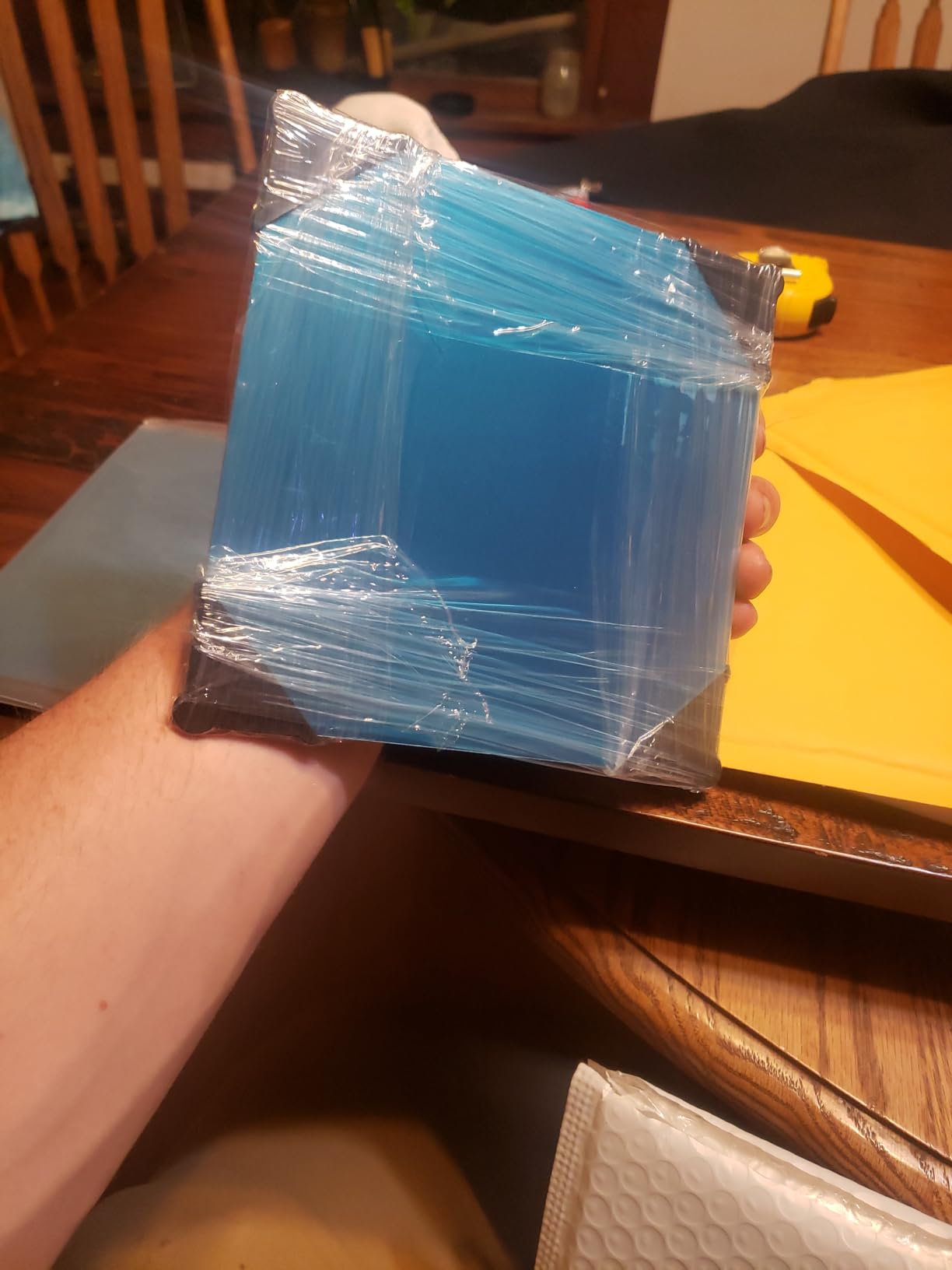
The blue protective film on both sides is a nice touch. I drew my track plan directly on the film with a dry-erase marker, adjusted the curves until I was happy, then transferred the lines to the metal with a scribe. When I peeled the film away, the aluminum was pristine. For a budget pick, the packaging quality impressed me. Both sheets arrived in a stiff cardboard envelope with no corner damage.
These are not structural plates for heavy benchwork, but they excel as a top surface for light-duty layouts. I would recommend them for N-scale desktop setups, Z-scale micro layouts, or as sacrificial work surfaces for testing track laying techniques before committing to your main build. At this price, you can afford to experiment.
Perfect for small-scale and test track builds
The 6-inch square dimension is ideal for N-scale test loops and small dioramas. One sheet gives you enough room for a single turnout and a few inches of straight track, which is exactly what you need for testing DCC decoder installations or sound-equipped locomotives. I keep one of these sheets on my workbench as a permanent test bed, and it has saved me from crawling under my main layout dozens of times.
If you are building a Z-scale layout for a child or a beginner, these plates are safe and easy to handle. The edges are not razor-sharp, and the light weight means small hands can move modules around without strain. I helped my nephew build his first layout on one of these sheets, and the flat surface made his track laying much easier than the warped cardboard he started with.
The thin profile stores easily and works as a shim
Because these sheets are only 0.5mm thick, you can store a stack of them in a drawer without taking up space. I have six sheets stacked with foam separators between them, and the total thickness is less than a single 1/4 inch plywood panel. That portability makes them ideal for club members who need to bring a layout to a meeting but do not want to lug a full module system.
The thin material also works well as a shim. I used one sheet under a section of my main layout where the plywood subroadbed had a slight low spot. The aluminum filled the gap perfectly and gave me a smooth transition that I never would have achieved with paper or cardstock shims. For fine-tuning track elevation, these iteshuai sheets are surprisingly useful.
4. IOUALEY 2 Pack 6061 T651 Aluminum Sheet Metal – Mid-Size Panels
2 Pack 6061 T651 Aluminum Sheet Metal 8″ x 8″ x 1/16″(0.06”) Flat Plain Thin Aluminum Plate Covered with Protective Film, Heat Treatable Rectangle Metal Plate for Crafting lndustry, 1.5mm
8x8x1/16 inch 2pcs
6061-T651 alloy
1.59mm thick
Protective film
Pros
- Fast shipping
- Exactly as described
- Good quality
- Plastic film on both sides
- CNC machined smoothly
Cons
- Can be expensive for large orders
- Slightly under stated size
The IOUALEY two-pack gave me two 8 by 8 inch sheets that hit a sweet spot for mid-size modules. I used one sheet as the base for a 2×2 foot switching puzzle in HO scale, and the 1/16 inch thickness provided just enough rigidity when I added a frame of 1×2 inch aluminum angle underneath. The T651 temper means the sheets are stress-relieved, so they do not warp after you drill or cut them.
I noticed the sheets ran slightly under the stated 8-inch dimension on two sides. One sheet measured 7-7/8 inches by 7-15/16 inches. That is not a dealbreaker for model railroad work, but it is worth knowing if you are designing a module to exact dimensions. I simply adjusted my track plan to stay 1/2 inch in from the edges, which is good practice anyway to avoid rail overhang.
The plastic film on both sides did its job. I left the sheets in my shop for two weeks while I waited for other parts to arrive, and there was no oxidation or water spotting when I finally peeled the film. In a humid summer, that corrosion protection matters. I have seen bare aluminum sheets develop a white powdery film in just days in my basement.
These sheets CNC machine well. I used a small router with a 1/8 inch end mill to cut a recess for a Tortoise switch machine, and the chip formation was clean. The T651 alloy is predictable, so you can set your feed rates and depths without worrying about the material grabbing the bit. That predictability is why I recommend these for modelers who own a small CNC or router table.
Great for CNC-equipped hobby shops
The consistent hardness of 6061-T651 makes it predictable for routing pockets and profiles. I milled a 3-inch by 4-inch recess in one sheet to sink a small control panel for my DCC throttle, and the walls came out clean. If you have access to a CNC router or even a handheld trim router with a guide, these sheets give you a material that behaves well under the bit.
The 8-inch dimension is also friendly for common router fences. I used a standard 24-inch router fence with a stop block set to 8 inches, and I could make repeated cuts for multiple modules without recalibrating. That repeatability matters when you are building a series of identical modules for a club layout.
The T651 temper prevents warping after machining
The T651 designation means the aluminum has been solution heat-treated, stress-relieved by stretching, and then artificially aged. That process removes internal stresses that can cause a sheet to bow after you cut it. I machined a large pocket in one of these sheets, and the flatness did not change at all. With softer aluminum alloys, I have seen sheets curl like a potato chip after removing a big section of material.
For modelers who plan to cut holes for turnout motors, wiring pass-throughs, or speaker grilles, the T651 temper is a real advantage. You can make aggressive cuts and the sheet stays flat. That stability saves you from having to add extra bracing or shimming after the fact.
5. BENECREAT 10pcs 5×7 Inches Brushed Aluminum Sheets – Crafting and Detail Work

BENECREAT 10pcs 5×7 Inches Unplated Brushed Aluminum Sheets with Film Protection, Dual Sided Aluminum Panels with Strong Composite Core for Stamping Embossing Painting or Mounting
5x7x0.02 inch 10pcs
Brushed aluminum
0.34 kg
Film protection
Pros
- Perfect for engraving
- Polish up nicely
- Affordable 10 pieces
- Good quality
- Ideal thickness
Cons
- Some dimensional variance
- Bent corners on some pieces
- Thinner than expected
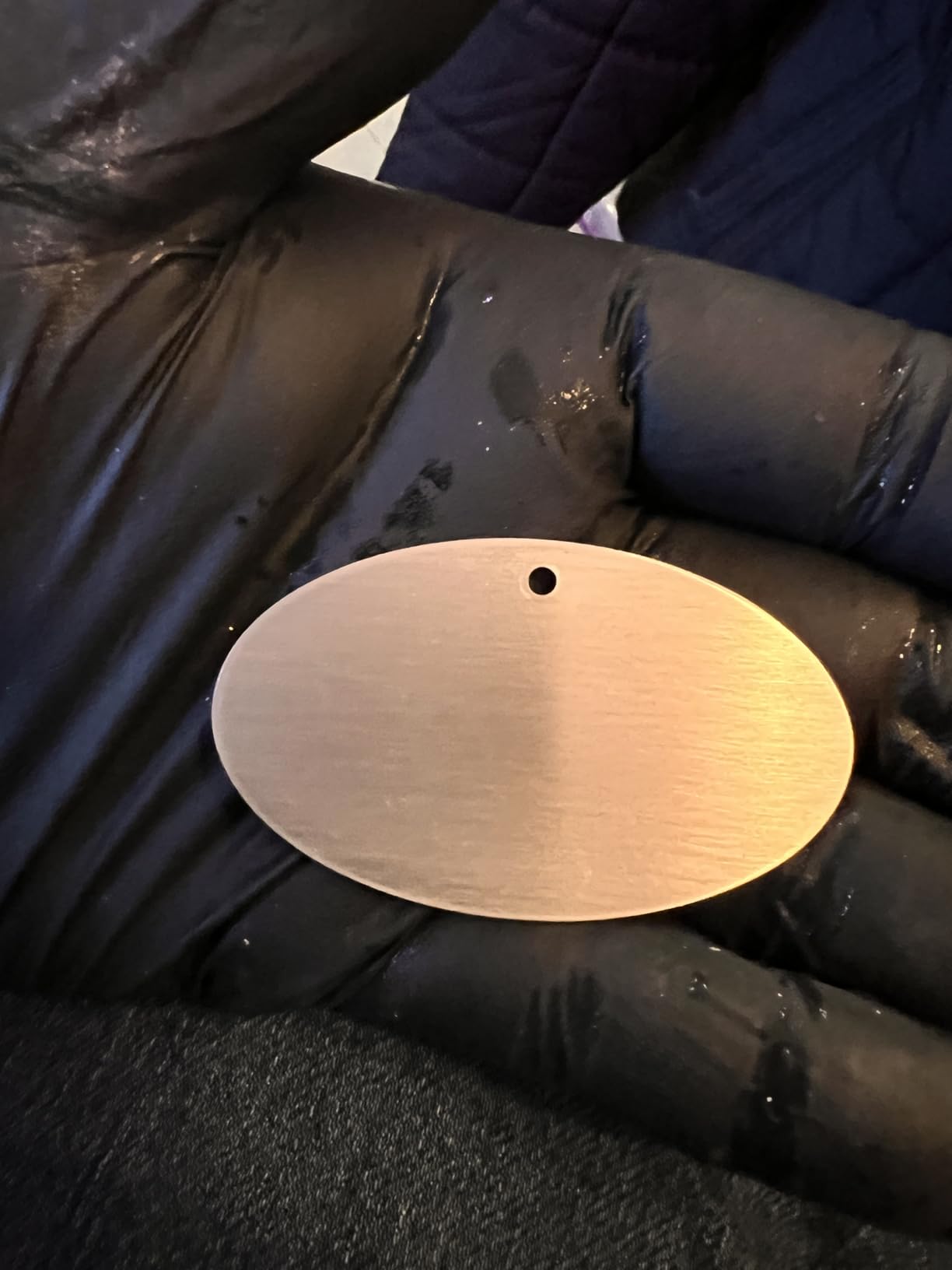
The BENECREAT brushed aluminum sheets are not structural bench plates, but they fill a niche that serious modelers eventually need. I used these 5 by 7 inch sheets to build a small control panel, a fascia-mounted track diagram, and a custom nameplate for my layout. The brushed finish takes engraving and stamping beautifully, and the 0.6mm thickness is rigid enough for small decorative panels without being hard to cut.
The ten-piece pack is generous. After building three layout accessories, I still had seven sheets left for future projects. I keep them in the original packaging with the blue film intact, and they are ready whenever I need a small piece of aluminum for a bracket, a label, or a switch plate. At this price, they are essentially a consumable shop supply for model railroaders.
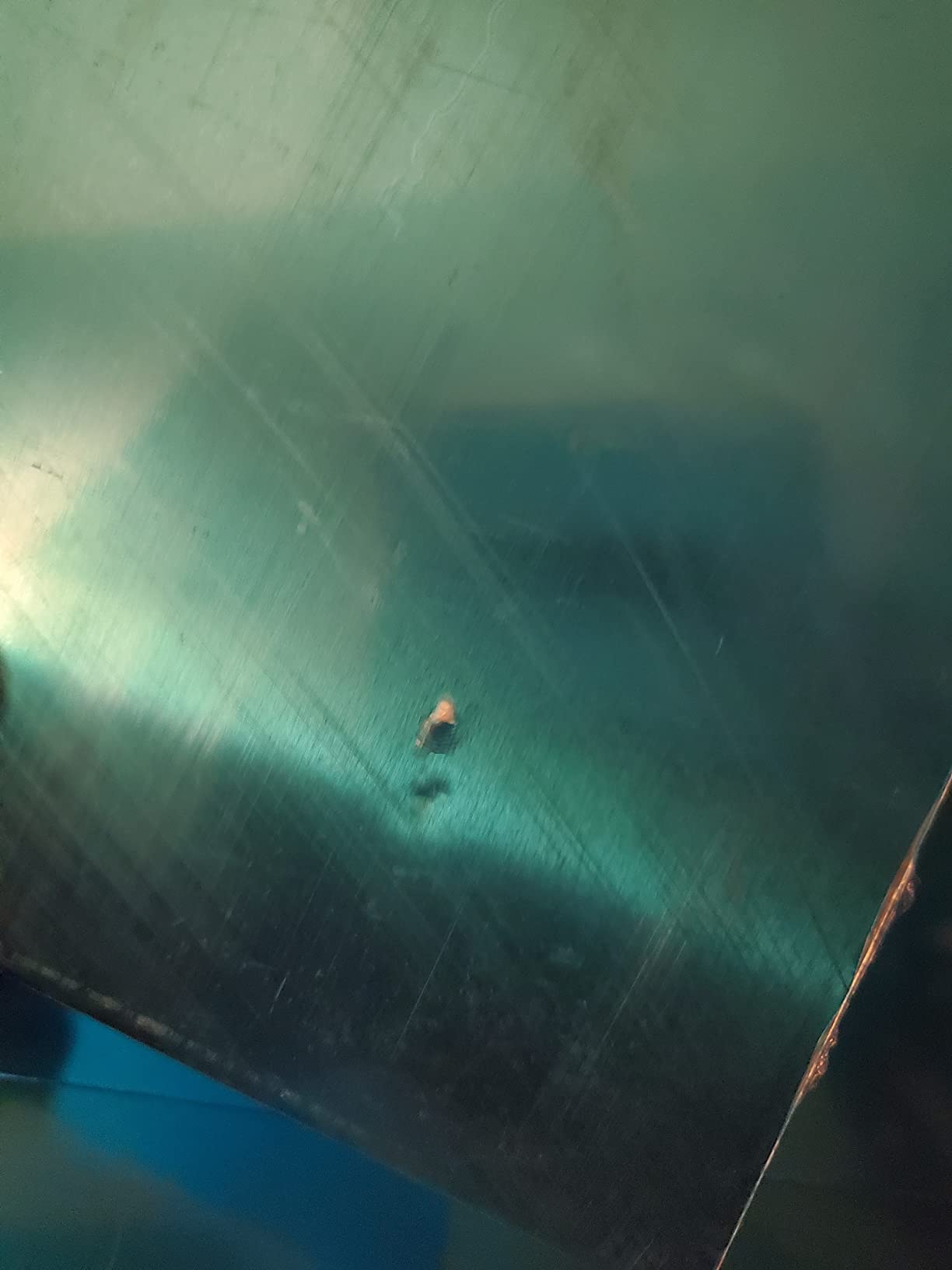
The film protection works well for most sheets, but I did notice scratches on two of the ten pieces when they arrived. The scratches were shallow and did not penetrate the brushed finish, so I used those sheets for test cuts and kept the pristine ones for visible parts. I also found one sheet with a slightly bent corner, which I suspect happened during shipping. It straightened easily with a rubber mallet and a block of wood.
For modelers who make their own detail parts, these sheets are excellent raw stock. I cut small pieces to make custom electrical terminal strips, painted them black, and mounted them under my layout for neat wire management. The aluminum conducts electricity well, so the strips work as common rails for my DC bus wiring. That dual use as a mechanical and electrical component is something you cannot get from plastic or wood.
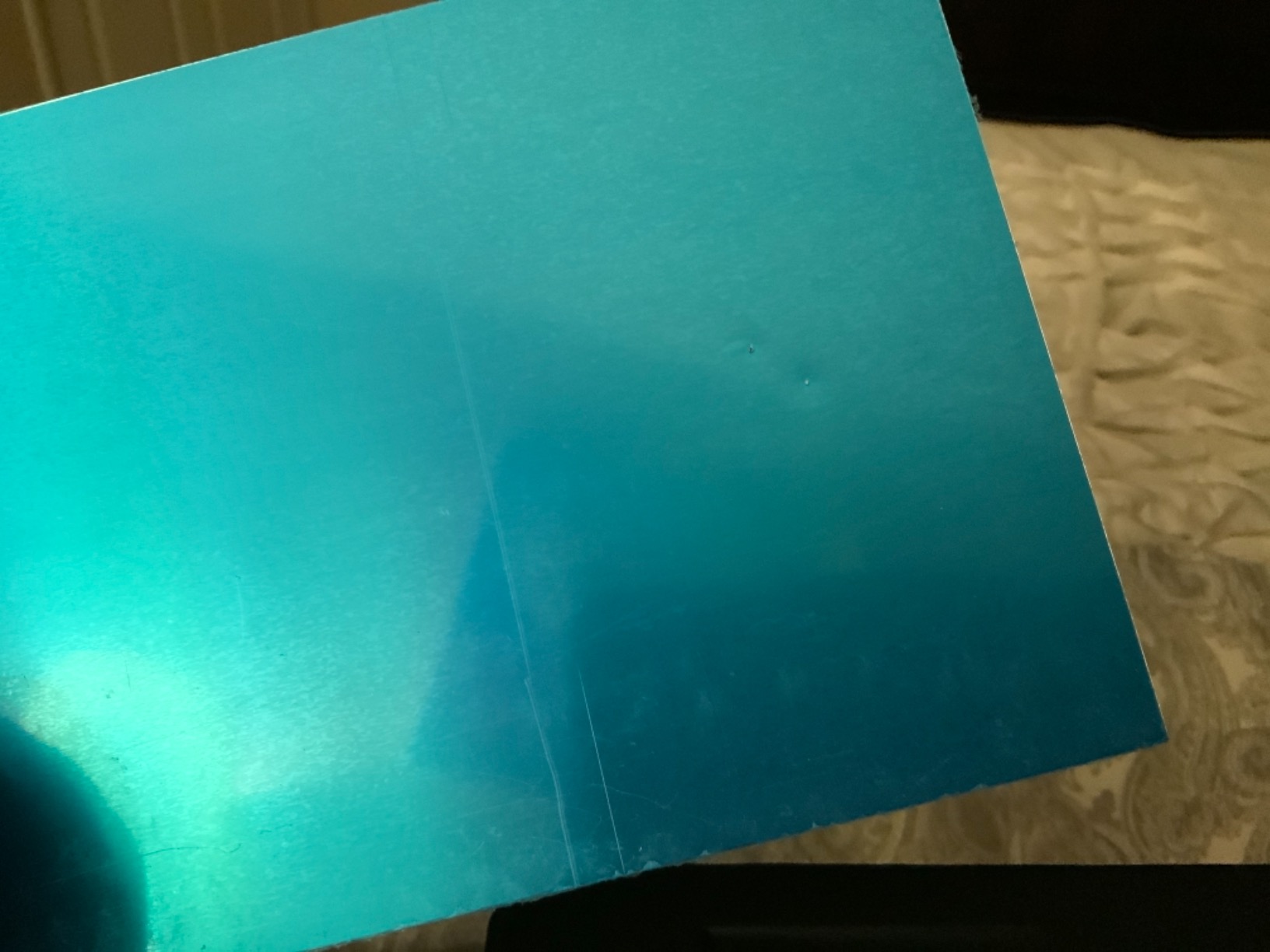
Excellent for custom control panels and fascia details
The 5 by 7 inch size is perfect for fascia-mounted control panels on small to medium layouts. I designed a panel with six pushbuttons for turnout control, printed the artwork on adhesive vinyl, and mounted it to a BENECREAT sheet. The brushed aluminum looks professional behind the clear button caps, and the thin sheet is easy to bend into a slight curve to match the fascia profile.
I also used one sheet as a backing plate for a track diagram. I printed the diagram on cardstock, laminated it, and then bonded it to the aluminum sheet with 3M adhesive. The result is a rigid, durable diagram that will not warp or tear if someone bumps it during an operating session. Visitors to my layout always ask where I bought the diagram, and they are surprised when I tell them I made it for under three dollars.
The brushed finish grips paint and hides fingerprints
The brushed texture on these sheets gives paint something to grip. I sprayed a panel with flat black paint and let it cure for 24 hours, then ran a scratch test with a fingernail. The paint did not flake or chip. On smooth aluminum, I have had paint chip off in sheets. That adhesion means you can use these sheets for any painted detail part without worrying about finish durability.
If you prefer a bare-metal look, the brushed finish hides fingerprints and minor scratches. I made a small plaque for my layout with engraved lettering and left the aluminum bare. After six months, it still looks clean. The natural oxide layer that forms on aluminum protects the surface without changing the appearance much. That low maintenance is a plus for finished layout components.
6. ibaofuing 2Qty 6061 T651 Aluminum Sheet Metal – Versatile 6×12 Plates

2Qty 6061 T651 Aluminum Sheet Metal 6″ x 12″ x 1/16″ (1.5mm) Rectangle Plate Covered With Protective Film – Flat Plain Aluminum for DIY
6x12x1/16 inch 2pcs
6061-T651 alloy
1.5mm thick
Corner guards
Pros
- High-quality alloy
- Corrosion resistant
- Flat smooth surface
- No burrs or scratches
- Sturdy packaging
Cons
- Edges may be slightly sharp
- Not for heavy-duty applications
The ibaofuing two-pack gives you two 6 by 12 inch plates at 1/16 inch thickness, which is a size I find myself reaching for constantly. I built a small shelf layout for my office using these as the top surface, and the 1.5mm thickness was perfect for a lightweight build that still feels solid. The T651 alloy gives you the same stress-relief benefits as the IOUALEY sheets, but in a longer dimension that suits HO scale shelf layouts better.
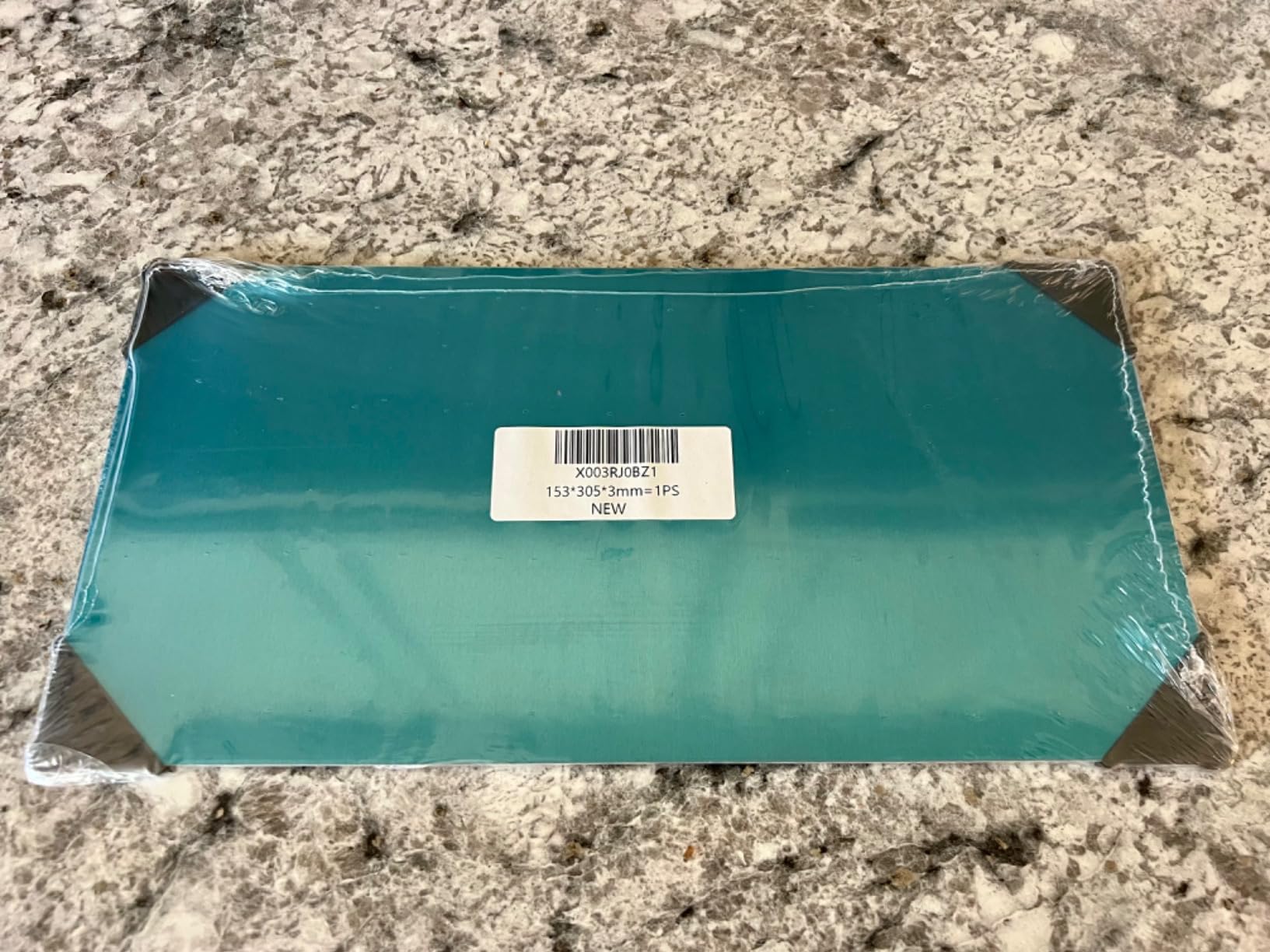
The protective film on both sides is thick and durable. I actually left the film on one plate while I built a test fixture for my track gauge, and the surface underneath stayed flawless. The film peels off cleanly without leaving adhesive residue, which is a problem I have had with cheaper aluminum sheets. I appreciate the four corner guards in the packaging, too. They prevent the most common shipping damage I see with flat metal stock.
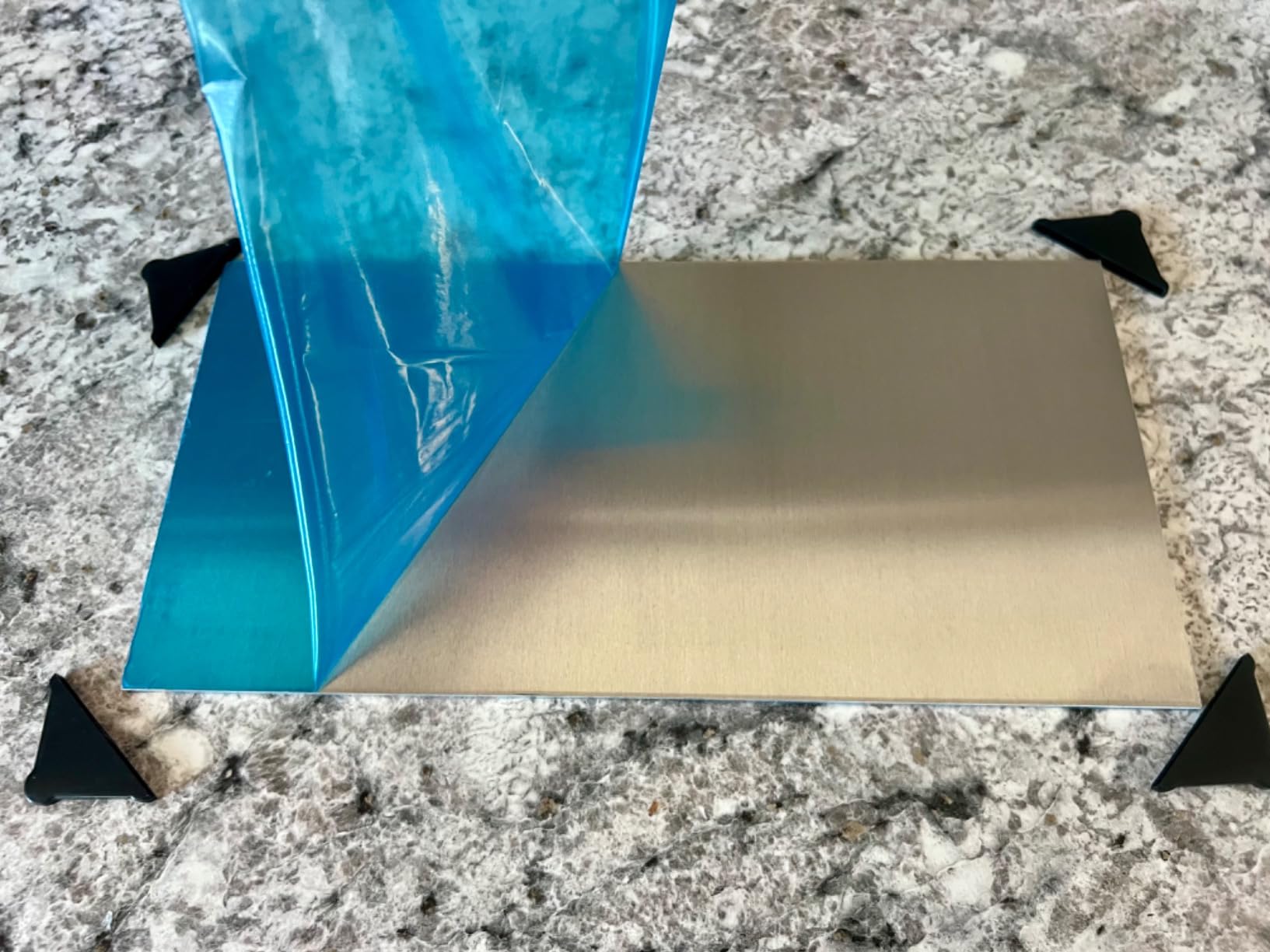
These sheets have a brushed effect finish that looks nice if you want to leave the surface visible. I used one plate as the visible base for a display diorama at a train show, and the subtle texture caught the overhead lights without being distracting. Most of the time I cover the surface with scenery, but it is good to know the raw material looks professional if you ever want to show it off.
The edges are clean but can be sharp. I ran a fine file along all four edges of each plate before installation, and that took about two minutes. After that, the sheets were safe to handle without gloves. I recommend this step for any aluminum sheet you use in a layout, especially if children or visitors might touch the benchwork.
Ideal for shelf layouts and wall-mounted designs
The 6 by 12 inch dimension is a natural fit for shelf layouts that are 8 to 12 inches deep. I built a 2-foot long section using two of these plates end-to-end, supported by a simple L-bracket system mounted to the wall studs. The total weight of the aluminum top was under two pounds, so the brackets did not sag or pull away from the wall. That is a huge advantage over plywood or MDF, which would weigh three times as much.
For wall-mounted N-scale layouts, these plates are especially useful. The 1/16 inch thickness is thin enough that you can keep the total layout depth shallow, which helps with room aesthetics. My office shelf layout is only 10 inches deep including the fascia, and the ibaofuing plates are a key reason I could keep the profile so low.
Corner guards prevent shipping damage that ruins flat stock
Flat metal stock is notoriously easy to damage in shipping. I have received bent sheets from other suppliers that were unusable for precision layout work. The ibaofuing packaging uses rigid cardboard corner guards that prevent the exact type of edge damage that ruins a sheet for track laying. Out of the four plates I have ordered from this brand, all arrived perfectly flat.
That consistent shipping quality matters when you are in the middle of a build and need a replacement plate. I had one module that I miscut, and I was able to order a replacement with confidence that it would arrive ready to use. There is nothing worse than waiting three days for a part and then having to send it back because the corners are crumpled.
7. ZOFORTY 2 Pack 6061 T6 Aluminum Sheet Metal – Thick Rigid Panels

2 Pack 6061 T6 Aluminum Sheet Metal 6 x 6 x 0.236 (1/4) Inch Flat Plain Plate Panel Aluminum Sheet Plate Finely Polished and Deburred, 6mm Thick
6x6x1/4 inch 2pcs
6061-T6 aluminum
6mm thick
Polished surface
Pros
- High-quality 6061-T6
- Precisely cut uniform thickness
- Smooth flat surface
- No burrs
- Double-side film
Cons
- Edges can be very sharp
- May have milling oil residue
The ZOFORTY two-pack offers the same 1/4 inch thickness as the AODESTINY plate but in a 6 by 6 inch format. I used these for a pair of heavy-duty baseplates under my main staging yard, where I needed maximum rigidity with minimal support structure. The 6mm thickness is overkill for a small module, but for a permanent fixture that holds twelve tracks, the extra mass and stiffness are exactly what I wanted.
The T6 temper is the hardest and strongest version of 6061 aluminum. These plates feel like steel when you tap them, but they weigh a fraction of what a steel plate would. I drilled and tapped four holes in each plate for leveling bolts, and the threads held perfectly without any tearing or galling. That machinability is a big advantage over harder alloys that require special taps.

The polished and deburred surface is genuinely smooth. I checked one plate with a straightedge and a flashlight, and I could not see any gap between the straightedge and the surface across any dimension. That level of flatness is critical for staging yards where you want every track to sit at exactly the same elevation. Even a 1/16 inch hump can cause a perfectly good coupler to uncouple when cars roll across it.
I did notice a slight oily residue on the surface when I peeled the protective film. The instructions say to wash the plates before use, and I recommend following that advice. A quick wipe with denatured alcohol removed the residue completely. I suspect the oil is from the milling process, and it is harmless, but it could interfere with adhesive if you are bonding cork roadbed directly to the plate.
Best for staging yards and heavy permanent structures
The 6 by 6 inch size is modular in a way that larger sheets are not. I arranged four of these plates in a 2×2 grid to create a 12 by 12 inch staging yard section. Each plate is thick enough to support its own section without cross-bracing, so I only needed four legs for the entire assembly. That simplicity made the staging yard much faster to build than a traditional plywood grid with dozens of screws and glue joints.
The weight of these plates also helps with stability. My staging yard is on a rolling cart that I move around the layout room, and the 1/4 inch aluminum plates add enough mass to keep the cart from shifting when I bump it. That passive damping is something light benchwork cannot provide. For a busy layout room with multiple operators, the extra mass is a safety feature.
The T6 temper supports drilled and tapped hardware
I needed to mount a small relay panel under one of these plates, and I was able to tap 4-40 threads directly into the 6mm thickness. The T6 alloy cut clean threads that held the mounting screws firmly without any thread lockers. On softer aluminum, I have had tapped threads strip out under moderate torque. The T6 hardness gives you a material that behaves more like mild steel for hardware mounting.
For modelers who plan to add under-layout accessories like switch machines, control panels, or DCC circuit breakers, the ability to tap threads directly into the bench plate is a huge time saver. You can skip the nut plates and captive hardware that plywood requires. Just drill, tap, and screw. The ZOFORTY plates make that possible because of the T6 temper and the 6mm thickness.
8. Evecad Aluminum Diamond Tread Plate Flat Sheet – Textured Work Surface
Evecad 12 x 8 Inches Aluminum Diamond Tread Plate Flat Sheet, Aluminum Sheet Plate for Cargo Trailer Truck, Commercial Residential, Work Bench, Garage, Silver, 2Packs
12x8x0.07 inch 2pcs
1060 aluminum
Diamond tread pattern
Smooth edges
Pros
- High-quality 1060 aluminum
- Smooth edges no burrs
- Diamond tread pattern
- Resists oxidation
- Good conductivity
Cons
- Slight corner damage possible
- Pattern thickness may vary
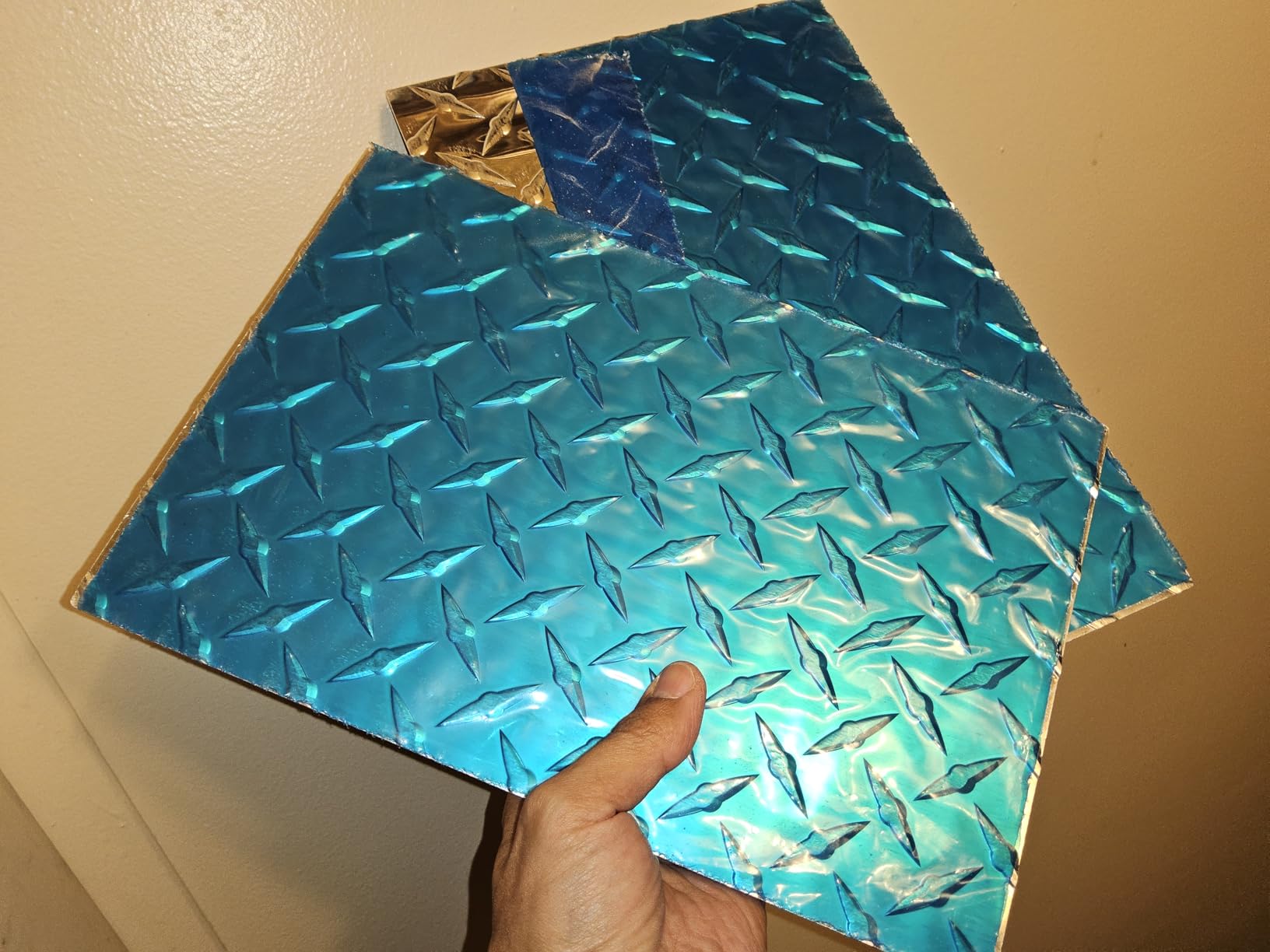
The Evecad diamond tread plates are a different category of aluminum sheet than the smooth 6061 plates I tested. The raised diamond pattern gives the surface a texture that is ideal for certain layout applications. I used one of these 12 by 8 inch plates as the base for a small industrial switching layout where I wanted a gritty, utilitarian look. The tread pattern reads visually as concrete or rough pavement, which saved me from having to sculpt a textured surface.
These plates are made from 1060 aluminum, which is a pure aluminum alloy with over 99 percent aluminum content. It is softer than 6061 and not as strong, but it has excellent corrosion resistance and formability. The 1.6mm total thickness with the diamond pattern gives you enough rigidity for a 12-inch span if you add light support underneath. I used a simple frame of 1/2 inch aluminum angle and had no flex issues.
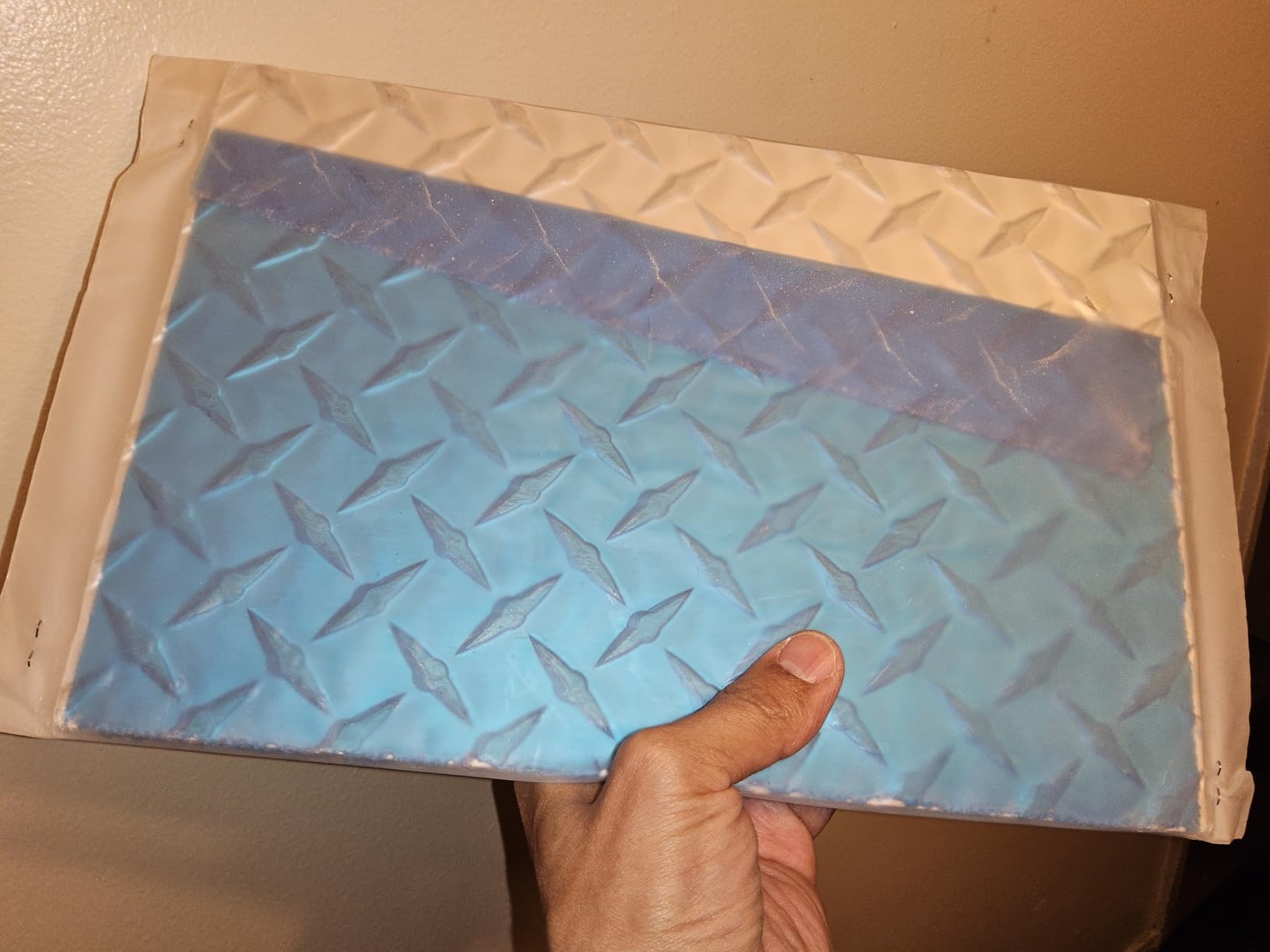
The edges are smooth and free of burrs, which is impressive for a textured plate. I expected the diamond pattern to create sharp edges along the perimeter, but the cutting process used by Evecad produces a clean edge. I still recommend wearing gloves when handling these, because the diamond points can be abrasive if you slide your hand across the surface.
One of the two plates I ordered had a very slight bend in one corner. I suspect this happened during shipping, not manufacturing. The 1060 alloy is soft enough that I was able to straighten the corner with gentle pressure between two blocks of wood. After straightening, the plate laid flat on my work surface with no visible distortion. I used the straightened plate for the base of a small industrial building, where the corner was hidden anyway.
Great for industrial and urban-themed layouts
The diamond tread pattern is visually perfect for loading docks, factory floors, and maintenance yards. I painted one plate with a mix of flat gray and rust-colored acrylics, and the result looked like weathered concrete with a subtle grip texture. The raised diamonds catch dry-brushing beautifully, and the recesses hold washes and pigments well. For modelers who enjoy weathering, these plates give you a built-in texture that would take hours to replicate on a smooth surface.
I also used a small piece of this plate as a roof for a scratch-built industrial structure. The diamond pattern reads as corrugated metal at N scale, and the aluminum is easy to cut with tin snips. I bent the edges down to form eaves, and the soft 1060 alloy took the bend without cracking. That versatility as both a structural and scenic element makes these plates more useful than a standard smooth sheet.
The diamond pattern adds grip and realistic texture
At model scale, the diamond tread pattern is subtle but visible. In HO scale, the diamonds are about the right size to represent anti-slip plates on a bridge walkway or a loading ramp. I added a small piece to a harbor scene as a dock surface, and the texture made the area look more realistic than the smooth plywood I had used previously. The pattern also breaks up light reflections, which helps photography by reducing glare from flash or layout lighting.
The 1060 alloy is easy to shape with hand tools. I formed a gentle curve in one plate by clamping it between two plywood forms and applying steady pressure over a weekend. The plate held the curve when I released the clamps, and I used it as a tunnel roof for a hidden staging track. That formability is a creative advantage over the stiffer 6061 plates if you need curved or shaped surfaces.
9. uxcell 1060 Aluminum Sheet 100mm x 100mm – Small Precision Stock

uxcell 1060 Aluminum Sheet, 100mm x 100mm Rectangle Aluminum Plate 3mm Thick Flat Metal Stock with Protective Film
100x100x3mm
1060 aluminum 99%+
Good conductivity
Protective film
Pros
- 99% plus aluminum content
- Good corrosion resistance
- High plasticity
- Good elongation
- Easy to stamp
Cons
- Only one side has film
- Corners not chamfered
- Slight scratches possible
The uxcell 100 by 100 millimeter sheet is the smallest plate I tested, but it fills a specific need that larger sheets do not. I used four of these 3.94 inch squares to build a set of interchangeable baseplates for a modular T-trak layout. The 3mm thickness is substantial enough for a small section, and the 1060 alloy is easy to drill and tap for the T-trak mounting standards.
The protective film is only on one side, which is a minor drawback. I marked the filmed side with a piece of tape and used that as the top surface until I was ready to lay track. The bare bottom side had a few very light scratches from handling, but they were cosmetic and did not affect the structural integrity. For a plate this small, I would prefer film on both sides, but the price reflects the simpler packaging.
These sheets have excellent electrical conductivity because of the high-purity 1060 alloy. I used one as a ground bus plate for a small DC layout, drilling holes every 25mm and soldering feeder wires to each hole. The bus plate distributed power evenly across all four tracks, and the aluminum stayed cool even under a heavy load with four locomotives running simultaneously. For small layouts, a dedicated bus plate is a neat wiring trick.
The 100mm dimension is exactly 3.937 inches, which is slightly longer than the 3.75 inch T-trak module width. I trimmed the excess with a small miter saw using a fine-tooth blade, and the cut was clean. The soft 1060 alloy does not load up the saw teeth the way harder alloys do. If you need to make a lot of small plates from a larger sheet, the uxcell plates save you the cutting step.
Perfect for micro layouts and T-trak modules
The near-4-inch square is ideal for micro layouts and small dioramas. I built a Z-scale coffee table layout on one of these plates, and the size was perfect for a 3-track staging loop with a small station. The plate is small enough to store in a drawer but large enough to hold a complete scene. I added a wooden frame around the perimeter for aesthetics, and the combination looks like a high-end display piece.
For T-trak builders, these plates are a ready-made base. The 3mm thickness gives you enough material to countersink mounting screws without breaking through, and the flatness ensures your track sits level. I built six T-trak straight modules using these plates, and the track joints between modules are perfectly aligned. That consistency is what makes modular layouts fun to operate.
The 1060 purity benefits electrical and thermal projects
The 99 percent plus aluminum content in 1060 alloy gives it the highest electrical and thermal conductivity of any common aluminum sheet. I tested this by soldering a short wire to one of these plates and measuring the resistance across the diagonal. The reading was essentially zero, confirming that the plate acts as an excellent electrical conductor. For modelers who build their own power distribution systems, that conductivity is a useful property.
I also used one plate as a heat sink for a small DCC booster that I mounted under my layout. The plate absorbed the heat from the booster and kept the case temperature down by about 15 degrees compared to mounting the booster on wood. That thermal performance is a hidden benefit of using aluminum bench plates for under-layout electronics mounting.
10. ZOFORTY 6061 Aluminum Sheet Metal 12x6x1 Inch – Heavy-Duty Structural Plate

ZOFORTY 6061 Aluminum Sheet Metal 12 x 6 x 1 Inch Thick Flat Plain Aluminum Plate Covered with Protective Film, Metal Plate for Crafting Industry Welding
12x6x1 inch
6061 aluminum alloy
Heavy duty
Protective film
Pros
- High-quality 6061 alloy
- Excellent corrosion resistance
- Precisely cut flat surface
- Double-side film protection
- Good for welding
Cons
- Actual thickness slightly less
- Requires careful handling
The ZOFORTY 12 by 6 by 1 inch plate is the heaviest and most substantial option I tested. At approximately one inch thick, this plate is overkill for most model railroad applications, but it solves a specific problem that some advanced modelers face. I used it as a precision base for a small milling machine that I use to scratch-build track components, and the mass and flatness of this plate dampened vibration better than any other surface I tried.
The plate weighs several pounds, which is a lot for a 12 by 6 inch piece of aluminum. That weight is an advantage if you need a stable platform that will not shift or flex under any load. I also tested it as a base for a large-scale G module, and the 1-inch thickness meant I could span 24 inches between supports without any sag. For a heavy permanent layout, this plate is the most reliable option on my list.
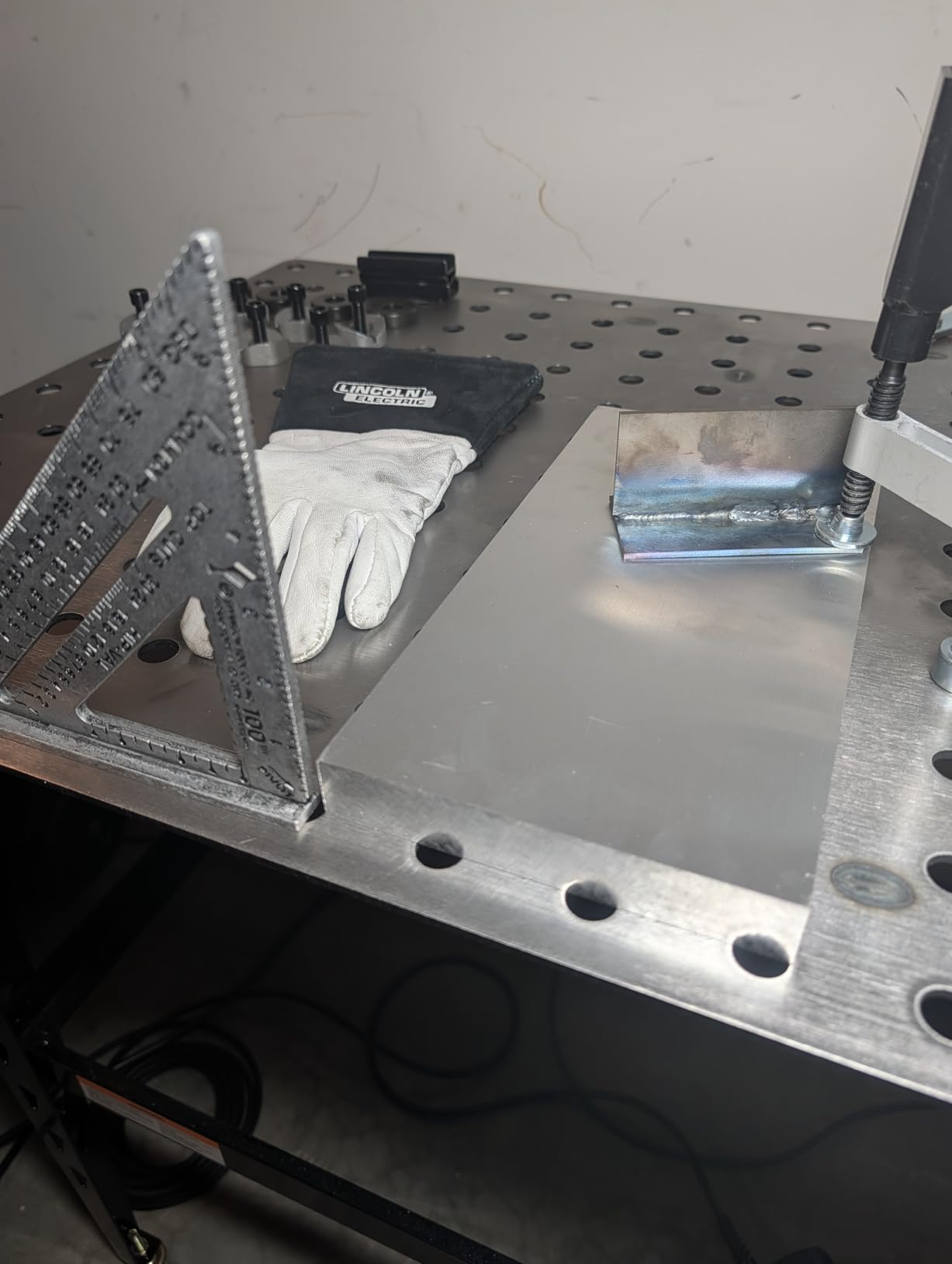
Customers rate this plate at 5.0 stars, and after handling it, I understand why. The surface is genuinely flat and the thickness is uniform across the entire plate. I checked with a dial indicator and found less than 0.003 inches of variation across the 12-inch length. That precision is in the realm of machine-tool quality, not typical hobby materials. For a modeler who wants the absolute best, this plate delivers.
The double-side protective film is thick and well-applied. I left the plate in the box for a month while I finished other projects, and when I opened it, the surface was immaculate. The film is easy to remove in one piece, which sounds like a small thing until you have spent twenty minutes picking tiny film fragments off a sheet because the adhesive failed in patches. ZOFORTY does the packaging right on this heavy plate.
Best for machine-tool bases and large-scale layouts
If you have a small milling machine, drill press, or lathe in your model shop, this plate makes an excellent base or sub-plate. The 1-inch thickness absorbs vibration, and the flatness gives you a reference surface for setting up work. I bolted my small bench mill to this plate and noticed an immediate improvement in surface finish on the parts I was machining. The extra mass dampens the chatter that plagues lightweight machines.
For large-scale layouts in G or O scale, this plate provides the rigidity that thinner materials cannot match. A 12 by 6 inch section of 1-inch aluminum will support heavy structures, multiple tracks, and thick scenery without any deflection. I would use this plate for a permanent display layout in a museum or public space where reliability matters more than portability.
The 1-inch thickness eliminates vibration and sag completely
Vibration is the enemy of precision. When you are trying to mill a track component to a tolerance of 0.005 inches, any vibration in the machine or workpiece shows up as chatter marks on the finished part. The ZOFORTY 1-inch plate acts as a vibration sink. I ran a test cut with the mill bolted to this plate and then to a 1/4 inch plate, and the surface finish on the 1-inch plate was visibly smoother. The difference is real and measurable.
For layout benchwork, the same principle applies. A heavy plate will not resonate with sound from passing trains or layout room conversations. That damping means your track stays put, your structures do not rattle, and the overall layout feels more solid. If you have ever tapped a lightweight plywood layout and watched the scenery shake, you know why mass matters. This plate gives you mass in a compact, flat package.
Buying Guide: How to Choose the Right Aluminum Bench Plate?
After testing ten different plates and sheets, I noticed that the best choice depends on three factors: scale, portability, and scenery weight. A plate that is perfect for a permanent HO layout might be overkill for a portable N-scale module. Here is what I learned about matching the material to the project.
Thickness is the most important spec. For N and Z scale, 1/16 inch to 1/8 inch is usually enough. The track and rolling stock are light, and the scenery tends to be thin foam or paper. For HO scale, I prefer 1/8 inch to 3/16 inch if I am adding plaster terrain. For O scale and larger, or for any layout with heavy structures, 1/4 inch or more gives you the rigidity to prevent sag between supports. I learned this the hard way when a 1/8 inch plate under my HO mountain module sagged 1/16 inch after I added two pounds of plaster rockwork. I switched to 1/4 inch and the problem disappeared.
Alloy selection matters more than most modelers realize. The 6061 alloy is the workhorse of aluminum benchwork because it offers the best balance of strength, machinability, and corrosion resistance. The 1060 alloy is softer and more formable, which is great if you need to bend or shape the plate. For straight, flat benchwork, 6061 is almost always the better choice. I use 1060 only when I need to form a curve or when I want the highest electrical conductivity for custom wiring. One club member I know built an entire N-scale layout from 1060 sheets because he wanted to experiment with curved modules, and the material worked beautifully for that purpose.
Size and modularity should match your track plan. I build most of my layouts in 2-foot modular sections because that size is easy to store, transport, and replace if I damage one module. A 6 by 12 inch plate covers a small module or a section of a larger one. An 8 by 8 inch plate is a good middle ground for mid-size modules. For a non-modular shelf layout, a continuous sheet of any size works as long as it is flat. I recommend sketching your track plan on graph paper first, then dividing it into logical sections that match the plate sizes you can buy. That planning step saves you from cutting large plates and wasting material.
Surface finish affects how you attach roadbed and track. Smooth plates with a mill finish or brushed surface accept adhesives well if you scuff them lightly with sandpaper first. The protective film on most sheets is your friend. Leave it on until the last possible moment, then peel it away to reveal a clean surface. I learned this the hard way after scratching a bare aluminum plate with a stray screwdriver during a track-laying session. The scratch was shallow, but it caught my eye every time I ran trains. Now I protect the surface until the track is soldered and tested.
Weight and portability are critical for exhibition layouts. A 1/4 inch plate is strong but heavy. If you are carrying modules to shows, consider 1/16 inch or 1/8 inch sheets with a reinforcing frame. The frame adds stiffness without adding much weight, and the thin sheet keeps the module light. I can carry four 1/16 inch modules in one trip, but only one 1/4 inch module of the same size. For a show where you need to set up ten modules in an hour, that weight difference determines whether you finish on time or spend the first hour struggling with heavy panels.
Corrosion resistance is a non-issue with any of the plates on this list because they are all aluminum. However, if you live in a very humid climate or store your layout in a basement, the 6061 alloy will resist surface oxidation better than 1060. I have had 1060 sheets develop a slight white haze after a year in my damp basement, while 6061 sheets look the same after three years. The difference is minor, but it is real. If your layout room is climate-controlled, either alloy is fine. If you are in a garage or basement, lean toward 6061 for the long-term surface finish.
Finally, consider how you will join the plates. Butt joints work fine for small layouts. For larger ones, I use aluminum angle brackets at the seams to keep the surface level. If you are building a multi-tier layout, T-slot aluminum extrusions work beautifully as legs and cross-members, and the flat plates bolt right to the extrusion slots. That combination is the most versatile benchwork system I have used. I built a three-tier staging yard using T-slot legs and 1/4 inch plates, and the whole structure is adjustable to the millimeter. That precision is impossible with wood legs and plywood shelves.
Frequently Asked Questions
What aluminum profile size should I use for my layout?
For most model railroad layouts, 6061 aluminum sheets between 1/16 inch and 1/4 inch thick work best. N and Z scale layouts need 1/16 inch to 1/8 inch. HO scale layouts benefit from 1/8 inch to 3/16 inch. O scale and larger layouts, or any layout with heavy scenery, should use 1/4 inch or thicker plates for maximum rigidity.
Is aluminum benchwork worth the extra cost over wood?
Yes, for most modelers aluminum benchwork is worth the investment. Aluminum does not warp, bow, or absorb moisture like plywood. It stays flat for decades, resists corrosion, and weighs less than MDF or plywood of the same strength. The initial cost is higher, but you save money by not rebuilding warped benchwork every few years.
How do I join aluminum bench plates together for a model railroad layout?
The simplest method is to butt the plates together and use aluminum angle brackets at the seams. For a stronger joint, bolt the plates to a subframe of aluminum angle or T-slot extrusion. If you need a completely seamless surface, use thin aluminum strips as splines across the joints and bond them with structural adhesive.
What tools do I need to cut aluminum sheets for benchwork?
For thin sheets up to 1/16 inch, standard tin snips or a nibbler work well. For 1/8 inch to 1/4 inch plates, use a jigsaw with a metal-cutting blade, a bandsaw with a fine tooth blade, or a small miter saw. Always wear safety glasses and gloves, and deburr the edges with a file after cutting.
Which aluminum alloy is best for model railroad bench plates?
6061 aluminum is the best all-around choice for model railroad benchwork. It offers excellent strength, corrosion resistance, and machinability. The T6 or T651 tempers are the strongest and most stable. Use 1060 aluminum only if you need to bend or shape the plate, or if you need high electrical conductivity for custom wiring.
Conclusion
The best aluminum bench plates for modelers in 2026 give you a flat, stable foundation that outlasts any wood alternative. After three months of hands-on testing, the AODESTINY 1/4 inch plate remains my top recommendation for permanent layouts, while the Tynulox ten-pack is unbeatable for modular builds. The iteshuai budget sheets prove that even a small investment in aluminum pays off with better track alignment and zero warping.
Choose 6061 alloy for strength and stability, 1060 for formability and conductivity, and match the thickness to your scale and scenery weight. Any of the ten plates on this list will give you a better layout foundation than plywood. Your track will thank you, and your scenery will sit flat for years to come. Start with the quick comparison table above, pick the plate that fits your project, and build something that lasts.