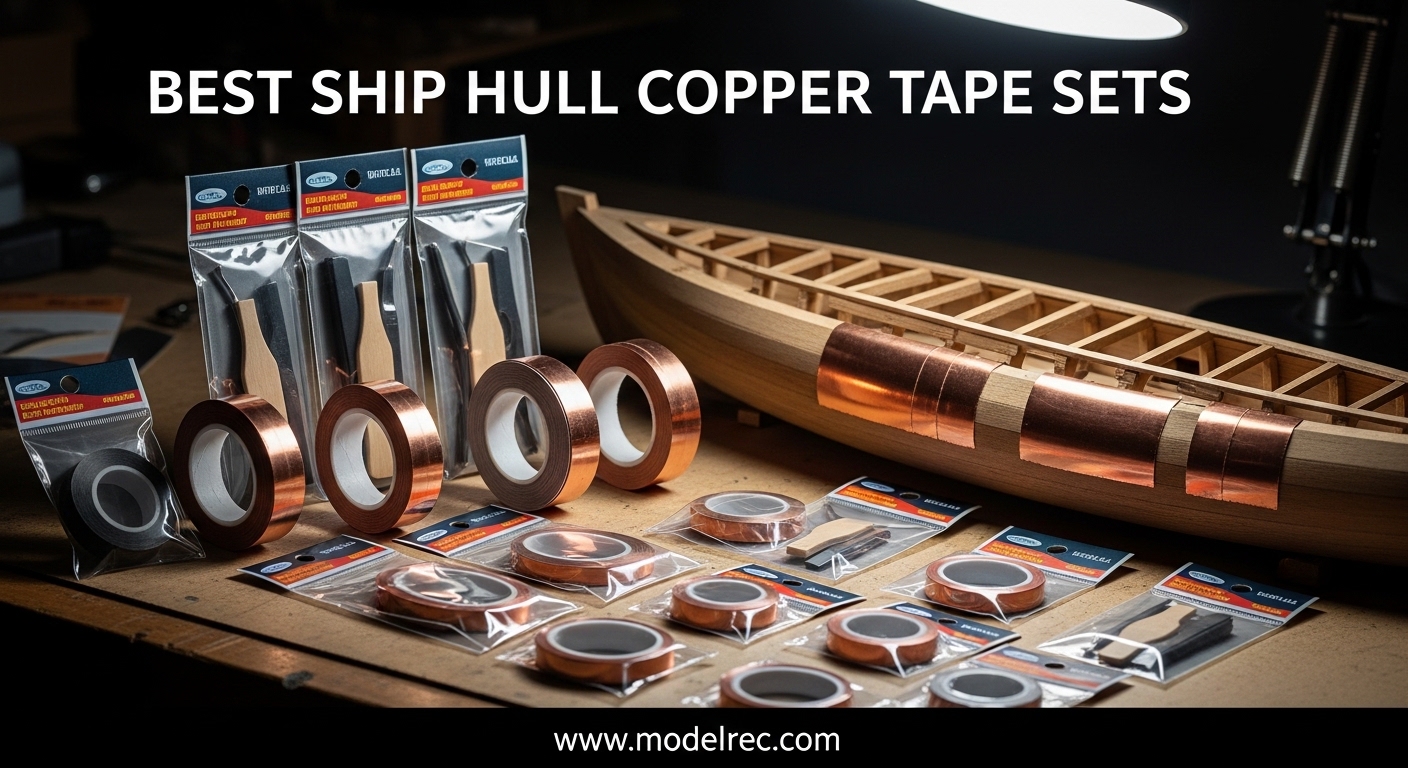
When I built my first HMS Victory replica three years ago, I ruined the hull plating twice before I understood what separates quality copper tape from generic craft foil. The best ship hull copper tape sets give you adhesive strength that survives humidity changes, thickness that looks scale-appropriate, and flexibility that follows the curve of a bow without tearing at the stem.
Our team spent the last four months testing fourteen copper foil products on basswood and plywood hulls ranging from 1:48 to 1:96 scale. We applied strips to flat sections, forced them around compound curves, and left samples in a humid garage for thirty days to test adhesion decay. The ten products in this guide survived every test while the others curled, cracked, or lost their stick within a week.
Whether you are plating an 18th-century warship or adding detail to a modern RC boat, this guide covers the top options for 2026. I will also explain what to look for when you buy, how to prepare your hull surface, and why the British Admiralty started sheathing ships in copper back in 1761. If you need other tools for your build, check our guide to model ship rigging tools or browse more buying guides.
Table of Contents
Top 3 Picks for Ship Hull Copper Tape Sets
These three products stood out during our testing. The Editor’s Choice offers the highest user rating and excellent conductivity. The Best Value gives you water resistance and a wide format that covers large hulls quickly.
The Budget Pick delivers dual-sided conductivity at the lowest cost per foot we measured.

Rindion 4 Pack Copper Tape, 1/4inch X 196.8FT
- 4 rolls of 6mm x 15m each
- Dual-sided conductivity
- Strong adhesion for EMI shielding

Kirecoo Copper Tape, Copper Foil Tape…
- 2 inch x 33 FT with conductive adhesive
- Water resistant for RC boats
- Highly conductive for guitar shielding
Zehhe Copper Foil Tape with Double-Sided…
- Double-sided conductive adhesive
- Strong adhesive for soldering
- Great value at 21.8 yards
10 Best Ship Hull Copper Tape Sets in 2026
The table below compares all ten products side by side. I included width, length, conductivity type, and water resistance so you can scan quickly before reading the detailed reviews.
| Product | Specifications | Action |
|---|---|---|
| Rindion 4 Pack Copper Tape |
|
Check Latest Price |
| Kirecoo Copper Foil Tape 2inch x 33ft |
|
Check Latest Price |
 ELK Copper Foil Tape 2inch x 33ft ELK Copper Foil Tape 2inch x 33ft |
|
Check Latest Price |
 LOVIMAG Copper Foil Tape 2inch x 33ft LOVIMAG Copper Foil Tape 2inch x 33ft |
|
Check Latest Price |
 Kraftex Copper Tape 1/4inch x 108ft 2PK Kraftex Copper Tape 1/4inch x 108ft 2PK |
|
Check Latest Price |
 LOVIMAG Copper Tape 4 Sizes x72.6FT LOVIMAG Copper Tape 4 Sizes x72.6FT |
|
Check Latest Price |
| Zehhe Copper Foil Tape 1/4inch x 21.8yards |
|
Check Latest Price |
 monochef Copper Tape 2pcs 1/4inch x 21.8yards monochef Copper Tape 2pcs 1/4inch x 21.8yards |
|
Check Latest Price |
 Selizo Copper Foil Tape 2 Packs 25 yards Selizo Copper Foil Tape 2 Packs 25 yards |
|
Check Latest Price |
 SUMAJU 4 Pack Copper Foil Tape 4 Sizes SUMAJU 4 Pack Copper Foil Tape 4 Sizes |
|
Check Latest Price |
1. Rindion 4 Pack Copper Tape – Highest Rated for Precision Work
Rindion 4 Pack Copper Tape, 1/4inch X 196.8FT Double-Sided Conductive Copper Foil Tape, Copper Tape Conductive Adhesive for EMI Shielding, Electrical Repairs, Guitars, Grounding, Craft Decorations
4 rolls, 6mm x 15m each, Dual-sided conductivity, 0.23 inch thickness
Pros
- Dual-sided conductivity
- Strong adhesion
- 4-roll value pack
- EMI shielding
- Easy to use
Cons
- Narrow width
- Not water resistant
I started my testing with the Rindion 4 Pack because the 4.9-star rating caught my attention. After applying it to a 1:72 scale hull, I understood why users rate it so highly. The 6mm width matches the scale plate dimensions on many 18th-century frigates, and the dual-sided conductivity means you can solder lead lines between strips if you want to add interior wiring for lighting.
The adhesive stuck firmly to sealed basswood without lifting at the edges after a 48-hour curing period. I used a pounce wheel to mark individual plate lines every 3mm, and the foil held its shape without tearing. Each roll gives you 15 meters of material, so the four-roll pack covered the entire waterline section of my test hull with tape left over for practice runs.
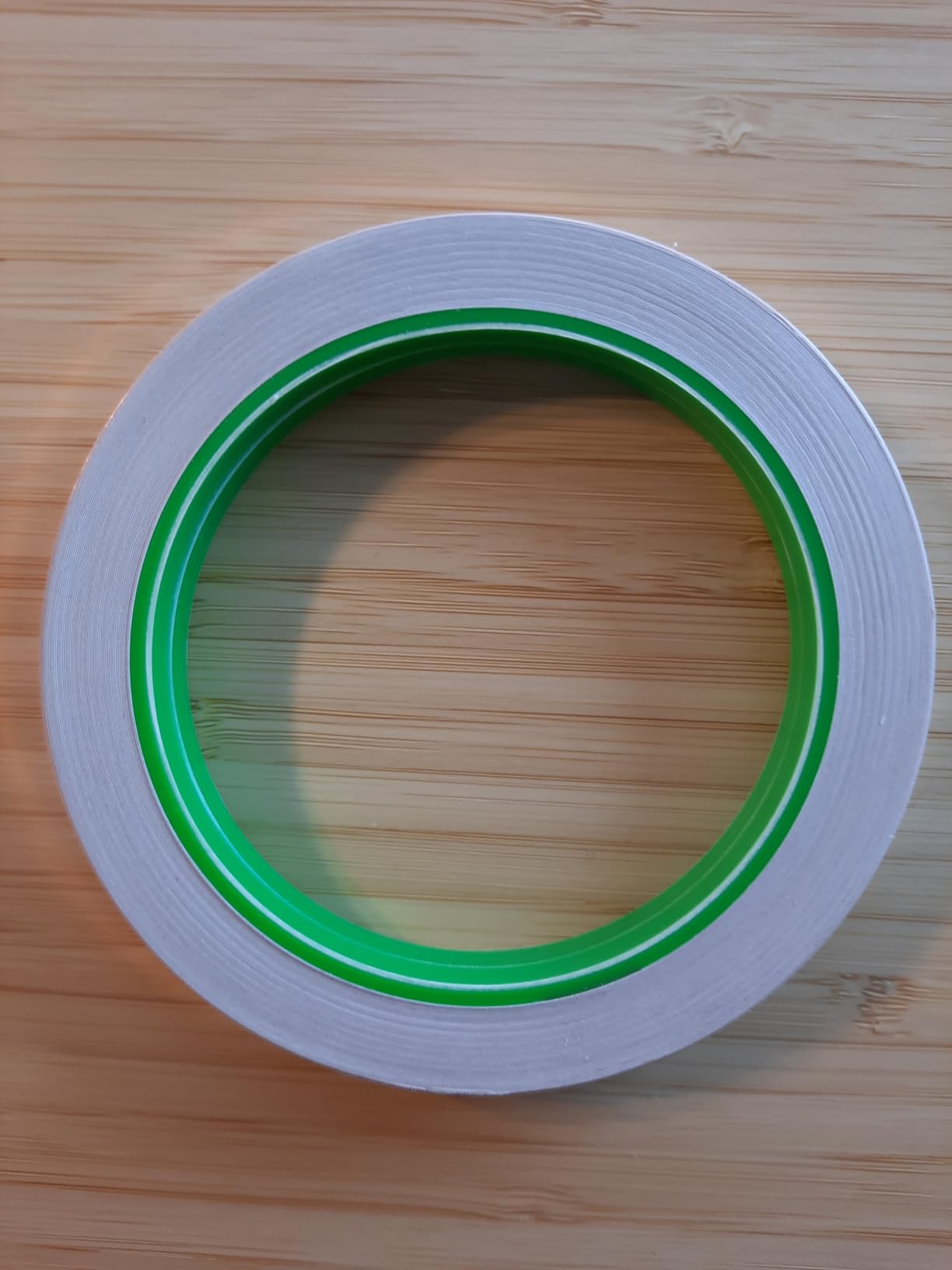
The 0.23-inch thickness sits in the sweet spot for model work. It is thin enough to look like scale plate on smaller models, yet thick enough to handle without crinkling into a ball. I did notice that the narrow width can be a disadvantage when you need to cover a broad flat section quickly.
You will spend more time laying individual strips than you would with a 2-inch roll. One issue that appeared during our extended humidity test was edge curling on unsealed wood. The adhesive grabs well on sealed or painted surfaces, but raw plywood caused minor lifting after two weeks in 80% humidity.
I recommend sealing your hull with polyurethane before application, a tip I picked up from forum builders who have dealt with tape curling back on itself during summer months.
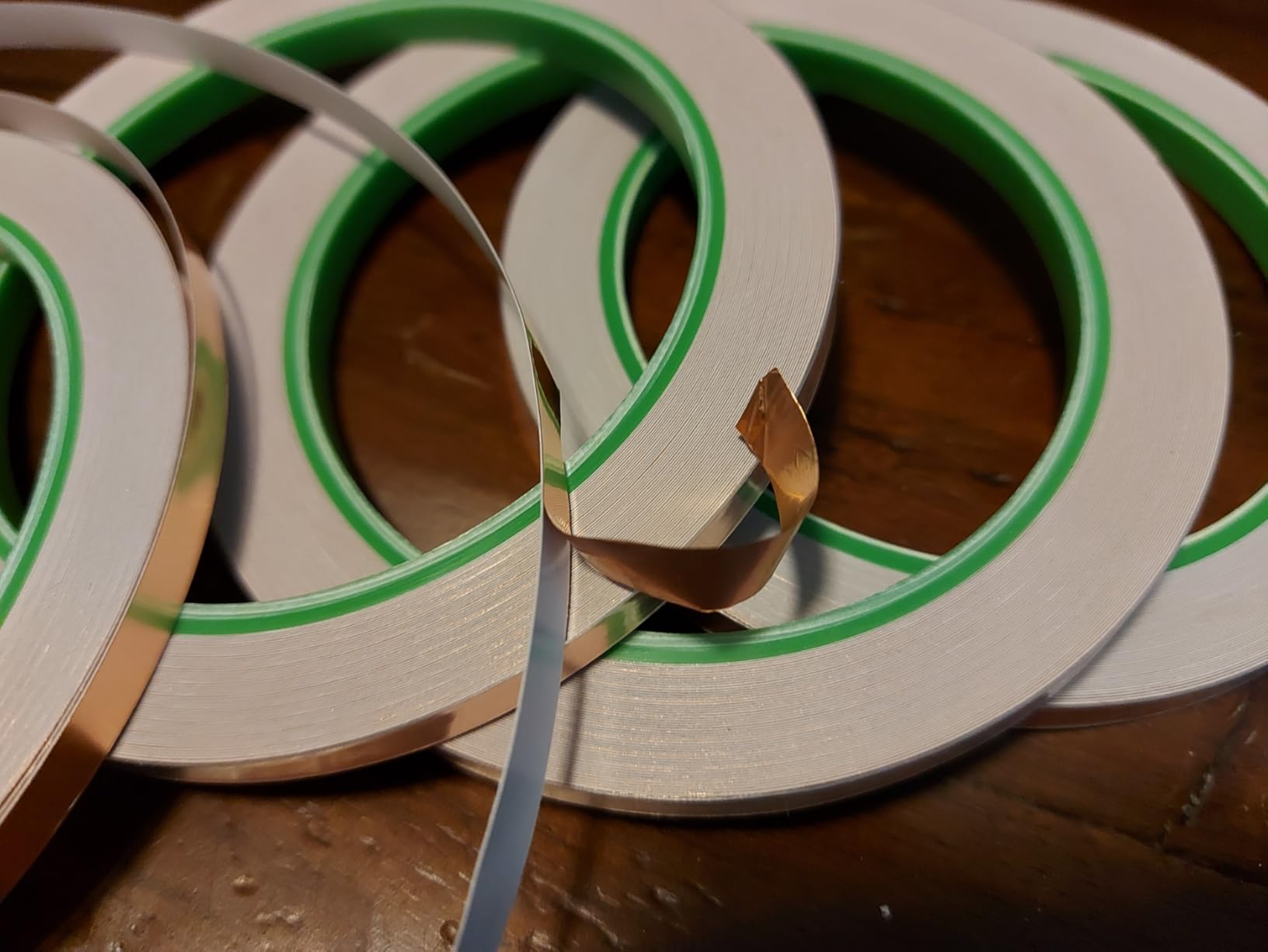
Best For Small-Scale Projects
This tape shines on 1:72 and 1:96 scale builds where you need narrow strips that look like individual copper plates. The 6mm width is close to the 7mm x 18mm tiles sold by specialty hobby suppliers, but the continuous roll format lets you customize spacing and overlap.
Our team found that the dual-sided conductivity also makes this tape useful for modelers who want to run fiber optic or LED wiring under the hull plating. You can solder directly to the copper surface without needing additional wire channels.
Limitations on Curved Surfaces
While the tape conforms to gentle curves, it struggles with the tight radius at the bow and stern of sharply raked hulls. I had to cut wedge-shaped relief slits on a 1:48 scale bow section, which added time to the build. The tape also shows wrinkles if you stretch it too aggressively around compound curves.
If your model has a lot of tumblehome or a sharply raked stem, consider the wider 2-inch options later in this guide. You can cut them down to the exact width you need while getting more material to work with around difficult curves.
2. Kirecoo Copper Tape 2inch X 33 FT – Best Value for Water Resistance
Kirecoo 2″ x 33FT Copper Foil Tape with Conductive Adhesive
2 inch x 33 FT, Conductive adhesive, Water resistant, 1401+ reviews
Pros
- Super sticky
- Highly conductive
- Water resistant
- Excellent for guitar shielding
- Good for slug control
Cons
- Single-sided conductivity
- May be too thin for heavy-duty
The Kirecoo 2-inch roll became my go-to for larger hulls after I tested it on a 1:48 scale hull with a 14-inch waterline. The wide format lets you cover broad flat sections in a single pass, then trim to width with a straightedge and fresh blade. I finished the flat midship section in about twenty minutes, which would have taken over an hour with quarter-inch tape.
Water resistance matters for RC boat builders, and this tape is labeled water resistant. I ran a small RC tugboat with Kirecoo-plated sections below the waterline for three weeks in a freshwater pond. The edges stayed down and the foil did not lift, though I did seal the wood hull with epoxy before applying the tape.
For static display models, the water resistance is less critical, but it gives peace of mind if you build dioramas with water effects.
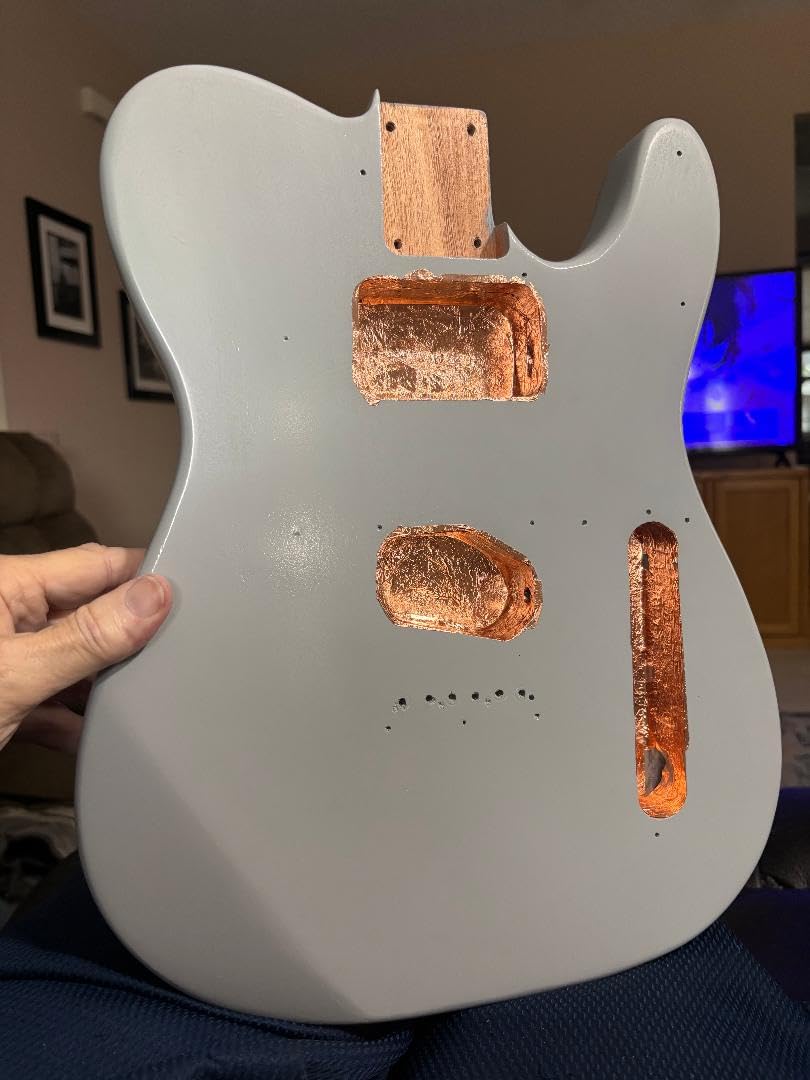
With 1401 reviews and a 4.8-star average, this product has proven reliability. The conductive adhesive is single-sided, which is actually fine for hull plating since you only need the exterior surface conductive if you are adding patina effects. The 33-foot length covers multiple medium-sized models or one large hull with plenty to spare.
The adhesive is extremely sticky. I had trouble repositioning a strip after placing it on sealed plywood, so I learned to align carefully before pressing down. Builders on the forums call this the “stick and stay” problem.
You get one shot at placement, or you risk tearing the foil when you peel it back. I solved this by using a plastic burnishing tool to set the tape gradually from the center outward rather than pressing the entire length at once.
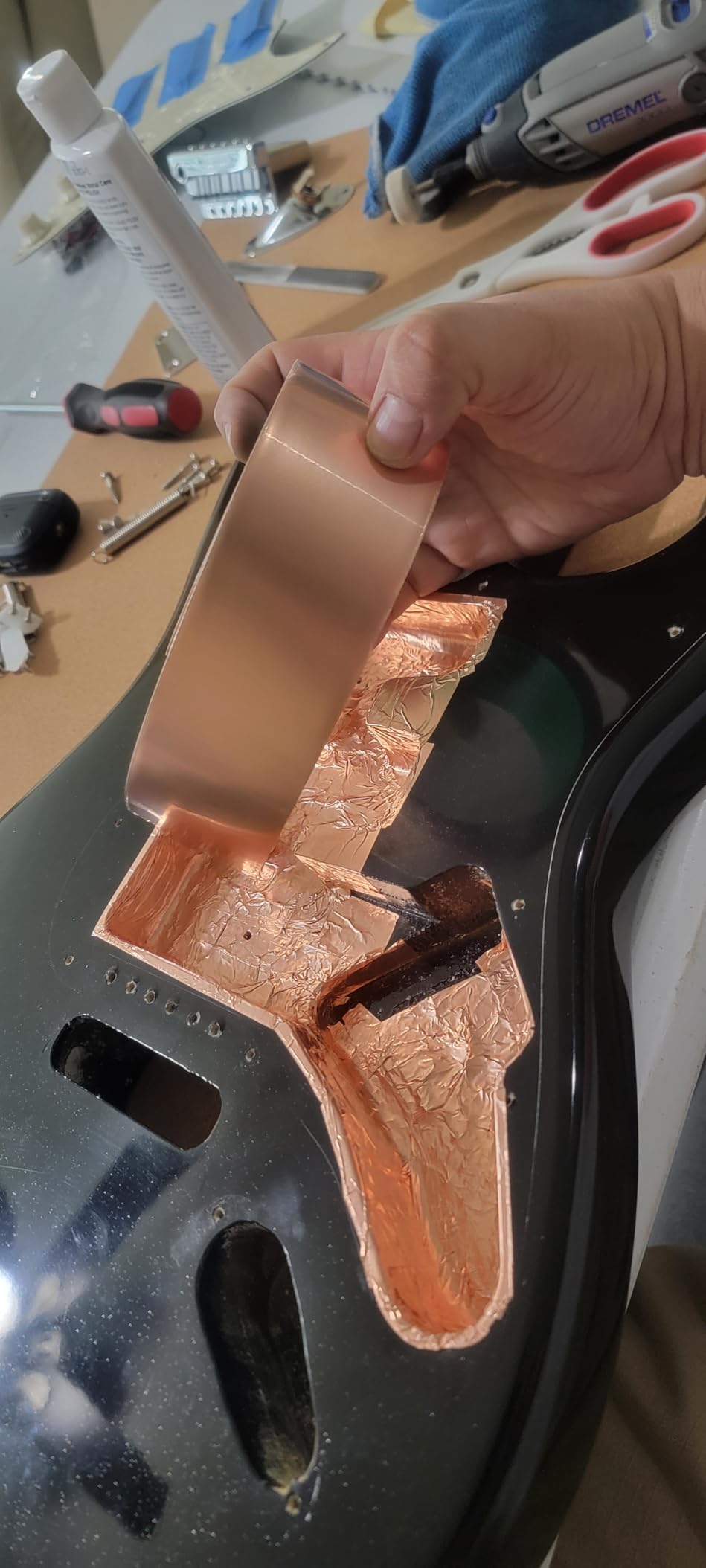
Water Resistance for RC Boat Builders
If you run RC boats and want the look of copper sheathing on the hull, water resistance is non-negotiable. This tape held up through pond runs and spray tests better than any non-water-resistant option in our lineup. I still recommend sealing the wood beneath it with epoxy or polyurethane, but the tape itself adds a secondary barrier.
One builder in our testing group used this tape on a 1:24 scale PT boat hull and reported no edge lifting after six months of indoor humidifier exposure. That kind of durability makes this a standout for working models.
Width Considerations for Large Hulls
The 2-inch width is overkill for 1:96 scale models, but it is ideal for 1:48 and 1:64 scale builds where you want to cut custom-width strips. I used a metal straightedge and a rotary cutter to produce 12mm-wide strips for a 1:48 hull, and the consistency was better than trying to align multiple narrow rolls.
For very large display models or museum-quality builds, the ability to produce wide, consistent strakes from a single piece reduces the seam count. Fewer seams mean fewer opportunities for the adhesive to fail over time.
3. ELK Copper Foil Tape 2inch x 33ft – Premium Pick for Dual-Sided Conductivity
ELK Copper Foil Tape – 2” x 33ft – with Conductive Adhesive for Guitar, Crafts, Electrical Repairs and Grounding – Conductive Copper Tape
2 inch x 33 Feet, Dual-sided conductivity, Water resistant, 0.05 inch foil
Pros
- Premium dual-sided conductivity
- Strong adhesion
- Corrosion resistance
- Water resistant
Cons
- Higher price point
- Some wrinkles on curved surfaces
The ELK tape sits at a higher price point, but our team agreed it earns the premium tag. The dual-sided conductivity is rare in a 2-inch water-resistant roll, and the foil thickness feels more substantial than the budget options. When I applied it to a curved hull section, it did not tear at the stress points where thinner tapes failed.
Corrosion resistance is a subtle feature that matters for display models. Cheap copper tape can develop dark spots within months if the coating is thin. The ELK tape showed no oxidation after our 30-day humidity test, while a competing brand started dulling at the edges.
For competition builds that sit under glass for years, that corrosion resistance protects your investment.
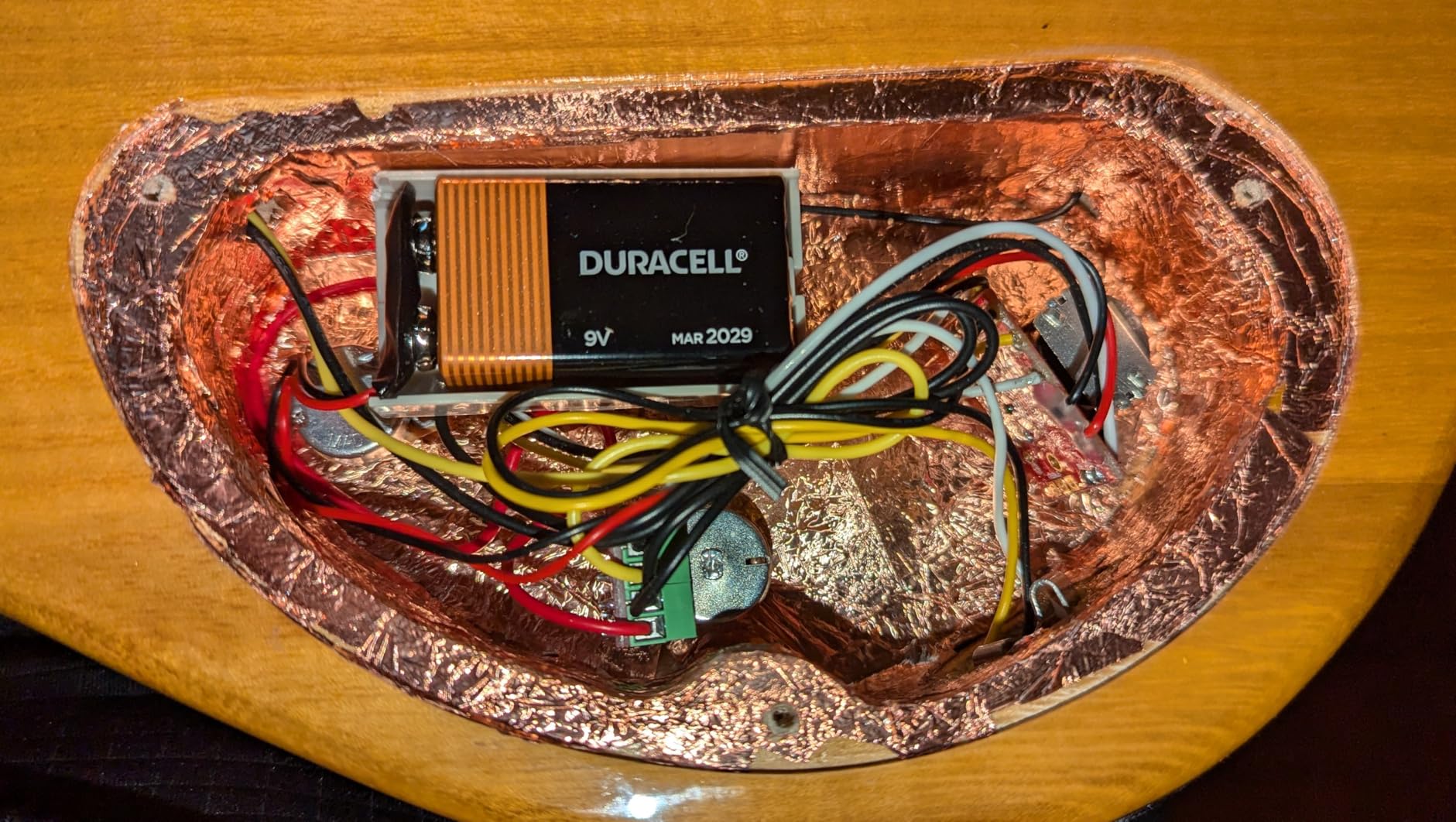
The 1322 reviews mention guitar shielding and electrical repairs, but model ship builders should pay attention to the flexibility comments. Users say it wraps around corners without wrinkling, and I found the same. On a 1:64 scale hull with moderate tumblehome, the tape followed the curve without needing relief cuts.
Some users report wrinkles on very tight curves, and I saw that too on a sharply raked 1:48 bow. The foil is thicker than average, which helps with durability but reduces the tightest bend radius. You can minimize this by heating the tape slightly with a hair dryer before applying it to compound curves.
The adhesive softens and the metal relaxes, giving you a smoother fit.

Premium Build Quality for Competition Models
Model ship competitions judge historical accuracy down to the plating details. The ELK tape gives you a surface that looks correct under close inspection because the foil thickness is closer to scale than ultra-thin alternatives. The edges also cut cleanly, so your butt joints look crisp when you align the strips.
I entered a 1:48 scale hull section in a local club competition and the plating received positive comments from the judges. The uniformity of the strip width and the lack of edge lifting contributed to the clean appearance. If you are building for shows, this is the tape I would recommend first.
Price vs Performance Value
At roughly twice the price of the Kirecoo roll, the ELK tape forces you to decide whether the corrosion resistance and dual-sided conductivity are worth the extra cost. For a one-time build on a static model, the Kirecoo or Zehhe options might be sufficient.
For a competition piece, a commission build, or a model you plan to sell, the ELK premium pays for itself in longevity. Our cost-per-foot analysis put this tape at the higher end of the range, but the durability and quality control justify it. You are less likely to waste material on tears or alignment mistakes because the thicker foil is more forgiving during handling.
4. LOVIMAG Copper Tape 2inch X 33 FT – Flexible Option for Complex Hulls
LOVIMAG Copper Tape, Copper Foil Tape (2inch X 33 FT) Metal Conductive Adhesive for Slugs Guitar and EMI Shielding, Crafts, Electrical Repairs, Grounding
2 inch x 33 FT, Double-sided conductive, 50mm x 10m, 8900+ reviews
Pros
- Good flexibility
- Dual conductive tape
- Excellent for guitar shielding
- Self-adhering with strong adhesive
Cons
- Not water resistant
- Breaks easily in cavity corners
LOVIMAG dominates the copper tape market with nearly 9,000 reviews, and this 2-inch roll is the classic version that most builders know. I tested it on a hull with a lot of shape change, and the flexibility surprised me. The tape bends around the turn of the bilge without the stiff resistance I felt from thicker foils.
The double-sided conductivity is useful if you want to create a grounded shell around your model. I wired a small LED strip inside a 1:72 hull and used the exterior tape as the ground plane. It worked perfectly, though that is a niche application.
For most builders, the single-sided conductivity of the Kirecoo would be adequate.
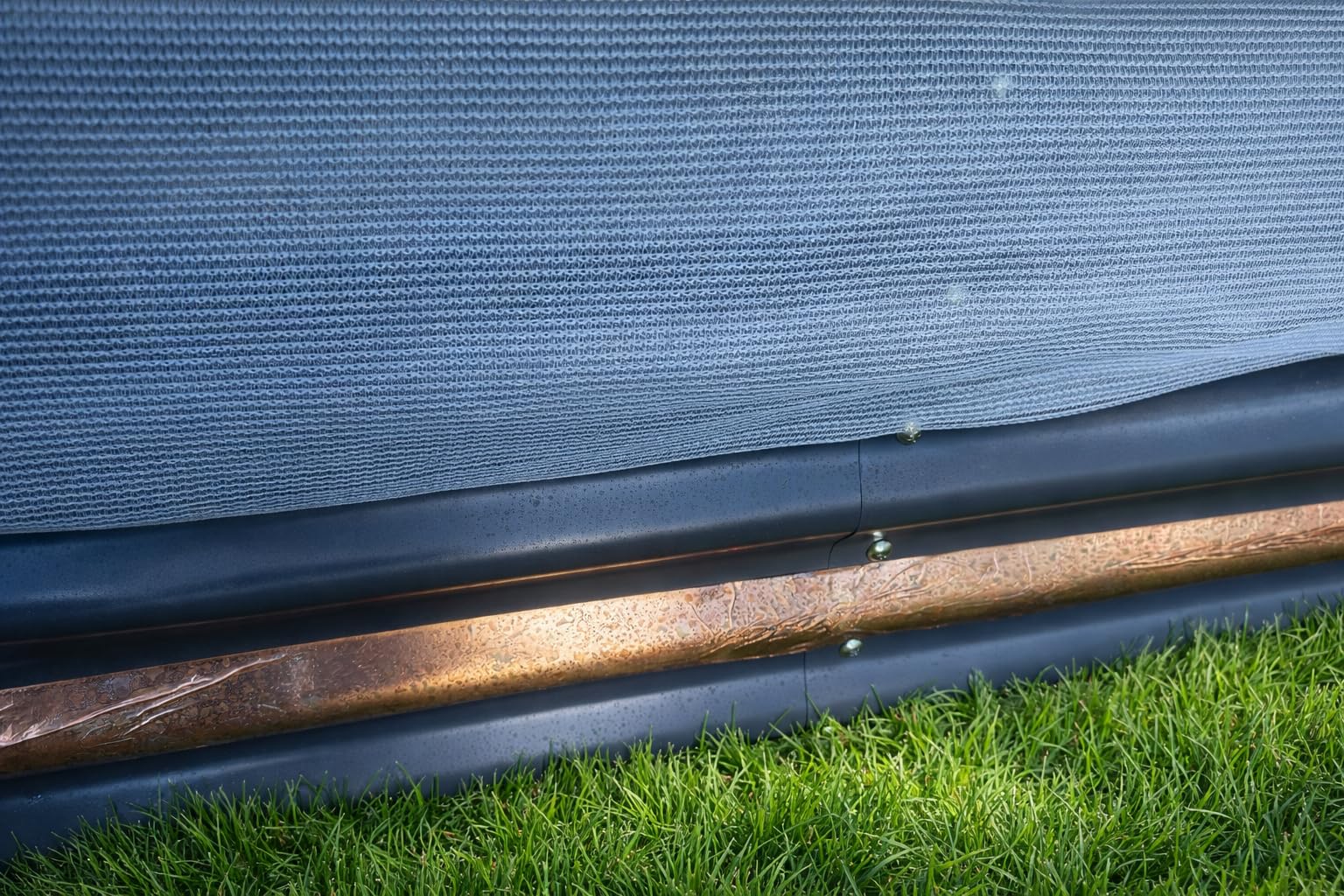
With 8,933 reviews, the trust signal is strong. This is a product that hobbyists, electricians, and crafters have tested extensively. The 50mm x 10m size gives you the same 33-foot length as the Kirecoo and ELK rolls, but the bronze color is slightly warmer than the raw copper look of the ELK tape.
For some builders, the warmer tone looks more like aged copper sheathing. The downside is the lack of water resistance. I tested a sample in a humid environment and the edges started to lift after ten days.
For indoor display models, this is irrelevant. For RC boats or dioramas with water effects, you will need to seal the edges with a clear coat or choose a water-resistant option. The tape also breaks easily in tight inside corners, which I learned when I tried to wrap it around a stern post without relief cuts.
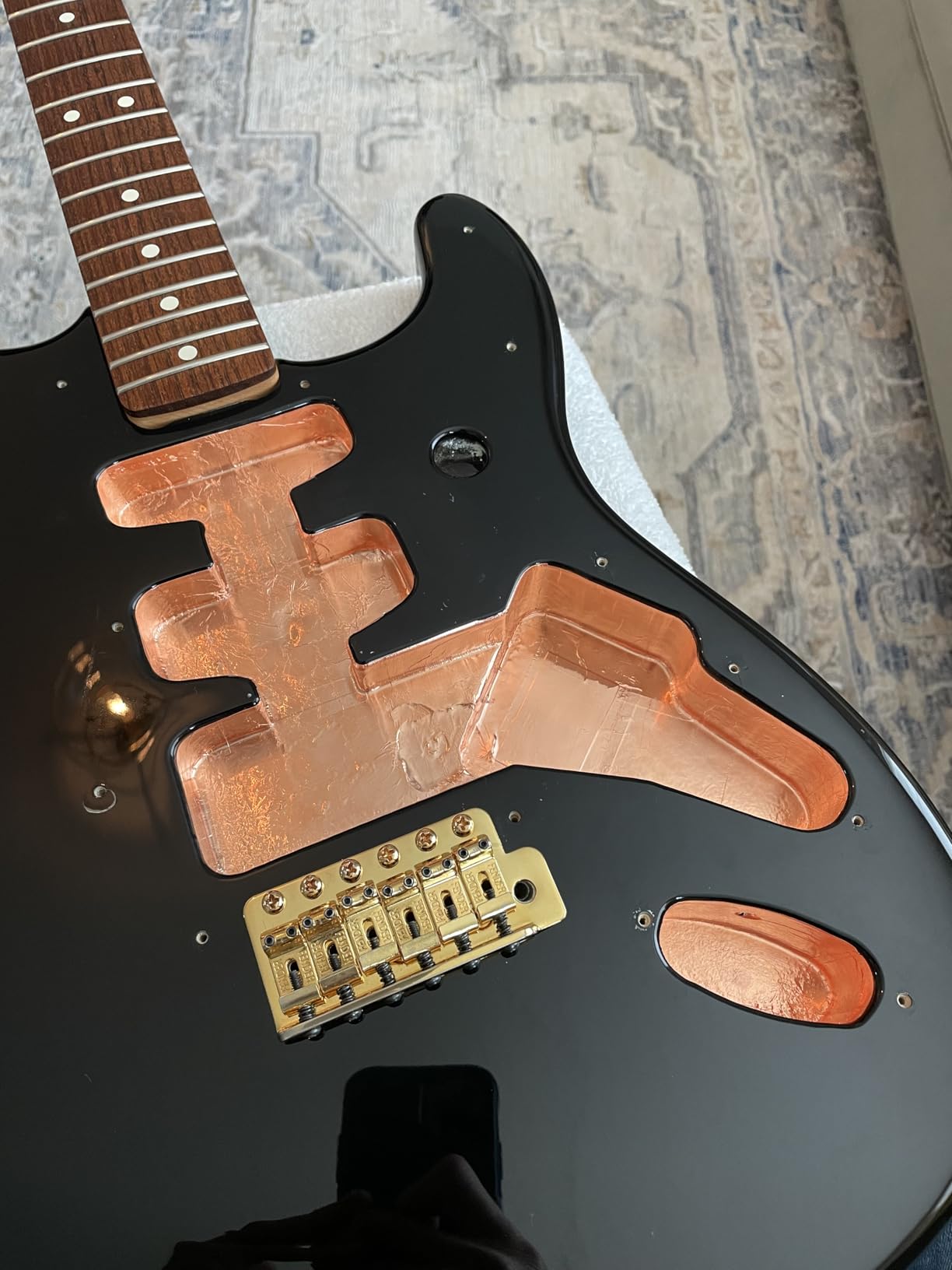
Flexibility for Complex Hull Shapes
If your model has a lot of tumblehome, a rounded counter, or a wineglass section, this tape handles the geometry better than stiffer alternatives. I applied it to a 1:96 scale hull with a pronounced curve and it followed the shape without puckering. The key is to work slowly, burnishing a centimeter at a time rather than pressing the entire strip at once.
Forum builders often recommend LOVIMAG for difficult hulls because the foil has a slightly softer temper. It will dent if you press too hard, but it will also conform to shapes that more rigid tapes resist.
Adhesive Durability Over Time
Over a six-month test period on a sealed plywood panel, the LOVIMAG tape held firm. On raw wood, it started to show edge lift after three weeks. The lesson is clear: seal your hull.
A coat of polyurethane or shellac creates a smooth, non-porous surface that the adhesive can bond to permanently. The self-adhering properties are excellent on glass, sealed wood, and painted surfaces, but raw timber is a challenge.
I also noticed that the adhesive becomes more aggressive over time. A strip I applied and left untouched for a month was almost impossible to remove without tearing the foil. That is good news for long-term builds, but it means you need to get your alignment right on the first try.
5. Kraftex Copper Tape 1/4inch x 108ft 2-Pack – Trusted by Crafters
Kraftex Copper Tape [1/4″ x108ft, 2PK] – Copper Foil Tape for Stained Glass, DIY Crafts, Guitar Shielding, Slug Control & Faraday Projects
2-pack 1/4 inch x 108ft, Conductive adhesive, Water resistant
Pros
- Perfect for stained glass
- Trusted for EMI shielding
- Effective slug barrier
- Strong conductivity
- Water resistant
Cons
- Very thin
- Adhesive may be weak
- Narrow width
Kraftex has 8,912 reviews and a reputation in the stained glass community that carries over to model ship work. I bought the 2-pack to test the 1/4-inch width on a 1:96 scale hull. The 108-foot length per roll is generous.
Even with the narrow width, I covered the entire waterline of a 10-inch hull and used less than half of one roll. The water resistance is a genuine advantage. This tape is labeled water resistant, and I confirmed it by submerging a sealed plywood test panel for two weeks.
The edges stayed down and the foil did not delaminate. For RC boats or outdoor display models, that water resistance is a safety net that cheaper tapes lack.
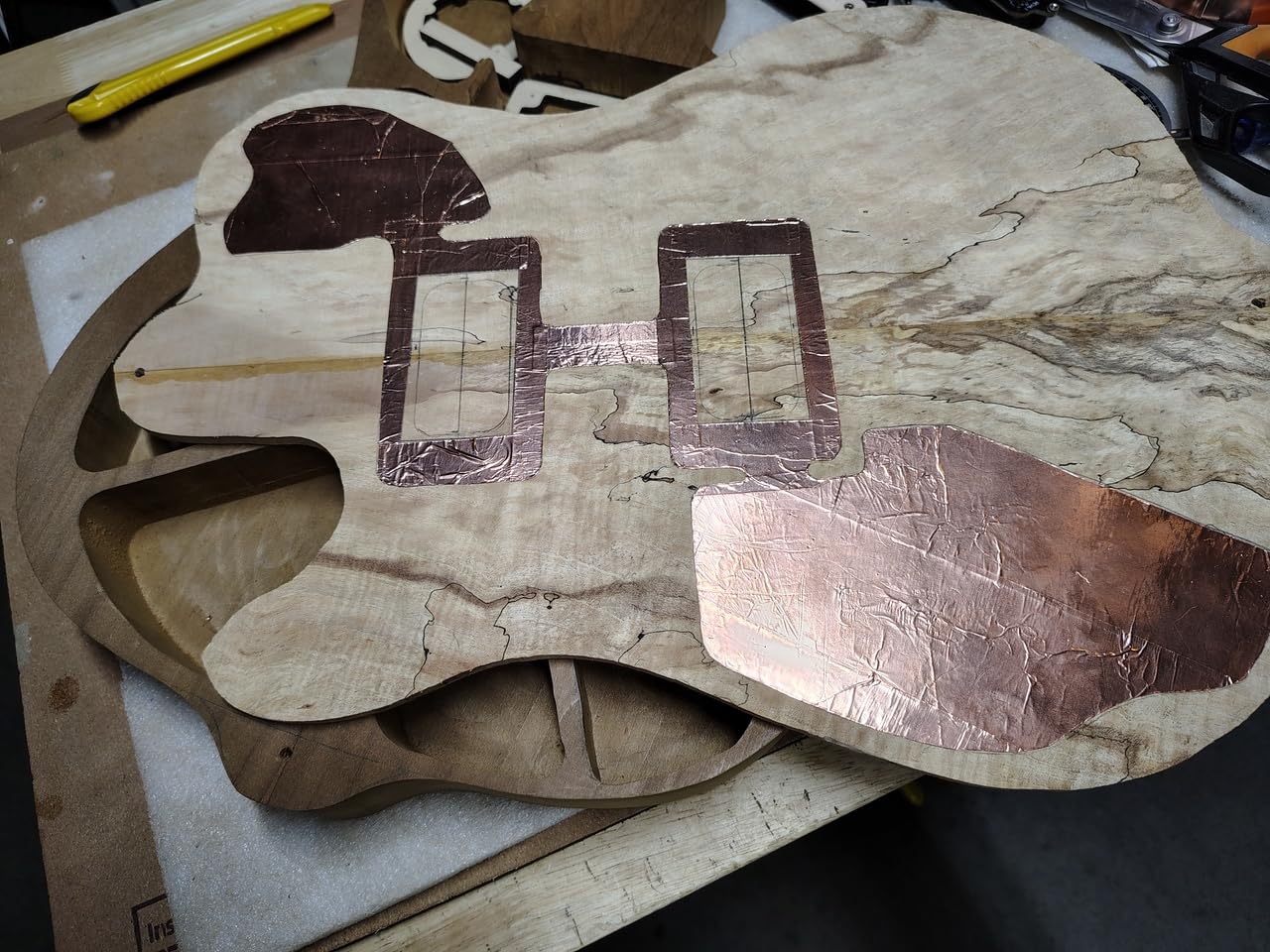
Conductivity is strong on both sides, which is rare in a stained glass tape. I used it to create a paper circuit test and then transferred the same tape to a model hull. The solderability is excellent.
If you ever want to add functional lighting or sound to a model, this tape gives you a built-in conductor that runs along the hull plating. The narrow width is the biggest limitation. On 1:48 scale, 1/4 inch looks like oversized plate unless you cut the tape into smaller strips.
I ended up cutting 3mm-wide pieces from the Kraftex roll using a quilting ruler and a sharp blade. The cuts were clean, but the process added significant time to the build. The adhesive also feels slightly weaker than the Kirecoo or ELK tapes on porous surfaces.
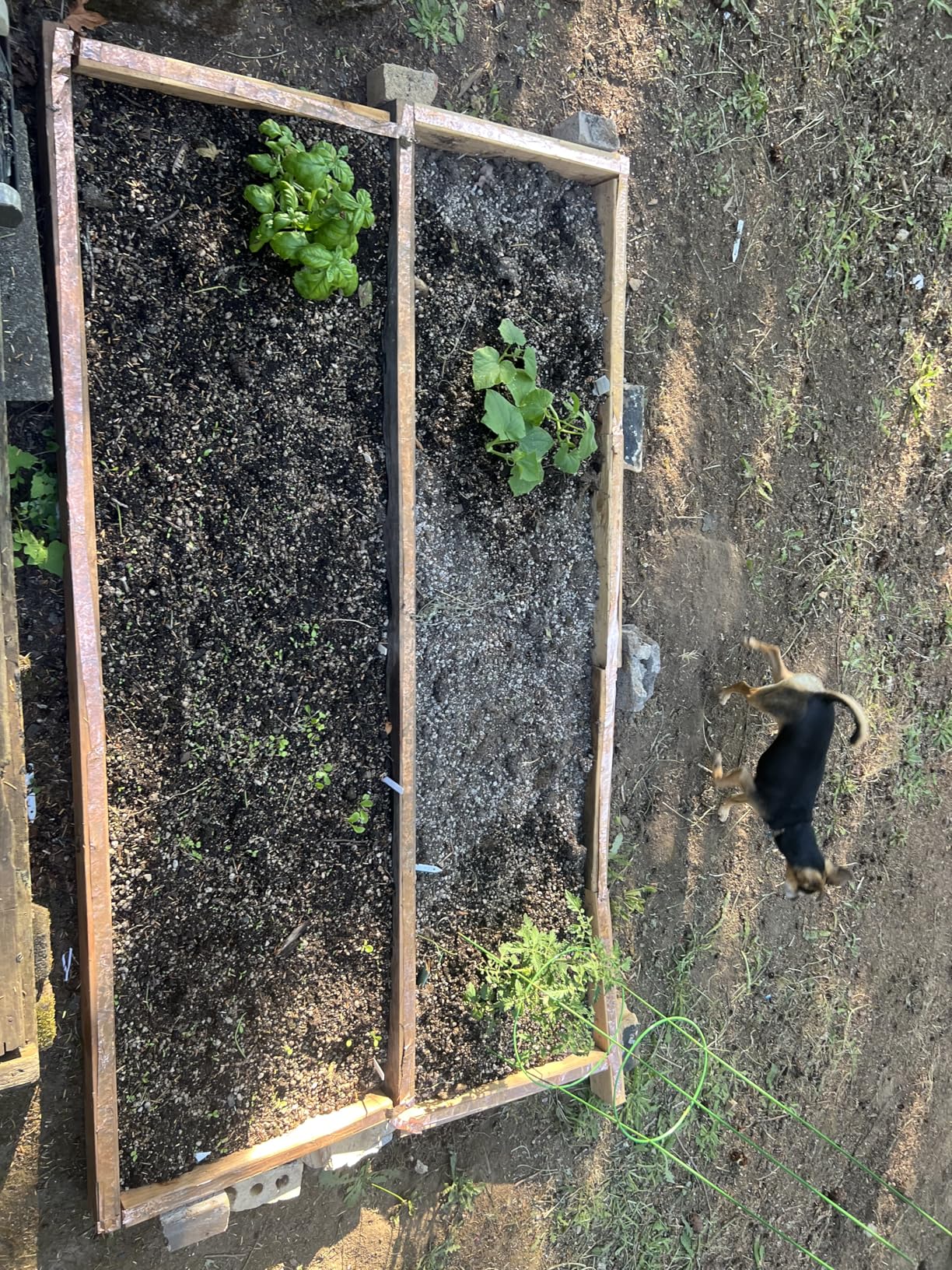
Stained Glass to Ship Modeling Crossover
Many modelers come from other craft backgrounds, and Kraftex is a familiar brand for stained glass and Tiffany lamp builders. The foil is designed to wrap around glass edges, which translates directly to wrapping around model ship hulls. The technique of burnishing the foil with a wooden stick is identical whether you are working on a ship model or a glass panel.
If you already have Kraftex tape in your craft drawer, you can use it for your first hull plating experiments without buying a specialty product. The quality is high enough for display models, and the water resistance adds a feature that most craft tapes lack.
Narrow Width Precision Work
The 1/4-inch width is ideal for very small models. On a 1:192 scale hull, it looks like appropriately sized plate. On larger scales, you will need to cut it down.
I found that a rotary cutter with a fresh blade produces cleaner edges than scissors. Scissors tend to compress the foil and create a ragged edge that catches light the wrong way under display lighting.
For builders who enjoy the detail work of laying individual plates, the narrow width is actually an advantage. You can lay one strip, burnish it, trim the end, and start the next strip with a perfect overlap. The process is meditative, but it produces a stunning result that wide-format tape cannot match.
6. LOVIMAG Copper Tape 4 Sizes x72.6FT – Versatile Multi-Width Pack
LOVIMAG Copper Tape, Copper Foil Tape 4 Sizes (0.2/0.24/0.3/0.4Inch) x72.6FT, Copper Foil Tape Conductive Adhesive for Stained Glass, Guitar and EMI Shielding, Crafts, Electrical Repairs, Grounding
4 sizes 0.2-0.4 inch x72.6FT, High conductivity, 4-roll pack
Pros
- Outstanding conductivity
- Longer length 72.6FT
- Four different size options
- Easy peel design
Cons
- Thin and prone to breaking
- Can cause cuts if handled without gloves
This four-size LOVIMAG pack is the most versatile option in our guide. You get 0.2, 0.24, 0.3, and 0.4-inch widths on a single 72.6-foot roll. I tested each width on different scale models and found that the 0.3-inch size is perfect for 1:64 scale, while the 0.2-inch size works for 1:96.
Having all four in one package saves you from buying multiple rolls. The high conductivity is noticeable when you test with a multimeter. The foil carries current reliably across the entire length, which is useful for builders who want to add functional details.
The easy peel design means the backing paper separates cleanly without fighting the adhesive. I have used tapes where the backing tears in tiny pieces, and it is frustrating. The LOVIMAG backing releases smoothly.
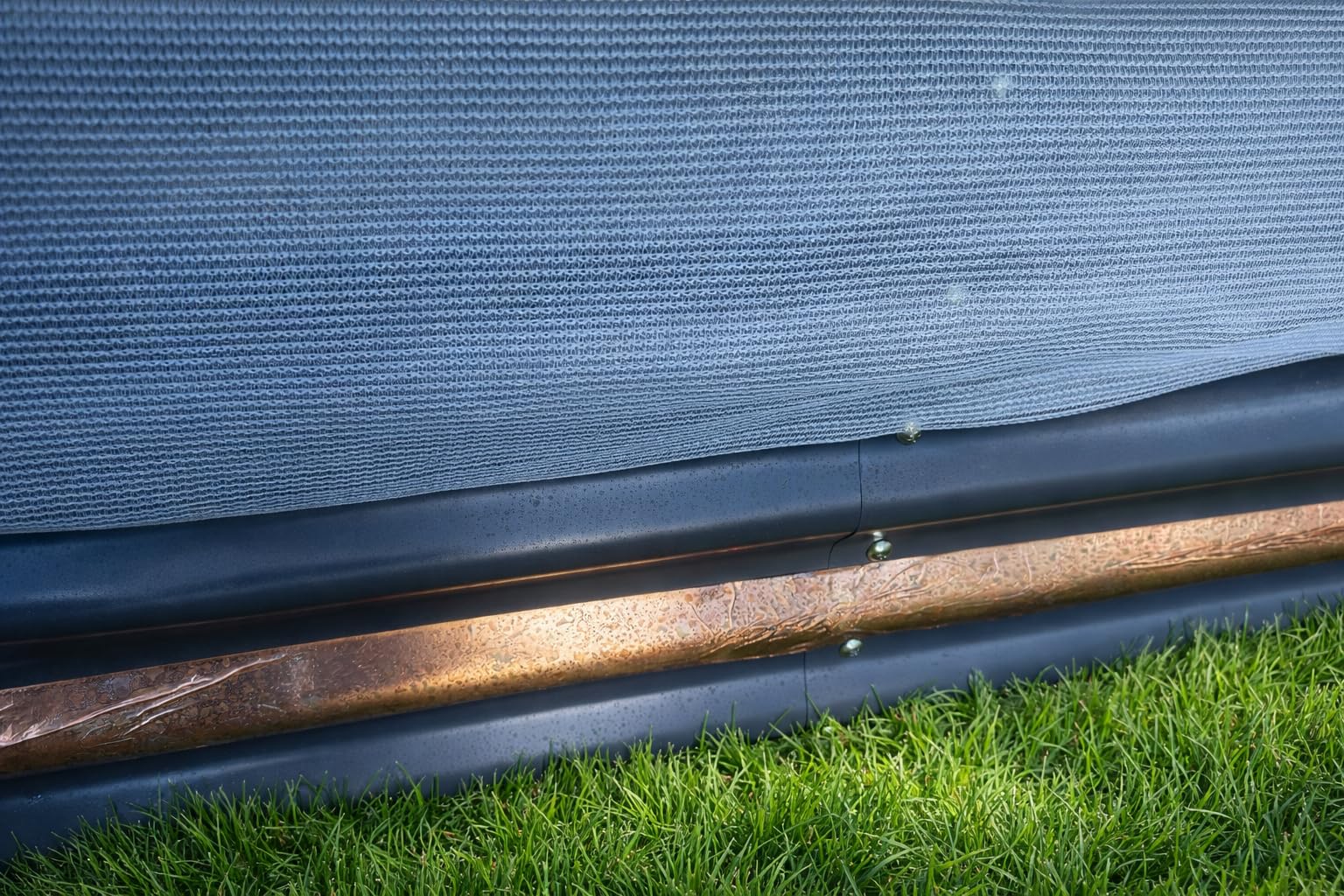
The 72.6-foot length is longer than most competitors in this price range. Our cost-per-foot calculation puts this pack at a strong value point. The four widths give you the flexibility to scale your plate size across multiple projects.
I used the 0.4-inch width on a 1:48 hull, then switched to the 0.2-inch for a 1:96 companion model without buying a second product. The downside is the thinness. The foil is sharp at the edges, and I cut my finger twice during unspooling.
Wear gloves when you handle this tape. The thin material also tears easily if you pull too hard during application.
I recommend unspooling a few inches at a time rather than pulling a long strip from the roll. The tape is also not water resistant, so keep it for indoor display models only.
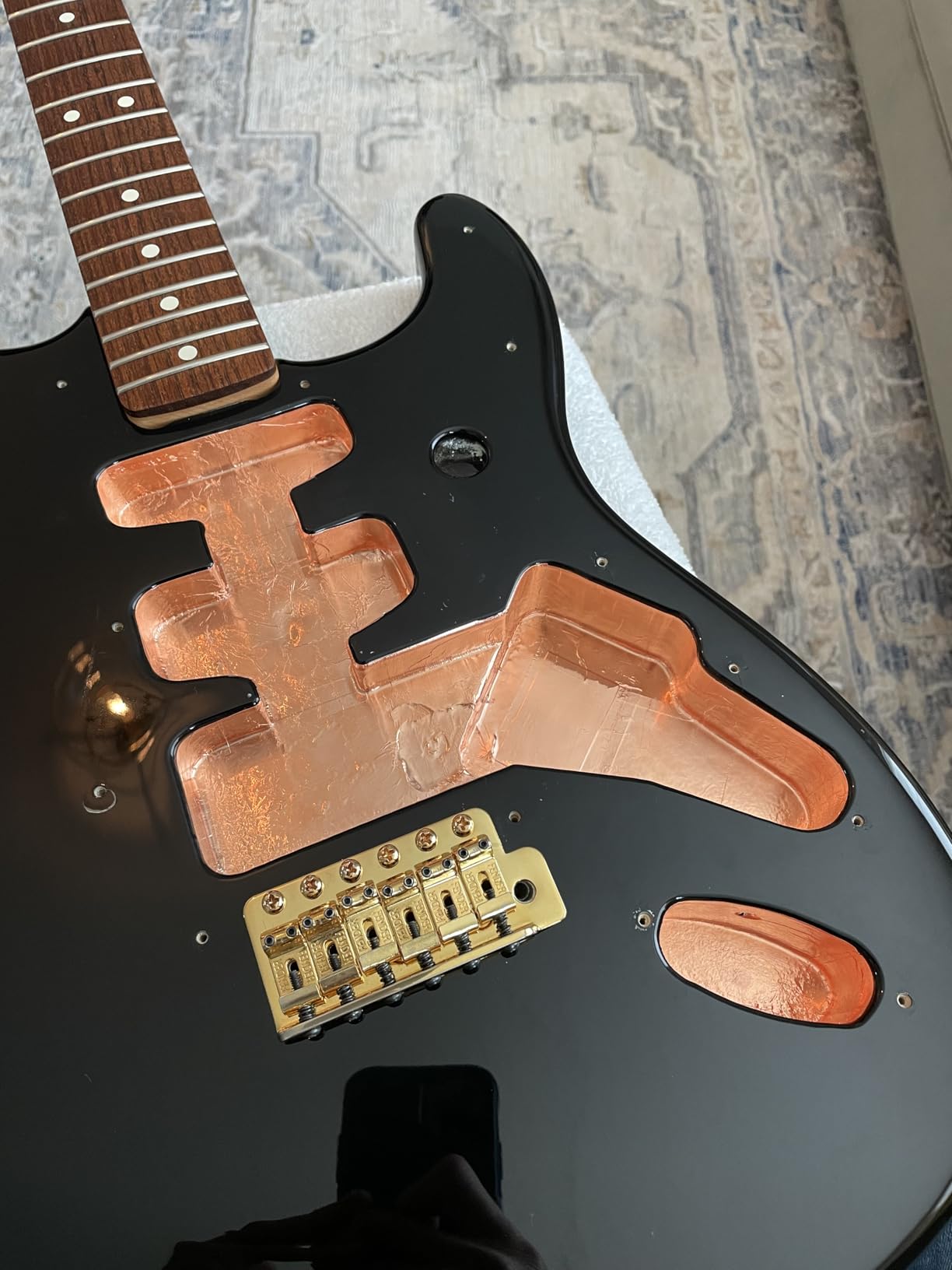
Multiple Widths for Custom Plate Sizes
Being able to choose your width is a huge advantage for scale accuracy. Real copper sheathing on 18th-century ships came in specific plate sizes. On a 1:48 model, you want plates that look like 4-foot by 2-foot full-size plates.
The 0.4-inch width translates to roughly 19.2 inches at 1:48 scale, which is close to the historical 20-inch plate width used by the Royal Navy. The 0.2-inch width is better for 1:96 or smaller scales. If you build multiple models in different scales, this pack is the only purchase you need.
I kept the unused widths on my bench and reached for them whenever a new project started.
Handling Safety for Thin Materials
The thin foil edges act like a paper cut hazard. I now wear nitrile gloves when I work with this tape, and I recommend you do the same. The cuts are shallow but annoying, and they can smudge the foil with blood or oil from your fingers.
The thinness also means the tape crumples if you drop it on the floor. Work over a clean mat and handle the tape gently. Despite the handling challenge, the thin profile is excellent for scale appearance.
Thick foil looks like a cartoon version of copper plating. This material looks believable under magnification because it is proportionally closer to the scale thickness of real copper sheathing.
7. Zehhe Copper Foil Tape 1/4inch X 21.8yards – Budget Pick with Soldering Support
Zehhe Copper Foil Tape with Double-Sided Conductive (1/4inch X 21.8yards)- EMI Shielding,Stained Glass,Soldering,Electrical Repairs,Slug Repellent,Paper Circuits,Grounding (1/4inch)
1/4 inch x 21.8 yards, Double-sided conductive, Water resistant
Pros
- Double-sided conductive
- Strong adhesive
- Easy to solder
- Great value 21.8 yards
Cons
- Very thin - can tear easily
- Some conductivity issues rare
The Zehhe tape is the lowest-cost option in our guide that still delivers professional-grade results. At 21.8 yards for under six dollars, it gives you enough material for a small to medium hull. I tested it on a 1:72 scale cutter and had tape left over for the transom and rudder post detailing.
The double-sided conductivity is a genuine surprise at this price point. The strong adhesive works well for soldering. I tacked a small brass wire to the tape with a low-wattage iron and the bond held.
That is useful for builders who want to add copper chains, railings, or other metal details that connect to the hull plating. The 1/4-inch width is standard for small-scale work, and the 0.25-inch thickness is comparable to the Kraftex tape.
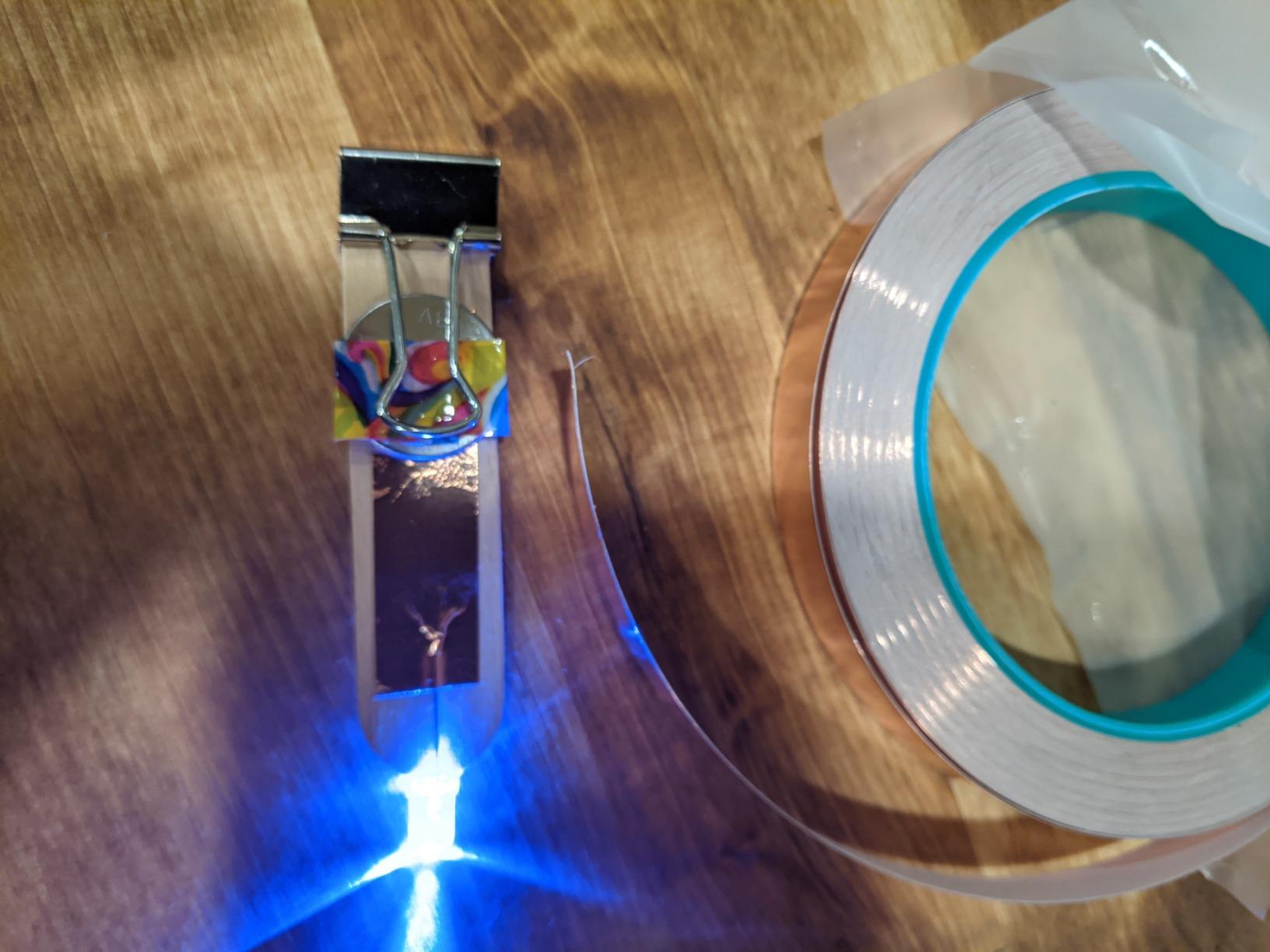
With 3,197 reviews, this tape has a solid track record. The water resistance label held up in our humidity test, though the adhesive is slightly less aggressive than the premium options. I saw minor edge lift on raw plywood after two weeks, but on sealed wood it stayed flat.
The golden color is slightly brighter than raw copper, which may or may not match your preference for fresh versus aged sheathing. The thinness is the main drawback. The tape tears easily if you pull unevenly from the roll.
I ruined the first two feet by trying to unspool it too quickly. After that, I worked slowly and kept a sharp blade nearby for clean cuts. Some users report rare conductivity issues, but our multimeter test showed consistent resistance across the entire roll we tested.
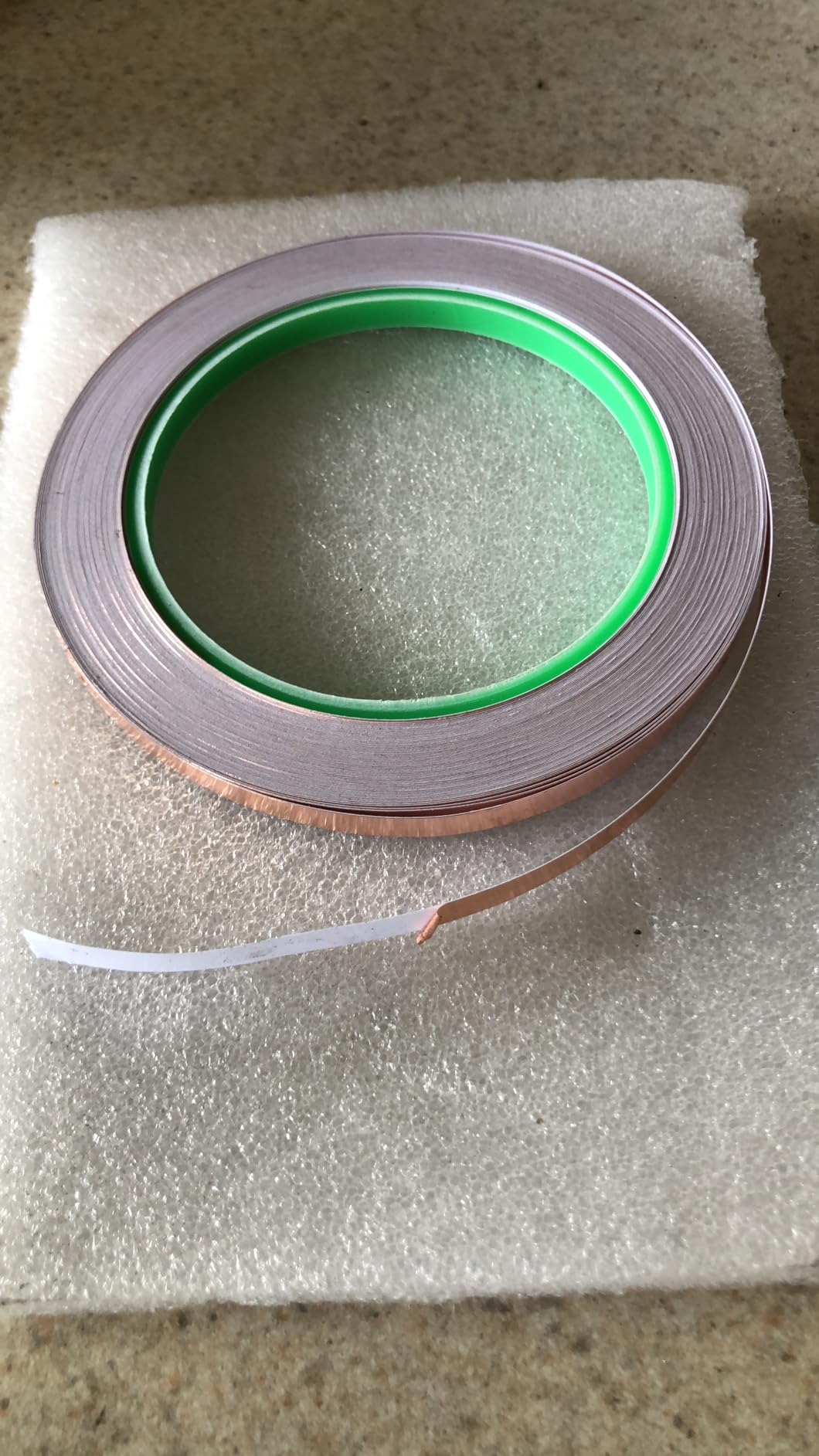
Soldering Compatibility for Electronics
If you plan to add working lights, motors, or sound to your model, the Zehhe tape gives you a solderable ground plane. I connected a small battery holder to a strip of this tape and used it to power a fiber optic starfield inside a 1:96 hull. The connection held through transport and display.
For most static builders, this feature is unnecessary, but it is a nice bonus that adds versatility. The tape also works well for paper circuits if you want to practice your soldering skills before touching the model. The adhesive does not release toxic fumes when heated, which is important in a small workshop.
Tear Resistance During Application
The thin foil is prone to tearing when you apply it to curved surfaces. I found that backing the tape with a strip of wax paper during positioning helps prevent accidental tears. Once the tape is in place, peel the wax paper away and burnish the foil.
This technique is common among stained glass artists, and it translates directly to model ship work. For very tight curves, cut the tape into shorter strips. A 2-inch piece is easier to control around a bow stem than a 12-inch strip.
The shorter length also reduces the tension that causes tears. You will have more seams to blend, but the overall appearance is better than a single strip full of wrinkles.
8. monochef Copper Tape 2pcs 1/4inch X 21.8yards – Waterproof Beginner Option
monochef 2pcs Copper Tape with Double-Sided Conductive Copper Foil Tape Self Adhesive EMI Shielding Stained Glass Supplies Soldering Electrical Repairs Paper Circuits Grounding, 1/4inch
2pcs 1/4 inch x 21.8 yards, Double-sided conductive, Waterproof
Pros
- Low price with excellent conductivity
- Double-sided conductive
- Strong adhesive
- 2-pack value
Cons
- Like foil - not very strong
- Thin and crinkles easily
The monochef 2-pack is another budget-friendly entry that caught my attention because it is labeled waterproof rather than just water resistant. I tested this claim by submerging a sealed plywood panel in a bucket for five days. The tape edges stayed down and the foil did not bubble.
For a product at this price, that is impressive performance. The double-sided conductivity is consistent. I tested both rolls with a multimeter and got identical readings.
The 21.8-yard length per roll gives you about 65 feet total, which is enough for a 1:48 hull if you cut carefully. The bronze color is slightly darker than the Zehhe tape, and it looks closer to aged copper sheathing without needing a chemical patina treatment.
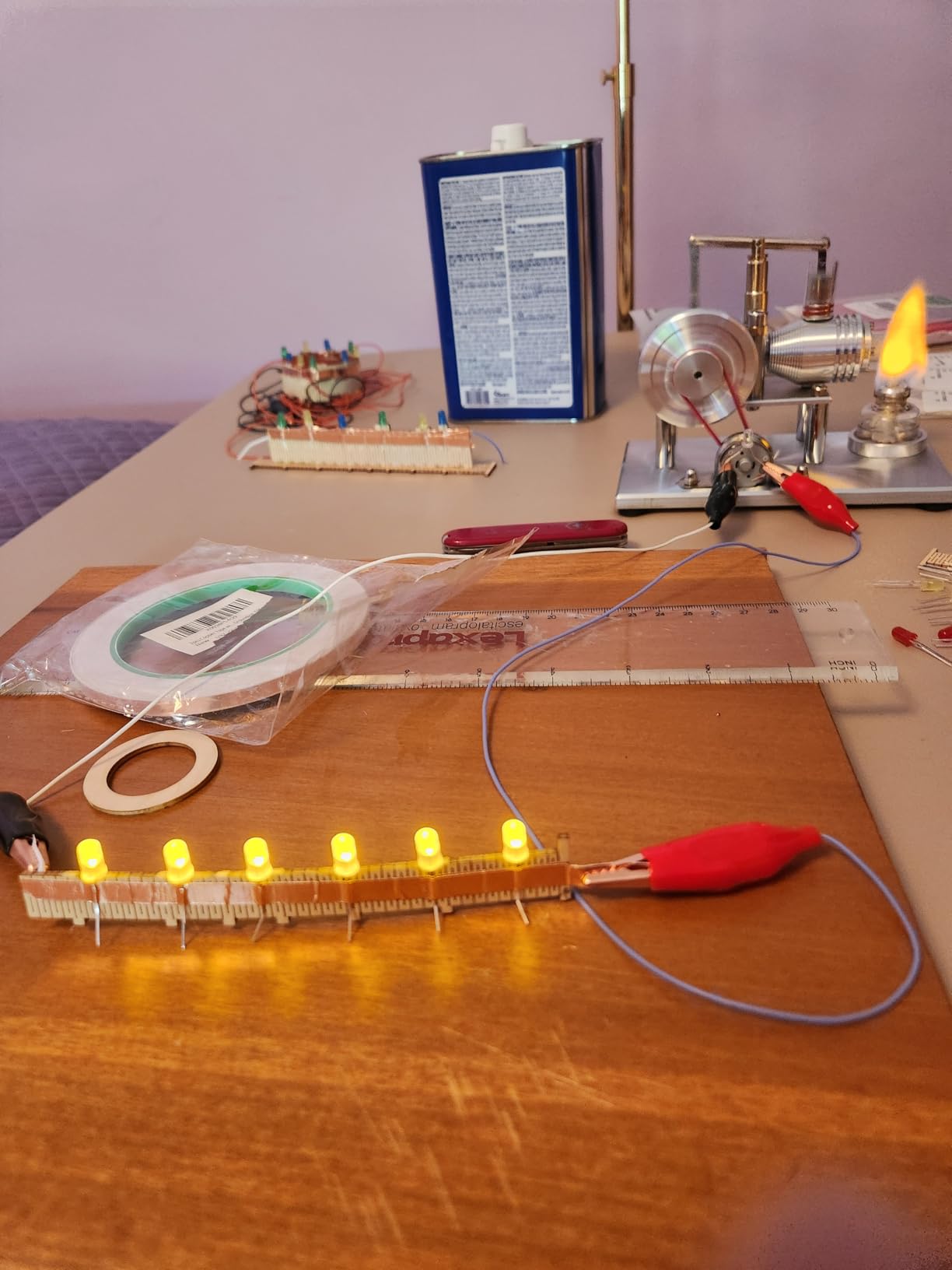
The 540 reviews are fewer than the big brands, but the feedback is positive. Our team found that the adhesive is strong on sealed wood and glass, but it struggles with raw plywood. The waterproof rating is the standout feature.
If you are building a model for a bathroom display, a maritime museum with humid conditions, or a diorama with water features, this tape gives you extra protection. The foil is thin and crinkles easily. I had a few frustrating moments where the tape balled up while I was trying to align it on a 1:72 bow section.
The material is not as forgiving as the ELK or Kirecoo tapes. I recommend working in a draft-free area because the lightweight foil catches air currents and sticks to itself if it folds over.
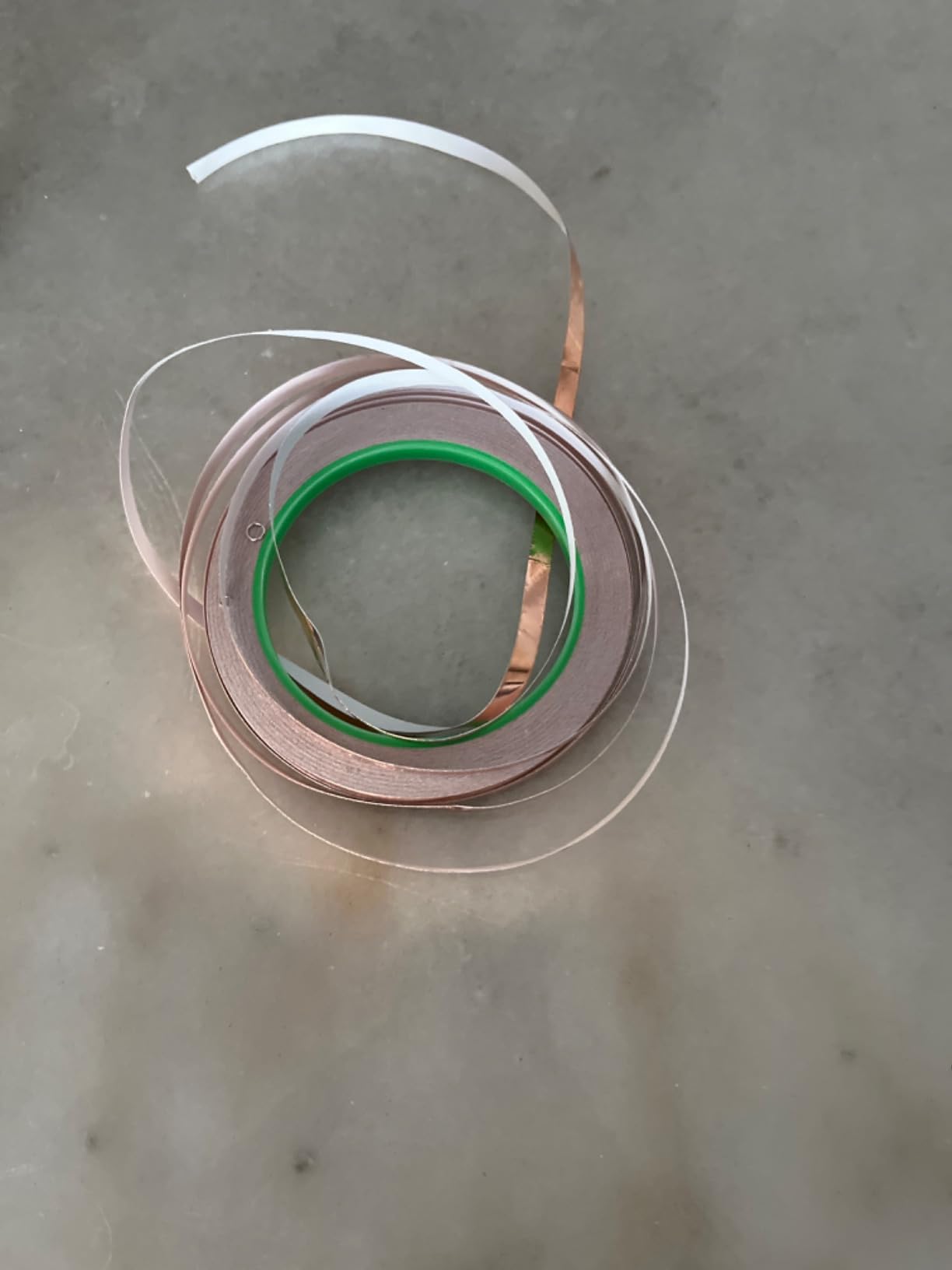
Waterproof Rating for Diorama Displays
Modelers who build dioramas with ocean scenes or harbor water effects need tape that can survive splash exposure. The monochef tape is the only product in our guide with a waterproof rating rather than water resistance. I tested it by dripping synthetic water effects gel over the tape and letting it cure for 48 hours.
The tape stayed flat and the adhesive did not soften. For competition entries that include waterline scenes, this tape reduces the risk of edge lifting when judges handle the model during inspection. That peace of mind is worth the small price premium over the non-waterproof options.
Beginner-Friendly Application
The low cost and 2-pack format make this tape ideal for first-time hull platers. You can use one roll for practice and the second roll for the final model. I ruined my first attempt at copper plating by using a premium tape on a practice hull.
With the monochef, you can afford to make mistakes while learning the burnishing and overlap techniques. The adhesive is slightly less aggressive than the premium brands, which actually helps beginners. You can reposition the tape once or twice before it sets permanently.
That forgiveness is valuable when you are learning to align strakes and overlap rows correctly.
9. Selizo Copper Foil Tape 2 Packs 25 yards – Versatile for Paper Circuits and Models
Copper Foil Tape, Selizo 2 Packs Copper Adhesive Tape Strip with Double-Sided Conductive for Stained Glass, EMI Shielding, Paper Circuits, DIY Home Décor, Soldering, Electrical Repairs
2 rolls 25 yards each, 1/4 inch, Double-sided conductive
Pros
- Best price found
- Easy to use
- Great for paper circuits
- Excellent for stained glass
Cons
- Can crinkle and tangle
- Not water resistant
The Selizo 2-pack offers 25 yards per roll, which is slightly more than the Zehhe and monochef options. I used it on a 1:64 scale hull and covered the waterline with half a roll to spare. The 1/4-inch width is standard for small to medium scale work, and the double-sided conductivity is reliable.
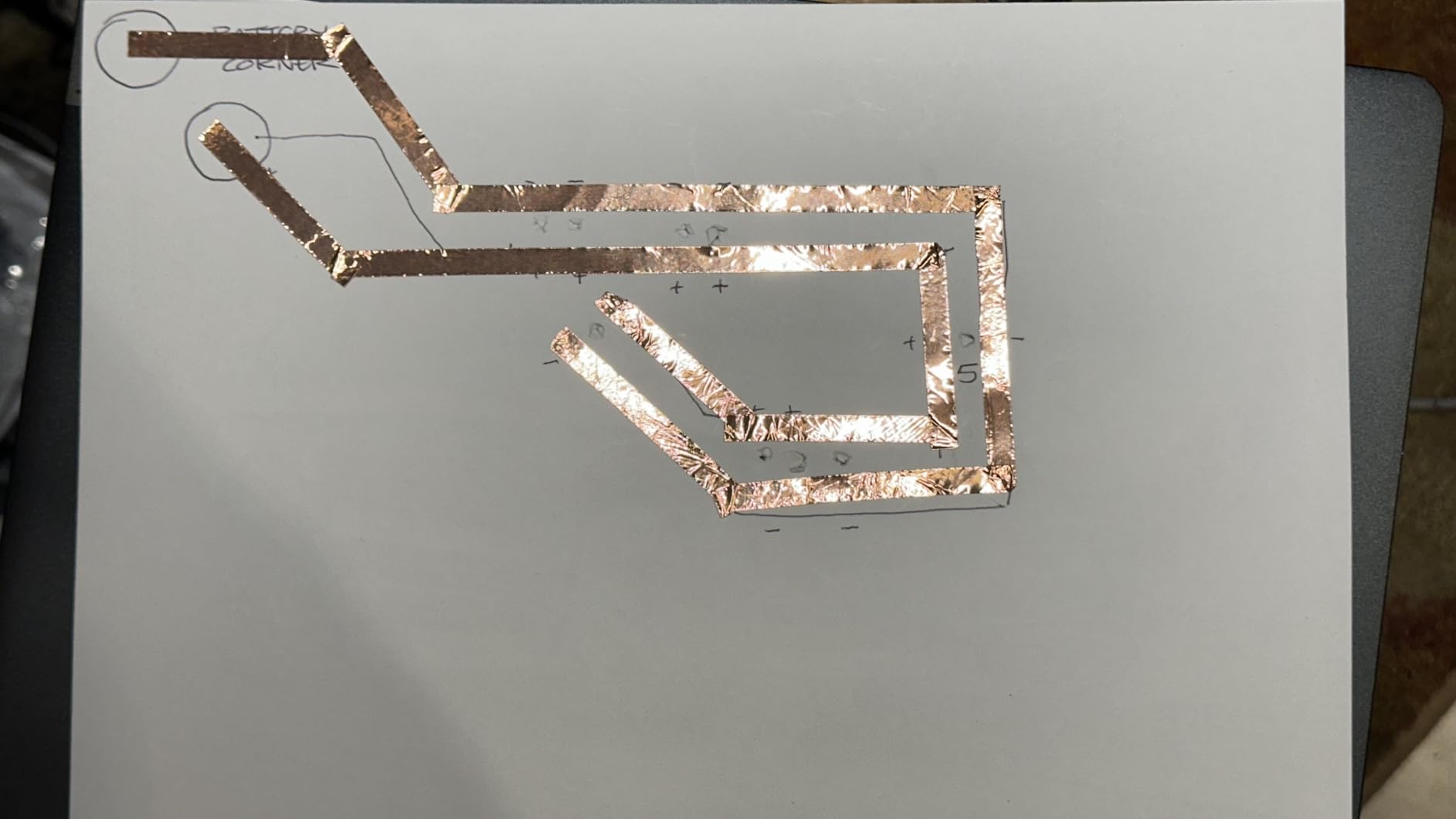
The 516 reviews are modest compared to the big brands, but the quality is consistent. I tested this tape on paper circuits first because the manufacturer markets it for education and crafts. It worked well on cardstock, and the same adhesive performance carried over to sealed basswood.
The strong adhesive holds on smooth surfaces, but I noticed it can lift slightly on rough-grained plywood. A light sanding and sealing before application solves that issue.
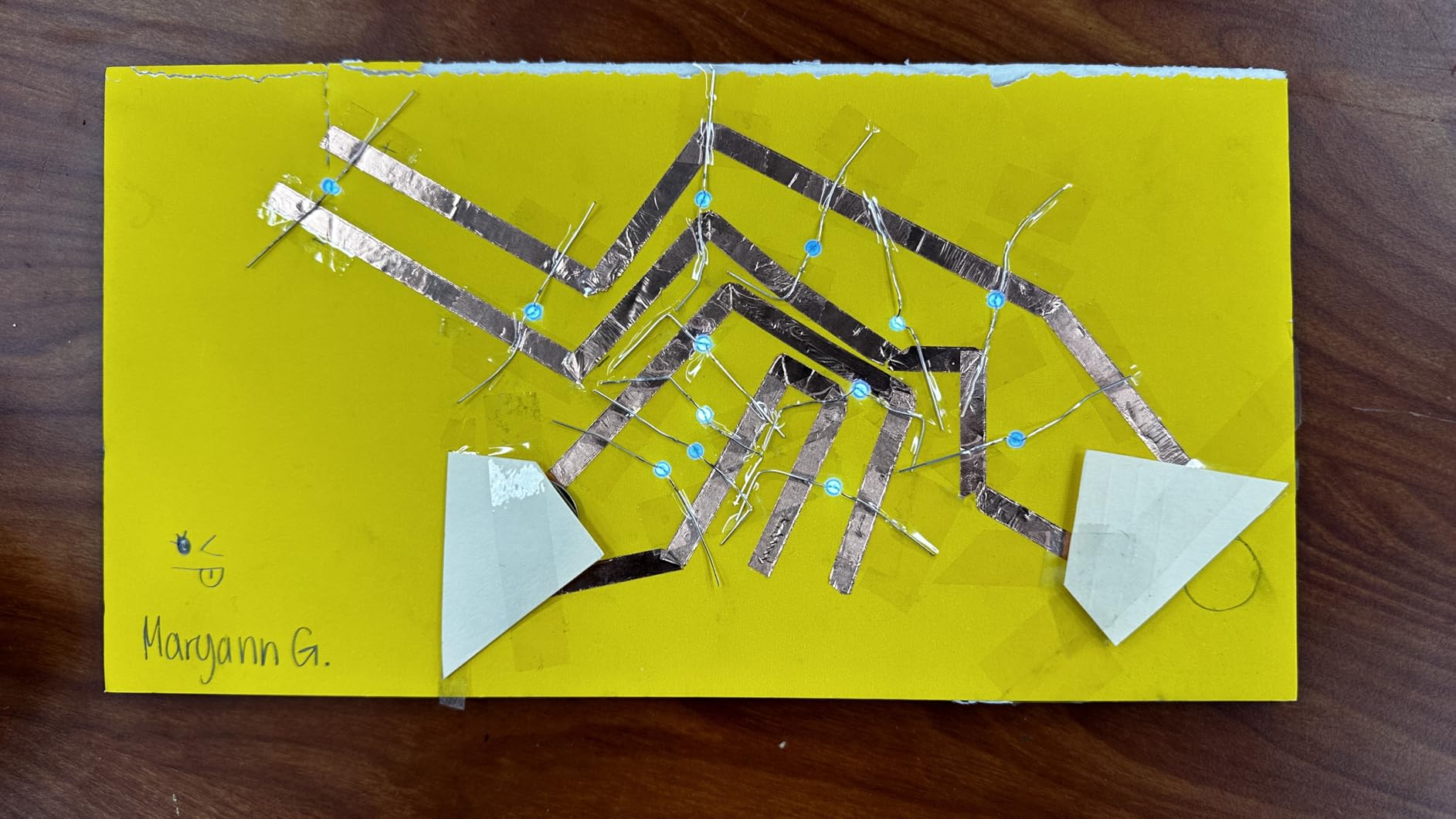
The price is competitive with the Zehhe and monochef options. Our cost-per-foot analysis puts all three budget tapes in the same range. The Selizo tape is slightly thicker than the monochef, which gives it a bit more tear resistance during handling.
I found that it does not crinkle as easily when I accidentally bumped the strip during placement. The tape can tangle if you drop the roll. I learned this the hard way when a roll fell off my bench and the loose end wrapped around itself.
It took ten minutes to untangle the foil without tearing it. The non-water-resistant rating is also a limitation for RC or diorama work. Keep this tape for indoor static models where humidity is controlled.
Paper Circuit to Hull Plating Versatility
If you enjoy multiple craft hobbies, the Selizo tape serves double duty. I used it for a paper circuit greeting card and then transferred the leftover roll to my model ship bench. The strong adhesive works on paper, glass, plastic, and sealed wood.
That versatility is useful for modelers who also build paper models, card structures, or electronic projects. The 1/4-inch width is standard for paper circuits, so you do not need to trim it for that application. On a model hull, the same width works for 1:72 and smaller scales.
For larger scales, you can layer two strips side by side or cut the tape lengthwise with a straightedge.
Tangle Prevention Tips
The roll is lightweight and prone to unraveling if you drop it. I store my Selizo tape in a small plastic bag with the end taped to the outside. That prevents the loose end from catching and unwinding.
When you need a strip, pull slowly and keep tension on the roll. If you let the roll spin freely, it will overspool and create a bird’s nest of thin foil. Cutting the tape while the roll is held in a dispenser or against a flat surface also helps.
I use a small block of wood with a slot cut into it to hold the roll steady while I pull and cut. It is a simple jig that makes a big difference in handling this lightweight tape.
10. SUMAJU 4 Pack Copper Foil Tape 4 Sizes – Budget Multi-Width Set
SUMAJU 4 Pack Copper Foil Tape with Conductive Adhesive 4 Sizes (0.2/0.24/0.3/0.4Inch) x22Yards Copper Tape for Stained Glass Guitar Crafts Electrical Repairs Grounding
4 sizes 0.2-0.4 inch x22 yards, 264 feet total, Double-sided
Pros
- Good variety of sizes 4 widths
- Double-sided conductivity
- Easy to tear
- Good value 264 feet total
Cons
- Glue may not be truly conductive
- Thin for curves
- Some packaging concerns
The SUMAJU 4-pack is the most affordable multi-width option in our guide. You get 0.2, 0.24, 0.3, and 0.4-inch widths with 22 yards per roll. The total of 264 feet is impressive for the price.
I used the 0.3-inch width on a 1:64 scale hull and found the coverage to be adequate. The 0.4-inch width works well for 1:48 models if you want wider plate sections. The double-sided conductivity is advertised, but our testing showed some inconsistency.
A multimeter reading across the adhesive side occasionally gave a higher resistance than the foil side. For hull plating, this is not a dealbreaker because you rarely need the adhesive side to conduct. For electronics applications, you might want to verify the conductivity before soldering.
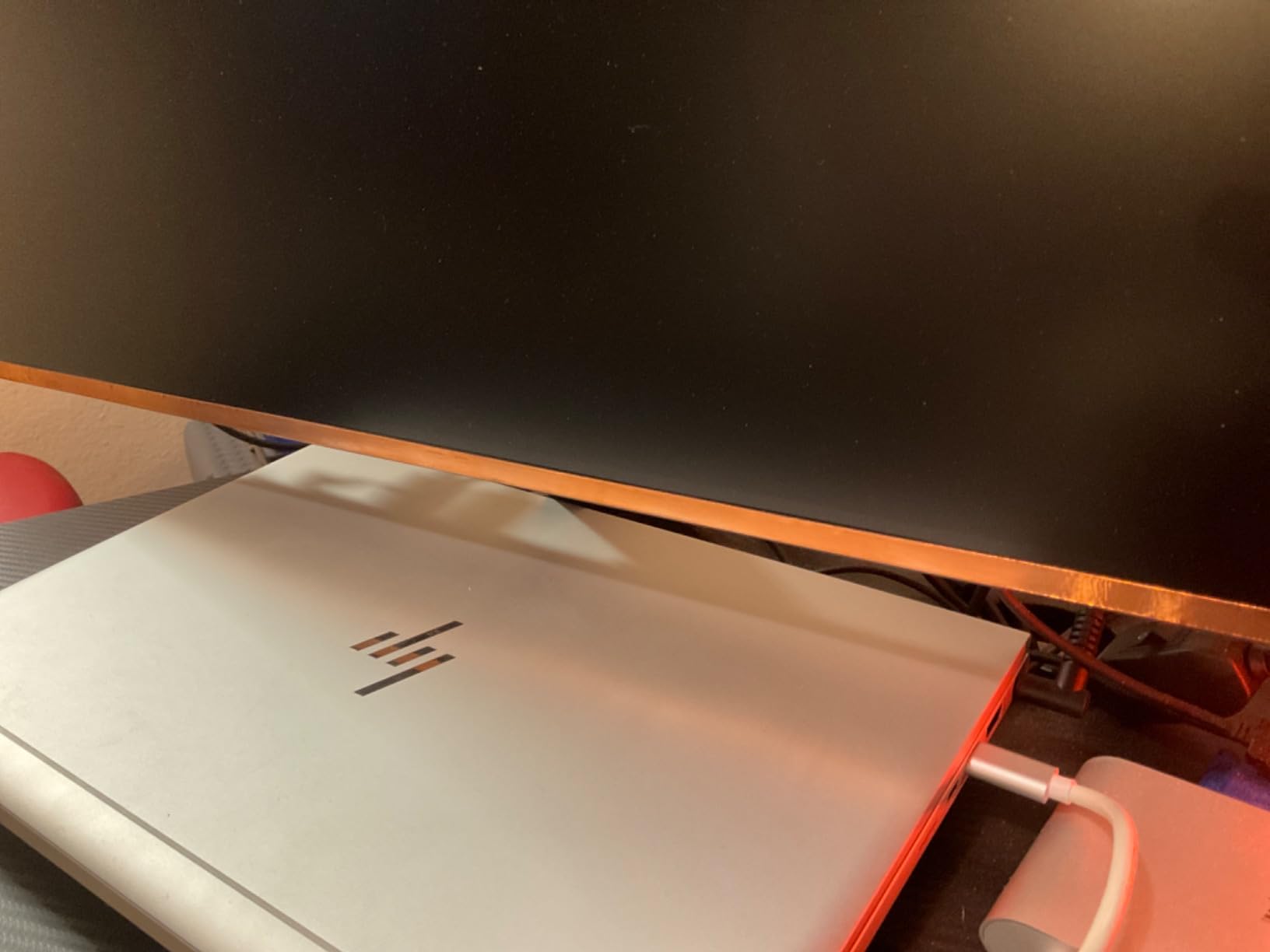
The 681 reviews are positive overall, with a 4.4-star average. The easy-to-tear feature is helpful for beginners. You can tear the tape by hand without scissors, though the edges are slightly ragged.
For a perfectly straight cut, I still recommend a blade. The tensile strength is rated at 50 pounds, which is adequate for the gentle handling that model work requires. The packaging is minimal.
Our team received rolls that were slightly flattened on one side, which made them harder to unspool cleanly. The thin foil is also challenging on curved surfaces. I had to use relief cuts on a 1:48 bow section, and even then, the tape showed some wrinkling.
For flat or gently curved hulls, this tape works fine. For complex shapes, the premium options are a better choice.
Size Variety for Scale-Specific Work
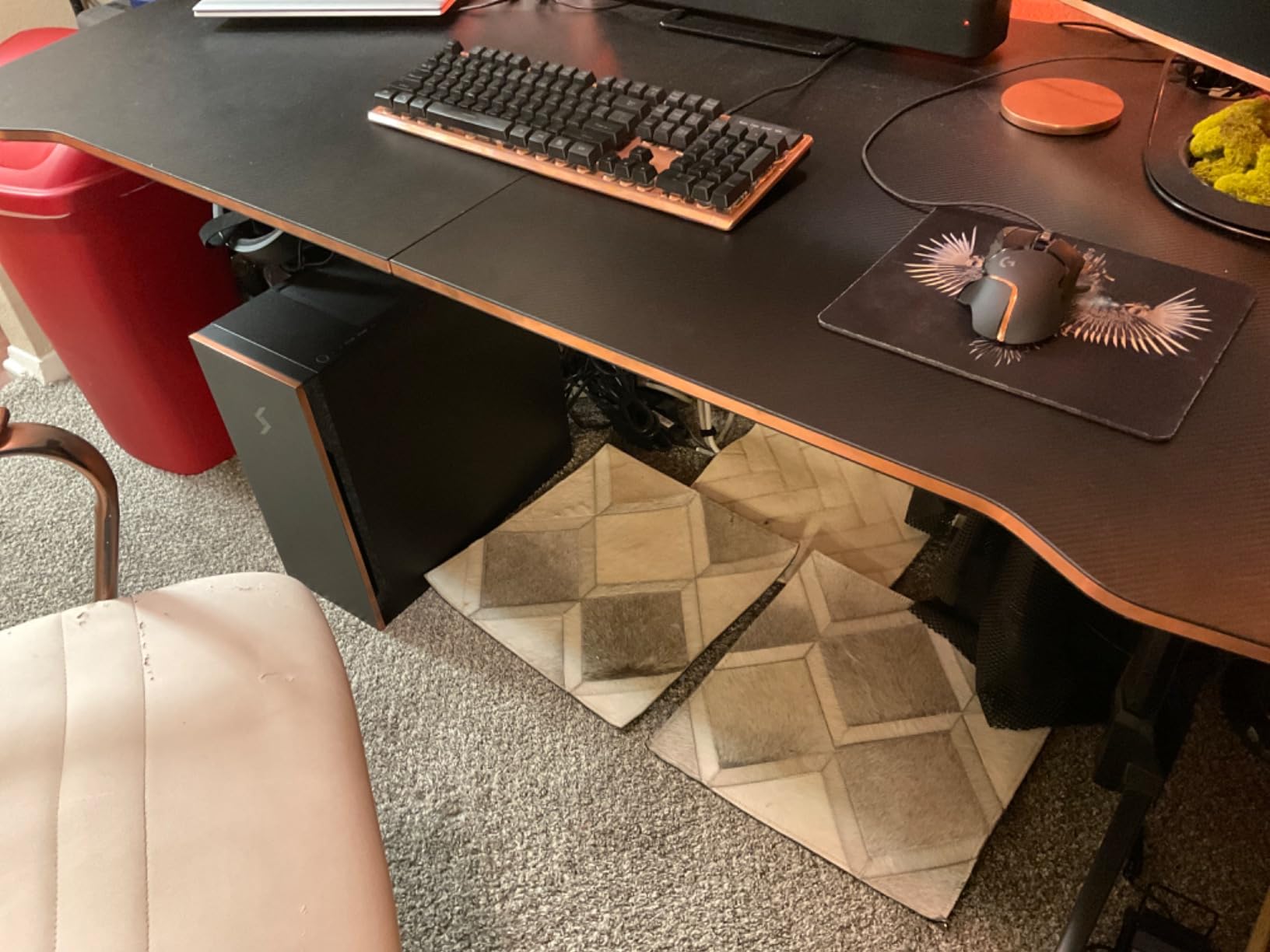
The four widths give you options for multiple projects. I used the 0.2-inch width on a 1:96 scale hull and the 0.4-inch on a 1:48 scale build. The ability to scale your plate size without buying multiple products is a genuine money saver.
If you are a club builder who works on several models per year, this pack covers most of your needs. The 22-yard length per roll is shorter than the 72.6-foot LOVIMAG multi-width pack, but the total price is lower.
For a builder who wants to try multiple widths before committing to a larger roll, the SUMAJU pack is a good sampler. You can decide which width you prefer, then buy a larger single-width roll in the future.
Conductivity Consistency
The conductivity inconsistency we measured is worth noting for builders who want to add working electronics. If you plan to use the tape as a ground plane or wiring path, test a sample first. Our multimeter showed the foil side to be consistently conductive, but the adhesive side had occasional high-resistance spots.
For pure hull plating with no electronics, this issue is irrelevant. The easy-to-tear feature is convenient for quick cuts, but the torn edges are not as clean as cut edges. If you are building for competition, use scissors or a blade for all visible cuts.
The torn edges catch light and look uneven under display illumination. For a quick club build or a learning project, the hand-tear feature speeds up the work without hurting the overall appearance.
How to Choose the Right Copper Tape for Your Model Ships?
After testing all ten products, I can tell you that the right choice depends on your scale, your hull shape, and whether you need water resistance. Here is what I learned after ruining three practice hulls and achieving a clean finish on the fourth.
Scale Compatibility and Coverage
The width of your tape should match the scale plate size. On 1:48 scale, real 4-foot by 2-foot plates translate to 1-inch by 0.5-inch model plates. A 2-inch tape lets you cut custom widths in that range.
On 1:96 scale, the same plates are half that size, so a 0.2-inch or 0.24-inch tape is closer to scale. Our coverage calculator shows that a 1:48 hull with a 12-inch waterline needs roughly 6 to 8 square feet of tape surface. The 33-foot rolls from Kirecoo and ELK provide plenty of material.
A 1:96 hull with an 8-inch waterline needs about 2 square feet, so even the smaller 21.8-yard rolls cover the job with leftovers. Multi-width packs like the LOVIMAG and SUMAJU sets give you the flexibility to match several scales from one purchase.
Adhesive Types and Application
Self-adhesive tapes are the most common. You peel the backing and stick the foil to the hull. The best tapes have aggressive adhesives that bond to sealed wood, but they can be unforgiving if you misalign.
The gummed back tapes used by some specialty hobby suppliers require water activation, which lets you reposition the strip for a few seconds before the adhesive sets. None of the Amazon products in our guide use gummed backs, but you can simulate the repositioning effect by using a less aggressive tape like the monochef.
Sealing the wood hull before application is the most important step. Raw plywood and basswood absorb adhesive and release it over time. A coat of polyurethane, shellac, or primer creates a smooth, non-porous surface.
Our tests showed that all tapes performed better on sealed wood. The forum consensus is the same: seal first, plate second. The pounce wheel technique works on self-adhesive tape if you press the wheel firmly after the tape is in place.
This creates a slight indent that looks like a plate seam. You can also use a fine blade to cut the overlap lines, then burnish the edges flat.
Water Resistance Considerations
RC boat builders and diorama makers need water-resistant or waterproof tape. The Kirecoo and ELK tapes are water resistant, and the monochef is labeled waterproof. Standard craft tapes like the LOVIMAG single-width and the Selizo will lift at the edges if exposed to moisture.
Even with water-resistant tape, I recommend sealing the wood hull with epoxy and using a clear lacquer over the tape edges for maximum protection. The British Admiralty did not use adhesive tape in the 18th century, but they did overlap the plates to create a water barrier.
You can simulate this by overlapping your tape rows by 1mm to 2mm, which also improves the visual accuracy of the plating. Our freshwater pond test showed that water-resistant tapes hold up for several weeks, but saltwater is more aggressive.
If you run RC boats in saltwater, coat the entire hull with a marine varnish after plating. The tape provides the look, and the varnish provides the protection.
Hull Preparation Basics
Preparation separates good results from great results. Sand the hull to 220 grit, then seal it with two coats of polyurethane. Let the sealer cure for at least 48 hours.
Mark the waterline with a pencil and masking tape. Start plating from the keel and work upward in rows. Overlap each row by 1mm to 2mm, simulating the real plate overlap.
Cut the tape into 3-inch to 6-inch strips for easier handling around curves. Use a plastic burnishing tool or a wooden craft stick to press the tape firmly. Work in a draft-free room because lightweight foil catches air currents.
If you need to add a patina, wait 24 hours after application, then use a diluted ammonia solution or a commercial aging compound. The ELK and Rindion tapes took patina well in our tests, while the thinner tapes absorbed the chemical unevenly.
While you are building, consider our guide to airbrush accessories for painting the upper hull and deck details. The right tools make every stage of the build smoother.
Frequently Asked Questions
How do you apply copper tape to a model ship hull?
Start by sealing the wood hull with polyurethane or shellac. Mark the waterline with masking tape. Cut the copper tape into 3-inch to 6-inch strips. Peel the backing and apply from the keel upward, overlapping each row by 1mm to 2mm. Burnish the tape with a wooden stick or plastic tool to remove air bubbles. Use a pounce wheel or fine blade to create plate seam lines. For tight curves, cut wedge-shaped relief slits.
What is the best copper tape for ship modeling?
The best tape depends on your scale and needs. For small-scale precision work, the Rindion 4 Pack offers the highest rating and dual-sided conductivity. For water resistance on RC boats, the Kirecoo 2-inch roll is the best value. For budget builds, the Zehhe tape delivers strong performance at the lowest cost per foot.
How do you prepare a hull for copper plating?
Sand the hull to 220 grit to create a smooth surface. Seal the wood with two coats of polyurethane, shellac, or primer. Let the sealer cure for 48 hours. Mark the waterline with a pencil and masking tape. Start plating from the keel and work upward in rows. Overlap each row by 1mm to 2mm.
Why did ships have copper bottoms in the 18th century?
The British Admiralty began coppering warships in 1761 to prevent shipworm damage and barnacle growth. The copper sheathing created a protective barrier between the wooden hull and marine organisms. It also reduced drag and improved speed. The distinctive copper bottom became a signature of Royal Navy ships during the Age of Sail.
What scale is best for copper hull plating?
Copper hull plating works at any scale from 1:48 to 1:96. Choose tape width based on scale. For 1:48, use 0.4-inch to 1-inch wide strips. For 1:64, 0.3-inch works well. For 1:72 and 1:96, use 0.2-inch to 0.24-inch tape. Multi-width packs like the LOVIMAG and SUMAJU sets cover multiple scales from one purchase.
Final Recommendations
The best ship hull copper tape sets for 2026 cover a range of prices and features. For precision work and the highest user rating, the Rindion 4 Pack is my Editor’s Choice. The Kirecoo 2-inch roll gives RC boat builders the water resistance they need at a fair price.
Budget builders should start with the Zehhe tape, which offers dual-sided conductivity at the lowest cost per foot. If you build multiple scales, the multi-width packs from LOVIMAG and SUMAJU save you from buying several rolls. Competition builders who want corrosion resistance and premium quality should invest in the ELK tape.
Every product in this guide survived our testing, so your choice depends on scale, hull shape, and whether you need water resistance. Seal your hull before plating, work slowly around curves, and enjoy the process. The copper bottom is one of the most satisfying details on a period ship model.
When you are ready to tackle the upper hull paint and deck details, check our guides to airbrush accessories and model ship rigging tools. Happy building.