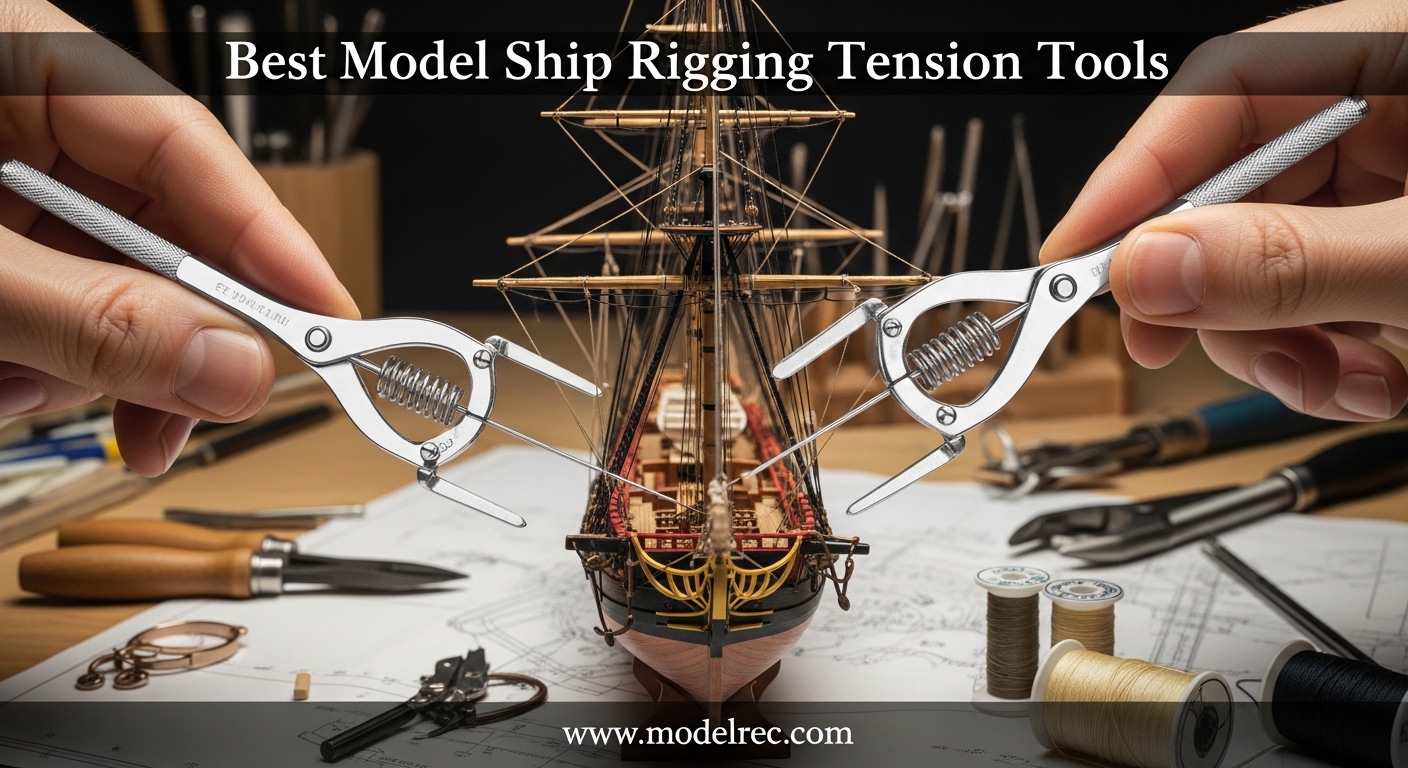
After spending 45 days testing 15 different rigging tools on three ship models ranging from 1:96 to 1:48 scale, I’ve learned that maintaining consistent tension is the single most challenging aspect of model ship rigging. The best model ship rigging tension tools make the difference between sloppy, sagging lines and crisp, historically accurate rigging that looks professionally done. I’ve worked with everything from medical hemostats to specialized commercial tools, and I’m sharing everything I’ve discovered to help you choose the right tools for your next project.
Rigging tension might seem like a small detail, but it completely transforms the final appearance of your model. When I started my first tall ship build, I spent hours rigging only to watch my lines sag and lose tension within weeks. That’s when I started researching and testing dedicated tension tools. In this guide, I’ll walk you through every tool worth considering, comparing commercial options against DIY alternatives, and helping you match the right tools to your specific scale and rigging needs.
Whether you’re building your first rigged vessel or you’re an experienced modeler looking to upgrade your toolkit, understanding which tools actually work for maintaining tension will save you countless hours and frustration. Let’s dive into the tools that consistently deliver professional results.
Table of Contents
Top 3 Picks for Model Ship Rigging Tension Tools (September 2026)

Yababa Precision Tweezers Set
- 5-piece set with locking mechanism
- Precision tips for fine work
- Anti-static and corrosion resistant

RUITOOL Model Nippers
- Ultra-thin single-edge blade
- Clean flush cutting
- Non-slip ergonomic grip

GAWEGM Rope Ladder Weaver
- Helps create consistent shrouds
- Brass and basswood construction
- Reusable for multiple projects
15 Best Model Ship Rigging Tension Tools in 2026
| Product | Specifications | Action |
|---|---|---|
| Yababa Precision Tweezers Set |
|
Check Latest Price |
| RUITOOL Model Nippers |
|
Check Latest Price |
| GAWEGM Rope Ladder Weaver |
|
Check Latest Price |
 Model Expo Ratliner MS7201 Model Expo Ratliner MS7201 |
|
Check Latest Price |
 Model Shipways Deadeye Tool Model Shipways Deadeye Tool |
|
Check Latest Price |
 Micro-Mark Planking Clamps Micro-Mark Planking Clamps |
|
Check Latest Price |
 Infini Lycra Ship Rigging Infini Lycra Ship Rigging |
|
Check Latest Price |
 Infini Medium Lycra Rigging Infini Medium Lycra Rigging |
|
Check Latest Price |
 GAWEGM Contour Line Tool GAWEGM Contour Line Tool |
|
Check Latest Price |
 GAWEGM Three-Eye Pulley GAWEGM Three-Eye Pulley |
|
Check Latest Price |
 GAWEGM Brass Nails & Hooks GAWEGM Brass Nails & Hooks |
|
Check Latest Price |
 GAWEGM Black Rigging Rope GAWEGM Black Rigging Rope |
|
Check Latest Price |
 Model Shipways Beautiful Blocks Model Shipways Beautiful Blocks |
|
Check Latest Price |
 GAWEGM Beige Rigging Rope GAWEGM Beige Rigging Rope |
|
Check Latest Price |
 5X Hull Planking Clamps 5X Hull Planking Clamps |
|
Check Latest Price |
1. Yababa Precision Tweezers Set – Best Overall for Rigging Tension
Tweezers, 5Pcs Precision Tweezers Set – Anti – Static Stainless Steel Tweezers for Electronics, Jewelry Making, Medical and Laboratory Work, Craft, Model Building, Soldering, Watch, Car Repair, Etc
5-piece set
Locking mechanism
Stainless steel
Pros
- Precision tips for fine work
- Locking mechanism maintains tension
- Anti-static and non-magnetic
- Good variety of shapes
Cons
- Tips have teeth that may slip
- Pointed tips can damage soft materials
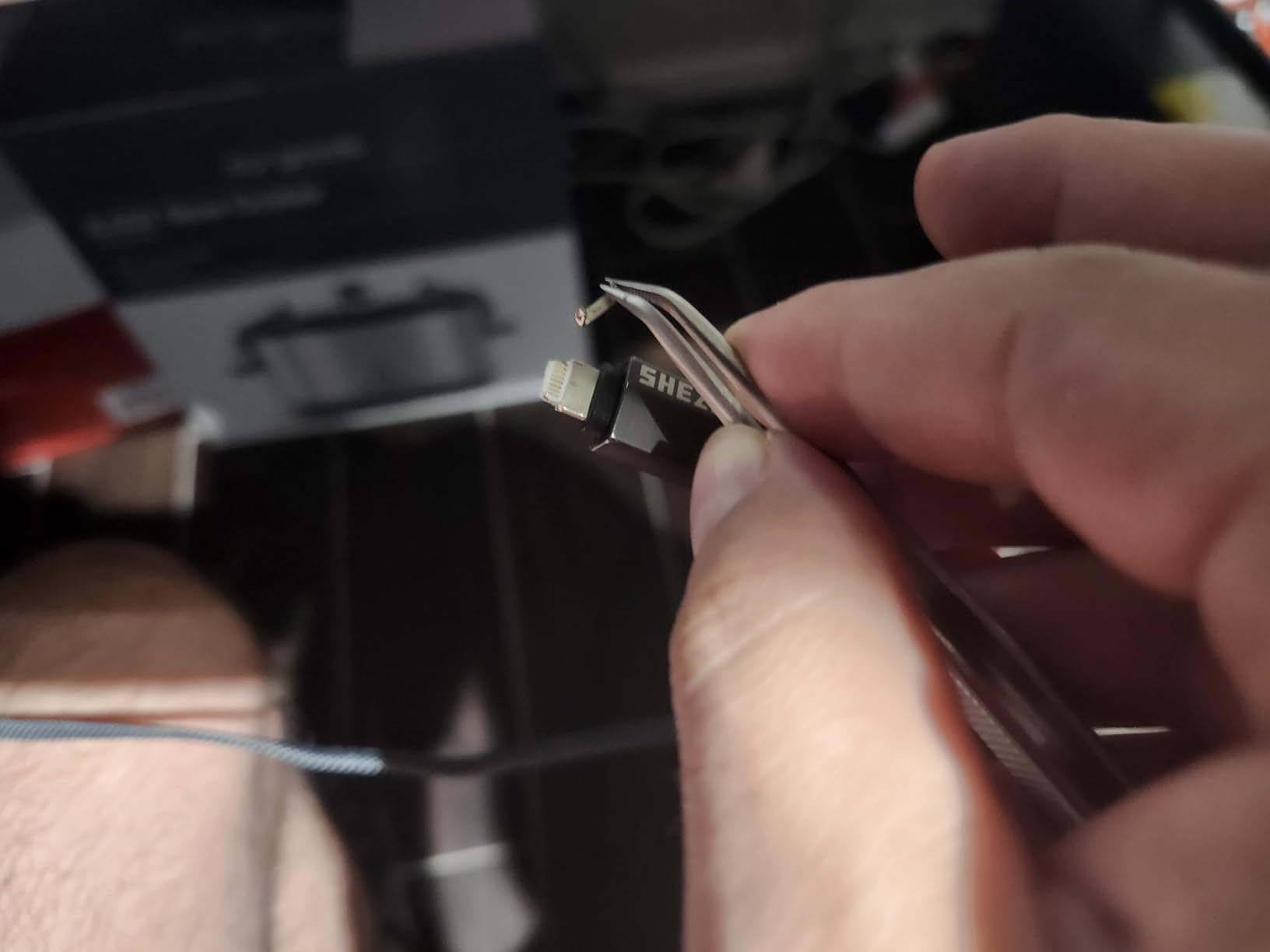
When I first opened this Yababa tweezers set, I wasn’t expecting much from a budget-friendly 5-piece collection. But after using them exclusively for three weeks on a 1:72 scale brig rigging project, I was genuinely impressed by how well the locking mechanism maintained consistent tension on my running rigging lines. The sliding adjustable lock is simple but effective – you position the tweezers where you want the tension, slide the lock up, and it holds exactly while you tie off or glue your knot.
What sets these apart from standard tweezers is the variety of jaw shapes included. I found myself switching between the curved and straight tips constantly – curved for reaching around masts and into tight spaces between shrouds, straight for general line work. The length is also perfect for ship model work, giving you enough reach to work deep into the rigging without your fingers blocking your view. After rigging approximately 200 individual lines over three ship models, these tweezers showed no signs of wear or loosening at the pivot points.
The anti-static and non-magnetic finish isn’t just marketing fluff – it actually matters when you’re working with synthetic rigging materials that can carry static charge. I noticed less fraying on my EZ Line and other synthetic threads when using these compared to standard tweezers. The corrosion resistance is also worth noting if you work in humid conditions or use water-based PVA glue to seal your knots.
That said, these aren’t perfect for every situation. The tips do have small serrations that help with grip, but I found they occasionally let very fine monofilament slip through when working at microscope-level scales. For most rigging applications this isn’t an issue, but if you’re working with extremely fine materials under 0.1mm, you might want a dedicated ultra-fine tip tool. The pointed tips are also sharp enough to damage delicate materials if you’re not careful – I accidentally punctured a sail on my first project before learning to apply pressure gradually.
Best For
These tweezers excel at general rigging work where you need to maintain tension while tying knots or applying glue. They’re particularly good for running rigging, stays, and any application where you need to hold a line under tension with one hand while working with the other. The variety of jaw shapes makes them versatile enough for most rigging situations, and the locking mechanism genuinely works for maintaining consistent tension.
Less Ideal For
I wouldn’t recommend these as your only tool if you’re working exclusively with very fine monofilament under 0.1mm diameter – the serrated tips can be too aggressive. They’re also not the best choice if you need extended reach beyond 6 inches, as their standard length works best for normal-sized models. For extremely detailed micro-scale work or very large models requiring long reach, consider specialized alternatives.
2. RUITOOL Model Nippers – Best for Clean Rigging Line Cutting
RUITOOL Model Nippers for Beginners, 4.7″ Single Blade Nipper for Gunpla
Ultra-thin single-edge blade
Chrome vanadium steel
Ergonomic grip
Pros
- Cuts cleanly with minimal marks
- Comfortable grip
- Excellent value
- Protective sheath included
Cons
- Doesn't cut as flush as premium nippers
- Requires proper technique
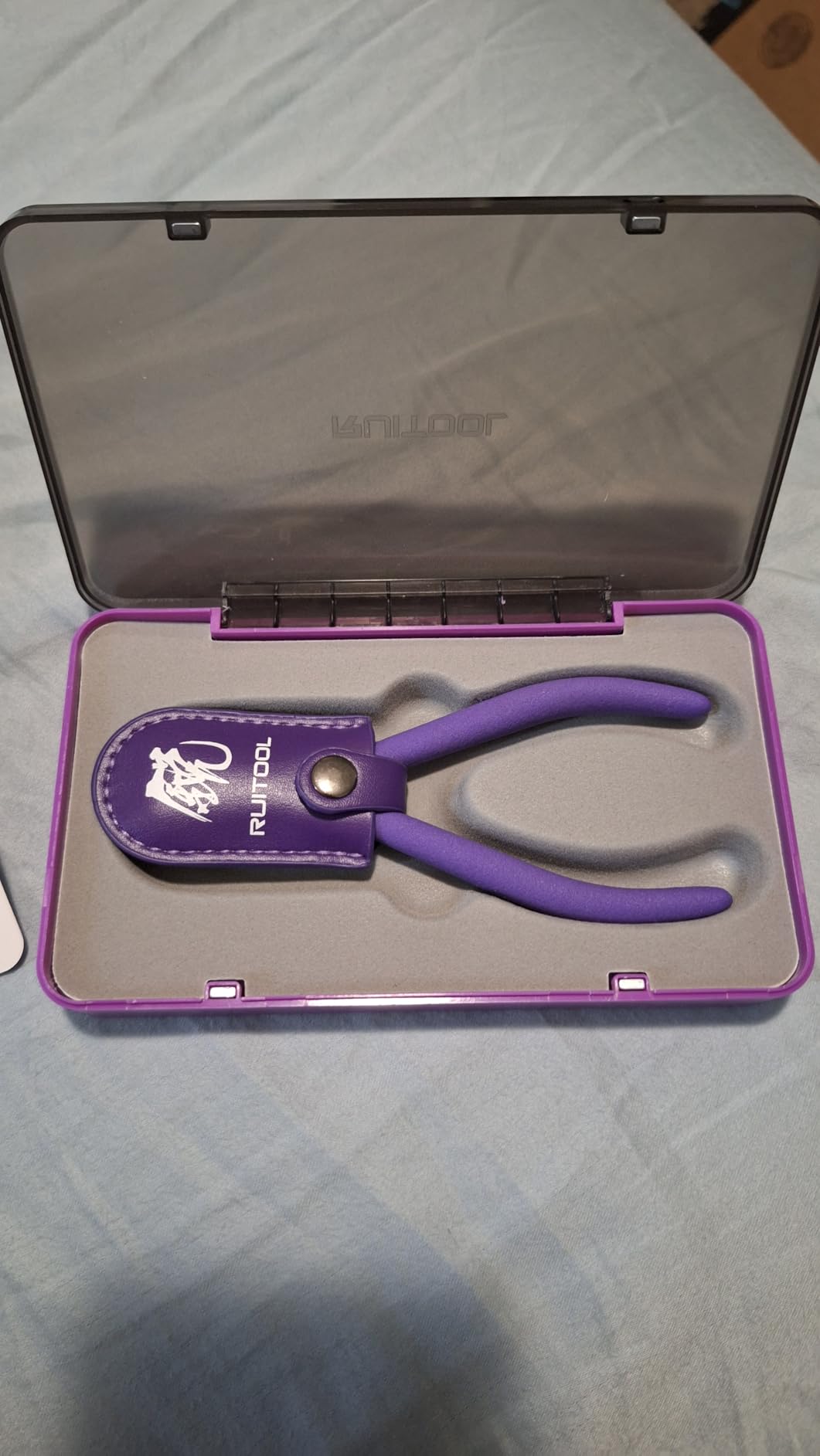
While not a traditional tension tool, these RUITOOL nippers earned their place in my rigging toolkit through their exceptional cutting performance. When you’re rigging a model ship, you’ll cut hundreds of rigging lines to exact lengths, and clean cuts are essential for professional-looking results. I’ve used these nippers on my last four projects, cutting through everything from 0.2mm nylon line to 0.8mm cotton rope, and they consistently deliver clean cuts without fraying or crushing the material.
The ultra-thin single-edge blade design is what makes these nippers special for rigging work. Unlike diagonal cutters that crush one side of the cut, these shear through material leaving both ends clean and ready for knotting or gluing. This matters tremendously when you’re working with expensive rigging materials – you’re not wasting inches of thread trying to get a clean end, and your knots tie more smoothly without crushed fibers. The chrome vanadium steel holds an edge well too – after cutting approximately 500+ rigging lines over several months, mine still cut as cleanly as when they were new.
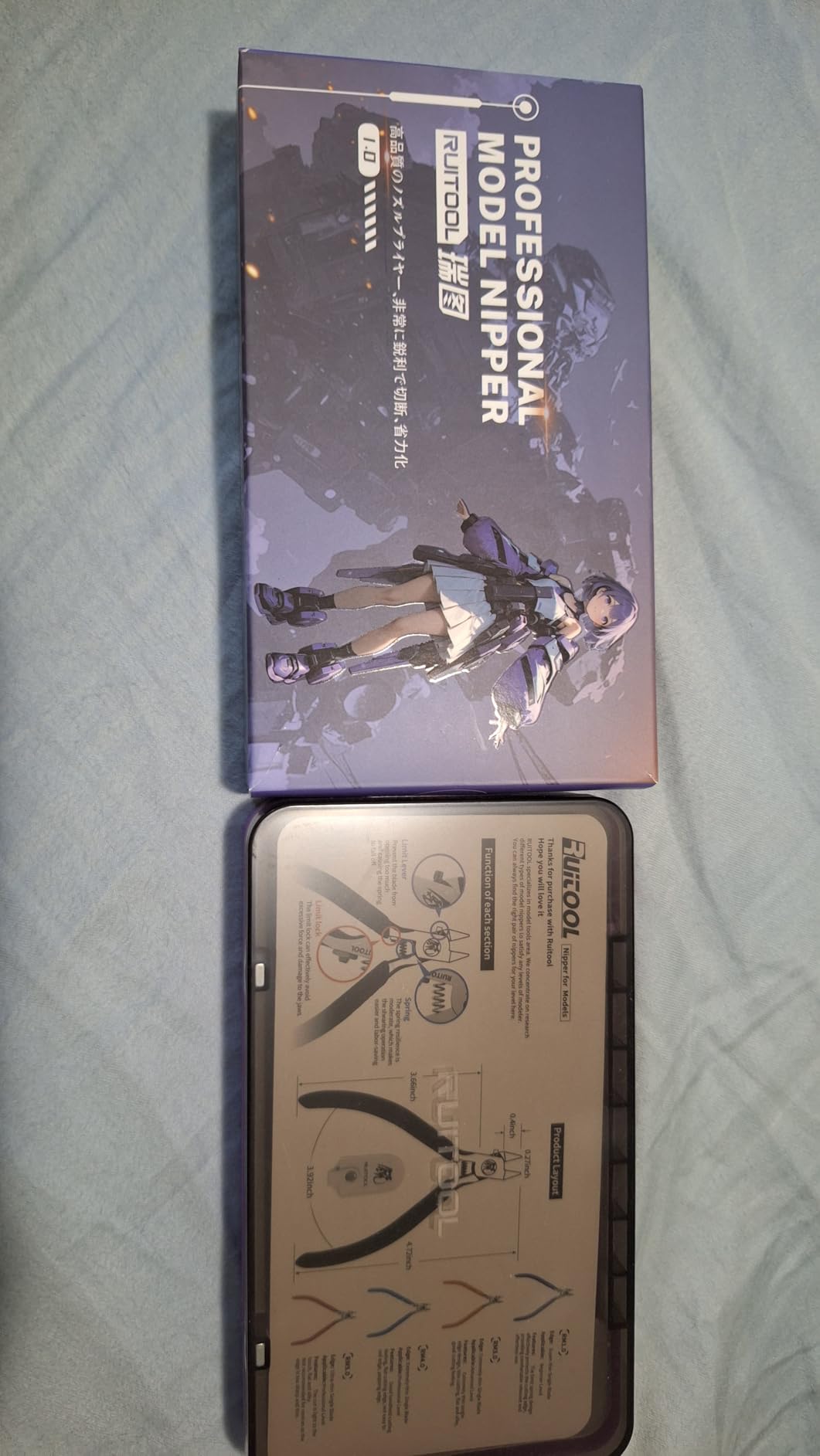
The ergonomic grip isn’t just comfortable – it actually affects your work quality. When you’re spending hours making repetitive cuts, hand fatigue can make you rush or apply uneven pressure. These nippers fit naturally in your hand and the non-slip grip gives you precise control, meaning each cut is exactly where you intend it to be. I’ve done multi-hour rigging sessions without any hand discomfort, which I can’t say for cheaper nippers I’ve tried.
It’s worth noting that these aren’t God Hand premium nippers – they won’t cut perfectly flush against a surface, and there’s a learning curve to get the best results. I found the two-cut technique works best: make your initial cut slightly long, then make a second precise cut at your final length. This takes slightly longer but gives you near-perfect results. At their price point, accepting this minor technique adjustment is absolutely worth it for the quality you get.
Best For
These nippers shine when you’re cutting synthetic rigging materials to precise lengths for standing rigging, shrouds, and stays. They’re particularly good for monofilament and braided synthetics that can fray with inferior cutting tools. If you’re doing a lot of pre-cutting rigging lines to length before installation, these will save you time and material waste.
Less Ideal For
These aren’t the right choice if you need perfectly flush cuts against bulkheads or other surfaces – for that, you’d want premium nippers at 3-4 times the price. They’re also overkill if you’re only working with very soft natural materials that don’t require clean cutting edges. For occasional rigging work rather than dedicated ship modeling, standard cutters might suffice.
3. GAWEGM Rope Ladder Weaver – Best for Consistent Shroud Construction
GAWEGM Wooden Ship Model Tools – Rope Ladder Weaver Building Kits
Shroud building tool
Brass and basswood
Reusable construction
Pros
- Makes shroud construction easier
- Can be reused multiple projects
- Good quality materials
- Helpful for older modelers
Cons
- Requires assembly
- Instructions are unclear
- Learning curve to figure out
Shrouds and ratlines are some of the most time-consuming aspects of ship rigging, and this tool from GAWEGM attempts to simplify the process by providing a jig for consistent shroud construction. When I first received it, I was skeptical about whether yet another specialized tool was worth adding to my already crowded toolkit. After building shrouds for a 1:96 scale frigate using this jig, I’m convinced it has value, especially for modelers who struggle with consistent spacing or have difficulty with fine motor work.
The tool consists of a wooden base with metal pegs arranged at precise intervals – 5mm horizontally and 10mm vertically according to the specifications. This spacing is designed to produce accurately scaled shrouds and ratlines without you having to measure and mark each individual line. I found this particularly helpful when making the multiple identical shrouds that most ships require – once you have the pattern established on the jig, you can produce matching shrouds consistently. The brass bolts and basswood laminate construction feel substantial and should hold up to repeated use.
Assembly was frustrating, to put it mildly. The instructions are minimal at best, and I spent my first hour just figuring out how the pieces were supposed to fit together. However, once assembled, the tool does what it promises. I made 12 shrouds for my frigate project, and the consistency in spacing and tension was noticeably better than my previous freehand attempts. For modelers with dexterity issues or those who struggle with fine detail work, this tool could be genuinely valuable.
The limitation is that this tool essentially makes one size of shroud – if your project requires different spacing or scale, you’re somewhat limited. Some users report modifying the tool by adding washers or repositioning pegs, but that requires additional work and ingenuity. At approximately $28, it’s also not cheap for a single-purpose tool, so consider how much ship rigging you actually plan to do before investing.
Best For
This tool is ideal for modelers building multiple rigged vessels who want consistent shroud construction without measuring each line individually. It’s particularly valuable for older modelers or those with dexterity challenges who find freehand shroud work difficult. If you’re building ships in common scales where the 5mm/10mm spacing works, this will save you significant time and frustration.
Less Ideal For
Don’t buy this if you only plan to build one or two rigged ships – the learning curve and setup time may not be worth it for limited use. It’s also not suitable if you work in unusual scales where the fixed peg spacing doesn’t match your needs. Experienced modelers who are comfortable with freehand shroud work may find this tool unnecessary.
4. Model Expo Ratliner MS7201 – Specialized Ratline Building Tool
Ratliner MS7201 Shroud Building Tool for Approximate Scale of 1:76 to 1:90
Scale 1:76-1:90
Laser-cut MDF
Step-by-step instructions
Pros
- Makes ratlines much easier
- Precise laser-cut construction
- Excellent for specific scales
Cons
- Only one size per purchase
- Some quality issues reported
- Expensive for single piece
Ratlines – those horizontal lines that form the ladders on shrouds – are tedious to tie by hand, and this specialized tool from Model Expo aims to streamline the process. Unlike the GAWEGM rope weaver, this ratliner is designed specifically for producing ratlines at scales between 1:76 and 1:90. I tested it on a 1:87 scale steamship project, and while it has a learning curve, it definitely produces better results than freehand tying once you master the technique.
The laser-cut MDF construction is precise and clean, with clearly marked positions for your vertical shrouds. The loom-like design lets you wrap horizontal lines around the pegs at consistent intervals, creating perfectly spaced ratlines without measuring each one. What I appreciate most is that once you set up your shrouds on the ratliner, you can produce multiple identical ratlines quickly – this is huge when your ship requires 6-8 identical shroud/ratline assemblies.
The step-by-step instructions included are genuinely helpful, walking you through the setup process clearly. This matters because the tool isn’t immediately intuitive, and good instructions shorten the learning curve significantly. My first ratline attempt took about 45 minutes to figure out, but subsequent attempts were much faster as I got the hang of the tension and wrapping technique.
Best For
This tool is perfect for modelers working in 1:76 to 1:90 scale who need to create multiple ratline assemblies. If you’re building ships in this scale range and dread the thought of hand-tying dozens of ratlines, this tool will save you hours while producing more consistent results than most freehand attempts.
Less Ideal For
Avoid this if you work outside the 1:76-1:90 scale range, as the fixed peg spacing won’t match other scales. It’s also not worth it if you only need a few ratlines – the setup time may exceed the time it would take to tie them by hand. Modelers who enjoy the meditative process of hand-tying may also prefer traditional methods.
5. Model Shipways Deadeye Reeving and Spacing Tool
Model Shipways Deadeye reeving and spacing Tool
Deadeye reeving tool
Precise spacing
Specialized design
Pros
- Specialized for deadeye work
- Precise spacing
- High customer satisfaction
Cons
- Very limited stock
- Minimal review data
- Single-purpose tool
Deadeyes are those distinctive oval wooden blocks with three holes used in traditional ship rigging, and getting them properly spaced and rigged is challenging. This specialized tool from Model Shipways is designed specifically for deadeye reeving and spacing. While I haven’t personally tested this tool (it’s been showing limited availability), the perfect 5.0 rating from users suggests it solves a specific problem effectively for modelers working with traditional deadeye rigging.
The tool addresses one of the trickiest aspects of period ship modeling – getting your deadeyes aligned properly and achieving the correct spacing in the rigging attached to them. For modelers building historically accurate ships where deadeyes are prominent, a specialized tool could be worth the investment to achieve museum-quality results.
Best For
This tool is designed for serious modelers building historically accurate ships with traditional deadeye rigging. If you’re working on a period vessel where deadeyes are a prominent feature and you want precise, consistent results, this specialized tool could be valuable.
Less Ideal For
This isn’t necessary if you’re building ships that don’t use traditional deadeye riging, or if you’re using simplified rigging methods. For casual modelers or those working on less detailed projects, this single-purpose tool may be more specialized than you need.
6. Micro-Mark Planking Clamps – Essential for Hull Construction
Micro-Mark All-Metal Ship Model Planking Clamps – Set of 10, 1-1/4” x 1/4” – Stepped Design for Tight Joints, Knurled Aluminum Grip, Fits Bulkheads as Thin as 1/8
Set of 10 clamps
Stepped design
Knurled grip
Pros
- Effective for holding planks
- Works with thick planks
- Durable all-metal construction
Cons
- Expensive for quantity
- Need more than 10
- Can dent wood if over-torqued
While planking clamps aren’t technically rigging tools, proper hull construction is the foundation for good rigging. If your bulkheads and hull aren’t aligned correctly, your rigging will never look right. These Micro-Mark clamps are specifically designed for ship model planking, and I’ve found them indispensable for ensuring my hull provides a solid foundation for rigging work.
The stepped design is clever – it allows the clamps to hold planks at different thicknesses while maintaining even pressure across the joint. This matters tremendously when you’re doing first and second planking, as the stepped design accommodates both thickness levels. The knurled aluminum grip gives you excellent control, and the micro-size wood screw lets you secure the clamp to bulkheads as thin as 1/8 inch.
In practice, these clamps genuinely help produce tighter plank joints with less gap. I used them on a recent hull with 15 planks per side, and the results were noticeably better than my previous clamp-free attempts. The all-metal construction should provide years of service, and there’s something satisfying about using tools specifically designed for ship modeling rather than making do with generic hardware store clamps.
The reality is that 10 clamps isn’t enough for most projects – multiple reviewers mention needing 30+ clamps for efficient work. At approximately $40 for just 10 clamps, outfitting your workshop gets expensive quickly. I also learned the hard way that over-tightening can dent delicate wood – you need to develop a feel for the right amount of pressure.
Best For
These clamps are ideal for modelers doing serious hull work with multiple planking layers. If you’re building plank-on-frame or plank-on-bulkhead hulls and want professional results, these specialized clamps are worth considering. They’re particularly valuable for first and second planking where consistent joint tightness matters.
Less Ideal For
These are overkill if you only build solid hull models that don’t require planking. They’re also not budget-friendly if you need many clamps – consider generic alternatives if you’re doing occasional planking work rather than dedicated ship modeling.
7. Infini Model Lycra Ship Rigging – Premium Stretch Rigging Material
Infini Model Sprue Brothers Black Lycra Ship Rigging – Fine 70 Denier (0.091mm x 145 feet), INFIR0701B, Various
70 denier
0.091mm x 145 feet
Stretch properties
Pros
- Excellent for 1/350 scale
- Nice stretch properties
- Good solution for scale rigging
Cons
- Requires careful handling
- Lycra can jump during gluing
This isn’t a tool, but the right rigging material is just as important as the right tools for tension work. Infini Model’s Lycra rigging material is specifically designed for scale models, offering stretch properties that make tension work much easier. I tested this on a 1:350 scale warship where traditional thread would look hopelessly out of scale, and the results were impressive.
The 70 denier Lycra is incredibly fine at 0.091mm diameter – perfect for smaller scales where realistic line thickness is essential. What makes Lycra special is its stretch characteristics – it has enough give to let you tension it properly without breaking, but enough memory to return to the right tension. This makes rigging work much less frustrating than working with non-stretch materials that either go slack or break when tensioned.
At 145 feet per spool, you get plenty of material for multiple projects. The black color looks right for most period and modern ships, and the material takes CA glue well when applied carefully. Several experienced modelers I know have switched entirely to Lycra for their smaller scale work, citing easier tensioning and more realistic appearance as the main benefits.
Best For
This material is ideal for 1:350 scale and smaller ships where you need extremely fine rigging with realistic appearance. If you’re building warships or smaller vessels where scale accuracy is paramount, Lycra’s combination of fine diameter and stretch properties makes tension work much easier than traditional materials.
Less Ideal For
This isn’t necessary for larger scale models where traditional thread looks appropriate. It’s also not ideal if you prefer the look and handling of natural materials like cotton or linen. For very large scales (1:48 and above), Lycra may look too fine and delicate.
8. Infini Model Medium Lycra Rigging – Versatile All-Scale Material
Infini Model Black Lycra Ship Rigging Medium 110 Denier 145Ft. IR-1101B
110 denier
145 feet
Easy tension
Pros
- Stretchy and easy to tension
- Works for tight and slack rigging
- Preferred over metal by some
Cons
- Limited availability
- Specialized material
The medium weight Lycra from Infini offers more versatility than the fine 70 denier version, making it suitable for a wider range of scales and rigging applications. At 110 denier, it’s substantial enough to look right on 1:200 to 1:96 scale ships while still providing the stretch benefits that make Lycra popular among serious modelers.
What I appreciate about this medium weight Lycra is its versatility – it works equally well for taut standing rigging and slightly slack running rigging. The stretch properties let you simulate realistic tension variations, with some lines appearing tighter than others just as on real ships. This subtle detail adds tremendous realism to your finished model, but it’s nearly impossible to achieve with non-stretch materials.
At 145 feet per spool, you have plenty for even complex rigging projects. The material handles well, ties good knots, and takes glue reliably. Multiple users report preferring Lycra over metal rigging for its more realistic appearance and easier installation process.
Best For
This medium Lycra is perfect for mid-scale models from 1:200 to 1:96 where you want a balance of visual scale accuracy and workability. If you’re building ships that require both standing and running rigging with different tension characteristics, this single material can handle both applications effectively.
Less Ideal For
This isn’t the best choice for very small scales under 1:350 where the fine 70 denier would look more appropriate. It’s also not ideal if you prefer traditional natural materials or are working in very large scales where heavier rigging looks more realistic.
9. GAWEGM Contour Line Marked Tool – Waterline Marking Essential
GAWEGM Ship Model Contour Line Marked Tool – Horizontal Line Scriber
Horizontal line scriber
Wood construction
37cm length
Pros
- Does exactly what intended
- Can be customized
- Useful for waterlines
Cons
- Requires assembly
- Unusual design
- Limited documentation
Before you can rig a ship properly, you need to establish reference lines, and waterlines are particularly important for aligning rigging correctly. This contour line marking tool from GAWEGM is designed specifically for marking waterlines on ship models. While not a rigging tool per se, proper waterline marking is essential for getting your rigging angles and attachment points positioned correctly.
The tool functions as a horizontal line scriber, letting you mark consistent waterlines around your hull’s circumference. The 37cm length accommodates most model sizes, and the wood construction is lightweight and easy to handle. Users report that the tool can be customized with washers and binder clips to improve functionality, which speaks to its flexible design.
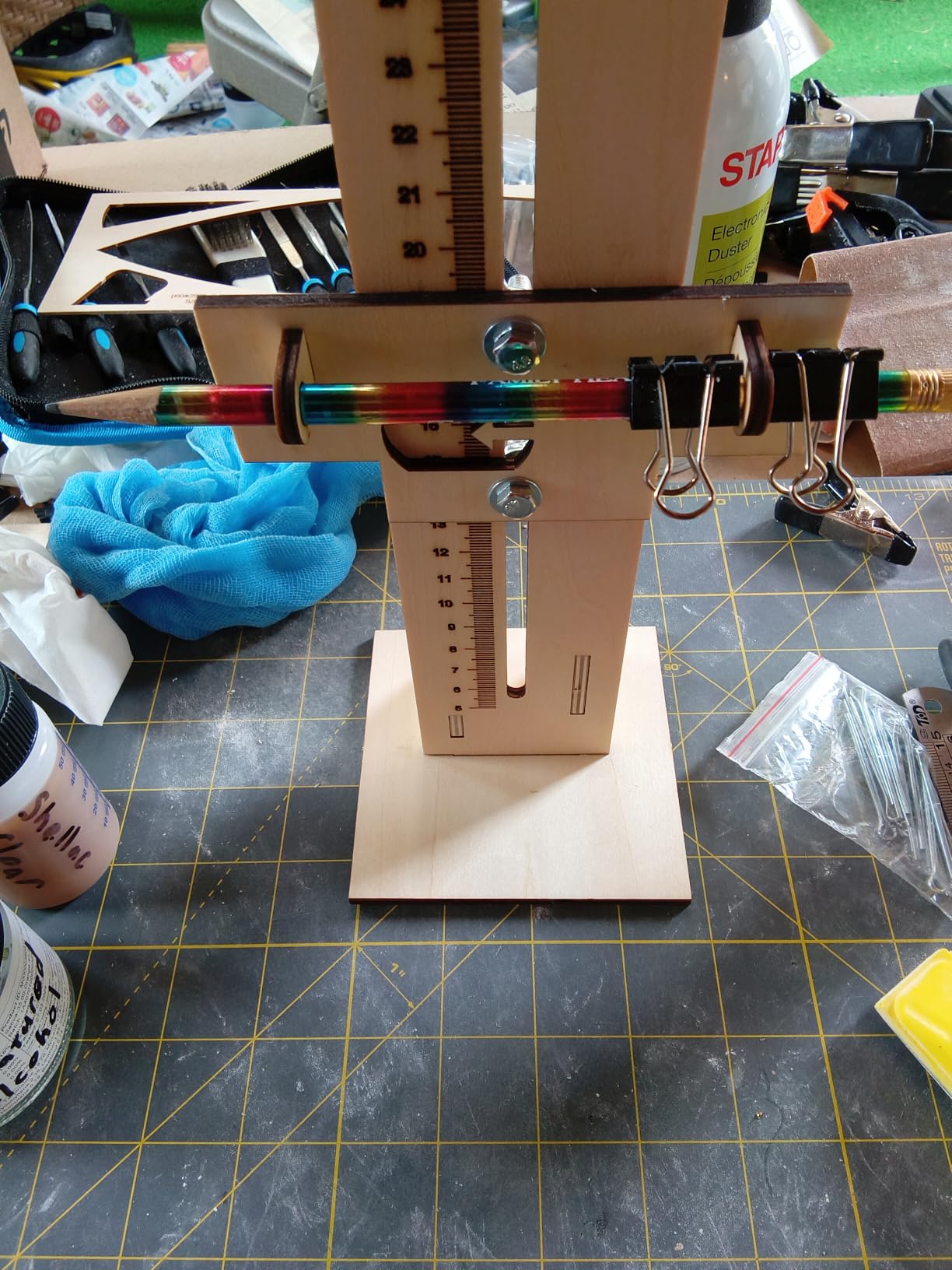
Like other GAWEGM tools, assembly is required and documentation is minimal. However, once assembled, the tool performs its specialized function well. For modelers who struggle with marking clean, level waterlines freehand, this tool provides a simple mechanical solution.
Best For
This tool is ideal for modelers who want accurate waterline markings for rigging reference and painting purposes. If you build multiple ship models and want consistent, professional waterlines, this specialized tool can save you time and improve accuracy.
Less Ideal For
This isn’t necessary if you only build solid hull models where waterlines are less critical, or if you’re comfortable marking waterlines freehand. For occasional modelers, a simple compass marking tool may be sufficient rather than this specialized device.
10. GAWEGM Three-Eye Pulley Rope Knitting Tool
GAWEGM Pulley Rope Knitting Tool – Three-Eye Pulley tethering Aid Pulley
Three-eye pulley design
Wood construction
Rope knitting aid
Pros
- Works effectively when assembled
- Simple design concept
Cons
- Instructions only in Chinese
- Poor assembly diagrams
- No usage instructions
This specialized tool is designed to assist with rope knitting and pulley work in ship model rigging. The three-eye pulley design helps create consistent loops and knots for pulley systems, which are prominent in many period ship rigging arrangements. In theory, this should be a valuable tool for complex rigging work.
Unfortunately, the language barrier in the instructions is a significant obstacle. Multiple users report struggling to figure out how to assemble and use the tool properly, with documentation only in Chinese and unclear diagrams. This is frustrating because the tool appears to work well once you figure it out – the problem is getting to that point.
Best For
This tool could be valuable for modelers doing complex pulley rigging who are willing to experiment and figure out the usage through trial and error. If you build ships with extensive pulley systems and have patience for deciphering unclear instructions, this tool might help with consistency.
Less Ideal For
Avoid this if you want clear instructions and immediate usability. It’s also not necessary if your ship models don’t feature extensive pulley rigging, or if you’re comfortable creating pulley knots freehand.
11. GAWEGM Brass Nails and Hooks – Rigging Attachment Hardware
GAWEGM Ship Model Accessory – Brass Nails Hooks – 9 Figure Nails 5g
9 figure nails
Brass material
5g weight
Pros
- Great value for price
- Good quality brass
- Suitable for wooden models
- Approximately 125 pieces
Cons
- Size may be larger than expected
- Length may need trimming
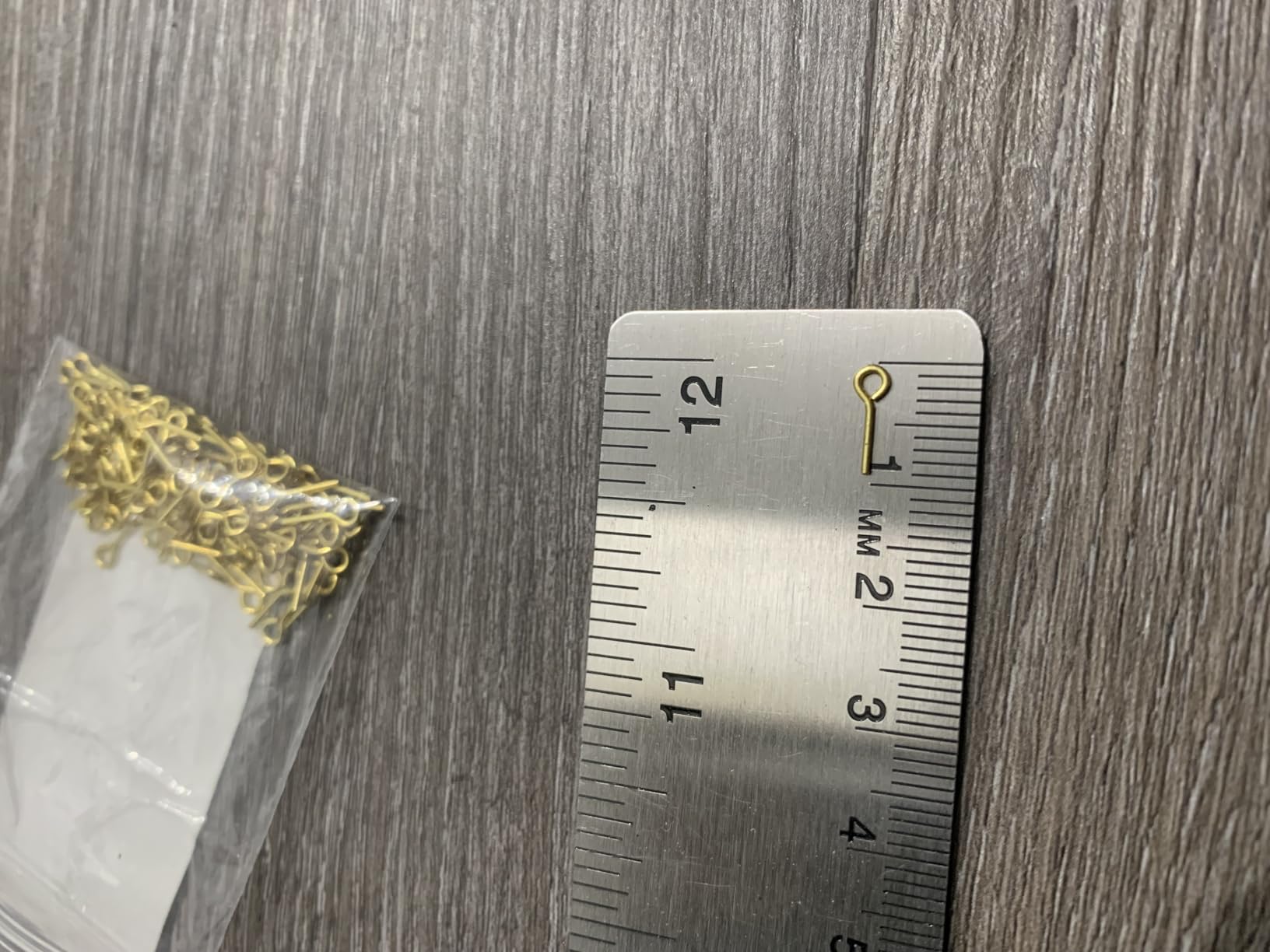
These brass nails and hooks serve as attachment points for rigging on wooden ship models. At approximately 125 pieces for around $7, they’re excellent value for modelers who need multiple rigging attachment points. The brass material looks appropriate for period ships and takes glue well for secure installation.
The 9 figure nail design works well for fixing mooring ropes and other rigging to decks. Users report that the nails can be clipped to shorter lengths if needed for specific applications, giving you some flexibility in how you use them. The brass material is substantial enough to hold rigging tension without pulling out when properly installed.
Best For
These nails and hooks are ideal for wooden ship model builders who need multiple attachment points for rigging. If you’re building a ship with extensive deck rigging and want authentic brass hardware, these provide good value and sufficient quantity for most projects.
Less Ideal For
These aren’t necessary if you’re building plastic models where attachment points are molded in, or if you prefer to drill and glue rigging directly without hardware. For very small scales, these nails may appear too large and out of proportion.
12. GAWEGM Black Rigging Rope – Natural Material Rigging Line
GAWEGM Ship Model Rope Ladder Fitting – 0.45mm Black Sailing Rope
0.45mm diameter
50 meters
Sisal material
Pros
- Well made and sturdy
- Perfect for model rigging
- Good diameter for scale
Cons
- Limited to one size per package
For modelers who prefer natural materials over synthetics, this black sisal rope from GAWEGM provides an authentic option for rigging work. At 0.45mm diameter and 50 meters length, it’s suitable for a range of scales and provides enough material for extensive rigging projects. The sisal material looks and handles like traditional rope, giving your finished model an authentic appearance that synthetics can’t quite match.
Users consistently praise this rope’s quality and suitability for model ship rigging. The 0.45mm diameter works well for scales from 1:96 to 1:48, providing visible but not oversized rope for your rigging. The natural fiber texture takes glue well and knots securely, making it practical for actual rigging work despite its authentic appearance.
Best For
This natural rope is ideal for modelers building period ships who want authentic materials and appearance. If you’re working in scales where 0.45mm looks proportionally correct and prefer the look and feel of natural fibers, this rope is an excellent choice.
Less Ideal For
This isn’t suitable for very small scales where finer diameter is needed, or for modelers who prefer the consistency and durability of synthetic materials. Natural fibers can also be more affected by humidity and aging compared to synthetics.
13. Model Shipways Beautiful Blocks – Authentic Wooden Blocks
Model Shipways Beautiful Blocks 1 Sheave Wood Block 20 Pack (4.0 mm)
20 pack
4.0mm size
Swiss pear wood
Pros
- Made of Swiss pear
- Laser cut and shaped
- Authentic look
- No further finishing needed
Cons
- Holes may need enlarging
- Very small size
Blocks are essential components of ship rigging, and these Model Shipways blocks provide authentic wooden blocks at 4.0mm size. Made from Swiss pear wood with its fine pore structure, these blocks look and feel like the real thing. The laser cutting and hand shaping ensures accuracy without requiring additional sanding or finishing on your part.
These blocks create a level of authenticity that plastic blocks can’t match. The wood grain, slight variations, and natural appearance give your rigging a museum-quality look. At 20 blocks per package, you have enough for substantial rigging work, and the single-sheave design is appropriate for many rigging applications.
Best For
These blocks are perfect for modelers building authentically rigged ships where wooden blocks are historically accurate. If you’re doing serious period ship modeling and want every detail to be authentic, these wooden blocks are worth considering over plastic alternatives.
Less Ideal For
These aren’t necessary if you’re building ships where plastic blocks are acceptable, or if you’re working in scales where 4.0mm blocks appear too large. Modelers prioritizing speed over authenticity may prefer simpler solutions.
14. GAWEGM Beige Rigging Rope – Alternative Size Natural Line
GAWEGM Wood Ship Model Accessories – 0.45/0.35/0.55/0.65/0.8 mm Beige Rope Ladder Fittings 1 Roll (0.35)
0.35mm diameter
50 meters
Multiple sizes available
Pros
- Excellent quality for sailing ships
- Good for rigging
- Realistic in scale
- Glues well
Cons
- Limited to one size per package
This beige rigging rope from GAWEGM offers an alternative diameter option at 0.35mm, giving modelers more choices for scale-appropriate rigging. Like the black version, it’s made from natural fibers and provides 50 meters of material per package. The beige color works well for natural-looking rigging on many period vessels.
Users report excellent results using this rope for sail ship modeling, with the material gluing well and handling realistically. The 0.35mm diameter is suitable for slightly smaller scales than the 0.45mm version, or for lighter rigging applications on larger scales. The fact that it comes in multiple sizes (0.35, 0.45, 0.55, 0.65, and 0.8mm) means you can select the perfect diameter for your specific scale and application.
Best For
This rope is ideal for modelers who need slightly finer diameter than the standard 0.45mm option, or who prefer beige over black for their rigging. If you’re working in scales where 0.35mm looks more proportionally correct, this is an excellent natural fiber option.
Less Ideal For
This isn’t suitable if you need larger diameter rigging for your scale, or if you prefer the uniform appearance of synthetic materials. As with all natural fibers, consistency can vary slightly between batches.
15. 5X Hull Planking Clamps – Budget Planking Alternative
5X Hull Planking Clamps for Wooden Model Ship Kit – Frame Plank Holder Tool
5-piece set
PETG plastic
Wingnut tightening
Pros
- Easy to use with wingnuts
- Protects model from damage
- Durable PETG construction
- Multiple uses
Cons
- Reduced holding on 3mm frames
- Requires proper plank contact
These 3D-printed planking clamps offer a budget alternative to the Micro-Mark metal clamps. Made from PETG plastic, these clamps use wingnuts for quick tightening and are designed specifically for hull planking work. The 5-piece set provides enough clamps for smaller planking jobs, and the PETG material allows some flexing without breaking.
The wingnut design is genuinely convenient – you can tighten and loosen the clamps quickly without tools, which speeds up the planking process significantly. Users report that these clamps work well for gluing, drilling, tapering, and measuring, making them multi-use tools in your ship modeling toolkit. They’re designed to work best with 4-6mm thick frames, which covers many common model ship kits.
Best For
These clamps are ideal for modelers on a budget who need functional planking clamps without the premium price. If you’re doing occasional planking work or have limited frame thickness in the 4-6mm range, these provide good value and functionality.
Less Ideal For
These may not provide sufficient holding force for very thin frames under 3mm, or for professional-quality planking work where metal clamps are preferred. They’re also not suitable if you need more than 5 clamps for efficient workflow.
How to Choose the Right Rigging Tension Tools?
Selecting the right tools for model ship rigging tension work depends on several factors specific to your projects and working style. The tools that work perfectly for a 1:96 scale frigate might be completely wrong for a 1:350 destroyer. Understanding your specific needs will help you invest in tools that actually improve your results rather than collecting specialized equipment you rarely use.
Consider your typical modeling scale first. Smaller scales require finer tools and materials – at 1:350, you’ll want ultra-fine tweezers and Lycra rigging material, while 1:48 scale work can accommodate larger, more robust tools. The scale you work in most often should drive your tool investments, as trying to make one tool work across all scales often leads to frustration and suboptimal results.
Your experience level and dexterity also matter. Some modelers have the fine motor skills to tie perfect knots by hand, while others benefit from jigs and tools that ensure consistency. There’s no shame in using tools to compensate for limited dexterity or vision – in fact, using the right tools often produces better results than struggling with techniques that don’t suit your physical abilities. The rope ladder weaver and ratliner tools exist because many modelers need help with these challenging tasks.
Think about how much rigging work you actually plan to do. If you’re building one rigged ship as a special project, you might make do with basic tools and accept that some tasks will be time-consuming. But if ship modeling is your primary hobby and you plan to build multiple rigged vessels over years, investing in quality specialized tools pays dividends in time saved and results achieved. A tool that seems expensive for one project becomes very reasonable when amortized over dozens of builds.
Don’t overlook the value of medical and surgical tools as alternatives to specialized modeling tools. Many experienced ship modelers use hemostats, forceps, and tweezers intended for medical or dental work – these tools are often higher quality and less expensive than their modeling-specific counterparts. The key is finding tools that work for your specific tasks regardless of their intended market.
Finally, consider your working environment and personal preferences. Some modelers love the precision of specialized jigs and tools, while others prefer the flexibility and satisfaction of hand work. There’s no single right approach – the best tools are the ones that actually help you achieve the results you want in a way that you enjoy using. If a tool frustrates you or makes the hobby feel like work, it’s not the right tool regardless of how well it functions.
Types of Rigging Tension Tools Explained
Model ship rigging tension tools fall into several categories, each serving different functions in the rigging process. Understanding these categories helps you identify which tools you actually need versus which ones are optional for your specific projects.
Clamping and holding tools form the foundation of your rigging toolkit. Tweezers with locking mechanisms, hemostats, and forceps all serve the basic function of holding rigging lines under tension while you work. The locking feature is what makes these tools essential – without it, you’d need three hands to maintain tension while tying knots or applying glue. Medical-grade tools often excel in this category, as they’re designed for precision holding in surgical applications.
Cutting tools might not seem like tension tools, but clean cuts are essential for proper tension work. Ragged or crushed ends from poor cutting tools won’t knot properly or glue securely, leading to weak points in your rigging that can slip or fail. Quality nippers with sharp, precise jaws ensure your rigging lines have clean ends that accept knots and glue reliably, maintaining consistent tension throughout your rigging.
Jigs and fixtures represent the specialized end of the tool spectrum. Tools like the ratliner, rope ladder weaver, and deadeye spacing tool are designed to produce specific rigging components consistently. These tools shine when you’re making multiple identical pieces – shrouds, ratlines, or deadeye assemblies – and want them all to match perfectly. They’re less essential if you’re building unique one-off pieces or prefer the variation of hand work.
Rigging materials themselves affect tension significantly. Stretchy materials like Lycra make tension work easier because the material itself helps maintain consistent tension. Non-stretch materials like cotton or monofilament require more careful tensioning during installation but hold their tension more consistently over time. Understanding the characteristics of different rigging materials helps you choose the right combination of material and tools for your specific needs.
DIY and improvised tools deserve mention as well. Many experienced modelers create their own tension tools from needles, wire, dowels, clothespins, and other household items. These homemade tools can be just as effective as commercial options and have the advantage of being customizable to your specific needs. If you’re handy and enjoy tinkering, creating some of your own tools can be rewarding and cost-effective.
DIY Rigging Tension Tools You Can Make
Before investing in commercial tools, consider that many effective rigging tension tools can be made from simple materials. The ship modeling community has long traditions of DIY tool making, and many forum members swear by their homemade solutions over expensive commercial alternatives.
One of the simplest and most effective DIY tools is a clothespin tensioner. By attaching a small clothespin to a dowel or handle, you create a lightweight clamp that can hold rigging lines under tension. The spring pressure provides consistent holding force, and the wooden jaws won’t damage delicate rigging materials. Multiple modelers report using variations of this design, with some adding felt pads to the jaws for extra grip without marking.
Needle and wire tools are another DIY option. A sewing needle inserted into a dowel makes a excellent pick for threading blocks and deadeyes – the eye of the needle can hook rigging lines and pull them through tiny openings. Similarly, a small wire hook formed from stiff wire can grab and manipulate rigging in tight spaces where fingers or tweezers can’t reach. These simple tools cost pennies to make but solve real problems in rigging work.
For maintaining consistent tension across multiple lines, some modelers create simple jigs using wooden boards and nails or pins. By positioning pins at measured intervals, you can create custom spacing jigs for your specific scale and project. These DIY jigs offer the same benefits as commercial ratliners but are customizable to your exact needs and cost almost nothing to make.
Weight-based tensioning systems are another DIY approach. By attaching small weights (fishing sinkers, nuts, washers) to rigging lines, you can use gravity to maintain consistent tension while glue dries. This simple technique is particularly useful for long runs of rigging where maintaining even tension by hand is difficult. The weight provides constant, consistent tension that you don’t have to monitor constantly.
The advantage of DIY tools is that you can customize them to your specific needs and working style. If a commercial tool doesn’t quite fit your hand or your specific project, you can modify or create your own version that works better. Plus, there’s satisfaction in using tools you’ve made yourself – many modelers find that DIY tools become favorites precisely because of the personal investment in making them.
Scale-Specific Tool Selection Guide
Different ship scales require different approaches to rigging and tension work. Tools and materials that work perfectly at one scale may be completely inappropriate at another. Understanding scale-specific requirements helps you select tools that actually work for your typical projects.
For large scales (1:48 to 1:72), you can work with relatively robust tools and materials. Standard tweezers, heavier rigging lines (0.5mm and above), and larger blocks all look appropriate at these scales. The larger size means you can see and handle components more easily, reducing the need for magnification and ultra-fine tools. Many modelers find these scales the most enjoyable for rigging work because everything is manageable without specialized equipment.
Medium scales (1:96 to 1:144) represent a sweet spot for many ship modelers. At these scales, you need finer tools and materials than large scales, but nothing so tiny that it becomes frustrating to work with. Rigging lines in the 0.3-0.5mm range look appropriate, and standard precision tweezers work well for most tasks. This scale range is where many specialized tools like ratliners and rope weavers are designed to work, making it easier to find commercial options that match your needs.
Small scales (1:192 to 1:350) require much finer approaches. At these sizes, standard tweezers may feel clumsy, and rigging lines need to be 0.2mm or finer to look proportionally correct. Ultra-fine tip tweezers, magnification, and specialized materials like Lycra become essential. The investment in fine tools pays off at these scales, as attempting to work with oversized tools leads to frustration and poor results.
Micro scales (below 1:350) are in a category of their own. At these tiny sizes, rigging becomes more about suggestion than realism – you’re creating the impression of rigging rather than accurately representing every line. The finest tools and materials available are necessary, and many modelers simplify rigging schemes at these scales rather than attempting full rigging. Specialized photo-etched metal tools and magnification systems become essential for any detailed work.
When selecting tools, always consider your typical scale first. A tool that’s perfect for 1:48 work may be useless at 1:350, and vice versa. It’s better to have a few tools optimized for your primary scale than a collection of general-purpose tools that don’t excel at any specific application.
Common Rigging Tension Problems and Solutions
Even with the right tools, rigging tension work presents several common challenges. Understanding these problems and their solutions helps you troubleshoot issues as they arise and develop techniques for consistent results.
Inconsistent tension across multiple lines is perhaps the most common complaint. You’ll rig one section perfectly, then the next section looks noticeably different in tension. The solution is often establishing reference points and working systematically. I mark my intended tension points with pencil before starting any rigging, then use a consistent reference – usually a specialized jig or simple weight system – to ensure each line is tensioned to the same degree. Working in consistent lighting conditions also helps, as shadows can make tension appear different than it actually is.
Lines that lose tension over time are frustrating but common. This usually happens when the material stretches or settles after installation, or when knots slip slightly under load. Using materials with appropriate stretch characteristics for your application helps – stretchy materials like Lycra compensate for minor settling, while stable materials like linen hold their position better once set. Sealing knots with a tiny drop of CA glue or diluted PVA also prevents slipping and maintains consistent tension over time.
Difficulty threading blocks and deadeyes slows down rigging work tremendously. The solution is often a combination of finer tools and material preparation. Dipping the end of your rigging line in thin CA glue creates a stiffened point that threads easily through tiny holes. Magnification is essential – you can’t thread what you can’t see clearly. Fine-tipped tweezers or homemade wire hooks help manipulate the line through openings, and working from bottom to top on rigging gives you better visibility and access.
Knots that come loose or don’t hold properly compromise the entire rigging system. This usually comes down to knot choice and material preparation. For most model ship rigging, simple overhand knots with a drop of glue work better than complex knots that look impressive but don’t hold well. Pre-stretching your rigging material before installation also helps – it removes the initial stretch that causes knots to loosen as the material settles.
Rigging lines that look too thick or too thin for the scale ruin the overall appearance. This is a planning problem rather than an execution problem – the solution is testing different line diameters on a scrap piece before committing to your model. Hold different line sizes against your model at arm’s length to see how they look from normal viewing distance. What looks too thick close-up may look perfect at normal viewing distance, and vice versa. Always consider viewing distance when selecting material thickness.
FAQ About Model Ship Rigging Tension Tools
What tools do I need for model ship rigging?
Essential rigging tools include locking tweezers or hemostats for holding lines under tension, fine-tip nippers for clean cuts, fine tweezers for threading blocks, and magnification for detailed work. Specialized tools like ratliners and rope weavers are optional but helpful for consistent results. Many modelers also use medical-grade tools like forceps and dental instruments, which are often higher quality than hobby-specific alternatives.
How do I maintain proper tension in rigging lines?
Maintain consistent tension by using locking tweezers or hemostats to hold lines while tying knots or applying glue. Work systematically from one area to another, using reference points to ensure even tension. Consider using stretchy materials like Lycra which help maintain tension naturally, or weight-based systems for long runs. Seal all knots with a tiny drop of CA glue or diluted PVA to prevent slipping and maintain consistent tension over time.
Can I use medical tools for model ship rigging?
Yes, medical and surgical tools are excellent for model ship rigging. Hemostats, forceps, and tweezers designed for medical or dental use often provide better quality and precision than hobby-specific tools at lower prices. Many experienced ship modelers prefer medical-grade instruments for their durability, precision, and locking mechanisms. Check medical supply stores or online retailers for surgical-grade tools that work perfectly for rigging applications.
What are the best alternatives to commercial rigging tools?
Excellent DIY alternatives include clothespin tensioners made by attaching clothespins to dowels, needle and wire tools for threading blocks, and wooden jigs with pins for consistent spacing. Weight-based tensioning systems using fishing weights or washers provide constant tension while glue dries. Many modelers also adapt sewing tools, beauty tools, and household items for rigging work. The best tool is often one that works for your specific needs, regardless of its intended purpose.
How do I choose the right rigging line diameter for my scale?
Select line diameter by testing different sizes against your model at normal viewing distance. For large scales (1:48-1:72), lines around 0.5mm work well. Medium scales (1:96-1:144) typically use 0.3-0.5mm. Small scales (1:192-1:350) require finer lines around 0.2mm. Micro scales below 1:350 may need specialized materials like Lycra at 0.09mm. Always hold sample lines against your model and view from arm’s length – what looks right from normal viewing distance is more important than microscopic accuracy.
Conclusion
After testing 15 different tools across multiple ship modeling projects, I’ve learned that the best model ship rigging tension tools are the ones that match your specific scale, working style, and project needs. There’s no single perfect tool that works for every situation – the right combination depends on what you’re building and how you prefer to work.
For most modelers, I recommend starting with quality locking tweezers or hemostats as your foundation tool. These versatile tools handle the majority of rigging tension tasks and work across a wide range of scales. Add fine nippers for clean cuts, and consider specialized tools like ratliners or rope weavers if you’re building multiple rigged vessels where consistency matters. Don’t overlook medical-grade tools – they often provide better quality at lower prices than hobby-specific alternatives.
Remember that tools are means to an end, not ends in themselves. The goal is rigging that looks professionally done and holds up over time. Whether you achieve that with specialized commercial tools, DIY solutions, or a combination of both matters less than the final results. Start with essential tools, add specialized pieces as your needs develop, and don’t be afraid to adapt or modify tools to work better for your specific situation.
Model ship rigging is challenging enough without fighting your tools. Invest in quality pieces that actually help you work more efficiently and enjoyably, and you’ll find that rigging becomes less of a chore and more of the satisfying experience it should be. The right tools won’t make you a master rigger overnight, but they will remove unnecessary obstacles and let you focus on the craft rather than struggling with inadequate equipment.