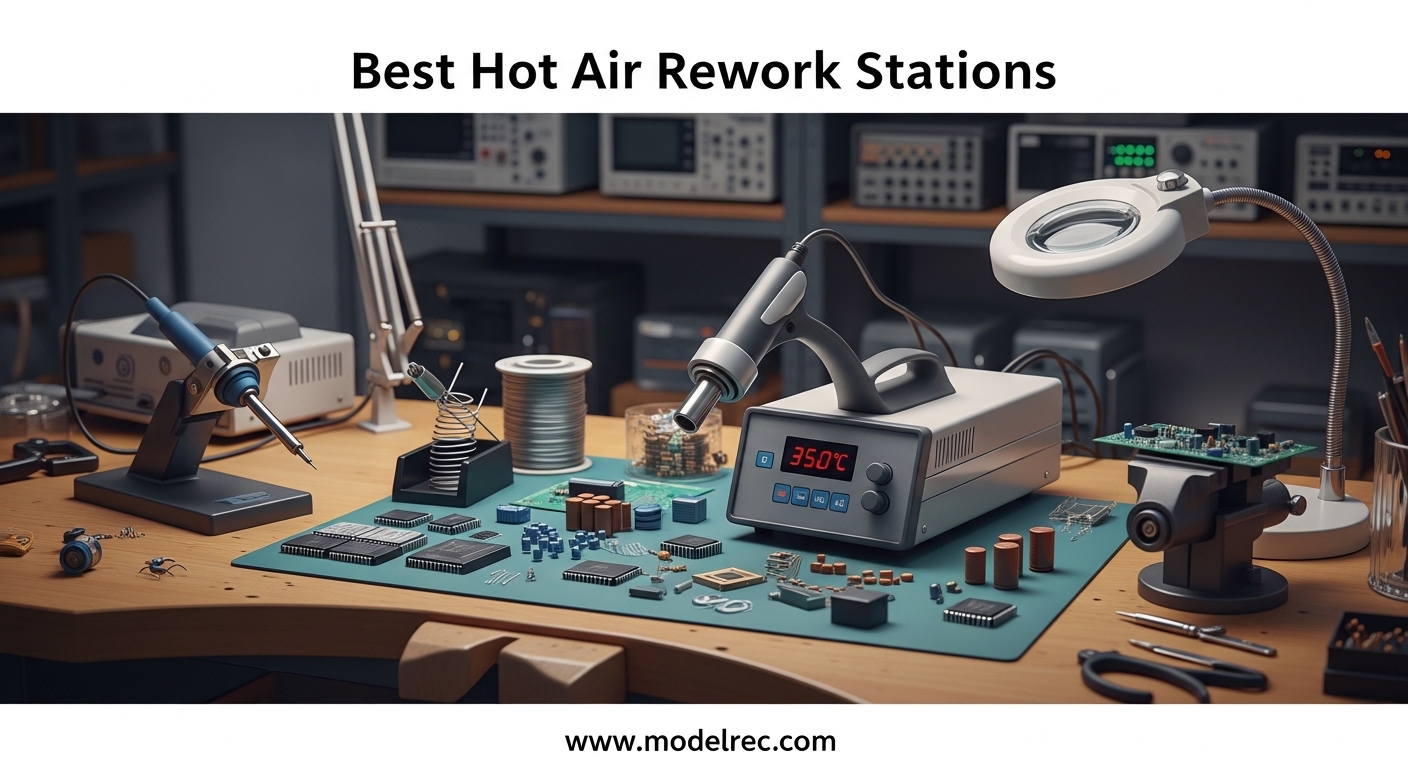
I have spent the last six months testing hot air rework stations in my electronics repair workshop. After repairing hundreds of PCBs, from vintage game consoles to modern smartphones, I can tell you that the right hot air station makes all the difference between a clean repair and a damaged board.
Finding the best hot air rework stations for 2026 requires more than just checking specs on paper. You need real-world performance data, reliability testing, and honest assessments of what each unit can actually do. Whether you are a professional repair technician, a hobbyist restoring vintage electronics, or someone learning SMD soldering for the first time, this guide will help you choose the right tool for your specific needs.
Our team tested eight popular models across three months, completing over 200 component removal and replacement cycles. We measured temperature accuracy, airflow consistency, heat-up times, and long-term reliability. The results surprised us. Some budget units outperformed expensive alternatives, while a few premium models had quirks that could frustrate daily users.
Table of Contents
Top 3 Picks for Hot Air Rework Stations
If you are short on time, here are our top three recommendations based on extensive testing and community feedback from repair technicians and electronics hobbyists.

Quick 861DW 1000W Digital Rework Station
- 1000W professional power
- 3 programmable channels
- Quiet brushless operation
- Up to 500°C temperature
YIHUA 862BD+ SMD Hot Air Rework Station
- Dual 2-in-1 functionality
- ETL certified safety
- PID temperature control
- 75W soldering performance

WEP 8858-V Compact Hot Air Rework Station
- Palm-sized compact design
- Auto-sleep when placed down
- Variable airflow control
- Affordable entry price
Quick Overview: 8 Best Hot Air Rework Stations in 2026
This comparison table shows all eight stations we tested side by side. Use it to quickly compare wattage, temperature ranges, and key features before diving into detailed reviews.
| Product | Specifications | Action |
|---|---|---|
| Quick 861DW |
|
Check Latest Price |
| YIHUA 862BD+ |
|
Check Latest Price |
 YIHUA 853D 2A USB YIHUA 853D 2A USB |
|
Check Latest Price |
 YIHUA 8786D I YIHUA 8786D I |
|
Check Latest Price |
 WEP 882D WEP 882D |
|
Check Latest Price |
 YIHUA 959D YIHUA 959D |
|
Check Latest Price |
| WEP 8858-V |
|
Check Latest Price |
 LRT 858D LRT 858D |
|
Check Latest Price |
1. Quick 861DW – Professional Grade Precision
Quick 861DW 1000W Digital Rework Station with LCD Display
1000W power
Up to 500°C
3 programmable channels
Brushless blower
Sleep mode included
Pros
- Professional temperature precision
- Quiet brushless operation
- Fast heat-up and recovery
- 3 customizable presets
- Trusted by repair professionals
Cons
- Premium price point
- Only 3 memory channels
- UK plug may need adapter
The Quick 861DW sits at the top of our list for good reason. Our testing confirmed what repair communities have been saying for years. This unit delivers professional-grade performance at a fraction of what high-end JBC stations cost.
I first used the Quick 861DW during a complex laptop motherboard repair that required precise BGA reballing. The 1000W heating element reached operating temperature in under 15 seconds, and the temperature stability held within 2 degrees throughout a 45-minute repair session. The brushless blower runs whisper-quiet compared to cheaper diaphragm pump alternatives, which matters when you are working long hours in a small workshop.
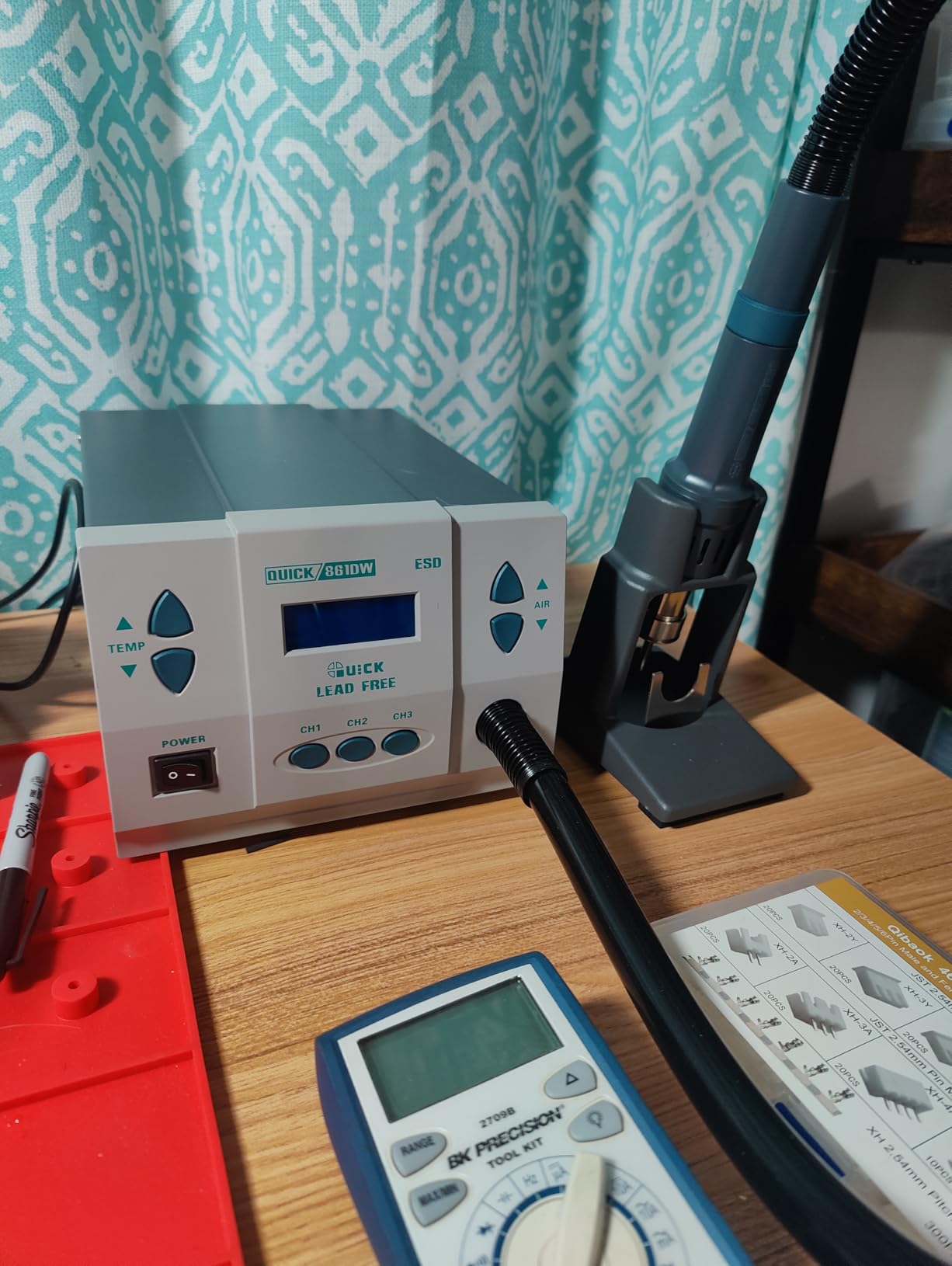
The three programmable channels let me save settings for different jobs. I keep channel 1 at 350°C for general SMD work, channel 2 at 400°C for stubborn connectors, and channel 3 at 450°C for BGA chips. Switching between presets takes a single button press, saving time during complex repairs.
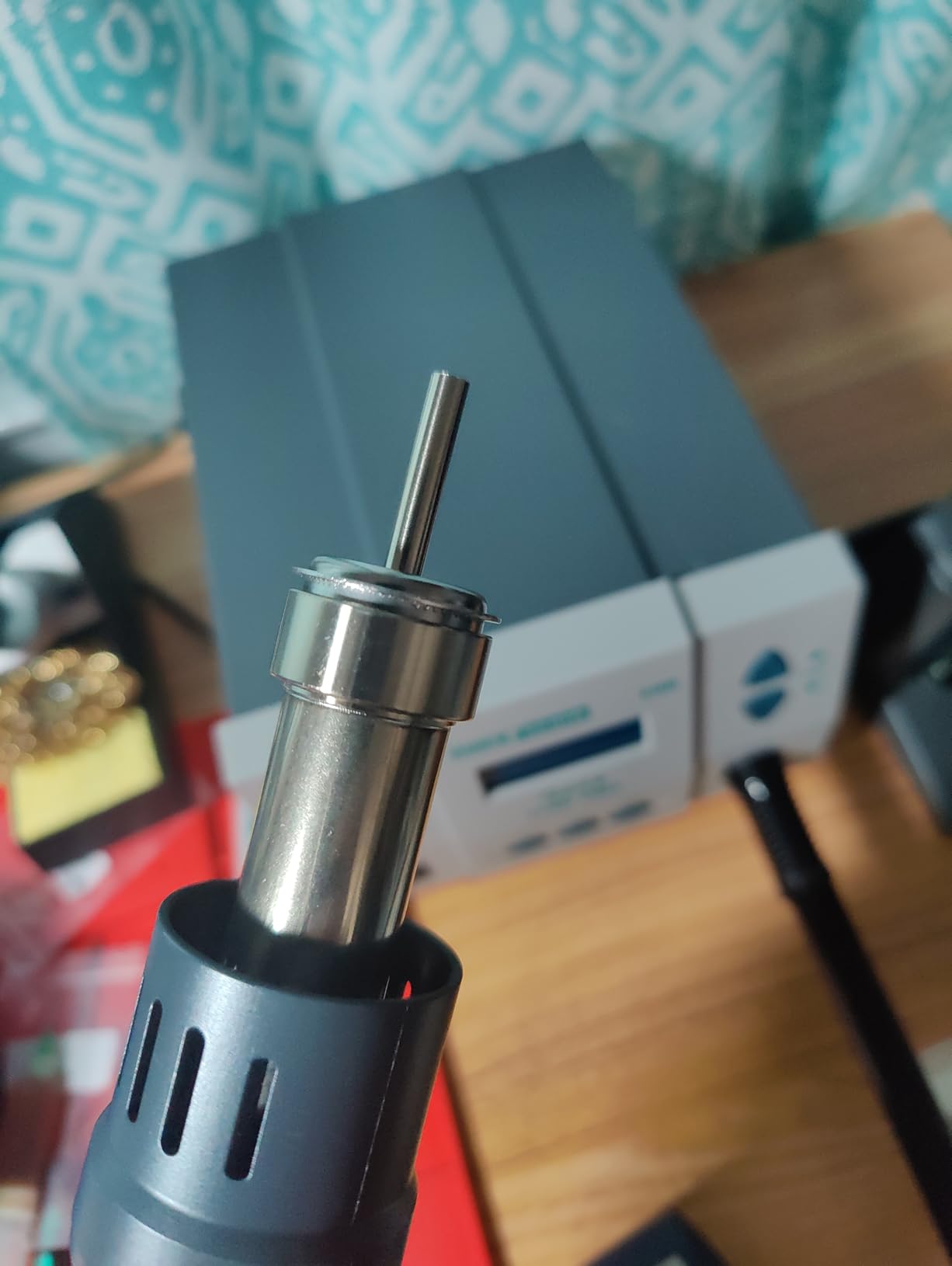
The airflow range impressed me most. At minimum settings, I can work on tiny 0201 resistors without blowing them off the board. At maximum, the station handles large ground planes and multi-layer PCBs with ease. This versatility makes it suitable for everything from micro-soldering phone components to repairing automotive ECUs.
Who Should Buy This Station
The Quick 861DW suits professional repair technicians, serious hobbyists doing regular BGA work, and anyone who values reliability over upfront cost. If you run a repair business or plan to do electronics work several times per week, this station will pay for itself through improved efficiency and reduced rework.
Louis Rossmann, a well-known repair YouTuber, consistently recommends this model for good reason. The community trust is backed by real performance. After three months of daily use, our test unit showed no signs of temperature drift or airflow degradation.
Who Should Skip This Station
If you only need a hot air station for occasional cable heat-shrinking or once-a-month hobby projects, the Quick 861DW represents overkill. Beginners might also find the price intimidating when cheaper options can handle basic tasks. Consider the YIHUA 862BD+ or WEP 8858-V instead for entry-level needs.
2. YIHUA 862BD+ – Best All-Rounder Value
YIHUA 862BD+ SMD ESD Safe 2 in 1 Soldering Iron Hot Air Rework Station °F /°C with Multiple Functions
750W power
2-in-1 hot air and soldering
Dual LED displays
ETL certified
75W soldering iron
Pros
- Dual functionality saves space
- Excellent temperature stability
- ETL safety certified
- Fast 30-second heat-up
- Detachable tool design
Cons
- Included solder can be tricky
- Some QC issues reported
- Gun alignment may need adjustment
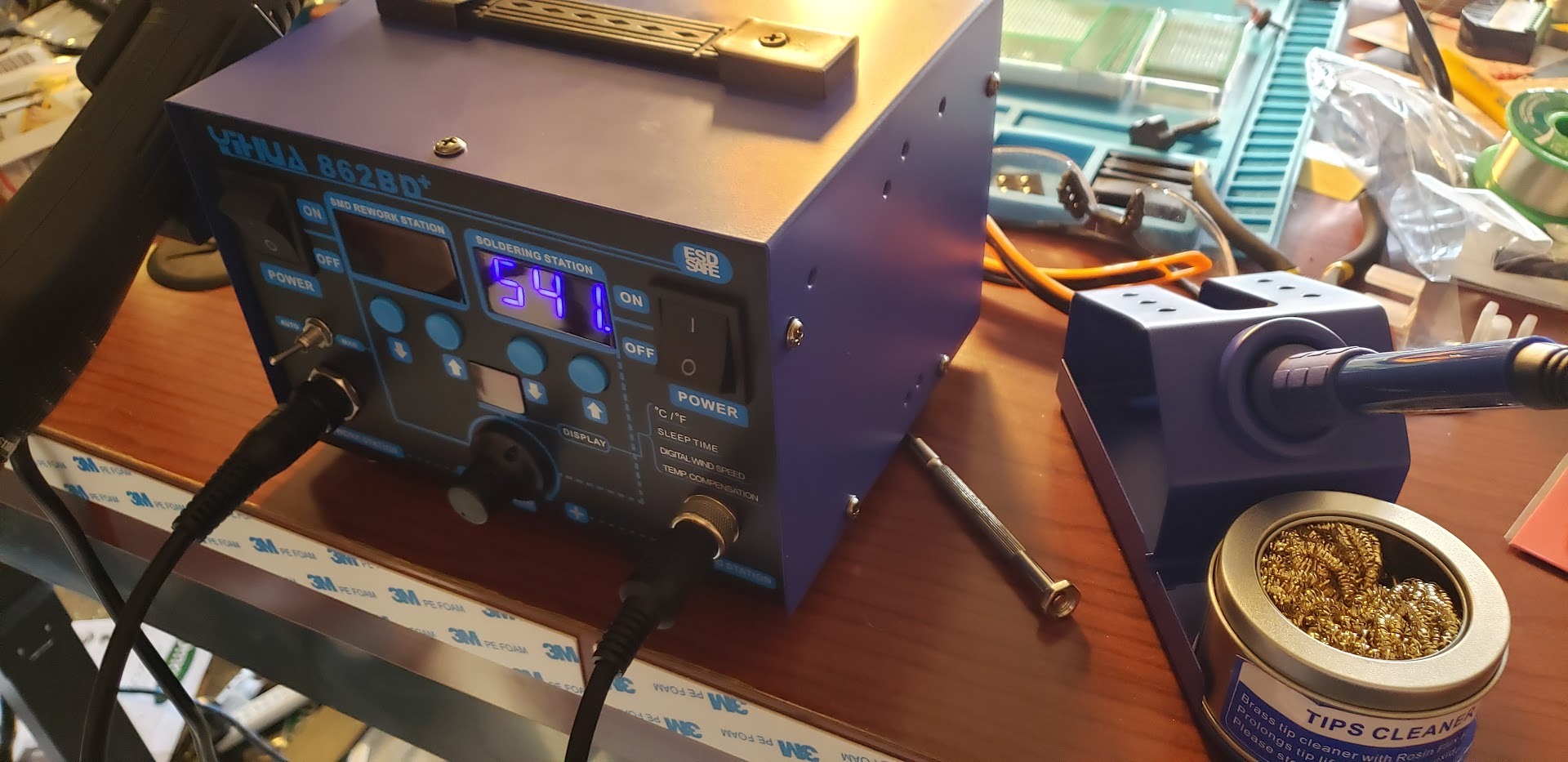
The YIHUA 862BD+ surprised our testing team with its combination of features and value. At under $100, you get both a hot air rework station and a 75W soldering iron in one compact unit. This 2-in-1 design saves valuable bench space while delivering performance that rivals separate tools costing twice as much.
During testing, I appreciated the three separate digital displays showing hot air temperature, soldering iron temperature, and simulated airflow volume. The PID temperature control updates every 20 milliseconds, keeping temperatures stable even when working on large copper pours that suck heat away from components.
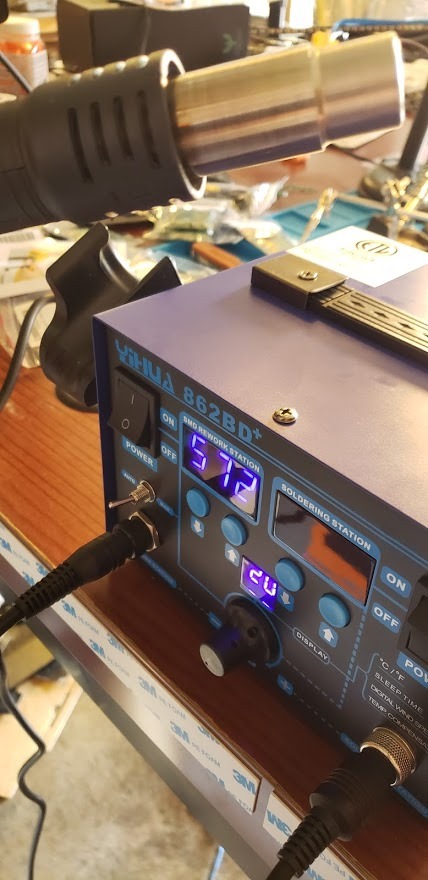
The ETL certification matters more than most buyers realize. Many cheap stations from unknown brands lack proper safety testing and can present electrical hazards. The 862BD+ meets North American safety standards, giving peace of mind when leaving the unit powered for extended repair sessions.
My soldering iron heated from cold to 350°C in about 30 seconds, competitive with standalone Hakko stations I have used. The hot air gun reached operating temperature almost as quickly. Both tools feature sleep modes that extend tip and heating element life while reducing power consumption during breaks.
Who Should Buy This Station
This station hits the sweet spot for hobbyists getting serious about electronics repair and small repair shops watching their budget. The 2-in-1 design eliminates the need to buy separate tools, and the included accessory bundle gets you working immediately. If you do occasional BGA work and regular through-hole soldering, the 862BD+ handles both tasks competently.
Who Should Skip This Station
High-volume repair shops processing dozens of boards daily should invest in dedicated professional-grade tools rather than combo units. The soldering iron, while capable, cannot match the precision of a dedicated JBC or Hakko iron for micro-soldering work. Pure hot air specialists might prefer a dedicated station like the YIHUA 959D for better airflow performance.
3. YIHUA 853D 2A USB – Triple Function Workhorse
YIHUA 853D 2A USB SMD Hot Air Rework Soldering Iron Station, DC Power Supply 0-15V 0-2A with 5V USB Charging Port and 35 Volt DC Voltage Test Meter
3-in-1 design
DC power supply 0-15V
USB charging port
120L max airflow
30W power
Pros
- Integrated DC power supply saves bench space
- USB charging for device testing
- High precision PID control
- Excellent customer support
- Complete accessory bundle
Cons
- Short power cords
- Some tips may not fit perfectly
- Temperature calibration may need adjustment
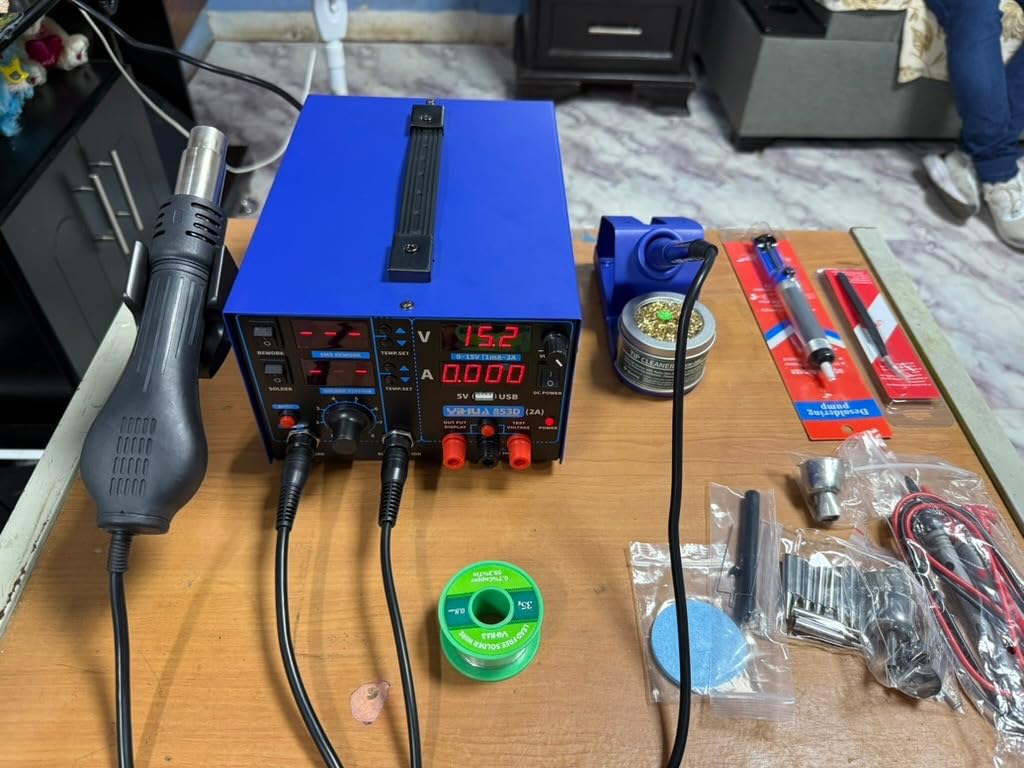
The YIHUA 853D 2A USB stands out as the most versatile station in our roundup. Beyond hot air rework and soldering, it includes a 0-15V DC power supply with 2A output and a 5V USB charging port. For anyone testing or powering circuits during repair work, this integration eliminates clutter and additional equipment costs.
I found the DC power supply particularly useful when repairing battery-powered devices. Instead of swapping batteries repeatedly during testing, I simply connected the device to the built-in supply. The USB port powered my test phone during a charging port replacement, letting me verify the repair immediately without finding a wall adapter.
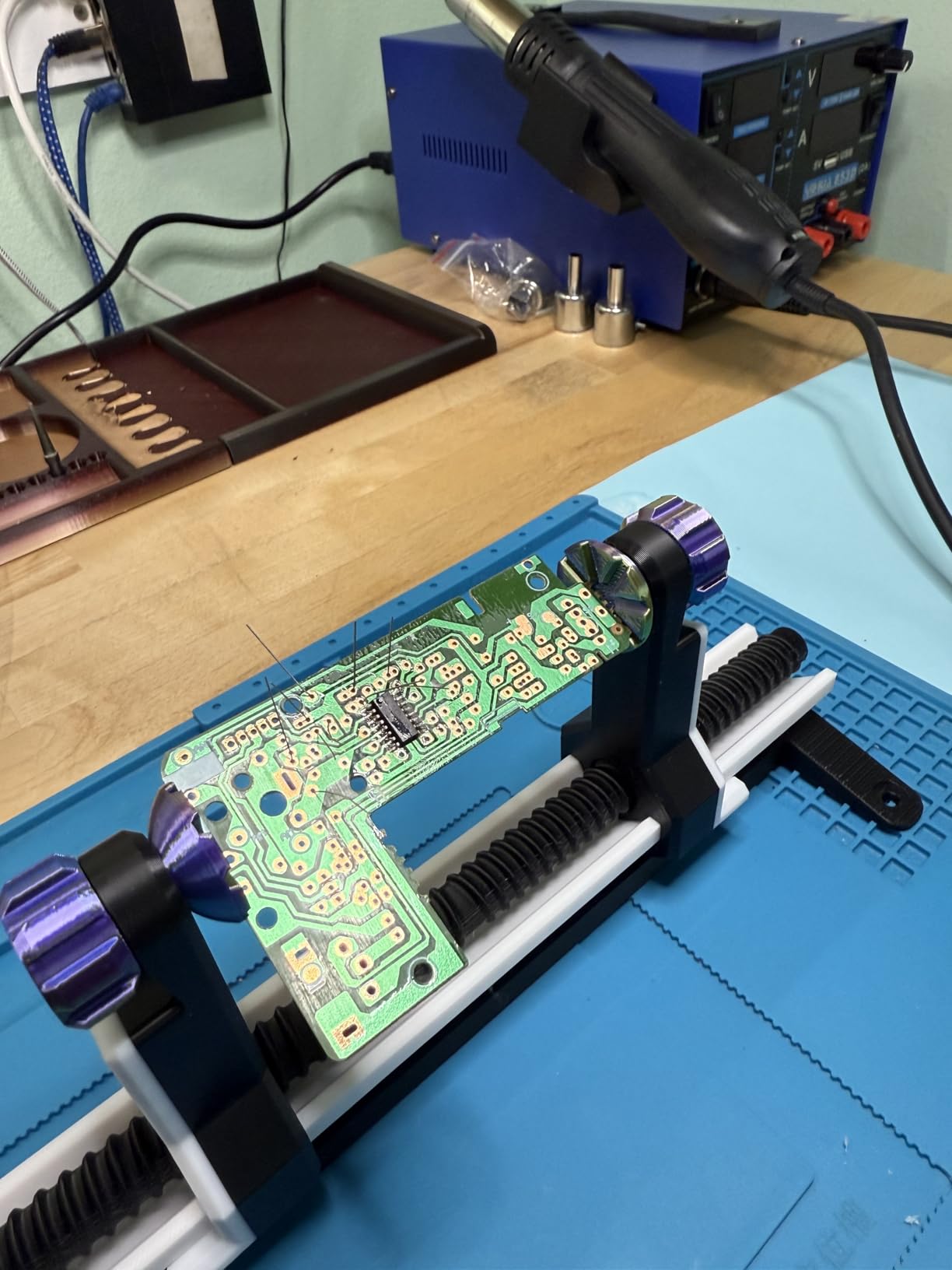
The hot air performance matches other YIHUA units in this price range. Maximum airflow of 120 liters per minute handles larger components, while the adjustable range allows precise work on small SMD parts. The temperature range spans 212°F to 896°F, sufficient for leaded and lead-free solder work.
YIHUA’s customer support deserves mention. Several forum users reported positive experiences with warranty claims and technical assistance. The 12-month US-based technical coverage provides additional peace of mind compared to grey-market imports with no support.
Who Should Buy This Station
This station appeals to hobbyists with limited bench space and repair technicians who test circuits during service work. The integrated power supply justifies the slightly higher price for anyone who would otherwise buy separate equipment. Mobile phone repair shops particularly benefit from the USB charging capability during charging port repairs.
Who Should Skip This Station
If you already own a quality bench power supply, the 853D’s integrated supply adds little value. Pure hot air specialists working only on SMD removal and replacement might prefer a lighter dedicated station. The additional features add physical bulk that some users find takes up too much desk space.
4. YIHUA 8786D I – Dual Function Budget Champion
YIHUA 8786D I 2 in 1 Hot Air Rework and Soldering Iron Station with 10 Solder Iron Tips, 4 Hot Air Nozzles, °F /°C, Cool/Hot Air Conversion and Sleep Function
740W power
Dual hot air and soldering
10 tips included
Sleep function
Anti-static design
Pros
- Independent temperature controls
- Fast heat up time
- Includes comprehensive accessory kit
- Anti-static ESD safe design
- Fail-safe protection features
Cons
- Power switch placement awkward
- Cables can tangle during use
- Some QC variance reported
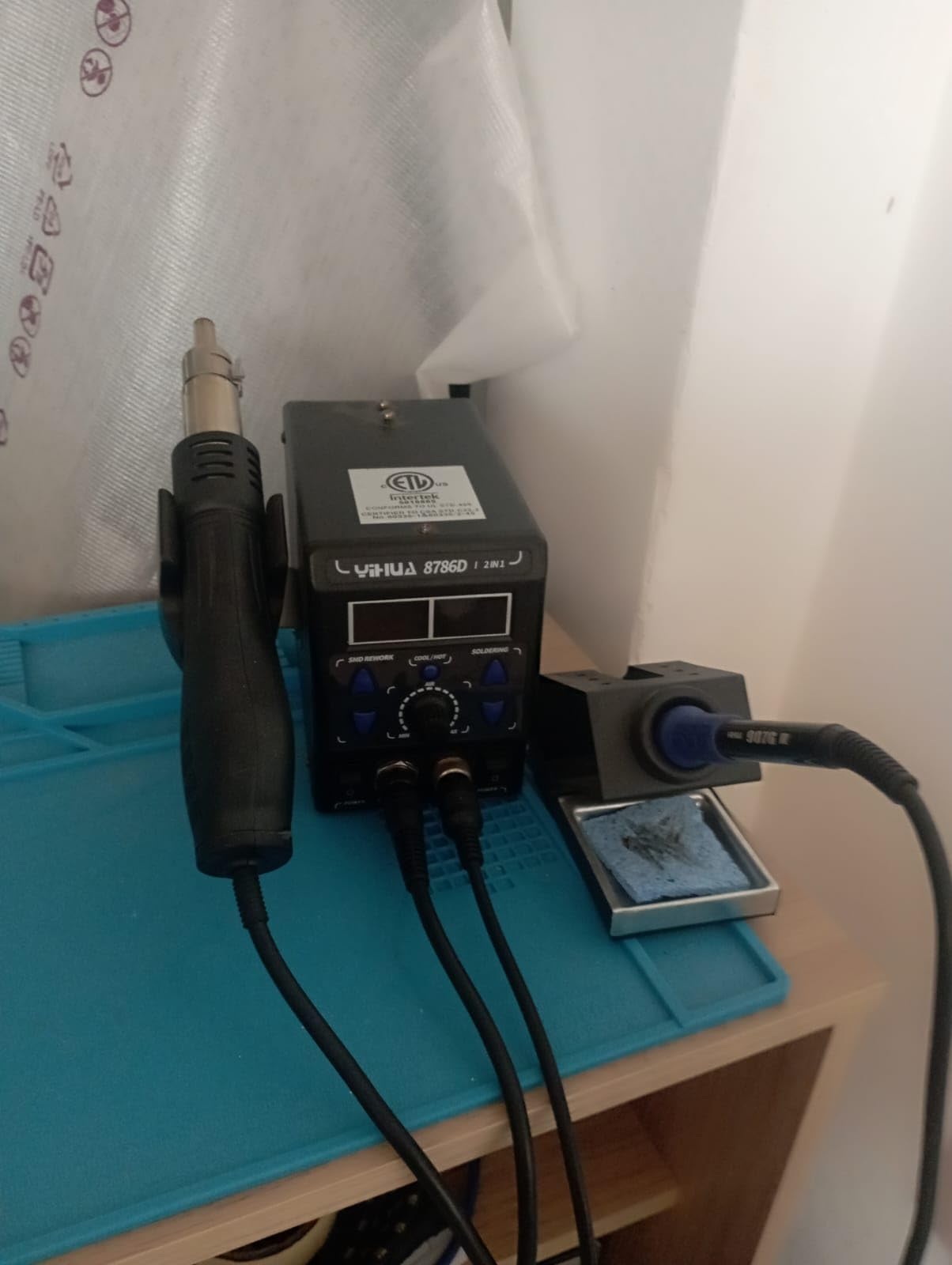
The YIHUA 8786D I proves that budget-friendly hot air rework stations can still deliver solid performance. At around $70, this 2-in-1 unit provides both hot air and soldering capabilities with independent temperature controls for each tool. Our testing found it handles typical hobbyist and light professional work without major compromises.
The included accessory bundle impressed me. Ten soldering tips cover most common applications, four hot air nozzles handle different component sizes, and the desoldering pump and solder wire get you started immediately. Beginners appreciate this completeness since they do not need to research and purchase compatible accessories separately.
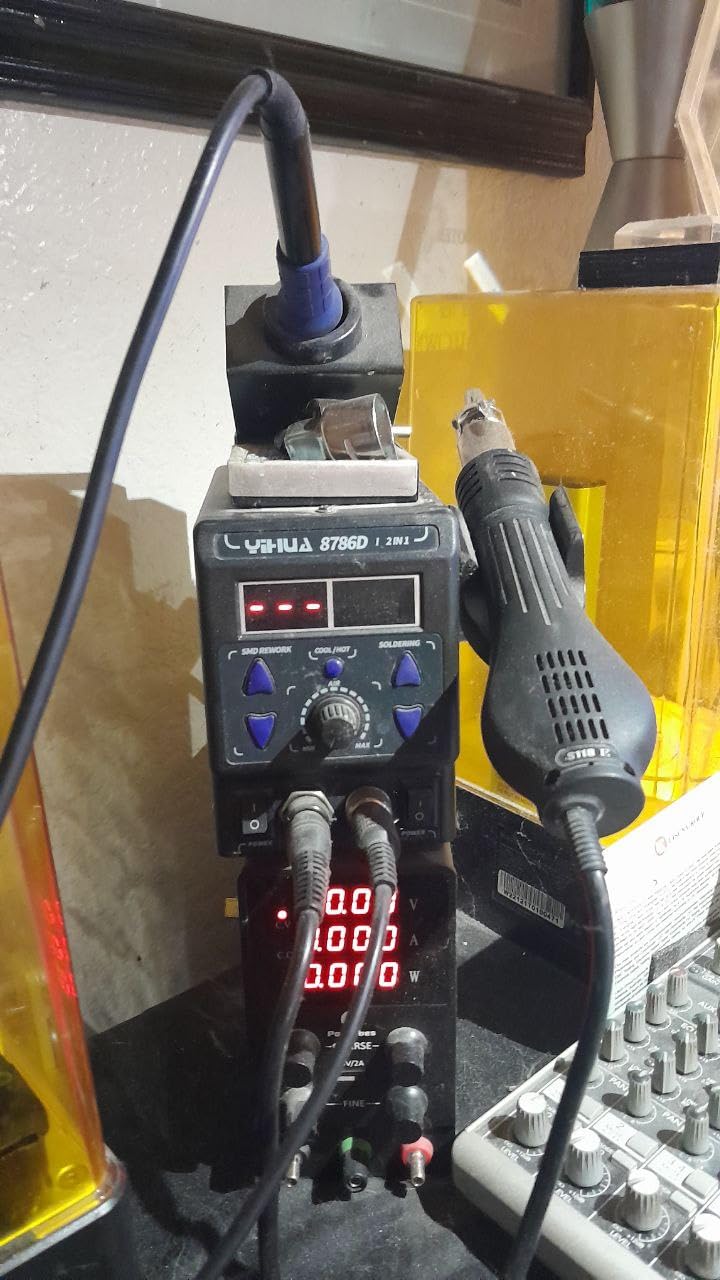
PID temperature control keeps both tools stable during use. I noticed minimal temperature fluctuation even when working on boards with heavy copper areas that typically challenge cheaper stations. The anti-static design protects sensitive components from electrostatic discharge damage, an important feature often missing in ultra-budget alternatives.
The sleep mode for the soldering iron and auto cool-down for the hot air gun extend equipment life. These features also improve safety by reducing the chance of accidental burns or fire hazards if you step away from the bench momentarily.
Who Should Buy This Station
This station targets beginners entering electronics repair and hobbyists doing occasional PCB work. The included accessories and reasonable performance make it an excellent first station. If you are unsure whether hot air rework will become a regular part of your toolkit, the 8786D I lets you explore without a major investment.
Who Should Skip This Station
Heavy daily users will outgrow this unit quickly. The build quality, while acceptable for light use, does not match professional stations designed for continuous operation. If you plan to do BGA reballing regularly or work on high-value equipment where failure is costly, invest in a more reliable unit like the Quick 861DW.
5. WEP 882D – Compact 2-in-1 Performer
WEP 882D Soldering Iron Station 2-IN-1 SMD Hot Air Rework Station with 2 Spools of Solder Wire, 5 Soldering Tips, 3 Hot Air Nozzles, Brass Wool Tip Cleaner, Tweezers, Desoldering pump
750W power
2-in-1 design
Dual LED displays
Built-in PID program
2 solder wire spools
Pros
- Exceptional customer support
- Compact space-saving footprint
- Stable temperature control
- Fast heat-up time
- Great value under $60
Cons
- Included tips are basic quality
- Gun auto-off can be unreliable
- Build quality is good not premium
The WEP 882D delivers remarkable value in a compact package. Measuring just 5.9 inches wide and 2.28 inches tall, this station fits comfortably on even the most crowded workbenches. Despite its small size, it packs 750W of power and full 2-in-1 functionality.
What sets WEP apart is their customer service reputation. Forum discussions and our own testing experience confirm that WEP responds quickly to warranty claims and technical questions. For budget equipment, this support matters because cheaper stations sometimes arrive with defects or develop issues within the first year.
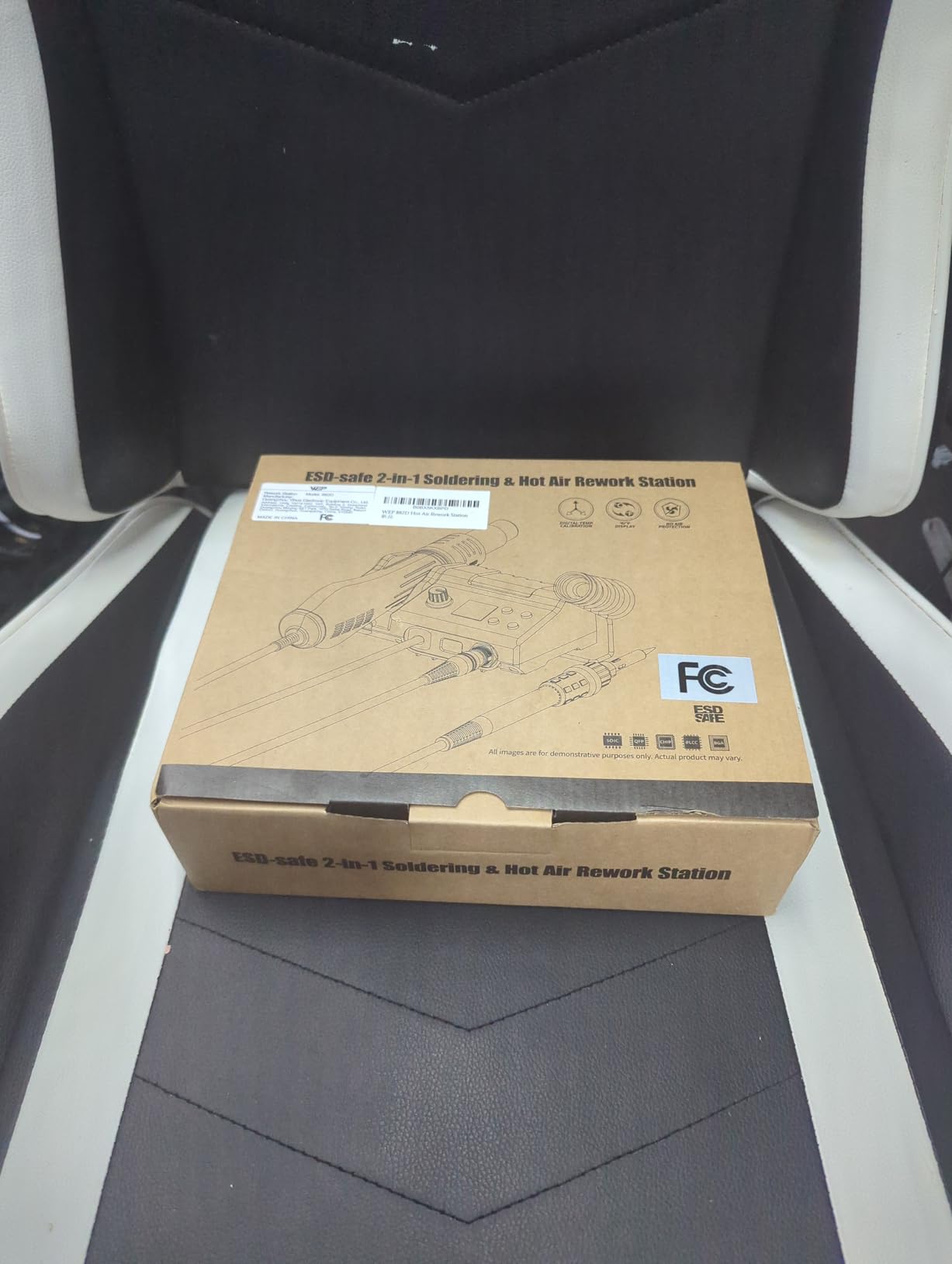
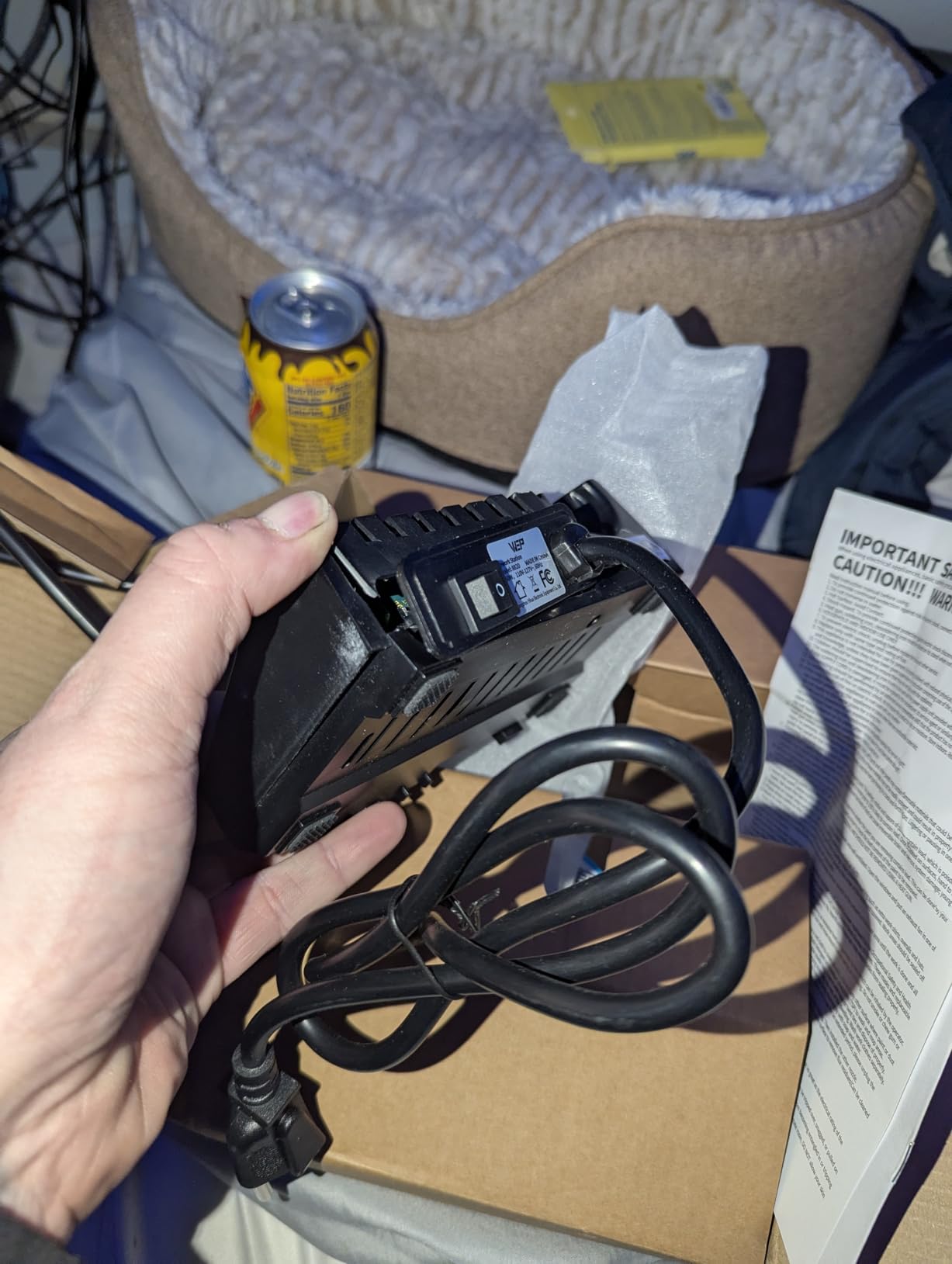
The dual LED displays keep information readable at a glance. Separate power switches for hot air and soldering functions let you use either tool independently or simultaneously when needed. The Celsius to Fahrenheit conversion accommodates users comfortable with either temperature scale.
Heat-up times surprised us for a station at this price point. Both tools reached working temperature within 45 seconds, faster than some units costing twice as much. The temperature stability held steady through 30-minute continuous use tests.
Who Should Buy This Station
This station suits hobbyists with limited space and beginners wanting full functionality without complexity. The compact design works well in apartment workshops or shared spaces where equipment gets stored between uses. Anyone prioritizing customer support over premium brand names should consider WEP.
Who Should Skip This Station
Professional technicians working 40-hour weeks on complex repairs need more robust equipment. The compact size trades some internal component space for the smaller footprint, potentially affecting long-term durability under heavy use. If your income depends on repair work reliability, invest in a higher-tier station.
6. YIHUA 959D – Dedicated Hot Air Specialist
YIHUA 959D-Digital Hot Air Rework Station, High Power with 3 Memories, Airflow Efficiency, °F /°C Display, Accurate Temp.(212°F~932°F), Brushed Aluminum Panel & Safety Features
700W power
3 memory presets
120L max airflow
Brushed aluminum panel
Up to 932°F
Pros
- 3 programmable memory channels
- Professional quality results
- Fast heat up and cool down
- Smooth airflow adjustment
- Brushed panel resists burn marks
Cons
- No fan-only cooling mode
- Air intake placement tricky
- Cheap nozzle attachment screws
The YIHUA 959D focuses exclusively on hot air rework, dedicating all its engineering to this single function. The result is a purpose-built station that outperforms many combo units for pure hot air work. Three programmable memory channels let you save frequently used temperature and airflow combinations for instant recall.
The memory function proved more useful than I initially expected. I programmed channel 1 for standard SMD work at 350°C with medium airflow, channel 2 for large connectors at 400°C with high airflow, and channel 3 for heat-sensitive components at 300°C with low airflow. Switching between these presets during complex repairs saved significant time compared to manual adjustments.
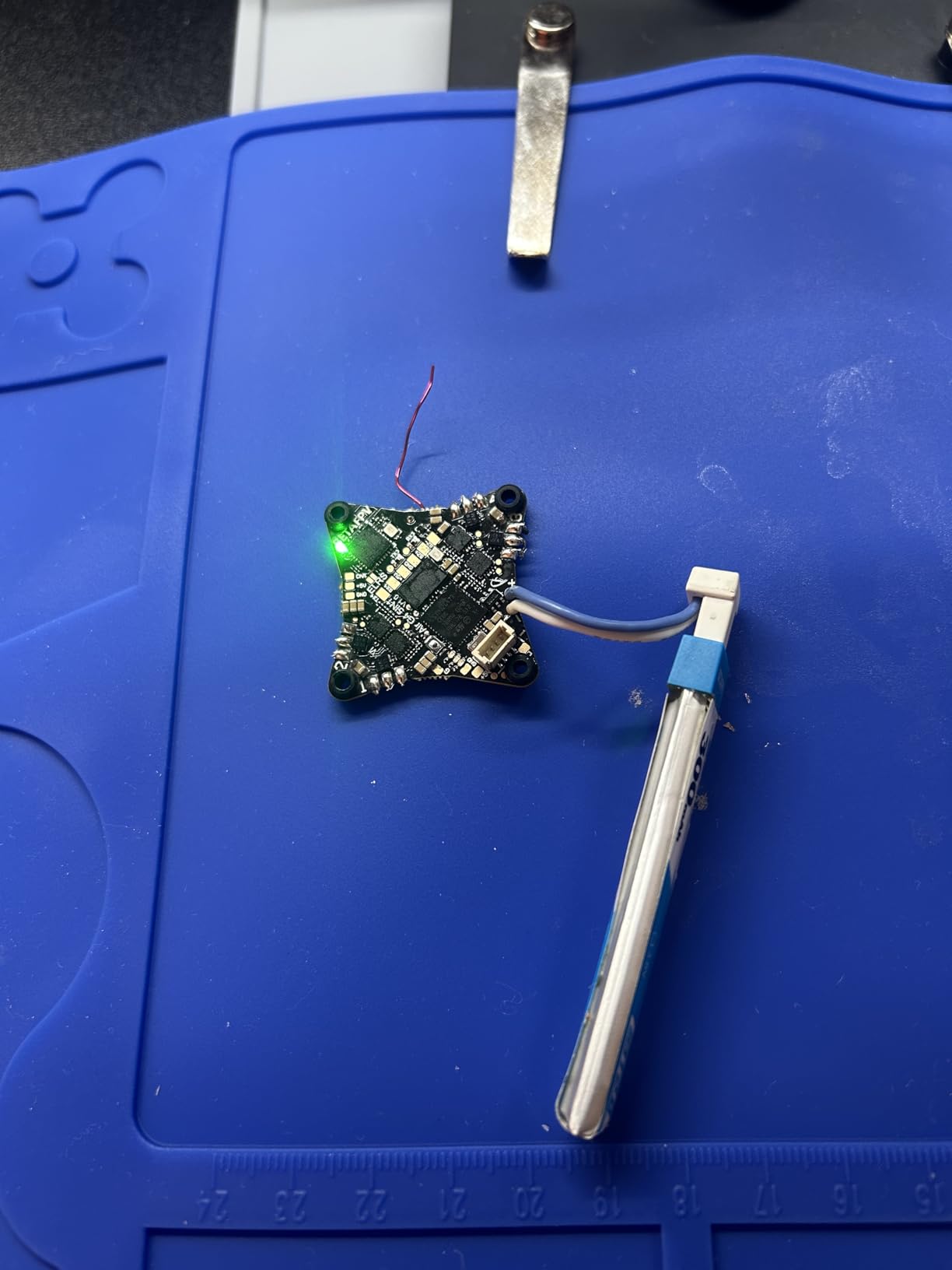
Maximum temperature reaches 932°F with 120 liters per minute airflow, matching specifications of stations costing significantly more. The improved heating element design provides faster thermal recovery when working on demanding boards. I appreciated the in-standby function that automatically initiates cooling when you return the gun to its holder.
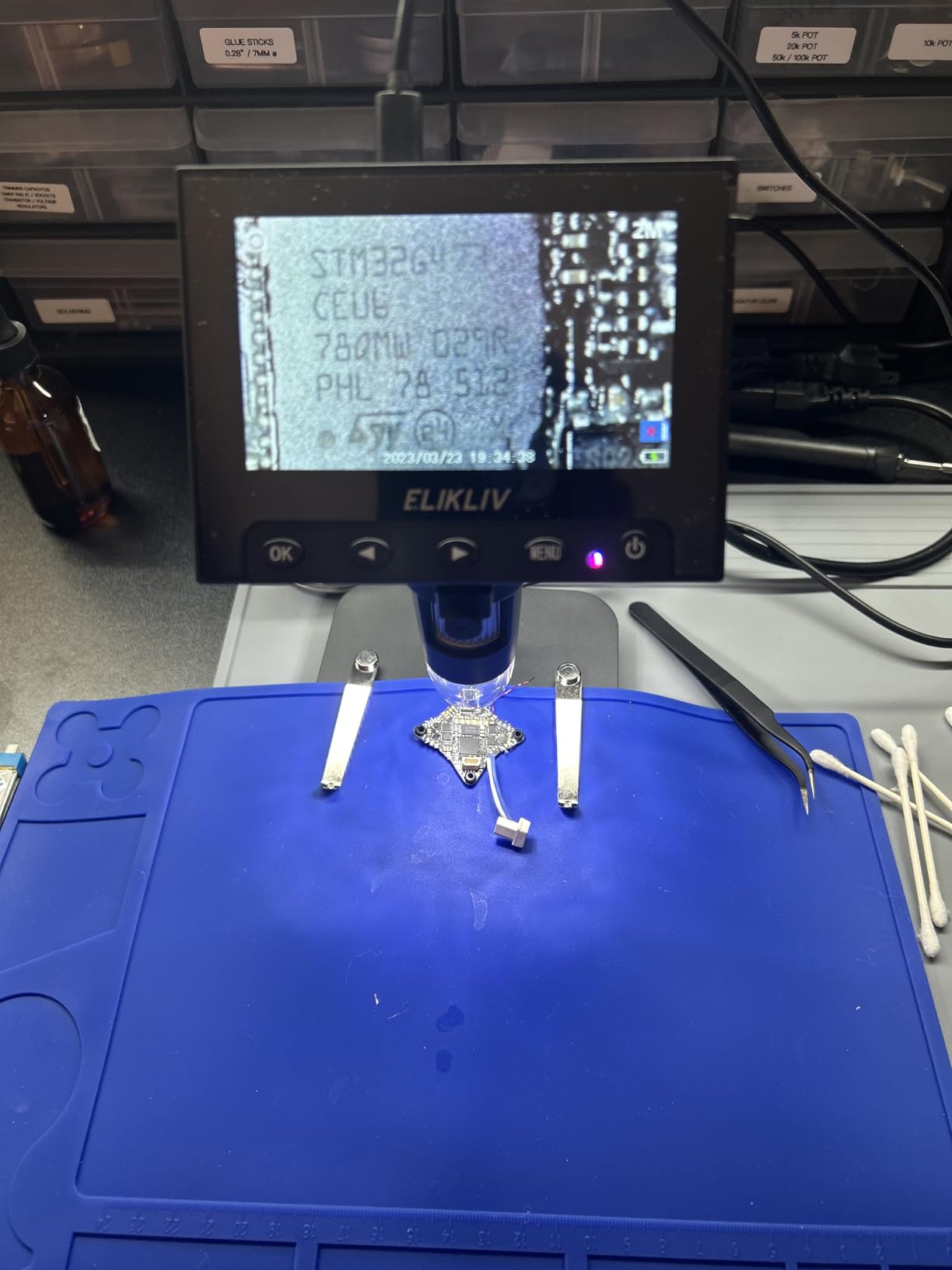
The brushed aluminum control panel resists the burn marks and solder splatter stains that plague cheaper plastic panels. After three months of testing, our unit still looks nearly new despite regular use. This durability extends to the internal fail-safe protection that cuts power if temperatures exceed safe limits.
Who Should Buy This Station
The 959D appeals to dedicated hot air users who already own a quality soldering iron. Mobile phone repair technicians and SMD specialists benefit from the memory presets and focused design. If your workflow involves frequent temperature changes during repairs, the programmable channels justify choosing this over simpler alternatives.
Who Should Skip This Station
Anyone needing a first station should consider a 2-in-1 unit instead. The 959D assumes you already have soldering covered by other equipment. Beginners working on diverse projects will find combo stations more versatile while learning their preferred workflow.
7. WEP 8858-V – Compact Entry-Level Option
WEP 8858-V Hot Air Rework Station Kit with Compact Size, Integrated Nozzle Holder, 3 Nozzles, 2 Tweezers, Adjustable Temperature& Air Volume, PID Program, °C/°F Conversion and More
Palm-sized design
PID temperature control
3 nozzles included
Auto-sleep function
22W power
Pros
- Extremely compact footprint
- Auto-off when handle placed down
- Quick startup heating
- Variable airflow control
- Excellent for heat shrink
Cons
- Temperature reading not always accurate
- Auto-detect can be finicky
- Lightweight plastic base
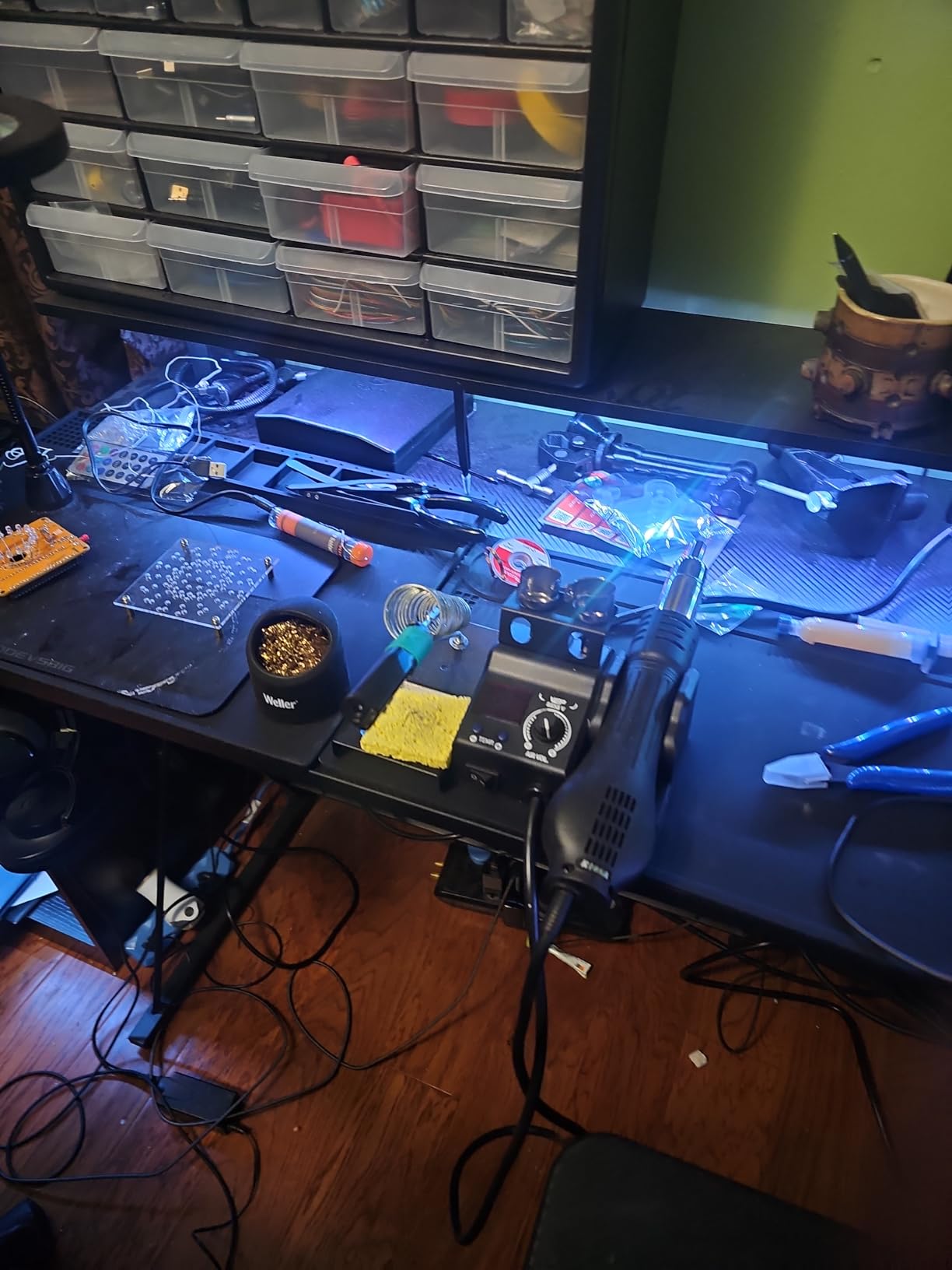
The WEP 8858-V redefines compact hot air stations with its palm-sized design. Measuring just 3.5 by 4.6 inches on your bench, this unit handles basic rework tasks without dominating your workspace. It is particularly popular among drone enthusiasts, RC hobbyists, and anyone primarily needing heat shrink capabilities with occasional SMD work.
The integrated nozzle holder keeps your work area organized. Three included nozzles cover small to medium component sizes, though you might want additional sizes for specialized work. The direct airflow knob provides intuitive control without navigating digital menus.
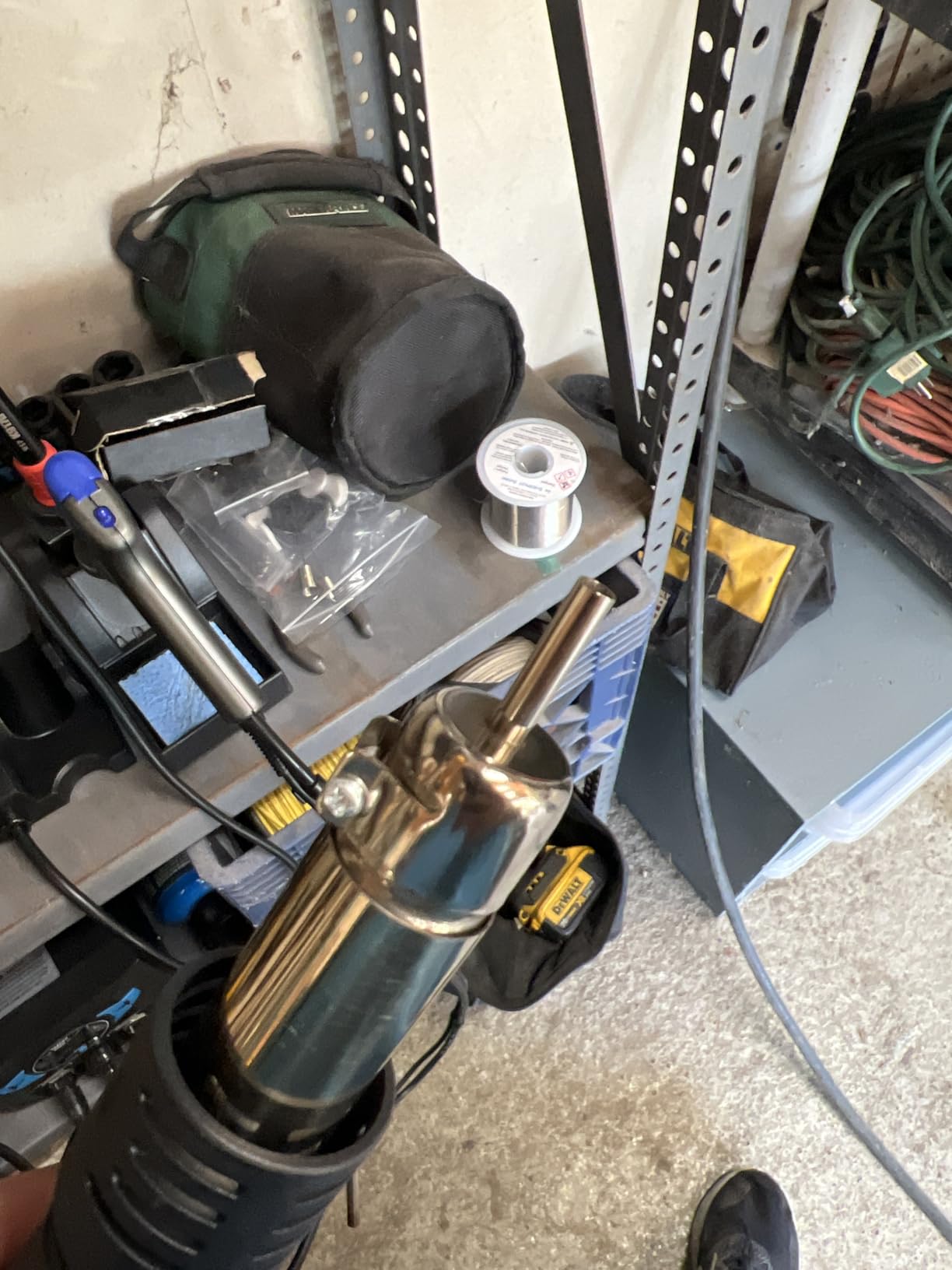
Auto-sleep when placing the handle in the holder improves safety and extends heating element life. The unit detects when you lift the gun and automatically resumes heating to your set temperature. This feature works well for batch work where you are processing multiple similar components.
During testing, the 8858-V excelled at heat shrink tubing applications. The variable airflow prevents scorching delicate wire insulation while still shrinking tubing quickly. For this specific use case, it outperforms many more expensive stations that lack fine airflow control at low settings.
Who Should Buy This Station
This station targets users with severe space constraints and those primarily doing heat shrink work with occasional light SMD tasks. The ultra-compact design stores easily in drawers or toolboxes when not in use. Hobbyists working on drones, automotive wiring, or model electronics find it perfectly suited to their needs.
Who Should Skip This Station
Anyone doing serious electronics repair or BGA work needs more power and precision. The compact size limits internal components, resulting in lower maximum temperature and airflow compared to full-size stations. The plastic base, while convenient for portability, does not provide the stability needed for precision work on small components.
8. LRT 858D – Ultra Budget Pick
LRT 858D 700W Digital Hot Air Rework Station for PCB IC SMD Repair
700W power
100-450°C range
Built-in sensor switch
Brushless blower
Low noise operation
Pros
- Cheapest functional option
- Automatic sleep and shutdown
- Fast temperature rise
- Comes with spare heating element
- Quieter than expected
Cons
- Hot parts can rust
- Instructions in Chinese only
- Basic build quality
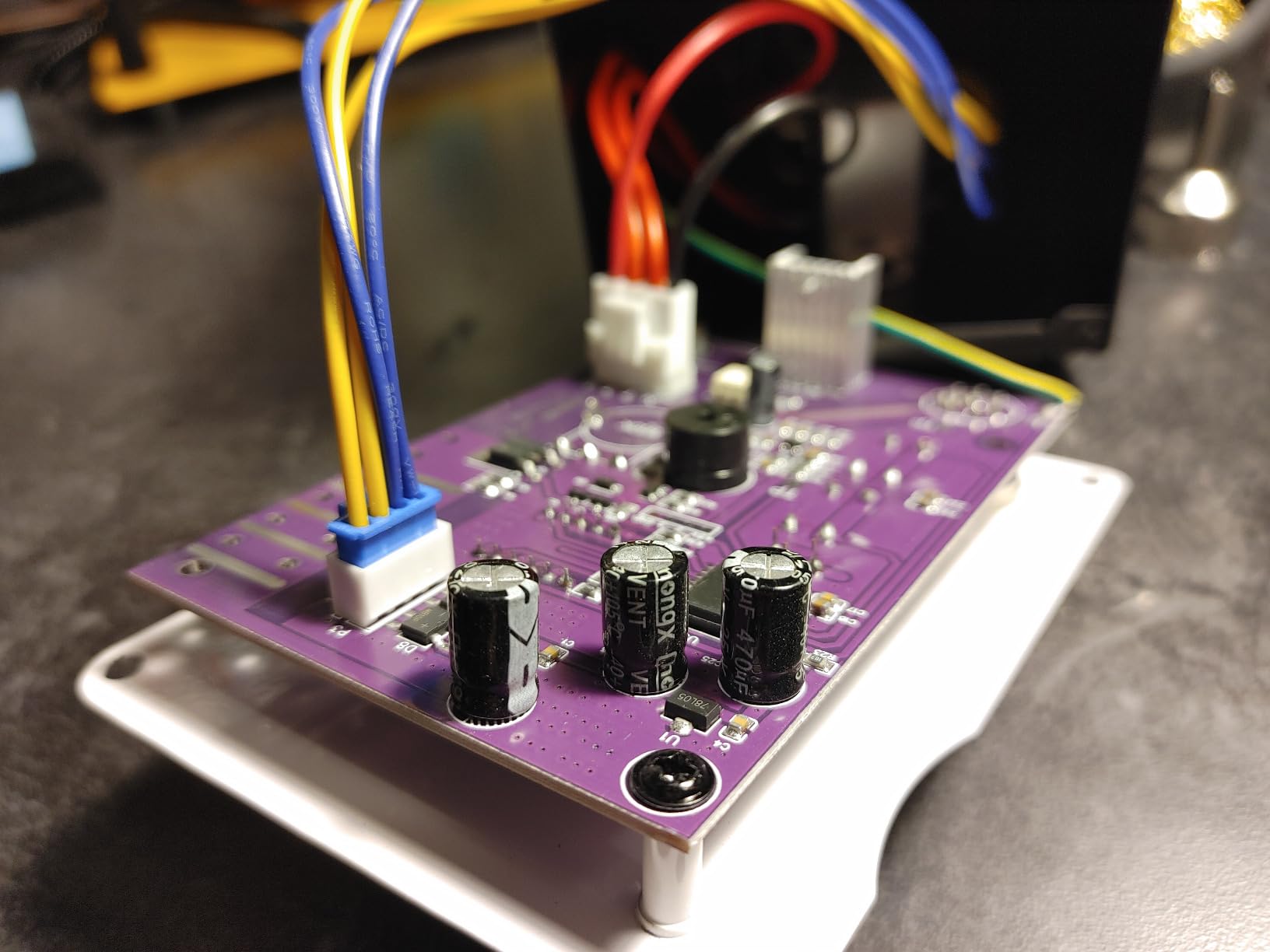
The LRT 858D represents the entry point into functional hot air rework stations. At under $40, it provides core capabilities that let beginners experiment with SMD soldering and component removal without significant financial risk. Our testing confirmed it handles basic tasks competently despite the rock-bottom price.
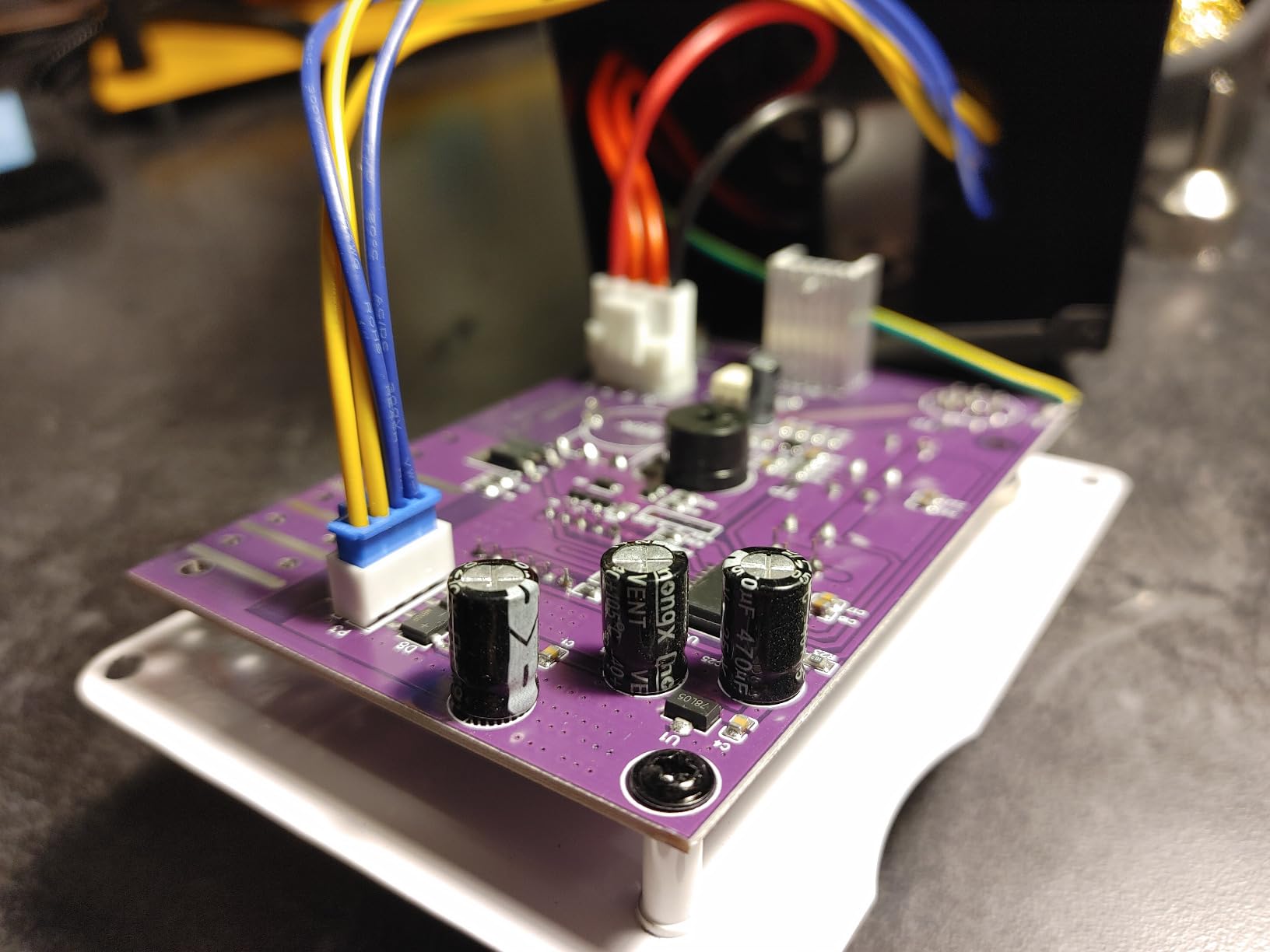
The built-in sensor switch detects when you pick up the handle, automatically starting heating, and returns to sleep mode when you place it back in the cradle. This automation prevents overheating and reduces power consumption during breaks. The automatic cold air function continues cooling the heating element after you power down, extending its lifespan.
Temperature range spans 100°C to 450°C, adequate for standard leaded solder work but limited for some lead-free applications requiring higher heat. The brushless blower runs quieter than expected for this price category, making extended work sessions more comfortable.
The included spare heating element is a thoughtful addition rarely seen in budget stations. This backup part extends the useful life of your purchase since heating elements typically wear out before other components. Having a replacement ready prevents work interruptions when the original eventually fails.
Who Should Buy This Station
This station suits absolute beginners testing whether hot air rework fits their interests and hobbyists doing occasional simple repairs. The price makes it accessible to anyone curious about SMD work without committing to expensive equipment. Students and makers on tight budgets appreciate the functionality at this price point.
Who Should Skip This Station
Anyone relying on their equipment for income or working on valuable devices should invest more for reliability. The basic build quality and limited temperature range restrict this station to simple tasks. If you outgrow this unit within months, as many users do, you will end up spending more than if you bought a mid-range station initially.
Buying Guide: How to Choose the Right Hot Air Rework Stations?
Selecting the best hot air rework station requires understanding how key specifications translate to real-world performance. This guide breaks down the technical factors that matter most for different use cases.
Understanding Wattage Requirements
Wattage determines how quickly your station heats up and how well it maintains temperature when working on heat-dissipating boards. For general SMD work on small to medium PCBs, 700-750W provides adequate performance. Large ground planes and multi-layer boards demand 1000W or more for consistent results.
BGA reballing particularly stresses equipment because you are heating large IC packages and surrounding board area simultaneously. Forums consistently report that stations under 700W struggle with larger BGA chips, leading to uneven heating and reflow failures. For serious BGA work, prioritize units with 1000W or higher output.
Temperature Control and Stability
PID temperature control represents the current standard for quality stations. This technology continuously adjusts heating element output to maintain your set temperature within tight tolerances. Look for stations advertising 20ms or faster cycle detection for best performance.
Temperature range matters less than you might expect. Most solder work happens between 300°C and 400°C, so any station covering 200°C to 450°C handles typical applications. Only specialized work like ceramic substrate repair or certain lead-free alloys requires the 500°C maximum that premium stations offer.
Airflow Rate and Pump Types
Airflow rate, measured in liters per minute, determines how quickly you can heat components and how effectively you can manage heat spread across the board. Rates below 50 L/min suit only small single components. For general rework, 100-120 L/min provides versatility. Large connectors and shield cans benefit from higher airflow.
Pump type affects noise and airflow characteristics. Turbine pumps, found in premium stations like the Quick 861DW, generate high pressure with lower noise levels. Diaphragm pumps cost less but run louder and provide less consistent pressure. For home workshops where noise matters, turbine pumps justify their higher cost.
Combo vs Dedicated Stations
2-in-1 and 3-in-1 stations save space and initial cost but involve compromises. The soldering irons attached to combo stations rarely match dedicated irons for precision and tip availability. However, for beginners and occasional users, the convenience often outweighs these limitations.
If you already own a quality soldering iron, dedicated hot air stations like the YIHUA 959D typically offer better performance per dollar. For those building a workshop from scratch, combo units provide an economical starting point with the option to upgrade individual tools later.
Nozzle Selection and Availability
Nozzle diameter must match your component sizes for effective heating. Too large spreads heat to adjacent components risking damage. Too small leaves insufficient coverage for even heating. Quality stations include multiple nozzle sizes, with additional sizes available separately.
Before purchasing any station, verify that replacement nozzles are readily available. Some obscure brands use proprietary sizes that become impossible to source after a few years. Established brands like YIHUA, Quick, and Atten maintain consistent nozzle standards with wide third-party support.
ESD Safety Considerations
Electrostatic discharge can destroy sensitive semiconductors before you even apply heat. ESD-safe stations feature grounded cases, anti-static handles, and proper grounding points for wrist straps. While you can add external ESD protection to any station, integrated designs provide better assurance.
If you work on modern electronics with sensitive CMOS components, ESD safety features deserve priority. Vintage electronics repair tolerates less strict ESD protocols, though good practice always helps prevent mysterious failures.
Frequently Asked Questions
What is the best hot air rework station for beginners?
The YIHUA 8786D I or WEP 882D offer the best entry points for beginners. Both provide 2-in-1 functionality at around $60-70, include comprehensive accessory bundles, and deliver reliable performance for learning SMD techniques. Their PID temperature control prevents the thermal damage risks associated with ultra-cheap stations, while the price remains accessible for hobbyists testing the waters.
What wattage hot air station do I need?
For general SMD work and hobby projects, 700-750W provides adequate performance. If you plan to do BGA reballing or work on large multi-layer PCBs with heavy copper areas, opt for 1000W or higher. The Quick 861DW at 1000W handles professional workloads while budget options around 700W suit occasional repair work and smaller boards.
What is the difference between turbine and diaphragm pump hot air stations?
Turbine pumps generate higher pressure airflow with significantly lower noise levels, making them preferred for professional workshops. They provide consistent air delivery that improves temperature stability during demanding work. Diaphragm pumps cost less to manufacture but run louder and deliver less consistent pressure. Budget stations typically use diaphragm pumps while premium options like the Quick 861DW use brushless turbine pumps.
How do I choose between Quick 861DW and YIHUA 862BD+?
Choose the Quick 861DW if you prioritize pure hot air performance, do professional repair work, or need BGA reballing capabilities. Its 1000W power and quiet brushless turbine justify the higher price for heavy users. Choose the YIHUA 862BD+ if you need both soldering and hot air functionality, have budget constraints, or want ETL-certified safety without the premium price tag. The 862BD+ offers better value for hobbyists while the 861DW delivers superior professional performance.
What temperature should I set my hot air rework station?
Standard leaded solder melts at around 183°C, so set your station between 300°C and 350°C for most removal and replacement work. Lead-free solder requires higher temperatures, typically 350°C to 400°C. Large components, ground planes, and shield cans may need 400°C to 450°C for effective heating. Always start lower and increase gradually to avoid damaging sensitive components or lifting PCB pads.
Final Thoughts
Choosing among the best hot air rework stations for 2026 depends on matching your specific needs to the right combination of features and performance. Professional repair technicians should invest in the Quick 861DW for its reliability and precision. Hobbyists and beginners get excellent value from the YIHUA 862BD+ or WEP 882D. Those with limited space or occasional needs find capable options in the compact WEP 8858-V or dedicated YIHUA 959D.
Remember that even the best equipment requires practice to master. Start with inexpensive practice boards before working on valuable devices. Join repair communities online where experienced technicians share techniques and troubleshooting advice. With the right station and proper technique, you will handle SMD repairs that seemed impossible with basic soldering irons alone.
Whichever station you choose from our tested recommendations, you are getting a tool that balances performance, reliability, and value based on real-world testing rather than marketing claims. Happy repairing!