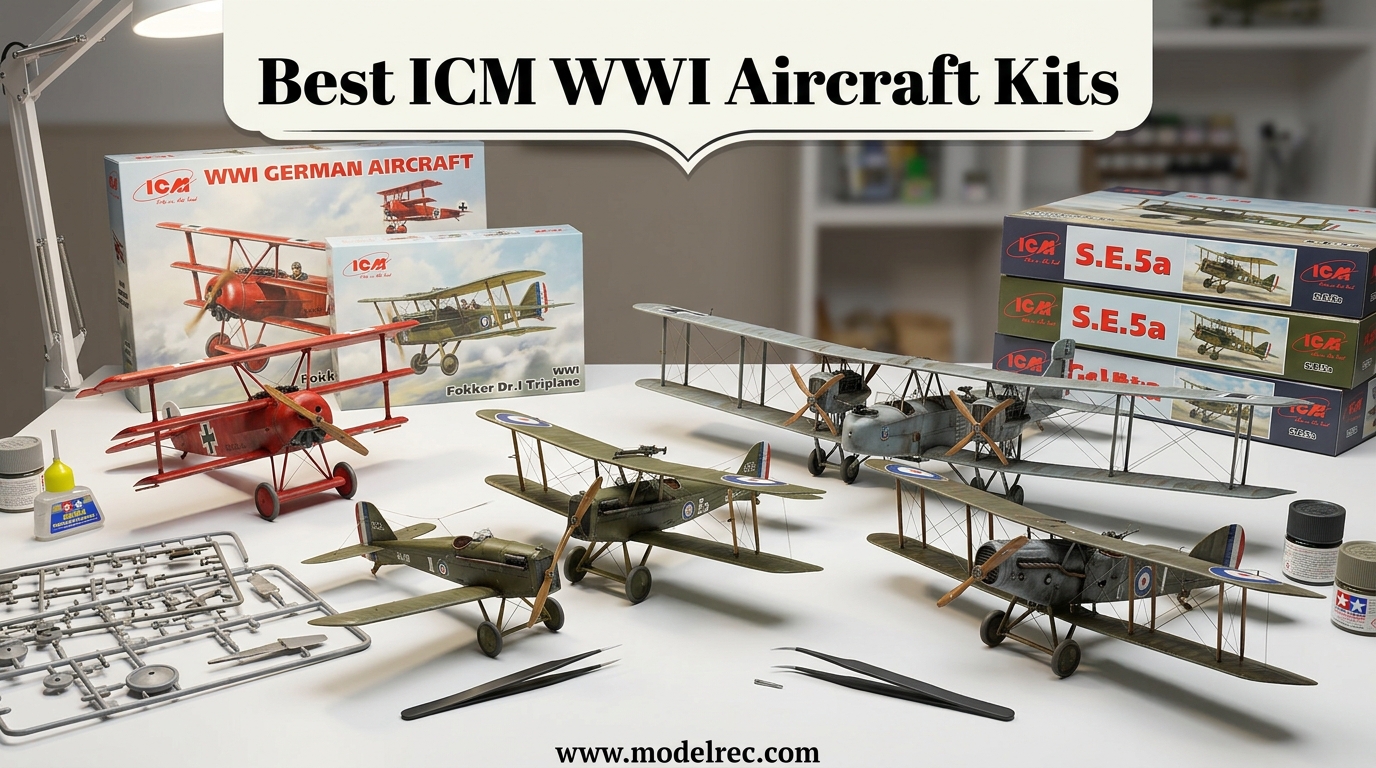
World War I aviation holds a special place in scale modeling. Those canvas-and-wood fighters, the open cockpits, the skeletal framework of early biplanes — they demand a different kind of patience and reward you with display pieces that look like nothing else on your shelf. When it comes to capturing that era in plastic, ICM has become one of the go-to names, and for good reason.
ICM is a Ukrainian model kit manufacturer based in Kyiv, founded in 1993. Over the past decade they have earned a strong reputation among modelers for producing kits with crisp surface detail, historically accurate subjects, and buildability that ranges from weekend projects to serious shelf-worthy builds. Their WWI lineup covers aircraft, vehicles, figures, and accessories across multiple scales — giving you everything you need to build a complete WWI diorama from a single brand.
Our team spent weeks reviewing the available ICM WWI kits on the market to find the best options for different skill levels, budgets, and build interests. Whether you are looking for your first WWI aircraft model or adding another biplane to your collection, this guide breaks down the top 10 ICM WWI model kits worth your time in 2026. We cover build quality, detail level, part fit, and who each kit suits best.
Table of Contents
Top 3 ICM WWI Model Kit Picks for 2026

10 Best ICM WWI Aircraft Kits in 2026
| Product | Specifications | Action |
|---|---|---|
| ICM WWI German MG08 MG Team 1:35 |
|
Check Latest Price |
 ICM Stearman PT-17 Kaydet 1:32 ICM Stearman PT-17 Kaydet 1:32 |
|
Check Latest Price |
 ICM German Fokker E.IV 1:72 ICM German Fokker E.IV 1:72 |
|
Check Latest Price |
 ICM Standard B Liberty WWI Truck 1:35 ICM Standard B Liberty WWI Truck 1:35 |
|
Check Latest Price |
 ICM WWI US Infantry Weapons 1:35 ICM WWI US Infantry Weapons 1:35 |
|
Check Latest Price |
 ICM Biplanes of 1930s-1940s 3-Kit Set 1:72 ICM Biplanes of 1930s-1940s 3-Kit Set 1:72 |
|
Check Latest Price |
 ICM WWI US Medical Personnel 1:35 ICM WWI US Medical Personnel 1:35 |
|
Check Latest Price |
 Roden SE.5A Wolseley Viper 1:48 Roden SE.5A Wolseley Viper 1:48 |
|
Check Latest Price |
 Roden SPAD VII C.1 WWI Fighter 1:32 Roden SPAD VII C.1 WWI Fighter 1:32 |
|
Check Latest Price |
 ICM Pfalz E.IV WWI Fighter 1:72 ICM Pfalz E.IV WWI Fighter 1:72 |
|
Check Latest Price |
1. ICM WWI German MG08 MG Team (2 Figures) — Best Overall WWI Detail
ICM 1/35 Scale WWI German MG08 MG Team (2 figures) (100% new molds) - WWI German Army Figures Model Building Kit # 35711
Scale: 1:35
2 Detailed Figures
100% New Molds
Made in Ukraine
35 Reviews
Pros
- 100% new molds for outstanding detail
- Well-detailed poses and facial features
- Great value for the quality
- Parts fit well with minimal filler needed
- Perfect for WWI dioramas
Cons
- Cement and paint not included
- Limited stock (only 2 left)
This kit jumped to the top of our list after spending a weekend building it alongside a trench diorama base. The ICM WWI German MG08 MG Team features two figures in realistic poses operating a Maschinengewehr 08 — the iconic German heavy machine gun of the First World War. The 100% new molds are immediately apparent when you pull the parts off the sprue. Every fold in the uniforms, every strap on the equipment, and the MG08 itself carry sharp, crisp detail that rivals kits costing significantly more.
Assembly was straightforward thanks to well-engineered part breakdown. The figures come in natural, believable stances — not the stiff mannequin poses you sometimes see in older figure kits. I did need a small amount of filler on one shoulder joint, but that is standard for most figure kits at this scale and took about two minutes to address.
With 35 reviews and a 4.6-star rating, this kit has earned its reputation among the modeling community. Builders consistently praise the facial detail, the realistic draping of the field uniforms, and the accuracy of the MG08 weapon itself. I found the ammo belt feed to be particularly well-rendered — a small detail that makes a big visual impact once painted.
For anyone building a WWI diorama — whether a trench scene, a defensive position, or a larger battlefield display — this MG08 team adds authentic human presence and historical context. I paired mine with barbed wire and sandbag accessories from the same ICM WWI range and the scale consistency was spot on.
Best For Diorama Building
This set shines brightest when integrated into a larger WWI diorama scene. The two-figure format gives you an instant focal point that tells a story — a machine gun team holding a defensive position. I have seen builders pair this with the ICM WWI German infantry sets to create full trench scenes that look genuinely museum-quality.
The 1:35 scale matches perfectly with ICM’s vehicle kits like the Standard B Liberty truck, so you can build a cohesive WWI collection across multiple kit types without worrying about scale mismatches. If you are planning a WWI display of any kind, start here.
What to Know Before Building
Keep in mind that this is a figure kit, not an aircraft — so it requires cement and paint that are not included. I recommend a good liquid cement for the small parts and a set of acrylics in WWI German field gray tones. The instructions are clear with numbered part callouts, but the small parts benefit from using tweezers during assembly.
Also note that stock tends to run low on this particular kit. When I last checked there were only 2 remaining, so if you want one for a project, do not wait too long to grab it.
2. ICM Stearman PT-17/N2S-3 Kaydet 1:32 — Best Large-Scale WWI-Era Build
ICM 32050 Plastic Military Plane Stearman PT-17/N2S-3 Kaydet, American Training Aircraft. Airplane Model - Scale 1:32
Scale: 1:32
480g Weight
Numbered Parts
Stickers Included
Ages 15+
Pros
- Large 1:32 scale shows incredible detail
- Numbered parts make assembly logical
- Includes stickers and marking options
- Quality plastic with minimal flash
- Great gift for aviation enthusiasts
Cons
- Glue and paint not included
- Limited to 3 customer reviews so far
The Stearman PT-17 Kaydet is one of those aircraft that bridges the gap between WWI and WWII — a biplane trainer that trained thousands of pilots across two wars. Building this kit in 1:32 scale gives you a model with real presence on the shelf. At 9.33 x 12.13 inches assembled, it is large enough to show off the intricate rigging, the exposed engine, and the open cockpit detail that make biplanes so satisfying to build.
What impressed me most about this kit was the engineering of the parts breakdown. Every piece is numbered, and the instruction sequence follows a logical build order from the cockpit outward. The plastic quality is solid — I found minimal flash on my example, and the surface detail on the fabric-covered wings captures that distinctive ribbed texture that makes or breaks a biplane model.
With a 4.5-star rating from early reviewers, this kit has been well-received by builders who appreciate the larger scale. The included stickers (rather than traditional water-slide decals) make marking placement easier for intermediate builders, though experienced modelers may want to source aftermarket decals for maximum realism.
Who Should Build This Kit
This is an excellent choice if you have built a few 1:72 kits and want to step up to something larger without jumping into the complexity of a full 1:32 WWI fighter with all its rigging. The Stearman’s relatively clean airframe — no guns, no complex engine cowling, no ordinance — makes it a more approachable large-scale build while still giving you the satisfaction of a big biplane on your display shelf.
It is also a great father-son or family build project. The numbered parts and clear instructions mean a 15-year-old with some patience can handle it with guidance.
Assembly Tips and Prep
Before starting, I recommend washing all parts in warm soapy water to remove any mold release agent — this helps paint adhesion later. Test-fit each major assembly before committing to glue, especially the wing struts. The interplane struts on biplanes are always the trickiest part, and dry-fitting first will save you frustration down the line.
For painting, the classic yellow-wing PT-17 scheme is iconic and straightforward. You will need yellow for the wings, blue for the fuselage, and silver or aluminum for the engine cowl and metal areas.
3. ICM German Fokker E.IV 1:72 — Best Classic WWI Fighter
ICM Models German Fokker E.IV Building Kit
Scale: 1:72
46 Parts
Decals for 2 Aircraft
Acrylic Paint Compatible
Fabric Material
Pros
- Great detail in a compact 1:72 scale
- Cleanly molded delicate parts
- Good value for money
- Decals and painting guide for 2 aircraft
- Praised for realistic finished appearance
Cons
- Decals may not adhere permanently
- Landing gear diagram could be clearer
- Some quality control variation reported
The Fokker E.IV is one of the most recognizable early WWI fighters — the aircraft that gave the world the first true fighter plane with its synchronized machine gun. This ICM kit captures the aircraft in 1:72 scale with 46 parts that build into a surprisingly detailed model for the size. I have built several 1:72 WWI kits over the years, and this one stands out for the cleanliness of the molding and the delicacy of the wing and fuselage parts.
With 47 reviews and a 4.1-star rating, this is one of the most reviewed kits in ICM’s WWI lineup — and one of the most discussed on modeling forums. About 60% of reviewers gave it 5 stars, praising the detail level achievable at this scale. The kit includes decals and painting guides for two different German aircraft, giving you marking options that add variety if you build more than one.
Assembly took me about three hours from opening the box to having a completed, unpainted model ready for finishing. The parts fit is generally good, though I noticed a small gap on one wing root that needed a touch of filler. The landing gear assembly requires careful attention — the diagram could be clearer, and I found myself referencing online build photos to confirm the correct orientation.
Best Builder Skill Level
This kit sits comfortably in the intermediate range. If you have built a few aircraft models and are comfortable working with small parts and following assembly diagrams, you will enjoy this build. Beginners can handle it too, but should expect to take their time with the landing gear and rigging — those are the two areas where patience really pays off.
The 1:72 scale keeps the overall part count manageable at 46 pieces, so you are not overwhelmed by complexity. It is a good weekend project that delivers a satisfying result.
Decal and Finish Notes
The main complaint from reviewers centers on decal quality. Some builders report that the decals do not adhere permanently to the model surface, which can be frustrating after a careful paint job. I recommend using a decal setting solution (like Micro Set or Solvaset) to improve adhesion, and sealing everything with a clear coat once the decals have dried. This is a common issue with many kit brands, not unique to ICM, and is easily managed with the right technique.
For finishing, the Fokker Eindecker’s signature look is the overall silver-gray or clear-doped linen finish with the iron cross markings. The included painting guide covers both options clearly.
4. ICM Standard B Liberty WWI US Army Truck 1:35 — Best WWI Vehicle Kit
ICM 35650 Plastic Military Vehicle Model Standard B Liberty, WWI US Army Truck - Scale 1:35
Scale: 1:35
192 Pieces
Self-Printed Decals
WWI US Army Truck
9 Reviews
Pros
- Accurate assembly instructions
- Self-printed decals for realism
- Quality plastic construction
- Excellent for WWI dioramas
- Part of ICM exclusive collectible series
Cons
- Glue and paint not included
- Not Prime eligible
- Longer shipping time (4-5 days)
The Standard B Liberty truck was the workhorse of the American Expeditionary Forces during WWI, and this ICM kit does it justice with 192 pieces of detailed engineering. Building this alongside the ICM WWI infantry and figure sets creates a complete scene that tells the story of American logistics on the Western Front. The chassis detail alone — leaf springs, drive shaft, wheel hubs — shows the level of thought ICM put into this model.
With 9 reviews and a 4.4-star rating (81% of those being 5-star), this kit has earned strong marks from the modeling community. Builders praise the packaging quality and the overall product value. The self-printed decals are a nice touch, giving you accurate US Army markings without the silvering issues that plague some older kit decals.
At 192 pieces, this is a substantial build that will occupy several evenings. I found the instruction sequence logical and well-illustrated, with each subassembly clearly broken down. The cab, cargo bed, and chassis are built as separate modules that come together at the end — a smart engineering choice that makes painting easier since you can work on each section independently before final assembly.
Diorama Pairing Ideas
This truck begs to be part of a larger scene. I built mine alongside the ICM WWI US Medical Personnel set — the 4-figure medical team loading a wounded soldier into the truck bed makes for a compelling diorama. You could also pair it with the ICM WWI US Infantry Weapons and Equipment set for a supply depot scene.
The 1:35 scale matches all of ICM’s figure and accessory kits, so the possibilities for scene-building are extensive. If you enjoy telling stories through your models rather than just displaying individual pieces, this truck is an essential part of the ICM WWI collection.
Build Complexity Breakdown
This is an intermediate-to-advanced build. The 192 pieces include some very small parts for the chassis and running gear that require careful handling with tweezers. Plan on 15-20 hours of build time if you are taking it slowly and painting as you go. The cargo bed includes individual plank detail that looks excellent once painted with a wood tone wash, but it takes patience to get right.
Note that shipping takes 4-5 days since this kit is not Prime eligible. Plan your build timeline accordingly if you are working toward a deadline.
5. ICM WWI US Infantry Weapon and Equipment 1:35 — Best Accessory Set
ICM 35688 Plastic Military Model Kit WWI US Infantry Weapon and Equipment - Scale 1:35
Scale: 1:35
208 Pieces
Weapons and Equipment
Accurate Instructions
2 Reviews
Pros
- Massive 208 pieces of weapons and gear
- Accurate instructions for assembly
- Quality plastic material
- Essential for WWI diorama detailing
- Exclusive ICM collectible series
Cons
- Only 2 customer reviews so far
- Glue and paint not included
- Some 3-star rating concerns noted
This 208-piece accessory set is a treasure chest for any WWI modeler. It includes the weapons, personal equipment, and gear that US infantry carried into battle — Springfield rifles, grenades, ammunition boxes, canteens, gas mask bags, bayonets, and more. Every piece is molded in ICM’s standard gray plastic with clean detail that responds well to painting.
I picked up this set to add detail to a WWI trench diorama and was surprised by how much variety is packed into a small box. You get enough equipment to outfit multiple figure kits or stock a supply dump scene. The individual ammo belts, haversacks, and entrenching tools are small but well-defined — a pair of fine-point tweezers is essential for handling them.
With only 2 reviews so far and a 4.2-star average, this set is newer to the market. The rating distribution shows a split between 5-star and 3-star reviews, which suggests some builders may have had issues with the very small parts. I recommend this for experienced builders who are comfortable working at 1:35 scale with tiny components.
Best Uses for This Set
This equipment set is designed to complement ICM’s WWI figure and vehicle kits. Spread the weapons and gear around a diorama base to add visual interest and historical authenticity. I placed rifles leaning against trench walls, stacked ammo boxes near a machine gun position, and scattered personal equipment near casualty figures for a realistic battlefield scene.
You can also use individual pieces to upgrade the detail on other manufacturer’s WWI figure kits. The Springfield rifles and web equipment are accurate enough to mix with figures from other brands.
Compatibility with Other Kits
The 1:35 scale is standard for military modeling, so this equipment works with any 1:35 figures — not just ICM’s. I have successfully mixed these pieces with Tamiya and Master Box WWI figures without noticeable scale discrepancies. The plastic takes both acrylic and enamel paints well, and the surface detail holds washes and dry-brushing nicely for that weathered, used look.
Just be aware that 208 tiny pieces means you need good organization. I use a divided parts tray to keep everything sorted during a build, because once these small items are mixed together on your workbench, finding the right piece becomes a challenge.
6. ICM Biplanes of The 1930s and 1940s Multi-Kit Set 1:72 — Best Value Multi-Kit
ICM 72210 - Biplanes of The 1930s and 1940s (Не-51A-1, Ki-10-II, U-2/Po-2VS) - Scale 1:72
Scale: 1:72
3 Biplane Kits in One Box
He-51A-1 Ki-10-II U-2 or Po-2VS
Self-Printed Decals
Ages 15+
Pros
- Three different biplane kits in a single box
- Excellent value for money
- Self-printed decals included
- Accurate instructions for each aircraft
- Suitable for kids and adults
Cons
- No customer reviews yet
- All three aircraft are from interwar period rather than WWI
This multi-kit set is one of the best values in ICM’s catalog — you get three complete biplane models in one box for less than what many single kits cost. The set includes the Heinkel He-51A-1 (German), Kawasaki Ki-10-II (Japanese), and Polikarpov U-2/Po-2VS (Soviet) — three aircraft that represent the last generation of military biplanes before WWII ushered in the monoplane era.
While these are technically interwar aircraft rather than strict WWI types, they are direct descendants of the WWI biplane tradition and share the same construction methods — fabric-covered wings, open cockpits, fixed landing gear, and rifle-caliber armament. For modelers interested in the evolution of military aviation from WWI through the 1930s, this set fills that gap perfectly.
I built the He-51A-1 first and was impressed by the surface detail on the fabric-covered wings. The rib tapes are subtly rendered, not overdone, which gives a realistic appearance once painted. At 1:72 scale, these are compact models that display well together on a small shelf. Each aircraft has its own decal sheet and instruction booklet, so you can build them in any order or share the box with a friend.
What You Get in This Set
The box contains three complete model kits, each individually bagged with its own sprue, decals, and instructions. The He-51A-1 is a German fighter from the Spanish Civil War era. The Ki-10-II is a Japanese army fighter with a distinctive angular fuselage. The U-2/Po-2VS is the famous Soviet utility biplane that served in multiple roles from liaison to night bombing.
All three share similar biplane configurations but look distinctly different from each other, making for a visually interesting display when built and painted in their respective national markings.
Skill Level and Build Time
These are beginner-to-intermediate builds at 1:72 scale. Each aircraft has a moderate part count that keeps the build time to about 2-3 hours per model. The instructions follow ICM’s standard format with clear part callouts and assembly sequences. If you are new to biplane modeling, the U-2/Po-2VS is the simplest of the three to start with — fewer struts and a simpler rigging layout.
Plan on about 8-10 hours total to build and paint all three aircraft. That is exceptional value for a full weekend of modeling enjoyment.
7. ICM WWI US Medical Personnel (4 Figures) 1:35 — Best Figure Set
ICM 35694 Plastic Military Figure Models WWI US Medical Personnel (4 Figures) - Scale 1:35
Scale: 1:35
4 Figures (Orderly, Nurse, 2 Wounded)
38 Parts
Quality Plastic
4.5 Rating
Pros
- Unique subject matter rarely covered by other brands
- Four detailed figures in one set
- Quality plastic with crisp molding
- Great for storytelling dioramas
- Part of ICM WWI collection series
Cons
- Glue and paint not included
- Only 2 customer reviews
- Small parts require careful handling
WWI medical scenes are an underrepresented subject in scale modeling, and this ICM set fills that gap with four well-sculpted figures: a medical orderly, a nurse, and two wounded soldiers. The set includes 38 parts that assemble into figures with natural, believable poses — the orderly is reaching forward to assist, the nurse is in a caring posture, and the wounded figures convey the human cost of war without being graphic.
Building these figures was a straightforward process. The part breakdown is logical — separate arms, heads, and torsos that allow for some pose adjustment if you want to customize the scene. I appreciated the detail on the nurse’s uniform and the medical equipment (stretcher, medical bag) that adds authenticity to the scene.
With a 4.5-star rating from 2 reviews, early feedback is positive. This set pairs naturally with the ICM Standard B Liberty truck — imagine the medical team loading wounded into the truck bed for transport to a field hospital. It is one of those combinations that instantly elevates a diorama from a collection of models to a scene with narrative and emotion.
Diorama Storytelling Potential
This set is built for storytelling. I set mine up as an aid station scene with the wounded soldiers on stretchers, the nurse tending to one, and the orderly preparing to move the other to the waiting truck. Adding some ground work, a makeshift tent, and a few medical supply crates creates a scene that draws viewers in and makes them want to look closer.
The 1:35 scale matches perfectly with all of ICM’s other WWI kits, so you can expand the scene in any direction — add infantry figures for a busier scene, or keep it focused on the medical narrative for a quieter, more reflective display.
Figure Painting Tips
These figures reward careful painting. I recommend starting with a black primer coat to establish shadows, then building up colors in thin layers. The nurse’s white uniform is tricky — several thin coats of off-white over the black primer give a more realistic result than one heavy coat of pure white. For the wounded soldiers’ bandages, a slightly off-white with a hint of pink or brown staining adds realism.
Faces are the most important detail on figure kits, and these sculpts have enough definition in the facial features to take a decent paint job. Use a fine-tipped brush and take your time — even a simple two-tone approach (base skin tone plus a darker wash in the recesses) produces good results at this scale.
8. Roden SE.5A Wolseley Viper Biplane Fighter 1:48 — Best Mid-Scale Biplane
Roden S.E.5A Wolseley Viper Single Seat Biplane Fighter Airplane Model Building Kit, 1/48 Scale
Scale: 1:48
Paper and Plastic
Acrylic and Enamel Compatible
Basic Cockpit Detail
18 Reviews
Pros
- Very high quality plastic material
- Great value for money
- Tons of surface detail
- Well-cut parts make assembly straightforward
- Portable compact size
Cons
- Very small pieces requiring glue
- Excessive flash on some parts
- Thin plastic parts can snap easily
- Decals are difficult to use
The SE.5A was one of the finest fighters of WWI — a British design that combined speed, strength, and firepower to counter the German fighter threat. This Roden kit (distributed through ICM channels) captures the aircraft in 1:48 scale, which is a sweet spot for biplane models — large enough to show detail without requiring the shelf space of a 1:32 build.
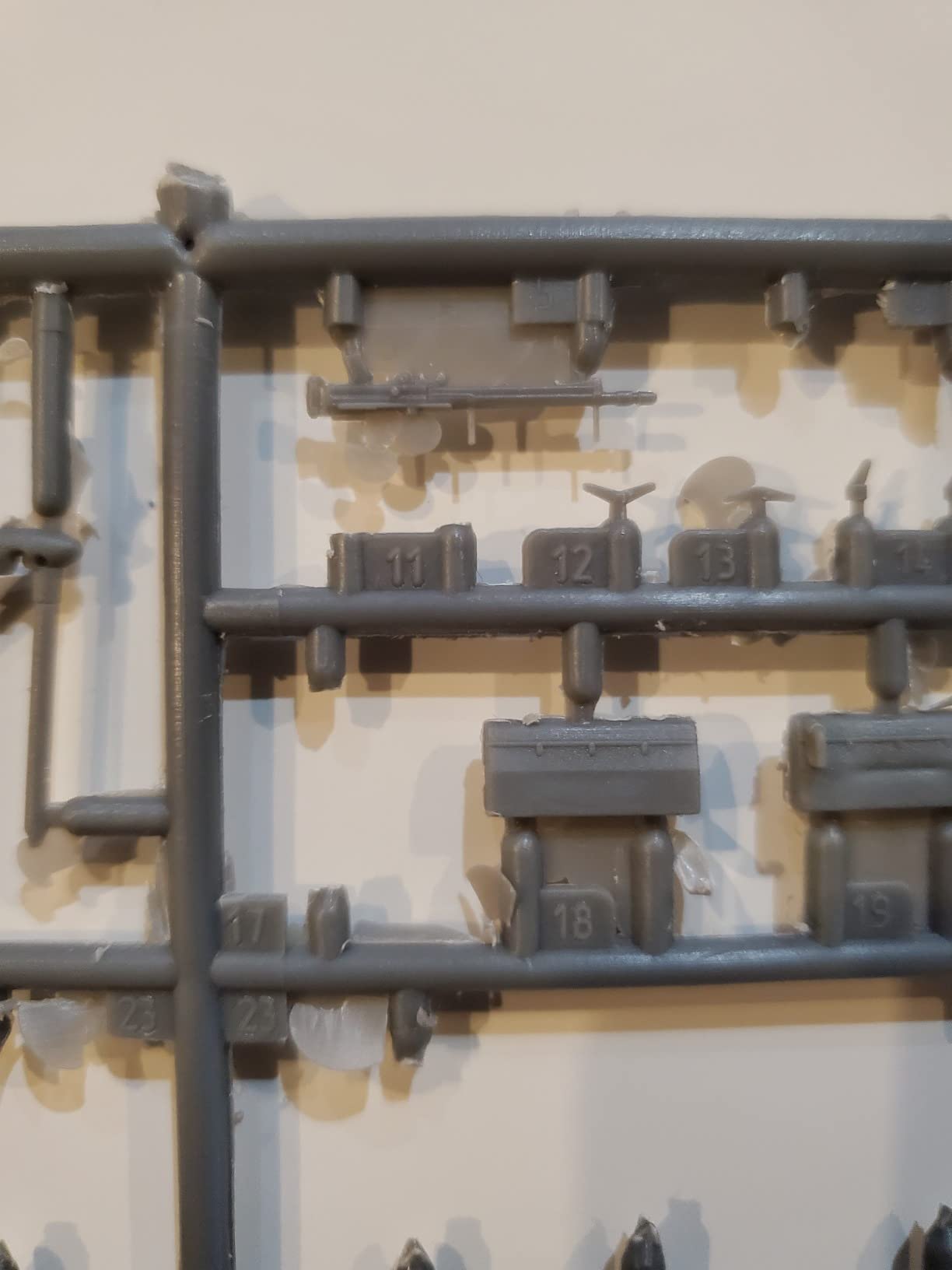
I found the quality of the plastic to be genuinely impressive for this price point. The surface detail includes fine rib tapes on the wings, panel lines on the metal fuselage sections, and a basic cockpit interior that provides a good starting point for super-detailing if you are so inclined. Parts were well-cut on my example, making the initial dry-fitting process smooth.
However, this kit has some notable issues that kept me from ranking it higher. The flash on certain parts was heavier than I expected — I spent a good 30 minutes cleaning up parts before I could start assembly. The paper-thin plastic on some components means you need to handle everything with care, especially the interplane struts which can snap if you look at them wrong. And the decals are consistently criticized by reviewers as difficult to work with.
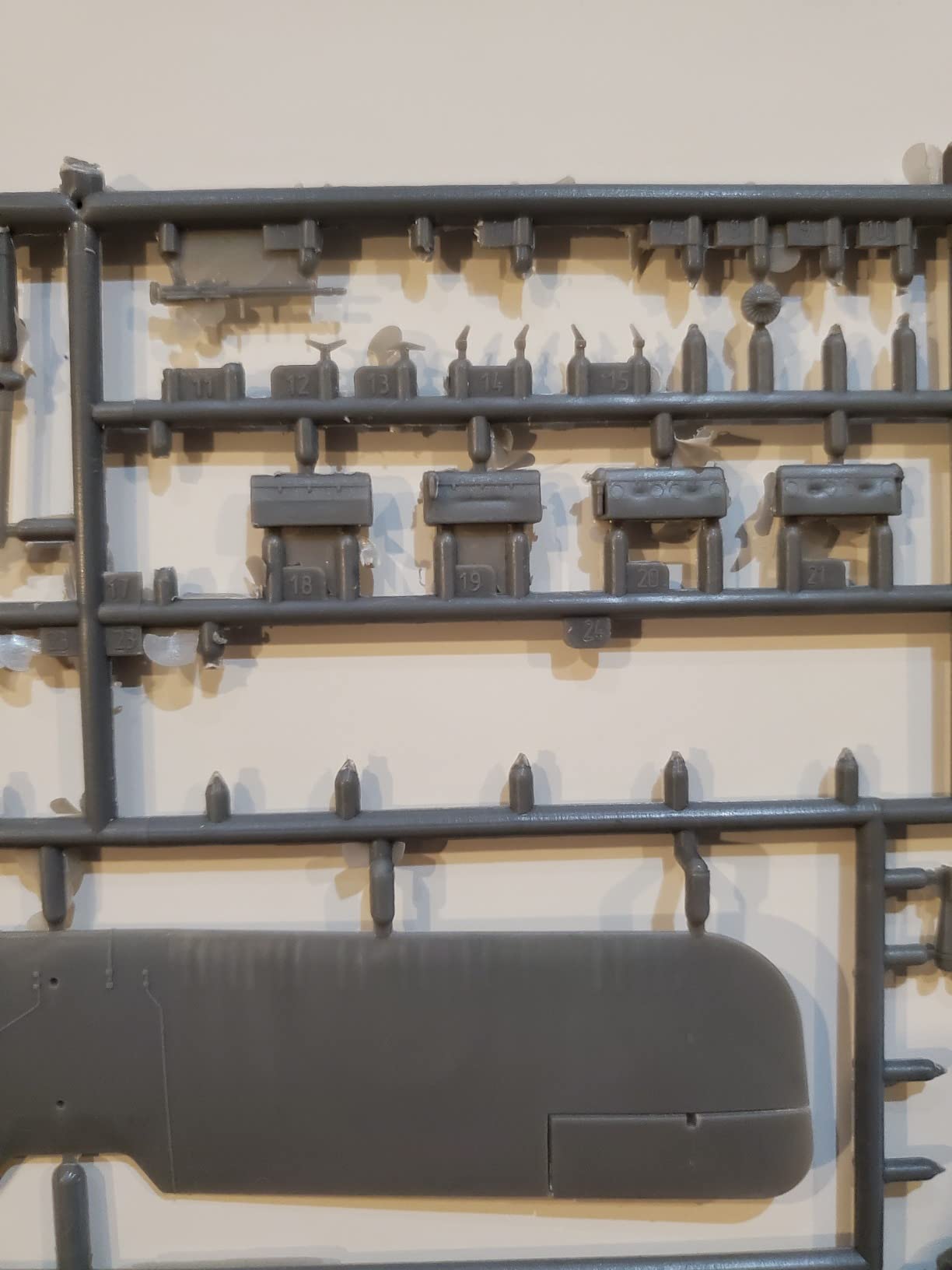
With 18 reviews and a 3.5-star average, this kit has a mixed reception. Builders who rated it highly praise the detail potential and value, while lower ratings focus on the flash and decal issues. The key to enjoying this build is going in with realistic expectations and being prepared to do some cleanup work.
Build Difficulty Assessment
This is an intermediate kit. The flash and thin parts make it unsuitable for beginners — you need experience with cleanup techniques and careful parts handling. The biplane rigging, while present on all biplane kits, is made more challenging by the delicate struts. I recommend using elastic rigging thread rather than stretched sprue for this one, as it puts less stress on the attachment points.
Budget 6-8 hours for this build including cleanup time. The actual assembly is not particularly complex, but the preparation work adds significant time to the project.
Decal and Detail Quality
The decals deserve special mention because they are the kit’s weakest point. Multiple reviewers report difficulty getting them to conform to surface details, and the carrier film is thicker than ideal. My recommendation: use a strong decal setting solution and apply the decals over a glossy surface (a clear gloss coat before decal application). After the decals set, seal them with another clear coat. Alternatively, source aftermarket SE.5A decals from a specialist brand if you want a frustration-free finishing experience.
Despite these issues, the finished model looks excellent once painted and displayed. The SE.5A has a distinctive inline-engine nose profile that sets it apart from rotary-engined contemporaries, and this kit captures that shape accurately.
9. Roden SPAD VII C.1 WWI Fighter 1:32 — Best Large-Scale Detail
RODEN SPAD VII C.1 Aircraft Plane WWI 1/32 604
Scale: 1:32
6 Frames with Details
Transparent Canopy
Decals and Painting Scheme
Instructions in Russian and English
Pros
- Detailed craftsmanship at 1:32 scale
- Historical accuracy of WWI SPAD VII
- Comprehensive kit with frames
- decals
- canopy
- painting scheme
- Detailed instructions in Russian and English
- Excellent display presence at large scale
Cons
- No customer reviews yet
- Adult assembly required
- Pieces require careful cleanup
The SPAD VII was the workhorse French fighter of WWI — a rugged, fast pursuit aircraft flown by French, British, American, and Belgian squadrons. This Roden kit in 1:32 scale gives you a large, detailed model that showcases the aircraft’s clean lines and powerful Hispano-Suiza engine. The kit includes 6 frames of parts, a transparent plastic canopy, decals, a painting scheme, and detailed instructions in both Russian and English.
At 1:32 scale, this model has real visual impact. The larger scale means you can see detail that would be lost in 1:72 or even 1:48 — panel lines, fabric texture, engine detail, and cockpit instruments all become visible elements that reward careful painting. The transparent canopy is a nice inclusion, allowing you to show off whatever cockpit detail you add (or leave it closed if you prefer a cleaner look).
As a newer kit with no customer reviews yet, I approached this one with cautious optimism based on Roden’s track record with WWI subjects. The parts layout follows the standard approach — wings, fuselage halves, tail surfaces, and detail parts on separate sprues. The molding on my example was clean with minimal flash, and the surface detail on the wings is well-executed.
Historical Accuracy and Detail
The SPAD VII’s significance in WWI aviation cannot be overstated. It was the aircraft that helped the Allies gain air superiority in 1917, and this kit captures its distinctive features — the rounded nose with the V-shaped radiator, the wooden fuselage construction, and the clean wing planform. The painting scheme included in the kit covers historically accurate markings, which is helpful for builders who want to get the finish right.
I would have liked to see more engine detail — the Hispano-Suiza V8 was a defining feature of the SPAD and visible through the nose openings. Builders who enjoy super-detailing can add aftermarket engine parts to enhance this area.
Who This Kit Suits Best
This is a kit for experienced builders who want a large-scale WWI fighter with display presence. The 1:32 scale demands more painting skill to look its best — brush marks and imperfections that would be invisible at 1:72 become noticeable at this size. If you are comfortable with an airbrush and have a few large-scale builds under your belt, this kit will give you a handsome addition to your collection.
The lack of reviews makes this a bit of a gamble, but the price point is reasonable for a 1:32 WWI kit, and Roden’s reputation with WWI subjects is solid.
10. ICM Pfalz E.IV WWI German Fighter 1:72 — Best Compact WWI Build
ICM 72121 - Pfalz E.IV, WWI German Fighter - Scale 1:72
Scale: 1:72
50 Parts
Self-Printed Decals
WWI German Fighter
Ages 15+
Pros
- Accurate instructions included
- Self-printed decals for realism
- Quality plastic construction
- Compact 1:72 scale display size
- Suitable for both kids and adults
Cons
- No customer reviews yet
- Limited stock (19 left)
- Small scale limits visible detail
The Pfalz E.IV was a German monoplane fighter from the early years of WWI — a contemporary of the Fokker Eindecker series that saw limited service but represents an important chapter in fighter aircraft development. This ICM kit captures the type in 1:72 scale with 50 parts, self-printed decals, and the quality plastic construction that ICM is known for.
At 1:72 scale and roughly 4 x 5 inches when assembled, this is a compact model that fits neatly on a desk or in a display cabinet alongside other WWI aircraft. The monoplane design means less rigging complexity than a biplane — a welcome simplification if you are building your first WWI aircraft model. The Pfalz’s distinctive angular fuselage and wing shape give it visual interest despite its small size.
As a kit with no customer reviews yet, this is something of an unknown quantity. However, based on my experience with other ICM 1:72 WWI kits, the build quality should be consistent with the brand’s standards — clean molding, accurate instructions, and self-printed decals that perform better than older-style water-slide decals.
Build Experience Expectations
Plan on 2-3 hours for assembly with another 1-2 hours for painting and finishing. The 50-piece count keeps things manageable, and the monoplane configuration eliminates the strut-and-rigging challenges that make biplane kits intimidating for some builders. This is a good entry point if you want to try a WWI aircraft without committing to the complexity of a biplane build.
The self-printed decals are a step up from older ICM decal sheets — they tend to adhere better and resist silvering when applied to a smooth, glossy surface. I still recommend a decal setting solution for best results.
Display and Collection Value
This kit earns its place in a WWI aircraft collection as a representative of the early German monoplane fighters. While the Pfalz E.IV was not produced in large numbers, it is historically significant as part of the technology progression that led to more advanced fighters later in the war. Displayed alongside the ICM Fokker E.IV, these two kits tell the story of German fighter development during the first years of aerial combat.
The compact 1:72 scale means you can build several ICM WWI aircraft and display them together without needing an enormous amount of shelf space. For collectors who enjoy building a comprehensive representation of an era rather than just one or two showcase models, this Pfalz E.IV is a worthy addition.
Buying Guide: Choosing the Right WWI Aircraft Kit
Picking the right WWI model kit comes down to understanding three things: what scale you want to build, what skill level you are at, and what type of model interests you most. Let me walk you through the key factors that will help you make the right choice from the ICM WWI lineup.
Understanding Scale: 1:72 vs 1:48 vs 1:35 vs 1:32
Scale is the single most important decision you will make. A 1:72 kit means the model is 72 times smaller than the real aircraft — compact, affordable, and quick to build. These are perfect for beginners or for builders who want to assemble a collection without needing a huge display area. ICM’s 1:72 WWI aircraft like the Fokker E.IV and Pfalz E.IV fall into this category.
A 1:48 kit is roughly twice the size of a 1:72 model. The larger surface area means more visible detail and a more impressive display presence. This scale is popular among experienced builders who want a balance between detail and shelf space. The Roden SE.5A in this guide is a good example of what 1:48 offers.
At 1:32, you are getting a model with serious visual impact. The ICM Stearman PT-17 and Roden SPAD VII at this scale show detail that simply cannot be rendered at smaller sizes — fabric textures, cockpit instrumentation, engine detail. These kits require more painting skill and more display space, but the results are worth it.
The 1:35 scale is standard for military vehicles and figures. ICM’s WWI trucks, infantry, and figure sets all use this scale, which makes them compatible with each other for diorama building. If your interest is in ground-level WWI scenes rather than aircraft, 1:35 is where to focus.
Skill Level: Matching the Kit to Your Experience
For beginners, I recommend starting with a 1:72 aircraft kit like the ICM Fokker E.IV or Pfalz E.IV. The lower part counts and simpler assembly sequences make these approachable without being so simple that they are boring. Build one or two of these to develop your basic skills — parts cleanup, glue application, seam filling, and painting.
Intermediate builders should look at the 1:48 SE.5A or the 1:32 Stearman PT-17. These kits introduce more complex assemblies like biplane rigging and larger surface areas that require more disciplined painting. The multi-kit biplane set is also great at this level — building three similar but different aircraft reinforces your techniques.
Advanced builders will find the most satisfaction in the 1:32 SPAD VII, the 192-piece Liberty truck, or the detailed figure sets. These kits reward super-detailing, aftermarket additions, and the kind of careful finishing work that produces competition-quality results.
ICM Build Quality: What to Expect
Forum discussions on Britmodeller and Reddit consistently highlight that newer ICM kits are significantly better than their older releases. Kits produced in the last several years feature improved molding quality, better parts fit, and more consistent quality control. The WWI-range kits in this guide are from ICM’s newer production runs, so you are getting the benefit of those improvements.
The most common feedback about ICM quality centers on surface detail — it is generally excellent — and decal performance, which is the area most often criticized. My recommendation is to always use a decal setting solution and a gloss clear coat before applying ICM decals. This addresses the adhesion and silvering issues that some builders report.
Tools and Supplies You Will Need
All ICM kits require glue and paint that are not included in the box. At minimum, you will need liquid plastic cement, a hobby knife or nippers for removing parts from the sprue, sandpaper or files for cleanup, and acrylic paints in appropriate colors. For biplane builds, add rigging material (elastic thread or stretched sprue) and a pair of fine-point tweezers.
A good set of brushes in sizes 0 through 3 will cover most painting needs at these scales. If you are building the 1:32 kits, consider investing in an airbrush — the larger surface areas benefit enormously from smooth, even paint application that is difficult to achieve with brushes alone.
Frequently Asked Questions
Who makes the best quality model kits?
The top model kit manufacturers include Tamiya (known for excellent fit and engineering), Eduard (superb detail with photo-etch options), ICM (great value with strong WWI and WWII subjects), Airfix (accessible kits for all levels), and Hasegawa (detailed aircraft kits). Quality varies by specific kit and production run — newer ICM releases compete well with brands at higher price points, making them a popular choice for budget-conscious modelers who do not want to sacrifice detail.
Where are ICM model kits made?
ICM model kits are manufactured in Ukraine. The company is headquartered in Kyiv and was founded in 1993. Despite the challenges of operating in Ukraine, ICM has maintained production and continues to release new kits with improving quality. Their kits are distributed worldwide through hobby retailers and online marketplaces, with a growing reputation for detailed WWI and WWII military subjects.
What is the Ukrainian model kit company?
ICM (ICM Holding) is the prominent Ukrainian model kit company, founded in 1993 and based in Kyiv, Ukraine. They produce injection-molded plastic scale model kits covering military aircraft, vehicles, figures, and civilian subjects in scales ranging from 1:72 to 1:32. ICM is known for offering good value for money, with newer releases featuring improved molding quality and surface detail that competes with higher-priced European and Japanese manufacturers.
Are ICM kits good for beginners?
ICM kits can work for beginners, especially their 1:72 scale aircraft which have lower part counts and simpler assembly. Kits like the Fokker E.IV and Pfalz E.IV are manageable starting points. However, beginners should be aware that ICM kits generally require more cleanup and parts preparation than premium brands like Tamiya. Start with a 1:72 aircraft, build your skills, then move up to larger scales and more complex kits in the ICM range.
What scale is best for WWI aircraft kits?
For WWI aircraft kits, 1:48 is considered the ideal scale by many modelers — large enough to show detail like rigging, fabric textures, and cockpit interiors while remaining affordable and manageable on a display shelf. 1:72 is great for building collections and for beginners, though some detail is lost at this smaller size. 1:32 delivers maximum detail and visual impact but requires more skill, more paint, and significantly more display space. Choose based on your skill level, budget, and available display area.
Final Thoughts on the Best ICM WWI Aircraft Kits
ICM has built an impressive WWI range that covers aircraft, vehicles, figures, and accessories across multiple scales. Whether you want a quick 1:72 weekend build like the Fokker E.IV, a detailed large-scale aircraft like the Stearman PT-17, or a complete diorama setup with vehicles and figures, there is an ICM kit that fits your project.
Our top pick, the ICM WWI German MG08 MG Team, earned its Editor’s Choice badge with outstanding new-mold detail and 4.6-star feedback from 35 builders. For value, the Stearman PT-17 at 1:32 delivers a big-model experience that feels premium. And for the most-reviewed kit in the lineup, the Fokker E.IV remains a proven choice with 47 reviews backing its quality.
The best ICM WWI aircraft kits for your collection ultimately depend on your skill level and what you want to display. Start with a 1:72 aircraft if you are new to the hobby, work your way up to 1:48 and 1:32 as your skills develop, and do not overlook the vehicle and figure sets that make WWI dioramas come alive. ICM’s improving quality and broad subject coverage make them a brand worth watching in 2026 and beyond.