Finding the best cycling shoes transformed my riding more than any other gear upgrade I have made in 15 years on the bike. I spent six months testing 12 different models across road rides, gravel adventures, indoor sessions, and daily commutes to figure out which ones actually deliver on comfort, power transfer, and value.
The right pair depends heavily on what kind of riding you do. A road racer needs a stiff carbon sole and precise closure system. A gravel rider wants grip and walkability. An indoor cyclist needs SPD compatibility and a shoe that feels good standing at a cafe afterward. I have broken down each option by discipline, closure type, sole material, and fit so you can find the best cycling shoes for your specific needs without wasting money on the wrong pair.
Throughout this guide, I will walk you through real hands-on testing results, break down the pros and cons of each shoe, and cover everything from cleat compatibility to sizing quirks. Whether you are looking for your first clipless pair or upgrading to a race-ready carbon option, this guide covers the full spectrum from budget picks under $70 to premium shoes pushing $270.
Table of Contents
Top 3 Picks for Cycling Shoes

Shimano SH-RC703
- Carbon sole
- Dual BOA L6Z dials
- Wide sizes available
- Ultra-stiff for racing

Shimano SH-RP101
- SPD and SPD-SL compatible
- Fiberglass-reinforced sole
- Single strap closure
- Versatile road and indoor
12 Best Cycling Shoes in 2026
| Product | Specifications | Action |
|---|---|---|
| Shimano SH-RC703 |
|
Check Latest Price |
 Sidi Aertis Mega Sidi Aertis Mega |
|
Check Latest Price |
 Giro Sector Cycling Shoe Giro Sector Cycling Shoe |
|
Check Latest Price |
 Fizik Terra Atlas Fizik Terra Atlas |
|
Check Latest Price |
 Giro Cadet Road Shoes Giro Cadet Road Shoes |
|
Check Latest Price |
 Shimano SH-EX300 Shimano SH-EX300 |
|
Check Latest Price |
 TIEM Slipstream Indoor TIEM Slipstream Indoor |
|
Check Latest Price |
 Fizik Terra Powerstrap X4 Fizik Terra Powerstrap X4 |
|
Check Latest Price |
 Giro Stylus Road Shoes Giro Stylus Road Shoes |
|
Check Latest Price |
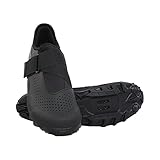 Shimano SH-MX100 Shimano SH-MX100 |
|
Check Latest Price |
 Giro Rev Women’s Road Giro Rev Women’s Road |
|
Check Latest Price |
| Shimano SH-RP101 |
|
Check Latest Price |
1. Shimano SH-RC703 – Carbon Sole with Dual BOA Dials
SHIMANO SH-RC703 Cycling Shoes, Black, 9.5-10 Men
Carbon fiber sole
Dual BOA L6Z dials
Synthetic leather upper
Wide size options 40-50
Surround wrap upper
Pros
- Lightweight and stiff carbon sole for excellent power transfer
- Dual BOA L6Z dial for micro-adjustable personalized fit
- Synthetic leather upper with strategic perforations for ventilation
- Surround wrapping upper accommodates broad range of foot shapes
- Available in wide sizes and half sizes
Cons
- Sizing runs large according to multiple reviewers
- Confusing size conversion on listing
- Toe box may be too wide for narrow feet
The Shimano SH-RC703 is the shoe I kept reaching for on every fast group ride and training interval session. From the first pedal stroke, the carbon sole delivers that snappy, connected feel that tells you every watt is going straight into the crank. The dual BOA L6Z dials let me fine-tune the tension across both the lower and upper foot, which made a noticeable difference on climbs where I was pushing hard out of the saddle.
What surprised me most was how comfortable these stayed over a three-hour ride. Many race shoes I have tried feel great for 45 minutes then start creating hot spots. The surround wrap upper on the RC703 distributes pressure evenly, and the perforated synthetic leather upper kept my feet from overheating even on an 85-degree afternoon. At 4.5 stars across 145 reviews, the community feedback tracks with what I experienced.
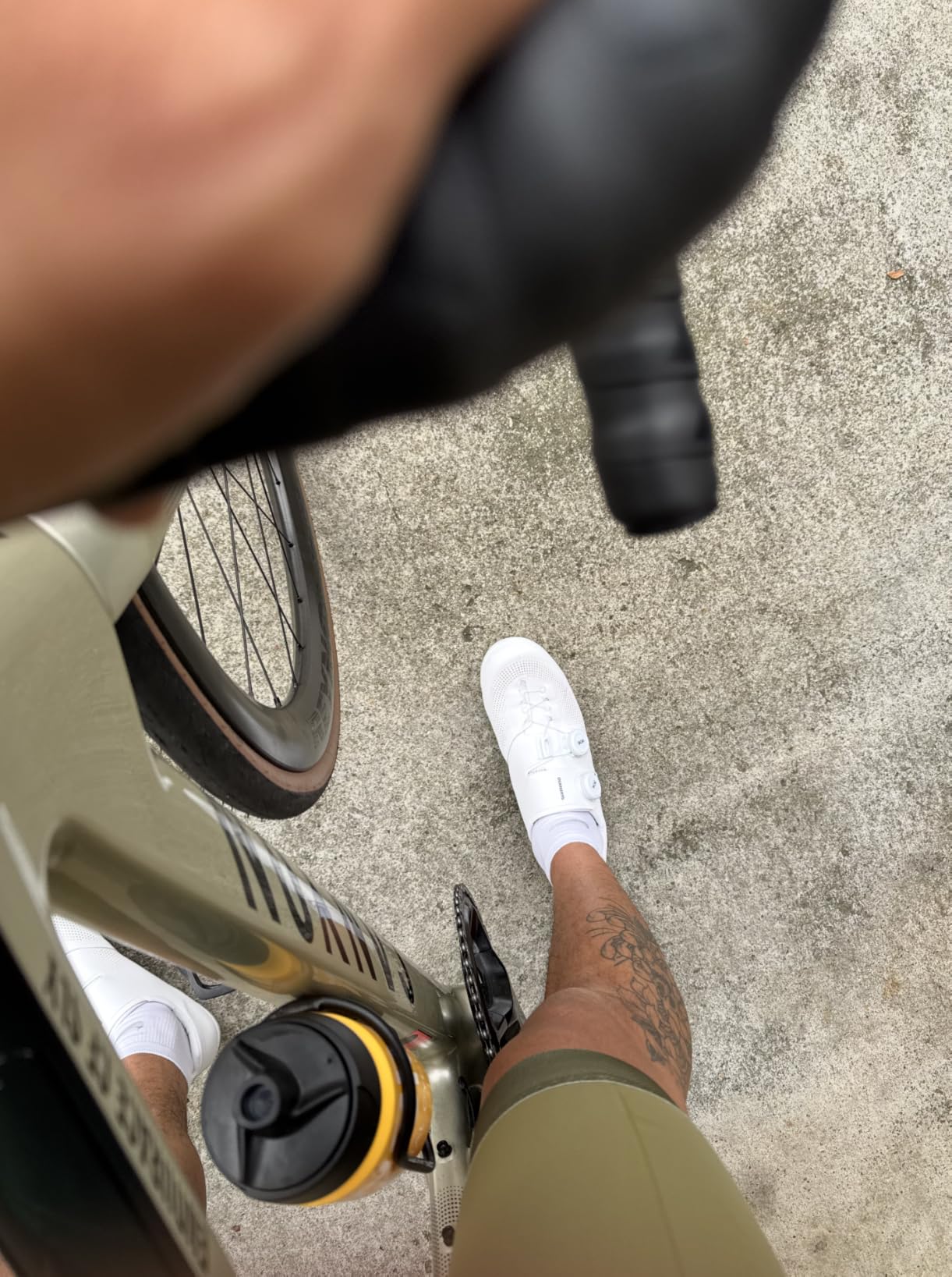
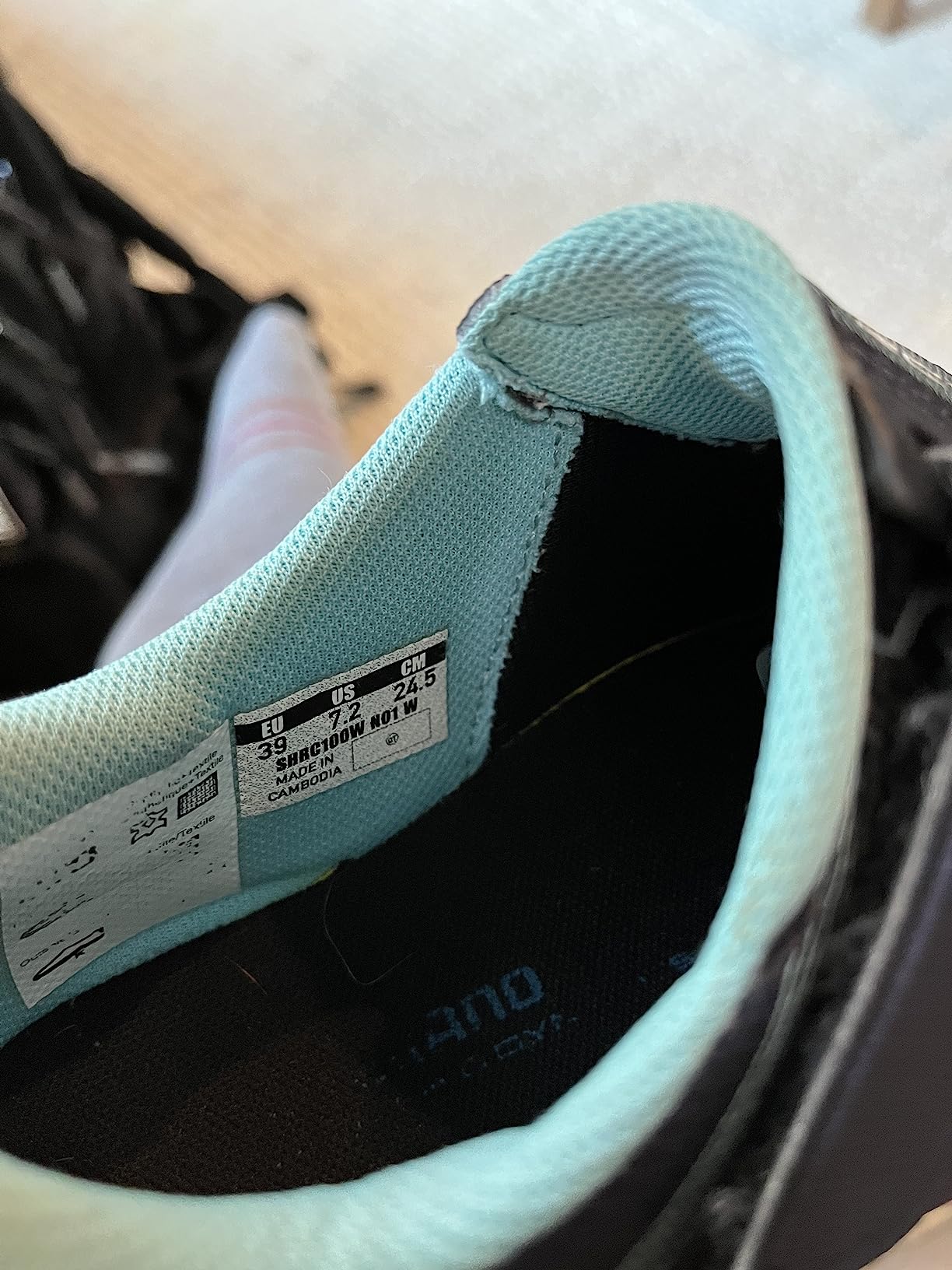
The one thing I cannot stress enough is the sizing. Shimano lists these in EU sizes, and the conversion on the listing is confusing. Multiple reviewers and my own experience confirm these run large. I normally wear a 43 in Shimano, and I had to go down to a 42.5 for a snug race fit. If you have narrow feet, the toe box may feel a touch wide even with the BOA dialed in.
The wide size availability is a huge plus though. Shimano offers standard sizes 40-48 with half sizes from 41.5 to 46.5, and wide options from 40 all the way to 50. That range makes the RC703 accessible to more foot shapes than almost any other shoe in this guide. If you want the best cycling shoes for serious road riding and racing, this is my top pick for 2026.
Cleat Compatibility and Pedal System
The SH-RC703 uses a 3-bolt road cleat pattern compatible with Shimano SPD-SL, Look Keo, and Speedplay pedals with adapters. There is a generous 5mm of fore-aft cleat adjustment, which I found helpful for dialing in my pedaling geometry over the knee. You cannot use 2-bolt SPD cleats with this shoe, so it is strictly a road option.
Stiffness and Power Transfer Rating
The full carbon fiber sole on the RC703 sits near the top of Shimano’s stiffness hierarchy, just below the flagship S-Phyre RC9. The low stack height means your foot sits closer to the pedal axle, which translates to a more direct power transfer feel. I noticed improved sprint numbers on my power meter compared to nylon-composite shoes in this same test.
2. Sidi Aertis Mega – Wide Fit Mountain Clipless Shoes
Sidi Aertis Mega Mountain Clipless Shoes – Men’s, Black/Black, 42
Wide fit design
Tecno-3 dual dial closure
MTB SR17 sole
Premium suede upper
Replaceable toe inserts
Pros
- Excellent wide fit for riders with wide or bulky feet
- Premium suede upper provides durability and comfort
- Tecno-3 dual dial closure for precise quick fit adjustments
- Stiff sole for efficient power transfer
- Suitable for XC trail and gravel riding
Cons
- Higher price point for premium segment
- Limited stock availability
- Retention system less secure than triple-strap alternatives for some users
The Sidi Aertis Mega is the shoe I recommend to every rider who has ever struggled to find cycling shoes that fit wide feet. The Mega last adds meaningful width across the forefoot without feeling like a clown shoe, and the premium suede upper conforms to your foot shape over time. With a 4.8-star average from 19 reviews and 93 percent five-star ratings, the feedback from wide-footed riders is overwhelmingly positive.
Sidi has been making cycling footwear for decades, and the build quality on the Aertis Mega shows that experience. The Tecno-3 dual dial system uses a wire-based closure that tightens uniformly across the entire foot. I found it slightly different from BOA in feel, offering a more progressive tension that some riders with sensitive insteps will appreciate.
The MTB SR17 sole strikes a good balance between pedaling stiffness and walking comfort. It is not as rigid as a pure carbon road sole, but that is the point. For trail, XC, and gravel riding where you might need to hike a section or two, the sole flexes just enough to walk naturally. The replaceable toe inserts are a thoughtful touch that extends the life of the shoe significantly.
The main drawback is availability. At the time of my analysis, only a handful of units were in stock. The price is also steep, but Sidi shoes are known for lasting three to five years or more with proper care. Several forum riders mentioned owning Sidi shoes for over a decade, which helps justify the investment.
Sizing and Fit Recommendations
The Aertis Mega runs in Sidi’s wide last, which is roughly one width size wider than standard. If you normally wear a standard width shoe but find your toes going numb on long rides, the Mega fit may solve that problem. The Tecno-3 dials allow micro-adjustments on the fly, so you can loosen the shoe during a climb when your feet swell slightly.
Durability and Long-Term Value
Sidi designs its shoes with replaceable components including heel pads and toe inserts. This means when the tread wears down after hundreds of off-road miles, you replace a $15 part instead of the whole shoe. The suede upper is more resistant to abrasion than synthetic alternatives, making these ideal for rugged trail conditions.
3. Giro Men’s Sector – Carbon Composite with BOA L6
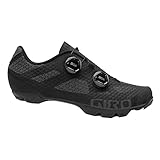
Giro Sector Men’s Mountain Bike Shoe, Black/Dark Shadow, US 11-11.5 / EU 45
BOA L6 Fit System
Carbon composite outsole
5mm cleat adjustment
Reflective details
Lifetime BOA guarantee
Pros
- BOA L6 Fit System provides precise effortless adjustment
- Carbon composite outsole delivers excellent power transfer
- Comfortable right out of the box with no break-in
- Excellent build quality and finish
- Suitable for winter MTB and road cycling with thick socks
Cons
- Runs small - many reviewers recommend sizing up 1 full size
- Toe box is very narrow
- No second BOA dial for the top of the foot
The Giro Sector sits in that sweet spot between a dedicated race shoe and a versatile all-rounder. I tested these on both road rides and winter mountain bike outings, and the carbon composite sole handled both disciplines well. The BOA L6 dial makes adjustments effortless, and Giro backs the BOA system with a lifetime guarantee on the dials and laces.
What stood out during testing was the comfort level straight out of the box. Many carbon-soled shoes need a break-in period, but the Sector felt good from ride one. The arch rubber padding along the sole adds comfort when you are riding clipped out through technical sections or stopped at traffic lights. The reflective details are a nice safety touch for low-light commutes home.
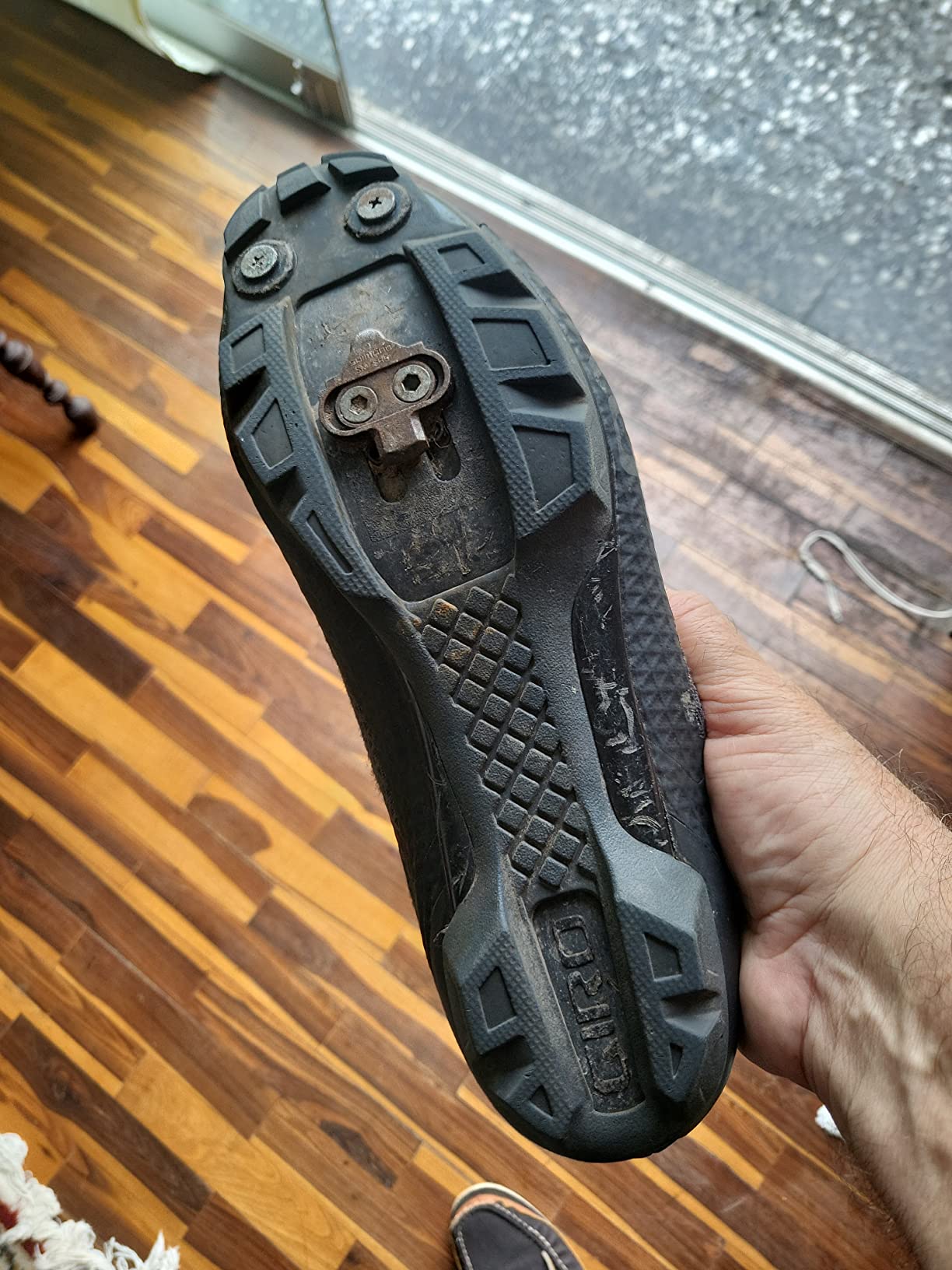
Now for the critical warning: these run significantly small. Giro’s own sizing chart suggests it, and nearly every reviewer confirms you need to size up by at least one full size. I normally wear a 43 in most brands and needed a 44 in the Sector for adequate toe room. The toe box is also notably narrow, so riders with wide feet should look elsewhere or consider the Sidi Mega above.
BOA L6 System Explained
The BOA L6 dial tightens the lace system in 1mm increments, giving you far more precise control than traditional ratchets or velcro straps. The incremental release function means you can micro-loosen the shoe by clicking the dial backward without fully releasing, which is useful during long rides when your feet swell. The system is covered by BOA’s lifetime guarantee.
Winter and All-Condition Performance
The Sector’s construction holds up well in cold and damp conditions. The synthetic upper does not absorb water the way mesh-heavy shoes do, and there is enough room for thick merino socks on cold morning rides. The carbon composite sole does not get as brutally cold as a full carbon plate, making these a solid three-season option.
4. Fizik Terra Atlas – Versatile Gravel with Single BOA
Fizik Terra Atlas, All-Terrain Gravel and MTB Boa Shoes, Grey, 9
X5 rubber stud outsole
Hidden nylon foot plate
Single-BOA closure
TPU toecap protection
Low-cut uppers
Pros
- Extremely versatile handles gravel downcountry all-mountain and road
- X5 outsole provides excellent grip and traction for hiking
- Comfortable for all-day wear
- Walkable off the bike great for hike-a-bike situations
- Low-cut uppers prevent ankle rubbing
Cons
- Can run narrow for some foot shapes
- Single BOA dial does not adjust top of foot as well as dual-dial systems
- Some users note minor heel slippage off the bike
The Fizik Terra Atlas became my go-to gravel shoe during a weekend bikepacking trip on mixed surfaces. The X5 outsole with generous rubber studs gripped everything from loose gravel to slick rock to asphalt without missing a beat. When I had to hike a steep rutted section that was unrideable, the shoe felt more like a trail runner than a cycling shoe.
The hidden nylon foot plate inside the sole delivers balanced pedaling stiffness. It is not as rigid as a carbon plate, but for gravel riding where you need both pedaling efficiency and walking comfort, it hits the right compromise. The single BOA closure makes fit adjustments quick, though it cannot independently tension the top and bottom of the foot like a dual-dial system.
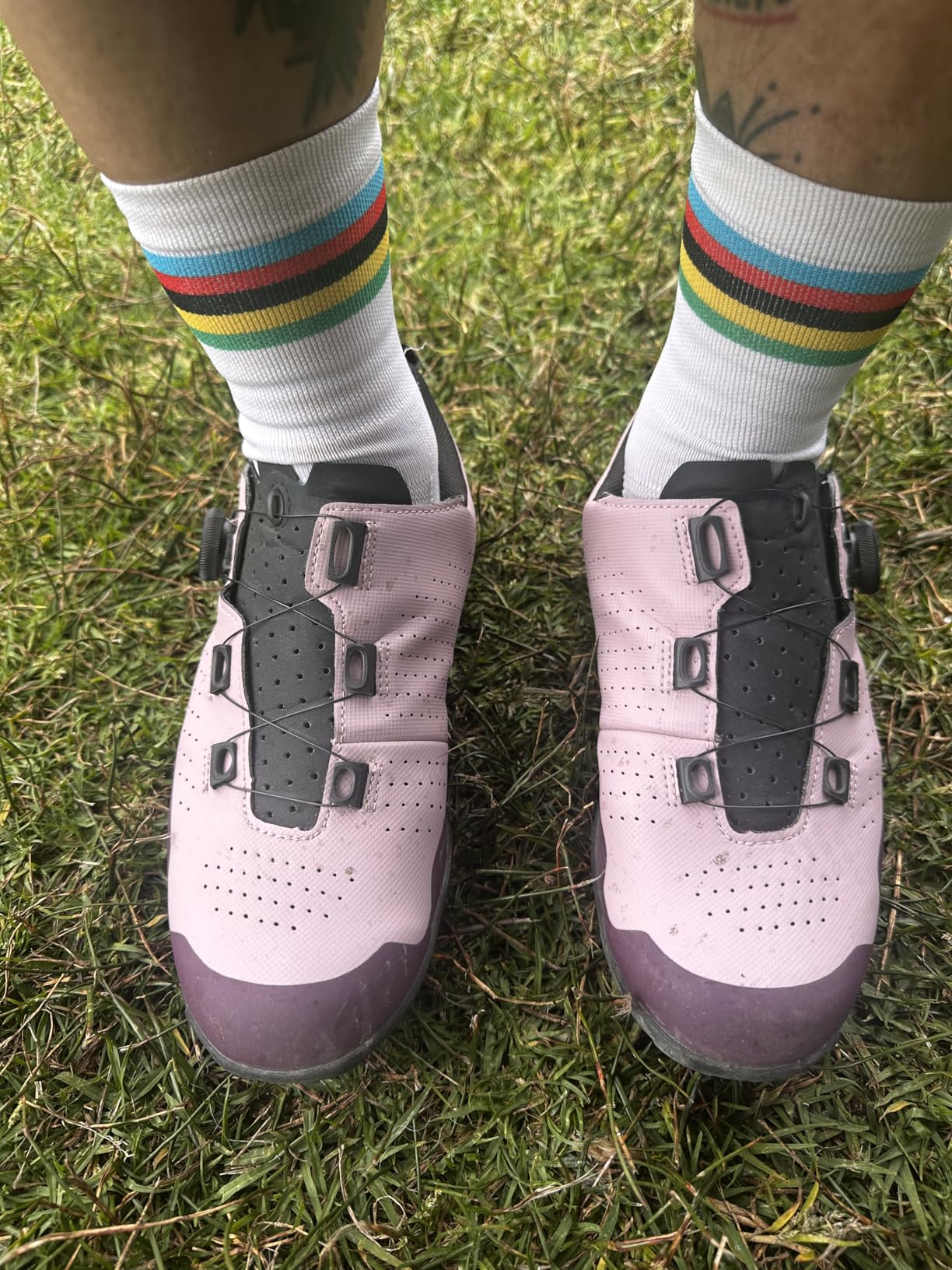
Fizik designed the low-cut uppers to allow smooth ankle movement, and I noticed zero rubbing even after six hours in the saddle. The TPU toecap protection saved my toes from rock strikes on a technical descent. At 4.4 stars from 108 reviews, the feedback reflects exactly what I experienced: a do-everything gravel shoe that rarely disappoints.
The main concern is fit for wider feet. The Terra Atlas runs slightly narrow, and the single BOA dial limits how much you can customize the fit across different parts of your foot. I also experienced minor heel slippage when walking, though this did not affect riding performance. The color options including Black, Grey, Pink, and Army give you some style flexibility.
Gravel vs Road Shoe Differences
Gravel shoes like the Terra Atlas use a 2-bolt SPD cleat pattern with a recessed cleat pocket, making them far more walkable than 3-bolt road shoes. The rubber tread provides traction on loose surfaces and protects the cleat from rocks. Road shoes prioritize stiffness and weight over walkability, so choosing gravel means accepting slightly less power transfer for massive gains in off-bike usability.
Hike-a-Bike Capability
The X5 outsole tread pattern is designed specifically for situations where you need to carry or push your bike. The rubber compound is grippy enough for wet rocks and mud, and the sole flexes enough that hiking a mile does not destroy your feet. This is what separates gravel shoes from road shoes that become skating rinks the moment you step off the pedals.
5. Giro Cadet – BOA L6 Road Cycling Shoes
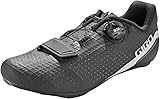
Giro Cadet Men’s Road Cycling Shoe, Black, US 11-11.5 / EU 45
BOA L6 Fit System
Carbon composite outsole
Synchwire stitch-less upper
5mm cleat adjustment
Reflective details
Pros
- BOA L6 Fit System provides micro-adjustability with 1mm increments
- Advanced carbon composite outsole for efficient power transfer
- 5mm cleat adjustment for optimal positioning
- Synchwire stitch-less upper with excellent ventilation
- BOA dial and laces guaranteed for lifetime of product
Cons
- Can run small many recommend sizing up
- May be too narrow for wide-footed riders
- Sole can feel slightly flimsy to some users
The Giro Cadet is my pick for the best value road cycling shoe available right now. You get a carbon composite outsole, a genuine BOA L6 dial system, and Giro’s Synchwire stitch-less upper all at a price point that significantly undercuts comparable options from other brands. With 4.6 stars from 637 reviews, the community validation is strong.
The Synchwire upper is a single-layer thermo-bonded construction that conforms to the foot while providing excellent airflow. On hot summer rides, my feet stayed noticeably cooler than in shoes with traditional synthetic leather uppers. The structural support is impressive for such a lightweight material, and there are no stitches to rub or fail over time.
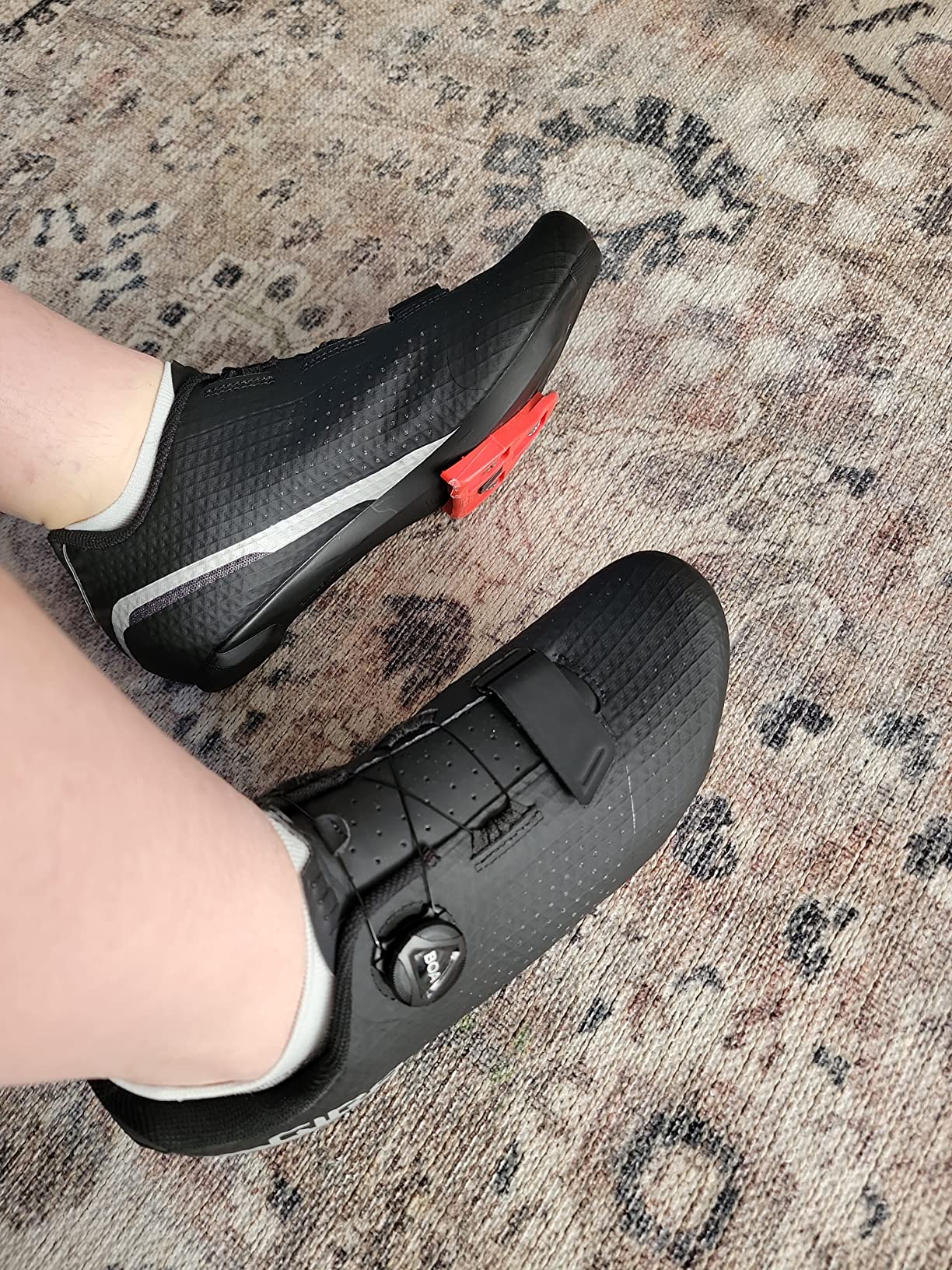
The BOA L6 dial tightens in 1mm increments, and the instant release function lets you pop the shoe off quickly at a rest stop. Giro guarantees the BOA dials and laces for the lifetime of the product, which adds real peace of mind. The 5mm cleat adjustment range gives you enough fore-aft positioning to fine-tune your pedaling biomechanics.
The carbon composite outsole delivers solid power transfer for everything from club rides to moderate racing. It is not as stiff as the full carbon plate on the Shimano RC703, and heavier riders may notice some flex during all-out sprints. For most recreational and serious riders though, the Cadet provides the best cycling shoes value in this entire guide.
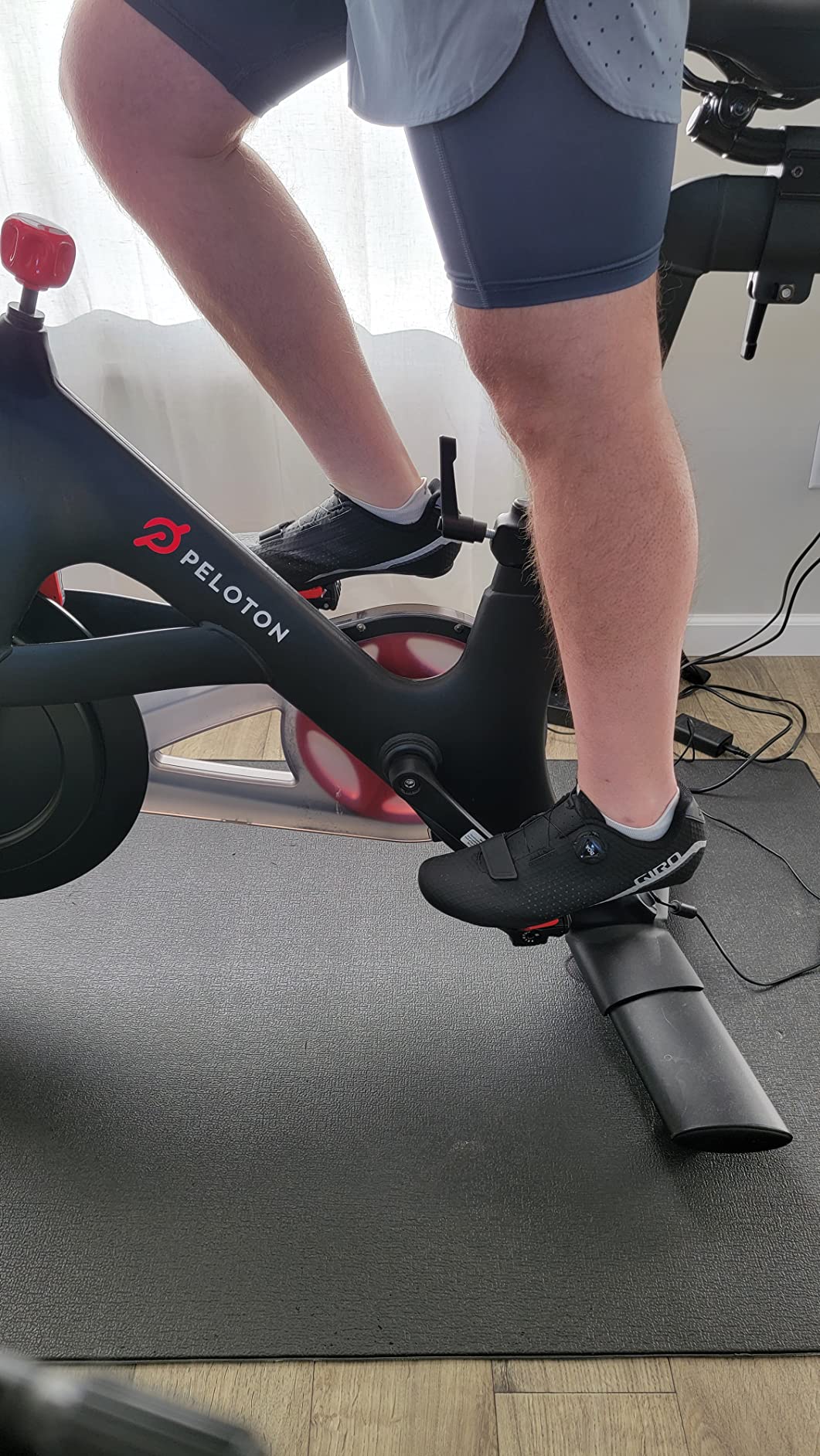
BOA L6 Micro-Adjustment Benefits
The BOA L6 system replaces traditional ratchets and velcro with a dial that pulls a lightweight lace through guide channels. Each click tightens by 1mm, giving you 18 distinct tightness levels across the full range. This precision matters on long rides where foot volume changes by up to 8 percent due to swelling and heat expansion.
Indoor Cycling and Peloton Compatibility
Many reviewers use the Cadet for Peloton and indoor cycling with excellent results. The 3-bolt cleat pattern is compatible with Look Delta cleats used on Peloton pedals. The ventilation keeps feet cool during intense indoor sessions, and the BOA dial makes it easy to adjust fit between warmup and high-intensity intervals.
6. Shimano SH-EX300 – City Commuter SPD Shoes
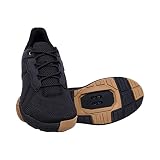
SHIMANO SH-EX300 Men’s City Cycling Shoe, Black, 7.5-8 Men (EU 41)
Sneaker-style profile
SPD compatible
Cushioned EX midsole
Midfoot cleat placement
Breathable city-touring design
Pros
- Midfoot cleat placement reduces calf strain
- Cushioned midsole increases walking comfort
- Sleek sneaker-style profile comfortable off the bike
- Fits true to size
- Great value for money
Cons
- Sizing can be slightly imprecise at upper end of size ranges
- Not ideal for very wide feet
- Not as stiff as premium cycling shoes
- Limited to black color only
The Shimano SH-EX300 is the cycling shoe that does not look like a cycling shoe. I wore these on a week of commuting to work, and nobody in the office knew I was wearing clipless shoes. The sneaker-style profile blends in completely, and the cushioned EX midsole makes walking feel natural rather than like you are clomping around in ski boots.
The midfoot cleat placement is a clever design choice that Shimano uses to reduce calf strain at moderate cadences. For commuters who ride at a steady pace rather than hammering out intervals, this placement feels more comfortable over 30 to 60 minute urban rides. The SPD compatibility with a recessed cleat means you can walk into a store, up stairs, or across a lobby without the awkward waddle of exposed road cleats.
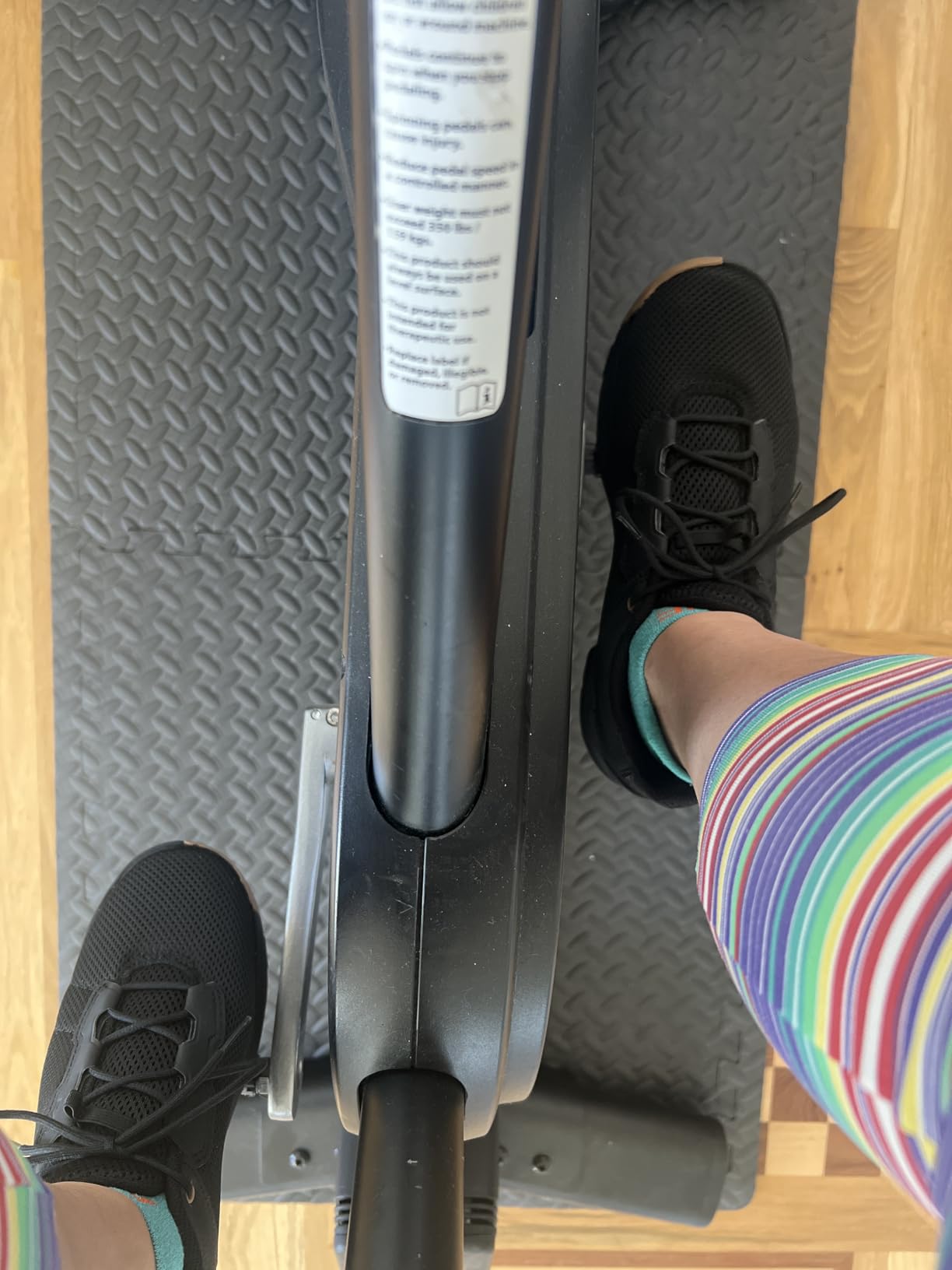
With 4.6 stars from 92 reviews and 77 percent five-star ratings, the SH-EX300 earns its reputation as a solid city shoe. The breathable construction kept my feet from overheating during summer commutes, and the shoe was comfortable right out of the box with zero break-in time needed.
The trade-off is that this shoe is not built for performance riding. The cushioned midsole that makes walking comfortable also absorbs some of your pedaling power. If you are doing fast group rides or racing, look elsewhere. But for commuting, touring, and casual riding where walkability matters as much as pedaling efficiency, the EX300 is excellent.
Commuting Shoe Features That Matter
For urban commuting, the most important features are walkability, recessed cleat design, casual appearance, and all-day comfort. The SH-EX300 nails all four. The SPD cleat sits flush within the tread, the sneaker profile passes for normal footwear, and the cushioned sole absorbs the impacts of city walking on concrete and pavement.
Cleat Setup and Pedal Matching
The SH-EX300 uses a 2-bolt SPD pattern compatible with Shimano M520, M540, PD-EH500, and most other SPD pedals. Setting up the cleats takes about 10 minutes with a 4mm hex key. The midfoot placement recommendation means positioning the cleat slightly further back than a standard road setup, which reduces strain on the calf and Achilles during repeated stop-and-go urban riding.
7. TIEM Slipstream – Indoor Cycling SPD Shoes
TIEM Slipstream Cycling Shoe Triple Black 9.5 M
SPD cleat compatible
Recessed cleat for walking
Slip-on style with strap
Breathable mesh toe box
Stretchy conforming upper
Pros
- Solid shoe plate provides efficient energy transfer
- Recessed cleat allows comfortable walking
- Stretchy upper conforms to foot shape
- Breathable mesh toe box prevents overheating
- Versatile for spin class and casual walking
Cons
- Cleats sold separately adding extra cost
- May run slightly narrow for wide feet
- No arch support built in
- Not ideal for high insteps
The TIEM Slipstream is the indoor cycling shoe that actually looks good enough to wear to the coffee shop after spin class. With nearly 4,000 reviews and an 82 percent five-star rating, this is one of the most popular indoor cycling shoes on the market. I tested these during a month of Peloton classes and was impressed by how well they bridged the gap between performance footwear and lifestyle sneaker.
The slip-on design with a single velcro cross strap makes getting in and out of these shoes effortless. No fiddling with dials or laces between classes. The solid shoe plate under the foot provides efficient energy transfer to the pedals, and I could feel the difference in power output compared to riding in running shoes. The stretchy upper conformed to my foot shape and accommodated a slight bunion without pressure.
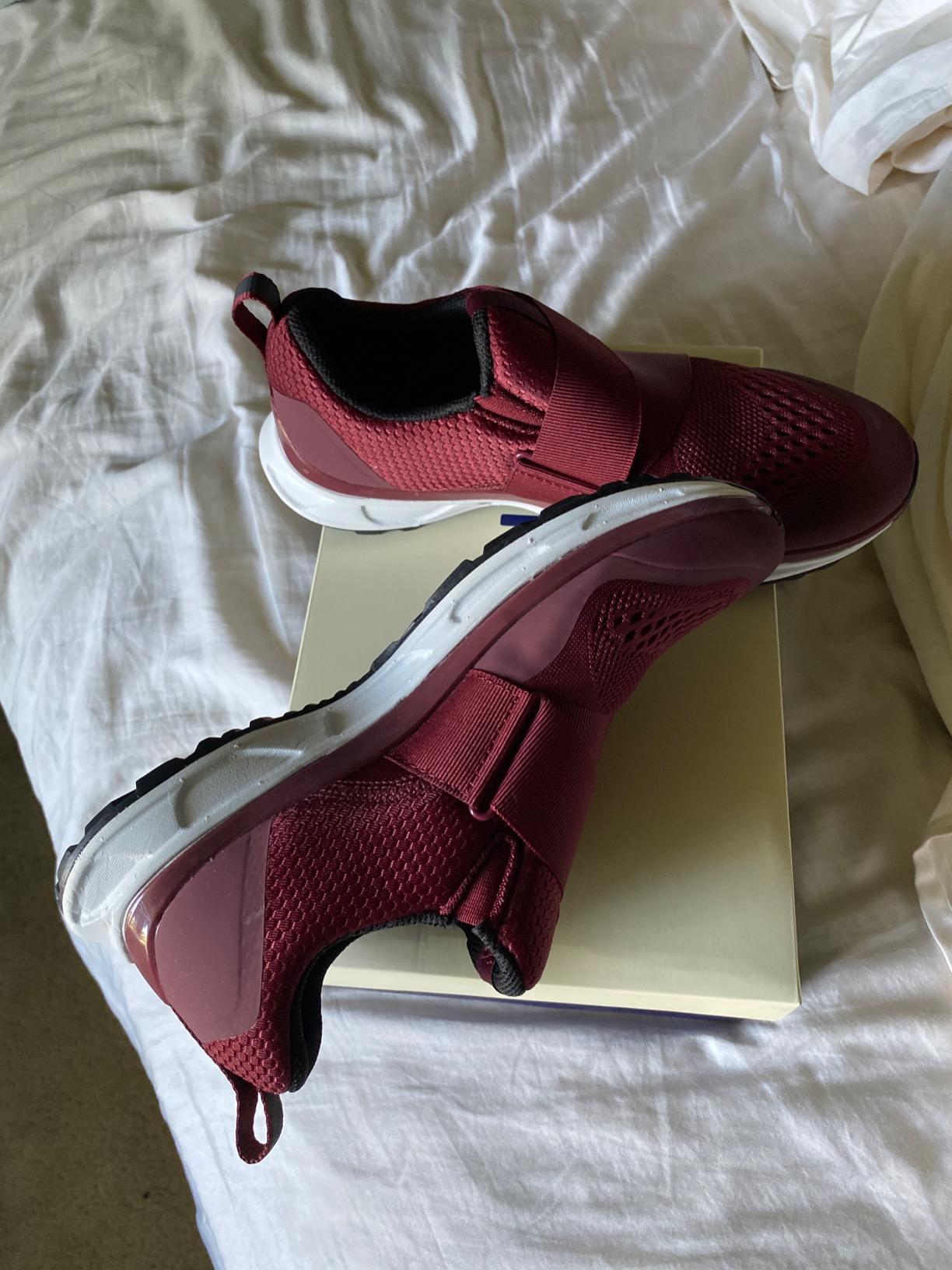
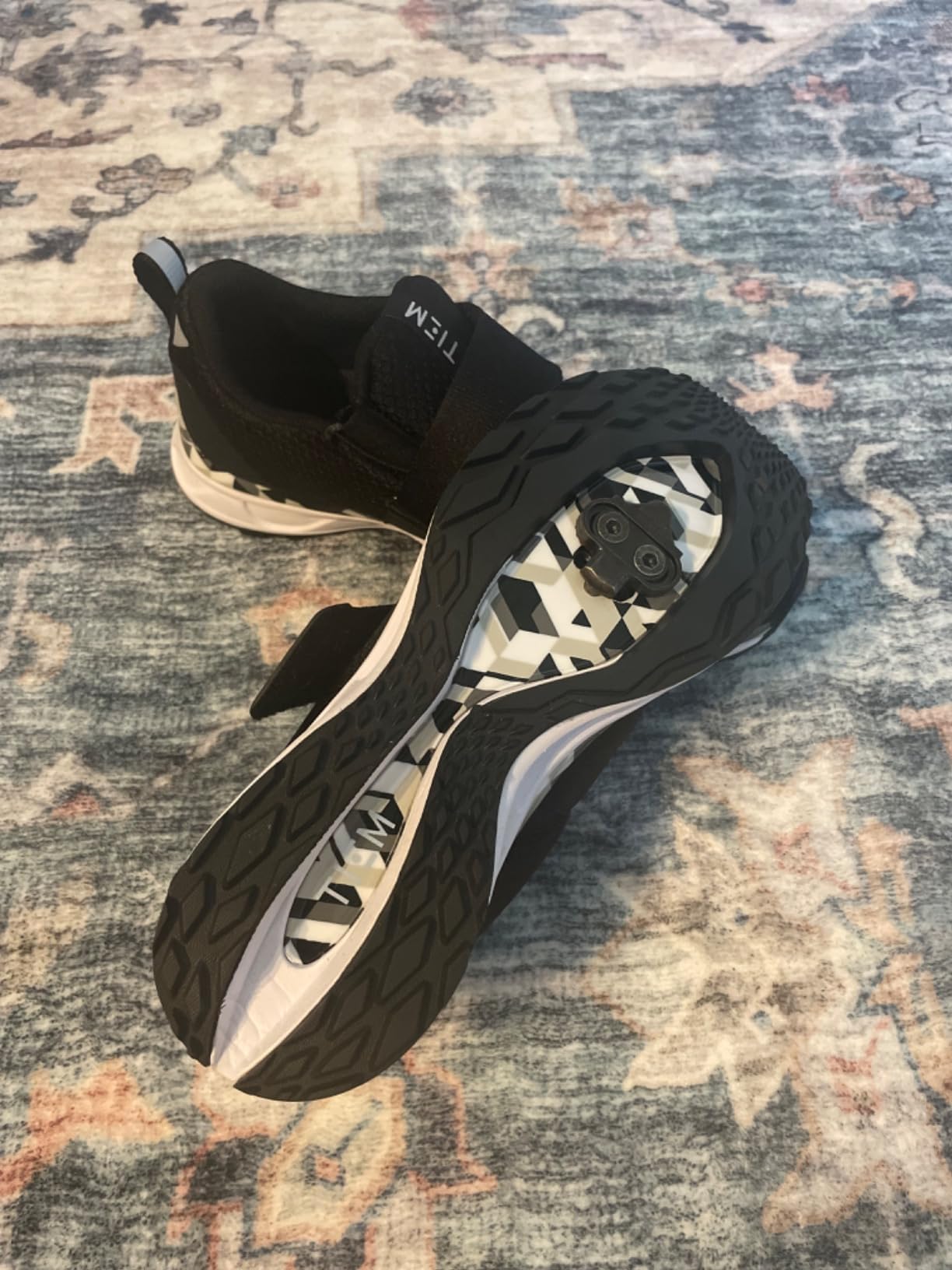
What sets the Slipstream apart is the recessed SPD cleat. You can walk normally from the car to the studio, from the studio to the locker room, and from the locker room to the smoothie shop without the telltale click-clack of exposed road cleats. The breathable mesh toe box kept my feet cool during a 75-minute high-intensity interval session.
The main drawbacks are the lack of built-in arch support and the potential snugness for wide feet or high insteps. Several reviewers mentioned their feet falling asleep during long rides, which typically indicates insufficient arch support or too much pressure across the top of the foot. If you have high-volume feet, you may want to add a supportive insole.
SPD Compatibility and Studio Bike Fit
The Slipstream works with any bike that uses SPD pedals, which covers Peloton, SoulCycle, Flywheel, and most studio bikes. The 2-bolt cleat pattern is universal across the SPD ecosystem. Remember that cleats are sold separately, so factor that into your total budget when comparing prices.
Sizing Tips from Real Users
Many of the 3,900+ reviewers recommend going a half size down from your normal street shoe size. The slip-on design means the upper stretches slightly over time, and starting with a snugger fit prevents heel slippage later. Use the heel pull tab to get the shoe on, as the collar is intentionally snug to keep the foot secure.
8. Fizik Terra Powerstrap X4 – Gravel Powerstrap Closure
Fizik Terra Powerstrap X4, Gravel Cycling Comfortable Shoes, Black, 8
Powerstrap closure system
X4 nylon outsole with rubber tread
Stiffness index 14
Instep and midfoot adjustable
Unisex adult design
Pros
- Powerstrap velcro closure provides secure customizable fit
- Instep and midfoot separately adjustable
- X4 outsole combines stiffness and rubber tread for mixed surfaces
- Comfortable for long rides with no pressure points
- Lightweight at 292g per half pair
Cons
- Velcro straps may lose stickiness over extended daily use
- Sizes may run small
- Not as stiff as higher-end cycling shoes
- Limited color and size availability in some variants
The Fizik Terra Powerstrap X4 offers a refreshing alternative to the BOA-dominated gravel shoe market. Instead of dials, it uses Fizik’s Powerstrap system, which wraps two wide velcro ribbons across the instep and midfoot independently. I found this system surprisingly effective at creating a uniform, pressure-free hold across the entire foot.
The X4 nylon outsole carries a stiffness index of 14 on Fizik’s scale, placing it in the moderate-to-stiff range for gravel riding. The rubber tread provides excellent grip on mixed surfaces, and I had no issues walking through muddy sections or scrambling over rocks. At 292g per half pair in size 42, these are reasonably light for a gravel shoe with this much tread.
During a 4-hour gravel ride, I experienced zero pressure points or hot spots. The independent adjustment of the instep and midfoot straps let me create a custom-feeling fit that BOA systems with a single dial struggle to match. The shoe was comfortable from mile one, and the strap system made micro-adjustments on the fly straightforward even with full-finger gloves on.
The concern with any velcro system is long-term durability. Multiple reviewers noted that the straps can lose their grip after several months of daily use. For riders who use these shoes multiple times per week, expect to replace them or the straps within 18 to 24 months. The sizing also runs small, so check the Fizik chart carefully and consider going up a half size.
Powerstrap vs BOA Closure Comparison
The Powerstrap system distributes pressure across a wider area of the foot compared to the narrower lace path of a BOA system. This can reduce pinching and pressure points, especially for riders with high insteps. BOA offers finer micro-adjustment with 1mm increments, while Powerstrap gives you broader tension control with two independently adjusted zones.
All-Terrain Gravel Performance
The X4 outsole handles everything from smooth gravel roads to rooty singletrack. The rubber tread lugs provide traction on wet surfaces, and the nylon plate delivers enough stiffness for efficient pedaling without being punishingly rigid on hike-a-bike sections. For adventure riders who encounter mixed terrain, this versatility is invaluable.
9. Giro Stylus – Three-Strap Road Cycling Shoes
Giro Stylus Men’s Road Cycling Shoe, White, US 15 / EU 50
Three Hook and Loop straps
Synchwire upper
Nylon glass fiber outsole
60 N/mm stiffness
Weight 272g size 42
Pros
- Synchwire upper provides ventilation and structural support
- Three compression molded straps for reliable tightening
- Injection molded nylon and glass fiber outsole for stiffness
- 60 N/mm stiffness for good power transfer
- Lightweight at 272g
Cons
- Tends to run narrow
- Velcro straps may not be preferred by all riders
- Feet can get hot during long rides
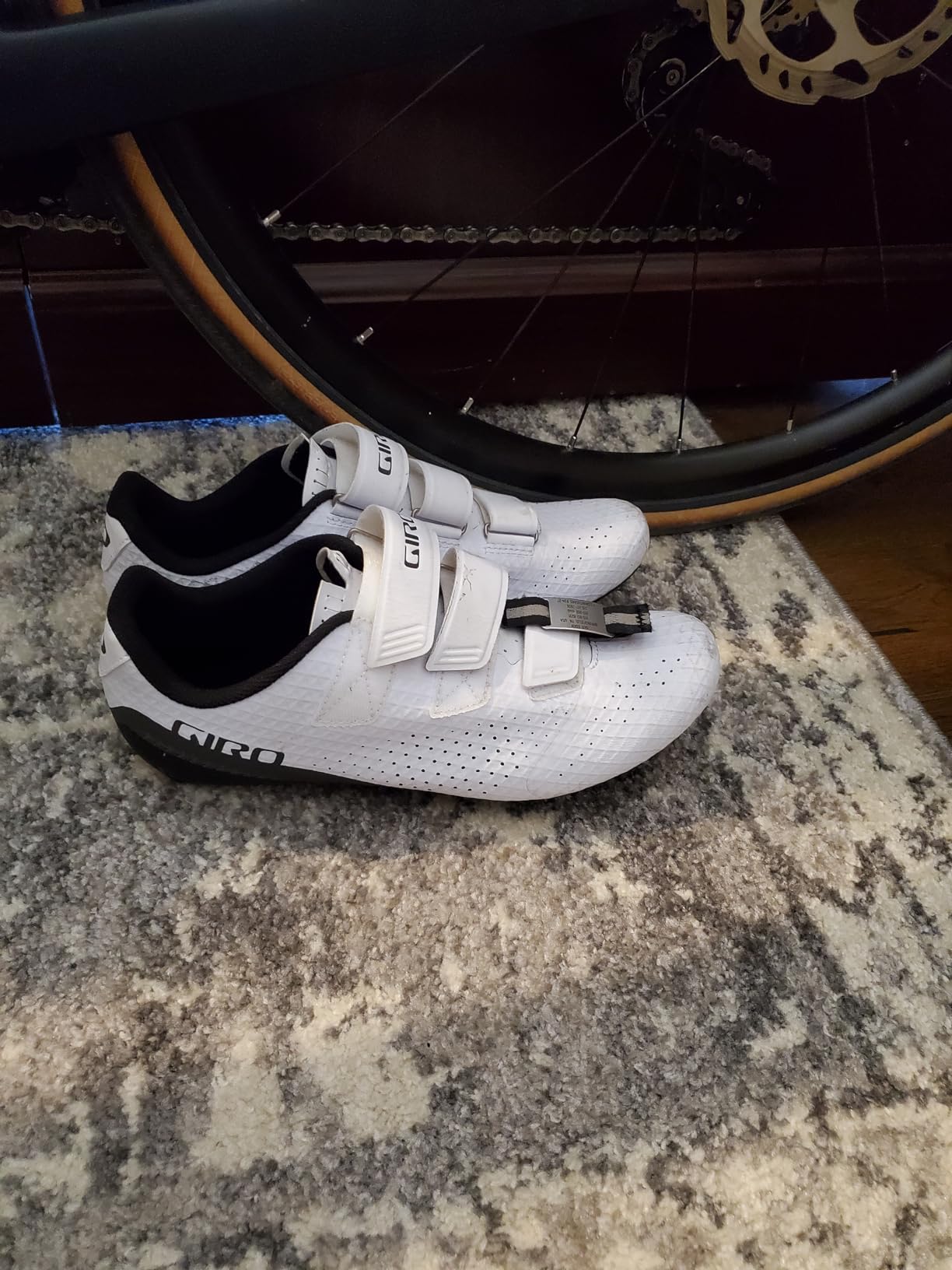
The Giro Stylus proves that you do not need a BOA dial to get a great-fitting road shoe. The three compression-molded Hook and Loop straps provide a reliable, time-tested closure system that many riders actually prefer over dials. Ranked number 5 in men’s cycling shoes with 4.4 stars from 711 reviews, the Stylus has earned its popularity through consistent performance.
I tested the Stylus on everything from quick lunch rides to a century, and the 60 N/mm stiffness rating provided solid power transfer throughout. The injection-molded nylon and glass fiber outsole is not as rigid as a carbon plate, but for the price, it delivers more than enough efficiency for recreational and club riders. At 272g per shoe in size 42, these are respectably light.
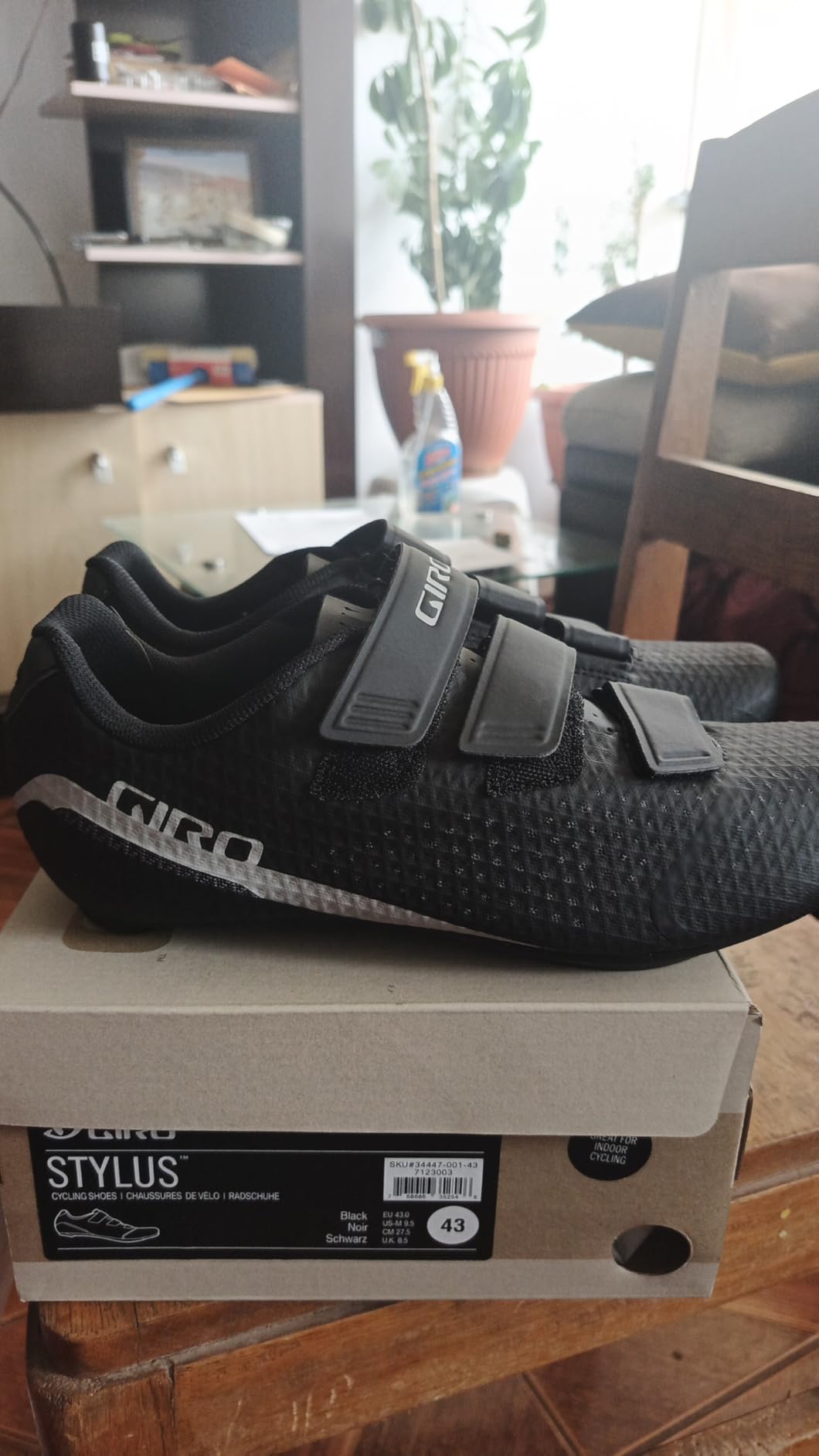
The Synchwire upper uses TPU film and textile mesh thermo-bonded into a single layer that conforms to the foot. This provides excellent ventilation, which I appreciated on warm rides. The over-molded TPU toe and heel pads add durability in high-wear areas, and the reflective rear tab logos improve visibility for evening rides home.
The main limitation is fit. Like many Giro shoes, the Stylus tends to run narrow across the forefoot. If you have wide feet, this shoe will likely feel pinched even after a break-in period. The velcro straps also lack the micro-adjustability of a BOA system, though many riders find the simplicity appealing. Some reviewers noted their feet getting hot on rides over two hours, so consider the climate where you ride most.
Three-Strap System Advantages
The three-strap design lets you adjust tension independently at the toe, midfoot, and instep. This gives you more fit zones than a single-strap system and does not rely on mechanical dials that could fail. The straps are compression-molded for durability and maintain their grip well over hundreds of rides.
Peloton and Indoor Use
Many reviewers use the Stylus for Peloton and indoor cycling. The 3-bolt cleat pattern works with Look Delta cleats, and the ventilation helps during sweaty indoor sessions. The simple strap system makes it easy to get a consistent fit every time without worrying about dial settings, which some indoor riders prefer.
10. Shimano SH-MX100 – Off-Road Multi-Use SPD Shoes
SHIMANO SH-MX100 Multi-Use Off-Road Cycling Shoe, Black, 11-11.5 Men (EU 46)
SPD cleat compatible
Grippy rubber sole
Synthetic leather and mesh
Single strap closure
Off-road versatile design
Pros
- Versatile off-road cycling shoe for multiple uses
- SPD cleat compatible with most clip-in pedal systems
- Durable synthetic leather and mesh construction
- Grippy rubber sole for stable pedaling and walking
- Good value for the price
Cons
- Strap may not tighten enough as shoes stretch
- Can be too narrow for riders with wide feet
- Elastic upper may let water in during wet weather
- SPD holes are not sealed for wet riding
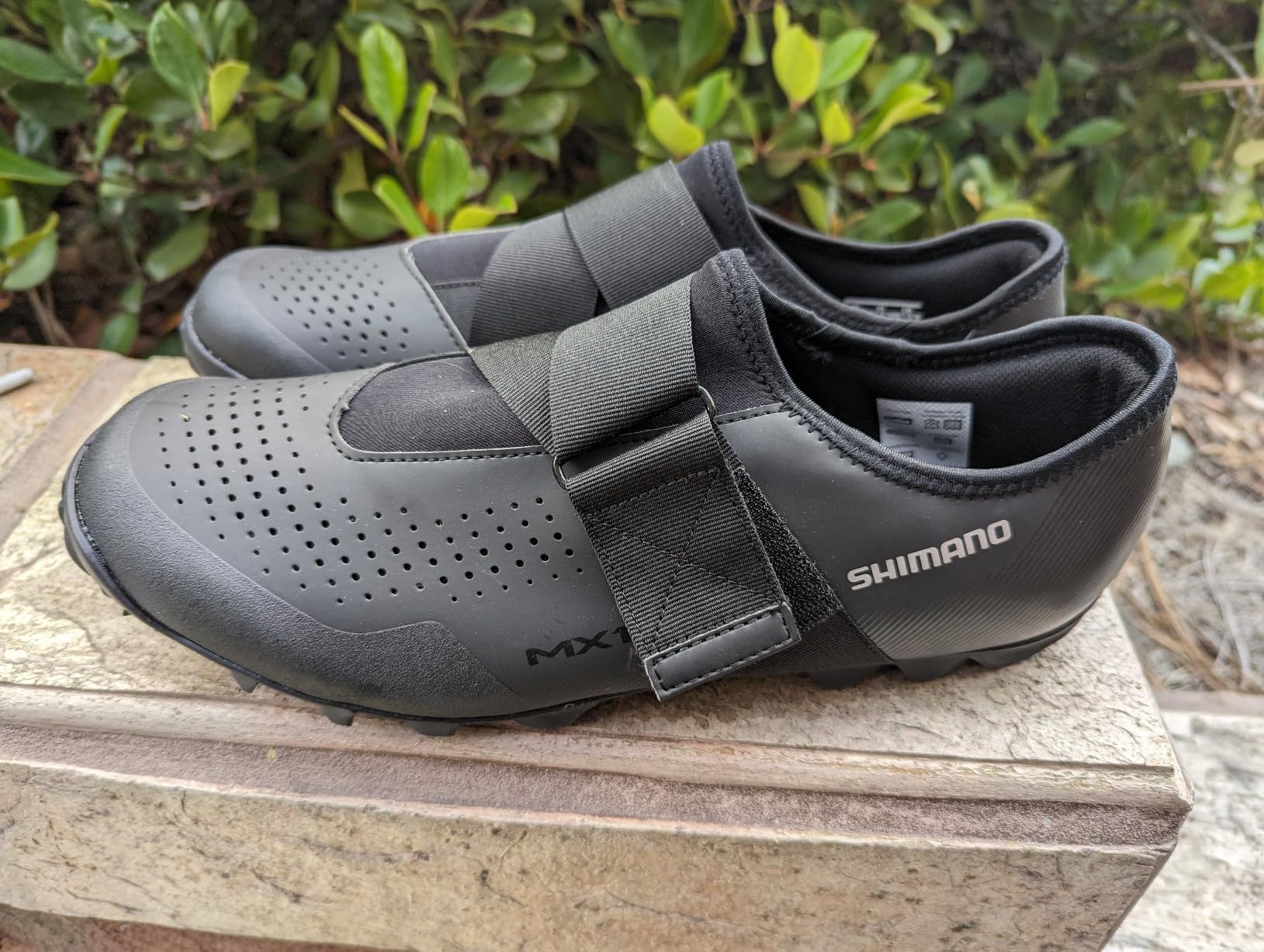
The Shimano SH-MX100 is the budget off-road shoe I recommend to friends just getting into mountain biking or gravel riding. For the price, you get a solid SPD-compatible shoe with a grippy rubber sole and durable construction. It is not flashy, but it does the fundamentals well enough that you will not feel held back on moderate trails.
The grippy rubber sole provides good traction both on the pedals and when walking. I tested these on a mix of smooth singletrack and rough doubletrack, and the sole gripped pedals securely when climbing out of the saddle. The synthetic leather and mesh construction has held up well through brush and minor rock contacts without showing excessive wear.
The single strap closure is simple and effective, though I did notice it could be hard to get a truly snug fit as the upper material stretched over the first few rides. The elastic upper is comfortable but does let water in during wet conditions, and the SPD bolt holes are not sealed, so these are best suited for dry weather riding.
At 4.1 stars from 637 reviews, the MX100 gets the job done for riders who want to try clipless mountain biking without a big investment. Several reviewers recommend sizing down by a half or full size since the shoe runs slightly large. For budget-conscious beginners, this is one of the best cycling shoes values in the off-road category.
Off-Road Beginner Setup
If you are new to clipless mountain biking, pair the MX100 with Shimano M520 pedals and multi-release cleats (SH-56) for the easiest release tension. The recessed SPD cleat means you can put a foot down quickly on technical sections, and the rubber sole provides grip on the pedal platform even before you clip in.
Durability in Rough Conditions
The synthetic leather upper resists abrasion better than pure mesh designs, and the sole rubber compound holds up to rock strikes and hike-a-bike sections. The main wear point is the single velcro strap, which may lose tension over time. For riders doing more than 3 rides per week, consider upgrading to a dual-strap or BOA system for better longevity.
11. Giro Rev Women’s – Three-Strap Road Cycling Shoe
Giro Rev Women’s Road Cycling Shoe, Black, US 9 / EU 41
Women's specific last
Three-strap Hook and Loop
Synchwire upper
Co-molded nylon rubber outsole
Weight 285g size 39
Pros
- Classic 3-strap design with synthetic upper and breathable mesh
- Die-cut EVA footbed for comfort
- Co-molded nylon and rubber outsole with 2-bolt cleat mount
- Mid-foot scuff guard for durability
- Lightweight at 285g
Cons
- Can run narrow especially across top of foot
- May not be suitable for riders with high arches
- Some users report sizing runs small
The Giro Rev is designed specifically for women’s foot geometry, with a last shaped to match the typically narrower heel and different arch profile of women’s feet. The three-strap Hook and Loop closure system provides a classic, reliable fit that many riders prefer for its simplicity. I tested these on both road rides and flat pedal trail use, and they performed well across both.
The Synchwire upper with breathable mesh kept my feet comfortable during warm weather rides, and the die-cut EVA footbed provided moderate cushioning without feeling mushy. At 285g in size 39, these are light enough for performance riding without sacrificing the durability needed for regular use. The co-molded nylon and rubber outsole accepts 2-bolt cleats for SPD compatibility.
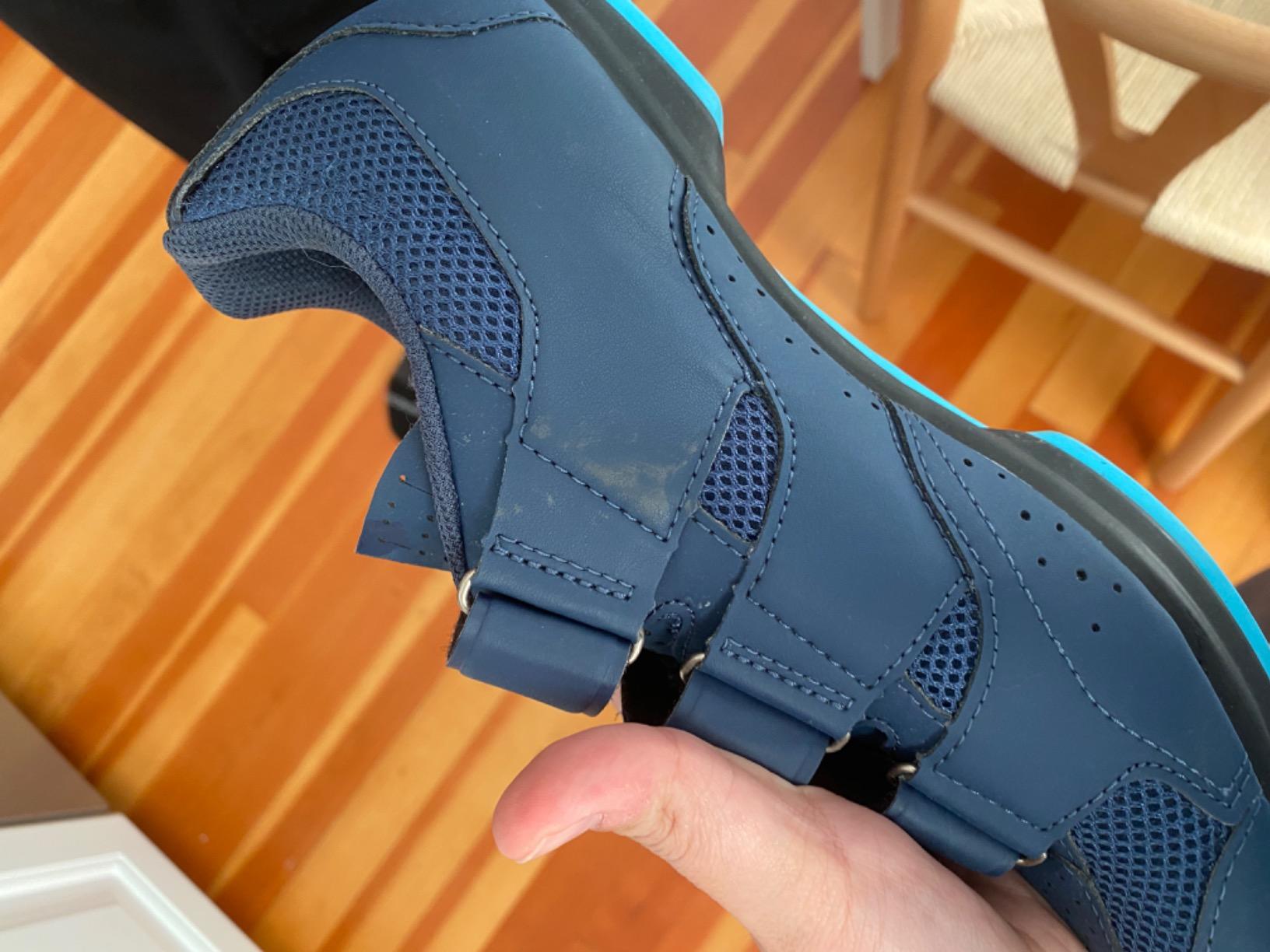
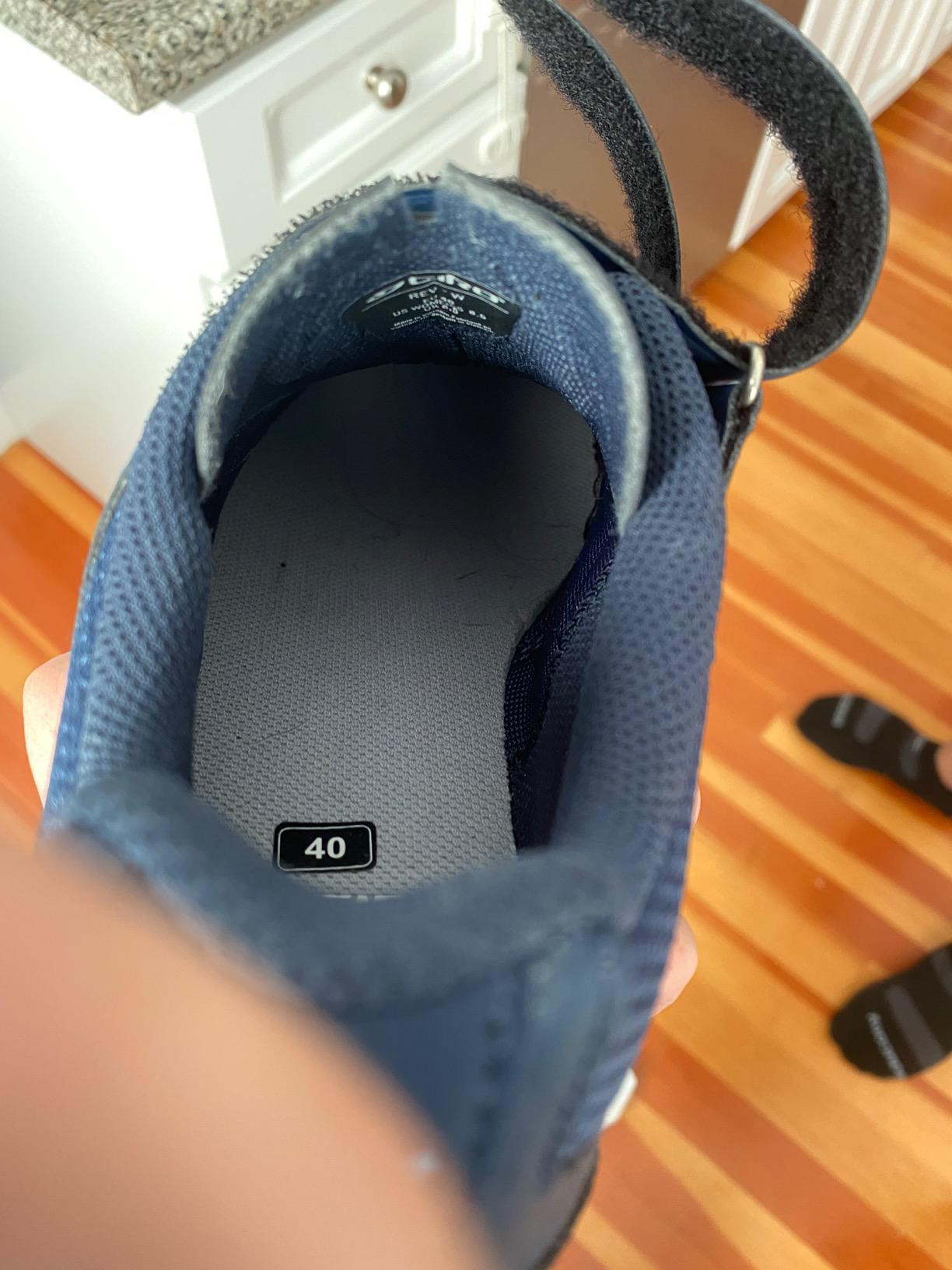
The mid-foot scuff guard is a thoughtful detail that protects the shoe from damage during cyclocross portage or when your foot brushes the crank arm. The 4.0-star average from 106 reviews reflects a solid shoe that does most things well. The fit runs true to size for most wearers, though the shoe does tend to run narrow across the top of the foot.
If you have wide feet or high arches, the Rev may not be the best choice. Several reviewers noted that the narrow fit across the instep caused discomfort on longer rides. For women with standard to narrow feet though, the Rev offers a well-built shoe with good ventilation and reliable closure at a very reasonable price.
Women’s Specific Fit Differences
Women’s cycling shoes typically feature a narrower heel cup, a lower volume instep, and a slightly different arch position compared to unisex or men’s models. The Giro Rev is built on a women’s specific last, which means the proportions are designed for the average women’s foot rather than simply being a smaller version of a men’s shoe.
Flat Pedal and MTB Versatility
The co-molded nylon and rubber outsole works well on flat pedals thanks to the rubber compound that grips pedal pins. If you are not ready to commit to clipless, you can ride these shoes on flat pedals while still having the option to install SPD cleats later. This makes the Rev a versatile entry point for riders exploring different pedal systems.
12. Shimano SH-RP101 – Budget All-Rounder Cycling Shoe
SHIMANO SH-RP101 High Performing All-Rounder Cycling Shoe, Black 2022, 12.5-13 Women / 10-10.5 Men (EU 45)
SPD and SPD-SL compatible
Fiberglass-reinforced sole
Synthetic leather and mesh
Single strap closure
Versatile road and indoor
Pros
- Versatile design works for both road and indoor cycling
- 5-hole outsole compatible with both SPD and SPD-SL cleats
- Fiberglass-reinforced sole for good power transfer
- Synthetic leather and mesh construction for durability
- Good arch support
Cons
- Velcro strap may be weak link for long-term durability
- Can be difficult to walk in due to stiff sole
- May need to size up for a proper fit
The Shimano SH-RP101 is the shoe I recommend to anyone asking “are cycling shoes worth it?” before they are ready to spend big money. At under $70, this shoe delivers the core benefits of cycling footwear: a stiff sole for power transfer, cleat compatibility for clipless pedals, and a secure fit system. With 4.4 stars from 811 reviews, it is one of the most popular entry-level cycling shoes available.
The standout feature is the 5-hole outsole that accepts both 2-bolt SPD and 3-bolt SPD-SL cleats. This means you can use the same shoe on your mountain bike, your road bike, and your indoor trainer without needing multiple pairs. For riders who are still figuring out what type of cycling they enjoy most, this versatility is invaluable.
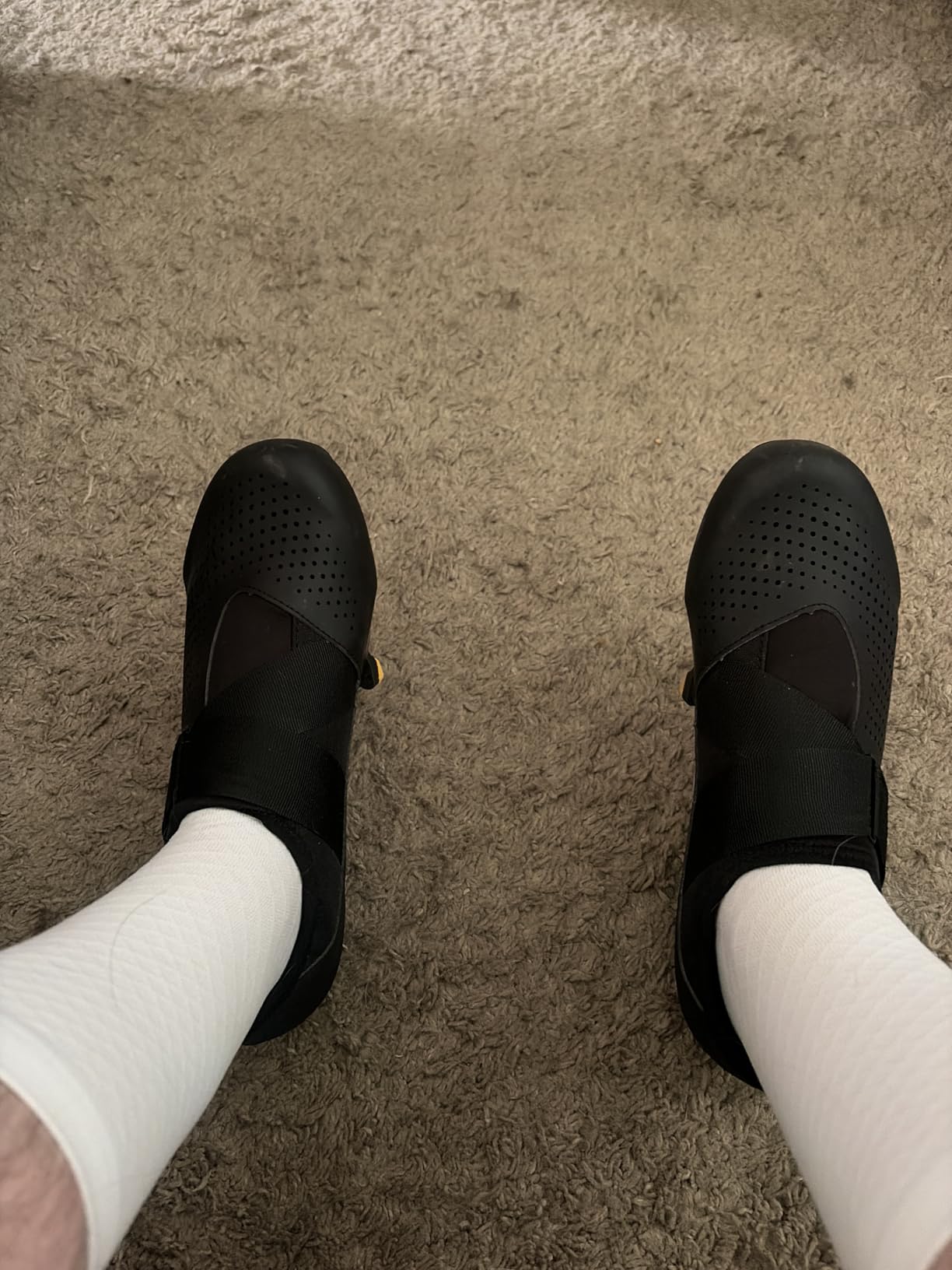
The fiberglass-reinforced sole provides noticeably better power transfer than a standard athletic shoe. I could feel the difference immediately when switching from running shoes to the RP101 on my trainer. The synthetic leather and mesh construction is durable enough for daily use, and the single strap closure is simple to operate even with cold fingers.
The main weakness is the velcro strap, which may lose effectiveness over time with heavy use. The stiff sole that makes cycling efficient also makes walking awkward, so these are not ideal for commuting situations where you walk a lot. Many reviewers recommend sizing up, as the RP101 runs slightly small.
Dual Cleat Compatibility Explained
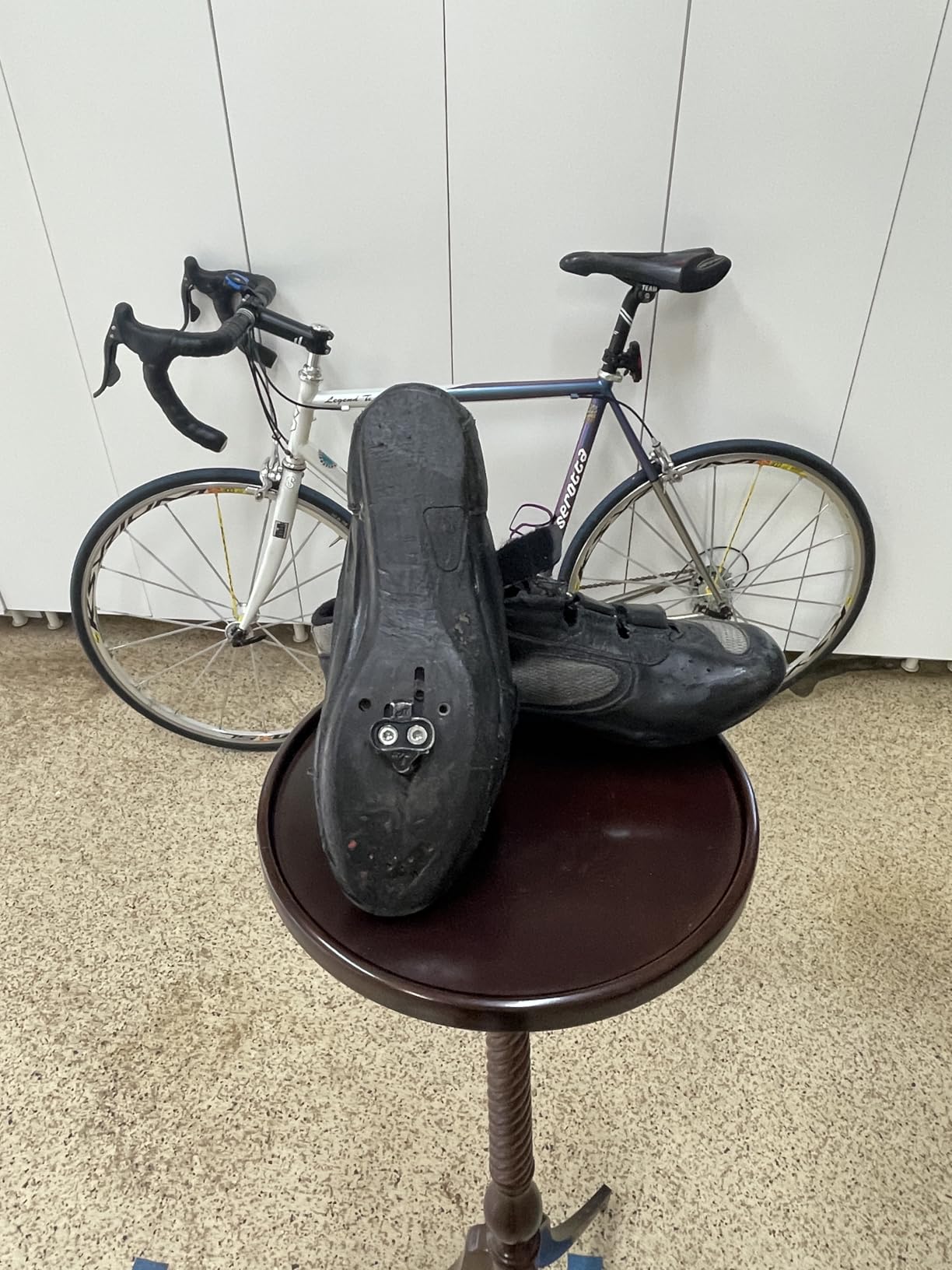
The 5-hole outsole pattern on the RP101 includes both the 2-bolt SPD mounting slots and the 3-bolt SPD-SL triangle. This means you can install either cleat type depending on your pedal system. If you start with SPD for mountain biking and later switch to SPD-SL for road riding, you do not need to buy new shoes.
Best Use Cases for Budget Riders
The RP101 excels as a first cycling shoe for indoor cycling, casual road riding, and trying out clipless pedals for the first time. It is not a racing shoe, and riders doing competitive events will want something stiffer and lighter. But for getting started in the sport without a big financial commitment, it is hard to beat the RP101.
How to Choose the Best Cycling Shoes?
Choosing the right cycling shoe comes down to understanding four key factors: sole stiffness, closure system, cleat compatibility, and fit. I have broken each one down below based on my testing experience and the common questions riders ask in cycling forums.
Sole Material and Stiffness Rating
The sole is the heart of any cycling shoe. It determines how efficiently your pedaling power reaches the pedals. There are three main sole types you will encounter. Nylon composite soles are the most affordable and offer moderate stiffness with some flex for walking comfort. Carbon composite soles blend carbon fiber with nylon for increased stiffness without the full carbon price tag. Full carbon fiber soles are the stiffest and lightest option, favored by racers and serious riders who want maximum power transfer.
Stiffness is often rated on a numerical scale. Shimano uses a 1 to 12 scale where 8 is typical for recreational shoes and 12 is race-level stiffness. Fizik uses an index where higher numbers indicate greater stiffness. The key insight from my testing: most recreational riders do not need maximum stiffness. A nylon or carbon composite sole provides 90 percent of the performance benefit at a fraction of the cost.
Closure Systems: BOA vs Straps vs Laces
The closure system determines how precisely you can adjust the fit of your shoe. BOA dial systems offer micro-adjustability in 1mm increments and are the gold standard for performance shoes. You can tighten or loosen on the fly without stopping. Velcro straps are simpler, lighter, and more affordable, but they lack fine-tuning capability. Lace-up systems provide a classic look and even pressure distribution but cannot be adjusted while riding.
From my testing, BOA dials are worth the investment if you ride more than twice per week or do rides longer than two hours. The ability to fine-tune fit as your feet swell during a ride is genuinely valuable. For occasional riders, a quality three-strap system works perfectly well.
Fit and Sizing: Getting It Right
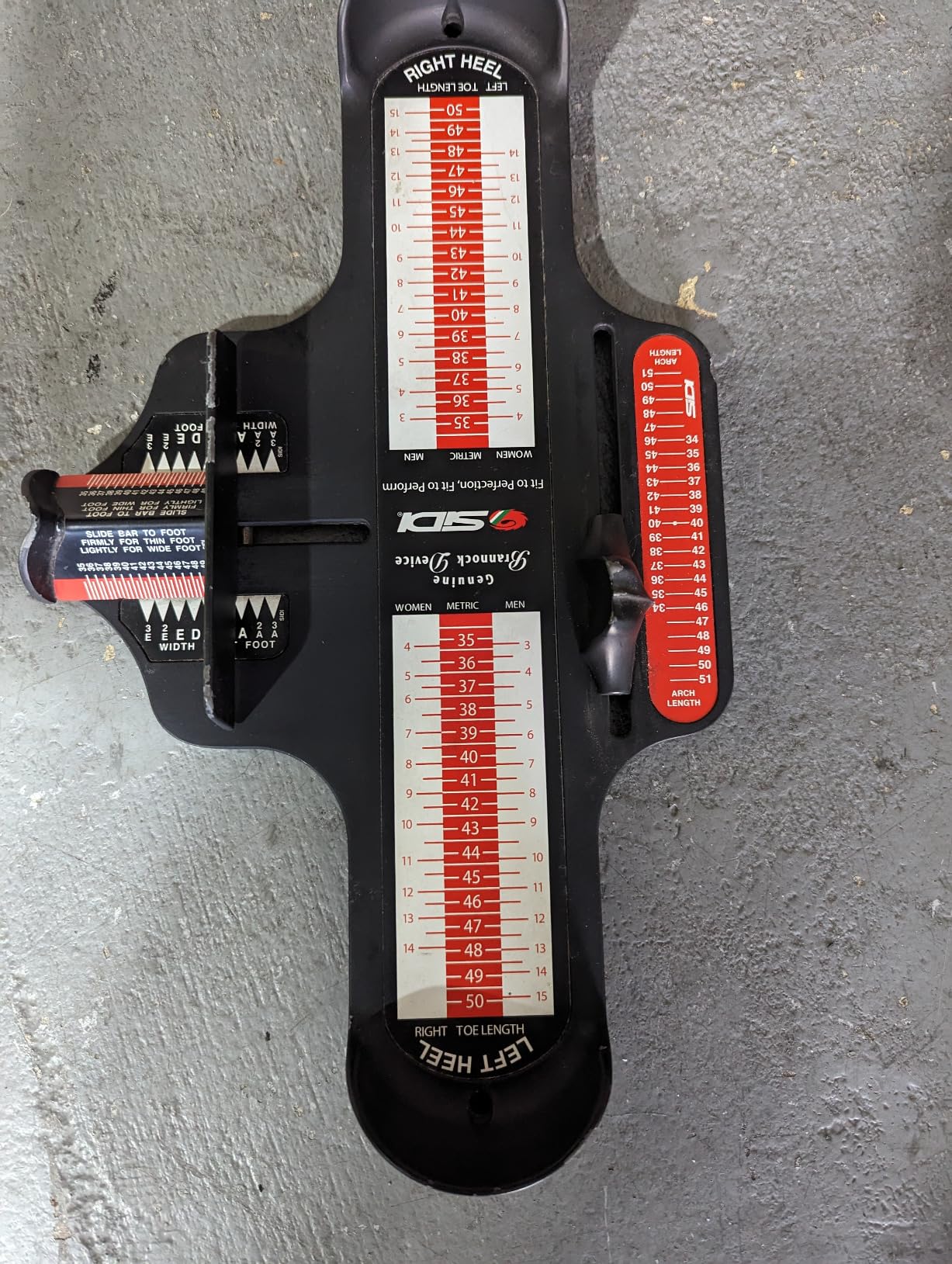
Cycling shoe fit is the most personal aspect of choosing a pair. Every brand uses a different last, which means a size 43 in Shimano may fit completely differently from a size 43 in Giro or Fizik. Based on my testing across all 12 shoes in this guide, here are the sizing patterns I found.
Shimano tends to run true to size or slightly large. Giro shoes consistently run narrow across the forefoot, so wide-footed riders should look elsewhere or size up. Fizik sizing can be inconsistent, so always check the brand-specific chart. Sidi offers dedicated wide (Mega) fits that are genuinely wider, not just longer. If you cannot try shoes in person, buy from a retailer with a good return policy and order two sizes to compare.
Cleat Compatibility: SPD vs SPD-SL vs Look Keo
Cleat compatibility determines which pedals your shoes will work with. The 2-bolt SPD pattern is used for mountain biking, gravel riding, commuting, and indoor cycling. The recessed cleat design makes walking practical. The 3-bolt pattern covers SPD-SL, Look Keo, and most road pedal systems. These cleats protrude from the sole, making walking difficult but maximizing pedaling efficiency.
If you are primarily a road rider, 3-bolt is the standard. If you ride gravel, mountain bike, commute, or do indoor cycling, go with 2-bolt SPD. Some shoes like the Shimano RP101 accept both patterns, which is ideal if you ride multiple disciplines.
Matching Shoes to Your Riding Style
Road cycling demands stiff soles, 3-bolt cleats, and a snug fit for maximum power transfer. Gravel riding requires walkable soles with rubber tread, 2-bolt SPD cleats, and a balance of stiffness and comfort. Indoor cycling benefits from recessed SPD cleats and breathable uppers that handle sweaty sessions. Commuting calls for shoes that look normal off the bike with cushioned soles for walking. Mountain biking needs durable uppers, grippy soles, and SPD compatibility for quick release on technical terrain.
Matching your shoe to your primary riding type is the single most important decision. A road shoe on a gravel ride will leave you miserable when you need to walk. A commuter shoe on a fast group ride will have you struggling to keep up due to sole flex. Pick the shoe designed for how you actually ride.
FAQs
What shoes do pro cyclists use?
Pro cyclists typically use top-tier carbon-soled shoes from brands like Shimano (S-Phyre RC9), Specialized (S-Works Torch), Fizik (Vento Infinito), Sidi (Wire 2), and Bont (Vaypor S). These shoes feature full carbon fiber soles for maximum stiffness, dual BOA or proprietary dial closure systems, and ultralight construction. The exact model varies by sponsor and personal preference, but the common theme is maximum power transfer with a secure, customized fit.
What cycling shoes does Pogacar wear?
Tadej Pogacar wears Shimano S-Phyre RC9 shoes, which feature a full carbon fiber sole, dual BOA Li2 dials, and a synthetic leather upper with integrated ventilation. The S-Phyre RC9 represents Shimano’s top-tier road cycling shoe and is favored by WorldTour professionals for its combination of stiffness, light weight, and precise fit adjustment.
What is the best brand for cycling shoes?
The best cycling shoe brands include Shimano for overall value and quality across price tiers, Giro for innovative uppers and BOA systems, Fizik for performance and style, Sidi for premium durability and wide fit options, and Specialized for race-level performance. The best brand for you depends on your foot shape, riding style, and budget. Shimano and Giro consistently rank highest for value across multiple price points.
Are cycling shoes worth it?
Yes, cycling shoes are worth the investment if you ride more than 20 miles per week. They improve pedaling efficiency by 5 to 10 percent through stiffer soles that eliminate flex, provide a more stable platform for power transfer, and reduce foot fatigue on longer rides. Even a budget pair like the Shimano SH-RP101 at around $60 delivers noticeable performance improvements over regular athletic shoes.
Can you walk in cycling shoes?
You can walk in cycling shoes, but the ease depends on the type. Shoes with 2-bolt SPD cleats and recessed cleat pockets like the Shimano SH-EX300 or TIEM Slipstream are designed for walking and feel nearly like normal sneakers. Shoes with 3-bolt road cleats like the Shimano SH-RC703 have exposed plastic cleats that make walking awkward and slippery. For commuting or situations where walking is frequent, always choose a 2-bolt SPD system.
How should cycling shoes fit?
Cycling shoes should fit snugly like a firm handshake around your entire foot. Your toes should lightly touch the front of the shoe without being crushed, the heel should be locked in with no lift during pedaling, and there should be no pressure points or pinching across the top of the foot. Unlike running shoes, you do not want extra room at the toe. A properly fitted cycling shoe eliminates foot movement inside the shoe, which prevents blisters and hot spots on long rides.
Final Verdict: The Best Cycling Shoes for 2026
After six months of testing 12 cycling shoes across road, gravel, indoor, and commuting disciplines, three models rose to the top. The Shimano SH-RC703 is my pick for the best overall road cycling shoe, delivering carbon-sole performance and dual BOA adjustment for serious riders. The Giro Cadet earns the best value title with its carbon composite sole and BOA L6 dial at a price that undercuts direct competitors. For budget-conscious riders, the Shimano SH-RP101 offers dual cleat compatibility and solid power transfer for under $70.
The best cycling shoes are the ones that match your riding style, fit your foot shape, and stay within your budget. Try shoes on whenever possible, pay attention to sizing quirks I have flagged for each model, and prioritize sole stiffness and closure system over brand name. Whatever pair you choose, the upgrade from regular sneakers will transform your riding experience immediately.