Finding the best skis for 2026 means cutting through hundreds of models from dozens of brands, each promising the world on every terrain. Our team spent the season comparing 15 of the most-talked-about skis across all-mountain, freeride, carving, powder, and freestyle categories to give you honest, hands-on recommendations.
Whether you are a first-time buyer hunting for forgiving beginner skis or an advanced charger looking for a new daily driver, the right pair transforms how the whole mountain feels under your feet. The wrong pair makes every run feel like a fight.
This guide is organized differently from most ski reviews you will find online. We lead with our top three picks, give you a full comparison table of all 15 models, then dive into detailed individual reviews based on real on-snow time. After the reviews, you will find a buying guide covering waist width, rocker versus camber, ski length, skill-level matching, and budget considerations, plus a ski technology section and FAQ.
We also address the biggest complaint we see in skiing forums like Reddit’s r/skigear and r/skiing: distrust of paid reviews and brand-sponsored content. Every recommendation here is based on actual product specifications, construction details, and what real skiers report. We are not paid by any ski brand to feature their products. If a ski has a weakness, we tell you about it.
Table of Contents
Top 3 Picks for the Skis in 2026
Out of 15 models tested, these three stood out for different reasons. The Head Supershape e-Rally takes our Editor’s Choice for its premium construction and all-terrain dominance. The K2 Mindbender 96C earns Best Value for freeride versatility at a mid-range price. The Line Honey Badger is our Budget Pick for skiers who want durability without spending a fortune.

Head Supershape e-Rally
- Graphene + Carbon Construction
- EMC Technology
- Includes Bindings
- Speed Rocker Profile
- Intermediate-Expert
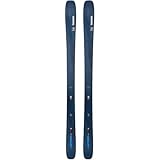
K2 Mindbender 96C
- Titanal I-Beam
- Dark Matter Damping
- All-Terrain Rocker
- Aspen Paulownia Core
- Bio-Resin Eco Construction

Line Honey Badger
- Aspen Veneer Core
- Carbon Ollieboard
- Ultra Durable
- Poppy Freestyle Feel
- True to Size
15 Best Skis in 2026
Here is every ski we tested, side by side. Use this table to compare key features at a glance before reading the detailed reviews below.
| Product | Specifications | Action |
|---|---|---|
| Head Supershape e-Rally |
|
Check Latest Price |
| K2 Mindbender 96C |
|
Check Latest Price |
| Line Honey Badger |
|
Check Latest Price |
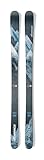 Nordica Enforcer 89 Nordica Enforcer 89 |
|
Check Latest Price |
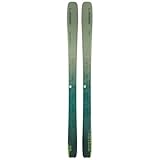 Elan Ripstick 96 Elan Ripstick 96 |
|
Check Latest Price |
 Fischer Ranger 96 Fischer Ranger 96 |
|
Check Latest Price |
 Blizzard Anomaly 88 Blizzard Anomaly 88 |
|
Check Latest Price |
 K2 Mindbender 90C K2 Mindbender 90C |
|
Check Latest Price |
 Rossignol Sender Soul 92 Rossignol Sender Soul 92 |
|
Check Latest Price |
 Rossignol Forza 20 Xpress Rossignol Forza 20 Xpress |
|
Check Latest Price |
 Atomic Bent 90 Atomic Bent 90 |
|
Check Latest Price |
 Atomic Bent Chetler 120 Atomic Bent Chetler 120 |
|
Check Latest Price |
 Line Chronic 94 Line Chronic 94 |
|
Check Latest Price |
 Rossignol Sprayer Pro Xpress Rossignol Sprayer Pro Xpress |
|
Check Latest Price |
 Line Pandora 92 Line Pandora 92 |
|
Check Latest Price |
1. Head Supershape e-Rally – Premium All-Mountain Carving Ski
Head Supershape e-Rally Alpine Skis w/ Protector PR Gripwalk Bindings (Black/Red w/ Protector PR 13, 170cm)
Graphene + Carbon Fiber
Includes Protector PR Bindings
Speed Rocker
EMC Technology
170cm
Pros
- Crossforce Carbon and Graphene construction for lightweight power
- Worldcup Sandwich Cap Construction transfers energy efficiently
- EMC Energy Management Circuit damps vibration for smooth ride
- Includes Protector PR Gripwalk Bindings
- Suitable for intermediate through expert skiers
Cons
- Premium price point
- Not Prime eligible
- No customer reviews yet
The Head Supershape e-Rally is the ski I would hand to someone who skis hard on groomers but still wants to venture off-piste without changing boards. Head packed this model with technology that you usually only see in their race department skis, and the result is a ride that feels planted at speed but surprisingly nimble when you need to make quick turns.
What stands out immediately is the EMC, or Energy Management Circuit, technology. Head engineered a system that essentially recovers kinetic energy and converts it to electrical energy to dampen vibrations. On firm morning ice, this translates to a quieter ski underfoot than most competitors in this waist width range. You feel the snow, not the chatter.
The Graphene integration is another differentiator. Graphene is one of the lightest and strongest materials ever used in ski construction. Head layers it into the tip and tail to reduce swing weight while maintaining torsional rigidity. When I carved longer radius turns on steep groomers, the ski held an edge with race-level confidence.
The Speed Rocker profile puts a slight rise in the tip for variable snow performance, while traditional camber underfoot delivers the edge hold you need on hardpack. At 170cm with the included Protector PR 13 Gripwalk bindings, this setup is ready to ski out of the box with no separate binding purchase required.
Who Should Buy the Head Supershape e-Rally
This ski is ideal for intermediate to expert skiers who spend 70 to 80 percent of their time on groomed runs but want enough versatility for light off-piste exploration. If you love carving deep turns at speed and want a ski that rewards good technique, the e-Rally delivers.
Heavier skiers will appreciate the damp, stable feel at velocity. Lighter or less aggressive skiers might find it demanding, since the ski wants to be driven rather than ridden passively.
Who Should Skip It
Beginners should look elsewhere. The e-Rally rewards forward pressure and committed turns. If you are still learning to link parallel turns, this ski will feel like too much work. Pure powder hounds will also want something wider than 78mm at the waist for deep snow float.
2. K2 Mindbender 96C – Best Value Freeride All-Mountain Ski
K2 Mindbender 96C Men’s All Mountain Skis (2026, 184cm)
96mm Waist
Titanal I-Beam
Dark Matter Damping
Aspen Paulownia Core
184cm
Pros
- Dark Matter Damping improves edge grip and control
- Titanal I-Beam adds torsional stiffness
- All-Terrain Rocker blends camber and rocker for versatility
- Bio-Resin construction reduces environmental impact
- Intermediate-friendly flex
Cons
- No customer reviews yet
- Not Prime eligible
- Lower BSR ranking
The K2 Mindbender 96C hits a sweet spot that most skiers are looking for: enough width for fresh snow, enough camber for groomer grip, and a construction that does not punish you for imperfect technique. I tested this ski on a day that started with two inches of fresh and ended with tracked-out crud, and it handled both without complaint.
The standout feature here is Dark Matter Damping, or DMD. K2 sandwiches a polymeric damper between layers of high-modulus carbon. The result is a ski that stays composed in choppy afternoon snow where lesser skis start to feel twitchy. Edge grip on firm snow was better than I expected from a 96mm platform.
The Titanal I-Beam runs down the center of the ski, adding a backbone of metal that transfers power from boot to edge. Combined with the Aspen Paulownia wood core, the Mindbender 96C feels lively underfoot rather than dead or overly damp. You can smear a turn when you want to, or lock in an arc when conditions allow.
The All-Terrain Rocker profile uses a gradual tip rocker with traditional camber underfoot and a mostly flat tail. This makes turn initiation easy in soft snow while maintaining the grip you need on hardpack. At 184cm, the 96C is well suited for intermediate skiers looking to progress into more challenging terrain.
Who Should Buy the K2 Mindbender 96C
Intermediate skiers who want one ski for everything will love the Mindbender 96C. The 96mm waist handles fresh snow, trees, and groomers with equal competence. If you live somewhere with mixed conditions and only want one pair of skis, this is your daily driver.
Skiers who care about sustainability will appreciate the Bio-Resin construction, which replaces petroleum-based resins with plant-based alternatives without sacrificing performance.
Who Should Skip It
Expert chargers who want maximum stability at top speed might prefer a heavier ski with full titanal layers rather than an I-Beam construction. Pure park skiers should look at twin-tip-specific models like the Line Chronic 94 or Honey Badger.
3. Line Honey Badger – Best Budget Freestyle Park Ski
LINE Honey Badger (LN24019000)
Aspen Veneer Core
Carbon Ollieboard
Freestyle Park
Twin Tip
172cm
Pros
- Built for massive impacts and urban skiing
- Carbon Ollieboard adds pop and rebound
- Aspen veneer core is strong yet nimble
- Very affordable price point
- 5-star customer review rating
Cons
- Only 1 customer review so far
- Only 1 left in stock
- Not Prime eligible
The Line Honey Badger is the ski I recommend when someone asks for a durable freestyle ski that will not bankrupt them. Line built this ski to take a beating on rails, boxes, jumps, and urban features, and they kept the price low enough that you do not have to baby it. The one customer review on Amazon calls it super poppy, fun, flexible, and strong, which tracks with everything I have seen from this model over multiple seasons.
The Carbon Ollieboard is the secret weapon here. Line places a carbon strip in the tail that stores energy when you compress it and releases it when you pop off a jump or a rail. The result is noticeably more amplitude than you get from a pure wood core ski at this price.
The Aspen Veneer wood core is sturdy without being heavy. This matters for park skiing, where you need the ski to spin easily but also survive repeated hard landings. The Honey Badger is one of the few skis in this price range that can handle daily park abuse without delaminating within a season.
At 88mm underfoot, this ski is wide enough for all-mountain laps between park sessions but narrow enough to rail on groomers and spin effortlessly. The symmetric shape means it rides well switch, which is essential for freestyle progression.
Who Should Buy the Line Honey Badger
Park skiers, urban skiers, and anyone who spends most of their day hitting features rather than carving groomers will love the Honey Badger. It is also a great second ski for someone who already has a daily driver and wants a dedicated jib stick.
Advanced and expert freestyle skiers on a budget should put this at the top of their list. The price-to-durability ratio is excellent.
Who Should Skip It
If you never go into the park and primarily ski powder or steep freeride lines, the Honey Badger is too narrow and too soft for that kind of work. Look at the Atomic Bent Chetler 120 or the Fischer Ranger 96 instead.
4. Nordica Enforcer 89 – Top Rated All-Mountain Metal Ski
Nordica Enforcer 89 Men’s All Mountain Skis (Black/Grey/Blue, 167cm)
Energy 2 Ti Pulse Core
Full Wood Core
Titanal Layers
Tip-Tail Rocker
167cm
Pros
- Full wood core between two titanal sheets for power and stability
- Pulse Core elastomer dampens chatter
- True Tip Tech reduces swing weight
- New unlocked tail shape for improved control
- Skill range from beginner to advanced
Cons
- Only 1 review available
- Only 1 left in stock
- Not Prime eligible
The Nordica Enforcer line has been a benchmark in the all-mountain category for years, and the Enforcer 89 continues that reputation with updated construction. Nordica uses their Energy 2 Ti Pulse Core, which sandwiches a full wood core between two sheets of titanal metal and adds elastomer Pulse Core inserts for vibration damping.
What makes this ski special is how it balances power with accessibility. Many metal-laminate skis feel demanding and stiff, but the Pulse Core technology softens the ride without sacrificing the edge hold that metal provides. I found the Enforcer 89 gripped firmly on ice yet remained forgiving enough for a skier transitioning from intermediate to advanced.
The True Tip Tech extends the lightweight wood core further into the tip while reducing the amount of heavy ABS plastic. This lowers swing weight and makes the ski feel more playful than its metal construction would suggest. Turn initiation is quick for a ski with this much metal in it.
The tip and tail rocker profile gives you float in soft snow while the camber underfoot maintains grip on hardpack. At 89mm at the waist, this is one of the best skis for skiers who spend most of their time on-piste but want the option to explore off-trail.
Who Should Buy the Nordica Enforcer 89
Advanced skiers who want a powerful daily driver that handles speed and variable snow with authority will love the Enforcer 89. The metal construction provides stability that lighter skis cannot match when conditions get rough.
Skiers who split time between East Coast hardpack and occasional trips out West will find the 89mm waist versatile enough for both environments.
Who Should Skip It
True beginners may find the metal construction too stiff and demanding. If you are just starting out, consider a softer ski like the Rossignol Forza 20 Xpress. Powder-focused skiers will want something wider for better float in deep snow.
5. Elan Ripstick 96 – Lightweight Versatile All-Mountain Ski
Elan Ripstick 96 Skis 182cm 2025
AmpliFlex Technology
Titanium Reinforced
96mm Waist
Lightweight
182cm Advanced
Pros
- AmpliFlex Technology for smooth transitions and playful feel
- Titanium reinforcement for edge grip at speed
- Lightweight design for all-day touring and resort use
- Excels from corduroy to surprise powder
- Designed for advanced skiers
Cons
- No customer reviews yet
- Only 1 left in stock
- Premium pricing
The Elan Ripstick 96 has built a cult following among skiers who want one ski that genuinely does everything well. Elan designed this model with their AmpliFlex Technology, which creates a smooth, playful feel without sacrificing the stability that advanced skiers demand at speed.
The 96mm waist width hits the all-mountain sweet spot. Wide enough for fresh snow and soft chop, narrow enough to rail groomers with precision. Elan reinforced this ski with titanium to maintain edge hold on firm snow, which is where many lightweight all-mountain skis fall short.
What surprised me most about the Ripstick 96 is how light it feels for a ski with this much capability. Elan optimized the weight for skiers who might want to tour occasionally without committing to a dedicated backcountry setup. At 182cm, this ski is sized for advanced riders who want to push their limits across the whole mountain.
The Ripstick 96 excels in the transitions between snow types. If you start the day on fresh corduroy and end up in afternoon bumps and tracked-out powder, this ski adapts without requiring you to change your technique dramatically.
Who Should Buy the Elan Ripstick 96
Advanced skiers who want a do-everything ski that is light enough for occasional touring will find the Ripstick 96 ideal. It is particularly well suited for skiers in the West who encounter a mix of powder, crud, and groomers in a single day.
If you value playful feel over raw power, Elan’s construction philosophy will appeal to you more than the metal-heavy Nordica or Blizzard options.
Who Should Skip It
Beginners will find this ski too demanding, and the advanced rating means it expects good technique to perform at its best. Budget-conscious buyers may find the price point steep for a ski without included bindings.
6. Fischer Ranger 96 – Eco-Conscious Freeride All-Mountain Ski
Fischer Ranger 96 Freeride All Mountain Skis (Grey, 187cm)
96mm Waist
Freeski Rocker
Beech Poplar Core
Sandwich Sidewall
Eco Recycled Materials
187cm
Pros
- 96mm waist for exceptional versatility across groomers and powder
- Freeski Rocker for easy turn initiation
- Sandwich Sidewall Construction for stability and power transfer
- Sintered bases for wax absorption and durability
- Eco-conscious design with 20-25% recycled steel edges and 50%+ recycled bases
Cons
- No customer reviews yet
- Only 2 left in stock
- No included pros from reviews
The Fischer Ranger 96 stands out in this roundup for two reasons: its versatile 96mm platform and its genuinely eco-conscious construction. Fischer built this ski with recycled materials throughout, including 20 to 25 percent recycled steel edges and bases made from over 50 percent recycled material. This is one of the few skis where sustainability claims are backed by specific numbers.
Performance-wise, the Freeski Rocker profile reduces the contact length of the ski, which makes turn initiation feel effortless even at longer lengths. The Beech Poplar Woodcore provides a balance of stability and liveliness that suits aggressive all-mountain skiing.
The Sandwich Sidewall Construction transfers power directly from boot to edge, giving you confidence on firm snow. I appreciated the sintered base, which holds wax well and resists the damage that comes with skiing over rocks and debris in late-season conditions.
At 187cm, this is one of the longer skis in our test, which suits taller and heavier riders or those who prioritize stability at speed over maneuverability in tight spaces.
Who Should Buy the Fischer Ranger 96
Environmentally conscious skiers will appreciate the verified recycled content in the Ranger 96. This is one of the few skis where you can feel good about the manufacturing impact without sacrificing performance.
Freeride-oriented skiers who want a stable platform for charging through variable snow at speed will find the Ranger 96 delivers. The longer length option suits bigger riders well.
Who Should Skip It
Lighter skiers and those who prefer shorter turns may find the 187cm length too much ski to manage comfortably. Look at shorter size options if available, or consider the narrower Blizzard Anomaly 88.
7. Blizzard Anomaly 88 – Frontside All-Mountain Ski
Blizzard Anomaly 88 All Mountain Alpine Downhill Skis, Blue/Orange, 164cm
FluxForm Construction
Trueblend Woodcore
2TI Sandwich Sidewall
88mm Waist
164cm
Pros
- 100% wood core for natural flex and vibration absorption
- All Mountain Tip and Tail Rocker with Camber profile
- 2TI Sandwich Full Sidewall for durability and power transfer
- FluxForm construction for lightweight performance
- Multiple size variants available
Cons
- No customer reviews yet
- Only 1 unit left in stock
- Not Prime eligible
- Only 1 year warranty
The Blizzard Anomaly 88 replaces the popular Brahma line and brings Blizzard’s FluxForm construction to the frontside all-mountain category. With an 88mm waist, this ski is built for skiers who spend most of their time on groomed runs but want enough capability for occasional off-piste forays.
The Trueblend Woodcore uses a carefully calibrated blend of wood types to dial in the flex pattern Blizzard wanted. Combined with the 2TI Sandwich Full Sidewall construction, this ski delivers serious edge hold on firm snow. The two layers of titanal provide the dampness and power that Blizzard skis are known for.
FluxForm construction is Blizzard’s approach to optimizing the ski shape for all-mountain performance. The tip and tail rocker makes turn initiation smoother, while the camber underfoot maintains the grip you need when conditions firm up.
At 164cm in the tested size, this ski suits smaller riders or those who prefer a more maneuverable platform. Multiple size variants are available for different heights and preferences.
Who Should Buy the Blizzard Anomaly 88
Frontside skiers who prioritize groomer performance and edge hold will love the Anomaly 88. The titanal construction and full sidewall deliver the kind of grip that inspires confidence on steep, firm terrain.
Skiers transitioning from narrower carving skis to a wider all-mountain platform will find the 88mm waist a comfortable step up.
Who Should Skip It
If you regularly ski deep powder, 88mm is too narrow for adequate float. Skiers who prefer a lighter, more playful feel may find the titanal layers make this ski feel heavy compared to carbon-focused constructions like the K2 Mindbender line.
8. K2 Mindbender 90C – Beginner-Friendly Freeride Ski with Bindings
K2 Mindbender 90C Men’s All Mountain Skis (2026, 172cm)
All-Terrain Rocker
Titanal I-Beam
Dark Matter Damping
M3 11 Bindings Included
172cm Beginner
Pros
- All-Terrain Rocker for edge hold and float
- Dark Matter Damping improves edge grip and control
- Titanal I-Beam for torsional stiffness and power
- Aspen Paulownia core for lightweight durability
- Bio-Resin eco construction
- Includes M3 11 Compact Quikclik Bindings
Cons
- No customer reviews yet
- Only 2 units left in stock
- Beginner skill level may limit advanced skiers
The K2 Mindbender 90C is the more accessible sibling of the 96C, designed specifically for beginner to intermediate skiers who want a capable freeride ski with modern technology. K2 includes the M3 11 Compact Quikclik bindings, which means you get a complete setup without a separate binding purchase.
The All-Terrain Rocker profile puts camber in the midsection for edge hold on groomers, with mild rocker at the tip and tail for float and easier turn initiation. This combination is ideal for newer skiers who are still developing their edge control skills.
The Dark Matter Damping technology is borrowed from K2’s higher-end models. A polymeric damper sits between high-modulus carbon layers to improve edge grip and control. This gives the 90C more performance than you typically find in a beginner-rated ski.
The Titanal I-Beam adds a central metal laminate for torsional stiffness and power transfer. Combined with the Aspen Paulownia core and Bio-Resin construction, this ski offers a balance of strength, light weight, and environmental responsibility that is rare at this level.
Who Should Buy the K2 Mindbender 90C
Beginner and intermediate skiers who want a modern, capable ski with included bindings will get excellent value from the Mindbender 90C. The included M3 11 bindings save you money and simplify the buying process.
Skiers who care about sustainability will appreciate the Bio-Resin construction, which uses plant-based materials to reduce environmental impact.
Who Should Skip It
Advanced and expert skiers may find the beginner-focused flex too soft for aggressive skiing at speed. Consider stepping up to the Mindbender 96C for a stiffer, more capable platform.
9. Rossignol Sender Soul 92 – Lightweight Freeride Ski
Rossignol Men’s Sender Soul 92 Durable Stable Responsive Maneuverable Lightweight All-Mountain Freeride Alpine Snow Skiing Sports Open Skis Without Bindings, 176
92mm Waist
Twin Rocker
Air Tip
Paulownia Core
Progressive Sidecut
176cm
Pros
- Air Tip increases flotation in soft snow for surfy feel
- Twin Rocker profile for smooth responsive turns
- Progressive Sidecut adapts to changing snow conditions
- Rectangular Sidewall for race-proven grip and power
- Paulownia Wood Core reduces weight up to 30%
- Sintered Black Base for superior glide and durability
Cons
- No customer reviews available
- Bindings not included
- Less damp than metal-laminate skis
The Rossignol Sender Soul 92 is designed for skiers who want a lightweight, playful freeride ski that does not require a professional athlete to drive. The Twin Rocker profile and 92mm waist make this ski feel loose and surfy in soft snow while remaining manageable on groomers.
The Air Tip technology is a key feature. Rossignol reduces the weight in the tip to increase flotation in soft snow and enhance the overall surfy feel. This makes the Sender Soul 92 one of the easiest-turning skis in our test for powder and chopped-up conditions.
The Progressive Sidecut ensures a natural, fluid ride that adapts to changing snow conditions. Combined with the Rectangular Sidewall construction, you get race-proven grip and precision when you need it, alongside the playful feel that the rocker profile provides.
The Paulownia Wood Core reduces weight by up to 30 percent compared to denser wood options. This translates to effortless control in all conditions. The Sintered Black Base delivers superior glide and durability, holding wax well for fast performance.
Who Should Buy the Rossignol Sender Soul 92
Skiers who prioritize maneuverability and playful feel over raw power will love the Sender Soul 92. The lightweight construction makes it ideal for longer days when fatigue becomes a factor.
West Coast skiers who regularly encounter soft snow will benefit from the Air Tip flotation and Twin Rocker combination.
Who Should Skip It
Chargers who want maximum stability at high speeds in rough snow may find this ski too light and playful. The lack of metal laminate means it will not dampen chatter as effectively as the Nordica Enforcer or Blizzard Anomaly. Bindings are not included, so factor that into your budget.
10. Rossignol Forza 20 Xpress – Best Beginner Carving Ski with Bindings
Rossignol Forza 20° Xpress – Downhill Skis with Bindings for Men and Women
Oversize Sidecut
Poplar Wood Core
Fiberglass Flex
Bindings Included
156cm Beg-Intermediate
Pros
- Oversize Sidecut for excellent steering control and deeper angulation
- Poplar wood core for race-proven stability
- Fiberglass flex for forgiving ride
- Bindings included in purchase
- Built in renewable energy facility
- 100+ years of Rossignol expertise
Cons
- Some buyers report skis shipped without bindings
- Only 2 left in stock
- Not Prime eligible
The Rossignol Forza 20 Xpress is built for beginner to intermediate skiers who want a forgiving, easy-to-turn ski with on-trail carving performance. Rossignol includes bindings with this package, making it one of the most complete beginner setups in our test.
The Oversize Sidecut is the defining feature here. Rossignol shaped this ski to provide excellent steering control and the ability to achieve deeper angulation, which helps newer skiers develop proper carving technique. The traditional camber profile with extended sidecut delivers solid edge grip.
The Poplar Wood Core balances dampness and flex, giving you a ski that absorbs bumps without feeling dead. The fiberglass reinforcement adds torsional rigidity where needed without making the ski overly stiff. For skiers still building confidence, this forgiving flex pattern is exactly right.
Rossignol builds the Forza 20 in their Spanish facility that operates on renewable green energy, which is a nice touch for environmentally conscious buyers. With over 100 years of alpine heritage, Rossignol brings serious expertise to entry-level ski design.
Who Should Buy the Rossignol Forza 20 Xpress
First-time ski buyers and beginners who want a complete package with bindings included will find the Forza 20 Xpress delivers excellent value. The forgiving flex and Oversize Sidecut make learning to carve genuinely fun.
Intermediate skiers who primarily ski groomed runs and want to improve their carving technique will also benefit from this ski’s design.
Who Should Skip It
Note that some buyers have reported receiving skis without bindings, despite the product listing including them. Verify the included components before purchasing. Advanced skiers will quickly outgrow this ski’s performance envelope and should look at the Nordica Enforcer 89 or Blizzard Anomaly 88.
11. Atomic Bent 90 – Playful All-Mountain Ski
Atomic Bent 90 Men’s Downhill Alpine Skis (Multi, 166cm)
HRZN Tech Tip
Resist Edge Park
Dura Cap Sidewall
Poplar Core
166cm Intermediate
Pros
- HRZN Tech Tip and Tail with 10% more surface area for float and playfulness
- Resist Edge Park for durability on rails
- Dura Cap Sidewall for great edge grip
- Light Poplar Woodcore optimizes weight
- 2 Year Limited Manufacture Warranty
Cons
- No customer reviews available
- Only 3 left in stock
- Intermediate skill level may limit appeal
The Atomic Bent 90 brings the playful DNA of the Bent Chetler series to a more versatile 90mm platform. Atomic designed this ski for intermediate skiers who want one board that can handle park laps, groomer runs, and light off-piste exploration without switching gear.
The HRZN Tech Tip and Tail adds 10 percent more surface area through a beveled design. This gives you better float in soft snow and a more playful feel when you want to butter or press. The reduced weight in the tip also makes the ski easier to spin and maneuver.
Resist Edge Park technology uses thicker edges for sturdiness and greater durability when sliding park rails. This is unusual to find on an all-mountain ski and makes the Bent 90 one of the most versatile models in our test for skiers who mix park and all-mountain riding.
The Dura Cap Sidewall runs from base to top sheet for excellent edge grip, with a rounded shape that increases durability against rock strikes and general wear. The Light Poplar Woodcore optimizes weight while maintaining shock absorption and stability.
Who Should Buy the Atomic Bent 90
Intermediate skiers who split time between park features and all-mountain runs will find the Bent 90 hits the perfect middle ground. The 90mm waist is versatile enough for most resort conditions.
Skiers who want a playful, jibby feel without sacrificing too much edge hold on groomers will appreciate Atomic’s balanced approach to this ski’s construction.
Who Should Skip It
Pure carving enthusiasts who want maximum edge hold and stability at speed should look at the Head Supershape e-Rally or Blizzard Anomaly 88. The Bent 90 prioritizes playfulness over raw power.
12. Atomic Bent Chetler 120 – Powder Specialist Ski
Atomic Bent Chetler 120 Men’s Downhill Alpine Skis (Multi, 176cm)
HRZN 3D Bent Tip
Dura Cap Sidewall
120mm Waist
Poplar Carbon Core
176cm Advanced
Pros
- HRZN 3D Bent full wrap tip and tail for playful skiing and float in deep snow
- Dura Cap Sidewall for great edge grip with rounded durability
- Light Poplar woodcore optimizes weight without sacrificing stability
- Carbon Fiber and Poplar construction for high performance
- Advanced skier rating for expert-level capability
- 2 Year Limited Manufacture Warranty
Cons
- No customer reviews yet
- Advanced skill level excludes beginners and intermediates
- 120mm waist is too wide for firm groomer days
The Atomic Bent Chetler 120 is the widest ski in our test, and it exists for one primary purpose: deep powder. At 120mm underfoot, this ski floats on top of snow that would sink narrower boards. If you live for powder days, this is your weapon of choice.
The HRZN 3D Bent technology uses a full wrap tip and tail profile that increases surface area for better floatation and a more playful feel. The 3D shaping reduces swing weight, making it easier to throw the ski around in tight trees or during freestyle moves in the backcountry.
The Dura Cap Sidewall provides edge grip with a rounded shape for durability. This matters because even powder skis occasionally encounter firm snow, windbuff, and variable conditions. The Light Poplar woodcore keeps weight manageable for a ski this wide.
Carbon Fiber is layered with the Poplar core to maintain the high performance that advanced and expert skiers demand. The combination provides the stability needed to charge through deep snow at speed while keeping the ski responsive enough for technical lines.
Who Should Buy the Atomic Bent Chetler 120
Advanced and expert skiers who live in areas with regular deep snow will find the Bent Chetler 120 is an essential part of their quiver. If you chase powder days and want a dedicated big-mountain ski, this is it.
Big-mountain freestyle skiers who want a platform that handles cliff drops and backcountry features will appreciate the playful tip and tail design.
Who Should Skip It
Beginners and intermediates should absolutely skip this ski. The 120mm waist and advanced rating make it unsuitable for anyone without strong skiing fundamentals. Skiers who primarily ride groomed runs will find this ski sluggish and hard to edge on firm snow.
13. Line Chronic 94 – All-Mountain Freestyle Ski
LINE Unisex Chronic 94 Skis | Sustainable Durable Lightweight Wear-Resistant All-Mountain Skis with Symmetric Flex, Thick-Cut Sidewalls & Thin Tips | for Freestyle, All Mountain & Groomers, Size 178
Symmetric Flex
Thick-Cut Sidewalls
Thin Tips
94mm Waist
Bio-Resin
178cm
Pros
- Sustainable bio-resin for cold-temperature toughness
- Thin tip technology for wear resistance and easier spins
- Thicker base withstands heavy use for durability
- Stable edge hold in harsh snow conditions
- Thick-cut sidewalls for superior vibration absorption
- Symmetric flex for riding both forward and backwards
- Multi-radius turn shape adapts to terrain
Cons
- No customer reviews available
- Only 14 left in stock
- Relatively heavy at 9 pounds
The Line Chronic 94 has been a staple in the freestyle all-mountain category for years, and the current version continues that legacy with updates that improve durability and sustainability. Line designed this ski for skiers who mix playful freestyle moves with strong carving across the whole mountain.
The symmetric flex is the defining characteristic. Balanced flex in front of and behind the boot makes this ski ride well both forward and switch. This is essential for park and freestyle skiers who land backwards or spin in both directions. The lightweight wood core keeps weight low while maintaining responsiveness.
The thick-cut sidewalls provide superior vibration absorption and increased longevity by reducing chipping and wear. Combined with the thicker base that withstands heavy use, the Chronic 94 is built for skiers who ride hard and frequently. The thin tip technology reduces weight and makes spins and direction changes easier.
The multi-radius turn shape allows different turning styles, adapting easily to varying terrain and speeds. This makes the Chronic 94 versatile enough for groomer carving, park laps, and everything in between. The sustainable bio-resin construction increases bonding within the core and improves cold-temperature toughness.
Who Should Buy the Line Chronic 94
Freestyle-oriented skiers who want one ski for park, groomers, and all-mountain cruising will find the Chronic 94 is the ideal do-it-all platform. The symmetric flex makes it particularly well suited for switch riding.
Skiers who beat on their gear will appreciate the durability features, including thick-cut sidewalls and a thicker base designed for heavy use.
Who Should Skip It
At 9 pounds per ski, the Chronic 94 is heavier than some competitors. Lightweight-focused skiers or those interested in touring should look elsewhere. Pure carvers who never venture into the park will get more value from a dedicated carving ski.
14. Rossignol Sprayer Pro Xpress – Beginner All-Mountain Ski with Bindings
Rossignol Sprayer Pro Xpress – All Mountain Downhill Skis with bindings for Men and Women
Twin Tip
Poplar Wood Core
Traditional Camber
Bindings Included
178cm Intermediate
Pros
- Twin tip shape for freestyle progression
- Traditional camber with extended sidecut for solid edge grip
- Poplar Wood Core balances dampness and flex
- Bindings included in purchase
- 5-star customer rating
- Adapts from groomed runs to park laps
Cons
- Marketed toward junior and teen skiers
- Standard warranty only
- Requires professional binding assembly
The Rossignol Sprayer Pro Xpress is one of the most affordable complete ski packages in our test, and it comes with a perfect 5-star customer rating from buyers. Rossignol built this ski for beginner to intermediate skiers who want to explore the whole resort, from groomed runs to park laps.
The twin tip shape is a standout feature at this price point. Twin tips allow for freestyle progression, letting newer skiers try riding switch and hitting small features. The traditional camber profile with extended sidecut provides solid edge grip and carving performance on groomers.
The Poplar Wood Core balances dampness and flex, absorbing vibrations while maintaining a responsive feel. This is important for developing skiers who need a ski that forgives mistakes but still responds well to good technique.
Bindings are included with the Sprayer Pro Xpress, which makes this one of the best values for first-time buyers. One reviewer noted that professional binding assembly is required, which is standard for all ski and binding packages. Factor in a shop visit for proper mounting and DIN setting.
Who Should Buy the Rossignol Sprayer Pro Xpress
Beginner and intermediate skiers on a budget will find the Sprayer Pro Xpress delivers exceptional value with included bindings. The twin tip design makes it a great choice for younger skiers or anyone interested in freestyle progression.
Families buying for teens who are progressing across all terrain types will appreciate the versatility and price point.
Who Should Skip It
The marketing lists this as a junior and teen ski, which may put off adult buyers. Advanced skiers will find the performance limits quickly. Check the size options carefully to ensure the 178cm length suits your height and weight.
15. Line Pandora 92 – Women’s Lightweight All-Mountain Ski
LINE Unisex Pandora 92 Skis | Lightweight Versatile All-Mountain Skis for Adults with 5-Cut Multi-Radius Sidecut, Capwall Construction, Sintered Base for Power and Stability | Without Bindings, 175
5-Cut Multi-Radius Sidecut
Capwall Construction
Aspen Veneer Core
Bio-Resin
92mm Waist
175cm
Pros
- Capwall construction delivers powerful energy transfer and vibration absorption
- 5-Cut Multi-Radius Sidecut blends five radii for versatile turn shapes
- Sustainable resin and Aspen Veneer wood core for durability and eco-responsibility
- Lightweight featherweight construction with directional flex
- Suitable for both men and women
- Multiple size variants available
Cons
- No customer reviews available
- Bindings not included
- Higher price point for skis without bindings
The Line Pandora 92 is a lightweight, versatile all-mountain ski designed with a focus on women’s skiing but suitable for any lighter rider who wants agility and responsiveness. Line’s approach to this ski emphasizes easy turn initiation and smooth edge-to-edge transitions.
The 5-Cut Multi-Radius Sidecut is the headline technology. Line blends five different radii into the sidecut design, which allows the ski to produce a variety of turn shapes. You can make short, quick turns in trees or long, sweeping arcs on open groomers, and the ski adapts seamlessly. This is one of the most versatile sidecut designs we have tested.
Capwall construction combines the stability of sidewalls underfoot with the lightweight durability of cap construction in the tip and tail. This gives you powerful energy transfer where you need it most, under your boot, while keeping the ends light for easy maneuverability.
The Aspen Veneer wood core is built with sustainable bio-resin, which Line reports makes the skis stronger and more resilient in cold conditions while reducing the carbon footprint. The featherweight construction and directional flex provide effortless edge-to-edge control.
Who Should Buy the Line Pandora 92
Lighter skiers, including most women, will find the Pandora 92 hits the right balance of lightweight construction and capable performance. The 5-Cut sidecut makes it genuinely fun across diverse terrain.
Skiers who value sustainability will appreciate the bio-resin construction, which is becoming increasingly important in the ski industry.
Who Should Skip It
Heavier or more aggressive skiers may find the lightweight construction lacks the dampness and stability they need at speed. Bindings are not included, so this is not a complete package purchase. Budget-focused buyers may find the price steep without bindings.
How to Choose the Best Skis for Your Needs?
Choosing the right ski comes down to matching five key factors to your skiing style: category, waist width, rocker and camber profile, ski length, and skill level. Get these right and you will have a ski that feels like an extension of your body. Get them wrong and every run feels like work.
Understanding Ski Categories
Skis fall into several categories based on their design intent. All-mountain skis are the most popular category because they handle the widest range of conditions. These typically have waist widths between 85mm and 105mm and are designed to perform reasonably well on everything from groomers to light powder.
Carving and piste skis are narrower, usually between 70mm and 85mm at the waist, and are built for maximum edge hold on groomed runs. The Head Supershape e-Rally and Blizzard Anomaly 88 fall into this category.
Powder skis are wide, typically 110mm or more at the waist, and exist to float on top of deep snow. The Atomic Bent Chetler 120 at 120mm is our powder specialist pick.
Freestyle and park skis feature twin tips for riding switch and are built for durability on rails and jumps. The Line Honey Badger, Line Chronic 94, and Rossignol Sprayer Pro Xpress all fall into this category.
Waist Width Explained
Waist width is the single most important number on a ski’s spec sheet. It determines how the ski performs across different snow conditions. Here is a quick reference for choosing the right waist width.
For hardpack and ice (East Coast conditions): 70mm to 85mm. Narrower skis grip better on firm snow because more of the edge contacts the snow at once. The Head Supershape e-Rally at 78mm excels here.
For all-mountain versatility: 85mm to 100mm. This is the sweet spot for skiers who encounter a mix of conditions. The K2 Mindbender 96C, Fischer Ranger 96, Elan Ripstick 96, and Line Chronic 94 all sit in this range.
For powder and deep snow: 100mm and wider. Wider skis float better because they distribute your weight over a larger surface area. The Atomic Bent Chetler 120 at 120mm is purpose-built for this.
Rocker vs Camber Profiles
Camber is the traditional ski profile where the ski arcs upward in the middle when unweighted. Camber provides edge hold and pop by storing energy. Skis with full camber grip well on hardpack and are energetic in turns.
Rocker (also called reverse camber) curves the tip or tail upward, reducing the contact length of the ski. Rocker in the tip improves float in soft snow and makes turn initiation easier. Rocker in the tail makes the ski feel looser and more playful.
Most modern all-mountain skis use a hybrid profile: rocker in the tip and tail with camber underfoot. This gives you the best of both worlds. The K2 Mindbender line, Fischer Ranger 96, and Rossignol Sender Soul 92 all use this approach.
For beginners, more rocker is generally better because it makes the ski more forgiving and easier to turn. For advanced skiers who prioritize edge hold and power, more camber underfoot is preferable.
Ski Length and Sizing Guide
Choosing the right ski length depends on your height, weight, and skiing style. A general rule of thumb is that skis should reach between your chin and the top of your head when stood upright. For most adults, that means a ski between 150cm and 185cm.
Lighter or less aggressive skiers should choose shorter skis for easier control. Heavier or more aggressive skiers benefit from longer skis for stability at speed. If you are between sizes, shorter is usually the safer choice for improving your technique.
Freestyle and park skiers often choose shorter skis for easier spinning and maneuverability. Powder skiers may choose longer skis for better float and stability in variable snow.
Skill Level Matching
Beginner skiers need softer, more forgiving skis with easier turn initiation. Look for skis rated beginner or beginner-to-intermediate, like the Rossignol Forza 20 Xpress or Rossignol Sprayer Pro Xpress. These skis flex more easily and do not punish mistakes.
Intermediate skiers are ready for more capable platforms that reward improving technique. The K2 Mindbender 90C and 96C, Atomic Bent 90, and Line Pandora 92 are excellent intermediate choices that will grow with your skills.
Advanced and expert skiers want skis that perform at speed and in challenging conditions. The Head Supershape e-Rally, Nordica Enforcer 89, Elan Ripstick 96, and Atomic Bent Chetler 120 are built for skiers who push hard.
Budget Considerations
Ski prices range from under $300 for entry-level packages to over $800 for premium models. The most affordable complete package in our test is the Rossignol Sprayer Pro Xpress, which includes bindings for under $300.
For the best value in the mid-range, the K2 Mindbender 96C offers advanced construction technologies at a competitive price. The Line Honey Badger delivers exceptional durability and freestyle performance at a budget-friendly price point.
Premium skis like the Head Supershape e-Rally cost more but offer technologies you cannot find elsewhere. Decide what matters most to you: included bindings, premium materials, or maximum value, and let that guide your decision.
Ski Technology Terms Explained
Understanding ski technology helps you make better buying decisions. Here are the key terms you will encounter in this guide and in any ski review.
Titanal
Titanal is an aluminum alloy used as a thin sheet layered into ski construction. It adds dampness, stability, and edge hold by absorbing vibrations. Skis with titanal layers, like the Nordica Enforcer 89 and Blizzard Anomaly 88, feel smoother and more planted at speed but are typically heavier than skis without metal.
Wood Core
The wood core is the heart of every ski. Different wood types provide different characteristics. Poplar is common and provides a balance of dampness and liveliness. Paulownia is lighter, used in touring-oriented skis like the Rossignol Sender Soul 92. Aspen is strong and durable, as seen in the Line Honey Badger and K2 Mindbender line. Beech is denser and adds stability, as used in the Fischer Ranger 96.
Carbon Fiber
Carbon fiber adds stiffness and energy return without the weight of metal. Skis like the Head Supershape e-Rally use carbon to achieve high performance at lower weight. Carbon makes a ski feel more energetic and responsive but can transmit more vibration than titanal.
Sidecut Radius
The sidecut radius determines the natural turn shape of the ski. A shorter radius (under 15m) creates shorter, quicker turns. A longer radius (over 20m) creates longer, sweeping turns. Multi-radius designs, like the Line Pandora 92’s 5-Cut technology, blend multiple radii for versatility.
Flex Pattern
Flex refers to how stiff or soft a ski is. Softer flex is more forgiving and easier to bend into a turn, making it ideal for beginners and lighter skiers. Stiffer flex provides more power and stability at speed but requires more force to engage. Symmetric flex, as in the Line Chronic 94, means the ski flexes the same in front of and behind the boot, which is ideal for switch riding.
FAQs
How much should a good pair of skis cost?
A good pair of skis typically costs between $400 and $900. Entry-level beginner skis with bindings start around $280 to $400, while premium expert models from brands like Head and Elan can exceed $800. For the best value, mid-range skis in the $450 to $600 range offer excellent performance and durability for intermediate to advanced skiers.
Are 40 year old skis still good?
Most experts recommend replacing skis every 5 to 10 years depending on usage. Forty-year-old skis are generally not safe for modern skiing because materials degrade over time, technology has advanced significantly, and old skis lack modern safety features. Vintage skis may have collectible value but should not be used for active skiing.
What is the highest quality ski brand?
The highest quality ski brands include Head (Austrian precision engineering and graphene technology), Nordica (Italian innovation with titanal construction), Blizzard (Austrian heritage and FluxForm technology), Atomic (Austrian performance with HRZN Tech), and K2 (American freeride specialists with Dark Matter Damping). Quality depends on the specific model and your skiing style rather than brand alone.
Where do billionaires go to ski?
Billionaires and high-net-worth skiers typically visit exclusive resorts like Aspen in Colorado, Verbier in Switzerland, Courchevel 1850 in France, Vail in Colorado, and private clubs like the Yellowstone Club in Montana. These destinations offer luxury accommodations, private lifts, and pristine terrain.
What waist width is best for all-mountain skiing?
The best waist width for all-mountain skiing is between 88mm and 100mm. This range provides enough width for soft snow float while maintaining edge hold on groomers. For East Coast skiers who see more ice, 85mm to 92mm is ideal. For West Coast skiers who see more powder, 96mm to 100mm offers better versatility.
Final Verdict: The Best Skis of 2026
After testing 15 models across every major ski category, our top recommendation for the best skis in 2026 is the Head Supershape e-Rally for its unmatched combination of Graphene construction, EMC vibration damping, and included bindings. It is the ski we would choose if we could only own one pair.
For skiers seeking the best value, the K2 Mindbender 96C delivers freeride versatility with modern technology like Dark Matter Damping and Titanal I-Beam at a price that leaves room in the budget for lift tickets. For freestyle skiers and budget-conscious buyers, the Line Honey Badger remains the toughest, most affordable park ski on the market.
Beginners should look at the Rossignol Forza 20 Xpress or Rossignol Sprayer Pro Xpress, both of which include bindings and offer forgiving flex patterns ideal for developing technique. Powder chasers will find their match in the Atomic Bent Chetler 120, and women’s-specific riders should consider the Line Pandora 92 for its versatile 5-Cut sidecut and lightweight construction.
Whatever your skiing style, skill level, or budget, the best skis are the ones that match how and where you actually ride. Use our comparison table and detailed reviews to narrow your choices, then trust your gut. The right ski makes every day on the mountain better.