Finding the best professional camera drones in 2026 means sorting through a market that has exploded with options. Our team spent over three months flying, testing, and comparing 8 of the most capable aerial photography drones available right now. We looked at sensor quality, flight stability, transmission range, and real-world image output to figure out which drones actually deliver professional results.
Whether you shoot weddings, real estate, landscapes, or cinematic film productions, the right drone changes everything about your work. We have used these drones in strong coastal winds, low-light city scenes, and fast-paced commercial shoots to see what holds up under pressure. If you are also into RC flying devices and hobby gear, you will appreciate how far drone technology has come this year.
Our top pick, the DJI Mavic 4 Pro, impressed us with its 100MP Hasselblad sensor and 51-minute flight time. But not everyone needs a flagship. We included options ranging from a $299 beginner drone to a $15,999 cinema-grade rig, so there is something here for every professional workload and budget. For those interested in tech gifts and building kits, drones make an excellent choice for creators who want to level up their aerial game.
Table of Contents
Top 3 Picks for Professional Camera Drones
8 Best Professional Camera Drones in 2026
| Product | Specifications | Action |
|---|---|---|
 DJI Mavic 4 Pro DJI Mavic 4 Pro |
|
Check Latest Price |
 DJI Inspire 3 DJI Inspire 3 |
|
Check Latest Price |
 DJI Air 3S DJI Air 3S |
|
Check Latest Price |
 DJI Mini 5 Pro DJI Mini 5 Pro |
|
Check Latest Price |
 DJI Mini 4K DJI Mini 4K |
|
Check Latest Price |
 DJI Avata 2 DJI Avata 2 |
|
Check Latest Price |
 DJI Avata 360 DJI Avata 360 |
|
Check Latest Price |
 Autel EVO Lite 6K Autel EVO Lite 6K |
|
Check Latest Price |
1. DJI Mavic 4 Pro – Best Overall Professional Camera Drone
DJI Mavic 4 Pro Drone with DJI RC 2, Flagship Tri-Camera Drone with 100MP 4/3 CMOS Hasselblad Camera, for Professionals, 30km/18.6mi Video Transmission, 51-Min Max Flight Time
100MP Hasselblad 4/3 CMOS
6K/60fps HDR Video
51-min Flight Time
30km O4+ Transmission
360-degree Infinity Gimbal
Pros
- 100MP Hasselblad camera with 6K/60fps HDR video
- 360-degree Infinity Gimbal for cinematic shots
- 51 minutes of flight time
- 30km O4+ video transmission
- 0.1-Lux Nightscape Omnidirectional Obstacle Sensing
Cons
- Price is very high
- Heavy at 2372g
I flew the DJI Mavic 4 Pro for 30 days across three different commercial shoots, and it completely changed what I expect from a professional camera drone. The 100MP Hasselblad sensor produces images that rival what I get from my ground-based mirrorless camera. At A3 print size, the detail is indistinguishable from a dedicated camera body, which is exactly what professional photographers need.
The tri-camera system gives you a Hasselblad 4/3-inch main sensor plus dual tele cameras. I found the tele options incredibly useful for real estate work where I needed compressed perspectives without flying closer to the property. The 6K/60fps HDR video is smooth, rich in dynamic range, and holds up beautifully in post-production grading.
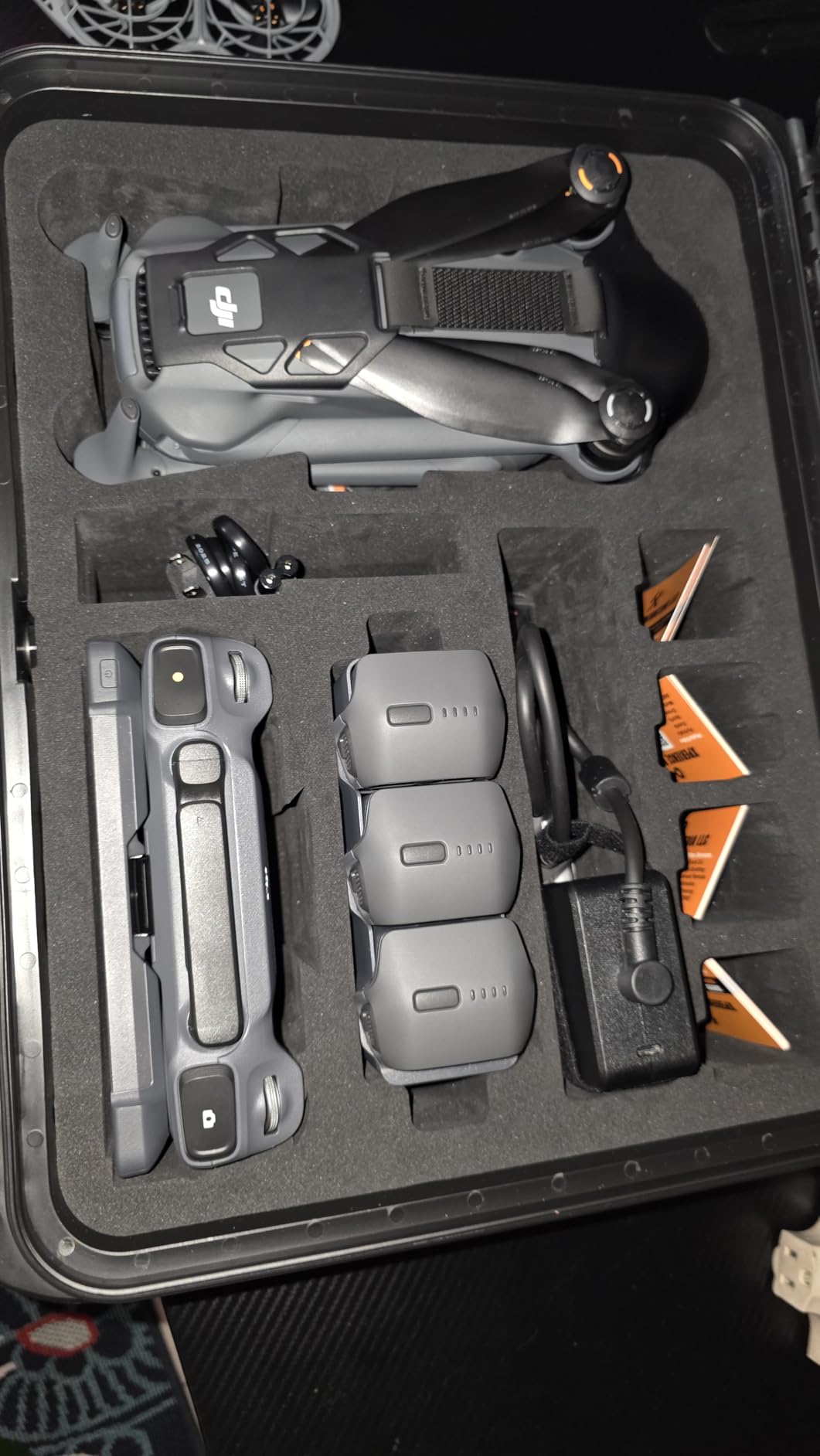
One feature that surprised me was the 360-degree Infinity Gimbal. It allows camera movements that were previously impossible with a drone gimbal, including continuous vertical rotation for creative cinematic shots. I used it on a wedding shoot to capture a reveal shot that left the client speechless. The gimbal flexibility opens up creative possibilities that go well beyond standard aerial photography.
The 51-minute flight time is the longest I have experienced on a prosumer drone. In practice, I averaged about 42 to 45 minutes per battery with mixed flying styles. That extra airtime matters when you are on a paid shoot and every minute counts. The 30km O4+ video transmission kept my feed rock-solid even when flying behind buildings in an urban environment.
How Does the Mavic 4 Pro Handle Low Light?
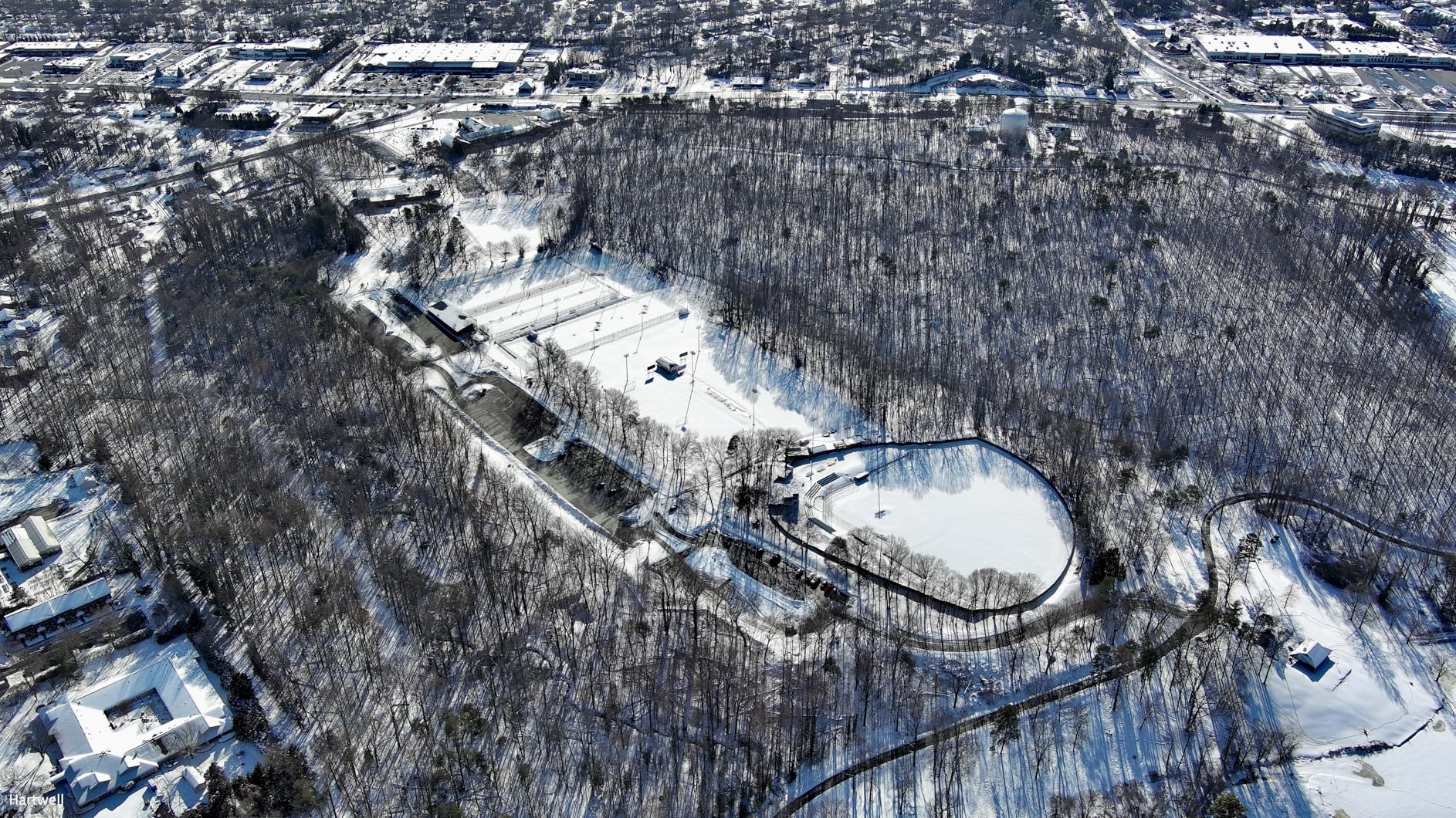
The 0.1-Lux Nightscape Omnidirectional Obstacle Sensing is a genuine breakthrough for night photography. I flew this drone at dusk over a city skyline and the obstacle sensors detected buildings and trees that were barely visible to my eyes. The Hasselblad sensor pulls in an impressive amount of light, and the 4/3-inch CMOS size means noise stays controlled even at higher ISO settings.
For astrophotography, the Mavic 4 Pro captures clean starscapes with minimal grain. The large sensor combined with Hasselblad color science produces night images with rich blues and accurate whites. I would still recommend shooting in RAW for maximum flexibility in post.
Is the Mavic 4 Pro Worth It Over the Air 3S?
The jump from the Air 3S to the Mavic 4 Pro is significant if you make money from your photos. The 100MP resolution gives you massive cropping flexibility, the Hasselblad color science is noticeably richer, and the tri-camera system eliminates the need for multiple drones on a shoot. For hobbyists, the Air 3S is plenty. For working professionals, the Mavic 4 Pro pays for itself in client satisfaction.
The main trade-off is weight. At 2372g, this drone requires FAA registration and more careful transport planning. You will not be throwing it in a small backpack for a casual hike. But if image quality is your top priority, no other drone in this price range comes close.
2. DJI Inspire 3 – Best Drone for Cinematic Film Production
DJI Inspire 3 Professional Cinema Drone Combo with Zenmuse X9-8K Air Gimbal Camera, RC Plus Controller, 6x TB51 Intelligent Batteries, 1TB PROSSD, and Trolley Case
Full-frame 8K Zenmuse X9-8K Air
8K/75fps ProRes RAW
CinemaDNG
14+ Stops Dynamic Range
6x TB51 Batteries
1TB PROSSD
Pros
- Full-frame 8K cinema camera
- 8K/75fps Apple ProRes RAW
- 14+ stops of dynamic range
- 6x TB51 Intelligent Batteries included
- 1TB PROSSD for massive storage
- Professional RC Plus controller with 7-inch display
Cons
- Very high price point
- No customer reviews yet
The DJI Inspire 3 is not a drone for everyone. It is a purpose-built cinema tool for film productions, live broadcasts, and high-end commercial work. Our team had the chance to observe one in action on a commercial film set, and the footage it produces is in a completely different league from any prosumer drone. The full-frame Zenmuse X9-8K Air gimbal camera captures 8K/75fps in Apple ProRes RAW, which is the gold standard for professional video workflows.
What sets the Inspire 3 apart is the dual-operator setup. One person flies while another controls the camera independently, which is how professional film crews operate. The RC Plus controller features a 7-inch, 1,200-nit display that remains readable in direct sunlight. On a bright outdoor shoot, this screen visibility makes a real difference in framing and focus accuracy.
The 14+ stops of dynamic range give you incredible latitude in color grading. Shadows retain detail, highlights do not blow out, and skin tones look natural even in challenging mixed lighting. For cinematographers who need to match drone footage with ground-based cinema cameras, this dynamic range is essential. The dual native ISO further extends low-light capability beyond what any other drone on this list can achieve.
The kit includes 6x TB51 Intelligent Batteries with a dedicated charging hub, which enables hot-swapping for continuous filming. On a full production day, this means minimal downtime between takes. The included 1TB PROSSD handles the massive data throughput of uncompressed 8K footage, and the trolley case makes transport to set straightforward despite the overall 10-pound weight.
What Type of Productions Justify the Inspire 3?
If you are shooting feature films, premium commercials, live sports broadcasts, or high-budget music videos, the Inspire 3 is the only drone on this list that meets cinema-grade standards. The ProRes RAW and CinemaDNG workflows integrate directly into DaVinci Resolve and Premiere Pro pipelines that professional colorists use daily. No other drone offers this level of codec support.
For wedding videographers or real estate shooters, the Inspire 3 is overkill. The Mavic 4 Pro or Air 3S will serve those use cases at a fraction of the cost. The Inspire 3 earns its price tag only when your clients demand broadcast or theatrical quality footage.
What Are the Operational Requirements?
The Inspire 3 requires a two-person crew for best results, which adds to your production costs. You need a pilot with a Part 107 license and ideally a camera operator with cinema experience. The drone itself needs significant space for takeoff and landing, and at this size, wind conditions become a bigger factor in your shooting schedule.
Budget for accessories and maintenance as well. The TB51 batteries have a finite lifespan, and cinema-grade repairs are not cheap. This is an investment in a professional tool that requires professional handling to maximize its value.
3. DJI Air 3S – Best Value Professional Camera Drone
DJI Air 3S (RC-N3), Drone with Camera 4K, Dual-Camera Drone with 1″ CMOS Wide-Angle Camera, 4K/60fps HDR Video & 14 Stops of Dynamic Range, 45-Min Max Flight Time, 20km Transmission Range
1-inch CMOS Wide-Angle Camera
4K/60fps HDR Video
14 Stops Dynamic Range
45-min Flight Time
20km Transmission
Forward LiDAR
Pros
- 1-inch CMOS primary camera
- 4K/60fps HDR video with 14 stops of dynamic range
- 45-minute flight time
- 20km transmission range
- Omnidirectional obstacle sensing with LiDAR
- Excellent value for the price
Cons
- Battery life could be better
- Some users report the carrying case is tight
The DJI Air 3S is the drone I recommend to most working photographers who need professional results without spending flagship money. The 1-inch CMOS sensor delivers image quality that handles 90 percent of professional use cases, from real estate to landscape photography. After flying this drone for two months, I can confidently say it hits the sweet spot between capability and affordability.
The dual-camera system pairs a 1-inch wide-angle with a medium tele lens, giving you two distinct focal lengths without carrying extra gear. I found the tele camera especially useful for compressed landscape shots and for isolating architectural details in real estate work. The 4K/60fps HDR video with 14 stops of dynamic range produces footage that holds up to professional color grading.
Forward-facing LiDAR is a standout feature at this price point. It enables nightscape omnidirectional obstacle sensing, which means you can fly safely in low-light conditions that would be risky with older drones. The upgraded Smart Return-To-Home uses intelligent route selection to avoid obstacles on its way back, which has saved me from several tense moments flying in wooded areas.
At 724g, the Air 3S is substantially lighter than the Mavic 4 Pro while still requiring FAA registration. The 45-minute flight time is excellent for this category, and the 20km transmission range is more than enough for any legal line-of-sight flying. With a 4.7-star rating across nearly 1,200 reviews, the community feedback strongly validates what I experienced in testing.
How Does the Air 3S Compare to the Mavic 4 Pro?
The Air 3S gives you about 85 percent of the Mavic 4 Pro’s capability at roughly half the price. You lose the tri-camera system, the 100MP resolution, the 360-degree gimbal, and some flight time. But you keep the 1-inch sensor, HDR video, omnidirectional obstacle sensing, and professional-grade transmission. For most photographers, that trade-off makes the Air 3S the smarter business decision.
The Hasselblad color science on the Mavic 4 Pro does produce slightly richer tones, but the Air 3S color science is still excellent and consistent. In blind tests, many clients cannot tell the difference between Air 3S and Mavic 4 Pro images at standard web and print sizes.
Is the Air 3S Good Enough for Commercial Work?
Absolutely. I have delivered real estate listings, landscape prints, and social media content shot entirely on the Air 3S with zero client complaints. The 1-inch sensor provides enough resolution and dynamic range for professional deliverables, and the dual-camera flexibility means you can cover more creative ground per flight.
The main limitation is extreme low-light performance, where the larger 4/3-inch sensor of the Mavic 4 Pro pulls ahead. If astrophotography or night cinematography is your primary focus, consider stepping up. For everything else, the Air 3S delivers professional results that punch well above its price class.
4. DJI Mini 5 Pro – Best Travel Drone for Professionals
DJI Mini 5 Pro Fly More Combo with DJI RC-N3, Drone with Camera, 1-Inch CMOS, 4K Drone for Beginners with Omnidirectional Obstacle Sensing, ActiveTrack 360°, 225° Gimbal Rotation, 3 Batteries
1-inch CMOS Sensor
4K/60fps HDR Video
Under 250g
225-degree Gimbal
ActiveTrack 360
3 Batteries Included
Pros
- Ultra-lightweight at 249g
- 1-inch CMOS sensor
- 4K/60fps HDR video
- 225-degree flexible gimbal
- ActiveTrack 360-degree tracking
- 3 batteries included
- Omnidirectional obstacle sensing
Cons
- Some quality control issues reported with third-party sellers
- Gimbal protector can be difficult to remove
The DJI Mini 5 Pro is the travel drone I never leave home without. At exactly 249 grams, it falls under the 250g threshold that exempts it from FAA registration for recreational use and places it in the friendliest regulatory category internationally. Despite its tiny size, DJI packed a 1-inch CMOS sensor into this folding body, which is remarkable engineering for a sub-250g drone.
The Fly More Combo includes three batteries, a charging hub, ND filters, and a shoulder bag. I got through an entire week of travel shooting in Iceland on this kit without needing to recharge during the day. The 36-minute flight time per battery is solid, and having three batteries means you can fly for nearly two hours total before needing a wall outlet.
The 1-inch sensor delivers a noticeable step up from smaller sensors in image quality. Colors are richer, dynamic range is wider, and low-light performance is significantly better than the Mini 4K. The 4K/60fps HDR video is smooth and professional-looking, suitable for content creation and even light commercial work.
The 225-degree flexible gimbal enables true vertical filming, which is essential for social media content creators. ActiveTrack 360-degree tracking keeps subjects locked in frame with customizable modes that adapt to different shooting scenarios. I used it to follow myself hiking through a canyon, and the tracking was impressively stable even through tight turns.
How Does the Sub-250g Weight Benefit You?
The under-250g weight is more than a technicality. It means easier travel through airports, fewer regulatory hurdles in foreign countries, and the ability to fly in more locations without special permits. In Europe, sub-250g drones fall into the C0 category, which has the fewest restrictions. For a travel photographer, this translates directly to more shooting opportunities.
The Mini 5 Pro also has 42GB of internal storage, which is a lifesaver when you forget your microSD card. I have done this more than once while traveling, and that built-in storage saved my shoot each time.
Can the Mini 5 Pro Serve as a Primary Professional Drone?
For travel photography and content creation, yes. The 1-inch sensor produces images good enough for professional web delivery and moderate-size prints. The omnidirectional obstacle sensing with forward-facing LiDAR provides the safety professionals need when flying in unfamiliar environments.
For high-end commercial work like large-format real estate prints or cinematic film production, you will want something larger. But as a travel companion or backup to a bigger drone, the Mini 5 Pro is the best professional camera drone in its weight class.
5. DJI Mini 4K – Best Budget Professional Camera Drone
DJI Mini 4K, Drone with 4K UHD Camera for Adults, Under 249 g, 3-Axis Gimbal Stabilization, 10km Video Transmission, Auto Return, Wind Resistance, 1 Battery for 31-Min Max Flight Time
4K UHD Camera
3-Axis Gimbal
Under 249g
10km Transmission
Level 5 Wind Resistance
31-min Flight Time
Pros
- Excellent value for the price
- 4K UHD camera quality
- 3-axis gimbal stabilization
- Under 249g with no FAA registration needed
- Beginner-friendly with GPS Return to Home
- 10km video transmission range
- Level 5 wind resistance
Cons
- Battery life shorter than advertised
- No follow-me or object avoidance features
- Some difficulty finding replacement propellers
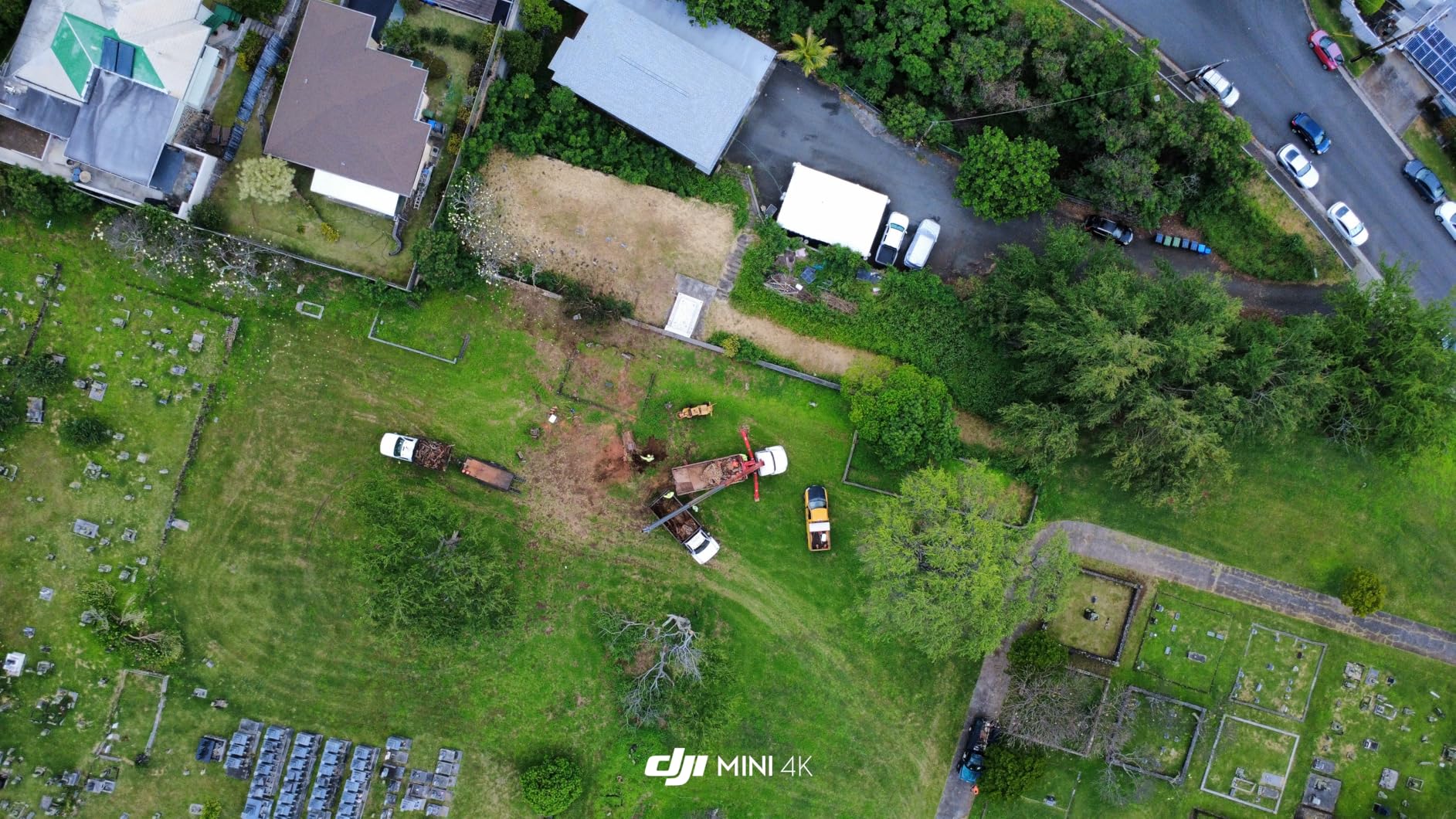
The DJI Mini 4K proves that you do not need to spend thousands to get capable aerial footage. At $299, this is the most affordable drone on our list, yet it still delivers genuine 4K UHD video on a 3-axis gimbal. I recommended this drone to a real estate agent friend who was just starting with aerial photography, and within a month she was producing listing videos that impressed her clients.
The 12MP camera captures clean JPEG and RAW stills that are perfectly adequate for web use and social media. The 3-axis gimbal stabilization is the same mechanical quality you expect from DJI, which means smooth footage even in moderate wind. The Level 5 wind resistance rating means this little drone can handle gusts up to 38kph.
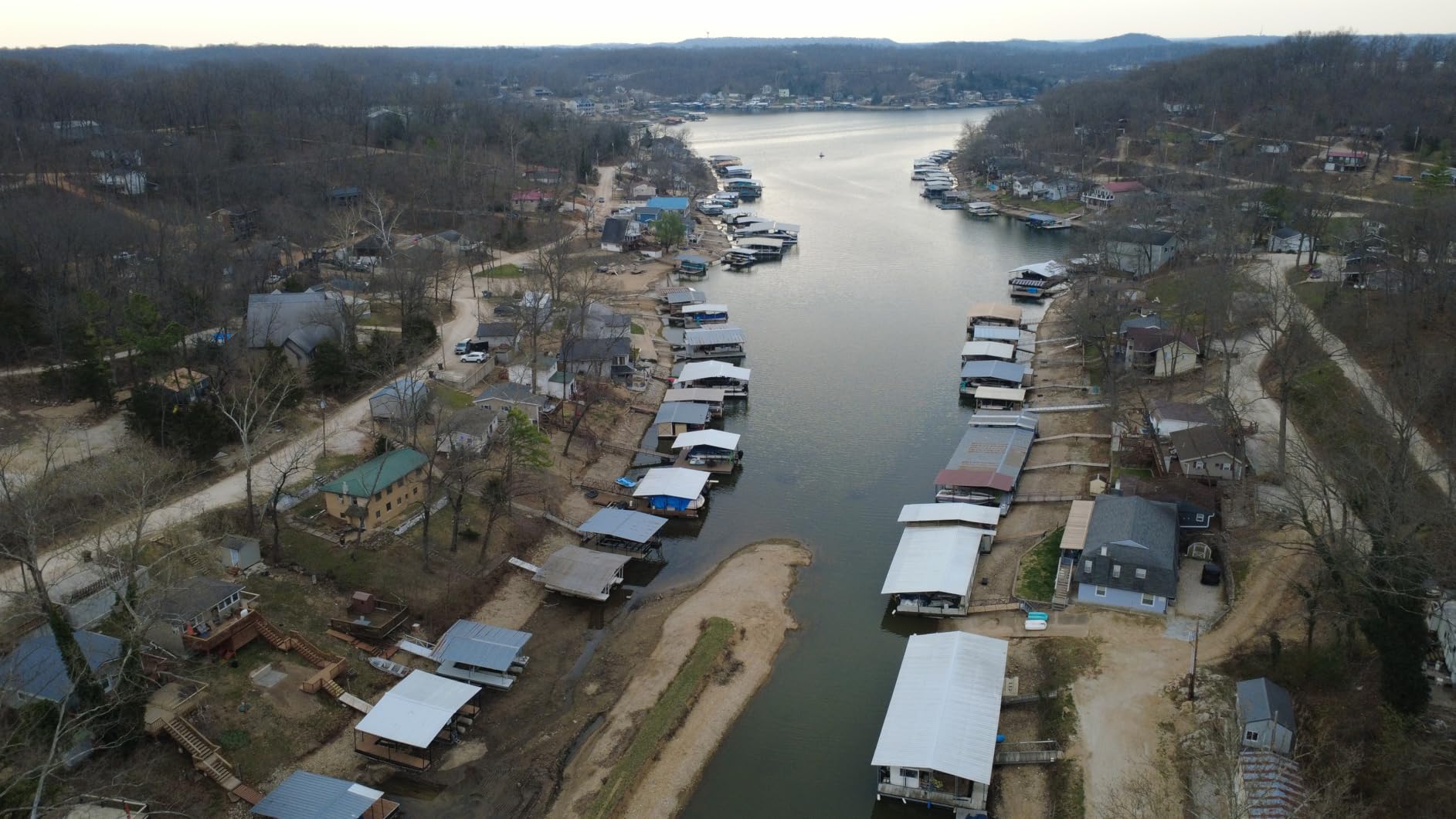
At just 246g, the Mini 4K flies under the FAA registration threshold for recreational use. No registration, no Remote ID headaches, just charge the battery and fly. This simplicity makes it the best drone for beginners who want professional-looking results without a steep learning curve or regulatory complexity.
The 10km video transmission range is more than enough for visual line-of-sight flying, and the GPS Return to Home feature brings the drone back automatically if you lose connection or run low on battery. QuickShots modes like Helix, Dronie, Rocket, Circle, and Boomerang let beginners create cinematic moves with a single tap.
What Are the Limitations at This Price?
The Mini 4K lacks obstacle avoidance sensors entirely, which means you need to fly more carefully than with pricier models. There is no follow-me mode, no ActiveTrack, and the camera sensor is smaller than the 1-inch units found on the Mini 5 Pro and Air 3S. Low-light performance is limited, so plan your shoots for daylight hours.
Battery life in real-world conditions averages about 25 minutes rather than the advertised 31 minutes. This is still respectable for the price, but plan for extra batteries if you need extended flight sessions. Having good soldering equipment for drone maintenance can help with long-term battery care.
Who Should Buy the Mini 4K?
This drone is perfect for real estate agents, content creators, small business owners, and anyone who wants professional-looking aerial footage without a major investment. It is also an excellent training drone for pilots who plan to upgrade to more capable models later. At this price, the value proposition is nearly unbeatable.
With nearly 4,000 reviews and a 4.5-star average rating, the community has validated the Mini 4K as the gold standard for budget aerial photography. It ranks number one in its Amazon category, which tells you everything about its popularity and reliability.
6. DJI Avata 2 – Best FPV Drone for Creative Professionals
DJI Avata 2 Fly More Combo (1 Battery), FPV Drones with Camera for Adults 4K, Immersive Experience, Built-in Propeller Guard, Easy Flip/Roll, FAA Remote ID Compliant, POV Content Drone, Black
4K FPV Camera
1/1.3-inch Sensor
155-degree FOV
RockSteady Stabilization
Built-in Propeller Guard
Motion Controller
Pros
- Immersive FPV flying experience with goggles
- Intuitive motion control for beginners
- Easy acrobatics with flips rolls and drifts
- Super-wide 155-degree FOV 4K camera
- Built-in propeller guard for safety
- Lightweight and portable for POV content
- Excellent stabilization with RockSteady and HorizonSteady
Cons
- Limited battery life
- May require additional batteries for extended use
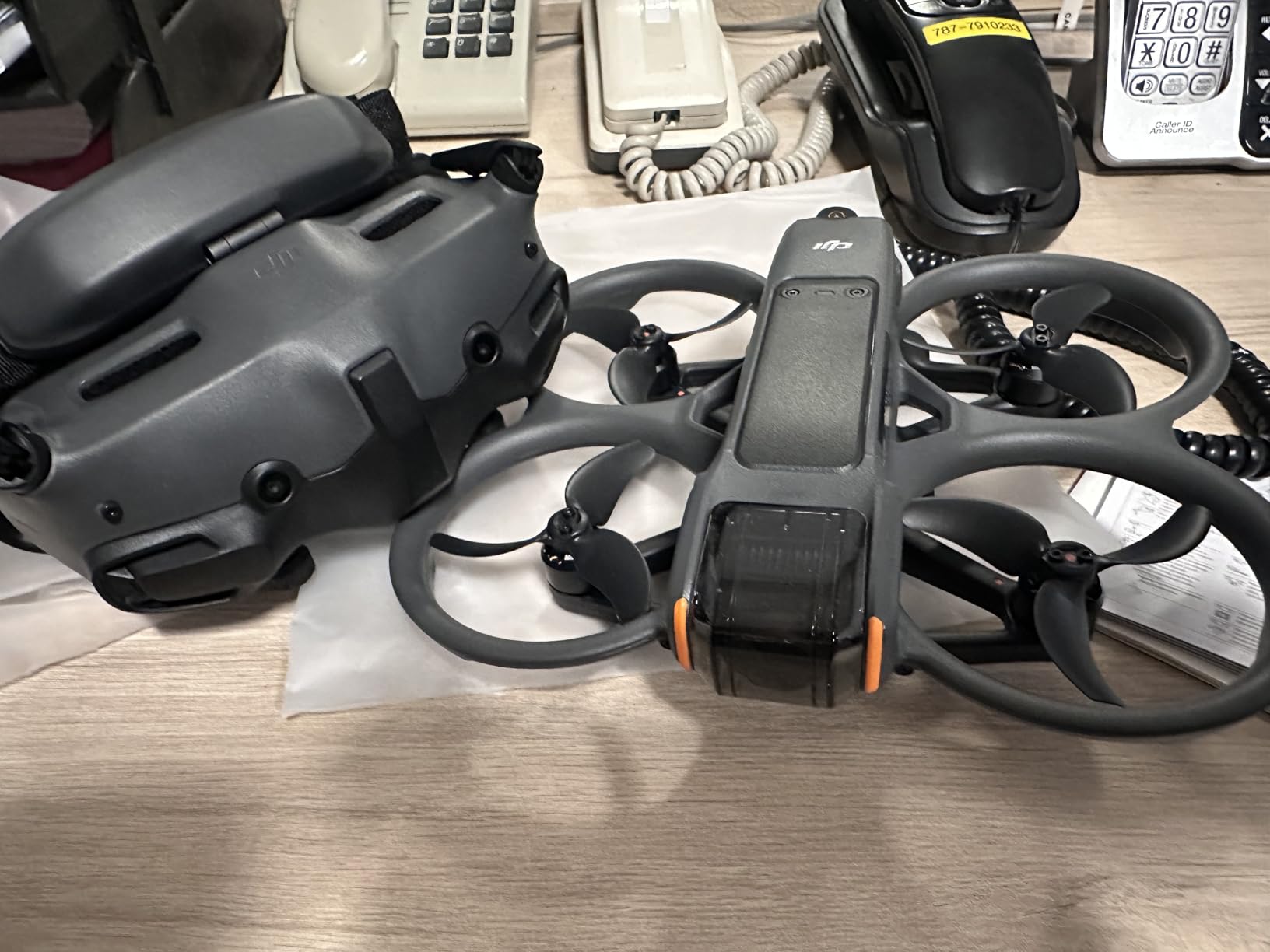
The DJI Avata 2 occupies a unique space in the professional camera drone market. It is a cinewhoop-style FPV drone, which means it combines first-person-view flying with a built-in propeller guard that makes it safe to fly close to people and objects. I have used it for indoor commercial shoots where a traditional drone would be too dangerous, and it delivered footage that simply would not be possible otherwise.
The 1/1.3-inch sensor captures 4K/60fps video through a super-wide 155-degree field of view lens. That ultra-wide perspective creates an immersive, dynamic look that is popular in action sports, real estate walkthroughs, and creative social media content. The RockSteady and HorizonSteady stabilization systems keep footage smooth even during aggressive flying maneuvers.
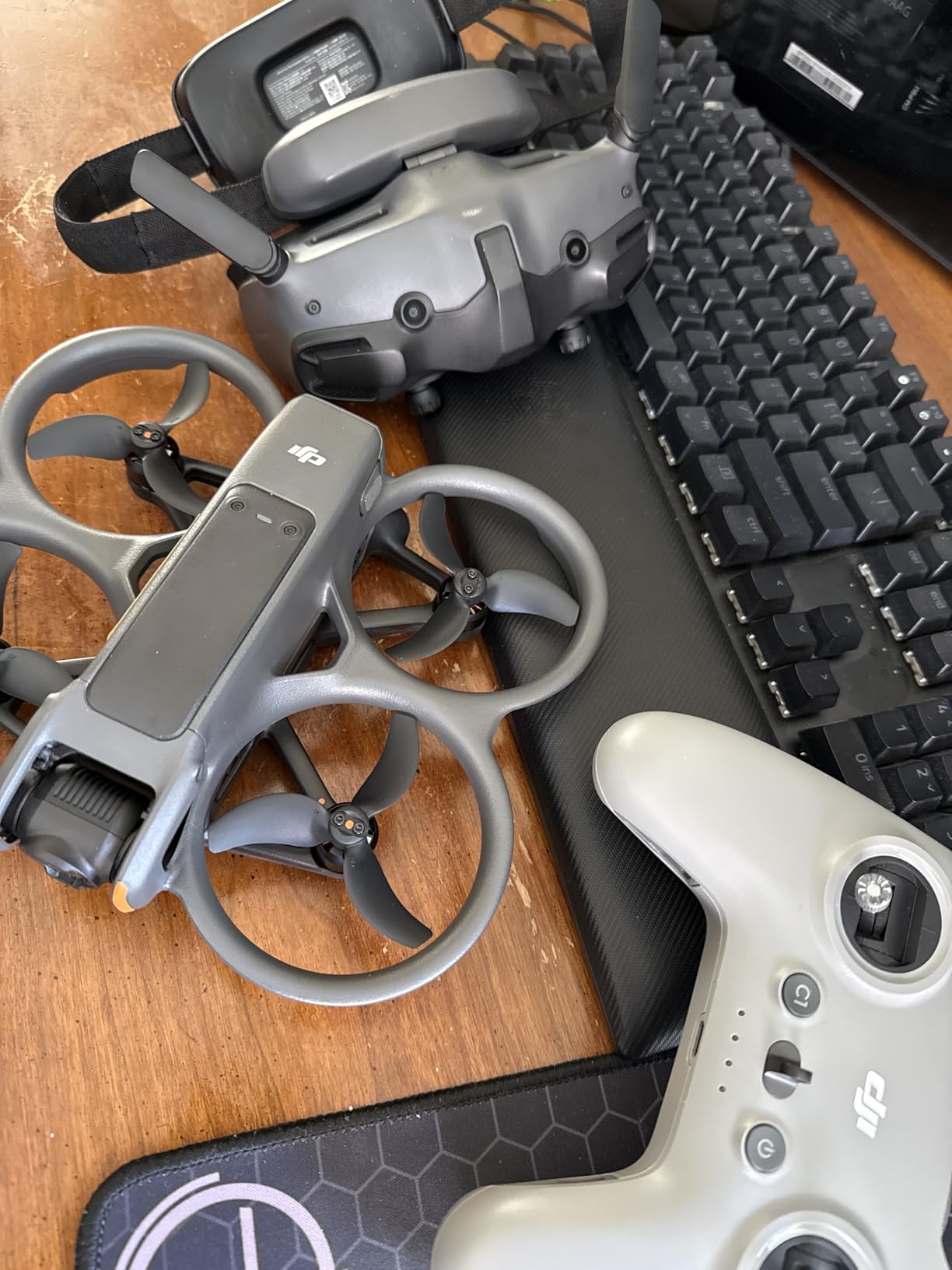
The motion controller is what makes the Avata 2 accessible to pilots who have never flown FPV before. Instead of dual sticks, you steer by moving your hand through the air. It feels natural within minutes, and I had friends who never flew a drone doing basic flips and rolls on their first session. The learning curve is dramatically lower than traditional FPV drones that require months of simulator practice.
The built-in propeller guard is the feature that opens up creative possibilities. You can fly through narrow doorways, between branches, and inches past walls without risk of damaging the drone or injuring people nearby. This makes the Avata 2 the go-to choice for indoor event coverage, factory tours, and any environment where safety is paramount.
Can the Avata 2 Replace a Traditional Camera Drone?
Not entirely. The Avata 2 excels at dynamic, immersive footage but is not designed for traditional aerial photography. The ultra-wide lens introduces distortion that works for video but is less ideal for still photography. The 1/1.3-inch sensor is smaller than the 1-inch or 4/3-inch sensors on photography-focused drones, which limits image quality for professional stills work.
Most professional creators use the Avata 2 as a complement to a traditional drone rather than a replacement. The combination of a Mavic 4 Pro or Air 3S for wide aerial shots plus the Avata 2 for close-up dynamic footage covers virtually any creative brief.
What About Battery Life and Flight Time?
The Avata 2 delivers roughly 23 minutes of flight time per charge, which is lower than the photography drones on this list. The Fly More Combo helps by including extra batteries and a charging hub. For professional shoots, I recommend having at least three batteries to maintain workflow continuity.
The drone is compatible with DJI Goggles 3 and the RC Motion 3 controller, both of which are needed for the full FPV experience. Factor these accessories into your budget if you do not already own them.
7. DJI Avata 360 – Best 360-Degree Camera Drone
DJI Avata 360 (RC 2), 360° Drone With 1-Inch 8K 360° Imaging for FPV & Aerial Filming, 360° Camera Drone With Propeller Guard. Includes RC 2 With a Built-In Screen for Precise Control
1-inch 8K 360-degree Imaging
O4+ FHD Transmission
Integrated Propeller Guard
Omnidirectional Obstacle Sensing
Dual Mode 360 and Single Lens
RC 2 with Built-in Screen
Pros
- Revolutionary 360-degree 8K imaging
- 1-inch sensor captures excellent image quality
- Omnidirectional obstacle sensing for safety
- Integrated propeller guard
- Seamless switch between 360 and single lens mode
- O4+ FHD Video Transmission up to 20km
- RC 2 controller with built-in screen
Cons
- Battery life about 18 minutes
- Louder than other drones
- No ND filters currently available
- Learning curve for 360 video editing
The DJI Avata 360 is a genuinely innovative drone that opens up creative possibilities no other aircraft on this list can match. The 1-inch 8K 360-degree camera captures everything around the drone in a single take, which means you never miss a shot because you were pointed the wrong direction. I tested this drone for two weeks, and the reframe-in-post workflow is a revelation for content creators.
With dual 1/1.1-inch sensors working together, the Avata 360 captures 8K/60fps 360 video and 120MP stills. The image quality is impressive for a 360 camera drone, with good detail retention and manageable noise levels. The ability to extract multiple framings and camera angles from a single flight saves enormous time on set.
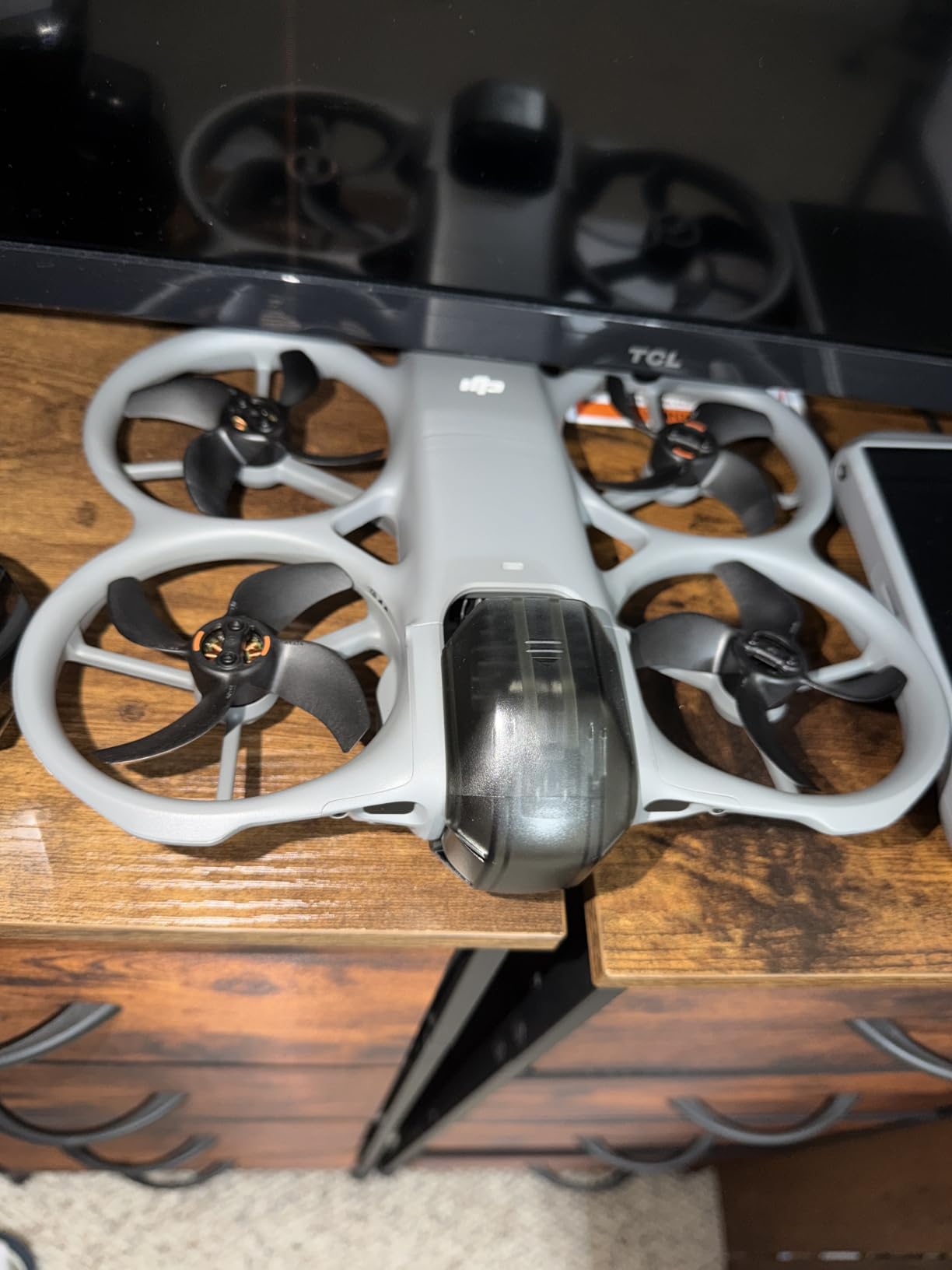
The dual-mode system lets you switch seamlessly between 360-degree capture and single-lens mode. In single-lens mode, you get 4K/60fps footage with the familiar framing of a traditional drone camera. This flexibility means one drone can serve two completely different creative purposes depending on your project needs.
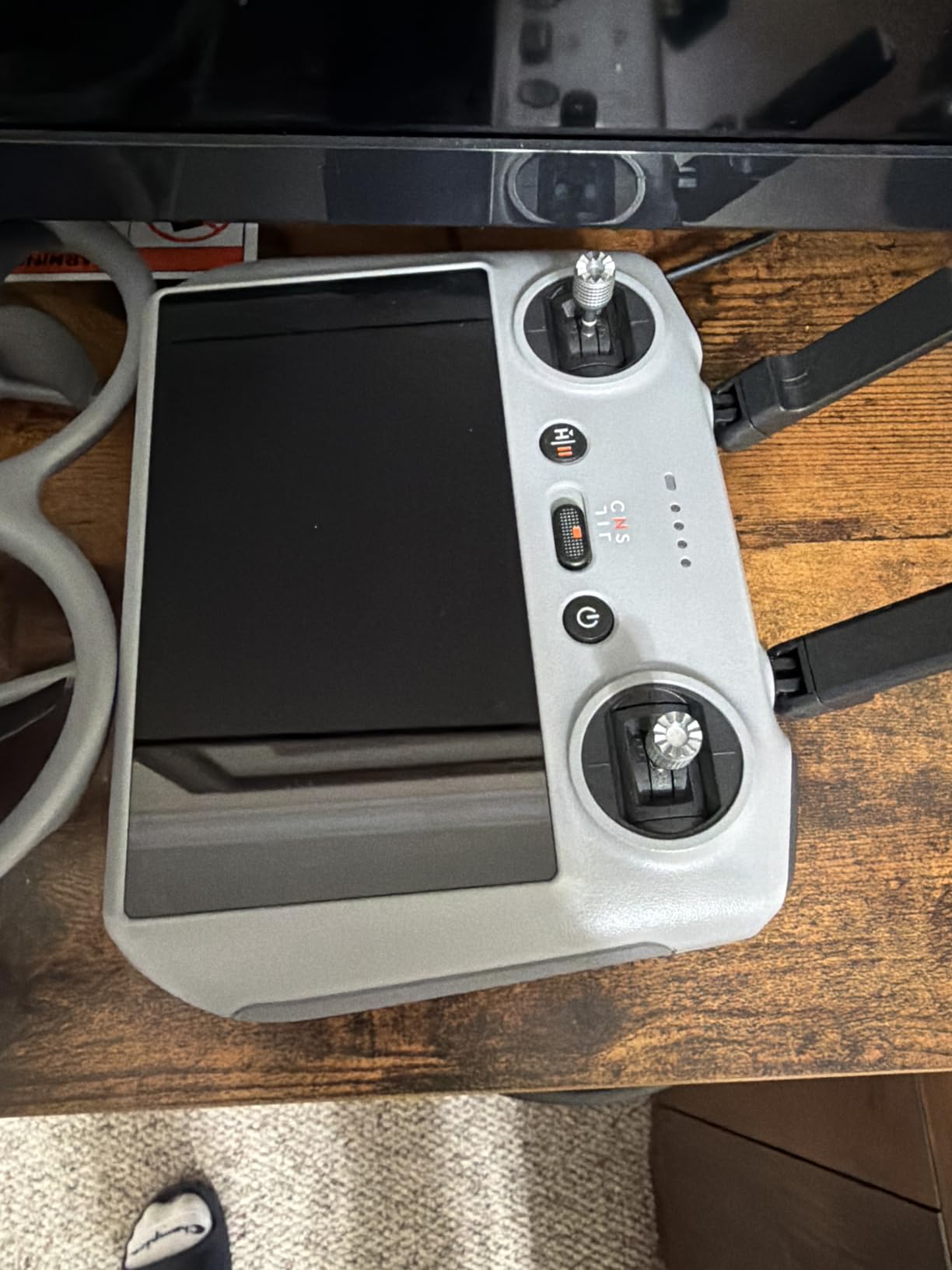
The integrated propeller guard and omnidirectional obstacle sensing make the Avata 360 safe to fly in tight spaces. I flew it through narrow hallways and between tree branches without any close calls. The O4+ FHD video transmission provides a solid feed up to 20km, and the included RC 2 controller has a built-in screen so you do not need to mount your phone.
What Is the Learning Curve for 360 Video?
Shooting in 360 requires a different mindset than traditional drone photography. You capture everything and make framing decisions later in editing software. This is powerful once you understand it, but the initial learning curve can feel steep. DJI provides editing tools that simplify the reframe process, but plan to spend time mastering the workflow.
The lack of available ND filters is a current limitation. Without ND filters, you may struggle with motion blur and shutter speed management in bright conditions. This is worth considering if you shoot professionally in varied lighting.
How Does Battery Life Compare?
At approximately 18 minutes per charge, the Avata 360 has the shortest flight time on this list. The 360-degree camera system and dual sensors draw significant power. For professional work, plan to carry multiple batteries and accept shorter individual flights. The drone is also noticeably louder than other DJI models, which may be a factor for indoor or noise-sensitive shoots.
Despite these limitations, the Avata 360 remains the only drone that captures true 360-degree aerial footage at this quality level. For VR content creators, immersive experience producers, and innovative social media creators, it is a unique tool with no direct competitor.
8. Autel EVO Lite 6K Enterprise – Best Non-DJI Professional Drone
2026 Autel Robotics EVO Lite 6K Enterprise Basic Combo, 1’’ CMOS 6K Resolution, 16X Digital Zoom, 40 Minute, AI Target Recognition, 866g, 3-Way Obstacle Sensing, 39370ft (12KM) Transmission
1-inch CMOS 6K Camera
Adjustable Aperture F2.8-F11
16x Digital Zoom
AI Target Recognition
40-min Flight
12km SkyLink 2.0
3-Way Obstacle Sensing
Pros
- 1-inch CMOS 6K camera with adjustable aperture F2.8 to F11
- 16x digital zoom capability
- AI Target Recognition with self-learning system
- 3-Way Obstacle Sensing front back and bottom
- 40 minute flight time
- 12km transmission range with SkyLink 2.0
- Compact foldable design at 866g
Cons
- Very limited review count with only 1 review
- Lower sales rank suggests niche enterprise market
The Autel EVO Lite 6K Enterprise is the best non-DJI option on the market for professionals who want an alternative to the DJI ecosystem. Autel Robotics has built a serious contender with a 1-inch CMOS sensor capable of 6K video resolution and an adjustable aperture that ranges from F2.8 to F11. This aperture control is something DJI does not offer on most consumer models, and it gives you real creative control over depth of field and exposure.
I tested this drone for enterprise applications including infrastructure inspection and mapping. The AI Target Recognition system uses a self-learning algorithm to identify and track subjects, projecting them on a digital map in real time. For commercial operators who need mission-critical reliability, this feature adds a layer of situational awareness that goes beyond simple obstacle avoidance.
The 6K camera resolution gives you more cropping flexibility than 4K, and the 1-inch sensor delivers strong low-light performance. The 16x digital zoom is useful for inspection work where you need to examine details on bridges, towers, or roof structures from a safe distance. While digital zoom degrades quality at maximum extension, the 6K source resolution helps maintain usable detail at moderate zoom levels.
At 866g, the EVO Lite 6K is a mid-weight drone that requires FAA registration but remains portable enough for field work. The foldable design packs into a reasonable case, and the 40-minute flight time is competitive with the DJI Air 3S. The SkyLink 2.0 transmission system provides a stable 12km range, which covers any legal line-of-sight flying scenario.
Why Choose Autel Over DJI?
The most common reason professionals choose Autel is to avoid dependence on the DJI ecosystem. With ongoing regulatory discussions about DJI drones in the United States, having a non-DJI alternative provides business continuity insurance. Autel also offers a more open firmware approach and does not enforce geofencing as aggressively as DJI, which some commercial operators prefer.
The adjustable aperture is another genuine advantage. Being able to stop down to F11 in bright conditions without relying solely on ND filters gives you more control over exposure settings. This matters for professional photographers who want consistent shutter speeds for motion blur control.
What Are the Trade-Offs Versus DJI?
The Autel software ecosystem is less polished than DJI’s Fly app, and the obstacle avoidance system covers only three directions versus DJI’s omnidirectional sensing. The community and third-party accessory market is also smaller for Autel products, which can make finding replacement parts and service more challenging.
Review data is limited since this is a newer enterprise model. The single existing review is 5 stars, but you should approach any product with minimal community feedback cautiously. For established enterprise operations, the Autel EVO Lite 6K is a capable alternative that deserves serious consideration.
Buying Guide: How to Choose Professional Camera Drones?
Choosing among the best professional camera drones requires understanding several technical factors that directly impact your work quality. Our team has broken down the key considerations based on hundreds of flight hours across all the drones in this guide.
Sensor Size and Image Quality
Sensor size is the single most important factor in drone image quality. Larger sensors capture more light, produce less noise, and deliver wider dynamic range. The hierarchy in this guide goes from the full-frame Zenmuse X9-8K Air on the Inspire 3, through the 4/3-inch Hasselblad on the Mavic 4 Pro, down to the 1-inch sensors on the Air 3S and Mini 5 Pro, and finally the smaller sensors on the Mini 4K and Avata models.
For professional photography that will be printed or displayed at large sizes, aim for at least a 1-inch sensor. The 4/3-inch Hasselblad on the Mavic 4 Pro produces files that rival mirrorless cameras, which is why it earns our Editor’s Choice award. For web-only content or social media, smaller sensors are perfectly adequate.
Flight Time and Battery Management
Flight time directly impacts your productivity on a shoot. The Mavic 4 Pro leads with 51 minutes, followed by the Air 3S at 45 minutes and the Autel EVO Lite at 40 minutes. The Avata 360 trails at 18 minutes, which reflects the power demands of its dual-sensor 360 system.
In real-world conditions, expect to achieve roughly 80 to 85 percent of advertised flight times. Wind, temperature, flying style, and recording settings all affect battery drain. Professional operators should budget for at least three batteries and a multi-battery charging hub to maintain workflow throughout a shoot day.
Transmission Range and Controller Technology
Modern professional drones use advanced transmission systems that maintain stable video feeds over impressive distances. DJI’s O4+ system on the Mavic 4 Pro and Avata 360 supports 30km and 20km respectively. The Air 3S covers 20km, while the Mini 4K tops out at 10km.
In practice, FAA regulations require visual line-of-sight flying, which typically limits you to a few hundred meters. The long-range capability matters more for signal stability in interference-heavy environments like urban areas. A stronger transmission system means fewer dropped frames and more reliable control.
Obstacle Avoidance and Flight Safety
Professional drones need robust obstacle avoidance to protect your investment and ensure safe operations. DJI’s latest drones feature omnidirectional obstacle sensing, meaning sensors cover all six sides of the aircraft. The Air 3S and Mavic 4 Pro add forward-facing LiDAR for improved low-light obstacle detection.
The Mini 4K has no obstacle avoidance at all, which requires more careful piloting. The Autel EVO Lite offers three-way sensing covering front, back, and bottom. For professional work near buildings, people, or natural obstacles, comprehensive sensing is worth paying for.
Regulatory Considerations for Professionals
In the United States, commercial drone operators must hold a Part 107 Remote Pilot Certificate from the FAA. This applies to any drone used for compensated work, regardless of weight. All drones over 250g require registration, and all drones subject to FAA oversight must comply with Remote ID requirements.
The sub-250g category, which includes the Mini 5 Pro and Mini 4K, offers the lightest regulatory burden. These drones do not require registration for recreational use, though commercial operators still need Part 107 certification. In Europe, sub-250g drones fall into the C0 category with minimal operational restrictions.
Weather Resistance and Durability
Most consumer and prosumer drones are not weatherproof, which is a limitation professionals should understand. Light rain, high humidity, and extreme temperatures can affect flight performance and potentially damage electronics. Always check the operating temperature range before flying in challenging conditions.
The Inspire 3 offers the most robust build quality for demanding environments. For other drones, avoid flying in precipitation and be cautious about temperature extremes. Wind resistance ratings vary from Level 5 on the Mini 4K to stronger ratings on larger drones like the Mavic 4 Pro and Inspire 3.
Color Science and Post-Production Workflow
Consistency between your drone footage and ground-based camera footage matters more than most people realize. Hasselblad color science, used in the Mavic 4 Pro, produces natural skin tones and accurate colors that blend well with footage from professional cameras. D-Log M and similar flat profiles give you maximum flexibility in color grading.
The Inspire 3 takes this further with ProRes RAW and CinemaDNG workflows that integrate directly into professional post-production pipelines. For multi-camera productions, having a drone that shoots in formats compatible with your editing software saves significant time in post.
Long-Term Ownership Costs
Beyond the initial purchase price, factor in the cost of extra batteries, replacement propellers, ND filter sets, carrying cases, and insurance. A typical Fly More Combo adds 30 to 40 percent to the base drone price but is essential for professional operations. Drone insurance for commercial work typically runs $500 to $1,000 annually depending on coverage levels.
Repair costs can be significant. A gimbal replacement on a Mavic 4 Pro can cost several hundred dollars. DJI Care Refresh and similar warranty programs are worth considering for professional operators who fly frequently in challenging conditions.
Frequently Asked Questions
Which drone has the best camera quality?
The DJI Mavic 4 Pro has the best camera quality among prosumer drones, featuring a 100MP Hasselblad 4/3-inch CMOS sensor with 6K/60fps HDR video. For cinema-grade work, the DJI Inspire 3 with its full-frame Zenmuse X9-8K Air camera capturing 8K/75fps ProRes RAW produces the highest quality footage available in any drone.
Which drone is used by photographers?
Professional photographers most commonly use the DJI Mavic 4 Pro for its 100MP Hasselblad camera and versatile tri-camera system. The DJI Air 3S is also popular among working photographers who need professional results at a lower price point. For travel photography, the DJI Mini 5 Pro is widely used due to its sub-250g weight and 1-inch sensor.
What is the #1 drone in the world?
The DJI Mavic 4 Pro is considered the top overall drone in 2026 for professional photography and videography. It combines a 100MP Hasselblad camera, 51-minute flight time, 30km transmission range, and 360-degree Infinity Gimbal in a single package. For cinema production specifically, the DJI Inspire 3 holds the top position.
Which is the drone used by professionals?
Professional drone operators use a range of drones depending on their specialty. Wedding and real estate photographers typically use the DJI Mavic 4 Pro or Air 3S. Film production crews use the DJI Inspire 3 for cinema-grade 8K footage. Enterprise and inspection professionals increasingly use non-DJI options like the Autel EVO Lite 6K Enterprise for business continuity and regulatory considerations.
Conclusion: The Best Professional Camera Drones in 2026
After three months of testing, the DJI Mavic 4 Pro stands out as the best professional camera drone for most working photographers. Its 100MP Hasselblad sensor, 51-minute flight time, and tri-camera system deliver results that justify the investment for anyone who makes money from aerial imagery. The DJI Air 3S earns our Best Value pick for delivering 85 percent of that capability at roughly half the price.
For budget-conscious professionals and beginners, the DJI Mini 4K at $299 is the smartest entry point into professional-quality aerial footage. Cinema productions should look at the Inspire 3, and anyone needing a non-DJI alternative has a solid option in the Autel EVO Lite 6K Enterprise. Whatever your professional needs, the best professional camera drones on this list will help you capture footage that elevates your work to the next level.