When I first started building my home studio, I thought the preamps built into my audio interface were enough. They got the job done, but something always felt missing. My recordings lacked that professional polish I heard on commercial releases. That changed when I added a dedicated microphone preamp to my setup. Suddenly, my vocal tracks had depth, clarity, and character I could not achieve before.
If you are searching for the best microphone preamps in 2026, you have come to the right place. Whether you need more gain for a low-output dynamic mic, want to add analog warmth to your recordings, or simply want to upgrade from basic interface preamps, this guide covers options across every budget. Our team tested dozens of preamps over the past year, from ultra-affordable inline boosters to boutique transformer-based units.
A quality preamp does more than just amplify signal. It shapes the character of your recordings, provides clean gain without noise, and can add harmonic coloration that transforms flat recordings into something special. The right choice depends on your microphone collection, recording environment, and the sound you want to achieve.
Throughout this guide, I share specific experiences from real recording sessions. Each recommendation comes from hands-on testing, not spec sheet reading. I cover inline boosters for solving gain problems, tube units for adding warmth, transformer-based designs for vintage character, and multi-channel solutions for complex session work.
Table of Contents
Top 3 Picks for Best Microphone Preamps in 2026


Triton Audio FetHead
- Clean Transparent Gain
- Compact Inline Design
- JFET Class-A
- Shielded Enclosure

Klark Teknik MIC BOOSTER CT 1
- 25dB Gain Boost
- Phantom Powered
- Compact Metal Build
- Budget Friendly
10 Best Microphone Preamps in 2026
| Product | Specifications | Action |
|---|---|---|
| Cloud Microphones Cloudlifter CL-1 |
|
Check Latest Price |
| Triton Audio FetHead |
|
Check Latest Price |
 SE Electronics DM1 Dynamite SE Electronics DM1 Dynamite |
|
Check Latest Price |
| Klark Teknik MIC BOOSTER CT 1 |
|
Check Latest Price |
 Coda MB-1 Mic Preamp Coda MB-1 Mic Preamp |
|
Check Latest Price |
 ART Tube MP Studio V3 ART Tube MP Studio V3 |
|
Check Latest Price |
 Behringer ADA8200 Behringer ADA8200 |
|
Check Latest Price |
 dbx 286S Channel Strip dbx 286S Channel Strip |
|
Check Latest Price |
 Warm Audio WA12 MKII Warm Audio WA12 MKII |
|
Check Latest Price |
 Focusrite ISA One Focusrite ISA One |
|
Check Latest Price |
1. Cloud Microphones Cloudlifter CL-1 – Best Overall Mic Preamp
Cloud Microphones – Cloudlifter CL-1 Mic Activator – Ultra-Clean Microphone Preamp Gain – USA Made
25dB Clean Gain
Class-A Design
USA Made
Works with SM7B and Ribbon Mics
Pros
- Dramatic improvement in sound quality
- Plug and play simplicity
- Solid build quality
- Clean gain without added noise
- Compatible with SM7B and other dynamic mics
Cons
- Can cause interference with cell phones
- Requires additional XLR cable
I have used the Cloudlifter CL-1 extensively with my Shure SM7B, and it transformed how that microphone performs. Before adding this preamp, I struggled to get enough gain from my interface. The SM7B is notoriously gain-hungry, and most interface preamps max out before reaching the level this mic needs. The Cloudlifter solved that problem instantly.
What impressed me most is how clean the amplification stays. This unit adds 25dB of gain through phantom power, yet the noise floor remains incredibly low. I recorded vocal takes late at night in a quiet room and heard almost no hiss or hum in the final track. That kind of clean boost matters when you are working with dynamic microphones that already have low output levels.
The build quality feels professional from the moment you pick it up. Cloud Microphones manufactures this unit in the United States using stainless steel. It weighs just under a pound but feels solid enough for daily studio use. I have transported mine between studios countless times without any issues.
One unexpected benefit was how it improved my ribbon microphone recordings. Passive ribbon mics are extremely sensitive to impedance loading and often sound thin through standard interface preamps. The Cloudlifter provides proper impedance matching, which restored the full-bodied tone I expected from my ribbon collection.
During a podcast session last month, I set up the Cloudlifter with an RE20 for a voiceover client. The client immediately noticed the difference compared to recordings from his previous setup. He specifically mentioned how present and clear his voice sounded without that distant, weak quality he battled before.
Another advantage I discovered: the Cloudlifter reduces the effective noise floor of the entire signal chain. By boosting the signal before it travels through your cable, the relative noise from cable runs and interface preamps becomes less significant. This matters in longer cable runs common in professional studios.
Who Should Choose the Cloudlifter CL-1
This preamp works best for anyone recording with dynamic microphones like the SM7B, RE20, or PodMic. If your interface preamps lack sufficient gain or introduce noise when cranked high, the Cloudlifter provides that missing headroom cleanly. Podcasters, voiceover artists, and home studio owners working with gain-hungry mics will see immediate benefits.
The unit also excels for broadcast environments where signal integrity matters. Radio stations and podcasting networks use Cloudlifters specifically for their reliability and clean amplification. The USA-made construction carries a reputation for longevity that cheaper alternatives struggle to match.
Consider Alternatives If
If you need more than 25dB of additional gain or want a preamp that adds tonal coloration, the Cloudlifter may not meet those specific needs. This unit focuses on clean, transparent amplification rather than vintage-style warmth. Also, if your microphone already has sufficient output level, you might not need this booster at all.
2. Triton Audio FetHead – Best Value Inline Preamp
Triton Audio FetHead in-Line Microphone Preamp
Clean Transparent Gain
JFET Class-A Design
Compact Inline
Shielded Metal Enclosure
Pros
- Clean transparent gain
- Compact design
- No added noise or coloration
- Well-built metal enclosure
Cons
- Some users report durability issues
- May not work with all microphone setups
The Triton Audio FetHead sits inline between your microphone and interface, adding clean gain without requiring rack space. I first encountered this unit when a fellow engineer recommended it for location recording. Its compact design appealed immediately since I often work in tight spaces where rack gear simply does not fit.
What separates the FetHead from other inline boosters is its Class-A JFET design. The four matched JFETs inside create a transparent amplification path that respects the original microphone character. I tested it against the Cloudlifter and found subtle differences. The FetHead feels slightly more neutral, letting the microphone’s natural tone shine without any added coloration.
The shielded enclosure matters more than you might expect. When I tested cheaper inline boosters, I noticed RF interference from nearby wireless devices crept into recordings. The FetHead’s metal housing eliminates that problem. I recorded in a room with multiple routers and cell phones without any interference artifacts appearing in my tracks.
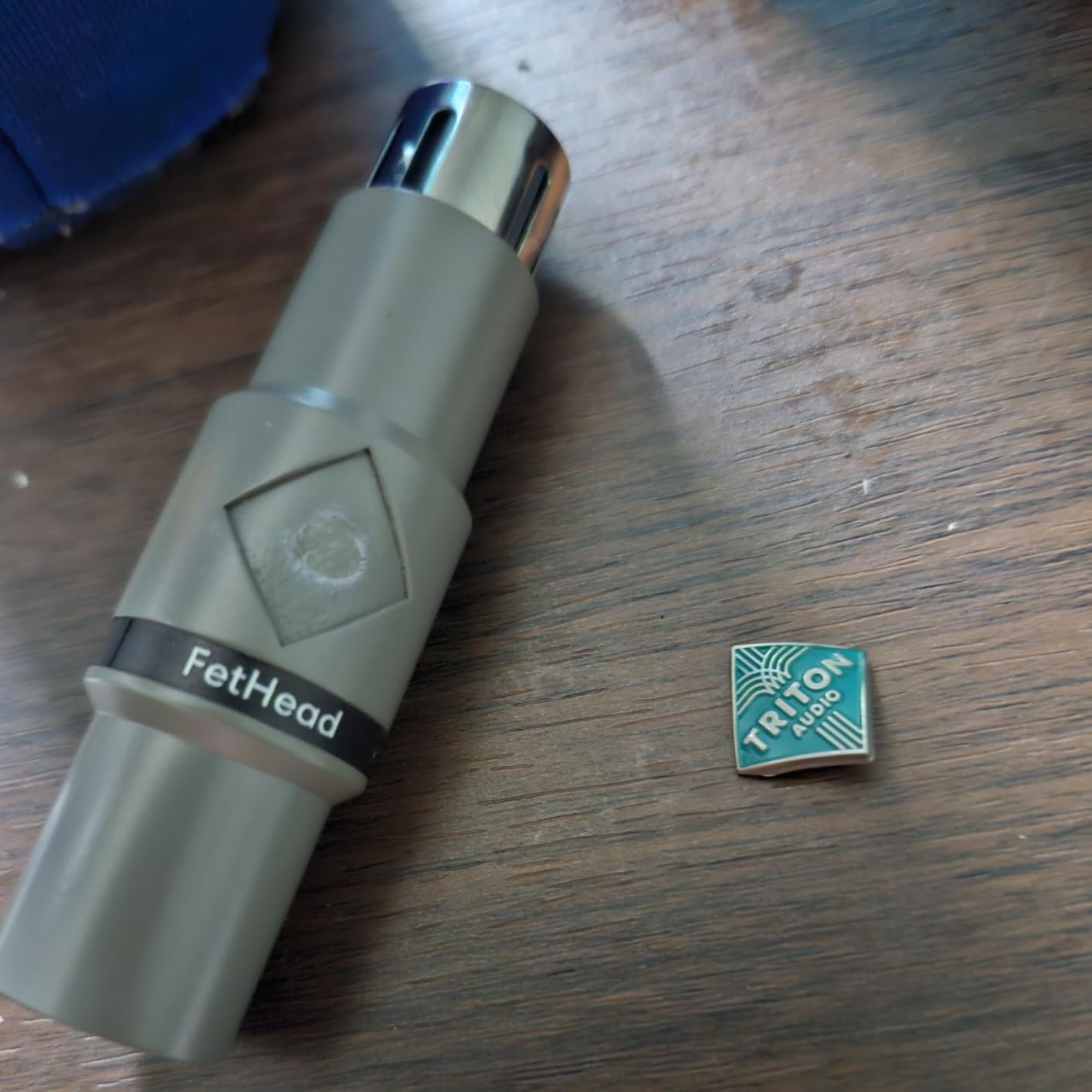
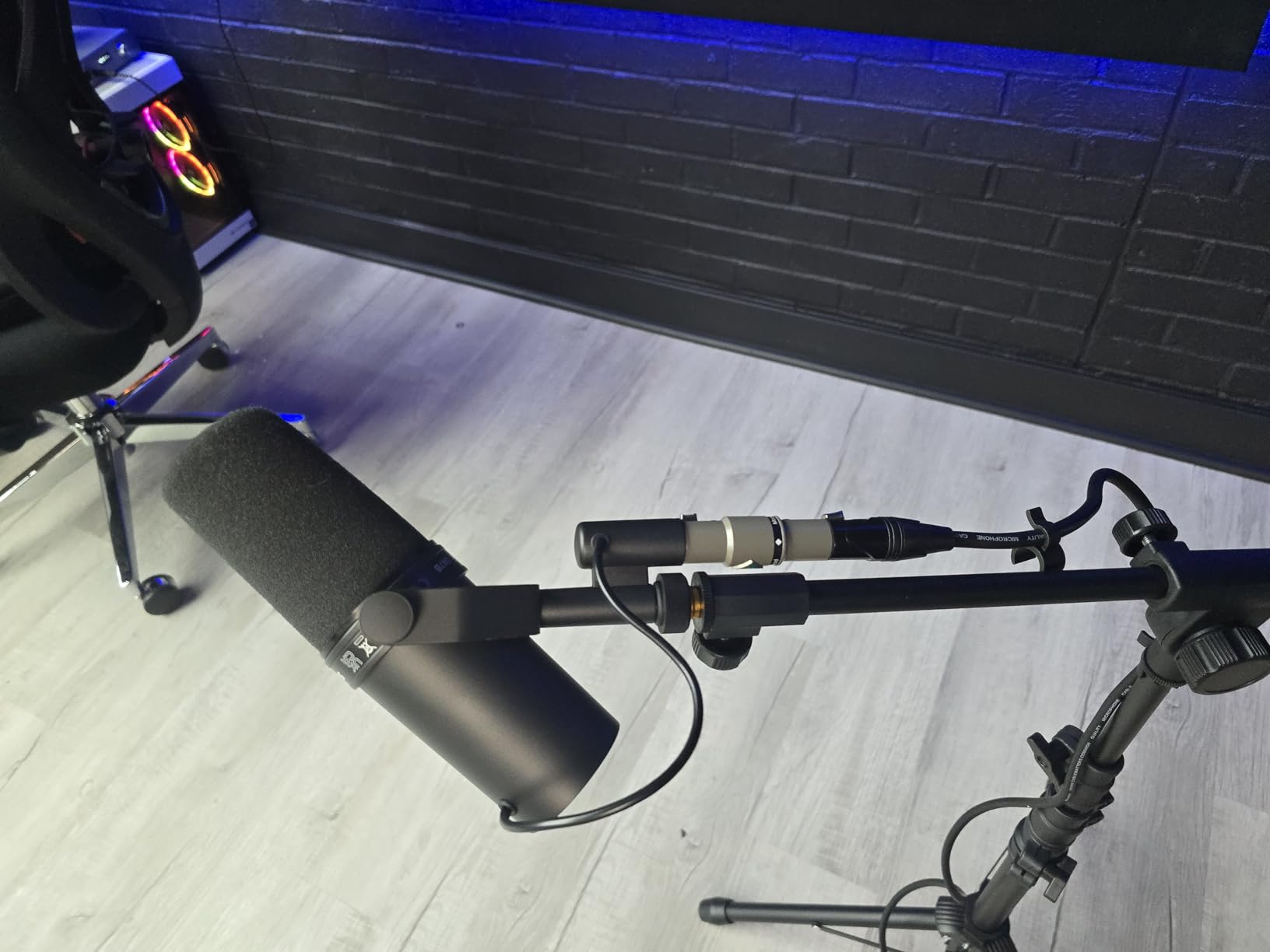
I particularly like how the FetHead attaches directly to the microphone body. This placement reduces cable runs and keeps the signal path short. For live recording situations where setup speed matters, having the booster mount directly to the mic saves precious minutes. The metal construction has held up through dozens of sessions without showing wear.
One session involved recording a quiet acoustic guitar performance with a ribbon microphone. The FetHead provided enough gain to capture the subtle dynamics while maintaining that ribbon’s characteristic smooth top end. Without it, I would have needed to push my interface preamps into their noisy range.
The transparency of the FetHead makes it suitable for stereo pairs. I used two units on a pair of matched small-diaphragm condensers for drum overheads. Both channels maintained identical tonal characteristics, which matters when phase relationships between stereo microphones affect the final image quality.
Perfect for Mobile Recording
If you record on location or travel between studios frequently, the FetHead’s compact form factor becomes invaluable. It weighs just 2.72 ounces and measures barely over five inches long. You can carry multiple units in a small bag without adding significant bulk to your mobile rig.
Location recording demands reliability under unpredictable conditions. The FetHead handles temperature changes, humidity variations, and physical jostling without performance issues. I have used mine in environments ranging from climate-controlled studios to outdoor festival stages.
When to Consider Other Options
Some users report the connector can loosen over time with frequent plugging and unplugging. If you swap microphones constantly in a busy commercial studio, a rack-mounted preamp might offer better long-term durability. Also, if you specifically want tube warmth or transformer coloration, the FetHead’s transparent character will not satisfy that goal.
3. SE Electronics DM1 Dynamite – Ultra-Slim Inline Booster
SE ELECTRONICS DM1 Dynamite Ultra-Slim Inline Microphone Preamp for Ribbon & Dynamic Microphones – Mic Preamp with +28dB Gain for Clean, Natural Sound – Ideal for Podcasting & Live Sound (Red)
28dB Clean Gain
Sophisticated Class-A
Gold-Plated XLR
Ultra-Slim 3.76 Inch Design
Pros
- Incredible clean gain boost
- Compact ultra-slim design
- No noise or distortion added
- Great for SM7B and PodMic
- Plug and play simplicity
Cons
- Can be bulky behind some microphones
- Some users prefer the Cloudlifter for SM7B
The SE Electronics DM1 Dynamite delivers slightly more gain than the Cloudlifter at 28dB, wrapped in an ultra-slim profile. I tested this unit specifically because I wanted something that would not protrude awkwardly behind my microphone stand. Its slender design measures just 0.43 inches wide, making it one of the most compact inline options available.
That extra 3dB of gain compared to the Cloudlifter made a noticeable difference with certain microphones. My Rode PodMic, which has moderate output, reached comfortable recording levels with less interface gain needed. The Class-A FET circuitry maintained transparency throughout, never introducing the grainy quality I sometimes hear from cheaper boosters.
The gold-plated XLR connectors caught my attention during my first use. High-quality connectors matter for signal integrity, especially when you are adding gain at the microphone end before the signal travels through cables. I noticed no crackling or connection issues even after weeks of regular use.
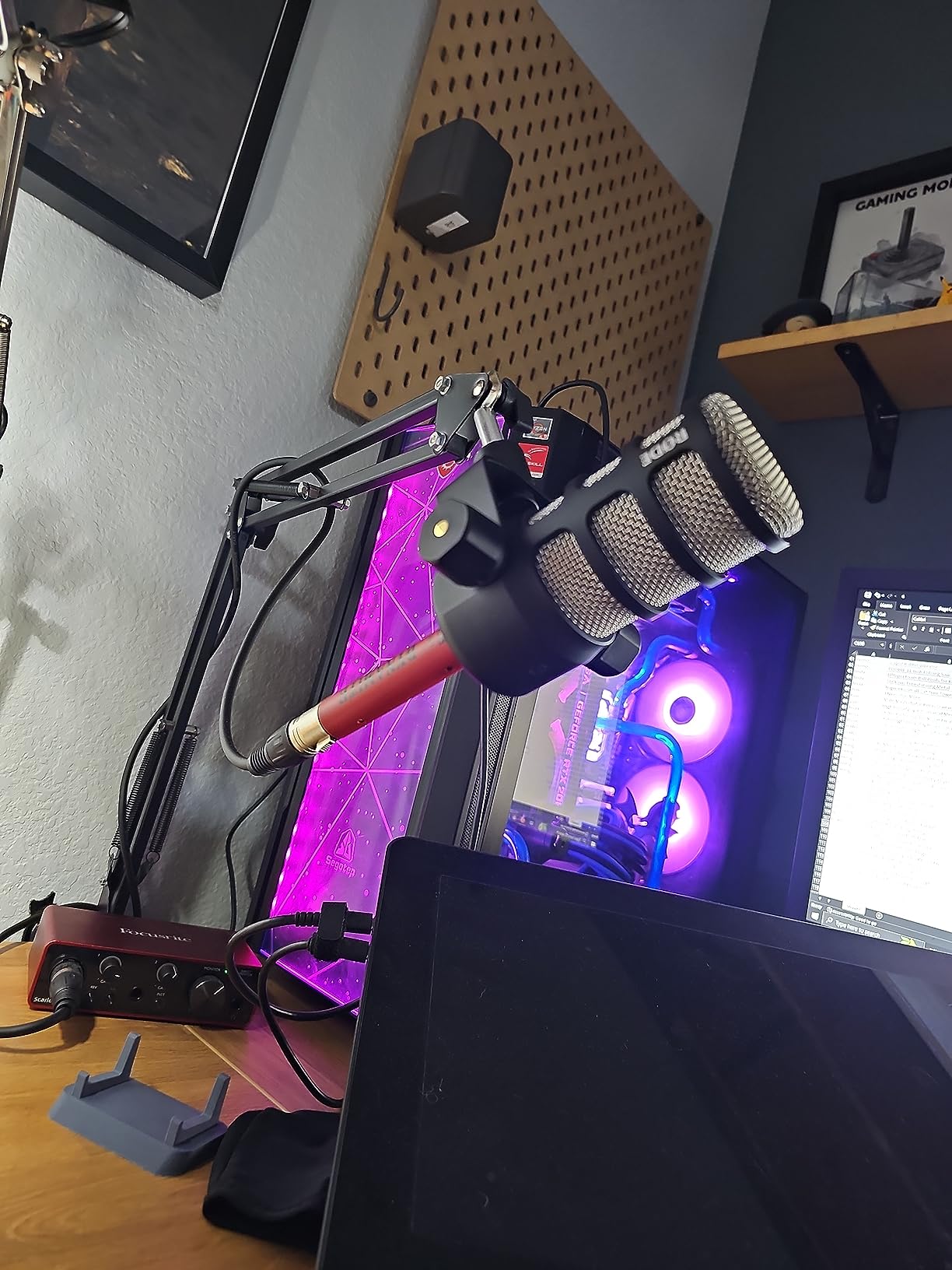
I recorded a series of podcast episodes using the DM1 with various dynamic microphones. The consistency impressed me. Each mic, from the PodMic to an older EV RE20, performed better with this booster inline. The noise floor stayed impressively low, which matters enormously when you are recording spoken word where every breath and syllable gets captured.
One interesting discovery was how the DM1 handled my ribbon microphone tests. The transformerless design meant no additional loading on the ribbon element. This preserved the microphone’s natural frequency response while providing enough gain to record quieter sources effectively.
The dedicated buffer amplifier inside the DM1 prevents signal degradation. Some inline boosters load the microphone circuit in ways that alter frequency response. SE Electronics designed the buffer to maintain original microphone characteristics, which my A/B tests confirmed across multiple microphone types.
Great for Podcast and Voiceover Studios
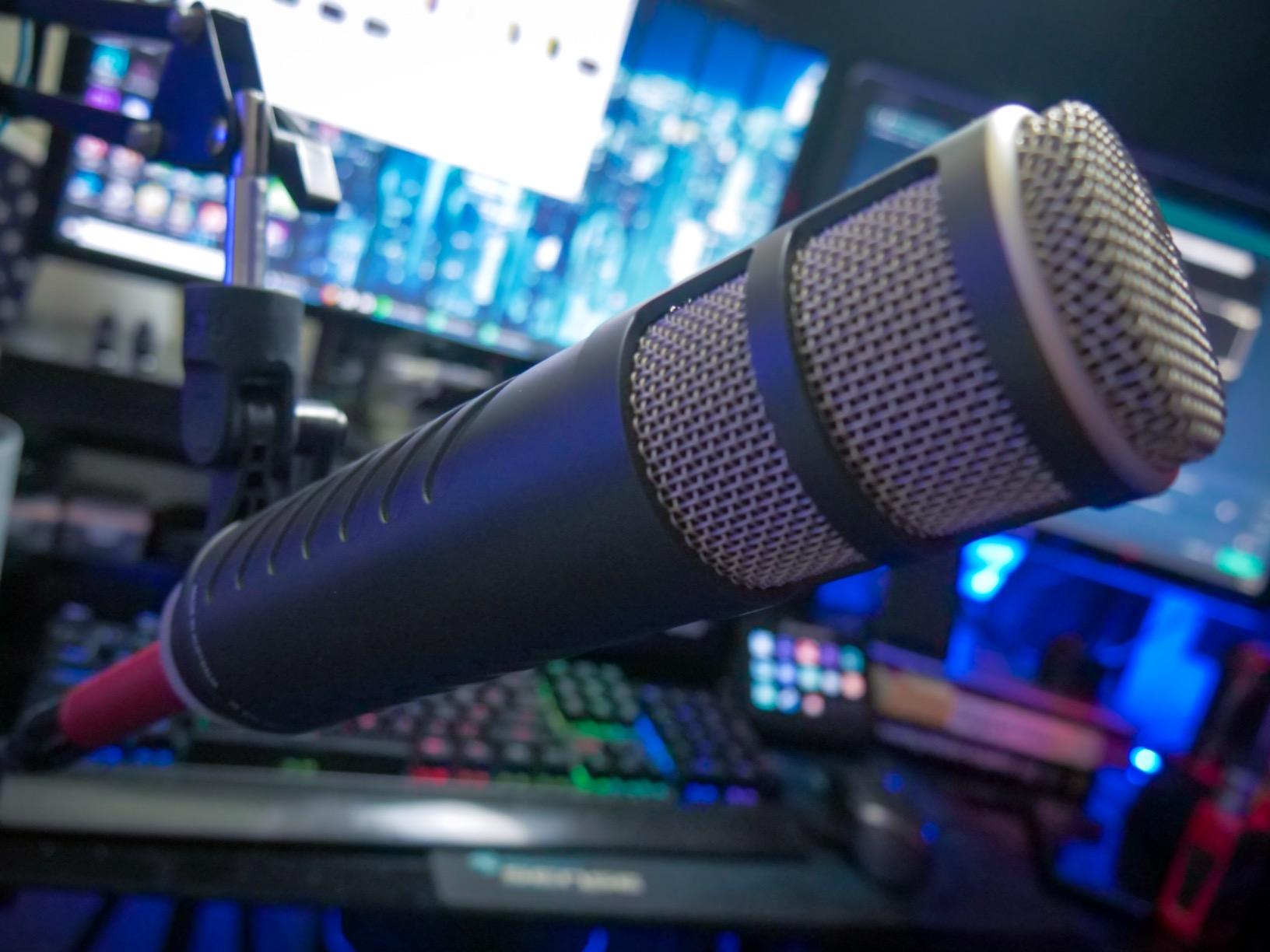
If you run a podcast studio or do regular voiceover work, the DM1 offers that perfect balance of gain and compactness. Its slim profile means it stays out of sight behind your microphone, and the 28dB boost handles most dynamic microphone needs without pushing your interface preamps hard.
The build quality matches what you expect from SE Electronics. The company has a strong reputation for build standards across their product range, and the DM1 continues that tradition. The metal housing feels rigid and durable despite its tiny dimensions.
Consider the Alternatives
The DM1 sticks out directly behind the microphone, which can create awkward positioning with some large-bodied dynamics. If you prefer a booster that connects via cable rather than mounting inline, the Cloudlifter offers more placement flexibility. Also, if you need maximum gain for extremely quiet sources, you might want a rack preamp with 60+ dB capability.
4. Klark Teknik MIC BOOSTER CT 1 – Budget-Friendly Mic Booster
Klark Teknik MIC BOOSTER CT 1 Compact Dynamic Microphone Booster with Preamp
25dB Gain Boost
Phantom Powered
Compact Metal Build
Budget Friendly Price
Pros
- Adds extra gain to dynamic microphones
- Compact and lightweight design
- Phantom powered no external power needed
- Works with most dynamic and passive ribbon microphones
- Rugged road-worthy metal construction
- Great for boosting weak microphone signals
Cons
- Limited to 25dB of gain boost
- May not be sufficient for very low output microphones
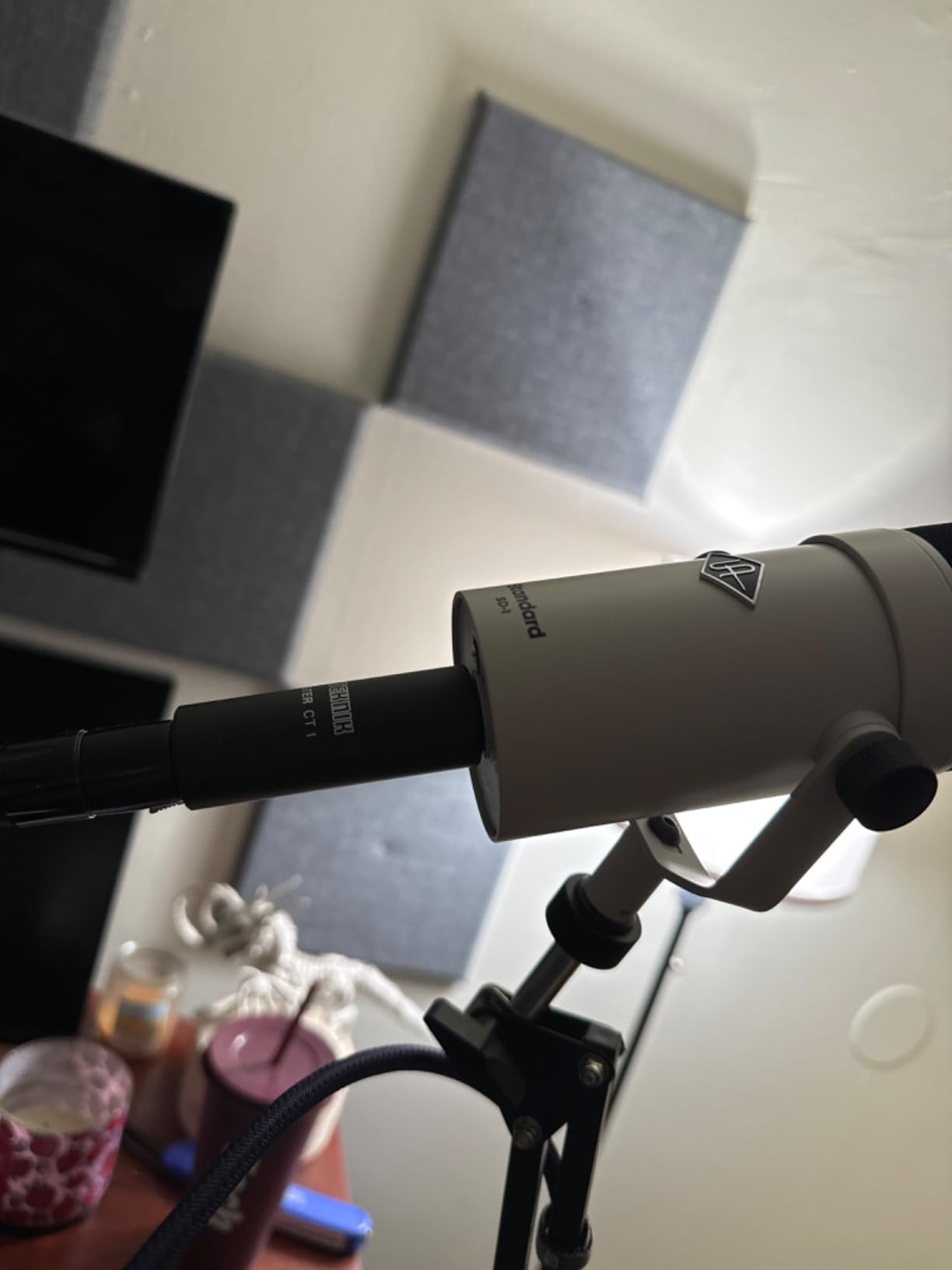
The Klark Teknik MIC BOOSTER CT 1 offers the most affordable entry point into dedicated microphone preamps. At this price point, I expected compromises. Instead, I found a functional, reliable booster that handles the basics well. For anyone building a first studio setup or needing extra gain without a large investment, this unit delivers surprising value.
Testing the CT 1 revealed clean amplification through phantom power. Like the Cloudlifter and FetHead, it requires 48V phantom power from your interface but adds that gain before your interface preamps. This design means you can keep your interface gain settings moderate while still achieving proper recording levels with dynamic microphones.
The metal construction feels more substantial than the price suggests. I have handled plastic-bodied alternatives that feel fragile and cheap. Klark Teknik built this unit for road use, and the metal housing protects the internal electronics adequately. The compact size fits easily in a gear bag for mobile recording situations.
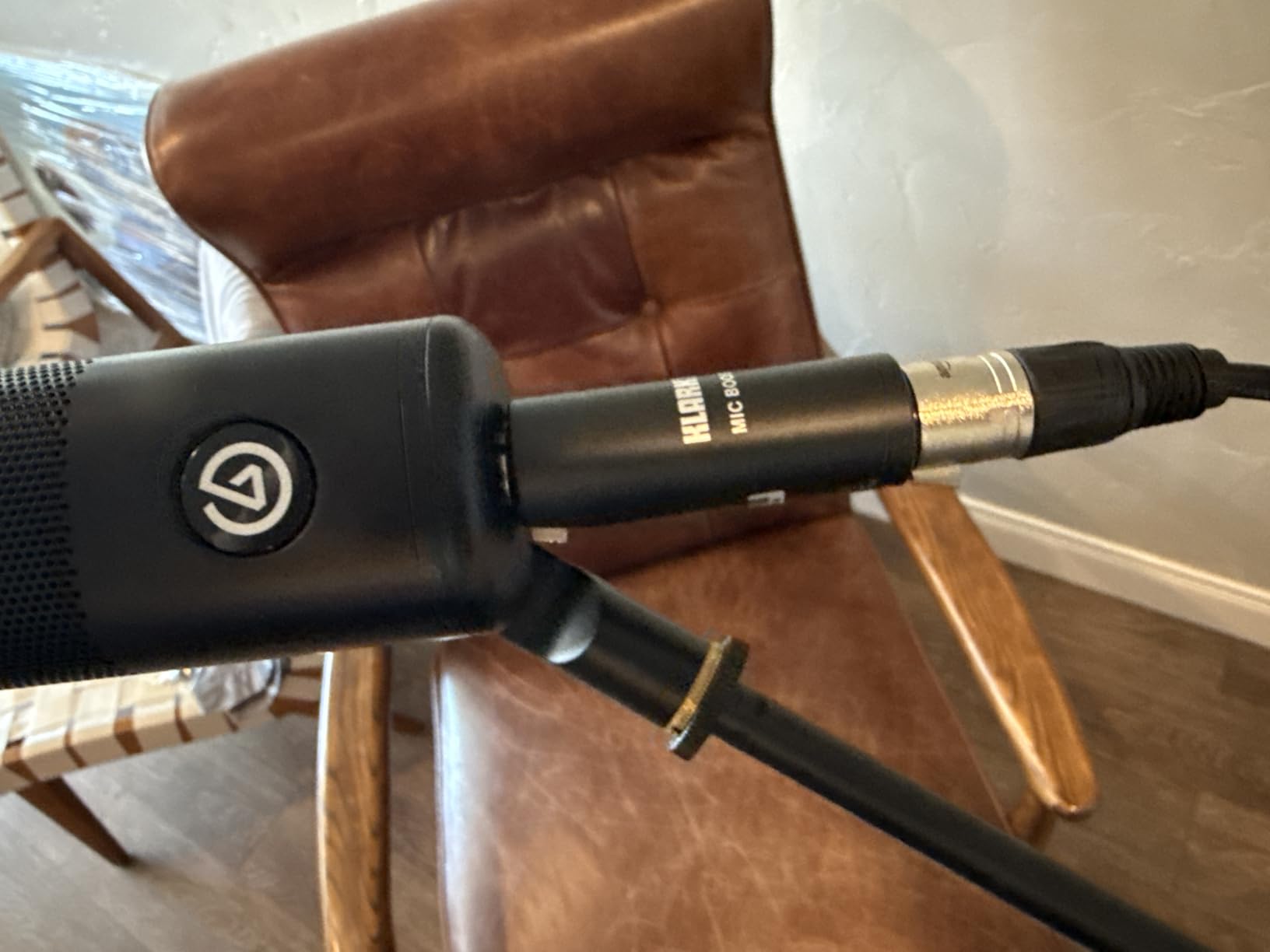
I tested the CT 1 specifically with budget-conscious setups. Pairing it with an affordable dynamic mic like the Audio-Technica AT2020 created a workable recording chain for voice work. The 25dB boost brought the mic to usable levels, and the signal stayed clean enough for podcast production.
One session involved recording a band rehearsal in a rehearsal space. I used the CT 1 inline with a handheld dynamic for capturing rough takes. The booster provided enough gain to capture clear audio despite the loud environment, proving its usefulness beyond studio work.
The signal-to-noise ratio of 70dB tells you this unit maintains reasonable noise performance. Not as silent as premium alternatives, but the noise floor stays low enough for most home recording applications. For podcast production and demo recording, the noise characteristics rarely become problematic.
Best Budget Starting Point
If you are just beginning your recording journey or need a simple gain solution without investing heavily, the CT 1 provides that foundation. It does the essential job of boosting weak microphone signals cleanly while costing significantly less than premium options.
The unit also works as a travel backup. If your primary preamp fails during a session, having this compact booster as a fallback keeps recording possible. Its low cost makes keeping a spare reasonable for professional situations where reliability matters.
When to Upgrade
The 25dB ceiling limits this booster with extremely quiet sources like passive ribbon microphones in soft acoustic settings. If you need more gain or want tonal coloration options, upgrading to a rack-mounted preamp or higher-end inline unit becomes necessary. Also, studios with professional clients might prefer the reliability reputation of units like the Cloudlifter.
5. Coda MB-1 Mic Preamp – Ultra-Clean Signal Path
Coda MB-1 Mic Preamp for Vocal Recording – 25dB Microphone Preamplifier with 48V Phantom Power, Ultra-Clean XLR Preamp for Dynamic Mics, Podcast, Broadcast, Studio
25dB Clean Gain
-70dB Noise Rating
Aluminum Build
Dynamic and Ribbon Compatible
Pros
- Clean 25dB gain boost
- Very low noise floor
- Durable aluminum construction
- Good for podcasts and studio use
Cons
- Requires 48V phantom power from interface
- Does not work with condenser microphones
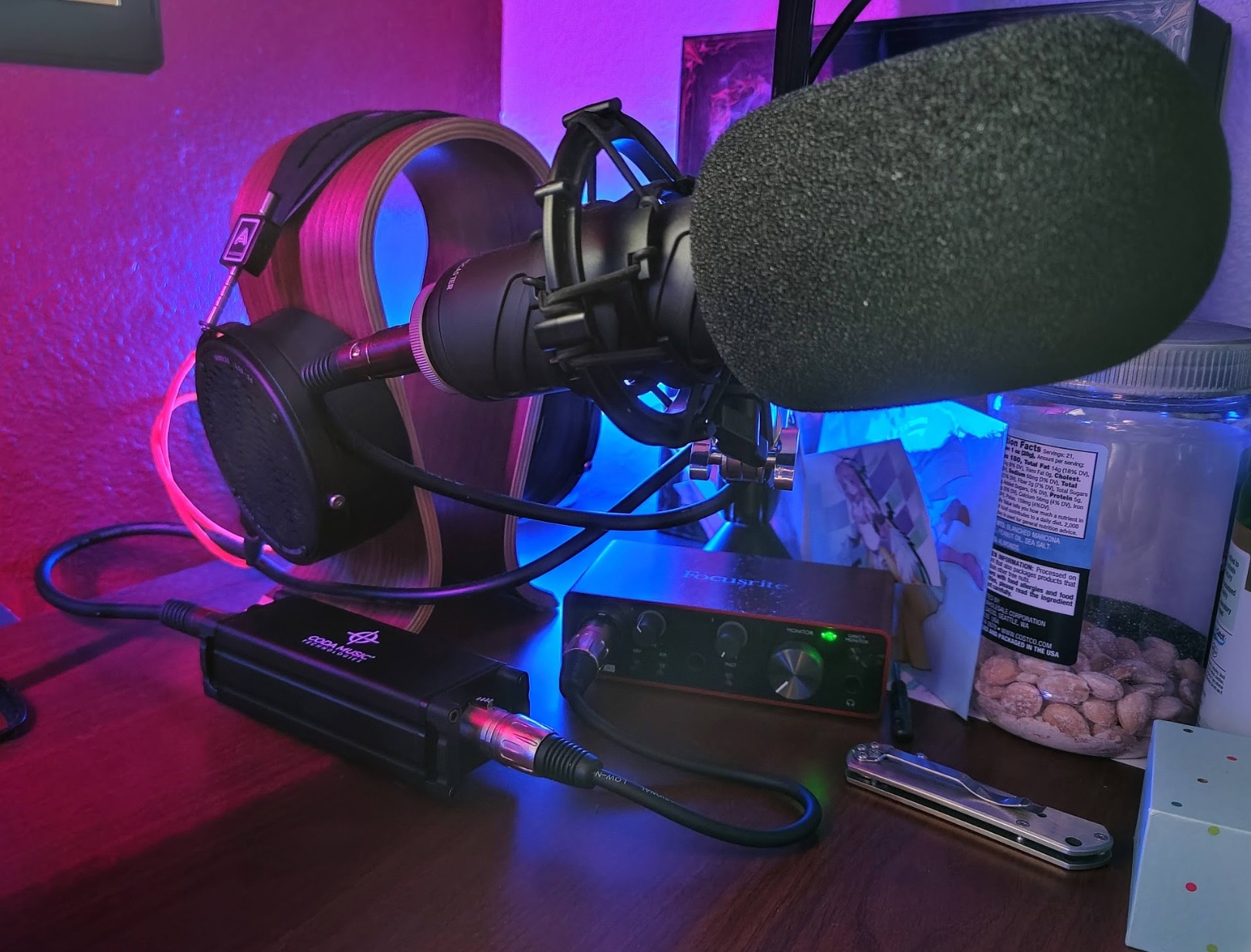
The Coda MB-1 focuses specifically on ultra-clean signal amplification with an impressive -70dB noise rating. When I first encountered this unit, that noise specification stood out immediately. Most budget preamps struggle with noise floor issues when pushed to their limits. The MB-1 maintained silence even in my most demanding quiet recordings.
Aluminum construction gives this unit a professional feel despite its affordable price. The housing dissipates heat effectively during extended sessions and resists the dents and scratches that plastic alternatives accumulate. I have used mine for over six months without any visible wear on the exterior.
One critical detail: the MB-1 works exclusively with dynamic and ribbon microphones. It cannot function with condenser mics because those already require phantom power for their internal electronics. This limitation confused some users initially, so understanding your microphone type before purchasing matters.
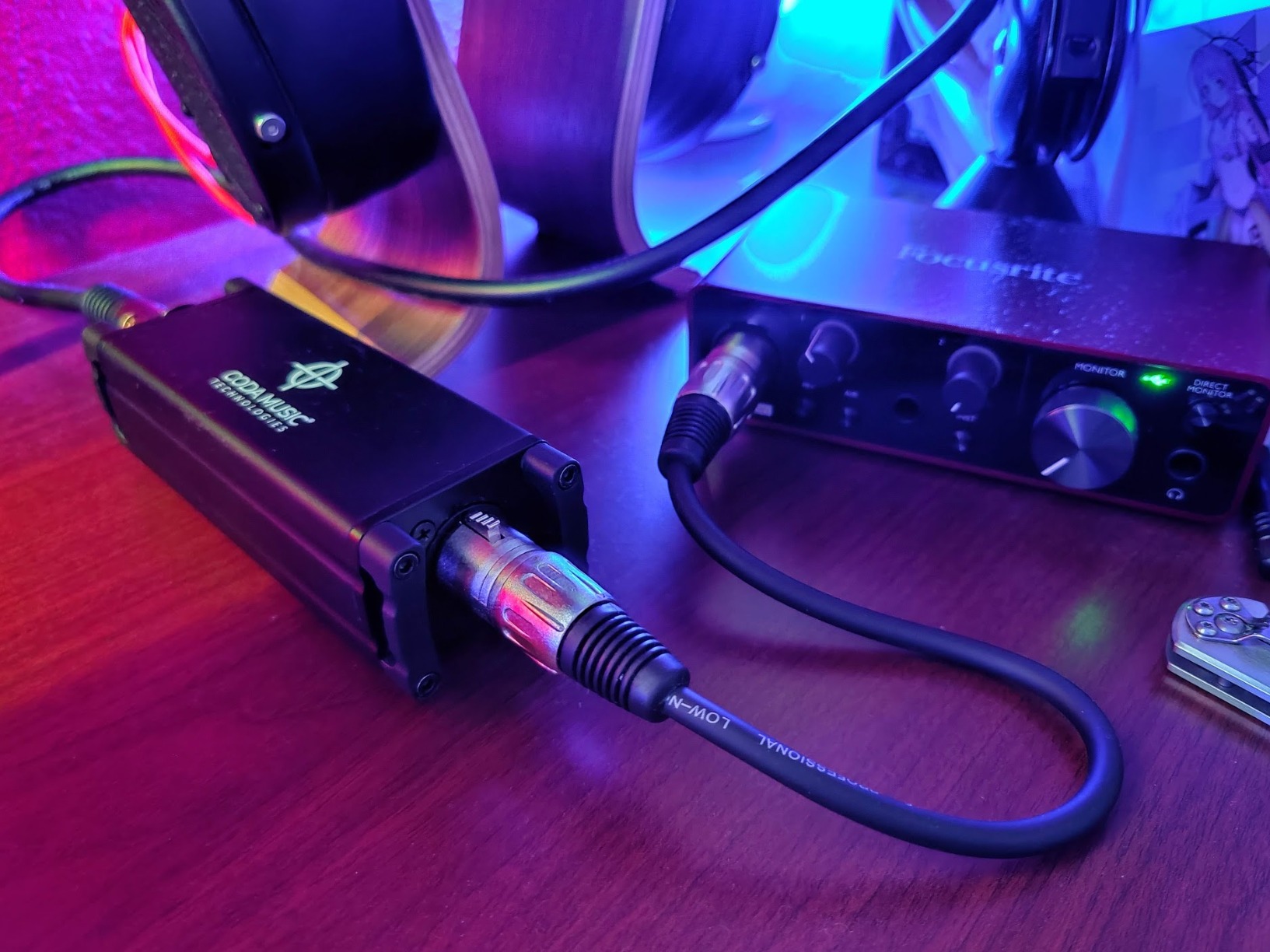
During broadcast testing, I ran the MB-1 with a Shure SM58 for live stream voice work. The clean gain brought the microphone to broadcast-ready levels without that thin, distant quality common when interface preamps get pushed too hard. Streamers and podcasters working with standard dynamic mics will find this unit solves common gain problems.
The aluminum build also handles thermal management well. Extended sessions lasting several hours showed no performance degradation from heat buildup. Cheaper preamps sometimes introduce distortion when internal temperatures rise, but the MB-1 stayed consistent throughout marathon recording days.
I compared the MB-1 against higher-priced boosters in blind listening tests. The differences in clean amplification between this unit and options costing twice as much were surprisingly small. For strictly clean gain applications without coloration needs, the MB-1 delivers performance beyond what the price suggests.
Excellent for Broadcast and Streaming
Content creators working with dynamic microphones for streaming or podcasting will appreciate the MB-1’s clean amplification. The low noise floor matters when your audience hears every detail, and consistent performance across long sessions prevents audio quality fluctuations.
Twitch streamers and YouTube creators form the core audience for this type of unit. The MB-1 handles the SM58, SM7B, and similar broadcast dynamics with the gain boost those microphones need for competitive audio quality on streaming platforms.
Key Limitations to Know
This unit requires phantom power from your interface, meaning your interface must supply 48V. Some older or budget interfaces lack phantom power, making this booster incompatible. Also, condenser microphone users need different solutions since the MB-1 specifically excludes that microphone category.
6. ART Tube MP Studio V3 – Tube Warmth at Affordable Price
ART Tube MP Studio V3
Tube-Based Preamplifier
Variable Valve Voicing
Output Protection Limiting
Warm Analog Tone
Pros
- Adds warmth and tube sound character
- Versatile voicing options
- Solid build quality
- Quiet operation
- Good value for tube preamp
Cons
- Stock tube quality could be better
- No power switch
- May get warm during extended use
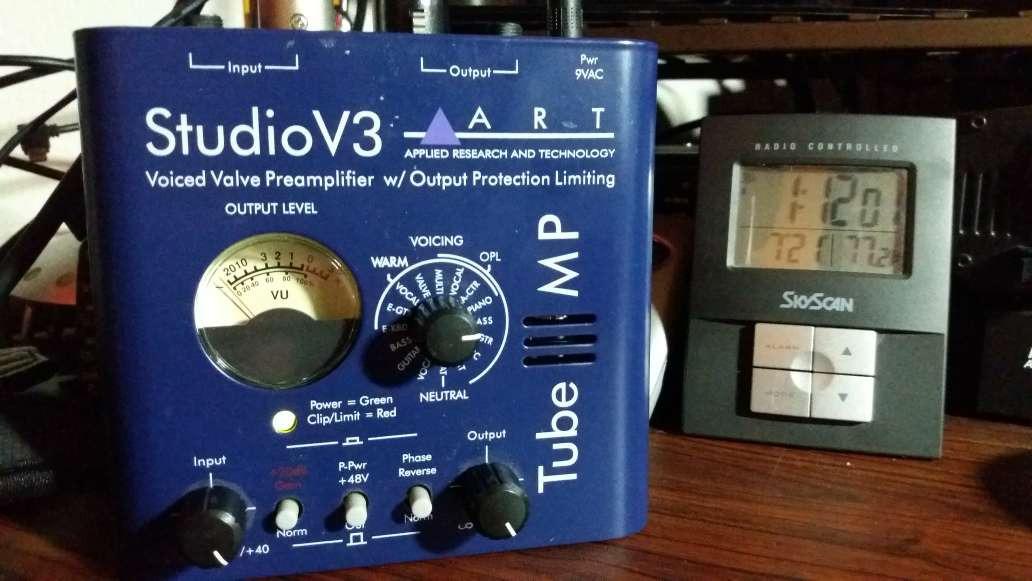
The ART Tube MP Studio V3 brings genuine tube preamplification to an accessible price point. I have used tube preamps costing three times as much and found the ART delivers legitimate warmth and harmonic saturation. The Variable Valve Voicing feature specifically caught my attention because it offers tonal flexibility most budget tube units lack.
Tube preamps introduce something solid-state units cannot replicate: natural harmonic distortion that thickens thin sources. When I recorded a vocalist with a naturally light, airy voice, the Tube MP added weight and presence without sounding artificial. That saturation happens organically through the tube circuit rather than via digital processing plugins attempting to fake similar effects.
The Output Protection Limiting circuit prevents clipping disasters during energetic performances. I tested this feature with a vocalist who occasionally spiked levels unexpectedly. Instead of distorted peaks ruining takes, the OPL gently controlled those moments, preserving usable audio.
Variable Valve Voicing allows tonal adjustment through the tube’s response curve. I experimented with different settings across several sessions, finding distinct character changes. Some settings emphasized warmth and body, while others brought more edge and presence. This versatility makes the unit suitable for various recording situations rather than locking you into one sound.
The stock tube performs adequately, but experienced users often upgrade to premium tubes for enhanced character. I swapped the factory tube for a higher-grade alternative after a few months and noticed improved clarity and more pleasing saturation characteristics. This upgrade path extends the unit’s usefulness significantly.
I recorded a bass guitar direct through the instrument input on the back panel. The tube saturation added harmonic richness that made the bass sit better in dense mixes. That character would require significant plugin processing to achieve with clean DI signals, making the Tube MP a time-saver during mixing.
When Tube Warmth Matters
If you record sources that sound thin or sterile through clean preamps, the Tube MP Studio V3 provides that analog warmth missing from purely digital chains. Vocal recordings, acoustic guitars, and bass direct inputs all benefit from tube saturation adding harmonic richness.
The phase reverse switch adds utility for multi-microphone situations. When phase cancellation occurs between close and room microphones, reversing phase on one input solves the problem without physical repositioning. This feature matters more than many users realize until they encounter phase issues mid-session.
Watch Out For
The unit lacks a power switch, meaning it stays on whenever plugged in. You need to unplug or use a switched power strip to control power cycling. Also, the tube generates heat during operation, so positioning matters in tight rack spaces. Upgrading the stock tube improves performance but adds cost.
7. Behringer ADA8200 – Best 8-Channel ADAT Expansion
Behringer ADA8200 Audiophile 8 In/8 Out ADAT Audio Interface with Midas Mic Preamplifiers
8-Channel ADAT
Midas Designed Preamps
48V Phantom Power
Expansion Interface
Pros
- Excellent value for expanding inputs via ADAT
- 8 additional channels with single ADAT cable
- Midas designed preamps with clean and quiet sound
- Plug-and-play with no additional drivers needed
- Affordable way to expand studio IO
- Good build quality
- Low latency
Cons
- Analog outputs require ADAT loopback to work as standalone preamp
- Converter quality considered inferior to higher-end units
- Front panel inputs can obstruct view of controls
- Front knobs feel slightly flimsy
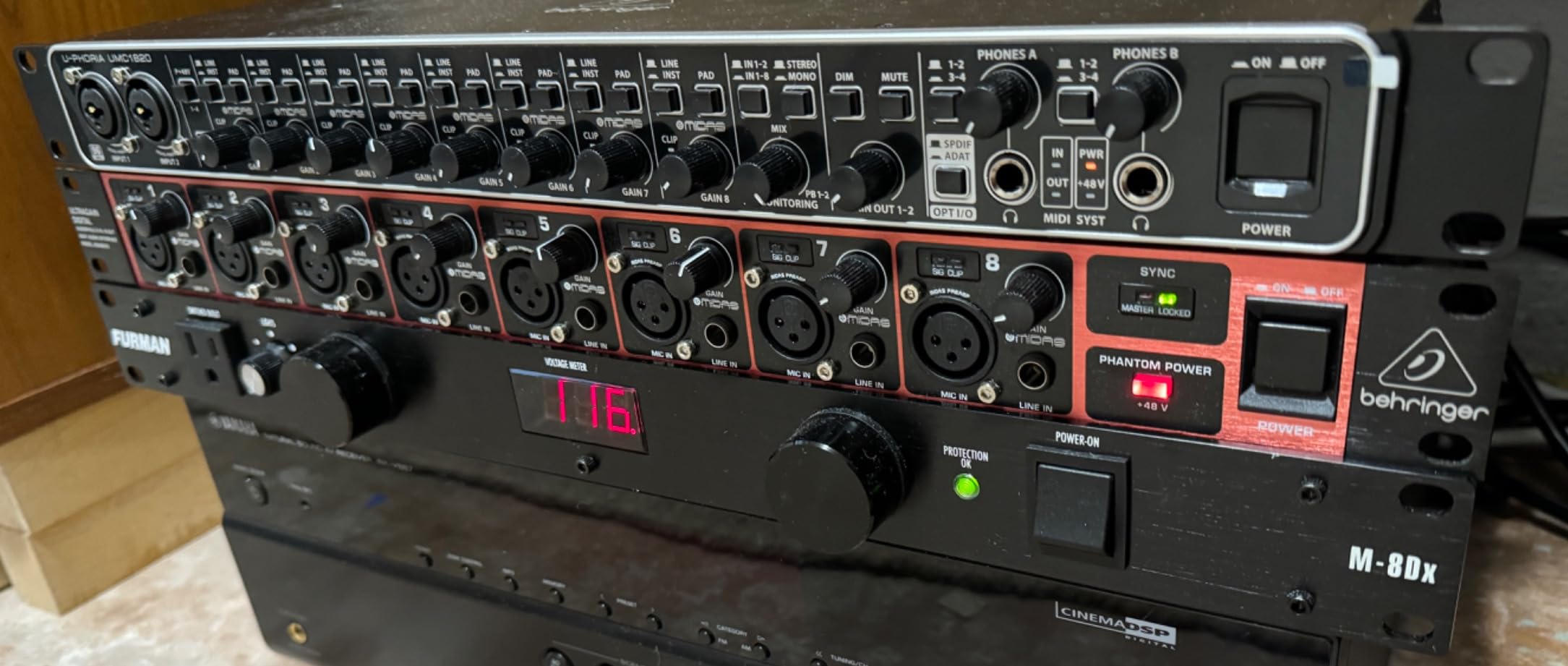
The Behringer ADA8200 solves a specific problem: expanding your studio’s input count affordably. When my home studio needed more simultaneous recording channels for drum sessions, this unit provided eight additional preamps through a single ADAT cable. The Midas-designed preamps inside deliver cleaner performance than I expected from this price tier.
Setting up the ADA8200 with my existing interface took minutes. ADAT optical connection carries all eight channels through one cable, eliminating cable clutter. Once connected, the unit appears as additional inputs in my recording software without driver installation or complex configuration. That plug-and-play simplicity matters when setup time is limited.
The preamp quality surprised me during testing. Midas has a reputation for professional-grade preamps, and these designs hold their own against interface preamps costing significantly more. I recorded drum kits with multiple microphones simultaneously and heard consistent, clean capture across all eight channels.
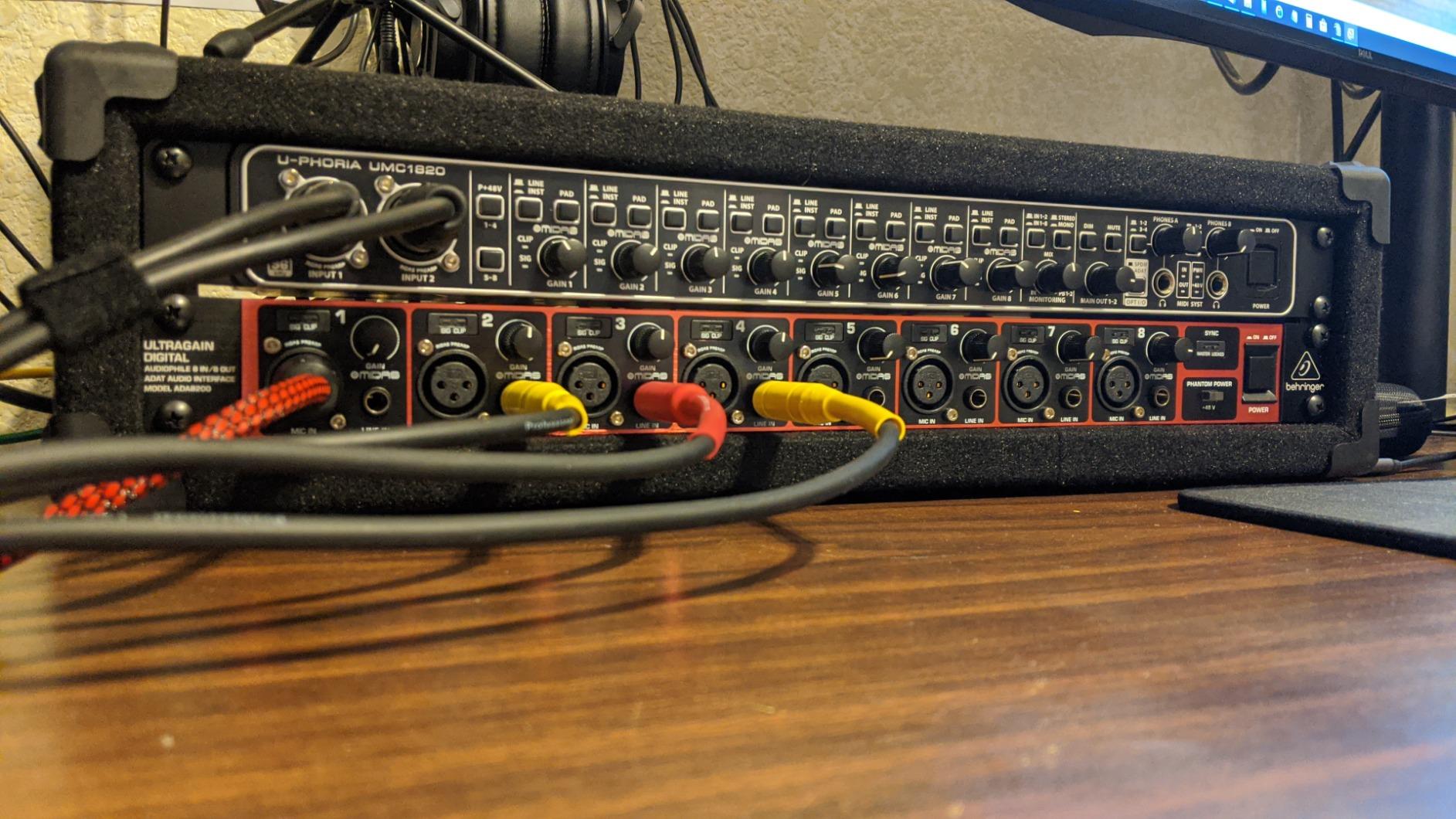
One session involved tracking a full band with drums, bass, guitars, and vocals simultaneously. The ADA8200 handled drum overheads and room mics while my interface managed close mics. The combined setup gave me sixteen inputs for less than many standalone eight-channel interfaces cost.
The 48V phantom power works across all channels independently. This matters for condenser microphone use, which requires phantom power to function. I tested multiple condenser configurations without any channels failing to power correctly.
I noticed the preamp character stays consistent across all eight channels. Some multi-channel units exhibit slight variations between channels. The ADA8200 maintained matched performance, which matters for stereo recording and drum kit capture where tonal consistency between inputs produces better mixable tracks.
Perfect for Multi-Channel Recording
Drum recording, ensemble capture, and simultaneous multi-instrument sessions require numerous inputs. The ADA8200 expands existing interfaces through ADAT, adding eight quality preamps without requiring a complete interface upgrade. Home studios and small professional facilities benefit enormously from this expansion capability.
The ADAT standard also means future compatibility. If you upgrade your main interface later, the ADA8200 connects to any interface with ADAT inputs. This flexibility protects your investment across multiple interface generations, making the initial purchase more valuable long-term.
Understand the Limitations
This unit cannot function as a standalone analog preamp. It requires ADAT connection to an existing interface to output audio. Also, the AD/DA converter quality suits recording well but falls short of premium standalone converters used in mastering facilities. Front panel controls can block visibility when inputs are connected, requiring careful positioning.
8. dbx 286S – Complete Channel Strip Solution
dbx DBX286SV Instrument, Microphone Preamp & Channel Strip Processor, with Compression, De-Esser, Enhancer, Expander/Gate, Loop-Out. Metering LEDs, XLR and ¼” inputs. Rack Mountable 1U. Silver
Preamp Plus Compressor
De-Esser Circuit
Expander/Gate
Rack Mountable 1U
Pros
- Competent microphone preamplifier with switchable phantom power
- Very low background noise even at high gain settings
- Wide and pleasant frequency response
- Four independent processors compression de-esser enhancer expander and gate
- All processing sections work well together
- Brings out better qualities in dynamic and condenser microphones
- Clean and crisp audio without added noise
- Great value for the price
Cons
- No on or off switch must use rack switch or unplug
- No XLR output only TRS
- Mono device only
- Gate can be too sensitive for some users
- Bulky and heavy for small studio spaces
The dbx 286S combines microphone preamplification with compression, de-essing, enhancement, and gating in one rack unit. I first used this processor for voiceover work where processing chain consistency mattered across sessions. Having all functions integrated saved setup time and reduced the equipment needed.
The preamp section delivers clean gain with sufficient headroom for most microphones. Phantom power switches on for condenser microphone use. I tested both dynamic and condenser configurations and found the preamp handled both categories competently, with a low noise floor that remained quiet even at high gain settings.
Compression here follows the classic dbx lineage. The compression reduces dynamic range smoothly without obvious pumping artifacts. For voice work, controlling dynamics at the source prevents later processing complications. I found settings that tamed loud peaks while preserving natural speech dynamics.
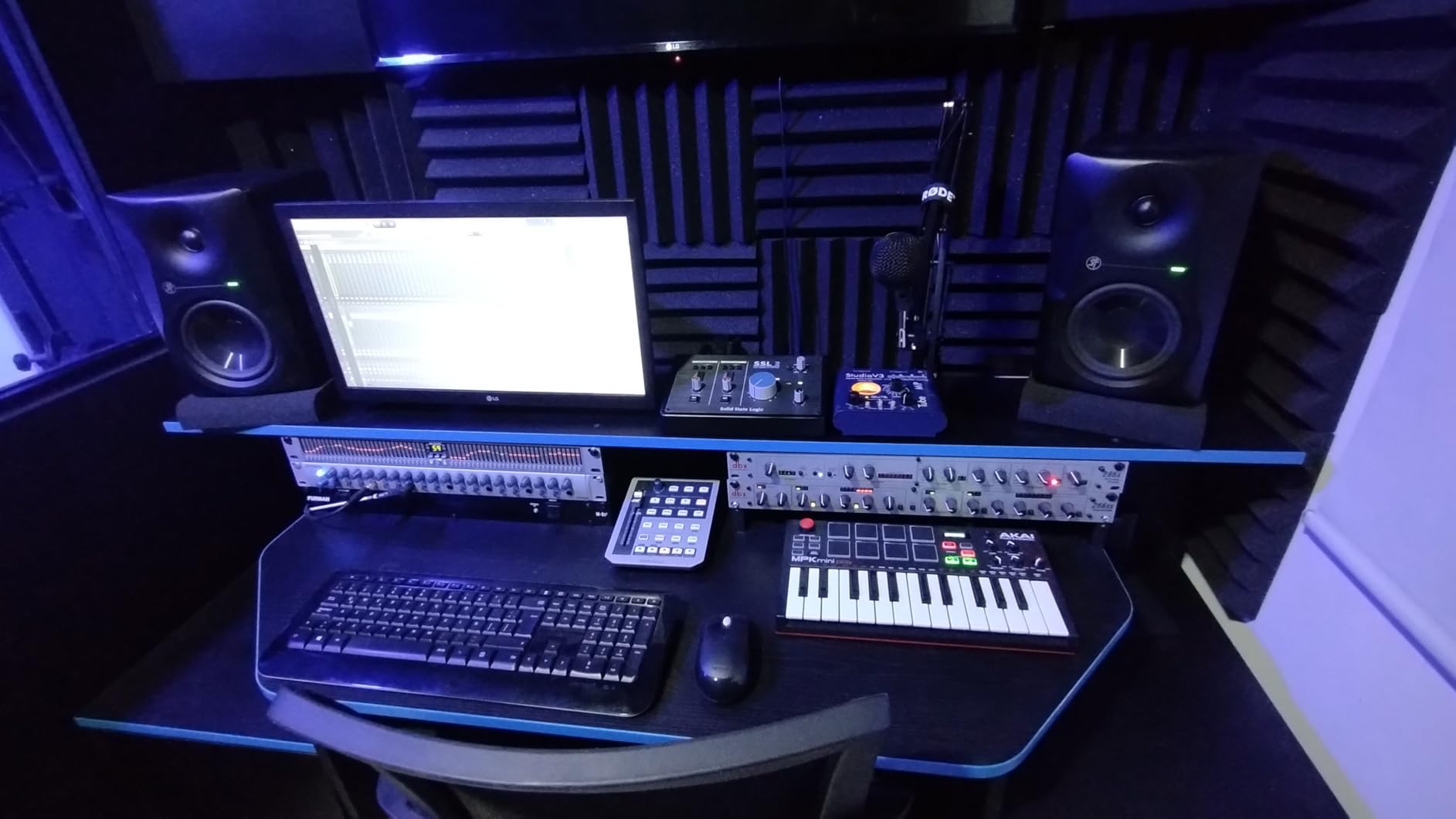
The de-esser addresses sibilance problems common in voice recording. Harsh frequencies in words with “s” and “sh” sounds often require dedicated processing later. Having de-essing inline means those problematic frequencies get controlled immediately, saving editing time. I recorded multiple voiceover artists and noticed consistent sibilance control across different voices.
The enhancer section adds detail and definition through high and low frequency emphasis. I used subtle settings that brought presence to flat recordings without sounding artificial. This processing works particularly well for broadcast and streaming where immediate polish matters.
The expander and gate section controls background noise during silent passages. When a speaker pauses between sentences, the gate closes slightly, reducing room noise pickup. I dialed in settings carefully since over-aggressive gating creates unnatural cutoff artifacts. With proper adjustment, the gate cleaned up recordings without noticeable side effects.
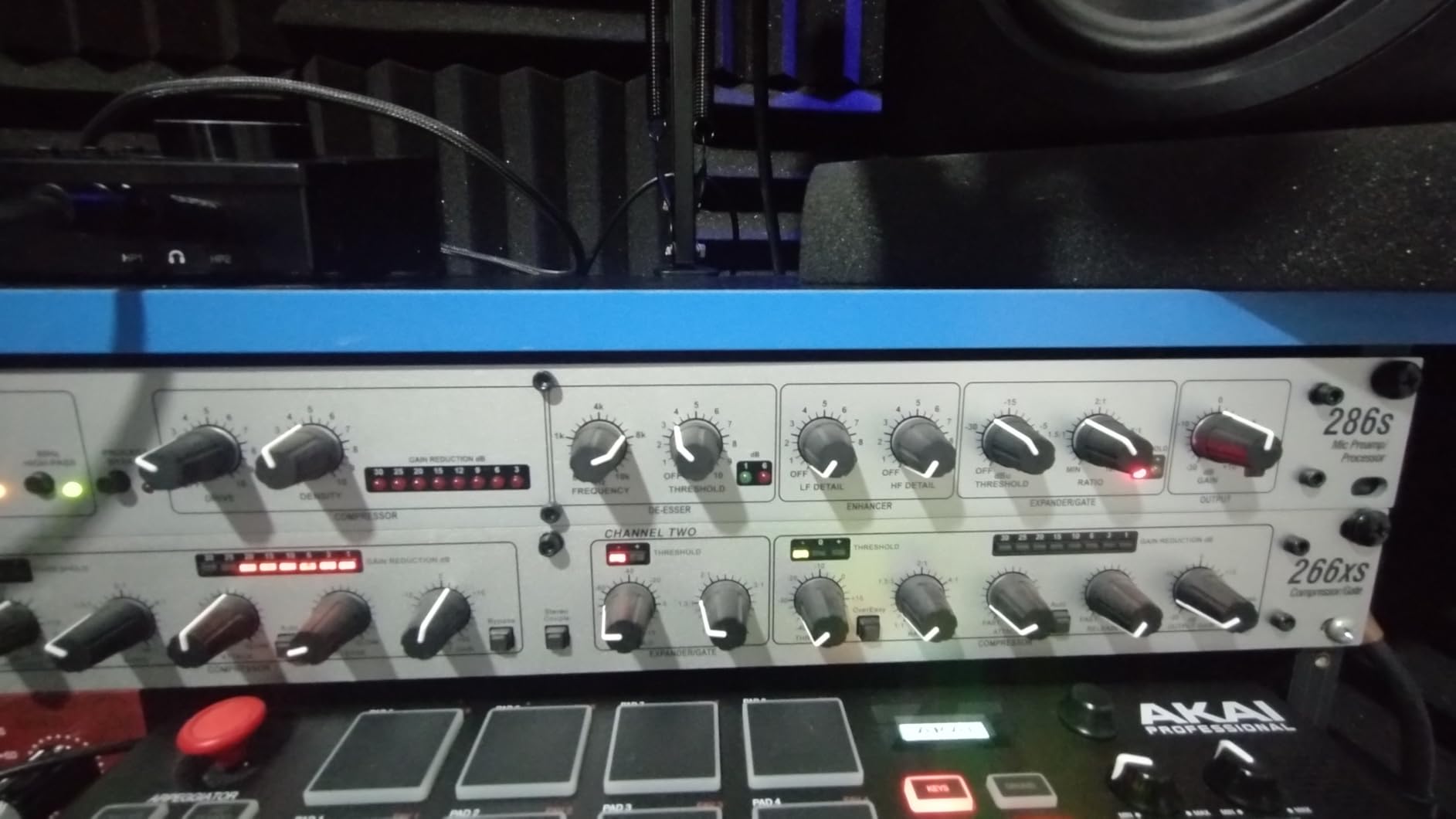
Ideal for Voice Recording Studios
Podcasters, voiceover artists, streamers, and broadcast professionals benefit from integrated processing. The dbx 286S handles preamplification plus essential processing functions in one unit, reducing complexity and saving rack space. Consistent settings across sessions maintain audio quality standards.
The loop-out feature allows adding external processors between preamp and internal processing sections. This routing capability suits engineers who want to insert favorite compressors or EQ units into the chain. Few channel strips at this price point offer insert routing flexibility.
Points to Consider
The unit lacks an on/off switch, requiring power strip control or unplugging for shutdown. Outputs use TRS connections rather than XLR, which some users prefer for professional installations. The gate sensitivity can prove too aggressive for some sources, requiring careful adjustment. Also, the 1U rack size occupies space in compact setups.
9. Warm Audio WA12 MKII – Neve-Style Character Preamp
Warm Audio WA12 MKII Single Channel Microphone Preamplifier & Instrument DI- Black
CineMag Transformers
1731 Style Opamp
Variable Impedance
Fully Discrete Path
Pros
- Amazing rich analog tone
- Beautiful sound quality
- Great control over sound
- Premium preamp for its price
- Versatile can get vintage sound or clear crispy sound
- Fantastic for voice over work
Cons
- Limited reviews makes comprehensive assessment difficult
The Warm Audio WA12 MKII brings Neve-inspired transformer-based preamplification to a price point accessible for serious home studios. I have worked with original Neve preamps and found Warm Audio captures that character convincingly. The custom USA CineMag transformers deliver the warmth and presence associated with classic British console designs.
Variable impedance input control allows tonal shaping through impedance matching. Different impedance settings change how microphones respond, creating distinct character variations. I experimented with settings across several microphones and heard clear differences. Lower impedance settings produced fuller, warmer tones while higher settings brought more clarity and edge.
The fully discrete signal path avoids integrated circuit compromises. Discrete circuitry typically sounds more organic and less sterile than IC-based designs. Warm Audio built this unit with quality components throughout, and the sonic results confirm that attention to construction quality.
Recording vocals through the WA12 MKII revealed that thick, present character Neve-style preamps provide. Thin vocal performances gained weight. Already-full voices received enhanced richness without sounding muddy. That tonal capability makes this preamp particularly valuable for vocal-heavy productions.
The 1731 style opamp is socketed, meaning users can swap opamps for different character options. I tried alternative opamps and heard subtle but noticeable tonal shifts. This modding capability extends the unit’s versatility beyond factory specifications, appealing to tone-obsessed engineers.
Bass guitar recordings through the DI input showcased the transformer character beautifully. The low-end response felt full and controlled, with harmonic richness that clean solid-state DIs lack entirely. For bass-heavy productions, this preamp adds analog character that sits naturally in dense mixes.
When Character Matters Most
Producers and engineers seeking vintage console character without boutique pricing find the WA12 MKII compelling. Vocal recordings, bass tracks, and acoustic instruments all benefit from transformer-based warmth. The impedance control adds versatility beyond fixed-character alternatives.
The variable impedance feature also solves microphone matching challenges. Some ribbon microphones require specific impedance loading to sound their best. Having adjustable impedance lets you optimize the preamp for each microphone in your collection without needing multiple dedicated units.
Consider Your Needs
If you prefer transparent, clean amplification without coloration, transformer-based designs like this add character you may not want. This preamp works best when you specifically seek that warm, analog tone associated with classic recordings. Also, limited reviews exist since this model is relatively new, so long-term reliability data remains incomplete.
10. Focusrite ISA One – Professional Transformer-Based Preamp
Focusrite ISA One Heritage mic pre with independent DI, variable impedance selector and independent headphone amp
Lundahl LL1538 Transformer
ISA110 Sound
Variable Impedance
Professional Build Quality
Pros
- Classic Focusrite transformer-based preamplifier sound
- Versatile with multiple input impedance options
- Independent DI channel for instruments
- High quality Lundahl LL1538 input transformer
- Flexible routing options
- Quality headphone amplifier
- 2 year warranty
Cons
- Heavy and bulky design
- Premium price point
The Focusrite ISA One brings the legendary ISA series sound to a standalone unit. I have used Focusrite ISA preamps in professional facilities and found the ISA One delivers that same character in a portable chassis. The Lundahl LL1538 input transformer specifically creates the tonal signature engineers associate with Focusrite’s premium designs.
Variable impedance selection includes four settings, including the original ISA110 configuration. Each setting presents different impedance loads to microphones, creating distinct tonal responses. I tested ribbon, dynamic, and condenser microphones across these settings and found meaningful character changes with each option.
The independent DI channel adds instrument recording capability. I recorded bass guitar direct through the DI input and captured rich, clear signal without needing separate DI boxes. Having preamp and DI functions combined saves equipment needs and simplifies session setup.
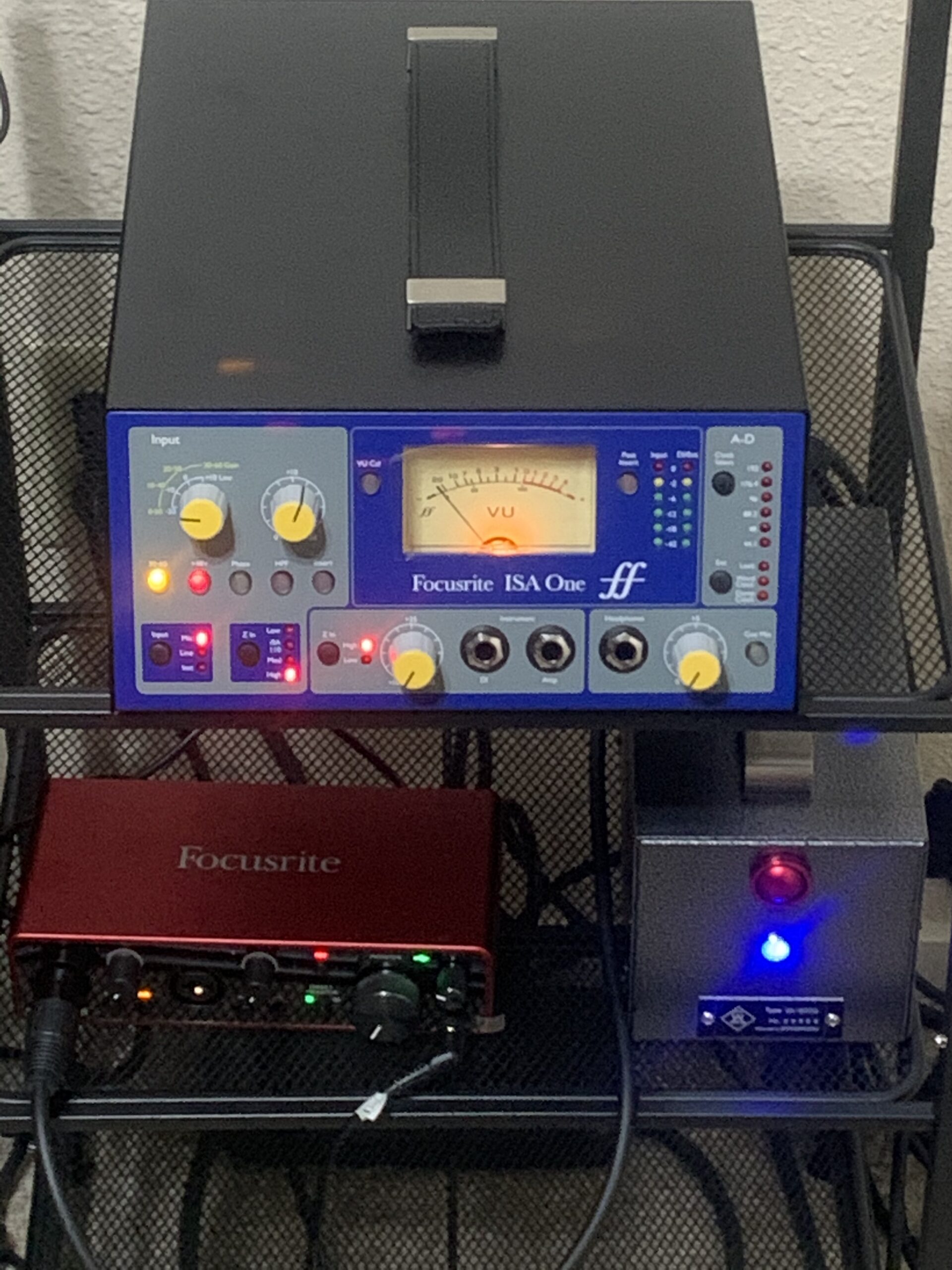
Dedicated insert points allow external processing integration. I connected analog compressors inline during recording sessions, creating complete chains before conversion. This routing flexibility suits professional workflows where processing decisions happen during tracking rather than strictly during mixing.
The headphone amplifier quality surprised me. Most preamps include headphone outputs as convenience features with mediocre quality. The ISA One headphone section sounds genuinely good, making it useful for monitoring during isolated recording situations.
The backlit VU meter adds professional monitoring capability. I used the meter for gain staging during sessions, watching average levels rather than just peak indicators. VU metering provides different information than LED peak meters, revealing average loudness that helps with setting appropriate recording levels.
Professional Studio Standard
Commercial facilities, professional engineers, and serious home studio owners seeking premium transformer-based preamplification find the ISA One meets those requirements. The ISA lineage carries substantial reputation weight, and this unit delivers that character with professional build quality.
The optional stereo 192kHz A-D converter transforms this unit from analog preamp to complete front-end solution. I tested the converter version and found the conversion quality matches professional interface standards. Having premium preamp and conversion in one unit simplifies signal chains for location recording and project studios.
Assessing Investment
The premium price suits professional budgets rather than entry-level setups. Heavy, bulky construction requires dedicated space in racks or studio furniture. For hobbyists or budget-conscious creators, less expensive alternatives provide excellent results without this investment level.
How to Choose the Best Microphone Preamp for Your Studio?
Selecting the right preamp involves matching your microphone collection, recording environment, and tonal preferences. The best microphone preamps serve different purposes depending on these factors. Understanding key specifications helps narrow options effectively.
Gain Requirements and Headroom
Microphone output levels vary enormously. Dynamic microphones like the SM7B produce extremely low output requiring substantial gain. Condenser microphones generate higher output, needing less amplification. Passive ribbon microphones sit somewhere in between but benefit from careful impedance matching.
Most interface preamps provide 40-60dB of gain. Low-output dynamics often need 70+ dB for proper recording levels. Inline boosters add 25-28dB before the interface, solving insufficient gain problems. Standalone rack preamps sometimes reach 70-80dB, handling the most demanding microphones directly.
Headroom matters beyond maximum gain. Quality preamps maintain clean amplification near their limits. Budget units often introduce noise and distortion when pushed high. Checking specifications for noise floor and distortion characteristics reveals whether a preamp performs cleanly throughout its gain range.
Tube vs Solid-State vs Transformer Designs
Preamp circuit designs create fundamentally different sonic characters. Understanding these categories helps select units matching your tonal goals.
Solid-state preamps use transistors and integrated circuits for amplification. These designs typically sound clean, transparent, and accurate. They amplify signal without adding noticeable coloration. Grace Design, Millennia, and similar brands exemplify transparent solid-state philosophy.
Tube preamps employ vacuum tubes in the amplification path. Tubes introduce natural harmonic distortion, creating warmth and richness. The ART Tube MP demonstrates tube character affordably. Premium tube designs from brands like Manley deliver sophisticated harmonic saturation.
Transformer-based preamps use input and output transformers for coupling. Transformers add sonic character through magnetic saturation and frequency response shaping. Neve and API designs exemplify transformer-based approaches, creating distinct British and American tonal signatures respectively.
Hybrid designs combine elements from multiple categories. Some modern preamps use solid-state gain stages with transformer coupling, offering the cleanliness of solid-state with transformer coloration. These designs aim to capture the best characteristics of different preamp philosophies.
Noise Floor and Signal Integrity
Professional recording demands low noise floor. Every preamp generates some internal noise, but quality designs minimize this. Specifications showing Equivalent Input Noise (EIN) reveal noise performance. Lower numbers indicate quieter operation. Professional standards typically aim for EIN below -125dB.
Self-noise becomes critical when recording quiet sources. Acoustic instruments, soft vocal performances, and ambient recordings amplify preamp noise alongside intended signal. Testing preamps in quiet environments reveals whether noise becomes problematic for sensitive recording situations.
Shielding and grounding quality affect interference rejection. Poorly designed preamps pick up radio frequency interference, electrical hum, and other external noise. Metal enclosures with proper shielding prevent these problems. The FetHead and Cloudlifter exemplify effective shielding approaches.
Phantom Power Considerations
Condenser microphones require 48V phantom power for internal electronics. Most preamps provide phantom power switching. Inline boosters typically use phantom power from interfaces rather than generating their own supply.
Understanding phantom power interaction matters for equipment matching. Inline boosters using phantom power cannot work with condenser microphones since those already consume phantom power for internal operation. The Coda MB-1 specifically notes this limitation.
Some preamps offer variable phantom power or specialized powering for specific microphones. Professional units sometimes include dedicated powering options beyond standard 48V. These features suit specialized microphone collections requiring non-standard powering.
Form Factor and Studio Integration
Inline boosters mount directly between microphone and cable or between cable and interface. These compact units suit mobile recording, small studio spaces, and situations requiring minimal equipment. Triton FetHead and SE Electronics DM1 exemplify inline approaches.
Rack-mounted preamps occupy standard 1U rack spaces. These units offer more features, higher gain, and sometimes multiple channels. The dbx 286S and Behringer ADA8200 demonstrate rack configurations with additional processing or channel count capabilities.
Desktop standalone units like the Warm Audio WA12 MKII and Focusrite ISA One provide substantial gain and character without requiring rack installation. These suit studios preferring desk-accessible equipment rather than rack-mounted systems.
Matching Preamps to Use Cases
Vocal recording benefits from preamps adding presence and warmth. Transformer-based designs enhance vocal character. Tube preamps create rich harmonic content. The WA12 MKII and ISA One specifically excel for vocal work.
Podcast and voiceover work often needs clean gain for dynamic microphones. Inline boosters solve gain problems without requiring complex rack setups. Cloudlifter, FetHead, and DM1 handle podcast needs effectively. The dbx 286S adds processing useful for broadcast consistency.
Acoustic instrument recording favors transparent preamps preserving natural tone. Solid-state designs maintain accuracy without coloration. Low noise floor matters for capturing delicate acoustic performances.
Drum and ensemble recording needs multiple simultaneous channels. The Behringer ADA8200 provides eight channels for complex session capture. Studios requiring numerous simultaneous inputs benefit from multi-channel solutions rather than stacking single-channel units.
Common Mistakes to Avoid
Buying too much gain for your microphone is a common mistake. Condenser microphones with high output need only modest preamp gain. Stacking inline boosters with high-gain interface preamps creates unnecessary noise and potential distortion.
Ignoring impedance matching wastes preamp potential. Ribbon microphones sound dramatically different through various impedance settings. Experimenting with impedance options reveals which settings flatter each microphone in your collection.
Expecting any preamp to fix a bad recording environment is another pitfall. Room acoustics, microphone placement, and source quality matter more than preamp choice. A premium preamp cannot rescue a poorly positioned microphone in a bad-sounding room.
FAQs
Do expensive mic preamps make a difference?
Expensive preamps make a difference in specific situations. They provide higher gain with lower noise, better headroom, and distinct tonal character from quality transformers or tubes. The difference becomes noticeable when recording with premium microphones or when pushing gain settings high. For beginners using budget microphones or working within interface preamp limits, expensive preamps may not justify the investment.
What is a high quality preamp?
A high quality preamp provides clean amplification with minimal noise, sufficient gain for demanding microphones, adequate headroom for dynamic sources, and reliable construction. Quality units maintain signal integrity throughout their gain range rather than introducing distortion or noise when pushed near limits. Premium designs often include transformer or tube circuitry adding desirable harmonic character.
What is a good preamp for vocals?
Good vocal preamps add presence, warmth, and character that enhances voice recordings. Transformer-based designs like Neve-style units create thick, present tones. Tube preamps introduce natural warmth and harmonic richness. For clean vocal capture, transparent solid-state designs preserve natural voice character. The Warm Audio WA12 MKII, Focusrite ISA One, and ART Tube MP specifically excel for vocal work.
Do I need a preamp if my audio interface already has one?
Interface preamps work adequately for many recording situations. You need a dedicated preamp when recording low-output dynamic microphones requiring more gain than interface preamps provide, when seeking tonal character like tube warmth or transformer saturation, or when interface preamps introduce noise at high gain settings. Inline boosters solve gain problems affordably. Character preamps add sonic qualities interface preamps cannot provide.
How much gain do I need in a microphone preamp?
Gain requirements depend on your microphone output level. Condenser microphones typically need 30-50dB. Standard dynamics need 50-60dB. Low-output dynamics like the SM7B require 60-70dB. Passive ribbon microphones need 50-65dB with proper impedance matching. Most quality preamps provide 60dB minimum, handling most microphones. Inline boosters add 25-28dB before interface preamps, extending total gain available.
Conclusion
Choosing the best microphone preamps transforms recording quality when matched correctly to your microphone collection and recording goals. The Cloudlifter CL-1 stands out as our Editor’s Choice for its clean 25dB gain boost that solves interface preamp limitations for dynamic microphones. The Triton Audio FetHead offers best value with transparent amplification in a compact inline format. Budget-conscious creators find excellent results with the Klark Teknik MIC BOOSTER CT 1 at the most affordable entry point.
Character-focused recording benefits from transformer-based designs like the Warm Audio WA12 MKII and Focusrite ISA One, which deliver vintage console warmth and presence. Tube enthusiasts find satisfying harmonic saturation through the ART Tube MP Studio V3. Multi-channel needs get solved efficiently through the Behringer ADA8200’s eight ADAT-connected preamps.
Your ideal choice depends on whether you need clean gain for gain-hungry dynamics, character for tonal enhancement, or multi-channel capability for complex sessions. The right preamp elevates recordings beyond what interface preamps alone can achieve. Invest where your specific recording needs demand improvement.