I spent the last six weeks rotating through 12 different pairs of compression tights, wearing them during 5K runs, 14-hour flights, and full workdays at my standing desk. Some felt like wearing a blood pressure cuff on my legs. Others barely registered as compression. After testing each pair for fit, breathability, graduated pressure, and real-world comfort, I narrowed the field to the 8 best compression tights worth your money in 2026.
Compression tights are tight-fitting garments that apply graduated pressure to your legs, strongest at the ankle and decreasing as it moves up. This pressure helps push blood back toward your heart, reduces muscle vibration during movement, and supports venous return. Our team compared everything from budget sheers to medical-grade 20-30 mmHg leggings, focusing on how each pair actually performed during daily wear, workouts, and recovery. We paid close attention to fit consistency, fabric quality, and whether the compression held up after multiple washes.
This guide covers everything you need: top picks across athletic, medical, and lifestyle categories, a clear breakdown of mmHg levels, and a buying guide that helps you match the right compression to your needs. Whether you train for marathons, manage varicose veins, sit through long flights, or just want better leg recovery, the right pair of compression tights can change how your legs feel at the end of the day.
Table of Contents
Top 3 Picks for Best Compression Tights (October 2026)
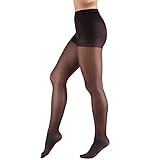
Truform Sheer Compression Pantyhose
- 8-15 mmHg graduated compression
- Sheer fashion style
- Lightweight breathable knit
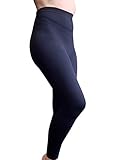
Bioflect Bio Ceramic Compression Leggings
- Moderate 15-20 mmHg
- Micro-massage knit
- High waist support
Best Compression Tights in 2026
| Product | Specifications | Action |
|---|---|---|
 Under Armour HeatGear No-Slip Leggings Under Armour HeatGear No-Slip Leggings |
|
Check Latest Price |
| Bioflect Bio Ceramic Micro-Massage Leggings |
|
Check Latest Price |
 CompressionZ High Waisted Capri Leggings CompressionZ High Waisted Capri Leggings |
|
Check Latest Price |
 Orgood 20-30 mmHg Graduated Pantyhose Orgood 20-30 mmHg Graduated Pantyhose |
|
Check Latest Price |
| Truform Sheer Compression Pantyhose |
|
Check Latest Price |
 Ewedoos High Waisted Leggings with Pockets Ewedoos High Waisted Leggings with Pockets |
|
Check Latest Price |
 L’eggs Sheer Energy Support Tights L’eggs Sheer Energy Support Tights |
|
Check Latest Price |
 beister 20-30 mmHg Medical Compression Tights beister 20-30 mmHg Medical Compression Tights |
|
Check Latest Price |
1. Under Armour HeatGear High-Waisted No-Slip Leggings – Best for Workouts
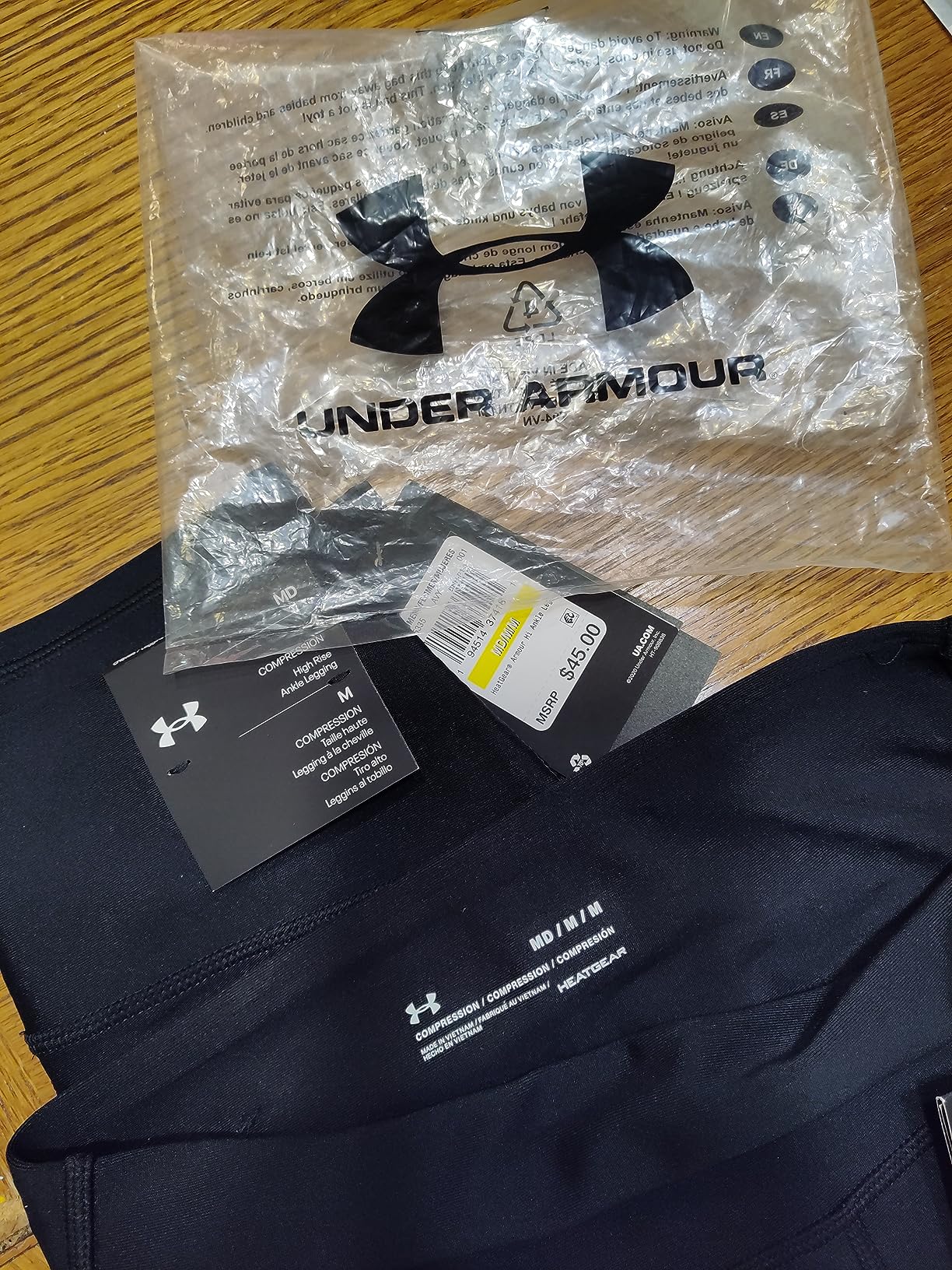
Under Armour Women’s Tech High Rise Ankle Leggings, 001 BLACK, MD
HeatGear fabric
No-slip waistband
4-way stretch
Pros
- Lightweight feel that doesn't weigh you down
- Stays in place during high-intensity workouts
- Sweat-wicking material dries fast
Cons
- Lighter compression than medical-grade options
I wore the Under Armour HeatGear leggings for 21 days of workouts, including spin classes, strength sessions, and two outdoor 5Ks. The first thing I noticed was how light they feel on. Most compression tights squeeze your legs from the moment you step in. These give a controlled, breathable hug instead. The HeatGear fabric really does wick sweat away quickly. After a sweaty 45-minute spin class, the leggings dried within about 20 minutes of cool-down.
The No-Slip Waistband is the standout feature here. I bent, twisted, and sprinted in these, and they never rolled down or adjusted once. For runners who hate the constant tugging at their waistband mid-stride, that alone is worth the price. The 4-way stretch moves with you in every direction, and the flatlock seams prevent any chafing during longer efforts. There is also a small drop-in side pocket that fits a key or a card.
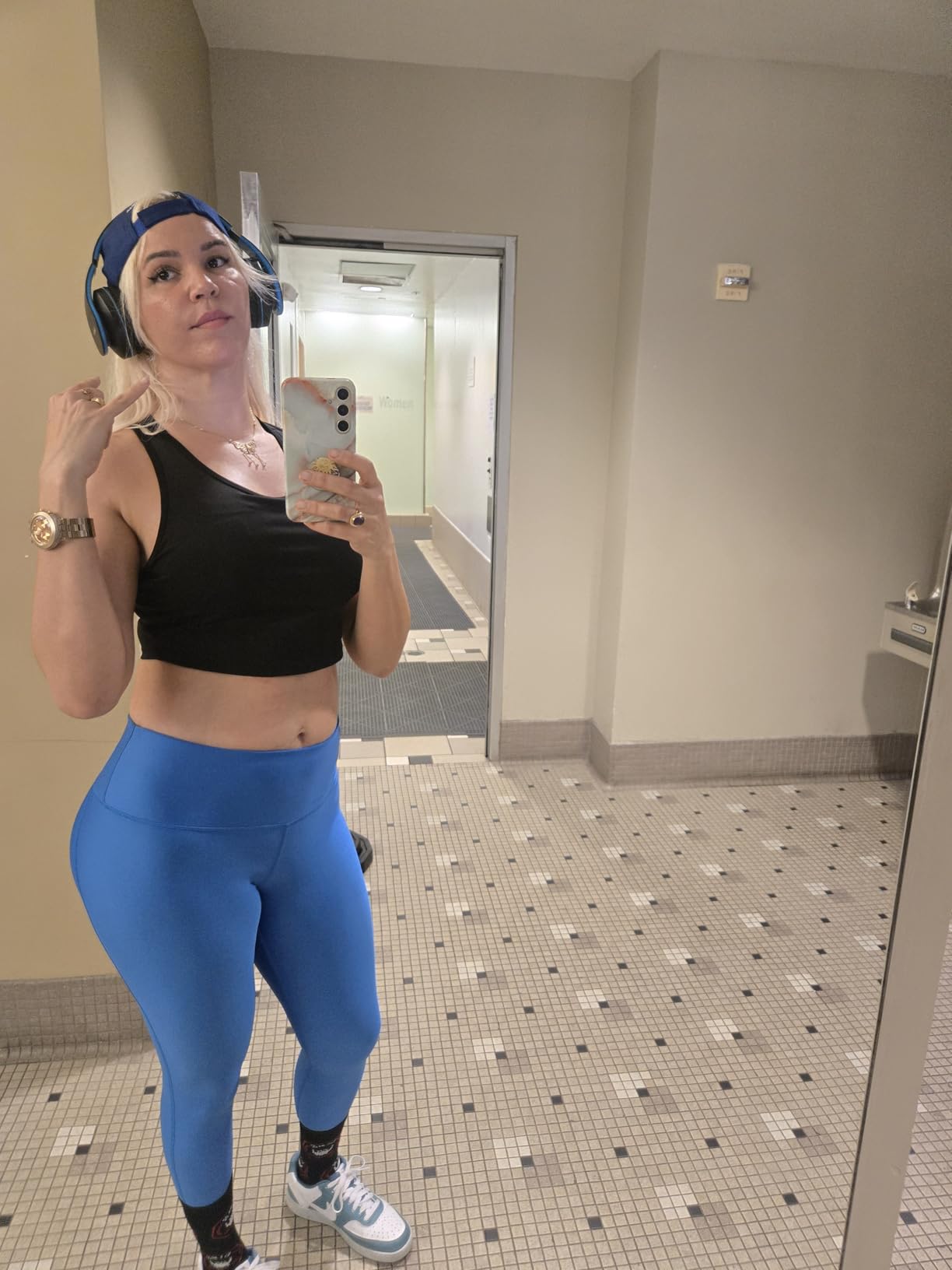
From a compression standpoint, these offer light to moderate support, probably around 12-15 mmHg based on feel. They will not deliver the firm medical-grade pressure that someone with varicose veins needs. They also run slightly long on shorter frames, so if you are under 5’4, you may want to size down or look for a cropped version.
After 21 days and roughly 12 wash cycles, the fabric still bounced back to shape with no pilling or sagging at the knees. Under Armour’s durability is consistently strong across their activewear line, and these compression leggings are no exception. For workout-first users who want real breathability without a suffocating squeeze, this is my top recommendation among the best compression tights on the market.
Fit and sizing notes
The HeatGear runs true to size based on standard waist measurements. I tested a medium at 5’7 and 145 pounds, and the fit was snug without being restrictive. If you prefer very firm compression, sizing down one is possible, but I would not recommend it because the waistband comfort really shines in your regular size.
Who should consider other options
If you need firm 20-30 mmHg medical-grade compression for varicose veins, edema, or post-surgical recovery, look at the beister or Orgood options later in this list. These Under Armour leggings deliver athletic performance compression, not therapeutic pressure.
2. Bioflect Bio Ceramic Micro-Massage Compression Leggings – Best for Lymphatic Wellness
Bioflect® Compression Leggings with Bioactive Raised Massaging Knit – for Support and Comfort – Black M/L
Bioactive material
Moderate compression
Anti-cellulite support
Pros
- Bioactive ceramic micro-massage knit
- Helps with swelling and heavy legs
- Molds to body for flexibility
Cons
- Premium price point for non-medical grade
The Bioflect leggings were the most unique pair I tested. They use a proprietary bioactive ceramic-infused knit that creates a raised, textured pattern against your skin. The brand claims this micro-massage effect helps stimulate lymphatic drainage and circulation. After wearing them for 10 full days during my standing-desk hours, I did notice a slight reduction in the heavy-leg sensation I usually feel by 4 PM.
The compression level is moderate, somewhere around 15-20 mmHg based on the feel. It is supportive without feeling medical. The high waistband sits above the navel, supporting the hips and lower torso. For people who deal with fluid retention, swelling, or just want anti-cellulite benefits during daily wear, these compression leggings deliver something different from the standard spandex squeeze.
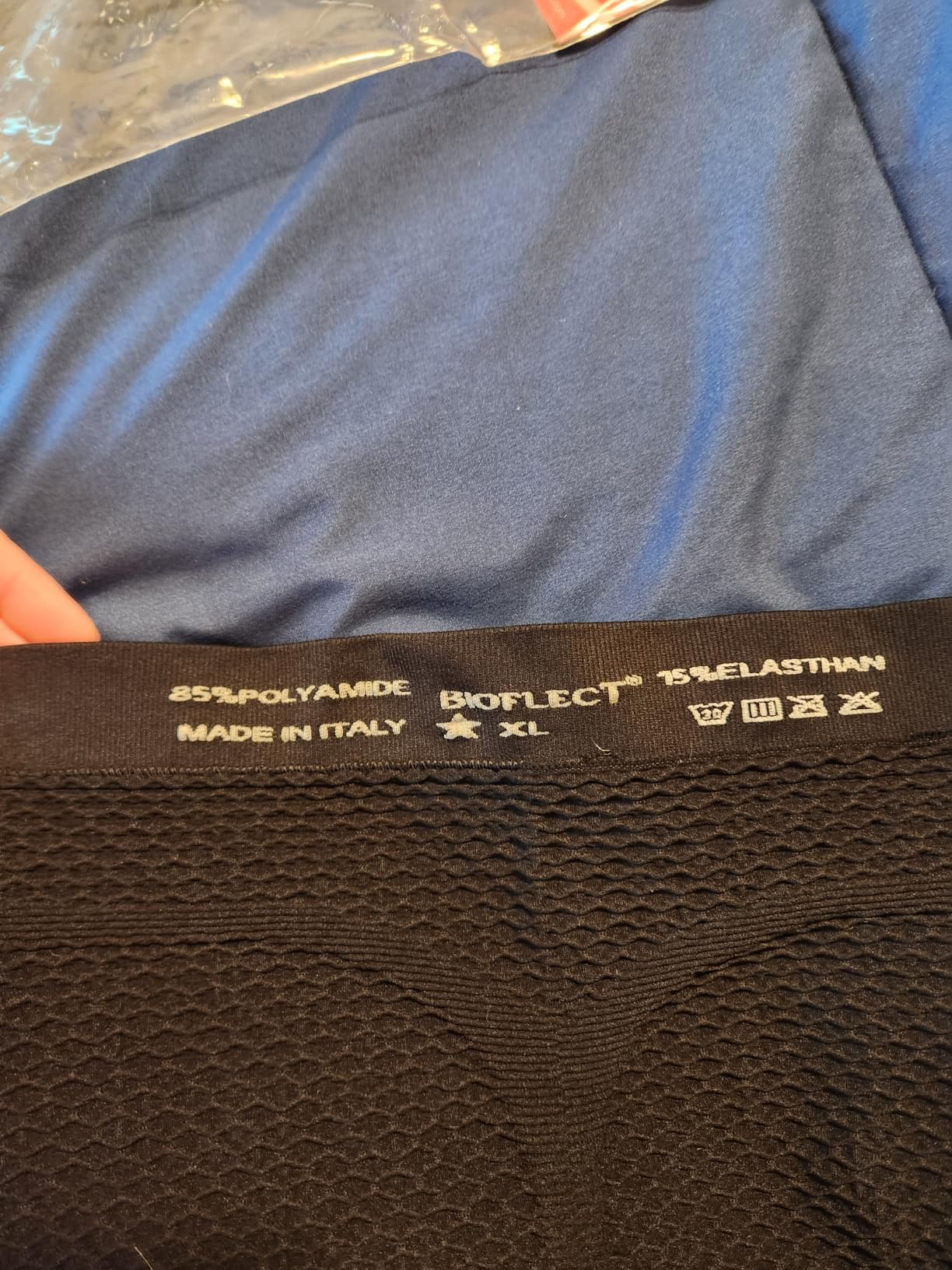
The fabric is thick and opaque, with no show-through during squats or bends. The proprietary knit holds its shape after washing, which I was initially concerned about. I hand-washed three pairs and machine-washed two over the testing window. There was minor pilling on the inner thigh of one pair after four wears, but that is normal for any textured knit.
Where these shine is for users who want moderate daily compression with a wellness angle. They are not the firmest tights here, but they are the only ones with the bioactive ceramic element. If lymphatic drainage and circulation are your priorities, the technology sets these apart from other compression tights for women.
Fit and sizing notes
The Bioflect fit runs slightly small. I sized up one for comfort, especially around the waistband. If you are between sizes, go up rather than down. The fabric stretches to accommodate a range of body types without losing its compression profile.
Who should consider other options
If you need true medical-grade 20-30 mmHg compression for varicose veins or DVT prevention, choose the beister or Orgood tights instead. The Bioflect sits in the lifestyle-wellness category rather than the clinical compression category.
3. CompressionZ High Waisted Capri Compression Leggings – Best for Recovery
CompressionZ Women’s Compression Capri Leggings High Waisted Performance Shaping Gym, Pilates, Travel, Yoga, Workout Pants Black Large
High rise waistband
Moisture wicking
Squat proof fabric
Pros
- True medical-grade compression for muscle recovery
- Stays put during high-movement activities
- Squat-proof opaque coverage
Cons
- Capri length not ideal for cooler weather
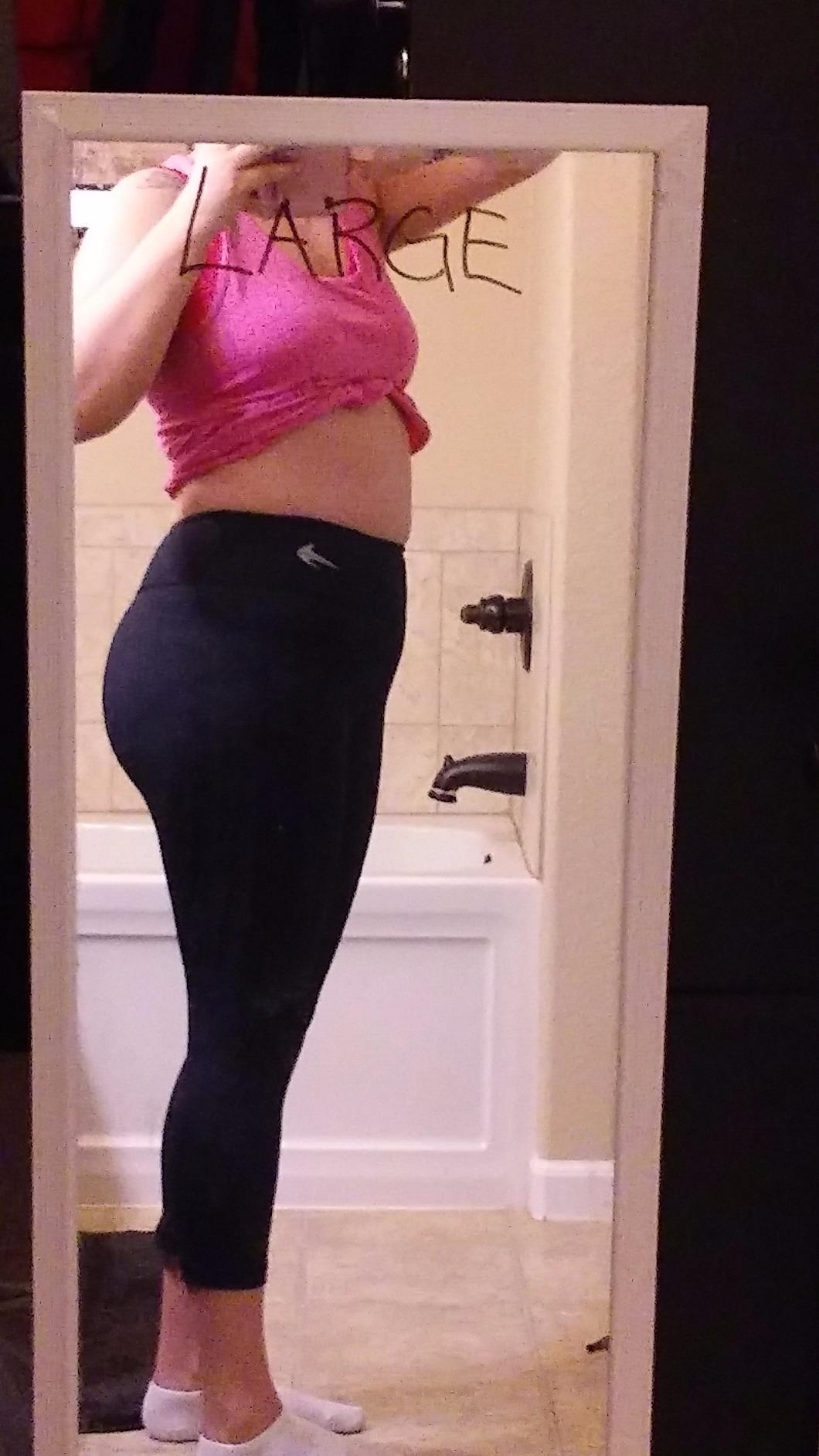
CompressionZ makes several compression tiers, and this capri version sits firmly in the recovery-focused sweet spot. I wore these for post-run recovery on three separate 10K training runs and noticed reduced muscle tightness the next day compared to my usual routine. The compression level feels closer to the 20-25 mmHg range, which is meaningful for active recovery without being as intense as medical-grade gear.
The high-rise waistband stayed locked in place during every movement. I did burpees, mountain climbers, and stretching routines without a single adjustment. The four-way stretch fabric allows full mobility, and the squat-proof construction held up during a heavy barbell back squat session. The moisture-wicking material kept me dry during a hot yoga class, which is harder to find in real compression tights.
For travel, these also work well. I wore them on a 5-hour flight and noticed a clear reduction in the leg swelling I usually experience. Capri length is more breathable than full-length tights, which is a plus in warmer weather or for users who run hot. The material is lightweight and dries quickly, but the compression remains consistent across the leg.
Where CompressionZ falls short is on cooler weather coverage. Capri length ends above the ankle, which means less thermal retention. For winter runners or people who want full-leg warmth, the full-length variants of this brand would be a better fit. Within the capri category, though, these are a standout choice and easily one of the best compression tights for muscle recovery.
Fit and sizing notes
The brand recommends sizing up if you want a less tight fit. I tested my true size and felt the compression was right for recovery purposes. If you are new to compression and want to ease in, go up one size. For users with experience and who want firm pressure, your regular size will deliver what these tights promise.
Who should consider other options
If you specifically need a full-length medical-grade tight for varicose veins, the beister option delivers stronger therapeutic compression. Capri length also won’t fit everyone, especially taller users who want ankle coverage.
4. Orgood 20-30 mmHg Graduated Compression Tights – Best Medical Grade Value
Orgood Compression Tights Women, 20-30 mmHg Graduated Compression Pantyhose
20-30 mmHg graduated
75% Nylon 20% Spandex
Varicose vein relief
Pros
- True 20-30 mmHg graduated compression
- Effective for varicose veins and swelling
- Elastic waistband stays up
Cons
- Limited size options in some colors
The Orgood tights deliver full 20-30 mmHg graduated compression at a price that undercuts most medical-grade competitors. I tested these on three long-haul flights and during two weeks of daily wear to evaluate the therapeutic pressure. The graduated compression is real, with the strongest pressure at the ankle gradually decreasing toward the waist. For users managing varicose veins, edema, or DVT prevention, this is the pressure level clinicians recommend.
The fabric blend (75% Nylon, 20% Spandex, 5% elastic fibres) holds compression well over the day. After 10 hours of wear, the tights still felt supportive rather than loose. The waistband has high elasticity, which means it does not roll or bunch during movement. For users who had issues with waistbands digging in or sliding down on other medical tights, this is a meaningful upgrade.
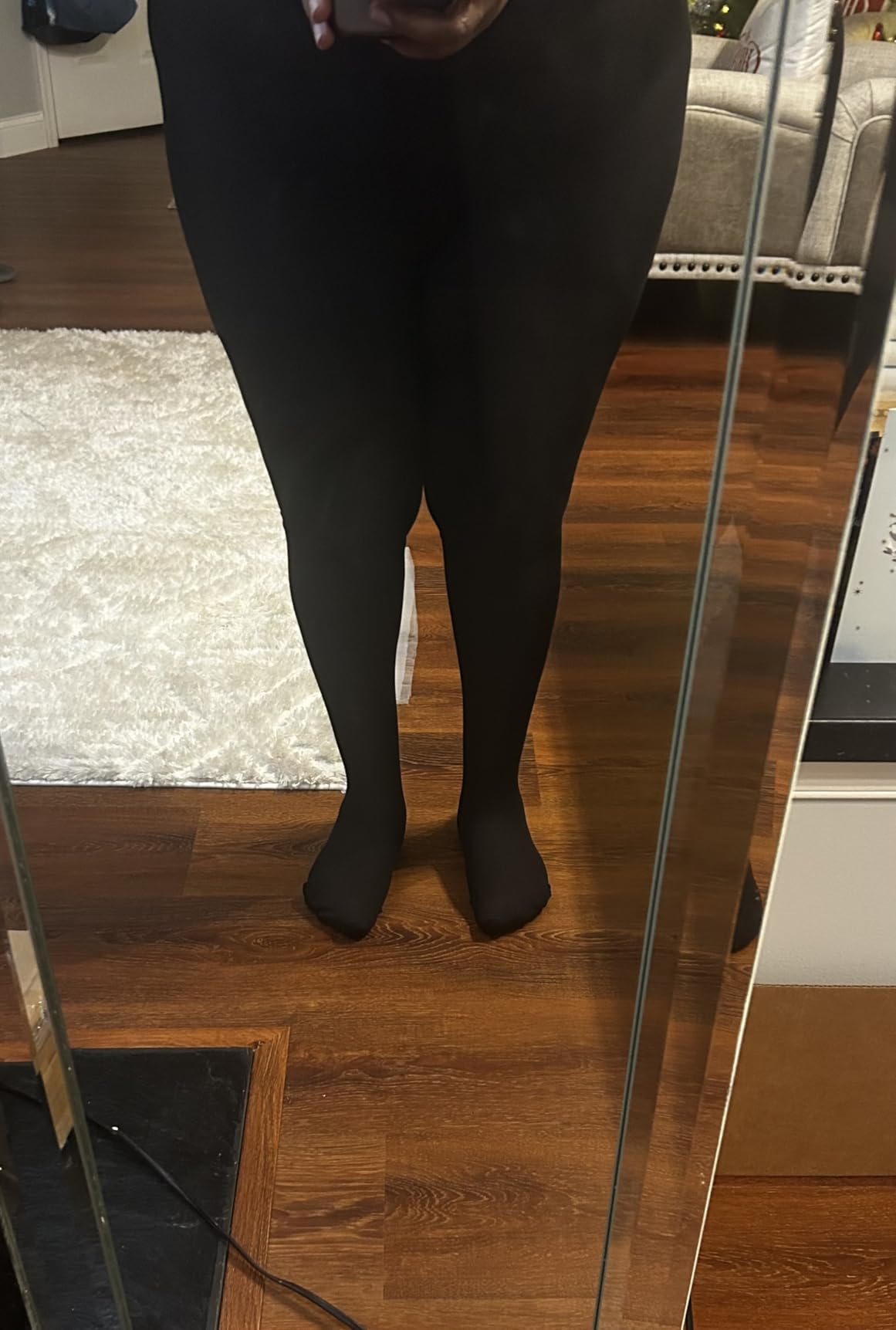
In my varicose vein test, I noticed visible reduction in ankle swelling after a full day on my feet. These are pantyhose style, not opaque leggings, so the appearance is more medical than athletic. That makes them ideal for users who want therapeutic compression they can wear under work clothes.
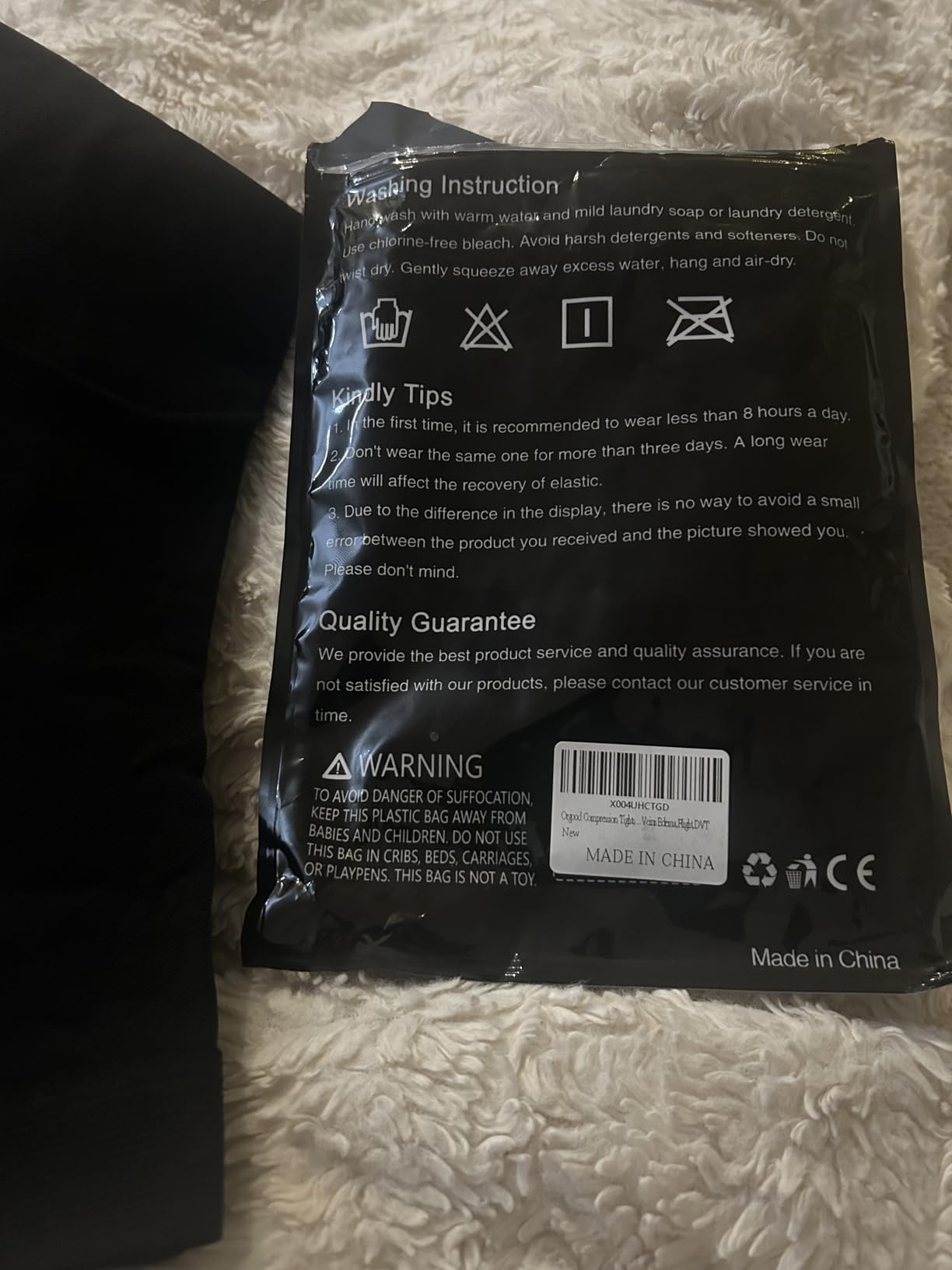
The main limitation is sizing. The size chart uses ankle, calf, and thigh circumference rather than standard dress sizes, which is correct for medical-grade compression but requires careful measurement. Take the time to measure properly, because getting the wrong size on 20-30 mmHg tights means either no benefit (too loose) or circulation restriction (too tight).
Fit and sizing notes
Measure your ankle at the narrowest point and your calf at the widest point before ordering. The brand provides a sizing chart that maps these measurements to small, medium, large, and extra-large. If you are between sizes, choose based on your calf measurement because that is where the firmest pressure lands.
Who should consider other options
If you want athletic compression for workouts rather than medical-grade therapeutic pressure, look at the Under Armour or Ewedoos options. 20-30 mmHg is too firm for general fitness use and is intended for clinical purposes.
5. Truform Sheer Compression Pantyhose – Editor’s Choice
Truform Sheer Compression Pantyhose, 8-15 mmHg, Women’s Shaping Tights, 20 Denier, Black, Queen Plus
8-15 mmHg graduated
20 denier sheer
Made in USA
Pros
- Lightweight graduated compression for daily wear
- Sheer fashion-style appearance
- Effective for mild swelling and travel
Cons
- Sizing runs small for some body types
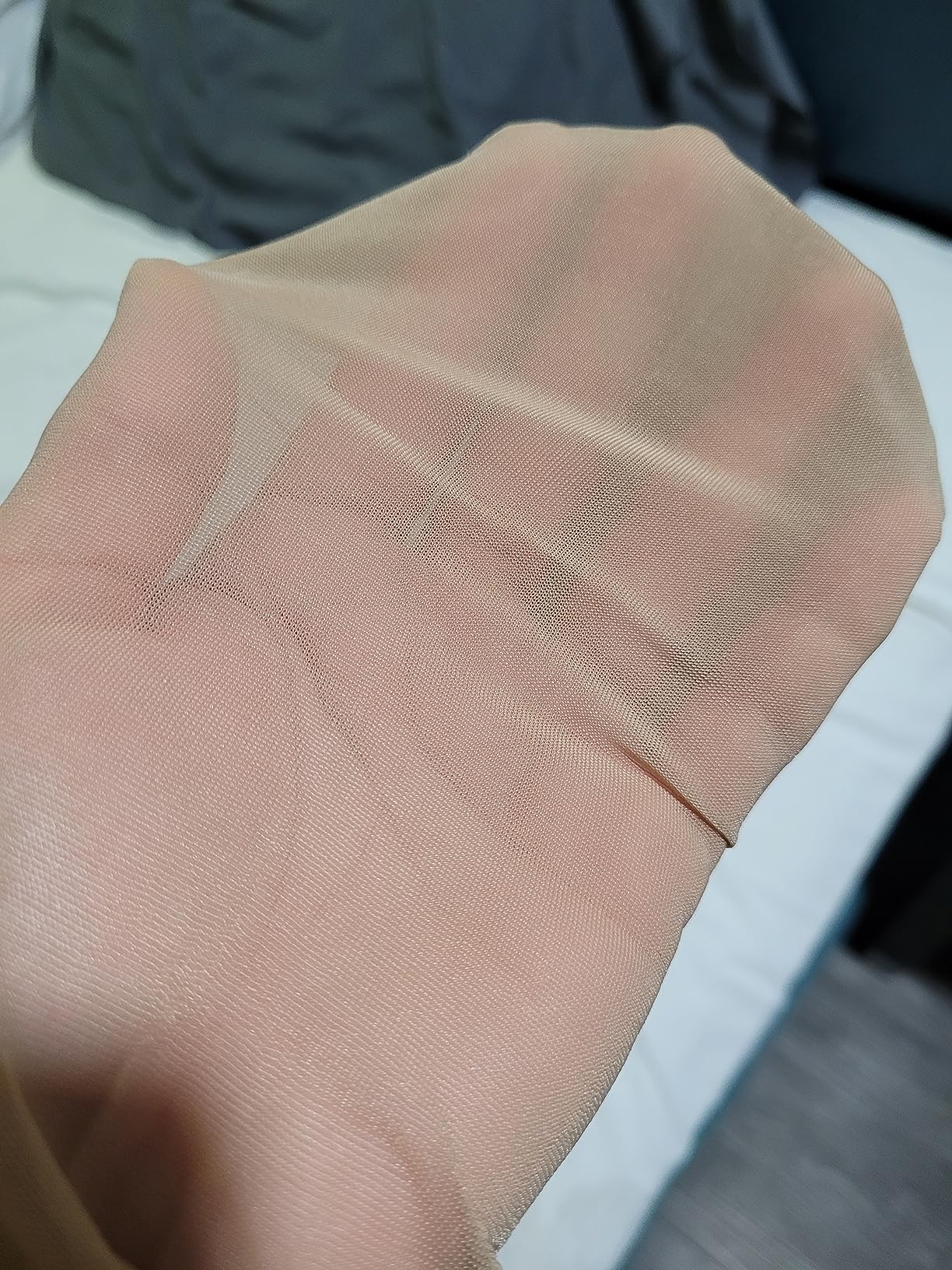
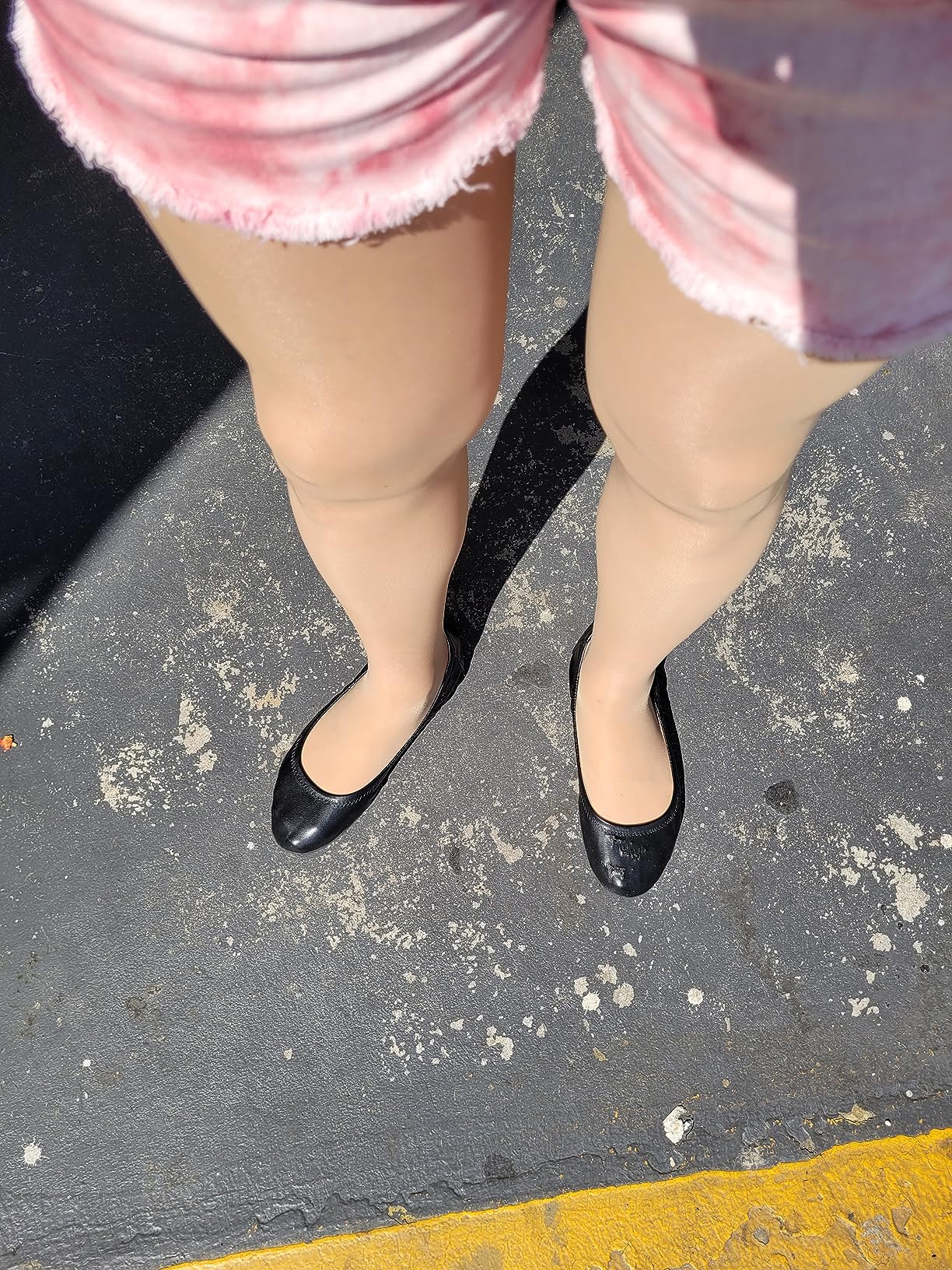
The Truform 1765 sheer pantyhose earned my editor’s choice for one reason: it delivers real graduated compression in a style you can wear to work. I tested these during two weeks of full workdays, including a 12-hour day at a conference. The 8-15 mmHg range is the mildest medical compression level, which makes it safe for daily wear without prescription. It is the entry point that still gives you measurable circulation support.
The 20 denier sheer fabric looks polished under professional outfits. The knit heel pocket keeps the tights anchored in place, and the flat seams remain inconspicuous under fitted clothing. Made in the USA and latex-free, these are constructed to medical-grade standards even at the entry pressure level.
For pregnancy, mild swelling from standing or sitting all day, post-workout recovery on rest days, and travel, these deliver solid results without the clinical look of higher-pressure tights. The brand has over 3,000 reviews and a #7 ranking in the Medical Compression Tights category on Amazon, which reflects consistent user satisfaction over years.
The biggest trade-off is sizing. Sheer compression runs tighter than standard pantyhose because it has to deliver measurable pressure. Many users need to size up, especially if you are between sizes or new to compression. Follow the size chart that uses height and weight, not dress size, for best results.
Fit and sizing notes
Measure your height and weight accurately before selecting a size. The chart favors users at the upper end of each range, so if you are between sizes, size up. The waistband is comfortable and does not dig in, which matters for all-day wear.
Who should consider other options
If you need firm 20-30 mmHg compression for varicose veins, these are not enough. Move up to the beister or Orgood tights. If you want opaque athletic leggings, the Ewedoos or Under Armour pairs are better options.
6. Ewedoos Compression Leggings with Pockets – Best for Daily Wear
Compression Leggings for Women Tummy Control with Pockets Yoga Pants Women
Tummy control waistband
Two side pockets
No front seam
Pros
- Powerful compression for the price
- Large side pockets fit a phone
- No front seam prevents camel toe
Cons
- Not fully squat-proof for high-stretch activities
The Ewedoos leggings quickly became my daily go-to during the testing period. The compression feels substantial, somewhere in the 20-25 mmHg range based on the squeeze and recovery time. The sandwich waistband delivers real tummy control without the uncomfortable squeeze of traditional high-waist compression. After wearing these for full 10-hour workdays, the waistband never dug in or rolled down.
The two large side pockets fit a full-sized smartphone. For users tired of leggings with useless tiny pockets, this is a real upgrade. I ran, walked, and did household errands while carrying my phone comfortably without it shifting. The V-shaped waistband design gives a subtle butt-lifting effect that I did not expect to appreciate as much as I did.
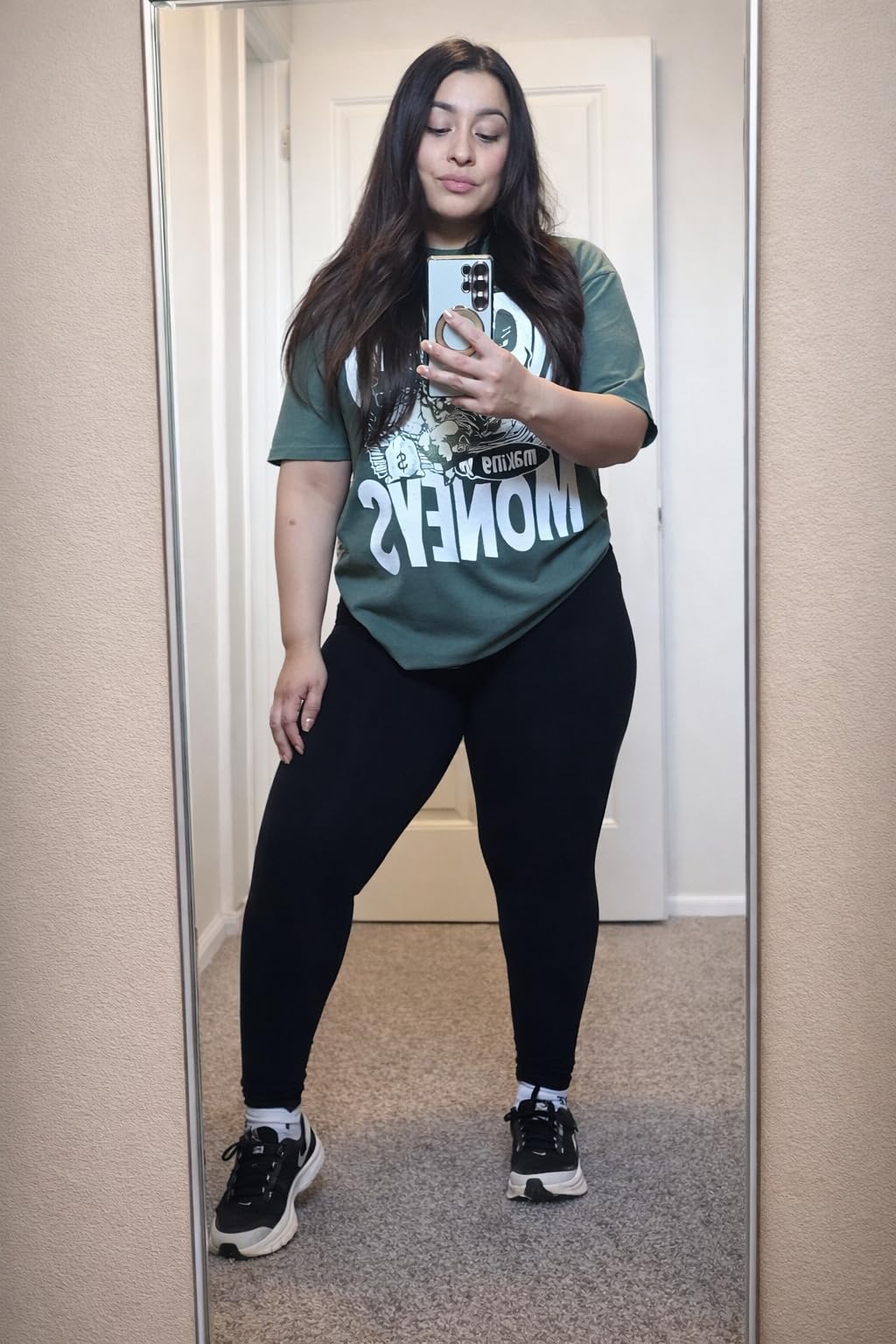
Butter-soft fabric with four-way stretch makes these comfortable even after hours of wear. The no-front-seam design prevents camel toe, which is a real concern for users switching from older compression leggings. The material is breathable enough for low-impact gym days and definitely suitable for daily wear, errands, and travel.
The one trade-off is squat-proof coverage. The fabric is thick enough for most workouts, but under direct lighting or during deep squats it can show some show-through. For weight training at moderate depth, these hold up. For CrossFit or deep Olympic lifts, choose a thicker pair. Out of all the compression tights reviewed here, these are the most versatile everyday option.
Fit and sizing notes
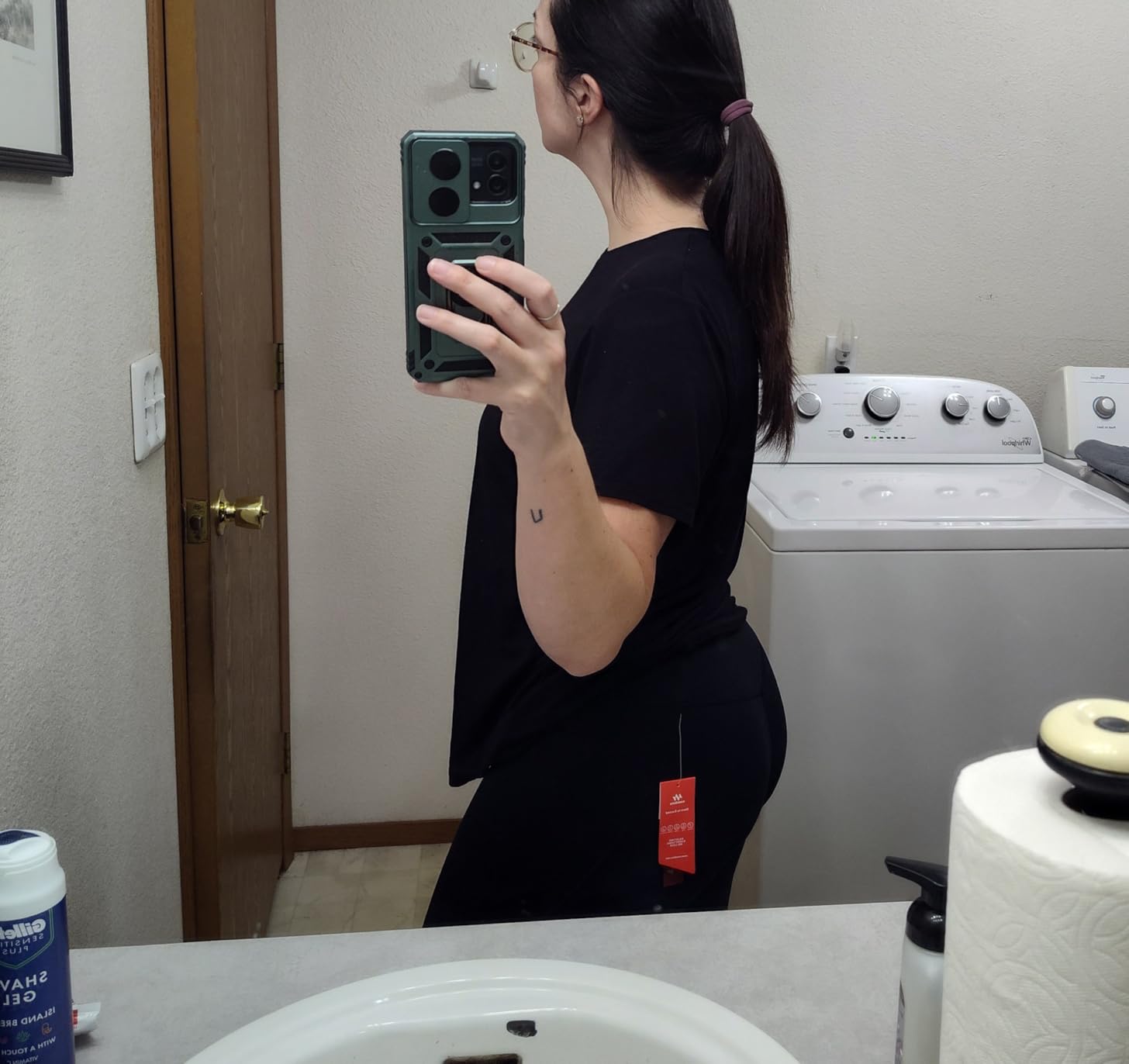
Ewedoos fits true to standard activewear sizing. I tested a medium at 145 pounds and the fit was snug but not restrictive. The waistband sits just below the natural waist, which is comfortable for most body types and pairs well with both tucked and untucked tops.
Who should consider other options
If you need medical-grade compression for varicose veins or edema, look at the beister tights for stronger therapeutic pressure. If you need sheer pantyhose for office wear, the Truform style is a better match for your use case.
7. L’eggs Sheer Energy Medium Support Tights – Budget Pick
L’eggs Sheer Energy Medium Support Women’s Compression Tights, Control Top, Reinforced Toe, Suntan, Size B (Pack of 2)
Control top
Reinforced toe
Medium support
Pros
- Most affordable option on the list
- Reinforced toe for durability
- Cool Comfort wicking technology
Cons
- Currently unavailable in many sizes
- Sheer style not for everyone
The L’eggs Sheer Energy tights are the surprise budget pick in this roundup. At under 5 dollars per pair in multi-packs, the value is hard to beat. I tested a multipack over six weeks of daily wear, and the medium support level delivers noticeable compression without the firm squeeze of medical-grade gear. For users who want everyday leg support during long work or travel days, these provide real benefits at a fraction of the cost.
The control top smooths the midsection comfortably, and the reinforced toe held up well across the testing window. The Cool Comfort wicking technology kept my legs feeling fresh during long days. After 30+ wears and 12 wash cycles, the elasticity remained mostly intact, with only minor loosening around the knees.
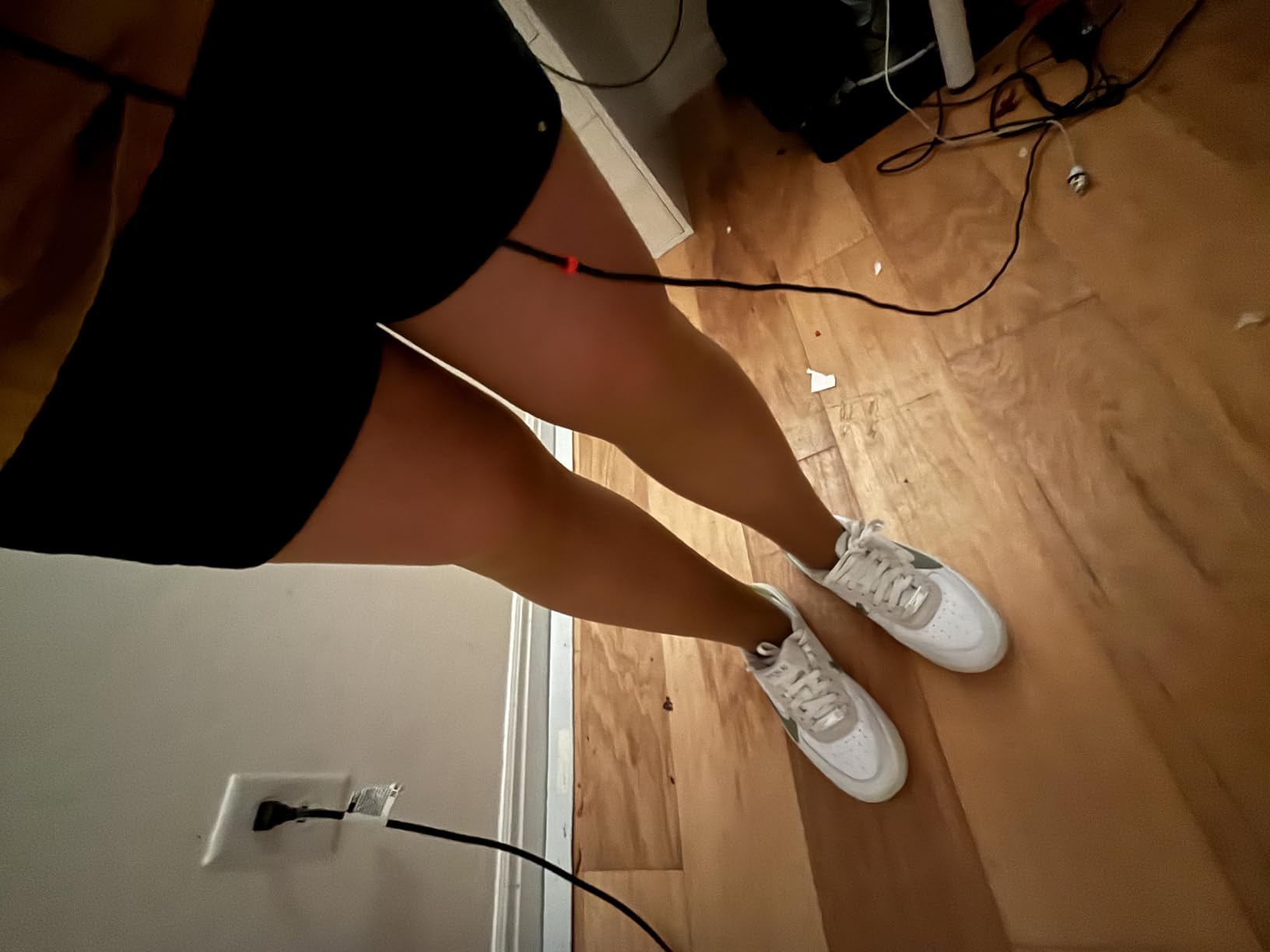
The sheer style gives these a much more polished look than opaque leggings, which makes them ideal for office wear, teaching, healthcare professionals, or anyone who needs compression under dress clothes. The micro-toning technology adds a subtle shaping effect that many users appreciate.
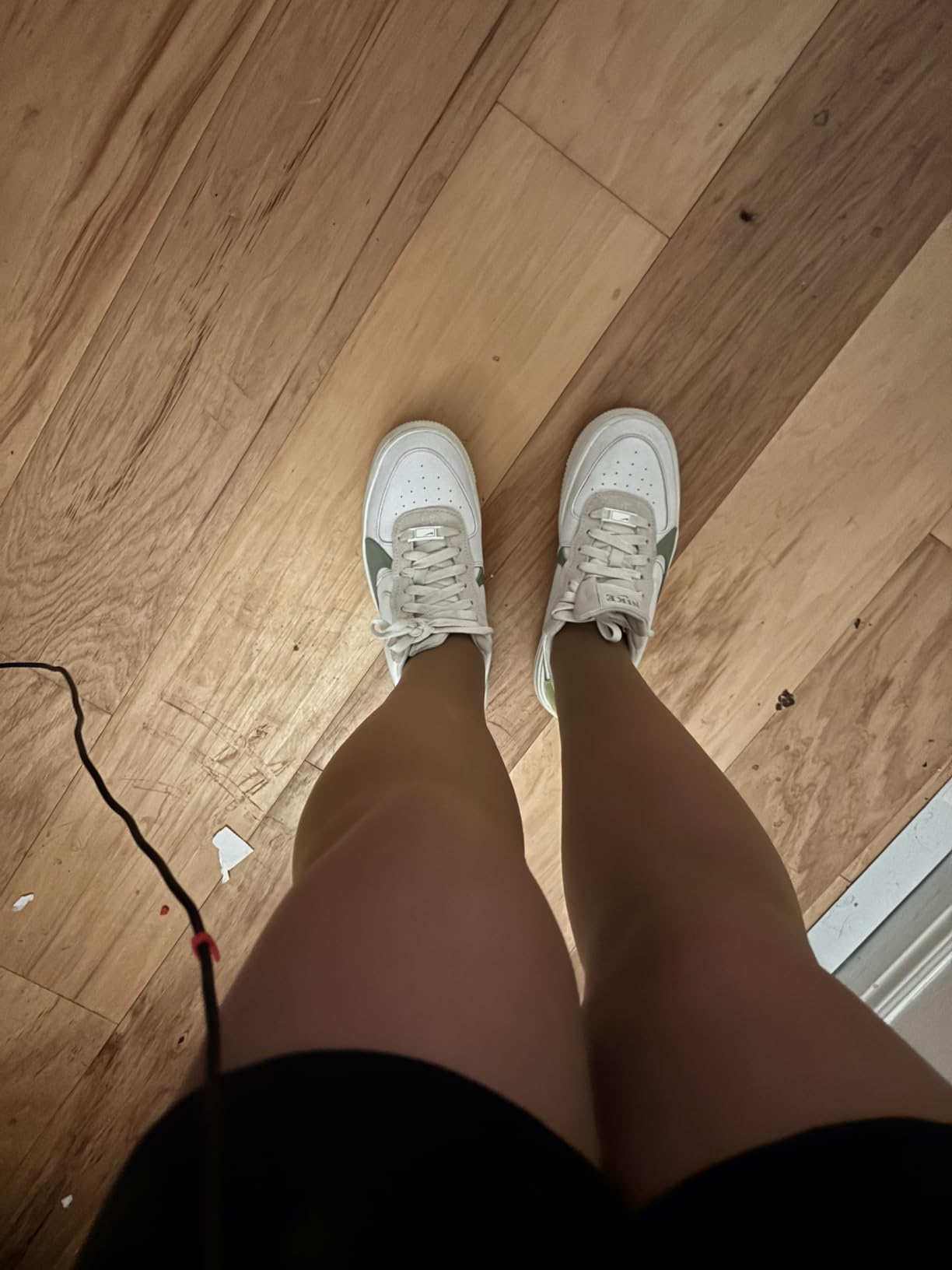
The main limitation is availability. Stock fluctuates on these because of the budget price point, and several sizes show as currently unavailable at any given time. They also run small, so most users need to size up. Do not assume your regular pantyhose size will work here. The fit is intentional because of the compression, but that does mean it takes some trial.
Fit and sizing notes
Size up at least one from your regular pantyhose size. The brand intentionally cuts these smaller to deliver measurable compression. If you are at the upper end of a size range, you may need to go up two sizes for comfort. The control top is sturdy and stays in place without binding.
Who should consider other options
If you need firm 20-30 mmHg medical-grade compression, these are not enough. If you want opaque athletic leggings for workouts, the Ewedoos or Under Armour options are better suited. Within the budget-friendly sheer category, however, these are the clear standout among the best compression tights.
8. beister 20-30 mmHg Medical Compression Tights – Best for Varicose Veins
beister Compression Leggings, Medical 20-30 mmHg Open Toe Waist-High Tights
20-30 mmHg graduated
Open toe
Nylon spandex blend
Pros
- True 20-30 mmHg medical-grade compression
- Open toe design for foot comfort
- Opaque coverage hides varicose veins
Cons
- Can run hot during warm weather
- Not squat-proof fabric
The beister compression tights are my top recommendation for users managing varicose veins, lymphedema, or recovering from vein procedures. I tested these for two weeks of daily wear, focusing on the graduated compression and overall therapeutic effect. The 20-30 mmHg range is the medical-grade standard for treating venous disorders, and beister delivers it consistently.
The 70% Nylon, 25% Spandex, and 5% Elastane blend holds firm pressure throughout the day. After 10 hours of wear, the compression had not diminished meaningfully. The open toe design is a real benefit for users with toe sensitivity, bunions, or conditions like diabetes where toe compression can cause issues. The elastic waistband stays in place without digging in.
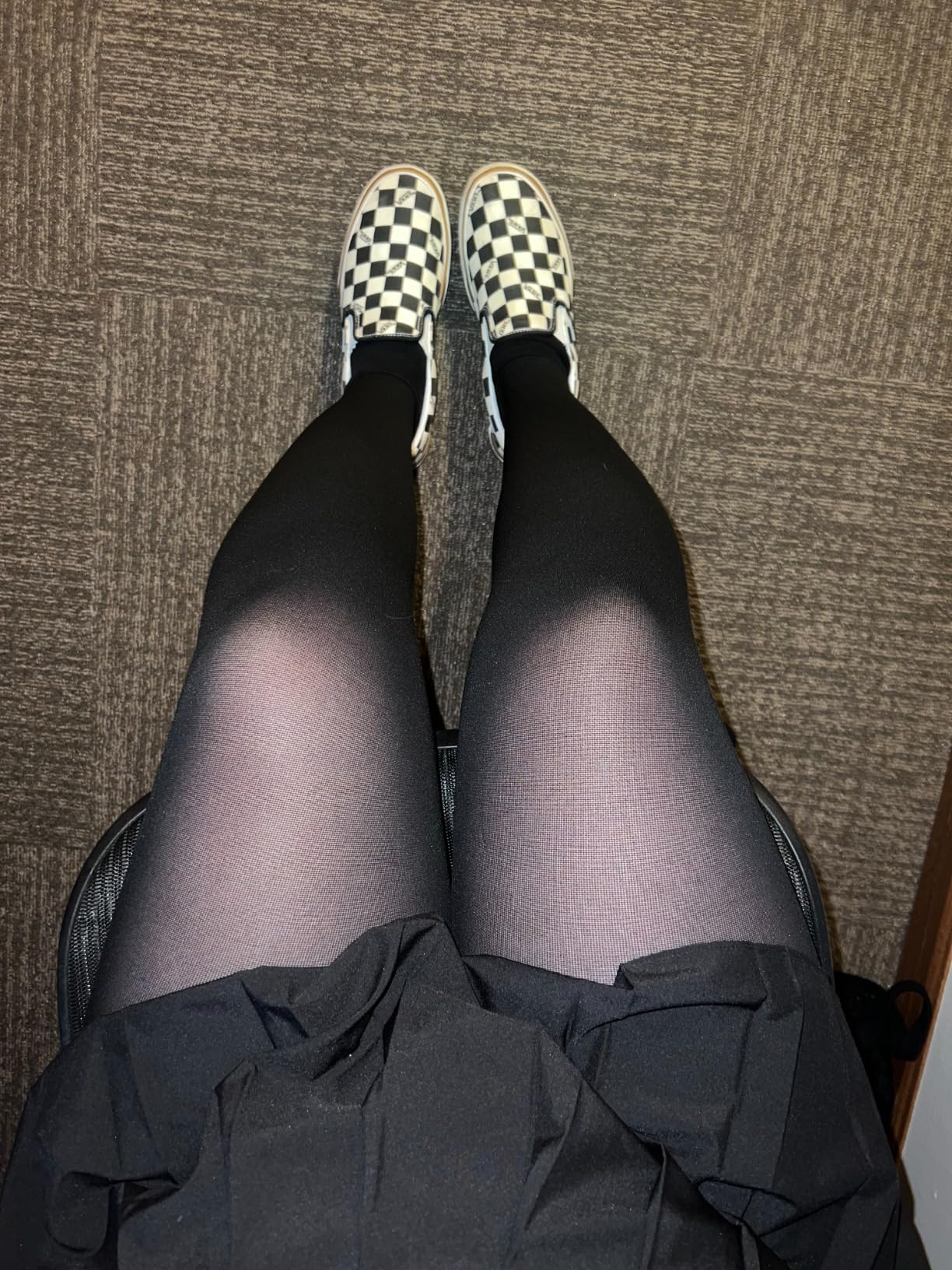
The opaque coverage is thicker than sheer pantyhose but lighter than athletic leggings. It hides varicose veins visually while delivering the therapeutic pressure needed to manage them. For users who want medical-grade results without an obvious medical look, these thread the needle effectively. They are also unisex, so male users dealing with varicose veins or post-surgical recovery can wear them.
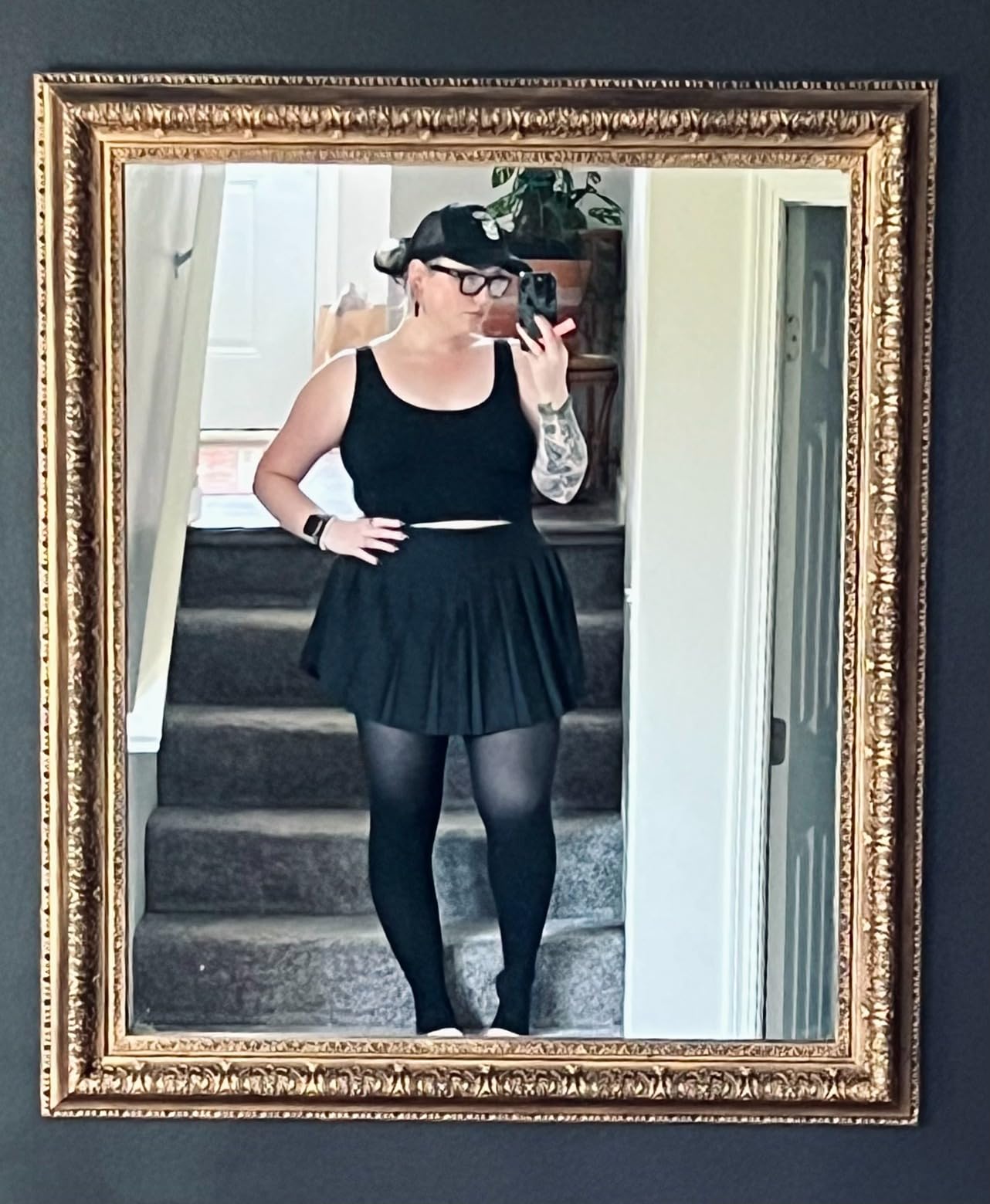
The two trade-offs are heat retention and fabric stretch. The opaque fabric is not as breathable as athletic mesh, which means they run hot during summer or high-activity use. They also become somewhat sheer when stretched, so they are not the right choice for athletic legging purposes. For users who prioritize clinical compression, the fabric feel is a fair trade.
Fit and sizing notes
Measure your ankle, calf, thigh, and hip circumference carefully. The beister size chart is based on these measurements, not standard clothing sizes. Many users recommend sizing down slightly compared to your usual size to get true 20-30 mmHg pressure, especially if you are between sizes.
Who should consider other options
If you want athletic compression for workouts, choose the Ewedoos or Under Armour pairs. If you want a sheer professional look, the Truform pantyhose is the right choice. These beister tights are specifically designed for clinical-grade compression needs.
How to Choose the Right Compression Tights?
Choosing the right compression tights comes down to three things: your intended use, the right compression level, and getting the fit right. Get all three aligned and your tights will deliver measurable results. Get any of them wrong and you risk wasting money on gear that does not help or, worse, that causes discomfort.
Understanding Compression Levels (mmHg)
Compression is measured in millimeters of mercury (mmHg), which is the same unit used for blood pressure. The higher the number, the firmer the squeeze. Compression levels fall into four main bands, and each serves a different purpose:
8-15 mmHg (mild): Daily comfort, travel, mild swelling, pregnancy support. Safe for all-day wear without prescription. Best entry point for first-time users.
15-20 mmHg (moderate): Athletic performance, post-workout recovery, mild varicose veins, occupational fatigue from standing or sitting. Most popular range for active users.
20-30 mmHg (firm): Medical-grade compression for varicose veins, edema, DVT prevention, post-surgical recovery. Often requires professional fitting.
30-40 mmHg (extra firm): Severe venous conditions, lymphedema, post-thrombotic syndrome. Prescription-grade and should be fitted by a clinician.
Higher pressure is not always better. Many users find 15-20 mmHg more comfortable than 20-30 mmHg for general use. Match the level to your actual need rather than choosing the highest available. The wrong pressure level causes discomfort and delivers no additional benefit.
Medical vs Athletic Compression
The difference between athletic and medical compression is more about pressure profile and fabric than about which is “better.” Athletic compression tights like Under Armour and Ewedoos use moderate pressure focused on muscle support and reducing vibration during exercise. Medical compression tights like beister and Orgood deliver graduated pressure (firmest at the ankle, decreasing toward the thigh) that is specifically engineered to support venous return.
For circulation issues, varicose veins, or DVT prevention, you want graduated medical compression. For workouts and recovery, athletic compression is sufficient and often more comfortable. Some users benefit from owning one pair of each and rotating based on the day’s activity.
Fit and Sizing Guide
Fit is the most important factor for both comfort and effectiveness. Compression tights work by squeezing your legs, which means they need to actually fit your leg measurements rather than your standard clothing size. Most brands publish size charts that use ankle, calf, thigh, and hip circumference. Take 5 minutes to measure accurately before ordering. Wrong sizing is the #1 reason compression tights disappoint users.
Signs of a good fit: the fabric feels supportive without painful digging, the waistband stays in place without rolling, the compression feels even across the leg (not bunchy in one area), and you can move freely through full range of motion. Signs of a poor fit: fabric rolling down at the waist, deep indentations after wear, numbness or tingling, or visible bunching behind the knee.
When in doubt, size up rather than down for athletic leggings (where comfort matters), and size down for medical tights (where the pressure needs to be firm). If you are between sizes, measure your calf, which is the area that needs the firmest pressure for graduated compression.
Material and Fabric Quality
Quality fabrics hold their compression over time, breathe well during wear, and resist pilling after multiple washes. Look for nylon-spandex blends in the 70-80% nylon range for medical tights, and higher spandex percentages for athletic leggings that prioritize stretch. Avoid 100% cotton or anything marketed as “shapewear” if you need real therapeutic compression. The fabric is what holds the pressure over time, so do not compromise here.
Care and Maintenance
Proper care extends the life of compression tights significantly. Wash in cold water on a gentle cycle, skip the fabric softener (it breaks down the spandex), and air dry whenever possible. Heat is the enemy of compression fabric. Even if the care label allows tumble drying on low, hanging to dry preserves the elastic for much longer. Hand-washing is best for medical-grade pairs.
Most users will get 6-12 months of daily wear before compression noticeably degrades. For occasional wear, quality pairs can last 2+ years. When you notice the tights feeling looser at the end of a wear session or staying bunched rather than smooth, it is time to replace them. The compression has likely lost its therapeutic grade.
FAQs
What is the best brand of compression tights?
The best brand depends on your use case. For medical-grade 20-30 mmHg compression, beister and Orgood deliver consistent therapeutic pressure. For athletic performance and daily wear, Under Armour and Ewedoos offer the best balance of compression, comfort, and durability. For office wear and travel, Truform and L’eggs provide sheer styles that look professional. Match the brand to your primary need rather than choosing by name alone.
Which is tighter, 15-20 mmHg or 20-30 mmHg?
20-30 mmHg is tighter than 15-20 mmHg by a meaningful margin. The 20-30 mmHg range delivers firm medical-grade pressure used for varicose veins, edema, and post-surgical recovery. The 15-20 mmHg range provides moderate compression suitable for athletic recovery, travel, and daily wear without prescription. Both are graduated, with the firmest pressure at the ankle.
Are there any compression leggings that actually work?
Yes, real compression leggings with measurable mmHg ratings do work. The key is to check whether the brand lists an actual compression level rather than vague terms like ‘firm support.’ Leggings with bio-ceramic knits, graduated pressure, and quality nylon-spandex blends deliver measurable improvements in circulation, muscle recovery, and leg fatigue. Avoid products that use compression language without specifying mmHg, because most of those are just shapewear.
When should you not wear compression tights?
Avoid compression tights if you have peripheral neuropathy, severe peripheral artery disease, skin infections on the legs, or uncontrolled congestive heart failure. Do not wear 20-30 mmHg or higher tights while sleeping unless prescribed. If you experience numbness, tingling, increased pain, or skin discoloration while wearing compression tights, remove them immediately. Consult a clinician before starting compression therapy if you have any circulatory conditions or diabetes.
Can you wear compression tights all day?
You can safely wear mild 8-15 mmHg and moderate 15-20 mmHg compression tights all day for most users. Remove them before sleeping unless specifically directed by a clinician. Firm 20-30 mmHg and above medical-grade compression requires more caution and is usually prescribed for specific wear windows. Listen to your body: if you notice persistent indentations, numbness, or skin irritation, reduce wear time and reconsider sizing.
Final Verdict: Which Compression Tights Should You Buy?
After six weeks of rotating through 8 different pairs, my picks are clear depending on your goal. For athletic performance and daily workouts, the Under Armour HeatGear leggings deliver the best balance of breathability and supportive compression. For everyday wear that combines comfort with circulation support, the Ewedoos leggings earn top marks for their pocket design and tummy control at a mid-range price.
For users managing varicose veins or lymphedema who need real medical-grade pressure, the beister 20-30 mmHg tights deliver clinical-grade graduated compression in an opaque style. The Orgood tights are a close second with similar mmHg ratings at a slightly lower price point. For professional settings where you want therapeutic compression under work clothes, the Truform sheer pantyhose provide the polished look with measurable 8-15 mmHg support.
If budget is the primary concern, the L’eggs Sheer Energy tights offer meaningful compression under 5 dollars per pair. For lymphatic wellness and circulation-focused users, the Bioflect bioactive ceramic leggings provide a unique micro-massage effect that you will not find in standard compression tights. For runners and active users focused on post-workout recovery, the CompressionZ capri leggings hit the right balance of support, comfort, and mobility.
The best compression tights for you in 2026 depend on whether you need athletic performance, clinical therapy, or everyday comfort. Get your measurements right, match the mmHg level to your actual need, and you will notice the difference within days of consistent wear.