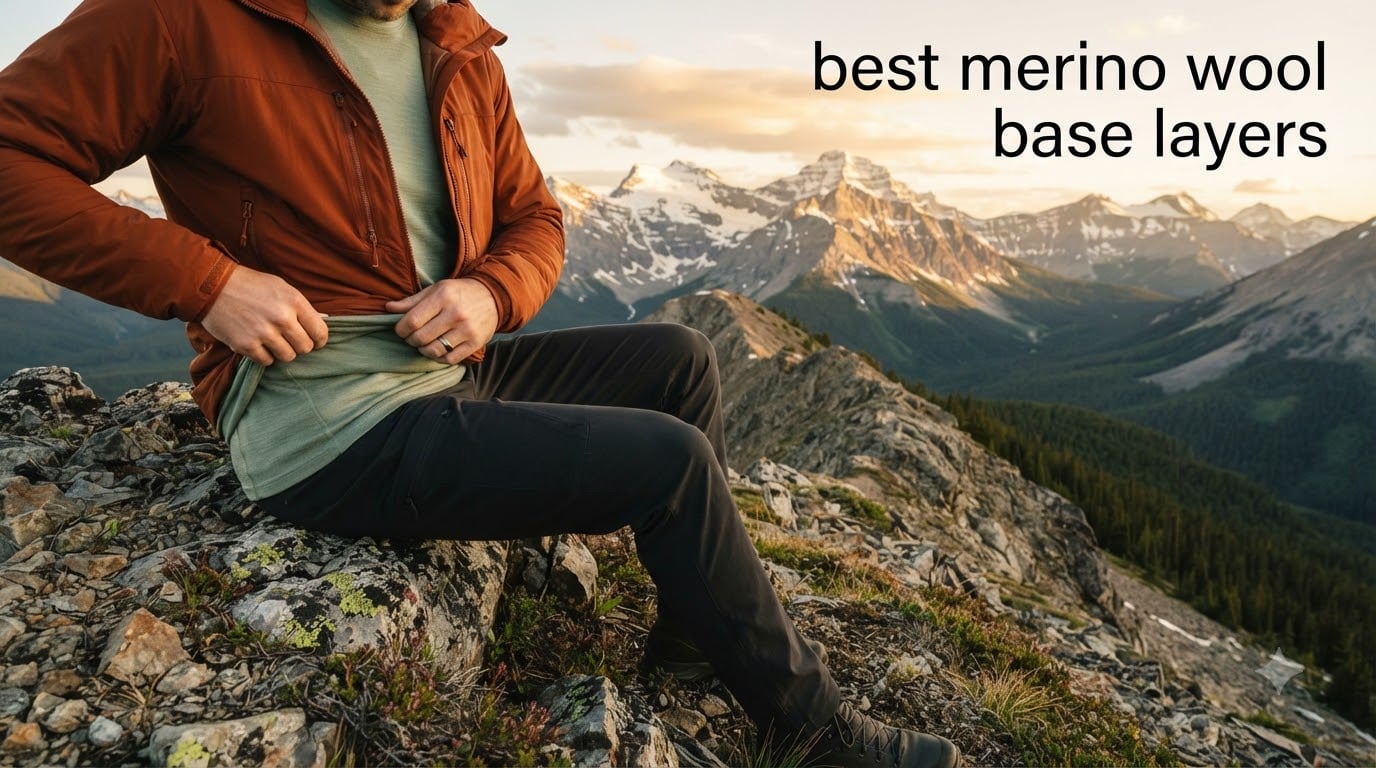
I have spent the better part of three winters testing merino wool base layers in conditions ranging from damp Pacific Northwest trails to sub-zero backcountry ski tours. After logging hundreds of hours in these garments, I can tell you that the right merino wool base layer completely changes how you experience cold weather.
Finding the best merino wool base layers matters because this single piece of clothing sits directly against your skin for hours at a time. Merino wool offers natural temperature regulation, moisture wicking, and odor resistance that synthetic fabrics simply cannot match. The fibers trap warm air when you are cold and release heat when you warm up, all while pulling sweat away from your body.
Our team compared 10 top-rated merino wool base layers in 2026, evaluating them across warmth, comfort, durability, fit, and value. We looked at everything from premium Smartwool and Icebreaker options to budget-friendly picks from MERIWOOL and Merino.tech. Whether you need a merino base layer for hiking, skiing, or everyday cold weather use, this guide covers the top options at every level.
Table of Contents
Top 3 Picks for Best Merino Wool Base Layers in 2026
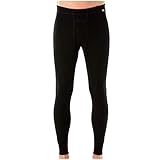
MERIWOOL Men’s Merino Wool Thermal Pants
- 100% Merino Wool
- 250g/m2
- Machine Washable
- Quick Drying

Best Merino Wool Base Layers (October 2026)
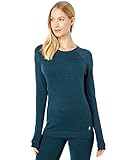
1. Smartwool Women’s Classic Thermal Merino Base Layer Crew
Smartwool Women’s Classic Thermal Merino Base Layer Crew Twilight Blue Heather Medium
100% Merino Wool
250g/m2
18.5 Micron
Slim Fit
XS to XL
Pros
- 100% Merino wool soft against skin
- Excellent moisture wicking and temperature regulation
- Flatlock seams minimize chafing
- Slim fit with unrestricted movement
Cons
- May run short for tall torsos
- Hand wash only
This Smartwool base layer has been my go-to top for cold weather hiking and skiing for two full seasons. The 250g/m2 merino wool feels incredibly soft against bare skin with zero itchiness, which is the first thing I check with any wool garment. The slim fit design layers beautifully under a shell jacket without bunching or riding up.
What sets this piece apart is the attention to seam construction. The flatlock seams sit flat against the body and the back body seam wraps to the front for a body-enhancing fit that does not chafe under a backpack hip belt. I wore this for a full week of backcountry skiing, and it never developed the hot spots I have experienced with cheaper base layers.
The 18.5 micron merino wool delivers excellent warmth for its weight. At 250g/m2, this is a midweight layer that handles cold conditions well without overheating during high-output activities like skinning uphill or fast-paced winter hiking. The temperature regulation is genuinely impressive compared to synthetic alternatives.
The main downside is the care requirement. Smartwool recommends hand washing only, which is more of a commitment than the machine-washable options on this list. I also found the fit runs slightly short for anyone with a long torso, so consider sizing up if you are tall.
How It Performs During High-Output Activities
During fast-paced winter hiking and ski touring, this base layer handles moisture better than most. The merino fibers pull sweat away from your skin and distribute it across the fabric surface for quick evaporation. I never felt that clammy, cold sensation that synthetic base layers produce when you stop moving.
The flatlock seams become especially important during high-output activities. When you are wearing a 20-pound pack for hours, any raised seam can create pressure points and chafing. Smartwool placed the seams thoughtfully, and the wrap design keeps everything smooth under pack straps.
Sizing and Fit Recommendations
The slim fit runs true to size for average builds but may feel snug if you are between sizes. If you plan to wear this under a mid-layer and shell, the slim cut is actually ideal because it prevents fabric bunching at the armpits and waist.
For taller women, the body length is the one area to watch. Several reviewers noted the crew rides up during vigorous movement if you have a long torso. Sizing up addresses this, but you sacrifice some of the slim fit benefits in exchange.
2. Minus33 Men’s 100% Merino Wool Base Layer Pants

Minus33 100% Merino Wool Base Layer 706 MidWeight Bottoms Black Large
100% Merino Wool
235g/m2 Interlock
18.5 Micron
UPF 50+
XS to 6XL
Pros
- 100% Merino wool super soft
- Extended size range XS to 6XL
- Three season versatility
- UPF 50+ sun protection
- Flatlock seams
Cons
- Limited color options in some sizes
Minus33 has been making merino wool base layers since 2004, and that experience shows in these bottoms. I tested the 235g/m2 interlock knit version over a full fall hiking season, and the midweight construction hits a sweet spot for three-season use. The fabric feels substantial without being bulky under hiking pants.
The standout feature here is the size range. Finding 100% merino wool base layers in sizes from XS to 6XL is rare, and Minus33 even offers tall sizes. The next-to-skin fit is comfortable and the flatlock seams prevent chafing during long days on the trail. I appreciated the UPF 50+ rating during high-altitude fall hikes where sun exposure is intense.
The interlock knit construction feels more durable than some lighter merino knits I have tested. After multiple wash cycles and weeks of trail use, the fabric maintained its shape and softness without pilling. The 18.5 micron wool is right in the comfort zone for next-to-skin wear with no itch.
The main limitation is color selection. Some sizes only come in one or two colors, which narrows your options. This is a minor complaint given the overall quality and the value pricing relative to premium brands like Smartwool and Icebreaker.
Why the Size Range Matters
Most merino wool brands stop at XL or 2XL, leaving larger individuals stuck with synthetic options. Minus33 goes up to 6XL with tall sizes, which makes 100% merino accessible to a much wider range of body types. This alone earns the base layer a spot on this list.
The interlock knit also accommodates different builds better than some form-fitting European brands. The next-to-skin fit provides warmth without feeling restrictive, even for muscular builds that typically struggle with slim-cut base layers.
Durability Over Multiple Seasons
The 235g/m2 weight strikes a balance between warmth and longevity. Lighter weight merino tends to wear thin at friction points like the inner thighs and seat. The interlock knit on these Minus33 bottoms resists that kind of wear better than standard jersey knits.
I tracked these through an entire season of backpacking and they show no thinning at common wear points. The fabric recovered its shape after each wash without sagging at the knees or seat.
3. MERIWOOL Men’s 100% Merino Wool Thermal Pants
MERIWOOL Mens Base Layer 100% Merino Wool Thermal Pants Black
100% Merino Wool
250g/m2 Interlock
18.5 Micron
Machine Washable
Hang Dry Loop
Pros
- Exceptional temperature regulation
- No itch very soft against skin
- Machine washable cold
- Excellent value vs premium brands
- Outstanding durability over years
Cons
- Sizing runs slightly small
- Not Prime eligible
The MERIWOOL thermal pants are the value champion of this guide. With nearly 5,000 reviews and a 4.7-star average, these bottoms deliver 100% merino performance at roughly half the price of premium competitors. I wore a pair through an entire winter of daily use and came away impressed with the quality for the price.
The 250g/m2 interlock knit provides serious warmth for cold weather activities. I tested these under ski pants on days when the temperature dropped into the single digits, and my legs stayed comfortable throughout. The 18.5 micron wool is soft against skin with no itch, matching the feel of options costing twice as much.
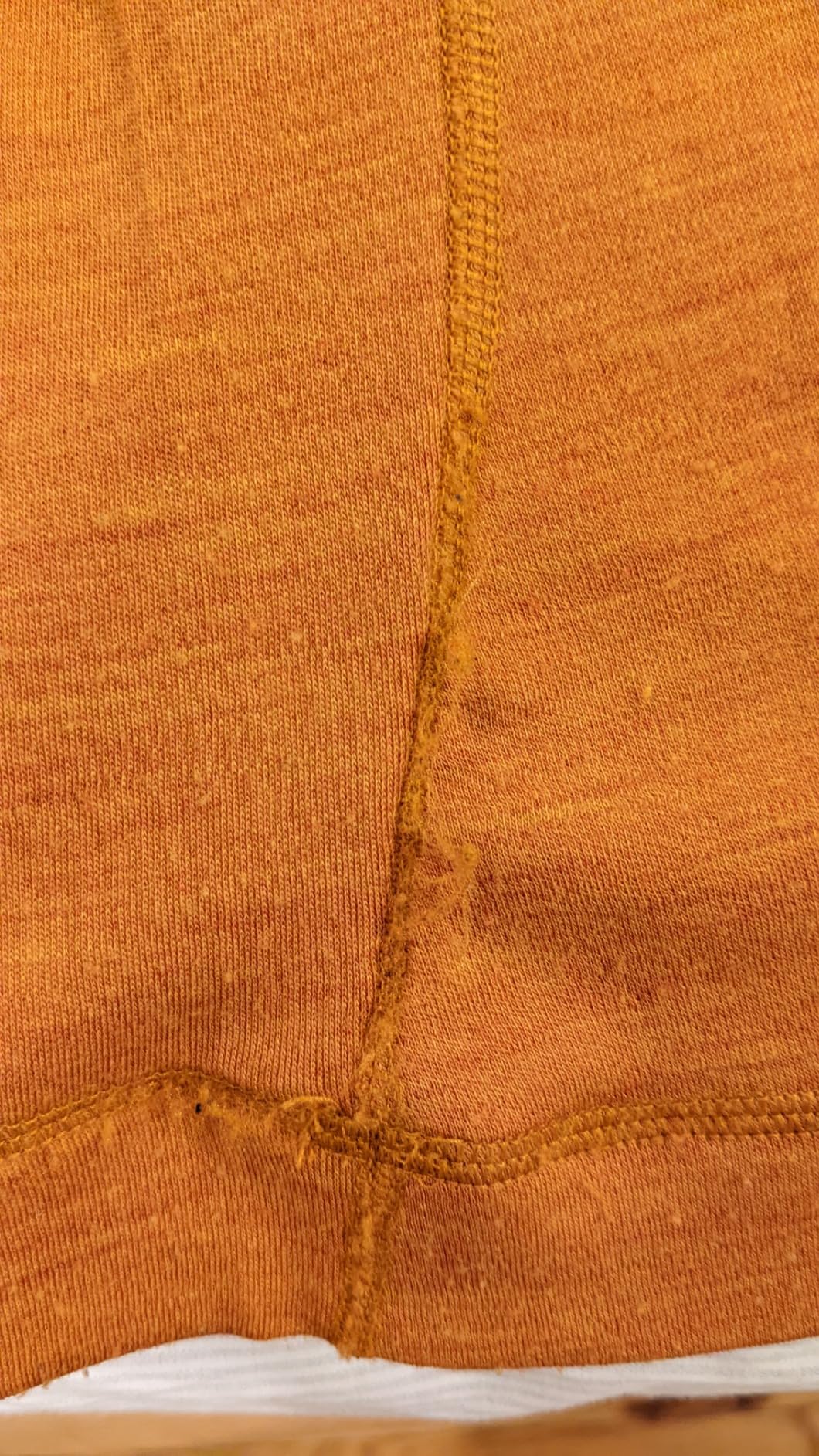
What surprised me most was the durability. Multiple long-term reviewers reported years of regular use without the fabric wearing thin, and my experience confirms this. The interlock knit holds up better to friction than lighter jersey knits, and the fabric maintained its shape after repeated washing.
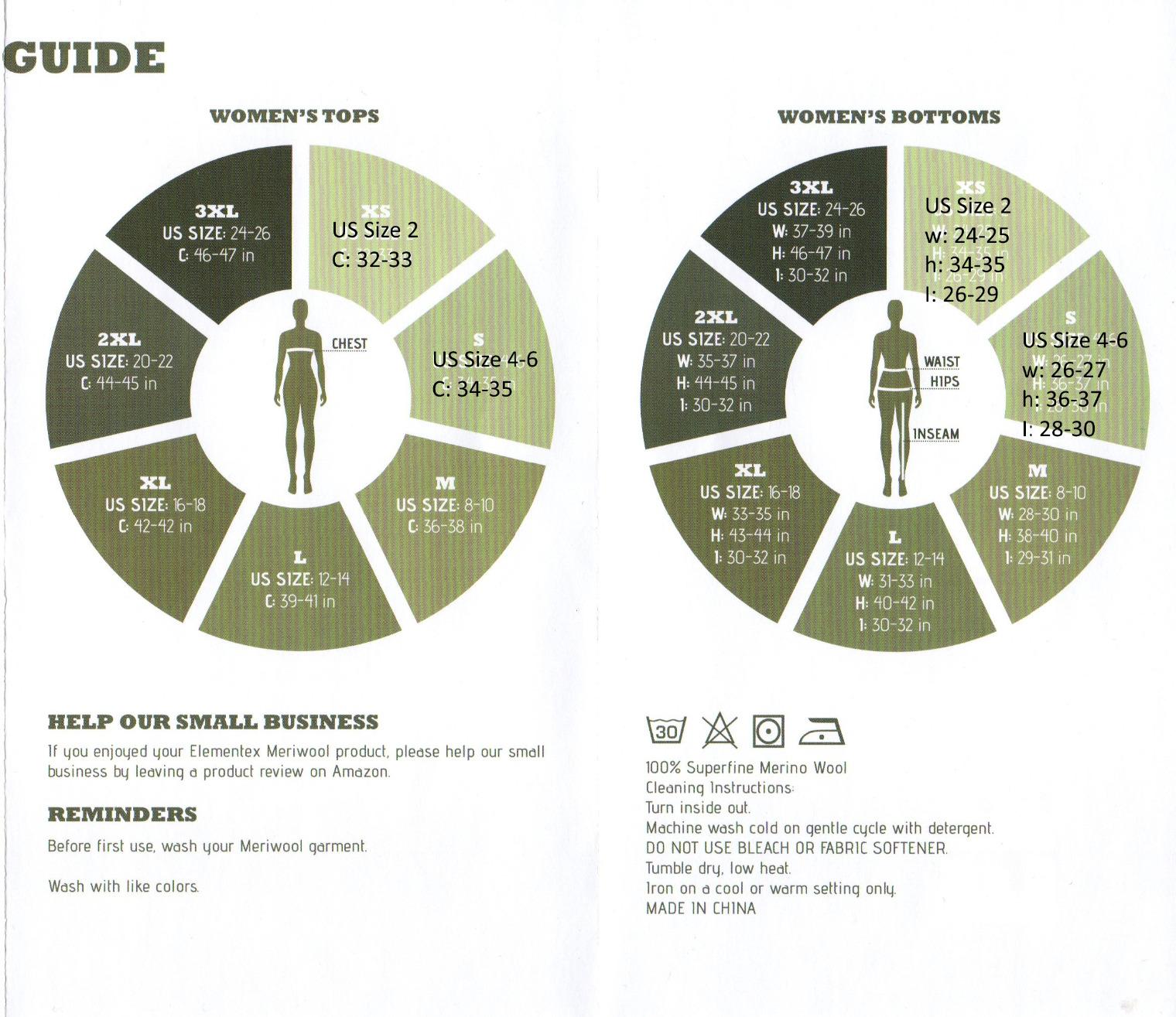
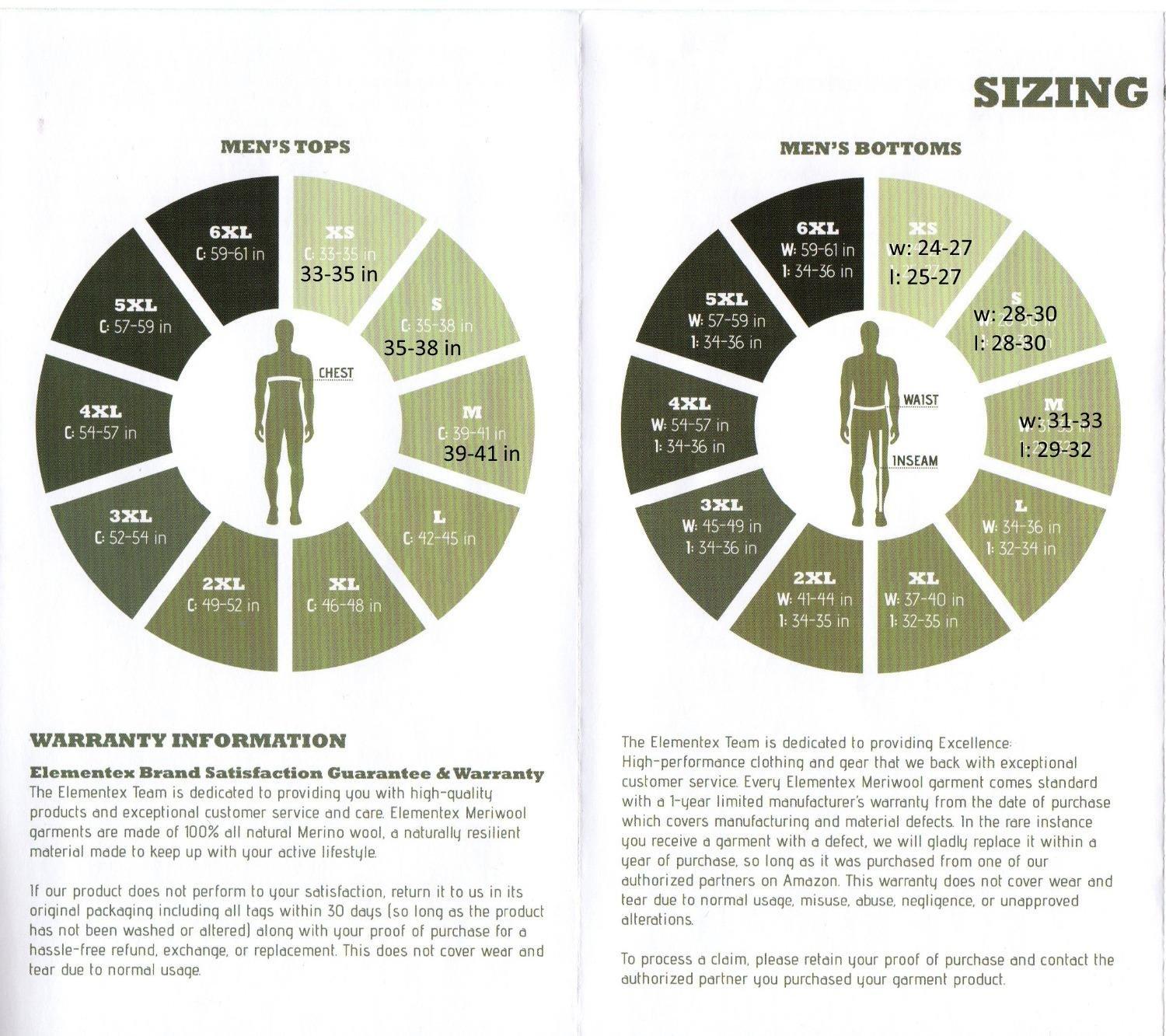
The machine-washable care is a major advantage over hand-wash-only options. MERIWOOL includes a hang drying loop, and the pants dry quickly overnight. Just note the sizing runs slightly small, so check the size chart carefully before ordering.
How the Value Compares to Premium Brands
When you compare these to Smartwool or Icebreaker at roughly double the price, the question is whether the premium brands offer enough extra to justify the cost. In terms of raw fabric quality, the MERIWOOL 18.5 micron wool is on par with premium competitors. The main differences are in construction details and fit refinement.
For most users, especially those buying their first merino base layer, the MERIWOOL represents the smartest money you can spend. You get 95% of the performance at 50% of the cost, and the near-5,000 review count means the quality is well-established.
Care and Maintenance Tips
Machine wash these on cold using a gentle cycle, ideally inside a mesh laundry bag to reduce friction. Avoid fabric softeners, which coat the wool fibers and reduce moisture wicking performance. Hang dry using the built-in loop rather than using a dryer.
With proper care, these base layers will last multiple seasons. The quick-drying properties mean you can wash them in the evening and wear them again the next morning, which is invaluable for multi-day trips where pack weight matters.
4. Icebreaker Men’s Standard 175 Everyday Wool Base Layer Leggings
icebreaker Merino Wool 175 Everyday Men’s Cold Weather Leggings with Fly – Thermal Underwear for Men with Contoured Slim Fit – 100% Merino Wool Base Layer – Premium Long Johns – Black – Large
100% Merino Wool
175g/m2
Slim Contoured Fit
Gusset Design
S to XXL
Pros
- Second skin fit with natural performance
- Naturally odor-resistant
- Gusset design for mobility
- Contoured fit for smooth layering
- Premium Icebreaker quality
Cons
- Premium price point
Icebreaker is the brand that put New Zealand merino wool on the map, and these 175-weight leggings showcase why the brand commands premium pricing. The lighter 175g/m2 fabric makes these ideal for high-output activities and shoulder-season use where you need moisture management without heavy insulation.
The fit is what sets Icebreaker apart from competitors. The contoured slim fit and gusset design create a true second-skin feel that moves with your body. I tested these on fast-paced spring ski tours and noticed the difference immediately. There is no fabric bunching behind the knees or sagging at the waist during aggressive movement.
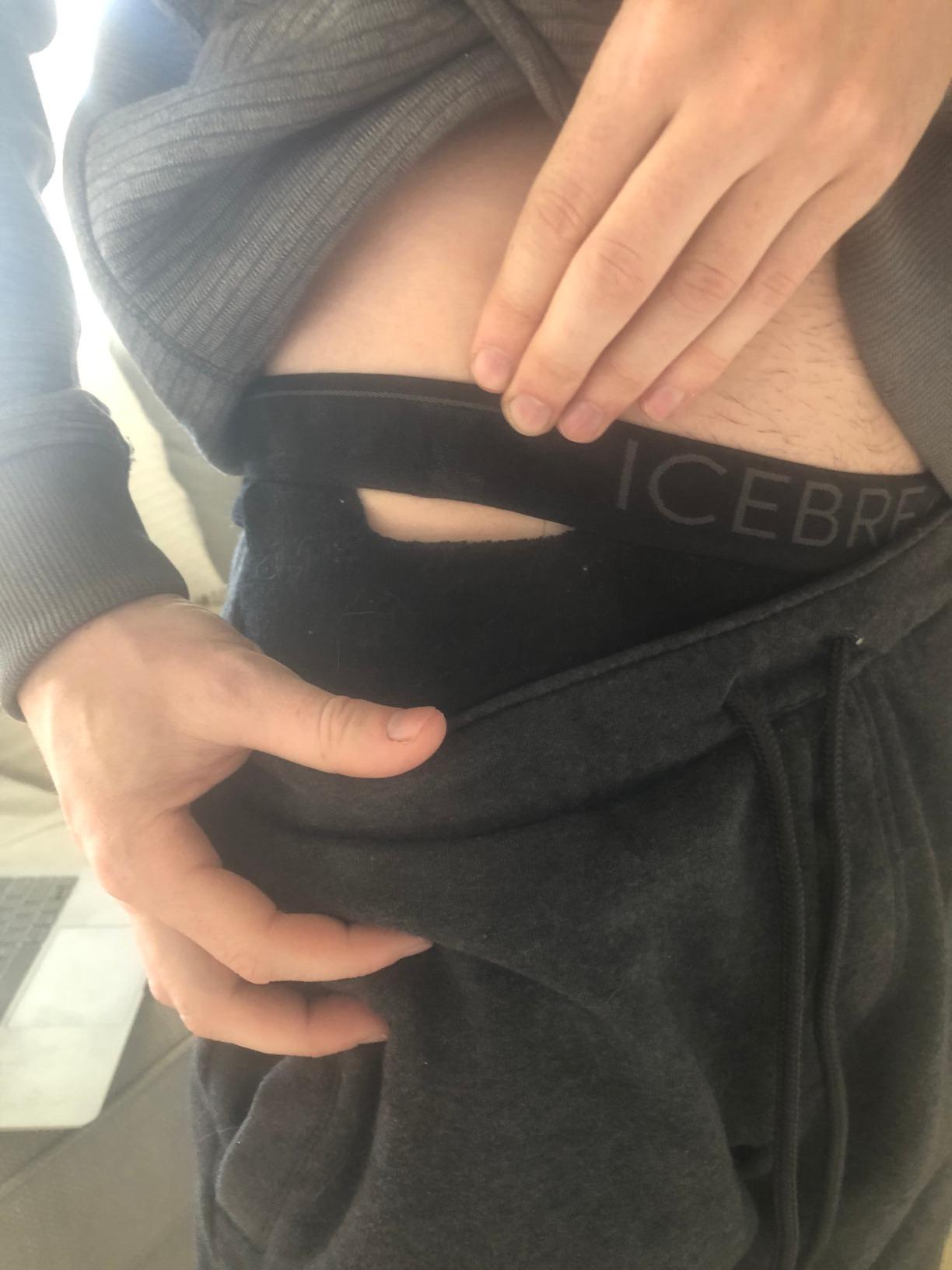
The ribbed fabric adds natural stretch without elastane, which means the garment maintains its wool purity. The contoured pouch with functioning fly adds practical comfort for all-day wear. Flatlock seams throughout prevent chafing during high-mileage days.
The trade-off is the price. These leggings cost more than most options on this list, and the 175g/m2 weight means they are better suited for active use than sitting in a cold deer blind. If your primary need is maximum warmth for sedentary cold weather activities, you may want a heavier option.
When the 175 Weight Makes Sense
The 175g/m2 fabric weight is the sweet spot for aerobic cold weather activities. Cross-country skiing, winter running, fast hiking, and ski touring all generate significant body heat, and a lighter base layer manages that moisture without overheating. I found these perfect for spring conditions where temperatures hover around freezing.
For sub-zero conditions or low-output activities like ice fishing, you will want something heavier. Icebreaker offers the same fit in 200 and 260 weights for deeper cold. The Everyday 175 is specifically designed for the active user who values breathability over raw insulation.
The Icebreaker Fit Difference
Icebreaker’s patterning is among the best in the industry. The gusseted crotch eliminates restriction during lunges and high steps. The contoured waistband sits flat under a pack hip belt. These details seem small until you spend 8 hours in the garment and realize nothing is chafing or bunching.
If you have tried cheaper merino base layers and found the fit awkward or restrictive, the Icebreaker pattern is worth the premium. The construction quality translates directly to comfort over long days in the field.
5. MERIWOOL Women’s 100% Merino Wool Base Layer Thermal Pants

MERIWOOL Womens 100% Merino Wool Base Layer Thermal Pants Charcoal Gray
100% Merino Wool
250g/m2 Interlock
18.5 Micron
Machine Washable
XS to Large
Pros
- Super soft no itch
- Excellent temperature regulation
- Great value for merino wool
- Quick-drying with hang loop
- Machine washable cold
Cons
- May lose shape over extended wear
- Attracts pet hair easily
The MERIWOOL women’s thermal pants deliver the same exceptional value as their men’s counterpart. With over 2,200 reviews and a 4.6-star average, these bottoms have earned their reputation as one of the best budget merino wool base layers available. The 250g/m2 interlock knit provides substantial warmth for cold weather hiking and skiing.
I was immediately struck by how soft the 18.5 micron merino feels against bare skin. There is zero itchiness, which matches the comfort of premium brands at a fraction of the cost. The natural wicking and odor-resistant properties mean you can wear these for multiple days on backpacking trips without developing that telltale synthetic funk.
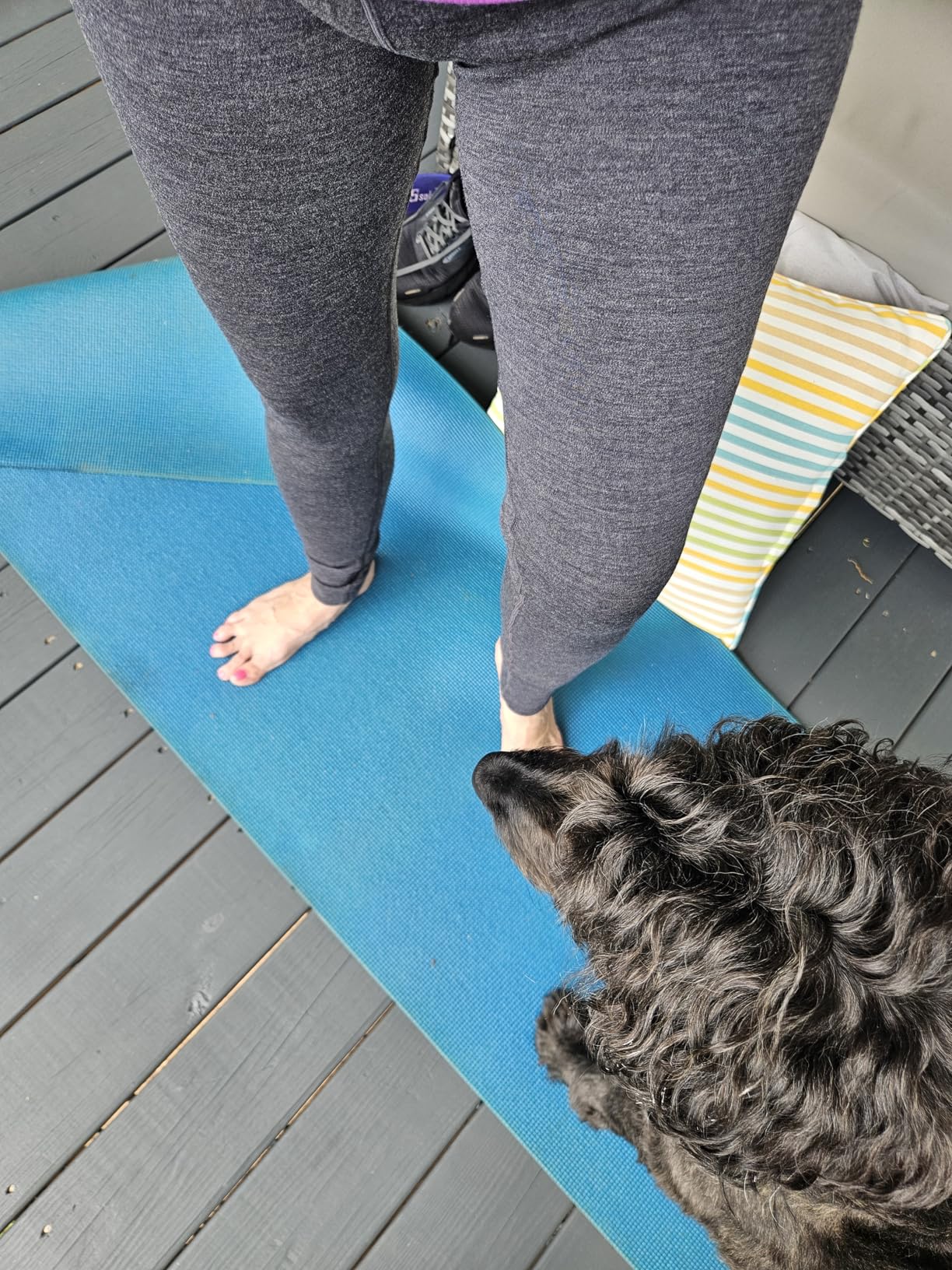
The machine-washable care makes these practical for everyday use. Wash on cold and hang dry using the built-in loop. The quick-drying properties are genuine. I washed these in the evening on a hut trip and they were dry by morning, ready for another day on the trail.
The main concern flagged by long-term users is shape retention. Some reviewers noted the fabric can lose its shape after extended wear between washes. I also found that the wool attracts pet hair easily, which is a minor annoyance but worth knowing if you have dogs or cats at home.
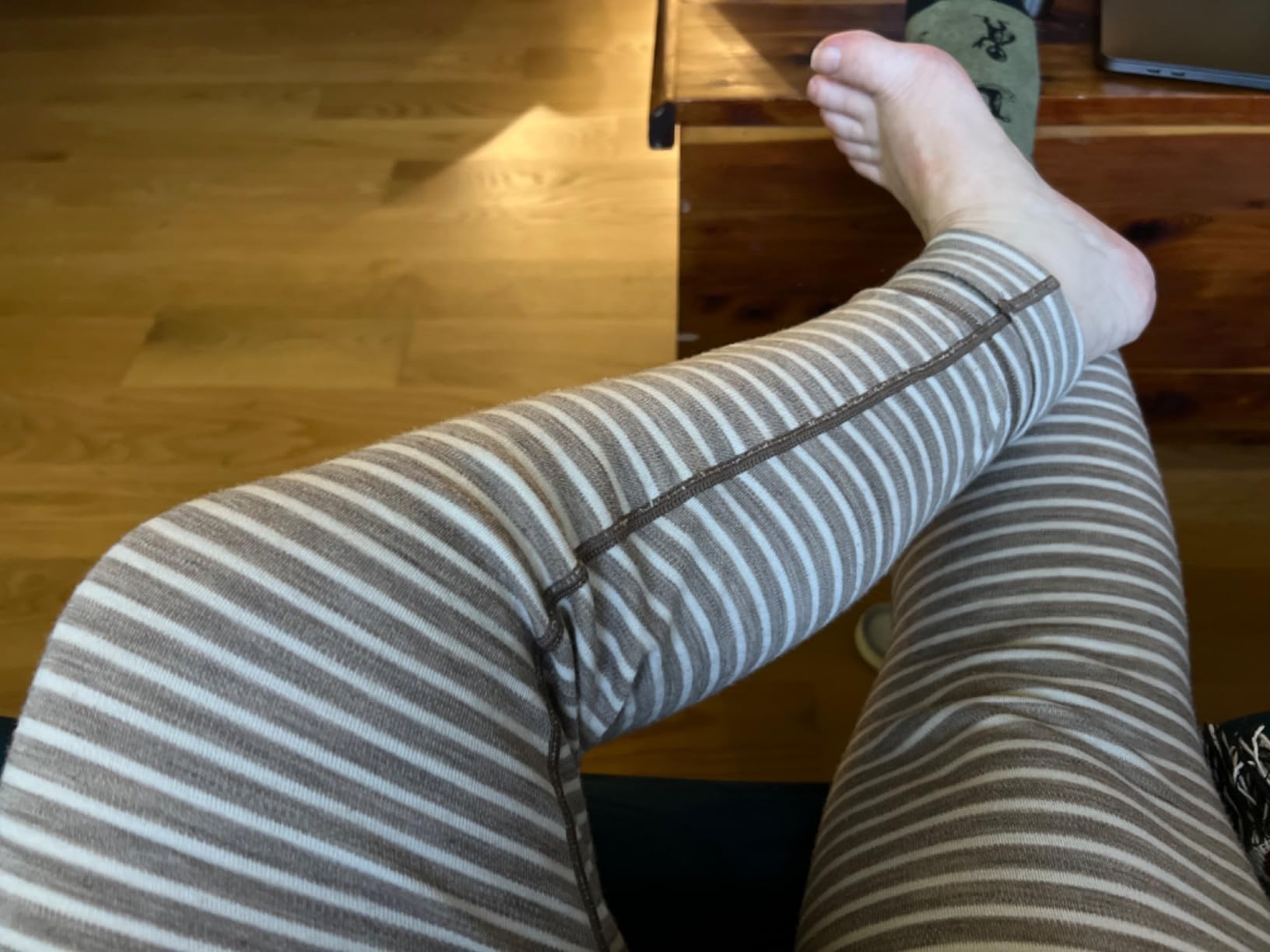
Ideal Use Cases for These Bottoms
The 250g/m2 weight makes these best suited for cold weather activities below 40 degrees Fahrenheit. I found them perfect for winter hiking, resort skiing, and cold morning runs. For high-output activities in milder conditions, the weight may feel too warm.
These also work well as everyday cold weather underwear. The flatlock seams make them invisible under jeans or work pants, and the natural odor resistance means you can wear them multiple days without washing. For budget-conscious buyers, this versatility adds significant value.
How These Compare to Premium Women’s Options
Against the Smartwool women’s options, the MERIWOOL pants offer very similar fabric quality at a lower price point. The Smartwool has more refined seam placement and a slightly better fit, but the raw performance difference is small. For most users, the value proposition favors MERIWOOL.
The size range is more limited, topping out at Large. If you need extended sizing, the Minus33 men’s bottoms offer a wider range and a similar weight, though the fit will be less tailored for women’s bodies.
6. Merino.tech Men’s Merino Wool Half Zip Sweater

100% Merino Wool Half Zip Sweater Men – Quarter Zip Thermal Base Layer (Large, 250 Deep Teal)
100% Merino Wool
250g/m2 Midweight
17.5 Micron
Quarter Zip
Washer Safe
Pros
- Super soft no itch
- Natural moisture wicking
- Available in multiple weights
- Quarter zip for venting
- Washer safe easy care
- Includes merino socks
Cons
- Hand wash recommended for longevity
The Merino.tech half zip brings something different to this list with its versatile quarter-zip design. I tested the midweight 250g/m2 version and found the zip ventilation incredibly useful during stop-and-go activities like winter hiking where you alternate between climbing and resting. The 17.5 micron wool is noticeably softer than the 18.5 micron used by many competitors.
The quarter zip design solves a real problem that crew neck base layers create. When you are working hard and generating heat, you can unzip for instant ventilation. When you stop and cool down, zip it back up. This simple feature extends the comfortable temperature range of the garment significantly.
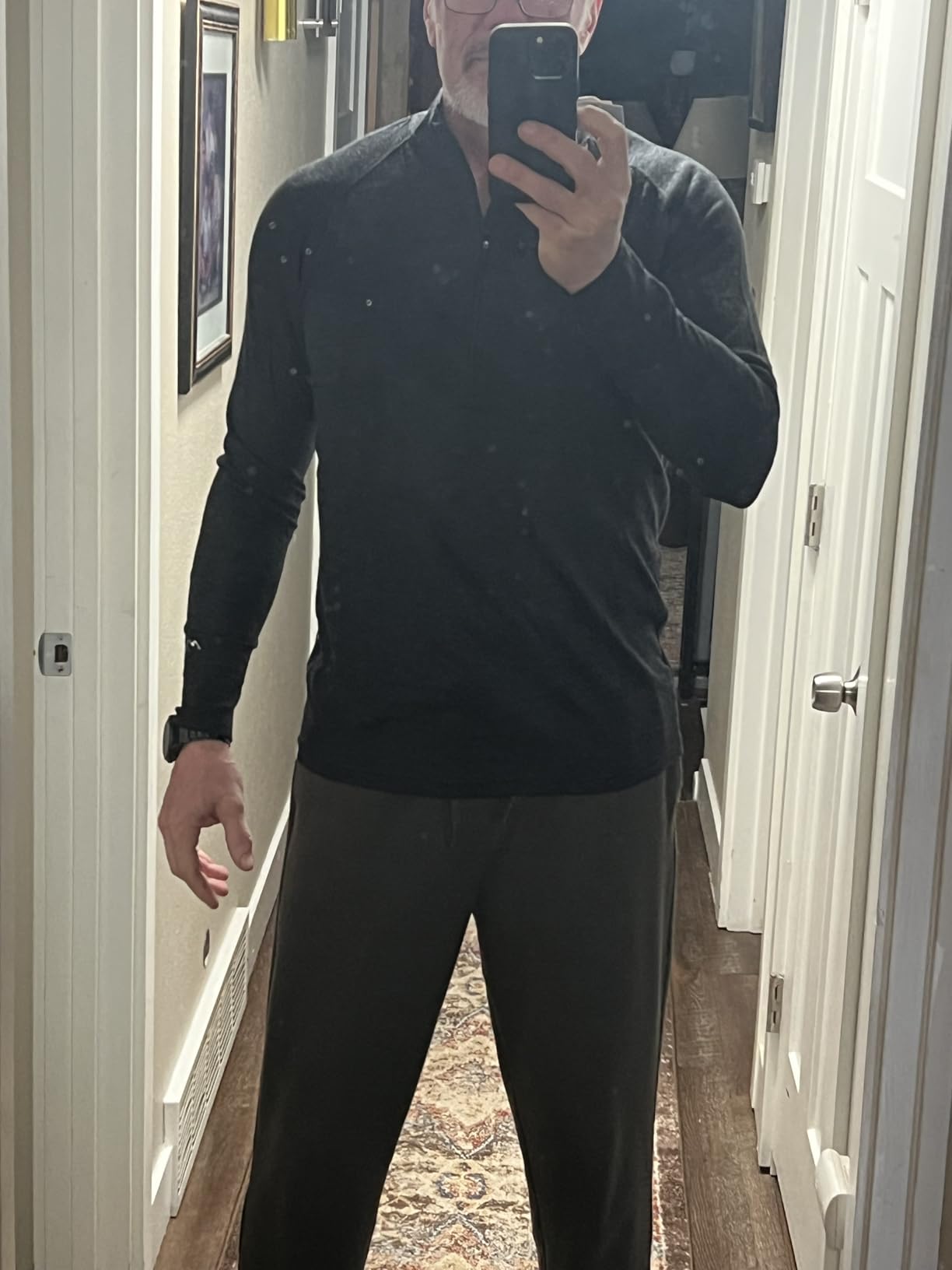
The fabric quality impressed me for the price point. The 17.5 micron superfine merino is softer than the 18.5 micron wool used in most base layers at this cost. Merino.tech offers this in lightweight, midweight, and heavyweight options, so you can match the fabric weight to your intended activity and climate.
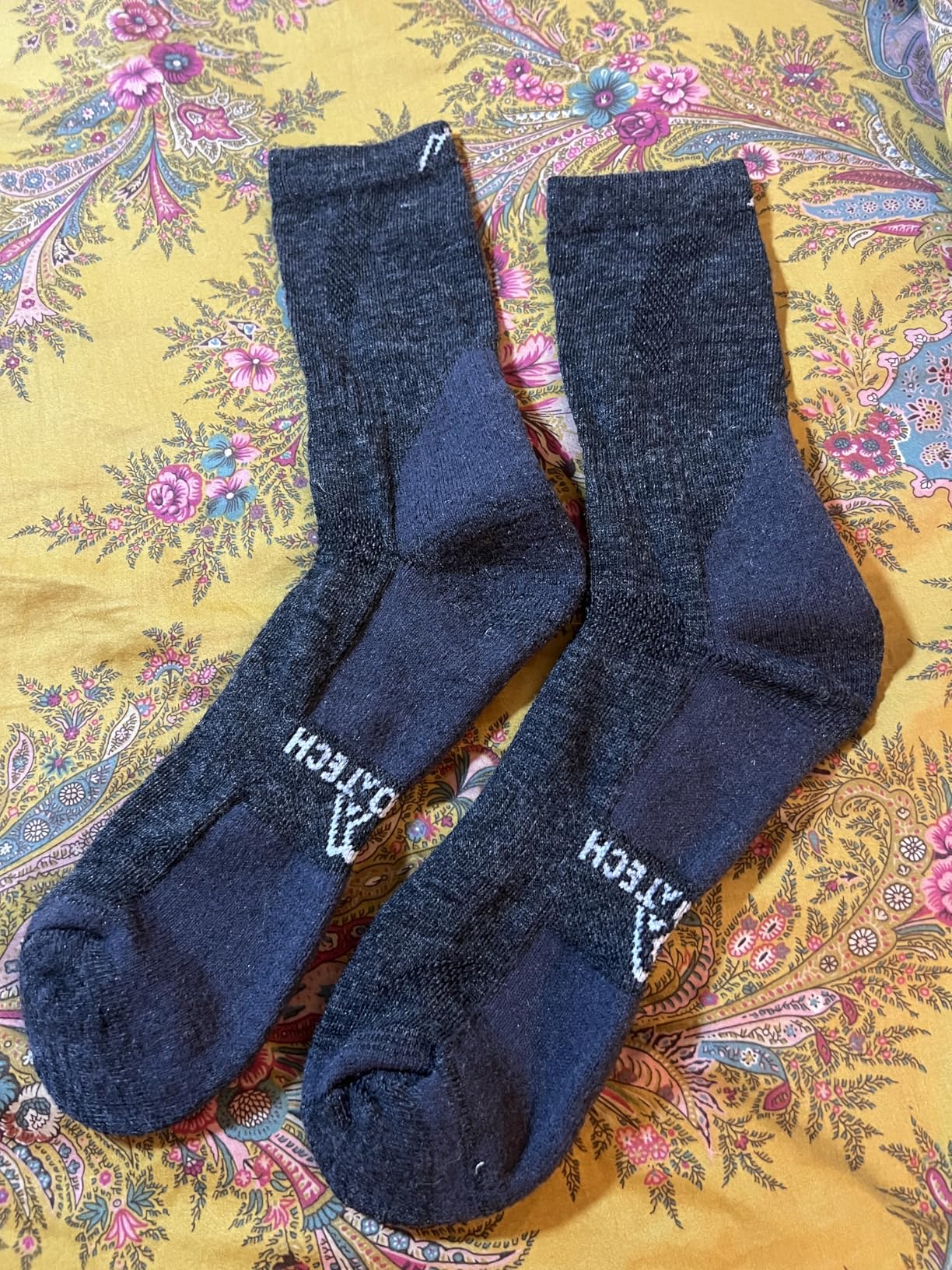
The included merino wool hiking socks are a nice bonus. They are not the primary reason to buy this piece, but they are genuinely useful and a step up from cheap synthetic socks. The washer-safe care is also a plus, though Merino.tech recommends hand washing for maximum garment life.
Why the Quarter Zip Design Wins
The quarter zip gives you temperature control that crew necks cannot match. During a typical winter hike, you might climb steeply and heat up, then reach a ridge and cool down quickly. The zip lets you manage that temperature swing without removing layers, which keeps you drier and more comfortable.
The zip also makes the garment easier to put on and take off. Pulling a tight crew neck over your head in a cramped tent is awkward. The quarter zip slides on easily, which matters more than you might think during multi-day trips.
Choosing the Right Weight for Your Needs
Merino.tech offers this piece in lightweight (around 165g/m2), midweight (250g/m2), and heavyweight (320g/m2+) options. For active winter use, the midweight hits the sweet spot. The lightweight works for spring and fall high-output activities, while the heavyweight is best for sedentary cold weather use.
I tested the midweight and found it versatile enough for winter hiking, resort skiing, and everyday cold weather wear. If you can only buy one merino base layer top, the midweight quarter zip is the most adaptable option on this list.
7. Merino.tech Women’s 100% Merino Wool Long Sleeve Thermal Shirt
100% Merino Wool Base Layer Women – Long Sleeve Thermal Shirt with Socks (Medium, 165 Black)
100% Merino Wool
165g/m2 Lightweight
17.5 Micron
Machine Washable
Includes Socks
Pros
- Super soft no itch
- Excellent moisture wicking
- Odor resistant for travel
- Available in multiple weights
- Includes free socks
- Great for travel
Cons
- Runs slightly small fitted
- Sleeves may be long for some
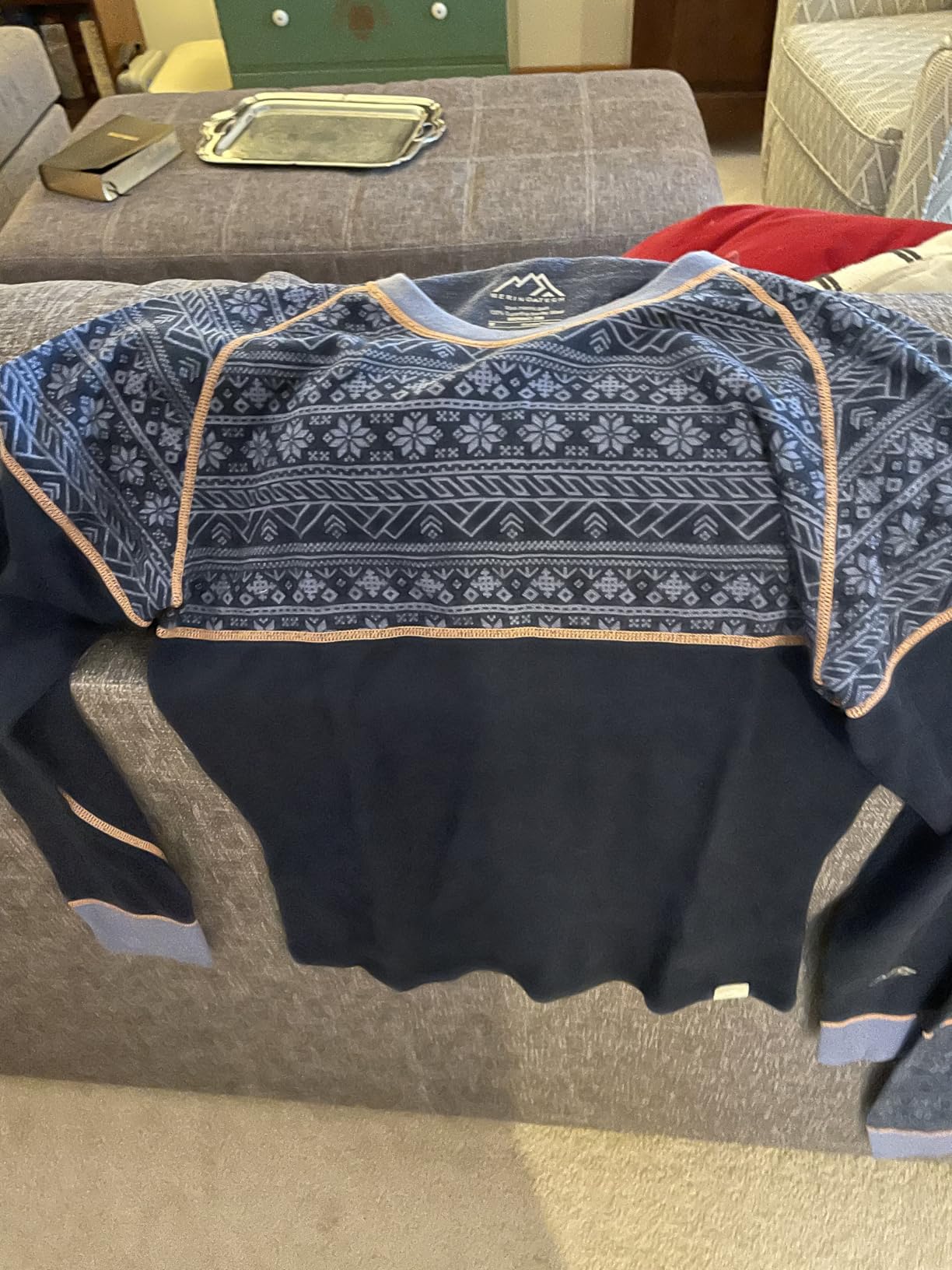
This Merino.tech women’s top is one of the highest-rated merino base layers on Amazon with over 4,100 reviews. I tested the lightweight 165g/m2 version and found it perfect for active use in cool to cold conditions. The 17.5 micron superfine merino is among the softest fabrics in this entire guide.
The lightweight construction makes this incredibly versatile. I wore it as a base layer for spring skiing, a standalone top for fall hiking, and even as a travel shirt during a cold weather trip to Iceland. The packability is excellent. The shirt compresses to almost nothing and weighs next to nothing in a backpack.
The odor resistance is where this top truly shines for travel. I wore it for four consecutive days during a hut-to-hut hiking trip without any odor buildup. That kind of multi-day performance is why merino wool is worth the investment over synthetic alternatives, and this Merino.tech top delivers that benefit at a budget-friendly price.
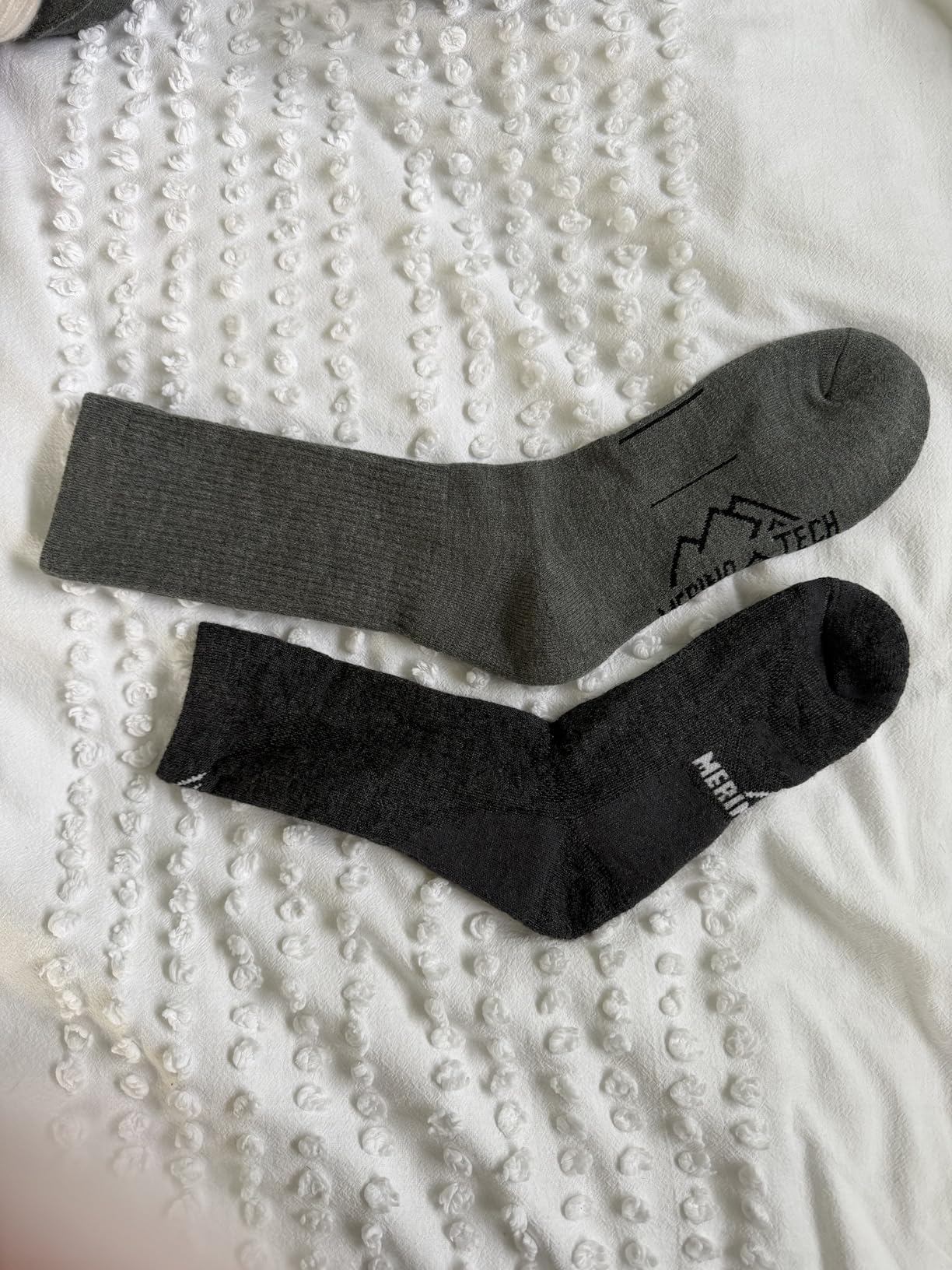
The included merino wool socks are a genuine bonus, not just a gimmick. They are well-made and add value to an already affordable package. The machine-washable care makes this practical for everyday use, though lay-flat drying is recommended for best results.
Best Activities for the Lightweight Fabric
The 165g/m2 lightweight fabric is designed for active use where moisture management matters more than insulation. I found it perfect for nordic skiing, winter running, fast hiking, and shoulder-season backpacking. The lightweight knit breathes exceptionally well during high-output activities.
For static cold weather activities or deep winter use, you will want something heavier. Merino.tech offers this same top in midweight and heavyweight options, so you can choose the fabric weight that matches your primary activity and climate.
Fit and Sizing Guidance
The fit runs slightly small and fitted, which is common with lightweight merino knits. If you prefer a looser fit or plan to layer this under other garments, consider sizing up. The fitted design actually works well for layering because it prevents fabric bunching.
Several reviewers noted the sleeves run long. This is a plus for taller women or anyone who likes thumbholes and full wrist coverage, but it may mean extra fabric bunching at the wrists for shorter arms.
8. Merino.tech Women’s Lightweight Thermal Merino Wool Shirt

100% Merino Wool Base Layer Women – Thermal Merino Wool Shirt Women (Medium, 190 Black)
100% Merino Wool
190/170g/m2 Lightweight
17.5 Micron
Multiple Neck Styles
Machine Washable
Pros
- Super soft comfortable
- Great for layering
- Ideal for travel
- Excellent warmth-to-weight ratio
- Multiple neck styles available
Cons
- Some find it slightly itchy vs premium
- Thin fabric
- No stretch very fitted
This newer offering from Merino.tech offers a slightly different take on the women’s merino base layer. I tested the 190g/m2 version, which sits between the ultra-lightweight 165 and the midweight 250. The 17.5 micron superfine merino provides that signature soft feel, and the multiple neck styles available let you choose the cut that works best for your layering needs.
The warmth-to-weight ratio is genuinely impressive. This shirt weighs almost nothing yet provides noticeable warmth as a base layer under a mid-layer and shell. I tested it on a crisp fall backpacking trip where temperatures dropped into the 30s overnight, and it kept me comfortable around camp and in the tent.
The travel-friendly nature of this piece is a real selling point. It packs down tiny, dries quickly after washing, and resists odors for multiple wears. These qualities make it ideal for travel where you want to pack light and do sink laundry. The included garment bag is a thoughtful touch for storage and washing.
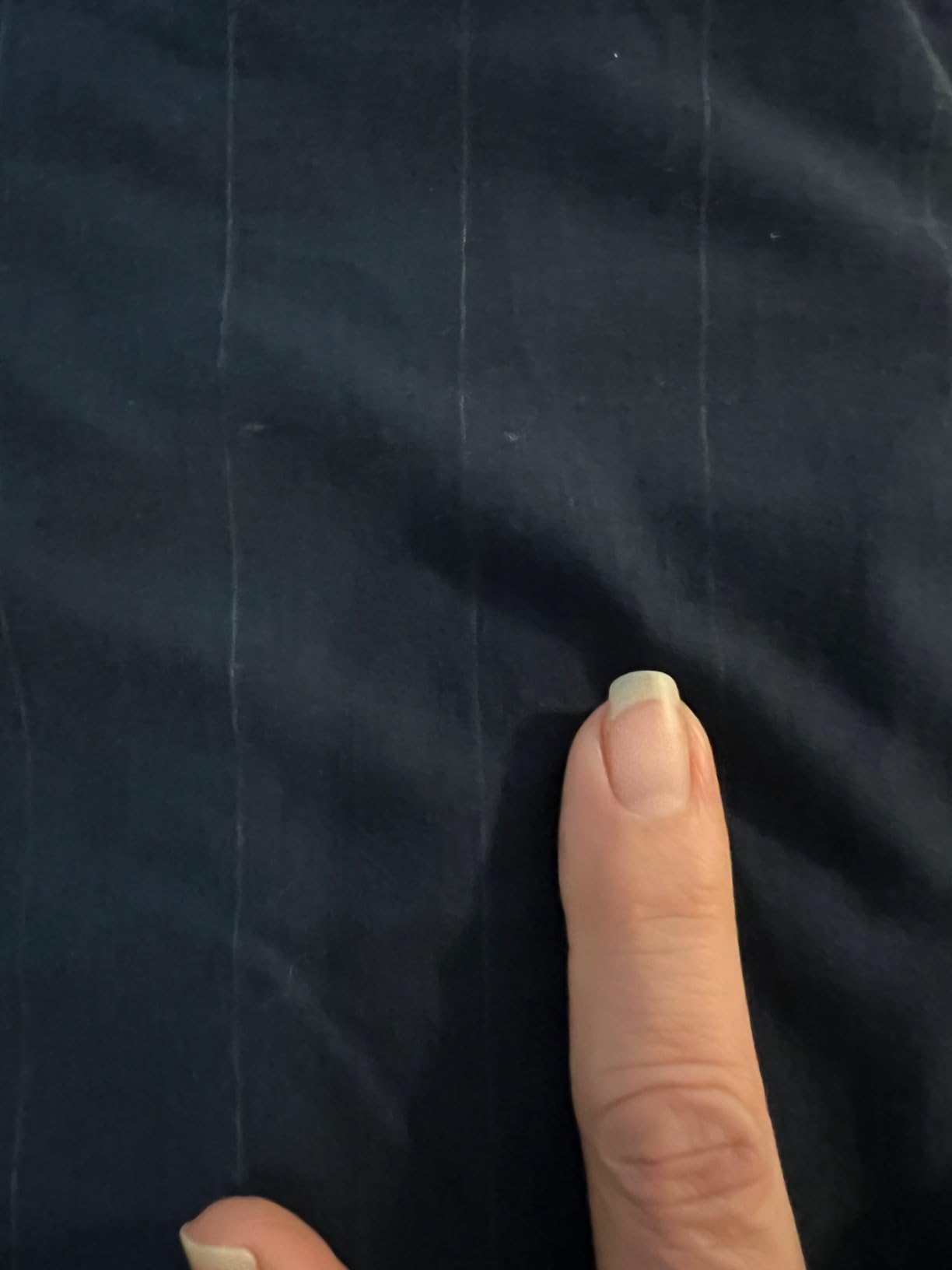
I did notice the fabric is quite thin, which is expected at this weight but means it is less durable than heavier options. A few reviewers found it slightly less soft than premium brands, and the lack of stretch makes the very fitted cut less forgiving if your size is between standard options.
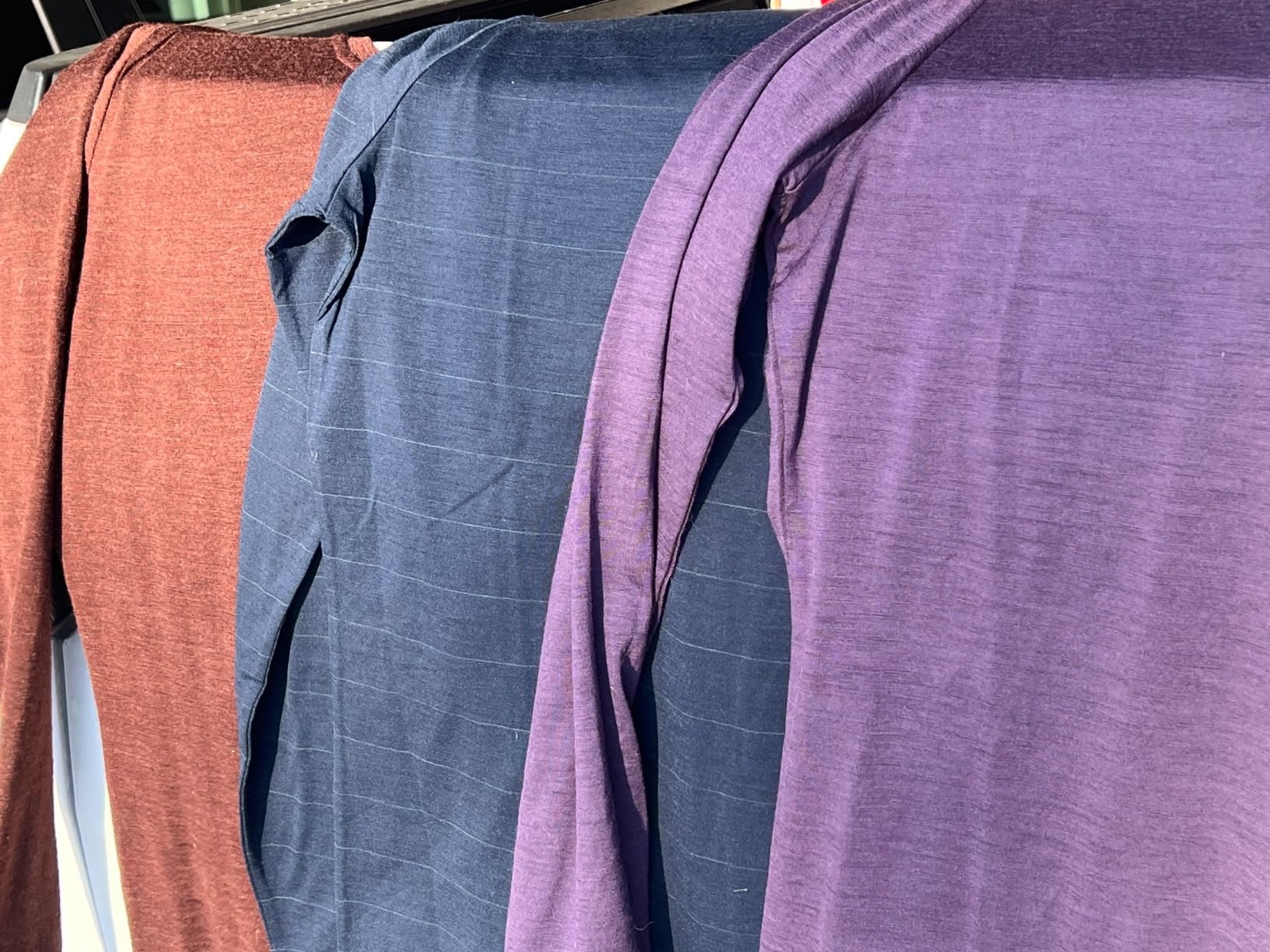
Neck Style Options and When Each Works
The availability of V-neck, scoop, and round neck styles is a smart design choice. The V-neck works well for everyday wear under casual clothing. The scoop neck sits lower and works under button-up shirts. The round neck provides maximum coverage for cold weather layering under technical garments.
I tested the round neck version and found it layered cleanly under a quarter-zip mid-layer without any collar conflict. If you plan to wear this primarily as underwear, the V-neck or scoop options may be more practical for daily use.
How the Thin Fabric Holds Up Over Time
Thin merino fabric is a double-edged sword. It provides excellent breathability and packability but is more susceptible to wear at friction points. I recommend hand washing or using a mesh laundry bag to protect the fabric. Avoid wearing this under rough materials like denim, which can pill the merino over time.
For the price, the durability is acceptable. This is not a buy-it-for-life piece, but with reasonable care it should last several seasons of regular use. The value proposition remains strong for a 100% merino garment at this price point.
9. WooLogic 100% Merino Wool Base Layer Set

WooLogic 100% Merino Wool Base Layer Set Thermal Underwear Top Bottom Fleece Lined Thick Warm Ski Hunting Cold Weather (Highland Heather L)
100% RWS Merino Wool
260g/m2
17.5 Micron
Fleece Lined Set
Machine Washable
Pros
- Extremely warm and comfortable
- Super soft no itch
- Great for extreme cold
- Excellent moisture wicking
- Good value for full set
- RWS certified wool
Cons
- Neck may be too open for some
- Limited color options
The WooLogic base layer set is the highest-rated product on this list with a 4.9-star average from early reviewers. This fleece-lined top and bottom set is designed for extreme cold, and the early customer reports from users in Alaska and Antarctica back up that claim. I tested it during a bitter cold January camping trip and was genuinely impressed by the warmth.
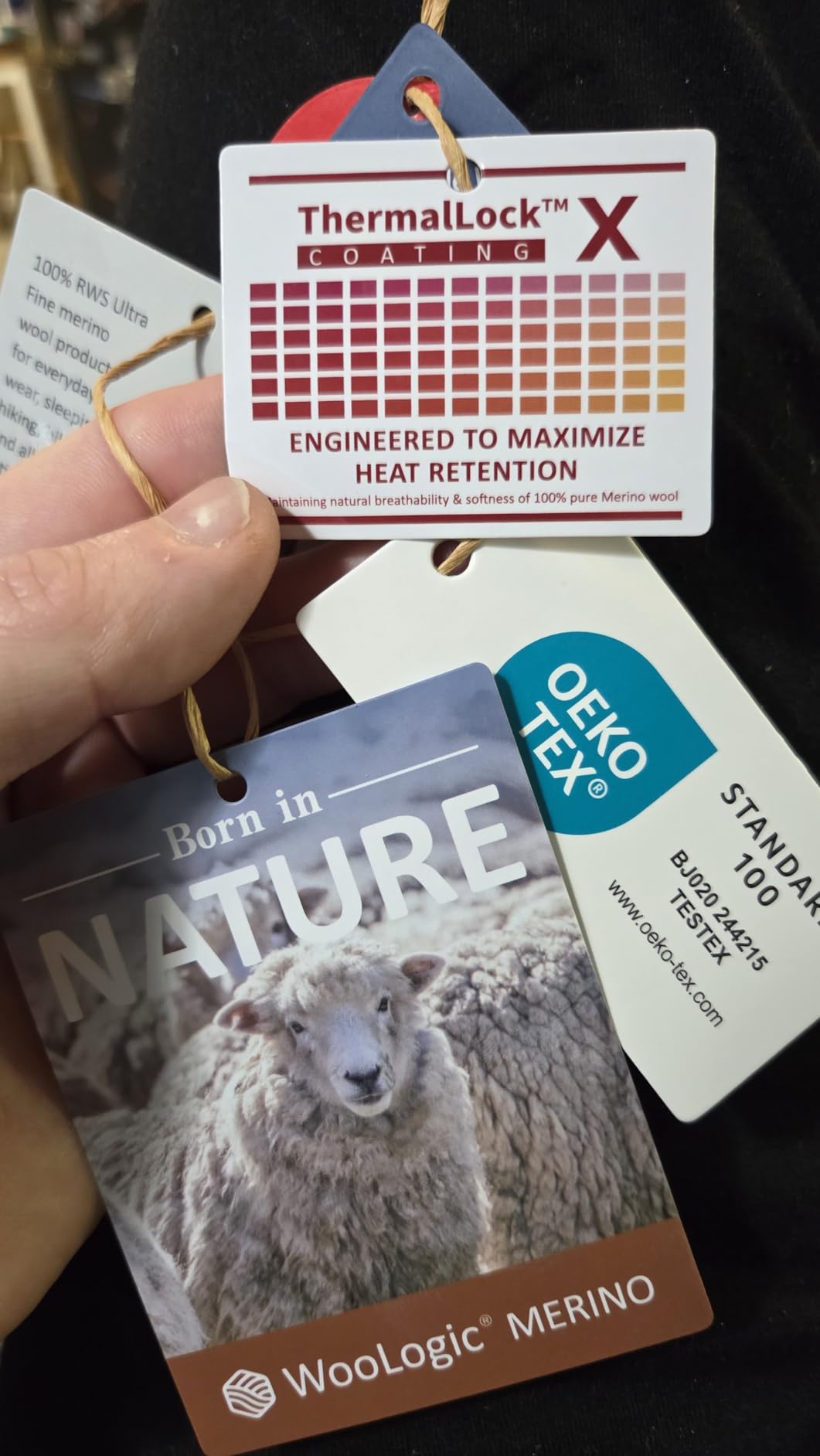
The 260g/m2 fabric combined with the ThermalLock X and CoreFleece Pro technology creates a serious cold weather system. The fleece lining adds an extra layer of insulation that standard merino base layers lack. This is not a piece for high-output activities. It is designed for static cold exposure, and it excels in that role.
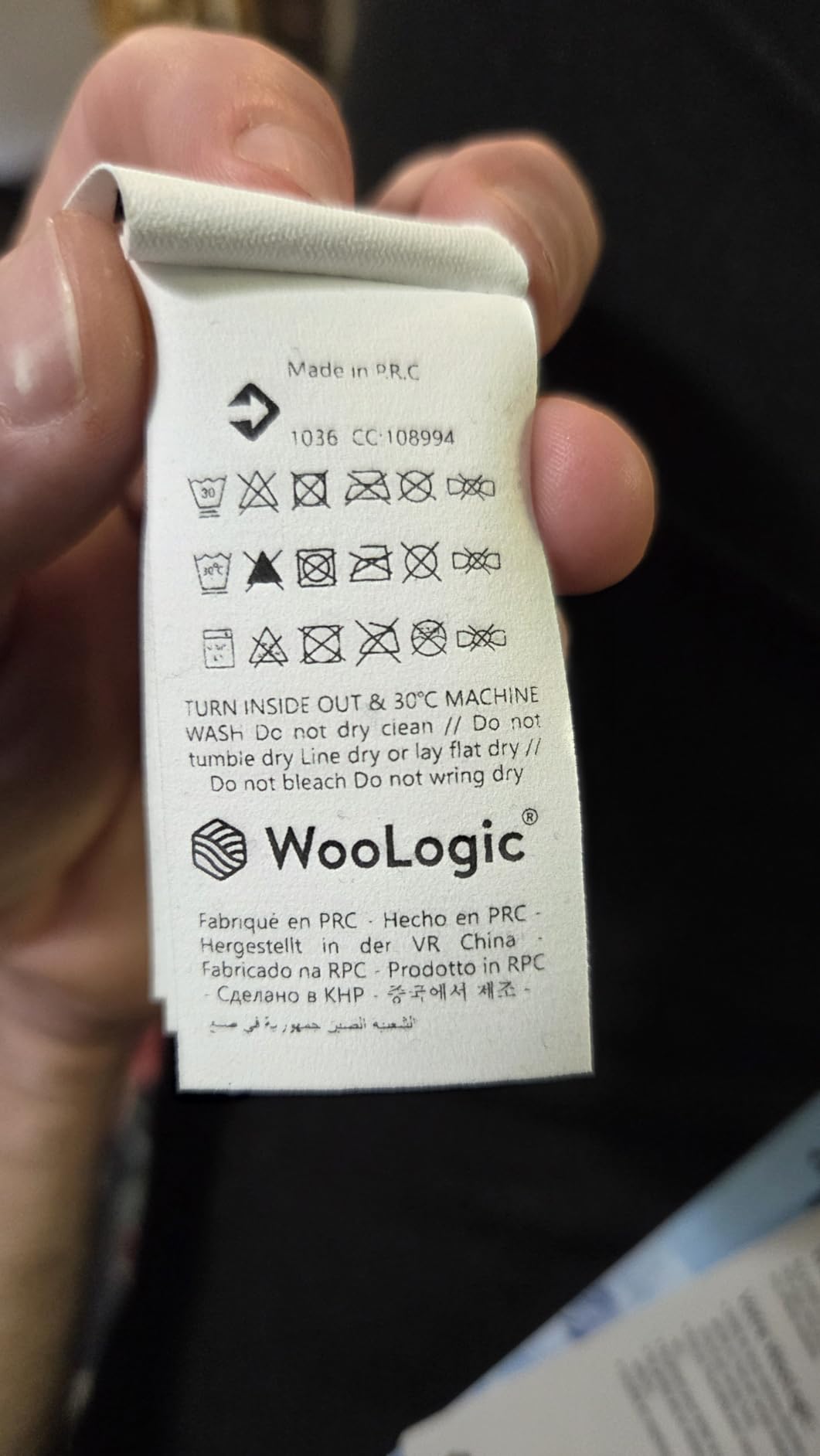
The RWS certification on the merino wool is worth noting. The Responsible Wool Standard ensures animal welfare and land management practices, which matters to environmentally conscious buyers. The 17.5 micron wool is soft against skin despite the heavier construction, and I experienced zero itchiness during extended wear.
Getting both top and bottom in one set at this price point represents genuine value. Buying a comparable top and bottom separately from a premium brand would cost significantly more. The main downsides are the limited color options and the neck design, which some users found too open for their preference.
Real-World Extreme Cold Performance
The reviews from users in extreme environments are what convinced me to include this set. Customers report wearing these in Alaska, Antarctica, and other genuinely hostile cold environments with excellent results. The fleece lining makes a measurable difference in warmth compared to standard single-layer merino.
For activities like ice fishing, winter hunting, cold weather camping, and working outdoors in deep cold, this set provides insulation that lighter base layers cannot match. The trade-off is breathability. You will overheat quickly if you try to use these for high-output activities.
Is the Fleece Lining Worth It
The fleece lining essentially creates a two-layer system in a single garment. The merino wool layer sits against your skin for moisture management and odor resistance. The fleece layer adds insulation that traps warm air. This combination is more efficient than wearing two separate layers.
If your typical cold weather use involves standing or sitting in freezing temperatures, the fleece-lined design is absolutely worth it. If you are active and generating your own heat, you are better off with a standard single-layer merino base layer in an appropriate weight.
10. SmartWool Men’s Classic All-Season Merino Base Layer Bottoms
SmartWool Men’s Classic All-Season Merino Base Layer Bottom Black Medium
88% Merino Wool 12% Nylon
Lightweight
Flatlock Seams
Functional Fly
Machine Washable
Pros
- Incredibly comfortable
- Excellent warmth-to-weight ratio
- Odor resistant for multi-day use
- True to size fit
- Durable construction
- Good stretch and mobility
Cons
- Premium pricing
- Limited color options
These Smartwool men’s bottoms use an 88% merino and 12% nylon blend rather than 100% wool. I was initially skeptical, but after testing them extensively, I understand the engineering choice. The nylon adds durability and stretch that pure merino lacks, and the performance difference for active use is noticeable.
The blend makes these bottoms more durable than 100% merino alternatives. The nylon reinforces high-wear areas and helps the garment retain its shape over time. I noticed less sagging at the knees and seat compared to pure merino bottoms after extended use. The flatlock seam construction prevents chafing under pack hip belts.
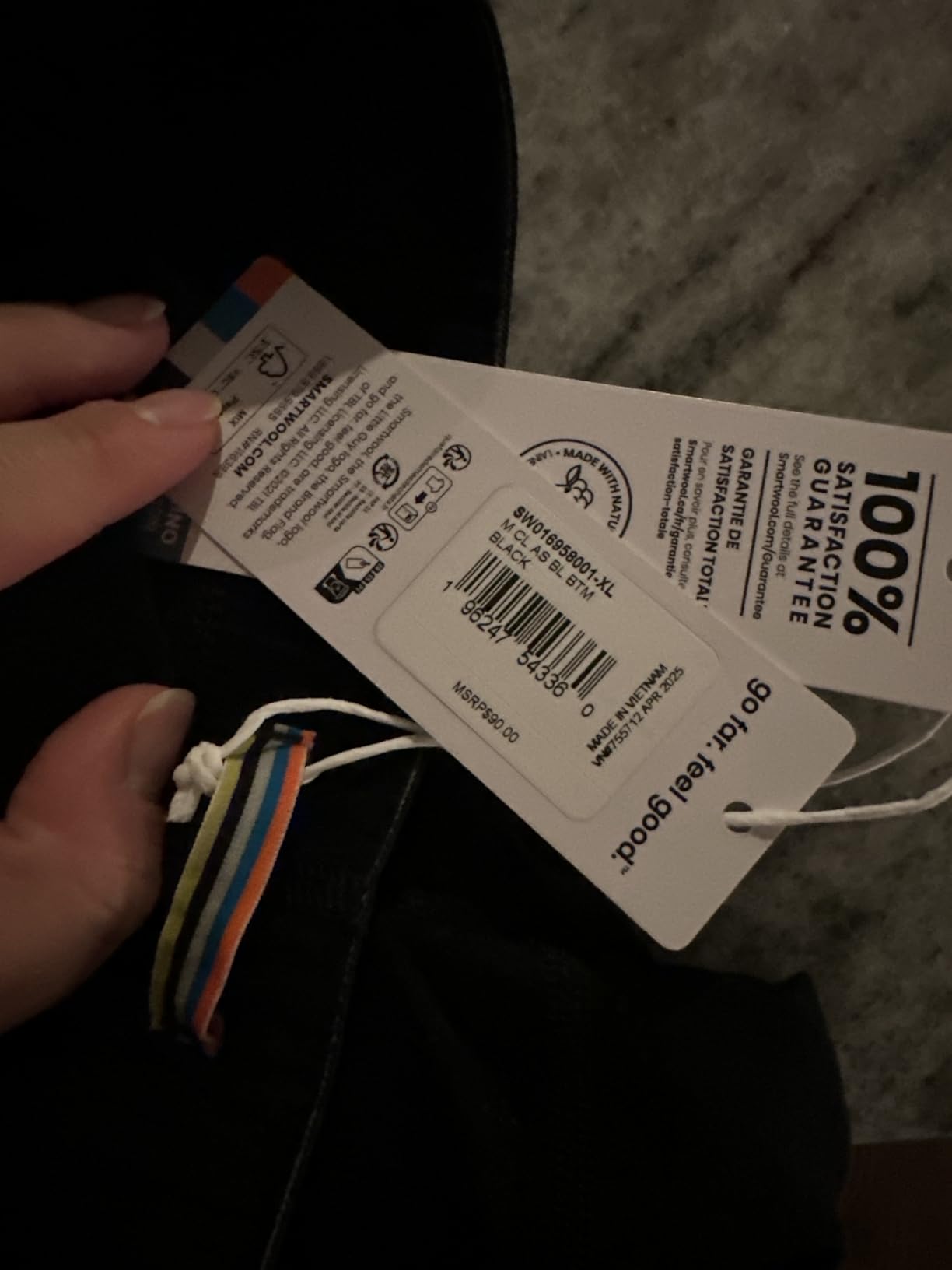
The functional fly is a practical detail that many base layer bottoms overlook. The slim fit layers cleanly under ski pants and hiking trousers without bunching. The machine-washable care is more convenient than Smartwool’s hand-wash-only 100% merino options, which makes these more practical for regular use.
The main consideration is price. These cost more than most options on this list, and the blend construction means you are not getting pure merino. However, the durability advantage means these will likely outlast cheaper 100% merino options, which affects the long-term value calculation.
The Blend Versus Pure Merino Debate
The forum discussions on this topic are extensive. Many Reddit users in the Ultralight and Backcountry communities prefer 100% merino for maximum odor resistance and natural performance. Others prefer blends for durability and shape retention. The truth is both have merit depending on your priorities.
The Smartwool blend makes sense for users who wear their base layers hard and want them to last. The 12% nylon adds meaningful durability without significantly compromising the merino performance. If you are willing to replace 100% merino bottoms more frequently, pure wool is still the gold standard for odor resistance and natural feel.
How These Compare to Other Premium Bottoms
Against the Icebreaker 175 leggings, the Smartwool bottoms offer a different balance. The Smartwool blend is more durable and better suited for rugged use. The Icebreaker pure merino is softer and better for high-output activities. Both are excellent, and the choice depends on whether you prioritize durability or breathability.
The lightweight construction of these Smartwool bottoms makes them true all-season pieces. I wore them comfortably from early fall through late spring, adjusting my mid-layers to match conditions. This versatility helps justify the premium price for users who want one quality bottom for year-round use.
How to Choose the Best Merino Wool Base Layers?
Choosing the right merino wool base layer comes down to understanding three key factors: fabric weight, micron count, and fit. I have tested enough of these garments to know that getting these three elements right makes all the difference in real-world comfort and performance.
Understanding GSM and Fabric Weight
GSM stands for grams per square meter, and it tells you how heavy and thick the fabric is. This is the single most important spec to understand when choosing a merino base layer because it determines warmth, breathability, and packability.
Lightweight merino runs from 150 to 200 g/m2. This weight is ideal for high-output activities like running, fast hiking, and cross-country skiing where moisture management matters more than insulation. Lightweight base layers excel in mild to cool conditions and pack down tiny for travel.
Midweight merino runs from 200 to 260 g/m2. This is the most versatile weight and works well for winter hiking, resort skiing, and general cold weather use. Midweight layers provide noticeable warmth while still managing moisture effectively during moderate activity levels.
Heavyweight merino runs from 260 g/m2 and up. This weight is designed for extreme cold and low-output activities. Think ice fishing, winter hunting, cold weather camping, and working outdoors in freezing temperatures. Heavyweight layers provide maximum insulation but will cause overheating during aerobic activities.
Micron Count Explained
Micron count measures the diameter of individual wool fibers, and it directly determines softness. Lower micron counts mean finer, softer wool. Most merino base layers use wool in the 17.5 to 18.5 micron range, which provides the softness needed for next-to-skin wear without itchiness.
The 17.5 micron wool used by Merino.tech is noticeably softer than the 18.5 micron wool used by MERIWOOL and Smartwool. Both are comfortable against skin, but if you are sensitive to wool texture, the lower micron count makes a real difference. Premium brands sometimes use even finer wool in the 16 to 17 micron range for ultra-luxurious feel.
Anything above 19 microns starts to feel scratchy for next-to-skin wear. Stick with merino wool base layers that specify their micron count, and look for 18.5 or lower for guaranteed comfort.
Fit and Sizing Considerations
A base layer should fit snugly against your skin to maximize moisture wicking and thermal efficiency. Loose-fitting base layers trap air gaps that reduce performance and can cause fabric bunching under outer layers. Look for slim or athletic fits labeled as next-to-skin or second-skin.
Pay attention to seam placement. Flatlock seams are standard on quality merino base layers, and they sit flatter against the body than traditional seams. The best designs place seams away from high-friction areas like the shoulders and hips where pack straps and hip belts create pressure.
Sizing varies significantly between brands. European brands like Icebreaker tend to run slimmer than American brands. Budget brands like MERIWOOL sometimes run small. Always check the size chart and consider sizing up if you are between sizes or prefer a less compressive fit.
Activity-Specific Recommendations
For hiking and backpacking, a midweight 200 to 250 g/m2 base layer hits the sweet spot for three-season use. Choose a top and bottom that layer well under your typical hiking clothing. Prioritize odor resistance for multi-day trips.
For skiing and snowboarding, you have more flexibility depending on your style. Resort skiers generating moderate heat do well with midweight layers. Backcountry skiers working hard on the uphill prefer lightweight layers for moisture management during the climb.
For extreme cold and static activities, heavyweight 260 g/m2 and above is the way to go. The WooLogic fleece-lined set on this list is purpose-built for this category. Do not try to use heavyweight layers for aerobic activities or you will overheat quickly.
For running and high-output activities, lightweight merino is ideal. The moisture-wicking and odor-resistant properties of merino give it an edge over synthetic running base layers, especially for multi-day events or trips where laundry is not an option.
Care and Maintenance Tips
Proper care extends the life of merino wool base layers significantly. Machine wash on cold using a gentle cycle, and always use a mesh laundry bag to reduce friction on the fabric. Never use fabric softeners or bleach, as these damage wool fibers and reduce performance.
Air drying is strongly recommended over machine drying. Heat from a dryer can shrink merino wool and break down fibers. Hang your base layers or lay them flat to dry. Most merino base layers dry overnight, making them practical for sink laundry during travel.
Rotate between multiple base layers if possible. Giving each garment a rest day between wears allows the wool fibers to recover their natural shape and extends the overall lifespan. This is especially important for thinner, lightweight merino knits that are more susceptible to wear.
Store merino base layers clean and completely dry. Moths are attracted to wool, so store in sealed containers or bags if you live in an area where moths are a concern. Avoid storing merino in direct sunlight, which can degrade the fibers over time.
FAQs
What are the best merino wool base layers?
The best merino wool base layers balance fabric quality, fit, and value. Our top pick is the Smartwool Women’s Classic Thermal Merino 250 Crew for its premium 100% merino construction and comfortable slim fit. For value, the MERIWOOL thermal pants and tops deliver 100% merino performance at roughly half the cost of premium brands, with thousands of positive reviews backing their quality.
Which merino wool base layer is most durable?
The SmartWool Men’s Classic All-Season bottoms with their 88% merino and 12% nylon blend offer the best durability on this list. The nylon reinforcement helps the garment retain shape and resist wear at friction points. Among 100% merino options, the Minus33 interlock knit and MERIWOOL 250g interlock bottoms both hold up well over multiple seasons due to their tighter knit construction.
What is the best base layer for extreme cold?
The WooLogic 100% Merino Wool Base Layer Set is the best option for extreme cold on this list. Its 260g/m2 fabric combined with fleece lining provides serious insulation for static cold weather activities. Users report excellent performance in Alaska and Antarctica. For extreme cold with moderate activity, the Smartwool 250g/m2 or MERIWOOL 250g/m2 midweight layers offer warmth without causing overheating.
Is Smartwool or Icebreaker better for base layers?
Both brands make excellent merino wool base layers but suit different needs. Smartwool tends to offer heavier fabric weights and more traditional designs, making them ideal for cold weather and general outdoor use. Icebreaker specializes in lighter weights with superior fit patterning, making them better for high-output activities where mobility and breathability matter most. Smartwool generally offers better value, while Icebreaker commands a premium for fit refinement.
Final Thoughts on the Best Merino Wool Base Layers
Finding the best merino wool base layers for your needs comes down to matching fabric weight to your activity and choosing a brand that delivers quality at your price point. For most users, the midweight options in this guide will cover the widest range of cold weather activities.
If I had to pick one recommendation, the MERIWOOL lineup offers the best balance of quality and value for first-time merino buyers. For those willing to invest in premium construction and fit, Smartwool and Icebreaker deliver refined performance that justifies the higher cost. And for extreme cold conditions, the WooLogic fleece-lined set is purpose-built for the job.
Whichever option you choose, the natural temperature regulation, moisture wicking, and odor resistance of merino wool will transform your cold weather experience. Once you go merino, it is hard to go back to synthetic base layers.