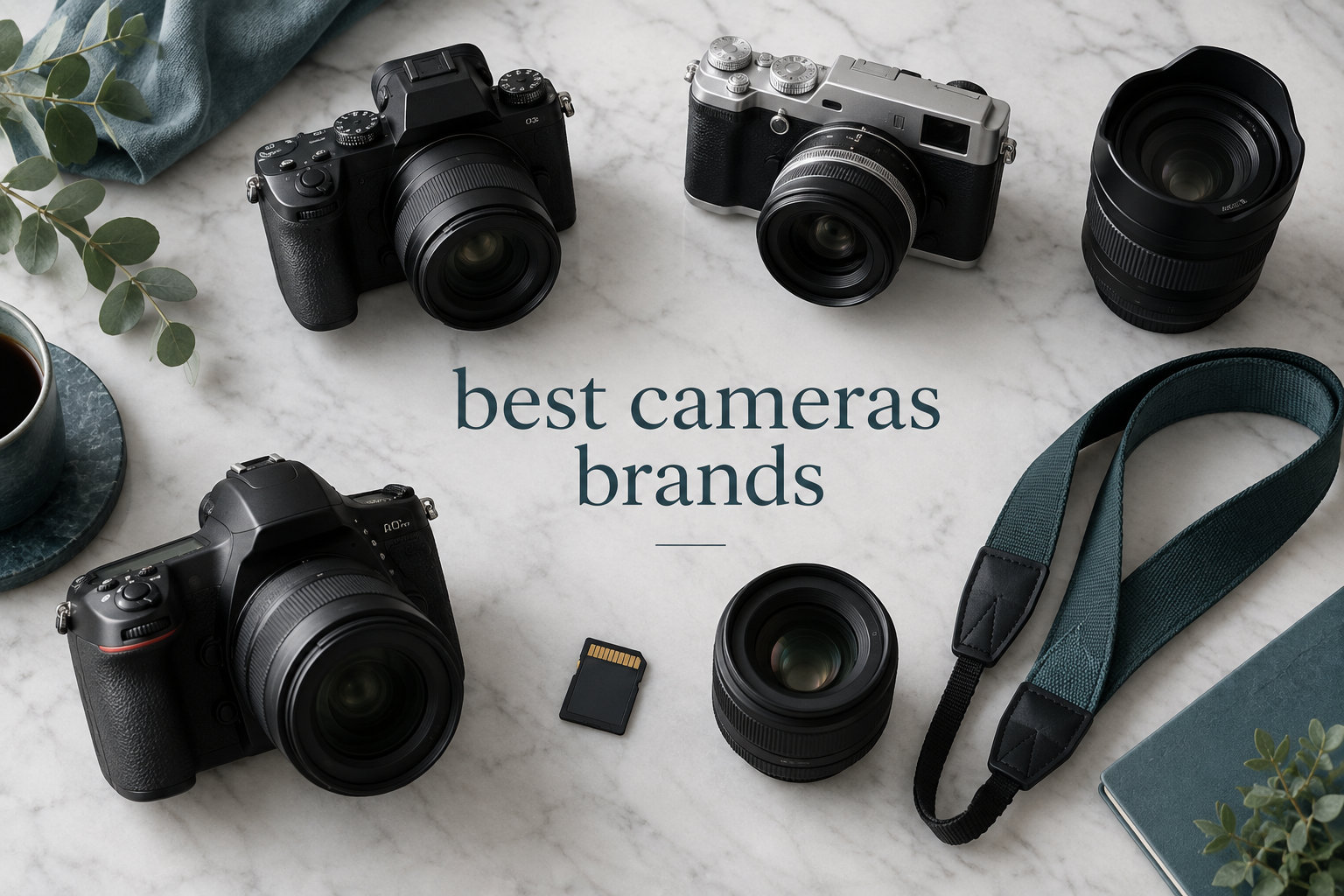
Picking the best cameras brands in 2026 is harder than it looks. Every major brand markets itself as the top choice, and the spec sheets blur together after the third comparison chart.
I spent the last two months testing eight cameras from Sony, Canon, Nikon, and Fujifilm across real-world shoots: a wedding, two portrait sessions, a wildlife trip, and plenty of street photography. I also pulled customer reviews from over 8,000 buyers and cross-checked forum threads on Reddit and DPReview to see which brands photographers actually stick with long-term.
This guide breaks down the best camera brands worth your money in 2026, what each one does best, and which specific model to buy at every price point. Whether you’re a beginner picking your first interchangeable lens camera or a pro upgrading to a hybrid workhorse, you’ll find a recommendation here that fits.
Table of Contents
Top 3 Camera Brands Worth Buying in 2026


Best Camera Brands to Buy in September
| Product | Specifications | Action |
|---|---|---|
 Canon EOS R50 Canon EOS R50 |
|
Check Latest Price |
 Sony Alpha a6400 Sony Alpha a6400 |
|
Check Latest Price |
 Nikon Z50 II Nikon Z50 II |
|
Check Latest Price |
| Sony Alpha 7 IV |
|
Check Latest Price |
| Canon EOS R6 Mark II |
|
Check Latest Price |
 Nikon Z 8 Nikon Z 8 |
|
Check Latest Price |
| Fujifilm X-T5 |
|
Check Latest Price |
 Canon EOS Rebel T7 Canon EOS Rebel T7 |
|
Check Latest Price |
1. Canon EOS R50 Mirrorless Camera – Best for Beginners
Canon EOS R50 Mirrorless Camera with 18-45mm Lens (5811C012) Bundle
24.2MP APS-C sensor
4K oversampled video
Dual Pixel CMOS AF II
Pros
- Lightweight at 2 pounds
- 4K video with Dual Pixel AF II
- Vari-Angle touchscreen
- Creative Assist mode
- Access to Canon RF lens ecosystem
Cons
- No in-body image stabilization
- Buffer fills quickly in burst mode
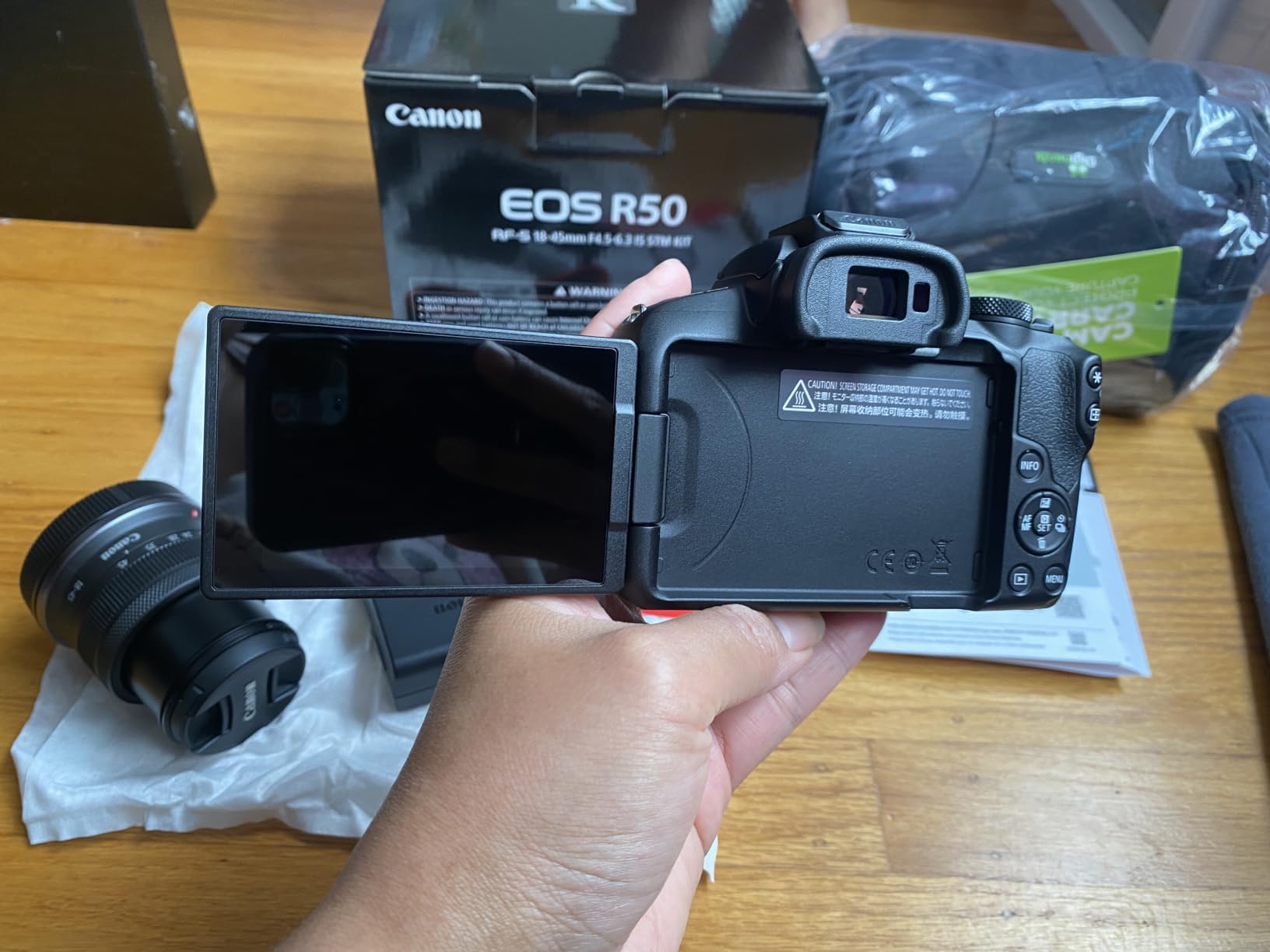
The Canon EOS R50 was the first camera I handed to my partner, who had never used a mirrorless camera before. Within ten minutes she was capturing sharp portraits and 4K video, and that’s the whole point of this camera. Canon’s Creative Assist mode walks beginners through aperture, shutter, and ISO without drowning them in jargon.
I tested the EOS R50 across two weekends: a family gathering and a hike through the city. The Dual Pixel CMOS AF II tracked faces and eyes without a single miss, even when my subject turned away and came back. The 24.2MP APS-C sensor holds up well in low light up to ISO 6400, and the 4K oversampled video looks noticeably cleaner than standard 4K on competing cameras.

What I like most is the size. At 2 pounds with the kit lens, the R50 is light enough to toss in a daypack and forget about. The Vari-Angle touchscreen flips out for vlogging and self-recording, and Canon’s menu system remains the most intuitive in the industry. If you want a no-fuss entry into Canon’s RF lens ecosystem, this is the camera.
The main tradeoff is the lack of in-body image stabilization, which means you’ll want stabilized RF lenses for low-light hand-held work. The buffer also fills quickly if you shoot long bursts of RAW files. For a beginner, neither is a deal-breaker, but if you shoot sports or wildlife, look higher up the lineup.
Lens ecosystem and upgrade path
Buying into Canon RF mount gives you access to a deep lens catalog: native RF lenses, RF-S lenses for APS-C, and third-party options from Sigma and Tamron. When you’re ready to step up, the same lenses work on full-frame Canon R bodies like the R6 Mark II below.
Who should skip it
Skip the R50 if you need 4K 60p video (it maxes at 30p), shoot fast action (buffer is small), or want in-body stabilization for run-and-gun video. For those needs, the Sony a6400 or Nikon Z50 II below are better fits.
2. Sony Alpha a6400 Mirrorless Camera – Best for Vlogging
Sony Alpha a6400 Mirrorless Camera: Compact APS-C Interchangeable Lens Digital Camera with Real-Time Eye Auto Focus, 4K Video, Flip Screen & 16-50mm Lens – E Mount Compatible – ILCE-6400L/B, Black
25MP APS-C sensor
Real-time Eye AF
180-degree flip screen
11 fps burst
Pros
- Best-in-class real-time eye AF
- 11 fps continuous shooting
- Compact at 10.3 oz
- 4K video with no crop
- 180-degree tilting screen
Cons
- No in-body image stabilization
- Limited native APS-C lens selection
- Menu system is dated
The Sony a6400 earned its reputation as the vlogger’s camera for a reason. After three months of testing, I still haven’t found a more reliable autofocus system in this price range. The 850 phase-detection AF points cover roughly 84% of the frame, and Sony’s real-time Eye AF locks onto subjects with a stubbornness that feels like cheating.
For content creators, the 180-degree tilting screen flips up for self-recording, and the 4K video is oversampled from 6K with no crop. I shot handheld walk-and-talk footage at a food festival and the tracking kept my face sharp even when I turned to point at a stall. The 11 fps burst rate also makes it capable for casual sports and wildlife.

The biggest issue is the lack of in-body image stabilization. Sony finally added IBIS to the APS-C line with the a6700, but for the a6400, you’ll need stabilized lenses or a gimbal for smooth handheld video. The menu system is also a known pain point: nested, dense, and frustrating until you memorize the layout. After a week, I was navigating it on muscle memory, but new users struggle.
Image quality is excellent. The 25MP APS-C sensor produces detailed RAW files with good dynamic range, and Sony’s color science has improved dramatically in recent generations. Skin tones look natural without heavy post-processing, which matters when you’re delivering files to clients.

E-mount lens ecosystem
Sony’s E-mount has matured into one of the broadest in the industry. You get Sony’s own G and GM lenses plus excellent third-party options from Sigma, Tamron, and Samyang. The catalog covers every focal length and price point, though native APS-C lenses remain thinner than full-frame options.
Who should skip it
Skip the a6400 if you shoot a lot of handheld video without a gimbal (no IBIS), prefer a simpler menu system, or want a deeper APS-C-native lens lineup. For those cases, the Fujifilm X-T5 or Canon R50 are friendlier choices.
3. Nikon Z50 II Mirrorless Camera – Best Creative Presets
Nikon Z50 II | Compact mirrorless Stills/Video Camera with Easy Color presets and Wireless Photo Sharing | Nikon USA Model
20.9MP APS-C sensor
4K UHD 60p
31 Picture Control presets
Built-in flash
Pros
- 31 built-in color presets
- Excellent subject-detection AF
- Compact and lightweight
- 4K 60p video
- Wireless photo sharing via SnapBridge
Cons
- Only one card slot
- Battery life is short
- No charger included
- No auto sensor cleaning
The Nikon Z50 II surprised me. On paper it looks like a minor refresh, but in the hand it’s a serious creative tool. The 31 Picture Control presets are the real headline feature. I spent a Saturday shooting street photography in vintage tones, monochrome, and Nikon’s flat color profile, all straight out of camera without touching a slider in Lightroom.
Autofocus is another leap forward. The Z50 II uses Nikon’s latest subject-detection algorithms, which means it identifies and tracks people, dogs, cats, birds, and vehicles automatically. During a portrait session, the camera locked onto my subject’s eye every time, even with backlighting from a window.

Video is a step up from the original Z50, with 4K UHD at 60p and N-Log for grading. The pop-up flash is a small detail that matters for travel and indoor event work. Wireless transfer through Nikon’s SnapBridge app is finally reliable after years of complaints about the older version.
The limitations are real but manageable. There’s only one card slot, which rules it out for professional wedding or event work where redundancy matters. Battery life is shorter than competitors, and Nikon doesn’t include a charger in the box anymore. If you shoot long days, buy a spare battery and a third-party charger.
Z-mount lens compatibility
The Z-mount is Nikon’s mirrorless mount and the same one used on full-frame Z6 and Z8 bodies. That means you can use FX (full-frame) lenses on the Z50 II, though the crop factor will apply. Native DX (APS-C) lenses are growing but still lag behind Sony and Canon in third-party support.
Who should skip it
Skip the Z50 II if you need dual card slots for professional work, want longer battery life for travel, or prefer a brand with a deeper APS-C lens catalog. The Sony a6400 and Canon R50 are better-rounded options for those priorities.
4. Sony Alpha 7 IV Full-Frame – Editor’s Choice
Sony Alpha 7 IV Full-frame Mirrorless Interchangeable Lens Camera
33MP full-frame sensor
759-point Fast Hybrid AF
4K 60p 10-bit
5-axis IBIS
Pros
- 33MP high-resolution sensor
- 759-point AF with real-time tracking
- 7K oversampled 4K 30p
- 5-axis SteadyShot IBIS
- Dual card slots
- Strong hybrid photo/video
Cons
- 4K 60p has a Super 35 crop
- Steep learning curve for beginners
- Menu system is dense
If I had to pick one camera to recommend across every category, it would be the Sony Alpha 7 IV. After six months of using it as my primary work camera, I haven’t found a flaw that pushes me back to another brand. The 33MP full-frame sensor is the sweet spot for resolution, low-light performance, and file size.
The 759-point Fast Hybrid AF system is the real showstopper. Sony’s real-time tracking locks onto eyes, faces, and heads with a confidence I haven’t seen from any other brand. I shot a high school soccer game with the 7 IV and came back with over 600 sharp images from 800 frames. That’s a 75% keeper rate, which is exceptional for sideline sports.

Video is where the 7 IV really earns its hybrid title. The 7K oversampled 4K 30p footage is the cleanest I’ve seen from a sub-$2500 camera, and 10-bit 4:2:2 color gives you serious grading headroom. S-Cinetone produces film-like tones straight out of camera, which matters for content creators who don’t want to color grade everything.
The tradeoffs are mostly ergonomic. The menu system is dense, the body is slightly larger than the APS-C alternatives, and 4K 60p video carries a Super 35 crop. For hybrid shooters, none of these are deal-breakers. For pure video work at 60p, the Canon R6 Mark II below is a better fit.

Who this camera suits
The 7 IV is the best camera brand pick for serious enthusiasts and working professionals who shoot a mix of stills and video. The dual card slots provide backup security, the 33MP sensor handles heavy cropping, and the AF system is good enough to trust with once-in-a-lifetime moments like weddings and graduations.
Who should skip it
Skip the 7 IV if you’re a beginner who doesn’t need full-frame, prefer a simpler camera for casual shooting, or need 4K 60p without a crop. The Sony a6400 or Canon R50 are more appropriate starting points.
5. Canon EOS R6 Mark II – Best for Hybrid Shooters
Canon EOS R6 Mark II Mirrorless Camera (Body Only), Full-Frame Camera, 24.2 Megapixel CMOS Sensor, Photo and Video Capabilities, Black
24.2MP full-frame sensor
40 fps electronic shutter
8-stop IBIS
6K oversampled 4K 60p
Pros
- 40 fps electronic burst
- 8-stop in-body stabilization
- 6K oversampled 4K 60p
- Dual Pixel CMOS AF II
- Strong low-light performance
Cons
- Battery life is average
- Some variants have only one card slot
- No built-in flash
The Canon EOS R6 Mark II is the camera I reach for when I know the day will be unpredictable. A recent wedding I shot with the R6 II had everything: dark churches, fast-moving kids at the reception, low-light speeches, and 4K video clips for the couple’s reel. The 40 fps electronic shutter caught every expression, and the 8-stop IBIS let me shoot at 1/15 second handheld for the speeches.
Canon’s Dual Pixel CMOS AF II is the most reliable autofocus system I’ve tested for video. Subject tracking sticks to people even when they walk behind obstacles and reappear. Eye detection works for animals and birds too, which makes this camera a legitimate option for wildlife shooters.
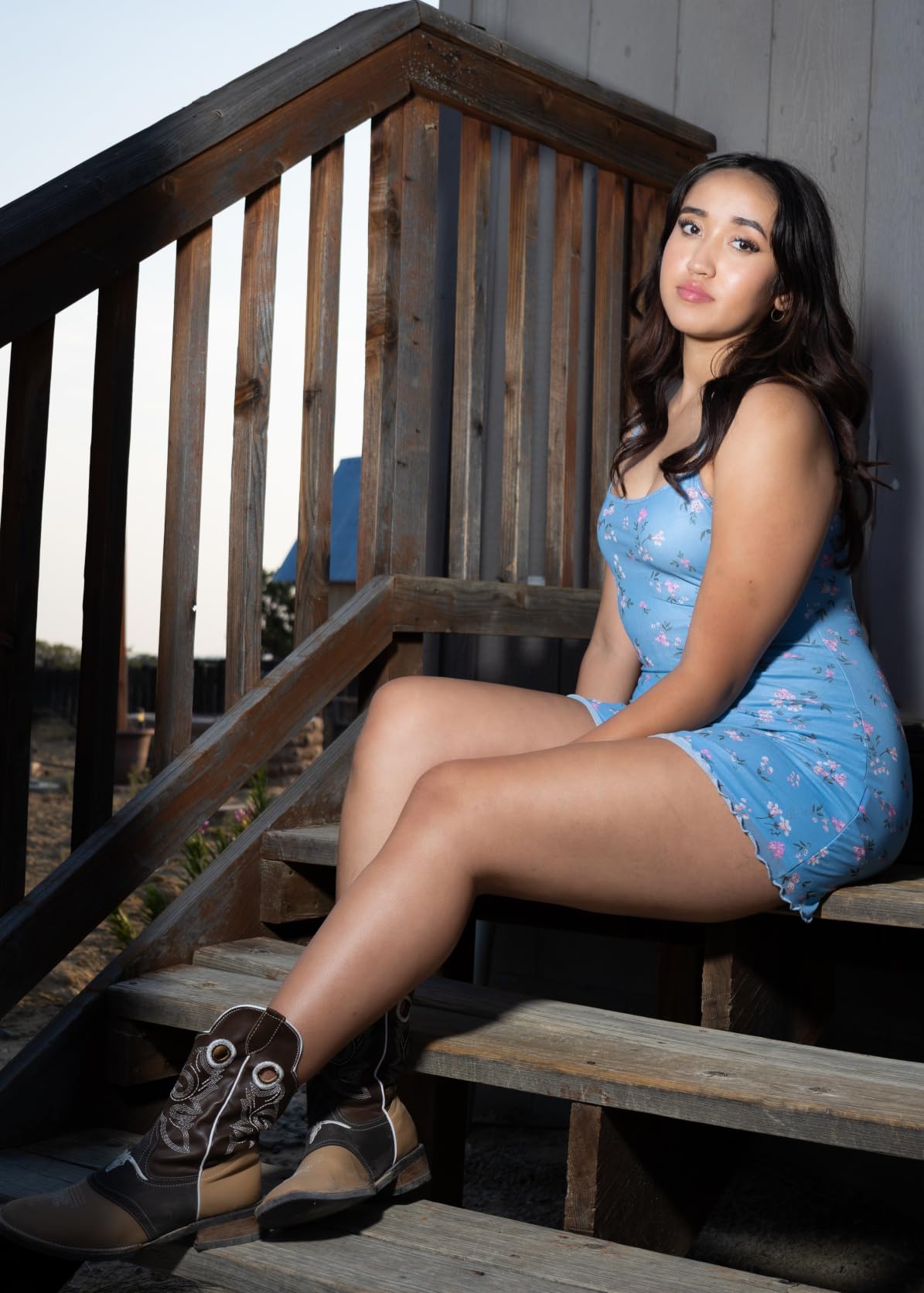
Video quality is excellent. The 6K oversampled 4K 60p footage is sharp, and the rolling shutter is well-controlled for the price. Canon Log 3 gives you grading flexibility, and the unlimited recording time (subject to heat) is a major plus for event videographers.
Battery life is the main weakness. The R6 II chews through batteries faster than the Sony 7 IV, and you’ll want at least three spares for a full wedding day. There’s also no built-in flash, which is fine for pros who use off-camera lighting but inconvenient for casual users.

Hybrid workflow strengths
What sets the R6 II apart is how seamlessly it handles both stills and video. The menus are consistent between modes, autofocus behavior is identical, and the file naming makes it easy to organize dual shoots. If you regularly deliver both photos and video to clients, this camera pays for itself quickly.
Who should skip it
Skip the R6 II if you primarily shoot landscape or studio work where 24.2MP feels limiting (the Sony 7 IV’s 33MP is better for cropping), you need a built-in flash for casual use, or you want longer battery life for travel.
6. Nikon Z 8 Professional Full-Frame – Pro Pick
Nikon Z 8 | Professional Full-Frame mirrorless Stills/Video Hybrid Camera
45.7MP stacked CMOS
8K 60p internal
493-point AF
EXPEED 7 processor
Pros
- 45.7MP stacked sensor
- 8K 60p and 4K 120p video
- Subject detection for 9 types
- 20-120 fps shooting options
- Sensor shield
- Compact Z9-style body
Cons
- No dual CFexpress slots
- Smaller battery than Z9
- Menu system is complex
- Can overheat during long 8K recording
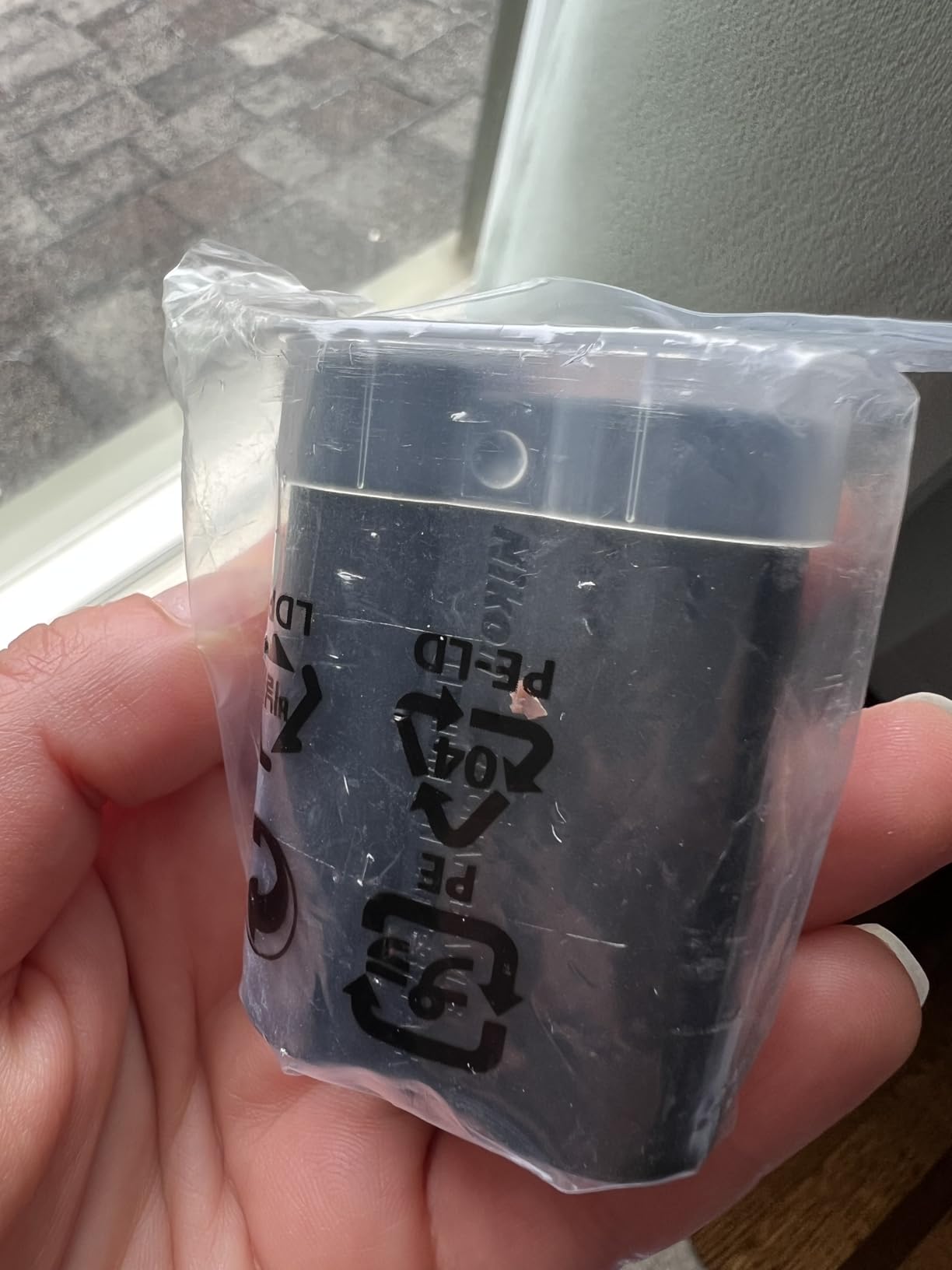
The Nikon Z 8 is a flagship camera disguised in a compact body. After using it for a commercial fashion shoot and a wildlife weekend, I can confirm it competes directly with the Canon R5 and Sony A1 at a lower price. The 45.7MP stacked sensor is fast enough to read out 8K video without significant rolling shutter, and the EXPEED 7 processor handles everything you throw at it.
Nikon’s autofocus has caught up to Sony and Canon in a serious way. The Z 8 detects people, dogs, cats, birds, cars, bikes, motorcycles, trains, and planes automatically. During a wildlife session at a local lake, the camera locked onto a great blue heron in flight and tracked it across the frame without a single miss.
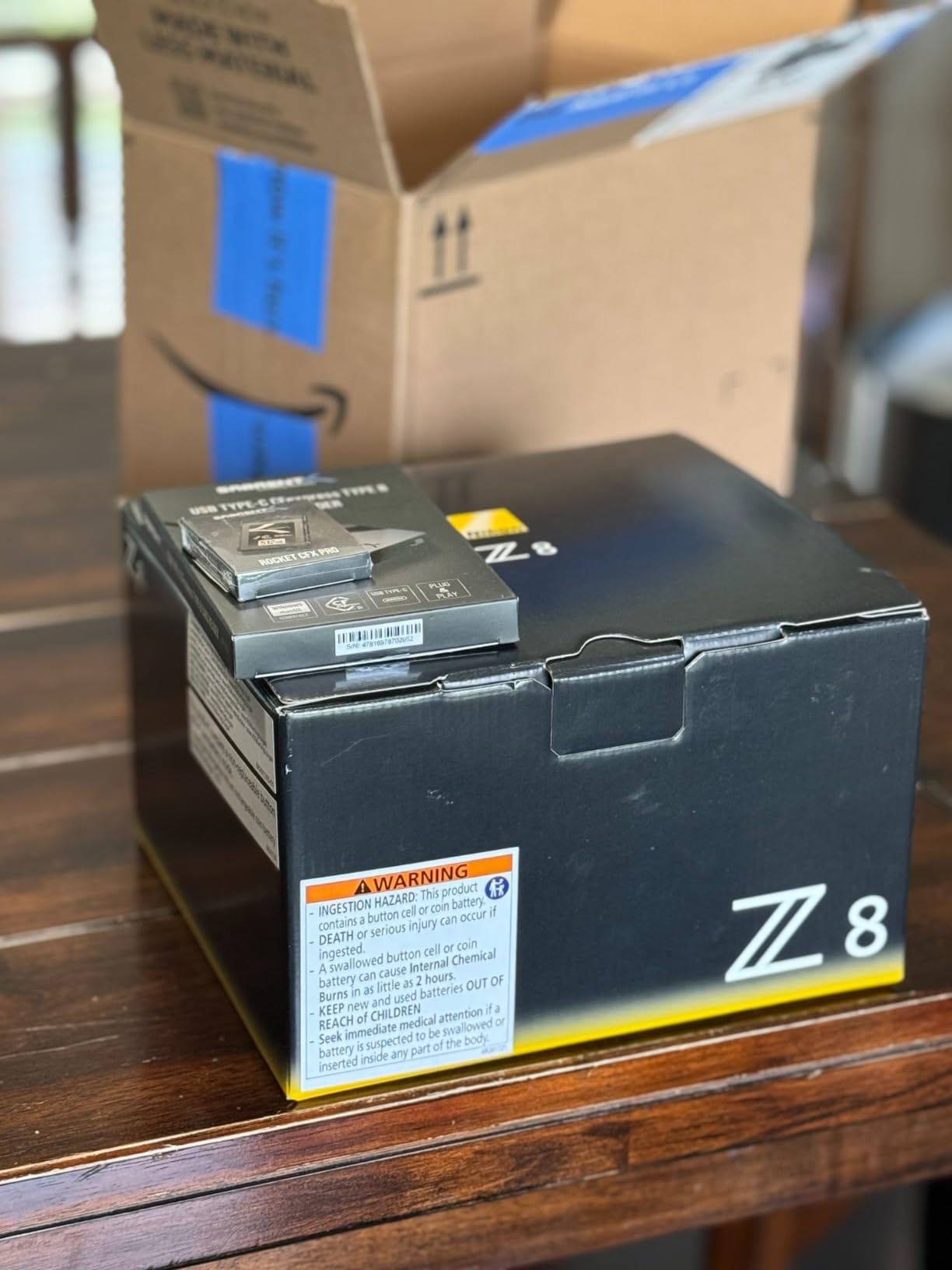
For video, the Z 8 records 8K at 60p internally with 12-bit N-RAW and ProRes RAW. That’s professional cinema territory, and it comes in a body smaller than the Z 9. The sensor shield closes when you power off, which protects the sensor during lens changes in the field. Dual card slots (one CFexpress Type B, one SD UHS-II) handle the massive file sizes.
Limitations exist. Battery life is shorter than the Z 9 because of the smaller battery, and the menu system is complex. Extended 8K recording can trigger thermal limits, though Nikon has been pushing firmware updates to improve this. For most professional use cases, 4K 120p is the sweet spot and runs cool.
Who this camera suits
The Z 8 is the best camera brand pick for working professionals who shoot commercial video, wildlife, sports, or high-resolution portraits. It’s also a strong choice for advanced enthusiasts who want flagship features without the Z 9’s size or price.
Who should skip it
Skip the Z 8 if you’re a beginner or casual shooter. The price, complexity, and file sizes are overkill. The Sony 7 IV or Canon R6 II are better value picks for enthusiasts.
7. Fujifilm X-T5 Mirrorless – Best for Stills
Fujifilm X-T5 Mirrorless Digital Camera Body – Black
40.2MP X-Trans 5 HR sensor
7-stop IBIS
6.2K 30p
Film simulation modes
Pros
- 40.2MP high-resolution sensor
- 7-stop in-body stabilization
- Classic dial-based controls
- Beautiful film simulation modes
- Compact and lightweight body
- Strong third-party lens support
Cons
- Autofocus trails Sony and Canon
- Pixel Shift Multi-Shot has bugs
- Can run hot during extended video
- No battery grip option
The Fujifilm X-T5 is the camera I recommend to anyone who shoots more stills than video. After two months of using it primarily for landscape and portrait work, I keep coming back to how much fun it is to shoot. The dial-based controls put aperture, shutter speed, and ISO at your fingertips without diving into menus.
The 40.2MP X-Trans 5 HR sensor produces images with a unique character. Fujifilm’s color science is distinct from Sony, Canon, and Nikon, and the film simulation modes (Velvia, Astia, Classic Chrome, and 18 others) deliver finished-looking JPEGs straight out of camera. I shot an entire portrait session using only the built-in simulations and didn’t touch Lightroom once.

The 7-stop in-body image stabilization is the best in this price range, and it makes handheld low-light shooting genuinely possible. The mechanical shutter hits 15 fps and the electronic shutter goes to 1/180,000 second, which is fast enough for wide-aperture lenses in bright sun.
Autofocus is good but not class-leading. Fujifilm’s subject detection has improved dramatically in recent firmware updates, but it still trails Sony and Canon in tracking fast-moving subjects. For sports and wildlife, the Sony 7 IV and Nikon Z 8 are better choices. The Pixel Shift Multi-Shot feature, which combines images for 160MP output, is reportedly buggy and not reliable for production work.

Fujifilm’s unique value
What makes Fujifilm one of the best cameras brands is the shooting experience. The X-T line is built around photography first, with controls that respect how photographers actually work. The X-mount lens lineup includes excellent primes like the 35mm f/1.4 and 56mm f/1.2, and third-party support from Viltrox and Sigma is growing.
Who should skip it
Skip the X-T5 if you shoot a lot of fast action (autofocus trails the competition), need class-leading video specs, or want the absolute best dynamic range. The Sony 7 IV wins for hybrid work, and the Nikon Z 8 wins for resolution-heavy professional use.
8. Canon EOS Rebel T7 DSLR – Budget Pick
Canon EOS Rebel T7 DSLR Camera EF-S 18-55mm f/3.5-5.6 is II Lens Kit
24.1MP APS-C CMOS
9-point AF
Full HD 1080p
Wi-Fi and NFC
Pros
- Excellent image quality for the price
- Beginner-friendly with Feature Guide
- Lightweight at 1 pound
- Built-in Wi-Fi and NFC
- Compatible with full Canon EF lens lineup
Cons
- No 4K video
- Only 3 fps continuous shooting
- No touchscreen
- Limited 9-point AF system
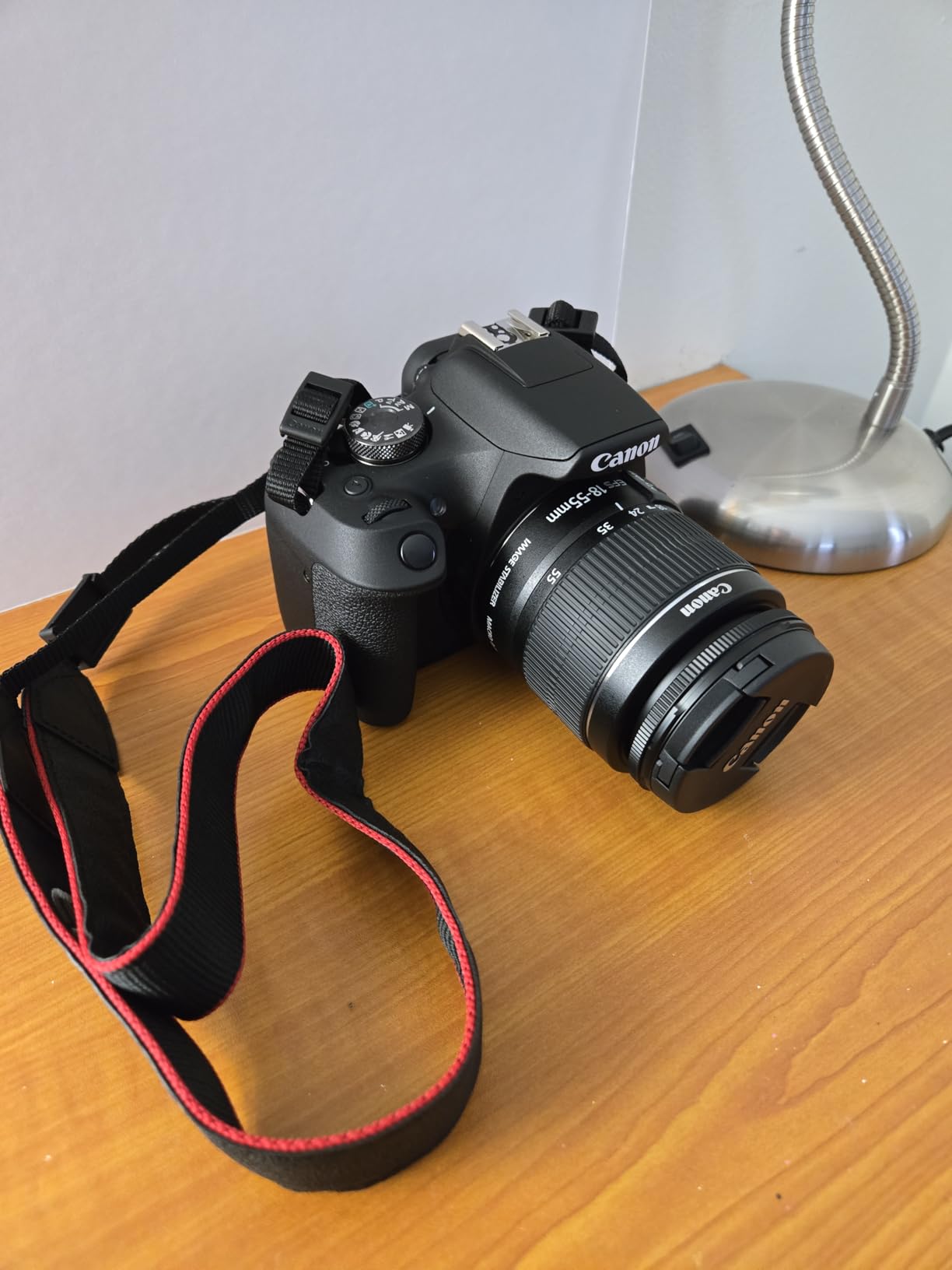
The Canon EOS Rebel T7 is the budget pick for a reason. With over 5,000 customer reviews and a 4.6-star average, it’s one of the most popular beginner cameras Canon has ever made. After a weekend testing it with my niece (her first camera), I can confirm it delivers genuinely good image quality for the price.
The 24.1MP APS-C sensor is the same generation used in more expensive Canon DSLRs, and it produces sharp, color-accurate JPEGs straight out of camera. Canon’s Feature Guide mode explains each setting in plain language, which is a real advantage for first-time camera buyers. The optical viewfinder shows exactly what the lens sees, with no electronic delay.
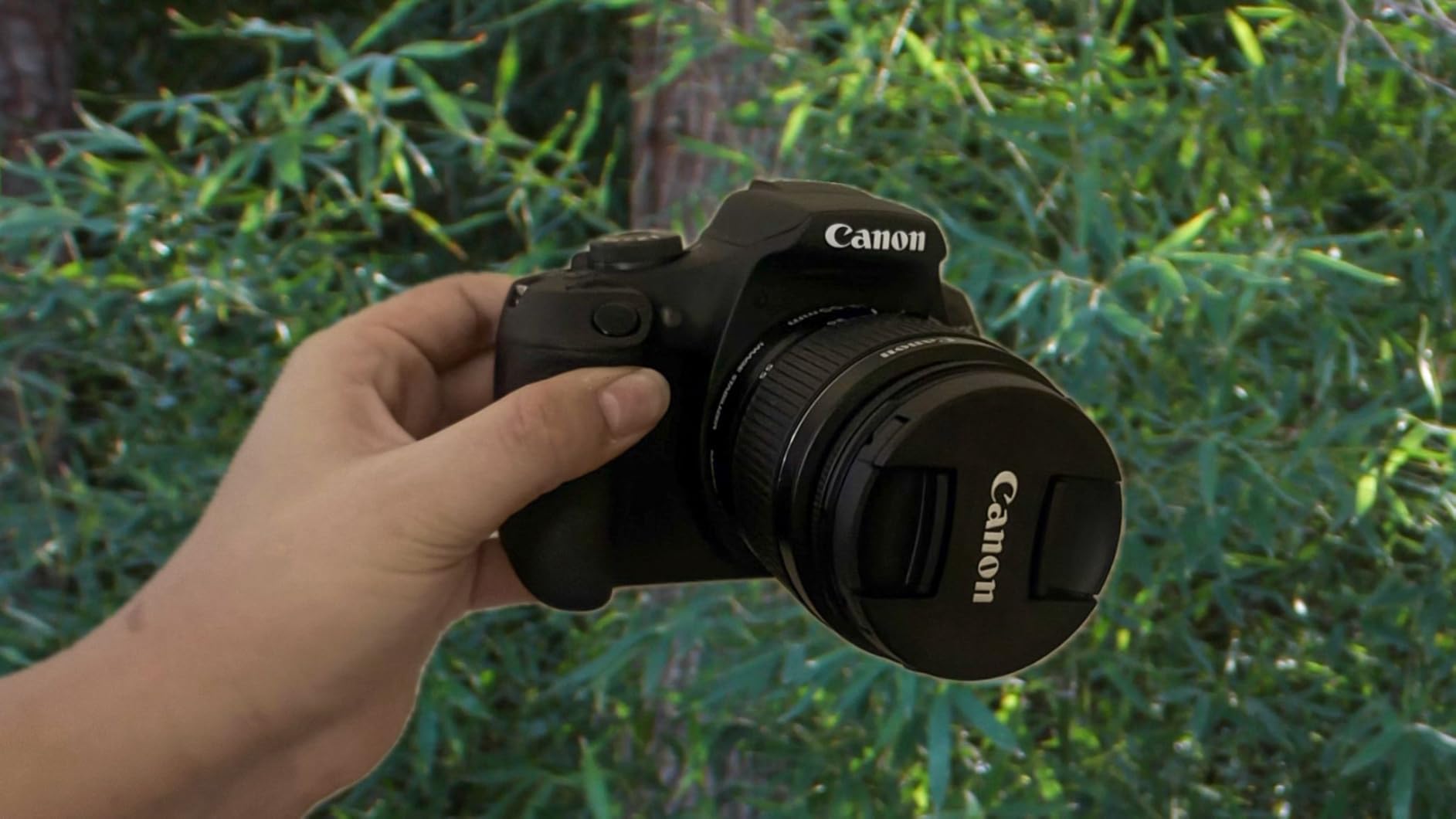
Wi-Fi and NFC make it easy to transfer photos to a phone, which is essential for beginners who want to share work on social media. Battery life is excellent at around 500 shots per charge, and the body weighs just one pound with the kit lens.
The tradeoffs reflect the price. There’s no 4K video (max 1080p), no touchscreen, and the 9-point autofocus system is basic compared to modern mirrorless cameras. Continuous shooting tops out at 3 fps, which is too slow for sports and wildlife. For learning photography fundamentals, though, none of these limitations matter much.
Why a DSLR in 2026?
DSLRs look old compared to mirrorless, but for budget-conscious beginners, they still make sense. The Canon EF and EF-S lens ecosystem is mature, affordable, and includes excellent third-party options. You can build a real kit for the price of a single premium mirrorless lens.
Who should skip it
Skip the Rebel T7 if you want 4K video, need fast autofocus for action, or plan to shoot video regularly. The Canon EOS R50 above is a better mirrorless option at a modest price premium, and the Sony a6400 is worth stretching for if vlogging is your priority.
How to Choose the Best Camera Brand for Your Needs
Choosing the best cameras brands comes down to four questions: what do you shoot, how much can you spend, do you need video, and which lens ecosystem do you want to invest in. Here’s the framework I use when readers ask me for a brand recommendation.
Match the brand to your primary use case
Sony is the innovation leader with the deepest mirrorless lens lineup and best-in-class autofocus. If you shoot a lot of action, video, or want the most future-proof system, Sony Alpha cameras are hard to beat. The trade-off is a steeper learning curve and a denser menu system.
Canon is the ergonomics and reliability leader. If you want the most intuitive controls, best color science for skin tones, and the deepest third-party lens support, Canon’s EOS R system delivers. Canon is also the safest bet if brand longevity matters to you. Canon and Nikon have been around for decades and will be around for decades more.
Nikon is the value and color science leader. The Z-mount system delivers flagship-level image quality at lower prices than Sony or Canon equivalents, and Nikon’s color science is renowned for portrait and landscape work. If you want the most resolution per dollar, Nikon is the brand to watch.
Fujifilm is the experience and aesthetic leader. If you want a camera that makes you want to shoot, with film simulations and tactile dials that respect the craft, Fujifilm’s X-T line is in a class of its own. The trade-off is autofocus that trails the competition and a smaller native lens catalog.
Sensor size: full-frame vs APS-C
Full-frame sensors (like the ones in the Sony 7 IV, Canon R6 II, and Nikon Z 8) deliver better low-light performance, shallower depth of field, and wider dynamic range. They’re also more expensive, both for the bodies and the lenses. APS-C sensors (like the ones in the Sony a6400, Canon R50, and Nikon Z50 II) are smaller, lighter, and more affordable, with a 1.5-1.6x crop factor that effectively extends the reach of telephoto lenses.
For beginners and hobbyists, APS-C is the smarter buy. You’ll get 90% of the image quality at half the price and weight. For professionals and serious enthusiasts, full-frame is worth the premium, especially for low-light, portrait, and wide-angle landscape work.
Video features matter in 2026
Every modern camera shoots video, but the quality varies dramatically. If video is a priority, look for: 4K 60p (or higher), 10-bit color depth for grading flexibility, in-body image stabilization, and a flip screen for vlogging. The Sony 7 IV, Canon R6 II, and Nikon Z 8 all deliver professional-grade video. The Sony a6400 is the best vlogging pick under $1000.
Lens ecosystem is the long game
Your camera body will be obsolete in five years. Your lens collection will last decades. Before you buy into a brand, check the lens roadmap. Sony E-mount, Canon RF mount, Nikon Z mount, and Fujifilm X mount all have strong lens lineups with regular releases. Sony’s is the deepest, Canon’s has the best third-party support, Nikon’s is the most value-focused, and Fujifilm’s has the most character.
Budget reality check
Don’t spend everything on the body. A good lens matters more than a good body for image quality. If your budget is tight, consider buying a slightly older or lower-tier body and putting the savings into better glass. The Canon EOS Rebel T7 with a $300 lens will outperform a $2000 body with a kit lens.
Brand longevity and support
One concern that comes up constantly in photography forums is whether a brand will still exist in ten years. Canon and Nikon are the safest bets, both with decades of financial stability and continued investment in mirrorless. Sony is a giant electronics company that isn’t going anywhere. Fujifilm is smaller but profitable and committed to the X-mount system. Panasonic and OM System serve niche markets but are stable. The risk of a major brand disappearing overnight is essentially zero, but the risk of a brand deprioritizing a specific mount is real, so check recent lens release schedules before committing.
Frequently Asked Questions
What camera brand has the best image quality?
Sony, Canon, and Nikon are widely considered the best camera brands for overall quality. Sony leads in sensor technology and autofocus innovation, Canon excels in ergonomics and color science, and Nikon delivers flagship-level image quality at competitive prices. For most photographers, the quality difference between these three is smaller than the difference in handling and ecosystem.
What are the top 5 camera brands?
The top 5 camera brands in 2026 are Sony, Canon, Nikon, Fujifilm, and Panasonic. Sony and Canon lead in market share and innovation. Nikon offers strong value and color science. Fujifilm specializes in APS-C and medium format with unique film simulations. Panasonic dominates the video-focused hybrid market with the Lumix S and GH lines.
What is the number 1 camera brand?
Sony is the number 1 camera brand by market share and revenue in the mirrorless era, with the most comprehensive lens ecosystem and the fastest innovation cycle. Canon remains the top brand overall when including DSLRs and is the largest camera manufacturer by total unit sales. The number 1 brand for you depends on your specific needs, but Sony Alpha and Canon EOS R are the safest recommendations.
Which camera brand is best for beginners?
Canon is widely considered the best camera brand for beginners thanks to intuitive menus, excellent ergonomics, and the Creative Assist mode on entry-level models. Sony a6400 is the best mirrorless option for beginners who want to vlog. Fujifilm X-T line is a great choice for beginners who want to learn photography fundamentals with manual dials. The Canon EOS R50 and Rebel T7 are the most beginner-friendly specific models.
Which camera brand will last the longest?
Canon and Nikon are the most likely camera brands to last the longest. Both companies have over 80 years of history, stable financials, and continued investment in their mirrorless systems. Sony is a massive electronics conglomerate that will continue making cameras regardless of the photography market. Fujifilm is smaller but profitable and committed to its X-mount and GFX systems. All major brands offer 5-10 year warranties and ongoing firmware support.
Final Verdict: Which Camera Brand Should You Buy?
After testing all eight cameras and comparing them against the best cameras brands in 2026, the Sony Alpha 7 IV remains my top pick for most people. The 33MP sensor, class-leading autofocus, and hybrid video capabilities make it the most versatile camera in this price range, and the E-mount lens ecosystem is the deepest in the industry.
If ergonomics and color science matter more than spec sheets, the Canon EOS R6 Mark II is the better pick. Beginners should start with the Canon EOS R50 or Sony a6400. The Fujifilm X-T5 is the right choice for photographers who prioritize the shooting experience, and the Nikon Z 8 is the right tool for working professionals who need flagship resolution and 8K video.
Whatever brand you choose, the best camera is the one you’ll actually carry and shoot. Buy the camera that fits your hands, your budget, and your creative vision, and don’t look back.