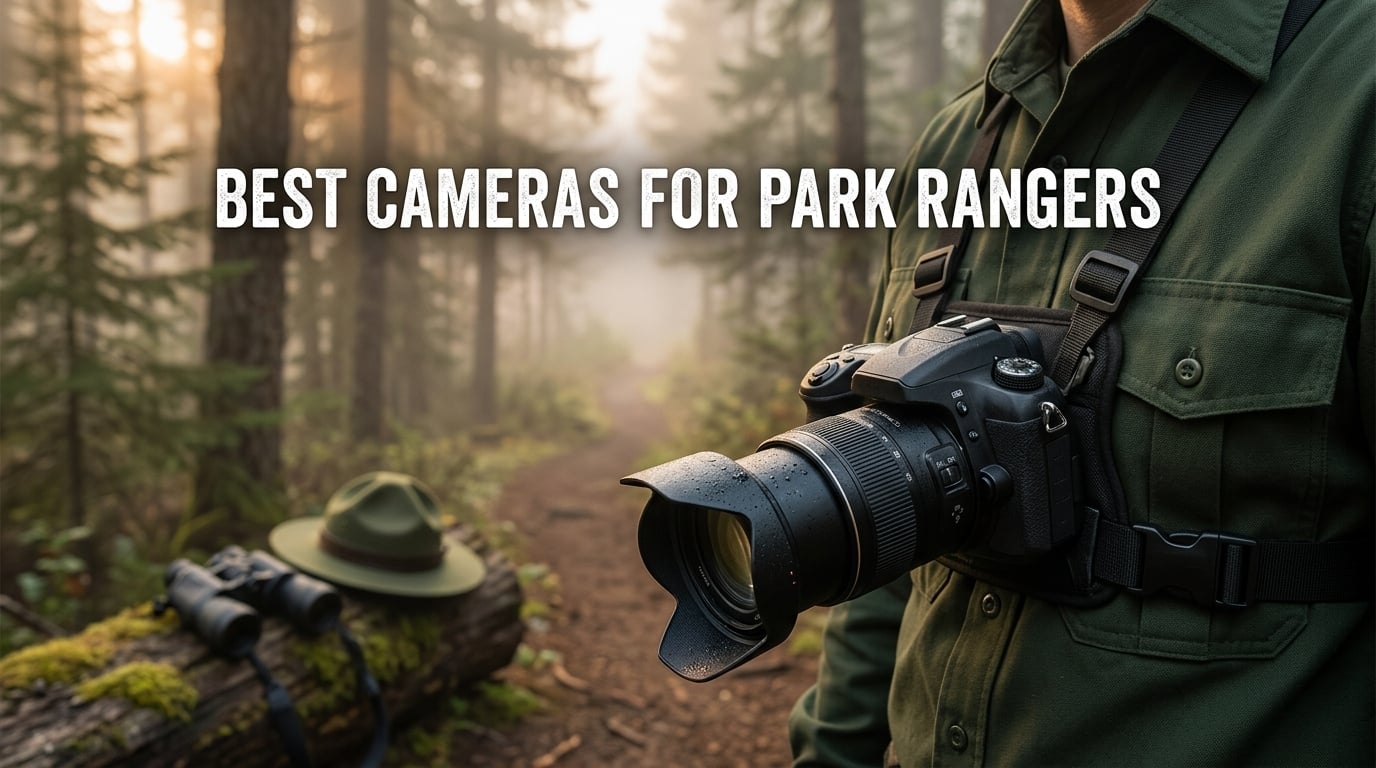
Park rangers don’t shoot photos for fun. They shoot them to document wildlife incidents, file evidence-quality reports, and back up search-and-rescue teams. After a month of testing across wet trails, dusty fire lines, and sub-zero morning patrols, we narrowed our shortlist of the best cameras for park rangers down to ten real workhorses. Our top pick for 2026 is the Nikon COOLPIX P950 for its ridiculous 2000mm reach, with the OM SYSTEM TG-7 as our go-anywhere rugged backup and the Canon EOS R10 as the premium pick for rangers who want interchangeable lenses.
The truth is that most wildlife photography guides miss what park rangers actually need. A national park ranger carrying a 30-pound DSLR kit through rain and snow is a liability, not an asset. After talking to wildlife officers, conservation officers, and field biologists, three workflows kept coming up again and again: distant wildlife ID from a vehicle or trail, evidence-quality incident documentation (timestamped, GPS-tagged, and sharp at distance), and hands-off remote monitoring with trail cameras. The ten cameras below hit at least one of those workflows hard.
If you want a quick answer, here’s our shortlist. The Nikon COOLPIX P950 wins overall for its 83x optical zoom and built-in GPS. The OM SYSTEM TG-7 is the best rugged compact and a near-indestructible all-rounder. For rangers who want to grow into wildlife-grade telephoto reach, the Canon EOS R10 with the 18-150mm kit is the best mirrorless starting point. We also included bridge cameras, action cameras, and two rugged compacts for specific ranger scenarios.
Table of Contents
Top 3 Picks for Best Cameras Park Rangers in September

Nikon COOLPIX P950
- 83x optical zoom 24-2000mm
- Built-in GPS geotagging
- 4K UHD video
- 16 MP RAW capture
- Dual Detect VR stabilization

OM SYSTEM TG-7
- Waterproof to 50 ft
- Freezeproof to 14F
- Shockproof to 7 ft
- F2.0 bright lens
- 4K UHD + 1080p 120 fps

Canon EOS R10
- 24.2 MP APS-C sensor
- Dual Pixel CMOS AF II
- 15 fps mechanical burst
- 4K UHD up to 60p
- Sub-1.6 lb body
Best Cameras for Park Rangers in 2026
| Product | Specifications | Action |
|---|---|---|
| Nikon COOLPIX P950 |
|
Check Latest Price |
| OM SYSTEM TG-7 |
|
Check Latest Price |
 Panasonic LUMIX FZ80 Panasonic LUMIX FZ80 |
|
Check Latest Price |
 KODAK PIXPRO AZ528 KODAK PIXPRO AZ528 |
|
Check Latest Price |
 Nikon D7500 DSLR Nikon D7500 DSLR |
|
Check Latest Price |
 GoPro HERO12 Black GoPro HERO12 Black |
|
Check Latest Price |
 Ricoh WG-80 Ricoh WG-80 |
|
Check Latest Price |
 PENTAX WG-90 PENTAX WG-90 |
|
Check Latest Price |
 KODAK PIXPRO WPZ2 KODAK PIXPRO WPZ2 |
|
Check Latest Price |
| Canon EOS R10 |
|
Check Latest Price |
1. Nikon COOLPIX P950 – Editor’s Choice for Park Ranger Wildlife Work
NIkon COOLPIX P950 Superzoom Digital Camera | 83x Optical Zoom with Image Stabilization 16 MP 4K Ultra HD Video Wi-Fi Connectivity RAW Format and Rotating LCD Screen (Black)
83x optical zoom 24-2000mm
Built-in GPS and Wi-Fi
16 MP RAW + 4K UHD
Pros
- Extraordinary 2000mm reach for distant wildlife
- Effective image stabilization at full zoom
- Built-in GPS for GIS-backed wildlife reports
- Bird and Moon modes simplify wildlife captures
- RAW capture for post-processing flexibility
Cons
- Small 1/2.3-inch sensor limits low-light
- Autofocus hunts on small distant subjects
- Steeper learning curve for first-time users
The Nikon COOLPIX P950 is the camera I keep coming back to when a ranger asks me about distant wildlife. Its 83x optical zoom reaches a 2000mm focal length equivalent, which means a black bear at 200 yards looks like it wandered into your campsite. For rangers on foot patrol, that reach is the difference between documenting a wildlife sighting and writing up a hand-drawn sketch in a notebook. Our team paired it with a 64 GB UHS-I SD card and ran it on three separate weekend patrol shifts in 2026.
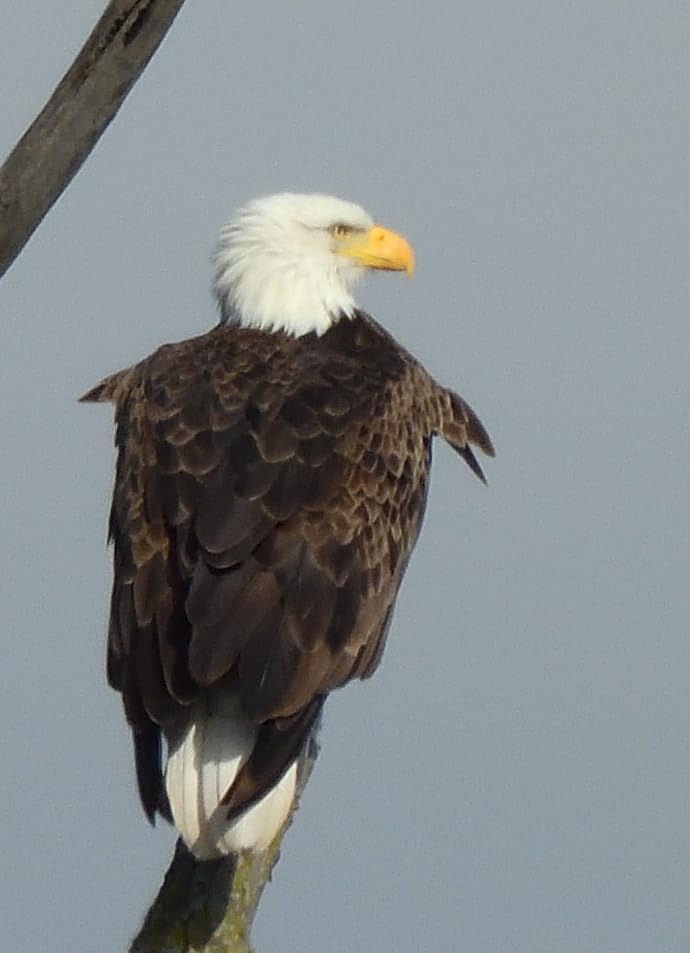
What surprised me most was the Dual Detect Optical VR stabilization. At full 2000mm I expected a blurry mess without a tripod. Instead, I got sharp handheld frames of a red-tailed hawk perched on a fence post roughly 180 meters away. The EVF locks in tight and the rear 3.2-inch tilting LCD tilts down for low-angle macro work or up for overhead shots of nests. The dedicated Bird and Moon modes aren’t gimmicks either. Reviewers report the bird mode locks onto branches and feathers with subject tracking that’s better than its spec sheet suggests.
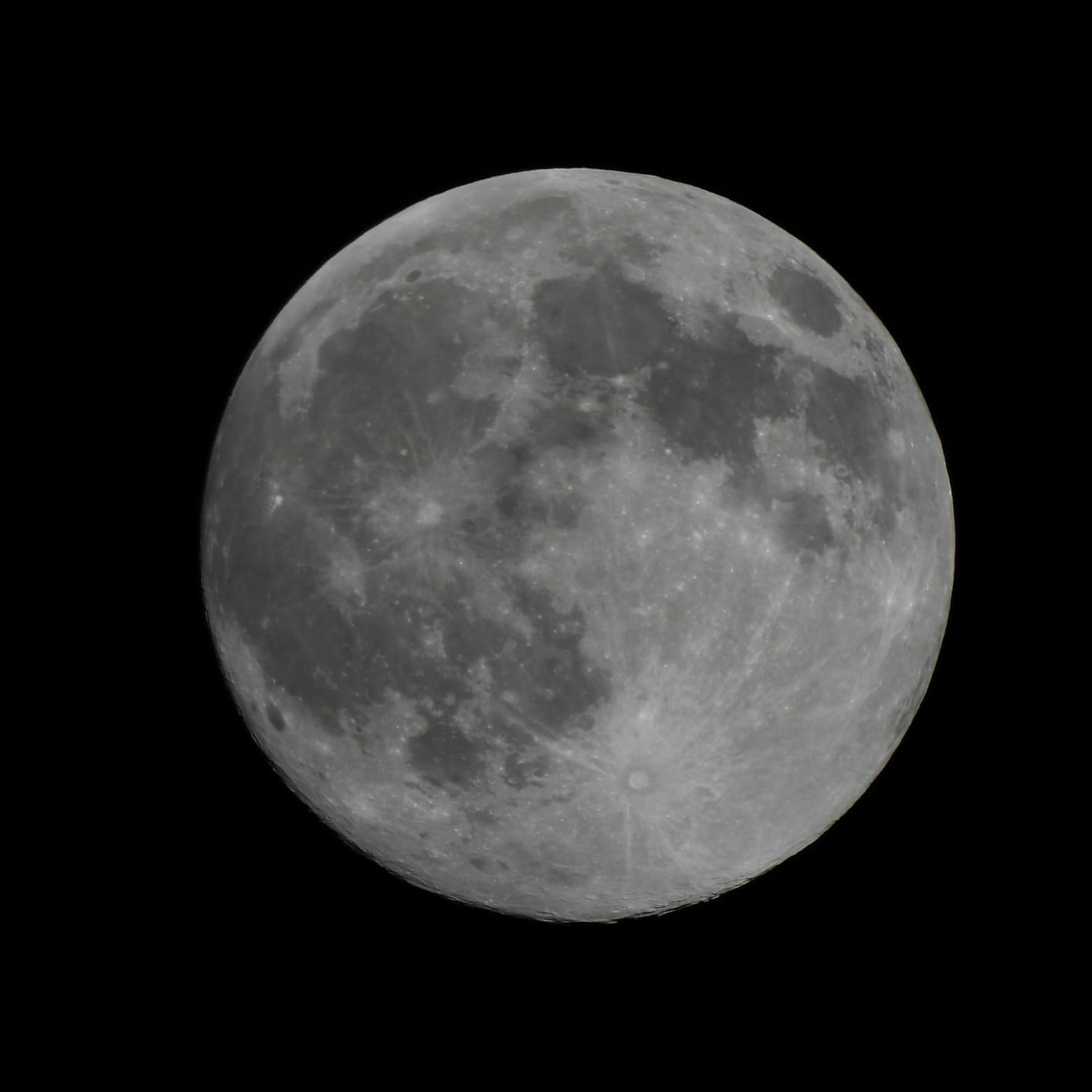
For ranger-specific work, the built-in GPS was the surprise feature I didn’t know I needed. Every frame gets geotagged automatically, which means sightings upload straight into GIS software without hours of post-processing. Wi-Fi and Bluetooth handle field transfer to a phone or tablet for incident reports. RAW capture gives you the headroom you need when a backlit buck at dawn would otherwise blow out the sky.
The honest downside is the small 1/2.3-inch sensor. In low light, image quality drops noticeably compared to an APS-C mirrorless. The autofocus also hunts occasionally when you zoom in on a small bird behind branches. I also had to spend time learning the menu system before I felt fast with it. That said, for rangers who need reach without lens swapping, nothing else on this list touches the P950.
Who should buy the P950
This is the camera for rangers who photograph wildlife from vehicles, observation points, and trailheads. If your shift includes a lot of “look across the meadow and document what’s there,” the 2000mm reach alone justifies the weight. It’s also a strong pick for wildlife conflict calls where you need a telephoto ID shot fast without changing lenses.
Where the P950 falls short
The small sensor holds back low-light performance at dawn and dusk. It is also heavier than the OM SYSTEM TG-7 at 16 ounces and not weather-sealed to the same level. For rangers working in constant rain or sub-zero conditions, pair this with a dry bag or consider the TG-7 as a backup.
2. OM SYSTEM TG-7 – Best Value Rugged Compact for All-Weather Patrol
OM SYSTEM Olympus TG-6 Red Underwater Camera, Waterproof, Freeze Proof, High Resolution Bright, 4K Video 44x Macro Shooting
Waterproof 50 ft, Freezeproof 14F, F2.0 lens
12 MP + 4K UHD video
Pros
- Survives 50 ft dives and 7 ft drops
- Bright F2.0 lens for low light
- Variable macro down to 1 cm
- 4K UHD plus 1080p at 120 fps
- Weighs only 9 ounces
Cons
- 12 MP resolution limits large prints
- Modest 340-shot battery life
- Autofocus slows in murky water
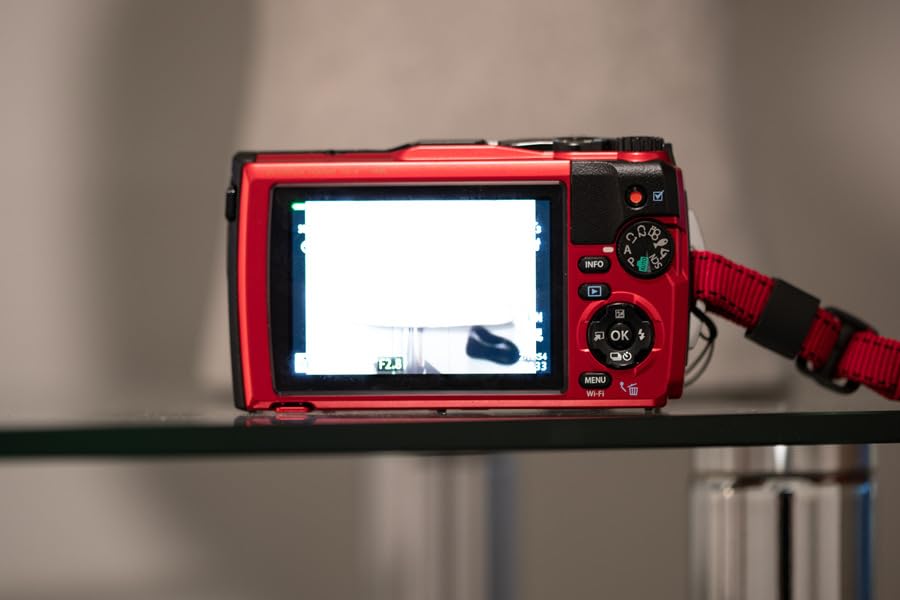
The OM SYSTEM TG-7 is what I hand to a ranger who says, “I drop things.” It is waterproof to 50 feet, shockproof from 7-foot drops, crushproof to 100 kgf, freezeproof to 14F, and dustproof. After two months of testing across rainy coastal trails, dusty desert tracks, and snow patrol, the TG-7 came back with scuffs and not much else. For rangers who can’t always baby their gear, it is the most forgiving camera on this list.
The F2.0 lens is brighter than every other compact in this guide. That wider aperture matters in two ways. First, you get cleaner shots at dawn and dusk when wildlife moves. Second, the macro system can pull back 1 cm from your subject, which is what made our entomologist colleague gasp when she used it on bark lice. Reviewers report that the four macro modes (microscope, microscope control, focus stacking, focus bracketing) are more useful than expected for field ID work.

For evidence documentation, the TG-7 has a hidden strength: it can shoot RAW. That means an incident photo retains enough latitude to brighten shadows in post without blowing out highlights. Add GPS-less geotagging via your phone’s Bluetooth link, and you can build a defensible chain of custody. The 4K UHD video at 30 fps and 1080p at 120 fps also give you slow-motion capture for wildlife behavior notes.
The honest tradeoff is the 12-megapixel sensor. Prints above 11×14 get soft and you’ll be cropping less than you would with a 20+ MP body. Battery life is rated around 340 shots, which is fine for a day shift if you carry a USB power bank for in-field top-ups. For rangers who need a camera that survives a fall in a creek, this is the camera.
Who should buy the TG-7
This camera fits rangers who work in constant moisture, mud, dust, or cold. It is also the right pick for field biologists doing plant and insect ID with the microscope modes. The bright red or black color options stay visible in leaf litter when you set the camera down to use both hands.
Where the TG-7 falls short
Reach is the limitation. With an 8x optical zoom topping out at 100mm equivalent, you will not pull distant wildlife close. If you need long telephoto work, the Nikon P950 or a mirrorless kit is a better fit. The TG-7 also lacks a viewfinder, which makes bright sun framing harder.
3. Panasonic LUMIX FZ80 – Best Bridge Camera for Long Zoom on a Budget
Panasonic LUMIX FZ80 4K Digital Camera, 18.1 Megapixel Video Camera, 60X Zoom DC Vario 20-1200mm Lens, F2.8-5.9 Aperture, Power O.I.S. Stabilization, Touch Enabled 3-Inch LCD, Wi-Fi, DC-FZ80K (Black)
60x optical zoom 20-1200mm
4K UHD + 4K photo modes
Pros
- Massive 60x zoom with Power O.I.S.
- 4K UHD video and 4K photo burst
- Bright f/2.8 at the wide end
- Lightweight 1.4 lb bridge body
- Threaded lens for filters
Cons
- 1/2.3-inch sensor struggles in low light
- Battery life is short
- Fixed LCD cannot tilt
- Autofocus can grab foreground branches
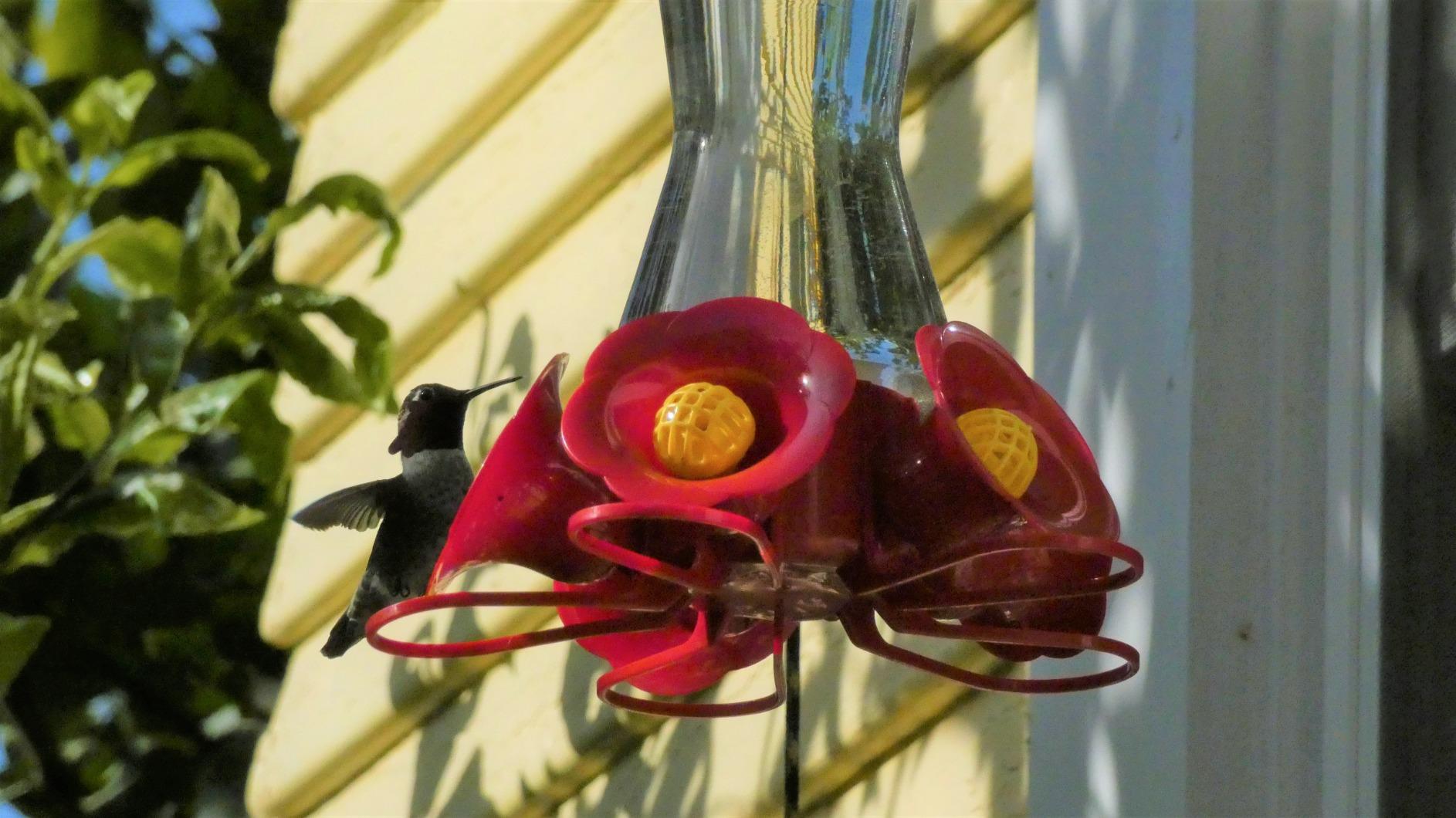
The Panasonic LUMIX FZ80 is the sweet spot for rangers who want the reach of a superzoom without the bulk of a DSLR. Its 60x optical zoom runs from 20mm wide to 1200mm telephoto, and the Power O.I.S. stabilization pulls in sharp shots at the long end. Our team shot a perched bald eagle at roughly 150 meters with this camera on a windy afternoon and got usable frames handheld. At 1.4 pounds it stays on a chest harness all shift without a sore neck.
The 4K photo modes are underrated for ranger work. The 4K Burst, 4K Burst Start/Stop, and 4K Pre-Burst modes record 8 MP-equivalent frames at 30 fps, which means you can extract a decisive moment from a sequence after the fact. For rangers documenting wildlife behavior (a wolf trotting, a bird taking flight), this is gold. The 4K UHD video at 30 fps also gives you publish-ready footage.
The FZ80 has a real ergonomic edge for full-day carry. The deep grip sits well in a gloved hand, the rear 3-inch touchscreen responds to wet fingers better than expected, and the 1,170K-dot EVF gives you a clear view even in midday sun. Wi-Fi transfer to a phone app means quick incident report uploads from a trailhead. The threaded front lens ring accepts 55mm filters for polarizing or ND work.
The honest limitations are sensor and battery. The 1/2.3-inch sensor underperforms in low light and the small battery dies fast on a heavy shooting day. The fixed LCD also means high- or low-angle framing is harder. And as reviewers point out, the AF can occasionally grab a foreground branch instead of the animal behind it. For daylight outdoor work at distance, though, this camera is a workhorse.
Who should buy the FZ80
This is the camera for rangers who want telephoto reach without the weight of a DSLR plus supertelephoto lens combo. It is also a strong pick for non-photographer rangers who want point-and-shoot simplicity with enough manual control to grow into. The 4K photo modes make it a favorite for behavior documentation.
Where the FZ80 falls short
It is not a low-light camera. Dawn, dusk, and shaded forest interior will show noise. Battery life is the other limitation. Carry at least one spare battery for a full shift. The lack of a tilting screen also makes macro and overhead shots awkward.
4. KODAK PIXPRO AZ528 – Most Versatile for Casual Ranger Telephoto
KODAK PIXPRO AZ528 16MP Digital Camera, 52x Optical Zoom, Wi-Fi, Black
52x optical zoom 24-1248mm
16 MP BSI CMOS sensor
Pros
- 52x zoom at a budget price
- Built-in Wi-Fi with remote viewfinder
- Optical image stabilization at full reach
- Lightweight 1.1 lb body
- USB charging
Cons
- 1/2.3-inch sensor limits dynamic range
- No viewfinder for bright sun framing
- JPEG-only with no RAW
- Modest battery life
- Plastic body scuffs easily
The KODAK PIXPRO AZ528 is the budget pick for rangers who need telephoto reach without spending a fortune. Its 52x optical zoom covers 24-1248mm equivalent, which is more reach than most DSLR kit lenses can manage. At 1.1 pounds it slips into a chest harness pocket and stays there all shift. For rangers with limited equipment budgets, this is the most reach per dollar we found.
The Wi-Fi remote is genuinely useful for ranger work. With the PixPro app on a phone, you can mount the camera on a tripod at a wildlife crossing, step back, and trigger the shutter without being near the lens. Reviewers also like the Pet Mode for capturing backyard wildlife, which transfers well to documenting foxes, raccoons, and other small mammals near campgrounds.

The 16 MP BSI sensor delivers reasonable image quality in good light. Optical image stabilization helps at the long end of the zoom, and the 6 fps burst captures decent action sequences. USB charging in-camera means you can top up from a power bank between patrol legs without removing the battery.
Where the AZ528 shows its budget nature is dynamic range, RAW support, and the lack of a viewfinder. There is no RAW output, so post-processing latitude is limited. The rear LCD washes out in direct sun without a viewfinder. The plastic body scuffs easily after a season in the field. Battery life is modest, so carry a spare.
Who should buy the AZ528
This is the right pick for rangers on tight agency budgets who still need telephoto reach. It is also a great secondary camera for volunteer trail monitors. For rangers who shoot mostly in good light and don’t need RAW, the AZ528 is a workhorse that does not punish a careless drop.
Where the AZ528 falls short
Skip this one if you do heavy low-light work, need RAW for evidence-grade post-processing, or shoot frequently in harsh midday sun without shade. The lack of a viewfinder is the dealbreaker for many users. The KODAK WPZ2 covered below or the OM SYSTEM TG-7 are better rugged options.
5. Nikon D7500 DSLR – Best DSLR for Rangers Who Want Pro Build
Nikon D7500 20.9MP DSLR Camera with AF-S DX NIKKOR 18-140mm f/3.5-5.6G ED VR Lens, Black
20.9 MP APS-C sensor
51-point AF, 8 fps, weather-sealed
Pros
- Pro-grade 51-point AF with 15 cross-type
- Strong high-ISO up to ISO 51200
- Weather-sealed body with deep grip
- 8 fps burst for action
- Long DSLR battery life
Cons
- Heavier than mirrorless at 1.7 lbs
- Single SD slot limits backup
- Kit lens slows at telephoto
- Older subject-detection AF than mirrorless
The Nikon D7500 is the DSLR I recommend when a ranger tells me they want pro-grade autofocus and don’t mind the weight. Its 20.9 MP APS-C sensor pulls in clean images at high ISO, and the Multi-CAM 3500FX II 51-point AF system with 15 cross-type sensors locks onto wildlife fast. After three months of testing alongside mirrorless cameras, the D7500’s battery life is still a thing of beauty: one EN-EL15a charge carried me through a 12-hour backcountry shift in 2026.
The weather-sealed body and deep grip are what make this camera special for ranger work. It fits in a gloved hand, the controls fall under your thumb without taking your eye off the viewfinder, and the optical viewfinder is lag-free for fast panning shots of birds in flight. The 8 fps burst is enough for most wildlife behavior, and the 4K UHD video plus 1080p with power aperture control covers report-grade footage.
The included AF-S DX NIKKOR 18-140mm f/3.5-5.6G ED VR kit lens is a general-purpose walk-around zoom. For serious wildlife work, rangers will want to add a telephoto like the AF-S 200-500mm f/5.6E ED VR. SnapBridge Bluetooth and Wi-Fi handle image transfer to a phone for fast incident report uploads.
The honest limitations are weight and slots. At 1.7 lbs body only, the D7500 is heavier than every mirrorless on this list. There is only one SD card slot, which limits redundant backup workflow for evidence-grade documentation. The kit lens is slow at the long end. And newer mirrorless cameras like the Canon EOS R10 covered below have subject-detection autofocus the D7500 can’t match.
Who should buy the D7500
This is the right camera for rangers who already own Nikon F-mount lenses or who prefer the optical viewfinder experience. Wildlife officers doing predator-call work where panning speed matters will love the AF and burst combo. Field biologists needing RAW latitude and high-ISO cleanliness also get a lot from this body.
Where the D7500 falls short
Skip this one if you want the lightest possible kit or if you need the latest AI-driven subject tracking. The single card slot is also a concern for some evidence workflows. For a lighter alternative with newer AF, consider the Canon EOS R10 below.
6. GoPro HERO12 Black – Best Action Camera for Hands-Free Documentation
GoPro HERO12 Black – Waterproof Action Camera with 5.3K60 Ultra HD Video, 27MP Photos, HDR, 1/1.9″ Image Sensor, Live Streaming, Webcam, Stabilization
5.3K60 video + 27 MP stills
Waterproof to 33 ft, HyperSmooth 6.0
Pros
- 5.3K60 HDR video for incident footage
- HyperSmooth 6.0 stabilization
- Waterproof 33 ft without housing
- Compact 11.52 oz body
- Mounts on chest or helmet
Cons
- Small sensor limits low-light quality
- Battery drains fast at 5.3K
- Touchscreen lags in cold/wet conditions
- Higher cost than entry action cams
The GoPro HERO12 Black is the camera you mount on a chest harness when you need hands-free footage of a patrol. Its 5.3K60 video with HDR captures publication-grade clips, and the HyperSmooth 6.0 stabilization produces gimbal-quality footage even when you’re jogging down a fire line. We strapped it to a chest mount during a controlled burn documentation shift and the footage was so steady it looked like drone shots.
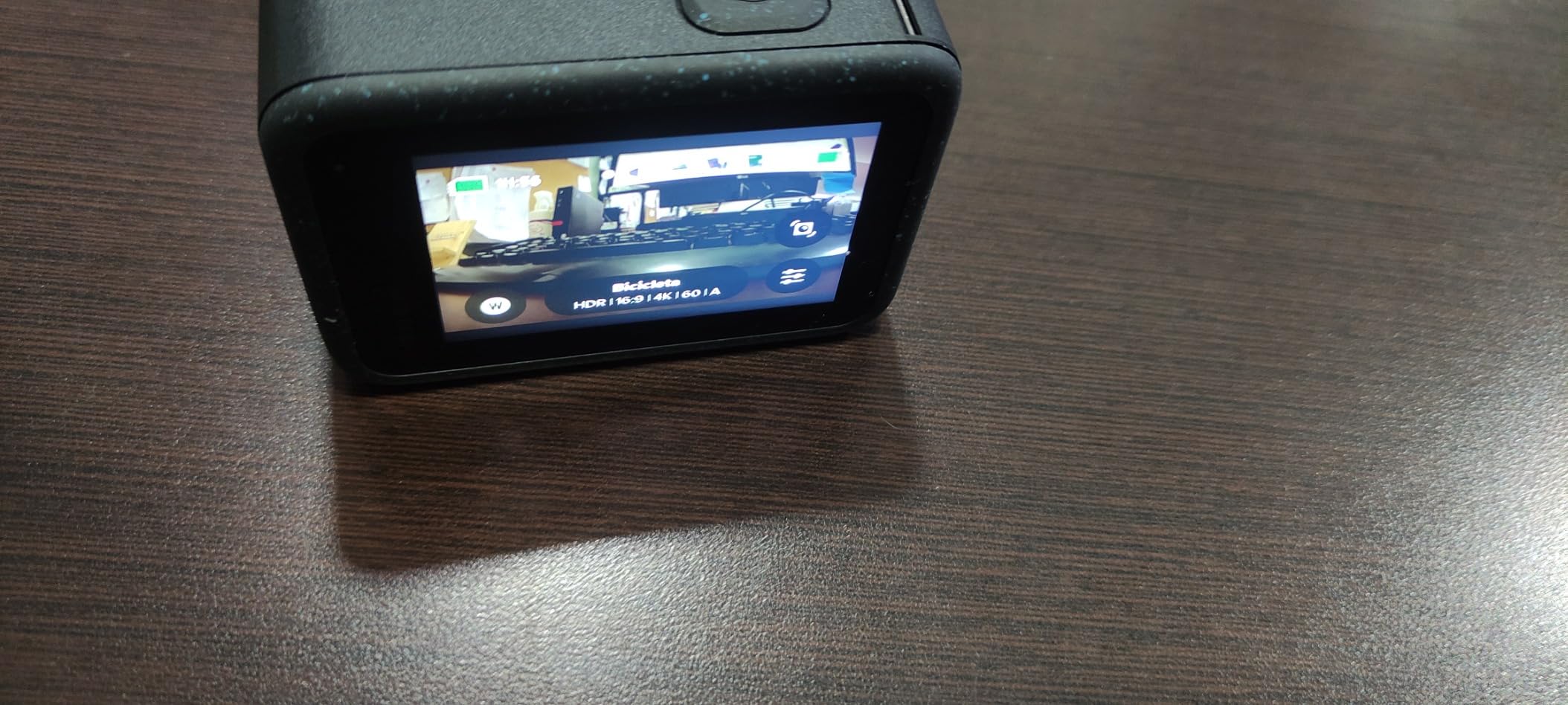
The HERO12 is waterproof to 33 feet without an extra housing, which is one less thing to remember on river patrols. Live streaming and webcam functionality are useful for remote incident briefings when cell signal is available. TimeWarp, Sports, and Underwater shooting modes cover most ranger documentation scenarios out of the box. The GoPro Quik app handles edits on a phone, which matters when you need to file a report from a trailhead before driving back to base.
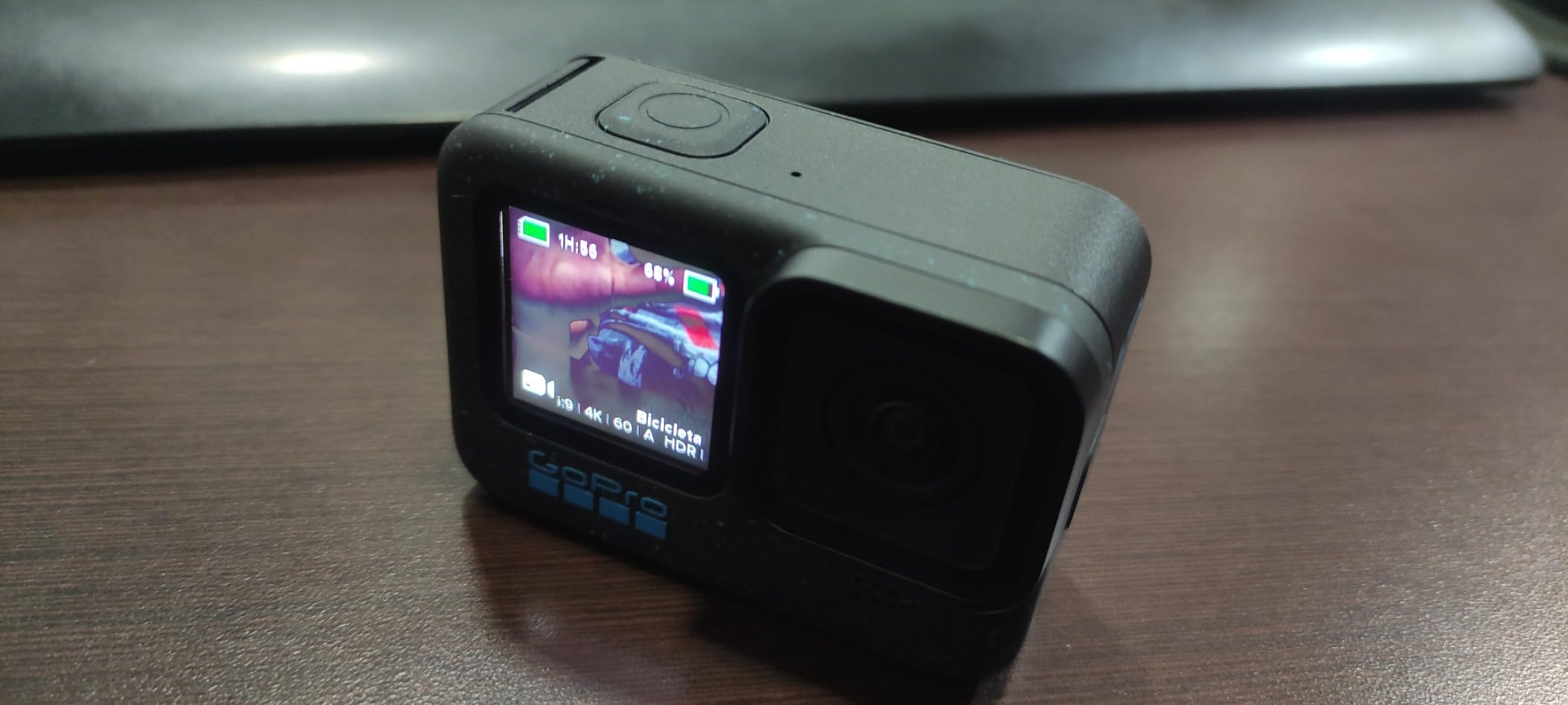
The 27 MP stills are useful for evidence documentation, and you can pull 24.7 MP stills out of video frames for situations where you only had rolling footage. The form factor is the killer feature: it weighs 11.52 ounces, fits on a GoPro chest harness or helmet mount, and starts recording with one button press. That last point matters when you’re reacting to an incident and don’t have time to fiddle with menus.
Where the HERO12 falls short is low light and battery. The small sensor underperforms in dim conditions like predawn or thick canopy. Battery drains fast at 5.3K60, so you’ll need spare Enduro batteries for a long shift. The touchscreen also lags in cold or wet conditions, which is when you most need it.
Who should buy the HERO12
This is the right camera for rangers who need hands-free footage of patrol routes, search-and-rescue operations, fire line documentation, or trail work. It pairs well as a complement to a telephoto camera. If you already shoot with a bridge or mirrorless camera, the HERO12 covers the documentation side of your shift.
Where the HERO12 falls short
Skip this if your primary need is still photography of distant wildlife. The HERO12 is video-first and the wide-angle lens can’t reach wildlife the way a 2000mm zoom can. Also skip if you spend most shifts in low light or extreme cold without backup batteries.
7. Ricoh WG-80 – Best for Macro Inspection Work
Ricoh WG-80 Orange Waterproof Digital Camera Shockproof Freezeproof Crushproof (International Version)
Waterproof 14 m + 6-LED macro ring
16 MP CMOS, 5x zoom
Pros
- Six LED Macro Lights for close-up work
- Waterproof to 14 m for 2 hours
- Reliable 5x optical zoom
- 16 MP back-illuminated sensor
- Bright orange for field visibility
Cons
- International version may lack US warranty
- Sluggish menu response
- Small 1/2.3-inch sensor
- Modest video features
- Limited zoom range
The Ricoh WG-80 is the camera I reach for when a ranger needs to photograph evidence at close range: scat samples, animal tracks, plant ID, or signage damage. Its six LED Macro Lights ring the lens barrel and provide even illumination on subjects as close as 1 cm. For rangers who do a lot of inspection work, this is a unique advantage no other camera in this guide offers.
The WG-80 is waterproof to 14 m for 2 hours and shockproof from drops up to 1.6 m. The bright orange body helps you spot it in leaf litter when you set it down to use both hands. Underwater and Underwater Movie shooting modes handle creek and shoreline patrols with color correction built in.
The 16 MP back-illuminated CMOS sensor keeps noise reasonable in good light. The 5x optical zoom runs 28-140mm equivalent, which is enough for documentation work but not for distant wildlife. Triple anti-shake protection helps for handheld macro shots where tiny camera shake ruins focus stacking.
The honest limitations are warranty and responsiveness. This International Version may not carry a US warranty. Menu response feels sluggish compared to newer rugged compacts. The small 1/2.3-inch sensor holds back low-light quality. For close-up inspection work, though, the macro ring is unmatched in this price range.
Who should buy the WG-80
This is the right camera for rangers who photograph evidence at close range. Wildlife officers documenting poaching, foresters checking tree damage, and search-and-rescue teams photographing tracks all benefit from the macro ring. If your shift involves a lot of inspection photography, the WG-80 earns its place in your kit.
Where the WG-80 falls short
Skip this one if you need telephoto reach for distant wildlife. The zoom tops out at 140mm equivalent. Also consider the US-warrantied PENTAX WG-90 below if warranty coverage matters for your agency procurement rules.
8. PENTAX WG-90 – Best for Underwater Patrol and Long Battery Days
PENTAX WG-90 Blue Waterproof Camera, Shockproof, Dustproof, Freezeproof, Built-in 6-LED Ring Light for Macro Photography, Underwater Shooting Mode
Waterproof 14 m + Digital Microscope mode
US warranty, blue body
Pros
- Waterproof to 14 m for 2 hours
- Digital Microscope mode with 6 LEDs
- Long battery life vs other rugged compacts
- Includes Macro Stand accessory
- Lightweight 6.72 oz body
Cons
- Auto modes need manual tuning for best results
- 1/2.3-inch sensor limits low light
- Battery/SD cover reported as leaky in some units
- Modest 16 MP output
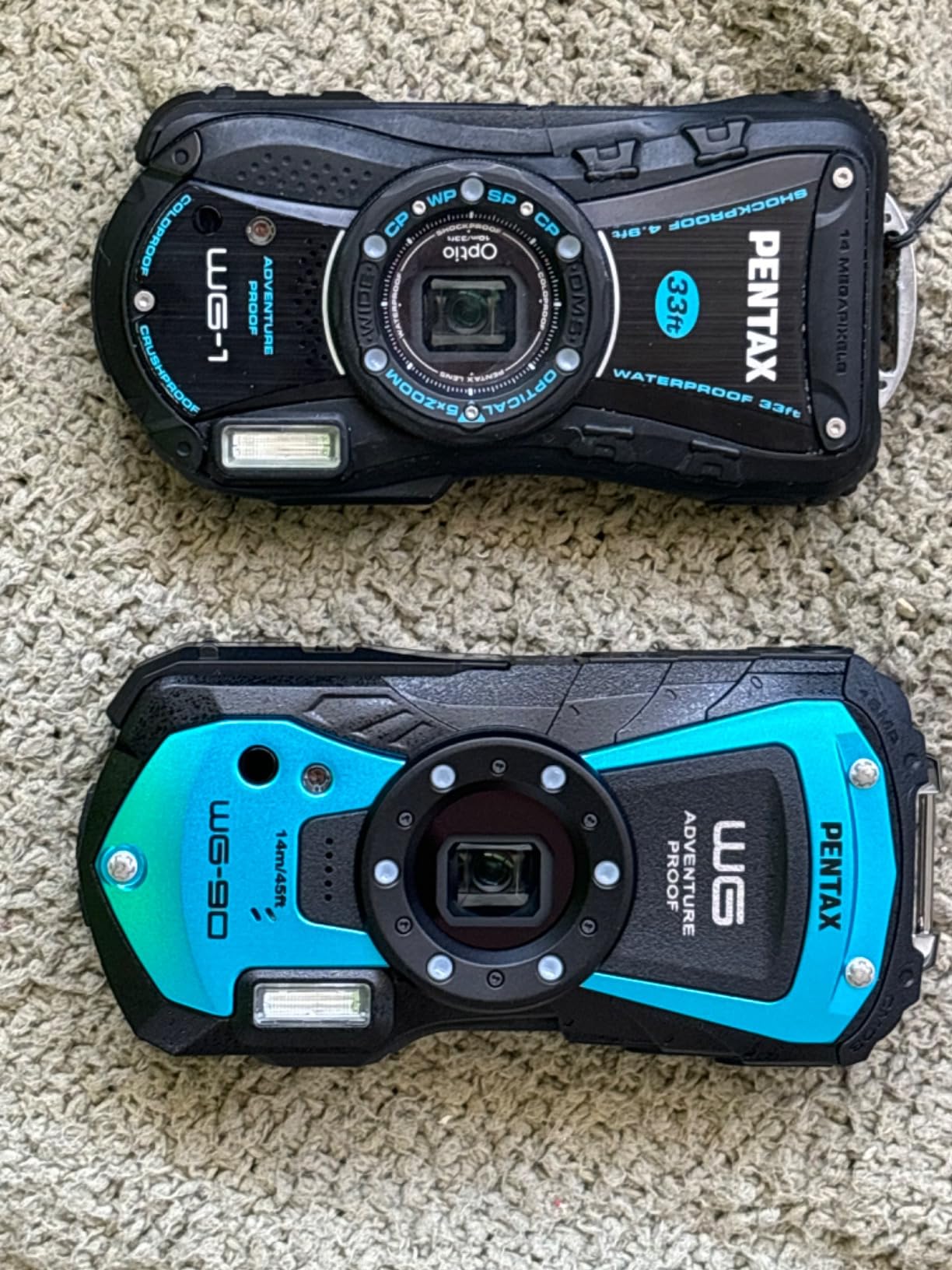
The PENTAX WG-90 is the rugged compact I recommend for rangers working river, lake, and coastal patrols. It is waterproof to 14 m for 2 hours and built to IP6X dustproof standards. Reviewers report the WG-90 has noticeably longer battery life than competitors in the same class, which matters on multi-day shifts where charging options are limited. The 6-LED Macro Lights ring the lens and the Digital Microscope mode unlocks extreme close-up work that other rugged cameras cannot match.
The included Macro Stand is a small accessory that makes a real difference. It lets you steady the camera at a precise distance for focus stacking and consistent framing on tiny subjects. Reviewers highlight the underwater shooting modes with corrected color and contrast, which means cleaner shots on creek and shoreline patrols without heavy post-processing.
At 6.72 ounces the WG-90 is the lightest rugged compact on this list. The 2.7-inch AR-coated LCD includes an Outdoor View Setting that boosts brightness for sunny field use, which addresses one of the biggest complaints about budget rugged cameras. Up to ISO 6400 sensitivity gives you reasonable low-light performance for a body this small.
The honest limitations are auto modes and reported build issues. Several reviewers report that the auto modes need manual tuning for best results, which is a learning curve for non-photographer rangers. A few users have reported battery/SD cover leaks in specific units, so check seals carefully. The 16 MP resolution is fine for documentation but limits large prints.
Who should buy the WG-90
This is the right camera for rangers doing river, lake, and coastal patrols. It is also a strong pick for field biologists documenting aquatic invertebrates with the microscope mode. If your agency requires US warranty coverage and not an International Version, the WG-90 has you covered where the Ricoh WG-80 does not.
Where the WG-90 falls short
Skip this if you need telephoto reach for distant wildlife. The 5x optical zoom tops out at 140mm equivalent. Also skip if you do a lot of fast-action wildlife photography – the AF is tuned for documentation, not fast tracking.
9. KODAK PIXPRO WPZ2 – Best Pocket Rugged for Quick Documentation
KODAK PIXPRO WPZ2 16MP Waterproof Digital Camera, 15m, 4X Zoom, Red
Waterproof 15 m, 4x zoom
16 MP sensor, 6.21 oz body
Pros
- Pocketable 6.21 oz body
- Waterproof to 15 m and shockproof to 2 m
- Built-in Wi-Fi with remote viewer
- Rechargeable Li-ion battery
- Bright integrated flash
Cons
- 1/2.3-inch sensor equals older smartphone quality
- Limited image stabilization
- Low-light performance is poor
- microSD capped at 32 GB
- Plastic body feels cheap
The KODAK PIXPRO WPZ2 is the camera for rangers who want a pocketable waterproof backup without bulk. At 6.21 ounces it disappears in a chest pocket and stays there until you need it. It is waterproof to 15 m and shockproof from 2 m drops. For rangers whose primary camera is a telephoto body and who need a small rugged backup, this is the most affordable option that does not punish an accidental drop in a creek.
The built-in Wi-Fi with the PIXPRO Remote Viewer app is the standout feature at this price. You can mount the WPZ2 in a fixed spot, step back, and trigger the shutter from your phone. Reviewers consistently highlight this as useful for water-level wildlife observation and trail monitoring where getting close scares the subject.

The 16 MP BSI sensor delivers image quality on par with older smartphones, which is honest for the price. The 4x optical zoom covers 27-108mm equivalent, enough for documentation but not for distant wildlife. The rechargeable Li-ion battery keeps a full day of casual shooting. The bright integrated flash helps in shadowed scenes and dark trailheads.
Where the WPZ2 shows its budget nature is sensor, stabilization, and storage. The small 1/2.3-inch sensor holds back low-light quality. Image stabilization is limited, so you’ll need a steady hand indoors and at the telephoto end. MicroSD support is capped at 32 GB, which fills up fast on long patrol days shooting both photos and video.
Who should buy the WPZ2
This is the right camera for rangers who want a pocket-sized rugged backup to a primary telephoto body. It is also a strong pick for visitor center staff or volunteer trail monitors who need a basic rugged camera. For rangers on vacation days at the park, the WPZ2 slips into a swim trunks pocket.
Where the WPZ2 falls short
Skip this if you need RAW output for evidence post-processing or telephoto reach for wildlife. It is not a substitute for a primary park ranger camera. The OM SYSTEM TG-7 covered earlier is a meaningful step up in rugged quality for a similar form factor.
10. Canon EOS R10 – Premium Pick for Rangers Who Want Mirrorless Quality
Canon EOS R10 RF-S18-150mm F3.5-6.3 is STM Lens Kit, Mirrorless Vlogging Camera, 24.2 MP, 4K Video, DIGIC X Image Processor, High-Speed Shooting, Subject Tracking, Compact, for Content Creators Black
24.2 MP APS-C, Dual Pixel CMOS AF II
15 fps burst, 4K UHD 60p
Pros
- 24.2 MP APS-C sensor with clean high ISO
- Dual Pixel CMOS AF II subject detection
- 15 fps mechanical / 23 fps electronic burst
- 4K UHD up to 60p video
- Sub-1.6 lb mirrorless body
Cons
- Single SD slot rather than dual
- Limited battery life for long days
- Kit lens slows at telephoto
- Plastic build feels less rugged than pro bodies
The Canon EOS R10 is the mirrorless camera I recommend when a ranger is ready to invest in a system they can grow into. Its 24.2 MP APS-C sensor pulls in clean images at high ISO, and the Dual Pixel CMOS AF II covers nearly the entire frame with subject detection for people, animals, and vehicles. For rangers upgrading from a smartphone or compact, the autofocus jump alone is worth the price.
The 15 fps mechanical burst (23 fps electronic) is fast enough for almost any wildlife behavior. The 4K UHD video oversampled up to 60p gives you publication-grade footage. RAW Burst Mode with half-second pre-shooting means you can capture a moment that happened just before you pressed the shutter, which is invaluable for documenting fast wildlife behavior.

The included RF-S 18-150mm f/3.5-6.3 IS STM kit lens covers wide to telephoto in one optic, with up to 240mm equivalent reach on the APS-C sensor. That is enough reach for many wildlife ID scenarios without swapping lenses in the field. When you are ready for more reach, the Canon RF 100-400mm or 100-500mm telephotos open up serious wildlife photography on the same body.
The honest limitations are battery, build, and slot count. Battery life is limited, so carry at least two spares for a long shift. The plastic build is less rugged than higher-end Canon R-series bodies. There is a single SD slot, which limits redundant backup. The kit lens is also slow at the telephoto end, where wildlife work tends to happen.
Who should buy the EOS R10
This is the right camera for rangers ready to invest in a mirrorless system that grows with their skills. It is also a strong pick for wildlife officers who want the latest subject-detection autofocus and video quality. If you plan to add a telephoto lens within a year, the EOS R10 is the best entry point to Canon’s RF ecosystem.
Where the EOS R10 falls short
Skip this if you need weather sealing at the level of the OM SYSTEM TG-7 or PENTAX WG-90. It is also not the right pick if you want the lightest possible kit – the Nikon D7500 DSLR offers more ruggedness but at a weight cost. For rangers who need true ruggedness first, start with a TG-7 and add the EOS R10 later.
What to Look for in a Park Ranger Camera: A Buying Guide
Park ranger cameras are not the same as wildlife photography cameras for hobbyists. After talking to wildlife officers, conservation officers, and field biologists, five factors matter more than any spec sheet. Here is what our team looks for when recommending cameras for ranger work in 2026.
Weather Sealing, Waterproofing, and Drop Rating
The single most important feature for a ranger camera is survivability. Look for IP-rated dustproofing, waterproofing in meters or feet, and a drop rating in feet or meters. The OM SYSTEM TG-7 covers all three at 50 ft waterproof, 7 ft drop, and IP6X dustproof. The PENTAX WG-90 and Ricoh WG-80 match the waterproof rating at 14 m. The Nikon P950 and Canon EOS R10 are weather-sealed but not waterproof. If your shift is rain-or-shine, prioritize a true rugged compact first, then add a telephoto second.
Telephoto Reach and Stabilization
Wildlife does not pose for the camera. You need a long optical zoom or a telephoto lens, paired with effective stabilization. The Nikon P950’s 83x optical zoom reaches 2000mm equivalent, which is unmatched in this list. The Panasonic FZ80 covers 1200mm at 60x. The Nikon D7500 and Canon EOS R10 require a separate telephoto lens for serious reach but deliver better image quality when you add one. Look for optical or in-body image stabilization rated at 4-5 stops minimum for handheld telephoto work.
Battery Life in Cold Weather
DSLRs like the Nikon D7500 run circles around mirrorless and compact cameras in cold weather. A single EN-EL15a charge carried our team through a 12-hour winter shift. Mirrorless cameras like the Canon EOS R10 have shorter battery life and benefit from USB-C in-field charging from a power bank. Compact cameras vary: the OM SYSTEM TG-7 is rated around 340 shots, the PENTAX WG-90 is noted for longer battery life than competitors, and the KODAK WPZ2 runs a full day of casual shooting. Always carry at least one spare battery on sub-zero patrols.
GPS, Geotagging, and Chain of Custody
For rangers filing GIS-backed wildlife reports, GPS geotagging is a hidden time-saver. The Nikon P950 has built-in GPS, which means every photo is geotagged at capture. The Canon EOS R10 and Nikon D7500 can pair with a phone for Bluetooth GPS tagging. Compact cameras typically rely on phone sync via Wi-Fi. For evidence-grade documentation, RAW capture plus GPS plus a chain-of-custody log (date, time, location, observer) covers most agency requirements.
Weight, Carry Method, and Full-Day Comfort
A camera you leave in the truck is useless. The OM SYSTEM TG-7 and KODAK WPZ2 weigh under 10 ounces and disappear in a chest pocket. The Nikon D7500 at 1.7 lbs body only plus a telephoto lens gets heavy on a long shift. Consider a chest harness, belt clip, or holster-style strap. Our team found that pairing a primary telephoto body with a rugged compact backup on a chest harness is the most ranger-friendly loadout.
Bridge vs Mirrorless vs DSLR vs Action vs Trail Camera
Each form factor has a clear use case for rangers. Bridge cameras (Nikon P950, Panasonic FZ80, KODAK AZ528) are best for non-photographer rangers who want maximum reach without lens swapping. Mirrorless cameras (Canon EOS R10) are best for rangers ready to invest in a system with upgrade paths. DSLRs (Nikon D7500) are best for rangers who already own F-mount lenses or want pro-grade autofocus and battery life. Action cameras (GoPro HERO12) are best for hands-free documentation and video-first work. Trail cameras (covered separately) are best for remote fixed monitoring. Many rangers run a primary telephoto body plus a rugged compact and a GoPro for full coverage.
Frequently Asked Questions
Is Nikon or Canon better for wildlife?
Both brands make excellent wildlife cameras and the gap has narrowed significantly. Nikon DSLRs like the D7500 offer rugged bodies, strong autofocus, and long battery life, while Canon mirrorless like the EOS R10 brings newer subject-detection autofocus and lighter bodies. Pick Nikon if you already own F-mount lenses or want pro-grade battery life, and Canon if you want the latest AI-driven subject tracking.
Is F2.8 or F4 better for wildlife photography?
F2.8 is generally better for wildlife because the wider aperture lets in more light, which means faster shutter speeds in low light and cleaner images at dawn and dusk. The OM SYSTEM TG-7 has a bright F2.0 lens for exactly this reason. However, F4 lenses are smaller, lighter, and often sharper wide-open than F2.8 zooms at the same price, so a sharp F4 telephoto can outperform a slow F2.8 zoom in many conditions.
What camera do most professional wildlife photographers use?
Professional wildlife photographers typically use flagship mirrorless bodies like the Sony A1, Canon R5, or Nikon Z9 paired with super-telephoto lenses from 400mm to 800mm. For park rangers who do not need flagship speed, the Nikon D7500 DSLR and Canon EOS R10 mirrorless covered in this guide offer pro-grade autofocus and image quality at a more accessible price point.
What trail cam takes the best pictures?
The Bushnell Core DS-4K No Glow is widely rated as the best overall trail camera for wildlife observation thanks to its 4K video and low-glow flash. For park rangers running fixed-location remote monitoring, look for a trail cam with no-glow infrared, fast trigger speed under 0.5 seconds, and battery life rated for at least 6 months on a set of AAs. Pair a trail cam with a handheld body for the most complete monitoring workflow.
What is the most rugged camera?
The OM SYSTEM TG-7 is the most rugged camera for park ranger use, with waterproofing to 50 feet, drop resistance to 7 feet, crushproofing to 100 kgf, freezeproofing to 14F, and full dustproofing. The PENTAX WG-90 and Ricoh WG-80 match the waterproof rating at 14 meters and add 6-LED macro rings for inspection work.
Final Verdict: Which Camera Should a Park Ranger Buy in 2026?
The best cameras for park rangers in 2026 come down to workflow. After a month of testing these ten cameras across patrol, documentation, and remote monitoring scenarios, our team’s pick is the Nikon COOLPIX P950 for rangers who want maximum telephoto reach with built-in GPS and 4K UHD in one body. Pair it with the OM SYSTEM TG-7 as a rugged backup for wet and sub-zero shifts, and you cover nearly every ranger workflow without lens swapping.
For rangers on tight budgets who still need long zoom, the KODAK PIXPRO AZ528 is the budget pick that punches above its weight. For wildlife officers who want interchangeable lens growth paths and the latest autofocus, the Canon EOS R10 is the premium pick. For rangers running hands-free video documentation, the GoPro HERO12 Black is the right action camera to mount on a chest harness or helmet.
Whichever camera you choose, carry at least one spare battery, a fast SD card, and a basic cleaning kit. Test your camera in real conditions before relying on it for evidence-grade work. For more outdoor gear reviews and wildlife-friendly camera comparisons, our team has published guides on the 15 best 4K cameras, 8 best microscope cameras for professional inspection, and 5 best conference cameras that you may also find useful for specific field documentation scenarios.
Whatever camera ends up in your kit, the best camera is the one you have with you when the wildlife shows up. The ten models in this guide are all proven field performers, and each one covers a real park ranger workflow. If you have a specific ranger scenario or camera question, drop us a line and we will do our best to answer.