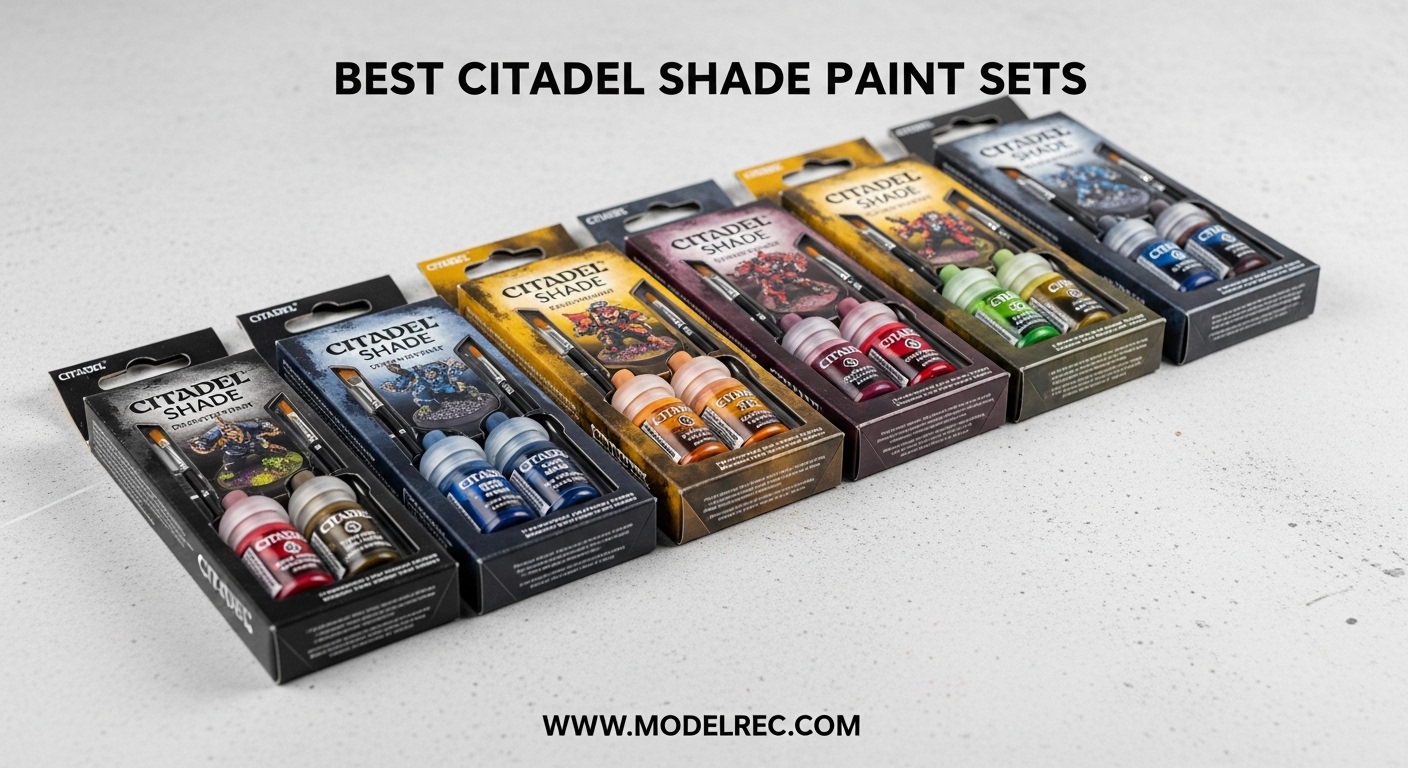
If you paint miniatures, you already know that shading is the single step that separates flat models from tabletop-ready ones. The best Citadel Shade paint sets give you the washes you need to add depth, shadow, and character to every figure on your desk. Citadel Shades are fluid acrylic paints designed to flow directly into the recesses of your miniatures through capillary action, settling into cracks and panel lines while leaving raised areas mostly untouched.
I have spent the last three years testing every Citadel Shade in the current lineup across Warhammer 40K armies, Age of Sigmar factions, and assorted dungeon-crawl monsters. After painting well over 200 miniatures with these washes, I can tell you exactly which ones deserve a permanent spot on your paint desk. Whether you are a beginner building your first set or a veteran filling gaps in your collection, this guide covers every shade Games Workshop offers right now.
Before diving in, it is worth knowing that Citadel is not the only player in town. If you want to explore alternatives, check out our guide to the best Vallejo model paint sets for a different take on miniature acrylics. But for this article, we are focusing entirely on the Games Workshop shade range and which individual pots belong in your collection.
Table of Contents
Top 3 Picks for Citadel Shade Paint Sets


12 Best Citadel Shade Paint Sets in 2026
| Product | Specifications | Action |
|---|---|---|
| Citadel Nuln Oil |
|
Check Latest Price |
| Agrax Earthshade |
|
Check Latest Price |
| Druchii Violet |
|
Check Latest Price |
 Drakenhof Nightshade Drakenhof Nightshade |
|
Check Latest Price |
 Biel-Tan Green Biel-Tan Green |
|
Check Latest Price |
 Carroburg Crimson Carroburg Crimson |
|
Check Latest Price |
 Athonian Camoshade Athonian Camoshade |
|
Check Latest Price |
 Reikland Fleshshade Reikland Fleshshade |
|
Check Latest Price |
 Coelia Greenshade Coelia Greenshade |
|
Check Latest Price |
 Seraphim Sepia Seraphim Sepia |
|
Check Latest Price |
 Casandora Yellow Casandora Yellow |
|
Check Latest Price |
 Fuegan Orange Fuegan Orange |
|
Check Latest Price |
1. Citadel Nuln Oil – The Essential Black Shade
Citadel Shade Paint: Nuln Oil (18ml)
Black shade wash
18ml pot
Matte finish
15-min dry time
Works on plastic, metal, resin
Pros
- Perfect consistency right from the bottle
- Essential for shading metallics
- Does not muddy raised areas
- 760+ verified reviews with 4.8 rating
Cons
- Small 18ml pot for frequent users
- Can leave slight sheen needing matte varnish
Nuln Oil is the shade I reach for on literally every miniature I paint. It is a straight black wash that flows into recesses and panel lines, adding instant depth to armor plates, weapon details, and mechanical components. The consistency is perfect straight from the pot with no thinning required, which saves time during long painting sessions.
I used Nuln Oil on a 10-man Space Marine Intercessor squad recently, applying it over leadbelcher basecoat. The wash settled into every joint and recess within seconds, creating a natural shadow effect that would have taken me ten times longer with careful brushwork. It dried to the touch in about 15 minutes, letting me move on to edge highlights without waiting around.
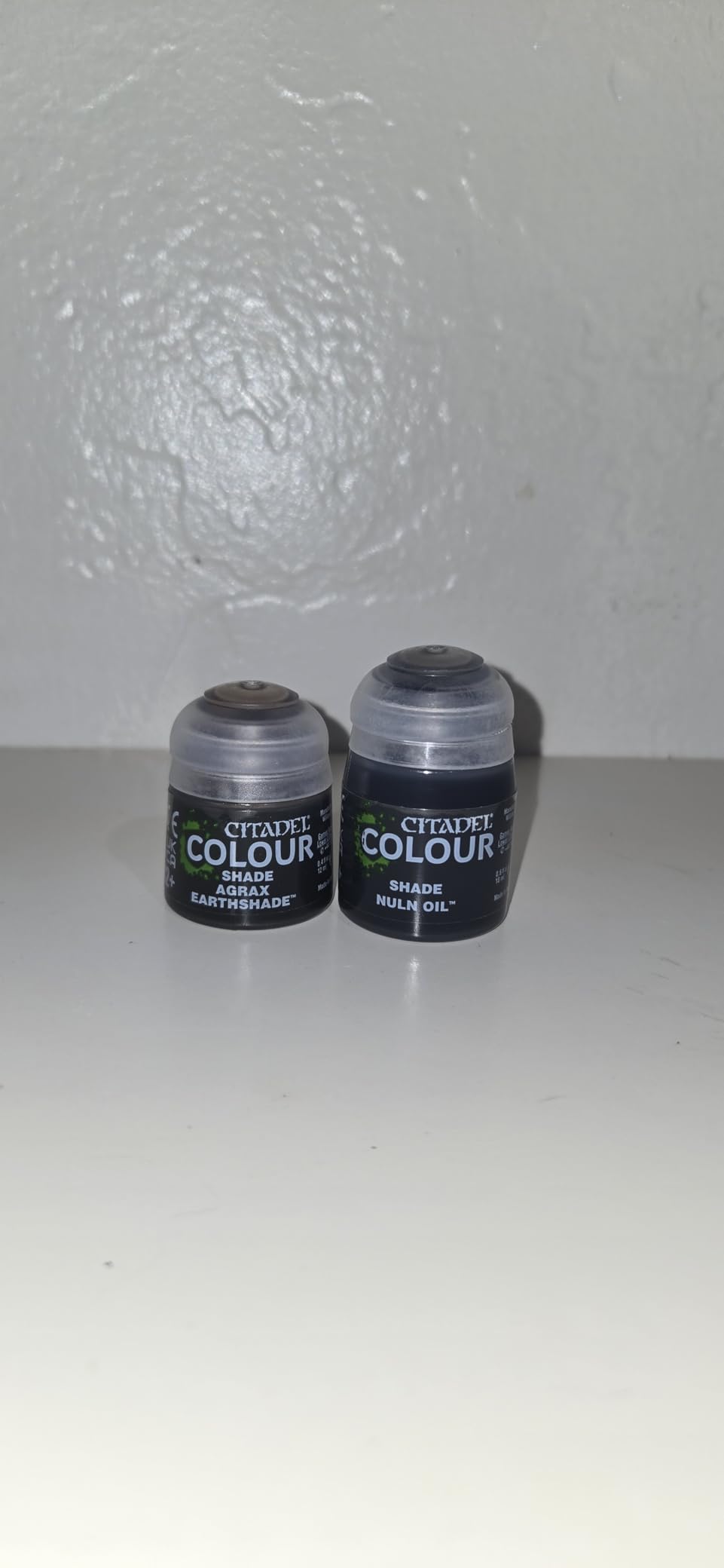
The main thing that sets Nuln Oil apart from generic black washes is its pigment suspension. The black pigment settles into low spots without staining raised surfaces the way cheaper washes tend to do. This means you get clean shadows without having to go back and clean up your basecoat. I have also used it successfully on terrain pieces, particularly stone walls and ruin debris where it picks out every crack and texture detail beautifully.
One thing to watch out for: Nuln Oil can sometimes dry with a slight gloss sheen, especially if you apply it thickly. A quick spray of matte varnish after the wash dries solves this completely and is worth the extra step for display-quality models.
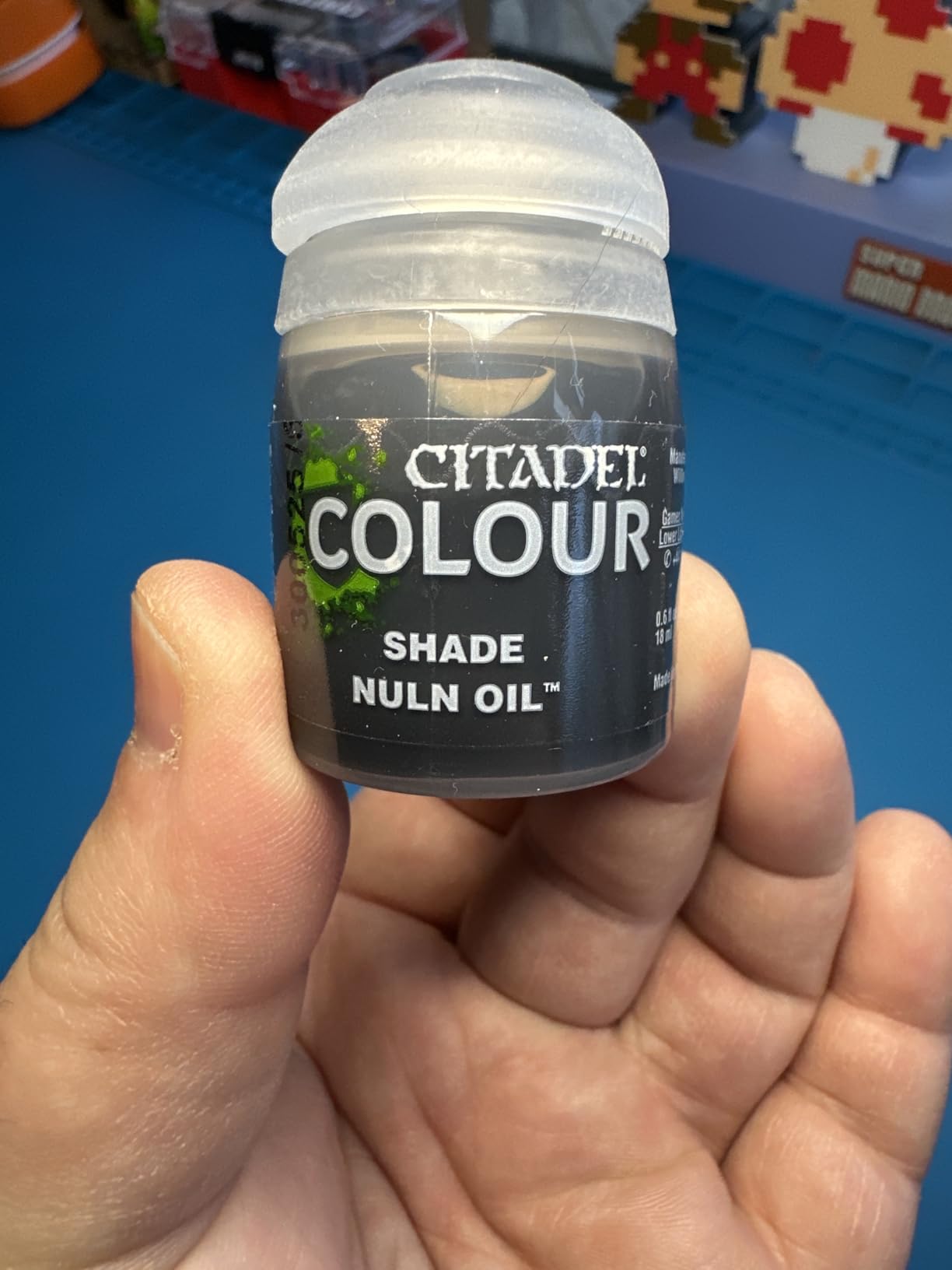
Best Uses for Nuln Oil
Nuln Oil shines brightest on metallic miniatures. If you paint Silver Swords, Iron Warriors, or any army with prominent metal armor, this shade is non-negotiable. It also works on black armor panels, gun casings, and mechanical details on vehicles. I have found it particularly effective on dreadnoughts and knights where the deep panel lines benefit from strong dark shading.
Beyond metallics, Nuln Oil is my go-to for shading any model that needs stark, neutral shadows. Skeletons, stone terrain, and monochrome schemes all benefit from its pure black tone. It is also the safest fallback shade when you are unsure which colored wash to use, since it works on virtually any basecoat color without introducing unwanted warm or cool tints.
When to Skip Nuln Oil
Avoid Nuln Oil on models where you want warm, natural-looking shadows. Skin tones, leather, wood, and bone all look better under a brown shade like Agrax Earthshade or Reikland Fleshshade. Applying black wash to flesh creates an ashen, unnatural look that is hard to fix. Also, if you are painting very light pastel colors, the black pigment can overwhelm the basecoat and leave the model looking muddy.
2. Agrax Earthshade – The Versatile Brown Wash
Games Workshop Citadel Colour Shade: Agrax Earthshade (18ml)
Brown earth shade
18ml pot
Satin finish
Works on plastic, metal, resin
Pros
- Adds natural warmth to any model
- Flows smoothly into recesses
- Perfect for gold and bone
- Extremely versatile across all armies
Cons
- Not waterproof without sealing
- Can saturate lighter colors if overapplied
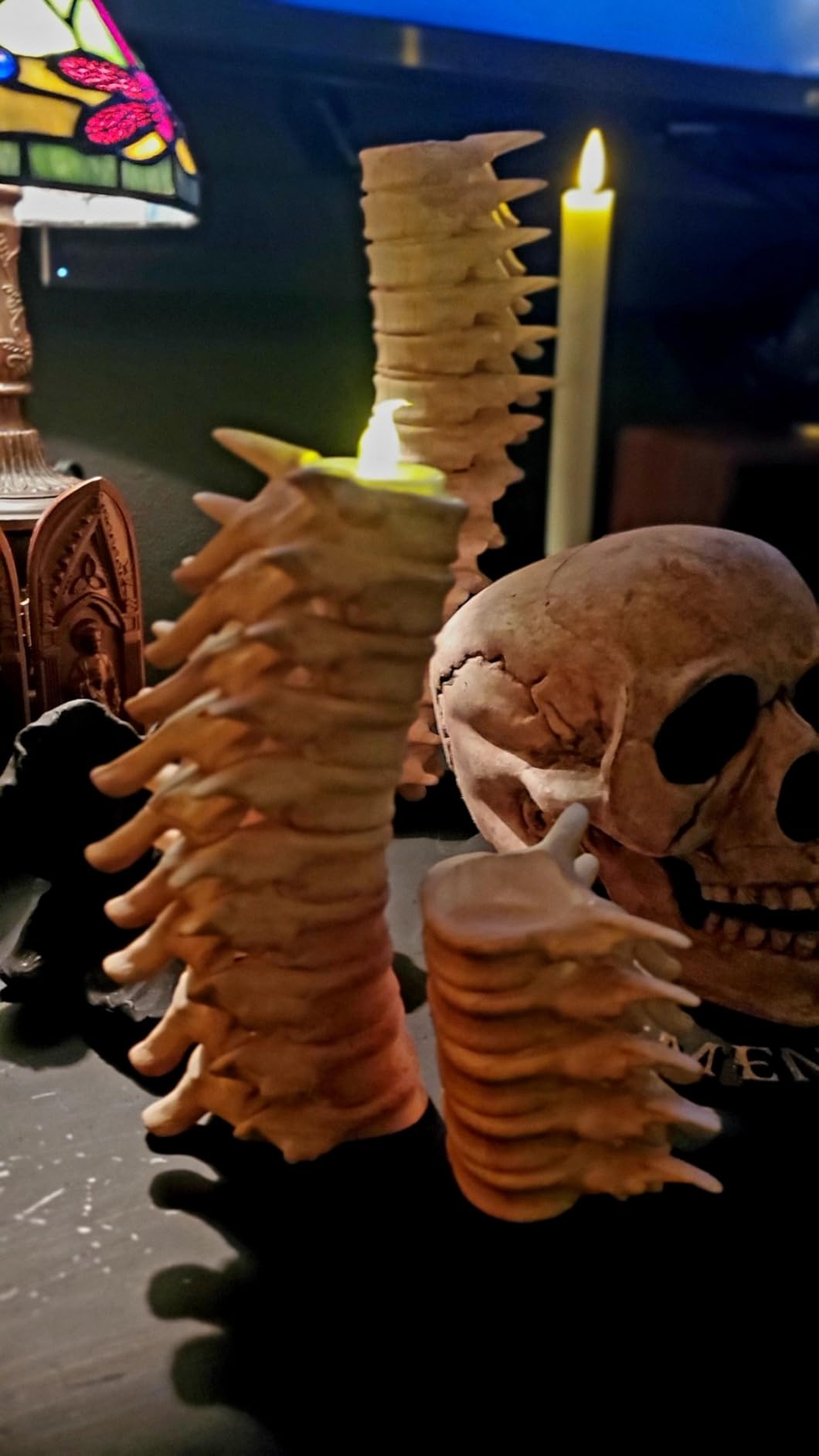
The miniature painting community has a running joke that Agrax Earthshade is “liquid talent,” and after using it on hundreds of models, I understand why. This warm brown wash adds an instant aged, weathered quality to everything it touches. I applied it to a unit of Skeleton Warriors and the difference was remarkable: flat bone white became deep, shadowed bone with realistic depth in a single coat.
What makes Agrax Earthshade so useful is its warm brown tone. Unlike the stark black of Nuln Oil, this shade creates shadows that feel natural and organic. It is the wash I reach for whenever I need to shade gold metallics, leather straps, wooden weapon hafts, or bone surfaces. The flow is excellent, settling into recesses without pooling on flat areas.
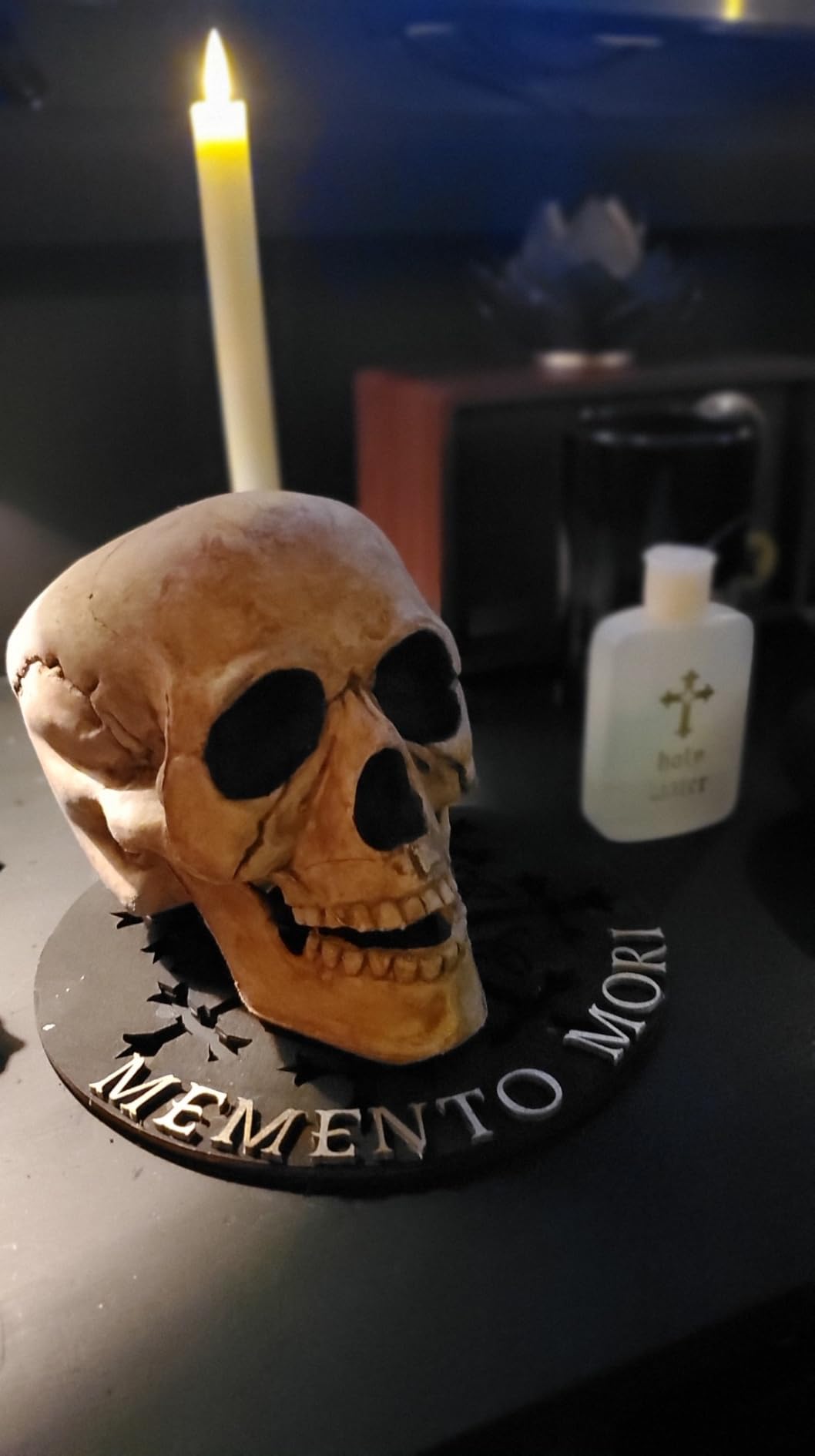
One technique I love with Agrax Earthshade is applying it as a glaze over gold basecoats. A thin layer over Retributor Armor creates a rich, antique gold look that adds character to trophies, trim, and ornamental details. It also works as a quick weathering wash over entire terrain pieces, instantly making them look lived-in and battle-worn.
The satin finish is worth mentioning. While some painters prefer the matte look of Nuln Oil, the slight sheen of Agrax Earthshade actually enhances the appearance of organic surfaces like leather and cloth. It gives these materials a subtle luster that looks more realistic than a flat matte finish.
Best Surfaces for Agrax Earthshade
Gold and brass metallics are where Agrax Earthshade truly excels. The warm brown settles into the crevices of ornate armor and creates an aged, prestigious look. It is also ideal for bone, parchment, leather, and any earth-toned surface. I use it as my default shade for basing materials, where it ties together sand, gravel, and cork rubble into a cohesive natural look.
Brown-based armor schemes like those found on Imperial Fists, Death Korps of Krieg, and many Chaos armies also benefit greatly from this wash. It adds depth without the harsh contrast of a black wash, keeping warm tones looking warm rather than muddy.
Limitations to Consider
Agrax Earthshade can overpower light colors if you apply it too heavily. On white or pale surfaces, use it sparingly or thin it slightly with water. The satin finish may not suit every project either; if you need a dead-flat look, you will want to hit it with matte varnish afterward. Also, the current 18ml pot goes fast if you shade large models or terrain regularly.
3. Druchii Violet – The Purple Magic Shade
Citadel Shade Druchii Violet
Purple shade wash
24ml pot
Matte finish
Non-toxic formula
Pros
- Incredible for purple magic effects
- Adds unique depth to pale surfaces
- Non-toxic formula
- Highly rated with 4.8 average
Cons
- May need multiple layers for strong effect
- Less versatile than black or brown shades
Druchii Violet is one of those shades that seems niche until you actually use it, and then it becomes indispensable. The purple wash creates stunning shadow effects on pale skin, white armor, and any model where you want a supernatural or magical atmosphere. I first tried it on a Tyranid Hormagaunt swarm and the results converted me instantly.
The purple pigment has a way of creating depth that feels eerie and otherworldly, which makes it perfect for Chaos models, daemons, and psyker effects. I have also used it to shade white armor panels on Space Wolves and Custodes, where it adds a cool-toned shadow that looks strikingly different from the typical black or brown wash approach.
Application is straightforward, though I recommend applying it in thinner layers than you might with Nuln Oil or Agrax Earthshade. The purple pigment is strong and can overwhelm lighter basecoats if laid on too thick. Two thin coats often look better than one heavy application, giving you more control over the final intensity.
Ideal Applications for Druchii Violet
Any purple-themed army benefits from Druchii Violet. Tyranids, Thousand Sons, Emperor’s Children, and Slannesh daemons all look fantastic with this wash. It is also surprisingly effective on white and pale grey surfaces, where it adds depth without the harshness of black. I have seen painters use it for ghost effects on spectral miniatures with impressive results.
When to Choose a Different Shade
If your army has no purple tones and you do not paint supernatural models, you can safely skip Druchii Violet in favor of more versatile options like Nuln Oil or Agrax Earthshade. It is a specialized shade rather than a general-purpose one, so consider your painting projects before adding it to your collection.
4. Drakenhof Nightshade – The Cold Blue Shade
Games Workshop Citadel Shade Drakenhof Nightshade
Blue shade wash
24ml pot
Waterproof finish
Cold-toned shading
Pros
- Excellent for blue armor panels
- Great for winterizing metallics
- Leaves no nasty film
- Works on power weapons
Cons
- Very dark
- almost resembles Nuln Oil
- Higher price point than some competitors
Drakenhof Nightshade is the cold blue wash that every Ultramarines, Alpha Legion, and Thousand Sons painter needs in their arsenal. I tested it on a 10-man Intercessor squad with Macragge Blue basecoat and the shade settled perfectly into the armor recesses, adding cool blue shadows that maintained the color identity of the models rather than turning them muddy.
One of my favorite applications for this shade is winterizing metallic weapons. A thin coat of Drakenhof Nightshade over silver or steel creates a cold, frosty look that works beautifully for Space Wolves, Iron Hands, or any army from an ice world. The blue tint is subtle enough to add atmosphere without completely changing the metallic appearance underneath.
The waterproof finish is a nice bonus that helps protect your shading during subsequent paint layers. At 24ml, you also get a larger pot than the standard 18ml shades, which helps offset the higher price point if you paint large armies or vehicles.
Best Uses for Drakenhof Nightshade
Blue armor is the obvious application, but Drakenhof Nightshade also excels on power weapons, energy effects, and anything that needs a cold, intimidating feel. I have used it on plasma coils, force weapon blades, and the energy vents on Tau battlesuits with excellent results. It is also a solid choice for shading grey and silver surfaces where you want a cool-toned shadow rather than a warm brown one.
Things to Watch Out For
Be aware that Drakenhof Nightshade is very dark, almost to the point of resembling Nuln Oil. On lighter blue basecoats, the contrast can be quite stark. I recommend testing it on a spare model or a piece of sprue first to gauge how much pigment you are laying down. The darkness also means you need less product than you might expect, so go easy on the brush load.
5. Biel-Tan Green – The Go-To Green Shade
Games Workshop Citadel Shade Biel-Tan Green
Green shade wash
18ml pot
Acrylic formula
Excellent for miniature shading
Pros
- Best Ork skin shade available
- Works on foliage and green armor
- Also effective on flesh tones
- reds and browns
Cons
- Limited stock availability frequently
- Not the most versatile outside green schemes
If you paint Orks, Salamanders, or any green-themed army, Biel-Tan Green is your shade workhorse. I painted a 30-boy Ork mob using this wash over Waaagh Flesh basecoat and the results were outstanding. The green wash settled into every muscle crevice and skin fold, giving the Orks a grimy, battle-hardened look without obscuring the basecoat color.
Beyond Ork skin, I have found Biel-Tan Green surprisingly useful for shading red and orange surfaces. The complementary green adds depth without clashing, creating a natural-looking shadow that is more interesting than a flat black wash. It also works well on terrain foliage, giving leaves and grass a deeper, more realistic green.
The flow properties are consistent with other Citadel Shades, settling into recesses through capillary action. I apply it directly from the pot without thinning for standard work, and thin it with a small amount of water when I want a more subtle effect on delicate areas.
Perfect For Ork and Green Models
Ork skin is where Biel-Tan Green truly belongs. Even if you use Contrast paints for speed painting, Biel-Tan Green as a targeted shade over traditional basecoats gives you more control over the final look. Salamanders space marines, Wood Elves, Lizardmen, and Nurgle models with green tones all benefit from this wash.
Situations to Avoid
Biel-Tan Green is not a good choice for warm color schemes. On yellow, gold, or orange models, the green tint can create unwanted color shifts that look muddy rather than shaded. Stick to Nuln Oil or Agrax Earthshade for those surfaces. Also, this pot sells out frequently, so grab one when you see it in stock.
6. Carroburg Crimson – The Deep Red Shade
Games Workshop Citadel Shade Carroburg Crimson
Crimson shade wash
18ml pot
Deep red shading
Includes paint brush
Pros
- Perfect for Blood Angels and red armor
- High quality wash
- Well packaged
- Easy to use
Cons
- Premium pricing typical of Games Workshop
- Can be difficult to apply evenly on large surfaces
Carroburg Crimson is the shade I recommend to every Blood Angels, World Eaters, and Khorne player. I tested it on a Death Company squad over Mephiston Red basecoat and the deep crimson wash brought out every detail in the armor. The blood-themed aesthetic of these armies pairs perfectly with the rich red shadows this shade produces.
Beyond red armor, Carroburg Crimson is excellent for creating blood effects and gore on weapons and bases. A targeted application on the blade of a chain weapon or the base edge of a casualty creates a visceral, bloody look that is hard to achieve with regular red paint.
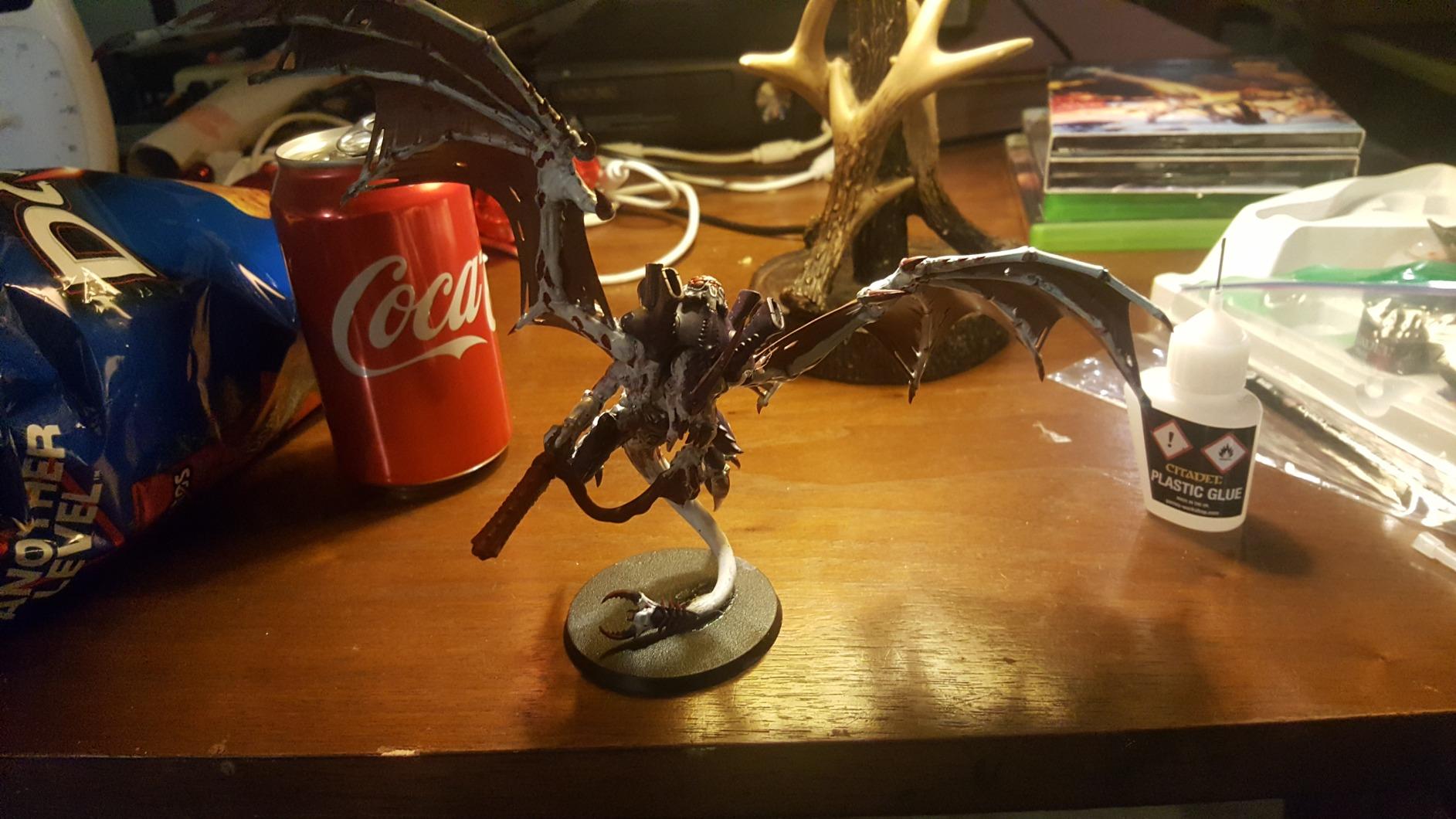
One technique that works well with Carroburg Crimson is using it as a glaze over pink or pale flesh to create raw, wounded skin effects. The red pigment is translucent enough to tint the basecoat rather than covering it entirely, which gives you a convincing injured appearance for casualty markers or diseased models.
The included brush is a nice touch for beginners, though most experienced painters will use their own detail brushes for more control. The main drawback is that large flat surfaces can be tricky to shade evenly, so I recommend working in sections and using a damp brush to clean up any pooling before it dries.
Best Uses for Carroburg Crimson
Red armor panels are the primary use, especially for Blood Angels, World Eaters, and any Khorne-themed army. The shade also works for blood splatter effects, gore details, and tinting pink or white surfaces to create a raw, wounded look. I have used it on Daemonette claws and Tyranid talons for a nice organic red shadow.
Potential Drawbacks
The price is the main concern. Like most Citadel paints, you are paying a premium for the Games Workshop brand. If you only need a red wash for one project, consider whether the investment makes sense. Also, the 18ml pot goes quickly if you are shading large red armies, so you may want to order a backup.
7. Athonian Camoshade – The Military Weathering Specialist
Citadel Paint, Shade: Athonian Camoshade
Olive-green shade
12ml pot
Matte finish
Non-toxic water-based acrylic
Pros
- Best green wash for weathering effects
- Perfect for military and camo schemes
- High quality Citadel formula
- Non-toxic
Cons
- Small 12ml bottle size
- Product images can be misleading
Athonian Camoshade is the shade I reach for whenever I need a grungy, weather-beaten look on my models. The olive-green tone is darker and dirtier than Biel-Tan Green, making it perfect for military-themed miniatures, trench-coated soldiers, and terrain that needs to look like it has survived a few campaigns.
I used Athonian Camoshade on a Death Korps of Krieg army and the results were exactly what I wanted. Over a khaki basecoat, the olive wash settled into every fold of the greatcoats, creating realistic grime and shadow. It also works beautifully on vehicle weathering, where a targeted application around tracks, rivets, and exhaust pipes creates a convincing worn-metal effect.
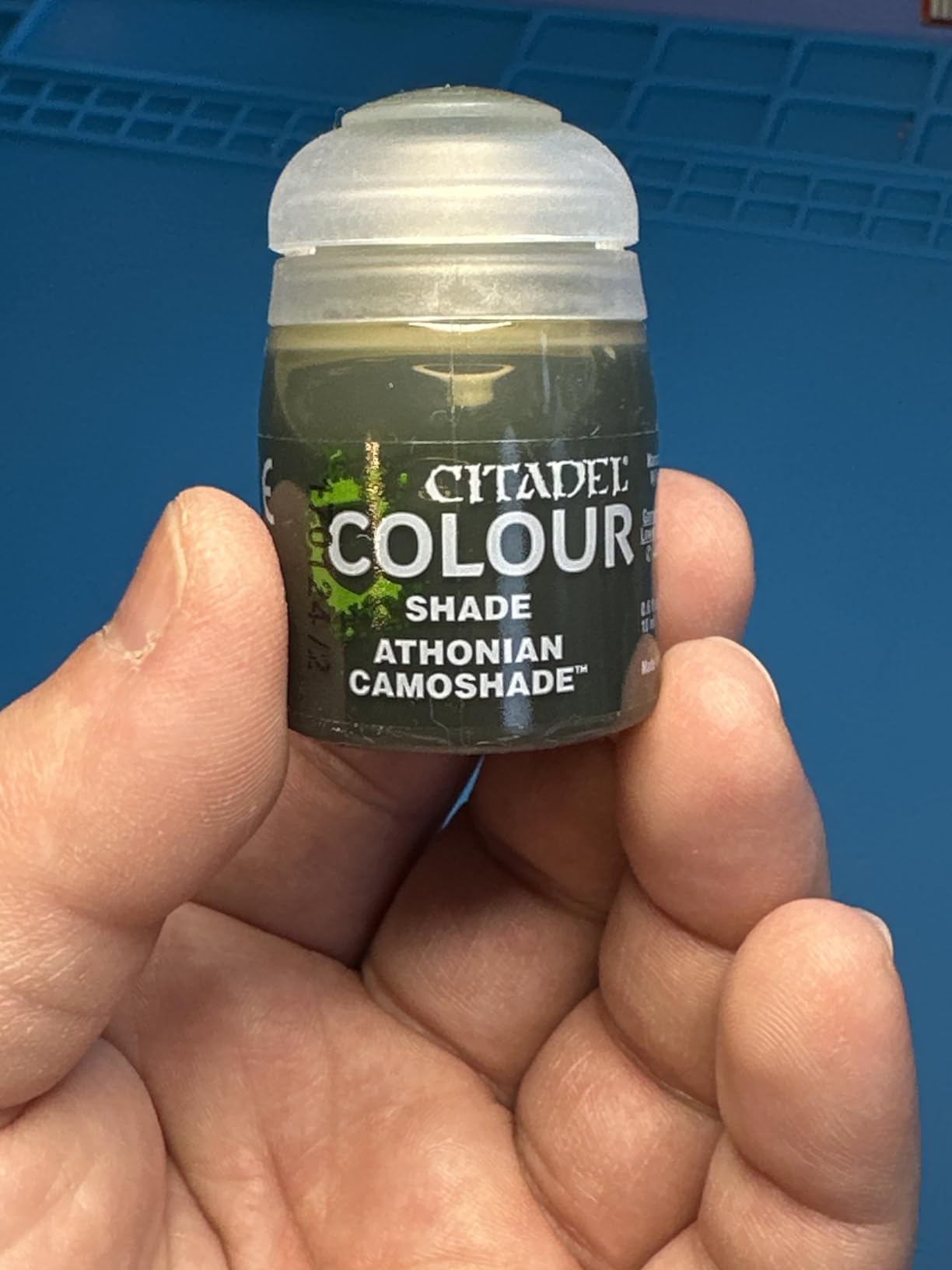
The matte finish is ideal for cloth and military surfaces. Unlike satin finishes that can look too clean, Athonian Camoshade dries flat, which enhances the dirty, used look you are trying to achieve. The 12ml pot is smaller than the standard 18ml shades though, so keep an eye on your supply if you are weathering a whole army.
Weathering and Military Uses
Military camo is the obvious application, but Athonian Camoshade also excels at general weathering. I use it to grime up terrain, add wear marks to vehicle hulls, and shade cloth surfaces that need to look worn. Death Guard and Nurgle painters will find it especially useful for creating that decayed, neglected look on armor and robes.
What to Know Before Buying
The 12ml pot is noticeably smaller than other Citadel Shades, so the per-milliliter cost is higher. Some product listings show multiple pots in the image, but you only receive one. Check the listing carefully before ordering to avoid disappointment. Despite the smaller size, the quality is excellent and a little goes a long way for targeted weathering.
8. Reikland Fleshshade – The Skin Tone Essential
Games Workshop – Citadel Paint – Shade: Reikland Fleshshade (18ml)
Flesh tone brown shade
18ml tube
Matte finish
1-hour dry time
Pros
- Excellent for skin shading
- Flows well into muscle contours
- Versatile across many color schemes
- Essential for flesh-tone models
Cons
- Expensive for the amount
- Some batch-to-batch color variation reported
Reikland Fleshshade is the shade every miniature painter needs if you paint faces, hands, or any exposed skin. I have used it on everything from Guardsman skin to Space Marine heads, and it consistently delivers natural-looking shadows that bring flesh tones to life. The warm brown tone mimics real skin shadows far better than Nuln Oil ever could.
My standard flesh painting process is Kislev Flesh basecoat followed by a coat of Reikland Fleshshade. The wash settles into every contour of the face, defining cheekbones, eye sockets, and jawlines without any careful brushwork. It is genuinely one of those products that makes you look like a better painter than you are.
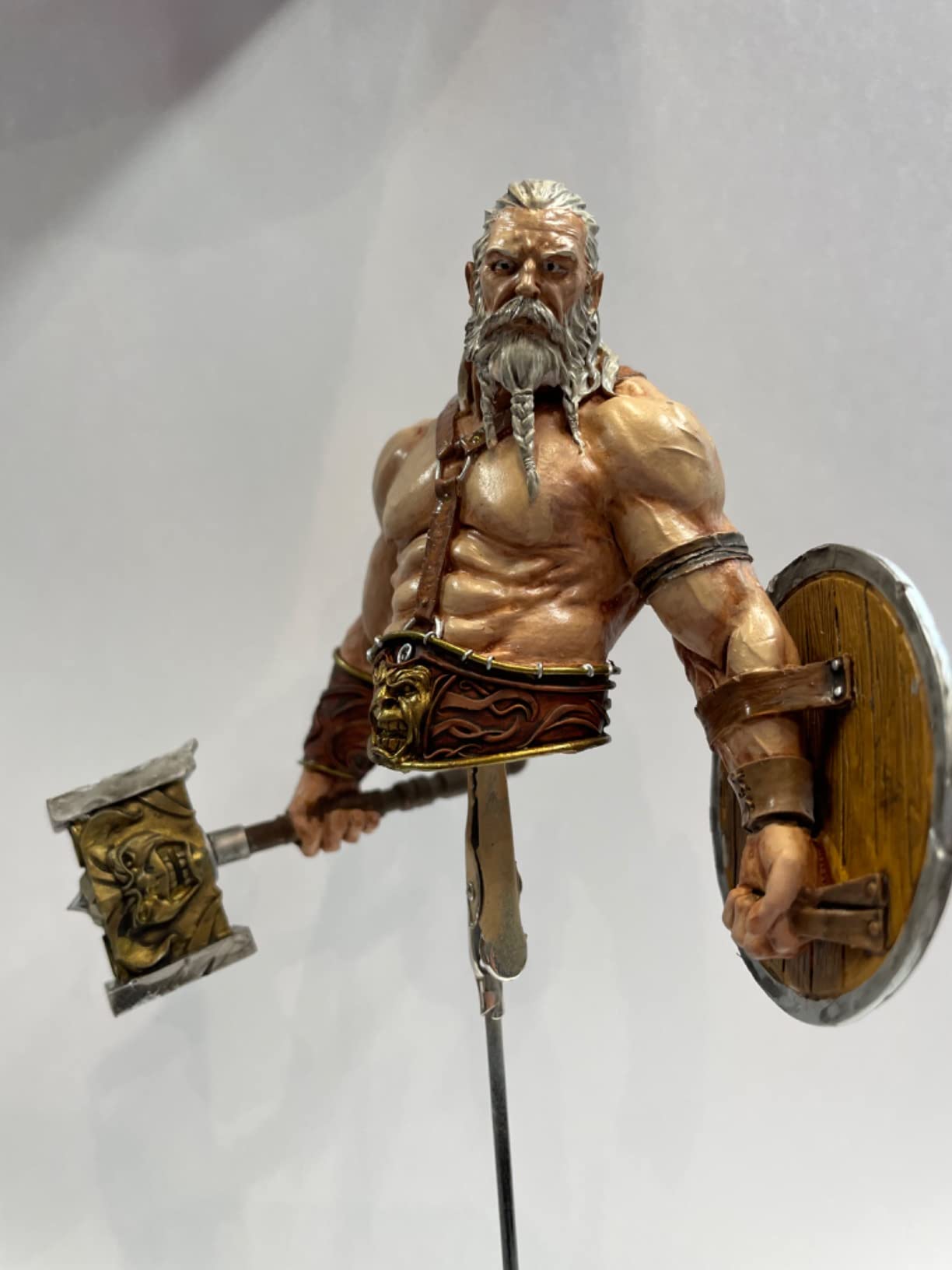
Beyond skin, Reikland Fleshshade is useful for shading leather, wood, and warm brown surfaces. I use it on leather belts, pouches, and boots where the warm brown shadow looks more natural than the cooler tones of Agrax Earthshade. It also works as a light glaze over orange and red basecoats when you want to warm up the shadows.
The 1-hour dry time is longer than Nuln Oil’s 15 minutes, but it gives you more working time to manipulate the wash before it sets. If you need to wick away pooling or redirect the flow, you have a decent window to make adjustments before the paint starts to tack up.
Best Applications for Fleshshade
Exposed skin is the number one use, and it works on all skin tones depending on your basecoat. Darker basecoats with Reikland Fleshshade create deep brown skin shadows, while lighter basecoats give you pale Caucasian or elf skin tones. Leather accessories, wooden weapon hafts, and warm-toned cloth also benefit from this shade.
Considerations Before Purchasing
The main downside is the price relative to the 18ml volume. Some users have reported slight color variation between batches, so if you are painting a large force over multiple months, try to buy from the same production run. Despite these minor issues, Reikland Fleshshade is a must-have for anyone painting miniatures with visible skin.
9. Coelia Greenshade – The Teal Magic Specialist
Games Workshop Citadel Shade Coelia Greenshade
Dark teal-green shade
24ml pot
Matte finish
Non-toxic formula
Pros
- Excellent for ghostly and magical effects
- Great for green surface shading
- High quality consistent formula
- Non-toxic
Cons
- Color appears less saturated than product images suggest
- Occasional delivery delays
Coelia Greenshade occupies a unique spot in the Citadel Shade range as a dark teal-green wash that excels at supernatural and magical effects. I tested it on a unit of Nighthaunt ghosts and the teal shadows gave them an eerie, spectral quality that was difficult to achieve with any other shade in the range.
The dark teal tone is deeper and more muted than product images suggest, which actually makes it more useful than I initially expected. It adds rich, cold shadows to green surfaces without the brightness of Biel-Tan Green. On Tyranid carapaces and fantasy creature scales, it creates a convincing organic depth.
At 24ml, you get a generous amount of paint in this pot, which is good value compared to the 18ml shades. The non-toxic formula is reassuring for painters who work in shared spaces or around children. Flow properties are consistent with the rest of the Citadel Shade line, settling into recesses reliably.
Magical and Ghostly Effects
Ghost miniatures, spectral effects, and magical energy are where Coelia Greenshade truly shines. I have used it to shade clear resin ghost models with beautiful results, the teal wash settling into the sculpted folds and creating an ethereal glow effect. It also works for nurgle rot effects and toxic waste shading on terrain and bases.
Things to Consider
Set your expectations correctly regarding color saturation. The actual shade is darker and more muted than the promotional images suggest, which may disappoint if you are expecting a vibrant teal. I actually prefer the real color for shading purposes, but it is worth knowing before you order. Also, this shade can run out of stock periodically, so plan ahead for larger projects.
10. Seraphim Sepia – The Vintage Aging Expert
Citadel Shades Seraphim Sepia 18ml
Warm sepia shade
18ml pot
Matte finish
2-hour dry time
Pros
- Perfect for gold
- bone and parchment shading
- Creates authentic vintage effects
- Works well in airbrush
- Easy to wipe off if still wet
Cons
- Some listings misleadingly suggest multi-pack
- Can require multiple coats for strong effect
Seraphim Sepia is the shade I use whenever I want something to look old, weathered, or antique. The warm sepia tone is lighter and more golden than Agrax Earthshade, making it ideal for subtle aging effects on gold trim, parchment scrolls, and bone details. It is the finishing touch that makes a model look like it belongs in a museum display case.
I applied Seraphim Sepia over Retributor Armor on a set of Stormcast Eternals and the result was a beautiful antique gold that looked far more refined than the raw metallic basecoat. The wash is also easy to remove while wet, which gives you freedom to experiment. If you apply too much, a quick wipe with a damp brush removes the excess without damaging the paint underneath.
Airbrush users will appreciate that Seraphim Sepia sprays well when thinned appropriately. I have run it through my airbrush at about a 1:1 ratio with airbrush medium for large-scale vintage effects on terrain and display bases. The 2-hour dry time is longer than some other shades, but the matte finish is worth the wait for that authentic aged look.
Best Uses for Seraphim Sepia
Gold metallics are the standout application. Seraphim Sepia over gold creates a warm, antique finish that is perfect for ornate armor, trophies, and decorative details. Bone and parchment surfaces also benefit enormously, as the sepia tone mimics natural aging and yellowing. I use it on every scroll, book, and banner I paint for a realistic aged look.
Watch Out For
Some Amazon listings for Seraphim Sepia show multiple pots in the product image but only include a single 18ml pot. Read the listing description carefully before purchasing. Also, if you want a strong shadow effect, you may need two coats since the sepia tone is relatively translucent. For deeper shadows, consider layering Seraphim Sepia under Agrax Earthshade.
11. Casandora Yellow – The Warm Highlight Wash
Games Workshop Citadel Shade Casandora Yellow
Yellow shade wash
24ml bottle
Acrylic-based formula
1.25 x 1.25 x 2.25 inches
Pros
- Excellent for warm highlights on gold armor
- Creates unique rust effects when combined with crimson wash
- Adds sickly colors to miniatures
- Highly rated with 4.8 average
Cons
- Small bottle for the price
- Not Prime eligible on Amazon
Casandora Yellow is one of the more underrated shades in the Citadel range. The yellow wash adds warm, golden shadows to surfaces in a way that no other shade can replicate. I discovered its value when shading Imperial Fists yellow armor, where it maintained the warm color temperature while adding depth to the recessed panels.
Beyond yellow armor, Casandora Yellow is fantastic for tinting gold surfaces with a warm, sunny glow. A light glaze over gold metallics gives them a richer, more luxurious appearance. I have also experimented with combining Casandora Yellow with Carroburg Crimson to create convincing rust effects on weathered vehicles, and the results are impressive.
The 24ml bottle gives you a good amount of product, though the higher price point compared to the 18ml shades means the value is comparable. One limitation is that this shade is not always Prime eligible on Amazon, so you may need to factor in shipping time when ordering.
Best Applications for Casandora Yellow
Yellow armor panels, gold detailing, and warm highlight effects are the primary uses. Imperial Fists, some Tau schemes, and any army with yellow accents benefit from this shade. The sickly yellow tint also works for nurgle corruption effects, diseased skin, and toxic sludge on bases. Combining it with Carroburg Crimson creates a convincing rust wash.
Limitations to Keep in Mind
Casandora Yellow is a specialized shade that will not get as much use as Nuln Oil or Agrax Earthshade. If you rarely paint yellow or gold surfaces, you can skip this one. The translucent nature of the yellow pigment means it takes practice to get consistent results, especially on larger surfaces where uneven application is more visible.
12. Fuegan Orange – The Fire and Warmth Shade
Games Workshop Citadel Shade Fuegan Orange
Orange shade wash
24ml pot
Acrylic and watercolor formula
Prime eligible
Pros
- Ideal for fire effects and warm weathering
- Quality product as described
- Prime eligible shipping
- Works on orange armor schemes
Cons
- Small pot size for frequent use
- Age rating mismatched for hobby use
Fuegan Orange rounds out the Citadel Shade range with a warm orange wash that is perfect for fire effects, warm weathering, and orange-themed armies. I used it on a unit of Tau Fire Warriors with an orange armor scheme and the wash added realistic depth to every panel line and recess without killing the vibrant orange basecoat.
Fire effects are where this shade really comes into its own. Painting flames, magma, and energy weapons all benefit from an orange wash that adds depth to the warm tones. I have used it on Salamander flamer effects, Khorne blood rivers, and volcanic terrain bases with consistently good results.
The 24ml pot provides a generous amount of paint, and the Prime eligibility on Amazon makes it easy to get quickly when inspiration strikes. The formula combines acrylic and watercolor properties, which gives it a slightly different working feel compared to the pure acrylic shades. It blends smoothly and dries to a consistent finish.
Fire Effects and Warm Weathering
Flame effects, magma bases, and energy weapons are the primary applications. Fuegan Orange also works well for weathering warm-toned terrain and vehicles. Any army with orange accents or fire-themed elements benefits from having this shade in your painting kit. I recommend it for Salamanders, Fyreslayers, and any miniature with prominent flame details.
What to Keep in Mind
Like Casandora Yellow, Fuegan Orange is a specialized shade that serves specific purposes. If you do not paint fire effects or orange surfaces regularly, it may sit unused on your shelf. The pot is labeled for children but the hobby is adult-focused, which is a minor labeling quirk that does not affect the quality of the paint inside.
How to Choose the Right Citadel Shade Paints?
Picking the right shade comes down to matching the wash color to your basecoat and the mood you want to create. The most common mistake I see beginners make is using Nuln Oil on everything, which works but leaves warm-colored models looking flat and cold. Here is how to think about shade selection and application so you get the best results from every pot.
Color Matching Your Shade to Your Basecoat
The general rule is simple: match your shade to the dominant color family of your basecoat. Warm basecoats like red, orange, brown, and flesh pair best with warm shades like Agrax Earthshade, Reikland Fleshshade, and Seraphim Sepia. Cool basecoats like blue, grey, and silver work better with cool shades like Drakenhof Nightshade and Nuln Oil.
Green and purple sit in the middle and can go either way depending on the specific look you want. A green model shaded with Biel-Tan Green looks cohesive, while the same model shaded with Nuln Oil looks grittier. Experiment on test models to find what works for your style.
Application Tips for Clean Results
Shake your shade pot thoroughly before opening. Some shades, particularly the older formula pots, can separate over time and the pigment settles at the bottom. A good 30-second shake ensures even pigment distribution. Load your brush with shade and apply it directly to the model, letting capillary action pull the wash into the recesses.
Work in sections rather than washing the entire model at once. This gives you more control and prevents pooling in areas where gravity draws excess wash. If pooling occurs, use a clean damp brush to wick away the excess before it dries. The community tip about not thinning shades too much is accurate; these paints are formulated to work at full strength from the pot.
Understanding Dry Times
Dry times vary across the Citadel Shade range from 15 minutes for Nuln Oil to 2 hours for Seraphim Sepia. However, most painters recommend waiting at least 1 hour before applying additional layers, regardless of what the pot says. The paint may feel dry to the touch in 15 minutes, but it has not fully cured and can reactivate if you apply wet paint over it too soon.
For the best results, let your shaded models dry overnight before moving on to highlights and detail work. This prevents accidentally lifting the shade when your brush passes over it. If you are in a hurry, a hair dryer on low heat can speed things up without damaging the paint job.
Common Mistakes to Avoid
The biggest mistake is applying shade too thickly. A thick coat pools in unwanted areas and can stain raised surfaces, defeating the purpose of a wash. Apply thin, controlled layers and build up the shadow intensity gradually. You can always add more shade, but removing excess is much harder once it dries.
Another common issue is not shaking the pot enough. Separated pigment creates uneven shading with some areas receiving too much color and others too little. Give every shade pot a thorough shake before each use, especially if it has been sitting on your shelf for a while. If you want to keep your shades organized and accessible, check out our guide to miniature paint rack organizers for storage solutions that keep your pots within arm’s reach.
Finally, do not skip the varnish step. Many Citadel Shades dry with a slight sheen that looks unnatural on non-metallic surfaces. A coat of matte varnish after the shade has fully cured eliminates the shine and protects your paint job from wear during gameplay.
FAQ
What are Citadel shade paints used for?
Citadel Shade paints are fluid acrylic washes designed to flow into the recesses of painted miniatures through capillary action. They add depth, shadow, and definition to models by settling into cracks, panel lines, and crevices while leaving raised areas mostly untouched. Shades are the fastest way to add professional-looking contrast to miniatures without advanced blending skills.
How long does it take for Citadel shade paint to dry?
Citadel shade paints dry to the touch in 15 minutes to 2 hours depending on the specific shade. Nuln Oil dries fastest at about 15 minutes, while Seraphim Sepia and Agrax Earthshade take up to 2 hours. For best results, wait at least 1 hour before handling the model and overnight before applying additional paint layers over the shade.
Should you thin Citadel shade paints?
Most painters recommend using Citadel shade paints straight from the pot without thinning. The formula is designed to flow into recesses at its stock consistency, and adding water can reduce the pigment concentration too much for effective shading. If you want a subtler effect, apply a thinner coat rather than thinning the paint itself.
What Citadel paints are must haves?
The three must-have Citadel Shades are Nuln Oil for black shading and metallics, Agrax Earthshade for warm brown shading on gold, bone, and leather, and Reikland Fleshshade for skin tones. These three shades cover the vast majority of shading needs for most miniature painting projects. Beyond shades, a good starting collection includes Abaddon Black, Corax White, and Leadbelcher metallic.
Is Vallejo as good as Citadel?
Both Vallejo and Citadel produce high-quality acrylic paints for miniatures, but they have different strengths. Vallejo offers larger bottle sizes (17ml eyedropper bottles) at lower prices and excellent color variety. Citadel shades have superior flow properties for wash application and are formulated specifically for the Games Workshop painting system. Many experienced painters use both brands together, choosing Citadel for shades and Vallejo for base and layer colors.
Final Thoughts on the Best Citadel Shade Paint Sets
Finding the best Citadel Shade paint sets for your collection comes down to what you paint most often. For most miniature painters, starting with Nuln Oil and Agrax Earthshade covers the vast majority of shading needs. Add Reikland Fleshshade if you paint visible skin, and branch into the color-specific shades like Biel-Tan Green, Drakenhof Nightshade, or Carroburg Crimson based on your army’s color scheme.
The current Citadel Shade formula delivers excellent flow properties, reliable pigment distribution, and consistent results across the entire range. Whether you are painting your first tactical squad or your hundredth character model, these shades are the fastest path to tabletop-quality shading. Pick the colors that match your projects and start shading your way to better-looking miniatures in 2026.