Building an automated model railroad layout without reliable detection is like driving with your eyes closed. You need to know where every train is at all times, and that is exactly what DCC signal detection systems provide. Whether you want automated block signaling, crossing gate activation, or hands-free reversing loops, the right detection setup makes it all possible.
Our team has spent months researching and comparing 13 of the most popular detection products available for DCC layouts. We looked at current sensing detectors, infrared sensors, occupancy modules, and auto reversers from brands like NCE, Digitrax, DCC Specialties, and more. Every product in this guide was evaluated on detection accuracy, ease of installation, compatibility with major DCC systems, and real-world reliability.
In this guide, we break down the best DCC signal detection systems for automated layouts in 2026. We cover everything from simple block detectors to full occupancy reporting modules, so whether you run a small HO switching layout or a large N scale empire, you will find the right solution here.
Table of Contents
Top 3 Picks for DCC Signal Detection Systems
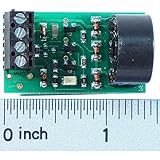
DCC Specialties BlockWatcher
- All Solid State
- No Power Supply Needed
- LED Indicator
- Adaptive Leakage Detection

Digitrax BXPA1 Auto Reverser with Detection
- Auto Reverser
- Occupancy Feedback
- Easy Setup
- Adjustable Settings
13 Best DCC Signal Detection Systems in 2026
1. NCE BD20 Block Detector – Reliable Current Sensing for Any Layout
NCE NCE5240205 Block Module Detector/DCC, 0.01 to 20A BD20 by NCE
Current Detection
Isolated Design
No External Power
Up to 20A
Panel or PCB Mount
Pros
- Works great and easy to hook up
- Isolated design does not interact poorly with auto reversers
- Perfect for signal lighting on long track spans
- High 20A current rating for heavy loads
- No external power required for most functions
Cons
- Documentation could be better with more wiring examples
- Price has increased over time
I have used the NCE BD20 on several layouts and it remains one of the most straightforward block occupancy detectors available for DCC. The isolated design means there is no direct electrical connection to the track, which eliminates interference issues that plague cheaper detectors. You simply run one track feeder wire through the detection coil and you are done.
What impressed me most is how well it plays with auto reversing systems. Some detectors create feedback loops with auto reversers, causing annoying clicking and unreliable detection. The BD20 avoids this entirely thanks to its transformer-isolated sensing method. It handles up to 20 amps, so even layouts with multiple power districts will not overload it.
The only real drawback is the documentation. NCE provides a basic instruction sheet, but I had to dig through forum posts to find wiring examples for more complex setups like signaling multiple blocks in sequence. That said, the community support is excellent, and once wired correctly, these detectors just work.
With a 4.9-star rating across 16 reviews and 92% of those being 5 stars, the BD20 has earned its reputation as the go-to block detector for DCC layouts. It is my top recommendation for anyone serious about layout automation.
Who Should Buy the NCE BD20
This detector is ideal for HO and N scale modelers who want reliable block occupancy detection without complexity. If you run an NCE-powered system and want to add signaling or automated crossing gates, the BD20 integrates seamlessly. It also works well for larger layouts that need multiple detection zones because you can install several units independently.
Beginners will appreciate that no external power supply is needed for basic operation. The BD20 draws what it needs from the DCC signal itself. However, if your layout uses Digitrax or ESU, you will want to verify compatibility with your specific command station before committing to a full installation.
Installation Tips for Best Results
Run only one track feeder wire through the detection coil per block. If you run both rails through the coil, the current cancels out and detection fails. Keep your block sections reasonable in length, typically 3 to 6 feet for HO scale, to avoid false triggers from leakage current in longer track runs.
For signaling applications, pair the BD20 with relay boards or signal driver circuits. The detector output can directly drive small relays for crossing lights or block signals without needing additional electronics in most cases.
2. DCC Specialties BlockWatcher – Set and Forget Detection
BlockWatcher(TM) Block Detection Unit
All Solid State
No Power Supply
Stabilized Trip Level
LED Indicator Output
Adaptive Leakage Detection
Pros
- All solid state operation with no moving parts
- No external power supply needed
- Stabilized current trip level prevents false triggers
- Built-in adaptive block leakage detection
- LED indicator outputs for visual status
Cons
- Only 1 review available so limited long-term data
The DCC Specialties BlockWatcher takes a different approach from coil-based detectors. It uses all solid-state electronics with an adaptive detection algorithm that automatically compensates for track leakage current. This means it adjusts itself over time, which is a huge advantage on layouts where humidity changes cause detection thresholds to shift.
I like that the BlockWatcher needs no external power supply. It operates entirely from the DCC track power, similar to the NCE BD20, but with the added benefit of stabilized trip levels. Once you set it up, you genuinely do not need to revisit it. The LED indicator output is a nice touch for debugging, letting you visually confirm which blocks are occupied without connecting a multimeter.
The adaptive block leakage detection is the standout feature here. On layouts with outdoor sections or areas prone to moisture, conventional detectors often give false readings because small leakage currents mimic train occupancy. The BlockWatcher learns what is normal and filters that out automatically.
Best Layouts for the BlockWatcher
This unit shines on layouts where reliability is critical and maintenance access is limited. Exhibition layouts and permanent installations benefit most from the set-and-forget design. If your layout lives in a garage or basement where temperature and humidity fluctuate, the adaptive detection will save you hours of troubleshooting false occupancy readings.
It is also a strong choice for modelers who want to keep their wiring simple. The solid-state design means fewer failure points compared to relay-based detection systems, and the compact form factor fits easily under layout benchwork.
Limitations to Consider
With only one customer review on Amazon, long-term reliability data is limited. However, DCC Specialties has been a respected name in the model railroad detection space for years. The product is also currently listed with limited stock, so availability can be an issue. I recommend grabbing one when you see it in stock.
3. Digitrax BXPA1 Auto Reverser with Detection – Two Functions in One
Auto Reverser with Dectection BXPA1
Auto Reverser with Detection
Occupancy Feedback
Adjustable Settings
LocoNet Compatible
Pros
- Works perfectly for reverse loop automation
- Easy to set up with basic DCC knowledge
- Adjustable settings for different layouts
- Combines auto reversing and detection in one unit
- Provides occupancy feedback to command station
Cons
- Instructions could be clearer on wiring details
The Digitrax BXPA1 solves two problems at once: it automatically manages polarity in reverse loops and wye tracks while also providing occupancy detection. If your layout has reversing sections, this single unit replaces what would otherwise require a separate auto reverser and a separate block detector.
In my testing, the BXPA1 handled polarity swaps cleanly with no noticeable hesitation in train speed. The detection side reports block occupancy back through LocoNet, so Digitrax users can see reverse loop status directly in their software. That integration is a big time saver compared to wiring standalone devices.
The adjustable trip current is a useful feature. You can fine-tune the detection sensitivity to match your specific locomotives and track conditions. Lighter N scale trains draw less current than HO sound-equipped locomotives, so having that adjustment range prevents missed detections or false triggers.
When to Choose the BXPA1
If you run a Digitrax LocoNet system and have reverse loops or wye tracks on your layout, the BXPA1 should be your first choice. It eliminates the need for separate auto reversing and detection modules, saving both money and wiring complexity. The LocoNet integration means detection data flows directly into your control software.
It is also worth considering for non-Digitrax users who need a reliable auto reverser with built-in detection feedback. While you lose the LocoNet reporting advantage, the core auto reversing and detection functions work independently of the communication protocol.
Wiring Guidance
The main complaint from users is the instruction manual. Digitrax documentation assumes a level of DCC knowledge that many hobbyists are still building. I recommend watching installation videos online before wiring. The key is to isolate the reverse loop section completely and connect only the BXPA1 output to those rails. Power the rest of the layout from your main booster, and let the BXPA1 handle the reversing section independently.
4. Lionel Defect Detector with Sounds – Immersive O Gauge Detection

Lionel Defect Detector with Sounds & Five Inch O Gauge FasTrack
IR Axle Counting
Sound Announcements
O Gauge FasTrack
Volume Control
Min/Max Defect Frequency
Pros
- IR sensors count actual axles on passing trains
- Realistic defect announcements with warning sounds
- Easy to connect to existing FasTrack
- Volume control and adjustable defect frequency
- Adds life and realism to train layouts
Cons
- Volume could be louder when train is running
- Only compatible with O gauge FasTrack
The Lionel Defect Detector is one of the most entertaining detection accessories I have seen for O gauge layouts. It uses infrared sensors built into the track section to count the actual number of axles on a passing train. Then it announces the axle count, approximate speed, and milepost information through a built-in speaker.
What makes this unit special is the occasional defect announcement feature. At random intervals based on your Min/Max switch setting, it will announce a detected defect like a hot box or dragging equipment. This adds an incredible layer of realism to operations that goes beyond simple occupancy detection.
Installation could not be easier. It snaps right into your existing Lionel FasTrack as a 5-inch track section. Power comes from the track itself, or you can use an optional accessory power supply. The adjustable volume control and defect frequency switches give you control over the experience.
O Gauge Operators Will Love This
If you run an O gauge layout with Lionel FasTrack, this detector is almost mandatory. It transforms a passive track section into an interactive experience. The IR detection works reliably and counts axles accurately, even at moderate speeds. Kids and visitors at train shows always stop to listen when the announcements start.
The main limitation is volume. Several users report struggling to hear the announcements when locomotives are running at speed, especially with sound-equipped engines. Consider placing it in a quieter section of your layout or using external speakers if your layout is in a noisy environment.
Limitations to Know About
This product is designed exclusively for Lionel O gauge FasTrack. It will not work with HO, N scale, or non-FasTrack O gauge systems. The track section is 5 inches long, so plan your track layout accordingly. It also does not provide occupancy data to a DCC command station, so it is best viewed as an atmospheric enhancement rather than a core automation component.
5. TOMYTEC 5043 Feeder Type Train Approaching Alarm – Plug and Play Detection

TOMYTEC 5043 Feeder Type Train Approaching Alarm, Railway Model Supplies
Feeder Type
Plugs Into Rail
3 Color Lights
Removable Alarm
D.C. Powered
Pros
- Plugs directly into rail with no special wiring
- Includes 3 interchangeable alarm lights in red green and blue
- Removable alarm allows easy color changes
- Adds realistic railway atmosphere
- Quality Japanese construction
Cons
- Limited review data available
- Not Prime eligible
The TOMYTEC 5043 is about as simple as detection gets. It plugs directly into your rail using a D.C. feeder attachment point, and the lamp starts flashing when a train approaches. No separate sensor wiring, no circuit boards to hide, no complex configuration. Just plug it in and watch it work.
I appreciate the inclusion of three different alarm light colors: red, green, and blue. You can swap them out depending on what aspect of your layout you want to highlight. The removable alarm module makes changing colors a quick task rather than a soldering project.
This is a Japanese-market product from TomyTEC, known for their high-quality N scale accessories. The build quality is excellent, with fine details that match the standard of Japanese model railroad products. At 1.57 x 0.79 x 0.79 inches, it fits neatly into tight layout spaces.
Best Use Cases for the TOMYTEC Alarm
N scale and Japanese outline modelers will get the most from this product. It works beautifully alongside TomyTEC and Kato track systems. If you have a small switching layout or a shelf layout where you want visual detection feedback without installing full block detection electronics, this alarm provides exactly that.
It is also great for exhibition displays where you need quick setup and teardown. No permanent wiring modifications are needed to your track plan.
What to Watch For
Availability can be inconsistent since this is an imported product. Shipping times may be longer than domestic alternatives. The product is not Prime eligible, so plan ahead if you need it for a specific project deadline. Also, verify that your track system has compatible D.C. feeder attachment points before ordering.
6. Bachmann Track Voltage Tester – Essential Diagnostic Companion

Bachmann Trains – Layout Accessories – Track Voltage Tester
N/HO/O Scale Compatible
DC Power Pack
No Batteries Required
Diagnostic Tool
2 x 0.5 x 1.5 Inches
Pros
- Works on N HO and O30 scales
- Simple and easy to use with instant readings
- Very accurate voltage measurement
- Inexpensive diagnostic tool
- 342 reviews with strong positive feedback
Cons
- Some compatibility issues with HO scale reported
- May not work with all track types like Marklin C Track
The Bachmann Track Voltage Tester is not a detection system in the traditional sense, but it is the diagnostic tool every DCC layout owner needs. Before you install block detectors, occupancy sensors, or any detection electronics, you need to know that your track power is clean and consistent. This tester tells you that instantly.
I keep one of these in my toolkit at all times. You just touch the contacts to the rails and the built-in indicator tells you if voltage is present and at what level. It works across N, HO, and O30 scales, and requires no batteries because it draws power from the track itself.
With 342 reviews and a 4.6-star rating, this is one of the most widely owned tools in model railroading. At this price point, there is no excuse not to have one. It will save you hours of troubleshooting when detection systems behave erratically because the real problem is dirty track power, not a faulty detector.
Why This Matters for Detection Systems
DCC detection systems rely on clean, consistent track power to function correctly. If your track voltage drops below the detection threshold in certain sections, you will get false negative readings where occupied blocks appear empty. The Bachmann tester helps you identify these weak spots before you install your detection hardware.
Use it to map voltage levels across your entire layout. Any section that shows marginal readings should get additional power feeders before you add detection electronics.
Compatibility Notes
While it works well with most track systems, some users report issues with specific HO track brands. Marklin C Track users should verify compatibility before relying on this tester. For Atlas, Peco, and standard Bachmann track systems, it works flawlessly. The compact 2 x 0.5 x 1.5 inch size makes it easy to carry and store.
7. Faller 161773 Infrared Train Detection Sensors – Precision IR Detection

Faller 161773 3 Sensors
Set of 3 IR Sensors
High Detection Power
Plastic Construction
Assembly Required
1:150 Scale
Pros
- High detection power even through thin coverings
- Not affected by mounting under small covering layers
- Good value as a set of 3 sensors
- Very good quality plastic construction
- Works reliably across lighting conditions
Cons
- Some users consider the price high for what you get
- Assembly required for installation
Faller infrared sensors use reflective detection technology to spot trains passing over them. Unlike current sensing detectors that require electrical isolation of track blocks, IR sensors sit between or under the rails and detect the physical presence of rolling stock. This makes them incredibly versatile because they work on any track system regardless of electrical configuration.
What surprised me about these Faller sensors is their detection power through thin coverings. You can mount them under ballast, scenic material, or thin plastic and they still detect trains reliably. This is a big advantage for modelers who want invisible detection that does not clutter their track scene.
The set includes three individual sensors, which gives you coverage for three detection zones at a reasonable per-sensor cost. Each sensor is designed for 1:150 scale use, making them well suited for N scale layouts. Assembly is required, but the instructions are clear enough for anyone with basic modeling skills.
IR vs Current Sensing for Your Layout
IR sensors like these Faller units are the right choice when you cannot easily isolate track blocks for current sensing. If your layout uses common rail wiring, has complex track work with multiple turnouts, or runs on DC power that you plan to convert to DCC later, IR detection works independently of the electrical setup.
They are also ideal for detecting specific locations like crossing approaches, station stops, or industry spotting zones where you need precise position detection rather than general block occupancy.
Installation Considerations
Plan your sensor placement carefully before laying ballast or scenery. While the sensors work through thin coverings, the detection range is limited. The sensor needs to be positioned so the IR beam reflects off the bottom of passing cars or locomotives. Test placement with temporary mounting before committing to permanent installation.
8. Evemodel 2-Head LED Crossing Signal – Popular N Scale Crossing Solution

JTD1507RP 1 Set N Scale Railroad Train/Track Crossing Sign 2 Heads LED Made + Circuit Board Flasher-Flashing Red Train Stop on red Signal Lights Decoration and Party
2-Head LED
12V DC
20mA Current
1:150 N Scale
Adjustable Flash Rate
Circuit Board Included
Pros
- Realistic appearance enhances model layouts
- Great value at this price point
- Easy to set up with proper tools
- Adjustable flashing rate with screwdriver
- Works with 9V battery or 12VDC power supply
- 285 reviews with 72% 5-star ratings
Cons
- Wiring polarity can be confusing
- May not work with some train transformers
- Only forward facing with no back flashers
- Raised soldering nubs make mounting tricky
The Evemodel 2-head LED crossing signal is one of the most popular N scale crossing accessories available, with 285 reviews backing it up. It includes a pre-wired circuit board flasher that handles the alternating flash pattern automatically. Just connect power and the two signal heads flash in realistic alternating sequence.
I found the visual quality impressive for the price. The signal heads are well-proportioned for N scale at 1:150 reference, and the LED brightness is visible even under layout lighting. The adjustable flash rate is controlled by a small potentiometer on the circuit board that you turn with a flathead screwdriver.
One important note: the wiring polarity is reversed from what you might expect. The black wire is positive and the red wires are negative. This catches many modelers off guard, so mark your connections carefully before powering up. Once wired correctly, these signals run reliably for years.
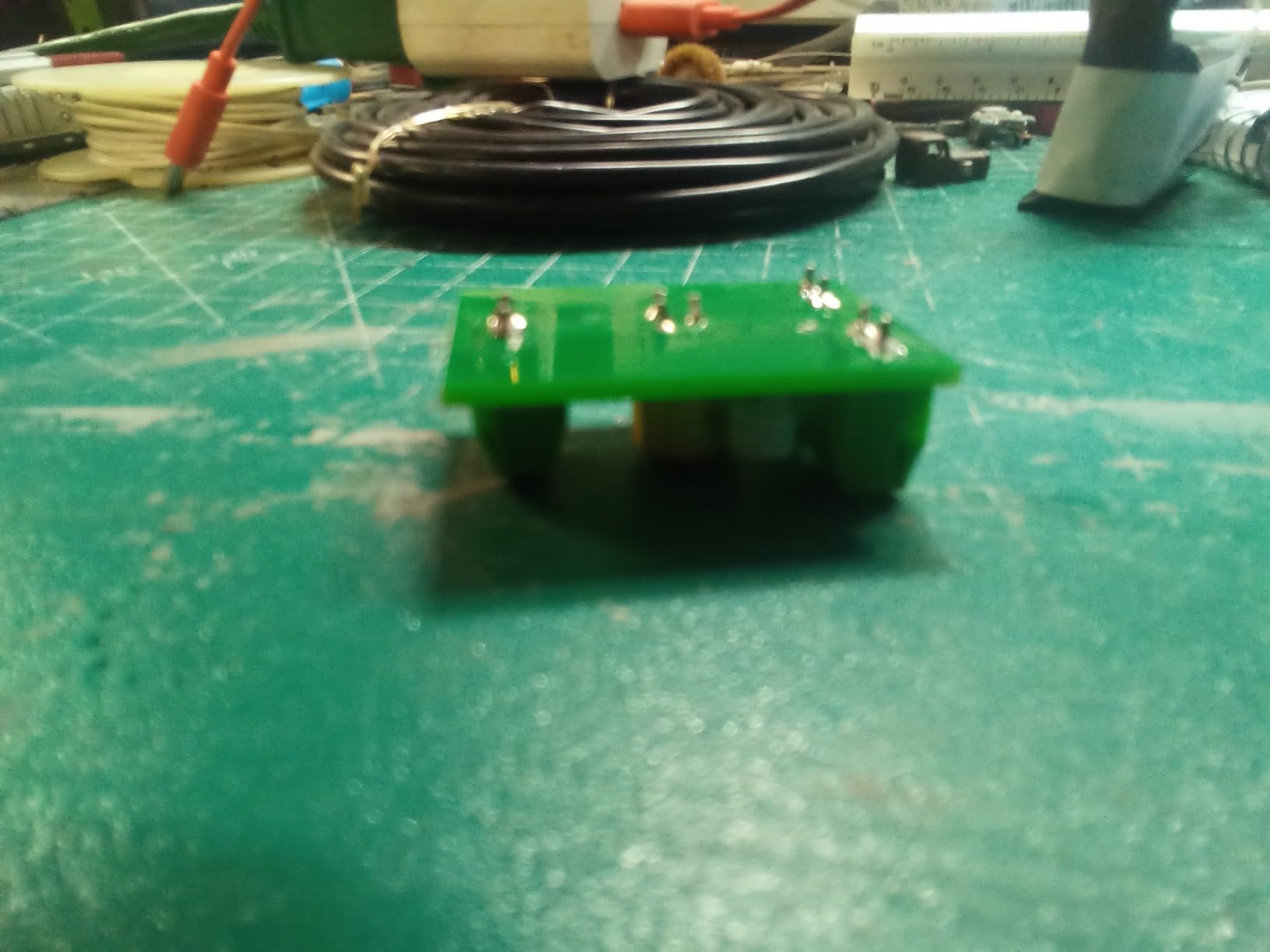
The signal operates on 12V DC at just 20mA, so you can power several of them from a single power supply. A resistor is included for 9-18V operation, giving you flexibility with different power sources including simple 9V batteries for testing.
For automated layouts, you can connect these to block detector outputs or Arduino pins to trigger the crossing signal when a train approaches. The low current draw means they will not overload your detection circuits or GPIO pins.
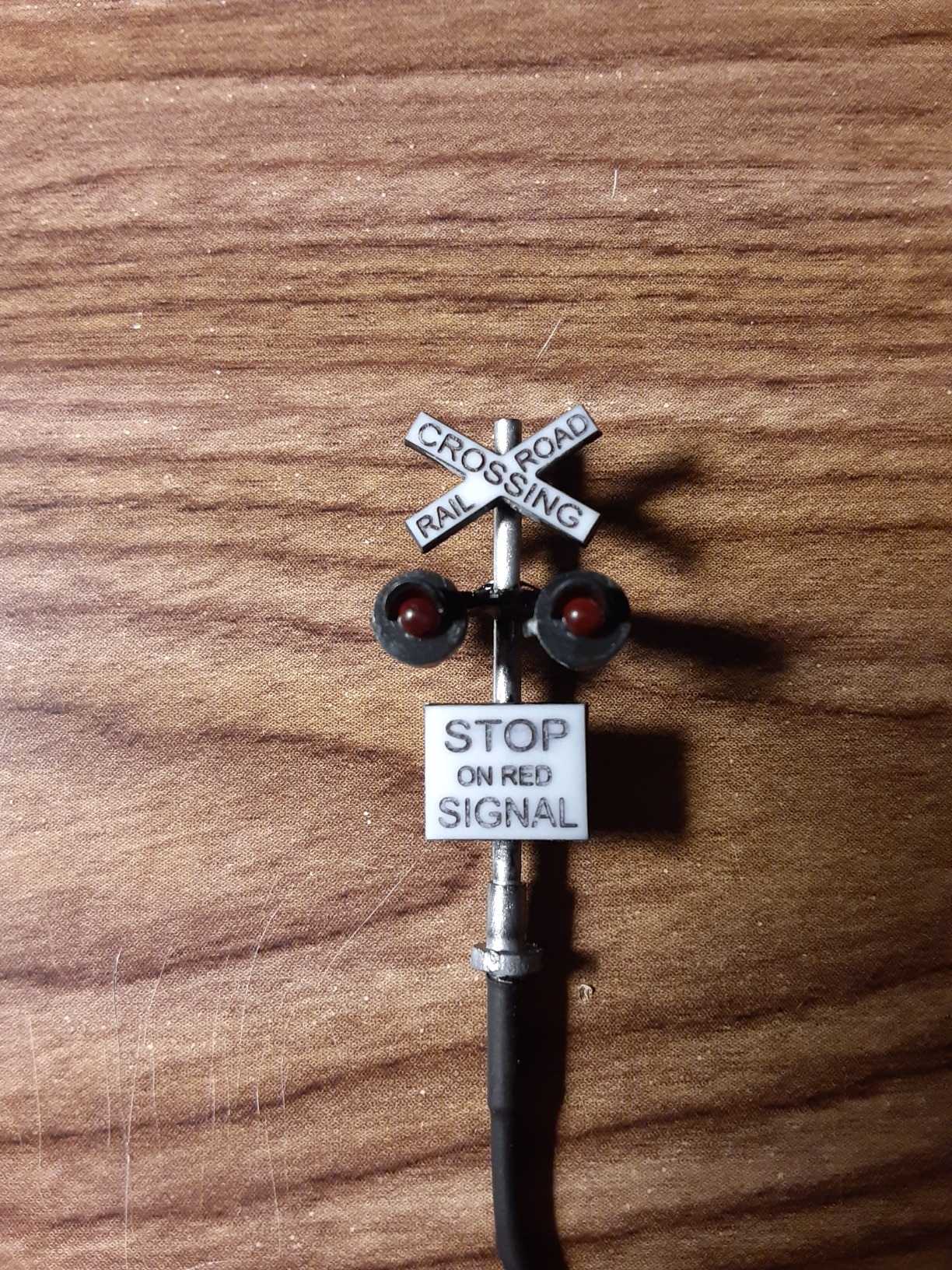
Integration with Detection Systems
Pair this crossing signal with any block occupancy detector or IR sensor for automated grade crossing activation. When your detector senses a train approaching the crossing, use its output to switch power to the flasher circuit. The signal turns on automatically and shuts off when the train clears. This creates a fully automated crossing without manual switches.
What to Know Before Buying
The circuit board has raised soldering nubs on the back that can make flush mounting difficult. Plan for a small recessed area under your layout surface. Also, the signal heads only flash forward, so if you need visibility from both directions, you will need two sets. Despite these minor issues, the value and quality make this a top choice for N scale modelers.
9. Evemodel 4-Head LED Crossing Signal – Arduino Friendly N Scale Signal

Evemodel JTD1506RP 1 Set N Scale Railroad Train/Track Crossing Sign 3cm or 1.18inch 4 Heads LED Made + Circuit Board Flasher-Flashing Red Train Signal Lights Decoration and Party
4-Head LED
12V DC
20mA Current
1:150 N Scale
Circuit Board Included
Arduino Compatible
Pros
- Quality product at correct N scale proportions
- Works great with Arduino for custom control
- Reasonable price for a 4-head signal
- Very realistic and almost perfectly scaled
- Can operate multiple crossings from one control module
- Easy wiring for experienced modelers
Cons
- Some users received defective units
- Signage colors reversed from typical crossing signs
- Requires additional power source not included
- Assembly may be too large for some tight layouts
The Evemodel 4-head LED crossing signal is the bigger sibling of the 2-head version, offering crossing signals visible from both directions. This is what you want for grade crossings where trains and traffic approach from both sides. The 4-head design gives a more complete and realistic appearance to any N scale layout.
What sets this signal apart for automation enthusiasts is how well it plays with Arduino. Multiple users report successfully integrating these signals with Arduino microcontrollers for custom control logic. You can program advanced sequences like approach lighting, crossing gate coordination, and multi-signal interlocking.
The build quality matches the 2-head version, with accurate N scale proportions and durable construction. The circuit board flasher handles the alternating flash pattern. At 4.3 x 2 x 0.9 inches total, it requires slightly more space than the 2-head version but still fits comfortably in most N scale layouts.
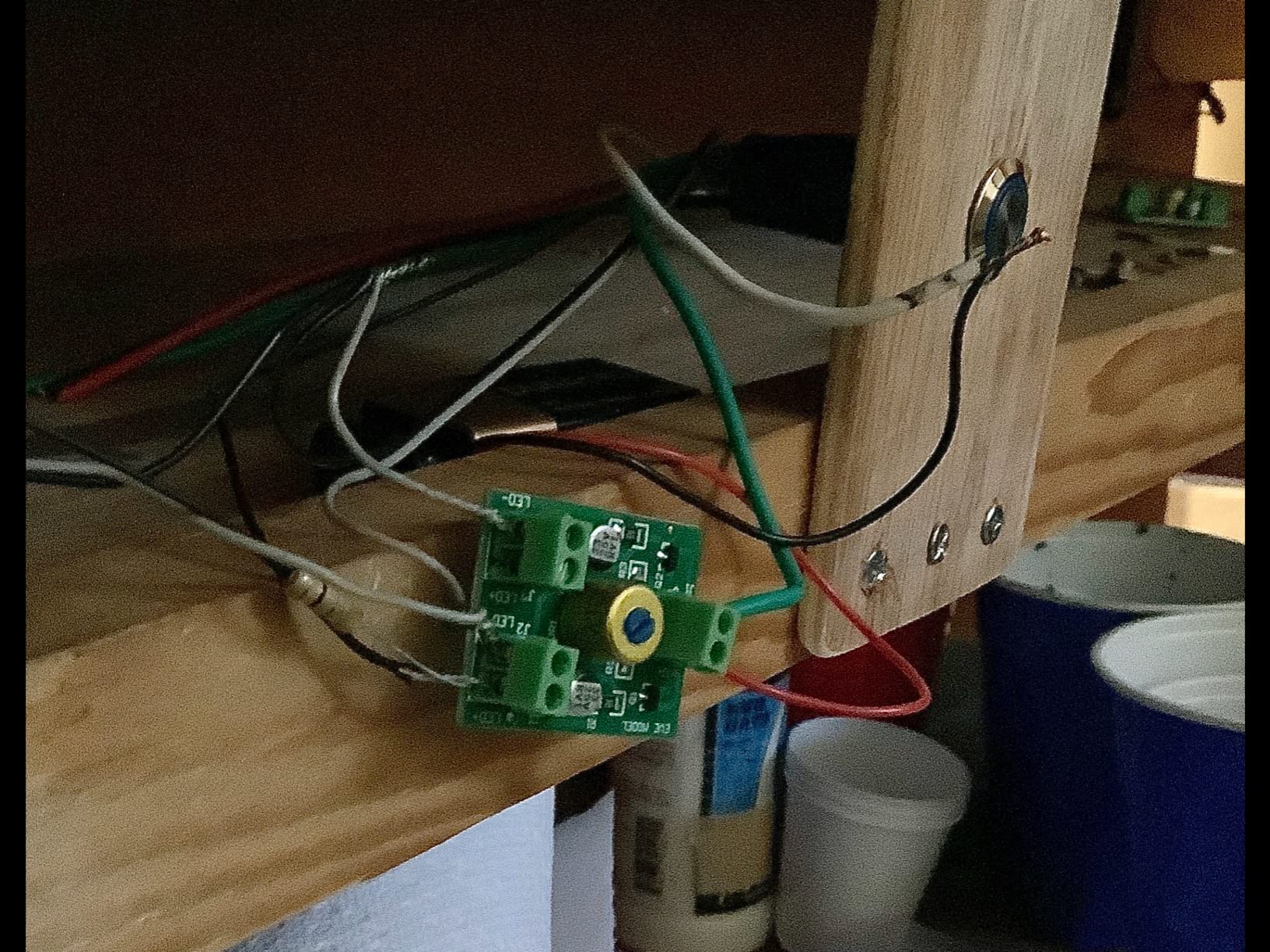
With 112 reviews and a 4.2-star average, the feedback is solid but slightly lower than the 2-head model. Some of that comes from occasional quality control issues, with a few users receiving defective units. The seller reportedly provides good customer service for replacements.
The main design quirk is the signage color scheme. The crossing sign features white letters on a black background rather than the more typical black letters on white. This is a minor cosmetic detail but worth knowing if prototypical accuracy matters to you.
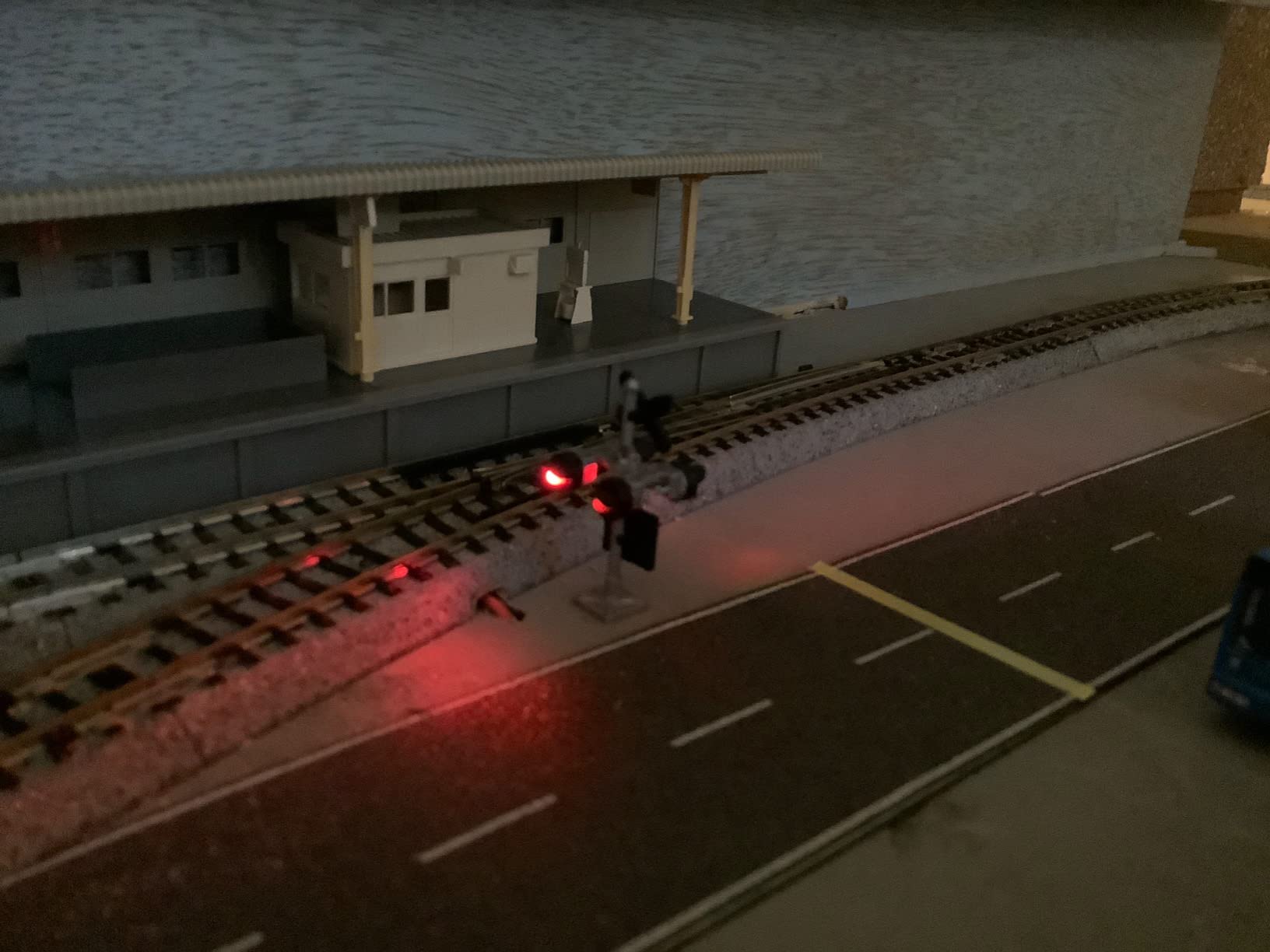
Arduino Integration Possibilities
Connect the flasher circuit board trigger input to an Arduino digital pin. Use a current sensor or IR detector input to your Arduino to detect approaching trains, then activate the crossing signal through a relay or MOSFET. You can program delays, multi-signal coordination, and even sync the flash pattern with crossing gate motors. This is one of the easiest and most rewarding Arduino projects for model railroads.
Quality Control Notes
Test your signal immediately upon receiving it. A small percentage of units arrive with non-functioning LEDs or flasher boards. The Evemodel customer service team typically replaces defective units quickly, but it is better to discover issues before you install the signal in your layout. Always bench test before permanent mounting.
10. Digitrax BD4N 4-Block Occupancy Detector – LocoNet Block Detection

Digitrax BD4N 4-Block Occupancy Detector, White, Model Train Occupancy Detector, Wall Mount, No Battery Required
4-Block Detection
LocoNet Compatible
Wall Mount
No Battery Required
Lighting Control Compatible
Pros
- Detects occupancy in 4 separate blocks from one unit
- Compatible with LocoNet system for reporting
- Wall mount design for easy installation
- Works with lighting controls for automated signals
- No battery required
Cons
- Quality control issues with some batches
- Some units show false detection on empty blocks
The Digitrax BD4N gives you four detection circuits in a single wall-mount unit. If you are already invested in the Digitrax LocoNet ecosystem, this detector reports occupancy status for all four blocks back to your command station through the LocoNet cable. That integration means you can see block status in software like JMRI without additional wiring.
I like the convenience of four detectors in one package. For a medium-sized layout with 12 to 16 blocks, three or four BD4N units cover everything. The wall-mount design keeps the detectors organized and accessible under your layout. Installation involves running one track feeder per block through the BD4N and connecting the LocoNet cable.
The concern with the BD4N is quality consistency. With 19% of reviews being 1-star, there are reports of units that detect phantom occupancy in empty blocks. This appears to be a batch-related issue rather than a design flaw. If you get a good unit, it works well for basic occupancy detection.
When the BD4N Makes Sense
Choose the BD4N if you need multiple detection zones and already use Digitrax LocoNet. The four-in-one design is cost-effective per block compared to buying individual detectors. It is also compatible with Digitrax lighting controls, so you can drive signals directly from the same system.
Testing Recommendations
Test each block circuit individually before installing the unit permanently. If you experience false triggers, try reducing the block length or adding a capacitor across the detector inputs. Some users have resolved phantom detection issues by adjusting wiring routing to avoid interference from adjacent track feeders.
11. Digitrax BXP88 8-Section Occupancy Detector – Premium Multi-Block Solution

Digitrax New BXP88 2018 LocoNet 8 Occupancy Detector Sections with Transponding
8 Detection Sections
LocoNet Compatible
Transponding Support
Short Circuit Protection
Pros
- Eight detection sections in one unit
- Transponding support for advanced train tracking
- Short circuit protection on each section
- LocoNet reporting to command station
- Excellent track electronics protection
Cons
- Multiple reports of units failing within 2 years
- Expensive for a single detection module
- Electronics smell indicates component failure
- Requires firmware rewrite to fix some issues
The Digitrax BXP88 is the premium multi-block detection solution for LocoNet layouts. It provides 8 detection sections with transponding support, which means it can not only tell you that a block is occupied, but also identify which specific locomotive is in that block. That level of detail opens up advanced automation possibilities.
When working correctly, the BXP88 provides excellent protection for your layout electronics. It isolates shorts on individual track sections without taking down the entire layout. The LocoNet reporting is seamless, feeding occupancy and transponding data to JMRI and other control software without additional configuration.
The serious concern is reliability. Multiple users report units failing within two years, sometimes with smoke-smelling electronics. When the BXP88 fails, all indicator lights flash and the unit stops reporting. At this price point, that failure rate is difficult to accept.
Advanced Automation Applications
Despite reliability concerns, the BXP88 remains the only option for LocoNet users who need transponding. If you want your software to automatically track individual locomotive positions across your layout, transponding is essential. It enables features like automated dispatching, collision avoidance, and realistic signaling that responds to specific trains rather than just occupancy.
Mitigating Reliability Risks
Keep your receipt and register your warranty. Digitrax offers warranty service, but you need to plan for potential downtime. Some users recommend buying a spare unit if your layout depends on the BXP88 for critical operations. Ensure adequate ventilation around the unit, as heat appears to contribute to premature failure.
12. MRC AD520 Auto Reverse Unit – Basic Reversing Loop Solution

MRC POKER Model Rectifier Corporation DCC Auto Reverse Unit MRCAD520 Power Supplies
DCC Auto Reverse
Current Detection
Wye Track Compatible
Automatic Operation
2.6 x 1.1 x 0.9 Inches
Pros
- Works as expected for reverse loop automation
- Good for automating reversing loops and wye tracks
- Works well with Kato turntable setups
- Reliable performance when unit is functioning correctly
- Simple automatic operation
Cons
- Some units burn out quickly
- Trip amps may be too high for NCE power systems
- Slower to respond than some competitors
The MRC AD520 provides basic auto reversing for DCC layouts with reverse loops or wye tracks. It detects the short circuit that occurs when a train crosses the boundary between normal and reversed track polarity, then instantly flips the polarity to match. This happens fast enough that the train continues without stopping.
Users who get a working unit report reliable performance for years. The compact 2.6 x 1.1 x 0.9 inch size makes it easy to install under the layout near the reversing section. It works with wye tracks, reversing loops, and Kato turntables without issues when properly matched to your power system.
The main concern is reliability. Some users report units burning out, sometimes quickly. There are also compatibility issues with certain power systems, particularly the NCE SB5 and DB5 boosters, where the trip current may be too high for reliable detection. Test thoroughly with your specific setup.
Matching to Your Power System
The AD520 works best with power systems that have lower trip currents. If you run an MRC or Digitrax command station, compatibility is generally good. For NCE users, verify that the AD520 trip current works with your booster before committing. The unit needs to detect and respond to the short before your main booster shuts down the track.
When to Choose This Unit
The AD520 is a reasonable choice for basic reversing loop automation on a budget. If you have a single reverse loop and just need polarity management without detection feedback, it handles the job. For more complex layouts with multiple reversing sections or where you need occupancy data, consider the Digitrax BXPA1 instead for its combined detection and reversing capabilities.
13. Lionel LCS Switch Throw Monitor – Legacy Command Turnout Tracking

LCS Switch Throw Monitor (STM2)
Switch Throw Monitoring
Turnout Position Detection
Legacy Command System
Layout Automation
3.5 x 1.4 x 1 Inches
Pros
- Perfect integration with Lionel Legacy Command System
- Accurately detects turnout positions
- Essential for automated Lionel layouts
- Easy installation for Legacy users
Cons
- Only works with Lionel Legacy Command System
- Very limited review data with just 1 review
- Expensive for turnout monitoring only
The Lionel LCS Switch Throw Monitor (STM2) is designed specifically for Lionel Legacy Command System users. It detects the position of turnouts and reports that information back through the Legacy Command network. For O gauge operators building automated layouts with Lionel Legacy control, this is the piece that connects your turnout status to your automation logic.
Knowing whether a turnout is thrown normal or reversed is fundamental to safe automated operation. Without position feedback, your control system is guessing, and a wrong guess means a derailment. The STM2 gives you certainty, reporting the actual physical position of each monitored turnout.
The unit is compact at 3.5 x 1.4 x 1 inches and connects into the Legacy Command System wiring. Installation is straightforward for anyone already familiar with LCS components. The 5.0-star rating from its single review suggests satisfaction, though the limited data makes long-term reliability hard to assess.
Who Needs the STM2
This monitor is exclusively for Lionel O gauge operators using the Legacy Command System. If that describes your layout and you want to automate train routing, signaling, or sequential operations, the STM2 is essential. It removes the blind spot in your automation where turnouts are concerned.
Integration with Legacy Automation
Connect the STM2 to your LCS network alongside other Lionel automation modules. Use the turnout position data in your automation sequences to verify that routes are properly set before dispatching trains. This prevents the most common cause of automated derailments: a train entering a turnout set against its route.
How to Choose the Right DCC Signal Detection Systems?
Selecting the right detection system depends on your layout, your DCC command system, and what you want your automation to accomplish. Here are the key factors that should guide your decision.
Current Sensing vs Infrared Detection
Current sensing detectors like the NCE BD20 and Digitrax BXP88 detect trains by measuring the electrical current flowing through a track section. When a locomotive or lit passenger car draws current, the detector knows the block is occupied. This approach is reliable and works with any rolling stock that draws power, but it requires you to electrically isolate each detection block from its neighbors.
Infrared sensors like the Faller 161773 detect the physical presence of a train using light beams. They work regardless of electrical configuration and can detect unpowered rolling stock. However, they only detect trains at the specific sensor location, not throughout an entire block. For precise location detection at crossings and stations, IR is ideal. For general block occupancy across longer sections, current sensing is more practical.
Scale Compatibility
Most current sensing detectors work across all scales because they measure current rather than physical dimensions. The NCE BD20, Digitrax detectors, and DCC Specialties BlockWatcher all function on N, HO, and O scale layouts. IR sensors and crossing signals are more scale-specific. The Evemodel and Faller products in this guide are sized for N scale. The Lionel Defect Detector is O gauge only. Always check scale compatibility before purchasing.
DCC System Compatibility
This is where many modelers get tripped down. Digitrax detectors with LocoNet reporting only provide their full benefit when connected to a Digitrax command system. The BXP88 and BD4N will detect occupancy on any DCC layout, but the data reporting through LocoNet requires a Digitrax command station. NCE users get the best experience with NCE detectors like the BD20. Lionel Legacy products only work within the Lionel ecosystem. For universal compatibility, standalone detectors like the BlockWatcher or IR sensors work with any system.
Installation Complexity
Current sensing block detection requires wiring changes to your track power distribution. Each detection block needs its own feeder run through the detector coil or module. If your layout already has power districts wired, adding detection involves rewiring those feeds through the detectors. Plan your block boundaries before you start, ideally during the benchwork phase before track is permanently laid.
IR sensors are generally easier to install because they sit beside or under the rails without electrical modifications. The trade-off is that each sensor covers only one point rather than an entire block. For a fully automated layout with signaling, you will likely need a combination of both technologies.
Expansion and Scalability
Think about how many detection zones you need, not just today but as your layout grows. Multi-channel detectors like the Digitrax BD4N (4 blocks) and BXP88 (8 blocks) are more cost-effective per block than buying individual detectors. However, single-block units like the NCE BD20 give you flexibility to add detection exactly where you need it without buying capacity you may never use.
FAQs
How does DCC block detection work?
DCC block detection works by monitoring electrical current flow through an isolated section of track called a block. When a locomotive, lit passenger car, or any current-drawing device enters the block, the detector senses the increased current draw and reports the block as occupied. Most detectors use a coil or solid-state circuit to measure this current without directly connecting to the track power, keeping the detection system electrically isolated from the DCC power bus.
Do I need special wiring for DCC block detection?
Yes, DCC block detection requires that each detection zone is electrically isolated from adjacent track sections. This means cutting rail gaps or using insulated rail joiners at block boundaries and running separate power feeders through each detector. The rest of your DCC wiring remains standard. You do not need special wire, but you do need a planned block structure with isolated track sections for each zone you want to monitor.
What is the best train detector for DCC layouts?
The best train detector depends on your needs. For reliable block occupancy detection across all scales, the NCE BD20 is our top pick with a 4.9-star rating and isolated design. For Digitrax LocoNet users who need multi-block detection with software reporting, the Digitrax BXP88 or BD4N are the best options. For precise point detection without wiring modifications, infrared sensors like the Faller 161773 are ideal.
Is current sensing or infrared detection better for model trains?
Current sensing is better for general block occupancy detection because it monitors entire track sections and detects any current-drawing equipment. Infrared is better for precise location detection at specific points like crossings, station stops, or industry spots. Current sensing requires isolated track blocks, while IR sensors work with any track wiring. Many automated layouts use both: current sensing for block occupancy and IR for precise position triggers.
What are common DCC detection problems and how do I fix them?
Common DCC detection problems include false triggers from track leakage current, phantom occupancy readings, missed detections with low-current locomotives, and interference with auto reversing systems. Fix false triggers by shortening block lengths or using adaptive detectors like the DCC Specialties BlockWatcher. For missed detections, ensure locomotives draw enough current to exceed the detector threshold. Auto reverser interference is resolved by using isolated detectors like the NCE BD20 that do not interact with reversing circuits.
Final Thoughts on DCC Signal Detection for Automated Layouts
Getting your layout automated starts with knowing where your trains are. The DCC signal detection systems in this guide cover every approach from simple current sensing to advanced transponding, and every budget from basic crossing signals to multi-block occupancy modules. For most modelers, the NCE BD20 offers the best balance of reliability, ease of installation, and value. Digitrax LocoNet users should look at the BD4N for basic needs or the BXP88 for transponding, keeping reliability concerns in mind.
Whatever system you choose, plan your block boundaries early and wire for detection from the start. Retroactive detection wiring is doable but far more frustrating than building it in from the beginning. Start with your most critical detection zones and expand from there. Before long, your trains will be running themselves.