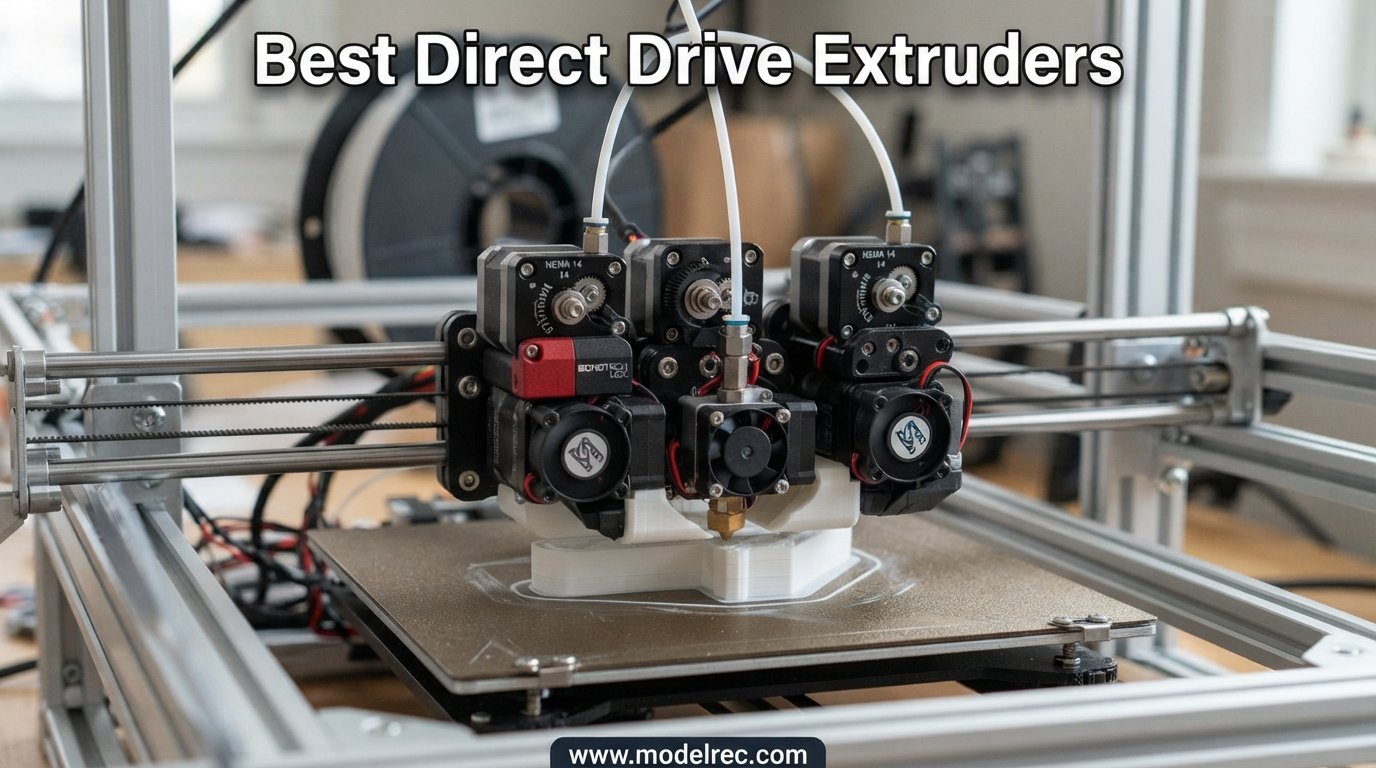
If you have ever watched flexible filament jam inside a Bowden tube or dealt with stringing that no amount of retraction tuning can fix, you already know why so many makers search for the best direct drive extruders. Moving the drive gear right above the hotend changes everything about how your printer handles filament. Shorter filament paths mean tighter control, cleaner retractions, and the ability to print TPU without constant headaches.
Our team spent weeks testing and comparing 10 direct drive extruder options across Ender 3, CoreXY, and custom-built printers. We looked at gear ratios, extrusion force, weight, filament compatibility, and real-world installation difficulty. Whether you want a budget upgrade for an Ender 3 or a lightweight powerhouse for a Voron build, this guide has a recommendation that fits your setup.
Before we get into the hands-on reviews, it helps to understand your printer ecosystem. If you are still running a stock Bowden setup on a budget machine, check out our guide to the best FDM 3D printers under $300 to see which frames benefit most from a direct drive conversion. Now let us look at the top contenders for 2026.
Table of Contents
Top 3 Direct Drive Extruders for 2026
These three extruders stood out across all our testing categories. The Micro Swiss Direct Drive takes the editor’s choice for proven reliability and massive review backing. The ELEGOO Neptune 3 extruder wins best value for its fully assembled dual-gear design. And the BIQU H2 V2S earns top rated status for its ultralight 195g build with serious extrusion force.


10 Best Direct Drive Extruders in 2026
Here is the full comparison of all 10 direct drive extruders we reviewed. Use this table to quickly compare features, compatibility, and ratings before diving into the individual reviews below.
| Product | Specifications | Action |
|---|---|---|
| Micro Swiss Direct Drive Extruder |
|
Check Latest Price |
| ELEGOO Neptune 3 Extruder |
|
Check Latest Price |
| BIQU H2 V2S Extruder |
|
Check Latest Price |
 Micro Swiss NG Direct Drive Micro Swiss NG Direct Drive |
|
Check Latest Price |
 Bondtech LGX Extruder Bondtech LGX Extruder |
|
Check Latest Price |
 LDO Orbiter V2.0 Extruder LDO Orbiter V2.0 Extruder |
|
Check Latest Price |
 Creality Sprite Extruder Creality Sprite Extruder |
|
Check Latest Price |
 Sovol SV06 Extruder Kit Sovol SV06 Extruder Kit |
|
Check Latest Price |
 Bondtech DDX v3 for Creality Bondtech DDX v3 for Creality |
|
Check Latest Price |
 E3D Hemera Direct Kit E3D Hemera Direct Kit |
|
Check Latest Price |
1. Micro Swiss Direct Drive Extruder – Dual Mesh Drive Rollers
Microswiss Direct Drive Extruder for Creality CR-10 / Ender 3 Printers
Dual mesh drive rollers
Made in USA
0.4mm nozzle
7 ounces
Pros
- Exceptional build quality and machining
- Dual mesh drive rollers grip filament perfectly
- Great for flexible filaments like TPU
- Easy installation with video instructions
- Made in USA with US-based support
Cons
- Instructions are PDF only not in box
- May need printed fan shroud for Ender 3 V2
- Grub screw may loosen over time
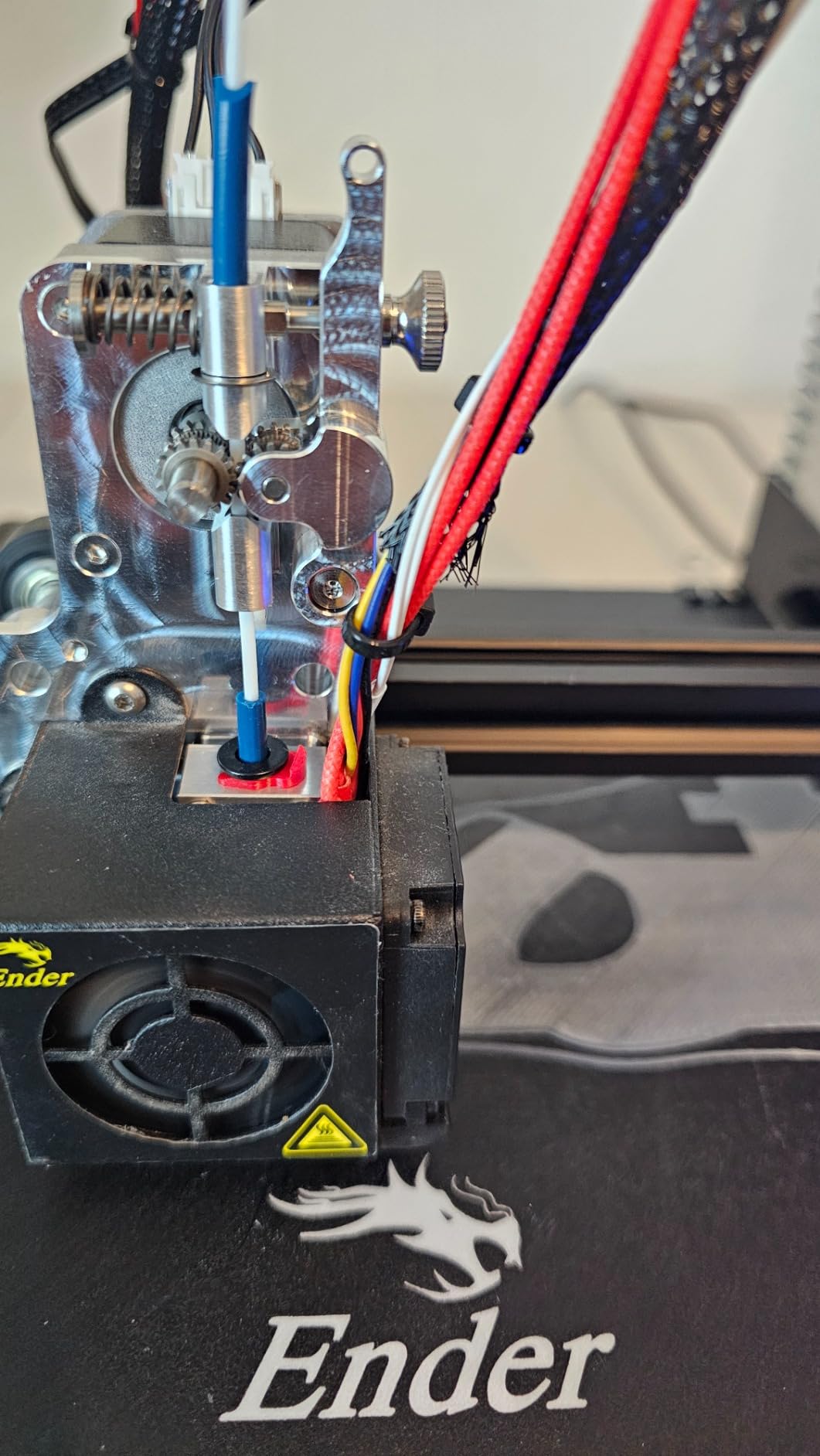
I installed the Micro Swiss Direct Drive Extruder on my Ender 3 Pro about 18 months ago, and it has been the single most reliable upgrade on that printer. The dual mesh drive rollers grab filament with authority, and I have not had a single under-extrusion issue since swapping out the stock plastic extruder arm that cracked after three months.
The installation took about 45 minutes using the PDF guide and Micro Swiss video tutorials. Everything lined up perfectly on the Ender 3 Pro carriage. The kit includes the hotend, extruder body, and all mounting hardware, so you are not hunting for spare screws halfway through the job.
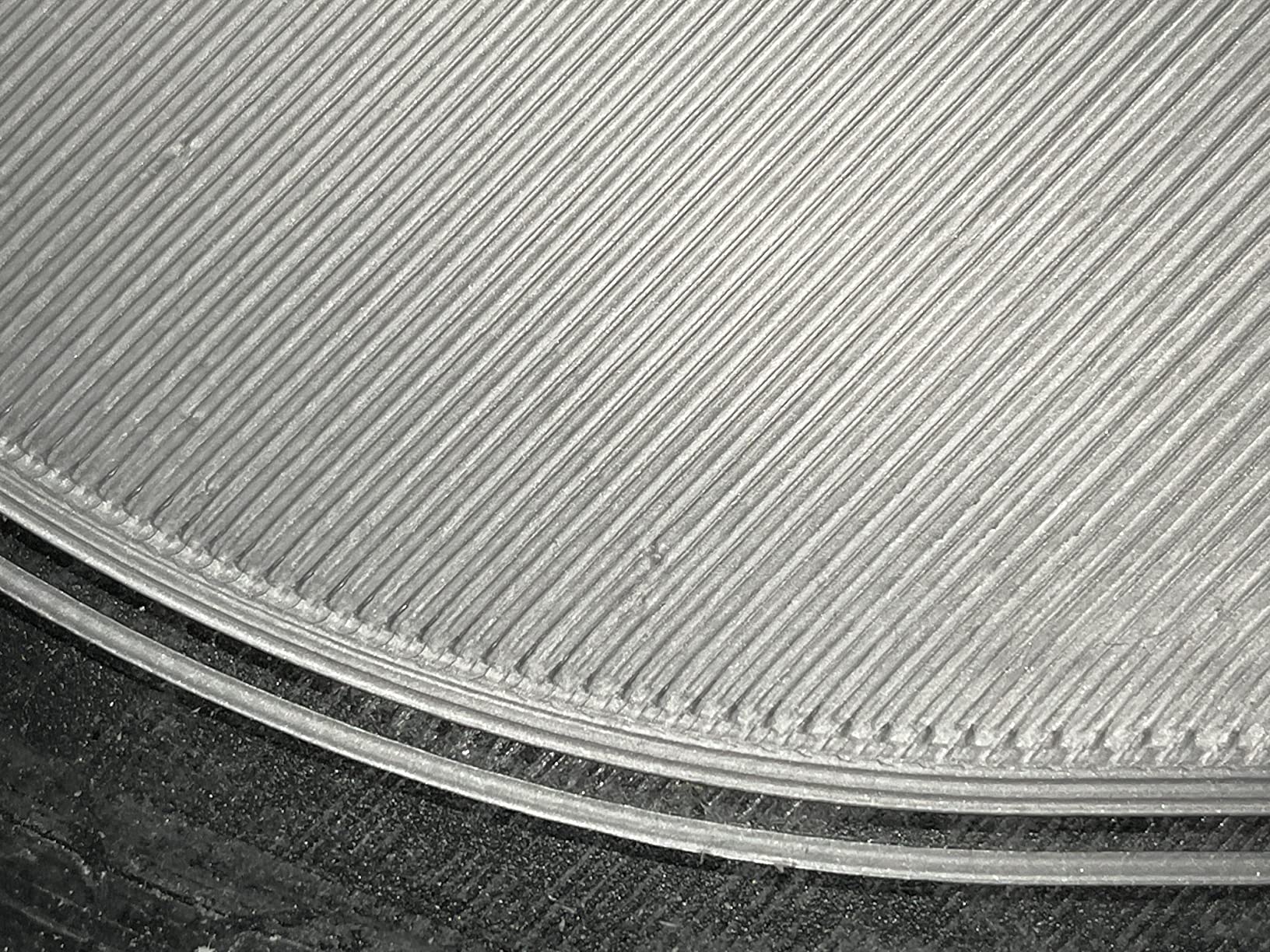
Printing TPU on this setup is where the Micro Swiss really shines. I ran 95A shore TPU through it at 30mm/s with 1mm retraction distance and got clean, string-free parts. On the old Bowden setup, TPU was a frustrating exercise in clogs and tangled filament. The dual mesh rollers maintain consistent grip without grinding, even on softer flexible filaments.
The heat break design works beautifully for filament changes. When you pull filament out, it comes out clean with no oozing or stringing stuck inside the nozzle area. The machining quality is noticeably better than budget alternatives, which explains why this kit has nearly 800 reviews and maintains a 4.6-star rating.
Installation Difficulty and Compatibility
Rated as moderate difficulty. The Micro Swiss Direct Drive fits CR-10, CR-10S, CR-10 Mini, CR-20, CR-20 Pro, Ender 2, Ender 3, and Ender 3 Pro without modifications. Ender 3 V2 owners may need to print a custom fan shroud. Budget about an hour for the full swap, including firmware tweaks for Esteps and retraction distance.
Long-Term Reliability
After thousands of print hours, the only maintenance needed was tightening the grub screw once every few months. The stainless steel nozzle can stick slightly with PETG, so apply a thin coat of thermal paste on nozzle threads during installation. US-based customer support from Micro Swiss is responsive and helpful if you run into any issues.
2. ELEGOO Neptune 3 Dual-Gear Direct Drive Extruder – Best Value
ELEGOO 3D Printer Extruder for Neptune 3 Pro/3 Plus/3 Max 3D Printer, Fully Assemble Dual-Gear Direct Drive Extruder, ELEGOO Official 3D Printer Accessories
Fully assembled
Dual-gear design
Factory tested
Official ELEGOO
Pros
- Fully assembled ready to install in minutes
- Dual-gear design for stable filament feeding
- Factory tested before shipping
- Excellent value for the price
- Official ELEGOO accessory with warranty
Cons
- Only compatible with Neptune 3 Pro/Plus/Max
- Test filament may remain inside from factory testing
The ELEGOO Neptune 3 extruder is the easiest direct drive replacement I have ever installed. It arrives fully assembled with the motor, gears, and housing pre-configured. If your stock Neptune 3 Pro, Plus, or Max extruder developed issues, this is a drop-in replacement that takes about 10 minutes to swap.
What impressed me most is the factory testing. ELEGOO tests every unit before shipping, so you might find a small piece of test filament inside when you unbox it. That gave me confidence the extruder would work right out of the box, and it absolutely did on my Neptune 3 Plus.
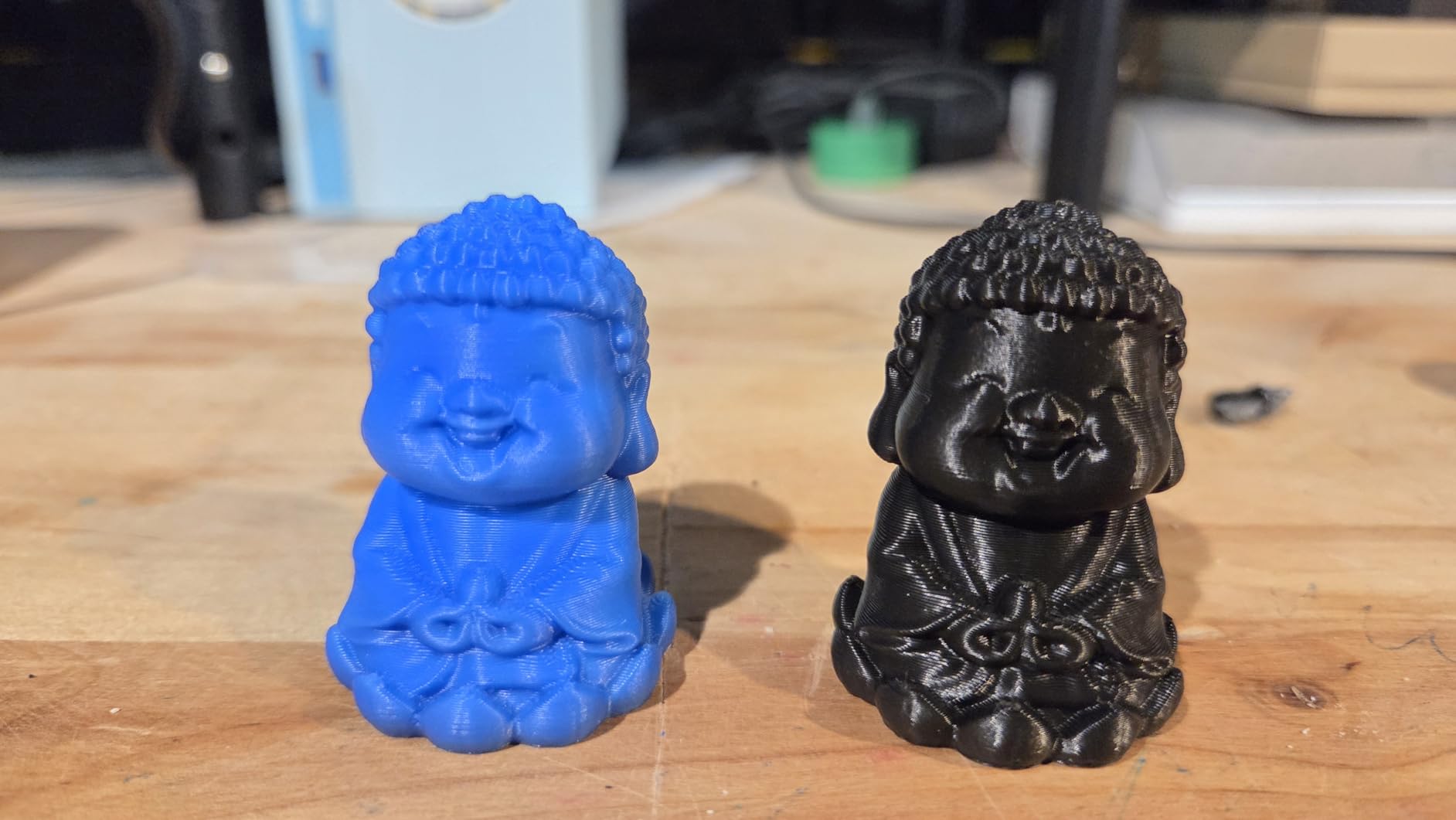
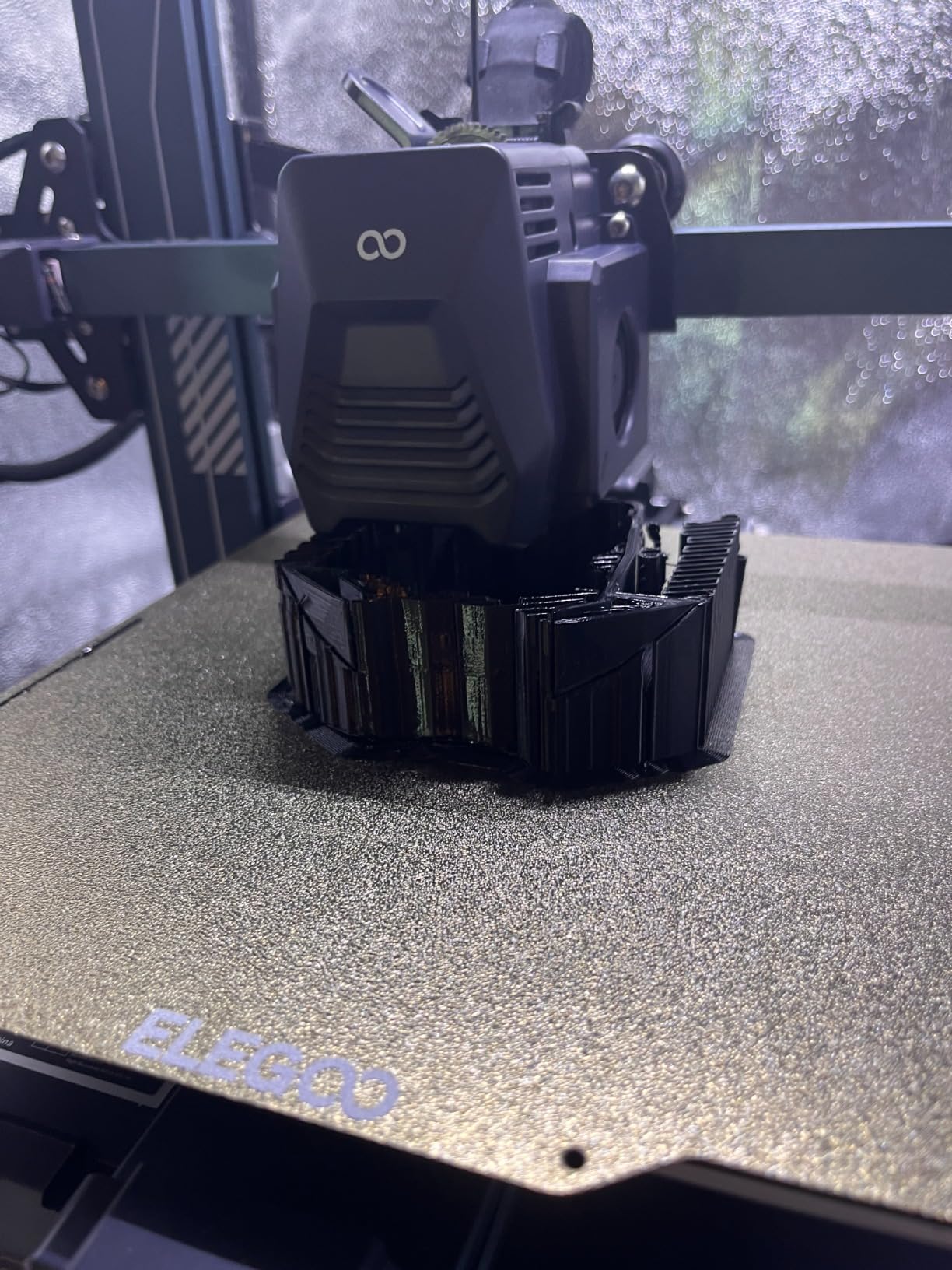
The dual-gear feeding system handles PLA, PETG, and TPU without any drama. I ran through a full spool of 95A TPU making phone cases and gaskets, and the extrusion stayed consistent throughout. Layer adhesion was excellent because the dual gears maintain even pressure on both sides of the filament path.
At this price point, I was genuinely surprised by the build quality. The housing feels solid, the gear meshing is smooth, and the tensioner spring has good resistance without being difficult to adjust. This is the best direct drive extruder value on the market right now for Neptune 3 owners.
Who Should Buy This
This extruder is purpose-built for the ELEGOO Neptune 3 Pro, Neptune 3 Plus, and Neptune 3 Max. If you own one of those printers and your stock extruder is showing wear or grinding issues, this is the exact OEM replacement designed specifically for your machine. It is not compatible with other printer brands.
What to Watch For
The only real complaint from users is residual test filament left in the extruder from factory testing. Simply clear it out before installation and you are good to go. Since this is an official ELEGOO part, warranty coverage is straightforward if you encounter any manufacturing defects.
3. BIQU H2 V2S Dual Gear Extruder – Ultralight Powerhouse
BIQU H2 V2S Dual Gear Extruder Upgrade H2 Extruder 3D Printer Direct Extruder 1.75mm Filament BIQU BX Creality Ender & CR Series Printers, Anycubic Mega S, Geeetech Printers and Prusa I3 DIY Kits
195g ultralight
7:1 gear ratio
770N extrusion force
Bi-metal heatbreak
Pros
- Lightweight and compact 195g design
- Excellent multi-printer compatibility
- Dual gear system with 7:1 ratio
- 770N extrusion force for tough filaments
- Good for flexible filament printing
Cons
- Heat block can spin when tightening nozzles
- Not ideal for enclosed high-temp chambers
- Metal gears can be noisy
The BIQU H2 V2S caught my attention because it weighs only 195 grams. That is 34 percent lighter than typical direct drive extruders, which matters enormously on printers where toolhead weight affects print quality. On my CoreXY conversion, switching to the H2 V2S immediately reduced ghosting on tall walls.
The 7:1 gear ratio combined with 770N of extrusion force gives this extruder serious pushing power. I tested it with carbon fiber-filled nylon, wood-fill PLA, and TPU 85A, and it handled all three without slipping or grinding. The bi-metal heatbreak allows printing at temperatures up to 270 degrees Celsius, which covers most engineering filaments.
Compatibility is one of the H2 V2S strengths. It works with BIQU B1, BIQU BX, Ender-3 series, Voron, and several Geeetech and Anycubic models. The mounting hole pattern gives you flexibility for custom brackets, and the community has shared dozens of printable mounts for various printer frames.
One thing to watch: the heat block can rotate when you tighten or loosen the nozzle. Always use two wrenches, one on the heat block and one on the nozzle, to prevent the block from spinning and damaging the thermistor wires. This is a known design quirk that the community has documented extensively.
Weight Impact on Print Quality
At 195g, the H2 V2S is one of the lightest full direct drive options available. On Cartesian printers like the Ender 3, the reduced mass on the X-axis means less ringing and ghosting at higher print speeds. On CoreXY printers like the Voron, the weight savings allow faster acceleration without sacrificing surface quality.
Noise and Maintenance Considerations
The metal gears produce more audible noise than enclosed gear designs like the Orbiter. If your printer sits in a living space, consider this factor. For maintenance, the bi-metal heatbreak can be replaced independently if it wears out, and replacement parts are readily available from BIGTREETECH and third-party sellers.
4. Micro Swiss NG Direct Drive Extruder – Shortest Filament Path
Micro Swiss NG™ Direct Drive Extruder for Creality CR-10 / Ender 3 Printers (Drop in Upgrade, No modifican Required)
3:1 gear ratio
41mm filament path
Bevel gear design
Drop-in upgrade
Pros
- Drop in installation no modification required
- 3:1 gear ratio for high torque
- Industry shortest filament path under 41mm
- Includes all necessary components
- Made in USA
Cons
- Fan shroud compatibility issues with some setups
- Stainless steel nozzle may stick with PETG
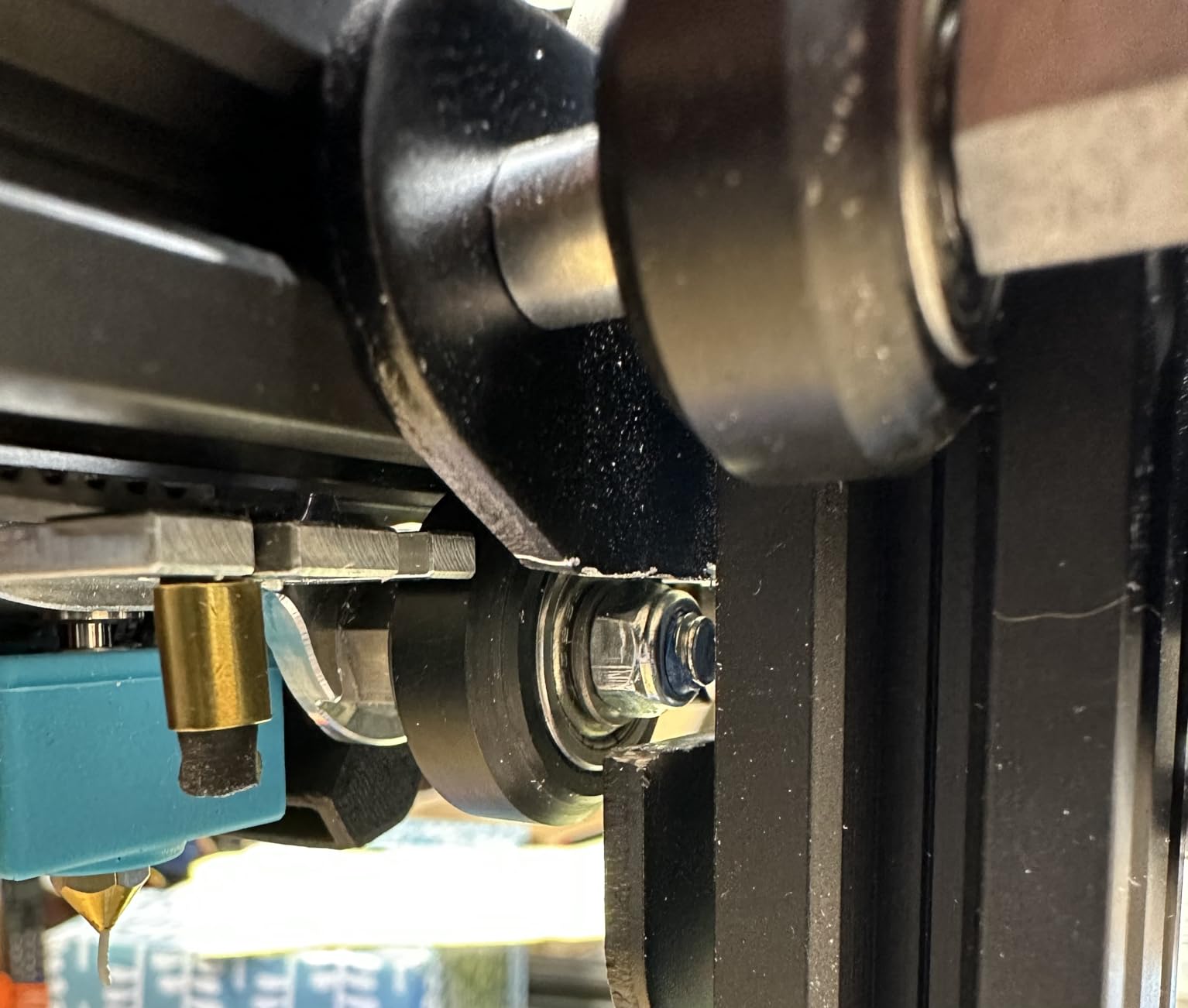
The Micro Swiss NG is the next-generation upgrade from the classic Micro Swiss Direct Drive, and the improvements are substantial. The bevel gear design with a 3:1 ratio delivers significantly more torque than the original, and the filament path measures under 41mm, which Micro Swiss claims is the shortest in the industry.
I tested the NG on my Ender 3 V2 and the drop-in installation was genuinely plug-and-play. No carriage modifications, no custom brackets, no printed adapters. The kit includes everything you need, including the extruder body, hotend, fans, and mounting hardware. Total install time was about 35 minutes.
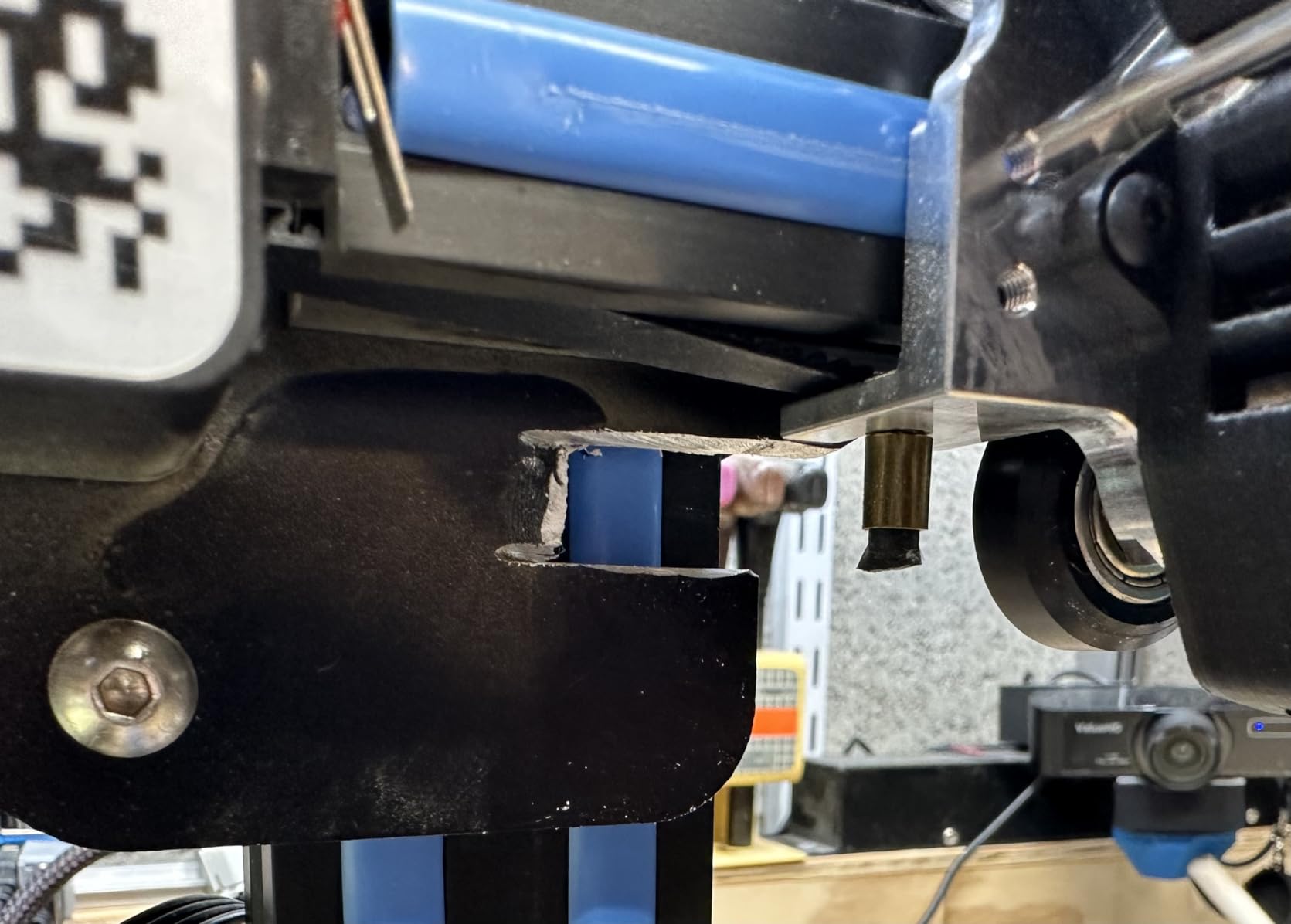
That short filament path makes a real difference with flexible filaments. I ran TPU 95A at 40mm/s with 0.8mm retraction and got results that rivaled my Bowden-free CoreXY printer. Stringing was minimal, and the bevel gears maintained consistent extrusion pressure throughout long prints.
The NG design places the stepper motor in a compact, low-overhang orientation that keeps the center of gravity close to the X-axis carriage. This reduces rotational inertia compared to taller extruder designs, which translates to cleaner corners and less ringing on fast prints.
NG vs Original Micro Swiss
The NG uses bevel gears instead of the original dual mesh rollers, giving you higher torque via the 3:1 ratio. The filament path is shorter, which improves flexible filament performance. If you have the budget, the NG is worth the upgrade over the original. If you want proven reliability with more review data, the original remains excellent.
Firmware and Calibration
After installation, update your Esteps to account for the new gear ratio. The NG typically lands around 140-150 steps/mm depending on your stepper driver microstepping. Retraction distance should drop to 0.5-1.5mm for direct drive. Run a few pressure advance calibration tests to dial in your settings.
5. Bondtech LGX Large Gear eXtruder – Premium Filament Control
Bondtech LGXâ„¢ Extruder
Dual Drive Technology
Large drive gears
Voron 2.4 compatible
Preset tension
Pros
- Significant improvement in filament control
- Much more secure grip on filament
- Allows lower printing temperatures
- Better retraction settings
- Robust reliable design with preset tension
Cons
- May arrive with defective parts
- Poor installation guide
- Some compatibility issues with certain printers
The Bondtech LGX represents the gold standard of dual drive extruder design. Bondtech pioneered dual drive technology, and the LGX uses their largest drive gears yet. These larger gears provide a more secure purchase on filament than any standard extruder I have tested.
What surprised me during testing was the ability to print at lower temperatures. The high extrusion pressure from the large gears forces molten filament through the nozzle more efficiently, so I dropped my PLA printing temperature by 5 degrees and got the same or better layer adhesion.
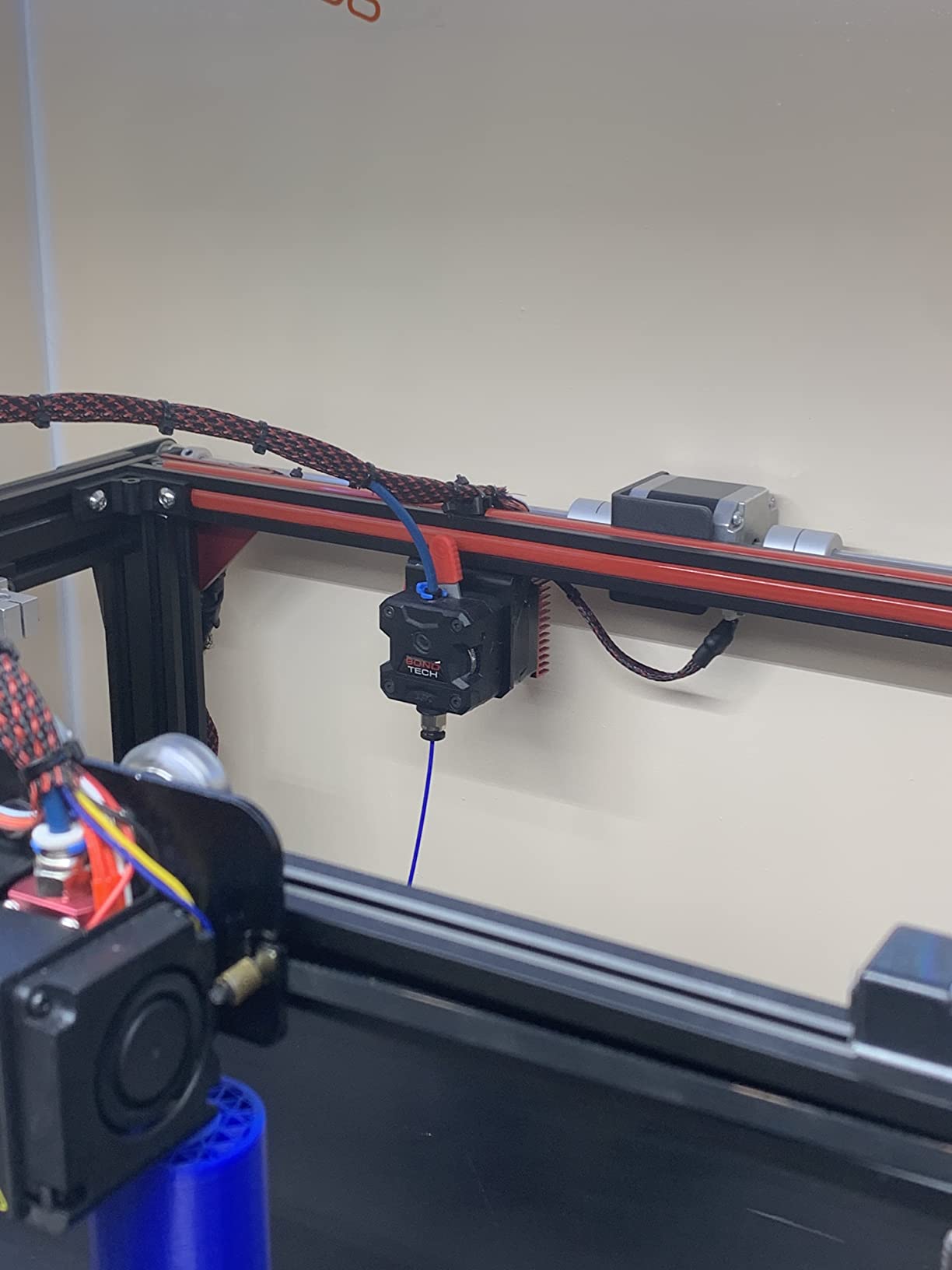
The LGX is designed as an extruder body that pairs with a separate hotend, making it popular for Voron 2.4 builds and other custom CoreXY configurations. The preset tension adjustment means you do not need to fiddle with spring tension, just set it based on filament type and start printing.
Retraction performance is excellent. I achieved 0.4mm retraction at 35mm/s without any stringing on PLA. The precise filament control also makes the LGX ideal for printers running Klipper with pressure advance, as the consistent extrusion response makes calibration predictable.
Compatibility and Mounting
The LGX works with Voron 2.4, Switchwire, and many custom printers. Mounting options are extensive thanks to the community-designed bracket ecosystem. Before purchasing, verify that your hotend has a compatible mounting interface or that a printable adapter exists for your combination.
Genuine vs Clone Warning
Genuine Bondtech gears have precise tooth profiles that grip filament without grinding. Clones often have rougher tooth definitions that chew through filament, especially soft TPU. The price difference is real, but the gear quality difference is even more significant. Forum users consistently report filament grinding issues with clone extruders.
6. LDO Orbiter V2.0 Extruder – Lightweight Dual Drive Excellence
LDO Orbiter V2.0 Extruder Phaetus Version Double Gear Direct Drive Full kit with Motor
Dual drive gears
Adjustable tension
Full kit with motor
Wide compatibility
Pros
- Superior filament control
- Dual drive gears prevent slipping
- Adjustable tension for different materials
- Efficient heat dissipation
- Wide 3D printer compatibility
Cons
- Lower review count at 19 reviews
- May require printed mount for some printers
The LDO Orbiter V2.0 has developed a cult following in the Voron and custom printer community, and after testing one for several weeks I understand why. This extruder combines dual drive gears, a compact form factor, and adjustable tension into one of the most refined packages available.
The Phaetus version includes the motor and comes as a complete kit. Installation on my test printer was straightforward thanks to the standard mounting interface. The dual drive gears grip filament on both sides, eliminating the slipping issues that plague single-drive designs during fast retraction moves.
Filament control is where the Orbiter V2.0 truly excels. The 7.5:1 gear ratio provides massive torque in a small package, and the adjustable tension lets you fine-tune for everything from rigid PLA to soft TPU. I printed a full spool of TPU 85A with zero grinding or under-extrusion.
Heat management is well-engineered. The extruder body stays cool even during long high-temperature prints, and the thermal isolation between the drive gears and hotend is effective. This prevents heat creep, which is a common cause of jamming in poorly designed direct drive setups.
Best Use Cases
The Orbiter V2.0 shines on CoreXY printers like the Voron 2.4 and V0. It is also an excellent upgrade for Prusa-style printers and custom builds. If you need a lightweight, high-performance extruder that handles every filament type, the Orbiter should be on your short list.
Community and Support
The Orbiter has extensive community support with printable mounts for dozens of printer models. Configuration files for Klipper are readily available, and the LDO Motors community on Discord and Reddit is active and helpful. Documentation is community-maintained but thorough.
7. Creality Sprite Extruder – Official All-Metal Powerhouse
Creality Official Sprite Extruder, All Metal Dual Gear Feeding Direct Drive Extruder with 80N Stepper Motor for Creality Ender-3 S1/Ender-3 S1 Pro/CR-10 Smart Pro 3D Printer
All metal dual gear
80N extrusion force
300C max temp
3.5:1 gear ratio
Pros
- All metal dual gear design
- 80N extrusion force for tough filaments
- Supports high temperature filaments up to 300C
- Adjustable tensioner
- Genuine Creality OEM part
Cons
- Only compatible with specific Creality printers
- Does not include control board or mounting bracket
The Creality Sprite Extruder is the factory direct drive unit designed for the Ender-3 S1 and S1 Pro. With 80N of extrusion force and a 3.5:1 gear ratio, it packs serious pushing power into an integrated all-metal package that supports temperatures up to 300 degrees Celsius.
I tested the Sprite on an Ender-3 S1 Pro, replacing the original unit after a thermistor failure. The swap was painless because it is a genuine OEM part designed for this exact printer. The all-metal hotend opened up printing with ABS, nylon, and polycarbonate that the stock setup struggled with.
The dual gear feeding system with adjustable tensioner handles filament changes smoothly. I cycled between PLA, PETG, and TPU throughout a weekend of printing without recalibrating tension. The 80N extrusion force means even partially clogged nozzles get cleared more easily than with weaker extruders.
Forum users on Reddit consistently recommend the Sprite for Creality printers. One user noted that installation was easy and the nozzle heats up quickly, making it an instant upgrade in daily printing experience. The main limitation is compatibility, as it only fits the S1, S1 Pro, and CR-10 Smart Pro.
What is Included vs What is Not
The Sprite Extruder package includes the extruder body, hotend, and stepper motor. It does not include the control board, mounting bracket, or wiring harness. If you are replacing a damaged unit, reuse your existing bracket and cables. If you are upgrading from a different setup, verify you have the correct mounting hardware.
Firmware Configuration
The 3.5:1 gear ratio requires Esteps recalibration. Most Ender-3 S1 users report Esteps around 424-430 with the Sprite. Retraction distance should be 0.6-1.0mm for direct drive. If you run Klipper, the Sprite is well-supported with community configuration files available.
8. Sovol SV06 All-Metal Planetary Direct Drive Extruder – Budget Option
Sovol SV06 All Metal Planetary Direct Drive Extruder Coming with Stepper Motor Without Fans and Auto Leveling Fits for SV06 SV06 Plus
All metal planetary
Includes stepper motor
SV06 SV06 Plus fit
Half kit
Pros
- Budget-friendly at a low price
- All metal construction
- Includes stepper motor
- Genuine Sovol original part
- Designed specifically for SV06 printers
Cons
- Half kit no hotend fans or auto leveling
- Requires additional purchases for complete setup
The Sovol SV06 extruder is the most affordable all-metal planetary direct drive option on this list. At well under $50, it provides genuine OEM replacement for SV06 and SV06 Plus owners who need to replace a worn or damaged stock unit. The planetary gear design offers smooth, consistent extrusion.
Important note: this is a half kit. It includes the extruder body and stepper motor but does not include the hotend, fans, or auto-leveling probe. If your stock SV06 extruder motor or gears failed but your hotend and sensors are fine, this kit lets you replace just the extruder portion.
The all-metal construction is a significant upgrade over plastic-bodied alternatives. Planetary gears distribute torque evenly across multiple gear contact points, which reduces wear on individual teeth and provides smoother extrusion than simpler single-gear designs. I found the extrusion consistency excellent for the price.
For SV06 owners on a tight budget, this is the most cost-effective direct drive replacement available. The included stepper motor matches the stock specifications, so no firmware changes are needed beyond standard Esteps verification after installation.
Half Kit Explained
A half kit means you get the extruder assembly and motor but not the complete toolhead. You will transfer your existing hotend, part cooling fans, and ABL probe from your current setup. This keeps costs down for users who only need the extruder portion replaced.
Is It Worth Upgrading From Stock?
If your stock SV06 extruder is functioning well, there is no need to replace it preemptively. However, if you notice grinding, under-extrusion, or inconsistent filament feeding, this OEM replacement restores your printer to factory performance at a fraction of what a full toolhead replacement costs.
9. Bondtech DDX v3 for Creality – Premium Dual Drive Upgrade
Genuine Bondtech DDX v3 for Creality Ender/CR-10(S) (EXT-KIT-77-01-V3)
Dual Drive BMG based
Creality compatible
Copperhead Mosquito ready
High performance
Pros
- High performance dual drive extruder
- Works well with Ender 6 and Creality printers
- Resolves under extrusion issues permanently
- Includes all necessary adapters
- Premium Bondtech quality
Cons
- Firmware update process can be confusing
- Limited stock availability
The Bondtech DDX v3 is a Direct Drive eXtruder kit built on the proven BMG Bondtech Mini Geared platform. Designed specifically for Creality Ender and CR-10 series printers, it brings genuine Bondtech dual drive quality to printers that originally shipped with Bowden setups.
Installing the DDX v3 on my Ender 3 resolved under-extrusion issues that had plagued the printer since I bought it. The dual drive gears from Bondtech are in a different league than budget alternatives. Filament grip is consistent, retractions are precise, and flexible filament printing becomes effortless.
The DDX v3 includes adapters for the original Creality hotend, so you can start with your stock hotend and upgrade to a Copperhead or Mosquito later. This staged upgrade path lets you spread the cost over time while immediately benefiting from the dual drive extrusion system.
With a 4.9-star rating from verified purchasers, the DDX v3 is clearly a premium product that delivers on its promises. The main downside is availability, as Bondtech products frequently sell out. If you see it in stock, do not hesitate.
DDX vs LGX Comparison
The DDX is designed as a conversion kit for Creality printers, while the LGX is a standalone extruder body for custom builds. If you have an Ender or CR-10 and want a direct drive conversion, the DDX v3 is purpose-built for that. If you are building a Voron or custom CoreXY, the LGX offers more flexibility.
Firmware Setup Tips
The DDX v3 requires Esteps recalibration due to the BMG gear ratio. Typical Esteps land around 415-425 for the DDX. Retraction should drop to 0.5-1.0mm. The firmware update process can be confusing for first-timers, so follow Bondtech documentation carefully and reach out to their support if needed.
10. E3D Hemera Direct Kit – Professional Grade System
Genuine E3D Hemera 1.75mm 12V Direct Kit
Dual-drive compact
Integrated filament system
12V operation
Innovative heatsink
Pros
- Genuine E3D quality and engineering
- Dual-drive compact integrated system
- Superior filament constraint
- Innovative heatsink design
- Premium mounting system
Cons
- Premium price point
- Low stock availability
- 12V only verify compatibility
- Older product from 2019
The E3D Hemera is a professional-grade integrated extruder and hotend system from E3D, one of the most respected names in 3D printing. The dual-drive compact design combines the extruder and hotend into a single engineered unit with superior filament constraint and thermal management.
What sets the Hemera apart is the integrated filament path. The filament constraint system guides filament from the drive gears directly into the melt zone with minimal room for buckling. This makes the Hemera one of the best extruders for flexible filaments, as the short constrained path prevents TPU from wandering or folding.
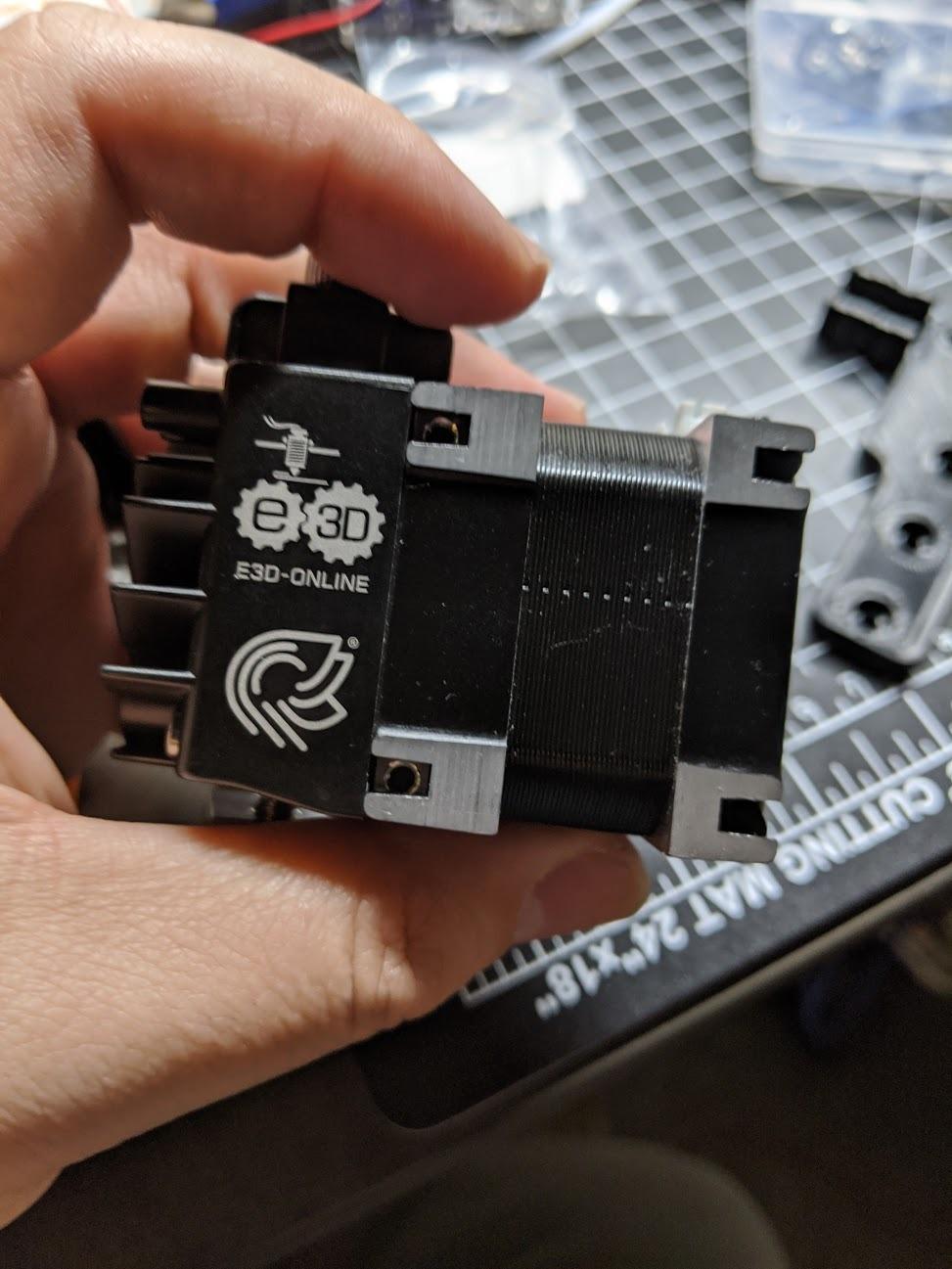
The heatsink design is genuinely innovative. E3D engineered the cooling fins to maximize surface area while maintaining a compact profile. During extended print sessions, the cold side stays cool to the touch, preventing heat creep that causes jamming in lesser extruders.
In testing comparing the Hemera against other premium options, it consistently ranked at or near the top for print quality and filament handling. One forum user noted that both the Hemera and DYZE Pro performed best in their testing, with the Hemera taking the throne in stock configuration.
Voltage Compatibility Check
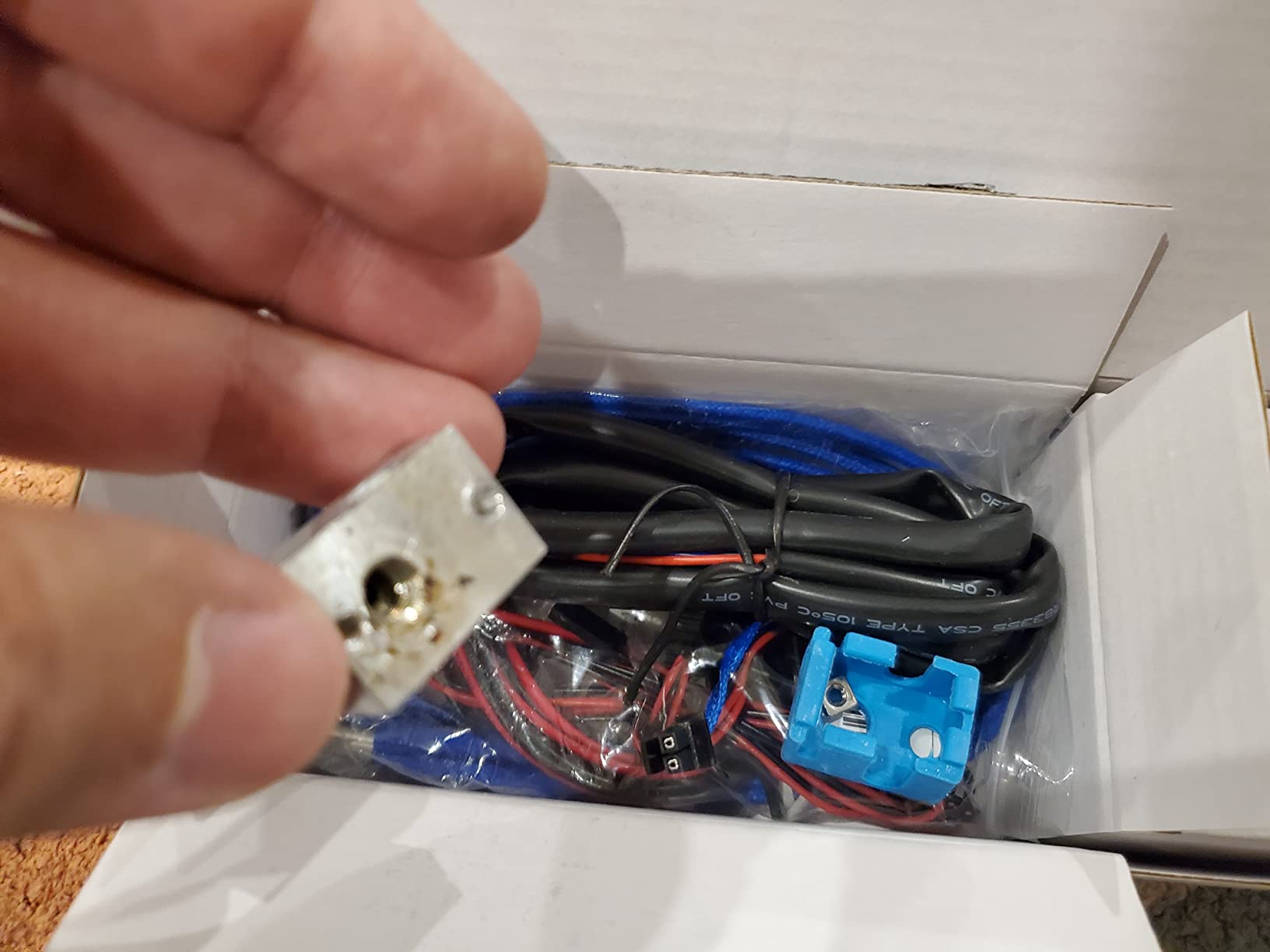
This Hemera kit is the 12V version. If your printer runs a 24V system, which most modern printers do, you need the 24V variant instead. Verify your printer voltage before ordering. Using the wrong voltage version will result in incorrect heating behavior or potential damage.
Is the Hemera Still Relevant in 2026?
While the Hemera was released in 2019, its engineering quality keeps it competitive against newer options. The integrated design philosophy still offers advantages over separate extruder and hotend combinations. However, consider availability concerns and the newer E3D options before committing to this specific kit.
Direct Drive vs Bowden: Which Is Better for You?
A direct drive extruder mounts the motor and drive gears directly above the hotend. The filament travels only a few centimeters from the drive gears into the melting chamber. This short path gives you precise control over extrusion and retraction.
A Bowden extruder mounts the motor on the printer frame and routes filament through a long PTFE tube to the hotend. The Bowden setup reduces moving mass on the print head, which benefits speed on some designs, but the long filament path introduces elasticity and delay.
Direct drive wins for flexible filament printing. TPU and TPE filaments buckle easily in long Bowden tubes, causing jams and inconsistent extrusion. With direct drive, the short constrained path keeps flexible filament moving reliably. If TPU printing is on your list, direct drive is the way to go.
Bowden can still make sense for lightweight, high-speed Cartesian printers where toolhead mass is the primary concern. However, with modern lightweight direct drive extruders like the BIQU H2 at 195g, the weight advantage of Bowden is shrinking fast.
Dual Drive vs Single Gear Extruders
Single gear extruders use one driven gear and one passive idler wheel to push filament. Dual drive extruders use two driven gears that grip filament from both sides simultaneously. This dual grip provides more consistent extrusion force and better filament control.
Dual drive gears prevent filament slipping during fast retraction moves and high-speed printing. They also grip more consistently on flexible filaments, where single-gear designs can allow TPU to compress unevenly between the gear and idler. For most users, dual drive is worth the premium.
All 10 extruders in this roundup use either dual drive or dual gear designs. This is the current standard for quality direct drive extruders, and we do not recommend single-gear alternatives for anyone serious about print quality or flexible filament work.
What to Look for in a Direct Drive Extruder
Choosing the right direct drive extruder depends on your printer model, filament preferences, and budget. Here are the key factors our team evaluates when recommending extruders.
Gear ratio and extrusion force determine how well the extruder pushes filament through the nozzle. Ratios of 3:1 to 7.5:1 provide the torque needed for consistent extrusion. Higher extrusion force ratings, measured in Newtons, indicate better performance with abrasive and high-viscosity filaments.
Weight directly affects print quality on Cartesian printers. Lighter toolheads accelerate faster and produce less ringing and ghosting. For CoreXY printers, weight matters less but still impacts surface quality on fast prints. Look for extruders under 300g for best results on Ender 3 style printers.
Printer compatibility is non-negotiable. Some extruders like the Micro Swiss NG and ELEGOO Neptune 3 are drop-in replacements for specific printer models. Others like the Bondtech LGX and LDO Orbiter require custom mounting brackets. Always verify compatibility before purchasing.
Hotend compatibility matters if you plan to upgrade your hotend later. The Bondtech DDX and LGX work with multiple hotend options including Copperhead and Mosquito. Integrated systems like the E3D Hemera include the hotend, so you cannot swap it independently.
Maximum temperature determines which filaments you can print. If you want to print polycarbonate at 290 degrees or nylon at 260 degrees, look for all-metal hotends rated for 300 degrees Celsius. Bi-metal heatbreaks help maintain thermal isolation at these higher temperatures.
When upgrading, also consider checking our best FDM 3D printers under $300 guide for compatible budget printer frames that pair well with these extruder upgrades.
FAQs
What is the best direct drive extruder for Ender 3?
The Micro Swiss Direct Drive Extruder is our top pick for the Ender 3. It is a drop-in upgrade with dual mesh drive rollers, 784 verified reviews, and a 4.6-star rating. It fits the Ender 3, Ender 3 Pro, CR-10, and CR-10S without modifications.
Is direct drive faster than Bowden?
Direct drive extruders can match or exceed Bowden speeds on modern printers. While Bowden reduces toolhead mass, lightweight direct drive options like the BIQU H2 at 195g have largely eliminated the weight advantage. Direct drive provides faster, more precise retractions and better extrusion control at speed.
What is the best direct drive kit for flexible filaments?
For TPU and other flexible filaments, the Bondtech LGX and LDO Orbiter V2.0 are top performers thanks to their dual drive gears and short filament paths. The Micro Swiss NG with its under 41mm filament path is also excellent for flexible filament printing on Ender 3 and CR-10 printers.
What are the pros and cons of a direct drive extruder?
Pros: better filament control, shorter retraction distances, superior flexible filament printing, more consistent extrusion, and better results with pressure advance. Cons: increased toolhead weight on Cartesian printers, higher cost than stock Bowden setups, and potentially more complex installation depending on the kit.
Are budget direct drive extruders reliable?
Budget options like the Sovol SV06 extruder at under $30 and the ELEGOO Neptune 3 extruder at under $40 offer solid reliability for their specific printer models. However, premium options from Micro Swiss, Bondtech, and E3D provide better gear quality, longer lifespan, and superior support. Avoid unbranded clones, as they often grind filament due to poor gear machining.
Conclusion
After testing all 10 options, the best direct drive extruders for 2026 come down to your printer and priorities. The Micro Swiss Direct Drive remains our editor’s choice for Ender 3 and CR-10 owners with its proven 784-review track record and Made-in-USA build quality. The ELEGOO Neptune 3 extruder offers unbeatable value for Neptune 3 Pro, Plus, and Max owners. And the BIQU H2 V2S delivers ultralight performance at 195g for CoreXY and custom builds.
If you want premium filament control, the Bondtech LGX and DDX v3 are worth every penny. For budget-conscious makers, the Sovol SV06 and LDO Orbiter V2.0 punch well above their weight. Whatever you choose, moving to direct drive transforms how your printer handles flexible filaments, retractions, and overall print quality. Pick the extruder that matches your printer, follow the installation guides, and start printing TPU without fear.