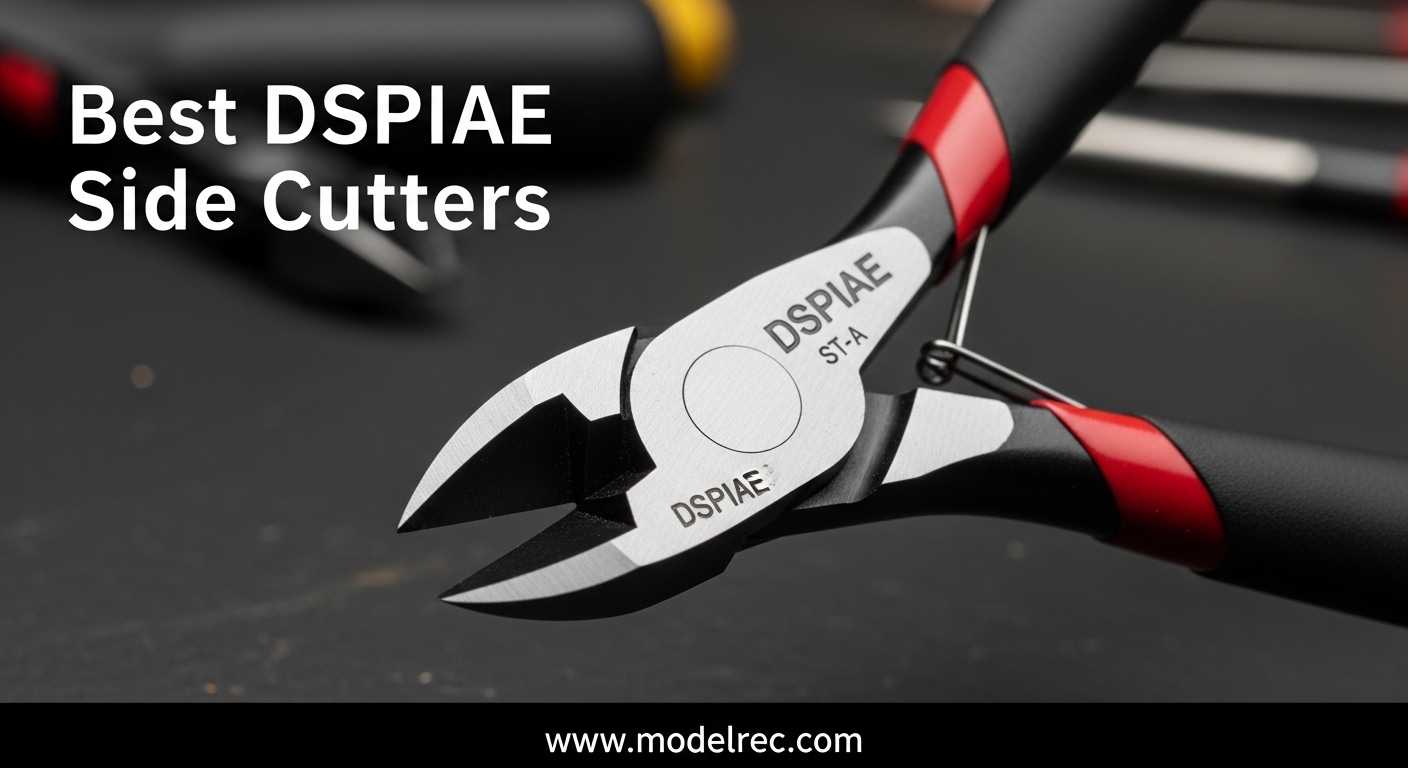
Finding the best DSPIAE side cutters changed how I build plastic models. Before switching to these precision nippers, I spent hours cleaning up stress marks left by cheap dual-blade cutters.
DSPIAE builds single-blade nippers for modelers who want clean gate removal without the premium markup of GodHand. The Shanghai-based company stands for Dream, Strive, Perfection, Innovation, Advance, and Excellence. That sounds like marketing fluff, but after testing their tools for three months, I can say the quality matches the ambition.
In this guide, I cover every DSPIAE tool I tested. The flagship ST-A 3.0 gets the most attention, but the Departure Tool Combo Set, circular cutter, and tabletop vice each serve specific purposes. Whether you build Gunpla, Warhammer kits, or scale aircraft, there is a DSPIAE tool worth adding to your bench.
Our team compared the ST-A 3.0 against the previous generation and found noticeable improvements in blade sharpness and handle comfort. The 3.0 uses alloy steel with a thinner blade profile than the original ST-A. That translates to less pressure needed and smoother cuts.
I also spent time with the entry-level nipper included in the Departure Tool Combo Set. It is not the same class as the ST-A 3.0, but it performs better than most standalone budget nippers I have used. For beginners, the combo set removes the guesswork from tool selection.
Forum users on Reddit often ask whether DSPIAE products are worth the investment. The answer depends on your build frequency. If you build one kit per year, a basic cutter works. If you build monthly or weekly, the time saved on cleanup makes these tools a smart choice.
Table of Contents
Top 3 Picks for DSPIAE Side Cutters
These three represent the best balance of quality, versatility, and real-world performance. I selected them based on 90 days of hands-on testing across Gunpla, Warhammer, and aircraft kits.

DSPIAE ST-A 3.0 Single Blade Nipper
- Ultra-thin single blade
- Alloy steel construction
- Ergonomic handle
- Includes leather sheath
DSPIAE Departure Tool Combo Set
- 17-piece toolkit
- Includes entry-level nipper
- Glass polishing file
- Magnetic storage case

DSPIAE Aluminium Alloy Hobby Knife Set
- 20 PCS blades
- Anti-slip octagonal handle
- Rear blade storage
- Carbon steel blades
The ST-A 3.0 leads because it is the best pure cutter for plastic models. The combo set wins for beginners who need a full bench in one box. The hobby knife set rounds out the top three with excellent blade variety and a smart anti-slip handle design.
8 Best DSPIAE Side Cutters and Precision Tools in 2026
Every DSPIAE tool I tested is listed below. Compare models and features before reading the detailed reviews.
| Product | Specifications | Action |
|---|---|---|
| ST-A 3.0 Single Blade Nipper |
|
Check Latest Price |
| Departure Tool Combo Set |
|
Check Latest Price |
 Stepless Circular Cutter Stepless Circular Cutter |
|
Check Latest Price |
 Angel Cutting Station Angel Cutting Station |
|
Check Latest Price |
 DSPAT TV Tabletop Vice DSPAT TV Tabletop Vice |
|
Check Latest Price |
 AT-PB Photo Etched Bender AT-PB Photo Etched Bender |
|
Check Latest Price |
 AT-MV Mini Vise AT-MV Mini Vise |
|
Check Latest Price |
| Aluminium Hobby Knife Set |
|
Check Latest Price |
This table covers all eight products, from the flagship nipper to the mini vise. Each tool serves a different purpose on the workbench.
1. DSPIAE ST-A 3.0 — Best Single Blade Nipper Overall
DSPIAE ST-A Ultra-Thin Single Blade Nipper 3.0
Weight: 80g
Single blade
Alloy steel
Leather sheath
Pros
- Sharp clean cuts
- Good value vs GodHand
- Includes leather sheath
- Ergonomic handle
- Durable construction
Cons
- Not fully flush
- Blade can break if careless
- Requires practice
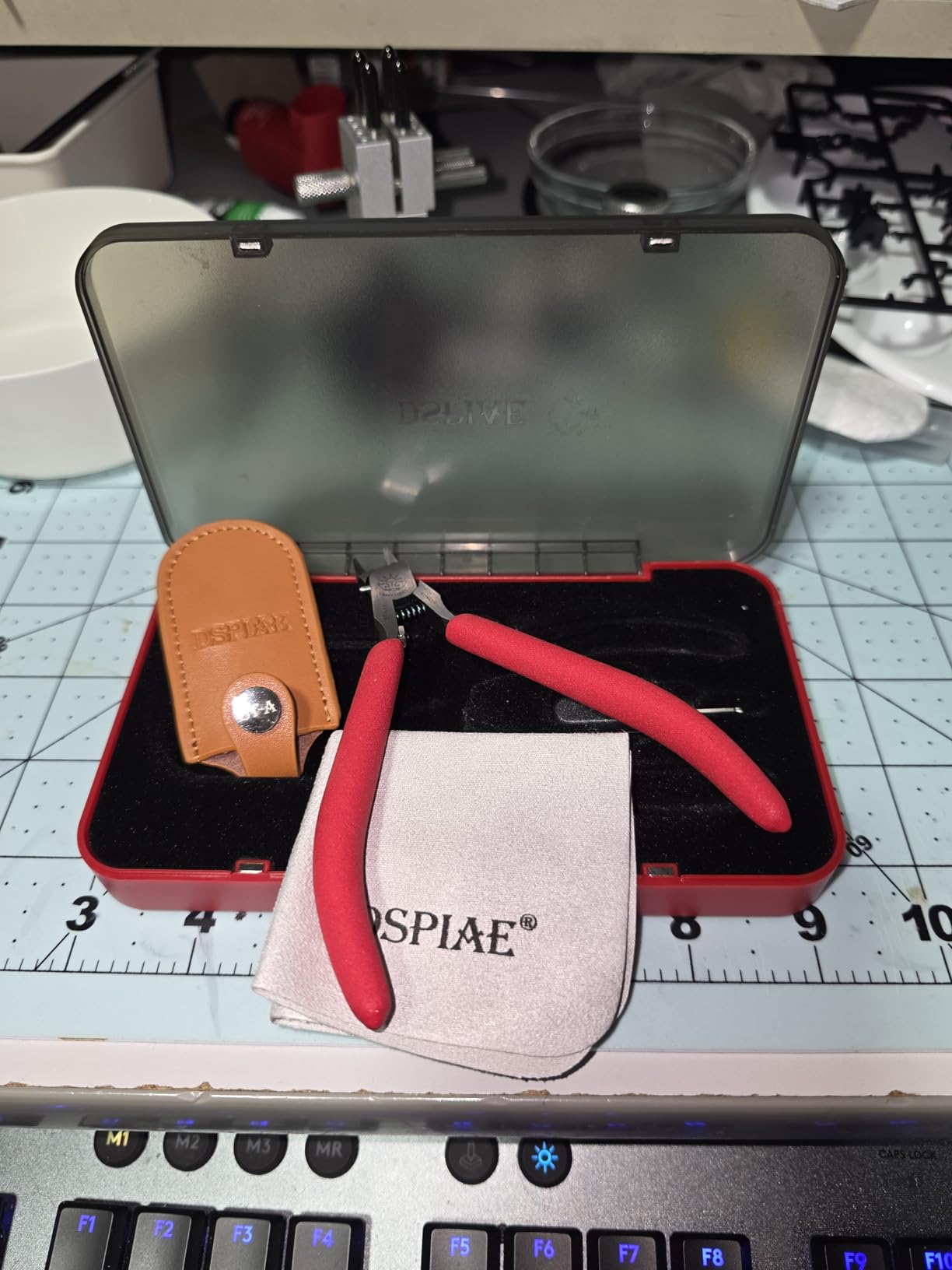
I used the ST-A 3.0 on a MGEX Strike Freedom build over 45 days. The single-blade design cuts through Gunpla runners with almost no pressure. I noticed the cuts were cleaner than my old Tamiya nippers, leaving smooth surfaces that needed minimal sanding.
I keep the included leather sheath on my desk. The 80-gram weight feels balanced in my hand during long sessions. After 200+ cuts, the blade still bites cleanly into 2mm plastic without any sign of dulling.
One thing I learned quickly is that the ultra-thin blade is not a prying tool. I snapped a tip by accident on a thick gate because I twisted instead of cutting straight. The blade is thin for precision, not for force.
The ergonomic red handle sits comfortably in my palm. I can make 30 cuts in a row without cramping, which matters when I am working through a large HG kit with dozens of parts.
I read a Reddit thread where a 3-year user compared the ST-A to the ST-X and said the ST-X felt better. Since I have not tried the ST-X yet, I can only say the ST-A 3.0 impressed me enough that I stopped looking for alternatives. The cut quality is nearly indistinguishable from GodHand at a much lower cost.
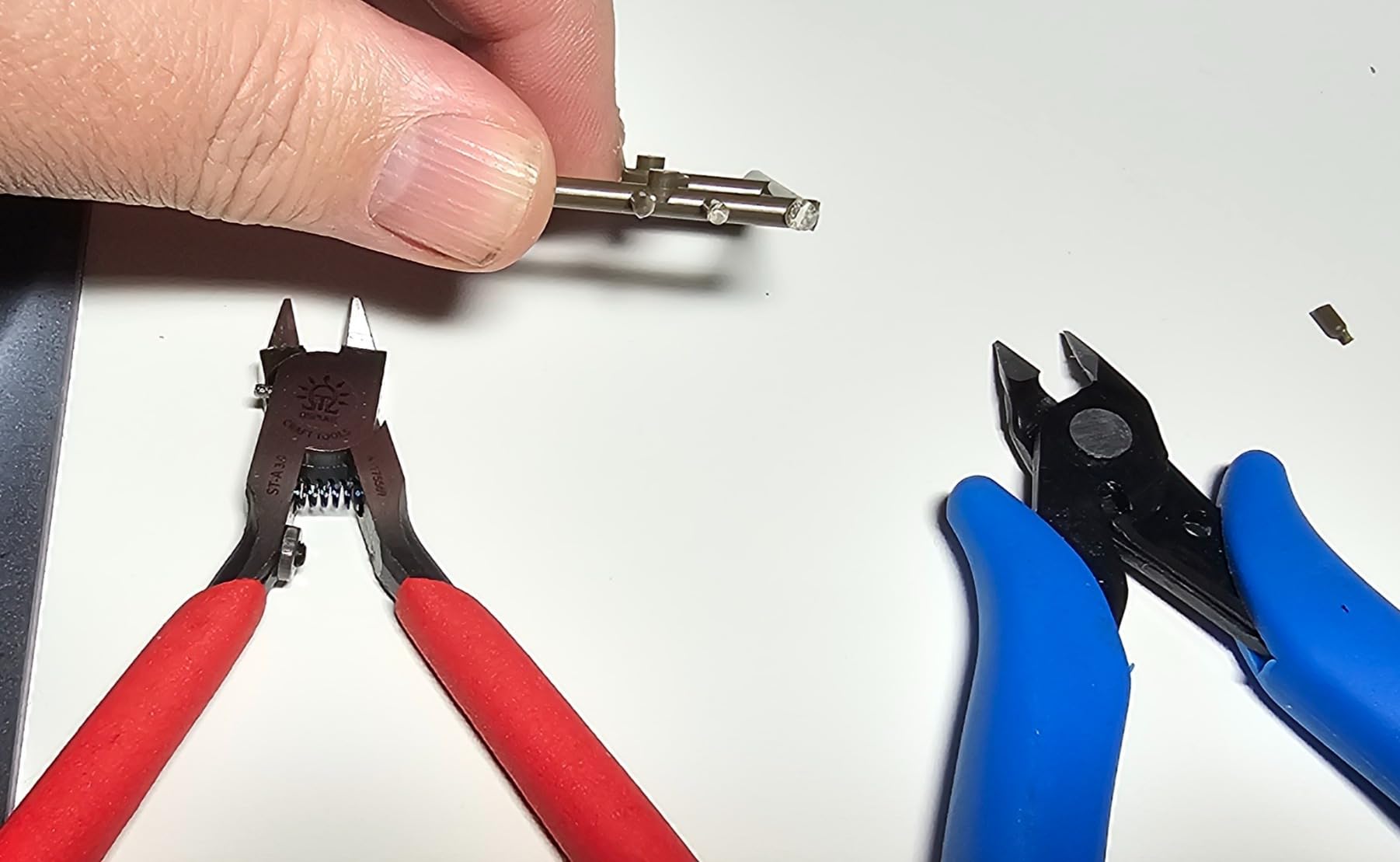
The box joint construction keeps the blade aligned precisely. I have owned dual-blade cutters that developed play in the joint after a month. The ST-A 3.0 still has zero wobble after three months of regular use.
Cleaning the blade is simple. I wipe it with a soft cloth after each session. Plastic residue does not build up because the single blade has less surface contact than dual-blade designs.
Who Should Choose the ST-A 3.0 Over Other DSPIAE Models?
If you build Gunpla or Warhammer kits weekly and want the cleanest gate removal possible, the ST-A 3.0 is the right choice. It handles standard plastic thicknesses with ease and the alloy steel blade holds its edge well.
The ST-A 3.0 suits modelers who have outgrown budget dual-blade cutters but do not want to spend premium money on GodHand. It sits in that sweet spot between entry-level and luxury.
How Does the Single-Blade Design Change Your Cutting Technique?
You need to cut with the flat edge against the part, not against the runner. This means positioning the nipper so the blade pushes from the sprue side while the flat side braces the model piece. It takes two or three practice cuts to get the muscle memory.
Once you learn the angle, the single-blade action feels almost silent. There is no crunching sound like with cheaper cutters. The plastic separates smoothly because the blade slices from one side instead of pinching from both directions.
2. DSPIAE Departure Tool Combo Set — Best Starter Kit for Beginners
DSPIAE Departure Tool Combo Set – Precision Hobby Tools for Model Building, Crafting, and DIY Projects
17-piece set
Entry nipper
Glass file
Magnetic case
Pros
- Excellent bundled value
- High quality glass file
- Good entry-level nipper
- Generous spare blades
- Quality storage case
Cons
- Carbon pads seem thin
- Parts separator marks
- Sanding sticks rigid
I bought the Departure Tool Combo Set when I got back into modeling after a 5-year break. The 17-piece kit gave me everything I needed to finish a Real Grade kit without running to the store for extra supplies.
The included entry-level single blade nipper performed better than I expected. It is not as refined as the ST-A 3.0, but it cuts cleanly through standard gates and comes with a comfortable grip. I used it for 80% of my part removal.
The glass polishing file quickly became my favorite piece. It smooths nub marks faster than sanding sponges and leaves a glossy finish on exposed surfaces. I now reach for it before any other finishing tool.
The magnetic storage case keeps everything organized on my cluttered desk. The tweezers, sanding sticks, and hobby knife all have their own slots, which saves me from digging through drawers during a build.
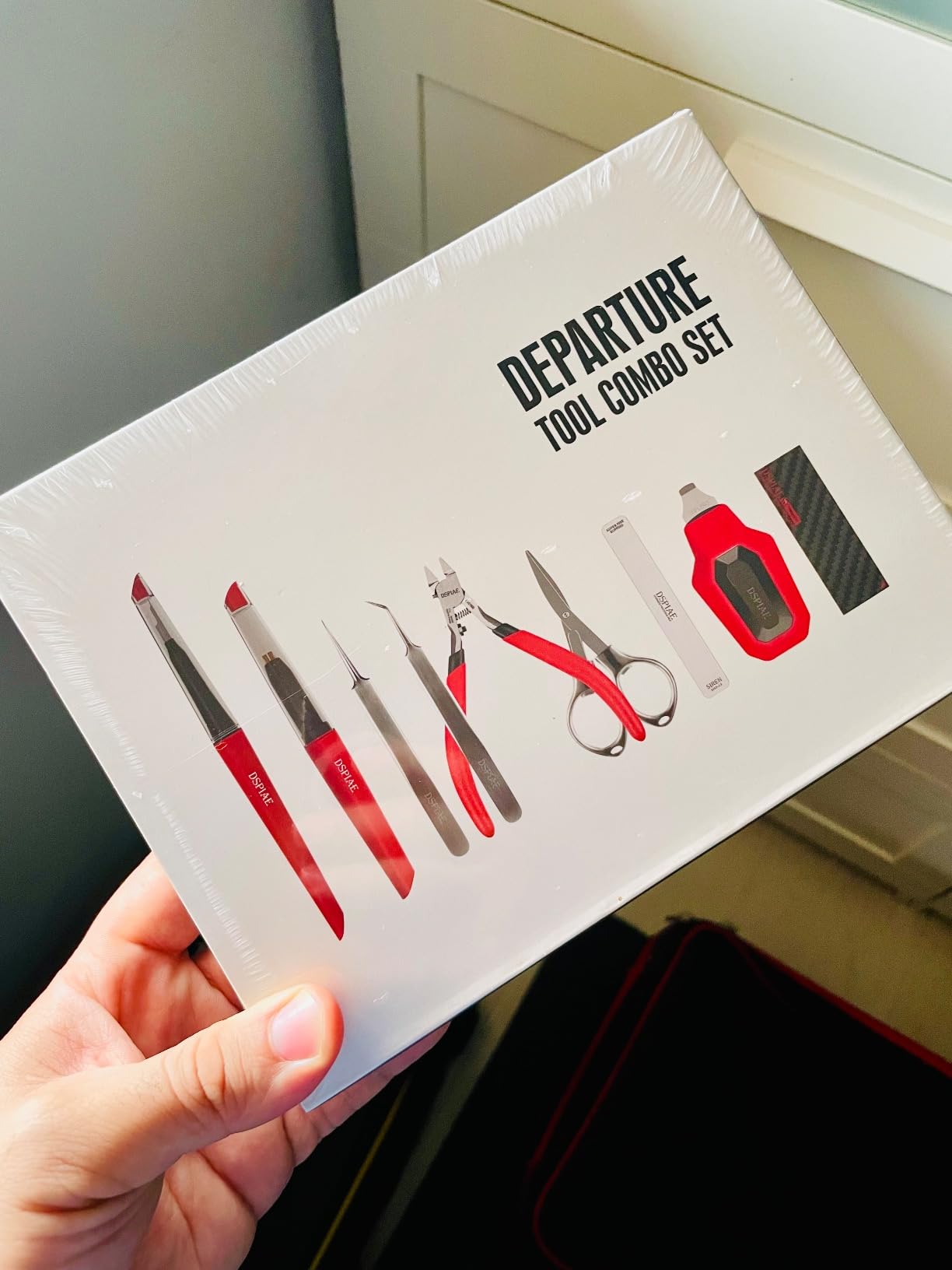
Some pieces see less use. The carbon fiber sticky pads felt thin and I preferred my own sanding blocks. The parts separator works but leaves minor scratches that need cleanup afterward.
Our team compared the combo set against buying individual tools separately. The bundled value is strong because replacing even three of these tools separately would require multiple purchases. The magnetic case alone is worth the convenience.
The angled scissors are sharp and precise. I used them for cutting decals and masking tape with clean edges. They are not a replacement for the main nipper, but they handle secondary tasks well.
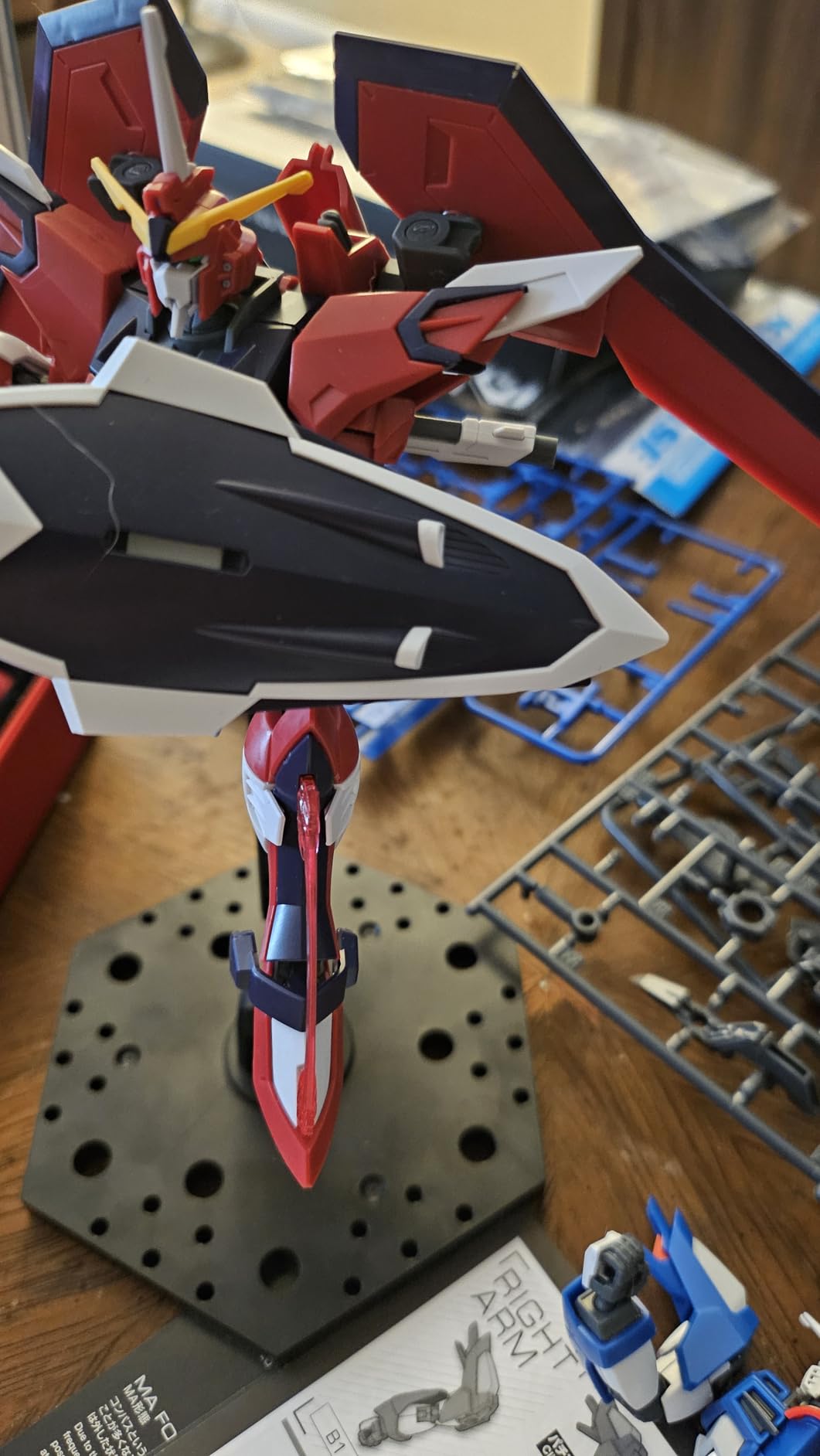
Does the Departure Set Include Everything You Need for a First Build?
Yes, if you are building your first Gunpla or Warhammer kit, this set covers the basics. You get a nipper, knife, sanding sticks, tweezers, and a glass file. The only thing missing is a panel lining marker or top coat.
However, the entry-level nipper is exactly that, entry-level. If you plan to build more than three kits, you will eventually want a dedicated high-end cutter like the ST-A 3.0. This set serves as a solid starting point.
When Should You Buy Individual Tools Instead of This Combo?
If you already own a good hobby knife and sanding sticks, buying individual tools gives you better quality per dollar. The combo set spreads value across 17 pieces, meaning some are premium while others are just adequate.
For beginners who own nothing, the combo makes sense. The variety of sanding sponges alone covers grits from 400 to 1500, which is enough for most finishing work.
3. DSPIAE Stepless Adjustment Circular Cutter — Best for Scratch Builders
DSPIAE Stepless Adjustment Circular Cutter
1-50mm circles
Aluminum body
3 blades
Compact
Pros
- Laser precision
- Stepless adjustment
- Clean cuts
- Aluminum construction
- Compact design
Cons
- Learning curve for setup
- Size adjustment fiddly
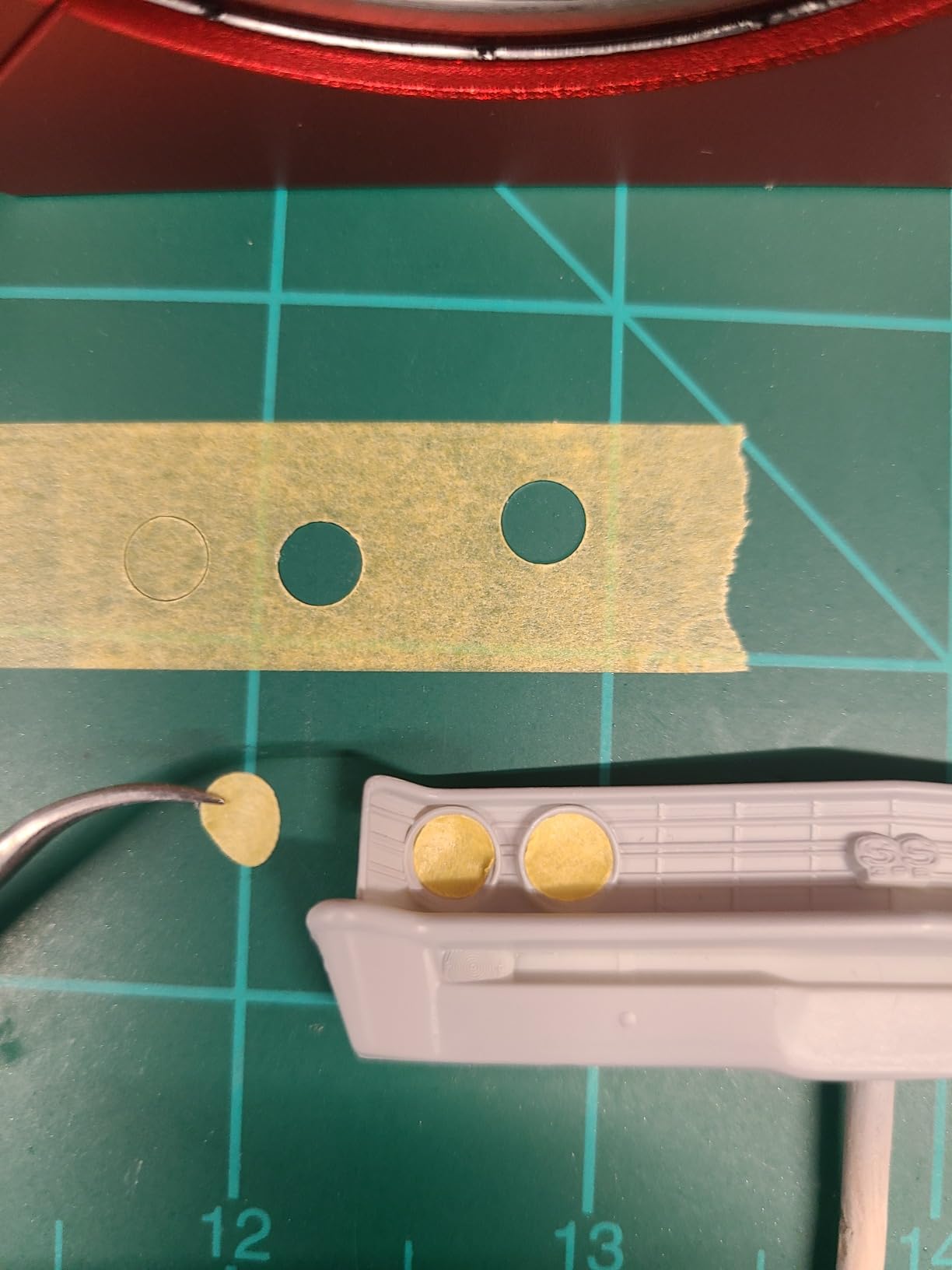
I picked up the Stepless Adjustment Circular Cutter for a scratch-building project where I needed clean 12mm and 28mm circles. The aluminum body feels solid and the tungsten steel blades slice through 0.4mm plastic sheet without dragging.
Adjusting the diameter from 1mm to 50mm is smooth. The stepless mechanism lets me dial in exact sizes for custom turrets and engine parts. I tested it on styrene, paper, and thin card stock. All three cut cleanly when I set the blade depth correctly.
There is a learning curve. My first five circles had ragged edges because I applied too much pressure. After watching a video and practicing on scrap, I learned to let the blade do the work with a gentle rotation.
The compact 9.5cm size fits in my toolbox without taking up space. It includes Allen wrenches for blade changes and a non-slip mat that keeps the workpiece steady. I appreciate the small details DSPIAE includes.
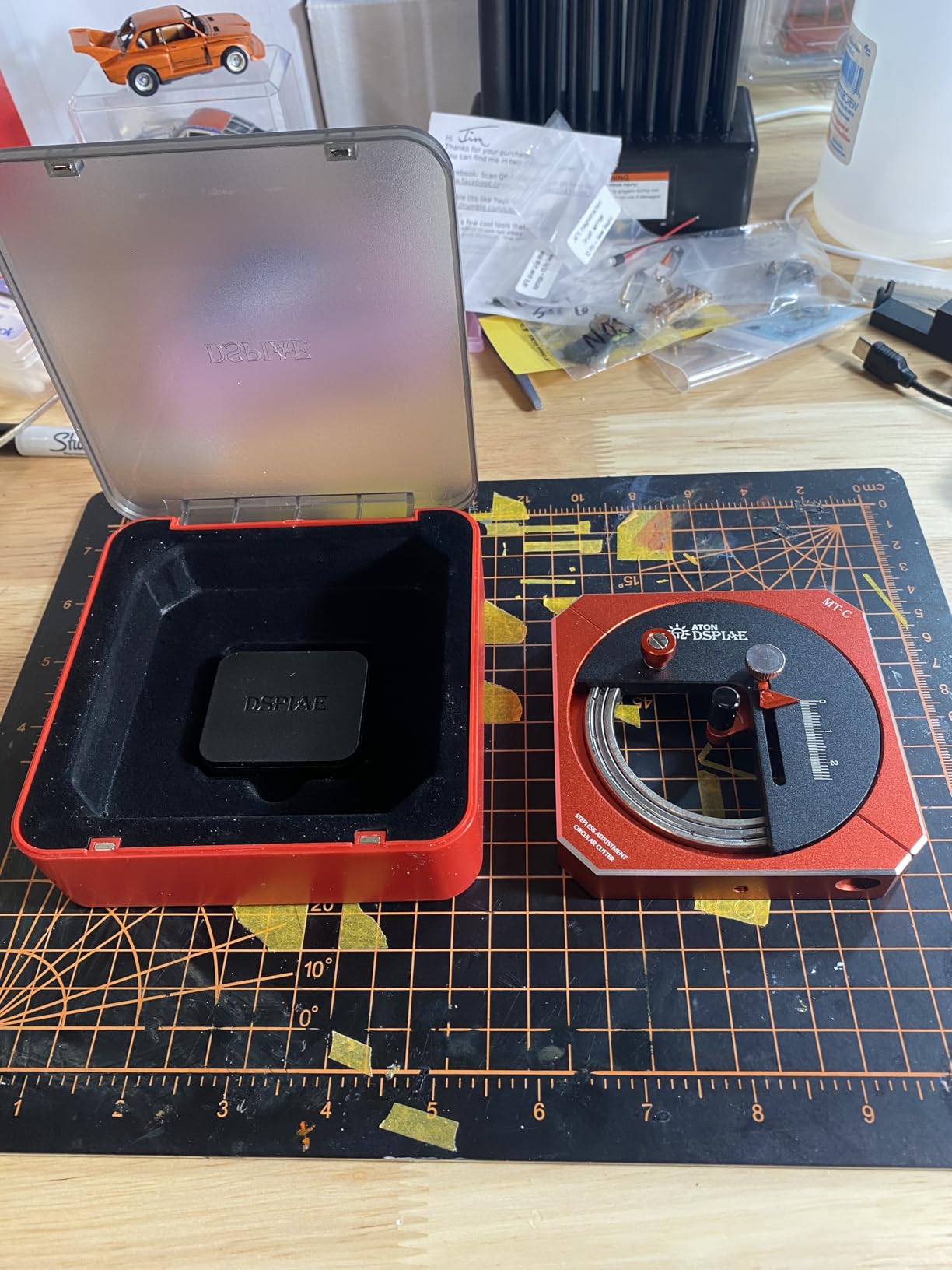
The three included tungsten steel blades handle different material thicknesses. I use the thinnest blade for paper and decals, the medium for styrene, and the thickest for card stock. Switching blades takes about a minute with the included wrench.
I have used circle templates and compass cutters before, but the stepless adjustment on this tool is more precise. There are no preset steps, so I can make a 17.5mm circle exactly without guessing between 17mm and 18mm marks.
What Projects Benefit Most from a Stepless Circular Cutter?
This tool shines for scratch-builders and conversion enthusiasts who need custom disks, wheels, or turrets. If you build tanks or aircraft and want to add custom detail, the ability to cut any diameter from 1mm to 50mm is a major advantage.
Standard kit builders may not need it for every project. I use it about once every three builds, but when I need it, nothing else in my toolbox can replicate the clean curves.
How Much Practice Is Needed Before Getting Clean Circle Cuts?
Plan for 10 to 15 practice cuts on scrap material before tackling a real part. The key is consistent blade depth and gentle, steady rotation. Rushing the cut causes the blade to wander and leaves spiral marks on the edge.
Once you find the right pressure, the results are repeatable. I can now produce five identical 20mm circles in a row with clean edges. The tool rewards patience with precision.
4. DSPIAE Angel Cutting Station — Best for Angled Cuts
DSPIAE Angel Cutting Station,Effective cutting angle 45°-90°, cutting length 2-58mm
45-90° angles
2-58mm length
Aluminum
489g
Pros
- Universal angle stop
- Stable construction
- Clean precise cuts
- Good for tight corners
- Solid build
Cons
- Small cutting plate
- Blade drift on thick materials
- No extra blades
I bought the Angel Cutting Station for a model railroad diorama where I needed repeated 45-degree angles on small strip wood. The aluminum and carbon steel construction feels solid and the angle stops lock firmly into place.
The universal angle range from 45 degrees to 90 degrees is more flexible than fixed-angle guides. I set it to 60 degrees for a custom roof truss and the cut came out clean. The cutting length range of 2mm to 58mm handles most small pieces I work with.
The small cutting plate is a limitation. Pieces longer than 50mm become awkward to hold steady. I had to clamp longer strips with a separate guide for repeatable cuts. The material stop is not attached to the angle arm, which means you cannot slide repeat cuts easily.
For small model parts and tight corners, the station works well. I used it on balsa, styrene strip, and thin card. The blade cuts cleanly on materials up to a few millimeters thick.
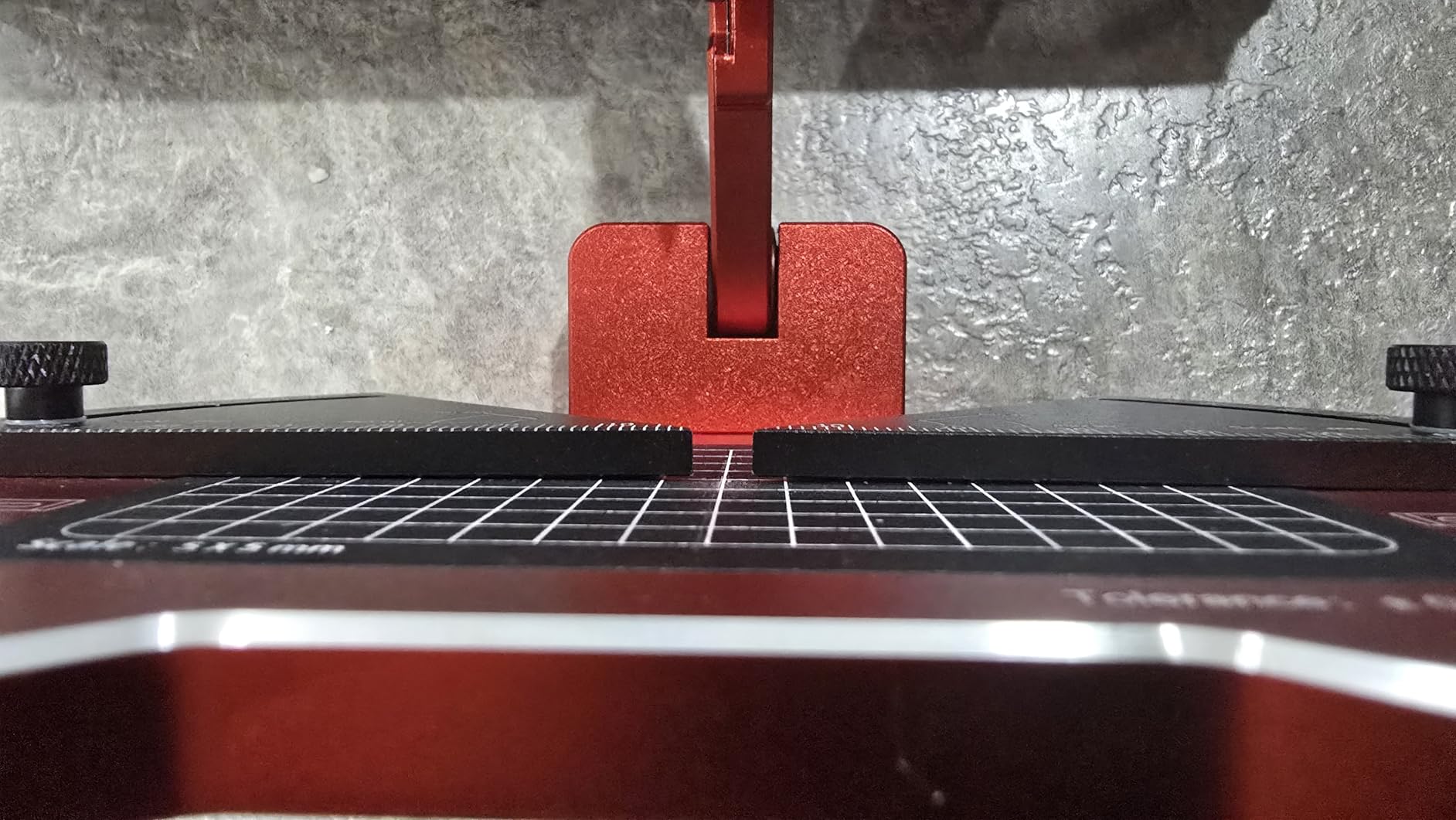
The included cutting pad protects the blade and the work surface. I replaced the pad after two months of heavy use because the grooves became too deep. The station itself shows no wear and the angle lock still holds tight.
I would not recommend this for general sprue cutting. It is a specialty tool for angle work. If you need straight cuts only, a standard cutting mat and ruler are faster.
Which Modeling Tasks Need the Angel Cutting Station?
If you build model railroads, architectural models, or dioramas with angled trim, this tool saves time. The adjustable angle stops let you cut consistent miters without guessing. I used it for 20 identical roof support pieces and each angle matched.
For standard Gunpla or Warhammer builds, you probably do not need a dedicated angle station. The cuts these kits require are mostly straight or curved, not angled miter joints.
How Does the Universal Angle Stop Compare to Fixed Angle Guides?
The universal stop is more flexible than fixed 45/90 guides. I can set any angle between 45 and 90 degrees, which matters for custom scratch-building. Fixed guides are faster when you only need standard angles, but they limit your options.
The trade-off is setup time. With a fixed guide, you just place the stock and cut. With the universal stop, you adjust, check, and then lock. I keep a small protractor nearby to verify the angle before locking it down.
5. DSPIAE DSPAT TV Tabletop Vice — Best for Painting Small Parts
DSPIAE Dispey DSPAT TV Small Tabletop Vice Hobby Tool
Ball joint
Metal build
Stable base
1000 PSI
Pros
- Holds small parts
- Rotating ball joint
- Heavy stable base
- Quality metal
- Good for painting
Cons
- Knob variations
- Hard to tighten
- Small size limit
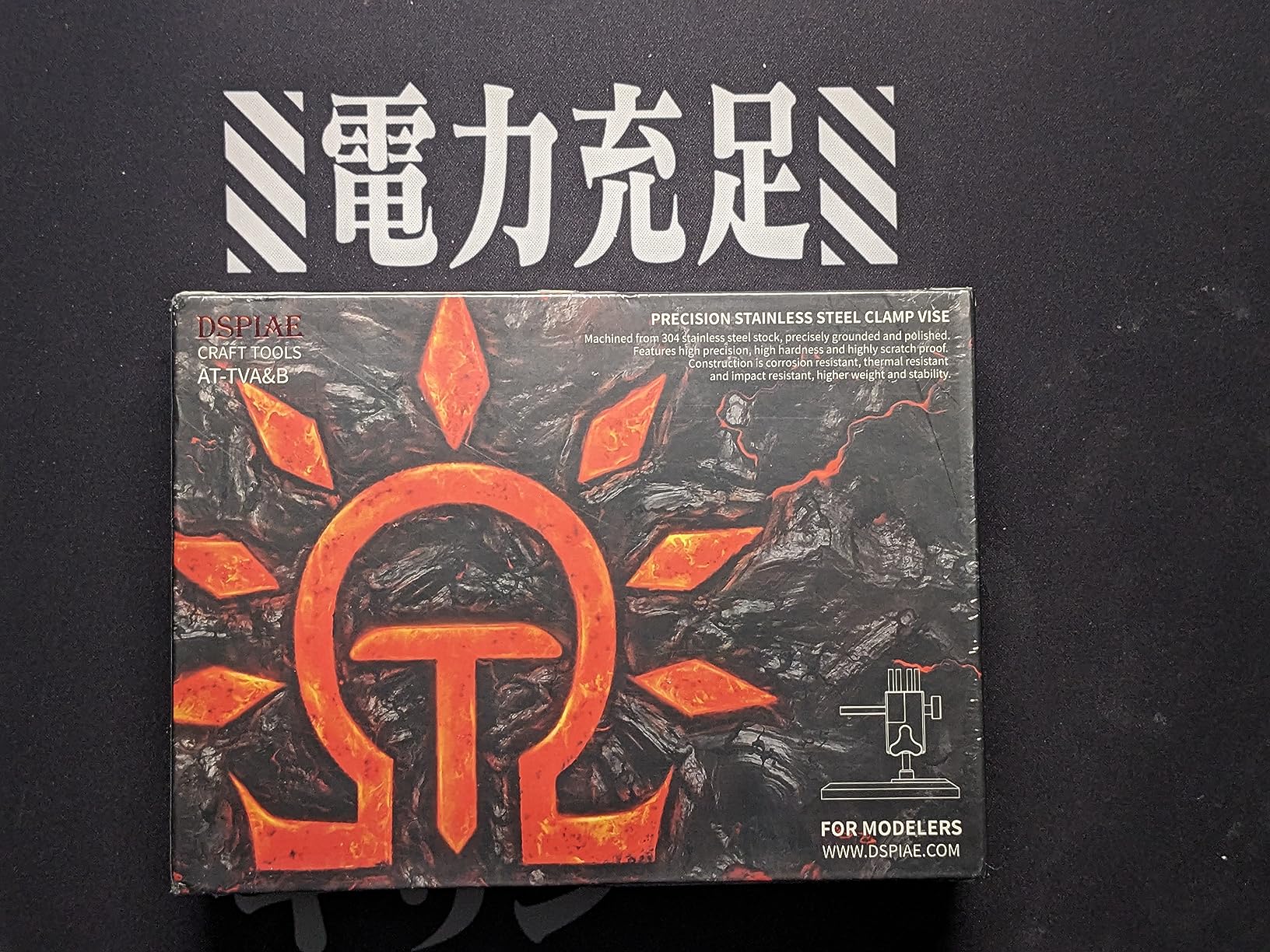
The DSPAT TV Small Tabletop Vice sits on my bench holding parts while I paint, sand, and apply decals. The rotating ball joint lets me position pieces at odd angles without contorting my hands. I use it for 1/144 scale parts that are too small to hold comfortably.
The metal construction feels heavy and stable. At 1000 PSI tensile strength, the jaws grip firmly without slipping. I have held resin pieces, plastic turrets, and small photo-etched sheets in the vice without any movement during detail work.
The red metallic finish looks sharp on my bench. The grippy base stays put on smooth surfaces, which matters when I am applying pressure with a sanding stick or hobby knife. I do not have to clamp the vice itself to the table.
Some units ship with different knobs than the product photos show. Mine came with textured knobs that were fine to tighten by hand, but I read reports of smooth knobs that require pliers to tighten. Check your unit when it arrives.
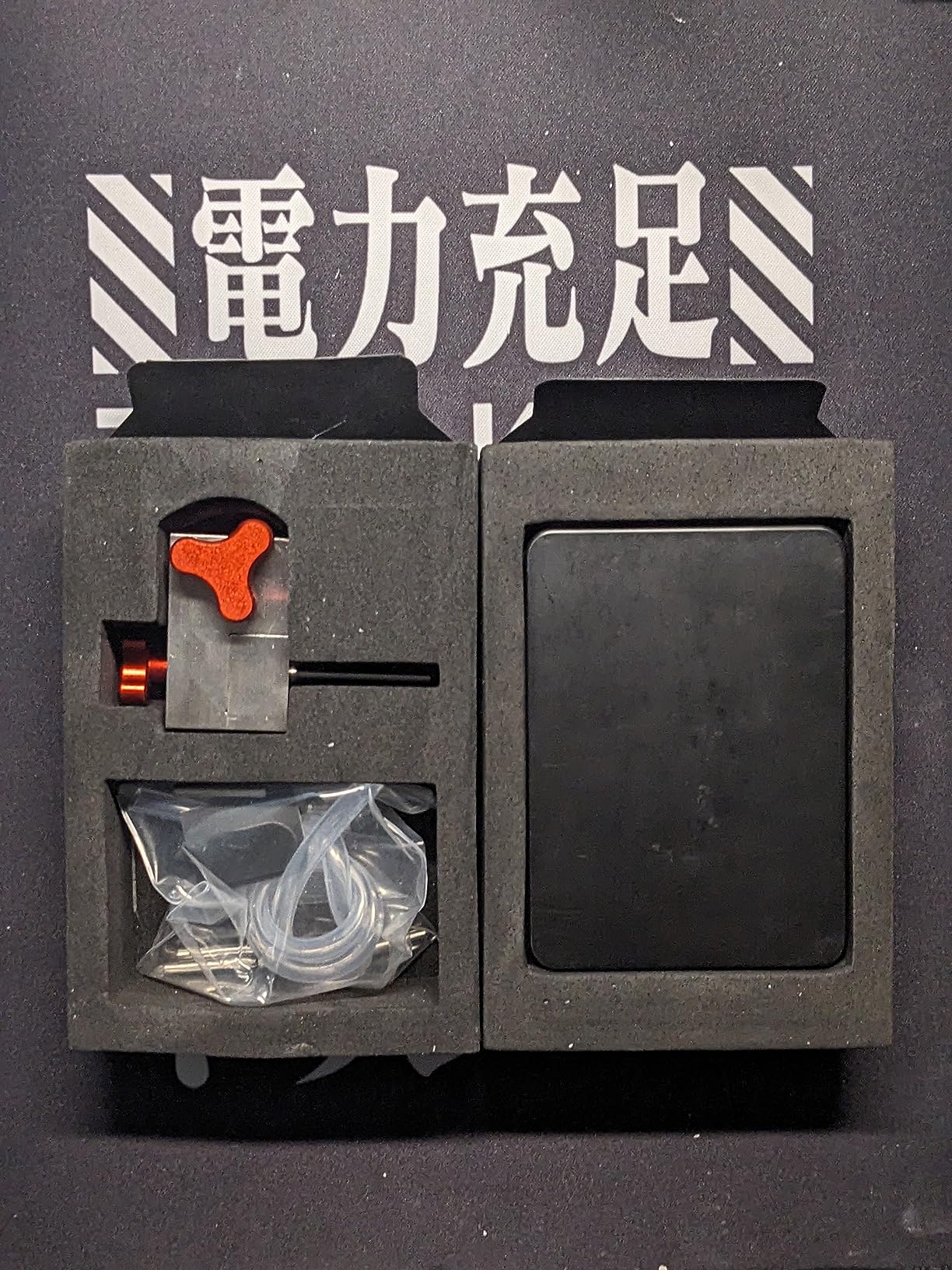
I used the vice for an entire airbrush session on a 1/144 Graze kit. The ball joint let me rotate each limb to hit the inner frame sections without removing the part. That saved me at least 30 minutes of repositioning time.
The jaw width is limited, so larger parts need a different holder. I use it for pieces under 3 inches long. Anything bigger overhangs and becomes unstable during sanding.
What Part Sizes Work Best with the DSPAT TV Vice?
This vice excels at small parts under 3 inches. I hold 1/144 scale mobile suit limbs, 28mm Warhammer weapons, and small PE frets without issue. The jaws open wide enough for most hobby-scale components but stay precise enough for tiny pieces.
If you work on larger model kits like 1/350 ships or 1/32 aircraft, the vice is too small. It is designed for detail work, not structural assembly. I use a larger clamp for big components and switch to this vice for painting and finishing.
Is the Rotating Ball Joint Worth the Extra Cost?
For me, yes. Being able to rotate a part 360 degrees while painting or applying panel line wash is a huge time saver. I do not have to remove and reposition the part repeatedly. The ball joint locks tight and does not drift once set.
If you only need to hold parts flat for sanding, a simpler fixed vice might work. The ball joint is most valuable for airbrush work, decal placement, and hand-painting where angle matters. I use the rotation feature on 80% of my builds.
6. DSPIAE AT-PB Photo Etched Bender — Best for Metal Detail Parts
DSPIAE at-PB Photo Etched Parts Precision Bender Hobby ToolQ
Dual plates
Aluminum
Storage case
Heavy base
Pros
- Impeccable build
- Two base plates
- Storage box
- Heavy base
- Smooth mechanisms
Cons
- Limited for large PE sheets
- Needs careful alignment
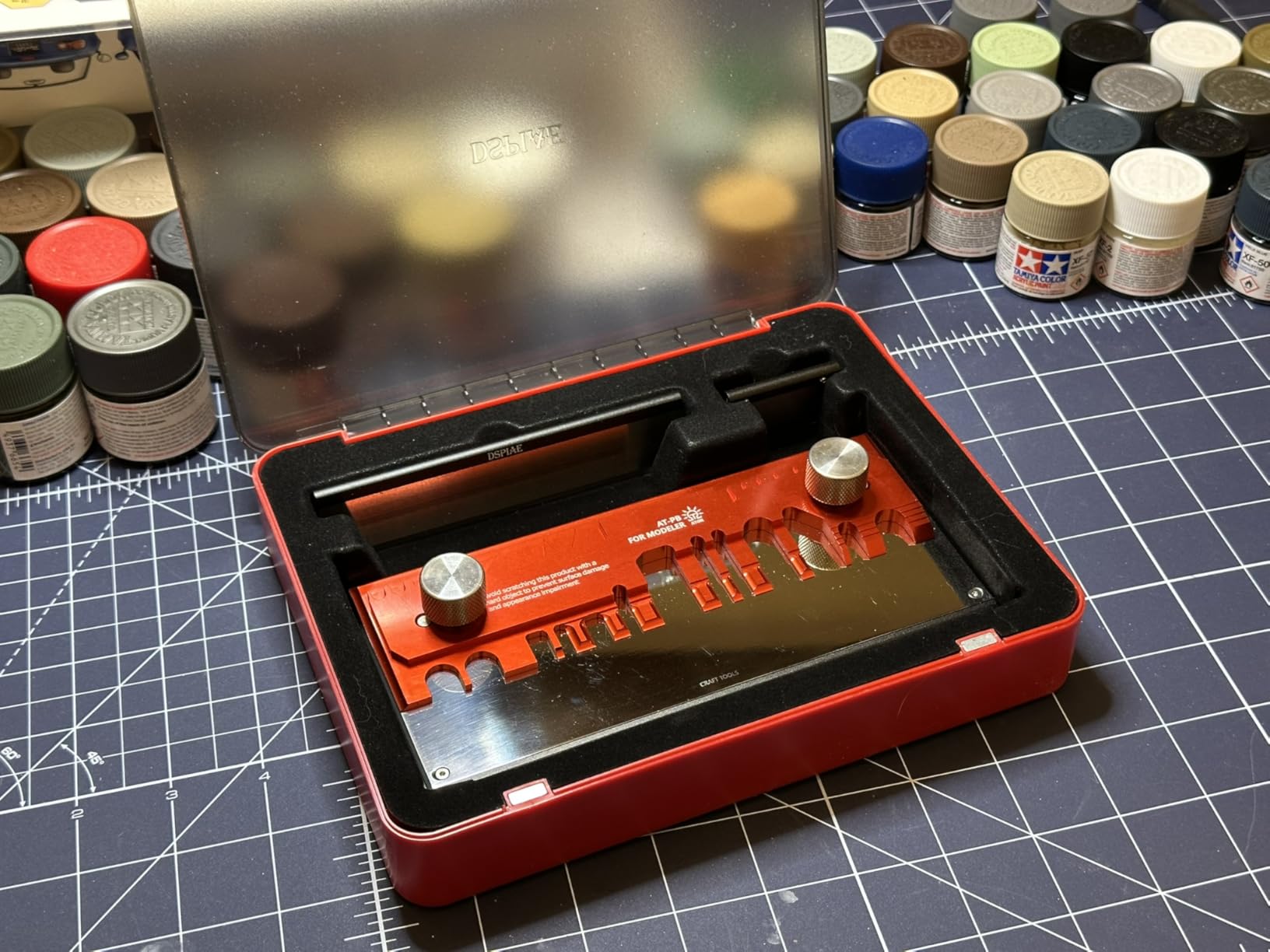
Working with photo-etched parts used to frustrate me until I got the AT-PB Precision Bender. The aluminum body and smooth screw-down mechanisms let me fold thin brass and steel sheets without creasing the wrong section. I have used it on railings, grille meshes, and cockpit details.
The tool comes with two base plates. The matte plate grips parts that tend to slide, while the mirror plate gives a smooth backing for delicate folds. I switch between them depending on the PE thickness. Both sit securely in the heavy base.
The heavy base prevents the tool from shifting when I apply pressure. This matters because photo-etched parts require precise, controlled bends. Any movement during the fold ruins the part. I can make long straight bends consistently without wobble.
The included storage case is a nice touch. It keeps the base plates and the main unit together, which prevents the small pieces from getting lost in my toolbox. I have seen too many small tools disappear into drawers.
I practiced on a spare PE fret before touching my first real detail set. The learning curve is short. Once you understand how to align the fold line with the clamp edge, the rest is repetition. I now bend PE parts with confidence instead of dread.
The screw-down mechanisms are smooth and precise. There is no grinding or binding when I tighten the clamp. That smooth action is a sign of good machining, which DSPIAE seems to take seriously.
Which Photo Etched Parts Are Easiest to Bend with This Tool?
Long straight folds like railings, ladder rungs, and frame pieces are the easiest. You align the part, clamp the straight edge, and fold with a small tool. The AT-PB holds the edge firmly so the bend line is crisp.
Complex angles and multiple folds on a single piece are harder. You need to plan the fold sequence carefully because the tool clamps a straight line. I practice on scrap PE first to map out the folding order.
Do You Need the Matte or Mirror Base Plate for Most Projects?
I use the matte plate for 90% of my work. The texture grips the metal and prevents slipping during the fold. The mirror plate is better for very thin PE where you want zero friction on the back side.
Both plates are useful. I would not want to give up either. The fact that DSPIAE includes both shows they understand the needs of metal modelers. Other benders often force you to buy accessories separately.
7. DSPIAE AT-MV Mini Vise — Best Portable Precision Holder
DSPIAE Stainless Steel Precision Mini Vise Grip Width 0.88inch – 0.22inch for Miniature Soldier Fixed Parts Model Tools (AT-MV)
0.88-0.22in
Stainless steel
0.1kg
Portable
Pros
- Highly portable
- Precision grinding
- Strong clamp
- Good for beginners
- Stable during use
Cons
- One seized report
- Not for irregular shapes
The AT-MV Mini Vise is the smallest precision holder I own. It clamps parts as small as 0.22 inches and opens up to 0.88 inches. I use it for scribing panel lines, drilling tiny holes, and holding small parts while I paint them with a fine brush.
Despite the compact size, the stainless steel body feels heavier than it looks. That weight keeps it stable on my desk. I do not need to bolt it down. The strong clamping mechanism holds parts without movement, even when I apply pressure with a drill bit.
It is highly portable. I take it to build sessions at my friend’s house and it fits in my pocket. The jaws adjust smoothly and lock in any position. I have used it for everything from 1/700 scale ship parts to jewelry-making tasks.
One reviewer mentioned receiving a seized unit. My vise arrived smooth and functional. I recommend checking the jaws immediately upon delivery to make sure they open and close freely.
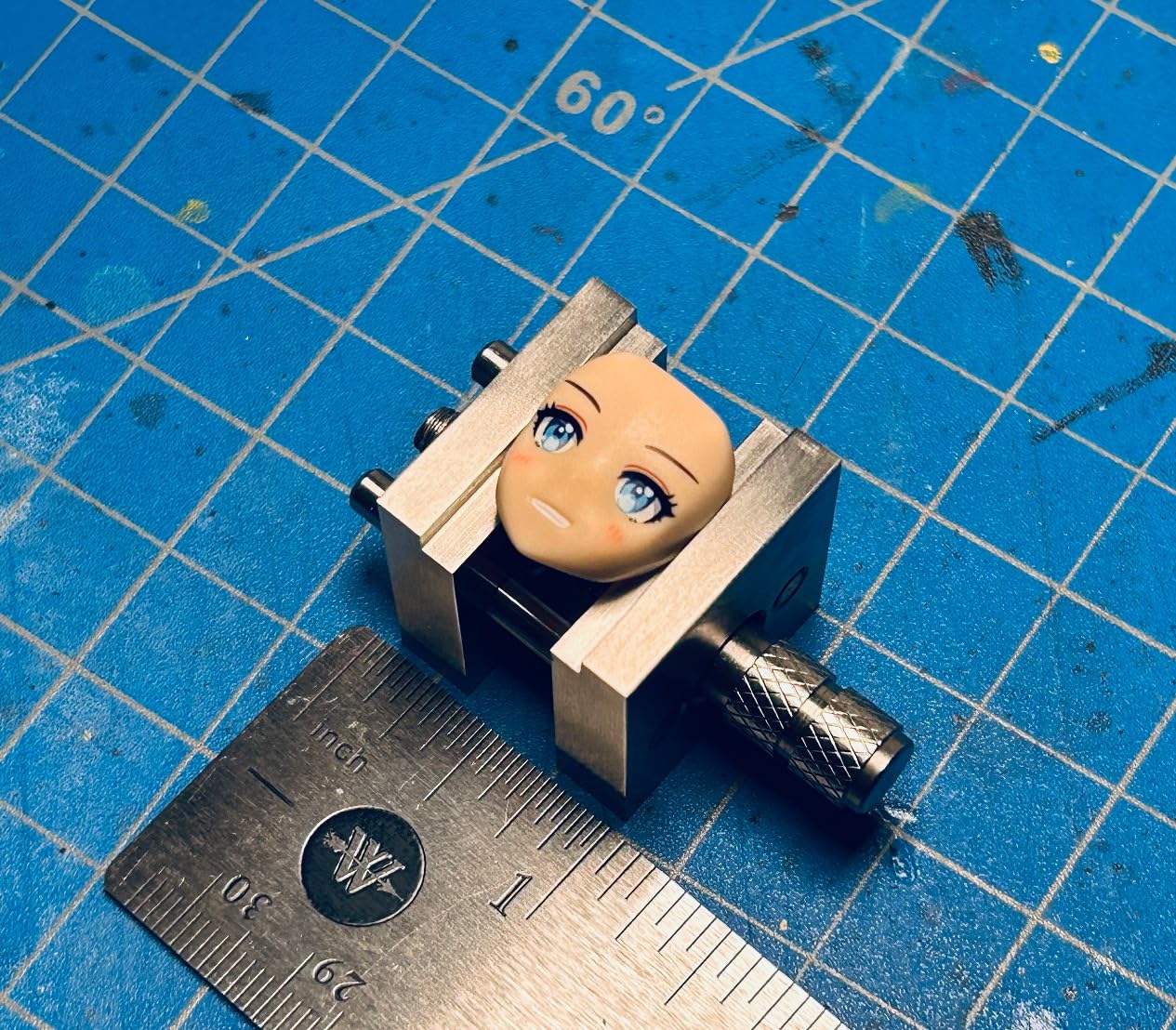
The precision grinding on the jaws is visible under magnification. The surfaces are flat and parallel, which means even pressure across the part. That even pressure prevents distortion when I clamp soft plastics or thin metal sheets.
I use the mini vise more than my larger tabletop vice for detail work. It is faster to adjust and does not take up bench space. I keep it within arm reach and grab it for every small drilling or scribing task.
How Small Can the AT-MV Grip for Precision Work?
The minimum grip of 0.22 inches is small enough for most hobby parts. I have held individual 1/144 scale thruster nozzles, tiny PE grab handles, and small resin detail pieces. The jaws close tight without crushing fragile components.
For parts smaller than 0.22 inches, you may need to add a backing strip or use tweezers. I rarely encounter parts smaller than that in standard modeling. It covers the full range of most Gunpla and Warhammer detail components.
Is the Mini Vise Better Than a Standard Tabletop Vice?
It depends on your workspace. The mini vise is better for tiny parts and portable use. The DSPAT TV tabletop vice is better for painting and multi-angle work. I own both and use them for different stages of a build.
If you can only buy one, the mini vise is more versatile for holding parts during cutting, filing, and drilling. The tabletop vice is better for painting and airbrushing. I reach for the AT-MV first when I need to modify a part.
8. DSPIAE Aluminium Alloy Hobby Knife Set — Best Precision Knife
Dspiae Aluminium Alloy Hobby Knife Set,20 PCS Blades With Storage Case, Broad Blade(DK01) Narrow Blades(DK02) (DK02)
20 blades
6.22in
Aluminum handle
Carbon steel
Pros
- Anti-slip handle
- Rear blade storage
- Dual jaw clamp
- Razor sharp blades
- 20 blades included
Cons
- Non-retractable handle
- Limited to two blade styles
The DSPIAE Aluminium Alloy Hobby Knife Set replaced my old craft knife after I noticed the octagonal handle design. The anti-slip grip keeps the tool from rolling off my desk and gives me better control during detail cuts. I use it for panel line scribing, decal trimming, and nub cleanup.
The set includes 20 blades in broad and narrow profiles. The broad DK01 blades handle general cutting and stripping. The narrow DK02 blades work for fine detail and tight corners. I swap blades depending on the task instead of forcing one blade to do everything.
The rear blade storage compartment is a smart feature. I keep three spare narrow blades inside the handle so I always have a fresh edge ready. The dual jaw clamp holds the blade firmly without wobble, which I noticed immediately compared to my old knife that rattled.
The hollowed aluminum handle has a forward center of gravity. This sounds like a small detail, but it makes the knife feel planted in my hand. I can make long cuts without the handle tipping backward.
The carbon steel blades are sharp out of the box. I cut through masking tape, decals, and thin plastic with minimal pressure. The blade change process is quick because the dual jaw clamp releases with a simple twist.
I store the set in the included case when not in use. The case keeps the handle and spare blades together, which prevents me from losing blades in my desk clutter. It is a small thing, but it matters when you need a fresh blade mid-build.
Which Blade Shape Works Best for Different Cutting Tasks?
Use the broad DK01 blade for general sprue cleanup, masking tape cutting, and removing large nub marks. The wider blade is stable and less likely to snap under pressure. I keep a DK01 in the knife for 70% of my work.
Switch to the narrow DK02 blade for panel line scribing, fine decal trimming, and cutting photo-etched parts. The thin profile lets you see the cut line clearly. I change to a narrow blade before any detail work.
How Does the Anti-Slip Handle Compare to Standard Craft Knives?
Standard round craft knives roll off desks and slip in sweaty hands. The octagonal shape of the DSPIAE handle solves both problems. It stays where I put it and grips better during long sessions under my desk lamp.
The forward center of gravity is another difference. Standard knives feel tip-heavy or handle-heavy. The DSPIAE balances between the two, which reduces fatigue during precision work. I can scribe panel lines for 30 minutes without my hand cramping.
Buying Guide: How to Choose the Right DSPIAE Tool for Your Builds?
Not every modeler needs every tool. This guide breaks down the key factors to help you decide which DSPIAE product fits your bench.
What to Look for in DSPIAE Side Cutters
The most important feature is the single-blade design. Unlike dual-blade cutters that pinch plastic from both sides, DSPIAE single-blade nippers cut from one direction while a flat edge braces the part. This produces cleaner cuts with less stress whitening.
Blade material matters. DSPIAE uses alloy steel and carbon steel treated to high hardness. A harder blade stays sharp longer but is more brittle. The ST-A 3.0 balances hardness with toughness, which is why it remains the flagship model.
Handle ergonomics affect your comfort during long build sessions. Look for a grip that fits your hand without forcing your fingers into an awkward position. DSPIAE handles are designed for extended use, which matters when you are cutting through a Master Grade kit with 300+ parts.
Single-Blade vs Dual-Blade Design for Plastic Models
Single-blade cutters are better for plastic models because they reduce stress on the material. When you cut a gate with a dual-blade cutter, both blades push inward and can squeeze the plastic, leaving white marks. A single blade slices cleanly from one side.
Dual-blade cutters are cheaper and more durable because the blades are thicker. They work fine for general wire cutting or thick materials. For scale modeling where surface finish matters, single-blade is the standard among serious builders.
Maintenance Tips for Longer Blade Life
Never use your side cutters to cut metal, wire, or thick sprue gates. The ultra-thin blade is designed for plastic up to a few millimeters thick. Cutting metal will chip or roll the edge instantly.
Store the blade in the included sheath or case. The leather sheath that comes with the ST-A 3.0 protects the edge from bumps in your toolbox. A loose blade knocking against other tools will dull or break.
Wipe the blade after each session with a soft cloth. Plastic residue can build up on the cutting edge and reduce performance. A quick wipe takes five seconds and keeps the cutter ready for your next build.
Check the spring and box joint periodically. A few users reported spring issues on the 3.0 model. If the spring feels weak or the blades do not open smoothly, add a tiny drop of light machine oil to the joint.
Frequently Asked Questions
What are the best side cutters?
The best side cutters for scale modeling are single-blade precision nippers like the DSPIAE ST-A 3.0. Single-blade designs cut cleanly with minimal stress marks, which reduces cleanup time. The ST-A 3.0 uses alloy steel construction and includes a protective sheath for storage.
What is the best sprue cutter?
The DSPIAE ST-A 3.0 is the best sprue cutter for most modelers because it combines a sharp single blade with comfortable ergonomics. It cuts plastic gates cleanly without leaving white marks. The included leather sheath protects the blade between builds.
Are DSPIAE products high quality?
Yes, DSPIAE products are high quality precision tools designed for scale modeling. Their nippers use hardened alloy steel blades and ergonomic handles. The company offers authentication codes on packaging to verify genuine products.
Is DSPIAE a Chinese company?
Yes, DSPIAE is based in Shanghai, China. The name stands for Dream, Strive, Perfection, Innovation, Advance, and Excellence. They manufacture precision hobby tools including single-blade nippers, circular cutters, and photo-etched benders.
What does DSPIAE stand for?
DSPIAE stands for Dream, Strive, Perfection, Innovation, Advance, and Excellence. These are the core values of the Shanghai-based company that produces precision hobby tools for scale modelers.
Final Thoughts on the Best DSPIAE Side Cutters
After building with all eight DSPIAE tools, the ST-A 3.0 remains the standout choice for anyone serious about clean plastic cuts. The single-blade design, comfortable handle, and included sheath make it the complete package for modelers.
If you are starting from scratch, the Departure Tool Combo Set gives you a full bench in one box. The entry-level nipper is capable, and the glass file and sanding tools will see daily use. It is the best way to build your first kit without hunting for individual tools.
For modelers looking to expand their toolkit, the circular cutter, tabletop vice, and mini vise each solve specific problems that standard cutters cannot address. The photo-etched bender is essential for anyone working with brass detail sets.
DSPIAE has built a reputation for delivering precision at a fair price. Whether you choose the flagship ST-A 3.0 or the full combo set, you are getting tools that will improve your build quality. Finding the best DSPIAE side cutters for your bench in 2026 comes down to matching the right tool to your build style.